Business RadioX ®

  • Home
  • Business RadioX ® Communities
    • Southeast
      • Alabama
        • Birmingham
      • Florida
        • Orlando
        • Pensacola
        • South Florida
        • Tampa
        • Tallahassee
      • Georgia
        • Atlanta
        • Cherokee
        • Forsyth
        • Greater Perimeter
        • Gwinnett
        • North Fulton
        • North Georgia
        • Northeast Georgia
        • Rome
        • Savannah
      • Louisiana
        • New Orleans
      • North Carolina
        • Charlotte
        • Raleigh
      • Tennessee
        • Chattanooga
        • Nashville
      • Virginia
        • Richmond
    • South Central
      • Arkansas
        • Northwest Arkansas
    • Midwest
      • Illinois
        • Chicago
      • Michigan
        • Detroit
      • Minnesota
        • Minneapolis St. Paul
      • Missouri
        • St. Louis
      • Ohio
        • Cleveland
        • Columbus
        • Dayton
    • Southwest
      • Arizona
        • Phoenix
        • Tucson
        • Valley
      • Texas
        • Austin
        • Dallas
        • Houston
    • West
      • California
        • Bay Area
        • LA
        • Pasadena
      • Colorado
        • Denver
      • Hawaii
        • Oahu
  • FAQs
  • About Us
    • Our Mission
    • Our Audience
    • Why It Works
    • What People Are Saying
    • BRX in the News
  • Resources
    • BRX Pro Tips
    • B2B Marketing: The 4Rs
    • High Velocity Selling Habits
    • Why Most B2B Media Strategies Fail
    • 9 Reasons To Sponsor A Business RadioX ® Show
  • Partner With Us
  • Veteran Business RadioX ®

Search Results for: kids care

Lessons from the Frontlines: Medical Leaders Tackle Healthcare Challenges

August 26, 2024 by angishields

Lessons from the Frontlines: Medical Leaders Tackle Healthcare Challenges
High Velocity Careers
Lessons from the Frontlines: Medical Leaders Tackle Healthcare Challenges
Loading
00:00 /
RSS Feed
Share
Link
Embed

Download file

HighVelocityCareers082324banner

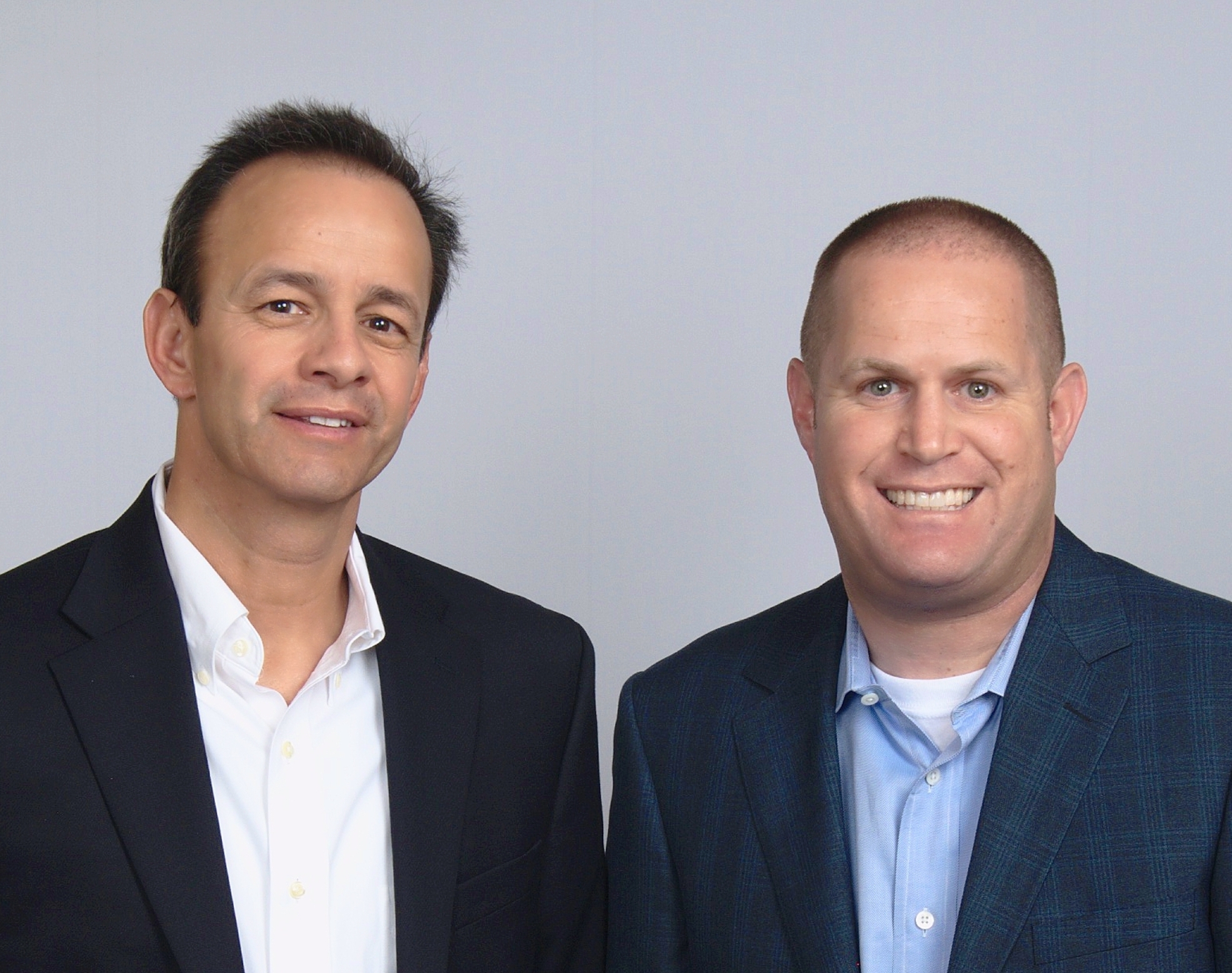
In this episode of High Velocity Careers, Stone Payton speaks with Dr. Daniel Fortes, Division Chief of Thoracic Surgery at Wellstar, and Will Chilvers, the Director of Outpatient Imaging Services at Northside Hospital. They discuss their unique career paths, the challenges they face in healthcare, and the importance of combining clinical expertise with business acumen.

Daniel shares his journey from Brazil to the U.S. and his transition from academia to private practice. Will highlights his background in healthcare administration and process improvement. Both emphasize the need for teamwork, effective communication, and continuous learning to drive improvements in patient care.

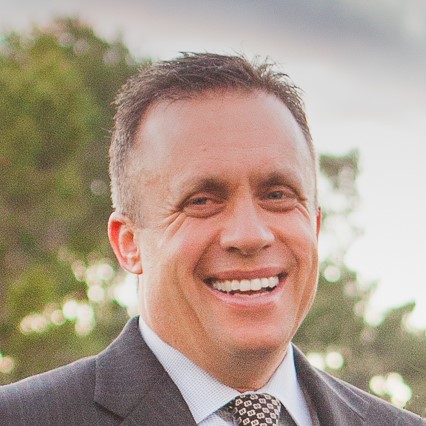
Daniel-FortesDr. Daniel L. Fortes currently serves as the Division Chief of Thoracic Surgery at WellStar Health System, headquartered in Marietta, Georgia.

Dr. Fortes was born in Brazil and completed his medical education at the Federal University of Rio de Janeiro School of Medicine, graduating in 1999. He then pursued a General Surgery Residency at the same institution before continuing his training in the United States at the University of Texas Health Science Center in San Antonio with further specialization in Thoracic Surgery at the prestigious Mayo Clinic in Rochester, Minnesota.

Beyond his medical training, Dr. Fortes recently earned an Executive MBA from Kennesaw State University. His professional journey included private practice and academic appointments.

Before moving to Georgia in 2021, Dr. Fortes served as an Assistant Professor of Surgery at the University of Texas at Austin, Dell Medical School and a Clinical Associate Professor of Surgery at Texas A&M Health Science Center.

Dr. Fortes work focuses on minimally invasive and robotic surgery for cancers of the chest, most predominantly Lung Cancer. He is fluent in Portuguese and Spanish, a lifelong drummer, a father of two teenage children and a dedicated husband.

Connect with Dr. Fortes on LinkedIn.

Will-ChilversWill Chilvers is the Director of Outpatient Imaging Services at Northside Hospital in Atlanta, Georgia. With over 15 years of experience in the healthcare industry, his career began in 2008 at Emory Healthcare, where he swiftly advanced from intern to Clinical Operations Manager of The Emory Eye Center within two years.

Seeking new challenges, Will transitioned to Northside Hospital, where he became the Manager of the Pain Treatment and Spine Centers and Outpatient Radiology locations. In 2015, he was promoted to Director of Outpatient Imaging Services.

As a leader, Will is known for his ability to blend a heart-and-soul approach with the strategic use of complex analytics to build and sustain high-performing teams. He is committed to maintaining an extraordinary level of compassion in patient care and believes that caring for one’s team should be at the core of any healthcare leader’s vision and mission.

Will is a two-time graduate of Kennesaw State University, holding both a Bachelor of Business Administration and an Executive MBA from the Michael J. Coles College of Business.

Connect with Will on LinkedIn.

Transcript-iconThis transcript is machine transcribed by Sonix


TRANSCRIPT

Intro: Broadcasting live from the Business RadioX Studios in Atlanta, Georgia, it’s time for High Velocity Careers. Brought to you by Kennesaw State University’s Executive MBA Program, the accelerated degree program for working professionals looking to advance their career and enhance their leadership skills. For more information, go to kennesaw.edu/emba. Now, here’s your host.

Stone Payton: Welcome to another exciting and informative edition of High Velocity Careers. Stone Payton here with you this morning. This is going to be a good one. Please join me in welcoming to the broadcast Mr. Will Chilvers. How are you, man?

Will Chilvers: I’m doing great. Thanks for having me.

Stone Payton: Well, it is a delight to have you on the broadcast. We also have Mr. Daniel Fortes with us. How are you, man?

Daniel Fortes: I’m great, thank you very much.

Stone Payton: I got a ton of questions, guys. I know we’re not going to get to them all, but I think a good place to start, I’m going to ask each of you, if you would, and I’m going to start with you, Daniel, if that’s okay, maybe could you give us a little bit of an overview of your career path? And, I don’t know, maybe even a couple of milestones along the way. How did you get here, man?

Daniel Fortes: Absolutely. Yeah. Thanks. So, I think probably starting with where my origins are. I’m originally from Brazil. I grew up in Rio de Janeiro. And I had early ties to the U.S. since my, you know, puberty years, and I lived in the U.S. as a teenager. I went back to Brazil, finished schooling, and then decided to get into medical school.

Daniel Fortes: So, I got to medical school, and then I realized that I wanted to come to the States for training. So, that ended up happening in 2001, where I married my lovely wife, and we moved from Rio to San Antonio, Texas, where I did the first part of my training as a general surgeon. Then, I decided that I wanted to pursue further training, and I went to Minnesota at the Mayo Clinic, where I did my cardiothoracic surgery training. And then, from that point on, I decided that academia wasn’t what I was looking for in medicine. I really wanted to be more patient-centered, so I took a job in private practice in the Washington, D.C. area in Northern Virginia. That was very informative. I learned a bunch from older senior partners.

Daniel Fortes: And then, from there, my entrepreneurial sort of motivations took me to Austin, Texas, where I joined a very large group in the city, and I was the first person that did what I do, which is essentially thoracic oncology, which is lung cancer, robotic surgery. So, it was very exciting as an opportunity early on in my career – I was only four years out of training – to go to Austin to build from scratch a thoracic oncology program. So, that’s kind of how it started my journey.

Daniel Fortes: Hitting some hiccups in the way and some frustrations, and realizing how physicians truly are dependent these days on hospital administration and their support, and with that, you know, things in Austin did not turn out to be what it was expected to be, and I moved to Georgia, to Atlanta three years ago to seek new grounds, with opportunities for leadership here.

Daniel Fortes: And then, soon thereafter, I took over the directorship of our division here at Wellstar, and realized that I needed more business skills, that for me to be able to track what I saw as my next step in my career, to really be able to be a leader in defining healthcare in a different way, and empowering physicians to have more say in how medicine is done and how the business of medicine is conducted led me into joining the KSU EMBA program, which we graduated in May last year, myself and Will.

Stone Payton: Will, this guy can’t hold a job. That’s what I took from all that. No. I’m kidding. All right. So, say again where you are now. What are you doing right now?

Daniel Fortes: So, right now, I’m a thoracic surgeon at Wellstar. I’m the Chief of the Division of Thoracic Surgery.

Stone Payton: So, what are you finding the most rewarding? What’s the most fun about that work for you, man?

Daniel Fortes: So, again, medicine is something that is very demanding. And to me, it’s really the direct patient contact. That’s one thing that really fulfilled me for the longest time. And no matter what happened around, as long as I had good relationships with my patients and I could see them and do how I saw fit, it was good enough. And then, soon thereafter, I realized that there were so many things to be fixed in healthcare, that simply being a practicing physician wasn’t providing as much fulfillment as initially did, that I really wanted to be able to change things for the better for all.

Daniel Fortes: Now, healthcare, I mean, lots of issues with staffing, with patient’s rights, physician rights, and wellbeing and finance, I mean, there’s so many issues going on and so many challenges, and I want to be part of that solution rather than just sitting on the backend, you know, doing my day-to-day job.

Stone Payton: I apologize, Will, that’s going to be a tough act to follow. This guy’s accomplished a lot.

Will Chilvers: Yeah. When you asked him to go first, I had that exact feeling.

Stone Payton: Well, tell us how you got here, man. What’s your backstory?

Will Chilvers: Yeah. Well, interestingly enough, I’m actually not from the U.S. either. I was born in the UK. I moved to Florida when I was ten years old. And I actually moved because my dad, who’s an entrepreneurial spirit at heart, serial entrepreneur really most of his life, he was asked to come and help start a doctor’s office by a friend of ours. And so, that was my first kind of exposure into the life of a healthcare person. And he was the administrator of this practice, and he ended up moving into hospitals.

Will Chilvers: And so, I spent countless hours on the porch with my dad just constantly hearing about a healthcare administrator, the administration side, the hospital administration side, as Daniel mentioned, working with physicians and how those relationships materialize and how critical those links are to any sort of success in healthcare. It really is a partnership between the two sides. So, I kind of come at it from a different side in that perspective.

Will Chilvers: I moved up to Georgia in 2002, and I actually did my undergraduate at Kennesaw State. I did a business degree there. And so, after I was done with that, I was able to get an internship at Emory Healthcare here in Atlanta, Georgia. And, you know, speaking of healthcare needing improving and realizing how much it needed that, I actually started as a process improvement analyst after that internship. I was hired on by them after a two month internship to be a process improvement analyst at the Emory Clinic.

Will Chilvers: And there’s all sorts of evaluating, and sitting around, and observing the physicians in their environments, and coming up with ways that we could operate more efficiently, how their time could be more value add, trying to eliminate the waste because people talk a lot about how much waste there is in healthcare. And so, I spent a lot of time working with the doctors trying to figure out how do we let you focus on the patient care component of your job and less on the administrative side of the fence and kind of the busywork, if you will. So, that’s kind of how I got into healthcare. I ended up getting promoted a few times while I was there. I ended up as a clinical operations manager, but I was still a process improvement analyst. So, by the time I left there, I had three jobs.

Will Chilvers: And I moved to Northside in 2010, Northside Hospital here in Atlanta, Georgia as a manager of their pain treatment, spine centers, and radiology outpatient centers. And I’ve been there now. Since then, we did a lot of different things there. I spent some time in the hospital. I was the manager of their Atlanta Hospital Radiology Department for a year, which exposes you to all the modalities throughout the hospital. You work with cardiology. You work with emergency department. You work with the intensive care units. You work with surgery. And working in a hospital environment really enlightens you to just how many facets there are to healthcare. And that was an amazing experience. I really enjoyed that.

Will Chilvers: And then, we got into a lot of merger and acquisition type things. I don’t know if you know, but a lot of people that are in healthcare certainly do, oftentimes a hospital is putting their sign on something all over town. You see urgent cares with a Piedmont or a Wellstar sign pop up. Northside has signs on buildings all over town that have become sort of medical office buildings for us. And we’ve affiliated with different practices around North Georgia. And I was heavily involved in that on the imaging front when we went out and bought a lot of independent imaging facilities to help support our affiliations and our relationships with physicians in the more rural areas around Georgia. So, that was also a pretty exciting experience. And that’s kind of how I’ve ended up where I am today.

Stone Payton: And where are you today? What’s your role today?

Will Chilvers: So, I’m a Director of Radiology Services at Northside Hospital, specifically focused in outpatient imaging services. And I currently cover a region from Acworth to Warner Robins, which is down south of Macon, so it’s a pretty good spread.

Stone Payton: So, you described having an opportunity to work in and around a lot of different disciplines, that strikes me as a best practice probably for a variety of industries. Would you agree with that?

Will Chilvers: Yeah, absolutely. I mean, not even just the various different sort of modalities within a hospital system, if you will, but also the different business modalities that exist within it. You know, I’ve had a lot of interaction with revenue cycle, with finance, with analysis of capital planning and strategic, heavily involved in the operations, obviously. But just touch points throughout the system really gives you a very broad understanding of, not only the different clinical components, the different departments within a hospital system, but also a business in general, a very large business, you know, you’ve got departments for everything.

Daniel Fortes: And that’s the thing – kind of sort of jumping in – that is a striking contrast to now the medical delivery part of the system, which is physicians really have absolutely no business background or knowledge. There’s nothing that is taught during their entire career, unless they did it on their own. Now, things are changing, finally. This new generation will come with different skills than we had. But all the names that you mentioned, business cycles, et cetera, I mean, this is something that physicians go, “What is that? I have no idea.” So, you know, that dichotomy is huge because then healthcare is being managed by non-physicians and physicians don’t understand the management of healthcare, so it’s crazy.

Stone Payton: Wow. So, what are some of the major leadership challenges that you guys have run into over that path? I wonder if they’re very different than they are in other arenas. I’m curious to know things that maybe really caught you off guard at least the first time you were faced with it. And I’ll start with you, Daniel, but I’d love to hear from both of you on that front.

Daniel Fortes: So, you know, initial challenges as you start practice, you’re like, “Well, I have a great idea how to make things better, but I have no idea how to make it happen.” So, I go into a boardroom with a bunch of administrators and I go, “This is what we have to do. It’s so obvious, right? This is going to improve patient care. It’s got all this stuff.” And they go, “Well, it doesn’t really work that way. How are we going to do? How are we going to budget for that?” And then, you go, “Oh. I have no idea.”

Daniel Fortes: And then, you realize that you might have great ideas, but, again, great ideas are plentiful. What matters is how to implement them. And that lack of knowledge is huge in being able to make true changes in healthcare. So, I think you need both parts. So, I think we need more administrators with more clinical background and, vice versa, more clinical people with more administrative background.

Stone Payton: How about you, Will?

Will Chilvers: Oh, I think that’s a really good kind of tee up, because I think as Daniel was talking about physicians not having that sort of business background in a lot of cases, and how that creates struggles in those areas, and sometimes misunderstandings, miscommunications about what can be done, what is possible and why. Because sometimes the why doesn’t really jive with us, right? It doesn’t give us a good feeling. Like, that’s a silly why. I understand it, but that’s a silly why.

Will Chilvers: But the biggest leadership challenges that I see often stem from leaders who have a clinical background not understanding the whys and the hows of the business. Because most of our leaders are former nurses or former radiologic technologists, or they’ve been in the line, if you will, they might not be physicians, but certainly at the operations level, they’ve worked their way up through the ranks, which makes sense because they have an intimate understanding of how the operation works, how the patient flow occurs.

Will Chilvers: But they don’t have any formal training necessarily on how exactly can we make this better. How exactly does this all play in with all of the other stuff in the background that’s happening, like we talked about. You know, if you’re a clinical person, you might not understand revenue cycle or all the complexities involved in not only how do you get the patient on the schedule, but how do you get paid at the end of the day. And so, there’s a lot of kind of breakdown there that’s not their expertise, and so they’re just kind of trying to figure it out.

Will Chilvers: And then, on the flip side of it, you have people like myself who have no clinical background, other than my own personal experience in healthcare interactions with physicians, and people are like, “Well, what do you know about how to operate this place? You’re not a doctor, you’re not a nurse, you’re not a tech. You just got a bunch of big ideas and you’re standing here spouting at us why we should be doing this differently.”

Will Chilvers: And it really is a great thing to see a team come together and see the light bulbs go off to say, “Oh, from a clinical perspective, you have now enlightened me from a business perspective why this can or can’t be done.” And then, on the business side of the front, someone like myself learning the nuance and the complexities associated with clinical care as to why this great, efficient business idea that’s going to save money and make money all at the same time maybe isn’t in the best interest from a patient care perspective.

Stone Payton: Daniel, everything I know about doctoring, you could stick in your eye and still see out, but it seems like you guys are already so busy. Where in the world did you find the time? How did you find the time to pursue an executive MBA, man?

Daniel Fortes: I’m still asking myself that same question. Because to be honest with you, as exciting as it was, I enjoyed every single weekend that we had classes. And I specifically chose KSU because it was something that I could fit into my schedule because I couldn’t really change my clinical schedule. It’s not like I took a sabbatical to do this, right? I have to do it on the side. So, I enjoyed every single moment, but it just takes a toll on everything else.

Daniel Fortes: So, actually, by the time we were finishing, I was having my own stress test and EKGs and Holter monitors and check because of stress. I mean, it was tough. Of course, many, many long hours on top of regular hours and many weekends on top of the call weekends that already existed. So, yeah, as hard as it was, it wasn’t as hard as training. So, in a way, sort of the history behind on how we get to where we get from a clinical perspective helped me, you know, be able to sort of hunker down and get this done. But it was not easy, I tell you that.

Stone Payton: Well, I certainly applaud you, and I don’t mean to dismiss the time commitment and the energy and the resources you invested as well. Will, if you remember, what initially compelled you to pursue an executive MBA?

Will Chilvers: I think there were a lot of different factors. I found myself in different rooms with different levels of people throughout as I’ve gotten farther on in my career where they just seem so much smarter than I was. And at this point in time, I’d been in healthcare for 15 plus years, and I felt like I had a pretty good handle on things. But when you get in the room with the directors of finance and various different vice-presidents, and you listen to things that they’re talking about, you start to wonder maybe I need more tools in the toolbox, or maybe I need to sharpen the somewhat blunt ones that I have right now. And so, I kind of felt that way for a little while.

Will Chilvers: I also felt like a lot of the opportunities for advancement and growth in the field often require a more advanced degree than just a bachelor’s degree. And so, I was like, well, between seeing these people that have these degrees, and seeing just how incredibly intelligent they are and the tools that they use to help make their decisions, I’m obviously missing out on something. And so, I started exploring the different opportunities to participate in a program.

Will Chilvers: And I actually looked at lots of different programs around the metro Atlanta area. And I ended up coming back to my old alma mater here at Kennesaw State University. And I’m really glad that I did, and part of that was, as Daniel said, the way the program is structured, it really just sort of aligned with my ability to continue working, because aside from our local residency and then our international residency at the end of the program, I didn’t take any time off work to do the program.

Will Chilvers: As well as the components of both the business modalities, which is part of every MBA program, but the personal and professional development growth track that sort of ran parallel with the program was really kind of exciting to me. I’ve asked myself a lot of questions over the years about who am I, what am I doing with my life, where am I supposed to be. And that was really probably one of my favorite parts of the program is just learning a lot more about myself. There was a lot of deep introspective thinking and writing that went in alongside this program while we were learning about finance, and accounting, and economics, and marketing.

Will Chilvers: And that thinking as I thought along the way is like, nobody’s ever made me think like this. Nobody’s ever made me really dig down deep inside my soul and bring that out and say this is who I am, and this is how I got here, and these are the things I want to change.

Daniel Fortes: And to couple that, too, the teaming component of it, I think it’s very unique the fact that from the beginning we’re set up in teams. But you don’t know —

Stone Payton: Say more about that.

Will Chilvers: I think that was the scariest part, if we’re being honest.

Daniel Fortes: Yeah, it was. All of a sudden, it’s like, “Okay. You’re going to sink or swim with your team so you got to make it work.” So, from the beginning, you’re really learning those interpersonal skills, those leadership skills, those working as a team kind of principle from the get-go. And I think that is very unique and great. Because there’s some, Do I want to sit in a class by myself watching a finance lesson and then go home, do the homework, and come back? No. No. I want to discuss it. I put this in real perspective on real projects with my team working together, dividing tasks. It was phenomenal.

Stone Payton: And I suspect that’s a much more accurate reflection of real life, right?

Will Chilvers: Oh, yeah. The philosophical debates that Daniel and I have had about healthcare over the last two years, it’s just endless. I mean, we could have gone on forever trying to solve the problems of the world like we all want to do.

Stone Payton: I’ll give you a little bit of a heads up, Will, those life purpose questions, those will continue even when your hair is as white as mine, so those aren’t going away.

Will Chilvers: Thanks for that. I appreciate it.

Stone Payton: I had a mentor early in my career that told me, he said, “Stone, competency is really a moving target.” And he was trying to impress this life learning mentality on me and trying to help me get my arms around the fact that, man, things are going to change and you’re going to have to learn, not only how to personally adapt to that, but you’re going to have to lead other people through that. I’d love to hear your thoughts on planning and executing change. I got to believe it’s rampant in the healthcare arena like it is in some others.

Daniel Fortes: No, for sure. That’s exactly something I learned. One of my mentors, too, I never really understood what he meant. He came to me, “Dan, one day you have to realize that you have to sort of reinvent yourself every five to seven years.” And I go, “What do you mean? I mean, I don’t know what that means.” And then, through life, now I’m 20 plus years in healthcare, it’s like, “Oh. I get that.” Because your perspective of life, your perspective of the job, of everything that you do changes as you gain more experience, as you age, as you gain life experience, family, and all those things, your prerogatives and your focus has changed. And that’s absolutely right and how to change that.

Daniel Fortes: And so, this is my cycle of renovation for this, I guess, fourth, five-year stint of my innovation. So, yeah, absolutely, that’s key. That’s key. The world continues to evolve. And if you stay behind, you literally stay behind.

Will Chilvers: Yeah. I mean, I think one of the interesting things that Professor Davis shared with us – and I think he stole this from somewhere. But he admitted that, he said he got it from somewhere – is better, better, better better. We all want to wave a magic wand and fix everything, right? We spend so much time, like, how do we fix this in a big way? And the reality is that those sort of mass sweeping, immediate changes are very unrealistic for so many reasons.

Will Chilvers: And they are beyond unrealistic in healthcare in many, many ways. And part of that is because you’ve got to be able to maintain patient care every minute of every hour of every day. There’s no stopping the machine, if you will. So, you can’t say, let’s shut this whole place down, tear all this to pieces, and build it all back up in the 21st century. We’ve got thousands of years, really, of evolution in the industry of people being sick, and people being made a little bit better, and a little bit better, and a little bit better. And hopefully, our ability to provide care to our patients is better today than it was yesterday.

Will Chilvers: And so, in terms of how do we do it, how do we keep it up, how do we make these changes, how do we improve, it really is just the ultimate better, better, better, better. Like every single day we’re having a conversation about how do we make this one little thing a little bit better. And for some of us, that can be really frustrating at times, because you’re like this whole thing stems from this setup, or the way we bill, or the way we collect, or the way we answer the phones, or the way we still use fax machines. You got to love healthcare for that.

Daniel Fortes: That is unbelievable.

Stone Payton: Is that true?

Daniel Fortes: Oh, yeah. So true.

Will Chilvers: Every single day.

Daniel Fortes: So, you want to talk about like evolution, right? We’re still hanging on to some relics, and for different reasons. A lot of that is HIPAA compliance. Funnily enough, that’s just one of the ways that has been deemed that’s a fairly secure way of transmitting information.

Will Chilvers: And nobody can steal a fax, I guess.

Daniel Fortes: Yeah, say that. I’m sure there’s ways that can be done. Somebody will post in the comments if that’s a thing. So, we spend so much time thinking about if we could just get healthcare into the 21st century, things would be so much better. But you can’t stop it. You can’t stop everything, throw it all out, bring it all back together in this new, modern era.

Daniel Fortes: And everybody in every healthcare organization around the country and around the world is in a little bit of a different place. They might be a little bit ahead, they might be a little bit behind, but we’re all trying every single day to make people’s lives just a little bit better and provide a little bit better care than we were able to provide yesterday.

Will Chilvers: Yeah. And it’s quite amazing, right? If you’ve ever been part – and I know you have and so have I – of really major changes in operations or whatever that happens at a hospital level or at a clinic level, the disruption is amazing. I guess it’s not something you shut down a production line for a week and you get it done. I mean, you can’t. So, there are people just pouring in, and then all of a sudden, you’re inability to actually care for the people that need you because you wanted to make this one change, and sometimes it’s like a software update – I mean, not to mention what just happened recently. But because that shut down all the hospitals in Atlanta, by the way. If people don’t know, all hospitals were affected by the CrowdStrike issue.

Stone Payton: Oh, wow.

Will Chilvers: I got a call at 3:00 in the morning, I need everybody in the hospital here because there’s no orders for any of this, 700 patients are in the hospital. The nurses don’t know what to give anybody. So, we had one printer in the pharmacy printing prescriptions for every single patient in the hospital at 3:00 in the morning so the nurses could keep up their work. I mean, it’s to that level. So, anyway, yeah, it’s a pretty tough business.

Stone Payton: Yeah. And when you disrupt that established pattern, you’ve got this human dynamic that you’re dealing with, and it’s not like they’re all in the same place mentally at the same time. You’ve got someone that’s in denial, you’ve got somebody else that’s kind of got past it and said okay. I mean, and you’re managing a lot of people at all these different stages of how they’re going to respond to that disruption, right?

Will Chilvers: Yeah, yeah. And then, when you realize how labor intensive healthcare industry is, we are the biggest employers on any city that you have big healthcares, because the number of people that you actually need people to care for people. So, a disruption here, I mean, Wellstar has as many employees just here in the Atlanta metro area than the big top ten 500 corporations in the U.S. They’re spread all over a few. But here, it’s just so concentrated and so dependent. So, if you change one thing for you to really decimate it through that huge population is ginormous.

Daniel Fortes: Yeah. It’s interesting, during our international residency, we went to Santiago in Chile, and we met with a mining company. And the gentleman that was speaking was talking about how old their systems are and how they’re constantly having people come in and say we can automate this, we can digitize this, we can make this more efficient. And the thing that he said, we cannot stop operations. They cannot go down. The robust nature of this system, this process is critical. And he was talking about it from a revenue perspective. They made so much money that any interruption to their operations, to their ability to continue to produce out of this mine was just considered catastrophic because of the money that they would have lost.

Will Chilvers: And you throw that into the healthcare environment, there’s a huge impact from a revenue perspective when operations don’t work. But you’re talking about people’s lives. You bring in the human element. I mean, really, that’s what it comes down to, is your inability, when anything prevents you from being able to care for that patient, sometimes the seconds matter. I mean, Dan knows this more than anybody in what he does.

Will Chilvers: And so, just the appetite for risking that in the interest of sweeping changes in “fixing healthcare” – big topic. Like, healthcare is broken, it needs fixing – the appetite and the ability to make the kind of changes that we theorized would “fix it” or fix a part of it, even, you’re always considering that against what the risk is there to your ability to see those patients, and care for those patients, and just how delicate that ecosystem can be, as evidenced by the recent CrowdStrike outage.

Stone Payton: Well, the stakes are so high in your world in the price of failure. Oh, wow. Yeah. So, either one of you get involved at all in recruitment, selection, development of folks? The reason I’m asking, I’m interested to know, like, what do you look for in terms of leadership skills and credentials and all that? But I’m also kind of interested, do you and your team, do you look for – I’ll call them -intangibles? Speak to that a little bit.

Will Chilvers: Yeah. I mean, all the time. I often share with my team, I’m like, you got to be a whole package deal. You could be the best tech in the world, the best nurse in the world, quite frankly, the best physician in the world, but if you don’t show up or if you’re not punctual and timely, if you’re not good with people, it’s just not going to work out. You’ve got to have the bedside manner. You’ve got to have the ability to talk, and care, and be compassionate, and be skillful in whatever modality is that you’re in.

Will Chilvers: And so, it’s easier to assess do they have the skills. You know, you can put them in a room, you can put them on a machine, you can give them an IV start kit., whatever it is, whatever the job is, and say, “Go. Here, do it on me.” And you can determine they’re pretty good with this equipment, whatever that might be. But you spend a lot of your time figuring out, does this person really care? Do they love sort of the mission of healthcare, if you will, of helping patients get better? And are they able to work in a team?

Will Chilvers: Because every interaction in healthcare involves some sort of a team, and often the team is very fluid. There’s five people that work together in the beginning, and then half of those people move into the next team, and the next team, and the next team, and so it’s just like this big constant back and forth in waves of these people all having to work together and trust each other.

Will Chilvers: And that was a huge thing that we talked a lot about in the program, in the executive MBA program, is, trust and just how critical that is in the ability to provide. Because if Dan doesn’t trust me as a healthcare administrator to have his best interest and his patient’s best interest at heart, it’s going to be very difficult for us to come up with solutions that help the patients at the end of it all. And the same goes for every single interaction throughout healthcare.

Will Chilvers: So, when you’re recruiting these people, when you’re interviewing people, when you’re developing people from a staff level position into a leadership level position, you’ve got to have a real good kind of finger on the pulse, if you will, about where their head is at and where their heart is at, and can you trust them to do the right thing always.

Will Chilvers: And some of that comes from you as a leader. If you instill an environment where people are afraid of being in trouble because the stakes are so high, and so anytime something goes wrong, which it does, things go wrong, there’s a huge human element in everything that we do and people make mistakes. And so, if people feel like every time they make a mistake, they’re going to get in trouble, it kind of encourages people to try and sweep things under the rug, or I didn’t see it, or let me fix it. I’m going to fix it. I’m gonna fix it. I’m gonna make it right. And sometimes they make it worse. And they need to come to you and ask for help.

Will Chilvers: And so, as a leader in healthcare, you’ve got to instill that it’s okay. I’m here. I’ve got your back. Stuff happens. I need you to tell me what’s going on so I can help you. And that comes with compassion and love for the people that work for you. And if you don’t have that, it’s going to be tough for you to be really successful as a healthcare leader because your people have got to come to you when something’s going wrong. Otherwise, it just goes sideways very quickly.

Daniel Fortes: Yeah. You know, the clinical side is very similar because, at the end, you can probably teach skills to most people. Sure, you’re looking for a microcerebral surgeon, that guy needs to have the skill if you’re going to hire him. But for the most part, in terms of the ancillary team that supports, which is 90 percent of people taking care, physicians is just a minuscule part of the patient care. Focused on physician is wrong, because, really, healthcare is much more that one encounter from the physician is much smaller than the entire team that actually cares for the patient throughout their journey.

Daniel Fortes: So, those folks, as long as they show the skills that they can learn, really what we’re looking for is, first, the interpersonal skill. I mean, can you truly care for people? Are you interested in helping others? And are you reliable when you don’t know something to reach out? You need to. So, that’s kind of what we look, maybe the resume gets you in the door, but at the end of the day, it’s always that one-on-one interaction, personal values, and all that really are crucial for our industry.

Stone Payton: So, Dan, what do you do when you’re not doctoring, man? Most of our listeners know that I like to hunt, fish, and travel. What do you do when you’re not doing this?

Daniel Fortes: Yeah. So, actually I’ve taken quite a bit of hiatus because of this program, but my lifelong passion is music. I’ve been a drummer since age 12. And I’m not going to officially say, but one of the reasons to move to Austin was the music scene as well, so there was another stimulus. I had multiple bands. I used to play out all the time. But since I moved to Atlanta, that has gone into the back door. So, yeah, that’s part of my new program now, it’s go back and find a new band and keep rocking out. Absolutely.

Stone Payton: We got to get you back out there, man. You got to come play Woodstock.

Daniel Fortes: Oh, God.

Stone Payton: How about you, Will, what do you do to kind of get away and recharge?

Will Chilvers: Yeah. I mean, I’ve got a got a lot of hobbies, but I guess my main ones and I didn’t really get into it, but I actually started out my career in residential construction. And so, I still play in that area in my own home, so I do a lot of stuff around the house. I have a shop that I built.

Will Chilvers: But my other passion is cars. I’ve always loved cars. I’ve loved cars since I was a little kid, as long as I can remember. My dad had some stuff that I thought was cool back in the day and it just kind of stuck, and so I’ve got a shop and I weld a little bit. But I fix, rebuild, replace, engine swap, just any kind of thing I can get into in that environment and something that I find a little bit interesting.

Daniel Fortes: We got some funny stories here, come a weekend of the NBA and then, Will, “Oh, yeah. I went that weekend to some warehouse and then I came back with a new Mercedes.” He’s telling this story — “I’ll buy that car.”

Will Chilvers: And old Mercedes. Yeah, I mean, literally that happened, like, at the end of the semester. I went on a guy’s weekend with some buddies, and a friend of mine has a lot up in Knoxville, Tennessee. And he had this really cool Mercedes wagon just sitting in the lot. And I was like, “Where’d you get that from?” He’s like, “Oh. I bought it at the auction.” I was like, “Yeah, okay.” I didn’t think much of it. I went away for the weekend, came back, went back through, I was like, “Do you want to sell it?” And came home with it. I drove it home. My buddy drove my other car and I drove it 200 miles home that day. And I’ve been working on it since then.

Will Chilvers: And, actually, so you asked what do you do, I try to spend time with my kids. They’re still young enough that they think I’m cool sometimes. My 15 year old, you know, dwindles but goes away quickly. But we’ve been working on that car together with the hope that it’s going to become her car, and so that’s been a lot of fun. But those are my sort of main hobbies.

Stone Payton: All right. We got a plan. We’re going to hop in the wagon and we’re going to come to your gig.

Daniel Fortes: And I love the fact that the Englishman bringing wagons back in.

Will Chilvers: Oh, yeah. I love a station wagon. Americans do not appreciate them.

Daniel Fortes: I love them, too. I can’t get one here.

Stone Payton: All right. Before we wrap, I’d love it if we could leave the high potential person that really wants to accelerate their career. They’re thinking through, “Okay. What should I be doing?” And I don’t know if it’s what they should be reading, something they should do or don’t do. But from each of you, gentlemen, if we could have at least, maybe one kind of actionable pro tip, man, if you’re thinking about continuing that career path and you really want to accelerate your career, any insight, perspective, advice, scar tissue? Let’s leave them with a couple of nuggets before we wrap.

Daniel Fortes: Scar tissue, I think that’s probably the most valuable learning from my perspective and my journey. Again, physicians are very self-centered. You know, I know it all. It’s all about me. You know, I know how to do things better. And you realize how small you are in the actual cogwheel of the whole industry, and how important it is to develop personal relationships and networking and get, so that, that one-to-one and knowing your administrators and the people, that is absolutely crucial for you to be successful. Unless you just want to hunker down in your little cubbyhole and keep doing the same thing, but then you’re like a production industry person.

Daniel Fortes: So, interpersonal skills, understanding that you are very small, no matter how high power you think you are or how important you think you are, it’s just you’re still part of a ginormous team and you need to truly be part of it.

Will Chilvers: Yeah. I mean, people say all the time, it’s not what you know, it’s who you know. Healthcare, especially, is a very complicated space. And there are experts in every area, every time you turn around. And if you really think about it, even when you’re an expert in one thing, you know 0.1 percent of what’s going on in healthcare as a whole. So, there are many, many specialists, people that like this is their one focus, and this is what they do, and they’re the best at it. But they need help from a thousand other people to make what they do possible.

Will Chilvers: And I think that understanding that if you’re a specialist, it’s critical. And if you’re not a specialist and you’re a real kind of jack of all trades – like I consider myself to be, or jack of many trades, certainly not all trades – understanding how all those pieces go together is very important. So, it’s really good to get that exposure and see how all the pieces play together. It’s critical in terms of your ability to build a team and make things happen, make those better, better, better a little bit better today than yesterday changes, knowing who to call and when. And then, that goes back to the relationships and just how critical they are.

Will Chilvers: I often share with my leaders when they come to me and they’re like, I just don’t understand why this person won’t do their job. And I tell them all the time, there’s a lot going on in this place. I guarantee you they’re doing their job, but they might not be doing their job for you. And so, the question you need to be asking is not me, why won’t this person do their job? It’s why aren’t they doing their job for you? And so, knowing who to call and when, and making sure that you have that relationship with that person such that when you pick up the phone, or you send them a text, or you send them an email, or you hit them up on Messenger, or whatever media it is that you choose to use, or Skype, there’s so many of them, that they respond and they want to help you.

Will Chilvers: Because a lot of that is they know that you’re just trying to do the right thing. You’re just trying to be a good person. You’re trying to get healthcare. You’re trying to take care of a patient. And having that conversation with them to let them know that you care, and you understand that they’re busy, and they got a million other things going on, but this is what you’re trying to accomplish, can they help you is very critical in being successful, I think, in any environment, really, but certainly in our world, it’s very key.

Daniel Fortes: It’s very human intensive, so you have to be good with humans.

Stone Payton: Well, gentlemen, it has been an absolute delight having you on the broadcast this morning. Thank you for your insight, your perspective, and your generous spirit. You guys have been very generous with your experience. And the work you guys are doing is so important, and we sure appreciate you.

Will Chilvers: Thank you. Pleasure being here.

Daniel Fortes: Appreciate it. Thanks for having us.

Stone Payton: My pleasure. All right. Until next time, this is Stone Payton for our guests today, Will Chilvers and Dan Fortes, and everyone here at the Business RadioX family, saying we’ll see you again on High Velocity Careers.


Tagged With: Northside Hospital, Wellstar Health System

WBE Feature – Women’s Month & Stress Awareness: Women’s Health and Maternal Care

April 30, 2024 by angishields

WBE Feature – Women’s Month & Stress Awareness: Women's Health and Maternal Care
Women in Motion
WBE Feature – Women’s Month & Stress Awareness: Women's Health and Maternal Care
Loading
00:00 /
RSS Feed
Share
Link
Embed

Download file

In this episode of Women in Motion, hosts Lee Kantor and Dr. Pamela Williamson talk with Jess Toolson, Founder of Mixhers and Courtney Williams, Co-Founder and CEO of Emagine Solutions Technology. They share their entrepreneurial journeys, focusing on women’s health and maternal care. Jess discusses her company’s supportive culture and the importance of self-care, while Courtney emphasizes research and passion in business and talks about her pregnancy app, The Journey Pregnancy, which offers health tracking and wellness coaching.

Mixhers-logo

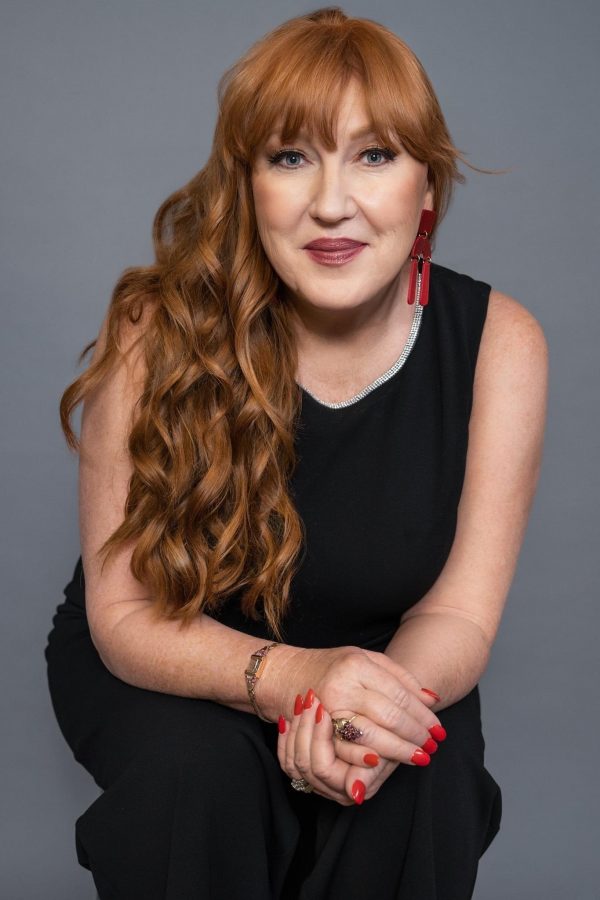
Jess-ToolsonJess Toolson is a mother of three and the CEO of Mixhers. She started Mixhers while living in Europe and moved back stateside in 2020.

Mixhers was launched in 2019 and has been growing ever since with over 25,890% growth in 4 years.

Follow Mixhers on Facebook and Instagram.

Courtney-WilliamsCourtney Williams is co-founder and CEO of Emagine Solutions Technology. Emagine is tackling the U.S. maternal health crisis with technology to make pregnancy safer, lower cost, and improve outcomes. We’re your companion for a safe pregnancy. Courtney developed her company’s technology after developing preeclampsia in the postpartum period.

Emagine has been awarded the Arizona Innovation Challenge, Flinn Bioscience Entrepreneurship Grant, 2nd Prize in Pharrell Williams’s Black Ambition, and Department of Health and Human Services Postpartum Racial Equity Challenge and Hypertension Innovator awards. Emagine is also a National Science Foundation SBIR Awardee. Emagine-Solutions-Technology-logo

Courtney is a Marketing graduate from University of Arizona and received her MBA from Thunderbird School of Global Management. She has a background in customer analytics in Fortune 500 companies and international business experience in Africa and Latin America.

For five years, she served on the board of Open Windows Foundation in Guatemala, a public health and education organization.

Follow Emagine Solutions Technology on LinkedIn, Facebook, Instagram, X and TicTok.

About Our Co-Host

Pamela-Williamson-WBEC-WestDr. Pamela Williamson, President & CEO of WBEC-West,  is an exemplary, dedicated individual, and has extensive experience as a senior leader for over twenty years.

She has served as the CEO of SABA 7 a consulting firm, overseen quality control at a Psychiatric urgent care facility of a National Behavioral Health Care Organization where she served as Vice President and Deputy Director,and has served as the CEO of WBEC-West, since 2008.

Her extensive experience in developing and implementing innovative alliances with key stakeholders has enabled the organizations to reach new levels of growth and stability. Her ability to lead and empower staff members creates a strong team environment which filters throughout the entire organization.

She takes an active role in facilitating connections between corporations and women business enterprises and sees a promising future for WBENC Certified women-owned businesses.

Dr. Williamson holds a Doctorate in Healthcare Administration, a Master’s degrees in Business Administration, and bachelor degrees in both Psychology and Sociology.

Connect with Dr. Williamson on LinkedIn.

Music Provided by M PATH MUSIC

Transcript-iconThis transcript is machine transcribed by Sonix


TRANSCRIPT

Intro: [00:00:07] Broadcasting live from the Business RadioX Studios, it’s time for Women In Motion. Brought to you by WBEC-West. Join forces. Succeed together. Now, here’s your host.

Lee Kantor: [00:00:27] Lee Kantor here with Dr. Pamela Williamson. Another episode of Women In Motion, and this is going to be a good one. Dr. Pamela, how are things?

Dr. Pamela Williamson: [00:00:36] Things are fabulous over here. How about with you, Lee?

Lee Kantor: [00:00:39] I am doing well. I was so excited when I saw this group come into the queue for these shows. Women taking care of themselves is the theme this month and we got an interesting group today.

Dr. Pamela Williamson: [00:00:52] We do. I am so excited because we have two women that are both crushing it in their industries. And I am excited to hear their stories and their journey, and I am sure that they are going to have lots of tips and conversations about how they take care of themselves. Because, as you know, as women, stress is a huge issue with us because we’re balancing everything. And just how do these women manage being so successful in their business life and their personal lives? It is truly a mystery to me, and we’re hoping to unravel that with these ladies.

Dr. Pamela Williamson: [00:01:25] So, I am excited to talk with today, Jess Toolson from Mixhers and also Courtney Williams from Emagine Solutions Technology. Hello, ladies.

Courtney Williams: [00:01:37] Hello.

Jess Toolson: [00:01:40] Hello.

Dr. Pamela Williamson: [00:01:40] Hi. So, I want to kick off with just learning about you. So, let’s talk about your journey, how did you start your business? And I’m going to start with Jess.

Jess Toolson: [00:01:51] Awesome. Hi everyone. I’m so happy to be here today. I am Jess Toolson. I’m based out of Utah. And I started my business, Mixhers, almost five years ago. In a few months, we’ll celebrate our fifth birthday. And my business was started because I was a woman in need of support with my hormone imbalance. I didn’t know years ago that that’s what I was struggling with. I was dealing with all sorts of symptoms when I was postpartum with my twins, and I had never dealt with in my life previously, such as hormonal acne, menstrual migraines, bloating, cramping, and all the debilitating symptoms that women don’t want to experience each and every month.

Jess Toolson: [00:02:32] So, I set out on a health journey which led me down all different paths. And finally, a friend gave me a formula that she had been mixing in her very own home. She was taking Chinese herbs and mixing them together and helping one woman at a time. This formula completely changed my life. And I approached her and said, this is something that we have to get into the hands of all women and have them know that there is a solution for PMS symptoms outside of some of the prescriptions and things out there that aren’t actually helping with hormone imbalance.

Jess Toolson: [00:03:06] So, we set off onto our journey starting our business. We launched in 2019, starting with that product that we now call Hertime, that is helping tens of thousands of women each and every month. And we now have 15 different products that we offer health support for women on everything from anxiety, insomnia, their greens product, their focus product. And we specialize in always being hormone friendly for women and it’s so fun.

Jess Toolson: [00:03:40] Obviously, I appreciate this conversation so much because there is a lot that comes along with running a business, and the stresses that can come up with that, and the pressure, and all the things. And so, I appreciate this conversation so much that we can kind of open up the topic of how to take care of ourselves amidst all of the pressures. And I lead a company of 35 women, and I hope to always be leading a business that is actually health-focused, not just saying that we are health-focused. So, that is a bit about Mixhers, and I’m so excited to learn more about everyone else on this podcast.

Dr. Pamela Williamson: [00:04:21] Thanks. Courtney, how did you start your journey?

Courtney Williams: [00:04:26] So, I’m Courtney Williams. It’s so nice to be here. Thank you so much for having me. I started Emagine Solutions Technology out of a need actually. My sister had a really difficult pregnancy, and it was the first time that it opened up my eyes to the fact that pregnancy is not solely safe and that it can be a dangerous time in the health lifespan of a woman. And seeing her be bedridden for months as she was going through her high risk pregnancy, it was dangerous for her to get to her appointments.

Courtney Williams: [00:04:58] It made me think like there’s got to be a better way. There’s got to be technology that’s applied to pregnancy, that’s applied to other areas of the medical world. So, I teamed up with a team, actually, to develop a handheld ultrasound that could be used on cellphones and tablets to help people, like my sister, in a situation where, you know, she has the best access to the best medical care, but getting to her appointments is dicey. That was our first technology.

Courtney Williams: [00:05:24] Fast forward to the pandemic, I had myself a high risk pregnancy, and I ended up developing preeclampsia in the postpartum period. So, right as we were getting ready to launch our handheld ultrasound, we developed this, I found myself in a medical situation where I needed technology and I didn’t have access to it. So, in the middle of the pandemic, I was getting chest pain. It was five days after giving birth. I got chest pain. I had just terrible headache that wouldn’t go away. And I ended up getting this fluid line on my leg a couple days after coming home from the hospital. And I was like, this is not right. This is not normal. And my mom’s like, “Go to the hospital. Go to the hospital.” And it turned out I had preeclampsia postpartum period.

Courtney Williams: [00:06:09] And so, through that experience and being in the hospital and going through that, I realized we are not applying remote patient monitoring in a way that we are to maternal health as we are to cardiology and kidney care, all these other conditions that really affect men a lot more than women necessarily.

Courtney Williams: [00:06:30] And so, I ended up developing an app called The Journey Pregnancy. And that was the app that I needed. It’s a way for women that are in pregnancy to log and track their maternal health. And they can do this from their positive pregnancy test all the way through their postpartum recovery. And this is connected to their doctor so their doctor can see their health journey in real time. And this really fits the need of a lot can happen between appointments in maternal health, and so this provides that visibility that can be super critical and actually almost life saving for folks between appointments. So, that’s how I got my start based on going through, you know, personal and maternal health struggles in my family.

Dr. Pamela Williamson: [00:07:14] No, thank you for that. Both of your industries are pretty stressful and it sounds like both of them at times have been pretty male dominant. And so, I’m curious, I just read an article a couple of days ago about imposter syndrome and just how stressful that can be. I’m just curious if either of you have experienced that and if you’d be willing to share what that was like for you and provide some tips on what you did to overcome it. And so, I’ll start with Courtney again.

Courtney Williams: [00:07:54] Sure. So, being in the health care industry and developing med tech products, and a medical device that we’ve gotten through FDA clearance, et cetera, a very, very male dominated industry in general. Even though we are part of the subset of digital health called Femtech – which is to say, I don’t love that term, but that’s sort of the industry term right now that’s being thrown around to refer to any medical technology that really applies to the health spectrum of females throughout their life, whether that’s pregnancy periods, anything to do with menopause and thereafter, and elder care for women – is a big, you know, $50 billion industry, but even though it is about women’s products and women’s needs and women’s health, it’s still really dominated by men.

Courtney Williams: [00:08:40] Being a startup in this space is also male dominated because we have to go through applying for funding, and looking for non-dilutive opportunities, and eventually looking for venture capital. We’ve all heard about the statistics of women going out and doing fundraising are definitely at a disadvantage compared to their male counterparts. And that’s particularly exacerbated for any women of color or folks that are in the LGBT community.

Courtney Williams: [00:09:06] I know how these statistics impact my business. I know that I need capital, obviously, to grow, especially being in a more capital intensive industry, software and medical device and med tech. And so, one of the ways that I’ve actually been able to address this is going for non-dilutive funding. So, funding my business is through grants. We’ve been really successful. So, I don’t have to deal with as much the VC – I don’t want to say challenges that a lot of women face in this field, but knowing that that can be a hurdle for folks, especially in my industry, I’ve decided I’m really going to focus on the non-dilutive route. So, we’ve been really successful getting grants from National Science Foundation, Department of Health and Human Services, Pharrell, Pharrell and his Black Ambition competition. We’ve been a winner in that.

Courtney Williams: [00:10:00] And so, I think that a lot of women when they go through a fundraise feel, this sense of imposter syndrome, like “I have a great business. I’m working sometimes three, four, or five times as hard as males in my space. Why am I not making traction with fundraising?” And so, I’ve seen cohorts and counterparts in my industry going through that, and I’ve seen what a toll it can take. And so, that’s actually specifically how I’ve dealt with imposter syndrome is to not go that route and go a different route so I can keep my business growing in a way that feels authentic and gives me the validation I know I’ll need when it comes time to go for venture funding.

Dr. Pamela Williamson: [00:10:39] Thanks. Jess.

Jess Toolson: [00:10:43] Yeah. I love that, Courtney. First of all, thank you so much for sharing. I think something that I have experienced within Mixhers and imposter syndrome is, first and foremost, when I first started my business, I had been a stay at home mom for 12 years. And I had no experience in the corporate space. I hadn’t actually had much of a career outside of like a high school job, and got married really young and started having kids.

Jess Toolson: [00:11:17] And so, first with Mixhers, what I had to overcome was realizing that I was going to be entering this space already feeling like an underdog having no work experience, not being a previous entrepreneur, and not knowing how to manage people right out of the gate. However, something I have learned since is that actually my experiences as a mother in the home actually has contributed so much to my leadership skills and things that I have developed and been able to contribute to the workplace.

Jess Toolson: [00:11:52] And so, yeah, I still haven’t been back to school. I didn’t graduate with an MBA. I haven’t furthered my college experiences, but I have been in just the school of learning as I go. And I think something that I’ve loved is that I am learning that it’s okay to do things in an entirely unique way than anyone else.

Jess Toolson: [00:12:16] And so, when women are joining the workplace here at Mixhers, the most frequent thing I hear is that this is unlike any other job I’ve ever had. The fact that there is unlimited paid time off, the fact that women are nurturing one another in the workplace, the fact that there is a breastfeeding room that I can bring my newborn to work. I am just totally confident doing things in a unique way because I don’t have experiences that tell me otherwise, and so I’m just going to do things off of what I feel is best for my business.

Jess Toolson: [00:12:49] I think another thing in the health and supplement space for us that we’re overcoming is most testing for the health space has been done on males. And so, when we’re looking at certain ingredients and credentials behind certain ingredients and formulating specifically for women, we are fighting also this battle of making sure that Mixhers is starting to do some of the very first testing of supplements being used specifically on women.

Jess Toolson: [00:13:26] And so, there’s all these statistics out there, 90 percent of people say that they’re sleeping better when using this ingredient. Well, those 90 percent of people are men. Women are not the same. We’re not built the same. And there’s no problem with not being the same. Men need their specific products and we want them to be thriving. And women, we need our specific products, but we need to understand how things are working best for us.

Jess Toolson: [00:13:53] So, I think for us, something that we’ve been definitely trying to overcome is we’re not just another supplement business playing in the men’s space. We are a female specific supplement business, formulating specifically and only for women and women’s hormone health. And so, there’s a little bit of constantly gaining our momentum, gaining our traction, and gaining our footing, and being credible having our own science backed testing done, and showing that, in fact, Mixhers has tested on women specifically.

Jess Toolson: [00:14:31] Anyway, I just think that we relate in some of the male dominant spaces and recognizing that there’s an entire category completely missing.

Courtney Williams: [00:14:47] I’ll say one more thing also on the imposter syndrome piece. That was a really great experience that you added there and I understand and I empathize. One of the things that I’ve dealt with in terms of imposter syndrome as a founder was you don’t really often see very many examples of pregnant founders that are entrepreneurs, and then having their babies and continuing with their business. There’s this mentality if somebody is growing their family or whatever or if they have a newborn, they’re in the startup space, there might be this mentality of like, “Oh. Well then, they’re going to not be effective. They’re not going to be able to grow. They’re not going to be able to focus on the business,” et cetera.

Courtney Williams: [00:15:29] And when I had my son, who’s a toddler now, I remember feeling so nervous on Zoom calls that my baby was going to cry, and then I was going to not be able to be effective on the call or not be taken seriously or not be credible as a businesswoman. And that, I think, has been one of the biggest personal challenges I needed to get through as both an entrepreneur as well as being a first time parent because you have this business persona and then you have this home persona. And sometimes with Zoom, and especially as we were moving through the pandemic and even now, we’re all cognizant of our work and our home lives blending. And that can be really uncomfortable, especially for people that have a certain level of maybe credibility that they’re trying to build. And so, that was one of the biggest challenges that I dealt with as we were starting to build our technology.

Dr. Pamela Williamson: [00:16:27] I love the one thing that you both said differently, was, just basically be yourself. And you’ve brought your full, authentic selves into your work life, which I find fascinating, because I grew up in an era in business where it was very segregated, you had to look and talk and walk the specific way. And both of you are just who you are, and it’s beautiful listening to you guys.

Dr. Pamela Williamson: [00:16:56] And just having our audience gleam this perspective that it’s okay if you don’t have an MBA, you can still be successful in your business and grow it. I’m at awe that you have 32 female employees. I just am so curious, what is that like? That’s such a rarity today to have 32 female employees.

Jess Toolson: [00:17:18] Yeah. And we do have our first two men that have joined the team within the last month. We’ve been taking our own warehousing onsite, and so we now have 32 women and our first two Mixhers men, which is really fun.

Jess Toolson: [00:17:33] But I think one of my favorite things about leading a very dominant strong female team is that one of the most frequently asked questions I get is, the workplace, is it full of drama? Are people, they’re just crying all the time? And it is so offensive to me because I work in a place of women that show up to work so incredibly ready to just get after it. They are so talented. They’re so hungry to learn new things, teach themselves new things, collaborate as an effective team.

Jess Toolson: [00:18:17] And on top of their skillset and their roles being incredibly impressive, we’ve created the most beautiful culture where women are coming to the business from all different walks of life, all different personal experiences, current, past, we all have our individual stories and our individual journeys that we’ve been on. Some women have come from very traumatic workspaces where, like Courtney mentioned, feeling nervous about having their babies. And I have women on my team that the second that they did start their families, they were demoted and their pay was dropped, and just all sorts of things that come with a lot of workplace trauma.

Jess Toolson: [00:19:04] And I have loved being able to take part in building a culture where women come and we’ve created a safe haven for one another. It doesn’t mean that all of our lives look the same, that we have to exactly relate to one another, but we allow one another to be. We celebrate one another. We create safety for one another. We show up for one another in our personal lives.

Jess Toolson: [00:19:31] One of the favorite things I’ve heard from a team member is that every day when she comes to work, it’s like how happy she would get going to elementary school every day and seeing her best friends in the morning at school. And she was like, I get giddy driving into work every day because I know that I’m going to get to see my friends and I’m going to enjoy the hours ahead.

Jess Toolson: [00:19:55] And I love to live by this. I am a stay at home mother turned to fulltime working mother, and I always say, if we’re going to be spending most of our day doing this, we might as well be enjoying it. And so, I want to scale a very, very impressive business and continue to do that, which we have done, but I want to be providing an enjoyable experience for myself and my entire team while we do that.

Dr. Pamela Williamson: [00:20:29] I love that. Thanks. The other question I have is just around how do you manage stress? Both of you have busy lives. We know that stress is the number one killer. It’s the number one predicator. So, what tips do you have for someone who is thinking about starting a business? I think stress is one of the things that gets overwhelming and it stops people from completing their goal of starting a business. What is some of the best practices tips that you want to share?

Courtney Williams: [00:21:12] I’ll start. So, stepping back, I think it’s really important to remember why you start your business. And in my case and with my team – bare with me – we’re really pretty much in love with the problem that we’re trying to solve. We’re not in love necessarily with the technology that we’re developing. I mean, we are. We think it’s great. But we’re really focused on what is the market need, what is happening in the world that needs our technology.

Courtney Williams: [00:21:40] So, to give you an example, the reason that we’re doing what we’re doing is that U.S. is in a maternal health crisis and the U.S. is currently the most dangerous and expensive place in the developed world to give birth. And that is especially bad for Black and indigenous women who actually are dying at two to three times the rate of their white counterparts. And when we look at this, the numbers are actually getting worse. They’ve gotten worse over the last few years. The rates of preeclampsia are going up 19 percent over a five year period. Rates of gestational diabetes are going up 16 percent.

Courtney Williams: [00:22:11] I say all this to say that our business operates in a context that is really stressful. You know, we’ve spent years interviewing women about their maternal health experiences, and what went wrong, and where they needed support, and where technology could have filled in those gaps, and then developed our solutions around that. And so, we’re really, really focused, like hyper focused on the problem that we are trying to solve.

Courtney Williams: [00:22:39] And I believe that when you’re really focused on the problem that you’re out to solve, the mission that you’re out to solve, we’re on a mission to reduce the maternal mortality rate and make pregnancy safer with better outcomes and lower costs, when you have that hyper focus on the mission that you have, then that helps eliminate some of the stress because you know the people that you’re trying to serve, you know what you’re waking up to do every morning, and that is very, very motivating.

Courtney Williams: [00:23:06] That isn’t to say that building a business is not stressful. And for us, you know, the different grants that we’ve applied for have been very high stress, very ridiculously competitive on a national level, and yet you persevere because, again, you’re focused on who you’re serving and how, in our case, our technology can make lives better for people.

Courtney Williams: [00:23:29] And so, in terms of the day-to-day hiring and making sure that our team are all aligned, those can all be stressors as well. But one of the things that we’ve done is I’ve made sure that I hire people that are the smartest that I can access in our industry. I have people that are, like, 30 year veterans that have worked in multinational corporations like Philips and Sonosite and other places that have this amazing experience that we can work together and I can learn from them, and that helps me build my business. That helps reduce stress by hiring people that are amazing with the amazing knowledge that they bring to elevate the level of our team. So, that’s been one thing that I’ve done to reduce stress.

Courtney Williams: [00:24:13] Another thing from a personal level is I never really believed in the power of yoga. I was always more of like a dance person or cardio person. But, truly, yoga has been a transformational force in my life and my business life and my personal life in terms of maintaining my stress and my health. I’ve actually seen a numeric metric value to adding yoga to my life in terms of lowering my blood pressure and improving other health metrics. And so, I think between surrounding yourself with a really good team and taking care of yourself physically, making sure you just make the time – I make the time to do yoga every night at like 9:30 or 10:00 at night because I know that I’ll sleep better and feel better – I think that those two things have made a major impact for me.

Lee Kantor: [00:25:01] Jess.

Jess Toolson: [00:25:02] Courtney, I love that you brought up the yoga. Because while I don’t practice yoga, I have found the power in self-care and making sure that that is a priority as I grow my business. Because I did find in the first couple of years it was such a hustle. It was such a grind. It was eat, sleep, breathe my business. But that started to take a toll. I started to lose my energy for what I was doing. I started to not enjoy what I was doing. It felt like every day was so daunting ahead. And it just was becoming this beast I needed to face every day.

Jess Toolson: [00:25:44] And instead of continuing to live that way, I decided to reprioritize. And when I reprioritized, I prioritized my health again. And I have now put in my business that every woman has – every team member – sorry. Now I have men – one hour of their workday to have free time, whether it’s meditation, yoga, they can exercise, we have a gym in the office. And I offer that to my team members to have an hour outside of their lunch hour.

Jess Toolson: [00:26:21] And I know that there’s all sorts of things where people have been like, “Oh. What about productivity? What about meetings that need to take place?” I think it’s worth it to invest in my team members and my own health to allow us to have an hour to work on personal development and make sure that we’re functioning as best as we can as individuals, because when we’re all functioning at our best as individuals, that’s when the team can really excel and achieve large goals.

Jess Toolson: [00:26:52] And I’ve seen nothing but even more productivity with allowing that free time in the workday. And they get to choose when they take it. A lot of women just go out on a walk. A lot of women will take a nap. We have a lot of women with newborn babies and that hour to just take a nap and recover from sleepless nights means the world to them.

Jess Toolson: [00:27:15] For me, it’s taking that hour and being able to get in movement and exercise and reprioritizing. My health has been a huge shift in growing my business because I feel like it helps moods, it helps energy, it helps me think more clearly. And, yeah, so I love that you brought up your self-care with your yoga.

Jess Toolson: [00:27:39] I also feel like in the first couple of years, like I mentioned, I really did feel this pressure that everything is ticking and you either run and you either figure out how to do it or someone else is going to do it, and they’re going to do it faster than you. It’s not from a place of only I can succeed, no one else can do it. It’s more I do have a unique business and I do want to move as quickly as I can, but I hope that other people succeed as well.

Jess Toolson: [00:28:08] So, it’s not like I feel like there is always plenty to go around, but I stopped sleeping enough, and I kept working late, and waking up early, and working from the second that I woke up, and I would check my phone the second I woke up to get caught up on emails and respond to team, and all the things. And it was like I was never able to put the business aside to just be able to think about kids in the morning, or just to be able to think about making breakfast. It felt like everything was just a hustle and I did not enjoy it.

Jess Toolson: [00:28:48] And so, I shifted also, I think something that I have changed for self-care is knowing that I clock in and I clock out. And I do not work my business 24 hours a day, seven days a week. And I emphasize that with my team as well. When we clock out at 5:00, everyone has personal lives, people have families, people have interests and hobbies outside of the workplace, and so we have boundaries. Unless it’s an emergency, everything can wait until tomorrow at 9:00 a.m.. I promise it will be there tomorrow and everything will be okay in the meantime. And so, I’ve tried to really instill personal and professional boundaries within my team just to be able to allow team members to truly clock into the workplace and clock out and set it aside until the next workday.

Lee Kantor: [00:29:43] Now, each of your businesses started from something personal that was going on in your lives. Do you have any advice for female founders or potential aspiring female founders out there on how do you know if the problem you’re trying to solve is just a problem you’re having or it’s a problem that there is a market for it?

Lee Kantor: [00:30:07] Courtney, can you share a little bit about how kind of that happened in your industry with your product that you’re marketing? And any advice you have for an aspiring entrepreneur? Or maybe they have a corporate job and they have this problem that they think they have a solution for, but they don’t know if it’s really a business.

Courtney Williams: [00:30:26] Good point. So, I’m a little bit different. So, I come from the corporate angle 100 percent. I mean, I am the person that went and got my MBA, et cetera, and was working a corporate job when I experienced what happened with my sister and then kind of moved forward from there. One of the most important things for me was I definitely stayed in my corporate job until I felt like what we were doing had legs, frankly. So, I’m a big researcher. I’ve done tons of tons of research on this.

Courtney Williams: [00:31:02] There’s a certain program which I can recommend to entrepreneurs if they have an inkling as to a science or technology that they want to research and they want to see if this is a viable technology, there’s a program with National Science Foundation called I-Corps. It’s a grant program, essentially, that provides you the opportunity to go out and interview the people that have the problem that you want to solve.

Courtney Williams: [00:31:28] So, it’s usually based with a university program. So, I’m affiliated with University of Arizona Center for Innovation. So through there, I got this grant. And my team and I, we went out and interviewed just dozens and dozens and dozens of people to understand their maternal health situation, the industry, the problems, et cetera.

Courtney Williams: [00:31:50] Basically, the program enables you to apply the scientific method to customer interviewing. And so, having gone through that, we’re like, “All right. We think we have something here.” So, I applied for a pitch competition and I won that, and that was amazing. And then, I applied for another one and then we won first prize and we got funded. It was the biggest pitch competition in Southern Arizona. And so, I was like, “All right. This is giving me some validation that I need to be able to pursue this more seriously and more completely.” So, that was the impetus and that was what enabled me to determine whether this was a viable business or not.

Courtney Williams: [00:32:29] But we haven’t stopped doing that. I mean, our first product was a handheld ultrasound, that I alluded to. But then, we developed a patient app, which I also mentioned. It’s called The Journey Pregnancy, and that’s the maternal health app. And so, we actually applied that same process before I had my experience with preeclampsia. But how many other people have preeclampsia? Well, quite a few. But I wanted to ensure that logging and tracking maternal health was a thing that people wanted to do. So, again, I went out and I embarked on that program again through National Science Foundation, but at a bigger scale, with a bigger grant, to interview more people, to ensure that we really, really understood as a team that this was a need.

Courtney Williams: [00:33:07] So, we’ve continued to do that. We did that again with remote patient monitoring, which is our third product that we have, which is for clinicians, and went out and interviewed just hundreds of clinicians that we thought maybe had a need, but we weren’t sure.

Courtney Williams: [00:33:21] So, through the research angle, that’s how we’ve been able to tackle whether it made sense to leave a corporate job, take this risk, and then move forward. It’s a big risk and it’s an important one to take because that’s the only way you’ll really know. So, that’s been my approach. I’ll pass it off. I’d like to hear how others have handled this.

Jess Toolson: [00:33:46] I think for me, I knew that I had an opportunity to create a business because through my own health journey, searching for solutions for my hormone imbalance, I had already had dozens and dozens, like you said, of conversations with women that were experiencing the exact same situation that I was. And so, when this formula worked for me and was solving for my health issues, I knew that I had to help the women that were right around me as fast as I could.

Jess Toolson: [00:34:16] And I think that’s one of the most amazing things that I’ve seen in building Mixhers, is how quick women are to want to solve one another’s problems, and wanting to share the good information about there being solutions. And so, yeah, for for me, once I have found a solution that was helpful to my health, I knew that I could think back to all of the many women that I had already had discussions with about the frustrating health issues that we were facing. And if I find a solution, I’ll let you know. And if you find a solution, let me know.

Jess Toolson: [00:34:51] And so, I knew that there were so many women searching for solutions for hormone imbalance that it was more about for us, it was more about normalizing the topic through social media and emails and things like that. Because talking about hormone health is and was very taboo at the time. Talking about low libido, talking about PMS symptoms and solutions, talking about insomnia, all these topics that women, we have felt in the past that we have to tiptoe around a little bit. And so, for us, it’s more so normalizing the topics and allowing women to have conversation around hormone imbalance and then also providing the solution in our products.

Jess Toolson: [00:35:40] I think the last thing, too, is I would recommend for women that are wondering if they have an opportunity on their hands is I think women are fantastic problem solvers. And I believe that starting a business is incredibly hard. It’s going to test you to your core. But when you are personally passionate about your product and what you’re offering, and maybe it’s changed your life or it’s changed a family member’s life, and it’s something that you believe so strongly in, just like Courtney had mentioned, that is the fulfillment that you will need on the days that your business is challenging you and testing you.

Jess Toolson: [00:36:20] You will know that it’s worth pushing through because you have people that you have already helped. You have people that have already seen the benefits of using the app or using our products. And you think to those people that are utilizing what you offer and needing those resources. I think that a lot of times it’s like passion and how much I believe in my products that gets me through the stressful days.

Jess Toolson: [00:36:48] And so, I feel like I would recommend to women if what you believe you may have at your fingertips is an opportunity, make sure that it is something that you will be passionate about even on the days that have been sleepless, even on the days when cash is tight, things like that. Passion will continue to fuel you and I believe that that opens up opportunities.

Lee Kantor: [00:37:14] Now, you both mentioned the importance of a culture in your organization. Jess, can you explain how you kind of mindfully put in place this type of corporate culture that you’ve established in your organization? A lot of companies give it lip service. And if you don’t kind of proactively do things a certain way, a culture is going to form whether you are intentional or not. And it sounds like you were very intentional around the type of organization you wanted to build.

Jess Toolson: [00:37:51] I love that you said that I did this very mindfully. I’m actually not sure that I did. I did I wanted to create a workplace that I was enjoying personally and that I was seeing women thriving. And I wanted there to be friendship. I wanted there to be connection. And I wanted it to feel like I was surrounded by my friends every day at work.

Jess Toolson: [00:38:14] And so, I don’t know, other than I feel like creating time to connect with one another, we make sure to have plenty of company activities. We have a lot of celebrations for one another. We have birthday parties. We have baby showers. We have moving parties if someone’s leaving the state. And I feel like the goal of mine has always been that women that join this company need to know that they have friendship in their peers at work. And it really has naturally taken place. And it’s been almost five years, and we did just win an award in Utah. We were voted Best Place To Work For in the State of Utah, which I feel very proud of.

Jess Toolson: [00:39:08] And I appreciate that you said that I did this mindfully. I think it’s more so been efforts as a team to just nurture relationships and actually see one another as humans, not just robots working in a business. We’re humans that also get to contribute to a workplace. And I believe that it’s the team that is naturally wanting to create a very family feeling culture.

Lee Kantor: [00:39:40] Courtney, can you share? I mean, you’ve worked a lot in corporate settings, so you understand culture doesn’t just happen. The leadership has to really kind of lean into this and it’ll form around that. Can you speak to that a little?

Courtney Williams: [00:39:54] Yeah. In my corporate life, I definitely saw lead by example. That was the biggest takeaway that I saw in the different Fortune 500s that I worked in. And that was important to me to then translate to my company.

Courtney Williams: [00:40:09] So, I’ll give you an example. In terms of hierarchy, we have a culture in our company that is very focused on I as CEO and co-founder, I do not have all the answers. And I am very, very forthright about saying I want my team to work together with me collaboratively, like we’re very collaborative to find the answers. So, there’s no necessarily I’m the CEO, but that doesn’t mean that I’m necessarily the last word with a lot of this stuff.

Courtney Williams: [00:40:41] Another piece of our culture is we serve women or folks that give birth, we serve folks that are on a maternal health journey, and we’re all about making that journey as safe and supported as possible with our technology. And so, that translates to our meetings, for example, when we have our collaborative meetings, our all hands or our team meetings, it’s important to include a service element in that because we are serving other people with our technology. And so, we always have a service activity anytime we have an all hands meeting. And that is a really important component of our work, and that helps bring together folks on our team around our mission, and it helps recenter us before we go and dig in and get our work done. But we feel like service project is also part of our work.

Courtney Williams: [00:41:33] The other piece is that we are a very diverse team, diverse in terms of talents and also in terms of where people are located. And so, for me, it’s really, really important to not restrict folks in terms of where they’re located. So, we’ve always been remote, and I foresee us being remote for our future as we grow. And that is one of the satisfaction drivers that I see on our team. People can work when they want, when they need, when it works for them. And that is important to me to continue, because if we’re all going to be working together on a common goal, you have to be comfortable in your environment. And so, being able to do that remotely has been important especially for the folks that are on our software development team. So, those are some of the elements that we’ve put in place just in terms of building our culture, and I plan to continue that as we continue to grow.

Lee Kantor: [00:42:26] So, is there —

Jess Toolson: [00:42:27] Courtney, I love that — oh. I’m sorry. I’m sorry.

Lee Kantor: [00:42:30] No. Go ahead, Jess.

Jess Toolson: [00:42:31] I just wanted to tell Courtney that I love that she brought up this working remote. We have a very hybrid schedule. We’re in office about three days a week and the other days are remote. And all of winter, we’ve given Fridays completely off for people to go and enjoy the ski season and to spend the holidays with family and things like that.

Jess Toolson: [00:42:57] And I think it just helps people. People want freedom. People want to be able to make choices, have opinions about when they’re working, how they’re working. And I appreciate the freedom personally. And so, we also have a very, very flexible schedule and I feel like it it definitely contributes positively to the company culture.

Lee Kantor: [00:43:23] Now, Jess, is there anything new coming up? Is there anything we could be doing? Do you need anything from us and the listeners?

Jess Toolson: [00:43:33] Yeah. So, Mixhers has actually been working for about a-year-and-a-half at this point on an entire company rebrand. So, we’ve been getting ready to have our products be more shelf stable for retail. We’ve redone all of our packaging. The company name will still be Mixhers, but we’ve redone our logos, our icons, everything. And so, this month in April, we’ll be announcing this rebrand. We’re really excited about that. And we’re launching two new products that have been heavily, heavily requested by our customers. So, we would appreciate everyone coming over, following along, engaging with what they think of the rebrand. And, also, if you are interested in the products, we would obviously appreciate a purchase. The website is just mixhers.com, M-I-X-H-E-R-S.

Lee Kantor: [00:44:24] Courtney, any news or anything we could be doing for you?

Courtney Williams: [00:44:31] Definitely. Yes. Thank you. I appreciate that. So, if you know anybody that is getting ready to go on a pregnancy journey, please tell them about our app, The Journey Pregnancy. It’s really important as a parent, not just to be entertained with some of the other pregnancy apps out there. For example, knowing that you’re 30 weeks pregnant and your baby’s a size of a watermelon or a cantaloupe, that’s entertaining and that’s helpful, but that does not help your maternal health.

Courtney Williams: [00:44:57] And so, downloading our app can. You can log and track your blood pressure, your blood glucose, your moods, your symptoms, all the way from your positive pregnancy test through your postpartum recovery. And if your numbers go out of range, our app will let you know immediately when the result is something that you need to follow up with your doctor. So, if you know somebody that’s pregnant, have them download our app. It’s a free download on the iOS and Android store.

Courtney Williams: [00:45:23] The other thing that we have coming along down the line is we just launched Pregnancy Wellness Coaching. And so, if you are somebody that feels like you want extra support, you want more than that 7 or 15 minutes that you get with your doctor each time at a prenatal visit, we’ve got somebody for you. We’ve got qualified nurse practitioners that are certified in maternal mental health as well as maternal wellness. And if you need that support, we can provide that through an elevated subscription of our app.

Courtney Williams: [00:45:52] So, I would just say, you can follow us on Instagram, @emaginestech. As well as on TikTok, we’ve got lots of different educational videos that we put out and informational pieces that will help people that are looking for research backed information as they go through pregnancy. And we’re @thejourneypregnancy on TikTok.

Lee Kantor: [00:46:12] And the website?

Courtney Williams: [00:46:14] And our website is emaginest, E-M-A-G-I-N-E-S-T,.com.

Lee Kantor: [00:46:20] Good stuff. Dr. Pamela, what a show.

Dr. Pamela Williamson: [00:46:24] You know, I think I say this a lot, but this was incredible. I took so many notes. I was blown away by some of the information you provided that is easily applied. These women founders start their business even if their years in business, even if they have had years in business, some of the information you provided is life changing. And so, I want to thank you both for participating today. Lee, any parting words?

Lee Kantor: [00:46:57] It’s just really great to see people with an idea take the leap into entrepreneurship. And they each went through it their own way and their own time. And they built their team accordingly and the culture. I think it’s so inspirational for the listeners, especially the people, there are so many people that have great ideas that are sitting on the fence who are afraid to take the leap. And to have you to share your story about how you were able to do that.

Lee Kantor: [00:47:26] And you get up every morning knowing there’s a lot of people to help and that’s what gets you going and you know the importance of what you’re doing is that you are helping others. So, thank you for sharing your story. You’re both doing such important work and we appreciate you. All right. This is Lee Kantor for Dr. Pamela Williamson. We’ll see you all next time on Women In Motion.


Tagged With: Emagine Solutions Technology, Mixhers

Exploring Hormone Therapy, Menopause Care, and the Holistic Approach to Health and Well-being

April 11, 2024 by angishields

CBRX-Kitty-Carrie-Feature
Cherokee Business Radio
Exploring Hormone Therapy, Menopause Care, and the Holistic Approach to Health and Well-being
Loading
00:00 /
RSS Feed
Share
Link
Embed

Download file

CherokeeBusinessRadio040924banner

In this episode of Cherokee Business Radio, Stone Payton welcomes Katherine “Kitty” Houston, a nurse practitioner and owner of Elite Health HRT, and Carrie Soulliere, owner of Covered with Carrie. The discussion delves into the nuances of hormone therapy and menopause care, with both Kitty and Carrie providing valuable insights on the symptoms of hormone decline, the critical nature of personalized therapies, and how lifestyle choices can influence hormone balance.

Kitty opens up about her entrepreneurial journey, detailing the challenges she encountered while establishing her own business, and the marketing tactics she has found effective. Carrie adds to the conversation by sharing her own experiences and perspectives in the industry, enriching the dialogue with her expertise.

The episode also explores the affordability of treatments and the range of services offered at Kitty’s clinic, such as IV hydration and vitamins, which Carrie reflects upon, highlighting the importance of such services in overall health management.

Elite-Health-HRT-logo

Kitty-Houston-CBRXAfter spending years in the nursing field, Kitty Houston, owner Elite Health HRT, became a family nurse practitioner to help men & women naturally solve the root causes of health issues – rather than medicating symptoms.

At 45, she experienced the negative effects of imbalanced hormones firsthand. It was this time-period that made her realize how many others also suffer from similar challenges.

Since then, she’s helped thousands of patients (including herself) reclaim their health through HRT treatments!

Follow Elite Health HRT on LinkedIn and Facebook.

Carrie-Soulliere-CBRXCarrie Soulliere is a licensed insurance agent and Owner of Covered with Carrie, a health insurance agency that helps outdoor tourism workers nationwide.

Though she travels the country in an RV most of the time, her home is in Acworth, GA. Her agency is in the top 15% of health agencies nationwide. In addition to her agency, Carrie owns Courses with Carrie, an educational company that sells courses for insurance agents. Covered-with-Carrie-logo

She also does specialized consulting within her field. She passionately advocates for consumer and agent rights within the health space.

Connect with Carrie on LinkedIn and Facebook.

Transcript-iconThis transcript is machine transcribed by Sonix


TRANSCRIPT

Intro: [00:00:07] Broadcasting live from the Business RadioX studios in Woodstock, Georgia. It’s time for Cherokee Business Radio. Now, here’s your host.

Stone Payton: [00:00:24] Welcome to another exciting and informative edition of Cherokee Business Radio. Stone Payton here with you this morning, and today’s episode is brought to you in part by Woodstock Neighbors Magazine, bringing neighbors and business together. For more information, go to Facebook and Instagram at Woodstock Neighbors dot BVM you guys are in for a real treat this morning. Please join me in welcoming to the broadcast, first up on Cherokee Business Radio this morning with Elite Health HRT, nurse practitioner and owner, Ms. Katherine Houston. How are you?

Kitty Houston: [00:01:03] I’m doing great. Thank you. You can call me Kitty.

Stone Payton: [00:01:05] Oh, good. All right. Well, all right, Ms. Kitty. Well, we’re delighted to have you in the studio and on the program. I got a ton of questions. I think our other guests have questions, too. So this ought to be a very informative segment. But before we go there. Mission. Purpose. What are you and your team really out there trying to do for folks?

Kitty Houston: [00:01:27] Well, um, I really specialize in menopause care. I take care of men as well for hormone therapy, but when I went through menopause, it was rough. It was really rough. And my, um, physician really just kind of was like, well, you know, this is this is, you know, basically suck it up. And for me, I was not willing to just suck it up. I was a nurse in women’s health at the time. And, you know, I wanted to figure out the whole menopause issue because we don’t talk about it. We don’t talk about it in nursing school. We don’t talk about it in nurse practitioner school. It’s not taught in med school. So, you know, we practitioners just are like, well, I don’t know what to do. It’s just normal. Just suck it up. Here’s an antidepressant move on. And I really wanted to help women because 100% of us go through menopause now. And so that’s what I do.

Stone Payton: [00:02:22] Well, now that you’ve been at it a while. What, uh, what are you finding the most rewarding? What’s the most fun about the about the work for you?

Kitty Houston: [00:02:29] It’s definitely seeing the change in the patients that I have that come in. I have women that come in and they are desperate, and they say, you know, I’m taking this herb and and this medication and this supplement, and I am out of my mind. I don’t feel like myself. I’m going crazy. And then eight weeks, ten weeks into therapy, they’re like, you gave me my life back. I feel normal again. And it’s wonderful for me to see the light in the eyes of these women who came in a lot of times crying, saying, help me, please help me. Because I am struggling with work. I’m struggling with relationships, my marriage is struggling. I hate everybody and everything all the time, including myself. And I know what that feels like because I went through that. And so it’s wonderful for me to look at these women and go, I know, I know how you feel. I know that that you feel like you want to participate in life again. So that’s probably the most rewarding thing for me is to see that change.

Stone Payton: [00:03:28] I gotta believe that it’s not one size fits all, that every situation is different. Yeah it.

Kitty Houston: [00:03:34] Is. You know, I have no idea what someone’s base hormones were like when they were in their 20s and 30s and they felt their version of normal. So it’s a lot of trial and error. It’s a lot of adjustments to get women to what they say is, this is my norm. And for some women, I, you know, that might be like, wow, that’s you know, that’s a really high level of estrogen. But for them, that’s their norm and that’s where they feel good. So it’s definitely not a one size fits all. It’s definitely a tailored therapy for each individual person.

Stone Payton: [00:04:07] So I’ve heard it before, but, uh, I’m, I guess I’m still a little bit surprised that men sometimes have some of these challenges.

Kitty Houston: [00:04:16] Oh, absolutely. Absolutely. So women peak their testosterone production at 28, and there’s a slow decline until we go through menopause. Men peak their testosterone production around 20, and then they have a slow decline until they’re about mid 40s. And then they stay stable for the rest of their life, which is about half of where they were when they were in their 20s. So for some men, they they don’t have what’s called andropause where they feel like I am not myself. I’m having poor quality of sleep. I’m having less motivation, I’m having weight gain. I’m having more anxiety and depression and inability to manage stress like they could. But I see time and time again men are like, well, you know, my doctor says my testosterone is normal. Well, the normal range for men is the same from 18 to death. And it is a very, very, very broad range. So if they’re making half of what they were in their 20s, when they’re 50, they don’t feel normal. So I get them back to that normal level where it’s it’s still safe, but it’s definitely giving them the oomph that they need.

Stone Payton: [00:05:23] All right. So let’s talk about the work a little bit okay. And maybe and let’s let’s start at the beginning. Well yeah. Like when should, uh, a man or a woman reach out to you or are there signs or should they just be checking anyway? Is this like you take your car in, just you don’t go on a long trip without taking your car in.

Kitty Houston: [00:05:43] So it’s always great to get a baseline when you’re young. And I do have patients that are in their 50s that bring in their, you know, semi adult children that are in their early 20s to get a baseline and see where are their hormones at that age. And any time you feel like you’re just not your optimal self is probably a time to have your hormones checked to say they’re starting to decline because they decline as we age. And then when you factor in all of the hormone disruptors that we have in our environment, they’re declining much more rapidly for people in their 20s and 30s and 40s than they were for people in their 50s and 60s.

Stone Payton: [00:06:25] Okay, I got to ask about hormone disruptors, and then I want to know more about the process. But yes, speak to that a little bit.

Kitty Houston: [00:06:30] So hormone disruptors can be anything from pesticides or some of the things that we put in our plastics, or they’re in our To-Go foods in our to go containers. Hormone disruptors are in our foods. We put a lot of, um, antibiotics and hormones in our food, in our in our animals. And then we eat that and they mimic our, um, our hormones in such a way that our body’s like, well, oh, I’m getting so many of these hormones, I don’t need to make as much. So then we naturally decrease our own natural production and it’s just a cycle. Then we make less so we feel worse and it just goes on and on.

Stone Payton: [00:07:13] I hope mom’s listening because my that’s it’s good. If you have a radio show that mom listens now and again. Right. But. No. Mom watches her vegetables. She buys the grass fed beef. So there really is something to this.

Kitty Houston: [00:07:26] There’s that is huge. Eating organic, eating non-GMO, eating food that is not treated with pesticides is huge for your health and for the health of your family.

Stone Payton: [00:07:38] So carry over here is nodding her head. Ah, it sounds like you buy into this whole thing about at least doing what we can to stay away from these disruptors. She was going, so I lost.

Speaker4: [00:07:49] Half of my body weight at one point in my life. So I saw a huge change when I moved to the eating in this style, where my health was significantly better, I felt better. I slept better when I focused on eating foods that were healthy, natural, and organic and were not filled with pesticides. I felt a huge change in my life. It was so significant.

Stone Payton: [00:08:09] All right, more about the process. So that’s one of the things that identify. So those that’s just like some quick pro tips right out of the box that you can have a conversation with them about, and they can start making some of those adjustments and be on the lookout for that. But yeah. So I come into your office, I sit down. Well, first of all, what am I complaining about or worried about if I come if I’m coming to your office?

Kitty Houston: [00:08:32] Um. The symptoms for men and women are very similar. Okay. As women are going through perimenopause and they’re starting to have hormone decline. Uh, the symptoms, the most common ones that everybody thinks about is hot flashes, mood swings, but heart palpitations, itchy skin, dry eyes, joint pain, um, weight gain, especially midsection weight gain, low libido, low drive to be active. Forgetfulness. Less ability to stay focused and on task. These are very, very common as the hormones decline because our hormones have a lot to do with that for men. Um, anxiety, depression, less motivation, poor quality of sleep, lower libido, weight gain. Um, just that motivation that get up and go is kind of got up and left and it’s it’s terrible. But it happens to us all as we age. And a lot of times we attribute this to I’m tired, I’ve got a job, I’ve got kids, I’ve got spouse, I’ve got stress. So we attribute a lot of the common symptoms of low hormones to life factors, whereas a lot of it is is cohesive. You’re going to have hormone disruptors. You’re going to have hormones dropping along with all of these, these life things that are happening. But it you know, you just get your hormones checked whenever you can.

Stone Payton: [00:09:53] So please tell me there are no disruptors in bourbon.

Kitty Houston: [00:10:00] As long as they’re not using, you know, pesticides in their grains and things, then you’re good.

Stone Payton: [00:10:06] Organic bourbon.

Kitty Houston: [00:10:07] Organic bourbon. You should be just fine. I would say drink in moderation, but. Right. You know, there’s nothing wrong with having bourbon.

Stone Payton: [00:10:15] Well, Kerry brought up weight loss. So there’s there’s some real connection here in, um, weight loss or the appropriate weight for your frame. And with all this as well. Yes, absolutely, absolutely.

Kitty Houston: [00:10:27] So when I bring a person into our office and they have questions and they want to become a patient, one of the things that we do, we do blood work. But I also put every single person on a body composition scale, because it’s important to know that it’s not about your weight, it’s about your percentage of body fat. And, you know, just for me, for example, my weight hasn’t changed in five years, but my size has changed dramatically because I’ve lost 13 pounds of fat and put on 10 pounds of muscle. So my weight is the same. But I went down three sizes and I have, you know, lost a lot of the visceral fat, which is the fat that kills us. It’s the fat that causes high cholesterol and heart disease and fatty liver. So just balancing the hormones can help you lose all of that midsection weight and help you feel better. You’re putting on muscle. Your muscle burns your fat even at rest. The more muscle you have on your body, the more better calorie burner you are.

Stone Payton: [00:11:30] So a lot of this is counsel from you with your specialized expertise, but it’s shifts in lifestyle and and habits.

Kitty Houston: [00:11:39] Yeah, absolutely. So you know, getting the hormones balanced is part of the, the the process. So I like to think of that as if you have a toolbox balancing your hormones as a tool, watching what you eat, how you eat, the order in which you eat your food is a tool. Being active is a tool. How you exercise is a tool so you know you have a toolbox. You can’t just have a hammer. You have to have a screwdriver. You have to have a wrench. You there are other components. And when you you know, when patients come into my office, I counsel them on all of the different tools that they can use, because some patients don’t want to do hormone therapy, but they want to feel better. So we look at it from a nutrition standpoint or for a supplement standpoint or from a weight loss standpoint, but you know, you have to have all the tools.

Stone Payton: [00:12:30] So does hormone therapy or can it include adding some hormones or.

Kitty Houston: [00:12:36] Absolutely.

Stone Payton: [00:12:37] Oh okay. Yeah. Say more about that.

Kitty Houston: [00:12:38] All right. So um, we do hormone replacement for men. We do testosterone and we monitor estrogen because estrogen and testosterone have a symbiotic relationship. So we also give something to men to help with preserving testicular function so that they don’t have shrinkage or they don’t have infertility, especially for my men that are in their 20s and 30s. Yeah. And still planning for families, for women we do testosterone, we do estrogen, we do progesterone. And we have a balance. I have a formula that we do a balance. Some women don’t want testosterone. Great. You don’t have to have it. It is our most abundant hormone in our body as women. Women don’t realize that. But we have a lot. I didn’t.

Stone Payton: [00:13:22] Either. I don’t guess.

Kitty Houston: [00:13:23] We have a lot less testosterone than men. Um, but we have a lot of testosterone in our bodies when we’re in our 20s and 30s. And I replace all of those. Some patients are like, oh, I don’t know. I don’t want to turn into a man. I don’t do gender reassignment. I just replace hormones so that we feel optimal.

Stone Payton: [00:13:43] Yeah. All right. What I’m going to switch gears on you a little bit. What was it like to leave the the job, a job and then start your own business? That had to be a little scary. It was.

Kitty Houston: [00:13:54] Terrifying. It was absolutely terrifying. But I wanted to be able to help people the way I didn’t get help. And my husband is a partner in this business with me, and he does the business side of it, whereas he says, I’m the talent, so I, I take care of the patients, he takes care of the business side of it. So if I wasn’t doing this with him, I would never have done it.

Speaker5: [00:14:23] Knee.

Stone Payton: [00:14:25] So how does the whole, um, sales and marketing thing work for a practice like yours? Because not only do you have to be good at this, you got your husband in there. Do you have to get out there and shake the trees? Do you have, like, this whole systemic approach for it? I guess education would be a big part of your whole marketing approach. Yeah.

Kitty Houston: [00:14:44] Yes. So we don’t do any kind of like outside marketing.

Stone Payton: [00:14:50] Not going to see you on the billboard.

Kitty Houston: [00:14:52] No, we’re not going to see me on a billboard. Okay. Most of our patients come in as word of mouth and, you know, just I go to the hair salon and I had somebody ask me, well, what do you do? And I said, well, I’m new to the area. I just opened my own business. This is what I do. And they’re like, oh my gosh, I need you. And just from that, I’ve gotten like 20 patients because women at the hair salon talk and were there for a long time. And, you know, you go to your hairstylist and you’re like, wait a minute, why do you look like you feel so much better? I saw you three months ago and you were miserable and you, you know, had no energy. And now you feel great. What did you do? And so that’s a big marketing thing. But just being out in the community, I just talk to people. I keep business cards in my purse. And anytime I hear somebody, you know, if I’m, I’m out. I went out to the wineries over the weekend with my daughter, and there were four women at the table, and they were griping about all the things. And I said, ladies, where do you live? And they said, Marietta, I said, come see me, I can help. And they’re like, oh my gosh, you do hormones? I said, yes, I do. And so it just, you know, listening to conversations and chit chatting with people is how we do our marketing.

Stone Payton: [00:16:10] So deep root, downtown Woodstock has a ribbon cutting in a few days, so you should definitely show up.

Kitty Houston: [00:16:15] Oh, absolutely. I’d be happy to. You should.

Stone Payton: [00:16:18] If you do sponsor anything, you should sponsor Deep Root, right? We’ve been a couple of times and we really we really enjoyed it. Oh that’s that’s great. So I don’t know when you would ever find the time because it sounds like you got a lot going on. But interests, hobbies, passions that you pursue outside the scope of your work, anything you have a tendency to nerd out about?

Kitty Houston: [00:16:40] Um.

Stone Payton: [00:16:41] Uh, my listeners know I like to hunt, fish, and travel. Okay. The reason I ask, okay.

Kitty Houston: [00:16:45] I love to be outside. So I just hiked Yonah Mount Yonah on Saturday. Oh baby, I love to. It’s gorgeous. So. And it’s a it’s a good hike. I’m still sore. And I hiked on Saturday and I’m still sore and I’m not out of shape. So I love to be outside. I love to hike. I love to kayak when we have time. Um, I’m contemplating taking up golf. My husband golfs, my son golfs, my daughter in law golfs. So they’re like, you need to be the fourth. And I’m like, yeah, but I really am going to be terrible because I am not sports oriented. I never did sports, but I’m willing to try. I’m willing to I’m willing to try taking up golf.

Stone Payton: [00:17:28] Oh, I wanted to ask you about and this is, you know, all of my research is like from Facebook, so take it with a grain of salt. But a word that keeps popping up for me is peptides. Mhm. Is there something to that or is that just Facebook pablum or no Pep.

Kitty Houston: [00:17:44] Peptides are another way to do something to help with anti-aging. There are different peptides that do different things. Peptides are just chains of amino acids that work in different ways. We have peptides that help with sex drive and let me tell you, they really work. We have peptides that help with healing, especially with healing the gut and healing wounds. We have peptides that help with increasing muscle mass, and we have peptides that help with decreasing weight by regulating insulin sensitivity. So by adding these into your routine for your hormone replacement or your weight loss, people can see a much bigger benefit using peptides. Well, I’m.

Stone Payton: [00:18:30] Glad I asked. All right. Circling back to the work, yes. Uh, and we and we used me as our case study. I think, you know, I got a little too much prosperity right here. You know, I’m not fat in a lot of places, but I got a little prosperity right here above the belt. Uh, even if I lose weight, it’s still. It’s that smaller. But in proportion to everything, it’s right there. So I come in, I talk with you, you ask me questions, you know just how much bourbon stone and where is it coming from? And we think to that, if appropriate. And so you might provide some immediate counsel on, hey, consider doing this and eating less of this and more of that and all that kind of stuff. And if appropriate, you might say, and maybe we need to add some of this, you know, and we’ll and we’ll do that and think about the peptides and all that. So walk us through what that I know you’re not prescribing for me because we haven’t had that conversation. But. And what what might uh I don’t even know what to call it. A. Therapeutic plan look like over the course of the coming months or something.

Kitty Houston: [00:19:27] Okay, so the first thing I would do is check bloodwork. So anybody that I’m going to treat I check bloodwork. So I look at cortisol because if your cortisol is really, really high you’re going to hold on to that belly fat no matter what you do. Got it. So we look at cortisol. We look at thyroid. We look at testosterone. We look at fertility hormones for everyone. Just so we have a baseline. And I tailor everybody’s therapy to what are your goals. What is your body fat percentage. Because we have patients that come in that like you you look fit. You look slender. You might be skinny fat, meaning your percentage of body fat is high for your frame because you don’t have enough muscle. And we lose muscle at about 1% a year as we age. For women, when we’re about ten years into menopause or ten years around menopause, we will lose 2% of our muscle mass.

Speaker4: [00:20:22] Interesting.

Kitty Houston: [00:20:23] And this is why we start going. I’m not changing how I eat. I’m not changing how I exercise. I’m not changing how much alcohol I drink. And yet I’m putting on all of this weight. It’s because we’re losing our muscle mass, so we’re burning less calories. So for someone like you, I would say the first thing I’m going to do is look at your hormones. You could probably benefit from testosterone. And then based on what your individual goals are and what your, um, body fat percentage is, we would come up with a plan specifically for you, and then we recheck body composition every six weeks. You know, some patients want to check it every week. Great. Jump on the machine. Check it every week. It doesn’t cost you anything. Um, and then we look at blood levels after about 12 weeks of therapy just to see are we getting where we want to be? Are we getting where we feel, where we’re happy, where we’re comfortable. Mhm.

Stone Payton: [00:21:14] And is this a terribly expensive prospect or does it just vary from person and case and goals.

Kitty Houston: [00:21:22] Um, if you’re looking at just specifically hormone therapy for men, it’s about $140 a month if you spend.

Stone Payton: [00:21:31] That on bourbon.

Kitty Houston: [00:21:34] Weekly or monthly. So for women, if they are in perimenopause and and need all three hormones testosterone, estrogen and progesterone, it’s about $200 a month because we’re working with a lot more hormones. Um, um, weight loss therapy is very affordable. Peptide therapy is very affordable, and I have some patients that just come in and get IVs and vitamins just to help give them a boost and help them feel better. And we’ve had a lot of patients come in lately that went on spring break and came back with a virus. I’m like, you need some hydration because you probably drank too much at the beach. So we also do IV hydration and vitamins.

Stone Payton: [00:22:12] Oh, neat. Uh, physical location. Then you have a physical location?

Kitty Houston: [00:22:16] Yes, I have a physical location. We are on highway 92. We are at, um. 920 Woodstock Road, suite 240, in Roswell. So there’s a moe’s there. There’s. It’s like a little plaza right across from LA fitness. Yeah. In Roswell.

Stone Payton: [00:22:34] All right, so what’s the best way for our listeners to have a more substantive conversation with you or somebody on the team, or they. I guess they could go to go to the place, but maybe set up kind of a consultation thing or what’s. Yeah.

Kitty Houston: [00:22:46] Yeah. So we do consultations are free, which I know people think I’m crazy. Um, but a consultation is free. We can do a consultation over the phone. We can do a consultation in person. Uh, the best way to schedule a consultation would be to call the office, and somebody will that’s in charge of my schedule will put them on my schedule. And the phone number is (678) 539-9464.

Stone Payton: [00:23:11] Fantastic. And then get the blood work and all that done with you. Or do we got to go out and do it and come to you with the blood work report? Or how does that piece work?

Kitty Houston: [00:23:20] We do the blood work at the clinic. It’s $150 for a very, very comprehensive, um, panel. Yeah. If you were to go to a lab and have these labs done, it would be about $1,800. Ouch. We charge 150. We charge because we get a discount from the lab. So we charge what the lab charges us. And it’s very, very comprehensive. And it’s about a two day turnaround. So if somebody came in today, I could see them on Thursday to go over their results and get them started with therapy.

Stone Payton: [00:23:50] Man, that seems fast.

Kitty Houston: [00:23:52] It’s pretty fast.

Stone Payton: [00:23:53] Yeah. All right. One more time. Those coordinates, let’s make sure our listeners know how to get to you.

Kitty Houston: [00:23:57] Okay. Um, the office is at 920 Woodstock Road, suite 240, in Roswell. We’re right there on highway 92, and the phone number is 678. 5399464.

Stone Payton: [00:24:12] Nobody ever calls themselves right. So they always they it always takes them a little longer to tell you their phone number that you don’t feel like the Lone Ranger.

Speaker4: [00:24:19] It took me forever to memorize my business number. I was like, oh, I just could not. I took forever in the.

Kitty Houston: [00:24:25] Beginning, I kept giving people my cell phone number. I’m like, oh no, no, no, no, no, don’t, don’t, don’t call me on my cell because I don’t answer it after work.

Stone Payton: [00:24:34] Well, thanks for coming in and sharing your insight and your perspective. I look forward to continuing to follow your story, but I also look forward to to to learning about this topic in particular. Uh, but don’t go anywhere. Will you hang out with us while we visit?

Kitty Houston: [00:24:46] Absolutely.

Stone Payton: [00:24:48] And she’s been a great wingman. She’s been nodding and been very encouraging. And we’re going.

Speaker4: [00:24:52] To take the card, actually.

Speaker5: [00:24:54] Uh.

Stone Payton: [00:24:55] There you go. And I’ll send you the invoice for the broker fee. There you go. If she.

Kitty Houston: [00:24:59] Does, is it.

Speaker5: [00:25:00] Bourbon? Yeah.

Stone Payton: [00:25:01] It’s one bottle of decent bourbon. Absolutely. All right, next up on Cherokee Business Radio this morning, please join me in welcoming to the program with covered with Kerry. The lady herself. Kerry Soulier. How are you?

Speaker4: [00:25:15] I’m doing great. How are you today?

Stone Payton: [00:25:17] I’m doing well, but I, I guess I’m in a little bit of a fall. Maybe I need some hormone because Kerry walks in the in the lobby and, uh, and I and I asked her if you if she was Kitty. Well, I didn’t know it was Kitty at the time, so I said, are you cats or. She says, no, Kerry like you, dummy. We just met last week. We just. And I had the most wonderful conversation with Kerry. It was like last week, wasn’t it?

Speaker4: [00:25:39] I think it was like two weeks.

Stone Payton: [00:25:40] Was it okay? Yeah. Well, see, that makes it sound better. And, uh, it just she’s a fascinating person. I can’t wait for you to hear about her, the breadth of her, her life and her life style. But. Oh, by the way, she also runs a very profitable and productive business that genuinely serves people. Tell us about it.

Speaker4: [00:26:00] Definitely I own covered with Kerry. I help people under the age of 65 with health insurance. I serve via marketplace healthcare.gov. I help with private plans. Short terme medical. I sell all types of insurance, but I specialize in helping people that work in the outdoor tourism industry. I work nationwide, but I when I’m in town, when I’m home. Staying in Red Top Mountain. Um. My business. Has been open since April of 2022. And so we just celebrated one year or two years now on the first.

Stone Payton: [00:26:40] So one of the things that I immediately found fascinating about Kerry and her mindset, and you will see as this conversation evolves, how much she genuinely cares about other people and really does want to, uh, want to serve them. My business partner at the Business RadioX network, uh, his name is Lee. He’s, uh, known for saying that niches make riches, and he’s a very big proponent. And we are in our in our work of, you know, finding that that crowd that wants to hear your music and playing really well for them, you know, basically. And I just found it fascinating that that you chose that niche. Speak more to why that niche and some, some things that we may not realize about that group of people. Yeah.

Speaker4: [00:27:23] So the outdoor tourism industry, first of all, what is that? White water rafting guide, zipline guides, hiking guides, farm and ranch is part of outdoor tourism. So overall it’s people that help you when you go on vacation. Have fun. The reason that’s my niche is that’s who I am. I’m a whitewater rafter. I’m a guide. I never intended to find this niche. It just happened overnight one day. I owned a perfectly normal insurance agency that specialized in helping Cherokee County before this. Uh, that was my primary form of business. But I arrived at Guy camp for training at the Ocoee River in Tennessee last year and discovered the entire community did not have health insurance, and they qualified for pretty much most of them $0 plans on marketplace. Due to their income levels, most people in the outdoor tourism industry make a fairly low wage. They’re below or within 150% federal poverty line. Just for example, in the state of Georgia, that would be under $21,000 a year for one person. Um, they travel between multiple states and work two or more seasonal jobs. So a lot of them are just like, oh, I can’t have health insurance because I live here, I live there, I live there, and I’m licensed nationwide between myself and my referral network. So I was able to help no matter where they originally were from or where they were going, so that they’re able to manage their health care throughout their yearly moves. It’s been really fulfilling.

Stone Payton: [00:28:57] I can tell and I can tell and I could tell when we when we sat down and visited a couple of weeks ago how much you really you do find the work rewarding. You do. I know you’ve built your business up to the point where it is financially rewarding, but I get a sense that so much of it for you is what I would characterize as emotional compensation. Or you really that’s a big part of your comp is helping people, isn’t it?

Speaker4: [00:29:22] It is. It’s something about just finding there was this whole group of people that never knew they had access to health insurance and wanted it and wanted my help was just such this fulfilling thing. And then they are my friends, my community. Those are the people I want to help. Um, and just to see that things that were problems in the past aren’t problems so much, and to join in levels of advocacy for them to help improve their living conditions. Most people that work in outdoor tourism, uh, live in company provided housing, and it’s not necessarily in the best of conditions. I lived in it when it when my business found success. I was actually considering closing my business when I found all these people that needed my help because I was like, I think my industry, something’s wrong with it. I’m not being paid correctly and I don’t have any money. And then, like, a tree fell on my car. And, you know, the people I work for just stopped paying me. All of a sudden I was like, maybe my industry’s a scam. Maybe I should quit. And then one day it was the last day of the month. You have to sign up for health insurance via healthcare.gov by the end of the month for it to start on the first. Um, the outfitter that I was living at and working at asked me to help enroll her staff in health insurance and like, she was ready to just pay them more for whatever it costs.

Speaker4: [00:30:50] And I just she brought them one after another after another to me. And it was like 20, 30 people at the end. And every single one except one family of two was $0 and theirs was $0.41. And I just kind of I, I never really discussed like the income if you worked in the industry full time. I worked corporate America before that, I had quit corporate America so I could be a whitewater guide, um, and opened my own business so that I had more time. And I asked the owner and I was like, does everyone who works here make about that? And she’s like, yeah. And I asked, how many companies are there? And she said, 27 here. And I was like, oh, that’s a lot of people. And I just decided to throw a taco and beer party. And I just like, made some fliers on Canva and threw them up on social media and told some people and it was like free tacos, free beer and low cost health insurance. What else do you need? And hit me up? Yeah, I had no money at this time. Like my life was on fire and I was like, well, I have $800, I can buy a beer and tacos, but I hope they come because like, this is my last $800.

Speaker4: [00:31:58] And I was setting up and people were walking in and I was like, oh, at least people showed up. And I was like, I’m almost ready with the food, the beers in the back. And they’re like, well, that’s all great. Well, but we’re here for the insurance. And I was like, oh, that’s strange. Okay, um, give me just a minute. And I had thought real quick to put a QR code up with like my intake form so that people could fill it out while waiting. While they were waiting. And I sat down and the party was planned to be for four hours. And I did not stand up for five hours because I was just enrolling one person after another with health insurance. And at the end of that month, you know. Health insurance agents that work on marketplace. Their busy season is normally November through February 15th, mostly November through December. Um, and this was in the spring, in March, April, because all of them qualified for year round enrollment due to their income levels. You can enroll at any time if you earn below 150% of the federal poverty line. I was like, hmm. So I just made some like marketing fliers that were focused on the industry, and I just kind of started emailing them to people. And then. It just exploded. My phone just never stopped ringing after that. That’s great. Yeah.

Stone Payton: [00:33:24] This is the kind of story that I love because. And look, I have a great deal of respect for the people that do all the due diligence. They go get the SBA loan, they, you know, take out a second mortgage on their house and they properly capitalize their business, or maybe they even decide to franchise because they’re not really, you know, but this this I find so incredibly inspiring and it’s it continues to be wildly successful. Yes.

Speaker4: [00:33:49] It’s it is. I’ve seen the results in my work. It’s not been easy. I, you know, I have a high school education. I didn’t know what I was doing. I was just like, well, I have an insurance license. I’m not bad at selling insurance, and I’m terrible at being a corporate employee. So I’m not wanting to do that. I got Covid and they went to write me up for taking time off, and I was like, no, I don’t think I work here anymore. Um, and I had like $1,400 opened my business and I was like, well, I’m going to make this work. Um, and when it happened, you know, I did not have a car I lived in. I called it my shack. It did not have running water. Um, it just was a cabin in the woods. If someone’s like, yeah, you don’t have anywhere to live, so you can live there if you want. Um, and, you know, I didn’t have internet. Obviously, there were cell phone service, so I had to walk to those things. Uh, and just like I found someone that would rent me their car while they were working because I quit guiding. I was, like, too busy selling insurance now. Sorry. Um, so it just started growing and it just spread because I had all my state licenses at that time.

Speaker4: [00:35:01] I’ve let some go because some states don’t have rivers and outdoor tourism, so they don’t really matter anymore. And I just found other people that can help there. But I just had a cell phone, my laptop, and an Excel spreadsheet, and suddenly I went from having like 50 clients, which was normal for how long. I had been open to having hundreds within a matter of 60 days. And I was like, Holy cow, I don’t know what I’m doing. I don’t know what I’m doing. I don’t have any money. Because I still wasn’t being paid correctly from my prior company I was contracted with who still doesn’t pay me correctly, whatever. Um, but I was like, how can I quit when there’s such a need? And I can see the obvious scalability of this? Like, I got to figure this out. Like I didn’t have a credit card. Um, I definitely could not get a business loan. Um, you know, that wasn’t going to work. And I was like, well, I just better get to work then. And I just worked for ever. Um, you know, I people in the insurance industry started to take notice of what was going on.

Speaker5: [00:36:04] I bet they.

Speaker4: [00:36:05] Did. Um, and I didn’t even mean to do it. I had always been a moderator and an administrator on Facebook groups for insurance. I was knowledgeable, you know, I have designations now in the industry from working at the carrier. Um, and they started asking me questions and I was like, I am way too busy to talk to you right now. You don’t pay me any money. Like, I gotta work. Good for you. And then somebody might. You should make a course. And I was like, huh? And I was like, no, I’m busy. And then I thought about it. I was like. He should make a course. I had friends suggested I should, like, make something. That’s what I call one to many like you, when you work with someone, it’s 1 to 1, right? Right. And when I sell someone insurance, it’s 1 to 1. But I could one to many this for insurance agents and just make it like a course that they watch and it answers all their questions. And I was like yeah, you know, maybe I’ll make a couple thousand bucks, like, I need a couple thousand bucks, I’ll do some work for that. And I just posted on Facebook because all these insurance agents were bothering me. I was like, if I made a course, would anyone buy it? And they were like, yep. And I was like, all right. Um, so I sat on a friend’s couch. She came and picked me up because I didn’t have a car and I didn’t have an internet. I was like, I need real internet because I need to work right now.

Speaker4: [00:37:23] And I sat in, uh, Atlanta for four days just and I did not sleep. And I just wrote this course, and I started a pre-sale while I was writing it because I was like, okay, I can see this going to like, I’m near the end. And I was like, huh? And I made $25,000 off this course in 48 hours. Wow. And I’m just like sitting there and I’m like, Holy cow, I don’t know what I’m doing. Like, I plan to, like, deliver this to, like, you know, ten people. And now I got to deliver it to a couple hundred, and that’s going to take a lot of time. And I was like, I need automation. So I had already had a CRM customer resource management system that had a lot of automation capabilities, and I built it out for my insurance aspect of my business at this point. And I was like, well, I just need to make an automated delivery system for that, so I did. Um, and when it was all said and done, I’m sitting at $75,000 of sales on it since August of 2023 last year. Um, and I don’t talk about it anymore. I don’t want to talk about it. It just sells itself and it delivers itself, and it has answers to all their questions in there. And it’s just a case market analysis of my marketing concepts. Obviously, it’s focused on insurance agencies like how I present it, but it’s more so how I market it on social media and through employer engagement to prospect business to business, even though I sell business to consumer.

Stone Payton: [00:38:57] So you see, Katie, why? We wanted to have her in the studio.

Speaker5: [00:38:59] That’s amazing. That’s fantastic.

Speaker4: [00:39:03] Yeah. So it’s just evolved. And, you know, insurance is my passion. I do everything else so I can sell insurance to my consumers. Um, because I can’t keep up with them. Like the demand I’m booked every week. All week. Um, doesn’t.

Kitty Houston: [00:39:20] Leave you much time for rafting then, does it?

Speaker4: [00:39:21] Oh, I make time. I make the time for rafting. Definitely. Um, so I scale back a little bit in the summer. Um, I’ve learned outsource, I utilize automation. Um, so, like, if somebody walks up to me and they’re like, oh, I need to talk to you about health insurance out in public, I’m like, great, get your phone out. And they’re like, I’m like, type in (304) 507-8039. Just say health insurance. And I have an automation built so that if you’re not an existing client and you say those words, it’s going to intake you, it’s going to book your appointment, it’s going to get your intake form so that when I just have to pick up the phone and call you, um, that’s all I have to do. I don’t have to do the fact finding myself anymore. And that’s just eliminated so much in my life, so that I don’t need as many people to do a large amount of work. Um, I also utilize outsourcing things I’m not the best at. It’s so important. Um, I can build automation, but I would rather just tell someone what I want and be like, here you go and let me know when it’s done. So that’s what I do now. Um, but overall it was crazy. I got invited by the largest outdoor tourism employer in the United States to come live on their property and, and, uh, offer their 700 part time staff health insurance. It was so crazy.

Kitty Houston: [00:40:39] I bet you met a lot of fun people, though. Oh, my.

Speaker4: [00:40:41] Gosh. I have friends all over the country. I live in an RV now. Um, don’t live in a shack selling that course. Got me an RV. Um.

Kitty Houston: [00:40:51] Moving on up.

Speaker4: [00:40:51] So I travel to the country now. Um, which is always been a thing I’ve enjoyed, but I just sell insurance as I go, and I get to go rafting.

Kitty Houston: [00:41:02] That’s fantastic.

Speaker5: [00:41:03] Yeah. Isn’t that marvelous?

Stone Payton: [00:41:05] So what will the summer look like for you? You’ll back off a little bit, you’ll play a little bit more, but you’ll you’ve got you’ve got things set up, so I.

Speaker4: [00:41:13] Do the.

Stone Payton: [00:41:14] Machine keeps running.

Speaker4: [00:41:15] So I will be working in Fayetteville, West Virginia, which is the Whitewater capital of the world. I’ll be working at Ace Adventure Resort as a whitewater guide. I’ll be doing new trips from June through August, um, up there. So I know a lot of people sometimes go on vacation because that’s a state or a national park, the new River Gorge. And then from there it’s festival season. Um, my industry had a insurance crisis where so there’s whitewater races where people go race, and the highest classification is a class five. So a class five is really challenging. And they basically just said no insurance for class five races anymore. The company that previously provided it. And they just started canceling all these races. And I was like, oh no. I was like, I think I can fix that. So like, I figured it out, I found an insurance and like, I started this social media campaign like called Save Class five and like, made it like a movie style, like thing, um, and like, got all the people that formerly organized the races to reach out and like, got them insurance. So I’m going to go to the festivals and I created a waiver system for it.

Speaker5: [00:42:28] Are you hearing this is insane.

Speaker4: [00:42:31] Um, so that they used to just have to fill out pieces of paper and that’s silly. So I made a waiver system so that I can intake all of the insurance information for the users, for the liability policy. And so that I also have the master like billed for it for the industry.

Speaker5: [00:42:49] All right.

Stone Payton: [00:42:50] Before we wrap, I got to ask one more question because I could I could swear we had a little bit of a conversation around it. You do a radio show while you’re out playing too, don’t you?

Speaker4: [00:42:58] So I just do a lot of podcasts in general. I, I didn’t even know I was going to be on your podcast. I came looking to run a podcast. So he’s like, no, I don’t do that. But like, I want to talk to you.

Stone Payton: [00:43:08] I want you on the show.

Speaker4: [00:43:09] I just I find them in the world and I do quite a few of them.

Stone Payton: [00:43:14] So you get on them as a guest a lot.

Speaker4: [00:43:16] I about two a month usually.

Speaker5: [00:43:17] Oh wow, that is fantastic.

Stone Payton: [00:43:21] Oh, what an inspiring story. We’re going to follow your story as well. I hope you’ll check. Maybe you can be like the, the, uh, on the road, uh, health insurance correspondent. Yeah. Have Carrie call in.

Speaker5: [00:43:33] Call me.

Speaker4: [00:43:33] I can stop by and give a visit when I’m in town regrouping. This is where I come back and be like, oh, I need a new round of stuff. Got to get my mail. Say hi to everyone.

Speaker5: [00:43:42] That’s perfect.

Stone Payton: [00:43:44] All right. What’s the best way for listeners to learn? Learn more. A website, a good central hub for you.

Speaker4: [00:43:49] So first, if you’d like to book some time to chat, you can go to covered with Caricom. If you’d like to talk to health insurance, you can always send me a text at (304) 507-8039. And if you just want to follow along, you can type Carrie, Carrie, Grace, grace in Facebook. I’ll be the first one that pops up.

Stone Payton: [00:44:09] What a delight to have you come join us this morning. Thank you so much. All right. My pleasure. Okay, until next time. This is Stone Payton for our guest today. And everyone here at the Business Radio X family saying we’ll see you again on Cherokee Business Radio.


Presley Gray with Dawson’s Auto Care

February 12, 2024 by angishields

Dawsons-Auto-Care-Featurev2
Cherokee Business Radio
Presley Gray with Dawson's Auto Care
Loading
00:00 /
RSS Feed
Share
Link
Embed

Download file

Dawsons-Auto-Care-BannerPresley-Gray-borderDawson’s Auto Care is a new, full-service mechanic shop ready to serve all your auto repair needs in Dawsonville, Georgia, run by business partners Presley Gray and Tom Bagby.

Co-owner Presley Gray has been in the automotive industry for almost 20 years, specializing in all areas of care, from mechanical to customization.

This transcript is machine transcribed by Sonix

TRANSCRIPT

Intro: [00:00:07] Coming to you live from the Business RadioX Studio in Woodstock, Georgia. This is fearless formula with Sharon Cline.

Sharon Cline: [00:00:16] And welcome to Fearless Formula on Business RadioX, where we talk about the ups and downs of the business world and offer words of wisdom for business success. I am your host, Sharon Cline. And today in the studio we have the co-owner of a new mechanic shop in Dawsonville, Georgia. Um, a friend of mine actually, who has been working on cars since he’s been a teenager. Um, he just moved to Georgia five years ago and has now gone on a journey to open his own shop and one of the co-owners of the shop. And his name is Presley Gray. Welcome to the show.

Presley Gray: [00:00:48] Thank you, thank you.

Sharon Cline: [00:00:49] You’re welcome. Dawson’s Auto Care.

Presley Gray: [00:00:51] Yes.

Sharon Cline: [00:00:52] I’m so excited for you. Yeah.

Presley Gray: [00:00:54] It’s, uh. It’s been a journey. It has.

Sharon Cline: [00:00:56] Been. And I was just reading about you. I didn’t realize that you had, uh, started working on cars. Really? Being such a young person, getting into this industry. And you’ve continued on through different places that you’ve worked along the way. And one of one of the cool things about you is that you were working on a Tesla certified collision shop in Seattle, one of the few.

Presley Gray: [00:01:15] Yeah. So when I was working. So I did come from Washington, um, the West Coast, and there was two shops in the state of Washington that were Tesla certified. And this is when Tesla had first come out. Um, at the time, they only had the Tesla Roadster, which is the original one. I think it was based off the Lotus, actually, if I recall. Right. And then the model S, which looks, uh, strikingly like a maserati. Oh, wow. Yeah. I was actually told by the owner of the shop I worked at that Elon Musk had gotten the one of the designers from Maserati to design the model S, and that’s why it looks so similar. Yeah, but I got. Yeah. Right. And, uh, just random facts right there, but, um, yeah, I got that job and there was only two. The other one was Bel Red, which is, uh, shop between Bellevue and Redmond. So I was called Bel Red, and, uh, I think they were the only other. No, no, no, it wasn’t Bel red. It was, um, accurate because I actually wound up there too after that. That’s right. Because I wound up at that shop about a month afterwards. That was a different story.

Sharon Cline: [00:02:10] Listen, we all have our twists and turns in our journeys, which is what the show is all about. It’s one of the best things, I think, is being able to ask people the different things that they’ve learned along the way. And is there a lesson that you wish you sort of knew beforehand, or you would have told yourself before you got started? And so that’s what’s kind of fun is, is being able to say, what did you learn and what would you have done differently? And um, so I actually am interested in, in why, how how difficult was it for you to stay in the mechanic world when you got started? Because I know 18, you’re kind of still figuring yourself out. Did you want to do anything else or were you just like, I can do this, I can do this. Well, this is not where I’m skilled and talented. And that’s how you stayed in this industry.

Presley Gray: [00:02:52] What actually happened was, um, my whole family. Not my whole family, but there’s been a lot of people in my family that are just involved in the automotive industry. Um, I’ve worked on cars just because, you know, we kind of had to when we were younger, we didn’t really have money to go to shops and stuff like that. It’s kind of how I learned primarily. But then my grandfather owned a shop in Southern California in San Bernardino called The Body Shop, and my uncle had learned from him. My dad learned a little bit from my grandfather as well, and my uncle lived in Spanaway, Washington, where I grew up. And, um, he, he took me under his wing when I was about, I think I was 13 or 14. I first started working with him and it was, um, just, you know, collision and stuff like that. And I’ve always done mechanical on the side, you know, kind of just on my own stuff, done some side work. And then I got primarily into collision, um, because I, I became kind of fascinated with painting cars and customization and stuff like that. And, uh, where was I going with this? I forget we’re.

Sharon Cline: [00:03:50] Talking about how you got into the industry and you stayed in it.

Presley Gray: [00:03:53] Oh, yeah. Yeah. That’s right. Squirrel.

Sharon Cline: [00:03:57] Most people do that too. Just so you know, you’re not alone. That’s funny.

Presley Gray: [00:04:01] Um, um, what was I fixing to say? Oh, yeah, I just got into it. Um, my first job at an actual body shop, because my uncle kind of worked out of a garage at his house. He had a shop, but it was mostly just car lot stuff. I was 18 when I got a job at an actual body shop, and I kind of bounced back and forth from the paint department over to the body side, and it’s just something I, um, I mean, this modestly, I was just very good at it, consistently better than most people around me. And that’s how I kind of stayed in it. I made a living for myself and, um, it was just easy for me. So.

Sharon Cline: [00:04:33] But I think that’s cool because a lot of people get started in their industry, because it really does come out of the fact that, like, I had to figure this out. I didn’t have anybody to help me. I had to learn. And then that’s such a valuable skill, especially the pandemic, showing just how important it is to have a trade. And those were essential workers. Those were the people that were like, yes, we need you. Obviously, you know, and I think that just having that skill, um, is something that, you know, you’re always going to have because you’ve got cars everywhere, you know, time goes on, it’s always going to be useful. Um, but how cool is it that your family, you’re kind of continuing on what your family’s business has been?

Presley Gray: [00:05:08] Oh, absolutely. Yeah. And like I said, my family was mostly on the, um, collision side, and that’s where I was. Um, I’ve always done mechanical on. Side, though. But, you know, my my, um, primary career has been in collision, and, uh, what Tom and I had done was we opened up a mechanical shop. It was actually originally supposed to be, uh, body and mechanical collision. Mechanical. And what wound up happening was between the permitting process and space, you know, for a shop, because I needed a frame bench, paint booth, you know, measuring system on the frame bench and stuff. Um, it became too hectic. And I go, look, you know, here’s the situation here. I can do mechanical, um, we can do mechanical strictly now and then eventually one day, if we expand and grow, then we can open up a bigger shop and we can still do mechanical, obviously. And then I can step back into the collision world. So that’s kind of where we’re going right now. It’s just, you know, right now we’re in mechanical. Dawson’s auto.

Sharon Cline: [00:05:55] Care. Dawson’s auto care okay. So Tom Bagby is your co-owner.

Presley Gray: [00:05:59] My co-owner.

Sharon Cline: [00:06:00] Co co-owner.

Presley Gray: [00:06:01] My business partner.

Sharon Cline: [00:06:01] Business partner. Sorry, I don’t know what to say. Okay. Business partner. So how did you all meet?

Presley Gray: [00:06:07] So I moved to Georgia, here about five years. Sorry. My kids were in the room with us. My son’s making the funniest faces right now. Okay. Um, um, was I fixed and say. Oh, yeah. So I moved to Georgia, um, just over five years ago, and I didn’t have any plan over here because I kind of just, I if I say I’m going to do something, I just kind of do it, you know, wing it more or less. And I flew my kids down to Miami, um, with a mother of my children, and they kind of hung out with her dad down there. And I drove across country, and I lived with my stepsister for about a week or two, and I wound up getting a job at a place called Auto Fitness. And then I got a condo and everything, and I flew my family up here. But basically, we restarted life here in Georgia.

Sharon Cline: [00:06:49] All the way from Seattle. Yeah.

Presley Gray: [00:06:50] It was it was pretty wild. It was, uh, it was a really cool drive, though. Two and a half days.

Sharon Cline: [00:06:54] Just a really cool drive. Let’s just talk about the faith that you have to have that is beyond a lot of people’s comfort zone to just sort of up and move all the way across the country, drive all the way across the country to set up a new life. So what what was it that sort of do you think is unique about you that lets you have that sort of faith and bravery?

Presley Gray: [00:07:15] I mean, I don’t know if I would call it faith or bravery. Um, I mean, I really don’t know what you would call it. Kind of what happened was I said, you know, we’re just going to do this. And that was the end of it. And I, I have this thing. I don’t know if you’d call it a mantra. It’s just about not having a plan. I mean, because, you know, my whole thing is if you have a plan, you have everything laid out, you know, this is going to happen. That’s going to happen a, B, C, d, you know, all the way down the row. One thing gets messed up, the whole thing gets screwed up. And I’ve kind of built my life around not necessarily having a plan, you know. And it’s not. I don’t know. I don’t want to I don’t want to call it chaos or disorganization because, you know, I do have constants in my life, but I just that’s kind of how I did that. You know, I just said, hey, we’re going to do it. And I have a very, very loose idea of how we’re going to do this. And we just did it. So it’s more.

Sharon Cline: [00:07:57] Stressful to you to have a specific plan to try to stick to. I’m the same way. I think I just because, you know, life can just unfold. And sometimes when you are so strict with yourself and things don’t turn out the way you want them to, it can have this negative effect that can make you not want to do anything. So, um, well, I mean, it’s really fascinating the fact that you were able to get this all, you know, a new life set up in a new city.

Presley Gray: [00:08:21] Oh, yeah. Yeah, knock on wood, everything’s been going pretty smoothly.

Sharon Cline: [00:08:25] That’s awesome. So. All right, so I wanted to ask you some questions. Typically what it’s like to be a shop owner. I know that this is a new business that you’ve opened in Dawsonville, which is great, but what are who’s an ideal, your ideal customer for you?

Presley Gray: [00:08:40] An ideal customer is someone that we’ve worked with before simply because, um, unfortunately, and I, I don’t really know, I don’t know, there’s a nice way of saying this, but a lot of shops are just extremely shitty and extremely dishonest, right.

Sharon Cline: [00:08:55] They I get that. I mean, oftentimes they are. I would say, um, one of the things that I think about being a woman is that, you know, I always wonder if they just look at me as like a dollar sign or, you know, you’re not going to know anything. And sometimes I do fall victim to that. So, yeah.

Presley Gray: [00:09:08] And that’s actually a really unfortunate thing. I’ve worked in the office of shops before, and I’ve actually had to tell women flat out, you know, I’ve given my business card and they left. I mean, there was one, um, she was moving to New York and her car was wrecked. It was like a key or something. I remember it was rear ended and she didn’t have time to fix it before she moved to New York. And I go, any questions you have? And I told her flat, out I go, I don’t mean any offense by this. You’re a female. If you go into a shop that’s owned by men, they’re probably going to try and take advantage of you. So just if you have any questions, if you feel uncomfortable, give me a call. I can always spend some time on the phone with you and, you know, try and steer you in the right direction at least. And that’s why I’d say the easiest customer or the most ideal customer would definitely be someone we’ve worked with before, because not trust is already there. You don’t need to necessarily explain. You don’t need to sell yourself. You don’t need to convince them. True.

Sharon Cline: [00:09:51] And I do know that this is not just pervasive for women. It is for men as well, I’m sure, as customers. But just knowing that you have someone that you trust, that value in this space of mechanics is so incredibly important. Because how would I know to say, no, that’s not true. Unless you go to several different places, you know? And who has time for that? Like, you really just want to be able to have the faith that someone is truly diagnosing and fixing your problem.

Presley Gray: [00:10:16] Oh, absolutely. That and, uh, competent mechanics and just technicians anymore are actually very, very hard to come by. A lot of people, you call them parts changers, or they just throw parts at cars and stuff like that, and it’s going, no, you have to diagnose. I mean, it’s the same thing. I’ve made a joke of like, you know, I’m not a doctor, I’m a car doctor. I’m not a people doctor, you know? But if you go to a doctor’s office, you can’t just sit there and. Okay, here’s my symptoms. And they say, well, it sounds like this. Let’s just give this medication. No, you have to properly diagnose. You have to find out what it is and then treat it. It’s the same thing with cars. You can’t just. Oh well you can. It actually happens a lot. Um, but you shouldn’t do that. And we do not do that. We properly diagnose and actually find out what the issue is and then we address it, and that’s the way it should be. I did some.

Sharon Cline: [00:10:54] Minimal research just on basics of what are some of the main problems that car mechanic shops have, you know, so that we could have interesting things to talk about. So I can ask you some questions. Thanks. One of them is it’s fascinating to me because basically what it comes down to is you are a problem solver. You know, you solve people’s problems and help people and obviously everybody wins. They get their car fixed and you have your business. And and yet there are some pressures there that also come with opening your own shop and, and having this timeline you need, like you always need customers, you need to have volume. And so do you find that some of the standard problems that lots of other mechanic shops have, which are can you fix this faster or, you know, can you, can you fix this cheaper? You know, are you finding the same thing, being a brand new shop or do you are you having that same lesson of, I’m just going to let things unfold the way they unfold?

Presley Gray: [00:11:52] Well, hmm. Let’s see here the main thing. How would I answer that?

Sharon Cline: [00:12:00] A little bit of a convoluted way that I asked you that. But, you know, I don’t always have my questions for him, so. Great.

Presley Gray: [00:12:07] No, it’s still, I’m just trying to think of, like, I’m trying to, I don’t know.

Sharon Cline: [00:12:11] Because isn’t there pressure? There is pressure at this moment since it’s new shop, right? Yeah. And then you want to prove yourself and be a value to the community?

Presley Gray: [00:12:19] Absolutely. Yes. Um, to an extent. I mean, yeah, there are a lot of customers out there we have not touched base with yet. Um, that being said, though, there are a lot, a lot of clients who have already worked with and Tom as well. So people know who we are locally and, you know, kind of outside of Dawsonville as well, because he lives in Gainesville. Um, but yeah, we just, uh.

Sharon Cline: [00:12:41] I don’t know. I was thinking that the fact that you have this new shop and you’ve you’ve worked in different places and you have these skills that you’re bringing, obviously, to your to your new shop. Um, what what are some things that you sort of wish you could have told yourself in the very beginning of this journey that you, you know, there are people out there that are listening that have always had a dream of doing something like this. So what would you want to tell them about their own journey to go on? What would you have wanted someone to tell you?

Presley Gray: [00:13:09] Absolutely. Do not be afraid and don’t second guess yourself. That is the most important thing. And there’s so many things on cars, you know, so many people get intimidated by. They don’t understand. They’re afraid of opening a business. They’re afraid of money, time. You know, they’re afraid it’s going to consume their life, and it will if you let it. But you just have to step out. Well, you have to set boundaries with your business. You know, basically, you can treat your business as a person or an individual. If you do not, it will consume you. I know it might sound ridiculous to say that, but you have to do that because if you treat it as just like an object, it will overrun your life and it will just cause chaos and mayhem. And you do not want any of that.

Sharon Cline: [00:13:44] I found that to be true for many people in the studio that have come in and talked about their business, how difficult it is for them to put boundaries around their time, their energy, their phone has to be off at a certain point, otherwise they’ll never really feel balanced and get resentful, you know?

Presley Gray: [00:13:59] Well, you know, that’s a funny thing because we have a cell phone for the shops, we have a cell line and a landline. Right. And, uh, it was actually this week. Sorry. It was actually this week. Um, Tom had been remarked about, like, taking the, uh, the cell phone home, and I’m like, uh, you know, keep taking it home. And I’m like, no, dude, at 6:00, leave it here. Do not take it home with you. Leave your leave the job here. Leave, you know, work here and separate it from your house. Trust me. Like you know what I mean?

Sharon Cline: [00:14:24] It’s really smart because it feels like if you don’t answer the phone, then you could lose a customer. That awful feeling of missing out.

Presley Gray: [00:14:30] Of a voicemail. You get a call back in the morning, right?

Sharon Cline: [00:14:35] Everyone listening? Yeah. Um, so how was it finding your space to open your place? You know, um, I know you’ve had a dream to have your own shop for quite a while. So finding the right timing and the right space, how was that for you?

Presley Gray: [00:14:50] So that was extremely stressful. Oh, man. So, um, this actually started back. I actually touched base with the landlord. Probably. It was over two years ago. Um, and what happened was, I want to say it was back in May of last year. So 2023, uh, he had given me a call back because he basically said, I’ll keep your number. Um, you know, we touch base every, I don’t know, six months or so and nothing available. Okay. There might be something. No. Okay, cool. Thanks. Bye. And I was constantly looking. This was just for one business complex. I was constantly scouring the internet, talking to people as anything available. There was nothing because after Covid happened, property. Well, I think what happened, uh, I can’t prove this, but I think what happened was there was a lot of technicians at shops, you know, a lot of, um, people and businesses and stuff like that. Corporations, you know, kind of just stuck under the corporate umbrella, you know, if you will. And what happened when Covid happened, a lot of people got laid off, but a lot of people were getting checks from the government. I don’t know if you remember that whole thing. I do unemployment checks. Yes, I do, and I gave people a lot of freedom to do a lot of things. And I bet you a lot of people at that point said, you know what? I suddenly just found this confidence. Go out and do my own business. Now. Warehouse spaces disappeared. Wow. Oh, they just.

Sharon Cline: [00:15:56] I don’t even think about.

Presley Gray: [00:15:57] That. I didn’t even think about it until I went to look for 1 in 2021. And then property prices shot up. And when I saw it was in Forsyth County, it was zoned commercial. It was one acre undeveloped. There has no water, no power or anything around to it. It was almost $1 million.

Speaker3: [00:16:13] Oh my God. And I saw.

Presley Gray: [00:16:15] That. And I was like, I mean, I know it’s Forsyth County, but come on, I know.

Speaker3: [00:16:18] Right?

Presley Gray: [00:16:18] That’s a little ridiculous to me, but, um, where was I going with that? I don’t forgot.

Sharon Cline: [00:16:23] What it was like to get your building.

Presley Gray: [00:16:25] Yeah. So I was, um. Alan, he’s the, uh, landlord of the business complex that I’m in right now. He touched base with me back in May. I think it was. And he had said, you know, there’s we’re breaking ground. You know, it should be built. It should be done. You know, I think it said mid-summer. So I was like, okay, you know, constructions involve third party. It’s going to be late summer call Tom. We kind of stay in touch because Tom and I had, um, Tom and I had been discussing for years, you know, because we got, um, we had met at Auto Fitness when I got my job there, and that was the first time I had here in Georgia. And, uh, ever since I met him, we just kind of became friends, you know, we hit it off, and, um, we were always discussing about having a shop, so I called him and, you know, told him, like, here’s the situation, yada yada. He goes, okay, well, just keep me in the loop. And then what happened was, um, you know, midsummer happened, wasn’t done. Okay. It’ll be late summer. Okay. You know, then it just kept getting dragged on, dragged on. And then it was September, and, uh, we were promised to get in. It was early September. Then it turned to mid September because, I mean, just permitting and everything else, all the.

Speaker3: [00:17:23] Things, everything, all the things.

Presley Gray: [00:17:24] It was just one thing after another. And it was funny because I’ve been working out of my house for about, I think, two and a half years at this point, two years in my garage. And, uh, it was just a two car garage. So you can imagine what that was like. And that was not my plan at all. And, uh, what wound up happening was it was. It’s this building. I want to say it was 1800 or 1600 square feet. It was basically a rectangle, you know, big shop door, um, a little back door and stuff like that. And, um. That’s wound up getting drug through September. So Tom quit his job in I think it was August or September. I think.

Speaker3: [00:17:59] A lot of faith.

Sharon Cline: [00:18:00] To think about that.

Speaker3: [00:18:01] Oh, absolutely.

Presley Gray: [00:18:01] Yeah. No, we just pulled the trigger. I was like, we’re doing this or not. Okay, I guess we’re doing it.

Speaker3: [00:18:05] Oh my gosh. Yeah.

Presley Gray: [00:18:06] So yeah, there’s a lot involved. And that’s why I said you just got to take that leap and just just do it. I mean get the confidence if you really want to move forward. And don’t be afraid that will help you the most. But, um, um, what happened was it got dragged through September, then October, November, and then it was either late November, early December or get a phone call from Alan. And, uh, this is an industrial complex, and there was multiple buildings, and the one that we were getting was new, construction permitting, turned into a whole thing. And I’m just like, dude, this is not happening right now. And we wound up, um, actually trading buildings with the building we’re in now that you’ve been to. And that actually worked out better for us because it was about double the square feet and we got a better deal, um, money wise on it for rent every month.

Speaker3: [00:18:47] So it was like.

Sharon Cline: [00:18:47] A happy, you know, even though it seemed frustrating at the time. It worked out better for you.

Presley Gray: [00:18:52] Yes, it did in the, in the, in the long run, in the end. So yeah, we got into that shop and finally well then it turned into a whole nother fiasco of, um, it was more permitting issues because we were going to install lifts in there, and then it just we had to actually what happened was we signed the lease. It was I think it was between Christmas and New Year’s. We signed the lease. And then or maybe it was right before Christmas. Then we found out from City Hall that we would need a fire suppression system with, you know, water and then potentially water lines ran from the city water that was under highway 53. We recorded $150,000.

Speaker3: [00:19:25] And I was like, that’s not happening. Yeah.

Presley Gray: [00:19:27] And, um, the fire marshal, I went to go talk to him. He was out sick with the flu. So, uh, what happened was Tom and his family were out in, uh, Missouri or. Yeah, Kansas City, Missouri. And, uh, for the holidays, they get back, uh, I think it was New Year’s Day or the day after New Year’s Day. I forget, I think it was New Year’s Day, actually. And, uh, January 2nd, we go to the fire station first thing in the morning, and, uh, the fire marshal’s name is Jeff Bailey. Super cool guy. But, uh, it was funny. I see him, he just got out with the flu first thing in the morning, and I’m with her. Good morning. How are you doing?

Speaker3: [00:19:57] We need to talk. You know.

Presley Gray: [00:19:59] I need answers right now, and, uh, we, you know, explained the situation. And I basically started off by saying, look, I’ve talked to multiple people in the government. He was like, well, unfortunately, you didn’t talk to me. And I was like, I did not know I had to. And, um, he said, look, I just woke up. I’m trying to finish my coffee doing this. I had the flu and I’m like, I understand, man, I just need some answers here, you know? And, uh, he wound up meeting at the shop, and he just cleared everything. So, I mean, it was like it turned into a huge situation, and he cleared everything up in about half an hour. We got our CEO the next day. Yeah. Then we were able to finally move forward getting the lifts, and we had to get the floor cut up and concrete poured and everything because it wasn’t deep enough, but it was just one thing after another. But we finally got in there.

Speaker3: [00:20:38] But think about.

Sharon Cline: [00:20:38] All that you had to navigate through, not just managing the understanding what it is that you need to do in order for the shop to open, but also managing your feelings around it. Like, did you not just want to give up at some point?

Presley Gray: [00:20:51] So there we actually had the conversation because we took loans out, loans on equipment. We took a huge money loan out to get the business started and everything else. We formed a new LLC and I actually closed down. I canceled my LLC. I had and I was working out of my house, and I opened up a new one under the same name, but it was a new one with Tom and I as joint partners on it, instead of a sole proprietor like I had before. So there was a lot of stuff we did, and it got to the point where we actually had the conversation. The week before, we had met with Jeff Bailey, the fire marshal, and, uh, we basically had the conversation of, so, are we backing out of this? What’s going on? Because I had also, um, back in October of last year when, you know, a few months ago, I had essentially I didn’t shut down business in my house, but I stopped, you.

Speaker3: [00:21:31] Know, making new clients more or.

Presley Gray: [00:21:32] Less exactly unless it was like really good job or something like that. I kind of was just shutting everything down. So it put me in a situation, you know, and the whole thing was just like it was coming to a head. And I was like, this is not good.

Speaker3: [00:21:43] But you know how many.

Sharon Cline: [00:21:44] People don’t follow through? You know, it’s like the safety, you know, that you could get a job anywhere because you’re skilled and you’re good with people and you have the experience to back it up. But. You persevered. There are so many people that go to the tried and true and don’t take that leap of faith. So it’s like impressive that you did that.

Presley Gray: [00:22:04] It’s impressive.

Sharon Cline: [00:22:05] It’s impressive.

Speaker3: [00:22:07] Jesus. All right.

Sharon Cline: [00:22:13] Did you just do a bad dad joke on Business RadioX?

Speaker3: [00:22:16] Nice. Oh.

Sharon Cline: [00:22:18] Listen, you’re not the first dad in the studio, so fine. But what I think is important, too, is what I often talk about with anyone who’s in the studio is how important it is to surround yourself with good people. So what is it about Tom and you that just seemed to work so well together? And you were willing to take that leap of faith?

Presley Gray: [00:22:33] So, um, when I go, I guess in just in life or whatnot, I meet a lot of people, talk to a lot of different people because I just talk to them a lot of people, and there’s very few people that I ever become friends with. Um, it auto fitness. There was a lot of people that worked there and other shops I went to. Tom was the only friend that I made at Auto Fitness, just like with, um, John over at Poston. Uh, I didn’t work in Poston, but I worked with them, and, um, I just, I meet certain people and I just mesh with them. Um, Tom was one of them, and we just stayed friends here in Georgia. And, you know, he’d one of the random conversations we had was he was wanting to have a shop, and I was like, well, I also used to have a shop in Washington.

Speaker3: [00:23:10] Yeah, you had the same dream.

Sharon Cline: [00:23:11] So you had had had a shop before and now, you know, like you want to do it again. Exactly.

Presley Gray: [00:23:15] Yeah. And it was just something we discussed. Of course, I was not really because I essentially started my entire life over when I moved here to Georgia. So I couldn’t just like, oh, I’m just going to, you know, do this. Um, I had to, you know, get somewhat of a foundation set first, but, um, no, Tom, he’s just a solid dude, you know, he’s reliable. He’s not. He never. He didn’t have any, you know, bad vices, I guess, you know? So he’s just a good guy, and he’s a good friend of mine now. So.

Speaker3: [00:23:39] So.

Sharon Cline: [00:23:40] Um, what would you say it is about your personality that makes it, like, so satisfying for you to be in this industry? Like what? What makes you the happiest?

Presley Gray: [00:23:51] Uh, helping people. I know that sounds corny, but that really is it.

Sharon Cline: [00:23:54] I mean, that’s it’s a service industry. Yeah. You’re helping. Serving?

Presley Gray: [00:23:58] Oh, absolutely. That informing people. I mean, I’m sure you’ve probably seen me do this once or twice, like someone asks a question and I’m like, let’s let’s just go back to the beginning here. I’m gonna explain this whole thing to you. So you are extremely informed. That’s actually probably one of my favorite things to do with customers, especially I come from the collision industry, and the amount of stuff that I would have to explain about insurance companies made me happy.

Sharon Cline: [00:24:18] Well, you’re giving people, um, knowledge, and knowledge is power in this way. You’re giving people, um, tools and skills of their own so that they can not get taken advantage of in the future.

Speaker3: [00:24:29] It, um.

Sharon Cline: [00:24:31] That must be very like, um, I don’t know, almost like a, uh, like a little bit not anarchy, but a little bit of rebellion against the people who benefit from ignorance.

Presley Gray: [00:24:43] Oh, yeah. There’s a there’s a lot to unpack there.

Speaker3: [00:24:48] Oh, yeah.

Presley Gray: [00:24:50] This can go off topic really quick.

Sharon Cline: [00:24:54] So. All right, so, um, I don’t know. Now I’m all distracted because I had a list of questions and now I don’t even remember what they were. Okay. Um, who are your mentors?

Presley Gray: [00:25:03] My mentors. Um. Honestly, I would just say friends I’ve met throughout life. I mean, one of my best friends, um, he actually has Parkinson’s, Dana Dieter. He lives in Georgia now. I met that guy when I was probably probably 20, 22, 23 years old. And, uh, funny story how I met him, but, uh, um, well, not funny story, I met him. Funny story. How I found out he had Parkinson’s.

Speaker3: [00:25:29] Oh, yeah.

Presley Gray: [00:25:30] But, uh, yeah, I did not know. I said some very insensitive stuff to him.

Speaker3: [00:25:34] Oh, my gosh. But you’re still friends. Yeah, I was in a barbershop.

Presley Gray: [00:25:37] So it’s okay.

Speaker3: [00:25:38] Though.

Presley Gray: [00:25:39] Oh, yeah. That was good times right there. But, you know, people like that. And then, you know, another friend I made, his name is Dan Darren back in Washington. Still, it’s just and I’ve always hung out with older people and they’ve taught me a lot. Um, my uncle, he passed away a couple of years ago. He was actually the one that got me into collision and cars in general. Um, he was a good guy. It’s. That sucked when he passed.

Speaker3: [00:25:59] Yeah, yeah, but.

Sharon Cline: [00:26:00] What’s wonderful is, um, just knowing that you’ve got, um, people in your life for that long to, you know, long terme friendships and people that are in the same industry as you. You feel like you can trust them because you’ve known them so long.

Presley Gray: [00:26:14] Absolutely.

Sharon Cline: [00:26:16] That’s awesome. Um, all right, so if you were talking to, um, I don’t know, me and I were to come. Oh, wait, we also need to talk about the fact that you work on motorcycles, which is a big deal.

Presley Gray: [00:26:26] Oh, yeah. Yeah, absolutely. Anything with wheels.

Speaker3: [00:26:28] Anything with wheels.

Presley Gray: [00:26:30] Anything with wheels and key.

Sharon Cline: [00:26:32] Yeah. So I’m excited because I have motorcycle friends that I think would be really happy to have a shop up in Dawsonville, that they know that they can trust this person.

Speaker3: [00:26:39] Heck yeah. You know, it’s far away.

Presley Gray: [00:26:40] It’s it’s a nice ride out there.

Sharon Cline: [00:26:42] And there’s a restaurant right next door so you can hang out there if you want.

Presley Gray: [00:26:45] We’ve actually already done that.

Speaker3: [00:26:47] Have you really. Yeah. That’s awesome. Yep.

Sharon Cline: [00:26:49] So yeah, I think what’s really cool is, is knowing that you’ve got this history behind you, that’s all part of your family, that’s all part of your legacy. And you’re continuing it on. And then you’ve also got a perseverance side of you that continues to keep going, even though you’ve had many opportunities for people to tell you it’s not going to work out, it’s going to be too difficult. You just kept going. And now one of your motivations is to be such a helpful person in your community, not just Dawsonville, but anyone, but almost be an advocate for your customers. And I don’t know, all those things being put together feels like it would be such a successful venture for you. I mean, clearly you know how to do, um, you work on anything but knowing that you have, like, such a heart for it and a want for helping people is it’s a well, I was going to say impressive, but I’m not gonna say. But it’s like it’s it’s important because if your heart’s not behind it, you can see that oftentimes you just don’t have the will to stick it through when you have adversity.

Presley Gray: [00:27:47] Oh, absolutely. And that’s something I’ve actually ran into in multiple shops, is there’s people that are obviously in it for money and that’s it. They do not care about the customer. They do not care about the car. I mean, they’re I, I can’t even tell you how many arguments I’ve had where I’ve watched people because like I said, my, uh, the majority of my career has been in the collision industry. And when you don’t repair a car, right, we just call it hacking the car out or butchering it or something. And I just I’ve said to multiple people, because I will call someone out in a heartbeat. It’s like, you know, someone has kids. There’s a car seat in there. What are you doing? What are you thinking? You know, and I have no issue saying that. That is.

Sharon Cline: [00:28:18] That’s ethics though.

Presley Gray: [00:28:19] Yeah. Oh, yeah. Yeah. Because stuff like that will get under my skin bad.

Sharon Cline: [00:28:23] Do you only work on standard regular cars? Do you work on hybrid cars like Priuses, or do you also work on things like Teslas?

Speaker3: [00:28:31] Nice. That was a nice one.

Sharon Cline: [00:28:32] I had to add the Prius in there. My favorite, the greatest car of all time is what I call it.

Speaker3: [00:28:36] Okay.

Presley Gray: [00:28:38] It’s an all right car.

Sharon Cline: [00:28:40] Okay. You can leave the studio now.

Speaker3: [00:28:43] But no. Yeah, we.

Presley Gray: [00:28:44] Work on anything. Anything that has wheels and key. I mean.

Speaker3: [00:28:47] That was so. It doesn’t matter.

Sharon Cline: [00:28:47] If it’s like a Tesla. Where to come in. You’re fine.

Presley Gray: [00:28:50] Yeah. The only issue there would be. I don’t know what’s changed since I was at the Tesla shop in Seattle, but Tesla is kind of a stickler right to repair laws have affected this. I just don’t know how it’s top of my head right now. But there are a lot of parts, especially structural and stuff like that. They will not sell to you unless you’re Tesla certified. Um, the Tesla batteries back when I was working in Seattle. Granted, this was this was eight years ago, I think. Yeah, about eight years ago. Um, they had to go to a Tesla service center to get the battery serviced. I don’t know if that’s changed, but. Yeah.

Sharon Cline: [00:29:19] Well, so what can I tell people or what would you want people to know, um, about your shop? Or is there a way that they can get in contact with you if they want to come, come visit.

Presley Gray: [00:29:28] So we are getting all of our because we’re brand new. We actually have a marketing agency that we hired and they’re building us a Facebook, um, I think Facebook X and then I.

Speaker3: [00:29:39] Think, is it Instagram?

Sharon Cline: [00:29:40] Do you have to be on Instagram for business?

Speaker3: [00:29:42] They didn’t mention.

Presley Gray: [00:29:42] Instagram that I remember, but I want to say it was um, Yelp as well. Oh, okay. So we’re gonna have those three right there. And then, um, I’m getting a website built for my friend Courtney right now. I don’t know when that’ll be done. Probably a week or two. Honestly, I need actually that ball’s in my lap right now. I need to go ahead and get that one going myself. But we got that stuff done. Um, I’m.

Speaker3: [00:30:03] Not pretty good to.

Sharon Cline: [00:30:03] Go though. Like, once those are all in place.

Speaker3: [00:30:06] Oh, yeah. Absolutely.

Presley Gray: [00:30:07] So, yeah, the, uh, the social media should be done next week, and that will obviously be under Dawson’s Auto Care. Um, the website, I’m not sure because we have run into a lot of domains being taken. So we got to find a good domain name and then, you know, kind of go from there.

Sharon Cline: [00:30:21] That’s a whole other aspect to business ownership, which I find fascinating, because you can’t just have your business and put up a billboard somewhere in town and assume that people are going to know who you are. You have to be able to stand out and compete. And part of that whole other side of it is, is social media. So how do you feel about all that? Is it a stressful thing?

Presley Gray: [00:30:42] Well, the social media thing, um, I like to think of myself as having a pretty good sense of humor.

Speaker3: [00:30:48] So I think, you know, I do know. So I’ve.

Presley Gray: [00:30:53] Uh, I’m actually kind of looking forward to that because we had it was like a consultation kind of phone call we had with the social media or marketer or.

Sharon Cline: [00:31:00] Social media marketing.

Speaker3: [00:31:01] Company. Yes.

Presley Gray: [00:31:02] And it was lady we were speaking to and she had said, yeah, you know, a really good idea is to make videos. And I was just like.

Speaker3: [00:31:07] Yes.

Sharon Cline: [00:31:08] Awesome. Like make reels and things.

Speaker3: [00:31:10] Yeah.

Presley Gray: [00:31:10] Kind of, I mean, just, you know, something like, hey, we’re tearing down this car. If you have this issue, this is what’s wrong. Commonly misdiagnosed as this. But, you know, I can, you know, deliver it in a very good way. Hopefully.

Speaker3: [00:31:19] So. I don’t know.

Sharon Cline: [00:31:20] How I got on this side of TikTok. Well, it’s because I like cars, but I guess. But I’m on this part of TikTok where these shops will have someone in there saying, um, hey Presley, you know what car is going to make it to 100,000 miles or what car is not going to make it to 100,000. And they get so many views. And I think what’s awesome about that is it’s giving customers an inside view. It’s not just I have to be friends with a mechanic who I know is I can trust every time I see something like that. I’m learning about cars from the inside. And what what is the the reputation of cars and what to look out for. Like what are the main problems that jeeps have? And you know, there’s like a list of things that people will say. So, um, I can see that being something that would work as well too, in your not that I’m telling you what to do because I don’t know. I’m just saying it’s interesting.

Speaker3: [00:32:09] It’s a good idea though. Oh yeah.

Presley Gray: [00:32:10] It’s definitely going in the right direction. And you know, honestly I’ll say uh, as far as cars going 100,000 miles, just.

Speaker3: [00:32:16] Just change your oil.

Presley Gray: [00:32:17] That is the most important thing.

Speaker3: [00:32:19] Oh my God.

Presley Gray: [00:32:20] I cannot stress that enough actually PSA change your oil.

Sharon Cline: [00:32:24] So people don’t. Is that.

Speaker3: [00:32:25] The thing?

Presley Gray: [00:32:25] That’s actually we just did a repair in Ikea for over $2,000 because it jumped time, because they did not change the oil and it ran low. Wow. Yes.

Sharon Cline: [00:32:35] But you also do tires at your shop, right?

Speaker3: [00:32:37] Yep.

Sharon Cline: [00:32:37] You pretty much do.

Speaker3: [00:32:37] Everything more or.

Presley Gray: [00:32:38] Less. Yeah.

Sharon Cline: [00:32:40] So okay, so do you feel like you’ve got almost all of your parts in place for you to be able to just take off? In other words, reference the Facebook page, like, do you have to have a website? Can’t you just reference Facebook?

Presley Gray: [00:32:52] Um, yeah, more or less. It’s just, um, a lot of people and it’s funny, I, I personally when I look up a business, I honestly don’t care about the website. Like I could not care less. It just it’s nothing.

Speaker3: [00:33:03] You just want the information, right? Yeah.

Presley Gray: [00:33:05] The phone number. Because, you know, I’ll call someone or I’ll just go there directly. But marketers, they are on it when it comes to websites. I mean, that has brought up more than anything. And I’m like, I don’t I mean, I’m missing something.

Speaker3: [00:33:14] Obviously, maybe.

Sharon Cline: [00:33:15] Has to do with some of the metrics and the analytics that they can have with traffic. So I had a social media marketer in this on the show about a year and a half ago, and she had talked about how she is Google certified in understanding how to market. So she said that she can even tell whether a tablet or a phone or a computer is how someone got traffic on their website. Um, what time of day is most effective? Um, she was talking about like a tow company, a tow company. Most likely someone’s going to be not on their laptop contacting the tow company. They’re going to be on their phone because they need it, because they’re on the side of the road or what times. And then also being able to leverage that information so that you can market yourself in the most advantageous time period.

Presley Gray: [00:34:07] That’s actually really smart.

Sharon Cline: [00:34:08] I know that’s the whole company. I’ll give you their information in case you. Yeah.

Speaker3: [00:34:12] No, definitely.

Sharon Cline: [00:34:13] But yeah, I mean, maybe that’s why websites are actually important in that way. I’m sure Facebook itself has its has its way to keep track of how many visitors you have on your page. I don’t actually know because I have my own Facebook page for my own voiceovers, and I don’t even know how many people go to my page. I don’t pay attention, and I should because I could leverage it. I know, but, um, yeah, I don’t know. It’s kind of a fascinating world to be a small business owner, because there are so many things we can do on our end as opposed to having to hire, you know, big media companies that will make logos for you and, um, and promote you. And I don’t know, advertising wise, you can kind of do so much on your own. Yeah.

Presley Gray: [00:34:52] Yeah, absolutely.

Speaker3: [00:34:53] That’s something to.

Presley Gray: [00:34:54] Think about for sure, actually.

Sharon Cline: [00:34:55] Oh, look at me helping you out on Fearless Formula. Do you think you have a fearless formula? I know there’s silence. You’re thinking.

Presley Gray: [00:35:07] Um, no, because I’m human.

Sharon Cline: [00:35:11] You feel the fear and do it anyway?

Speaker3: [00:35:13] Absolutely. That’s it. You didn’t feel it?

Presley Gray: [00:35:15] If you did not feel fear, I’m either going to call you a liar or there’s something broken.

Sharon Cline: [00:35:19] Yeah.

Speaker3: [00:35:19] Then you don’t want to do business with those people? Yeah. No red flags. Great. Wait, what? Uh.

Sharon Cline: [00:35:26] Well, I really want to thank you so much for coming to the studio. Presley Gray of Dawson’s Auto Care. And, um, I’m excited to see where you go.

Speaker3: [00:35:33] And Tom Bagby.

Presley Gray: [00:35:34] In spirit.

Sharon Cline: [00:35:34] And Tom Tom Bagby in spirit. And, um, I’m excited to see where you all go. Um, and hopefully. Yeah, I know. Right. And hopefully, and, I don’t know, maybe a year’s time come back and we’ll we’ll talk about how it’s been your journey of, of business ownership and the things that you’ve learned over the that year. You know, I can only see positive things because like I said, I think your heart being in it so, so deeply, um, means that you’re going to honor what’s right and do what’s right. And for me, that there’s such value there that I know other people will be able to feel that too.

Presley Gray: [00:36:08] Thank you.

Speaker3: [00:36:09] You’re welcome.

Sharon Cline: [00:36:09] I’ll put a link to to your website or whatever, not your website, your Facebook or whatever it is that you want. We’ll put a link to it on on the Business RadioX page.

Speaker3: [00:36:17] That’s awesome.

Presley Gray: [00:36:17] I really appreciate that.

Sharon Cline: [00:36:18] Sure. Thanks again everyone for listening to Fearless Formula on Business RadioX. And again, this is Sharon Klein reminding you with knowledge and understanding we can all have our own fearless formula. Have a great day.


Tagged With: Dawson's Auto Care

Rebecca Sylvain With Nannies and Kids United

February 2, 2024 by Jacob Lapera

Atlanta Business Radio
Rebecca Sylvain With Nannies and Kids United
Loading
00:00 /
RSS Feed
Share
Link
Embed

Download file

Rebecca Sylvain, Chief Executive Officer of Nannies and Kids United. She was born in Miami and raised by an immigrant Parent in a traditional Caribbean Household. Her career in childcare began during college when she began baby-sitting independently for families of all backgrounds and sizes. After 5 years of experience getting to know family needs and spending time with children, she began to see a need in many communities for child-care services.

Understanding this, she soon set out to create a staffing agency where she could train and hire associates to provide professional child-care services to families and corporate employees. This started with her attending various networking events, building new connections with like-minded individuals and corporate representatives which eventually led to her expanding her knowledge of business and the child-care service industry.

Nannies & Kids United track record has landed them a corporate backup care partnership with care.com that has a platform of over 1 million sitters. The partnership provides childcare services to families and backup childcare services as a benefit for corporate employees.

Connect with Rebecca on LinkedIn and follow Nannies and Kids United on Facebook and Twitter.

What You’ll Learn In This Episode

  • Creating a business from scratch, learning through trial and error, and thriving without a traditional college education
  • The benefits of networking with other entrepreneurs and attending business events and workshops
  • Struggles and backlash she faced after dropping out of school and having a lack of experience with business
  • Other excellent career opportunities in trades that don’t require a college degree or loans
  • Strategic insights on crafting a fulfilling and enduring career as a nanny
  • Finding the right nanny.

This transcript is machine transcribed by Sonix

TRANSCRIPT

Intro: [00:00:04] Broadcasting live from the Business RadioX studios in Atlanta, Georgia. It’s time for Atlanta Business Radio. Brought to you by On pay. Atlanta’s new standard in payroll. Now, here’s your host.

Lee Kantor: [00:00:25] Lee Kantor here, another episode of Atlanta Business Radio, and this is going to be a good one. Today on the show we have Rebecca Sylvain with Nannies and Kids United. Welcome.

Rebecca Sylvain: [00:00:36] Hi, how are you?

Lee Kantor: [00:00:38] I am doing well. I am so excited to learn what you’re up to. Tell us about Nannies and Kids United. How are you serving folks?

Rebecca Sylvain: [00:00:45] Yeah, sure. So, um, basically, Nannies and Kids United is a babysitting staffing agency that provides back up care services to employees that work at companies such as fortune 500 companies. So I currently have a partnership with Care.com, where we work with fortune 500 companies. And to provide this service, I started it when I was 23. I’m 29 now, so I was able to build it to a successful business and here I am now.

Lee Kantor: [00:01:18] So what was the genesis of the idea? How did this come about?

Rebecca Sylvain: [00:01:22] Um, I was a babysitter when I was in college, and I knew I always wanted more for myself. At the time I was doing modeling, and in my mind I’m like, modeling doesn’t pay. It’s not paying the bills. And, you know, I was running into creepy photographers, so I wanted to create an opportunity for myself versus depending on other people. And like I said, I was babysitting for different families. And that’s when like, you know, the idea came about. And so I remember I was sitting in my living room brainstorming ideas of what I want the name to be, and it just came about. I called it Nannies and Kids United, which stands for Uniting Families with childcare professionals as well who work with children. And so throughout the years, it hasn’t been easy at all, but it’s definitely been well worth it. And so once that idea came about, I decided to drop out of college. And that was the best decision I’ve ever made in my life.

Lee Kantor: [00:02:25] So now you have your babysitter, and where did you kind of pivot to the partnering with the businesses to help their employees, you know, handle that childcare challenge that a lot of them are dealing with? Like, did it go directly there to, hey, there’s a lot of business people here that their employees probably have a lot of childcare needs that I might be able to help with, uh, rather than, you know, putting them in daycare or putting them wherever they’re putting them right now. Yeah.

Rebecca Sylvain: [00:02:57] So when I first started, I didn’t know a thing about business. All I knew was everything and anything that has to do with childcare. So I started off by going to networking events filled with other business professionals. And what I would do is I would just pick other people’s brains, no matter if they were in trucking or credit, because at the time, I was focused more so on doing permanent placements, which was providing full time, part time nanny services directly to families. And that was going okay. I wasn’t really getting a lot of traction because having a nanny, um, if we’re being honest, it’s like a leisure and it’s it’s a leisure to have a nanny. It is. It definitely costs a lot of money. So by me going to networking events, I was able to piggyback off of ideas and it wasn’t like, um, you know, it wasn’t like these business owners were just like, you know, randomly giving me ideas. I formed friendships and by the friendships that I formed and us getting to know each other, um, that’s kind of how I was able to, like, get some ideas.

Rebecca Sylvain: [00:04:05] And so I remember I came across this guy and he said, have you ever thought of, uh, corporate corporate partnerships? And so he educated me on corporate partnerships on how, like a lot of employers, they need this service because, you know, a lot of employees are calling out because majority of the population of like, you know, employees that work for companies are parents. And so most of the reasons why they’re calling out is because of their child, or like the daycare is closing or school is out and they just need that. So, um, when he told me that, um, that’s when I decided to just go into corporate and that involved me doing a lot of cold calling, a lot of emailing. And by me getting that, doing the cold calling, I just needed that one. Yes. And, um, that one yes was through Care.com. And I was been I’ve been able to be able to have like, you know, a partnership with them where I provide back up care service. I dispatch nannies to their the clients that they work for.

Lee Kantor: [00:05:09] Now, when you had that opportunity, that one. Yes comes your way. How did you kind of go about negotiating the terms? Like was that pretty straightforward because they had a need. You had a service or was it something that you had a, you know, maybe pilot a little bit or kind of work together and figure some stuff out?

Rebecca Sylvain: [00:05:29] Yeah, it was pretty straightforward because prior to the partnership, you know, they definitely want you to have experience in the business. I was I’ve, I’ve already been in the business like seven years prior and I’ve already was providing like placement services to other, um, you know, families as well as like contracting, um, other babysitters. So it was pretty straightforward in terms of that. Um, and it made it a little bit easier because I already had experience in like, you know, the industry already because I, you know, I do assume if I didn’t have any type of experience, it probably would have been a little bit of a challenge to land that partnership. So, um, just me just going through the grunt work and just figuring it out just made it easier. But it was pretty straightforward.

Lee Kantor: [00:06:22] And it was because you had laid so much foundation prior to it that made it. You were ready for the opportunity when it presented.

Rebecca Sylvain: [00:06:30] Absolutely, yes.

Lee Kantor: [00:06:32] So then, um, how long did it take working with them to realize, hey, I think we’re on to something here. This thing’s going to really do well.

Rebecca Sylvain: [00:06:40] Well. So with Care.com they have they already partner up with nanny agencies. And so I would say it was more so an opportunity for myself and for my nanny agency. Um, versus like the other way around because they basically had the demand. Um, which was like, you know, the parents working at these companies that needed childcare. And then I had the supply, which was the babysitters. And so that’s kind of what created that partnerships. And like I said, they were already doing it before. And so I wanted to I decided I wanted to plug myself in, like, I can help with that need. Um, you know, and so that’s pretty much how it worked.

Lee Kantor: [00:07:29] So then. Then your business shifted to I got to have a good supply of nannies and and caregivers. Right. Like now I got it’s game on. Now I have to I would imagine now you’re at a point where as many nannies as I have are. A lot of them could start working pretty quickly if I find enough of the right ones.

Rebecca Sylvain: [00:07:50] Yeah, absolutely. I have over 100 nannies on staff in the state, and that’s combined with the state of California and in the state of Georgia, because there’s such a high demand, the day to day business, um, you know, with the team, like with my team, through Nannies and Kids United, we are constantly, always recruiting for babysitters and nannies all the time because it’s such a high demand. So of course, when I got that partnership, we pretty much had to amp up, you know, the interview process and amp up like, you know, just recruiting more childcare professionals because there’s such a strong need in this industry.

Lee Kantor: [00:08:31] So what are some of the qualities of a good nanny or a childcare professional.

Rebecca Sylvain: [00:08:36] Yeah. So some of the qualities would be someone who’s patient. Um, also someone who pretty much has like the understanding of certain child development when we hire childcare professionals. Due to my experience, I like to hire someone that kind of like has qualities of myself. I love children, I feel like it’s easy, um, with children, but someone who has like that experience, who understands, you know, patience is needed. Um, someone who has like a background in either working in the daycare facility. I never count babysitting for your parent, parents, children or relatives as professional experience at all. Um, always someone who has like a professional background, um, experience, whether that’s working for another nanny agency or, um, you know, working as, like a teacher. So someone who has that, um, of course, first aid, CPR certified legally, when working with children, you have to be first aid, CPR certified or willing to be trained for that. Um, not only that, but someone who’s reliable, consistent, um, who also to clean background check as well. So those are like the qualities that we look for and just someone who just we can depend on. Because with childcare, the last thing that a parent wants to hear is that their babysitter can’t show up. And so having someone that’s dependable and someone who has a track record of that is very important. That’s what we look for.

Lee Kantor: [00:10:13] And then how do you find them? Like how do they get on your radar? Is it mostly kind of referral from existing working nannies, or do you have some secret to get Ahold of these folks?

Rebecca Sylvain: [00:10:23] Yeah, so it’s a combination of referrals and doing advertisements. So I’m a part of a lot of babysitter groups. So usually when we’re recruiting or say aside from back up care, we’re looking for, you know, a permanent nanny, I personally like for the team to start internally. And then that’s when we branch out and we’ll either post on Facebook groups. Um, and a lot of our nannies that we have today have came from referrals because we treat our nannies great because it was started by a nanny agency. I definitely advocate for my nannies and how they get treated and making sure that they get paid well. And then, um, but a lot of advertisements.

Lee Kantor: [00:11:08] And then is there kind of a career path for the nanny, or is this something they’re going in there? It’s kind of like project work. They’re going to go in there, do a job for a period of time, and then kind of wait for their next job.

Rebecca Sylvain: [00:11:20] It’s a little bit of both because I do both backup care, which is, you know, on call last minute, um, there’s an option to do both because we have plenty of families that come to the agency and they want a career nanny, someone who’s full time. So this is something that you can work on a full time basis as a career, where, of course, benefits is provided. And then for other childcare professionals who just want this as like a temporary thing, that’s where backup care comes into play.

Lee Kantor: [00:11:50] So like if somebody just wants some part time work, they can say, look, I’m available between these hours on these days and then you just try to help them fill that time if that’s available.

Rebecca Sylvain: [00:12:01] Yeah, absolutely. The great thing about backup care is we are receiving requests on a daily basis. So if a childcare professional decides to apply to us and they said they just want something temporary or on a part time basis, that’s something that we can provide to them. And we let them choose their own schedule.

Lee Kantor: [00:12:21] So does it require for the nanny? They have to go and physically be in the location of the person. Is that. That’s the business.

Rebecca Sylvain: [00:12:30] Yeah, absolutely. They have to be in the homes of the families. And of course, each babysitter before they even step into the home of the family. They’ve already been vetted by us. Extremely.

Lee Kantor: [00:12:43] So what do you need more of? How can we help you?

Rebecca Sylvain: [00:12:46] So I would say, like, a great, um, client for me is another employer looking to provide this benefit to their employees. And then, of course, I’m always looking for reliable babysitters. So any babysitter that’s looking for full time or part time work, either in California and Georgia, you know, that’s where nannies and Kids United, um, is here to support.

Lee Kantor: [00:13:09] Now, when you say Georgia, Georgia and California, those are big states. Like, is it kind of, you know, from border to border of the states, like, or are they primarily in the metros?

Rebecca Sylvain: [00:13:20] Um, so they’re primarily in the metro. So for the state of Georgia, around the Atlanta metro area, um, within a 60 mile radius, and then with California, because California is so big, it’s in the Bay area, which is San Francisco, and that’s also within like a 60 mile radius.

Lee Kantor: [00:13:39] Right? So you don’t go into Southern California. You’re right now in Northern California primarily.

Rebecca Sylvain: [00:13:44] Yes, absolutely.

Lee Kantor: [00:13:45] And if somebody wants to learn more, have a more substantive conversation with you or somebody on the team, what’s the website?

Rebecca Sylvain: [00:13:51] Yeah, it is dot nannies and kids. United.com.

Lee Kantor: [00:13:58] Good stuff. Well, congratulations on all the success. You’re doing such important work and we appreciate you.

Rebecca Sylvain: [00:14:04] Thank you. Thank you for having me.

Lee Kantor: [00:14:06] All right. This is Lee Kantor. We’ll see you all next time on Atlanta Business Radio.

About Our Sponsor

OnPay’sOnPay-Dots payroll services and HR software give you more time to focus on what’s most important. Rated “Excellent” by PC Magazine, we make it easy to pay employees fast, we automate all payroll taxes, and we even keep all your HR and benefits organized and compliant.

Our award-winning customer service includes an accuracy guarantee, deep integrations with popular accounting software, and we’ll even enter all your employee information for you — whether you have five employees or 500. Take a closer look to see all the ways we can save you time and money in the back office.

Follow OnPay on LinkedIn, Facebook, and Twitter

Tagged With: Nannies and Kids United, Rebecca Sylvain

Madge Lovingood and Tim Rogers with Byrd Insurance Agency and Neal Murphy with GrassRoots Turf Care

January 30, 2024 by angishields

Charitable-Georgia-Title12624
Charitable Georgia
Madge Lovingood and Tim Rogers with Byrd Insurance Agency and Neal Murphy with GrassRoots Turf Care
Loading
00:00 /
RSS Feed
Share
Link
Embed

Download file

Charitable-GA-banner-12624

In this episode of Charitable Georgia, host Brian Pruett is joined by Madge Lovingood and Tim Rogers from The Byrd Insurance Agency, and Neal Murphy from GrassRoots Turf Care. They delve into a variety of insurance topics, such as homeowners, renters, pet, and flood insurance, while also touching on the intricacies of insuring personal property and collectibles. Tim and Neal share their individual journeys in their respective industries, emphasizing the importance of fostering community connections.

Madge-Lovingood-headshotMadge Lovingood flew into the Insurance Industry in 1989. She has been an Agent, an Adjuster, and an Underwriter. The majority of Madges’ time has been in the agency which is where her passion is.

She likes to say the Byrd Insurance Agency soars above the rest to give you our very best! She joined The Byrd Insurance Agency in 2000 and became a partner in 2004 and has been the sole owner since 2014.

Madge has been married to Brian Lovingood for 20 years. They’re empty nesters except for two furry kids; Ruger, a Redbone Coonhound who is 9, and a 3 year old Anatolian Shepherd who weighs 120lbs.

She has two granddaughters who still love to come to Nana and Papa’s . She loves her family, being a grandparent and a dog mom.  Madge also enjoys Golf, NASCAR and Corney Jokes!

Tim-Rogers-headshotTim Rogers resides in Canton, Ga with his wife and 2 boys. He is an avid outdoorsmen and sportsman. He has been in the insurance industry since 2019 and truly has a passion for developing relationships with his clients and peers.

In the ever-changing landscape of the insurance world, Tim understands the importance of gaining and maintaining trust. “For me at the start of every transaction and ANY business opportunity, Trust, Transparency, Professionalism and Industry Insight will always be the driving factor behind my every day-to-day routine”

When the going gets tough and the challenge ahead gets hard, Tim pushes himself to go higher, work harder and maximize every opportunity. He’s super excited to be a part of the Byrd Agency and looks forward to many years of continued service in the wonderful communities he serves.

Neal-Murphy-headshotNeal Murphy grew up in Boston, MA, but eventually relocated down to Charlotte, NC, in 1998 and then Canton, GA, in 2004.

The majority of his professional career has been in a technology role for a variety of industries including banking, consulting, education and legal.  However, with his son and daughter then in college, at the end of 2019 Neal decided to exit his 30-plus years in the corporate environment to pursue the opportunity to be a new franchise owner for GrassRoots Turf Care, a lawn spray company located in Acworth, GA.

Since January 2020 Neal has been the owner of two GrassRoots Turf franchise territories in north Georgia, with his base of operations in Cartersville.  Neal moved from Canton to Cartersville in early 2021 to be closer to his business as well as the Cartersville community.

He has been an active member of the Cartersville Chamber of Commerce as well as the Cartersville Business Club, and regularly looks for opportunities to promote other local small businesses and owners just like so many have graciously done for him.

He and his GrassRoots Turf franchise also look for ways to give back to the community in more charitable ways including monetary donations and sponsorships.  They have been so happy to support numerous charitable organizations this past year including Advocates for Children, Red Door Food Pantry, Good Neighbor Homeless Shelter, Footprints on the Heart, and Backpack Buddies.

This transcript is machine transcribed by Sonix

TRANSCRIPT

Intro: [00:00:07] Broadcasting live from the Business RadioX studios in Atlanta. It’s time for Charitable Georgia. Brought to you by B’s Charitable Pursuits and resources. We put the fun in fundraising. For more information, go to B’s Charitable Pursuits dot com. That’s B’s Charitable Pursuits dot com. Now here’s your host, Brian Pruett.

Brian Pruett: [00:00:45] Good fabulous Friday. It’s another fabulous Friday morning and I don’t know why people can’t stay healthy in Georgia, but obviously we go from negative something to 60 something, so it’s just crazy. Anyway, welcome to Charitable Georgia. This is your first time listening, this is all about positive things happening in the community. And I’ve got three fabulous guests this morning. And, uh, we are going to start with Madge Lovingood from the Byrd Insurance Agency. So, Madge, thanks for coming this morning.

Madge Lovingood: [00:01:11] Thanks for having us.

Brian Pruett: [00:01:12] So as I say, the bird is the word right? That’s right. All right. We’ll talk about the Byrd Insurance Agency here in just a few minutes. But if you don’t mind, share a little bit about your background.

Madge Lovingood: [00:01:20] Okay. Um, I’m originally from Georgia. I was born and raised in Atlanta, then moved to Cobb County, spent most of my life in Cobb County, and started in the insurance industry 35 years ago. And now I own the Byrd Insurance Agency in Hiram, Georgia, and we have a second location in Villa Rica. Um, I’m married to my husband, Brian, and we have a.

Brian Pruett: [00:01:41] Good name, by the way.

Madge Lovingood: [00:01:41] Yes, I know, great name. I have two daughters and two granddaughters and two big furry beast at my house. Nice. Yes. Two. Two big dogs.

Brian Pruett: [00:01:51] What kind of dogs are they?

Madge Lovingood: [00:01:53] Uh, Ruger is a Redbone Coonhound, and, uh, Sadie is an Anatolian Shepherd, and I think she weighs about 120 pounds now.

Brian Pruett: [00:02:00] Awesome.

Madge Lovingood: [00:02:01] So she’s huge.

Brian Pruett: [00:02:01] So do you say Ruger? Ruger? That’s an awesome name. So if you like dogs, you like big dogs. Uh, that’s a shameless plug for March 21st, I’m doing a Hometown Heroes Expo, and, uh, it’s an organization that we’re helping called, uh, The Outer Circle out there in Dallas. And they’re helping veterans and first responders on PTSD and suicide prevention. And they are bringing one of their friends that runs paws for life. We’re going to have, instead of a kissing booth, a hugging booth. Oh, and you can get a hug from Rufus.

Madge Lovingood: [00:02:29] Oh.

Brian Pruett: [00:02:30] Rufus, I’ll show you a picture when we get off the air. But Rufus is a massive dog. He likes to stand up, and he actually hugs you.

Madge Lovingood: [00:02:36] Oh, nice.

Brian Pruett: [00:02:36] So come get a hug from Rufus.

Madge Lovingood: [00:02:38] Yes. Remind me. I want to put that on my schedule.

Brian Pruett: [00:02:40] I’ll do it. Do it. So. All right, so you are very active in the community. Not only just networking, but you’re very, um, you love supporting the community. Yes. So, um, first of all, share a little bit why it’s important for you to be involved in the community and do what you do.

Madge Lovingood: [00:02:58] Well, I mean, that’s how we make our living is off the community. You know, our our customers are our community. And so I think it’s important to give back to the community. We do, um, one of the longest projects that I’ve done is we give back, um, dictionaries to all the third graders in Paulding County. It was started by our rotary group, excuse me. And we’ve done that for about 15 years. And you wouldn’t think that kids nowadays would want a book, but they still do. We’ve asked the teachers and they’re like, yeah, it’s still a viable thing. And it’s so cute to see the kids get their first book, you know, and still flip through it, which is nice. And we had a story about one kid, actually, that went through college and he still had his dictionary.

Brian Pruett: [00:03:33] Awesome.

Madge Lovingood: [00:03:34] Yeah, yeah. And still used it. So that was good. Um, another thing we do is, uh, Next Step Ministries, they have A5K. And so we’ve done that for a couple of years I think. Tim, this is the first year you were involved with that, right. Yeah. Yes, I believe so. Um, in Cherokee we do the. Women’s Service League. They have A5K run and then they do a golf tournament. And we’ve been involved with both of those things as well. Uh, this year we did a suicide walk in, uh, Paulding County, uh, for suicide awareness. And that was really touching to hear some of the stories in the people and, uh, things that they have overcome. It’s it’s amazing. It’s amazing.

Brian Pruett: [00:04:09] Yeah. Well, in the last two years, last year and this year, you’ve been a sponsor of mine that I do in Bartow County with the trivia for, uh, Giving Back charity different, uh, you know, nonprofits. So I appreciate you doing that. Um, so, um, as I mentioned, you also do a lot of networking. I see you different function as well. So we talk about networking on here as well. Can you you got a positive, uh, testimony about networking you can share.

Madge Lovingood: [00:04:33] Yes. So far it’s been positive. Um, Tim Rogers, who’s with me today? Actually, I met him at the Marietta Business Association.

Tim Rogers: [00:04:41] This is true.

Madge Lovingood: [00:04:44] So that’s been a positive, um, story that half out of that Marietta Business Association is another group, too. That’s really, really good about giving back to the community their golf tournament. And they have two other fundraisers that gives back to a different charity each year. Um, similar to you except for you give a lot of charities, right. But they usually pick 1 or 2 and give back to you. So which is good. And then um, Kennesaw Business Association I believe also gives back. And now they give back a lot of scholarships to local kids in Cobb County. Um, so that’s a good, positive thing. Um, you know, it’s just getting out in the networking and in the community and talking to people and just making those connections. I mean, like the other day, we got a call in the office from a lady that I met through a networking group ten years ago, and she called me for a quote.

Brian Pruett: [00:05:27] Well, that’s what we talk about too, is, uh, first of all, people I still run across people go to networking events for the wrong reason. They’re trying to always get that sale, you know, and and it’s more about this relationship building. It is. And it’s not going to be an immediate thing. I mean, you just said ten years ago and they called you so and they remembered that. So, um, all right, let’s talk a little bit about the bird insurance agent. You said you’re in Hiram and you have a Villa Rica. Uh, do you guys what all insurance do you guys do?

Madge Lovingood: [00:05:54] Okay, so bird insurance is actually the oldest independent insurance agency in Paulding County. We were found in 1910. So we are the wise old owl of insurance. Nice. Yes, yes. Um, we are, uh, right next to Clark Funeral Home, if you know the area. And we’ve been there. Well, they just been there since 1910, but we moved the office about five years ago. Um, right next to Clark Funeral Home. And then I last year I purchased another agency out in Villarrica. It’s a smaller agency, but it’s right off Bankhead Highway, so. Okay. Yeah. And we do, um, homeowner’s auto. Excuse me. Business insurance, umbrellas, worker’s comp, things like that. Um, we we also do life insurance. We don’t do health insurance. That’s about the only thing we don’t do.

Brian Pruett: [00:06:36] Right, right. Um. All right, so give a little bit some, uh, some tidbits, if you don’t mind, for insurance, because I know that’s kind of a crazy industry. Uh, you got some tidbits you want to share?

Tim Rogers: [00:06:45] This is my time to shine. Uh.

Madge Lovingood: [00:06:48] I’ll let him take that.

Tim Rogers: [00:06:50] So in the crazy world of insurance, right, we’re always doing our best to. To save money. And, you know, make sure that we protect ourselves. You know, one of the things that a lot of the conversations that we’re having with our friends and our clients, um, is, hey, why is my bill going up? Why are our rates are up, right? Because they’re up across many different lines personal home insurance, home, auto business. Um, and there’s many factors that contribute to that. One way that we kind of combat that is taking a look at their individual policy, looking at their coverages, suggesting recommending changes. Um, we’ve got several providers that we contract with. So the great thing about being in the independent model is even if one company goes up pretty significant on their premiums, you know, we can shop that around with other companies that haven’t. And then we can also look into additional discounting opportunities for our our clients, for those that are willing to take advantage of it. Um, and trust me when I say we’ve had to be very, very intentional and creative with the ways that we’ve helped people save money. Uh, because sometimes it can seem like everything that we’re doing is, is just for nothing, but we’re helping people out, and that’s that’s what we do it for. So we’re excited about that.

Brian Pruett: [00:07:58] So, um, what kind of things do people need to look at and think about when they’re going after insurance? I mean, there’s I know there’s different things you can get under, like the umbrella policy and stuff like that, but there are certain things that people don’t think about that you, uh, can maybe talk about, that people should look at.

Tim Rogers: [00:08:15] Yeah, all the time. So here’s, here’s a big one that I tend to have a conversation about every single week. A lot of people think if they don’t have a vehicle that’s in their name or registered to them, that they shouldn’t be on an insurance policy. It’s kind of the the big misconception with with regular people in society, what they don’t realize is that really puts them at a at a detriment when it comes to their insurance, because so much of how you’re rated as an individual really comes from your prior history with insurance. You know, how recently have you had it, in addition to several other important factors like what are your limits of coverage and liability? You know, in the state of Georgia, the state minimum requirements are very, very low. Most people think that because of that, they’re going to save the most money on their insurance if they select that, when in reality it’s the complete opposite, they’re actually going to be rated much higher. And even when they shop their rate with no activity, no claims, things of that nature, they they’re they’re they feel like they can never get something that’s more affordable. Um, so that’s, that’s one thing that we tell everyone, if you’re selling a car, getting rid of a car, um, stay on a policy, even if it’s not your own policy, stay as a driver or listed operator on a family member’s policy because it will keep that history going. And when the time does come for you to get another vehicle in relation to auto insurance, you’re now getting rated at a better category or tier, if you will, than someone that has no history or no insurance at all.

Brian Pruett: [00:09:42] So there’s a few things. I got lots of questions, so be ready for the ride. Uh let’s go Neil. Okay, so, um, so I know I’ve heard some people talk about pet insurance. Yes. Um, you guys do that as well? We do? Yeah. Um, why is that important?

Madge Lovingood: [00:09:58] Because vet bills are going up, right? Just like any other. Outrageous. I know, I just took my dog in the other day. Ruger. He’s a senior, and I took him in the other day to get some blood work because he’s been taking some medicine. And it was $285. Wow. I mean, that’s more expensive than my blood work, right, with health insurance.

Brian Pruett: [00:10:14] Right? So what does I mean? What does that look like when somebody says, I want to do pet insurance? What all does that what would cover when you take out your your your fur baby to the doctor?

Madge Lovingood: [00:10:23] My fur baby.

Madge Lovingood: [00:10:24] Uh, most of the policies, we’ve got three different carriers that do it. Um, they cover, like, uh, two wellness visits, and then they’ll cover the vaccinations, um, like the rabies and the, uh. What is it when you go shots?

Madge Lovingood: [00:10:36] Yeah, the shots, the de-worming and stuff like that.

Madge Lovingood: [00:10:38] All that kind of stuff. And then, um, you get a discount if there’s an emergency visit.

Brian Pruett: [00:10:43] Okay. Or is it all kinds of pets or are there certain pets that won’t cover?

Madge Lovingood: [00:10:48] I have not had a pet that I couldn’t cover yet.

Brian Pruett: [00:10:50] Even a fish.

Madge Lovingood: [00:10:51] I haven’t had anybody ask me about a fish. I’m going to say that’s probably a hard no.

Brian Pruett: [00:10:58] Darn, I was going to ask you, I know. All right. So now let’s talk about, uh, I guess, flood insurance. I mean, there are some, uh, it’s happened here. Um, and most people probably don’t think about that. Um. A little bit about flood insurance. You want me.

Tim Rogers: [00:11:12] To do that? Sure. Okay. Yeah. Flood. Flood insurance is important. I think first and foremost when we talk about that is, you know, agents in the industry, um, you’ve got to be in what’s known as a flood zone. So a lot of people think, well, I’ve got to get flood insurance. Right? So there’s two there’s two requirements that that generally happen in the marketplace. So there’s you’re in an area where you have to have flood insurance. Right. And then if you’re not in an area that’s zoned as a flooding area, you can still get flood insurance. Um, so we have to understand the difference between the two when it comes to homeowners. Um, also understanding that within traditional policies for your home, generally flood is excluded unless you have a flood policy. Okay. So that’s the biggest thing that we really have to make sure that our clients and customers are educated on. Just because you have home insurance doesn’t mean that if there’s a flood, it’s going to cover it because it’s not, you know, that’s a big exclusion for homeowner policy. So, um, if there’s been a history of those type of events happening on your property or on your home, in my opinion, we need to make sure we secure that for you as an individual.

Brian Pruett: [00:12:15] So are there other, I guess, acts of God in kind of insurance? If a tornado or a lightning strike or anything like that, are there other insurances for those things?

Madge Lovingood: [00:12:24] Now, if lightning strikes or there’s a storm that is covered under your homeowner’s insurance. Okay. Um, earthquake is about the only other thing I can think of that’s not covered. Um, but we do have and we do have a fault line in Georgia. Um, so there are earthquake policies that you can get as well. We’ve got two carriers that have endorsements on their policy.

Brian Pruett: [00:12:40] Okay. Um, all right, so I got a scenario for you. Uh, you you live on a property, and behind you is another property. And a tree from that property falls on your fence. Who’s the one responsible and who’s insurance takes care of it?

Tim Rogers: [00:12:57] Now we have the right answer for that question. But just out of curiosity, who do you think would be responsible for that?

Brian Pruett: [00:13:03] The persons that the property fell off of?

Tim Rogers: [00:13:05] Correct? That’s absolutely correct. So and look, this happens a lot more than people think. But you’re absolutely right. If you have a tree in your yard or in your on your property that falls on someone’s home, their vehicle, their driveway, you’re responsible for making sure that if you have the proper coverage, that they remove that tree and also cover any, you know, repairs or damages that are caused to the property.

Brian Pruett: [00:13:29] So I’ve had some people that told me it was the other way around and I never believed them. But so what our safeguards for that, because I’m sure there are people out there who says it’s the other way around.

Madge Lovingood: [00:13:39] Well, it depends on the situation. If, um, if you have it noted or you have an arborist come out there and say that that tree is dead and you’ve notified your neighbor that that tree is dead and that tree falls on your house, then they knew. So they’re responsible for it. If in a storm situation, it depends. Excuse me. Um, the insurance company, your insurance company is going to pay for your house and your damages and the removal of that tree. But the part of the tree that’s on the neighbor’s property, that is their responsibility.

Brian Pruett: [00:14:07] Okay. And so and if it damages your, like the fence, then they will take care of it. Or were your insurance then then go after the other insurance company.

Madge Lovingood: [00:14:15] Your insurance could take care of it.

Brian Pruett: [00:14:17] Yeah. All right. And does that stuff help. That will then make your rates go up. Then if that’s the case.

Madge Lovingood: [00:14:22] Homeowner’s insurance claims do not make your homeowner’s policies go up.

Brian Pruett: [00:14:25] Okay.

Madge Lovingood: [00:14:26] They just have increases okay.

Brian Pruett: [00:14:28] All right.

Madge Lovingood: [00:14:29] But you’re not surcharged. Now auto is different but the homeowner’s is not okay.

Brian Pruett: [00:14:32] Um all right let’s talk a little bit about renters insurance. Why is that important?

Tim Rogers: [00:14:37] Well, renter’s insurance is very important because when you’re renting, I mean, you’ve got valuables and things that are important to you that stay with you, right? Whether it be, um, you know, personal property. And people say, well, what is personal property? It’s it’s your stuff, okay. It’s everything from clothes to electronics to appliances to furniture, uh, anything of value that you keep in your apartment or your home or wherever that you rent. You want to have coverage for those things. God forbid there is an accidental fire. God forbid you accidentally have a mistake. And, you know, with wherever you’re renting, where those things are destroyed, if you don’t have the proper coverage, that’s a big loss that you’re taking, and you’ve got to be the individual that comes out of pocket to replace all those things. So renters insurance, you know, one aspect is for the personal property. And then of course, the other important aspect is for the liability, uh, anything that can occur, um, on that property or in that home or in that apartment that you could be responsible for and that someone could try to sue you for as well.

Brian Pruett: [00:15:37] So what about folks? I’m assuming we’re talking about people living that rent homes and apartments, correct? Correct. What about storage? If people have storage units? I know some storage units, like we have a storage unit and they make you purchase insurance through them.

Madge Lovingood: [00:15:51] So that depends on which carrier you have. We have several carriers that will cover up to 10% of your personal property on your home or your renters policy and a storage location. So if you own a home and you’re, let’s just say your personal property coverage on there is 200,000. So 10% of that will go to your storage location. Does that make sense. So you’d have $20,000 worth of coverage.

Tim Rogers: [00:16:12] Okay. But it’s also important to remember it’s for a period in time. Right. So so here’s here’s here’s the thing that I’ll say about kind of what agents will tell people. You know, first and foremost, for anyone that’s listening, you have to remember that not all insurance agents are created equal. Uh, this is a huge policies and policies and policies and companies. So there’s a lot of moving parts to what happens in the insurance industry. We have to really know what’s going on, and we have to really know the rules and regulations. The things that are covered aren’t covered within the providers that we have. You know, that we that we place for our individuals and also how that applies to real world situations and scenarios. Um, generally, if someone is moving their personal property to a storage unit permanently, right? Yes. For a period in time, their renter’s policy will cover that, but it’s for a period of time if it’s going to be there permanently there, nine times out of ten, we’re going to suggest or recommend, unless I’m wrong with that.

Madge Lovingood: [00:17:11] I’m going to correct you.

Tim Rogers: [00:17:12] Actually let my boss correct me. See this? See this? This. This is a prime learning experience, a learning experience.

Madge Lovingood: [00:17:17] But he’s right. Not all policies are the same, but we do have two carriers that will cover the stuff in storage permanently.

Tim Rogers: [00:17:24] Yes, but it has to be an endorsement. Yes, typically.

Brian Pruett: [00:17:28] Do you? Obviously. I guess there are. Sorry. Like I said, they they made us. Get that insurance through them. Do you recommend having both? Through and through an agent, as well as what they let you.

Tim Rogers: [00:17:39] Answer that one, because my answer would be no.

Madge Lovingood: [00:17:41] My answer would be no as well.

Brian Pruett: [00:17:42] Yeah. Okay. Yeah. No. All right.

Madge Lovingood: [00:17:44] You can’t collect from two different policies for the same incident okay.

Brian Pruett: [00:17:49] Alright. Good to know. All right. Let’s talk a little bit for somebody who’s listening and still confused a little bit about the insurance world because it’s very confusing. Explain what an umbrella policy is.

Tim Rogers: [00:18:00] I mean, I can do that, but you can do that. Okay.

Tim Rogers: [00:18:03] My boss wants to put me on the spot.

Brian Pruett: [00:18:06] That’s the reason she brought you.

Tim Rogers: [00:18:07] She wants to put me on the spot to make sure I’m up to game, but.

Madge Lovingood: [00:18:10] He turns his back. The best talking.

Tim Rogers: [00:18:11] The best way that I explain an umbrella, a policy. It’s excess. It’s extra coverage, right? Uh, that’s for you, the individual. Uh, when something major, a claim, an incident, a loss occurs that can provide protection for not just your auto insurance, but also your property insurance. Right? Um, this also translates in the business world, you can get umbrellas for for commercial policies for businesses, but they are separate. So you have, you know, umbrella policies for your personal insurance needs, your home, your auto. That’s also any additional items you may keep in your home that have insurance, things like, um, like boats, things like, uh, RVs, things like campers, things like, uh, you know, the fun toys that certain people have, like four wheelers and things like that. Right? If there’s a potential that, you know, these toys or these things can, can injure someone or create a loss or be stolen or what have you. Uh, you want to have a certain amount of coverage to protect against all of that, for one thing, but then also to make sure that if something happens that you’re responsible for, you don’t have someone hiring a lawyer or trying to come after you and sue you for your assets. Right? So that’s the other big aspect of of what an umbrella policy is for its excess coverage. And it you know, we call it in the insurance world. We call it an umbrella policy because it kind of sits above, you know, the limits of your home and your auto. Right, right. So that’s why it’s called an umbrella policy.

Brian Pruett: [00:19:36] Okay. Uh, and then the last thing I want to ask about is, uh, collectible insurance. I have a big collection of sports cards and sports memorabilia, and other people do antiques, things of that nature. Um, first of all, do you guys do anything with that? And second of all, why is that important?

Madge Lovingood: [00:19:52] That’s important because on your homeowner’s policy, they specifically put a limit on, uh, collectibles, jewelry, guns, silver, gold, things like that. Um, there are specialty companies out there that will insure collection and. I’m trying to think of one that we had, uh, lady collected. Um. This little figurines called humbles.

Madge Lovingood: [00:20:15] She collect a bunch of those and she had like $20,000 worth of those things, so she had him scheduled. You do need to get them appraised. And then there’s a specialty company that can insure that kind of stuff.

Brian Pruett: [00:20:25] Okay. Yeah. All right, all right. So imagine coming back to you for a second. Why did you choose to get into the insurance world?

Madge Lovingood: [00:20:31] Wow, that was 35 years ago. I actually answered an ad in the newspaper for just a service rep and went in there and, uh, the lady that I worked for, um, Linda Adrian, was a great mentor, actually, and she encouraged me to get my license. And so I did. And she said, well, when you get your license, you can get more money. And I said, oh, I can get commissions. Okay. Sure. So I just sort of fell into it, to be honest with you. But I like it because you get to deal with the people, uh, good, bad or indifferent. Most of them are good, and it’s a learning experience. I mean, it changes every day now, right? It’s a different experience.

Brian Pruett: [00:21:08] Right. Well it goes to your to your service heart as well because you’re, you know, the helping helping folks. Yeah. So so that brings me to another question too. You said it. Not only insurance agents are created equal when somebody is looking for an agent. What should they look for?

Tim Rogers: [00:21:25] Oh man, I get asked this all the time. And I think my answer changes every every other week. But, um, to keep it consistent with what I believe to be true, I think I think the most, you know, important things that someone should consider when they’re looking for an agent or an agency. Obviously, services is a big part of it. Right? Um, professionalism, being kind, uh, being informative, um, relating with that individual. So, so the service aspect of, of, you know, you want to make sure that whoever you come to or whoever you seek out, they’re going to be responsive, they’re going to know what they’re talking about. They’re going to be able to help you. Um, obviously cost to value when it comes to the numbers. Right? Because at the end of the day, you know, we can talk about insurance all day long, but how does this really affect us? Well, it affects our hard earned money for everybody. Right. And we all have to have it in certain ways. So, um, that’s generally a motivating factor for most people. Um, service is another motivating factor for most people. Uh, and then claims help and then making sure that when there is a potential claim or when they have questions about that claim or when they think they may need to file a claim, you know, we’re not just being their agents, but we’re really acting as advocates and advisors, even if you will.

Tim Rogers: [00:22:33] And I know that’s a word that people may kind of laugh or smile at, but in all reality, a lot of our clients look at us as their insurance advisors, more so than just their insurance agents. Right? Because we have to understand how to navigate the world of insurance. And most insurance agents, if not all, were all middlemen, right? You know, you have the insurance company on one side, and then you have the consumer on the other side, and we’re right in the middle. So we have, in my opinion, an obligation just as important to the consumer as we do the company. Uh, and kind of bridging that in the middle and making sure that there’s fluid converse, you know, fluid, a fluid relationship and fluid conversation on both sides to where when there is an issue or there is a problem, we’re mitigating that pretty quickly. We’re getting in front of that pretty quickly. And then we’re also making sure that we can be there for the individual.

Brian Pruett: [00:23:21] Uh, you talked a little bit about this earlier, but being an independent, you guys like brokers, right? So you can work with all different agencies. Um, what kind of an advantage, other than the fact that you’ve got the multiple agencies to look at? What other advantages that working with a broker like yourself, whereas, you know, you still might be going with a named right big named agency. And so then, well, then why would I work with you if I could just go to them?

Tim Rogers: [00:23:45] I think there’s pros and cons to both. Um, and I’ll be real brief with my answer. But, you know, how I got into the industry was was working for a direct all state agency. So I was, you know, agents call that the captive or direct side of the insurance world where you just represent one provider and you’re, you know, you’re bound to the rules of that one company. Uh, the benefit of being independent is you get options in consideration for multiple providers, right? So and you pass that on to the individual. So when you only represent one company, you can only represent one company. Right. So if that one company is astronomically high on their rates and their guidelines are strict and tight, and you know, you can only quote X amount of people that kind of fit the box, right? That’s a disservice to someone that may not fit in that category. Right. When you’re independent, you learn and you develop what kind of works best for certain individuals, and you’re giving them options, and it puts more of the experience on them in terms of the buying power, if you will. Uh, but also understanding that they’ve got choices. Right. And then it’s our responsibility as the agent to to articulate and be competent on what we’re providing to them and making sure that they can make the best informed decision. And that’s really what it’s all about for us. We want to give you the best. We want to give you the best knowledge, the best information, so you can make the best decision for yourself on where you’re going to place your coverage.

Madge Lovingood: [00:25:06] Okay. Can I ask a question? Because Tim came from a captive and he’s new to us. Would you ever go back?

Tim Rogers: [00:25:12] Absolutely not. Uh, nothing against the captive world of insurance and direct companies. Uh, again, there’s pros and cons to both. I think the pros and the positive things that come out of being in the independent market far outweigh any of the negative things that can come from this. I’ll never go back. Uh, I love the fact that we have the ability to offer so many different solutions. Um, and it just, it makes it makes the day to day better. Also, I feel like there’s, there’s, you know, like, like was mentioned before. I mean, with what we’re seeing now in the industry over the last 3 or 4 years, I mean, every day is different, right? Um, and, and sometimes you do feel like you’re hearing something bad or good every single day that’s going on in the industry. Right? Uh, and how it affects people. So, um, independents better, in my opinion. I think most people in the independent side would say the same thing. Uh, but then again, if you spoke with ten agents that were captive, they’d probably tell you that captive is better. So you’re going to hear it’s going to vary. Right. But I like giving options to our people.

Brian Pruett: [00:26:13] So talk about some of those. Uh, I’m actually with a with a broker myself, and I’ve been with him for quite a while. And he’s very proactive to like, you guys are, you know, customers and clients and matter of fact, I mean, uh, he, uh, my insurance was going up. And before I could get the phone in my hand, he called me to let me know we’re switching. So we.

Madge Lovingood: [00:26:32] Tried to do that.

Brian Pruett: [00:26:33] Too. Right. So. And that’s awesome. That’s what I appreciate about, you know, folks like that for you and other, uh, brokers. But what about these insurance agents that, uh, agencies that that you guys have as options that people may not have heard of? What kind of things are hurdles with that trying to see, you know, well, I don’t want to go with them because I’ve never heard of them.

Madge Lovingood: [00:26:50] That’s probably the biggest hurdle that we have as independent agents, because some of our carriers don’t advertise like we do represent progressive. They advertise on the TV. Everybody knows flow, right? And, um, we also represent Safeco. Some people have heard of that. Some people haven’t. Um, people have heard of travelers again, they advertise on TV, but Main Street America, um, we have uh, Grange, Donegal, Southern Trust. These are more regional carriers and they don’t advertise. Um, that also helps control their cost too.

Brian Pruett: [00:27:19] Because some point I never thought of that. Yeah.

Madge Lovingood: [00:27:21] Some of these regional carriers are very inexpensive because they are regional. So they price their products for the region that they’re in and they don’t advertise. They advertise to us the independent agents and their A-rated carriers. So not nonstandard companies, but these companies just don’t advertise as much as some of the bigger names.

Brian Pruett: [00:27:37] Okay.

Tim Rogers: [00:27:38] And I like to add something real quick, real quick to that. So Matt is absolutely correct. And for any of you guys that are listening, most people know who the big companies are. All state farmers, state farm, uh, you know, Liberty Mutual, uh, nationwide.

Madge Lovingood: [00:27:52] Stop giving them advertising.

Tim Rogers: [00:27:54] Sorry, we’re not giving them. But the point that I’m trying to make is there’s some really cool insurance companies out there that, like, no one’s ever even heard of. I mean, really, there’s some really cool companies out there that do some really neat things and that really pride themselves in the way that they take care of their people.

Brian Pruett: [00:28:10] Can you give an example?

Tim Rogers: [00:28:12] Uh, absolutely.

Madge Lovingood: [00:28:14] Donegal.

Tim Rogers: [00:28:14] Donegal is a great company.

Madge Lovingood: [00:28:16] Donegal is a great company and they give back to the community as well. Um, they have given us money for advertising and for some of the charitable events that we’ve done as well. Awesome. Yeah. So they do give back. Southern trust does something every year and it’s with their staff. I think their staff goes out and volunteers in the community there in Macon, Georgia. And Grange also gives back to certain charities. I can’t think of anything off the top of my head, but these local carers, and they don’t get a lot of, um.

Tim Rogers: [00:28:42] Uh, press if you press notoriety. Yeah.

Madge Lovingood: [00:28:44] They don’t get a lot of notoriety for it, but they do give back.

Brian Pruett: [00:28:47] That’s awesome. All right, so we’ve heard you talk to him, but we’re going to get to know you just a little bit. So Tim Rogers right. Byrd Insurance agency welcome this morning. Welcome.

Tim Rogers: [00:28:56] Good morning.

Brian Pruett: [00:28:56] Happy Friday. Mr. Rogers is in the neighborhood.

Tim Rogers: [00:29:00] That’s right. He’s in the neighborhood.

Brian Pruett: [00:29:01] But you don’t have your sweater on. I’m disappointed.

Tim Rogers: [00:29:03] No. Not today. No. Uh, yeah. Go ahead. Yeah.

Brian Pruett: [00:29:06] So just a little bit of background, if you don’t mind. Yeah.

Tim Rogers: [00:29:10] Here’s here’s my background. I’m, uh, Tim Rogers full name is Timothy Rogers. I actually grew up here in Georgia, but I’m originally from Texas, so I am a Texas guy. Was, uh, born in Dallas, Texas. Uh, but I’ve spent the majority of my life here in Georgia. I grew up in Paulding County, uh, Hiram, Georgia, back when Hiram used to be considered, you know, rural and country. And now it’s completely suburban and almost metro.

Brian Pruett: [00:29:32] But, um, and everybody knew Travis Tritt.

Tim Rogers: [00:29:34] That’s right. Everybody knew Travis Tripp out there. Yeah. I think he actually still has.

Brian Pruett: [00:29:38] Yeah, he’s still there.

Tim Rogers: [00:29:38] Yeah, he still has a mansion out there.

Madge Lovingood: [00:29:40] He does. I live down the street from him. I used to live right down the.

Madge Lovingood: [00:29:42] Street from him. Yeah.

Tim Rogers: [00:29:43] Nice. Very, very nice. But, uh. Yeah, I grew up there, went to, you know, high school, middle school, elementary out there. Didn’t go to college. Coming out of high school, I thought I wanted, uh, I was 18 coming out of high school thinking that, uh, I had different aspirations to do different things. So I kind of went into the workforce. Um, but I love people. I’m very energetic. People always told me growing up I should get into sales, uh, some form of sales. Some part of sales. Took me a while to kind of finally believe that within myself. But I got into the insurance industry, uh, back in 2019. Um, I am married. I’ve got two kids, I’ve got a two year old, uh, two years and four months. And man, that’s a wild and fun time keeping you.

Brian Pruett: [00:30:25] Busy, running around.

Tim Rogers: [00:30:26] Always keeping me busy. And I’m also a step dad to an 11 year old. And he’s such a great kid. And I’ve been married to my wife for close to two years. And, you know, we we live here in canton. We love the community. Canton has changed so much over the years, just like Woodstock. And, uh, we love to see all the positive growth. Um, I’m very much an outdoorsman and a sportsman kind of guy. I love, love being active, love being out in nature, exercising, working out. Uh, sometimes you’ll see me on the court playing basketball, you know, things. Things of that nature. Uh, do do my, do my best to to be active and find ways to do that within the family. But yeah, that’s a little bit about me.

Brian Pruett: [00:31:02] So, uh, again, you’re very active in networking. I met you at the NBA a few years ago. You just talked about the Canton Business Club a while ago. So share some positive, uh, experiences you’ve had with networking.

Tim Rogers: [00:31:12] I think networking is great. And I’m a big believer in having and creating and finding balance, right, with whatever you do when it comes to your business. So for me, networking is a big part of that. Uh, I do believe you can network too much. Oh, yes. And I do believe you can network too little, right? If you network too much, how are you focusing on yourself and making money and and doing what’s important to you, but also with your network? Too little. How are you getting yourself out there? Creating relationships? Uh, meeting people? Um, matches match was absolutely correct. I mean, we serve the community, right? We benefit off of that. So it’s only right that we continue to pour our time and our effort and our and our dollars back into the community, uh, the wonderful communities that we serve. Um, what I love about different networking groups, uh, they’re not all the same. You get different personalities, different people that come from different walks of life. Uh, and then there’s different industries that are represented in different groups. So I do my best not to, um, be biased towards certain groups and to always be open to meeting new people, learning about people. But most important, making it personal, making it personal with that individual. I think if we can do that better, we’ll see such a positive increase in, in relationships, growing with, with others. Right.

Brian Pruett: [00:32:29] So you talked a little bit just about it being part of the community. But why is it important for you personally to be a part of the community.

Tim Rogers: [00:32:35] Important for me to be a part of the community? I’m passionate about that. I, you know, and I’ve I’m a faithful kind of man. I’m a spiritual kind of man. So I think that speaks to what I believe spiritually and faithfully as well. Um, so, yeah, it’s important to me. It’s important to my family. Plus, I love I love making people smile and I love, I love providing good energy to people as well.

Brian Pruett: [00:32:56] Awesome, awesome. Well, imagine Tim, thanks for sharing a little bit of your stories. Don’t go anywhere because we’re not done with you yet, but we’re going to move over to Mr. Neal Murphy. GrassRoots Turf. Neal, thanks for being here this morning.

Neal Murphy: [00:33:08] I appreciate you having me.

Brian Pruett: [00:33:09] So, uh, Neal is another one that gives back to the community you jumped aboard this year and, uh, as well as one of my sponsors for trivia, so I appreciate that. So you’re welcome. And, uh, you do a lot within the Bartow County area. Um, you have taken over a role for, uh, co-host as the Cartersville Business Club. Um, so if you don’t mind, just share a little bit about your background and we’ll talk about grass roots.

Neal Murphy: [00:33:32] All right. So I’m, uh, born and bred in New England, actually in Boston. So my first 30 years there almost in, I think the same house the whole time, um, you know, grade school I went to. A Boston College high school in Dorchester. And then I went to college. Stonehill College in Northeastern, myself and all my my sister and all my brothers, we all went there. Um, and then I got married at 98. Sorry. I got married in 96. And then we moved down to Charlotte in 98 for a bed. The weather. Boston’s a great place to grow up as a kid, but when you get as an adult, the snow can really get on you. It gets a little more difficult. So we moved down to Charlotte and, uh, 98, and then I worked for a law firm down there. But I’m a technology guy by trade. I’m not a lawyer. Um, and then I in 2004, we kept coming down to Atlanta because the, the law firm that I worked for is based down here and actually had one of my brothers actually lives in Woodstock and has been down here since 93. Okay. Um, so I have two kids. Both were born in Charlotte, so I have a 24 year old son, um, who graduated from UGA just a few years ago and now works for PricewaterhouseCoopers in Atlanta. And then I have a 22 year old daughter who went to Kennesaw. I know you’re an owl. Yes. And, um, and she’s now the manager of the Palmetto Moon here in canton. But she’s like a also an entrepreneur as well. She’s run a few of our own kind of small businesses, which is pretty fun, um, and exciting. I am divorced, I got divorced a few years ago, but my ex-wife and I get along great. She lives down in Dallas with her parents, and I’m obviously now over in, um, Cartersville, and, um, and everything’s going pretty great.

Brian Pruett: [00:34:57] Well, you talked about the Boston, and it was funny because, you know, last week was extremely cold. Very. And you and I got there early. I always get there early, set up chairs for the CBC. And you said, this is why I got away from Boston. Exactly. I thought you brought it with you, but I came down.

Neal Murphy: [00:35:11] Here to get away from it. So.

Brian Pruett: [00:35:13] So we talked about it because like I said, you’re very active. You you’re also, uh, now a chamber ambassador. I am for the actually this.

Neal Murphy: [00:35:20] Year, especially this.

Brian Pruett: [00:35:21] Year. Yeah. Um, and you do a lot of things. I said, like I said, the co-host for the CBC. So why is it important for you to be part of the community?

Neal Murphy: [00:35:28] So my new like a franchise owner the last four years with grass roots. Right. And so it’s the first time I’ve actually been a business owner before. And so many people helped me out, especially those first couple of years, to kind of get going because everything was so new to me. I was in a, you know, new type of business environment. I was in a new, you know, city working with different people. And, you know, I just needed a lot of help in, you know, the chamber was great. Cartersville Business Club was great. And so, you know, I get to the point where, you know, I kind of built up the business big enough that I could then afford the time to do so. That first year or so, I was out in the field spraying lawns, you know, with my technician, you know, every day, all day and then trying to kind of work at night to kind of keep the business going. This past year, 2023 was probably the first year that I actually had time to kind of get back out there and give back, because now I had two technicians, and then I have a part time administrative assistant, so she could do a lot of the office stuff for me.

Neal Murphy: [00:36:17] And so I was able to, you know, participate a lot more in the business club. Right. You saw me there almost every week. Um, I go to a lot of, uh, like, chamber events. I go to a lot of different events around town when I can, even though I’m a chamber ambassador. This year, officially, I went to a lot of ribbon cuttings last year, as many as I could. I tried to, um, in Facebook this past year, just, you know, post about a lot of that, you know, not just about, you know, my business. Obviously, I’m trying to, you know, you know, sell my services as well, but I’m trying to, you know, help others who have helped me. So I try to post about their businesses, maybe people who are providing me services, you know, want to give them a shout out because I want their business to be successful as well. And I really enjoy doing that. Right.

Brian Pruett: [00:36:54] Well, that’s the thing when we don’t talk about that, but being very getting active when you’re networking, don’t just come, you got to get active. Right. And so I think we’ve all done that. But you’ve really done that this year too. So um, so you also do jujitsu.

Neal Murphy: [00:37:08] I do. I do.

Brian Pruett: [00:37:10] Do that keep you in shape or.

Neal Murphy: [00:37:11] I do.

Neal Murphy: [00:37:12] So I did taekwondo over ten years ago in my ex-wife. And I did that because our daughter was doing it. And so instead of watching the class, I said, hey, why don’t you guys do it too? So we did that. That was a lot of fun. So my wife and I, my ex-wife and I and our daughter are both black belts, all black belts in taekwondo. That’s cool. But that was over ten years ago. And so as I came to, uh, working with grassroots, I probably lost 30 pounds in my first year or so because I was spraying lawns. It’s a lot of physical activity, which felt great. It was awesome eating a lot better. Um, but then as I had a few people working with me, I was in the office more and I was like, uh oh, you know what I mean? Like the weight was starting to come back on. I wasn’t feeling as good, so I tried to look for, I’m not going to go to a gym. I’ll sign up for a gym, but I won’t go. I know I won’t, right, but I love we did a little bit of jujitsu when I was doing taekwondo, and so I said, oh, I wonder if there is some facilities around here? And I did find one.

Neal Murphy: [00:37:57] There were several in the Cartersville area, but I found one up on Main Street that I joined, uh, last year, a year ago February. Um, great bunch of people, you know, was there kind of several times a week. They unfortunately had to close in December of this year. Um, I think the, you know, the lease got raised, but they opened up a new facility in Acworth, which is probably twice the size. And it’s great down there. I just couldn’t afford the time to kind of drive down there, just, you know, too far several times a week. Um, so I found, uh, another place, Team Octopus, which I just joined last week. Right. So I’m going to go and kind of 2 to 3 times a week, and I’m, I’m kind of feeling good again. I’m a little I’m actually sore right now because of it. But uh, after a few weeks, I’ll be I’ll be back in it again.

Brian Pruett: [00:38:34] Can you explain the difference between that and taekwondo?

Neal Murphy: [00:38:36] So taekwondo is more like striking kind of on your feet, whereas jujitsu, you go into the ground and you’re kind of wrestling. And so I like jujitsu better. One is it really is a better workout, um, you know, physically. But two, if you ever get in any type of, you know, altercation, hopefully you don’t. At some point you go into the ground and once you’re on the ground, you’re not getting back up again. So you got to know how to, you know, defend yourself and kind of deal with things. So. Right. And I love it. That’s a lot of fun. And I met some great people.

Brian Pruett: [00:39:02] There you go. Yeah. Well we we talked about it. So share I know you’ve got several stories, but share a positive story of the networking you’ve done. All right.

Neal Murphy: [00:39:09] So I’ll give you it really surprised me. So Brian and I know Ann say she’s a brand photographer. And so, you know these networking groups are great. But we you know, people try to have one on ones outside of that. So Ann and I had a one on one because I was interested in doing some brand photography. So she and I met at a coffee shop and I’m coming. You know, I’ve got notes and I’ve got all these questions. And I know she had a tight schedule that day. You know, we were meeting at ten. She had a meeting at 11. I said, okay, and I’m ready to dive right in. We probably spent the first half an hour just talking about like personally each other, and I wasn’t ready for that. But Ann started that way and I’m like, I’m looking at my watch like, are we ever going to talk about like, you know, you know, the business? And I was and then I realized she had done that on purpose to kind of like build our relationship together, which, you know, made our business relationship that much better. And then I, you know, realized and I had never done that, like in in Boston, we kind of didn’t one on one that way. It was just, yeah, you’re friends, but you kind of talk about business here. It was like totally different. It was really weird. And so ever since then, every one on one I’ve had, you know, I’ve, I’ve approached it that way and others have as well. And I’ve just established some really great relationships with some awesome people. And that’s turned into, you know, not only business relationships, but really great friendships.

Brian Pruett: [00:40:16] Well, and we, uh, we do a thing with the Cardinal Business Club, uh, every so often, the reciprocity ring. The first time we did it, you asked for some stuff and you walked away with, well, how many referrals?

Neal Murphy: [00:40:26] Like like three, like I. Um, I was using an accountant out of Houston, and I’m trying to bring things more local. Right. So it’s looking for a local accountant. So our friend Jay recommended someone right away. And so now I’ve since hired that person. It’s working great. I mean, you know, my accountant, I’m trying to work with more local social media people, local SEO people, you know, all the digital kind of marketing things I’ve been doing. And it’s been great. It’s been awesome. Really much better relationships.

Brian Pruett: [00:40:50] And I think that’s cool because, you know, a lot of people, again, they come in and they want to think about themselves and sell, sell, sell. Whereas, you know, if you’re there to help from other people and somebody asks for something, I mean, I, you know, when you ask for I sent you a ton of people, right? Right. So it’s Bryan.

Neal Murphy: [00:41:04] Knows a lot of people.

Brian Pruett: [00:41:06] Um, so I again, we talked about you being involved in our community, but why is it important to be part of the community?

Neal Murphy: [00:41:12] I just I mean, we talk a lot about, like, giving back. But again, you know, so many people helped me. You know, when I first started out a few years ago as a business owner, you know, I was just extremely grateful because you could not do it on your own. You just can’t. You think you can. You can’t. And, you know, as I got to the point where I now had time to do that for others, I started doing more of that, either hiring people to provide services for me or just, you know, kind of like what you do, Bryan, you know, providing people referrals or recommendations or directing people over to someone, you know, for service. Um, it’s just, you know, we talk about kind of collaboration right over competition. Right? We’re trying to like, collaborate with each other, help each other both personally and professionally. So it just just it’s a great feeling doing so.

Brian Pruett: [00:41:54] And I love the collaboration over competition because there’s multiple insurance agencies, there’s multiple mortgage people, real estate. But not everybody does the same thing. Right. And there’s plenty of business out there for everybody. Um, and of course there’s people that, you know, like and trust and people that you don’t know, like and trust. So, yeah, uh, uh, you want to share a little bit about the CBC when we meet and all that good stuff.

Neal Murphy: [00:42:15] So the Cartersville Business Club, as far as I know, has been in place about two, two and a half years, almost three years. There’s some history kind of prior to that. And I think, um, so we meet every Wednesday at 8:00 at the Unity Grounds coffee shop, um, in right outside of downtown, uh, Cartersville. Um, so we network from like 8 to 830 and then from 830 to 930, we have a more quote unquote, kind of formal meeting, you know, going around the room, people can kind of share, um, information about the businesses. We do a lot of shout outs. We have some special education, um, sessions, uh, we have some kind of member profiles. People will talk more about their business in more detail or maybe something, you know, personal about them, which has also been helpful. And we get a good crowd about, you know, 30 to 40 people, even when, you know, that day it was ten degrees. 12 degrees. I was surprised I was too. We got a full crowd there.

Brian Pruett: [00:43:01] And ever so often you’ll have three people give dad jokes.

Speaker5: [00:43:04] So I need to go there.

Brian Pruett: [00:43:07] Yeah, it’s a lot of fun. Do you?

Neal Murphy: [00:43:08] Should come. Everybody is welcome. Doesn’t cost you anything.

Brian Pruett: [00:43:10] That’s right. Um. All right, so let’s talk a little bit about grassroots. All right. Uh, as you mentioned, it’s a franchise. It is. So first of all, how did you decide to go from working in a law firm, being in tech world and then getting into the grassroots? So, I mean.

Neal Murphy: [00:43:25] You know, a little over 30 years of, you know, going into an office every day, you know, the, you know, the the commute, the, you know, office politics, that you’ve just seen the same people every day. I just I’m just good. And you and you put on the weight a little bit, right? I call it The Office, but you definitely do. And it’s time consuming. Like I’d be leaving, you know, my house six in the morning. I might not get back until seven at night because of, uh, you know, the commute and traffic and stuff like that. Um, and so, and I always wanted to, you know, at some point kind of kind of own and run my own business, you know, but as you know, I was up towards 50. I’m like, well, am I going to start something from scratch? What can I do? And someone said, oh, why don’t you, um, why don’t you consider franchising? I’m like, oh, franchising. What do you think about you think about food, right? You know, I don’t want to on a subway. That’s not what I want to do. They’re like, no, no, no. So I went to a, um, uh, a franchise expo. Um, here in Atlanta, I met Josh wise from grassroots, who I kind of knew, but not on.

Neal Murphy: [00:44:15] I wasn’t friends with him, but I knew about him. He had just started to franchise. He was at the end of 2019. Um, so long story short, I’m franchisee number four, and there are now 12 of us over the last, you know, 4 or 5 years. And we’re adding a few more kind of every year. So our corporate office or that main office is located down in Acworth, which is only about 11, 12 miles from my kind of base of operations in Cartersville. Um, but again, we have so 12 different franchise owners. Most are in Georgia, but we cover three other. They’re in three other states, uh, North Carolina, Louisiana, Mississippi, and they’ll soon be one in, uh, Alabama. And a lot of us own multiple territories. So I own two, which is, I call it Grassroots North Georgia. But it’s that whole kind of Cartersville, Rome, Calhoun area and then all the way over, kind of this way towards ball ground Jasper, all the way over to Dawsonville and Dahlonega. So, okay, a good physical right territory. But I’m, you know, I’m only going about, you know, 20, 30 miles right now. But the idea is to scale over.

Brian Pruett: [00:45:10] Time, so. Sure, sure. Exactly what you guys do.

Neal Murphy: [00:45:12] So we it’s tough. So we don’t cut grass and we don’t install it. Right. So I’m not a landscaper. I’m not a grass cutter. So we’re the ones who spray the lawns for, you know, he likes the weeds. You know, green green grass and no weeds. That’s kind of what I say. Right? So we’re the ones that kind of like a true green. That’s kind of. A big company that everybody knows about, but we’re more kind of local and I think we provide better quality. Um, but the idea is, you know, keep their grass green, kind of keep the weeds out. You know, if there are issues like insects, fungus, things like that. You know, those are, you know, special circumstances and we’ll address those as well.

Brian Pruett: [00:45:43] So I’ve got a few questions on that. So you shared something not too long ago at CBC that I even thought about, about when the leaves were falling. Right. Talk about about that because I just assumed you just leave and go, or do you rake them up or whatever? But why is it important?

Neal Murphy: [00:45:57] What a lot of people will do is they’ll let all the leaves fall and then they’ll rake them. They might not even rake them. Once they finish falling, they wait until the end of the season, then rake them. And that’s a really bad right? So even though especially warm season grasses will go dormant, right? They’ll start to turn brown and people are like, oh well, I don’t need to worry about it. That’s not true, right? Grass still needs sunlight and it still needs water. And if you have all those leaves or like pine needles, things like that, that doesn’t allow the sunlight to get in there, and it doesn’t allow water to kind of permeate and distribute kind of properly. So it really is. And you know, you want your grass to look good, but so you want to get that all off the grass that sticks the branches. Um, get as much of that off the lawn as you can, and your grass will be a lot healthier come spring time.

Brian Pruett: [00:46:36] When you guys spray. Are you is there certain kinds of spray that you use? Things of that nature.

Neal Murphy: [00:46:42] So lots of different types of chemicals, right. So certain chemicals you can use on certain grasses and not others, certain you can only use in certain amounts, either in a given year or in a given application. Um, in certain products you can combine together, certain ones you can’t. So you got to be kind of kind of knowledgeable about all those things. So we’re mixing chemicals in the trucks every day depending on what our applications are. Kind of like that day and that week, all that’s um, you know, recorded, you know, I track all that, um, you know, we spray so many gallons a minute per kind of 1000ft. And it kind of gives us an idea as to how much chemicals we need to cover a particular property based on the size. And so, yeah, there’s just there’s a lot of math, a lot of math that goes on.

Brian Pruett: [00:47:23] In a day. Not all grass is the same either, right? Correct. Correct. So how do you figure out what to use for what grass.

Neal Murphy: [00:47:28] So most of the grass that people are aware of, the stuff that turns brown in the wintertime. That’s considered the warm season grass around here it’s mostly either Bermuda or Zoysia. There is some centipede here though. We don’t like to see it around here. It really belongs more, you know, middle Georgia down in Louisiana where it’s more kind of moist. It thrives a lot better down here. So, um, so we do our best with, with centipede and that Saint Augustine up here. Fescue is the other one. So fescue is the grass that’s quote unquote green all year long. The problem is the temperatures in North Georgia are really not conducive for it. So you really struggle, especially during the summertime, to keep your fescue grass green and even alive, um, just because of the sun and the heat. So tends to do better as you get more towards the Carolinas, or if you have an area that’s very shaded, you know, wooded areas, shaded backyard, things like that, the fescue will do a lot better. The fescue grass is also well, people talk about overseeing. So you don’t oversee the warm season grass. It grows in addition to vertically. It grows horizontally so it can fill itself in. And there are ways to promote that. Fescue grass doesn’t work that way, right? Every seed creates a clump. Bunch of clumps together. Create a lawn. Once you lose a clump of fescue, it’s gone. And not not to be, you know, recovered unless you reseed in that something you do every fall. So when people talk about overseeding, they’re really talking about fescue, or they should be talking about fescue. And then that’s it’s, you know, so it’s growing seasons like fall through spring and then you’re trying to maintain it in the summer. Warm season grasses are the opposite growing season spring through fall. And then it goes dormant in the winter. So it’s fairly easy to maintain as long as you keep the the leaves and the sticks off.

Brian Pruett: [00:48:57] What about because I know some of our neighbors, they put like turf down. You know, I’ve seen come in with just the squares of grass and they put them. Oh some sod. There you go.

Neal Murphy: [00:49:06] Yeah. So even though like, you know, warm season grasses can fill in, but if you have like a, you know, a mass, it’s I mean it’ll fill in over time, right. Small areas, you know, four feet or less kind of in diameter. You could probably fill that in over a season. But when you have like a whole front yard, you need to redo, then obviously you bring in, you know, pallets of sod that you get at a sod farm, which is grass that’s already been grown, cut up in squares or, you know, rectangles. And then you kind of lay that all down. Eventually that kind of grows together and then you have a nice lawn. So that’s just a quick way to do it. But it also is expensive, man.

Brian Pruett: [00:49:38] You just maintain that the same way. Like you’re like you’re talking about with the spraying. Yeah.

Neal Murphy: [00:49:41] Yeah. I mean once it’s, you know, once it’s fully rooted. So once it’s established then you would treat it just like any other lawn.

Brian Pruett: [00:49:46] Okay. Yep. Um, what about I know, like, my mom’s backyard is pretty much just, um. It’s not really. It’s not mold. What am I what’s the word I’m looking for? Moss. Moss? Yep. Uh, mold. Moss is all the same thing, right? Tomato, tomato. Uh, do you guys have anything for moss? So.

Neal Murphy: [00:50:01] Yes, but moss is environmental, and I try to explain that to people. So Moss is there for a reason. It’s usually too much water, not enough sun or just the soil is not great, probably too compacted. So even though they make products that can kind of get rid of moss, it’s only temporary. The moss is always going to come back unless something in the environment is changed. Unless you bring in some more sunlight, you redirect some water away. Or perhaps you can, you know, soil amendments or bring in some some better soil to allow. The grass to grow better. So we get that question a lot. And I you know, we have products like mosques. There are some products that can kind of quote unquote, get rid of the mosques, rid of the mosque. But it’s only temporary. It’s coming back because of the environment. So, right. I just say my my terms is embrace it. Right. If because people some people like love their trees, you can I mean there is some amazing things people can do with moss to make it look really, you know, you know, pretty they, um, you put some kind of benches around it. Some people have built little like, um, kind of like put a dry creek bed between it, put a little bridge over it. I mean, some amazing. I’ve got some pictures of some of the things our customers have done with their kind of moss areas that look beautiful.

Brian Pruett: [00:51:03] Well, um, so I just had a question and it went on my head. Hang on. Um, well, uh, this is what I was going to ask. Kind of the same thing when you’re looking for agent, when you’re looking for a service like yours, there’s again, multiple services out there. What’s the best way to go about choosing the right one?

Neal Murphy: [00:51:21] I mean, it depends on what’s important to you. Obviously, you know, price is important. You know what you want your grass to look like, what type of communication you do or don’t want with a service provider. You know, I mean, I’m not the I always say I’m not the cheapest out there, but I want to be the best, right? So I want to provide a good, you know, quality service. I want to be able to communicate with customers. I want to do it at a reasonable price. Um, if there are issues come up. I want to be able to work with the homeowner to kind of work through some of those. So a lot of homeowners that maybe switch from some of the larger companies, it’s always the same thing, right? You know, different technician every time. They don’t come when they say they were going to, they’re not really communicating with me. They charge me for something I didn’t ask for. Um, I’ve been, you know, I’m waiting for a supervisor to come out and they still haven’t come, you know, things like that. And so, you know, I’m very aware of that. And I’m again, we’re small enough and local enough that we can address those. And I kind of want to stay that way, you know what I mean? Like. Right. I think when you get too big, it, you know, those things start to come into play. So you’ve got to be you got to be careful.

Brian Pruett: [00:52:19] I’ll throw this into when you talked about the price, uh, you know, even if it may not be the most expensive or the least expensive, it all comes to your relationship too, right? If you can’t trust them. So I have a question. Uh, you mentioned the certain areas that you service. You can’t really go to other areas if there’s already somebody in those areas. Right. But what if what if the person wants you specifically? How do you handle that?

Neal Murphy: [00:52:44] So, you know, I’m you know, I am bound by contract so I can our territories are by zip code. And I’ve been asked this many times. One is you, Brian. Right. So and I’m kind of Cartersville is kind of like the a southern side of where my territory is. I do go into Emerson, but then that’s as far as I go. In fact, I have to cut through Canton on Highway 20 to get over to battleground. And there are two neighborhoods I passed by all the time, but I can’t service those because those are technically a canton address. Those are canton zip code. Um, so yeah, I don’t want to be, you know, I don’t want to be. I don’t want to say I want to be caught in those zip codes. I would never do that. But the same reason if I saw a grassroots truck that wasn’t mine in one of my zip codes areas, I’d. I’d kind of have an issue with that, right? I mean, right, why would they be doing that and vice versa. And it comes up all the time. So, um, you know, I try to work with whatever franchise owner or the corporate office kind of owns that area to say, hey, this is a good customer of mine. It’s their son who has a place down here, you know, make sure you take good care of him. I want you to know these two guys are kind of related, and, you know, they’d like me to go down there, I can’t, so. Do the best you can to to do what I do.

Brian Pruett: [00:53:47] And is that typical with with basically like kind of all franchises I’m guessing.

Neal Murphy: [00:53:51] Right. Yeah. I mean, you know, here in this area, a lot of our franchisees butt up against each other, right? So 4 or 5 of us, maybe six of us brought up against each other. But, you know, the guy in Charlotte, North Carolina, it’s just him. So he doesn’t have to, you know, any other grassroots franchise there yet? Um, the guys in Louisiana by Baton Rouge, they’re the only ones, the guy in Jackson, Mississippi, the only one. But his you know, as we have more franchisees in those areas, you know, that that issue will come up. And the idea is, again, we’re collaboration too. We’re franchise. We’re trying to help each other. We’re not trying to compete against each other, you know, because if you know, if if they go and do a great job, that helps out me, and if I do a great job that helps out them, especially if we’re geographically close together.

Brian Pruett: [00:54:31] Right. Um, all right. So you’ve already given the tidbit about the leaves. Is there any other tidbits people for their lawns? Because I know when I was growing up, I never we never I never saw trucks like yours going around spraying and stuff like that. So I’m guessing it might be a fairly new type of industry, but what kind of, uh, other tidbits can you share?

Neal Murphy: [00:54:48] So aside from keeping things off the lawn keep, especially during the growing season, keep the grass cut on a regular basis. Right. So one of the reasons, you know, weeds, even if you’re having sprayed it, you know, even the weeds will pop is if you give them time to do so. So if you’re cutting your grass on a regular basis in warm season grasses once a week, I would say minimum. I do my my office property. I’m doing it every four days. I’m not suggesting a homeowner do that, but at least every week. But some of my customers are like, oh, I do it every two weeks, or I do it every week and a half. It really is too long because Bermuda grows really quick. And so you give the ability for especially weeds that you might not see yet to kind of pop up. Um, and by the time a week and a half, two weeks comes along, then we’re, you know, now we’re chasing it, you know what I mean? And now it looks kind of worse than it probably would have otherwise. So on a regular basis.

Brian Pruett: [00:55:34] Is is there a certain like, how do you determine how low or how high you cut your.

Neal Murphy: [00:55:37] Grass. So Bermuda grass, ideal inch to an inch and a half. Some people like to go higher. Some people go lower with like a real mower. Get it like carpet. You can do that too. Um, a lot of it depends on just the contour of the property. Right. So if you don’t want to run a mower and you have like a little rut and all of a sudden it just like grinds everything, you got to kind of factor that in. So you don’t want to be, you don’t want, you know, bare dirt anywhere, right? As long as you have grass, that’s good. But inch to an inch and a half for Bermuda, a little bit higher for zoysia, maybe close to an inch and a half to two and then fescue a little bit higher. 3 to 3 to four inches. Okay.

Brian Pruett: [00:56:09] Yep. Two other questions on this. So one uh, I know my mom’s yard has the little seedlings and the little pine trees that come up, right. Yep. Do you guys have stuff that takes care of that as well.

Neal Murphy: [00:56:19] So no. And there actually isn’t a product. So those, uh, the seedlings from like a pine tree in the area. So the best thing for those is cut them because once that’s one, if you actually cut it, you’re going to damage it. And within, um, a few weeks they’ll actually all die. So just mow them, okay. And if you could mow them up, like mow them and bag them. Right. Um, that would be better. But yeah, there isn’t really a it’s a, it’s a tree is what it is. Right. So just like any other, you know, sapling that might be growing if you just if you just kind of cut that, um, you’ll damage it and then eventually it’ll die.

Brian Pruett: [00:56:46] Okay. And then what about those weeds that always look so cute and pretty? Like they’re very like flowers, but they’re really weeds, right? Like dandelions, things like that.

Neal Murphy: [00:56:54] I mean, you should. I mean, if you’re getting your lawn treated, you should never see a dandelion. Those are the easiest ones. So the the weeds that are most difficult to eliminate are some of the grass weeds. Right. Dallas grass a lot of people know about that. That’s, you know, just very aggressive. Usually takes seasons to get rid of. You can actually go in and hit it with a roundup to really kind of nuke it and get it out of there. But then you’ll you’ll nuke everything around it for a while. Um, Dallas grass, not such a big one that pops up. Um, these are things that don’t have pre-emergent, right? So it’s always you have to see it first before you address it. So those are kind of looks like fescue but little kind of thin blades of grass. Um, we do have products for that. And um oh brooms. Broom sedge is the other one. And it does. It looks like a broom. And that’s also, you know, can be pretty aggressive and aggressive weed. That’s tough to address. But there are products for that. You just got to hit it hard and hit it off. Right.

Brian Pruett: [00:57:43] Yeah. So I’m just curious because I you know like I said, dandelions, they look very pretty and cute. How do they damage the yard. I mean, do they are they doing any damage for your grass or something? You just.

Neal Murphy: [00:57:53] I mean, so when weed starts to grow, what they do is they, you know, they take the area that the grass should be. So it actually kind of like, you know, it can damage like turf roots and kind of like kind of quote unquote, move the grass out of the way. So once you get rid of the weed, now you have a little kind of bare spot again. And if you have and I someone mentioned crabgrass, I heard you guys whispering crabgrass. It’s true. If, you know, crabgrass is very aggressive. And if that you know, I’ve had lawns crabgrass has taken over to most of the lawn. Well, once you get rid of it what do you have left? I mean it’s, it’s dirt. So the quicker you can stay on top of that, um, those types of weeds, the better because some of them can grow quite quickly.

Brian Pruett: [00:58:27] So how about the dreaded kudzu?

Neal Murphy: [00:58:29] So, um, we don’t really. I mean, you see that on the side of the road? I can’t say I’ve ever seen that on a customer’s property. Unless their property was right up to, um. You know, like, uh, the highway or something like that. We have had that. But, um, you know, we don’t have products for that, but we’ll call the, you know, the local city or state and, um, and they’ll come over and treat it.

Brian Pruett: [00:58:48] Okay.

Tim Rogers: [00:58:49] It’s an invasion.

Brian Pruett: [00:58:50] What’s that?

Tim Rogers: [00:58:50] It’s an invasion.

Neal Murphy: [00:58:52] Exactly. And that’s I mean, that’s true. It’s it’s bad. It’s right.

Brian Pruett: [00:58:55] Yep. All right, so these next couple questions are going to be for both Madge and Neil. So um, Madge first of all give somebody some advice for who might be thinking about starting their own business.

Madge Lovingood: [00:59:08] That’s a good question.

Madge Lovingood: [00:59:09] Don’t do it. No, I’m just kidding. Um, do your research. Honestly, um, I when I first started, I didn’t know enough about accounting. Um, so I had to hire a CPA, which is the best thing. So that would be one thing that I would say is definitely get people that are experts in their area. Um, hire a CPA that can help you out with your taxes and just balancing your books and things like that, especially if you do as an independent agency. We have several different companies, so I have several different people that are paying me. So you have to keep up with all that. You know, it’s not just one company. Um, definitely hire a CPA. Make sure that you are prepared to hire people and train them. Um, I believe in a servant leadership, you know, so you’ve got to be able to give to other people and make sure that they’re learning from you. And I have some money.

Brian Pruett: [01:00:01] Right?

Madge Lovingood: [01:00:01] Because it does take money in time, right?

Brian Pruett: [01:00:04] And then I think people to forget about the marketing aspect of it.

Madge Lovingood: [01:00:07] Yeah. You got to have marketing.

Madge Lovingood: [01:00:08] You have good marketing ideas. Um, and I think we’ve done a real good job with that. Uh, it’s very rewarding. I mean, if anybody has an entrepreneurial. You know, tendency. Definitely start your own business. But it is hard work. Oh, yeah. You know, but once you get in there and you get it done and you hire the right people like Mr. Rogers.

Speaker5: [01:00:26] You can have successfully entrepreneurial.

Brian Pruett: [01:00:30] So let me ask you a little about a little bit about the marketing, because I know, like we said, you do a lot of networking, you do a lot of giving back. So I know we got a banner for you at Saint Angelo’s that stays up all year long. Things of that nature. What are our marketing avenues that you that you do.

Madge Lovingood: [01:00:45] Well locally in Paulding County? I actually give to the local high schools. So we’re on their football team. The big scoreboard and Family Alliance of Paulding has been one of my, uh, charities that I give to every year. Excuse me. They help families that have been displaced or separated for some reason, and they have visitation centers so they can get them together. Um, as far as marketing. We do? Oh yeah, we do money pages. They do our online marketing. So we have, um, ads that are like, if you’re scrolling through Facebook, you’ll see our ad. Actually, a couple of weeks ago, I was scrolling through it and I saw my own ad. I was like, hey, and then we’re in the local Woodstock Money Pages magazine.

Brian Pruett: [01:01:25] Okay.

Brian Pruett: [01:01:25] I know a lot of people in business. The first thing they cut is marketing when things are bad, and that’s the last thing you should cut.

Madge Lovingood: [01:01:30] That is the last thing you should cut. You’re right, you’re right. You got to keep your name out there.

Brian Pruett: [01:01:33] Yep, yep. Neil, uh, so you went the other way and did it, like you said, a franchise. But, uh, so this is kind of a two fold question. Somebody’s starting their own business, and then maybe somebody is thinking about the franchise way. What kind of advice would you give them?

Neal Murphy: [01:01:47] So I think the franchise is a great option for people who are talking about, like me, who are thinking about, you know, starting their own business later in life. Right? Because I think, you know, Matt would probably say, if, you know, if you’re starting truly from scratch, you know, if you’re in your 20s or 30s, that’s a lot easier because you a lot, a lot more years to kind of work through things. And it’s probably going to take a bit longer, right? When you’re older, you don’t I don’t have that type of time. I have like, you know, 15, 20 years maybe. It’s like, all right. So when you come into a franchise, a lot of the basics have been done. Now we’re just trying to make things better. Right. So I didn’t have to figure out what type of truck I needed to buy. I was I was told, you know, and the vendor, everything was all set. And then I could kind of like tweak it a little bit to, to to what I thought I needed. Um, it just saved me a ton of time. Probably saved me a ton of money, you know, without having to learn a lot of those things. But, you know, like Matt said, there’s, you know, you still have to kind of work at it. You’ve got to get the accountant, you know, you you’ve got to surround yourself with people who can help you because you cannot do it yourself. I mean, I’ve always said it’s it’s probably one of the hardest things I’ve ever done the last couple of years, but it’s also been the most rewarding. I mean, I’m so, you know, proud of what I’ve been able to accomplish, but I did not do it by myself by any stretch, you know, um, and I’m and I’m still, you know, pulling in people all the time to kind of help me out, to help me get me to the, to the next step. And, and it’s been a lot of fun. Right.

Brian Pruett: [01:03:06] Same thing on the marketing side for you. I know again, your networking. I’ve got a poster up for you, uh, at the at Saint Angelo’s. I know you do some other things. Um, on the franchise side of marketing, I know some franchises, they have their. They have to use a certain, you know, uh, agency or things of that nature. But what all can you guys do for marketing?

Neal Murphy: [01:03:23] So the nice thing, at least, you know, we’re kind of new grassroots is new in terms of franchise in the last couple of years is there’s a lot of flexibility. Some of the companies that have been doing for years, you kind of basically told what to do, which is fine because they know it works. We’re kind of learning what works and what doesn’t. So the first couple years, you know, new franchise owners, we just have them do a lot of the basics, kind of direct mail, um, maybe things in like a money page, you know, certain magazines and things like that. But a lot of us the last couple of years have been exploring, um, you know, a lot of the digital marketing, right? You know, a lot of SEO stuff. We did a lot of sting with Facebook this year, all of our franchise owners. This was the 2020 was the first year we had our own Facebook pages and we really started pushing those, which was super helpful. I do a lot of stuff on my own personal page to kind of like kind of push the business at the at the same time, I’ve, you know, I’ve wrote the expert article for the first Cartersville Living magazine that came out like last month.

Neal Murphy: [01:04:14] I’m trying to sponsor different events, you know, I mean, your organization. Brian, I’ve done several things for the chamber, you know, just trying to get the name out there because I was, you know, my first couple of years, I was surprised how many people in Cartersville said, oh, grassroots. I’ve never heard of it. And I’m like, oh, why? Like why not? So it’s like, what does it take to do that? And I’m obviously a big networker, right? So I’m probably one of the only franchise owners in grassroots that’s really big on networking as kind of a marketing tool. It’s not the only reason. In fact, it’s probably not the primary reason I do it. I just enjoy doing it. But it’s turned out to really help my business because it’s introduced me to a lot of people, and it’s introduced a lot of people to me in my business. And that in and of itself is turned into, um, additional customers for me, which has been great. So.

Brian Pruett: [01:04:55] So I’m curious, have you ever sat down and had a martial arts conversation with Caitlin? You know, she’s got a martial arts background. Yeah.

Neal Murphy: [01:05:00] And her her martial arts is something very unique, and I. And I couldn’t tell you what it is right now.

Brian Pruett: [01:05:05] If go back and listen to an old show she was on. It’s quite interesting.

Neal Murphy: [01:05:08] Yeah. And you’d be surprised at how many. I mean, people just have such good. This is what you learn, right? People have such good, interesting backgrounds. Now that people know I do jujitsu, but I’ve heard. I didn’t know there were so many martial arts out there, and Caitlin’s one of them. I still don’t understand what it is. She’s explained it to me, but.

Brian Pruett: [01:05:23] Yeah, I couldn’t either. But it’s definitely impressive. Yep. So, Tim, I have a question for you. This goes along to kind of an employee question. So people out there who don’t want to do a business, but they’re looking for jobs, they’re not happy at their job. Um, what’s the best way to go about looking, finding the right place to work?

Tim Rogers: [01:05:41] Oh, that’s a very good question. And a challenging one at that. Right. Because there’s there’s everybody’s going to have different factors that they think are super important. Um, from personal experience, what I look for, if I’m wanting to work under someone or for someone, um. Number one is. Uh, I’m always looking for personal relationship, right? How relatable can this owner or boss be? How personal are they? You know.

Madge Lovingood: [01:06:12] This is tough because his boss is, you.

Tim Rogers: [01:06:14] Know, well, it’s.

Tim Rogers: [01:06:14] Tough because she’s right next to me. But I mean, it’s.

Brian Pruett: [01:06:17] But it’s a good way to learn.

Tim Rogers: [01:06:18] But but it’s but it’s not really because I, I’ve told her all these things. You know, when me and Madge met, I was pretty impressed with with with Madge just as an individual. Great presence, great personality. Um, but you can kind of tell the genuineness and the authenticity that’s there just from a conversation. So that’s first and foremost something that I think people should, should really lean into and pay attention to, you know, whoever you’re interviewing or getting in front of or being asked to to, to speak with for employment opportunity, you know, how well can you read that person? Right? Because with the with the interview process, I think it’s less about your background and experience, and it’s really more about the, um, about the experience, the experience of meeting that person and how you, you know, how you represent yourself, how they represent yourself. You know, in an interview, both of you are doing the same thing. You know nothing about each other, but you’re interested in the position. You know, the boss or the owner is interested in hiring you as an employee. You, the potential employee is interested in the business, right? So you’re both learning about each other. I think that’s the first thing.

Tim Rogers: [01:07:19] Obviously benefits all the extra perks and things that can come with working for an employer. That’s another thing that is important. But I also try to be forward thinking and look past just this year, six months, you know, do I believe this can be a place that I can grow and still want to be a part of, you know, five years down the line, ten years down the line even longer. And that’s the most challenging, right? Because it’s hard to figure that out when there isn’t already an existing relationship. But you like the personality of the person you’re meeting with and you think it’s a good opportunity. So some of that you do have to figure out on your own as you get hired. Uh, but like Madge said, do your research right. Look around, look, look reviews for the, you know, whatever industry you’re a part of or whatever you’re looking for, get as much recon, if you will, on the company how long they’ve been in business. What are people saying about them? Right. And then you also make your own decision on what you think about that, right, about that business owner in their business.

Brian Pruett: [01:08:15] So you just thought about I’ve never asked this for other for other people. So I’m going to ask you this. And then I got two more questions for managing Neil. But uh, on as an interviewee. What? How do you prepare for an interview?

Tim Rogers: [01:08:28] Oh, this is great because I had a there was a former position in sales that I had where I actually had to do this. Um, quite often I think the best way to prepare. So you’re asking me how to prepare for an interview, correct. Right. Okay. Being interviewed though. Right. Not give. Okay. Correct. Um. Dressed to impress. Always. Mom and dad were real big on that in my upbringing. Dressed to impress. Um, first impressions are the best impressions. I truly believe that if you can give off and provide a really good impression of who you are and who you say you are and who you want to be, I think that speaks volumes and will go a long way. Um, I do think when it comes to the interview process, interviewers, headhunters, recruiters, business owners, they hire people that they like, right? Uh, whether it be the personality or a combination of all those different things, but presence, personality, uh, background, you know, you find different things that you can relate on. So as someone wanting to go through an interview, always think about those things, giving good eye contact. But you don’t want to be that person that’s only looking at the eyes the entire time. And that’s where I grew up here, right? That’s way too intimidating. So, you know, we laugh at these things, but there’s a method, right? There’s what’s that phrase? There’s a method to the madness. It’s true. There’s a method to how you want to go through an interview process. Um, but I really do think it comes back to what’s important to you. You want to look? Well, you want to. You want to speak well, you don’t want to lie, though. You want to be honest. You know, you want to be transparent. Um, and you’re also looking for that in a business owner, right? Yeah. Or at least I think you should.

Brian Pruett: [01:10:02] Right? Right. So I got two funny stories on the end being interviewed, uh, 1997. You guys remember us? Play now. Bolero. They’re on Bear Parkway. So right after it opened, I had lost a job, so I was kind of looking, and I went in. I was in my suit tie, you know, and everything, and I cut myself shaving. So I had a bandage going all the way down my lip and went in and, and they hired me and the manager of the day that my first day on the job came to me. He said, I’m going to tell you, the only reason I hired you is because you came in with that bandage on your face. Sweet, right? But then, on the other hand, I had, uh, an ingrown toenail thing and went into a job interview wearing sandals because that’s the only thing I could wear. And the guy fussed at me, so. But it’s true. I mean, you know. Right. Dressed to impress. So. All right, Madge O’Neill, this is both for you. I’ll start with Madge as an interviewer. How do you how would you suggest somebody preparing for an interview and how do you also, this is a two parter. How do you also handle somebody who’s extremely nervous and maybe not have ever done an interview before?

Madge Lovingood: [01:11:08] That’s a good question. Um, actually, I’m gonna use Stacey as an example of a great interviewee. Stacey. Um, Stacey, who is our newest agent in Hiram. She had not been in the insurance industry before, but she definitely did her homework. She googled us, you know, on her website, and she looked us up on Facebook and she did a little research about the insurance industry itself. So she was a great interview. Uh, interviewee. Ashes. Um, she came in, she had a list of questions that she wanted to find out about the insurance industry and the agency specifically. She answered all my questions. And again, she wasn’t new to the insurance industry. So one, 1 or 2 of the questions I ask are about the industry, about specific policy information. And she was able to answer those. So I knew that she was interested, you know, that impressed me. She was interested. She was knowledgeable. She already did some for research. So you want to see people that do that? Um, Tim was a different interviewee.

Tim Rogers: [01:12:01] I was experienced, yes. Yes.

Madge Lovingood: [01:12:04] He was experienced. But we also met talking about networking and giving back. We met at Marietta Business Association when he was working with Allstate, and I was working well, obviously at bird. So we were competitors, but not really. You know, we were friends and I think we had exchanged some business before anyway. So I already knew Tim. I knew his personality. I knew the people that he knew, uh, I knew his impression was good when he was with people. So it was a much more relaxed interview. It was more of a conversation. And he had some questions as well. So I like it when they have questions for me, you know, because it’s not all about me. Um, I mean, I want to tell them that what I expect of them, but I like them to ask questions of me, too, to find out where their head is. That makes sense, right?

Madge Lovingood: [01:12:45] So does that answer your question? Yeah.

Brian Pruett: [01:12:48] Neal. Same question, same question.

Neal Murphy: [01:12:51] I always go out and I try to make a interviewee as comfortable as I can. I kind of do it for two reasons. I want them to feel comfortable. You know what I mean? I don’t want them to be nervous. I don’t, um, but I also want them to try to, like, I want to see if I can get their guard to come down because I want to see what they’re really like. You know what I mean? Because sometimes you don’t find out until they’re actually working with you, and then you’re like, man, I wish I would have known that in the interview. I’m all for what Tim said, you know, dressed to impress. I’d prefer you overdress for an interview than than under. Um, yes. I mean, I’m okay with that, you know what I mean? Um, but it just I want to know that people are taking the job seriously, and I know they might be interviewing lots of different places, I get it. But, you know, I want to know that they’re serious about this. So I want to make sure they’re, you know, dressed appropriately. I want to make sure that they’ve done a little research, that they know what the job’s about. Um, I like that they come in with certain questions or just any question, you know? Right. I mean, I mean, a lot of interviews where I said, oh, you know, do you have any questions? Nope. And I’m like, really? Not like like not one like, you know, you know, what time do you come in every day? Like, you know, you can.

Madge Lovingood: [01:13:46] Pay every two weeks.

Speaker5: [01:13:47] Exactly.

Neal Murphy: [01:13:47] I mean, there’s a lot of basics you could ask if it wasn’t covered. Right. But I think the biggest thing for me is really just trying to get people as comfortable as they can. So the conversation will just flow a lot nicer. And I think you can learn a lot more about someone that way.

Brian Pruett: [01:13:59] I think the young, the younger generation doesn’t have that concept because, I mean, my stepson would interviews and he just sits there, you know, they’re asking questions. So and some of it too, some of the ones that come straight out of college, there’s no, uh, you know, experience things of that nature. So but again, they need to take the initiative to do the, the research, you know, and just ask questions to folks.

Tim Rogers: [01:14:19] And there’s so much education.

Madge Lovingood: [01:14:22] I was gonna say go ahead. If you interview him over text, they’ll tell you more information.

Brian Pruett: [01:14:26] Oh, there you go.

Tim Rogers: [01:14:28] Anyone that’s listening, I mean, I cannot stress this enough. There’s so much free information out there for how you can prepare yourself for interviews. Okay. Regardless of the industry, uh, everything that’s been said, I agree with 100%. Most important, be yourself. Right? Be who you are. Don’t try to be someone you’re not because eventually when that comes out that can make or break your experience working for someone, right? Or being kept on.

Neal Murphy: [01:14:56] That’s probably one of the reasons you got that job, Brian, with the band Aid, because that, I mean, I would have if someone did that to me, I would have like, you know, they have enough confidence in themselves to say, hey, it happened. This is who I am. Where else am I going to do? But I’m here for the interview and I’m ready to go, you know? Right. Yeah.

Brian Pruett: [01:15:10] Uh, so I’m curious, did you have to go through an interview process for a franchise?

Neal Murphy: [01:15:15] Uh, yes. Yep. So it’s actually, it’s something quite formal. I think it’s even legally required. So, um, it’s called the Discovery Day. So I went to the grassroots corporate office. I basically spent the whole day there talking primarily with the CEO, but a lot of other people. And and we went it was pretty rigorous. I mean, you know, we went through my background. We talked a lot about grassroots, you know, what ideas I had, what I was looking for, what I wasn’t looking for because you don’t want to bring on anybody. And there is a lot of franchisees. I know grassroots is turned away because, you know, you want to bring on, you know, the right type of person or a group of people that are going to, um, you know, kind of promote and sell the product the way, you know, you want it to be sold. Does that make sense? Yep, yep. So and you want everybody to kind of get along together. And we have, you know, our 12 franchise owners. We just had our we meet uh, yearly uh that first week of January after the holidays. And um, it’s like. The best time of the year and we have so much fun together. Awesome.

Brian Pruett: [01:16:10] Yeah. All right. Matt, so somebody listening wants to get a hold of you to learn about your services, talk to you about needing help, things of that nature. How can they do that?

Madge Lovingood: [01:16:18] They can call us at (770) 439-7991. They can look us up on Facebook or they can go to our website which is WW dot b y r d I n s u.com.

Brian Pruett: [01:16:31] Awesome. Neal. If someone’s listening and wants your services even though they may not be in your. Well if they’re in your area. Yeah. And even if they can’t and they want to get a hold of you and you can lead them the right way, how can they get Ahold of you?

Neal Murphy: [01:16:42] Me personally. Yeah.

Brian Pruett: [01:16:43] So your your your yeah. Your business. Yeah.

Neal Murphy: [01:16:46] I mean, so it’s, you know grassroots our main, you know, website is grassroots grassroots turf.com. Hopefully that’s easy to remember. We have a nice 800 number that we got a year or so back. It’s like 83366 grass which is four seven whatever. You know I have to put the number in the letters together. But we try to put grass in it. Um, and you know, my personal cell. 678459 7410 I have that on my business card. People call me all the time and I’m happy to talk to them. Awesome.

Brian Pruett: [01:17:11] So as we wrap this up, I like I always like to do this. I like for my guests to share, uh, a positive quote, nugget word, whatever the case is for my listening for the rest of 2024 and beyond with. So imagine what you got.

Madge Lovingood: [01:17:22] And I tell a joke.

Brian Pruett: [01:17:23] Sure.

Madge Lovingood: [01:17:25] It’s going to be a bird joke.

Speaker5: [01:17:26] All right.

Madge Lovingood: [01:17:26] Why do birds fly south for the winter?

Brian Pruett: [01:17:29] Keep warm.

Madge Lovingood: [01:17:30] It’s too far to walk.

Brian Pruett: [01:17:31] Oh, there you go.

Brian Pruett: [01:17:34] Nice. Tim, how about you?

Tim Rogers: [01:17:38] She’s much better at the jokes than I am. I have to rehearse them and all those kinds of things. Um. Uh, this is something I really have to tell myself, consciously or subconsciously. Uh, each day. Um, always put your best foot forward. Um. I don’t want to be cliché, but we’re our worst enemies, right? Uh, your biggest enemy is the person that’s looking back at you at the mirror every single day. So, um, celebrate the small achievements and the small things that you can. The good things. Right? The positive things learn from the negative and the bad things. Um, and just continue to push yourself each day to to do more and to go farther.

Brian Pruett: [01:18:18] Awesome, Neil.

Neal Murphy: [01:18:19] So I’ve heard it many times before, but someone just posted last week on Facebook, someone local, and they said, um, listen to understand, don’t listen to reply. And I’m like, and I need to be reminded of that so often because, you know, when you’re in a conversation with someone, you’re thinking about, oh, how am I going to reply to it? And then you don’t listen to what they said, and then you kind of miss everything. The more you can really listen to understand what someone’s saying, I think the better relationship you can develop, because you really do learn more about that person and hopefully vice versa. Right.

Brian Pruett: [01:18:47] Awesome. The last thing I do, uh, the thank you, is a lost art these days. So match. Thank you for what you do with the communities that you’re involved in, all the nonprofits that you help. Tim, thanks for what you do for your your clients, your customers, the community. And Neil, thanks for what you do for CBC. The Bartow County area and all the folks in and around that area. Everybody out there listening. Remember, remember, let’s be positive. Let’s be charitable.


Tagged With: Byrd Insurance Agency, GrassRoots Turf Care

George Martin with CorpCare EAP, Kelly Biggs with WSI Biggs, George Coundouriotis with Zambawango and Hannah O’Donoghue with BKS Partners

January 29, 2024 by angishields

Chamber-Spotlight-Feature-12524
Chamber Spotlight
George Martin with CorpCare EAP, Kelly Biggs with WSI Biggs, George Coundouriotis with Zambawango and Hannah O’Donoghue with BKS Partners
Loading
00:00 /
RSS Feed
Share
Link
Embed

Download file

Sandy-Springs-Chamber-12524

Today on Chamber Spotlight, Lola Okunola interviews four industry professionals. George Martin discusses CorpCare’s mental health services for employees, emphasizing personal clinical services. Kelly Biggs, with WSI Biggs, shares her expertise in digital marketing and the significance of adapting to AI and new technologies. George Coundouriotis talks about his gluten-free dessert cafe, Zambawango, focusing on healthier lifestyle choices, and Hannah O’Donoghue, with BKS Partners, delves into high net worth individual insurance, stressing the importance of protecting valuable assets and comprehensive risk management.

corpcare-logo

CorpCare is proudly family owned. For over 30 years EAP has been a personal mission, and we have expanded our reach globally as a result. Most importantly, we give back to our profession as leaders.

George-MartinOur Founder, George W. Martin, Jr., M.Div., MA, has conducted EAP services for a variety of corporations, hospitals, legal associations, veterinary associations, manufacturers, and first responders since 1986.

He has served on the Employee Assistance Society of North America (EASNA) as president of the board and is a member of the Employee Assistance Professionals Association (EAPA).

His team is equally involved in continuing to improve the quality of EAP for HR professionals, brokers, healthcare providers, associations and small businesses.

Follow CorpCare on LinkedIn and Facebook.

WSI-logo

Kelly-BiggsWith over 25 years in the field, Kelly Biggs is a seasoned marketing expert with an MBA from Emory University and a rich history of working with Fortune 100 companies, dynamic startups, and small businesses.

As a Principal Consultant at WSI Digital Marketing, she brings a comprehensive blend of strategic insight and practical marketing acumen.

As the owner of a digital marketing agency, Kelly excels in driving growth for clients. Her approach involves crafting customized marketing strategies that effectively align with clients’ objectives, transforming their online presence.

Kelly’s expertise extends to the realm of artificial intelligence in marketing. She is a certified AI Marketing Consultant from the Marketing Institute, adept at translating complex data into actionable insights for her clients.

Kelly resides in Atlanta Ga where she loves riding her Peloton and cheering for the Falcons.

Connect with Kelly on LinkedIn and follow WSI Biggs on Facebook.

George-CoundouriotisAs the President/Founder of Zambawango Desserts & Coffee, George Coundouriotis has been leading the country’s first gourmet bakery that specializes in low carb, sugar-free, and gluten-free desserts, pastries, and coffee drinks since 2018.

With a cohesive company culture, a carefully selected team of passionate professionals, and an outstanding Executive Pastry Chef, George built Zambawango from the ground up with a vision of re-inventing the dessert and coffee space by eliminating the unhealthy and guilt-inducing elements without compromising on taste or appearance.

With over 20 years of experience in strategic sourcing, merchandising, and purchasing across various industries, George has leveraged his skills and knowledge to source the best quality ingredients, negotiate the best prices, and partner with the best suppliers for Zambawango. Zambawango-Desserts-and-Coffee-logo

He’s also expanded Zambawango’s reach and customer base by launching a nationwide shipping service in 2020, and by creating a strong online presence and engagement through their website and social media platforms.

George’s mission is to share the benefits and joys of low carb living with as many people as possible, and to make Zambawango the go-to destination for delicious and healthy desserts and coffee.

Connect with George on LinkedIn and follow Zambawango on Facebook.

BKS-LOGO4

Hannah-ODonoghueHannah O’Donoghue joined Baldwin Krystyn Sherman Partners (BKS Partners) in May of 2022 after serving 5 years in the non-profit space, 12 years in the retail industry with her family and 3 years doing public relations and marketing for non-profit and shipping & logistics industry.

Before joining BKS-Partners, O’Donoghue was the Membership Director for the Marcus Jewish Community Center of Atlanta (MJCCA) in Atlanta, Georgia. Before MJCCA, she ran maternity boutiques as well as an e-commerce store in Atlanta. Prior to those positions, she also worked in public relations and marketing for 3 years with companies like UPS, Children’s Healthcare of Atlanta and Catapult Business Ventures.

A native of Atlanta, GA, O’Donoghue was raised by a retail business owner and a non-profit executive, so she naturally worked in both of those business spaces throughout her career. She has her Bachelors in Journalism from the University of Georgia and a Masters in Business Administration from Mercer University. She serves on committees for the MJCCA, fundraises for Chesnut Elementary School and the Crohn’s and Colitis Foundation, as well as, directing a Galloway Half Marathon Training group in Atlanta.

When O’Donoghue is not helping her clients at BKS, she is spending time with her child, Ronan O’Donoghue and her husband, Martin O’Donoghue. She also enjoys anything outdoors, running, CrossFit, reading and discovering the newest restaurants in her city.

Connect with Hannah on LinkedIn and follow BKS Partners on Facebook.

This transcript is machine transcribed by Sonix

TRANSCRIPT

Intro: [00:00:07] Broadcasting live from the Business RadioX studios in Sandy Springs, Georgia. It’s time for Sandy Springs Business Radio. Now, here’s your host.

Lola Okunola: [00:00:24] Hello everyone, and welcome to another episode of the Chamber Spotlight Podcast, proudly sponsored by Southern Live Oak Wellness. I’m your host, Lola Okunola, and today we have an exciting lineup of guests representing diverse industries. A big thank you to Southern Live Oak Wellness for supporting our community. Now let’s jump into today’s conversation. We have a full house today. Meet my guests George Martin, the founder of CorpCare. Kelly Biggs, the CEO of WSI World Digital. George Coundouriotis, did I say that correctly? George, owner of Zambawango. And last but not least, Hannah O’Donoghue, an advisor with BKS Partners. Now let’s start with George Martin. Welcome to the show George.

George Martin: [00:01:24] Thank you Lola.

Lola Okunola: [00:01:26] So CoreCare offers employee assistance programs to corporations and their employees. Can you tell our listeners about your business, the services you provide, any special offerings, who your target market is? How did you get into this? Who does it benefit?

George Martin: [00:01:46] Well, Lola, we are 33 year old company. We’re a national concern. We provide traditional forms of employee assistance programs, which means that we are emphasized clinical services on a personal basis. We still have some other virtual like telehealth systems that we bring to bear to, to help people in, to conveniently locate counseling services. Primary purpose is to help people get from a bad place to a better place in their lives. And we do so with a network of licensed, credentialed mental health therapists. We also add to that a the telehealth option through BetterHelp, and we have a series of work life related services that provide child care, elder care, financial and legal related consulting services. We I’ve been in the field since the mid, actually the mid 80s and have watched it change throughout the through that time. And when I was a marriage and family practitioner in private practice, I then was introduced as into the EAP world and saw the future of it as a very promising to help corporations and so on to assist their family members and their employees. And and our whole purpose, as I mentioned, is to get somebody to a higher performance level instead of letting their issues create some performance related problems. And a nutshell, that’s basically what we are and who we we work. We work with groups that are under 100 employees to just under 100,000. Wow. And we work with a dozen veterinarian associations, eight bar associations besides, and a number of private corporations here in, in based in Atlanta and elsewhere. So a little bit about us.

Lola Okunola: [00:03:28] All right. Mental health is very crucial in the workplace. And that is probably a benefit that we often overlook. Right. It’s not necessarily health insurance. It’s counseling right for. So bereavement divorce.

George Martin: [00:03:48] Yes.

Lola Okunola: [00:03:49] We have a crisis.

George Martin: [00:03:50] We cover the waterfront of of mental health related needs. It’s a prepaid benefit by the way, that the companies and contract with us. So their services are free to the employees and their family members. It’s not a full treatment model, um, like an insured related service, but we provide a certain number of counseling sessions available to them. And it’s interesting that one year we did a review of our utilization and found that 85% of those who used our service, uh, clinically, justifiably did not go on for further care to tap their medical medical benefit, if you will. They were able to take care of many of their issues within the confines of the number, limited number of sessions, or to, uh, connect to some of our work life services and resolve those problems and, you know, improve family life, improve work life. Mhm.

Lola Okunola: [00:04:42] Are you able to share any of, you know, examples of your clients. And if you don’t want to mention them by name, maybe the industries that they are in.

George Martin: [00:04:50] Oh the clients range everywhere from hospitality, food industry and so on. We, I mentioned the the associations we serve. We serve a private prison corporation for example, was an interesting group of people. And then as you would imagine, then, then we work with all of just a dozen city governments and county governments, for that matter, in Florida and Georgia. So we, um, we also have a, a jewelry company, a jewelry store company in Saint Thomas. And. The islands. Wow. That’s my client.

Lola Okunola: [00:05:25] Okay. Wow. Thank you so much, George. Very interesting. Now we are going to move on to Kelly Biggs, the CEO of WSI World Digital. Welcome Kelly.

Kelly Biggs: [00:05:42] Thanks so much. Great to be here.

Lola Okunola: [00:05:43] So Kelly um WSI is a digital marketing and IT company right. Could you share a little bit more about what you do?

Kelly Biggs: [00:05:53] Absolutely. And I know it’s confusing sometimes for people because when we first decided that that’s where we were going to go into business. And when I say we, I mean my husband and I. Okay. Which is another whole podcast.

Lola Okunola: [00:06:05] I know you have to tell us how how I can’t imagine. I mean, I love my husband, but I don’t know if we can work together. It’s been.

Kelly Biggs: [00:06:13] Fun. It’s been fun.

George Martin: [00:06:14] You need a marriage therapist.

Kelly Biggs: [00:06:16] Exactly. Especially through Covid. So. But we balance each other out, so that’s been wonderful. But to answer your question, WSI and digital marketing is really the way that people market themselves online from soup to nuts. We’re a full service marketing agency in that regard. And my background is actually sales. So I’ve worked for some some companies that you would recognize. And so I have a passion for not just getting leads for customers, but rather helping customers grow through their online presence. So whether it’s all website, all things start with actually I was going to say your website, but that’s not exactly right. It’s your Google business profile. And a lot of small businesses really overlook the power of that. So that’s one of the very first things we work with people on. So I call it like think about that as the the store front. If you have a storefront that would be your website. Mhm. But the window, the display is what people would see on your Google my business. And so then getting from that to getting found and how you navigate that once they find you, then getting them the information they need from your website and for that information to be really valuable so that then you’re selling through your website. So we optimize websites for selling. And really that’s the path simplified.

Lola Okunola: [00:07:47] Okay. Do you do any social media or anything on behalf of your clients?

Kelly Biggs: [00:07:52] We absolutely do. And actually with the advent of AI, social will become way more important than it ever has. And that is because we’re not only I’ll tell you something fascinating. For the last two weeks I have not used Google to search for anything. What are.

Lola Okunola: [00:08:12] You using?

Kelly Biggs: [00:08:14] There’s so many TikTok platforms. No, I use ChatGPT but also perplexity dot I it’s I need to write write that one down. Also there’s Claude Claude ai perplexity AI it looks almost like Google, but the reason I do it is because I want to make sure that as clients are paying me to show up on Google, that that’s what they need to do. I want to make sure that they also show up for perplexity and other searches. Right. And so, so can.

Lola Okunola: [00:08:48] I go and search for the chamber or myself on perplexity?

Kelly Biggs: [00:08:53] I absolutely can, you could say, and when I think about searching, you think about it in the realm of what would people actually say? Right. So put yourself I’m a business in Sandy Springs. What chamber would I need to be a part of? Would be a question. And if your name doesn’t come up to the top, you can. I do this all the time, so it’s a cheat. But I will say, hey, like I have a client, I’ll put myself like I put, what’s the great digital marketer in Sandy Springs? And if there’s somebody above me, I will say, hey, why did you put that person above me? Like, what is my site missing? That, that and it’ll tell you. And so you can start to look at that I see.

Lola Okunola: [00:09:37] It’ll tell you the differences. And so you can work on absolutely the gaps. Wow. I’ve learned something new. Great.

Kelly Biggs: [00:09:46] That’s what I try to do. I learned something new every day. And I want to educate my customers, not just for I want them to be smart about their business and growing their business and think outside of like, what is today and think about what’s coming tomorrow.

Lola Okunola: [00:10:03] Wow, wow. Okay, well thank you Kelly. We will come back to you. Next on is George Coundouriotis, the owner of Zambawango, a cafe that offers delicious gluten free desserts right here in the heart of Sandy Springs. Welcome. him to the show.

George Coundouriotis: [00:10:23] Thank you so much. Lola, thank you for inviting me.

Lola Okunola: [00:10:27] Yeah, thanks for coming. So. Zamboanga is known for its delightful gluten free desserts. Right. And also, you’re really authentic coffees, right. Tell us more about how you decided to start Zamboanga. So what are some key things that you would like for us to know? And I see you brought us some delectable looking treats, which we’re going to all dig into after the show. But yeah, tell us.

George Coundouriotis: [00:10:55] Or during the show. That would be.

Lola Okunola: [00:10:57] Nice. It might be hard to talk while we.

George Coundouriotis: [00:10:59] That’s true. That’s true. Um, so the funny part is the whole business, which we started in, uh, 2017, we opened in 2018 here in Sandy Springs came from a personal need. Um, I, I embraced the low carb. Um, they call it keto, but it’s really minimizing your daily carbs lifestyle. And had, um, back in the day, I was, um, about 65 pounds heavier. Oh, and I lost the weight rapidly and have kept it off for seven years. Increased my exercise. Um, everything became healthier. Um, the brain fog disappeared, all that stuff. And so we I started the business out of a personal need because I realized a lot of other folks, um, were in the same predicament. They were trying to lose weight. Um, they were doing calorie reductions or portion size reductions, and they were just failing. Um, with the low carb lifestyle, you’re just avoiding sugars, high carb, uh, high glycemic, um, foods that wreak havoc in your system in many different ways. And you’re never supposed to be hungry. You eat until you’re full. Um, so that makes it so easy. Um, so by being low carb, we cannot use grain flours, uh, because those are extremely high glycemic, and we use almond flour and coconut flours. And therefore, by default, we realize we’re also gluten free. Now, the low carb segment of the market is much bigger than the gluten free segment. Um, people avoid sugar because they’re pre-diabetic, diabetic, want to lose weight, they’re, um, more weight than they want to be.

George Coundouriotis: [00:12:57] Um, Alzheimer’s prevention cancer patients cannot have sugar because sugar feeds cancer. Um, so that’s 35 to 40% of the US population that cannot have desserts and breads and bagels and dinner rolls or should not be having it. Um, so that’s really our target, uh, niche. And one of the first questions we get from new customers is what sugar replacement are you using? Because there are so many junk, uh, sugar replacements that are actually worse than sugar, um, artificial replacements. And from day one, our criteria was our sugar replacement must be sold at Whole Foods. Number one. That’s the first thing. Okay, so it’s past a very regimented test already. Okay. And after that, it has to be baked and taste, um, like sugar or better, you know, um, so we’re not going to produce goods that have an aftertaste or have a gritty texture. Um, they have to look and taste, um, similar or the same or better than their sugar cousins. So from day one, we used, um, swerve, which is an accepted, widely accepted brand of sugar replacement. It’s considered by the FDA as natural because it’s entirely plant based. And then Allulose came into the market while we were open, um, midway like 2021 or so. And that’s considered also a superior natural sugar alternative. And we use a combination of the two very little because our customers are used to not having sugar.

Lola Okunola: [00:14:49] Right.

George Coundouriotis: [00:14:50] So by default our goods are more European style. They’re not very sweet. Um, and we if we have a chocolate product, we accentuate and bring forward the chocolate element, not the sugar element or the sweetness element. Um, the cranberries that you see here. We take fresh cranberries, we house dry them and sweeten them with a little bit of swerve. So those are very low carb cranberries rather than full of sugar, right.

Lola Okunola: [00:15:22] You tried them, right? Yeah.

George Coundouriotis: [00:15:24] And cranberries are naturally low carb, so they’re berries. That’s another very interesting thing. This is a raspberry mousse with topped with chocolate. Um, raspberry. The berries are a family of very low carb, um, vitamin and nutrition, um, bombs that you can have, you know, I call them bombs because they’re so healthy. Nutrition bombs and, uh, they’re low carb. You would never imagine a raspberry that is naturally sweet to beat low carb. But it is.

Lola Okunola: [00:16:01] I just always assumed that they were high in sugar. Blueberries, blackberries.

George Coundouriotis: [00:16:07] Those are our friends. Strawberries. So that’s a strawberry, uh, cupcake. We start with fresh strawberries and make this, um, the frosting and the cupcake. Everything. We’re obsessed with being. Um. I brought this from the corporate world where I worked for 25 years, always in procurement, which is a general management role. But you set certain parameters that have to be met. And then I was very blessed to find an executive pastry chef, Kathleen McDaniel, who embraced this concept and wanted the challenge. She came from the restaurant industry, some of the best restaurants in the country Boston, New York, Atlanta, uh, pastry chef. And she embraced the challenge to take rich desserts and make them low carb. Without her, we could have not executed the business. You need the executive pastry chef talent that embraces what you want to do. Um, and then she built rebuilt together a team of chefs, um, Amanda Murphy and some others that are here, um, supporting us and doing an amazing job.

George Martin: [00:17:18] You know, you’re aware of the correlation between sugar content and depression. Sugar blues.

Lola Okunola: [00:17:24] That was going to be my next thing I was going to say, you know, your physical and your mental health, right? You’re not just tackling. You are what you eat. You are what you eat physically and mentally. Yeah.

George Coundouriotis: [00:17:36] So this is very interesting. I’m a marathon runner.

Lola Okunola: [00:17:40] Wow.

George Coundouriotis: [00:17:40] And I’ve ran in three marathons since opening the business on low carb. Because you have clean energy, this provides you with clean, long lasting energy. It’s completely the opposite of what the FDA, um, or whatever dietitians have taught people that you need to carbo load. You never need to carbo load. Um, this energy is long lasting. It’s a reserve energy in your system that you can use over a long period of time, such as running a marathon. Um, and I’m not the only one like that. If you do a search about that keto lifestylers and athletes, it’s very prevalent, um, in the low carb keto lifestyle that you are an athlete.

George Coundouriotis: [00:18:28] Some of our top customers are athletes.

Lola Okunola: [00:18:30] I see. So other than pastries, do you do any keto meals as well?

George Coundouriotis: [00:18:37] So what we do, we’re strictly a bakery.

Lola Okunola: [00:18:39] Okay.

George Coundouriotis: [00:18:40] And, uh, what we’ve added since opening our focus when we opened was desserts, because that’s the toughest part of the menu, you know?

Lola Okunola: [00:18:48] Yeah, I’m a low carb because I can’t do dairy or gluten. Yeah. And so I’m always looking for places that and there not too many of them that offer.

George Coundouriotis: [00:18:59] Well that’s another story. Yeah exactly. I can get into that. But um, we expanded into bagels, dinner rolls, breads. Okay. Bread loaves. Um, the bread does have gluten because we add vital wheat gluten which is non carb impact, but it impacts that wonderful texture of the bread. Um, otherwise it’s very flat. This makes it into a real bread loaf with the right texture. Um, but the the fact that are there any other bakeries like us? It’s a tough business. First you have to find the talent. Mhm. Um, second, you have to source the ingredients which are alternative ingredients. So we go straight to swerve and you know, and I used my purchasing background to negotiate some special deals. Um, and straight to the distributors, main distributors of Allulose. Even though we’re a small company, we act like a big company and negotiate some great, uh, deals that we pass on to our customers. But this is a very difficult business, um, in every respect. Right. So when we opened, we were the only ones in the country that were low carb, keto friendly, bakery, period. And then. Several source in and started opening. Um, and I say that with confidence that they saw us and benchmarked us because when we opened in 2018, in 2019, literally the whole year. Um, we were getting completely inundated with phone calls. Do you ship, do you ship, do you ship, do you ship? And we listened to that. And open the commissary kitchen in Alpharetta where we ship from. In the meantime, um, Covid hit. So that was for shipping. That was a relatively positive thing. Um, it was different times. It hurt our retail, um, bakery here in Sandy Springs, but it helped our shipping, so things balanced out somewhat. Um, then, um, other keto bakeries open in 2021 and the shipping started declining a little bit.

Lola Okunola: [00:21:19] I see.

George Coundouriotis: [00:21:20] Now almost all of those have gone out of business. So the shipping is picking up again.

Lola Okunola: [00:21:24] Yeah.

Lola Okunola: [00:21:25] It’s because it’s your passion, right? If it’s not your passion, if you open something that’s difficult to do and you don’t have the passion to do it, exactly, you’re going to shut down.

George Coundouriotis: [00:21:36] It’s not, um, our items are a little bit more expensive than traditional, but actually we haven’t adjusted prices, so they’re now below most traditional bakeries. Oh, wow. Um, however, it’s, um, it is definitely a huge passion. It’s a very challenging space. And in Atlanta, within 25 miles of our bakery, there’s 6.2 million people. So if you take the statistics of 35 to 40% and the fact that we’re the only diabetic friendly, low carb bakery in Atlanta, if not in Georgia, um, we should not have to ship anywhere. You know, we should be able to have 5 or 6 shops here in Atlanta, uh, have wholesale businesses and all those things and penetrate the local market. So as a small business, one of our top, uh, challenges is getting embraced by influencers or people that can actually move the needle for us.

Lola Okunola: [00:22:40] Well, maybe Kelly can speak on that later, that maybe when we start talking about synergies, I think Kelly might have some some things to offer. So now we’re going to move on to Hannah O’Donoghue of BKS Partners. She’s an advisor there I want to hear all about, I think, not just me. Everyone that’s listening wants to hear about what BK’s partners does.

Hannah O’Donoghue: [00:23:08] Yeah. So BKS Partners is a public company. Um they do everything insurance. So we have a benefits arm, we have a commercial arm and we have a private lines arm. So I work in the they call it the private risk or personal lines sector. So we focus on insurance for the general consumer. So we would work on their home their auto, their umbrella, their collections insurance. Um, one of my personal things that I like to focus on is I have that like nosy piece of me that I love to learn about people’s collections. And, and a lot of our customers don’t realize, like, how much valuable jewelry or fine arts or maybe they’re they have a firearms collection that is possibly worth a lot of money, or a pinball collection that’s sitting in their basement that if their basement floods, that’s a it’ll be a couple thousand dollars gone. So I always like to kind of look for those different gaps in people’s risk portfolio and try to create a good solution for them and do it in a timely, you know, moment. Oh, um, one of the things I was going to touch upon from hearing you guys, I come from an entrepreneurial background also, that I used to run retail stores with my father. So working for your father is definitely not the easiest thing, especially an Israeli father. Oh, wow.

Hannah O’Donoghue: [00:24:36] I know about family business, but I also know about it’s all about the delivering good customer service. And that was something major that I learned kind of being in that retail spot for so many years. And then I transitioned into nonprofit from there. So even though insurance hasn’t been my life since I graduated, um, undergrad, it’s definitely a little newer for me. But, um, I think at the end of the day, I’m looking for my clients best interest, and I always want to be as responsive as possible. And even if I’m not helping them with their insurance, I can connect them to other helpful things in their lives, whether it’s a private banker, wealth advisor, an estate attorney. Because in the. To the day we get like very into their personal lives because we have to understand like all their assets and lots of times we find little nooks and crannies that they maybe haven’t thought about. Right. So we try to identify those problems and then kind of hook them up with the right people to help them with those solutions.

Lola Okunola: [00:25:43] So it sounds like you, I mean, and you can correct me if I’m wrong. Are your clients like, what is their net worth? Like, is there a limit? Do you work with everybody or are you working with corporations or high net worth individuals? It’s a.

Hannah O’Donoghue: [00:25:58] Great question. So our focus is a high net worth individual. And what that looks like usually a home that’s like $1 million or more and replacement costs, um, they have a few cars potentially. You know, we can work really well if someone has, like if they’re a car collector, even we have carriers that we can help with on that. Um, they have multiple homes. They’re looking at umbrella policies for maybe 5 million plus. You know, that’s kind of like our bread and butter. We can help in the middle market and in the high net worth space. But our price points with the carriers like Chubb, AIG, Cincinnati pure, that’s kind of their niche. So that’s where we can offer the best value. Um, one of the things I wanted to bring up, and I don’t know if you guys have seen this or felt it, is the nuclear verdict and being in the US and knowing that it is very easy to get sued. Yes.

Lola Okunola: [00:27:01] Very litigious. Yeah. You get in a.

Hannah O’Donoghue: [00:27:03] Car wreck and the person that you got in that car wreck, they sued you or, you know, you hit someone with a golf ball and now they’re suing you for our friend comes.

Lola Okunola: [00:27:14] To visit you and they fall in front of your house and they can sue you too. Exactly.

Hannah O’Donoghue: [00:27:19] So those are kind of the things we’re trying to instill into our client’s mind and remind them that an umbrella policy, it’s it is kind of a scary thing to think about, but it’s something to pay for that. It’s very minimal per year, but it’s really that backup plan to if something happens and the likelihood of being in Atlanta of getting in a car wreck, it’s probably going to happen at some point.

Lola Okunola: [00:27:46] Even if it’s with yourself, with the potholes. Right?

Hannah O’Donoghue: [00:27:49] Right. So we want to just make sure our clientele know that they’re, you know, whether they’re looking at an umbrella policy and matching that up with their net worth or net assets, or possibly even a little higher, just so that in the event that you possibly get sued, that you have that backup plan and you don’t have to go into your personal pockets and take care of that.

Lola Okunola: [00:28:15] Wow, that’s pretty interesting. You know.

George Martin: [00:28:18] I was, uh, surprised when you mentioned the value of collections. And we had a home that we rented out, and the renter that we had at the time showed me his collection of tennis shoes, and he showed me a.

Hannah O’Donoghue: [00:28:30] Really up and coming.

George Martin: [00:28:31] Now he showed me a Jordan pair. It was worth $12,000. And I thought, good grief.

Lola Okunola: [00:28:38] Oh yeah, it’s a thing. Now we have.

Hannah O’Donoghue: [00:28:40] Carriers that literally all they do is they work on collections. But I would say for shoes that would probably be a more difficult one. Like we would really have to find a specialized market because I’ve had them tell me with the couture stuff they knock out, like maybe shoes, maybe bags for sure, but clothing, they try to knock out of the park so that there’s only so many markets that we can go to for those like specialized risks. But a $12,000 pair of shoes, you definitely. I mean, that’s as valuable as the engagement ring, if not more so you definitely want to protect that.

George Martin: [00:29:18] I offered him my old gray box, uh, for at least 500, but he didn’t. He wasn’t interested. No, it didn’t work out.

Lola Okunola: [00:29:25] Wow, this has been super cool just hearing how different you know, all your businesses are. So I mean, just off the top of my head I can see that there’s definitely synergies here, right? We we’re all sort of working in spaces that are related or dependent on each other in some shape or fashion. Um, Kelly, I’m going to go to you first because we all need marketing and exposure. And I want to go back to what you said. You know, you’re using new search engines like, help us talk to George. The George is you.

George Martin: [00:30:08] Know, I want to say I’m glad you brought that up because I, we our company spent the last two years in, uh, rebranding and then also getting an SEO, um, technician to help clean up things and then to, to develop. Are LinkedIn and so on, visibility and whatever else. And it’s still something of a mystery to to us.

Kelly Biggs: [00:30:29] We like to keep it that way.

George Martin: [00:30:33] So mental health is that same way too, by the way.

Kelly Biggs: [00:30:36] How we stay employed. But no. So it’s a couple things. One, I want to give a shout out to Sandy Springs Chamber as it relates to this. And so as Hannah was talking, there was a couple things that that, that you mentioned, which is she speaks to a lot of people. And having a venue like this, an organization where she can be valuable and just meet different people, that she can be of value to her clients is extremely important. Um, and then we talked about something called we didn’t call it this, but I will now domain authority. And so the domain authority of a sandy Springs is very high. And what do I mean by that? It means. So when you have a website, everybody I need to put up a website. And, and generally when I talk to people, sometimes they will say, oh yeah, I got a cousin that can put that up for me for $500. And I’m like, okay, you’ll call me later, but, you know, go do that. And when they do call later, it hasn’t been put up in a way that sound. Conversely. And what do I mean by that? There are things that have to happen on your website and I won’t get too technical, but there on site things like your meta tags, your middle titles, your meta descriptions, um, and a company or an organization like Sandy Springs has spent a lot of time and money doing that. Um, there’s another thing called eat, and it’s now it’s e a t.

Kelly Biggs: [00:32:13] What is your experience? So somebody who’s been in business for 30 years, Google respects more than somebody who’s been in business for one year. That’s not to say that the person in one year can’t make moves, but they can’t overtake this other person if if they’ve set up things right. Right. So it’s your expertise. Um, they also want to know your authority and that’s what we’re talking about. So one thing that helps with authority is your backlinks. So what is a backlink. Just it’s you have your own site and within your own site you’re saying you’re great and Google is like, okay, that’s interesting. Um, who else is saying else is saying you’re great? And every time somebody mentions your website, that’s a vote. That’s a vote, that’s a vote. But there are also things called toxic websites, and these are things that don’t have anything to do with your organization. So Google looks at that too. So there are some companies that will say, oh, we’ll get you a million back. So I’m the new company and I won’t back links because perplexity just told me I don’t have enough backlinks because I’m not ranking in the same way as my competitor. I’m going to go buy them. Don’t do that. Don’t do that. That is a quick way to destroy your website and have to start all over from scratch. So, you know, those are just technical things. I try to put them in layman’s terms that are just basically you have to have a website built by somebody that you trust that is at least having these conversations about, I’m going to build your website, but before we do that, let’s talk about some things like and we’ll go back to the pastry.

Kelly Biggs: [00:33:59] What makes you special. And it’s really clear the things that make you special are you have an award winning pastry chef that understands what’s happening with somebody with celiac disease, for example. You understand that you can’t mix ingredients. And the thing is, what I didn’t hear you were saying, I heard you say, like, I have a shipping place. I have all of these things and these things are happening. What we try to get people to do is to make things happen. Right. So just really understanding what are your goals for your business this year and let’s align those goals. So you talked about things like influencer marketing. That’s really more around PR. And we actually have a PR division in our in our team. They’re the experts I have. I just surrounded by a group of group of experts. This year I was able to hire on a graphic designer. Well, I can do some stuff in Canva. They’re dangerous right now. I can tell them, hey, here’s my idea, go do that same one thing that we’re seeing quite a bit of, and I would like to warn the community about, is people will come back to me and say, hey, Kelly, I don’t need you to write my blogs anymore. I got ChatGPT for that.

Lola Okunola: [00:35:15] But it’s so obvious now. You can tell it is. But it will get better. It will. Fine tune, but for now I think it’s quite obvious that the.

Kelly Biggs: [00:35:26] Wreck so I the the definition I like the most about I is it’s the science of making machines smarter, right? And so actually speaking of offers on my website you can go as W-w-w dot C Biggs digital.com. And you can download a free e-book on ChatGPT. We tell you how to use the prompts, right. Because there is actually a formula to it where it can get pretty good. It really can. And so you can go through that look at prompts that you want to use. We help small businesses get ahead. I think we’re on the cusp of something very remarkable and a change in that. And the more that you can equip yourself to know that, the better. I use AI, but the way I use it is to ideate. So again, I go to perplexity like what’s missing? And typically like your your content is in and so okay, great. What what should I add? A lot of times they’ll say, so here are some keys. If you’re writing a blog, refer back to places within your own website. Even at the end, if you say, hey, contact us, shoot them over to your contact page. So some inner links is like internal votes, but also they are starting to value even more. Where did your source come from? Are you just making opinions, or did you go to Sandy Springs to say this is where, you know, go to a domain authority, a high ranking domain authority and refer back to something that they have said.

Kelly Biggs: [00:37:09] And so I will take I will first research it and say who what competitors are ranking high. What should I write about that might be of interest, and what might an outline look like for me? But then I turn that over to the copywriter, right. And I say, here’s another key trick. This is lovely. This is fun. Um, another site you can go to for AI is Bard. Bard. That’s Google’s competition to open AI. And I like it because it can actually read websites. You can put your own website in and say, what’s my tone? Right. So it’s back to talking about branding. Branding will be on the forefront. So that was smart that you did that work? Okay. Branding will be on the forefront into everything you do. And the more that you know your brand and you’re able to be on brand, the more you’re going to stand out above any competitor that comes in with other gluten free meals to compete with you, because they’re going to appear like the copycat. They’re trying to do what you do well already, right.

Lola Okunola: [00:38:18] Oh, that’s a great one.

George Martin: [00:38:19] So my team is put together these various Facebook messaging, if you will, and it has this one obviously stress management tips and so on and that kind of thing. And I’m actually impressed in how they how they provide these brief informational, um, pieces. And I have no idea how they do this. Um, I get up to them, which is great, but I’m so impressed with what some social media can be able to do to demonstrate, I think, high level messaging. And so we’re we’re believers in this. I may have to talk to you.

Kelly Biggs: [00:38:54] So yeah, let me tell you what I love about this post. And like it’s really good. So I see your brand colors right. Like blue and yellow. And then if I’m scrolling I would stop my scroll here for a couple of reasons. One, people love people’s faces. Yeah, people love like you. Like just human nature. We like to see the faces of other human face on is is typically the best. But this is really good. Like, I want to lean in and know what it is. I know that we’re on podcast. It looks like somebody is whispering and I want to lean in and hear it. And that yellow tells me straight off the bat what it is that you’re doing. And then I see your, you know, your brand colors, you have your logo, and I’m going to stop and pay attention here. So they’re doing a fantastic job. And and you just want to win. This is one thing that I hear from a lot of people is, hey, I’m posting on social media and nothing’s happening. It’s not supposed to. Right. Um, what what what? And actually something is happening. It’s that you’re just creating that brand awareness. I’m here, I’m here, I’m here. Um, but now when you want to get leads, you’re going to have to put money in it. Um, so that’s kind of it. But that’s a great job.

George Martin: [00:40:21] Appreciate you saying that. I’m curious about one thing. If I can interject. Of course. So back in the 1991, when I started Corp Care, um, we were looking at promotional efforts and it was either the printed something or other magazines, whatever else. And now obviously social media is the place to go. What’s next?

Kelly Biggs: [00:40:44] Yeah, it’s a good question. It’s a fantastic question. It depends on who you ask. It depends on your business. I think social media ads will stay digital. In fact, I was in a, um, in a meeting just the other day and they highlighted digital ads will be like will be on steroids moving forward. Now where do you want to put that depends on your audience. You have to do the work to figure out where is my audience, the people that I’m trying to reach, where do they hang out and and interrupt that? So it will be the I think physical ads are going to be be more popular because now more than ever, people will stop. And even again, it’s what’s your goal? Am I probably going to call somebody based off of a flier? I get 3% of the people who you who see your ad, who see your messaging. Only 3% are in market for you right now. So your goal is to stay in front of the ones so that when they do think about you, that’s when they see you and that’s when they move. So I think it’s still going to be digital. Advertisement. Um, and I think that we’ll figure also out how and I’m sorry. Um, I think we’ll also figure out how, um, we will navigate through that, but something else will come along. And it’s again, how do I stay on top of it will be hard and perplexity and all these other things figure out a way to make money. Absolutely, absolutely. So it’s I think it’s probably going to be something on the AI front, but to be determined, I’m.

George Martin: [00:42:31] Hoping for a return of the Goodyear blimp.

Lola Okunola: [00:42:33] Oh, I think those days are gone. I think I agree with Kelly. I think AI is the next way. Right. So when social media started, you still needed someone to tell you where to put your money, what you needed to do. But now we have AI telling us, right? Ai is telling you, oh, do you want to reward that? I’ll reward it. Reward it for you? Or do you want to use this image? You know, so I kind of think that that’s where we’re going, where suggestions are going to be made for us to optimize our advertising. It’s a good.

Kelly Biggs: [00:43:07] Point, and I actually want to get back to a point that you made. What we’re seeing a lot of success on for products specifically is user generated content. So if you could have relationships with people that you met at the Sandy Springs chamber and, and they say, oh, I tasted this. You know, I have a really good friend who suffers from celiac disease. And so I know how important it is, like if I’m buying something from her for her, even if it’s lunch, like, we have to stop the waiter and say gluten free. Not no, no, no, not just gluten free. Can’t touch anything that has had a wheat product on it and all of these things. Right. But if you had somebody like this and I’m calling them micro influencers, right? And that person is using your product and that you’re able to tap into those networks. Powerful. Yeah.

George Coundouriotis: [00:44:09] We’ve experienced that. Um, especially if they’re not sponsored influencers. So they’re organic. Um, they come in, they taste something, and they just blast the bottles because they’re so excited.

Kelly Biggs: [00:44:24] I’m going to say this if you have somebody to do that, try putting some money behind that. Yeah I mean it’s 100% still work.

George Coundouriotis: [00:44:31] They want. Yeah. The ones that we’ve seen a big impact, um, are the ones that taste are good and um, post the bottom like there was a couple that lived here in Marietta that were called, uh, Keto Connect. And when we opened, we invited them over. Uh, that was back in 2018, and they have almost a million YouTube followers and they’ve got 500,000 Instagram followers. They’re very highly respected. They’ve gotten out of the space. Now they’re doing something else. Um, but they came. We gave them a tasting kind of like this, and they did a story. Then they did a YouTube. Um. They insisted that we don’t pay them anything and that gave them the credibility. That’s why they had that many followers, because they weren’t being paid to say, this is delicious. They could kill your brand, or they could make your brand.

George Coundouriotis: [00:45:34] Their opinion counted. And they absolutely loved everything. So that put us on the map for sure. For all of 2019. Lines out the door in Sandy Springs. Um, um, the shipping calls, shipping, shipping, shipping. Um, we’ve tried to connect with other influencers there, the pay for review type of model for most of them, and they don’t have the kind of following that these guys had. Mhm. Um, but what we’re doing for exposure, it’s a challenge for sure. We have email blasts um from actual customers. So we have about 15,000 uh, folks in our email list that have signed up to be on our email list. Um, that’s very huge. That’s powerful. If you have.

Kelly Biggs: [00:46:25] 15,000, that’s. Yeah, that’s that’s a huge number.

George Coundouriotis: [00:46:30] Um, then we have about 15,000 organic followers, um, that follow truly follow us on Instagram and 18,000 on Facebook. But, you know, at the end of the day, if we could get someone with a reputation, a following, a reputation that they know what they’re talking about, like a doctor, Eric Berg, for example, he’s an authority in this and he’s got 2 million followers. We’re trying to connect with him, uh, because he would be extremely interested, we think, in what we do. Um, but it’s tough to connect because they have 2 million followers, so they’re probably getting 20,000 messages a day at a minimum. And I can post a comment at Zamboanga on one of their posts of his posts that gets seen by his followers. That’s a very big thing, and it helps us. But to get him to say, okay, let me try your products, that would be hugely impactful.

Kelly Biggs: [00:47:33] So when you’re posting to his things, are you also are you linking your website? Yeah. So when you do that that’s called social bookmarking. Nice. And that’s super effective as well. People do that, people do that and they even do that on LinkedIn. I have a couple of people I follow, and the minute I comment something, the next thing I know, you know, I get all these people like, oh, connect with me, connect with me. So that that while you might not see it immediately, those types of strategies are are super important.

George Coundouriotis: [00:48:08] I agree totally. I’ve seen it. Um, in practice, like what you’re saying is actually does work. Yeah.

Hannah O’Donoghue: [00:48:14] Um, I wanted to mention kind of don’t forget the little guys, because you touched upon a couple of your passions like keto and low carb, and you brought up celiacs or marathon running. So I run a, um, a half marathon training group in Atlanta. So we’re based out of North Atlanta, and we kind of run all over from Roswell to Dunwoody to Sandy Springs. But already kind of I’m thinking about ideas of why wouldn’t we have like a party? Exactly. You know, with you guys, but that’s already accessed to like 30 to 40 people that can then kind of go and blog and put that social media piece about you. Um, another piece you brought up the celiac and the issues, the gastro issues that people might have. Yeah. Um, another thing that I’m heavily involved with is the Crohn’s and Colitis Foundation. So I feel like kind of getting into that network, not necessarily through, um, your main drivers like the big doctor names, but getting through with the volunteer parents that are putting together, like, we, um, do this big event that this past year we raised like $100,000 for Crohn’s and colitis through a Halloween trick or treating event. Nice. Nice. Um, and so you need.

Lola Okunola: [00:49:33] To be part of that.

Hannah O’Donoghue: [00:49:34] Yeah. So something like that is like I would say it would be great for you to have a table or have tastings, you know, have your brand all over the different marketing.

Lola Okunola: [00:49:44] Pass out for trick or treating. I can see it already.

Hannah O’Donoghue: [00:49:47] But I think based on like the conversation, I think kind of putting yourself out there and networking and don’t forget the little guys, because sometimes the little guys may have more influence, yes, than 100% than you realize, because I think sometimes trying to reach out to those, they.

Lola Okunola: [00:50:02] Come and they don’t go right, right. They’re not like the influencer. Once you’re up and you know they.

George Coundouriotis: [00:50:07] Eventually dies out, it dies.

Lola Okunola: [00:50:09] Down. But when you have the real followers, yep. They stay.

George Martin: [00:50:14] And I was thinking of something similar. But the their alliances, the medical health alliances, there’s one called. Earl von Hippel-lindau disease. It’s a rare form of family genetic cancer and their diets because it hits the pancreas. Their diets are all gluten free. I mean, they have to. They follow what you make. Yes. And they so often those who suffer from that are unable to really enjoy what they used to enjoy. And here’s your opportunity.

George Coundouriotis: [00:50:45] Let me ask you guys a question. Um, the whole table. But, you know, if you are in that position and you do and you’re interested in finding a bakery that can fill your needs, um, wouldn’t you do like a search? And on Google Yelp, we ranked number one, always number one, number one, number one in searches.

George Martin: [00:51:12] Um, you know, that’s an interesting question because I was just thinking about just my wife has VL that’s why I was thinking of that. And when we think about where do we go shop the Publix across the street. Convenient, easy. So we deal with whatever they can provide us and that limitation whatever. But, uh, to do something like what you’re suggesting to search on the internet for something like that, I would not even knowing that it even existed. Right.

George Coundouriotis: [00:51:38] Yeah. So that’s an interesting situation, because if I’m interested in a specific type of product or store, my first thing like we were talking about is a Google search. So if I wouldn’t wait to get it, like from the air, I would search for it.

Kelly Biggs: [00:51:55] A lot of a lot. I’ll start right now. Still, 90% of searches start on Google. Yeah, Google search engine. What’s important, though, is thinking about keywords in a different way, what you’re really looking for. So if I’m looking for a search my search might be around. Am I just information gathering? Right. What we try to look for is and that and if it’s just informational gathering, that’s what we call a short short word like you. Just one one word, gluten free, keto, those type of things. But what we what we’ll do is a Google search for we’ll talk to you. You know what? Who is your audience? What kind of things do you do? What makes you special? All of that. And then we go back and do some keyword searches like real generic. But then we move into this thought, and this is where honestly, I has been a tremendous help. And it’s saying because you have all these keywords of these keywords, which ones are the most transactional keywords? High intent. I’m looking to buy this today. Like what is that? Those are the keywords you want and those are the words you then kind of put on your page. Or you write articles about to drive people with high intent to your website. Exactly. That’s what’s important.

George Coundouriotis: [00:53:25] That’s great, great information because it’s like peeling the onion and getting deeper in layers to get. Ultimately, your goal is a transaction. You know, either online with our online shop which is local and shipping or walk into the bakery, you know. Right. So yeah.

Hannah O’Donoghue: [00:53:44] Transactional. Um, another great idea. And I feel like it could help with any business is having, um, people like implanted in the different moms groups online, whether it’s Facebook or Instagram. But I strangely, having an eight year old and being in the Jewish community in Atlanta, like, I get a lot of my information from the Jewish Moms group of Atlanta. And they’ll often be like, where can I find this cake? I need something kosher, but it can only have this, this, or this. And I feel like that’s a place that like, if you’re introducing a new product or something, you could have kind of plants already in all these different moms group because they’re listening to the people who they trust. Plus they want to support other people in the Jewish community or in the Atlanta community or Sandy Springs. So I feel like those are some other like avenues to keep in mind as well.

George Coundouriotis: [00:54:37] I think that’s huge. Um, and what we’ve done in the past and it’s hit or miss is, um, tag those groups on our posts, you know, like on Facebook or Instagram. And some of those groups are trending and then they, they go away like East Cobb moms was a big, important group for us. Um, and then that kind of like died down a little bit. But we do get a lot of mothers with it’s the cutest thing with little kids that come in and either they’re type one diabetic kids or there’s something else going on gluten free or something, and they just go crazy. The kids go, that’s like, that’s why we’re in. Isn’t this, you know, to be able to service folks that could not have that otherwise?

Kelly Biggs: [00:55:27] Are you asking them how they found you?

George Coundouriotis: [00:55:29] Yes. Always. Always.

Kelly Biggs: [00:55:31] So are they saying.

George Coundouriotis: [00:55:32] They do like they heard about us in the group? That’s common. Um, the other is there were driving around and they saw the big green signs that say keto, low carb, gluten free. And they said, we finally stopped in, um, because the location is is a good central location. But folks, um, have to search for us still because they’re on their way somewhere. It’s right by 400 exit five. So we’re right at the exit or entrance and folks are headed to 400 typically. So we do get a lot of cars in front of us, but they’re on a mission. Um, we need we need them to turn around on that mission. Take a brief stop.

Lola Okunola: [00:56:21] Well, hopefully today you have your, um, your customers that are listening and will know to stop or make a point to to come in. Um, thank you so much, Kelly, Hannah and George and George to George’s today. Um, for sharing information about your businesses. I would like for each of you to tell everyone how they can reach you. Like, what’s the best way, your website, your phone number, your email, whatever it is that you want people to know to be able to contact you, let’s let’s let them know. We’re going to start with you, George Martin.

George Martin: [00:56:58] I George, at, uh. Excuse me, I was about to give you my personal email address is wrong. Um, it’s corp care Corp as in Paul c a r e at corp. At um. Corp. Com Corp care erp com I know it’s sooner or later I will remember my own email on my, on my website corp care ERP. Com. And there you’ll see a listing of services and and the description of each of those services and so on.

Lola Okunola: [00:57:25] Yeah. So if you’re a company that is looking to provide more benefits to your employees, this could help you with retention. It could help you provide better benefits to your employees. Consider corp care their EAP program. Thank you Lila. Now, Kelly.

Kelly Biggs: [00:57:44] Yes. So in order to reach me, you can just go to Wtci Biggs digital.com. Our telephone number is (404) 682-2991. And I’ve really enjoyed speaking with all of you here. It’s been quite a blessing. Thanks.

Lola Okunola: [00:58:04] Yeah it’s definitely been great. I mean, you do not not want to call Kelly. Sounds like everyone needs to call Kelly. I can’t wait to get to my desk and go and look at all these new sites. Um, and next is Hannah O’Donohue.

Hannah O’Donoghue: [00:58:19] So you can find BCS partners online@bcs-partners.com. Um, I’m all over LinkedIn. So if you look up Hannah Vahaba O’Donohue it’s a lot of vowels. And so I’m not gonna spell it for you guys, but I think probably the best way to reach me is by phone or text message. We have like a nice zoom, um, phone setup. So you can reach me at 404 9477128. And that’s my work phone. But I can accept text messages or phone calls from there. And so that would probably be the best way to reach me so I can come and help do an insurance review for you guys.

Lola Okunola: [00:59:03] Yeah, maybe some tennis shoe collections or some artwork or something. And last but not least, George. Yeah.

George Coundouriotis: [00:59:12] So, um, we have two ways that you can reach us. One is the retail bakery and coffee shop on, uh, in Sandy Springs, and we’re located at 901 Abernathy Road in the Serrano, uh, mixed use condominium building. Um, between you might see it, I the eye clinic and the color bar hair salon right before 400 exit five. Um, and we are open Tuesday through Saturday, 9 to 4. And the phone number there is (400) 487-9973 one. Then we also have our commissary kitchen up in, uh, Alpharetta, exit 12. That’s not open to the public. That’s only by appointment. And we ship out of there nationwide. So if you have relatives, friends anywhere in the country, you can order on Zamba wingo.com. And if you’re local, you can, uh, select local pickup at checkout. And, um, set up your appointment the day and time, and we’ll welcome you at the commissary to, uh, give you the goodies.

Lola Okunola: [01:00:18] Awesome. Thank you so much, I can’t. Wait for us to be able to dig into these goodies that you’ve brought us.

George Coundouriotis: [01:00:24] I can’t wait for you guys to try them.

Lola Okunola: [01:00:25] Thank you so much. Well, that concludes another episode of the Chamber Spotlight Podcast, sponsored by Southern Live Oak Wellness. A big thank you to our guest, George Martin, Kelly Biggs, George Koundouriotis, and Hannah O’Donohue for joining us today. And to our listeners, thank you for tuning in. Don’t forget to subscribe for more enlightening conversations with the community’s leaders. Until next time.


Tagged With: BKS Partners, CorpCare EAP, WSI Biggs, Zambawango Desserts & Coffee

Small Businesses and the Arizona Childcare Crisis: What’s at Stake E41

December 18, 2023 by Karen

Small-Businesses-and-the-Arizona-Childcare-Crisis-Whats-at-Stake-feature
Arizona Good Business
Small Businesses and the Arizona Childcare Crisis: What's at Stake E41
Loading
00:00 /
RSS Feed
Share
Link
Embed

Download file

Small-Businesses-and-the-Arizona-Childcare-Crisis-Whats-at-Stake

Small Businesses and the Arizona Childcare Crisis: What’s at Stake E41

In this episode, host Thomas Barr discusses Arizona’s childcare crisis, exploring its impact on small businesses and the local economy through an interview with Patrick Contrades and Ofelia Gonzalez from First Things First.

Established in 2006 through a tobacco tax initiative, First Things First is Arizona’s main grant provider, allocating $100 million annually to enhance child care quality, accessibility, and affordability. The episode underscores the ongoing challenges faced by childcare providers and parents, accentuated by the COVID-19 pandemic, and emphasizes the need for sustained advocacy and community collaboration.

Listen to this episode for a comprehensive overview of the childcare crisis in Arizona, its economic implications, and insights from experts on strategies to address these challenges.

First-Things-First-logo

As Arizona’s early childhood agency, First Things First is committed to the healthy development and learning of young children from birth to age 5. It funds services to help kids be successful once they enter kindergarten. Decisions about how to invest early childhood funds are informed by local councils staffed by community volunteers.

Ofelia-Gonzalez-Arizona-Good-BusinessOfelia Gonzalez is the Public Information Officer for First Things First. Ofelia helps create and implement the organization’s communication efforts across Arizona. She oversees the development of FTF print communications and writes and edits editorial content for a variety of publications and digital platforms.

Prior to joining FTF, Ofelia handled public relations and publications at Coconino Community College in Flagstaff. She began her career as a reporter with The Arizona Republic, where she spent almost a decade covering education, public safety, police, fire and other municipal issues.

Her work has also appeared in publications including: USA Today, The San Francisco Chronicle and The Oregonian. She grew up in an Arizona mining town called Mammoth and has a bachelor’s degree from ASU and a master’s degree in journalism from the University of California at Berkeley.

Patrick-Contrades-Arizona-Good-BusinessPatrick Contrades is the Strategic Partnerships and Development Manager at First Things First. Prior to being hired full-time with First Things First, he was a volunteer representative on the FTF Northwest Maricopa Regional Partnership Council where he served on the council for over 10 years.

Patrick has over 35 years of experience working with public and private education systems – from cradle to career – and is very familiar with the systemic education-related issues affecting communities. He strongly believes that communities must learn to collaborate, educate and advocate together in order to reach a common goal.

Patrick is a current and former member of several advisory and community groups and lives in the West Valley. He is a graduate of Brophy College Preparatory and received his Bachelor of Business Administration with an emphasis in Marketing and Management from Loyola Marymount University.

Follow First Things First on LinkedIn, Facebook, X and Instagram.

About Arizona Good Business

What is good business? What are local businesses doing to build a better Arizona?

Join Arizona Good Business to hear from local companies who are:

  • Centering purpose at the forefront of business
  • Creating social well-being for the community
  • Prioritizing sustainability and positive environmental practices
  • Growing strong company cultures through building authentic teams
  • Ensuring diversity, equity, and inclusion are involved in all business decisions

Arizona Good Business features local business leaders that are redefining what it means to do good business.

About Your Host

Thomas-BarrThomas Barr is the Executive Director for Local First Arizona, the largest coalition of local businesses in North America. He advocates for a strong local business community that contributes to building vibrancy, equity, and prosperity across the state. A proud Arizona native and graduate of Arizona State University, Thomas leads the business coalition of Local First Arizona by advocating for the economic and cultural benefits provided by building strong local economies.

Thomas steers the strategic direction of LFA’s major programs and initiatives as well as the engagement of over 3000 businesses across Arizona. As Executive Director, Thomas guides a team of statewide senior directors overseeing the execution of LFA’s communication strategy, major initiatives and key partnerships, as well as the collaboration of over 30 staff implementing work in entrepreneurship programs, small business advocacy, local food initiatives, sustainability, urban development and community building. He frequently speaks to groups locally and nationally, presenting the impact of Local First Arizona and the importance of local economy work in building prosperity.

Outside of Local First Arizona, Thomas has participated in volunteering his time to many causes and organizations throughout the Valley including Young Nonprofit Professionals – Phoenix, Equality Arizona, Alliance of Arizona Nonprofits, Arizona Commission on the Arts, Heritage Square Foundation and Phoenix Legal Action Network. Additionally, Thomas is a 2018 Phoenix Magazine 40 Under 40 honoree, alumni of Arizona Leading for Change, and current participant in Valley Leadership Institute’s 40th cohort.

Connect with Thomas on LinkedIn and Twitter.

LFA-Logo

Tagged With: Arizona's early childhood agency, child care crisis, kindergarten readiness, quality child care, why early childhood matters

Ranny Levy, KIDS FIRST! / Coalition for Quality Children’s Media

April 12, 2023 by John Ray

KIDS FIRST!
Hello, Self . . .
Ranny Levy, KIDS FIRST! / Coalition for Quality Children’s Media
Loading
00:00 /
RSS Feed
Share
Link
Embed

Download file

KIDS FIRST!

Ranny Levy, KIDS FIRST! / Coalition for Quality Children’s Media (Hello, Self… Episode 17)

Ranny Levy, Founder and CEO of KIDS FIRST!, a program of the Coalition for Quality Children’s Media, and host Patricia Leonard discussed children, the media, and the KIDS FIRST! program which teaches children to be film critics. Ranny offered her thoughts on education, described the experiences of the children, the popularity of the program, teaching kids to be critical thinkers, and much more.

Hello, Self… is presented by Patricia Leonard & Associates  and produced by Arlia Hoffman in association with the North Fulton studio of Business RadioX®.

KIDS FIRST! and Coalition for Quality Children’s Media

The Coalition for Quality Children’s Media is a national, nonprofit 501(c) (3) organization, founded in 1991, whose mission is to teach children critical viewing skills and to increase the visibility and availability of quality children’s media.

The Coalition’s KIDS FIRST! program evaluates, rates, and endorses films, digital media, TV shows, and other media using volunteer, community-based juries of adults and children from diverse ethnic and cultural backgrounds and offers its ratings and reviews to consumers for free in a variety of ways – on our website, blogs, social media, YouTube Channel and through partnerships with other online and print publications.

KIDS FIRST! Film Critics program puts kids up front and center, reviewing the latest films and other media pre-release, interviewing talent from those shows, and exploring behind-the-scenes of programs in development.  The KIDS FIRST! Film Critics team is made up of 65+ tween and teens from across the US, plus some from foreign countries. They offer up to date entertainment news For Kids, By Kids. Their written and videotaped reviews and coverage reach as many as 7 million people per release.

KIDS FIRST! is supported by major entertainment industry leaders, teachers, librarians, media professionals, lobbyists, policymakers, child advocates, educators, parents and families nationwide. Support comes from national nonprofit organizations including the National Association of Family And Community Education, Daddying Advocacy Organization as well as publishers who republish reviews generated by KIDS FIRST! such as Kidsworld.com, Kidsville News, News-o-matic, Grand Magazine, Voice America’s Press Pass who reach an audience of over 7 million with each release.

Website | Facebook | Instagram

Ranny Levy, Founder, CEO, KIDS FIRST! / Coalition for Quality Children’s Media

Ranny Levy, Founder, CEO, KIDS FIRST! / Coalition for Quality Children’s Media

The invasive impact of violent and biased media on children became the impetus, in 1991, for Ranny Levy to create KIDS FIRST! / Coalition for Quality Children’s Media, dedicated to promoting and nurturing quality children’s media as a vehicle for social change. A former educator, Levy created an award-winning PBS, produced an ACE-nominated television show and managed an independent film production and distribution company in the mid 80s.

In 1991, Levy co-founded the Coalition for Quality Children’s Media and its popular KIDS FIRST! program. Levy developed the KIDS FIRST! Film Critics initiative, a program that engages young people (ages 9 to 22) as entertainment reporters. These kids attend press screenings, red carpets, press junkets, site visits and similar. They review all the latest films rated PG-13 younger and interview talent on and off the red carpet.

Their reviews are both on camera and written. KIDS FIRST! has a robust YouTube Channel with more than 4000 video-taped film reviews and talent interviews and more than 100,000 visitors weekly. KIDS FIRST! Film Critics reviews reach more than 7 million people each month through the KIDS FIRST! website, social media, YouTube Channel and radio show as well as in blogs on Huffington Post, GRAND Magazine, Working Mother Magazine, Kidzworld.com, Kidsville News and 50 additional online and print publications. KIDS FIRST! also produces a weekly radio show and a traveling children’s film festival.

Levy has written three books, “The New York Times / KIDS FIRST Guide to The Best Children’s Videos,” “A Parent’s Guide to the Best Children’s Videos, DVDs and CD-ROMs” and “The Field Guide for Young Women: Finding Your Life Partner.” She is a frequent speaker at conferences, including:

  • Kid, Youth and Parent Power Conference
  • Vice President Gore’s Family Re-Union
  • National Association for the Education of Young Children (NAEYC)
  • National Governor’s Association Conference on Quality in Education
  • Head Start Research Conference
  • National Association of Family and Community Educators
  • Kidscreen

Education: University of Michigan, Connecticut College/American Dance Institute, California State University Long Beach, Naropa Institute, Nikolais/Louis Foundation for Dance.

Ms. Levy is mother of grown children, has two wonderful grandchildren, one surrogate son and one lovely daughter-in-law. She loves watching and reviewing films, writing screenplays, keeping fit, organic gardening, traveling, the opera, lots of other music, attending the theater and entertaining friends and family.

 LinkedIn

About Hello, Self…

Hello, Self… is a biweekly podcast focused on inspiring stories of turning dreams into reality. Join coach and author Patricia Leonard and her guests as they share life-changing Hello, Self… moments.

Hello, Self… is brought to you by Patricia Leonard & Associates and is based on the new book by Patricia Leonard, Hello, Self.., available here.

The show is produced by Arlia Hoffman in association with Business RadioX®. You can find this show on all the major podcast apps. The complete show archive is here.

Patricia Leonard, Host of Hello, Self…

Patricia Leonard, Host of Hello, Self…

Patricia Leonard is President of RUNWAY TO SUCCESS, a division of Patricia Leonard & Associates located in Nashville, TN.  She is a MESSAGE ARTIST speaker, career & business coach, author and magazine columnist.  Patricia consults with clients on leadership, empowerment, career management, entrepreneurship and the power of language.  Her work is focused on helping clients find their runway to success!

She has a professional background in management, human resources, corporate training, business consulting and talent development.   Patricia has worked with companies in the service, music, banking, manufacturing, publishing, warehousing, healthcare, academic, retail and financial industries, and has taught management classes as an adjunct professor.

Patricia has a degree in Human Resource Management, is certified as a Career Coach and Consulting Hypnotist and is MBTI qualified.

Her volunteer energies are focused on Women in Film and Television-Nashville, where she is a Board Vice President; Dress for Success as the Advisory Board President; and International Coaching Federation-Nashville where she held Board roles for several years.

Patricia is the author of Wearing High Heels in a Flip Flop World, BECOMING WOMAN…a journal of personal discovery, THE NOW, HOW & WOW of Success, Happenings, a full year calendar of inspirational messages and a spoken word album titled, I AM…

She enjoys songwriting, creating poetry and has written a one-woman show and artistic speech she performs titled Hello, Self…, about a woman in midlife reinventing herself, which led to her new book by the same name, available here.

On the personal side, Patricia, describes herself as a woman, lover of life, mother, grandmother, career professional and message artist; AND in that order!  Her goal is to continue inspiring others, of any age, to START NOW creating and expanding their Runway to Success.

She believes that life is a gift, the way we wrap it is our choice.

Connect with Patricia:

Website| LinkedIn | Facebook | Twitter | Instagram

Tagged With: Coalition for Quality Children’s Media, education, film and television, films, Hello Self Moments, Hello Self Podcast, Hello Self..., kids films, KIDS FIRST, kids television, Patricia Leonard, Patricia Leonard & Associates, Ranny Levy

  • « Previous Page
  • 1
  • 2
  • 3
  • 4
  • 5
  • …
  • 161
  • Next Page »

Business RadioX ® Network


Our Most Recent Episode

CONNECT WITH US

  • Email
  • Facebook
  • LinkedIn
  • Twitter
  • YouTube

Our Mission

We help local business leaders get the word out about the important work they’re doing to serve their market, their community, and their profession.

We support and celebrate business by sharing positive business stories that traditional media ignores. Some media leans left. Some media leans right. We lean business.

Sponsor a Show

Build Relationships and Grow Your Business. Click here for more details.

Partner With Us

Discover More Here

Terms and Conditions
Privacy Policy

Connect with us

Want to keep up with the latest in pro-business news across the network? Follow us on social media for the latest stories!
  • Email
  • Facebook
  • Google+
  • LinkedIn
  • Twitter
  • YouTube

Business RadioX® Headquarters
1000 Abernathy Rd. NE
Building 400, Suite L-10
Sandy Springs, GA 30328

© 2026 Business RadioX ® · Rainmaker Platform

BRXStudioCoversLA

Wait! Don’t Miss an Episode of LA Business Radio

BRXStudioCoversDENVER

Wait! Don’t Miss an Episode of Denver Business Radio

BRXStudioCoversPENSACOLA

Wait! Don’t Miss an Episode of Pensacola Business Radio

BRXStudioCoversBIRMINGHAM

Wait! Don’t Miss an Episode of Birmingham Business Radio

BRXStudioCoversTALLAHASSEE

Wait! Don’t Miss an Episode of Tallahassee Business Radio

BRXStudioCoversRALEIGH

Wait! Don’t Miss an Episode of Raleigh Business Radio

BRXStudioCoversRICHMONDNoWhite

Wait! Don’t Miss an Episode of Richmond Business Radio

BRXStudioCoversNASHVILLENoWhite

Wait! Don’t Miss an Episode of Nashville Business Radio

BRXStudioCoversDETROIT

Wait! Don’t Miss an Episode of Detroit Business Radio

BRXStudioCoversSTLOUIS

Wait! Don’t Miss an Episode of St. Louis Business Radio

BRXStudioCoversCOLUMBUS-small

Wait! Don’t Miss an Episode of Columbus Business Radio

Coachthecoach-08-08

Wait! Don’t Miss an Episode of Coach the Coach

BRXStudioCoversBAYAREA

Wait! Don’t Miss an Episode of Bay Area Business Radio

BRXStudioCoversCHICAGO

Wait! Don’t Miss an Episode of Chicago Business Radio

Wait! Don’t Miss an Episode of Atlanta Business Radio