Business RadioX ®

  • Home
  • Business RadioX ® Communities
    • Southeast
      • Alabama
        • Birmingham
      • Florida
        • Orlando
        • Pensacola
        • South Florida
        • Tampa
        • Tallahassee
      • Georgia
        • Atlanta
        • Cherokee
        • Forsyth
        • Greater Perimeter
        • Gwinnett
        • North Fulton
        • North Georgia
        • Northeast Georgia
        • Rome
        • Savannah
      • Louisiana
        • New Orleans
      • North Carolina
        • Charlotte
        • Raleigh
      • Tennessee
        • Chattanooga
        • Nashville
      • Virginia
        • Richmond
    • South Central
      • Arkansas
        • Northwest Arkansas
    • Midwest
      • Illinois
        • Chicago
      • Michigan
        • Detroit
      • Minnesota
        • Minneapolis St. Paul
      • Missouri
        • St. Louis
      • Ohio
        • Cleveland
        • Columbus
        • Dayton
    • Southwest
      • Arizona
        • Phoenix
        • Tucson
        • Valley
      • Texas
        • Austin
        • Dallas
        • Houston
    • West
      • California
        • Bay Area
        • LA
        • Pasadena
      • Colorado
        • Denver
      • Hawaii
        • Oahu
  • FAQs
  • About Us
    • Our Mission
    • Our Audience
    • Why It Works
    • What People Are Saying
    • BRX in the News
  • Resources
    • BRX Pro Tips
    • B2B Marketing: The 4Rs
    • High Velocity Selling Habits
    • Why Most B2B Media Strategies Fail
    • 9 Reasons To Sponsor A Business RadioX ® Show
  • Partner With Us
  • Veteran Business RadioX ®

Developing a Future-Proof Arizona Workforce E37

May 2, 2023 by Karen

Developing-a-Future-Proof-Arizona-Workforce-feature
AZ TechCast
Developing a Future-Proof Arizona Workforce E37
Loading
00:00 /
RSS Feed
Share
Link
Embed

Download file

Developing-a-Future-Proof-Arizona-Workforce

Developing a Future-Proof Arizona Workforce E37

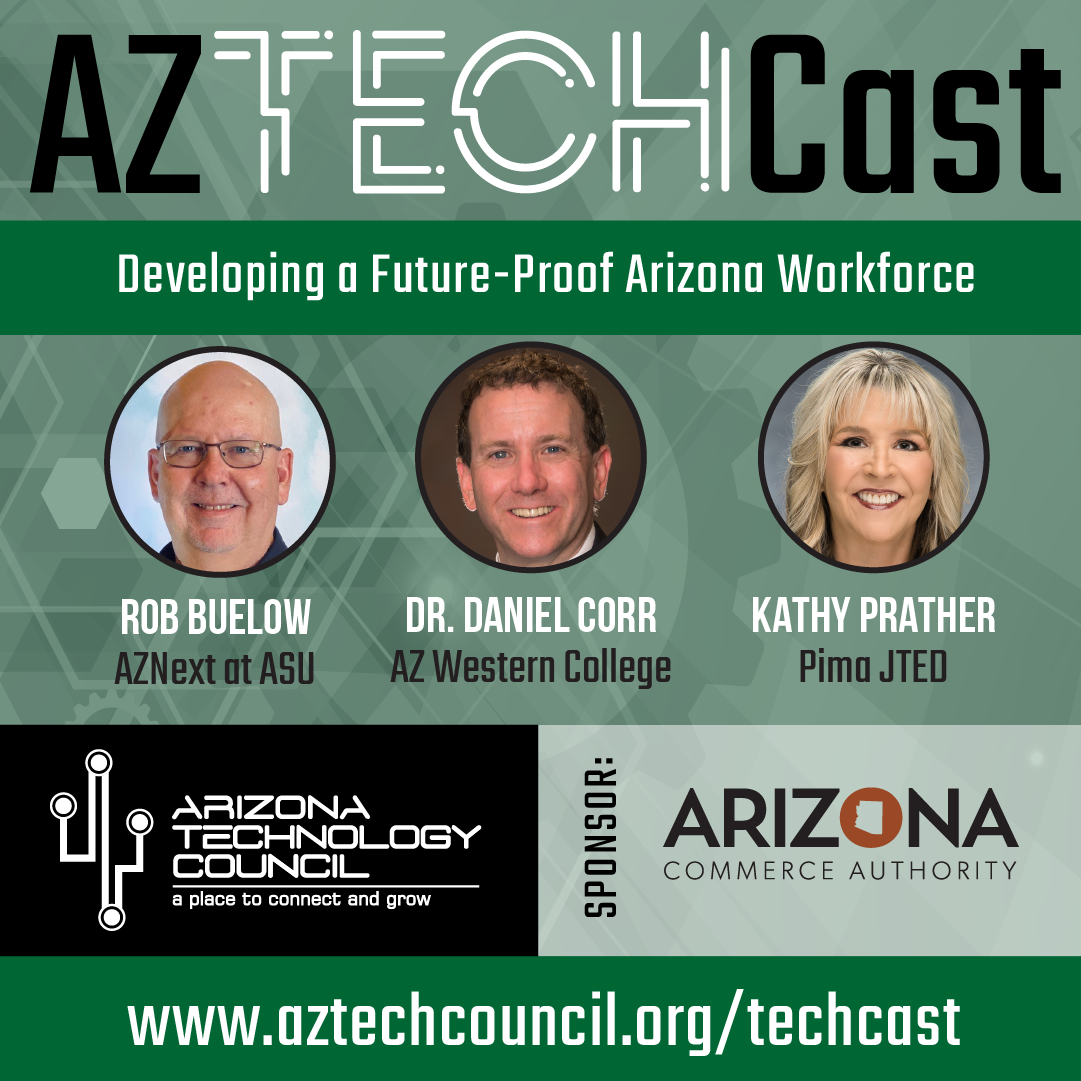
From Flagstaff to Yuma, Arizona is home to numerous educational institutions that are evolving rapidly to keep pace with the state’s tremendous economic growth. Every day, they are rolling out new programs, adding new classes and upskilling their educators to train the manufacturers, engineers, scientists and inventors of tomorrow.

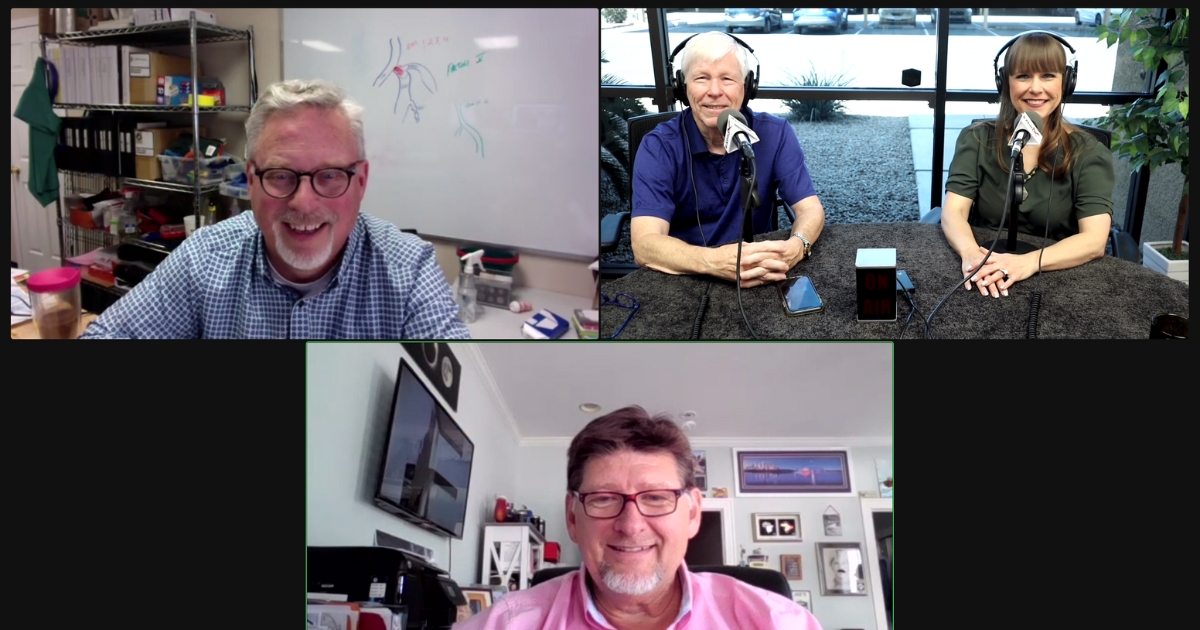
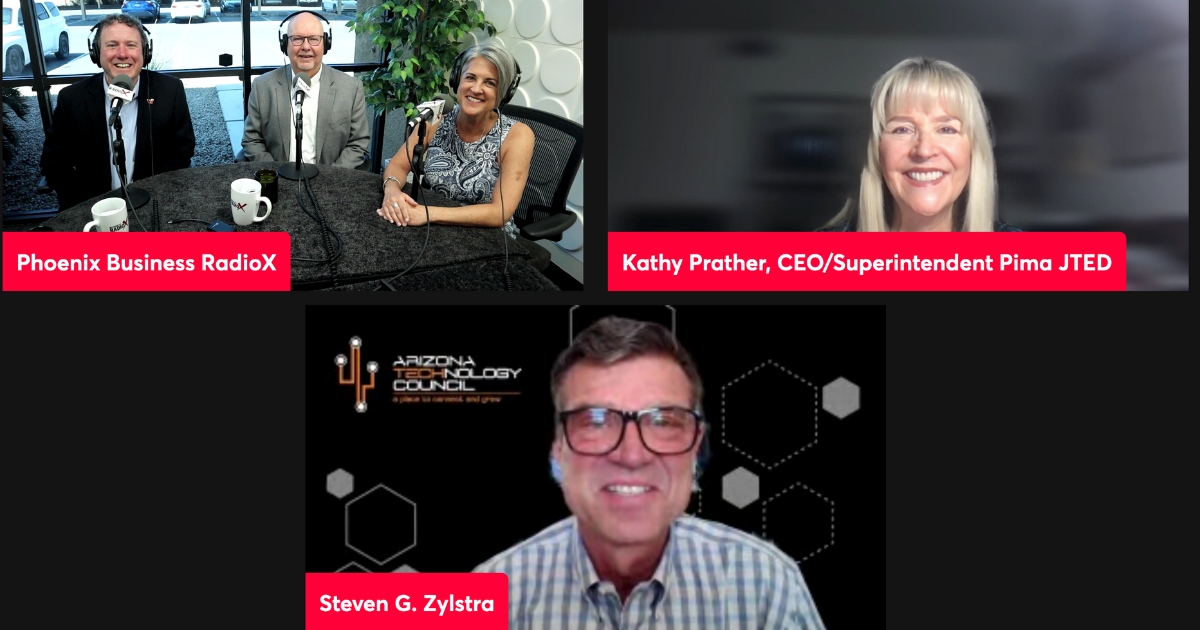
The April 2023 episode of the Arizona Technology Council’s AZTechCast podcast featured experts including Rob Buelow, program director of the AZNext Workforce Development Partnership at ASU; Dr. Daniel Corr, president of Arizona Western College; and Kathy Prather, CEO and superintendent of Pima Joint Technical Education District.

These leaders joined Steve Zylstra, president and CEO of the Arizona Technology Council, and Karen Nowicki, president and owner of Phoenix Business RadioX, in discussing their unique approaches to building the highly skilled and diverse workforce of the future.

In this hour-long episode, the panel of three experts defined workforce development and broke down its importance for Arizona’s statewide economic growth. With the influx of companies moving into Arizona, it’s critical that we are building a highly skilled and prepared workforce that can fill needed roles.

They discussed the key stakeholders that play a role in workforce development and mentioned that partnerships between the public and private sector are required to bridge the divide between educational curriculum and the professional skills that will support the technology ecosystem of the future.

While they focused primarily on skill-building for K-12 and higher education students, the panel also touched on the opportunities available for mid-career professionals that are looking to upskill or reskill. 

awc-logo

Since AWC was founded in 1963, the public community college has become a vital asset and resource to the communities it serves. Guided by its Strategic Plan, the college seeks to eliminate cultural, financial, time, and place barriers to education; cultivate an agile culture and institutional model that strengthens the future of the region; improve student success by leveraging technology that personalizes the student experience; and grow and sustain academic programs that fuel economic growth and position graduates for prosperity.

Located in the sunny, southwest corner of the state, Arizona Western College supports Yuma and La Paz communities with over 170 degrees and certificates in a wide range of academic and career and technical programs as well as non-credit courses in professional development, customized training, and personal enrichment areas. With 12 different locations and a service area that spans 10,000 square miles, AWC also boasts a diverse international program with students from over 40 different countries.

AWC is exceptionally unique in that it hosts all three state universities on its Yuma campus for face-to-face classes. These partnerships with Northern Arizona University, University of Arizona, and Arizona State University provide seamless transfer pathways to baccalaureate degrees, and beyond, in a variety of high-demand programs, including engineering, secondary education, agriculture, nursing and administration of justice. This effort is in line with the college’s goal of doubling the rate of baccalaureate degrees earned in Yuma and La Paz counties by 2035.
Daniel-Corr-AZ-TechCastDr. Daniel P. Corr began his tenure as the ninth President of Arizona Western College (AWC) in July 2016. During his tenure, he has been committed to building on the tremendous success achieved by AWC as an active member of the many communities served by the college.

He has focused his early efforts on facilitating student success, increasing access to higher education, executing the adopted College’s strategic plan, and fostering a climate of innovation, collaboration and stewardship at AWC.

Prior to assuming the role of AWC’s President, Dr. Corr held a variety of instructional and administrative positions at four different community colleges in Arizona & Illinois. All told, he has over 30 years of experience at the community college level.

Dr. Corr has always placed an emphasis on establishing and maintaining partnerships. He also remains committed to being responsive to community business needs.

Dr. Corr serves on a number of local, state, and national boards. However, his greatest passion is for AWC’s students and their success. This focus on student success and community partnerships is why you will hear Dr. Corr exclaim “It is a great day to be a Matador!”.

Connect with Dr. Corr on LinkedIn and follow Arizona Western College on Facebook, Twitter and Instagram.

Pima-JTED-logo

Pima JTED (Joint Technical Education District) is a public school district in Arizona, one of 14 Arizona Career and Technical Education School Districts. It serves all high school age youth tuition free in our service area that covers over 12,000 miles of Southern Arizona including Pima County and parts of Santa Cruz and Pinal Counties.

Pima JTED works in collaboration with the 14 area member public school districts and it’s tuition-free programs are open to any youth living in the area, whether they attend public, charter, private or are home-schooled. Current year enrollment exceeds 27,000 satellite and central campus students.

Most of the programs offer free dual college credit and all programs offer recognized industry credentials, certificates or licenses and work-based learning opportunities that may include clinical experiences, school-based enterprises, internships or externships. JTED programs strive to offer students the ability to develop skills using state-of-the-art equipment and technologies.

Programs include Licensed Nursing Assistant, Registered Medical Assistant, Engineering, Robotics and Automation, 3-D Animation, Virtual Reality and Game Design, Community Health, Cybersecurity, Construction Technology, Air Transportation FAA Drone Operator, Automotive Technology and many more.

Most of the JTED students go on to post-secondary education combined with direct employment in their desired field.
Kathy-Prather-AZ-TechCastKathy Prather became the Superintendent/CEO of Pima JTED on July 1, 2018, one year after being appointed as the district’s Deputy Superintendent.

Her career in education spans 29 years and multiple locations throughout Arizona, including Rough Rock High School, Prescott College, Northwest Pioneer College, Mohave Community College, Mohave High School, Colorado River Union High School District, Tucson Unified School District, and Sunnyside Unified School District.

She holds a Bachelor of Science Degree in Business Administration-Management, a Master of Arts Degree in Vocational Technical Education, and multiple certifications from the Arizona Department of Education including Superintendent, Principal and Career and Technical Education (CTE) Teacher.

Each year, thousands of students in the CTE programs she oversees receive nationally-recognized industry certifications, licenses and credentials as well as dual college credit from Pima Community College and/or concurrent tuition credit from the University of Arizona.

The innovative programs she has developed over the years have captured the attention of local, national and international media including CNN Money in 2016, Korean News Network in 2015, Manufacturing News in 2016, Arizona Public Media-PBS in 2014, District Administrator Magazine in January 2017, Mrs. Green’s World on iHeart Radio and many local network news broadcast features.

The Association for Career and Technical Education of Arizona (ACTEAZ) recognized Kathy’s contributions to CTE with their 2011 Administrator of the Year Award, and again with the 2016 ACTEAZ Lifetime Achievement Award. Kathy served on the Board of the National Council of Local Administrators (NCLA) from 2008-2015 as well as the Executive Board of the Arizona Council of Occupational and Vocational Administrators (ACOVA) from 2006-2014.

Kathy currently serves as a member of the Southern Arizona Leadership Council, the Tucson Metro Chamber of Commerce Board of Directors, Congressman Juan Ciscomani’s Citizen Advisory Council, United Way Cradle to Career Leadership Committee, Metropolitan Education Commission, Pima County Workforce Investment Board, Banner University Medicine Community Advisory Committee, Tucson’s Leading Women, and has previously served on the Board of Directors of Habitat for Humanity Tucson and the Southern Arizona Chapter of the National Alliance for Mental Illness. Greater Tucson Leadership will be named Kathy as Tucson’s Woman of the Year at their Community Impact Awards Event on April 21st, 2023.

Kathy was instrumental in the formation of the Pima County Joint Technological Education District #11, which is now known as Pima JTED. Prior to the JTED Proposition 400 item being listed on the ballot in 2006, she led community forums and made multiple presentations to business, industry and local school district governing boards.

Today, Kathy remains committed to forging mutually beneficial partnerships with business, community, and educational leaders to strengthen Pima JTED’s programs which provide local industry with the skilled workforce they need to thrive. She is actively transforming the culture at Pima JTED to the Growth Mindset to elevate students’ experiences, and employee job satisfaction. One of her top priorities is continuing to develop students’ professional skills so that they are ready to succeed in both college and careers.

Pima JTED continues to bring over $30 million dollars annually in supplemental funding for satellite and central Career andTechnical Education programs in Pima, Santa Cruz and Pinal Counties.
A native of Tucson, Kathy lives with her husband Brad Prather, a retired teacher. They have two grown children, and one granddaughter.

Follow Pima JTED on LinkedIn, Facebook, Twitter and Instagram.
AZN-Logo

AZNext Workforce Accelerator Partnership at ASU is a U. S. Department of Labor-sponsored program developing a sustainable workforce training infrastructure through paid internships, apprenticeships, train-to-hire programs, boot camps, and simulated work experiences, intended to create talent solutions to meet industry needs.

AZNext works with over 60 industry partners to determine what workforce skills are needed, then uses the resources of ASU to develop training programs to deliver those skills.

The areas of focus for the program are Information Technology, Cybersecurity and Advanced Manufacturing. AZNext creates programs for new hires, as well as upskilling and reskilling programs for incumbent workers.

The goal is to offer these services to unemployed and underemployed individuals, with a special focus on underrepresented communities to provide economic opportunity to those groups as well as improve the diversity of the high tech workforce.

Because we are grant funded, AZNext is able to offer these services at no cost to our participants. And we currently offer over a dozen different training programs open for enrollment right now.
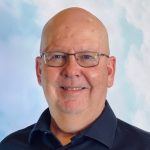
Rob-Buelow-AZ-TechCastRob Buelow has spent 2 years as Program Director for AZNext. He joined the program at inception, so led the process of creating and developing the program from the ground floor.

He has over 20 years of aerospace manufacturing industry experience in project and program management, process design and improvement, program implementations, team leadership, and business and customer management.

Rob has a Bachelor of Science in Business Operations, and an MBA from The W. P. Carey School of Business at ASU.

Follow AZNext on LinkedIn and Twitter.

About Your Hosts

Steven-ZylstraSteve Zylstra serves as president and CEO of the Arizona Technology Council, a role he assumed in 2007. He is responsible for strategy, operations, finance and policy development. Zylstra is a vocal spokesman for the value technology can provide in raising social and economic standards in Arizona.

Zylstra serves on numerous councils, committees and boards, was named “Leader of the Year, Technology,” by the Arizona Capitol Times, and “Most Admired Leader” by the Phoenix Business Journal. In addition, he was awarded an honorary doctorate of science in technology from the University of Advancing Technology in Tempe, Ariz.

Zylstra earned a bachelor’s degree in automotive engineering technology from Western Michigan University.
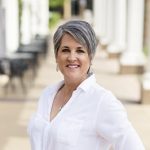
KarenNowickiv2Karen Nowicki is a successful author, speaker and the creator of Deep Impact Leadership™ and SoulMarks Coaching™. She is a two-time recipient of the prestigious national Choice Award® for her book and personal development retreat. Karen was crowned the first-ever “Mompreneur of the Year” Award in 2010 for the southwestern states. She was recognized for her leadership, business acumen, and work-life balance.

Karen has been an expert guest on regional TV and radio shows, including Fox Phoenix Morning Show, Sonoran Living, Good Morning Arizona, The Chat Room, and Mid-Day Arizona. She has been a regular contributor to many print and online magazines – publishing articles and blogs for business and education.

In addition to working with private coaching clients, Karen is also the Owner & President of Phoenix Business RadioX. The Business RadioX Network amplifies the voice of business – serving the Fortune 500,000, not just the Fortune 500. Phoenix Business RadioX helps local businesses and professional associations get the word out about the important work they’re doing to serve their market, profession, and community.

Of all the experiences Karen has had the privilege of participating in over her vast career, she shares that Phoenix Business RadioX is a pinnacle adventure!

Connect with Karen on LinkedIn and follow Phoenix Business RadioX on Facebook and Instagram.

bianca-buliga-aztechcastBorn in Phoenix, Arizona, Bianca Buliga is a trilingual first-generation American of Romanian ethnicity. A marketing professional with experience in both the nonprofit and for-profit sectors, Bianca currently works as Director, Marketing & Communications for the Arizona Technology Council.

Previously, Bianca worked as Marketing Communications Lead at Proctorio, a learning integrity platform that offers remote proctoring software ensuring exam integrity for learners around the world.

Bianca also worked as Senior Marketing Manager at SEED SPOT, a social impact incubator that educates, accelerates, and invests in impact-driven entrepreneurs creating market-based solutions to social problems. In January of 2020, Bianca was selected as an awardee of the Mandela Washington Reciprocal Exchange Program and traveled to the African island of Mauritius to run entrepreneurship programming for 15 impact-driven ecopreneurs on behalf of the U.S. State Department’s Bureau of Educational and Cultural Affairs.

Bianca has also completed comprehensive consulting projects for IBM, ESAN Business School, and the Peruvian government, and interned at the Arizona House of Representatives and U.S. Embassy in Bucharest, Romania.

Bianca earned her Bachelor’s degree in International Affairs from Northern Arizona University in 2014 and her Master’s degree in Global Affairs and Management from the Thunderbird School of Global Management in 2017. She is an avid reader, yogi, and world traveler always planning her next trip.

Connect with Bianca on LinkedIn.

About Our Sponsor

The Arizona Technology Council, Arizona’s only statewide organization serving the technology sector, fosters a climate of innovation to enhance technology in Arizona.

A trusted resource in strengthening Arizona’s technology industry, the Council proactively eliminates impediments that companies face, accelerates the entrepreneurial mindset in the state’s expanding innovation ecosystem, and works to create a destination for companies to be, thrive and stay.

Follow Arizona Technology Council on LinkedIn, Facebook, and Instagram.

AZTClogomainRGBPNG300DPI

Tagged With: Arizona Western College, AZNext Workforce Accelerator Partnership, Career and Technical Education, College and Career Ready, economic development, Innovative High School, It's a great day to be a matador, Matador proud, Students first, transform lives, Workforce Development

Leaving a Legacy E43

April 27, 2023 by Karen

E43-Leaving-a-Legacy-feature
Phoenix Business Radio
Leaving a Legacy E43
Loading
00:00 /
RSS Feed
Share
Link
Embed

Download file

E43-Leaving-a-Legacy

Leaving a Legacy E43

What legacy will you leave behind? Have you ever pondered that question? Our guests on this episode of Collaborative Connections Radio Show and podcast sure have.

Host, Kelly Lorenzen had the honor of interviewing her dad, Nick Morrison MD, who just retired from 50 years of patient care, and two of his best friends and fellow medical professionals, Tony Jakubowski, and Joe Zygmunt.

These three amazing guests are leaders in their field, pioneers, philanthropists, inventors, business owners, and more.

They shared some life stories, lessons learned, significant accomplishments, passions, aha moments, and their hope for the future of medicine.

If you are in medicine, a business owner, and/or a leader in your field, this is a great episode to listen to. So many great nuggets were shared.

Thank you, KLM Consulting, Marketing, and Management for sponsoring this show.

Nick-Morrison-Phoenix-Business-Radio1Dr. Nick Morrison is the Immediate Past-President of the International Union of Phlebology, Past President of the American College of Phlebology, and a Diplomate of the American Board of Venous and Lymphatic Medicine.

Beginning in 1996, following 23 years of a General Surgery practice, he and his wife, Terri, co-founded the Morrison Vein Institute in Scottsdale, Arizona. This practice was sold and dissolved in 2017 and Dr. Morrison is now retired.

Over the past 24 years he concentrates his practice on the care and treatment of patients with venous and lymphatic disorders. He is the author of numerous book chapters and scientific journal articles relating to venous disorders.

Beginning in 1989, and annually since, Dr. Morrison and Terri have directed a medical volunteer organization, Amigos de Salud, and led the group to Central or South America delivering medical and surgical treatment to indigent populations.

After recovering from contrafibulatis….

Joe-Zygmunt-Phoenix-Business-Radio1Joe Zygmunt started with pioneering USGS in the USA – first presentations at US Phlebology meetings in 1988, and the UIP in 1989.

He has owned/operated 3 vein clinics which popularized USGS and duplex for venous diagnosis. Joined the ACP (AVLS) as first non-physician and early non-physician of AVF.

Joe is heavily involved with ACP program development education and annual congress. He started the Allied Health section which evolved into and chaired the US section of the ACP

Joe met Tony Jakubowski, another early pioneer in the 90’s. Nick Morrison visited Joe’s clinic in Charlotte in “97/98. They became fast friends and have traveled to global vein conferences, and multiple volunteer trips to central/south america.

Joe joined industry in 2008 and is now in medical devices.

On a personal note, Joe became a fantastic friend of the Podcast Smartless. Don’t miss an episode as they come out….. Joe says, “I love the fact that Jason Bateman is one letter away from being another Batman(Will Arnett) and Sean is just plain crazy…. what a show!”

Joe says he is not in witness protection, and “my momma told me there’d be days like this!”

Tony-Jakubowski-Phoenix-Business-Radio1Tony Jakubowski, Founder, Contrafibrulitous.org

About Collaborative Connections

The purpose of Collaborative Connections Radio Show and Podcast is to build a connected community, one collaborative show at a time. We highlight local non-profits, associations, small and family-owned businesses.

By bringing 4 like-minded people together for an hour of in-depth conversation, our hope is that they connect and collaborate in life and business in the future.collaborative-connections-Radio-Show-Podcast-logo1

About Our Sponsor

KLM is a business development firm helping entrepreneurs, small and family-owned businesses start, grow and scale through consulting, marketing and project management. Combining those three things has been a trifecta, or triple advantage to business owners.

Entrepreneurs & small business owners come to KLM for support in all areas of business. If you need to duplicate yourself in any area of your business, we can help. If we don’t do exactly what you need, we know someone who can.

Business owners can continue to do what they love while having the support they need when they need it, with the help of KLM. We help you figure out what needs to get done AND DO IT FOR YOU!

klm-logo-small

About Your Host

Kelly-Lorenzen-on-Phoenix-Business-RadioXKelly Lorenzen, CEO of KLM, is an award-winning entrepreneur with over 15 years of business-ownership experience. She is also a certified project management professional.

Kelly’s expertise is in business development, customer service, marketing, and sales.

Connect with Kelly on LinkedIn, and follow KLM on Facebook, Instagram and YouTube.

Start Living Like an Everyday Entrepreneur E1

April 27, 2023 by Karen

Start-Living-Like-an-Everyday-Entrepreneur-feature
More Details, Please
Start Living Like an Everyday Entrepreneur E1
Loading
00:00 /
RSS Feed
Share
Link
Embed

Download file

Start-Living-Like-an-Everyday-Entrepreneur

Start Living Like an Everyday Entrepreneur E1

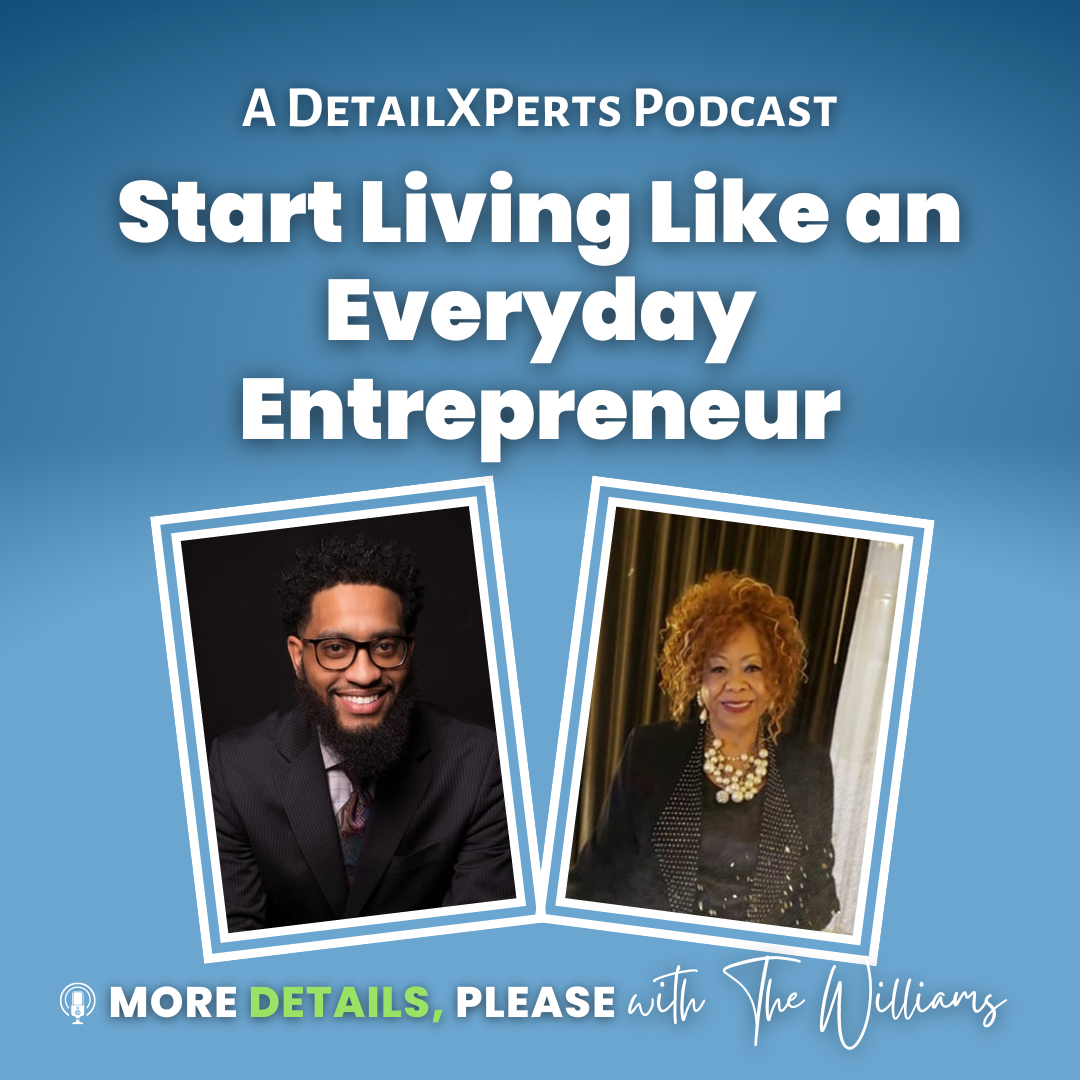
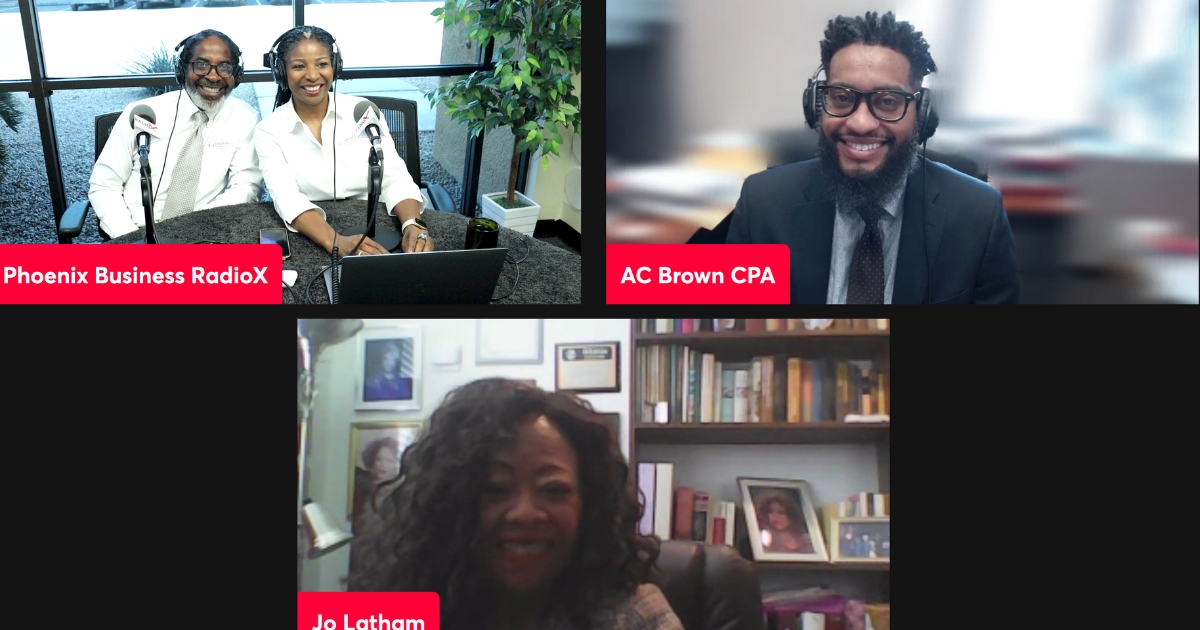
Emmanuel and Angela meet up with AC Brown and Jo Latham to discuss how we can start living more like everyday entrepreneurs if we want to be happier and more fulfilled.

Jo is a senior sales director at Mary Kay Cosmetics. And AC is a certified public accountant who runs a successful transport company with his brothers. Jo and AC share a wealth of knowledge on pursuing goals with passion and maximizing opportunities if you want to start
making things happen.

Tune into this episode if you need help turning challenges into opportunities for growth and learning. You’ll also pick up tips on working with families, including the importance of growing together in business, instead of growing apart. Other inspirational advice touches on resilience and the “bounce back” ability to help you succeed. And the importance of not giving up on yourself even if there are setbacks along the way.

An iconic brand isn’t built in a day. For more than 50 years, Mary Kay Inc. has empowered women while changing the world of business.

Jo-Latham-More-Details-PleaseJo Latham is highly favored by God, goal-oriented, frank, honest, loyal, motivated, successful, high integrity, and fun.

Her objective is to become a National Sales Director with Mary Kay Cosmetics.

Jo also serves as the Co-Chairman for Top Ladies of Distinction.

The John L Group, Inc. is a HUBZone Certified company and National Minority Supplier Development Council Member, offering a level of service that exceeds expectations in the areas of logistics and finance.

Whether it is commercial or government entities, The John L Group can effectively design, manage, and execute a multi-level approach to its clients’ needs.

Antonio-Brown-More-Details-PleaseMr. Antonio Brown is a native of Flint, Michigan. He is the husband to Mrs. Edythe Brown and the father to 4 sons, Antonio Jr., Ethan, Evan, and Elijah Brown.

Antonio is a graduate of the University of Michigan-Flint, receiving a Bachelor’s degree in Business Administration, concentrating in Finance in 2004.

In 2009, he received a Masters degree in Business Administration from the University of Michigan-Flint. Antonio earned a Master’s of Education in Educational Psychology from Wayne State University in 2020.

Mr. Brown has received his professional license as a Certified Public Accountant in 2007 and has been the Chief Financial Officer of the Detroit Public Library since 2014.

In 2019, Antonio, along with his brothers, Luther and Jermaine Brown, launched The John L Group Inc., a family-owned company which offers services in Logistics, Financial Services, and Construction in the City of Flint.

About the Show DetailXPerts-more-details-please-podcast-tile

“More Details, Please” is a podcast about entrepreneurship and all its related aspects.

Each week sit down with inspirational people who share their stories of triumphs and failures, their unique perspectives, passion for innovation, and their thoughts on what it takes to make it in business.

Join us if you want to hear ALL the details from those in the know!

About Your Hosts

Emmanuel-Williams-2x2Emmanuel Williams, CEO and co-founder, DetailXPerts

With a background in engineering, Emmanuel built DetailXPerts around a sophisticated steam cleaning process that saves water and sanitizes.

As a leading authority on green cleaning practices, Emmanuel has dedicated his career to promoting environmentally friendly cleaning methods in the auto detailing and commercial cleaning industries.

He is also passionate about supporting local communities and mentoring entrepreneurs seeking sustainable franchise opportunities.

Angela-Williams-2x2Angela Williams, President and co-founder, DetailXPerts

Angela has a deep understanding of business and all things entrepreneur related. Her expertise includes Information Technology, Financial Systems, and Accounting.

She is a certified Project Management Professional, too. Her insights and experience drive the success of DetailXPerts, a thriving eco brand. Angela is always active in an evolving business landscape, from championing green tech to building strong client relationships. She’s also dedicated to mentoring franchisees from startup to success.

Together, Emmanuel and Angela bring a wealth of knowledge and experience to the table and are excited about talking to other entrepreneurs and leaders who share their passion for inspiring listeners on More Details, Please.

About Our Sponsor

DetailXPerts is a mobile detailing, truck wash, and commercial cleaning company that brings eco-friendly and efficient services to socially conscious customers. Its unique steam cleaning technology guarantees a deeper clean and continues to drive innovation in three competitive markets.

The company started as a steam cleaning car wash in 2002 and established its first car wash franchise in 2008. Now DetailXPerts has franchise units operating nationwide and in other water-stricken areas in the world.

At DetailXPerts’ core is the triple bottom-line philosophy of people, planet, and profits. Every day, the company strives hard to make the world a better, greener place while providing jobs to those in need and earning some profit in the process. 

The company motto is “We bring a greener clean”. And it fulfils its promise thanks to green tech, mobile units, and on-demand services prioritizing customer convenience and sustainability.

Follow DetailXPerts on LinkedIn, Facebook, Twitter and Instagram.

DetailXPerts-logo

Tagged With: Inc., mary kay cosmetics, The John L Group

Episode 105: Middle Market Housing Strategies for 2023

April 27, 2023 by Karen

Episode-105-Middle-Market-Housing-Strategies-for-2023-feature
Phoenix Business Radio
Episode 105: Middle Market Housing Strategies for 2023
Loading
00:00 /
RSS Feed
Share
Link
Embed

Download file

Episode-105-Middle-Market-Housing-Strategies-for-2023

Episode 105: Middle Market Housing Strategies for 2023

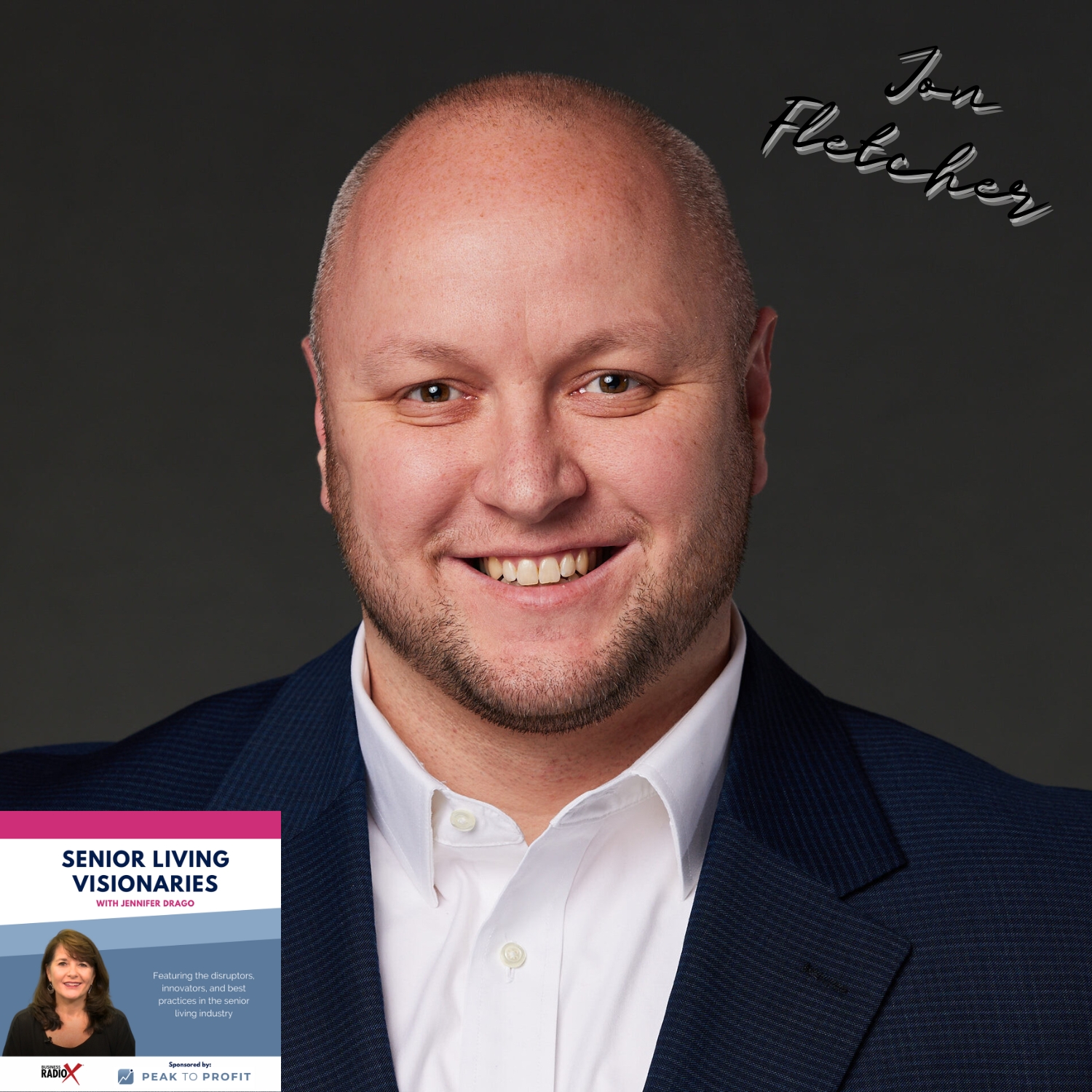
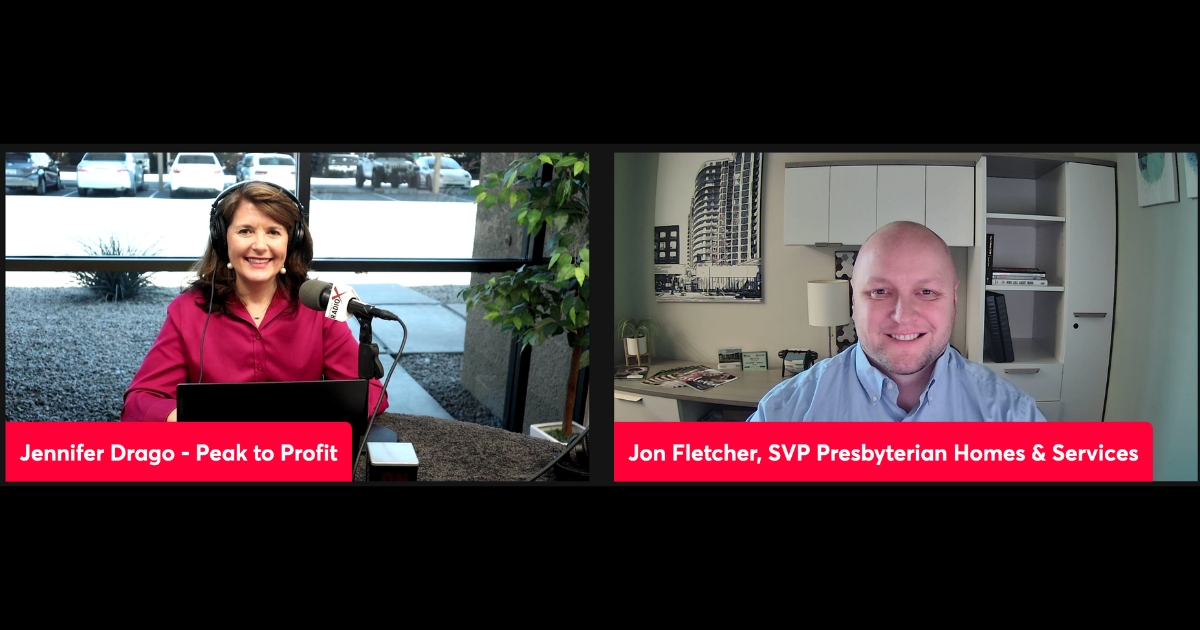
On this episode, host Jennifer Drago interviews Jon Fletcher, Senior Vice President of Senior Housing Partners, a division of Presbyterian Homes and Services. They discussed the financial performance of middle-market senior living projects and strategies for successful middle-market development.

Senior living providers will be interested to hear Jon’s expertise on how these middle market projects can be financed and what the capital stack can look like on these projects. Jon shares how CCRC providers can add middle-market projects to their portfolio without diluting their premiere brand and also discusses alternative strategies that can be considered at this time such as land banking and acquisitions.

Jon offers a white paper on successful tenets of middle market development that can be accessed by subscribing to the Senior Living Visionaries podcast at www.seniorlivingvisionaries.com

Senior-Housing-Partners-logoAs a full service organization, Senior Housing Partners is a nationally recognized leader in turn-key senior housing development. From strategic planning and product positioning to site selection, zoning and regulatory compliance, we work through all the details.

SHP serves as the development arm of Presbyterian Homes & Services, and as development consultant to other not-for-profit sponsors of senior housing, assisted living, and nursing care centers. PHS is the fourth largest non-profit provider of senior services in the country.

phs-logo
Jonathan-Fletcher-Senior-Living-VisionariesJon Fletcher joined PHS in 2018 after serving on its Board of Directors for 2 years.

Jon has $2 billion of project development and financing experience, with specific expertise in multi-unit housing, mixed-use, and suburban/urban development. Jon is a frequent speaker on the topic of multifamily, senior housing, multi-site, brownfield, and middle-market real estate development.

Jon is also an 8-year Army veteran (Operation Iraqi Freedom), a “40 under Forty” winner from the Minneapolis Business Journal, and has previously served on the Board of Trustee’s of Presbyterian Homes & Services, Crown College, The Bridge for Youth, Heritage Academy of Science and Technology, and the Urban Land Institute-Minnesota’s Young Leaders Group.

Jon has a BA in Music Performance from Crown College, an MBA in Finance from University of Wisconsin-Whitewater, and has completed Executive Education coursework at MIT.

Follow Presbyterian Homes & Services on LinkedIn, Facebook, Twitter and Instagram.

TRANSCRIPT

Intro: [00:00:05] Welcome to Senior Living Visionaries, a podcast for senior living leaders who are looking to stay ahead of the curve in the industry. On this show, we feature leaders and innovators in senior living who are pushing the boundaries and creating new effective services and solutions. And now let’s settle in as host Jennifer Drago connects us with today’s guests.

Jennifer Drago: [00:00:31] Hello and welcome to Senior Living Visionaries. We are broadcasting live from the Phoenix Business Radio X studio. And on this show, we showcase leaders and innovators in the field of senior living who are shaping our future. I’m your host, Jennifer Drago. I’m a strategy consultant and CEO of Peak to Profit.

And today, I’m so excited to welcome our guest, someone that I’ve known for a few years now. And it’s Jon Fletcher from Senior Housing Partners, which is a division of Presbyterian Homes & Services. And I’ll let you tell us about Senior Housing Partners in just a second. But Jon joined Presbyterian & Senior Housing Partners in 2018 after serving on its board of directors for two years. He has $2 billion of project development and financing experience.

And honestly, I don’t know anybody who knows this stuff that we’re going to talk about today better than Jon. He has specific expertise in multi-unit housing, mixed use, and suburban and urban development. He’s a frequent speaker on the topic of multifamily senior housing, multi-site brownfield and middle market real estate development. He’s also an eight-year Army Veteran and a 40 under 40 winner from the Minneapolis Business Journal. I’m sure many other accolades to come, Jon. And you’re so young, but you have so much vast knowledge and experience. So welcome.

Jon Fletcher: [00:01:56] Yes. Thank you so much for having me. Glad to be here.

Jennifer Drago: [00:01:58] You betcha. And so tell us a little bit more about your role with Pres Homes and then also with Senior Housing Partners, if you would.

Jon Fletcher: [00:02:05] Yeah, certainly, absolutely. So I’m a Senior Vice President with Presbyterian Homes & Services that lead our strategic growth and real estate development team, which is focused on helping to expand the mission of Presbyterian Homes. But also, we provide services to other organizations across the country, primarily nonprofits, and helping them to expand their senior living. So we provide consulting services and whatever is needed to help these organizations meet their own goals of expanding across the country.

Jennifer Drago: [00:02:34] Perfect. Thank you so much. And that’s actually how we met, through a consulting project. And really interesting. So let’s first set the stage for what’s going on in our industry. In case somebody isn’t in the industry, and just happens to be listening in, we know that the folks who are turning 65 and older today, there’s about 10,000 of them every single day. And we know that they have a different financial status than the generations that came before them. The baby boomers perhaps don’t have as many pensions, may not have as much retirement funding.

And so we have this issue where we have a number of people who are going to need senior housing and senior services, but yet, are in a different financial category. So we call them middle market. So they’re truly middle income. They’ve probably been middle income earners in their life. They probably still fit into the middle-income bracket.

And we as an industry need to figure out where they’re going to live and how we can take care of them, what services we can deliver to them, because there’s going to be so many more of them than there are of the folks who are going to be caring for them and servicing them. And we already know not enough product. There’s not enough housing product. Even if we built every minute of every day from now and then, between now and when they’re already hitting 65. But when they truly need services, we know we can’t fill that gap.

And so what I love about the work that Jon does is they’ve really perfected the model of middle market development as it relates to senior housing. He knows the formulas. He can tell you about how they produce financially. And so as an industry, I think you’re going to find this conversation very helpful today.

So, Jon, let’s start out with — I’m going to — I’ve kind of talked about how I define middle market, but how do you define middle market as it relates to senior housing? What are we really talking about?

Jon Fletcher: [00:04:31] Yeah. That’s a great question and it’s a big one in the minds of kind of everybody in senior living at this point. So much of the product that has been built to date has really focused on kind of the barbell ends of the spectrum in terms of the typical CCRC community, which is maybe targeted towards more upper income households. And then you have obviously a lot, not enough, but a targeted effort towards affordable housing at the lower end of the income spectrum.

And so really the question is what is or can be built for folks that fall in between that. And I would say it’s kind of a simple idea in terms of the missing middle, but it’s complicated to define and complicated to finance or it can be complicated. And so we’ve really tried to boil down how we define middle market by taking the different income bands and not just segmenting them by household income or household resource availability, but instead really trying to focus on that in conjunction with what are the financing sources available.

So we’ve kind of broken down these submarkets into four sections. So really kind of very low income, which would be households that are earning 30 percent or less of median income. And that type of household usually has housing options that are 100 percent subsidized through grants, through tax credits, et cetera. There’s a low-income bracket then that is 30 to 60 percent of median income that’s supported through tax increment financing and then low-income housing tax credits.

And then there’s the high income. And we’ll come back to middle market. But then the high income is what we consider to be 150 percent or greater of area median income. And that’s really market driven. That’s the kind of the luxury housing product that you see kind of being built everywhere.

And so you heard a spend skip or heard me skip from 60 percent to 150 percent. That’s really how we define the middle market. It’s households that are earning 60 to 150 percent of area median income. And so just as an example, if your local market where you’re at has $100,000 median income, that’s households that are earning or are generating annuitized income of $60 to $150,000 a year.

What you run into is the challenge of there aren’t any sort of subsidies or government subsidies targeted towards that. Typically, you’re not able to generate enough income just from market rents to actually pay to support the debt service that’s required. And so you just kind of have this tweener status of all these households. You look at, you know, 20, 30 to 20, 35, all these households coming down the pike and just not enough housing that can be afforded by folks in that. So we generally define it as housing that is affordable to folks earning between 60 and 150 percent of AMI.

Jennifer Drago: [00:07:02] Okay. And that’s annual median income.

Jon Fletcher: [00:07:04] Yep.

Jennifer Drago: [00:07:05] Okay. So it’s going to be market specific as well.

Jon Fletcher: [00:07:07] Correct. Yep.

Jennifer Drago: [00:07:08] And so what I want to point out about that before we go into the senior housing aspect is, you know, middle market, it may be us, it may be the listener, it may be our parents, it may be — I mean, it is the firefighters, the teachers in our community. I mean, we know people in this middle market.

And it’s Jon’s mission to make sure that those folks have a place to live at the time that they need that place to live. And as an industry, it’s our job to figure out also how to provide services to that middle market. So tell me in general, how does operating a middle market community differ from operating a market rate community? What are some of the main differentiators?

Jon Fletcher: [00:07:53] Yeah, it’s a good question. There’s a lot of similarities, but also a lot of differences between middle market versus a classic like type-A community. I think number one is that there needs to be significant focus on operational efficiencies, and a strong focus on resident needs versus organizational wants.

And kind of the funny example is there’s these great communities and organizations that just have a desire to provide all kinds of services and hospitalities for residents. You might have this conversation of, well, if we only had like a director of pickleball success available to our residents, they could be amazing and happy and fully engaged in pickleball. That’s probably true, right? If you had someone just focusing on that.

Is that necessary? Maybe not or maybe it could be an a la carte option. And I’m just saying that in jest. But, you know, it really comes down to how many staff are on site. At the end of the day, for middle market, one of the key goals is to try to keep rents affordable for these households. And rent pricing really comes down to just a simple balancing equation. What can residents afford to pay versus what is required to provide staff with competitive wages that allow them to live and thrive?

And the reality is that the larger the pool of staff is, which is the most significant portion of your operating expenses, the larger that pool of staff is, the bigger your rents need to be. And so we just need to be really realistic around what do residents need versus what do maybe we as an organization feel like residents need or we want to provide in order to provide over the top service?

So staffing is one of them. Also, really trying to fight the urge to over monetize buildings. I like to tell people that with mid-market communities, we want to try to provide, we want to try to achieve a simple and pleasant hospitality. Right. Again, providing what they need going above and beyond in the hospitality when we can.

But just being realistic, I think a great example or comparison is if you think about like in the restaurant industry, you have all different types of restaurants, but in general, you can kind of boil it down to there’s fast food, there’s fast casual or quick service and then there’s fine dining or full service.

We’re trying to hit that midpoint of fast casual and which is going to be providing the healthy meal options and good quality customer service and a lot of a la carte options. But it’s not necessarily bringing the white tablecloth out every single time. And I think that last point, too, on the a la carte options, that’s probably another really key differentiator in mid-market communities as well is just that giving residents choices around what types of service packages and hospitality offerings they want to accept or opt into I think is really key.

You can kind of think of like a cruise ship as well, where the level of expectation around hospitality and services is very high across the entire cruise ship. But the reality is that when you get onto the cruise ship, you can have the choice of do I want to have the largest cabin? Or do I want something more modest? I can maybe choose to have XYZ service brought in versus full service, et cetera. So having a lot of a la carte options I think is really key as well.

Jennifer Drago: [00:11:09] Okay, great. And so this is really important, Jon, I think. And for providers, if they don’t currently operate middle market and when you and I first started working together, I worked for a provider that was a multisite CCRC provider and we didn’t have any affordable, we didn’t have any middle market. And we were really trying to figure out how to bring middle market into our service, our continuum.

And you explained to us very early on this is a very different product. You need to think differently. You need to staff it differently. While we might be able to purchase some services from the parent organization, this is a different staff, a different level of service, if you will. I mean, like you said, the customer service is still great, but the amenities are a la carte and less than you would see in a typical CCRC. Is that something that you work with clients a lot on trying to manage different levels of their housing?

Jon Fletcher: [00:12:07] Yeah, absolutely. I think several years ago, the discussion was a lot more around how do we design the buildings to meet mid-market kind of, I would say standards, but mid-market price points, right? How do we adjust the countertops and the cabinets and the flooring. And those things like all do add up. And we want to be really thoughtful and intentional around what that design is.

But, especially over the last three to five years, the conversation has really shifted from how do we design the buildings to how do we design the operations to make sure that we’re able to maintain the margin that’s needed? I mean, that’s the reality at the end of the day. Again, it’s how do we balance what residents can afford versus what is needed to provide for staff to be able to thrive.

Jennifer Drago: [00:12:51] Yeah. And so let’s jump to that question because to be honest with you, when I was working with my last provider, and we were trying to figure out if middle market fit for our organization and there was a big concern about how it would perform financially. So let’s talk about how mature middle market housing, senior living projects actually perform financially when they’re operated the way that you describe.

Jon Fletcher: [00:13:17] Yeah. What’s really interesting is that middle market communities actually tend to be some of the best performers. And I think a lot of folks when they first get into the discussion of middle market, well, it’s going to take a lot of financial resources. We’re going to have to subsidize this forever. We don’t think we want to go down that route. Can we afford to do it?

But the reality is that in our portfolio of housing, middle market is by far our most stable. It’s our most successful operating platform. In general, it’s stabilization. We expect to achieve EBITDA of 50 to 55 percent on our newer communities, which is great, generates cash on cash returns of 10 to 12 percent. We typically see IRRs in the 16 to 22 percent range.

So very market competitive and we expect those communities to be contributing financially to the organization. They should not be a drain on existing financial resources, or you shouldn’t need to be putting foundation dollars. If anything, your mid-market communities should be able to kick back to the organization to support other benevolence initiatives.

Jennifer Drago: [00:14:22] Wow, that’s awesome. And those numbers are even higher than I remember. I’m sure you’ve told me that before, but wow, that’s amazing. And so what is that period of stabilization from the time you’re developing, putting a shovel in the ground till we actually are stabilized?

Jon Fletcher: [00:14:38] Yeah. I mean, so from first concept to kind of handing over the keys and starting lease up, it’s usually between four and five years just to kind of hand over the keys. Usually, it takes about a year or two on the pre-development side, call it a year or two, depending on the size of the building for construction, another year or two for lease up.

But then once you get into operations, we usually like to see stabilized operations within about 18 to 24 months. So call it by year three of stabilization, you’re seeing positive cash flows and stabilized operations. So fairly quick.

And one of the things that’s really nice, too, about mid-market communities is that because your price points are modest, at least initially they’re modest and very market competitive, you’re typically seeing your stabilized occupancy in the 95 to 99 percent range. We typically see very high occupancy. We actually have many communities that are 100 percent occupancy. And the primary reason is because modest rents have helped to de-risk the investment. Since you have that high occupancy, you can really afford to keep your rents modest over time. It’s just kind of a self-perpetuating, self-fulfilling prophecy of how do we keep our rents low. So it’s really a nice investment.

Jennifer Drago: [00:15:52] And so you’ve shared with me that at Pres Homes, middle market housing represents about 60 percent of your overall housing. So how many properties is that?

Jon Fletcher: [00:16:03] So we have about 65 communities or about 10,000 units in our own portfolio that we own and operate. And yeah, so about 60 percent would be middle income, about 20 percent upper income, and then 20 percent low income or subsidized. And we do that intentionally to provide a diversified stream of income, diversified resident base in terms of who we’re serving. We just try to diversify across different platforms. Also, the diversity in payer source, right? Private pay versus subsidized versus any sort of agency or federal or state subsidies. So it’s a good blend.

Jennifer Drago: [00:16:37] Yeah. And I wanted to point that out because as Jon’s sharing that those EBITDA numbers and that IRR, it’s not one building that had really good experience. I mean, that’s your portfolio, that’s kind of your average performance in your middle market portfolio. And so that’s pretty impressive. I just wanted to point that out.

So let’s talk about current market conditions. What is that doing to middle market housing development in terms of our interest rates or construction costs, our staffing shortages? Where are we at?

Jon Fletcher: [00:17:14] Yeah. Well, there’s no secret that high interest rates and construction costs right now are challenging the entire development industry, not just in mid-market. But especially for nonprofits. You know, basically just margins are getting squeezed. And so on the nonprofit side, while the demand is very high, a lot of folks are pausing their developments. So not necessarily canceling work that’s in project or in process, but they’re pushing pause, waiting to see how the economy stabilizes over the next year.

But what’s been interesting at the same time, folks recognize that we might be going into a bit of an uncertain season. But at the same time, they’re recognizing that pre-development work typically takes one to two years for a project to get ready to go. And so we still have either for ourselves or for our partners that we’re working with, they’re still taking this opportunity now when the market is uncertain to maybe put a shovel in the ground, they’re taking that time to start doing all the pre-development work, the market research work during the plan drawings, because again, that can take one to two years to sell.

So that way, if and when the market returns, you’re ready to go with a shovel in the ground and you can then meet the market. Basically, if you wait until the market looks good to start having this conversation, you’re already late. You’re going to be like three years late. And so we’re fairly big proponents of let’s get rolling on the pre-development work. It’s a fairly low cost of entry in terms of doing the pre-development work, but you could save a ton of time.

Jennifer Drago: [00:18:35] Yeah. And we also are seeing some providers, if they’re fortunate enough to have cash on hand, maybe banking some land that they know they want to develop on and so they can start that planning work as well, right?

Jon Fletcher: [00:18:47] Yeah. Great time to buy land. And obviously it’s site specific, but just in terms of construction costs are high, interest rates are high. And so there’s less competition for buyers out there. And so if you have the wherewithal to put in an offer, a competitive offer, you can usually get reasonable deals now. And I say reasonable just in comparison to what pricing we were seeing, and in comparison to potentially the pricing you’re going to see in the future if interest rates come down. So land banking again in select situations makes a lot of sense.

Jennifer Drago: [00:19:20] Yeah. And that’s something else that Senior Housing Partners helps its clients with is selecting the right piece of land if they don’t already have a piece of land in mind. So good to know. And so let’s bring our crystal ball out for a second. So we know we have lots of people in pre-development and maybe holding on actually getting their construction financing and starting their construction project. Do you anticipate that when interest rates decline, that we’re going to have a kind of a backup in the pipeline and end up with some shortages and needing more construction Labor?

Jon Fletcher: [00:19:55] I think so. And like you said, we’re crystal balling at this point, but at the same time, you can’t help but look at this and say there’s a lot of work that’s been paused that’s going to need to be built at some point. Just like in the last recession, if construction work slows down, there’s certainly concern that you might see another exodus of construction labor.

And if you combine that exodus with this pig in the pipeline of projects that need to get built, it could be a pretty big whiplash in terms of you have high interest rates. And then as interest rates come down, suddenly construction costs skyrocket because all projects want to get in the ground, but there’s not enough labor to execute on it. And you’re just also hoping that supply chain issues have been resolved, we’re still seeing supply chain issues around major mechanical systems for buildings. Electrical switchgear is a big one.

And so it will be interesting to see where things go. And you hate, as a developer, you hate to try to time the market because you never really get it right, but you are just trying to be ready to move quickly. And so I tell folks try to get yourselves in a position where you can move within 120 days of the market conditions looking good.

Again, like I said before, if you wait until the market feels comfortable for you to start working, you’re going to be late. You’re going to wait one to two years until your plans are ready. You’ve got to be able to move in 90 to 120 days, basically the time it takes to close financing.

Jennifer Drago: [00:21:15] Yeah, perfect. So for providers who already know middle market is in their future or additional middle market housing is in their future, you’ve given us a lot of things that we can be doing now while we’re waiting for interest rates to drop so that we’re ready to go. Are there any other strategies we should consider in light of the current market conditions such as acquisitions?

Jon Fletcher: [00:21:37] Yeah, that’s a great point. I mean, so like right now with return on cost spreads being really compressed due to high interest rates, it’s natural to look out there in the market and say, okay, new development can come with some risks around costs and labor et cetera. But if there’s communities that are already operating, it’s already kind of shaken out obviously the development risk. You understand the staffing, you understand how it’s performing, you can make some operational tweaks if you wanted to. But then in terms of expanding your portfolio, you price the acquisition based on how it’s performing currently.

So a lot of risk has been taken out of it. And the reality is like assuming you’re buying an existing middle market community and depending on the quality of the property and the quality of operations, it wouldn’t be out of the ordinary to see a discount of 30 to 50 percent versus new construction. Right.

And that’s assuming you’re buying a ten-year-old building, a 15-year-old building, maybe it’s kind of a B+, A- type building, but perfectly appropriate for a middle market community. Even if you have to invest some money in deferred capital or deferred maintenance, that’s totally fine. Even accounting for any additional investments you need to make to maybe bring it up to date, you’re still acquiring at a cost basis significantly below new construction.

And so even for ourselves at Presbyterian Homes & Services, we are in the process of acquiring communities right now just because it makes sense based on capital markets. But then at the same time, we’re still preparing for when development makes sense in the future.

Jennifer Drago: [00:23:02] So amazing. That’s a really good point that maybe some weren’t thinking about. So I hope that we’ve got them thinking today. So what are some strategies that are important when you’re developing a successful middle market community?

Jon Fletcher: [00:23:17] Yeah. Honestly, I always tell a lot of folks there’s not one magic bullet. It’s a lot of little things. There’s a lot of kind of one percent things that you can do that add up to making 20 to 30 percent difference versus a market rate community. And I think we have a white paper that will be included with this or linked to this that lists about 20 different tips and strategies, but I pulled out just a few kind of key items that I would share with folks as they’re looking to build a middle market community.

And so for the first one, from the get-go, focus on design and operational efficiency. I try to hammer this home as much as I can. You want to be targeting about 60 percent rental efficiency. So about 60 percent of your building square footage needs to be going into rentable space, right? Housing space. And that includes parking as well. So 60 percent. And it’s really funny how specific that number is.

If you get down to like 57 percent, your performance is probably not going to work. So be targeting 60 percent rental efficiency. If it’s less than that, you likely have too much space dedicated to amenities. And if you have too much space, you want to be thinking about how can I consolidate some of those amenity spaces to be multifunctional?

I’ve shared this before. I think they’re — not I think, I know there are too many spaces in buildings that are dramatically underutilized. We think about like community rooms, for example, right? Even if you consider yourself highly programmed and you have two events a day for an hour and a half going on in a community room in your building, that’s every day.

So over 700 events a year, that sounds like a really high utilization. That’s still only about 12 percent of the hours of the year, right? So 88 percent of the time you have this big expensive space that’s just doing nothing. How can you combine that with maybe theater time later in the evening, like play a movie? Or how can you use that large space to do group fitness? So you have to be thinking about operational and design efficiency.

The other thing I would say is, and this is a really key item, is that over time to maintain a successful community, you need to be really focusing on how do you keep your rent increases down. Right? So many folks will try to match their rent increases to what the local market is doing as opposed to maybe what CPI or inflation is doing or opposed to what your operating expenses actually require.

And so we really encourage folks to focus on doing rent increases that match your expenses and not what the market would allow. And what we find is that over time that housing prices and rents are actually increasing. It depends on the market but call it like one to three percent faster than actual expense inflation.

And so over time, let’s say you’re able to save that one or two percent a year over a period of ten years, you might find yourself 15 to 20 percent below market without even having really tried very hard. Right? You just kind of stayed responsible with your expenses and then you just have a natural competitive advantage built in.

And I would say the third one, and this is a little bit more specific and frankly, a little bit more targeted towards CCRCs. But in a mid-market community, think about phasing out or completely eliminating like unit customizations. Right? And I know that’s a really specific item, but things like having to have all of these like one off customizations around the unit turns that can cost tens, if not hundreds of thousands of dollars, and that take weeks and months to turn over, that’s lost revenue. You can’t be that inefficient on your unit terms.

And so when you’re designing and operating communities, trying to focus on picking high quality neutral finishes that appeal to a broad range of tastes and all that combined, it will speed up your construction timeline, it will reduce your variety of materials, it will speed up unit turnover, so more revenue so you can keep your rents lower and it will dramatically simplify the number of maintenance folks you have to have on staff, right?

So that’s just kind of 2 ideas out of 20 in the white paper. And again, some of them are more broad and some of them are more specific, but each one of them kind of adds up to hopefully helping.

Jennifer Drago: [00:27:23] Yeah. Thank you. And thank you so much for offering that white paper to our listeners because your expertise is evident and the fact that you put that all into a paper that we can all absorb and really learn more about how to do this right and how to do this well, I’m thankful that you did that for us. So thanks. Thanks so much.

Let’s talk — I know financing is a big part of your expertise and a big part of the work that you do. And so when an organization is thinking about a middle market housing project, what kinds of finance strategies are you seeing? What does the capital stack look like, so to speak?

Jon Fletcher: [00:27:58] There’s a lot of different ways to finance these projects. Every organization has their own, I’d say called best path based on what their limitations are, how much equity is available, what their credit profile is, the size of the organization, et cetera. But I would say if you have flexibility and if you have options, what we’re typically seeing is that to have a successful middle market community on the nonprofit side, you need to be targeting around 15 to 20 percent cash equity into projects.

On the for-profit side, we would expect folks to need to invest upwards of 30 percent cash equity into the deal in order to get the kind of market required returns. Going back to the nonprofit side, we typically encourage organizations to pursue tax exempt, bank qualified notes as a way to reduce interest rates. Those are usually very competitive as opposed to tax exempt bonds.

And there’s situations when a tax exempt bond makes a lot of sense or it might be even required. But to the extent you can pursue bank financing, we typically prefer that primarily from the reason that you’re able to, during the construction loan process, get a draw down structure. And we’re big advocates of a draw down structure in your construction financing as it helps you to save interest costs depending on the size of the project, that can literally be millions of dollars in savings. If you’re able to do a draw down financing versus a gross financing at the beginning.

And then typically as well on a bank deal as opposed to a tax-exempt bond, there’s a significant difference in the amount of debt service reserve funds that are required. The debt service reserve funds and the tax-exempt bond can add up to millions of dollars on their own. And these are all just, again, little pieces of the puzzle that keep adding up to one more kind of ding on making the deal work.

And again, that’s not to say that taxes exempt bonds are bad. We financed many deals with tax exempt bonds, but it takes a certain situation. So yeah, so if you can pursue a draw down structure, try to avoid significant reserve funds.

We also really try to encourage folks to try to maximize local support, talking with their local officials as to how mid market housing is a key part of the affordable housing spectrum. And then because it’s a part of that spectrum, are there local pots of money that might be available to support additional affordable housing in that 80 to 100 percent of AMI price point range to the extent you can get tax increment financing, that can help to support your project. Fundraising from donors or other organizations or institutions is obviously a great way.

And then also, if organizations are looking to get into the space, depending on their resources available, just taking a look at if there’s opportunities to partner with other joint venture partners that might be able to come to the table with additional cash equity in addition to experience and other resources. But there’s a lot of different kind of pieces to the puzzle. And so we would really just encourage folks, though, to explore all the options early on when they’re trying to build their capital stack.

Jennifer Drago: [00:30:55] Yeah, really good point, sir. You mentioned fundraising, which made me think of benevolence. And so I’m just curious how organizations, you know, are there benevolent funds that help to support when folks outlive maybe residents, outlive their resources and can’t afford their rent anymore? Or what happens in a situation where someone moves in and there truly are middle market, but things happen to their investments or suddenly they can’t afford their rent any longer?

Jon Fletcher: [00:31:24] Yeah, that’s a great and common question. So we’re obviously a nonprofit and so we approach it maybe slightly differently. But I mean, to be fair to a lot of for-profit operators, I see them operating in the same way, we’ll set aside a pool of money that can help to support residents that do run out of financial resources.

But what’s been interesting is that the percentage of folks that actually require support is fairly low. I believe it’s less than one percent or it’s in the single digit percentage. And so it’s not as high as folks might think or as operators, owners and operators might think. And part of that is because, again, the rents are slightly more modest. There’s an a la carte option that folks are able to pick and choose what makes sense in their budget. And so it hasn’t been as big of a challenge as folks might be initially concerned about.

Jennifer Drago: [00:32:15] Okay. You know, we didn’t talk about this early on, but of the projects that you’re developing, when we say developing a middle market community, it can be, and I think usually is a continuum, right? So you generally develop projects that have independent assisted and memory care. Is that correct?

Jon Fletcher: [00:32:34] That’s correct, yep.

Jennifer Drago: [00:32:35] And what’s the spread of units that make kind of the ideal sizing of a community?

Jon Fletcher: [00:32:40] Yeah. So for us, most of our communities are around 150 to 200 units overall. We like to develop what we call a mini continuum. So it usually has around 160 units of independent living, 20 units of assisted living, and 20 units of memory care, you know, plus or minus a few units in each of those. We’ve really found that that particular mix does a great job of allowing for the kind of natural continuum flow of health care needs for residents. Right.

So on a typical annual basis, approximately 12 percent of our independent living residents are going to need to move into an assisted living setting or need additional care in a dementia care setting. And so by sizing those households of assisted and memory care appropriately to the number of independent living units, we’re naturally backfilling any vacancies that we might have.

And so then what’s really nice about that setting is that once you fill up your independent living or at least of your independent living and after the community is stabilized in a few years, the community just kind of self perpetuates its occupancy. And again, that just helps to keep your occupancy high, which allows you to have enough cash flow to keep your rents modest.

Jennifer Drago: [00:33:53] Yeah. And when you talk about a continuum and moving residents through that continuum as appropriate for their needs, do you have staff generally that are like a social services kind of person that’s on the staff of the middle market community? Or what kinds of staffing help with that?

Jon Fletcher: [00:34:13] Yeah. We do have household coordinators that help to assist residents as they transition from one level of care to the next. We do try to obviously keep residents in an independent setting as long as possible for their own benefit, but we do have either care coordinators or household coordinators or social workers that work in the community. As the community ages over time, there might be a need for more social support or social services support. But at least initially, at the outset, I would say there’s only a modest demand.

Jennifer Drago: [00:34:47] Okay. Perfect. And so if you were talking to a CCRC single site or multi site provider that doesn’t currently have middle market as part of its services or continuum, what would you tell them about, you know, we had concerns, we had some land on one of our campuses and we were trying to figure out do we put the middle market community next to a CCRC? Does that make any sense or is that going to be confusing to the consumer.

Could help with some operational issues, right, because we could share maintenance and things like that, but that may not work from a true marketing perspective. So when you work with CCRCs that don’t have middle market today, what kinds of recommendations do you have for them about how to put that new brand into their existing brand, or is it a separate brand?

Jon Fletcher: [00:35:38] We really try to encourage folks to, especially if they have a really strong brand and a really strong local presence to try to lean into that. If you’re able to leverage your existing brand, it adds a lot of value and creates a natural marketing efficiencies and brand awareness. But what you might consider doing is kind of think of it like a hotel, right? How a hotel chain or think of like Hyatt, for example, has 20 some flags that go from super luxury resorts and all the way up and down the food chain to something more modest and a more select service but they’re still all part of the Hyatt ecosystem.

And so there’s a level of expectation around regardless of what the community is, I expect that my bed is going to be made this way and service is going to be provided this way. The love of hospitality is going to be great, but it’s just maybe more options on the additional kind of a la carte pieces. So we encourage folks to think about maybe tiering the services or maybe tiering a brand, but still trying to associate it with that core brand as a way to leverage existing marketing dollars.

And then really, just from an operations standpoint, trying to find ways to leverage your operating infrastructure. So things like accounting, HR, transportation management, I.T., procurement, insurance, whatever it might be, to the extent you can leverage all that, you really kind of have to do that if you’re going to try to maintain price points where we’ve seen some organizations run into challenges that are trying to add a middle market community to maybe a more upscale brand.

Some organizations look at it and say, we need to stand up an entirely other organization because we don’t want to have any crossover, we don’t want any confusion, we want to have dedicated focus, but then you’re duplicating a whole host of kind of corporate infrastructure that just again adds cost. And especially if it’s your first community or you only have two or three of those communities, you just don’t have enough scale to make that work.

We’ve found that in order to get to a level of scale that allows you to regionalize kind of a new brand, you really need to be in that kind of $100 million of top line range that provides enough management fee revenue to be able to support standing up individual directors of HR and regional transportation or regional culinary and regional et cetera. So if you’re just getting started, I would try to leverage the infrastructure that you have, but maybe give it a distinctive subbrand as maybe the way to call it.

Jennifer Drago: [00:37:56] Okay. Really good advice. Jon, I’m going to let you tell us, are there any questions that you get asked a lot in this industry that we haven’t talked about today?

Jon Fletcher: [00:38:05] I think we’ve covered a lot of them. Again, I think the most common question that we get is just from boards that are asking how do we define this middle market? What are we actually trying to accomplish? And then maybe less so about the most common question, maybe more so the most common comment that I’m making is just to continue to remind owners and operators to kind of watch the shop on an operations basis. Right? Be careful not to get carried away with staffing.

And even with all the best intentions when you’re conducting your underwriting and develop proformas, everybody goes in and is really on the same page in terms of this is going to be the best operated middle market community, we’re only going to have 20 FTEs in this community. And inevitably within six months of opening, it will just start to creep, right? It’s just staffing creep.

Well, if we just had one more here or one more here, and then within two years it goes from 20 to 40 and you can’t afford to operate like middle market anymore. And so we just really encourage people to be diligent and to stay focused on what the original intent was as opposed to personal preferences.

Jennifer Drago: [00:39:09] Yeah, really good point. Yeah. So, Jon, I just want to put a plug in for the work that you do because if you are an organization or a board member that is looking at middle market or strengthening your middle market, whether you have it now or you’re just adding it, that’s one of the things I love working about, Jon, is we started first with board education and staff education.

What does this mean If we want to go into middle market? What does it look like financially? What are kind of the tenants of success? Some of the things we’ve talked about today. So you were able to educate us. You were able to tell us, you know, again, help with site selection. You were able to do proformas and tell you based on this size and this mini continuum building, what should this look like at stabilization?

And I mean, you guys have it dialed down in terms of all the development work. You can work as a development partner if the organization needs that, right? So there’s so many things that Senior Housing Partner can do in this space to help providers. And so if you’re looking at a middle market opportunity, I just want to put a plug in for Senior Housing Partners because they really help to get us further faster because of all of your knowledge. And so I want to thank you for that. Thank you for serving our industry the way you do.

But let me let you give a moment to tell us where people can find you and how they can work with you. And of course, again, we’re going to always link those white papers so you can learn a little bit more about Jon’s expertise even from those white papers and reconnect with him later.

Jon Fletcher: [00:40:50] Yeah. Thank you. Folks can find me on LinkedIn or you can shoot me an email at JFletcher@preshomes.com, preshomes.org. And that’s probably the best way to reach me. Like I said, or through LinkedIn. Yeah. My email is JFletcher@preshomes.org.

Jennifer Drago: [00:41:06] Okay. Perfect. Thank you. And we did get a question on LinkedIn, so I’d love to ask you. Our resident’s — this comes from Yanni DeRose and I hope I didn’t mispronounce that name. Our resident’s interested in smart technology in this category, connected experience, voice controls and energy saving type devices.

Jon Fletcher: [00:41:25] Yeah, that’s a great question. I think on the energy saving side, residents have definitely been asking for that and are very interested. On the smart technology side, I think we’re still seeing that, at least the current senior population is still getting used to what the technology might allow them to do. And so I don’t think that operators or residents have been able to really kind of maximize what the technology allows.

And so for us, we’ve been taking a more kind of methodical step around what individual pieces of technology we should be adding in. But we haven’t gone, I would say, kind of full all in on as much smart technology as possible. I think, though, that will change the next 5 to 10 years but we’re just not there right now.

Jennifer Drago: [00:42:11] Yeah, that’s a really good point. Really good point. All right, Jon. Well, thank you so much for your time today and for sharing all your expertise around middle market. I hope the listeners have found this is interesting, as I have. And I tell Jon all the time, every time I hear him speak, I learn something new about this industry. But I’m just so excited because we know it’s such a need.

And to Jon’s point earlier, let’s not take our foot off the gas. Let’s keep going with those development plans. Let’s get these projects ready to put a shovel in the ground so that when the time is right, we can maximize on these opportunities to not only serve our mission for those nonprofits, but to really serve this truly underserved market or what will be a truly underserved market in the future. So thank you, Jon, for your time today.

Jon Fletcher: [00:42:58] Thanks for having me.

Jennifer Drago: [00:42:59] You betcha. All right. You’ve been listening to Senior Living Visionaries. Again, we’re recording live from Phoenix Business Radio X studio here in Phoenix, Arizona. I’m Jennifer Drago. And I hope you’ll join us next time as we continue to feature the innovators, disruptors, and best practices in the senior living industry.

If you would like to be subscribed to be notified when new episodes of Senior Living Visionaries comes out, you’ll get access to a copy of the transcript as well as the recording. In case you can’t grab these episodes when they’re live, you can go to seniorlivinvisionaries.com and sign up to be on our mailing list. Thanks so much. See you next time.

Outro: [00:43:42] You’ve been listening to the Senior Living Visionaries podcast and radio show where we showcase the leaders and innovators in the industry who are pushing the boundaries and setting the stage for the future in senior living and services. Join us next time as we share the bold ideas and breakthroughs of the industry’s most forward-thinking leaders here on Senior Living Visionaries.

About The Show

Senior-Living-Visionaries-Podcast-Cover

Senior Living Visionaries is a podcast and radio show curated specifically for leaders in the senior living industry. Our guests are among the best and brightest executives, advisors, and service providers in senior living.

These industry leaders have consistently implemented creative solutions, new customer services, and targeted financial strategies resulting in long-term brand impact and increased revenues.

About Your Host

0217JenniferDrago00654squareWith 30 years of experience working with mission-driven organizations in senior living and healthcare, Jennifer Drago is an executive leader who brings creative, out-of-the-box strategies to help organizations amplify their impact and skyrocket their revenues.


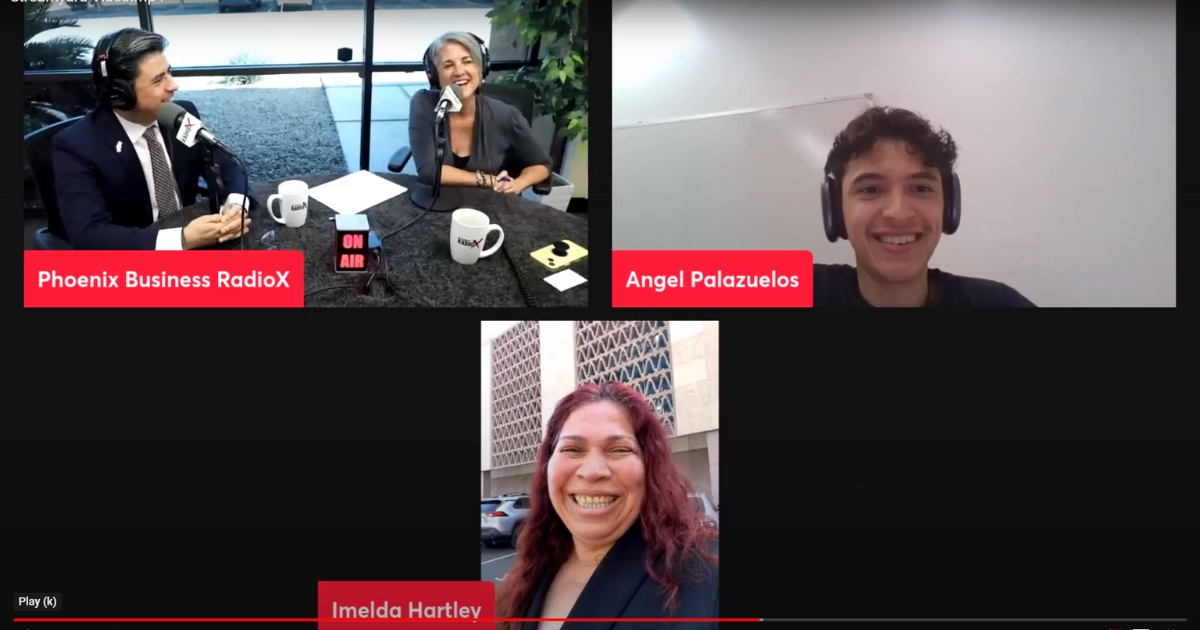
As an award-winning strategist, best-selling author, and certified business coach, Jennifer helps corporate leaders and small business owners develop and implement a laser-focused business vision and strategy so they can earn more and amplify their impact.

Jennifer holds a bachelor’s degree in Finance, a master’s degree in Health Services Administration and an MBA from Arizona State University. She is a Life Fellow of the American College of Healthcare Executives.

About Peak to Profit

Peak to Profit serves senior living, healthcare and nonprofit organizations, helping them identify and execute revenue and growth opportunities through strategic, financial and operational consulting. Our core purpose is to help mission-driven organizations amplify their impact by serving more clients and increasing their financial resiliency.

Our proprietary Peak Performance Assessment provides an objective evaluation of your organization on six key dimensions, identifying areas that need improvement and highlighting growth opportunities. With the assessment results, we help you implement an Impact Roadmap – a clear, measurable action plan to execute your strategy.

Learn more at PeaktoProfit.com.

Peak-to-Profit-logo

Tagged With: Jon Fletcher, Presbyterian Homes & Services, Senior Housing Partners, senior living

Jorge Mendoza Yescas, Consulate General of Mexico in Phoenix, Imelda Hartley with Imelda Happy Tamales and Educational Organizer Angel Palazuelos Ortiz

April 26, 2023 by Karen

Jorge-Mendoza-Yescas-Consulate-General-of-Mexico-in-Phoenix-Imelda-Hartley-with-Imelda-Happy-Tamales-and-Educational-Organizer-Angel-Palazuelos
Phoenix Business Radio
Jorge Mendoza Yescas, Consulate General of Mexico in Phoenix, Imelda Hartley with Imelda Happy Tamales and Educational Organizer Angel Palazuelos Ortiz
Loading
00:00 /
RSS Feed
Share
Link
Embed

Download file

Jorge-Mendoza-Yescas-Consulate-General-of-Mexico-in-Phoenix-Imelda-Hartley-with-Imelda-Happy-Tamales-and-Educational-Organizer-Angel-Palazuelos-banner

Jorge Mendoza Yescas, Consulate General of Mexico in Phoenix, Imelda Hartley with Imelda Happy Tamales and Educational Organizer Angel Palazuelos Ortiz

Consulmex-Phoenix-horizontal

The Consulate General of Mexico in Phoenix is a consular mission representing Mexico in central and northern Arizona. It is the main of five consular representations in Arizona that provide consular services and serve the Mexican community in its district.

It is in charge of fostering diplomatic and political relations with US and AZ authorities based on its district and promoting economic exchange between Mexico and AZ.

SWING for MX seeks to benefit a larger number of Mexican origin students and Mexican women entrepreneurs in Arizona. Follow SWING for Mexico on Instagram.

Jorge-Mendoza-Yescas-Phoenix-Business-RadioJorge Mendoza Yescas is the current Consul General of México in Phoenix, and is an experienced public servant who emphasizes consular matters and has a demonstrated history of working in the government relations industry.

He is skilled in Nonprofit Organizations, Politics, Political Science, Immigration Law, and Policy Analysis. He has demonstrated being a strong administrative professional with a MA in Public Administration focused on Political Science and Government from Sul Ross State University (Alpine, Texas).

Connect with Jorge on LinkedIn and follow The Consulate General of Mexico on Facebook, Twitter and Instagram.

Imelda-Hartley-Phoenix-Business-RadioImelda Hartley is the CEO of Imelda’s Happy Tamales social enterprise. Imelda’s Happy Tamales focus is empowering victims of domestic violence.

By providing education regarding the wheel of power and other educational workshops, Imelda’s Happy Tamales helps victims of domestic violence become resilient survivors.

Imelda Hartley has been a guest speaker for The National Network of Family Support & Strengthening Networks. She has been a guest speaker for Entre Mujeres Radio, La 1190 AM, and FrekuenciAlterna Radio.

She recently graduated from the Seed Spot Program and has traveled overseas to spread her message of eliminating domestic violence from our society.

Connect with Imelda on LinkedIn.

Angel-Palazuelos-Phoenix-Business-RadioAngel Palazuelos Ortiz studied at Metro Tech High School, formed part of several educational clubs, and was accepted to participate in Harvard’s “Summer Business Academy” program.

Currently, he is pursuing a Biomedical Engineering degree from ASU´s Ira A. Fulton Schools of Engineering, he is a Team Lead at Aliento, and a Strategist at The Presidents’ Alliance on Higher Education and Immigration.

Connect with Angel on LinkedIn.

Tagged With: diplomacy, golf, Mexico, Scholarships, women entrepreneurship

Episode 104: Building Financial Resiliency & Sustainability

April 26, 2023 by Karen

Episode-104-Building-Financial-Resiliency-and-Sustainability-feature
Phoenix Business Radio
Episode 104: Building Financial Resiliency & Sustainability
Loading
00:00 /
RSS Feed
Share
Link
Embed

Download file

Episode-104-Building-Financial-Resiliency-and-Sustainability

Episode 104: Building Financial Resiliency & Sustainability

In episode 104 of the Senior Living Visionaries podcast, host Jennifer Drago and Larry Bradshaw, financial consultant and retired CEO of National Lutheran Communities and Services discuss how senior living providers can ensure their financial strength in light of our current cost and staffing pressures and occupancy challenges.

They also discuss current trends and metrics that executives should monitor to remain financially strong and why occupancy isn’t always the most important metric for an organization.

As senior living providers, you won’t want to miss Larry’s wisdom as he shares why he is often called in as a financial consultant and the key things he evaluates. Larry also shares his advice for current leaders to strengthen their financial resiliency and sustainability.

Larry-Bradshaw-Senior-Living-Visionaries-v2Larry Bradshaw brings more than 40 years of experience in the not-for-profit senior living industry. Beginning in 1982 he was the Chief Financial Officer for Presbyterian Manors of Mid-America in Newton, Kansas.

From 1987-2006, he was Chief Financial Officer and Executive Vice President for Strategic Growth with Asbury Communities, a not-for-profit, multi-site, senior living organization. In 2006, Larry took on the role of President for Asbury’s for-profit company, The Asbury Group, offering consulting services to other Continuing Care Retirement Communities (CCRCs).

Mr. Bradshaw formed the Bradshaw Insights Group in 2008, providing consulting services to CCRCs in strategic planning, board development, financial analysis, and capital structure development.

Mr. Bradshaw joined National Lutheran Communities & Services (NLCS) as the President & CEO in October 2009 and retired in 2021. During his tenure at NLCS, Mr. Bradshaw’s focus was to strategically grow and further the organization’s 130-year mission and ministry of providing lifestyle, residential and health care options for seniors.

Under his leadership, NLCS became a multi-site organization from a single site campus and offered a wide range of services including home health, home care and community clinics.

Connect with Larry on LinkedIn.

TRANSCRIPT

Intro: [00:00:05] Welcome to Senior Living Visionaries, a podcast for senior living leaders who are looking to stay ahead of the curve in the industry. On this show, we feature leaders and innovators in senior living who are pushing the boundaries and creating new effective services and solutions. And now, let’s settle in as host, Jennifer Drago, connects us with today’s guests.

Jennifer Drago: [00:00:31] Hi. Welcome to Senior Living Visionaries broadcasting live from the Phoenix Business RadioX Studio, where we showcase leaders and innovators in the field of senior living. I’m your host, Jennifer Drago. I’m a strategy consultant and the CEO of Peak to Profit.

Jennifer Drago: [00:00:47] And I’m really excited about today’s guest, Larry Bradshaw, who’s a financial consultant these days, but a retired CEO and former CFO who’s worked in the senior living industry for over 40 years. And I’m going to introduce him fully here in just a second, but one of the things I’m really interested in – and I spoke to Larry very early on when I was really talking about bringing this podcast to life – was really helping our industry become more financially resilient and more sustainable in the long term.

Jennifer Drago: [00:01:21] And with Larry’s background and his expertise, he’s really helping organizations do that. Now, he is retired, so he doesn’t want to work all the time, but we’re going to hope to extract some of these goodies out of his brain today and learn what we can do as senior living providers and executives to remain financially resilient and keep that strength behind us in really challenging times.

Jennifer Drago: [00:01:45] So, as I mentioned, Larry has more than 40 years of experience in the nonprofit senior living industry. He started as a CFO and had a really long run with Asbury Communities, where he started as a CFO and Executive Vice-President for Strategic Growth, and then took on the role for the Asbury Group, which I think does consulting for continuing care retirement communities. He then went on to consult on his own, but then shortly returned to National Lutheran Communities and Services as the president and CEO, where he was from 2009 to the time that he retired in 2021. So, Larry has a wealth of knowledge that he can impart to us today. And I’m just so excited to welcome you, Larry.

Larry Bradshaw: [00:02:36] Thank you, Jennifer. Glad to be here.

Jennifer Drago: [00:02:38] You bet. So, you know, I mentioned we really want to strengthen this industry and I know you’ve been working in it a long time, that’s been part of, I’m sure, your passion and purpose is helping to create the next level of leaders and continue so that your legacy is strong and you have people coming in behind you that are leading the organization and focusing on the things that you would want them to.

Jennifer Drago: [00:03:02] And so, in that vein, I’m going to ask my first question about the type of consulting that you brought in to do now with organizations. What are some reasons that organizations bring you on or seek your type of assistance in this day and age?

Larry Bradshaw: [00:03:17] Well, thank you, Jennifer. It’s an interesting time, as you know, in senior living, I mean, coming out of the pandemic. And as you said, I am retired, but I do get called in and asked a few questions. And in my experience in the last 18 months since I retired have really been in the areas of development.

Larry Bradshaw: [00:03:38] I’ve had a community look to me to help them with some development of both expansion opportunities and also new campuses. And that was really around looking at the feasibility of doing something, especially in a really difficult environment in certain areas around land entitlements and project entitlements and really getting through a lot of the red tape that communities are doing. I’ve done a few of those.

Larry Bradshaw: [00:04:05] I’ve actually done a little bit of secret shopping for some organizations going in and pretending that I’m looking – pretending may not be the right word, but pretending to look at those. I’m looking from the eyes of a consumer and then going back to those communities and saying, “Well, here’s some things I saw or some things that weren’t being done.” And I think, again, during the pandemic, a lot of communities, the occupancy dropped so low, there was very little kind of marketing or lead generation because people just were staying at home.

Larry Bradshaw: [00:04:40] So, I think some of the organizations that I’ve talked to have gotten a little bit out of practice on how they contact people, how they follow up and all those things. And so, just some of the basic blocking and tackling, if you will, on some of those developmental and marketing issues.

Larry Bradshaw: [00:04:55] But I think primarily what I give some advice on or take a look at is really financial stability in the organizations and really kind of what to look at. I think the industry has come so far in the last 40 years, but there’s still so many nuances, especially in senior living when it comes to entrance fees and it comes to some of those accounting issues that are not necessarily easy to understand, even for people who do it all the time, but especially for people trying to sell the product or get into the product.

Larry Bradshaw: [00:05:30] So, a lot of financial nuances. I take a look at a lot of financial statements and just kind of give some thoughts on. And it’s funny how sometimes people will ask me, “Well, I think we’re doing pretty well.” And I’ll look at their statements and say, “I think you’re doing some pretty good things,” but either I see vulnerability points or I see opportunities to really gain even more traction. And so, I think I would say it’s a little bit variety. There’s a variety of things I look at, but primarily it’s around the financial stability of the organization.

Jennifer Drago: [00:06:05] And that’s so important. And one of the things that we talked about as we were prepping for this call is I think we would love to see providers reach out and seek expertise in this area far ahead of when they might need it. So, even when things are seemingly good, maybe occupancy is almost recovered to the pre-pandemic levels, but you’re still struggling a little bit financially. That’s a great time to to seek the guidance of an expert and say, “Hey, take a look and see what we can do differently.”

Jennifer Drago: [00:06:38] We’re going to get into some of the factors, some of the things that you look at, but one of the things I take away from talking to you is that each organization is so unique, and their financial picture and the sustainability and stability is really a puzzle. You’re kind of mixing and matching a number of elements to optimize how that organization can perform financially, even in the midst of all of the things that are hitting our industry right now, staffing shortages, inflationary pressures, you name it.

Larry Bradshaw: [00:07:10] I think you’re puzzle analogy is right on track, Jennifer. I think one of maybe the positive things that have come out of the pandemic – I’m not quite sure. I don’t think we’ve gone far enough in to see if it’s really positive or not – there were some statistics several years ago that over 65 percent of the leaders in senior living were going to be leaving through retirement, and we’re kind of in that period of time now. And I’m one of those individuals.

Larry Bradshaw: [00:07:36] But I think that maybe the good part of that coming out of the pandemic is some of the new leadership that’s coming in with some new ideas and they’re not handcuffed or biased by the way things have always been done, which I think could be a positive moving forward.

Jennifer Drago: [00:07:51] I agree. I agree. And on the flip side of that, they may have great ideas which we need in this industry. We need disruptors. We need innovators. But matching those ideas with some financial expertise is really important. We got to make sure that we do this in a very smart way.

Larry Bradshaw: [00:08:10] Not to be at all negative, but I think one of the challenges that is very subtle in this industry in trying to be innovative and trying to illuminate some of the things we’re talking about today is really some of the regulators, the regulations in different states. They’ve come through the pandemic and they’ve really changed also. They weren’t always as innovative and as quickly as a provider we wanted them to be. But I’m concerned that maybe they’ve gotten a little farther behind because of the pandemic and because of, you know, all the other focus of legislation and those type of things. We’ll see how that plays out. But I think that could be a factor in the future, too.

Jennifer Drago: [00:08:48] Yeah. Good point. Good point. So, in the last 18 months, as you’ve been brought in, you know, this is really post-pandemic, what kinds of trends are you seeing when it comes to financial stability? What things are you seeing that you point out more and more maybe than you did in the past?

Larry Bradshaw: [00:09:05] Well, certainly occupancy has to be at the top of the list because if you go through and look, the organizations, I think, that are really doing well out of the pandemic have increased their independent living occupancy back to pre-pandemic levels. But the health care side, assisted living, memory care, skilled nursing are significantly lower. While that in itself is a pretty good indicator, I think the trends of staffing has gone the other direction. They’ve become more expensive, harder people to staff.

Larry Bradshaw: [00:09:38] And if you talk to HR professionals, I heard this when we were in the pandemic until the end of 2021, so kind of in the throes of it, but we had so many individuals who would sign up for interviews and they would just never show up. And it would just be very, very difficult to get people in.

Larry Bradshaw: [00:10:03] So, as I look at financial stability, I really have focused on a couple things. One is certainly occupancy, but two is occupancy mix, especially in skilled nursing and assisted living, where you’re in a Type A or life care community, where you could have a lot of individuals coming out of independent living, going into skilled nursing, but they’re usually at pretty deep discounted rates. So, that could affect your revenue stream. So, I think what I’ve really looked at is what’s your occupancy, what’s your mix. And I think that’s really important to look there.

Larry Bradshaw: [00:10:33] And, again, depending on the contract, How dependent are you on entrance fees? Are the entrance fees refundable? If they are refundable, a lot of contracts will allow individuals to leave their independent living apartment, but go to skilled nursing or assisted living without paying the refund and entrance fees because the contract stipulates you don’t pay it until they leave the community.

Larry Bradshaw: [00:10:57] You get a new entrance fee in, but you’re building this liability and skilled nursing. All of a sudden, you’ve got $8 or 10 million of refunds sitting in health care. And if for some reason you’ve run out of inventory or you’re very highly occupied, all of a sudden, where’s that money going to come from when it’s time to pay it out? So, I think that’s an area I’ve been looking at a lot.

Larry Bradshaw: [00:11:20] You know, one of the organizations that I worked with, we’ve actually begun to put that on our financial statements so we can actually see what that number is and that liability is, because while it’s on the balance sheet as a deferred revenue, until it is very specific to health care stability, it can just be lost in the numbers. So, if it’s not distinguished on the financial statements, certainly as part of the management report, I think, has been something to be useful of.

Larry Bradshaw: [00:11:49] We look a lot at debt service coverage ratios. Usually, that’s the covenant related to debt. And I’ve have begun to focus more on the debt service coverage without entrance fees versus with entrance fees, because certainly you can be in line with your covenants. But I’d like to see that ratio of debt service coverage without entrance fees continue to rise because that reduces your reliance, of course, on entrance fees, which I think is really important. And we’ve seen how important it is. I mean, if we have a heavy reliance of entrance fees and occupancy goes down due to something like the pandemic, it’s just hard to get that back.

Larry Bradshaw: [00:12:26] So, my focus has really been more on focus on improving operations and less reliance on entrance fees, making sure your capital expenditures are adequate, because what you can’t afford in this environment is to have a tired facility. And, of course, liquidity is also an important area. So, those are kind of the five or six areas that I look at. And if one of those looks like it’s kind of going the wrong direction, it’s time to dig a little deeper.

Jennifer Drago: [00:12:52] Yeah. I love what you brought up about entrance fees and how they play into kind of your occupancy mix, the refundability component, really the mix of contracts that you have in your organization. And you’ve brought up some points that I really haven’t heard expressed by many consultants that work in this industry, which is, if you’re not keeping an eye on the refunds that you need to issue and kind of how the entrance fees play into your overall financial picture, you really run the risk of having a big surprise in the future. And I love your idea of kind of always having an eye on those numbers and knowing where you’re at so that you can be planning accordingly.

Larry Bradshaw: [00:13:40] Yeah. I think one of the things we tend to look at in this industry – I mean, I could paint you a scenario. I haven’t thought about this in advance, Jennifer, so I hope it doesn’t mess up. But if a project came to you with 98 percent occupancy in independent living and you had entrance fees, and your debt service coverage ratio was 1.5 times, which is all very strong, in that scenario, 98 percent you’re functionally fully occupied. Because by the time people go out of the project and then you have to turn the unit over, you’re there.

Larry Bradshaw: [00:14:22] But let’s say that you’ve built up that refund liability in health care and maybe it’s $10 or 15 million, depending on your market, how big it is, well, all of a sudden those people start needing their refunds out of health care, you don’t have any units to resell. So, while, yes, the occupancy is great and it’s strong, the flip side of that is if it’s so strong that you cannot pay some of those refunds, I think that’s problematic and it really could affect your liquidity. And when you start paying those refunds, it affects your debt service coverage. And you don’t have entrance fee refunds coming in to replace them because they’ve already been replaced.

Jennifer Drago: [00:14:56] Yeah. Good point. Good point. You know, one of the things, I just interviewed, Brad Paulus from Continuing Care Actuaries on this podcast.

Larry Bradshaw: [00:15:04] That’s a good guy. I like him.

Jennifer Drago: [00:15:05] Yeah. He sure is. And when I was working for a provider, I had the opportunity to work with Brad and really think about, “Oh. What do different benefit structures look like? How can we morph this plan? Or is this contract still appropriate given what the next generation of residents is going to want?” And that’s one of the things that Actuaries, I think, are really good at doing is kind of strategic visioning. And I’m not sure all providers kind of take advantage of that.

Jennifer Drago: [00:15:36] And so, what you’re describing back to the contracts and the contract mix, I think you could really have some great conversations with your actuary, and I think that could be a key takeaway from this podcast as listeners are listening, is, if you haven’t taken a look at your contracts in a while or thought about how they might need to change or how that mix might need to change, could be a really good time to do it.

Jennifer Drago: [00:16:01] And the other thing that Brad was sharing is a lot of providers are taking advantage of the shift in utilization. Post-pandemic, he reported to us that skilled nursing facility utilization is down, that residents are really resisting more than ever going into skilled nursing. Whereas, in prior years it might have been 18 to 22 percent. Now, we’re seeing 15 to 18 percent of residents actually utilize that service, you know, short term or long term, depending on what’s going on. And so, providers are taking advantage of that and maybe adding in home care benefits where we could actually provide care, but in a different location, which is, again, truly what residents want.

Jennifer Drago: [00:16:48] Did you ever work with actuaries in that regard to kind of strategically vision —

Larry Bradshaw: [00:16:53] Well, it’s funny that you mentioned Brad, because in my former job we did work with his company, and I have a lot of respect for what he does. And prior to me leaving National Lutheran, my former job, we actually were developing a project that we created. And I’m not sure this is done a whole lot of places. We actually created a project that had both Type A and Type C contracts. And we did that for marketing reasons for a couple, because we did have some people that liked the life care benefits, but others who had a lot of long term care insurance didn’t want to pay the premium. So, we actually generated the project will have Type A and Type C contracts, but we did cap them at a certain level.

Larry Bradshaw: [00:17:36] And I remember the conversations that we had with Brad and his team about, well, where do we cap these at? I mean, how many do we do for Type A? How many do we do for Type C? And it’s an interesting conversation, but I think, also, the actuarial models for years – and I’ve said this to other people – from my experience always look to have higher or bigger skilled nursing facilities than what was really needed.

Larry Bradshaw: [00:18:09] I go back to my early years back in the 1990s in another organization and we built a community which had a 40-bed skilled nursing community. And that didn’t fill up for 15 years because people wanted to stay out of there. So, I have kind of felt like a little bit our industry has shot ourselves in the foot a little bit about the number of skilled nursing beds that we have built.

Larry Bradshaw: [00:18:36] At National Lutheran, my former job, when I got there, they had 300-bed skilled nursing facility and it was huge. And we dropped it to 160, redeveloped the entire skilled nursing. And, frankly, if I would have had to do it again, I probably would have said instead of 160, let’s do 60, because it’s just hard to fill and now it’s hard to staff.

Larry Bradshaw: [00:18:58] So, I think the industry is paying heed to what needs to be done. And I’m really glad to hear that you had Brad on this because he’s a very innovative person. But I think we’ve got to figure out a way to reinvent and, if you will, right-size some of these skilled nursing and health care beds because, to your point with homecare and other such things.

Larry Bradshaw: [00:19:21] And at some point the Medicaid model is going to get to the point where I think – and I don’t know when it’s going to happen. I don’t know if it’ll ever happen – the money could actually follow individuals versus follow communities. And then, you’ll have a really interesting situation if Medicaid and the states and funding cap off certain levels to individuals and then, all of a sudden, they’ve got to use those dollars the best way they can. And so, that’s going to be at the lower cost. So, it’s an interesting time, but I’m glad to hear that you had Brad on.

Jennifer Drago: [00:19:52] Well, and the other thing – and I don’t know if you’ve seen this in other areas or other states, I know not all states are as flexible – here in Arizona before I left industry, we had three life plan communities in the state that had decommissioned their SNF beds altogether and had kind of beefed up their assisted living, whether added beds to that, added acuity levels, so they had high acuity AL. And what they found was they could adequately take care of 99.5 percent of every residents’ needs in the high acuity AL, and where they needed to outsource, and they did that with strategic partners was for short term rehab or for the very few cases that needed a true level of SNF care. So, are you seeing that in other areas of the country?

Larry Bradshaw: [00:20:45] Yeah, I am. People are just looking to right-size skilled nursing or decommission. I know in Maryland, when I worked in Maryland – and this was going back. And since that time, I’m glad to hear the Department of Aging has kind of changed their stance – if you were building a continuing care retirement community, they were mandating. Matter of fact, the project I talked about earlier going back to the ’90s, we had a smaller health care footprint and were required by the regulators to make it bigger. And it never filled up because the regulators were really looking at the actuarial models that, I think, were really skewed a little bit towards more health care.

Larry Bradshaw: [00:21:24] So, yeah, I’m seeing a lot of that. I’m hearing about a lot of it. And I’m also hearing that the state of Maryland now, instead of trying to provide bigger skilled nursing beds, are trying to partner with home health and home care to make that happen too. So, I’m excited about the direction because I think it’s going to alleviate some of the issues relative to the high cost of health care, but also the staffing shortages.

Larry Bradshaw: [00:21:48] Those are our critical components. I mean, marketing is always critical, but we’ve got a pretty big aging population coming into place, but we don’t have the individuals to care for people. And that’s a tough job. And when I left National Lutheran, I said several times, because our wages had gone up so much because of regulatory living, wage requirements, and everything else, we were now competing with fast food restaurants and other such restaurants which were paying similar amounts of money. And, frankly, that’s a much easier job than taking care of seniors who have really acute and chronic care needs.

Larry Bradshaw: [00:22:30] I think that’s beginning to address some of the really critical vulnerabilities. And that’s a key word, vulnerabilities in our sector because we are vulnerable to those types of things.

Jennifer Drago: [00:22:41] I want to return to kind of the financial piece and ask you, you know, you were a CEO for a number of years, what are the key metrics that you had on your dashboard that you looked at, I don’t want to say day in and day out, but certainly weekly? And are there any surprise metrics that you can share with us that you would monitor that perhaps other CEOs may not have?

Larry Bradshaw: [00:23:03] Okay. Yeah. That’s fair. We built an in-house business intelligence model that we were really proud of that really distilled and focused a lot of things down. But, of course, every day you want to look at occupancy, not just overall occupancy, but also within your skilled nursing. We try to have a fairly high Medicare profile, especially at our flagship community. And so, I would look at that Medicare model because that was appropriate that we kept a certain level.

Larry Bradshaw: [00:23:35] Our second community that we built in Virginia, I think we were pretty innovative. We only built ten beds for 200 independent living units, ten-bed health care, and we had a 16-bed memory care. And it’s funny, I think it worked pretty well, except psychologically for the residents who were constantly saying we need a bigger footprint. That was very interesting to me.

Larry Bradshaw: [00:24:00] But anyway, I digress a little bit. But occupancy and then that mix within skilled nursing, I think, were very important. I took a look at our average wages by job classification a lot. I really paid attention to that. And as the pandemic was wearing on, we were able to track our tenure really well. Sorry. I’ll take a real quick drink of water. Sorry. So, we were looking at that fairly closely. Our liquidity levels were important. Those were the really big ones.

Larry Bradshaw: [00:24:35] And then, when I went to staffing, I looked at open positions, the number of open positions. We had the average number of FTEs. And then, I looked a lot at our production metrics on our staffing. I looked at productivity, PTO hours, education hours, really looking trying to make sure overtime was a big one too. But really trying to make sure that our production metrics were greater than 92 percent. Because I felt like if we could keep our people on the floor or in the units for 92 percent of the time, meaning we weren’t replacing them for paid time off or education purposes, we were probably doing pretty well.

Larry Bradshaw: [00:25:17] And if we could keep our overtime numbers under 3 percent, that was really positive for us. When I first started there, the overtime numbers were 20 percent. It’s one of the first things we really went after was just managing the people. And, you know, it just wasn’t everybody could go on vacation the same day. They had to be some structure. And we got that down lower than 3 percent, even lower than 2 percent for the most part. So, those are metrics I really took a look a lot at.

Larry Bradshaw: [00:25:45] And of course, the other thing relative to Medicare was, because Medicare is a capitated cost, we just looked at what our expense levels were to that. Because if Medicare costs, Medicare expenditures get a little bit out of control, all of a sudden those really high daily reimbursement rates you get on Medicare, they can deplete really quickly. So, we looked at that. Because we had a large Medicare utilization, we tried to find that sweet spot where the reimbursement levels were maximized. And then, once our residents got to that point, we would want to make sure our service structure had them moving to the next level of care because reimbursements were going to go down.

Larry Bradshaw: [00:26:27] So, I hope that helps. But those were the big ones we took a look at for the most part. And we had them on a dashboard. They would shoot up on your screen pretty much on-demand or anytime you want to look at them.

Jennifer Drago: [00:26:37] Yeah. I’m a big proponent of dashboards and metrics, what you measure matters and gets your attention. And I love that you talked about productivity standards because my experience in senior living was that it didn’t seem to be many organizations that were truly focused on it in the way that you described. And, hopefully, that’s changing, because I do think that’s a key to our success in the long term for sure every single day.

Larry Bradshaw: [00:27:07] The other thing that I think is important to look at is really the percentage of your salaries and labor related costs, including any contract management and employee benefits to your operating revenue. Because if that number begins to get too high, those costs essentially become fixed costs because not a whole lot you can do when you have to staff the project. But if those numbers are closer to 50 percent, that gives you a little flexibility on areas, if you have to cut, you can cut. But if it’s all staffing, it’s hard to do, unless you’re tremendously overstaffed. And I don’t think anybody’s having that situation.

Jennifer Drago: [00:27:44] Yeah, for sure. You mentioned occupancy, and that’s been such a push since the pandemic, trying to restore our occupancy to pre-pandemic levels. And I know now, actually, we’re probably all shooting for a higher target, a higher stabilized occupancy because of the increase in staffing costs and things like that, that we’ve already talked about.

Jennifer Drago: [00:28:07] But you mentioned something to me in our pre-call that, you know, occupancy alone does not tell the full story. And we can have a very high occupancy organization that still has some financial challenges. So, can you give some context to what you’ve seen as you’ve consulted with organizations around this?

Larry Bradshaw: [00:28:25] Well, I think if you have high occupancy levels, the first thing I’m going to say is that’s really good. The second thing I’m going to say, if you have really high occupancy and you’re struggling financially, then you want to take a deeper look. If you’re high occupancy is there but you can’t get enough units for scale, I think that’s something to really take a look at.

Larry Bradshaw: [00:28:51] I mean, obviously, if you have a ten-bed nursing facility and you’re full, you’re up to 98 percent on a rolling basis, that’s probably pretty good. Except that is such a small scale. You probably can’t get any kind of efficiencies in staffing. So, I think scale makes a big, big difference in that. I think also – I talked a little bit about it earlier – if you’re occupancy gets too high, it could pinch you in other areas, especially of entrance fee refunds that are sitting on the sidelines waiting to be paid.

Larry Bradshaw: [00:29:20] And, also, if you’re reliant on entrance fees to have your debt service coverage levels be adequate and, all of a sudden, you’re at 98 percent, you don’t have any any product to sell. And so, then you’ve got to rely on operations. And if your operations are weak and very reliant on entrance fees, and if you don’t have any product, then all you have is your operational expenses, the only thing you can do is cut costs or raise entrance fees or raise monthly fees a lot. And residents don’t like to do that.

Larry Bradshaw: [00:29:52] So, I think occupancy is a great beginning barometer, but if I’m called in and someone says, “Well, I’ve got occupancy at 97 percent, I’m just losing money,” that tells me several areas to look, scale, your cost structure, what your staffing structure look like, what are your fixed costs, what are your managerial costs if you’re doing your own management, or your outsourcing, what are your dining costs because dining costs begins to get bigger. And how much debt do you have? I mean, if you’ve got debt where you’re needing to turn 30 percent a year to cover debt from interest fees, you’re just over-debted. And that’s the other thing to look at.

Larry Bradshaw: [00:30:34] If everything is good and it looks good and it’s not good, there’s something underneath it. And we talked before the call today, I sometimes think weirdly than other people, which is I don’t know if that’s good or bad. But I have a concept of when I talk to people and I talk specifically about debt operating margin, and I say, “Your net operating margin is good enough. The inevitable question is what should it be?”

Larry Bradshaw: [00:31:03] And I think in a perfect world, you know, your operations should cover your operational expenses, obviously. I think it should cover some routine CapEx to a certain level every year, not expansion or any major products, but routine CapEx. And it should cover your principal and interest on your debt. And if it does those things and you’re achieving that level, chances are you’re taking most of your entrance fees and putting them in reserve for a rainy day, whether it’s a project or for a potential drop in occupancy.

Larry Bradshaw: [00:31:37] So, that number is easily calculatable. That’s a word, calculable, calculatable. But sometimes it’s so much different than what is actually happening. I’ve worked with a company many, many years ago and they said, “What should our net operating margin be?” And I said, “Well, in a perfect world, it’s going to be 18 percent, but you could probably live with 14.” And they’re at 3 or 4 percent, that’s a big hill to climb. And I think a lot of organizations back then were saying, “Well, you know what? We’re going to just keep clanking away.” So, they didn’t spend money on CapEx. They didn’t spend money on marketing. And in five years, guess what happens?

Jennifer Drago: [00:32:15] Right. Right. Yeah. When things get tight, you have to cut somewhere. But maybe the target needs to be different and you structure everything around that target. I love that you said your net operating margin should cover some amount of CapEx and then your principal and interest, then you’re in good shape.

Larry Bradshaw: [00:32:32] Yeah. And I mean, your cap interest, if you can keep your days – the ratio just skipped my mind.

Jennifer Drago: [00:32:39] Days cash on hand.

Larry Bradshaw: [00:32:40] The age of plant. Age of plant There you go. I mean, if you have a goal that your age of plant is going to be around ten years and your routine CapEx keeps that at ten years, that’s the amount you ideally will want to cover from operations. I mean, it just works.

Larry Bradshaw: [00:32:56] But some people or some organizations, you can’t get there. So then, the question is, “Well, what can I get to where I’ll be doing good things?” And I said, “Well, there’s thriving and there’s surviving.” I mean, if you want to thrive, you need to get to this area, at least, and maybe not all the way there in year one. But maybe it’s a part of your strategic plan that in five years you’re going to get to this optimal level. And on the surviving side, if you’re at 4 percent, you need to be at 14 percent, and you’ve decided you’re going to stay at 4 percent, you’re always going to struggle. I mean, the math is simple on that. But sometimes it’s hard for organizations to make those tough decisions.

Jennifer Drago: [00:33:36] Yeah, absolutely. Like we were just talking about the pandemic times, post-pandemic, we’re still recovering. But I love the fact that you’re encouraging providers and executives to reconsider their targets and where they’re at so that they can thrive. And, again, they not may not get there in a year, but we can work toward that and don’t have to keep struggling.

Larry Bradshaw: [00:33:58] So, like anything, it’s hard to get where you’re going if you don’t know where you’re going.

Jennifer Drago: [00:34:01] Yes. As a strategy consultant, that’s kind of my main message. If you don’t have a vision, where are you headed? You wouldn’t take a road trip if you didn’t know where you were going and you didn’t know how to prepare for that. So, we’re very aligned in that regard.

Jennifer Drago: [00:34:16] In our final question, I want to just ask you for your best piece of advice offering to current CEOs to strengthen their financial resiliency and sustainability in this challenging climate. So, if you just want to give one final pearl of wisdom for us, I’d appreciate it.

Larry Bradshaw: [00:34:34] I guess it probably would go away from the financial aspect, but I would say just build a great team. Build a great team of people that you work with. Not the people that work for you, but people you work with. Build a great board, because that becomes a key element. Because if you have a great board and you are transparent and you really provide communication, then they can help you because they can get you over the hump.

Larry Bradshaw: [00:35:02] And the last thing I would say would be to create a great communication and transparency plan to your residents and your staff. Not just your senior team, but your staff, because the higher you go in the organization – we all know this – the easier you are to get toppled if you don’t pay attention to those things.

Larry Bradshaw: [00:35:20] But I kind of always thought everybody’s going to make mistakes and I certainly made my share during my career. But if you can build a great team, that team will minimize your mistakes. If you can build a great board, you lessen your vulnerabilities. And if you can really build a great relationship with your residents and your staff at the communities and the line staff, it’s hard to beat that that combination. So, I really would encourage that.

Larry Bradshaw: [00:35:47] To your point, look at dashboards, look at metrics, but educate your team on what you’re looking for. Because if your team knows what you’re looking for – as the CEO, I had a great team and I knew they knew what was important to me. And if one of those things got out of line, they would come to me and say, “Hey, Larry. This is out of line.” And then, we could deal with it together. They didn’t come into my desk and dump it on my desk and say, “You need to fix this.” It’s like, “Okay. How do we fix this?”

Larry Bradshaw: [00:36:17] I just think creating that great team, great board, great relationships, that’s where you get to where you need to go. And as a strategic consultant, my team, when I first got to Nationals said, “Well, financial stability needs to be our goal.” I said, “No. Financial stability is a result.” It’s a result of resident satisfaction, employee satisfaction, board integration, and how well your team stays together. If you do those four things or five things together, the financial metrics will play themselves out and they’ll be positive. But if that’s your goal, you probably won’t have as deep a team and a cohesive as team as you want to have. So, I guess that’s my pearl of wisdom at the end.

Jennifer Drago: [00:37:00] Yeah. What a great message. And I’m so glad that I asked you that question because you got to see your leadership in action there in terms of what was most important to you. And I didn’t have the opportunity to work with you during your career, but I sure wish that I would have, because I imagine that you were an amazing CEO.

Jennifer Drago: [00:37:19] So, I just want to thank you so much for sharing your wisdom and experience with us and giving us a lot to take away in terms of how to build our financial resiliency as an industry. And, Larry, I know you’re on LinkedIn. Is that the best way to get in touch with you if anybody has some follow up questions?

Larry Bradshaw: [00:37:36] Well, I’m retired for sure. But, yeah, that’s probably the best way to do it.

Jennifer Drago: [00:37:39] He’ll check it once every couple of weeks.

Larry Bradshaw: [00:37:42] I’ll check it. I still have that little habit of checking things out, but I’m trying to break the habit. A little bit more golf and a little bit less checking things like that. But I’d like to continually to engage and talk about things. I enjoy doing this. And I’ve really enjoyed speaking with you today and I appreciate the offer to join your team. And, you know, I wish you all the best of luck. I think you’ll do great.

Jennifer Drago: [00:38:06] Thank you so much. Thanks, Larry. And today, you’ve been listening to Senior Living Visionaries. It’s a podcast that’s specifically curated for senior living leaders with the hope that we can share innovations, disruptions, and best practices in our industry to kind of rise the tide, lift all boats and rise that tide up. So, thank you.

Jennifer Drago: [00:38:28] And if you’d like to subscribe to our podcast, you can always be notified of new episodes, get transcripts, get special things that our guests are giving away, and you can do that at seniorlivingvisionaries.com. Again, thanks so much. We’ll see you next time.

Larry Bradshaw: [00:38:44] Thank you, Jennifer.

Outro: [00:38:48] You’ve been listening to the Senior Living Visionaries Podcast and Radio Show, where we showcase the leaders and innovators in the industry who are pushing the boundaries and setting the stage for the future in senior living and services. Join us next time as we share the bold ideas and breakthroughs of the industry’s most forward thinking leaders here on Senior Living Visionaries.


About The Show

Senior-Living-Visionaries-Podcast-Cover

Senior Living Visionaries is a podcast and radio show curated specifically for leaders in the senior living industry. Our guests are among the best and brightest executives, advisors, and service providers in senior living.

These industry leaders have consistently implemented creative solutions, new customer services, and targeted financial strategies resulting in long-term brand impact and increased revenues.

About Your Host

0217JenniferDrago00654squareWith 30 years of experience working with mission-driven organizations in senior living and healthcare, Jennifer Drago is an executive leader who brings creative, out-of-the-box strategies to help organizations amplify their impact and skyrocket their revenues.

As an award-winning strategist, best-selling author, and certified business coach, Jennifer helps corporate leaders and small business owners develop and implement a laser-focused business vision and strategy so they can earn more and amplify their impact.

Jennifer holds a bachelor’s degree in Finance, a master’s degree in Health Services Administration and an MBA from Arizona State University. She is a Life Fellow of the American College of Healthcare Executives.

About Peak to Profit

Peak to Profit serves senior living, healthcare and nonprofit organizations, helping them identify and execute revenue and growth opportunities through strategic, financial and operational consulting. Our core purpose is to help mission-driven organizations amplify their impact by serving more clients and increasing their financial resiliency.

Our proprietary Peak Performance Assessment provides an objective evaluation of your organization on six key dimensions, identifying areas that need improvement and highlighting growth opportunities. With the assessment results, we help you implement an Impact Roadmap – a clear, measurable action plan to execute your strategy.

Learn more at PeaktoProfit.com.

Peak-to-Profit-logo

Tagged With: Financial resiliency, senior living financial strength, senior living occupancy, senior living sustainability

Jackie Parks and Ariel Schwartz with The Workshop Pilates

April 25, 2023 by Karen

Jackie-Parks-and-Ariel-Schwartz-with-The-Workshop-Pilates-feature
Phoenix Business Radio
Jackie Parks and Ariel Schwartz with The Workshop Pilates
Loading
00:00 /
RSS Feed
Share
Link
Embed

Download file

Jackie-Parks-and-Ariel-Schwartz-with-The-Workshop-Pilates

Jackie Parks and Ariel Schwartz with The Workshop Pilates

The Workshop Pilates is a group of fun, encouraging and professional Pilates Teachers who are passionate about bringing you our best each and every time you are in the studio.

A Comprehensive Certification is required to work at The Workshop, which means that you will be receiving the highest level of care and education that the Pilates industry has to offer, along with a great workout. 

We are a dynamic group and all have a little something different to offer.

Jackie-ArielThe Workshop Pilates is owned by Jackie Parks and Ariel Schwartz. Both Ariel and Jackie have been teaching Pilates for over 9 years and hold comprehensive certifications, the highest level of Pilates teacher certification from Pilates Sports Center in Los Angeles, California.

After studying Media Communications in college, Jackie spent several years running a successful freelance videography and graphic design business. Currently, Jackie specializes in working with private clients who are recovering from injury after surgery or physical therapy, co-runs the teacher training program with Ariel, and oversees social media and marketing.

After recently graduating from Breathe Education (Australia) with a Diploma in Clinical Pilates, she is able to work in conjunction with the medical community to transition clients into full recovery and a return to their usual exercise and activities.

Ariel began her career in Accounting, Internal Audit, and Business Risk Consulting after receiving her Bachelor’s Degree in Business Management – Accounting from the University of Arizona in 2008.

Currently, Ariel teaches group Pilates classes, co-runs the teacher training program with Jackie, and oversees the company’s finances, performance analysis, and reporting.

In 2022, Ariel received her Nutritional Therapy Practitioner certification from the Nutritional Therapy Association and plans to use this certification to work with clients of the studio to offer a more holistic approach to health and wellness.

Connect with Jackie on LinkedIn and follow The Workshop Pilates on Facebook and Instagram.

Tagged With: Group Classes, Pilates Community, Private Classes, The Workshop Pilates

Kate Sieker with yesAZ and Phoenix Startup Week

April 19, 2023 by Karen

Kate-Sieker-with-yesAZ-and-PHX-Startup-Week-feature
Phoenix Business Radio
Kate Sieker with yesAZ and Phoenix Startup Week
Loading
00:00 /
RSS Feed
Share
Link
Embed

Download file

Kate-Sieker-with-yesAZ-and-PHX-Startup-Week

Kate Sieker with yesAZ and Phoenix Startup Week

phx-startup-week-logo-horizontal-gradient-PRIMARY

PHX Startup Week is a grassroots event led by #yesphx community members and facilitated by the yesAZ foundation. Organizers and speakers contribute on a volunteer basis, and all revenue from ticket purchases and sponsorships goes directly to hosting the event.

PHX Startup Week began in 2014 and quickly became Arizona’s largest entrepreneurial event. The week is packed with informative, inspirational speaker sessions and limitless networking opportunities for startup founders, teams, investors, and supporters.

Our goal is to collaboratively accelerate Phoenix’s diverse entrepreneurial hub and ensure all innovation and ideas thrive by bringing voices from all corners of the metro together to connect, learn, accelerate and empower.

Kate-Sieker-Phoenix-Business-RadioKate Sieker is passionate about people, building companies & communities and inspiring others to harness their unique strengths and potential, both in and out of the office. She has been working with startups since 2005 and has served as the Head of Talent and People for companies based in Silicon Valley, Boston, Austin, Denver, New York and Phoenix.

She prides herself in building and shaping companies through culture, developing and enhancing programs that empower people, building authentic teams and coaching new managers/founders as their businesses scale and grow.

Along those same lines, Kate lends her time and talent to supporting many local nonprofit and community organizations or entrepreneurs. She is the Executive Director of yesAZ and PHX Startup Week.

Outside of her work, she is happily married to a local entrepreneur and the proud mother of a 2-year-old and 9-year-old who serve as a constant reminder of the importance of inspiring the next generations of future leaders and innovators and celebrating the daily joys of life.

Follow PHX Startup Week on LinkedIn, Facebook, Twitter and Instagram.

Tagged With: entrepreneur, networking, PHXstartupweek, Startup, yesAZ, yesphx

Tez Adams and Victoria Ogbonnaya with State Farm Insurance

April 18, 2023 by Karen

Tez-Adams-and-Victoria-Ogbonnaya-with-State-Farm-Insurance-feature
Phoenix Business Radio
Tez Adams and Victoria Ogbonnaya with State Farm Insurance
Loading
00:00 /
RSS Feed
Share
Link
Embed

Download file

Tez-Adams-and-Victoria-Ogbonnaya-with-State-Farm-Insurance

Tez Adams and Victoria Ogbonnaya with State Farm Insurance

The mission of Tez Adams State Farm is to help people manage the risks of everyday life, recover from the unexpected, and realize their dreams.

Tez-Adams-and-Victoria-Ogbonnaya-with-State-Farm-Insurance-thumbnailTez Adams is a native of Little Rock, AR, but has been a resident of Arizona since 2013. He is married to Janet and they have one son, Joshua in addition to Winston – their goldendoodle. As a family, they enjoy spending time with one another traveling and giving back to their community in various ways.

As an independent State Farm Agent, Tez has over 20 years of insurance and financial services experience and has served in various leadership roles in the industry and community alike. The past 18 years of his career has spanned several states with State Farm Insurance.

Tez is a Tempe Leadership – Class 36 (Virtually the Best Class Ever!) alum and currently sits on the Tempe Leadership Council. He is a proud member of Phi Beta Sigma Fraternity, Inc., Alpha Epsilon Sigma, where he provides service to humanity.

Tez can often be found supporting his community through numerous volunteer opportunities. He holds a Master’s in Insurance from Olivet College, The Chartered Property and Casualty Underwriter (CPCU) designation from The Institutes and a Bachelor’s in Finance from The University of Arkansas at Little Rock. He is licensed in property and casualty, life, and financial services products.

Victoria Ogbonnaya is an Account Representative with Tez Adams State Farm.

Follow Tez Adams State Farm on Facebook and Instagram.

Tagged With: auto insurance, business insurance, car insurance, homeowners insurance, insurance, life insurance, state farm, Tez Adams

  • « Previous Page
  • 1
  • …
  • 20
  • 21
  • 22
  • 23
  • 24
  • …
  • 170
  • Next Page »

Business RadioX ® Network


Our Most Recent Episode

CONNECT WITH US

  • Email
  • Facebook
  • LinkedIn
  • Twitter
  • YouTube

Our Mission

We help local business leaders get the word out about the important work they’re doing to serve their market, their community, and their profession.

We support and celebrate business by sharing positive business stories that traditional media ignores. Some media leans left. Some media leans right. We lean business.

Sponsor a Show

Build Relationships and Grow Your Business. Click here for more details.

Partner With Us

Discover More Here

Terms and Conditions
Privacy Policy

Connect with us

Want to keep up with the latest in pro-business news across the network? Follow us on social media for the latest stories!
  • Email
  • Facebook
  • Google+
  • LinkedIn
  • Twitter
  • YouTube

Business RadioX® Headquarters
1000 Abernathy Rd. NE
Building 400, Suite L-10
Sandy Springs, GA 30328

© 2025 Business RadioX ® · Rainmaker Platform

BRXStudioCoversLA

Wait! Don’t Miss an Episode of LA Business Radio

BRXStudioCoversDENVER

Wait! Don’t Miss an Episode of Denver Business Radio

BRXStudioCoversPENSACOLA

Wait! Don’t Miss an Episode of Pensacola Business Radio

BRXStudioCoversBIRMINGHAM

Wait! Don’t Miss an Episode of Birmingham Business Radio

BRXStudioCoversTALLAHASSEE

Wait! Don’t Miss an Episode of Tallahassee Business Radio

BRXStudioCoversRALEIGH

Wait! Don’t Miss an Episode of Raleigh Business Radio

BRXStudioCoversRICHMONDNoWhite

Wait! Don’t Miss an Episode of Richmond Business Radio

BRXStudioCoversNASHVILLENoWhite

Wait! Don’t Miss an Episode of Nashville Business Radio

BRXStudioCoversDETROIT

Wait! Don’t Miss an Episode of Detroit Business Radio

BRXStudioCoversSTLOUIS

Wait! Don’t Miss an Episode of St. Louis Business Radio

BRXStudioCoversCOLUMBUS-small

Wait! Don’t Miss an Episode of Columbus Business Radio

Coachthecoach-08-08

Wait! Don’t Miss an Episode of Coach the Coach

BRXStudioCoversBAYAREA

Wait! Don’t Miss an Episode of Bay Area Business Radio

BRXStudioCoversCHICAGO

Wait! Don’t Miss an Episode of Chicago Business Radio

Wait! Don’t Miss an Episode of Atlanta Business Radio