
Business RadioX ®

  • Home
  • Business RadioX ® Communities
    • Southeast
      • Alabama
        • Birmingham
      • Florida
        • Orlando
        • Pensacola
        • South Florida
        • Tampa
        • Tallahassee
      • Georgia
        • Atlanta
        • Cherokee
        • Forsyth
        • Greater Perimeter
        • Gwinnett
        • North Fulton
        • North Georgia
        • Northeast Georgia
        • Rome
        • Savannah
      • Louisiana
        • New Orleans
      • North Carolina
        • Charlotte
        • Raleigh
      • Tennessee
        • Chattanooga
        • Nashville
      • Virginia
        • Richmond
    • South Central
      • Arkansas
        • Northwest Arkansas
    • Midwest
      • Illinois
        • Chicago
      • Michigan
        • Detroit
      • Minnesota
        • Minneapolis St. Paul
      • Missouri
        • St. Louis
      • Ohio
        • Cleveland
        • Columbus
        • Dayton
    • Southwest
      • Arizona
        • Phoenix
        • Tucson
        • Valley
      • Texas
        • Austin
        • Dallas
        • Houston
    • West
      • California
        • Bay Area
        • LA
        • Pasadena
      • Colorado
        • Denver
      • Hawaii
        • Oahu
  • FAQs
  • About Us
    • Our Mission
    • Our Audience
    • Why It Works
    • What People Are Saying
    • BRX in the News
  • Resources
    • BRX Pro Tips
    • B2B Marketing: The 4Rs
    • High Velocity Selling Habits
    • Why Most B2B Media Strategies Fail
    • 9 Reasons To Sponsor A Business RadioX ® Show
  • Partner With Us
  • Veteran Business RadioX ®

Certified Financial Planner Mike Sena

April 10, 2023 by angishields

Mike-Sena-feature
Cherokee Business Radio
Certified Financial Planner Mike Sena
Loading
00:00 /
RSS Feed
Share
Link
Embed

Download file

Mike-Sena-banner

In this episode of Fearless Formula, Sharon Cline chats with financial planner Mike Sena. Mike shares his journey into the financial planning industry, including getting fired from two corporate jobs and starting his own financial planning firm.

He stresses the need to have a growth mindset, create personal connections with clients, and stay adaptable in financial planning. Mike also talks about the hurdles he faced in his personal life while building his business and the significance of sales, communication, marketing, and networking in the financial advisory business.

Mike-Sena-headshot-bwFired from his first two corporate jobs, Mike Sena, CEO of Mike Sena Advisors, has been on his own ever since, creating and running several businesses. Along the way, he’s learned a lot about life, happiness and money.

Mike is a father, speaker, author, TEDx organizer and weekend polo player who loves working with good-fit clients to improve their circumstances and outcomes.

Most of his clients have come from other advisors, most own a business, many are seven-figure wealthy, all enjoy a personalized experience and comfort at night.

Connect with Mike on LinkedIn and Facebook.

This transcript is machine transcribed by Sonix

TRANSCRIPT

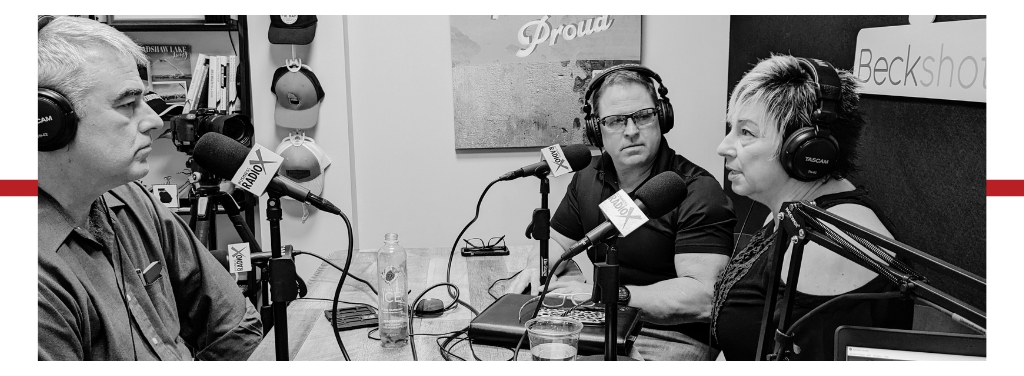
Intro: [00:00:08] Coming to you live from the Business RadioX studio in Woodstock, Georgia. This is Fearless Formula with Sharon Cline.

Sharon Cline: [00:00:18] And welcome to Fearless Formula Friday here at Cherokee Business RadioX, where we talk about the ups and downs of the business world and offer words of wisdom for business success. I’m your host, Sharon Cline, and today on the show we have a father, a speaker and author, a TEDx organizer, weekend polo player, CEO and owner. That’s one person of Mike Sena Advisors. Welcome certified financial planner Mike Sena to the show. Hello.

Mike Sena: [00:00:46] How are you today?

Sharon Cline: [00:00:47] I’m good. How are you?

Mike Sena: [00:00:48] I’m really good. You know, it was supposed to rain today and it’s absolutely gorgeous out. It’s warm, it’s humid. It’s you know, like I mentioned before, I’m waiting for the pollen to end.

Sharon Cline: [00:00:58] Well, it’ll be nice. I think tomorrow we’re supposed to get some storms or something like it’s going to be in the 50 seconds or whatever. So we’ll have the heat on again, I guess. But thankfully we can spend a little bit of time inside just for a bit to chit chat about kind of your story. I know you’ve been on Business RadioX a couple of different times, but thank you for spending time with me and I’m grateful that you’re willing to even come back on and talk about kind of like what the show is about, the fearless formula aspect of what you do. So I wanted to ask you, you have a book and I thought this was so interesting to start with. Is it okay to start kind of that way? Because I love that it’s called Raise Your Hand if because who who can’t sort of identify with a million different aspects of what it’s like to deal with your money.

Mike Sena: [00:01:40] No kidding. It’s a remarkable. In fact, I want to redo the book to version to the rest of the title is Raise Your Hand if you’ve ever done Something stupid with money And I want to cross out stupid and put human.

Sharon Cline: [00:01:53] Oh, wow. Okay.

Mike Sena: [00:01:55] Because we all do stupid stuff, whether it’s with money or not. We are human beings. We do the best we can. Most of us. We all struggle with life. We certainly all struggle with money. I don’t know anybody that hasn’t had some kind of problem with money, some kind of issue with money along the way. Sometimes it’s the way we’re raised. Sometimes it’s bluntly the way we’re wired. I don’t know how to fix that. But money is just it’s an integral part of life and you can use it to your advantage or your disadvantage when you.

Sharon Cline: [00:02:25] Say it’s how people are wired. Is there a certain type of personality that just does really, really well with money?

Mike Sena: [00:02:31] I wish I could define that. I don’t know. I’ve worked with a number of folks. Kind of an interesting story. 4 or 5, six years ago, a couple got in touch with me, this guy, and of all they were in the process of divorce. Their counselor recommended me, referred me, which is kind of odd. So they were about 58 to 60. He made around $350,000 a year. They owned a Lincoln Continental and some really nice furniture and a $500,000 house that they leased. They had $800,000 of debt. They had 32 years of practice of spending at or more than they earned. Wow. And we worked for a few months to try and. Change the way they looked at money, the way they looked at life. It was very difficult. And ultimately, the wife was she became increasingly resistant and resentful. She missed her retail therapy. I remember we we had an agreement. Birthdays were coming up for their kids. And they were I could tell as soon as I walked in the room, they were like, well, we’re kind of screwed up. Well, tell me, Tell me. Well, we spent more than we should, and we had agreed on $100 or so. They spent $2,000 on present for one kid. And wow, some of this is just hard wired. And I know another couple kind of the same thing. I probably shouldn’t tell this story, but it reminds me I have an older sister who she’s kind of wound a little tight. And years ago she tried to quit smoking cigarets and she was so nervous. After 3 or 4 weeks, her doctor told her, I said, Look, you’ll live longer if you start smoking again.

Sharon Cline: [00:04:21] No way.

Mike Sena: [00:04:22] So some people money feeds them and that’s their life. And I think one of the hardest lessons I’ve learned is there are some things, a number of things I can’t fix and some things in general can’t be fixed. We’re only here for a brief amount of time, make the most of what you have and nobody knows what’s coming around the next corner.

Sharon Cline: [00:04:46] Well, let’s talk about how you got into the industry. You. I’m sorry. I’m laughing because I know that you said you famously say that you’ve been fired from two jobs and and now you are here where you are now. So what will you tell us a little bit about that story and the lessons you learned about being fired from two jobs?

Mike Sena: [00:05:06] Well, I was fired from my first two corporate jobs. And I’ll tell you, the first one, I went out to Spokane, Washington, to help open a cable TV franchise for Cox Cable. Okay. It was my dream job. And there were a number of things going on and I thought I was hot stuff. I tell you, I show these yokels how to run an office. And I realized pretty quickly how little I knew. And I never saw it coming After a year and a half. My boss invited me into the office and he closed the door and he says, Let’s have a drink. I said, okay.

Sharon Cline: [00:05:37] Oh, jeez.

Mike Sena: [00:05:38] And we toasted to here to better days. I’m letting you go.

Sharon Cline: [00:05:43] Oh, my goodness. And I was pretty devastated.

Mike Sena: [00:05:46] I had never been fired before. I’d been working since I was 12, doing a number of things. And it really hurt me for a while. I came back to Atlanta with my tail between my legs and got my second job that I was fired from. And I was. Thank you. I really hate this. Thank you. Let me find something a little better suited for me. And I’ve been pretty much on my own ever since. I have created and run four different businesses. I was in the IT business for a number of years. I had a business partner who was the IT side. I was the business side, and the first 15 years were a ton of fun. The last ten years less so. Oh, and I started thinking about something else that I wanted to do. And one of the key drivers is I did not want employees anymore. It was just. Stress city. There was a lot of stress in my life with a number of married kid. Gotcha. All of this stuff. And I looked at a number of different things and I kind of stumbled on this relatively new field of fee only financial planning and money management, which basically means I don’t sell anything, I don’t sell securities, I don’t sell insurance, I don’t sell annuities. You and I, we have a meeting of the minds. We reach an agreement, we settle on an annual fee. I manage your money and I provide ongoing comprehensive financial planning. And I found it immensely rewarding. It took me a number of years to kind of figure the business out.

Sharon Cline: [00:07:18] How did you do it? Where did you go first?

Mike Sena: [00:07:20] Well, I started on my own and I wanted to work with younger, less affluent people. You know, the millionaire next door. They got bull’s eyes all over them. Every financial adviser, insurance agent, annuity guy or gal, that’s who they’re going after. And I said, Well, I’m going to go after another crowd. And everybody that knew anything about my business told me I would never make any money. And I’m like, you know, here, hold my beer. Well, they were right. There’s no way to serve younger, lesser, fluent people without selling them insurance or annuities. And it just wasn’t my thing. So I stumbled. For a number of years. I went through a pretty long, devastating divorce and finished raising my son. And there was a lot going on with that. And there was a lady I knew in the fee only financial planning community named Bobby Monroe. Lovely woman, smart as a whip. Knew her from Atlanta. She had moved to Florida, north of Tallahassee, a little town, Havana, Florida. And I called her up one day and I said, What do you think about combining our two practices? And we talked about it and we did. And I worked for her for about five years. And I learned a lot. And in the end, we were not a good fit. I left and started my senior advisors. She’s still down in Florida doing her thing. Very grateful to her. There’s another guy here in Woodstock named David Holstrom, who I got to know. Do you know David?

Sharon Cline: [00:08:52] I do. I’ve heard his name before. Anyway.

Mike Sena: [00:08:54] You know, I will tell you everything good I learned about financial planning, money management. David was instrumental in. He’s one of the smartest guys I know, and he’s eminently ethical. Ai just a prince of a guy. And it kind of goes back to what you and I were talking about a little bit earlier, the community here of Cherokee County in Woodstock. David and I are direct competitors, but I would be happy to send him a client. That’s not a good fit for me. And I think the world of him would be happy to help him in any way I can because he helped me in the first six, eight months of trying to figure out what I was doing.

Sharon Cline: [00:09:34] You know, it’s nice when you sort of look back and see that there are people like we talk about this on the show all the time, about surrounding yourself with the right people, having the right support. But even your beginning on this journey with Bobby Wright, to be able to have her have faith in you, to be able to take you on. And I think that’s says a lot about your work ethic as well, someone who’s already in it and they’re willing to kind of take you along. I love that. I mean, it sounds very. Like your almost altruistic. Let me help you. You help me. We all win. There’s plenty for everyone.

Mike Sena: [00:10:08] There is. There is an air of abundance wherever you might be. And you know, so much of life. It comes down to mindset. I’ll digress a little bit. There was a book I read about eight years ago called Mindset, written by a lady named Carol Dweck, and it was a changer for me. It was like flipping a switch. She talked in the book about the difference between a fixed mindset and a growth mindset. And making that transition. And I was kind of halfway in between. But actually reading and understanding how a growth mindset enables you to continue to grow and yet have fun along the way. You learn from your mistakes. You just kind of keep going. It’s like we talked about before, We’re all human, we’re all screw up. We all make mistakes. We all have. Mistakes that we wish we could go back and redo. But that’s just a pleasant fantasy. All we can do is just deal with what we have today and move on.

Sharon Cline: [00:11:07] So there are some people that seem to be more amenable to growth all the time and have sort of this attitude of there are no mistakes, you know, they’re just learning. You know, it’s like, well, now I know how not to do something, you know? And it’s so positive and such a great framing of it as being not something to judge yourself by. But I always feel like I’m like in a bit of a survival mode and like, not really thinking or if I’m growing, it’s because I’m like really forced to grow. And I kind of like the idea of being able to frame it as something that’s like actually a very natural, healthy thing to be doing rather than No, no, no, no, no. I don’t want to go through this.

Mike Sena: [00:11:43] Well, I hear you. And there are times it’s it’s nice to be comfortable. But in the end, comfort is not where life is. And I’ve had like it or not, I’ve always enjoyed figuring things out on my own. I haven’t fit into anybody’s mold. I am not a I can’t deal with the politics of corporate life being in the IT business. I learned an awful lot. But in the end, managing employees just became very stressful and a pain in the rear. And I can’t even fathom today having 15, 20, 30, 50 employees that you’re having to deal with. I went to Greece for Christmas. I had a wonderful time. I had a friend that was over there and we met a friend of his who owns four burger joints and an Italian restaurant. He’s got 400 employees and it’s universal, the same thing. We can’t get people to show up. They want more money. The government wants this. And it was.

Sharon Cline: [00:12:44] The personalities, too.

Mike Sena: [00:12:46] Yes, it was the same thing. And I just love what I’m doing now. And like I said, it took me a number of years to kind of figure out this business. And one of the things that has been most beneficial is understanding who is a good fit for me.

Sharon Cline: [00:13:01] It’s actually one of my questions is and.

Mike Sena: [00:13:02] Who I’m a good fit for.

Sharon Cline: [00:13:05] Well, before we say that, I wanted to ask you, what do you what do you think the aspects of are of your personality that make this so successful for you?

Mike Sena: [00:13:18] I. To me, it’s like putting a jigsaw puzzle together without the top. I love solving problems and I’ve done that my whole life. And. Actually getting to know somebody. Number one, first and foremost, understanding what’s really going on in their life, what’s really driving them. Early on in this business, I would ask a prospect, How are you thinking I could help you? And it was amazing how many times they really didn’t know. And this notion of learning to ask the right questions in the right order and being patient and listening, that’s a whole nother thing. You and I talked a little bit about that when we met a few weeks ago that I wish I had that skill set when my son was younger, but I learned to listen much better and he and I had a meaningful conversation and I just listened for 45 minutes and let him. It changed the nature of our relationship, created.

Sharon Cline: [00:14:19] A safe space for him to to feel and be.

Mike Sena: [00:14:22] And one of the other things I’ve learned, if you’re a really good listener, people will think of you as a terrific conversationalist and you really don’t have to say anything.

Sharon Cline: [00:14:34] Oh, that’s good to know. I don’t have to speak that much on this show then.

Mike Sena: [00:14:38] Well, you’re the leader. No.

Sharon Cline: [00:14:40] Oh, nice. Really. All right. Just for, like 30 minutes or so, once a week. Do I lead anything? Who’s your ideal client?

Mike Sena: [00:14:49] That’s a good question. And I wish I mean, I can define it on paper, who I’d like to work with. But the bottom line is there in my business, it’s highly personalized. It’s very boutique. There is an emotional and an intellectual connection. Generally to start to have the conversation. Typically married, couple of kids. One spouse owns a business. There’s a comfortable six figure income. There’s at least a half $1 million or more of investable assets. That kind of sets the table that we can actually proceed going forward. I do have clients that have much less that are younger. I love working with younger people. It it’s just got to be the right fit. And it only it only it takes a number of conversations to kind of figure out if we’re a good fit or not. I’ve had a couple of folks that I would like to work with, but as we talked more and more, one of the things I do know is I don’t want a co money manager.

Sharon Cline: [00:15:49] Oh, you don’t want to be micromanaged for yourself.

Mike Sena: [00:15:53] And somebody that is open to. Implementation of different strategies that will make a difference in their life. One of the things I focus on that kind of turned some people’s heads, even though I’m a financial planner and I believe very strongly in planning for the future. I try to get my clients to focus on the present and making the most of what they have. If COVID, the lockdowns have taught us anything is nobody knows what’s coming around the corner. And I’ve had some financial planners that we would kind of get into a little tiff over. They would do these incredibly gorgeous 30, 40 page financial plans that are minutely detailed. You know, in 12 years, we’re going to plan a wedding and then every seven and a half years we’re going to buy a car. And I’m like, that’s just a bunch of crap. I typically go out about five years detail plans. The rest is a little more gauzy and we’ll see what happens because.

Sharon Cline: [00:16:51] Life is so unpredictable that way, right?

Mike Sena: [00:16:53] Life is very unpredictable. I never expected to be where I am today 15 years ago. I imagine the same for you and probably 95% of the people listening to us.

Sharon Cline: [00:17:05] That’s kind of interesting aspect of business ownership here, even in Woodstock. The people I’ve had on the show talk about how well I didn’t know, like even we were talking earlier, bananas and beehives and how they didn’t know that they were going to have to wholesale to be successful. And it was just not even on their radar. And now they are. And but that they’re really happy. You know, so there must be an element of flexibility, I suppose, with life in general, but also with you. I was thinking regarding money. People are so emotional and how do you deal with people’s emotions that are so tied?

Mike Sena: [00:17:40] It’s been a learning process because.

Sharon Cline: [00:17:43] You’re a problem solver. You know, you are analytical. The way I think of of how you say you could put a puzzle together.

Mike Sena: [00:17:49] I am. I’m your typical left brain introvert and learning to be more open. And we talked about this this notion of vulnerability. There’s a little of that. But getting people to open up about what’s really going on inside their lives. And it’s hard to peel back these layers. It is like and have them trust.

Sharon Cline: [00:18:08] You, right? Like have them be willing to kind of share that vulnerability, especially when it comes to what they can build their lives on Money.

Mike Sena: [00:18:16] I had a relatively new client. This unfolded over several months and he’s got he fits the bill all the way down the line. Love this guy, love his wife, terrific people. They’ve done very well in life and they have lived their whole life. Kind of the millionaire next door. They have lived on less than they’ve earned. They’ve made smart investments. They’re fine. And he had a pretty large portfolio with Fidelity Investments. They were managing it for him. In the end, what he wanted. If something happened to him. He wanted his wife to have something more than an 800 number to call. So he asked me to review his portfolio and I took a few days and I went through it. And I went back to him and I said, look, it’s not really the way I would do it, but there’s nothing wrong with this. If you do nothing, you’ll be fine. And I think that kind of clinched the deal for him.

Sharon Cline: [00:19:12] And you didn’t make up a problem?

Mike Sena: [00:19:16] Well, there really wasn’t one.

Sharon Cline: [00:19:18] But some people would write, Yeah, here’s how I could help you and be valuable to you.

Mike Sena: [00:19:22] You know the main benefit I bring, I tend to be local and I. Somebody that, you know, that you see. And it’s not an 800 number. There are any number of ways to get financial advice. There’s what’s called robo advisors, where it’s all artificial intelligence, so to speak, and there’s an algorithm that manages it. And it’s it’s pretty inexpensive. It works well for younger people that have limited budgets. My clientele tend to want a little more than that. And I delve pretty deeply into estate and legacy planning. That’s a difficult conversation for most people, really. Just coming up with the term nobody term estate. Nobody likes estate. Some legacy planning or whatever it might be. But having these conversations now while you can makes a world of difference and trying to facilitate these difficult conversations. I spent a lot of time on tax planning. I spent a lot of time on insurance review, even though I don’t sell insurance. If you need it, I’ll get the right policy for you and you’ll damn well know how it works and how much you’re paying for it. A story that I love. One of my early clients, lovely couple, relatively young. They made very good money. They were immigrants from Kenya. And one of the things I loved about them, they got America. It’s just like, wow, okay, let’s go.

Mike Sena: [00:20:48] So their number two, their two objectives, first and foremost, they wanted their kids to go to Harvard or Yale and they wanted to have money for their parents back home. And we started that conversation from that perspective. But as we got a little deeper, it turned out the husband had purchased a rental property, a home in 2006 2008. The economy slides into the abyss. They’re upside down on this home, and it’s what’s called cash flow negative. They’re paying more than they’re getting in a lot of stress in that marriage. And we talked for a couple of years about it, and they made good money. They had enough money to actually get rid of the house, put some money in it, take the loss, move on. But they were reluctant to admit the mistake, and I kind of flipped it on them. And I said, look, here’s they’re really only needed about 30 grand. They were going in the hole about $300 a month. I said, if I could show you an investment, that would guarantee a 12% return. For $35,000. Would you take it? Yeah. Put it into this house, Sell the house and get out of it. And get on with your lives. And in there, I will say their marriage dramatically improved.

Sharon Cline: [00:22:09] How much do you see that of, you know, the financial stress? I mean, isn’t that like number 1 or 2 of reasons for marriages not working?

Mike Sena: [00:22:17] It’s a huge deal. And part of this is the dynamic between the husband and the wife and bluntly trying to figure out, you know, who’s really making the decision. I’m going to tell you almost all the time, it’s the wife, it’s the woman. And it’s amazing. I don’t want to get into gender politics, but women have an enormous amount of power and control. There was one of my early clients that I we’ve been together 12 years or so. And I whenever there’s a husband and wife, I try to have confidential conversations with each one individually, kind of get a feel for each of them. And the husband’s going, I just wish you could get Carolyn on the plan. She won’t stay on the plan. And she’s like, I wish you could get him to just lighten up and enjoy life a little. So there were an interesting couple. I’ve done a number of really good things for them over the years. They’re doing quite well. They were spending too much money. They were used to making a lot of money, but they were spending too much of their retirement. And in some circles this is almost a four letter word. We ended up doing a reverse mortgage on their home to free up some cash free money. They don’t have any kids. They had roughly 800 grand of equity in a home that they couldn’t tap. They were taking too much money out of the retirement account. They were getting creamed on taxes. So that kind of flipped their world a little bit. And they I hate this term, too, but they sleep much better at night.

Sharon Cline: [00:23:47] Those are good. Sort of. What are they? Euphemisms phrases. You get the energy behind them, but it makes sense.

Mike Sena: [00:23:54] It really that’s all that it comes down to, is sleeping well at night, feeling comfortable. And I try to get people to feel comfortable about an unknown future. And once again, going back, make the most of what you have and live in the present, because that’s really all that counts.

Sharon Cline: [00:24:11] Well, if you’re just joining us, we are speaking with Mike Zina of Mike Zina Advisors. What do you think is the biggest misconception of your industry or or maybe even what do you think people are so reluctant to do? Like, what are their reluctant reluctance is that they won’t come see someone like you?

Mike Sena: [00:24:28] There’s a number. But I’m going to say, first and foremost, I don’t know anybody that hasn’t been. Screwed by a financial adviser and typically insurance agents or stockbrokers. And I know a lot of fine insurance agents. I know a lot of fine stockbrokers, but they make their money on selling a product or a transaction. And one of the things I tried to explain to people is Wall Street, so to speak, is no different from Johnson and Johnson, General Motors or DuPont. It manufactures financial products to sell, and there’s a home for pretty much everything they manufacture, generally not your home. And that’s where people tend to get into trouble. And the insurance industry, the annuity business, it’s almost designed for planned obsolescence so that ten, 12 years down the road, as your life changes and this particular product really doesn’t fit you as well, it’s oh, my word, we’ve got a wonderful new product. Let us roll you into it. And I get really bent. Over, particularly insurance agents if they will swear up and down. I don’t collect a fee. It’s a commission. Well, the client doesn’t pay me. The company pays me well, the client’s paying the company, and I’ve gotten into it from time to time. There was. I was at a networking meeting some years ago. There’s a guy that sells a product called Indexed Universal Life Insurance. It’s not a bad product. It fits some people very well. I don’t even know.

Sharon Cline: [00:25:55] What that all that means. I’m trying to, like, understand all those words put together.

Mike Sena: [00:26:00] That’s another thing. There’s a lot of jargon and a lot of people try to speak above and going back to women there. I hear this over and over again. The women is dissed in the conversation. The wife is left out most of the time, and I find that disheartening. Well, disheartening is a nice way to put it, but it’s wrong headed. And it’s anyway, that’s a whole nother conversation. But this guy got up and pointed to me across the table. This man is going to charge you a fee.

Sharon Cline: [00:26:32] You’re the bad guy. Anyway.

Mike Sena: [00:26:36] One of my common refrains there is no free lunch.

Sharon Cline: [00:26:39] Yeah, I mean, the goal is for everyone to win. Yeah, I.

Mike Sena: [00:26:42] Have no problem with a lot of this. But so much in the insurance and annuity industry, the fees are hidden. It’s very opaque. It’s osmosis. Getting money out of your pocket into their pocket, and nobody it’s like.

Sharon Cline: [00:26:55] You don’t even see it frictionless. Yeah.

Mike Sena: [00:26:57] Wow. The other thing is that you have to have a lot of money to work with an advisor. And look, it helps, but that’s not always the case. I’m always willing and. Eager to have a conversation with someone They may or may not be a good fit, but I’m always happy to answer questions and sometimes it’s a good fit. Younger, less affluent people. Sometimes it’s not. I think those two things that if you don’t have money, you really can’t. And that’s a myth. Everybody has everybody has gotten bad advice or sold a product that they wish they hadn’t.

Sharon Cline: [00:27:33] Do you feel like now you are approached more by younger people? It’s more you’re more likely to over the years that you’ve been in this industry, like what changes have you seen as you’ve gotten into it?

Mike Sena: [00:27:47] A lot of changes. It’s. We went through 2008. Yes, the economy slid into the abyss. A lot of people got hurt pretty bad. A lot of people got disillusioned. One of the things that I deal with with younger people is this. Enormous burden of college debt. So many times, me and so many of my colleagues, we wish we had a time machine. We could just go back ten years and let’s not do it this way. I don’t have a really good answer for that, but I can tell you, if you can’t get a job taking on more debt to get a master’s degree is not your answer. There are any number of ways to earn a living, and you’ve got to be flexible. There’s a guy that I have listened to over the years. You may have heard of him, Dave Ramsey. He’s made a fortune. And he most of his advice is pretty spot on. I don’t agree with everything, but one of the things that I learned from him is your present situation isn’t forever. Like if you’re trying to get out of debt, you know, buy a piece of crap car, drive it for a year and a year down the road, you move up and in three years you’ll be able to buy a new car. Your present situation isn’t the rest of your life. And so many times kind of the focus of your show, the fear. Yes, being resilient. You’re in a bad spot and you see nothing positive going, but you have to get those legs moving. You’ve got to formulate a plan and you’ve got to implement it one step at a time.

Sharon Cline: [00:29:23] I had spoken to a different financial advisor at one point about young people and how I don’t really feel that there’s a disservice that’s done to people who graduate school and graduate college, and they really don’t have a really good grasp on how to manage money from the very beginning. What do you think of that?

Mike Sena: [00:29:46] There’s been a lot of talk about bringing financial literacy into the public school system, a great.

Sharon Cline: [00:29:52] Way to say it, Financial literacy. Yeah.

Mike Sena: [00:29:54] And part of my thing is careful what you wish for. There’s a number of things that have been introduced to the education system that has not worked out well. Ultimately, this comes from the home and I think some of it I touched on before is hardwired and I hope my son isn’t listening. But I will never forget this. He was four years old. He had some birthday money. We went to Walmart to buy something specific for him and Walmart was out of it. They didn’t have it, but that money burned a hole in his pocket. He had to spend it. He had to spend it. And to a degree, he’s that way now. So it’s not so much financial literacy, but it goes back to mindset. And people that generally have money. You can divide people into a lot of different categories. I tend to divide them. People that think about spending money, people that think about making money. And if you think about spending money, you will never have any wealth. If you think about making money, you will eventually generate wealth over time.

Sharon Cline: [00:30:59] And you don’t know when you’re meeting someone which mindset they have about you can.

Mike Sena: [00:31:04] Figure it out pretty quick and sometimes you can change it, sometimes you can’t. You know, one of the things Dave Ramsey talks about that I love you know, you’re kind of you’re sitting in a bucket of poop, you know, and it’s you know, it’s awful. It’s your poop, but it’s comfortable. You’re familiar with it. You have got to be in more pain than the pain it takes to change. You’ve got to be fed up. And I don’t care what addiction you have, you’ve got to reach a point that what was a Howard Beale from the movie Network? I’m mad as hell. I’m not going to take it anymore. You’ve got to get mad as hell and change and find the courage to change and take it a step at a time and see something in the near horizon that is better than what you have now. And stay focused on that.

Sharon Cline: [00:31:52] Because there’s always the instant gratification, right, that just this minute, you know.

Mike Sena: [00:31:57] Some people can’t get over that. It’s a crack habit. It’s it’s alcohol, it’s gambling, it’s porn, it’s any number of things. And it kind of goes back to what we’re talking about before. You’ve got to find a way to change your environment, sometimes change your friends, sometimes change your room, change. You’ve got to focus on what I call cognitive therapy and introduce a new thought to replace the bad thought that takes work. And I’ve been very fortunate in my life. I’ve had a number of terrific mentors. Everybody needs help. Everybody needs a mentor. And typically the mentors I’ve had, we’ve helped each other over the years and you just got to want something more different than what you have. It sounds simple, but it’s really hard for a lot of folks.

Sharon Cline: [00:32:45] How did the pandemic affect your business? Did it did it affect your business?

Mike Sena: [00:32:51] Well, it did. I pretty lucky with that and that I worked from my home. Most of my clients were fine. One of the things I will tell you is periods of great stress are wonderful drivers for financial advisors to get new business because people are freaked out. People whenever you move somebody from a position of comfort to discomfort, they’re going to be looking for something, a.

Sharon Cline: [00:33:17] Safety net.

Mike Sena: [00:33:18] Something that will make them comfortable again. And for the most part, the pandemic helped my business pretty enormously. What we’re going through now, a lot of people kind of freaked out what’s going on. To me, we’re living in the Twilight Zone. I can’t make heads or tails of half of what’s going on in our country. But what I try to get people again to focus on is, number one, control you and yours. Stay focused on your situation. Once you kind of got that under hand, then branch out locally, get involved locally. If you want to get involved, get involved locally first, help non profits or, you know, become a party chairperson or whatever, whatever your flavor is. But start out kind of like pebbles on a pond before you try to become benevolent dictator for a day. Take care of your own home.

Sharon Cline: [00:34:09] I love that you talk about starting locally because that’s what we were talking about before the show. How and you touched on a bit how great Woodstock is, because everyone really does have everyone that I have interacted with. I’ve not had one moment where I haven’t felt like they were really interested in what I do and how they can help me. And I feel the same. And it’s just been really encouraging because I don’t feel like I’m alone, you know, even even though I am alone in my business, it still feels like I have resources and people. And when I go down into downtown Woodstock, often see someone I know. And so I feel like I have a little family and support, which it’s it’s and it comes from a true place. It’s not just lip service. And I really I appreciate that about our town. And like you said, knowing that you have two people competing in the same industry, but you really do want to see each other succeed. There’s like the energy behind that is for good for everyone. You know, it is.

Mike Sena: [00:35:04] This is a wonderful community, Cherokee County, city of Woodstock. There is a vibe and an energy that flows. I wish I could tap into it more, but I’ve really enjoyed getting to know a number of business people. I know the previous mayor, Donnie and Ricky. I knew the current mayor, Michael Caldwell. I think the world of Michael Caldwell. In fact, I doubt I’ll embarrass him. But one of my favorite stories, his father, Mark Caldwell, did a presentation at the Circuit, which is a co-working space and community center in downtown Woodstock. And Mark Caldwell was talking about how to raise money for a business. And he went through the whole thing. Friends and family, 401 K venture capital, Angel investors, all of that stuff. And he was talking about his sons, Michael and I don’t know the other one, but he would make them stand in front of the mirror, I think like once a week, raise their hand, repeat your name. I am responsible for the decisions I make and the consequences they’re from.

Sharon Cline: [00:36:12] Oh, dang.

Mike Sena: [00:36:13] And I got to tell you, that is right up my alley. I love that. And you got to hand it to Michael. He is. He’s a wonderful man and he’s very accomplished. He’s got a lot going for he and his family. And I enjoyed getting to know his dad, who has done quite well over the years, terrific family, terrific people. And there’s just a lot of that in Cherokee County.

Sharon Cline: [00:36:40] Yeah, I like to blame other people for my problems.

Speaker3: [00:36:44] That’s you can do it, but.

Sharon Cline: [00:36:47] It’s not very empowering.

Mike Sena: [00:36:48] It’s not going to get you anywhere.

Sharon Cline: [00:36:50] I feel better for the moment, the instant gratification. So what was it about? Did you have any times when you were kind of getting into this industry that you did have those sort of natural feelings of, I don’t know what I’m doing or, you know, I think about people who are listening, who have their dreams and maybe want to become a financial advisor, but have sort of those feelings that maybe they don’t know enough or they’re not, you know, there are too many people in the industry. I’m never going to be able to compete well. How did you manage your emotion around that?

Mike Sena: [00:37:19] There were really two things, but I I’ve just learned to keep going. Part of it was going through the divorce and trying to raise my son. There was a lot of. Stuff going on. And you and I might have touched on that when we met a little bit, but I felt I’ve never really felt a failure in business, but I felt a failure as a husband, a failure as a father. And that was the toughest thing to get over. But I had no choice. I had to make some money. I had to figure it out. I twice thought about going back to the IT business, which would have been very easy, but I didn’t want to do that. I hate going backwards. I’d rather go forward and anybody thinking about getting into the financial advisory business and I would say any business. But what I didn’t really understand getting into it is how much of it is people related, sales related, communication related. It doesn’t make any difference how smart I am or how well I manage money. In the end, if I’m not able to connect with people in a way that makes them feel comfortable and draws them to me, I’m not going to be successful. And that was my biggest obstacle, was figuring out how to connect with people in that kind of level.

Sharon Cline: [00:38:39] Was it just it was trial and error then for you? Because really, we talk about this on the show all the time, how the business is people you’re dealing with people. And that’s part of why I like the show, because when we have people on the show, they don’t talk about just being part of diesel. David You know, what’s diesel? David Well, when you get to know who these people are, it’s really nice to be able to identify someone’s motivation and personality and kind of have an energy as opposed to just a logo or a name.

Mike Sena: [00:39:07] Well, the businesses I had before, bluntly, we did very good work. We had a wonderful reputation. We really didn’t have to sell. And generally we turned as much business down as we got. And I got into a business and I was naively thinking, you know, if you build it, they will come. Well, they weren’t coming. Like, where are they? Don’t they know me?

Speaker3: [00:39:29] Don’t they don’t they know how great I am? It’s like.

Mike Sena: [00:39:35] So I certainly misjudged that and a lot of it was mindset work and learning how to communicate. Really learning how to listen made a big difference. And some people are more gifted on what I call the sales side, and I know a number of advisors, you know, they offload a lot of their work, but they are wonderful rainmakers connectors. They know how to bring the business in and that’s something I’ve never really been good at, but I’ve learned and so far I’m getting better. You know, I just want to get better each month.

Sharon Cline: [00:40:14] It’s nice you even have like monthly goals as opposed to like, what’s your five year plan? You know, you’re like, I just want to have a good month.

Mike Sena: [00:40:23] Well, I got plan A, B, C and D, so I try to get people to be flexible with their with their plans. But yeah, I just a little better today than I was yesterday. And again, I I’m involved in a couple of peer to peer mastermind groups which are enormously helpful. I recommend any business owner to get involved in some kind of group where it’s very safe to talk about what’s going on in your business. And others. Will we all have the kind of the same problems, a little different depending upon the nature of your business. But it all comes down to particularly these days, people you know, when I first kind of got into the business, it was more transactional, But it’s become very much about people and very much it’s highly personalized. And I’ve kind of built this into this personalized boutique practice and. I’m not for everybody. Everybody is not for me. Like I said, you can there’s a number of different ways that you can go about having financial help from different sources. I don’t recommend you Google it.

Speaker3: [00:41:35] But some people do.

Mike Sena: [00:41:37] Some people do. You know Dave Ramsey, Susie Orman, Clark Howard, there’s any number of people. They’re really, really good with generic advice. Where I make a difference is mine is very specific and very personal.

Sharon Cline: [00:41:52] Do you find that your clients are sort of your friends too, for over time? Yeah, yeah.

Mike Sena: [00:41:56] Yeah. It’s.

Sharon Cline: [00:41:59] It’s like you’re doing life together in some aspects. Yeah. Interesting.

Mike Sena: [00:42:04] It is. It’s. I have a guy that helps me in the back office with invoicing and onboarding new clients and stuff, and we talk periodically and remarked yesterday, he goes. You know an awful lot about these people.

Speaker3: [00:42:20] It’s like.

Mike Sena: [00:42:20] Well, I want you to know, too, in case I get hit by a bus.

Speaker3: [00:42:26] The to be able to offload.

Mike Sena: [00:42:29] To the correct people to be sure there’s no interruption and they’re in their situation.

Sharon Cline: [00:42:36] I have one final question for you. What do you do regarding marketing? Do you find that you need to.

Speaker3: [00:42:42] Oh, yes.

Sharon Cline: [00:42:43] Oh, okay. A lot. Some people don’t. They just put one ad on Facebook Marketplace or Facebook, whatever it is, Cherokee Connect. And that’s plenty to get the ball rolling for them. But I was wondering, what do you do? Like what how do you stand out amongst your your competitors, I suppose?

Mike Sena: [00:42:57] Well, I will say I have spent an enormous amount of money and gotten very little results depending upon different things that I’ve tried. Linkedin’s been a pretty good avenue for me. I do a video every month and I had a gentleman before COVID that produced videos for me. They were wonderful. We would go to a venue and we would shoot 8 or 10 videos and then he would produce them. We’d roll them out one a week. And right once COVID came, that all went away. And I, you know, talk about fear and overcoming fears. I finally got over my fear of the iPhone. I just started doing iPhone videos.

Speaker3: [00:43:34] Yourself myself. Well, how about that?

Mike Sena: [00:43:37] And I will tell you, at first it was fine. And then, you know, over time, I needed to learn how to edit the videos a little bit. And then I needed, well, I need to add subtitles. So what became, you know, five, ten minute kind of fun process became a 45 minute pain in the rear. And I’ve got a new woman that is helping me with videos. So far, I’m very pleased with what she’s doing and we’re rolling them out. You know, every Monday around noon time, I put a new video up and I try to post some other stuff during the week and I network a lot. I’m involved in these peer to peer kind of groups. I you never know where a conversation will lead. And I got several clients from a single conversation and a mastermind group at the National Speakers Association of Georgia. Like four years ago, just one conversation led to about four clients that came in and it was you never know.

Sharon Cline: [00:44:38] Well, I’m going to take away from this conversation with you that it’s important to not. Think that comfortable is safety. It’s not feels like safety, but it’s not really safety. And to be flexible and be willing to grow because those are things that I resist unless I’m forced to. But but I really appreciate, like you said, the framing of it as being something, well, that’s not where life really is and I’ve never really heard it phrased that way. So it kind of hit me in a good way today, so. Well, cool. Well, I do think, too, when you’re having those moments of difficulty and you’re heightened, you’re trying to survive, like in those survival modes, you do kind of whittle down what’s really most important to you because you can’t handle everything. And so sometimes I do a tremendous amount of growth in my darkest times. So I like I like the notion of that because I always want to be comfortable and safe. But maybe that’s not always the best thing for my spirit.

Mike Sena: [00:45:35] Well, I’ll leave you. Great. Adversity leads to great innovation.

Sharon Cline: [00:45:39] Oh, I could have said that in two seconds. The whole thing I was just saying just now could have been, like, nicely wound up in that. I like that ism much better than what I just said. Well, Mike, Zina, thank you. I really appreciate you coming on the show and sharing your story. It’s been really fun for me.

Mike Sena: [00:45:56] Sharon Me too. Thanks a bunch. Look forward to doing it again.

Speaker3: [00:45:59] Okay.

Sharon Cline: [00:46:00] We’ll check in again. And thank you all for listening to Fearless Formula on Business RadioX. And again, this is Sharon Cline reminding you, with knowledge and understanding, we can all have our own fearless formula. Have a great day.
 

Tagged With: financial planning, Mike Sena Advisors

Keith Ivey with Journey Inward Journey Outward, Ron Green with The Video Plug and Ben Hanks with Mortgage Right

April 10, 2023 by angishields

CharitableGA040723feature
Charitable Georgia
Keith Ivey with Journey Inward Journey Outward, Ron Green with The Video Plug and Ben Hanks with Mortgage Right
Loading
00:00 /
RSS Feed
Share
Link
Embed

Download file

CharitableGA040723banner

On this episode of Charitable Georgia, Brian Pruett talks with three awesome guests about how to achieve success and happiness. Ben Hanks, a mortgage specialist and networking guru, shares his passion for helping veterans with VA loans and building strong relationships in the community. Keith Ivey, a hypnotist, talks about the importance of self-awareness and self-discovery in finding fulfillment. And Ron Green, owner of The Video Plug, shares his tips on how to create a killer digital presence with videos. They all have some amazing stories and advice to share, so tune in and get inspired to focus on the positive and help others!

Keith-Ivey-bwKeith Ivey  is the founder of a nationwide hypnosis practice, Journey Inward Journey Outward Hypnosis & Coaching. He has been a student of hypnosis and coaching for more than 25 years and is in his fourth year of clinical hypnosis practice.

He is certified as a hypnotist and coach by the National Guild of Hypnotists and the International Certification Board of Coaches and Hypnotists.

His work focuses on helping people breakup with toxic behaviors like negative thinking, smoking, alcohol, drug, food or gambling abuse. Keith is a graduate of the University of Georgia and lives in Kennesaw, GA.

Connect with Keith on LinkedIn

Ron-Green-bwRon Green was born right outside of Chicago and has been a resident of the greater Atlanta area for 23 years. As a father of 6, he knew he had a gift to impact youth!

Mr. Green is the Program Developer for Four Corners Group Youth Development. He is also the owner of The Video Plug, a video production company in Woodstock, GA.

Mr. Green specializes in equipping youth to withstand negative influences and push through hardships to make a successful transition to adulthood. He helps young people to uncover gifts buried within, so they become leaders in their homes, schools, and communities.

His training in addiction counseling allows him to show empathy, connect well with others, and “ walk in other people’s shoes”. In his spare time, Ron enjoys traveling, reading, and most of all, building relationships with people of all walks of life.

Connect with Ron on LinkedIn.

Ben-Hanks-bwBen Hanks is someone with a very diverse life experience. He was born on a potato farm in Idaho, but raised in the Seattle, WA area.

After moving and living in a large number of states out west he spent two years living abroad in the Philippines as a missionary. After returning home he attended Brigham Young University.

While pursuing his BA in Near Eastern Studies he had the privilege of studying abroad in Cairo, Egypt. Eventually, he landed in the great state of Georgia and currently resides in the town of Cartersville with his partner in crime, Sabrena, and his two daughters, Ariana and Arabella.

Professionally, Ben is a mortgage loan originator. Not professionally, he loves cooking, woodworking, and kayaking.

Connect with Ben on LinkedIn.

This transcript is machine transcribed by Sonix

TRANSCRIPT

Intro: [00:00:07] Broadcasting live from the Business RadioX Studios in Atlanta. It’s time for Charitable Georgia. Brought to you by B’s Charitable Pursuits and Resources. We put the fun in fund raising. For more information, go to B’s Charitable Pursuits. Dot com. That’s B’s Charitable Pursuits dot com. Now here’s your host, Brian Pruitt.

Brian Pruett: [00:00:45] Good, fabulous Friday morning. It’s another fabulous Friday and it’s also a good Friday. Lots of things, good things happening this weekend. It’s Easter. It’s the Masters and Stone’s leaving for vacation.

Stone Payton: [00:00:55] Yes, I am.

Brian Pruett: [00:00:57] So if you haven’t heard Charitable Georgia before, this is all about positive things happening in the community. So we welcome you listening in. I’ve got three more fabulous guests today that are all doing something positive in the community and they’re all doing something different within the community. So we’re going to talk, first of all, with Mister Ben Hanks, Hometown Hanks for Mortgage. Right. Welcome in.

Ben Hanks: [00:01:18] Hey, thanks, Brian. Glad to be here.

Brian Pruett: [00:01:19] So Ben and I have known each other for years. We’ve been networking for years, and we’ve started some networking groups together. And Ben’s passion is networking and helping business owners with their business and connecting others with others. So which today society I think, is incredible because just, you know, there’s a lot of people out there who are still just about me, me, me, me and you care about everybody in their business. And so, first of all, I’d like for you to share a little bit about your background and then we’ll talk a little bit about what you’re doing and why you’re doing it.

Ben Hanks: [00:01:50] Sure. Well, I am from all over. I grew up in Seattle, but lived all over the place out West. A couple of places overseas ended up in Georgia, I guess, about 18 years ago. And I actually came here to do mortgages. And then, of course, everything went crazy in 2008. So I got out, got back in about four years ago and been over in Cartersville over there in Bartow County ever since. And yeah, so I generally run my business through relationship development, community and networking. And that’s kind of how you and I met. Brian Yeah.

Brian Pruett: [00:02:22] So share a little bit about mortgage, right?

Ben Hanks: [00:02:25] So mortgage, right. We are all over the country based in Alabama. The office I work out of is here in Woodstock, Georgia, right there on Main Street. And yeah, I’ve been there for I guess it’ll be four years coming up here on April 15th. It’s a great company, a great group of loan officers and processors. And we we just we try to do mortgages, right, as we say.

Brian Pruett: [00:02:49] So you said when we started this, you have a passion for certain. Well, not everybody you try to help, but you also have a passion for helping veterans with this. Talk about.

Ben Hanks: [00:02:59] That. Yeah. So one of the things we focus on at mortgage, right, is doing VA loans, helping veterans to to get into homes. It’s just kind of a passion, one of our specialties. And yeah, it’s just it’s very rewarding, too, especially for first time homebuyers, first time veterans who are buying a home to kind of help walk them through that process and achieve that dream of home ownership and see the benefits that their family accrues by being a homeowner. It’s just pretty amazing.

Brian Pruett: [00:03:27] So before we get into the other thing, I just have to ask you about your time overseas because you’ve shared a story with me a little bit, and I think it’s pretty cool of what you did. Can you mind sharing that story?

Ben Hanks: [00:03:36] Sure. So I spent almost two years over in Philippines. So there’s a there’s two islands, Leyte and Samar, just south of where the Manila, the capital is there. And anyways, I lived over there for almost two years, had to speak a couple of foreign languages, a couple of dialects, Waray-waray and Cebuano. So yeah, that’s where I spent most of my time. But I’ve also studied abroad over in Cairo, Egypt and enjoyed that as well.

Brian Pruett: [00:04:03] But you worked with with the diamonds, wasn’t it?

Ben Hanks: [00:04:06] No, no, no. That was when I was in the Caribbean. So I have a thing for islands, apparently. So, yeah. I worked down in on the island of Saint John in the Caribbean in the luxury jewelry business down there for a company called Little Switzerland. And so, yeah, Saint John is the Beverly Hills of the Caribbean. It’s two thirds of the Islands National Park. It was an amazing experience.

Brian Pruett: [00:04:26] So Ben is also one that likes to be educated and keep educating. And he reads a lot. He knows a lot of history about different things. And as a matter of fact, before we got on the air, he was sharing with Keith and I about something we didn’t know about Spain. So that was pretty cool. But you we talked earlier about your passion for networking, and you and I have started a couple of groups over in the Cartersville area. We did the North Georgia Power Connector, several years ago. You and I, with some other folks started the Cartersville Business Club, share y networking. And why you’re passionate about helping with people with their businesses is so important to you.

Ben Hanks: [00:04:57] So, you know, when I got into sales years ago, I. I hated it. I mean, it was just absolutely just the worst thing. I just hated this feeling of manipulating people. And so I was exposed to some materials that talked about relationship development, building communities and focusing on that. In other words, learning how to help other people first. The idea of helping without hustling and sort of that just kind of kept growing. And then you and I met and we’ve been just trying to create communities of people that really want to help each other be successful. And what’s bizarre when you put the needs of other people first, somehow that comes back to you. It doesn’t always come back to you sort of in like a quid pro quo direct way. But, you know, when your other focused and you’re helping other people grow and develop and be successful. Whatever that is, that that does come back and your your business will thrive as a result. So that’s that’s kind of my focus.

Brian Pruett: [00:05:49] So some people think Ben and I are maybe I was stalking Ben at first, but I met him when I was working for a digital marketing agency. He was working for Owen Security. We started networking together at the chamber and the bar in Bartow County, and I became known as leader of the Network Posse, and it was me and Ben and Alex Lampi that we even drove over to Alabama for a networking group one night. But then Ben left on security and I took his spot. So and then I’ve just been following him ever since. Although I don’t do mortgages, I’m not good with numbers that way, but stuff like that. But I just think it’s great that, you know, you take the time to sit down and you, like. Our friend Bob Brooks, preaches the collaboration over competition. And I think it’s it’s important because in our group there in Cartersville, there’s at least 4 or 5 other mortgage people in that room. And it’s it’s pretty cool to see the interaction because, I mean, you could have easily, you know, hey, I don’t want these other folks here and stuff like that, but I just think it’s great. So talk why that’s important the collaboration over competition.

Ben Hanks: [00:06:50] So I don’t really think there’s there’s a lot of competition out there when it comes to kind of what we do. So very few people really believe and truly want to put others first. And so, you know, I think we’re most all of us are familiar with the Pareto principle, right? That 20% of what you do, that 80% of what you do comes from 20%. Right? So I want to get in that room that that top 20%. And so knowing that, knowing that, you know, if you get the best people in that room that you’re you’re going to be different, you’re going to stand out. And so I don’t really see them as competition. We work really well together. We’ve done business together. And yeah, it’s I don’t know, it all works out.

Brian Pruett: [00:07:37] So like I said, Ben reads a lot. He does a lot of quotes, he watches a lot of stuff on YouTube, on leadership and and things of that nature. Share a little bit about the Castle Business Club, if you don’t mind when we meet and the purpose and all that.

Ben Hanks: [00:07:49] Sure. So we meet every Wednesday morning. Open networking starts at 8:00. The actual meeting starts at 830 and goes to 930. We meet at Unity Grounds, which is a coffee shop. It’s a unity worship, a church there in Cartersville, and it’s an hour long meeting. People get a chance to stand up, you know, tell the group about their business, a little bit about them and what an ideal referral is. We usually give the members on a rotating basis a chance to stand up and talk for ten minutes about their business. And then we also make space for people to report back and say, Hey, I sent a referral to this person. I’ve got closed business here. And, you know, just we really, really actively work to once we hear that someone’s looking for this person or that person or needs a referral here, we try and help them to that week to to get that referral, get that introduction, make that connection. So that’s that’s what we do weekly. But we also have a monthly lunch, a networking lunch that’s focused. And of course you, Brian, run that that lunch and you’ve got a great lineup of speakers this year. So there’s people who can’t make it in the morning, but they can make a once a month networking lunch and and we also have a social that happens once a month as well and just a chance for the members to connect and get to know their get to know each other in a casual environment.

Brian Pruett: [00:09:07] You talk about membership. What does it take to be a member?

Ben Hanks: [00:09:09] So anybody can always come to the group, but if you want to actually officially join, get your your business, your contact information on the directory. We do have a website called Cartersville Business Club. Dot com or W-w-w dot Cartersville Business club.com. And that’s where you can go to to find the current members of the club.

Brian Pruett: [00:09:29] So I’ve been networking in metro Atlanta for about 29 years and Stone, I’ve been sharing all along this process of the power of networking and and learning. Like I said, everybody that I’ve had on the show so far, in one way or another, I’ve learned their stories and that’s how they’ve been on here. But you and Keith were talking before we got on the air about building a community. It’s not just a networking group. It’s a community. And I’ve been a part of a lot of networking groups, like I said, and this one by far is so different than any others that I’ve really been a part of. There’s no cliques, there’s no I’m better than you type of thing. And I just think it’s an awesome that not just you, but the leadership team of the Cartersville Business Club has been able to get that established. But. You your vision and you know, us together talking about this and getting it back out in there. Once COVID was kind of, you know, getting out or whatever you want to say, getting people back out and doing this. So I commend you for that because I think it’s awesome that that people can come and be a part of that. And a lot of the people that come to that aren’t from the Cartersville area, which I think is cool as well. Yeah, that’s true. So all right. So if people want to get a hold of you for a couple of things, either about talking about mortgages or the Castle Business Club, how can they do that?

Ben Hanks: [00:10:38] Well, my direct number is (404) 955-1253. And my email is banks like Tom Hanks. B Hanks at mortgage RIGHT.COM. That’s right. R-i-g-h-t dot com.

Brian Pruett: [00:10:52] Are you related to Tom?

Ben Hanks: [00:10:55] Distantly. He’s related to Abraham Lincoln’s mother. And so I think our line split before that.

Brian Pruett: [00:11:00] But yeah, there you go. Just learn something new every day. Stone All right, Ben, thanks for for sharing a little bit of your story. We got two other guests here. That’s from great, great story. Do you mind sticking around and listening to these to these guests?

Ben Hanks: [00:11:12] Love to. Yeah. Thanks for having me on.

Brian Pruett: [00:11:14] Awesome. So we’re now we’re moving over to Mr. Keith Ivey from Journey Inward Outward. Keith, thanks for being here this morning.

Keith Ivey: [00:11:19] I don’t know if I can follow a guy who has traced his lineage back to Tom Hanks. I don’t.

Brian Pruett: [00:11:26] Know. You’ve got a pretty incredible cool deal. Well, you got a pretty cool background. I mean, learning things that you’ve done, you’re no stranger to networking either, but you’ve done everything from being in the ministry to being on the radio to being on cruise ships production in LA. I mean, you name it, you’ve probably done it.

Keith Ivey: [00:11:44] My son says that I’ve obviously I have a very, very short attention span.

Brian Pruett: [00:11:50] Yeah. Well, you can also hear he’s also got a radio voice. He was also in radio. So I have a face for radio. You do? Yes. All of us in here are dressed for radio today. That’s great. You’re probably the most dressed up, but thanks for doing that. Now, Keith, if you don’t mind, we’ll get into what you do and why you’re passionate about it. But share. I shared a little bit, but share a little bit about your background, if you don’t mind.

Keith Ivey: [00:12:12] Well, I was born up in North Carolina, but I moved here when I was in the sixth grade to be near my parents and grew up here, went to elementary school, went to high school, went to University of Georgia. After graduation, I went up to Louisville, Kentucky, to go to seminary at Southern Baptist Seminary and came back to Atlanta, went to work at Georgia Tech, stayed there for like 12 years, and then escaped from Georgia, went out to California to work in a production company, a theatrical production company out there, and ended up buying that company and running that company and watching that company go bankrupt after COVID or after 911. And then I ran away and joined cruise ships. I went, I wanted to be in the circus and I couldn’t do anything like trapeze work. So I joined the cruise ship industry, which is as close to a circus as you will ever find other than Ringling Brothers and spent two years on cruise ships out in the Caribbean and and Alaska, two of the hardest, most interesting, pleasurable years of my life. It was the a very odd combination of experiences, came off ships came back to Atlanta. I seem to always gravitate to, you know, when when there’s going to be a major change, You come back to Atlanta to make the change and got into a number of businesses looking for things to do to generate income. And one day, all of a sudden hypnosis found me and I was not out looking for a career in clinical hypnosis. But evidently clinical hypnosis was looking for me and it found me.

Brian Pruett: [00:14:01] So yeah, share a little bit about Journey in that word. What do you do with that?

Keith Ivey: [00:14:05] Well, clinical hypnosis is and we talk about clinical hypnosis as opposed to entertainment hypnosis. I’m not the guy who stands on a stage and invites 20 people to come on stage and I hypnotize 20 people and then get them to do silly things for the benefit of the audience. And for me, I focus on working with people who come to me and they say, you know, I’m a very successful person. I’ve got a lot going on that’s really good. But there’s this one little area of life that I just can’t seem to get control of, and I need help getting control of this one area. For some people, they’ve tried to stop smoking and they can’t. They’ve they’ve done it over and over. They’ve stopped 100 times, but they can’t sustain. So they come to me for help. Some people come to me because, you know, not long ago I had a guy come to me who was an executive at a corporation. He owns the business and he speaks to large numbers of people all over the world. But when he stands up to speak to his board of directors. He gets sick in his stomach, he has to go to the bathroom and throw up before he speaks to his board. He came to me to help him get over that issue because he didn’t he was embarrassed personally that he did not have the control over that experience. So basically, I guess when you get right down to it, I’m in the business of helping people get control of the parts of their lives that, for some reason seems out of control to them.

Brian Pruett: [00:15:36] Can you I mean, you just shared that and what the difference is. But there’s still a lot of stigmatism, I think, or a lot of people who, like you just talked about knowing about the hipness. They don’t think about the clinical aspect of it. What does it take, first of all, to be a clinical hypnotist? And then are you just for companies or do you do individuals as well?

Keith Ivey: [00:15:58] I work with individuals and companies. I have some clients who are business owners and I work with them, but I also work with they refer me to their or they refer their employees to me. When the employees are dealing with things that are getting in the way of productivity, for instance, smoking, anxiety, stress, depression, these are all things that can cause a person to be less than their best personally and professionally. So I’m helpful to the business owner in that area. What does it take to become a clinical hypnotist? First of all. You decide that this is something that wants you? I don’t. I did not want to be a clinical hypnotist. That was not I didn’t get up in the morning and say, you know, being a hypnotist would be a lot of fun. I think I’ll go do that. In fact, a million years ago when I was at Georgia Tech, I was director of orientation for new students. I had one of the world’s best hypnotists come to Georgia Tech every year for 12 years and entertain the students. And the last thing he would do before he finished his act was to say to all of these freshmen, I want you to know something beginning today and from this day forward, you are going to thoroughly enjoy your experience at Georgia Tech. You are going to enjoy studying. You’re going to find that studying, even the most difficult classes is much more easy than you ever thought it was going to be. He basically gave to these freshmen a post-hypnotic suggestion that would enhance their lives and he would come off stage and we would go to dinner.

Keith Ivey: [00:17:39] And he said to me, Keith, do you want me to help monetize you? And I said, No, no, no, no. I never got hypnotized by him. In fact, I was never hypnotized. I was in fact, I did not want to be hypnotized because I perceived that in hypnosis. I give up control to this person. And I didn’t want to do that. I did not want to expose the deep, dark secrets of mine to this person. And so I never did it. And. You probably know the story of how how a hypnotist came up to me at the Atlanta Aquarium. We were at a networking event. And I was at the point personally where my personal life was falling apart. But I was so well known in Atlanta networking that I could not afford to tell anybody that nobody knew. What was going on with me. Except this one woman who was incredibly intuitive. And she walks up to me at the Atlantic Aquarium. She put her arms around me and she whispered in my ear, You need to come see me. Now that’s totally out of character for a hypnotist. We don’t approach people. But she did. And I said to her, Sure, I’ll go do that. And had no intentions of seeing her. A couple of weeks later, we were at another event and she came up to me again and she put her arms around me and squeezed me really tight and said, Make the damn appointment.

Keith Ivey: [00:19:12] So I knew that I was never going to get rid of her unless I saw it. I made the appointment. I went to see her, thinking I would spend an hour with her and I’d be done. And that one hour changed my life. And I saw her every week. For two months. And at some point I said to her, Do you think that I could learn to do for other people what you do for me? She said, I think you can. She told me how to to go to school and to get trained and to set up a practice. And that was the beginning. I quit my job selling health insurance and went back to school and and studied. And one of the things you talk about, what do you have to do to become a clinical hypnosis? You’ve got to go to school. You’ve got to get certified by a training agency. But what what you’ve really done is you’ve opened the door to education. There’s not a week that goes by that I am not studying something related to clinical hypnotism because you’re always getting better. You’re learning something new. How can I be more helpful to more people in a quicker way and more effective way? And so you in hypnotism and probably true with every profession, you spend a lot of time studying because it captures your imagination, it captures your heart and your mind, and you want to learn something more than what you knew yesterday.

Brian Pruett: [00:20:35] So can you talk about I mean, you just shared you plans because you did want to give up control. Can you share what hypnotism is?

Keith Ivey: [00:20:43] Hypnotism is probably one of the most normal experiences that we all have every day. You have probably experienced getting in your car and you’re driving someplace for a meeting and you arrive at your location, but you do not really remember the details of the trip. You are on autopilot. If something had happened, you would snap out of autopilot and respond appropriately. That’s auto hypnosis. You are focused on one thing, which probably is the meeting you’re going to not driving because driving is easy for us to do unless something weird happens, it’s automatic for us all. Hypnotism is is the radical focus of a person on one thing, and that one thing is the thing that they want their subconscious mind to understand. For instance, if someone comes to me and says, I need to stop smoking, we talk about, Well, why do you need to stop smoking? Why do you want to do that? Why is it important to you? And what you hear this person saying is that I want my subconscious mind to buy into the idea. That stopping smoking is a really good thing for me and that I can do that. And so I use hypnosis to communicate with the subconscious mind to deliver that message, which is the message the client asks me to deliver. I have no agenda with a client When I when they walk in to me, I’m going to adopt their agenda for their subconscious mind so that all hypnosis is is radical focus. You go to a movie, you sit down, you get your popcorn, you coke, you sit down, the lights go down and you’re watching the movie. And it’s not long before you’re unaware of the room you’re in. That’s the beauty of going to a theater as opposed to sitting in your living room watching the same movie. You’re in a theater and you’re surrounded by people, but you’re not. Now you are in that moment with that experience called the movie. That’s hypnosis. It’s just radical focus.

Brian Pruett: [00:22:50] Do you find yourself collaborating a lot with people like counselors and other coach business coaches and things of that nature?

Keith Ivey: [00:22:55] I get a large number of referrals from business coaches. I’ve gotten a couple of referrals from psychologists, cognitive therapists who maybe they’ve got a client who is dealing with radical anxiety. And they’ve done everything they can do in terms of behavior, and now they want to deal with the emotional component. So these two, you know, we work together with that client to get them where the client would like to be.

Brian Pruett: [00:23:26] I’m sure it’s different for everybody, but there’s a typical time frame for a session or is it multiple weeks or is it different for everybody?

Keith Ivey: [00:23:33] You know, one of the things I always say to people is that very, very few challenges that any of us have happened in an hour. You know, they happened over time. And so the the working on that issue will happen over time as well. So I always say to clients plan on three sessions. It’s going to take us three sessions to get from here to there. At the end of the third session, you can decide if you want to go further. Do you are you complete? Do you feel good about where you’re at or do you want to go another step or 2 or 3? And so then it becomes up to the client about what they’d like to do.

Brian Pruett: [00:24:08] So we talked earlier about the networking piece of it. And when I met you, you were you were Mr. Networking. You were the one you actually offered clinics, however you want to call it, on networking itself. So why this kind of ties in with your hypnotist? You’re very passionate about helping others. Why is that?

Keith Ivey: [00:24:27] Well, I’m passionate about helping others because I’m here today. I’m alive today because somebody helped me. Somebody reached out to me and did not have to do that. There was no requirement that she do that, but she did. I have an obligation. To do that, I have no choice but to do that with other people. And frankly, the greatest fun that I have. It’s when I’m in front of a client. To me, that’s pleasure. That’s joy. That’s. That’s everything in the world is wrapped up in that one hour with that person.

Brian Pruett: [00:25:09] Well, you can just see when you talk about it what the joy it does bring you. You also have another passion. You love dogs.

Keith Ivey: [00:25:15] I love dogs.

Brian Pruett: [00:25:16] Yes. You do a lot of dog sitting as well.

Keith Ivey: [00:25:18] You know, one of the great things about being a hypnotist and and doing dog sitting is that I can do because all of my hypnosis is done on Zoom. I haven’t seen a client in my chair for three and a half years. You see, I haven’t seen a live client in three. Well, no, they were all live. They were just on Zoom. But that means that I can go pet, sit and house, sit with people and do hypnosis from their homes as well. So. So, yeah, I’m about three, three weeks a month. I’m in somebody else’s house usually at their invitation.

Brian Pruett: [00:25:48] Have you tried to hypnotize a dog?

Keith Ivey: [00:25:50] You know, I have often thought that if I could learn to do that, I would have people lined up outside my door with their dog in hand. So, no, I have not learned how to do that. But that’s probably an area I need to do a little research on. You can make.

Brian Pruett: [00:26:06] A lot more money doing that, so you should try that.

Keith Ivey: [00:26:08] And they don’t talk, you know, they don’t talk back to you and they never write a bad review.

Brian Pruett: [00:26:13] Right. Right. You always got a five star. That’s right. Just give him a milk-bone and you’re good. Good. Yep. Keith, thanks for sharing your story. I’m going to come back around a couple of you for a couple of questions. Others. But I appreciate you sharing your story. We’re going to now move over to Mr. Ron Green with the video plug. Ron, thanks for being here this morning.

Ron Green: [00:26:29] Appreciate it, man. Glad to be here.

Brian Pruett: [00:26:30] So you and I met at the Woodstock Business Club. You shared a little bit of your story and you were passionate about youth in particular. I do have one question for you, though. I’ve never seen you wear the same baseball team baseball hat, ever. So are you a fan of just baseball or just all the teams, or do you have a fan, a team you like?

Ron Green: [00:26:46] So it’s all about color coordination with me. It has nothing to do with the team. All right. So as you see, the green kind of hits my green pants here. So. So it’s nothing about the team, all right? It’s just all about color coordination.

Brian Pruett: [00:26:57] Just wear a little more red and white than the reds would be. Good. That’s my team. So. So share a little bit about the video plug. I know you’re passionate about helping business owners with videos and then we’ll talk about the youth in a second.

Ron Green: [00:27:07] All right. Let me let me first start by saying, you know, Keith Ivey’s segment here on business Radio X is was absolutely hypnotizing. Let me say that. There you go. So the video plug. Yeah. So I own the video plug, a video production company in Woodstock, Georgia. And we’re all about just helping small businesses grow and look fabulous in the digital world, man. And, you know, videos are real hot right now. And if you’re not in that space or you’re not really have effective, effective footprint in the space of videos right now, it’s extremely difficult, especially for small businesses. So we like to to help businesses grow through video. Man, is it all.

Brian Pruett: [00:27:48] Commercials, all kinds of just what kind of videos?

Ron Green: [00:27:51] So mostly we we focus on promo videos, brand message videos, recruiting training videos. Yeah. So mostly commercials and things like that. So for social media and websites. So that’s, that’s our bread and butter.

Brian Pruett: [00:28:07] All right. So I didn’t ask you this to start off with, but it’s going to lead into what you’re doing because you’re very passionate about youth. Share a little bit about your background and then we’ll talk about the non profit.

Ron Green: [00:28:17] Okay. So my background, it was pretty mangled, man. I grew up right outside of Chicago, about 90 miles outside of Chicago, and I grew up a single parent mom, grew up in the projects, the ghetto, whatever you want to call it. And my mom worked extremely hard. She was uneducated. She cleans, she cleaned people’s houses for a living. She she did the best she could with where she had what she had. You know, she was a rock, but she she was gone all day. So we had six kids, just pretty much kind of raising ourselves. And when I walked outside my door, things I saw was gangs, drugs, violence, criminal activity, things of that nature. So it wasn’t long before I started making some bad decisions, started selling drugs at age 16, age 17 became hooked on those same drugs. I sold crack cocaine era of the 80s. So at 17 I was a full blown crack cocaine addict. At 17in. The next 27 years would be 27 years of darkness. I’ve been arrested over 30 times, been sent to the penitentiary on drug charges, became a liar, thief, cheater, manipulator, con man because I was held captive by this addiction and this bad decision I made when I was a kid, man. So my introductory to prison, first couple of weeks I was there. I had my jaw broken in half and a fight. My mouth stayed wired shut for six weeks and I lost 20 pounds. And they was like, Welcome to prison. So I knew I didn’t want to be there anymore, but I had to serve out a sentence. Right? So long story short, I got out, finally got myself together, man. Took some time to do that. And now, you know, I’m married with I’ve been married for about four years now. I live in Woodstock. I run a nonprofit, and I run a successful for profit business. Man. I’m all about people, man.

Brian Pruett: [00:29:55] Yeah. So, you know, again. And this show is about positive. You’ve heard two other stories about things they do. And Ron is just an incredible story. I mean, he’s overcoming, you know, and getting back in the community and the fact that the community accepts we need more people like this, you know, and the community accepting, you know, for that as well. So I commend you for what you’re doing. I appreciate it. Can you share about its Four Corners group? Right. Four Corners group. Can you share what that is?

Ron Green: [00:30:21] So Four Corners Group is a youth development organization that targets at risk marginalized and underserved youth. We in a nutshell, we build leaders out of that population of people, right? Our age range is usually around 12 to 18. So middle school and high school. So so we run several programs throughout the year. Our bread and butter program is called the Pathways to Success Program. It’s an eight week program which we run twice a year at the top of the year and towards the towards the back end of the year. So the Pathway to Success Program is really a life skills and leadership program. These kids come in for eight weeks and they learn character development, image building. We have a Toastmasters coach which coaches them on Toastmasters, so they they learn to become better communicators and how to command the room through words. We do a workforce development piece where Chick fil A leadership team comes in and really schools them on how to really do well and master an interview process, how to win people over and just how to secure employment. Man And when we graduate them, Chick fil A actually hires some of our cream of the crop young people, man. So we’re all about life skills and making sure that that population of young people aren’t left, you know, just left for themselves because and the reason I’m so passionate because I was one of them kids that had little to no direction, was dealt a bad hand, but made some bad decisions, which I own everything. But programs like this could really help young people to really find themselves and identify the gifts, talents and abilities buried deep inside of them. So. So, yeah, I’m very passionate about that.

Brian Pruett: [00:32:01] Well, is there an what age?

Ron Green: [00:32:02] Groups 12 to 18. Middle school. High school.

Brian Pruett: [00:32:06] Okay. Is it in any part of Atlanta or is there a certain part?

Ron Green: [00:32:09] So we got two campuses right now. We got a campus in Marietta and the campus in Austell. So those are both in Cobb County headquarters. But, you know, we’re looking to go next year. We’re looking to expand to Atlanta. And then, you know, the vision is, you know, to get nationwide and then international, so global. So we got a global vision for this because young people hurt everywhere.

Brian Pruett: [00:32:30] Are there ways that people in the community can get involved and help Four Corners? Absolutely.

Ron Green: [00:32:35] We just graduated our Pathway to Success program. Now we’re doing what we call our bridge program through the spring and summer. That’s going to lead up to our next Pathways to Success program. But yeah, they can, you know, if they’re interested. We’ve always need help. People maybe come in and teach a class, maybe people, mentors. We always need mentors. We also also need what we call success coaches, which is a little different success Coaches is actually coming in to help young people carve out their career path because we’re dealing with middle school, high school. So just in 2 or 3 years they’re going to be graduating. And then, you know, some of them don’t have any direction to The job of the career coach is to help them to carve out that next thing after high school. Right. Whether it be college, whether it be military, whether it be entrepreneurship, whatever it looks like, to help carve that out. So so we need help with all that. And it’s on our website. They can just go to Four Corners group.net to look at all the the needs. And of course, you know, any nonprofit needs a needs money. So so that too so but not just that so yeah.

Brian Pruett: [00:33:41] So I can see something you guys doing I mean he was part of Toastmasters for years and I see the hypnotist, you know, maybe could do something and your passion with the business is could possibly go in and do some stuff with the youth I saw interesting in a video, right? Video plug doing a video on Facebook a few months ago. And you were driving and you were about ready to go to one of the high schools and doing something with the with the young man. And you could just see in the video the passion for that. So share what you do when you are you able to go to the schools and do stuff.

Ron Green: [00:34:10] Yeah. So I failed to mention that. And thank you for being for being so thorough there, Brian. I appreciate that. Shame on me. But yeah, we’re in Cobb County school system, so we run programing for South Cobb High School throughout the year as well. A lot of the programs that we run in there, we run two programs. One is just another form of our Pathways to Success program. So a lot of life skills stuff, but also we do a big thing on what we call toxic masculinity, you know, just the falsehoods or myths of being a man, you know, like men should never cry. We got to be tough. And all this, it’s a landing. A lot of young men and adult men in the prison system or in the morgue, because we learn to stuff our emotions. We can’t show compassion. You know, the world says we got to do this, this and this. So we unpack that. And really share what true manhood is all about. Just being loving, compassionate, firm, understanding, showing empathy, things of that. So we unpack what a true man is all about. But yeah, we got a big footprint in the South Cobb High School, and we run those programs during school hours, which is very hard to to get the school degree to do because they all want to stay on curriculum, you know what I mean? Right. So yeah, yeah, yeah. We love our kids, man.

Brian Pruett: [00:35:25] So do you guys do I mean, you mentioned some of the things you do with and how the business can do you guys do any fundraising events or anything coming up that you can share or what people get involved in?

Ron Green: [00:35:36] Yes. So our biggest fundraiser of the year I’m going to share this one is in October. We did our first one last year. It’s a masquerade ball. We did very well. It was held at the Buckhead Club of Atlanta. We’re going to be there this again in October of this year, 2023. I do not know the correct date right now, but again, the website will will lead you to that. But yeah, October just remember October masquerade ball Four Corners group, that’s a great way to come out and support us and our biggest fundraiser of the year.

Brian Pruett: [00:36:10] Awesome. So as I mentioned earlier, you and I met at the Woodstock Business Club. I know you do a lot of networking as well. I think you’re part of a BNI group. You do all that. Why is networking so important for you and can you do you have a success story for networking?

Ron Green: [00:36:21] Yeah. So I’m going to go I’m going to refer back to being really the philosophy of just really giving back. I’m a part of B’nai, which their core value really is givers gain you give first. So for me, networking is important because number one, we grow through other people, right? If we’re building businesses and looking to grow, I promise you you can’t do it by yourself. You need people. But in the same token, you need to be able to add value, right? It should be reciprocated, right? It should be even even weight on the scale right? But if we always walk into a networking group instead of saying, How can I sell if we walk in to say and saying, how can I help, then the doors open and opportunities open right up for you. I think for me, my philosophy of life is just helping other people’s first, first number one, it’s the right thing to do, and I think it’s why we’re all here, number one. But number two is the formula for success. It’s helping other people, like Ben said, by default, Man, I’ve gotten so much stuff just fall on my lap just because I’m helping other people, man, You know? So, yeah.

Brian Pruett: [00:37:32] That’s awesome. So if people want to get a hold of you for video plug or even for corners, how can they do that?

Ron Green: [00:37:38] Yeah, they can just go to my website for video plug. That’s video-plug.com. And then for Four Corners group just hit the website at Four Corners group.net. That’s four spelled out F-o-u-r, Four Corners group.net.

Brian Pruett: [00:37:54] And Keith, I forgot to ask you if people want to get hold of you for your hypnotist hypnotism clinical hypnotism.

Keith Ivey: [00:37:59] The best way to catch me is going to the website Journey Inward, outward.com. All right.

Brian Pruett: [00:38:05] I’m going to I’ve got a couple other questions for for each of you and we’ll we’ll we’ll talk about each one of them. So you guys have shared why you’re passionate and why you’re doing the things that you do but share something different, why it’s important for each of you to be involved in the community. And I’ll start with you, Ben Sure.

Ben Hanks: [00:38:23] So my probably one of my biggest passions is creating community. And the reason why is I’ve been reading through some different materials recently. One of them is the great Good Place, talking about how since World War Two, we’ve really seen a massive breakdown in community in America. It used to be that the average person had 4 or 5 people they could go and talk to in a crisis, and now you’re lucky if you have one. Most people that’s zero. And so for me, I see my involvement in the community. What I can use my gifts to do is to create real community where people can go and not just to be successful in business, but to be successful in life, to develop the kind of relationships that like, like you were saying, we absolutely have to have to be able to to be happy and to make it. And so just the creation of True Community, I guess, is my biggest thing.

Keith Ivey: [00:39:19] Keith To me, it’s important to to know and to be known to know somebody and to know people intimately. I’ve often said that everybody I know, other than my two ex wives I have met at networking events, everybody else, two ex wives and family. Every relationship I have has come from networking. So knowing them and being known by them, there is comfort in that, knowing that somebody knows you’re alive and that somebody cares that you’re alive. And that somebody knows that, you know they’re alive. That, to me, is what community is. And networking. Going to networking events is the first step in making that happen for me.

Brian Pruett: [00:40:11] So Keith comes he’s been regularly the last two months now, I think in my monthly trivia that I do for rotating charities over in Bartow County. And let’s put it this way you like food and beers. That’s a big reason you come. But you also are very supportive of of the community.

Keith Ivey: [00:40:25] So very supportive and horrible at at what it is we’re doing other than beer and food.

Brian Pruett: [00:40:32] You’re just there for the for the people. So it’s awesome.

Keith Ivey: [00:40:34] Yeah. And I get to sit with interesting people and have great conversations about very bizarre things. So it’s. It’s just a great evening. Yeah.

Brian Pruett: [00:40:43] So thank you. So my next one is April 19th for the Annual Scholarship Foundation. So if you guys want to come out and enjoy a great buffet stone, you’ve taken part of it. You like those wings, right?

Stone Payton: [00:40:52] Oh, those wings are fabulous. They have ruined me on wings. I can’t eat them anywhere else now.

Ron Green: [00:40:58] But he likes the beer, too, though, you know.

Brian Pruett: [00:40:59] He does. Yeah. I’ll have a beer. Wings and beer, too. That’s right. All right. So, Ron, other than why you shared, why is it important to be part of the community?

Ron Green: [00:41:07] So today we live in a world where you can move into a place in your community, say a cul de sac. Right? And not for years, stated for years and not even know your neighbors. That’s the kind of world we live in right now. So I think that’s in direct contrast of how it should be. Communities should be a machine that just works extremely well and for the benefit of everybody, right? But in order to do that, we have to know our neighbors know people. Right. So, you know, we just have to to know people. We have to know who we are, what our struggles are, what we’re going through. That’s community, man. And we can’t if we’re if we don’t know people and we stay to ourselves and we stay shut off like that, then I think we two things we don’t grow. And another thing, though, is we deny other people the ability to access us, which could be beneficial to them. So yeah.

Brian Pruett: [00:42:06] So I forgot to mention this earlier too, because Ron was very supportive of me. I was I had another business before I started B’s Charitable Pursuits And, and when Ron found out that I had to close that business, he actually called me on the phone. So I appreciate you doing that. And it just goes to show you that he does care about about others. So, um, can you guys actually wind up having a two more questions before we wrap this up? And we talked all about networking. Again, I talk all the time of the power of networking. And again, every story you’ve heard on Charitable Georgia has come from networking. So it is the community about that. But I would like for each of you to share one positive success story, if you can, from from any of the networking that you’ve done over the for the last several years. So so Ben, again, you start.

Ben Hanks: [00:42:53] Sure. Um, so you know, when we do these networking things, it’s it tends to be for most people very business forward. And so we tend to measure success by how well people are growing their business and closing those deals and making money. But what’s surprised me over the last year and a half or so, the feedback we’ve gotten from our group out in Bartow County is the number of people that have come up to me and said, you know, I came here for business, but my entire life has changed because of the connections that I’ve made, the real relationships. And so I’m not sure if that answers your question, Brian, but it’s just seeing people’s lives change because of things like what Ron was saying, that we need that community, we need those relationships, and just seeing that happen is like my my biggest reward. I mean, I just can’t. Well, yeah.

Brian Pruett: [00:43:46] And that’s perfectly answered this question because I got to say, you know, Wednesdays Hump Day is usually one of those days that people I think, dread because you’re either at the top of the the week getting ready to go down to the week or you’re at the middle of the week and wondering what the heck is going to happen the rest of the week. And now for a lot of people, Hump Day is the favorite day of the week because of the Castle Business Club. So I know Ben is always when we first got started, everybody’s like, Well, it’s Ben’s group. And Ben was always saying, No, it’s not my group, it’s your group. So that just goes to show you again what kind of person he is. So, Keith, what kind of story can you share from your networking?

Keith Ivey: [00:44:19] Well, a million years ago, I coordinated a networking group that met twice a month for lunch, good for day. And, you know, 50 people would show up, pay $15 for for this luncheon And. Yesterday I had a beer with a friend who I haven’t seen for a while and he was telling me how significant that event was for him. In fact, he and I met at that event and he and he shared with me how significant that was for him and that he knew it was significant for other people. And it just reminded me of how valuable things like that are, because when I was doing it, I did not sense the value of it. I knew I enjoyed it. I knew they enjoyed it because they’re showing up and they’re paying. But I didn’t grasp the significance of what was happening deeper than just that event. And so to me, that and it sounded good to hear that I needed to hear that yesterday.

Brian Pruett: [00:45:22] Awesome. Ron, how about you?

Ron Green: [00:45:23] So, so many. Let me say this. I’d like to see people win. Right. And I think when I walk into a networking event, and especially if I’m a part of a networking group on a continuous basis, going back and meeting people, connecting with them and adding value anywhere that I can. But over time, seeing those people grow and win and expand their business, expand their personal lives, expand their finances, expand their spirituality, just grow as a whole. That’s that’s that’s the thing that makes my my hair stand up on the back of my neck. It gives me the fuel to keep doing that.

Brian Pruett: [00:46:11] Awesome. All right. Last question before we wrap this up for each of you, I’d like for you guys to share at least a word, a quote, some positive nugget for somebody to live today in the rest of 20, 23 and beyond with. So, Ben, what you got? Sure.

Ben Hanks: [00:46:22] So one of my new heroes is a guy named Jim Wilder. He’s what’s called a neuro theologian. He’s a psychologist, but he’s, you know, he’s faith based. And I’ve been studying about leadership. And in one of his books on leadership, he he says that when you’re trying to be that person, that leader, that you should always make sure that the relationship stays bigger than the problem. The problem should never be bigger than the relationship. And I ran across this two months ago and I think about it every single day. Just how powerful that is, is that we tend to not focus on the people. We focus on what the problem is. And that’s just not the wrong, wrong approach. That’s a direct quote from Jim Wilder.

Brian Pruett: [00:47:06] Awesome, Keith.

Keith Ivey: [00:47:09] I get what I get. Because I do what I do. I do what I do. Because I believe what I believe. And I believe what I believe because I think what I think. The results of my life are a direct result of my thinking, and the thoughts I have are vital.

Brian Pruett: [00:47:37] Wow. Wow. That’s deep. Makes you think. Which still early for me on a Friday. Thank you. Thank you.

Ben Hanks: [00:47:44] Yeah. My head’s blown right here. Right.

Ron Green: [00:47:46] I know. I need a beer, man.

Brian Pruett: [00:47:49] All right, Ron, what you got?

Ron Green: [00:47:50] So Gerda, famous poet, says, and this. This is in relation to when you see people at their lowest point. And I remember my lowest point. I was holding a cardboard sign at the intersection, one of my lowest points. So it’s related to that. It says, if you look at a man the way that he is, then he only gets worse. But if you look at a man as if he were what he could be, then he becomes what he should be, right? So I remember the most important thing somebody did for me. They call me Mr. Green at my lowest point, right? Because most people call me junkie or crackhead or, you know, but they call me Mr. Green. And that did something inside of me, right?

Brian Pruett: [00:48:33] Yeah. Awesome. I’m going to share what I start off with your sound checks every day because some of these quotes that kind of fits in with and then we’ll see what minds blown with this. So from your moviegoers, I always find this great. It’s easy to grin when your ship comes in and you got the stock market beat. But a man worthwhile is a man who can smile when his pants are too tight in the seat. Words of Wisdom from Caddyshack. So there you go. There you go. Classic. Yes. So, Ben, Keith, Ron, I appreciate you guys coming this morning and sharing your stories and everybody out there. Let’s remember, let’s be positive. Let’s be charitable.


Tagged With: Four Corners, Journey Inward Journey Outward, Mortgage Right

BRX Pro Tip: Start a Group

April 10, 2023 by angishields

BRXmic99
BRX Pro Tips
BRX Pro Tip: Start a Group
Loading
00:00 /
RSS Feed
Share
Link
Embed

Download file

BRX-Banner

BRX Pro Tip: Start a Group

Stone Payton: [00:00:00] And we are back with Business RadioX Pro Tips. Lee Kantor and Stone Payton here with you. Lee, what’s your take on groups?

Lee Kantor: [00:00:10] Yeah. I think online groups is a fun place to play and see if you can start using that as a way for business development, for yourself, and for the niche that you serve. It’s a simple way to just find more people who might want to purchase what you have. And you start out by just serving those people, by starting a group that has the information that they’re looking for. You know, you just connect with people, invite them to a group that you’ve started, and that group’s sole purpose is to be a solution to a problem that you know that that target has.

Lee Kantor: [00:00:47] For example, if you’re a marketing firm that serves dentists, then create a group that serves dentists and it helps those dentists grow their practice because everybody in the group is going to be sharing best practices in their marketing. So, you get to be kind of that hub of that group because you’re the one who started it. And then, in the group are other people that are like-minded that wants to help that same type of person.

Lee Kantor: [00:01:13] So, it’s a simple thing to test. Every major platform has groups nowadays. And you can just start your group and start inviting people to it, start serving them, and see if that can help you build some relationships with people you don’t know yet and help them kind of grow their business.

Denise Jutze with SBRUS2 Payroll Services

April 7, 2023 by angishields

ExcelRadioDeniseJutze040523feature
Cherokee Business Radio
Denise Jutze with SBRUS2 Payroll Services
Loading
00:00 /
RSS Feed
Share
Link
Embed

Download file

ExcelRadioDeniseJutze040523banner

SBRUS2-Payroll-Services-logo

On this episode of Excel Radio, hosts Randy Beck and Robert Mason, are joined by Denise Jutze from SBRUS2 Payroll Services. They talk about why it’s important for small and medium-sized businesses to outsource payroll and HR services.

They’ll also chat about the struggles that small business owners face when it comes to HR, employment law, and tax regulations, and stress the importance of getting the right advice and support to build a solid foundation for your business. It’s going to be an educational and interesting episode, so stay tuned!

Denise-Harris-Jutze-bwDenise Jutze is Branch Manager with SBRUS2 Payroll Services. SBRUS2  has a history providing Payroll, Workers Compensation Coverage, and Human Resource Services to small businesses.

We are very committed to providing superior customer service without the extra fees and charges that our competitors do. We deliver high quality professional services in a timely fashion. We help you manage your payroll and tax issues and ensure your compliance with the laws of the State and Federal agencies.

Our core value is to ensure satisfaction as customers are the reason we remain in business. Our goal is to provide businesses the best payroll service, human resource management, workers compensation management, and superior service to our clients and their employees.

We strive to simplify your payroll process enabling you to focus full attention on your business with confidence that your business payroll service needs are met.

Connect with Denise on LinkedIn.

This transcript is machine transcribed by Sonix

TRANSCRIPT

Intro: [00:00:15] Broadcasting live from the Business RadioX Studios in Atlanta, Georgia. It’s time for Excel Radio, brought to you by Buckshot, photography and video. It’s your story. Make it awesome. For more information, go to buckshot.com. Now here’s your host.

Randell Beck: [00:00:43] Hi, everybody. The Three Musketeers of Marketing back again. Robert Mason from EXP Realty. I’m Randy Beck from Buckshot and Stone is here from Business RadioX. He’s our producer and he is the sharp end of the spear at Business RadioX. Our guest today is Denise Jutze and she is a PEO. Now PEO in my world stood for program executive officer and that’s a guy at the Pentagon who writes big fat monster checks to build fancy speedboats and explosives and stuff like that. So Denise, what does PEO mean in your world?

Denise Jutze: [00:01:18] PEO in our world means a professional employment agency a lot less.

Randell Beck: [00:01:23] That’s different.

Denise Jutze: [00:01:24] Yeah.

Randell Beck: [00:01:24] And your company is.

Denise Jutze: [00:01:26] SBRUS2 Payroll Services.

Randell Beck: [00:01:28] SBRUS2. Okay. So tell us about being a PEO. What is that? What does that involve? Right. We’ve got a lot of business people out there and they’re, they want to avoid pitfalls like you guys deal with. So tell us how all that works.

Denise Jutze: [00:01:43] Well, one of our tech phrases is small business owners don’t know what they don’t know, but what they don’t know will hurt them. And so for CBS to payroll services, what differentiates us from a payroll service is that we become a bundled service for them, which means we do bottom level HR onboarding of employees, offloading dealing with the Department of Labor for unemployment claims. We do offer worker’s comp for non high risk means. We don’t get on roofs, we don’t cut trees down, we don’t do those kinds of things. So worker’s compensation and then also running the payroll and dealing with the taxes on a quarterly and annual basis. So it basically is a bundled payroll service.

Randell Beck: [00:02:25] Okay. And for who? Like, who’s a prime or a target client for you, what kind of companies do you work with?

Denise Jutze: [00:02:30] I would say prime targets for us are small business owners. And what I mean by small is we can start with the owner, especially if they’re going to be growing, which is ideal because you get your EIN number and then as you start to onboard, you don’t have any of that back office administration that you weren’t expecting when you started your business. The next ones are, especially in the summers or seasonal, is high turnover because most payroll companies will charge you to onboard an employee, to onboard an employee, and they also charge you for every W-2 that you do at the end of the year. So those are really ideal clients for us who don’t want to have to deal with the administration.

Randell Beck: [00:03:08] It doesn’t matter the industry and that sort of thing.

Denise Jutze: [00:03:11] Mine is high risk. That’s the only thing we don’t do.

Randell Beck: [00:03:13] So what is high risk? Define it. You said roofs.

Denise Jutze: [00:03:15] Yeah, Roofing. We don’t do anything with mold remediation. We don’t do anything with near the water. So high risk would be something that you would end up paying a ton of money for worker’s compensation for. That’s a great indicator.

Randell Beck: [00:03:29] So would you or would you not do like construction contractors?

Denise Jutze: [00:03:33] Plumbers, builders? Yes, we can do all those things we don’t do. Like I said, any kind of remediation where a house has been put underwater and now they’re having to rip out drywall and they find black mold. That’s not a company that we. So the.

Randell Beck: [00:03:44] Disaster recovery companies, not so.

Denise Jutze: [00:03:46] Much. Exactly. And we preface it by we go research their information on their website. We try to see kind of what they do because especially people that are trying to get around having to pay worker’s compensation, they will they will undercut kind of their explanation of their business because they know what’s going to be expensive.

Robert Mason: [00:04:06] Are there any states that you won’t work.

Denise Jutze: [00:04:08] In right now? We do have a few, but it’s only based on the worker’s compensation. And so what we would do especially that would be more in a franchise environment where they might have multiple locations. And so what we do is we do a preliminary sit down where we determine where they are and we’d be able to give them that indication at that time.

Robert Mason: [00:04:27] Any size parameters?

Denise Jutze: [00:04:29] No, not really. It’s more, I would say, people who are not going to love the fit of Cyprus, especially as people who are very high tech, who want 401 seconds, they want high enrollment benefit. Yes, we do have benefit packages, which are because it’s a group, it gives us an option for a discount and at least access for some of their employers, but not if they’re sea level V level. They’re not going to love us.

Randell Beck: [00:04:59] So you’ve mentioned already worker’s comp employment packages, benefit packages. So it sounds like you guys do a lot of things. Let’s talk a little bit about the mix of service that you provide. Okay.

Denise Jutze: [00:05:12] So what I like to say and I do this in visual where I use a four piece puzzle. And so the first piece is payroll, which is the main piece that we do. And payroll means that we offer the employees their payroll services, we take care of their taxes, and then we also can offer direct deposit pay cards, which is a benefit for people that don’t have bank accounts and checks which we ask them to avoid. So payroll is the is the most minimal thing we do. Now, payroll is the cornerstone of what we do. You can’t get the worker’s comp. You can’t get everything else if you don’t take payroll. So payroll is the first piece. Then the HR services is an automatic domino because that means that when they’re onboarding employees, we send them a link. They say, okay, we’re getting ready to hire this person. We send them a link. The employee gets into the system, they onboard themselves, they send us their IDs. That’s another benefit for us is that we do E-Verify. So especially if they have government contracts, that’s a critical factor. They’re going to make sure that that’s in place. And then again, for the offloading, if they’re like, No, this isn’t a good fit, then they can release them back to us without penalty of Department of Labor. That’s a huge deal because another place where we separate ourselves is we don’t have any onboarding costs, no setup fees and no early contract terminations. That is huge. Usually you get charged every time you send an employee, every time you take them off payroll. All of those things are additional line items. Whereas we have like one line, no little black writing.

Robert Mason: [00:06:43] So you said no checks. So automatic deposits, we.

Denise Jutze: [00:06:47] Can do checks. And some people that struggle to not have a bank account, especially for some of our customers, meaning their employees may just be out of high school, may just be getting their legs back underneath them. We do have several customers that work with employees who are in like halfway houses or recovery places. And so when they come to us, they don’t have bank accounts. And so it does help that we have that pay card that they can swipe like a debit card and that way they don’t have to have anywhere to deposit the money.

Randell Beck: [00:07:19] Now, you also said, like when you’re onboarding or or releasing somebody, you’re not charging fees and all that. So is that because the employees are on your end and not on mine? Yes. And so now it’s like I’m just basically I’m paying you my fees for the service, but essentially I’m just like renting the employees from you and you’re handling all the administration.

Denise Jutze: [00:07:36] That’s exactly right. And so what I like to say is basically it’s a test drive for your employee. So even if we have companies that ultimately want to hire them full time on their payroll, on their end, this is an awesome way to test drive the employee, to let them work out their probationary period and then hire them full time if they feel like it’s not going to work. It’s over $5,000 to find and do the early training and onboarding for an employee more than $5,000. That’s a lot of money when you figure out that one, especially in this current climate, people aren’t going to stay, not because you fire them because they’re like, Oh yeah, that wasn’t what I thought. Or you bring them on and they’re not a good fit for you. So what we tell people is run the honeymoon phase through us. And if you decide you love them and you want to take them on, then take them. And if you don’t, there is no penalty. Now, even when you’re working with a standard payroll company like an ADP or a Paychex, they’re going to charge you every time you do that, even if they are your employee, because that’s one of the back office administration. They want to pay their staff. We have a smaller staff and a smaller overhead. And so it’s really a customer service thing.

Robert Mason: [00:08:45] So being in the real estate business, would a real estate brokerage firm be a candidate for you guys?

Denise Jutze: [00:08:51] They are a candidate one, especially the brokers who are hiring an in-house admin. That’s actually a great fit because you don’t want to have to deal with the IRS to run payroll, run your 940 ones, run your nine 40s, which are quarterly and annual filings if you’re running them through us. The IRS is we become a line item for payroll, but they become compliant. The gift of that for the employee is that as a 1099, anybody that’s been a 1099 is going to know this. The the IRS and banks financial institution make you jump through hoops like two years worth of tax returns and all this stuff. Whereas when you’re paying them as an employee, they have a check stub and that’s hugely beneficial. We actually have a few owners who have put themselves on payroll for that very reason. We have a few owners who have put themselves on just because it helps them make their tax money and they’re not having to pay so much out of pocket at the end of the year. Right.

Randell Beck: [00:09:47] That’s really interesting. To get off the hundred and 99 status, right. You get that check stub and now now you’re an employee of yourself, right? Or something like that. And so. So your financing is cleaner. Yes. And going in for a mortgage to buy one of Robert’s Airbnbs. Yeah, exactly. So you’re easier to underwrite now, right?

Denise Jutze: [00:10:05] Yes. And the other thing too, is that it gives you a worker’s comp certificate because sometimes you may not feel like you’re in an industry that’s risk. You know, like it’s going to be a big deal. Well, still, if you’re a office administrator trips and smacks her face and you have to pay for that, it’s coming out of pocket. If you don’t have worker’s comp.

Randell Beck: [00:10:23] Now, the first time we talked about this, you talked about the 1099 pitfall with the Internal Revenue Service. So and it struck me you did there. It struck me that, yeah, I’m good. I sneak those things in. I got that. Mr.. Anarchy Yeah. So it struck me that you have a good strategy to stay out of trouble with the with the revenuers. That’s right.

Denise Jutze: [00:10:46] And I’ll explain some of the red flags that the IRS is looking for. So one of the things that I did. Hold on.

Robert Mason: [00:10:51] Let me take notes.

Denise Jutze: [00:10:52] Okay. In the networking meeting and this is helpful for anybody that’s listening to this is there is actually a 20 question survey on the IRS website, on the government website that you can download, and it will let you ask the questions, those 20 questions. And if you answer a certain amount of questions above a minimum, then they’re your employee. They’re not a 1099. And things that are really going to create red flags are for you to do your checklist. Is are you paying a Social Security number or are you paying an EIN number? That’s the first thing if they truly are. Second, if they truly are a contractor, do you have a contract? And does that contract list out their responsibilities? Does it list out your expectations? Because as a 1099, you can’t tell them where to go, what to use, when to be there. You can’t tell them any of that. They get to show up when they feel like it. They get to finish the job and do it on their terms. Unless you have a contract that outlines that.

Randell Beck: [00:11:56] Sounds like the people that run those programs are all bureaucrats.

Denise Jutze: [00:12:00] I know their dig, just.

Randell Beck: [00:12:01] Saying, but that’s what we have to do deal with. Right? So. So how do you how does your service help somebody stay out of trouble on on that?

Denise Jutze: [00:12:08] 1099 So we scenario ideally on the front end, we just really kind of do a risk assessment to figure out are they really employees? And if they are, then we give them an option that is not going to give them a huge overhead to turn them into the employees, because if they’re not, then ideally great referral partners for me will be business attorneys who will help them write those contracts. I am all about getting it the right fit. When I did networking and when I do the risk assessment, there are people that I’ve said what you’re doing is a 1099 truly a 1099 format, but you don’t have a contract in the IRS is still coming. And so for me, it would just be sitting down with that client and figuring out if they really do have an appropriate 1099 format or get the pieces in place that are going to protect them. Because I feel like I’m not trying to sell everybody. I’m trying to figure out if we’re the best fit. And if we are, then awesome. And if we’re not, I’m going to refer them.

Randell Beck: [00:13:06] And so if you do that with somebody, is that does that account for hourly employees or is this more like for a steady amount, like a salary type?

Denise Jutze: [00:13:14] Both. And so especially for like we serve as Kenny’s discount doors and Kenny is the owner and so he takes a salary, which is a draw that helps him backstock his taxes. So he’s ready when it comes at the end of the year then.

Randell Beck: [00:13:27] Guys, I didn’t set that up. Kenny’s discount doors is a back client. I did not know she worked with him. Yeah, this is full disclosure. Yeah. See, we’re everywhere. Yeah.

Robert Mason: [00:13:36] It’s true.

Denise Jutze: [00:13:38] And, Kenny, it’s awesome.

Randell Beck: [00:13:39] Me and Denise, our plans for world domination.

Denise Jutze: [00:13:43] But with that, then, he has brought on employees that that truly were an employee format. And so that’s really helped them. And so to your point, we can do salary we can do but if their salary again where somebody gets dinged is they’re going, oh, their salary. Well, to the IRS, if you’re not a manager and you’re not a sales person, you’re not salary, you don’t get to do that because people do that as an underground to not have to pay overtime.

Randell Beck: [00:14:09] So there’s a bunch of pitfalls that people get into.

Denise Jutze: [00:14:11] They don’t know what they don’t know. Right.

Robert Mason: [00:14:14] We’ll be hearing that a lot.

Randell Beck: [00:14:15] I got a feeling we’re going to hear that a lot. Yeah, but you know, it’s really true. You get into business to do what you do, right? Because it’s what you like. It’s the thing you’re good at. It’s, you know, you feel like you can make money at it and you haven’t become an HR expert or an employment law expert or a tax expert that those are entirely different businesses.

Robert Mason: [00:14:33] Yeah. A prime example of that is the medical community. You know, you’ve got these guys who go to med school, guys go to med school, they get out. Now they’re you know, they’re certified to be a doctor. They got to create a business and now they’ve got to create all that back office stuff, right? And they don’t know anything about it. And so they get in trouble. You know, pretty quickly that way.

Denise Jutze: [00:14:52] And most businesses, it’s a proven fact that a business start ups this is even not post COVID. This was pre COVID closed within two years. And it’s not because they weren’t awesome at what they did. It’s because they didn’t understand all the other stuff that came with being a business owner.

Robert Mason: [00:15:09] They didn’t build the pyramid correctly with the base.

Denise Jutze: [00:15:13] And they didn’t have the correct advice or the people they needed around them to give them that information. I. What I love about networking is I get to stay awesome at what I do, which I am, but I get to give them the other pieces or help them identify the pieces to build the base of the pyramid because they don’t know what that is. Right?

Randell Beck: [00:15:31] So what are some other pitfalls? Like we just talked about the 1099 thing and you mentioned worker’s comp a little bit earlier. What else? Where else can you step into a bear trap without knowing it?

Denise Jutze: [00:15:41] So a lot of people that are referred to us came because they didn’t realize that the IRS required quarterly filing or that they have to withhold employee taxes and match them. You know, and so a real tendency is either one you didn’t know and so you didn’t hold it, withhold it. The second thing is that you held it, but you weren’t disciplined not to spend it. And the IRS is still coming. They still want that money. They’re still going to ask you for your quarterly payroll return. They’re still going to expect you to write that check. And if you haven’t withheld that money, if you’ve spent it because rent came up or something, a piece of your equipment broke down, the benefit of using a service like ours is that that money is already set aside. You’re not tempted to spend it.

Robert Mason: [00:16:27] Well, you probably can’t even touch it.

Denise Jutze: [00:16:28] You can’t because it’s gone. And that’s the gift, Is that it? You know what I like about it is that it’s pulled out on on the cycle that you would give us. And so if it’s weekly, it would be weekly. If it’s bi weekly, it allows you to budget your payroll so you know what you’re going to pay. Because again, the way we build our contracts, it’s a percentage of the contract. And so you never have to guess, you know, this plus this is going to equal this number. And so there’s no little black writing. There’s no Oh, yeah, by the way, we filed your taxes quarterly and that was an extra fee. There’s none of that. You pretty much can gauge it. And so mine is that the hours go up and down. The rest is going to stay the same.

Randell Beck: [00:17:10] Seems like it’s a bit of a hidden field. You know, you don’t get people in college going, Oh, what are you going to do after you graduate? Well, I’m going to work for a P.O., Right. So how’d you get into this?

Denise Jutze: [00:17:19] So I am I am really great at coming in at foundation level and.

Randell Beck: [00:17:25] Remind people, what does PTO stand.

Denise Jutze: [00:17:27] For? Professional employment agency. And so I, I am really good at coming in at ground level and help creating structure and then implement it, create the model and do it. And so in 2006, I had been working for another agency and somebody said, I saw what you did here. I want you to come in and do it at another company and that company in our world, ADP is really or Paychex is a is a big fish. And so they eat up little fish. And so the company I was working for got ate up by ADP and in a good way, they bought it out because it was taking their business. And so with that, I came in and they were like, I need a model. And so that’s what I did. I came in and strategic partners for us are CPAs because they hate unless they have an in-house payroll person. Cpas do not love doing payroll. They don’t. I actually had one tell me they wanted to smash their thumb with a hammer and another one smash their head to separate occasions like, I hate payroll. And it’s like, okay, well that’s okay. So with that, that’s how I got engaged in that world.

Robert Mason: [00:18:31] And then so I would say I like getting paid. I just don’t want to deal with the payroll. Right.

Denise Jutze: [00:18:36] Right. Exactly. And people don’t, like I said, understand all the backup. You know, they want their W-2. But when you’ve been paying them out of pocket or you’ve been not doing it right, it’s not coming.

Randell Beck: [00:18:47] So now, I do remember a few years back there was a big debate about real estate. Right. Are these guys really 1099 or are they really employees? So what Robert, what is that? Are they still 1099.

Robert Mason: [00:18:57] 1099 independent agents, you sign a contract upfront, which is critical, you know, and you’ve got to look that over and you’ve got to understand that thing, right? And then there’s the on rolling part, onboarding part, which is the back office part of that. But yeah, real estate agents, we are soul providers, we are independent contractors, we are 1099.

Randell Beck: [00:19:18] And so as an agent that’s successful and gets started and grows and you’re starting to make some real money, it might be an actually a good strategy to get on board with somebody like you.

Denise Jutze: [00:19:27] It would be not from the 1099 paradigm. It would be when they start to build their back office, their support team, those people would be the people that we would do payroll for. Because he’s right, we the 1099 are straight, 1090 nines and that usually comes through your CPA.

Randell Beck: [00:19:41] We see a lot of people building teams nowadays. It seems to be a growing trend.

Robert Mason: [00:19:46] But a lot of those teams are not building the back office, right? No, not correctly.

Randell Beck: [00:19:51] Right. But but the brokerage. It wouldn’t just be a big agent that’s being successful that would need you. If you’re talking about self might to a.

Robert Mason: [00:19:59] Company like NXP or Keller Williams or something like that. Yeah, they’re going to have that back office piece already, right? But for the team building stuff that’s different.

Randell Beck: [00:20:08] But vibe over here off the square, won’t they have to build that or buy it?

Robert Mason: [00:20:12] They’ll probably have to buy it.

Randell Beck: [00:20:15] And that’s where you come in.

Denise Jutze: [00:20:16] Outsource it. Yeah, for sure. I mean, we. We wouldn’t come in our other, you know, one hour staffing side of it. That’s where that would become valuable resource to, you know, head hunt. But the payroll is really just for the employees, the W-2s.

Randell Beck: [00:20:33] And Robert mentioned medical. So are those good people?

Denise Jutze: [00:20:37] Yeah, I would say medical offices, ideally because they’re going to all the support staff, the people who draw the blood, all those things. Yes. Legal offices, you know, where they have the the attorney and then the people that do the support. So those are great. Any kind of small office environment is ideal that doesn’t already have the infrastructure of administration set in place because again, then we become that arm for them. Yeah.

Randell Beck: [00:21:04] The 1099 people also have to have their own workers comp.

Denise Jutze: [00:21:07] They do, but that’s also listed in the contract. It would state if they had to have that in place. And again, without payroll, they can’t have our work comp pay. So I, through networking, have found some really reasonable workers comp companies that we would refer them to. But ideally, you’re right, they do have to have worker’s comp, but they don’t have to have payroll.

Randell Beck: [00:21:27] Or we set set them up through payroll with you where they’re covered on that already. Yeah. Okay.

Denise Jutze: [00:21:32] Yeah. If they take payroll.

Robert Mason: [00:21:33] So what we’re trying to do is kind of build a an idea of who to refer to you, right? So that’s why we’re asking some of these questions.

Denise Jutze: [00:21:42] No, it’s great questions. And like I said, I think just to make it clear, the differentiation is 1099 is not a good client. If it’s 1099 exclusive 1099 with administration is absolutely a great fit because the 1099 is not wanting to focus on any of that stuff. Yeah.

Robert Mason: [00:21:59] It’s the last thing they think about.

Denise Jutze: [00:22:00] It is the last thing they think about. Yeah. Until the IRS calls or they get that letter and.

Robert Mason: [00:22:05] Then they get serious.

Randell Beck: [00:22:05] Then they get then they start thinking about, Oh.

Robert Mason: [00:22:08] What’s her number.

Randell Beck: [00:22:09] Right?

Speaker5: [00:22:09] Yes.

Randell Beck: [00:22:10] So a business. Let’s, let’s use me let’s say that shot. I said, gee, time time to do this because I have all these 1099 guys running around. What’s onboarding like with you? What does somebody have to do to get started?

Denise Jutze: [00:22:24] So we sit down and I do that risk analysis and then we have some questions that we go through and ask to figure out how many employees, what the payroll cycle is going to look like, those types of things. And then we complete that paperwork. I send that in, they build the contract, we send it back to our corporate office, they build it. I sit down with the customer, we review it, they sign off on it. That’s the customer onboarding. Employee onboarding is Hey, Denise, I have a new guy that I need you to onboard. Send him an email. And I did have that happen. We have a company called Instant Imprints, which is just they do all kinds of paraphernalia for companies that are trying to market themselves. And so she has an intern that’s coming from Kennesaw State and she’s like, I would like him to start Monday. And so I was like, okay, well, then you need to give him my information so that we can capture critical data, send it in. And then he did. He filled it out within a day, sent us his IDs, and he started today.

Randell Beck: [00:23:24] Okay. And so it strikes me that a lot of the people that might be calling you might already have a problem.

Denise Jutze: [00:23:31] Most of the people that are calling us are flying by the seat of their pants. They are like, not, you know, CPAs refer problem children to us, right? Because they already knew that they were not disciplined not to spend that money or they’ve already had an issue. And again, the benefit is that we can use our eyes and they don’t even have to change employees. They get to keep all the same people. And so with that, they just we get the contract in place and then we start to handle it. And the CPA loves that because the next tax season, they’re not dealing with that. A perfect example is we had one repeat offender for the IRS that got a letter that was pretty standard to them from the state of Georgia, and they forwarded it to us and said, what do we do with this? And I was like, okay, I’m going to reply, I’m going to CC you in on it. And because it was like, Hey, you didn’t pay it for this quarter or this quarter or this quarter. Well, we had already taken it in. We had been doing their payroll. It’s just they were used to them not turning them in on time. And so I was able to reply to that email CC the owner and say we took it as of this day, here was the letter that we sent to you to let them know it changed from the sin to the sin and they don’t owe you anything. And they were like, Oh, sorry.

Speaker5: [00:24:47] That’s helpful. Very so.

Randell Beck: [00:24:49] So to to prevent that scenario, let’s say somebody out there, they’re getting started in their business. You know, obviously they don’t want to make mistakes. What kind of advice do you have for somebody that’s out there building business but not very far along yet?

Denise Jutze: [00:25:02] I would say get your eye on, you know, just don’t start flying by the seat of your pants. It’s interesting. I was in a networking meeting and they had these little lights in their hands and they were like, okay, turn on the light when you think that’s the next thing they need. And everything was like overhead website video, like, we need all this stuff. Nobody said payroll, CPA like stuff. So I would say first step is you need to find a CPA that’s going to be a good source to get the foundation laid correctly, like you said, And then to get somebody that’s going to help them get the steps in place, their EIN number, all those things. And then if you’re going to have an employee, you want a payroll service. If you have an EIN, that means employer identification number. So you’re probably going to have an employee so that I would say get a payroll service.

Randell Beck: [00:25:51] Okay. And for bigger companies that are already going, they may have some of this in place already, but may not have done a very good job. So what do you say to them? What’s your advice there?

Denise Jutze: [00:26:03] Call me. You need to get in touch with me.

Randell Beck: [00:26:06] Who who? The HR person.

Denise Jutze: [00:26:08] Know. So a lot of the people that are calling us are not they don’t have the HR person, you know, their sister, their mom, you know, a friend is doing their stuff and they’re not. It’s their second job. It’s, oh, I’m helping, you know, it’s their spouse. And so a lot of them have been pulling their hair out for a while anyway, saying please get help because they don’t know. And so with that, those are great referral resources. If it is a smaller company with an HR director, we’re a great fit for them too, just because it becomes one invoice versus three. Not very helpful.

Robert Mason: [00:26:44] This could be like a referral poster all over town you need.

Denise Jutze: [00:26:49] It’s true. Yeah.

Randell Beck: [00:26:51] All of those back office type functions. Yeah. All interconnected here. Yeah. All of a sudden. Right.

Robert Mason: [00:26:56] It’s not like the Marine Corps. We want you.

Robert Mason: [00:26:58] You know, like I should point at.

Robert Mason: [00:26:59] You know, you need her.

Randell Beck: [00:27:00] We need them, and we need him.

Denise Jutze: [00:27:01] Yeah, her. And what I love about it is, you know, you may not need me, but I do know what you need. You know, that’s the benefit of having been around small business for so long, is when I do that risk evaluation, I’m able to tell them the people that they need. And so again, we run the payroll, we do that piece of it, we do low bar HR, but I have a great referral resource. Who does the handbooks, Who does what bathroom sign should I hang? Like, that’s all stuff people do not think about, but people sue them over.

Robert Mason: [00:27:33] So how about restaurants? Restaurants seems because they’re going to have some 1099, they’re going to have some W-2s. Right? So that’s kind of complicated. It is.

Denise Jutze: [00:27:39] And we do have a restaurant that was complicated. One, it was a referral because they had stayed in trouble because it’s a lot to keep up with, especially when you’re onboarding and offloading so many employees that close together, you know, high schoolers, people like that. And so with that, that’s a great resource for them because it’s just like, this is who we use. Here’s her card and and we take it from there and then we call the employer back when they’re onboarded and we say, okay, you know, they just need their schedule. So basically they get to vet, they get to figure out who they like and who they want, and then they send them to us. And if they figure out they don’t like them, they send them back.

Randell Beck: [00:28:19] We talked about how you got into this. We didn’t talk about why. You know, that’s a big question for me is why. So tell me about like, what is it about this that flips the light switch on for you?

Denise Jutze: [00:28:29] I think what I said in the beginning, they don’t know what they don’t know. And it’s it is disheartening to watch people take their whole life investment and put it in something that they’re so passionate about and then not have the resources in place to help them to stay in that position because those penalties have closed businesses down. One worker’s comp claim has closed businesses down because that money comes out of your pocket. And so I think for me, my thrill is always education. Like I don’t get to pick what you do with it, but you can’t say that you didn’t know after you leave a meeting with me.

Speaker5: [00:29:04] Yeah.

Randell Beck: [00:29:04] So you like you like being the resource that helps them solve that, solve that problem.

Denise Jutze: [00:29:08] Yeah. And just avoid the things, you know, the pitfalls that they don’t know are ahead, which are ahead.

Robert Mason: [00:29:15] So after hearing this radio program, millions of people will have no excuse.

Randell Beck: [00:29:23] To change the name from.

Randell Beck: [00:29:24] Excel to no excuses.

Robert Mason: [00:29:26] No excuses to use. It’s true.

Randell Beck: [00:29:30] Okay. And let’s say, for instance, I was out there and I kind of maybe I had a problem, maybe I didn’t. Or I could see it on the horizon. And I was, you know, considering working with somebody like you. And I made a call to ADP and, you know, oh, my God, it’s such a gigantic system and so expensive and all that stuff. Right. What’s the one thing you would want to say to me about working with you guys?

Denise Jutze: [00:29:55] So I would say working with me specifically, one, we have some awesome reference letters from our customers, but I am a professional hand holder legitimately. I can sit down and make something big and scary, palatable and understandable so that you feel like you have the resources that you need in place to make a good decision. I mean, even with my customers, because we are a small business, I’m very intentional. One of our customers had a baby and one of them got married. And I literally was able to like, go over and deliver a gift. The thing with corporate payroll is not that it’s bad, especially for the right customer, but the thing is, it’s impersonal and it’s very much like the pharmaceutical industry. People start in at this level to get to the next level, whereas I’ve been with CBS two since 2019 now, I guess it started in 2012. I left the company, I came back, but since 2019. And so our customers have had the same payroll processor, which is my office manager. We have they’ve had me as their current person. And so that’s going to be a big thing that you’re going to hear with people who have dealt with a lot of payroll companies that their sales person kept changing and that their processor kept changing. And that’s a big deal when it’s something as intimate as your money.

Randell Beck: [00:31:14] And so as a professional hand holder, you can smooth all that out. It’s personal environment. So that makes it easier for me.

Denise Jutze: [00:31:21] Well, it makes it easier because especially when you’re like, okay, this is such a great example. So during COVID, the IRS said that the normally what happens is if somebody is going to file unemployment, the employee goes and files. But because of COVID, literally, they reached out to every company and said, okay, you have to be the one that puts in the unemployment for your employees. Every company had to do that. Our customers called us and said, Oh my gosh, I have to lay all my people off. We had to administrate the unemployment for the rest of COVID until they hired them back versus which, again, that’s the personal piece. They’re already trying to figure out what they’re going to do when their doors are closed and nobody’s doing business. That was the last thing they needed to worry about. And that was such a perfect example of what we were able to offer them, was to say, You focus on you and we’ll focus on this.

Robert Mason: [00:32:12] That seems very important that you wore that part for them. It was that because that was difficult, it was critical. A lot of people, restaurants, businesses closing down for a variety of reasons, you know, government shutting companies down, telling people who could work, who didn’t work. Right. And you took that control and that ownership of that.

Denise Jutze: [00:32:30] Yeah. Yeah. And we were able to, you know, soothe their employees concerns When they had any questions about that, we were able to walk them through that process. And so they the customer wasn’t getting those calls. We got them.

Randell Beck: [00:32:42] Yeah, well, there’s a lot of there’s a lot of requirements and a lot of detail in all of our businesses that we don’t necessarily think of when we start them. We’re concerned about what we’re there to do, not about all the back office functions and the legalities and all that. So all that planning up front, it’s hard to do. It seems like there’s a real advantage here that you can short shorten that process. Yes. It’s just like hiring a consultant, just like it’s exactly like hiring.

Speaker5: [00:33:09] An Excel or an expert. Yes.

Denise Jutze: [00:33:11] Yeah. Without paying the fee. That’s exactly what it is. It’s like hiring a small business consultant at the beginning to say, These are the pieces, and here are some people I would recommend. But the benefit with me too, is that, you know, corporation business, a lot of times what they’ll do is they’ll have departments that are all consolidated into one. Well, I do that. I just do it through networking and so they can pick them or they don’t have to versus corporate where they would. Now that thing with COVID too, that’s also something when people are saying, okay, I don’t understand the difference between payroll and PEO. If you were with a standard payroll company during COVID, you were the one filing unemployment every week. You were the one that had to do everything a peo which is what we are it because they were our employees on our end then that’s why we had to handle that. And so that’s a big differentiator is the difference between payroll and PEO. Is there years versus hours? You maintain direction and control? We maintain all the background noise.

Robert Mason: [00:34:11] So it’s critical. It’s not unlike somebody buying an investment property like a short term rental. And you’ve got all these ideas, I’m going to do this, I’m going to go, I’m going to do this business and you get into this business and then you leave a lot of things out. We’ve had that conversation before. So one of the parts that I guess that you’re going to have to discuss early on is you have to give us the control of this aspect of it, because here are the reasons why.

Denise Jutze: [00:34:37] Right. And for people that are control freaks, it’s not that we’re we don’t have to vet them. They can be people you like. They can be people that you send. We don’t have to micromanage them. We’re just going to take this part so that when it gets uncomfortable or cloudy, we can take it off your plate. Yeah.

Randell Beck: [00:34:56] Denise Eutsey. Everybody making your money and your time. Go farther. Much farther as you pursue your entrepreneurial dreams. Thank you for coming in.

Speaker5: [00:35:06] No, thank you for having me.

Randell Beck: [00:35:07] Very interesting and educational. Thank you.


Tagged With: SBRUS2 Payroll Services

BRX Pro Tip: What Does Your Day Look Like?

April 7, 2023 by angishields

BRXmic99
BRX Pro Tips
BRX Pro Tip: What Does Your Day Look Like?
Loading
00:00 /
RSS Feed
Share
Link
Embed

Download file

BRX-Banner

BRX Pro Tip: What Does Your Day Look Like?

Stone Payton: [00:00:00] And we are back with Business RadioX Pro Tips. Lee Kantor and Stone Payton here with you. Lee, today’s question, What does your day look like?

Lee Kantor: [00:00:10] Yeah. How you spend any given day is probably how you’re spending your life. I think it’s important to examine your day. Do you see the important people in your life enough? Do you spend enough time thinking about the important things you want to accomplish? Do you spend enough time on self-care?

Lee Kantor: [00:00:27] If you aren’t prioritizing what to spend your time on and are actually spending the time on the most important things, then how will they ever get done?

Lee Kantor: [00:00:37] Future you will thank you for prioritizing the important things and letting go of all the rest. It’s so important to manage your time. Days turn into weeks. Weeks turn into months. And time just keeps on ticking away if you don’t kind of use it properly and respect it. And take the time on the most important things and really forget about the rest of the stuff because it’s not going to matter.

Frank Agin with AmSpirit Business Connections

April 6, 2023 by angishields

Frank-Agin
High Velocity Radio
Frank Agin with AmSpirit Business Connections
Loading
00:00 /
RSS Feed
Share
Link
Embed

Download file

AmSpirit-Business-Connections-logo

Frank-AginFrank Agin is the founder and president of AmSpirit Business Connections, where he works to empower entrepreneurs, sales representatives and professionals around the country to become more successful through networking. In addition, he is a “sought after” speaker and consultant to companies and organizations on topics related to professional networking and business relationship development.

He’s written numerous articles on professional networking and is the author of several books, some of which include, Foundational Networking: Building Know, Like and Trust to Create a Lifetime of Extraordinary Success … The Champion: Finding the Most Valuable Person In Your Network … Chase Greatness: Life Lessons Revealed Through Sports. He is also the host of the weekly Networking Rx podcast, which provides insights and advice for becoming more successful through networking as well as the host of the daily micro podcast Networking Rx Minute, which provides short messages of inspiration and recommended action.

Frank has a law degree and MBA from the Ohio State University and a B.A. in Economics and Management from Beloit College and continues his professional development through a variety of programs and sources.

He lives with his wife in Blacklick, Ohio and together have three children. As community involvement, he is active with The Charitable Roundtable, an organization that helps small non-profits and social initiatives become more successful through networking.

Connect with Frank on LinkedIn, Facebook, Twitter and Instagram.

This transcript is machine transcribed by Sonix

TRANSCRIPT

Intro: [00:00:04] Broadcasting live from the Business RadioX Studios in Atlanta, Georgia. It’s time for High Velocity Radio.

Stone Payton: [00:00:15] Welcome to the High Velocity Radio show where we celebrate top performers producing better results in less time. Stone Payton here with you. You guys are in for such a real treat. Please join me in welcoming to the broadcast with AmSpirit Business Connections, Mr. Frank Agin. How are you, man.

Frank Agin: [00:00:35] Stone I’m doing great. How about you?

Stone Payton: [00:00:37] I am doing well and I have so been looking forward to this conversation. I got a ton of questions. I know we’re not going to get to them all, but I think maybe a great place to start would be if you could articulate for me and our listening audience, mission, Purpose. What are you and your team really out there trying to do for folks?

Frank Agin: [00:00:59] Man Connect people. Really what what it boils down to I’ll just give you a quick backstory for me. I live in Columbus, Ohio. I came here to go to law school, had a job, a really good job in a big firm, and but decided I wanted to do something a little more entrepreneurial. I left and went into private practice and a funny thing happened when I went into private practice. And the funny thing is that nothing happened. Like so many businesses, I had no idea how to get clients and it was a little complicated for an attorney, a little more complicated, I should say, because we’re really not allowed to be cold, cold calling people. So I struggled. Somebody said I should get into a leads group or a TIPS club. And I was invited to a group that was based out of Pittsburgh and they met every week, learned about each other and exchanged referrals. And it made total sense to me, Stone that I could lift up my whole world by helping other people become successful. And so I really doubled down on that and had an opportunity at one point to buy it out. And I’ve rebranded it as AMP Spirit Business Connection. So really the mission is, is to help the people out there who are like Frank Agan was 25 years ago really kind of wanting to make it on their own, um, not work for the man, but be the man, if you will, but not really maybe comfortable just doing hardcore sales, but really interested in getting networked with other entrepreneurs, sales reps and professionals.

Stone Payton: [00:02:34] So what’s the structure? How do you execute on this?

Frank Agin: [00:02:38] It’s a it’s a weekly meeting. People come together every week and these groups are made up. We call these groups chapters. They’re made up of one person in each professional category. So you have one realtor, you’ll have one mortgage lender, you’ll have one attorney, you’ll have one account and so on and so forth. And we do that just so people are comfortable talking about their businesses and people are comfortable sending work back and forth. But it meets these groups, meet every week and they go through a structured meeting format, runs about an hour to 75 minutes. And um, through that process, they certainly develop relationships. And that’s really the secret sauce. People do business with those they know, like and trust. Um, but through that process they work to help identify opportunities for one another, which ultimately turned into referrals.

Stone Payton: [00:03:32] Yeah. So the people who are facilitating these groups, I would think that one, I would think it would be incredibly rewarding work. But you need some, some education, some some expertise, some training to do that effectively, don’t you?

Frank Agin: [00:03:48] Yeah. And we have, you know, we have people out there that that we train in. It’s I mean, everything in life has a learning curve to it. Stone Yeah. Um, you know, and, but it’s not terribly, it’s not terribly difficult to put these together. And yeah, people who are leading up these groups or have some people out there leading up multiple groups, it’s it’s rewarding for them because they get to help other people. But most of the people out there running other groups or running groups are in those groups for their own purposes. And so they’re in there getting business as well. And many of the people who are out there, leading groups are what we’ll call area directors or franchisees. And so they’re also getting compensated based on what’s happening, the dues that people pay to belong to the organization.

Stone Payton: [00:04:41] Sounds marvelous to me. It’s financially lucrative and they’re enjoying the work. How about you? Now that you’ve been at this a moment, as the kids might say, what do you find the most rewarding? What’s the most fun about it for you?

Frank Agin: [00:04:55] You know, the most fun for me is just seeing somebody who is, you know, coming into that, being that self employed person and being scared. Um, you know, I’ll give you an example. This was years ago. I had a guy, he called me up. He was a member. He says, Frank, I am just deathly afraid. He said, I just put my notice in. He was. He was an accountant working for a firm. A small firm. I’ve just decided I want to do my own. I want to do my own thing. And I’m just so afraid. And then just seeing, you know, three years later, just being with that person and kind of chuckling about remember how afraid I was, you know, now I’ve got now he’s afraid because he’s got to pay this staff that he’s got. His business is just growing. Um, but he’s figured it out and you know, it’s kind of a rewarding thing to know that, you know, when the holidays hit that they’re going to have a wonderful holiday season, however they choose to celebrate it. And you kind of had a hand in giving them some business success and knowing that he’s not going to have to be working for somebody else.

Stone Payton: [00:05:56] I’ll bet. So do you find that members of these groups learn to become better, more productive, more effective at this whole thing that we often just call networking, that they’re better at it as they continue to to participate in these groups and make these these connections?

Frank Agin: [00:06:17] Oh, absolutely. I think the biggest the biggest gain that people come away with is they learn to become more effective in talking about their businesses. I’ll give you a quick example. You know, realtor excuse me, a realtor will tell you, hey, I help people buy and sell houses, which is nice. It tells us what they do. But what we like to talk about in the organization is just don’t tell me what you do. Tell me when you do it, because that’s more powerful. So if a realtor is just saying, Hey, I help people buy and sell houses, I call that Teflon, it just kind of slips in the ear and out the other ear. But what we want them to do or have statements that are more Velcro in nature. So if the realtor says, you know, listen, if you know that family that’s moving mom into a home, that could be a good referral for me because they’re needing to do something with mom’s house. And so rather than talking about what they do, just, you know, speaking about the when that helps people frame that in their mind, frame that in their mind it kind of it seeds their reticular activation system, if you will. In fact, I had this very situation happen, you know, the realtors going on and on and on talking about, you know, just help people buy and sell houses. I can’t say it any other way. And we just said, well, tell us somebody you’re working with. And the moment she said, well, got this couple and they’re moving mom into a home, somebody said, Oh, I’ve got a referral for you. I never really thought about this, but I’ve got a client. They’re moving mom into a home. And I didn’t realize that they would have I didn’t, you know, didn’t think through that. They would have a house to sell. So just trying to help people become more effective in talking about who they are and what they do that carries over, you know, certainly while they’re in the organization. But beyond it.

Stone Payton: [00:08:08] Well, I’m going to try to remember to credit you at least the first couple of times that I use this phrase, but that is gold right there. Velcro statements and yeah. And then after that, I’m just going to say, as I always say, but that’s okay.

Frank Agin: [00:08:24] That’s okay. As long as people, you know, I mean, nothing breaks my heart more stone than to see somebody out there in business and not really. Needlessly struggle because their messaging is off. And it’s a simple thing to fix. People in business, what they you know, we’ll keep picking on realtors. Realtors can can take it. You know, the realtor works 16 hours a day. They work really hard and they know real estate inside and out. They don’t realize that you and I don’t think about it for 16 seconds a day, usually. And so the jargon they have around the water cooler, if you will, or wherever, you know, wherever with the other realtors and the mortgage lenders we’re not privy to. So we don’t you know, they need to help us with, you know, again, your thing, Velcro statements.

Stone Payton: [00:09:16] Well, one of the things that I’ve observed here in little old Woodstock, Georgia, I never was a very networking kind of person. And then we moved to this little town and I just got immersed in this community. So there are a couple of things that I go to here locally, and I think some of the most well respected people in those groups and probably the ones who are getting the most out of it, also seem to invest quite a bit of energy in connecting other people, like making sure Bob gets connected with Sue. Is that consistent with your experience? Do you see a lot of that too, as they mature?

Frank Agin: [00:09:49] Oh, absolutely. You know, stone it’s human nature that we are we are hardwired to look for people and want to help people who are contributing to the world around us. And this goes back to, you know, back to the Stone Age. Um, but yeah, I mean, if you stop and think about it, it’s like, who do you want in your life? You want the people who are contributing to the greater good. And so subconsciously we’re looking for those people. So when you have individuals who really kind of lean in to helping others or helping the group or helping connect people, people want to help them to be in their good graces.

Stone Payton: [00:10:32] Yeah. So how does the whole sales and marketing thing work for a guy like you kind of at the at the at the helm of the mother ship? And how does it work for these individual folks running these groups? Like how do they yeah, how do they get the new business?

Frank Agin: [00:10:50] Well, you know, it’s interesting. It’s really the same way that we coach our members is networking. Um, you know, I’m out introducing people all the time and people are introducing me all the time to people. And no, not everyone works out. I look at networking much like golf. Golf is not about hitting a tiny white ball 400 yards into a cup. Golf’s about hitting a tiny white ball of 400 yards away in a series of shots. Right. It’s not one shot. It’s a series of shots. You know, for me, it might be 12. For other people, it might be four, but you know what I’m saying? And so, you know, one introduction will lead to the next will lead to the next. I have a franchisee in Pensacola, Florida. Um. I backtracked how I was connected to him. And there’s seven different steps along the way. You know, being on this podcast, being introduced to this person, so on and so forth, and eventually, you know, you’re standing in front of the person who you don’t really have to. You don’t really don’t have to close on in the sales sense. I don’t have to convince him that he needs what I have. He knows he wants what I have. It’s just coming to terms on price. And that’s really where that’s really where networking needs to be, is where people are sending you individuals that absolutely need a great financial advisor. They absolutely need a great insurance person or absolutely need a great realtor, but they just don’t know who to turn to.

Stone Payton: [00:12:23] My business partner Lee would say that you’re eating your own cooking. What’s your counseling other people to do? You’re doing it. You’re the model for it. And I think that’s marvelous. I’m almost certain I know the answer to this question, but I’m going to ask it anyway. Okay. Have you had the benefit of one or more mentors along the way that kind of helped you navigate not only the domain of helping people make connections, but just running a business and scaling it like you have?

Frank Agin: [00:12:56] Oh, I mean, I’ve, you know, I’ve had countless mentors, informal mentors, formal people. Um, just, you know, helping with helping with my own, uh, my own mind trash, if you will. I mean, for example, I’ve worked with a coach, and she said, you know, you ought to network with people who are in band. I. I’m like, why would I want to network with them? Or why would they want to network with me? We’re competitors. And she’s like, You just don’t know. You know what? Some of the best contacts, some of the best friends I have out there are with a competing organization. They’re great people. We’re just, you know, we’re all trying to do the same thing. We’re all on this, you know, this this third rock from the sun, if you will. Just trying to help people become successful. And there’s enough there’s enough business out there for all of us. Um, but yeah, you know, I certainly work with mentors and there’s always a problem to solve. And I just, you know, depending upon what I’m trying to solve, I’ll reach out. You know, again, it’s networking. We network for business, but we also network for information, for opportunities network to be encouraged, all sorts of things that we can derive from our network.

Stone Payton: [00:14:09] Now you’re an author and you have written multiple books. You’re a professional speaker. You’ve got so many irons in the fire, but I’d love to hear a little bit about the books you wrote. What compelled you to write them? And then I probably have some questions about process, too, but tell us a little bit about what compelled you to actually sit down, commit these ideas to to paper and what chose you to to go in the direction with those works that you did.

Frank Agin: [00:14:37] Well, you know, when I first started, you know, I was an attorney in a group and I ended up buying the organization. And to be honest, when I first bought it, it was just an investment. Hey, this is a neat investment. It’s a membership organization. There were a couple hundred members, you know, now it’s in the thousands. But I noticed early on I certainly had read books on networking, and there’s a lot of good books out there and many are very tactical. Go to the networking event, do this, you know, hand your business card out, you know, follow up. Very, very tactical. And what I noticed is that there were people out there that were really great tactically, but they struggled to make their networks work. And then I noticed that there were other people who tactically they were a train wreck. You know, they didn’t have a good 32nd commercial. You know, if they went to an event at all, they just, you know, they didn’t look the part. But they had they had wonderful networks. They were very productive. And I was like, okay, what is the what am I missing here? And what I came to find was, is that the people who were successful, no matter, you know, no matter what they did tactically, had a following of people that knew them, liked them and trusted them. And I realized that what was most important of all is having this foundation, these these attitudes and habits of having a strong presence, of being what I’ll call altruistic, generous to the world around you.

Frank Agin: [00:16:11] And I don’t mean just generous and giving money, but you’re generous of your time, generous of giving you introductions, things like that, and having a degree of integrity, doing absolutely what they say they were going to do, sharing the credit, all those things. Those were the ones that were successful. So my first book, Foundational Networking, really talked about those aspects. Here are the attitudes you need to have about yourself, because our, you know, we are our, you know, we’re the most important cog in our network, how we behave and how we show up in the world. Um, and so, you know, just kind of reduced to writing those, you know, the attitudes and, and habits that people need to have to have that strong foundation. And once you have that strong foundation, then having a great 32nd commercial and, you know, knowing how to work a room is so much more powerful. So that’s, you know, that’s where that first book came from. And really the other books are just kind of spinoffs of that. I’ve had people say, Hey, I’d like to I’d like to coauthor a book. Um, you know, and just, just continuing on those themes.

Stone Payton: [00:17:21] So many of our listeners and many people that I run into in the marketplace feel like they have a book in them. Talk a little bit about the the process. What was it like to try to get what was in in your head and on your heart into a medium like that that you could share effectively with other people? It must have been one heck of a growth experience just getting that done.

Frank Agin: [00:17:45] Yeah, well, it is. But I will tell let me just say this to your listeners. If you have a book in your heart, you owe it to the world to get it out there. And there’s you know, people will look at me, Wow, you wrote a book. You’ve written all these books. I’ve written a couple of novels, you know, and I tell people, don’t. You know, don’t look at me in awe, because all a book is is taking words, creating sentences that form paragraphs that work into chapters. And it’s just a matter of having the discipline to do it over, you know. You know, to do that. And so when I wrote that first book, what I would do is I would come into the office and Monday mornings I would turn everything off, email, phone, everything. And I would sit there for four hours and I would just I would write Now, I would think about it during the week and I would have notes and stuff like that so I could hit the ground running. But in four hours I might come away with 4 or 5 pages of material. Not all of it good, but, you know, some days, some days I might get eight.

Frank Agin: [00:18:44] Some days I might get one right. But you just kind of continue that process. And what I found is that then after 18 months, I had 360 pages and I ended up actually dumping 120, not dumping, pulling it out of the book. I worked with a coach to help me kind of finalize it, and there’s some wonderful people out there and they just suggested that, you know, they gave me some suggestions. Part of it was, hey, let’s let’s get rid of some of this. You can use it for other things. And I have. But it’s you know, it’s no great mystery. They’re not you know, you know, there are there are superheroes out there, but people writing books aren’t necessarily superheroes. They’re just people who have had an idea and committed the time. And, you know, you don’t need to get a million people to read what you have to say. I’m you know, I’m fulfilled when somebody comes up to me. And it’s just one thing in my book that has, has helped them. Um, you know, that’s, that’s the influence I’ve put on the world.

Stone Payton: [00:19:49] Yeah. So when you did write these books, do you find that when you do? Put those ideas to paper and publish it, that it helps you solidify your own thinking and make you that much more effective in communicating ideas going forward, whether it’s speaking, networking, casual conversation. Does it help kind of crystallize your own thinking?

Frank Agin: [00:20:11] Oh, absolutely. Yeah. I mean, you you know, again, those days when you’re laboring for four hours and and have one page to show for it, but you know, that one page is, um, you know, it becomes a masterpiece and that stuff, you know, you when you write it, it kind of gets it gets etched into your mind. So when somebody is asking you something, you’re kind of just drawing on those, on those on those thoughts. Yeah. Just, you know, trying to think about, you know, what am I going to write? I need to, you know, like the golf analogy, you know, I just gave you. I mean, it’s just that was just something that, you know, I was talking to somebody else they talked about they used in terms of like putting. And I just kind of expanded on it. And that has allowed me to write entire speeches about just that one little metaphor of, you know, networking is much like golf. And, you know, here are the misses with respect to networking. So yeah, it’s just it really expands things.

Stone Payton: [00:21:07] I love it. Okay. What about the speaking at this point in your career and maybe you maybe you never did. But I was going to say, do you still get a little bit nervous when you’re getting on stage and you’re and you’re speaking to a large group of people? Do you get the the butterflies? Well, what is the life of a speaker like?

Frank Agin: [00:21:25] Well, I’m not your hardcore speaker. Like, I’m trying to think of some of the people out there like Bob Berg, who’s, you know, they just do a lot of it. But to answer your questions, of course, you know, we’re. I, you know. Well, let’s just back up. I get nervous walking into a room full of people and, you know, people kind of chuckle at that. You did. But the reality is, is that as humans, we we developed in tribes, clans, whatever you want to call it, of groups of about 150 people. And your whole life, that’s all you saw were those 150 people. And if you saw a stranger, it wasn’t generally a good thing. And so we’re really kind of you know, we kind of have this natural aversion to being with people that we don’t necessarily know. And so when I walk into a room, I’m nervous. Certainly standing before a group of people, it’s, you know, you’re nervous, but in a way that, you know, being nervous, that being on edge really kind of helps. The performance works for athletes. It certainly works for speakers. Yeah.

Stone Payton: [00:22:30] And I can only imagine the the energy that you must draw from people in the group as you begin to see them connect with some of your ideas and take them in. That’s that’s got to be incredibly fulfilling.

Frank Agin: [00:22:43] Well, it is. And that’s the that’s the downside of talking on Zoom. I’ve had lots of opportunities to speak on Zoom, you know, as we move through the pandemic and, you know, the jokes don’t land the same. You really can’t see people. So like when I get out there and speak, there’s always a handful of people that, you know, I can see are really engaged. And I play to them. I talk to them. But yeah, when you’re on Zoom, it doesn’t really work.

Stone Payton: [00:23:12] I don’t know. You’re on Zoom now for this virtual interview, and I think you’re doing a fantastic job. And I certainly know your passion comes through. I know our listeners can feel it over the airwaves. I certainly feel it in the in the conversation. But I do absolutely get what you’re saying. I don’t have any idea when, where or how you would find the time to pursue them. But I’m going to ask other passions outside the scope of the core work that we’re talking about. For me, it’s hunting and fishing. I like to be in the woods. I like to be on the on the water. Do you have other passions that you that you pursue outside the scope of this work?

Frank Agin: [00:23:52] Yeah. Yeah, I do. I mean, it’s I love what I do and I don’t mind, you know, sitting at home and tinkering on, you know, whatever, you know, for hours at a time or on the weekend. But I do break away from it. I enjoy sports, go to a lot of sporting events. My kids played soccer all the way through college. So that really kept me busy chasing them around. But I’ll watch sports on TV with the family or, you know, go to go to games and matches. Um, as I indicated, I’ve written novels. I’m working on a third one now, which is just kind of fun. I love going to the movies. Um, you know, working around the house, you know, we’re talking about remodeling a kitchen and I’ll probably have my hand in some of that, although I’ll probably hire, you know, a kitchen is different than, you know, that third bathroom that nobody sees, right? My wife will let me work on that one. But when it comes to the kitchen, it’s like, no, we’re going to get a professional in here.

Stone Payton: [00:24:58] But as much as you enjoy your core work and as much as you get from it, I don’t know. I do find that it is helpful sometimes to create the space to kind of break away from it periodically and do some other things and then come back to it refreshed. Is is that true for you?

Frank Agin: [00:25:16] Oh, absolutely. Last week before last, I went to see my father. He lives 12 hours away. And I mean, the only way to really get there is drive. And I just, you know, just being in the car, being alone, you know, it’s just I was just raring to go, you know, because you just your mind just kind of shuts down. Well, it doesn’t shut down. It just gives it a chance to kind of catch up, if you will. Um, and so, yeah, it is good. It’s good to get out in the yard and, and, you know, or just something that’s pretty mindless. Um, that’s healthy.

Stone Payton: [00:25:54] Yeah. All right, before we wrap, I want to I’d love to leave our listeners with a few pro tips for getting the most out of communicating with other people, networking, trying to help them connect and make those connections. Just anything that might look, gang. The number one pro tip is reach out to Frank and his his team, see if you can latch on to any spirit business connections meeting or just have a conversation with Frank. But short of that or prior to that, maybe some things they could be we could be reading or doing or not doing just a couple of actionable items. We can we can begin to to take some movement on.

Frank Agin: [00:26:35] Yeah. You know, the first thing I will tell people is. Get involved. Get involved in your community. Volunteer. If you’re in a chamber, find ways that you can contribute because those things will really elevate how? Elevate certainly how people see you or that they see you at all. I always tell people if you’re if you’re at a meeting and if if you didn’t show to a meeting and nobody knew you weren’t there, you’re probably not involved enough. But as far as, you know, getting your message out, you know what in this this takes work. It absolutely takes work. You need to step back and think about all the clients that you work with and the different situations. You know, for example, let’s pick on mortgage lenders. You know, I know mortgage lenders help people, you know, use equity in their home to get a loan, but people use that money for lots of things. And so when you’re out there and talking about it, you know, you want to you’re going to want to talk about those things, not all at once, but, you know, hey, I help somebody tap into the equity in their home to pay for a college education. You know what that does is it you know, again, it becomes it becomes pieces of Velcro in other people’s minds. So when they’re talking to somebody and saying, yeah, we’re just struggling trying to figure out how to pay for Johnny’s college, you know, you can say, oh, geez, you know, I’m talking to a mortgage lender. You own your house outright.

Frank Agin: [00:27:57] Have you thought about maybe using that? Um, and so that really takes work. It takes, you know, just sitting and thinking about all the different types of things that in this example the mortgage lender is doing or all the different ways, the reasons why somebody’s buying a house. Yeah, they want a house. But you know, all those different things. I used to be an attorney and I learned the hard way. My pitch was, you know, Frank A and anybody who needs an attorney send them my way. And I was a business attorney. People that didn’t help people. I just assumed everybody knew what I did. Well, they didn’t. And I started to become effective when I really looked at my business and said, okay, you know what? I just helped somebody with a commercial lease. It’s a document. It’s an inch thick. Nobody understands what it says but me and the person who wrote it, you know, and I would explain that to people. And right away it’s like, Oh, I get it. I can see how I can help, how you can help people and how I can refer people to you. But it takes time to really kind of think through those things. And what I see people doing, stone is just being lazy about it. I don’t mean that in a in a, you know, not that they’re lazy, but they’re just, um, they’re not taking the time to invest and just changing their messaging just a little bit and it can make a huge difference.

Stone Payton: [00:29:16] I am so glad I asked what marvelous counsel and you got to know this is going to go down in the Business RadioX records as the Velcro episode. Okay.

Frank Agin: [00:29:27] That’s awesome.

Stone Payton: [00:29:28] Yeah. All right. What’s the best way for our listeners to to reach out, learn more about your work, tap into some of this great content, maybe have a conversation with you or someone on your team, whatever you think is appropriate. Website, email, LinkedIn. I just want to make sure they can tap in.

Frank Agin: [00:29:45] Man Yeah, you know. Stone The easiest way is I have a website out there. Frank Aegon.com. Frank a g i n.com. I’m sure you’ll get that in the show notes or but that is kind of all things frank and lists my books, has my LinkedIn, my Facebook. I communicate with people. I meet people where they want to be met. Some people just want to communicate on LinkedIn, Fine, I’m happy to do it, but my email is on there. I believe there’s a phone number as well. Um, you know, reach out. I’m, you know, certainly happy to talk to people. You know, if somebody is looking to try and get a group started would have happy to talk to them about that happy to talk to people who might be interested in getting on our leadership team. There’s lots of opportunities and, you know, just happy to share resources. You know, Frank, I’m looking to meet I’ve got a book can you know, uh, you know, who do I need to talk to? I have 2 or 3 people that can help them take that and get it published. So lots of lots of opportunities, but yeah. Frank Aegon.com.

Stone Payton: [00:30:51] Well, Frank, it has been an absolute delight having you on the show this afternoon. You’re doing important work. Please keep up the good work. Don’t be a stranger. Maybe we’ll swing back around periodically and get caught up on on your growth as you continue to to scale and get out there and touch so many lives. But thank you so much for joining us today. Man.

Frank Agin: [00:31:14] Thanks for having me.

Stone Payton: [00:31:16] My pleasure. All right. Until next time, this is Stone Payton for our guest today, Frank Agan with Spirit Business Connections and everyone here at the Business RadioX family saying we’ll see you in the fast lane.


Tagged With: AmSpirit Business Connections

BRX Pro Tip: What is Your Irresistible Offer?

April 6, 2023 by angishields

BRXmic99
BRX Pro Tips
BRX Pro Tip: What is Your Irresistible Offer?
Loading
00:00 /
RSS Feed
Share
Link
Embed

Download file

BRX-Banner

BRX Pro Tip: What is Your Irresistible Offer?

Stone Payton: [00:00:00] And we are back with Business RadioX Pro Tips. Stone Payton and Lee Kantor here with you. Lee, the question of the day, What is your irresistible offer?

Lee Kantor: [00:00:10] Yeah. An irresistible offer is something that you offer folks to get the right people into your tribe. And this is something where you can’t hold back. You have to give away the best that you got. Don’t skimp. This has to be the best stuff you have because you want the right people into your world. And the best way to get them there is to be generous and offer them something that they must have that’s going to really help them.

Lee Kantor: [00:00:38] And you can use different platforms to share this offer, but most importantly, you want to move those people out of those platforms into your world. And having this irresistible offer is a great way to do that because, ultimately, you want to get more people that are important to you into some sort of a database so that you can market to them over time. And you can’t do that efficiently or effectively on third party platforms. You got to move them into your own database so that you can continue to market to them inexpensively.

Lee Kantor: [00:01:11] Because those third party platforms get very expensive very quickly. They don’t let you really get to know those people. You can communicate to a lot of them, but they really don’t know who you are until you move them off platform into your own world. So, do that as quickly as possible. And having an irresistible offer that’s so desirable is a great way to move them off a third party platform into your database.

Marcus Blanchard with Focal Point Financial Planning

April 5, 2023 by angishields

St. Louis Business Radio
Marcus Blanchard with Focal Point Financial Planning
Loading
00:00 /
RSS Feed
Share
Link
Embed

Download file

Marcus-Blanchard-Focal-Point-Financial-Planning

Marcus Blanchard is the Founder of Focal Point Financial Planning. Financial planning has been his study and passion for many years now, ever since he joined the Marine Corps and had to start making his own investment decisions.

After getting his Bachelor’s degree in Personal Financial Planning, Marcus also earned the Certified Financial Planner (CFP®), Wealth Management Certified Professional (WMCP®), & Chartered Financial Consultant (ChFC®) designations to further his understanding of financial planning and different ways to help reduce people’s tax bills.

After a while of working for both large and small financial firms, Marcus decided he needed to serve clients at a higher level, his way. In his eyes, the complex issues business owners & investors deal with, along with the tax implications of retiring were not being adequately addressed. With the support of his lovely wife Katie, Marcus founded Focal Point Financial Planning, LLC.

Now he can better serve clients by looking where other advisors won’t, helping you breathe easier about taxes and where your dollars are going.

Connect with Marcus on LinkedIn.

This transcript is machine transcribed by Sonix

TRANSCRIPT

Intro: [00:00:05] Broadcasting live from the Business RadioX Studios in Saint Louis, Missouri. It’s time for Saint Louis Business Radio. Now here’s your host.

Phillip Hearn: [00:00:17] Hello, good people. And welcome back to Docs Discussions here on St. Louis Business RadioX. So I’m really, really lucky in what I get an opportunity to do to basically tap into what I used to do back in college, which was have my own show, talk to really interesting people. And today is absolutely no different. So I’m kind of living in my past but still bringing it into today. We’ve got a fantastic guest on today. I’ve got Marcus Blanchard. He’s the founder of Focal Point Financial Planning LLC. Marcus, how are you today?

Marcus Blanchard: [00:00:50] I’m doing great,Phil. Thank you so much for having me on today. How are you doing?

Phillip Hearn: [00:00:54] I’m good. Thank you for asking. It’s it’s actually not raining here for once. Here in Saint Louis, so we’ll take that.

Marcus Blanchard: [00:01:00] That’s good. Yeah. Take what you. What you can get.

Phillip Hearn: [00:01:03] Minor victories, right?

Marcus Blanchard: [00:01:05] Exactly.

Phillip Hearn: [00:01:06] So before we dive into everything that you have, you and your team have going on today, I always like to understand from the from our guests and give our listeners an opportunity to understand where have you come from and how did you get to today. So tell us a little bit about Marcus and getting into what you’re doing today.

Marcus Blanchard: [00:01:25] Just like everybody, that that could be a very long story. I’ll try and keep it as short as possible. So as you said, I am a financial advisor, financial planner, whatever you want to call it. And my path here actually started back in the summer of 2009. So I at the time I had enlisted in the Marine Corps. I was going through boot camp and that was when they had given us our sign up sheet for essentially the government’s 41K or the TSP for those that are familiar with it. You know, I was 18 years old. I was just a kid and that was really the first time that I felt like I was making a big money decision. Okay. You know, relatively speaking, right? It’s not a huge deal. But, you know, at the time, you know, we’re talking about investments and putting money away. And I just remember reading through that sheet and thinking to myself, I have no idea what any of this stuff means. Not a clue. And, you know, really, when it came down to it, I was guessing as I was filling out this form. So I really hated that feeling of feeling like I was guessing when making what felt like big decisions with my money.

Marcus Blanchard: [00:02:35] So that’s what kind of got me interested in finances and personal finance and investing and and all the nerdy stuff. I like to tell people I’m a nerd in your corner. Um, but, you know, ultimately, I started it down, down that path for for selfish reasons, right? I want to know how all this stuff works so that I’m never in that position again where, you know, later on in life, this certainly isn’t going to be my my last decision with money. I want to be educated and I want to be on the, you know, the sharp end of the stick rather than getting hit with the other end, you know. So as I as I learned, you know, I got out of the Marine Corps, that’s that’s actually what I studied in college was personal financial planning. So I am one of the few people out there who actually uses their college degree in their day to day job. So I we do exist. We are out there. Um, but you know, as I learned about that stuff and just, you know, made more relationships and talked to people, I realized that people felt exactly how I did back when I was 18, making a relatively small financial decision.

Marcus Blanchard: [00:03:43] They felt the same way when they were making really, really big, you know, a lot more zeros attached to those decisions. You know, they’re selling a business. They are getting ready to retire. A lot of big decisions that can’t be undone. And the cost of being wrong is is often quite high. So that’s what led me here. You know, I ultimately started my own firm, so I’m fully independent, you know, just fee only firm. I don’t get paid to sell products or on any kind of commission. It’s just, hey, what kind of value can we add to you? And, and here I am. So that’s awesome that. Yeah. And ultimately, with those big decisions that we were talking about, it’s kind of led me into more of a specialty of really helping people with two things, right? How do we help you not get killed in taxes when you sell a business or property and when you’re getting ready to retire? So that’s that’s my my niche or niche, whichever one you subscribe to. But that’s where I focus my time and really try and hone my edge and do good work.

Phillip Hearn: [00:04:50] That’s awesome. So there’s some important pieces of what you just mentioned. First of all, thank you for your service. So of course always appreciate that. The second I think it’s interesting and I hear this quite a bit from other. Business leaders that they take almost a problem, whether it’s a problem that they were seeing or a problem that they see for others around them and try to find those solutions with it. So I think that’s a beautiful thing. And third, and I think most importantly for a lot of our listeners, you kind of prove that point of no matter where you’re starting, whether it’s like you said, with a few zeros or a lot of zeros. Right? We all want to get to a lot of zeros that it’s important to have that fiscal literacy piece. So if you combine that feeling, sitting, you know, filling out paperwork about to go into the Marines, I’m sure your head is spinning automatically. And then also with your college. Take us a little bit into that research component, because a lot of times people kind of bristle when they hear financial planning, retirement planning. They kind of tune out and not because it’s not important, but because it’s overwhelming. So there’s a couple pieces that I think you really brought up, Marcus, that are important. First of all, thank you for your service because that’s absolutely massive, right? So and I think it’s interesting how you talk about starting in a place where I mean, again, I’m sure a ton is going through your head as you’re filling out this paperwork, right? So you only highlight the, hey, I’m filling out the government’s 401.

Phillip Hearn: [00:06:16] The TSP, but I’m sure you got some other emotions going on. But take me through because you’re in a unique perspective. You’re pretty much a unicorn almost. You’re actually using your degree. So with your background of the degree, right, that’s one bucket sitting in a in a space where you’re about to fill out this TSP paperwork. How do you how do you really tap into the research? Because I think the research is so important. And I think you proved the point that no matter how many zeros you have, right, whether it’s 1 or 2 zeros to a bunch of zeros, there’s always that research and learning that needs to take place. So tell me how you work with your clients to start to get them over that hump. Because I’m sure clients, no matter if they’re talking retirement, talking about buying or selling a business, they’re in different facets of their life no matter where we’re going. How do you use that research from your schooling and your own personal experiences to help put together a top notch, you know, client experience?

Marcus Blanchard: [00:07:11] That’s a great question. It really, you know, you need to meet the client where they are, you know, and not. You mentioned something earlier about people not really wanting to reach out and engage with an advisor or, you know, whatever they call themselves, which which is completely understandable. Right. A lot of the industry is just there to sell, you know, sell products. And and that’s what people feel like is going to happen is, hey, I’m going to go talk to this person and they’re just going to sell me maybe insurance I don’t need or mutual funds I don’t know anything about or or, or, or. Right. Yeah. So again, it really comes down to meeting the client where they are. And I try and keep things very high level, right? I try and reduce the, we call it advisor speak as much as possible, Right. Know because as soon as you start talking, you know, oh, standard deviations and beta and all this investment gobbledygook, people just glaze over and they don’t want to be there. You know, you.

Phillip Hearn: [00:08:09] Do this in a math class was just exactly. And that’s the yeah.

Marcus Blanchard: [00:08:12] That is the last place anybody wants to be. Um, so really, I tell people to start out, I help people answer three questions. Okay? First one is. Are you actually on track to where you say you want to be? Okay. That’s or in in other words, you know, am I going to be okay for some people? That’s the first one. Okay. Second question is how can we improve your investments? Okay. How can we reduce any excessive fees that are in there? Because again, I don’t get paid to pitch products. So we have the whole smorgasbord of of options out there. So let’s find one that fits your needs. Let’s keep the costs as low as possible or as low, you know, depending on what you’re looking to do. Right. Right. And also keeping taxes very front of mind. So the third piece is how do we reduce your lifetime tax bill, not necessarily your single year tax bill, because in some scenarios, it may make sense to pay a little bit more tax, you know, today to save a lifetime of higher taxes, Right. 10 or 20 years down the road. So those are the three questions, right? So just to recap, am I actually on track to where I need to go or, you know, where I need to be? How do we improve your investments and how do we reduce your lifetime tax bill? So that really I mean everything that I do not to oversimplify, hopefully, but that’s really what it comes down to, right? Are those three areas and those three key things.

Marcus Blanchard: [00:09:44] You know, and that’s from the technical standpoint. So to to your question of what do I research? And that’s that’s what I research. I you know, tax law and estate law changes probably every 5 to 10 years. There’s a big change that comes down the road. So there’s it’s always good to stay up on that. And that’s a lot of it. And also just with the client’s life, right? Life. The only thing that’s guaranteed in life is that it’s going to change. So, you know, the strategy that we talked about three months ago and we’re all on board for and we’re we’re good to move forward with today, that could change entirely. For whatever reason. So it’s not that that advice was bad, it’s just now it needs to change because your life changed. So makes sense. Yeah.

Phillip Hearn: [00:10:32] So let’s jump back into the tax piece, right? Because a lot of people, when this recording comes out, we will technically be in the swing of tax season unless you’re a business owner, which every day is tax season, right? Sure. So when we’re talking about taxes, take our listeners through how they can work with you when also they’re going to be working, let’s just say, with their accountant or whatever the case may be, because I think there’s a solid delineation that has to be made based on the services that you’re offering versus let’s just say and humor me with this, I know you’re different than like an H&R Block, right? Just to kind of simplify that process. Take us through what that looks like, the differences, and then technically how you guys can work with that accountant to get done what they need to on their tax strategy.

Marcus Blanchard: [00:11:16] Yeah, that’s a great point. And just to to put that out there, I am not a tax preparer. I’m not a CPA. I don’t pretend to be one, nor do I ever want to be one.

Phillip Hearn: [00:11:25] That might be the biggest piece. You’re like, I don’t want to be one, right?

Marcus Blanchard: [00:11:28] Yes, I do not prepare tax returns. However, I do review everyone’s tax return. That is a non-negotiable for me. Just because the tax return doesn’t lie, not not to say that clients lie, but you know, nobody can recite what their AGI and taxable income and all these other fun tax terms are off the top of their head. Right. The tax return just has it all right there, spelled out very plainly. And if something it’s very easy to spot something, if it’s if it’s wrong or it needs to be changed or if there’s opportunities. So going back to what I was saying, I do require that everyone upload, you know, at least the most recent copy of their tax return when we’re going through that onboarding process, mainly for two reasons. One is to spot any maybe oversights or missteps that happen during the preparation process of the tax return. Because, you know, you have to think about it. It’s not trying to poo poo on any any the tax return or tax preparers. It’s just they are doing hundreds and hundreds and hundreds of these in a very short amount of time. So it all it takes is miss checking one box for something to not happen or what is more common is the tax preparer just doesn’t have the information that they need. Right. They weren’t told. Usually they find out about everything that happened last year after the fact and sometimes it’s too late.

Marcus Blanchard: [00:12:56] So they don’t know about it. They can’t allocate for it in the tax return. So that’s the first reason is just to spot oversights and errors. The second reason is to. Plan into the future, which is where I’m going to be a little bit different than maybe the tax preparer, where they are focused on singular years. Right. Some, you know, and just like everybody, not everybody’s created equal. So some tax preparers may really, really want to try and reduce your your your taxes in just a single year. So it’s kind of like looking through a toilet paper roll. Right? They’re very, very focused. They’re going to do really great work to try and reduce your taxes as much as they can. But but I zoom out a little bit more. So I take that having an accurate tax return is just like reading a map. You need to know where you are to determine where you need to go, right? So we absolutely need to have correct information. And then my job is to kind of act like more, more, more of a guide. And that also includes having an open line of communication with your tax preparer. That’s one of the biggest probably oversights that I see in people’s relationships with their advisors and other professionals is that all these professionals are working in a silo.

Marcus Blanchard: [00:14:14] You know, they all want to do good work and help their client, but they’re they’re doing it on an island, right? And really, we’re all trying to work together for the same goal i.e you, the client. And if you got three different people that are working in different directions, right, maybe you’re getting your trust established with your estate attorney and you have your tax preparer and then you have your advisor. Well, those all touch your taxes in some form or fashion. Right? Right. So you would hope anyway that they are communicating and and, you know, they don’t necessarily need to agree on everything, but there needs to be an open line of communication and being on the same page moving forward. So, you know, when it comes because again, when it comes back to those big money decisions, hey, maybe you’re selling a business or you’ve you’ve saved a great nest egg for a long time and you’re ready to retire again. The cost of being wrong is very high. And that’s where especially advisors and tax preparers, I should say, advisors that look at this stuff, they can go in two very different directions. So there needs to be communication there. So that was a very long answer. I’m sorry. No, that answers your question or not.

Phillip Hearn: [00:15:30] But and this is an important answer because it actually leads to another question. But before I even get to that, understanding the makeup of the team, right, in terms of when it comes to not only the taxes, but you mentioned excuse me, retirement planning. So I wanted to tap into that as well because I think that’s an important piece. The concept of it would be great if everybody talked to each other, but I think a lot of clients, no matter where they are on on the spectrum of, you know, maybe a solopreneur or two, you know, they’ve got hundreds of companies and hundreds of people that work for them. That component of the team kind of talking to each other. I think you’re 100% right because more times than not, they’re working in their silo. So let me ask a follow up question to this and feel free to add in the retirement piece or any other layers that I think our listeners would want to hear. What’s the best way? So so let’s say you’ve got your tax planner for the estate planning, right? Let’s put that here. Of course you’ve got your accountant now you have you as almost, I would say, your full strategist, if you will, then you’ve got maybe your financial advisor and let’s say they’ve got one before they started talking to you. What’s a smart way to blend and get those people kind of talking in the same direction? Because you’re right, they’re supposed to be working for the quote unquote client. But I’ve also seen in personal experiences, and I’m sure our listeners are in the same bucket where they’re not almost working in the full focus of the client. So what would you suggest on if that client is trying to get everybody together? What are some ways to start to alleviate that stress?

Marcus Blanchard: [00:17:03] Um, you know, one one saying I picked up in the Marine Corps was inspect what you expect, right? It isn’t necessarily, you know, micromanaging by any means, but hey, if, if this is something that you expect to happen of having professionals communicate, just put it out there. Say, hey, I want you to do this here is their information. Okay. And then, you know, hopefully, you know, you don’t need to be keyed on every email by any means. And a lot of those conversations, it’s me and the tax preparer talking strategy, talking game, saying, hey, this is what I think. What am I missing you? What’s on your radar? And then you’ll get the hey, here’s a couple bullet points about what we recommend. Okay? So just just put it out there. Say, hey, you know, we’re we’re getting a trust set up. You’re talking to an estate attorney. Here is my tax preparer and my advisors contact information, please keep them in the loop.

Phillip Hearn: [00:18:04] Okay. Okay. So good. Yeah. So you almost play and I’m going to dumb this down, so don’t be too mad at me as I do. But you almost play like a like a shepherd, right? Like you’re trying to get everybody that needs to be at the table and at the right time to the table to make sure that that client is feeling like, all right, I’ve got my questions answered. We’ve got a strategy moving forward. There’s A135 year plan. That’s that’s the the quick takeaway or snapshot that I get from my at least on the right track.

Marcus Blanchard: [00:18:35] Yeah, you hit the nail on the head. You know, it’s sometimes it feels more like shepherding cats. But but yes, that’s we’re trying to bring everybody to the same table and have the same conversation.

Phillip Hearn: [00:18:47] I love it. Okay. Very good. So looking at that and again, you’ve kind of given your background, your theories, almost your mission, vision and goal statement, if you will. Right. Who are ideal clients that you and your team like to work with the most? Right. Because we would love to say, Oh, you can work with anybody, but that’s that doesn’t make a good business in most cases. So who are those ideal clients that you and your team like to target?

Marcus Blanchard: [00:19:10] Yeah, exactly. That’s it’s such a good question because there’s a lot of different businesses out there and they all have their own specialty or, or not, you know, maybe more of a generalist. I am definitely more of a specialist, right? So as we kind of alluded to before, the the groups that I specifically serve are again, are you selling a business or typically a commercial property typically between 1 and $10 million? Okay. And or are you over age 50 and getting ready to retire? Okay. So, you know, doesn’t have to be both necessarily at the same time. Often those do overlap. But yeah, that’s that’s really where I add the most value, you know, because to your point, you know, if you have questions about, Hey, my employer stock options plan or my student loans or, you know, college savings plans and stuff, you know, yeah, I can brush up on that and definitely add value. But you’re owed expert help, right? And I am not the expert. You know, I’m not in that category of planning every single day. So, you know, I would really be doing people like that a disservice. And I’m more than happy to to send. Hey, you know what? I could probably help you, but I’m not the right guy. Go talk to, you know, the guy or gal down the street or here’s the information you know, everybody deserves and needs quality financial advice. And and quality means that you’re working with an expert in that field.

Phillip Hearn: [00:20:43] Yeah, no, that that makes complete sense. And I like how you broke that down, too, because you and your team have a focus. And like you said, sometimes you ask somebody and they’re all over the place in terms of what that focus potentially looks like. So I like how you bring that up. I’ll flip the question now. How do you and your team currently attract new clients and grow your brand? What does that side look like?

Marcus Blanchard: [00:21:07] Um, you know, I’ve, I’ve tried a lot of different marketing things and I’ve tried found a lot of things that don’t work. It’s, it’s not my favorite, but really where I’ve found success is, you know, fish where the fish are, right? For me, that is LinkedIn. I am I hate to say it, I’m one of those LinkedIn guys now. I that has been a good avenue. So really the types of people I talk with are usually the professionals in someone’s life. So either a business broker where makes sense, right? Because all of their clients are selling businesses. And if I can step in and add value to their transaction and make their seller more happy, that helps them, right? Also with tax repairs. So mainly business brokers and tax preparers. That’s really where I’m spending a lot of time, is just having these conversations because, you know, same thing on the professional side when they see, oh, hey, this person’s a quote unquote advisor, right? It’s like, okay, that’s nice. Great. You know, I don’t really care which is fair. You know, a lot of them are generalists, which is just a different business model. Okay. So that’s where I spend a lot of time. So if if you want to read about taxes and how to not get killed by them and retirement planning and stuff, feel free to check out my LinkedIn. Yeah, love it.

Phillip Hearn: [00:22:36] Love it. So this is a question that I ask everybody because as much as we talk about business and being a business leader in your business, I think the other side sometimes is just as revealing and just as important. When you’re not as you say, these are your words, not mine being the research door, right? Yep. How do you unwind? How do you recalibrate? How do you kind of, you know, get the energy to go again? What do you like to do?

Marcus Blanchard: [00:23:02] Um, you know, I live here in Utah, and, you know, about 45 minutes south of Salt Lake City, and mountains are just amazing. You know, I’m ten minutes from from the trails, so it’s great. So I’m more of a hiker, right? I like getting out. I like getting in the in the mountains and the foothills that that really re-energizes me. You know, it’s funny enough being here in Utah, I don’t ski snowboard, which is I know just a. A travesty or a travesty. I can. I’m looking at the mountain right now. It’s covered in snow. We’ve had an amazing winter. I haven’t been out in it at all. You know, I grew up in the desert, so I don’t know. I get more and more used to the snow, and it’s it’s fun. You know, we’ll go sledding, but, you know, me and my wife and and that’s fun. But there’s just a lot more. Work up that. More gear. More stuff that you need when you go out in the snow. So yeah.

Phillip Hearn: [00:24:04] You’re like, I can hike with some boots and maybe a couple walkers. Exactly. Kind of thing. Right?

Marcus Blanchard: [00:24:08] Exactly. Yep. You know, I can bring a pack if I want. Depends on where I go, you know? So I like hiking up in the mountains, camping, getting into hunting a little bit, hopefully this year. So just. Just the outdoors, you know? It’s good. It’s good stuff.

Phillip Hearn: [00:24:22] Good. Yeah. I won’t tell anybody from Utah that you don’t ski or snowboard. They probably look at you kind of crazy. I know.

Marcus Blanchard: [00:24:28] I’ll get kicked out.

Phillip Hearn: [00:24:29] But yeah, they might kick you out. I’m just saying I didn’t want to get there, but that. Yeah, that could be the next thing. So good luck with that.

Marcus Blanchard: [00:24:36] Thank you. I need it.

Phillip Hearn: [00:24:39] So last before we wrap up and this has been a great conversation. We really appreciate having you. How do our listeners connect with you? So if they are kind of that right size client, what are the best ways for our listeners to to connect with you and get with you on the services that you and your team offer?

Marcus Blanchard: [00:24:54] Yeah, absolutely. So like I mentioned, you can always look me up on LinkedIn. Marcus Blanchard There’s just if you aren’t ready for a call and you want to see kind of what I talk about, that’s an excellent place. You can also go to my website focalpoint planning.com. You can sign up for an email list there, poke around again, see a lot of the same information there and then you can always call or text at (801) 477-0549.

Phillip Hearn: [00:25:23] Awesome, awesome. And we’ll make sure that all of those links phone number whole nine yards are actually in this recording as well. So folks will be able to tap into it either by listening or by actually going to our website and everything else. So love it. Marcus It was a lot of fun to have you on the show. Thank you so much for your time and and good luck with the snowboarding thing. Again, you know, it sounds like you got to learn how to do that. So.

Marcus Blanchard: [00:25:46] Yeah, maybe. Maybe next year.

Phillip Hearn: [00:25:48] Yeah, yeah. You have a little bit of time. It does snow a couple times out there, so just a few. All right. So thank you again.

Marcus Blanchard: [00:25:54] Appreciate you having me on.

Phillip Hearn: [00:25:56] This has been another episode of Doctor Doc’s discussions here on Saint Louis Business RadioX And we’ll see you next time. Thanks.


About Your Host

Phillip-HearnDr. Phillip Hearn Ed.D. is a results-driven entrepreneur, Senior Executive, Consultant, and Board Member with more than 20 years of success in business acquisition and real estate. His expertise in leveraging extensive experience with expansion, and financing, makes Phillip a valuable asset for companies, particularly in real estate, seeking guidance on growth opportunities and process improvement.



Phillip is the founder of Mid American Capital Holdings, LLC, an acquisition focused company. Current subsidiaries include Phillip Speaks, specializing in coaching, advising and public speaking engagements; Financial Center, consulting business owners on methods to implement business trade lines and credit to grow their operations, and other subsidiaries which continues to expand. Phillip also gives back via his non for profit Center for Communities and Economic Development.

Phillip has obtained an Ed.D. from Capella University and holds an Executive Masters in Health Administration (EMHA) from Saint Louis University; an MA in Marketing and a BA in Media Communication, both from Webster University, and Lean Six Sigma (Black Belt) from Villanova University. He has served as a Board Member for the National Sales Network St. Louis Chapter and Ready Readers, for which he has also served as the Governance Department Chair and President of the Board.

Phillip is a coach, advisor, key note speaker and podcast host on Business RadioX. Audiences benefit professionally and personally through his teachings of leveraging and application. His new book “Life Mottos for Success” exemplifies how positive words and thoughts can transform your life!

Connect with Phillip on LinkedIn, Instagram and Twitter.

Tagged With: Focal Point Financial Planning

BRX Pro Tip: What Should You Stop Doing?

April 5, 2023 by angishields

  • « Previous Page
  • 1
  • …
  • 204
  • 205
  • 206
  • 207
  • 208
  • …
  • 1334
  • Next Page »

Business RadioX ® Network


Our Most Recent Episode

CONNECT WITH US

  • Email
  • Facebook
  • LinkedIn
  • Twitter
  • YouTube

Our Mission

We help local business leaders get the word out about the important work they’re doing to serve their market, their community, and their profession.

We support and celebrate business by sharing positive business stories that traditional media ignores. Some media leans left. Some media leans right. We lean business.

Sponsor a Show

Build Relationships and Grow Your Business. Click here for more details.

Partner With Us

Discover More Here

Terms and Conditions
Privacy Policy

Connect with us

Want to keep up with the latest in pro-business news across the network? Follow us on social media for the latest stories!
  • Email
  • Facebook
  • Google+
  • LinkedIn
  • Twitter
  • YouTube

Business RadioX® Headquarters
1000 Abernathy Rd. NE
Building 400, Suite L-10
Sandy Springs, GA 30328

© 2026 Business RadioX ® · Rainmaker Platform

BRXStudioCoversLA

Wait! Don’t Miss an Episode of LA Business Radio

BRXStudioCoversDENVER

Wait! Don’t Miss an Episode of Denver Business Radio

BRXStudioCoversPENSACOLA

Wait! Don’t Miss an Episode of Pensacola Business Radio

BRXStudioCoversBIRMINGHAM

Wait! Don’t Miss an Episode of Birmingham Business Radio

BRXStudioCoversTALLAHASSEE

Wait! Don’t Miss an Episode of Tallahassee Business Radio

BRXStudioCoversRALEIGH

Wait! Don’t Miss an Episode of Raleigh Business Radio

BRXStudioCoversRICHMONDNoWhite

Wait! Don’t Miss an Episode of Richmond Business Radio

BRXStudioCoversNASHVILLENoWhite

Wait! Don’t Miss an Episode of Nashville Business Radio

BRXStudioCoversDETROIT

Wait! Don’t Miss an Episode of Detroit Business Radio

BRXStudioCoversSTLOUIS

Wait! Don’t Miss an Episode of St. Louis Business Radio

BRXStudioCoversCOLUMBUS-small

Wait! Don’t Miss an Episode of Columbus Business Radio

Coachthecoach-08-08

Wait! Don’t Miss an Episode of Coach the Coach

BRXStudioCoversBAYAREA

Wait! Don’t Miss an Episode of Bay Area Business Radio

BRXStudioCoversCHICAGO

Wait! Don’t Miss an Episode of Chicago Business Radio

Wait! Don’t Miss an Episode of Atlanta Business Radio