
Business RadioX ®

  • Home
  • Business RadioX ® Communities
    • Southeast
      • Alabama
        • Birmingham
      • Florida
        • Orlando
        • Pensacola
        • South Florida
        • Tampa
        • Tallahassee
      • Georgia
        • Atlanta
        • Cherokee
        • Forsyth
        • Greater Perimeter
        • Gwinnett
        • North Fulton
        • North Georgia
        • Northeast Georgia
        • Rome
        • Savannah
      • Louisiana
        • New Orleans
      • North Carolina
        • Charlotte
        • Raleigh
      • Tennessee
        • Chattanooga
        • Nashville
      • Virginia
        • Richmond
    • South Central
      • Arkansas
        • Northwest Arkansas
    • Midwest
      • Illinois
        • Chicago
      • Michigan
        • Detroit
      • Minnesota
        • Minneapolis St. Paul
      • Missouri
        • St. Louis
      • Ohio
        • Cleveland
        • Columbus
        • Dayton
    • Southwest
      • Arizona
        • Phoenix
        • Tucson
        • Valley
      • Texas
        • Austin
        • Dallas
        • Houston
    • West
      • California
        • Bay Area
        • LA
        • Pasadena
      • Colorado
        • Denver
      • Hawaii
        • Oahu
  • FAQs
  • About Us
    • Our Mission
    • Our Audience
    • Why It Works
    • What People Are Saying
    • BRX in the News
  • Resources
    • BRX Pro Tips
    • B2B Marketing: The 4Rs
    • High Velocity Selling Habits
    • Why Most B2B Media Strategies Fail
    • 9 Reasons To Sponsor A Business RadioX ® Show
  • Partner With Us
  • Veteran Business RadioX ®

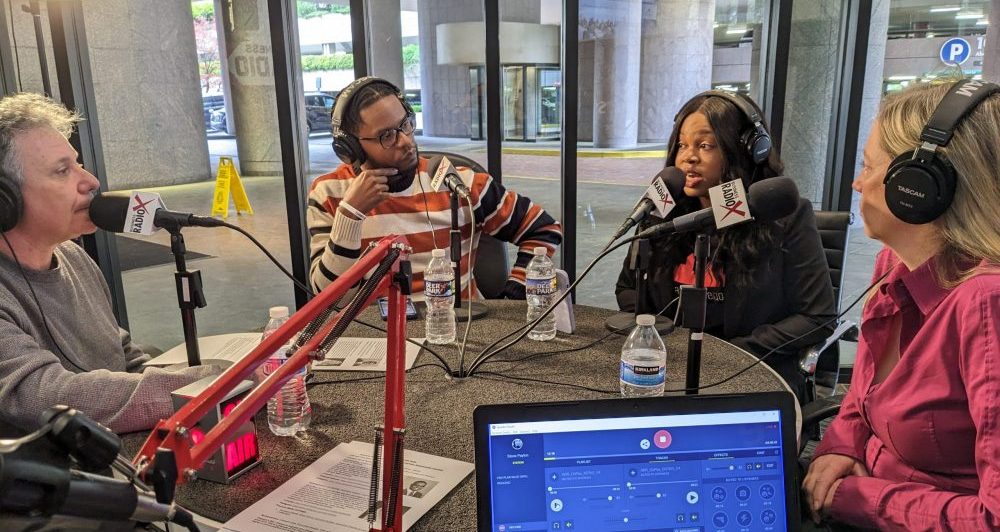
Joshua Rodgers with Habitat for Humanity, Cat McAfee with LaAmistad and Charaun Cash with VOX ATL

April 4, 2023 by angishields

Atlanta Business Radio
Joshua Rodgers with Habitat for Humanity, Cat McAfee with LaAmistad and Charaun Cash with VOX ATL
Loading
00:00 /
RSS Feed
Share
Link
Embed

Download file

In this episode of Atlanta Business Radio, Lee Kanter chats with some amazing guests who went through the American Express Leadership Academy. They talk about how important it is to develop leadership skills and build communities in the nonprofit sector.

Cat McAfee, Executive Director of LaAmistad, a program that provides educational services to the Latino community in Atlanta, shares about the challenges they face and the impact of their programs. Charaun Cash from VOX ATL, a media and youth development organization, and a Josh Rodgers from Habitat for Humanity also join in on the conversation. They encourage young people to consider a career in nonprofits.

Founded in 2008, the American Express Leadership Academy builds the personal, business and leadership skills of emerging nonprofit and social purpose leaders through multi-day, in-person trainings. The initiative has grown to a global program, training world-class leaders in the areas of education, the arts, social services, health, the environment, and more. Since 2008, we hosted more than 160 Leadership Academy programs around the world and training more than 6,000 nonprofit and social purpose leaders.
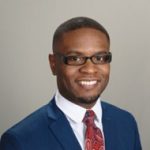
Josh-RodgersJosh Rodgers is a writer and DEI practitioner originally from Memphis, TN. He works with Habitat for Humanity International, creating strategies and resources that support the organization’s global DEI strategy.

Josh also serves as a content writer for Blavity, AfroTech and Buzzfeed – highlighting the nuanced experiences of Black culture and entertainment. He can also be found on the mic as the co-host and founder of The Jigsaw Podcast.

Josh holds a B.A. from Morehouse College, an MPA from Arkansas State University, and an MPP from Georgia State University.

Connect with Josh on LinkedIn and Instagram.
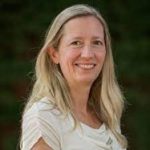
Cat-McAfeeCat DaCosta McAfee, Executive Director at LaAmistad, was born and raised in Attleboro, MA. Mrs. McAfee earned a B.S. from Georgia State University and is a graduate of the Spanish School at Instituto Chac-Mool in Cuernavaca, Mexico.

She is deeply involved in the community serving on Atlanta Public School’s Advisory Committee, Georgia Coalition for English Language Learners and the Georgia Department of Public Health Brain Trust 4 Babies Committee.

McAfee is also a founding board member for Atlanta Classical Academy, a tuition-free, open enrollment, K-12 public charter school opened in 2014. When Ms. McAfee is not at LaAmistad, she loves playing guitar, salsa dancing, wakeboarding, snowboarding and hockey.

Connect with Cat on LinkedIn and Instagram.
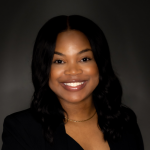
Charaun-CashCharaun Cash, Executive Director of VOX ATL,  is originally from Dayton, Ohio, but has called the Atlanta area home since 2015. She is a graduate of The Ohio State University where she earned her bachelor’s degree in communications and holds a Master of Public Administration from Georgia State University.

She is passionate about equitable education access, entrepreneurship, and civic engagement. She was a member of the Atlanta Women’s Foundation’s Inspire Atlanta class of 2020. She was recognized by the Young Nonprofit Professionals Network of Atlanta’s 30 Under 30 Nonprofit Leader Program for her outstanding leadership, innovation, and commitment to community work in Atlanta.

Charaun enjoys spending her free time helping entrepreneurs, nonprofits, and social enterprises tell their brand stories through design and photography.

Connect with Charaun on LinkedIn and Instagram.

What You’ll Learn in This Episode

  • About the American Express Leadership Academy
  • About the nonprofit sector in Atlanta and how it’s changed over the past few years
  • Challenges facing nonprofits and your particular organization
  • How important it is that nonprofit leaders undergo learning and development programs like the Leadership Academy

This transcript is machine transcribed by Sonix

TRANSCRIPT

Intro: [00:00:04] Broadcasting live from the Business RadioX Studios in Atlanta, Georgia. It’s time for Atlanta Business Radio. Brought to you by Onpay. Built in Atlanta, ONPAY is the top rated payroll and HR software anywhere. Get one month free at on paycom. Now here’s your host.

Lee Kantor: [00:00:32] Lee Kantor here another episode of Atlanta Business Radio, and this is going to be a good one. But before we get started, it’s important to recognize our sponsor, Onpay. Without them, we couldn’t be sharing these important stories. And today is a very special episode. This is an episode where we’re focusing in on the American Express Leadership Academy and some of the folks who went through that program here in Atlanta. First up, we have Cat McAfee, the executive director of LaAmistad. Welcome.

Cat McAfee: [00:01:03] Thank you. Good morning.

Lee Kantor: [00:01:04] Before we get too far into things, tell us about your program, how you serving folks.

Cat McAfee: [00:01:09] So we work with the Latino community here in Atlanta providing educational services. We have our largest program which provides after school supports and takes a holistic approach, educating the parents at the same time doing classes and workshops in Spanish for anywhere from how to navigate your school to financial literacy, digital literacy and anything in between. Whatever the families may need. We provide those services for the parents. We take the academics for after school program very seriously, making sure that the students have access to reading specialists and teachers so that they can get their homework done. But we have such a learning curve that we have with lots of learning loss, especially since the pandemic. So of course, making sure that we’re providing those services to really make sure the kids are on reading level by third grade and can go ahead and graduate high school. And so we see them through that trajectory starting today from birth to five all the way through adult education.

Lee Kantor: [00:02:09] So what’s your backstory? How’d you get involved in this line of work?

Cat McAfee: [00:02:12] Well, I was skating through Atlanta on a pair of roller blades, and I tell people God had a plan in a sense of humor. And I was asked to teach some skating classes to a group of students that were getting off the bus. And that’s where it all started. Met those kids, skated them around the gym.

Lee Kantor: [00:02:27] Serendipity.

Cat McAfee: [00:02:27] It really was. Absolutely. And fell in love with the students and their families and slowly but surely began to do more.

Lee Kantor: [00:02:35] So what are some things, maybe some myths you can kind of unlock here for folks who have maybe don’t understand that community as well as you do?

Cat McAfee: [00:02:46] I think the biggest piece that I understand today that I didn’t when I started was the fact that there’s so many Latinos that are here in Atlanta, in Georgia, and really throughout the country because they want an opportunity for their children to be academically successful. They want access to school. It’s extremely important. Education is important. It’s what sets people free. And I think that is something that I see through all of the families we serve is that desire to give their children an opportunity that maybe they never had.

Lee Kantor: [00:03:18] Now, what are some of the challenges when you’re working with children, especially whose parents may not speak English as well as you’re trying to teach them, and they don’t have that kind of support inside the home?

Cat McAfee: [00:03:32] I think one of the big pieces is understanding that they come with a different understanding of education in general. And so in many Central and South America, many of the many locations in Central and South America, a school is something you pay for. And so those nuances are extremely different in the United States, so much that parents are frightened when invited to a conference and they don’t understand that collaborative environment that the schools here in the United States really desire. So in breaking down a lot of those barriers with the families, our families are much more comfortable going into the school setting, advocating for their children, understanding that they have a voice at the table. So that’s a lot of the work that we do. Initially when students and families join our program, is helping them to understand those those small nuances that are the educational system here in the United States.

Lee Kantor: [00:04:24] Now, when you started working with these folks, was there a moment where you were like, Hey, I’m good at this, This is something I can really make a difference? Can you share that when that kind of light bulb went off?

Cat McAfee: [00:04:37] I think it’s something where we can all make a difference. There’s a lot of need out out there, right? And it’s just where you feel that you can line up your talents in a way that can really support a student family and change the trajectory. I think early on, the small successes of seeing a child that with a little bit of support not only were able to read well, but even do better than some of their peers so much that they were able to take places and and some of the more prestigious, even private schools here in Atlanta. We had students in those early years taking seats at Pace Academy or the Westminster schools because they were extremely smart. Right. And with the additional support, they were able to do so much more. And and those students today have come back and they now work for the organization or we’ve got kids even in law school at this point in time. So that little bit of education and support you give the children in the beginning, it has such a ripple effect and it’ll do so much more for the entire city and state when we have folks that are able to take seats at the table, especially tables like these.

Lee Kantor: [00:05:42] Now, can you share an example of that ripple effect, how impacting one person can impact maybe their family and even their community?

Cat McAfee: [00:05:50] Sure, absolutely. So there’s a family that actually sticks out. In particular, the mom had very little English skills and she had three children in the public school sector. And her oldest son was the first to take a seat at a private school here in Atlanta in eighth grade. And he went on to graduate from Oglethorpe University, and he’s now pre-med at Tulane. He is also joining the military, wants to become a doctor and wants to give back to his family. His sister is at Loyola University after graduating from Pace Academy and the youngest child is in his probably junior, junior or senior year at Pace Academy. So all three children were able to acclimate through private school once given the opportunity. But more importantly, Mom learned English, has a command of the language and can advocate for herself, can be a spokesperson for the program, and has been able to do a lot more than so many others in her family just by giving the by being given the resources that we’ve been able to provide them.

Lee Kantor: [00:06:56] So what do you need more of? How can we help you?

Cat McAfee: [00:06:59] We need folks like you to volunteer. We need we have centers all over the city. An hour a week or an hour a day makes such a big impact. And we see that those kids that can connect to a volunteer, they take it with them for a lifetime. These kids will come back in and I’ll see them when they’ve graduated, and they want to share those successes, which are fantastic. But I always ask them, What do you remember about La Amistad and what made the difference? And each one can name a volunteer that impacted them. So minimally. Sharing an hour of your time can make a big difference that you might even might not even realize what it can do to change the trajectory of a child’s future. And then, of course, like all nonprofits and businesses, we need to keep the lights on and continue to pay all of these wonderful teachers and specialists that are working with the students around the clock. So continued funding is always important.

Lee Kantor: [00:07:50] Now to be a volunteer, do you have to speak Spanish?

Cat McAfee: [00:07:52] You don’t. I think that’s another one of those myths, right? The students are in our public school system and they all speak English very well. And we just want to wrap have folks that can wrap around them. So I tell people, if you want to know, if you qualify for a volunteer, if you can read any books in English and if you know a two plus two is you are over qualified, come join us.

Lee Kantor: [00:08:15] And then if somebody wants to connect with you and learn more about the program, what’s the website?

Cat McAfee: [00:08:19] LaAmistad Inc. Org That’s LaAmistad Inc.org.

Lee Kantor: [00:08:26] Good stuff. Well, thank you so much for sharing your story and hang around because at the end of each of these interviews we’ll come back and do a roundtable about the American Express Leadership Academy. Thank you. All right. Next up on Atlanta Business Radio, we have Charaun Cash with VOX ATL. Welcome.

Charaun Cash: [00:08:44] Good morning.

Lee Kantor: [00:08:45] How are you doing today?

Charaun Cash: [00:08:46] I’m doing great.

Lee Kantor: [00:08:48] So, again, share a little bit about Vox. What mission purpose? How you serving folks?

Charaun Cash: [00:08:54] Absolutely. So Vox is a media and youth development organization based here in Atlanta, Georgia. We provide free after school programing and summer programing for teens ages 13 to 19. And all of our programing is centered around amplifying youth voice. And we do that through employing journalism principles, spoken word poetry and also leadership development. And we have an online publication where our teens are able to come together, write stories that are really impactful to them. And then we produce those stories online and also in our print publication.

Lee Kantor: [00:09:34] So how did you get involved with Vox?

Charaun Cash: [00:09:36] It’s funny. So I actually started my role as executive director in January, so I’m fairly new to the organization, but I’ve seen their work ever since I’ve been in Atlanta, which was since 2016, and it’s just been a really nice trajectory to how I ended up here. I actually stumbled across their work while I was interning at Cox Curry and Associates. It’s a fundraising consulting agency that used to work with Vox, and I said, That’s cool. My background is actually in communications and I have a master’s in public administration. And so I’ve always been looking for ways to collaborate and combine those two things.

Lee Kantor: [00:10:16] Now, do you find the the students that you work with are hungry for this type of education? Is it something that maybe they have a little bit of an interest, but once you kind of give them a platform for this and they can dive deeper, then they’re just kind of all in and they just really run with it.

Charaun Cash: [00:10:31] Absolutely. So the teens that come to Vox, they’re all they’re very passionate. They feel deeply. They have a perspective. They have something to say. And so when you give them the opportunity to be able to share their perspective and share their stories, they’re not going to shy away from that opportunity. We have teens who are eager to cover press conferences. For example, we had some teens go to the premiere of Wakanda Forever, and they wrote their stories and their reviews, and they were very honest. And we have teens who go to to the Fox Theater and watch the plays and then share their their reviews because they have perspective. And so just giving them the opportunity to do that allows for them to lean in and they really do like take it, take advantage of it.

Lee Kantor: [00:11:19] And they take it.

Charaun Cash: [00:11:19] Seriously. Yes, it’s very serious to them.

Lee Kantor: [00:11:21] Now, have you found that when given that opportunity, that this is transferable skills, no matter what they want to do later in life, these are skills that can transfer to the to whatever it is.

Charaun Cash: [00:11:34] They’re absolutely. So not all teens that come to Vox are coming to learn how to be a journalist. Some of them come because they want to, you know, have a safe space after school. Some of them need access to a computer. Some of them just want to build community. And so regardless of what your career aspirations are, you can come to Vox and you have a place here, but the skills are transferable. So right now in this day and age, digital media is so huge. As you can see, during the pandemic, there was a lot of, you know, a need for people to tell stories and storytelling. And you saw that on social media. You saw teens or you saw organizations and companies utilizing Zoom and virtual technology to bring their programs to teens or in their constituents. So yeah, I think no matter what it is that you’re doing, you can you can use those skills. But it’s more than just the media making as well. We’re also a youth, like a holistic youth development organization. They’re learning how to use their voice to make positive change. So that means impacting the systems that are impacting them the most, influencing the systems, impacting them the most, and like the school systems and, you know, lunches are things. Do you see an injustice? If so, can you call it out? And do you know what to do with your voice now?

Lee Kantor: [00:12:59] What is a kind of a day in the life look like? So say school ends, they head over to Vox, so it’s in person. In real life, It.

Charaun Cash: [00:13:07] Is in person. We are located. We’re located in the Peachtree Center Hub. Like right on the Internet, like on top of the MARTA station, right in the heart of downtown. And so after school ends, you can come over to Vox. We have computers, we have music going, there’s snacks, there’s a healthy meal so that they can, you know, be nourished and they can think and then their friends are. There. We have like soft furniture that they can like lounge on if they want to. And then, you know, if we have a podcast studio as well, so much like the table that we’re sitting at right now, they can go in the podcast studio and and talk about whatever it is that they’re interested in.

Lee Kantor: [00:13:48] And then what’s the fee for them to participate in this?

Charaun Cash: [00:13:51] Oh, no, it’s absolutely free. So there’s.

Lee Kantor: [00:13:53] No charge for them to participate.

Charaun Cash: [00:13:54] No charge. And that’s why we exist right now.

Lee Kantor: [00:13:58] How did they get there typically?

Charaun Cash: [00:13:59] Yeah. So that’s that’s that’s huge. So transportation, our teams come from all over. We have someone who is coming from Alpharetta, downtown Atlanta, because that’s how much how much it’s so important to her. But we they come on the MARTA, they come on, they use the bus. We provide free transportation. So Marta, marta, Station fair. And then we also validate all the parking for volunteers as well as our teams who are getting dropped off or parking and coming to the space.

Lee Kantor: [00:14:33] Now, do you have a success story that you found? I know you’ve only been there a short time, but is there anybody that stands out maybe that’s now working with you that started through the program?

Charaun Cash: [00:14:44] Yeah, absolutely. So I would love to spotlight one of our alumni. Her name is Zariah. She is very talented and she is very passionate. She has gone through the program and now she is working to be one of our largest advocates, not only for herself but also for the organization. She speaks on panels at Vox. We believe in this idea of distributed leadership, not only amongst our team but also into the teams. And so she has definitely proven herself to be a leader, shows up when needed, and then she’s very active in with our community partners. So we take teens, we take teens who are interested in becoming leaders, and they have the opportunity to lead programing for our community partners and showing them how to employ and include youth Voice into their curriculum in their programs. So we’re not only just making an impact at Vox, we’re taking it out into community as well.

Lee Kantor: [00:15:46] Now Vox is a well known media platform that goes beyond what you’re doing. How do you kind of what are your metrics of success that gets them all fired up, that, hey, this is a good thing we should be investing our resources in?

Charaun Cash: [00:16:01] For the teens.

Lee Kantor: [00:16:02] For like how is Vox defining success? Like what? What’s something that you’re excited to share with the Vox corporate people to let them know that, Hey, this is a program you should keep investing in?

Charaun Cash: [00:16:14] So we’re actually unaffiliated with Vox Media. Oh, right. Unaffiliated. You know what? We’ve been in the we’ve been in the business for 30 years. We got our name first. I don’t know if we should put that in there, but. But we do want to partner with them. Vox means voice in Latin. And so you see a lot of organizations out there who have the word vox in their name because it’s such like, that’s what we’re totally independent, we’re completely independent, teen led organization. And you know, but they would love to be contributors on books. So if you’re looking for.

Lee Kantor: [00:16:48] A sponsorship.

Charaun Cash: [00:16:49] We definitely are. We absolutely.

Lee Kantor: [00:16:52] And they should know about you.

Charaun Cash: [00:16:53] I’m sure they should. And we would love to connect.

Lee Kantor: [00:16:56] So if somebody wants to connect with you and either volunteer or be part of the program, what is the website?

Charaun Cash: [00:17:02] Absolutely. So you can get connected with Vox ATL at Vox, ATL, org. You can also find us on social media at Vox Rox ATL. That’s Vox ATL.

Lee Kantor: [00:17:14] Good stuff. Well, thanks for sharing your story.

Charaun Cash: [00:17:16] Thank you.

Lee Kantor: [00:17:17] All right. Next up on this episode of Atlanta Business Radio, we have Josh Rodgers with Habitat for Humanity. Welcome.

Joshua Rodgers: [00:17:24] Thank you.

Lee Kantor: [00:17:25] Well, tell us about Habitat for Humanity for the three people out there that don’t know what your work is,

Joshua Rodgers: [00:17:31] For sure.

Joshua Rodgers: [00:17:31] So Habitat for Humanity International is a global nonprofit focused on providing affordable housing to people who typically wouldn’t be able to afford it. So we’re working in all of the 50 states in the United States, and then we have offices in the Americas. So that’s North and South America, the Middle East, Africa. And then we have our office down in Southeast Asia as well doing that work.

Lee Kantor: [00:17:52] Can you share a little bit about the history? How did this idea get started? Because it’s now, like you said, a global organization, but it didn’t start that way. It did.

Joshua Rodgers: [00:18:00] Not. So it started in Americus, Georgia. That is a real city in town for people who do not believe that. But our founder, Millard Fuller. So he had this idea of wanting to basically build out what Dr. King described as the beloved community. People from different spaces and races and socioeconomic statuses coming together and building this community where people can have access to equity specifically through housing. So it started there on what is now considered Koinonia Farms. And as it continued to grow and build, we began to see expansion in several different areas of the United States. And it has blossomed into this wonderful global organization that the world knows today.

Lee Kantor: [00:18:39] And it isn’t just a handout of here’s a house, right? There are some sweat equity and there’s some involvement of the people that are getting the housing.

Joshua Rodgers: [00:18:48] Sure, Absolutely. So I think one idea that people kind of misconstrue about habitat is that exactly that that we’re just giving away homes. But there is a full application process. There is financing that has to take place. People are qualified based on their median income, the median income within the respective areas that they’re in. But there is a sweat equity portion that goes into it. So every family is required to go through certain financial literacy classes. They’re also required to help build the home that they’re a part of, or if their home is at a certain completion point, they’re assisting another family with the building of their home. So it is an entire process and at the very end, they own their home at the same way that any traditional person who’s seeking home ownership would.

Lee Kantor: [00:19:30] Now, why was that important component of this? Because a lot of organizations are like, here, we’re giving you something and this is saying you have to earn some of this.

Joshua Rodgers: [00:19:41] Sure. I think a part of it is to get them invested in the process. And I think another part of it, if I’m going to be really honest, is to provide them a I don’t have another word, but a sense of normalcy around acquiring their home. Right. So it doesn’t make them feel like it is just a handout more so than it is a hand up, as we like to say at Habitat. And it gives them this sense of pride that they they earned it, maybe not through the traditional sense of having a set amount of money, but this is their home. So it puts them in a similar space with the community members around them.

Lee Kantor: [00:20:11] Now, do you find that when they go through the process in that manner that they take more care or more like, do they stick around to pay off the loan more than somebody who doesn’t go through a process like that? Like is there any statistics around that?

Joshua Rodgers: [00:20:26] Absolutely. I don’t have the exact numbers, but we do know for sure that individuals who have habitat homes, they their children. Number one, Georgia Tech did a research study for us a few years ago. Their children have greater retention and graduation rates than people who are considered low income, who do not have access to affordable housing. So one of the things that we do understand is that if we can take away the housing cost burden off of families, it opens up so much more of their income to be able to do additional things like after school, care for their children, to even provide transportation to opportunities like Sharon talked about it. Have asked him another level of access to health equity and just a myriad of things, right, that they probably would not have the financial means to tap into if it were not for relieving that housing cost burden that habitat provides.

Lee Kantor: [00:21:14] And then can you share a little bit about affordable housing? Because this always confuses me, because when you have affordable housing like this, they have equity in the home. This is their home, right? Sure. So as most people who have a home, they want that home to appreciate and value. And sometimes when an area becomes desirable, then the housing price goes higher and then it’s no longer maybe affordable to the people that started out there. But then they get that wealth that’s created by the appreciation. How is that? Are you finding that habitat homes are appreciating and they are generating that generational wealth from their homes? Absolutely.

Joshua Rodgers: [00:21:54] So Habitat homes are just like any other home. The difference is, is that it is particularly financed in a special way for low income families. So once they complete the process of the home being built, they are qualified, they have the same access as anyone else. So if that home appreciates because the area is changing based on some community development norms that we’re seeing across the United States, then they have access to that same level of wealth, right? So it is creating and generating generational wealth for those families. If they find themselves in the space where they are looking to possibly sell that home before their 30 year mortgage is up. You know, in good faith, I think some affiliates, our local affiliates are the ones who are doing the work. They would love if a family would donate the home back to Habitat so it can go back to another low income family. But because it is their home. Right. And it’s still financed through traditional financing means, they just have very low interest rates that allows it to be affordable. In that sense, they have the right to sell their home at market value, so they’re able to tap into their generational wealth that’s created with that home as well.

Lee Kantor: [00:22:59] So it really is a win win for everybody.

Joshua Rodgers: [00:23:01] It is a win win for everyone for sure.

Lee Kantor: [00:23:02] So what do you need more of? How can we help you?

Joshua Rodgers: [00:23:05] Yeah, so my role specifically is helping our affiliates diversify their volunteer base, right? So what we’ve found at Habitat is that sometimes our staff and our volunteers do not always represent the communities that we serve. So our community, the communities that we serve are in high percentage persons of color, right? And our staff and our volunteers do not always represent that. So what we the help that we would need, is going to your local habitat affiliate. And if you have connections with very diverse organizations and they don’t have to be diverse and just race forward work, I think a lot of times we think about diversity, we think about race first, and that is okay. But if we can find younger volunteers because we have we have a problem with attracting youth, if we can find more women who are interested in being volunteers because some people believe, because it’s construction based, that it is a very male dominated volunteer corps. So just think about the myriad of ways that diversity can show up. And if you have any connections or you yourself want to volunteer just from a different perspective, be it your background, your socioeconomic status, we welcome all of that level of inclusivity onto the volunteer site, and it helps us be a greater representation, which then allows us to be a greater community trust and continue to work within the communities that we serve. Now, you.

Lee Kantor: [00:24:19] Mentioned that a lot of people’s first thought is, Oh, I have to be great with a hammer or saw. What are some of the other kind of job requirements or job needs that you have to fill that maybe aren’t necessarily climbing on a roof? Yeah.

Joshua Rodgers: [00:24:32] So the thing about that as well as though is that even if I am not handy at all, but I’ve been on several habitat builds something, right? Yeah. They’re going to find something for you to do and they give really great instructions prior to. However, Habitat also needs skilled volunteers, so if you’re really good in, if you have a finance background or we have a really great advocacy program. So if you have a political background or a public policy background, there are many different ways that you can tap into our work and help advance the mission of affordable housing as well.

Lee Kantor: [00:25:03] So if somebody wants to connect with you and have more substantive conversation about that, what is the website?

Joshua Rodgers: [00:25:08] Yeah, so they can go to habitat.org. It’s really that simple. And then we’re Habitat for Humanity across all social media platforms.

Lee Kantor: [00:25:15] Good stuff. Well, thank you for sharing that for sure. Now I’d like to get a little bit of your perspective about the American Express Leadership Academy. Anybody here want to volunteer and share what their experiences was with that program, and was it worth your time?

Cat McAfee: [00:25:32] I’ll start us off.

Lee Kantor: [00:25:33] I’ll start us off.

Cat McAfee: [00:25:33] All right. I think it was definitely worth our time. It was an incredible way for so many of us to connect that have never met each other, but are doing similar work in the same types of spaces. And there was a lot of collaboration. So I think just the benefit of all of the nonprofit leaders coming together was extremely powerful. Of course, then you take that and you provide all of these incredible opportunities to deepen the work that we do and provide additional trainings. It was it was really, really impactful. I think for me, I enjoyed the storytelling components of it and working with the TEDx Talk people and getting an opportunity to take a deeper dive into how do you do that, do that extremely well and and tell your story. It’s such an important part of what we do every day. So those types of trainings I think were extremely beneficial.

Lee Kantor: [00:26:27] So how did you hear about it?

Charaun Cash: [00:26:30] Well for me. I heard about it on LinkedIn, actually. I mentioned earlier that I was a new leader. I just started my role in January and so I was just looking for ways to kind of increase any knowledge or any resources that could help me just continue to strengthen my leadership style and just my leadership opportunity. I was hoping to to find, you know, a book, but I found I found the American Express Leadership Academy. So I’m really grateful for that. So what was the program?

Lee Kantor: [00:27:06] How long was the program?

Charaun Cash: [00:27:08] It’s a six month program. We had a couple of online Zoom sessions before a session with Ted to prepare for our in-person. And then we spent, what, 3 or 4 days in New York City, all of us together in one room, which was really great, especially after the pandemic. That was my first large conference that I had attended. And so we we got training from amazing leaders. We got training from one another. And it’s just been a really great experience.

Lee Kantor: [00:27:37] Josh you want to share what you what was the most kind of memorable thing you got out of the program?

Joshua Rodgers: [00:27:42] Sure. So I got to go out on a limb and say that this was one of the best professional development programs that I’ve ever been a part of and I’ve been a part of a few. So shout out to American Express and Common Purpose for putting that together. But I’m out. Ditto with the ladies just expressed. The storytelling component of that was really great. Being able to really marry our passion and our work together and tell that in a way that is impactful not just for, you know, future donors, because we need those as well, working with nonprofits, but also to be able to communicate our work in a real holistic way. And I think beyond that, for me, it was stretching our leadership skills in a way that not only advances the work we do with our organizations, but allows us to stretch our capacity and to think beyond. I know for me what I was doing on a day to day basis, so how can I grow as a leader? What is my capacity as a leader and what strategies can I put in place that just not only, you know, like this program wasn’t the cap of my growth, but how can I take what I’ve learned today and really continue to expand across the course of my career?

Lee Kantor: [00:28:42] Now, all of you mentioned the importance of having that community and having a cohort where it was people doing similar things, but a little different than you’re doing. Do you find that that type of community exists here in Atlanta? All of you are from the metro Atlanta area. Is there a community of nonprofits that serve you in that manner, or is that something you would like wish there was?

Charaun Cash: [00:29:06] I would say so. I mean, I feel like Atlanta has a very strong nonprofit sector. Like we’re doing amazing work. I’m involved in Impian. It’s a young nonprofit. You know what? I’m not even going to try to figure out. I’m involved in Impian, so I’m connected to other nonprofit leaders as well. You know, I’m just trying to find ways to build community myself. And so, yeah, I would say that Atlanta does offer those opportunities.

Lee Kantor: [00:29:37] And then is there anything that you wish Atlanta provided more for you all? Mm. Because now that you’ve had kind of got a taste of what nationally, what could be, is there anything here in Atlanta you wish you could take some of what you learned and incorporate it here in the metro area?

Joshua Rodgers: [00:29:57] I would say probably if we could duplicate this on a local level, even if it was biannually, I think that would be great. One of the biggest takeaways as well was the opportunity to be in smaller groups and really talk through challenges, gain inspiration, get really great ideas about some of the problems that we’re facing. So if we were I know for me specifically, if I was able to have that on a more consistent basis with my peers, it would be really helpful to some of the work that I’m doing right to learn best practices.

Lee Kantor: [00:30:27] I mean, all of you deal with similar things in the sense of, Oh, we need volunteers, Oh, we need funds. You know, there are certain common things that each of you needs and to learn from each other and to share these kind of best practices. I would think everybody would benefit from that.

Charaun Cash: [00:30:43] Yeah. And I would just add that, you know, I really got a chance to know people personally during that experience in New York. And so I would just love to understand the humans that are you know, running these amazing nonprofit organizations. And what’s your story? How did you come to the work? So I guess opportunities like this at Atlanta Business Radio to come up here and just get, you know, get a better sense of who you are on a human level, right?

Lee Kantor: [00:31:09] Because everybody’s paths are different now that each of you obviously are a part of nonprofits. Is that something you feel like your career is going to be in that area moving forward?

Charaun Cash: [00:31:20] Yes. For me.

Cat McAfee: [00:31:22] Yes, for me too.

Joshua Rodgers: [00:31:23] Yeah, I think I’m open to the possibility of that.

Lee Kantor: [00:31:26] Now, any advice for a young person out there that’s listening and maybe hasn’t considered going down the path of non profits? You know, a lot of people are kind of taught, oh, you got to get a real job out there in enterprise level business, a big business, something like that. And they don’t even consider non profits as a career path. Is there anything you can share to that person that maybe some of the trade offs you get from being part of? You know, there’s good and bad about being part of any industry but non profit specifically. Anybody want to share any advice for young people?

Cat McAfee: [00:32:01] I’ll start by saying non profit work. It is a real job and we have real positions in every single position you’ll find in a traditional corporate environment. You’ll find in the non profit space as well. Coupled with the fact that it allows you to have really impactful work, which is the biggest difference, you can work for corporate America all day. But when you work with people and you see folks lives changing because of the work that you do and you feel and see that impact, it’s life changing for you as well. And so this is this these are the reasons why I would never leave this work, because you not only can, you know, pay your bills by creating a good salary, but at the same time, you’re also making a huge impact on the lives of the folks that you serve. And to me, there’s just nothing like it.

Lee Kantor: [00:32:48] And that impact is real and it’s personal. And that is something that in corporate America, maybe you don’t get to see kind of the results of your work that specifically with an individual, you know, with tears in their eyes thanking you for what you’re doing.

Charaun Cash: [00:33:02] Absolutely. And I will say that there are large organizations and there are small organizations, and you might have different experiences working at both. So with a larger organization, you might feel like, you know, it is more like a traditional corporate position because they have departments. But with a smaller organization like Fox, you know, we we have to kind of know the ins and outs of the business all the way through because we’re a smaller organization. And so for someone starting out their career who wants to get experience or who wants to, you know, really learn really fast, I think nonprofit, especially at a smaller nonprofit organization, could really give you that experience really quickly.

Lee Kantor: [00:33:40] And that is also great advice for a young person. You may not have to become an employee of that organization, but volunteering in this organization can give you those leadership opportunities that you might not be able to get in a in a traditional corporate job. All right. Before we wrap one more time, your websites.

Cat McAfee: [00:34:00] Cat Sure. La Amistad, Inc. Org. La Amistad. I Encore.org.

Lee Kantor: [00:34:07] Good stuff.

Charaun Cash: [00:34:08] Sharon Yes, we are Vox ATL and our website is vox atl.org vox atl.org.

Joshua Rodgers: [00:34:17] Josh Yes, and we are a Habitat for Humanity International and you can find us at habitat.org or across all social media platforms at Habitat for Humanity.

Lee Kantor: [00:34:25] All right, this is Lee Kantor. Thank you all for listening to this very special episode of the American Express Leadership Academy. We’ll see you next time.

Outro: [00:34:37] Today’s episode of Atlanta Business Radio is brought to you by Onpay. Built in Atlanta, Onpay is the top rated payroll and HR software anywhere. Get one month free at on paycom.

 

Tagged With: American Express Leadership Academy, Habitat for Humanity, LaAmistad, VOX ATL

BRX Pro Tip: Why Warren Buffet Thinks Pricing Power is Important

April 4, 2023 by angishields

BRXmic99
BRX Pro Tips
BRX Pro Tip: Why Warren Buffet Thinks Pricing Power is Important
Loading
00:00 /
RSS Feed
Share
Link
Embed

Download file

BRX-Banner

BRX Pro Tip: Why Warren Buffet Thinks Pricing Power is Important

Stone Payton: [00:00:00] Welcome back to Business RadioX Pro Tips. Lee Kantor and Stone Payton here with you. Lee, everyone who has ever met me knows I’m a huge Buffett fan, Jimmy Buffett and Warren Buffett. And you’ve learned some of what Mr. Warren Buffett has to say and how he feels about pricing. Say more.

Lee Kantor: [00:00:20] Yeah. Warren Buffett says pricing power is the single most important decision when evaluating a business. He says that if you have your fingers crossed when raising prices hoping you won’t destroy your company, then you don’t have such a great business. And this is one of the key attributes he looks for when he buys businesses.

Lee Kantor: [00:00:44] Do you have the pricing power that you think you have? What do you have to do today to make your business value so high that people will pay what they have to pay in order to keep getting it? That makes your business sticky. That makes your business more valuable. And it makes your business more difficult to replace for the consumer.

Lee Kantor: [00:01:07] So, it’s something that you should be thinking about every single day. What can I do to keep increasing the value that my customers pay so they keep continuing to pay the prices they have to pay in order to get what I have?

From Owning to Access

April 4, 2023 by angishields

Please log in to view this content

Filed Under: Uncategorized

GACC South Unplugged – Inge Hofkens with Aurubis AG

April 3, 2023 by angishields

GACC-South-Podcast-Banner-15001500px
GACC South
GACC South Unplugged - Inge Hofkens with Aurubis AG
Loading
00:00 /
RSS Feed
Share
Link
Embed

Download file

2023-03-17 gacc pic1 of 3 2023-03-17 gacc pic 2 of 32023-03-17 gacc pic 3 of 3

Tagged With: Aurubis AG, GACC South, German American Chamber of Commerce, German American Chamber of Commerece of the Southern U.S., Inge Hofkens, Matthias Hoffman, Mike Sammond

Kathy Lathem with Cobb Senior Services, Jeff Stone with Clearpoint and Associates and Dan Bruton with High Caliber Realty

April 3, 2023 by angishields

CharitableGA033123feature
Charitable Georgia
Kathy Lathem with Cobb Senior Services, Jeff Stone with Clearpoint and Associates and Dan Bruton with High Caliber Realty
Loading
00:00 /
RSS Feed
Share
Link
Embed

Download file

Kathy-Lathem-bwKathy Lathem has been with Cobb Senior Services as the Strategic Partnerships Manager since January 2005. Prior to this position, Kathy worked several years in the Christian radio industry as on-air talent, Promotions Director and Community Affairs Director in the Atlanta area.

Since joining CSS, Kathy has developed a strong appreciation for the many challenges facing older adults and their families. She is thankful to be involved with a large network of caring professionals who strive daily to meet those challenges head on & provide quality support, services and programs for seniors.

Kathy serves on the Board of Directors for the Cobb Collaborative; is an Ambassador for Acworth Business Association; holds the position of Director of Programs for West Cobb Business Association; and is the Co-chair for Cobb/Cherokee Services for the Elderly.

Kathy volunteers with the Children’s Ministry at Burnt Hickory Baptist Church and is a volunteer docent for the Marietta Christmas Home Pilgrimage. Of all titles, one of her most favorites is “Fun Aunt” to 25 nieces and nephews and 11 greats. Born & reared in Cincinnati, Ohio, Kathy moved to Georgia in 1985 and has been married to William since 1997. They reside in Paulding County.

Jeff-Stone-bwJeff Stone is a highly accomplished sales professional and mentor who has made a significant impact in the business world over the past 30 years. Throughout his career, he has worked with companies of all sizes, from small local retailers to large multinational corporations, helping them to achieve their sales and marketing goals.

Jeff’s professional background is diverse and includes experience in both print and digital marketing. For 20 years, he designed multi-million-dollar marketing campaigns that helped businesses to reach new audiences and increase their revenue.

In recent years, he has focused on managing global sales teams for highly complex software solutions in data eradication and virtualization technology. His expertise in these areas has helped many businesses to streamline their operations and safeguard their sensitive data.

In addition to his successful career, Jeffrey has also had a rich personal life. In his youth, he was an accomplished soccer player and traveled the world competing with some of the best players of the 1970s and 1980s. He has also raised a family and is known for his dedication to his loved ones.

Throughout his career, Jeffrey has been a top-performing salesperson and sales leader, and he has trained thousands of salespeople over the years. He is widely respected in the business community for his expertise, mentorship, and dedication to helping others achieve success.

Jeff has decided to pursue his lifelong dream of starting his own company, Clearpoint and Associates.

Clearpoint and Associates is a valuable resource for business owners looking to reduce expenses and build a strong business portfolio through business credit development. Jeffrey and his team’s commitment to performance-based consulting, where clients only pay fees if they receive value in the form of savings or funding, is a refreshing and trustworthy approach to business consulting.

It is evident that Jeffrey’s years of experience in sales, marketing, and managing global sales teams have prepared him well for this new venture. His expertise and dedication to helping businesses succeed are sure to make Clearpoint and Associates a successful and highly respected company in the industry.

Dan-Bruton-bwDan Bruton, with High Caliber Realty, was born in Fort Walton Beach, FL at Egland Air Force Base. Shortly after, he moved to Plantation Fl and spent his child hood playing baseball until moving to Gainesville, FL to pursue a BA in Business Management.

While going to school, his passion for food and people lead him to the restaurant industry where he worked his way through college and honed his skills in the industry.  Attention to detail, listening, focusing on quality, and service are all important skills required to be successful.

He moved to Smyrna GA in 2006 to continue his restaurant career with an upscale casual restaurant at Cumberland Mall. As the General Manager of 250 employees, he took the sales from 8M to 13 M. In 2014 he opened a large entertainment Facility in Midtown with over 450 employees and 25m in sales.

In 2015, he met the owner at a local restaurant opening in Emerson GA. Making the transition from corporate America to a smaller restaurant while still focusing on quality and service gave him the opportunity to spend more time with family.

During his entire restaurant career, he has been focused on service, quality, and people. These are qualities he cannot wait to bring into the world of real estate.

Dan has always been interested in Real Estate and has bought several houses. He is handy and likes to make a house a home. He is also interested in the investment opportunities Real Estate provides as well. Whatever you need, Dan is committed to finding you the right property for you.

Dan has been married to his wife, Judi, since 2008 and have 3 precious boys, Evan, Asher and Wyatt. They enjoy spending time together at the baseball fields, swimming, being outdoors, and traveling.

Dan is also on the Board for a nonprofit organization, Our Giving Garden. Our Giving Garden grows local produce and donates the produce grown to interrupt hunger in the community. The Garden has also acquired a house on the property to provide housing to those in need.

Since starting his Real Estate Journey, he has worked with many happy clients and continued his education to become a Real Estate Broker.

This transcript is machine transcribed by Sonix

TRANSCRIPT

Intro: [00:00:07] Broadcasting live from the Business RadioX Studios in Atlanta. It’s time for Charitable Georgia. Brought to you by B’s Charitable Pursuits and Resources. We put the fun in fund raising. For more information, go to B’s Charitable Pursuits. Dot com. That’s B’s Charitable Pursuits dot com. Now here’s your host, Brian Pruitt.

Brian Pruett: [00:00:45] Good, fabulous Friday morning. It’s another fabulous Friday with three more fabulous folks here in the studio. We’re going to start off this morning with Kathy Latham from Cobb Senior Services. So, Cathy, thanks for being here this morning.

Kathy Lathem: [00:00:56] My pleasure. Thanks for having me.

Brian Pruett: [00:00:58] So Cathy is no stranger to the microphone. Cathy has a background in radio. So you’re passionate about seniors. We’ll get to that in a second. But if you don’t mind, share your story and how you got to where you’re at.

Kathy Lathem: [00:01:08] Well, it’s probably pretty prophetic. When I was three, my next door neighbor had me by the hand at the back door and my mom was in the kitchen and he knocked on the door and he said, Marge, would you please keep Chatty Cathy in the house? She’s breaking my concentration. And he was an avid golfer. He insured himself with Lloyd’s of London and went to Scotland every year to golf. So he was very into golf, and I was breaking his concentration. And who knew that all those years later, he, I guess, made that prophecy over me, that I would go into radio. So it was kind of a natural thing for me, really. I did not know what I wanted to be when I grew up, honestly. And my parents kept saying, You’re going to college, you’re going to college. And I’m like, What’s the easiest thing that I can do? And I said, Oh, radio. I already know how to talk and you don’t really need a degree, but I’ll go. So I did. And within two weeks before I graduated, I landed my first radio job right here in the metro Atlanta area, and I was in Christian radio for about 15 years before I made the switch to government. And that’s another story.

Brian Pruett: [00:02:10] Which we’ll get to in a second. I think it’s kind of cool because you share something the other day that I didn’t realize, but you also your voice is, well, I guess it could be infamous depending on how you look it. But your voice is in the Cobb County jail, right?

Kathy Lathem: [00:02:22] Yes. Several years ago, communications asked me to come and record the the welcome orientation video for people who become guests of the Cobb County Jail system.

Brian Pruett: [00:02:33] So there you go. Stone If you’re ever there, you’ll get to hear. Cathy, welcome you well, right? Yeah.

Kathy Lathem: [00:02:39] It’ll be a warm welcome.

Brian Pruett: [00:02:41] Yes. So I do like the way you talk about it. You are from the government, but you say you’re here to help, so go ahead and share Cobb Senior Services. The purpose, what you do and why you’re passionate about it.

Kathy Lathem: [00:02:51] Absolutely. Appreciate that. So actually, in 1972, there was this organization that started in Marietta, known as the Marietta Services Board Community Services, and they just started out by delivering meals to homebound seniors. And then when Cobb County government formed several years ago, they absorbed that organization, creating the own their own department, actually, of Cobb County Senior Services. So we have been proudly serving Cobb County for 50 years with everything from Meals on Wheels to home delivered meals to now we have seven senior centers throughout Cobb County, and we serve the 55 plus population with everything from exercise classes to seminars to dances to parties just to if somebody wants to shoot pool all day, we have that opportunity for them as well. Table tennis, just ways for people to stay engaged and have socialization. And it’s very important now more than ever since we out of COVID, you know, the seniors were the first ones that the government said stay home, stay home, stay home, protect yourself. And so many of them did that. And we’re still trying to get many back because some of them are still afraid of being out and not realizing that the senior centers are probably one of the safest places they can go because we do thorough cleaning on a very regular basis. So it’s been great to see people coming back and being engaged and even new people. We are growing our attendance at all the senior centers.

Brian Pruett: [00:04:22] You said there’s seven, correct. Can you share what parts of Cobb County they’re in? Absolutely.

Kathy Lathem: [00:04:26] We have one in Acworth North Cobb Senior Center. Powder Springs is West Cobb. East Cobb is the Tim Lee Senior Center. Smyrna has Freeman Pool Senior Center, Austell, Marietta, and then actually North Cobb has two programs in one building. So seven, seven different opportunities for people. Oh, and the senior Wellness Center. I forgot about that one in Marietta.

Brian Pruett: [00:04:48] Awesome. So obviously if you’re a senior, there’s a lot to take part of, but business owners can help the senior services as well. They can come and do presentations and other things. Can you share how people can get involved?

Kathy Lathem: [00:04:59] Absolutely. We are always looking for the community to come alongside us by giving maybe an educational presentation. It could be something as simple as the spring is coming. How do I check my air conditioning? You know, what do I need to do to get my house ready for for spring and summer? Or as we head into winter, what do I need to do to winterize my vehicle? You know, just things that will help, really anybody, but especially the seniors who probably need more more information sooner rather than than you and I, because you and I are going to scroll through, you know, the websites and try and find information, you know, just just like there is WebMD, which is kind of dangerous. You know, I’m the type that goes and just finds car places, right? He tells me. And then I’m like, Wait, that doesn’t make sense because they’re saying something completely different. But when you hear about it in a safe location, like a senior center from a professional, then it makes sense. Another way that the businesses can get involved is to help sponsor events. So when we do do these anniversary parties and big events, we’re always looking for somebody who wants to contribute maybe door prizes or to contribute toward the entertainment or maybe provide the cakes or something like that. So there’s there’s big and small ways that the community can come alongside us, get involved, and we welcome it all.

Brian Pruett: [00:06:18] So you just talked about some events. You got a big one coming up. You want to share about it?

Kathy Lathem: [00:06:22] Absolutely. This is my focus up until May 17th, which is the date of the Senior Services Expo and Marketplace. Two years ago, we could not have it because of, you know, the pandemic. Last year we brought it back. We had 92 vendors show up and almost 500 people come out and attend it. So we’ve been hearing the chatter early on this year. I’m at 100 vendors now and people are already wondering who else is going to be there, what can I get? And we’re really excited because we’ve got vendors we’ve not had before. I just got contacted by a coffee company that wants to come and I have food vendors, I have hand sanitizers, I have skincare, there’s travel, there’s transportation. So we’re very excited about all the vendors that are going to come out for this. And it’s May 17th from ten until two at the Cobb County Civic Center. Absolutely free, free admission, free parking. There will be some vendors that will have some items for sale, but you don’t have to purchase anything if you don’t want to. There’s going to be a lot of great free information for people to take. Awesome.

Brian Pruett: [00:07:27] So one of the things I think is kind of cool is, you know, there’s a lot of at least when I was growing up and even now, I think with millennials, there’s a lot of, I guess, stigmas for seniors. I know my stepdaughter, who’s 22 and I’m 51, says you’re all you’re old, right? But how do the senior service because you just mentioned a lot of stuff playing pool, all kinds of stuff. How does that take the stigma away for for seniors and being not considered, you know, like rehab or nursing homes or.

Kathy Lathem: [00:07:53] Right. And for 18 years, I’ve been in this role and it’s been my my personal journey to help get rid of that stereotype. Yes, we will always have the seniors who have more needs than others, the seniors who are truly infirmed and need help getting around. But we also have the seniors. I am 58 years old. I am right smack in what we serve at senior services. I don’t feel like I fit the stereotype that comes to mind of a senior citizen. So we are here to help get rid of that stereotype. And by offering things like ping pong and billiards all day long, we have line dance, we have tai chi, we have day trips where we take them whitewater rafting. Okay, think about that whitewater rafting. So we don’t really restrict anybody by their age. They restrict themselves by their ability. We meet people at their level of independence, their level of ability, and we meet them there and we work with whatever they want to offer.

Brian Pruett: [00:08:53] I can’t wait to get that age. That sounds a lot.

Kathy Lathem: [00:08:55] A lot of fun, right?

Brian Pruett: [00:08:55] It is fun. Right? So obviously, other than what you shared, why are you so passionate about this and passionate about seniors?

Kathy Lathem: [00:09:02] Well, it’s interesting because my grandmother I was very close. I was very close with her. I’m actually named after both my grandmothers and nanny. And I just had a very special relationship. She moved down here for probably the last ten years of her life, and then she went back home to Chicago, had some mini strokes. So I went up and stayed with her for a couple of months. And of course, I was the designated driver to all the senior activities, right? So I got to go to the lunches and the dinners and, you know, all the senior get togethers. And I just fell in love with that group of people. And so it was kind of a natural progression. But I was still doing radio and I started getting public service announcements about Cobb Senior Services. And I thought, Well, who are they? So I brought them in for a show very much like this, and I was blown away by what was offered in Cobb County for the 55 plus population. And I made the comment, Well, you know, you’re having way more fun than I am. And the girl looked at me and she says, I’m not going to have this job forever. Well, we kept in touch for about three years, and I would come back and do remote broadcasts and bring them in for updates. And she called me one day and she said, Listen, I don’t know if you’re interested, but I’ve turned in my notice. So watch the website and apply for the job if you’re interested. Well, then her boss, who was the director who had also interviewed, called me about three hours later and said, Listen, I don’t know if you’re interested, but Gwen’s turned in her notice and I would love for you to to apply if you’re interested.

Kathy Lathem: [00:10:29] And I’d like to interview you. And so literally on a Friday in January, I walked away from radio. And that Monday I started with Cobb County Senior Services. And yes, I am from the government and I am here to help. I’m here to help. People realize what is available not only for the adult or the senior, but also for the adult children, because we’re the ones that are helping mom and dad navigate this whole aging thing. Right? It’s new to all of us and it’s new to mom and dad, but we have to go through it with them. So we line up people, experts especially like like Medicare. I do not begin to understand it. I will never understand Medicare. But we know people who who do understand that that’s their passion. And so for me, it’s just a natural passion to help connect people with the products, the services, the programs that they need. And I just love seniors because they’re real. You know, there’s no filter. They’re going to tell you what they think. They’re going to tell you what’s going on in their life. And you better have time to sit down and talk with them and listen when you say, hey, how are you doing? And I just I get a kick out of that. I love doing that. And it all stems, I think, from my upbringing and just hanging around.

Brian Pruett: [00:11:35] Nanny Well, you know, you also from your radio background, the natural Chatty Cathy is there she love it but you and I do a lot of networking together. That’s how we met. You do several different groups, not only in Cobb County, but outside of Cobb County as well. Can you share one story maybe that people because I always talk about the power of networking. What’s one story you can share about how positively networking has helped you?

Kathy Lathem: [00:11:59] Oh my goodness. There have been people that I’ve met, especially most recently, because I’m helping to destigmatize what a senior is, right? People think they’re all in senior living houses and in assisted living, but so many of them are independent. For example, my mother lives down the street. She’s 91, lives by herself. Does yard work? The other day she said, I know you don’t want me on the ladder, so will you do this? But she blows and goes. She drives, she does everything. So I am finding people that I network with want to reach people like my mother, people who live in their homes. There’s one couple that are in real estate and home inspections. They’ve already done several seminars at the senior centers. Now Maria will bring homemade ziti and so they will make it a lunch and learn and then David talks about the things you need to check out on your house and why periodically you need a home inspection. Even if you’re not going to sell. You need to find out what’s going on under the roof so that you can call in the people to make repairs. That has been very effective because they’ve hit almost all of the senior centers and the seniors have been very receptive of that and the staff as well.

Brian Pruett: [00:13:03] That’s awesome. The other thing I’d like to ask is why is it important for you to be involved in the community?

Kathy Lathem: [00:13:11] Oh, goodness. Without community, none of us could do anything right. And yes, my my my passion is seniors. But I do have another passion. I do love children. And one of my dearest friends works for Children’s Healthcare of Atlanta. And so I would volunteer for years. Every time she would have an event, I’m like, I’ll be there. I’ll be there. And so I got the nickname as the number one volunteer because Pam would just say, Would you? And I’m there. I’m there just because I love being out in the community. I love the mission of children’s health care. So actually, I am now on the Cobb Community Board, so I have a little bit more structure to to my days and what I do for them. But being in the community is so important because I can’t just keep asking for people to support me. It’s important for me to come along and support people like you to help these charitable, you know, to help people who need to find connections with maybe food pantries that don’t fit into our programs. Maybe they’re too young. It it just does not work when we just constantly ask and are not giving. And I made that comment recently to one of my coworkers. I said, We are so great at asking, Hey, will you support us? Will you come alongside? But we got to stop and think, how good are we at saying, What can I do for you? How can I come alongside you? So to me, it’s just very important to be involved in the community, whatever it is, from children to seniors to the ages in between, to, you know, to animals, whatever. Any way that somebody has something coming up, I’m I’m there. Yes, I am Chatty Cathy, but I’m a people person. And so I get my energy from being around others.

Brian Pruett: [00:14:54] That’s awesome. You know, I wish you could preach a seminar on the networking aspect of it that people because there’s a lot of people still thinking about It’s me, me, me, me, Right. If if somebody wants to get a hold of you about your services or if a business wants to get hold of you, how they can help, how can they do that?

Kathy Lathem: [00:15:07] Absolutely. So we are very easy to find on the web. It is Cobb seniors.org very simple Cobb seniors.org or you can reach me directly at (770) 528-5393.

Brian Pruett: [00:15:22] Awesome Cathy thank you for sharing your story. You mind sticking around here in these next two stories? Happy to. So this is your first time listening to Charitable Georgia. I didn’t mention this at the top, but this is all about positive things happening in the community. You just heard a story about Cathy and her passion for, well, seniors, children and everything in between. We’re going to move over now to Mister Jeff Stone from Clear Point Associates. So, Jeff, thanks for being here.

Jeff Stone: [00:15:45] Thanks for having me.

Brian Pruett: [00:15:46] Jeff is also got a big heart. He is, I know, worked is working currently with a big nonprofit. He’s supporting everything that I do monthly by just coming to the events. And he’s got a great testimony. So this this is a story about, I guess, just testimonies and stuff. But first, Jeff, you got a pretty cool background. You you shared you played professional soccer, you played rugby, you boxed a little bit. You worked for the LA Times, right? You know, in LA. So just give a little bit of background.

Jeff Stone: [00:16:14] Well, I was very small as a child. And I grew up all of a sudden out of nowhere. So in general, I grew up in Los Angeles. I grew up in Southern California. I was one of the first things I did was speaking of soccer as I just happened to be in a very ethnic group, an ethnic area where I grew up, a lot of Armenian folks, and they played soccer. Everyone else was picking. I picked up baseballs and footballs and things of that nature, but I played soccer and my mom just pushed that narrative and said, Go play. I was a little bit husky. She said, So go play soccer. So I played started playing when I’m six, and that just elevated me into different. Like everything in life, you find a path, you start doing things and one thing leads to another. And I tried out a couple of times for, for different like travel teams and I made those teams. And eventually as I got into my teens, I was asked to play on the US national team. So I made that and I traveled six different countries and played all over the world playing soccer. I played against Pele and a lot of different people when I was a teenager, you know, and eventually when I got to be 17, 18 years old, one of my one event happened. There was a couple events happened in that period of time.

Jeff Stone: [00:17:24] I was graduating high school. I was I was accepted as the as an alternate for the US Olympic team. In 1980, we were going to Russia and Jimmy Carter put an end to that, which is ironic that I live in Georgia, you know, So to honor him, I guess. And so we did that. My dad, my dad was owned a company called One Stop Posters, and he was in Chicago on a on a on a business trip. And you may remember the Farrah Fawcett poster. Oh, yeah. I had one that was my dad’s company. And he died in that airplane crash in Chicago and O’Hare O’Hare Airport. And so that was graduating high school. Olympics were stopped. You know, it was my turn to my path. I was going down and my dad passes away. And so that changed everything, essentially. And and so I had a contract with Pony. Pony Sports came to me and said, hey, do you would you be interested in us supporting you and representing you? And I said, Sure. So they said, and my mom had scholarships, but but everything was out of the out of California. And I felt really like I couldn’t leave my mom because she just lost my dad, you know, Then I move away. It would be really kind of unfair. And so I didn’t do that. So I signed a contract with the LA Aztecs in Los Angeles, a whopping $33,000 a year and a, you know, an a used car.

Jeff Stone: [00:18:43] That was my that was my bonus, you know, compared to athletes of today, you know, it wasn’t a lot of money, but I played for the joy of the sport and I played that for a few years. And then I ended up and I and I tore my knee out three months into it. I tore my knee out. And so I lost my also. That was that was the sort of the trifecta. I lost my soccer career. So once that happened, I was in my early 20 seconds. I took up I took up rugby because I was sort of angry. And that was a great place to kind of release all that energy and stress and, you know, break knows being broken, things like that. Tear up the other knee. Yeah. Tear of the other knee. Yeah. All kinds of crazy stuff. But so I did that. And as I did that, you know, I just got, you know, I was always I always liked to play sports and very competitive person. And I and I lived through my my 20 seconds kind of doing that, beating my body up. And I’m paying for that now in my in my 60s. But so that’s my sports side of my life. And I moved out to Atlanta in 1993.

Jeff Stone: [00:19:42] So I’ve been there for quite a while. And as I did that, as I came to Atlanta, I got married. Did all the things that I thought were going to work out for my life, and they just didn’t work out. But in that process, I had some reflection. If you want me to talk about my walk with Christ, yes, please. So I’ll start off by saying this is that I was raised in a Jewish household, so I became a messianic Jew. So but I didn’t it didn’t start off that way. Right. So I was I was always, you know, going through temple and synagogue and through my family. And that was a very and I always felt sort of hindered because I was asked about Christ. Jesus Christ was the king of the Jews. And they would always say to me, Well, that’s fine, but we don’t really believe in that. You know, he was a he was a rabbi. You know, that’s what I the story I always heard. So. So as I looked at my life, looked back like every every birthday, I looked back at my life. In the past ten years, I look back at my life several times and say, what’s really happening in my life? What’s really positive? And am I living in a in an environment that really nurtures and promotes a healthy lifestyle and a really healthy person, both spiritually, physically, financially, mentally, all those things, and bringing myself as a whole person.

Jeff Stone: [00:20:57] And I realized that living in a world we live in is very difficult to do that. And I said, Why is that? Well, there’s evil. In this world. And so that evil, I said, has to be a counterpart. And I said, There’s God over here. And then I went, okay, where does God sit in my life? And I said, He doesn’t not not in the right way. I was sort of passively with God. And then I started reading and I’m looking at the Bible and reading the Bible and had some friends influence me. And and I accepted Christ in my life, you know, about six, seven years ago. And since I’ve done that, I’ve gotten baptized. I’ve, I’ve been on a walk with Christ. And that has really changed my entire life. I mean, to the point where I did have a hiccup. I got divorced about a year ago. That was a difficult thing. But but having God and having Christ in your life, you know, I handle a lot of that off to him. And then I don’t have to spend a lot of time and worry or fear and that kind of thing. So that’s sort of that’s sort of the general nature of my path.

Brian Pruett: [00:21:54] So it’s also cool because you and I met just a few months ago and you’re you’re just very giving and supportive because, you know, monthly I do a trivia event rotating charities and we’ll talk to Dan who who’s part of that as well. But you’ve either come or supported that every month just by us just talking a few times. And I just think it’s awesome that you can get involved in the community and be supportive. So I’d like for you to share. First of all, you do a lot of networking now to. And so the Clear Point associates share a little bit about clear point what you do and how you help others with that.

Jeff Stone: [00:22:34] So Clear Point Associates was was really a business. I started because I couldn’t get a job. It was really I aged out of the age, out of the actual job market, you know. Oh, you’ve got a lot of great resume, Jeff. But and I went, you know, I figured out for eight months I couldn’t find a job. Nobody would hire me. So I said, This is God telling me I need to start my own business, you know? So I started my own business and I thought, what am I going to really do here? What am I going to really impact? And how do I do this? I just didn’t want to sell widgets or chotchkie’s. I want I want to really just do something that has some impact on on other people and helps people. So I did a lot of research. I found products that I really felt passionate about and those products that I think help people directly either. And I did that through either I decided health was a big thing because we fight health. I think, you know, when when you’re seniors and people, you guys get older, you know, more aches and pains and more things we deal with. So I thought health is one area and other areas I love. I came from a lending background, so I like to help people get money, but not money That puts them in a bad position that puts them in a good position. So I chose products and I basically brokered those products and go out and and consult with companies about how to really best facilitate their growth and and also reduce their overhead by driving costs down. And the health side of their business, especially small and medium sized businesses usually people my my sweet spot of who I deal with is are companies with 100 employees or less. And I try to help them look at what their overhead and costs are. And then, you know, see there’s there are alternatives to what they’re currently spending money on.

Brian Pruett: [00:24:12] Well, I know that you have a passion for profits because you’re currently working with one of the largest ones, Fellowship of Christian Athletes, You know, so that but you’ve only been networking that I know of just a few months, right? Yeah. So do you have a story already you can share from that time period of networking?

Jeff Stone: [00:24:30] Well, I mean, the one thing I will tell you, the biggest thing I’ve learned about networking is exactly what you said, which is not about I and me. I go in there really to learn about other people’s businesses. And I really have learned. I’ll give you an example, a really good example. Sarah Mccourtney, who does stem cell, they do stem cell product. I sat with her the other day and I said, I think we can work with, you know, because really healthcare is reactive. Something has to happen before you go to a hospital or a doctor. I mean, some people, some stuff is preventative, but most people deal with health care as a reactive component to their life. I broke my hand. I did something. I injured myself. I feel sick. I mean, then I go see somebody. So stem cell therapy, which has done a lot of research on, was really interesting to me because that’s a that’s a proactive look at how you keep you keep your body health, you keep your mind healthy. I’m actually wearing one of the patches right now on my neck, so and I feel better. I got to tell you, I feel better from wearing these. And what it does is systemically gives you it helps your body as you get older, reproduce stem cells so it it helps strengthen your immune system, your metabolism, all these things that are, you know, truly clearly going to give you better health as a human being.

Jeff Stone: [00:25:40] So when we do that, I’m working directly with her and I’m partnering with her because it didn’t start off this way. And I sat down with one of my contractors, one of my clients, and I said, What’s the biggest problem you have when it comes to employees that are calling in sick and doing these other things? Is that a problem for your business? She said, Yes, it is. It’s a huge problem because he has only ten employees. So one person leaving that day or two people leaving, especially strategic people that are in his back office or just people that are on the field that have that particular skill set that that he needs, that causes him it costs him money. I said, what if we can keep them healthy ahead of time and you can help contribute to their health? And then and we can offer we can lower the cost of your health, your health costs in two different ways one proactively and one reactively. So that’s we’re already going out to companies right now together, Sarah and I. And I’m bringing her in for a web, a small webinar for the employees.

Brian Pruett: [00:26:39] I think it’s pretty cool because it kind of reminds me of our friend Bob Brooks preaches all the time collaboration over competition, and that’s a great example of collaboration, even though there really was no competition. But it’s just it’s awesome to hear the collaboration. So you just shared a little bit of why you started your business, but you can answer both of these in probably the same thing. Why is it why are you passionate for what you’re doing and why is it important for you to be part of the community?

Jeff Stone: [00:27:01] Well, the passion for doing it is really a mission. I if we’ve all probably experienced some level of. That to be disenchanted with health insurance. Health insurance unto itself is really anti health insurance, really anti health, because everything they did, if you look at what they do, is you can’t have this procedure because the insurance company won’t pay for it, but you can’t have this pharmaceutical drug because we won’t cover that. And people need these things like some of these some of these pharmaceutical drugs and big pharma, $800 for a shot, you know, $500, $1,000 for some pill you got to take. And for a child or for for somebody. And it’s expensive for families. You know, one of the things we I found when I’m working with FCA Fellowship of Christian Athletes is, is I mean, they are dealing with they’re paying $12 Million a year to Blue Cross Blue Shield for 1900 employees, $12 Million a year every year from 2020 to 2023. They’ve got $1 million increase in their in their cost of insurance. Now that’s that’s that’s debilitating for them in some ways. But think about the average person that works for FCA makes $50,000 a year family of four a family of five family of an individual is over $1,000 for the premium and $3,000 for the deductible. A family’s $2,300 they charge, plus $6,000 for deductible. And so it’s it’s it’s it’s financially inconceivable for a person making $50,000 a year to support their family, put food on the table and pay the exorbitant costs of health insurance.

Jeff Stone: [00:28:39] And it gets worse and worse and worse all the way through Medicare. It’s it’s not only the fact that insurance is bad and not set up right for health. It’s also things like Medicare and Medicaid are difficult for people like seniors to get the right kind of care from the right kind of doctor. So I found a product. I found a program that we eliminate. We pull the insurance company out of the equation and we put together the patient and the doctor like it’s supposed to be. So the doctor actually speaks to the patient and doesn’t have to worry about CPT codes or other elements of an insurance company. But the patient and the doctor get the benefits of being a The doctor gets a benefit of being paid directly by us for the patient and we pay directly to them and we negotiate a cash amount for that for that service. And so they don’t want to wait 60, 90, 120, 180 days to get paid by Blue Cross Blue Shield. And they don’t have to always have so many people chasing down bills. So that’s one benefit. The other benefit is, is the the the insured person, we cover them up front for the cost of the services. So we pay it ahead of time. So all I got to do is go to the doctor and the procedures they want get done.

Jeff Stone: [00:29:48] So the doctor prescribed something that gets done. There’s no insurance company that sits between the patient and the doctor. So and then we have all kinds of same similar mirror of what an insurance company does, but we do it with a profit. And we every dollar goes into our fund. About only about $0.30 goes out for care claims per dollar, whereas the insurance company charges you the premium and then you don’t get services until you pay off the deductible. So you really don’t have insurance until you pay the deductible off, but you pay a very high premium to have that service. So my passion was, well, this is ridiculous, this is a ridiculous thing. And then just recently and really what sparked this whole thing, Brian, was and you may be aware, I may not be aware, but Blue Cross Blue Shield, Aetna, Cigna, United, Health Care, Humana, they have because of equity in our society, everything has to be equitable. They change the gender reassignment surgery from in all their literature, from an elective surgery to medically necessary. So now they can legally they can literally go in and take your daughter or son that’s ten, 12 years old heading into puberty. And and if you have any reason to think that and you send that, send your child in to see a therapist, It’s just a moneymaking proposition for the insurance companies.

Jeff Stone: [00:31:07] And they can give them hormone blockers and they can actually lead them right into the into surgery. Our US government right now, Joe Biden, is actually put a bill out. They have a bill right now sitting in Congress that would allow that is forcing Christian hospitals to perform gender reassignment surgery. So when you get to this place where the irony is, is that a woman who needs maybe breast augmentation, it would be it would be elective surgery for her. So she had to come out of pocket for all this money to try to do this. But I could say I relate as a woman and because of equity, I can get a breast implant. They’ll pay medically necessary. So this was for me, this was a driver. It became more than just going out and helping people save money. That’s a great bonus. But really, the big the big push for me is I don’t want to see my children or my children’s children or my friend’s children or any child that’s going through the difficulty of living maybe in a in a in a position where they feel different or something like that, and being forced into a system that they’ll never get out of and will ruin their lives and there’ll be somebody that’s lost in their life and life is too precious to be doing that. So those things are really drivers for me and that’s my passion to do what I do.

Brian Pruett: [00:32:27] How about being a part of the community wise? I mean, that’s a lot, but there’s got to be another reason to why you think it’s important to be a part of the community.

Jeff Stone: [00:32:34] Well, I mean, you can’t you can’t get things done without other people. It’s a village. So you’ve got you’ve got to you’ve got to bring people in. And and I think about giving more than you take. You always get more than you give. So I’m a big giver. I just think that giving, whether it’s my time, my energy, my money, you know, I believe in tithing. I believe in giving my church money. I believe in giving God praise. I believe in giving myself, too, out there. Because I think when you give you bring you build trust with the community you build. And I’m looking that’s what I look to do in the community, is to build trust among my peers and among people that I don’t even know. I bring people all the time when I talk to people and try to build a better to me. We build a better world one person at a time. I mean, it’s nice to be in front of a group or be in a platform like this, but to me, discipling and ministering to people is a one on one opportunity where God puts you in front of people that need help, that need a voice, that need somebody to pick them up. And so I believe the community is a big part of what I do. And I and I love people. I really do love people. I mean, I hate being alone. I don’t like the solitude thing I do. I’m a single and I saw him solid in solitude a lot. But I love being around people.

Brian Pruett: [00:33:49] Yeah, it’s it’s, you know, once in a while it’s okay to be in a room, but I get after you. Like you, I got to be around people all the time. So I wanted to ask the Clear Point Associates, do you talk about the, the medical piece and the insurance? Is that available to individuals as well? Yes.

Jeff Stone: [00:34:06] Okay. Individuals or businesses? I mean, I focus on businesses because I can touch more people that way. And I can really and that’s another part of it is that if I can save a business 60% as an example, the $12 million that FCA is looking at spending this year, we can we just propose to them to do it for 5.5 million. Wow. So we saved them $6 million. I mean, went to the CEO and said, hey, what would you do with $6 Million? Right now, we can do a lot in the charitable charitable space to $6 million. What would you do with $6 million? Brian Would pretty nice, right, to have for your charities. And so yeah, we’ve just saved we just put money, more money in these companies hands. And that to me strengthens our community and strengthens the financial stability of small businesses. And and I think all that comes together as a way to benefit people and benefit the benefit everybody in the society.

Brian Pruett: [00:35:01] All right. So if somebody is listening, whether it’s an individual or a business owner or somebody who’s in charge of those for the business, share how they can get a hold of you to talk about that.

Jeff Stone: [00:35:09] So you can reach me at I’m at a couple of places that you can go to the website, which is for the health care side of it. It’s called Mighty Well, Health dot com and that’s a website we have. I’ll tell you about the whole entire thing. It’s not like insurance. It’s fully transparent. You’ll see rates everything right on the website. So all that, that’s probably the best place to see this program. You can reach me via my email. Probably the best way to reach me is email and that’s Jeff at Clearpoint associates.com.

Brian Pruett: [00:35:37] Awesome. Jeff Well, thanks for coming, sharing your story and listening to this, this next story. No, it’s fine. So Dan Bruton, thanks for being here.

Dan Bruton: [00:35:45] Thanks for having me.

Brian Pruett: [00:35:46] So, so Jeff gave you a title earlier that I thought was pretty cool. What was that? Jeff Quadro.

Jeff Stone: [00:35:52] Quadro Preneur.

Brian Pruett: [00:35:53] Quadro Preneur. So because Dan does a lot. I mean, he’s a broker with High Caliber Realty. He runs Saint Angelo’s. He’s on a board for the gift, the giving Garden Giving Garden. You coach your son’s teams and your husband and you got to do all this other stuff. So there’s a lot going on. There is. So do you sleep at all?

Dan Bruton: [00:36:14] About 4 or 5 hours a night?

Brian Pruett: [00:36:16] Yeah, that’s about all. All right. So, well, I appreciate you being here. Thanks for coming. Share a little bit, first of all, about high caliber, high caliber.

Dan Bruton: [00:36:24] I’ve been with them for about four years, just recently became a broker with them. We’re a little boutique broker out of Kennesaw, Georgia, and we just sell real estate. We’re brokered in seven states all the way out to Alaska. Our broker actually ran the Iditarod in Alaska several years ago. So it’s kind of a cool story, the only one in Georgia to finish. So, yeah.

Brian Pruett: [00:36:42] If you listen to a couple of weeks ago, Bill was on here, so it was it’s awesome.

Dan Bruton: [00:36:46] Yeah, he did great out there and he still supports, supports the the program out there and goes out there for opening day races and stuff like that. And so we’re pretty, pretty active. Yeah, we’re not real flashy and you know, you don’t see our billboards everywhere, but we just focus on helping individuals and selling real estate. So do you.

Brian Pruett: [00:37:02] Do both commercial and individual?

Dan Bruton: [00:37:05] I do mostly residential. I do some small commercial and I have an investment. I’m an investor as well. I have an investment in a small commercial piece of property as well. So yeah, so a little bit of everything we do land as well, so well.

Brian Pruett: [00:37:18] So I think a lot of people, most people know you who do know the community aspect of it know you more. For Saint Angelo’s and Emerson at Lakepoint, share a little bit about Saint Angelo’s. First of all, how well you guys are The oldest bar in Emerson is the is the it’s a joke, but it’s a tagline. It’s real. But share about the story, if you can, about Saint Angelo’s. And then we’ll talk a little more about what you and I are doing.

Dan Bruton: [00:37:42] Okay. Well, I moved to Atlanta in oh six with a big corporate chain, and then I switched to another corporate chain about 8 or 9 years after that. And then I said, Well, you know what? I really want to get involved in small business. I love food. I love people. I’m like, got connected with this guy Sean. Sean owns Saint Angelo’s, and he says, Hey, I’m opening a spot in Emerson, Georgia. Would you like to run it? I said, okay, It sounds like a great plan. So I left my corporate job and midtown Atlanta and came up to Emerson, Georgia. I didn’t know anything about Emerson, Georgia, a town of about 1600 people. And. No. One from the big city of Atlanta to Emerson, Georgia. And I was like, okay, let’s make this happen. So we did. So we’ve been there since 2016, a little family owned restaurant. We do a lot in the community. We support a lot of local high schools, kids, athletes. We do trivia with you, Brian. You’ve been a great part of that. And it’s just, you know, we’re we’re homemade, homemade food. And when you talk about being in service and if you want to be in service, work in a restaurant for a little while and you’ll learn all about service. So I love serving people and I love I love food. Well, you’ve.

Brian Pruett: [00:38:52] Seen the Lake Point grow. I mean, since you’ve been there, they’ve added the bowling alley. There’s all kinds of stuff going on. But I do want to touch on what you guys do in the community with Saint Angela’s because like you said, you guys do a lot for the schools. So a few years ago, Stephen Norton and I had a magazine called Northwest Georgia Rising Stars, and we were going out introducing this to the schools of the idea of the concept of it. And Dan partnered with us and provided lunch for the coaches for all the high schools in Bartow County. And it’s just, you know, just to do that in itself is an amazing. But you I know you do stuff for the red Door food pantry. You do other things. You and I are partnering right now doing a monthly trivia show, rotating charities in Bartow County. So I appreciate you opening up to do that. And it’s been an amazing journey. I started the trivia there when I was working for team trivia and I was your host there for for many years. And kind of the idea of that together and merge the charity thing was a natural thing. But you also provide the lunches for the learning table for the Castle Business Club. We do there that once a month as well. So there’s a lot that you provide for the community. So share a little bit. First of all, what people can expect when they come to either a trivia night or the learning table, what can they expect from the food? Because first of all, and Jeff knows you’ve come if you walk away hungry, it is your fault, you know?

Jeff Stone: [00:40:10] Yeah, I would say that’s true.

Brian Pruett: [00:40:12] You’re also not only known as the oldest bar, but you have the best wings in Bartow County, but share what people can expect from there.

Dan Bruton: [00:40:18] So what you can expect is, you know, our is just homemade food. We have everything’s fresh. We make it on site. I think our freezer is about the size of your freezer at your house. We have like French fries and mozzarella sticks in it and that’s about it. Everything else we either make or we bring in fresh. And, you know, it’s just a little, little local mom and pop flair restaurant that we just focus on. Great food, great food quality, great service, the staff’s friendly, smiling. And in this market, it’s hard. It’s hard to find, you know, everybody’s struggling for staff. So we’ve been very fortunate to have a lot of long term staff and staff that just gets gets the message of, hey, we’re here to serve people. We provide great food and a great, great atmosphere. It’s a sports bar in Emerson, Italian sports bar, if you will. We’ve got plenty of TVs all the games on. It’s just great energy in the restaurant. It’s just a good feel there.

Brian Pruett: [00:41:11] You’ve had plenty of people from the sports world that are considered celebrities come in there, too. For my understanding, there’s been Shaquille O’Neal’s been in there, right?

Dan Bruton: [00:41:19] I believe so, yeah. I’ve also heard.

Brian Pruett: [00:41:20] Derek Jeter was in there at one time. He was, you know, so you’ve got some some big names. And one of the things Can you share I know one of the pieces that’s really popular is your cheeseburger pizza. But is that your most popular pizza?

Dan Bruton: [00:41:34] We sell more cheese pizza in pepperoni pizza. People like the Staples, you know, just cheese. But we do we support a lot of birthday parties and stuff. And for the kids and stuff, they just kind of go with that. But we have a pizza of the month every month that we special, we knock the price down quite a bit to kind of walk people through the menu on our pizzas. So every month we have a pizza of the month and that goes over really well. Of course you can create your own pizza. We have plenty of toppings. If you want to start with a cheese pizza and add just about anything that you want, we have it. We have a great gluten free pizza for people that are a little bit more health conscious or have the gluten intolerance. I have a couple people that just buy the crust and make it at home. So the product is very good. You know, when the gluten products first came out, they were a little bit a little bit heavy. But now over time, you know, technology and everything, they’ve really done a great job. And we landed on a great product that a lot of people love.

Brian Pruett: [00:42:24] And I will say for that, my mother is gluten intolerant. And so she that is her favorite place to go to gluten free pizza because that’s like you said, it’s fresh and all that. You also are very willing and working with folks, we have a couple of people that come that are severely allergic to gluten, to the events, and you allow them to get the gluten free as part of the the deal we’re doing. So I also have to give him a credit because he’s helping my sponsors for this event by letting us leave the banners and stuff up all year long, not just the night that we have the trivia. So they’re getting the advertising alongside. Thank you for that. So now let’s talk about the Giving Garden. Yes, you are on the board for that.

Dan Bruton: [00:43:02] I’m on the board. So in my passion for food and people, I was at this church down in Mableton and there was a property next to the church and we’re like, This would be a great spot for a garden. So Judy and Jake and I were like, Let’s start. Let’s start a garden. So we started the garden to start it in 2016 and we’re just turned into it’s an amazing thing. We actually purchased the property a few years back and we’re just a non profit community garden and, and and since then we’ve started some educational programs and camps and stuff to educate people about food. And then we have some farm animals there as well. So we do camps and talk about different animals, goats and donkeys and rabbits. We have about 35 chickens, so people can sign up for summer camps or programs and just come or just come out to the garden and hang out. It’s a great space, a green space just to come, you know, hang out, sit outside, read a book, whatever you want to do, get away from the craziness of life and just hang out. And we also once a quarter, we do different things. We just had an Easter egg hunt for each of the public. There’s things you can purchase there as well, and you can support the garden by doing stuff like that too. We we sell some of our plants. So if you’re looking to start your own garden at home, you can purchase plants from the garden and support the garden and then get your own garden at home. We’ll do a pumpkin patch, pumpkin patch in the fall where you can buy pumpkins for Halloween and stuff like that. And we’ll have a little trick or treat thing for the kids and stuff. So it’s a great program, green space and you know, it’s educational. And we have a fridge where we provide produce and stuff that people can get for free, 24 hour access and just like a garden fridge, pantry type thing that, you know, we just give back to the community.

Brian Pruett: [00:44:49] You said it’s in Mapleton, McKinney shareware in Mapleton.

Dan Bruton: [00:44:51] It’s at it’s on North Cooper Lake Road 75 North Cooper Lake Road down in Mapleton. Yeah.

Brian Pruett: [00:44:56] Oh, excuse me. Other than coming and purchasing, you know, the plants or pumpkins or things like that, how can other people help support the garden?

Dan Bruton: [00:45:04] Well, you know, we’re profit, which means we need a lot of hands make light work, right? So if you have an organization that’s looking to a community project, there’s some schools that have to do community projects. They partner with us. It’s a great opportunity to partner with the garden and do a community service day for your school or your business. If your business likes to get out in the community and do stuff, we certainly need hands for, for different things and we have different projects. Sometimes we’re building stuff, sometimes we’re moving stuff, sometimes we’re just weeding the garden or what have you. But there’s always something going on there. Of course, we’re nonprofits, so you know, donations would help too. So you can donate as little as $5 a month or or a lump sum or however that works for you. And sometimes we just need people to go pick up stuff, you know? Hey, we need chicken feed for the chickens. Is anybody available? And we just need a volunteer to go pick that up. So there’s many ways you can get involved in volunteer. And some of it’s just, you know, sweat equity, some of it’s time. And, you know, a little money wouldn’t hurt either.

Brian Pruett: [00:46:01] You like I said, you do a lot. So, Sherry, you said your passion is food and people. But why is that? Because everything we just talked about that you do, it’s an amazing thing. But why is that your passion?

Dan Bruton: [00:46:15] I think it stems from my grandma. My grandma is Italian. She’s from Naples, Italy. And she had this little kitchen. It’s about the size of probably most people’s bathrooms now. And she could cook for an army of people at that little kitchen. And it was like homemade, just, I mean, Italian, just meatballs, spaghetti, pasta, fish, whatever you wanted. She could whip out out of that kitchen. And I was amazed by it. So growing up with her, I ate a lot of pasta and a lot of food, and I just I just love food. So I love cooking at home. I love cooking. It’s just. Just something I like to do. So you can tell I.

Brian Pruett: [00:46:48] Love food, so it’s not a problem for me either. So you do a lot of networking as well. I mean, we’ve all are part of some of the same circles and stuff. Can you share a story that’s of networking that’s been positive for you?

Dan Bruton: [00:47:00] I think the most positive thing for me is just, you know, going into networking. I don’t go there necessarily for myself. I go there to see how I can help others. I think that’s the best story because it does take a village. A lot of people say, say it takes a village to raise your kids, but it takes a village to raise the village as well. So I go in with the mindset of, you know, I know what I’m doing and capable of doing. I’m seeing what I can use my talents and abilities or it’s space at the restaurant for whatever I can do to help somebody else out. So like Big Rich comedy, he’s, you know, he’s looking at book stuff. I said, Well, if you ever have a booking that you need a space for, reach out to me. I’ll see if I can just use my space if it’s available, you know, just stuff like that. Seeing how I can help other people in the community. And then from that, it’s just the collaboration with, you know, I talk to other agents and networking and we bounce ideas off of each other in different scenarios so you can learn as well and teach at the same time. So as I’m learning from another agent, I can teach them what I did in a similar situation or what have you. So and then the third part is just connecting people, right? If somebody is looking for something and I know somebody that kind of does that or knows somebody that knows somebody that does that. And Bryan, you’re really good at that. Just connecting people with people that can help them out. So. Whether I do it directly or just introduce them to somebody that can can get them where they need to go is a big one for me. On the networking side.

Brian Pruett: [00:48:26] Anything you can do different, you can share about why it’s important for being part of the community. I’m sorry, being part of the community other than what you’ve already shared. Yeah, I think.

Dan Bruton: [00:48:36] It’s just important to get out in the community and you know, and I have kids. I like to know what’s going on in the community. And the more I’m out in the community, the more I know, you know, what’s a good, positive, comfortable environment for my kids, my family. And sometimes, you know, there’s areas that maybe are not so positive. And with that, not necessarily that I need to stay away from it, but how can I impact that to make that more positive for that, that specific area of the community? So but I think it’s just important to be out there and involved. I coach my son’s baseball games. I’m very involved with Smyrna Little League on that aspect. I got three kids in three different leagues there. So we’re constantly at the baseball fields. We’re doing football on Friday nights. I’m helping coach that. So I got a lot going on. But it’s all good stuff, all positive stuff. It’s stuff I really enjoy. You know, when I wake up in the day, I’m saying it’s going to be a good day. I know it’s busy, but it’s good. It’s all good stuff.

Brian Pruett: [00:49:29] Know Well, I was going to ask, how do you how do you manage the all the work life with family time? Because there is a lot going on. So how do you how do you balance that?

Dan Bruton: [00:49:38] Well, I’m fortunate in the sense that I can write my schedule for for everything I do. So the real estate side, I can schedule things when I need to schedule them on the restaurant side, I schedule things. I mean, there’s times I need to be there, but for the most part I can write my schedule. If I need to work in the morning, I can work in the morning. If I need to work at night, I can work at night. So it’s challenging because there’s a lot of moving parts. But you know, fortunately I’m able to schedule for the most part according to what I need to do and get things done.

Brian Pruett: [00:50:07] How do people separate you? Because most people, especially up in the Bartow County area, don’t relate to the high caliber part. They they mostly of the Saint Angelo’s part. How can you separate those two moving forward with some folks?

Dan Bruton: [00:50:22] That’s a great question. I don’t know. I think I think I’m always going to kind of be tied to both, which is fine. You know, I think people know me as the restaurant guy and hopefully they’ll know me as a real estate guy as well. So yeah, but I think it’ll be twofold for a while. All right.

Brian Pruett: [00:50:35] Yeah. The other thing, we won’t hold this against you, but he’s a Florida Gator fan, so.

Dan Bruton: [00:50:40] I actually went to school there, so that makes a little sense. It’s not like some of these schools that have fans that people don’t go there, right? Yeah, right. Yeah.

Brian Pruett: [00:50:49] All right. So if somebody wants to get ahold of you, either for the real estate, for restaurant for because you guys do some catering as well, or birthday parties wanting to get involved with the Giving Garden. How can somebody get a hold of you for any of that?

Dan Bruton: [00:51:00] So for the for the restaurant, it’s Dan at Saint Angelo’s. It’s s t a n g e.com. Angelo’s is how it sounds phonetically. And then for real estate, it’s Dan at high caliber Realty.com for the Giving Garden. It’s our giving garden.org. It’s a nonprofit down in Mapleton. Beautiful websites got all the information on their camps, programs, pop ups, all that kind of stuff. Spot to donate, spot to volunteer as well. So that’s a great resource. And then if you just want to call me, my number is (770) 876-7243 Cell phone. Awesome.

Brian Pruett: [00:51:35] Dan, thanks for sharing your story. When we wrap this up, I always like to ask this question. Wrapping the show up, I’d like for each of you to share either a word or a quote or some nugget to live today and beyond with to leave somebody with some positivity. Kathy, I’ll start with you.

Kathy Lathem: [00:51:50] Oh, put me on the spot. Why don’t we pass it off to Jeff? I think about that one.

Brian Pruett: [00:51:55] How about you, Jeff?

Jeff Stone: [00:51:57] Well, I always, you know, I think of, you know, inspiring things. I like a lot of inspiring quotes, but the one that always sticks with me is only those who are willing to go too far. Never know how far one can go.

Brian Pruett: [00:52:11] That’s it Makes you think, too. That’s good. Yeah. Dan, what do you have? We’ll come back to Kathy.

Dan Bruton: [00:52:15] I heard one the other day, so I’m going to steal it from from this guy that we had in the networking group along the lines of inspiring. And I hope I don’t mess it up. But he said, I want to inspire. I inspire to inspire before I inspire. Wow. So he plans to inspire other people before he expires. So that’s good. I thought that was pretty pretty moving. Yes. New to the group and he just came out with that. So that’s pretty, pretty good. Pretty strong.

Jeff Stone: [00:52:45] Right there. Can I give Kathy one more second? Sure. Yes, sure. Go ahead. I would say for the idea that we’re all networking and stuff like that, one thing I really I tell my kids this and I and I, I think it’s important for networking is seek to be interested. Not interesting.

Dan Bruton: [00:53:03] Yes, that’s a good point.

Jeff Stone: [00:53:05] You know, and if you because I noticed a lot of people in networking are trying to be interesting. Oh, I do this and I do that and I’m this and that. Well, no. Be interested. Instead.

Brian Pruett: [00:53:15] I’ve I’ll touch on that because we had a young man start coming and he I was we would go around the room and people would thank you for, for introductions or referrals and stuff like that and and happened to be one day that I had given a lot of folks some some folks, you know, introductions or whatever. And I was getting thanked quite a bit. And this young man, he was new to networking emailed me like right after the meeting and said, Hey, you know, everybody else referrals, can you send me some? And my email back to him was you can take this however you will, but you need to come in and establish relationships and learn more about them before you start selling a thing. He’s never come back to a meeting since. Wow. So. All right, Kathy, what do you have? Well, we.

Kathy Lathem: [00:53:54] Do do business with people we know, like and trust, Right. And if you don’t spend time with someone, you don’t know them. You don’t learn to trust them. Right? Right. And you don’t find out what they do. So I think we’ve all touched on it the same. You have to inspire others. You have to be interested and you have to listen. Chatty Cathy You know, it’s easy for me to engage, but I have to stop and really listen to people, not just hear, but listen. So that’s very important, I think, for all of us to take on a daily basis. But then it goes back to Scripture for me, to whom much is given, much shall be required. There’s not one person in this room who has not been given much, and we are required to take what has been given to us, be good stewards of it, and not keep it in our hands. But to pass it along, whether it’s knowledge, whether it’s tangible goods, whether it’s finances, our time, whatever it is we have to be willing to give.

Brian Pruett: [00:54:52] Awesome. Yes. Well, again, Kathy, Jeff, Dan, thanks for coming. Everybody out there listening. Let’s remember, let’s be positive. Let’s be charitable.


Tagged With: Clearpoint and Associates, Cobb Senior Services, High Caliber Realty

BRX Pro Tip: Are You Ahead of the Curve?

March 31, 2023 by angishields

BRXmic99
BRX Pro Tips
BRX Pro Tip: Are You Ahead of the Curve?
Loading
00:00 /
RSS Feed
Share
Link
Embed

Download file

BRX-Banner

BRX Pro Tip: Are You Ahead of the Curve?

Stone Payton: [00:00:00] And we are back with Business RadioX Pro Tips. Stone Payton and Lee Kantor here with you. Lee, the question of the day, are you ahead of the curve?

Lee Kantor: [00:00:10] Yeah. This is so important, especially in today’s world where technology moves so quickly and there are so many new, great, interesting things that are bubbling up. Your clients expect you to know about what’s going on, and that’s part of the reason that they hired you. Like, they expect you to be the expert that they aren’t because they don’t have the time or the resources to be that kind of in depth in the knowledge of the service that you provide.

Lee Kantor: [00:00:40] So, what are you doing to stay ahead of your clients? Do you have a new offering this year that you didn’t have last year? If your clients ask you for what trends you see ahead, would you have a good answer for them? Is there anyone on your team today that’s testing a new technology or a new tactic? If not, you better ask yourself why.

Lee Kantor: [00:01:01] I’ll never forget when we started doing this kind of work many, many years ago, someone said, “If you’re not experimenting in Web 1.0, how can you be ready for Web 2.0?” And that same thing is true today. If you’re not experimenting with AI or things like ChatGPT, I can promise you that your competitors are.

Lee Kantor: [00:01:24] Someone on your team has to be investing some time on what’s next. You have to know, though, going in that a lot of it won’t be relevant and a lot of that will be failed experiments. But I promise you some of it will be gold, some of it will stick.

Lee Kantor: [00:01:41] And you have to remember, leaders lead and they lead with information. And you have to have the information in order to help your clients get to that next level so you can help your firm get to that next level.

Leigh Johnson with Next Step Ministries

March 30, 2023 by angishields

Leigh-Johnson-Next-Step-Ministries-feature
Cherokee Business Radio
Leigh Johnson with Next Step Ministries
Loading
00:00 /
RSS Feed
Share
Link
Embed

Download file

Sponsored by Business RadioX ® Main Street Warriors

Main-Street-Warriors-Banner

Leigh-Johnson-Next-Step-Ministries-banner

Next-Step-Ministries-logo

Next Step Ministries is a ministry that seeks to enrich the lives of individuals with intellectual and developmental disabilities (IDD) through programs that reinforce their inclusive place in society.

Leigh-Johnson-Next-Step-Ministries-bwLeigh Johnson is the Community Engagement Manager at Next Step Ministries.

She is responsible for managing and implementing strategies that mobilize organizations and individuals to give, advocate and volunteer in order to strengthen the mission of Next Step.

Additionally, Leigh works in collaboration with the Marketing Coordinator on the organization’s digital and print marketing as well as direct marketing and community relations.

Follow Next Step Ministries on LinkedIn, Facebook and Instagram.

This transcript is machine transcribed by Sonix

TRANSCRIPT

Intro: [00:00:07] Broadcasting live from the Business RadioX Studios in Woodstock, Georgia. It’s time for Cherokee Business Radio. Now, here’s your host.

Stone Payton: [00:00:24] Welcome to another exciting and informative edition of Cherokee Business Radio Stone Payton here with you this morning. And today’s episode is brought to you in part by our local small business initiative, the Business RadioX Main Street Warriors. Defending capitalism, promoting small business and supporting our local community. For more information, go to Main Street warriors.org and a special note of thanks to our title sponsor for the Cherokee chapter of Main Street Warriors, Diesel David Inc. Please go check them out at diesel. David.com. You guys are in for a real treat this morning. Please join me in welcoming to the broadcast Community Engagement Manager for Next Step Ministries. Leigh Johnson. How are you?

Leigh Johnson: [00:01:13] I am very well this morning. Thank you for having me.

Stone Payton: [00:01:16] Well, it is a delight to have you in the studio. You and I have been hanging out, seeing each other at various community activities. We see each other at Young Professionals of Woodstock, and I’ve really been wanting to have this conversation on air for some time now. I got a ton of questions. I know we probably won’t get to them all, but maybe a good place to start would be if you could just share with me and our audience mission, Purpose. What are you in the next step team really out there trying to do for folks?

Leigh Johnson: [00:01:46] Our core mission in our ministry is to serve individuals with intellectual and developmental disabilities. The old school term for that, or the most common term you would hear for that are special needs. Those with cerebral palsy, anything with severe brain injuries, traumatic brain injuries, Down syndrome, autism. We serve the basic gamut of that, but our specialty is to serve families with intellectual and developmental disabilities on the severe scale. So we have a lot of individuals in our program who are tube fed and have issues like this. They are mostly wheelchair heavy use of wheelchairs. So our basic goal is to serve families and help them go out and be able to work in the community and do their daily jobs while we care for their children or their loved ones.

Stone Payton: [00:02:45] Wow. You must really sleep well at night knowing that you’re doing that kind of work. That’s a.

Leigh Johnson: [00:02:48] Mouthful. And there’s more to.

Stone Payton: [00:02:51] So how in the world did you get into this kind of work? What’s your back story?

Leigh Johnson: [00:02:57] My back story is that I started out in radio sales in Savannah, Georgia.

Stone Payton: [00:03:07] Oh, you’ll have to stay after class and help me raise a little bit more revenue.

Leigh Johnson: [00:03:10] Maybe that’s why I’m where I am now. So I have a marketing background, but I found that being in nonprofits, working in the advertising industry and being in nonprofits now serves my heart more fully than the rat race of the marketing industry and advertising. So whenever I started in nonprofits over 25 years ago, I’ve stayed.

Stone Payton: [00:03:37] Clearly, you enjoy the work. You would have to have a real passion for this kind of work, I think. What are you finding the most rewarding? What do you enjoy the most about the work?

Leigh Johnson: [00:03:48] The thing that I mostly enjoy about the work is seeing the individuals thrive and live their best lives because they were born or experienced a trauma in their lives that has put them in this place and they didn’t ask for that. So what we’re looking to do is to absolutely help them live their best lives and also allow their loved ones to live their best lives with the services we provide. Seeing smiles on the faces of the individuals. I know that sounds simple, but a lot of the times their days are very challenging. Even though our days might seem challenging just think about the challenges that they might have mentally, physically throughout the day, and that’s what we’re there to do to help them thrive because they have talents to their artists. There are some of them are musicians, some of them are, you know, just just like you or I. So we’re helping them shine.

Stone Payton: [00:04:43] So what are some of the services? What are what are some of the things that you’re able experiences you’re able to create for these folks and opportunities you’re able to provide.

Leigh Johnson: [00:04:53] Through Cobb EMC Foundation? We are lucky enough to have a grant funding through them for music therapy. We have music therapy once a week in all three of our programs, we have three programs, not just one. We have enrichment. We have a day program and we have enrichment extension. So we serve over 65 families currently, and there is a waiting list.

Stone Payton: [00:05:19] So there’s a physical location where where these folks come, the families bring them on a regular basis. They participate in these various programs.

Leigh Johnson: [00:05:28] So this goes back to the first question that you asked me is what is our core mission in Georgia? And in most states at the age of 22, when you are diagnosed with IDD, i.e. special needs, you are graduating at 22. So after that the options are limited to care for these individuals. They can find in-home care and or they can have their grandparent take care of them or a loved one or things like that. So they’re able to come to us for for those services.

Stone Payton: [00:06:03] And so you have a place that they get together here locally in Cherokee County. Yes.

Leigh Johnson: [00:06:08] We serve three counties, actually, Cherokee Cobb and North Fulton, our basic reach. But we do serve some individuals love our program so much that they come as far as they really want to. We’re a ministry first and we’re a service provider second. So if there is a family or a loved one that has needs for our services, we’re going to serve them no matter what.

Stone Payton: [00:06:32] I have to imagine that that this is so helpful to the families, you and your team. You’re interacting with these families and providing them all kinds of, I would think, emotional support and maybe even help with identifying additional resources. Is that accurate?

Leigh Johnson: [00:06:51] Absolutely. We a lot of the times most of the time the Medicaid waiver process is an arduous one. And so we have a special caseworker on hand that is able to walk them through the process and to hold their hand in a sense in filling out this paperwork for for funding through the state of Georgia.

Stone Payton: [00:07:13] So tell us a little. Let’s do a day in the Life of Lee, because you’re out and about. You’re everywhere. If I go to some kind of community oriented event, you’re there. And so you are very ingrained here, at least in this community. And it sounds like others as well. Tell you, what does your day look like?

Leigh Johnson: [00:07:32] My day starts without an alarm clock, even though it goes off at 7 a.m. in the morning. Personally, at home, I have personally my day. I have chickens. I have dogs, I have a tortoise. I have a 22 year old cat. Let’s see. So they all need to be fed. Then I come here to visit with you and share about our our ministry and our mission. I’m at Cherokee County Chamber of Commerce events. I go down to KSU and go to forums down there. I am heavily involved in training our volunteers and that is something I’d like to speak on today because we welcome volunteers in schools. I’m currently working with the Kings Academy on a project and they’re helping us with an art show that we’re doing in September. So mark your calendars for September. That’ll be at Reinhardt University. So it’s all about growing awareness of our mission and our ministry just through anybody who is willing to listen.

Stone Payton: [00:08:39] Did you have the benefit of one or more mentors that really understood this space that helped you navigate this this new terrain?

Leigh Johnson: [00:08:49] I will give all of the accolades there to my amazing boss, Lori Baker. She is the founder and president, if you will, of Next Step Ministries. She started our organization 14 years ago on a shoestring, opened up the nonprofit, and there’s something to be said about that With her love and passion for those with special needs. She started out in the Cherokee County school system as a physical therapy. She was a physical therapist, and she found that her calling was to help those aging out of high school. So since then, we have really helped thousands and thousands of people.

Stone Payton: [00:09:32] So tell me more about the volunteers. Where do they come from and what kind of activities are they engaged in? Because it sounds like this is one of the ways that people who are hearing this and those of us in the business community can can try to be try to help.

Leigh Johnson: [00:09:46] Sure. Well, they can go to our website. It’s next step ministries.net. And there are opportunities on there. You can click on volunteer with us. And of course, in the upper right hand corner, you can click on Support Us because our mission and our ministry wouldn’t be able to continue on without the donations and corporate support from all of our amazing businesses around here. Our volunteer opportunities range from if you have a talent you like to do art, you you have a passion for art. So you would like to come in. And we have a lot of art supplies so you wouldn’t have to bring anything in like that. But if you just want to come in and spend some time with us in program and see what we’re about, I will guide you through that process. I will make sure that you feel comfortable and you know the right things to say and what not to do, because there’s a certain rhetoric that you have with people with disabilities. You have to always make sure that they feel respected, that they they are respected. They are people just like you and I are. So it’s all about creating that dialog and comfort between the quote unquote person without a disability and the person with a disability. We have a garden that can be that always needs to be maintained. Now that we’re in springtime here, we have weeds. Everybody has weeds. Right, right, right. We have leaves. So if you have a blower, bring it, things like that.

Stone Payton: [00:11:25] So the group of people that you’re serving, the folks who have these various disabilities, they have all kinds of interests. Like there’s art, there’s music. Some of them may be interested in business or so there’s a lot of different ways to try to tap into and give them a a way to express their creativity and live into their passion. Right?

Leigh Johnson: [00:11:45] Absolutely. Absolutely. I have a new idea. I can roll this out here, I suppose, because I really want it to take flight. There is it’s called polymer clay. And you people with that can’t like tactile tactilely hold and grip things. They can still do things with their hands like rolling, like smashing and smashing and things like that. So if you’re if you have that ability and you can see color or colors together, you can make a piece of jewelry, you know, it’s pretty easy to do that. Or you can make like a little clay pot that you can give to your loved one or, you know, we can use that as a source of revenue for our ministry of donors or those in the community appreciate the art that we’re creating. It’s very easy to do that. So I’m in the beginning stages of educating myself on that.

Stone Payton: [00:12:43] Well, speaking of education, I suspect that when you’re out in the community, a big part of your role is just to inform lay people like me on all the things that we’re starting to to touch on. You know, what is ID, what is special needs, what are some of the best ways to interact with people, and what are some of the best ways to interact with their families and try to help their help their families? A lot of your work is is education, too, isn’t it?

Leigh Johnson: [00:13:11] Absolutely. Absolutely. It’s always listening, listening to people’s stories, not talking so much, not doing what we’re doing right now. But when a person comes to me, you have to look for cues, social cues, and their stories are very important. And then we can from there deduce what exactly needs to be helped first, because there’s a lot of help that people in guidance and calming down that people need. When they have needs like this, service needs for services like we provide. We very much enjoy going out about in the community. That’s another thing that we do. We just received an amazing new bus from through the ARPA grant. Some congratulations, leftover COVID funding money. That was from the Cherokee County Board of Commissioners. Thank you very much, Commissioner Johnston, very much. We are very excited about that. We’re in the process of having the art designed and the bus wrapped, so we’re going to be a moving billboard around. Sweet Because we cannot afford billboards, so we might as well make it look good. So we go bowling. We have an amazing volunteer. His name is Al Cato. He is amazing. He’s been taking our individuals bowling for over ten years. He is a selfless, wonderful man. And he goes with his daughter, Kelly, and they bowl with us three times a week. It’s just like it takes my breath away with regards to the commitment of some of these individuals, our volunteers and parents, one of our amazing other volunteers, her name is Judy. She will be unhappy with me saying this on the radio. But Judy is amazing. She has been volunteering with us for 13 years in our day program, and she is just the most humble, loving woman that I’ve ever, ever met. So I’m just so touched by by everybody in our organization and the community.

Stone Payton: [00:15:15] You know, now I can tell it. I can tell it every time I have a conversation with you. In any of these environments where we get a chance to connect, I can tell it here in the studio. The passion comes through and I know it’s got to be incredibly rewarding. I have a question that I’ve been asking recently, and I stole it from one of the groups that you and I get together at Young Professionals of Woodstock. The guy who has been running that recently is Jared Rodenhizer, and he asked the question. It was one of the most revealing in terms of learning about people. He he asked the question, what do you have a tendency to nerd out about? So he’s kind of getting it like, what do you have a tendency? So I’ve been my version of that is when when you’re not consumed with this work, which I’ve got to believe is is all consuming. But outside the scope of this work, what do you have a tendency to nerd out about or do You mentioned early at the top of the conversation, you’ve got chickens, so you you must enjoy animals and that kind of thing. But I mean, you wouldn’t believe some of the answers. I mean, you’ve got people who, you know, they like to skydive or someone you would never know it in a million years, but they’re like a world champion. What do you call it? The shotgun stuff. The clay shooting. Yeah. Okay. And you just don’t know. So anyway, outside the scope of this work, what do you have a tendency to dive into.

Leigh Johnson: [00:16:33] Outside of this? I, like you said, I just absolutely love my my animals, my dogs. I recently lost. I’m going to give you a shout out. Con my dog con bullmastiffs are amazing. But anyway, I have just recently picked back up again. Geeky cross stitch.

Speaker4: [00:16:56] Geeky cross stitch.

Leigh Johnson: [00:16:57] Yeah. I love cross stitch. I love anything like with angles and architecture. I’m very into all of that kind of stuff. So Mondrian art is me. I also make my own candles.

Speaker4: [00:17:12] Do you really? Yeah.

Stone Payton: [00:17:13] So, like the cross stitching thing, I have sister in laws who are very much into that. And to me it looks incredibly tedious. But like Aunt Sandy, I call her Aunt Sandy. She’s my sister in law. I mean, when she comes and stays with us, I mean, she is glued to that couch, She watches football and she does the cross stitching and it brings her so much joy. And it you know, it just it does for her, I suppose, what hunting and fishing does for me. Right? So it’s always interesting.

Leigh Johnson: [00:17:43] I do very much enjoy being in the great outdoors as well. So I’m on that hunting and fishing thing with you, but I’m just pick that back up again, the cross stitch, because I have ADHD. I’m not medicated, so I medicate myself through trying to sit still and keeping my hands busy because people don’t like to watch movies with me at all.

Speaker4: [00:18:05] Ryan But, but it’s.

Stone Payton: [00:18:07] Important, I think, to have something like that. Like for me, it’s the hunting and the fishing and the outdoors. For you, it’s that and these other things. But don’t you feel like that’s really important for for people to have that? I don’t even know if escape is the right word. It’s just another dimension to your to to your being. Sure.

Leigh Johnson: [00:18:26] Absolutely.

Stone Payton: [00:18:27] Yeah. You got to make time for that.

Leigh Johnson: [00:18:28] Absolutely. I’ll give another little shout out to my son, Gray. He’s a definite not hobby. He is one of the light of my life. And I’m very excited to share everything that I do at next step with him because young children also need to. I feel it very important for them to be comfortable around all types of people.

Stone Payton: [00:18:51] Amen.

Leigh Johnson: [00:18:51] So he comes and visits and reads stories.

Stone Payton: [00:18:54] Yeah. And let’s be candid or I will be candid about this as a layperson, less so maybe since I moved here, because when I do go to Young professionals of Woodstock, Circle of Friends is there and you and you have people with ID and they’re serving you coffee. So I’ve gotten more comfortable interacting with people, with all of those kinds of things going on. But I got to say, I’m still a little uncomfortable if I haven’t met them before and a person is in a wheelchair or something else. And I, I don’t sometimes I don’t know what to say. But I think what I’m having reinforced for me in this conversation is some of what we would try to teach in our world. You know, listen, you know, give them a chance to talk and give them a chance to share their story. That’s that’s a thing to do, right?

Leigh Johnson: [00:19:52] Absolutely. Even if the person is nonverbal, they have a means of communication, which might be a some kind of tablet that they have an eye gaze that they can look at to read. And then that tablet will talk back and say, I would like some water, you know, or, hi, how are you? That is their way of communicating. With us. And even a simple thing as a smile and a thumbs up, you know. Really they don’t like to be. This is a trite term, but baby talk to they don’t really that’s not a thing. They’re adults as well. Right? So you know, hi, how are you today? And even if they can’t answer, they know that they’re in a conversation and that somebody’s actually out there is asking really and wondering how they are.

Speaker4: [00:20:44] And.

Stone Payton: [00:20:44] Really wanting to know, are you.

Leigh Johnson: [00:20:46] Having a good week? Did you sleep well last night? You know, everything. Everybody sleeps unless you’re, you know, a vampire. Well, they sleep during the day, but whatever. Um.

Stone Payton: [00:21:00] So we started to touch on it briefly, but I want to circle back to it and dive in a little deeper on what the business community can do, either as a community, like a group, like young professionals of Woodstock or Woodstock Business Club to the two that I’m involved with, but also like a Business RadioX or like some of these folks who sponsor, you know, the Main Street Warriors program or clients of ours who also have if they’re part of of what we’ve got going, they have a heart for community. They have a heart of service. What are what are some things that come to mind that businesses can do? What are some good ways for them to get involved? And and I recognize they can write a check, but but say more about how how the business community can get behind what you guys are doing.

Leigh Johnson: [00:21:47] Well, our our business community can get involved through. We have volunteer opportunities. I can give you an example. Lgb Community Foundation comes to us once a year for a day of service. So we design a program with the individuals and the LGB employees. Last year it was a luau. This year it might be, I think it might be an ice cream party or something. You know, it’s a four hour block of time that employees and our individuals can get together and spend time together and then go out into the community and share. That would be a great way to even understand what we do and then get the other conversations going, you know, with the higher ups and things like that. It’s all how you go about the moves.

Speaker4: [00:22:44] Well, it sounds to me.

Stone Payton: [00:22:45] Like just for me, what I’m taking away from that is just go learn, participate, drop by the birthday party thing or the next event that you got going and just hang out, have conversations with everyone involved. So some of the people you know that are ID, but also the families and and the staff and the volunteers and just throw your hat over the fence. Get to know folks. And the answers to how you can help will probably present themselves, right?

Leigh Johnson: [00:23:14] Absolutely. And I’m you know, there are all kinds of different personalities in this world. There are introverts, there are extroverts. There are whatever new ones they just came up with. But you will find your place within the walls of Next Step ministries in whatever capacity we can. We can place you. You can be anonymous, you can be on the front lines. But there will always be a place for anybody in our ministry because we don’t just serve people with ID, we serve our employees. We serve those in the community. We have community, we have community service workers that come to us that have obligations and their eyes are opened. So it’s a it’s a whole handholding opportunity there. And we always welcome people back. So we have A5K also on October 7th, our 10th annual. We’re a decade old five K come running now. See I.

Speaker4: [00:24:12] Think I can do.

Stone Payton: [00:24:13] That. I think I can do five K. I don’t think I can run it. You don’t have to but I can walk it.

Speaker4: [00:24:17] Yeah.

Leigh Johnson: [00:24:19] That’ll be at First Baptist Woodstock, October 7th. And then there are other just like stewardship opportunities, events coming up. You know, we have our birthday party this coming Saturday. We’ll have a chili cook off after the five K next year.

Stone Payton: [00:24:34] And then color me there, I will definitely eat the chili.

Leigh Johnson: [00:24:38] And you can compete too.

Speaker4: [00:24:39] Yeah.

Stone Payton: [00:24:40] So we cook chili. The Main Street warriors, when we unveiled that program, just we’re getting to unveil it. I competed in the chili cook off that Ken Crossen does for the first responders and I had the best time. I did not win, but I thought it turned out pretty good. And I got to tell you, Ken Crossen does know how to cook chili, too. It was really good. So color me there on the five K and the chili cook off.

Leigh Johnson: [00:25:04] Very good. And also it’s not I don’t have a date for the art opening at Rhinehart yet, but it’s going to be all next step. Ministries created art. Oh wow. In conjunction with schools and things like that. So that’ll be at the Fellini in September. So I’m pretty. Cited about all that.

Speaker4: [00:25:22] Well, you should be. Yeah.

Stone Payton: [00:25:26] So I think I know the answer to this because of my personal experience, having now been in Woodstock right at two years and running a small business. But I’m going to ask anyway, how have you found the community at large and the business community here in Cherokee County and the surrounding counties? Have you found them really supportive? I certainly have. And just but I’m interested to know what’s what’s your perspective on that?

Leigh Johnson: [00:25:53] I absolutely find that when you represent a business or organization with a very meaningful mission or vision that has shown any kind of measurable marks in the community, then people start to grab on to that. And I understand that when you’re new in any community, you’ve got to sort of dig in and have faith in yourself, get through those hard days. But, you know, don’t be afraid to come to those people things. Ask questions, and then you’ll gravitate towards those individuals or companies that will help you grow and blossom. I think I think it’s wonderful, especially like the firstrillionesponders in this in this community. I have never I don’t I’ve just never seen such a close, tight knit group of people before.

Stone Payton: [00:26:48] That’s a great that has certainly been my experience. I got to tell a story on myself when we moved here, and then I decided to rent this space to to have the studio for for Cherokee Business Radio. You know, we’re very close to the to the fire department, right? I mean, it’s just a quick little walk. And so and one of the businesses that I love and I love so many around here is Pi Bar. And so, you know, I’m a regular there. Everybody knows me at Pi Bar. And so I went and bought a the one of the what is it. The pecan pie. The is it the bourbon chocolate pecan pie. So I bought a whole pie. Usually I’m buying slices but I bought it for, for the firemen. And so it comes in this white box. And then I wrote on a Sharpie on the top of it. I said, Fire insurance booster policy for 998 Market Street. But it was fun to be able to, you know, to take the pie down there. But yeah, the first responders, the business organizations in Woodstock, you know, just it’s fantastic. I just I love it. It sounds like you.

Leigh Johnson: [00:27:48] Do, too. I just think it’s wonderful. I just thought of one other thing. Yeah. Other ways individual or companies can help. We have needs every day needs that help us to keep our operations open. Things like I’m such things as paper towels, toilet paper, things like that. We have an Amazon wish list. That kind of stuff helps to keep our bottom line low so we can, you know, improve our programs and grow our programs. Because if you’re just worrying about buying toilet paper and things like that, you’re not going to be able to go out there and do other things. So that that would be extremely helpful. So that’s.

Speaker4: [00:28:28] One thing. Well, no.

Stone Payton: [00:28:28] I’m glad you mentioned it. Now, do you have that that official kind of thing where, like if I’m on Amazon buying something this afternoon, I can also go check out what’s something you want? And I can just add some paper towels or whatever.

Leigh Johnson: [00:28:40] Absolutely. We have an Amazon wish list. I can.

Stone Payton: [00:28:44] Yeah, absolutely. No, we’ll make sure we include it when we publish this. We’ll make it happen. And I mean, Holly and I and I’m sure so many couples around town are this way. I mean, Amazon’s on my stoop, like, three times a week, you know? And it’s a lot of times it’s like a little $5 thing here or a $20 thing here. It doesn’t matter. But how easy would it be to just go because they make it really pretty darn easy? Absolutely. Yeah.

Speaker4: [00:29:06] Just pop that in.

Leigh Johnson: [00:29:06] It’s so easy. Yeah. And that will be really helpful.

Speaker4: [00:29:09] Yeah.

Stone Payton: [00:29:09] And you know, that brings up a point, something that I’ve learned, but I have to remind myself, you don’t necessarily need to do the big, heroic gesture, you know, with the big Styrofoam check, you know, from the main street warriors or from stone or from, you know, gazillion, you know, thousands of dollars, you know, buying just the little things, man, That means a lot. It adds up, doesn’t it?

Speaker4: [00:29:32] So.

Leigh Johnson: [00:29:33] Absolutely it does. You don’t have to you know, you can make the difference in any way you see fit. But one thing I do ask is that when you do that Amazon thing, shoot me an email or write on the gift thing what your name is because I like to give you that tax credit.

Speaker4: [00:29:53] Oh, I didn’t think.

Leigh Johnson: [00:29:54] About that part if you want, if you so desire it. It also helps with auditing.

Speaker4: [00:30:02] Okay. Okay.

Leigh Johnson: [00:30:03] Seriously, It does, you know. All right.

Speaker4: [00:30:05] Yeah.

Stone Payton: [00:30:05] All right. So there’s a tip. Make sure that you. That you somehow make sure that they’re aware of it and put your name on there. But that Amazon Amazon wishlist, that’s a fantastic that’s a way any of us can help a little bit and help a lot of different causes. But yeah, well, that’s good to know. All right. What’s the best way for our listeners to learn more, connect with you, tap into the work you guys are doing, whatever you feel like is appropriate, you know, website, email, phone number. I just want to make it as easy as possible for our listeners to to connect with you.

Leigh Johnson: [00:30:37] Well, absolutely. We have a Facebook page that would be great. Next Step Ministries, Inc. I believe it is on Facebook. That would that’s where a lot of our things are. We have an Instagram tied to that as well. Nsm I’ll have to get you that.

Stone Payton: [00:30:53] No worries. When we publish this, it will have all all of it listed there. So yeah, don’t worry about that.

Leigh Johnson: [00:30:58] So I’ll make sure that everything is on there.

Stone Payton: [00:31:01] All right. Okay. And is there an email address that you want them to have?

Leigh Johnson: [00:31:05] My email address is li l e i g h at Nextstep ministries.net, and our main phone number is (770) 592-1227. Our address is main address is 7709 Turner Road. Woodstock.

Stone Payton: [00:31:26] Well, that’s not far from here.

Speaker4: [00:31:29] That’s just down the street. Close. Perfect.

Stone Payton: [00:31:32] Well, it has been an absolute delight. I knew it would be having you in the studio. You’re doing such important work. Keep up the good work. Don’t be a stranger. Come back from time to time. If you will update us on on your activities. And it might be interesting to have staff or volunteers come in or maybe, you know, sponsors, anything we can do here locally with Business RadioX to help you continue to get the word out and thank the people who are helping you live into your mission. We’re going to make it happen.

Speaker4: [00:32:04] Okay. Thank you so.

Leigh Johnson: [00:32:05] Much, Joan. And thank you, Business RadioX. And thank you, Woodstock and everybody out there. We appreciate you very much. More than you.

Speaker4: [00:32:12] Know.

Stone Payton: [00:32:13] All right. Until next time. This is Stone Payton. For our guest today, community engagement manager Lee Johnson with Next Step Ministries. And everyone here at the Business RadioX family saying we’ll see you again on Cherokee Business Radio.


Tagged With: Next Step Ministries

BRX Pro Tip: Easiest Way to Use Your Community to Grow Your Community

March 30, 2023 by angishields

BRXmic99
BRX Pro Tips
BRX Pro Tip: Easiest Way to Use Your Community to Grow Your Community
Loading
00:00 /
RSS Feed
Share
Link
Embed

Download file

BRX-Banner

BRX Pro Tip: Easiest Way to Use Your Community to Grow Your Community

Stone Payton: [00:00:00] Welcome back to Business RadioX Pro Tips. Lee Kantor and Stone Payton here with you. Lee, there seems to be a lot of wisdom to my way of thinking in using your community to grow your community. What’s your perspective on that?

Lee Kantor: [00:00:15] Yeah. I think the beginning of the thinking when it comes to community is to reframe your thinking of who your community members are, and look holistically at your community through the lens of members rather than clients, audience, email addresses, impressions, vendors, or even teammates. All of those people are your community. And if you think of them as members rather than all those other kind of terms, you can start prioritizing how you can help them and how you can come up with ways that can help them help you grow.

Lee Kantor: [00:00:55] And the easiest way is to start to ask them some questions like, Why are they part of your community to begin with? What do they want from it? Their answers can help you focus on what you’re doing well and what you should be doing more of by making your members feel truly part of the community. You can expect them to take more action in growing the community, because if you do things right, they will feel like it’s their community as well as your community.

Lee Kantor: [00:01:24] And when you have that type of buy-in, when they feel it is that invested that this is their community, then they are going to want to take those extra steps. They’re going to want to refer their friends to it. They want to involve more and more people and bring more and more people to it because it benefits them as well.

BRX Pro Tip: How Mr. Beast Conquered YouTube

March 29, 2023 by angishields

BRXmic99
BRX Pro Tips
BRX Pro Tip: How Mr. Beast Conquered YouTube
Loading
00:00 /
RSS Feed
Share
Link
Embed

Download file

BRX-Banner

BRX Pro Tip: How Mr. Beast Conquered YouTube

Stone Payton: [00:00:00] Welcome back to Business RadioX Pro Tips. Stone Payton and Lee Kantor here with you. Lee, an incredibly important channel platform for so many of us is often YouTube. But how do you get the most out of it?

Lee Kantor: [00:00:18] Yeah. YouTube is a work in progress for us at Business RadioX. But somebody who has figured it out is a guy named Mr. Beast. If you haven’t checked out his videos, I highly recommend you check them out. They’re entertaining. They’re impactful. He has built the largest amount of subscribers of several channels on YouTube and has done a great job. And he started from scratch. He started as a teenager, and now they say that he could become the first YouTube billionaire from the work that he’s doing and the money that he makes from this platform. It’s expanded into lots of different areas.

Lee Kantor: [00:00:52] But I was listening to him explain how he does what he does. And on paper, it obviously seems easy and straightforward, but the devil is in the details in how you execute. But he believes that the first thing you have to do if you want to be successful on YouTube is create great videos that over promise and then over deliver. You have to do that at every single step. Everything you do on YouTube should lead the viewer to want to excitedly take the next step.

Lee Kantor: [00:01:22] And that’s in every aspect of the process. So, that means at the beginning, create great thumbnails that make a promise that encourages the viewer to click on the video. Then, the first few seconds of the video have to restate that promise in order to make the viewer want to watch more. And you have to overdeliver on your promise. And you have to have a payoff that surprises and delights the viewer, so the next time they see one of your videos on the screen that they’ll click on it.

Lee Kantor: [00:01:51] He says that it’s easier to create one video that gets 5 million views than it is to make 50 videos that each get 100,000 views. So, if you’re going to go to do YouTube, invest the time to make fewer, better videos. And invest the time in learning from the folks that are doing it the best, that is a great way to learn anything. So, in the case of YouTube, Mr. Beast is in a league of his own.

  • « Previous Page
  • 1
  • …
  • 205
  • 206
  • 207
  • 208
  • 209
  • …
  • 1334
  • Next Page »

Business RadioX ® Network


Our Most Recent Episode

CONNECT WITH US

  • Email
  • Facebook
  • LinkedIn
  • Twitter
  • YouTube

Our Mission

We help local business leaders get the word out about the important work they’re doing to serve their market, their community, and their profession.

We support and celebrate business by sharing positive business stories that traditional media ignores. Some media leans left. Some media leans right. We lean business.

Sponsor a Show

Build Relationships and Grow Your Business. Click here for more details.

Partner With Us

Discover More Here

Terms and Conditions
Privacy Policy

Connect with us

Want to keep up with the latest in pro-business news across the network? Follow us on social media for the latest stories!
  • Email
  • Facebook
  • Google+
  • LinkedIn
  • Twitter
  • YouTube

Business RadioX® Headquarters
1000 Abernathy Rd. NE
Building 400, Suite L-10
Sandy Springs, GA 30328

© 2026 Business RadioX ® · Rainmaker Platform

BRXStudioCoversLA

Wait! Don’t Miss an Episode of LA Business Radio

BRXStudioCoversDENVER

Wait! Don’t Miss an Episode of Denver Business Radio

BRXStudioCoversPENSACOLA

Wait! Don’t Miss an Episode of Pensacola Business Radio

BRXStudioCoversBIRMINGHAM

Wait! Don’t Miss an Episode of Birmingham Business Radio

BRXStudioCoversTALLAHASSEE

Wait! Don’t Miss an Episode of Tallahassee Business Radio

BRXStudioCoversRALEIGH

Wait! Don’t Miss an Episode of Raleigh Business Radio

BRXStudioCoversRICHMONDNoWhite

Wait! Don’t Miss an Episode of Richmond Business Radio

BRXStudioCoversNASHVILLENoWhite

Wait! Don’t Miss an Episode of Nashville Business Radio

BRXStudioCoversDETROIT

Wait! Don’t Miss an Episode of Detroit Business Radio

BRXStudioCoversSTLOUIS

Wait! Don’t Miss an Episode of St. Louis Business Radio

BRXStudioCoversCOLUMBUS-small

Wait! Don’t Miss an Episode of Columbus Business Radio

Coachthecoach-08-08

Wait! Don’t Miss an Episode of Coach the Coach

BRXStudioCoversBAYAREA

Wait! Don’t Miss an Episode of Bay Area Business Radio

BRXStudioCoversCHICAGO

Wait! Don’t Miss an Episode of Chicago Business Radio

Wait! Don’t Miss an Episode of Atlanta Business Radio