
Business RadioX ®

  • Home
  • Business RadioX ® Communities
    • Southeast
      • Alabama
        • Birmingham
      • Florida
        • Orlando
        • Pensacola
        • South Florida
        • Tampa
        • Tallahassee
      • Georgia
        • Atlanta
        • Cherokee
        • Forsyth
        • Greater Perimeter
        • Gwinnett
        • North Fulton
        • North Georgia
        • Northeast Georgia
        • Rome
        • Savannah
      • Louisiana
        • New Orleans
      • North Carolina
        • Charlotte
        • Raleigh
      • Tennessee
        • Chattanooga
        • Nashville
      • Virginia
        • Richmond
    • South Central
      • Arkansas
        • Northwest Arkansas
    • Midwest
      • Illinois
        • Chicago
      • Michigan
        • Detroit
      • Minnesota
        • Minneapolis St. Paul
      • Missouri
        • St. Louis
      • Ohio
        • Cleveland
        • Columbus
        • Dayton
    • Southwest
      • Arizona
        • Phoenix
        • Tucson
        • Valley
      • Texas
        • Austin
        • Dallas
        • Houston
    • West
      • California
        • Bay Area
        • LA
        • Pasadena
      • Colorado
        • Denver
      • Hawaii
        • Oahu
  • FAQs
  • About Us
    • Our Mission
    • Our Audience
    • Why It Works
    • What People Are Saying
    • BRX in the News
  • Resources
    • BRX Pro Tips
    • B2B Marketing: The 4Rs
    • High Velocity Selling Habits
    • Why Most B2B Media Strategies Fail
    • 9 Reasons To Sponsor A Business RadioX ® Show
  • Partner With Us
  • Veteran Business RadioX ®

Ari Rastegar with Rastegar Property Company

December 2, 2020 by angishields

Rastegar-Property-logo
Atlanta Business Radio
Ari Rastegar with Rastegar Property Company
Loading
00:00 /
RSS Feed
Share
Link
Embed

Download file

OnPay-Banner

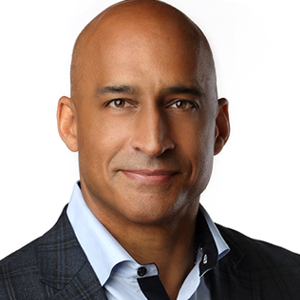
Rastegar-Property-logoAri Rastegar, Founder and CEO of Rastegar Property Company, has established a reputation as a thought-leader in real estate with his innovative, technology-driven investment approach and strategies. Ari’s real estate investments span 32 cities across eight states, and include vintage multifamily units, mixed-use complexes, storage facilities and more.

Ari began his work in real estate investment in 2006 while still in law school, before eventually founding Rastegar Property Company in 2015. Ari specializes in recession-resilient real assets and multifamily real estate developments and has built portfolios designed to reduce risk and maximize capital appreciation potential.

Known for his thought-provoking insight and no-nonsense delivery, Ari and Rastegar Property Company are regularly featured in both national and local news outlets including GQ, Commercial Observer, The LA Times and the Austin American-Statesman. Ari is also a frequent contributor to prominent publications like The Wall Street Journal, Forbes, CBS and International Business Times.

Ari holds a Bachelor’s degree from Texas A&M University, as well as, a Juris Doctorate degree from St. Mary’s University Law School. Ari became licensed to practice law in Texas in May of 2009.

Ari has maintained his personal commitment to a purposeful life, which drives the culture at Rastegar Property Company. Ari is a longtime supporter of charitable organizations that give back to the community like the Central Austin food bank, the Maharishi Foundation, and Ronald McDonald House.

Connect with Ari on LinkedIn and follow Rastegar Property on Facebook.

What You’ll Learn in This Episode

  • How renters fleeing coastal cities are creating real estate investment opportunities in Atlanta
  • How vintage multi-family apartments in smaller cities, like Atlanta, are the future

About Our Sponsor

OnPay’sOnPay-Dots payroll services and HR software give you more time to focus on what’s most important. Rated “Excellent” by PC Magazine, we make it easy to pay employees fast, we automate all payroll taxes, and we even keep all your HR and benefits organized and compliant.

Our award-winning customer service includes an accuracy guarantee, deep integrations with popular accounting software, and we’ll even enter all your employee information for you — whether you have five employees or 500. Take a closer look to see all the ways we can save you time and money in the back office.

Follow OnPay on LinkedIn, Facebook and Twitter.

Tagged With: Rastegar Property

BRX Pro Tip: Important vs. Urgent

December 2, 2020 by angishields

BRXmic99
BRX Pro Tips
BRX Pro Tip: Important vs. Urgent
Loading
00:00 /
RSS Feed
Share
Link
Embed

Download file

BRX-Banner

BRX Pro Tip: Important vs. Urgent

Stone Payton: [00:00:00] Welcome back to Business RadioX Pro Tips. Lee Kantor and Stone Payton here with you. Lee, I’ve been blessed in a lot of ways, not the least of which is the opportunity to study under, work with a number of just marvelous mentors. And I think each and every one of them, at some time or another, tried to impress upon me this distinction between important versus urgent. I’d love it if you’d take a swing at it too.

Lee Kantor: [00:00:00] Sure. This is the Stephen Covey’s matrix using important as urgent as the axis. And that’s supposed to help you focus on where should you be spending your time. And, obviously, one quadrant has urgent and important, one quadrant has not urgent but important, one quadrant has urgent but not important, and one quadrant has not urgent and not important. It’s important to understand why each of those quadrants are important.

Lee Kantor: [00:01:00] A lot of people spend the bulk of their time in that quadrant four of not urgent and not important, and that’s the quadrant you should get rid of. I like to look at things in terms of dollar in our work. You’re spending negative money in that quadrant. There’s nothing good happening there. And so, you shouldn’t spend any time there really during your workday.

Lee Kantor: [00:01:26] But the quadrant that gets neglected is that not urgent but important planning quadrant in quadrant two. And that, to me, is your thousand-dollar-an-hour work. That’s the place where the big thinking happens, the deep thinking happens, and that’s really what’s going to move the needle in your business, and that’s where you should be making sure you’re investing some time each week in that quadrant because that’s where you’re going to grow. That’s where going to come up with the ideas that are going to take your business to the next level.

Lee Kantor: [00:01:58] But sadly, most people focus on the $10-an-hour quadrants of doing work that it seems urgent, but it’s not really important. And that’s where most people get bogged down. So, that’s the kind of work. You got to delegate. You got to find somebody else to be doing that kind of work, so you can focus on the more important work. And that happens in quadrant two of not urgent but important.

Karen Hertz with Holidaily Brewing Company

December 1, 2020 by angishields

Holidaily-Brewing-Company
GWBC Radio
Karen Hertz with Holidaily Brewing Company
Loading
00:00 /
RSS Feed
Share
Link
Embed

Download file

Karen-Hertz-Holidaily-Brewing-CompanyKaren W. Hertz is the founder of Holidaily Brewing Company. In her early 30’s, Karen survived both melanoma and thyroid cancers, leading to a treatment regimen including a gluten-free diet.

After adopting a gluten-free diet, Karen struggled to find a great tasting, 100% gluten-free beer. With an MBA in Entrepreneurial Studies from the University of Colorado at Denver and 10 years of beer industry experience under her belt, Hertz researched gluten-free ingredients, taste-testing alternatives, and gaining an understanding of brewing processes in order to create a better solution. Thus, the idea for Holidaily Brewing Company was born.

Since opening the brewery in 2016, Holidaily has grown over 700%. After years of exponential growth in Colorado, Holidaily Brewing opened the doors to a new production brewery in May of 2019, making them the largest dedicated gluten-free brewery in the U.S. The expansion increased their brewing capacity, allowing them to grow regional distribution.

Holidaily’s success has garnered recognition from Bon Appetit Magazine, Denver A-list, Gluten-free Living Magazine, USA Today, Esquire and more. More recently, the brewery won the Gold Medal in the gluten-free category at the Great American Beer Festival and was selected by Denver A-List as the 2020 best brewery in the Denver area.

Since opening the brewery, Hertz has received recognition of her own. In 2017, she was awarded the 40 Under 40 recognition by the Denver Business Journal. She has won Innovator of the Year in Jefferson County, Colorado. In 2020, ColoradoBiz Magazine identified her as a finalist for their Entrepreneur of the Year and she was recognized as a top 100 CEO in Colorado by the Titan 100 Awards. Hertz has participated in a number of local and national speaking engagements covering the craft beer and the gluten-free industries, entrepreneurship, women in business and work-life balance.

Outside of her role as Chief Brewista, Karen enjoys living in Golden with her husband and twin daughters and taking advantage of all that Colorado has to offer including watching her favorite sports team while enjoying a Holidaily beer at Mile High Stadium

Follow Holidaily Brewing Company on Facebook, Twitter and Instagram.

Transcript

Intro: [00:00:04] Broadcasting live from the Business RadioX studios in Atlanta, Georgia, it’s time for GWBC Radio’s Open for Business. Now, here’s your hostLee Kantor:
[00:00:18] Lee Kantor here. Another episode of GWBC Open for Business. And this will be a good one. Today, we have with us Karen Hertz. And she is with Holidaily Brewing Company. Welcome.

Karen Hertz: [00:00:28] Thank you. Thank you for having me.

Lee Kantor: [00:00:30] Well, before we get too far on the things, tell us about Holidaily Brewing Company. How are you serving folks?

Karen Hertz: [00:00:35] Yeah, sure. So, Holidaily Brewing Company is one of the country’s only dedicated gluten-free breweries. We are located in Golden, Colorado. And really, the history of the brewery started with a combination of my education, and my work experience and my personal life. I had an MBA in Entrepreneurial Studies from University of Colorado at Denver, and I was working in the beer industry. I worked at MillerCoors here in Golden, Colorado. And primarily worked on distribution, getting Coors beer and Miller beer from Golden to distributors throughout the central region of the United States.

Karen Hertz: [00:01:18] And then, I ran into some health issues. In 2007, I was diagnosed with melanoma. And in 2008, I was diagnosed with thyroid cancer, and then autoimmune thyroid disease. So, two-time cancer diagnosis, an autoimmune disease, and doctors had told me I needed to be gluten-free. And I was working in the beer industry, and had this degree, and tried the gluten-free beers that were out there and didn’t feel like they were the quality of great craft beer that I know Colorado is getting used to. And I know in Atlanta and all across the US, other people are really growing this craft beer culture and there wasn’t great gluten-free options.

Karen Hertz: [00:02:05] And so, I put all of that together and opened this brewery in February of 2016. And when we opened, it was really just myself and a brewer. And we were open three days a week, and we had three beers on tap. And by the end of year one, we had ten beers on tap, and two beers in distribution, and it’s grown a ton since then.

Lee Kantor: [00:02:29] So, talk a little bit about what it takes to make a beer gluten-free, because that seems like kind of hard to wrap my head around.

Karen Hertz: [00:02:37] Yeah, that’s a great question. So, in most beer and all beer, really, the recipe is grain, water, yeast and hops. And that’s really a majority of what goes into everywhere. So, water is gluten-free; hops are gluten-free; yeast, we can source relatively easily gluten-free but the challenge in beer is the grain. So, most beer utilizes wheat or barley, and both of those grains have gluten in them. So, rather than utilizing those grains, I had to find alternative grains that still made great craft beer. And, ultimately, found a company that’s here in Colorado, and we purchased millet and buckwheat from them. So, we purchased grains that are gluten-free from the beginning and utilize those in our beers. And that’s how we do it.

Lee Kantor: [00:03:29] And then, how long did it take to kind of tweak the recipe to get the right combination, to get the flavor you were looking for?

Karen Hertz: [00:03:36] Yeah, that’s a great question. I really started, when I was working in the beer industry, I was primarily working in distribution. I wasn’t a brewer. And my goal wasn’t to be the head brewer forever, but I did start home brewing to learn about the process and ingredient options. There’s not a ton of gluten-free brewing ingredient options out there. And the ones that were being used weren’t coming out with great flavors. So, there was a lot of experimentation, I would say about a year and a half.

Karen Hertz: [00:04:09] And one of the lucky – I don’t know – serendipitous things that happened was I was looking for a brewer that would help, and I didn’t know who would brew gluten-free beer at the time. This was about five years ago. Really, six years ago. And it wasn’t really a thing yet, and it may not be in a lot of places even still. So, getting a brewer with a lot of experience that was going to help me was key. And I ran into – he just happened to be looking for a job and I was looking for a brewer. But a 25-year veteran that has brought tons of award-winning beers for big breweries across the US like Bell’s in Michigan, which is a real famous one, and some bigger breweries here. And he was willing to help me out and really elevate the quality and the level of beer from the very beginning that we were putting out.

Lee Kantor: [00:05:01] And then, when did you kind of have some clues that, ‘Hey, this could be something there. I know there’s a big audience for gluten-free. We just have to kind of find them and let them find us”?

Karen Hertz: [00:05:12] Yeah, in the beginning, I wasn’t totally sure. I just felt like there had to be other people out there like me that go to a tailgate party and want to have a beer or a baseball game and want to have a beer. It’s just tied to some of those occasions. And so, I started out just real slow. And ultimately, the taproom alone grew a ton. We started self-distributing. I literally was in my car knocking on a liquor store and restaurant doors and delivering the beer. And I say, in my mom car, I would fill it up and take it to these places. And it really did start taking off and growing here locally.

Karen Hertz: [00:05:50] And ultimately, I mean, every day we get asked via social media, “When are you coming here? When are you coming here?” Right now, we distribute throughout Colorado and throughout Arizona, but are looking to expand. And we have that demand, I mean, internationally through our social media, our website. So, I do think there’s a ton of opportunities still out there for us.

Lee Kantor: [00:06:12] And then, now, what are some of the challenges that you’re finding? Has the pandemic, I would imagine, is your is your business also kind of a bar where people go, and hang out, and drink? Or is it all you’re distributing everything?

Karen Hertz: [00:06:27] Yeah. So, it’s a combination of both. It’s almost two sides of it. We still have this taproom where that was all we started and all we had. And then, we have a distribution side also. And both have been impacted by the pandemic. Obviously, on the the taproom side, we have restrictions here on what we can and can’t do. Right now, in the level red that we are in in Colorado, people can sit outside. So, we have a lot of outdoor seating that’s spread out, and our parking lot can be used. So, people even come and tailgate in the parking lot. And we can do beer-to-go.

Karen Hertz: [00:07:07] Earlier this year, when things were shut down even to a higher level, it was only beer-to-go for us. But we held pretty strong. Luckily, we have this niche that they don’t really have a lot of other options or places to go. If you want to IPA in Denver, Colorado, you have 300 plus breweries to choose from. If you want a gluten-free IPA anywhere in Colorado, you’ve got one. And so, I really think that has helped us survive some of these harder times.

Karen Hertz: [00:07:37] As far as our distribution, we do distribute throughout all Colorado, all of Arizona. And having all those restaurants be shut down has impacted our sales and our growth. We also are in stadiums here in Colorado. We’re in Mile High Stadium, which is the Broncos and the Rockies, Chris Field, the University of Colorado, all other sports facilities. So, having those shutdown hurts our growth and our volume for sure. Just having those things be shut down, you don’t realize the reach of how many businesses are impacted. And we’re definitely one of those.

Lee Kantor: [00:08:14] Now, when you’re kind of managing all of this disruption, I mean, it’s hard enough to start a business by itself just in good times. And then, you layer this on top of it, which adds … it kind of magnifies it by a thousand, the degree of difficulty. How do you kind of keep your team going and motivate them to kind of, “Okay, we can do this. We can keep adjusting, and we’ll keep tweaking, and we’ll keep hanging in there,” because there’s a light at the end of this tunnel. I mean, I feel like we’re getting closer and closer by the day.

Karen Hertz: [00:08:47] I so hope you’re right. We’ve done a couple of things. One thing that I have done and, really, just the very first shutdown, when really things where no one knew what was going on, right away, we put together a leadership meeting that we do the very first thing in the morning. Except for today. You beat the leadership meeting today. This is an early one, but at 8:00 a.m. on Mondays and Wednesdays. And I pull my leadership team together every single week, those two days, just to make sure we are communicating with all departments, and on all fronts, and really addressing any questions. Maybe staff goes to one of my leaders and not another, and we can address just questions together, how we want to communicate as a team. And I think that’s been really effective for us.

Karen Hertz: [00:09:36] As far as moving forward, I have a board that’s really supportive of us and a leadership team that’s really hungry to win and grow. And we decided from the beginning that this wasn’t going to be a time for us to sit back and just sort of survive. We really wanted to take some action in building volume on our own. If distributors are hesitant to take on new brands right now, and understandably so, or we’re losing some volume in stadiums, we decided, “Well, then let’s figure out a way to make some on volume on our own.”

Karen Hertz: [00:10:10] And so, we put together, really, a set of about five different projects and divided and conquered. And it was everything from, “Let’s make cakes available for sale in our taproom. So, if people wanted to put a cake in their home on a kegerator, let’s figure out how to do that,” all the way to “Let’s come out with few new styles of beer in distribution.” And having just written-down goals that we were focused on rather than just being sad about and and frustrated about what’s going on around us, what are some things we can control, and move forward, and build our own volume with? And I think that’s helped motivate the team to stay focused.

Lee Kantor: [00:10:51] Right, you’re controlling what you can control, and you can move forward with that every day. There’s nothing stopping you from that. So, that’s kudos to you for that attitude and that inspiration for your team.

Karen Hertz: [00:11:04] Thanks.

Lee Kantor: [00:11:05] Now, how has the adjustment been for you when it came from … you were working for these large companies that kind of show up and win. I mean, I’m sure at the beginning, it wasn’t like that for all of them, but they’re at a size where they show up and they’re there. Like it’s a choice no one is going to get fired over to put Coors in. They take a shot with you, and then someone could get in trouble. So, how have you handled that kind of adjustment from going more from a corporate environment to this more scrappy entrepreneurial environment. Has that been difficult for you? Because it’s a different, I would imagine, mindset.

Karen Hertz: [00:11:49] Yeah, wrapping your head around it is crazy. When I first wrote my business plan, and I showed it to a friend that was working with me at Coors, and I was working at the warehouse at Coors that I was working with, we shipped 150 trucks of beer a day out of this warehouse. A day. Every single day. And I gave my friend this business plan. He was a buddy at Coors. And he read it and said, “Karen, it’s great.” He said, “But you do realize you’re going to ship off truck in the first year and wrapping that amount of volume of 150 trucks a day to one truck in the whole year.”

Karen Hertz: [00:12:28] It was a little bit defeating and deflating. But kind of to like what you said, I had to start somewhere. And we still are so much smaller than Coors, and I have to remind myself all the time of that. I mean, marketing budgets that are a hundred times more than that we make a year, it can get frustrating. And it’s easy to get frustrated because, really, the distributors, and the retailers, and all the marketing is behind those bigger brands. It’s behind MillerCoors. It’s behind Anheuser-Busch. And I know that. I know that part of the game.

Karen Hertz: [00:13:11] So, I just try to utilize that to my advantage. They don’t have a gluten-free beer. So, let’s go in as we’re the choice for Colorado gluten-free beer, period. Let’s just act like we’re the big boy for gluten-free beer. And I think it helps me think bigger and set bigger goals. I mean, I see where it can go and how it operates at that size. So, it’s a little bit of fake it till you make it. And I think I’ve learned a lot from them. I don’t have anything against those guys. I have learned a lot. And it’s it’s sort of like a goal that’s out there. We can be big, we can operate in that way, but we’ve got to start out this way as the little guy.

Lee Kantor: [00:13:52] Right. And it’s also that you’re more nimble. I mean, I guarantee you, they can’t crank out two new flavors in a month like you did. Like how many layers of approval they’d have to get just to even talk about it.

Karen Hertz: [00:14:05] That’s very true. And I think, even with the pandemic, that’s been an asset to us. It’s, “All right. Then, let’s switch it.” One of my theories as an entrepreneur is I always say, “Ready, fire, aim.” And we might fire the wrong way, but we can make some quick adjustments; where a lot of people are just aiming forever, and either they never fire or just takes forever to do it. And I think that’s part of those bigger corporations is they want to, but they just got to turn the whole ship, where we can do it a heck of a lot quicker. And so, I like that piece of entrepreneurship in being a smaller brewery.

Lee Kantor: [00:14:45] Right. I think that nimbleness, that’s kind of an advantage that you could move in a day where they can’t. It’s just impossible for them to move fast. And that’s just built into the process. That’s the ramification of being so large. There’s so many layers of decision making, they can’t physically move that quickly. It’s just too much bureaucracy. Now, for you as a woman-owned business in this industry, I don’t know this industry very well, but is this a male-dominated industry?

Karen Hertz: [00:15:18] Oh, yeah. Studies are finding about 29% of people employed within the industry are female, but as far as owners, it’s only about four. So, 4% women-owned.

Lee Kantor: [00:15:32] Wow! That’s a short list you’re on. Short list.

Karen Hertz: [00:15:34] The short list, yes.

Lee Kantor: [00:15:36] Now, why was it important for you to become a certified woman-owned business and not just kind of battle out there on your own without that certification?

Karen Hertz: [00:15:45] Yeah, there really were a couple of reasons for me. One in particular is with us growing this distribution and wanting to get into some of these bigger accounts, whether it’s stadiums, airports, big box retailers and chains, all of those companies have diversity and women-owned supplier requirements. And I knew that and thought, “We can kill two birds with one stone,” which is I get access to some of those accounts that maybe I wouldn’t otherwise, and they get to utilize Holidaily as a check box for some of those requirements in diversity and women-owned businesses.

Karen Hertz: [00:16:32] So, I knew there was some opportunity there and wanted to do it for that. Also, I want to network with other women, whether they’re suppliers and even recruiting. We want to grow and we want to grow throughout the country. And this is a network of women that are everywhere. And I felt like that was a great opportunity for Holidaily as well.

Lee Kantor: [00:16:54] Now, because you are in this niche of gluten-free, are you networking with other gluten-free providers of other kind of foods?

Karen Hertz: [00:17:03] Yeah. So, we do a lot of partnerships with other gluten-free food suppliers, whether it’s in Whole Foods, and we do a display of their product and our product on the floor. We do giveaways in our taproom. We do social media giveaways often with different gluten-free food suppliers. So, yeah, we’re out there looking for other gluten-free companies that we think would pair great with beer.

Lee Kantor: [00:17:30] Yeah, I would imagine that this is a blast for you. I know you’ve been through a lot, and this is challenging. I don’t want to say it’s hard, but you’re kind of going for untapped market here, and you’re doing something unique, and it’s aligned with what you’ve done. And in hindsight, it’s going to look like this all made sense because of what you’ve been through.

Karen Hertz: [00:17:52] Yeah, that’s true. It does feel, like I said earlier, serendipitous. There’s just some things around this that, sort of, things have fallen into place. And so, I really lean on that during, especially, times like a pandemic when, man, it’s tough out there right now, but it feels very much meant to be.

Lee Kantor: [00:18:13] Well, a lot of great businesses have started during the worst of times. So, this is an opportunity for some folks.

Karen Hertz: [00:18:22] I agree. And I think having that attitude of looking at opportunities rather than just living in fear and trying to survive is hopefully an advantage in the long run for us.

Lee Kantor: [00:18:37] So, now, what are you most looking forward to as we get into next year? Have you started forecasting or is that even possible?

Karen Hertz: [00:18:43] Yeah, it’s it’s difficult but, ultimately, my ultimate goal with this brand is to be the obvious choice for gluten-free beer across the country. And so, we have built a facility last year in order to let us grow regionally quite a bit. And so, for me, I’m really just hoping that markets open up and distributors are willing to take on some new brands, which allows us access to other states even around us. And I can’t wait to have our bar open again. I mean, right now, it’s sort of like a fishbowl. We got plastic around the bar, and no one can sit at the bar, and everyone’s outside. And I’m ready to take all that down, and just hug all my customers, and get the band back together again. I’m really hoping that’s the direction we’re headed in the next year.

Lee Kantor: [00:19:39] Yeah, I hope you’re right in that. I think that we are going that way. And humans are social creatures. We have to be around other people. All this virtual, it works, it’s efficient, but it’s not the same. And I think there’s a lot of pent-up demand for that human-to-human interaction.

Karen Hertz: [00:19:56] Absolutely.

Lee Kantor: [00:19:56] And and as soon as this thing breaks open, it’s going to be kind of game on again for you guys.

Karen Hertz: [00:20:03] I hope so. You’ll have to fly out to Denver and come out to Golden and have a beer with me.

Lee Kantor: [00:20:07] That sounds like a plan. Now, if somebody wanted to learn more, have a more substantive conversation with you or somebody on your team, or get to know Holidaily, where can we find you? What’s the website and maybe some social media coordinates?

Karen Hertz: [00:20:21] Yeah. So our website is a holidailybrewing.com. And it’s H-O-L-I-D-A-I-L-Y. just a quick side note, I named it that with the idea of making every day a holiday. Just making the most of life. We never know what’s going to happen. And that just helps people remember it too. We get called Holiday all the time, but it’s actually Holidaily. Like make the most of every day. Every day is a holiday. Info@holidailybrewing.com is a great place to reach out to me or any of our staff. They can get that email to anybody. And then, we’re @holidailybrew on Instagram, Facebook and Twitter.

Lee Kantor: [00:21:03] Good stuff. Well, Karen, thank you so much for sharing your story. You’re doing amazing work, and we’re proud of you, and we appreciate you.

Karen Hertz: [00:21:10] Thanks so much, Lee. I appreciate you and everything that GWBC does.

Lee Kantor: [00:21:14] All right. This is Lee Kantor. We will see you all next time on GWBC Open for Business.

About GWBC

The Greater Women’s Business Council (GWBC®) is at the forefront of redefining women business enterprises (WBEs). An increasing focus on supplier diversity means major corporations are viewing our WBEs as innovative, flexible and competitive solutions. The number of women-owned businesses is rising to reflect an increasingly diverse consumer base of women making a majority of buying decision for herself, her family and her business. GWBC-Logo

GWBC® has partnered with dozens of major companies who are committed to providing a sustainable foundation through our guiding principles to bring education, training and the standardization of national certification to women businesses in Georgia, North Carolina and South Carolina.

Tagged With: Holidaily Brewing Company

Dr. Felicia Phillips with MogulCon

December 1, 2020 by angishields

Dr-Felicia-Phillips-MogulCon
Atlanta Business Radio
Dr. Felicia Phillips with MogulCon
Loading
00:00 /
RSS Feed
Share
Link
Embed

Download file

OnPay-Banner

MogulCon-logo

Dr-Felicia-Phillips-MogulConDr. Felicia Phillips is a Master Business Strategist and the CEO Of PPICW, Incorporated which is headquartered in Atlanta, Georgia. PPICW is an award-winning, certified Minority Business Enterprise (MBE) specializing in program development , supplier development and training, as well as business and executive coaching. I’ve built my 30-year entrepreneurial career on serving, educating and mentoring small and diverse businesses.

I love creating experiences and platforms for women of color, small business owners. My mission is to help you gain access to opportunities for diverse suppliers with corporations who are looking to procure the products and services you offer. MogulCon is just that platform. A 3-Day experience that attracts hundreds of women of color that are looking to grow and scale their businesses globally.

Connect with Dr. Phillips on Facebook and Twitter.

What You’ll Learn in This Episode

  • About the U.S. Business Women’s Network and what made Felicia develop this network
  • What motivates her to create awareness about things that people do not understand when it comes to women of color and business
  • What inspired Felicia to start MogulCon
  • About the MogulCon Cyber Conference
  • What attendees receive when attending the MogulCon Cyber Conference

About Our Sponsor

OnPay’sOnPay-Dots payroll services and HR software give you more time to focus on what’s most important. Rated “Excellent” by PC Magazine, we make it easy to pay employees fast, we automate all payroll taxes, and we even keep all your HR and benefits organized and compliant.

Our award-winning customer service includes an accuracy guarantee, deep integrations with popular accounting software, and we’ll even enter all your employee information for you — whether you have five employees or 500. Take a closer look to see all the ways we can save you time and money in the back office.
Follow OnPay on LinkedIn, Facebook and Twitter.

Tagged With: MogulCon

Franchise Bible Coach Radio: Scott Talley with Network in Action

December 1, 2020 by angishields

Network-in-Action
Denver Business Radio
Franchise Bible Coach Radio: Scott Talley with Network in Action
Loading
00:00 /
RSS Feed
Share
Link
Embed

Download file

Scott-Talley-Network-in-ActionScott Talley is the founder of Network In Action (NIA), a collection of franchised networking groups that focuses on using a combination of technology and face-to-face networking.

NIA is the only player in the industry who offers professionally-run, monthly meetings with great technology. For more information about becoming a franchise owner with NIA, visit www.Franchise.NetworkInAction.com.

Connect with Scott on LinkedIn and follow Network in Action on Facebook and Twitter.

About the Show

The Franchise Bible Coach Radio Podcast with Rick and Rob features no-nonsense franchise industry best practices and proprietary strategies that franchisors and FranchiseBibleCoachRadioTilefranchise owners can implement to improve their profitability and operational efficiencies.

Our show guests are franchise superstars and everyday heroes that share their tips for growth and strategies to survive and thrive during the current challenges.

About Your Hosts

Rick-GrossmanRick Grossman has been involved in the franchise industry since 1994. He franchised his first company and grew it to 49 locations in 19 states during the mid to late 1990s. He served as the Chief Executive Officer and primary trainer focusing on franchise owner relations and creating tools and technologies to increase franchisee success.

Rick developed and launched his second franchise organization in 2003. He led this company as the CEO and CMO growing to over 150 locations in less than three years. He developed the high tech/high touch franchise recruiting and sales system.

Both companies achieved ranking on Entrepreneur Magazine’s Franchise 500 List. During this period Rick served as a business and marketing consultant to small business and multimillion dollar enterprises. He also consulted with franchise owners and prospective franchisees, franchisors, and companies seeking to franchise.

Rick had the honor of working with his mentor, Erwin Keup as a contributing Author for the 7th edition of Entrepreneur Magazine’s Franchise Bible published by Entrepreneur Press.

Mr. Grossmann has been chosen as the new Author of Franchise Bible and his 8th Edition was released worldwide in January of 2017. He currently serves as an executive coach and strategist for multiple franchise clients.

Follow Franchise Bible Coach on Facebook.

RobGandleyHeadShot250x250Rob Gandley has served as SeoSamba’s Vice President and Strategic Partner since 2015.

With 25 years of experience in entrepreneurship, digital marketing, sales, and technology, he continues to focus on leading the expansion of SeoSamba’s product and service capabilities and US market penetration. SeoSamba specializes in centralized marketing technology built for multi-location business models and continues to win industry awards and grow consistently year over year.

Concurrent with his work at SeoSamba, Gandley is a strategic growth consultant and CEO of FranchiseNow, a digital marketing and sales consulting firm.  Gandley consults digital businesses, entrepreneurs, coaches and multi-location businesses across diverse industries.  Prior to SeoSamba, he built an Internet Marketing business and platform responsible for generating over 100,000 qualified franchise development leads used by more than 400 US-based franchise brands for rapid business expansion.

Gandley also held various senior sales and management positions with IT and Internet pioneers like PSINet, AT&T, and SunGard Data Systems from (1993-2005) where he set sales records for sales and revenue growth at each company.  He graduated from Pennsylvania State University’s Smeal Business School in 92’ with a BS degree in Finance and emphasis on Marketing.

Connect with Rob on LinkedIn.

BRX Pro Tip: Improvement vs. Exposure

December 1, 2020 by angishields

BRXmic99
BRX Pro Tips
BRX Pro Tip: Improvement vs. Exposure
Loading
00:00 /
RSS Feed
Share
Link
Embed

Download file

BRX-Banner

BRX Pro Tip: Improvement vs. Exposure

Stone Payton: [00:00:00] And we’re back with BRX Pro Tips. Stone Payton and Lee Kantor here with you. Lee, when it comes to strategy for developing your business, you’re a big fan of improvement over exposure, aren’t you?

Lee Kantor: [00:00:15] Right. I think a lot of people spend too much time on exposure, and kind of working their social media, and kind of talking to other people about what they’re doing rather than doing the work, and improving their own skills, and improving the service they’re delivering, and coming up with ways to delight their clients. I think more time has to be spent on that rather than exposure or marketing.

Lee Kantor: [00:00:43] I think it was Jerry Seinfeld, a comedian asked Jerry Seinfeld how much time he spends on marketing and exposure. And Jerry looked at him like he was crazy. He’s like, “Just work on your act. That’s where you should be spending time doing. Don’t worry about social media. The better you are, people are going to be able to find you. And then, you’re going to kind of be the best you can be.”

Lee Kantor: [00:01:09] So, I think if everybody worked on being better every day, even a little bit better, and let that effort compound over time, they’d be better served. I think a lot of people are kind of happy with where they’re at from a skill standpoint, and they spend too much time just telling the world about them rather than just improving a little bit every day.

Lauren Spanjer Bricks with Ipsum Diagnostics

November 30, 2020 by angishields

Laura-Spanjer-Bricks-Ipsum-Diagnostics
Atlanta Business Radio
Lauren Spanjer Bricks with Ipsum Diagnostics
Loading
00:00 /
RSS Feed
Share
Link
Embed

Download file

OnPay-Banner
Ipsum-Diagnostics
Laura-Spanjer-Bricks-Ipsum-DiagnosticsLauren Spanjer Bricks is a woman whose work fronted the development of a fast and accurate COVID-19 test in Georgia. In 2016 she co-founded Ipsum Diagnostics, a College of American Pathologists (CAP) accredited national reference laboratory specializing in molecular pathogen detection, and she continues to lead as co-owner and COO. As an Atlanta native, Lauren wanted to stay close to her roots and opened Ipsum Diagnostics, with partner Colin Rogers, in her hometown of Sandy Springs.

In 2020, Lauren led development of Ipsum Diagnostics’ high capacity COVID-19 RT-PCR Test method that was granted full FDA Emergency Use Authorization (EUA), making it the first lab in Georgia and one of the first 12 laboratories in the country with FDA authorization for molecular COVID-19 testing. With Lauren leading Ipsum, it became the first COVID-19 Test Lab in the country to offer a Patient Portal in Spanish.

Prior to Ipsum Diagnostics, Lauren worked for the Biological Defense Research Directorate at the Navy Medical Research Center, where she received an award for her work on biowarfare assay development. She gained an expertise in laboratory regulatory requirements while working at Thermo Fisher. Lauren also worked at eLab, where she was intimately involved in setting up numerous labs across the United States, with one lab earning the Laboratory of the Year award from Commission on Office Laboratory Accreditation (COLA).

Lauren holds a bachelor’s degree in Biology and an MBA from the University of Maryland. In her free time, she is a long-time practitioner of Krav Maga, has dance parties with her husband and children and is active in her two children’s school, volunteering for their Annual Golf Tournament and fundraising activities.

Connect with Lauren on LinkedIn and follow Ipsum Diagnostics on Facebook and Twitter.

What You’ll Learn in This Episode

  • What is Ipsum Diagnostics and what does Ipsum Diagnostics do?
  • How has Ipsum Diagnostics played a roll in helping fight COVID-19 and what impact has this had on Georgia?
  • What are some programs or features of Ipsum Diagnostics that makes this lab so unique?
  • How have they streamlined patient testing and patients viewing their results?
  • Who is Lauren Bricks?
  • How has Ipsum Diagnostics evolved since the beginning of the pandemic?
  • How is Lauren Bricks balancing her life being a Co-Owner and COO of a company, a mother, and a wife?
  • What projects does Ipsum Diagnostics have planned for the future?

About Our Sponsor

OnPay’sOnPay-Dots payroll services and HR software give you more time to focus on what’s most important. Rated “Excellent” by PC Magazine, we make it easy to pay employees fast, we automate all payroll taxes, and we even keep all your HR and benefits organized and compliant.

Our award-winning customer service includes an accuracy guarantee, deep integrations with popular accounting software, and we’ll even enter all your employee information for you — whether you have five employees or 500. Take a closer look to see all the ways we can save you time and money in the back office.

Follow OnPay on LinkedIn, Facebook and Twitter.

Tagged With: Ipsum Diagnostics

Three Essential Cybersecurity Protections for Small Business, with Rick Higgins, TeamLogic IT

November 30, 2020 by angishields

Rick-Higgins
North Fulton Studio
Three Essential Cybersecurity Protections for Small Business, with Rick Higgins, TeamLogic IT
Loading
00:00 /
RSS Feed
Share
Link
Embed

Download file

Rick-Higgins

Three Essential Cybersecurity Protections for Small Business, with Rick Higgins, TeamLogic IT

John Ray: [00:00:00] Hey, hello again, everyone, I’m John Ray with Business RadioX. And I’m here with Rick Higgins. Rick is with TeamLogic IT. And Rick, my question for you is, what are the three essential cybersecurity protections for small businesses?

Rick Higgins: [00:00:16] Thanks, John. Great question. Number one – and this is not an order of priority – but no one is the firewall. And the way to think about the firewall for a small business is that’s your front-door security. You got to keep that locked, and keep it set up and protected enough, so that the bad guys are moving on past your house, so to speak, and moving on to somewhere else. You don’t want to be the low-hanging fruit.

Rick Higgins: [00:00:42] The second thing is endpoint protection. And that’s just a fancy nerd speak word or phrase for malware protection, and ransomware protection and virus protection. Of course, viruses are not really the concern or the fear so much these days as ransomware and malware is. And again, this is just to keep you from being the low-hanging fruit and keep you out of trouble with those bad guys.

Rick Higgins: [00:01:07] And then, the third thing – and we have found that most of our competition doesn’t do this, so this is really a differentiator for us – is email security filtering. And I’m talking about some real robust stuff to keep you out of trouble with spoofers, and spammers, and scammers that are trying to get to you through email. Last year, 40 percent of all ransomware that got into the small to medium business market came in by way of email. So, that just lets you know that the standard stuff that’s out there from Microsoft and whatnot just isn’t getting the job done.

Rick Higgins, President, TeamLogic IT

Rick Higgins is Owner and President of TeamLogic IT of Dunwoody, GA. Rick’s firm is part of a national network of locally-owned service businesses, providing comprehensive IT services to the small-medium sized business market.

They offer managed service for networking, cyber security, data and email, as well as hardware and software support in addition to a variety of consultation and preventative maintenance services. Rick’s personal and corporate philosophy is simple: Stand up, be bold, and tell the truth.

Connect with Rick on LinkedIn and Twitter, and follow TeamLogic on Facebook.

Rick Higgins is the host of “IT Help Atlanta.” You can find the show archive here. 


The “One Minute Interview” series is produced by John Ray and in the North Fulton studio of Business RadioX® in Alpharetta. You can find the full archive of shows by following this link.

Renasant Bank has humble roots, starting in 1904 as a $100,000 bank in a Lee County, Mississippi, bakery. Since then, Renasant has grown to become one of the Southeast’s strongest financial institutions with over $13 billion in assets and more than 190 banking, lending, wealth management and financial services offices in Mississippi, Alabama, Tennessee, Georgia and Florida. All of Renasant’s success stems from each of their banker’s commitment to investing in their communities as a way of better understanding the people they serve. At Renasant Bank, they understand you because they work and live alongside you every day.

Tagged With: IT Help Atlanta, TeamLogic IT

BRX Pro Tip: Partner with Associations

November 30, 2020 by angishields

  • « Previous Page
  • 1
  • …
  • 351
  • 352
  • 353
  • 354
  • 355
  • …
  • 1324
  • Next Page »

Business RadioX ® Network


Our Most Recent Episode

CONNECT WITH US

  • Email
  • Facebook
  • LinkedIn
  • Twitter
  • YouTube

Our Mission

We help local business leaders get the word out about the important work they’re doing to serve their market, their community, and their profession.

We support and celebrate business by sharing positive business stories that traditional media ignores. Some media leans left. Some media leans right. We lean business.

Sponsor a Show

Build Relationships and Grow Your Business. Click here for more details.

Partner With Us

Discover More Here

Terms and Conditions
Privacy Policy

Connect with us

Want to keep up with the latest in pro-business news across the network? Follow us on social media for the latest stories!
  • Email
  • Facebook
  • Google+
  • LinkedIn
  • Twitter
  • YouTube

Business RadioX® Headquarters
1000 Abernathy Rd. NE
Building 400, Suite L-10
Sandy Springs, GA 30328

© 2026 Business RadioX ® · Rainmaker Platform

BRXStudioCoversLA

Wait! Don’t Miss an Episode of LA Business Radio

BRXStudioCoversDENVER

Wait! Don’t Miss an Episode of Denver Business Radio

BRXStudioCoversPENSACOLA

Wait! Don’t Miss an Episode of Pensacola Business Radio

BRXStudioCoversBIRMINGHAM

Wait! Don’t Miss an Episode of Birmingham Business Radio

BRXStudioCoversTALLAHASSEE

Wait! Don’t Miss an Episode of Tallahassee Business Radio

BRXStudioCoversRALEIGH

Wait! Don’t Miss an Episode of Raleigh Business Radio

BRXStudioCoversRICHMONDNoWhite

Wait! Don’t Miss an Episode of Richmond Business Radio

BRXStudioCoversNASHVILLENoWhite

Wait! Don’t Miss an Episode of Nashville Business Radio

BRXStudioCoversDETROIT

Wait! Don’t Miss an Episode of Detroit Business Radio

BRXStudioCoversSTLOUIS

Wait! Don’t Miss an Episode of St. Louis Business Radio

BRXStudioCoversCOLUMBUS-small

Wait! Don’t Miss an Episode of Columbus Business Radio

Coachthecoach-08-08

Wait! Don’t Miss an Episode of Coach the Coach

BRXStudioCoversBAYAREA

Wait! Don’t Miss an Episode of Bay Area Business Radio

BRXStudioCoversCHICAGO

Wait! Don’t Miss an Episode of Chicago Business Radio

Wait! Don’t Miss an Episode of Atlanta Business Radio