

Business RadioX ®

  • Home
  • Business RadioX ® Communities
    • Southeast
      • Alabama
        • Birmingham
      • Florida
        • Orlando
        • Pensacola
        • South Florida
        • Tampa
        • Tallahassee
      • Georgia
        • Atlanta
        • Cherokee
        • Forsyth
        • Greater Perimeter
        • Gwinnett
        • North Fulton
        • North Georgia
        • Northeast Georgia
        • Rome
        • Savannah
      • Louisiana
        • New Orleans
      • North Carolina
        • Charlotte
        • Raleigh
      • Tennessee
        • Chattanooga
        • Nashville
      • Virginia
        • Richmond
    • South Central
      • Arkansas
        • Northwest Arkansas
    • Midwest
      • Illinois
        • Chicago
      • Michigan
        • Detroit
      • Minnesota
        • Minneapolis St. Paul
      • Missouri
        • St. Louis
      • Ohio
        • Cleveland
        • Columbus
        • Dayton
    • Southwest
      • Arizona
        • Phoenix
        • Tucson
        • Valley
      • Texas
        • Austin
        • Dallas
        • Houston
    • West
      • California
        • Bay Area
        • LA
        • Pasadena
      • Colorado
        • Denver
      • Hawaii
        • Oahu
  • FAQs
  • About Us
    • Our Mission
    • Our Audience
    • Why It Works
    • What People Are Saying
    • BRX in the News
  • Resources
    • BRX Pro Tips
    • B2B Marketing: The 4Rs
    • High Velocity Selling Habits
    • Why Most B2B Media Strategies Fail
    • 9 Reasons To Sponsor A Business RadioX ® Show
  • Partner With Us
  • Veteran Business RadioX ®

Andrew Frazier With Small Business Pro University

August 25, 2021 by Jacob Lapera

Coach The Coach
Coach The Coach
Andrew Frazier With Small Business Pro University
Loading
00:00 /
RSS Feed
Share
Link
Embed

Download file

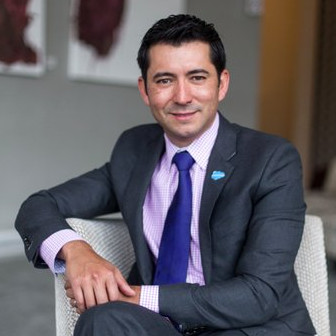
Andrew Frazier, MBA, CFA empowers business owners to Maximize the Value of their companies by helping them Grow Revenue, Increase Profitability, and Obtain Financing.

He guides them along the critical path to create a sustainable business that can run without them through invaluable coaching, consulting, and training services. Mr. Frazier has worked 1-on-1 with 500+ business owners and taught thousands of people about business.

His expertise in business strategy and financial management enables him to take a holistic perspective and provide more optimal solutions for clients.

Mr. Frazier’s book “Running Your Small Business Like A Pro” helps people increase the likelihood and magnitude of their success in business. He has also produced POWER BREAKFAST events in Northern NJ for almost 10 years generating $10+ million in both economic impact and financing for 1,000+ attendees.

His online Small Business Pro University provides entrepreneurs with access to best practices and useful knowledge for running their businesses more professionally. Mr. Frazier recently created The Masterpreneur Playbook a proven 5-Step Business Growth Plan for taking your business from start-up to scaling.

Mr. Frazier graduated from the Massachusetts Institute of Technology (MIT) with a degree in Mechanical Engineering. He also earned an MBA in Finance and Management from New York University’s Stern School of Business (NYU-Stern).

Mr. Frazier completed The Navy Supply Corps training in logistics management and qualified as a Surface Warfare Supply Corps Officer (SWSCO). His focus on continuous learning includes achieving the Chartered Financial Analyst (CFA) professional designation.

Connect with Andrew on LinkedIn.

What You’ll Learn In This Episode

  • Most important job as a business owner
  • The greatest fear of most business owners
  • Running your small business like a pro

This transcript is machine transcribed by Sonix 

TRANSCRIPT

Intro: [00:00:02] Broadcasting live from the Business RadioX Studios in Atlanta, Georgia. It’s time for Coach the Coach radio brought to you by the Business RadioX Ambassador Program, the no cost business development strategy for coaches who want to spend more time serving local business clients and less time selling them. Go to BRXambassador.com To learn more. Now, here’s your host.

Lee Kantor: [00:00:32] Lee Kantor here, another episode of Coach the Coach Radio, and this is going to be a fun one. Today we have with us Andrew Fraser with Small Business Pro University. Welcome, Andrew.

Andrew Frazier: [00:00:43] Hey, Lee. Thanks for having me on today.

Lee Kantor: [00:00:45] Well, I’m excited to learn what you’re up to. Tell us about small business Pro University. How are you serving, folks?

Andrew Frazier: [00:00:51] Ok, great. Thanks. Lee created Small Business Pro University as a way to really help entrepreneurs and business owners learn some of the key things they need to know, because at the end of the day, your business can only be successful as you’re prepared to take it.

Lee Kantor: [00:01:07] So what’s your back story? How did you get involved in helping entrepreneurs?

Andrew Frazier: [00:01:12] Well, I started as a paper boy in fourth grade and have had different corporate was navy officer ran a nonprofit but really loved business and solving problems, and became an entrepreneur. Found that I can take, you know, the myriad of things that I’ve learned about business and really help other people to grow and be more successful and change their lives.

Lee Kantor: [00:01:36] So then how did you develop this university where you’re always a teacher?

Andrew Frazier: [00:01:42] I’ve done coaching, consulting and training with entrepreneurs and business owners the last 12 years and worked with over a thousand. So just you start seeing patterns and things that are common challenges. So that led me to write my first book Running Your Small Business like a pro and you know, from there, developing additional tools to really, you know, help them to learn what they need to do because a lot of times they don’t. They can’t afford to hire me, but they can still benefit from my expertize.

Lee Kantor: [00:02:15] Now, having worked with so many business owners and entrepreneurs, do you see kind of a thread of a mistake that they typically make or that you see over and over when you go? Here we go again?

Andrew Frazier: [00:02:28] Definitely. So actually, each chapter in my book outlines one. So the first chapter is how did we get here? Many times they lose focus and forget about why they’re doing it or what their goals are. You know, they also don’t know what their most important job is as an entrepreneur and business owner. So we cover that many times, you know, there’s a greatest fear that I find among business owners and really, that’s around basically finances and analysis. You know, they don’t know their most important job in terms of it being marketing and selling. So how are you going to be as successful as you could if you’re not doing the most important job that you should be doing?

Lee Kantor: [00:03:18] All right. So let’s kind of dig into those you said the most important job is selling or marketing. What are some kind of low hanging fruit that people can be doing to do better in that area?

Andrew Frazier: [00:03:28] You know, one of the things is as a small business, many times you have to do what the opposite of what a larger business would do. So, you know, understanding that is key. And, you know, understanding that one piece of it is you have to have the smaller, a smaller target market, you have to narrow it significantly into a niche. And you know, it’s counterintuitive because usually you think, Oh, well, I want to sell and market to the most people possible, but it’s really the least people possible, but the most likely people to buy from.

Lee Kantor: [00:04:02] So that is counterintuitive because, like you said, people don’t want to miss out on anybody. So how do you kind of narrow it down? Like, say, you’re an accountant and you’re say, Well, I can help everybody because everybody needs their taxes done or everybody, you know, needs help with their books in business. You’re saying that it’s better to be like the accountant for dentist and be the the ninja accountant for dentists that know everything about dentistry and and the best way to leverage accounting in dentistry to help them the most rather than just being the accountant.

Andrew Frazier: [00:04:39] Correct. Because it’s more likely a dentist is going to hire you because you’re the best, you know, expert in dentistry than, you know, maybe one out of three dentists may hire you. Whereas if you’re just the general accountant, maybe one out of 20 people will hire you. So you’ve got to take more time, more money and more energy trying to market, and you don’t have as effective a market of a message to them.

Lee Kantor: [00:05:05] So now when you tell this to your clients, are they like, I can’t I’m? I’d be afraid to do that because, you know, there’s only one hundred dentists in my market. I what if I don’t get enough of them? Then I’ll, you know, I’ll be out of business. Is there a lot of fear around that?

Andrew Frazier: [00:05:20] Well, I actually came up with an analogy, a way to really that helps people understand it. And really, it’s called. Market your business like a drug dealer, and one of the key things is they don’t sell to everyone and they don’t even really sell. They offer them, you know, so they don’t try to make anyone buy any drugs. They just offer them to people and they offer to the right people. So when you offer what you have and what you have is a value to the right people. You don’t even have to sell it. They’re going to be like, Oh, that’s what I need. And that’s really what you can do by narrowing your target market to the right people.

Lee Kantor: [00:06:05] So now do you have some exercises that you help people kind of decide who the right people are because it may not be the obvious people it might be, you know, might require a little digging deep.

Andrew Frazier: [00:06:19] Yes, there’s a couple of ways, I mean, depending on the business and how many customers you need, you know, you may only need 10 customers. So rather than try and market to a thousand companies, maybe you pick the most likely twenty five to focus on, you know, one of the key things is, you know, you want to target, but you also have to think about how many businesses do you have the money, bandwidth resources to market to effectively. And when you break it down from a sales thing, you need to have seven to 12 touches. So that means everyone you’re marketing to, you have to market to seven to 12 times. So you know, how many people can you realistically do that with? And you know, how many customers do you even need?

Lee Kantor: [00:07:12] And that and you mentioned this earlier, and I think it’s a critical mistake that a lot of small business people make is that they see the big guy doing something and they say, Well, I’ll just do that. And the big guy can afford it. No one and the big guy can make a lot of mistakes that you can’t afford. So by copying the big guy is not really a great strategy for the little guy.

Andrew Frazier: [00:07:37] Correct. I mean, you have to go where you have an advantage. And you know, you don’t you want to focus on smaller niche that the big guy. It’s not worth their time and effort to focus on because that’s where you’re. You could provide a more valuable offering than what they could provide because they’re providing general solutions and you can provide something more specific and have a better message to the people in your market.

Lee Kantor: [00:08:10] So now let’s talk a little bit about your master preneur playbook. How did you come up with that? That’s a great name. And and what is it?

Andrew Frazier: [00:08:19] Ok? Really, you know, one of the key things is, you know, a lot of business owners get stuck because they don’t know exactly what they’re supposed to do. So what I laid out is a playbook that gives you the path that you need to take to create a sustainable business that can run without you. And it’s a five step business growth plan. And by having that layout, you know exactly what you need to do to move forward with your business. So we look at it in terms of the five steps know there’s a path. Your path is working on the concept of your business, working in your business, working on your business, working on the future of your business and working on scaling your business. And there’s different things that you need to do in terms of a business goal that you have to achieve to make it from each step. There’s a key challenge that you have to make you have to overcome to make it from each step. You as a business owner, you have to evolve each each step and there’s different leadership skills that you have to exhibit and develop in each step. And then you need to build and structure organization behind you so it can support you moving on to the next step. So it really just gives business owners and understanding of what they really need to put into place and how they and their business needs to move, evolve to move forward effectively.

Lee Kantor: [00:09:56] So now you mentioned earlier your first book, but there’s a book out right now. Can you talk about that one?

Andrew Frazier: [00:10:05] Yes. So this is that that’s actually this one. The Master,

Lee Kantor: [00:10:08] The Master Preneur is the latest book. Yes, I thought it was called Running Your Small Business like a pro.

Andrew Frazier: [00:10:14] Actually, that’s the first book. So we got him. Ok.

Lee Kantor: [00:10:17] So the first book was running your small business like a pro, and then the latest book is the master preneur book. Yes. And then so is, have you always been a writer?

Andrew Frazier: [00:10:28] Actually, I studied mechanical engineering at MIT undergrad and actually went there because I didn’t want to have to take a writing course. So I had to develop my communication skills over time, and I had to seek help help, you know, as a business owner, many times you, you have to seek help because you can’t do everything and you’re not an expert at everything. So, you know, I have a great book coach consultant who I work with and probably would have never finished my book had I not worked with them.

Lee Kantor: [00:11:04] So now in your business, a person could tap into what you have in terms of taking courses online. But is there coaching also available from you? Or is this primarily kind of online courses?

Andrew Frazier: [00:11:20] Actually, you know, its online courses, we have online certification programs that are combination of courses, live and virtual or virtual, live and independent learning. And then I do small business pro coaching programs. So you know, there’s many ways depending on your needs and you know your abilities and where your business is.

Lee Kantor: [00:11:46] So now what was it like to go from the transition from being a mechanical engineer to being in kind of a coach the way you are to helping entrepreneurs? Because that seems like two different worlds?

Andrew Frazier: [00:11:58] It is. But I actually split off real early because when I was at college, I was in ROTC, so I went and served as a U.S. Navy Supply Corps officer where I ran all the business functions for a ship. So from there, I really found that, you know, business is just like engineering where you’re solving problems. It’s just businesses shorter term problems and you get to solve more of them and see the results faster and easier. So, you know, I’ve got. I guess almost 30 years of experience on the business side.

Lee Kantor: [00:12:39] So now, if somebody wants to learn more, have a more substantive conversation with you or somebody on the team, is the website the best place to go,

Andrew Frazier: [00:12:46] The website or, you know, connect with me on LinkedIn? Andrew Fraser, CFA

Lee Kantor: [00:12:53] And the website is SB pro-EU the letter UK.

Andrew Frazier: [00:12:58] Yes, let’s sb for small business.

Lee Kantor: [00:13:00] Pro-eu good stuff. Well, congratulations on all the success, Andrew.

Andrew Frazier: [00:13:05] Ok, thank you, Lee. Thanks for having

Lee Kantor: [00:13:07] Me. Well, you’re doing important work and we appreciate you.

Andrew Frazier: [00:13:10] Okay, great. And so are you. This it’s important to get the word out and communicate.

Lee Kantor: [00:13:16] All right, this is Lee Kantor will sell next time on Coach the Coach radio.

Tagged With: Andrew Frazier, Small Business Pro University

Leveraging Your Business RadioX® Interview

August 25, 2021 by Jacob Lapera

BRXmic99
Coach The Coach
Leveraging Your Business RadioX® Interview
Loading
00:00 /
RSS Feed
Share
Link
Embed

Download file

In this special live episode of Coach the Coach, Lee and Stone share tips on leveraging your interview on Business RadioX® and any other platform. While they aren’t coaches, they’ve learned a lot from coaches, and they share what they have learned from interviewing thousands of business leaders at BRXProTips.com

If you would like to help other coaches on the next live episode of Coach the Coach please go to BookStonePhone.com and schedule a short call to discuss what you had in mind.

Lee Kantor, Founder, Business RadioX®

Stone Payton, Managing Partner, Business RadioX®

This transcript is machine transcribed by Sonix

TRANSCRIPT

Intro: [00:00:02] Broadcasting live from the Business RadioX studios in Atlanta, Georgia. It’s time for Coach the Coach Radio brought to you by the Business RadioX ambassador program, the no cost business development strategy for coaches who want to spend more time serving local business clients and less time selling them. Go to be brxambassador.com to learn more. Now here’s your host.

Stone Payton: [00:00:32] Welcome to this very special edition of Coach the Coach Lee Kantor Stone Payton here with you two decidedly non coaches. Lee, what in the world are we thinking?

Lee Kantor: [00:00:46] I don’t know what we were thinking, but we are definitely not coaches. I guess we do some coaching and we’ve been coached. I know your dad was a coach, so you have a lot of scar tissue from cousins.

Stone Payton: [00:00:57] That’s a fact. But now we do find ourselves from time to time, I guess, wearing a coaching hat with our studio partners, with our ambassadors, our correspondents, and, of course, our clients. And we’re we’re thinking that we’re going to set up this channel to not only share different coaches perspectives on their work, but also to offer some some tips on on how to leverage the fact that you’ve been featured on either a Business RadioX show or in some other media outlet, right?

Lee Kantor: [00:01:37] Yeah. We learn a lot from all of our guests. And usually in our day job business of running the Business RadioX network, we share those kind of tips on our Brex Pro Tips com website where we have a daily show where we talk about something we’ve learned and how it could help our clients and our people kind of be more productive and sell more and all that good stuff. But in the coaching show, we thought, hey, wouldn’t it be great if we can do a similar thing to help the coaches improve their practice, maybe grow, get one or two more clients. And and we thought we would start with how to get the most out of ordinary. We know most of the people that have come through our interact with us, our guests of our shows. So we thought, why don’t we tell them how they can take their interview, whether it’s with us or any place they’ve been interviewed? Because, you know, coaches like to be guests are very sought after guests on lots of shows. So how do you get the most out of an interview? And because some people think like, I’m going to do an interview and then I’m done and then all these clients are going to come my way. And I you know, I think that’s one of the myths of this industry, that they think that that just by being a guest is the secret and they don’t have to do anything else. And it is possible that you can get clients just from listeners listening and then finding you. That happens for sure. But that’s kind of out of your control. The things we’re talking about are more in your control. These are things you can take your interview and then do stuff with it and repurpose it and leverage it to help yourself when you want to get more clients to, you know, get more known, whatever your objective is.

Stone Payton: [00:03:25] Well, I’ll tell you, one of the things that’s certainly very easy to do within our system, if you’ve been on a Business RadioX show, are in specifically the Coach the Coach radio show, but I bet you can find a way to do it, even if it’s not in our system. In fact, maybe we’ll ask some other coaches about that. But one of the easy things you can do is you can embed the player that we publish for your episode. You can embed that same player on your Web site. And I think that’s a neat way to to to keep that really professional looking. Oh. Design of the image of you being on the show with that player. And you can just take some embed code and if you don’t know how to do it, someone on your staff will or somebody on our staff will coach you through it. But simply just embedding it on your own site is a good one. The other thing that that I think is a is a great way to leverage the fact that you’re on the show. If you have I guess you call it, I think I’ve seen people call this a guesting strategy, like as a strategy for growing my coaching business. I’m going to be on a half a dozen radio shows or media appearances, you know, in the next six months. Use your interview, use one interview, or as you begin to stack them up, use links to those interviews to court the next media opportunity. So those are two things that are just super easy that I think maybe sometimes get over overlooked. Use embedding the interview from Business RadioX or from wherever you’ve been, and then kind of keeping that is almost like marketing assets and linking to them when you want to court another media platform. What are some that come to mind for you?

Lee Kantor: [00:05:18] I think low hanging fruit for any interview is you should transcribe the interview. If the show doesn’t transcribe it, you definitely should transcribe it and then use that content, that digital text as some kind of social media food for all all of your social media for the next week or so. You can use grab a quote from yourself as a tweet. You can use it as a thought starter for blog posts or LinkedIn or medium articles. You can use it as an answer to a core question. You can take your content that you’ve come up with and talked about, take it in digital text form and then repurpose it as digital text on these other platforms. You’ve said a lot of smart things on your interview. So you just didn’t remember them and will have it all in one place. And you can just kind of cut and pasted and repurpose it in a lot of social media platforms pretty easily.

Stone Payton: [00:06:19] And then the. What do you call these things, audio grammes, I think the brand name of the one that we use here at Business RadioX is called Headliner, but there’s probably several of these providers. But I know that here out of the Woodstock studio and then also out of the Sandy Springs studio and probably in some other studios across the network will do what you’re describing. Go to the transcript and carve out just a good little three minute segment. And Endou, that’s how we repurpose the interview. But these services, they make it really look kind of sexy, right? It looks kind of cool if you see some of the stuff that we published on LinkedIn and some of the other social platforms, you’ll see these. I think audiogram is the right word for it. These are all three minute. It’s a video and there’s some there’s some movement, but it’s essentially built on a soundtrack of a of a you know, like a three minute clip. And I tell you what, man, those things get a lot of a lot of traction, don’t they?

Lee Kantor: [00:07:25] Yeah. That’s to use your interview as a soundtrack for video is a great use of the content, because like you said, the people say a lot of smart things in little bursts. Those little nuggets, you can pull out this highlight and then easily turn that audio into a video using one of those tools or even, you know, you can do it yourself in GarageBand and just kind of lazy visuals over the audio. And then you’ve created a video and now you have a little short video you could share, you can put on your website, you can share on the social platforms. It’s taking the content and then just kind of using it in another way and then just creating more kind of legs for it. So you did this interview once, and then you’re able to kind of repurpose it multiple times in different places. It’s a I mean, you’re trying to get the most out of your effort. And this is a great way. You’re you have a lot of gold there. So you you want to mine it and use it in these creative ways. But I think, Stone, it’s really important to share the number one thing that we think that people should do with their interview. This thing is kind of a no brainer. This is a great way to rekindle a relationship. This is a great way to get you one more client. Tell them this. I don’t see enough people doing this, but to me, this is a no brainer. Everybody should be doing this pretty much with every interview they do, Aimen.

Stone Payton: [00:08:54] And this is it’s one of those things that is just so easy and makes so much sense. It gets overlooked. And my most recent experience with this, this sort of reminded me, hey, dummy, you really ought to do this every time and you ought to be telling your clients and anyone you run into to do this. My most recent experience was not from a radio interview. It was from a write in interview. You know, one of these things where they email you the questions and then you craft your responses, you email them back, and then it appears in a magazine and in this case, both a print magazine and they have a digital version as well. But the what I did, I mean, we all ought to be doing this any time we’re on the on the on any media platform. I just crafted a brief two sentence, little note, and sent it out in my case, too, maybe 100, 150 people. And I didn’t do any mass mailing program or anything. I wrote, you know, I copied that to send its body copy. But, you know, I said, hi, Joe had an opportunity to be interviewed and blah, blah, blah. Thought you might enjoy it. You know the same thing if you’re on a Business RadioX show or whatever. Just a quick little too soon. This thing to be, you know. Hi, Cindy. I had an opportunity to be interviewed on the Business RadioX network and we spoke about. Now, that’s one way you can customize this note. If you if if you think about who you’re talking to and you know that they’re specifically interested in or the last conversation you had was on a very specific topic and you covered it in your interview.

Stone Payton: [00:10:30] Like in our case, in my case, I might talk about serving first. So if I’ve had that conversation with a prospective client, a market, may we call them a market partner? Anybody like that? I might. I might. I probably did do an interview. And if I did that, I would say, you know, hey, Joe had an opportunity to be interviewed on the Business RadioX network. And we spoke specifically about that topic. Thought you might enjoy. So here’s what I did. I did that right in an interview. I sent that note out to one hundred and fifty people. You know, it cost me a couple of hours on a Saturday morning. But I mean, boy, was it well invested. I cannot I’m consistently amazed there. There were a whole. Bunch of people, they came back behind that and said, hey, great job, way to go, because we all had that group of people that want us to do well and want to support us no matter what. But I must have had as a as a direct return on that time and energy investment. I must have had a half a dozen people come back behind that and say great job stone or something like that. It’s been a while. We need to talk again. Or I know we were talking about sponsoring that series. There are budget cycles coming back around. Let’s go grab a cup of coffee or let’s hop on the phone. And it’s it’s a marvelous, a genuine, authentic way to connect with people. And every time I’ve ever done anything like this, it’s always it’s rekindled and deepened some relationships. But you’ve had similar experience, haven’t you?

Lee Kantor: [00:12:10] Yeah. This is a it’s such an elegant way to let people know what you’re up to, to just it’s like you said, to rekindle this relationship. A lot of times the timing just isn’t right to do business. But this is a nice, elegant touch to let them know, hey, I’m still out there, I’m still doing stuff. I thought you might be interested in this. And it gives the interviewee this kind of social proof that they’re worth being interviewed. And it just reminds the people, hey, I like that person one on. I reconnect with them and see if if there’s a way to do business this time. I wouldn’t do this every day. But definitely on certain interviews you’re really proud of, I would definitely reach back out to my network and let them know that I was interviewed, because this is a very simple way and it’s something that most people aren’t doing. If you’ve gone through the effort of doing the interview, I recommend that you invest some time in taking that interview and sharing it with the people that matter most with you. I mean, I think it’s a something that is just sitting there waiting for most people. It’s you’re not going to if you’re waiting for people to listen and then call you. And you can still do that if you want to be more proactive. I recommend taking that interview and sending it directly to your last 100 people who goes, did you send that to your former clients who used to work with you? Send it to people who who used to refer to you. Anybody who’s in your kind of database that you hadn’t talked to in a while, I would recommend proactively sending your interview to those people. If you’re proud of the interview you think did a good job. Send it to them. Let them know that, hey, I’m still around and I would love to reconnect.

Stone Payton: [00:13:52] Another quick tip that that comes to mind for me, and it may sound self-serving, but I’ll tell you, it’s strong and it’s strong because it’s based on the timeless principle of when you serve other people. It just it just always comes back to you. But as a publisher and arguably one of the more prolific publishers of business material in the country, on the planet, when a guest comes back and endorses or thinks us in some way, and not only do they, of course, endear themselves with us that much more, we’re so we’re motivated to go right back behind that and do even more to try to advance their cause and promote them. So something as simple as, you know, down the road a little bit, kind of, you know, do your do your initial push and utilize all these strategies we’re talking about. But somewhere in there at least once. Go back and say something good or nice about the bumper magazine or the, you know, this network or that radio show that will pay huge dividends. And I mean, I would be remiss. I mean, I don’t know if you would consider this a shameless plug or not, but I believe it with all my heart. And if I’m if I’m getting the platform, I’m going to tell you all of these things are marvelous ways to to to round out your marketing strategy.

Stone Payton: [00:15:15] And there’s certainly good strategies and tactics to grow your business, seeking out opportunities to share your story and getting that information out there in a variety of platforms and with a truly integrated strategy, everything from social media to print to radio to TV, what have you. All of that is good mojo. And, oh, it’s it’s a little unpredictable. It can be inconsistent and it can be difficult to generate consistent, predictable results. I know that this is a coming from someone with a bit of a biased lens. So just run what I’m about to say through that filter if you need to. But I still say it with all the all the confidence in the world. If you want to get strategic about using this platform anyway and you want to produce consistent, reliable green dollar ROI results. The most effective thing you can do is get on the other side of the microphone and use this platform to shine the light on other people, use this platform to build relationships with the people who matter to you. Most use this platform to to give causes that are important to you, a megaphone to give all of these folks in your ecosystem, in your community, an opportunity to share the great work that they’re doing for the market, for the profession, for the community.

Stone Payton: [00:17:02] With that foundation in place. When you have something like this at your disposal and you use it to serve, to serve first, serve early and serve often. I guarantee you, I mean, I’ve seen it happen for 15 years, and you don’t have to do it with Business RadioX. I think we’ve got a pretty good handle on doing it and doing it well. But whether you do it with someone else, you do it on your own or you come come on board with us and let us work with you. Well, I really encourage you to seriously consider using the platform to serve others. You and yours, you and your organization, you’ll come along for the ride. But I think you’ll find that you get bigger, better, faster, more reliable. Green dollar ROI, actual real ROI from your from your time, energy and dollar investment. So I, I wasn’t going to get on the show and not say that. OK, leave back to our regular programing.

Lee Kantor: [00:18:03] Well, this show, we’re going to do it periodically. But I think what I would like is give the other coaches out there a chance to come on and share how they kind of grow their practice, some specific tips from them about how to grow a coaching practice. If there’s coaches out there that. Would be generous enough to share those kind of tips on how to serve their community, how to help more people, how to make more money and give kind of the right and the horse’s mouth type information to the other coaches that listen to this show. We would be most appreciative if they can reach out to stone that everybody knows. You’re the website book Stone Phone.com. Just have a conversation with Stone. Talk about how you think that on the next episode you can share some information that would help a coach, you know, help smooth out their learning curve. That would be most appreciated. So go there, bookstand, Phone.com, and then we’ll get you on the next episode when we do Coach the Coach radio live like this. And that’s the intention, is to just help the community grow their practice, get one more client, help the community get the most out of their efforts, and share best practices from the people that are doing the work. So if you want to participate next time, go to bookstand Phone.com. Let us now. And the next time we do this live, we will include you as part of the show and you can share what you know. That’s what I got. So.

Stone Payton: [00:19:43] All right, man, that is a wrap. We’ll see you next time on Coach the Coach Radio.

Tagged With: Lee Kantor, Stone Payton

Kaiser Yang With Platypus Labs

August 25, 2021 by Jacob Lapera

BRX National
BRX National
Kaiser Yang With Platypus Labs
Loading
00:00 /
RSS Feed
Share
Link
Embed

Download file

kaiseryangKaiser Yang passionately believes that even the most transformative innovations are accessible to us all. Through decades of research and real-world experiences, he has developed a systematic approach to harnessing innovation to drive tangible and meaningful outcomes.

An innovator at the forefront of the digital transformation, Kaiser has held senior leadership roles at tech startups and large, global organizations, as well as starting several businesses of his own.

Throughout it all, the need to creatively solve problems — to find a way, to figure it out, to do it differently — has been the one underlying commonality. Kaiser’s broad-based experience in technology, operations, sales, and marketing has empowered him with the ability to systematically unlock creativity and apply it towards productive, innovative results.

Currently, he is the co-founder and Managing Partner of Platypus Labs, an innovation enablement firm focused on helping teams and organizations unleash their creative potential.

Kaiser is the author of Crack the Code, 8 Surprising Keys to Unlock Innovation (Sept 2021).

Connect With Kaiser on LinkedIn.

What You’ll Learn In This Episode

  • We live in the age of creativity – why unlocking your creative capacity is more important now more than ever
  • Innovation and creativity is accessible to all of us – we are all hard-wired for creativity
  • 5 common traits of the most successful innovators
  • Core mindsets of everyday innovations: Start before you’re ready, seek the unexpected, video killed the radio star
  • Inventive thinking techniques – proven methodologies and techniques to unlock your creativity
  • 8 Surprising Keys to Unlock Innovation

Tagged With: kaiser yang

BJ Green With Cadence Bank

August 24, 2021 by Jacob Lapera

BJGreen
Atlanta Business Radio
BJ Green With Cadence Bank
Loading
00:00 /
RSS Feed
Share
Link
Embed

Download file

cadence-bank-logo

BJGreenBJ Green is a seasoned commercial banker with over 28 years of experience in leverage and syndicated financing as well as equity, debt, and M&A transactions.

He leads Cadence Bank’s Georgia middle market banking team, which provides strategic financial guidance to middle-market companies across multiple industries, including manufacturing and construction.

Green holds a Master of Business Administration from Emory University and a bachelor’s degree from University of North Carolina – Chapel Hill.

Follow Cadence Bank on Facebook, LinkedIn, and Twitter.

What You’ll Learn In This Episode

  • Some major highlights for Cadence Bank Atlanta since the 2019 State Bank merger
  • Factors are promoting a strong business climate
  • The outlook for the region’s banking industry in the next 12 months

About Our Sponsor

OnPay’s payroll services and HR software give you more time to focus on what’s most important. Rated “Excellent” by PC Magazine, we make it easy to pay employees fast, we automate all payroll taxes, and we even keep all your HR and benefits organized and compliant.

Our award-winning customer service includes an accuracy guarantee, deep integrations with popular accounting software, and we’ll even enter all your employee information for you — whether you have five employees or 500. Take a closer look to see all the ways we can save you time and money in the back office.

Follow OnPay on LinkedIn, Facebook and Twitter

Tagged With: BJ Green, Cadence Bank

Doug Brown With Summit Success

August 24, 2021 by Jacob Lapera

Coach The Coach
Coach The Coach
Doug Brown With Summit Success
Loading
00:00 /
RSS Feed
Share
Link
Embed

Download file

DougBrownDoug Brown is a coach and guide to lawyers, entrepreneurs, and C-Level executives who are determined to get more done and make more money in less time and grow profitable businesses.

He is the Chief Learning Officer & Executive Coach at Summit Success.

He is a lawyer turned entrepreneur, educator, business builder, and fixer. Over the last 25 years, he helped create and turn around multiple 7 and 8 figure businesses, from law practices to not-for-profits and international companies.

His clients appreciate how he draws on his real-world experience to help them learn all of the disciplines they need to succeed, and get into action and build a business that supports their whole life.

Connect with Doug on Facebook, LinkedIn, and Twitter.

What You’ll Learn In This Episode

  • Change Management
  • Getting Unstuck
  • Lessons Learned

This transcript is machine transcribed by Sonix 

TRANSCRIPT

Intro: [00:00:02] Broadcasting live from the Business RadioX Studios in Atlanta, Georgia. It’s time for Coach the Coach radio brought to you by the Business RadioX Ambassador Program, the no-cost business development strategy for coaches who want to spend more time serving local business clients and less time selling them. Go to BRXAmbassador.com To learn more. Now here’s your host.

Lee Kantor: [00:00:33] Lee Kantor here, another episode of Coach the Coach Radio, and this is going to be a good one. Today we have Doug Brown on the show and he is with Summit Success LLC. Welcome, Doug.

Doug Brown: [00:00:45] Hi, good. Good to be here.

Lee Kantor: [00:00:46] Lee, thank you. Well, I’m excited to learn what you’re up to. Tell us about some of the success. How are you serving, folks?

Doug Brown: [00:00:52] Yeah. Summit Success is a consulting organization run by Walt Hampton and Shabani and myself, and our mission is to inspire and empower business executives to achieve their highest potential and live the life of their dreams. We work with attorneys and high performing business professionals who are determined to make their life in their practice better, and with coaches, consultants and speakers who don’t really have all day to play around because they’re running a demanding business and it’s getting bigger and they want to be the very best they can be, and we have programs and strategies to help them do that.

Lee Kantor: [00:01:25] Now when you work kind of developing this concept, why did you choose to go the route of both coach and consultant? Sometimes people pick one or the other.

Doug Brown: [00:01:37] It’s a good question, you know, I I describe the coaches and consultants know what the difference is between coaches and consultants. The market often does not. What they have is they have a problem they want to have solved and they want somebody to help them solve it. And and so when we think about the labels that we apply to ourselves, I try to think about the audience. So in this audience, I can say coach and consultant. Ninety five percent of my work is executive and business coaching with owners of businesses and people who want to transition like I did from being successful in one area of their life and turn it into a successful coaching business.

Lee Kantor: [00:02:17] Now, so you’re finding that the folks you’re serving, they’re just trying to solve a problem. Or maybe they’re stuck and they want to get unstuck and what you’re doing, whether it be coaching and asking them questions for them to come up with a solution or consulting where you’re actually kind of rolling up your sleeves and helping do the work, that’s kind of a blurred line.

Doug Brown: [00:02:38] Well, it really we focus on what the individual needs to get them, where they want to go, and in most cases, what they need is they need somebody to be a trusted guide and to an advisor and to give them a framework so they can do the work and create what they want to create. And so we call that coaching and we have a program called the Consultants Success Formula, which combines the the curriculum of what you need to do step by step with live coaching and group coaching to not only teach but help our people move through the program and actually accomplish their goal. We’re not that interested in selling programs if unless the people are going to get the results.

Lee Kantor: [00:03:28] Right, so you’re focused on the outcome and the result and whatever anybody calls anything is not really relevant. Maybe it is just for this kind of conversation, but in real life, people are just trying to solve problems.

Doug Brown: [00:03:42] Yeah. And it’s so easy when you’re inside baseball, whether you’re a coach or a consultant or a lawyer or an accountant, you forget that your clients are coming to you to solve a problem or take care of an opportunity. They don’t care what you call yourself. They want the transformation. They want the outcome.

Lee Kantor: [00:03:59] So now some of your work is on this kind of transformation or change. What are you seeing out there now as we come out of this pandemic, when a lot of people are on overwhelm and they’re just kind of getting their sea legs back? How are you helping people through this chaos?

Doug Brown: [00:04:17] Boy, this is such a transformational time. The whole world is turned upside down. But as a result, there’s tremendous opportunities. And part of the work that we’re doing is helping our people get really clear on what their vision of the future is, what they want to accomplish and and what are the first steps in the structure to get there. Because even when you’re disrupted, you’re you’re your resistance to change is very high, especially when you’re stuck in this freeze fight or flee fear cycle. So if we can focus on exactly what’s wrong, what is the dissatisfaction? What is the vision for the future and what are the first steps and the change equation? We can overcome resistance to change and get people building momentum in a direction where they feel like they’re having the control they they lost, you know, in the last 18 months.

Lee Kantor: [00:05:11] Now you’re finding that coming out of the pandemic that people’s why has changed that they’re maybe at one point there was like, Hey, take the hill, we’re going boldly forward and I got these financial goals financial, financial, financial. And now when they’ve had this kind of big pause, they’re like, You know what? There’s some things that are more important. I’d rather kind of shift at least some of my energy into this other kind of more meaningful direction.

Doug Brown: [00:05:37] Yeah, I think this is a whether you call it why or you call it your purpose. There’s a great alignment between opportunity, I guess, for alignment between all the activities that you’re doing and and do they align with what you really want to do with your purpose of what you want to create and to have a plan to get there and people are waking up? I think in a good way that the old I’m going to just get through the day, I’m going to just get through the week. And next thing you know, a year has gone by or two years or five years or 10 years, and you’re just wondering, well, what if? And the good news today is, even if you’ve done that for five or 10 or more years, there are people reinventing themselves in their 50s and 60s and older, using all of their knowledge to turn it into a successful consulting or coaching business.

Lee Kantor: [00:06:26] So now when you’re having those conversations, what does that look like like? Are they kind of that self-aware where they can say that that’s at the heart of the problem? Or do you have to kind of go layers deep to really get them to be vulnerable enough to share that?

Doug Brown: [00:06:42] Some people are self-aware and say, I’ve got the disconnect, but most people just have this general dissatisfaction. This general idea that, hey, I’d like to do something different than I’m doing now, I’m looking for a roadmap to follow. And there, you know, if you want to go as deep as y or purpose, you’ve got to have a pretty good trusting relationship with someone. The the depth of the ask is directly proportional to the depth of the trust. So we’re starting by helping people understand and articulate, what’s your vision? What do you want to create and then why do you want to create it? And then what does that mean to you? And that’s when we get, you know, into, well, it means I have more time with my kids or I can help my grandchildren. Or maybe I just can travel the way I want to. Or maybe I still want to work, but I don’t want to work anywhere near as much. And once they get clear on that, then we can connect that to the purpose. And that’s really the rocket fuel. That’s the power that that moves them forward through the roadmap to do the work.

Lee Kantor: [00:07:48] And part of your work is kind of, I guess, you use the word unstuck. Are there people? Are the are people more stuck now? Or I would think there’s some kind of epiphanies happening out there.

Doug Brown: [00:08:01] Well, I think. There’s both. There are people who if you’re stuck, it’s you’re stuck in a way of thinking and stuck by yourself. I mean, it’s being an entrepreneur, you know, is is a pretty lonely job and there’s an easy to get yourself stuck and you need that community around you, those group of trusted advisers to help you to pull you out because sometimes you don’t even know that you’re stuck. You might be working on marketing copy. You might be writing the same copy 10 ways and just can’t find your way out of it. You might be trying to evaluate what’s my business model? How should I go to market and having a group around you to help you answer that question and find the answer is critically important. Or you might be stuck because you might be thinking you’ve got we call imposter syndrome. Maybe I’m not good enough. Maybe I’m not enough. Maybe I’m not ready. What if the people don’t want what I’m selling? And that’s almost always head trash. And if we can help them take out the head trash, then they can get unstuck and move forward.

Lee Kantor: [00:09:12] Do you find that people are kind of searching for this sense of community, maybe more now than they were a few years ago?

Doug Brown: [00:09:19] Yeah, I think so. And there are a lot of communities out there and it’s the power of community. And honestly, the power of coaching is is like never been more clear than it is right now. And in my in my life and my transformations, some of the most important moments I’ve had are with communities of people who will build you up and pull you forward, who will tell you the truth when you’re lying to yourself and you often it’s you’re not. You’ve got a lot more going for you and you’re much closer than you think. Just keep going. And yeah, they give you constructive feedback and you’re all pulling together because this is a team sport.

Lee Kantor: [00:10:03] Now, do you find that in the corporate world, in those clients that you’re dealing with, that they’re more open to coaching for more folks, not just the highest level of leadership or the high performers that they’re kind of buying into this, you know, everybody needs a coach and let’s get more of our people. It becomes more of a a must have than a perk for only a select few.

Doug Brown: [00:10:27] You know, Leigh, I’d like to believe that we’re going in that direction. I think we’re in the place where corporations and business owners are finally starting to see that you’re getting a coach because you’re because you’re doing well and you want to do better as opposed to a remedial coach. And so I think as that goes on, the executives and the business owners who have that experience will see the value and will be open to being better at coaching themselves and bringing in coaches for their for their people. It really depends. In my world. I’m working very much with business professionals and attorneys who are pretty unhappy, but they’re really busy. They want to find out how to get more done faster so they can actually, you know, go play golf on the weekend without answering their cell phone all the time or be to the kids ballgame without having their nose in their text messages.

Lee Kantor: [00:11:24] So now in your career, when you transition from law into being an entrepreneur, or you might have been an entrepreneur as a lawyer, but in this kind of more coaching wearing this coaching hat, did you go through that that imposter syndrome? Like, who am I to be giving advice to these people? You know, I was here, I was this person. Did you go through that?

Doug Brown: [00:11:45] I, yeah, you know, I think yes is the answer and multiple times, and I think it’s a natural part of the human condition, especially when you’re trying to push yourself. When I went from being in the I spent 13 years in a corporation where I did start ups and turnarounds. And then when that ended, I had the opportunity to teach in an MBA program and help build the MBA program and innovation and entrepreneurship. And so I had a lot of that like, well, I know this stuff, but who am I to to be teaching other adults and and, you know, having a community around you to help you talk through that and get to the truth of it and and get some simple first steps is critical because if you’re aware enough to to wonder the question, you know, who am I? Am I enough? And the answer is you probably are. You just need to get untangled. You just need to unlock a little bit of that courage.

Lee Kantor: [00:12:40] And did you have a coach when you were younger, are you?

Doug Brown: [00:12:45] You know, when so I’ve had I have a coach, I’ve had coaches. When I was a younger version of me, coaching wasn’t even really a thing. It was more the old school traditional mentors. You know, I remember back when I was evaluating what I wanted to do when I was moving out of the law early on, I went to a career coach and he said, there’s this thing called business coaching, and I’m like, That’s not a real job. Fast forward 20 years. I finally took him out to lunch or dinner one time, and I said, Bruce, this is the you can say. I told you so dinner because I was doing coaching and because it had become a thing.

Lee Kantor: [00:13:24] And then is it what you dreamed it would be? Is this more rewarding for you?

Doug Brown: [00:13:30] You know, I am blessed to do exactly the work that I was meant to do, I have time freedom, I have location freedom. I’m spending the summer in Orleans, Massachusetts, and I live in Bluffton, South Carolina, on a golf course. I get time to spend with my kids, and I know that when I’m working with my clients, I’m making a difference. And that was the dream for myself. I pinch myself sometimes. I’ve actually got there. And so my mission is to help other other people transition and do whatever their version of of of their dream or their successes.

Lee Kantor: [00:14:05] Now you mentioned working with lawyers and executives. Is there a sweet spot? Are you kind of you mentioned turnaround? Is that is that kind of your sweet spot like struggling or people that are looking for, you know, in the midst of change or lawyers that are have these challenges or you kind of industry agnostic or problem agnostic?

Doug Brown: [00:14:25] Well, there’s there’s two things. There’s two general groups. The first one are successful professionals that are looking to pivot and do something different. And that’s why we have the consultant success formula, which walks people through that. And so I get to to work in that program, working one on one with people. And that’s a group that’s a group and individual coaching. My private coaching is with attorneys. They’re generally about 20 years out of law school. They have tried lots of things before. They’ve got a successful practice. They’re busy. They just need to figure out how can I get it done better and faster so that I can grow without having to burn myself out? And so I can actually have a life I’ve been working for. And so they’re already successful and they they they get that the fastest way to success is to have one on one support of a trusted advisor and an expert that will help them get where they need to go. Just like a top golfer will have the golf coach to help them see what they can’t see. Give them the strategies and and help them improve their game.

Lee Kantor: [00:15:29] So if somebody wants to learn more, have more substantive conversation with you or somebody on the team, what’s the website?

Doug Brown: [00:15:36] The website is summit success. That’s assuming success. And if you put a forward slash Coach the Coach after that, then there’ll be a document to download to learn about the consultant success formula. And my email address is Doug. That’s DWG at Summit. That’s the little sign of success.

Lee Kantor: [00:16:04] Good. Well, congratulations on all the success, Doug. You’re doing important work and we appreciate you.

Doug Brown: [00:16:09] Lee, thanks for the opportunity to get out here and share my story and thank you for the work that you’re doing to help the coaching community.

Lee Kantor: [00:16:15] All right, this is Lee Kantor. We’ll see you next time on Coach the Coach radio.


Tagged With: Doug Brown, Summit Success

Delphine Carter With Boulo Solutions

August 24, 2021 by Jacob Lapera

High Velocity Radio
High Velocity Radio
Delphine Carter With Boulo Solutions
Loading
00:00 /
RSS Feed
Share
Link
Embed

Download file

DelphineCarterWith a career spent rising in the ranks as a product manager, Delphine Carter has frequently been in the position of building highly effectives team fast and with minimal budget.

She realized that in order to build strong teams, businesses needed access to a broader talent pool. And she knew exactly who was missing and where to find them.

There were hundreds of mothers in her community with incredible skills wanting to work but only able to if it looked a little bit different. So, she decided to create Boulo Solutions.

Boulo Solutions launched in 2019 to educate businesses on the value that mothers bring to a team and on offering flexibility can attract top talent without sacrificing company goals.

Delphine has been named by the Birmingham Business Journal as a ‘Women to Watch’, has spoken on strategic hiring multiple conferences and consults on building great products with both start-ups and well-established companies.

Delphine holds a BA in Psychology and French from Auburn University, an MA in International Relations is on the board of Innovate Birmingham, and an advisor to Stream Innovations.

In addition to building Boulo, Delphine finds herself on a ridiculous number of athletic fields supporting her two children’s passions, hiking, and camping in national parks and traveling as often as possible.

Follow Boulo Solutions on Facebook, and LinkedIn.

What You’ll Learn In This Episode

  • Careers and motherhood
  • Impact of COVID on women in their careers
  • Why you need to be intentional about a culture of acceptance for caregivers in the workplace
  • Hiring is tough, how can you win
  • How to offer flexibility without losing traction

Tagged With: Boulo Solutions, Delphine Carter

Dr. Ian Brooks With Rhodes Smith Consulting

August 23, 2021 by Jacob Lapera

Dr.IanBrooks
Coach The Coach
Dr. Ian Brooks With Rhodes Smith Consulting
Loading
00:00 /
RSS Feed
Share
Link
Embed

Download file

RhodesSmithConsulting

Dr.IanBrooksDr. Ian D. Brooks, the CEO and founder of Rhodes Smith Consulting – a Personal and Professional Development firm specializing In behavioral transformations – and the Author of Intention: Building Capabilities to Transform Your Story.

For over 24 years, Dr. Brooks’ career has taken him from working in a clinical ward to organizations and people – with the goal of helping individuals build skills toward achieving new heights. His clients include Netflix, Shondaland, Bank of America, Guitar Center, Nike Inc. Sony, and Warner Brothers.

His passion for working with individuals seeking expansion and leaders within organizations to develop key skills toward navigating their organization and working with their teams is built on the mastery of intentions and consistency of capabilities.

Connect with Dr. Ian on Facebook, LinkedIn, and Twitter.

What You’ll Learn In This Episode

  • Intention: Building Capabilities to Transform Your Story
  • Coaching practice
  • The biggest struggle with change
  • Important things for someone wanted to pursue coaching

This transcript is machine transcribed by Sonix

TRANSCRIPT

Intro: [00:00:02] Broadcasting live from the Business RadioX studios in Atlanta, Georgia. It’s time for Coach the Coach Radio brought to you by the Business RadioX ambassador program. The no cost business development strategy for coaches who want to spend more time serving local business clients and less time selling them. Go to be BRXAmbassador.com to learn more. Now, here’s your host.

Lee Kantor: [00:00:33] Lee Kantor here, another episode of Coach the Coach Radio, and this is going to be a fun one today on the show, we have Dr. Ian Brooks with Rhodes Smith Consulting. Welcome in,

Dr. Ian Brooks: [00:00:44] Ken. Thanks, Lee. Happy to be here.

Lee Kantor: [00:00:47] Well, I’m excited to learn what you’re up to. Tell us about Road Smith Consulting. How are you serving folks?

Dr. Ian Brooks: [00:00:52] Yeah, sure. So Rob Smith Consulting focuses on personal and professional development. I accomplish this through one on one group and leadership development coaching. So my clients in the personal development space tend to be successful already, but are searching for expansion and take a detailed interest in moving to new heights. Whereas my group clients tend to be those who may need a little bit more foundation to help specifically around, let’s say, what they want. So these clients tend to benefit from collaborative learning without the spotlight being solely on them. And finally, my corporate clients in that leadership development place focus on developing frontline and mid-level mid-level leaders to build or refine their leadership skills that impact their employees and build skills so that they can grow and expansion to their job titles and expectations.

Lee Kantor: [00:01:39] Now, have you found that the corporate world is more welcoming to coaching and kind of working with coaches for not only the highest level people, but maybe throughout the organization?

Dr. Ian Brooks: [00:01:53] I have actually I’m working with coaches within the organizational space lend itself to how do we delivering upon our ROI in particular, what’s being impacting and how does how are we impacting our employees? So as you might imagine, there’s a lot more focus directed towards organizations, bringing in coaches like myself to focus on core competencies, such as communication, influencing how to lead peers, because that has a direct influence on employee retention, the level of engagement, the level of buy in. And actually, obviously, as we think about development and keeping that knowledge capital within organizations, extremely important components to make sure that leaders across the entire organization have and can actually execute against.

Lee Kantor: [00:02:37] Now, on the organizations that aren’t kind of using coaching, where do they think these leaders are going to get the skills? Like, do they just think that people come to the table with these kind of leadership skills that they don’t need outside help to help them kind of get the most out of themselves?

Dr. Ian Brooks: [00:02:54] No, I don’t think there’s necessarily a limitation that organizations that don’t use coaches or more importantly, where they expect their leaders to to develop these skills were the acquiesce that that knowledge. I think oftentimes it’s a direct result of what is the business focus and where is their dollars going. So most notably, I work with organizations that are startups or that mid-sized organization. So as you might imagine, leaders are are brought in based off of what they know, not how they go about doing it. So in that capacity, they’re experts in what they do, experts in being able to deliver things strategically, go after customers, et cetera, whereby they don’t necessarily provide that focus towards dollars or attention toward how are they now developing leaders and using skills necessary to navigate an organization beyond what someone knows in a particular silo or from an expansion perspective as we think about mid-sized organizations or startups.

Lee Kantor: [00:03:55] Now, have you seen through your work kind of the impact a good leader can make, as opposed to a person that maybe doesn’t have that kind of good leadership skills?

Dr. Ian Brooks: [00:04:07] Absolutely. A number of instances, both myself as being a former leader as well as those of whom I coach, you can see a direct result and impact both on employee morale, retention and as important even that on their individual coce and their growth and development and within the organization. So as an example for myself as being being a leader, one, the impact good leadership has on employees. Obviously, you think about some of the challenges that organizations go through and the decisions that leaders have to make on behalf and as stewards of an organization don’t necessarily take into consideration the employee experience. So as an a leader for myself, to my employees, and at that time, I had 25 employees, 15 full time and 10 contractors. It was important to demonstrate good leadership and being a good steward of the organization while also treating and acknowledging their morale and so that they would be willing to stay. Given some of the transformative actions that were being taken place within the organization as we were working them night and day to get things done and pushing them to their limits so that important of engaging them was extremely important, and one, minimizing their stress level while also acknowledging the breaks and beating them as people. I’ve also seen that as being a coach to a number of coaches. From a startup perspective, I was. Working with us cooh and impacting his employees, again, as I mentioned earlier, in that particular scenario, the gentleman was an outstanding individual, really engaging, really won’t be seen as the nice guy and was great at what he did, but he wasn’t necessarily a good leader.

Dr. Ian Brooks: [00:05:48] Now, although he was a nice guy and even his team would say that he was very nice gentleman, he wasn’t a strategic thinker. He did not communicate very well. So as a result, the team felt lost. And as a result of that, they didn’t know how they were going to be received from a performance evaluation standpoint. They didn’t know if they’re working on the right projects or when decisions were being made. They didn’t know how that decision was being made that was impacting their job. So, long story short, in his case, people were on a short list of leaving and or transferring to other departments because of that ambiguity of which he was offering, although being a nice guy wasn’t caring due to them being able to get their job done. And in those particular examples, you do see how leadership can be very influential in the respect of one employee retention, but also the morale and actually staying with an organization. And as we’ve seen over the last year, that’s really becoming more prominent across all organizations. We start our measure of leaders is now based off of their return on heartbeat’s rather than return on investment or return on income.

Lee Kantor: [00:06:56] Now, in your career, were you always involved in coaching or was this something that came later?

Dr. Ian Brooks: [00:07:03] Actually, it’s been involved in coaching in a number of different aspects. I’ve had an interesting path to get to become a coach. Reason being, I actually started my career as a clinical psychologist. So as you might imagine, working in clinical psychology, you’re constantly acting as a coach. So as a clinical psychologist, I worked in a twenty four hour lockdown ward. So this experience offered me the educational and applied experience of psychology to help people become better today than they were yesterday. Now, I had one point I decided in my life that working with I wanted to work with higher functioning people. So I made a transition to working in organizations is helping them transform in that context. I didn’t moved into when I was writing my dissertation, it was focused on the impact leaders have on employees and group performance and their own individual confidence, which I collected at a call center over a six month period. So I’ve always been about the applied experience of the impact people have on others, most notably leaders, as well as a coach on to others in that clinical psych ward. In that respect, I’ve had the opportunity to work in a number of organizations, a whose list, if you will, of to be able to work with leaders, all providing opportunities for increasing either communication for leaders, one being at a large cancer hospital and research center.

Dr. Ian Brooks: [00:08:27] That transfer that I’ve been transferred into a consulting gig for Big four consulting firm, working with technology changes impacting people across an organization. Heck, even in my own journey of growth and learning, it started all with my desire to push myself, not in comparison to other people, but compared to my previous bar. So in my example for myself, I’d often select schools to attend, places to live, and even jobs that would push my limits, where I’d have to learn about myself while also learning a particular skill to move me forward. That coincided with being a leader and having the opportunity of failure, as well as growth to really understand the challenges presented and leading. And all told that my personal journey has led me to some core learnings I bring to my coaching. And one heck of a personal journey. So combined with my educational experience, my applied experience, as well as my own journey, I’ve had to work in pleasure of working with some of the great people around this world and organizations to improve individual and professional stories.

Lee Kantor: [00:09:29] Now, do you have any advice for that new coach, the person that may be coming from, you know, kind of a job like you had where it’s not kind of an entrepreneurial job? You are working with an organization that had a lot of resources, and now you’re on your own. You’re you’re the guy that is a what you call world. This is now kind of your path that you’re on. How do you make that transition? How do you get those first clients? Like what are some of the activities you were doing to get yourself ready for this entrepreneurial venture that you’re on?

Dr. Ian Brooks: [00:10:01] Wonderful question. And having made that transition myself and even starting Roach Smith with that guys in mind, because it can be very vulnerable and scary, if you will, to embark upon that path. But from my experience and the advice I’d give someone who’s looking to make such a transition, the first thing is to establish do you trust yourself, trust yourself enough that you do have the skill sets to actually move forward? One of the biggest challenges I think many people have going from working internally to actually being an entrepreneur in any space, is that vulnerability and that level of safety. Do I have enough clients? Am I making enough money? How are things going to get paid for? You know, words bet landing spot. There’s quite a bit of ambiguity, ambiguity. All of those things are true. But what is also true is that you have the skill sets and capabilities to actually make it and carry it forward. So the second piece around building the client base, because obviously that’s a key component to any entrepreneurship, especially one that is based on relationships. Nothing more than what a coach is to their coach. Part of it is maintaining relationships with if you want to work with organizations, making sure you have connections with professionals, those of whom have actually decisions around senior, much broader perspective of where leadership development programs are instituted and started. The second piece around that relationship would also be around leaders, leaders of whom you’ve had relationships with and for, who may want to carry you forward.

Dr. Ian Brooks: [00:11:38] As being on call or creating contracts for them or to their employees from a one on one coaching perspective. Now, outside of that leadership development world, as I noted, I also work with individuals who are outside of organizations who are just dealing with personal transformations that they are embarking on. That also, again, built on relationships. And people have to be able to trust you enough to let you into their world. In that respect, being seen on social media, what’s the advice that you are offering? What is the various institutions of which you’re actually speaking at, being at colleges or conferences, being seen as an expert, while also demonstrating trust, trust that you have their best interests at heart and knowing that you can take them from where they are today to where they want to be. So for anyone who’s looking to embark and make that transition, the obviously the one of the key themes here is trust. The second is building the right relationships. And then finally, the last thing I’d say support. Support is always a key function of starting any entrepreneur endeavor, especially within a coaching space. So don’t feel like you have to do everything or you have to be an expert in everything. Recognize what you’re good at, but also recognize what you can outsource and or get support that help care Euphorbia business development, website development or heck, even using a PR firm or marketing firm to help create visibility for you in different avenues.

Lee Kantor: [00:13:09] Now, let’s talk a little bit about your book intention and building capabilities to transform your story. What was the impetus to writing a book? That’s a you know, that’s a big job. That’s a business unto itself.

Dr. Ian Brooks: [00:13:23] Yes. And quite quite frankly, I needed a coach and in writing it, quite frankly. And, you know, it was interesting. My book started off with me jotting down notes around the experiences I was seeing within my coaches. Where were they getting hung up the most? What were they struggling? What were they consistently asking me? Questions that we, you know, three months down the line that we had talked about at the very outset. And so it was just a diary of questions and points that I was started noting around the experiences of my coaches. To that extent, it was my my first intention was that it was going to be a guide to that I would leave with my coaches and or others as they were looking to go through numerous changes throughout their own experiences. What I realized after writing my first version of this book, which the current title and and book is, while it’s the first version people have actually seen, there was a previous version that I had written that was an audio book. And what was interesting about that experience to me, writing the book, as you mentioned, it was a job and number two itself. It was also a transformative experience for me, for me all in to have a self as well, whereby I became not only the author, but I became the client.

Dr. Ian Brooks: [00:14:43] And it started when I was went into the booth to actually record the first version of this book in an audio format. Now, as you might imagine from my skill set, being a clinical psychologist, my job then was not to be out the forefront. It was always to be behind the curtain. You know, obviously, as a clinical psychologist, we’re taught to always have the client’s interest at heart. Put them at the forefront. And we very we share very little bit about ourselves. That also fit my personality. So when I went into the booth, I didn’t realize I still held on to those those very idealogies. So I started speaking out loud and saying the words and reading the words directly off my book. And I realized that several things came up for me. Number one, I didn’t like the content that I was actually writing because I wasn’t giving all the information that I needed in order for someone to be successful in picking this book up by themselves. That was due because I wasn’t allowing myself to actually write the information in a way that it offered that clarity. Given my own fear, judgment by my own ideology of staying behind the curtain, I was only giving just enough to give people a taste in that after I conducted that audio book and then hearing the 52 clips of it.

Dr. Ian Brooks: [00:16:04] And I did an audit of myself as though I was coaching myself. And at the end of listening to all of the clips. I said to myself, number one, I can’t send this out to anybody because no one would get any benefit out of this and I’m embarrassed of it of myself. The second piece of it was if I had asked myself if I’m actually going to write this book, am I going to be willing to open up in ways that I have not allowed or afforded myself to do so previously? And if that answers yes, then we need to write this book and a lot different way in a lot different format. And so as such, based on my answering yes to that question, I scrapped the entire audio book and started writing this book from scratch. And it took me six months to rewrite rewrite the book. And from that experience, writing the book and hearing myself in that audio book. That experience afforded me to become the author the book needed me to be and also to be a client through the experience of my own coaching.

Lee Kantor: [00:17:08] Well, those are important lessons unto itself just now what you said, ignoring sunk costs and not getting hung up about what you invested into that project when you weren’t satisfied with the way it turned out. And you just move boldly forward and then being vulnerable and opening yourself up and being authentic and generous rather than not being that way is a great lesson for your coaches.

Dr. Ian Brooks: [00:17:34] Absolutely. And I think I have gained more experience and awareness of myself and the transformative experience that I now even bring, even this authenticity in this voice, not only to your listeners, but also to my coaches as well, because we’re all going through the experience. Just because I’m an expert at it doesn’t mean I’m not malleable or vulnerable in this experience and transformative nature.

Lee Kantor: [00:18:01] Now, is there a certain kind of specialty that you have where a person is struggling in certain areas? That’s kind of a sweet spot for you to help them through, or is it something that if they’re struggling in any regard, you’re you’re a good resource?

Dr. Ian Brooks: [00:18:16] Yeah, I’m a good resource and struggling in any regard. I have to say that typically my individual clients outside of the corporate space, they tend to I tend to work with people who want to push themselves to be better. So my coaching style of working combines laughter, partnership and depth. But my job is to hold individuals accountable to accountable and expand them past where they currently are. And they’re typically coming from a place where they’re already successful, yet their patterns of their current success are getting in their way and then moving forward. So as an example, one woman approached me as she was feeling a sense of being overwhelmed. Well, in her particular example, in case she was overwhelmed because she was getting ready to retire from a job for 20 years, she was already a clinical therapist and running that business. Aside from that job, at a third job of starting another business with her family around websites in Ohia, by the way, she wanted to feel retired and have free time. So in that respect, I was able to work with she on an opportunity to reduce her overwhelm and how to be able to trust and delegate in some ways. On the other hand, I work with my corporate clients. They often come to me in the development of better communication skills, leading former peers, meeting remotely engagement and just talent development. So as an example, I just, you know, assisted a retail organization, build their internal leadership, development culture, focused on specific leadership skills. So in that example, I’ve helped develop a monthly group, leadership development course calls, excuse me, focused on new skills. And in this case, driving accountability, having difficult conversations and providing feedback where we were able to engage leaders across the entire organization remotely honestly to drive consistent behaviors and feedback. So to overall, to make it more poignant, my clients tend to come from a place of success. And now we’re looking for expansion. And it can vary on what they’re looking to expand from. And then to

Lee Kantor: [00:20:17] Say, well, if somebody wants to learn more, have a more substantive conversation with you. What’s the website?

Dr. Ian Brooks: [00:20:23] Yeah, those who are looking to reach out to me can come to Rhodes Smith dot com. That’s our H.O., D.S., Smriti dot com. There they can find more information about myself, my individual group and corporate coaching practice, as well as this audio file, as well as others where I’ve been able to share some of my insights, as well as they’ll be able to find my book intention building capabilities to transform their story, in particular, where to purchase, as well as several reviews on the book itself.

Lee Kantor: [00:20:55] Well, congratulations on all the success, and you’re doing important work and we appreciate you going.

Dr. Ian Brooks: [00:21:00] Thanks for having me.

Lee Kantor: [00:21:02] All right. This is Lee Kantor. We’ll see you next time on Coach the Coach Radio.


Tagged With: Dr. Ian Brooks, Rhodes Smith Consulting

Michael Andreacchi With Junk King

August 20, 2021 by Jacob Lapera

MichaelAndreacchi
Franchise Marketing Radio
Michael Andreacchi With Junk King
Loading
00:00 /
RSS Feed
Share
Link
Embed

Download file

Brought To You By SeoSamba . . . Comprehensive, High Performing Marketing Solutions For Mature And Emerging Franchise Brands . . . To Supercharge Your Franchise Marketing, Go To seosamba.com.

In 2005, Michael Andreacchi, an entrepreneur at his core, co-founded Junk King out of his two-car garage in San Carlos. Since 2009, Michael and his team have franchised more than 100 locations across the U.S. and Canada.

He has helped build a strong team of dedicated and innovative individuals who continue to find ways to enhance the junk removal experience.

Michael remains a business leader in the junk removal industry with a strong focus on high growth business expansion and operational excellence – this means making sure that Junk King remains an environmentally conscious, customer-focused service for residences and businesses.

For Michael, being a good leader means, making decisions on the fly, taking calculated risks, hiring people smarter than you, allowing your team to do their job, setting the ego aside and focusing on growth and efficiencies every second of the day.

Follow Junk King on Facebook, LinkedIn, and Twitter.

What You’ll Learn In This Episode

  • The history behind Junk King
  • Junk King franchise opportunity
  • Ideal candidate

This transcript is machine transcribed by Sonix

TRANSCRIPT

Intro: [00:00:07] Welcome to Franchise Marketing Radio, brought to you by SEO Samba Comprehensive high performing marketing solutions for mature and emerging franchise brands to supercharge your franchise marketing. Go to SeoSamba.com. That’s SEOsamba.com.

Lee Kantor: [00:00:32] Lee Kantor here, another episode of Franchise Marketing Radio, and this is going to be a good one. Today we have with us Michael Andreassi with Junk King. Welcome, Michael.

Michael Andreacchi: [00:00:43] Well, thank you. How are you this morning?

Lee Kantor: [00:00:45] I am doing great. I’m excited to learn what you’re up to. Tell us about John King. How you serving, folks?

Michael Andreacchi: [00:00:51] Well, John King’s been around since two thousand five, which started to offer the opportunity to offer franchises in 2010 and have scaled across the country since 2010 and improbably, every major MSA across the country. We offer a great opportunity for consumers and businesses to get their junk removal hauled away. There’s different ways to go about doing that. We either do full service junk removal or we’ll drop off a dumpster or bean, and customers can load them on their own. And we’ll come back a few days later and pick those beans up. So we feel like we’ve kind of that’s been very attractive in the last two years as it’s one hundred percent touchless junk removal from a Covid perspective. And so full service junk removal with a focus on recycling.

Lee Kantor: [00:01:44] Now, tell me about the back story. Did you start this as a with a being a franchise in mind, or was this something that you were like, hey, this is a good idea? Let’s see if anybody buys this?

Michael Andreacchi: [00:01:55] Yeah, no long story. I’ll try to make it short and sweet. I worked in the industry for one of our currently one of our major competitors and looked at joining one of their opportunities from a franchise perspective and then decided with the business partner to do it on our own sense. The franchise opportunity was already out there and our competitors and franchise certainly that was the dream. And the goal was what if we could franchise this business one day and not just be a local San Francisco Bay area junk removal company. So the focus was always there. Whether that was going to come to fruition or not was not our immediate goals. And then when we saw the success that we had, we wanted to give that opportunity to other individuals and entrepreneurs throughout the country.

Lee Kantor: [00:02:45] So now, if you were going to give advice to other emerging franchise owners, what are kind of some do’s and don’ts when it comes to taking the idea from, you know, that single location, that one, you know, the dream, the kind of the catalyst for the idea to saying, OK, this is something, you know, we’ve seen other people do this. Let’s do these, you know, A, B and C, and let’s not do all these. This was not good and this was good like. So what’s some advice you can give that emerging franchiser?

Michael Andreacchi: [00:03:17] Well, first and foremost, hire professionals, i.e., accountants, attorneys, consultants in that particular space, franchising as a whole. We made an early on mistake of not hiring a franchise attorney to help us with the some of our documents, which delayed us about 12 months and wrong documents were dining in was an expensive mistake. So I would say surround yourself with a mentor. That’s Ben enfranchising who can put you in touch with franchise attorneys, accountants that have done some franchising stuff as it’s a little bit different than standard law and practices. You know, when we first franchise, we also our first franchisee, which is still one of our great franchisees today. So I don’t know that I would change that, but was in the Midwest and I would say try to keep your geography close. So if you’re in California, stick to the West Coast and then gradually move to the Midwest and then the East Coast. It adds a lot of expense, too. We run a national call center. So opening somebody in the Midwest means we had to have the phone phone call center open a couple of hours earlier to accommodate very few jobs when they’re launching their overall business. And then just stay the course, stick to what your goals are. Try not to make them, too, I guess, too many systems or offer too many opportunities. Just do one thing really well and focus on that mission, whether that’s junk removal. With the focus on customer service, which was our focus many years ago and now has been junk removal focused as we’re bigger on customer service and recycling, as we have a bigger team overall here at corporate and great franchise partners.

Lee Kantor: [00:05:08] So now, once you kind of started getting momentum with John King and you got some people to the early kind of adopters to get it going, did you kind of crack the code pretty quickly of, OK, this is what an ideal candidate looks like, we want more of these and we want less of these?

Michael Andreacchi: [00:05:28] Yeah, absolutely, and you’ll find that your system, if you’re if you’re good at what you’re doing, certainly in your brand and I think something that we did very well is listen to our franchisees. And our systems have been built by our franchise partners, of course, corporate staff. But over the last 10 years, we’ve just been blessed with having the franchise partners that have come from different walks of life, whether that’s marketing, background, sales, background, finance, operations, backgrounds have really helped us to improve our systems and KPIs across the board and what we should be looking at as far as an ideal franchise partner. Early on, we used to think it was a sales oriented person that’s not that is willing to go out and network their business and talk throughout the community. But we’ve had some very successful franchisees that are introverts, but they are very focused on their numbers, very focused on the plan, can train their team members very well. So I just think if those are dedicated to the craft, our systems are pretty strong, that if you follow the system, we’re not I mean, we are picky as to who we bring on. We certainly want, I guess, individuals that have managed people before maybe run a small business or a bigger team, not afraid to get in front of individuals and network and talk. It’s certainly a plus, but not something that is imperative to have. I don’t know if that answers your question. Yeah.

Lee Kantor: [00:07:06] So I’m just want to get clear on this ideal candidate. Are they kind of all in with John King or is this are you OK with them having John King as part of a portfolio of other franchises? Because it seems like there’s more and more what I call the professional franchisee who is kind of building their own empire around a similar customer.

Michael Andreacchi: [00:07:28] Yes. I mean, you want to the the it is you’re right. It’s common now that individuals are looking for passive income to to build a business that can kind of run itself. We would like you to be more involved in the business, certainly for the first six to 12 months, so that you want to understand the business and can help to create that foundation, to have that passive income. And you can run it a little bit more remotely if you are going to take that route. We just look at the financials a little bit differently, because you are going to hire a manager from from day one to help you run the business. So we’re OK either way. But it just needs to be structured right from the beginning. If that makes sense. Sure.

Lee Kantor: [00:08:15] Now, is there something that your high performers are doing more of that kind of the middle of the road performers you wish they would do more of?

Michael Andreacchi: [00:08:25] Not afraid to scale. You can’t scale our business without adding trucks and training new team members. And sometimes franchisees can be hesitant to they want to maximize. Let’s say they have four trucks. They want to maximize all four trucks before they buy the fifth. And sometimes it’s most of the time you’ve got to buy that fifth truck when the fourth trucks at twenty five percent capacity. The more trucks you have on the road, the more branding you have. And you create this snowball effect of brand awareness of marketing customers, employees and jobs. And so I think that would be one of the things. Also, a lot of franchisees, the bigger ones and the ones that are doing really well, are not afraid to do a little bit more than just the standard cost per click marketing programs. I think that with all the social and the Google efforts and AdWords, you can create a cost per click program where you can really control your budget and understand every click where if you do a media, i.e. radio or TV or something on, this is much harder to track. And so franchisees are a little more hesitant to do that. The ones that do do that or spend money on home, local home and garden shows and networking and employees handing out fliers, you can’t see that immediate ROI. But without a doubt, our top franchises are doing those things. And I think that’s what’s helping to separate them.

Lee Kantor: [00:10:00] Now, is the service primarily for that residential home that has staff that they want to get rid of the staff, or do you also have a commercial kind of version of this?

Michael Andreacchi: [00:10:11] Absolutely, a commercial version. We’re about 65 percent consumer oriented. Our commercial side is with realtors, property managers, contractors, estate, liquidators, home organizers, et cetera. We do a lot. That’s what we call our B2B side. Doesn’t mean that they’re always at commercial buildings or locations. They can still be at residential locations. But there was a B2B relationship built through either networking overall. And then we have a pretty strong national accounts program where we have accounts that use us throughout the country for, you know, all kinds of different locations.

Lee Kantor: [00:10:54] So is that where you were kind of referring to earlier when that maybe a high performer is networking with these B2B opportunities? You’re getting into a world that might be more lucrative over time, more predictable over time, but it might be hard to see the ROI for that initial kind of effort.

Michael Andreacchi: [00:11:14] Yes, of course. And then, you know, we’re very we are seasonal business. Certainly spring cleaning is a real thing. And in summer, people are consumers are cleaning their garages and backyards and out doing more work than maybe they are in the winter. If you build a strong B2B network through your efforts of of networking and getting involved in the community, et cetera, then it can help you in those winter months because they certainly want their businesses to stay busy during the winter, that they’re using your services as well. And of course, increase this summer months as well. And there bigger jobs. You could do huge house cleaning outs where you’re taking out 10 or 15 trucks versus a consumer job. That may be a half of our truck

Lee Kantor: [00:12:05] Now for you. Is it more rewarding now when our franchisees killing it as opposed to when you first got started and you got, you know, a first big job or you had a bunch of trucks filled?

Michael Andreacchi: [00:12:18] Yeah, absolutely, I think it’s fun the reason we did this is that, ah, you know, when enfranchising is to give our franchise these kind of the same opportunity that I had in success and just being known as, oh, you’re the junk king in the big red trucks around your area, it is been very fulfilling. And so to see franchises do that throughout the country in major metropolitan areas is very, very exciting. And to see franchises have managers help to run their business and free up their time to get involved in the community or to coach their kids tee ball or baseball or soccer or whatever they’re interested in and spend more time with their family is very rewarding and exciting for our franchise system.

Lee Kantor: [00:13:07] So now I believe you’re at over 100 locations. Are there still areas available that you’d like to penetrate or are you kind of looking for certain areas or is is kind of the whole North America wide open at this point?

Michael Andreacchi: [00:13:21] No, there’s we have one hundred and forty five locations now, actually, maybe one or two shy of that. And there still are a lot of opportunities available out there. Certainly in Canada, we have lots and lots of opportunity. There are territories throughout the US that are available as well. I would say most of the major, major metros, we have a presence, but that doesn’t mean that we can’t have a second location, that maybe they don’t own all of Chicago. They own part of it as an example, or Seattle or whatever the case may be. So, yes, there’s still lots of opportunity for new franchise partners in the system.

Lee Kantor: [00:14:07] And then you target kind of major metros first and then go out from there.

Michael Andreacchi: [00:14:12] Yeah, that early on. That’s certainly what we did. And so now we’re getting a little more granular in our efforts. We like our our franchisees to have at least five hundred thousand population, give or take, maybe 50 K, something like that. And so initially, I think our franchise in Denver, who who is amazing and done a really good job, owns over two million population. So if there was a territory sold where we still have, you know, five hundred to seven hundred and fifty thousand available territory next to Major and a major MSA, then that would be a good place for someone else to come in and and utilize some of the current brand awareness and opportunity there.

Lee Kantor: [00:14:58] Good stuff. Well, congratulations on all the success. If somebody wants to learn more about the opportunity. What’s the website?

Michael Andreacchi: [00:15:05] W w w dot junk desking dot com. Is the website,

Lee Kantor: [00:15:11] And then they can go there, they can learn about it, and then there’s a tab for franchising opportunity.

Michael Andreacchi: [00:15:16] Yeah. Yes, there’s a franchise tab. You can see us on Instagram ad Chung King underscore corporate or Facebook at junketing franchise, LinkedIn at Junking Franchise Systems. Fortunately, they’re all a little bit different as it goes that way. But yeah, you can go to our main website. There’s a franchise tab there. We’ll get you in touch with our franchise development team and kind of walk you through that process. And during that process, you will talk to all of our staff members, either in marketing, finance operations. We have a very high level software that we run our systems on. So we’ll give you a walkthrough of how that works and kind of give you kind of a look under the hood as to what your opportunity will be when you join us. Obviously, with the big focus on how we separate ourselves from our competitors with really strong customer service and a main focus on on the recycling, which is what are we doing with the materials that we pick up? I think in the last year, we pride ourselves on on our efforts with Covid and being an essential company, which has made us very attractive for individuals to come into our system and want to be franchise partners as we are an essential company. And we have stayed open the last year and been able to accommodate all the consumers concerns around the pandemic and how we can help them feel a little bit more comfortable as they’re cleaning out their homes for their kids to work out of or their office spaces has made us very busy, but I think we’ve handled it well and accommodated the consumer.

Lee Kantor: [00:17:01] Well, congratulations on all of the success and thank you so much for sharing your story today.

Michael Andreacchi: [00:17:06] Yeah, thank you for your time. I appreciate it.

Lee Kantor: [00:17:08] All right. This is Lee Kantor rules here next time on Franchise Marketing Radio.

Tagged With: Junk King, Michael Andreacchi

Mellap Murila With In-Sight Business Strategies

August 20, 2021 by Jacob Lapera

Coach The Coach
Coach The Coach
Mellap Murila With In-Sight Business Strategies
Loading
00:00 /
RSS Feed
Share
Link
Embed

Download file

MellapMurilaMellap Murila is a business breakthrough strategist and coach with 8 years of experience in the business sphere both here and in Kenya.

She is the founder of In-Sight Business Strategies a coaching practice with the coach/consultant approach, that not only focuses on the business but also on the people in the business.

She specializes in helping small and mid-sized businesses triple their leads, double their sales and increase their annual revenue by $50,000 or more without spending any extra money on marketing or advertising.

Her passion for life and desire to see others succeed drives her to show up 100%for everyone she works with. Her core values are love, respect, and continuous learning.

When she’s not working she’s spending time with her three beautiful daughters and spouse and seeking out ways of personal development.

Connect with Mellap on LinkedIn and follow In-Sight Business Strategies on Facebook.

What You’ll Learn In This Episode

  • Coach/Consultant approach – what is it and why
  • Small business owners need in their business – more customers/more revenue
  • 5 critical areas every small business owner should focus on to grow a wildly profitable business
  • How can find any business $10k in 45 minutes or less

This transcript is machine transcribed by Sonix

TRANSCRIPT

Intro: [00:00:02] Broadcasting live from the Business RadioX studios in Atlanta, Georgia. It’s time for Coach the Coach Radio brought to you by the Business RadioX ambassador program. The no cost business development strategy for coaches who want to spend more time serving local business clients and less time selling them. Go to be BRXAmbassador.com to learn more. Now, here’s your host.

Lee Kantor: [00:00:33] Lee Kantor here, another episode of Coach the Coach Radio, and this is going to be a good one. Today we have on the show Mellap Murila with Insight Business Strategies. Welcome.

Mellap Murila: [00:00:47] Hi Lee, thank you.

Lee Kantor: [00:00:48] Well, I’m excited to learn what you’re up to. Tell us about Inside Business Strategies, how you serve in folks.

Mellap Murila: [00:00:54] Absolutely. Well, again, like you said, my name is Phillip and I am a business strategist and coach, an inside business. Inside business strategies help small and mid-sized businesses increase their annual revenue by fifty to seventy five thousand dollars in 90 to 120 days by helping them increase their leads, their conversions and their sales.

Lee Kantor: [00:01:17] So what’s your back story? How did you get into this line of work?

Mellap Murila: [00:01:21] It’s funny, actually, my undergraduate studies or international business and administration and finance, and for about three or four years, it kind of veered away from that path and did a lot more sales, a little bit more marketing. And then in 2019, this is four years after I moved to the U.S. because I’m from Kenya, I decided to start a business. And I initially was going to go into financial coaching. But I just I didn’t feel that pulled that I thought I would. And stumbled into business coaching. And my heart just resonated with it, because I honestly, you know, as a business owner at that time, were trying to start a business. I felt the excitement going into it and understood that know so many businesses struggle, especially at the beginning and in the first five years. And having someone to mentor me was such an added bonus. And so I decided to go into business coaching because I saw the need for it. And I, having gone through the path myself, I saw that I could positively influence people in this space.

Lee Kantor: [00:02:31] So talk about that journey of having never been coached to being coach or mentor. How did you how did that come about? Were you kind of actively looking for a coach or a mentor or is this just something that organically happened in your career?

Mellap Murila: [00:02:46] It actually in more or less organically happened. I was more just looking for classes to work on personal development. And I found a coach. I actually went to every coach by my valley to named a guy named Lakha, and he has a coaching program for coaches. And he was actually my first coach. And now I actually have three coaches. I can’t get enough of it. So, you know, I see the benefit in it because it’s they they all coach me in different areas. And being able to have that outside perspective when I get so narrowly focused is so beneficial for me, I would say.

Lee Kantor: [00:03:27] So by having multiple coaches, how does that work for you? You have them for specific challenges that you’re going through or you have certain areas you want to excel at. So you have kind of help in doing that.

Mellap Murila: [00:03:40] Yes. I found that they all kind of appealed to me in different in different ways. One of them is just really great at the business coaching sphere in terms of the just doing the processes and what works well and just understanding me. And there’s one who is so good at focusing on the consultation side of being a business coach that I just I constantly am taking such amazing nuggets from them. So they all help me in different areas, I would say. And at different times in my life, I feel like I reach out to them when there’s a specific thing that I think they’re great at and would give me such good insights.

Lee Kantor: [00:04:20] Now, in part of your work, there’s a coaching side where you’re kind of asking questions and you’re kind of being a Sherpa and helping somebody move forward. But there’s also a consultant side where you are actually kind of actually doing some of the work. Can you talk about how you delineate the two and how to decide when one approach is more relevant and more the way to move forward than the other? Yeah.

Mellap Murila: [00:04:46] Yeah, absolutely. So this idea of the coach consultant, actually, I got some AJU where you consult the people in the business and so you coach the people in the business and consult the business. So where that kind of I draw the line, it depends on, you know, it’s different for each business that I’m working with certain businesses that have their systems and their processes in place in such a way that there’s a sense of freedom for the business owner. And they can then work on the mindset side of it in terms of the coaching and helping them kind of navigate to their perspectives and shifting them so that they’re they have more creativity and good Problem-Solving skills and innovation. But then there are companies where a lot of the work is being carried by the business owner, a lot of the times, especially with smaller businesses. And so because they’re so focused on being able to bring in the leaves, bringing the clients make the revenue, they almost get blindsided and forget that they had the creative side when coming into the business. And so in that regard, I help them navigate the mindset side of it in terms of coaching and trying to figure out what their ethos and their culture is and what they want to create and then build a system and process for them in terms of the consulting side that feeds into or has been fed into by that ethos and culture that they want, then freeing them to actually live that dream that they wanted of financial and time freedom, which so many small business owners don’t necessarily get to have.

Lee Kantor: [00:06:23] Now, having worked with small business owners throughout your career, are did you see kind of a common thread of holes in their swing or gaps that they they have? Is there certain areas where they that almost all of them need help in?

Mellap Murila: [00:06:40] Well, you know, I feel like if you ask any business owner, they’ll tell you they want to have more customers and more revenue. Right. So there’s five critical areas that usually we work with, businesses that make for four wildly successful business if most businesses focus on this. And that leads convergence, transactions, pricing and cost cutting. Now, one of the things that I’ve noticed with the businesses that I’ve worked with, especially small businesses, is in the area of pricing. I’ll give you an example. One of the clients that I’ve been working with recently has been getting really good influx of customers from his competitors just because they have amazing products. However, they don’t have a pricing structure that actually is based on the value that they’re providing so that the clients that are coming in are actually trying to see their value against their competition. However, they’re not making the revenue that they were hoping to make even with this influx, because their pricing is just not suitable for the value they’re giving. So a lot of the situations that I have found in terms of working with small businesses is being able to help them structure a pricing strategy where they’re working with the value and rather than competing with others on pricing, it’s more basing their pricing on the value that they’re giving and making it so that their client base is. I guess investing into what they’re getting back, right.

Lee Kantor: [00:08:13] So give me an example of how that works in real life, like how do I know if my pricing is out of whack from the value that I’m providing?

Mellap Murila: [00:08:22] Well, I would say for our service providers, especially if your conversion rates are high and the value that you’re giving is really high and you’re not getting no’s, I would say that that is a good sign that you are not pricing accurately. I would say, for example, like in the coaching space, if you have a coaching package that should be priced at ten thousand dollars because you are giving, whether it’s one on one coaching or even that Hands-On type of consulting, but your pricing at a two thousand dollars, because you don’t think someone will buy in, you’re you’re getting so many clients and they’re saying your value is great and what they’re getting is amazing. That’s something that you want to look at and say, am I really pricing to the value that I’m providing? So I would say we’re small business owners, especially in the service industry, is being cognizant about how many knows you’re getting, because that is also an indication of whether your pricing is good or bad.

Lee Kantor: [00:09:20] So is that is the flip side also true if you’re not getting any. Yes. Is does that mean you’re pricing too high?

Mellap Murila: [00:09:28] I think yes. In some cases, I would say, because what you want to do when you’re pricing is you want to focus on explaining or sharing your value and showing that, especially with service industries, that the return on investment is. I would say at the very least ten times of what you’re offering. So it’s more about communicating the value of what you are offering to your clients. And sometimes sometimes the lack of yeses also is because, unfortunately, the messaging around what we offer as small business owners sometimes is lost in the ether, because instead of focusing on what the client really wants and their needs. Some business owners get confused on focusing on the features of what they offer and how they’re good and how they’re, you know, and they focus on talking about themselves more rather than understanding what it is exactly the client needs and how their offer applies or satisfies or answers the problem that they have. So it’s sometimes it’s also just a messaging issue.

Lee Kantor: [00:10:39] So how do you determine which it is?

Mellap Murila: [00:10:44] By asking the right questions, I think for me, in terms of when I look at when I sit down to have a conversation with a client, what we’ll do is before I sit down, I will do some investigation in terms of what’s there in the market. And this is one thing that some business owners forget to do, and that’s market research. Market research will tell you what is currently acceptable in the market. And you want to kind of use that as a baseline when you are making your pricing decision and then figuring out how you can work to either build a product that kind of sits there. That’s what you want to work with, just the market average or if you want to have higher prices, you want to figure out how do I provide a service that then is differentiated from the what my competitors are giving so I can stand out. So that’s kind of one of the benchmarks that we use when I’m when I’m working with a business. The other thing, too, is. Really listening to how my client is expressing their ideas, a lot of the times you’ll find that they have great products, but if it’s very focused on themselves, then I know that it is more a messaging issue. But if they are telling me, you know, these are the issues that we solve, this is how we address the issues, then I know that it’s more customer focused. And then I know that it’s not a messaging problem. So it’s just the the kind of the perspective that the client is working with. That gives me an idea of where they’re coming from.

Lee Kantor: [00:12:25] Now, you make a bold promise that you can find any business. Ten thousand dollars in less than an hour. Can you talk about, number one, how that came about? And number two, where is this? Ten thousand dollars? Oh, I’ll give you an hour

Mellap Murila: [00:12:42] To find it. Yeah. Yeah, sure. So I recently licensed a program that takes in four hundred and seventy nine million data points across different industries, across different countries. And this software basically looks at the industry averages that are there. It takes into account where the business is at in terms of their current revenue, how they have positioned themselves in the marketing space, the things that they have in place in terms of their marketing strategy, their sales strategies. And then we look at adjustments. I like to keep it fairly conservative of changes and impacts that would be five percent, six percent changes to the business. And what we focus on is a compounding effect. Now, what ends up happening is we’re looking at things like, you know, when you’re looking at generating leads, is one of the smaller things that we look at is like a website, right? It’s a marketing asset that most people use. Unfortunately, they don’t use it effectively to generate leads. Now, if they were to just change that kind of that area, they can see almost even just a small tweak in terms of their messaging. We’ve I’ve seen my clients get 50 percent more leads than they were getting before from just the same amount of visitors that they’re getting to their website. Right. And so that has a massive impact on their business. And so once I put that information into the software that I use, it then shows us what kind of money they’re leaving on the table, even with their current customers. And that’s how I’m able to find them, that ten thousand dollars in less than 45 minutes sometimes that’s even in 15 minutes, depending on how much their message is skewed. And that usually is broken down into 12 fundamental areas of business, going from cost cutting to digital marketing strategies to email marketing, things like those. So depending on what the company currently has, we go from there and then work backwards to see what is working and what is not working.

Lee Kantor: [00:14:47] So is there an area you can share with our listeners? Maybe when it comes to cost cutting, for example, that’s kind of low hanging fruit? Is there something that they can be looking at to maybe trim that that they have just been paying or maybe paying too much?

Mellap Murila: [00:15:03] Yeah, absolutely. One area that I am I’m specifically a fan of is using interns, there’s a lot of work that a lot of business owners are either spending too much on with hiring professionals that they may not be able to hire at that point in time and doesn’t work with their budgets, that they can very easily work with a local college and offer internships to business students that can come in and get college credit hours. And the reason I so about this is because, you know, when you look at the people who are coming out of college right now, many of them are expected to have some type of experience in the business space, but they don’t have it because they just you just finish school. Right. And so this provides them an opportunity to come in and work with the business as they’re growing their knowledge in school and going their expertize and experience with the business. And the business owner benefits because they get paid in credit hours. And if you wanted to compensate them to, you know, a small amount, that would be good. You don’t have to because they’re already getting that expertize and the credit hours from the college, if you negotiate it correctly. And it’s a benefit for the college, too, because they increase their value to the students that are coming in because they see, well, I can actually get not just the head knowledge, but I can also get that hands on knowledge with this whatever school or college they go into that offers this. And that’s that’s one of my favorite, because it’s a three fold kind of benefit system. And so in that sense, the business owner can then cut their costs and still get the work done that they need to get done.

Lee Kantor: [00:16:48] So now, is there an industry you specialize in or is this pretty much any small business owner, is the right fit for you?

Mellap Murila: [00:16:57] It’s for me. I would say it’s pretty much any small business owner right now. I would say my focus is in the dental area just because I know they have quite a message hit during Covid. And a lot of them are trying now to recover a lot of that lost revenue. But I would say this is something that can that cuts across all industries and can definitely be applied, because the focus is more on the fundamentals of business and marketing rather than just the industry itself. That does play a role. But then there are the folks. The main focus, again, is just the fundamentals of business and the fundamentals of my business.

Lee Kantor: [00:17:35] So if something you want to learn more, have a more substantive conversation with you or somebody on the team. What’s the website?

Mellap Murila: [00:17:41] Yeah, they can find me at Insight Business Strategies dot com or they can find me at Mellops. Maryla m e l e p m u r i l a dot com.

Lee Kantor: [00:17:54] Good stuff. Well, thank you so much for sharing your story today. You’re doing important work and we appreciate you.

Mellap Murila: [00:17:59] Absolutely. Thank you. I love being on here and I love the work that you guys are doing. It’s an inspiration.

Lee Kantor: [00:18:05] All right. Well, thank you very much. This is Lee Kantor. We’ll see you next time on Coach the Coach Radio.


Tagged With: In-Sight Business Strategies, Mellap Murila

  • « Previous Page
  • 1
  • …
  • 105
  • 106
  • 107
  • 108
  • 109
  • …
  • 116
  • Next Page »

Business RadioX ® Network


Our Most Recent Episode

CONNECT WITH US

  • Email
  • Facebook
  • LinkedIn
  • Twitter
  • YouTube

Our Mission

We help local business leaders get the word out about the important work they’re doing to serve their market, their community, and their profession.

We support and celebrate business by sharing positive business stories that traditional media ignores. Some media leans left. Some media leans right. We lean business.

Sponsor a Show

Build Relationships and Grow Your Business. Click here for more details.

Partner With Us

Discover More Here

Terms and Conditions
Privacy Policy

Connect with us

Want to keep up with the latest in pro-business news across the network? Follow us on social media for the latest stories!
  • Email
  • Facebook
  • Google+
  • LinkedIn
  • Twitter
  • YouTube

Business RadioX® Headquarters
1000 Abernathy Rd. NE
Building 400, Suite L-10
Sandy Springs, GA 30328

© 2025 Business RadioX ® · Rainmaker Platform

BRXStudioCoversLA

Wait! Don’t Miss an Episode of LA Business Radio

BRXStudioCoversDENVER

Wait! Don’t Miss an Episode of Denver Business Radio

BRXStudioCoversPENSACOLA

Wait! Don’t Miss an Episode of Pensacola Business Radio

BRXStudioCoversBIRMINGHAM

Wait! Don’t Miss an Episode of Birmingham Business Radio

BRXStudioCoversTALLAHASSEE

Wait! Don’t Miss an Episode of Tallahassee Business Radio

BRXStudioCoversRALEIGH

Wait! Don’t Miss an Episode of Raleigh Business Radio

BRXStudioCoversRICHMONDNoWhite

Wait! Don’t Miss an Episode of Richmond Business Radio

BRXStudioCoversNASHVILLENoWhite

Wait! Don’t Miss an Episode of Nashville Business Radio

BRXStudioCoversDETROIT

Wait! Don’t Miss an Episode of Detroit Business Radio

BRXStudioCoversSTLOUIS

Wait! Don’t Miss an Episode of St. Louis Business Radio

BRXStudioCoversCOLUMBUS-small

Wait! Don’t Miss an Episode of Columbus Business Radio

Coachthecoach-08-08

Wait! Don’t Miss an Episode of Coach the Coach

BRXStudioCoversBAYAREA

Wait! Don’t Miss an Episode of Bay Area Business Radio

BRXStudioCoversCHICAGO

Wait! Don’t Miss an Episode of Chicago Business Radio

Wait! Don’t Miss an Episode of Atlanta Business Radio