Business RadioX ®

  • Home
  • Business RadioX ® Communities
    • Southeast
      • Alabama
        • Birmingham
      • Florida
        • Orlando
        • Pensacola
        • South Florida
        • Tampa
        • Tallahassee
      • Georgia
        • Atlanta
        • Cherokee
        • Forsyth
        • Greater Perimeter
        • Gwinnett
        • North Fulton
        • North Georgia
        • Northeast Georgia
        • Rome
        • Savannah
      • Louisiana
        • New Orleans
      • North Carolina
        • Charlotte
        • Raleigh
      • Tennessee
        • Chattanooga
        • Nashville
      • Virginia
        • Richmond
    • South Central
      • Arkansas
        • Northwest Arkansas
    • Midwest
      • Illinois
        • Chicago
      • Michigan
        • Detroit
      • Minnesota
        • Minneapolis St. Paul
      • Missouri
        • St. Louis
      • Ohio
        • Cleveland
        • Columbus
        • Dayton
    • Southwest
      • Arizona
        • Phoenix
        • Tucson
        • Valley
      • Texas
        • Austin
        • Dallas
        • Houston
    • West
      • California
        • Bay Area
        • LA
        • Pasadena
      • Colorado
        • Denver
      • Hawaii
        • Oahu
  • FAQs
  • About Us
    • Our Mission
    • Our Audience
    • Why It Works
    • What People Are Saying
    • BRX in the News
  • Resources
    • BRX Pro Tips
    • B2B Marketing: The 4Rs
    • High Velocity Selling Habits
    • Why Most B2B Media Strategies Fail
    • 9 Reasons To Sponsor A Business RadioX ® Show
  • Partner With Us
  • Veteran Business RadioX ®

Kristine Schwartz With Reinvent Your Hustle

July 9, 2021 by Jacob Lapera

Reinvent-Your-Hustle
Coach The Coach
Kristine Schwartz With Reinvent Your Hustle
Loading
00:00 /
RSS Feed
Share
Link
Embed

Download file

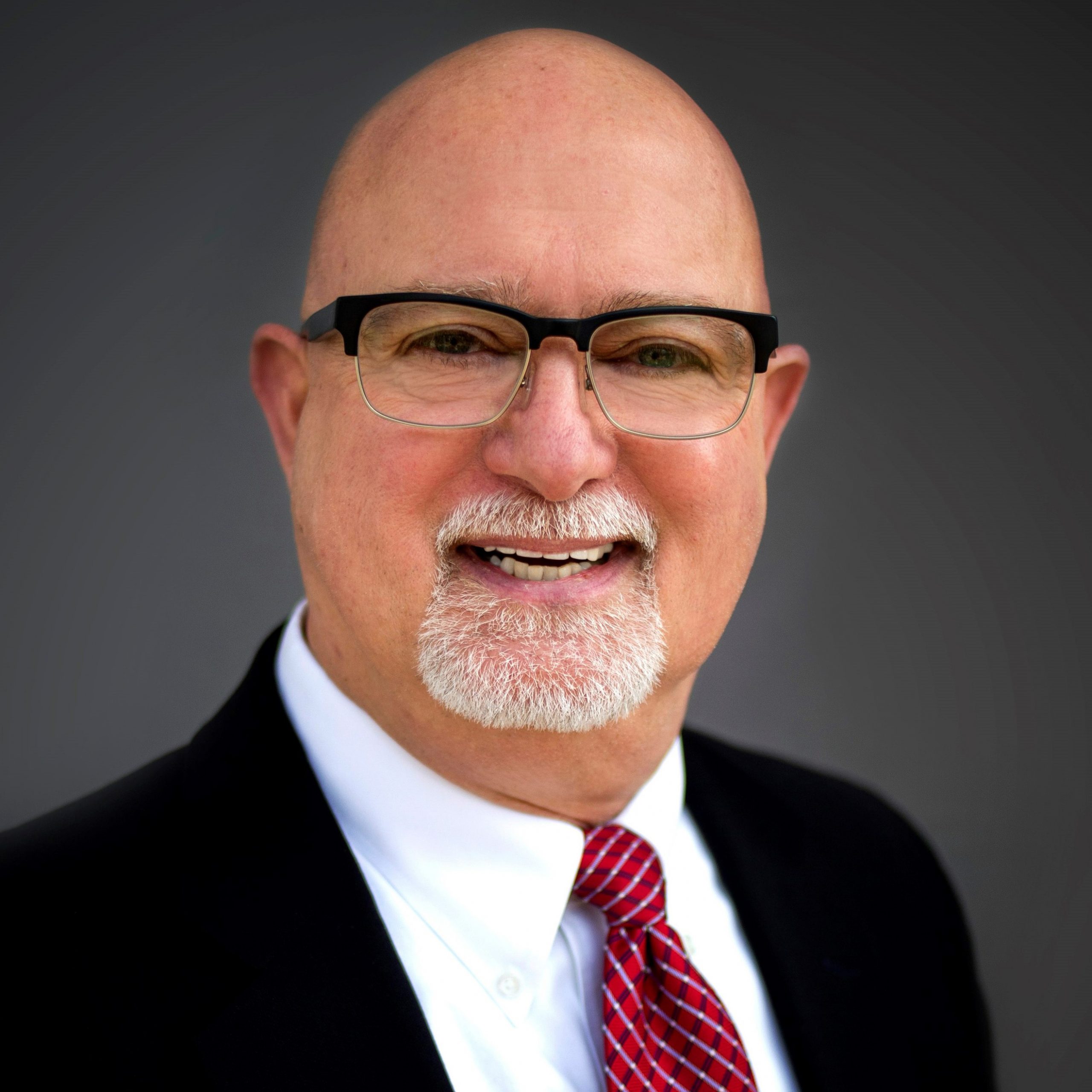
kristine-schwartzKristine Schwartz with Reinvent Your Hustle, is a business coach, strategist & public speaker. She activates female, impact-driven brands to confidently build their strategic roadmaps and marketing plans in ways that are uniquely aligned to their greater purpose.

She runs a coaching program called Reinvent Your Strategy & a Mastermind that focuses on scaling your business through Pinterest, Marketing Funnels & Sales.

Connect with Kristine on Facebook, and LinkedIn.

What You’ll Learn In This Episode

  • Clarity on your brand niche & message
  • Identify your customers’ problems

This transcript is machine transcribed by Sonix 

TRANSCRIPT

Intro: [00:00:02] Broadcasting live from the Business RadioX Studios in Atlanta, Georgia, it’s time for Coach the Coach Radio brought to you by the Business RadioX ambassador program, the no cost business development strategy for coaches who want to spend more time serving local business clients and less time selling them. Go to brxambassador.com To learn more. Now here’s your host.

Lee Kantor: [00:00:33] Lee Kantor here, another episode of Coach the Coach Radio, and this is going to be a fun one. Today we have with us Christine Schwartz with Reinvent Your Hustle. Welcome Kristine.

Kristine Schwartz: [00:00:44] Thank you for having me. I’m so excited to be here.

Lee Kantor: [00:00:46] Well, I’m excited to learn what you’re up to tell us about reinvent your hustle. What do you do in disserve, folks?

Kristine Schwartz: [00:00:53] Sure, sure. Definitely. Reinvent Your Hustle is a brand that I built. I’ve been in business for a couple of years now, came from the corporate world and I work with female impact driven brands. I help them build their strategic roadmaps, get very, very confident and clear in their marketing messages, in their their marketing plans, and ultimately help them grow their businesses and scale. So I do that through a couple of different ways, but we can talk about that more.

Lee Kantor: [00:01:24] Sure. But let’s talk about the name of your firm, reinvent your household. How did that those words come to you? And what was it about that message, reinvention hustle that kind of encapsulates what you’re about?

Kristine Schwartz: [00:01:41] Yeah, absolutely. So I was working in the corporate world and worked my way up the corporate ladder and I was laid off. And for anyone that’s been laid off or been in a situation that, you know, you’re just shuk, you need to figure out a way to move forward. And ultimately, I’ve been I’ve been working my way up the ladder my whole life when they didn’t give me a promotion, I went back to school. When I wasn’t promoted after graduation, I took a different position, like you have to find new ways to reinvent yourself. And ultimately, that’s where it came from, reinventing yourself, reinventing your strategy, reinventing your your whole persona and what you want to do and your vision, all the things it just kept popping back into my head. And one day the exercise I absolutely love. And for those listening, if you ever get stuck in, you’re trying to figure out a brand name or a name of something. I did the Post-it exercise where I wrote down all the all the different naming conventions and the words that really pulled me in and reinvent was up there and Hustle was up there. And my friend looked at me and we looked at the wall and she said to me, Well, Christine, you hustle like every single day. And I’m like, Yeah, yeah, you’re right on that one, because we used to be bartenders. And she said, Don’t reinvent your hustle. And I was like, Oh, I like that. I like that. That can be used in so many ways. So that’s that’s truly where it came from.

Lee Kantor: [00:03:04] Now, once you had that name in kind of the mission really that goes behind the name, what was the thinking to kind of really go after the specific niche that you’re serving?

Kristine Schwartz: [00:03:16] You know, it’s because I was in a space where I wanted to help. I wanted to help people that were in my situation. And I think finding your niche is not the easiest thing. Right. Most of us, when we start our business, as we jump around to different different potential results, we want to provide our clients different strategies and how we want to get them there, even the different potential target customer. And so for me to choose my niece should actually took me a long time. And I just realized, because it took me so long that I wanted to help other people figure it out. I got into some conversations with with women and I realized I don’t want to work. I came from Rita. I don’t really want to work necessarily specific to Rita. I want to help service based entrepreneurs, those those women, those people that are transforming other people’s lives. Like I want to see that domino effect. And once I figured that out, I realized I could pull that out of people. And so that’s that. Aha moment where where I figured out, oh, this is my niece. This is what I’m called to do. This is what I truly where I want to focus. And that’s truly how I discovered my niche.

Lee Kantor: [00:04:22] Now, is it a little ironic that when you’re when you have a niche like you do, one of the first things that when you’re counseling other people is you’re instructing them to find a niche for themselves

Kristine Schwartz: [00:04:36] And then that’s 100 percent ironic.

Lee Kantor: [00:04:39] And then they think that they have to serve the world because they don’t want to miss out on anything. And a lot of your counsel, I would imagine, is helping them narrow their focus, not broaden it.

Kristine Schwartz: [00:04:49] Absolutely right. You try to serve everyone. You end up serving No. One. So a lot of the times what ends up happening is and I had I have this amazing client story, she she came to me and she wrote a book. It’s all about helping you create your best life. And that’s great. But it’s so broad it could apply to anyone. And I said, OK, we got to narrow it down. And now now she is an empowerment engineer. I mean, what you think about it, right? You go you have to think, are you going to go to your doctor? Probably not. You’re probably going to go to your dentist. And even better yet, you know, if you need a particular type of cosmetic surgery or something in your tooth, you’re going to go to someone that can do a root canal. So you get really specific and who can help you because you know that they’re going to be the best of the best. So why wouldn’t your customer ultimately want to go to the best of the best? They want to go to someone who does that solves that problem specifically. So I do I help them narrow that down. But it’s through process, right? It takes time and takes it takes a lot of questions and pulling pulling those ideas out of them.

Lee Kantor: [00:05:52] Now, when you are going through that process, what are some of the roadblocks that the client has that maybe there are self-imposed roadblocks that they put in front of themselves that are kind of getting in the way for them to really narrow the focus and to get clear on the message?

Kristine Schwartz: [00:06:09] Mm hmm. Yeah, I mean, a lot of times they come in and they know that they’re really good at a few different things. And so sometimes when they’re really good at they don’t know exactly what they want to focus on and they don’t want to hinder. Right. The big fear that people that people start out with, especially when you’re starting your businesses. You know, I don’t I don’t want to alienate an entire audience, you know, whether it’s working with men or women or it’s I want to work specifically with moms or I want to work specifically with this type of service based industry or this type of product. And they don’t want to narrow in so much that they feel like no one’s going to come to them. It’s definitely one of those mindset blocks that you have to think about it. Like you can always open that back up. You can always change what you’re up to and who you’re who you’re actually speaking to. I think the other piece, when we’re starting our businesses, we treat it like our baby and we figure everybody’s watching us. And it’s so scary because so many people are going to judge me if I make a mistake, because I took this leap and I’m starting a business. Right. But ultimately, we have to remember that, as you may think, you’re a really big deal, but you’re not actually that big of a deal yet. You can change, you can pivot, you can adjust. And we have to remember that not everyone is watching us as much as we think they are.

Lee Kantor: [00:07:26] So now walk me through what that engagement with you looks like, are they coming to you because they are just getting started? Are they coming to you because they’ve reached a plateau and they’re frustrated? Are they coming to you because there’s a crisis? Like what is usually the entry point for you to begin a relationship with the new client?

Kristine Schwartz: [00:07:45] Yeah, it’s both. And I and I actually have two different programs. So I work with that entry level entrepreneur or that individual that’s adding another layer of service to their business. And I also work with that entrepreneur, that scaling that wants to work with me through understanding Pinterest. So what we’re talking about is that entrepreneur that that is coming to me. Yes, because they’re at a crisis point. Right. They’re at a point where they cannot connect to their passion with their purpose. Right. So I’ll give you an example. There was this woman that I worked with and she was a mindset coach. She it was all about time management. She knew it like the back of her hand. But then she started learning about Reiki and she felt called start doing that in her business and she couldn’t figure out how to connect the dots. There was just something missing. And I, I, I sat and within 30 minutes and this is how it typically goes. You jump into the conversation within 30 minutes because you’re so close to it. When you’re so close to it, it’s hard to see the answer on the other side or to be able to connect the dots. So typically what ends up happening is I have to pull those things out. I just have to ask the right questions. And so I ask them to to lay it on the table. Well, why do you want to do this? OK, well, what’s really important to you? And so ultimately, it’s just getting really, really clear on those things that you’re passionate about. And then also, what is the what’s the transformation of the change on the other side that you want for your customer?

Lee Kantor: [00:09:10] So now, if you were to advise other coaches out there, how would you help them kind of land on a pricing structure that that makes them feel confident and able to ask for that price and not undersell themselves?

Kristine Schwartz: [00:09:27] Yeah, yeah. That’s a good one. So ultimately, I am not above giving it away for a low cost until you’ve nailed it. I’m a huge believer in market research and I’m a huge believer in getting feedback. There’s too many people that are putting themselves out there and they’re not proven their product or they’re not proving they’re their process or the things that they’re they’re selling to others. And so I’m a huge believer in perfecting the process. So when I started, I started consulting for 20 bucks a session and I said, you know, I know that you need help when it comes to your messaging. I’m going to put this together. Let’s have one session, 20 bucks, and then, you know, then I could tweak it that I could ask for their feedback. And that’s a beautiful spot to actually ask for testimonials as well. Did this help you? Yes. OK, great. You grabbed that testimonial on that particular piece of what you’re trying to sell of your product. Now, in each area of what you’re selling, you have testimonials to back it up. So when it comes to actually pricing your product, like I said, I’m not I’m not below starting out and perfecting the process before charging, you know, what you’re worth. That’s what everyone says. Charge what you worth when it comes down to it if you haven’t heard of the value ladder. But I highly recommend you can head to my website and check it out, but or you can Google it. But the value letter is essentially creating a customer journey that feels seamless. And so when you’re trying to price out your offerings, you have to identify how does the customer first find you and how do they then jump on your email list? And are you creating a seamless process for them to just get a taste of your work and what you do and then start to start working with you throughout that process? And there might be people that want to jump to that large, high ticket program that you have.

Kristine Schwartz: [00:11:14] But ultimately, you’ve got to prove yourself and you have to have some some testimonials behind your belt in order to be able to charge what you’re truly worth. Now, what I’ll say is it may only take you three months. It may only take you six months. It may take you a year. It may take you two years. But ultimately, you have to create results for people. And that’s what this business is all about. And once you start creating those results, that’s when you can start charging more and more and more. One thing that I will say is most of the time people come in and they have that money mindset block where they’re scared to charge anything. And so the game I’ll play is throw a number out there and then I’ll say, OK, now what if I said, you know, I go into a little bit higher, into a little bit higher, and usually there’s that uncomfortable point where they’re like, oh, that’s really pushing out of my comfort zone. But I think I could probably do that. And so so push yourself to ask ask yourself, is it true? Are you charging what you are worth right now? And yes, there’s going to be a point of where you want to get to, but you got to build the results. That’s what coaching is all about. It’s about building the results and the transformation for people and leveraging those testimonials so everyone can see what you can actually do for them.

Lee Kantor: [00:12:29] You know, when I’m counseling people in this with that question of what to charge, I say, look yourself in the mirror. It’s the number that you can say out loud without laughing.

Kristine Schwartz: [00:12:39] Yeah, yeah, totally, you know, and the same thing goes when you’re creating a product. I heard this from my coach the other day, so I got to give him a little a little bit of props for this. Brad Hart, he said he said, you know, when you’re creating something and actually this wasn’t even brought out, this was somebody else. When you’re creating something, when you’re creating that product, or maybe it’s a cause or maybe it’s a curriculum, whatever it might be, throw a zero on the end of it, throw another zero, and then you’re probably going to like you’re going to sit back in your chair, be like, I can’t do that. And ultimately, what you’re going to do there is you’re going to create that program so that you’re given as much away as you possibly can, so that you’re going to provide them with the best results. And then once you do that, then you can take that zero away. That’s what your program should do. It should create those amazing results that wow factor, because ultimately the goal is to create those results. And so when you add that extra zero on, it’s super intimidating as the creator. But ultimately it pushes you to create the best product you can create, to create the best curriculum or program or whatever it might be.

Lee Kantor: [00:13:49] Right. Because ultimately, you want your client to be wildly successful.

Kristine Schwartz: [00:13:53] Totally. Exactly. And you want them to be able to I mean, let’s be honest. It’s all about word of mouth. You create an amazing result for your clients. They’re going to love you forever and they’re going to talk about it. It’s just like a pair of yoga pants, right? You put those pair of yoga pants on and they fit like a dream and they make you feel like 100 bucks. I mean, a thousand bucks, whatever you want to call it. You’re going to tell people about any product out there that you love. So, so, so create a program that does the same for you.

Lee Kantor: [00:14:21] Now, if there’s somebody out there that wants to learn more about your practice and get a hold of you and connect with you in a variety of ways, I know on your website there’s a variety of ways that someone can interact with you. But can you share the website?

Kristine Schwartz: [00:14:34] Yeah, it’s w w w dot reinvent your hussle dot com. And if you want to find me on Instagram, that’s where I hang out a lot. So happy to chat DM me, we can we can talk through kind of where you’re at and I’m always happy to, to get on the Zoome call to and chat it through with you.

Lee Kantor: [00:14:52] Well Christine, thank you so much for sharing your story today. You’re doing important work and we appreciate you.

Kristine Schwartz: [00:14:57] Thank you so much. It’s a pleasure to be here. I appreciate it.

Lee Kantor: [00:15:00] All right. This is Lee Kantor. We will see you next time on Coach the Coach Radio.

Tagged With: Reinvent Your Hustle

Kamaria Rutland With OTM Coaching Group

July 6, 2021 by Jacob Lapera

Kamaria-Rutland
Coach The Coach
Kamaria Rutland With OTM Coaching Group
Loading
00:00 /
RSS Feed
Share
Link
Embed

Download file

OTM Coaching Group

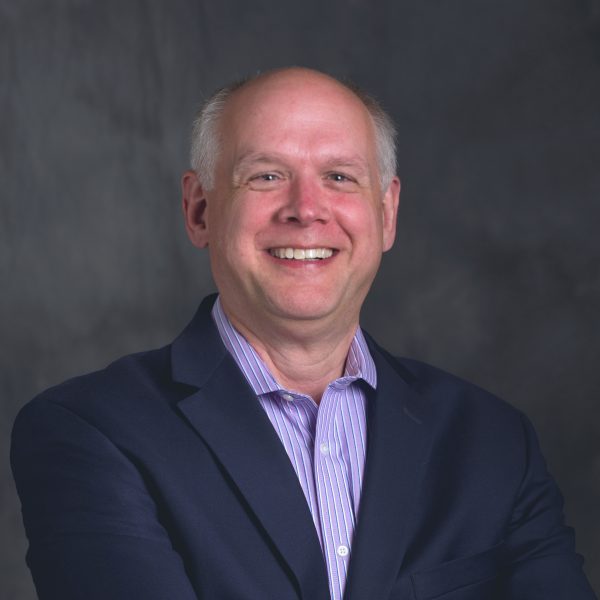
Kamaria-RutlandKamaria Rutland is a hospitality professional with nearly two decades of experience in the industry. Her experience includes working for one of the largest global and hospitality corporations in the world. She is the founder and principal coach of OTM Coaching Group.

Her training programs aim to build meaningful human connections in the workplace that will lead to greater business results. Kamaria holds an Executive Master of Business Administration from San Francisco State University, San Francisco, CA.

Connect with Kamaria on LinkedIn.

What You’ll Learn In This Episode

  • How managers can build remote worker relationships that thrive
  • Hybrid and remote work models
  • Current employee sentiment
  • C-level buy-in and mid-level management adoption

This transcript is machine transcribed by Sonix 

TRANSCRIPT

Intro: [00:00:02] Broadcasting live from the Business RadioX Studios in Atlanta, Georgia, it’s time for Coach the Coach Radio brought to you by the Business RadioX ambassador program, a no cost business development strategy for coaches who want to spend more time serving local business clients and less time selling them. Go to brxambassador.com to learn more. Now here’s your host.

Lee Kantor: [00:00:33] Lee Kantor here, another episode of Coach the Coach Radio, and this is going to be a fun one. Today we have with us Kamaria Rutland with OTM Coaching Group. Welcome.

Kamaria Rutland: [00:00:44] Thank you so much. It’s a pleasure to be here.

Lee Kantor: [00:00:47] Well, I’m excited to learn what you’re up to. Tell us a little bit about all of them. How are you serving, folks?

Kamaria Rutland: [00:00:52] Yeah, Autumn Coaching Group is all about developing really meaningful human connections in the workplace. Right. When when people go home, at the end of the day, the things that are their biggest pain points are just how they’re maybe disconnected from their team or disconnected with the manager. And so after almost two decades in the hospitality and tourism business, I love just watching human behavior. And this is why I’m really focused my efforts on serving those human connections in the workplace. How can we improve them to drive results?

Lee Kantor: [00:01:24] Well, they say that people don’t quit jobs, they quit bosses. Does this kind of fall under that umbrella? Is that what you’re trying to help, help prevent?

Kamaria Rutland: [00:01:34] Absolutely. You know, employee retention is really about that one on one connection with their direct report. Right. And so if we can bridge gaps and if we can help through miscommunications or work through those team dynamics, it really is going to help the organization as a whole. But forging better connections with the employee and manager is really a dynamic experience. And I think that when we have those breakthroughs, it’s very rewarding work.

Lee Kantor: [00:02:02] Now, in today’s world, especially as we come out of this pandemic, a lot of folks went remote, maybe for the first time ever that had its own challenges. And now as the pandemic was waning a little bit, now people are either going back to the office or creating some hybrid or some people are just staying remote. Is this something that folks should be really intentional about and not rush into anything? Because I would imagine there are landmines everywhere when it comes to making a decision, no matter which one of those decisions you choose.

Kamaria Rutland: [00:02:37] Absolutely. You know, there’s definitely been a shift in the atmosphere. More and more CEOs are kind of buying into a hybrid work model. We’ve seen the results. After a year of pandemic forced remote work, CEOs are definitely more open to developing a work model that allows a little bit more flexibility. Employees overwhelmingly are telling us through study after study that they prefer the flexible work options. Right, because there’s no one size fits all to this. Some people are going to want to go back to the office. Maybe that’s a better work environment. Some people are going to work, want to work full time, remote, and some people might want a combination of the two. But when we say those landmines, I love that word is because it’s a very fragile relationship, because there’s this myth. There’s this debate right now. Is one side going to win out more than the other, the work from home employee or the office employee? And I think for managers, they need to be especially careful to manage both the individual needs and the group needs. Right. One best practices to really develop some norms of how your team is going to communicate.

Kamaria Rutland: [00:03:49] What are the best times for us to have meetings? What are the platforms that we’re going to use? How do we make sure there’s still some cohesion among the team? And those things are going to have to be a learned skill for managers. If they’ve never had that opportunity to manage a hybrid work team, it’s going to be a new muscle, a new skill that managers are going to have to develop with time. And I think that it’s possible. But managers are going to have to jump on the learning curve a little bit faster than normal because employees are really demanding it. And then in this very competitive labor market right now, you know, you’re going to miss out on top talent and you want to retain your talent to ensure that your organization is moving forward. And so managers are going to have to very quickly shift their mindset around remote work. And how do we value the contributions of both in office employees and those employees that prefer to work from home?

Lee Kantor: [00:04:42] Right. And I think that some of the unintended consequences of having a hybrid is that if somebody chooses to go in the office and it’s just the proximity, the accidental kind of collisions that you have with a coworker and you’re like, oh, and in two seconds you can communicate that challenge or solve a problem. And if at the end of the day, those kind of people in the office are getting promoted faster or getting more face time or access to the higher level folks, it might create this feeling of, well, you’re letting me work from home, but I’m not getting any of the kind of political capital gains that I might be getting if I was face to face with folks.

Kamaria Rutland: [00:05:27] Absolutely. And I always think of let’s try to find what is the equivalent in a work from home on. Right. How often do in office employees go over to someone’s office, knock on the door really quickly, say, hey, do you have a second? I just want to ID with you real quick. I want to think through this. I want to talk through this. That very same experience can happen in a remote environment, right. Quickly putting someone on instant message, say, hey, do you have a chat or Helus schedules? Ten minutes. I just want to talk through this with you. It just has to be a very intentional effort because they’re not in the same physical location. Right. Global companies have been doing this for years. Technology companies have been doing this for years. It’s not new, but it is something that management definitely has to be very intentional about. And middle management is really where the rubber hits the road. Right. And this is what’s going to make or break an entire organization’s ability to very successfully have a hybrid work model.

Lee Kantor: [00:06:23] Now, are you are you finding that folks are reaching out to you because they’re contemplating this, or have they pulled the trigger and now they’re dealing with some ramifications they weren’t expecting?

Kamaria Rutland: [00:06:34] They’re already dealing with it. I think that the pandemic really forced a lot of organizations to suddenly go remote and managers did not know how to manage people when they were not seem right. They were not physically in the same location and they did not know how to manage. Were they managing just for time or were they just watching and observing them, or are they really looking at performance, manage it from the actual outputs of their their team members? Right. And so I think this is really forced people to quickly shift. Some people have done it better than others. And for some organizations to reach that, they just need a little bit of help. My organization offers a training class called the Rocky Road of Management. In the virtual world. The Rocky Road is definitely symbolic. Fun fact here. A rocky road ice cream was actually invented in my hometown of Oakland, California, back in the Great Depression, back in nineteen twenty nine to give people something to smile about during the Great Depression. Right. And when you think about this, this is obviously a metaphor for this. We’ve got to help managers get to that sunny side over the horizon, over the big hump of transforming their team to work in a remote way. Right. And so we’ve got to help them figure out this rocky road. There’s going to be bumps along the road. Right. But we’ve got to help them get to a place where their team feels like they can contribute no matter where they decide to work, that their team feel supported. Right. And I’ve definitely got tips and tricks because I’ve worked with various work groups of how to do it successfully when you need to manage people both in office and remote because it can be done, it’s not impossible.

Lee Kantor: [00:08:11] Well, why don’t we share some of that wisdom with our listeners? Can you share some tips? Absolutely.

Kamaria Rutland: [00:08:17] Yeah. You know, for those workers who prefer prefer to have a remote work environment, whether it’s one or two days in the office, whether it’s full time, remote, they really need some things. I’ve got a top five camera is top five list of things they really need from their organization to feel supported. Right. Number one, remote workers want to be seen. Right. Exposure and visibility is very important to people’s career progression. Right. And that feeling of inclusion in the team and during team events and a best practice is to ensure that both in office workers and remote workers turn on their Web cameras during team meetings. Right that way, everyone gets a equal virtual seat at the table. I’m going to say that again, a virtual seat at the table so that they can be seen and they feel a part of the group. No two remote workers want to be heard, right. Everyone wants to be able to contribute equally and they want to feel like they have an equal opportunity to contribute during meetings. So if a manager is hosting a meeting and the audio is not really that great, right. Maybe there’s only one speaker phone in a very large room. The remote worker can feel like a woman. I can’t hear what’s going on. I might be missing out on some information, but to if I speak up, will I be heard? Will someone call on me to interject? Right. So a best practice here is maybe assign one person and rotate it, which is on one team member to manage the chat box.

Kamaria Rutland: [00:09:43] So that way, if you have a remote worker, they can chime in the chat box and still make sure that their voice is being heard. Tip number three, remote workers want their managers to create really systematic and equitable methods to assign projects. You alluded to that before, the fear of missing out, fear of missing out on work assignments that may be really critical to their career. That’s right. They want to know that they’re not going to miss out on being tapped with a task or given a really awesome project because they’re working remotely from home. Right. So if there is a very systemic way that their managers can say this is how we’re going to assign projects, is going to relieve that that tension and the anxiety around not getting a fair shake at those work projects. All right. Tip number four, remote workers want to trust that their managers are going to resist the urge for that, consisting that consensus building among in office workers only. Right. Just like you said that quick. Hey, can we talk about this or those brief interactions around the water cooler or. I passed in the hallway and we touched on this topic, you know, leaving your remote workers out of those conversations. I can make them feel very isolated. They can make them feel like not a part of the team, and they might have something brilliant to contribute to the topic. So managers have to be very intentional to make sure they’re including the entire team when they are discussing projects or wanting to brainstorm around any objectives.

Kamaria Rutland: [00:11:11] Lastly, tip number five, remote workers, they still want their manager managers to continue those things like team building activities to enhance the cohesion and the collaboration. For someone sitting right, one of the basics of team dynamics, right, those highly effective teams is that there is trust among its team members and so managers are going to have to find very creative ways to ensure that both in office and remote workers are finding ways to come together. And that can be as simple as doing a search on Pinterest. Google in the top tips of how to build some team building in a virtual world. But it’s not impossible. You can play games, you can use gamification. You can just, you know, do shared experiences like a virtual ice cream, social or whatever it may be. But there should be ways that managers orchestrate shared experiences to build some cohesion around the team. So, again, top five tips for remote workers want to be seen. Remote workers want to be heard. They want to ensure that there is a systematic way the projects are being assigned. They want their managers to resist the urge of consensus building around in office employees only. And they want there to be team building activities for cohesion and collaboration. So these are my top five tips to help managers navigate that rocky road in that virtual world.

Lee Kantor: [00:12:35] And it sounds like what you’re saying is that you just can’t say, OK, here’s the zoom link. You’re remote now. We’re good. And you’ve got to be intentional. You got to change some ways. You had been doing things in order to be more mindful and proactive to help these relationships stay relevant and easy for everybody to participate in. It’s not you flip a switch and we’re remote now and then we’re done like this is a work in progress that you should be tweaking, holding the results accountable and really pulling your people, making sure that it’s serving everybody.

Kamaria Rutland: [00:13:14] Absolutely. That that were very intentional has to be a part of the management framework. Right. This is really where I hope managers across industries will meet this moment. Right? They will. They will. Upscaled their own ability to call a meeting. Right. When you do call a remote worker into the office, is there some intention behind it? Is it a meaningful collaboration effort? Is this meeting going to be very dynamic or was it something that something could be an email? Right. I know early in my management days, you know, I would just have a regularly scheduled meeting every Tuesday at three o’clock. We would meet and we would discuss certain things. And it was just, you know, I was numb to the dynamic. When you now have to orchestrate remote workers and in office workers, when you do bring people together, it should be impactful. Right? There should be compelling information that you’re sharing. There should be amazing brainstorming activities or ways that we are going to work more work better together as a team. Right. When you do bring people together, it should be meaningful and it’s going to take some effort for managers to think of when I bring people together. Is there a greater purpose than just being together?

Lee Kantor: [00:14:31] Right. I was trying to get this app built that would lay over your resume or whatever service you use. The calculates, the hourly cost of all the people in the room, and it just takes off like a ticker as the minutes go by. How much money that the companies investigate investing in this meeting and just keeping score. And there was this meeting worth, you know, eighty thousand dollars.

Kamaria Rutland: [00:14:59] Exactly, and and I’m I’m betting that if you were to miraculously develop that app, it would be mind blowing to two leaders, right? When people I’m a believer in face to face meeting, I think that human connections are so amazing and so beautiful when they happen. Right. But it should be for a purpose, right? It shouldn’t be just to say for political reasons, we’re going to bring everyone together. Right. Checking up on the stakeholders. We’re bringing people together right now. What is the main purpose of why you are gathering people together?

Lee Kantor: [00:15:35] Right. And especially when people go to promote their personal and work life starts kind of blending together in ways that are another unintended consequence.

Kamaria Rutland: [00:15:44] Absolutely. There’s been several articles about how to manage that transition right now that inoculation rates are improving and people offices are starting to open back up as people start to transition back, even if it’s for one or two days a week, there’s an emotional toll to them giving up some of the freedoms that they had at home, walking their dogs into the day, being able to help their kid with their virtual school or whatever it may be. Right. The things that they were balancing in life, it takes a toll on them. And there’s this emotional rollercoaster that they’re going to have to go through and manage. You’re going to have to manage it very delicately, right. To help them transition back into it. Won best practice. I like to share with people, as you know, develop a team charter. This is how we’re going to manage this. This is how we’re going to work as a team. These are the platforms that we’re going to use. These are the the primary work times. We’re going to collaborate virtually. Right. And these are the freedoms we want people to still be able to enjoy. I think it needs to be a part of the discussion. Right. And this is left to everyone’s own understanding.

Lee Kantor: [00:16:48] Right. And I think that one of the ramifications of going through this is there’s been a lot more grace given to the folks at home and their circumstance, whereas maybe before the pandemic, people were a little geggie about, oh, that was my kid in the background. I’m embarrassed or, you know, that’s not professional. Now, I think there’s more grace given.

Kamaria Rutland: [00:17:09] Absolutely. And I imagine that it took a pandemic for us to give grace to our our teammates, our employees. Right. Because the thing is, we are more than just our work. Right. Human beings are very dynamic and have lives outside of the work they do. And this is a way for us to really honor that, you know, and again, there is no one size fits all. So for the people that prefer to work in the office, maybe their home, their home doesn’t allow for space for them to work without distraction. And so working out of an office is better suited for others. I hope they might have an home office or they might have a couple of things to balance and juggle. And working from home gives them the flexibility. This is a way for us to say, I see you, I honor your preference and let’s find a way to work together.

Lee Kantor: [00:17:54] Right. And I think that the organizations can really benefit if they do this correctly, because like you said earlier, you’re opening up your talent pool to the world now, not people that are just, you know, an hour drive from your office.

Kamaria Rutland: [00:18:09] Right. And my fear, you know, there’s this term kind of bouncing around right now called the great resignation. Right. One in three millennials is said to consider quitting her job post pandemic. And we’re kind of around that time frame right now because of the lack of culture they’re feeling from their remote work environment and how their company actually dealt with the remote work and flexible work options during the pandemic. Right. That now that people have had a taste of what it’s like to work from home and they and if they prefer it, we’ve got to find a way to incorporate that into the corporate culture so that we don’t lose out on talent. Right. We’re going to lose them to different industries who are going to be more open to it. Right. I’m in the San Francisco Bay Area and we’ve got a wide array of companies and having very different perspectives on it. Right. Facebook just announced that they’re going to have a full time remote work options indefinitely. Apple just said people going to have to come back into the office three days a week and they dictated which days and there was some uproar around it. So I think the companies have an opportunity to rise to this occasion, to really survey and engage their employment and their employees and find out what is the sentiment, what can we do to create a work environment that you can thrive in? And if they listen and they try to manage the major trends, they’re going to come out on top of this. But it’s going to take them really being open to the ideas. I understand that they have large offices, buildings. They would like bringing people together. But when they do make sure that it is meaningful, it’s impactful, and there was a reason to bring people together.

Lee Kantor: [00:19:53] So now if there’s an organization out there that would like some help in their transition, no matter which. Way the transition is going to go in the workplace, what is the website for your organization?

Kamaria Rutland: [00:20:05] It is OTM coaching group Dotcom and it’s pronounced Autum, but it’s Ottmar coaching group Dotcom. Feel free to reach out, happy to help you navigate again the rocky road of management in this virtual world, because it is a transition, right? We’ve had to evolve past typewriters and fax machines. This is just another evolution in the modern day workplace and we’ve got to find ways to help our employees thrive in this new workplace.

Lee Kantor: [00:20:32] Good stuff. Well, thank you so much for sharing your story today. You’re doing important work and we appreciate you.

Kamaria Rutland: [00:20:38] Thank you so much. It was a pleasure.

Lee Kantor: [00:20:40] All right. This is Lee Kantor. We’ll see you next time on Coach the Coach Radio.

Tagged With: Kamaria Rutland, OTM Coaching Group

Sharone Sapir With Sapir Nutrition

July 5, 2021 by Jacob Lapera

Sharone-sapir
Coach The Coach
Sharone Sapir With Sapir Nutrition
Loading
00:00 /
RSS Feed
Share
Link
Embed

Download file

sapir-nutrition-logo

Sharone-sapirSharone Sapir with Sapir Nutrition is an online nutritionist who does virtual counseling with clients from all over the country. She graduated from Columbia University with a Master’s of Science in Nutrition and Education.

Having overcome her own not-so-great relationship with food, she is passionate about helping others achieve their health and weight loss goals while finding balance

Connect with Sharone on LinkedIn, and Twitter.

What You’ll Learn In This Episode

  • Living a healthier lifestyle
  • Sharone’s journey to becoming a nutritionist

This transcript is machine transcribed by Sonix

TRANSCRIPT

Intro: [00:00:02] Broadcasting live from the Business RadioX Studios in Atlanta, Georgia, it’s time for Coach the Coach Radio brought to you by the Business RadioX ambassador program, the no cost business development strategy for coaches who want to spend more time serving local business clients and less time selling them. Go to brxambassador.com To learn more. Now here’s your host.

Lee Kantor: [00:00:32] Lee Kantor here, another episode of Coach the Coach Radio, and this is going to be a fun one. Today we have with us Sharone Sapir with Sapir Nutrition. Welcome, Sharon.

Sharone Sapir: [00:00:43] Highly. Thanks for having me.

Lee Kantor: [00:00:45] Well, I am so excited you’re here. But before we get too far to things, tell us about Sapir Nutrition. How are you serving folks?

Sharone Sapir: [00:00:53] Sure. So I’m an online nutritionist. I help people from all over the country and actually the world because everything is done virtually. So I help them eat healthier and or lose weight if that’s one of their goals. And we do this all through online communication.

Lee Kantor: [00:01:16] Now, when you were younger, was this something you were like, OK, I’m going to be a nutritionist? Was your career always aimed at being a nutritionist?

Sharone Sapir: [00:01:25] No, I actually got to it because of my own struggles with food. As a kid, I was a bit obsessed with junk food. And I came from a household where we didn’t have a lot of it. I mean, we had Fig Newtons because my mom thought they were healthy because of the figs, but otherwise it was really devoid of any fun food. And I grew up around a lot of talk about weight and don’t eat salad dressing because that’s fattening and don’t eat this thing. I had a kind of a complicated relationship with food from a young age. And as I got older, I got really into the diet books and then found myself more confused than ever. So it was definitely an evolution towards getting the right information and finding a balance. A balanced view towards food and health and then helping other people achieve that, too.

Lee Kantor: [00:02:29] So then you went through college, you have your degree in nutrition, right? That’s your background. So so you went all in on this. You were like, OK, I’m going to learn about this and then I’m going to really get educated about, you know, the truth behind it, because there is a lot of misinformation when it comes to, you know, nutrition.

Sharone Sapir: [00:02:49] Oh, yeah. I found myself really confused in high school. I read probably every diet book that was out there at the time zone, Atkins. Green free diet, I mean, all sorts, and I, I wanted to actually go. For my undergrad in nutrition, but my parents were immigrants, and when I said I want to go for nutrition, they’re like, nope, not not not paying for that. You’re going to earn bucket. So I went to NYU for I got my degree in politics and a minor in business, but I was still struggling with food. My weight was fluctuating a lot. I was restricting, I was bingeing. And it really took until after college I got married. I had my daughter. She was about a year old. And I said, you know what, I’m an adult now. Like, I am married. I have a kid. If I want to go to school for nutrition and really figure this out once and for all, I’m going to do it. So I took my prerequisites and I obtained my master’s of science and nutrition and education from Columbia University. That was really the beginning of picking an evidence based approach to nutrition.

Lee Kantor: [00:04:08] Now, what was it like when you graduated? You’re out on your own and now you have to get a client and now you’re kind of responsible. I don’t say fully responsible, but you’re going to have some impact on this client. Was that a challenge for you to go from? OK, I feel I’m qualified and educated enough to help others. But now here’s the logistics and mechanics of doing that. How am I going to go about doing that?

Sharone Sapir: [00:04:36] Yeah, that was hugely challenging. I, I basically spoke to whoever I could about the fact that I’m a nutritionist and I am passionate about helping people. And the other thing I did was I helped a lot of people for free, which I know that’s a controversial approach, I guess, based on on the person you ask. But I felt like the best way for me to get a good reputation right is to help a lot of people and to help them succeed. And then I knew that they would then spread the word. So originally, I worked myself probably a bit too hard helping whoever I could either for free or for a very low rate. But eventually it really helped me to establish a reputation for myself as an expert who really cares and helps.

Lee Kantor: [00:05:42] Then at some point, you were like, OK, enough for free, I’m running out of free, this is now what I’m doing for a living or it’s helping me have a living. And and then you just started increasing your rates. Like, how do you kind of move from free to paying? Because a lot of times when things are free, they don’t have value from a client’s standpoint. They think it’s something that I can miss or I don’t have to take it seriously because I don’t really have skin in the game. Did did that occur kind of dramatically or did you just get to a point where you were like, OK, I have to charge everybody now?

Sharone Sapir: [00:06:19] Yes. I mean, it really had to do with demand. So as I was getting more demand, obviously I couldn’t well, I had to charge for it, too. And also with by working with a lot of people, experience is experience. So I could have a degree from a top university, but it doesn’t replace the experience that I get from working on the ground. And once I felt like I had quite a bit of that and and probably more than some other people who are who are charging a lot for the same services, I said, OK, it’s it’s really time. And what I did is I just increased. So whoever was free was free. But and it’s interesting what you said about skin in the game. It depends. I think I got good at screening people for whether I really like how much they cared because I did have a number of free clients who were incredibly successful, even though it was for free because they really wanted it and needed it. And yes, I did have some clients who I could tell didn’t care that much. And part of it was probably because it was free. So it is hard to assess. And I didn’t do this for too long either. I quickly realized my my value for one. And as demand was going up, I said, OK, it’s time, it’s really time. And I increased my rate slowly. I didn’t you know, I it was more for myself and perhaps the. Far from a confidence standpoint to increase the incrementally, but that’s what worked for me

Lee Kantor: [00:08:11] And that’s great advice for coaches out there when they’re just especially when they’re just getting started and they might be credentialed and they just don’t feel confident enough to charge maybe what they deserve, but they can ease into it. There’s no right or wrong way of doing this. Some people will feel more confident, like, hey, I got the credential now, my rates X or my rates five X or whatever it is. I always tell people when it comes to the rate, it’s whatever number you can say in the mirror or without feeling uncomfortable or laughing like that’s the rate you start at.

Sharone Sapir: [00:08:48] Yeah, I love that advice.

Lee Kantor: [00:08:51] So now how about some advice for folks out there that are maybe struggling with their weight or struggling with maybe not eating the right foods? Is there some tips you can share about kind of easing into a more healthy lifestyle?

Sharone Sapir: [00:09:06] Sure. The approach I like the most is the crowding out approach. And so what what is crowding out means? It means that you’re adding foods into your diet rather than having all your focus on restricting or eliminating other foods. And one of the foods that I it’s the first one that I start with, with pretty much everyone who comes to me, their diet is not high enough in protein. So and protein, that’s just not a fun, sexy food like the carbs. And I don’t typically advocate like a low carb carb diet, but I do emphasize higher protein because there are just so many great effects that it has on us.

Lee Kantor: [00:10:01] And then by increasing the protein that usually makes people feel fuller. So they’re kind of not eating as money, kind of the less nutritious foods.

Sharone Sapir: [00:10:13] Yeah. So protein has a number of benefits. For one, it helps greatly with metabolism. Something that many people don’t know is that we burn 30 percent of the calories that we ingest from protein just during the spring digestion. So that’s that’s a significant number of calories to to burn versus carbs. We burn, I believe, 10 to 15 percent and that we burn zero to three percent of the calories we taken from fat. So protein is a metabolism burner. I like to say it stokes the inverse of your metabolism about it, but it is quite dramatic. It also helps us retain muscle as we lose weight. That’s something that often happens when when you respect your calories and you’re losing weight, you’re also going to lose muscle. We want to keep as much muscle as we have because it’s more metabolically active. It it keeps us safer and it and it looks good. And the other thing that protein does is it really helps to stabilize blood sugar and give our brain and our gut the message that we’re full so that we don’t keep looking for snacks. That’s something actually when someone tells me I have a really hard time in the evening or at night searching for snacks, they just can’t feel full. I’ll ask them, do you eat? What did you eat as your first meal? And was it a protein rich meal? Did you have enough protein during the day? And often the answer is no. And and once they start front loading, the protein, front loading, so getting as much protein as they can during the day, they feel a really big difference at night with their their cravings for those Harbi snacks.

Lee Kantor: [00:12:13] Now, when you’re working with someone and you mentioned you’ve been doing this for a while now, is it are you able to tell if someone is serious about doing this? Because I, I know a person specifically that their doctor gave them kind of a scary. You know, doctor visit and they said, look, you’re you’re on the on the road to some diabetes or, you know, some some medical issues down the road, and you and I recommend that you get kind of get your house in order a nutritionally. And this person is like, well, what are you talking about? This is how I am. You know, they’re not ready yet. I don’t think, even though there’s kind of a scary medical issue ahead, do you find that? It takes some something kind of monumental to spur people to action or can you tell if they are, you know, they that my doctors had to do this. I’m going to do it. But, you know, they’re really not going to put their all in it because they’re really. Not bad in all the way.

Sharone Sapir: [00:13:19] Yeah, I can tell pretty quickly most people who who do come to me are ready, and it’s possible that it’s because I have a lot of messaging against quick fixes and meal plans and diets and all of that. So they know that it’s going to be work and it’s going to be a process. So maybe it’s skewed towards people who are ready, but it’s completely a a mental shift that has to occur. And especially when I first started working and I had people approach me who said, you know, I really want you to work with my with my husband or wife partner. And I and I’d say that’s a great signed them up. I’ll work with them, that never worked. I mean, that was never a successful case. And that’s because the the spouse wanted it more than the person themselves. And it’s never going to work if the person isn’t truly ready for a change. That readiness for a change is critical and. Yes, these monumental events and in health with the doctor saying, if you don’t do this, then you’re going to be extremely ill or you’re going to die prematurely. That often is what it takes for somebody. But even then. It might not. And unfortunately, there’s there’s nothing that anyone can do until that person is truly ready to change their lifestyle.

Lee Kantor: [00:15:04] Now, do you mind sharing a little bit about what the relationship looks like? You mentioned it’s an online relationship, so obviously there has to be some trust that the person is doing what you’re recommending. But I guess the scale doesn’t lie or whatever tools you are to measure. Is this kind of telling the truth that at some point. So can you talk about what the engagement looks like? Is it something where someone is reporting to you on a regular rhythm or you have access to certain technology that allows them to report to you in conjunction with some? I would imagine there’s some support and accountability happening throughout the process to keep them on track when they do slip.

Sharone Sapir: [00:15:50] Yes, for sure. So I have all of my clients keep a food log and however they do, it is up to them. Some clients enjoy my fitness pal. They just really like the app and they like numbers and data. And so they use my fitness pal, other clients they just jotted down on a regular note app on the phone. And that’s just fine, too. What’s important is that they’re recording their food and in some way and they send it to me every day and I don’t use it to test them like I do eat this or I do it that. It’s not like that at all. It’s it’s really to get information, to see what’s helping them and what might be stalling their progress and to come up with a suggestion, ask them questions. Some of my clients really like to tell me about their day and their moods and their energy levels. And I enjoy that too, because they like food isn’t necessarily in a vacuum. It’s tied to a lot of things and many of them are emotional. So I like to get the big picture and we kind of have a conversation online. And it’s a daily touch point, which I enjoy as well, because I think we digest information in small chunks. So it’s it’s more manageable, I, I think that way.

Lee Kantor: [00:17:20] So now is it like via Zoome call or you kind of face to face with these folks. Is it via email or. They’re like how are you communicating.

Sharone Sapir: [00:17:29] So it’s all via email. When I first started I had weekly phone calls and that was scheduled and in addition to the emails and what I found over time was that the phone calls just they weren’t necessary, that the emails were really sufficient to continue this ongoing dialog of support and accountability, cheerleading if necessary. But it it worked much better than I even expected. And so that’s what I kept.

Lee Kantor: [00:18:01] And if somebody wants to learn more, have a more substantive conversation with you about your work, is there like a website where they can connect with you and then maybe do an initial call or some sort of kind of a touching base to see if it’s a good fit?

Sharone Sapir: [00:18:19] Yeah, sure. So my website is Sharona’s The Dot Com, and I’m also on Instagram at the Pier Nutrition. I like to post their daily with tidbits about nutrition and mindset. And if if they’re interested, we schedule a Zoome call just to get to know each other and I find out more about them, find out more about me and then we take it from there.

Lee Kantor: [00:18:49] And that website one more time is Cherone Saphir S.H. r o n e sjp i r dot com. Yeah. Well, Sharon, thank you so much for sharing your story today. You’re doing such important work and we appreciate you.

Sharone Sapir: [00:19:03] Oh, thank you so much for having me on.

Lee Kantor: [00:19:06] All right. This is Lee Kantor. We’ll see you next time on Coach the Coach radio.


Tagged With: Sapir Nutrition, Sharone Sapir

Business Coach Patricia Simon

July 5, 2021 by Jacob Lapera

Patricia-Simon
Coach The Coach
Business Coach Patricia Simon
Loading
00:00 /
RSS Feed
Share
Link
Embed

Download file

scotia-business

Patricia-SimonPatricia Simon has an undergraduate degree in Social Science from Glasgow University and Masters (MSc) in Marketing from the University of Strathclyde Business School, Glasgow, Scotland. Patricia also has a training & development diploma and certifications in life coaching and NLP.

Patricia has been a permanent resident in the US since 2001. Throughout her career she has worked in corporate America in positions ranging from Education Marketing Manager at a non-profit performing arts center in Tampa, Florida to Vice-President of Marketing & Training at a financial institution in Tampa, Florida. Managing teams, executives and developing marketing & training coaching programs for employees and individuals.

Patricia is currently CEO of Scotia Business, LLC headquartered in New York City. Patricia coaches clients across the US and UK in the areas of business coaching | marketing strategist | executive coaching. Scotia Business was established in January 2017 but has been coaching in her other businesses she ran as an entrepreneur.

Connect with Patricia on LinkedIn, and Twitter.

What You’ll Learn In This Episode

  • Work/life balance
  • 10-point checklist of what you need to do to make change and become happier and successful in life

This transcript is machine transcribed by Sonix

TRANSCRIPT

Intro: [00:00:02] Broadcasting live from the Business RadioX Studios in Atlanta, Georgia, it’s time for Coach the Coach Radio brought to you by the Business RadioX Ambassador program, the no cost business development strategy for coaches who want to spend more time serving local business clients and less time selling them. Go to brxambassador.com To learn more. Now here’s your host.

Lee Kantor: [00:00:33] Lee Kantor, another episode of Coach the Coach Radio, and this is going to be a fun one. Today we have with us Patricia Simon with Scotia Business. Welcome, Patricia.

Patricia Simon: [00:00:43] Well, welcome. Thank you for the welcome, Lee. And a very appreciative of being a guest on your show today. As you can tell, I’m not your usual guest. My accent is slightly unique.

Lee Kantor: [00:00:57] Absolutely. Tell us about your journey. How did you get involved in coaching?

Patricia Simon: [00:01:02] Well, actually, what it was, was basically at the age of 22, I achieved a master’s degree in marketing. And I actually went into the marketing model after that in America and became very successful in corporate America. I was a vice president of marketing and training at a financial institution in Tampa, Florida, overseeing a half million dollar marketing budget. And then I went into the performing arts industry and I was doing a lot of coaching of my staff and and overseeing in the music department and the ballet department, the theater department. And I had already taken a course in certification. And at that point in my life, I felt like I was ready. I felt I had all the experience of corporate America and the education certifications, and it was just perfect match timing to launch the business. And that was what I did. And I’m so happy I did. Didn’t.

Lee Kantor: [00:02:09] Now, how is coaching different than kind of working in that enterprise level corporate world?

Patricia Simon: [00:02:16] Well, currently I coach a lot of potential and entrepreneurs or new startups, and I actually enjoy being able to work one on one with the owner of the business or the potential owner, because you have a feeling or you can ask them the questions directly, you know, involved in the multiple layers that you have when you’re in the corporate world. And I found and I loved working in corporate, but the coaching, working, coaching with, you know, executives one on one because also do executive coaching, just working and a journey with them and seeing them progress and achieve their goals and dreams is just very satisfying. So that’s really the difference now.

Lee Kantor: [00:03:11] Are you spending more of your time kind of coaching in general business help, or do you specialize in marketing because that’s your background?

Patricia Simon: [00:03:19] Yes, well, I do a lot of marketing coaching too. So I do game planning your business, preparing your business plan a business, launching your business, managing the growth of your business, but then also to offer marketing, coaching. So if a company comes to me, obviously, Patricia, would you be able to assist in helping us more about stock? And we need direction and marketing strategy, marketing, planning, marketing tactic, tactics, implementation strategies. That’s where my marketing background really comes in, because I’m able to provide that guidance, that strategy, in addition to the coaching so that we sure value to my client. So, yes, I’m able to offer the two services. So that’s very impressive, isn’t it?

Lee Kantor: [00:04:17] Yeah, well, I mean, it seems like it’s a great vehicle for you to use all your skills.

Patricia Simon: [00:04:23] Yes, it’s it’s fantastic. And that’s why I’m so happy that I’m able to combine all my skill sets because I can work with an executive who says, Patricia, I’m stuck. Should I make a career move? I need to you know, I need to set sales goals within the organization. And I need somebody to motivate me to make me accountable, because that’s where a lot of people that get stuck, they may have a good idea. They may have ambition, but maybe they just don’t know where to start and they don’t know what steps to take. And that’s where I’m able to work and help and motivate. And I can help them to be accountable so that they do reach their own goals.

Lee Kantor: [00:05:14] Now, can you maybe it’s time to give our listeners some advice. Do you have any advice you would give that person that’s stuck on how they can kind of make that change maybe they’re afraid of and then lead that life that they dream can be possible?

Patricia Simon: [00:05:30] Yes, if Stark, my recommendation is. What they have to do is have a vision, have a mission, write those ideas down, their mission statement is what is the idea? What is your business idea? Write it down. Keep it close to and always look at it, visualize it, and then start thinking where to you? What’s your end goal? We have to you want to be actually a vision. Where do you see your business going unless people get stuck because sometimes you just don’t know where to start. And that’s where a business coach comes in. Because I help with the planning stage, because you don’t just launch a business as usual, you have to plan a business. And that’s why I do actually offer an intensive six week coaching program specifically for potential entrepreneurs who have possibly a great idea. But see, when it comes down to actually planning it and thinking through writing the business plan, coming up with objectives, goals, strategies, and then looking at marketing, planning, operational planning, financial planning, they might find that they could have actually wasted a lot of money. If they hadn’t done that entire planning process, they may not have had the cash flow.

Patricia Simon: [00:06:55] They might not have had an actual profit margin because you might be thinking, oh, I’m producing this product. But at the end of the day, if you can’t make any money on it, you’re just wasting your time and you’re giving up potentially a good job. So it’s always I always recommend to my clients, start off slowly, do your planning, but start slowly, take step by step approach and maybe start at an early start the weekend and then before you give up the security of a job. But I do. And being an entrepreneur as head was always my dream. And I love to support people or not, but I also want to be realistic with them. But I also want to be their sounding board coach and advises them. And whether that takes special marketing. I should have been involved in a lot of strategic planning stations as well over the years in corporate America. So I’m able to bring a lot to the table, to clients and the business who are thinking of launching a business. So I like to talk early.

Lee Kantor: [00:08:10] Yeah, well, I mean, it’s a lot of important information because I think a lot of people think that the idea is the hard part and they go, hey, I got this great idea, I’m going to do this. And they don’t kind of play out some of the scenarios, the trade offs and the risks and kind of get a at least a strategic plan on on, OK, what if everything goes right? What if everything goes wrong? What if it lands in the middle? I mean, to think about these things ahead of time can save you a lot of heartache, you know?

Patricia Simon: [00:08:38] Absolutely.

Lee Kantor: [00:08:39] And I think that’s really the value of having a coach as a sounding board and someone to play devil’s advocate and somebody to really ask you hard questions, because if you jump into something that you’re not fully prepared for, I mean, this could be a terrible decision if you don’t do this right. I mean, this is a high risk, but high reward. But if you if you if you put some time in the planning, you’re going to increase your chances of success, I think.

Patricia Simon: [00:09:06] Absolutely. I mean, and you’re not going to be a money. I mean, that’s the bottom line to you’re also looking at your projections, your financial projections. You know, how much money, cash flow do you need? Three months, six months, 12 months to go. And, you know, staffing, you know, there’s so many different issues that you have to think about. And you can be an engineer. It can be really intelligent, really smart. It’s an engineering degree. But they don’t teach you how to write a business plan and when you’re doing an engineering degree. And so that’s why, as you said, having a coach, somebody with business marketing background is very valuable for a wide range of people and a wide range of industries because, you know, I of it the marketing and coaching is there are some, you know, coaching. It’s all about people. It’s all about providing. And as you said, I said sound and both the motivation and the accountability. When somebody calls me every week, I call in and they know because I have homework assignments for them and they know that I’m asking them, have you thought this through? Have you have you spoke to your family about it because you need the Byan of the entire, you know, your spouse, your family, because people. So maybe giving up a job and start a business is easy. But in a nutshell. It’s not a lot of challenges, obstacles that you have to encounter if you don’t have the support of the family as well. And you know that sounding board for your own sake and the business would succeed. So you need time as well. So as well as having a coach.

Lee Kantor: [00:11:00] Now, in your work, some of the work that you do from your past is actually consulting. How do you kind of separate the coaching from the consulting or do you or is that just part of more value that you add that sometimes you can be that coach that’s giving him that the homework, the tough love, the kind of the ideas and direction to go in. But then other times you’re rolling up your sleeves and doing some of the work.

Patricia Simon: [00:11:26] Yes, I really do. It really depends on the client’s needs, you know, as depends on what they need from me, that’s what I Stone Payton I ask questions. That’s why I offer a free strategy coaching session and judging your client, because, you know, I need to understand and they need to see if they feel that I would be able to help them. But it is all about identifying is a coaching relationship that they want with me as a consultant in a relationship, meaning the strategizing and what is that combination? And you’re right, it’s I offer both services. I tailored it specifically to my client’s needs. So it’s whatever they need and detail me and that’s what I work with. So, yes, that is what makes me actually unique, because I am a business coach. I’m a marketing coach. I’m also a martial artist. So that adds an added value. And my clients always say that to me, that I like that. Patricia, thank you. That not only given me being a coach to me, but you’ve given me all this experience that you’ve learned about past 20 years and marketing and in the business world. So value add the same.

Lee Kantor: [00:12:51] Now in your work, do you have a specialty? Do you specialize in certain industries or certain size companies, or is it kind of industry agnostic?

Patricia Simon: [00:13:01] Well, basically, it doesn’t really matter what industry you’re where. You’re basically and the reason being is I’ve worked in the performing arts industry, which is so different from the financial services industry. Like I had mentioned earlier, I was a vice president of marketing and training and he trained to eat in Tampa, Florida, a financial institution. But I was also an education marketing manager in the performing arts and sector in the United States and also Tampa, Florida. So marketing and philosophy is a principle. It doesn’t matter what industry that you’re in. If you know, marketing and I went to a very good business school over here in Strathclyde Business School and it was actually modeled on Harvard Business School that I remember from the previous year. He set up the department because he is an MBA at Harvard and that’s what marketing was all about. It was invented in America and he brought it back over and he established a really well known business school. And, you know, I’m able to provide my knowledge, you know, again, with different industries and.

Lee Kantor: [00:14:25] Right. So it doesn’t matter. The industry, the problems kind of are universal problems you’re solving. And so the specific industry doesn’t really matter as much because these kind of foundational kind of the foundation of each of these businesses are similar in that respect of business and marketing.

Patricia Simon: [00:14:44] That’s right. I mean, business is business. Every business should have a business plan and marketing plan, a financial plan and operations plan. So even if you’re a startup, a startup, medium sized business, but a large business, you know, as I say, it’s when I was very surprised marketing, I had to make sure I developed a strategic marketing plan every year with a half million dollar marketing budget or business being a school, which I always say made sure I was under my marketing budget. It never was over a marketing budget. So, yes, it’s just it’s working with different sites and industries and marketing is marketing.

Lee Kantor: [00:15:22] Now, can you share an example? Don’t name the name of the client, but can you share an example, maybe set up what their challenge was and then they hired you and then how you were able to take them to a new level.

Patricia Simon: [00:15:36] Yes, and kind that worked with actually was an ex colleague and like you said, don’t want mention, but. She knew my background as a business coach. And I know not in a position where I was working, doing marketing strategy. And we met, she would ask me if I would call her after work, so I agreed to that and we spent actually several months because even though she loved the job that she you know, she’d been in the job for years and she was out of a senior position, but she always knew she wanted to be her own boss and she felt that the time was right, but she just didn’t know where to start. And she actually needed a sounding board. She needed somebody that she could trust. She saw my experience and how I manage my teams. My staff actually coached them. And she also saw how I was able to sustain the marketing department. So she actually took her MBA. And, you know, after we discussed her next career path, she took an MBA and she later went on and through coaching us, working together, and she actually runs a very successful fitness company. And she said to me. She says, I am happier in my 40s than I was in my 20s, in my 30s. She said, thank you so much. She says, I could have done it without you and your listening skills because you’ve got to be a good listener. You’ve got to be an active listener, and you’ve got to reflect back good questions, you know, because you don’t want to dictate you want them, because at the end of the day, it’s their life, it’s their decision. So you need then to be able to come up with the solutions. And sometimes it can be right away, but sometimes it can be a journey. So the fact that she went through multiple different. OK, let me expand my education. OK, then let me take congressional certifications. Another because she’s got all that background and skill set. She’s running a very successful fitness business. So I would definitely say that’s one of my success stories.

Lee Kantor: [00:18:16] Wow. That is just an amazing story. And congratulations on all the success, the impact you’re having on these people must be so rewarding and fulfilling.

Patricia Simon: [00:18:26] Thank you. Thank you, Lee. Yes, it’s extremely rewarding. That’s actually why. And I just give up a very, very good corporate job job because I get to enjoy helping and seeing other people succeed because it’s like you see them at the very beginning of the journey. And, you know, I’m sure not knowing what to do and then just seeing that process and getting them and helping them and keeping them accountable and keeping them motivated. And you’re seeing the difference in them, the transformation in them, but happier they’ve got better work life balance, you know. So, yes, that’s that’s why I went into coaching, business coaching, business coaching and marketing, coaching specifically and executive coaching because of my background and a lot of working with people and seeing them succeed. If they succeed, I succeed. That’s how I look at it.

Lee Kantor: [00:19:26] That’s great. Now, if somebody wants to learn more, have more substantive conversation with you or somebody on your team, do you have a website?

Patricia Simon: [00:19:33] Yes, I do. Ali, thank you for asking. It’s a business that don’t call. And my telephone number is an eight one three nine nine zero zero seven four zero.

Lee Kantor: [00:19:47] And then that website is C.A.T. a business dot com?

Patricia Simon: [00:19:53] Yes, yes, yes. That’s correct. Leigh, sorry about the accent there.

Lee Kantor: [00:19:58] I just want to make sure they get it right. See, Ottilia business dot com to get a hold of Patricia or somebody on her team. Patricia Simon, thank you so much for sharing your story today. You’re doing such important work and we appreciate you.

Patricia Simon: [00:20:11] Thank you, Lee. And I appreciate you being allowing me to be on the show today as a guest. Thank you so much.

Lee Kantor: [00:20:16] All right. This is Lee Kantor. We’ll see you next time on Coach the Coach Radio.

Tagged With: Patricia Simon, Scotia Business

Lynnea Hagen With The Abundance Company

July 2, 2021 by Jacob Lapera

Lynnea-Hagen
Coach The Coach
Lynnea Hagen With The Abundance Company
Loading
00:00 /
RSS Feed
Share
Link
Embed

Download file

The-abundance-company

Lynnea-HagenLynnea Hagen, MS, works with successful professionals and executives whose businesses (or career) have flatlined, evidenced by client attrition, low profits, revenue & productivity….they’ve reached a threshold and kept tripping over it. They feel stuck, and all this impacts their family, their stress levels and their quality of life. She helps them improve the bottom line, to get unstuck, get a handle on their time, reduce stress…to create a more inspiring business AND regain their life.

Lynnea has 30+ years experience consulting to global corporations, small business, non-profits, and governments. She’s an international teacher, best-selling author, with over 25 years coaching. 7 coaching certifications. Facilitator and coach for Boards of Directors comprised of CEOs and Company presidents.

She had her own 1-hour, record-breaking live-talk radio show, “Abundance Leadership”, where she interviewed and learned from leadership authors, practitioners and amazing global leadership coaches/consultants. Lynnea provides holistic coaching, teaching and retreat services to leaders and their teams.

Superpowers: Liberator from “stuckness”, Bringer of balance, Facilitator for success and sales plans, Clarifier of challenges, and Grower of leaders.

As the owner of The Abundance Company, Lynnea is an international speaker, including being a guest teacher at a graduate business university in Nice, France. She’s a best-selling author, an entrepreneur and collaborative leader. Lynnea is a featured guest for TV, radio, and online media. Her passion is to help build inspiring leaders and workplaces that inspire the soul.

She holds certifications in Life, Group, Small Business, Executive, DreamTM, and Leadership coaching, as well as business planning and 90-day sales plans. She has coached CEO’s, directors and company presidents in a wide range of organizations, large and small. Lynnea’s professional credentials include a management background with Disney, and Pacific Bell/AT&T (where she was in the top 10% of achievers), and employee search firms. Clients include H.P., Cisco, Intel, The Salvation Army, Boys and Girls Club of America, and dozens of small businesses ranging from machining companies, construction, MLM, financial, and legal.

She holds undergraduate degrees in psychology and sociology, post-grad certificate in Info Systems management, and an MS degree in HR/Organizational Development from the University of San Francisco. Lynnea started coaching groups in 1987, which ignited her passion for helping others get out of their own way, and achieve their dreams.

She raised twin sons who are entrepreneurs. She loves music, theater, dancing, traveling, & hiking…and wine tasting. She resides in San Jose, CA.

Connect with Lynnea on Facebook, and Linkedin.

What You’ll Learn In This Episode

  • What does Purpose to Prosperity mean
  • Passion for leadership

This transcript is machine transcribed by Sonix

TRANSCRIPT

Intro: Broadcasting live from the Business RadioX Studios in Atlanta, Georgia, it’s time for Coach the Coach Radio brought to you by the Business RadioX ambassador program, the no cost business development strategy for coaches who want to spend more time serving local business clients and less time selling them. Go to brxambassador.com To learn more. Now, here’s your host.

Lee Kantor: Lee Kantor here, another episode of Coach the Coach Radio, and this is going to be a fun one. Today we have with us Lydia Hagan with The Abundance Company. Welcome.

Lynnea Hagen: Well, thank you. I’m happy to be here.

Lee Kantor: Well, I’m excited to learn what you’re up to. Tell us a little bit about The Abundance Company. How are you serving folks?

Lynnea Hagen: On this company was created in 2002 and how I serve folks. I work with successful leaders and entrepreneurs who are stuck having a lot of pain because they are the businesses flatlined and they’re losing employees and working too hard and that type of thing. So what I do, I help build the from the inside out to be better leaders so that they can build a better business and build better employees.

Lee Kantor: So what’s your back story? How did you get into this line of work?

Lynnea Hagen: Oh my gosh, I’ve been coaching practically my whole life. It’s just natural to me. I started out in corporate with Disney and then Quaker State all and finally with AT&T and. AT&T, or specific Bell sent me through oodles of education. I already had two undergrad degrees in psychology and sociology, but they gave me two more, two masters and one of them, which is an organizational development. And I decided that. What hit me the deepest about working with an organization is serving the leaders because leadership is. Inspiring leadership, the right kind of leadership is rare, and I think we’ve all suffered under a leader that is ignoble or ignorant or inefficient or ineffective or dishonest, and that’s a horrible way for people to live and to work. So that’s what got me into it, just to my passion for helping others and that type of thing. And then we start my own company.

Lee Kantor: When you left corporate, did you get were you working primarily with executives at enterprise level organizations or do you work with small and midsize business owners as well?

Lynnea Hagen: You know, when I was a corporate, I worked with executives. I had huge companies. I had, you know, Hewlett-Packard and Intel, Cisco. A lot of the huge global companies that are headquartered here in Silicon Valley, I fly back around is a small business. I worked a small business. I saw the struggles and the pains. My growing up in it and in my heart is with really with smaller businesses, although I’ve had his clients, directors of large corporations like Intel, because they have their own kind of like small business within a larger organization. So it’s kind of run the gamut, but my my heart and my focus, my passion is really on leadership and helping people achieve their dreams, not only for their particular position or their company or their group, but also in their life. And that’s what our that’s why we do what we do professionally, I believe, is to help help reach our joy and what it is we’re meant to do while we’re here on Earth.

Lee Kantor: Now, in your work, you came up with the methodology. Can you tell us a little bit about the biosystems of success?

Lynnea Hagen: Yeah, the system of success is something that came to me when I put together all the different things that I was educated in and licensed or certified in. And I started looking at it, one of them as a one page business plan I created as a. As a pyramid, kind of like the oh, I can’t remember, I’m a psychology major, I can’t remember, but the pyramid of living and and we work up to the top, which is really for me on the top, is joy and personal success. And so I when I started creating that with a vision and and mission and strategies and objectives and and projects, it looked like a triangle. But then I when I got to the deeper work, I started working with people on what is your purpose for being here? Why are you put here on Earth? And this is the work that I did with the amazing Secretan who has been lauded and awarded all over the world for the work he does with corporations. And it’s all based on purpose and inspiration. So I. The truth is, purpose runs through everything you do, and when you discover that reason for being here on Earth and you live a different kind of life or a different kind of leader, a different kind of worker and parent.

Lynnea Hagen: So that became something that ran through every bit of the business plan up to the top, where the the person is kind of risen to the top of the chair. They’re kind of dancing with joy. So when I put the purpose running through the business plan and up to the top and affecting everything within the business and the people in it, I realized it looked like a tree or what I used to draw for a tree when I was a kid for a little Christmas tree. Well, you know, a little triangle with a stick going through it. But the purpose runs deep, deep into the ground. It supports the tree. And whatever is on top is whatever is flourishing above ground. And this is true except for redwoods, which are a rare breed, but the purpose system underground and the root system is as large as watts as the fruit on top. And the true truth is we can’t achieve much on top if the root system is being poisoned. And this encompasses the the seven environments of who we are to. It’s our relationships. It’s our relationship with money. It’s who were connected to our networking, you know, like six degrees of separation.

Lynnea Hagen: It’s our spiritual environment, our vibrant and our our relationship with with nature. It’s how we’re tapping into our DNA and our natural gifts. And it’s, you know, it spreads out and it keeps spreading out and. As those spread out, they’re going to be they can be either fed or bled on how well you’re taking care of those, and that’s what a lot of people don’t want to look at and business. But when I give talks to, you know, a group of businessmen and I’m, you know, talking about this stuff underneath my time, I’m done. They’re sitting up and listening because, you know, we all know that if we have a fight with our spouse before we go to work, that’s going to be niggling at it’s going to be kind of dragging us down and pulling our full attention and energy away from what we’re doing at the moment and vice versa. If we have a lousy work environment, we bring that home. So we it’s not a business and a personal self. It’s all one. So we need to take care of all these these roots and things that that can really lift us up, so to speak, of fruit into what we’re meant to be doing here on Earth.

Lee Kantor: Now, when you’re having a conversation with somebody maybe at the beginning of your relationship with them, are they able are they self-aware enough and are they able to articulate kind of the depth of that and to get that deep into the foundation and the whys behind the whys and and and really kind of appreciate that? Or are they coming to you with I don’t know why all my employees are leaving,

Lynnea Hagen: You know, the second, the second, the second way. You know, I’ve been brought in, you know, by but on our business, they said, you know, kind of fix them. And that’s what I was just doing, consulting. And then I went into executive coaching because I thought, no, I need to fix it later. And so now most people are not that self-aware and. That’s the beauty of of doing the work that I do is to open open their kind of their soul and their mind to something that is so much broader than this little this little space or this little thing they’re focusing on, because it’s a very holistic world that we live in now.

Lee Kantor: But what does that look like at the beginning? So like the person comes in, like you said, they’re like, fix Bob. Everything would be great here if you can fix Bob. Bob, obviously, it’s clear to me I see this right in front of me, Bob. Thanks, Bob. Everything will be good. And then you got to move that person. That, Bob, is just maybe a symptom, if anything, or maybe it has nothing to do with Bob.

Lynnea Hagen: Exactly. Exactly. Well, when I first have someone sit with me or talk to me about what they put the business, what I started to tell me about your three biggest challenges, and I can intuit or I can easily see how those are all tied in together into something that’s bigger than what he or she is talking about. And that’s when I start to turn around the conversation, say, you know, let’s look at this from a bigger picture, because you’re being kind of, you know, myopic here in a way. And so let’s look at and think about what is happening kind of holistically in your business. And maybe we can kind of pull that apart and see what’s really going on. So. It’s very hard to say, gee, is not Bob, it’s you,

Lee Kantor: But you’re saying a version of that, but more more elegantly.

Lynnea Hagen: Yeah. You know, and my my you know, my purpose here on Earth is to kind of honor, honor the the sacredness of people so and so, you know, how do you do that to say, you know you know, buddy, you’re really messed up. Yeah. It’s really about you.

Lee Kantor: But ultimately, it is the leader, right? I mean, you have to help the leader help themselves, so then they can then help the group they’re serving.

Lynnea Hagen: Exactly, exactly. And if they can become someone who’s an inspiring person, then they can begin to do that in the way it lifts everyone up and makes people want to do the best work and want to be there. The thing that gives me a lot of pain is the fact that, you know, globally, the percentage of people who are engaged with their job, meaning they want to be there, they want to do their best, they’ll even extend to doing something else. If it helps the organization, you know, that’s something like 15 percent. Of the workforce, that means 85 percent is looking for a way

Lee Kantor: Out, right? They’re just going through the motions or it’s a paycheck and they’re just doing the minimum to just keep existing their

Lynnea Hagen: Eyes on the clock. You know, it’s just it’s painful. That makes you personally gives me a lot of pain in the United States. Also a little bit better. It’s about maybe 30 percent of employees are engaged. It’s helping a little bit with the with the big corporations that benefit corporations, which are real legal entities.

Lee Kantor: So you’re seeing that the companies that have kind of a worthwhile mission and a big Y that people can get behind, they have a better chance of maybe creating some sort of a movement where people are seeking out to go there. And that gives them the employee more meaning and it helps the company thrive.

Lynnea Hagen: Absolutely. In fact, there’s a lot of statistics to back that up, that inspiring organizations. We have a leader this there is. Caring and loving, not like, you know, platonic love, but somebody says, yes, whatever I want for myself, I want for these people. And so Humana Corporation, which is embraces the whole whole model. Talk to their their their top people, their high achievers, people they really wanted to keep on board and said, what is your dream? What would you be doing if you were here, and one for instance, one guy said I’d be a concert pianist, so this company in their lobby put a concert grand piano so this guy could come down during his lunch break and, you know, his break times and could be a concert pianist for the people in the building. And I mean, how does that all affect them? How do you think that affects everybody else? So it’s not only just one bad apple spoiling the whole is one. Inspirational deed and honoring the soul of one other person, inspiring everyone else,

Lee Kantor: Right, and that and role modeling that behavior is, like you said, is the ripple effects go throughout the organization that this person cares. They really have empathy. This is a place worth not only for me going, I’m going to invite my friends. And this is a place you can really kind of do something and make a mark.

Lynnea Hagen: The beautiful thing about it. And using the weibe, do you know why I’m here? What am I you know, how am I going to represent why I’m here? And what am I going to do to carry that forward can actually be brought through the entire corporation, entire organization, but starts with the leader. Becoming an inspiring person, you can inspire others unless you’re an inspiring person. And but the but companies that incorporate all this, they have 50 percent less turnover. They retort, we retain and attract clients at a much higher level. They have a 30 percent increase in revenue and profits. And they can actually bring it out to the organization, you know, it’s I mean, to the community. So if you have a place, it is an aspiring. The word gets out. Now, like, you know, if you have a lousy place to work, the work at work gets out.

Lee Kantor: Right, exactly. It works both ways. It does. Now, in your work, can you share a story about maybe you were working with the firm, obviously don’t name the name, but explain what their challenge was or where they were stuck and how you were able to kind of intervene and help them get to a new level.

Lynnea Hagen: I will. I worked with a software company and. I was giving a talk to to Rotary this early on, and this guy approached me, said, I really need your help. And I was talking about toleration, which is all that stuff that. Is. Draining or rotting your roots, putting up too much in your life that you’re just a strain, your energy, and it’s not about time management, it’s about energy management. So I talked about that and he couldn’t get anything done. You know, he was his business was stuck at the same revenue level, he’d been in business, I think, about 15, 20 years, and he couldn’t get it past a certain level. And so I started working with Bob and he became my client for many years as I facilitated a board of directors made up of CEOs and company presidents. And as I started working with him, it became became clear to me that he was excellent as the servant leader. Excellent and very loving, but he didn’t have the courage within himself to make some hard. Decisions on his own time and with himself, he you know, he was inspiring himself enough, so we started working on at this level about, you know, OK, what is your purpose here on Earth? Is it? Just to, you know, clean up after everybody else or or, you know, drag yourself down is, you know, that’s not helping anybody. And so we started working on that and and worked on a business plan. And he ended up attracting the two people who had been going after as employees for a long time. And he has he talked to them and he showed him the plans that we created together for his business, one of those people said, I want to work here because I’ve never heard or seen anything like this before and.

Lynnea Hagen: He ended up not only growing his business, but, like I said, attracting a whole other rich and talented employee, and so he became one of my first raving testimonials. In fact, he lives in my neighborhood now. I see him, but at some and he was doing things like, you know, I have an open door policy. Well. That sounds like a good idea, but sometimes you have to close the door and get things done because what he wasn’t doing was allowing people to become better leaders of themselves. He was answering all their questions and telling more things are doing the same. His kids were calling in during the day, said, Dad, where are my socks? And you’re not creating independent. Leaders by being the mother hen to everybody, and so we had to work with, you know, is this really the best way to lift yourself up and lift up those around you? And and it was such fun. It was just really great. And we also worked with the employees. We had an all hands meeting and about. And he was just, you know, in the employee group about what do we stand for? You know, why are we here is as a corporation? How are we going to live that out and what are we going to do? And. Of course, none of these people have already got anything through anything like that, and it really inspired everybody to. To be different as a human being, I guess I’m hoping, but also the impact of the organization and in a huge way. So that’s, I guess, one story now.

Lee Kantor: And you in your work, you’ve been doing coaching for a minute now. Have you found that the coaching is now more of a. Must have for employees of all levels where it used to be kind of a nice to have for a handful of select leaders at the top of the food chain in an organization.

Lynnea Hagen: I think it’s a mix. I’m what I’m seeing and a lot of small businesses, they don’t think as the owners or the presence of small businesses, they need any any help themselves. They only come to a coach when maybe they’re having some problems.

Lee Kantor: So you think they’re only using coaching in a crisis? They’re not using it as kind of a sounding board and kind of always helping them get better, continuous improvement, you know, pushing them.

Lynnea Hagen: I think it’s a mixed bag from what I see and what I’ve experienced, you know, hopefully people have a bigger dream than just, you know, making where they are a little bit better. And that’s what I hope to instill in my clients is, you know, what’s your dream? Let’s work on something that is. More beautiful and more inspiring than what you’re currently right?

Lee Kantor: Like, I don’t want to make another hundred thousand dollars like that the dream, you’re you’re helping them dream bigger and have more of an impact and

Lynnea Hagen: Realize, yeah, it’s asking the why question. So what’s so great about the hundred thousand dollars. Right. You know what. Why. And and actually what it comes down to and in finding your Y here on earth, why you’re you’re here what? But Simon Senegal’s. The sacred why, what I I called, you know, the golden purpose. And I can’t remember what

Lee Kantor: The purpose is, it sounds like in your work that that’s where you’re spending your time is helping people dream bigger and giving them the tools to kind of attain something that maybe they didn’t even consider as attainable.

Lynnea Hagen: Absolutely. Absolutely. You know, some people are just, you know, they’re happy just being where they are and that’s that’s great. You know, they want their lives to be simple, you know? I mean, we all do, but it’s not always that easy. But. The Y, you know, is this going to why you’re here? And how do you bring that into your business and everything that you do and and what what what most people want and what comes out of the work is that. At some level, everybody wants to leave a legacy. And how does that start with who you are and. What your organization or your company is doing as well, because that could be a really. Really negative legacy if you have of a company that burns people out, right?

Lee Kantor: Absolutely. And then at some point in your career or your life, you’re going to start wondering if this is all there is and. What can I be doing different? What can I be doing to help others more and have more impact in my people, myself, my community? That’s all doable, I think. But I think a lot of times they need coaches like you to really open their mind and give them kind of the kick in the pants to, you know, get unstuck and not just settle. I think a lot of people settle when they don’t have to if they were just around the right. Coaching or mentor or inspiration to do a little bit more, do what they’re doing a little differently.

Lynnea Hagen: Yeah, and I know, you know, we’re almost ready to wrap up, but I just want to come back to the whole thing about purpose, what higher purpose allows you to do. And I know for a lot of coaches I talk to you a lot is. Starting to feel like you belong. Because we’re wired differently, you know, I think we’ve all been through something where I just don’t feel like I belong, you know, and when you start finding your purpose and you start living more authentically and the more you choose authenticity, the truer I am or you are to being you, and the more easily you find yourself with people and situations that show you how to be. Much more authentic and you really start belonging. And then you can release what doesn’t belong in your world and you start the roots and start cleaning up. I mean, it’s amazing as I’ve got more rooted in my purpose and more inspired by who I am, how my roots in my relationships and the people I attract in situations like track star just naturally getting better, you know, experience more joy. So purpose is really the anchor for being anchored into your roots and all that you are underneath. But also a weird analogy, because the North Star. That keeps you really centered on your path, right? But with that, there’s always constant and everything else revolves around it, right.

Lee Kantor: And without the North Star, you can get distracted by things that aren’t really serving you or you’re keeping the wrong company with people that aren’t really supporting and celebrating you. They’re bringing you down. So you got to choose your community wisely.

Lynnea Hagen: Exactly. And it also makes it easier to do what is yours to do, you know, what am I here to do? And then what I’m here to do, what I’m here to do and. And then you release the rest, you rise above and you release arrest.

Lee Kantor: Good stuff. Well, thank you so much for sharing your story today. If somebody wants to get a hold of you or somebody on your team, what is the best place to find you? Or do you have a website?

Lynnea Hagen: I do have a website. It’s the abundance company dot com.

Lee Kantor: And is that the best way to find you were on LinkedIn or

Lynnea Hagen: Yeah, I’m on LinkedIn. I’m also have my own Facebook

Lee Kantor: Page for the Abundance Company

Lynnea Hagen: For the finest companies. Linda Lindhagen, I think is success coach on Facebook. But yeah, Lynnette Leonia, quit hanging on, I think Facebook and both LinkedIn and also they can just email me. It’s linnear. That’s Louisiana and E.A., that abundance coaching dot net.

Lee Kantor: Good stuff. Well, thank you again for sharing your story today. You’re doing important work and we appreciate you.

Lynnea Hagen: Well, I appreciate you for getting all the great work that’s out there out to the world.

Lee Kantor: We’re trying and trying to fight the good fight.

Lynnea Hagen: Yeah. Thank you for doing that. Really appreciate being here.

Lee Kantor: All right. This is Lee Kantor. We’ll see you next time on Coach the Coach radio.

Tagged With: Lynnea Hagen, The Abundance Company

Alexandra Cohen With ANC Consult

June 29, 2021 by Jacob Lapera

Alexandra-Cohen
Coach The Coach
Alexandra Cohen With ANC Consult
Loading
00:00 /
RSS Feed
Share
Link
Embed

Download file

ANC-CONSULT

Alexandra-CohenAlexandra Cohen is the founder of ANC Consult, a boutique strategy consulting firm. She works with startups, small businesses, and nonprofits to position for growth and expand their impact.

Prior to launching ANC Consult, Alexandra was a litigation attorney in New York. During that time, Alexandra worked with her clients on long-term strategic planning, creative problem solving, and using story-telling skills to distill complex information into ideas that could be easily communicated.

Alexandra completed a joint MBA in Global Impact Management and MA in International Policy and Development from the Middlebury Institute of International Studies. For the last 3+ years, she has had the tremendous opportunity to collaborate with startups, small business founders and nonprofit directors to create strategies that increase their impact and ensure their longer-term scaling and growth.

Connect with Alexandra on Facebook, and LinkedIn.

What You’ll Learn In This Episode

  • Why vision + strategy is important for a business to succeed and grow
  • Most effective ways to increase impact
  • Lessons learned from working across sectors (nonprofits/startups/small businesses)

This transcript is machine transcribed by Sonix

TRANSCRIPT

Intro: Broadcasting live from the Business RadioX Studios in Atlanta, Georgia, it’s time for Coach the Coach Radio brought to you by the Business RadioX ambassador program, the no cost business development strategy for coaches who want to spend more time serving local business clients and less time selling them. Go to brxambassador.com to learn more. Now here’s your host.

Lee Kantor: Lee Kantor here, another episode of Coach the Coach Radio, and this is going to be a fun one. Today we have with us Alexandra Cohen with ANC Consult. Welcome, Alexandra.

Alexandra Cohen: Thanks so much for having me on your show today.

Lee Kantor: Well, I am excited to learn what you have going on. Tell us a little bit about ANC Consult. How you serving folks?

Alexandra Cohen: So I work with startups, small businesses and nonprofits on some of the strategy consulting, figuring out how they can position to grow and increase their impact.

Lee Kantor: So how did you get into this line of work? What’s your back story?

Alexandra Cohen: As with most things? I started doing this completely by accident. I had actually worked as a litigation attorney for 15 years and was just running myself ragged. I started my own firm at one point I was trying to do everything myself and I got to the point where I was literally running around and doing my client work and ended up falling, breaking my wrist and realizing that I needed to take a step back and take a break from doing that kind of work and ended up going for my MBA, trying to figure out what my next steps would be, and slowly started working with small businesses and nonprofits locally, getting to know them and working with them, helping them with marketing plans, figuring out how to make their operations more efficient, and ended up just really loving what I was doing. And so I decided to do that full time.

Lee Kantor: So but what attracted you to I mean, those are all kind of disparate group startups, small business and nonprofits. What drew you to those folks?

Alexandra Cohen: Some of it was just people that I was introduced to locally and getting to know them and realizing that a lot of the organizations were working in their own silos, so non-profits were trying to increase the impact through their programs, but not really figuring out a sustainable financing with businesses. They were trying to do the particular work they love, but didn’t really have as much experience in the business and realizing that there were a lot of a lot of commonalities across all of those different sectors and a lot of ways that they could benefit from different types of strategy and practices that they might not have been doing before.

Lee Kantor: Now, having worked with them for a while now, have you you’ve you mentioned a thread that’s a common thread that’s among all three of those groups is vision and strategy, one of the kind of stumbling blocks you’re seeing in all of those?

Alexandra Cohen: Yes, they tend to divide those two things up quite a bit. So they’ll have an idea for the type of activities or the type of products and services they want to sell. But they might not take a step back and try to figure out what their vision is for the business long term and how that connects with the products and services or with the clients they’re trying to work with.

Lee Kantor: And then if they don’t have that kind of North Star or kind of the end in mind, it’s hard to even do the day to day work because you don’t know what you’re doing the work for, right?

Alexandra Cohen: Yes, exactly. Or they’re trying to do all of the day to day work, but not looking at where they’re going with that work and how to figure out how to grow their business.

Lee Kantor: Now, when you’re working with them, are they kind of at a point of crisis or are they struggling with something or is this something that’s proactive that they’re trying to get ahead of?

Alexandra Cohen: Most often for the small business owners, they’re just feeling stuck. They may have tried a bunch of different strategies. They can’t figure out why they’ve plateaued and can’t grow their business. And sometimes it’s the silicon. We’re trying to do everything. Sometimes it’s the small business with the team that is just in a place where they don’t know what the next steps are.

Lee Kantor: Now, when you’re working with these folks, a consult is as part of your name, but coaching is part of your services. How do you discern the difference between the two?

Alexandra Cohen: I think people have very clear ideas of what a coach is and what the consultant is. And my version is really just a hybrid of both. I try to work with clients one on one in a framework that looks more like coaching, where we work together for many months at a time and tackle different challenges they have and come up with different ways to deal with their obstacles, come up with marketing plans, how to reach their clients, how to scale. And then the consulting part is some of it is just me going off and providing frameworks and templates or resources for the clients. So it’s really tailored to the work that I do. And it’s really ends up being a combination of both the end of the day.

Lee Kantor: So some people need help and some people need a helper.

Alexandra Cohen: Yes, pretty much. Some people just want the tools to figure out how they can go off and do it on their own. And others need a little bit more of the assistance, more of the sort of consulting and deliverables.

Lee Kantor: Now is the first thing to tackle the vision and then you get into the strategy once the people are clear on their vision.

Alexandra Cohen: Yes, if they haven’t spent too much time writing out their roadmap or their their vision, the strategy isn’t really going to get them there. So we try to look at who it is that they want to work with. You’re providing a particular service. You have a client that they are trying to help them and figuring out how to combine the vision with what the actual work is and the services and who your client base is.

Lee Kantor: Now, you mentioned working with nonprofits. How important is community building when you’re doing work in that space?

Alexandra Cohen: So important, and I’m glad you asked that the nonprofits, it’s really all about the communities that they work with and figuring out what the particular activities are that are going to help that community and to have that kind of impact. And sometimes you can start a nonprofit and want to solve a problem like hunger or education, but haven’t really taken the time to talk with your community members and the people who are actually going to be benefiting from it to see what they really want. So figuring out how your community is and being able to work with them is a great way to grow both your organization and increase the impact of those groups. And it actually works similarly for businesses. More and more businesses are focused on things in addition to profit. So they want to look at how they can help their community, how they can be more sustainable and more responsible partners to the people that they are working with.

Lee Kantor: Are those the type of for profit businesses you work with? Are the ones that have some goal of a social impact?

Alexandra Cohen: Most often, yes, and it could be anything from being able to get back in their community through donating time and services from their employees to some kind of bigger strategy to impact the community and make changes that are within their particular business expertize.

Lee Kantor: Now, do you have any advice for the business owner that is considering kind of emphasizing the social impact? Do you have kind of any research or any even anecdotal evidence that says that that’s a good business? It’s not only good for the community, but it’s also good business strategy.

Alexandra Cohen: Yes, definitely more and more consumers are making specific choices about what they’re buying or what services are consuming based on the sustainability and the responsibility of the businesses. A lot of them are now registering as big corporations. So they’re actually going through the steps of getting certified as making an impact in their community. So there is a financial benefit to the businesses, but also getting that kind of support within their communities and increasing their base. So from both perspectives, there’s definitely more of a trend towards that, especially in the last year with all of the challenges that everyone has faced, there’s been a lot more community building focused on growing services and ways to contribute back to the areas in which businesses are located.

Lee Kantor: Now, how has the pandemic affected the firms that you’re working with, is that something that was kind of an awakening for some folks that got them, hey, I’m going to do this. I’m tired of what I been doing that, you know, life is more than whatever my 9:00 to 5:00 was. And I want to make a bigger impact. So I’m going to get involved with a small business or start a small business or nonprofit with that kind of happening in your ecosystem.

Alexandra Cohen: Yeah, a lot of clients who started their own businesses in the last year or so, they found a particular need or something they were passionate about and had more time, frankly, this year to start thinking through what that business would look like and to do some of the market research and a lot of the businesses that I’ve been working with have been figuring out existing businesses, how to pivot, how to change their services, to serve more online. Clients to people conceiving businesses, they’ve wanted to start for years and now have the opportunity to do so in a way that is meaningful. And then I’ve been working with them to figure out marketing plans and how to launch or how to how to grow and scale.

Lee Kantor: Now, can you share a story you don’t have the name, the name, but maybe explain the back story of where this company was struggling in how you were able to get involved and take them to a new level?

Alexandra Cohen: Yeah, I worked with one really amazing entrepreneur who’s been running a business tutoring in his local area for a number of years, very successfully, and had been slowly starting to think about branching out to other regions across the United States. And now with all of education being online, he was able to really amplify the work that he did and serve more students across the US and really appeal to just a larger population that was able to to help and grow his business. And so we went through and created existing systems that were great for his group of clients in his region that worked well, need to be updated for expansion to hundreds of clients and to expanding a tutoring network. And so for some for a business like that, they were able to make a huge difference over the last year and now they’re positioned to continue to grow.

Lee Kantor: Now, in your work, are you still doing any lawyering or is this something that’s kind of a back burner for you? Or do you just kind of weave your attorney skills into the work that you’re doing with these businesses you’re serving?

Alexandra Cohen: Yeah, no, more like for me at this point. It has helped me tremendously because of a lot of the just skills or toolbox. It also helps when I’m working with businesses to be able to identify issues that are coming up. They might have intellectual property that they need to be more cognizant of or contract issues or whatever it might be. And it’s easier to spot those issues in advance and strategize for them and then be able to make referrals or other attorneys that are specialized in whatever it is that they need.

Lee Kantor: So so you just refer out any type of attorney work?

Alexandra Cohen: Yes, I do. I’m fortunate to have a large network of professionals, mostly in New York, but across the country with really wonderful expertize and that are very helpful to my clients.

Lee Kantor: Now, having started your career in that space, is that do you miss that in any way or is it just more fulfilling, kind of helping shape these social impact organization?

Alexandra Cohen: There are definitely things I loved about being an attorney that I miss, but overall, this was the best move for me. I work with clients who are passionate about the work that they do. And and frankly, I wanted that for myself, too. I wanted to be able to feel like I’m able to help see a difference with the people that I work with, that they’re able to increase their revenue, gets more time off that they can spend with their families, figure out how to make the kind of impact that they’re trying to make in their corner of the world.

Lee Kantor: And if if somebody wants to learn more and have more substantive conversation with you or somebody on your team, what is the best way to do it? You have a website?

Alexandra Cohen: Yes. So my website is w w w dot anc gache consult dotcom.

Lee Kantor: Good stuff. Well, Alexander, congratulations on all that success. Is there anything we could be doing for you? What do you need more of right now? Do you need more team members? Do you need more clients? What are you looking for?

Alexandra Cohen: I always love meeting new entrepreneurs and small business owners and talking to them and learning more about their business and digging into what it is that they do and why they do it and what it is they’re passionate about. So I’m always happy talking to the people who can use some either advice or just toss around some ideas on strategy.

Lee Kantor: Good stuff. Well, thank you again for sharing your story. You’re doing important work and we appreciate you.

Alexandra Cohen: Thank you so much.

Lee Kantor: All right. That was Alexandra Cohen with ANC consultants, ANC hyphen consult dot com. This is Lee Kantor. We will see you all next time on Coach the Coach radio.

 

Tagged With: Alexandra Cohen, ANC Consult

Gail Villanueva With Noteworthy Investments

June 28, 2021 by Jacob Lapera

Gail-Villanueva
Coach The Coach
Gail Villanueva With Noteworthy Investments
Loading
00:00 /
RSS Feed
Share
Link
Embed

Download file

Noteworthy-Investments

Gail-Villanueva“To be successful in real estate, you must always and consistently put your clients’ best interests first. When you do, your personal needs will be realized beyond your greatest expectations.”

Gail Villanueva, the owner of Noteworthy Investments, LLC,  comes from a family of Realtors, home designers, and builders so it was no surprise when she continued the tradition and became a Realtor herself. She quickly became a multi-million dollar producer specializing in luxury and waterfront homes. After Gail developed a team of agents that she referred business to, she pursued her love of finding properties that needed some love and turn them into profitable properties she either sold or held in her family’s personal portfolio. This new business strategy led to Gail diversifying into the real estate mortgage note investing world!

“Gail The Note Gal” specializes in owner financed (seller carryback) 1st position notes on real estate, performing notes, and “partial” notes. She also helps Realtors work with their sellers to understand the many benefits of holding their own mortgages for cashflow when they sell their homes.

This strategy has helped many sellers get top dollar for their homes and get them sold quickly!

If you would like to learn more about how you can benefit from mortgage notes, would like to learn about mortgage notes, or if you are a burnt-out landlord (like me!) please contact us anytime!

Connect with Gail on Facebook, LinkedIn, and Twitter.

What You’ll Learn In This Episode

  • Real estate techniques
  • Pursue real estate with vastly more confidence
  • Discover the pros and cons of the 5 major real estate professions
  • Everyone can succeed in real estate
  • Get down to what is needed and getting started

This transcript is machine transcribed by Sonix

TRANSCRIPT

Intro: Broadcasting live from the Business RadioX Studios in Atlanta, Georgia, it’s time for Coach the Coach Radio, brought to you by the Business RadioX Ambassador Program: the no-cost business development strategy for coaches who want to spend more time serving local business clients and less time selling them. Go to BRXAmbassador.com to learn more. Now, here’s your host.

Lee Kantor: Lee Kantor here. Another episode of Coach the Coach Radio. And this is going to be a fun one. Today, we have with us Gail Villanueva with Noteworthy Investments. Welcome, Gail.

Gail Villanueva: Thank you. I’m glad to be here today, Mr. Kantor?

Lee Kantor: Well, I’m excited to learn what you’re up to. Tell us a little bit about Noteworthy Investments. How are you serving folks?

Gail Villanueva: Well, we’re doing pretty good. Noteworthy Investments is a company that I started a few years back. I retired from NASA, and I wanted to go ahead and do something different, rockets to real estate, if you will. So, I started Noteworthy Investments. I trademarked my name, Gail, The Note Gal, because as you can see, rolling away, that just rolls off your tongue. So, I wanted something that was catchy to explain the majority of my business because I’m a note investor, but I’m also a note coach and a real estate coach.

Lee Kantor: Well, before we get too far into things, tell us what a note is, so we understand,

Gail Villanueva: Okay. Notes are instruments that secure against a property, a car. If you have a car note, a mortgage, a note is attached to that. And they are bought and sold every day. For example, if you’ve ever bought a house, and then you get a letter a few days later or a couple of weeks later that say, “Hey, send the payments now to this company,” that’s because they sold the mortgage note. So, some folks don’t want to deal with the brick and mortar aspect of real estate because of worrying about tenants or anything like this. So, this gives them another opportunity to invest in real estate, become the bank of, say, Bank of Gail, and not have to worry about those tenants, or maintenance or anything like that.

Lee Kantor: So, now, what is your back story? How did you kind of discover the opportunity within the note game?

Gail Villanueva: That’s an excellent question because a lot of folks that deal in real estate – and I’ve been doing it for decades – don’t realize there’s another aspect to the industry as far as note investing. So, I had done rehabs, I’ve done buying, I bought and sold property, bought and hold properties for rentals. And what I was discovering, it was very difficult to compete against my colleagues who are doing rehabs because rehabs were my favorite thing to do. Take an ugly house, we’ll make it beautiful. Then, those TV shows came on, it made it sound so glamorous and easy, everybody became a rehabber, so I needed to find something else. And what I discovered was a — she’s now friend, she’s also lives in Central Florida, and was teaching folks the note investing business. So, I gave her a call and realized, “Oh my gosh, with my analytical brain,” because you take the emotions out of it, “I should be able to do okay in this.” So, I jumped into it, and the rest is history.

Lee Kantor: So, now, walk me through what it was like that first note that you – I guess, do you purchase the note or how do you kind of get involved with the actual activities of the business?

Gail Villanueva: I was involved with a network of folks. I still am. We’re national and international. So, when I went to go buy that first note, oh my gosh, of course, it’s scary. So, I partnered with somebody and we did okay. So, me, being an overachiever, decided, “Well, one, why can’t I go by five?” So, I bought my first pool of notes. So, it’s all [crosstalk].

Lee Kantor: Like, where do you go to buy a note? How do you even know where they are?

Gail Villanueva: That’s a mystery. You can’t go into the bank. I had a friend of mine say, “Well, I’ll just go in the bank and ask if they’re selling any notes.” And I just smiled because you can’t go in because a lot of folks inside the banking industry don’t even know this is happening. So, oftentimes, when you call a bank and say, “Hey, I’d like to buy a note,” they’re like, “I don’t know what you’re talking about,” and they’ll send you over to their REO department, real estate-owned department or something along those lines, and it doesn’t make any sense.

Gail Villanueva: So, the way you find the notes – and that’s part of my coaching – is you look for hedge funds, you look for other investors, you make them. That’s my favorite is if you go and you create a note on a house, like you buy a free and clear property, you create a note, and you’re selling a property with owner financing. That’s one way to find them.

Gail Villanueva: Another way is you get involved with other investors that may want to sell all or part of their mortgage notes. And then, because you can sell like just a stream of payments because you don’t want to sell your home mortgage note, get 360 payments, but say you want to go on a vacation, finally after COVID, you sell $10,000 or $12,000 with the payments, and then the note comes back to you.

Gail Villanueva: It’s so cool because you can be creative, and you don’t have any banking or industry requirements for underwriting or any of those other things. Now, I do have someone I work with that creates all the paper that you have to do a title closing. He does all these wonderful things. Qualify as a person as an underwriter, and then you make the decision whether or not you want to go ahead and approve the loan because it’s your loan.

Lee Kantor: So, now, an underwriter sounds scary. Like it sounds like I better have a lot of money or I better have a lot of credentials to be an underwriter. Can anybody be an underwriter?

Gail Villanueva: Yeah, you can. You can go to that training. And thank goodness, I never really got into that aspect of it. But yes, you can become and learn how to become an underwriter. And then, you have to be licensed in the state that you’re doing the loans. And I know somebody that works in all 50 states, so rather than me personally being concerned with that. But yes, you can become an underwriter. And an underwriter can be like an undertaker. Any time you go to anything, you go and they look at all your collateral, your history, your payment histories of everything, you feel like you’re being raked over the coals and, usually, you are. And it depends on how strict the underwriting requirement would become.

Gail Villanueva: Now, after COVID, everybody got paranoid about loaning money. So, the different things that people do when they look at whether a borrower is worthy as a person that I’m in this business, I look at more than their paper. Every note has a story. And sometimes, you have someone — like I told you, I retired from NASA, right? I was a post-challenger hire. So, I’ve been up there for a few minutes. And we started bringing in these new folks for the new programs. They’re just out of college. They made a hundred grand a year, and they could not qualify for a loan because they didn’t look right on paper to the bank and their underwriting department. So, rather than deal with that, we deal with private mortgages and private lenders.

Gail Villanueva: And that’s what my team – not my team, my colleagues, everybody out there in the industry, we all work together as far as collaboration on notes. And a lot of the notes that come out of hedge funds, you release a $2 million or $3 million dollar pool into a hedge fund of all these mortgages, that’s where we generally get a lot of our inventory, from hedge funds managers, because they are very easy to work with. Unless you have like $50 million or $60 million sitting around, you’re not going to be able to deal with the big banks.

Lee Kantor: So, now-

Gail Villanueva: So, we get a little — we can — go ahead.

Lee Kantor: So, in your business today, though, you’re doing that kind of work, but you’re also coaching people on how to get into this industry?

Gail Villanueva: Well, yes. What happened was – and I’ll step back a few years – when I first started doing coaching, I was coaching primarily real estate agents. And what I discovered was in one person in particular, I have a heck of a time with this guy, and I couldn’t figure out what was going on. And then, one day, I asked him, I said, “So, why did you get into real estate as a real estate agent?” He says, “To make all the money I could make.” And I smiled, and I broke it down for him because an average million-dollar producer as an agent only brings home about $30,000 a year. And a lot of folks don’t realize that. So, I started breaking down the commissions to him and showing him, and he goes, “This is messed up.” But I said, “But you’re so analytical. Why didn’t you go into real estate as an investor?” And he goes, “I never really thought about it.” So, that’s where he ended up going.

Gail Villanueva: So, I was thinking one day, I was talking to a friend of mine, I said, “Why is it that people get into real estate, and they don’t think about their best fit, and they don’t think big about the pros or cons, or even if their personality could possibly match up to the profession they’ve chosen?” And my friend was kind of like, “I don’t know.” I said, “You know what? I think I’m going to write a book on this.” So, I did. And I took the five professions that I had worked in, and broke down the pros and cons and personality types with each of the professions, so that folks can look at what the profession is involved before they committed to it.

Lee Kantor: And those are the five professions that you’ve experienced in and around the real estate business?

Gail Villanueva: That I have personally done. I’ve been a realtor, buy and hold, rehab – I don’t like the word fix and flip – a wholesaler, and a note investor. Now, there’s others. You can get into commercial and you can get in all that, but those are the five main ones that I came across. I mean, everybody can succeed in real estate. Don’t get me wrong. But without beating your head against the wall, have you considered whether you’re a people person or you like going and being of service? Well, known investors are of service. I’ve purchased nonperforming mortgages to keep people from losing their house, and remodified it because, again, on the bank, I could do what I want as long as I was usury law. And then, just help them keep their house.

Gail Villanueva: So, that’s what I started really looking at doing the last few years, is getting the message out. And then, this last year, we lost a year. So, I basically would have been doing it for about a year of trying to encourage folks to really sit down and think about what they want to achieve for themselves and their goals. And then, thinking about everything thoroughly before they commit. And what I found was there were no other coaches taking this into consideration. And I thought, “Well, how odd is that? Because you can teach the mechanics of the real estate business just as you can teach them the mechanics of flying a rocket.” But if you’re not enthused about it, you’re not into it, you’re not going to do well. So, that’s what I’m reaching out to as many people as I can to say, “Look, these are the characteristics that are most successful in the business, and these are the ones that are not.”

Gail Villanueva: And I’ll give you a good example. I was a realtor for many, many years and did really good. And then, I got offered a job with NASA, and jumped, and went out there, but kept my license and was able to do both. But it’s kind of like if you really want to see someone succeed, and you know what could possibly do to help them, you want to come from a place of service to do it. Because I spent a lot of money on seminars and things that just never really went anywhere, but as an agent now, when I walk into a place, I look at it like differently. Like if people say, “Well, the rooms are too small,” I’m like, “Take out a wall,” or “The color is horrible.” “I got a friend named Benjamin Moore.” You can’t do that. I bless all agents that I know now because they just have to have the patience of a saint, and I point that out too, and willing to work 365 days a year.

Lee Kantor: Right, they have to be willing to work on the days that most people have off or the evenings most people are out, because that’s when the people want to see the houses.

Gail Villanueva: Correct. And then, again, each transaction’s got a different story. And you’re balancing people’s lives, and they’re making the biggest decision of their lives. Well, as an investor, I look at it and say, “We’ll do the numbers right here.” But with a traditional transaction, you can’t do that. It’s like, “Oh, the house, the school, everything.” Again, the mindset. Now, I can go back to work as an agent.

Lee Kantor: Now, say, I have an interest in real estate, and I’m thinking about it, and I don’t know all the stuff you’ve just said. Like I’m just a regular person who, like, “I want to get involved. So, I watch those shows on TV. So, I’m going to buy a house cheap. And then, I’m going to fix it up. And then, I’m going to flip it.” Is that the best way to make money or is there a better way? If all I care about is making money in real estate, is that the best way or easiest way to make money? Or should I go the note way that you’re saying, which seems a little — I don’t know anything about that. There’s no TV shows about notes.

Gail Villanueva: No. Ain’t that crazy? That’s why I got into it too. It’s like, “Nobody was going to mess up that model.” Well, the things that you have to kind of take into consideration with that is active versus passive income and the taxing of that, because when you do a rehab, you’re taxed at an after-tax rate. So, depending on what the person’s tax rate is or how are things like that. The fastest, easiest way to make money is not the easiest but it’s wholesaling. You find a house, you put it under the contract, and you sell that contract to someone else, and then you get a fee because you found the deal. Fastest way to do it.

Gail Villanueva: Now, as far as a rehab, if you’re going to do a rehab, I mean, I’ve made a lot of money off of rehab, but I was married to that project for two months. I could turn a project in two months, believe it or not, because I had contractors, and I’d start marketing as possible. So, they returned pretty quickly. But the long answer to your short question was wholesaling, the fastest way; rehab, 60 days; buy and hold, they’re after cash flow; realtors, well, they’re a whole different animal there.

Gail Villanueva: But notes specifically focus on cash flow because back in the day, when I was growing up, we could retire when you have $3 million or $4 million dollars in the bank. But nowadays, things have changed a little bit. They’re looking at how much money do you need every month, create that cash flow, and then you should be okay for your retirement. So, getting money in every month, getting a check deposited into my bank account every month because I invested.

Gail Villanueva: My most recent one is still a buy and hold in Florida but, mostly, you’ve got to look at your tax consequences on what you want to do. If you love rehab, don’t do it as a hobby. And the difference between someone that’s doing it professionally to someone who’s doing it as a hobby is they don’t want to hire the contractors, they think they could do the work themselves. Most often, they can, but they’re going to be giving up the nights, and the weekends and everything else. And you can’t turn it that fast. I didn’t have the tools and equipment like these painters, and these plumbers, these electricians coming in to do my job. But I could do something that was fun. It’s called a prehab, where I could go with a sledge hammer and take out my aggressions for the day because we’ve had to take out a wall, or we have to take out cabinets or whatever to prehab it. I love prehabs because you could rip it down and not worry about if someone’s going to come back and fix it for you later.

Gail Villanueva: Another way that folks make money is looking for these rehabs, putting them in under contract, doing the initial cleanup, and then selling it at a higher rate or higher price to someone in the future. Like I take something down for $80,000 but it was worth a hundred, I could sell to a hundred and make $20,000 finder’s fee. And nobody needs a license to do that because you’re not receiving money from someone for service. You’re working for yourself.

Lee Kantor: So, then-.

Gail Villanueva: Ans then, another-.

Lee Kantor: Now, what is your day-to-day work right now? Are you spending your time doing some of those five real estate jobs? Are you spending your time coaching people, so they can pursue one of those five real estate jobs?

Gail Villanueva: Yes and yes. Since I’ve already purchased my notes, they just sit there making money for me. Unless I decide to sell a few payments or I decide to sell the notes, then they just sit there making money for me every month. What I’m recreating is the opportunity for folks to call me and have one-on-one call. And I’m also going ahead and creating a new – that’s going to be free – group where we can go in and start talking about these things. It’s a cash flow group. Because when you talk about cash flow, in whatever form or fashion, it comes from, whether it’s a real estate agent or someone holding properties, we’ll give an opportunity to talk. And I have talked to folks one on one. I’ll give anybody 30 minutes. I mean, seriously, we all have to help each other nowadays, right?

Lee Kantor: Right.

Gail Villanueva: I’ll give anybody 30 minutes to talk to, see where their interests are, see where they want to go, and then help them any way I can to achieve their goals and their dreams.

Lee Kantor: Now, in your life, you’ve gone through a lot of adventures, and you’ve kind of almost — I don’t want to say accidentally because I don’t know if this was accidentally, but you fell into real estate, and you really kind of immerse yourself in all the different — or not all but a lot of the different paths. And you found kind of the pros, and cons, and the trade-offs of each one, because each one, I’m sure you can be successful, and it might be the right fit depending on your personality type and your goals. What has been the most rewarding part of this adventure thus far for you? Has it been really — now, you’re at a stage in your life where it is about having a legacy, and giving back, and teaching that next group how to kind of leverage real estate for their benefit?

Gail Villanueva: Yeah, it’s a mix of things because when you sit there, and you look at this level, and you wonder what you can do next, it’s obvious that you want to go out and try to help people. And I didn’t come by accident on this. My dad got out of the Air Force after 30 years. We went back to San Francisco where he was from. And he started going to these FHA and VA with my uncle, and they started picking up properties. And then, they looked at Gail. I was 10 years old at the time, for goodness sake, but they found out that I like to paint and clean houses. So, that was my start, the 10-year-old kid helping my dad and uncle do rehab. And then, I became my dad. So, I started looking at my dad’s estate office. And then, I eventually took over his office management because it was a small office, but then life took me to Hawaii after that. But that was actually my start. It was that long ago, 1970.

Lee Kantor: Wow. So, your whole life has been there. I mean, your first dollars were real estate dollars.

Gail Villanueva: They were. And it’s funny because my whole family is in real estate, I’ve got a sister that her husband, they make subdivisions. I’ve got a cousin in California who is a contractor. A lot of us are in real estate, it’s so weird. And then, I started looking back in my family history. And this is kind of aside, but it’s funny. I’m living in Western North Carolina now. Not far from me, one of my great grandfathers was buying property, and sell it to his family, because they got land there back in the day.

Intro: Wow!

Gail Villanueva: He is trying to convince everybody to move to Tennessee and North Carolina, I just discovered this. And I’m like, “How creepy is that?” I came about this like 200 weeks ago, and I’m not even living very far from-

Lee Kantor: Where it started, right.

Gail Villanueva: … family land and I didn’t even know.

Lee Kantor: It’s full circle, literally.

Gail Villanueva: It is. But as far as the satisfaction, it depends on what profession, because any time you hand someone the keys to a new house at a closing, oh, that’s amazing. Any time you send a letter, I’ve called my borrowers – no, I’m not a collector, so you got to be real careful – but I’ve told them, “Hey, I want to help you.” They’re like, “What do you care? I sat there and wrote letters to that bank trying to get them to help me. Now, why are you helping me?” I’m like, “Because I’m called the bank of me, and I can do what I want. I don’t have FDIC and everybody else over there in my back. I have no regulatory requirements, again, except usury laws.” So, I can help these people. And when you call someone, and you told them that you’re going to work with them and do a loan modification, the responses have been everything from tears to disbelief on their side, and that just still is full of joy.

Gail Villanueva: And then when you do a rehab, of course, all your contractors are loving you every Friday afternoon. And then, when you give that person a brand new house that’s been — well, a brand-new used house that they’ve fixed up, make it pretty again, it’s unbelievable. There’s so much satisfaction in the real estate industry. But the main thing is, is keeping people in safe, comfortable homes. Because this is one thing I will share with you, and it’s kind of a difficult time, but it’s my driving factor. There was a time in my life – and people don’t believe this because of how my life has been – but it’s right after my mom died, and my dad married this crazy woman, and I hit the streets at 16. I left home at the age of 16.

Lee Kantor: Wow!

Gail Villanueva: And for one year, I was homeless. And I worked on farms, and I worked in people’s houses, and I did everything I could until I could get back to California and get my life back. Now, that, right there is why I am so driven in real estate because I know what it’s like not to have a safe place to call home to put your head at night. And it’s something I don’t share with everybody.

Lee Kantor: Wow! Well, Gail, congratulations on all the success and it’s just an amazing story. If somebody wants to-

Gail Villanueva: Thank you

Lee Kantor: If somebody wants to learn more about your coaching, or your business, and your generous offer of 30 minutes, is there a website they can go to contact you or get a hold of you or somebody on the team?

Gail Villanueva: Well, we are rebuilding our website right now, unfortunately. We’re going to recreate it. It’s at www.gailthenotegal.com, pretty easy to remember. If you go to that site right now, you’ll see me in my previous life as a very proud NASA propellants technician and environmental person, all those other fun things I did the 26 years I was out there, standing in front of an orbiter on the back of a shuttle carrier aircraft. Pretty cool picture, but that won’t be what my website is. My website’s going to be a place where people can go to find out about calling me, coaching, my book. And my email is gail@noteworthypro.com. Everybody can use that to get in touch with me. And you can find my book on Amazon, not that expensive, but I’ve really been very proud of how well that came out where. They can buy it in Audible. I mean, I actually did my own audio book. Have you ever done an audio book? Oh wow.

Lee Kantor: That’s a job. Yeah.

Gail Villanueva: It was crazy. But see, I wanted to do it in my own voice, you know.

Lee Kantor: Right.

Gail Villanueva: And my throat was raw, and I was talking to the person that did my final edit, who’s out of Nashville, he was awesome. But they can buy it anyway. I think my audiobook is right now like 99 cents, pretty cheap, but it’s got a lot of content.

Lee Kantor: Yeah. And that book is called Real Estate–What’s Your Best Fit: 5 Proven Careers To Create Massive Wealth And How You Can Achieve Financial Freedom. And I just bought one for 99 cents. So, I just-

Gail Villanueva: Thank you!

Lee Kantor: As we spoke, you made the sale. So, thank you. It was great for you to share your story. And thank you so much for doing that. And the website, gailthenotegal.com has a contact button, and it has phone numbers. So, please reach out to Gail. Thank you again, Gail. You’re doing important work and we appreciate you.

Gail Villanueva: Well, I appreciate you, and I am grateful that you’ve given me a voice to get out to folks, so hopefully we can go ahead and get some folks started. There’s a lot of folks that really don’t want to go back to an office environment, or they’re not sure exactly what’s going to happen, though. So, maybe this is a consideration either full-time, or part-time, or as an aside job of looking at real estate.

Lee Kantor: Right. And it gives you the flexibility and it’s kind of to choose-your-own adventure, like you get to describe in your book. And I’m excited to learn more about it.

Gail Villanueva: Well, thank you. And I appreciate you having me on today, Mr. Kantor. I really do.

Lee Kantor: All right. This is Lee Kantor. We’ll see you all next time on Coach the Coach Radio.

Tagged With: Gail Villanueva, Noteworthy Investments

Business Coach Julie Cortés

June 25, 2021 by Jacob Lapera

Coach The Coach
Coach The Coach
Business Coach Julie Cortés
Loading
00:00 /
RSS Feed
Share
Link
Embed

Download file

Julie-cortesCopywriter by day. Freelance Rockstar by night. Julie Cortés lives, breathes, teaches, speaks, and coaches on all things freelance.

She’s run her own business for 20+ years, is the founder of The Freelance Exchange of KC—a professional organization for advertising/marketing freelancers, and created a much-needed college-level course, Freelancing 101, for the world-renowned KC Art Institute, where she teaches as an adjunct professor.

Awarded dozens of times over for her work, leadership, volunteerism, and community involvement, she’s regularly sought out for media interviews, coaching, and speaking engagements. Julie is loving life, living out her passion for helping freelancers succeed.

Connect with Julie on Facebook, LinkedIn, and Twitter.

What You’ll Learn in This Episode

  • Freelancing
  • Solopreneurship

This transcript is machine transcribed by Sonix

TRANSCRIPT

Intro: [00:00:02] Broadcasting live from the Business RadioX Studios in Atlanta, Georgia, it’s time for Coach the Coach Radio brought to you by the Business RadioX ambassador program, the no cost business development strategy for coaches who want to spend more time serving local business clients and less time selling them. Go to Barak’s Ambassador Dotcom to learn more. Now here’s your host.

Lee Kantor: [00:00:33] Lee Kantor here, another episode of Coach the Coach Radio, and this is going to be a fun one. Today we have with us Julie Cortes, Freelance Rock Star. Welcome, Julie.

Julie Cortes: [00:00:43] Thanks so much for having me.

Lee Kantor: [00:00:45] Well, I’m excited to learn what you’re up to tell us about life as a freelance rock star.

Julie Cortes: [00:00:51] You know, my career path has had all sorts of twists and turns that I had to rebrand a few years ago. I started off as an advertising copywriter, and I’m still doing that to this day. But at 20 some odd years later, I found myself also teaching, speaking and coaching all things freelancing. So hence the rebrand as the freelance rock star.

Lee Kantor: [00:01:14] Well, I also started my career as an advertising copywriter, and I also have pivoted quite a few times in my career. But it’s those are good skills to have copywriting skills.

Julie Cortes: [00:01:27] Now, that’s fine. I didn’t know you did that.

Lee Kantor: [00:01:29] Yes. Fun fact. Now, tell us about your life. So by day, you’re a copywriter and then in the evening you’re helping entrepreneurs kind of live a freelance lifestyle.

Julie Cortes: [00:01:42] Well, yes and no, so that’s my shtick, that’s what I copyrighter by doing freelance rockstar by night just because it sounds good, right. But honestly, I weave it all really during normal business hours. And yeah, I still have my copywriting business going because I like to have my toes still dipped into the water of freelancing because those are the people that I’m helping through coaching and teaching and speaking. So just a few years ago, I started the pivot when, you know, I, I noticed I guess I should back up. I noticed early in my career that there was this void for freelancers, for those who are self-employed in advertising and marketing. It was it was a void in education, a void and community and avoid even and respect for the self-employed. And looking back, apparently, I made it my life’s personal mission to rectify that. And I opened up a professional organization called the Freelance Exchange, which is here in Kansas City. And from that, all of these opportunities just came my way for speaking gigs and whatnot. And and it finally dawned on me as I’m going around from classroom to classroom, giving a one hour presentation to the different colleges and universities here in Kansas City.

Julie Cortes: [00:02:58] I was like, there’s there’s a huge gap here. So many of us went to school to learn our craft, whether it was writing or design or photography. And we didn’t take business classes because they either weren’t required or we didn’t think we would ever need them. And lo and behold, we get out on our own, whether by choice or by default. And we may know our craft really well, but we don’t know how to run a business. And while there are scores of resources out there to educate yourself, there’s not much that you can find that caters specifically to the creative mind. And I understand that I am one of those people. And and so that’s kind of where I started. I created my own class teaching, freelancing one to one at the Kansas City Art Institute, started coaching my professional peers when they were interested in taking my class and now speaking on stages from anywhere locally to internationally. Now, just kind of preaching my message far and wide, as much as I can.

Lee Kantor: [00:04:03] Now say you’re freelance exchanges primarily for the advertising marketing slash media world. Right. Like it’s for the creatives in advertising and marketing primarily.

Julie Cortes: [00:04:14] Yes. So we wanted to be super niche specific, you know, because people come to our website looking for talent. And so we wanted to have that be niche specific and that as well as our programing. And that’s the way that we found to do that. So that includes creative types such as the writers, designers, photographers, but also just anyone in the industry, you know, media buyers and sellers, account reps, new business development people, web developers, they’re they’re all part of the organization.

Lee Kantor: [00:04:47] Now, when you kind of made that pivot and saw that there was a lack of community for the freelancers specifically and in advertising even more specifically, was that. Is that because you’re kind of a people person, like you’re kind of you were the person that organized people prior to that, or was this kind of out of your comfort zone?

Julie Cortes: [00:05:11] That’s an excellent question. Nobody’s asked me that before. I am definitely a people person. When I was in school, I had an element of advertising professor who actually said to the entire class, he said something that really stuck with me. He said, if you want to get ahead in advertising, you’ve got to get involved. And I took that to heart. And immediately I jumped on some boards and committees there in school. And then once I got out of school, I immediately jumped on the board for the advertising club of Kansas City. They have a younger chapter called AD two and worked my way up, served as president for that. And that’s when I started looking around. Once my term was over, I was looking at the ad club. I was looking at AIG and any of the other industry specific organizations. And I noticed that not only were there not no organizations, at least locally, specifically for freelancers, but there was no programing for freelancers. There were no discounted rates for freelancers. And we all know we could use those. And so I just kind of set out to do something about it, quite honestly. And and that’s where that came from. I was kind of a networking queen at the time. And so I opened up my Rolodex.

Julie Cortes: [00:06:23] Yes, the old physical Rolodex. And and I emailed probably 50 people in January of twenty three. And I had twenty show up for lunch and we just all started brainstorming. What can we do about that. And we came up with, you know, education and social opportunities, promotional opportunities, networking, et cetera, et cetera. And and the idea just kind of grew organically. And I was like, OK, this is great. I can’t do it all on my own. We’ve got to do something about this. And within six months, we had a board, we were officially set up as a five Wannsee six, and we were starting to collect membership just within six months. And we had one hundred members like our first the very first month we were in. I don’t want to say in business because we’re not for profit, but the very first month we were up and running and the the organization has grown into just this beautiful community, this collective of like minded individuals who have the same struggles yet come together for support and mentorship. And today we have over one hundred and seventy five members and we continue to grow as more and more people, especially now after covid, are looking to live the freelance lifestyle.

Lee Kantor: [00:07:39] Now, do you find that the attitude has changed towards the freelancer? Because I remember when I started my career freelance and unemployed were kind of synonyms. That just meant that you were laid off or that you didn’t. You were between jobs. So you were like, I’m freelance. And then then it pivoted to I’m a consultant. So like, you know, it’s changed the meaning. My the reality might be the same, but the the words might have changed over the years. Do you think that freelance and like kind of freelance as a career is more and more of an option and the path that people are feeling comfortable pursuing?

Julie Cortes: [00:08:15] I do. And I’m in the same boat when I started freelancing and I heard the same things. And, you know, there is some truth to that for some people, but not for all, you know, many people after maybe after looking for a job for so long, just kind of throw up their hands and are like, screw it, I’m going to go do my own thing. And and then they take off on this beautiful career path and end up making more money and being happier than they would have working at a traditional advertising job. I think there’s still some stigma to the term or to the lifestyle. If you particularly if you ask somebody who’s never done it before, is somebody who works full time on the ad agency side, for example, a lot of those people tend to still have their noses in the air about the term. And there are even some in my own community. They may even be members of the freelance exchange, but, oh, I don’t call myself a freelancer. I’m a consultant. I’m an agency. And I’m like, whatever it is, it’s still it is what it is, right?

Lee Kantor: [00:09:14] It quacks like a duck, you know. Yeah.

Julie Cortes: [00:09:17] Call it whatever you want, but but we’re all in the same boat here. So so yes and no. I feel like there’s still some stigma to it, depending on who you ask. But I also feel like in and of itself, it’s just kind of grown into this work force that that many people are like, yes, I want to go do that. I want to see if I can make it on my own. And if I can figure out things like health insurance, then why not? Why not go do that and, you know, be my own boss and have all the freedoms that come with the territory.

Lee Kantor: [00:09:50] Right. And I counsel some folks, young people especially about this lifestyle. And it’s a lot of them. It’s like I’m going to be my own boss and make the rules. And, you know, I have a. My own flexibility, my own kind of ways that I want to go about doing this and then I, I like to let them know that you’re trading one boss for lots of bosses now, every client, your boss, you know, it’s you it might be your agency or might be your practice, but ultimately now every client is your boss. Whereas before you had a boss at the agency that you you know, you were serving multiple clients, but you only had one boss at the agency.

Julie Cortes: [00:10:31] But you know what? The great thing about that is, is if you have a pain in the butt client, there’s nothing that says that you can’t fire.

Lee Kantor: [00:10:37] That’s right. You can fire them. And that’s another lesson that I tell people. And that’s to me, the most important one at my age is that you get to curate your client list. This is on you. You’re picking them as much as they’re picking you,

Julie Cortes: [00:10:51] 100 percent agree.

Lee Kantor: [00:10:53] And that level of freedom is priceless to me.

Julie Cortes: [00:10:57] Yeah. You know, there’s so much freedom that comes with the territory. You know, you get to set your own hours. You get to work from wherever you want on whatever you want, with whomever you want. You get to choose what you wear. There’s so many benefits to it. Now, of course, there are cons as well. Like I mentioned, the health insurance or no retirement, no guaranteed paycheck. And I think just for the individual and you just kind of have to weigh the pros and cons and see what works best for you.

Lee Kantor: [00:11:25] Right? I mean, there’s always tradeoffs in life. I mean, that is in any job. It doesn’t matter. Now, in your work with the freelancers as part of the benefits of being part of the exchange, the opportunity to get business, or is this more of a support, you know, mentoring, teaching, education kind of organization, or is it a place where some of the either companies in town or the agencies like find talent and hire them?

Julie Cortes: [00:11:56] So it’s both. So when I started the organization, the idea was primarily for education and support, yadda, yadda. But, you know, we have grown into being like the destination to find talent in Kansas City. So area ad agencies, design shops, corporations, small businesses, they all come to us looking for talent. Now, we are not like a paid headhunter. We are not a paid platform like fiber network. We tend to keep our hands out of it and keep the costs down. It’s free. You can go to our website. You can say, I need a graphic designer and you can do that search and find the talent in our organization. You can go on our website, look at their portfolios, you can read their resumes or their bios, and then once a year in non pandemic times. There’s an event that we call the portfolio showcase, and that’s where we invite the local businesses and community to come out and meet us because there’s so much to be said for meeting the personality behind the talent. You may be referred to somebody by your best friend. Your best friend swears by this person. But even if you look at their portfolio and they’ve got a strong portfolio, if you go meet the person and you guys just don’t jive, it’s not going to be a good working relationship. So we try and encourage that as much as possible. Possible meet the individual behind the work, make sure you look at the portfolio ahead of time, you know, to ensure it’s a win win situation. But but to answer your question, yes, we are both quite honestly. We cater both to the freelancers with continuing education, networking and support and then also the local community by providing this free and easy to use resource for them to find talent that they need.

Lee Kantor: [00:13:40] Now, at this stage in your career, does the writing kind of light you up as much as serving with this community and helping support and grow this community? Because you seem pretty fired up about the freelance exchange.

Julie Cortes: [00:13:55] You hit the nail on the head. Yes, I do enjoy copywriting. And like I said, you know, I have been doing it for quite some time. But quite honestly, I take a step back and I, I look and there are so many talented copywriters out there, like when I’m doing that, I’m not doing anything unique or novel or helpful, really, to anybody besides selling widgets. And and then I go and I look at the impact that myself and the organization has had, you know, and being able to help others and helping them succeed. And that’s really what lights a fire underneath me. That’s really where my passion lies. And and I’m very fortunate that I have been able to figure out a way to monetize that in my business so I can bring more joy to my work and then also help spread my message and help help other people succeed in freelancing as well.

Lee Kantor: [00:14:52] So now let’s give some advice for young folks out there. You were able to build a community. You were able to kind of it started out organically in your own career. You volunteered places and you took leadership positions with, I would imagine, those or other nonprofits. But they were in the community and they were in the niche that was your business. So then it was it was it wasn’t totally altruistic, but it was self-serving. But it was getting back to what was serving you. So there’s no shame in that at all. But how important is that for a young person to really kind of embrace kind of leaning into these volunteer opportunities, not just joining organizations, because it looks good and that’s what I should be doing, but to really kind of lean in and take a leadership position, volunteer for positions and work and build a community, be part of a community in order to help themselves, but more importantly, to have an impact in their community.

Julie Cortes: [00:16:01] Well, I’m a little biased when it comes to this, I feel like it’s extremely important and and I understand not everybody is cut out for volunteering. Not everybody is extroverted. And that’s OK. There are some things that you can do behind the scenes to help your community, you know, like I said, I took the professor’s advice to heart about getting involved in and it was for me when I started looking around and I started noticing this gap or this void in my industry, in this particular workforce, I I’m just the kind of person where I don’t sit back and watch things happen. I go and make things happen and, you know, figuring things out along the way, say yes and figure it out later. Right. And and it’s worked beautifully. And I’m a firm believer that if you put good energy out into the universe, you’re going to get good energy in return. And that has come back to me, you know, tenfold. It wasn’t that I started volunteering to get work. It was truly to give back. And as as a result, it’s been this beautiful bonus. You know, it’s like people know who I am, people know my name. And and I’ve become an expert in something that I didn’t set out to become an expert in. But but I have the go to resource or the go to authority and talent on all things freelancing. And it’s done wonders for my business, not just for the rock star part of things, but for the copywriting side of things too. Like people will refer me just because they know of my volunteer work and my leadership roles and giving back to the community, quite honestly. So if I had any advice for a young person, I would say absolutely make it a mission. And to get involved, don’t just join organizations, become an active member, serve on committees. And if you feel so inclined that definitely, yes, volunteer and serve on a board, hone your leadership skills and do what you can to help us out as a whole.

Lee Kantor: [00:18:03] So what do you need more of? How can we help you?

Julie Cortes: [00:18:07] You know, I I guess just help me spreading the message, you know, freelancing is not a bad word. You know, you can do it, you can be successful. And, you know, if anybody needs help, I am I am happy to be of assistance here.

Lee Kantor: [00:18:26] And what is the website to get a hold of you, whether it’s you in your copywriting or you as part of the freelance exchange?

Julie Cortes: [00:18:35] Well, my business is Julie Cortes, freelance rock star. You can go to my website as ATSE, Julie Cortez dot com, and that’s Cortez with an S at the end, as in Sam. And if you are interested in the freelance exchange, let me give you the shorter moniker, its effects of Casey dot com, and that will redirect to Casey Freeland’s exchange dotcom. We are toying with the idea of taking this concept national. So if you are listening in from another city, by all means, please let me know. I would love to talk with you.

Lee Kantor: [00:19:09] Good stuff. Well, congratulations on all the success, Julie. You’re doing such important work and we appreciate you.

Julie Cortes: [00:19:15] Thank you so much. I appreciate you having me on.

Lee Kantor: [00:19:17] All right. This is Lee Kantor we’ll see y’all next time on Coach the Coach radio.
Tagged With: Freelance Rockstar, Julie Cortés

Austin Netzley With 2X

June 22, 2021 by Jacob Lapera

2X
Coach The Coach
Austin Netzley With 2X
Loading
00:00 /
RSS Feed
Share
Link
Embed

Download file

Austin-NetzleyAustin Netzley is an author, investor, and business growth advisor.

He is the Founder and CEO of 2X, helping 6- and 7-figure entrepreneurs implement the systems and strategies for fast, predictable growth.

In less than three years, 2X has helped clients generate over $200 Million and counting while in the 2X one-on-one coaching programs. Austin is also the author of the new book ‘From 6 to 7 Figures’.

Austin is a former collegiate athlete and bestselling author who has been featured on many of the world’s largest business websites such as Forbes, Entrepreneur, Inc., Yahoo!, BusinessInsider, ABC, NBC, The Washington Post, and more.

For more information about Austin and 2X, please visit 2X.co.

Connect with Austin on Facebook, and LinkedIn.

What You’ll Learn In This Episode

  • Systems & Operations Scaling From 6 to 7 Figures
  • Getting Business Owners Free From The Day-to-Day
  • Fast Business Growth – How to 2X In 90 Days
  • Business Strategy
  • Elite Productivity & Time Management
  • 7-Figure CEO Mindset

This transcript is machine transcribed by Sonix

TRANSCRIPT

Intro: [00:00:02] Broadcasting live from the Business RadioX Studios in Atlanta, Georgia, it’s time for Coach the Coach Radio brought to you by the Business RadioX ambassador program, the no cost business development strategy for coaches who want to spend more time serving local business clients and less time selling them. Go to Barak’s Ambassador Dotcom to learn more. Now here’s your host.

Lee Kantor: [00:00:33] Lee Kantor here, another episode of Coach the Coach Radio, and this is going to be a fun one. Today we have with us Austin Netzley with to welcome Austin.

Austin Netzley: [00:00:42] Hello, Lee. Thank you so much for having me. I’m excited to give some big value today, so let’s get started.

Lee Kantor: [00:00:47] All right. Well, before we get too far in the things, tell us about 2x how you serve in folks.

Austin Netzley: [00:00:52] Yeah, what we do is one on one business coaching for six and seven figure entrepreneurs. So it’s all one on one in the trenches coaching to help people get free from the weeds, turn their business into a machine and start growing faster than ever. So we focus a lot on systems, operations, team and mindset and some of the things not directly related to growth. But at the end of the day, that mean everything for growth. So if we can people help people, like I said, get free from the weeds and turn their business to be a machine with their team running the show, then growth starts to become easy so we don’t scale one on one.

Lee Kantor: [00:01:25] So what’s your back story? How’d you get into this line of work?

Austin Netzley: [00:01:27] This is technically my fifth business, so I’ve been through a couple of different iterations to figure out some things that work, some things that don’t work. And one thing led to the next. I was in the oil industry originally as an engineer and I was like, you know what? I’m not really jealous of any of my mentors at the time of any of the executives. So I was like, there’s got to be another way. And I learned about this thing called entrepreneurship started my first business, my second business, my third business. The one one led to the next that led to a marketing agency that led to doing some more Hands-On coaching that led to what we do now. So it’s been a whole evolution. But through these businesses that we’re all really I knew at the time I wasn’t going to do those things for the rest of my life, but they were beautiful stepping stones to the next opportunity that led me to this opportunity where I was in a partnership and it was kind of a toxic partnership. I wanted to go and change the world. He wanted to be an Instagram influencer. So we decided to part ways. So I had this clean slate to say, OK, I’ve been doing these businesses things every two to three years. What do I want to do for the next 20 to 30 years? What I want to do for the rest of my life and really sink my teeth into. And that’s where I designed to excel in the way that we have it now.

Lee Kantor: [00:02:40] So now what was the methodology based on just kind of your the scar tissue of all your previous endeavors

Austin Netzley: [00:02:47] At this point in time? So but by my fourth business, we were teaching millennial entrepreneurs how to start and build their online business. And I saw that after working with hundreds of people there in our group programs, I saw that there was there was a formula for things so that there is some major gaps that a lot of people had. There was a reason why some were getting ahead and some weren’t. And what we started to do or what I started to do is put together what that formula is. And something I’ve learned again is that there’s not only what elements that you focus on matter, but the order matters so much. For instance, so many people think that are starting out or six figure entrepreneurs think I just need more leaves. They come to us and say, hey, I just need more leaves and you help me grow. And we ask them about, hey, how is your sales conversion or how is your LTV or do you even have time to be focusing on growth? You do these other things. So we realized very quickly is, hey, yes, you probably do need more leads and we can help you get a lot more leads.

Austin Netzley: [00:03:45] But there’s other things that we’ve got to focus on first. For instance, if we really, really nail your strategy and model to be set up to scale, if we have a much more differentiated and focused, if we have it be targeted for the perfect ideal target audience, you’re going to triple your conversions and have much less moving pieces just by doing that. Let’s do that first and then let’s work on the next thing and next thing. So long story short, through working with so many businesses, we started to realize there were certain puzzle pieces and most importantly, the order of those pieces made such a big difference. So that’s what we started to put together. And then we’ve optimized it over the past few years. We’ve now been in business over three years and clients while in our programs, have generated over two hundred and eleven million dollars. So it’s it’s proven and it works over and over again with our clients all across the globe.

Lee Kantor: [00:04:34] Now, when you’re working with a client, the framing is six figures to seven figures. That’s kind of your tagline.

Austin Netzley: [00:04:43] That’s so we have two audiences. We have some half of our audience is between two hundred and fifty and about seven hundred fifty thousand dollars in revenue when they start with us. And their goal is to get to that magic million dollar mark. They want to be a seven figure business owner. So we take people from six to seven figures. I’ve got a book called From Six to Seven Figures that we can give away and definitely recommend checking that out. But half of our audience that comes to us is already at that seven figure mark and they’re looking to get free more from the weeds or grow to the next level. Some of them have goals of getting to eight figures. We’ve helped several clients get to eight figures. So we work with people that are six and seven figure business owners.

Lee Kantor: [00:05:22] But the important component there is they’ve already have a semiprivate model in that they are selling something to somebody already.

Austin Netzley: [00:05:29] Exactly. Exactly. We work with people that have. Already had traction because what we found is is in my previous business, we worked with people starting out and with that, and there was just a lot more people that weren’t going to succeed necessarily. Like they they just weren’t going to go through what it took to to become like a true business owner in. The second thing is, is we can just make a much faster impact. So sometimes the journey of getting to that first couple of hundred thousand can take a long time because you have to get product market fit and you have to validate who we’re serving and to like what we’re selling and stuff. So we like to come in with businesses that already have traction and optimize what they’re doing because we can make a really immediate impact.

Lee Kantor: [00:06:15] So that was probably one of the key learnings to get to this point in your evolution, right? By focusing on folks that already have something, then you’re eliminating a lot of those aspirational people, the people that are just not going to really do the work it takes to move the needle for themselves. You know, that anybody you’re dealing with nowadays is somebody who has a business that has some level of success. There just might be frustrated or plateaued or whatever other thing. But it isn’t that their thing is marketable.

Austin Netzley: [00:06:47] Yeah, yeah, exactly. Exactly. And and the thing is, whether they’re at two hundred and fifty thousand in revenue per year or five million in revenue per year, all the businesses are broken. Right. And so much like there’s so much opportunity and so much, so many areas of improvement, even with our own business internally at two X like there’s always so much opportunity. And I think that’s the beautiful thing about business is like we can know so much and do so much and get so much better, but there’s always so much more that we can do. So if you can validate yourself and validate that you have a market and get to at least again a couple of hundred thousand, that shows us that you probably very likely have the potential to get to whatever your goals are, whether that’s a million dollars revenue, five million, 10 million, 20, 20 million, whatever. There’s a big opportunity out there if you can do it right.

Lee Kantor: [00:07:36] So now the folks that have, you know, kind of they’re grinding and they’re battling every day and they’re, you know, scratching and clawing their way up. And they got this to six figures. You can come in and implement some systems and maybe some automation and leverage some of the tools that you’ve already kind of gotten good at leveraging to help them just accelerate the growth. For in your mind, they’ve reached some level of escape velocity. They just don’t know how to go to the next level.

Austin Netzley: [00:08:04] Yeah, exactly. And that’s what I start my book with, is what got you here. Won’t get you there. So what gets you to two hundred fifty thousand dollars in revenue, for example, is in fact a lot of those things will hold you back from getting to two million dollars in revenue. For instance, to get to two hundred fifty thousand dollars in revenue. You can drive a lot of things yourself. You can still be the center of the business. You can be pulled in a hundred different directions. But what we then do is we come in and we’re like, hey, that work to get you here to get to the next level, we need you free from the weeds. We need to make this business and model scalable without you in the day to day grind. So let’s get you free. Let’s put in the proper systems. Let’s put in the operations. Let’s put in a couple of the key team members so that they’re running the day to day. And you can focus on your zone of genius and the things that you want to do. And if we do that, A, we have A, healthier business. B, we’ve got a more sustainable business. See, you have much more time. And not only are you having more fun, you’re actually focused on growth. And that leads us very quickly to, for instance, that seven figure mark.

Lee Kantor: [00:09:05] Now, when you’re working with folks, what is the process look like? Like, say, I raise my hand and go, you know, what do you got me? This is this sounds fantastic, Austin. I mean, what is my first step? What’s what’s going to happen once I kind of buy into this first step?

Austin Netzley: [00:09:22] So, yes, there’s a formula for business, but every business is so different that we have to customize a blueprint for you. So what we have to do is go in and fill in a deep dove survey. We want to understand inside now what is your business? Because they give you the best guidance. We need to really, again, understand your business in the intricate way. So it starts with a Deep Dove survey. From that, we’re doing a full behind the scenes evaluation. We hop on a 90 minute call to ask all these different questions, to, again, really understand the pieces at hand. From there, we can get together behind the scenes and say, hey, these are the big levers, these are the big changes. This is what we really need to know. And we put that together in a presentation to share with you the roadmap. All this happens in about a five day period. So you fill in the survey, have a 90 minute call, and then we have a 60 minute call to lay out. Here’s the successful here’s the roadmap for the next 90 days. We also talk about some of the key levers for for more than 90 days, like it’s really a 12 month roadmap. But specifically, hey, here’s the 90 days. Here’s the order of things. Here’s the leverage that we’re going to pull. Here’s how we’re going to lead to some really, really, really big changes. And the thing is, for us to really get to where you want to go in business, sometimes you have to focus on growth not being first it.

Austin Netzley: [00:10:41] So, again, a lot of people are working really hard and they’re too stuck in the business that in the first 60 days they may not grow. And that’s OK as long as people have a long term perspective. Right. But so many people who just want to I want to grow like leads instantly. I want I want leads right now. And we’re like, no, there’s an important process. If we can put in the operations and team and get you free and free up twenty hours a week and 60 days, but not necessarily grow your revenue by very much like and me, in my case, that’s a win because like the next 60 days are going to be where we’re going to really start to see. That growth, so one by one from that initial roadmap, then we’re implementing and executing that every single week. Now a lot of the systems we have so people can plug and play them. But if we can solve one important problem with you every single week and do so with the proper system or strategy that you can use for years to come in the 30 day period, your business in time is in a whole new spot, let alone after 60, 90 days, that six months, 12 months, it’s one week at a time.

Lee Kantor: [00:11:41] Now, is the are you just giving me like a to do list like here do these 15 things or is is somebody on your team helping me do these things? Because, like, sometimes in life you need help, but sometimes you need a helper.

Austin Netzley: [00:11:56] Great question is we don’t do the work, but we guide you and support you to make it as easy as possible. So every single week it’s a one hour call where in that week we are problem solving and helping you come up with solutions. We are giving you custom answers and in feedback and guidance and we’re giving you a specific system. So, for instance, let’s say that after after we work through a couple of things, we inject some revenue, we get you free, we clean up your strategy and model a little bit. Let’s say it’s like, all right, I now have the cash flow that I want to hire an assistant. Boom. All right. We’ve got all of the systems and templates that we can say, hey, here’s how you hire an assistant. This is what you need to do. This is where you go. These are like use this like copy and paste this. Have them do these couple of test tasks. So we have you instead of trying to go and just say, hey, this is what you need to do, go do it. We give you the tools to make it easy to do right. So it’s like, again, if we can do that one at a time. Now you have the system in place that you can go and only hire an assistant. You can hire other similar roles in the future. And in the next week, it’s like, OK, we’re ready to really, really take this referral or these referrals to the next level. Here’s the referral system. Let’s work on this. This is what you’re going to do. Let’s talk through that together. So we have a lot of the things started through proper systems, training and templates. And then from there, it’s a matter of working with you to help customize that. But it’s only the one hour coaching in addition to the systems and templates that we have.

Lee Kantor: [00:13:30] So a lot of it is kind of an accountability partner.

Austin Netzley: [00:13:33] A lot of it is that. But the big thing that we can do first is if we can help with the strategy, that is something that is going to make a monumental impact across the board. For instance, if we can help, just get your business set up to be much more specific and targeted and differentiated. We’re going to see just by working through that, that your conversions of your marketing and your sales are going to double. So what we’re trying to do is to pull these different levers and work you through these different methodologies and systems and strategies that we’ve proven over and over again that are going to lead to exponential impact. That, again, after three, six months, they start to stack on top of each other. So, yes, you do a lot of the work, but again, we’re going to guide you and help problem solve together. And then from there, there’s going to be some actions and then there’s going to be some accountability. And so we all need that accountability. And that’s one of the challenges as being out of business owners. Like oftentimes we don’t have others hold us accountable. It’s easy for us to hold people accountable, but not necessarily ourselves. So that value in and of itself is huge for us all that.

Lee Kantor: [00:14:40] So see, if I got this at this point, you have a portfolio of systems and operations that you kind of customize to the needs and desires of your clients. You have regular meetings or cadence of meetings and and calls to help them implement the appropriate one at the appropriate time. And then you have during those calls, you’re holding them accountable. Ultimately, it’s up to them to do the work, to implement them and to roll them out and deploy them. But you’re there to make sure that all of that goes well, because you’re there to help counsel them throughout the whole process.

Austin Netzley: [00:15:15] That’s exactly right. That’s exactly right. And one of the first things that we do leave before we start to give people, because we don’t give somebody fifteen tasks, like they don’t have time for 15 tasks. Right. So one of the first things that we do is we look at, hey, how can we free up ten to twenty hours per week? So before we give much of any tasks after the initial survey, it’s like, all right, how can we create capacity and then give you a couple of things that are working on the business, like all these things that would be task would be to drive the business forward. So it’s not like it’s homework. It’s not like this this outside thing. It’s literally working on your business in a much more strategic way. But we’ve got to create that time for. So that’s such an important differentiator because I’ve worked with coaches before in the past and they’re just like, oh, go do all these things. You have to figure it out yourself. B, they’re not creating any more capacity in time. And see, usually they’re telling me to spend a lot of money, like we don’t tell anybody to run ads or even hire people until we are producing. Ash, from the improvements that we make first, so it’s really about creating capacity, not only from a time standpoint, but from a financial standpoint before we start to add.

Lee Kantor: [00:16:24] And then that’s what you mean when you say the order of things, you’re aiming at the things that are going to generate revenue as fast as possible. So they get some quick wins and then they can use that revenue to fund these future things.

Austin Netzley: [00:16:37] Exactly. Exactly. So if we can get ahead from a time standpoint and get back control of our calendar in time, if we can get ahead financially and take the concerns of money out of the way, then we can work on the right things and be patient with the process of like, OK, we need to work on our strategy stuff. OK, we need to work on fullfillment, OK? We need to work on the sales and whatever. And then when we really start to focus on the growth levers in a bigger way, that we have capacity and we’re ready to handle those. But so many people are working out of order, so they’re just spinning them wheels and spinning their wheels and we call it staying on the hamster wheel.

Lee Kantor: [00:17:14] Now, can you share a story? Don’t name any names, but somebody that maybe was struggling or explain what their plateau or their challenge was and they connected with you and your team and then how you helped them get to a new level?

Austin Netzley: [00:17:26] Oh, yeah, we’ve got hundreds of them. So one is a guy named John. And John started with us at one hundred and ten hours per week, one hundred and ten hours per week. So he was stuck in the business as much as you could say. And he was red like he was obviously stressed out as can be. He didn’t know how burnt out he really was at the time, but his growth was limited and he had done really well from the outside. But it just flatlined and he was at sixty seven thousand dollars per month in revenue. So he was high six figures. And he came to us and he said, all right, I’m ready for a change. And within three months, he went from one hundred, ten hours a week down to 30 hours per week. So not only did he get his life back, he was able to start to shift some of that time towards working on the business. And then within a couple of months after that, he was at five hundred and three thousand dollars per month. So over a seven x increase while cutting his time and basically a third, actually less than a third. So that’s that’s the power of working on the right things in the right order. That’s the power of getting free. That’s the power of turning your business into a machine and building up your team so that you’re out of the day today and then starting to focus on growth. Like if you follow that exact process, you’re going to be in a beautiful spot to grow exponentially.

Lee Kantor: [00:18:46] So now, at this stage of your career, what brings you more joy? Is it seeing somebody like that kind of blow up their business and make it exceed their expectations? Or is it for you to sell one more client on the program?

Austin Netzley: [00:19:00] Oh, man. It’s so I mean, everybody on our team is very mission driven. Everybody. We have so many people from around the world that are super successful business owners themselves as coaches or could be doing 50 other things on our own, our team that everybody has to be mission focused. And what we’re trying to do is be the best in the world. At Skilling, six and seven figure businesses like we want to double the number of businesses that get to that magic seven figure mark. So seeing people not only do that, but seeing people like the impact that that makes. We talk about the ripple effect internally that to every single day. So if we can help people get their life back and grow their revenue, that’s amazing. Like the revenue piece, that’s always exciting, but like seeing the ripple effect of what that means for them to get their time back and to start making more money, how it impacts their family, how it impacts their team, how impacts their their mindset, their audience, like that ripple effect. That’s what fires us up all day.

Lee Kantor: [00:20:02] Now, is there any part of your roadmap and growth plan that includes helping maybe some entrepreneurs in these underserved markets help them get the escape velocity they need?

Austin Netzley: [00:20:15] Absolutely, right now we have one program and we we we we like to keep things really simple, we will be adding a second program that will actually probably be on the higher end. And then after that, we will go to the to to the lower end as well, because there’s a formula for that. Just like there is a formula for people to scale from six to seven figures that again, I think is super important for us to to get to and tap into and again, to make the impact that we want. It’s a huge market that we want to serve in a big way. So that is on the radar, just not in the next six months.

Lee Kantor: [00:20:52] Now, if somebody wants to learn more and get a hold of that book that you mentioned or get a hold of you or somebody on your team, they have more substantive conversation. What’s the website?

Austin Netzley: [00:21:03] Yeah, go to two X Dutko. That’s two X. So very simple. Again, we like to keep things nice and clear and simple so we help people double their business, double their freedom. So check out. We’ve got a ton of great resources. We’ve got the book that you mentioned from six to seven figures that right now we’re giving that away for free at six to seven Bookham. It’s also available on Audible and Amazon and everywhere. So definitely check those out. We’ve got a lot of great resources out there to talk about the important order to things, because it’s my belief that if you can start to approach business in the right order, then you just really get way more traction. And it all begins with the mindset. And then we get into some of the strategy stuff and then we get into some of the other elements. So many people want to go straight to marketing and keep doing more and more and more and more and more. Now, let’s take a step back. Let’s really get clear. Let’s really get strategic, be a true business owner. And I think with a couple tweaks, you can make a big impact so we can guide people on that. That makes me pretty happy.

Lee Kantor: [00:22:05] And that’s the number two ex that CEO for more information. Yep. Well, Austin, thank you so much for sharing your story today. You’re doing such important work and we appreciate you.

Austin Netzley: [00:22:16] Thank you. Love what you’re doing as well. Keep it going, man.

Lee Kantor: [00:22:19] All right. This is Lee Kantor. We’ll see you next time on Coach the Coach Radio.

 

Tagged With: 2X, Austin Netzley, business strategy

  • « Previous Page
  • 1
  • …
  • 109
  • 110
  • 111
  • 112
  • 113
  • …
  • 116
  • Next Page »

Business RadioX ® Network


Our Most Recent Episode

CONNECT WITH US

  • Email
  • Facebook
  • LinkedIn
  • Twitter
  • YouTube

Our Mission

We help local business leaders get the word out about the important work they’re doing to serve their market, their community, and their profession.

We support and celebrate business by sharing positive business stories that traditional media ignores. Some media leans left. Some media leans right. We lean business.

Sponsor a Show

Build Relationships and Grow Your Business. Click here for more details.

Partner With Us

Discover More Here

Terms and Conditions
Privacy Policy

Connect with us

Want to keep up with the latest in pro-business news across the network? Follow us on social media for the latest stories!
  • Email
  • Facebook
  • Google+
  • LinkedIn
  • Twitter
  • YouTube

Business RadioX® Headquarters
1000 Abernathy Rd. NE
Building 400, Suite L-10
Sandy Springs, GA 30328

© 2025 Business RadioX ® · Rainmaker Platform

BRXStudioCoversLA

Wait! Don’t Miss an Episode of LA Business Radio

BRXStudioCoversDENVER

Wait! Don’t Miss an Episode of Denver Business Radio

BRXStudioCoversPENSACOLA

Wait! Don’t Miss an Episode of Pensacola Business Radio

BRXStudioCoversBIRMINGHAM

Wait! Don’t Miss an Episode of Birmingham Business Radio

BRXStudioCoversTALLAHASSEE

Wait! Don’t Miss an Episode of Tallahassee Business Radio

BRXStudioCoversRALEIGH

Wait! Don’t Miss an Episode of Raleigh Business Radio

BRXStudioCoversRICHMONDNoWhite

Wait! Don’t Miss an Episode of Richmond Business Radio

BRXStudioCoversNASHVILLENoWhite

Wait! Don’t Miss an Episode of Nashville Business Radio

BRXStudioCoversDETROIT

Wait! Don’t Miss an Episode of Detroit Business Radio

BRXStudioCoversSTLOUIS

Wait! Don’t Miss an Episode of St. Louis Business Radio

BRXStudioCoversCOLUMBUS-small

Wait! Don’t Miss an Episode of Columbus Business Radio

Coachthecoach-08-08

Wait! Don’t Miss an Episode of Coach the Coach

BRXStudioCoversBAYAREA

Wait! Don’t Miss an Episode of Bay Area Business Radio

BRXStudioCoversCHICAGO

Wait! Don’t Miss an Episode of Chicago Business Radio

Wait! Don’t Miss an Episode of Atlanta Business Radio