Business RadioX ®

  • Home
  • Business RadioX ® Communities
    • Southeast
      • Alabama
        • Birmingham
      • Florida
        • Orlando
        • Pensacola
        • South Florida
        • Tampa
        • Tallahassee
      • Georgia
        • Atlanta
        • Cherokee
        • Forsyth
        • Greater Perimeter
        • Gwinnett
        • North Fulton
        • North Georgia
        • Northeast Georgia
        • Rome
        • Savannah
      • Louisiana
        • New Orleans
      • North Carolina
        • Charlotte
        • Raleigh
      • Tennessee
        • Chattanooga
        • Nashville
      • Virginia
        • Richmond
    • South Central
      • Arkansas
        • Northwest Arkansas
    • Midwest
      • Illinois
        • Chicago
      • Michigan
        • Detroit
      • Minnesota
        • Minneapolis St. Paul
      • Missouri
        • St. Louis
      • Ohio
        • Cleveland
        • Columbus
        • Dayton
    • Southwest
      • Arizona
        • Phoenix
        • Tucson
        • Valley
      • Texas
        • Austin
        • Dallas
        • Houston
    • West
      • California
        • Bay Area
        • LA
        • Pasadena
      • Colorado
        • Denver
      • Hawaii
        • Oahu
  • FAQs
  • About Us
    • Our Mission
    • Our Audience
    • Why It Works
    • What People Are Saying
    • BRX in the News
  • Resources
    • BRX Pro Tips
    • B2B Marketing: The 4Rs
    • High Velocity Selling Habits
    • Why Most B2B Media Strategies Fail
    • 9 Reasons To Sponsor A Business RadioX ® Show
  • Partner With Us
  • Veteran Business RadioX ®

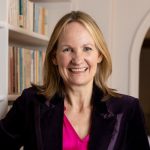
Genna Keller and Anne Marsden With Trevelino/Keller

July 31, 2024 by Jacob Lapera

Atlanta Business Radio
Genna Keller and Anne Marsden With Trevelino/Keller
Loading
00:00 /
RSS Feed
Share
Link
Embed

Download file

Genna Keller, Co-CEO, Trevelino/Keller

She is a public relations and marketing executive with 30 years of experience working in the technology, health, B2B and consumer lifestyle sectors. As agency co-founder, she has been instrumental in guiding 20+ years of growth and leadership, expanding the company from an initial five-person firm to an agency to a nationally ranked and ranked #2 independent firm in Atlanta.

Prior to the founding of Trevelino/Keller, she served on the management committee of Ogilvy Public Relations via the acquisition of Alexander Communications, where she parlayed her technology and innovation foundation across multiple practices – serving as M.D. of the Atlanta office as well as simultaneously serving as M.D. of the N.Y. and D.C. technology practices.

Genna is active with the startup ecosystem in the region and is a member of the Buckhead Coalition. She has been named one of Atlanta Magazine’s 500 Most Powerful Leaders for the past five years and is recognized in Georgia Trend’s Georgia 500 Most Influential Leaders.  She serves on and is an advisor to several service-oriented boards and is a proud graduate of Wake Forest University.

Anne Marsden, Founder of Marsden Marketing

A graduate of Georgia Tech, Anne is a “geeky creative” type who is passionate about using marketing to drive revenue growth. With 20+ years in B2B technology-driven companies, she built and led marketing, business development and sales teams for Fortune 100s and entrepreneurial startups, in the U.S., Europe and Latin America. A high energy, results driven professional, her motivation is to create positive growth for her clients and her team.

She launched Marsden Marketing in 2001 as a marketing consultancy. As technology began to change buyer behaviors, she anticipated the shifting roles and opportunities in B2B marketing and sales, and expanded the firm to provide a complete suite of digital and traditional marketing services. Today, Marsden Marketing is helping clients accelerate growth using the technologies, digital tools and channels that have unleashed the connected world.

Every day, Anne challenges herself, her clients and her team to be bold, think strategically and have fun.

Follow Trevelino/Keller on LinkedIn.

What You’ll Learn In This Episode

  • How has the focus of B2B marketing shifted in the past few years
  • How can B2B marketers stay ahead of the curve in a rapidly changing landscape
  • How has the digital transformation and new technologies affected B2B marketing
  • What are the biggest challenges facing B2B marketers today
  • Opportunities for B2B marketers in the next few years

Transcript-iconThis transcript is machine transcribed by Sonix.


TRANSCRIPT

Intro: Broadcasting live from the Business RadioX studio in Atlanta, Georgia. It’s time for Atlanta Business Radio, brought to you by Kennesaw State University’s Executive MBA program, the accelerated degree program for working professionals looking to advance their career and enhance their leadership skills. And now here’s your host.

Lee Kantor: Lee Kantor here another episode of Atlanta Business Radio. And this is going to be a good one. But before we get started, it’s important to recognize our sponsor, CSU’s executive MBA program. Without them, we couldn’t be sharing these important stories. Today on Atlanta Business Radio, we have Genna Keller and Anne Marsden with Trevelino/Keller. Welcome.

Genna Keller: Thanks, Lee. Well, glad to be here.

Lee Kantor: I am so excited to get caught up with both of you. Before we get too far into things for folks who aren’t familiar, can you give us kind of an overview of Trevelino/Keller? How are you serving folks?

Genna Keller: Yeah, sure. Thanks. So we are a digital and marketing agency, and we’re serving folks in three primary areas public relations, creative services, and growth marketing. Ann and her team have recently joined us to add incredible depth and expertise on the growth marketing path, so we’re incredibly thrilled.

Lee Kantor: So for folks who aren’t familiar, can you share a little bit about maybe definitions of terms like what is growth marketing and what is specifically B2B growth marketing?

Genna Keller: Yeah, sure. Sure. I’ll lead off. And then Ann, you can you can add to it. But at the highest level we define growth marketing as you know, marketing that will grow the business. Right? I mean, it will grow the business from a sales perspective, etc.. And, you know, B2B is certainly a critical part of that. So and I’ll let you add to.

Anne Marsden: Yeah. So Marsden marketing, when we were acquired by Trevelino/Keller, we’ve been doing B2B focused marketing for over 11 years, and the the difference is that there is a need for marketing to now have a revenue responsibility. As a matter of fact, our tagline has been marketing that sells because it’s now marketing’s job to work more closely than ever with the sales organization and to put programs in place that actually move the needle on the sales side.

Lee Kantor: So how is that different than the past? I mean, I have a degree in advertising from many, many years ago, and one of the first things we were taught was it’s not creative unless it sells. So how are we back to that now? Like what? What’s changed? Well.

Anne Marsden: Well, first of all, the biggest thing that’s changed is the shift to digital. And with the shift to digital comes a lot of different aspects of how you do marketing and how marketing supports sales. First of all, B2B buyers don’t buy the way they used to. They now have the ability to go online and learn and make decisions without even talking to a sales person. So there’s a greater emphasis on content marketing and thought leadership, as well as the fact that with digital channels, we can now measure things in a way we never could before. You couldn’t really measure how your advertising was doing 20 years ago, but now you can.

Genna Keller: Yeah. And to add to that, Lee, I don’t think at a high level it’s different, right. You know, you’re not doing marketing just to market. You are doing marketing to sell something. But Ann’s exactly right. You look at the influences and you look at the buyer. I mean, right now we are dealing on the B2B and B2C, but on the B2B end, a lot of these buyers, the majority are digitally native, right? I mean, they they know this and, um, you know, they’re looking at the website first, they’re eMarketer, uh, published a study, 60% from their survey, 60% of the buyers go to the website, to a supplier’s website, 55% go to a webinar, 52% to Anne’s point conducts research, 50% look at peer review sites. So those are all digital platforms that growth marketing has the ability to influence that impact sales.

Lee Kantor: Now, um, just because you can measure something doesn’t mean it’s kind of worth measuring. How do you kind of discern, um, with the metrics that matter and really get down to, um, what are the metrics that matter? And let’s focus on moving the needle in those areas instead of just moving the needle on things that we can measure.

Genna Keller: Yeah, and all of.

Anne Marsden: It is about finding the right KPIs for what you’re trying to achieve. You know, I use the example, the fact that I have 36,000 Twitter followers or X followers doesn’t mean anything unless there’s a through line that says that the interactions that we’re having on that channel are actually educating people and creating more interest for us. So you have to go past vanity metrics and pick the right KPIs.

Lee Kantor: So how do you help your clients do that? Like what does it look like when you’re onboarding a client who obviously is not as savvy as you and maybe has a lot of things they think, they think or think they know. But how do you kind of educate them and move them into the mindset of this growth marketing and to help them understand that, hey, you know what, at one point we thought having, you know, lots of Facebook, uh, followers was a good idea. But to your point, you know, we have to, you know, have a through line to revenue and all of that stuff. While it looks good to talk about, you know, at the club isn’t really moving the needle in your business.

Genna Keller: Yeah, yeah. And I think we can tag team this one in. Um, you know, first off, we as marketers have to understand the client’s business, the prospect’s business. Right. And what are their goals? You know, what are their short term goals? What are their long term goals? Um, and long could be. And short can be defined by any difference measure. But we’ve got to understand what is important to them and where do they need to move the needle. Right. Then, you know, we will look at the different channels that map to that, um, that they understand. Right? They may not understand all of the sausage making in the background, but they understand at a high level what their buyers are influenced by and where they’re going. If they don’t understand that we can even do tests, right, so we can test different channels and then we can explain to them, hey, look, this is who who you’re getting from X, this is who you’re getting from LinkedIn. This is who what’s happening from an email marketing perspective, this is your website traffic.

Anne Marsden: Very often times we have people coming to us and they have a sense of who their buyers are, but they haven’t necessarily dug deep into understanding actually, which channels do they use? Where do they go to learn, as Jenna mentioned, you know, do they use peer review sites? Do they attend webinars? And so, um, every client is different in terms of where they want to get to and what where they sit competitively within their landscape, and doing the research to understand the buyers and where they are. And the best ways to get in front of them is a key part of putting the plans together. It’s really helping them develop a go to market strategy to be the most effective.

Lee Kantor: So how do you help someone develop a go to market strategy when the market changes so rapidly? Like, you know, the search engines change their algorithms. Ai is now coming into play where that’s affecting search engine optimization and how you structure content. Um, how how do you kind of deal with this ever changing moving landscape?

Anne Marsden: So the methodology doesn’t change tremendously. But what you learn as you’re putting your methods to practice does bring you new information. So there’s no such thing as a set and forget mentality. You know, the the thing about being mostly digital is that you’ve got to constantly be iterating, learning and staying at the forefront of the different tools that your buyers might take advantage of, and also the technologies that we can use to better get in front of and service those prospects.

Genna Keller: Yeah, yeah. And Lee brought up the I, you know, phrase, right. It’s omnipresent. Um, and it is the wild wild west of that. And so, you know, we are constantly evaluating the tools and the technologies. And, you know, we’re constantly evaluating how can we stay current and how can we, you know, take advantage of those because you can’t just do those in a vacuum. You still have to have the human filter. Um, to your point, to keep up because everything is consistently changing. But you’ve got to have, you know, the folks that understand and can interpret what is happening in that realm.

Lee Kantor: Now, do you have any advice for the business to business marketer who maybe was relying on some of these third party platforms, like you mentioned, LinkedIn and Facebook and, um, and then they realized that, you know what, when I’m posting there and I’m spending a lot of time and energy and resources there, it’s not going to everybody that I think it’s going to and I’m going to in order to reach all those people, I’m going to have to, you know, pay those platforms. Because the old adage is true that if you if it’s free, then you’re the product. So they are realizing more and more that building up those kind of, um, audiences in those third party platforms isn’t really your audience.

Anne Marsden: I think that you have a good point, Lee, but particularly what it points to is the need for every marketer to understand all of the different channels that they should be using at the same time. We talk about omnichannel marketing because that’s what buyers now expect. But that’s also, as a B2B marketer, the only way you’re going to win. Gartner did a study, and they found that companies that use four or more channels to reach their target audience were 300% more effective in their marketing programs than those that just just used 1 or 2.

Genna Keller: Mhm. And to that point, you know the set it and forget it. That’s that’s gone. And those four to use Gartner’s data could fluctuate and change depending on the month depending on the seasonality of the business depending on, you know, what is going on from a macro economic perspective. You know those your channels are constantly evolving and that is our job to look at them and see which ones are working and which ones are not. And that is the beauty of the digital channels. We can see that, um, and we can see that in real time, and we can make adjustments in real time and advise our, our client base and marketers on what they should do.

Lee Kantor: So any advice for the B2B marketer out there? We’re like, what’s the low hanging fruit today? Where are some, uh, places they should be, um, putting their energy and resources. Uh. Any advice?

Anne Marsden: I think the advice.

Genna Keller: Go ahead. Yeah. Go ahead.

Anne Marsden: Uh, I think I think the advice has to be different for each person in each organization because you have to measure what is their maturity model today. If they’re not, um, super digitally focused, then the first, then start there. If they already have a fairly sophisticated tech stack and they understand that, then the advice becomes, where can you be gaining maximum ROI from each of your investments and using all of your investments together in that technology stack.

Genna Keller: Yeah. And even to back up, um, I think, you know, we can get caught up in the tools and the tech and the AI because that’s it’s cool, right? I mean, and it really is. And, and we have data as marketers that we’ve never had before. But oftentimes I think folks need to go back to the basics. And that basic is their messaging, right? Their content, you know, what are they saying externally to the market and is it right? Are they being consistent, particularly when you look at all of these channels. Right. So I think sometimes, you know, we all need to take a deep breath and just go back and make sure we’re we’re saying what we want to say and then we tweak it, you know, based on all those channels to.

Lee Kantor: Now, can you share a story maybe that illustrates how you were able to work with a company? You don’t have to name the name, but maybe share the problem that they had when they came to you and how you were able to take them to a new level.

Anne Marsden: Absolutely. Um, for instance, without naming clients, um, a very large manufacturer, um, had a had a need because they hadn’t put a lot of focus on their digital channels. They had a website, but that was about it, and they hadn’t really invested in understanding how it was being used. So they asked us to help them form a go to market approach that was digital first, and they recognized that their buyers were retiring, they were aging out and new, and they were selling to engineers, and they had new engineers coming in, so they wanted to find out the best ways to reach them. We started doing the go to market planning and the research. And just to give anecdotally, one of the things we found out, which we didn’t expect, and you don’t sometimes you just don’t know until you do the research. The one of the most popular social media channels for these engineers was Instagram. Turns out that these guys like to take pictures and show what they’ve been working on. So. So that opened up some new ways to get in front of and communicate with them. I mean, but that was only one of many things you have to put an integrated set of programs together to reach those people and get them the content that they need. So who I can tell you, go ahead.

Lee Kantor: Sorry. No, go ahead.

Anne Marsden: To close the loop on that. I can tell you that at the end of the first year, the program was so successful, the board decided to roll it out to the rest of the divisions of the company. They also tinkered with the idea. Because of that, they should stop doing trade shows because why spend all that money to face to face if our digital is being so successful? And we said, don’t stop doing that. You still need face to face. You know, it’s just you need to balance it.

Lee Kantor: So what is the ideal, uh, traveling Keller, uh, client look like now?

Genna Keller: Yeah. Um, I think it is. It is a company that believes in integrated marketing. Um, and particularly understands how marketing can impact sales. Right. And when we say integrated, you know, we do think of folks that understand growth marketing or want to. Right. Um, but also value public relations, the PR side of the business. And that goes back to that content and the messaging. And then you throw in some creative services that could be, um, a website design, it could be a refresh for a trade show, you know, as Anne mentioned. But understanding how all of those disciplines work together and understanding how they can help each other, and it really makes for a a marketing program that is firing on all cylinders. But you also have flexibility, right? So again, there may make some senses where it is you lean more into the PR, then you dial that back and you lean more into growth. So those are the fun ones where we can, you know, really just help them across the spectrum.

Lee Kantor: So what’s the pain they’re having today where a call to Travaglino Keller would be the right move?

Genna Keller: Yeah, that’s a good question. Um, and I think it varies by call and inbound leads that we receive and the folks that we know, some of them, it’s resources, purely a resource. You know, they need help. And they may be, uh, a marketing team of 1 or 2. And, you know, they need help on strategy. They need help on execution. Um, some it may be there is a new product, a new service, a new brand, a new company to launch. And it is that complete go to market strategy, you know, how do we get out there? Some it may be, um, growth pains and they may need funding or they may need to get in front of some strategics from a partnership perspective.

Lee Kantor: And if somebody wants to learn more, have a more substantive conversation with you, either of you or somebody on the team. What is the website? What are the coordinates?

Genna Keller: Yeah. Well, you know, we practice what we preach. So we’ve got all of our social channels. But Trevino Keller comm.

Lee Kantor: And that’s t r e v e l I n o k e l l e r com.

Genna Keller: You got it.

Lee Kantor: Well, thank you both so much for sharing your story today. You’re doing important work and we appreciate you.

Genna Keller: Thank you, Lee, for having us. Thank you.

Lee Kantor: All right. This is Lee Kantor. We’ll see you all next time on Atlanta Business Radio.

Tagged With: Anne Marsden, Genna Keller, trevelino/keller

Ron and Sue Rescigno With Rescigno’s Fundraising Professionals

July 22, 2024 by Jacob Lapera

High Velocity Radio
High Velocity Radio
Ron and Sue Rescigno With Rescigno's Fundraising Professionals
Loading
00:00 /
RSS Feed
Share
Link
Embed

Download file

Ron and Sue Rescigno, VP of Rescigno’s Fundraising Professionals.

A colleague, after reading Ron’s blogs and newsletters, once said, ” He is a person I would like to have a glass of wine or beer with. His literary voice is approachable, friendly, and has a Chicago southside feel to it. His style of writing is both unique and inviting.” A great compliment when you consider that Ron doesn’t drink and isn’t originally from the south side of Chicago.

His new book, Fatal Fundraising Flaws,” has been written for fundraising professionals who know they’re leaving money on the table.
Ron has helped nonprofit organizations grow their base of support for over 33 years. It is Ron’s hope that his new book will help nonprofit organizations raise more money so they can do even more good in the world.

He is known as a thought leader for nonprofits who seek new and creative ways of appealing to their constituents. Ron holds a BA in English from Lewis University and an MA in Educational Administration from Governors State University.

Sue spent the early years of her professional career in development at prestigious educational institutions such as Illinois Institute of Technology and St. Xavier University. During her tenure at IIT, she won awards from Council for Support of Education (CASE) for Sustained Performance in the annual fund.

Her degree is in Mass Communications from St. Xavier University. In 1992 she started Rescigno’s in her garage because she saw a need for the services RMS offers. The business has continued to grow and has helped more than 700 nonprofits achieve their fundraising goals.

Follow Rescigno’s on LinkedIn.

What You’ll Learn In This Episode

  • Why some nonprofit’s fail
  • What role does communicating with donors play in getting donations from individuals
  • If an individual makes a gift of support to a charity organization what does he have the right to expect in return
  • Is it a good idea for nonprofit organizations to describe what they need from donors
  • Does direct mail still have a role to play in raising money

Transcript-iconThis transcript is machine transcribed by Sonix.


TRANSCRIPT

Intro: Broadcasting live from the Business RadioX studios in Atlanta, Georgia, it’s time for High Velocity Radio.

Lee Kantor: Lee Kantor here another episode of High Velocity Radio, and this is going to be a good one. Today on the show we have Sue and Ron Rescigno and they are with Rescigno’s Fundraising Professionals. Welcome.

Ron Rescigno: Thank you. We’re glad to be here.

Sue Rescigno: Hi, Lee.

Lee Kantor: Thank you. Well, I am so excited to learn what you’re up to. Tell us about your firm. How are you serving folks?

Sue Rescigno: Okay, sure. So Recinos has been in business for over 33 years. We started actually out of our garage and as a direct mail communications office for nonprofit organizations, and we have grown to be a full service consulting firm for nonprofits, helping them raise money to do great things in the world.

Lee Kantor: So was your backstory that both of you were involved in nonprofits.

Ron Rescigno: Actually? Um, yes. That is our backstory. I was involved in Catholic high school education for 23 years, first as a teacher and then as an administrator, and Sue has worked at um. Several nonprofit organizations write.

Sue Rescigno: In fundraising and development.

Lee Kantor: So you mentioned that you’ve been doing this for several decades now. How has kind of the landscape changed when it comes to fundraising for these nonprofits?

Sue Rescigno: Wow, it’s changed a lot. Well, what’s interesting that we’ve been since we’ve been in it so long, we’ve seen the different trends and and we’ve gone through the, you know, the recession. Um, where okay. So how did that how did the recession really change? Nonprofit fundraising. It changed it in terms of people were doing like they were sending out to the masses of people, so they were communicating with maybe 50,000 people, asking them to support their organization. And they were doing beautiful, like brochures and really flashy things when the recession hit. The donors said, please don’t spend so much money on that, so be smarter about it. So what we did at Recinos was we started targeting. So we do a lot more with data, like who are you communicating with and why? And so we research that before we ever send anything out. And then the pieces are simple. They are they are simple solicitations, um, like an eight and a half by 11 letter. I’m sure you get these. They’re appeals from your college or nonprofits that you are, um, connected with. And so like that change happened during the recession and then things started to come back. Um, and people started doing, uh, fancy brochures and things like that again. And then the pandemic hit and we went right back and something interesting that I just want to throw out here is that direct mail fundraising is still the number one source of finding new donors. Everybody thought email was going to change that and it never did. And that was proven during the, um, pandemic. So yeah, that’s just one interesting trend.

Ron Rescigno: And that’s what we have specialized in for these past 33 years that we’ve been in businesses, direct mail, fundraising. We’ve, um, begun a transition into helping organizations with capital campaigns now, major gifts and mentoring and coaching. But it’s it’s still that one on one piece that you get in the mail that gets the best response.

Lee Kantor: Now, I, um, in my business, I interview businesses and nonprofits and a variety of industries and sectors and the nonprofits I find they lean on, like galas as their big fundraising. What’s your take on that?

Ron Rescigno: So. So, uh, it’s it’s very interesting because, um, the galas are great things for a lot of organizations. They raise a lot of money. But when you when you kind of measure that against the time that it takes to put the time and the, uh, the physical time as well as the, the emotional time that it takes to put one of those events together. We often say, why not target one of your best donors or a couple of your best donors and ask them for a specific amount that you expect to to raise from from a gala and avoid all that. In my opinion, unnecessary work that you could be spending on creating more relationships with more donors.

Sue Rescigno: Yeah, if I could just add to that, I think that, um, it’s good for cultivation. It’s good to keep your donors connected to each other, bring everybody together. But I agree with Ron. The work that’s put involved in them, you’re much better sitting sitting down with a donor and ask them, asking them for $100,000 gift than trying to put all that work and staff into a gala.

Lee Kantor: That was my instinct as well. It seems like the galas are a lot of work, a lot of headache, but it just seems that that’s the go to move for so many of these folks is I got to put this thing and all of a sudden they’re become event planners, and then they got to go out and get silent auction things. And like, everybody is doing things that they’re not like, great at, and they’re begrudgingly doing it in the hopes that at the end of the day, when they look at the numbers, it’s like you said, couldn’t we have done something else that’s more efficient use of all of our times and talents?

Sue Rescigno: Right. And you’re.

Ron Rescigno: Exactly right.

Sue Rescigno: And that’s why we we work a lot with our clients data. So looking at the data and examining like, um, who you have in your database. So are they candidates for an annual fund gift? You know, maybe a gift of $5,000 or less, or are they candidates for a larger gift? And then you can develop major gift campaigns. And maybe you have are having small little events, maybe like where you have your major gift, people coming to have dinner with your president or dinner with your executive director or a breakfast or something like that. That type of event with major gift prospects is very important.

Ron Rescigno: The kind that’s much more focused.

Sue Rescigno: Exactly.

Lee Kantor: So part of the strategy in your model is obviously sending direct mail and direct communication with a select audience of your kind of superfans. How do you help your organizations build that list to begin with, to get people in that funnel so they can solicit them at some point?

Sue Rescigno: Right. So it all depends. So you always start with the list that they already have. So what we normally find is that a client will have a list of. It could be ten, 20, 25,000 or more um in their current database. But they only communicate with a certain number. Right. So our question is always like, well, who are those people on your list? So you would always start with the current list. Um, and then there are ways to add to your list by working with your board. Um, getting names to put on your list. Um, uh, doing kind of a friend raising thing. There are acquisition, you know, purchasing lists. You can buy lists that, um, you can acquire lists of, um, people that look like your current donors. So you do a profile of your current donor, and then you buy a list of people who look like that. So and you do that gradually, um, because that costs a lot. But normally, you know, people should be mailing to at least 5000, um, and then they want to add maybe 2500 per year. They, they add people, they take people off. But that’s how you maintain the list.

Lee Kantor: But how do you build the list from scratch? Like, say you’re a new or, uh, you know, an emerging nonprofit? How do you kind of get up to that 5000? Is it through kind of the initial board and you just kind of build it, you know, individual by individual?

Sue Rescigno: Yeah. Um, yes. And if you’re a brand new nonprofit, I would suggest purchasing a community list and people within your community. I always tell organizations that it’s it’s, um, people are happy that nonprofits exist in their area. Um, so and and but they need to be aware of what you’re doing. So in the beginning and getting that list, um, you’re, you would acquire a community list.

Lee Kantor: And then once you have that kind of at least a minimum number, you’re saying, I think I heard you say around 5000 is kind of the number you need in order to kind of start working that list to get the results you’re going to want.

Ron Rescigno: Exactly.

Lee Kantor: And then is that the ideal, um, client for you, somebody who has a list already of at least 5000?

Sue Rescigno: Well, yes, that would be ideal for us. Um. However, we also work with, um, clients that are much larger, um, that already have their list. And sometimes, um, many times, um, clients will come to us because their program is stagnant. Um, and we find that there are basic fundamentals that people need to be following. And like one of the things that is really important is that you’re not only asking and soliciting, um, gifts, but you’re also, um, uh, sharing information with them. And you want to talk about like, impact. And.

Ron Rescigno: Yeah. So, so one of the big things that we, we really focus on and try to impart to our clients is that when you send out a solicitation letter, it the letter should be what we call donor focused or donor centered. And by that I mean it should not. The letter should not be about how great your nonprofit is. And look at what we’ve done in the last six months or the last year. And and that’s why we’re worthy of a gift from you or an increased gift. Rather, it should be. Look at the opportunity you have as a donor to make an impact in the world. You have an opportunity to to really make a difference and tell stories that kind of reflect on that difference that a donor or a potential donor can make. And when donors see that there is a need to help someone rather than to help an organization. It’s to help someone who would benefit from what the organization does that gets them to open their pocketbook.

Lee Kantor: So they like to see kind of where their money’s going and what kind of impact it’s making, not just, hey, give to our cause because we’ve been around for 150 years.

Ron Rescigno: You hit it right on the head. That’s exactly what we we try to to talk with our clients about all the time And, you know, uh, there is, uh, the tendency is to want to talk about, look at what we’ve done. And this is why we deserve your support. And there is a place for that, for example, in a newsletter or um, um, a an impact report, but in a, in a letter where you’re asking for a gift of support, it should be about how the gift can make a difference in someone’s life. Who who the organization is, uh, says in their mission that they’re trying to help.

Lee Kantor: Now, you mentioned nonprofits, obviously, as kind of your sweet spot. Is there a niche within nonprofits? Is it medical? Is it, uh, business associations are there, you know, are they health related? Are they community related? Like what’s what’s a good nonprofit for you and what’s not?

Ron Rescigno: Well, probably one of our top, one of the top, um, niches is, uh, educational institutions. We work with, um, several community colleges across the country, a health care organizations. We work with hospitals, religious organizations, um arts and culture, um, animal welfare organizations to name. And museums which would fall under the arts and culture. Uh, just to name a few.

Lee Kantor: And then, uh, I mean, talking to you just for these few minutes, you can see there’s a wealth of knowledge, but you’ve kind of documented some of this knowledge in a new book, Fatal Fundraising Flaws.

Ron Rescigno: Yes. Thank you. I’ve, uh, I wrote the book and, uh, actually, it, uh, the launch of the book was about a month or so ago, and, uh, it’s available on Amazon. And what I do in the book is I talk about mistakes. Common mistakes, um, in many cases, simple mistakes that nonprofits make that cause them to not get funded, not have the revenue coming in that they they deserve to have, that they should have. And I offer solutions to, um, to to fix those mistakes. One of the most common mistakes is nonprofit organizations do not invest in their fundraising program. They don’t put enough money into the program in terms of resources, in terms of the technology that’s needed today to to really, um, do well and in terms of staffing their fundraising departments. Uh, the more you, you staff and the more technology you use to your advantage, the more, um, support you’re going to receive.

Lee Kantor: Now, is there a story you can share? Don’t name the name of the group, but maybe share the problem that they came to you with and how you were able to help them get to a new level.

Ron Rescigno: Um. Let me.

Sue Rescigno: Oh. Oh, sure. Yeah. That one. Okay, so, um, yes, I can share this. So, uh, we work with a very well known, um, national organization that, um, came to us. Um, they raise their religious organization and they raise a lot of money every year. And they were just stuck. It was just stagnant. And the thing is that they had been doing it the same way every year and never examining it. Okay. By that, I mean, um, they had a good program. Um, but they weren’t analyzing everything. So when we asked them about the analysis and how it compared to the previous years, um, we could see that, um, it was just stagnant. And so we asked them, um, they weren’t getting their acknowledgment letters out in an appropriate time. That’s a huge thing. So that there’s a cycle of you have to ask for a gift, whether it’s a large gift or it’s a it’s an annual fun gift. If it’s a major gift or an annual fund, you have to ask for the gift. You have to acknowledge the gift in a timely manner. You have to share the impact, and then you have to ask again. And so normally when clients come to us with a um, issue, it’s that they’re missing one of those steps. And a lot of times it’s the acknowledgment or sharing the impact. They’re good at asking, but they’re not sharing enough other information with the, um with the donors.

Ron Rescigno: Does that or or there are organizations that maybe aren’t so good at the asking part because they are reluctant to ask too often. And that’s a real myth when it comes to fundraising. Is that, um, all we we already asked that particular donor, uh, six months ago, and we received a gift from them. We don’t want to ask them again for another gift until a full cycle of a of a year has gone by. And what our research tells us time and time again is that if you have a compelling story, a compelling reason for the donor to give, ask again after you have told them about the impact their initial gift has made, because more often than you would believe, you’ll get a second gift from him, from them. And guess what happens then? You then can kind of begin to get the idea that, gee whiz, that individual may become someone who may become a loyal giver for a number of years and a major gift candidate, or a legacy gift candidate.

Sue Rescigno: Oh, and could I just say, I just want to add so that one organization that I was that I mentioned, um, what they worked with us when we started working with them by following a plan. They didn’t really have a plan. They just kept doing everything that they did the year before. They didn’t really have a plan. When we put together a plan that included these, uh, more of the about acknowledgments and sharing the impact and also analyzing what they were doing, they increased within two years. We increased it by 60%.

Lee Kantor: Yeah, it’s funny when you have the right strategy and you execute it, all of a sudden good things can happen. Instead of having no strategy and just hoping and then doing what you did, you know, last year and just thinking it’s going to work. It’s um, a lot of times you need those fresh eyes and people like you that have kind of the experience and, and have kind of the scar tissue of learning the hard way. What works, what doesn’t work, what’s optimal in being able to give best practices and all the groups that you’ve worked with? I mean, it seems kind of like a no brainer to at least have some conversation with you just to learn, you know, what’s what. What is the typical kind of first, um, project for you? Like, what do people have to bite off on a whole major campaign? Or how do people work with you?

Ron Rescigno: Um, many people, many organizations work with us, uh, on year long plans. And that is the ideal way to work with us, because, um, we can create a plan that builds a program from, uh, the ground up. There are individual cases of organizations that choose to work with us on what we call one off projects, and that’s fine. Um, we.

Sue Rescigno: That’s fine because once they work with us, they then want to sign on with a yearly contract.

Ron Rescigno: Well, that’s that’s that’s true. Right. And we we build a straight we can build a strategy with those organizations that that sign on to do yearly work. And what we have found is then they they stay with us for years afterwards. Right.

Lee Kantor: And then if people that don’t have the budget, they can get the book and at least begin.

Ron Rescigno: Well, that’s what we believe. Uh, and the book, as I said, is filled with these common mistakes that nonprofits make. For example, Sue was referencing the large organization that was just they were kind of stuck in a rut. They were satisfied with what they were doing, and but they weren’t motivated to do better. Complacency is a, a a big mistake because there’s so people want to support organizations that are doing good work in the world. But unless you’re you’re out there getting your not only your name out, but your story out, your mission and your vision out there. Um, people don’t don’t know that you need more money to do more good in the world.

Lee Kantor: So if somebody wants to learn more, what is the website? What is the best way to connect with you?

Ron Rescigno: Our website is dot recinos. That’s r e s as in Sam signals.com and it’s ron@recinos.com or sue@recinos.com.

Lee Kantor: And then you can learn more about the book there. And, or you can just go to Amazon and get the book there.

Ron Rescigno: Exactly. You can learn about it on the website or go to Amazon.com. The book is available there. Yes.

Lee Kantor: Well, uh, Ron and Sue, thank you so much for sharing your story today. You’re doing such important work, and we appreciate you.

Ron Rescigno: And we.

Ron Rescigno: Appreciate you.

Sue Rescigno: Yes we do. Thank you. Lee.

Lee Kantor: All right. This is Lee Kantor. We’ll see you all next time on High Velocity Radio.
Tagged With: Rescigno's Fundraising Professionals, Sue and Ron Rescigno

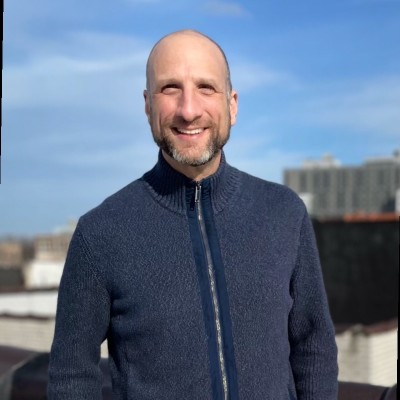
Andy Cagnetta With Transworld Business Advisors

July 22, 2024 by Jacob Lapera

South Florida Business Radio
Andy Cagnetta With Transworld Business Advisors
Loading
00:00 /
RSS Feed
Share
Link
Embed

Download file

DTLLogo-Blue-Bannerv2Andy Cagnetta came down to Florida in 1995. While looking to buy a business, he encountered a company named Transworld Business Brokers. He continued his search for a business but was offered a position at Transworld as an agent.

He joined the company and quickly became one of South Florida’s top performers. Now Transworld Business Advisors is the number one business brokerage and international franchisor through a partnership with United Franchise Group.

They have currently over 700 business brokers in the organization and have over 5,000 businesses for sale. They also have 200+ franchisees in the US and several internationally.

He is a recognized speaker and trainer in the subject of business sales, valuation, and negotiations. He has taught his self-authored negotiations class to associations, construction companies, media sales teams, government agencies, high school & university students.

His signature charity event “Andy’s Family Pasta Dinner” is in its 21st year and has raised over $2,500,000. He is father to two. Rachel, Lauren and his wife, Allison are Hollywood residents (Allison since 1970, Andy since 1994).

Connect with Andy on LinkedIn and follow him on Facebook and Twitter.

What You’ll Learn In This Episode

  • How is Transworld Business Advisors revolutionizing the business brokerage industry
  • How does Transworld Business Advisors engage with and give back to the community

Transcript-iconThis transcript is machine transcribed by Sonix.


TRANSCRIPT

Intro: Broadcasting live from the Business RadioX studios in South Florida. It’s time for South Florida Business Radio.

Now. Here’s your host.

Lee Kantor: Lee Kantor here, another episode of South Florida Business Radio, and this is going to be a good one. Today on the show, we have Andy Kenyatta who’s the CEO with Transworld Business Advisors. Welcome.

Andy Cagnetta: Thank you. Thank you Lee. Thanks for having.

Lee Kantor: Me. I am so excited to learn what you’re up to. Tell us about Transworld Business Advisors. How you serving folks?

Andy Cagnetta: We help people sell businesses. I think that’s the easiest way to describe it. We’re like a realtor. We go to businesses who are looking to sell. We package them up for sale. We do a worldwide search, and we bring them someone who is hopefully very qualified and wants to pay them a lot of money.

Lee Kantor: So what’s your background? How did you get into this line of work?

Andy Cagnetta: It’s funny, I bought and sold the business in the northeast. If you couldn’t hear it in my voice yet. And I, my wife grew up down here in Florida. And so 30 years ago, I, my wife and I decided to raise our family in South Florida. We moved here and I was looking to buy a business, and I went to a lot of business brokers. And in that process I ran into Trans World, and they invited me to join the team as a sales person, which I did, and I thought it was a good way to get to know Florida. I didn’t know anybody, so I was successful in selling in my first year, and I really loved the business. And two years into my salesmanship here at Transworld, uh, the owner decided to retire. And so I bought the company in 97, and I’ve been running it ever since.

Lee Kantor: Now, was it a franchise at that time?

Andy Cagnetta: No it wasn’t. We were one office in East Fort Lauderdale, and we were. We had about six people at the time, and we sell about 30, 40 businesses a year. And we grew from that point. We we, we we took on some capital along the way, and we grew to ten offices in Florida, which we still own and operate. And then in 2009, of course, the world was crumbling. Uh, everything was we were trying to figure out what to do next. And, you know, it took us 13 years to kind of grow to ten offices in Florida. And we realized that we really needed people on the ground, partners in other cities like Atlanta and Charlotte, and which we thought were our next stops. And we figured out that, you know, what’s a good partnership arrangement out there in the business world? That seems to work. And we said franchising. So when we looked into franchising, we realized that we didn’t know what we were doing. And we were introduced to United Franchise Group, which most famously owns Cinerama for over about 40 years now, and they own several other brands venture X and Great Greek and, uh, and several other things. So we partnered back in 2010, 14 years ago, and we’ve grown Transworld to over, you know, 250 offices and over a thousand associates around the world.

Lee Kantor: So when you decided to franchise, um, obviously a franchise is a business that folks are buying into because of their expertise and their, you know, industry knowledge. Did you have your business kind of, uh, formatted in the manner you needed to franchise, like, you know, the kind of the business in a box with the operations manuals and all the all the methodology that helps a person in a new market get up and running.

Andy Cagnetta: Yeah, I want to think we did. Uh, but, you know, certainly over the last 14 years, we’ve continued to improve our systems. We had a good system. I mean, we had ten offices in Florida. We were managing, managing them from afar. So we had pretty good systems and good training program, things like that. Uh, I have to say that getting a, you know, together with the United Franchise Group, uh, they taught us a lot about really putting your business, uh, you know, all the recipes, all the systems, all the, uh, you know, I always tell people my job is to provide tools for people to succeed, and that’s what we do, you know, as far as providing tools to our franchisees.

Lee Kantor: Yeah, I’ve had the, uh, I’ve been fortunate enough to, to run shows where I’ve interviewed. I had a franchise marketing show for many years, and I’ve interviewed a ton of franchisors and franchisees over the years. And, um, you decided to be a franchisor but still operate as a franchisee. Is that important to you in order to kind of really understand what your franchisees are going through? So, you know, you’re living it as well? Because a lot of times when people franchise, that’s a whole other business is being a franchisor that’s no longer the business of whatever your franchise was.

Andy Cagnetta: Yeah, it’s absolutely a different business. And you’re absolutely correct that what’s nice is when we come out with something new at Transworld or we change something in the system, they everybody in the system realizes that, you know, Andy’s and his Florida offices have to do the same thing. And so there’s, you know, you can’t they can’t really point to something and say, well, you just did that to save money or you’re doing that and it’s hurting us. It’s like, no, what we usually do is when we decide to roll out something new, we first test it, uh, here in Florida, I might even pay out of, you know, my Florida budgets to do something, and then we roll it out. I mean, things have changed over the last several years since we’ve gotten so big. We have several franchisees that are extremely successful across the United States. And we have a franchise advisory council, and we have an ad fund. And everybody kind of pitches in in testing different things. But you’re right, it does give us a unique perspective that we’re on the streets still every day. And I get to hear about what needs or what shortcomings certain things would have, or what’s changing on the street, like raising interest rates or things like that would immediately, you know, uh, be a headwind in selling businesses.

Lee Kantor: Now, when you decided to franchise, how did you kind of develop your avatar of who the ideal, um, franchisee would be? Were you just modeling it after? Who was managing your offices throughout Florida, or did you have to kind of do a different calculation on who that entrepreneurial person in a new market who maybe isn’t as familiar with Transworld would be?

Andy Cagnetta: You know, I really have tried to profile what the perfect franchisee is, and, uh, I, I still can’t predict who’s going to do really well in this business and who’s not. Um, but I think we’ve narrowed it down somewhat. Uh, you know, X entrepreneurs are very good. Uh, and certainly when you have a franchise system, you want people who are going to follow the system. So we have some ex-military people, people at, you know, that have been in corporate jobs that understand finances but can follow a system. Uh, so we do look for those kind of people, uh, to, you know, become franchisees. Uh, it is a different kind of game being in the business brokerage world. Uh, you do need some upfront capital to kind of fill the funnel, uh, and eventually get commissions. Uh, so, uh, it does take a unique person to get in this business.

Lee Kantor: Now let’s talk a little bit about kind of the nuts and bolts of Transworld Business Advisors in a given local market. Um, you mentioned you’re helping people sell their businesses. Um, are you handling both sides of the marketplace or are you helping them also buy businesses?

Andy Cagnetta: Yeah, the short answer is yes. We handle both sides of the transaction. Uh, and oftentimes we’re cooperating with other brokers out there in the world, much like realtors do. And we, um, so, yes, we we actually handle the whole transaction. We it’s kind of starts on the seller side because for the last 30 years, at a 28 of those 30 years, it’s really been a seller’s market where there is less inventory of businesses for sale and more inventory of buyers that are looking to buy. So. So for the most part, when we get a good business for sale, we’re we can probably find a good buyer for it if it’s priced correctly and it’ll sell. Uh, the hard part is, you know, that we have so many buyers sometimes, and and Florida is unique, uh, to and not unsimilar to other places. But Florida is unique in the fact that we have a thousand people a day moving to Florida. We have a lot of money moving into Florida over the last several years. So there’s a lot of kind of people chasing opportunities or looking for opportunities. And there’s a, you know, basically a a scarcity of opportunity.

Lee Kantor: So what is a day in the life look like for a franchisee in a market?

Andy Cagnetta: You know, a day in the life of franchisee in the market. You know, it begins with, uh, becoming a trusted advisor in your community. And we do a lot of things to go out there and get into the business world. We might join chambers, we might, uh, get into networking groups. So, you know, when when a day in the life, the first, the at first early morning light, you’re probably attending a BNI meeting. Uh, you’re getting together with other business people in the world because a lot of what we do, uh, just kind of comes up. We need to be there when they need us. And so getting together with accountants and attorneys and investment advisors and landlords when they’re dealing with the people that are in small business and they all of a sudden have to get out. And one of the the D’s happened to him. They have a divorce, they have a death, they have disability, they have, uh, disagreements. Uh, so we’re there when they decide, hey, it’s time to sell my business. So the really the day in the life of the franchisee is going out there into the world, uh, and finding businesses that want to sell. Once you have them, then you are also at the same time fielding inquiries, setting up zoom meetings and or in-person meetings to tour those businesses and then managing the the deal process, uh, which can be, you know, long and complicated.

Lee Kantor: Now, when people sell their business typically are is this something that you find? Most people are proactive and they go, okay, you know, I’m going to sell in five years. So maybe I got to start now, start doing some of this stuff to get ready for this sale. Or is it, like you mentioned, that something, um, changes like one of the DS, I guess sneaks up on you and all of a sudden now you have to sell, and now you got an emergency situation where you. In that case, you probably don’t get as much as you could have if you had planned for it.

Andy Cagnetta: Yes. To all the listeners out there in the world, if you would just get with us 2 to 3 years before you wanted to sell your business, and we could give you some practical advice to increase the value of your business, uh, that would be great. But realistically, that usually doesn’t happen. What usually happens is people come to us, like we said, after one of these life events, uh, and they come to us ready to sell now. And it really at the best, uh, it’s a on average nine month process to sell your business. So it could be maybe as short as 3 to 6 months. But really, as long as, you know, it could be over 12 to 18 months to find a buyer and get a deal done, uh, to sell your business. So it would be great if people came to us.

Lee Kantor: So coming to you, does that require, um, okay, I’m, I come to you, I meet you at the BNI. Now, do I have to cut a check to Transworld today, knowing that in three years I’m going to sell my business? Or is this something that we get to know each other? You do some general things, and then you know when it’s time for the transaction, you get paid like a real estate agent.

Andy Cagnetta: Yeah, we get paid a success fee for the most part. Uh, unless there’s maybe other things like valuations that need to get done or something like that. But for the most part, 90% of the time we’re getting a success fee. Uh, when you come to us and you say, hey, I want to sell in two years, it’s usually just a general conversation. We’ll get together. We’ll look at your books and records, and we could at that time either do a just kind of back of the envelope kind of valuation on your business, and I’ll give you an idea of what we think the business would sell for in the marketplace now, and maybe some things you could do to increase that value over the next 2 or 3 years and start doing some of those things are is making it more appealing for a bank financing, increasing the revenues and earnings over the next five years, maybe having better books and records, uh, maybe having more, uh, uh, customer um, not having a customer concentration issue, having more diversity in your customer base, uh, getting the right employees in place, though, all those things can increase your value over the next couple of years. Uh, to get you the best price.

Lee Kantor: And then is the typical transaction to a stranger, or do you help if the, you know, maybe the managers of the organization want to buy the thing or the, you know, the employees, like, do you help in those kind of manner in that manner, or is it typically somebody else is looking for a hardware store so you sell it to some stranger.

Andy Cagnetta: Yeah. So the interesting thing is, yes, we do that. And in fact, we just closed the deal yesterday and I forget what kind of business it was, but where the employees bought the business. Uh, that doesn’t happen often. Uh, sometimes they think that’s going to happen. I just recently have a friend of mine who wants to sell their business to their employee. And really, when push came to shove and they realized they had to sign a, uh, go out and get a loan and sign a, you know, maybe pledge their house. Uh, if you’re going to get an SBA loan, you have to, you know, sign personally, uh, a lot of people don’t want to do those kind of things. Uh, they’re not built to be an entrepreneur. So a lot of times we are selling to a stranger and most often, which is unusual. A lot of people don’t. Wouldn’t think this we’re selling to a first time buyer, a buyer who or the first time is buying a business.

Lee Kantor: And are the businesses that you’re selling? Are they other franchises or are they independent businesses?

Andy Cagnetta: Yeah, 90% of the time it is an independent business. Um, certainly franchising is incredibly hot and we sell a lot of franchises, you know? Um, mostly what Transworld does is sell, uh, resale franchises where someone, someone has already owned the franchise. They’ve ran it for several years, and we’re going to resell it to somebody else. Uh, you know, the the big brands out there in the world, the McDonald’s, the the Dunkin Donuts, the chick fil A’s, they’re selling their franchises directly and in and a lot of those cases, very popular franchises. It’s very difficult to get into that system. Uh, but if you find an up and coming franchise, sometimes we, we handle those things as well.

Lee Kantor: So can you share you don’t name the brand or the company, but your biggest success story in terms of you help somebody get maybe more than they even imagined?

Andy Cagnetta: Yeah. It’s funny, we just had a business where the person was going to close the business. Uh, they felt like there was time to retire. They didn’t even think about selling. Uh, they were going to walk away from the business. Now, they had, uh, about $300,000 in, uh, in, in inventory. So they would have walked with maybe $300,000. Uh, once they sold off that inventory. Uh, but we wound up getting them almost a million and a half dollars for their business. Uh, and, you know, they were very happy. Uh, and and we there’s lots of stories like that. Uh, we just sold a roofing company, uh, for about $26 million. Now, those are very large transactions. We sell, uh, small mom and pop business businesses as well. I actually sold my own father in law’s, uh, medical practice for under $100,000. And, um, you know, he was just wanted a given opportunity to a young doctor to come in to South Florida and get a good, uh, medical practice.

Lee Kantor: And do the. Do the companies you sell typically have real estate or they have things that can be collateral collateralized like that? Or can they be service industry like an advertising agency or something like that?

Andy Cagnetta: You know, you got to think of the cross section of here of South Florida and South Florida is is unique in the fact, I think, as opposed to the northeast, where businesses have been around for hundreds of years. You know, Florida for the most part grew in the 1960s and 70s and and so a lot of the real estate down here is not owned by businesses. So about nine, you know, very few times about 90% of the time, uh, the business is just renting. Um, and listen, owning the real estate, there are a lot of businesses that own the real estate. We actually were helped to make, buy, sell. And that was a real estate transaction where the real estate was there. And that was a big asset in that, in that transaction. And uh, so, uh, but as the prices of real estate go up down here in Florida, sometimes it’s actually making it difficult for those small businesses to remain, uh, in that place. Um, signature Grand, perhaps an example of a business where the real estate is so was so valuable that it was hard to sell it. The catering company to somebody else. Um, and it was more valuable as just a piece of real estate.

Lee Kantor: So what, um, what are you seeing as kind of the trends in this space? Is this a good time to be a business broker?

Andy Cagnetta: Yeah, it’s a great time to be a business broker. Uh, we were having record years over the last several years, uh, that baby boomers need to retire. Uh, there are 12,000 baby boomers turning 65 every single day. Uh, this year, um, there are there’s a $12 trillion of private equity that needs to pass along to the next generation. And what we see out there in the world is the next generation doesn’t necessarily want their parents or their grandparents businesses, uh, they’ve grown up, they’ve done other things. Uh, they’ve gone to college and they don’t want the full service. They don’t want the, uh, convenience stores. They don’t want the restaurant. They don’t want the, uh, cleaning franchise. Uh, you know, there’s all kinds of businesses out there we sell, and, uh, you know, again, there’s people immigrating to Florida from all over the world that want those types of opportunities. And and so it’s been a good it’s been a good run over the last several years, uh, even during Covid.

Lee Kantor: So before we wrap, any advice for the person that, um, you know, it would be great if they sold their. Maybe they are not ready to pull the trigger yet, but what steps would you take today? If you know, at some point you’re going to sell your business? Is there any low hanging fruit they could be doing now to make them get the best price?

Andy Cagnetta: Yes. Keep good books and records, please everybody. Number one, have a great CPA. There’s plenty of good CPAs out there. Have a good one. Number two, make sure your books and records are in order, and somehow you’ve put them in some sort of computerized system, whether you have a POS system, uh, purchase of sales system at a retail store, or have some sort of, uh, system inventory system inside of a distribution company, or whether you have some sort of work in progress, uh, system, uh, inside of a construction company, whatever it is, uh, get everything so you have up to date minutes of KPIs, uh, keep, you know, performance indexes that you can eventually show a buyer and say, this is exactly what you’re getting, and then, uh, don’t wind things down. Uh, you know, the banks, uh, the buyers all want to see businesses that are in a growth mode that, you know, over time. And here in Florida, again, thousand people a day moving here, if you’re doing the right thing out there, you can’t help but grow. And so as the business grows, you’ll be able to sell the business.

Lee Kantor: And then what about in terms of keeping having a good manual or, uh, standard operating procedure.

Andy Cagnetta: You know, anything you can do to, uh, number one, read the E-myth by Michael Gerber. Right. So, uh, and systematize your business, and you don’t want to be the chief cook and bottle washer. You do not want to be working 60 hours a week. You want this business to be easily transferable. So that means that you have employee manuals in the place. That means that those people are doing jobs that can be replaced. You don’t have, you know, business business, uh, employees that are so specialized that they no one else can do that work or no one has that knowledge. Yeah, that’s really important as well.

Lee Kantor: So what do you need more of? How can we help you?

Andy Cagnetta: We need more people who want to sell their business. Uh, you know, and we’re always looking for people who want to work at Transworld, too. We could always use more people. If you have your real estate license out there and you did, you know you don’t want to sell homes anymore. And you’re thinking, hey, maybe I could sell businesses. Uh, we’re always looking to hire people around the country, literally around the world, uh, who want to get into the game of buying and selling businesses. And of course, uh, you know, if you want to buy a Transworld office somewhere, uh, out there in the world, we could talk to you about that as well.

Lee Kantor: So if somebody wants to learn more, where should they go?

Andy Cagnetta: Go to T Worldcom. That’s the easiest thing. T Worldcom. And you could go to LinkedIn, look at my profile and hit me up there or, you know, shoot me an email at AC at world, and, uh, I’ll be happy to talk to anybody.

Lee Kantor: All right. Well, Andy, thank you so much for sharing your story today. You’re doing important work, and we appreciate you.

Andy Cagnetta: Thank you. Lee. All right.

Lee Kantor: This all right, this Lee Kantor. We’ll see you all next time on South Florida Business Radio.

Tagged With: Andy Cagnetta, Transworld Business Advisors

Serial Entrepreneur Betsy Pepine

July 18, 2024 by Jacob Lapera

High Velocity Radio
High Velocity Radio
Serial Entrepreneur Betsy Pepine
Loading
00:00 /
RSS Feed
Share
Link
Embed

Download file

Betsy Pepine is a serial entrepreneur in real estate. Her brokerage, Pepine Realty, has been named as an Inc. 5000 Fasting Growing Private Company in the USA multiple times and has earned spots on the Top 50 Florida Companies to Watch and Florida Trend Best Companies to Work For lists.

Additionally, the Wall Street Journal has consistently recognized Betsy’s real estate team as one of the top-producing real estate companies in the United States. Betsy also owns a title company, real estate school and property management brokerage.

She is endorsed by her mentor, real estate mogul, and Shark Tank shark Barbara Corcoran, as well as leading media personalities Dave Ramsey and Glenn Beck. Passionate about helping at-risk families with children, she founded Pepine Gives, a 501(c)3 non-profit foundation that helps families facing housing insecurity.

She earned an economics degree from Duke University and an MBA from The Wharton School of Business at the University of Pennsylvania. Born in Philadelphia, Betsy now resides in Florida with her family.

Connect with Betsy on Linkedin and follow her on Facebook.

What You’ll Learn In This Episode

  • Her entrepreneurial journey
  • Her upcoming book release – Breaking Boxes: Dismantling the Metaphorical Boxes that Bind Us
  • Her non-profit – Pepine Gives

Transcript-iconThis transcript is machine transcribed by Sonix.


TRANSCRIPT

Intro: Broadcasting live from the Business RadioX studios in Atlanta, Georgia, it’s time for High Velocity Radio.

Lee Kantor: Lee Kantor here. Another episode of High Velocity Radio, and this is going to be a good one. Today on the show we have Betsy Pepine, and she is the author of a new book called Breaking Boxes Dismantling the Metaphorical Boxes that Bind us. Welcome.

Betsy Pepine: Oh, thank you, Lee. So happy to be here.

Lee Kantor: I am so excited to learn about this book. But before we get into it, can you share a little bit about your backstory?

Betsy Pepine: Yes, sure. So I graduated college and went into a career in, well, graduated college, and I got an MBA and went into a career in pharmaceutical marketing. Had a lot of pressure or family pressure to go into the medical field. Everyone in my family is a physician and really did not want to go that route, and so I thought pharmaceutical marketing would be a would appease them and wouldn’t just drain me, but really wasn’t passionate about the work. And after doing that for a decade and going through a divorce, it really I just felt like it was a time where I could reinvent myself. And so decided to venture into the real estate space. I became interested in real estate when I was at my graduate program getting an MBA. One of the classes was to go in. I went to school in Philadelphia and I could go into row homes. We gutted row homes and rebuilt them and then interviewed families at risk and sold those homes to those families at, I mean, almost nothing because everything was donated, labor and supplies were donated. And so it really opened my eyes to what housing could do to the trajectory of a family. And I thought if I could be a part of that every day, how exciting my life would be. And so that was about 18, 19 years ago. I got my real estate license and haven’t looked back since. I’m a serial entrepreneur in all things real estate. I’ve got the brokerage and then has spun off several other companies from the brokerage. When I recognized that those customers are buyers and sellers and our agents needed support. So whether it was through lending, whether it was through tidal, I opened up a title company getting agents licensed. So I opened up a real estate school, just trying to to be one stop shopping for everybody. So we have property management. Now we have Airbnb. I run a short term Airbnb business. So really trying to cover all the bases for our clients.

Lee Kantor: Now, what attracted you about real estate as kind of a place where it seems like you’re putting a lot of your chips into the real estate bucket? What what do you like about real estate as opposed to other, you know, kind of other investment vehicles and other ways to build wealth?

Betsy Pepine: Well, I don’t put all my money there, but I do put a significant chunk of it there, because that is what I know, and that is what feels safe and comfortable for me. I, you know, I’ve lost a lot of money in the stock market and I still have some money in the stock market, but because I feel because I’m in real estate every day, I just feel like it’s I’m I’m risk averse in general. And so I just feel like it’s less risk adverse. I mean, it’s it’s it’s less risky for me. I also love and I really espouse this for my agents and for our customers. I always my my parents instilled this in my sisters and I has had multiple streams of income. And so even when I wasn’t in real estate, I had real estate as a investment, property as a source of income, and then just started building upon that. Um, I love that in now that I have my my day job is in real estate, I have that as my a source of income. I’ve been my investment property is a source of income. I’d like to get into development as another source. So even within real estate you can have multiple streams of income.

Betsy Pepine: Um, and so that that appeals to me. Real estate’s always had a very strong and over the long term predictable growth. Um, so I, I like all facets of that. And I also like that, um, somebody once asked me, you know, why do I do this versus, like, sticking in the stock market? And for me, I want to have fun, uh, with my money and for, for me, real estate is fun. Watching my portfolio grow in a in the stock market is just not very fun for me. But being involved in getting to know people and I get to know the people that are in my rentals, whether they’re commercial rentals or residential rentals. I get to know their businesses. I get to know, you know, their life situation. Um, I like being on the hunt for good deals, flipping things. Um, Airbnb being like, there’s so much diversity in it. So for me, being hands on in my investments is is fun for me. Um, versus some other investment vehicles to me seem like they might be attractive from a growth perspective, but just not very fun for me personally.

Lee Kantor: Now, um, a lot of your work is also around helping other people. Um, and giving back and teaching other people about the real estate. How how did that come about? And and why is that an important component of your overall portfolio?

Betsy Pepine: Um, you know, my, my, my mission in life and my mission in my businesses is to improve and empower the lives of others, whether it’s through real estate or helping those who are less fortunate than me. Um, I was brought up to to believe that while we have mentors that are always a couple of steps ahead of us, that we look to and want to emulate certain practices to become better. We also have an obligation to look back and pull up those people that are a couple of steps behind us in the in the wheel of life, and so I’ve always had that as a passion of mine. I find it so rewarding, um, to help people who who maybe didn’t, who weren’t born into the situation that I was born into. I was very blessed and just, I don’t know, I’ve always felt a need that an obligation really to want to give back. We’re here for such a short period of time. And, um, somebody asked me the other day, what’s your greatest accomplishment? And it’s when I see that I have had an impact on someone’s life. I’ve. I’ve had agents go out on their own and start their own brokerages competing directly with me. But that’s that to me, is a sign of success. I, I, I feel like I’ve helped them launch, um, and what greater gift could we, could we have, uh, here, um, than to do that for somebody else?

Lee Kantor: And then, uh, where did the book come into play?

Betsy Pepine: The book was a result of about 6 or 7 years ago. I was feeling unsettled. I, I felt like on paper my life looked great and it looked like what I thought it should look like should be in quotes. Um, I had I had great businesses, I had great family, I had great rescue pups, I travel, I just, you know, I live debt free and it’s like, what more could you ask for? But I was not happy and I was struggling with why was I not happy. And through a lot of self-reflection, journaling, meditation, yoga therapy, I realized that I had lost my way from when I was a little girl and I had this joy about me and fun and, um, lived differently. You know, I, um, I have a friend who wakes up every day, and her first thought is, how am I going to have fun today? And that wasn’t in my life. You know, joy wasn’t a value that I had a lot of great values in my family growing up that were annihilated for me. But having fun and joy was not one of them, and I really wanted to be able to bring that to my life. And so when I started this journey and looking at the thread of what was inhibiting that from my life, it was, um, a sequence of events and it’s still today.

Betsy Pepine: It’s a journey where I found myself confined by what I call boxes. Boxes that maybe our family of origin put us in. Maybe our industry puts us in. Maybe our gender puts us in these boxes, maybe society, maybe we ourselves put ourselves in these boxes that we’re not. Sometimes we’re aware of them, sometimes we’re not, and sometimes we’re aware of them. But we don’t realize that they might not be helpful for us anymore. Maybe they were good at one point in our lives, but they no longer serve us. And how do we negotiate that and get out of them gracefully? So it’s really a book of stories about when I found myself in a box, and sometimes I was ignorant of that, and sometimes I was in and what I did to get out of it. So and I wrote the book again, because my mission is to improve and empower the lives of others. My hope was that somebody reading the book would identify with one of those stories and and make a change based on what they’ve read.

Lee Kantor: Now, what are some of the clues that maybe you’re in a box?

Betsy Pepine: Oh, goodness. Um, for me, it’s a it’s a feeling. And that that took a long time to recognize because I, um, I wasn’t used to being identified with feelings and how your body feels, um, versus what I think, you know, growing up, it was always, what do you think, Betsy? What are the what do the facts tell you? What does the research tell you? But we were never asked in, in our home. How how do you feel? What is this? How what is your body telling you? What direction do you want to go? And so for me, it’s taking making sure if I’m feeling uncomfortable in any way. And for a while there, it took me a long time just to even recognize feelings. And that’s been a whole process for me. But recognizing and checking in with myself, what is what is my body telling me? How am I feeling? And if I’m feeling uncomfortable, if I’m feeling negative, being able to name that feeling and then moving towards that. It’s so simple. Move towards that which feels good. If this decision yes or no is it? Does it make me feel lighter? Does it make me feel happier, more joyful? Or does it make me feel heavier inside? Dark? Um. Not exciting. So move towards that which makes us feel good. Very simple. Very, very simple and basic, but not something that, um, I had ever done as an adult until my late 40s.

Lee Kantor: Now, do you find that a lot of people. I don’t want to say they’re on autopilot, but maybe they have patterns that, um, they just kind of get into a groove and they just kind of repeat the same behavior in the certain stimulus causes a certain response. And it’s just kind of creates this pattern that just seems like almost inevitable. And it’s hard to, first of all, have the self-awareness that, hey, maybe I this is happening. And number two, what do I do about this when it happens? How can I nip this in the bud before I just do that same stimulus response dance that I’ve done, you know, for the last 50 years? Mhm.

Betsy Pepine: I know, I mean, I, I write in my book about myself feeling like one. I was Bill Murray in Groundhog Day, repeating the same day over and over and over again and not really thinking and questioning what I was doing and going with what society tells you you want. Um, and then the other, the other character I felt very attuned to was Jim Carrey and The Truman Show, living this life, oblivious to the fact that it’s on a set orchestrated by others and that I didn’t choose the set. Um, and taking a step back and really evaluating, do I want this? I was living in a almost a 5000 square foot house. I was so unhappy in that house. But I thought, I’m in real estate. That’s what everybody aspires to, a big house. And the minute I moved in, it didn’t feel like home. Now I live in a 1600 square foot house and and in fact, the week we moved in, my daughters who are now emptying. I’m an empty nester now. But when my daughters came, they said, mom, this feels like home. And it did. You don’t have to text each other to determine if you’re in the house or not, and I, I didn’t get my steps in just doing the laundry, you know, but having the closeness, having eight foot ceilings instead of soaring 20 foot ceilings brings a coziness to my home that the other house that I had lacked. But I but I assumed that’s what I wanted because that’s what I saw and I never questioned. Was that right for me? You know, I remember once where I was, um, I was with a partner who, who who thought I deserved a Rolex.

Betsy Pepine: And so I bought myself a Rolex. I hated that Rolex. I would hide it, I would wear it, and I would push my sleeves down because it was so not me. I was embarrassed by it, but I thought, well, when he was telling me like, well, okay, yeah, everyone aspires for that. Well, no, that wasn’t for me. And I got rid of it. I put that Rolex on Facebook Marketplace and I love getting rid of it. I felt so free. So it’s just being mindful of just even the little things that don’t seem to have maybe, maybe not have as much meaning, but they really do. And just being so much more intentional about what we do. What what input are we putting into our minds through, whether it’s through reading, hearing, listening, um, and making sure that it’s all intentional. And that’s how you really want to be spending your most valuable asset. Your time is is this how you want to be spending it? And is this in the environment in which you want to be spending it in? Um, and then your life becomes a lot more freer. People always ask, well, how do you do so much? You’ve got so much going on? Honestly, I’ve never had more free time in my life because I’m so intentional about how I spend every minute, because I’m so aware of what I’m giving up for that minute. You know, we don’t know how long we’re going to be here. And so if I’m going to give something my time, that’s worth more than anything, it’s gotta I have to consciously say, this is this is worth the exchange that I’m willing to give it, give this up for.

Lee Kantor: Um, can you give some advice for somebody who might be struggling in the same area? Like, it sounds to me what you’ve done is you’ve kind of reprioritized like, for some people, having a Rolex is a priority. That shows that I’ve made it. I’m successful. You can trust me. There’s there’s a Rolex isn’t just a watch. It’s a symbol of of things in some people’s eyes. Um, but you chose to say, you know what? I’m going to be me, and I’m going to just allow my personality and my, you know, my inner ness to shine through. And I don’t need kind of the trappings of some of these things that I thought at one time was symbolic of my success and how smart and and talented I am. A lot of people, I think, lean on that, and because of that, there’s people who aren’t smart and who aren’t successful. That might look the part if you just, you know, drove by them. But in reality, if you had a conversation with them, you’d realize pretty quickly that, you know, those may not be, um, really symbolic of their true talents. They are just things they bought. So you don’t look that closely. Um, can you going through that transition, though, of having that stuff to lean on and then not having it, it requires to me a a belief in yourself and that you you have to have the self-worth in order to pull that off. Because if you don’t, you’re you’re going to feel like an imposter.

Betsy Pepine: Mhm. Mhm. And I it’s funny that you say that because I felt like an imposter wearing the Rolex. It just it didn’t fit me at all. And I’m not saying a Rolex is bad and not everyone that wears a Rolex is wearing it for the right reasons. But for me it just didn’t work for what I was looking for. Um, I think a great exercise that I did, and I tell my agents, this is you never have to ask somebody what their values are. Look at their calendar and look at their checkbook or Venmo nowadays. Look at how they how they spend their time and how they spend their money. And those are their values. And so for somebody who’s interested in perhaps exploring if their values align with the life that they want, do that. First. Do an audit of your calendar. How much time are you spending doing X, Y, and Z? You know, so many people nowadays sadly spend time scrolling on their phones. Is that consistent with the life that they want? If it’s not, let’s make a change. If you look at where you’re spending your money, is that consistent with the values you’d like to have? And figure out what your values are. I mean, we have we spend so much time with companies and entrepreneurs, spend so much time on what their company’s values are, but then they go home and they don’t, you know, what are their family’s values? What are their values as an individual? I think most people don’t spend nearly as much time on that, if at all. It doesn’t does even dawn on them that they should have their own personal set of values. So think about what your values are, what your values want to be, and move towards that.

Betsy Pepine: I think doing that audit is really helpful. And then for me, what was really helpful was asking myself with every decision that I’m making, whether it’s be small or large, and I’m making this decision out of fear or if I’m making this decision out of love? And what I found when I was really honest with myself, most of the decisions I was making was out of fear. Out of fear of loss. Loss of maybe reputation. Loss of credibility. Fear of loss of friendship. Fear of loss of love of a relationship. I wasn’t making decisions based on love, which is what I love of of self, of others, of of life, of this earth. But that’s what I wanted. But I’m making all my decisions based on fear. So there was a there was a conflict there and I had to really shift. And I’m not. This is a journey for me to I’m still on it, but at least now I’m aware and conscious if I’m going to make a decision based on fear, is that really what I want to do? And, um, be okay with that, which I’m not. You know, I’m still working on that, but I don’t like making decisions based on fear. Um, and trying to move towards making more and more decisions. Um, on love. And it’s something that I track. I have a daily tracker and of habits that I want to incorporate into my life. And every month I revisit the habits I’m I’m working on until they’re ingrained in my life. And that’s still on my tracker. Is am I? Am I making decisions, more decisions based out of love than out of fear?

Lee Kantor: Do you mind sharing what that tracker is? I’m sure a lot of the listeners would be interested in a tool that could help them do what you just described.

Betsy Pepine: Very simple. I mean, I print it off. Um, I just googled, um, daily tracker and it’s a, it’s almost it’s like a grid. And on the left are all the daily habits that I want to work on that month. And across the columns are, um, days, every day of the month. So 1 to 30 or 1 to 31. And then I literally put a dot. So it’s you know, I have so I’m about 10 or 15 habits that I work on every month. And so for that one it just says love slash fear. And then I literally just put a dot in. If I felt like during that day, I made more decisions out of love than out of fear. And I get a dot, um, if I’m working on. So something else that I’m working on is I don’t it doesn’t come naturally for me. Um, and I alluded to this earlier, having joy intentionally planning joy in my life every day. That’s not something that I do at all if I’m not intentional about it. And so that’s one of the habits that are on there right now is just the word joy. And then at the end of the day, did I intentionally have something that I plan that was just joy, fun and joy in my life? Something big, something small. And and I love it because it really keeps into focus, the things that I want to work on. And then what you’ll find is that month after month, some some months, you’ll see you’ve kind of nailed it. You’ve gotten that. That habit is now ingrained. And I know they say a habit takes 21 days to incorporate. For me, that’s not true. Some habits for me take a lot longer. Some I I get such an immediate impact. It I get they get ingrained very quickly. But the habit stays on my habit tracker month after month until I really feel like it is now a part of my life and I it’s on. It’s automatically ingrained in me. I don’t have to consciously think about it every day.

Lee Kantor: What was the last thing that brought you joy?

Betsy Pepine: Oh, wow. That’s a great that’s a great question. Um, so I would say, like, I’m thinking about yesterday and I live in Florida and it’s it’s hot in Florida, but I love to be outside. And so yesterday and I in the summer, I just don’t eat outside in the summer. So yesterday I have a beautiful backyard picnic table, a sun umbrella, and I ate dinner outside in my backyard watching. I have a whole bunch of cardinals and a bird feeder and watch them. And it was hot. But just being outside in nature when I’m usually inside an air conditioning brought me joy. And I’ll tell you if I. If I didn’t have that habit tracker, I would have eaten it inside. And so that brought me joy yesterday. And like I said, it could be little things, but it could also be big things. So in two days I’m going with a bunch of girlfriends to Greece to on doing a Greek Isle tour that we started planning six months ago. Um, again, because I wanted more joy in my life so it could be something really small, like dinner outside on my patio. Or it could be something larger, like a vacation.

Lee Kantor: That’s a great lesson for everybody to take the time, not only to build habits that are going to get you in the direction you want to go, but to celebrate those smaller, large moments, because they’re they’re all around us. It’s just do you choose to notice them? A lot of times, yeah. So if somebody wants to get a hold of the book, um, where can they go? Is there a website to connect with you and maybe learn about your, uh, real estate empire?

Betsy Pepine: Sure. Yes. So, um, the book is only available right now for pre-sale on audible, but it will be available September 23rd in soft and hardback and, um, Kindle as well. If you go to my name, Betsy. Com there’s links to my newsletter as well as the link to the Amazon presale. Um, and then ah, I’m also on social media. Betsy Pepin I’m on Facebook, Twitter and oh, excuse me, Facebook, Instagram, TikTok and LinkedIn.

Lee Kantor: And that’s Betsy pepin.com.

Betsy Pepine: Right. And the book is breaking boxes, dismantling the metaphorical boxes that bind us.

Lee Kantor: Well, congratulations on all the success. And it sounds like you’re you’re moving towards happiness. And that’s always a good thing to hear for people that it’s not anything to sneeze at, because a lot of people just kind of sleepwalk through their life and they miss out on a lot of important things that are there if they choose to see them.

Betsy Pepine: Yes, absolutely. Well, thank you so much.

Lee Kantor: Well, thank you for sharing your story today. You’re doing such important work and we appreciate you.

Betsy Pepine: Oh. Thank you.

Lee Kantor: All right. This is Lee Kantor. We’ll see you all next time on High Velocity Radio.

Tagged With: Betsy Pepine, serial entrepreneur

Angela Dotson With Aprio Black Business Forum

July 18, 2024 by Jacob Lapera

Atlanta Business Radio
Angela Dotson With Aprio Black Business Forum
Loading
00:00 /
RSS Feed
Share
Link
Embed

Download file

Angela Dotson focuses her finance and accounting expertise on women-owned businesses, enabling them to become sustainable entities for the long-run. She empowers women by educating them on tax planning, nonprofits and business opportunities.

During her 17 year career, Angela has helped clients resolve issues with the Internal Revenue Service and various state agencies. She is the partner-in-charge of the Tax group and the Black Business Segment Co-Chair at Aprio.

Every day, she provides tax services to corporations, partnerships and individuals, with extensive experience in working with owners and managers of professional services companies and nonprofit organizations, as well as commercial real estate businesses.

Connect with Angela on LinkedIn.

What You’ll Learn In This Episode

  • Why she decided to start the Black Business Forum.
  • What is the purpose and mission of this organization

Transcript-iconThis transcript is machine transcribed by Sonix.


TRANSCRIPT

Intro: Broadcasting live from the Business RadioX studio in Atlanta, Georgia, it’s time for Atlanta Business Radio, brought to you by Kennesaw State University’s Executive MBA program, the accelerated degree program for working professionals looking to advance their career and enhance their leadership skills. And now here’s your host.

Lee Kantor: Lee Kantor here another episode of Atlanta Business Radio. And this is going to be a good one. But before we get started, it’s important to recognize our sponsor, CSU’s executive MBA program. Without them, we couldn’t be sharing these important stories. Today on Atlanta Business Radio, we have Angela Dotson with Aprio Black Business Forum. Welcome.

Angela Dotson: Hi, Lee, thanks for having me today.

Lee Kantor: I am so excited to learn what you’re up to. Tell us about Aprio Black Business Forum. How you serving folks?

Angela Dotson: Absolutely. First, let me give you just a brief background on myself. I’m a tax partner at Aprio, working from our Atlanta office and a co-chair for the Black Business Forum. And my normal day to day work is spent with business owners, um, working with them on their business and personally on their individual taxes. And so I was fortunate enough to be included in the conversation post-pandemic about what could we do to serve the, you know, black business community. And so, you know, the Black Business Forum, you know, evolved. We started last year in 2023 was our inaugural year. And we are providing an ecosystem for black business owners, um, from the standpoint of business relationships and also providing relevant financial education to help them grow their businesses.

Lee Kantor: Now, how are you defining a black business in terms of size? Is it like somebody that is a, you know, an individual that has their own, you know, side hustle or is it a, you know, a business of a certain size, like $1 million business, like what is kind of the range of the businesses that are part of this ecosystem?

Angela Dotson: Yeah. So any business could be part of the ecosystem. It could be the, you know, solopreneur to, you know, one of the largest black owned enterprises in the country. So, you know, we’re providing information from a financial standpoint to fill in some of the financial literacy gap that we see, you know, based on our vantage point. So we can serve entrepreneurs at various stages, and our content is usually targeted to specific folks. So every event might not be for every business owner. And so depending on the topic, that gives them some insight into whether you know that information is for that, you know, particular size of company.

Lee Kantor: Now how do you communicate with the community? Are you doing this in person events? Are you doing kind of virtual online, you know, webinars, things of that sort?

Angela Dotson: Yeah. Right now we’re doing in-person events. And, you know, Future State is to have, you know, some additional resources, you know, from a digital perspective. But we have events typically quarterly here in the Atlanta area. We recently launched a partnership with the Gathering Spot and had our kickoff event with them this past June. They have the beautiful space down there in Midtown and had the capacity to serve, you know, more businesses than we had in our office space. Um, in, um, Brookhaven in Atlanta. So we’re definitely expanding the size of the room and look forward to, you know, in the future, expanding beyond the Atlanta market.

Lee Kantor: So what happens at an event like Walk Me Through if, uh, if someone wants to attend an event?

Angela Dotson: Yeah, absolutely. So we market the event internally, of course, to our clients, um, and our network people who have interfaced with us here at Aprio. We put out, um, our information on the social media platforms for those who are not clients so that they can have exposure to know that the event is happening. And of course, there’s, you know, some word of mouth that happens. And so our events always start with networking. So we want to make sure that black entrepreneurs are mindful of expanding their network. So we have found that many black business owners, you know, spend most of their time in the business and not a lot of time on growing their network. So an important component is networking and making connections with people that you need to know before you need to know them. So that’s that’s the first component. Um, and that’s the first thing that we do is, you know, have um, a good amount of time for networking, usually 45 minutes to an hour. The second hour is comprised of, um, some curated content around a very specific topic. For example, in February we had an event related to obtaining government contracts, and so we fill our panel with business leaders first, because entrepreneurs like to hear from other entrepreneurs, and they want to get advice from people who have been in this, you know, position that they are in.

Angela Dotson: So, um, it means more coming from the business leader entrepreneur who’s made it versus if I were to be on the panel, I’m telling owners what they should do. And then we have other service providers or other experts, you know, in those particular fields, um, to round out those panels. And so there’s usually about an hour of education that leads to some actionable items that the attendees can take. For example, there were very specific takeaways for people who were interested in obtaining government contracts. And there were some, you know, resources and tools that were provided as takeaways for all of the attendees. And then generally at the end of the event, there’s some organic networking after the event is technically over. People have historically hung around for another 45 minutes to an hour to continue the networking, after they’ve had a chance to hear the content.

Lee Kantor: Now walk me through what it was like to, um, at the beginning when you were had the idea of you would like to do something like this. And was this something that you approached the Apria leadership with and said, hey, I think this is important. We should be doing this? Or did they approach you and say, hey, this is important. Can you help us spearhead this? Like talk about the genesis of that, because I like to leave the listeners with some information on how to get something like this started. If their organization thinks it’s an important, uh, initiative to take forward.

Angela Dotson: Yeah, absolutely. Our office managing partner in Atlanta. Elena Apollo, this was her brainchild. And she approached me to, um, find out if I would be interested in spearheading it. Um, you know, as I mentioned before, I work closely with business owners. My parents were entrepreneurs. So, um, you know, small to medium sized businesses have, um, you know, a huge place. You know, in my heart, I appreciate being the extension of the team that could help businesses be successful. And so the next step was to determine, you know, who should be involved. And so I decided to contact, um, other senior leaders in our organization, namely partners and directors who I thought shared a similar passion for helping black owned companies. And so, you know, we have a core group of leaders that’s about five of us who meet on a regular basis to discuss strategy, um, meet with our, um, you know, network to determine what content you know, they would like to see. And, um, it’s definitely a passion project that takes, um, you know, additional, um, energy and effort in addition to our day jobs. So I would say a commitment to the outcome is critical. Um, because there have been other, um, you know, similar groups that kind of had a slower to launch or a failure to launch. But I think it was because, you know, the passion wasn’t there. The commitment to seeing the outcome, you know, wasn’t there. And so, you know, our team, we have a phrase that we use and it’s two feet in. And so each of the leaders we are two feet in, it’s a very democratic process, you know, within the team. And once we’ve made a decision, you know, to go forward with an event, a speaker, a location, you know, what have you. We all know that we’re all, you know, 110% committed to what we’re doing now.

Lee Kantor: Um, how do you measure success? How like is success that, oh, more people are attending the event? Is success more? There’s more black owned businesses in the markets we serve. Like, how are you kind of measuring that to make sure that it is delivering on, you know, what your mission is trying to accomplish?

Angela Dotson: So there are a few.

Angela Dotson: Different ways we look at success. And, you know, we’re still, um, fine tuning how we, um, you know, measure it from, you know, a number standpoint, but, you know, some examples of success. Um, you know, there’s one client of mine who was at an event. He’s a, um, solar panel, solar panel manufacturer. And there was a, um, you know, I would say he’s a mature small business, and there was a, um, person in the room who wanted to get into manufacturing. So my client is now mentoring and helping another business owner along. So, um, for me, that’s a measure of success. We’ve helped companies, you know, apply for government contracts. We know they’ve applied. We’ve helped connect financing to some business owners. Um, there are some business deals that have taken place between people that came from the networking, um, that has happened at the events. And so people do come back and let us know, um, the success that they found because they connected with someone or the information that was shared by the panel was helpful to them. Another measure of success is the number of outlets, um, organizations, firms that have reached out to us that wanted to, um, come alongside and be a part of what we’re doing. So, for example, ACG um, did an event with us last year. We partnered with the United Way of Greater Atlanta. We’re actually working on a project, um, with them that will launch later this year. Um, we’ve had William Blair and Maurice Manning and Martin, who came on as sponsors for an event based on their attendance, and we do get great feedback. Post events in real time from business owners and from other professional service providers. And so I think there’s a lot of excitement and value in what we’re providing. And, you know, the market is telling us, though.

Lee Kantor: Now, what are the trends when it comes to black business ownership? Is that something that is growing?

Angela Dotson: So it is definitely growing. Um, among among minorities, it’s the fastest growing, um, segment of business. Atlanta has one of, you know, the strongest black owned business communities, and more than half of all black owned businesses are in 12 cities in the US. So there are some concentrations of that business. And, you know, with us being headquartered here in Atlanta is one of the reasons why we started with Atlanta first. Um, you know, just based on, you know, the number of companies in our backyard that we can serve.

Lee Kantor: And then when it comes to your growth, you mentioned your, uh, expansion goals are, is this going to be something that you’ll just kind of, uh, grow market to market as you expand?

Angela Dotson: So we do plan to expand.

Angela Dotson: Um, you know, our firm is a global firm. And our partnership, you know, with the gathering spot, gives us a partner that has a national reach. And so there are a lot of synergies. Um, for some of those other top 12 cities. And so, um, you know, we look forward to possibly in 2025 moving into our, um, you know, next city outside of Atlanta. And we just want to make sure that, um, we’re very thoughtful and can bring the same content, the same excitement, the same result that we, um, found in Atlanta. So working, you know, with our partners across our platform, our gathering spot partner and our other collaborators who’ve come alongside us. And so we definitely want to be very intentional that we’re bringing to those communities the content that they need. And so with us being here in Atlanta, we’re very familiar with some of the trends and some of the, um, you know, obstacles that black owned businesses faced. And, you know, we believe it is similar in other cities and look forward to that expansion.

Lee Kantor: Now, what are some of the upcoming events and speakers have you decided moving forward? As you know, as we get through the summer here?

Angela Dotson: So we just had our summer event, um, at the end of June, and we were very fortunate to have some Atlanta legends at that event. Um, the event was scaling Atlanta, learning from, um, business legends. And we had Matt Wilburn, who was the first black McDonald’s operator in Atlanta, on one of our panels. Uh, we were fortunate to have Jerome Russell, um, president of H.J. Russell and Company, one of the largest black owned construction and real estate, um, firms in the country. Um, we had a private equity, um, partner, IRA mallen, out of ICB partners and a pioneer in interactive technology, um, in Farah Allen, who was the CEO and founder of the labs. And so that was our latest event. It was on June 27th. Um, folks can check out our website, um, for video, full video of previous, um, events. And we’re in plans for our November event. Right now, we don’t have any topic and the speakers, but we are looking forward to a fourth quarter event and, um, you know, branching out into 2025, um, doing, you know, quarterly events, um, primarily, um, with the gathering spot, um, as our, um, partner for the event hosting.

Lee Kantor: So if somebody wants to learn more and become part of the community, what is the best way for someone to do that? Is there a website?

Angela Dotson: Yeah, absolutely. They can find us at aprio. Com search for Black Business Forum. And there you can connect directly with us. You can share information, um, name contact information. We can put you on our list to make sure that we send you invites and information as we’re sharing it, and we will post future events and upcoming activities, you know, first on our website and then out on social media, but definitely connect with us on our website now.

Lee Kantor: Is there still opportunities for sponsorship or other types of partnerships with the Black Business Forum?

Angela Dotson: Absolutely We are looking to collaborate with others because we want to bring resources and tools to business owners in a very efficient manner, and so we’re open to collaboration with other partners, other sponsors. Um, you know, right now we have our primary event sponsor, but we’re not, um, we don’t have dedicated sponsors as far as legal or, um, you know, financial advisory or any other services. But we’re very interested to connect with other business leaders who are trying to reach the same population and who have the same goal of fostering the growth of black entrepreneurs. And they can also reach us on our website at pro.com. Um, that’s a p r I o. Com.

Lee Kantor: Well, Angela, thank you so much for sharing your story today. You’re doing such important work and we appreciate you.

Angela Dotson: Thank you so much for having me and giving me the opportunity to share about our Black Business Forum.

Lee Kantor: All right. This is Lee Kantor. We’ll see you all next time on Atlanta Business Radio.

Tagged With: Angela Dotson, Aprio Black Business Forum

Georgette Fraser-Moore and ChannelCon

July 15, 2024 by Jacob Lapera

Atlanta Business Radio
Georgette Fraser-Moore and ChannelCon
Loading
00:00 /
RSS Feed
Share
Link
Embed

Download file

ChannelCon is the IT Channel’s Premier Event to Energize Your Business & Career.

Dr. Georgette Fraser-Moore is the president and CEO of Transformation Lead, an IT services and consulting company that specializes in digital transformation and organizational change, based in Atlanta.

She is a member of the CompTIA Community Workforce Advisory Council and was a member of the CompTIA board of directors from 2019-2024.

Connect with Dr. Georgette on LinkedIn and follow CompTIA on Facebook and Twitter.

What You’ll Learn In This Episode

  • About ChannelCon
  • How ChannelCon helps technologists keep pace with emerging technology
  • Why Atlanta is a good fit to host ChannelCon 2024
  • Why MSPs and professionals in the channel should attend this year’s ChannelCon

Transcript-iconThis transcript is machine transcribed by Sonix.


TRANSCRIPT

Intro: Broadcasting live from the Business RadioX studio in Atlanta, Georgia, it’s time for Atlanta Business Radio, brought to you by Kennesaw State University’s Executive MBA program, the accelerated degree program for working professionals looking to advance their career and enhance their leadership skills. And now here’s your host.

Lee Kantor: Lee Kantor here, another episode of Atlanta Business Radio. And this is going to be a good one. But before we get started, it’s important to recognize our sponsor, CSU’s executive MBA program. Without them, we couldn’t be sharing these important stories. Today on Atlanta Business Radio, we have Doctor Georgette Fraser Moore. She’s the CEO of Transformation Lead. But we’re here to talk about ChannelCon. Welcome.

Georgette FraserMoore: Hello. Thank you for having me.

Lee Kantor: I am so excited to learn about ChannelCon. Can you tell us a little bit about what it is and why we should be paying attention to it?

Georgette FraserMoore: For sure. So ChannelCon is brought on by CompTIA. Comptia is actually the leading voice in advocate for like five for the $5 trillion global information technology ecosystem. So they’re one of the largest IT trade associations in the world. And they support tech professionals as well as companies and organizations and help drive the workforce around technology. So this is the first time the channel con is coming to the city of Atlanta. And Channel Con is a three day conference. It features, um, collaborative sessions where basically leading technology business executives and technologists will offer insightful information about what’s happening in technology today. What are these emerging things that are that that are coming in technology, as well as some of those hot topics like cybersecurity, artificial intelligence? Um, it’s going to be we’ll have vendors there from all, all of the different technology companies, as well as managed service providers that help support businesses with their technology, information and systems.

Lee Kantor: So when this event is not going on, is there a CompTIA chapter here in Atlanta or is that how it works? They have chapters around the country.

Georgette FraserMoore: No, there are no chapters. So the membership consists of vendors like Microsoft and Amazon and Google and all of the technology vendors out there that provide products and services like as well as like the HP and stuff like that. It also includes distributors. So those are the companies that distribute technology across the world, as well as IT solution providers and managed service providers. So there are no chapters there, just there’s membership.

Lee Kantor: And then what do you for being a member like what are some of the reasons someone would be a member of this?

Georgette FraserMoore: Um, well, companies become members one because they get access to a lot of information. So being the largest, one of the largest IT trade associations in the world, CompTIA does a lot of research around technology, and we give that to the technology community. And they’re part of the research itself. But they’re also able to feed off and leverage these this research. So that’s everything from the state of technology and state of cybersecurity to workforce research and data as well, because there’s this ecosystem of vendors and providers and distributors and resellers where they’re able to network together, share information, be able to connect with each other, to be able to support the businesses from a technology perspective and share information.

Lee Kantor: But, uh, but this event here in Atlanta, that’s an in-person event, which is kind of unusual because most of this is all done online.

Georgette FraserMoore: No. So every year we have an in-person event called Channel Con. Um, Channel Con brings together those resellers, those technology companies, the vendors, distributors. And what what they’re doing is having those collaborative sessions I mentioned where they’re talking about the newest things that are happening in technology so that the providers, the people that are offering technology like our company does, um, we work with large corporations and the government to provide them their IT products and their IT services. Um, panel con helps us be able to stay on top of what’s new, what’s upcoming as as well as the vendors and providers and connect us together to be able to provide the best services for businesses.

Lee Kantor: Yeah, when I said it’s unusual, it’s unusual to be in person in Atlanta, right. That’s unusual. That’s the first time that this occurred.

Georgette FraserMoore: Okay. So yes, this is the first time channel con is in Atlanta, but it’s been um, last year it was in Las Vegas. Um, it’s been in multiple I mean, um, CompTIA has been around for I want for over 30 years. So each year we have channel con in a different state or a different place. And then we also have a conference call, EMEA con um, that happens in the UK every year as well.

Lee Kantor: So the reason Atlanta has been chosen is because it is such a good, um, tech hub here in the southeast. Is that part of the decision to have it here?

Georgette FraserMoore: I would I wasn’t part of the decision making process. So I don’t really there’s a but there’s a lot of things as to why Atlanta. So and I know your audience definitely knows why Atlanta is amazing right. But I’m excited I’m personally excited about it being in Atlanta because technology, Atlanta specifically has a huge tech ecosystem. So most of the major technology companies have a presence here. So you know, Microsoft has has has a huge corporate office here. Um, Amazon, um, Google has an office here in downtown Atlanta because we have those amazing universities like Georgia Tech, where we have great engineers and technologists coming out of it, as well as Atlanta being a hub for the world. Having having the the largest and busiest airport out of Atlanta, it allows for a lot of tech. Some you know, it’s built a lot of, um, to it’s become a home for a lot of technology companies. And in addition to the technology companies overall, if you’re thinking about the larger ones, Atlanta has also been recognized as a place to start, a great place to start a small business and small business, small businesses, they usually they usually require help in their managed services and their technology. So Atlanta is actually a place where managed service providers are, which are the companies that help support businesses with their technology. Um, where it’s a great place for them to, to be established as well as grow their businesses to support those small and midsize businesses.

Lee Kantor: So at this event, there’ll be a lot of opportunity to learn things. Right? I’m sure there’s going to be a lot of experts sharing their wisdom, and that’ll be a great place to maybe see some things that you hadn’t seen before.

Georgette FraserMoore: I both of all of those, um, they’ll be able to learn some things. They’ll be able to see things that they haven’t seen before, but they’re also going to be able to be working directly with those vendors and seeing what’s coming up next. So they’ll see what’s what’s the what are the new things happening in technology? I think one of the for me, one of the biggest benefits of channel con is really the community itself, connecting with other IT professionals, connecting with other um, companies that are doing similar things that you can either partner with, grow from, um, be able to, you know, being able to have that community to, to that that allows you to have a larger reach and be able to, um, expand and grow your business.

Lee Kantor: So what is some can you share some advice on how you would, um, tell maybe somebody who’s new or hasn’t gone to as many as you have, uh, how to kind of wring out the most value in building those relationships. Like how do you do it?

Georgette FraserMoore: Well, for me it’s showing up. So number one, show up to channel con. If you’re a managed service provider or IT solution provider or you’re working in that IT space. Um, it I feel like in business it’s. You do business with people that you like and people that, you know, versus just products and solutions nowadays. So getting out there and actually meeting people is a great way to be able to expand and grow as an individual, as well as if you’re coming in from a business and and company perspective, being able to grow yourself as a company.

Lee Kantor: So meeting people in real life as opposed to online in.

Georgette FraserMoore: Real life.

Georgette FraserMoore: Real life connection, real life, people getting to know their name, being able to call them up later on and, you know, have lunch with them at some point in time maybe, um, you know, I’m actually really tired of those virtual coffees that people had during the pandemic where everybody wanted to have a virtual coffee for about 15 minutes to to connect with people. We’re outside now. We’re ready to get back in person and be able to really see people, really get to know them, put a face with the name and build relationships that can help grow again, your your company as well as grow you as an individual.

Lee Kantor: Now in, um, in technology, are you finding people have a similar outlook as yours, or are they want to meet in person and get to know people personally? Or. It seems like a lot of people in technology kind of like to lean on technology.

Georgette FraserMoore: Well, the thing is, channel con is for the providers. Um, so for when you think about a business, if no one is talking to you, you’re not growing your business. Right? We’re not talking about the people in the background that’s typing and doing the doing the coding in the background. Um, businesses have to sell, right? So we’re selling products and we’re selling services. So you have to actually connect with people to be able to do that and connect to the buyers and providers of those products and services.

Lee Kantor: And this do they have kind of structured, structured ways to network and meet each other, or is this something that you just go there and you just are kind of like you would any other, uh, business networking event where, you know, you just go up to people or you go into their booth and you just start conversations.

Georgette FraserMoore: Well, there’s four tracks. There’s four education tracks throughout, um, channel con. So, so as a attendee, you can choose which track you’d like to attend. Um, and you get to kind of know people along that track. There will be a vendor showcase where vendors get, um, you’re able to go out there and see what new products, all of the different vendors that have out there, as well as being able to test and talk to them about some of their solutions. Um, I there’s also a bunch of networking opportunities. So one of one of them is we’re going to be having a party at the aquarium at the Atlanta, um, the Atlanta Aquarium, the Georgia Aquarium. There’s going to be a really fun. And the events are fun too. So there’ll be a ton of, um, networking, like cocktail parties, um, afterwards, where you can kind of wind down and have a, have a cocktail and network and mingle in a more unstructured environment. But then there’s also the sessions and and the vendor showcase hall as well, and the after hours event that people will have opportunities to connect with.

Lee Kantor: And, um, something you’ve done is take a leadership role in the organization in the past.

Georgette FraserMoore: Yes, I was I was, um, uh, in the past, I was a.

Georgette FraserMoore: Board.

Georgette FraserMoore: Of I.

Georgette FraserMoore: Was on the.

Georgette FraserMoore: Board of directors for CompTIA. Um, and that was actually I wasn’t a member of the organization at that time. But um, but just kind of based on my technology background and, and, um, working, kind of interacting with them over the years when they were looking for new board members to provide insight. Um, I was nominated by someone within the organization and had the opportunity to be on their board for the last four years.

Lee Kantor: And for somebody who is in this space, you find taking leadership roles in organizations like this is something that has been beneficial for you and your career.

Georgette FraserMoore: Um.

Georgette FraserMoore: I think taking a leadership role in any organization is a great thing for people that are trying to grow their career. Um, I know corporate board roles are something that most people don’t get an opportunity to opportunity to do, but um, within CompTIA we have a ton of opportunities or a ton of areas where people in the tech industry can get involved. So we have committees and we have councils where they have people that are working on specific areas in technology. So we have for example, we have a cybersecurity council, we have a workforce council, we have an AI council where they’re looking at, um, and where, um, people that are working within that space get together and take leadership roles within those communities and or councils to help drive some of the vision and the research and being able to help move some of those areas forward.

Lee Kantor: Now with, with the technology, um, kind of landscape changing so dramatically, it seems every I mean, it’s probably day to day for people that are in in that space. Um, how do you keep up is going to a channel con? Is that one of the ways that some folks just keep up with all that’s going on, because it’s impossible for an individual to follow all this stuff?

Georgette FraserMoore: Yeah. It’s really I mean, think about the about technology in general. The internet started in 1983. That’s that’s 40 years ago. And look at how much it’s evolved since then. Um, because CompTIA has been around just about as long as the internet. Um, one of the reasons why anyone would want to be connected with a trade or industry association is because they’re staying in front of the technology versus hearing about it afterwards. So because we’re connected with the companies that are creating the new technologies, we’re the first to be able to share that with our communities. Um, because we’re connected with the the people that are leading the leading the way in cybersecurity. We’re able to share that with our communities. So, um, not being connected kind of keeps you in the dark a lot more because we have a ton of resources and information, as well as up to date information that we share with our communities on a regular basis.

Lee Kantor: So out of all the business groups that you’re, uh, probably affiliated with in some way, shape or form, uh, CompTIA is kind of a must, must have industry association as part of kind of the work that you’re doing. Like this isn’t a nice to have. This is a must have.

Georgette FraserMoore: If you’re a managed service provider or IT solution provider or a vendor in technology and you’re not part of CompTIA, yes, you’re definitely missing out. So it’s a must have for those organizations.

Lee Kantor: And then for people who have never attended, um, what how would you attack it?

Georgette FraserMoore: Um, expound a little bit on that question for me.

Lee Kantor: Like, say you’ve been a member, but you’ve never gone to a channel con, how would you, for a veteran of multiple comm, uh, channel cons, how would you kind of approach an event like this? Because I would think it could be overwhelming because there’s so much going on and there are so many ways to, uh, kind of manage your time there. And.

Georgette FraserMoore: Well, the wonderful thing about Channel Con is it has an app. There’s an app for that. Right. So, um, before the before the conference, it’s up actually up. Now the agenda is put out there for everyone to act, kind of start planning how they want to navigate channel con. So you’re able to choose your from your sessions, right from your phone. You’re able to do it from your computer as well. Be able to see what’s coming up, what you’re also what’s coming up where you would like to attend, where you need to be. There’s also ways to connect with other people in the app, so you can see other attendees, see what companies they represent and reach out to them and set up times to meet with them. Um, there’s also another great opportunity that I didn’t mention was they have, um, at Channel Con, you have the opportunity to have sessions with experts. So we have a corner where you can set up time to meet with any particular expert and get there. And, um, they’ll sit with you for, I think, 15 or 30 minutes and be able to help you or educate you on any particular area.

Lee Kantor: And, and like you mentioned, all the areas cover pretty much the gamut of what’s happening in tech, right? So if somebody wants to learn more, uh, where should they go? What’s the coordinates at Ordnance?

Georgette FraserMoore: That’s a really good question, but I would go ahead and send you to connect.com to org backslash channel con. And then you’ll be able to find out all the information about registering. If you’re a managed service provider and you’re a member if you’re a part of the community already, it’s completely free to register. Um, if you have if you are a managed service provider but a nonmember and you’re attending for the first time, they also have a you can also attend for free. Um, if you if you’re a managed service provider as well, and you just want to come and check us out for the first time.

Lee Kantor: And the website for the organization is connect CompTIA. Org. And then from there they can navigate to Channel.com.

Georgette FraserMoore: Com that.

Georgette FraserMoore: Is correct.

Lee Kantor: Well uh thank you so much for sharing your story today. You’re doing such important work and we appreciate you.

Georgette FraserMoore: Well thank you so much.

Lee Kantor: All right. This is Lee Kantor. We’ll see you all next time on Atlanta Business Radio.

Tagged With: ChannelCon, Georgette Fraser-Moore

Don Templeman With Aemula

July 11, 2024 by Jacob Lapera

Atlanta Business Radio
Don Templeman With Aemula
Loading
00:00 /
RSS Feed
Share
Link
Embed

Download file

Don Templeman founded Aemula, a decentralized platform for independent journalism, with the goal of reversing the trend of polarization in today’s media. The concept for Aemula emerged during the 2016 election while he was studying computer science at Wake Forest University and serving as the Business Manager of the university newspaper.

Due to limitations in decentralized networks at the time, the business model was not initially feasible. After a six-year career in finance, most recently at ICONIQ Capital, Don committed to Aemula full-time in February of 2024 once recent advancements in decentralized technology made the vision possible.

Connect with Don on LinkedIn and follow Aemula on Twitter.

What You’ll Learn In This Episode

  • Polarization in media
  • The benefits of decentralization
  • Recent technological advancements in decentralization
  • Aemula’s mission
  • Aemula’s business model

Transcript-iconThis transcript is machine transcribed by Sonix.


TRANSCRIPT

Intro: Broadcasting live from the Business RadioX studio in Atlanta, Georgia, it’s time for Atlanta Business Radio, brought to you by Kennesaw State University’s Executive MBA program, the accelerated degree program for working professionals looking to advance their career and enhance their leadership skills. And now here’s your host.

Lee Kantor: Lee Kantor here another episode of Atlanta Business Radio. And this is going to be a good one. But before we get started, it’s important to recognize our sponsor, CSU’s executive MBA program. Without them, we couldn’t be sharing these important stories. Today on Atlanta Business Radio, we have Don Templeman with Aemula. Welcome.

Don Templeman: Thanks, Lee. It’s great to be here. Thanks for having me on.

Lee Kantor: I am so excited to learn what you’re up to. Tell us about Aemula. How are you serving folks?

Don Templeman: Yeah. So Aemula is a decentralized platform for independent journalism. And what that means is we’re able to offer readers an affordable subscription where they can find diverse points of view from independent journalists. And we’re able to offer independent writers a platform where they can go and maintain full ownership of all of their work and still receive monetization rates comparable with running their own platform, but without having to take the burden of building their own audience or having to appease any editorial boards or other, uh, people at centralized publications.

Lee Kantor: So what was the genesis of the idea? How did this come about?

Don Templeman: Yeah, so I had the idea back in 2016. If you put yourself back in that time, it was a 2016 election cycle. I was in college at Wake Forest University helping to manage the business side of our university newspaper, and I was also studying computer science. It was when blockchains were really starting to gain traction, and I was thinking about how we were seeing a lot of polarization within the media, and got me thinking about how we could use some of these new technologies to combat that. And I actually attempted to build a platform like this at the time, but the tech wasn’t there yet, and I always told myself that once it became viable, once we had a few more advancements in the field, I would take another stab at it and try to make it work. And that actually occurred in March of this year, which led me to quitting my job in finance and going to pursue building out Amula full time.

Lee Kantor: So what what changed that enabled you to do it now?

Don Templeman: Yeah, it was really the increased efficiencies and decentralized networks, the cost of operating them came down by multiple orders of magnitude. Just for reference, when I was initially trying to build out the idea for the platform, it was about a million times more expensive to operate this than it is as of today.

Lee Kantor: And then, is that price continuing to plummet because of, you know, the exponential way that this kind of world works.

Don Templeman: Yeah, it’s a rapidly moving field. And as more and more people are starting to contribute to decentralized Web3 technology, we’re starting to see even further advancements. And the pace at which they’re coming along has only increased. So I would expect to continue seeing even further cost efficiencies as more people start to contribute?

Lee Kantor: Now everybody’s heard that the media is in trouble, that, you know, readership in traditional media sources are becoming, um, you know, it’s getting worse and worse from a business standpoint for them. A lot of them are moving to some sort of sub subscription model. Um, how have you how do you kind of view the media since you’re not? I mean, I know you were working kind of tangentially in the media at your college, but your career hasn’t really been in the media.

Don Templeman: Yeah, exactly. Um, so it is an interesting time to be getting into journalism. Like you said, readership is down, but I think that’s more of a symptom of how people are starting to view who they can trust and where they can receive their information. The business model for traditional media publications is fairly antiquated. I mean, the concept of having subscribers and subsidizing that revenue with advertisers was developed in the 1800s. So as we started to see new technologies for distributing information and more rapidly, it’s harder for those companies to keep up and maintain trust in their reader bases and what they’ve done As the market for journalism has seen new entrants and become more competitive. These publications have started to carve out their own niches of specific audience types, and that allows them to defend a smaller market share. But what it does is just continue to reinforce existing beliefs as they pander to an existing audience base, which as you start to try to find new sources for information. As a reader, you’re met with small, tightly clustered pockets of information that are harder to approach, and once you become aligned with one of them, it’s even more difficult to expand outside of that. And what people have tried to do to combat this is they’ve turned to social media, and a large portion of the American population gets their news, their primary news source, on a daily basis from people on social media. However, these social media platforms aren’t fundamentally geared for distributing high quality, factual investigative journalism.

Don Templeman: These platforms are meant to, uh, drive user engagement and to gain a user’s attention that they can then go on and sell to advertisers because these platforms are free and the advertisers are the ones that are paying the social media companies. So that’s where the social media companies align their interests. As a reader, it most people feel that they don’t necessarily need to pay for news, since there is such an abundance of information that is free to access on the internet. But creating quality, factual journalism is something that takes a lot of time and something that has to be compensated. These writers, and hundreds of thousands of people on a daily basis, are working to report the news and to earn compensation for that effort, they have to be paid from somewhere. And as a consumer, as a reader of that information, if you’re not the one paying for it, someone else is paying to get that information in front of you. And this is something that on a daily basis, we don’t necessarily pay that much attention to. But at the end of the day, it’s the information that you’re receiving through the news is what you’re using to build your own worldview that drive decisions that you make within your own life. And if you’re not the one that’s controlling how you find that information, then you’re essentially giving something that is so important to how you experience your life up to someone else.

Lee Kantor: So then in your model, um, how would it work?

Don Templeman: Yeah, essentially, we’re trying to make it as easy as possible for an independent writer to be able to share their expertise directly with an audience. There are a lot of very great and qualified independent writers out there that are struggling to make ends meet because they’re trying to enter a competitive media landscape and start from scratch. They have to go out and build their own audience, build their own subscriber base, and try to monetize and advertise and essentially manage running their own business while also trying to focus on reporting quality content, which is a very difficult and time consuming task. And while there are a lot of tools to help with the monetization aspect of it, no one is really helping these independent writers go out and compete with institutional publications. If you’re a staff writer at a publication, you have access to editorial rooms, you have access to coverage funding to help you go out and spend a longer time investigating the piece. But these independent journalists are having to take the risk of going out and doing this all on their own without necessarily having an audience there and ready for them. So what we’re doing is building a community of readers that have already subscribed to the platform, and we’re welcoming independent writers on to come in and focus solely on writing quality content. And we will handle the community building and the monetization side of it. And for the readers, if you wanted to find independent writers, you’re going out. You’re doing your own research. You’re largely finding them through your own social media, um, followings. And you’re going out and having to subscribe to all of them individually. And if each of these writers are charging 7 to $8 a month after subscribing to a few of them, you’re already paying something comparable to a premium subscription to a Wall Street Journal and New York Times, but you’re only getting access to a few independent writers. We want to make it affordable and accessible for readers to come to our platform, pay $110 a month subscription, and then be able to access a wide variety of diverse, quality content from independent writers.

Lee Kantor: Now, you mentioned earlier about the polarization in the media. Can you talk about how this solution kind of addresses that? Because, um, I think it’s a saying that goes back thousands of years. But you know who watches the Watchmen?

Don Templeman: Exactly. So I think what is funny when thinking about a funny, maybe the wrong word, but, uh, when thinking about polarization in the media, we’ve seen a continuing and accelerating trend of polarization ever since the early 2000. But when you think about it, anyone with an internet connection theoretically has access to the entire base of human knowledge, which you would think that with better access to information, we would be able to more easily come together to a consensus point of view. However, as more people gain access to the internet, we’ve seen more of a trend of polarization. So it’s clear that there is some flaw with how we are routing information. And again, that goes back to institutional publications trying to carve out their own niche audience or social media algorithms geared towards driving user engagement to sell advertisements. But one thing that we have seen more recently and has become a bigger topic since the 2016 election, is just the level of factual content that we’re able to find. And as people move towards social media or faster news cycles, as we’ve been able to distribute information more quickly, we’re starting to see that people aren’t really held accountable for their mistakes if they are spreading misinformation, uh, by accident.

Don Templeman: It tends to get covered up in a news cycle that is rapidly moving. And when you don’t have to take ownership for that mistake, it becomes less of a burden for people to try to pay attention to it up front. What we’re able to do on our end and leveraging Web3 technology is we’re able to tie reputations to riders, and we’re also able to enable a community moderated platform where it’s not just a generic community modernization, like, uh, moderation, like you would see on a social media platform like Reddit. But we can actually compensate people for their time and track reputations and make sure that people are building up a track record of making good decisions and supporting quality factual content. Essentially, we’re able to take away the middlemen that you would typically trust of an institutional publication and distribute it to the community, but not lose any of that quality, because we are able to make sure that people are held accountable to actions they take on the platform, which helps to limit some of the cover up that you see through quick news cycles.

Lee Kantor: Now, you mentioned earlier about how maybe the incentives weren’t really aligned with the the consumer when it comes to that traditional advertising model, you know, where, you know, the one with the most clicks wins the most money. And so therefore it becomes kind of a race in to the bottom on how can I manipulate in order to get clicks, uh, rather than get good factual information. So if your true north is factual information, how are you measuring that? Because like you said, that something might seem factual today, but in six months it might not be factual.

Don Templeman: Exactly. What you see with how typical platforms of today are monetizing content is, again, they’re incentivized by driving advertising revenue. So all the advertisers care about is the number of eyes that see the content. So they’re compensated based on clicks and article reads or opens, which means you can have some clickbaity, attention grabbing headline and then not necessarily follow it up with quality content or helpful, useful information for the community. But you can still get the monetization from people clicking into an opening that article. We want to take it a step further and only promote content that people widely agree with. So we end each article with a quick, uh, essentially upvote downvote like dislike. Uh, question for the user of do you want to support this article or do you disagree with the content of it? And through that, we can track how well received articles are. And if a lot of people from a lot of different backgrounds, with a lot of different points of view are all supporting an author, you can then assume that that author is creating quality content that is coming from a moderate point of view that a lot of people agree with, and those are the type of people that we want to promote.

Lee Kantor: And so where are you at right now in the evolution of the business? Like I guess it was created, at least in your mind, you know, quite a while ago. So where are we at today?

Don Templeman: Yeah, exactly. I spent about eight years thinking of this, but started seriously building out a proof of concept. Uh, over the past two years. It became apparent towards the end of 2022 that the roadmap for decentralized networks were going to hit a point where the business model would become viable, which started to get me looking into it, learning more about the platform. And again, I professionally was working in finance, so I was spending a lot of nights and weekends learning and studying more computer science in the Web3 space to be able to code up a proof of concept. Once I had that available in January of this year, is what gave me the confidence to start pursuing this full time. And in April, we launched a live demo of the platform so people can go and interact with articles that are just populated on the platform for testing purposes. It’s completely free to use, but you can go in and start to get a sense of how it would, uh, work from the user perspective. Essentially, you open the app and the user is presented with a personally curated daily newspaper, and anyone can go in and write and post and share their content. What we’re trying to do now is build a commercially viable platform that we can start to monetize, so we can start to pay through riders and incentivize them to create content to seed the platform with. Uh, we’re going out to riders and making sure that we’re able to offer them all of the tools and support that they would like to see, uh, to start posting to the platform and doing work to help make our systems more robust on our end, to make sure that everything is incentive aligned. And once we release it, uh, we’re able to achieve our mission successfully.

Lee Kantor: So what do you need more of? How can we help you?

Don Templeman: Yeah.

Don Templeman: Uh, there are two main, uh, problems that we’re starting to work with. It is, uh, getting riders onto the platform to start posting. So if you are riding, if you are already generating content and you have ownership of that content, uh, there’s really no downside to start cross posting that to Amila because you maintain full ownership of your work. We have no exclusivity rights. You can promote other platforms that you’re already getting subscription revenue from. You can do whatever you want with it. You maintain full ownership. What we’re able to do is help to promote your content to readers who may be outside of your existing reader base, uh, try to drive new subscribers to whatever platform you’re currently writing for, and we can monetize your content through Amul as well. So there really is only upside. The other thing we’re looking to do is build out a larger development team to more quickly scale up development of the platform to handle more and more users. Uh, our initial user goal is to hit 75,000 daily concurrent users, which would take some considerable beefing up of our tech stack. And we’re looking for, uh, a few back end web three developers, as well as front end designers, to come onto the team and really help us start scaling up to achieving more users.

Lee Kantor: Now, what about funding? Do you have some funding now or are you bootstrapping?

Don Templeman: Currently just bootstrapped. Luckily again, uh, working uh, seven year career was starting to save up because in the back of my mind, this was always something that I knew I wanted to pursue and wanted to make sure that I would have enough runway to get this off of the ground and bring on investors. Uh, we are looking to start raising capital again, trying to build out a team, trying to begin reaching out to writers and onboarding the platform at a larger scale, which all will require more resources than I currently have available to me. Uh, so starting to have conversations about putting together a type of seed round of financing to really get us, uh, able to build more quickly.

Lee Kantor: So if somebody wants to learn more, where should they go? What’s the website?

Don Templeman: Yeah, they can go to amula. Com that’s h e moola. Com. Uh, they’ll see a lot more information about the platform there, and they’ll be able to subscribe for weekly updates throughout our progress. Uh, and they can stay informed through those.

Lee Kantor: Well, Don, thank you so much for sharing your story today. You’re doing such important work and we appreciate you.

Don Templeman: Awesome. Thank you so much for having me. It’s a privilege.

Lee Kantor: All right. This is Lee Kantor. We’ll see you all next time on Atlanta Business Radio.

Tagged With: Aemula, Don Templeman

Ernesto Mandowsky With The Million Dollar Machine

July 4, 2024 by Jacob Lapera

High Velocity Radio
High Velocity Radio
Ernesto Mandowsky With The Million Dollar Machine
Loading
00:00 /
RSS Feed
Share
Link
Embed

Download file

Ernesto Mandowsky is the Founder of The Million Dollar Machine. He helps scaling service providers with designing systems to improve revenue, retention, profit and peace of mind.

His personal mission is to democratize access to business operations resources and shares his insights on The Million Dollar Machine platform across Spotify, Youtube, and LinkedIn.

Outside of work, Ernesto enjoys reading, baking challah bread, working out, and spending time with his wife in Miami, FL.

Connect with Ernesto on LinkedIn.

What You’ll Learn In This Episode

  • The difference between Software and Systems
  • What is the challenge with developing a business system
  • Why is Hospitality so critical in today’s market

Transcript-iconThis transcript is machine transcribed by Sonix.


TRANSCRIPT

Intro: Broadcasting live from the Business RadioX studios in Atlanta, Georgia, it’s time for High Velocity Radio.

Lee Kantor: Lee Kantor here. Another episode of High Velocity Radio and this is going to be a good one. Today on the show, we have Ernesto Mandowsky and he is with the Million Dollar Machine. Welcome.

Ernesto Mandowsky: Thank you Lee. Happy to be here.

Lee Kantor: I am so excited to learn what you’re up to. Tell us about the Million Dollar Machine.

Ernesto Mandowsky: Well, the million. Most companies, most growing companies struggle to keep up with all the internal changes as they’re getting busier, as they’re scaling. And so what we do is we help companies design systems so that they can not only increase profit, but increase the peace and the performance that they’re feeling, along with all the growth.

Lee Kantor: So is that an issue you find in the companies you work with that they don’t have their processes? Correct?

Ernesto Mandowsky: Yeah, every company has processes, but they also have just so many tools that they’re using. They have like six different communication tools. And so it’s really unclear which one to use at what time, which creates a lot of confusion.

Lee Kantor: And the fact that every day a new one appears. Does that make things worse?

Ernesto Mandowsky: Oh yeah. It doesn’t help that ChatGPT is keeping everyone excited about new AI capabilities, you know?

Lee Kantor: So now how does it work if somebody works with you and your team?

Ernesto Mandowsky: So every client, they start with us through a 90 day program. And in those 90 days we set up six core systems. The first one is how they set goals. The next one is how they cultivate relationships. The third one is how they manage projects, how they manage work that gets done internally. The fourth one is how they communicate and promote their message. And the last two is how they design training programs and how they keep it all together through weekly, monthly and quarterly planning cycles. So we believe that these six systems are what keep the foundation of any business.

Lee Kantor: So someone can’t just hire you to come in and fix their kind of marketing automation?

Ernesto Mandowsky: No, it’s never one problem. Everyone goes through this cycle because as you’re going through it, you uncover all of the problems that exist. And that’s what usually happens in the second phase of work.

Lee Kantor: And then what is the outcome if they follow your plan?

Ernesto Mandowsky: The outcome is that everyone feels a tremendous sense of peace. Everyone has immediate clarity on what the company’s prioritizing. There’s ownership and understanding of who needs to do what by when. And when you have that level of clarity everyone can feel confident around when work will get done or when it won’t get done. Just it’s clear now and then.

Lee Kantor: Are there kind of is there workflow now moving more efficiently, or is it a different workflow altogether?

Ernesto Mandowsky: No. We use we like to we like for clients to preserve as much as possible of their existing workflows. We just suggest that they integrate what they’re doing with aspects of what we teach. So, for example, clients probably have a weekly meeting. Probably it’s some sort of a weekly status check in, but we want their status checking to be. We want for them to use our our software to run that status check in. Because our software helps them review all of the projects that they’re working on, all of their priorities, all of the relationships that need to be followed up with. And so we kind of blend both worlds together.

Lee Kantor: So, um, what’s the genesis of this idea? How did it come about?

Ernesto Mandowsky: I spent ten years in restaurants and, uh, working in restaurants, working in startup operations and even working in Deloitte and Fortune 500 companies. The challenge, you know, the size of the business is very different. Challenges was very much the same in that there were so many things happening and people couldn’t keep up with all of the initiatives, all of the requests, because all of these businesses were using so many different communication tools. So I said, there must be a way to be more effective and efficient when collaborating, when delivering projects. When building a business. So that’s when I discovered a software called notion, and I kind of took my best practices around designing these workflows. And I used this tool, which is extremely customizable to implement it in over 50 companies across ten different industries.

Lee Kantor: Now, you mentioned that, um, your system touches on a variety of aspects of running a business. What was kind of the early users of this? What were their challenges? Was it the holistic like you’re describing with issues in multiple areas, or were they coming to you typically with an issue in one area? And in order to solve that one area, you had to kind of, you know, at least discuss the other areas.

Ernesto Mandowsky: People typically come to me saying, hey, we want to grow our business. And so I’ll ask them, how many clients do you work with? And they’ll say, any number from 8 to 15. And I’ll say, so what happens when you double the size of clients? And they’ll say, well, we wouldn’t know how to fulfill that. And so that’s why it goes back to the way through which I designed my, my program. It’s not just one problem. You have to look at the entire system and how it’s set up. So that’s why every client starts with a holistic analysis of how they are organizing their business, how they’re setting goals, how they’re tracking relationships. So even though client thinks it’s one area, it’s usually a number of areas that they need to fix.

Lee Kantor: And then what’s kind of a symptom of a potential client is having that. The million dollar machine is the solution towards.

Ernesto Mandowsky: Uh, the scaling of overwhelm, uh, the feeling of overwhelm, this feeling of stagnation. They haven’t been able to increase the capacity. Maybe they’ve only been able to bring on three new clients each month, but they can’t bring on 5 or 6. It’s too much of a demand on the teams. And so when they when you don’t see that revenue is growing or number of new clients is growing, that is a typical symptom of a probably time to improve your workflows.

Lee Kantor: And are you working with these people individually, or is this group or is it a webinar based like cohort learning?

Ernesto Mandowsky: There’s two ways of doing it. One is through a cohort in which everyone is learning to make this information accessible. And for those who need more in-depth support, I do offer working one on one with people getting into their business and implementing what we teach.

Lee Kantor: So what was kind of the first hint that you were on to something?

Ernesto Mandowsky: Uh, the first hint was when I applied my same methodologies for a marketing agency and an organizational trainer and a coach and a life coach, the three of them vastly different, vastly different businesses. But they all experience the same pain, and they all experience the tremendous gain when we’re able to set up their business system. They all were able to increase their capacity. We productize their business and they were able to triple their capacity. So I said, you know what? Like I think this is the thing.

Lee Kantor: And is it industry agnostic? You mentioned several use cases.

Ernesto Mandowsky: It is industry agnostic. Um, we primarily like to focus on businesses that have a services model. Uh, the services model are more complex, and it requires moving pieces across different collaborators on your team. It doesn’t really help people who are selling $30 T-shirts on Etsy or $200 products on Amazon doesn’t really apply to them or them or manufacturing businesses, mostly for services.

Lee Kantor: So people who are kind of selling the invisible.

Ernesto Mandowsky: People selling the invisible, the invisible and very tangible.

Lee Kantor: And then, um, do you help productize that you use that word earlier?

Ernesto Mandowsky: Yeah. And for those who don’t know what that means, uh, typically services businesses that are earlier on in their development, they you ask them, well, how do you how do you help a client? And they can’t explain it to you because they’ve never written down all of the steps. And so what I do is not just write down all the steps, but we set up automations to support the delivery of that step. Sometimes it’s reminders, sometimes it’s laying out a list of tasks according to a schedule so that a team can follow a timeline when they’re working with their clients. Um, it’s really turning that service into a product, into something that is tangible.

Lee Kantor: And is that a product that is, um, kind of hands off? It’s a digital product.

Ernesto Mandowsky: Um, no. Services are usually. It’s a service sometimes, and a website is a digital product. But the building a website is a service. And so we turn that service. We turn that service into a product to make. It’s as simple as possible for teams and contractors to understand what is the progress of that service.

Lee Kantor: Right. But productizing sometimes also means that you’re taking something like a service and then turning it into an e-book or a course or a, you know, a series of webinar series.

Ernesto Mandowsky: It could mean that I don’t particularly focus on that. Those are more acquisition tools when you’re trying to enhance your marketing. I focus more on the fulfillment side.

Lee Kantor: So the services that work best in this system are services that are kind of bespoke, so that they’re creating a service that is being delivered kind of customized to an individual, not something that’s like a digital product. They’re just buying off a shelf.

Ernesto Mandowsky: Correct. The clients that we work with typically have $10,000 plus offerings in their services, with something that is extremely custom and bespoke to their clients needs.

Lee Kantor: And it’s delivered like kind of a human to a human. Yes. It’s not like scalable to get 10,000 sales necessarily.

Ernesto Mandowsky: No, not 10,000 sales. We like to teach people, hey, if you have a $10,000 offer, you will need 100 clients to build $1 million business.

Lee Kantor: Right? So it’s to create higher value offerings for less people. Correct. And then what is kind of your biggest success story thus far? Or you don’t have to name the name, but maybe explain the challenge they were having and how you were able to help them overcome it and get to a new level.

Ernesto Mandowsky: Sure. So we have a we had a $3 million software development shop and they, you know, got into the business and they asked them, hey, what are you focused on? What are your goals? They said, well, we’ll get back to you. And it took them two days to get back to me with the Google Sheet that they needed to pull the goals from. So after working together, we were able to get their 30 people in this company onto my six piece system, and now they’re at 5 million in sales, and they’re excited about the prospect of getting 10 million over the next three years. And it’s that piece. It’s that clarity that my systems have given them that gives them the confidence to hit ten, 10 million.

Lee Kantor: Now, is your system kind of a do it yourself. Do it for you. Do it with you.

Ernesto Mandowsky: Well, if the client wants to set it up themselves, I do offer do it yourself offering. Um, there is also the done with you or I support them on a weekly basis. Um, and then in very rare cases, I offer done for you. But this is all based on client’s budget and availability.

Lee Kantor: So now, um, how long does it take to get a noticeable result?

Ernesto Mandowsky: Every client is different, but people typically feel the results right in the middle of the implementation. They already feel clearer about how they’re fulfilling their service. And so within 45 days, they’re already feeling the confidence of increasing their capacity because everything is down on paper. It’s in the system, and they know that they can serve twice as many clients in any one month.

Lee Kantor: So it takes around 90 days to implement the entire system. Correct. And then once it’s implemented, is it like you’re done now or is it something that you got to kind of be continuously tweaking over time?

Ernesto Mandowsky: Well, businesses are, uh, eternal work of art. Uh, you will have to tweak over time. Businesses typically grow, and then they have to adjust whatever was built for them to account for the new level of capacity. So it is something after we after the 90 day program, we do offer continuity programs to continuously train and support the operator that is owning the system. Typically, the operator maybe didn’t necessarily work in a tech company, or they didn’t work in fortune 500 company, or they don’t necessarily have the scaling mindset. Um, so that’s why we offer this continuous training program in the form of a membership.

Lee Kantor: So the first stage is this 90 day kind of launch. And then after that, if they choose, they can become a member and then have ongoing support.

Ernesto Mandowsky: Correct.

Lee Kantor: And then if somebody wants to learn, uh, and get more information and maybe have a more substantive conversation with you or somebody on the team, what’s the website? What’s the coordinates?

Ernesto Mandowsky: Yeah. You can go to the Million Dollar machine.com and you can press the button. That’s right at the top. We’re on around calculating your potential. We offer a complimentary strategy sessions around building the scorecard of your future business. Uh, we talk through what your price is, how many clients you need to serve, your conversion rate, how many calls you need to have, and really set yourself up to have that clarity before we actually get started to build your business.

Lee Kantor: Good stuff. Well, congratulations on all the success. Thank you. Um, and, uh, is there anything you would need from our listeners? What could we be doing to help you grow your business?

Ernesto Mandowsky: I would love for you to share.

Ernesto Mandowsky: Uh, we have a monthly workshop every month where people can come and do the work in community. That’s called the designer machine Experience. And that is something available to all listeners. Totally free, totally complimentary. Um, you could we can include a link in the show on where you can sign up and, uh, just spread the good word.

Lee Kantor: And will they find that on the website?

Ernesto Mandowsky: Uh, we.

Ernesto Mandowsky: Will find that at the end of the growth scorecard, after you get your growth scorecard.

Ernesto Mandowsky: We’ll.

Ernesto Mandowsky: Have information on how you can join our monthly training.

Lee Kantor: Good stuff. Well addressed. Thank you so much for sharing your story today. You’re doing important work and we appreciate you.

Ernesto Mandowsky: Thank you Lee.

Lee Kantor: All right. This is Lee Kanter. We’ll see y’all next time on High Velocity Radio.

Tagged With: Ernesto Mandowsky, The Million Dollar Machine

Shena Simmons with Stewart Simmons

July 1, 2024 by Jacob Lapera

Atlanta Business Radio
Shena Simmons with Stewart Simmons
Loading
00:00 /
RSS Feed
Share
Link
Embed

Download file

Shena Simmons is the founder of Stewart Simmons, an apparel brand that specializes in game day clothing for women and children. She started the company in 2016 with no prior fashion, retail, or apparel experience.

She received her undergraduate degree from Florida State University and MBA from Emory University. As an undergraduate at FSU, she developed a passion for college sports and academic communities but found collegiate apparel offerings to be limited for women.

Years later, she left a career in corporate finance to start Stewart Simmons and to change the landscape for women’s collegiate apparel. She created the brand with the mission to help women celebrate the collegiate communities they love. She realized that across the country, college campuses have more females enrolled than men and that women had higher graduation rates.

Yet, women had fewer apparel options than men in this space. She created a brand that gives women elevated apparel options that allow them to support and cheer for the teams they love and communities that they have helped build.

Stewart Simmons now has licensing partnerships with 34 universities and can be found in over 350 retail locations. She plans to continue growing the brand by adding additional partnerships and game day collections each year. Shena & Stewart Simmons has been recognized by the Seminole 100 — ranked #8 fastest growing business owned or led by an FSU alumni.

Shena currently lives in Atlanta with her husband and two children. You can find her at the soccer fields with her children, out walking with her dogs, or hosting game nights with friends.

Connect with Shena on LinkedIn and follow Stewart Simmons on Facebook.

What You’ll Learn In This Episode

  • About the start of Stewart Simmons
  • The biggest challenges Shena faced in the early stages of Stewart Simmons and how she overcame them
  • What influences Shena’s designs
  • Future plans for Stewart Simmons

Transcript-iconThis transcript is machine transcribed by Sonix.


TRANSCRIPT

Intro: Broadcasting live from the Business RadioX studio in Atlanta, Georgia, it’s time for Atlanta Business Radio, brought to you by Kennesaw State University’s Executive MBA program, the accelerated degree program for working professionals looking to advance their career and enhance their leadership skills. And now here’s your host.

Lee Kantor: Lee Kantor here, another episode of Atlanta Business Radio. And this is going to be a good one. But before we get started, it’s important to recognize our sponsor, CSU’s executive MBA program. Without them, we couldn’t be sharing these important stories. Today on Atlanta Business Radio, we have Shena Simmons with Stewart Simmons. Welcome.

Shena Simmons: Well, thanks. So happy to be here.

Lee Kantor: Well, I am so excited to learn what you’re up to. Tell us about Stewart Simmons. How are you serving folks?

Shena Simmons: Yeah. So Stewart Simmons is an apparel brand, and we create collegiate clothing for women and children.

Lee Kantor: So what’s the backstory? How did you get involved in this line of work?

Shena Simmons: Well, my background is actually not in the apparel or fashion or retail space. My background is actually in finance. So I went to Florida State for undergrad, and I came out with a degree in marketing and finance and worked in corporate America and got my MBA. And then one day I just decided that I wanted to do something different. And I went in and I quit my job and now I make clothing.

Lee Kantor: So what led you to this idea? Where was the aha moment where you’re like, let’s go in this direction?

Shena Simmons: Yeah. So as I mentioned, I went to undergrad at Florida State and I loved being there. I loved the collegiate environment, but since I was there and for the years afterwards, I felt like every year around July I would start looking for game day clothing, and I felt like there was such a gap in the women’s apparel space. And after, you know, doing that for enough years, I decided to do something about it. And here we are.

Lee Kantor: So how do you go from wow, there’s a hole in the marketplace to, um, let me get into this business that I don’t know anything about.

Shena Simmons: Yeah, absolutely. So I was actually at home on maternity leave with my second child, and I had time to just think and reflect about where I was. And I had a great career in corporate America, but I didn’t really I didn’t love what I did, I didn’t feel very passionate about it. And I had felt, you know, for the longest time that I’d wanted to go out and do something on my own. And it was about that time of year where it was football season. And again, I found myself just looking for game day apparel and not finding options. And I started just this little piece of me, started thinking, well, I can do something about this. And so I started researching it, and I had a few months before I went back to work, and I realized that, hey, even though I don’t think I know anything about this, I can figure it out. And so I went back in and I said, hey, I’m going to give it a try and started figuring it all out.

Lee Kantor: So at the heart of any apparel brand is design. So are you a designer? Did you come up with the designs or did you have to? Did you have concepts like or do you have to identify a partner that can do that side of the business?

Shena Simmons: So I do all the design myself and again, no background in it, but we’ve we’ve figured out how to do it. And we have lots of great factories that we work with that help us kind of fine tune everything.

Lee Kantor: Now what about kind of the complexity of getting the licensing rights from the universities? How did you approach that?

Shena Simmons: Yeah, so when we started, there were a few years in which I was just doing game day colors, and I realized pretty early on that in order for us to really be successful, we had to go into the license space. And at that point, we had already started to get into some retail locations. And so we were lucky enough to have retail partners that could go to the different agencies and to the different schools on our behalf and say, hey, we see what they’re doing in this space. We think they’d be even more successful if they were able to partner with the schools or with your school and to become licensed. And so we started small that first year. I think when I went into the licensing space, we had two partners that we worked with, and since then we’ve continued to get new partners that we work with. And at the beginning, it was a lot of kind of begging and pleading, frankly, going to them and showing them our product and saying, hey, here’s what we do, here’s how we’re different, here’s how we think we could really serve the university and your fans. Um, and now we’re at a place where, like, we have universities that are coming to us and saying, please, you know, we’d love for you to to offer our products and be able to carry stuff with our brand or with our logos on it. And so, you know, luckily, we’ve been able to make a name for ourselves and develop that pool.

Lee Kantor: Now, any advice for somebody who else who wants to pursue the collegiate licensing kind of path that you did? Is there like, how did you even find who the right person at the university? Is this something that’s just out there that if you just Google it, you can kind of figure it out?

Shena Simmons: Yeah you You can. Um, and then it’s just a matter of getting in front of them and being able to explain to them, here’s how we’re different and the way universities work. I mean, they’re it’s in their best interest to kind of not work with a giant handful of partners. Right? Like it’s easier for them to work with a smaller number of brands. Um, but if you can explain to them, like, hey, here’s why it’s worth taking a chance on me, you You know, there are lots of times willing to listen. And we now, because we have a track record and other schools are able to look at and see what we’ve done. Um, it’s a lot easier for us to now work with them.

Lee Kantor: So what are the things that they’re looking for? What are kind of the go no go, um, points for through their lens. You know what? Obviously you have to be able to deliver the volume that they need. But what are the things they’re asking you in terms of, you know, your production and things like that?

Shena Simmons: Yeah. Um, it’s quite a process. I would say the most important thing to them is, are you different? Right. And that’s with any brand. Whenever you’re going out and trying to figure out, you know, where do I fit in this marketplace? If you’re just creating t shirts or cups or whatever it is, and the product’s the exact same as somebody that they’re already licensed with, they have no interest in pursuing that conversation. And so it’s really about being able to explain to them, I’m different and here’s why.

Lee Kantor: And then it’s kind of a leap of faith on their part that it’s going to sell like because it’s a chicken and the egg. Right. You can’t prove that people are going to like it until they put it out there and then they know, but then they don’t want to put it out there because it’s a risk that no one will buy it.

Shena Simmons: Yeah. Um, I will say that we work very closely with all of our licensing partners, um, every product that we create, every design that, you know, before it goes on the market, everything is submitted to our licensing partners. And so they’re looking at each shirt, each dress that we do and giving it a yay or nay. Um, so there’s that extra piece of the process when it comes to working in the license space, but it really helps the institutions protect their brand and make sure that what’s going out there is what they want to see in the marketplace. And then for the most part, all of our partners were on about a year long contract. So every year they’re coming back to us and saying, hey, how did the product sell? Did we like the product? Are we interested in working with you again next year?

Lee Kantor: Now, from a design standpoint, is it the design of, you know, maybe the graphic that’s on the thing? Like you say, you’re from Florida State, like it says go Seminoles. And then you would use that same kind of type design for go, you know Bulldogs.

Shena Simmons: Yeah. Um, I think one of the hardest and most interesting facets of what we do is learning how each school, each fan base, is so unique. Um, so for Georgia, the color red is going to sell better than the color black for Florida State, Garnet is going to sell better than gold. Um, different sayings work better for women than they do for men. And so working with our retail partners and literally like going out into the market and being able to understand what our customers are looking for really helps us create super unique collections so that we’re not just kind of putting a seminal head on this and a Georgia head on this, but really learning those markets and exactly what marks customers and what sayings customers want to see in that space.

Lee Kantor: So it’s everything becomes kind of bespoke for any individual university.

Shena Simmons: Absolutely. Yeah. I mean, we’re still learning things all the time about, you know, some schools, their official color is this. But they really like to wear this. And so it’s like I said, it makes it fun but it makes challenging. Right.

Lee Kantor: Because there’s everything’s different. You know they’re similar but they’re not the same.

Shena Simmons: Absolutely. And that’s you know, especially in the female space. Right. Like we’re looking for stuff that’s different and unique. And so I mean it allows us every year to create a collection that’s just totally new and specific for those fans.

Lee Kantor: So what was the kind of the point for you, um, that you were like, hey, I think we’re on to something because you say you started out just with colors, like is that you don’t need licensing, right? Like for Georgia, you can just make red and black things. Yeah. That have kind of general, you know, um, graphics on it that you know, imply Georgia without saying. Georgia.

Shena Simmons: Yeah. There’s a fine line there, right?

Lee Kantor: But that’s, you know, you I don’t know if you can say go Dawgs, but you can say go. And it could be red and black or like, you know, we’re the best or something, but it how did you realize like, hey, this is something that is working and we really should be investing more and going for it.

Shena Simmons: Yeah. Once we created those two license collections and again, it was so small. Right? It was two universities that we were working with and we saw how successful they were. We knew, hey, we have to continue going down this license path. And so this year we’ll have 34 partners that we’re working with. Um, and that will just continue to grow exponentially.

Lee Kantor: So, um, now that you’ve kind of switched gears to this entrepreneurial hat or how do you feel about this? Is this fun? Is it frustrating? I mean, you traded one boss for lots of bosses now. So, you know, the life of an entrepreneur, you know, people imagine it a certain way and then it it is a certain way.

Shena Simmons: Yeah. It’s all the things, right? I mean, it is it’s harder than I ever thought it could be. I was always used to working hard. This is a different type of hard. Um, but it is so rewarding, right? I mean, I, I spent so much of my career making PowerPoint decks that we would show in a boardroom. Um, and now I get to make clothes that I can walk around Athens or Tallahassee or wherever it is on game day and see people wearing products that we created. And it is so, so rewarding to be able to do that.

Lee Kantor: And then how does it feel about the stakes, you know, because now the stakes are higher, because now you’re responsible for other people, whereas before, you know, you had deadlines and you had responsibilities. But this is, you know, on you now.

Shena Simmons: Yeah. Um, and every year that becomes more and more as we grow and we bring in more product. Um, there’s more on the line every year. Um, and but I feel like we’ve gotten to a place now where we have enough experience. We know what we’re doing, that the stakes are high. But I’m so confident in the team to be able. Things are going to go wrong, right? They always do. But we’re able to recover.

Lee Kantor: So how do you kind of find community? Uh, are you involved in any entrepreneurial groups or are you part of anything that you know helps you kind of lead the team?

Shena Simmons: Yeah. Um, I find being a business owner in the fashion and retail space, you know, the best thing for me is talking to other business owners in this, in this space, right? Because we’re all going through the same thing, and we all have similar struggles. Uh, and I get so much valuable information through other individuals. One of the biggest challenges that I struggled with when I first started the company was finding good factories. I mean, being able to make quality product is one of the, you know, it’s the most important thing that we do. Um, and it was so hard for me at the beginning, and I finally met this wonderful lady who also owned a clothing business. And these are secrets that people don’t tell people, right? You don’t say, hey, go talk to so and so. But she was kind enough to give me the name of a manufacturer. And that’s just, you know, through meeting people that are doing what I’m doing. And if it weren’t for that, I mean, we’ve been working with them now for 7 or 8 years, and had I just not reached out and talked to her, we wouldn’t be where we are.

Lee Kantor: Yeah, it’s so important. And I think that’s what’s kind of unique about Atlanta. It is pretty collaborative. You know, it isn’t as cutthroat as some other, um, markets.

Shena Simmons: Yeah, I agree very much so.

Lee Kantor: So while what are you most excited about moving forward?

Shena Simmons: Uh, we have a fall collection that’s launching on August 1st. And, you know, I don’t think people realize this, but we spent a whole year, you know, putting building this collection and getting it to getting it into our retailers hands and into our customers hands. And so we have that that launching, which I’m very excited about. Um, and just the continuing to grow, continuing to add new teams and work with new partners and learn about new schools and going to new communities and spending time on campus and getting to really know the fans and the people that we work with as we continue to grow is the most exciting thing for me.

Lee Kantor: Now, are you involved in any of those Nil deals?

Shena Simmons: No, no, that’s a world that we have not got into yet.

Lee Kantor: Um, but it is it on the roadmap. Is that something that are you curious about or.

Shena Simmons: I would say curious about. Um, but just that right now is curious about it.

Lee Kantor: So if somebody wants to learn more, um, about the line or check it out, where should they go.

Shena Simmons: Come to Stuart simmons.com. Like I said August 1st we launch our our new fall collection. And it’ll be a the biggest one that we’ve had thus far. So we’d we’d love for you to come and learn more.

Lee Kantor: And then when you launch it that goes across all the universities.

Shena Simmons: Across all the universities. That’s right.

Lee Kantor: And that Stuart Simmons com s t e w a r t s I’m m o n s com that’s got.

Shena Simmons: That’s right.

Lee Kantor: Well, Sheena, thank you so much for sharing your story today. You’re doing such important work and we appreciate you.

Shena Simmons: Yeah. Thanks so much for having me.

Lee Kantor: All right. This is Lee Kantor. We’ll see you next time on Atlanta Business Radio

Tagged With: Shena Simmons, Stewart Simmons

  • « Previous Page
  • 1
  • …
  • 22
  • 23
  • 24
  • 25
  • 26
  • …
  • 116
  • Next Page »

Business RadioX ® Network


Our Most Recent Episode

CONNECT WITH US

  • Email
  • Facebook
  • LinkedIn
  • Twitter
  • YouTube

Our Mission

We help local business leaders get the word out about the important work they’re doing to serve their market, their community, and their profession.

We support and celebrate business by sharing positive business stories that traditional media ignores. Some media leans left. Some media leans right. We lean business.

Sponsor a Show

Build Relationships and Grow Your Business. Click here for more details.

Partner With Us

Discover More Here

Terms and Conditions
Privacy Policy

Connect with us

Want to keep up with the latest in pro-business news across the network? Follow us on social media for the latest stories!
  • Email
  • Facebook
  • Google+
  • LinkedIn
  • Twitter
  • YouTube

Business RadioX® Headquarters
1000 Abernathy Rd. NE
Building 400, Suite L-10
Sandy Springs, GA 30328

© 2025 Business RadioX ® · Rainmaker Platform

BRXStudioCoversLA

Wait! Don’t Miss an Episode of LA Business Radio

BRXStudioCoversDENVER

Wait! Don’t Miss an Episode of Denver Business Radio

BRXStudioCoversPENSACOLA

Wait! Don’t Miss an Episode of Pensacola Business Radio

BRXStudioCoversBIRMINGHAM

Wait! Don’t Miss an Episode of Birmingham Business Radio

BRXStudioCoversTALLAHASSEE

Wait! Don’t Miss an Episode of Tallahassee Business Radio

BRXStudioCoversRALEIGH

Wait! Don’t Miss an Episode of Raleigh Business Radio

BRXStudioCoversRICHMONDNoWhite

Wait! Don’t Miss an Episode of Richmond Business Radio

BRXStudioCoversNASHVILLENoWhite

Wait! Don’t Miss an Episode of Nashville Business Radio

BRXStudioCoversDETROIT

Wait! Don’t Miss an Episode of Detroit Business Radio

BRXStudioCoversSTLOUIS

Wait! Don’t Miss an Episode of St. Louis Business Radio

BRXStudioCoversCOLUMBUS-small

Wait! Don’t Miss an Episode of Columbus Business Radio

Coachthecoach-08-08

Wait! Don’t Miss an Episode of Coach the Coach

BRXStudioCoversBAYAREA

Wait! Don’t Miss an Episode of Bay Area Business Radio

BRXStudioCoversCHICAGO

Wait! Don’t Miss an Episode of Chicago Business Radio

Wait! Don’t Miss an Episode of Atlanta Business Radio