Business RadioX ®

  • Home
  • Business RadioX ® Communities
    • Southeast
      • Alabama
        • Birmingham
      • Florida
        • Orlando
        • Pensacola
        • South Florida
        • Tampa
        • Tallahassee
      • Georgia
        • Atlanta
        • Cherokee
        • Forsyth
        • Greater Perimeter
        • Gwinnett
        • North Fulton
        • North Georgia
        • Northeast Georgia
        • Rome
        • Savannah
      • Louisiana
        • New Orleans
      • North Carolina
        • Charlotte
        • Raleigh
      • Tennessee
        • Chattanooga
        • Nashville
      • Virginia
        • Richmond
    • South Central
      • Arkansas
        • Northwest Arkansas
    • Midwest
      • Illinois
        • Chicago
      • Michigan
        • Detroit
      • Minnesota
        • Minneapolis St. Paul
      • Missouri
        • St. Louis
      • Ohio
        • Cleveland
        • Columbus
        • Dayton
    • Southwest
      • Arizona
        • Phoenix
        • Tucson
        • Valley
      • Texas
        • Austin
        • Dallas
        • Houston
    • West
      • California
        • Bay Area
        • LA
        • Pasadena
      • Colorado
        • Denver
      • Hawaii
        • Oahu
  • FAQs
  • About Us
    • Our Mission
    • Our Audience
    • Why It Works
    • What People Are Saying
    • BRX in the News
  • Resources
    • BRX Pro Tips
    • B2B Marketing: The 4Rs
    • High Velocity Selling Habits
    • Why Most B2B Media Strategies Fail
    • 9 Reasons To Sponsor A Business RadioX ® Show
  • Partner With Us
  • Veteran Business RadioX ®

Chris Appleton With Art Pharmacy

July 7, 2023 by Jacob Lapera

Atlanta Business Radio
Chris Appleton With Art Pharmacy
Loading
00:00 /
RSS Feed
Share
Link
Embed

Download file

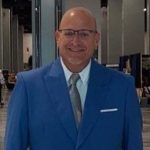
ChrisappletonChris Appleton is the Founder and CEO of Art Pharmacy, a solution for healthcare providers to prescribe and refer patients to arts & culture interventions benefiting mental health. Appleton’s vision for Art Pharmacy imagines the U.S. healthcare ecosystem adopting arts-based social prescribing as a critical part of a results-driven mental health field.

Prior to founding Art Pharmacy, Appleton co-founded two nonprofit organizations, where he became a national leader in the cross-sector arts movement. Chris and his work have been featured in the New York Times, CNN, ABC, CBS, NPR, Fast Company, and more.

Appleton’s strong commitment to servant leadership, family and civic engagement has led him to be bestowed numerous awards and honors, including the Americans for the Arts National Emerging Leader Award, Emory Center for Creativity and the Arts Community Impact Award, and New Leaders Council Alumni Award, 2019 Class of Leadership Atlanta, Atlanta Business Chronicle’s 40 Under 40, Georgia Trend’s 100 Notable Georgians, Outstanding Atlanta Class of 2014, and World Economic Forum’s Global Shapers. Appleton and his wife, Annie who works for Teach 4 America, live in Atlanta with their two children.

Connect with Chris on LinkedIn and follow Art Pharmacy on Facebook and Twitter.

What You’ll Learn In This Episode

  • Entrepreneurship
  • Mental Health Reform
  • Healthcare Reform
  • Social Prescribing
  • Healthcare Industry
  • Arts & Culture Engagements/intervention
  • Leadership

This transcript is machine transcribed by Sonix

TRANSCRIPT

Intro: [00:00:04] Broadcasting live from the Business RadioX Studios in Atlanta, Georgia. It’s time for Atlanta Business Radio. Brought to you by on pay. Atlanta’s New standard in payroll. Now, here’s your host.

Lee Kantor: [00:00:24] Lee Kantor here another episode of Atlanta Business Radio, and this is going to be a good one. But before we get started, it’s important to recognize our sponsor, Onpay. Without them, we couldn’t be sharing these important stories. Today on Atlanta Business Radio, we have Chris Appleton with Art Pharmacy. Welcome, Chris.

Chris Appleton: [00:00:43] Good afternoon.

Lee Kantor: [00:00:44] Well, I’m so excited to learn what you’re up to. Tell us about Art Pharmacy, how you serving folks?

Chris Appleton: [00:00:50] Sure thing. Art Pharmacy is a solution for health care payers and providers to increase the availability of behavioral health and mental health treatments for their patients and members. We connect patients to community based arts and culture resources with protective and therapeutic benefits to their mental health.

Lee Kantor: [00:01:07] What’s the backstory? How’d you get involved in this line of work?

Chris Appleton: [00:01:11] I spent my career working in the arts and culture field and coming out of the pandemic, we saw an enormous, enormous demand for mental health services and mental health crisis in America, especially amongst adolescents and older adults. The pandemic exacerbated social isolation and loneliness. You know, social media utilization, there’s just a real need for these two age groups to be more connected socially and and really thought that putting the arts to work, you know, artists have been healers since the beginning of time and putting artists to work to help address mental health seemed like a really great opportunity in need.

Lee Kantor: [00:01:49] Now, is there kind of research and data to support your hypothesis?

Chris Appleton: [00:01:54] There is the arts and health research field has been well established 40 plus years. There are Centers for Arts and Health, Arts and medicine research coming out of Johns Hopkins, Stanford University of Florida, UCLA. World Health Organization. Really the list goes on. And we’re taking that research that makes very clear that engagement with arts and culture can improve health outcomes and and, you know, have really developed a delivery mechanism for the health care industry to connect their patients to these life improving health, improving arts activities.

Lee Kantor: [00:02:29] So can you share your process and how it works for people that want to participate?

Chris Appleton: [00:02:34] Absolutely. So the name of the business is Art Pharmacy. In many ways, we work like a pharmacy. You go see your primary care provider or a your oncologist, your behavioral health provider, and they screen you for mental health concerns. They’re typically already doing this. If there is a diagnosis or risk factors for anxiety disorders, depression disorders, social isolation, they write a prescription for six months participation in arts and culture activities, and then call that prescription into us. The art pharmacy. On the on the other end of the equation, Art pharmacy has gone out and identified the thousands of instances of arts and culture activities that have these protective and therapeutic benefits and our software smart matches that patient profile to the highest efficacy arts engagement for the patient. So we like to say all art is good, but the right art at the right moment for the right patient is best. And and our care navigator works with the patient connects that then to that right. Arts and culture activity and then helps get them through that journey of attending and participating in these arts activities. And so, you know, maybe it’s helpful for me to kind of describe what these types of arts activities are. They’re they’re activities that your local theater museum or maybe going to a theater performance, a show on a on a Saturday evening with a friend or going to a painting class or a dance workshop. Both receptive and participatory experiences have benefits to mental health and well being. And, you know, really sort of depends on the specific patient health goals for what type of artistic discipline, what delivery mode or participation mode is, is right for them. So the patient participates in these arts activities. We help make sure there’s a strong adherence or compliance to the prescribed treatment and then we bill a third party payer to to make sure that it’s accessible for people that otherwise may not be able to access these types of resources.

Lee Kantor: [00:04:39] And then do you do an assessment prior and then post to make sure that it was beneficial?

Chris Appleton: [00:04:46] That’s exactly right. We’re we’re monitoring the patient well-being outside of the clinical settings. So everywhere from intake, when the patient first connects with with our care team to to after each instance attendance at at the arts and culture activities, we assess how the patient’s doing, screen them, monitor them, provide all that data back to the referring provider so that the primary provider, the referring physician, can monitor their patient outside of the clinical setting. And if there’s ever a need for a crisis intervention, an escalated medical issue or pharmacy gets involved and is really helping to to prevent emergency department utilization when when there are other ways of of getting people to resources that they need.

Lee Kantor: [00:05:30] So the prescription that they’re filling and the deliverable that’s being given to them is it might be just watch a play or it could be participate in a play like it doesn’t. It could be anything related to the arts.

Chris Appleton: [00:05:45] That’s right. So so not. That’s exactly right. So so not all arts and culture engagements have all benefit for every health concern or every health need. It’s the it’s the specific type of art activity is useful to the specific patient profile and what they have. So our technology, our algorithm builds a profile on the patient that, you know, you think about primary diagnoses, comorbidities, access barriers, health goals, experiences and preferences around arts and culture. All of those are variables that are taken into consideration when we match the patient with the arts activity that’s best for them in mental health and behavioral health patient agency is incredibly important. And so you really want to make sure that you’re meeting patients where they are and that it’s that precision personalized medicine and so that patients are able to participate in the types of arts activity that’s that’s most useful for them, whether that’s going on a guided walking tour of an exhibit at a museum or being in a class or a workshop at that museum.

Lee Kantor: [00:06:52] And like if somebody. Depressed and they say watch, you know, binge watch the office is that.

Chris Appleton: [00:07:01] I will say binge watching the office is not a part of a treatment plan that that we have available right now. So, you know, we we vet all of the arts and culture partners there. There’s a standards of care to which they have to adhere to remain in our platform. If a patient scores an arts and culture experience below a certain rating, the availability of that offering is paused until we’re our team is able to go and do the due diligence to figure out what’s going on, to get them back online. And and so no binge watching. The office is not a treatment.

Lee Kantor: [00:07:41] But watching a comedic play might be a treatment.

Chris Appleton: [00:07:46] That’s right. Much of the benefit of participating in arts and culture activities is the social connection and sense of belonging that’s created as a result of having an emotional experience alongside other people. Now, that’s not to say that we don’t have any activities that are individual activities, because we certainly do. But largely when you’re trying to address mental health concerns, especially what we’re doing is really focused on social isolation and loneliness. And so, you know, binge watching the office at home is is probably not, you know, the most beneficial thing, though I have certainly been binge watched the the office at home. So we’re trying to get folks activated and connected to others and create a greater sense of belonging, which has a tremendous impact, positive impact on health.

Chris Appleton: [00:08:41] In fact.

Chris Appleton: [00:08:43] You know, as many of the listeners may have recently seen, US surgeon general just last month issued issued a notice around the social isolation and loneliness epidemic in the United States. Research showing that being socially isolated is as bad for our health as smoking 15 cigarets a day. And so this really is something that the health care system in the United States is trying to wrap its arms around.

Lee Kantor: [00:09:14] Now, can you share a story? Obviously don’t name the person, but maybe share their challenge and and how and explain kind of what art they were using and how they were able to kind of resolve maybe some of their issues.

Chris Appleton: [00:09:29] Absolutely. One of my one of my favorite stories. I won’t share the individual’s name, but we have a great partner here in metro Atlanta. The name of the company is Ginn Care, and they’re a primary care practice for older adults. They refer a good number of their of their patients to us. And there was an older, older woman who just lost her husband and she was understandably, she was struggling with depression and feeling isolated. And and we sent her to a playwriting workshop and she ended up connecting to a handful of other attendees at that class. And they’ve gone out and created their own playwriting workshop. That is not art Pharmacy facilitated, paid for. Et cetera. And so one of the one of the things that we want to make sure that we’re doing is sort of creating this off ramp, right? So that with enough new habit building and healthy behavior, that healthy activity that that patients are able to go and and engage in this type of activity on their own, which is which is largely what we’re focused on doing is building that strength and that resilience, strengthening those muscles for patients to be involved in these in these kinds of activities.

Chris Appleton: [00:10:57] The the kind of analogy that I like to give is to what we’re building is, is something that started about 30 years ago, a company that many listeners are probably familiar with, if you’re not familiar with and name certainly familiar with in concept. There’s a company called Silver Sneakers and Silver Sneakers started 30 years ago as a network of physical activity programs and and fitness programs for for seniors. And you know, a couple of generations ago, it wasn’t so broadly accepted that our physical activity level impacted our health in the way that we all understand it to today. And at that time, 30 years ago, when when silver sneakers emerged, they were getting older adults access to to fitness programs and getting them engaged in physical activity. Well, now everybody that’s on a Medicare plan in the United States has access to silver sneakers paid for by their health plan. And and I believe a generation from now we’ll all be sitting around saying, oh, you know, it’s kind of funny that that 20, 20 years ago we didn’t know that our mental health and emotional well-being was so closely linked to our engagement in arts and culture.

Lee Kantor: [00:12:17] Well, I, um, I was involved in fitness for a while at the beginning of my career, and I remember it made so sense, made so much sense to us to have, you know, your insurance pay for a gym membership or some sort of fitness and like you mentioned, you know. The speed of government is from understanding value and then to actually writing checks. It isn’t the quickest partner in these kind of initiatives.

Chris Appleton: [00:12:49] That’s right. It takes time and it takes it takes partnerships with the private sector, the public sector policymakers. You know, we we work with Medicaid, managed care organizations. We work with large health systems. We’re focused a lot on student health. We’re in 32 school based mental health clinics. So students are able to access our pharmacy as a as a mental health resource. So it takes a lot of different partners to build the evidence base and make the case So that policy ensures that people get access to the quality of care that they need.

Lee Kantor: [00:13:22] Now, I think I understand kind of that moment at the beginning where you’re like, Hey, this by giving people that are struggling access to the arts can really make a difference in their kind of mental health. I kind of get that. How did you kind of start getting traction and buy in from these health plans and health systems, bureaucracies that tend not to take fliers on this kind of stuff?

Chris Appleton: [00:13:52] You know, we’re really solving. So I think there’s there’s two reasons for that. The coexistence of these two things. The first is, is as I shared, the research is really clear, right? When we walk in and we talk to clinical directors, medical directors, at health plans or at health systems, we do not hear from them. We’re not sure if this is good for patients health. Everyone knows that engaging in arts and culture can be good for patients health. And so that’s been a pretty a pretty low barrier for us, largely because of the great research that that folks have been doing for decades now. Really, I think the other reason is the pain point that we’re solving. So what the for for health systems and for for payers. So what happened during the pandemic is you had an entire a huge number of behavioral health providers leave health systems. And and go into private practice where they only take self pay. From maybe individuals like you and me that pay the 200 bucks an hour to go to the 55 minute therapy session. But they’re not enrolled in network by choice. They’re not enrolled in network with these health plans. And so the health plans as a result and the large health systems then have a shortage of mental health services or behavioral health services that they can connect their patients and members to. And so by framing the problem that we’re solving for them, as as that what we’re doing is increasing the availability of mental health resources. We’ve been able to cut through some of the bureaucracy and, you know, just lengthy sales cycles that are required to sometimes get things off the ground in health care.

Lee Kantor: [00:15:54] Good stuff. Well, congratulations on all the success and the momentum. If somebody wants to learn more, where should they go?

Chris Appleton: [00:16:02] Go to Art.

Chris Appleton: [00:16:03] Pharmacy Coco to learn more about how you can partner with art pharmacy and get connected to the great work that our team is.

Chris Appleton: [00:16:12] Doing.

Lee Kantor: [00:16:13] And that’s both health systems and individuals.

Chris Appleton: [00:16:17] Health systems, individuals. Health care payers and public health programs.

Lee Kantor: [00:16:22] Good stuff. Well, Chris, thank you so much for sharing your story today. You’re doing important work and we appreciate you.

Chris Appleton: [00:16:28] Thanks a lot for having me.

Lee Kantor: [00:16:29] All right. This is Lee Kantor. We’ll see y’all next time on Atlanta Business Radio.

About Our Sponsor

OnPay’sOnPay-Dots payroll services and HR software give you more time to focus on what’s most important. Rated “Excellent” by PC Magazine, we make it easy to pay employees fast, we automate all payroll taxes, and we even keep all your HR and benefits organized and compliant.

Our award-winning customer service includes an accuracy guarantee, deep integrations with popular accounting software, and we’ll even enter all your employee information for you — whether you have five employees or 500. Take a closer look to see all the ways we can save you time and money in the back office.

Follow OnPay on LinkedIn, Facebook, and Twitter

Tagged With: Art Pharmacy, Chris Appleton

Zoe Hughes-Nelson and Hadyn O’Hara With Java Cats Cafe

July 7, 2023 by Jacob Lapera

Atlanta Business Radio
Zoe Hughes-Nelson and Hadyn O'Hara With Java Cats Cafe
Loading
00:00 /
RSS Feed
Share
Link
Embed

Download file

Java Cats Cafe was Georgia’s first adoptable cat cafe located in Atlanta, Georgia.

Founded by Hadyn O’Hara and managed by Zoe Hughes-Nelson, Java Cats successfully helped over 2000 rescue cats find homes in a period of 5 years.

Unfortunately, due to Covid-19 and rising rent prices, Java Cats Cafe was forced to close in 2022. However, Java Cats now is operating a coffee counter inside a market, and is working to open a cat cafe again in the future.

Connect with Zoe on LinkedIn.

What You’ll Learn In This Episode

  • How did Java Cats start
  • What is a cat cafe
  • Why did Java Cats close
  • Will Java Cats reopen
  • What is your business model
  • What would they do differently in the future

This transcript is machine transcribed by Sonix

TRANSCRIPT

Intro: [00:00:04] Broadcasting live from the Business RadioX Studios in Atlanta, Georgia. It’s time for Atlanta Business Radio. Brought to you by on pay. Atlanta’s New standard in payroll. Now, here’s your host.

Lee Kantor: [00:00:25] Lee Kantor here another episode of Atlanta Business Radio, and this is a special edition. This is part of the GSU Ene series, the Georgia State University’s Entrepreneurship and Innovation Institute’s series, where we spotlight some of the great work that’s being done over there. And in this case, these are some of the folks that have gone through the Main Street Entrepreneurship Seed Fund or they’re involved with In this year’s cohort. We have Hadyn O’Hara and Zoe Hughes Nelson with Java Cat’s Cafe. Welcome.

Hadyn O’Hara: [00:00:58] Thank you. Thank you for having us.

Lee Kantor: [00:00:59] Wow, That was a workout. That was a lot there. But I’m glad we got that part done. And now we can focus on the most important things. What’s happening at Java Cat’s Cafe. How are you serving folks over there?

Hadyn O’Hara: [00:01:11] Yeah. So we currently run a coffee counter. We’re trying to get back to being a Georgia’s very first cat cafe. We originally opened in 2017 and we had a long five year run to locations and the pandemic unfortunately ended into that chapter. So we are working with the Georgia Georgia State Entrepreneurship Fund to get back and going and hopefully secure a building and continue our dream of being adoptable. Cat Cafe.

Lee Kantor: [00:01:36] So what was the genesis of the idea? How did this whole thing get started?

Hadyn O’Hara: [00:01:41] So I was a Georgia state student back in 2016. I kind of found the concept through a film class I was in and just derailed all my focus. I just never heard of a cat cafe before. And I’m a huge animal lover and advocate and I love cats. And just the concept of having a coffee shop where you can go and sit with cats. It just seemed amazing to me. And from there I decided I was going to take a leap of faith and open my very first business. So at 24, 25 years old, I opened Georgia’s very first Cat Cafe and found immediate success. It was very well loved in the community and well received, and we increased adoption rates for our partner shelters by 100%. We generated a ton of adoption revenue for them to support rescue efforts. And it was just it was just a dream. So it just turned out to be an ultimate dream for me. And that’s kind of how it started. The rest is history.

Lee Kantor: [00:02:36] Well, did you have any background of running a coffee shop in, you know, in that part of the business, or was it always about heart of helping cats?

Hadyn O’Hara: [00:02:45] Yeah, I’ve been in the service industry, hospitality industry for as long as I’ve been able to work. And no, I had no I have no business. Being in business is what I like to say. I am a true entrepreneur. I had no experience doing this and I’ve learned everything the hard way. But it was it’s definitely been a learning experience for me and I’ve grown a lot. But yeah, so I had no experience in this. I just knew I loved. I love being in the community, I love serving people and combining my passion for that. Learning the coffee skills and combining that with cats was just an ultimate dream dream business scenario for me.

Lee Kantor: [00:03:18] For someone who didn’t know or says they didn’t know anything about the business, what compelled you to open a second location during that time? Because it’s hard enough to run one location. What what was the thinking behind, you know what, let’s do this again in a different place and see what happens.

Hadyn O’Hara: [00:03:36] Yeah, you know, there was a lot of growing pains and I definitely think in hindsight I jumped the gun a little bit by opening as quickly as we did. I think we opened the second location in 9 or 10 months in after the first, and I think it was just the buzz around this new business. I mean, it was internationally recognized and it was one of the first cat cafes in the country. And I think just a lot of the attention and the buzz and just people wanted more locations to pop up everywhere. So the demand for another location was in downtown Marietta and close to the square. And it just kind of happened organically. There was a perfect building, perfect timing, perfect everything just lined up and it was much easier to open the second location. It took nine months from signing the lease to opening for Grant Park in Marietta only took three. So I learned a lot in that time, and opening a second location was a lot easier. It was very overwhelming being a young business owner still learning, but I think just trying to ride that wave of we’re doing something really good, cats are getting adopted and just incredible rates. Like we’re changing the lives of so many animals and people are loving it. So I think just trying to keep that momentum up and just, you know, I was like, you know what? I’m going to dream a little bit bigger and see what we can do with this.

Lee Kantor: [00:04:53] Now, when you’re like in business, at least in our business, we call it the metrics that matter. Like what are the the numbers that you should be paying attention to? It sounds like cats getting adopted was the super important metric for you in the growth of this? Did that tie it all to the numbers that it requires to pay rent, pay employees and pay for stuff?

Hadyn O’Hara: [00:05:16] Yeah. So the way the business model worked is there’s a half coffee shop, half cat adoption lounge and the lounge. We obviously have to make money. So the lounge, we charge admission. So you would go into the room with the cats for an hour and included a drip coffee or a tea so you can come into the coffee shop just to support us with coffee sales. But we are money making aspect of it was the admission. So every single person, every single hour was paying to be there. When I first let when the reservations went live for Grant Park, we were booked every single hour, every single day. We were open max capacity for the first three months. So it was just amazing to see the support coming through. And people just love this idea. And it was it was just very successful.

Lee Kantor: [00:06:02] So it was kind of a membership.

Zoe Hughes Nelson: [00:06:05] Um, it was more like people can go. We had a website and people would go online and make reservations. So not really a membership, but just kind of a thing that you reserve like the day before or even the day of when you wanted to come in.

Lee Kantor: [00:06:20] So you would just reserve it like at Tuesday at ten. And then and then I would just coincide that where were people like doing work and using it as a traditional coffee shop or were they just coming there just to chill out and just hang out with cats.

Zoe Hughes Nelson: [00:06:35] If they made a reservation, typically? Well, if you make a reservation, it’s for the cat lounge. So that’s typically where you would go and hang out with the cats for an hour. Um, but, you know, sometimes before or after, people would come early and hang out later and do like work on their laptop in the coffee shop. And the cool part about it being half coffee shop, half cat lounges, even people who didn’t like cats particularly, but still wanted to support the idea, You know what we were doing of animal rescue, They would just come and, you know, get coffee and do stuff on their laptop. And of course you don’t need a reservation to use it as a regular cafe.

Lee Kantor: [00:07:10] And then do. Are there any cats in that area or. That’s like a cat free zone?

Zoe Hughes Nelson: [00:07:15] That’s a cat free zone just because of like health code regulations and stuff like that. And also we, we strive to be, um. We strive to be accessible to everyone. So even people who are allergic to cats, we want them to be able to come in and hang out with us.

Lee Kantor: [00:07:33] Now, when a person’s hanging out was there, like were you learning like, Oh, if a hundred people come in here, five cats are going to get adopted? Was it like kind of predictable at some point there?

Hadyn O’Hara: [00:07:45] There was never pressure for anyone to adopt and we did. We never wanted it to be about the numbers. I mean, we of course we wanted cats get adopted, but for us it was more of like bringing cats out of the shelter that had been there for years, didn’t get much exposure, didn’t get much, you know, socialization with people. So it was more we did expedite adoptions just because the organic environment created for these cats, they would just thrive there. But I mean, it was it was there was never like a it’s never numbers based. I mean, some days we would have ten adoptions. Some weeks we would have, you know, 4 or 5. But the adoptions were they were always consistent. We would always having adoptions, but I think for us it was getting cats that just didn’t have that chance of that exposure and bringing them to a new environment where they were being seen by people every day.

Lee Kantor: [00:08:33] And there’s way more cats than anybody could handle. Right.

Zoe Hughes Nelson: [00:08:38] Exactly. So there are way too many.

Lee Kantor: [00:08:42] And so these these rescue organizations are happy to put some of them in your place because, you know, it’s helping them achieve their mission of saving these cats, right?

Zoe Hughes Nelson: [00:08:52] Yeah, exactly. If you think about it like we would like Hayden said, we would try to take in cats that were really scared and nervous and like, you know, needed some extra time socializing and getting adopted by us having them like, let’s say, a cat that’s super scared. It could be in the shelter for like a year. But if we take that cat, that frees up space for them. They could take on, you know, 5 or 10 friendly cats in one year and get them adopted. So it was really good. You know, just the socialization aspect is I think that’s really what made it flourish and made the adoption rates go up so high.

Lee Kantor: [00:09:30] So now so you closed both locations. Did you close both of them or just one of them?

Hadyn O’Hara: [00:09:36] Correct. Both locations did close. We closed Grant Park last year in Marietta, followed about 2 or 3 months later, unfortunately. And it was all Covid pandemic related.

Lee Kantor: [00:09:46] Right. So, I mean, a lot of small companies struggle during that period of time when people couldn’t go to places and things like that. So now at that point, are you just wrecked? Like, how were you emotionally handling this setback?

Hadyn O’Hara: [00:09:59] I was completely devastated. I mean, this is something I took a chance at such a young age, and I really wanted to build this to be my what I thought my lifelong career, what I hoped. And I so much of my identity was in this business. And I invested my heart, soul, blood, sweat and tears to get it open. It was very difficult to open a business of this kind. And yeah, I was devastated. I was completely wrecked. It took me about a year to really recover and just kind of, you know, see myself more than just my business and what I did. And but that took a lot of, like, self work. And I’m glad I went through that. I’m, you know, in hindsight, I’m not I’m sad the business is closed, but I’ve grown so much from that devastation and just knowing my worth and I’m more than a business and I can I did it before and I know, you know, I can certainly do it again and bigger and better. And that’s what me and Zoe are definitely setting out to do.

Lee Kantor: [00:10:54] So what was kind of the spark that reignited this? And, you know, you could have done anything at this point. Now you have a blank sheet of paper in front of you and you said, Hey, let’s let’s take another run at this Java Cats.

Hadyn O’Hara: [00:11:06] I think you know one thing, Zoe. Zoe put it perfectly. I mean, when we. So just a little backtrack with Zoe. When I when I laid off everyone, when I realized the pandemic was not going to be just a few month thing, it was going to be a long haul. Um, Zoe came back to work, and we both pretty much didn’t pay ourselves for two years just to keep the business open. And Zoe was the only employee that that came back and did that. And for two years we really worked hard. We knew the end was coming, we knew it, it was inevitable, but we wanted to work to see cats get adopted in the time that we had left on our lease. So we did. And then when we closed, we spent a few months just kind of like, what do we do now? And it’s just not the same. And she, she put it perfectly. She said, It’s like purgatory. We both felt like we were just in purgatory. Like, what’s next? What’s what’s what do we need to do now? Yeah. And was like.

Zoe Hughes Nelson: [00:11:59] Sorry, sorry to interrupt you. Um, it was like stuck in between Java Cats was my first job. I was only 15 when I started there and now I’m in my 20s and, you know, it just it just feels so weird to not have it in my life.

Lee Kantor: [00:12:17] Right. What you were doing something that not only was making money and employing people, but it was also making a difference. And when you have that bigger y, it’s a lot easier to get up in the morning to do your job, you know, You know you’re making an impact.

Zoe Hughes Nelson: [00:12:31] And then also when you have such a great boss and super great coworkers around, you know, then it then it makes the work environment very, very easy.

Hadyn O’Hara: [00:12:43] It was rare. It was a rare, magical place.

Lee Kantor: [00:12:47] Right. And so you said, okay, let’s take another swing at this. So you went from did you change anything from the original business model? Did anything really change? Or it was just like, let’s just reboot this thing and let’s see what we can do now without a pandemic.

Hadyn O’Hara: [00:13:02] So unfortunately, with the pandemic, we didn’t receive any funding. We applied both rounds. We did not. Money kept running out. So we it was just setback after setback. And I mean, I lost everything. I lost everything with the business financially. And I’m still recovering financially from those two years. So coming from a place of not having any money and wanting to get this back up and going, it was was difficult. But someone who adopted a cat from us, he reached out and offered us a space in a market he had just opened in Old Fourth Ward, so it was going to be a coffee operation, but he was like, Keep the name alive, make some money, and, you know, just just stay active in this. Like, keep keep working towards it. So we knew it was a setback, but it was a baby step forward at the same time. And we’ve we’ve been running that since late February. And that’s currently what we’re operating. It’s just a coffee counter to get back to being a cat cafe.

Lee Kantor: [00:13:56] So you’re so you’re keeping the brand because that’s a great name and it’s a great brand. And now you’re just trying to raise funds to expand into the vision that you’d like it to be. Where it’s half coffee shop, Half Cat Cafe.

Hadyn O’Hara: [00:14:11] Exactly. Yeah.

Zoe Hughes Nelson: [00:14:12] Um, yeah, we’ve been speaking to people around Atlanta and stuff like that of, of just like. Potentially making it making a comeback, and I definitely foresee it happening eventually. Um, for sure. Just a matter of time. And, you know, permitting stars have to align.

Hadyn O’Hara: [00:14:33] We’re waiting for the stars to align. But we are we’re very eager and we have the passion and determination to make it happen. We’re just waiting for the right time.

Lee Kantor: [00:14:41] And then what do you need more of at this point? Are you so you’re going through the main street process. So they’re working with you, mentoring you, doing things like that, right? Yes. So are they have they kind of poked at your business model or do they feel pretty good about it? It’s just a matter of, you know, kind of raising the funds.

Zoe Hughes Nelson: [00:15:03] Yeah, pretty much. I mean, we’ve I’ve definitely learned a lot from attending the Main Street Entrepreneurship Seed Fund. Lots of things that I really, you know, just kind of haven’t thought about before and like how to like customer discovery workshops and stuff and just kind of how to expand our brand. Um, but really what we need is like to talk to investors and stuff to make, to make it a reality again, to like be able to afford the build out and stuff like that. Because I know the build out for our original location was, was very expensive. So, you know, just kind of getting that ball rolling is the main thing. But we have learned so much from the seed fund and they have been able to kind of provide some little like constructive criticisms as well as some praise for just, you know, everything we’re doing. And it’s been very helpful.

Lee Kantor: [00:15:55] Well, one of the things at the beginning of any startup is to kind of prove the model. It seems like you’ve already kind of checked that box and you’ve proven that this model can be successful. So it’s just a matter of finding and attracting the investors or the money that you need to kind of roll it out is the ultimate vision to kind of franchise this, to have Java Cat’s Cafe all over the planet. Is it to be, you know, a big brand here in Atlanta? Like how do you see the story kind of evolving?

Hadyn O’Hara: [00:16:25] I think I you know, with opening a second location, the idea was like, well, we can do more. If we have more locations, we can adopt more cats and do more good. But I think, you know, what I’ve learned from that is I just really want to pour my focus into one location and I want to do bigger and better things with it. Maybe having a medical component where we can do like vaccine outreach or just just I’m just trying to think of more ways we can do good in one location. I have no desire to franchise. I have no desire to make Java Cats a known cat cafe all over. I just want to do good, as much good as we possibly can with our focus in one location. And that that’s my desire and it would be in Atlanta.

Lee Kantor: [00:17:05] And so you’re just looking for kind of a central location that you feel can best serve the community. Yes.

Zoe Hughes Nelson: [00:17:13] So going back to what you said about community, I think one of the reasons why we only want to do one location is because we really like that community aspect of like knowing the people who come in and like forming those relationships. That’s something that makes Java cats what it is.

Lee Kantor: [00:17:32] Absolutely. It’s a great idea and congratulations on the success and great job kind of getting back up there after a setback. A lot of people, you know, when they have a setback, they just call it and then they go a different direction. But to be resilient and tenacious enough to come back at it is kudos to you for that. That is not an easy thing to do.

Hadyn O’Hara: [00:17:54] It’s really not. And I feel really lucky. You know, Zoe and I’s relationship has really grown and we’ve learned to, like, lean into each other. And we went from, you know, I was a boss to she was my employee to like, Hey, we’re in this together and we’re crying together. We’re rejoicing together. We’re celebrating the little victories and we’re pushing through the setbacks. And I think having someone that’s been through the grit with me up to this point, it’s just it just makes this so much more so much more possible to just to really push through what’s what’s been difficult to get through. So I’m really grateful for this relationship and what’s come out of it. And I can’t wait to see how it continues to flourish in the future.

Lee Kantor: [00:18:33] So if somebody wants to learn more, what’s the website? What’s the best way to connect with you all?

Hadyn O’Hara: [00:18:38] We are very active on social media, Instagram, Facebook, just Java, Cats, ATL. That’s where you can find us.

Lee Kantor: [00:18:46] Good stuff. Well, again, congratulations on all the success and momentum. You’re doing important work and we appreciate you.

Zoe Hughes Nelson: [00:18:54] Thank you so much.

Lee Kantor: [00:18:55] All right. This is Lee Kantor. We will see you all next time on GSU indie radio.

About Our Sponsor

OnPay’sOnPay-Dots payroll services and HR software give you more time to focus on what’s most important. Rated “Excellent” by PC Magazine, we make it easy to pay employees fast, we automate all payroll taxes, and we even keep all your HR and benefits organized and compliant.

Our award-winning customer service includes an accuracy guarantee, deep integrations with popular accounting software, and we’ll even enter all your employee information for you — whether you have five employees or 500. Take a closer look to see all the ways we can save you time and money in the back office.

Follow OnPay on LinkedIn, Facebook, and Twitter

Tagged With: Hadyn O'Hara, Java Cats Cafe, Zoe Hughes-Nelson

Gina Diaz With Diaz Case Law

July 7, 2023 by Jacob Lapera

Chicago Business Radio
Gina Diaz With Diaz Case Law
Loading
00:00 /
RSS Feed
Share
Link
Embed

Download file

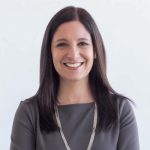
Firmspace-sponsor-bannerGina Diaz, one of the top immigration and real estate attorneys in Chicagoland, is also known as #TheRightAttorney on social media.

She opened Diaz Case Law to help immigrants find solutions to their difficulties and discovered a love for real estate investing. This added another dimension to her law practice as she assists investors with difficult closings and helps clients with real estate-related cases.

She is also a founding member of We Win, LLC, an organization dedicated to introducing women to the world of real estate, and We Win, NFP.

What You’ll Learn In This Episode

  • Some of the tips that she can give to those wanting to enter real estate investing
  • Importance of achieving a work-life balance

This transcript is machine transcribed by Sonix

TRANSCRIPT

Intro: [00:00:03] Broadcasting live from the Business RadioX studio in Chicago, Illinois. It’s time for Chicago Business Radio. Brought to you by Firm Space, your private sanctuary for productivity and growth. To learn more, go to firm spacecom. Now, here’s your host.

Max Kantor: [00:00:21] Hey, everybody. And welcome back to another episode of Chicago Business Radio. I’m your host, Max Kantor. And before we get started, as always, today’s show is sponsored by Firm Space, thanks to Firm Space because without them, we couldn’t be sharing these important stories. And we got a good one for you today. On today’s show, we have an immigration and real estate attorney located in the Chicagoland area known as Hashtag the right attorney on social media. She’s also a founding member of We Win LLC, an organization dedicated to introducing women to the world of real estate. So please welcome to the show, Gina Diaz. Welcome to the show, Gina.

Gina Diaz: [00:00:57] Thank you so much. Thank you for having me.

Max Kantor: [00:00:59] I’m excited to talk to you about everything that you’re doing. So let’s jump right in. How did you get involved with law and real estate investing?

Gina Diaz: [00:01:07] Yeah. So I’ve been working in the law field since I was 18. You know, I started off as like a secretary, then, you know, moved my way up to a paralegal and, you know, worked for a couple of big law firms and realized that I really, really liked doing this. I didn’t want to go right to law school right away because, you know, law school is not cheap. And so I wanted to make sure that it was something that I really liked and I really did. So then I went off to law school and I started actually doing criminal law and doing family law because that’s what I really thought I wanted to do. But it quickly transitioned into real estate and immigration because that’s kind of like what I kept getting asked for and kind of like what people around me were were needing. So, you know, I started doing that and then realized that I really, really love it. Like especially the real estate part. I think it’s amazing. I love everything that has to do with real estate. And I don’t know if you remember the I’m sure you remember the 2008, 2009, you know, how the market crashed and all that with the real estate.

Gina Diaz: [00:02:18] I started doing a lot of loan modifications for people and, you know, doing a lot of foreclosure defense. So that kind of drove me deeper into real estate and helped a lot of people with modifications and stay in their homes and, you know, defend their foreclosure and whatnot. So then I discovered like yet another aspect of real estate that I liked. And I’m really passionate about real estate because I think that there is so many things you can do with it. There’s just like real estate is gold to me. It’s definitely something I love and immigration is more of a personal thing to me because I am an immigrant. I came here when I was five years old, and so I understand the struggle. I understand, you know, the way things are done and the laws, immigration laws are just beyond ridiculous and it’s really hard to navigate through them. So I definitely want to help people do that if in whatever capacity I can. So that’s kind of what my practice has turned into over the past 12 years. And that’s kind of how I got involved with real estate for sure.

Max Kantor: [00:03:20] And so now you’re with Diaz Case Law. What inspired you to create your own firm and start working as an entrepreneur?

Gina Diaz: [00:03:28] Yeah, So, you know, it’s funny because I never when I started practicing law, I like having my own practice wasn’t something that I was like, Oh my God, I really want to do that. The reason why I started doing it is because the firm that I used to work for, the last one I worked for, I was doing what I loved criminal defense and family law. But a lot of people were asking me about immigration and real estate. And I, you know, had brought it up to my boss and I said, hey, I know how to do this stuff. And, you know, there’s a lot of people that want to do loan modifications right now, but, you know, they don’t want to go to like, you know, there was a lot of fraud being committed by organizations and charging people like exorbitant amount of money to do a loan modification. And, you know, I brought it up to my boss and I said, you know, can we open up like maybe a division of this? I’ll take care of it. You know, it’ll bring, you know, this much revenue. And he was like, No, I don’t want to do that. And I was like, okay, well, all right. So I kind of tabled it. But, you know, it just it just kept being brought up to me. So then I’m like, you know what? Then I’m going to have to go do it on my own. And that’s exactly what I did. I I’m also a licensed real estate broker. So I asked my real estate company at the time where I had my license, can I rent an office from here? And then I moved basically started case law from there. And within a month I opened up my own office space and like 1100 square feet office space across the street from where my real estate company was. And then it just kind of grew from there. And that’s where I’m at right now.

Max Kantor: [00:05:13] That’s very cool. You saw you had a vision for exactly what you wanted, and then you went out and you did it.

Gina Diaz: [00:05:18] Yeah, exactly. Because, you know, like I’m sure my ex-boss is kicking himself right now because he didn’t believe that, you know, it was a profitable business or like, didn’t care to even think about it. And, you know, I feel that sometimes when you really want to do something and you really believe in it and you’re really like, you know, I got to do this. Like, you got to take that step and just go out and do it. And so what if you fail? You just, you know, learn from it and you try again. And that’s kind of the mentality that I had. I was like, you know what? I’m going to do this. And if it doesn’t work, then, you know, I can always come back and work somewhere else. But I got to give it a try and it worked.

Max Kantor: [00:06:03] Now, speaking of going out and giving things a try. I feel like real estate investing or investing in properties is on such a rise now. So can you talk a little bit about some tips for those who are interested in getting involved in real estate investing or want to learn more?

Gina Diaz: [00:06:21] Yeah, for sure. So as I mentioned, I’ve been doing real estate as an attorney, you know, for over 12 years already. And I would do like the traditional, like, you know, for some home buyer, you know, maybe someone that’s buying a second home type of investing. And, you know, I did have a couple people that were investors that were doing like, you know, a lot of investing. But, you know, as even as a realtor, I never asked, how are you doing this? And I always wanted to do it because I’m like, you know, I don’t have like a 401. K to fall back on. I need I need to find a way to fall back on something. And I always knew real estate, you know, was, was definitely gold if done correctly. So I bought my building where my practice is in Berwyn now and then I’m like, Oh my God, I’m going to have to wait another ten years to, you know, get another 100,000 and buy something else. So, um, luckily enough, I stumbled upon a friend at a real estate event who I knew was also not like, you know, born into money and didn’t, you know, like have all this money to go invest. But she was doing it. So I ran into her at this real estate event and I said, Hey, you know, like, how are you doing this? Like, this is something me and my husband really want to do.

Gina Diaz: [00:07:42] But, you know, we just don’t have all the capital to do it. And she said, you don’t need any capital. And I said, What do you mean? And she goes, She gave me this flier to go to this three day event. And she said, Go to this event. I promise you’ll you’ll love it. And I said, You know, if I’m going to go to this event, and it was like Friday, Saturday, Sunday, and they’re going to come to me with like, give me $50,000, here’s a DVD and an 800 number. I’m going to bill you for it. You know, because this is you know, I’ve been to those type of events and that doesn’t work for me. She’s like, No, no, no, you’re going to love it. So I went to the Andrew Homes Building an Empire three day event. And after that first day of of hearing people that have been doing this the way they teach it, there were two people on stage. There was a it was like a 19 and 20 year old. They were personal fitness trainers and they already had four properties under their belt. And that kind of opened my eyes to like, what am I doing? Like, I got to do this, I just got to step in. So I joined the program three and a half years ago and fast forward to now, I have over a 50 property portfolio using zero of my own money just following the system that they’ve, you know, gave that they’ve developed.

Gina Diaz: [00:08:58] And I’ve been helping other people do the same because a lot of people, when we think of real estate investing, you know, and me, even as an attorney and as a realtor, I still thought like you, you got to have money that you can kind of play with. Right. To be able to do this. And it’s far from the truth if you do it the right way, if you, you know, go to the program and figure it out there, you don’t have to use your money. There’s people out there that are willing to lend you their money, either from a 401. K, an IRA, um, personal savings, whatnot. They’re not getting much interest on it right now, so they will lend you the money, obviously with a lot of paperwork and stuff that goes into it. But you that’s how you grow your portfolio. And then, you know, slowly you start using your own money. Whether you want to do a flip, whether you want to, you know, keep it and rent it, whether you want to Airbnb it, short term rentals, whatever you want to do, there’s the possibilities are endless. So I got obviously really excited about it and I started like, you know, telling my friends and telling people and, you know, then I kind of joined the group and, you know, helped them.

Gina Diaz: [00:10:08] Aside from being their attorney, I also helped them with all of their real estate closings, tons and tons of investors. We do, you know, all types of of real estate. There’s like creative financing. There’s like the regular, you know, conventional FHA loan. There’s, you know, commercial loans. There’s there’s just so much out there that anybody that really wants to do it can do it. And even if you just want to do it, like to get your feet wet and say, well, maybe I’ll just take a property and flip it like you can and there’s people out there that will help you and there’s ways to do it. So I just love the way and it worked for me. And I’m one of those people that will never recommend something that I haven’t already tried or that hasn’t, you know, worked that I know it works personally because it’s my name on the line, right? So just like when they tell me to recommend an attorney for something I don’t do, if I personally don’t know that person, I won’t recommend it because you know it’s your name on the line as well and your reputation. So, um, so that’s kind of. And then me and my best friend who’s also a part of this group, you know, we said, you know, this is this is really great for women.

Gina Diaz: [00:11:13] Like women need to start getting more involved in real estate investing because, you know, when when you go buy a house, usually you have a significant other or, you know, your mom or whoever it is that you always want their opinion. And most of the time the women are the ones that kind of make that decision because they’re like, well, this is the type of kitchen I want or this is the type of, you know, whatever I want. So why can’t they become investors? Why can’t they do it? And we create it. We win, which stands for Women, Entrepreneur, Women Investor Network. And the idea of that was to kind of like create an open space for women to come together and help each other with investing, whether it’s, you know, we have women that are general contractors, women that are electricians, plumbers, you know, things that you would normally think is, you know, it’s a man. We have women that also do this. And so we connect women with other women, and we kind of make it so that they can speak freely and, you know, just, you know, do all that they would traditionally now want to do in a open forum or get intimidated by a man. So we started doing a lot of that. We started we started right before Covid, which, you know, kind of threw us off a little because, um, you know, a lot of the in-person meetings were canceled and stuff like that.

Gina Diaz: [00:12:36] We were doing in-person meetings like once a month where we would have free seminars on real estate investing and how you can get started and how we can help you. And then we started obviously doing them virtually. And then because of the pandemic and everything that happened, we then created a non-for-profit called We Win Non-for-profit. And what we did is we basically hit up all of the investors and said, Listen, you are investing in this neighborhood, so you have an interest to make sure people in this neighborhood are good. You have an interest to make sure, you know, like houses don’t go in foreclosure. You have an interest to keep this neighborhood. Right. Because it’ll increase your property values, too. So we’re going to this neighborhood and we’re going to give out, you know, food or, you know, jackets or help them pay their first month rent, whatever it could be. We’re going to go out there and help people, but we need you guys to donate. So then, you know, investors were like, Yeah, sure. And we started collecting donations from investors and going into different neighborhoods to do food drives, toy drives, turkey drives. We would give grants for women that wanted to like start investing so they can put their their earnest money down. We would give grants to people that couldn’t pay their rent, you know, and to help them through or help them pay an electricity bill or whatnot.

Gina Diaz: [00:14:00] And this was all because we this was all sponsored by the investors, not like, you know, private money or we didn’t hit up like companies or anything. It was all investor based. And so we now we kind of keep it going. You know, we do 2 or 3 events like that on a year to keep it going, to help others to make sure that you’re not just an investor taking from the community. You also need to give to the community. Because a lot of times I think when people think of, you know, investors, they always think like, well, they’re just they just want to take advantage of an opportunity and make money on it, which is not necessarily the truth, but at least not not all of them. We also need to get back to it and to make sure that that community, that neighborhood is is beautified and you know that our property values stay and stuff like that and help out people. You know, we can’t it can’t always just be about you. So when I say real estate really opens up a lot of opportunities, you know, just out of one conversation, all this happened and taking action, you know, and realizing that, hey, if if someone that’s been doing it for a long time that has all this to prove it is trying to coach me, then I’m going to listen.

Gina Diaz: [00:15:15] But if someone who is trying to coach me virtually and, you know, has done it in a different state and wants all this money, maybe, maybe. Let me let me think about that, because nothing’s better than the people that are doing it in the neighborhood. You want to do it. And that’s kind of what we teach and what we help people do, especially women, so that they can get their foot in the door and get started. Because a lot of people don’t have, you know, a fall back plan or maybe living paycheck to paycheck. And then you realize that, hey, you could be doing this, too. And, you know, a lot of our real estate investors have a regular 9 to 5, and then they do this on the side on the weekends. It’s totally possible. Like real estate is your own schedule. You do what you want to do as much as you want to do. And make as much as you want to make. So that’s kind of like how we are doing it and how I’m doing it and why I love it so much and helping obviously my investor colleagues like closing their deals and making sure they get the right deal and helping them negotiate. It is another aspect that I do as the attorney.

Max Kantor: [00:16:28] Yeah, I mean, totally. It sounds like you guys are doing a lot of great work for the community and educating the community about the world of real estate and how they can become successful in it, similar to how you became successful in it. So if people want to learn more about case law, want to learn maybe more about you and we win. Do you have a website, social media where they can get in touch?

Gina Diaz: [00:16:52] Yeah, for sure. So my social media is just add ideas for Facebook and my website is com. Um, so they can always, you know, find my information there and either send me an email or call me. And I always put my cell phone number on everything because investing is a 24 over seven. Real estate is a 24 seven type of industry. So I don’t want someone to like lose a deal because they couldn’t get a hold of the attorney, you know, on a Sunday at 5:00. So I always give my cell phone number to my clients. And, you know, just I always tell them, be respectful. Don’t call me on a Sunday at 8:00 because you want to know, you know, what’s going on with your case. Let’s let’s wait till Monday. But if it’s something urgent like you’re about to get this deal, and unless you sign this contract right now, you know you’re not going to get it. Please call me and we’ll get it done together. So I’m very available for people. And obviously I’m not the only attorney in my office. We have other attorneys and a full staff and we help with all types of deals, whether it’s traditional closings, creative financing, wholesaling assignments, you name it, we can help you with it.

Max Kantor: [00:18:06] Definitely. Well, Gina, thank you so much for being on the show today. I mean, you guys are doing great work and you’re very passionate about what what you do. So I appreciate you being on the show today and talking about everything you’re doing for the community.

Gina Diaz: [00:18:18] Thank you so much for having me. I appreciate it.

Max Kantor: [00:18:21] And thanks to you for listening to another episode of Chicago Business Radio. I’m your host, Max Kanter, and we’ll see you next time.

Intro: [00:18:30] This episode of Chicago Business Radio has been brought to you by Firm space, your private sanctuary for productivity and growth. To learn more, go to firm Space.com.

Tagged With: Diaz Case law, Gina Diaz

Andrew Edstrom With Assessivate

June 26, 2023 by Jacob Lapera

Atlanta Business Radio
Andrew Edstrom With Assessivate
Loading
00:00 /
RSS Feed
Share
Link
Embed

Download file

Andrew Edstrom, a United States Air Force veteran, has been in the information technology and security/compliance field since 1989. He has worked as a support technician, an engineer and system administrator to various leadership roles including a CIO and a CISO plus a vCIO and vCISO for 2 credit unions in the Southeast.

He understands customer needs and technical excellence requirements for the success of his customers. While having held various industry/vendor certifications during his career, it is his exposure to telecom, application development, security, compliance and infrastructure that makes him uniquely qualified to help any business achieve its objectives.

He is well versed in multiple compliance frameworks including but not limited to PCI, HIPAA, ISO27001, SOC2, CCPA, NIST 800-171, NIST CSF and GDPR to name a few. He started Assessivate in September 2018.

Connect with Andrew on LinkedIn.

What You’ll Learn In This Episode

  • Compliance vs Security – which should his business be more concerned with
  • How much should he spend on cybersecurity or privacy measures
  • Is AI really dangerous
  • What security measures should he have in place at home
  • Protecting his identity
  • Biggest threats going forward
  • How much support will he get from law enforcement if he have a breach
  • Should he ever pay a ransom for my data

This transcript is machine transcribed by Sonix

TRANSCRIPT

Intro: [00:00:04] Broadcasting live from the Business RadioX Studios in Atlanta, Georgia. It’s time for Atlanta Business Radio. Brought to you by on pay. Atlanta’s New standard in payroll. Now, here’s your host.

Lee Kantor: [00:00:24] Lee Kantor here another episode of Atlanta Business Radio, and this is going to be a good one. But before we get started, it’s important to recognize our sponsor, Onpay. Without them, we couldn’t be sharing these important stories. Today on Atlanta Business Radio, we have Andrew Edstrom with Assessivate. Welcome.

Andrew Edstrom: [00:00:43] Hey, Lee, how are you doing?

Lee Kantor: [00:00:45] I am doing well. I’m so excited to learn what you’re up to. Tell us about Assessivate, how you serving folks.

Andrew Edstrom: [00:00:51] So we’re a managed compliance services provider. So what we do is businesses that have a compliance requirement, say in health care or the payment card industry or many other areas. Now we help them achieve that compliance by making sure they’re doing the right things, whether it’s a control that manages governance or on a policy or a control that is around a technical cyber solution. And that’s where we really add value to businesses and help them achieve their goals.

Lee Kantor: [00:01:19] Now, are you working primarily with kind of startups that haven’t done this before and then you’re helping implement kind of the foundation, or is it something that you get called in after something bad has happened?

Andrew Edstrom: [00:01:31] Yeah, it’s a little bit of both, to be honest. We get we get a lot of customers, like you said, that are kind of in an entry point. They’re trying to figure out what they’re supposed to be doing to make sure they don’t create create a situation that causes them either a breach or a compliance issue. But then also we get even larger organizations that look to use us to augment what they’re already trying to do. You’ve probably heard of the staffing shortage around cybersecurity and things like that, and we kind of fit into that that picture as it stands today.

Lee Kantor: [00:02:01] So the industries you mentioned, fintech and health care, those are the obvious ones, or is that kind of the bulk of it? Or are there is this something that kind of every industry should be at least putting some energy towards?

Andrew Edstrom: [00:02:14] Yeah. I mean, really, everybody needs to do it. Compliance really is kind of the guiding point to meet really your security concerns or maybe some operational maturity things that help you to achieve business goals. But yeah, I mean, everybody everybody out there, whether you’re running a lawn care business or you’re a Fortune 100 company, you really need to be looking at what you’re doing to protect information, whether it’s intellectual property or personally identifiable information or other critical stuff that could impact your business in a negative way.

Lee Kantor: [00:02:46] Now, there’s kind of some rules of thumb of how much you should invest in different aspects of your business. Is it the same thing in your industry? Is there a certain rule of thumb that I should be investing in cybersecurity or privacy?

Andrew Edstrom: [00:02:59] That’s a really great question. Lee Yeah, a lot. A lot of times people ask us what a magic number is, and I think the magic number really kind of depends on what data you’re trying to protect and where you’re at. So, you know, if you’ve, if you’ve decided to set up your own data center, there’s obviously a lot more cost around that or servers that you’re going to buy and build. But if you if you go into a cloud environment, then the lift is a little bit less as far as cost goes because then you just pay for a subscription service. So if you need that subscription service, say with AWS, Azure or any cloud provider, you can pay for a fraction of the cost, you know, maybe $50 a virtual machine a month. And then you do some additional hardening around it. But I would just say kind of as a rule of thumb, when when people look at their business, they need to really look at endpoint protection, that that cost is usually fairly insignificant. Somewhere between, say, five and $35 a user a month, depending on the level of support it gets. But it’s it and that’s a little bit of where we come into play. Also, too, is to make sure people are spending right money in the right things. There’s a lot of shiny objects and gimmicks and stuff out there that really can, you know, cause businesses to spend money unnecessarily. And so what we try to do is we try to help them measure or understand what is the appropriate level of defense or infrastructure to protect that investment that they’ve made around their product or service.

Lee Kantor: [00:04:29] Now, how do you typically engage with a new client? What’s that typical point of entry?

Andrew Edstrom: [00:04:36] Yeah, so a lot of times people want an assessment. So we’ll do like typically like an assessment of their overall infrastructure against security and if they have a applicable framework around compliance like PCI or HIPAA, something like that, those are probably the two most common. Then we’ll really do a measurement, if you will, against that and then help them to understand where they’re at. And that’s kind of one of our our things is we try to act like GPS for for their journey. And so we tell them where they’re at and then we tell them how to get to where they’re trying to go.

Lee Kantor: [00:05:10] Well, assess is in your name. So I would imagine a good assessment is part of your your deliverable.

Andrew Edstrom: [00:05:16] It really is. It really is.

Lee Kantor: [00:05:19] So now with all this remote work, is that. Just opening up another can of worms that folks have to be dealing with nowadays. Having, you know, people that work with your company all over the globe, it’s always been around for, you know, for certain people. But now it seems like more and more people are now remote. Does is that add more complexity to the challenge that you have to help with?

Andrew Edstrom: [00:05:46] It can you know, every organization is a little bit different. So depending on company culture and then the investment that they’re willing to make in their technology. So a lot of times technology departments or cybersecurity is looked at as a cost center instead of something that can help project your business. Um, but yeah, the remote work definitely introduced some new concerns, you know, whether it’s somebody that lives in your home that can walk by your computer and see information they shouldn’t be seeing, or maybe they’re using a home computer and sharing a login. Those are the things that really started to show themselves. And then, you know, depending on what the investment was on the endpoint security, that was another part of it, because most businesses aren’t going to put their the identical infrastructure they put around their corporate office and every employees office that they’re working from home. So a lot of times what they do there is they add some identity access management tools and some really robust endpoint protection security tools that really can control that access and mitigate some of that risk.

Lee Kantor: [00:06:47] And it’s just it’s not their laptop only, right? It could be their phone as well.

Andrew Edstrom: [00:06:52] Yeah, absolutely. Yeah. So when when they have a remote office, they could actually have a phone device in their in their home. They could have a softphone on their computer. So yeah, there’s, there’s a lot of different aspects to it. It does limit some of the other risks though, because they may or may not have, you know, some additional things going on that they may have in the office. Like they may not be printing at home, they may not be allowed to print at home. And those would be some of the parameters that we would set out of the gate as we help secure them if they did remote work.

Lee Kantor: [00:07:24] Is there any kind of low hanging fruit for somebody who wants to protect their identity or just shore up their security if they are at home?

Andrew Edstrom: [00:07:33] Yeah, I think, you know, as far as identity stuff goes, the main thing I tell people a lot of times is, you know, you know, don’t make it easy on somebody that’s trying to get to your information. So specifically, when you come down to whether it’s employee identities or just your personal identity, a couple of things that we always tell people is to lock your credit if you’re not actively using it. And what that means is you go to any one of the big three and you can do it online. And actually I believe you can do it over the phone as well. But you basically set through some knowledge base to access some some questions and things that would challenge people. So if they tried to establish credit on your behalf, your credit is already locked. And basically it can’t go any further without them calling in and then be able to answer a bunch of questions that really only you should know.

Lee Kantor: [00:08:25] So it’s as simple as that. It’s just you have to contact all of the credit agencies or just one.

Andrew Edstrom: [00:08:30] You would reach out to each one of them and you would you would set it up. I believe there’s some some services that now that will actually do that kind of for you as as a top level. But right now, what we’ve just told people is just go directly to each one of the big three, do the enrollment and go ahead and freeze your credit so you can prevent identity theft from happening. It slows it down. And most of the time when it happens, they also have alerting. So, you know, when somebody attempted to do it and it definitely helps protect you.

Lee Kantor: [00:09:01] Now, what’s your backstory? How’d you get involved in this line of work?

Andrew Edstrom: [00:09:05] So I found out at a very young age that I was fascinated with computers and started taking classes back in high school. And I’m a I’m somebody who was born in the late 60s, so I’ve been around for a minute doing this from kind of the beginning when technology there was mainframes, there was bulletin boards and dialing up and doing different things and and my career and my experience really started, you know, like early on, I went into the military. They gave me access to computers there. And then I just continued to evolve it. And I just found out I had a real knack for understanding how to fix those problems for people and, you know, doing helpdesk roles and then becoming a manager and doing some engineering and then running things and then becoming a CIO and a CISO and then finally starting my own company because I just felt like I could do it better if I was the one pulling the levers. And I think we are doing it better now.

Lee Kantor: [00:09:57] It seems like at least lately, maybe this is the way it is all the time. It just seems like in the news there’s a lot of breaches and cybersecurity issues that are involving companies of all sizes. Is this something that’s just getting worse and worse or the bad guys are getting better at this faster than the good guys can prevent it?

Andrew Edstrom: [00:10:17] Yeah, I think I think the old cliche line is we have to get it right all the time and the hackers only have to get it right once to really steal from you and then I would also just say that, yeah, there’s there’s more technology today than there has ever been on this planet. So there’s more avenues or mechanisms or ways to get into stuff. And, and I think another part of that challenge or I would just absolutely say there’s another part of that challenge is, you know, anybody with a credit card can go to AWS or Azure or whatever and start up a server and find somebody develops an application. And a lot of us don’t necessarily know the background of how that application or service came to be about. So you may have people that are completely oblivious to cybersecurity, but maybe they make a great product and those things then start to collect data and information. And once that stuff gets out there, then the hackers, they’ll, they’ll poke around and there’s a lot of tools and websites that can do the research for them, if you will, and tell them where there’s open ports and and places are accessible.

Andrew Edstrom: [00:11:20] And then finally, I would just say that, you know, once somebody gets hacked once, then it’s almost like sales 101, you know, you start to farm the account. They try to, you know, get in there and steal more information or more data. And especially if somebody’s paid a ransom, that usually becomes a bigger target long term for other hackers, because I think what you would find is the Intel and the dark Web would definitely shine a light on, hey, you know, company X, Y, Z, we got 50,000 from them. There’s probably another opportunity here. Or they may have an advanced, persistent threat still in that network, still stealing that data. So it some of the complexity is there. But I would say more times than not, probably 90 to 95% of the time it’s misconfiguration, lack of visibility or monitoring of infrastructure that causes the breaches. Typical phishing, emails, training, those things are always important. But most of these cyber attacks are preventable and for whatever reason, they’re still happening. And it blows my mind.

Lee Kantor: [00:12:23] Now, something I’ve seen a little bit lately, or at least have gone to my attention are VPNs. Is that can you explain that and is that helpful?

Andrew Edstrom: [00:12:32] Yeah. So VPNs or virtual private network is just basically a way to make your device be an extension of your corporate network. What that means is that traffic becomes all encrypted over that VPN tunnel and there are some other technical configurations around that they can do something called split tunneling where everything doesn’t go through the tunnel. But VPN is definitely a value added technology, but the changes in technology are also allowing for some other technologies to come to light to to eliminate the VPN stuff. The VPN stuff can be a little bit clunky and cumbersome with installing additional clients and stuff there. There’s some products out there now that use something called zero Trust that also looks at like the health of your machine, making sure it has endpoint protection like an antivirus or an anti malware tool on it. It checks your identity. And then maybe it also considers your geo location of where you’re coming from. So you could set maybe somebody could access it from their home. But if they want to Starbucks or a hotel, you could lock out that access to prevent possible bleed over into other devices, getting access to that tunnel and connecting to it.

Lee Kantor: [00:13:44] Now, what about like kind of back in the day, you know, everybody said, oh, put that, you know, the software on and you don’t have to worry about it. Is that relevant today in today’s world? You know, those protective softwares that you can buy kind of at every.

Andrew Edstrom: [00:14:02] Yeah, there’s there’s a lot of different classifications of it. And it’s unfortunate that we seem to keep making it more complex and more difficult to figure out which solutions are right. But when you get into some of the advanced products, if you’re looking for an endpoint protection product, I would always highly recommend that people look for something that specifically calls out defending against ransomware. Maybe also has other detect features, tamper protection, advanced logging, advanced heuristics around how it scans and looks, how far down and deep it will scan. And then the reputation of that vendor as far as like defending against different cyber attacks. And really when we when we talk about that, really talking to industry professionals, word of mouth and finding out what really is working versus something’s a little bit vaporware and I don’t want to call out any specific brands, but but that’s kind of what we tell people. And then that’s also where, you know, if they’re if they’re using one set of products from one vendor for, say, firewalls and they have an endpoint protection product, there’s usually some value to adding that same product in that set so that we don’t silo information that can be used in an event if there’s a breach or an incident that can help minimize the amount of time that a hacker can be in your system or control it. A lot of them have now an isolation feature where if something goes bad, you can basically press a button and then that device can’t get to anything. So you can lock it down and prevent it from infecting other computers.

Lee Kantor: [00:15:40] So what’s that thing that’s happening right now in a prospective clients business where they should be contacting the folks at eight?

Andrew Edstrom: [00:15:51] Yeah, I think the main thing I would I would tell people is specifically if they have any kind of a compliance requirement like HIPAA, PCI, or they’re looking at getting into like maybe their technology or a software company and they’re looking at getting a SOC two attestation from the AICPA, which is kind of a validation of security availability, confidentiality, privacy and integrity, integrity, processing. Those things are things that are right in our our wheelhouse where we can just really jump into an organization and help them understand that. And that aligns with policy or procedure creation around acceptable use, information security policies, business continuity testing, tabletop exercises. There’s a whole realm of services that that help. And we usually start with some foundational ones and then continue to increase it as they increase their security posture.

Lee Kantor: [00:16:52] Good stuff. Well, this is stuff that you really have to stay on top of. Are some of these compliance requirements. Is that something that they have to do annually or is it something they do one time and check a box and then they’re good?

Andrew Edstrom: [00:17:07] Yeah, So so compliance is a tricky thing. It’s just like security. It’s really kind of a never ending thing. So once you jump into something, say if you go into a vertical like health care and you got to do HIPAA and you got to protect it, you really under that governance for the entirety of why your business is is touching patient records or EPI. But conversely, if you do like a soc2 attestation, that’s kind of a choice, right? That’s just a business choice to improve something you’re doing. But also we’re seeing a lot more vendor management requests where people are asking about the vendors they’re doing business with to see if they have a soc2 letter or they’re able to demonstrate through a questionnaire that they have the appropriate security things in place. The Soc2 is is an option. It’s not a mandated thing, but it does give people an understanding of people’s culture and position on cybersecurity and what they’re willing to do to make sure that they protect people’s information.

Lee Kantor: [00:18:06] Well, if somebody wants to learn more, have a more substantive conversation with you or somebody on your team, what’s the website? What’s that? What’s the website in case somebody wants to learn more? Oh yeah.

Andrew Edstrom: [00:18:17] It’s sorry about that. It’s assassinate.com a s s s s i v e.com. And please do call us and we’d be glad to help anybody.

Lee Kantor: [00:18:27] Well, Andrew, thank you so much for sharing your story. You’re doing important work and we appreciate you.

Andrew Edstrom: [00:18:32] Sounds good. Thank you so much, Lee, for having us. All right.

Lee Kantor: [00:18:35] This is Lee Kantor. We’ll see you all next time on Atlanta Business Radio.

About Our Sponsor

OnPay’sOnPay-Dots payroll services and HR software give you more time to focus on what’s most important. Rated “Excellent” by PC Magazine, we make it easy to pay employees fast, we automate all payroll taxes, and we even keep all your HR and benefits organized and compliant.

Our award-winning customer service includes an accuracy guarantee, deep integrations with popular accounting software, and we’ll even enter all your employee information for you — whether you have five employees or 500. Take a closer look to see all the ways we can save you time and money in the back office.

Follow OnPay on LinkedIn, Facebook, and Twitter

Tagged With: Andrew Edstrom, Assessivate

Aaron Rogers With Staples US Retail

June 22, 2023 by Jacob Lapera

Aaron-Rogers-headshot
Atlanta Business Radio
Aaron Rogers With Staples US Retail
Loading
00:00 /
RSS Feed
Share
Link
Embed

Download file

Aaron-Rogers-headshotAaron Rogers is the SVP, Marketing at Staples US Retail, where he oversees all of the go to market strategy for the business.

During his tenure at Staples, he has held various leadership positions within the merchandising and marketing departments including VP Go to Market Portfolio, VP Merchandising and Director of Promotional Planning and Strategy.

Prior to Staples, Aaron was a Senior District Manager for Bed Bath and Beyond and was with the company for ten years.

Connect with Aaron on LinkedIn and follow Staples US Retail on Facebook and Twitter.

What You’ll Learn In This Episode

  • Staples in the Atlanta market
  • News about the stores
  • How many stores are a part of this transformation
  • How Staples is getting involved in the community
  • What Staples does to welcome customers to the new stores

This transcript is machine transcribed by Sonix

TRANSCRIPT

Intro: [00:00:04] Broadcasting live from the Business RadioX Studios in Atlanta, Georgia. It’s time for Atlanta Business Radio. Brought to you by on pay. Atlanta’s New standard in payroll. Now, here’s your host.

Lee Kantor: [00:00:24] Lee Kantor here another episode of Atlanta Business Radio, and this is going to be a good one. But before we get started, it’s important to recognize our sponsor, Onpay. Without them, we couldn’t be sharing these important stories. Today on Atlanta Business Radio, we have Aaron Rogers with Staples. Welcome, Aaron.

Aaron Rogers: [00:00:42] Thanks, Lee. It’s great to be with you today.

Lee Kantor: [00:00:44] Well, excited to be caught up on what’s happening at Staples. I hear there are some changes in the making. Can you share a little bit about what’s going on?

Aaron Rogers: [00:00:52] I sure can. We’re really excited about the launch of our reimagined stores in the Atlanta market. So we’re we’re reimagining 14 of our stores, which is a pretty large footprint for us in in most cities around the country. So we’re bringing new services, new product offerings, really a change in how we do business in order to support the communities in Atlanta, in the ways in which they do business, in the ways in which they learn today and the ways in which they work.

Lee Kantor: [00:01:17] So what are these new stores going to look like? What are some of the new services being offered?

Aaron Rogers: [00:01:22] So the stores are fully reimagined from the physical space. We are incorporating lots of new services. So most of our customers in Atlanta today know us for things like office supplies and copy and print services. But we do have way more than just that. So in our copy and print centers, we are able to print large scale posters, banners, decals, engineering prints. We really are that one stop printing solution for any small business out there. We have a full suite of shipping services in our stores today. So anything from UPS, USPS to many of the return services you see out there today, like Happy Returns or Amazon lockers, things like that in travel, which is probably the most surprising for folks in the Atlanta market, is we are now your one stop shop for anything. You need to plan your trip for travel. So we’ve been offering passport services for quite some time. However, we now have eight of our 14 reimagined stores in Atlanta with TSA PreCheck appointments available, which is a great way to expedite and make your travel plans that much easier. On top of that, we’re launching new products that are related to travel to make your trip that much more enjoyable. Things like Bose Quietcomfort headphones, Samsonite luggage, worldwide power adapters, travel adapters, all the travel and trial products that you need for your toiletry bag in tech services. We just launched actually this past weekend a 24 over seven 365 tech support package, three tiers for our small businesses, our workers, our learners that can do anything from helping folks get set up or troubleshooting those catastrophes we sometimes have with technology these days, lots of new products like Apple and gaming. So just a whole host of things we’re bringing to the Atlanta market to make folks lives that much easier.

Lee Kantor: [00:03:12] Now, is part of the impetus of this change. The fact that there are so many more remote work at home folks out there that need all these kind of concierge services that maybe they relied on a help desk before and now that’s just not the reality anymore.

Aaron Rogers: [00:03:27] That’s a great question, Lee. And if you really think about it, you know, the pandemic accelerated the ways in which we do business work and learn in a variety of different ways. We’re all working from various locations. One day could be different than the next day. Same thing for small businesses. They need services a lot more in the ways in which they’re reaching out to their customers. Things like those shipping services or any of the printed and marketing materials as they’re trying to compete with a lot of the online businesses out there to get their name out. So yeah, for sure. There’s a lot that has changed in all of our lives, whether we are small business owners or we’re the average consumer out there and we feel like these services we’re bringing to market at a ton of value for these folks as they continue to grow.

Lee Kantor: [00:04:10] So now having kind of brick and mortar stores around the area and especially these reimagined stores, how does Staples kind of immerse itself in that community in order to become that trusted resource that all those folks need to run their day to day business?

Aaron Rogers: [00:04:27] Yeah, I would say, you know, retail is a people business. So it’s it’s getting in touch with the right people. It’s connecting with the customers on the ground. So we’ve been in contact with lots of our customers in the Atlanta market, getting to know them, getting to know their needs, getting to know more about their businesses. In fact, we actually launched coming out of the Pandemic, the Community Business Directory, where we showcase small businesses on our website for the suite of things that they can do and give them some more exposure at a grand level. Um, you know, that that whole idea of that in-person feel that we missed in the pandemic has really brought back this resurgence. We’re seeing strong partnerships with the Chamber of Commerce in each of the locations within our Atlanta market, and we’re really partnering with them well to understand what are our small businesses need, what can we continue to further round out our offerings with to make sure we’re supporting them as they grow and evolve?

Lee Kantor: [00:05:22] So. Has the stores been opened yet or this is happening shortly?

Aaron Rogers: [00:05:27] Yeah, another great timely question. So we’ve gone through the remodel process. The stores are physically done. We invested quite a bit, not just in the physical store but also in our people and trainings, you know, both from how they engage with small businesses and and customers in the local market to some more specialty training, like being a live TSA enrollment agent. Um, all of that has taken place over the last couple of number of weeks and months and we’re happy to say we’re actually launching our ribbon cutting events in all 14 locations this week and next week. So starting today, actually our ribbon cutting start and we have local dignitaries from each of the local markets, superintendents of schools, mayors, those types of folks to really help celebrate the opening of these locations or the reopening of these locations with the local communities.

Lee Kantor: [00:06:17] So any advice for that entrepreneur out there that maybe hasn’t visited a Staples? What are some of the things that you would recommend them just going in just to kind of explore what’s out there in the possibilities about ways that it can help them with their needs, but plus also maybe some ways the services can be they can be kind of a partner with them in helping them grow.

Aaron Rogers: [00:06:42] Yeah, I would say the biggest thing is don’t think of Staples as the old staples. You know, we’re not an office supply superstore anymore. We’re not just a place where you can go get a black and white copies at the copy machine. We have so much more to offer as you think about how busy these folks are, these small businesses who are just grinding it out every day, really looking to grow and evolve their businesses. We’ve got to make their experience easy, convenient, and one that adds value to their business. And I think we’ve done just that. I think we can we can really support them. Like I said, whether it’s around how they need to market their business and their offerings to their customers, how they need to get products from one destination to the other. You know, we even often offer things like recycling, where we reward customers actually to recycle products in our stores. So we really are that place. A small business or a worker or a learner can come to for a variety of needs and most importantly, the in-person side of retail. You know, you can’t get that in-person side with a.com purchase, though we all know that’s very convenient for us. There are certain things you really need to talk to an expert about, and we’ve put a lot into investing in our experts able to support businesses through these types of services we’re offering.

Lee Kantor: [00:08:00] Because you’re trying to elevate the the experience, right? Like, like you said, you can go online for lots of things, but if you have a question or even there’s issues that you don’t know, what you don’t know, it might be good to talk to a human being in person and kind of map something out. So you’re really elevating the training in order to help that small business person really get the desired outcome that they want rather than just a product that they might think they need 100%.

Aaron Rogers: [00:08:30] We are all about the solutions, and the solutions come through the people, the service and the products that we offer, and we really feel like that’s very, very important to help these these customers as they navigate the complex world that’s forever changing. Right.

Lee Kantor: [00:08:45] And but this is it’s kind of, though, a hybrid, right? Like, so you can go online to order something and pick it up at the Staples or you can go into the staples and have a conversation and then the solution delivered or is it kind of one or the other?

Aaron Rogers: [00:08:58] We have a whole host of options for our customers. So it’s really about the ways in which they want to shop certain. We love to have conversations with our customers and we’d love to see them in the store, but we can we can offer them what they need, whether it’s buying online and having delivered to their home, picking it up same day in our stores or actually coming into the store and enjoying that in-person experience.

Lee Kantor: [00:09:21] Now, are you are you seeing this a trend in the retail industry where you’re going to have to retailers are going to have to elevate that in-person experience in order to kind of grow in the future world, because it just that’s what the consumer is demanding nowadays. They it’s not always the the very lowest price. It’s really the experience that they’re after and making sure that they’re going to get the outcome they desire.

Aaron Rogers: [00:09:46] Yeah, I would say, you know, we all need a reason to interrupt our busy lives to go anywhere. Right. You know, our lives have not gotten less complicated. They’ve gotten more complicated over the years, I would say. And I think, you know, as folks and consumers, small businesses, whoever you are, make decision to go to a retailer, that retailer needs to offer something of real value. And that in-person experience, the the ability to get in and get out with exactly what you need um, timely is critically important now more than ever.

Lee Kantor: [00:10:21] And and what do you need more of? How can we help you?

Aaron Rogers: [00:10:26] I mean, for us, it’s really about the awareness, I think. You know, one of the things that this this reimagining of our stores in Atlanta is all about is really elevating our awareness of the things that we can do. You know, there are some things that we’ve done in our stores for years that folks just don’t know, that we could actually add a ton of value to their day. So I think the biggest thing I would say is, you know, as as customers are experiencing our marketing, as we go out into market and communicate the new services we are offering, the new products we are offering. Come on in and give us a give us a try. I think they’re going to be pleasantly surprised with both the people interactions in our stores as well as the new expanded offerings around services and products.

Lee Kantor: [00:11:07] Yeah, I know. I had a friend of mine go in recently for the TSA precheck and they said it was super easy and smooth. And I remember when I got TSA PreCheck many years ago, it was a night I had a nightmare. I had to go to the airport. It was a whole to do and their experience was just the opposite.

Aaron Rogers: [00:11:27] Yeah, we had the same experience as you when I got my TSA precheck a number of years back. The nice thing now with Staples offering TSA precheck in our stores and we’re in hundreds of stores across the country right now, not just Atlanta. You don’t have to drive the airport anymore. And Staples is in many local communities all throughout the United States. So it certainly is a much more convenient experience. Everything’s done online. You book your appointment online. Come on in for it, and you’re in and out in 15 minutes.

Lee Kantor: [00:11:57] Well, if somebody wants to learn more and experience this new Staples, what’s the best way to do that? Just the website. Geolocate yourself and pop in.

Aaron Rogers: [00:12:08] I would say two ways. You can either go to Staples.com, you can click on in there, go to my store or select services and see all the different services we have to offer. Or if you’re in the neighborhood, stop on in. You’ll be pleasantly surprised with what they see.

Lee Kantor: [00:12:23] Well, Aaron, thank you so much for sharing your story today. You’re doing important work and we appreciate you.

Aaron Rogers: [00:12:29] I appreciate the opportunity, Lee and I’m really excited about our reimagined launch in Atlanta. We think we have something really great to offer to the community.

Lee Kantor: [00:12:37] All right. This is Lee Kantor. We’ll see you next time on Atlanta Business Radio.

About Our Sponsor

OnPay’sOnPay-Dots payroll services and HR software give you more time to focus on what’s most important. Rated “Excellent” by PC Magazine, we make it easy to pay employees fast, we automate all payroll taxes, and we even keep all your HR and benefits organized and compliant.

Our award-winning customer service includes an accuracy guarantee, deep integrations with popular accounting software, and we’ll even enter all your employee information for you — whether you have five employees or 500. Take a closer look to see all the ways we can save you time and money in the back office.
Follow OnPay on LinkedIn, Facebook, and Twitter

Tagged With: Aaron Rogers, Staples US Retail

Manish Hirapara With PeakActivity

June 13, 2023 by Jacob Lapera

Innovation Radio
Innovation Radio
Manish Hirapara With PeakActivity
Loading
00:00 /
RSS Feed
Share
Link
Embed

Download file

Today’s episode features an interview with Manish Hirapara, founder of PeakActivity, a company that helps businesses optimize their online presence. The discussion revolves around e-commerce, digital marketing, and technology infrastructure.

Manish explains how his company helps businesses with their strategy, technology implementation, design work, and optimization. He also discusses how the COVID-19 pandemic has accelerated the shift towards e-commerce and digital marketing.

Later in the episode, Manish talks about his positive experience with the Levan Center of Innovation and emphasizes the importance of seeking out mentorship and a supportive community when starting a new business venture.

Manish B. Hirapara is the CEO of PeakActivity– a digital acceleration and technology services company that enables progress for businesses at every point of their digital journey through modernization, optimization, innovation, and engineering services.

A resident of South Florida, Manish has led PeakActivity to become one of the fastest-growing digital strategy and technology implementation companies in the United States.

Prior to founding PeakActivity, Manish oversaw the eCommerce efforts for a large global retailer, where he was responsible for an eCommerce platform that transacted over $7 billion in global revenue.

Connect with Manish on LinkedIn.

What You’ll Learn In This Episode

  • Digital Leadership
  • eCommerce
  • Innovation

This transcript is machine transcribed by Sonix

TRANSCRIPT

Intro: [00:00:02] You’re listening to Innovation Radio, where we interview entrepreneurs focused on innovation, technology and entrepreneurship. Innovation Radio is brought to you by the world’s first theme park for entrepreneurs, the Leuven Center of Innovation, the only innovation center in the nation to support the founder’s journey from birth of idea through successful exit or global expansion. Now here’s your host, Lee Kantor.

Lee Kantor: [00:00:34] Lee Kantor here another episode of Innovation Radio, and this is going to be a good one. But before we get started, it’s important to recognize our sponsor, the Leuven Center of Innovation. Without their support, we could not be sharing these important stories. Today on the show, we have Manish Hirapara with PeakActivity. Welcome.

Manish Hirapara: [00:00:56] Great to be here, Lee.

Lee Kantor: [00:00:57] Well, I’m excited to learn what you’re up to. Tell us a little bit about peak activity. How are you serving folks?

Manish Hirapara: [00:01:03] We are. We’re an eight year old company, and we’re based here right in South Florida. We have an office in the Levant Center of Innovation, and we’re really an established and proven partner for companies, businesses mostly, that are engaging in an e-commerce or technology journey. And we really provide them the resources, expertise and technology they need to elevate their outcomes in their e-commerce and technology journeys.

Lee Kantor: [00:01:32] Now, in today’s world, aren’t pretty much every company that’s online doing e-commerce in some manner.

Manish Hirapara: [00:01:40] It’s you know, the lines have definitely become much more blurred than they used to be in the past. Really, commerce in general, almost in a way. We want to drop the E out of it and just say commerce is done in a multitude of channels. There’s there’s almost every every store has an E commerce presence. And every e-commerce site that is largely successful has started to open stores. So, yes, it is really, you know, pretty much anyone that’s that’s doing some something digital is is in the commerce business online.

Lee Kantor: [00:02:11] And that even goes to service based businesses. I mean, they’re looking for ways, you know, to help their customer to productize maybe something that they’re offering that’s a service, but also to make that transaction happen online.

Manish Hirapara: [00:02:24] Absolutely. And if you’re a service based business that isn’t thinking of it that way, you’re missing out on some some great revenue opportunities and great business opportunities. And I’ll use I’ll use an example lead, which is if you’re an air conditioning repair company, traditional service business, you go to people’s homes and you and you repair heating or electric. Well, you can now sell contracts online for maintenance and get people that are looking for those types of things that you’ve got a built in demand pool through online commerce that you may not even have thought possible before.

Lee Kantor: [00:02:59] So now when you’re what’s kind of your backstory, how did you get involved in this line of work?

Manish Hirapara: [00:03:03] I actually started my career as a software developer, software engineer, and I was fortunate enough to have landed a job at Office Depot, which at the time was the number two online retailer in the world. And so early on in the the growth of online commerce. Office Depot was was there people started switching from fax machines and catalogs to buying, you know, their pens and their paper and their ink and toner through through digital means. It just became a matter of convenience and help build their entire e-commerce platform and helped lead a lot of the teams there. And I’ve always been an entrepreneur. I’ve actually started 12 different companies or been involved with 12 different start ups throughout my journey. And in 2015 I had the opportunity to start peak activity really with the intent of taking all of the expertise, knowledge and trials, tribulations that had learned through growing a a $7 billion online retail operation within Office Depot and saying we can help other companies who may be a little later in their journey in the online world. And so we started really just being a what we call a fractional chief technology officer, fractional chief marketing and digital officer for companies around their online strategy. And from there it grew to to where we have we’ve got over 100 employees and helping many, many companies worldwide.

Lee Kantor: [00:04:34] Now. Is your work primarily in building that technology infrastructure that enables them to do commerce, or is it even at the point of helping them with their marketing and digital digital marketing to help them attract people into their, you know, websites so they can do more e-commerce sales or both?

Manish Hirapara: [00:04:54] It’s both. Really. What we like to start with is the strategy. Oftentimes people will just jump into something. They’ll build an e-commerce site and they won’t understand. It’s no different than any any business. You need to have the right goals. You need to have the right organization and people. You need to have the right techniques, all that in place. So oftentimes we will help a business owner or leadership team reset on their strategy and really kind of figure out based on experience, what the new strategy is from there, it’s will help them build or create that next generation experience that they’re after. And oftentimes that is the technology implementation of it. That may be some of the design work that that goes into it. And from there it’s the optimization. How do you actually take what you’ve built just because you built it? They don’t come and you’ve got to optimize it and we’ll we’ll think about their data strategy. We’ll think about how they’re running their marketing programs, and we’ll help with things like their email or SMS marketing or their AB testing strategies to really grow their business online.

Lee Kantor: [00:05:59] Now, who is your ideal client? Are they the, you know, Office Depot sized organizations that have already tried this in some garden or may be frustrated with the results? And then you come in and either kind of reboot them or just tweak what they have? Or is it can it be somebody that has, you know, one product, you know, and they have an idea and they want to just try it out online?

Manish Hirapara: [00:06:23] But really, our ideal client is somebody who is is looking for help. And typically, you know, typically it’s not that Office Depot XYZ Corporation because they usually have large teams. And, you know, you’re one of many in a big in a big pond there. But what we found is most of our clients tend to be that that mid-sized company, they’re not so small that they’re startup and just trying to, you know, try to make ends meet and bring a product to market. But what they’re doing is they’re seeing this this gap between the haves and the have nots. The gap is if you’re embracing technology for embracing digital, you can move faster than your competition. And they those types of organizations know the the climb is steeper than it’s ever been. But you’ve got to be a digitally minded organization. You’ve got to really, you know, overcome that that challenging competitive landscape and really go faster than your peers. Um, a lot of our clients like to to think of themselves as technology companies, even if they might be doing things like selling furniture. Because if you don’t, if you don’t embrace the technology, if you don’t embrace the e-commerce piece of it, you’re going to be left behind. And that’s that’s that’s the last thing that we want for any of our clients.

Lee Kantor: [00:07:42] Are some of your clients have they never been in this space or are not as deep as you’d like them to be in this space? And this is the first time they’re kind of putting all their chips on the table and saying, okay, we’re going to go all in with digital. You know, we might have done it with ads or different channels previously, but this digital, we have to be there. We have to be you know, we have to kind of dominate that space if we want to be successful or else we could be out of business. I mean, that’s the that’s the stakes in this, right?

Manish Hirapara: [00:08:13] It absolutely is. I think it’s shifted over the last few years. And the Covid 19 pandemic changed things quite a bit where a lot of that e-commerce demand got brought forward solely because it had to. Right. So we saw a huge bump in 2020, 2021 where companies were were pressed to move quickly into new technologies, new tools, new ways of engaging their customer. That may have been a little uncomfortable for them. So anyone that goes into a restaurant now, you’re used to the QR code menu, whereas in 2019, 2020, you might not have been. So I do think it’s shifted a little bit now where people are saying, okay, I get it, but it’s not optimized for my business results. And a lot of what we’re we’re really focusing on much more so over the last two years has been a lot of people are in the space, but they don’t know exactly how to get the engine working like a fine tuned machine. And they know that the opportunity is there in front of them. They know they need to embrace the opportunity, but they don’t necessarily have the know how or should expect to have the know how. Internally, there’s a lot of presidents and CEOs who say, I get it, I know I need to do it, but I got to do it the right way. And I don’t want to I don’t want to waste money failing multiple times until I get it right. And that’s really where we see the opportunity for for a company like ours.

Lee Kantor: [00:09:36] Now, what are some of those symptoms that a company is maybe dabbling? Maybe they’ve had, you know, a little bit of a bump, but they could be leaving money on the table if they don’t partner with the right expert like you and your team. Can you talk a little bit about what are some symptoms of maybe a digital strategy that isn’t, you know, where there’s room for growth that they may not you know, they’re seeing some success, but there there could be a ton more if they would just tweak a couple of things.

Manish Hirapara: [00:10:05] Absolutely. If you’re if you’re a data person, just look at your your conversion rate or how often your cash registers ringing and almost every company, even Amazon will will test their way into getting their cash register ringing more often. And you’ve got to be able to run those experiments. You’ve got to be able to to use data in a way that provides you meaningful insights. And I think if you’re a company and you’re saying, you know, we’re just effectively not doing that, we’re not running experiments, we’re not thinking about our customer journey, well then you’re leaving money on the table. And so the truth is very few companies have this perfectly dialed in. But there’s the majority of the companies that are out there that could be gaining, you know, with a little bit of investment, a lot more return. And and so I think it’s really important for companies to identify that this is this is a journey. This is a never ending stream. This isn’t something you do once. You don’t just build your e-commerce site. Yeah, in 2020, I invested and I built my e-commerce journey and off we go. It’s something that you’ve got to be working on every single day. No different than if you’ve got a house and it’s, you know, facing the ocean and the ocean’s, you know. Breezes eat the salts eating away at your paint. You paint it every two years. You got to keep painting your your experience. And as customer behavior shift, you’ve got to keep up with them.

Lee Kantor: [00:11:33] So if it’s not, it might be a yellow. Maybe it’s not all the way a red flag. But if your team aren’t running experiments on a semi-regular basis, that’s kind of a yellow or red flag, right?

Manish Hirapara: [00:11:46] Absolutely. If you aren’t looking at data, if you aren’t digesting it and saying, what are we going to tweak or adjust, well, then that’s definitely a yellow flag to say we’re going to we’re going to end up in stasis and we’re going to eventually get outmuscled by the competition because the truth is the competition is doing those things in every sector. And if it’s not the existing competition, there’s an upstart. You know, for every for every Kmart, there’s an Amazon that’s come along and really put them out of business. And they were put out of business mainly because they didn’t continue to innovate, continue to evolve, continue to to leverage new tools. And I’ll use one simple example here is we’ve got AI based tools like ChatGPT coming out now. Every business needs to be running some experiments to say, How can I be using things like generative AI? Even though I may have spent a ton of money in 2020 bringing up e-commerce? Well, now you’re going to think about how am I going to use ChatGPT and my e-commerce experience together? So if you’re not constantly looking at those types of things, you’re missing the mark and somebody else is is going to evolve faster than you are.

Lee Kantor: [00:12:57] Yeah, I mean, I think it’s what Bezos said. Your margin is my opportunity.

Manish Hirapara: [00:13:03] That’s a fantastic quote. Fantastic quote. I love I love the every day is day one, right? Look at it that way. Right?

Lee Kantor: [00:13:09] You have to have.

Manish Hirapara: [00:13:10] That whether it’s e-commerce or not. Yeah.

Lee Kantor: [00:13:11] You have to have that beginner’s mindset. I think it’s it’s a humbling profession because things change so quickly. I mean, we’re all now dancing because ChatGPT put out a, you know, a thing for us to play with. And, you know, nobody was thinking about this except the people that were the AI nerds, you know, four years ago, even though we’ve all been playing with, you know, our Alexa at home and asking it questions and they’re giving us answers, we we got kind of used to that pretty quick. But you know, you put a little chat bot, a little box there and you can ask whatever question you want and it sounds like a human answering you. And now, you know, your head’s blown.

Manish Hirapara: [00:13:51] Absolutely. Yeah. Your humans are curious in nature. Right. And that curiosity is is very, very much welcome, especially when you think about tools like ChatGPT. I always like to use the example of anyone who’s ridden in a Tesla or driven a Tesla. Tesla has been doing AI and machine learning for for 7 or 8 years. Every road that that somebody’s got autopilot on, they’re learning from it and they’re making they’re making sure that they’re adapting. So this is nothing new, but it’s just an evolution of kind of where things have been and it’s just the next step in the journey. And the journey is going to continue going on into into the night, let’s put it that way. As long as we don’t, as long as we don’t blow ourselves up and doesn’t kind of take us out in the process, we’re going to keep going and we’re going to continue to to to get better.

Lee Kantor: [00:14:40] Yeah, I mean, things move gradually, then suddenly. I mean, this has been going on for years, like you said, in the background. And then all of a sudden now it’s in everybody’s face and now everybody’s scrambling. And that’s why it’s so important to have, like you were saying, a philosophy of constant innovation. You have to be doing this every day because you don’t know what tomorrow brings. You don’t know what innovation is going to be there tomorrow. And if you’re not in it today, it’s going to be that much harder to catch up tomorrow.

Manish Hirapara: [00:15:07] Absolutely. Absolutely.

Lee Kantor: [00:15:09] So let’s talk a little bit about your relationship with the Levant Center. What what what compelled you to get involved and get, you know, and kind of camp out inside their space, number one? And number two, how important is the Levant center to the the technology scene in South Florida and the innovation scene in south Florida?

Manish Hirapara: [00:15:32] Well, our history with the Levant Center is absolutely great. We got in and took a tour before anything had been built. And we took took a few looks out the window. One was able to see Miami to the south. Downtown’s got skyline, was able to see Fort Lauderdale to the east, and then was able to see the Everglades to the west. And I said, I mean, this is the center of everything in south Florida. I’m I want to be involved in this in one way or another. And one of our big pillars here at peak activity and even my my personal impact statement is, is that we we want to be fabrics of the community. We we want to make sure we’re we’re helping others in any which way we can. And so before the concrete was poured and before the furnishings were put up, we became members and decided we needed some space in here. We need to be part of this, this, this scene. And really the importance of this center, I think is is still yet to yet to be seen. But I will tell you personally, it is incredibly important. Um, and maybe yet to be seen as wrong or wrong praise. It’s yet to be it’s yet to be realized. The the importance of it is because of its central location. You can get there from Miami. You can get there from Coral Gables, you can get there from West Palm Beach. And we’ve brought people all the way down from from Jupiter. And, you know, it’s it’s an hour drive. No matter where you are in south Florida, it’s an hour drive. It’s it’s not terrible.

Manish Hirapara: [00:17:04] It’s not two hours going from Jupiter all the way down to Coral Gables where nobody wants to make that drive. Um, that’s number one from a centralization of it. Number two is in terms of its mission. You know, the economic development that technology is bringing, innovation is bringing to every facet of business. Right? You just mentioned ChatGPT and I. The Levant Center is really there to be that catalyst for companies to connect, to collide for entrepreneurs, for established companies to really have an opportunity to to gain access to talent without a resource like that in our community and without a resource that is, you know, well funded and well run and really able to drive that economic economic activity forward, we’re going to lose out to other communities who do it better. So I’m really proud of what we built with that Levant Center, and I’m really proud of the opportunities that are going to be in front of us and really embrace it. And being that catalyst to say we can be where the venture capitalists put their money in the next five years, we can be the the South Florida Tech scene hub where now you’re going to have entrepreneurs create billion dollar unicorn companies right out of out of South Florida. And I do believe the Levant center is going to be put on the map with those types of opportunities because it is a great place to to begin an idea, but it’s also a great place to to take an accelerate and really, you know, take to IPO an idea that or a company that that is mature enough.

Lee Kantor: [00:18:45] And it’s so important in a community to have that place where the founders can go hang out, interact with each other because, you know, startup, founding, founding a startup is not for the faint of heart. You know, there’s a lot of crashes and burns there. But if you have a place where you can jump after a failure or a lesson into somewhere else and say, Hey, why don’t we partner? Or why don’t we mash up my idea with yours over here? Look, I’m doing this differently than you are. Let’s combine forces here. That’s where the magic happens. And then you need. You need a place to kind of be that place where where synergies can occur, where those collisions can occur. Without that, those entrepreneurs go off, they move, You know, they’re like, oh, I’m going to somebody I know a buddy in Nashville. I’m going to go there, You know, like all of a sudden they’re gone. But if you have a way to keep them local, keep them engaged in something, you’re going to increase your chances of that unicorn forming itself.

Manish Hirapara: [00:19:46] Absolutely. And I do want to add to this. It’s more than just entrepreneurs, right? I love entrepreneurs. I’m an entrepreneur myself. For every entrepreneur, there’s ten innovators, and for every ten innovators, there’s 100 people who can contribute to economic development. And my belief is, is, you know, it’s a great you know, it’s a theme park for. I love it. But I do believe really well established companies in our community. The Florida Power and Lights. The next era is the right.

Lee Kantor: [00:20:17] You need those right. You need the enterprise level for there. And they have to be open minded to risk political capital and their own capital to to partner with some of these young firms, because that’s really where the magic happens. That’s where you can really get innovation on for everybody. It’s an ecosystem.

Manish Hirapara: [00:20:36] Requires thinking outside the box, and that’s where these companies can access the talent they need to to not be left behind, to not go into spaces, but to to think of it as every day is day one if you’re one of these big companies. Absolutely.

Lee Kantor: [00:20:50] Now, so let’s get some advice from you. You said you’re a serial entrepreneur. You have a lot of success over the years. Talk about like maybe each each kind of constituent. How would you recommend an enterprise level organization that isn’t involved with Levon? What what should they be doing to kind of raise their game and maybe think outside the box to to kind of get a taste of what kind of creativity and innovation is happening there?

Manish Hirapara: [00:21:20] I think the first thing I would say would be to attend an event. There’s plenty of great opportunities to to get engaged without having to to spend a whole lot of time. Right. Take a tour. If you haven’t if you haven’t seen the center, it’s just a you know, it’s a magnificent place to take a tour. Everyone we’ve brought in there, we brought in a large company, CEOs. We brought in large company digital marketers. Everyone’s blown away by the quality of the space, the physical space, as well as the quality of the people you meet. And then if you’re if you’re beyond that, if you’ve taken a tour, if you’ve come to an event, really think about where you might be able to allocate, whether it’s some time, whether it’s some money or whether it’s some, you know, some hidden need that you’ve got, you know, allocate a project that you’re saying, hey, you know what? We’re just not going to get to figuring out how ChatGPT is going to is going to help the the cruise line business or, you know, affect our banking business this year. We just don’t have the internal resources to do it. And I would I would just ask you to challenge the Levant Center staff to say, hey, can you find me somebody that whether it’s a person, whether it’s a team, whether it’s a company that I can connect with and, you know, force that collision to happen, force that connection to be made for you. And I think you’ll be you’ll be pleased and thrilled with the outcome of what you’re going to get because it’ll it’ll help you innovate. It’ll help you move faster and it’ll help you get things that you’re probably worried about that you’re probably, you know, not really prepared for. You’re saying, Well, I can push this to 24 or 25, and instead of saying pushing it to 22 and 24, pushing it to 2025. Take that innovation leap now. And I think you’ll you’ll be you’ll be really, really happy that you did.

Lee Kantor: [00:23:10] So now let’s let’s kind of pitch that entrepreneur, the person with an idea. Maybe they’re in corporate right now and they have this thing that’s been bugging them. This solution that they see clear as day, but they haven’t pulled the trigger yet. How can that entrepreneur, potential aspiring entrepreneur, get involved with Lavon? And what are some of the the reasons for them to invest some time and resource into doing that?

Manish Hirapara: [00:23:33] Anybody that’s and I’ve been at corporate, I’ve been at corporate thinking about how I’m going to think about my next startup or get into my next startup, taking that leap of faith requires really building up courage. And it’s not something you want to do alone. You want people who have made those mistakes around you. You’re going to learn from your own mistakes. But it’s a lot easier when you’ve got the right mentorship. You’ve got access to the right capital conversations. You’ve got access to people who are going to help you with your accounting and your tax and your finances. What I would say would be if you’re that entrepreneur, really seek out the safety net. That’s even to your point earlier. If if it doesn’t work, you want to have a safety net of what Plan B is right. And we never want anybody in our network to to be sitting there overwhelmed and worried about their their security net or anything like that. So I think you want to tap into a community and that community is is already there, built the access to resources is available to you and really that know how to make you successful. I firmly believe capitalism and entrepreneurship are the two best things or two of the some of the best things we’ve got going in America. And you’ve got this great resource available to you in the Levant Center that you can you can access all of that. And it’s an incredible wealth driver from that. Right. And let’s be let’s be honest, capitalism is is great because it gives you the opportunity to create, you know, multigenerational wealth. And that can be tapped and taken into account for yourself. So if you’re sitting there on the sidelines, get in the game.

Lee Kantor: [00:25:20] Right? Take action. So what do you need more of? How can we help you at peak activity?

Manish Hirapara: [00:25:29] You know, with us, it’s always about getting the word out and it’s about creating opportunities for us to meet more people and and help more businesses. It’s simply it’s simply put, you know, how do we make sure people know about us, know that we’re here, know that we’re local in their backyard and know that we’ve got expertise that we can help them with. Right. And the last thing we want to do is, is see whether you’re a mid-sized company or a large company that you’re you’re just going to your friend Google and finding a company in Boston or San Antonio and you engage with them and you end up with a disappointing outcome, or you may even end up with a great outcome. But let’s keep economic dollars in our own community as much as possible. And really let’s let’s create synergies and connection within our own community. So all I would ask for is, is, you know, anybody that’s interested in something like this, feel free to reach out. And we’re we’re here. We’re a fabric of the community and we’re here to advance and make the largest impact we can in the communities we serve.

Lee Kantor: [00:26:37] And that’s peak activity. Dot com is the website. And if you’re anywhere on your e-commerce journey, it’s definitely worth a call or conversation just to see what else is out there. And especially if you’re local, there’s no excuse not to to at least meet you guys or somebody on the team to have a conversation, right? I mean, there’s no harm in that. You want to meet more people and serve more people.

Manish Hirapara: [00:27:02] Absolutely. We welcome anything. There’s no commitments or anything like that. We’re just happy to we’re happy to help. If you’re facing a challenge and you don’t want you to do it alone. Find find some experts who will go with you. And we always use our analogy and the peak activity way of a mountain. You don’t climb Mount Everest without a Sherpa. And so let us be those Sherpas. If if you’re considering climbing Mount Everest or even a small, small hike, we’re there to guide you.

Lee Kantor: [00:27:28] Good stuff. Well, thank you so much for sharing your story. You’re doing such important work and we appreciate you.

Manish Hirapara: [00:27:35] We appreciate the timely. And hats off to you. This is this is great stuff.

Lee Kantor: [00:27:40] All right. This is Lee Kantor. We’ll see you next time on Innovation Radio.

Intro: [00:27:45] This episode of Innovation Radio was brought to you by the world’s first theme park for entrepreneurs, the Levant Center of Innovation, the only innovation center in the nation to support the founder’s journey from birth of idea through successful exit or global expansion. If you are ready to launch or scale your business, please check out the Levant Center of Innovation by visiting w WW dot Nova edu slash innovation.

Tagged With: Manish Hirapara, PeakActivity

Max Echeverria With Eskuad

May 29, 2023 by Jacob Lapera

Atlanta Business Radio
Max Echeverria With Eskuad
Loading
00:00 /
RSS Feed
Share
Link
Embed

Download file

Max Echeverria is an “Alien of Extraordinary Skills,” Tech Geek and entrepreneur. With a background in Industrial Engineering and M. Sc. in Industrial Engineering, who brings technology to the next frontier in field worker productivity and compliance. Eskuad is a no-code productivity and compliance field data platform that works regardless of internet service.

He’s former basketball player, former bass guitar player, and live music fan!

Connect with Max on LinkedIn.

What You’ll Learn In This Episode

  • Goals for the round
  • How the Atlanta Business Radio community can help
  • Why focusing on fieldworkers

This transcript is machine transcribed by Sonix

TRANSCRIPT

Intro: [00:00:04] Broadcasting live from the Business RadioX Studios in Atlanta, Georgia. It’s time for Atlanta Business Radio. Brought to you by on pay. Atlanta’s New standard in payroll. Now, here’s your host.

Lee Kantor: [00:00:24] Lee Kantor here another episode of Atlanta Business Radio, and this is going to be a good one. But before we get started, it’s important to recognize our sponsor, Onpay. Without them, we couldn’t be sharing these important stories. Today on Atlanta Business Radio, we have Max Echeverria with Eskuad. Welcome.

Max Echeverria: [00:00:44] Thanks, Lynn, for having me here. I’m glad to be talking to you.

Lee Kantor: [00:00:48] Well, I’m excited to learn what you’re up to. Tell us about your squad. How you serving folks.

Max Echeverria: [00:00:53] So basically, we developed a self-serve platform. That means that people that wants to use it can just go and use it. And it’s designed mostly for people working in the field. Think of foresters, truck drivers, maintenance workers, miners, all of them. They go to the field and collect a lot of data every day and they need to go back to their office to create reporting and send them to their customers bosses, some of some of them also to auditors. So what we do is we allow them to do it on their phones and collect all the data in the place they’re like in their job site, and then all the reporting is created automatically and delivered where it needs to be delivered. And it works regardless of Internet service quality, which is a good perk for guys in the field.

Lee Kantor: [00:01:49] So what was the genesis of the idea? How did you know this was a problem that needed to be solved?

Max Echeverria: [00:01:55] I was one of the guys in the field, so I was working when I was in college the side hustle to pay for my studies. I work as a tourist guide and since I’m from Chile originally, I was in the south of Chile and I was taking high school students to the Patagonia on the Argentinian side, and I needed to report back to their parents, to my boss, and also collect data for some reports that we use for negotiating with the vendors and suppliers. And basically that work required me to be awake from 9 a.m. till maybe 3 a.m. after the kids went to party at some club or something. And then I needed to create all those reports, which took me like two hours a day on Excel and then I needed to send them over email. So basically I was trying to get some some more sleep. That’s how we started with the idea.

Lee Kantor: [00:02:54] Are the workers in the field, are they primarily throughout your system? Are they doing this kind of like with the paper and pencil? Like how are they collecting the information they need for the report?

Max Echeverria: [00:03:05] Yeah, you got it. Like most of them still use pen and paper in like super huge industries such as the ones I described, even though they have some solutions that are designed to collect data, let’s say using digital forms or some plugins from systems such as the ERP systems they use, but they don’t work well when they’re in the field because with a lack of good signal, some of their systems fall apart. And even if they have offline and online mode, they still require more steps to be used. So they typically go back to pen and paper and when they have signal they use. One of those systems or just straightforward excel sheets where they transcribe the data and create the reporting manually.

Lee Kantor: [00:03:52] So in either of those cases, they’re still having to kind of revisit things that they if you were a more efficient and effective, you can capture it as it’s happening without having to kind of do that kind of back and forth with the same data, even though you’re you’re done working for the day, but you’re really not you still have a ton of administrative tasks to do.

Max Echeverria: [00:04:15] Yeah, like it’s exactly like the Monsters Inc movie when, like they said, like, you haven’t done your paperwork yet. Yeah, that’s exactly what they face every day.

Lee Kantor: [00:04:26] So now in your solution, how do you come up with a solution that leans on technology? You know, with all these hurdles you have the you still want to avoid, I guess, reporting verbatim exactly what happened. You want to capture that in a in an efficient way. And you also have to deal with that kind of erratic Wi-Fi or however their signal is, the Internet, wherever they happen to be, is.

Max Echeverria: [00:04:53] Yeah. So we created this magic thing, sync algorithm that enables syncing with low bandwidth. And when you don’t have signal, it stops sinking, so you save battery. So basically the system allows users to input data all the time and sync it when it makes sense to sync it and also prioritizing what to sync depending on the currently available signal. So that takes care of the syncing problem. And the collection problem is solved by inputting data in a simpler and faster way in the phone rather than taking notes for everything. And because we’re using databases and all of that, it enables them to input less data because some of the the information it’s already collected in the database, like if you click something like if you select a selector, it pops, it shows up, let’s say three other things that you should input if you’re doing it manually. And also we use the same sensors of the phones to collect some of the data that they need to collect. So we automate some data collection too.

Lee Kantor: [00:06:09] So now some of the I guess the tricky part of this or a tricky part of this is a lot of time the people in the field are the smartest people, right? They’re dealing with things in real life in real terms, and they understand things a lot deeper than maybe some executive that hasn’t been in the field in months, years or ever. And they’re making decisions for this field worker that just may not be the best way to do something in in real life in the field. Like how do you kind of help them capture, you know, capture the right things and be able to kind of be nimble enough to make a change because somebody in the field figured something out better than somebody in an office somewhere.

Max Echeverria: [00:06:53] So because of exactly what you described and actually you describe it better than I do, typically, we decided to go with a bottoms up approach. So we’re going to the users and giving them access for free and actually they can use it for free for like forever if they’re using it with some restrictions. But because they start using it and figuring out stuff that works well for them, then a supervisor sometimes realize, Oh, this is working. This is how probably Peter started reporting faster than before. And then they can use the product for like the company as a pro version where they pay. So we decided to go with a freemium model so we can actually leverage the knowledge and all the smart solutions that the field workers come up with.

Lee Kantor: [00:07:50] But does this just give the field workers another job because now they have to input all this data initially in order to create a better system down the road for others?

Max Echeverria: [00:08:01] Yeah, but like, in the beginning it was like that. But now we have more things in place, such as standardized reports that they need to report to like state level organizations also for compliance with some certifications that they need to comply with. And also we have this, um. Like repository of forms and reports where the things that we as a company have created and some users have already created for themselves are shared among others. So we’re basically leveraging the knowledge of the community and sharing it with others. So it’s not an additional job to create these things. But regardless of that, creates takes less than creating one report once. So they could sit down one day and do it, and then they forget of all the other days doing it like creating reports manually.

Lee Kantor: [00:09:10] So when you started like what stage of a business are you at now? Is this happening in the wild now or are you funded? Like, where are you at?

Max Echeverria: [00:09:20] Yeah. So we started bootstrapping and now we’re funded. Like since, uh, like a week ago we closed our first fund raising institutional VC investment, but it’s already working in 34 companies in Chile, my home country and in the US, mostly in the northeast and like the southeast of the US. And also we have a user like a couple of users in Ecuador, like randomly they started using it. So the product is working is like you can just go and use it at this moment. And in terms of the company, we’re like 14 people now. So we have a team to cover most of the things we needed to cover. Thanks to the investment.

Lee Kantor: [00:10:11] So now, when did you kind of realize that, hey, we got something here because it’s kind of an innovative approach to go bottom up where a lot of folks would just try to sell it in. And then have it be deployed by the field users. But you decided to go the other way where obviously there are some risk involved there. Can you talk about how that conversation came up and how you were like, Hey, we have to do it this way. This way is going to be better in the long run.

Max Echeverria: [00:10:41] I mean, we.

Max Echeverria: [00:10:42] Came with that idea after we tried the original approach of like talking to the operation managers and like those titles and, and figuring out that they say like, Yeah, but we have X or we have this solution, but they don’t know when. When we talk to the other guys because I was one of them. And like I have my classmates from college, some of them work in the field in different industries. They all told me like, yeah, the problem as a supervisor of a small team is that I need to be asking them for like the copies of what they did, then transcribing it. So when I talk to the operations manager and then I talk to the users, there was some disconnection which you described before between the needs in the field and the supposed to be the needs that the management had in their minds when they were buying solutions. So because of that disconnection they were having problems at. Rolling out the solutions. And also that was kind of a barrier for us to talk to them because they said like, we have been cheated before. It didn’t work well. Those are bigger companies. But when we went to the users, they were like, Oh, this is working, this is fun. This is actually they have said it is fun. And also they have said that they save time. So there was a misalignment in situ. And then we decided like, let’s try with the users, let’s try a guerilla approach and let’s see how it goes. And we are doing it now. So we’re still evaluating how it works, but so far it has been working well.

Lee Kantor: [00:12:26] So when a user uses it, are they still being able to deliver the report that management wants or is it something that they now have to convince management, Hey, this new report I’m doing is better, trust me.

Max Echeverria: [00:12:41] No, actually the hack that we figured out was to allow the user to replicate the exact same report that they sent to their bosses in our product. So they just do it once. And their bosses don’t know that these guys are using a tool. They just receive the same report. And but for the users, it’s super cool because they stop reading them manually. And at some point they realize, oh, so I don’t know, like John is reporting way faster than he used to do before. Like, I’m going to ask him, like, these supervisors are wise, too. So they ask them and then they tell him, no, I’m using this tool. And that’s what I don’t know, like Jennifer and Jordan have been using too. Uh, so then that’s the ha moment where we found a potential business with them, like we start selling to them.

Lee Kantor: [00:13:41] So now has it happened so that a field worker, you know, stumbles upon your solution, They start using it, it starts working. Are they kind of virally sharing it with their other field workers? Has that happened yet?

Max Echeverria: [00:13:56] Yeah. So, so we created a couple of features that enabled them to invite their colleagues. So we have like actually last month we saw 35% of the companies that we serve expanding. And the reason why they expanded was because they, like users, invited other users. And out of the 34 companies, four came through a user that left their old job. Like they could be fired or they quit, but they kept the product with them because you can use it as a single user. So once you leave your previous job, the organization disconnects you from the organization, but you can keep your profile. So those four users started working somewhere else and then expanded to. So that’s how we achieved the four of the 34 companies was because a user moved somewhere else and expanded again.

Lee Kantor: [00:14:54] Now, when a user’s doing this, it’s kind of creating a manual on how to do the job. Is that part of the deliverable? Is that the management gets kind of a manual of how to do the job.

Max Echeverria: [00:15:09] Actually, no. But it’s a good idea. I’m gonna think of it. But yeah, basically they’re creating a. More efficient process. So actually. In between the lines of that new process and what they are doing, there’s actually a potential manual of how to do things better, but we didn’t have that idea. So thanks for that idea.

Lee Kantor: [00:15:38] So that was my idea. Yeah. So I hope you remember me when you go public, you know, I hope I get part of that friends and family round.

Max Echeverria: [00:15:50] Yeah, I’m gonna. I mean, for example, one of the users in a environmental services company, she was creating like, like, like the new processes manual for the team as part of their implementation. And she asked me for some wording and screenshots and stuff, but it’s not part of a deliverable from our product. It’s something that they come up with at this moment so could potentially be part of the product.

Lee Kantor: [00:16:24] So what do you what’s next? What do you need more of?

Max Echeverria: [00:16:29] I mean.

Max Echeverria: [00:16:30] At this moment we’re implementing more things to actually solve the new problem of. Taking some time to create the new forms and the new reporting and setting up the system. So most of the engineering time, it’s going to reduce the time to value for the users, which is kind of the. Biggest barrier for them to start using it. And and in those efforts, we’re implementing some features related to the forms repository told you about. Also integration with some components that we have.

Max Echeverria: [00:17:12] And.

Max Echeverria: [00:17:15] On the other side. We need to get more users and grow. So it’s mostly about marketing and sales.

Lee Kantor: [00:17:22] So if somebody wants to learn more, try this out or get on your radar maybe to partner in other ways. What is the website? What’s the best way to get Ahold of you and your team?

Max Echeverria: [00:17:34] Yeah. If you want to check us out. Is e-squared dot com like esque.com and there’s a button right there to contact us and another button to try out the solution. Or they can just go to the app store and play store and download the app and set up an account and start using it.

Lee Kantor: [00:17:53] Good stuff. Well, congratulations on all the success and the momentum. You’re doing important work and we appreciate you.

Max Echeverria: [00:18:01] Pinky Leon.

Max Echeverria: [00:18:02] You’re doing two, like talking about our stories. It’s super important for us. So thank you.

Lee Kantor: [00:18:09] All right. This is Lee Kantor. We’ll see you all next time on Atlanta Business Radio.

About Our Sponsor

OnPay’sOnPay-Dots payroll services and HR software give you more time to focus on what’s most important. Rated “Excellent” by PC Magazine, we make it easy to pay employees fast, we automate all payroll taxes, and we even keep all your HR and benefits organized and compliant.

Our award-winning customer service includes an accuracy guarantee, deep integrations with popular accounting software, and we’ll even enter all your employee information for you — whether you have five employees or 500. Take a closer look to see all the ways we can save you time and money in the back office.

Follow OnPay on LinkedIn, Facebook, and Twitter

Tagged With: Eskuad, Max Echeverria

Abigail Baker With Centient Imagine

May 29, 2023 by Jacob Lapera

Atlanta Business Radio
Abigail Baker With Centient Imagine
Loading
00:00 /
RSS Feed
Share
Link
Embed

Download file

Abigail Baker, Founder of Centient Imagine.

She is a consultant and public speaker that works to inspire organizational change by working with executives to forge a better humanity through the convergence of technology, belonging, advisory, and creativity. When it comes to transformation, disruption, and change, her favorite words are “let’s imagine” and “I wonder” to inspire companies to reach new heights.

She is a firm believer that stories have the power to change the world and is a wellness advocate who often pushes the envelope in organizational development, challenging the status quo, and creating a holistic work environment. She believes that creating space in your life to play, imagine and dream is vital in culture evolution, problem-solving, stress management, and innovation. She is also a workplace safety thought leader who teaches defense thinking, radical belonging, and active shooter training.

Connect with Abigail on LinkedIn.

What You’ll Learn In This Episode

  • Their fight against the recession has the potential to breed workplace violence and betray belonging
  • Becoming more skilled at developing leaders in our organizations
  • Anchoring change in organizational culture
  • Change requires sitting in your discomfort and pushing deeper into issues before driving towards solutions because when we sit in our discomfort we’re forced to face the truth about ourselves and the ecosystem that has made us who we are professionally and personally
  • Taking the “not on my watch” vow as a leader and the importance of drawing the line in the sand

This transcript is machine transcribed by Sonix

TRANSCRIPT

Intro: [00:00:04] Broadcasting live from the Business RadioX Studios in Atlanta, Georgia. It’s time for Atlanta Business Radio. Brought to you by on pay. Atlanta’s New standard in payroll. Now, here’s your host.

Lee Kantor: [00:00:24] Lee Kantor here another episode of Atlanta Business Radio, and this is going to be a good one. But before we get started, it’s important to recognize our sponsor, Onpay. Without them, we couldn’t be sharing these important stories. Today on Atlanta Business Radio, we have Abigail Baker with Centient Imagine. Welcome, Abigail.

Abigail Baker: [00:00:43] Thank you so much for having me.

Lee Kantor: [00:00:45] Lee I am so excited to learn what you’re up to. Tell us about Sentient. Imagine how you serving folks.

Abigail Baker: [00:00:51] Basically what we do is we want to forge a better humanity and we do that through a lot of different ways, and we focus on technology and help business leaders really capture modern tools and craft the stories needed to create culture change and transformation and creativity and innovation within their organization. So we are excited to partner with executives and really use these stories and initiatives as the backbone of organizational culture shifts and communications initiatives. Program audits, workforce training. We cover a lot, but technology and kindness and care and just creating a better workforce is at the heart of everything that we do.

Lee Kantor: [00:01:33] So what’s your backstory? How’d you get involved in this line of work?

Abigail Baker: [00:01:37] So I came from a very untraditional background. I started out kind of going a little bit, you know, more of the corporate path. I was actually a creative for a long time. I was in music and was telling stories through music. I was in production, and then I went back to school as an adult and I got my bachelor’s degree and my master’s degree. And I really realized that my creativity and the way that I see things differently is really, really needed in the workplace. And so that’s what I chose to do, is follow that and not step away from that creativity, but reconstruct it and learn a lot about technology. And technology has grown over the years since I’ve been in the workforce as a full time employee, and I started my first company in 2016 and now, you know, I’m spinning up some different entities and doing some different things and it’s just been a wild ride and a fantastic journey.

Lee Kantor: [00:02:40] So how has it been talking to the corporates regarding using storytelling and using your creativity to help them with their messaging and help them with their corporate culture?

Abigail Baker: [00:02:51] You know, a lot has happened since the pandemic. I think pre-pandemic I want to say that it was a lot harder to do. So we were in a different time. Things were somewhat less complex and the pandemic threw a lot of corporations into a tailspin and they just needed new solutions, Right? And so by the time I was popping up and really putting together my portfolio, a lot of the business leaders that I was in touch with reached out to me and we forged collaborations because of that, because new ideas were needed, because creativity was needed. And a lot of times it really is just looking at the same issue in a different light. And that’s why I think inclusion and having just a broad set of people across the table and people who can really lead versus manage, that’s another thing that I’ve realized, you know, as I’ve worked and as we’re kind of in this post pandemic phase right now is that we are not really cultivating leadership in our organizations. And so there’s a huge leadership gap right now, and we need people who can rally people together and step up and set the vision and push forward.

Lee Kantor: [00:04:09] So what are some symptoms an organization might have that’s kind of breadcrumbs if they’re paying attention that maybe they do have issues with their culture, maybe they do have a lack of leaders on the bench. What are some of the things that maybe are obvious to you but aren’t so obvious for the people that are in the midst of the chaos?

Abigail Baker: [00:04:31] That’s such a great question. One thing that I said to my clients recently is no news is not good news. Silence is not golden. We really have to get away from this concept of, oh, well, I don’t hear anything. And so I think my clients are, you know, are my employees are doing okay. Right. You know, I don’t hear any buzz at the water cooler. We have to dig deeper. We have to ask questions. And a lot of times business leaders forget that because there is a power dynamic, right? So people really have to be able to trust you. And that trust comes by asking questions and listening instead of talking and always being the loudest voice in the room. And so I really want to tell, you know, businesses, if you’re hearing nothing from your employees, that is not a good sign. Right. And a lot of business leaders and. Managers ignore that.

Lee Kantor: [00:05:26] Now, some of the things that you’re asking of the leaders are to have some uncomfortable conversations with their people. Is this one of those kind of necessary evils? This is just part of you have to go through this type of pain in order to have the growth that the leaders ultimately want.

Abigail Baker: [00:05:46] Absolutely. You know, in I think it’s a Western society thing. We really don’t like discomfort. Right. And we’re so lucky to live in a country where we have so much abundance. Right. And we often forget that change comes through discomfort and leaders often have to stop rescuing people. We have to learn to get uncomfortable together in a holistic way and in a way that promotes change in order to move forward. Right. It’s like clearing a path through the jungle. Yeah, You have to hack at the trees and, you know, get the bugs out of the way. But once you do that, you have a way forward. You’re forging a new path. And so it’s it’s critical that we have these crucial conversations right where that are that are really grounded in trust. And so what what some leaders, I think have done is as we you know, we’re coming out of the pandemic now. We have all of these this recession buzz going on is, you know, they’re like, well, hey, tell me, you know, tell me what you think. But if you haven’t built that trust, those crucial conversations fall short. So you have to make a practice of asking questions, having crucial conversations, building trust and getting your team and even yourself used to being uncomfortable. One thing I do, Lee, is every single week, multiple times a week, I do my best to get out of my comfort zone. At this point, I actually do get out of my comfort zone. I will do something or experience something that I’m afraid of that makes me uncomfortable and I notice that if I even go one week without doing that, I start to fall back in old habits and old rhythms that really block my my critical thinking and innovation. So it’s so important that we do things and explore together as a community, things that are uncomfortable so that we are enlightened and can think outside of where we are right now.

Lee Kantor: [00:07:47] Now are the strategies you deploy different for like kind of a mega corporation? The ones that get all the headlines, the ones that are typically laying off thousands of people at a time, and then they go through one of those cycles and then it’s over. And then they’re like, for all the survivors, they say, Trust me, things are different now. And then all those people are, you know, have these scars that they remember two years before they were layoffs. And, you know, nothing’s really changed as opposed to like a smaller company where everybody knows everybody and there’s, you know, more organic conversations and authentic conversations. Are the strategies the same or are they foundationally the same or and the tactics are a little different or are they totally different?

Abigail Baker: [00:08:33] I think that the foundation are are very much the same. The tactics are completely different because with larger organizations you have to learn how to measure change differently. And if you don’t, you can be very discouraged. Right? You also have to really get good at influence, right? Especially as an outside consultant. You have to learn how to influence in a matrixed organization and be able to kind of follow a path to get to the decision makers who can then move the needle and bring about change. And you’re so right. In a smaller organization, there’s different dynamics now, I will say with smaller organizations, and that’s mid sized companies, that’s small businesses, startups and nonprofits. So what are the biggest obstacles can be when you have the person at the top who is really not on board, right? So there’s kind of less decision makers that are there that can balance the equilibrium a little bit. And so that can be challenging in itself. But you really have to use different tactics and different measurements of success in different types of organizations.

Lee Kantor: [00:09:46] So now, what’s it like working with your firm? How does an engagement begin? What is usually that first point of contact?

Abigail Baker: [00:09:54] So I work very relationally and for me, I take on projects where I feel that I can make an impact and where I feel that people will be able to change. I’m not the I’m not the type of consultant to hire. If you want a quick fix. I always put myself out there as a revolutionary and a positive disruptor. And so when engagements come in, it usually starts with a relationship and a conversation. I also do a lot of discovery myself and my team. So there’s a series of discovery meetings, lots of conversation and communication to make sure that we’re a good fit and also to make sure that organizations are often ready to change. Right. And of course, you know, I don’t like to go nuclear. I don’t like to to, you know, airdrop into into a gig and start to, you know, drop bombs. I work very holistically and we start from the bottom and and we move up. But at the same time, there has to be a readiness for change. And so I take a lot longer probably than most consultants to set up engagements. But the engagements I have are deep and they’re long term, and I often walk away with lifelong connections, relationships, friendships and colleagues that I respect and they respect me. And we trade value in these in these types of engagements. So, you know, I’m a deep thinker. I’m passionate about what I do, and I build all of my my engagements on a relational level.

Lee Kantor: [00:11:28] Can you share a story of maybe one of your successes? Don’t name the name of the company, but maybe share what the challenge was and how you were able to go in there and help them go to a new level.

Abigail Baker: [00:11:38] Yeah, I think one of the most incredible experiences as a consultant is to to witness growth, and that’s whether you’re consultant consulting or speaking. And there was a nonprofit that I was working with where they were really, really struggling with resistance. There was a lot of people who didn’t understand the need for change. They couldn’t wrap their heads around the technology. And one of the biggest messages that I crafted was you have to be in love with learning. And that’s really how change becomes easier, is you’re in love with learning, and curiosity fuels your learning. And you also have to just tackle new challenges playfully. And that was that was probably the biggest thing that was able to deflate all of the tension around the required trainings that we were rolling out and really get people on board and just playful. You know what? You’re not going to know everything that this technology is supposed to do. The training might be difficult, but be playful, be curious, let your imagination run wild. But we often squash this right as especially as we grow up. The older we get as adults, we really kind of turn that down on ourselves. And I think it’s so opposite to hear someone say, you know what, that playfulness, that imagination and that curiosity that you had as a kid and maybe even young adult, I want you to flip that light switch on and that is going to fuel you for the rest of your professional journey. And that’s probably one of the biggest changes that I saw in that organization at that time.

Lee Kantor: [00:13:17] Is that kind of a common challenge for organizations to foster that beginner’s mindset when so many people are afraid to show the weakness and vulnerability of I don’t know, or, you know, they might lose their job because they’re supposed to know, like it’s a balance between I have to, you know, exude confidence and competence and show that I know stuff. But I also have to be humble and mindful that I don’t know everything. And it changes so rapidly. But I know where to look. I think, you know, like that balance is difficult for especially those politically minded people that are good maybe at climbing the corporate ladder. Yes.

Abigail Baker: [00:14:01] Absolutely. And that’s such a good point because we’ve lost well-being in our organizations. And there’s so much fear right now, like you said. I mean, there’s a huge mental health crisis happening in corporate America and also just our country. Right. People are still suffering from the trauma that they experienced during the pandemic. We have a huge, you know, thing happening with women leaving the workforce because they have other duties and they’re not finding the support they need. And now we have companies insisting that people come back to the office because they’ve lost human connectivity, which is a real concern. Right. And then we’ve had cost containment because of recessionary, you know, measures and indicators that have been coming up. So there’s just so much fear right now in the workforce that people cannot play. And I think it’s people cannot even be passionate. Right. But I also think that people are so focused on climbing up that they’re not really committing to learning. Right. And again, it’s a strategy and that comes down to organizations, leaders. They are the ones who guide culture. They are the ones that really set the standard. And if you find that your populace is only interested in moving up instead of gaining knowledge and working with other humans to create something good that is on you. And I think leaders really have to. Again, we talked about leadership versus management. Leaders have to realize that they are driving this car. Right. And they need to be the ones to initiate the fixes.

Lee Kantor: [00:15:43] Yeah, I remember. Or one of my first interviews I ever did was an HR person. He told me something that kind of stuck with me. He said when it was regarding this type of training, he’s like, Do you want to train people and then have the fear that they might leave or do you want to not train them and just keep them the way that they are? You know, like what? What’s a bigger win, you know, which is worse from a risk reward standpoint, You know, letting them just figure it out and hope it works and then they stay a long time and then you’re dealing with somebody that’s not happy, that’s, you know, kind of sabotaging or you train them and they become a superstar and inspire other people. But they might leave and go. And, you know, they’re so inspired and valued that they go somewhere else. I mean, it’s a risk and it’s an investment. But I think I’d rather have a bunch of people with the right attitude than just be stuck with somebody that’s not I’m not thrilled with. And I kind of dread seeing every day.

Abigail Baker: [00:16:44] Exactly. And that’s that’s ecosystem. So let’s say we take this model, right, where companies are committed to investing in their employees, they’re training them up. They’re creating rock stars. Right? The truth is, you know, depending on some of their other indicators, such as, you know, is there a gender pay gap? Are they, you know, paying people in accordance to market rate? What’s their culture like? But, you know, I think personally that that that measures out in the ecosystem, right? That balances. So, yes, you’ll have a couple people who are rock stars who might want to go and move up. But if you holistically support those people, guess what? Those rock stars are going to refer other people, Hey, I’m leaving. You know, I got someone else behind me that can come in. And I told them how great the training program was. Don’t worry. You know, you’re in good hands when you when you do the right thing. It pays off. And companies have to remember that.

Lee Kantor: [00:17:38] Well, what do you need more of? How can we help you?

Abigail Baker: [00:17:42] You know, I’m on a mission to create a better world, a better America where everybody everybody benefits from the holistic health of the workforce. And I’m also really passionate about corporate America because it impacts society. It impacts our government. Right. People who work 40 hours a week for a company, you are committed, you know, and there’s so much that companies and people can do to really grow and just be better. And so that’s what I’m looking for. You know, anybody who wants to collaborate, who wants to work together, who wants to have coffee, who shares the same passion, you know, please feel free to reach out to me. I’d love to chat with you.

Lee Kantor: [00:18:28] So is there a website for someone to connect?

Abigail Baker: [00:18:31] Yes, there is sentient with a C. Imagine.com and from there you’ll be able to see a plethora of some of the other initiatives and think tanks that I’m spinning up and LinkedIn is a great place to connect with me as well. I’m Abigail Baker on LinkedIn and I look forward to connecting.

Lee Kantor: [00:18:49] Well, thank you so much for sharing your story. You’re doing such important work and we appreciate you.

Abigail Baker: [00:18:54] Thank you so much, Leigh.

Lee Kantor: [00:18:55] All right. This is Lee Kantor. We’ll see you all next time on Atlanta Business Radio.

About Our Sponsor

OnPay’sOnPay-Dots payroll services and HR software give you more time to focus on what’s most important. Rated “Excellent” by PC Magazine, we make it easy to pay employees fast, we automate all payroll taxes, and we even keep all your HR and benefits organized and compliant.

Our award-winning customer service includes an accuracy guarantee, deep integrations with popular accounting software, and we’ll even enter all your employee information for you — whether you have five employees or 500. Take a closer look to see all the ways we can save you time and money in the back office.

Follow OnPay on LinkedIn, Facebook, and Twitter

Tagged With: Abigail Baker, Centient Imagine

David Gracey With Network 1 Consulting

May 26, 2023 by Jacob Lapera

Atlanta Business Radio
David Gracey With Network 1 Consulting
Loading
00:00 /
RSS Feed
Share
Link
Embed

Download file

There would be no Network 1 without the vision and commitment of David Gracey. Since its founding in 1998, he has grown Network 1 into a top-notch IT services company dedicated to delivering the best solutions for Atlanta’s small and mid-size businesses.

His responsibilities include creating the vision and strategy for its growth and establishing the culture of Network 1. He loves educating the business community on the benefits of implementing the best technology solutions for businesses and is a regular speaker for professional organizations, business associations and private companies.

He has written articles for, or been quoted in, Atlanta Hospital News and Healthcare Report, International Legal Technology Association Communications Technologies Digital White Paper, Physicians Practice, American Bar Association GPSolo eReport, Georgia Medical Group Management Association, and The Wall Street Journal.

A Georgia Tech graduate with a degree in Industrial and Systems Engineering, he is originally from Clarksville, TN, but has called Atlanta home since 1985. He is a member of Vistage International, an active leader at Trinity Presbyterian Church and a member of the Capital City Club.

When not at work, you’ll find him in a fitness class, peddling his bike, sweating out the toxins in a hot yoga class, spraying golf balls around the course, trying out new cocktail recipes, drinking the world’s best coffee, and spending time with friends, his three kids, and his lab(ish) rescue, Juniper.

Connect with David on LinkedIn and follow Network 1 Consulting on Facebook and Twitter.

What You’ll Learn In This Episode

  • Biggest challenges he have had to confront and overcome in that time
  • Network 1 in the next 25 years
  • Advice for others that may be considering starting their own business or those that have a business but aren’t seeing the same level of growth that he have experienced

This transcript is machine transcribed by Sonix

TRANSCRIPT

Intro: [00:00:04] Broadcasting live from the Business RadioX Studios in Atlanta, Georgia. It’s time for Atlanta Business Radio. Brought to you by on pay. Atlanta’s New standard in payroll. Now, here’s your host.

Lee Kantor: [00:00:24] Lee Kantor here another episode of Atlanta Business Radio, and this is going to be a good one. But before we get started, it’s important to recognize our sponsor, Onpay. Without them, we couldn’t be sharing these important stories. Today on Atlanta Business Radio, we have David Gracey. He is the founder and president of Network one Consulting. Welcome, David.

David Gracey: [00:00:45] Hey, Lee, Thanks for being here.

Lee Kantor: [00:00:47] I am so excited to learn what you’re up to. Tell us about Network One, how you serving folks.

David Gracey: [00:00:52] Will Network One is a 25 year old IT services company. We provide cybersecurity support desk and cloud services to small and medium sized Atlanta based businesses. And yeah, like I said, I’m the founder and owner of the company. We have 45 folks now and we serve 130 Atlanta based businesses.

Lee Kantor: [00:01:12] So how have you seen kind of the industry evolve since you started doing this before? You know, I guess network consulting was cool?

David Gracey: [00:01:21] Well, I’m not sure that network consulting has ever been cool. But, you know, if you think back in 1998 when we started, the IT world was a vastly different place. We had Internet just coming on the scene in businesses. Email was just starting to be used. Dial up was still the main way that that folks in offices access the Internet. And it was, you know AOL and Prodigy and all those wonderful things. A bad day in it was when you couldn’t access your files. Viruses were still very much in their infancy. So as you can tell, things have changed quite significantly in the last 25 years from a technology perspective.

Lee Kantor: [00:01:59] So what inspired you to kind of go on your own instead of, you know, work with some of the larger players?

David Gracey: [00:02:05] Not sure the word inspired is the word I use. You know, I haven’t always had a burning passion to start a company. It’s really more of an opportunity. This is actually my third job after graduating from college. And in my second job I was working in a the similar industry and one of my clients made me an offer to come work in house for them and use that as an opportunity to say thank you. But no, I’m actually thinking about starting my own business. And they said, we’d love to be your first client. And so that’s how it all got started. And so back then it was I was the only employee. I had one client, and I worked out of the basement of my house. So it was quite a different place than we are today.

Lee Kantor: [00:02:45] Now, were you doing kind of work that was similar to when you were employed?

David Gracey: [00:02:49] Yes, it’s similar, similar type of industry. So back then, you know, technology was different. We we went on site to do all of our visits. There was really no such thing as remote support for what we did. And so it was a lot of driving around Atlanta, visiting businesses and fixing laptops and servers and helping them understand technology and use it better.

Lee Kantor: [00:03:11] But as kind of the employer and the employee in your firm, you were doing the work at at where you were and also trying to find the next job or an additional job.

David Gracey: [00:03:24] Yeah. So I was I was a technology consultant, so I was helping helping people with their computer issues. And this along came the opportunity.

Lee Kantor: [00:03:35] Right. But you had to do the actual consulting and do the selling.

David Gracey: [00:03:39] Yes. Well, and the selling and the accounting and the taking out the trash and every every job known to man. Yes.

Lee Kantor: [00:03:48] So was that a difficult transition to trade one job for, like you said, 10 to 20 other jobs?

David Gracey: [00:03:56] Um, yeah. You know, switching from wearing a lot of different hats is both a challenge and an opportunity because as you, as you grow as a company, we, you know, we went from one person back then to 45. Now I’ve worn every single hat at the company over the years. And as you grow and you’re like, if you’re a company like mine where you’re cash flow funded, basically we don’t have private equity behind us. You know, the Gracie family has to fund any kind of new hires or anything that goes on. Um, what we, what we did was we would hire somebody once we could afford them and try to hire the best person we could who was also better at doing that particular job than I was. And over time, you know, I kind of transitioned and became the person I needed to be at that at that moment of the company’s development until we could hire folks that were better than I was at that job.

Lee Kantor: [00:04:53] So any advice for other kind of founder, founder slash worker slash technologist people? Like what was the first hire? Was it another person to do the consulting? Was it another person to do the selling? Was it another person to do the bookkeeping and accounting?

David Gracey: [00:05:11] Yeah, Well, so, you know, we’ve tried to outsource as much as we can, outsource as much as makes sense. So, you know, outsource as much accounting as you can. You know, we’re not an HR person, uh, kind of eat your own dog food because we’re asking our clients to outsource technology to us because we’re able to hire the best and brightest technology people and give them a career path. If you’re a 25 person law firm and you hire an in-house technology person, what career path is that person going to have? It’s it’s tough to to keep them. The good ones are going to outgrow you very quickly and move on and and leave you and work for somebody else. And the bad ones. Well, you’re stuck with a bad a bad hire. What we’re able to do is provide a technology career path from, you know, day one in the technology world up to, you know, ten, 15 year veteran who’s done all types of technology things in the world and and be able to retain those folks, which is a really important part of our culture.

Lee Kantor: [00:06:11] Was that philosophy around since the beginning or was that something you kind of figured out as you were growing?

David Gracey: [00:06:18] Oh, gosh, no. I mean, so much has changed in 25 years. Um, culture, we’re very explicit about our culture and I mean, every company has a culture. It’s just whether you write it down on paper and, and make it explicit. But for us, it’s really an internal tool that we use to make sure we are all in alignment with where the company is going. If you if you’re clear about your culture and you hire people who fit that mold, and then you also remind everybody at company meetings, you kind of bake it into the fabric of your company, what you stand for and what you’re looking to do. Everybody in the whole company is pulling in the same direction. And that is a that has a multiplier effect. So, you know, making sure that you’re you’re you identify who you stand for, what you stand for, who you are, and what you’re looking to achieve is really been hugely valuable for us. And no, we didn’t actually sit down and write down our our values till probably 10 or 12 years into doing this. But it doesn’t stop you from, you know, starting early and doing that and spending some time on that. It’s important.

Lee Kantor: [00:07:29] Now, when you started and you had that one client that you had known and you know, that was maybe in your head, that was like an easy leap to make, right? I’m going from one job. I have this other one in my pocket. So that isn’t it’s not starting from a blank sheet of paper, a blank page. Right. You you jumped into something that existed. When did you start feeling like, hey, this has I’m getting traction and this is something that maybe I can have in 25 years. I can grow this. When did you know that what you were doing was different than maybe other IT folks out there?

David Gracey: [00:08:06] Well, yeah, it’s very common in our industry to kind of do what I did, which is go from, you know, working for another company and going either in-house or being in-house with a company and then start spinning out and starting your own company and your client follows you. That’s very common. We’re consultants. There’s there’s anybody can claim to be a computer expert who’s ever booted up a computer. And we have hundreds, if not thousands of local companies here in Atlanta that compete with us. Um, but but very few of them really grow. And so the, you know, the transition from that is, is, uh, you know, I guess the it probably took several years of just kind of being in survival mode, like making sure, hey, we got enough money to make payroll, We’re, we’re paying our bills. It was several years before I really felt stable. And in fact, the very first client that I had a year after I started my company announced that they’d be shutting their doors. Fortunately, they were a branch offices of a much larger company. And so I was able to do some consulting with the other branches to kind of put food on the table. But ironically, had I known that they would be closing in, you know, less than 12 months after I’d started my company and they were my only client, I may not have decided to to do this. So sometimes too much information can hurt you.

Lee Kantor: [00:09:29] So. But did something happen that occurred to you? Hey, this is something that I can grow, that it doesn’t have to be, you know, kind of me as the, you know, expert and the person that doing all the work that I can build a team and I can offer something that’s different than other people. You mentioned culture earlier. It must have been something you were doing that was working in order to grow and stick around for as long as you have.

David Gracey: [00:09:57] Yeah. You know, I think if it comes back to to to one thing, it’s I’ll hate to bring culture back in, but I’m going to bring culture back in. But it’s hiring people who are similar in mindset to you, similar in value and having similar values. And if you if you’re explicit about it and you hire people who are like that, they’re going to stick around longer and they’re going to be happier employees and they’re going to be folks who work a little harder for you. And if you have if your employees are happy and they stick around, you have very little employee churn, then that’s also going to lead to better client satisfaction, happier clients who stick around longer. And in our business, it’s very much a recurring revenue model. So we pick up a client and we have, you know, we do IT services for them every single month for years as opposed to picking up a client and doing a project for them, and then they go away. So more like a customer model. Um, and that’s really important to keep those clients happy because if you’re going to grow and we’ve grown 10 to 20% pretty much year in, year out, if you’re going to grow, then you need to to keep your current clients happy and add new clients. You got to do both, right?

Lee Kantor: [00:11:09] But did you learn that from having some people that maybe you were like, Hey, I got this new project, Oh, I need somebody, Oh, let me grab this person. You throw them in there and they’re like, Wow, that that did not work. Well, I like it too, then.

David Gracey: [00:11:23] Yeah, we’ve made plenty of hiring mistakes.

Lee Kantor: [00:11:26] That you’re like, Hey, you know, this culture thing, maybe there’s something to that of making sure they’re a culture fit and then I’ll train them on some of these other things.

David Gracey: [00:11:36] Yeah. I mean, the first couple of years, you’re basically just hiring for skill set. Like, hey, I need, I need a senior experienced person and hire them. Back then we would run job ads back in the late 90s. We would run an ad in the newspaper and, you know, whoever faxed us a resume, we would pick that up. So my how that has changed. But um, yeah, I mean fortunately now, you know, we’re big enough that we have a farm system. We can hire entry level people and train them up and they understand what our culture is. But yeah, back then you kind of don’t know. You have to hire who you can get. And if you’re one person or two people, it’s hard to hire another person. Like not a lot of people out in the in the work world want to go work for a one person shop or a two person shop. So that’s a real challenge in those early days. So, you know, if you if you’re if I were starting it now as opposed to back then, you know, I would look to, you know, okay network with other people in the industry who can hire maybe 1099 some folks get some part time folks who can help augment but yeah it’s it’s hiring the right person in those first years is is a real challenge. It’s gotten a lot ironically it’s gotten a lot easier for us as we’ve grown and and our you know, being in a I’m in a couple of peer groups so we get together every couple of months and talk about challenges. And I do here very regularly. Probably the number one complaint, uh, my, my peers have is hiring the right people. And I think we have solved that. We that’s probably one of the, the least important problems we have to deal with because we know how to hire. We know how to test for culture. We know how to test for skill set. And you hire somebody with, you know, 0 to 2 years experience. It’s a very low risk type of situation, but that’s changed significantly since the early years of Network one.

Lee Kantor: [00:13:23] Yeah, if you crack the code of of that, and especially in the industry where you’re at, where there’s probably like negative unemployment, you know, that’s special. That means you are doing something different and that you are bringing to the table a layer of safety and security for your clients because then they don’t have to worry about this because believe me, they’re worrying about this.

David Gracey: [00:13:46] Sure. And that’s yeah, certainly people you know, we have passwords to our clients systems and it’s important that we hire people who are going to not not sell those secrets to the Russians. And so making sure you’re you’re hiring the right folks is is hugely important. And, you know, I’m a I’m an engineer by education. And so I love systems and I love processes. And so our hiring process is very regimented and we don’t deviate from it. And we’ve got some great online tools we use. We use a Myers-Briggs type of test, we use IQ test. We have, um, different types of memory tests that we can give people. For instance, you know, if you’re on the support desk, there’s a lot coming at you. So there’d be the ability to move at a fast pace, not get overwhelmed by that pace, and be able to remember kind of what’s going on on the call and making sure you’re taking care of your client, all that you can test for all that. And there’s some really easy to find online tools that help you do that. But then, you know, kind of once they check all the boxes, then you have to understand the culture. Okay, what’s what are they what do they get excited about? What makes them interested in technology? Why do they want to be in the technology field? So a lot of those kind of questions we ask in the interviewing process.

Lee Kantor: [00:15:03] Now, you mentioned the importance of systems and processes. Can you share maybe how you go about building a system and a process that is kind of, you know, tested and vetted but also is replicatable?

David Gracey: [00:15:17] You’re talking about for hiring.

Lee Kantor: [00:15:19] Or just for anything. I mean, you said that’s your kind of a superpower of yours is you think in systems and processes. So when you’re kind of building out a system and process for anything, is there a certain kind of do’s and don’ts on how to do that effectively?

David Gracey: [00:15:33] Well, yeah. So first of all, test, test new things, you know, try out new things. Um, when we start with something new, um, you know, reach out to your community in the early years of, of this company, as a business owner, I really kind of held my cards close to the vest. And I think it’s natural for somebody to do that when they’re building a company. You kind of don’t want to share what you’re doing and for for fear that your competitors are going to kind of swoop in and take your clients or take your employees in Atlanta. I mean, in technology, mean this is a huge market. And you’re talking, you know, thousands of companies with 10 to 100 employees who need what we do. And it’s it’s very easy to find business. So there’s plenty of business to go around. So join a peer group and I’m in to that really have helped develop me as a leader. One is industry specific, so it’s competing companies in non-competing markets. So this is ten other companies that sit in the room with you from different parts of the country and you share what’s working and what’s not. And so I’ve learned from my peers, so learn from what other people are doing. People are testing out new.

David Gracey: [00:16:44] I mean, in in technology we have software tools that does pretty much all of our work. And so understanding what the best tools are out there, you know, ask people who are already doing it, you don’t have to, you know, forge a new trail every time you want to create some new system or process. Um, and then the second, I mean, I’ve been in for gosh, over 15 years as a, is a, is a, is a group called Vistage and that is a peer group that is the opposite. It’s nobody in the room is a competitor, but they’re all local to Atlanta and they’re all small business owners. And you sit around and, you know, all small businesses share common problems. So in that group, in that room, I’m able to hear like, what kind of technology I’m sorry, what kind of problems people are having or accounting problems or what’s going on in the economy, what kind of headwinds or tailwinds are going on, how to find better bank a banking relationship and understand and that’s really more of a leadership development type of of group. And both of those both of those peer groups have been invaluable to my growing as a leader and as our company growing as as a company.

Lee Kantor: [00:17:54] Now. What’s been more rewarding for you in your growth and in your leadership? Has it been kind of hitting that tipping point where you’re like, okay, we’re good and we’re growing, or is it this been around for 25 years? And now I’m scaling in and probably thinking about the future.

David Gracey: [00:18:16] Um, the single most important or the single most interesting thing to me, I guess rewarding is the word I would use. There for me was something that I’d never really expected to find as a business owner, and that is I get a lot of fulfillment out of seeing other people join our organization and grow and develop professionally and be able to put food on their family’s table. So to be able to to bring people on board who are willing to, you know, work and focus and try different roles within Network one, take a risk there. Maybe they go from a technology role into a sales role. That’s been really invaluable to me. And we’ve had, you know, several examples of folks who come from interesting backgrounds and we’ve taken a chance on them. Maybe they didn’t quite fit what we were looking for at the time, but we gave them a chance and they were grateful for that opportunity and they seized it. And they it’s kind of the American dream, right? You see an opportunity, you take it, you you seize it and you grow as a person and you get some some skills. And, you know, we love people to stay at Network one and grow and develop here. But some people are need to spread their wings and go elsewhere. And we celebrate that. We want to help them grow as much as they can. If they want to try something different, you know, go for it. And we celebrate that and encourage that. But really, one of the most rewarding things is to see folks at my company try different roles, try different departments and see where they fit. And sometimes it’s a success, sometimes it’s not. But you learn from every opportunity and and move forward that way. So that’s been the most rewarding thing about me in this role.

Lee Kantor: [00:19:59] Now, what is an ideal network one client look like?

David Gracey: [00:20:04] Yeah, I’ve mentioned before, I mean, typically our clients have 10 to 100 employees based in Atlanta, and most probably 80% of our business are going to be law firms, medical practices, financial services or construction companies. And but pretty much if you’re a services professional services kind of firm in Atlanta, 10 to 100 employees, that’s what we work with day in and day out. We have we work currently with 130 clients and some of those we’ve had 15, 20 years. So we have we have some clients have seen a lot of growth at Network one and we’ve helped them grow as well.

Lee Kantor: [00:20:42] Now, are they coming to you as the first time they’ve ever hired professional help in this area or are they switching from another IT company like or are they coming to you because they have a problem or and you’re triaging it like what is usually kind of that first point of entry.

David Gracey: [00:21:02] Usually it’s not like an acute triage situation, like they’ve had some kind of data breach and, you know, the bad guys are rooting around in their system, collecting all the passwords. More likely it’s they’ve they’ve they’ve got a competitor in their competitor us in there who’s doing their technology. And for some reason they’ve either outgrown the service or they’re not getting the service that they they want or need. And it’s kind of a death by a thousand cuts. They’re just are fed up because changing providers is is full of stress. A lot of anxiety around that. Now, from our perspective, we onboard clients every single month. So for us, there’s a checklist. We we jump in, we take care of everything. We deal with all the pent up demand because there’s always pent up demand when we when we bring on a new client and we start tackling the projects that we’ve agreed that need to be addressed. So. So usually they contact us and they’re they’re shopping around for different IT companies that do what we do and usually we’re, you know, one of 2 or 3 that they’re looking at and we come in and meet with them, understand what their, their technology needs are and understand what their business goals are. We really want to understand where they want to go as a as a firm and and help them grow into that and be the best partner that that we can be.

Lee Kantor: [00:22:20] Now, what are some kind of symptoms for that firm that has maybe using a competitor of yours like that? There’s a better solution out there if you poke around a little bit.

David Gracey: [00:22:33] I would say the number one complaint we hear is that, hey, when we have a problem and we pick up the phone and we call our technology provider, we don’t get a person on the phone or we don’t get a response for a day or when they come and fix the problem, the problem recurs again and they’re not fixing it right the first time. They’re not finding the root cause to figure out what’s going on with the with the issue. Those are the types of things we hear. And they kind of get tired of it. And it’s it’s amazing how much pain companies will put up with in the technology world before they actually pick up the phone and start looking for another solution because they’re just typically a company is going to change it providers about every 5 or 6 years. And so they don’t change often. And when they do, it can be painful for them to to think about and plan for that. But like I said, we do this all day, every day, and we’ve got a checklist for our onboarding processes, about 150 different steps that we go through, but we do it all the time and we’ve gotten pretty good at it over the over the decades.

Lee Kantor: [00:23:37] So if somebody wants to learn more, have a more substantive conversation with you or somebody on your team, what’s the website? Sure.

David Gracey: [00:23:45] Ww network one consulting.com and that’s the number one good stuff.

Lee Kantor: [00:23:51] Well David thank you so much for sharing your story. You’re doing important work and we appreciate you.

David Gracey: [00:23:55] Lee appreciate you having me on.

Lee Kantor: [00:23:57] All right. This is Lee Kantor. We’ll see you all next time on Atlanta Business Radio.

About Our Sponsor

OnPay’sOnPay-Dots payroll services and HR software give you more time to focus on what’s most important. Rated “Excellent” by PC Magazine, we make it easy to pay employees fast, we automate all payroll taxes, and we even keep all your HR and benefits organized and compliant.

Our award-winning customer service includes an accuracy guarantee, deep integrations with popular accounting software, and we’ll even enter all your employee information for you — whether you have five employees or 500. Take a closer look to see all the ways we can save you time and money in the back office.

Follow OnPay on LinkedIn, Facebook, and Twitter

Tagged With: David Gracey, Network 1 Consulting

  • « Previous Page
  • 1
  • …
  • 34
  • 35
  • 36
  • 37
  • 38
  • …
  • 117
  • Next Page »

Business RadioX ® Network


Our Most Recent Episode

CONNECT WITH US

  • Email
  • Facebook
  • LinkedIn
  • Twitter
  • YouTube

Our Mission

We help local business leaders get the word out about the important work they’re doing to serve their market, their community, and their profession.

We support and celebrate business by sharing positive business stories that traditional media ignores. Some media leans left. Some media leans right. We lean business.

Sponsor a Show

Build Relationships and Grow Your Business. Click here for more details.

Partner With Us

Discover More Here

Terms and Conditions
Privacy Policy

Connect with us

Want to keep up with the latest in pro-business news across the network? Follow us on social media for the latest stories!
  • Email
  • Facebook
  • Google+
  • LinkedIn
  • Twitter
  • YouTube

Business RadioX® Headquarters
1000 Abernathy Rd. NE
Building 400, Suite L-10
Sandy Springs, GA 30328

© 2026 Business RadioX ® · Rainmaker Platform

BRXStudioCoversLA

Wait! Don’t Miss an Episode of LA Business Radio

BRXStudioCoversDENVER

Wait! Don’t Miss an Episode of Denver Business Radio

BRXStudioCoversPENSACOLA

Wait! Don’t Miss an Episode of Pensacola Business Radio

BRXStudioCoversBIRMINGHAM

Wait! Don’t Miss an Episode of Birmingham Business Radio

BRXStudioCoversTALLAHASSEE

Wait! Don’t Miss an Episode of Tallahassee Business Radio

BRXStudioCoversRALEIGH

Wait! Don’t Miss an Episode of Raleigh Business Radio

BRXStudioCoversRICHMONDNoWhite

Wait! Don’t Miss an Episode of Richmond Business Radio

BRXStudioCoversNASHVILLENoWhite

Wait! Don’t Miss an Episode of Nashville Business Radio

BRXStudioCoversDETROIT

Wait! Don’t Miss an Episode of Detroit Business Radio

BRXStudioCoversSTLOUIS

Wait! Don’t Miss an Episode of St. Louis Business Radio

BRXStudioCoversCOLUMBUS-small

Wait! Don’t Miss an Episode of Columbus Business Radio

Coachthecoach-08-08

Wait! Don’t Miss an Episode of Coach the Coach

BRXStudioCoversBAYAREA

Wait! Don’t Miss an Episode of Bay Area Business Radio

BRXStudioCoversCHICAGO

Wait! Don’t Miss an Episode of Chicago Business Radio

Wait! Don’t Miss an Episode of Atlanta Business Radio