


Business RadioX ®

  • Home
  • Business RadioX ® Communities
    • Southeast
      • Alabama
        • Birmingham
      • Florida
        • Orlando
        • Pensacola
        • South Florida
        • Tampa
        • Tallahassee
      • Georgia
        • Atlanta
        • Cherokee
        • Forsyth
        • Greater Perimeter
        • Gwinnett
        • North Fulton
        • North Georgia
        • Northeast Georgia
        • Rome
        • Savannah
      • Louisiana
        • New Orleans
      • North Carolina
        • Charlotte
        • Raleigh
      • Tennessee
        • Chattanooga
        • Nashville
      • Virginia
        • Richmond
    • South Central
      • Arkansas
        • Northwest Arkansas
    • Midwest
      • Illinois
        • Chicago
      • Michigan
        • Detroit
      • Minnesota
        • Minneapolis St. Paul
      • Missouri
        • St. Louis
      • Ohio
        • Cleveland
        • Columbus
        • Dayton
    • Southwest
      • Arizona
        • Phoenix
        • Tucson
        • Valley
      • Texas
        • Austin
        • Dallas
        • Houston
    • West
      • California
        • Bay Area
        • LA
        • Pasadena
      • Colorado
        • Denver
      • Hawaii
        • Oahu
  • FAQs
  • About Us
    • Our Mission
    • Our Audience
    • Why It Works
    • What People Are Saying
    • BRX in the News
  • Resources
    • BRX Pro Tips
    • B2B Marketing: The 4Rs
    • High Velocity Selling Habits
    • Why Most B2B Media Strategies Fail
    • 9 Reasons To Sponsor A Business RadioX ® Show
  • Partner With Us
  • Veteran Business RadioX ®

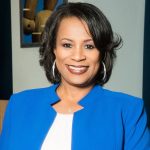
Sandra Marin Ruiz With Florida SBDC

January 11, 2023 by Jacob Lapera

South Florida Business Radio
Sandra Marin Ruiz With Florida SBDC
Loading
00:00 /
RSS Feed
Share
Link
Embed

Download file

DTLLogo-Blue-Bannerv2Sandra D. Marin Ruiz, Ed.D. is the Assistant Vice President for Innovation and Business Development and the Regional Director of the Florida SBDC at FAU. She is a serial entrepreneur and leader in innovation and business development ecosystems in Latin America, the Midwest, and Florida. Dr. Marin specializes in international trade, technology commercialization, and community and industry engagement. She is well known as a partnership builder in domestic and international entrepreneurial ecosystems of the America’s Small Business Development Center Network and the International Business Innovation Association.

As an engineer and a member of the communities she serves, her mission includes engaging communities to bridge the gap between accessing capital and opportunities to run successful businesses as well as support economies via technology innovations that address social needs.

Her broad background also encompasses expertise and credentials as a Florida Small Business Development Center consultant, university professor, and certified program director for Kauffman FastTrac, SBDC Global, and Lean LaunchPad, and extensive experience as an entrepreneur and business owner. She is passionate about linking local needs to national and international policy. She is well recognized for being part of a positive force to support organizations in implementing entrepreneurship and social innovation programs.

Connect with Sandra on LinkedIn and follow her on Twitter.

What You’ll Learn In This Episode

  • About SBDC and her role
  • The relationship between the SBDC and Florida Atlantic University
  • Mission and vision of the SBDC
  • Services they provide to help businesses
  • Type of specific businesses they work with and the size range

This transcript is machine transcribed by Sonix

TRANSCRIPT

Intro: [00:00:01] Broadcasting live from the business radio studios in South Florida. It’s time for South Florida Business Radio.

Lee Kantor: [00:00:08] Now, here’s your host. Lee Kantor here another episode of South Florida Business Radio. And this is going to be a good one. But before we get started, it’s important to recognize our sponsor, DIA’s Trade Law, your customs expert today on South Florida Business Radio, we have Sandra Myron Ruiz, who is the Florida SBDC and Assistant Vice President of Innovation and Business Development at Florida Atlantic University. Welcome.

Sandra Marin Ruiz: [00:00:43] Hi, Lee. Thank you for the invite.

Lee Kantor: [00:00:46] I am doing well. I’m so excited to learn about what you’re up to. Tell us a little bit about the SBC for the folks who don’t know, what’s the mission purpose and your role.

Sandra Marin Ruiz: [00:00:56] Oh, thank you so much. This is a great opportunity to inform our business owners and also those who are seeking to start a business that we are a resource available. So the Small Business Development Center is a program that was founded 60 years ago by the Small Business Administration. And this is a national network. So wherever you are in the US and now in different countries in Latin America, you can find a small business development center to help you in business consulting at no cost and confidential for starting a business to grow your business, even to do exports. So we have a group of 40 consultants serving Broward and Palm Beach counties. And together, we help all of those business owners with different expertise. So we work in capital access. We support technology based commercialization. Also, we support the government contracts path, local contracts, federal contracts. And also we have programs together with Enterprise, Florida, to support exporters. And also we surround this BDC with a lot of resources that the university has in house that I will expand in a minute. And most of the vision is related to help our regional economy, helping businesses start growth and also to provide assistance to help those businesses to stay in business, to access capital, and most importantly, to create more jobs that support our communities at the same time.

Lee Kantor: [00:02:39] Now, this is something for any kind of stage of a business, right? You can come to this BDC with just an idea and you can come to the sbdc with a, you know, a business that’s been in business for 20 years. There’s still resources available to each of those constituents, right?

Sandra Marin Ruiz: [00:02:57] That’s correct. And the beauty of this BDC is that now we are an anchor program of the Florida Atlantic Innovation and Business Development. So we created an ecosystem of multiple resources that facilitate that no matter which state you are your business, if you’re in the idea, if you are just an innovator who would like to explore federal grants to create intellectual property, or if you’re in business and you will start contracting with the government no matter which stage you’re at or which industry. We have a one stop shop at Florida Atlantic in which BDC is the anchor that provides the services based on your needs. So you come to us identify what is the support that you are looking for. And we have multiple resources that can help you identify the right path. And the beauty of this is that they are services sponsored by the federal government, the State government, the Florida Atlantic University and other partners. So those services are provided at no cost. So there’s no skills to start a business now.

Lee Kantor: [00:04:09] Now, can you really make it clear about where the service begins and ends in terms of can are you a consultant or are you just advising or are you actually kind of rolling up your sleeves and doing work for your members or the people taking advantage of this opportunity?

Sandra Marin Ruiz: [00:04:27] So the process is start requiring consulting services. This is something that anybody can do on an online platform that we have is BDC that if a you that you so then we provide business consulting. So our team is our certified business consultants in different areas. We have from finance marketing, the government contracts and what we do is to advise. But sometimes there are clients that require more hands on work. So we provide export marketing plans, government marketing plans and marketing plans. And this is the time in which we put capacity doing the research and also doing some work for the business for them to use. So it happens a lot when we do capital access, in which we do some financial projections. Also we provide some business valuation. So the business are able to have some elements, some assets that they can utilize to move forward. So we work together. It’s a collaborative, collaborative work with the entrepreneur as well, because like a business plan, this is something that we guide in the process, but we also provide some data and resources that we have in hand. So it’s. More like a mix. It depends of what is the exact need of the innovator, the entrepreneur or the business owner at that time.

Lee Kantor: [00:05:50] But you wouldn’t be doing something like making business development calls or cold calls on their behalf. You’re more helping them and guide them rather than, you know, doing the day to day operations or work of that business.

Sandra Marin Ruiz: [00:06:08] Yes, sir. This is the right way to explain it.

Lee Kantor: [00:06:12] So now what’s your back story? How did you get involved in this line of work? It seems very rewarding.

Sandra Marin Ruiz: [00:06:17] Oh, yes. We are mission oriented. So I started in my country many years ago being a technology based business owner. So then I moved to the US and identify that is, BDC has too many resources to support entrepreneurs. I had to start my business and sell my business with no resources, basically. So in the US we have the beauty of having these small business development centers funded by the Small Business Administration, and I started this 12 years ago in the state of Missouri, and then I moved to Florida two years and a half ago to run the Small Business Development center here and be able to support more entrepreneurs that are related to my roots. And I’ve been connected to the BDC and entrepreneurial ecosystems in Latin America and the Midwest. Now I’m working with Europe and the rewards are coming, helping all those businesses to actually reach their goals. And when you see a business that impacts their community as well is what keeps us doing this work every day in our best capacity and I’ve been in both, is because I know what it means to be a business owner and to run a business and to support your employees, to help your economy. And from the CDC, what we find is, and I personally find very rewarding to contribute with our work. And this is what keeps us happy every day.

Lee Kantor: [00:07:51] Now, as part of your mission to attract businesses from other countries to come to America, to either establish, you know, North American operations or to just expand.

Sandra Marin Ruiz: [00:08:07] And yes, so we are part of the Small Business Network of the Americas. This is a program that is started with the US Department of State about five years ago. We established a small business development centers in different countries. Chile, Brazil is about to come also in the Caribbean. And with them we help their clients or businesses abroad to identify how to do business in the US. So with that business attraction process, we guide them on how to establish a business in the US, how to grow that business. And once they are located in Florida, we provide the services that we have for local businesses. So when we talk about economic development, we’re talking about business attraction, retention and growth. So we are helping the business attraction, helping businesses to start in the US from abroad. So we also support those ecosystems in other countries to support our exporters to have those early connections. So this is a win win. And answering your question, yes, we help on business attraction, helping businesses from other countries coming to Florida. And specifically, we have 17 companies from Chile working with the College of Business at Florida Atlantic. We help them with market research, helping them even before coming to the US on a trip. We are helping them to get information and to have market research from the students. And it helps a lot to have the decision. Now, there are 17 companies that will be located in Palm Beach County in the next year.

Lee Kantor: [00:09:46] And having the Sbdc as kind of a partner to help them get going, that really probably accelerates their growth in the US and in Florida, Right?

Sandra Marin Ruiz: [00:09:58] That’s true. And also this is I’m telling all the business owners in Latin America they engage with, this is the safest way to learn how to do business because we’re a neutral party. It’s also at no cost. So this is a resource that really worth to explore before even engaging on having some investment, because we’ve seen a lot of companies that start the. Some bees and start registering an entity before even knowing if the US is a market for them. So we are helping from the early stage, from the communication with doing outreach and definitely having the BDC on their side, being able to provide resources and information or at least connecting with the right resources in the area is the easiest way to start navigating the US as a potential way to put a new business.

Lee Kantor: [00:10:54] Is there a story for you? Is there a story you can share with maybe one of the businesses that you were working with that you helped them get to a new level? Maybe not you personally, but the sbdc through for you. Is there a story that kind of stands out to you over the years? That was, wow, we really made a difference and we really impacted not only this company but the community as well?

Sandra Marin Ruiz: [00:11:18] Yeah, it was a it was a story that happened during COVID. So we have a manufacturer that started with us 20 years ago because in Florida we’ve been 45 years already. So imagine the age of some of the successful businesses in the region. So one of our manufacturers who run company, they successfully exporting and everything happened during the pandemic in which they had to shift because they sold mostly their products to Crucis. So suddenly they didn’t have a client. And we help them to shift the operations in manufacturing from Rome. They had all the infrastructure, so they moved to hand sanitizers and we start doing all of the process to export and also to supply the domestic market. So in a couple of months they were able to shift from producing rum to produce a high demand product for the domestic market. We started doing some export support as well. We put all the resources, the connection that we had in hand and they were able to stay in business. They were able to save about 200 jobs in South Florida. And then once the pandemic finished, they kept that new business line. But also they shift the traditional cruises as a client to shift to do a commercial product. So they start doing now canned recourse. And that is the type of support that we provide in the backyard. And we just take this as part of our heart as well. So we just this is one example of many. So we serve about 4000 businesses a year. So you can pick the story you want. And actually on our website we have a lot of the success stories that you can read at anytime now.

Lee Kantor: [00:13:18] What does it look like if somebody says, You know what, I’ve never heard of this before. It’s one of those best kept secrets in a lot of places where they they wish there was something like this available. And for it to be no cost is hard to believe. But if somebody says, you know what, I want to learn more, how do they what is the process look like to begin a relationship with the Sbdc?

Sandra Marin Ruiz: [00:13:42] Oh, thank you for that question. And basically what you utilize is open source. We utilize partners and a opportunities like this to share what we do for the business community and the process to study super easy. You can type in Google as BDC and regardless where you’re at when you register, it will land in this BDC that is closer to you. So we do as BDC that for you that EDU is another way. So you request consulting. So once you request consulting, you get into our system. If there is a listener here that may be in Miami, they will go to the Miami SBC. If they are in Tampa, they go to the Tampa BDC. If they’re in Broward and Palm Beach County, they land in our team. So the process is the same nationwide. So you register request for consulting and you will assign a business consultant. So that business consultant will contact, you will have a conversation and decide what are the services and the path that we can follow. And we start with multiple expertise. So you start the process. Maybe you are meeting one consultant, three or four consultants according to your need. Some people come for capital access, but the best option for them to start is with a business valuation. Or some people come for government contracts, but they need to align for the marketing. So we put all this network of business consultants in their hands and the process is start with that, just contact us Registered request consulting and we take it from there and. Is not an automatic is an individual talking to you all the time.

Lee Kantor: [00:15:29] So but it can start with a phone call or online conversation. It doesn’t require them physically coming to your office, or it can be both.

Sandra Marin Ruiz: [00:15:38] Can be both by the process starts requesting consulting through our website.

Lee Kantor: [00:15:45] So that’s the that’s the first step that somebody has to take. They have to take that action of coming to you via their website and signing up, and then someone will contact them to just kind of see what the needs are. And then that way you can match them to the appropriate resource.

Sandra Marin Ruiz: [00:16:02] Yes, sir, that’s the right way. And we match with the consultant and most of the consulting processes virtual unless the business owner or the consultant agreed to meet in person because it facilitates the conversation. So nowadays you don’t have to take your car to go for an hour meeting. So we provide both according to what is the business owner. Sometimes we do visits to the companies as well, so it depends more of the the dynamic that the business owner would like to follow.

Lee Kantor: [00:16:33] Now, in addition to this personalized consulting, there’s also do you do educational kind of seminars and webinars and things like that?

Sandra Marin Ruiz: [00:16:42] Yeah, we have like a monthly webinar. We have multiple topics. Our format is to have some theoretical conversation at the beginning and then we have. Like consulting a life while we have the webinars we do a lot of this in. How to charge your business as a bankable asset. How to do government contracts, how to export. So we do the basics and this year we will have a series of export assistance support in Spanish. We also have in Spanish other type of programs that are for early stage businesses. This is an eight week bootcamp that we have in Davie in town of Davie coming up in February. This is also a scholarship that we work with the cities and the training is basically hands on activities to help our business owners, our entrepreneurs to navigate the process faster. So we have webinars that are super informative and also we have onsite training. So the best way is just to stay connected. So we have newsletters that provide information on what training programs are coming up, but also we have a lot of social media presence. So it’s the easiest way to know is to follow us and just participate. Everything again, is at no cost and as much information, a business owner has better decisions they can take. So we invite them to be part of this.

Lee Kantor: [00:18:21] And like you said earlier, it’s industry agnostic. Like you don’t have to be part of a technology firm or a manufacturer exporter. This is open to any business owner or entrepreneur, right?

Sandra Marin Ruiz: [00:18:32] And to every industry. And again, we are moving to have more Spanish based communications. So it’s easy to access. Yes, we have to have English to the businesses in the United States, but sometimes the conversation is easier to have it in our own language. I’m Latino, so I understand that some concepts need to be explained differently. So just follow us and be part of this community and we will. We are super happy to support whoever is coming to our door. We serve a nondiscriminatory basis. So whatever business you have business idea, we would like to help you.

Lee Kantor: [00:19:15] So if somebody wants to learn more, have a more substantive conversation with you or somebody on your team, what’s the website one more time?

Sandra Marin Ruiz: [00:19:23] You can type. Florida is BDC, the Small Business Development Center, and you can put like the county or you can put Florida Atlantic, but if you just put Florida’s BDC and you can have a lot of results in Google and if you go to the Florida Atlantic University website or if you go to the BDC website, it will land in the same place in which your request for consulting and then we’re taken from there. I suggest that you also follow us in LinkedIn or Facebook and follow us and identify which training you would like to start. If you don’t want to start consulting right away, at least start being informed and involved. And we have 11 locations in the region. So if you want to meet your consultant in person, we have 11 locations that you can access those. So the websites are, if it’s BDC that for you that is EU or Florida is BDC that org.

Lee Kantor: [00:20:32] Well, thank you so much for sharing your story today. You’re doing such important work and we appreciate you and I am a big fan of the Sbdc. I think it’s one of those best kept secrets. I it boggles the mind that more people aren’t taking advantage of this. The people involved are smart. They, you know, are, are talented. They have a history of working at a high level and they can help a business grow and it doesn’t cost anything. So it’s one of those things where I wish every business owner at least had a conversation and got to know a little bit their Sbdc.

Sandra Marin Ruiz: [00:21:07] This is one of the great opportunities we have as a program that you allow us to share this with the community and I do really appreciate it. This is an area because as much businesses know that we exist and that we have resources for them, the better we are as a community, as as economies.

Lee Kantor: [00:21:28] Right? It’s a win win across the board. It helps with more jobs, it helps more entrepreneurs succeed. And everybody knows that there’s a high failure rate with entrepreneurs. And why not do everything in your power to help yourself succeed? And that sbdc is a great resource for everybody.

Sandra Marin Ruiz: [00:21:47] Thank you so much.

Lee Kantor: [00:21:49] All right. This is Lee Kantor. We’ll see you all next time on South Florida Business Radio.

Tagged With: Florida SBDC, Sandra Marin Ruiz

Stefanie Diaz With She Conquers Capital Podcast

January 5, 2023 by Jacob Lapera

Stefanie-Diaz
Startup Showdown Podcast
Stefanie Diaz With She Conquers Capital Podcast
Loading
00:00 /
RSS Feed
Share
Link
Embed

Download file

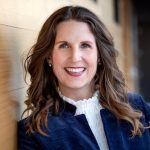
SCCStefanie DiazStefanie Diaz is the Creator and Host of She Conquers Capital podcast.

Disrupting the future of healthcare at Catalyst by Wellstar. Amplifying Women in VC through She Conquers Capital.

Sought-after advisor for founders in tech for Atlanta Tech Village and the greater ecosystem.

Connect with Stefanie on LinkedIn and Twitter.

What You’ll Learn In This Episode

  • Women in venture capital
  • Pitching like a thought-leader
  • Bringing your whole self to your work
  • The intersection of capital and spirituality
  • Trusting the process

This transcript is machine transcribed by Sonix

TRANSCRIPT

Intro: [00:00:04] Welcome back to the Startup Showdown podcast, where we discuss pitching, funding and scaling startups. Join us as we interview winners, mentors and judges of the monthly 120,000 pitch competition powered by Panoramic Ventures. We also discuss the latest updates in software web3, health care, tech, fintech and more. Now sit tight as we interview this week’s guest and their journey through entrepreneurship.

Lee Kantor: [00:00:39] Lee Kantor here another episode of Startup Showdown podcast, and this is going to be a good one. But before we get started, it’s important to recognize our sponsor, Panoramic Ventures. Without them, we couldn’t be sharing these important stories. Today on Startup Showdown, we have Stefanie Diaz with She Conquers Capital Podcast. Welcome, Stefanie.

Stefanie Diaz: [00:01:01] Thank you so much for having me. Lee.

Lee Kantor: [00:01:03] I am so excited to learn what you’re up to first. Tell us a little bit about the podcast. Who do you talk to and how are you serving folks?

Stefanie Diaz: [00:01:11] Yeah, so she conquers capital has been around since 2020. It is all about featuring the women who are impacting the flow of venture capital. And it’s currently on season three, which is dedicated to exclusively featuring Latinas in venture capital. So primarily interviewing Latina investors, which there are plenty. But we also have featured some Latina founders who have raised significant amounts of capital as well.

Lee Kantor: [00:01:43] So what’s been the most rewarding part of the podcast so far?

Stefanie Diaz: [00:01:47] The most rewarding part is when I get to talk to founders or investors who say, I listen to your show and it gives me so much inspiration and I’m learning so much. You know, the the premise of the podcast is really to be of service to all in the venture space who desire to learn more. And then the subtle, oh, by the way, it’s the voices of women who are imparting this wisdom. So it’s really the space for anyone to learn, but to kind of like subliminally share that women have a strong voice in this industry and are a great resource for information around this industry.

Lee Kantor: [00:02:28] Now, the podcast is just one of the many things you do. Can you talk about other aspects of your work?

Stefanie Diaz: [00:02:34] Yes. Well, I’m thrilled to be with Catalyst by well, Star. Well, Star is the largest health care system in the state of Georgia. And Catalyst by well, Star is a newly formed corporate innovation and venture fund focused on digital health and many solutions involving the health care, the health care industry. My role there is industry discovery and research and our deal flow process for our venture funds. So it’s my role to keep an external lens on all things innovation, tech, venture and health care so that our team can can create and invest in the best technology around health care today.

Lee Kantor: [00:03:18] Now, what’s your back story? How did you get involved in venture? How did you get involved in and have this passion for helping entrepreneurs and and female entrepreneurs?

Stefanie Diaz: [00:03:29] It’s a winding journey, but the short story is coming out of my MBA. I ended up landing within a pharmaceutical startup and we grew that company to over 100 million in annual revenue in four years. I was reporting right into the owner and while my title was National Accounts Manager, I was I had a hand in a little bit of everything, as you can imagine, true startup style. We had less than 24 team members. You see a lot and I learned a lot in that, in that experience. And I was determined to take that experience and do something big with it. At the time, I did not know exactly what. The only thing I knew is that I didn’t see myself forever in the pharma industry. And so I wanted to figure out how do why switch industries but not start at the bottom somewhere else. And so it was back in the early. And you will you will appreciate this leave the early podcasting days in 20 1415. I, I was listening to a lot of podcasts around entrepreneurship getting really inspired and I started to get this idea that maybe a podcast could be the platform that would launch something new, something else in a new industry. I had helped by that point.

Stefanie Diaz: [00:04:46] I had helped a few family and friends launch a business, and so I felt something in that area. Helping new entrepreneurs was the thing. And I was ready to to figure that out. And I thought podcasting would be a part of it. So I launched a show mastermind your launch. And as I was interviewing business owners and networking, someone said, Hey, you should go down to this Atlanta Tech village. They have a lot of really cool founders there. I bet you could find some fun people to interview and that’s kind of the rest is history. I loved the world of tech and startup and venture. I loved meeting these founders that had big ideas. I was fascinated by the fact that they could raise, you know, six and seven figures in just a few months and be off to the races. And I said, this is where I belong. As you know, that podcasts ended up joining the Business RadioX platform. I started hosting events for entrepreneurs and just I became very visible in the Atlanta ecosystem. Doors started to open for me, and one of them being an invitation to join a fintech company as their chief of staff and head of Investor Relations. And that was really exciting because having seen so many startup pitches and then seeing so many announcements, so-and-so just closed one $2 million.

Stefanie Diaz: [00:06:08] I still didn’t have a lot of visibility about the in between. But how does all of this capital change hands? And I’ve finance has been a passion of mine whether it’s personal finance or business finance. So I was excited and intrigued to dive in. So for that fintech company, I started negotiating deals with investors, engaging our investor network, planning our investor strategy via that same network. I was invited to run the screening and due diligence for a local angel investor group, and that was really exciting because it gave me a seat on both sides of the table, raising capital for the fintech company, screening and deploying capital on the angel investor side. And within that, often seeing that I would be the only woman in the room, the only Latina in the room, and feeling like I wanted to do something, use this experience in my platform, in my voice, to start to shape that. I ended up going back out on my own, a journey that quickly led me to a venture fund focused on investing in underrepresented founders, and then shortly thereafter found my way to Catalyst.

Lee Kantor: [00:07:19] Now, in your work, you’ve talked to a lot of I’m sure you’ve seen kind of both sides of the desk. Right. You’ve you’ve talked to a lot of entrepreneurs and you’ve had conversations with a lot of people with capital. Do you mind sharing some advice about the, you know, probably both sides to give maybe a glimpse for that startup founder and idea of what is it that this VC is saying behind my back, you know, before I pitch or after I pitch it, it can’t always be just strictly about the math and the numbers. There has to be more kind of art to this as well.

Stefanie Diaz: [00:07:58] Right? Well, I mean, that’s definitely where my mind goes first and foremost. Obviously, there’s so much advice on so many different things that we could talk about. But I you know, people love doing business with people that they enjoy. And so to your point, it’s got to be more about the numbers. And for as far as advice, what I would share with founders that are raising capital is to be aware that while you’re talking about what you are planning to do, what you have done, what you have created, what people are also reading into between the lines is how? How do you show up? How do you lead and communicate and compel others, whether they are team members? How do you galvanize an investor network? How do you really communicate your vision and create buy in and create connection? I think all of those elements of of leadership and just connecting with people, building relationships, establishing rapport also go a long way. And when we talk to talk about underrepresented founders and there’s a level of confidence and feeling as though you belong that allows you to better establish that rapport and build those relationships. And so to know that alongside telling the story of what you have, you’re also communicating how. So be really mindful of that.

Lee Kantor: [00:09:26] And then when you are kind of demonstrating, how are there things that you recommend person do to kind of put off that? It’s almost an aura of somebody that, okay, this person is an authority. This person, I might not believe what they are saying, but I believe that they believe, you know, they’re they’re all in on this. And they they seem very committed. And and, you know, those kind of subtle cues that are helping a person determine, hey, am I going to bet on this person or not?

Stefanie Diaz: [00:10:01] Right. So something that I have coached a lot of founders and mentored a lot of founders in this area, and I have some free resources about this on on my website as well, if anyone wants to explore. But I as a public speaker, you know, that level of communication and having that presence is a way that I really love to empower founders. And so what I try to help them avoid is that moment in the presentation, whether it’s a pitch or a speaking engagement or an interview where they are searching for the answer, you know, that you get blindsided, you’re a deer in headlights and you’re trying to search for the answer in your head. And it takes you ten times as long to spit it out as you as you wanted it to. No one wants to be in that place, and it can be really hard to recover sometimes when you find yourself in that kind of a moment. And so proactively developing what I call power statements, which is just having language at the ready that you have committed to memory, you deliver it powerfully because you believe in it with such conviction, really allows you to feel like you’re a master of communication when you’re out there. And so I encourage founders to practice to not just bullet point what you’re going to say, but can you have a phrase, you know, like the quotables, if you see people writing down a quote from a speaking engagement or something, then, you know, you’ve landed on some powerful language. You don’t have to create the wheel. Make sure you remember that. Keep using it again and again. And some of your favorite founders and public speakers do exactly that. So look at how they leverage that thought leadership for yourself.

Lee Kantor: [00:11:44] Right. That’s an important part point, because so many leaders that are kind of well-known right now, they have a handful of catch phrases that they’ll repeat over and over that we just take for granted. So why not? You also have them as well that, you know, have some kind of taglines or phrases or quotes that can really stand out and help people remember who you are and what you believe in.

Stefanie Diaz: [00:12:12] Exactly. And then every time you pitch or go to speak or go to tell your story, you get to build upon what you have already created. And that’s what you should be doing.

Lee Kantor: [00:12:24] Now, when you’re talking specifically to women in venture capital, I’m sure hopefully today there’s a lot more than there were when you started first. Is that true? That’s an assumption I’m making. But is that is that true?

Stefanie Diaz: [00:12:40] Absolutely. And growing. I’ll tell a quick story. When I first had the idea to launch this podcast, the She Conquers Capital Podcast in early 2020 pre-pandemic, I remember sharing it, sharing the concept with someone, local investor here in the ecosystem. And I mentioned that I wanted to feature women investors and women who have closed significant rounds of capital. And he said that I would quickly run out of women to interview. And for me, I heard that and I was surprised at his advice. And I was also challenged, you know, like, all right, I’m going to prove him wrong. And here we are more than two years later, just the Latina edition. This third season has just hit 31 episodes. And so there is there is not a shortage of women who have had significant success in the world of capital, whether on the founders side or the investor side. I know I have only scratched the surface. I continue to meet women that I’m like, how do I not already know who you are? And it’s a blessing to be able to amplify them so that people really do know we are plentiful. Could there be more? Absolutely. Always. We do have a ways to go, but we’re here and I’m thrilled to be a part of telling that story.

Lee Kantor: [00:14:03] Now, is the pipeline being filled by women who have had start ups that have had successful exits and then are moving into venture capital? Is that a place where, you know, the pipeline is getting filled?

Stefanie Diaz: [00:14:16] You know, it’s interesting that you say that. I have had so many women on the podcast who are early in their careers and went almost straight into venture shortly after college. They may have had other jobs in the finance industry that were venture capital adjacent and made their way there. And those are some of my favorite episodes to feature because I feel like it really does start to break down the stigma that you have to have this huge check check list of things that you accomplish before you have a significant role in venture. There are many women who are early in their career who have, you know, and I’m not the first podcast that they’ve been on. They are out there. They have a strong voice, they have a strong following. And I think that we’ll see a lot more of that now.

Lee Kantor: [00:15:08] How did you get involved with Startup Showdown? What was your role with them?

Stefanie Diaz: [00:15:13] Yes. So I you know, having been in the ecosystem for a long time, I used to be a part of Atlanta Startup Battle with Paul Judge back in the day and have known Tammy McQueen for a very long time. And then it was Tammy who reached out to me to invite me to be a judge at, I believe it was the October showdown that they had.

Lee Kantor: [00:15:35] Now having taken part in a startup showdown, what do you think that the participants how do you think they benefit the most? By going through the process.

Stefanie Diaz: [00:15:47] Oh, well, Startup Showdown does a really great job of supporting these founders in a holistic way. So there’s the mentorship that they provide, which allows a startup to just get access to all of these thought leaders and really flesh out their ideas before they take the main stage. Something that I really do enjoy about the vibe with Panoramic as a whole and the Startup Showdown events is that I feel like founders are really encouraged to be themselves and have fun while they’re doing this. And so it takes something the investor pitch, which in some cases could feel stuffy and a bit dry and it just brings so much life to it. And so if I was to give advice to founders in that respect too, it’s like really lean in to being yourself, having fun, enjoying the process and dialing up the volume in ways maybe you haven’t before.

Lee Kantor: [00:16:47] Now in your career, have you had the opportunity to be mentored by anybody?

Stefanie Diaz: [00:16:53] I feel, yeah. I mean, I feel like I’ve built an amazing network and I don’t know that every every mentor might say that they are my mentor, but have been able to glean lots of wisdom from people well ahead of me and and have felt a lot of generosity when it comes to people who are willing to sit down over coffee, open doors, make introductions, invite me to the table, stay in touch, nurture my journey. I definitely have benefited from people who are mentors.

Lee Kantor: [00:17:35] Well, it sounds like throughout your career you’ve really leaned into building community and see the value in having a robust network and really doing your part to be an active participant in it, not just somebody along for the ride.

Stefanie Diaz: [00:17:51] True. I yes. Community has been one of those things that interestingly enough, you know, and I talk about this not all the time, but sometimes but a little bit about me is I and my family is originally from Puerto Rico. I grew up in a suburb outside of Atlanta and felt very out of place for a long time and struggled to find where I belonged. And I think for me, that’s why community means so much, is because I know what it’s like to not know where you belong, not know if you have a community. And so I do look at community with a lot of intention. And and for that reason, I take a lot of pride in being that sense of community and home for others.

Lee Kantor: [00:18:40] Yeah. And I think that it can be a competitive advantage. The person who is able to kind of create a community or be a catalyst to start a community is somebody that I think that other people are drawn to and then want to work with and are going to be creative in ways to make that happen. So even if you’re a startup founder, to think about community, the community that you’re building, whether it’s with your people and your team and or your customers and or the industry you serve, I think that that’s competitive can be a competitive advantage.

Stefanie Diaz: [00:19:15] Absolutely. And I something that I appreciate when I see a founder doing that, especially early in their career, especially, you know, I love when they feel like they don’t have to check all of the boxes. You don’t have to reach a certain level of success or level of traction in your business to start bringing others alongside you. And that’s something that we can all do at any time. And so I really enjoy when I see a startup founder doing that within for themselves and within their industry.

Lee Kantor: [00:19:48] So right now, what can we be doing to help you? What do you need more of and how can we help?

Stefanie Diaz: [00:19:55] Oh, my goodness. Well, I guess, you know, letting women know that she conquers capital exists and that they can use it as a resource. I’ve also launched a she conquers capital circle community where women can join for free and just keep the conversation going. Connect with each other, connect with me. I have a lot of free resources within there. Lots of training videos on mastering your pitch, mastering public speaking and mastering your personal confidence amid this journey that can leave us questioning ourselves and our path from time to time. And so I would love to see more women in there, both female founders and investors. And depending on when this episode airs, there may be some live events happening in the Atlanta area. So definitely be sure to follow on social or sign up for my newsletter for all of the info around that.

Lee Kantor: [00:20:49] And if they wanted to do that, what’s a website?

Stefanie Diaz: [00:20:52] Oh, thank you. These Stephanie Diaz, Stephanie with an F.

Lee Kantor: [00:20:56] Good stuff. Well, Stephanie, thank you so much for sharing your story today. You’re doing such important work and we appreciate you.

Stefanie Diaz: [00:21:03] Thank you, Lee, for having me.

Lee Kantor: [00:21:05] All right. This is Lee Kantor. We’ll see you next time on Startup Showdown.

Intro: [00:21:11] As always, thanks for joining us. And don’t forget to follow and subscribe to the Startup Showdown podcast. So you get the latest episode as it drops wherever you listen to podcasts to learn more and apply to our next startup Showdown Pitch Competition Visit Showdown VC. That’s Showdown Dot VC. All right. That’s all for this week. Goodbye for now.


Tagged With: She Conquers Capital, Stefanie Diaz

Yash Daftary With FanBasis Inc.

December 29, 2022 by Jacob Lapera

Yash-Daftary
Startup Showdown Podcast
Yash Daftary With FanBasis Inc.
Loading
00:00 /
RSS Feed
Share
Link
Embed

Download file

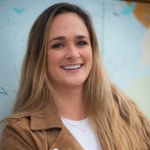
FanBasisYash DaftaryYash Daftary is the CEO & Co-Founder of FanBasis, the first Content Creator Monetization Ecosystem & Social Equalizer, designed to eliminate the barriers separating content creators from their fans. Yash is a serial entrepreneur who started his first business when he was 16 and has been fascinated with entrepreneurship since he was young.

Prior to FanBasis, Yash also worked in Venture Capital at firms called Storm Ventures and MBX Capital. While working in the VC world, he gained valuable experience that led to the roadmap and strategic foundation of scalability & success for FanBasis.

He’s been a serial entrepreneur ever since he was young, he was always fascinated with entrepreneurship and the idea of creating change by starting his own venture. By the time he got to high school he had finally put himself in a position to make that come to fruition, starting his first venture, and exiting before beginning college and learning the fundamental X-factor for all entrepreneurs: your company will only travel as far as your ambition.

Previous to FanBasis, he worked in Venture Capital at firms called Storm Ventures and MBX Capital. While working in the VC world, he gained valuable experience that led to a roadmap and strategic foundation of scalability & success for FanBasis.

Connect with Yash on LinkedIn and follow him on Facebook and Twitter.

What You’ll Learn In This Episode

  • About FanBasis
  • The limitations of who can be a creator on FanBasis
  • Plans for FanBasis’s future
  • Establishing credibility in such a competitive market

This transcript is machine transcribed by Sonix

TRANSCRIPT

Intro: [00:00:04] Welcome back to the Startup Showdown podcast, where we discuss pitching, funding and scaling startups. Join us as we interview winners, mentors, and judges of the monthly $120,000 pitch competition powered by Panoramic Ventures. We also discuss the latest updates in software Web three, health care, tech, fintech, and more. Now sit tight as we interview this week’s guest and their journey through entrepreneurship.

Lee Kantor: [00:00:39] Lee Kantor here, another episode of Startup Showdown podcast, and this is going to be a good one. But before we get started, it’s important to recognize our sponsor, Panoramic Ventures. Without them, we couldn’t be sharing these important stories. Today on Startup Showdown, we have Yash Daftary with FanBasis. Welcome.

Yash Daftary: [00:00:59] Hi, Lee. Thanks for having me on the show.

Lee Kantor: [00:01:01] Well, I’m excited to learn what you’re up to. Tell us a little bit about FanBasis. How you serving folks?

Yash Daftary: [00:01:06] Absolutely. So. Fanbasis is the monetization platform for content creators, influencers, celebrities, and athletes, where we give them the ability to set up a digital storefront where they can sell experiences of all kinds to their fans. These experiences can be anything from one on one lessons, virtual meet and greets, social media interactions, take talk duets or anything that they can think of. Basically, we enable them to utilize their skill sets and the reason that they have a fan following and monetize on that directly with their fan base.

Lee Kantor: [00:01:39] So now what was the genesis of the idea? How did you come up with this?

Yash Daftary: [00:01:44] So actually started working on this idea in late 2020, around the time of the pandemic. And essentially I was utilizing social media a decent amount, especially tiktok. And this is kind of when Tik Tok blew up and I realized, you know, there were tons of people that were going viral and becoming famous very, very quickly. And Tik Tok kind of started that trend and gave people the ability to do that. So while I was using social media, I would see influencers that had 800,000 or a million or 1.2 million followers. And, you know, and it was crazy to me because in their bios I would see them having their Venmo or cash app links and tags. And what the thought that sparked that was sparked in my mind was if I had a million followers on a social media platform, I can guarantee you that I can create a business around that in some sort of way. So after having that thought, I reached out to all the people in my network that kind of had a fan following themselves and and figured out that this is a real problem. The only way that they really make money right now is through sponsorships and endorsements or selling merch. But they’ve got a million people that are following them for the content that they’re putting out and aren’t monetizing directly with the fans. So basically I realized that the solution to this problem is creating a bridge between the fans and the creators or celebrities in which they can interact directly and creators can monetize from the fans in a one on one and personalized way.

Lee Kantor: [00:03:18] So now in order to do that, they have to kind of get off the platform where the fans are and then go into the fan bases platform.

Yash Daftary: [00:03:26] Yeah. So we consider ourselves to be complementary to social media platforms like Instagram, TikTok, YouTube, Twitch, where basically the way it works is a creator will make a profile in a storefront on fan basis and we’ll put the link to their account in their bio posted on Tik Tok on their Instagram stories. And, and the fans will go from that platform to this creator’s fan base page and browse the different digital experiences that they’re offering and choose whichever one is the most valuable to them.

Lee Kantor: [00:03:59] So now. So walk me through this like a real life example. Do you have like is this live now or are people using it?

Yash Daftary: [00:04:07] Yes. So we’ve got a decent amount of traction actually in the past year and we’ve got a lot of creators using our platform to date. We’ve just broke over 10,000 users total that are currently using the platform on a monthly basis. But we’ve we’ve seen a lot of really cool success stories and case studies come out of our platform so far.

Lee Kantor: [00:04:33] So is the platform. Does it kind of categorize the creator? So like you could have a creator that’s like a musician or a creator that’s a comedian or creator that is a athlete. Like, like, is there kind of a a different place for different artists?

Yash Daftary: [00:04:55] Exactly. So, you know, basically, fan basis is not limited to just people with a with a fan following as well. Anyone that has a skill set can utilize our platform to sell whatever they want. For example, we’re working with some LinkedIn, quote unquote influencers right now, but essentially business professionals that want to offer their skill sets. Like for 200 bucks, I’ll look over your pitch deck and give you advice or I’ll consult you on your business. And we’re basically enabling people to sell their services through our platform. But our main focus is on those creators. And yeah, if you go on to our website or on our app, you can easily see the different kinds of creators we have. We break them down by niches like cooking beauty athletes, actors, comedians, or you can do them by social media platform. And there’s a couple of different ways. But, you know, the kinds of users we have in our platform is a very broad spectrum right now, which is kind of by design.

Lee Kantor: [00:05:55] So say I’m a comedian, I’m on Tik Tok and I have a following of a million followers. What is kind of a practical way that I’m going to move them from TOK onto fan bases so they so I can monetize.

Yash Daftary: [00:06:12] Yeah. So we’ve got, we have a lot of TikTok creators and that’s kind of what Tik Tok is what inspired the idea for this business in the first place. So when we originally built the MVP of our platform is kind of focused towards them and the way that we see the most success from Tik Tok creators using or using fan bases is they essentially keep the link, their fan bases link in their bio and make a tik tok about it or just talk about it on their live streams and things of that nature. It really depends on the creator themselves and what kind of engagement they have. Some of them, you know, if they post a tik tok about it, they won’t need to even promote their page for another few months because that Tik Tok will keep on getting views from their fans and we’ll continue to sell experiences. But we see the most success with people that create a series of Tik Tok promoting different individual experiences that they have and bringing fans over that way.

Lee Kantor: [00:07:06] So like an example would be I have this following, I put I do a tik tok on fan basis and how I’ll do, you know, like me and this fan could do something together and it’s a unique experience for the fan that helps the fan out. It helps me kind of show that I’m interacting one on one with the fans and is that taking place back on Tik Tok or that’s happening on the fan bases platform.

Yash Daftary: [00:07:32] So that we built out our infrastructure so that everything can be done through our platform. The only things that are done off platform are you can purchase things like you can buy a Instagram shout out and follow back from a influencers that we have. Or you can buy a tik tok duet or stitch from a tik talker that we have. So those things are obviously they have to be done on the social media platforms. But overall, everything for the most part can be done through the fan bases, app and website. And going back to your your first question. So to give you an idea of how they they kind of use it is, for example, we have a beauty influencer on our platform that sells things like hair care and skin care routines. So essentially what he’ll do is kind of give a sneak peek of his haircare routine and say, hey, if you want to get the full hair care routine, check out my fan basis page links in the bio. Or we have normal tiktokers that are really going to dance. And they’re professional dancers. So they’ll sell, they’ll post a dance and say, Hey, I want to learn how to dance like me. You know, go to my fan bases page and you can see all the different kinds of dances I can teach you. So kind of, you know, incorporating it into their videos so that it still gets natural engagement. And it’s the content that our fans want to see. But also it gives their superfans the ability to interact with them in a more personalized way.

Lee Kantor: [00:08:50] So is that experience just a one off for that individual fan or is that like kind of a premium membership that gives you access to exclusive content?

Yash Daftary: [00:09:00] So it could be it could be both. Typically for those for what I just described, those would be one off experiences. But we give we give these creators the ability to set up a membership as well. So if they want to use it more as a Patreon style paywall, they can do so. And we have people that use the membership functionality for selling, like just access to exclusive content behind the scenes of music videos, unreleased music, things of that nature. We have fitness people that use the platform, that use the membership functionality to set to sell their monthly or yearly fitness plans so they have the ability to do so. But for the most part, the most of the transactions we have are one off experiences.

Lee Kantor: [00:09:48] And now so is that the biggest point of differentiation from you and the other kind of players in this space?

Yash Daftary: [00:09:55] So the biggest point of differentiation is we have the largest monetization toolset of any platform on the Internet. A good way to think about us is kind of like a Shopify for Creators or a cameo and Patreon on steroids, where on our platform you can do live experiences, prerecorded experiences, sweepstakes memberships, you can sell merch, and essentially you can also sell physical interactions in person. So essentially you can sell literally anything that you can think of as a creator. And we fulfill all of their needs, which is why we’ve been able to get so much traction. And we’ve converted tons of users from our competitors onto our platform because, you know, one of the main things that we help creators with is eliminating their link tree. Are you familiar with link trees and these influencers bios?

Lee Kantor: [00:10:47] Yeah.

Yash Daftary: [00:10:48] Yeah. So if you’ve ever clicked on one, if you go to any Instagram influencers page right now, you’ll click on their link tree and it’ll have a link to their personal website, to their Spotify.

Lee Kantor: [00:10:59] Right. Ten different places.

Yash Daftary: [00:11:01] There’s a million different things on there. We basically wanted to give them the ability to eliminate that altogether and say, Hey, you know, if you have a different merch store, a different website for your membership and all of this, people aren’t going to be going back and forth to check out every single offering you have with fan bases. You can put it all in one storefront. The storefront looks super nice and you can customize it literally however you want. So that’s one of the bigger problems that we’ve been able to solve and kind of differentiate ourselves with. As we’re the all in one toolset.

Lee Kantor: [00:11:35] Now for the creators, it’s something that they’re only paying a transaction fee when money gets exchanged. Or is this something that they’ve got to pay a monthly fee to be part of the fan based platform?

Yash Daftary: [00:11:48] No. So fan basis is totally free to use for creators. They can create a profile and we basically get paid with their success on our platform. So essentially we take a 20% platform fee every time a transaction is created.

Lee Kantor: [00:12:05] Now, when you came up with the idea and you started, you know, putting the technology onto the all the services that you were offering, when did you start seeing traction where, hey, this is something that is really got a chance to work here? Is there were there some breadcrumbs that you were like, I think we’re in the right spot here?

Yash Daftary: [00:12:26] Yeah. So no, there is definitely a little bit of a learning curve that went into this business. Basically we I started working on this business in late 2020, launched the MVP, which was a bare bones version of our platform, looked completely different with a limited feature set back in May of last year in 2021, and we launched a beta version of our platform in August. So essentially the roadmap was between the MVP and the beta version. We were kind of limiting it to between 50 to 100 creators on our platform so that we can start testing out different hypotheses that we had. And we think these kinds of experiences will work well. We think these kinds of creators will work well. Let’s see if this niche attracts a lot of users onto our platform. So we went through a little bit of a learning curve there and and it was extremely helpful in terms of figuring out what we should be marketing to creators to bring them onto our platform. What makes the most sense for creators to be pushing out to their fans? That’s something that’s super important because there isn’t really anything like this on the market. And, you know, this space is relatively new and it started booming recently.

Yash Daftary: [00:13:39] So, you know, even the creators don’t fully know what their fans are going to want to purchase. And we needed to learn a lot to be able to provide them with the correct insights to do so. But we essentially really started getting traction this year since January, because we’ve made some partnerships that really expanded the amount of creators that we have on our platform, and we’ve created a pretty large snowball effect. If you check out our social media is on like our Instagram or TikTok, you can see the different creators we work with and you can see that a lot of our posts have gone viral, which created a really organic pipeline of creators coming on to our platform. And frankly, right now, you know, we are we are scaling up our our human capital and onboarding teams because we want to be able to not have a bottleneck when it comes to onboarding a certain amount of creators a day, but be able to just keep on bringing on all the people that are interested in joining. So yeah, this year it was really the accelerator when it came to growing the business.

Lee Kantor: [00:14:40] Now as you since you offer so many different services in one place for the Creator, are you finding that sharing those best practices because you’re seeing which what what offers are working, which ones aren’t? Is that something that kind of again differentiates yourself from others because you’re able to give them the education that they need to kind of level up just by, you know, you running this platform.

Yash Daftary: [00:15:07] Yeah. No, 100%. It’s something that we didn’t really do too much when we first started the business, which is kind of what I was saying when it comes to the learning curve. But we realized it was a pretty vital element into making someone’s fan base successful. And I kind of break it down for you. There’s two kinds of creators that use our platform. Essentially, there’s some creators that say that hop on a call with us and they say, Hey, can you guys help me create my profile? I’m not 100% sure what experiences to offer. I’m not sure how to price it, you know, things of that nature. And we have an onboarding team and a customer success team fully set up to be able to onboard those creators, help them out and optimize their page for success. And the kinds of creators that actually perform really well on our platforms are the ones that jump on fan bases. They create a profile and they say to us, Hey, we actually don’t want you guys touching the page. We want to be customizing everything ourselves. And we realize that people that really take their own initiative and make everything themselves are the ones that know what their fans want the most and are very connected with them and kind of have those cult like followings. So those are kind of the two different kinds of creators we see.

Lee Kantor: [00:16:27] Right? So the ones that are kind of professional creators that already have success and are monetizing, they have a lot more data and they know what’s working. But the kind of the newer ones that maybe had a lightning in a bottle moment where they got a bunch of followers don’t kind of understand the nuance of their relationship yet. So they need help when it comes to monetizing.

Yash Daftary: [00:16:52] Exactly. That’s that’s honestly spot on. And it’s very interesting because, you know, TikTok is fairly a fairly new concept. You know, it didn’t really become popular until 2020 and that’s when it really took off. But with Tick Tock, you can post two videos. I actually have a friend, she posted two videos, you know, the first two videos she posted and literally one week she went viral. She got 3.4 million views on one of those videos and gained a couple of hundred thousand followers, which is crazy because there’s no other social media platform on the planet right now that you can have that ability with TikTok. If you can catch the algorithm, you go viral. And now she’s got she’s an influencer. Technically, she’s got hundreds of thousands of followers but doesn’t know anything about her fan base. She doesn’t know how to monetize them and doesn’t have any infrastructure set up. Now, if you compare that to a YouTuber that spends 8 to 10 hours to edit each video that they’re posting and their fans are viewing this content for ten plus 10 to 30 minutes and are super engaged. It’s very it’s a very different kind of experience than having a tiktoker where you look at their video for 8 seconds and then you scroll past it and go on to the next person. It’s a different kind of relationship between the fan and the creator.

Lee Kantor: [00:18:11] Right? And that and that’s a difference between making money and not I mean.

Yash Daftary: [00:18:17] In a lot of cases, yes. I mean, the people that have those cult like followings, by far the best performers on our platform.

Lee Kantor: [00:18:23] Now, how did you hear about Startup Showdown and Panoramic?

Yash Daftary: [00:18:28] Yeah. So, you know, I think I mentioned earlier I’m based out of Brooklyn in Miami, but, you know, there’s been a lot of stuff going on in the Miami Tech ecosystem. And I heard a lot of whispers about panoramic ventures and the different initiatives they have, like Startup Showdown, just by going through different events. Speaking of founders, but I really got interested and learned a lot more about it when I met Stephanie at Loandepot Park, where the Marlins play and when they were hosting a tech event last year and I met her, I told her about fan bases. You know, she heard a little bit about it from different digital events that we were running in the past. And she really encouraged me to apply for Startup Showdown, so I ended up doing so and it was a really cool experience and I’m very, very happy to have that opportunity.

Lee Kantor: [00:19:21] So what did what part of the experience did you find most beneficial?

Yash Daftary: [00:19:27] So just to break it down to people that aren’t super familiar with it, basically the way it works is you send in an application and if you’re selected out of pretty a couple dozen companies, I think there is like around 30 to 50 that were selected to make it into the second round. They bring you into the next phase and essentially what you do there is you meet with different venture and venture associates and people on the panoramic ventures. Investment team, and every single startup meets with 3 to 4 members from that team, and you give them a five or six minute pitch on your business. And after that, they they give you advice on how you could have made it better. And if you’re and I believe after that phase, there was about six companies selected that move on to the next round, 6 to 8 companies. But honestly, that that phase where we met a bunch of people on the investment team was really beneficial. I actually gained a lot of unique perspectives and validation on new ideas that we were thinking of implementing from from an investment perspective. So that was a very beneficial part of the process for me. And I think the another beneficial part was right before you actually compete in the event you get to meet with the managing partner at, at panoramic and that was a super cool, you know, he basically ran through the pitch with him and he gave us some great one on one feedback for an extended period of time on how we can improve the pitch and what parts of it we should be emphasizing, especially for the competition. So, you know, the process itself was a very exciting one and also a great learning experience.

Lee Kantor: [00:21:14] Now, when you were when you were kind of had this idea for the startup in your head, obviously you’ve gone through some iterations of this. There were some challenges. Is there any kind of. Maybe a setback that happened that when you were able to kind of get through it, it took your business to a new level. And just talk about kind of how you handle setbacks, especially at the early stage when it’s such a kind of loose idea. It’s more of an idea than a thing yet.

Yash Daftary: [00:21:47] Yeah, definitely. So I would say the biggest challenge and thing that I wish I knew understood better while starting this business was picking the right team to start the business with. And initially I basically raised these funds on using a family and friends round and a pre-seed round, all from individual investors. I didn’t take any institutional money and I’ll explain why in a second, but I was trying to stay lean on capital, which involved us not hiring employees and trying to do as much as as much as I could by myself, which definitely delayed the growth of the business. And what I would say is, you know, having a team is having a team where every member of the team has different specialized skill sets is super important. And that’s definitely one of the biggest contributors to our success this year, because I started hiring this team in March, and now I’ve got someone that I’ve got a CMO that focuses on the marketing. I’ve got CEO that his name is Lyle, that focuses fully on the onboarding process. I’ve got a team built out underneath Lyle that handles all the different initiatives when it comes to outreach, creating partnerships, things of that nature. And, you know, all of this combined just really enabled us to focus on what we’re good at each individual team member and optimize the business instead of having me just try to do as much as I can at once and then hiring contractors whenever I could to help out with the workload.

Yash Daftary: [00:23:30] So, you know, I would say that’s the biggest challenge and difficulty when starting a business is finding the right team. Another thing I would say is for founders that aren’t that don’t have a technical background, it’s very important to make sure that your partners on the technology side are extremely fluent and really understand the vision behind the product itself. You know, I think a lot of founders make the mistake of just hiring the first development team that they can find that fits their budget and paying them. But a good way to think about it is when you’re hiring a development team, you’re essentially getting a bunch of construction workers to build a house. But how do they know what kind of house to build if you don’t have an architect behind it? And without having a technical background, it’s hard to be that architect yourself because you don’t know which databases are going to work the best for your idea, what programing languages are going to work the best. So I would say finding someone that’s a really good CTO or having advisors on your team that have a lot of technical experience, is definitely key to starting a business where the majority of it is going to be SAS based or b b hosted on a web platform.

Lee Kantor: [00:24:45] So what’s next for fan base is where do you go from here?

Yash Daftary: [00:24:49] Yeah. So we’re actually currently raising a $1.5 million seed round to accelerate the growth. As I was mentioning earlier, we are looking to expand the amount of human capital that we have because we are close to reaching a bottleneck in terms of how many creators we can even onboard and given week. And these organic snowball effects that we’ve reached have really helped us accelerate that process. So it’s a good problem to have, but the next step for us is creating these creating and building out a long term onboarding and customer success team. And on the business side of things, we actually have some partnerships lined up with some mega creators and celebrities, which we are waiting for this round to fully launch because we want to make sure we have enough money to properly market the partnerships that we’re creating here, which is going to be a game changer. And we’re expecting it to increase the amount of traffic that we’re getting by 1000 x. So those are the two main things that are kind of in the works as soon as we raise this this next round.

Lee Kantor: [00:26:00] So if somebody wants to learn more about paying basis, what is the coordinates.

Yash Daftary: [00:26:05] Yeah. So I would say check out WW fan bases dot com. You can see a lot of information about what we do and you can get started over there or I would encourage everyone to download our app on the app store just called Fan Base. This looks really nice, very easy to use and we’ll give you all the info you need to get started.

Lee Kantor: [00:26:24] Well, thank you so much for sharing your story today. You’re doing important work and we appreciate you.

Yash Daftary: [00:26:29] Absolutely. I appreciate you bringing me on the podcast and giving me this opportunity.

Lee Kantor: [00:26:33] All right. All right. This is Lee Kantor. We’ll see you all next time on Startup Showdown.

Intro: [00:26:40] As always, thanks for joining us. And don’t forget to follow and subscribe to the Startup Showdown podcast to. Get the latest episode as it drops wherever you listen to podcasts to learn more and apply to our next start up Showdown Pitch Competition Visit Showdown VC. That’s Showdown VC. All right. That’s all for this week. Goodbye for now.


Tagged With: FanBasis, Yash Daftary

Robert Daniel With ATDC

December 22, 2022 by Jacob Lapera

Robert-Daniel-ATDC
Startup Showdown Podcast
Robert Daniel With ATDC
Loading
00:00 /
RSS Feed
Share
Link
Embed

Download file

RobertRobert Daniel received his Bachelor of Science in Management at Georgia Institute of Technology and is an MBA candidate at Scheller College of Business at Georgia Tech for the class of 2022.

He is a seasoned executive in financial services, management consulting, hedge funds, payment operations, wealth management, and fintech.

He’s current focus is on expanding the startup ecosystem in the Metro Atlanta area through his advisory and mentorship with the Technology Association of Georgia (TAG) and Atlanta Technology Development Center (ATDC).

Connect with Robert on LinkedIn.

What You’ll Learn In This Episode

  • Benefits of mentorship in the startup ecosystem
  • A Catalyst/Coach do
  • Avenues for startup help in the ATL

This transcript is machine transcribed by Sonix

TRANSCRIPT

Intro: [00:00:04] Welcome back to the Startup Showdown podcast, where we discuss pitching, funding and scaling startups. Join us as we interview winners, mentors and judges of the monthly 120,000 pitch competition powered by Panoramic Ventures. We also discuss the latest updates in software Web three, health care, tech, fintech and more. Now sit tight as we interview this week’s guest and their journey through entrepreneurship.

Lee Kantor: [00:00:39] Lee Kantor here another episode of Startup Showdown podcast, and this is going to be a good one. But before we get started, it’s important to recognize our sponsor, Panoramic Ventures. Without them, we couldn’t be sharing these important stories. Today on Startup Showdown, we have Robert Daniel and he is the fintech catalyst with the ATDC. Welcome, Robert.

Robert Daniel: [00:01:02] Hey, Lee, great to be here today.

Lee Kantor: [00:01:04] Well, I’m excited to catch up with you. For those who aren’t familiar, can you share a little bit about the brief history of ATDC and why it’s such an important part of the Atlanta startup and tech area and the state of Georgia Tech infrastructure here?

Robert Daniel: [00:01:20] Yeah, that’d be great. ATDC has been around for about 40 years. We started in 1980. We are focused on building the startup community here in Georgia. So most of them are most, if not all of our companies that come through ATDC or Georgia based. Some have exposure and reach that happens outside of the state. But we want to focus on how can we create economic growth? And it’s anywhere from, hey, hey, I have a business idea. And they might join our first of our three memberships, which would be educate. Then we have accelerate and signature, which is what I usually focus on is a fintech catalyst. And those are companies that really have product market fit. They’re looking for their first first customers or partners and all the way up to usually Series A and that’s at the end of the signature and hopefully they will graduate from there. We have about a 95% success rate for graduation for our signature companies, so we’re pretty proud of that.

Lee Kantor: [00:02:18] And ATDC though has a place for everybody at every stage from like you said at the from the napkin stage all the way up through funding and exiting.

Robert Daniel: [00:02:30] Correct. That’s a lot of a lot of startup founders come to us when they first have an idea and they say, we don’t know how to get started, you know, these first time founders and they’re looking for ways and opportunities to build their skill sets around entrepreneurship. We have a lot of kind of educational platforms or programs that we offer anything from customer discovery, how to get funded and how to manage your manage. Starting up a company, all the back end components that go into that. It’s a choose your own adventure model where you get to log on, create an account and then just start learning. So this is a fantastic way to really start your entrepreneurial journey, entrepreneurial journey through the cycle and really get a good understanding of what it takes.

Lee Kantor: [00:03:15] Now, when they get to you as the fintech catalyst, like you said, they’re already kind of more mature and they’ve got some more traction. Can you share a little bit about what your day to day as a catalyst? You’re kind of a coach, right? A catalyst slash coach.

Robert Daniel: [00:03:30] A catalyst would be a good coach. Yeah. I feel like my day feels like an entrepreneurial journey in and of itself. I could be talking to. My day usually starts off with some sort of podcast. I’m trying to get a good temperature gauge of what’s going on within the Atlanta ecosystem, looking at bringing on new companies always. So trying to find the next fintechs. Since I’m focused on fintechs, we’ve got other catalysts that are doing supply chain. They’re doing robotics, they’re doing we’re looking at cybersecurity. We’re looking at, you know, any really solid tech that’s coming through through the pipeline. So I focus on fintechs. Some people reach out to me and say, Hey, I have this great idea. We’d love to chat and see how there’s an opportunity to work together, have office hours that we can we can make that happen. Other parts of the day are looking at how I can work and develop good habits with some of our some of our existing members on our and our fintech portfolio. And then sometimes it’s just reaching out to other community builders and finding ways we can work together and continue to build the ecosystem and that that might be other just startup ecosystems or it might be part of the fintech community. So working with some of those bigger banks and payment operators within the community so that when there’s an opportunity to present one of my companies, it’s much easier. And even working with some of those who might be investing, so whether it’s angel investors or venture capitalists, always trying to keep a pipeline open and say, here’s what we’re working on. And Community Bankers of Association and FinTech Atlanta have been a couple of a couple of the groups that we’re looking at to to really develop deeper relationships to to help the fintechs in Atlanta.

Lee Kantor: [00:05:27] Now, the fintech scene in Atlanta is pretty collaborative. There’s a lot of enterprise activity out there, but there’s also a lot of space for these entrepreneurial fintech. Companies to partner with these enterprises. They’re kind of open to that, which might not be the case in every community. But can you talk about how some of those relationships get made and and how Etsy kind of helps facilitate some of that?

Robert Daniel: [00:05:55] Yeah, that’s that’s a great question. There’s there’s lots of ways to get involved in the fintech space in Atlanta. Atlanta is truly a leader and transaction alley. We always hear that 70% of the payments come through Atlanta, but we’re much, much deeper than just the payments and transaction a town. I think there’s much more opportunity to look at some of the other things coming through, especially as we dig deeper into Defi and other opportunities there. But we have an incredible support system from the amount of organizations that are out there. Fintech Atlanta Tag and their fintech society are two that come to mind that are usually powerhouses with that. So digging deeper into into their network. The CBA CBA all have opportunities to to partner and develop those relationships. I mean, you have NCR right down the street from Georgia Tech and Deluxe, not too far up the highway as well. So we have a number of people who are really, really interested in seeing the fintech space and the transaction and payment space and Atlanta thrive. And it’s pretty easy to tap into them and just have conversations and see where we are, where their needs are, and where our fintechs that are just starting up solving different problems can fit into that kind of puzzle piece.

Lee Kantor: [00:07:26] So what’s your backstory? How did you get into this line of work?

Robert Daniel: [00:07:30] Yeah, I didn’t really anticipate getting into this from the from the front end of my career. I went up to New York and I’ve been up there for the past 15 years. The pandemic brought me back. I was up in New York doing everything from hedge funds all the way to managing roundtables with financial service execs. So that’s where my payments industry background really thrived for the past six years. So we were looking at fintechs, auto finance fraud, anything from credit cards to bank, and really learning the best practices of what what these executives were doing at their respective shops. So being able to translate that into something down here was important for me. The pandemic kind of got me off the road every two weeks and got me thinking what my purpose could be. Purpose is very important for for from my perspective, and I think it’s very important for a lot of entrepreneurs. And so I wanted to focus on Atlanta, grow up here, love it. And now we’re seeing a lot more companies staying here instead of getting pulled out to Silicon Valley or Silicon Alley. So we have an opportunity to cultivate this ecosystem, and that’s what I wanted to do. I had 20 some odd years of experience to be able to pour back into into the knowledge bucket of other startups, whether that’s business development and sales or team leadership or operations. I just wanted to be able to give back and be that mentor, advisor and investor in the community here, really at the seed stage level. So that’s what I started looking at as the pandemic hit. You know, sometimes there’s there’s things that kind of shape your career. It’s kind of funny because I graduated college in 2001 when we saw the dotcom bubble dry up, and that’s why I didn’t necessarily gravitate towards startups then and move towards hedge funds. But this is the next phase of my kind of my career trajectory. And I think this is going to be it because this is there’s so much to do over the next few decades here, and it’s going to be a fascinating ride.

Lee Kantor: [00:09:42] So what excites you the most about working with these kind of earlier stage companies?

Robert Daniel: [00:09:50] Yeah, I think that’s a that’s a fantastic question because one of the one of the phrases I hate most in life is we’ve always done it like this. That’s kind of when I when I hear that, I think organizations, that’s where they go to die. So entrepreneurs always think of what can we do different? How can we solve this problem? And look at really early stage companies. That’s when they’re taking a problem and really trying to figure that out most of the time because it irks them and they just want to want to deal with it and then hand that off to somebody else, or maybe they want to stay with it for the long time. So having an opportunity to be a part of that journey and be a part of the journey with some specific community builders who are focused definitively on the community as well, is fantastic. And having conversations about early strategy, early ways to to help and give back and that just. Into the DNA because the DNA of the strategic DNA gets really formulated with the founders and can live with the company for its entire existence. So being part of that early on is just an amazing experience and it’s a fun, fun thing to see. Now humbling and able to help with it, if you think about it.

Lee Kantor: [00:11:15] Yeah, I mean, it requires a level of humbleness, humility and vulnerability in order to to do it right, I think. Now, can you give some advice for maybe people that were on the or are on the same track that you used to be on where you were, you know, in this kind of big business world and you weren’t kind of I mean, you were I’m sure you were aware of the startup community, but you weren’t as immersed as you are today. Any advice for them to maybe kind of open up some time for those folks, whether it be mentorship in the startup community or I mean, they don’t have to do what you do and pull the ripcord and just jump right in. But, you know, just to open themselves up to to getting more involved with the startup ecosystem in terms of mentorship or at least paying more attention to it personally.

Robert Daniel: [00:12:10] Yeah. That’s that’s something I’ve been thinking about. Leading a panel next week. And that’s that’s one of the questions. It’s how do you how do you kind of get involved in stage one? Just raise your hand. There’s a lot of opportunities now around the country. In Georgia itself, you have at D.C. ATV Russell Center, there’s ways to get involved and give back tech stars. Everybody needs mentors right now. Start ups, showdown. That’s how I got drawn into Startup Showdown. I was talking to Dan Driscoll at a fintech Atlanta event and he goes, Hey, you know, you’re talking about trying to get involved. You’re looking to raise your hand start up showdown needs mentors, get involved in sign up and help just shape their pitches. So getting more involved is just a matter of looking for those opportunities. There’s plenty of them around. Startups need, need a few things. They definitely need access to capital. They need access to kind of the knowledge that a lot of these seasoned executives have not from a standpoint that you can coach them on their strategy. But there’s a lot of tactical components that go into starting up a company that people who have had experience can help with everything from sales.

Robert Daniel: [00:13:31] What’s your sales strategy? How have you cold called people? Do you know the great right times of day or how should I form my company? These are things that seasoned execs can help with. You’re probably not going to get in there and say, okay, your strategy on your strategy of your company is incorrect because they’ve done the customer discovery and they should know intimately the problem. So I don’t usually touch those things, but there’s other ways for people to get involved in and whether it’s through AC DC, we have entrepreneurs night and people gather there every third Thursday ATV, they have mentor days where people come in and just sit there and have that open opportunity. I was at Capital Factory last month and they have the opportunity for mentors to come in. So mentors are needed. So you all out there who want to find a great way to get involved and give back to some amazing companies, go search it out. It’s it’s a it’s a Google search away and just get involved.

Lee Kantor: [00:14:36] Yeah. And I think it it by coming from the perspective, like you said, of this seasoned veteran in the industry and you come back and see the energy and the creativity and the problems that these startup founders are trying to solve. It might connect dots for you and it could lead you to some opportunity that you could never have anticipated in your office. You know, I think it’s a really symbiotic relationship.

Robert Daniel: [00:15:07] I agree. You never know where the opportunities are. And I think that’s the beauty of startups because even a startup that that formulates from a business idea, it might pivot along the way. Anybody who gets involved with startups, you might start as a as a trusted mentor advisor and you might pivot into a startup and possibly be a co founder from there, or you might just be an investor, or you might just want to do this as as a side hustle to be able to help and give back. And that’s that’s it.

Lee Kantor: [00:15:37] Yeah. I think there’s it’s definitely a worthwhile pursuit and the impact that these mentors give to the startup founders and startups, it’s real. I mean, the impact can be dramatic. Like one sentence from a mentor can really open the mind of a founder and shift their business. I mean, stuff that that a veteran, seasoned person in the industry kind of takes for granted. You know, the founder is hungry for that.

Robert Daniel: [00:16:10] I completely agree. I was sitting down with a company the other day and was asking. They were looking at a double sided marketplace and I said, Well, what are you doing on this side of the marketplace? They’ve been so focused on one side, and they they hadn’t really formulated the other side as much. And you said you just gave me this amazing jewel, this idea. And I was like, Well, I’m not trying to change your strategy. You have to go back and test this. It’s all part of the testing phase. I’m not there to as I said, I’m not there to affect strategy, but I’m there to kind of uncover opportunities because some people can get very myopic and focus on one specific area. But as a coach, you’re there to look at everything holistically and look at the entire business model and the business. So it’s part of that operational structure as well and how that fits together. So that’s what I’m I’m there to help uncover. And everybody in life, I feel like needs a good wolfpack around them, whether that’s a coach and mentor or whether that’s a trusted friend. Keith Frost had your own personal board of trustees. I think that’s a such an important thing to have people who will continue to challenge you to kind of get outside your own mind and your own kind of ideas that you think are correct and keep pushing you. So that’s that’s what I feel like I can help do and other mentors can help do. They can be that part of that wolfpack of that that founder.

Lee Kantor: [00:17:39] Now, you mentioned Startup Showdown and panoramic for the startup founder that’s going through a startup showdown or any type of competition like that. Is there any advice you would give them in order to get the most out of that activity? Like what could they be doing either before they get started or as they’re in it, to really wring out the most value? Because, you know, obviously there’s the winners are few, but the participants are many. So for for the many people that maybe don’t win, but how do they get the most out of the experience?

Robert Daniel: [00:18:16] I think one of the first stops is, is the mentors going through and being able to mentor and mentoring from a perspective of the pitches was it was incredible. I would say before you go in there, have a few pitch, pitch run thrus with different coaches, different mentors. You’ve got to have a good pitch and you’ve got to get to the point of the problem first. Why is your problem important and why is it a personal issue for you? So telling that story is is very important and getting it right is not necessarily easy, especially for a five minute pitch. But a five minute pitch is just about what you’re going to have out in the world. People are not going to say, okay, I’ve got 15 minutes to listen to your problem and how you’re fixing it. Sometimes it’s only 30 seconds, so you have to have various different pitches and various different ways of telling your story, whether that’s 30 seconds, whether that’s 5 minutes, whether that’s 15 minutes. So get a good coach. Get an advisor to help you with that. It could be your Wolfpack. Talk to some other co founders and see what’s worked for them. Get a good deck because that’s important, kind of that visual aspect as well. But really understanding your product market fit is what’s key. You see various different stages coming to panoramic ventures and even coming to coming to DC to kind of talk to us about what they want to do or what they want to solve. So I think that’s kind of the challenge is how do you pair that up? So you might lose, but you might have an amazing idea. That doesn’t mean that you did it once and you should stop. You should continue down your path. And then at some point in time, it’s going to be the right time and that’s when it’s going to be click and investable, because at the end of the day, this isn’t investable. They’re looking for investable companies. So you might be early and that’s fine. You’ll eventually get there, hopefully.

Lee Kantor: [00:20:22] And Robert, if somebody wants to connect with you or learn more about DC and the beauty of DC, it’s whatever stage you’re at, there’s a place for you there. Can you share the coordinates? Best way to connect with you and ATC.

Robert Daniel: [00:20:36] Yeah. Atc dot org is our website. Feel free to go there. I’m on there. You can click through there and find me, but you can also connect on LinkedIn. I’m pretty active on there are Daniel and I’m there and available. Love to talk to anybody who’s looking to start a business and how how you can go from there.

Lee Kantor: [00:20:58] Yeah. And you’re the fintech catalyst at ATC, but there’s a place for pretty much anybody in tech. There’s a there’s a home for you there.

Robert Daniel: [00:21:06] Right? There’s anything that that’s tech we’ve got we’ve got a wide spectrum of different companies. And, you know, I focus on on fintech for AC DC, but I also look at other, other industries. I’m also a also working with a space company. I always wanted to be an astronaut as a kid until I found out that I didn’t have 2020 vision. But my friend was storing up space elements, so I was able to be an advisory board member there. So I look at a lot of different industries and some of the same things that we can help across the board, like pitch practice is is pretty agnostic to industry.

Lee Kantor: [00:21:44] Well, Robert, thank you again for sharing your story. You’re doing important work and we appreciate you.

Robert Daniel: [00:21:49] Well, thank you for your time. And thank you for thank you to panoramic for the opportunity as well.

Lee Kantor: [00:21:54] All right. This is Lee Kantor. We’ll see you all next time on Startup Showdown.

Intro: [00:22:00] As always, thanks for joining us. And don’t forget to follow and subscribe to the Startup Showdown podcast. So you get the latest episode as it drops wherever you listen to podcasts to learn more and apply to our next startup Showdown Pitch Competition Visit Showdown DOT VC. That’s Showdown VC. All right, that’s all for this week. Goodbye for now.


Tagged With: atdc, Robert Daniel

Olga Camargo With SHENIX

December 21, 2022 by Jacob Lapera

Olga Camargo
Chicago Business Radio
Olga Camargo With SHENIX
Loading
00:00 /
RSS Feed
Share
Link
Embed

Download file

Firmspace-sponsor-bannerOlga CamargoOlga Camargo has over 20 years of experience in the financial services industry. In 2006, Olga authored a graduate thesis, which focuses on the imperative need for financial institutions to provide culturally-relevant financial services to better engage today’s culturally diverse society. She has based her financial practice and new fintech project, SHENIX, on her research and community needs.

She is the Founder and CEO for FARO Associates LLC (Latina/woman-owned/Minority Business Enterprise), providing consulting services to government, corporations, and small businesses. Olga was selected by Chicago’s 1871 Chicago’s Technology and IHCC’s LatinX Incubator and is currently developing SHENIX, a fintech app that will help Latinas close the wealth gap across the U.S.

She is also Co-Head of FARO Advisory (a division of TOROSO Investments) and provides investment advisory and retirement plan advisory (virtual) services to clients that include high net worth individuals, business owners, public and private corporations, public sector entities, and not-for-profit entities and foundations.

She served as the 2021 Chair for FORBES Business Council’s Financial Services Industry Group. Negocios Now named Olga among Chicago’s Most Influential 50 Latinos. Crain’s Chicago Business named Olga among “Chicago’s Most Powerful Latinos” in 2019. She is an Aspen Ideas Festival Ricardo Salinas Scholar and has been named by Diversity MBA Magazine to its Top 100 Under 50 Executive Leader and Top 100 Women of Influence national lists.

The University of Illinois at Chicago’s College of Business Administration inducted Olga into its Alumni Leadership Academy for raising the standing and stature of the college. The Chicago Council on Global Affairs selected Olga for its 2010 Emerging Leaders Program, a highly competitive cohort of Chicago’s up-and coming professionals, leaders who continue to raise the bar for Chicago as a leading global city.

She is a Commissioner on the Board of the Public Building Commission Chaired by Mayor Lori Lightfoot. She is the National Board Chair for the Hispanic Alliance for Career Enhancement (100k members). Olga serves on the IL State Treasurer’s Hispanic Advisory Council, IL Latino Legislative Caucus Foundation Economic Development Committee, and the Northeastern Illinois University Foundation Board.

She earned both Bachelor of Science in Business and Master of Arts in Language, Literacy, and Rhetoric degrees from the University of Illinois at Chicago.

Connect with Olga on LinkedIn.

What You’ll Learn In This Episode

  • About SHENIX and Latina Equal Pay Day

This transcript is machine transcribed by Sonix

TRANSCRIPT

Intro: [00:00:03] Broadcasting live from the business radio studio in Chicago, Illinois. It’s time for Chicago Business Radio, brought to you by firm space, your private sanctuary for productivity and growth. To learn more, go to firm Space.com. Now, here’s your host.

Max Kantor: [00:00:21] Hey, everybody, and welcome to another episode of Chicago Business Radio. I’m your host, Max Kanter. And before we get started, today’s show is sponsored by Firm Space. Thanks to firm space, because without them, we couldn’t be sharing these important stories. And we’ve got a great one for you today. On today’s show, we have the founder and CEO of SHENIX. I’m excited to talk to her. So please welcome to the show, Olga Camargo. Welcome to the show, Olga.

Olga Camargo: [00:00:47] Thank you so much for having me today. I’m so excited to be here and just have a great conversation with you.

Max Kantor: [00:00:52] Totally. Let’s jump right in. Tell me a little bit about yourself and what is Shenix?

Olga Camargo: [00:00:58] Sure, a little bit about myself. A Chicagoan raised in Little Village and grew up in a family business with my mom and my dad, also helping out with the business, one younger sister. And she’s she’s actually a PhD, really happy about her family’s excited about that. I think in our family we’ve always been about like other families trying to get to that next level and trying to work hard to get there. Right. But also understanding that there are challenges that perhaps just because of our backgrounds, we’re not equipped to effectively handle. So I went to school here in Chicago, University of Illinois, have my degrees, bachelor’s and and master’s degrees from University of Illinois at Chicago. And also, just again, I think that’s where it starts going back to how we’re trying to move ahead, get ahead in life. And she actually came about because of those unique personal struggles, really more more around trying to make good financial decisions to get our families ahead. I certainly saw that growing up. My mom actually struggled with that when I was working with her at the bridal shop in Little Village and her trying to get her head around that and 14 year old me trying to help her translate best I could clearly not equipped to do that. So things sometimes just didn’t get resolved and things you can move ahead with making certain decisions because you just didn’t have all the information that you needed to make that decision. And that’s what she mixed is all about. It’s about helping you make that decision, an important decision for your family.

Max Kantor: [00:02:47] So is she, Nick, specifically for people who are entrepreneurs, have their own business, or is it for anybody?

Olga Camargo: [00:02:54] It’s really for anybody, because honestly, a lot of the information that we shared through Phenix is a lot of we’re bringing in experts, people that have walked sort of like in those in those shoes that I’ve been talking about, like those those those shoes with my experience and how they figured it out. And again, a lot of these are obviously professionally qualified individuals. Obviously, they came to be have that story and also stories of inspiration and how they were able to really get that information to to to be able to prime themselves, to buy at home time themselves, to be able to set themselves up, to start saving for retirement, saving for an emergency fund, saving like it’s like sort of like sharing those stories and then also letting you know where some of those resources are for everyone so that it’s not just part of like not you having to go out and just read. And just at the end of the day, it’s like, okay, I got that. I still have questions. These are individuals that through Phenix, we’re going to be having a couple of recorded sessions, sort of like building up this library, especially as we hear back from people like what else? What here’s here’s stuff that I need to know about. So we’ll bring in those experts so they can start explaining to people their stories, because sometimes it’s about like, oh, these people never had that problem. Know people that already have figured it out, had that problem. And here’s how we’re going to share that story so that everybody can basically get to that, get to be able to make that financial decision. That’s important to them.

Max Kantor: [00:04:30] Totally. And I mean, you’ve like you you shared you’ve been in the business, the finance world for so long and you have so much experience. And it sounds like with Phenix, you can take all that experience, all those lessons learned, both good and bad, and now you can help others who have not cross the bridge you’ve already gone over.

Olga Camargo: [00:04:50] Yeah. And also sometimes when people do cross that wrong bridge, right, Just just they know people have been there. People have been there. Crossed the wrong bridge. But you know what? It’s okay. We we can help out each other with sharing these stories and how we did it to get ahead and sometimes just recognize, Look, I made a bad choice. It’s okay to move forward, right? That’s what this is all about. So what we have through Phenix, Phenix is basically a Web based app at this point. We’ll eventually put it on the mobile, but for now, we don’t have to wait to put it on the mobile to get this information out. We have had lots of great responses from people that want to partner up with us, organizations that want to be part of this platform and deliver this information to really anyone. We we are just, you know, we are focused on helping Latinas. Why? Because Latinas right now are the ones with the widest pay wealth gap in the United States. And we figure if we start talking and focusing to to address these needs first, everybody that is going to be included. Because currently what I see out there is sometimes platforms that fintech platforms or apps that are out there, they are not really focused on really helping people that have that are basically struggling the most. They start up a couple of notches up and then they completely overlook that population that we really also need to be helping. So we figured, well then let’s go down and let’s make sure that we have everybody is able to climb up the ladder, right? Let’s put the ladder in a place where everybody can climb up. And so but again, I think that it’s going to be inclusive of everyone because we are trying to get trying to trying to focus on this group that needs it the most for sure.

Max Kantor: [00:06:53] And I think that’s what makes your, you know, your app so unique is, yeah, you could create just a general finance app that, you know, to help people grow their wealth. Like you could just do a blanket statement, say, you know, Q&A. So but like you’ve created this very niche community and it I, I feel like you’ve created a very safe community for people to come and learn from each other.

Olga Camargo: [00:07:18] Absolutely. And that’s what it is. I mean, it takes a village, really, to be able to help our community right across the nation. And it’s not going to be up to just one entity to be able to do that. It’s going to require multiple entities to come together, to come to Phenix, partner up and be able to say, Hey, this is what I can help out with. We are obviously we are being selective as to who we’re including because they need to be able to really have that sort of trajectory of being in the space, really understanding, also having empathy, and also making sure that again, people feel that they are in a safe space and that they will be able to take conversations, maybe not take conversations offline and be able to continue working with individuals. So again, it’s about being inspired. It’s about understanding that, look, you’re not in this alone, not trust me, when making financial decisions. A lot of people, the majority of people need help. I say like 90 some percent need help.

Max Kantor: [00:08:31] Now December 8th. I didn’t know this was Latina. Equal Pay Day. So can you talk about this day, what this day means to you and what this day means to Phenix?

Olga Camargo: [00:08:42] Sure. So Latina Equal Pay Day was just about a couple of weeks ago. And I actually we myself and my co founders, Patricia Mota and Carlos Avila, also, again, founders of Phenix as well. We were actually out in New York City and we talked about the importance of addressing this this issue. So Latina Equal Pay Day basically says December 8th. So if you think about the pay gap, the disparities, Latinas right now have to work 23 months, close to two years now, because I work December 8th, close to 24 months to be able to make the same amount of money that a non Latino white men makes. Wow. So imagine working 100% of the time. Would you like to get 50% of that pay right now? No one does. No one wants that. But that is in effect happening and that is, again, the widest pay gap that this group is facing. Right. So this is this is the group that is facing that white is the widest gap. So we need to make sure that as we move forward, she is is she an expert in all this? Everybody has to play a role here because everybody does get affected. But she nix’s role in all of this is to be able to help Latinas obviously find that opportunity, make sure the resources that they are getting their fair pay. And it all depends, obviously, where you are in the nation and and where you live, zip codes and whatnot. But you should be getting 100% pay that is due to you.

Olga Camargo: [00:10:31] Right, compared to all of your other peers, as no matter who they are, you have to have equal pay. And then once you have equal pay, you have to also understand that you have this position. But if it is in your desire to continue growing within within that role, within that company organization, whatever it is that you are also equipped to have the conversation right, that we have competition that goes along with that so that you can sit down and discuss with your supervisor, with your manager, Hey, I’m here. But what I want to continue growing. Where do you think I can be in a year or here’s what I want to be in a year, right? And so that they can they can, they can progress. And once they’re progressing, also, it’s about, hey, now let’s talk about how you’re going to be saving for that house that you want to buy, how you’re going to be saving for. And maybe it’s education, right, for yourself or for your family, a loved one. Maybe it’s about saving for retirement and the list goes on and on. Or it could even be, of course, opening up your own business. That’s what we’re trying to make sure that everybody is going through a process and that they have the information that they need, that they already understand how they’re supposed to be negotiating and then also how they’re supposed to be also talking and discussing about their career growth and setting them on that pathway to be able to build that financial legacy.

Max Kantor: [00:11:55] So what are some future plans for Phenix?

Olga Camargo: [00:11:59] So next year? So again, we are Web based right now. Next year, future plans. We are going to be taking a lot of our conversations stream some of those on LinkedIn. We are also going to be our website is going to also have an extra just developing our library with experts from around Chicago, around the nation to again start helping our community. So people, if they’re up at 2:00 in the morning and they want to like, look out, learn about something, they can go to Phenix and hear a couple of videos or read some some articles about how to empower themselves financially and also obviously taking the app onto the mobile next year.

Max Kantor: [00:12:50] Now, Olga, a question I always ask my guests. It’s my favorite question of every show for you. What is the most rewarding part of what you do with Phenix?

Olga Camargo: [00:13:03] You know, it’s always been I’ve been in this industry for a while over 20 years. Being in the financial industry as a financial advisor, I am an investment fiduciary, which if people know what that is, that’s that’s basically who you want to be working with no matter where you are in the country. You know, make sure you ask that question. My. We are basically legally bound to do what is in the best interests of our clients. But if I want to be able to take what I have learned in this specific space of doing what is in the best interest of individuals and taking it and applying that to how we’re going to be delivering information to people throughout within Phenix. And for me, the most rewarding is just to really see people flourish. I want them to be able to feel that they are living their life the way they want to live their life. And I don’t. No one likes to see people struggle. I certainly don’t. And if I can do something at this point to be able to help out, I will. She right now is self funded by myself and my two co-founders because we believe so much in this mission. We are in the process of becoming a social enterprise at this point, and we would welcome anyone that wants to join us as a partner to contact us.

Max Kantor: [00:14:33] So for anyone who wants to learn more about Phenix, where can they find you guys?

Olga Camargo: [00:14:38] Sure, it would be Phenix s h e and I got AP.

Max Kantor: [00:14:45] Awesome. Well, Olga, thank you so much for being a guest today on Chicago Business Radio. You guys are doing great work with Phenix and we just appreciate everything you’re doing for the community.

Olga Camargo: [00:14:55] Thank you so much. And thank you for having me.

Max Kantor: [00:14:58] Thank you to listening for another episode of Chicago Business Radio. I’ve been your host, Max Kanter, and we’ll see you next time.

Intro: [00:15:07] This episode of Chicago Business Radio has been brought to you by firm space, your private sanctuary for productivity and growth. To learn more, go to firm Space.com.

Tagged With: Olga Camargo, SHENIX

Dan Fisher With Bottle Rocket Media

December 21, 2022 by Jacob Lapera

Chicago Business Radio
Dan Fisher With Bottle Rocket Media
Loading
00:00 /
RSS Feed
Share
Link
Embed

Download file

Firmspace-sponsor-bannerDan FisherAs a Principal and a Director at Bottle Rocket Media, Dan Fisher is excited to be able to combine his years of experience as an Editor, Producer, Director, and Photographer to create content across many platforms.

Connect with Dan on LinkedIn and follow Bottle Rocket Media on Facebook.

What You’ll Learn In This Episode

  • Business lessons learned over the last 10 years
  • Smart risks as a business owner
  • About Bottle Rocket Media Rocket Sauce
  • Favorite shoots over the years and why
  • The importance of video in current times

This transcript is machine transcribed by Sonix

TRANSCRIPT

Intro: [00:00:03] Broadcasting live from the business radio studio in Chicago, Illinois. It’s time for Chicago Business Radio, brought to you by firm space, your private sanctuary for productivity and growth. To learn more, go to firm Space.com. Now, here’s your host.

Max Kantor: [00:00:21] Hey, everybody, and welcome to another episode of Chicago Business Radio. I’m your host, Max Kanter. And before we get started, as always, today’s show is sponsored by firm Space. And thanks to firm space, because without them, we couldn’t be sharing these important stories. And we’ve got a good one for you today. On today’s show, we have the principal and director of Bottle Rocket Media. So please welcome to the show, Dan Fisher. Welcome to the show, Dan.

Dan Fisher: [00:00:45] Thanks for having me.

Max Kantor: [00:00:46] Me. Let’s jump right in. Tell me a little bit about bottle Rocket media.

Dan Fisher: [00:00:52] Well, Bottle Rocket Media is a company that my partner, Brett Sager and I, we started 11 years ago. We’re a video production company that work in the advertising and marketing space and internal communications, which is basically to say we do everything but feature films.

Max Kantor: [00:01:11] Gotcha. How did you guys get into that industry?

Dan Fisher: [00:01:14] So I’ve been in this business forever prior to prior to starting this business. Brett and I, we both met, we were working on the Oprah Winfrey Show, and when the show ended, we were looking for what’s next, and we decided to take matters into our own hands and just start this company to bring broadcast quality work to the private sector.

Max Kantor: [00:01:36] And what year was Bottle Rocket Media founded?

Dan Fisher: [00:01:40] 2011.

Max Kantor: [00:01:41] Wow. Okay. So you guys are like ten years old. So over these ten years, like, what are some lessons that you’ve learned? Because I’m sure along the way things have gone smoothly, Things have gone poorly, you know, what have you learned over this decade plus of experience you now have?

Dan Fisher: [00:01:56] Yeah. You know what? What’s interesting is that for me, this is a this is my second or third iteration of my career. And so starting a business later in life has sort of given me perspective that I might not have had otherwise. Whereas colleagues and friends of mine who start a business younger, you know, they just grinded it out from the very beginning because they learned kind of, you know, learned on the streets for us. You know, we had a little bit of perspective and we knew from the beginning we wanted to create create a community where where the work life balance was good, where the work was quality. And the clients that we work with were of a certain standard. I’d say for me, there’s a few things that come to mind. One is be honest, no matter how uncomfortable it might be, is important these days. I learned through through a couple of relationships that when when you’re not honest up front, it’s just kind of festers and then things become challenging later on. I’ve I’d say another one that comes to mind is there’s no substitute for just doing the work. It’s hard work to to start and run a business. And there’s only so much that you can farm out and have other people do. And, and to really understand what’s what’s going on under the hood, you got to get your hands dirty and take risks, which is a common trope that people say all the time. But it’s true. You have to you have to push yourself to take risks in order to in order for the company to grow, in order for business to move forward.

Max Kantor: [00:03:36] So what does a client have to think for them to go, You know what? I could use bottle rocket media right now. What’s going through their mind?

Dan Fisher: [00:03:45] Well, today, today it’s easy. It’s an easy sell because video is ubiquitous. Everybody needs it everywhere all the time. You kind of can’t get away from it. So I would say that if you have if you have any sort of communications that you want to get out there to more than a handful of people. Video is what my clients are using. I have, like I said, I have internal clients on the larger side that need to communicate with thousands of employees at once. There’s no better way to do that than with video. I have product based clients that need to show off their products to millions of customers. Potentially. There’s no better way than that. There’s no better way to do that than with video. And I have educational clients that are trying to teach people how to. Well, it depends depends a lesson about how to teach people. And there’s no there’s no better way than than video. I mean, personally, I’m a fan of of reading in the written word, but I acknowledge that in order to communicate with with large groups of people. Communicate your message. Communicate who you are. There’s no better way to do that than with video. So kind of anybody that’s in business or marketing that wants to communicate wants to do something with video.

Max Kantor: [00:05:12] So what does a client need when they come to you? Can they come to you with just a concept for a video? Can they come to you with absolutely nothing and you’ll help them build it out? What do they need?

Dan Fisher: [00:05:23] Yeah. So basically. Basically a client can come to us with anything they need with. I’m sorry. Basically, a client can come to us with a fully baked idea or or just a notion that they need a video. We we pride ourselves in being able to step into the process at any at any part of the at any part of it. So. So we have a lot of agency clients and of course, advertising agencies and marketing agencies often typically come with the idea already baked and ready to go. And we have a lot of client direct clients that know they need a video, they want they have a message, but they don’t have the ability to translate that into a creative idea. So at Bottle Rocket Media, we are writers, directors, editors, producers, motion designers, and so we have all these creative people at our disposal, and we build a team to fit the client’s needs.

Max Kantor: [00:06:27] Now, you’ve been doing it for so long. You’ve gone through so many experiences. Do you have a favorite shoot over the years, one that sticks out to you for being maybe unique or fun?

Dan Fisher: [00:06:40] Yes, and not really. There’s just so many. Let me think what comes to mind. So we we we’ve done a lot of work over the years with American Girl. I really enjoy I really enjoy working with them because I like the organization. But also Kid Energy on set is a lot of fun. We did a shoot a handful of years ago that was maybe a dozen kids on a stage dancing with a choreographer. That was a lot of fun for me. The energy was just incredible. The kids were having so much fun. The client was was was really enjoying the results. So that was one. But then we’re in the middle of a project now. We’re working on a series of videos for a client that revolve around conflict resolution. So it’s the almost the opposite. It’s docu style, it’s super serious and educational, it’s super engaging material. And that will definitely be one of my favorite one of my favorite shoots, because the conversations that were had were just enlightening for sure.

Max Kantor: [00:07:55] And I can imagine, you know, doing that wide range of content at Bottle Rocket Media, it just keeps you on your toes. You know, you’re learning every day dealing with different subject matters and how to make it look its absolute best.

Dan Fisher: [00:08:10] Yeah. I mean, I think one of the things that Brett and I did really well was we’ve assembled a talented team of people that have overlapping skills but also individual talents. And so I have, you know, in the design space, if I have a great three D person, I have a great two D person in the in the directing space. I’m I’m a documentary person. But, but Brett and and other other people we work with Mark are might do more scripted work so we’re able to sort of stay stay versatile because people bring different different skills and different talents to the party and we find a way to engage those as opposed to putting our content in a certain box and only doing that thing.

Max Kantor: [00:09:01] Now, I was on your website to learn more about you guys and what you do, and I saw this phrase the bottle Rocket Media rocket sauce. Can you talk a little bit about that?

Dan Fisher: [00:09:15] Yeah, I mean. To me, the the rocket source is something that’s individual to each of the team members, which is what makes it kind of like a secret sauce, I think. You know, Dave, our lead editor, would would look at it very differently than than I might on any given day. For me, the sauce is transparency, both with my clients and with my team members. Authenticity. And mostly, I think it’s this desire to listen and learn from others.

Max Kantor: [00:09:58] Hmm. That’s awesome. I mean, I was reading it and I was like, This is such a fun phrase. And I think it after hearing you explain it, I think it perfectly describes what you guys are going for. And I love how you keep going back to the team, because at the end of the day, especially with what you’re doing with film shoots, the team is so critical and it sounds like you put together the perfect one.

Dan Fisher: [00:10:19] Yeah, I love my team. You know, our philosophy, Bret’s and my philosophy has always been, let’s find smart, talented, creative people. Put them in a room together and get out of their way. And it took us a while to do it since the company started with him and I and a camera. So it took us a while to hit our stride, to get our vision. But now that we’re there, I mean, we work with you know, there’s just under 15 of us at Bottle Rocket Media and probably another ten regular freelancers that are that are with us every week. And then when when we have crews, our crews sizes could be anywhere from three people, a small documentary project to 20 people and above. If it’s more of a commercial shoot. And, you know, it’s just really important to find what what makes people passionate and let them thrive in that space and everybody wins. The creative is better, the content is better, the experience is better. And it’s really how we how we approach every project.

Max Kantor: [00:11:30] Now, this next question is a question I ask every guest that comes on Chicago Business Radio, and you’ve touched on it a little, and I kind of have a feeling of what you’re going to say, but I still want to know for you, Dan, what is the most rewarding part of what you do at Bottle Rocket Media?

Dan Fisher: [00:11:50] Thank you for asking that. It is the impossible question, and I have what I think is a reasonable answer. The. I started this company to make videos and support my family, of course. And so the most rewarding part was the creative process going through, going through an idea with a client, figuring out what it’s going to look like. Maybe it’s a shoot, maybe it’s an edit only project. Maybe it’s all graphics and watching it come to fruition and seeing the joy on their faces when when it looks, feels and communicates what they want. I still love that. Of course. That’s what we do every day. That’s our product. That’s our service. But I think things have shifted for me personally in the last couple of years. The pandemic has, of course, given us a lot of time to think and rethink and overthink how we do business and the way we do business. And I think for me, the shift has come in the area of building the team where it’s no longer about making the video. For me, it’s about assembling a great team that makes the video. I really enjoy working with other people and so I think for me, the greatest joy I have is when my team is thriving.

Max Kantor: [00:13:18] I love that. And Dan, if people want to learn more about Bottle Rocket media or maybe we have someone listening that wants to utilize what you guys do and, you know, pay for your services as a video company, how can they learn more about you guys?

Dan Fisher: [00:13:35] Well, probably the best place to go is Bottle Rocket Media, dot net. That’s our website. And we’re all over social like everybody else. So on Instagram, we are Bottle Rocket three, one two. On Facebook, I think it’s just bottle Rocket media. And we’re on LinkedIn, of course, and I’m all over the place in all those places as well. So but certainly if you want if you want to get the full experience, the website is the best place to go. We have we have a great team that. We have a great sales team that on boards and takes care of everybody and makes sure that the process is seamless.

Max Kantor: [00:14:18] Awesome. Well, Dan, thank you so much for being on Chicago Business Radio. It was great talking to you. And you guys are really doing some really great work, so we appreciate all that you’re doing.

Dan Fisher: [00:14:27] Hey, thanks. Thanks a lot. Thanks for having me.

Max Kantor: [00:14:29] And thank you to listening for another episode of Chicago Business Radio. I’m your host, Max Kanter, and we’ll see you next time.

Intro: [00:14:38] This episode of Chicago Business Radio has been brought to you by firm space, your private sanctuary for productivity and growth. To learn more, go to firm Space.com.

Tagged With: Bottle Rocket Media, Dan Fisher

Patricia Taylor Kennedy With Kennedy Effect

December 20, 2022 by Jacob Lapera

PatriciaTaylorKennedy
Atlanta Business Radio
Patricia Taylor Kennedy With Kennedy Effect
Loading
00:00 /
RSS Feed
Share
Link
Embed

Download file

PatriciaTaylorKennedyPatricia Taylor Kennedy, CEO at Kennedy Effect

Patricia simplifies the complexities of self-help. Knowing what the Game of Life template could be (your destination goals and the steps to get there), she bridges the gaps to show you what might be missing. That way, you can connect the dots and create the strategy you need for success in the Game of Life! Her passion is empowering others to learn their mission, and what they aspire to be in their lives, and then make plans accordingly.

Patricia want to help people find their life’s purpose and help them create goals to ensure they reach their vision As an Experienced Women in Leadership coach for Fortune 150 companies, she has used her expertise to empower clients to fulfill their life and career goals. Her mentorship programs deliver results. Many of the participants of her program earn promotions within one year of completion—a high achievement.

Patricia has been humbled to learn that her coaching for sales teams resulted in record-breaking performance outcomes. “When I’m not working, you can find me kicking my kids’ butts at board games, hiking, or taking long walks with my family.” Pat loves painting, listening to murder mystery podcasts while getting in her steps, curling up in a blanket with a good book, and solving an escape room puzzle with friends.

Connect with Patricia on LinkedIn and follow Kennedy Effect on Facebook.

What You’ll Learn In This Episode

  • Women are less likely to apply for roles than men
  • Women get on the first “rung” on the career ladder
  • Concept of Tasks vs. opportunities
  • The top three habits that best serve women in the workplace
  • The Game of Life! A Woman’s Game Plan for Success

This transcript is machine transcribed by Sonix

TRANSCRIPT

Intro: [00:00:04] Broadcasting live from the Business RadioX studios in Atlanta, Georgia. It’s time for Atlanta Business Radio, brought to you by on pay. Atlanta’s new standard in payroll. Now, here’s your host.

Lee Kantor: [00:00:25] Lee Kantor here another episode of Atlanta Business Radio, and this is going to be a good one. But before we get started, it’s important to recognize our sponsor on pay. Without them, we couldn’t be sharing these important stories. Today on Atlanta Business Radio, we have Pat Kennedy with the Kennedy Effect. Welcome.

Patricia Taylor Kennedy: [00:00:44] Thank you so much, Lee. I’m so excited to be here today.

Lee Kantor: [00:00:47] Well, I am excited to learn what you’re up to. Tell us about the Kennedy effect. How you serving folks?

Patricia Taylor Kennedy: [00:00:52] Yeah. So basically, I help women with their careers, and a lot of times women get stuck and we all do, right? Everybody does. And but I specialize in helping women who are stuck in their careers, maybe stuck in life to help them move forward so that they get the jobs that they want, the salary they deserve and things like that. And I also wrote a book, The Game of Life A Woman’s Game Plan for Success.

Lee Kantor: [00:01:23] So what’s your Back story? How did you get involved in this line of work so well.

Patricia Taylor Kennedy: [00:01:29] I have been in the corporate world most of my career, and my two daughters are grown up now and not much has changed. Women still get $0.82 on the same dollar that men earn. And so I want to start to change that. But how it came about over time, I’ve been doing mentorship programs, coaching programs for women. I coach women in leadership and things like that. So it’s all culminated into my private practice and in this book that I’ve written.

Lee Kantor: [00:02:03] So who is your ideal client? Is it the person in the corporate world that wants to move up the ladder? Is a person that’s starting an entrepreneurial adventure? Who who do you serve the most?

Patricia Taylor Kennedy: [00:02:15] Well, I can serve both. And I think the ideal client is somebody who is stuck in their career. And so it can go either way. It could be where they’re stuck in a career and maybe they have tried to look for something at the same job that, you know, the same company that they’re in, but they don’t know exactly what to do. Nothing they’ve tried has worked. I help them to move forward and to think about how to make that next move. And if it’s somebody who’s looking already for another job, I help them get clear on what they want to do. I help with salary negotiation and all the things you would think about in terms of what a person needs to have in their arsenal in order to get the best offer that they can get. And then there’s times when I do work with women who during the process realize that, wait a minute, I want to start a company, Here’s what I really want to do. So I help them to think about all of the different ramifications of what that entails and help them navigate that as well.

Lee Kantor: [00:03:25] So let’s take this one at a time. Let’s look at the woman that is in a corporate role or has joined a corporation, a large company, and is maybe frustrated at the speed in which her career is progressing. What are some mistakes you see women making that maybe be there might be holding them back?

Patricia Taylor Kennedy: [00:03:48] That is such a great question. Thank you for asking that. And I hope I hope there’s a lot of women listening to your show that this can help. What happens is women are were socialized differently than men. Men are socialized differently than women. And all of that sometimes prevents us from communicating effectively. And so maybe we don’t speak up or maybe we take on things that really don’t help further our career. So let me give you an example. A lot of times women take on tasks instead of opportunities that could drive them forward. So an example of that might be, Oh, we want to do this kind of training. Can you set that up for us? They’ve done studies on this. There’s research to back me up. Men. If it doesn’t serve their careers, they won’t raise their hand. But women always raise their hand, and there are several studies that support that statement. So I’m helping to teach women to think about looking at what they’re being asked to do. Are they focused on more task oriented things, or are these truly opportunities that can lead to the promotions, to the salary increase, to furthering their career more quickly? So that’s one one sort of example, I think. And then the confidence as well is important. Women, a lot of women don’t have the same, you know, the necessary confidence and communication. Skills in some cases. And so there’s help that I provide in that arena as well.

Lee Kantor: [00:05:30] Now, over the years, I’ve gotten to interview a lot of women leaders and mentors of women. And one of the things that I learned from doing having these conversations that I wasn’t aware of, that it was just I mean, maybe it’s just a male bias of me not seeing what was in front of me. But I was told that when an opportunity arises, a man is more likely to apply for it. Even though they may not have all of the credentials, they will think, Oh, I could do that. So then they’ll apply where the woman is looking for exact matches. So if they they’ll self select out of an opportunity. If they are not a perfect fit and they know they could do every element of the job. Are you seeing that as well?

Patricia Taylor Kennedy: [00:06:17] Yes, there’s a lot of research on it. You know, we all I don’t know if you’re familiar with LinkedIn, right. Everybody should be. Linkedin is our business kind of social media. And a lot of times, well, what they’ve done, LinkedIn actually did a survey as well because they they have all the data because there was a survey that was done where they found this to be true, that men will apply if they only meet 60% of the job criteria, whereas women have to have 100% of the criteria, they’ve got to have the exact experience. So this is what they think themselves. This is not necessarily what the employer is thinking and they women won’t apply. And so LinkedIn did their own survey and they found the same thing is still happening. And so what I try to do is to help build confidence in women that were lacking. I’m tired of waiting for the world to change, and we’re not going to catch up unless we ask for it ourselves. So my goal is to help change this paradigm in women and help us to get to equality. I mean, I want to just that’s all we’re looking for, right? But yeah, so that is unfortunate. And so I hope that a lot of women are listening today, are hearing this and stop to reflect and realize that they don’t need to have but 60% of the job criteria before they apply.

Lee Kantor: [00:07:44] Right. Because the person that’s putting out the application, that’s just their wish list. It’s not mandatory. This is what they would like. So it’s silly to self select out before you even have a chance to have conversation with the person making the decision.

Patricia Taylor Kennedy: [00:08:02] Exactly. And I think that when you say it’s silly from your perspective, it’s silly. But what women go through in a lot of our life experiences shape how we look at the world and we look at the world through a different lens, and it happens through our social conditioning and all the things, right? So when when women are looking at these jobs, they’re they’re thinking, Oh, they’re not going to hire me. I have to have all of this criteria because maybe they’ve been told that in the past for whatever reason. But this is we’re in 2022. This doesn’t count anymore. Just go and apply. It’s really important. So there’s mindset work that needs to shift. And that’s why having a coach is so important to help make those leaps and think of things that they hadn’t thought about before and to build point them out and help build confidence in women.

Lee Kantor: [00:09:01] So you think that it’s confidence that is at the heart of this or lack of confidence that is holding women back?

Patricia Taylor Kennedy: [00:09:09] Mistaken beliefs and lack of confidence. We believe that we have to have 100% of everything before we even get considered. So that is a mistaken belief. And how did we get there? Well, we you know, from the ages of zero and to seven, we’re told, don’t get dirty, you know, go out and play, but keep your dress clean and don’t mess up your hair and whatever. And boys and I’m just generalizing here. I realize that a lot of families are different, but this pervasiveness of how women have to behave is shaped when we’re between the ages of zero and seven and it shows up in things like this example of when we tried to go and apply for jobs and we self select ourselves out, we don’t even try because we feel like it’s stacked against us. So remove the mistake and beliefs so that you feel more confident and you go for those jobs. It’s not as easy as it sounds, but it is very simple concept.

Lee Kantor: [00:10:10] Now, something else I learned when it comes to negotiating for a salary or for a job opportunity, this woman recruiter was telling us that if she offers a guy a job, he will almost always push back and ask for something additional 10%, some more time off, some just there will be an ask of some sort where a lot of times when the woman is presented with the job opportunity, if she’s interested, she says, Yes, thank you. And then that goes from there. Are you finding that as well, that women are less likely to negotiate?

Patricia Taylor Kennedy: [00:10:55] Yes, there’s a lot of statistics on that, unfortunately, as well, and that’s part of the confidence boosting. So it’s really important to understand and know what your value is and know that you have the right to negotiate, that you have the right to ask for more, you know, and not not being really wild with your offer or what you’re countering with, but being realistic, but always asking for something more. Don’t take the first offer. So again, we’re we’re sort of conditioned to to really just, oh, be grateful and thank you and all of those kind of polite things. But in the real world, it’s important to stand up for yourself and ask for more. And here’s another thing that happens to women. So let’s say you didn’t negotiate for an extra, let’s say 10,000, because it’s easier for me to do the math on when you when you lose out and leave money on the table. In a situation like that, $10,000 when you’re early in your career, at the end of your career, if you save that same 10,000, you would have 500,000 in your 401 K. And I know I can do a lot with that 500,000. So women do not leave money on the table. Men too, don’t do that. But it does happen to women more often than men. And it is conditioning and it’s training and it’s also boosting self confidence to believe you’re worth asking for that extra those extra funds.

Lee Kantor: [00:12:31] Now, do you think that some of this is also that guys tend to talk with each other and kind of learn best practices and tips from other guys that have been there and done that where women just because there’s less numbers of them and these positions, they don’t have that network to learn these little tricks of the trade. And that’s where a coach is so important and helpful to accelerate their career.

Patricia Taylor Kennedy: [00:12:58] Absolutely. Absolutely. You know, that is such a great point. There is a lot of research about that companies are trying to change now. So let me talk about the way it is. There are there are a lot it’s a lot easier for men to have those conversations. A father has the conversation with his son. Here’s what you need to know. And for daughters, for some reason, they don’t always get that kind of information. And then you’re right. When we go into the corporate environment, men do talk about that and they learn from their mentors and their buddies and women. If they’re not if there aren’t mentors that are women or even men, they’re hesitant to go to those men to get mentorship. And, you know, there we talk about the olden days when when there weren’t as many women. There’s a lot more women now, but they still don’t have these skills. So how do we help them to ramp up? Having a coach is really important, a career coach. And then that’s why I started all the mentorship programs that I started in all the places. Is where I’ve done it and do coaching for women in leadership to help them remember how, you know, these are the things you need to know. But companies are starting to pay attention. There’s a lot of press about it. We’re talking about it on the radio today, which I’m so grateful for. And there are, you know, a lot of changes that companies are taking to make sure that there is equal access mentorship. So that’s a great point.

Lee Kantor: [00:14:38] Now, are you finding that the the business of today sees coaching as kind of part of the benefits package, whereas maybe five, ten, 20 years ago that was something only for either the highest leadership team to bring the most value out for them, or it was kind of to help that person that’s having problems kind of get over a hurdle where now it’s more democratized, where more and more people may be lower on the totem pole or able to benefit from coaching.

Patricia Taylor Kennedy: [00:15:15] Oh, absolutely. Companies have been investing in coaching in their senior leadership teams for for a while now. And if you want to rise to a higher level just in your personal life, just for your mental wellbeing, even, it’s always it’s always going to bring you great rewards To have someone in your corner and a coach is a great way to go and the coaches help people to see what they haven’t maybe seen before, but also hold their clients accountable. Hey, you know, we’re going to we’re going to work on this that you said you wanted to work on this particular thing and, you know, X, Y, Z, and it’s just like a trainer. Like if you have a sports coach, right? Everyone knows and it’s logical. You wouldn’t expect an elite athlete to not have a coach. The same could be said for your job. When you have someone in your corner who helps you, who knows the ropes and understands how to move you forward because they understand human psychology, then you’re going to excel and do it much quicker than you would do it on your own. If you ever even found that information on your own.

Lee Kantor: [00:16:30] If you were going to give advice to a woman in the corporate workplace, are there any things you would recommend? Are there any habits you would recommend them kind of leaning into in order to accelerate up that ladder?

Patricia Taylor Kennedy: [00:16:46] There is so much that I would like to say to do that. But I think the main point that I you know, the main thing today that I’d like to say is to remember all of the amazing things that you’ve done. So what happens for men and women, for all of us humans, we focus on the negative and women do this really well, unfortunately. So. Right. I call it a swank bank, right? Your book of awesome. But every day start to journal about all the things that you did and that you did well and it helps you to have more confidence. It seems like a simple thing and it’s, you know, but when you’re feeling a little self doubt or whatever, you can go back to your book of awesome to your swank bank and really remember what you have accomplished because our brains are wired to remember the negative things. And so we have to really overcome that and remember the very positive things. And that’s one way to do that, to boost confidence. Also identify if you’re taking on an opportunity or you’re taking on a task and try to negotiate with your boss, hey, I’ll take on this task. If you say that I get that next amazing project or something like that, because and learn how to say no. So I guess I came up with three things I could go on all day about that.

Lee Kantor: [00:18:07] Yeah, I’ll tell you, that Swank Bank is a great idea, that that makes it kind of simple to accumulate those nuggets of gold that you helped in and that you’ve helped others. And then you put it in one place. And then when it’s time for your annual review, you just pull that folder out and you have dozens of examples rather than you going through your calendar trying to remember back what that was, you know, eight months ago that you thought you worked on to help somebody achieve something. Exactly. If you could do it every time that somebody, you know, wrote a note thanking you or you accomplish something and you have stats to back it up and you just drop it into a folder and you just kind of just leave it in there and forget about it. When it’s time to do those reviews, they’re all be there and you’ll overwhelm them with success stories that’ll help you get that raise.

Patricia Taylor Kennedy: [00:19:04] Absolutely. That’s a great point. And that can be used to further beef up your résumé. And when you’re going for interviews and all kinds of things, as well as confidence. So that’s a great point.

Lee Kantor: [00:19:17] Lee Now, let’s talk about your book a little bit. For those who are interested in the book, what would they glean from getting him?

Patricia Taylor Kennedy: [00:19:28] Yeah, so it talks about it’s it’s called The Game of Life A Woman’s Game Plan for Success. And it’s really to help women understand where we are, you know, so not just talk about $0.82 on the dollar. Oh, my gosh, isn’t that horrible? But wait, here’s what’s really happening. This is the landscape you’re in and here’s why we got here. So I talk a little bit about the social conditioning and all the different examples, and then I talk about finding your purpose. And when you find your purpose, it helps to make everything clear and then go make up your own rules of the game, right? And then go find mentors and coaches and people to help support you and go out and and have great success.

Lee Kantor: [00:20:13] So it’s very not only is it there’s a high concept behind it, but it’s very tactical and practical and gives them actionable items to do.

Patricia Taylor Kennedy: [00:20:21] Absolutely. And there’s a lot of things on my website too, so that when they click, they get the book, there’s links that they can go to to download worksheets and that sort of thing. So it really is tactical as well as, like you said, very. It just helps to know the landscape you’re in because a lot of women are like, Oh, I’m not discriminated against. Well, not overtly. Always, you know, and maybe not, maybe you haven’t. I find that hard to believe. But there are small nuances, right? And learning to to recognize them. And here’s what you do. And it’s not to point fingers or blame. It’s just if we can work on ourselves, we can make the world more equitable.

Lee Kantor: [00:21:04] So if somebody wants to learn more, get a hold of the book, get a hold of you. What’s the website?

Patricia Taylor Kennedy: [00:21:09] It’s Kennedy effect dot com.

Lee Kantor: [00:21:12] And that’s Kennedy y f e FT.com.

Patricia Taylor Kennedy: [00:21:17] That’s it. And they can also buy the book on Amazon or any of the booksellers out there.

Lee Kantor: [00:21:23] Good stuff. Well, Pat, thank you so much for sharing your story today. You’re doing such important work and we appreciate you.

Patricia Taylor Kennedy: [00:21:29] Thank you, Lee. I appreciate this opportunity.

Lee Kantor: [00:21:31] All right. This is Lee Kantor. We’ll see you next time on Atlanta Business Radio.

About Our Sponsor

OnPay’sOnPay-Dots payroll services and HR software give you more time to focus on what’s most important. Rated “Excellent” by PC Magazine, we make it easy to pay employees fast, we automate all payroll taxes, and we even keep all your HR and benefits organized and compliant.

Our award-winning customer service includes an accuracy guarantee, deep integrations with popular accounting software, and we’ll even enter all your employee information for you — whether you have five employees or 500. Take a closer look to see all the ways we can save you time and money in the back office.


Follow OnPay on LinkedIn, Facebook, and Twitter

Anthony Gantt With At Ease Rentals

December 15, 2022 by Jacob Lapera

Anthony-Gantt
Startup Showdown Podcast
Anthony Gantt With At Ease Rentals
Loading
00:00 /
RSS Feed
Share
Link
Embed

Download file

at ease rentalAnthony GanttAnthony Gantt, a 22+ year Marine Major, founder & CEO at At Ease Rentals, Distinguished Combat Veteran w/ Bronze Star Medal with Valor from Fallujah Iraqi.

Degreed Electrical Engineer with experience in leading diverse teams in accomplishing assigned tasks and missions. Since 2004 he has led the nation’s best. Today, he is fixing a huge problem to help does still serving.

Federal and DoD travel regulations prohibit vacation rental sites( Airbnb, VRBO, etc.) for federal travel; at ease qualifies short-term rental inventory to enable per diem travelers to stay in accommodation types beyond hotels.

Connect with Anthony on LinkedIn and follow At Ease Rentals on Facebook and Twitter.

This transcript is machine transcribed by Sonix

TRANSCRIPT

Intro: [00:00:04] Welcome back to the Startup Showdown podcast, where we discuss pitching, funding and scaling startups. Join us as we interview winners, mentors and judges of the monthly $120,000 pitch competition powered by Panoramic Ventures. We also discuss the latest updates in software Web three, health care, tech, fintech and more. Now sit tight as we interview this week’s guest and their journey through entrepreneurship.

Lee Kantor: [00:00:39] Lee Kantor. Here are another episode of Startup Showdown, and this is going to be a good one. But before we get into it, it’s important to recognize our sponsor Panoramic Ventures. Without them, we couldn’t be sharing these important stories. Today on Startup Showdown, we have Anthony Gantt with At Ease. Welcome, Anthony.

Anthony Gantt: [00:00:58] Hey, thank you, Lee, for having me on your show.

Lee Kantor: [00:01:01] Well, I’m excited to learn what you’re up to. Tell us a little bit about At Ease. How are you serving folks?

Anthony Gantt: [00:01:05] Well, that’s a great question. The way we’re serving folks are bringing them transparency, safety and compliance in the vacation rental space. What I mean by that is you have government travelers who are looking for the typical B and B style property whenever they’re traveling for work and have it, whatever situations it may be. The regulations don’t allow them to use the sites that offer B and BS. So we are providing that solution to them.

Lee Kantor: [00:01:31] So what was the genesis of the idea? How did you kind of figure out this was a problem that was important enough to be solved?

Anthony Gantt: [00:01:39] I lost 1200 dollars myself. How that happened? I served in the Marine Corps for 22 years, recently retired this past March, and back in 2018, I used one of those sites to get a home off of for temporary use and wasn’t reimbursed. And it kind of took me down a rabbit hole to find, why can’t I do this? How do I get my money back and build the solution?

Lee Kantor: [00:02:02] Now, is it a situation where they don’t want to reimburse, you know, Airbnbs and those kind of things? Or is it something that it’s just there’s a lot of paperwork and regulations to figure out how to exactly do it in a way that’s easy.

Anthony Gantt: [00:02:15] It’s a combination of all of that the regulations, the paperwork and the reimbursement, because they don’t go through the paperwork process to get their properties certified. So we are here to make it extremely easy for those individuals that have those properties and want to list them and kind of open it to an untapped of travelers so that they can capture this opportunity. And then the military folks and the government travelers can stay wherever they want, regardless of the situation.

Lee Kantor: [00:02:43] And this is a situation that happens quite a bit, right? Like military people change bases. They’re always kind of on the move. So this is something that happens a lot. And to open it up to other resources, then I guess the traditional places they stayed, it helps both sides of the equation here, right?

Anthony Gantt: [00:03:01] Absolutely. And it’s not just your military. It’s those government contractors who are traveling under a specific contract. So think your big guys, Boeing, Lockheed, Northrop Grumman, and then think about the other departments, State, Treasury and so on and so on. And then if you come down to the state level and the local municipalities, they have similar travel restrictions. So we’re trying to open open this up to all government public servants.

Lee Kantor: [00:03:25] So now having a military background and was this your first startup or were you involved in startups before?

Anthony Gantt: [00:03:33] So it depends on what we call the startup, because I’ve done a couple of little things here that generated side revenue, I guess they call them a side hustle. But in terms of forming an actual company to go into actual business, this is the first of many.

Lee Kantor: [00:03:50] So what has the experience been like for you?

Anthony Gantt: [00:03:53] It’s been exciting, really. A lot of ups and downs, uncertainty, the unknown of the unknown. And for me, a combat veteran, the uncertainty of entrepreneurship is the closest I’ve been able to experience since being deployed overseas and in some really tough situations. So having that familiarity with like keeping calm has been cool. But just to see how things aren’t that different regardless of what you’re doing or where you are in the world.

Lee Kantor: [00:04:25] And what about the kind of starting something from nothing? You know, you don’t have a manual playbook. You’re kind of going with your gut. You’re going with maybe some advisors. Has that been a challenge?

Anthony Gantt: [00:04:38] Yes, it has. Like you said, you’re starting from nothing. So you don’t know if the stuff you mix together is going to come out and be this spectacular cake or it’s going to be something that everybody throws away. So far, we’ve been lucky when people dip their hand in the batter that we’re making their beer and saying, Oh, this stays good, keep on going. But it is a very interesting experience.

Lee Kantor: [00:04:58] Now, when did you start getting clues and you know that the batter was going to taste good, that you were on to something? Did you have some early wins or did you like what kind of feedback did you get that was saying that you were on the right track?

Anthony Gantt: [00:05:11] 2020 we launched and then everybody was kind of like, Hey, you can’t stay here. Hotels were closed down because of the situation of 2020, and for us we were fortunate. I was fortunate to still be active duty and was telling a couple of my buddies about at ease and they were telling their buddies and folks were moving from the East Coast to the West Coast and said, Hey, Anthony, do you. Have any properties in California near base X, Y and Z. I say, actually we do. They used it, they stayed in it, they got reimbursed. And I was like, Oh man, this is a business.

Lee Kantor: [00:05:47] So those were the kind of the the beta testers for you.

Anthony Gantt: [00:05:50] Yeah, they would have beta testing, but at the same token they thought we were in a long established. So that was funny. Like why haven’t I heard of at I’m like because it just started.

Lee Kantor: [00:06:01] Yeah, but it looked the part. I mean, you pulled it off. Congratulations. That’s hard to do.

Anthony Gantt: [00:06:06] Thank you.

Lee Kantor: [00:06:07] Now, this is a two sided marketplace, though, right? You have to get people to rent, but you also need places to rent.

Anthony Gantt: [00:06:15] That’s correct. That is correct. So we do that?

Lee Kantor: [00:06:19] Yeah. How do you do that?

Anthony Gantt: [00:06:20] We focused on the inventory. It’s almost like the Yellow Pages. It’s a good thing that I’m over my forties, so I remember what that is. It’s no purpose of using the yellow pages out of white pages if there aren’t companies in them for you to dial up and call. So I took that thought process and it’s like, Hey, let’s build the inventory. So when people come to it, they can have a place to choose from. We did it through conferences. We did it through both virtually and in person, and then just going on different podcasts that center around the vacation rental, corporate housing and alternative accommodation spaces.

Lee Kantor: [00:06:57] So you were going there to kind of build up your inventory inventory, right?

Anthony Gantt: [00:07:02] That’s correct. And once we got the inventory to a happy place, I started nudging my fellow service members that were still in uniform and some of the veterans who recently got out or retired. And it was like, Hey, I need you guys to start spreading the word and like your networks via Facebook, Instagram and other channels that we use as veterans until I got to like a happy place. And we’re still doing that today.

Lee Kantor: [00:07:25] Now, the folks that have the homes that these people are renting, is it are they putting it on a variety of sites, you know, like kind of the bigger players? Or is this something that they just kind of lock in with you because of the mission and what they’re trying? You know, like there’s a bigger Y associated a lot of times with the people that are renting from, you know, through at ease.

Anthony Gantt: [00:07:47] The ones we have are putting their their properties on multiple sites. We decided to focus on the professional manager who may have 1050, a couple of hundred properties that they manage for others. And that allowed us to kind of do some really cool stuff where we were able to integrate with their property management systems, which are the brains of their operations, which kind of makes it easier for us to kind of bring an inventory, bring in the photos and kind of sync up the calendars to prevent double bookings. But to your point, Lee, we’ve had some people say, I just want to market to the military. And I was like, all right, but I don’t want you to blame me when your area is not, like as productive as you thought it would be. So we’re still learning a lot and having a lot of fun as we go on and do this.

Lee Kantor: [00:08:35] Now, what is can you explain kind of the benefits for a person with a property to throw it into the ads mix like is there you’re getting, I guess, a higher quality person that’s renting that’s more reliable?

Anthony Gantt: [00:08:51] Of course. Of course. Absolutely better person, higher quality of renter there. They’re not going to kind of go back and say, hey, I need you to refund me. That happens a lot on other channels. In addition to that, if we look at it from a business standpoint, the B and B solutions right now cater to your traveler who is coming for leisure purpose. Well, if you are worried about the recession or another outbreak like what we’re talking about today, monkeypox, that kind of concerns you as an operator in the space. What we’re saying is, hey, during the pandemic, we saw an increase of military activity. We saw an increase of federal employees looking for places to travel and stay during all of that time frame. And we just need more inventory. So it kind of allows you to start saying, okay, I don’t have to be dependent on leisure travel. Now, I can get this government travel or corporate travel, whatever you want to call it, and kind of hold me over between that period or through my off periods where I can continue to generate revenue all year long versus just during the summer. If I’m a beach house or during the winter when I’m up in the middle of nowhere because we have a lot of bases in the.

Lee Kantor: [00:10:01] Middle of nowhere now, is there do I have to discount this or is this something that I’m going to be getting market rates for?

Anthony Gantt: [00:10:09] We ask them to discount it. You know, we say freedom isn’t free, but it is. So we say if you are compelled to give a discount, please do. So. It makes it easier for us to market that property to the traveler. If they don’t and they put it at market rate, we say, okay, cool, because we know that there are different pay grades within the government rank structures. So folks may look at this as an offset opportunity. What I. That is, if your property’s 105 at night, the government’s only give you 100. Some folks are not concerned about coming out of pocket. It’s $25 a night to kind of stay downtown somewhere that makes sense for them. So they do both right now.

Lee Kantor: [00:10:50] And then when you get on the site, do you kind of educate them saying, hey, these are the the if you hit this number, you’re you know, that what you just said is the ramification of that. But if you stay under this number or you’re at that number, that’s going to be easier for them to get reimbursed. So then it’ll be an easier decision.

Anthony Gantt: [00:11:08] We absolutely do. Everything that we’ve been doing for the last few years has been around educating the space to tell them how they can maximize the opportunity to get more government travelers in their properties.

Lee Kantor: [00:11:19] So now that, you know, as you’re solving the inventory problem, just what about the evangelizing the offering problem to the folks that have been typically, I guess they use hotels? Is that their normal play when they.

Anthony Gantt: [00:11:33] That is correct they use hotels. So the evangelistic like getting those started and kind of getting ambassadors and champions has been relatively easier for us to into properties because we’re talking to people who have gone through the same issues that I have. So it resonates with them. So if you look at what USAA did in the insurance space where it’s like, hey, we understand the problems that you’re having when you move from base to base with insurance. And then now today that are huge, they’re this huge business that not only offers insurance for US members, but also banking services. So we look at that model and say if we speak the language that we know to the people we know, it’ll generate more activity. And it has it’s just we’ve been telling people to hold on, wait a minute, let us get more inventory in the spaces you’re asking for so that we can ramp things up. So the users has been a lot easier than the providers now.

Lee Kantor: [00:12:27] When you were building the team, are you a technologist or did you have to find the technologist? Because this seems like, you know, this is a little bit of a tricky technology problem.

Anthony Gantt: [00:12:37] I’m fortunate to have an electrical engineering degree from the Florida A&M University in Tallahassee, Florida, where I studied a few classes in computer engineering. And initially I took my own experience and limited knowledge to build the first application. And then once it got beyond my comfort zone, I started outsourcing it. And until we got to a position where I can start hiring people internally to kind of take it to the next level now.

Lee Kantor: [00:13:07] So how are you doing from that standpoint? I’m building the team.

Anthony Gantt: [00:13:11] We’re doing great. There are channels that exist and that kind of give me the opportunity to talk to veterans who are developers, military spouses, folks who are military dependent. So kids that grew up in the military that have a strong background in software engineering as well as marketing and sales and all of these different things. So we’ve been fortunate to go into those spaces, say, Hey, this is what we’re doing, we’re hiring, who’s interested in coming to join our team and we’ve been getting a lot of engagement from that.

Lee Kantor: [00:13:43] Now how did you hear about Startup Showdown and Panoramic?

Anthony Gantt: [00:13:49] There was an article that came out early 2021 that talked about the companies in Atlanta that raised millions, hundreds of millions of dollars, and panoramic was one of them. So I looked at the the folks on the panoramic team and one of the guys that is on my team that I hired, he went to Morehouse, which is a school in Atlanta. And I was like, Hey, do you know this guy that went to Morehouse? He’s like, Yeah, that’s my classmate. I definitely know him. And I was like, All right, I want to get in touch with college. So we tried to figure that out, so. Using my military abilities to kind of find people. I found his address and wrote a letter to his house. It was like, Hey, Paul, I want to talk to you. He still hasn’t answered my letter, but that’s how I found out about that.

Lee Kantor: [00:14:38] He’s kind of a busy guy.

Anthony Gantt: [00:14:41] He’s a little bit busy, but I was like, Hey, answering my mail.

Lee Kantor: [00:14:46] So. So you went through the start up showdown. What? What are some of the things you got out of it? Did you enjoy the process?

Anthony Gantt: [00:14:53] I enjoyed the process. I got to talk with Paul and ask the questions that I was asking inside of my letter, which was really beneficial and really helpful. And then during the actual event, so many people came from that opportunity that were like, Hey, we saw you doing this pitch competition. We want to learn more about the company. We want to talk to you. From an investor standpoint, also to potential customers and users and partnerships.

Lee Kantor: [00:15:23] Good stuff. That’s you can’t ask for more.

Anthony Gantt: [00:15:26] Exactly. So it was a win regardless of the situation. As long as I was participating, it was almost like Shark Tank.

Lee Kantor: [00:15:34] Now. Now, any advice for maybe other people coming out of the military if they want to pursue a start up? You know, it’s not for everybody, but it is for somebody. Any advice you could share that would help ease their road?

Anthony Gantt: [00:15:50] Yeah. Don’t stray away from the veteran community. I know a lot of vets, they get out and they kind of try to go find themselves. But what’s been beneficial to me is I leaned in heavily on other vets, especially with what I’m doing. And there are a lot of lot of experience and well-educated service members and spouses who are now like just doing the civilian world and can help people who have gone to some of the top schools in the country that I’ve been able to lean on and kind of share a war story with them to where they are coming in and giving me some pro bono support. So I say do it. And then if we just look at it from World War Two to today, when folks came out of the military in World War Two, they were more inclined to start businesses. Almost around 50% of all service members. But today that’s under 5%. So we got to get back to those service members starting businesses in their local community, because what they bring to the table is honor, courage and integrity, commitment and then ferocity to continue to work and persevere through the hardships of starting a business. And that’s what I don’t think most veterans realize is like, you got the grit and I’ll go do it.

Lee Kantor: [00:16:58] Yeah, that that’s shocking to me that it was 50% and now it’s 5%.

Anthony Gantt: [00:17:04] Yeah.

Lee Kantor: [00:17:05] It’s crazy that I mean, what do you make of that? Are they are they just getting regular jobs? I mean, that that’s.

Anthony Gantt: [00:17:13] When you look at it, you got the big players in the space that get government contracts that want to keep those government contracts. So when service members are getting out, they’re like, I got a person who already has a security clearance or a top secret clearance or some kind of clearance that I can just hire into my program to continue to work on the same airplane, the same tank, or whatever it may be that they use as an actual member. And I’ll just offer them a little bit more or a lot more than what they made in the military. So it’s a real easy transition. I was even tempted myself, was like, Do I go and work for one of the big, you know, companies that have these billion dollar government contracts and just live the easy life? Or do I actually get out here and start something new?

Lee Kantor: [00:17:52] Well, you chose grinding, so congratulations on that. That is definitely the harder, harder path. And best of luck.

Anthony Gantt: [00:18:01] Thank you, Lee.

Lee Kantor: [00:18:02] Now, if somebody wants to learn more, whether they have the inventory or they, they need a place to stay. As the website active in live.

Anthony Gantt: [00:18:10] Is active in live. The URL is picks at easy pieces, stands for Permanent Change, a station which is specific to government travelers. But Papa Charlie Sierra at ease. Alpha Tango. Echo. Alpha, Sierra. Echo. That’s the military.

Lee Kantor: [00:18:27] Well, Anthony, congratulations on the momentum and the success thus far. You’re doing important work and we appreciate you.

Anthony Gantt: [00:18:34] Thank you. I appreciate this time. And thanks for letting me talk to your audience.

Lee Kantor: [00:18:38] All right. This is Lee Kantor. We’ll see you all next time on Startup Showdown.

Intro: [00:18:44] As always, thanks for joining us. And don’t forget to follow and subscribe to the Startup Showdown podcast. So you get the latest episode as it drops wherever you listen to podcasts to learn more and apply to our next startup Showdown Pitch Competition Visit Showdown VC. That’s Showdown Dot VC. All right. That’s all for this week. Goodbye for now.

Tagged With: Anthony Gantt, At Ease Rental

Melanie Spring With Confidancia

December 12, 2022 by Jacob Lapera

Melanie Spring
South Florida Business Radio
Melanie Spring With Confidancia
Loading
00:00 /
RSS Feed
Share
Link
Embed

Download file

DTLLogo-Blue-Bannerv2Melanie SpringMelanie Spring, Chief Visionary of Confidancia

She has over 20 years of experience helping others build their personal and professional brands, giving them the tools to show up and show off. Melanie is a dynamic international keynote speaker, leadership development expert, and speaker trainer who works with entrepreneurs, business leaders, and CEOs of household brand names and Fortune 500 companies.

Connect with Melanie on LinkedIn and follow her on Facebook.

What You’ll Learn In This Episode

  • Ways to create a team of storytellers
  • Cultivate happiness in life while living in a culture of business hustle
  • Craft a speech
  • Learning to speak in authentic voice, no matter what the situation is
  • Funniest thing that’s ever happened to her while giving a public speech

This transcript is machine transcribed by Sonix.

TRANSCRIPT

Intro: Broadcasting live from the business radio studios in South Florida. It’s time for South Florida Business Radio. Now, here’s your host.

Lee Kantor: Lee Kantor here another episode of South Florida Business Radio. And this is going to be a good one. But before we get started, it’s important to recognize our sponsor. Diaz Trade Law, Your customs expert today on South Florida Business Radio, we have Melanie Spring with Confidancia here. Welcome, Melanie.

Melanie Spring: Hi. Thanks for having me.

Lee Kantor: I am so excited to learn what you’re up to. Tell us about Confidencia. How are you serving, folks?

Melanie Spring: Well, we work with brilliant rebels to help them start their rebellion.

Lee Kantor: So you’re talking like political. Are you talking about in just life in general, what type of rebels are you looking for?

Melanie Spring: Yeah. So we’re working with people who are kind of sick of the status quo. They’ve been working their whole lives towards something and they’re not really sure what that is. So we work with people who want to focus on their purpose and the reason they’re really here, not just to get through their 9 to 5 or get to retirement.

Lee Kantor: Are you finding that post-pandemic? There’s kind of a lot more soul searching and a lot more people coming to that realization that life is more than just this cubicle that I’m working in?

Melanie Spring: Absolutely. I mean, we all had to work from home, so it became that. And then they started realizing, Wait a second, what am I really doing with my life? Sitting in a car, commuting to work every day or sitting in an office for the sake of sitting in an office, or even now sitting on zoom in their extra bedroom or in the back corner of their own bedroom, wondering what are they really doing this for?

Lee Kantor: So when they have that kind of itch, what are some of the symptoms in their life that are kind of encouraging them to maybe explore a different path than the one they currently are in?

Melanie Spring: Well, typically it’s that they find that they’re lacking a an excitement about the day or even as they’re moving through their workday, they’re wondering, what am I really doing this for? Is there is there an actual purpose behind this or might just checking boxes in order to make someone else money? And so a lot of people are finding more and more that the money isn’t as important to them. Sure, they want to pay their bills. They want to make sure their mortgage is covered and that their kids go to school and there’s food on the table. But that’s kind of an ancillary effect. It’s not necessarily the main reason why they do what they do anymore. So they’re on the search for what will actually make me feel like I’m making a difference or creating an impact.

Lee Kantor: So say a person feels that way. They feel that rebellion brewing. How do they kind of define what it is that they should be doing instead? Like, how do they find that path they should be maybe pursuing?

Melanie Spring: Well, a lot of times we tend to look to other people for that. We ask other people like, What do you think I should do? Or What do you think I’m good at? And most of the time the answers are in inside of us. I actually said this to one of my recent brilliant rebels. She was laughing because she’s like, I was really hoping that coming to your retreat and working with you, that you would finally stop saying that the answers are inside of me. And now I just know the answers are actually inside of me. So thanks a lot.

Lee Kantor: But is it as simple as, you know, you’ve heard things like follow your bliss, You know, what are the things you like to do when you were a kid? Things like that, to help at least open your mind to what it could be. But like, what do you tell the person that’s like, my favorite thing to do or the thing that I wish I could be doing all the time is playing video games or watching Netflix?

Melanie Spring: Well, I would look at what what are they feeling at that point? So, yes, 100%. Sometimes we can look at what would what would it what did we do as kids that we really loved or what brought us joy when we were younger or what are we just innately good at? But I find that purpose, I can’t remember the name of it. I think it’s a good guy, but it’s the Japanese name for the four areas of your life. If you look at the things you love to do, the things you’re just good at doing, the things the world needs from you, and then the things that you can make money doing at the center of all of that is your purpose. But it sounds like, Oh, well, I just fill in these four categories and there it is. And that’s not necessarily true. Sometimes we have to look at the deeper reasoning behind the joy that we’re finding in certain things. Some people are really good at sitting and watching Netflix, so maybe their job in life is to be an auditor for them to see what is showing up and what can they be doing to help Netflix be a better company or if they’re better at video games. There are people who make a lot of money playing video games on YouTube and having other people watch them. So those are totally legitimate things to do, but not for everybody.

Lee Kantor: So when people kind of find their purposes that when they come to you or they coming to you to help find the purpose, like where do you fit into all this?

Melanie Spring: Sometimes some people come to me and they’re really happy in their job. They’re CEOs of companies and they’re like, You know, I really like my job. It’s it’s fine. But I feel like there’s something a little bit deeper. So can we get a little clearer on my purpose and other people come with I have the business, I know what it is that I need to be doing, but I feel like I’m missing something. And the missing of something is the what’s the what’s the real reason for doing this underneath? Or is it the how? Sometimes it’s I have the what and the why. I know I’m a great copywriter and I know that this feels really good for me, that this this why behind it is to support other people in having great copy in their company. But the how is the but now I’m just trading dollars for hours. So how do I do it in a way that doesn’t feel like I’m exhausted all the time? Maybe look at retreats or workshops or scalable programs, but they’re not just doing dollars for hours anymore. So sometimes it’s more about the how instead of just the the what or the why.

Lee Kantor: So wherever they are on their journey, by working with you can help them get to a new level.

Melanie Spring: I mean, if they’re the right person, I can’t help everybody with that. Not everyone’s ready for that. Next, next up, leveling. But yes, if someone comes to me, they typically if they’re not offended by me asking really deep questions, then they’re usually going to want to go deeper.

Lee Kantor: And then so what does that engagement look like? Can you share a story of maybe somebody you work with? You don’t have to name their name, but maybe how they came to you and how they left you?

Melanie Spring: Oh, absolutely. So I had a woman who she had been a drug addict when she was younger. She was in I mean, she was a fighter like a ring. She was in like the the metal street fighting kind of stuff. When she was 16, she had lived a really, really hard life. And later in life, she came to me because she had gone through all of this training to be a better person, but it had all been people who were yelling at her. And so she had thought that growth came from pain. And she had perfectly good reason to believe that, because her whole life had shown her that growth comes from pain. And so she came to me and we spent some time together. I did a thing I called an immersive experience for her, and she came to Florida and we sat at a house together for three days and we were working on a talk that she really wanted to give an inspirational talk. And I kept hearing her saying things like that. Other people had said the church had said or that other coaches had said to her. She kept just saying them as if they were almost hers. But you could tell that they weren’t, that it was kind of fumbling in her mouth, that she wanted to say something herself, but she felt like she had to say what other people were saying.

Melanie Spring: And by the first night, the end of the first night, she looked at me and she said, I keep waiting for you to start screaming in my face. And it just like, brought me to tears, thinking that that’s how she had always been taught that growth had to happen that way. And so by the end of the very first night of us spending time together, I mean, the whole weekend was incredible. But that one one shift for her to allow herself to have grace for herself just allowed her to open up in a new way. And so by the time she got on a real stage in front of people, she was blooming in ways I’ve never seen a person bloom. She showed up in a short dress and showing her body in a way that she would never do it. And she’s a bodybuilder. It’s not like she doesn’t have the body to do this, but she had been hiding for so long because she was always afraid that growth was hard.

Lee Kantor: So what’s your back story? How did you get into this line of work?

Melanie Spring: That’s a roller coaster story. I’m a what I used to call a recovering brand strategist. So I worked in brand strategy for 20 years and burned myself out on it. I had my own business for eight, and by the end of it, I. I basically ended up going to Bali to find myself, which feels like a very American thing to do. But I burned myself out working 90 hours a week for eight years and just was exhausted and broke up with my boyfriend, burned my business down basically, and said, I just want to do something different. So I became a full time keynote speaker, which I didn’t even know it was a job at the time. And then over time, I started helping other people with getting on stages and building their businesses and doing the things that I had done previously, but helping them in a way that didn’t help them burn it down at the same time. So by the time I built the Brilliant Rebels retreat and the rebel mastermind, it was because of the fact that I had been helping other people not have to burn down their whole lives and burn themselves out or hustle so hard to find the thing that really lit them up, basically saving people from what I did myself.

Lee Kantor: So you incorporate some of that branding background when you’re helping people position themselves and get ready to take this leap.

Melanie Spring: Yeah, that’s. I finally stopped calling myself a recovering brand strategist and just owned that. I’m actually just that. And I helped people build their celebrity and their industry or their community or their space, even just their industry in general, even if it’s in a small way. Being able to find who they really are, get out there in front of people and show up in a way that they they’ve always wanted to, but they’ve never been able to before.

Lee Kantor: Now, what is the sweet spot of the people you work with? Are they do they fit into a category? Or it could be anybody.

Melanie Spring: Typically they’re entrepreneurs or CEOs. So I like to say that they’re climbing their second mountain. I don’t know if you know the concept of Second Mountain.

Lee Kantor: The like your second act in life, basically.

Melanie Spring: Yeah. So you you used all of your tools learning how to climb up your first mountain. You you got through your career and, you know, like, okay, I did it. I got to the top. Finally, even though I was just pushing and pushing and pushing and it was probably blood, sweat and tears to get there. And now you’re walking down the mountain going, okay, but now what’s next? So a lot of entrepreneurs end up selling their companies, or they leave or they retire, they exit and they’re like, okay, but now what? I have all these tools, but I don’t know what to do now because I already climbed the mountain, so I’m the one to help them use the tools that they have to climb their second mountain and get there in a way that doesn’t feel so hard the next time.

Lee Kantor: So sometimes they’re coming to you with kind of a blank slate, right? They have their history, but they don’t have kind of that roadmap to the second mountain.

Melanie Spring: Exactly. So they have their expertise. They know who they are. They know their stuff. I don’t work with people who aren’t experts in what they do. Typically, they come to me with a whole bunch of stuff and we sit down and dump it all out, put it on the table and see what’s really there, and then pick it all apart, letting go of the things that don’t serve them anymore and then move forward with the things that really like them up.

Lee Kantor: Has there ever been an instance when you laid out all of the stuff on the table or a whiteboard and you’re writing down all the things and then the thing you ended up with kind of surprised your client?

Melanie Spring: Oh, that happens a lot, actually. Yeah. Yeah. When I work with people, I typically like to talk before I even let them sign up to work with me. I want to know that I can see the path forward for them, but I also want to know that they can see the path for themselves as well. But typically, almost every time, once we finally put together the final plan for what’s next, they’re like, Wow, I never thought that this was possible, or This is actually way fun, way more fun than I expected.

Lee Kantor: Now, is that because people kind of put themselves in a box and it takes kind of that outside eyes to see what could be.

Melanie Spring: Yeah, that’s that’s usually the problem. A lot of us are trained that we follow a certain path. Like you go to school, you get married, you buy a house, you have children, you work a job, you retire, and then you die. That’s kind of like you follow this path or you have to do things dollars for hours. In certain industries, like psychotherapy, you get paid for every hour you work. And so if you take a vacation, you don’t have any money coming in. So looking at things a little differently, what if you were to host a group retreat or group calls to be able to have something where you could talk to people every month, but you’re getting paid even if you’re on vacation, you’re not having to get paid dollars for hours. So sometimes we have to break apart. What’s the thing I thought I had to do in order to get to the heart of like, what could I do and what would feel really good for me and not having to do things the way I thought I had to do them. That’s where I come in.

Lee Kantor: Yeah, it’s funny. A lot of people just their answer of why they do something is just because that’s how it was done before. Like they don’t even have the ability to open their mind to other ways. It’s just fascinating to me just seeing so many people that kind of put themselves in a box and keep themselves there when you know there’s a big world out there with lots of ways to do lots of things.

Melanie Spring: Yeah, well, and I think it’s taking the time to really sit down and think what could happen, what could be possible. And I stopped doing private client work as often because of the fact that I’m only one person and putting people in a group of other people who are like minded but in totally different industries, that gives us the ability to have what Napoleon Hill calls the mastermind like. More than two people are able to create even more than if just two people got together and talked about something. So being able to create this space and create this safety for people to think bigger and to think outside the box and to stop thinking about the fact that it has to be done a certain way. That’s why I call it the Brilliant rebellion.

Lee Kantor: Yeah, it’s funny when you bring people together how much serendipity there is, and then you realize that if I just bring lots of people together, I can create serendipity. Like it’s it’s almost serendipity on demand.

Melanie Spring: Right? But I think it’s also the person who’s hosting it, because I’m sure you’ve probably been to a conference or an event or something where the person hosting is really there for themselves and not for the people who are in the group. They’re there to get not to give necessarily or they’re giving too much and they’re not there at all to give. So it can go both ways and that doesn’t feel very healthy. So making sure that as a leader I’m healthy enough to be able to lead the people that I’m there for, that I’m in that to get. And to give not just to be the one like, Oh, I’m amazing and I’m going to give you all of this amazing knowledge. Or to be like, Oh, you’re just giving me money. That’s what I really want is I’m just there to get the money for this. Being able to make sure that I’m grounded and healed and healthy and willing to keep growing. That’s the other part continual growth to be able to make sure that I can keep up leveling so that my clients can keep doing the same thing. Because if I’m not growing, they’re not growing.

Lee Kantor: Right. And that’s but part of what you’re doing as the leader of this group is you’re curating the group. I mean, that’s part of your role. So you’re choosing people with the right mindset. I would imagine that it’s going to to be facilitated in the way that is most beneficial to everybody.

Melanie Spring: Exactly. I, I see some people who are not necessarily as open as I would like, but I can see the potential, not necessarily in the way that like your mom sees potential in you, that kind of thing. But the idea that that person has the potential to be open and I can see that there are cracks in there. They’re already opening, but they’re not slowly letting down all the armor yet. But I know that what we’re creating for them allows them to do that. And I watched someone this last weekend unzip all of the armor she’s had on for 40 years and go, I’m done. I’m done carrying this, deflecting nature around with me or trying to make a joke about something to not have to feel it anymore. And she just walked out and just unzipped the whole armor and let us see who she really was. And it was spectacular. And it wasn’t because she was ready before she got there, I could see that she was ready to move to the next step.

Lee Kantor: So how do you how people, once they have that kind of aha moment to stay on track and and, you know, humans have a tendency to, you know, two steps forward, one step back. How do you keep them, you know, kind of how do you keep watching their back to make sure they don’t slip back to maybe the old way of thinking?

Melanie Spring: Well. So we have our brilliant Rebels retreat, which is a ten week program. So it’s like six weeks of calls, a retreat itself offline, totally tech free, and then three weeks after. And then I also have a thing called the Rebel Mastermind, which is a five month program after that to take them from where they were at the retreat into full implementation. So they have the group and they have other other people who’ve had a similar experience to them going through this alongside them. So it’s almost like a board of directors. And we have these things called Sprint goals, which are every two weeks we get together for 90 minutes and go through where are you at, what do you need, What questions do you have? Let’s do some brainstorming, which is hilarious because my last rebel mastermind thought I was saying sprinkles the whole time. So now I just call it sprinkles. We’re just going to have sprinkles every two weeks.

Lee Kantor: That sounds better.

Melanie Spring: Yeah, I know. That’s what I think, too.

Lee Kantor: So. So there’s something, you know, wherever they are on their path, there’s a way to plug in and get them and get something out of this. And then do they ever graduate or they become part of the alumni? And it’s it’s they’re always part of the family.

Melanie Spring: Yeah. So I, I actually have a book coming out in January 2024, and with that we’re going to have a conference. So what’s hilarious about the brilliant rebels is each of them speak in some way and I have a feeling there are one going to be some of them will be potentially trainers or coaches on our team or people that I can share with, like, Oh, this person is really good at copywriting or marketing or branding. I can share the other rebels with them if they’re an alumni or they’ll be able to see them speak at the conference as we do that or even be able to just have a connection with them through the group that we’ve been building. So they’re kind of like, Oh, you have the t shirt too. I’m totally in. I can totally help you. So they’ll always have ongoing support.

Lee Kantor: So if somebody wants to learn more about the retreats, about the coaching, about the whole shebang, where do they go?

Melanie Spring: Well, for the brilliant rebels retreat, it’s brilliant. Rebels retreat. We keep it easy. And then confidant SI.com is where you can find out about me and the.

Lee Kantor: Team and that confidence. Cia.

Melanie Spring: Yeah, like confidence and abundance. Yeah.

Lee Kantor: Abundance and confidence.

Melanie Spring: Exactly.

Lee Kantor: Good stuff, Melanie. Well, congratulations on all the success. You’re doing important work and we appreciate you.

Melanie Spring: Thank you so much.

Lee Kantor: Lee All right. This is Lee Kantor. We’ll see y’all next time on South Florida Business Radio. He.

Tagged With: Confidancia, Melanie Spring

  • « Previous Page
  • 1
  • …
  • 41
  • 42
  • 43
  • 44
  • 45
  • …
  • 116
  • Next Page »

Business RadioX ® Network


Our Most Recent Episode

CONNECT WITH US

  • Email
  • Facebook
  • LinkedIn
  • Twitter
  • YouTube

Our Mission

We help local business leaders get the word out about the important work they’re doing to serve their market, their community, and their profession.

We support and celebrate business by sharing positive business stories that traditional media ignores. Some media leans left. Some media leans right. We lean business.

Sponsor a Show

Build Relationships and Grow Your Business. Click here for more details.

Partner With Us

Discover More Here

Terms and Conditions
Privacy Policy

Connect with us

Want to keep up with the latest in pro-business news across the network? Follow us on social media for the latest stories!
  • Email
  • Facebook
  • Google+
  • LinkedIn
  • Twitter
  • YouTube

Business RadioX® Headquarters
1000 Abernathy Rd. NE
Building 400, Suite L-10
Sandy Springs, GA 30328

© 2025 Business RadioX ® · Rainmaker Platform

BRXStudioCoversLA

Wait! Don’t Miss an Episode of LA Business Radio

BRXStudioCoversDENVER

Wait! Don’t Miss an Episode of Denver Business Radio

BRXStudioCoversPENSACOLA

Wait! Don’t Miss an Episode of Pensacola Business Radio

BRXStudioCoversBIRMINGHAM

Wait! Don’t Miss an Episode of Birmingham Business Radio

BRXStudioCoversTALLAHASSEE

Wait! Don’t Miss an Episode of Tallahassee Business Radio

BRXStudioCoversRALEIGH

Wait! Don’t Miss an Episode of Raleigh Business Radio

BRXStudioCoversRICHMONDNoWhite

Wait! Don’t Miss an Episode of Richmond Business Radio

BRXStudioCoversNASHVILLENoWhite

Wait! Don’t Miss an Episode of Nashville Business Radio

BRXStudioCoversDETROIT

Wait! Don’t Miss an Episode of Detroit Business Radio

BRXStudioCoversSTLOUIS

Wait! Don’t Miss an Episode of St. Louis Business Radio

BRXStudioCoversCOLUMBUS-small

Wait! Don’t Miss an Episode of Columbus Business Radio

Coachthecoach-08-08

Wait! Don’t Miss an Episode of Coach the Coach

BRXStudioCoversBAYAREA

Wait! Don’t Miss an Episode of Bay Area Business Radio

BRXStudioCoversCHICAGO

Wait! Don’t Miss an Episode of Chicago Business Radio

Wait! Don’t Miss an Episode of Atlanta Business Radio