

Business RadioX ®

  • Home
  • Business RadioX ® Communities
    • Southeast
      • Alabama
        • Birmingham
      • Florida
        • Orlando
        • Pensacola
        • South Florida
        • Tampa
        • Tallahassee
      • Georgia
        • Atlanta
        • Cherokee
        • Forsyth
        • Greater Perimeter
        • Gwinnett
        • North Fulton
        • North Georgia
        • Northeast Georgia
        • Rome
        • Savannah
      • Louisiana
        • New Orleans
      • North Carolina
        • Charlotte
        • Raleigh
      • Tennessee
        • Chattanooga
        • Nashville
      • Virginia
        • Richmond
    • South Central
      • Arkansas
        • Northwest Arkansas
    • Midwest
      • Illinois
        • Chicago
      • Michigan
        • Detroit
      • Minnesota
        • Minneapolis St. Paul
      • Missouri
        • St. Louis
      • Ohio
        • Cleveland
        • Columbus
        • Dayton
    • Southwest
      • Arizona
        • Phoenix
        • Tucson
        • Valley
      • Texas
        • Austin
        • Dallas
        • Houston
    • West
      • California
        • Bay Area
        • LA
        • Pasadena
      • Colorado
        • Denver
      • Hawaii
        • Oahu
  • FAQs
  • About Us
    • Our Mission
    • Our Audience
    • Why It Works
    • What People Are Saying
    • BRX in the News
  • Resources
    • BRX Pro Tips
    • B2B Marketing: The 4Rs
    • High Velocity Selling Habits
    • Why Most B2B Media Strategies Fail
    • 9 Reasons To Sponsor A Business RadioX ® Show
  • Partner With Us
  • Veteran Business RadioX ®

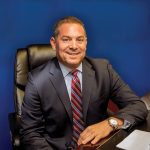
Blake Patton With Tech Square Ventures and Engage

December 5, 2022 by Jacob Lapera

Blake Patton
Atlanta Business Radio
Blake Patton With Tech Square Ventures and Engage
Loading
00:00 /
RSS Feed
Share
Link
Embed

Download file

TechSquareVenturesBlake PattonBlake Patton is the founder and Managing General Partner of Tech Square Ventures and Engage where he leads investments in enterprise software, marketplace, and platform technology companies. Under his leadership, the firm has invested in over 90 early-stage companies. He currently represents Tech Square Ventures as a director or observer on the boards of Pointivo (Chairman), Saleo, Toolpath, Fortify, Yesler, Speedscale, Slip Robotics, and PreTel Health (Chairman).

Prior to founding Tech Square Ventures, Blake was General Manager of the Advanced Technology Development Center (ATDC) at Georgia Tech – named by Forbes as one of the “Top 12 Incubators Changing the World”. Prior to leading ATDC, he served as President & COO of Interactive Advisory Software and EVP of iXL, an internet services company that he joined through the acquisition of Swan Media and was part of the executive team that grew the company from startup to over $400 million in annualized revenue and an IPO. He started his career as an Associate at SEI Corporation.

He is an active leader in the technology community, serving on the boards of Engage, Georgia Advanced Technology Ventures (GATV), and High Tech Ministries (Treasurer). He also serves on the advisory boards of ATDC and Georgia Tech’s Cowan-Turner Center for Servant Leadership and is a former Chairman of Venture Atlanta, former Chairman of the Center for American Entrepreneurship, a Georgia Research Alliance Industry Fellow, and a member of the selection committee for the NC State Chancellor’s Innovation Fund. Blake is a part-time Professor of the Practice at Georgia Tech’s Scheller College of Business where he teaches Entrepreneurial Finance.

He earned a Bachelor of Industrial and Systems Engineering degree from Georgia Tech, where he was captain of the swim team. He was inducted into the Georgia Tech College of Engineering’s Council of Outstanding Young Engineering Alumni, is a former Georgia Tech Alumni Association Trustee, and previously served on the Georgia Tech Advisory Board.

Connect with Blake on LinkedIn.

What You’ll Learn In This Episode

  • About Tech Square Ventures and Engage
  • Key to Engage’s success
  • Current market conditions impact venture capital in Atlanta and in the Southeast
  • Helping startups beyond just capital
  • Product-market fit

This transcript is machine transcribed by Sonix

TRANSCRIPT

Intro: Broadcasting live from the Business RadioX studios in Atlanta, Georgia. It’s time for Atlanta Business Radio, brought to you by on pay. Atlanta’s new standard in payroll. Now, here’s your host.

Lee Kantor: Lee Kantor here another episode of Atlanta Business Radio. And this is going to be a good one. But before we get started, it’s important to recognize our sponsor on pay. Without them, we couldn’t be sharing these important stories. Today on Atlanta Business Radio, we have Blake Patton with Tech Square Ventures and Engage. Welcome, Blake.

Blake Patton: Thanks for having me.

Lee Kantor: So excited to get caught up with what’s going on at Tech Square Ventures and Engage. So let us know what you are up to.

Blake Patton: Yeah. So. Well, first, it’s great to be with you, and thanks for inviting me on today. As you know, we’re an early stage venture firm based here in Atlanta. We back enterprise and marketplace technology companies. We’re one of the more active firms here in the Southeast. We’ve invested in over 90 companies, 90 startups since we launched the firm. And we have our early stage fund. And we are also the venture firm behind Engage, which is an innovative corporate innovation and startup go to market program that we partnered with Georgia Tech and 14 large corporations to put together. And it’s I guess what’s what’s going on is the same as same as always, right? We are excited to be working with the best and brightest entrepreneurs here in Georgia and outside. About 70% of our companies are based in the Southeast. The 30% come from all over. And it’s just our privilege to work with amazing founders and and the really cool innovations they’re bringing to market.

Lee Kantor: Now, how have you seen the Atlanta startup community evolve over the years since you’ve since you got started? It’s been a hot minute for you since you’ve been involved in this world.

Blake Patton: Yeah, you know, I’ve gotten to watch this market evolve from multiple perspectives. I spent most of my career as an entrepreneur with some of that here in Atlanta. And then around about a decade ago, I was fortunate to be asked to be the interim head of ATC, the startup incubator down at Georgia Tech. And it was during that time that I really recognized sort of this momentum building in the southeast and farther back than that. Right? We’ve had amazing entrepreneurial success here. I got to see that during the dotcom days when I was like, so but I really saw this sort of critical mass starting to come together during my time down at ATC based here in Technology Square, I would look out the window and see the kind of collaboration between the corporates and the corporate innovation centers opening here and the the researchers and of course, the entrepreneurs. And it sort of reminded me of my time when I was in Boston, I had an office in Kendall Square and saw similar dynamics. It was more life sciences than but really saw this momentum building. And that’s that was the genesis of why I jumped in and started a tech square Ventures. I kept hearing from the entrepreneurs that they know about lack of access to capital in the region and sort of saw that as a need and opportunity. And so fast forward for what we’ve seen over this past decade, and I think critical mass is the right, right word. We finally had this base of experienced entrepreneurs from prior successes coming together.

Blake Patton: We’ve all worked with each other for years, enough angel and seed capital to support more and more of that activity, enough entrepreneurs to build those management teams. And it’s really about connecting the ecosystem. So when you look at our firm and what we’ve done, there’s really sort of two things that that we’ve tried to build around. First was this recognition that what entrepreneurs need more than capital is access to markets and customers. So they need that connectivity. And then second, we realized the best way to do that and build that ecosystem here, and that’s really was the power behind Engage. And we can talk more about how that came together. But the vision there was connecting these these large corporates with the innovation that was impacting their ecosystem, connecting them with each other so they could gain cross corporate learning and, and helping the ecosystem grow. So out of that, we get all the market insights from listening to those companies, essentially the customers of what would be our the startups we invest in. And we get to apply that into the insights that we invest in. We get to use that to help better diligence and then obviously to help the entrepreneurs. So on the engage side, we celebrated our fifth anniversary this year. Super excited about that. We’ve had over 120 contracts between those big companies and the startups since we launched Engage. And so I think the short answer to what’s going on in Atlanta is just a lot of momentum, and that’s really happening because we’re connecting our ecosystem.

Lee Kantor: Now, if you were to look back, you know, decades ago and you would see the in the investment kind of community here, it was primarily like real estate developer driven. And at some point, like you said, probably around ten years ago, there was this evolution to more startups. Angel type investment happening. Why do you think that was? Was it the fact that so many there had been some exits and the people decided to stay here and reinvest in the community? Is it because of the diversity of the economy that there are so many different little clusters or industries or niches here that allowed that kind of collaboration and less kind of cutthroat? If there was one industry and there was only one kind of major player, would be maybe you wouldn’t have this kind of collaborative environment that we have today.

Blake Patton: Yeah. Look, I think it’s a mix of a couple of things. I sometimes joke and say all of us com kids are now in their fifties and forties and fifties and, and so sort of that stage in the career. But, but one I think it is I think for sure what you said I think that the way a healthy startup ecosystem works as when they’re startup success that creates not only the future entrepreneurs and managers to build the next set of startups, but it also creates wealth. And those people are more comfortable investing and supporting that ecosystem. I think hopefully in Atlanta we’ve moved past this idea of it being giving back and that it’s actually just a smart thing to do and it’s a rewarding thing to do, I think. Second is this past decade, obviously, for lots of macroeconomic reasons, alternative investments became very attractive. And to your point, historically in Atlanta, that has meant real estate. But the need for both institutions and high net worth individuals to put more more to work in alternative assets was good timing for all the activity that happened to be building in Atlanta. And then third is we had a lot of visible successes over the last decade. This those exits that we talked about earlier, where people made money and dozens of experienced entrepreneurs and managers came out of people outside the region also noticed that.

Blake Patton: And we’re when you think about investing in startups, this activity that has generally been associated with the valley and then the coast and the New England starts started to. Brought out people realizing these large successes were coming from all over the country. And if you think about having coverage there, this is an area that most of the prior investments weren’t weren’t covering. So there was more interest in allocating capital and managers that were taking advantage of the opportunities in those regions. So I think a lot came to a lot of things happened and came. Came together that fueled all that and the then. You know, I think there were things that probably longer than this call even, you know, a lot of the what we now call late stage venture capital, you know. 20 years ago was was was really private equity or public markets, companies just staying private longer. So lots and lots of capital that had to be put to work in these private companies at later stages drew more awareness to the asset class from those capital allocators. They started to notice and pay attention to where those opportunities were being funded. Um, upstream from them and that attractive capital.

Blake Patton: So, look, I think there’s just so much going on here and a lot, lot came together and the last thing I’ll say is I think the. Each ecosystem has its own strengths, and I think Atlanta really finally started playing to his strengths. And from a timing perspective, happened to coincide with when, you know, ten, 15 years ago, large companies started to look outside their four walls at innovation. They recognize, you know, 50, 60 years ago, the average lifespan of a company on the S&P 500 was something like 40 or 50 years. Now it’s like 17 or 20. So they recognized the pace of disruption was happening faster and and started to look at innovation outside their four walls. Started out. You heard the phrase open innovation from consulting firms. And it’s just grown to be sort of de facto instead of just being large tech companies thinking about it at all. Companies became tech companies and start to think about innovation outside their four walls. So in Atlanta, we’ve been able to take advantage of that and use that to connect all of those different players. And once you start to connect an ecosystem, that’s how you get the flywheel turning. And I think that’s really what you’ve seen in the past decade here.

Lee Kantor: And I think you’re talking about engages work. Can you talk a little bit about maybe the early stages of Engage when you were having those initial conversations with these enterprise level companies and kind of pairing them with startups and working together, you know, on projects and maybe beta testing things and seeing if there are fits, Were those conversations easy or hard, and what are they like today?

Blake Patton: Yeah. So. Well, first, it’s probably helpful to share a little bit about the genesis of Engage. The CEO of INVESCO, Marty Flanagan, and Bud Peterson, the president of Georgia Tech, had some conversations with different business leaders that were asking that question and what what could be done. And I think we’re wise enough to recognize that it’s about connecting the ecosystem. It’s not just about is there enough money here? And they reached out to me and the three of us started brainstorming what what would bring what would bring that connectivity to the region. And that’s ultimately what became engaged. And so. You know, we did what any good startup would do. We kind of hit the road and did customer discovery. In our case, it was about talking to the CEOs of these large enterprises, large companies, mostly based here in Atlanta. And the. Overwhelmingly positive reception. We we had I think we had 11 initial CEOs we talked to and wound up getting, Yes. Yeses from ten of them. And what we heard from them was really three things pretty consistently. They were looking for access to the innovation that was mattered to their industry. So things that were happening at the edge of their industry, how do they connect with the right startups? How do they get a lens into what was going on? Second, they cared a lot about cross corporate learning. They wanted to connect their leaders and they wanted them to.

Blake Patton: They wanted to see how other industries were applying these new technologies, right? How are they leveraging them and seeing how they can apply that in their industries? And then third, they recognized and cared about, recognize the need and cared about Atlanta and the Southeast being a leading tech hub. It mattered for them as well. If they were going to track the talent they wanted, they needed this region to elevate. So so there was so from the very top level, there was a lot of support. And so we what we did is we put together this really unique collaboration. We asked them to invest in the fund. We asked the CEOs of those companies to serve on a board, and then we ask each of those companies to assign call a quarterback or advisory board members, but kind of a senior innovation person that understood the corporate corporations, strategic and innovation kind of mandates and goals, and could also help us navigate and find the right people in those companies to find the right business units. And we started to work with them through a partnership with Georgia Tech to understand their strategic focus areas. And we would and we developed working groups and looked at areas where they had common interests, things like supply chain logistics, AI, data analytics, future work, sustainability, topics like that. And we would take those insights we got and go start sourcing startups that were solving those problems that they cared about.

Blake Patton: And so in the course of doing that, you know, you’re navigating through these companies, you’re connecting hundreds and now thousands of executives from across these companies and. And really kind of closing that closing that gap and that that startups have always had is, you know, how do I get how do I get to sell and partner with these large companies? And then also helping start at the large companies figure out, you know, these are the startups that are working on the problems you’re solving and helping coach them on. How do they engage with these startups successfully. And so I think the what what engage I sometimes. But only half jokingly tell people it’s really a big pickup basketball game that just gets all the right people together. And when you get the right people together, that’s how innovation happens. And so it has not been hard. Quite the opposite, I think. I think fast forwarding today, five years later, I think our biggest challenge is actually that we’ve their expectations are higher now than they were five years ago. And so if we have any challenge, it’s not their level of interest. It’s it’s in keeping up with their appetite for innovation and for us to continue to help build that tool that helps them do that.

Lee Kantor: Now, how do you kind of manage the expectations of both sides? You know, from one side you have the entrepreneur that you know is dreaming of, you know, the dog, dreaming of catching the car and then catching the car. You know, it sounds good in their head, but when you’re actually working with a large company, you have to be able to kind of scale to their desired outcome. And then you have the large company who maybe isn’t used to, you know, a failure rate of startups that politically might not be good for their career, you know, to betting on a horse that may not make it.

Blake Patton: Yeah, that’s a great, great question. The right question, the. So I think with the Engage program. You know, we’ve cracked the code a little bit. So from the beginning, the corporate our corporate partners are actively involved in helping us select the companies that will go through the accelerator program. So they have they have they’re not meeting the startups for the first time after we’ve already brought them through the program. And so they’re part of a selection process that leads to us choosing 5 to 8 companies twice a year that go through a cohort, 10 to 12 week cohort experience. And during that cohort experience, we do a couple of things. We work with the startup to refine their enterprise, go to market and then coach them through it. And we’re also working with the corporates to identify which of the startups might be relevant to them. And then facilitating these one on one conversations and our team sits in those meetings kind of two or three meetings deep with the corporates and helps identify potential target areas. And I think both sides, one of the beauties of the Engage program on the corporate side. But part of what it’s done is it’s given those executives inside the company some degree of air cover to take a risk that might be harder to do with something outside the Engage program. They know they’re committed to it. They trust us as a partner. And so the business unit leaders and business unit heads facilitated by their quarterbacks and their innovation leaders in their company can maybe take risks that would be harder to take outside of engage.

Blake Patton: And then also, we’re helping them identify appropriate pilots. We’re sharing best practices. That we know about Georgia Tech is helping. And then we’re also there also sharing those best practices with each other. So we. We identify appropriate scale pilots to help mitigate that risk. You talked about, hey, maybe you don’t roll this out to all your customers on day one. Maybe we design a pilot that’s more manageable. And then the startup side, same thing there are. We’re helping them to understand why those sales cycles are different. What does enterprise sales look like? And. And coached them through that and delivery. And so they’re getting all sorts of valuable feedback, even in just the nose. And I think that’s the difference, is we are bringing those startups and those corporate executives together. And I always remind people we in the startup community, sometimes we get in this habit of saying, Oh, these are big, slow companies, or they don’t get innovation. And that couldn’t be farther from the case. These companies are leaders in their industries because they have the smartest people in the world at what they do working for them. And these people are amazing mentors for us and for the startups. And and to your point, right, they don’t necessarily have the muscle memory.

Blake Patton: They have all sorts of things that matter for a big company. If you’re a very large company, you’re very process oriented, process driven, which can be the enemy of innovation. But when you create a program like Engage, where everyone builds relationship and a trust with each other and you can you have those those engagements sort of prescheduled like we do with our accelerator program, everyone shows up, it’s game day, gets the right feedback, and we work with both the corporates and the startups. On Where does it make sense to spend your time and energy? And it’s been very successful. I think I mentioned earlier we’ve had over 120 contracts between those companies and startups. So it’s the magic is less than you think. It’s about creating a set of activities that are valuable, so valuable for everyone that they’ll participate. And then when they participate, they build those relationships and trust. They see how each other are doing it. And, and you sort of have this. Patience and the Sherpa of the Engage program to work through it. And we see that with the startups we invest in out of our early stage fund, too. Some of them have gone through the Engage program, some of them not. But as they mature, they go through that learning as well, and we’re able to help coach them through that. We’re able to help make introductions and connections and leverage those same learnings and insights.

Lee Kantor: But I think that the secret sauce to this is the is the engaged program engaging the being that intermediary is what allows these things to happen at a speed that they wouldn’t happen at all, maybe never if there wasn’t engage in the middle of the interaction.

Blake Patton: Yeah, no doubt about it. And then to take that one step further, it’s the commitment and vision of those executives. These are leading companies Chick-Fil-A, Coca-Cola, Cox, Delta, Georgia-Pacific, Georgia Power, Goldman Sachs, Home Depot, Honeywell, ICE Inspire, Invesco, UPS, Well, Star. So these those logos are all great and those names are all great. But if you pause and think about it, it’s also those are leaders in airline communications, energy, health care, financial services. It’s the it’s the breadth of expertise that they bring. And so their vision and commitment to this and it’s really about building those those relationships and that connectivity. So that’s that’s why I come back to it’s the pickup basketball game in the middle of it all that empowers that empowers it all. And I think what. Uh, part of the magic of Engage is, you know, hundreds were really now over over a couple thousand of corporate executives and startup leaders that don’t know each other now know each other. And we’ve had when we first launched Engage, I would sort of joke with the corporate executives that we’ll know it’s working when one of their executives quits to start a startup. And we’ve had startups incubated inside these big companies that we spun out with the help of Engage and a company like Clovelly that was incubated and developed an idea and conceived of it Southern Company. And then through Engage, we helped them nurture that into down a path. And as it became clear, it was a good opportunity. You know, our our tech square early stage fund provided the seed capital for that, and we helped put together the management team and built that into a stand alone startup that’s now doing very well. So you’re starting to see what a connected ecosystem looks like. And I think Engage has played a huge role in helping accelerate that kind of connectivity. And Atlanta that’s benefiting not just engage, but really the region and all the participants, right?

Lee Kantor: It’s helping the corporates, it’s helping the startups, it’s helping the entire community. And you might equate it to a pickup game, a basketball game, but engages the court, the ball, the ref and the coaches on each team. I mean, there are key player as part of that equation.

Blake Patton: Yeah, for sure.

Lee Kantor: So now are you seeing because you have your finger on the pulse of a lot of the new new technology that’s happening? Is there any areas right now in this area of the country of the world that is most exciting for you as you look forward to 2023?

Blake Patton: Yeah. You know, at Dexter Ventures, I think because of all this activity we’re doing that we’ve just talked about through the engage partnerships, we really follow, we call it a market led investment approach and market led insights, investment approach. And so a lot of times the themes that we get interested in are things that we’re seeing through the lens of these market leaders, and we’re hearing from them firsthand what they’re seeing and why. That’s why that’s unique, is it gives you the hardest part to figure out about what are emerging areas isn’t necessarily what are the hot or emerging or new areas, what’s changing the world. The hardest thing to figure out is the timing. The example I use with my wife is none of us are sitting around wondering if autonomous vehicles are part of our future. But it’s harder to pick. It’s harder to predict the timing and what applications will adopt it first. And so some areas that we see for sure, obviously artificial, broadly artificial intelligence and machine learning, data analytics, that that is a driver of lots of things. If the Internet boom was really about connecting first millions and then billions of people and then mobile phones and now the past decade devices connecting millions and billions of devices. Now, now we’re to the stage of we’re just all these opportunities that are that didn’t exist ten years ago because of these advancements and in AI and not just the data analytics, but actually all the technologies that had to exist first for us to have access to that data.

Blake Patton: So so the influence of that will be huge in the coming decade. We’re super excited about logistics and supply chain. That was a harder, harder thing to explain to people before COVID. I think the last two years, lots of people understand why logistics and supply chain is a big opportunity now. Certainly, sustainability in energy is producing lots of necessary innovations. So those are those are some of the bigger areas that we’re excited and focused on, along with the things that we’ve always been good at and our strengths here in the region broadly, kind of infrastructure and automation, cloud SAS tools and then customer experience and vertical platforms. A lot of what we’ve seen, a lot of successes you’ve seen here in the past decade where. It was about bringing these picks and shovels that enable the things we just talked about. And then there’s very deep vertical applications of those. What how do you apply that to financial services or how do you apply that to supply chain? And what are the types of companies that come out of that? So those are some of the things that we’re excited about and focused on. And and you kind of see that reflected in our portfolio. You see that reflected in the early stage companies that we’re investing in out of our early stage fund. And you see that in the companies that are being selected for the Engage program as well.

Lee Kantor: Now, I know this isn’t your area of expertise necessarily, but it’s an area that I think that impacts any time you talk about this level of disruption and change. How would you advise a politician or somebody that is a leader in government right now to, you know, partially stay out of the way to let these things kind of blossom and bloom in the way that they can get some traction, but also be recognized at some level of regulation is going to be needed at some point. But you don’t want to be too premature. You’re seeing some regulation happen, you know, way late. And maybe they start regulating a group that isn’t even relevant anymore by the time it gets to the politician in Washington. Any advice for political leaders on how to manage this level of change and the speed at which it’s happening?

Blake Patton: Yeah, a huge topic. What’s interesting is you phrased this out of the way. I don’t think it’s even that simple. If you think about what makes what drives innovation, right, ideas and people and capital and a lot of times the things that the government can do actually is just sort of remove some of the pebbles and the dam that have built up sort of some of the unintended consequences and regulations, you know, things, things where making it, you know, for sure. Right. Things like immigration are a big deal. Sometimes when we get in debates about things like capital gains tax, it’s it’s easy to have these examples of these big giant firms benefiting from it. And we forget, right, that that’s a driver behind the math, behind venture capital and things like that. So I think some of it’s just awareness and saying, okay, what do we what can we do to to do that? And, you know, look, in the past decade, the government has actually been pretty good at that. It’s the point where people are asking questions like you’re asking, hey, should should they have stepped in and regulated crypto earlier or whatever? But I think it’s policies around access to capital. There’s a lot of complexity.

Blake Patton: And and the venture landscape that I think was designed to protect people during a different time period doesn’t make a lot of sense that some of the people that work for our startups somebody that. You know, it’s probably more qualified than 99.9% of the people to make a decision whether or not to invest in a startup. Can’t because they’re not accredited yet. That same employee can go to Vegas and take a spin at the roulette. We also there’s all sorts of things, and I think it’s more I think it’s more about removing pedals than adding new regulations. But anything that affects talent, capital formation, those are all important policy decisions. And I think what politicians can do is, is think about in the broader context of things they’re doing. Are there unintended consequences for early stage companies and for that access to capital? And then in their whatever their particular domain is, whether it’s local. Our national economic development has always kind of bent. Economic development is maturing as well, right? Economic development was about recruiting things that aren’t here to come here. And I think Atlanta, we’re really blessed to have Metro Chamber here and Atlantic City for progress and a lot of economic development organizations that I think are pretty forward thinking and get it that innovation is about building, building locally.

Blake Patton: It’s about building the conditions locally that will support and foster that. And so it’s about empowering what’s already here and building on that. It’s not something you can depend on picking up and moving here from somewhere else. So lots of lots of things on that front. But look, new, new advances, you know, everything, blockchain, crypto. Yeah. Know you see the consequences of of some some of that lack of regulation. But I don’t think anybody should be critical. I think I think that I think that we’d rather err on the side of letting that innovation grow. And obviously maybe there should be a little more oversight in some of those areas, but you don’t want to stop it from spreading. And and the real promise that the blockchain and tokenization has may not may not look like the Internet was a great, great example of that. If we went to the same thing in the in the nineties right with there was a lot of question of should it be regulated more differently? And had it been, we certainly wouldn’t be sitting where we are today with, with some of these innovation categories.

Lee Kantor: Right. I agree. I think I.

Blake Patton: Would encourage them to think about unintended consequences of what they do and how they can help facilitate and support their the local activity. It’s just a giant flywheel. And if that ecosystem gets built and that ecosystem has local support, local capital, local talent, all of those things, it will flourish and to whatever degree policy decisions can help with that. That’s that’s what that’s what will foster innovation.

Lee Kantor: Right. I agree. I think you have to get comfortable with some level of chaos and just let it play out a little. Let the market tell you what’s going to be here tomorrow. Not some politician that’s picking winners.

Blake Patton: Yeah, I like to I like to remind people that. You know, in 2010, kind of sort of the peak of the pain after the great financial crisis. I read somewhere San Jose, California, and Austin, Texas, had the lowest unemployment rates. And I don’t think that’s an accident. I think it’s because they had local thriving innovation ecosystems that were continuing to fuel that growth.

Lee Kantor: Well, Blake, thank you so much for sharing your story today. If somebody wants to connect with you, learn more about Tech Square Ventures are engaged. What’s the coordinates, websites, things like that.

Blake Patton: Yeah so tech square ventures dot com and engage VC. So either of those websites will get you get you to us if you’re an early stage company looking to raise capital. That’s what our early stage fund does that’s the tech square ventures dot com. And if you’re interested in the Engage program for startups, that’s the engaged VC and you can reach out to anybody on the team. All of our email links are on our team page and we would love to talk to you.

Lee Kantor: Well, Blake, thank you again for sharing your story. You’re doing important work and we appreciate you.

Blake Patton: Well, thanks for having me, Lee. And and thanks for giving us a chance to share it.

Lee Kantor: All right. This is Lee Kantor. We’ll see you next time on Atlanta Business Radio.

OnPay’sOnPay-Dots payroll services and HR software give you more time to focus on what’s most important. Rated “Excellent” by PC Magazine, we make it easy to pay employees fast, we automate all payroll taxes, and we even keep all your HR and benefits organized and compliant.

Our award-winning customer service includes an accuracy guarantee, deep integrations with popular accounting software, and we’ll even enter all your employee information for you — whether you have five employees or 500. Take a closer look to see all the ways we can save you time and money in the back office.

Follow OnPay on LinkedIn, Facebook, and Twitter

Tagged With: Blake Patton, Blake Patton With Tech Square Ventures and Engage

Ryan Weaks With Lynchburg Regional Business Alliance

December 5, 2022 by Jacob Lapera

Ryan Weaks
Association Leadership Radio
Ryan Weaks With Lynchburg Regional Business Alliance
Loading
00:00 /
RSS Feed
Share
Link
Embed

Download file

LRBARyan WeaksRyan Weaks was born and raised in North Carolina but moved to Lynchburg, Virginia in 2014. Ryan is a seasoned marketer and communicator with over seven years of experience working for nonprofits, athletics, nuclear energy, and in the chamber of commerce industry.

Ryan currently serves as the Director of Marketing & Communications for the Lynchburg Regional Business Alliance, a combined chamber of commerce and economic development organization operating since 1883. In this role, Ryan plans strategy for all areas of marketing and communications for the Alliance, from podcasting to PR and social media to graphic design, and much more.

In 2022, he was recognized by his chamber of commerce colleagues across the country as a 40 Under 40 professional by the Association of Chamber of Commerce Executives (ACCE).

He is also an Eagle Scout with a passion for the outdoors and gardening and was recently nominated as the 2023 President for the Lynchburg chapter of the International Association of Business Communicators.

Ryan is married to his beautiful wife, Kirsten, and together they do their best to wrangle their golden retriever puppy, Ruby.

Connect with Ryan on LinkedIn and follow Lynchburg Regional Business Alliance on Facebook and Twitter.

What You’ll Learn In This Episode

  • Celebrating 140th year in 2023
  • Strategies for celebrating milestones.
  • The focus of Lynchburg Regional Business Alliance
  • Chamber novice to chamber expert
  • Marketing project management
  • Key industries for Lynchburg

This transcript is machine transcribed by Sonix.

TRANSCRIPT

Intro: We’re broadcasting live from the Business RadioX studios in Atlanta, Georgia. It’s time for Association Leadership Radio. Now, here’s your host.

Lee Kantor: Lee Kantor here another episode of Association Leadership Radio and this is going to be a good one. Today on the show we have Ryan Weaks with Lynchburg Regional Business Alliance. Welcome, Ryan.

Ryan Weaks: Thanks, Lee. It’s great to be here today.

Lee Kantor: I am so excited to learn what you’re up to. Tell us about the Lynchburg Regional Business Alliance. How are you serving folks?

Ryan Weaks: So we are a combined economic development and Chamber of commerce here in central Virginia. We have about 800 members at the moment, and we are doing a lot of different things. We work primarily with small businesses. About 80% of our members are small businesses, but also larger corporations, nonprofits, individuals. So a lot of a lot of different people, a lot of different organizations.

Lee Kantor: Now, how do you see kind of your role in being that, I guess maybe a common thread for all those disparate constituencies because they each have their own agenda and their own goals, But in some ways you’re kind of a glue that holds them all together and maybe helps them in ways that they couldn’t even anticipate.

Ryan Weaks: Yeah, I think I think our primary role is to help them tell their story, really. You know, we have all these different points of view coming in, all these different businesses of different size and tactics and everything in between. But really, we’re here to act kind of as their concierge or their storyteller to help them get from where they are to where they want to be, to connect them with fellow business owners and fellow people in the same field, stuff like that, just to elevate them and then help them to share their story with the world, too.

Lee Kantor: Now, how did you all handle kind of coming out of the pandemic when there was a period of time when there wasn’t a lot of face to face interaction and now there’s more of that happening? How was that for you guys? Were you able to navigate that in a virtual world and now coming out a bit more face to face?

Ryan Weaks: Yeah, we we took the tactic of going pretty much virtual. We have events. They all went virtual pretty much everything. We went to virtual, but we try to do more timely things rather than large events throughout the year. So we would host webinars on a particular topic of interest for the community. For example, we did one on inflation recently. Since that’s been such a huge topic and having things virtual helps you get things I would say done faster. So you know those timely things, you can get those up and running within a day or two, whereas a big event, you can’t necessarily do that. So we did that and we also set up a couple of sort of like focus groups. We would take an industry that might be suffering during the pandemic, for example, restaurants. So we would gather a couple of leaders from around the community, have them come to the same virtual room and talk through the issues that they’re going through and hopefully, hopefully find a few solutions. So that worked pretty well for our community as well.

Lee Kantor: Now, speaking about your community, your organization’s been around for a minute, huh? And you’re having a big birthday.

Ryan Weaks: Yes. Yes. We’ve been around since 1883. Can you believe it? So next year, 2023 is our 140th year, and we’re really excited to launch a huge campaign celebration commemorating that milestone. So we’re working on that right now, making a lot of plans and I’m very excited about it.

Lee Kantor: Now, do you have any advice for maybe a person that’s new to belonging to a chamber? How would you recommend they get the most out of a chamber membership and really wring out the most value? Because I think a lot of people out there that have enjoyed a chamber or maybe joined in weren’t thrilled with the results. They might have kind of I don’t want to say the wrong expectations, but maybe an incorrect expectation of what happens. Like this isn’t something you just join and then business comes your way. You’ve got to kind of earn it.

Ryan Weaks: Yeah, I’d say there’s a couple different ways, depending on what the person’s looking to get out of it. But number one, I would connect with the. Your key person, your key connection in the association or chamber. Always stay connected with them, make sure that they are on the same wavelength as you. Because if you’re looking to get recommendations out of this, or if you’re looking to find new business connections, you need to let that person know so that they can help you get those things. Secondly, if you’re looking for kind of engagement events is where you need to be or sponsorships is where you need to be, You need to be able to tell your story either in person or through some kind of visual or audio or something like that. And then third, I think it’s really important for someone who’s new to the chamber to increase their involvement from a leadership perspective. So just being a member is great, but you can get so much more out of being a part of a chamber or another association by leaning in. Maybe, maybe you join a committee. Maybe you help plan a project or volunteer your time for for something or other. And doing that really helps you get way more involved than just being at an event as a normal member or staying connected through a newsletter or something like that.

Lee Kantor: Yeah, that’s one of my kind of hacks. I tell a young person, if you want to accelerate your career, get involved in the chamber, but just don’t join. But just get start taking leadership roles and volunteering for things and being visible to people that might be your next boss down the road.

Ryan Weaks: Exactly, yeah.

Lee Kantor: Now, are you finding that the business community in today’s kind of chaotic world is embracing chambers and business associations more that they’re kind of not just saying, okay, only the highest level people will get a membership, but let’s let’s let more people in the firm be members. Maybe we’ll pay for it, maybe we’ll encourage it. But there’s a value in having more and more of your team as part of the chamber and getting involved in all those things you mentioned.

Ryan Weaks: Sure, definitely. So for for our model, if a business becomes a member, then all their employees are automatically members as well. So we have some companies that have, you know, 1000 employees. All those employees are automatically become a member as well. So that helps us to. Share more in the community and be out there. And they also the business also gets to take advantage of a bunch of our benefits as well. Over the course of this year, we’ve seen a huge growth in membership numbers and I think that’s because coming out of the pandemic, the businesses and people are looking to get back involved. And there’s more. More personal style of things rather than tuning in to a virtual talk or something like that. So I think a lot of businesses out there are seeing the value of associations right now. And I would recommend if for other associations to consider opening your membership to all employees of a business.

Lee Kantor: Yeah, I agree. I believe in casting that wide net. It just there’s no reason to create kind of a scarcity mentality when it comes to something like this, because the value of the entire network just increases by having more people involved.

Ryan Weaks: Absolutely. I think that as we keep going this year, I know the economy is kind of a big issue right now for a lot of people looking to join an association or a chamber. But I think once we clear that hump, we’re going to keep seeing this this growth in expansion and people looking to get involved.

Lee Kantor: Now, what’s your back story? Have you always been involved in association work?

Ryan Weaks: No, I am fairly new. I’ve been at the chamber now three years. But before that, I worked with a couple of non-profits. I worked in athletics marketing. I also worked for a nuclear energy firm for a short minute, all kind of communications and marketing. But my journey to joining a chamber was actually doing an internship with a leadership program, so I got to see kind of how that works and how our leadership program connects with the same work that the Chamber is doing in the community, creating leaders in local businesses. So from there, that’s how I got involved now, and it’s been great for me. I really enjoyed the work and being able to connect and talk with people from a lot of different backgrounds and businesses, nonprofits, everything across the board. So I really enjoy it. I love marketing, communicating, so it’s great.

Lee Kantor: Now, you mentioned storytelling is important in your mission and helping others tell their story. Can you share a story maybe where a member, you know, maybe kind of came into the alliance and maybe didn’t have the most high expectations, but were optimistic, and then maybe you can share how they were able to benefit being part of the alliance.

Ryan Weaks: Sure I can.

Lee Kantor: You don’t have to name the name of the company. Don’t name the name of the company, but just tell maybe their challenge and how being part of the alliance was able to help them kind of accelerate their growth.

Ryan Weaks: Sure. Well, we had a member come in. He was a former former employee for Google, and he had this idea of setting up a business that helps other businesses kind of set up their cloud network, moving things from from paper and digital to a centralized cloud kind of thing. So he had that idea. He had that experience coming from working at Google, but it was just him and he wanted to found this company. So he actually joined the chamber. We got to connect with him and we actually have office space for lease here. So you’ve got to take advantage of that and lease out that space. So he was figuring out where his business was going to go, where he was going to pull a couple of employees and join him in the work. And from there, he got to take advantage of actually having an office right here at the chamber and being able to pull people in, taking advantage of those opportunities to tell his story. So in the events that we had, he was already there ready to connect. And he grew his business from just himself to five, ten people. And now he’s actually at over 150 employees here. It’s crazy. And it’s only been. Three, four years now since he started. And they have their own building now, not here. But it’s it’s been a real blessing to have him come in and then see the growth that he’s been able to have with a little bit of our help.

Lee Kantor: Well, the impact is real. I mean, when you talk about those kind of success stories, not only is that great for that person, his family, his community, but I mean, he’s now impacting, like you said, over a hundred other families out there with their and their communities like it just kind of the multiplier effect is real. And the work you’re doing is important.

Ryan Weaks: Yeah. And he actually set up this business. It’s it’s for profit. But all the profit goes to two different charities. One is for supporting kids in the community, making sure they have good homes and food. And the other is for athletics. So he’s a big football fan, so he gets kids to come in so that they spend time in a controlled environment and interested in sports, getting good coaches, stuff like that. And then actually there’s a third one for specifically helping them kids going out of high school to help find jobs. So it’s really interesting. He’s pulled that in his business success and is giving back to the community through it. It’s really cool.

Lee Kantor: Yeah, it’s super important and it’s a great story to share. Thank you for sharing that.

Ryan Weaks: Yeah, you’re welcome.

Lee Kantor: Now what do you need more of? How can we help you?

Ryan Weaks: Well, I think right now a lot of us are looking for ways to do more work with less, and that’s with time and energy. So I need advice on how to not have burnout, things like that.

Lee Kantor: In terms of you’re talking about burnout for your team or your volunteers. I would imagine, you know, with the hiring situation we’re having now, it must be just as difficult to get and keep volunteers.

Ryan Weaks: Yeah, it’s across the board. Staff. Staff are burnout from working so hard over COVID and volunteers are burnout from either being virtual for too long or too many events, too many commitments. And of course the holidays are always busy. It really is kind of across the board.

Lee Kantor: Well, if somebody wants to learn more about the alliance or connect with you or somebody on your team, what’s a website?

Ryan Weaks: Yeah. Our website is Lynchburg Region dot org. And we also have one specifically for economic development. That’s it’s yes Lynchburg region dot org.

Lee Kantor: And that’s Lynchburg l y and see HBCU r g region reg iwn dot org. Right?

Ryan Weaks: That’s right.

Lee Kantor: Well, Ryan, thank you so much for sharing your story today. You’re still doing such important work and we appreciate you.

Ryan Weaks: Thanks, Lee. I really appreciate coming on.

Lee Kantor: All right. This is Lee Kantor. We’ll see you next time on Association Leadership Radio.

Tagged With: Lynchburg Regional Business Alliance, Ryan Weaks

Camille Miller With The Natural Life Business Partnership

December 2, 2022 by Jacob Lapera

NaturalLifeBusinessPartnership
Association Leadership Radio
Camille Miller With The Natural Life Business Partnership
Loading
00:00 /
RSS Feed
Share
Link
Embed

Download file

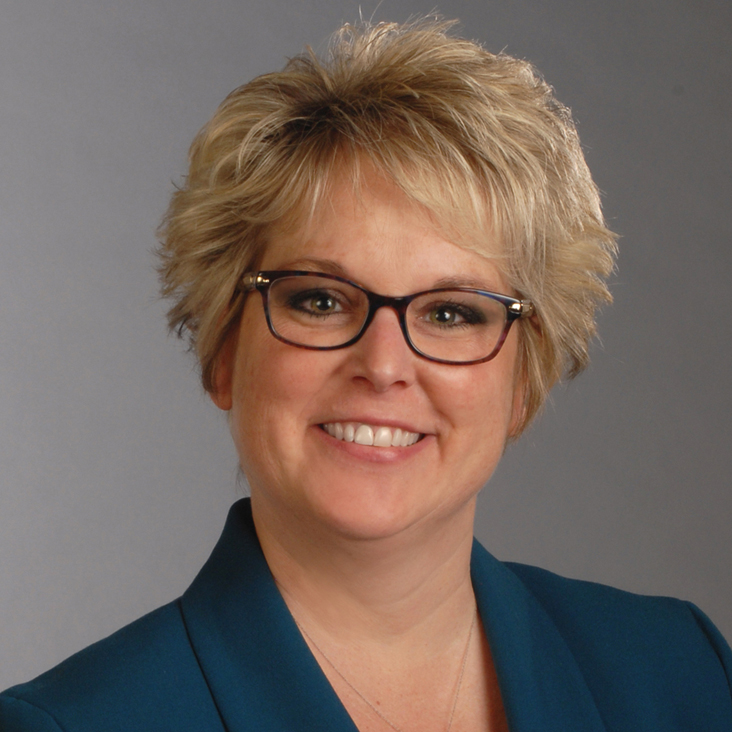
CamilleMillerCamille L. Miller, MBA, Ph.D. ABD is the Founder & Chief Visionary of The Natural Life Business Partnership, a global professional organization and business incubator for soul-aligned entrepreneurs who are ready to awaken their financial and spiritual potential. She is the host of the weekly podcast Six-Figure Souls: Doing Good and Making Money®, which highlights soul-aligned business owners who crushed the six-figure ceiling and still feel in alignment with the Universe and their purpose.

She recently released her debut book, The Ultimate Guide to Creating Your Soul-Aligned Business which hit Amazon Bestseller status in six categories including Starting a Business, and ranked #3 behind Joe Dispenza and Brene Brown in Personal Transformation & Spirituality. She is currently working on her second book which will be released next summer, The Ultimate Guide to Becoming a Six-Figure Soul Professional.

As the pioneer for the Soul Professional Movement, Camille delivers powerful messaging about the Role of Soul. She is on a quest this year to move entrepreneurs to awaken their financial and spiritual potential and to operate from a place authenticity, in both business and life. Camille believes there is no great secret to creating a massively profitable business that aligns with your soul’s purpose. There is, however, a need to shift your mindset to get there.

Connect with Camille on LinkedIn and follow The Natural Life Business Partnership on Facebook.

What You’ll Learn In This Episode

  • About The Natural Life Business Partnership
  • Being passionate about their purpose and to lead from their soul
  • The importance of finding purpose and being soul aligned

This transcript is machine transcribed by Sonix.

TRANSCRIPT

Intro: We’re broadcasting live from the Business RadioX studios in Atlanta, Georgia. It’s time for Association Leadership Radio. Now, here’s your host.

Lee Kantor: Lee Kantor here another episode of Association Leadership Radio and this is going to be a good one. Today on the show, we have Camille Miller with the Natural Life Business Partnership. Welcome, Camille.

Camille Miller: Hi, Lee. Thanks for having me today.

Lee Kantor: I am so excited to learn what you’re up to. Tell us a little bit about natural life business partnership. How are you serving folks?

Camille Miller: So the Natural Life Business Partnership is a global professional organization for the soul aligned entrepreneur. So part of what we do is bridge that gap between business success and spirituality. So we always say the inner work helps your outer success. So what we do is we’re an organization that brings professionals together that just lead from a different way, do business differently. We say you live in a higher vibration, you have an alternative approach to business, and you’re here to help repair the world. And it’s just a safe space to build businesses in a way of kindness. And that’s very authentic to who people are.

Lee Kantor: So what was the genesis of the idea? How did you think of this and how did you get this kind of off the ground?

Camille Miller: Yeah, so my background is in not for profit strategy. I was an executive in a not for profit world before I created this. I was CEO for the Northeast Organic Farming Association in New Jersey, later became president of the Northeast. And it put me in Washington working in our health care system and on our organic label. But I met people that were like me that had these professional roles and professional look about themselves, we could say, and that were totally different in their personal lives. Right? And that’s kind of who I was. I was very spiritual. I believed in alternative medicine. I ate organic food, I was very healthy. And I definitely had an alternative approach to business. But in that role, I got to bring my whole self to work so I didn’t have to worry about who I was professionally and who I was. You know, back at home, I wasn’t putting on this role of a professional, and I was hanging around with the doctors, the scientists, the schoolteachers, the Wall Street executives. And because I led the organization, we had deep spiritual conversations and deep business and strategy conversations. And I just kind of loved it. And we came from a place of abundance and believing that we’re enough. And I was kind of a different way of looking at business. So that job was defunded in 2015, and I found myself kind of figuring out like, what am I going to do next in life? I felt so fulfilled and I love advocacy work.

Camille Miller: So as I was looking for my professional tribe, I came up a little short when I went to places like a Chamber of Commerce or any other networking organization, a business organization. I felt that it was very egocentric. It was very like people stabbing you with your card. If if they couldn’t make a sale, they were moving on. It wasn’t really a personal environment. But then when I went to a, say, the holistic Chamber of Commerce or a more of a holistic way of doing business or organization, I found that it was way to woo woo for me. So I wanted to find something in between. So I started this coffee club and telling people like, Hey, we should have our own professional organization. Why don’t we? Where would we go? What would we do? And I wanted something very grounded in business principles. I had built many companies and I felt that the strategy was important and I really wanted to help people bring their gifts to the world. And that was the main strategy. So it was how was I going to help people bring their gifts to the world, teach them how to do business? Because I do believe people are doing great things in the world. They just don’t know how to run a business. So it started as a coffee club. We were in New York, New Jersey, Connecticut.

Camille Miller: We went all along the Northeast. That’s where I’m from, New Jersey. And then at the end of 2017, I got a phone call from someone in California saying, Oh my gosh, I can’t wait for you to get out here. And I knew in that moment I did not have a sustainable business model or scalable in any way. So I’m a single mom. I had three young kids at that time. They were all high schoolers, and I couldn’t travel anymore than I already was. And I heard about this thing called Zoom, and in the beginning of 2018, we opened up as a no chapter virtual professional organization. And I taught people how to use Zoom and meet people around the world to really grow their. Business. So the next year we became international and in 2020, obviously there was a global pandemic and everyone started using Zoom and we didn’t have to pivot or change because we were already who we were. We’ve grown completely by word of mouth, and now in 2021, we rebranded and went. We trademark the word soul professional. And now my whole goal is to tell people there’s an alternative way of doing business and we and we can do it and build wealth from a place of kindness and generosity and consciously care about everyone that works for the company. So that’s what we’re doing. Now, that’s a little bit about the background.

Lee Kantor: Now, when you came up with this idea and you, you, I guess you experienced firsthand a spectrum of people in business, right? You have the cutthroat dog eat dog. It’s me or you, and only one of us is coming out of this alive kind of mentality on one side and then on the other side, this, you know, maybe some negative connotations of business that it’s greedy, exploitive. And there’s some, you know, some some of that going on as well. And you’re trying to thread the needle. It sounds like to me with business can be good and you can feel good doing it if you’re kind of in and around the right folks with the right mindset.

Camille Miller: That’s part of it. But I think also that we whatever we do in life, right, if you’re an accountant, if you’re a doctor, if you’re a lawyer or whatever you are, whatever you train to do, you did with good intentions, thinking that you are going to love this work. But so many people, especially in my age, I’m in my mid fifties. We maybe got the paycheck right, Maybe did all of the work, but it didn’t make our heart sing right. We got to a place, We climbed the ladder, we did something or we were in the daily grind. And you’re like, This is not what it’s about. It’s paying the bills, but it’s not really giving me the creativeness that I’m looking for. It’s not really what we say making my heart sing right. This is not really what I signed up for. It’s not really what I want to do. Maybe regulations had changed, the job had changed, but whatever it is, it changed a little. And we’re here. And most of the people that I work with, I call myself personally an alternative business engineer. So you can do whatever you do, whatever your passion is, but let’s do it a little differently, right? So if you don’t like social media, don’t do it right. If you don’t like live videos, don’t do it right. If you don’t like going to networking, don’t do it. Like do it a different way. It’s not that I went to business school. They taught us Disney. They taught us McDonald’s. Right. But they didn’t. At the time, teachers had to be entrepreneurs. Now, I graduated business school in 95, so 1995. So that was quite a while. Now they do have entrepreneurship. But no one was taught to build a business around their lifestyle.

Camille Miller: So when I built this business, I said, What am I really good at? What I love and what do I hate? Right. I hated working with board of directors being a not for profit executive. I didn’t like working at nights. I don’t like going to an office. So I built a job that allowed me to be totally me, be authentic all the time. I love strategizing and building companies. I can’t stand running them. So I built a role for myself that allows me to help people strategize. I don’t do one on one work because it’s not my thing. I like groups, I like masterminds. I like running things at a higher level. And as I grow, then I can offer more things to more people. So my gift is building community. So that’s that’s my lane of joy. That’s where I stay. So really, this community is about staying in your lane of joy, doing what feels good to you, you know, and you’re more attracting the money and all the good things to you instead of like feeling yucky and selling them to people, if that makes sense. So people usually come to find us or they’re out there searching just like I was. I was searching for my people. A little bit of both. I want to be a professional, but I lead from my heart. I do things a little differently and that’s okay. Maybe I look a little different or I wear different clothes or whatever that is, and it’s all okay. It’s not what it used to be. And I do believe that there is an evolution happening in the world and we’re all kind of looking for our purpose beyond our profit now.

Lee Kantor: So what does the ideal member look like for you? Is is it are they solopreneur hours or are they owners of small to midsize firms or runs the gamut?

Camille Miller: It runs the gamut. So we have people just starting out and trying to create something. It could be from a hobby. It could be that they’ve retired from their position. It could just be they’re worn out and they want to try something else. We have found since the pandemic that many people chose not to go back to corporate and how are they redefining themselves. So we do have the soul openers that are just trying to figure it out. We have many that have very successful careers, and maybe they don’t want to staff, maybe say like a coach or something and they’re the center of it. But then we have other people, we call it our soul leader inner circle that built their own brands from this level of consciousness and are building past that million dollar mark. So we have like our own CEO we call our inner circle, but it’s our own CEO roundtable. You have to have a company over 250,000 with at least two employees to even be a part of it. And your main goal is to leave the day to day operations. So if you’re a coach and you’re doing all the coaching, you can’t be in that call because you’re not a CEO, right? It’s a real CEO. So it’s all levels, but at every level you mentor the level behind you.

Camille Miller: So it’s all about giving back. It’s it’s not about the competition because we believe everyone is different in their own way, and it’s really about giving back and teaching. So when you become a part of our organization, it’s a membership based organization. When you come to be a part of it, you’re getting mentorship and you’re getting mindset help. So we can teach you. We call it woo and wealth, we call it we teach you business finance, we teach you messaging, marketing strategy, but we also teach you self care. We have a class called Soul Curiosity just to ask questions about your spirituality or what you think in the world or this other level of consciousness. And we have mindset mastery. So we believe it’s both of those things that make success. I would say the inner work creates the outer success. It’s getting rid of blocks and all the reasons you’ve told yourself you can’t do it or what society has told you it should be done this way. We’re trying to erase that and say, Nope, let’s let’s do it on your terms. How do you want to do it? So it’s really dovetails with your lifestyle. That’s the most important thing. It’s almost like lifestyle business. I don’t know if that’s a word.

Lee Kantor: But it’s a combination of education. It’s a collaboration, like you said, mastermind kind of group thing happening as well. So it’s kind of checking all the boxes that some some organizations have already, but it’s aligned with people who are kind of with the same mindset around this kind of soul affirming why first mentality.

Camille Miller: Yeah, yeah. It’s we call it purpose beyond profit and it’s all levels and it’s really just about doing things a little differently. So when I look. And can’t find it. I just create it. That’s how a lot of our micro community started. So curiosity. Well, I didn’t have a great amount of knowledge in it. So we ask other people to mentor us, right? So it’s really about everybody else. It’s not the organization. I’m just the community curator. It was the legacy I want to leave in the world. But, you know, as I grew, grew my own business, I needed to surround myself with people that were also had the same core values and were also growing their business. So. And I found once you hit the three 350 mark in your business, a lot of the masterminds that I could have bought into all went kind of like in that ego way. Again, they were running things based on numbers. And not to say that that’s not important. I’m not saying that you still need all of that, but it’s also about allowing does this feel right? And my mission creeping is this really who I want to serve, how I want to serve? And it’s not about just selling. It’s more around the purpose. And I couldn’t find it, so I created it. And actually it’s the number one way that we bring in members right now is inviting them to our inner circle because it doesn’t exist out there the way we do it.

Lee Kantor: Now, you mentioned at first it started in person around coffee, then it evolved into Zoom. What is it today? Is it a combination? Do you have chapters or is it primarily zoom?

Camille Miller: We do everything on Zoom. Everything is open to everyone from all over the world. So it’s just based on different time zones. Our masterminds are all in different time zones, so you can come to different ones. You can come to the one for the, you know, North America or you can come to one for Europe. It doesn’t matter. But everything’s on Zoom. And we do we have what we call member gatherings where we may all show up in a city, but there’s no structure around it. We might just go for a hike or to go do something. Usually we stay at a hotel and we just kind of hang and get to know each other. And we have online member mingles that socially, everyone makes a drink and an appetizer at home and they show up. So everything’s virtual, though, that we do. That’s not to say, though, we have members, especially in New Jersey, because that’s where it started. We have a ton of members. They may all show up for happy hour or may do something, but it’s not really run through the organization as much as the members just doing it.

Lee Kantor: Now, any advice for somebody who is new to community building like this? What are some of the do’s and don’ts to get a community off the ground and get that escape velocity?

Camille Miller: Yeah, I think the most important thing is to listen to your community. Don’t create products to sell and then try to create the community around it. It’s create your community. Listen to what they need. They will always, always tell you what they need. That’s how we build and grow. If enough people ask for it, I’m like, Oh, obviously they can’t find it in the world. Let’s create it. And we choose not to really compete with anyone. We used to have like a low level membership. We got rid of it because so many people are doing it. They’re doing a good job doing it. So I’d rather say, Hey, go over here and do it and when you’re ready to come to us.

Lee Kantor: Now, tell us a little bit about tell us a little bit about your new book, The Ultimate Guide to creating your solo Line business.

Camille Miller: Oh, yeah. I show it off. Oh, wait, this is Radio. Yeah. The Ultimate Guide to Creating Your Soul Line Business. That is a collaborative book. So it’s not only my story about why I created this, and then if you wanted to find a job or even change your own career that’s more aligned with who you are, It’s a book of stories of people that have done it and the strategies they took to take it. So it became an Amazon bestseller in six categories, and we ranked number three behind the Bernie Brown and Joe dispenser in women. I want to say it’s women’s spirituality or something. I’m honestly, I forget the title, but yeah, and I’m working on the second book right now called The Ultimate Guide to Becoming a six Figure Soul Professional.

Lee Kantor: Now there’s the first book, The Ultimate Guide to Creating Your Soul Line Business. Was that with some of kind of the early members were kind of sharing their story about how doing this together impacted them and their lives.

Camille Miller: Yeah, so some were they’re not all they weren’t all members. It’s really a cross-section of people, very people that have done it, that are that are pretty successful. And they and they just told their stories or some and I think it covered five different countries. So we just chose a bunch of people and they wrote about their stories and, and I didn’t actually read it because we have a publisher and an editor and all that. And so before it went to print, obviously because it had my name on it and reading it, I was like, Oh my gosh, this is so much better than I had thought. And it was very clear that we all had a common thread. It was all that decision of This doesn’t feel good and I want to do this instead. It was like that aha moment of, I’ve had enough, I’m not doing this anymore. I’m going to do this instead. Growing your business is the next book because it’s one thing to just decide it’s a whole nother thing to make money doing it.

Lee Kantor: So for you in this journey, what’s been the most rewarding part of this adventure?

Camille Miller: Oh my gosh, so many things. Meeting people all over the world, seeing what it’s like for them, co-creating, you know, watching people have their aha moments of having a hobby and me saying, Hey, do you want to make a career out of that? You know, let’s let’s put that blueprint together for you, you know, and then watching them do it, you know, this week, usually between Thanksgiving and the New Year, I check in with people to kind of see like, where are you this year? How are you doing? Especially if I haven’t seen them in a while. And it’s always amazing to hear their stories about what they’ve been doing and watching them grow. I think I think that’s a that’s a big one when people say, you know, I just want ten clients. We have one one member just won ten clients. And then it was like, okay, my practice is full. What do I do next? Well, we make a wait list and now she has books out and our practice is full. I talked to her this week and she’s like, I am making more than enough money. And I was like, okay, now it’s time to bring in associates. Now you’ve got to grow your practice, you know? But it started out as a little hobby, so that’s kind of amazing.

Lee Kantor: Now, were you surprised that this many people are kind of resonating with the message and the big why behind this? Or is this something that you were hopeful that this could be?

Camille Miller: So? It’s a little bit of both. And I’ve been doing this for seven years, so it’s actually taking me a little time to find the exact right path and what I’m doing right, because the same people that were in that coffee club, some of them are still with us today. We’ve had people with us the whole time, but we’ve morphed a little bit until I could really figure out exactly who are we, and it had to do with my own growth. I would say after the pandemic, like especially last year, is when I was really surprised, like I felt the world needed it. And I last year I was really surprised with how. Now, because I always say our people hide their in every single profession, but they’re hiding. They’re not talking about that side of them, that holistic ness, that that spirituality, that piece of them. It doesn’t come up in your professional world. We don’t talk about it. It was kind of like eating organic food. No one talks about it. So I feel like during the pandemic, it kind of broke that that shield that we were all hiding behind to say it’s okay to be authentic, it’s okay to be me, it’s okay to be different. I’m just going to follow what makes my heart sing, what makes me happy, what brings me joy. So now I’m seeing more and more and more of them. And I’m like, Wow, There are thousands and thousands and thousands. And that was the big decision for us to go so global and rebrands and everything last year and start to trademark things because it’s more than a coffee club now. So we spent all of 2021 just doing the back end work to make sure that if 100, 200 people join in the next few months. Which we expect. We’re ready to handle it. So now we’re ready to handle it. So that’s a yes and no.

Lee Kantor: So if somebody wants to learn more, connect with you or somebody on the team, what’s the website? What’s a coordinates? Best way to do that?

Camille Miller: The best way to do it is go to soul professional dot com. We have lots of free stuff that you can come try out see for a good fit. We have meet and greets that we just talk about what is the so professional movement. Everything is no pressure. You either belong or you don’t. You’ll know and come check us out. If we sound like your people, come check us out.

Lee Kantor: Well, Camille, congratulations on all the success and thank you so much for sharing your story today. You’re doing important work and we appreciate you.

Camille Miller: I appreciate that. Thanks, Lee.

Lee Kantor: All right. This is Lee Kantor will show next time on Association Leadership Radio.

Tagged With: Camille Miller, The Natural Life Business Partnership

Michael Dawkins With BNY Mellon Wealth Management

December 2, 2022 by Jacob Lapera

Mike Dawkins
Atlanta Business Radio
Michael Dawkins With BNY Mellon Wealth Management
Loading
00:00 /
RSS Feed
Share
Link
Embed

Download file

BNY MellonMike DawkinsMike Dawkins serves as Market President in Atlanta, Georgia, at BNY Mellon Wealth Management where he oversees all aspects of the Wealth Management business in the Atlanta market, including advisory, investments, fiduciary, private banking and marketing.

He brings nearly 30 years of fiduciary and investment wealth management experience to this role, including more than 10 years with BNY Mellon Wealth Management, having previously served as Senior Director and Team Leader. Before that, he was employed as a Senior Portfolio Manager with BlackRock and Merrill Lynch Private Investors leading their Atlanta market practice, along with specializing in high-net-worth clients and institutions.

He earned a Bachelor of Science degree in Finance from Florida State University. He is a CFA Charterholder, CFP® professional, and a member of the CFA Institute and CFA Society Atlanta (formerly The Atlanta Society of Finance and Investment Professionals). He is a member of Beta Gamma Sigma and Elizabeth Baptist Church. He actively volunteers with the Atlanta Chapter of Jack & Jill of America, Inc. and has volunteered with Literacy Action and on multiple Habitat for Humanity builds. He previously served as Southeast Region Chair of the BNY Mellon Wealth Management Diversity and Inclusion Council, Southeast Region Co-Chair of the BNY Wealth Management Mentoring Program, and has been a member of the Shepherd Center Advisory Board.

Connect with Mike on LinkedIn.

What You’ll Learn In This Episode

  • Mike’s background and his day-to-day role leading BNY Mellon Wealth Management’s Atlanta market
  • BNY Mellon Wealth Management’s business model and main focus for clients in the Atlanta region
  • The trajectory of BNY Mellon Wealth Management’s business in the Atlanta Market
  • How Mike is building his team in Atlanta and deploying new offerings and services to meet clients’ evolving needs to responsibly manage and build wealth
  • What advice Mike is giving to clients interested in growing a business or investing in new startups / ventures in the current market environment

This transcript is machine transcribed by Sonix

TRANSCRIPT

Intro: Broadcasting live from the Business RadioX studios in Atlanta, Georgia. It’s time for Atlanta Business Radio, brought to you by on pay. Atlanta’s new standard in payroll. Now, here’s your host.

Lee Kantor: Lee Kantor here another episode of Atlanta Business Radio, and this is going to be a good one. But before we get into it, it’s important to recognize our sponsor on pay. Without them, we couldn’t be sharing these important stories. Today on Atlanta Business Radio, we have Mike Dawkins with BNY Mellon Wealth Management. Welcome, Mike.

Mike Dawkins: Thank you. Welcome, Lee. It’s a pleasure to be here.

Lee Kantor: Well, I’m so excited to learn what you’re up to be and why. Tell us a little bit about your work. How are you serving folks?

Mike Dawkins: Sure. Absolutely. So, first of all, again, I want to thank you again for this opportunity, Lee. So we work with high net worth individuals and families and some institutions like endowments and foundations. But we really are in a unique position because we’re able to kind of partner with them to really help them achieve successfully their aspirations. So it’s a really kind of really fulfilling opportunity that we have with those clients and prospects.

Lee Kantor: So what’s your backstory? How did you get involved in this line of work?

Mike Dawkins: Sure. It actually started when I was relatively younger in high school, taking an economics class at the time. I’m going to date myself a little bit, but at the time it was kind of in the late eighties and there was a gentleman named Michael Milken who was working on Wall Street at the time for a junk bond firm. And I think I saw that he’d made like a significant bonus one year for bonus. And I figured, like, hey, that would be a pretty neat thing to be able to do. And then from there, just kind of through my coursework and also opportunities and working really developed a genuine passion for wealth management and investment management and helping individuals and families.

Lee Kantor: Now, what led you to be in why? Why did you take that route as opposed to maybe a boutique firm or any of the other firms out there?

Mike Dawkins: Right. So I started I’ve been in the business about 30 plus years, so I’ve been in multiple platforms. And I started out with a large bank trust company in Florida and then moved to a broker dealer and also an investment manager. And really the reason that I came to being in wealth management in 2010 was the platform. It’s a fiduciary platform, and I think it also allows us to focus directly on clients and their advisors versus some of the other platforms. And I just like the way it was really set up where we could focus on serving the clients and also collaborating with them and their advisors.

Lee Kantor: Now where do you see the opportunity in leading Atlanta’s market? Like where, where do you see maybe opportunity that hasn’t been leveraged just yet?

Mike Dawkins: So I think Atlanta is a unique market because it’s a very dynamic market. Clearly, there’s a lot of individuals, there’s a lot of corporations that are coming here. So there’s a lot of wealth that’s being created. I think it’s also a very dynamic environment. There’s a lot of colleges and universities. So I think there’s a lot of whether it’s health care or technology, I think there’s a lot of interest in the area. The relative cost of living, I think is very competitive. So we’re seeing a lot of those opportunities, whether it’s entertainment, whether again, it’s technology or other industries. I think Atlanta is a very good market for that. And actually in our market, we service not only Atlanta, but we service Alabama, Mississippi, North and South Carolina and Tennessee. But most of our business is in and around Atlanta, and we’ve just seen a lot of growth in that. And with that kind of a lot of needs for individuals, for whether it’s planning for retirement, whether it’s planning for a deal that’s going to be transpiring, or just building out their advisor team with somebody that can help them out.

Lee Kantor: Now, as part of the role of an advisor on your team, somebody that is just worried about the wealth of the client or would they be involved in maybe connecting them with somebody that might help them expand their business or exit if they were ready to exit? Like where does kind of the lines drawn when it comes to the advisors on your team? You know, because it seems like one of your clients might have a variety of needs that involve trusted advisors that hopefully would be able to work together.

Mike Dawkins: No, absolutely. I think where we see a lot of opportunities, Lee is with our platform. It’s a fiduciary platform, but we definitely welcome collaboration with clients, prospective clients and their advisor team. I think that’s one of the strengths and the benefits. Usually that can be any number of things and as I said before, we’re fortunate enough to be able to work with clients and prospective clients on their aspirations. So that could be financial, that could be personal or family or charitable or philanthropic. So really across a number of different needs, whether it’s building out of business, whether it is kind of transferring wealth, whether it is making sure that things are being managed tax efficiently. We have a lot of resources within our firm, but we also work very well collaboratively with the other advisors of those entities. Joules have. So it really runs the gamut from if an individual just wants to focus primarily on preserving wealth or building wealth, we can definitely do that. However, we feel that our prospective clients are best served when we really take a holistic approach and look across. There’s really about five key drivers that we really want to focus on in managing their overall wealth picture and not just investments, but those are invest, spend, borrow, manage and protect. So we really have team members that are able to address all of those needs in addition to working with their other advisors.

Lee Kantor: Now, is your ideal client somebody that has already accumulated wealth? Are they growing wealth? Are they, you know, do they have an advisor right now that you hope they switch to you like like where are they at in their journey?

Mike Dawkins: So for a lot of our opportunities, we do see individuals because our minimum typically starts at around $10 Million in total client balances. But our sweet spot is really about 25 to 250 million. And we definitely have opportunities that scale higher than that. But a lot of those individuals, they build out a successful business, they build out a successful balance sheet. So they have a team in place that’s helped them do that. We come along and partner with them to identify again what their long term goals and objectives are and work with those current advisors that they currently have on their team. Or we can make recommendations with partners that we have worked with mutual clients on. But it really is again, it could be financial, it could be from a planning and what’s the most effective way to transfer wealth or they have an interest and the community or philanthropic endeavor. So we really not only just focus on investments, but really kind of talk about what is the overall picture and what they’re trying to accomplish and really develop team members that can work with them along those lines.

Lee Kantor: Speaking of team members, what is it right now? Are you do you have your team already for the Atlanta in the region or is this something that you are looking to hire?

Mike Dawkins: So solely we’re always looking to because we are growing our practice. We’ve been fortunate that the Atlanta market is a very successful market, so we’re always looking for great team members to add. We’ve got about 45 current team members and typically the roles run from individuals who originate business opportunities to most of the team members are client service. So whether that is a portfolio manager, whether that is a portfolio officer who works along with a portfolio manager, private bankers, fiduciary or planning specialists. So it really has been a blessing for us to have the growth that we’ve had because we’ve been able to add a lot of great new team members to help service the clients, because as you can imagine, in looking across all the five facets of what really is going to be a key driver of their wealth, it takes multiple team members and we have to have a lot of bandwidth to engage with all of their advisors. So it’s a very kind of custom approach and we’re always looking for great team members to add to that.

Lee Kantor: Now when you’re onboarding a new client, what does that look like and what would like the first year of interacting with you and your team look like for a new client?

Mike Dawkins: Right. So the onboarding process is, you know, the goal of it is to make it as seamless and transparent as possible. So what we usually do is when we are engaging with a prospective client, we will ask questions about again, what their long term goals and objectives are. We’ll find out who their current advisors are. We will map out a strategy or a plan for making a transition. It typically is a turnkey process. I believe that’s where the different team members come in, the team members who focus on originating business opportunities. That’s essentially what they primarily do. And then like the portfolio managers, the private bankers, their main goal is to really collaborate with other partners and service those. So the onboarding process involves all the team members and each one has different roles. Typically it’s the the business development individuals that are making sure that the transition, all the assets come over smoothly will engage the fiduciary or the trust in estate planning, individuals that there’s trusts involved. But really all the team members are involved in making a successful transition. And then during that first year, we typically see three or four client meetings. It can be more or less depending on the specific client. It’s really kind of dictated. What they want and the relationship. We really let our clients define success, not us. So it is really a very kind of tailored and custom approach to what they want to see. But there’s a lot of contact usually in that first year and in the second year, and then usually it drops off to maybe same semiannual or annual meetings. But throughout the process, their advisors and our team are in constant communication with what’s happening now.

Lee Kantor: What percentage of the work of your team is with a client that maybe just exited their business?

Mike Dawkins: That’s a significant amount because again, through this market and in Atlanta, there’s a lot of opportunities, you know, kind of first generation wealth or opportunities for liquidity events. So we do see a significant number of our opportunities that are coming from business owners and entrepreneurs. They tend to not only maybe have a successful practice, but they also continue to go back in or reinvest in that and continue to have other opportunities. So we do see a significant number of our opportunities stem from business owners and entrepreneurs. They continue to want to have a foundational piece and manage their wealth, but also make sure that it’s integrated with their trust and estate planning and also with wealth transfer strategies to ensure that their legacy continues on.

Lee Kantor: But I would imagine that they’d probably be best served if they are going to partner with you moving forward, It would probably be better to get you involved prior to that exit, right, That liquidity moment.

Mike Dawkins: That is absolutely right. Lee So yeah, there’s a lot of there’s a lot more opportunities for pre transaction planning before those deals get signed. So again, coming to us and those early stages allows us the most flexibility as far as structures, as far as being able to do it at tax efficiently after the transaction. There’s still some opportunities, but definitely you get the most benefit from doing that prior to a transaction. So I’d say definitely if somebody is close to that or even considering selling their business, we have a lot of resources to help navigate that.

Lee Kantor: So even though their wealth might be tied up in their business, you’d still be willing to talk to a person, you know, a few years prior in order to make that transition as seamless and as tax efficient as possible.

Mike Dawkins: We do. And I think if you look at the longevity of our organization. So we were founded in 1784 by Alexander Hamilton. So if you just kind of think of all of the market environments that have happened since then, whether it’s high inflation, political kind of turmoil, volatility in the markets, you know, our organization and our advisors have been working and advising clients successfully and helping them navigate this for really 230 plus years. So in all those stages, again, some may have already had a liquidity event, but we really welcome a discussion and an opportunity if they are just kind of forming that or starting that out.

Lee Kantor: And do you have any advice you would give folks right now that are in order to take advantage of the current situation we’re in now regarding growing a business or maybe investing in startups? Is there something in Atlanta or the region that you think is an opportunity?

Mike Dawkins: I would say, Lee, that I think they should make sure that their team that they are utilizing or if they are considering partnering with a team, just make sure that team is looking at things comprehensively and also not just looking at the risks, but also looking at opportunities that can stem from it. I know like several years ago when interest rates were very low, that was a challenge for some parts of the portfolio. If you are buying like municipal bonds or taxable bonds, But that also created opportunities to borrow at a low cost to maybe expand operations. Many of our clients have utilized their portfolios to start like a family bank concept, where they are actually becoming the bank for opportunities for business ventures. So I would say make sure that with volatility, with risk, there also comes opportunity. So just kind of make sure that you’re advising your team or looking at not only the assets but the balance sheet and also taking a very long term and strategic approach to business opportunities. And again, the efficient transfer of wealth.

Lee Kantor: Well, if somebody wants to learn more, have more substantive conversation with you or somebody on the team or maybe is interested in a career shift to you guys, what is the website? What is the best way to connect?

Mike Dawkins: Sure. So the website is B and Y mellon wealth. From there you can go to the about us and it shows the locations not only for Atlanta but around the country. And Lee, I’m going to also give you my direct information or the listeners can contact me directly. The email is michael m i c h a l period Dawkins a k i s at B and y mellon. And my number is 6785382019.

Lee Kantor: Well, Mike, congratulations on all the success and thank you so much for sharing your story today.

Mike Dawkins: Well, thank you, Lee, and I definitely appreciate the opportunity and I enjoy your program.

Lee Kantor: All right. You’re doing important work and we appreciate you. This is Lee Kantor. We will see you all next time on Atlanta Business Radio.

About Our Sponsor

OnPay’sOnPay-Dots payroll services and HR software give you more time to focus on what’s most important. Rated “Excellent” by PC Magazine, we make it easy to pay employees fast, we automate all payroll taxes, and we even keep all your HR and benefits organized and compliant.

Our award-winning customer service includes an accuracy guarantee, deep integrations with popular accounting software, and we’ll even enter all your employee information for you — whether you have five employees or 500. Take a closer look to see all the ways we can save you time and money in the back office.

Follow OnPay on LinkedIn, Facebook, and Twitter

Tagged With: BNY Mellon Wealth Management, Mike Dawkins

Blake Canterbury With Purposity

December 2, 2022 by Jacob Lapera

Atlanta Business Radio
Blake Canterbury With Purposity
Loading
00:00 /
RSS Feed
Share
Link
Embed

Download file

PurposityBlake CanterburyBlake Canterbury is a social entrepreneur dedicated to good and the founder of Purposity. Purposity is building the future of generosity. Blake founded his first company based on social media in 2009: Beremedy. Beremedy was named one of the “3 best Twitter usages worldwide” by CNN (3/20/11). It was also one of the leading organizations in bringing aid to Haiti after the earthquake.

Blake’s work over the last 10+ years has been dedicated to building innovative ways to leverage technology for good. It’s spanned across building mobile apps to tv ads, and he is sought out to speak about a variety of topics. His work has been featured internationally and most recently in Forbes, People Magazine, Today Show and CNN.

Connect with Blake on LinkedIn and follow Purposity on Facebook.

What You’ll Learn In This Episode

  • Blake’s journey to founding Purposity and WHY he founded this organization
  • Why generosity is crucial in the workplace
  • Why should businesses and business execs prioritize generosity in the workplace
  • Tangible ways businesses and business execs in Atlanta can give back this holiday season
  • The 2022 Purposity holiday mission to meet 5,000 needs in ATL

This transcript is machine transcribed by Sonix

TRANSCRIPT

Intro: Broadcasting live from the Business RadioX studios in Atlanta, Georgia. It’s time for Atlanta Business Radio, brought to you by on pay. Atlanta’s new standard in payroll. Now, here’s your host.

Lee Kantor: Lee Kantor here another episode of Atlanta Business Radio, and this is going to be a good one. But before we get started, it’s important to recognize our sponsor on pay. Without them, we couldn’t be sharing these important stories. Today on the Atlanta Business Radio, we have Blake Canterbury with Purposity. Welcome, Blake.

Blake Canterbury: Yeah, thanks for having me.

Lee Kantor: I’m so excited to learn what you got going on. Tell us about Purposity. How are you serving folks?

Blake Canterbury: Yeah. So, look, capacity is building the future of generosity. So most people want to do good in the world. They just don’t know where to start. And so we believe that maybe millions of people would live more generously if it was simply easier, more fun and more transparent. So essentially, you can download our app, you can see real time needs of individuals around you. Everything’s vetted by local schools and local nonprofits. As you scroll through, maybe you see a single mom needs formula for a newborn baby, or maybe a first grader needs a new pair of shoes. And our belief is there are thousands of people that would buy that kid a pair of shoes if they only knew they needed it. So you can hit one button on our app, purchased a pair of shoes. It’s on their doorstep in 24 to 48 hours and you get notified in real time when it’s delivered on their doorstep. Being bringing transparency to both sides of the equation.

Lee Kantor: Now, what was the genesis of this idea? When did you realize this is a problem that you could be the one to solve?

Blake Canterbury: Yes, I was actually working at a creative agency at the time, so we were building mobile apps, TV ads for major brands, and a homeless liaison at a school district sent an email and her email literally said, Blake, kids are walking into classrooms with holes in their shoes and they’re going home. Hungry can help solve this problem. And so I called some buddies. We built a basic version of this. We gave it to this one school district and just walked away. And three months later they called back and said, Look, you fundamentally solve this issue for us. Every school district in the country is facing this. Almost every nonprofit is facing this. And we knew we didn’t fully solve the problem, but we knew we found a felt need in the world. And it was convicting enough to to where three months before I got married, I quit my job and went full steam into developing this.

Lee Kantor: Now is what makes this powerful, the individual component where you’re seeing an actual human being and you see their challenge and that you know that, Oh, I can solve that problem as an individual. It doesn’t require like a bunch of bureaucracy or a bunch of infrastructure. It’s just a human helping a human.

Blake Canterbury: That’s exactly right. Look, it’s you know, most most people generally have a sense to do good in the world. Most of us just don’t know where to start. And I think purposely allows you to rally around the common belief that if you knew your neighbor didn’t have food to eat or if you knew that there was a kid that literally just needed a $50 pair of shoes, most people would go help. There’s just no way to know that they need it. And so this gives you a simple way to directly put shoes on people’s feet, clothes on somebody’s back, and then be notified that what you purchased actually got delivered. You get tax receipts, you can track your impact, but that’s it. It’s directly helping one person.

Lee Kantor: Now, when did you I know you did this test with that school, but when did you realize, hey, this is something that really could get some traction and can really be scaled Like what were was there an individual story that was that aha moment for you? Or was it just the fact that that school was so gung ho about it?

Blake Canterbury: Yeah. So there were a couple of things. One, once we got the notification from the school district that, Hey, this really works for them, we just started conducting massive user research and everybody we interviewed, it didn’t matter age, religion, gender said, Hey, at some level I’d like to get to do good in the world. And most ways that they said that they had to do good in the world was some form of writing a check and walking away. Maybe I volunteer somewhere. And then when we looked at the data, it said that $500 Billion a year is given to charity in America by individuals. And so when you look from a business perspective and say, well, there’s a market size that’s incredibly large, but the people are kind of like every every industry in the world has been disrupted by tech except for this one. So when you see a market size that big, you see a business opportunity. You say, okay, we can actually do good in the world, we can drive business. And then kind of the last piece of the equation, like you said, we scaled from one school district to the first ten school districts in every need that was being submitted was being met within 48 hours. And so that we thought we had product market fit. And so when we looked at that test case of ten different school districts needs getting that fast a problem in the world, we said, okay, that’s something we can really get behind. And we should invest everything we have into solving that problem in the world.

Lee Kantor: Now, how is a capacity different than some of those micro-lending platforms?

Blake Canterbury: Yeah, so micro-lending is just a version of giving somebody really a loan, if you will, and then they’re going to repay it. And purpose is just saying, look, there’s somebody that needs shoes or clothes or food and you’re directly just donating the money to purchase those items for them. And so this is just a way to directly impact your neighbor versus giving a loan and getting a return. And there’s a lot of beliefs on charity. But, you know, I’m a big fan of, hey, I want to do good, wanting nothing in return. And so this is an opportunity to do that. Maybe the other differentiator would be compared to, say, a go fund me or crowdfunding. Again, this isn’t you’re not biting off a piece of a pie. You’re you’re feeling really good that you actually bought this kid a pair of shoes. And the other side is that it’s fully vetted. So you don’t have to worry about fraud. In our system, everything is inside a verified 500 1c3 or a school district. And there are a lot of measures in the user agreements to make sure that fraud is almost impossible to happen inside this platform.

Lee Kantor: When you were coming up with the plan to roll it out, how high on the list of challenges was kind of solving the fraud problem?

Blake Canterbury: Well, it was really high because we believe that building this on trust, transparency and great technology were the fundamental pieces of this. And so the transfer, the transparency side of it, we believed if we could bring that to the equation, then we could build the trust. And so probably the biggest problem with a lot of the ways that people give is one that hasn’t really evolved other than writing a check, but not being transparent with where your money goes. And the transparency honestly raises more questions. Most nonprofits are doing amazing work. They’re doing they’re solving very complex problems. They’re trying to solve big challenges in the world. And so people are really skeptical of, hey, is my money going? How do I make direct impact? And so as we looked at all of these issues, we said, wait, we can actually bring transparency, build trust in a technology, but also drive more impact back to these local organizations. And so it really checked all three boxes that we were looking at and said, wow, if we can really bring trust and transparency to this, this is probably a place that people would lean into versus other options.

Lee Kantor: Now, is the the way that an individual gives or is generous, is it this one on one or is it can I. Is there a way to leverage it from the individual donor standpoint or is there a way for me to support 100 kids at a time rather than go on and click a 100 individually?

Blake Canterbury: Yeah. So we’ve just implemented a give Now button, which you’ll see. So if you go to a nonprofit or a school districts page, you’ll see a green button and it says give. Now you can give any amount of money that you want to in that give now and we’ll wipe out every need that that organization has. And if you surpass the amount of needs that they currently have, what we’ll do is as soon as they submit needs, it won’t even go live in the system. We’ll just immediately begin to wipe out the next ones, which really is a key factor in what we call urgent needs, which are the essentials of maybe a family becomes foster care parents in the middle of the night and they don’t really have time to submit a story and wait for the shipping to arrive. We can wipe those needs out as soon as they arrive locally. You know, family. Maybe a single mom needs formula for her newborn baby. You know, she can’t wait 48 hours to get her formula. So we will take other measures to wipe these needs out and then we’ll add cards. And we’ve got we’ve got a lot of things on the roadmap. And our vision, to your point, is that you would turn to Facebook for friends. Google for information and pomposity would become your home for good in the world. So as we we’ve used this word generosity, we believe that generosity is time, money, items. And so we’ll see a lot of things evolve in our roadmap to encompass everything under living a generous lifestyle.

Lee Kantor: Now, prior to purposely, how does the typical individual give? Do they normally just pick a cause and then they donate a certain percentage of money? Do they do it through their, you know, faith based entity that they’re part of? How does giving work right now?

Blake Canterbury: Yeah, it’s to your point, it’s. It’s all over the place, honestly, and it’s very fragmented. So some people that have a bent towards it, maybe for religious reasons or just personal conviction, they may have a plan to give and so they may have written down, we would like to give a percentage or a dollar amount, or maybe it’s just purely based on tax deductions. They may have a general plan. But what we found is most people don’t really have a plan. And you see very wealthy folks have entire foundations still developing a plan to be generous. The other problem is most people, the average person just wakes up and doesn’t. The priority list isn’t how do I do good today? And so what we wanted to do was offer a way to just intersect your life with a way that you could. And if you happen to wake up tomorrow and say, Well, I would like to do good, just take the city of Atlanta, for example, you may find a list of 500 organizations all worthy of your money. And then you have to decide, Well, what really breaks my heart? What cause do I actually want to give to? And then if you’ve been there it down to there, there may be 30 organizations trying to solve that problem.

Blake Canterbury: And so you can go through nine nineties and you can go through all these documents and websites. And so our place was saying, wait, look, let’s, let’s break down the barriers to generosity and let’s say, look, come to one place that’s trusted, it’s validated, it’s transparent and it’s easy and it’s actually even fun. And so why don’t we allow this to be your starting place to do good in the world versus being fragmented anymore? And you can find any organization, any cause, and you may, after you’ve met a couple of needs in capacity, actually learn what breaks your heart is you go back and read these stories and realize, Wait, you know what? The last five needs I met were actually for foster care, or they were for women who had been sex trafficked and escaping that. Or maybe they’re for homeless. And so there’s really interesting insights when you just begin to help your neighbor and then you realize, wait, maybe these are things that actually break my heart and then you can develop a really easy plan from there.

Lee Kantor: Now, as part of the challenge, kind of getting purposely in the hands of these nonprofits and school systems.

Blake Canterbury: Yeah. So school systems typically see it and understand it really quickly. Profits will see it and understand it quickly, but they’re typically understaffed. And so we find the nonprofits that are really pushing innovation, ones that may even have a younger employee base can say, Oh, wait, I can pull out my cell phone and operate this force and attract a whole new donor base. So, yes, the nonprofits are a little slower coming around to it, but school systems adopt it really quickly and it’s all been organic word of mouth to this point. And so doing this interview is honestly hopeful that we could populate three different sides of the equation that maybe the nonprofits and school districts that might be listening, hopefully they would sign up. We hope individuals would sign up. And then we also have a pretty cool opportunity for businesses and employees to come together and do good under the ESG or CSR conversation we could get into if we want to. But we have ways for groups of people to come together and do collective impact, and so there’s a lot of ways to get involved.

Lee Kantor: So you’re looking I mean, this is in essence a marketplace and you’re you need to feel both sides of the marketplace.

Blake Canterbury: That’s exactly right. It’s a two sided marketplace. And so we study what Uber and Lyft and Airbnb have done really closely to understand how that we’re going to approach building this ecosystem.

Lee Kantor: So right now it’s the holiday season. You’re looking, I’m sure, to make an impact this holiday season and maybe alleviate some pain for some folks here in Atlanta. Can you talk about that?

Blake Canterbury: Yeah. So as you can imagine, this time of year, we get needs that just begin to pour, pour in. And so we’re launching a campaign to unleash over 5000 gifts of generosity over the next two and one half weeks. And part of this is to get ahead of the shipping deadlines and make sure people have what they need. And so part of these 5000 items are just Christmas wishes. You know, it’s maybe for the family that, you know, they’re kids asking for a toy. And it’s really hard for the parents to justify spending money on a toy this year. They’d rather spend it on a heating bill or maybe making sure that they have food on the table and Christmas. So some of the items are going to be for Christmas wish lists for kids. The other part are going to be essentials for these families that just need dinner on the table. It could be something as simple as toilet paper. It may be clothes. It may be just really basic things for around the house. And so we’re just simply hoping that people would jump in and maybe personally meet a couple. Needs. Maybe invite a friend and rally their their company or coworkers to get involved with this. It’s a really easy way to locally help people.

Lee Kantor: So now though, the things I mean, I don’t want to speak for you, but it’s my understanding the things you need more of, you need businesses. Maybe the ESG component of the business wants to share this with their employees so they can give more. You need school systems to give more, to get them to take the app and use it to benefit their students. And you need nonprofits to, you know, put it out there as as one of the ways that they serve their, you know, the people that are important to them. Is that.

Blake Canterbury: The that’s.

Lee Kantor: The biggest need.

Blake Canterbury: Exactly right. That’s exactly right. And from a company standpoint, we have ways that you can just offer matches for employees. You could just write a check to wipe out needs and put that in at ESG report. One report that a company has sent out, they had over 2 million brand impressions for good. They save schools and nonprofits. Over $500,000 in salaries helped over 10,000 students across 61 different school districts. And so that’s just one example of how we can partner with a company and help them really do good in the holidays or any time during the year.

Lee Kantor: And if somebody wants to learn more, it’s an app in the app stores or it’s a website. How does someone connect with purpose?

Blake Canterbury: Yeah, Purpose sitcom will have everything that you need. It’ll take you directly to needs. And if you hit about, you can find a link for companies, for individuals, for influencers, any way that you want to get involved. You can find it at Papa sitcom.

Lee Kantor: And that’s pure pos i.t dot com.

Blake Canterbury: That’s right.

Lee Kantor: And thank you so much Blake, for sharing your story, doing such important work and we appreciate you.

Blake Canterbury: Yeah. Lee, thanks so much for having us and telling our story.

Lee Kantor: All right. This is Lee Kantor. We’ll see you all next time on Atlanta Business Radio

About Our Sponsor

OnPay’sOnPay-Dots payroll services and HR software give you more time to focus on what’s most important. Rated “Excellent” by PC Magazine, we make it easy to pay employees fast, we automate all payroll taxes, and we even keep all your HR and benefits organized and compliant.

Our award-winning customer service includes an accuracy guarantee, deep integrations with popular accounting software, and we’ll even enter all your employee information for you — whether you have five employees or 500. Take a closer look to see all the ways we can save you time and money in the back office.

Follow OnPay on LinkedIn, Facebook, and Twitter

Tagged With: Blake Canterbury, Purposity

Stéphane Frijia With Northeast Indiana Regional Partnership

December 2, 2022 by Jacob Lapera

Stephane Frijia
Association Leadership Radio
Stéphane Frijia With Northeast Indiana Regional Partnership
Loading
00:00 /
RSS Feed
Share
Link
Embed

Download file

Stephane FrijiaA dynamic, strategic and innovative economic development leader, Stéphane Frijia joined NEI to serve as President and CEO in October 2021. He is responsible for leading the economic development strategy for the 11-county region represented by NEI, including the task of increasing business investment and regional prosperity through ongoing collaboration with local, regional, private, and public partners and organizations.

For over 10 years, He honed his craft in the fast-paced, competitive and politically complex environment at one of the top economic development organizations in the country. In his previous role as the senior vice president of strategy for the Greater Phoenix Economic Council, he attracted billions in new investment and thousands of new jobs to the region.

He has served as an advisor to c-suite and policymakers regarding market intelligence, public relations, international relations, policy and foreign direct investments.

He was responsible for continually improving internal processes to gain actionable market and industry intelligence, to drive traditional deal-flow and economic diversification. He has a proven track record for developing and managing regional cluster-based industrial attraction strategies to catalyze investment into new industrial parks across the region.

Additionally, he led the creation of new consortia of public, private, university and community partners to create a new smart region framework to develop and help scale solutions rooted in connectivity, mobility, equity and sustainability.

Stéphane earned a Master’s degree in Urban and Environmental Planning and a Bachelor’s degree in Aeronautical Management Technology from Arizona State University.

He was recognized in 2019 as top 40 under 40 in the economic development industry by Development Counsellors International (DCI), a national leader in marketing places.

Connect with Stéphane on LinkedIn.

What You’ll Learn In This Episode

  • The Northeast Indiana Strategic Development Commission’s strategic plan, trends, challenges, and opportunities

This transcript is machine transcribed by Sonix.

TRANSCRIPT

Intro: We’re broadcasting live from the Business RadioX studios in Atlanta, Georgia. It’s time for Association Leadership Radio. Now, here’s your host.

Lee Kantor: Lee Kantor here, another episode of Association Leadership Radio. And this is going to be a good one. Today on the show, we have Stephane Frijia with the Northeast Indiana Regional Partnership. Welcome.

Stephane Frijia: Thank you. Happy to be on the show.

Lee Kantor: Well, I’m so excited to learn about is it NEA? Is that what you call it NEI. So tell us about the Northeast Indiana Regional Partnership. How are you serving folks?

Stephane Frijia: Yeah. And the partnership in the eye now. We’ve been running now for over 16 years. I think like many other organizations in our space, we’re created to help bring communities together. We cover territory about 11 counties. And sometimes it’s you know, it’s hard to to collaborate. And I think this was the truth in the early 2000. So an effort was initiated to kind of bring all the parties together to start working together on a on a joint strategy and joint objectives. And that was a very noble and needed effort that ultimately, fast forward 16, 17 years led us to a lot of great success here in northeast Indiana.

Lee Kantor: And then so when you talk about a partnership, it’s a partnership between public private universities. It’s the whole kind of it’s the whole team. Right? All the constituents.

Stephane Frijia: Yes. Yeah. Public, private. That’s a good way to kind of start. But the it involves more than that. We have close ties with the business community that are kind of key funders of ours. We work very closely with the various units of government, both local and state. We convene a network of university colleges across across Northeast so they can all kind of work together and, you know, knowledge about each other’s build trust and collaboration because you never know when the opportunity calls or a challenge arises. And you’ve got to be able to look at your fellow partner across the table and say, you know, what can we do together about it? And I think that was the kind of core premise that allowed the formation of the of the partnership. Now, as an organization, you know, our core mission is to attract investments into the region. That’s what the partnership was created to do in its original form. And it still is the core mission. But before you can talk to external partners and convince them that this is the right place for them to call home, that place for them to bring their business, you’ve got to really work on yourself, investing in yourself, building those networks so that you then you have something tangible to to share with others that you invite to to the party. So you’ve got to fix the house first, so to speak, before you become a host. And I think the organization and leadership across the region has spent significant time doing just that. Many people across the state look at Northeast as a as a model on how things should be done.

Stephane Frijia: A little bit of a gold standard, you know, here in the Midwest for the size of the market that we are, we’re not a huge market. And so collaboration, you know, was has been an intentional part of the DNA of the partnership of Northeast Indiana. And many are looking at us to see how is it done and how we were able to kind of bring all those very disparate interests in very different interesting times and conflicting in some occasion to to come to the same table in a professional and and really kind of trust based approach on how we move forward as a region, how we grow it, how we make it welcoming and frankly, how we’ve bucked the trend. I don’t know if the Northeast and as well as the rest of the Midwest in general for a for a long time. You know, the there were a little bit of bleeding, so to speak, you know, as people and businesses were looking for warmer weather. But if you look at what’s happening in more recently over the last five years, this is a come back. The Midwest is coming back. And Northeast definitely has been one of those regions that has turned around being one of the fastest growing region in the in the Midwest in a couple of years in a row. Now, the first number one, now number second. So I think there’s been interesting to watch this kind of turnaround and reinvestment renaissance story that we’ve been experiencing here in Northeast.

Lee Kantor: Now, how do you kind of foster that culture of collaboration rather than looking at everything as a zero sum game of me winning and you losing? I mean, you’re dealing with a variety of interests, all with their own agenda. How do you kind of bring them all to the table for this kind of collective good?

Stephane Frijia: Well, it starts with a dialog. You’re absolutely right into some regards. At the end of the day, it’s still a zero sum game and everyone understands that. But besides the the finality, whether a business goes into one town or a different city or one county or another, there is new understanding that, you know, the way things really work. It’s about labor shared, it’s about regions. It’s a much larger than a single town, and that the people have understood that a rising tide lifts all boats, you know, especially with the geography where there’s the natural movement that in our case even extends beyond our own state line. There’s natural affinity. Even West Ohio, people live in Ohio and actually commute into northeast Indiana in a four hour work opportunity and vice versa as well. So you got to start from an understanding of how things really work in the real world and then open a dialog about not what divides us, but what brings us together. So what is a shared agenda that unifies us, that allows us to become stronger together? And you developing you can focus on making those threads stronger and stronger. Recently, we, as the Partnership and I, we just released our three year plan on what we’re going to be doing specifically on behalf of the region. So giving people kind of clear sight of not just day to day, but down the line so that people can align and then bring different voices to the table to contribute to that vision.

Stephane Frijia: I was part of an effort over the last nine months that was technically funded by the state to create a five year plan for for the region and how we bring more resources, state resources to our region to put them to work and create a true ROI back to region and definitely back to the state. So those are things where again, those are problems that are not really unique to our region or to a state, but we’ve got to figure out what’s our flavor of the solution, What is the solution that fits Northeast fits Indiana fits the type of problem and the and our circumstances. And when you do that and you open those dialog, you’ll be amazed. And then you do find those common grounds. And then after that is a matter of execution, because a plan is all great until you actually get get going and doing it. And that’s where back to a point earlier where trust, you know, makes all the difference. You have a great plan and you have players that trusted each others that we’re going to support one another. That’s really when execution. Then comes reality.

Lee Kantor: So what’s your back story? Have you always been involved in this kind of economic development work?

Stephane Frijia: I’ve been doing this for more than ten years and now 12 to be exact. The and I aligned into this field by as probably many in my profession, you know, by accident. People don’t go to school to become developers, unfortunately. You know, people go for urban planning or traditional kind of focus things. And that was was my path, you know. But the once you get in into an experience of what economic development, the breadth and the depth that really makes up and you kind of get hooked. And if you’re like the deal making and and the opportunity to work on very complex challenges, that’s a very rewarding career that allows people to to have actual lifelong experiences doing this type of work. It’s a mission, It’s a passion. You need to be an individual and the truly going to believes on on the greater good that is looking for this opportunity to how we make more competitive, how we can better ourselves, how we can make it better for not just for the people that are new coming into town, but the people that already live here. It’s you’re always thinking right. You’re always trying to figure out the next new angle and the next opportunity for people to collaborate, come together again, build upon that trust and doing something new.

Lee Kantor: And the impact is real. I mean, with the right leader, you can make a tremendous difference not just in the region, but, like you said, down to the families that live there.

Stephane Frijia: You’re absolutely right. I mean, today we’re talking about real families, real jobs. When we bring in new a new company in investment that’s new payroll, that’s new taxes being generated that ultimately pays for additional services, whether it’s from police and firefighters or a community splash pad for kids, it’s interlinked. People don’t realize that all those ripples affect how far they go. At the same time, that allows us to keep our community more resilient. Businesses go in, are created, and they go under every day. It’s part of the economy. It’s part of the fabric of our society is built in. So be able to always cultivate that fertile ground so that new businesses can be created grow. It’s crucial because in the moment that we’re not moving forward, we automatically sliding back. There is no a parking gear in the in the life of a city, in the life of a region. It’s two steps either moving forward or you’re starting back. And the moment you realize this, then that becomes part of the motivator that allows you to think, okay, what can I do to move forward and how can we do? What decisions can we take today that will make it better for the people today, but also have a positive impact five, ten, 15 years from now? The it’s amazing. People don’t realize the the longevity of decision making that some elected officials at the local level deal with on a daily basis. So that collaboration, that support, that dialog is very, very important because we believe in those decisions for a very long time. And sometimes there is risks. Sometimes the decision can be unpopular because people don’t have all the details, the facts of that decision, so that how we bring together business community to support decision making or to really help us think through the pros and cons of a decision and allow then our officials to make the right call. That’s that’s the kind of development in its essence. So it’s fascinating and definitely get tell that I love what I do and I would encourage anyone that is curious to to get more involved.

Lee Kantor: Now, is there a sweet spot in terms of industry in your region? Do you kind of have a lot of a certain type of industry or you’re kind of open for business for anybody who’s looking for a good place to plant as a business?

Stephane Frijia: First of all, must know we’re a welcoming community to anyone, any type of business, and we’re never going to say not to anyone. Now, then, on the on the on the flip side, the industry works in clusters. So there are certain clusters of industry that are already here. They provide specific benefits to to other kind of affiliated companies or affiliated industries. For us, you know, we are a manufacturing hub. Indiana is a state overall. It’s as a manufacturing hub for for the country. The weather is automotive for us is a very strong medical device. Industries, orthopedics extremely strong for us, the technology associated with the vehicle overall. It’s anything about about making things. So really that speaks to the DNA of the region. But we also a farming community and that goes to the history of the Midwest. So you when you walk around and drive around, there’s a lot of technology and farming that gets deployed. There’s a lot of production as well. So those are I would say, the when it comes to like a sweet spot, you know, based on historical strengths that our region typically shines the best. But frankly, you know, any type of company would do extremely well in the Northeast, extremely well in Indiana and the Midwest. So and I think anyone that cures, you know, off to do it, just give us a call and we’ll be more than happy to address any questions they have.

Lee Kantor: Now as we approach 2023. Are there any trends you’re looking to take advantage of? Are there any opportunities that you see at the four that you’re ready to kind of pounce on?

Stephane Frijia: Most definitely. Actually, yesterday, you know, the our secretary of state, Secretary of commerce sorry, Secretary Chambers provided a keynote here in Fort Wayne about the 20 $22 Billion were invest in the state in 2022. And the ambition for the governor is to run into 2023 with 23 billion. So kind of playing out with the with the numbers. This is a reality. We’re at the cusp. You know, we’re in the middle of a trend for the US, you know, with a lot of manufacturing coming back to our to be on US soils or nearby supply chain and being restored. And we’re talking billions if not trillions of opportunities over the next five, six years. So we’re at the beginning of, say, innings of this kind of short game. You know, then we talk about five, six years is not a very long game, but that will kind of redefine the manufacturing production and the future of this country. So our hope and desire is the same as the the governor and and the administration is we want to make sure we got our fair share and and be a good partner with industry that they can take advantage of the assets that we do have available on the quality of life and the grit and work ethics of the people. Hoosiers. Right. That live here in the Northeast.

Lee Kantor: Now, any advice for other association leaders when it comes to building trust to constituents that require kind of a long term vision? Because the deals you’re you’re getting done they’re aren’t they don’t happen overnight. These are things that are planned out for months, if not years. And you’ve got to court people for a long time in order for them to kind of land on your doorstep. Can you share some of the strategies you use to build trust and patience with your constituents?

Stephane Frijia: Yes. I mean, I think it boils down to a fundamental understanding that any investor out there, either the personal level or a corporation investing in a new facility, the you always say there’s there’s never a risk free investment. Everything has risks. So as we know, record companies and other folks in around the country, the same thing. It’s about risk mitigation and as much as possible. So if a community is get to a point where we trust each other’s, we have each other’s back, we’re working through the same plan. What we’re doing is basically we’re de-risking those transactions because we say to the newcomers or new investors, look. You know, you’ve got goals to achieve. You know, you have a lot on the line. You got some real dollars. We are going to be part of the solution. We are a team that can work together across, you know, community lines, across jurisdictions, across organizations, because we do a long time and we’re going to be part of a solution that helps you de-risk your transaction. That’s the core message. So until you and I say you as the the committee, the committee doesn’t get to a point where they can firmly stand and say that we are that that that team that can the risk of transaction, then there’s work to be done because again the company investors are not looking for a to join you know leverage a team that doesn’t talk to one another. There is fights between the city and the counties or among different parties that that actually adds more risk profile and definitely doesn’t doesn’t speak well to the final score. So on that on on that potential transaction. So understanding really how as a community, what can you do to make it easier? And that’s part of the fundamental question that in in drive that in my mind should drive my colleagues and other community to think about how we do business and how we present our charters in understanding the the business needs of a company that is profiles and and how we can be good partners.

Lee Kantor: Now, if somebody wants to learn more about the opportunities to get on your calendar or learn more about the region, is there a website for any I.

Stephane Frijia: Yeah. This Indiana you know dot com and the Indiana dot com it used to find us just a simple email or a phone call and be more than happy to share what we learned over the years you know the talk about the advantages you know and and provide an honest broker to you know, to what we have to offer. And when you do it right and you do it with confidence, you’ll realize that sometimes, you know, the the community next door may be in a better because a better asset, you know, trust expense to and honesty to even the larger the larger the larger communities. The other day, you know, I will never want to see a community sorry, a company or individual pick a community under a false sense of understanding and then having to fold. That’s a that’s a double black eye. It’s a black eye for the company that made the wrong decision. It’s a black eye for the community that spend a lot of time and resources to even get to that point. So to me, it’s like, you know, you know, de-risking, being transparent, being honest and upfront with folks, that’s really ultimately the key to success.

Lee Kantor: Well, congratulations on all the success and you’re doing important work and we appreciate you.

Stephane Frijia: Well, thank you. Opportunity to share what we’re doing.

Lee Kantor: All right. This is Lee Kantor. We’ll see you next time on Association Leadership Radio.

Tagged With: Northeast Indiana Regional Partnership, Stephane Frijia

Hank McLarty With Gratus Capital

December 2, 2022 by Jacob Lapera

South Florida Business Radio
Hank McLarty With Gratus Capital
Loading
00:00 /
RSS Feed
Share
Link
Embed

Download file

DTLLogo-Blue-Bannerv2GRATUS CAPITALHank McLarty, Founder and CEO of Gratus Capital.

His obsession with truly knowing his clients and their unique needs led him to start Gratus in 2005 and remains the firm’s driving value. A thought leader in the industry, sought-after speaker, and recipient of numerous awards and accolades throughout his wealth management career, Hank has been recognized by Forbes on its annual Top Wealth Advisors list from 2016-21.

Connect with Hank on LinkedIn.

What You’ll Learn In This Episode

  • Gratus’ commitment to community service
  • Team growth at Gratus over the years and during the pandemic

This transcript is machine transcribed by Sonix

TRANSCRIPT

Intro: Broadcasting live from the Business RadioX studios in South Florida. It’s time for South Florida Business Radio now. Here’s your host.

Lee Kantor: Lee Kantor here another episode of South Florida Business Radio. And this is going to be a good one. Today on the show, we have Hank McLarty with Gratus Capital. Welcome, Hank.

Hank McLarty: Well, thank you, Lee. It’s good to be here.

Lee Kantor: Well, I’m excited to learn what you’re up to. Tell us a little bit about Gratus Capital, how you serve in folks.

Hank McLarty: Yeah. Lee So I started the firm in 2005. So we are in 17 years and we’re a full service wealth management firm. So we do asset management and tax strategy, trust and estate. We built a. What I believe to be a highly qualified team of wealth management professionals. And so we we really focused in a lot on business owners, individuals that have built a company over time and are preparing for a liquidity event or have already had a liquidity event. We work with clients from across all different spectrums, but our one of our areas of expertise and really specialty and where an awful lot of a high percentage of our clients come from is those entrepreneurs that have built a business and I have built this team over the last 17 years to provide the expertise and and know how to deal with those specific situations from a planning perspective and then also from a from a long term investment perspective.

Lee Kantor: Now, there’s a lot of players in this space, the big players with names that a lot of people are familiar with. Can you talk about what it was like to say, You know what, I think I’m going to start my own thing in this space and I’m going to do something different. I’m going to be kind of a better solution to this, even though there’s a lot of big players in this market.

Hank McLarty: Sure. That’s a great question. I appreciate you asking that. You know, I spent 15 years prior to starting Gravis Capital at Merrill Lynch and Morgan Stanley, so I know exactly what you’re referring to. And I was very successful there. But I just saw a need for a more boutique kind of feel extra attention. That’s not all about that. When I was at those firms, there was a lot of emphasis on kind of pushing the products of those firms and all about who’s doing the most revenues and who’s bringing in the most accounts. But there really wasn’t a measurement tool for how successful are you actually being with your clients. And there’s a lot of resources that are necessary for ultra high net worth individuals and families. And what I mean by that is investing the stocks and the bonds and the private investments and other aspects of a portfolio is very important. But also what’s really important is making sure all of these assets are set up the correct way and making sure that the client is educated on the most tax efficient ways to sell their business, the most tax efficient ways to transition assets from one generation to another. And we just didn’t have those resources at the big firms. And so when I started this firm, the whole idea was to have experts on my team and trust in estate experts and real estate experts and tax all of these other areas that kind of complete the whole cycle of wealth management, in my opinion. And so I spent the last 17 years recruiting and bringing in expertise and all of those areas because my goal was to make sure that our clients, no matter what their need, was under the wealth management umbrella, that we had expertise on our team that can handle that and be kind of one team that our clients could turn to. So we build a team with our clients, CPAs and their attorneys. We work very closely with them and we’re kind of the glue that pulls all these different advisors together in addition to managing the client’s assets, if that makes sense.

Lee Kantor: Now, when you’re working with an entrepreneur that’s heads down, working in their business on paper, sometimes that person doesn’t look like, Oh, that’s a great wealth management client today. But in, you know, when they exit, they’re going to be fantastic. And a lot of firms don’t want to invest in that person at that earlier stage. Is that something that you have to educate your people about on how to really serve those people? Because when that entrepreneur is going through that journey and goes to that next level of exit, it requires different kind of skills and a different kind of mindset.

Hank McLarty: Yeah. That transition, that transition from being an entrepreneur to now relying on a team of people to manage those assets, manage cash flows, especially when someone’s used to being in charge of all of that for, for their career. You know, they grow the company, they make more money, they control all aspects of the cash flows and they’re used to being in a control position. So handing that over to a team like ours and saying, okay, now I trust this team to handle all the aspects of things that I have traditionally had my finger on the pulse of my whole life. That’s a big transition for people. And so leading up to that, I think it definitely helps to build the relationship over time. If we have time to build that relationship before the transaction ever takes place and kind of coach and mentor. On how things with the company should be set up and get them to to build a confidence and a trust in our team so that when that transaction does happen, they’re able to relax and have confidence that they’re with the right people and they can trust the decision making and things of that nature makes it much easier for that already difficult transition to happen.

Lee Kantor: Now when you’re working with your team at Gratis, is that something you have to kind of educate and train them on? Because it doesn’t sound like it’s something that is kind of common knowledge in the industry.

Hank McLarty: Yeah, I would agree with that. But but I also think when you’re when your primary focus is on a subset of people like entrepreneurs that have built a company or have ownership in a company, they don’t necessarily have to be the founder of the CEO, but if they have ownership in the company, I think when you have a history of working with that type of people, it’s a general understanding. But I also think the values and the culture of our firm kind of lend towards that. And it’s something that just kind of happens through osmosis. I mean, we don’t really train people, Hey, you need to go work with people before they start approaching this transaction. It’s just kind of part of the process and we get an awful lot. Almost all of our new clients come from referrals from others who know who we are and know what we specialize in and where our expertise lies. So when they get referred to us, sometimes it’s several years before they’re even approaching a transaction. Sometimes the transaction is next week or next month and they’re scrambling. And sometimes it’s it’s already happened and they’ve been frustrated with whoever they’re working with. But regardless of where they are in the cycle, almost all of our clients get sent to us by somebody else who has heard of us or an existing client who’s had a good experience and told a friend or someone else they know that they should be working with us now.

Lee Kantor: Is there any advice you would give that entrepreneur to maybe become more prepared to have the conversations they need to be having with you at the time of Exit? Is there some homework you wish that they had done or is there some information or misconception you wish that they had hadn’t learned? Or maybe you have to educate them on that? I would. Yeah.

Hank McLarty: I would say the number one thing there is that traditionally business owners are if they’re successful and they’ve built a great company, they’re obviously amazing at what they do and they obviously know their business better than anybody else and they know exactly how to make that company grow. They know exactly about the products that they’re generating and so forth. And so that is their whole focus. And many of them going into a transaction are so focused on keeping their business growing and looking at who they should be working with to sell their business and things of that nature, that they kind of have a tendency to put off some of the key planning aspects that can really make a huge difference in tax and the structure of the transaction. They put those things off and say, I’ll deal with all of that. Once we get the transaction done, I’ll figure out who’s going to manage my money later. Let me just get the transaction done and get the business sold for the maximum price and then I’ll deal with that later. But there are many, many things that they can do to avoid significant amount of taxes that if you wait until right before the transaction or after, it’s too late to do it. And so the biggest thing I would say is, is whether it’s us or another firm or a really good CPA attorney team that they’re already working with, they need to engage that process and start thinking about structure, tax strategy, all of the different aspects of tools that can be used to minimize the tax. Because if you get a huge number on the sale, but you end up paying ten, 15, 20% more on tax than you could have paid, then that extra money you earn on the sale is all for naught. So making sure that you’re prepared for that is really important.

Lee Kantor: Now, when you’re working with the entrepreneur, are you helping them with some of the strategies to maximize that selling price, or does your work begin at that time when they have the check in their hand?

Hank McLarty: Well, we’re not working with them to maximize the selling price because they’re typically working with an investment banker or some kind of banker that’s helping them find the right solution for their situation. So what we’re doing oftentimes is helping them to determine what’s the best structure, because there’s an all out sale, there’s a merger, there’s an ESOP, there’s all kinds of different ways for them to dispose of their company, either to their employees or to another company in some kind of merger, or just an all out cash or cash and stock sale. So we can help them talk through that and think through what the best approach for them to do is. But then there’s also all kinds of ways that we can use trust and estate strategies to reduce the tax burden, get some of these assets potentially out of the estate prior to the transaction. So both in advising on how the transaction might go and kind of going through the pros and cons of the different avenues, that’s one thing we can do. The other thing we can do, as I said, is kind of come up with trust and estate type aspects of using LLCs and other trusts to minimize the tax burden that may arise from just an all out cash sale without any prior planning.

Lee Kantor: Now, how does that trusted advisor team work with the entrepreneur like we have you as the financial advisor person, you have accountants, you mentioned there’s probably consultants in there, lawyers. There’s a lot of people that have opinions about how it should go. How does that kind of are you all in a room together? What does that look like? You know, when when it’s time to do the deal?

Hank McLarty: Well, I’m the CEO of the firm, so I don’t actually work with clients. When I first started the firm, I was the only advisor, financial advisor here. But we have 13 advisor teams here now. So a lot of what you’re referring to is if we look at a client situation, we say, okay, this client is about to have X amount of assets that are going to come post transaction. They’ve got complexities. If they were going to do an ESOP, then I have a team at my company that is really, really good at working with ESOPs. If they were going to do a cash and stock transaction, I have another team that is really, really good at digging in to all the tax strategy for that. So and on that team and that particular team, we have an attorney and a tax expert. And so each one of these teams that I have at my firm are different. And so I kind of look at the client situation, get an understanding of what their needs are, and I help determine which one of the teams in our firm would be best suited for that client’s circumstances, if that makes sense.

Lee Kantor: Right. So you’re ready pretty much for anything, because you’ve been doing this for a hot minute and you’ve seen where kind of some of the landmines are. So, you know, to deploy the right team at the right time.

Hank McLarty: That’s correct. That’s right.

Lee Kantor: Now, as you’ve been growing and as you’ve been expanding over time, you’ve been winning a lot of awards. Can you talk about that and how that’s come about in terms of your growth? Because, you know, you’ve achieved a lot in in the time you’ve been working in this space, and it must be very rewarding.

Hank McLarty: Yeah, that is. It has been really rewarding, probably I mean, definitely the most rewarding award or recognition that we’ve gotten was, I guess about six weeks ago, Forbes named us the number four investment management firm in the US. And having started this company 17 years ago and gone through the journey that we’ve gone through and to the most prestigious award in our business is the Forbes recognition. So there’s all kinds of lists and kind of recognitions out there, but the one that still stands head and shoulders above everything else is if you get named by Forbes, that’s a big deal. And so they named the top 100 investment managers nationwide. And we were fortunate enough to get the ranking of number four, which I as the CEO and I was very proud of. And because we go through a lot, they actually do due diligence on the firm and they look at client turnover and they look at all the compliance records of everybody at our firm. And so they spend a lot of time doing the due diligence on the firms that they rank, whereas most of the other lists just look at what are your assets that you manage and how many people just basic kind of spreadsheet type stuff. It’s not qualitative, it’s just looking at data and ranking on data. Whereas Forbes actually interviews the firms spends time, you have to submit extremely long applications and then go through an interview process and provide all the compliance and client information on client satisfaction and so forth. So when you get ranked by for just the real deal. And so that’s that’s the most we’ve gotten all kinds of accolades and recognition, but that’s definitely the one that we’re the most proud of.

Lee Kantor: Now, when you started the journey 17 years ago, is this how you imagined it would go?

Hank McLarty: You know, 17 years ago when I started the journey, it was just let’s just build an amazing firm. I really didn’t have, like a vision for where the firm was going to go. I set the vision in 2018, and I think I set an unusual vision, and that was that we were from 2018 forward, we were going to ten x the firm and in addition to ten exiting the firm. The key qualitative measures I wanted was I wanted our client experience, which was always it’s always been one of the highest rated client experience the way we do our net promoter scores. That’s how we kind of rank ourselves in terms of how our clients are experiencing working with us. It’s always been very high in the eighties, which is the highest ranked firm in the world, is Tesla at 94. So we’re in the eighties. Most companies in our business are in the high twenties to low thirties in terms of their net promoter score ranking from their clients. So we’ve always had a high one, but I wanted to ten. The firm was the vision and I wanted to make sure that our client experience actually improved while we were growing, which is very difficult to do. And then I wanted to make sure that everybody on our team bragged about being a part of this company and was raving fans of our culture and so forth. So ten Exiting the firm is one thing doing that while your team loves where they work and your clients are very, very happy with the experience they’re having. That’s a that’s a tough journey to be on and one that I think is going to take every bit of leadership skills that I have and then some. So that’s why I set that challenging vision in 2018 and we’re on track to do all of those things. But I didn’t have a concrete vision for I just wanted to build an amazing firm and and grow and have fun growing it. But now I have a much more kind of aggressive vision that involves the quality of the time with the clients and the team members here.

Lee Kantor: Now, what is that ideal gratis capital client look like? You know, if you were if you want if you wanted to clone your best clients today, what would you want more of them to look like?

Hank McLarty: Well, I mean, the easy way to describe that is just in terms of the size of them. Right. But as I mentioned to you before, we have 13 advisor teams here. So, you know, our largest client. Has over $500 Million with us, and then our smallest client may have as little as $1,000,000 with us. And every one of them are very important and every one of them work with the appropriate team that they work with. But I think the ideal client is. You know, someone that’s brilliant at their business has worked really hard and appreciates hard work. And I find that first generation wealth, what I mean by that is people that have earned their wealth, they built it themselves, not been handed to them, first generation wealth or the favorite people for me and our firm to work with because they’ve worked really hard to build what they have. And when they see how hard we work for them, they really appreciate it. Somebody that hasn’t worked. Hard to earn their money. There’s a sense of entitlement, and then at times there is a lack of appreciation for how hard we work for them. And so our team responds best to those people that have had other experience with other wealth managers or have built their own business. And they recognize hard work and they really appreciate what we’re doing. So regardless of the amount of money, it’s that that first generation wealth that have that have worked hard for it, that appreciate what we do for them.

Lee Kantor: And then so if they’re out there listening right now, what’s the best way to connect with you? Is it a matter of just going to your website and, you know, a contact form or is it best to.

Hank McLarty: I think that’s the best overall way. We have a really a really great way for someone to express interest in our firm by going to our site and just expressing interest on the on the potential client information or request information. So that’s just w w w dot gratis capital and that’s g r a t u s. And just a quick little blurb, the way I came up with that name was when I left Morgan Stanley and I started this firm. I wanted the firm to be kind of founded on the principles of humility, appreciation and just a sense of gratitude. And that’s kind of the culture that we’ve built here. And so rather than naming the firm something involving my name or some typical Wall Street name or whatever gratis means is a Latin word for grateful. And so I thought that was the perfect word to name our company.

Lee Kantor: Well, it speaks of your values and culture and it obviously working. So congratulations on all the success and thank you so much for sharing your story today. You’re doing important work and we appreciate you.

Hank McLarty: I appreciate you, too. And I really do appreciate the opportunity to talk with you today and answer a few questions and hope it does some good.

Lee Kantor: All right. Is Lee Kantor. We’ll see you all next time on South Florida Business Radio.

Tagged With: Gratus Capital, Hank McLarty

Michelle Canale With Florida Association of Nurse Anesthesiology

December 2, 2022 by Jacob Lapera

Association Leadership Radio
Michelle Canale With Florida Association of Nurse Anesthesiology
Loading
00:00 /
RSS Feed
Share
Link
Embed

Download file

MichelleCanaleDr. Michelle Canale is the President of the Florida Association of Nurse Anesthesiology, as well as the USF Nurse Anesthesiology Program Director. Her passion is professional advocacy and educating future CRNA professional leaders. She models evidence-based advanced nursing practice, service, scholarship, and leadership to her graduate students.

Connect with Michelle on LinkedIn and follow FANA on Facebook.

What You’ll Learn In This Episode

  • Certified Registered Nurse Anesthetists – who we are, what we do
  • Veterans Care and Wait Times
  • ICAN Legislation
  • CRNAs in the Military

This transcript is machine transcribed by Sonix.

TRANSCRIPT

Intro: Broadcasting live from the Business RadioX studios in Atlanta, Georgia. It’s time for Association Leadership Radio. Now here’s your host.

Lee Kantor: Lee Kantor here another episode of Association Leadership Radio and this is going to be a good one. Today on the show we have Michelle Canale with the Florida Association of Nurse Anesthesiology. Welcome, Michelle.

Michelle Canale: Thank you so much. Lee Thanks for having me.

Lee Kantor: Well, I am so excited to learn about your association. Tell us about FANA. How are you serving folks?

Michelle Canale: Well, Fana was founded in 1936. It is the professional association for 5400 Certified Registered Nurse Anesthetist in Florida. We advocate for patients and members in legislative and governmental affairs and serve as a resource for CNAS, the nursing and medical profession, hospitals, health care facilities and other interests, other people that are interested in anesthesia care.

Lee Kantor: So what’s your backstory? How did you get involved in association work?

Michelle Canale: Well, I have been a member of Fana since I was a student in my anesthesiology training program, and after that I just started serving on a committee. I first served on the Government Relations Committee of Fana and then ran for an office. So I became a director and I served in that capacity for a couple of years and then just kind of progressively took the next steps. I served as vice president for a year and then president elect, and now I am the current president of Fana.

Lee Kantor: Now, when you started your career, was this something you aspired to be doing or is this work that as you started kind of getting more and more involved, that just became a passion area for you?

Michelle Canale: Well, I think I was inspired during my education and training in anesthesiology. My mentors in my academic program really highlighted the importance of professional involvement and advocacy, something that I modeled to my own students today. And I think that that’s where it all started. And I just became very passionate about advocating for our profession and for patients.

Lee Kantor: Now, are you seeing young people also following that path, or is this something that you wish more young people would kind of go down that that road?

Michelle Canale: We are absolutely seeing our up and coming future seniors involved in advocacy. Fana does a tremendous job of involving our student registered nurse anesthetists in advocacy. They’re meeting with legislators and educating the public on what Sierra’s are, who we are and what we do. Of course, we always welcome more membership and more involvement, and there’s plenty to do on our committees as well as in our office positions.

Lee Kantor: Can you talk a little bit about the RNAs in the military? How has that role changed maybe over time?

Michelle Canale: Yeah, So syringes were the original anesthesia experts providing anesthesia for more than 150 years as far back as on the battlefield of the Civil War. They are educated and trained to practice independently on day one coming out of their program, just as their physician counterparts are. They’re the only providers of anesthesia on the battlefield in forward surgical teams still today, whereas physician anesthesiologists are not deployed into combat zones like CNAS are, They practice in every setting in which anesthesia is administered, including traditional hospitals, labor and delivery suites, interventional pain management, critical care units and ambulatory surgery centers. And they are able to care for patients before, during and after their procedures as their sole anesthesia professionals in rural hospitals and medically underserved areas. So they really play a critical role in maintaining access to care all across the US. And 100% of Sierra’s are board certified.

Lee Kantor: Now, is there something that you would like to share regarding maybe some misconceptions of Sierra names? Or maybe there’s something the public needs to know about the importance of this? You mentioned how how critical their services. Is there a shortage of them? Do you do we need more of them?

Michelle Canale: Well, we really don’t have a shortage of anesthesia providers. We have a shortage of providers that are performing anesthesia. In many instances, the anesthesia services are duplicated where a physician anesthesiologist supervises a certified registered nurse anesthetist, when in fact, the RNAs are trained to the full scope of anesthesiology services and can practice independently on day one. So that is a very common misconception about anesthesia care in the US. It does vary by state law, but over. All Sierras can practice independently and create a very cost effective and high quality way to deliver anesthesia care.

Lee Kantor: So that’s something that’s happening. It’s almost like a duplication of services sometimes.

Michelle Canale: Yes, exactly. It’s a duplication of services. The supervision is often superfluous and is not really required. For example, in the Veterans Health Care Administration, there’s a lot of supervision of certified registered nurse anesthetist, which is causing a delay in care and decrease access to care for our veterans.

Lee Kantor: And that’s something that could easily be alleviated by just having more C.R.A. kind of do that kind of work, rather than wait for the one physician who’s probably in charge of a whole bunch of stuff.

Michelle Canale: Exactly. So interestingly, 23% of veteran households report delays in getting VA health care appointments and surgical procedures, and 88% of veteran health households strongly support legislation granting veterans direct access to seniors in the VA health care system. So the VA is currently considering a proposal to give veterans direct access to CNAS, but that is likely to take years. And as you know, our veterans are waiting for care right now. They’ve already sacrificed so much for our country, and they really shouldn’t have to sacrifice their health waiting for surgical care that they deserve. There are currently 1000 Syrians currently serving in the VA health care system today. And so the glaring question for policymakers remains what changes when crowds leave the battlefield and come home to work in the VA health care administration? Why are these autonomous, independent, qualified providers able to be independent in the most difficult situations but then need antiquated supervision when they’re here practicing in the VA health care administration?

Lee Kantor: Is that a situation where kind of a bureaucracy has just taken hold and it’s hard to kind of get rid of some of the status quo of this is the way we’ve always done it. So this is the way we do it.

Michelle Canale: Yes, that is part of the issue. Another part is just the lack of understanding of the public. And, you know, C.R.A. provide most of the anesthetics around the country. But we are called the best kept secret in health care because our patients are asleep while we’re taking care of them. And patients don’t often remember or they don’t realize that a CRNA even exists. But we’re often the ones who are in the surgical suite or in the labor and delivery suite taking care of the patient the entire time.

Lee Kantor: Right. It’s I don’t think anybody aspires to be a best kept secret. Like, there’s always. That’s not. And it’s a backhanded compliment.

Michelle Canale: Yes. If you’ve ever had surgery or for those who are listening, who have ever had a baby, you were most likely taken care of by a CRNA.

Lee Kantor: Right. And like you said, they’re allowed to be in in a combat situation and nobody blinks at that. And then they go into a, you know, a hospital here in America, a VA hospital, and then all of a sudden they’re kind of put on the bench and it just doesn’t make any sense. I mean, if they can handle that chaos in a crisis mode every day, why can they just handle what’s happening inside of a VA hospital on American soil?

Michelle Canale: That’s exactly right. And additionally, C.R.A. have been working on the front lines during the COVID pandemic. They were leading their have been leading the critical response efforts, working in some of the most difficult situations. And for the last two and a half years, Medicare has temporarily waived practice barriers, allowing serenades to practice to the full scope of their education and training.

Lee Kantor: Yeah, I think this is one of those times where, I mean, when it was good enough for a crisis, why isn’t a good enough or when there’s not a crisis? I mean, if it’s already been proven and it’s successful there, I mean, it just the red tape has got to stop. I mean, it’s just we’re hurting ourselves by not leveraging the skills of these talented cronies.

Michelle Canale: That’s exactly right.

Lee Kantor: Now, for you as a leader of an organization, is this something that, you know, you just got to get the word out for the general public to understand? Hey, you don’t have to tolerate this. You know, we’re going to there’s a better solution here. You don’t have to wait for the one physician. There’s there’s a bunch of qualified and skilled is just waiting here to speed up that wait time so you don’t have to wait any longer is that you need. Kind of a ground up kind of approach to get more and more people clamoring for this so that policy can change.

Michelle Canale: Yes, that’s true. We are constantly needing to educate policy makers, both at the federal level, the state level, as well as the local level and even at the facility level about who C.R.A. are and what we do. Again, it’s sort of a big secret that Sierra’s even exist. And even though we we were the original anesthesia providers, even before anesthesia became a medical specialty. So we are constantly engaging in grassroots efforts to educate our legislators. We continue to educate, educate, educate. And when they term out, we start educating their replacement. And it’s a constant process to try to educate stakeholders about who we are and what we do. And it’s a big misconception that somehow the care is inferior to that provided by a physician anesthesiologist, when in fact there are multiple landmark studies out there showing that the care is equal to that provided by a physician anesthesiologist and at about a 25% reduced rate.

Lee Kantor: Right. Like, it doesn’t make any sense on multiple level. Not only will it be more affordable, it’s you’re getting the same outcomes and it just doesn’t make any sense. I mean, this is what frustrates people with bureaucracy, you know, where there’s a better solution, just clear as day in front of you and then it still can’t be implemented because of a bunch of red tape.

Michelle Canale: Yeah. The good news is, is that there is the I Can Act, which stands for improving care and access to nurses. It’s legislation that will ensure access to health care for millions of Americans by removing unnecessary barriers to high quality health care services. Specifically, it will provide access to syringe services under Medicaid and remove illusory and superfluous physician supervision of CNAS. This will help health care facilities avoid costly duplication of services and use their resources to further improve patient care in other ways. This legislation is consistent with the recommendations from numerous health care stakeholders, including the National Academy of Medicine. In their report titled The Future of Nursing 2020 to 2030 Charting a Path to Achieve Health Care Equity. The National Academy of Medicine recommends that all state, federal and private organizations enable nurses to practice to the full extent of their education and training by removing practice barriers to improve health care access, quality and value.

Lee Kantor: Now, is this something that it’s. Have they voted on this or it’s it’s they’re still debating this or looking at this, but a vote hasn’t occurred yet to put this in place?

Michelle Canale: That’s correct. A vote has not occurred yet. It is simply been legislation that’s been introduced and sponsored by several legislators. It’s important to note that this is a bipartisan legislative effort that has sponsors on both sides of the aisle.

Lee Kantor: So that’s encouraging. Is this one of I guess this is where an opportunity and a frustration is as a leader of an organization like this is that you can see the finish line. It’s just a matter of getting people just to kind of take the ball into the end zone here. It just requires probably relentless, tenacious work on your part in order to get people to take action.

Michelle Canale: It does. And as you can probably imagine, there is our physician counterparts are constantly doing the same thing from the other side and trying to make a case for why physician anesthesia is somehow better, even though the research does not show that. So it’s a constant battle, know the physicians have a lot of money to be able to fight the battle. So, you know, it’s just about continuing to educate those and providing the real research and, you know, showing them how we are the answer to quality care at a cost effective price.

Lee Kantor: Yeah. And let’s let’s see them get in the front lines. Let’s see him line up for that part of the equation.

Michelle Canale: Yes. And there’s plenty of work to go around.

Lee Kantor: I’m sure there is. There’s no shortage.

Michelle Canale: Yes, we need them in the operating room doing cases as well so that we have greater access to care for all of our patients.

Lee Kantor: Right. It’s an and it’s not nor.

Michelle Canale: Exactly.

Lee Kantor: Yeah. Sometimes you know, you get into. These zero sum games. And it just it doesn’t help the consumer at the end of the day.

Michelle Canale: Right.

Lee Kantor: Now, what can we be doing more for you? It sounds like this is a battle that’s been going on for a hot minute and it just requires kind of tenacity to to get this done.

Michelle Canale: Well, so listeners can contact their legislators and ask them to support the icon legislation that is currently being sponsored in a bipartisan fashion from both sides. It’s a win win for patients, for health care costs, for reducing the strain on the health care system, for health care equity. It’s a win win for everybody. So if those who are listening want to help with this, they can contact their legislators and ask them to help with the I Can Act legislation that’s at a federal level. Now, you can also contact your state legislators, your senators and representatives on the state level to ask them to to support CRNA practice at the state level as well.

Lee Kantor: Now, any advice for other leaders of associations when it comes to this type of advocacy where it’s a it’s a battle that’s, you know, takes a while and to just stay the course and to stay focused. Is it a matter of just getting as much data and research as possible to make your case? Like, how do you keep everybody engaged and committed to something as important as this over a long period of time?

Michelle Canale: So I can tell you that Fana works very, very hard at this all the time. We are just one state, one member state in the American Association of Nursing Anesthesiology, which is the national professional organization. The AMA was founded back in 1931, just five years earlier than Fana, and it represents nearly 59,000 Sierra’s and student registered nurse anesthetist nationwide. We work together with our mother organization, if you will, at the national level, the ANA, and they provide a plethora of resources to help the states and the state associations with educating legislators, with monitoring upcoming legislation, efforts that may be for or against our our mission. So I would advise other state organizations to look to the ANA for assistance. They’re incredibly helpful. They have a lot of resources, and they’ve been a huge help to the Florida Association of Nurse Anesthesiology.

Lee Kantor: Well, if somebody wants to learn more, what’s the website? What’s the best way to get ahold of you or somebody on the team?

Michelle Canale: Well, you can reach us at our website, Fana dot org a and a dot org. And there’s a bunch of resources there as well. You can learn all about the different nurse anesthesiology programs in Florida. There are announcements posted from time to time about different legislation that’s going on or resources Q&A, things like that on the website. It’s it’s really there’s a lot of information there for anybody who wants to go to Fana dot org.

Lee Kantor: Well, Michelle, thank you so much for sharing your story today. You’re doing such important work and we appreciate you.

Michelle Canale: Thank you so much, Lea.

Lee Kantor: All right. This is Lee Kantor. We’ll see you all next time on Association Leadership Radio.

Tagged With: Florida Association of Nurse Anesthesiology, Michelle Canale

Madison Long With Clutch

December 1, 2022 by Jacob Lapera

Madison-Long
Startup Showdown Podcast
Madison Long With Clutch
Loading
00:00 /
RSS Feed
Share
Link
Embed

Download file

Madison LongMadison Long is the CEO and Co-Founder of Clutch where she drives the company’s vision of building a world where authentic, engaging work supports a more sustainable, equitable lifestyle.

Her passion for entrepreneurship and helping the next generation thrive began in childhood including spending her high school summers creating a math mania programmatic instruction class for middle school students in need and working with youth advocacy programs in college.

Prior to Clutch, Madison was a Program Development & Analytics Lead at Lean In where she led multiple initiatives including the foundation’s 2020 Women in the Workplace report along with their first project focused on empowering youth girls.

She was a Finance Rotation Program Analyst at Microsoft prior to her time at Lean In. Madison’s overall goal is to create opportunities for the next generation to thrive in life and work.

Connect with Madison on LinkedIn and follow her on Twitter.

What You’ll Learn In This Episode

  • Gen-Z
  • Creator economy
  • How Tiktok is transforming digital marketing for small businesses
  • Crowd-sourcing talent platforms and the future of work

This transcript is machine transcribed by Sonix

TRANSCRIPT

Intro: [00:00:04] Welcome back to the Startup Showdown podcast, where we discuss pitching, funding and scaling startups. Join us as we interview winners, mentors and judges of the monthly 120,000 pitch competition powered by Panoramic Ventures. We also discuss the latest updates in software Web three, health care, tech, fintech and more. Now sit tight as we interview this week’s guest and their journey through entrepreneurship.

Lee Kantor: [00:00:38] Lee Kantor here another episode of Start Up Showdown podcast, and this is going to be a good one. But before we get started, it’s important to recognize our sponsor Panoramic Ventures. Without them, we couldn’t be sharing these important stories. Today on Startup Showdown, we have Madison Long with Clutch. Welcome, Madison.

Madison Long: [00:00:57] Thank you. Thank you so much for having me.

Lee Kantor: [00:00:59] Well, I’m excited to learn what you’re up to. Tell us a little bit about Clutch. How are you serving folks?

Madison Long: [00:01:03] Shortly. Yes. At Clutch, we’re elevating emerging brands, digital marketing presence by connecting them to next gen creators. Our creators specialize in graphic design, social media and video content creation. And as we know, the fractional workforce is rapidly growing. So with Clutch, we’re really creating opportunities for both emerging brands and young creators to thrive within it.

Lee Kantor: [00:01:27] So what was the genesis of the idea? How did this come about?

Madison Long: [00:01:31] Oh, yes. Well, we’ve actually been working on this idea for about a little over two years and actually pivoted quite a bit. But it always has had the initial focus on empowering the next generation. We know that there is a massive opportunity to lean into the future of remote work and doing work that is more joyful and more aligned with who you are as a person. And so now that clutch has evolved and what we’ve been able to bring to market not only propels that goal and vision, but also really resonates with both sides of our audience.

Lee Kantor: [00:02:06] So when you have a two sided marketplace like you’re working right now, how do you kind of build up both sides simultaneously? You have to have the creators right. There has to be kind of a good variety of creators. And also you need the people with the money that are hiring them.

Madison Long: [00:02:22] Absolutely. Yeah. And it’s tricky. And I think that’s a huge testament to Marketplace founders who’ve come before to be able to hack that. But what we first noticed was that the supply side of the market was the creators with the talent, and they were coming in droves. We were able to get thousands of sign ups on our waitlist within 12 weeks. We still have about 400 creators coming into our pipeline and applying every time we post something every single like in just under a week. And so we luckily have a really great pipeline to go on board and find fantastic creators on the other side of the spectrum that the business is looking for this digital marketing help and looking for these resources, they often do require a little bit more cold outreach, and we’ve been able to do that successfully as well as most of our businesses have come in through organic channels. And as we continue to hack on our growth and customer acquisition, we are intently focused on channel partnerships and other opportunities to grow the client side of the platform at the same scale as the creator side.

Lee Kantor: [00:03:37] So what is kind of the ideal channel partner look like?

Madison Long: [00:03:42] Yeah, we think it can look a lot of different ways, but we’re actually partnering with some marketing agencies right now. A lot of times marketing agencies struggle when it comes to expanding into new digital marketing offerings, namely Tik Tok. But they know that their clients and the businesses they represent are desperately earnest to expand their reach and go out of the scope of just Instagram and traditional Facebook advertisements to also building a presence on Tik Tok. But Tik Tok requires first person point of view, authentic and very active and daily engagement with that audience to really have a presence. And so that requires resources and talent that it has that time, has that ability and can come in at a capital efficient point, cost point. And so that’s where we think being able to partner with folks like those running marketing agencies and wanting to expand their offers and product line to their clients could be a really great opportunity to introduce them to dozens of our creators.

Lee Kantor: [00:04:47] Now, when this occurs, have you had like what stage are you at or do you have these interactions happening right now? Or are there marketing agencies, you know, reaching out to these creators and they’re doing business? And you have do you have success stories in that regard at all?

Madison Long: [00:05:05] Absolutely. So this is something that we only started really exploring in the last month. Just for context, we launched this business model with Klutch in January and really wanted to understand our ideal end user and our customer persona there before looking for partnerships just so we know exactly who we’re partnering with. So at the top of the second half of the year, in June, we decided to start broaching this conversation with marketing agencies and do have partnerships in the works with three. One of them is already onboarded and is starting to work with students directly and the other two, we’re in the process of bringing them on board. Why we think this is so unique is because these the small brands we represent directly on Clutch, they might not be household names, but the marketing agencies we’re working with are representing products that we all. Have in our home and use regularly. And that’s really fun for these creators to be able to work with and create content for. So it’s it’s really been well received by both sides. But yes, we’re definitely testing it and our starting with a small cohort of agencies.

Lee Kantor: [00:06:10] So what’s your background in startups? Is this your first startup or have you been doing this for a bit?

Madison Long: [00:06:16] I have one experience running a startup and it is this, but I would say in running this one startup, it’s taken life three different times and so I feel like I have quite a breadth of experience so far, but I’m very, very green and learning every day. Prior to running the startup full time, I worked at Microsoft in a financial rotation program where I was able to not only like travel and see different parts of the business, but learn different skill sets that helped with the tool kit before starting clutch. And then after that, I actually went to a nonprofit run by the former CEO of Facebook, Sheryl Sandberg, called Lean In, where we were able to where I was able to learn how to scale projects and launch global initiatives and research in a way that required massive partnerships and collaboration. And that also allowed me to feel even more equipped to be able to go out on my own and do clutch full time, which I’ve been doing for a little over a year.

Lee Kantor: [00:07:15] So now when you made the leap to entrepreneurship and a startup, was that kind of like culture shock, like, oh, you know, when you were with these larger organizations, you know, there’s a lot of support, there’s a lot of team members. Everybody kind of knows the deal. But when you’re doing this, you got to kind of build your own team. You got to get other people excited about your dream. Was that transition difficult?

Madison Long: [00:07:38] Yeah, I think that’s why I actually left Microsoft to join Lean In, even though it is a nonprofit, many nonprofit organizations in the Bay Area are truly run like startups. Most of the employees are Xstrata employees or have a startup themselves. And in a lot of ways that really equipped me to being in this position where the culture shock wasn’t so severe.

Lee Kantor: [00:08:04] So you were able to kind of make that transition pretty easily?

Madison Long: [00:08:09] Yeah, I think that was that middle step of working at the nonprofit helped with that transition. Now, is it still there? Is it still a shock every day just how different this world is? Absolutely. But at least from an internal operations perspective, I do feel like that experience right before this equipped me to be ready.

Lee Kantor: [00:08:28] Now, any advice for other founders out there? When you’re building a team, how do you kind of transfer your passion and your vision, you know, to other people?

Madison Long: [00:08:39] Yeah, I think that can be very difficult and I think it’s twofold. I think, one, having realistic expectations that when they’re applying and going through that process, their passion might not be 100%, and that’s okay. But are they showing kind of that intellectual curiosity and deep desire to be able to get on the same page? And if the answer is yes, then I say take the take the leap, bring them in the fold, especially if they have all the qualifications. Obviously, that’s a no brainer. But what I’ve seen is. We lead by example here at Clutch. No matter what you see on the marketing website or what you might read in an article until you’re on the team internally or until you’re even a creator on our platform, we want you to feel our values, and our values are balanced safety and transparency. And I think the future of work requires more balanced safety and transparency in what we and what occurs, and that is how we operate internally and with the people that operate on our platform. And so knowing that, you might need to continue to convince new employees of why it’s such a great place to work, but being open to that and being vulnerable with them and letting them get on board as they are onboarding, I think is the best strategy and we’ve seen that work really effectively.

Lee Kantor: [00:10:04] Now, is there a habit or a trait or characteristic of you and your makeup that is a superpower that you think separates you from others?

Madison Long: [00:10:14] Yeah, I think there’s two. One of them is the fact that I’m very, very, very open to feedback. We’ve pivoted three times because we are constantly listening to our customers, listening to experts in the industry and listening to the market conditions and doing research on what we think our solution is and what the solution actually needs to be. And so having taking the ego out of the way of being a founder is essential for me and my co-founder, because we’re not building a solution to make ourselves feel great. We’re building a solution to really change the world. And that can happen with or without my co founder at the helm of it. But we need to make sure we’re fully equipping that solution to be what it needs to be to be able to operate independently as a full fledged startup. The other thing is a characteristic of delayed gratification. I think that I have from a young age, I was a long distance runner and just even how I grew up with my parents and stuff, there was always an emphasis on. You know, you really can’t have your cake and eat it too. And some things are better appreciated when waited for. And so the sacrifice that comes with being a founder and understanding that it’s worth it in the end is something that I am very comfortable with. And so this transition to being a founder and everything else has been tough. But I always know that the bigger goal on the other side will be worth it once we get there.

Lee Kantor: [00:11:45] Now, you mentioned pivoting several times in this journey. What are some of the clues you have now that you’re on the right path and that your startup is going to be one of the ones that make it?

Madison Long: [00:12:01] Yeah, I think that the fact is we when we pivoted the last time, we pivoted from students to connecting the other students with their side hustles. So let’s say you need a student to take your grad photos. You could connect with another student to actually opening it up to those local small businesses and emerging brands. Things started happening organically, rapidly, rapid organic growth. The word of mouth has been phenomenal for us. We’ve even had customers who were like, Hey, I just have a short little project, you know, maybe one month of work for a creator to do. We set them up on that. But that client for the last six months has introduced us to three or four new clients who are doing 4 to 6 month long projects with these creators. So it’s such a massive testament to the fact that we are meeting a really, really tough pain point for people. And as we all know, like Google’s coming out with a lot of data and HubSpot about how short video content creation is truly the future of marketing. And young people are making 40% of their buying decisions based on Tik Tok before they go to Google. So it’s really a this sense of urgency when it comes to being able to keep up with the digital marketing trends that I think people are desperately looking to solve.

Lee Kantor: [00:13:28] So how did you hear about start up Showdown and Panoramic?

Madison Long: [00:13:32] Absolutely. So I’m actually part of the capital factory network, which is the largest active investor in Texas, and they expanded to Houston last year and we got looped in into the fold and became a portfolio company and capital factory and panoramic partnered on the startup show Showdown in Austin. And the yeah the network I have with Capital Factory, they put it on my radar and I was like, Oh, this would be great. And I reached out directly to learn more and then was able to apply and become a finalist.

Lee Kantor: [00:14:05] So what do you find was the most beneficial aspect of going through that process?

Madison Long: [00:14:11] Yeah, I think that there is a couple, but I think the biggest one is being able to really refine my pitch with the coaching that I got directly from the partner. We had a call prior to a few days before the pitch competition actually happened, and the way that he walked me through my pitch deck was just, you know, with the pure intent of just making sure that I was clearly articulating what our business does and how effectively we do it right before presenting to that big audience. And I feel like a lot of feedback that you get on pitch decks can vary, but I’ve never had feedback that was just so specific and detailed and swift for what we needed in the moment. And that was really, really helpful.

Lee Kantor: [00:14:58] Now, any advice for other startup founders out there since you seem to have your finger on the pulse of digital marketing and especially tick tock maybe on how to leverage tick tock?

Madison Long: [00:15:10] Yeah, I think that the first thing to do is start whether there’s a lot of data out there that says both or B2B companies actually have a higher ROI using tick tock than even B2C companies. But we already know B2C companies definitely need to have a presence on all social media platforms. So just for context, any sort of startup, in my opinion, should have a presence there, whether it’s just showing off your internal team to build up a rapport with your audience who maybe want to eventually work there or actually showing talking about your product or service, I’d say just get started. There’s a whole slew of startups that I see on TikTok that are just educating the public. Maybe they’re an insurance tech startup, but they don’t focus on selling you that technology. They focus on educating you on insurance trends and how to make sure you’re fully covered in the ways you need to be. And then eventually customers will come in and look to them as a resource and guide and eventually turn into customers. And so the fact that people are using short term video content as a way for information and news and culture and everything else means that any business could thrive by using the platform.

Lee Kantor: [00:16:24] And if any business needs help in this area, they may want to get on to clutch and find some creator that can do it for them.

Madison Long: [00:16:31] With and that’s clutch. Com Don’t forget it. Yes. Because it does take almost daily content to really be able to beat the algorithm. And that’s not a good use of your time as a founder unless you’re, you know, really, really like strapped for cash. But because our creators are college age young, 18 to 25, their rates are super affordable and reasonable for even the smallest business to be able to start getting out there.

Lee Kantor: [00:16:57] Well, Madison, if somebody wants to learn more, have a more substantive conversation with you or somebody on the team, what is the website?

Madison Long: [00:17:06] Yes, of course. So it’s that’s clutch to a it’s clutch. Tc And you can also reach out to me directly on LinkedIn at Madison Long and of course follow me on Twitter and everything else that Madison Long and long is spelled L, zero and G because regular Madison, Wisconsin. Well, get in.

Lee Kantor: [00:17:30] Touch. Well, Madison, thank you so much for sharing your story today. You’re doing important work and we appreciate you.

Madison Long: [00:17:35] Thank you so much, Lee. Thanks for having me.

Lee Kantor: [00:17:37] All right. This is Lee Kantor. We’ll see you all next time on Startup Showdown.

Intro: [00:17:42] As always, thanks for joining us. And don’t forget to follow and subscribe to the Startup Showdown podcast. So you get the latest episode as it drops wherever you listen to podcasts to learn more and apply to our next startup Showdown Pitch Competition Visit Showdown vs That’s Showdown dot B.C. Alright, that’s all for this week. Goodbye for now.


Tagged With: Clutch, Madison Long

  • « Previous Page
  • 1
  • …
  • 43
  • 44
  • 45
  • 46
  • 47
  • …
  • 116
  • Next Page »

Business RadioX ® Network


Our Most Recent Episode

CONNECT WITH US

  • Email
  • Facebook
  • LinkedIn
  • Twitter
  • YouTube

Our Mission

We help local business leaders get the word out about the important work they’re doing to serve their market, their community, and their profession.

We support and celebrate business by sharing positive business stories that traditional media ignores. Some media leans left. Some media leans right. We lean business.

Sponsor a Show

Build Relationships and Grow Your Business. Click here for more details.

Partner With Us

Discover More Here

Terms and Conditions
Privacy Policy

Connect with us

Want to keep up with the latest in pro-business news across the network? Follow us on social media for the latest stories!
  • Email
  • Facebook
  • Google+
  • LinkedIn
  • Twitter
  • YouTube

Business RadioX® Headquarters
1000 Abernathy Rd. NE
Building 400, Suite L-10
Sandy Springs, GA 30328

© 2025 Business RadioX ® · Rainmaker Platform

BRXStudioCoversLA

Wait! Don’t Miss an Episode of LA Business Radio

BRXStudioCoversDENVER

Wait! Don’t Miss an Episode of Denver Business Radio

BRXStudioCoversPENSACOLA

Wait! Don’t Miss an Episode of Pensacola Business Radio

BRXStudioCoversBIRMINGHAM

Wait! Don’t Miss an Episode of Birmingham Business Radio

BRXStudioCoversTALLAHASSEE

Wait! Don’t Miss an Episode of Tallahassee Business Radio

BRXStudioCoversRALEIGH

Wait! Don’t Miss an Episode of Raleigh Business Radio

BRXStudioCoversRICHMONDNoWhite

Wait! Don’t Miss an Episode of Richmond Business Radio

BRXStudioCoversNASHVILLENoWhite

Wait! Don’t Miss an Episode of Nashville Business Radio

BRXStudioCoversDETROIT

Wait! Don’t Miss an Episode of Detroit Business Radio

BRXStudioCoversSTLOUIS

Wait! Don’t Miss an Episode of St. Louis Business Radio

BRXStudioCoversCOLUMBUS-small

Wait! Don’t Miss an Episode of Columbus Business Radio

Coachthecoach-08-08

Wait! Don’t Miss an Episode of Coach the Coach

BRXStudioCoversBAYAREA

Wait! Don’t Miss an Episode of Bay Area Business Radio

BRXStudioCoversCHICAGO

Wait! Don’t Miss an Episode of Chicago Business Radio

Wait! Don’t Miss an Episode of Atlanta Business Radio