

Business RadioX ®

  • Home
  • Business RadioX ® Communities
    • Southeast
      • Alabama
        • Birmingham
      • Florida
        • Orlando
        • Pensacola
        • South Florida
        • Tampa
        • Tallahassee
      • Georgia
        • Atlanta
        • Cherokee
        • Forsyth
        • Greater Perimeter
        • Gwinnett
        • North Fulton
        • North Georgia
        • Northeast Georgia
        • Rome
        • Savannah
      • Louisiana
        • New Orleans
      • North Carolina
        • Charlotte
        • Raleigh
      • Tennessee
        • Chattanooga
        • Nashville
      • Virginia
        • Richmond
    • South Central
      • Arkansas
        • Northwest Arkansas
    • Midwest
      • Illinois
        • Chicago
      • Michigan
        • Detroit
      • Minnesota
        • Minneapolis St. Paul
      • Missouri
        • St. Louis
      • Ohio
        • Cleveland
        • Columbus
        • Dayton
    • Southwest
      • Arizona
        • Phoenix
        • Tucson
        • Valley
      • Texas
        • Austin
        • Dallas
        • Houston
    • West
      • California
        • Bay Area
        • LA
        • Pasadena
      • Colorado
        • Denver
      • Hawaii
        • Oahu
  • FAQs
  • About Us
    • Our Mission
    • Our Audience
    • Why It Works
    • What People Are Saying
    • BRX in the News
  • Resources
    • BRX Pro Tips
    • B2B Marketing: The 4Rs
    • High Velocity Selling Habits
    • Why Most B2B Media Strategies Fail
    • 9 Reasons To Sponsor A Business RadioX ® Show
  • Partner With Us
  • Veteran Business RadioX ®

Marcus Cooksey With DUKE.ai

September 8, 2022 by Jacob Lapera

Marcus-Cooksey
Startup Showdown Podcast
Marcus Cooksey With DUKE.ai
Loading
00:00 /
RSS Feed
Share
Link
Embed

Download file

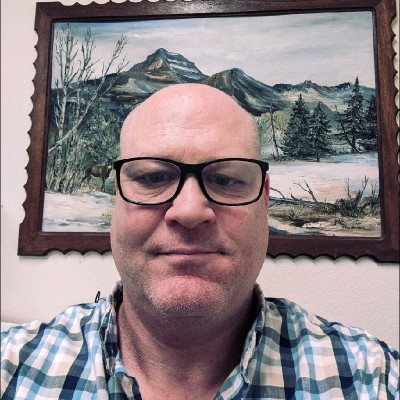
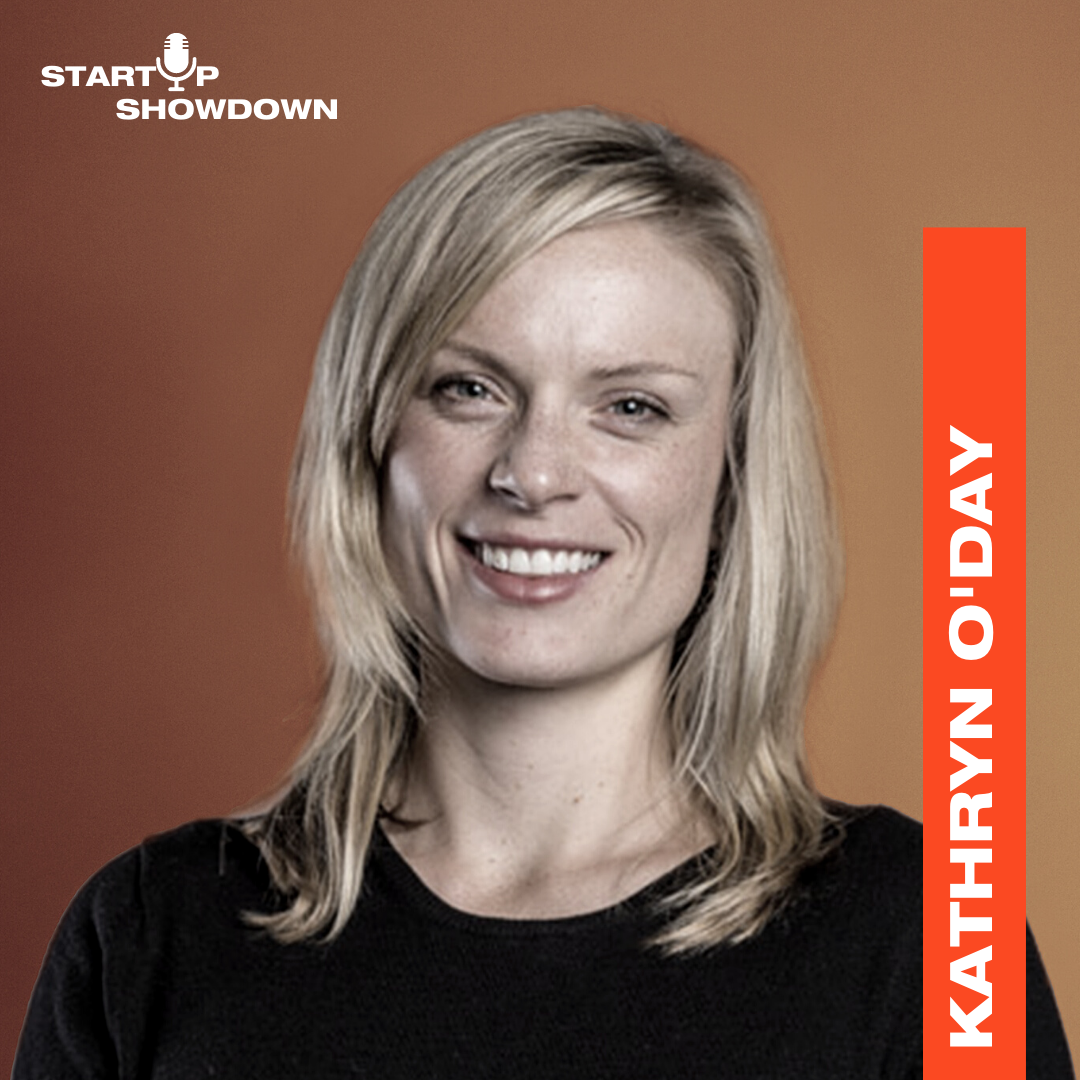
MarcusCookseyMarcus Cooksey, CEO and Founder at DUKE.ai., has 25 years of software development experience, along with a broad range of expertise related to embedded systems design and software development of real-time applications. Previous roles included, Applications Engineer for TI’s VoCable, IPPhone, ThinClient and Automotive Infotainment product lines and Business Development Manager (China/Taiwan) for Texas Instruments’ ADAS product lines.

His entrance into the technology world was built upon years of working as a UPS loader and sorter to subsidize my college tuition. He returned to his trucking roots in 2015 and founded LUI Transport, LLC. LUI Transport grew from a single truck to five trucks in 2019.

The inspiration of DUKE.AI occurred while attempting to manage financial bookkeeping and accounting using software tools available at the time.

Connect with Marcus on LinkedIn and follow Duke.ai on Facebook

What You’ll Learn in This Episode

  • Tech background
  • Transportation
  • Problems in transportation workflows today
  • Challenges to overcome in starting/running DUKE.ai

This transcript is machine transcribed by Sonix

TRANSCRIPT

Intro: [00:00:04] Welcome back to the Start Up Showdown podcast where we discuss pitching, funding and scaling startups. Join us as we interview winners, mentors and judges of the monthly $120,000 pitch competition powered by Panoramic Ventures. We also discuss the latest updates in software Web3, Healthcare, Tech, FinTech, and more. Now sit tight as we interview this week’s guest and their journey through entrepreneurship.

Lee Kantor: [00:00:39] Lee Kantor here another episode of Startup Showdown podcast. And this is going to be a good one. But before we get started, it’s important to recognize our sponsor Panoramic Ventures. Without them, we couldn’t be sharing these important stories. Today on Startup Showdown, we have Marcus Cooksey and he is with Duke.ai. Welcome Marcus.

Marcus Cooksey: [00:00:59] Hello, Lee, how are you?

Lee Kantor: [00:01:00] I am doing well. I’m so excited to learn what you’re up to. Tell us a little bit about Duke AI. How are you serving folks?

Marcus Cooksey: [00:01:07] So we’ve created a virtual bot and that virtual bot is responsible for processing documents specifically in the kind of legacy mundane kind of world of transportation and logistics for applications such as payments, load order, entry bookkeeping and accounting and invoicing.

Lee Kantor: [00:01:25] So how did you get into this line of work? What’s your backstory?

Marcus Cooksey: [00:01:29] Backstory is my background is in computer science engineering. I was part of our automated driving, self driving solution at a Fortune 500 company. I was building solutions for business in China and Taiwan, kind of growing that business there. But I also had a fleet of trucks, so I had five trucks that I was running at the same time. And I was fascinated with how archaic documents processing payments was done at that time using humans before Duke was invented. And so I took kind of the vision based learning that’s needed for self-driving cars to apply that vision types of machine learning for reading documents and processing them like a human would do it.

Lee Kantor: [00:02:10] Is this the first time you’ve led a startup, or were you always working kind of in a corporate setting or a technology startup setting, but not as the leader?

Marcus Cooksey: [00:02:20] Absolutely. So even within working in the corporate setting, I’ve always were on kind of skunkworks projects and so forth. So I led a project that involved natural language processing. So it was one of the first what they call digital assistants, voice activated digital assistants. But yeah, this was my first time with my own personal tech startup. Now my trucking business could be considered a startup and as well. But in terms of technology, this is the first time.

Lee Kantor: [00:02:48] Oh, so your trucking business was kind of a side hustle for you?

Marcus Cooksey: [00:02:51] Yes, indeed.

Lee Kantor: [00:02:53] And that’s where you kind of combine kind of your technology background with what you were doing, boots on the ground with the trucking.

Marcus Cooksey: [00:03:00] Yes, absolutely. So I saw the inefficiencies in transportation and I became more fascinated with applying kind of what I knew around self-driving cars to creating kind of this virtual bot that processes documents.

Lee Kantor: [00:03:13] Now, when you had the idea, did you like how did you kind of get some traction or at least some clues that maybe this was a solution that could scale?

Marcus Cooksey: [00:03:23] Yeah, I needed to know that it was practical because I knew, unlike, you know, self-driving cars, the, you know, the rules in vision based applications with cars are kind of well known. You know what a human looks like a vehicle lane markers. But in transportation, you could have thousands of different documents, formats, the orientations, all of those different things that makes processing and document difficult. I need to prove that it works. So I did some little experimentation at home on my own, did some prototyping, tested with a variety of different documents to see if I could actually lease, extract the data data and then do some contextualized learning and then pull out the key data. When I was able to do that on a across a few documents, I got confident that I could actually implement this and make this do it on a broader scale.

Lee Kantor: [00:04:15] Now, was it difficult when you attack a problem like this and you have kind of legacy businesses that have been doing things the way we’ve always been doing it? There are a lot of times hesitant to change. Was it difficult to open their mind to the possibility that you were offering?

Marcus Cooksey: [00:04:31] Absolutely. I remember being in a meeting and I told them that our virtual bot could process documents accurately nearly 99% of the time. And he was very skeptical and pretty much walked me out of the door because he recognized how difficult the problem was and he was a little skeptical. I think most people, you know, in this industry, maybe it’s just because of just their their backgrounds or understanding how hard the problem was. They were very skeptical. And so when you you know, in this case, you actually have to do the proof in the pudding to really bring people on your side and make the believers.

Lee Kantor: [00:05:09] Now when they’re processing it kind of in a human way. Isn’t kind of the errors and mistakes way more prevalent than your way?

Marcus Cooksey: [00:05:17] Absolutely, yeah. I mean, the attention span of a human to do some repetitive, mundane task is very short. We don’t realize it, and we’re prone to do errors on a regular basis. But I think it’s like self-driving cars. You know, when I was doing that, people are hesitant of even given that control. All of a vehicle to a to a to a robot. Even though we know humans are prone, 90% of the errors or accidents are caused by humans. And the same would apply for processing documents, the introduction of human error into the process.

Lee Kantor: [00:05:54] Now, how were you able to get kind of those first companies online to beta test and to even, you know, explore the possibilities of your solution?

Marcus Cooksey: [00:06:05] Now. Fortunately, we even though the the platform can scale to other applications on the enterprise size. Fortunately we had a an app and so I think the app gives you a quicker way to connect with customers by having them to download it and experiment with it and then eventually become paid customers. So by having that app, it gave us the feedback loop that we needed that customers were interested or certain things were not working right and improvements we had to make versus having to go to a larger company and convince them to integrate this. So we were able to get some test learning through the mobile app we have.

Lee Kantor: [00:06:44] And then once they did that, they were getting more and more confident with your solution.

Marcus Cooksey: [00:06:48] Absolutely right. So the mobile app does what you would say, the bookkeeping part, right? So now think about a trucker who’s an owner operator. He’s on the road. He doesn’t know anything about accounting. And so now he just connects to his bank account and uploads receipts or invoices or send them via email to a virtual bot. And it handles it like a human would. So it automatically categorizes, it generates charts of accounts, generates reports, profit and loss statements without the driver even changing and modifying anything. And so we had to refine that. But that learning taught us that we could have further applications beyond just the bookkeeping part, right?

Lee Kantor: [00:07:26] And once they feel comfortable there, then it’s easy to kind of nudge them into more and more adjacent services.

Marcus Cooksey: [00:07:33] Absolutely. So now we’re offering other products such as invoicing. So now they see it on the bookkeeping side and they’re like, okay, now you’re doing something more serious, like payments. Can this virtual bot now handle my payments in invoicing on my behalf and doing all of the checks and aging and so forth? And so now they’re gaining more confidence around its ability to handle payments as well.

Lee Kantor: [00:08:00] So now has this started to evolve beyond kind of the side hustle and now this is your main gig? Or did you are you still kind of in two camps here?

Marcus Cooksey: [00:08:10] Oh, absolutely not. No. It’s impossible for me to go to two camps. I am fully in I’ve been fully in now for three years. And now we have employees that work at the company. And so, yeah, I spend all of my time on for the most part.

Lee Kantor: [00:08:26] So now as leading a tech company that you are any kind of surprises or is it how you imagined.

Marcus Cooksey: [00:08:35] It, didn’t it? Oh, so many surprises. You know, I tell people there’s not a straight line in a startup. You envision it being a straight line, but it comes with a lot of curves. I wouldn’t have known that Covert would have occurred. I couldn’t have known that retaining employees, no matter how smart they were, we’re going to be an easy thing to do. So we had to come up with clever ways to survive through all of these different situations competition for top talent, creating our own apprenticeship program to offset that, it’s just been I won’t say it’s been easy, but I have developed all types of survival skills that I didn’t have before.

Lee Kantor: [00:09:19] Now, for a lot of founders, they have advisors and their mentors. Were you able to kind of benefit from that? Did you have advisors or mentors along the way?

Marcus Cooksey: [00:09:31] I’ve been very fortunate. That has been the difference maker. My co-founder, Vishwanath Gupta, came on with me. We were colleagues at T.I. He came to help me on the technical side and then we brought in some other individuals that were friends of mine on the CFO side. And then along the way, as we participated in different events, networking events, I brought on an who knew the industry, who could coach me well and help me identify key talent to help make our product even more robust and complete. And that has been significant, more so than sometimes the sales or even money. You raised that advisor. Committee board as is very pivotal, very important.

Lee Kantor: [00:10:17] Now, when you when you have the idea for a service like this, did you know you were going to get a co founder or was there something was a part of you saying, hey, I think I can do this on my own? Or were you always saying, okay, I need a co founder? And if so, how did you kind of go about choosing the co founder you have?

Marcus Cooksey: [00:10:39] It is funny. We chose each other. My co-founder and I and we didn’t start the company until we both found it. We both kind of chose each other, so to speak. We were at a launch in 2017. He was talking about what he was doing for his wife’s medical practice, and I was talking about what I was attempting to do with my trucking company and both of them were very similar. Im trying to automate documents around medical back office and me for transportation. And so once we agreed that we both had the same goals and objectives, we formed the customer, the company do guy. So I don’t think I would have formed the company without a co founder.

Lee Kantor: [00:11:22] And so when you were negotiating with the co founder and getting kind of aligned on values and vision, can you share some advice on how to have those kind of those conversations? Could be difficult and you have to kind of address things good and bad and ugly moving forward in a future that you’re not aware of how it’s going to play out.

Marcus Cooksey: [00:11:42] Absolutely. Fortunately, we had the same corporate values because we came from the same company. So we had similar work values in terms of our, you would say, social values, even though we’re from different nationalities. He’s from India and from the United States. Our core values of believing in people and cultivating people, we share that in common. And then the desire to do something in AI that we shared in common in terms of passion and technology. So for for me, I was fortunate that I didn’t have to go shop with someone because I had a person within my network that I continued to talk with, even though we were in divergent types of. Applications of AI and data science. We were able to come together and settle on what we thought was which was a trucking problem to be solved more so than the medical problem. And then I think that that has paid off. It’s been a good bit.

Lee Kantor: [00:12:46] Now, you mentioned the challenge of attracting and acquiring talent. Was that difficult to kind of transfer your vision, dream and the you know, the the monument you’re trying to build to other people?

Marcus Cooksey: [00:13:00] Absolutely. I mean, you’re talking about a very, very difficult. Solution. The answers don’t exist. There aren’t any boxes that you can open up that tells you how to process documents, how to create workflows, how to do it across a cloud, and how to do sales and marketing. And there’s no books. And so it’s a first time founder. In terms of tech, there are things I didn’t know. Right? And I’m learning on the fly and the team doesn’t know. Right. And so they have to believe that. And that’s some of the challenges that that they had. Some of my team members couldn’t trust the decisions that we’re making, and we ended up losing some some talent. And so we ended up doing that. Lee is is coming up with another way because we always think about jobs being taken from AI. And one of the things my co-founder and I challenged is challenged ourselves is is that, you know, why don’t we go out and find people who are just hungry? And let’s train them around data science and AI. And we found that to be a better pipeline than trying to go find someone who works at Facebook or Google as like we were doing before and cultivating those individuals.

Lee Kantor: [00:14:13] So you’re kind of growing your own talent.

Marcus Cooksey: [00:14:15] Yes. And that comes with challenges as well, because now it’s the same thing they don’t quite understand. They’ve never been on projects. Certain projects that my co-founder and I have had. But we could we’ve learned that it’s possible to cultivate individuals and grow them, you know, kind of within both in the culture as well as the technical skills they need.

Lee Kantor: [00:14:38] Right. And in a lot of industries, they, you know, they hire for attitude and trained for skills.

Marcus Cooksey: [00:14:45] Yes, absolutely.

Lee Kantor: [00:14:47] So how did you hear about startup shutdown and panoramic ventures?

Marcus Cooksey: [00:14:53] You can call me a fan of Paul George. I have been been watching his activities both on LinkedIn, on Instagram. And I was part of the Tech Square Lab Pitch event some years ago, back in 2019, when he was I don’t know if he was if he’s still managing it, but at that time he was director or he was involved there. And so I continue to observe him. So when the opportunity came, I applied for the startup showdown that they had in Austin.

Lee Kantor: [00:15:24] And then what part of that experience was most beneficial?

Marcus Cooksey: [00:15:30] It was the mentor session that was really good. I had one particular mentor. She really broke down and asked some good questions on my pitch deck and I revised it. She didn’t quite know who who were my customers. It wasn’t a parent. And really we had two customer bases, both the small businesses and enterprise banks. But it wasn’t clear. And it was a simple change into on one slide that actually identified both. And I think that story was able to resonate with even with the judges, because they could see that we’re we basically have a symbiotic growth between two customers. It’s not limited to one. And so that feedback she gave me, I think, really set the stage for really defining who our customers were and how we were targeting.

Lee Kantor: [00:16:22] So what’s next? What can we do to help?

Marcus Cooksey: [00:16:28] Yeah. I mean, at this moment, I always tell people we built the engine. Right now we are building the assembly line. We want to get document processing into the hands of big carriers, banks in the transportation industry. Software platforms. We are a platform that plugs in and integrates into any solution. And so we just now need the assembly line, which is the cells we model ourselves. After that, they have this quick, easy way to be able to download their SD cards, their apps and so forth, and quickly develop. And that’s kind of the vision that we have too, is because in transportation there’s a lot of costs associated with operational costs. Of course, fuel is one of them today. And so what we offer is the ability to reduce operational costs, create cash flow, while also giving business insight. And that’s an, I think, a new, compelling solution or vision. I wouldn’t even say vision. It’s just a new way, a new paradigm that we’re introducing into transportation and transportation. So we just want to get this disseminated to everyone in the industry.

Lee Kantor: [00:17:39] And any advice for a founder of a startup that’s like you that’s trying to kind of go into a world that has a legacy way of doing things and you’re really kind of trying to disrupt it. Any advice for that person on how to frame their offering in a way that allows people to open their mind to it?

Marcus Cooksey: [00:18:00] Yeah. Trucking is tribal, and I didn’t understand that at first. So you must understand the tribal nature of whatever industry you’re going through. So there’s, there’s I wouldn’t use the word gatekeepers, but understand the culture. Right. And it’s not even just your product, what concerns the customer and it’s not even the product that you’re offering. It could be the fact that the restrooms that they go to or the gas stations that they go to or they can’t find parking are issues. Understand everything about the industry and not just the small part you’re solving. And now that makes you more credible and able to empathize with all aspects of the business. So understand that’s the first thing I would say is really respect the tribal nature of the industry you’re going into and then to be ready to pivot, right? You will pivot in some kind of way and unless you’re just fortunately fortunate. And so in order to pivot, you will need to have good advisors to help you to understand the other applications. So you need great advisors, you’ll think you need money and you do. But advisors are really pivotal and critical.

Lee Kantor: [00:19:15] Yeah. And to be able to discern who has the better connections and advice within that money is an important consideration.

Marcus Cooksey: [00:19:27] Yes, absolutely. Absolutely.

Lee Kantor: [00:19:29] Now, Marcus, who is the ideal prospect for your service? Who do you want to meet more of?

Marcus Cooksey: [00:19:38] We’d like to meet more banks that pay carrier’s truckers, but we also like to work with other software services or software companies that service the carries the truckers to integrate the technology into their platforms.

Lee Kantor: [00:19:59] So if somebody wants to learn more about Duke, what is the website? What’s the best way to get a hold of you or somebody on your team?

Marcus Cooksey: [00:20:06] If you want to learn more about the product, you just go to the website. Duke I we’re on Instagram. Duke I Facebook. Duke Guy And I’m on LinkedIn. Marcus Cooksey And, and in fact, on our website, we have a direct if you ever want to schedule a meeting with someone from my team, we actually have a direct free scheduling so somebody could reach out to me if they have a question about starting a business or anything other than the app, they can find me for those resources.

Lee Kantor: [00:20:36] Well, Marcus, thank you so much for sharing your story today and congratulations on all the momentum you’ve got going on right now.

Marcus Cooksey: [00:20:44] Yeah, and thanks for the startup showdown and Panoramic Ventures for believing in the vision that we have. We’re like I said, I’m a fan of Paul Judge and everything that he’s doing in the tech scene. And so, you know, I’m kind of. Sometimes you just need visionaries and you just watch them and model them. And so some of that is what I do is kind of watch what he does. And so I’m thankful for the opportunity and their belief in what we’re doing here at Duke. So thanks for having me, all.

Lee Kantor: [00:21:12] Well, Marcus, thank you again for sharing your story. You’re doing important work and we appreciate you.

Marcus Cooksey: [00:21:17] Thank you, sir.

Lee Kantor: [00:21:17] All right. This is Lee Kantor. We’ll see you next time on Startup Showdown.

Intro: [00:21:23] As always, thanks for joining us. And don’t forget to follow and subscribe to the Start Up Showdown podcast. So you get the latest episode as it drops wherever you listen to podcasts to learn more and apply to our next startup Showdown Pitch Competition Visit Showdown B.C. That’s Showdown dot B.C., right? That’s all for this week. Goodbye for now.

Tagged With: Duke.ai, Marcus Cooksey

Lori A. Manns With Quality Media Consultant Group LLC

September 2, 2022 by Jacob Lapera

Lori Manns
Atlanta Business Radio
Lori A. Manns With Quality Media Consultant Group LLC
Loading
00:00 /
RSS Feed
Share
Link
Embed

Download file

QMC GroupLori MannsLori A. Manns is president of Quality Media Consultant Group, a consultancy firm providing value-based, solutions regarding advertising, marketing, and sales strategies for optimal business success. Lori specializes in helping entrepreneurs and small business owners gain more clients, generate brand awareness, and grow sales. As a master business strategist, Lori’s mission is to help one million, purpose-driven, entrepreneurs to monetize their expertise and achieve trailblazing success. Because of this mission, she founded the Trailblazer Business Academy, a consultancy program to help entrepreneurs build and scale profitable businesses.

Lori is a published author and professional national speaker. She hosts nationwide events educating entrepreneurs about marketing, sales, and sponsorship procurement. Since establishing QMC Group, Lori joined the esteemed Forbes Coaches Council and is a regular contributor to Forbes.com. She was named 2017 “Business Woman of the Year” by Transforming Women Entrepreneurs (TWE), and has been featured in Who’s Who In Black Atlanta from 2010 to 2021. Lori has received numerous other awards from national organizations and local municipalities. Prior to QMC Group, Lori worked for WVEE and WAOK as Senior Multi-Media Account Manager for 13 years.

In addition to being an entrepreneur, Lori demonstrates her passion for philanthropy as president of Live Healthy & Thrive Youth Foundation, Inc., a 501(c)3 non-profit organization dedicated to children’s health. Manns holds a bachelor’s degree in Mass Communications from Auburn University/Montgomery. Her professional affiliations include Dekalb Chamber of Commerce, NAACP, and Leadership Dekalb. Lori currently resides in the metropolitan Atlanta area.

Connect with Lori on LinkedIn and follow her on Facebook and Twitter.

What You’ll Learn In This Episode

  • Sponsorship as a topic that entrepreneurs should learn about
  • The misconceptions about getting sponsorship
  • The advantages when working with sponsors
  • Sponsors expectation from us if we want to partner with them
  • Helping entrepreneurs learn about sponsorship

This transcript is machine transcribed by Sonix

TRANSCRIPT

Intro: [00:00:03] Broadcasting live from the Business RadioX studios in Atlanta, Georgia. It’s time for Atlanta Business Radio, brought to you by on pay. Built in Atlanta, on pay is the top rated payroll and HR software anywhere. Get one month free at on pay. Now here’s your host.

Lee Kantor: [00:00:31] Lee Kantor here, another episode of Atlanta Business Radio, and this is going to be a good one. Today on the show we have Lori Manns with Quality Media Consultant Group. Welcome, Lori.

Lori Manns: [00:00:42] Thank you, I’m so happy to be here.

Lee Kantor: [00:00:44] Well, I’m so excited to catch up with you. For those who don’t know, share a little bit about Quality Media Consultant Group. How are you serving folks?

Lori Manns: [00:00:51] Well, we are a business consultancy firm specializing in advertising, marketing and sales solutions to help small business owners grow and scale their businesses for maximum impact and revenue.

Lee Kantor: [00:01:05] And today, we’re going to talk about a topic that probably not a lot of small business people consider as a go to move at first. And you’re saying maybe they should and that is sponsorship. Can you talk about what that is and how entrepreneurs can leverage that?

Lori Manns: [00:01:21] Absolutely. You’re absolutely right, Ali, because a lot of entrepreneurs and small business owners don’t realize how big of an industry sponsorship really is. It’s 25 billion annual dollars are spent in the world of sponsorship each year. And a lot of times we think of like the natural things for sponsorship, like sports teams and entertainment concerts and things like that. But they’re major corporations, Fortune 500 corporations that work with entrepreneurs and small business owners all throughout the year. And so sponsorship is basically selling the exclusive rights to a company to partner with your organization or your small business in exchange for media. It could be anything. It could be media that you give them. Like if you have advertising on a platform, you could also exchange for signage, you could exchange for digital assets. There’s so many things that you can add in your sponsorship arsenal that a sponsor may be interested in. And so that’s why I like to talk about this topic as a possible revenue stream for entrepreneurs and small business owners.

Lee Kantor: [00:02:47] Now, if somebody says, Hey, that sounds interesting, what would be some baby steps they can be doing today to make their company or service or platform more attractive to create these sponsorship partnerships?

Lori Manns: [00:03:04] That’s a great question. One of the things that I always tell my clients is to increase your brand awareness, and that is because most corporations do not need us to help them get the word out about their businesses. But they do have initiatives that they want to penetrate in their target market and they want brand loyalty. And so as a entrepreneur who’s interested in working with sponsors, if you have penetrated your target audience and created brand awareness for your company and you have some engagement, whether that be through social media or whether that be your website or whether that be a blog or podcast or whatever it is that you have that you utilize to create brand awareness for your company, then that is an asset to a sponsor. It shows that you already have a audience that they can tap into and potentially get some brand loyalty through you and through a partnership with you. So that’s the first thing work on your brand awareness.

Lee Kantor: [00:04:17] And then how do you even identify the right person in the organization to have these conversations with? Is there a director of sponsorship in companies or is this an advertising function or a marketing function? Like who is the person that makes this buying decision?

Lori Manns: [00:04:33] Well, that’s also a great question. It’s going to depend on what it is that you’re trying to get a sponsorship for. And so there are many departments within a corporation. For example, if you are. A small company or an entrepreneur, and you are a human resource consultant and you work with businesses to help them get their human resources department up and running. Well, then you want to talk to somebody at a corporation who’s in the human resources department or possibly supplier diversity. So it just depends on what it is that you do. And what it is that you’re trying to get a sponsor to fund as to who you would talk to within that corporation. So that’s why you need to work with a professional consultant and coach like me. So you could be trained on precisely who the person is that you want to talk to, what you need to say to them in order to be attractive to them so that you can position yourself as an asset and show that you have some synergy with that company and with their goals so that you can demonstrate that alignment and they would be more attractive and attractive to you.

Lee Kantor: [00:05:56] So what’s your backstory? How did you get into this line of work?

Lori Manns: [00:06:01] Well, I spent 19 years, almost 20 years in radio sales and marketing, and I worked for two stations in the Atlanta area. One was Cox Media and the other was CBS at the time, and CBS is now Odyssey. But I sold radio advertising and also digital assets because we had the Internet and streaming and live streaming as well. So selling radio advertising and digital assets to major corporations gave me the experience to know how to navigate the world of sales as it pertains to sponsorship. And when I became an entrepreneur in 2009, I decided that this was a topic that a lot of small business owners, especially the micro business owners and solo entrepreneurs, they had no knowledge of. And so that’s why I wanted to educate them about ways that they could partner with local companies in their area, as well as corporations, so that they could develop a revenue stream that would really help them grow their businesses.

Lee Kantor: [00:07:21] Now, you mentioned that one of the key points is to emphasize brand loyalty over brand awareness on behalf of the enterprise sponsor partner. Are there any other kind of do’s and don’ts that you would recommend a entrepreneur or a small business kind of taking advantage of when it comes to building this kind of sponsor package? Is it a one size fits all or is this something you’ve got to kind of customize for every conversation you’re having with an enterprise level sponsor partner?

Lori Manns: [00:07:54] Well, I believe it’s something that deserves customization. I wouldn’t go in to one corporation with the same pitch that I would go in with another because you actually have to do your homework to develop that sponsorship proposal based upon what their unique needs are. And you don’t want to have a canned sponsorship proposal that you send out because they truly may not be attracted to that. And then again, they may. It just depends on where they are in terms of their goals and initiatives. So one of the things that you can do is to. Always have some recommendations, testimonials and case studies that you can provide to a sponsor to demonstrate your expertise in the area where you navigate. So whatever industry you’re in, whatever area that you represent in your business, whether it’s a niche or whatever it may be, you must have some case studies and testimonials and recommendations from satisfied clients and or partners that you have collaborated with in the past to demonstrate your reputation, your work ethic and all of that good stuff so that you can show your credibility and show your level of expertise. Because once again, a corporation, they have the brand name behind them, they have the big dollars behind them. And they also have a lot of you know. Protocol procedures and whatnot that they have to follow to be able to justify why they worked with a entrepreneur like yourself or a small business like yourself. So if you have some of that due diligence that you’ve done to demonstrate your expertise, your credibility and your reputation in the marketplace, that’s always going to put you above some of the folks that don’t have that.

Lee Kantor: [00:10:02] Now, what about in terms of the deliverable back to the sponsor? What are some of the expectations they’re going to have from us if they’re going to if there is to be a good, healthy partnership?

Lori Manns: [00:10:16] Well, those deliverables can vary. And again, the basics, you know, people always think, well, we’re going to put their logo on our marketing assets. Well, they don’t so much care about that. That’s like gravy. But you really have to get in there and and do a real analysis as to what’s going to move the ticket for them. Are they looking for return on investment or are they looking for penetration in the market just to help them promote a new program or a new initiative? So it just depends upon what they’re looking for as to what deliverables you should be promising them. But of course, you know, one of the things that all sponsors like is media. They like to get their name out there in the public and make sure that they have some penetration in the media.

Lee Kantor: [00:11:11] And then when an entrepreneur is working with you or do you work primarily with entrepreneurs to help them get sponsorships, or do you work with sponsors helping them match up with the appropriate entrepreneur?

Lori Manns: [00:11:25] I work with entrepreneurs to consult with them about how to get sponsors so that they can establish relationships and get sponsors on their own.

Lee Kantor: [00:11:36] So are you doing that via, you know, kind of hand-holding, consulting to help them individually or is this group or do you do events?

Lori Manns: [00:11:45] I do events and group as well.

Lee Kantor: [00:11:49] So how does it work? Do you have an upcoming event or is there can you explain what what a session or a workshop looks like with you and your team?

Lori Manns: [00:11:59] Absolutely. I have an event coming up called Sponsorship Sales Secrets Live, and it is September 23rd and 24th. And it’s a virtual event where I teach entrepreneurs how to get sponsors and grow their business.

Lee Kantor: [00:12:15] And then what? Like, what can you expect by attending this event?

Lori Manns: [00:12:20] Well, they are going to get practical tools, tips and strategies for how to sell. The first day we do sales mastery and the second day we focus on sponsorship selling, and they’re going to get actionable strategies and tools that they can implement that day and learn how to go out. And first of all, who to target, how to sell, how to overcome objections, how to get to the right decision maker. There’s a ton of information that I share over this two day event to help entrepreneurs get sponsors and grow their businesses.

Lee Kantor: [00:12:56] And then the two day event. How many is it? An hour a day? Is it all day? Like, what’s the.

Lori Manns: [00:13:02] Well, it’s Friday and Saturday, September 23rd and 24th from 10 to 3. So it’s 4 hours. We take a break at noon and then we come back at one. So it’s 4 hours of great content. It’s a working seminar where I also give you some assignments and I do some hot seats and basically go over your sales pitch and your sponsorship pitch right there on the spot. So you walk away with knowing how to put that pitch together.

Lee Kantor: [00:13:35] And you said there’s still space available if somebody wants to attend.

Lori Manns: [00:13:39] Absolutely. There’s still space available. And I would love for everyone to check it out at sponsorship sales secrets.

Lee Kantor: [00:13:49] Sponsorship sales secrets dot com. And if you go there, you can check it out. And again, like, do you have like how how sponsor ready do you have to be is that somebody that could just be considering this or is somebody that’s totally new or it’s for veteran sponsor people?

Lori Manns: [00:14:08] Well, sponsors want to work with you at any stage as long as you can demonstrate what I said before, some brand awareness and credibility and interaction with your target audience, whether you’re just starting out or whether you’re an experienced entrepreneur, you can pitch sponsors. And so it’s the gamut because when I first became an entrepreneur, I did not have a track record. I had only been in business a year, but I was able to still get sponsors. So it’s not something that only experienced entrepreneurs can can use that as a revenue stream. It’s for anybody.

Lee Kantor: [00:14:50] So if in your career thus far, is there a story you can share, maybe a client you worked with that you helped get a sponsorship and take their business to a new level? You don’t have to name the name, but maybe explain what their service was and how they were able to build this sponsor package to attract the sponsor.

Lori Manns: [00:15:10] Yeah, well, I’ve had clients in various industries throughout the years that I’ve coached and consulted with. I had one entrepreneur who had a nonprofit that focused on financial literacy for young people, and she came to this event and just by the information that she learned while she was there, she took what I shared with her and what I taught at this very same conference that I’m talking to you about today and was able to go out and get a Fortune 500 company to sponsor her nonprofit. And that happened within just a couple of months after she left the Sponsorship Sales Secrets Workshop that I am referring to.

Lee Kantor: [00:16:00] Well, congratulations on all the success again. Could you give the coordinates for your firm if they want to learn more there and this event.

Lori Manns: [00:16:09] Yes my firm is quality media consultant group and you can find us at WW W quality media consultants dot com. And also this event is called Sponsorship Sale Secrets Live. It’s taking place September 23rd and 24th virtually. And so that means you can join from anywhere and you can register at sponsorship sales secrets.

Lee Kantor: [00:16:38] Well, Laurie, thank you so much for sharing your story, doing such important work. And we appreciate you.

Lori Manns: [00:16:44] Thank you. Lee Canter, you are awesome and I just love Business RadioX and you guys do a great job. Thanks for having me.

Lee Kantor: [00:16:51] All right. This is Lee Kantor. We will see you all next time on Atlanta Business Radio.

Intro: [00:17:00] Today’s episode of Atlanta Business Radio is brought to you by on pay. Built in Atlanta, on pay is the top rated payroll in HR software anywhere. Get one month free at on paycom.

About Our Sponsor

OnPay’sOnPay-Dots payroll services and HR software give you more time to focus on what’s most important. Rated “Excellent” by PC Magazine, we make it easy to pay employees fast, we automate all payroll taxes, and we even keep all your HR and benefits organized and compliant.

Our award-winning customer service includes an accuracy guarantee, deep integrations with popular accounting software, and we’ll even enter all your employee information for you — whether you have five employees or 500. Take a closer look to see all the ways we can save you time and money in the back office.

Follow OnPay on LinkedIn, Facebook, and Twitter

Tagged With: lori manns, Quality Media Consultant Group LLC

Jonathan Weathington With Shuckin’ Shack

September 2, 2022 by Jacob Lapera

Jonathan Weathington
Franchise Marketing Radio
Jonathan Weathington With Shuckin' Shack
Loading
00:00 /
RSS Feed
Share
Link
Embed

Download file

Shuckin ShackJonathan WeathingtonJonathan Weathington, CEO at Shuckin’ Shack.

As a Chief Executive Officer with a demonstrated history of working in the retail and restaurant industry, his desire focuses around bringing out the absolute best results in his teammates and co-workers. With a combination of analytical thinking, servant leadership, and true cultural dependency, they work together to achieve real results. A proven systems developer and implementer, as well an empiricist, his goal revolves around never losing status as a trusted advisor to colleagues and customers.

Connect with Jonathan on LinkedIn.

What You’ll Learn In This Episode

  • Unique Positioning and Bar Sales Make Shuckin’ Shack a Recession Shark
  • The brand’s outlook on scaling franchising efforts ahead of the recession

This transcript is machine transcribed by Sonix

TRANSCRIPT

Intro: [00:00:05] Coming to you live from the Business RadioX studio. It’s Franchise Marketing Radio brought to you by IDs, an award winning digital marketing agency that delivers integrated marketing solutions for franchisors, franchisees and franchise development teams. Learn why over 75 brands depend on ID’s team of dedicated marketers and client service professionals to deliver a strong ROI on their marketing investment. Go to ID’s franchise marketing for a complimentary digital audit and consultation Lee Kantor.

Lee Kantor: [00:00:44] Here, another episode of Franchise Marketing Radio and this is going to be a good one. Today on the show we have Jonathan Weathington with Shuckin’ Shack. Welcome, Jonathan.

Jonathan Weathington: [00:00:55] Hey, Lee. Thanks for having me on.

Lee Kantor: [00:00:56] Well, I’m so excited to be catching up with you. For those who don’t know, tell us a little bit about Shuckin’ Shack.

Jonathan Weathington: [00:01:02] Sure. So my very, very abbreviated elevator pitch, let’s say we’re going from floor one to floor two. My abbreviated elevator pitch is, if you like raw oysters and cold beer, you’re going to like us just fine. That’s that’s the very brief one. The 32nd one is we are a we’re we’re an oyster bar franchise founded on the Carolina coast in 2007. We’ve since expanded into five states, soon to be two more states by the end of this year. And we serve fresh seafood, exceptional, exceptional spirits, full service, bar, craft, beer, all of those things. Just a little bit of a little bit of a differentiator in the market aside from what you would get in a normal sports bar, your normal bar scene.

Lee Kantor: [00:01:43] Can you talk about the origin story? Like how did this come about?

Jonathan Weathington: [00:01:48] Sure. It’s and I actually just told this origin story last night, as it were, to to a group of folks asking me about the same things. You know, chug and check started as a place where people wanted to hang out. The founders I am not a founder of the brand and Matt Pickett and Sean Cook founded the brand in 2007, and it was in a sleepy beach town of Carolina Beach, North Carolina. And their goal was really to open a bar. They’re both in their twenties who doesn’t want to open a bar in their twenties? And I think they were a little surprised that it was so successful. And we talk about that all the time. Sean and I were just talking the other day about how things happen, right place, right time, and it just took off and open the second location in 2012 in downtown Wilmington. So all of a sudden we had a little bit of proof away from the coast, more than a central business district market. And then in 20 1314, looking for a third location and decided to go the route of franchising. That’s when they brought me on board. I was friends with them back when they opened the first initial, the first location. So we started franchising in 2014 and have been opening restaurants every year since.

Lee Kantor: [00:02:53] So what was your kind of background that you were the right fit to help them expand?

Jonathan Weathington: [00:02:58] You know, I like to think I like to think my biggest background fit was personality. Working with two founders, especially two founders that are very passionate about their business is it takes a certain person to do that in myself. Me personally, knowing them ahead of time certainly helped. So I think that was the biggest key to to our success and how we fit together thus far. However, my background, I have a really strong background in retail primarily of course, now restaurant and bar. But I’ve worked for some very, very large companies in the retail space, customer centric positions. I did a short stint in banking. I’ve done pretty much everything you can think of. My my work history is highly varied, but always very customer centric, always very focused on customer service. And so what I brought to them was, was I was able to use some of the experience and knowledge I had gained at some multibillion dollar companies and able to implement some of those systems, procedures and thought processes into the brand.

Lee Kantor: [00:04:01] So how did you kind of develop that avatar of the ideal franchisee?

Jonathan Weathington: [00:04:08] Yeah, it took a long time at first. Whenever you start franchising, there’s this moment of of it’s just this really nebulous, I would say three, six months, maybe. Sometimes it lasts a year. And you’re really just curious about who’s going to be attracted to your system? We went through that. I think every other brand also goes through that. However, over time, as we brought people into our system as franchise owners, we learned, Hey, we really like this quality in a person. We like that they’re outgoing. For instance, being outgoing, being primarily extroverted is a big deal within our own system. We’re in the hospitality industry, which means we have to have to be hospitable. And a part of being hospitable is is being extroverted and being outgoing and able to carry on a conversation and able to host people within your four walls and then making those connections outside of the four walls. So that was one of the things. And I think not only that, that’s not just trying to check and check, I think that’s very common in what you would see in other restaurant and bar franchises. But then beyond that, I think there’s a real there’s a real grit quality, for lack of a better term. Grit is is a big deal, especially when you’re talking about the restaurant industry as a whole. It is a difficult industry at times. Employee turnover can be high at times. And your you cannot get caught in the day to day grind of it and lose sight of what your overall goal is, which is to serve your customer base and make sure they come back. That’s all that really matters in the long run. And so those are two primary qualities that we look for in folks. And then, of course, over time, you develop what would be considered more soft skill learning, so more personality based things, and then, of course, hard skills, you know, is this does this person have basic financial responsibility? Do they understand basic accounting, at least to the extent of controlling food and labor costs and all of those items?

Lee Kantor: [00:06:01] So when you kind of identify those attributes for that avatar of the ideal franchisee, now that you do that and you have these qualities hard and soft skills, how do you then find this person? Like, you can’t just do a Google search for, you know, extroverts with grit. You know, you can’t.

Jonathan Weathington: [00:06:21] I wish you could that would that would that might put the CEO and pay per click out of business if you could Google search for four four people with grit and have extroverted personalities. We use a number of ways first the first and foremost way that we use and this is very common to systems our size is that we open healthy restaurants with happy owners. That’s it. Happy owners tell people about the experience that they’re happy that they’re having and they communicate that to interested parties that might also be interested in opening a restaurant and bar of their own. That is the first primary lead source. And then beyond that, we’re we’re seeking out digital channels as well. So search engine optimization, pay per click via Google and less so Bing. And then doing some social media ads. It’s really I think if you’re looking at it from an outsider’s view and thinking, Oh, that’s easy, you just run commercial ads and seeking people, it’s like hiring. Well, yes and no. Some of the aspects of it are like hiring and that you do put out, Hey, this is who we’re looking for. Do you have a desire to do this? Do you feel like you have this quality internally? But then on the other side of things, it’s a it’s a massive brand push as well. So you can’t put all of your eggs in one basket, so to speak. You have to participate in some franchise shows. You have to do all of the digital channels. Like I mentioned before, you have to have a strong presence on social media, including Facebook, Instagram and LinkedIn, and you’ve got to communicate that same message, which is the absolute most important thing that you can do. You’ve got to come with a cohesive message to the market so that regardless of who the listener is, that they’re seeing the same message throughout. And then their read on that message is These people have it together. They know what they’re talking about. They’re consistently saying these things and they’re also producing once the store gets open.

Lee Kantor: [00:08:11] So now as you expanded and they’re growing, how did you guys navigate the pandemic? How was your support system internally from corporate side as well as your franchisees that were kind of the boots on the ground there? Was there any changes that had to happen that are maybe now kind of silver linings that may be then now you’re doing business a little differently and attracting a slightly different group? Or was everything just kind of boldly forward and just keep doing what we’re doing?

Jonathan Weathington: [00:08:44] I think it was a little bit of both, and that’s that’s a total punt answer. But it is the truth. You know, looking at the pandemic as a lessons learned experiment at this point, we can look back at certain decisions that we made and very, very clearly say, yes, we definitely did that correctly. For example, we going into the pandemic and delivery seem to to reach a. Fever pitch. We sat down internally, we spoke with our franchisees. And the overall and overarching message was seafood typically doesn’t travel all that well. And with the delivery companies cut on on the items that we’re sending out the door, we would rather put our money into marketing and weather, put our money into marketing as a franchise marketing radio. We would rather put our money into direct to consumer marketing that says, if you like us, come to the curb and pick up your food. So that helped us control some of those costs. I mean, because if you’re looking at delivery companies as a whole, you’re talking 20 to 30% of whatever’s going out the door. It’s a loss leader. You’re losing money every time something walks out the door. And so we decided to turn that on its head and say, we’re willing to give up this money as food walks out the door. Let’s take that money, put it into a marketing budget. Let’s market to our customers that what we’re doing internally, when you’re allowed to come back, this is what we’re doing internally and we want you to come back safely and dine with us so that when you do want to escape your home, your compound, and you are choosing maybe to eat out once a week safely with your family or with a couple or whomever it may be that you will choose us.

Jonathan Weathington: [00:10:16] And then on top of that, hey, we’re going to be waiting for you at the curb. Seafood doesn’t travel directly. We’re not going to trust the delivery companies as a whole to deliver it effectively. But we know that if you come and you call us, we’ll have it to you and it’ll be hot by the time you get home. So we double down on those things. And that was that was a very, very critical decision. On our end. We decided that we weren’t going to be able to compete with pizza. We weren’t going to be able to compete with Chinese delivery or some of the other delivery options out there. And so we weren’t we didn’t put a ton of money or effort into that. So those are some of the pandemic lessons learned in that. And as a part of that, what helped us make that decision was, like you said, doubling down, continuing to forge forward in what we know and who we are. We’re very fortunate and that we know exactly who we are. And so we never had to question our direction in that. And it was enforcing when our franchise owners all reopened after COVID and have done extremely well moving out of COVID.

Lee Kantor: [00:11:13] So now the experience, obviously the seafood element is there. That’s part of your name. But the bar part is also an important component of a successful restaurant. Can you talk about how that’s going and maybe some innovation on that side?

Jonathan Weathington: [00:11:28] Sure. So the bar component is huge, about 30%. Our system average is 30% alcohol sales, which is which is pretty strong. If you look at casual dining as a whole, 30% is way up there. So we have doubled down on that over time for two reasons. Number one, it’s our true identity. So Chuck and Shaq, we talk about the early days, 27, 2008. Chuck and Jack was the dive bar that served great food. That’s how strong Shaq started. And if you remember from my initial conversation, initial storytelling, it was open because two 2020 somethings wanted to open a bar and have fun. And that was the whole impetus behind Shaq. We have maintained those routes. The bar always plays a focal point in all of our restaurants. It can be seen from the front door. We make it a part of the show, quote unquote, of what’s going on within the restaurant. It’s a big deal. So we’ve maintained that that’s the first reason. The second reason and why we continue to push that as a part of our advertising, as a part of our social media. And even when it comes to franchisee recruitment is because it’s profitable. The profitability behind your liquor sales and your beer sales, draft beer, bottled beer, liquor drinks, cocktails is higher than what you would see typically coming out of the kitchen. And so if we can do 30% of our business at the bar, we have a really, really strong profit center that helps us produce higher profits within the restaurants because it’s such a significant portion of our business.

Lee Kantor: [00:12:54] So what has been kind of the most rewarding part for you in the growth of Chuck and Jack.

Jonathan Weathington: [00:13:00] Seeing other people be successful? That’s it. I answer that question the same way every time is seeing other people be successful and ancillary as a part of that. Walking into any one of our locations across the country and seeing the same feelings that I had, because again, I’m not a founder that I had as my first customer experience, meaning I felt welcome. I felt like I belonged there. I’d only been there one time, but I was told to sit down. They’d be with me in just a second, having all of those feelings and seeing that imparted on the rest of our customer base and then getting to experience those things as well has been the most rewarding part to me. You know, and going back to to my first point, seeing the franchise owners be successful, that’s it. You know, we’re we’re in a results driven culture. We’re in a results driven company. And quite frankly, the franchisor doesn’t succeed unless the franchisees succeed. And the only way that happens is if they’re happy and they’re profitable. And we think that we have we think that we’ve been able to do that pretty well.

Lee Kantor: [00:13:58] So what’s next? What do you need more of and how can we help?

Jonathan Weathington: [00:14:02] I want to open healthy restaurants. That’s what we need more of is more healthy restaurants that. Said We could ask all the time, Hey, what’s your number? What are you guys looking at? When do you want to get out? You know? Of course, all those conversations lead in one direction. And my response is always, I want to open healthy units. That’s it. And I want good people to open those units, people that can participate in their community, their outgoing, they’re extroverted. They understand how to have a conversation. They have some of those hard skills that we discussed. And that’s that’s what we’re after. That’s what we want.

Lee Kantor: [00:14:32] So if somebody wants to learn more, have more substantive conversation with you or somebody on the team, where should they go?

Jonathan Weathington: [00:14:38] Sure. The easiest thing to do, if you are interested in a franchise with us, you can go to Chuck and Shack franchise. There is no G and Chuck and Chuck and check franchised dot com.

Lee Kantor: [00:14:48] All right. Well, Jonathan, thank you so much for sharing your story today. You’re doing important work and we appreciate you.

Jonathan Weathington: [00:14:53] Thanks. We appreciate it.

Lee Kantor: [00:14:55] All right. This is Lee Kantor will SEAL next time on franchise marketing radio.

Tagged With: Jonathan Weathington, Shuckin' Shack

Paul Kamm With Pet Wants

September 2, 2022 by Jacob Lapera

Paul Kamm
Franchise Marketing Radio
Paul Kamm With Pet Wants
Loading
00:00 /
RSS Feed
Share
Link
Embed

Download file

Pet wantsPaul KammPaul Kamm is the Vice President of Operations for Pet Wants, a national dog/cat nutrition, and wellness company. Paul has spent 35+ years in the pet industry, most recently as Vice President of Sales and Operations for Jack’s Pets, a regional full-line pet store chain.

Previous positions at Jack’s included Director of Operations and Director of E-Commerce. Paul was also President of Fishvet, an aquarium medication manufacturer, and a Buyer for Pet Care Superstores. He feels truly fortunate to have a career in a field where he can help pets live longer and healthier lives.

Connect with Paul on LinkedIn.

What You’ll Learn In This Episode

  • About Pet Wants
  • The growth strategy with Pet Wants as it eyes the 200th mark
  • Qualities they look for in a Pet Wants franchisee

This transcript is machine transcribed by Sonix

TRANSCRIPT

Intro: [00:00:05] Coming to you live from the Business RadioX studio. It’s Franchise Marketing Radio brought to you by IDs, an award winning digital marketing agency that delivers integrated marketing solutions for franchisors, franchisees and franchise development teams. Learn why over 75 brands depend on ID’s team of dedicated marketers and client service professionals to deliver a strong ROI on their marketing investment. Go to Ids franchise marketing for a complimentary digital audit in consultation.

Lee Kantor: [00:00:44] Lee Kantor here another episode of Franchise Marketing Radio, and this is going to be a good one. Today on the show we have Paul Kamm with Pet Wants. Welcome, Paul.

Paul Kamm: [00:00:54] Thanks, Lee. Glad to be.

Lee Kantor: [00:00:55] Here. I’m excited to learn what you’re up to. Tell us a little bit about Pet Wants, how you serve in folks.

Paul Kamm: [00:01:01] Well, Pet Wants we’re a dog and cat nutrition and wellness company basically servicing. We sell dog and cat food treats, chews supplements to kind of take care of all the nutritional needs of anybody’s pet.

Lee Kantor: [00:01:15] Well, can you share a little bit about the back story? How did this come about?

Paul Kamm: [00:01:20] Yeah, it’s actually very interesting. Our founder back in 2010, I believe it was, could be wrong on the year she had a couple of pets, a couple of dogs that had some skin problems and she wasn’t happy with wanting to put him on medication. The vet wasn’t really helpful and she kind of realized looking at diet that that was going to make a difference. So she did a ton of research, spent months, probably a couple of years looking into pet nutrition, and it did a deep dive and actually came up with some formulations for food. She found a small manufacturer in northern Ohio that was willing to make like a £400 test batch and make the food. She comes back, she’s feeding it to her dog. She’s noticing a difference in her dog skin, their coat, the behavior, the dog just totally changes, kind of becomes the dog she wanted, not the dog she had. So she had to make a little more food. Some of her friends noticed the changes in the dogs. Hey, can we try some of that food? So then she gets £1,000 made, then she’s getting a couple thousand pounds made. And the manufacturer kind of said to her, What’s going on here? You got something? Something happening? So she opened a store in the Findlay Market down in Cincinnati. Findlay Market at the time is, I should say, one of the oldest farmer’s markets in in America. At the time it was a smaller it’s kind of a tourist destination now, but it was a small little market. And she opened a store to start kind of supplying the food to other pet owners and kind of build from there. I mean, it really is that grassroots beginning story that you think about a business starting from scratch. She started it from from totally from scratch from the first piece of dog food up.

Lee Kantor: [00:03:02] So then what was the thinking to franchise? How did that come about?

Paul Kamm: [00:03:07] Her commitment to nutrition and education and trying to help more pets across the country. She’s the sole operator. She’s an incredibly intelligent woman and business person. But franchising going national was not her forte. So she partnered with our parent company called Strategic Franchising, also based here in Ohio. So then you could take the model and franchise it out. She’s smart enough to understand that was not her expertise. Her expertise was in nutrition, the formulation and kind of the educational piece. So we’ve built off of that and move forward to take it franchised around the country.

Lee Kantor: [00:03:49] So when when a company chooses that route, what does that look like? How kind of what what state of the business do they have to be in where a firm like yours says, you know what, they have the good bones here and we’ll be able to really do what we do and get this out in front of lots more people than they could have individually.

Paul Kamm: [00:04:13] Well, I think that comes down to an individual. Every every company that’s going to franchise or a franchise or I should say, probably evaluates the potential differently. We saw and again, being those of us in the business here are pet people as well. So we understood the power of what she was doing, the coming at the issue with with dog and cat skin coat behavior issues from a nutritional standpoint. We saw the power in that and her whole focus on education, nutrition, getting the pet owner to understand what was really needed for their pet. That was real powerful to us. We kind of bought into that early and saw that this had a lot of potential. That and the fact if you look at the pet industry itself, it’s kind of a recession proof industry. It’s growing, it’s very strong. It just that everything came together and said this makes sense to take this. The next step.

Lee Kantor: [00:05:14] Now is the kind of pet as family member. Is that unique for America or is that happening around the world?

Paul Kamm: [00:05:23] It’s interesting. I think it’s more. More an American thing where we humanize the pet. But I don’t want to take away anything around the world. I mean, I understand. Like down in Brazil, a friend of mine runs a different franchise company. And down in Brazil, they groom their dogs every two weeks. I mean, it’s just there’s such a there’s such a focus on the dog has to look good. It’s kind of a status symbol. So depending on the industry, depending on the country, I should say, the the social norms are a little different where where kind of a pets are people in Brazil, it’s kind of pets are a status symbol. Other countries are going to be a little different. But what we’re a little unique that we treat them really like children. There are fur.

Lee Kantor: [00:06:14] Babies. Now, did the pandemic just accelerate this trend?

Paul Kamm: [00:06:20] I think so a bit. What really happened during the pandemic was people obviously being indoors and not socializing as much. The desire to have pets, to add some more love and fun companionship into the house kind of exploded. And really what what was noticed in industry, especially like millennials primarily, but also baby boomers and seniors, a lot of pet adoption where a lot of shelters had in the past, a lot of animals trying to find they really had to work hard to find homes. All of sudden the demand was there and people were adopting animals and really adding population into their homes.

Lee Kantor: [00:07:00] Now, as the pandemic wanes and the reality of, oh, I also travel and I have a life comes into play, how did that impact pet ownership?

Paul Kamm: [00:07:12] I don’t think that people who did a lot of traveling were necessarily the ones that jumped out and got the animals knowing that it was going to end eventually. You know, my my my daughter is an example. You know, she she ended up stepping up to get a pet for the exact same reason. I want some, some, some other love in the house. And she doesn’t travel for work. She’s back at work, but not traveling. So I don’t think there was a big impact in that regard to people who are traveling. I think a lot of responsible pet owners, again, these are their fur babies. They wanted to bring animals into the house because they were in the house and would be home not traveling.

Lee Kantor: [00:07:53] Now, when you were kind of building out the plan to franchise, what was kind of that avatar of that ideal franchise.

Paul Kamm: [00:08:02] Ideal franchisee for us really is kind of a couple of things. One, and the obvious one is obviously the pet lover. But that that’s that’s more of the minor part. Our business is really built around community based marketing, going out to farmer’s markets and events and educating people and making contact. So we were looking for people that had kind of a spirit to serve what we call values, the value, relational marketing or relationships. They want to connect with people, educate people, and help them provide the best nutrition and care for their pets. So it really is a people person is really the primary person we’re looking for and somebody who’s got a lot of drive, you know, you can’t open a business and people aren’t going to just come to your door. You have got to go find the business. So we’re looking for people that are outgoing as well.

Lee Kantor: [00:08:57] Now, is the plan kind of the world is your oyster at this point? You’re like just trying to get as many in America as you possibly can. Like, where are you at on the growth curve?

Paul Kamm: [00:09:07] Yeah, we feel we’re we’re not if we’re not crawling, we’re walking. We’re not running yet. We have about 150 territories now. We added 47 territories last year. We signed about 15 year to date, got about 20 more to go. We really look at the marketplace saying there could be 400 plus by 2028. So we’re we’re still in the in the first third of what we really feel we can do.

Lee Kantor: [00:09:38] And then you’re going like the whole country is kind of where you’re going or you’re targeting certain regions.

Paul Kamm: [00:09:45] We are going, yeah, coast to coast. Absolutely.

Lee Kantor: [00:09:48] So what do you need more of? How can we help you?

Paul Kamm: [00:09:54] You know, we’re looking for good quality people who are really want to dedicate to helping pets get get better, helping pet parents, so to speak. It’s a fun industry. I call it the love business. In all honesty, people don’t have to have pets. They want to have pets. Add that companionship, add security, whatever, to the house. So somebody that resonates with that, they understand that that pets are not have to it’s a want to. And relate to that typically a pet owner. Our our best franchisees really come out of our customer base because they’ve tried our foods. It’s all private label foods. We only make our own and they see that result with their dog and become kind of a. Kind of preach, preach to the rest of the people how good the food is.

Lee Kantor: [00:10:49] So what’s a day in the life look like for a franchisee? Are they spending their time in a store? They networking with veterinarians? Like what is the what is their day look like?

Paul Kamm: [00:11:01] The typical day is a little of both. I mean, we are event based marketing. Besides having a small retail footprint, we really go out into the marketplace versus expecting them to come to us. So a typical day we could be prepping for a market and doing a market or community networking, certainly going out to meet veterinarians and educating about our food and what makes our food different. Other businesses in the area, dog walkers, any kind of business that does things with pets and other businesses that are pet friendly. A lot of businesses let people bring in their pets. A lot of our owners do cross promotions with businesses like that. So it is really spending majority of the time in the community trying to build relationships up with people about our business and about their pets.

Lee Kantor: [00:11:52] So do they need a storefront like mandatory or is it something they can ease into a storefront?

Paul Kamm: [00:11:58] Well, I’m going to say they ease into it’s mandatory. But the way our agreement works is they come on board, they’re immediately going to launch after training. We have a whole onboarding and a whole training process that they go through to be ready to launch the business. We’re going to train people about pet nutrition. We’re going to train people about running a business. We’re going to train people about marketing. We have all these programs and processes in place, so it’s kind of cookie cutter helping them to understand how to run their business. But the start immediately is is event based marketing. We call it mobile. They have an e-commerce platform, so they have their own website so they can do business and e commerce platform for home delivery. They start the the launch, the mobile immediately. And within a year we expect them to open up a what we call a pet store. Our stores are slightly different than most people would think of a retail store as our stores really are about 1000 to 1200 square feet, 350 square feet of retail space on front. And the back side is kind of a services area for grooming, dog washing, that kind of thing. So we offer a service out of the out of the retail location as well. The front being small again, where nutrition supplements chews and treats. That’s all we carry in store online. We sell other items, but in store, it’s really those items that turn the most create the the highest demand items, the the items that turn the most for our owners so our owners can keep the inventory and the cash flowing rapidly instead of putting their money into inventory that sits.

Lee Kantor: [00:13:36] So if somebody wants to learn more, have a more substantive conversation with you or somebody on the team, what’s the website? What’s the best way to get to hold you guys.

Paul Kamm: [00:13:43] That want pet swanscombe? It’s really the easiest way to go to.

Lee Kantor: [00:13:48] Well, congratulations on all the success. You’re doing important work and we appreciate you.

Paul Kamm: [00:13:53] Well, thank you. I appreciate that as well.

Lee Kantor: [00:13:55] All right. This is Lee Kantor. We will see all next time on Franchise Marketing Radio.


Tagged With: Paul Kamm, Pet Wants

John Allen With G&A Partners

September 1, 2022 by Jacob Lapera

John Allen
BRX National
John Allen With G&A Partners
Loading
00:00 /
RSS Feed
Share
Link
Embed

Download file

GApartnersJohn AllenAs G&A Partner‘s President and CEO, John W. Allen oversees the daily operations of the company and is heavily involved in the strategic outlook and growth of the firm. Before co-founding G&A with Chairman Tony Grijalva in 1995, John was a consulting partner with Grant Thornton, where he worked with emerging-growth companies and cultivated his management consulting and financial expertise.

A PPACA-certified and licensed life and health insurance agent, John is actively involved in the Houston business community and is a member of the American Institute of Certified Public Accountants, the Texas Society of Certified Public Accountants, and the Houston Chapter of the Texas Society of Certified Public Accountants. He earned both his bachelor’s degree in accounting and his master’s degree in management consulting from Brigham Young University.

Connect with John on LinkedIn.

What You’ll Learn In This Episode

  • About G&A Partners
  • What is a PEO?
  • Services offered by a PEO
  • Benefits SMBs can get in working with a PEO
  • Future plans for the company

This transcript is machine transcribed by Sonix

TRANSCRIPT

Lee Kantor: [00:00:15] Lee Kantor here another episode of Houston Business Radio, and this is going to be a good one. Today on the show, we have John Allen, who is the CEO and president of G&A Partners. Welcome, John.

John Allen: [00:00:28] Thank you.

Lee Kantor: [00:00:30] I’m so excited to learn what you’re up to. Tell us a little bit about G&A. How are you serving folks?

John Allen: [00:00:36] Well, G&A Partners is a HR outsourcing firm. We primarily work with smaller emerging growth companies, and we tackle their back office challenges so they can focus on growing their business and doing what they got into business to do in the first place.

Lee Kantor: [00:00:54] So what’s your back story? How did you get involved in this line of work?

John Allen: [00:00:58] Well, that’s a long story. I’ll give you the short version. I came out of public accounting and years ago listen to a presentation on a concept called employee leasing. I was fascinated and when the opportunity came for me to transition from the accounting world into the human resource management space, we decided to become the preeminent, privately held professional employer organization in the state of Texas and kind of follow or implement the strategies that we heard in that employee leasing presentation.

Lee Kantor: [00:01:33] So for those who aren’t familiar, can you share a little bit about what RPO is?

John Allen: [00:01:39] Sure. The acronym stands for Professional Employer Organization. And in essence, we become a service provider or a co employer to small businesses and tackle back office tasks like payroll benefits, human resource management and risk management. So we provide those services again. So a small business owner can focus on other things.

Lee Kantor: [00:02:06] And then what is the typical is there a typical type of industry that this is most beneficial for, or is this something that every company should at least consider?

John Allen: [00:02:18] There are CEOs that service all types of industries. We’re certainly one of those. Some focus on blue collar, some on white collar, some on the entire spectrum. But any business that is looking to outsource HR could benefit from the services of a CEO. They tend to be smaller businesses, so our niche is typically 20 to 200 employee clients, but we’ve got clients that are smaller than that and clients that are larger than that. But that’s kind of the focal point because most of those businesses don’t have the resources to hire HR talent, HR technology and so forth.

Lee Kantor: [00:03:01] So what like if I’m a business owner and maybe I’m approaching that 20 person size, is this something that like share with me like kind of the trade offs? What are kind of the pros and cons of doing this?

John Allen: [00:03:16] Well, obviously, from my perspective.

Lee Kantor: [00:03:17] There’s I know there are all pros, but hypothetically, if there were a con, what would that be?

John Allen: [00:03:23] Well, if there were a con, I think that some small business owners think that they’re somehow giving up control over their employee base to the to the peo. It’s really not the case. We’re providing services, but ultimately the decisions that drive a business forward and that determine whether a person is hired, fired, promoted, etc. all those are decisions made by our clients. We’ll provide advice and counsel recommendations, but ultimately our clients do control what happens in the workplace. But that’s an area that requires us to educate small business owners because they fear that they might be giving up control. The other concern, of course, is cost. And so there’s a process that goes have to go through to justify the investment the small businesses make in our services and the kind of return that they get from those investments.

Lee Kantor: [00:04:26] So what’s what are the returns? So can you share a little bit about what kind of an ROI a client might expect?

John Allen: [00:04:33] Sure. You know, about a year or so ago, our trade association, the National Association of Professional Employer Organizations, actually engaged an outside consulting firm to analyze exactly that. And if memory serves me right, I think the ROI average across a broad array of clients that were part of the survey was a little over 27%. So for every dollar that somebody spent on PEO services, they were getting a dollar 27 in cost savings in return. And those cost savings typically come from not having to invest in HR talent, HR technology, cost savings on employee benefits, cost savings on workers comp insurance premiums. And again, those cost savings typically offset in most cases, the fees that we charge for the services that we provide.

Lee Kantor: [00:05:32] Now, some of the benefits, if I’m a smaller company, you have some economies of scale that I can’t possibly have. So I can offer a more robust benefits package than I could if I was just doing this on my own.

John Allen: [00:05:46] Yes, absolutely. So, I mean, we payroll over 85,000 people across some 3000 plus clients. So that gives us purchasing power that most small businesses just don’t have. And so when it comes to employee benefits, we can put together a Fortune 500 benefit program at cost that small businesses can afford, and so they can get various choices on group medical, dental vision, various ancillary products, access to a 401. K that would be a lot more expensive if they went out on their own. So again, Fortune 500 benefits for affordable small business cost.

Lee Kantor: [00:06:30] And then in today’s time where it’s so difficult to attract and retain quality employees, this having a robust benefit package I would think is now a must have not a nice to have.

John Allen: [00:06:43] Yeah in today’s market it is extremely important. So I mean, there’s a war for talent. And so one way to differentiate yourself from a competitor down the street is through your benefit program. And to be able to get that more affordably is obviously key to most small businesses.

Lee Kantor: [00:07:05] Now, can you share a story? Don’t name the name of the company, but explain the challenge that they were having before they started working with you. And then how working with you took them to a new level.

John Allen: [00:07:18] Sure. Well, I can think of several, but I’ll just focus on one for the time being. I had a relationship with this particular the the owner of this particular firm when I was in public accounting, made several attempts to secure their business and was unsuccessful. And then finally we had the opportunity to do business. He’s since been a client, I think, for 20 plus years. What drove him to us is they were a startup. They had innovative technology, they were manufacturing kind of a neat product and going to market, and they wanted to focus their resources on the engineering and production and then sales of that product. They didn’t want to deal with the hassle of payroll administration and providing or shopping for benefits and mentoring benefits, dealing with HR compliance issues and so forth. So they outsourced that to us so they could focus on growing their business. They now dominate their market. I think they have like over 80% market share. They’ve gone from just a handful of employees to somewhere between 80 and 100 employees working three shifts. They’ve expanded their manufacturing facility, I think, on four separate occasions. They now have a state of the art manufacturing facility on the north side of Houston. And so, again, over that 20 year period, they’ve they’ve grown from being kind of a lifestyle business where they’ve been able to scale the business, and now they’ve become a dominant factor in their in their particular industry.

Lee Kantor: [00:09:05] And in this case, it’s an example of when you’re working with a client, you’re really a partner with that client. You’re trying to help them solve this talent issue as effectively as possible.

John Allen: [00:09:17] We are, and that’s the reason why we’re called GINA Partners. As we search for how to brand what we did, we decided that partnering with our clients and their employees, with our vendors, with our own employees, that that was going to be paramount to our success. And so it became part of our name.

Lee Kantor: [00:09:39] Now, for you personally, do you is this more rewarding work than being a CPA?

John Allen: [00:09:47] Yeah, certainly is. You know, I was a consulting partner with a national CPA firm, so I got to do some some fun and exciting stuff and have an impact. But in this role, the work that I’m doing is far more diverse. Its impact is far more significant. So yeah, I love what I do and I have a lot of fun doing it.

Lee Kantor: [00:10:14] When you made the switch, what were some of the clues that you had that, hey, this thing is going to get some traction and this thing’s really going to blow up?

John Allen: [00:10:24] But you know, initially my partner, my longtime business partner and I started this and it was more of a lifestyle business. It was a way to provide for our families and for our employees. We didn’t have an elaborate business plan that that described how we were going to get from where we were then to where we are now. So we’ve taken advantage of opportunities that had been presented along the way. We’ve been incredibly blessed along the way as well. I’d love to tell you this is all part of a master plan, certainly wasn’t part of our master plan, but we’re delighted to be where we are. And it’s been a wonderful journey.

Lee Kantor: [00:11:10] So what do you if you look into your crystal ball, what are you looking at as we enter the fourth quarter and into 2023?

John Allen: [00:11:20] Well, if my crystal ball was crystal clear, I’d be heavily invested in the marketplace trying to try to make money that way. But it’s hard to forecast the future. I mean, as I look out over the near term, obviously we have a very important election on the horizon and the outcome of that election will certainly have an impact on policy and on the economy. So I’m anxious to see how that turns out, both within the state of Texas and and elsewhere and on the national scene. I do think that if you look at the economic numbers, we meet the definition of a recession, although we do have a number of people that are waiting for additional signs. We’re not seeing a huge downturn in the business that our clients provide. So while the economy while the growth rate is stymied, we still have record employment levels and a war on talent. And so we’re not seeing our clients anyway laying off people. We are seeing larger clients do some of that and firms in the technology space doing some of that. But we’re not seeing that any of that within our client base. As I look out a little bit further. I think the prognosticators would suggest there will be some sort of recession. So there will be a dip. And we as a service provider to small businesses and our small business clients have to be prepared for that and we’ll have to take some corrective action. But it looks like the dip will be small and short in duration, so that’s encouraging. So we’re not losing too much sleep over where we see the economy going over the next 6 to 24 months.

Lee Kantor: [00:13:23] Now, I would imagine a year firm and firms like yours are kind of leading indicators for some of this stuff.

John Allen: [00:13:32] We certainly can be. I know when the pandemic hit, we we lost about 15% of our worksite employees, worksite employees or those that work at our client company. So once we went into quarantine, we had a number of clients that laid people off, terminated people outright, furloughed people temporarily while they try to figure out what was going to happen. For many of those clients, those layoffs lasted for two, three, four, five, six months, a lot longer than anybody anticipated. But once we started to emerge from that chaos, most of those clients hired their people back and employment levels returned to kind of where they were. We actually had a very good 2020, a very good 2021 in spite of those unprecedented times. And it was a moment in time where our clients needed us more than they ever needed us before. And our net promoter scores that kind of assess satisfaction with our services were at all time highs. We were helping clients with PPE, loan applications and just all kinds of HR issues as they dealt with the the the impact of the pandemic and the quarantine. So hopefully we won’t see that again in my lifetime or ever. But we were in a unique position to help our clients through that and most did rebound and are doing well in spite of some of the uncertainty in today’s economy.

Lee Kantor: [00:15:26] So what’s next for Gina partners? What do you need and how can we help?

John Allen: [00:15:33] Well, we made the decision several years ago to scale the organization to transform from being a lifestyle business to being a major player in our industry. And that strategy included scaling our sales organizations. So that has grown dramatically. It included expanding geographically. Most of that we did through a creative acquisitions. And then the last leg to that three legged stool, if you will, was to provide phenomenal customer care and hang on to the clients that we brought on, either through organic sales or through acquisitions. We’ve been very successful in that effort, knock on wood, and the strategy is to continue to do that and constantly tweak how we provide services, how we make a difference in the business lives of our clients and their employees, how we provide value. So our plan has been working and we just want to execute it even better than we have heretofore.

Lee Kantor: [00:16:38] Now, are your clients primarily in Texas or are they all over the place?

John Allen: [00:16:44] Houston is our home and we’ve got four other offices here in Texas, and probably over 50% of our clients and our worksite employees are domiciled in the state of Texas. But we’ve got, I think, 15 other offices. Well, that outside of Texas, we probably have another ten offices, mostly in the Midwest or in the southwestern United States, and and are looking for other opportunities to expand where it makes sense. But Texas is home. And so it will continue to get a great deal of our our focus and consideration.

Lee Kantor: [00:17:25] Well, if somebody wants to learn more, have more substantive conversation with you or somebody on the team, what is the website? What’s the best way to get a hold of you guys?

John Allen: [00:17:33] Well, our website is w w w Gina partners and that Jean, that’s MN is in Nancy. And they can certainly call our our main number as well at 713784 1181. And any of our employees would be happy to answer questions and provide information.

Lee Kantor: [00:17:57] Well, John, thank you so much for sharing your story today. You’re doing important work and we appreciate you.

John Allen: [00:18:03] My pleasure. Thank you so much.

Lee Kantor: [00:18:05] All right. This is Lee Kantor. We’ll see you next time on Houston Business Radio.

Tagged With: G&A Partners, John Allen

Eric Myers With Junk Junk Baby

September 1, 2022 by Jacob Lapera

EricMyers
Franchise Marketing Radio
Eric Myers With Junk Junk Baby
Loading
00:00 /
RSS Feed
Share
Link
Embed

Download file

EricMyersEric Myers, CEO at Junk Junk Baby.

After graduating with a bachelor’s degree in Criminal Justice, Eric started his career at telecom sales in Boston, MA. “Best business learning experience of my life. Pure boiler room culture. 150 cold calls a day. Crush quota or be crushed”. For the next fifteen years, he meandered in and out of tech sales at various companies.

In search of trying to find purpose, Eric went to law school, where he met his future wife. “We didn’t need two unemployed lawyers in the house,” so Eric took a job selling insurance. It wasn’t a job. It was a sentence…but, I gutted it out as long as I could.” Knowing there’s no perfect time to take a chance, one week after the birth of their first child, Eric quit. “I told my wife, we have three months of living expenses. I bought an old truck. I’m going to make something happen, and I’m gonna hustle.”

Over time freebies and favors turned into paying jobs, moves, and hauls. Eric expressed to all his clients, “For the first time in my life, I love what I do. I actually make a positive impact on people’s lives.” Inspired by his growing family, he named the company Junk Junk Baby! Since then, he has been building the business and brand. A decade strong, Eric is ready to help others realize their dreams through the Junk Junk Baby family.

Connect with Eric on LinkedIn and follow Junk Junk Baby on Facebook.

What You’ll Learn In This Episode

  • The difference from other junk removal companies
  • Target markets and overall franchise development strategy

This transcript is machine transcribed by Sonix

TRANSCRIPT

Intro: [00:00:05] Coming to you live from the Business RadioX studio. It’s Franchise Marketing Radio brought to you by IDs, an award winning digital marketing agency that delivers integrated marketing solutions for franchisors, franchisees and franchise development teams. Learn why over 75 brands depend on ID’s team of dedicated marketers and client service professionals to deliver a strong ROI on their marketing investment. Go to Ides franchise marketing for a complimentary digital audit and consultation Lee Kantor.

Lee Kantor: [00:00:43] Here, another episode of Franchise Marketing Radio and this is going to be a fun one. Today on the show, we have Eric Myers with Junk Junk Baby. Welcome, Eric.

Eric Myers: [00:00:53] Thank you. Thanks for having me.

Lee Kantor: [00:00:55] Well, I’m excited to learn what you’re up to. Tell us a little bit about junk. Junk, baby. How are you serving, folks?

Eric Myers: [00:01:00] Yeah, junk. Junk Baby was established about 12 years ago. We’re a full service residential and commercial hauling company. We’ve been doing it for quite a while and we like to think we got it down pat. We decided, why not franchise?

Lee Kantor: [00:01:13] So what was that thought process like? Like, was it run initially as just a, you know, kind of your own thing and you were doing it locally. And then at some point you’re like, hey, there’s an opportunity here to kind of replicate this in other markets.

Eric Myers: [00:01:27] Yes, it started very organically. It was part time to start. It was just a pickup truck in myself. And over time, it just gained momentum. And I said, you know what? I love this. I really love what I’m doing right now. So I hired somebody, got a bigger truck, and then things start to get get rolling.

Lee Kantor: [00:01:47] And then when did you realize, like, you had enough of an operation that can be replicated? Did you. Were you kind of documenting things all along or was this something you’re like, once you decided to franchise, you’re like, Hey, I better start building out all those manuals and getting all this kind of written down so I can share this with others.

Eric Myers: [00:02:06] Yeah, for the first handful of years was kind of controlled chaos, you know, trying to learn our way in and out of how to run the business. But to your point, as we got more into it, we knew we had to systematize. So we started documenting our processes and systematizing the business so that it could be put down on paper. We call it the book and it can be replicated with other people.

Lee Kantor: [00:02:30] So were you did you hire an outside firm or did you just handle that internally?

Eric Myers: [00:02:35] Well, we started to handle it internally, and then we did hire an outside firm.

Lee Kantor: [00:02:41] When what was that moment where you’re like, this is too much of a pain. I’ve got to get somebody else to do this.

Eric Myers: [00:02:46] Yeah, well, that’s a great question. And I’m I’m not that guy, right? The type of guy that do that systems and processes beyond what we were doing in our own backyard. But as we realized, if we were going to grow within the company and to replicate what we’re doing to hand it off to other people, we figured we better do it the right way.

Lee Kantor: [00:03:09] And that’s an important lesson for other emerging franchises, right? Like you got to know what your lane is and lean into that rather than try to, you know, be that ops guy. If there’s somebody better that can do it faster and with a lot less headache.

Eric Myers: [00:03:22] Absolutely. I mean, I consider myself if I were to pick a fictitious business for myself, it’d be more like a mayor. You know, I like to get out there, hang with the people. I’m not that cross the T’s, dot the I’s type guy when it comes to making a system. But, you know, once you see it on paper, it’s just reading it and running with it.

Lee Kantor: [00:03:42] And then so once you started doing that and you had a documented, what was it like kind of going out to the market and saying, hey, this is available? Were you getting kind of organic interest at the beginning where that was kind of an easy transition? Or was it like starting from scratch and going out and let me find that first guy?

Eric Myers: [00:04:00] Yeah, there’s a little bit of growing pains with everything. When you make a transition, when you try and grow, you try and do something different. You’re going to learn and there’ll be a couple mistakes along the way. And we learned from those. But it helps. It helps when you have an offering like this to be able to say, hey, listen, this is what we’ve been doing. This is what works. A lot of it is just we call it common sense training in the office or CST, rather. It’s just common sense stuff, you know. I mean, you’re dealing with people, it’s a people oriented business. And at the end of the day, that’s what it comes down to, just working with people and making the making the right decisions.

Lee Kantor: [00:04:35] Now, do you have a feel for that ideal franchisee yet, or are you still learning around that?

Eric Myers: [00:04:41] Anybody that’s driven, anybody that thrives on variety, people that have a passion for caring for people, that’s where we’re looking for that’s what we’re looking for in terms of a candidate. If you’re driven, if you have a positive attitude, if you know you like different. Things day in and day out. I mean, in our industry, no jobs the same. Even if you have the same repeat client, the job’s going to be different. They’ll be different challenges, you know, whether it’s staircases or you might have to have tight fits in certain areas. But as a whole, if you’re driven, you care for people and you’re excited about what the next day will bring, that that’s the ideal candidate for us.

Lee Kantor: [00:05:26] Now, as you’re kind of growing now, is there a certain areas you’re focusing in on or are you starting around where you started and then kind of expand out from there? What is kind of the strategy when it comes to growth?

Eric Myers: [00:05:40] Yeah, we believe in responsible growth. We think starting in our backyard of New England and the Northeast is the best play. That said, we’re talking to candidates all across the country, but our focus at the moment is New England in the northeast.

Lee Kantor: [00:05:55] And then are you looking for kind of that individual person at this stage just to get more out there? Or are you going for that person who has a portfolio of services? And this would be complimentary in their portfolio?

Eric Myers: [00:06:10] Very flexible. Very flexible in that regard. We’re really looking for the right people. We want the right people and the right seats if they’re passionate, if they meet a lot of our avatar, which is rebel and caregiver, we’re not we’re not the same as everybody else in the industry. We’d love to talk to them.

Lee Kantor: [00:06:26] Can you talk about some of what makes you different? What is the kind of your point of differentiation?

Eric Myers: [00:06:32] One of the largest ones is we drive box trucks as opposed to dump trucks. It’s a commitment to us taking care of the items so we can get it back out there into circulation. We believe in giving back to the community. We have relationships with the local housing authorities in the area and a lot of people go into the housing authorities with nothing but the clothes on their backs, and it means a lot to us. It’s a it’s a great privilege to be able to take the items we get from jobs and to be able to make where they’re going into somewhat of a home, that the industry itself is booming. It’s only getting larger. We have new territories available where other territories from some of the major players might be sold out. At the moment we have all territories available. Low staffing. Low staffing is a big thing in our industry. You can run a business with one true leader and 1 to 2 laborers. We offer an absentee option for franchisee ownership. We offer flexible opportunities. We’re more of a lifestyle business. We don’t work seven days a week. We work Monday through Friday, typically 730 to 230. No nights, no weekends. We could step in and work weekends sometimes, but we believe in family. Family coming first. And I’m flexible because I have little kids. And if other candidates have family and kids, I mean, this is a great place for them.

Lee Kantor: [00:07:56] Now, is it something that they kind of need a space or is it not space kind of required or how.

Eric Myers: [00:08:05] Much do they need? It’s optional. You can work out of the home. The brick and mortar is not required as you grow within the business. It would be helpful to have some yard space, but we’re ready. If somebody has a two car garage, we can convert that to what we call the Alamo. They can have that as a fallback position and they can park their cars out in the driveway. But it’s very flexible.

Lee Kantor: [00:08:29] So it can flex to whatever the person and they can kind of grow into it. Right. Like they don’t have to kind of bite off too much right at the start.

Eric Myers: [00:08:37] Yes. Very organic, very organic approach.

Lee Kantor: [00:08:40] And then when it comes to kind of your franchisees acquiring clients, how do you help them in that regard?

Eric Myers: [00:08:49] Well, the first thing we recommend is if you have a local network, if you are on LinkedIn, they have a strong LinkedIn in your community. If you’re good on social, that’ll get you busy just to start getting the word out there. We have an excellent relationship with the real estate brokers. They’re tied to the junk removal industry because people need to sell their homes and they need to get rid of the junk in order to a show it be solid. So there are some organic measures to use when first coming on board. There’s all kinds of opportunity out there. The old saying is everyone has junk and of course, we’re going to recommend that you use and pay when it comes to SEO with PPC and Google ads in the basics there.

Lee Kantor: [00:09:41] And there’s no kind of getting around immersing yourself in the community. So if you’re like you, that people person that likes people, that wants to shake some hands and kiss some babies, that’s a good quality, right? You want somebody that is out there kind of evangelizing.

Eric Myers: [00:09:58] Shaking hands and kissing babies. Exactly. I mean, I was in sales for about 12 years before I started this, and it was most of it was cold call boiler room culture. This is a very soft, very, very referable, highly referable, business and business model. I can’t tell you how many times I went to a barbecue or a party and I meet somebody I didn’t know. And of course, hey, what do you do and what do you do? And nine times out of ten, I wish I had known that two weeks ago, you know, but it’s people have junk and people are in a lot of hot, I want to say hot water, but they’re in in a tough spot. And we come in and we take care of the people and we take care of the job and we take a lot of burden off our clients and they’re very appreciative of that now.

Lee Kantor: [00:10:49] So the person in the local market, they’re going to become buddies with all the real estate people, all the real estate firms, right? That’s part of it. Is there a commercial angle as well, or is it primarily like kind of people in residential environments? Or is there a play to go after business businesses?

Eric Myers: [00:11:05] Yes, there’s a few approaches. One of the probably the biggest ones, the assisted living facilities. We have multiple, multiple agreements with and contracts with senior living facilities. That’d be the big one to start with. Real estate owned banks is another one. The as I mentioned, the housing authorities as well. There’s plenty of just businesses in general law offices, I mean, lost law offices, turnover. There’s plenty of ways to market this organically, whether it’s just by mail or dropping off a card or joining a local networking group. There’s plenty of opportunity out there.

Lee Kantor: [00:11:48] And that’s part of the playbook that when a franchisee kind of becomes part of the family, that’s what they get. Is that kind of playbook on how to attack the market and how to kind of wring out the most value?

Eric Myers: [00:11:58] Correct.

Lee Kantor: [00:12:00] So if somebody wants to learn more, what’s the website? What’s the coordinates?

Eric Myers: [00:12:05] Yeah. Thank you. Junk. Junk, baby dot com. You can go on our franchising part of the website. Always available for a call. Love to talk to people. Love to talk to candidates and love to introduce this great opportunity. I mean, it’s almost like if I can do it, you can do it type thing. I love what I do. I’m passionate about what I do for the first time in my career. I’d love to share that with others.

Lee Kantor: [00:12:30] Good stuff. Well, Eric, thank you so much for sharing your story today. You’re doing important work and we appreciate you.

Eric Myers: [00:12:36] Greatly appreciate you, Lou. Thank you very much.

Lee Kantor: [00:12:38] All right. This is Lee Kantor. We’ll see you next time on Franchise Marketing Radio.


Tagged With: Eric Myers, Junk Junk Baby

Lynare Robbins With Global Chamber Miami

September 1, 2022 by Jacob Lapera

South Florida Business Radio
Lynare Robbins With Global Chamber Miami
Loading
00:00 /
RSS Feed
Share
Link
Embed

Download file

DTLLogo-Blue-Bannerv2LynareRobbinsLynare Robbins is the Director of the Global Chamber Miami Chapter. She is a veteran of the United States Navy and serves on the Florida Advisory Committee and Veterans for Smart Power for the U.S. Global Leadership Coalition, an organization which promotes bipartisan support for international development and diplomacy to strengthen national security and foreign relations. Lynare holds an Associates in Arts in Behavioral Science, a Bachelor of Arts in Sociology, and Masters degrees in Human Behavior and International Relations & Conflict Resolution.

Her research includes exploring how technology and innovation can serve as conflict resolution drivers in polarized communities. Lynare is an entrepreneur and a small business owner specializing in business and international relations. She volunteers in her community by serving as an Advisory Board member on the Miami-Dade County International Trade Consortium; and on the Board of Directors for the World Affairs Council of Miami; as well as the Board of Directors for the Food For Life Network and Care Resource Community Health Centers. She was an awardee for the 2022 World Trade Center Miami International Women’s Day Award.

Connect with Lynare on LinkedIn and follow her on Facebook.

What You’ll Learn In This Episode

  • The value of network based organizations.
  • The importance of collaboration.
  • How business can serve as a conflict resolution tool.
  • Life-long learning and being effective by wearing multiple hats.
  • “Miami: Global City and Global Gateway”

This transcript is machine transcribed by Sonix

TRANSCRIPT

Intro: [00:00:01] Broadcasting live from the Business RadioX studios in South Florida. It’s time for South Florida Business Radio. Now, here’s your host.

Lee Kantor: [00:00:14] Lee Kantor here. Another episode of South Florida Business Radio. And this is going to be a good one. But before we get started, it’s important to recognize our sponsor. Diaz Trade Law, your customs expert today on South Florida Business Radio, we have Lynare Robbins with Global Chamber Miami. Welcome, Lynare.

Lynare Robbins: [00:00:35] Hi. Thank you so much for having me today.

Lee Kantor: [00:00:37] I am so excited to learn about your organization. Tell us a little bit about Global Chamber Miami. How are you serving folks?

Lynare Robbins: [00:00:45] So the Global Chamber of Miami is a chapter. It is part of the Global Chamber Network. We are a thriving community of professionals, mentors and innovative companies taking on the world of global business. We provide information, connections and mentoring for leaders to capture global business opportunities. And we operate across 525 metros within 195 countries.

Lee Kantor: [00:01:12] So what’s your backstory? How did you get involved in this line of work?

Lynare Robbins: [00:01:17] So my backstory, I’ve actually worn a lot of hats. I’ve got a pretty diverse background. I’m a Navy veteran. My background is in international affairs and conflict resolution. I’ve done a lot of work volunteering with several organizations. Really getting to know also the consular corps community in Miami and of course, experience in business. So I found this great opportunity and now this is what I’m doing.

Lee Kantor: [00:01:52] Now for the the people out there. What’s kind of the the most compelling benefit you think of of being part of the global chamber for a member?

Lynare Robbins: [00:02:04] So one major value would be the fact that this is a network based organization and again, it is 525 metros within 195 countries. So basically the value means that you have access to leaders who are directly in their own communities. So if I have a member in Miami that wishes to connect with someone in India, we have a chapter actually several in India. I can go to those directors of those chapters and help my members connect with them. And these are people serving within their own communities that understand the business landscape in those communities. They’ve been cultivating their own local relationships for a long time, as well as global relationships. So I don’t have to try to reinvent the wheel and think that I know what is happening in India. When I can work with a colleague who’s based there and our members greatly benefit from that.

Lee Kantor: [00:03:08] Now, as the leader of the organization, is part of your role, maybe not an individual by individual basis, but maybe the spirit of what you’re trying to do and with your team is to kind of foster that level of collaboration where people are able to open doors for each other and maybe explore relationships in a way that is very organic rather than very transactional.

Lynare Robbins: [00:03:34] Yes, although some people are seeking a transaction. What ends up happening is they get an organic experience out of it because of the network being so people to people driven and we’re collaborating all the time. In fact, I think that collaboration is so important involving business. There’s a larger pool of talent to assist with supporting any endeavor that our clients might have and our members might have. And so that can often lead to opportunities that expand beyond what they anticipated. And they end up finding perhaps more opportunities and different resources and definitely connections.

Lee Kantor: [00:04:24] Now, when a person is thinking about joining this or there’s obviously so many organizations that person can invest their time into. Do you find that a lot of folks aren’t thinking globally when it comes to their business, when there would be opportunity, if they open their mind to that, but maybe they get kind of bogged down or think it’s too complex or too difficult to even consider that maybe their operation could serve a global market.

Lynare Robbins: [00:04:53] Um, that that could be true. Although some people are working globally and doing very well, there are those that feel like maybe that is too big of a goal for them. Maybe they they don’t understand that wherever you go, people essentially are looking for the same things. You know, they’re looking for opportunity, success. They’re looking for ways to provide for their families, for their communities. And so sometimes maybe people get intimidated by cultural barriers. But again, if you have a network like the Global Chamber, where we have people in all of these chapters that are from those communities, that that really helps to, I think, tackle any cultural or language barriers that one might feel that they have.

Lee Kantor: [00:05:50] Now, can you share a story that maybe illustrates that, where maybe somebody did reach out to somebody in the network and were able to maybe get their business or take it to a new level? You obviously don’t have to name the name of the company, but if you could share maybe the problem solution, that would be illustrative.

Lynare Robbins: [00:06:11] So I can give you a great example. During the pandemic, you know, we our operations never stopped because we were set up virtually to begin with. A lot of the activities are virtual, hybrid, in-person. We’ve been successful to carry on with operations, to keep connecting people to actually if you go on the global chamber calendar, you know, the for the past couple of years, there’s been something happening almost every day. We have one collective calendar and it’s really every chapter is on that calendar. Once you’re a member of Miami, you’re a member of every chapter, pretty much you can attend those events. It’s beneficial that it’s it’s virtual. You get to meet people on these virtual opportunities. So that’s a great example that we we have just we’ve always been working together. And so I think that although the pandemic has had its repercussions, I think that we’ve done a good job to keep moving forward.

Lee Kantor: [00:07:29] Now, is there an opportunity for young people to get involved with the chamber as well, or is this mainly for kind of seasoned veteran business people?

Lynare Robbins: [00:07:39] No, it is actually for all ages. In fact, we have several programs where we enlist young leaders. Our CEO, Doug Brunk, he operates out of the Phenix office. He actually drives a lot of the Young Leaders Fellowships, and he works with young leaders from African countries. We have that webinar that we’ve done several years in a row. So it’s quite impressive that we’ve we have something for everyone. All demographics, age groups and definitely all of us think that involving young leaders is very important.

Lee Kantor: [00:08:24] Now, is there do you divide it by kind of special interest groups as well? So like by industry. So if I’m in health care, then I can kind of network with health care folks around the world.

Lynare Robbins: [00:08:36] So all of the chapters are well, first they assess what their their members need with their community needs, but all of them seem to be taking on such a diverse background of different topics. So I’ve seen a lot of webinars on agriculture, for example, and that could be here in the United States and rural areas. It could be in Ghana, it could be talking about farming in India. So it’s really interesting that you’ll see all kinds of topics. We we did something for the Global Chamber of Miami not too long ago, about a year ago on immigration, but it was for athletes. So we have a specialist that’s a member and her whole focus is on immigration for athletes. So that was very interesting as well. And what that looked like, especially at the height of the pandemic when some of the borders were closed.

Lee Kantor: [00:09:41] Now, in your line of work nowadays, are you getting to use that conflict resolution hat?

Lynare Robbins: [00:09:50] So yes. And I’m glad. You asked this question because I actually feel that business is is really an ideal area to combat conflict in the world. I think that there’s so many benefits to business and I think that business is a conflict resolution driver. And I’ve written a great deal about this topic. I did my graduate studies in international relations and conflict resolution on what kind of tools a society could use or business or community. And so what I found is when you have a country or a community where resources and access to opportunity may not be available across the board, then it could lead to polarization and sometimes social conflict. And in my research, I looked back to the 19th century in Victorian England where there was an imbalance of resources across the land, and it led to the term two nations that was coined by Prime Minister Benjamin Disraeli. And it basically meant that citizens in the country at that time did not have a shared experience. And so it felt like they were living in two different countries depending on where they were living. I got interested in this topic because I went to high school in a small little town called Proctor Ville, Ohio, and it was on the border of West Virginia and Kentucky. So it’s in that Appalachian region. And I can tell you from experience that my reality then is very different than it is now living in Miami. And I say that in terms of the resources that are available. And so a lot of my work writing about this and conflict resolution is what can we do to make sure that there’s equal access to opportunity across the land, whether it’s this country we’re referring to or another country, and how can business help to provide those opportunities? So it’s it’s really a fascinating topic to dive into.

Lee Kantor: [00:12:14] Now, do you have any advice from your learning about this so that people in other areas, whether they be other communities in the United States or globally, can learn from that. And I would imagine we’re trying to avoid this two nation paradigm.

Lynare Robbins: [00:12:33] Yes, exactly. Well, so the advice would be to always seek common ground, try to find things that unify people. And lots of times and as I said before, the business community, I think, is in an ideal position to to try and be that unifier to to try to find the common ground. Because what is it that everyone needs in this country and other countries? Well, they need food. They need water. You know, they need basic necessities. You know, that’s I think that’s the core right there. People need other things as well. But this is something that’s very universal. And so there’s a great deal of talk about strategies to combat food insecurity these days. And so that’s another opportunity for the business community to really find solutions and bring people together to work on these ideas and strategies. And that could be nationally as well as globally.

Lee Kantor: [00:13:43] So now Miami is, I guess, Global City, a global gateway. Is there things that we could be doing to help you in your mission to serve kind of Miami and the Globe? What do you need more of? How can we help?

Lynare Robbins: [00:14:00] Oh, and thank you for asking that. So, Miami, it’s very interesting. We’re definitely a gateway into Latin America, but we’re also a global gateway. As more and more people realize that we have close to 100 foreign consulates, we have economic offices, major institutions for for economic driving, our economics here in Miami, Miami International Airport, the Port of Miami. And I would say that just more opportunities to to partner on projects, more opportunities to collaborate and to be at the table with more people. They need something to approach us in our community and I think working together. It’s interesting because I was not too long ago speaking to a recruiter from the State Department who their job here at the Miami office is to find the next generation of leaders, to do a lot of information sessions with the schools and and try to build the Foreign Service Corps. And what they said was that here in Miami, so many people are bilingual or multilingual. Right. There is an asset. And so there are a lot of strengths here in Miami. And I would say that, you know, if people need help or ideas, there’s somebody here with those ideas and potentially solutions.

Lee Kantor: [00:15:49] Now, right now, do you need are you looking to grow your membership? Are you looking to grow your sponsors? What what can the folks out here listening do to, you know, get more involved?

Lynare Robbins: [00:16:02] I would say yes. On on both accounts, growing our membership would be great. I would love an opportunity to speak to more people about how we can help them find out what they’re looking for, who they would like to connect with across the country and in the world. And then sponsorships as well. I think that companies would find that our our mission and our goals are are really positive. And in assessing what would a good way forward is in the business sense to really help communities.

Lee Kantor: [00:16:43] Now, what is the size of a company that should get involved with your organization? Is it a, you know, a small business, you know, under five, ten employees? Or is this kind of the mega enterprise or is it both?

Lynare Robbins: [00:16:57] It’s actually both. Different chapters have sponsors that are very large. If it’s been a chapter that’s been operating for a long time or in a very big city such as New York, and then there’s new chapters that have just opened. And so they’ve started out with the smaller companies. And I think in terms of Miami, that we’re actually balancing both.

Lee Kantor: [00:17:27] This must be such a rewarding work for somebody with your background that has been of service for so many years and so many different organizations to really you must really see an impact almost on a day by day basis. You’re probably high five in your team all the time.

Lynare Robbins: [00:17:43] Well, thank you. You know, and that that’s really a great keyword team because I think that none of this happens with just one person doing the work. It always involves a team effort and just the creative minds that come together. So yeah, so I’m really happy and proud of all the people that that come together and, and donate their insights and creativity.

Lee Kantor: [00:18:14] Now, if somebody is interested in joining, is there a way to kind of go to a meeting or sample it, or is it something you have to join in order to see the benefits?

Lynare Robbins: [00:18:26] So a lot of our our online opportunities are are free. And what we usually do is we say prospective member, because we do want to give people the opportunity to see us in action, so to speak. So there are those opportunities and one can just go to the calendar and see what’s open. And then other things are for members only when it when it comes to their benefits and getting access to things that we reserve for paid membership.

Lee Kantor: [00:19:02] But if they wanted to maybe have a more substantive conversation with you where somebody on your team, is there a website?

Lynare Robbins: [00:19:08] Yes, there is. So they can go to the WW W Global Chamber dot org and then they’ll see a map of the world. And Miami is right there and my information is there as well. Email address. And I’m happy to hear from anyone that has questions once information wants to get involved.

Lee Kantor: [00:19:35] Good stuff. Well, there. Thank you so much for sharing your story today. You’re doing such important work and we appreciate you.

Lynare Robbins: [00:19:41] Oh, thank you so much. And again, thank you for having me. This has been a great conversation.

Lee Kantor: [00:19:46] All right. This is Lee Kantor. We’ll see you all next time on South Florida Business Radio. He.

Tagged With: Global Chamber Miami, Lynare Robbins

Joel Cahill With Calano VC

September 1, 2022 by Jacob Lapera

Joel Cahill With Calano VC
Startup Showdown Podcast
Joel Cahill With Calano VC
Loading
00:00 /
RSS Feed
Share
Link
Embed

Download file

JoelCahillJoel Cahill is a co-founder and GP of Calano VC.

Prior to forming Calano, he spent 10 years on Wall Street as a global macro portfolio manager and co-founded INFIMA Cybersecurity.

He now splits time between supporting portfolio companies and hanging out with his 1 year old son.

Connect with Joel on LinkedIn.

What You’ll Learn In This EpisodeCalanoVC

  • Differentiators in exceptional founding teams
  • How founders set themselves apart in pitching Calano
  • How Calano approach their portfolio companies post-investment

This transcript is machine transcribed by Sonix

TRANSCRIPT

Intro: [00:00:04] Welcome back to the start of Showdown podcast where we discuss pitching, funding and scaling startups. Join us as we interview winners, mentors and judges of the monthly $120,000 pitch competition powered by Panoramic Ventures. We also discuss the latest updates in software Web3, Healthcare, Tech, FinTech, and more. Now sit tight as we interview this week’s guest and their journey through entrepreneurship.

Lee Kantor: [00:00:38] Lee Kantor here another episode of Startup Showdown, and this is going to be a good one. But before we get started, it’s important to recognize our sponsor Panoramic Ventures. Without them, we couldn’t be sharing these important stories. Today on Startup Showdown, we have Joel Cahill with Calano Venture Capital. Hey, how’s it going, Joel?

Joel Cahill: [00:01:00] Glad to be here. Going well today. Thank you.

Lee Kantor: [00:01:02] So tell us a little bit about L.A. How are you serving, folks?

Joel Cahill: [00:01:06] Yeah, we are seed stage, primarily fund. It was co-founded by myself and good friend Aaron Solano, and it’s been a great experience. We’ve been at it for close to four years, fully funded, fully invested, out of Fund One and investing at a Fund two right now.

Lee Kantor: [00:01:28] So what’s your backstory? How did you get into this line of work?

Joel Cahill: [00:01:32] Yeah, well, you know, I appreciate stories that are a little bit circuitous sometimes, or at least not the direct path. I spent ten years in New York after school as a currency trader, and that has absolutely nothing to do with tech startups. But in that time, I had a lot of opportunities to make and lose money and trying my hand at some angel investing and found that I just really enjoyed it. I really love the founder journey. I really love the realization of a dream, whether it’s something that I’m putting my hands to and starting, which I’ve had the opportunity to do, or just being able to come alongside founding teams and seeing their vision and helping them to realize it.

Lee Kantor: [00:02:19] Now, did that kind of epiphany happen by you physically experiencing something, or was this something that you were maybe on the sideline and saw somebody else go through and say, Hey, you know what, this sounds fun. I think I’d like to go down that path a little bit.

Joel Cahill: [00:02:36] Gosh, it’s a good question now. I think part of it was just purely from sitting as an investor, being a Wall Street trader, you kind of look at things in a more passive way. But ultimately, what what helped me to kind of like look look at it more strongly was realizing, like, as as an investor, particularly early stage, you can help shape things and not because I think I’ve always got the best ideas, but sometimes it’s just having good questions around the table. And the big difference when I was when I was a trader, which was an awesome job, I really, really enjoyed it. But it was. You’re a passive participant in the markets, whether I’m trading Mexican peso, Brazilian real or the euro. You’re not you’re not changing monetary policy. You’re not changing any kind of fiscal policy. You’re not you’re not able to actually affect cross-border capital flows that would drive those those currencies. But with in the startup scene especially, you get to help shape something. You actually get to be involved in changing what that future of that organization would be. And that’s super exciting. So I really enjoy the the active nature versus passively sitting back and putting money into something and seeing what happens. And that has shaped a lot of the way that casino works. We stay quite active with our with our founding teams. So much of that is based on the relationship that you can build. And if there is good rapport and trust which has to be built and then when we’re able to to be in that position, it’s been very fruitful for us.

Lee Kantor: [00:04:23] And because you like that sense of getting involved, does that mean that the the founders you’re choosing to work with are coachable, that they have to have that quality about themselves, that they want to hear some advice, that they don’t they’re not the ones that know everything and they don’t need help. They just need money.

Joel Cahill: [00:04:44] Yeah, you’re hitting it. One of the key elements, I think in all of the venture space, one of our last questions with every founding team is. What do you need from an investor? And unfortunately, when somebody says cash, it just means that it’s not going to be a fit. If they’re saying it’s just cash, but somebody needs to be coachable, teachable, workable, because we want to invest in teams who who know an industry, know a space way more deeply than we’re ever going to know, but also somebody who is willing to come back to the table and say, hey, I don’t know how to solve this problem. I don’t know how to prioritize these things. I don’t know who I should hire for this role. And again, a lot of what we’re doing is just helping them to create a decision framework. We’re not necessarily giving the decision to them. That’s a rare outcome, a rare occurrence, but more so how do we actually frame this decision so that we can come to what we think is the best outcome in each one of those steps? Because ultimately what those founders are doing is they’ve got tons and tons of decisions to make. And the fact that they can make them and more accurately, they can make them the better, better chance of success.

Lee Kantor: [00:06:00] Now, any advice for those new founders, especially young folks that are out there listening? On one hand, they feel like they have to have all the answers, because why else would you fund me if I don’t have all the answers? But on the other hand, you’re saying, but be coachable and listen and and and systems that are open to help you make better decisions. And, you know, a lot of young people have this fake it until you make it kind of thinking that goes about and it sounds like it’s opposites in some way.

Joel Cahill: [00:06:36] Absolutely. I think we all live with some form of sort of an imposter syndrome. But the last thing that I want is to be found funding a team who is trying to act like they they’ve really got everything together and not being willing to look at where their their gaps might be. I have yet to found to find anybody who has has no gaps. I don’t think that God has created any humans just like that so far. But and if they did, I mean, I’m sure they’re going to be a pre money pre-revenue billion dollar company at that point already which which we wouldn’t touch. But ultimately, we like to invest in people who are real, who actually can face flaws, who can recognize the places where they excel, but also the places where they’ve got those gaps. And to kind of get a little bit further that question is to find teams who have a great vision for what they want and a path that they can to get there. And along that path, acknowledging, hey, we don’t know how we’re going to get the engineering team that we need in order to solve this problem. We don’t know how this product needs to look. We don’t know all of the various different steps to get there. But but having a vision and something that is very clear on how they want to get there, because at the end of the day, we might that that all of those steps will be different from what we actually plan. But we need to have some kind of plan in place that is clear, well articulated and digestible.

Lee Kantor: [00:08:16] It sounds like it’s a combination of confidence, competence and a layer of humbleness.

Joel Cahill: [00:08:25] Yeah. It is a confident humility, I think, which from my trading days was something that I learned is having confidence in the steps that you’re making as a trader, the trades that you’re making, but also the humility to know that you’re going to be wrong a lot. And and that’s okay. When I was a trader, I was only right, probably one out of every three trades. But the two that didn’t work didn’t kill us. And it’s the same thing with the decisions that every founder is going to make. They cannot make 100% of good decisions. But if they make a handful of really great decisions and and their bad decisions really aren’t that hurtful, you’ve got a really powerful potential there.

Lee Kantor: [00:09:06] So now when you’re looking at a team, what are some of those kind of let’s let’s put aside the red flags for now, but just kind of the the signals for for moving forward, what are some of the qualities they have that you’re like, okay, that’s good. Like these are the kind of the must-haves that I got to see in the founding team.

Joel Cahill: [00:09:27] A lot of it at this early stage where we’re involved is being able to clearly articulate the problem and the solution. And I think that in itself oversimplifies the challenge there. And to go a little bit deeper, that means seeing where revenue identifying where your revenue is coming from, identifying typically we’re investing with somebody who’s already got product market fit and so that there is some revenue, but identifying exactly how and why that’s coming to them, you know, it’s really remarkable the number of times that somebody is like, great, we’re doing 100 K, 280, 300 K of revenue and let’s just go go hit the gas on all of our marketing and you guys have to stop them and say, hang on, do you really do you know who you’re communicating to? Who is that customer that that you need to be communicating to? Are you building for a single customer or are you building for your broader base? And very early on, that can be some of the hardest decisions because some of the early customers sometimes are not the ones that are going to take you all the way through those early customers sometimes can take you down rabbit rabbit holes, which can be really a problem. So being able to clearly articulate your vision and clearly know your what your your go to market, what is working in your go to market and which customers you’re trying to communicate to that that at this seed stage, lots and lots of things will change in time. But you’ve got to have a you’ve got to be able to deliver a product that has a broad enough potential, a broad enough audience that’s also that’s not going to crush your team and trying to serve them.

Lee Kantor: [00:11:18] Now, is there a niche that you specialize in or you’re pretty industry agnostic?

Joel Cahill: [00:11:27] I wouldn’t say totally industry agnostic that we are brought in, but some of our focus areas have been in esports and gaming. We’ve crossed over into some of the web3 and crypto spaces and we’ve done a decent amount in influencer and marketing technology and then just in broader B2B SAS. We look at lots in that space.

Lee Kantor: [00:11:53] Is there a story you could share about working with a founder or a team that you helped get their business to a new level that maybe even surpassed your kind of expectations?

Joel Cahill: [00:12:04] You know, the first story that comes to mind is one of our more recent investments. It was a 2021 investment out of fun. One, just an absolute awesome founder. So appreciate him and his excitement for the business. But it was an odd problem. He could generate lots of sales, lots of interests, had great connections within the industry and a great product, but really struggled to optimize revenue. So we were able to he was bringing on customers but not actually generating the revenue that we needed to out of them, which was a lot of it was just communicating the broader value that hadn’t been communicated beforehand. And we’ve seen month over month revenue increases of five and ten X since then, and customers are way happier. And so oftentimes a lot of it is just helping somebody to see that there’s way more value than they actually think. And we’ve got to sell to value and not sell to cost.

Lee Kantor: [00:13:12] And it’s one of those things that once you kind of see something, you can’t unsee it. It becomes obvious to you probably a lot faster than it was to the the team.

Joel Cahill: [00:13:23] I think in this case, it certainly was. I tried to not to not assume that I’m always right in this case. Fortunately, Aaron, my partner, and I were both. Both saw this early and saw it as a really exciting opportunity. And in reality, other other investors have passed because I just don’t think they saw it the same way. Fortunately, it appears that we were correct on this. It doesn’t always happen that way. And so we’re really excited to get to be alongside this this team to build.

Lee Kantor: [00:13:50] Now, you recently were a judge in on a startup showdown event. Can you talk about how you found out about that event and why it’s important to get involved in those kind of events?

Joel Cahill: [00:14:01] Yeah, absolutely. I found out about it at Venture Atlanta. I was talking with Faraj, one of the on the team over at Panoramic. Great guy. Really, we were connecting over a lot of things in the web3 and crypto space and gaming and he’s very accomplished in that space. And he invited me to be on there on the Startup Showdown, and I really enjoyed it. It was I’ve done several of these, but it was it was a high quality group and a fun panel to be on. And so we we got to see some, some great founders with with very cool visions for where they were headed. It actually was a little bit of a challenging decision for us. For me, it was ultimately for for the winner.

Lee Kantor: [00:14:56] Now. Any advice for those startup founders that are going through an event like that? What’s what would you say are kind of the do’s and don’ts?

Joel Cahill: [00:15:05] Sure. Clarity. Clarity, above all, is the best thing. And identify one revenue stream, identify one client. At first, you can acknowledge that there will be plenty down the road. But do not try to boil the ocean. Do not try to create ten, 12 different revenue streams right away. We’re going to make money from X, Y and Z. Suddenly we’re going to have $50 million in revenue. It’s okay to start more slowly, especially in the market, the market environment that’s changing now where there’s an emphasis more on getting to cash flow over just rapid growth and burning through cash. And so I think just absolute clarity. I want to see somebody has clarity on what they what they want to do, where they’re going to go. And again, like we’re saying it, that can all be the wrong direction. It’s a matter of starting in a direction with where you can then gather the information necessary to determine which course corrections are necessary.

Lee Kantor: [00:16:12] Right. Take action, go boldly forward and then adjust.

Joel Cahill: [00:16:16] Absolutely.

Lee Kantor: [00:16:19] So now how how do your relationships evolve? You know, once you start with somebody, you get them going. How does it go beyond that first initial investment?

Joel Cahill: [00:16:32] Sure. Yeah. So it all depends on that, that founder and the team and how they want to how they want to communicate. We’re not trying to add more, more work to their plate, but we we do a lot of ad hoc catch ups. We something that we do value is rather than everything just being purely scheduled sometimes actually just getting on the call. And there are times where there’s just personal stuff that we, we kind of chat through once we’ve built some rapport. And it’s important because our personal lives are are important. They shape the things that we do, the way that we feel, the decisions we make and all of that. So there’s a combination of of digging hard into the monthly metrics, but also just make sure that getting to know each other, helping to just further shape, better shape everybody’s sort of emotional fortitude as we go through the challenges and rational decision making. So to answer your question, it differs from every every company. But we do we make ourselves available and schedule, schedule calls and even just just a quick text. Hey, you got a few minutes to chat and sometimes just just just just to check in. Not like, hey, how was revenue last week? Did we did we hit our targets? But how are you doing? Those those I think are actually very important. The soft things. We’ve been very keen to do that all along.

Lee Kantor: [00:18:01] Yeah. It’s funny how when you look at it as a human to human relationship, you tend to get better outcomes.

Joel Cahill: [00:18:10] Yeah, I like that. I’m going to steal that one. That’s a better way to look at.

Lee Kantor: [00:18:14] Well, what do you need more of? How can we help?

Joel Cahill: [00:18:20] You know, the thing that we I think need the most of is, especially in this environment now with with lots of offers getting rescinded and people large layoffs at some of the later stage. The biggest thing to us is, is being able to communicate on talent whereabouts. We’ve got a lot of portfolio companies who are growing. And, you know, the unfortunate reality is that the talent pool, that the market for talent is loosening, which is which is really great for companies who are hiring. It’s painful for those who are experiencing it. And so the faster that we can make those matches, the better everybody benefits. And that’s what we’ve been pushing more towards, is being able to better place talent that is being who is leaving, being let go, who’s losing offers. And, you know, one of our portfolio companies just picked up four people right away in that kind of scenario. So that’s that’s a big focus for us right now.

Lee Kantor: [00:19:23] So if somebody wants to learn more, have a more substantive conversation with you or somebody on the team, what’s the website?

Joel Cahill: [00:19:31] We are. I think it’s fun. I don’t go over there very much so.

Lee Kantor: [00:19:36] And it is that Zalando funds few and Chess.com Joel Cahill, if they want to connect with you on LinkedIn, is another good place to go.

Joel Cahill: [00:19:48] Yeah, LinkedIn is best. I don’t I’m not as active on Twitter and so I know that that doesn’t fit for the tech personality, but it’s just where I’ve landed.

Lee Kantor: [00:20:00] Time is, you know, you got to kind of focus in on what where you’re going to be and what’s important to you. And I think LinkedIn and doing the work you’re doing, it’s important. So we appreciate that.

Joel Cahill: [00:20:15] So like.

Lee Kantor: [00:20:17] Well, Joel, thank you again for sharing your story. Like I said, you’re doing important work and we appreciate you. The website again is Carlino funds. Carlino funds. And you can connect with Joel and on LinkedIn under Joel Cahill. This is Lee Kantor. We will see you all next time on Startup Showdown.

Intro: [00:20:38] As always, thanks for joining us. And don’t forget to follow and subscribe to the Startup Showdown podcast. So you get the latest episode as it drops wherever you listen to podcasts to learn more and apply to our next startup Showdown Pitch Competition Visit Showdown Dot VC. That’s Showdown Dot VC. That’s all for this week. Goodbye for now.

Tagged With: Calano VC, Joel Cahill

Bridget Rawls With Buzz Franchise Brands

August 30, 2022 by Jacob Lapera

Bridget Rawls
Franchise Marketing Radio
Bridget Rawls With Buzz Franchise Brands
Loading
00:00 /
RSS Feed
Share
Link
Embed

Download file

Bridget RawlsBridget Rawls, Director of Digital Marketing at Buzz Franchise Brands, has spent her entire career in the digital space. Originally from Atlanta, she graduated from The University of Georgia (go dawgs!) with a degree in advertising.

Starting out at a franchise company that focused on consumer goods, she was able to work across multiple aspects of marketing including brand development, social media, and e-commerce.

Bridget then took her passion for digital and project management to an Atlanta-based digital marketing agency, where she oversaw several multi-faceted websites, design, and digital projects. Bridget then made the move to Buzz Franchise Brands in October 2016 as Digital Marketing Manager.

After growing the digital department’s team and programs, she was promoted to Director of Digital Marketing in February 2019 where she continues to think strategically about digital’s impact across multiple brands.

When Bridget is not digging into analytics, supporting our franchisees’ digital growth or developing the digital department, you can find her reading a good book, hitting the beach or enjoying a nice glass of red wine.

Connect with Bridget on LinkedIn.

What You’ll Learn In This Episode

  • About Buzz Franchise Brands
  • The home services industry growth

This transcript is machine transcribed by Sonix

TRANSCRIPT

Intro: [00:00:05] Coming to you live from the Business RadioX studio. It’s Franchise Marketing Radio brought to you by IDs, an award winning digital marketing agency that delivers integrated marketing solutions for franchisors, franchisees and franchise development teams. Learn why over 75 brands depend on ID’s team of dedicated marketers and client service professionals to deliver a strong ROI on their marketing investment. Go to IDS Franchise Marketing for a complimentary digital audit and consultation.

Lee Kantor: [00:00:43] Lee Kanter here, another episode of Franchise Marketing Radio and this is going to be a fun one. Today on the show, we have Bridget Rawls and she’s with Buzz Franchise Brands. Welcome, Bridget.

Bridget Rawls: [00:00:56] Thank you. How are you?

Lee Kantor: [00:00:57] I am doing well. I’m so excited to learn what you’re up to. First, for those who aren’t familiar, share a little bit about Buzz. How are you serving folks?

Bridget Rawls: [00:01:05] Yeah. So Buzz Franchise Brands is a multi-brand franchisor. We were established in 2012 with our flagship brand Mosquito Jo, who has since been since been sold. But we’re celebrating our ten years in business this year, which is super exciting. And we have three brands currently with a fourth to come. Very exciting. All focused in the service in the service space.

Lee Kantor: [00:01:32] So it started out as a mosquito Jo’s And then was the intention always to be kind of a multi brand operation or was that something that just happened organically after doing it for a bit?

Bridget Rawls: [00:01:45] Yeah, no, I really was kind of the long term vision. Our CEO, Kevin Wilson, has always been really clear about the intentions of franchise brands, really wanting to establish ourselves as kind of an umbrella franchise family. So we, like I said, started with Mosquito Jo. In 2012, we rolled out pool scouts, which is a residential school cleaning company. In 2015, we launched Home Clean Heroes. A couple of years after that, our residential cleaning company. And then after Mosquito Jo was sold, we acquired British film school in 2019, which is a swim school concept. So yeah, it’s been really exciting. I’ve been here for almost six years, so not quite the full ten, but it’s been an amazing ride.

Lee Kantor: [00:02:29] Now share with the listeners who are maybe franchisors and they have a single brand. What is kind of some of the economies of scale you can get when you are a multi brand and especially serving one industry like Home Services?

Bridget Rawls: [00:02:44] Yes, definitely. So I think the big benefit of a multi brand franchise company model that we have is that we’re really able to leverage what we call our shared services, right? So my team, I’m the director of digital marketing for Buzz Franchise Brands and I’ve got a team of three that works with me and we support all of our franchisees across all of the brands. So it doesn’t matter if it’s our largest brand British film school or our more emerging brand home heroes, we’re really able to kind of leverage those kind of specific expertise across across the board, which is nice. Whereas if you were launching an initial brand stand alone, the financials really likely wouldn’t make sense to build up such a robust team. But we really are able to kind of leverage those various niche skills across all of them. We’ve got digital marketing, direct mail, creative analytics, operations and support, and that really does kind of span across all of our brands. So it’s been a really nice way to kind of spread the love, if you will.

Lee Kantor: [00:03:53] Now in your role, are you primarily focused on kind of the franchisees and helping making them successful faster or as part of your work in digital marketing, also to grow the franchises, you know, the franchisors and identify more franchisees as well?

Bridget Rawls: [00:04:10] Yeah, it’s both. And we wear a lot of hats. I would say the majority of our time on a day to day basis is spent supporting our franchisees, making sure that they have everything they need in terms of website pay, digital SEO, social media support, all of that really kind of falls into my area. But then in turn, of course, we’re collaborating directly with our individual brand marketing teams for franchise development strategies. So we also lead the charge on the digital side there. So managing our franchise development websites, our relationships with our vendors to again really kind of continue to grow the brand, but at the same time making sure that we’ve got enough resources and bandwidth to keep our current franchisees supported.

Lee Kantor: [00:04:56] Now, in today’s world, is it almost impossible to have a to be a franchisee in a local market and not use kind of some of these digital ads and pay per click and things like that? Is it possible just to grow your business just through, you know, being active in the community, joining things, sponsoring local things? Is that possible? Or you have to have at this point some kind of digital ad work going on?

Bridget Rawls: [00:05:25] Yeah. So, I mean, you know, nothing is impossible, right. But I would say it’s highly improbable to grow efficiently without that layer of paid digital presence. Obviously, there are a lot of aspects to the digital landscape and they’re not all pay to play. But it really is important for our franchisees, especially as they are kind of coming out of the gate. Right, to really make themselves visible and present in the top of the search engine results across the display network, across social media to hit that brand awareness level and really meet people where they are and be present when they’re ready to convert in the search engine. So like I said, I don’t think it’s impossible, but I think it would be really hard to grow efficiently without that. So that’s really why we’re here to support our support our franchisees.

Lee Kantor: [00:06:17] Now, when you’re supporting the franchisees as part of the kind of I’m sure you have to kind of give them a digital marketing education, that they’re not as as savvy as you are and not as experience as you are. Any time you’re dealing with digital, obviously you’re dealing with other platforms primarily and you’re relying on them and the pricing that comes with that. Is there anything that you’re doing to help, like an individual franchisee to kind of build their own list or build their own kind of way to communicate with the people most important to them so they don’t have to rely on these third party platforms in order to get the word out.

Bridget Rawls: [00:07:01] Yeah, so a little bit of a layered answer, but I’ll try to answer kind of what you’re thinking. So yeah, I think the first part is education, right? So before any of our franchisees open their doors or open their their service vehicles, if you will, and or pools, you know, it’s really important to make sure they have a steady foundation of training. And part of that training is digital marketing training. So we spend a few hours directly with them, kind of walking through our philosophy of digital, the different aspects of digital, how our team supports them, and then how also our vendor partners support them as well. So rather than giving all of this knowledge to our franchisees who are saying usually don’t have a ton of experience in digital, it really is such a vast landscape and can be pretty more of a niche thing rather than just giving them all the information and then just letting them run free. We have really developed a lot of good, strong partnerships with some different vendor partnerships to make sure that we’re providing the services for our franchisees and an economy of scale. Right? So we work with partners usually who are really savvy in the franchise space, who have a deep experience it experience in it because it is such a specific business model. And then in turn their services that we offer in-house and we’re really able to leverage our first party data and obviously high touch points with the various brand teams to really make it worth their while. But really the goal is to make sure they feel educated, that in the digital space, make sure they feel empowered and make sure they don’t feel like they’re just kind of floating out there after training. A lot of the heavy lifting is on our team, so it’s been helpful to be able to do that.

Lee Kantor: [00:08:56] Is one of the advantages of being multi-brand, that the consumer is kind of the same across brands so that you can kind of share the consumer. So if one franchisee gets a consumer, then it can be shared amongst the other ones in the market.

Bridget Rawls: [00:09:13] Yeah, I mean, I think that’s always the kind of the big goal, right? I mean, obviously we don’t have locations across all three of our brands and every single place, so there will naturally not be overlap in some areas. There have been instances where our scouts franchisees have been able to coordinate with our British swim school franchisees if they’re in specific markets, because there’s a little bit of a shared interest in terms of water. But I will say that our target audience does kind of range a little bit across the board with British Swim School. We really want to make sure that we’re talking to parents with young kids and really hitting home the importance of swim lessons. You know, survival first is really what we’re focused on. It really is such a life saving skill. So that tends to be a little bit tends to skew a little bit younger. Obviously, we teach adults, too, but it does kind of primarily tend to be parents first. And then obviously with pool scouts, we’re looking at homeowners with pools, not just any homeowner. So that kind of narrows our pool a little bit unintended. And then for home clean heroes, you know, obviously any home is available to be cleaned, but really making sure we’re kind of identifying the sweet spot in terms of household income and making sure that we’re getting a customer who will continue to get service from us and kind of that recurring way. So while they are similar across. The Board. In some ways, it really is important for us to kind of identify the nuances across each. Like I said, I think it would be great for that shared customer to be able to have service across and all of our verticals, but really kind of making sure we’re honing in on who that person is first.

Lee Kantor: [00:11:01] Now, when it comes to the franchisee, is it kind of the same type franchisee prospect today as it was opposed to like pre-pandemic?

Bridget Rawls: [00:11:12] That’s a really good question. I think in some ways, yes, but in some ways, no. I think we’re seeing that the way that people are finding our franchise opportunity has changed a little bit. The level of research that they’re doing has changed a little bit. Now we’re offering virtual meet the Team Days. That’s something that we rolled out during the pandemic, obviously, since travel was obviously not possible there for a little for a little while. So I think those kind of changes have made it made the process maybe a little bit more approachable. But we’re still looking for individuals who are, of course, financially qualified, but also really kind of fit the ideal candidate of owners who are passionate and driven and are really looking to make a difference in their communities. That core aspect hasn’t really changed.

Lee Kantor: [00:12:06] Are you seeing any kind of maybe a more youth movement when it comes to people being open to franchising as a career path?

Bridget Rawls: [00:12:16] Yeah, I think we have seen a little bit skewed a little bit younger over the last couple of years, which is so incredible. I think people are starting to realize or continuing to realize, if you will, in the last couple of years that the classic 9 to 5 career is not the only way to gain success. And for those who are naturally entrepreneurially minded or who really like to be out in the community or outside and really kind of building something for themselves, for themselves. Franchising has become really, really attractive. There’s also such a range of financing options and different ways to self-fund a business such as a franchise. So I think that’s also made it, like I said, a little bit more open to a younger market. It’s been really exciting to see. Obviously, you know, having that young energy and excitement across our concepts really only kind of breeds across the rest of the system. So it’s really great to see.

Lee Kantor: [00:13:18] Now, can you share a moment, maybe early in your career when you were doing some marketing and you had an idea and you said, you know what? Why don’t you know, maybe a franchisee or maybe a franchise brand came to you and said, hey, we need help in this area. And you were able to kind of try something and it worked and you were like, Wow, you know, this is something that I’m good at. This is something that I can make an impact.

Bridget Rawls: [00:13:44] I think that’s a good question. I think really where we’ve been able when I look back at the beginning, when I first started at Franchise Brands, the digital department itself was not nearly as robust as it is now. So I think what we’ve really been able to identify based on learnings and doing the hard work and to building these various programs, is that it really is so important to be everywhere the user is. So I think what we can offer and have been able to really prove is that you need to have a strong organic presence, you need to have a strong paid presence, you need to have those local listings identified and maintained. You need to be present on social. And I think obviously for concepts that don’t offer the kind of support we do, it can be a little bit daunting for the franchisee. We’re like, okay, I know I need to be here, but how am I going to do this? So really being able to develop core competencies and partners in those areas over the last few years, again, just kind of thinking about where we started has been has been great. We’re really able to kind of offer this super robust level of support and landscape and strategies.

Lee Kantor: [00:14:59] Now when it comes to creating that kind of localized brand ubiquity so that the consumer kind of thinks of them or sees the brand at that point of decision, yeah. How much of an investment in their head should they be expected to be investing in in that level of brand ubiquity? Obviously, the more the better in some cases. But there is a point of diminishing returns, I would imagine at some point.

Bridget Rawls: [00:15:25] Of course. Yeah. So I think with, with local marketing and really establishing, you know, owners establishing themselves as the face of the business is incredibly important from the get go. You know, as we all know, the benefit of coming into a franchise concept is that you’re buying into a proven brand with turnkey systems and all these things they don’t have to figure out for themselves. But where it’s still going to be completely important to make a difference is to again be the face of the business. So I think when we launch franchisees and really kind of explain the importance of that, especially starting out, usually it’s going to be more of an investment of their time than financial. I mean, of course, there’s going to be certain things that are fee based in terms of getting out in the community, but being out in the community is so important. You know, as little small, as small, as small as an example, as driving your vehicle on the weekends and wearing branded clothing. So you can be starting those conversations and really continuing to position yourself as as that local owner. I think that’s really where it’s important and diminishing returns, I would say for that sort of thing. There really isn’t one. It’s so important to continuously be in front of people and again really show that this is a local business. We’re making an impact in our community. And then there are things like, of course, on the digital side, on their individual websites. We really work with them to make sure that we’re featuring themselves and their team and how they’re involved in the community and really kind of making that cohesive across all of those different places. So yeah, so a little bit of a vague answer there, but it really is more, I think, thinking about how they can put themselves in front of the community as much as possible.

Lee Kantor: [00:17:15] So. Sure. And then what what is this fun announcement you have from.

Bridget Rawls: [00:17:21] Yes, yes, we’re very excited. So we are rolling out a fourth brand under our umbrella. It’s called Grand Illuminations. It is a premier holiday lighting and decor concept, still service based like our other or other brands, but it’s really exciting. So we’ve kind of gathered a handful of independent operators to become our first franchisees, really able to kind of leverage their knowledge and experience in this space. But we’re looking to be ready to service in a few key areas this holiday season. So it’s awesome. If you are someone who does not like to decorate your own house and would like someone to come in and design it for you with really premium products and definitely keep an eye out for great illumination. So we’re really excited. It’s a really nice tie in with our ten year anniversary and really continuing to build those franchise franchise brands as a multi brand franchisor.

Lee Kantor: [00:18:23] And then the service that they would be offering consumers is like the holiday lights. But would it also be like, you know, Mary graduated, you know, Happy 21st birthday and you put up those kind of signs as well?

Bridget Rawls: [00:18:36] Yeah, that’s a good question. We’re really starting to focus first on holiday decor and lighting. So I think there are some other. Opportunities down the road that we’re going to be exploring in terms of kind of year round initiatives. But this year, and I think the first handful of seasons, it’s really going to be focused on holiday decor. That’s a great question.

Lee Kantor: [00:18:57] And then this and and some of your other brands also, you don’t need a physical location, right? This can be done out of the home or with minimal location.

Bridget Rawls: [00:19:07] Correct. So that’s really one of the attractive pieces about our our concepts. They’re all service based. They’re all fairly low cost and quick to start. So the only kind of caveat I would say in terms of thinking about that is British Swim School. We do operate in physical pools, obviously, to teach kids how to swim, but we leverage pool partnerships and go into existing spaces like hotels, gym, so that you’re not looking at a huge build out of a pool, right. Like some of those other concepts. And then of course, the pool scouts humbling heroes and now great illuminations. Yeah, it’s completely service based. It can be a home based business giving the owner a lot of flexibility in terms of operation and really keeping those costs down.

Lee Kantor: [00:19:54] Good stuff. So if somebody wants to learn more about Buzz, where should they go?

Bridget Rawls: [00:19:59] Yeah, definitely. Visit our website buzz franchise brands dot com Instagram as well at buzz franchise brands and of course on Facebook to keep an eye out for all of the fun activities and announcements coming soon.

Lee Kantor: [00:20:14] Well, Bridget, thank you so much for sharing your story. You’re doing important work and we appreciate you.

Bridget Rawls: [00:20:19] Thank you so much.

Lee Kantor: [00:20:20] All right. This is Lee Kantor. We will see you all next time on Franchise Marketing Radio.


Tagged With: Bridget Rawls, Buzz Franchise Brands

  • « Previous Page
  • 1
  • …
  • 52
  • 53
  • 54
  • 55
  • 56
  • …
  • 116
  • Next Page »

Business RadioX ® Network


Our Most Recent Episode

CONNECT WITH US

  • Email
  • Facebook
  • LinkedIn
  • Twitter
  • YouTube

Our Mission

We help local business leaders get the word out about the important work they’re doing to serve their market, their community, and their profession.

We support and celebrate business by sharing positive business stories that traditional media ignores. Some media leans left. Some media leans right. We lean business.

Sponsor a Show

Build Relationships and Grow Your Business. Click here for more details.

Partner With Us

Discover More Here

Terms and Conditions
Privacy Policy

Connect with us

Want to keep up with the latest in pro-business news across the network? Follow us on social media for the latest stories!
  • Email
  • Facebook
  • Google+
  • LinkedIn
  • Twitter
  • YouTube

Business RadioX® Headquarters
1000 Abernathy Rd. NE
Building 400, Suite L-10
Sandy Springs, GA 30328

© 2025 Business RadioX ® · Rainmaker Platform

BRXStudioCoversLA

Wait! Don’t Miss an Episode of LA Business Radio

BRXStudioCoversDENVER

Wait! Don’t Miss an Episode of Denver Business Radio

BRXStudioCoversPENSACOLA

Wait! Don’t Miss an Episode of Pensacola Business Radio

BRXStudioCoversBIRMINGHAM

Wait! Don’t Miss an Episode of Birmingham Business Radio

BRXStudioCoversTALLAHASSEE

Wait! Don’t Miss an Episode of Tallahassee Business Radio

BRXStudioCoversRALEIGH

Wait! Don’t Miss an Episode of Raleigh Business Radio

BRXStudioCoversRICHMONDNoWhite

Wait! Don’t Miss an Episode of Richmond Business Radio

BRXStudioCoversNASHVILLENoWhite

Wait! Don’t Miss an Episode of Nashville Business Radio

BRXStudioCoversDETROIT

Wait! Don’t Miss an Episode of Detroit Business Radio

BRXStudioCoversSTLOUIS

Wait! Don’t Miss an Episode of St. Louis Business Radio

BRXStudioCoversCOLUMBUS-small

Wait! Don’t Miss an Episode of Columbus Business Radio

Coachthecoach-08-08

Wait! Don’t Miss an Episode of Coach the Coach

BRXStudioCoversBAYAREA

Wait! Don’t Miss an Episode of Bay Area Business Radio

BRXStudioCoversCHICAGO

Wait! Don’t Miss an Episode of Chicago Business Radio

Wait! Don’t Miss an Episode of Atlanta Business Radio