

Business RadioX ®

  • Home
  • Business RadioX ® Communities
    • Southeast
      • Alabama
        • Birmingham
      • Florida
        • Orlando
        • Pensacola
        • South Florida
        • Tampa
        • Tallahassee
      • Georgia
        • Atlanta
        • Cherokee
        • Forsyth
        • Greater Perimeter
        • Gwinnett
        • North Fulton
        • North Georgia
        • Northeast Georgia
        • Rome
        • Savannah
      • Louisiana
        • New Orleans
      • North Carolina
        • Charlotte
        • Raleigh
      • Tennessee
        • Chattanooga
        • Nashville
      • Virginia
        • Richmond
    • South Central
      • Arkansas
        • Northwest Arkansas
    • Midwest
      • Illinois
        • Chicago
      • Michigan
        • Detroit
      • Minnesota
        • Minneapolis St. Paul
      • Missouri
        • St. Louis
      • Ohio
        • Cleveland
        • Columbus
        • Dayton
    • Southwest
      • Arizona
        • Phoenix
        • Tucson
        • Valley
      • Texas
        • Austin
        • Dallas
        • Houston
    • West
      • California
        • Bay Area
        • LA
        • Pasadena
      • Colorado
        • Denver
      • Hawaii
        • Oahu
  • FAQs
  • About Us
    • Our Mission
    • Our Audience
    • Why It Works
    • What People Are Saying
    • BRX in the News
  • Resources
    • BRX Pro Tips
    • B2B Marketing: The 4Rs
    • High Velocity Selling Habits
    • Why Most B2B Media Strategies Fail
    • 9 Reasons To Sponsor A Business RadioX ® Show
  • Partner With Us
  • Veteran Business RadioX ®

Spark Stories Episode 17

August 16, 2022 by Jacob Lapera

Spark Stories
Spark Stories
Spark Stories Episode 17
Loading
00:00 /
RSS Feed
Share
Link
Embed

Download file

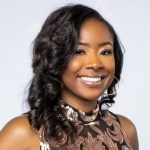
Virginia NavaVirginia Nava is a strategic advisor. She helps purpose driven visionaries, changemakers and trailblazers bring their vision to life through the power of strategy, communications and marketing.

She has been advising Purpose Driven Organizations and teams in different capacities for over 25 years, including nonprofit leaders, startup leaders and female leaders and entrepreneurs.

She believes that your business needs to serve. It should be a tool you can use to impact the world, not something that drains or energy and eats up all of your time.

Connect with Virginia on LinkedIn.

This transcript is machine transcribed by Sonix

TRANSCRIPT

Intro: [00:00:02] Welcome to Spark Stories, where entrepreneurs and experts share their brand story and how they found their spark. The spark that started it all.

Dr. Clarissa J. Sparks: [00:00:13] Welcome to Spark Stories Live Business Radio brought to you by the Atlanta Business Radio Network. Every week, entrepreneurs and experts share the stories behind the brand who they are, what they do, and why their brands matter. I’m your host, Clarissa Sparks. In our own series, we dive into the everyday operations of inspiring small business owners in our community. You can listen live on Saturdays at 10 a.m. or the rebroadcast at WW dot Business RadioX dot com. Today we’re going to talk about women entrepreneurs, how you can connect your gift with others so that it can have a deeper impact on the world. Please allow me to introduce one of our amazing community leaders who owns it? Virginia Nava. She’s a strategic advisor. She helps purpose driven visionaries, changemakers and trailblazers bring their vision to life through the power of strategy, communications and marketing. She has been advising purpose driven organizations and teams in different capacities for over 25 years, including nonprofit leaders, startup leaders and female leaders and entrepreneurs. She believes that your business needs to serve. It should be a tool you can use to impact the world, not something that drains or energy and eats up all of your time. Please help me welcome Virginia. Virginia, how are you today?

Virginia Nava: [00:01:48] I am really excited to be here. I’m really grateful. Thank you.

Dr. Clarissa J. Sparks: [00:01:52] Thank you. You’ve taken the step to launch your company, which is transformative power, and you’re brave in the world of entrepreneurship. I just have three questions for you today.

Virginia Nava: [00:02:06] Excellent.

Dr. Clarissa J. Sparks: [00:02:07] Would you please tell our listeners who you are, what you do, and why does it matter? So just give us a brief introduction, introduction of yourself, and we’ll give us all of the knowledge that we need for this call.

Virginia Nava: [00:02:23] Yes, of course. Yeah. So. So my name is Virginia Nava, and I’m originally from Mexico, and I’ve been living here in Atlanta for many, many years now. And what I do is helping people to really recognize their own inner greatness and to connect that inner greatness and gifts into the specific mission that they have and vision that they have for their life. One of the things that I believe is really important is to be a revolutionary in business. I believe that for many years we have been given a lot of formulas around business and how to have a career and how to approach even entrepreneurship. And to me, I think one of the major parts of transformation in my life was when I became an entrepreneur and I and I was like, Wow, I can do anything I want. I can wake up at whatever time I want. And, you know, I can basically design my life and it just spark in me a a new perspective about what I can do within my business. And it really spark a new perspective of how I can serve others with my marketing abilities, my ability to see people gifts and connect them into a specific business model that will work to share their vision with the world.

Dr. Clarissa J. Sparks: [00:03:56] That’s great, Virginia. And I think it’s so important to be able to tap into your gifts now for early stage entrepreneurs when they’re starting up, sometimes they can lack the clarity and even the confidence and knowing what their purpose in. How do you help someone to identify their purpose?

Virginia Nava: [00:04:20] Yeah. So how I do it is I help. I help people in many ways. One of the ways in which I help them is asking them questions and helping them realize that the answers that they find inside of themselves. Our what matters. I think a lot of the times we believe that what matters is something outside of ourselves and some form of outside of ourselves. And we believe that that’s the key of success. And I think as an entrepreneur, I think there are so many aspects of to entrepreneurship. There is a person who they are, there is the lifestyle they want, and then there are the circumstances that they’re facing. And I think a lot of the times people give. Advice without considering the three elements, right? So it’s really important to ask those three elements. So when you ask the question around purpose and how, how can somebody discover that for themselves? How I do it is I ask questions about their story, like, what is the life story and what are the lessons they’ve learned? Because along side of the story, a lot of times there’s some pain or there’s something that they want to change in the world, or there’s a desire to continue doing something that was great in their life.

Virginia Nava: [00:05:45] And from there I think it comes the heart desire to do something. So I think part of purpose is that is that heart centered desire, then that is the other aspect, which is your gifts. What are your own innate talents? Like who? Who are you? Essentially, I think there’s a lot of work that has been done around like a schooling, you know, like a skill set. There’s a lot of work on that. There’s there’s a lot of also research around like how you can find your personality traits and all that. However, one of the things that people miss the most is their innate abilities. Like some people may be like a natural caregiver, like some person may be like a natural leader, like some person, maybe a natural artist. Another person may be a natural, like, critical thinker and visionary. And if you are that person, but then you grow up in an environment that wasn’t conducive to that in many ways. For some people, their own natural abilities feel uncomfortable, which is really strange. Or sometimes it feels like, Oh, I haven’t used that, I don’t know how to use it.

Virginia Nava: [00:06:57] So why do people don’t know how to use it is because they were not they were not nurtured like like as children or in the workplace. Those abilities were not nurtured. So people need to go back to reclaim parts of themselves, of who they are. And they also need to go back and put themselves kind of in a mirror and not this mirror that is the inner critic mirror. And I think that’s the reason why a lot of people don’t go there, because they they go into this mirror that is a really critical mirror about all the things they don’t do and all the things that haven’t done. And we need to go see ourselves in this mirror. That is, if you cannot see yourself in the mirror of beauty and amazing ness about who you are, at least see yourself in a mirror that is neutral and it gives you an ability to see all of who you are. Because that’s the secret to success in entrepreneurship, and that’s the secret to resilience when entrepreneurship doesn’t work or when you know you don’t have the money from the founder to do it, that’s when you find that resourcefulness inside of yourself to succeed.

Dr. Clarissa J. Sparks: [00:08:12] Yeah. So, Vijay, it sounds like to me with entrepreneurship, you are you have to change the mindset.

Virginia Nava: [00:08:21] Yes.

Dr. Clarissa J. Sparks: [00:08:22] And having that entrepreneurial mindset will shift you into transformation.

Virginia Nava: [00:08:28] Yes. Yes, I love that.

Dr. Clarissa J. Sparks: [00:08:31] And oftentimes, like you said, go trying to minimize that negative or that inner critic so that you can transform and become either the new person or a refined person, if you will. And sometimes and I think earlier you touched on environmental and environmental when that plays a part of becoming. Sometimes you have to unlearn what you’ve been taught. You have to recondition the mindset so that you can embrace who you are becoming. Yeah, I think that’s a very important for our early stage and even our season entrepreneurs to really understand because again, this is a journey. And it doesn’t happen overnight and is evolutionary, so it’s always changing. So we talked a little bit about resilience, how if you are in a space where you don’t feel as resilient as you would like, what is something you can recommend or a strategy of some sort to help? The entrepreneur get out of that that state.

Virginia Nava: [00:09:48] Yeah. So, so I would like to totally answer the question around resilience and, and how important that is and. And I will also like to make some points around mindset and how to deal with the inner critic. So in terms of. Mai Mai in terms of resilience? In terms of resilience, I believe that resilience comes from perception. And I’m a I’m a marketer by trade and a brand.

Dr. Clarissa J. Sparks: [00:10:19] How do you see yourself? Right.

Virginia Nava: [00:10:21] So think about marketing and branding. Marketing and branding itself a perception, right? And that is like, okay, you buy this beautiful bag and then you feel like, you know, you buy this beautiful dress and you feel amazing, right? And then you have this perfume and like, you smell like roses, right? So there is in the world, there’s a creation of perception that is happening all the time. And it’s either sold to us like an advertisement all the time or it’s a perception that we made up of ourselves. So I believe that resilience I think people think resilience is that. It’s something you acquire. And I believe it’s true that you’re acquired through how you see the lessons and all that. But I believe also resilience is a perception and how is resilience of perception? So resilience is like if I perceive a circumstance. As really dramatic and really difficult. And then I and then I perceive myself as a person or a entrepreneur as a person. And they perceive themselves as really slow against the circumstance that the circumstance is going to win. Because because already perceptually, the circumstance is too big to handle. So there is this thing called perception and resilience, which is. Can you see yourself as capable of dealing with this circumstance and whether it’s capable to ask for help like sometimes? I know it’s really interesting, like capabilities, not always knowing what to do in terms of, you know, all the steps.

Virginia Nava: [00:12:16] Sometimes knowing what to do is saying, okay, I need to ask so-and-so for help or I need to go Google it literally, or I need to go to score again or places to go to. So, so resilience to me is, is when we take our power back from an experience, whether it’s we have experience and we can ask ourselves, what did I learn? Who did I become from this experience? And this is this inner conversation with ourselves of being aware of how we see ourselves in the mirror in response to the circumstance, and then being aware that the way we see ourselves is impacting our ability to act and then shift that perception and then invite other players into the experience. So most of the time, if we see ourselves as little as not employed, that’s not enough, that’s not perfect enough or the circumstance is too big and we can do it. And we are all in fear and self-doubt. Right? Which first of all, there’s nothing to be critical about because in many ways, a lot of entrepreneurs, I believe, are really courageous people because they took a step out of their 9 to 5 jobs, like some of them are like single moms with their children doing this, you know, like some of them have like amazing life circumstances and they’re doing this right.

Virginia Nava: [00:13:53] So first of all, acknowledge yourself or your courage to be an entrepreneur and try something new. And then second of all, say, you know what, it is normal to do something new and I don’t know how to do it, you know, and it’s normal to have those learning curves. And then now look at yourself instead of from the inner judge, inner critic, inner perfectionist perspective. And look at yourself from this loving perspective, this graceful perspective, and find yourself somebody who sees you like that and imagine how they will see you or find somebody like, you know, an inspirational elf or somebody you know. And imagine they look at you like that and then that will give you a new perception around your resilience. And to me, the first step to resilience is believing you are resilient and believing you can be resilient because it’s a really actually learn the skill, just like you learn math or Spanish or language.

Dr. Clarissa J. Sparks: [00:14:57] Yes, right. Yeah. You have to put it into practice. That’s good. That’s really good. And I think that’s one of. The many hats that we do have to wear as an entrepreneur, and that is a hat of resilience, being able to come back. Time and time again. And one of the things that I took away from for me just now is being able. Being confident. Being curious. Being creative enough to ask for help. We do not have to do it all. Being able to remove some of those hats is just as important as the many hats that we wear.

Virginia Nava: [00:15:43] Yes. And also, it is important to me, I believe what happened to me as an entrepreneur was know I was a corporate woman for 15 years before becoming an entrepreneur. And I have you know, I have a team of people and I have an agency that work with me. And I did amazing things. Right. And then when I became entrepreneur, I was like, wow, like I make all the decisions now, you know? And I feel like a lot of times. I think it is important to know that you can ask for help. It is important to also, you know, take out any belief around it that is not okay to ask for help. So whether you believe is like you are empower female and because you’re an empowered female, you do it all, you know. So it’s really interesting how even the feminine empowerment movement has made us almost like it’s scared of our own vulnerability and is scared to ask for help. So there is really no shame on asking for help and helping yourself or shaming that. And also, I think for me, when I was an entrepreneur, I think, you know, I have a successful career of 20 years. Before being an entrepreneur. And I think I want it to be like a successful entrepreneur, like the year they won, you know? And I assume I was like, Oh, because I have this successful, you know, corporate career. Like, I know what to do in entrepreneurship. So I’m like successful day one. I wasn’t really prepared to understand that entrepreneurship is like a total different game. And one day I was like, you know, I’m comparing my results from a 20 year successful career to a one month entrepreneurship. Like, two years, entrepreneurship is.

Dr. Clarissa J. Sparks: [00:17:34] Not the same.

Virginia Nava: [00:17:36] So allow yourself to say, Hey, I’m a beginner entrepreneur or I’m an amateur entrepreneur or I am a pro entrepreneur. And compare yourself with yourself and your stage. And don’t compare yourself with your previous self or some other people compare themselves with other people.

Dr. Clarissa J. Sparks: [00:17:55] I think sometimes too, we are in a society where we’re told we’re supposed to follow this new subscription of being on social media. And I think that with social media it’s hard not to compare because you’re looking at your success compared to such a global market. And so, again, being able to tune out the noise so that again, that you can focus on your own success and not the success of someone else’s, because it’s all measured differently. And I think that’s very important to. Identify at whatever stage that you’re in. Now, when you took the leap from corporate into entrepreneurship. What challenges did you face or that surprised you the most?

Virginia Nava: [00:18:52] Thank you. For me. There were many challenges. I think. I think what surprised me the most, I think first is realizing that that the whole entrepreneurship thing is an inner game. That was the thing that I was like, Wow, this is not an outer game. This is an inner game. It really surprised me how much of entrepreneurship really is a mindset and connecting with yourself and self-knowledge. And I didn’t know that. So I think for me, the challenges I had along the way were that I believe it wasn’t an inner game, it was an outer game. And then I was asking for the outer solution, right? So like if I was going to learn how to sell my product, then I would go to a sales training. Or if I was going to learn how to manage my books or my accounting, then I was going to go get to an accounting person. So during my entrepreneurship. I, I had challenges that were functional challenges, right? Like it was like the normal challenges an entrepreneur has like, you know, technical acumen about how to learn certain things or how to create a sales process, you know, things like that. But then what I realized along the way is that at some point in my career, I knew the processes.

Virginia Nava: [00:20:30] Like I went through the training, you know, I took the sales training, I took the technical training. I knew how to post a blog. Like I knew I knew how to build my website, you know, like. So basically I went to all this training on the how to do things, and then I had to ask myself, okay, I know the training of how to sell, you know, and it’s like nutrition, right? Like you’re not you should eat carrots, you know, whatever. And I like the things that you should do. And I knew all this thing. And then I was like, Well, if I know this things, then why am I not doing it right? Right. And that was when I was like, Oh, my God, nobody has told me, like, this is an inner game, you know, that that I feel uncomfortable promoting myself, that I feel comfortable doing the sales conversation and that it feels like a start to have and like to up front, you know. And I started really understanding that I have limiting beliefs around sales conversations that I believe I was a great closer and I believe I was a great restaurateur. But the middle I didn’t believe I was great at. Right. So what other things to me that I think in my journey was really, really surprising was.

Virginia Nava: [00:21:50] I. I felt there was a lot of skill that I needed to learn. But then when I learned them, then I went, Oh, I have to learn more of this, you know? And then I started really noticing this cycle of perfectionism that I had. And then really what has been really helpful to really overcome this challenges for me is that it’s this new mindset. So there’s this new mindset that everything can be learned. Like if you want to, you can learn it. So if you want to become a technical dude, you can learn it. If you want to become a master at your books, you can learn it. And then. There are things that you may not want to learn and then that you can then delegate. So what I learned was. In order to actually grow as a person during my entrepreneurship. I’m here to ask myself many more questions that I never asked myself at the beginning. Like, What do I really want? Like, what’s the lifestyle? Lifestyle I want? Like, you know how many hours I want to be with my son? Like, how much time I want to spend with my family? Like, do I want to learn that? Like, do I really want to do that?

Dr. Clarissa J. Sparks: [00:23:10] Is that right? Stop learning and start implementing.

Virginia Nava: [00:23:14] Yes. And then and then I also ask myself, I guess what I found that is that the areas of my entrepreneurship that where working. Is because either a my perfectionist was like, well, we are not perfect yet, we need to be more perfect. Or There was a part of me that made them difficult that is always so difficult. And like and then what I learned as a to solutions for this is solutions for this one. Smarter mindset about something being difficult and then make it easy and ask yourself, what’s the first easiest step that I can do to learn this? Or What’s the easiest step that I can do to delegate this? Then the two Is that the interpreter? Shit, the game is another game. So perfection is really not helpful for entrepreneurship because entrepreneurship is about this constant learning. It’s this constant evolution. And then when we are trying to perfect something and we wait six months to perfect something and then launch the product six months later, we lost six months of feedback from our community to say, I like this title, I care about this subject, or, you know, I have no clue what you’re talking about. So we did the perfect thing and the perfect lunch, and then guess what? Like nobody showed up because we didn’t ask. And if we have asked in January, we’re not to launch something and then nobody cared or nobody asked questions. We could have pivot the question or the messaging. So one of the things to me that I learned was I have many challenges. I thought the solutions came from the outside and then I did it over and over again. And then, you know, that that says like whomever is doing the same thing over and over again, it’s like not the greatest idea, but I guess there’s a better way.

Dr. Clarissa J. Sparks: [00:25:15] We call that insanity, right?

Virginia Nava: [00:25:17] Exactly. So I was doing that and then I was like, it’s not working, so why isn’t that working? And it really made me realize that it was it was the way I was approaching and thinking about it. So mindset is such an important thing. And in your next question, I could I could give some tools around this if that’s helpful for your community.

Dr. Clarissa J. Sparks: [00:25:36] Yeah, I think, like I said, it’s I think it’s definitely important because a lot of my listeners have experienced that same thing. We take a course at the course. I like to call them course junkies and we go from webinar to workshops to trainings to different podcasts, and we’re looking for these answers, these solutions. But as you stated, the answers and the solution is is within us and we have to be able to identify that so that we can change those limiting beliefs to go and launch the course and not hide behind the shield of perfection. I think perfection can come with paralysis and hold us in a place that we aren’t moving as swiftly as we could or as we should. So I think that it is very important. Again, you know, what is being echoed in this conversation is the mindset we have to change the way that we see ourselves so that we can show up for our clients. And we talked. We started the conversation with purpose and time, that purpose to your gift. If you’re trying to learn other skill sets, you’re now being distracted from your true gift.

Virginia Nava: [00:26:56] Yes.

Dr. Clarissa J. Sparks: [00:26:57] So you have to be able to block out those distractions so that you can focus on that. I like to say that God given talent, that God idea, whatever that is serving you, I think that is very important that you stay in tune.

Virginia Nava: [00:27:15] Yes. And if I may, can I can I share a tool? Yes. So so one tool that that I have on with this is I’m actually writing a book about this is that. It is important that you see yourself essentially. And what I mean by this is I make a list of all your qualities, your introvert, your extroverted, your compassionate, your kind, your loving, your caring. You are creative, you’re a thinker. Your challenge. People make a list of all those things. And then ask yourself, how can I use this to get to where I want to go? And it’s just so magical when you really start using your own powers to go to where you want to go. And then the other one is. You know, be aware of perfectionism and the trap of it and be aware that you’re a perfectionist. You put a standard, that you put the bigger standard, and then you got the bigger standard, and then you don’t get to where you want to go. And instead of focusing on that standard, focus on the impact you want to make when you when you stop putting that, how do I look like, you know, is my hair perfect? Is my post perfect? Like, is my grandma perfect? Like, for somebody like me, you know, it’s.

Virginia Nava: [00:28:45] Stop focusing on that and then think about the opportunity that you’re giving yourself to express who you are and the opportunity you’re giving to another human to come in connection with you with that amazing gift you have, that amazing idea you have. You know, I remember seeing this post one time that said that something like like somebody has a vision board. And in that vision board, there is you and they’re waiting for you. They’re like, you know, they have you their vision board. And the only thing you have to do is show up and write down the post. And because somebody out there put you on the mission board like that happened to me recently, I put somebody in my vision board and the person showed up and it’s like, Oh my God, I was praying for you. I’m so glad you connected with me and share what you do. Because, you know, I think we believe that it’s the opposite. Like we believe there’s nobody out there for us. And what if we actually believe that in the vision board of somebody is the specific title of what they’re looking for? And we’re here, we’re like, Hey, we’re here, and we’re showing up and we’re just got to help somebody else with our gift.

Dr. Clarissa J. Sparks: [00:29:55] Yeah. Again, purpose, gift. Impact.

Virginia Nava: [00:30:01] Yes.

Dr. Clarissa J. Sparks: [00:30:03] And the to me, the key ingredients for all of those things is showing up. I think we miss the value in just showing up. And when you show up, unexpected things happen and that’s when you make a greater impact. It’s not about influence. It’s about impact and being able to reach who your destined to reach. And again, block out all those distractions. The comparison analysis and show up for who you were. Purpose to show up for.

Virginia Nava: [00:30:40] And also shut up gracefully, like shut up lovingly, shut up compassionately and like and be compassionate to yourself and your process and like and love yourself along the way of showing up so you don’t show up from a pushy energy and that is going to get you to be burned out. But I think when we shut up and we include ourselves in the process, you know, like right now I’m showing up and I’ll show you I have a candle next to me, right? Because I like, you know, I had to take care of myself as I’m here. Right? Because I don’t know you yet. Right. And I’m trying to get you comfortable with you as my community. Right. So one of the things I did is I light a candle for myself to feel like, you know, to feel kind of love, right? So can you do something little for yourself like that that gets you to know that you love yourself and you love your self now where you are, you know, so that you can shut up in a way that, you know, if you didn’t make it perfect or nobody liked it or whatever, you know that you can know that you love yourself, that you know that you’re there for yourself and that and the almost becomes, I think entrepreneurship can become this beautiful relationship of self-love and self expression and that, you know what, like you put your video out there, you put out there and you love yourself and then you say, nobody saw it.

Virginia Nava: [00:32:09] It’s not true. You saw it. Yeah. Because you are listening to yourself like this. I talk to my son. I’m like, dude, everything you tell yourself you’re listening. Yes. So everything you do, you know, like showing up to the one person that is you, that you. First of all, I think we need to show up to ourselves like we need to share our gift and say, this gift is important. I want to share it. The fact that you go with your photo on Instagram or like you call somebody in a circle or a networking group is an act of self love. And a lot of times we don’t think that that way. And and then we think that the love comes from the outer and somebody is going to love us by hiring us or whatever. And I believe that that’s just a byproduct of us loving ourselves and us honoring our gifts and like and it’s not selfish to honor your gifts because actually you are becoming a person of service when you do so.

Dr. Clarissa J. Sparks: [00:33:05] Yes, service. I love that. I think that is very, very important. Again, the service servant leadership. In entrepreneurship. I think that, like I said, that’s another staple that you have to have to make this. And I tell people all the time, you have to trust the process. And you have to give yourself grace. Yeah. And when you give yourself grace, you just show up again. Beautiful things happen. Beautiful things happen. And, you know, you said you’ve been in entrepreneurship for what, how many years now?

Virginia Nava: [00:33:42] It’s been over nine years.

Dr. Clarissa J. Sparks: [00:33:44] Over nine years. So I’ll put you in the the season category.

Virginia Nava: [00:33:52] I said that I think I’m an amateur. Like pretending to be seasoned.

Dr. Clarissa J. Sparks: [00:33:58] No, no, no, no. You survive over three years. So that means that you’re constantly growing and you’re giving you’re continuously giving yourself grace throughout the process. But do you do you read any books or podcasts or anything that kind of keeps you prepare for what’s next?

Virginia Nava: [00:34:20] Oh, my God. I love I love, you know, I love books especially and I love personal development programs. And, you know, I can share some tools. Like, I actually took the E Connell class on how to manage the psychology of time.

Dr. Clarissa J. Sparks: [00:34:39] Oh, interesting.

Virginia Nava: [00:34:40] It was like, oh, my God, it was an incredible class because it was so practical and it really shared like. Like how time is actually like like a practice, you know, like, like a yoga practice. Like how you just her time and that was like to me it was so transformational to me to see that program. Also, I was in that class with the woman and. The associated time with resources and money in a way that I’ve never associated it. And I was like, Oh, how I use my time, you know, has a relationship with my abundance and I and then I take this book. So let me tell you books that I love. So a book I love is the Grade by Dr. Magdalena meier. I actually know her in person because I met her at a woman event in New York. She’s a neuroscientist, and she basically teaches you how to do the whole work life balance thing. And then she has this thing called the grid and then you have all the sections and then you’re able to. To see all the areas of life and then how you’re putting them. Because I think for me, before I was successful, like I have a 15 year or whatever, 20 year career, but then I work 80 hours a week. So yes, I was successful in my career. But then if you see other things, like I was really lucky that I have really loving friends and a loving husband and they’re really low maintenance, you know.

Virginia Nava: [00:36:10] So I was lucky that I was able to have good relationships at the same time. I had 80 hours a week work. However, now I have a different perspective on my count and nurture them and make time for them and myself. And then there is another book that I think it would be really helpful for your community, and I recommend it to the people I coach and teach all the time. And it’s called The Art of Money by Barry Tessler, because for me as an entrepreneur, I had no clue how to do personal finance thing. Like I went to school and I knew corporate finance and I knew like how you do like a balance sheet and all that. But I didn’t know. And in many ways I think when you are bootstrapping your business, it is not just about professional finance, but it’s how you manage your personal finance to bootstrap your business. And Barry Tessler talks about the elephant in the room. Yeah. And it talks about like the emotional side of money. And I, it took me like five years to go to get that book because I wasn’t ready the first four. But when I read it, it was like a really amazing and is really feminine. So she puts a lot of compassion and on shaming and like, I really like man, like, you didn’t know this. Like, okay, like give yourself some grace and then learn it. So that, that book was really great for me and my development.

Dr. Clarissa J. Sparks: [00:37:33] Very good. Very good. Now, how, how can my community support you?

Virginia Nava: [00:37:40] No. I think for me, I am in a mission to really help people. Like find their spot in the world. Right. So I believe it’s like, imagine you have a job ad and then the job ad says you and then you have your gifts. And then there’s somebody out there that needs them. Right. So I great at a school forgets that it’s actually all my course is done in my Virginia dot com website that has three core courses I created, which is called Discover Your Inner Gifts, Create with your inner gifts and Share Your Inner Gifts. And one of my missions is that I want to help people that think that outer is going to be fixed and then it’s not and it doesn’t get fixed. And they think that there’s something wrong with them because it’s not getting fixed. Right. Because a lot of people are saying because as I well do, you’re not doing the right thing. And I want to help society by being like if you really knew yourself, like if you really knew all that dress shoes to have inside of you, you would live your vision. You will live the life you want, because then you will stop thinking that the only way to do this is to get outside resources.

Virginia Nava: [00:38:56] So one of my missions and one of the ways I think your community can help me is, you know, can they have an opportunity for me to share an article? If they have an opportunity for me to be interviewed, if they have an opportunity to download one of my books or simply, you know, one way you can help me is if you’re a mom or a dad or at auntie or grandma or like, you know, you influence another child. Even though I’m not a specialize in children, I think. If you can give them what my grandma gave me, gave me, which was see their gifts, acknowledge them. Like every time you see another person, you can help me create a movement by acknowledging the gift of another. So next time you see your best friend say you are amazing at cooking, you’re amazing and caring for others. Next time you see a child and their inner critic is coming because something is failing and not working, notice what they’re good at. And next time you see yourself and you’re like, you know, you’re being mean to yourself because something didn’t work out. Notice one thing that you’re amazing at and that can always be like, I’m an amazing, resilient person or I’m really courageous or I’m a great learner.

Virginia Nava: [00:40:14] If you can help me create a movement of gifts, I think the world will be better because I believe it’s like it’s like we are a big world, like a big puzzle. Right? And it’s like almost like a big puzzle that hasn’t been built. And it’s like only three pieces there. And there’s all these leaders, you know, like Oprah and all these amazing leaders. But then I know this sounds weird, but Oprah and like Williams and I always amazing. People need our help. Yeah, they need us to step up, and we don’t even need to step up, like, be Oprah, right? We need to stop in our community. We need to step up and LinkedIn. We need to step a step up. And like Instagram, we need to step up and whatever, you know, the work that you do, we need to step up in our family. So really step up. Don’t be shy with your gifts. Like God didn’t give you your gifts to be shy like it gave you you didn’t give you your gifts to be humble like, you know, like humbleness meeting like I’m going to hide them and keep them that right. Gifts are given to be used.

Dr. Clarissa J. Sparks: [00:41:23] Use your.

Virginia Nava: [00:41:23] Gift. So use them. And so that’s the way you can help me. You can have my mama. And then maybe Clarice. I can put my email and maybe you can put a story and share how you use them and like what happened. Because I love to hear that story.

Dr. Clarissa J. Sparks: [00:41:38] I think we just created in our entrepreneurial minds a new movement. And we go into the gift movement and get people to encourage them. I think that is so important. People don’t often hear the value that they bring to the friendship, to the what they bring to the table. And I think if we can hear that enforced, yes, it will make change an impact in its own right. So I think that’s an excellent idea. Virginia, to the gift challenge.

Virginia Nava: [00:42:14] Yes.

Dr. Clarissa J. Sparks: [00:42:14] Yeah. And we you know, and it starts with us when we just kind of, like you said, send that text message, send an email or in your if you’re in person, just tell someone the value in the gifts that you see in them. And I promise you it will make the world of difference. And a greater impact. So, again, thank you for sharing. Look, thank you for sharing that challenge. I think that is super important. Super important. And we’re happy to support you in any way that we can. Where do you hang out on Facebook or LinkedIn? Where do you hang out?

Virginia Nava: [00:42:53] Well, my favorite place to hang out is LinkedIn. Definitely. There’s something about community that I like, you know. So, yes, you can find me on my LinkedIn and basically has my same name here and you can find me there, disconnected me. And then I put a lot of resources and stories and lessons I learned. I also have an Instagram account on Facebook that I don’t put as much information there as I do, and I just think that LinkedIn, there’s more entrepreneurial centric information. And also on my website, I’ve been writing these amazing blogs with this amazing co author I have, and they’re really tool driven. So you can also find them there in Virginia, Napa, and yeah, and I have several books. I actually like that. There’s a book I wrote called Your Unique Gift and that if you if you’re interested, I can give an access to your community so they can access this book.

Dr. Clarissa J. Sparks: [00:43:50] Yeah, I would love to have the link so that we can support you in that way. Virginia. Thank you for sharing who you are, what you do, and why it matters. You know, here in Sparks story, we like to celebrate business owners today and every day. So our listeners. So please remember to go out and support your local businesses, express your support on their social media platforms. Like she said that she’s at Virginia now. And thank you for your time. Thank you for your expertise. And I want you to create a great day.

Virginia Nava: [00:44:25] Thank you. Thank you so much.

Intro: [00:44:29] Thank you for listening to Spark Stories. If you’re looking for more help in gaining focus, come check out our website where you can find episode show notes, browse our archives and access free resources like worksheets, trainings, events and more. It’s all at WW. She sparks dot com.

About Your Host

sparkstories2022

Dr. Clarissa J. Sparks is a personal brand strategist, trainer, mentor, and investor for women entrepreneurs. She is the founder of She Sparks, a brand strategy design consultancy.

Using her ten-plus years of branding & marketing experience, Dr. Sparks has supported over 4,000 women entrepreneurs in gaining clarity on who they are, what they do, and how they can brand, market, and grow their businesses. Using her Brand Thinking™ Blueprint & Action Plan she gives entrepreneurs the resources and support they need to become the go-to expert in their industry.

Follow Dr. Clarissa Sparks on LinkedIn, Twitter, Instagram and Facebook.

Tagged With: Strategic advisor, Virginia Nava

Kieran Scott With Pestmaster and Patio Patrol

August 12, 2022 by Jacob Lapera

Franchise Marketing Radio
Kieran Scott With Pestmaster and Patio Patrol
Loading
00:00 /
RSS Feed
Share
Link
Embed

Download file

Kieran Scott, Brand President of Pestmaster, and Justin Kendall, Pestmaster Franchise Owner in Virginia, have recently been named to the Diversity Council and Wildlife Committee respectively within the National Pest Management Association. The association is a vital part of the pest control community, and its selection of Scott and Kendall is an effort to expand its expertise.

Scott is an immigrant, coming to the U.S. about 20 years ago from Ascot, England. He is also a proud member of the LGBTQIA community and was announced as Pestmaster’s brand president in 2021. The NPMA Diversity Council educates members about the benefits of diversity within the industry; provides tools for members to increase diversity within their organizations; promotes NPMA membership to minority owned pest control operations; and collaborates with other NPMA Committees with special issues and education.

Kendall has been a Pestmaster franchisee for years and recently acquired a wildlife business as an add-on, making him a perfect addition to the Wildlife Committee. The Wildlife Committee addresses the specialty of wildlife management, which includes any animal not covered by the traditional pest control license.

Pestmaster is the 65+ unit pest control franchise based in Reno, Nevada under the Threshold Brands unmbrella. The committee announcements signify the brand’s commitment to bringing pest control into the future with a focus on technology, updated branding and bringing on key team members.

Kieran is a graduate of the Georgetown University Franchise Management Program, and received the Certified Franchise Executive designation from the International Franchise Association. Kieran lives in Martin County, Florida with his 9-year old Chow Chow / Pit Bull mix, Rosie.

Connect with Kieran on LinkedIn

This transcript is machine transcribed by Sonix

TRANSCRIPT

Lee Kantor: [00:00:32] Lee Kantor here another episode of Franchise Marketing Radio and this is going to be a good one. Today on the show we have Kieran Scott with Pest Master and Patio Patrol. Welcome, Kieran.

Kieran Scott: [00:00:44] Hey Leo, thanks for having me on.

Lee Kantor: [00:00:45] Well, I’m excited to learn what you’re up to. Tell us about those two brands. How are you serving folks?

Kieran Scott: [00:00:50] Yeah, great. So Test Master is a full service pest control company in the integrated pest management space, predominantly serving government contracts. We’ve been around for 40, 43 years. Founded in 1979 out in California. We’ve got about 45 franchisees across the country actively looking for more franchise partners to join join our team. And then Patio Patrol is a five year old mosquito, flea and tick company that we recently rebranded from what was a company called Fly Pho. And so two years ago, threshold brands purchased made promoting kilts and what was then fly pho. And over the past seven months, we’ve transitioned fly pho into patio patrol with more of a focus on general outdoor pest quality. Outdoor pest solutions is our is our tagline their outdoor pest control company servicing really mosquitos, fleas and ticks.

Lee Kantor: [00:01:43] So what’s your backstory? How did you get involved in this line of work?

Kieran Scott: [00:01:47] Yeah, so I’ve been in franchising for over a decade. I started out actually as a sandwich artist at a local subway in my hometown. I was 14 and I’ve just really I fell in love with franchising ever since. And so I was with Subway for close to a decade and grew to be a regional manager overseeing 12 restaurants in the Greater Salt Lake City area. I then joined another home services company, Mosquito Joe. At the time it was owned by bus franchise brands. In 2015 was with them for four four and a half years. They sold to Neighborly, at which point I joined the Scent Hound team based in Palm Beach County as director of operations, kind of leading their franchise efforts. I was with them for about three, three, three and a half years, and then recently, just six months ago, became the president of Pest Master and Patio Patrol, the two pest control companies within Threshold Brands.

Lee Kantor: [00:02:43] So what is it about the kind of the franchise model that attracts you and is so that you’re so passionate about?

Kieran Scott: [00:02:50] Yeah, great question. So I think it’s the opportunity for everyone to own a business, right? And I think that’s where I get really passionate about people that don’t look alike or don’t sound alike, all kind of being able to follow one model or one scalable process. And that’s what refranchising really is. It’s a business in a box or it’s designed to be a business in a box that people can follow and hopefully get a scalable result from. And so that’s where I find passion.

Lee Kantor: [00:03:16] So now since you’ve worked with multiple brands over the years, is there something that you’re looking for that might be different in the franchisee and the brands that you’re working with now?

Kieran Scott: [00:03:28] Yes, I think that we’re really looking to build a diverse group of individuals at Pest Master and Patio Patrol. Right. People that don’t come from all the same backgrounds, all the same stories, because I think that’s where that’s where franchise businesses flourish, is when they have that kind of. Inclusion of other people’s thoughts and experiences in addition to their own. And so so one, we’re looking for franchisees all over the country that come from diverse backgrounds. But second, I think the best quality of a franchisee is one that can follow that process. Right. We’ve spent years refining that process. You know, Pest Master has been around for 43 years. So we have a good scalable solution there. And so for folks to come in and follow that process, I think that we’ve built a pretty good, pretty good system.

Lee Kantor: [00:04:14] Now, you mentioned diversity, and I know that recently you’ve been kind of part of the National Diversity and Wildlife Committees. Can you talk about where you see that as maybe it maybe it’s not where you’d like it to be, but where you see opportunity, where it could be really a game changer for not just your franchises, franchise brands that you represent, but just the franchising as a whole. If they can become more inclusive and make more concerted efforts to, you know, go after a more diverse franchisee.

Kieran Scott: [00:04:53] Yeah. So I think that I currently operate in this intersection between the pest control world, the integrated pest management world, and also the franchise world. And in both of those sectors, franchising itself and also pest control, there’s a need for diversity. And thankfully, both both kind of groups or both both associations have over the past decade, 15 years been really focused on increasing the diversity within within those segments. So pest control has become much more diverse and franchising has become much more much more diverse. But there’s still a long way to go, right? Franchising still has that notion of being, you know, older males selling franchises to other older males, you know, and then same with pest control. It’s very male dominated. And so I think there’s diversity still needed in both. But when you take that and apply it to other franchises, I think that the benefit you get by incorporating other people’s opinions and ideas and histories and experiences just makes your brand that much stronger, right? I think when I look back on my experiences as an immigrant to the US, I certainly have different experiences than someone that was born here. Right? And so I bring a different experience. It’s not any better or any worse than than someone else’s just happens to be different. I think when you blend different experiences and different histories, you just get a better result.

Lee Kantor: [00:06:17] Now is there anything if you were to talk to other leaders of emerging brands, is there anything actionable they could be doing to just do better when it comes to diversity and inclusion?

Kieran Scott: [00:06:31] Yeah, so I think I think a couple of things and doing better. I think, one, when you’re hiring for someone, make sure that you’re challenging your own opinion. Right. I think that too often hiring managers get focused in on hiring people that think like themselves or act like themselves or look like themselves. And that brings about someone that has the same same background and it doesn’t offer that diversity of opinion. So I think, first, challenge your own opinion. Be willing to accept a different answer. And then from a from a very actionable or tactical action. I think making your job posting nationwide or being willing to hire someone nationally or even potentially internationally so that you can incorporate people from other countries as well. At the end of the day, makes your business more diverse, right? When I joined Mosquito Jo, I was out I was out in Utah and I relocated to Virginia Beach at the same time that our director of digital marketing was relocating from Atlanta. And so we both brought different experiences and different histories to Virginia Beach and to Mosquito Jo Brand.

Lee Kantor: [00:07:37] Now, isn’t the challenge when you when you’re part of especially an emerging brand and it’s it’s one thing to at least give lip service to the importance of this. But in reality, when you’re looking to hire, especially at an early stage, that you go to the usual suspects. If I went to ABC University, I’m going to look for ABC University alums or my own kind of circle, or if I was part of this fraternity or sorority, that’s where I’m going to go to first. And then inherently when you do this, you know, hiring early people that are people, you know, or people or that you know, know, you’re inherently going to get people that look like you like it’s. Yeah, that’s right. It takes a lot of kind of you have to really be mindful and purposeful to go elsewhere and say, you know what, I went to this school, but I’m going to go to the historic black colleges to look for my next chief marketing officer, or I’m going to look for the next higher in that department. Like, I just think that it’s a difficult thing to ask an emerging brand, especially where it’s. They’re already at a high risk period where they’re vulnerable and then their first moves are early moves to go into an area that they don’t know or or aren’t familiar with. You’re asking a lot. So is there a way to do this kind of elegantly and effectively?

Kieran Scott: [00:09:02] I think what I’ve seen be successful both both as an employee and as the employer is to use those third party recruiting agencies. I know that they cost money. I know that sometimes there’s a big fee involved. But they really take that notion of hiring someone like yourself out of it. Right. Because that that hiring agency is not worried about what you look like or where you went to college. They’re more concerned about where that candidate brings their experience from. And is that candidate the best fit for your business? And so when I’ve used so I’ve actually I’ve been recruited by recruiting firms three or four, four times successfully, and that’s brought me all over the country. And then similarly, when I’ve hired other individuals, I’ve also used them and I’ve found great success. And one example is a pest master. We just brought on a PhD entomologist, our first PhD entomologist, and she happens to be a female immigrant. And so we weren’t necessarily out there looking for a female immigrant, PhD entomologist. Right. Which I think is a very small subset of the PhD entomologists out in the world. But we were looking for the best candidate possible. And by opening up our horizons to looking outside of Reno, Nevada, where our headquarters is, we found someone in Orlando who worked for a competitor that happened to be female, that happened to be a PhD entomologist and happened to be an immigrant, but was the absolute best fit for our business. And so I don’t necessarily think that you have to go out and kind of identify the quality that you’re looking for. Right. You don’t have to go out and say, I’m going to go hire an African-American or I’m going to go hire a member of the LGBTQ community. But I think expanding the horizon beyond your immediate doorstep very easily just brings new opinions to the table.

Lee Kantor: [00:10:52] And then you find that by going to these third party recruiters that you are able to do that, or they’re able to do that because that’s just built into how they operate.

Kieran Scott: [00:11:02] Yeah, they’re going to search nationwide because they they ultimately get paid for providing you the service of finding the best candidate. Right. And and there’s oftentimes back end guarantees that if that candidate doesn’t work out for so long, then they have to provide another service for you to rehire that position, which they don’t want to do. And so they’re incentivized to find you the best candidate possible, which often is a nationwide search. And I think that’s where the diversity comes from.

Lee Kantor: [00:11:29] Now, you mentioned that you’ve had success being recruited. Can you share maybe things you’ve done to help make yourself more findable by those third parties? There are things that maybe there’s great candidates out there that are, you know, from underserved markets, that they’re just not doing a great job of making themselves visible to these searches. Is there are things that they could be doing to make themselves more visible to recruiters like you described?

Kieran Scott: [00:11:57] Yeah, definitely. I mean, I think from a from an employee perspective, one one having a great LinkedIn profile is key. You know, recruiters spend all day surfing people’s LinkedIn profiles. Right. And they and they get really attracted to the profiles that have a picture and have a headline and have experiences listed out. And those are often those are often the profiles that they contact. In addition to that being posting regularly, right? Having content on your page so that people can show that you provide value, whether it’s provide value to your own organization or provide comments and value to other people’s organizations. I think that providing values another thing that recruiters look for. And the third one is getting involved. Right. And so I’m involved with the International Franchise Association. I’m also involved in the National Pest Management Association. I’m an alumni of Georgetown University’s franchise management program. And so just being involved in your network and being involved in kind of your community, of your career, right? So my career is in is in franchising and so I’m involved in those I think makes a big difference.

Lee Kantor: [00:13:05] And that’s great advice for young people, especially instead of just kind of sitting there passively waiting to be chosen. You can be doing things right now to make yourself more, more visible and more sought after by leaning into these things. If you know that you want to be in a certain industry, join the associations of that industry. Take leadership positions if possible. Volunteer There’s things you can be doing and talking about and posting and and sharing your knowledge and what you’ve learned from these things. It makes you more visible. It makes you more hirable.

Kieran Scott: [00:13:39] Yes, absolutely. Yeah. Getting getting involved early as soon as you can make that decision is is definitely key.

Lee Kantor: [00:13:46] So now what do you need more of? How can we help? What are you looking to do in terms of growth? Are you. Is the world your oyster at this point? And you’re looking for franchisees for the two brands you described anywhere, or are you focusing on certain regions? How can we help you?

Kieran Scott: [00:14:03] Yes. So, yes, so there’s tons of whitespace and in both of our brands across the United States for new franchisees to join, I think it’s a really great time for franchisees to join both brands. We’re rebranding master with a new visual identity, the first new visual identity for in 43 years. And so that’s going to be an exciting thing for new franchisees to come in to. But yeah, we’re actively recruiting new franchisees. We are obviously looking for the financial qualification to be there, but also that diversity of mindset to also be there and kind of willingness to to learn and adapt as we grow. But yeah, we have we have pretty ambitious growth goals on the master side. 25 new units this year on the patio side, patio patrol side, ten new units this year, which more than doubles the system as it stands today. And I think now’s a great time to get into pest control.

Lee Kantor: [00:14:54] Well, if somebody wants to learn more, what is the coordinates to get a hold of you, somebody on your team and learn more about the opportunities?

Kieran Scott: [00:15:01] Yes. So to get ahold of me best found on LinkedIn. So just LinkedIn. Kieran Scott, CFP. Or you can email me k scott at threshold brands dot com. To learn more about Pest Master, you can visit our website Pest Master Franchised Patio Patrol is franchised out Patio Patrol dot com.

Lee Kantor: [00:15:18] Well, thank you so much for sharing your story today. You’re doing important work and we appreciate you.

Kieran Scott: [00:15:23] Thanks, Lee.

Lee Kantor: [00:15:23] All right. This is Lee Kantor. We’ll see you next time on Franchise Marketing Radio.


Tagged With: Kieran Scott, Patio Patrol, Pestmaster

Mike Lenard With TaKorean

August 12, 2022 by Jacob Lapera

Mike
Franchise Marketing Radio
Mike Lenard With TaKorean
Loading
00:00 /
RSS Feed
Share
Link
Embed

Download file

MikeMike Lenard has been a leader in business operations, leadership, retail, and food service for the past 17 years. In 2010 Mike founded TaKorean, a DC based Korean Taco and Rice Bowl concept in a retrofitted 1985 Ford Box-Truck. TaKorean has since grown to as many as 5 locations in Washington DC and Philadelphia and currently operates 2 locations. Mike co-founded the DMV Food Truck Association in 2011 and served as its Assistant Director and Treasurer until 2014.

Connect with Mike on LinkedIn. 

What You’ll Learn In This Episode

  • Worker issues including; paid time off, compensation, workplace culture.
  • Use of technology for administrative operations – making the restaurant office run itself so leaders can lead
  • TaKorean’s launching a franchisee program that it has been working on for

This transcript is machine transcribed by Sonix

TRANSCRIPT

Lee Kantor: [00:00:32] Lee Kantor here another episode of Franchise Marketing Radio and this is going to be a good one. Today on the show, we have Mike Lenard with TaKorean. Welcome, Mike.

Mike Lenard: [00:00:42] Thank you. Good to be here.

Lee Kantor: [00:00:43] Well, I’m excited to learn what you’re up to. Tell us a little bit about TaKorean and how are you serving folks?

Mike Lenard: [00:00:49] Yeah, so TaKorean started about 12 years ago in Washington, D.C. It’s a quick service, fast casual restaurant chain, and it served down the line in front of customers, Rice Bowl and taco concepts. So very much in line with the build your own bowl concept that we’re seeing a lot of. And it’s a Korean inspired with kind of a Latin American twist in terms of flavoring.

Lee Kantor: [00:01:13] And right now you started are you the founder of it? Did you start it or you’re the current CEO?

Mike Lenard: [00:01:21] Yes, I’m the founder and I still run the company today. We actually started out of a food truck back in 2010. And then by 2012 and 2014, we opened our first two fixed locations and in 2015 we actually retired the food truck and continued to to pursue inline and brick and mortar restaurants.

Lee Kantor: [00:01:43] So when you started it, did you envision it at some point to be a franchise and you were just kind of testing the waters with the food truck? Or is this something that just kind of organically grew over time?

Mike Lenard: [00:01:53] Yeah, franchising is something that was not on my mind when I very first started. However, in the early days in 2011, 2012, I did have conversations with some people in the industry about franchising, so it was always in the back of my head. At that time. I wasn’t ready to get into it. And you know, there are a couple of different growth models for companies and and for a while I sort of dabbled in which way we wanted to grow. Obviously, there are quick service restaurant companies that are all privately owned or they’re publicly owned and traded. And then there’s franchise companies and there’s pros and cons to both of them. And I think that with all the experience I have now, it really made sense to teach people how to help me run the business in a sense of the franchisee relationship. And that’s really where it came back around during the pandemic. I was doing a little bit of consulting on the side and I was like, What am I better at consulting it than anything in the world? How to run a Thai Korean restaurant? And I was like, Gosh, I need to look at franchising again. And and I think that we can really make a splash. And I think that we can sort of update the way franchising is and really keep a lot of quality control and and a lot of support.

Lee Kantor: [00:03:07] Now, when you were having those kind of thoughts and conversations, were you thinking, I’ll just take the food truck and franchise the food truck as the franchise? Or were you always looking, okay, now we’re going to have to get into brick and mortar here and do it that way?

Mike Lenard: [00:03:21] Yeah, the transition to brick and mortar didn’t have that much to do with any franchising ideas. It was more just food trucks are hard, man, you know, they’re hot, they’re sweaty, they’re not dirty from a health code standpoint. But, you know, there’s just a lot of grease buildup and stuff you have to clean every day. And I really enjoyed those days. But it’s actually more difficult, in my opinion, to create standard operations around a food truck and to have a general manager of a food truck, in my opinion, has to be a much higher level person than a general manager of of a quick service restaurant, because, you know, you’re going different places every day. You’re parking different places every day. You have to know how to troubleshoot a generator and fix a water pump and all these different things. So I actually found it getting into the larger restaurants, which are also higher volume to be easier. And I think that that was really what paved the way for that growth. So the food truck was never really a thought for that. We’ve thought a little bit about offering a food truck type license for college campuses, food programs and things of that nature. So you might see a little bit of that, but that’s not a huge push with the franchising.

Lee Kantor: [00:04:35] Now, you mentioned that your expertise was around kind of running this type of a restaurant. Is that something that you were able to quickly transfer the knowledge to people, maybe not as passionate or as skilled or as you? And then you were realizing, hey, maybe I can replicate this. If I can do that, then, you know, I’m almost there.

Mike Lenard: [00:05:00] Right? I mean, so I was doing consulting, restaurant consulting. But for for other people, not this was just some side stuff I was doing and I was helping them with leadership, culture and standard operating procedures and things of that nature a little bit with marketing. But to be clear, we actually have not sold a franchise unit yet. We’re just launching, we just finished our PhD. We’re out to market really just in the last couple of weeks. So we’re obviously. Really excited to get someone on board and give them give them a lot of support. And I think that passion’s a little bit of an overrated word. It’s starting to mean less these days. I think that you just need good people who want to run a good business. And and I can we can teach those people exactly what to do.

Lee Kantor: [00:05:50] So where do you think the opportunity lies when you have kind of a workforce that is a little persnickety at the moment? You know, you have a lot of folks that don’t want to get into this kind of work. And how do you create a culture that makes your place of work a place that they want to be part of and, you know, a hill they do want to climb and be part of a bigger mission.

Mike Lenard: [00:06:17] Yeah, absolutely. I mean, to Korean, conceptually, is is simple, right? We have a limited amount of gas equipment. We don’t do deep frying. We have a limited amount of SKUs and prep work. So from an environmental standpoint, a lot of our employees find it simpler and easier to execute our food and it enhances the quality of the work environment. Know, a lot of the people that we have have also worked at other quick service restaurants. And it’s not that it’s easy. I mean, restaurant work’s always going to be hard, but a lot of it’s about creating a concept that’s not unnecessarily complicated. The other thing is our administrative processes and the technology we use for everything from invoice processing to scheduling and everything else. You know, the managers can spend a lot more of their time working, working in the shift shoulder to shoulder with everyone. They don’t have a lot of administrative work to do in our system. That also leads to a really good work culture. And then, you know, I can only speak for our company stores, but I think it’s a lot about leadership skills. And and this is a place where I have done leadership coaching before and we can bring that to our franchisees to create the environment we want. Our company stores, we’ve been very successful with staff retention and we haven’t had a lot of the issues you’re seeing out there right now. Obviously, those issues are real and it’s, you know, because restaurant work is kind of sucks sometimes, right? And it’s all about reframing the conversation, you know, and just creating a concept that sucks a little bit less and trying to have fun while you’re there really is how we see it. Compensation is another aspect to compensate people correctly. You know, with a franchisee, we don’t dictate that because that’s not part of the franchise process, but it’s certainly something that we want to align with people who believe in. You know, it really comes out. It’s a business decision, really, and we feel like it pays off.

Lee Kantor: [00:08:26] Now, you mentioned that like leadership and culture, it’s an important part of of what you’re offering potential franchisees. And you use the word coaching. Is coaching part of what the franchisee is going to get? I noticed a lot more franchises offering some sort of regular coaching sessions, whether it be individual or group to their franchisees. Is that something that you’re going to employ as well?

Mike Lenard: [00:08:56] Yeah. So as part of our our manager training, which every franchisee would go to, we actually have a huge section on leadership methodology, which I think is unique. I’ve read a lot of other people’s manuals and they don’t touch on this enough. I don’t think so. There’s going to be kind of a core tenor throughout the entire relationship that’s going to be based around what we expect in terms of of how we want to lead our operations, in terms of the ongoing coaching. Yes, we will do. But it’s going to obviously be on a case by case basis because some people are going to need more than others. You know, another thing with leadership coaching is it’s not all about kind of teaching and managing people. A lot of it’s almost almost akin to therapy, right? I mean, you’re talking through issues at their store. There’s interpersonal issues between people. Okay. Like what are the nuances here? You know, how do you deal with it? And in that sense, yeah, we would we would provide a lot of support for that.

Lee Kantor: [00:09:54] Yeah. I think that one of the key things to implement any type of coaching program is to reframe it from something punitive to something as almost as a perk, that this isn’t something you have to do, this is something you get to do. And it’s only going to help you grow faster and and help you improve your, your workforce and you personally. So that’s the way I’ve seen it work best. If you can reframe it from something that is that you’re trying to fix somebody, you’re just trying to help somebody be better.

Mike Lenard: [00:10:28] Yeah, that’s right. That’s absolutely right.

Lee Kantor: [00:10:31] Now, since you don’t have any franchisees right now, have you developed an idea, at least around a persona or an avatar for that ideal franchisee? Is he the person that’s getting one area or she getting one territory and that’s it? Or are you looking for empire builders? Are you looking for professional? Franchisees where this is just another brand in a portfolio.

Mike Lenard: [00:10:54] Yeah, I mean, ideally and look, we’re there’s a lot of different types of people out there that I believe could successfully run a Taco Ryan store. So, you know, just to start with that, we’ve thought about this a lot and we have all kinds of whiteboards on the wall with different things. And yes, I mean, I think ideally to just to start, we’d like a couple of individual unit franchisees, you know, that we can really give a lot of support to people who are likely first time franchisees just because of the nature of the fact that we’re unproven and we’re aware of that. And yeah, I think the important thing is that, you know, they’ve got the finances where they can open it comfortably. They’re not spending their last dollar doing it. They potentially have the finances where if it does if it performs well, that they can expand so that there’s at least a trajectory there. And then in terms of who they are, I think that we want to have a good relationship. That could be a lot of different types of people, but they need to be basically good hearted person. And in terms of experience, we just want people who are familiar with being on their feet and facing customers. So it doesn’t have to be that they worked in a restaurant. It could be that they worked at a shoe store, could be that they were a pharmacist. It could be a lot of different things. But we want someone who at least knows what it’s like to stand on their feet and face customers, just so that we understand that they they are aware of those demands. And other than that, there’s really a lot of different types of people who could be successful in terms of empire building and multi unit. Yeah, of course we’d love to. To have the right partner, build lots of stores. Everybody wants that. But I think you have to be careful when you’re starting out and you have to create a nice base and a pad to build on. And so I think we’re just trying to start a little bit slow.

Lee Kantor: [00:12:47] Now, what about location? Are you looking at college areas? Are you looking at the exurbs? Is there a certain kind of population or demographics that you’re looking for where successful units can operate?

Mike Lenard: [00:13:02] Yeah, I think that second tier cities like in North Carolina, Pennsylvania, South Carolina, we’re interested in getting into Maryland and Virginia, but we’re not yet registered in those states. You know, those are the types of areas where I think we’d like to to kick it off. We’re also open to up in New England, Massachusetts. And if we found the right partner, we potentially be open in a lot of places. But I think we’re going to focus our energy in terms of marketing to the mid-Atlantic region and in terms of the real estate itself. You know, there’s a lot of types of real estate we can do well in. And I think suburban strip centers, modernized suburban strip centers are really, really good for concepts like this. And then I also think that in more urban areas they can be. But things have changed a lot in the last couple of years with central business districts being, you know, they used to be five day markets, now they’re three day markets. Right. So, you know, the office that we used to look at in real estate has changed a lot. So it’s a little bit of something to to sidestep and just kind of figure out what else is there. Ideally, we want centers where there is office and residential and experiential things going on. And you know, everybody wants that. I’m saying I’m describing the perfect real estate. I realize that. But, you know, I think it’s important to bring the product to where the customers are going to interact with it best.

Lee Kantor: [00:14:36] Does it work best in areas where, you know, people are focused on their health and wellness, like, does it work well in a strip center that has maybe a fitness center? Or is it does it have to have a grocery store? There are certain kind of markers that make one location better than another.

Mike Lenard: [00:14:56] We perform well around fitness centers. We think our food is really well balanced and eats relatively light. We don’t market ourselves as specifically healthy because we don’t want to border to disingenuous, but we do think that it’s the type of thing that’s light that doesn’t weigh you down for the rest of the day. It has a lot of vegetables in it. So there is some appeal there, there’s no question. But the grocery store thing is actually huge, right. The biggest thing is that we we know that we’re not Chipotle. Right. So we need to be somewhere where people come there on a routine basis and we get that kind of exposure. So, you know, coffee shops like Starbucks, particularly grocery stores and then gyms are good because it’s really part of someone’s routine. And so those are all very good things that we look for and also that we’ve experienced in our own company.

Lee Kantor: [00:15:49] Stores now in the growth of the company. And I’m sure the pandemic might have kind of spurred some of this. Do you have like an easy ordering app for pickup and curbside and things like that? Or is that almost table stakes in today’s world?

Mike Lenard: [00:16:04] Yeah. I mean, everyone should have that. We we have integrated online ordering for pickup or delivery. And then obviously we’re on the third party apps as well. But we encourage people to go to CNN.com for you can also order delivery through there. We also integrate directly with a third party where they actually deliver our white label orders, which operationally makes it really easy for us because we get to retain all the customer data and obviously we pay a flat delivery fee instead of a percentage and we get to own our customer experience. So if anything goes wrong, it’s easier for us to refund them or give them credit for next time. Whereas if anything goes wrong with a third party order, we we’re not the ones that took their money. So it’s hard for us to service those customers. So yeah, it’s fully integrated and from an operator standpoint, it’s all integrated into our point of sale and into our accounting system. There’s very little manual entry, if any, that’s required with that system.

Lee Kantor: [00:17:05] So if somebody wants to learn more about the opportunity, what’s the website.

Mike Lenard: [00:17:10] It’s going to launch this week? And it is well, take and you can obviously get to it.

Lee Kantor: [00:17:17] And then from there there’ll be a way to get into the franchise if you’re interested in the opportunity.

Mike Lenard: [00:17:24] But we’ll be talking in just double check taker and franchise. I wanted to make sure it wasn’t talking franchising. Yes. So it’s Takara and franchised also. You can get there from Taco CNN.com as well where you can see our core business.

Lee Kantor: [00:17:40] And that’s Taco Orian.

Mike Lenard: [00:17:44] That’s right.

Lee Kantor: [00:17:45] Well, Mike, thank you so much for sharing your story today. You’re doing important work and we appreciate you.

Mike Lenard: [00:17:51] Thank you so much. I look forward to talking to you again.

Lee Kantor: [00:17:55] All right. This is Lee Kantor. We’ll see you all next time on Franchise Marketing Radio.


Tagged With: Mike Lenard, TaKorean

Josh Hettiger With Fitness Premier

August 12, 2022 by Jacob Lapera

Josh
Franchise Marketing Radio
Josh Hettiger With Fitness Premier
Loading
00:00 /
RSS Feed
Share
Link
Embed

Download file

FitnessPremierJoshJosh Hettiger, COO at Fitness Premier.

After a successful football career at Saint Xavier University and a short run at the NFL, Josh Hettiger met with Jason Markowicz and Rick King to discuss life after football. After seeing how Jason and Rick had navigated the transition from college athletes to business owners, he joined forces to help grow their brands.

Josh became an owner/operator of Fitness Premier Cedar Lake while working on the development of the Franchise. As the brands began expanding, Josh moved into the COO role, meeting with potential franchisees and growing the footprint of Fit For You Franchising.

He believes that the team and systems they have in place will give potential business owners the tools they need to become successful business owners.

Connect with Josh on LinkedIn.

This transcript is machine transcribed by Sonix

TRANSCRIPT

Lee Kantor: [00:00:32] Lee Kantor here another episode of Franchise Marketing Radio and this is going to be a good one. Today on the show we have Josh Hettiger and he is with Fitness Premiere. Welcome, Josh.

Josh Hettiger: [00:00:43] Hey, Lee, how are you doing?

Lee Kantor: [00:00:44] I am doing great. Before we get too far into things, tell us a little bit about fitness premier.

Josh Hettiger: [00:00:50] All right. So Fitness premiere, we are a hybrid concept fitness model. So our clubs range from 7500 to 12000 square feet. You kind of find us in the middle of an orange theory and a la fitness. We kind of take the best of both worlds, combine it into one hybrid fitness model and serve underserved communities, you know, typically 15,000 people or less. And we provide them with the absolute best fitness facility that we can.

Lee Kantor: [00:01:19] So what are you seeing in the fitness world now? There seems to be so many choices for the consumer. There are so many things they could be doing at home. There are so many boutique clubs, there are so many kind of low priced, you know, opportunities. Where is the opportunity for fitness, Premier?

Josh Hettiger: [00:01:37] You know, I think it’s great that there is so much opportunity for people to invest in their house because that’s really what it is. You know, we typically only need to tap into 10 to 12% of our markets, which we do in all 17 of our locations currently. If that number rises, obviously profitability rises as well. How we kind of tap into that is we give a we the markets, we go into it. Typically, we don’t deal with more than 2 to 3 competitors and we tend to believe that we do what we do better than them. So when we get members in the door, we’re providing them with a solution, not just a treadmill to, you know, walk on a couple of times a week, but we’re providing them a full plan that includes recovery, nutrition, training, and it’s just all encompassing. And it provides a really, really easy way for that individual to make a healthy choice in their life.

Lee Kantor: [00:02:27] Now, is your customer typically the person who is sedentary that is moving maybe to their first or one of the first gyms that they join? Or is this somebody that is kind of been around the block a little and this is offering them something different that’s more customized to the outcome they desire?

Josh Hettiger: [00:02:44] You know, it’s definitely a combination of both. I think the main kind of our main mission is that every person who walks through the door receives the just the absolute best everything. We have a saying like we tell people on their first tour, like, hey, 95% of the people who join gyms don’t get what they joined the gym for. We don’t want that to be you. We don’t want that to be us. So, you know, we’re going to hold your hand. We’re going to make sure you’re accountable to everything you tell us. You’re coming in here for today. We don’t want to see you fizzle out after a month and not achieve your results. So, you know, that could resonate with the person who’s been to five other gyms and hasn’t really seen progress or hasn’t ever achieved what they join the gym for or the person who’s never went into a gym and they don’t really know what to expect. We’re going to hold both their hands and make sure that they give us some goals on that first day that they want to accomplish. And and we’re going to hold them to that the whole way through.

Lee Kantor: [00:03:32] So how do you do that? Do you employ technology to help them stay compliant with their wellness and workout program?

Josh Hettiger: [00:03:40] It’s a mix of both. So obviously a lot of personal contact in that first few visits. Typically they come in for a tour, they might buy up a membership ranging from 24 to 39 bucks a month, super affordable for any consumer. Then from that first meeting, we’re going to we’re going to schedule a one hour consultation with one of our managers or trainers at the facility. They are going to decide and develop a plan together that fits both their monetary and their financial and their time kind of restrictions. Once they do that, we do incorporate technology with weekly checkups, text messages, as well as we have a app that integrates trainer eyes which can actually show them exactly what work out they’re doing each day on their phone. We have an app live attachment that kind of goes with that. So think like less mills or any of the other at home virtual workouts. Any members with us do receive FP live, so if they can’t make it into the gym one day, you know, we’re based in Chicago, so if it’s snowy and they don’t want to get in the car, they don’t want to shovel, they can they can turn on one of the virtual workouts and do it right from the comfort of their home.

Lee Kantor: [00:04:54] And when what do you find? You’ve been in the fitness world for a minute, and historically, the difficulty in an individual being compliant and sticking with the program is is really low and it’s probably much lower than the average person thinks. Why do you think that is? Is it just that the the facilities or the program that they’re with is just not keeping them interested over time? Or is it just kind of how humans are that we’re just it’s just a difficult thing for us to stay compliant with? Like, what’s your kind of theory on why it’s so hard for people to stick with? Any type of wellness, nutrition or exercise program.

Josh Hettiger: [00:05:35] I think it’s a mix of both, right? As humans, we don’t like hard. Obviously, everything we do and today is designed to make our lives more easy, more efficient. So I think someone putting in an hour of work 3 to 4 times a week, that’s that’s grueling to some people. Like that’s hard. And then I think there’s a lot of people who are in the fitness industry who do a poor job of holding those people’s hands and keeping them accountable. Not to say that we don’t lose members and lose people off their plan, but I definitely think it’s human nature to kind of want to stray away. And then I think it’s it’s a downfall on some of the people in the fitness industry who kind of let them walk away. There’s definitely a misconception with like a lot of people have a fear of their gyms kind of trapping them and not letting them in. So I don’t want to say, like, that’s what we do, but we really are personable with our members. We have a we have a program called Team Training where we actually spend hours outside of the gym with our members. We we go to kids baseball games. We sponsor the youth ministry project or whatever the case may be. So we kind of want to become a staple in their lives. So when their lives get hard, they don’t run from us. They’re kind of already integrated with us. So yeah, it’s definitely a combination of both human and downfall on the fitness professionals in the industry, but that’s just one of the hurdles you have to overcome when you’re in this industry.

Lee Kantor: [00:07:03] So what’s your back story? How did you get involved with Fitness Premier and in the fitness world?

Josh Hettiger: [00:07:09] So I kind of came, you know, completely it was a completely random decision. I graduated college in December of 2019, right before COVID hit. I was a two time all-American football player and had a decent shot at the NFL, worked out for a few teams, went through the whole process. And then March of 2020, COVID shut everything down. So I was kind of stuck in like a standstill. Do I continue trying for football? Do I go into work? And that’s when Jason Markowitz, who is the founder and CEO of fitness premier, who was also an alumni for my college, reached out to me and he said, hey, let’s let’s meet, let’s talk. He kind of presented me with this. They just started franchising a year or two earlier. He had a vision of how many locations he wanted to take the brand to, what he wanted to do. And I kind of just resonated with his competitive spirit, you know, his vision, what he wanted to do, the culture of fitness premier and kind of went out on a whirlwind. It wasn’t my major in college. I always wanted to get into business, never knew what it was, but I kind of seen that vision with him. I started as a franchisee and then elevated into a role where now I had the franchise development of the brand.

Lee Kantor: [00:08:22] Now what do you find the qualities or maybe the personalities of a successful franchisee with this brand? Are they kind of people like you that maybe had a you know, was in fitness in some form, maybe not the business side, but you were an athlete? Or are they kind of these new professional franchisees where they have several brands and this is just a complementary kind of brand in their portfolio?

Josh Hettiger: [00:08:51] So we actually have a very wide, very wide array of franchisees on our team right now. And I think it’s a testament to our back office support team and being able to work with anyone. I think the biggest standout component that you need for to be a franchisee with us is to just want to help your community. We go into, like I said, communities that are 10 to 15000 people and typically they’re underserved when it comes to the service industry. So to become a staple, that’s a that’s a special type of person that wants to show up to the to the league softball game or to show up to the commerce meetings with ten other business owners. I think really just wanting to help that community thrive is is a component. You need to be successful with us. But we have franchisees who are like myself, former athletes, kind of been around fitness their whole life who have found success. And we have franchisees. We have multi-unit franchisees who’ve never really I don’t even know if they’ve played a sport and they have success as well. I think our back office support team does an excellent job with tailoring their service to the needs of the franchisee because frankly, we have some who operate their business day to day. They’re in the training sessions, they’re in those first appointments and tours. And then we have franchisees who are just in the club once or twice a month, and they rely on a general manager or operating partner to do most of that day to day. So. The biggest like I said, the biggest component you need to be successful with us is just to want to make a difference in that community that either you’re from or that you find that we fit the market.

Lee Kantor: [00:10:36] Now, any advice for maybe former athletes that, you know, they finish? You know, they went as far as they can go in their sport and now they’re in that point of transition. And that’s a difficult time for an athlete, especially that is achieved as much as you’ve achieved where a lot of your identity is in that sport. You are a football player and then all of a sudden you’re not a football player. And it might seem like, well, what can I do now? You know, it’s a difficult transition for a lot of folks. Any advice for those former athletes when they’re looking for their next move to consider franchising or to consider a fitness franchise where it is kind of tangentially connected and you are serving people and you are, you know, creating that team atmosphere that you probably enjoyed in your sport. But it also you have the skills to be a successful business person in terms of having discipline, you know, believing in the team, like all these kind of qualities, maybe the softer skill qualities that that are the intangibles of what it takes to be successful in business.

Josh Hettiger: [00:11:41] So I feel like you just took all those lines straight from me because I can’t say that that’s all true enough, you know? I came everyone always is always shocked how young I am. And they’re like, Oh, you’re doing all this at a young age. But I’m like, Honestly, I’ve been doing all this for years. You know, the time management, the work ethic, the drive, the discipline you need to be successful in a sport I think goes hand in hand with business ownership and franchising. So when I kind of fell into this opportunity, like I loved it, I was like, All right, I’m building a culture with my team at the location as well as the corporate team. You know, if stuff goes wrong, it’s on me, stuff goes right, it’s on me. And I think that’s the best thing. I didn’t want to be a part of a chain where I really didn’t make a difference. I think being an athlete, you kind of you kind of always strive to make a difference. You’re always looking to make a play per se. And I think franchising small business ownership gives you that ability. And, you know, if you have if you have those those qualities, like we said, if you’re willing to show up early, you’re willing to stay late, you’re willing to put in whatever work is necessary to make that business succeed. You will find one a more fulfilling career path in this industry and to just, you know, better outcome for yourself, because at the end of the day, no one’s going to work as hard for you as you are when you’re on the field. It’s a really easy analogy. For whatever reason, it gets lost in the professional slash workplace, but I really think it’s something that more athletes need to consider because they do have, like we said, the qualities that it takes to be successful.

Lee Kantor: [00:13:19] So what do you need more of? How can we help? Do you need more franchisees? You need more people on your team to grow the franchise brand, more customers for fitness. Premier, what do you need?

Josh Hettiger: [00:13:32] All the above. Now, honestly, we’re at a we’re at a point of growth right now. We we mapped out we just went through the iOS implementation for the second time as a company. You know, we’re really we’ve dialed in what our growth looks like and now we’re just, you know, we’re executing what we need to to be successful. We’re at 17 locations now. We predict we’ll be at just over 20 by the end of the year. We have four in progress. We’ve signed we recently signed a franchisee in Georgia. We have some plans in Wisconsin right now. So we’re we’re we’re expanding to a few new states. We’re adding people to the team, and we’re constantly looking for franchisees. You know, our process is super diligent with who we kind of let into our team because we are so culture, community based. We want to make sure everyone’s the right fit for us. So all of the above, to answer your question and you know, we’re on that path.

Lee Kantor: [00:14:32] Well, if somebody wants to learn more about the opportunity, what is the website for fitness premier and or the best way to get a hold of you or somebody on your team.

Josh Hettiger: [00:14:40] So they could go to fitness premier clubs dot com or 1851 franchise fit for you franchising dot com. My my personal number is 7082891681. Feel free to call text email me any hour if you’re looking for any of that information, whether you’re looking to come join one of our clubs or come build a club of your own, I’m always available.

Lee Kantor: [00:15:06] Good stuff. Well, Josh, thank you so much for sharing your story today. You’re doing important work. We appreciate you.

Josh Hettiger: [00:15:12] Thank you, Lee. I appreciate you giving me the opportunity to come on and talk.

Lee Kantor: [00:15:15] All right. This is Lee Kantor. We’ll see you next time on Franchise Marketing Radio.


Tagged With: Fitness Premier, Josh Hettiger

Matt Riley With ICS

August 11, 2022 by Jacob Lapera

MattRiley
Association Leadership Radio
Matt Riley With ICS
Loading
00:00 /
RSS Feed
Share
Link
Embed

Download file

MattRileyMatt Riley, CAE, is the Director of Associations for ICS, an internationally recognized full-service professional conference organizer (PCO) and association management company (AMC) with over 40 years of experience managing medical, academic, and scientific conferences and clients all over the world.

A Certified Association Executive, Matt has served in senior leadership positions in numerous associations including the International College of Neuropsychopharmacology, the National Court Reporters Association, and the Shop Environments Association. He was also the CEO of The Conference Agency, based in London England, providing event management and strategic planning services to European and North American clients. Matt has also volunteered to write articles, give presentations, and serve on committees for numerous industry organizations including the American Society of Association Executives (ASAE), the Association of Association Executives (AAE), the International Association of Professional Congress Organizers (IAPCO), Conference News, and others.

He lives in New York City with his wife, Jacque, and when they’re not working or traveling the world, they enjoy amateur motorsports racing in a spec Miata named Kristen.

Connect with Matt on LinkedIn, Facebook, and Twitter.

What You’ll Learn In This Episode

  • Top challenges facing international associations in the 2020’s

This transcript is machine transcribed by Sonix.

TRANSCRIPT

Intro: [00:00:02] Broadcasting live from the Business RadioX studios in Atlanta, Georgia. It’s time for Association Leadership Radio. Now, here’s your host.

Lee Kantor: [00:00:20] Lee Kantor here, another episode of Association Leadership Radio. And this is going to be a good one. Today on the show, we have Matt Riley with ICS International Conference Services. Welcome, Matt.

Matt Riley: [00:00:33] Hi, Lee. Thanks for having.

Lee Kantor: [00:00:34] Me. Well, I’m excited to learn what you’re up to. Tell us a little bit about ICS. How are you serving folks?

Matt Riley: [00:00:40] Sure. So ICS is both a professional conference organizer and an association management company. We’ve been in business for over 30 years and we’ve got clients all over the globe. So just kind of helping with running their conferences, running their association’s strategy and everything in between.

Lee Kantor: [00:00:56] So how did this come about? I’ve been talking to several folks that are in that same space. Does it typically happen with they start running one association or they’re working with one and it just kind of organically expands from there, like, what was your history?

Matt Riley: [00:01:10] Yeah, correct. We were a PKO first and really kind of became known for that and then over time started to have clients who were looking for association management help. And that was when our association management department was started. My teams started to build up, so and now we have about 15 clients.

Lee Kantor: [00:01:28] So now when you’re building up, you’re the director of associations. Can you talk about what a day in the life is for you?

Matt Riley: [00:01:36] Sure. So I lead a team of about 12 people. They’re all executive directors of different associations. Our focus is international. We work with a lot of medical and scientific societies. So my day consists of helping clients just kind of navigate the waters of association management, a lot of sort of mentoring with the team and providing resources and ideas and that sort of thing. For all the different challenges that our clients are facing right now.

Lee Kantor: [00:02:05] And an association kind of leans on an association management company like yours because a lot of times they’re volunteer organizations and maybe their vision is is bigger than the kind of the team that they have around with around them. So they have to, like hire a professional to help them kind of expand and grow and serve their members.

Matt Riley: [00:02:27] Yeah, correct. Most of our clients actually don’t have their own staff, so they are doctors or scientists or commissioners or some, some they’re focused on their profession. So they’re the subject matter experts. They kind of have a handle on on content and on whatever that industry is. But they’re really looking for association management knowledge and best practices and sort of the business side of running the organization.

Lee Kantor: [00:02:53] And I would imagine when you put a professional group like yours in place, you can really accelerate their growth because you’re kind of getting the best practices from all the other folks that you’re serving and you can really institute some efficiencies quickly.

Matt Riley: [00:03:08] Absolutely. And it’s become especially important in the last few years. The pandemic really sort of shined a light on a lot of practices. And if, you know, if you weren’t looking to the future, if you weren’t thinking about revenue diversification, if you were relying on one big conference for basically all of your business operations, then those were the associations that really kind of had their eyes open in terms of needing to diversify a little more, needing to look at some other options. And that’s something that’s really a strength for us now.

Lee Kantor: [00:03:35] Are there certain challenges that are facing international associations that maybe aren’t as prevalent for ones that are just kind of in America?

Matt Riley: [00:03:47] Absolutely. Yeah. You know, we’re seeing domestic conferences starting to come back. I would say I think it’s safe to say they are back for the most part, but international, there’s still a lot of there’s still barriers to travel, there’s still political instability. There’s still a lot of economic volatility in the world. So a lot of our international conferences are not still moving forward and we’re just still seeing a lot of barriers to our our international associations still kind of lingering.

Lee Kantor: [00:04:16] Now, are you or can you share some maybe some solutions or some opportunities that you see in that space?

Matt Riley: [00:04:24] Sure. Absolutely. I mean, I think one big opportunity right now is this is really an opportunity for innovation. So like I was saying, if maybe the association was kind of in we’ve always done it that way. So that’s sort of my my least favorite phrase in the association space. I really think there’s a lot of permission right now to experiment and to innovate. So just because maybe maybe that you thought the conference was your main driver of of member value. And it may well be like I say, we’ve really kind of been made aware now in a painful way of the need to have other other. To hang your hat on, you know, other sources of revenue and other drivers of member value for the association. So if you’re not already looking at publications or digital content or some, it all depends on the industry and the member and what their challenges are and what their needs are. But we really kind of have to get a little more diligent and a little more creative and looking at how can we how can we serve members in a different way from that. We’ve always done it that way.

Lee Kantor: [00:05:26] Mindset Yeah, I guess the pandemic really forced that, right? So you have a period where a lot of organizations were saying, Hey, it’s our big event and that’s why we’re here for the big gala or the big event conference. And then when the pandemic shut that down, now you’re like, Well, why are people still members? You know, if our whole reason of being was this big event.

Matt Riley: [00:05:46] There’s you know, there’s absolutely nothing wrong with that. Like I say, we’re a conference company. So we we we live and breathe that. But it’s just, you know, it’s kind of thinking bigger than that, you know? Yes, you need a world class event, but it’s kind of like what else, you know, what have you done for me lately as sort of the member the member opinion? So if you’re only engaging one time a year, no matter how good that conference is, you’re going to struggle to kind of keep keep front of mind with your audience.

Lee Kantor: [00:06:12] Right. It’s like you said, diversify your portfolio a little bit. Don’t put all your eggs in that one basket. Let’s see what else we can do and see. Be creative. Yeah, absolutely. Now, when you’re working with an association and you’re having this, this is a tough conversation, I would imagine, for some folks, because, like you said, that inertia of the status quo is a tough one to to really move off of. But I guess the pandemic helped that in that it just kind of forced their hand. They had to do this. They had to make some moves.

Matt Riley: [00:06:45] Yeah. Forced a lot of conversations among leaders. And then like I say, I think it also gave us a lot of permission with with numbers, with conference attendees, with whoever needs to sort of approve some sort of change or give a little bit of a little bit of patience or a little bit of permission. I think we’ve really got that right now because, you know, we’re hopefully emerging from a time of disruption. But the upside of that is you really get a chance to kind of create something new. And I think a lot of people, especially if they maybe haven’t been super engaged or they haven’t been really sort of wowed by the experience that they’re getting out of their membership, they really are more willing than a lot of people think to, you know, to give you time and space to experiment. And maybe you try some things and it doesn’t work. That’s not the end of the world. Like know people I think are not as critical as maybe they would have been before.

Lee Kantor: [00:07:39] Now, are you seeing younger folks being drawn to associations or is that something that associations need work to attract younger people to not only join but also to take have a path to leadership?

Matt Riley: [00:07:54] Well, it’s certainly a big focus. I mean, I don’t you know, we do a lot of strategic planning with our clients. And I don’t think I’ve had a strategic planning session in the last three years that didn’t come out with some kind of goal, focusing around engaging younger members and the next generation of leadership, and also looking at diversity as well and broadening broadening the membership in that way. So it’s a really key area of focus. I would say. I’m seeing different levels of success and it really depends how much are you really willing to put your money where your mouth is as an organization and really invest in in driving real change that’s going to going to attract both younger and more diverse numbers and leaders.

Lee Kantor: [00:08:34] Is there any advice you can give in that area? Because that is an area of concern for a lot of folks struggling with the same issues.

Matt Riley: [00:08:43] Well, I mean, I think my advice would be it has to be more than lip service. A lot of organizations are coming out with a diversity statement or maybe they’re creating a young member committee or something along those lines. And that’s great. It’s definitely a starting point, but I think it has to be more substantial. You know, those those efforts have to have some kind of real impact on the organization. It has to be visible. One thing that we say a lot in diversity is that if I’m coming into the organization and there’s no one who looks like me in leadership, then that’s a big red flag. And it kind of sends a message that either I’m not really fully welcome or if I am, I’m not. I don’t really have a seat at the table in terms of decision making or how the organization is run. So I think it’s not just sort of creating something to check a box. It’s really sort of creating change in a way that we’re bringing new, new voices in and we’re making sure that the leadership looks and feels like the community that we’re trying to create, if that makes sense.

Lee Kantor: [00:09:43] Yeah, it does. I mean, you go to some of the websites of some of these associations and then you check out the leadership and it doesn’t always reflect the the membership.

Matt Riley: [00:09:53] Yeah. So the organizations that are seeing success are not the ones that sort of create a committee for four young members and put. Set off in a corner and kind of do that. It’s the ones that they create a board position for a number that’s sort of reserved for that purpose so that that voice is in the meetings and the thing that nobody else sees, because a lot of these organizations, you have to be around for 50 years to get into one of those leader leadership positions. But getting somebody in the room or on the Zoom call these days, you know, who who understands what the next generation is looking for. That’s the kind of thing I’m talking about that changes the thinking and that that leads to different decision making.

Lee Kantor: [00:10:32] Right. So then they have kind of that seat at the table and they have a voice in these kind of conversations when people are making the decisions, especially budgetary decisions.

Matt Riley: [00:10:41] Mm hmm. Yeah. It kind of addresses both the symbolic and the substantive at the same time.

Lee Kantor: [00:10:45] And that probably gives you a quicker means to be successfully making that happen and moving the needle, if that’s really, truly important. You are kind of walking the walk at that point.

Matt Riley: [00:10:58] Yeah. Yep, I would say so.

Lee Kantor: [00:11:01] So what’s next for you? How does the rest of this year look and in the coming year?

Matt Riley: [00:11:08] Well, like I said, I mean, we’re really trying to get sort of international events back off the ground. I hope we’ll be more and more able to do that. I just I was supposed to have a conference in Taiwan this year. They still have a three day quarantine. The last that I looked, which is really kind of anathema for for a conference. So we’re still trying to move forward with that in the best way that we can. We’re trying to choose destinations that are resilient and hedge against all of the the sort of risks that we’re seeing out there. And then at the same time, like I say, push forward with a lot of the new experiments that we’re trying out, whether it’s restructuring membership categories, this is a good time to be doing that. If you if your membership categories haven’t changed in in 50 years, the industry probably has. So looking at that kind of restructuring, revisiting dues, a lot of dues for we’re sort of stagnant. And if you’re not increasing in to keep pace with inflation, then you’re not really taking care of your business in that sense. So just trying to keep keep our head on a swivel and look out for all of the opportunities that this time provides and at the same time, all of the ways that we can protect ourselves from sort of ongoing uncertainty that’s out there.

Lee Kantor: [00:12:22] Can you share an example of maybe one of the associations you work with? You don’t have to name the name, but maybe explain what the challenge that they were having before they they started working with ices and then you coming in and helping them solve it and maybe getting to a new level.

Matt Riley: [00:12:38] Sure. Absolutely. Yeah. I mean, we have we have one association in particular. It’s the International Association for for that for that scientific field. And there’s a lot of strong national and regional associations for the field as well, because it’s a it’s an important medical field. So with all of these challenges, with the sort of added complexity of operating internationally, I think they they a little bit fell into a rut of more trying to compete with the regional societies, going to the regions that had a lot of members that had a lot of money and sort of trying to to rest their laurels on that because it was the it was the low hanging fruit. And it worked to some extent, but it created competition with the regional associations and it was sort of it was splitting the pie to many different ways. And they they would have very good years when they were in those regions and then they would have bad years when they tried to do anything else. And they sort of took that as, let’s stop trying to be global and let’s kind of try to be what already exists in these regional associations. So we did a strategic planning. We, we did surveys, we did targeted conversations with a lot of the different leaders. And that was the conclusion we came to was we sort of fallen into this strategy, not really meaning to where we’re not truly we’re not truly a global association and we’re not we’re not taking advantage of that that unique selling principle that we should have as an organization and where we’re sort of trying to play somebody else’s game.

Matt Riley: [00:14:13] And what we did was we started to really look at how are we choosing where we engage in the world, how are we selecting destinations for the conference? How are we choosing partners to work with other associations to partner with, even sort of how are we finding influential members who can help us in different regions? So for instance, South America was very underserved. So we basically just kind of across the board started to change how we thought about the identity of the organization. And now they’ve had some very successful conferences in some less traditional regions, and they’re really sort of, I guess, just embracing a new identity and really thriving with that. And that’s something that I really talk a lot about strategy and the importance of doing. Strategic planning. A lot of the smaller organizations that we work with, they don’t necessarily think that they have the resources or they don’t know where to go to find that. And that’s something that we bring to the table that I think is really, really helpful.

Lee Kantor: [00:15:12] Yeah, you have to invest in that because if you don’t know what you’re aiming at, how do you know you’re never going to get there? You know, it just it makes sense.

Matt Riley: [00:15:20] What tends to happen is, is sort of management by crisis. In that case, you know, you’re very reactive. And what whatever happens to you, you sort of try to react to it. But that’s I think we all know that’s not the way to get ahead of the ahead of the curve. If you really want to be leading in our industry, then you need to be looking ahead and you need to be preparing at least three or five or ten years out and really kind of looking where your industry is going and trying to be the the resources that is where your members want to go, that you’re helping them kind of create create the industry of tomorrow or the or the scientific field of tomorrow.

Lee Kantor: [00:15:53] Right. Which is usually at the heart of the mission of most associations. Yeah.

Matt Riley: [00:15:58] Ironically, it kind of, it’s kind of the opposite of the. We’ve always done it that way.

Lee Kantor: [00:16:01] Right, exactly. They’re supposed to be leading and being the role models for the industry, not the laggards.

Matt Riley: [00:16:08] Right.

Lee Kantor: [00:16:09] So what do you need more of? How can we help? Are you looking for more associations to serve? Do you need more talent? What do you need?

Matt Riley: [00:16:17] I mean, yeah, absolutely. I think there are so many associations that could use help. So I think just having people know that there that association management companies are out there and that it’s, you know, it’s an alternative to maybe if you don’t see having the resources for a full time staff, I think that’s a great thing for for people to know. And we’re always looking to partners. So anybody who’s interested in what we do, I’m always open to a conversation. You know, travel industry right now, hospitality industry I know has really just had so much turmoil. And they’re trying to start back up and they’re trying to find good talent. So we’re really looking out for our our hotel and our destination partners and everybody in that world where we’re trying to support however we can. But really any industry, you know, we work with technology quite a bit. Association management software is really important to what we do. So there’s there’s a whole a whole bunch of different worlds. And as I say, there’s an association for everything. So we do a lot of medical and scientific, but we really are sort of conservatively looking for other other organizations to work with as well. So I think the sky’s the limit for associations. I really do, yeah.

Lee Kantor: [00:17:22] I think that there’s a lot of opportunity, especially coming out of the pandemic. The need is so great at this point.

Matt Riley: [00:17:30] Yeah, I.

Lee Kantor: [00:17:30] Agree. Now, if somebody wants to learn more about this or maybe get on your calendar, what is the website? Best way to get a hold of you or somebody on your team?

Matt Riley: [00:17:40] Yeah, our website is ices events dot com. Check us out. We’ve got a great website with a lot of information and my email address is. Riley. Riley. That’s m as an matt Riley Y at ices events dot com. So I’d love to hear from any of your listeners who are interested in working together.

Lee Kantor: [00:17:57] All right, Matt, thank you so much for sharing your story. You’re doing important work and we appreciate you.

Matt Riley: [00:18:02] Thanks a lot, Lee. I really appreciate.

Lee Kantor: [00:18:03] It. All right. This is Lee Kantor. We’ll see you next time on Association Leadership Radio.

Tagged With: ICS, Matt Riley

Brian Lanehart With Momnt

August 11, 2022 by Jacob Lapera

BrianLanehart
Tech Talk
Brian Lanehart With Momnt
Loading
00:00 /
RSS Feed
Share
Link
Embed

Download file

This episode is brought to you in part by our Co-Sponsor Trevelino/Keller

TKNewLogosv002-02

Brian Lanehart is the President of Momnt, an embedded financial services platform for digital, point-of-need lending and payments. Lanehart is responsible for the company’s adherence to its vision, mission, and strategy. He provides leadership and oversight across many different verticals, including finance, fundraising, product and technology strategy, compliance, analytics and AI/ML, marketing efforts and strategic selling.

As an industry veteran, holding many executive leadership titles and starting his own consulting firm, Lanehart is an expert in strategy, technology, and product execution. He’s applied keen decision-making skills to create joint ventures and alliances to improve operations and performance for clients in the legal, technical and financial industries. Lanehart continues to contribute to an environment of success, having a pulse on market trends, competition as well as executing strategies to benefit Momnt stakeholders.

Before joining Momnt, Lanehart was the senior vice president of global innovation at Brightwell, where he created their global go-to-market strategy and technical vision for a new initiative. He was able to establish and manage a way for migrant workers to transfer money across borders and currencies in real-time and hold multiple non-virtual currencies from a single account. In doing so, he formed strategic partnerships, performed competitive analysis and managed the innovative practice by creating long-term value adds to the platform.

Lanehart also led the strategic vision for growing another FinTech into the consumer lending space, where his VC decks put this company on the acquisition watchlist for Google, Citi, and others, as well as closed a $5 million Series B round.

Much of his recent career was at GreenSky, where he was the director of business services then transitioned to director of product. Due to his detailed industry and competitive intelligence, the company awarded him the product owner position of the company’s core platform where he created and implemented improvements for Finance & Compliance, Data Analytics, and chaired the API Governance team.  Also charged with re-monetizing the company’s platform, he orchestrated and strategically planned a new go-to-market strategy for the API offering, growing revenue of this channel from 11% of total revenue to over 35% in total revenue over 24 months.  He also chartered the company’s eCommerce and Speciality Retail offering, growing a pipeline of $120M in net new lending under 12 months while also cutting the operating cost of the eCommerce program by over 50% which resulted in creating the most profitable program in the company’s portfolio.

Lanehart graduated from Samford University with a bachelor’s degree in finance & entrepreneurship and computer science and minor in philosophy and music performance. He attended college with a music performance scholarship. He currently resides in the Dunwoody area north of Atlanta, where he spends his free time reading, going to concerts and movies, watching and playing soccer and tennis, reading and traveling.

Connect with Brian on LinkedIn.

Tagged With: Brian Lanehart, Momnt

Matthew Schmidt with Peoplelogic

August 11, 2022 by Jacob Lapera

Matthew-Schmidt-feature
Startup Showdown Podcast
Matthew Schmidt with Peoplelogic
Loading
00:00 /
RSS Feed
Share
Link
Embed

Download file

Peoplelogic-logo

Matthew-Schmidt-PeoplelogicMatt Schmidt is Founder & CEO of Peoplelogic. As a lifetime serial entrepreneur and technologist, Matt was formerly the co-founder of DZone Media and AnswerHub where he helped grow the company from two partners on a couch to more than 50 people and a successful exit in 2017.

He realized that the tools that the teams used every day held a wealth of information that could be used to make sure the organization had a way to measure and optimize its organizational health – from the board room to the individual team members.

He left DZone in 2019 to found Peoplelogic and ensure that growing companies had the visibility and actionable insight they needed to scale with reduced risk.

Follow Peoplelogic on LinkedIn, Facebook and Twitter.

What You’ll Learn in This Episode

  • Future of work
  • Burnout
  • Organizational health

This transcript is machine transcribed by Sonix

TRANSCRIPT

Intro: [00:00:04] Welcome back to the start of Showdown podcast where we discuss pitching, funding and scaling startups. Join us as we interview winners, mentors and judges of the monthly $120,000 pitch competition powered by Panoramic Ventures. We also discuss the latest updates in software Web3, Healthcare, Tech, FinTech, and more. Now sit tight as we interview this week’s guest and their journey through entrepreneurship.

Lee Kantor: [00:00:38] Lee Kantor here another episode of Startup Showdown, and this is going to be a good one. But before we get into it, it’s important to recognize our sponsor Panoramic Ventures. Without them, we couldn’t be sharing these important stories. Today on Startup Showdown, we have Matt Schmidt with PeopleLogic. Welcome, Matt.

Matthew Schmidt: [00:00:56] Hey, Lee, thanks for having me.

Lee Kantor: [00:00:57] Well, I’m excited to learn what you’re up to. Tell us a little bit about people logic. How are you serving folks?

Matthew Schmidt: [00:01:03] Yeah, fantastic. Great question. So people logic is all about helping make companies organizational help be simple enough to be actionable. And when we talk about organizational health, we’re talking about all the messy things around your people and your processes, helping you predict attrition and burnout and where you’ve got people working on things that don’t necessarily move the business forward and help you strategically plan and all those fun things that help businesses grow more effectively.

Lee Kantor: [00:01:32] So if they don’t have people logic, how are they going about that right now?

Matthew Schmidt: [00:01:37] Yeah, that’s a that’s a great question. Usually they’re getting surprised when people are when their best people are leaving or when they find out that they’re somebody they thought was a high performer, was was not being as effective as they thought they could be. And if they’re doing strategic planning, they’re usually taking a best guess and using their expertize and their their gut feelings around the things that they’re doing. A lot of companies are relying on surveys and those types of things, but we found that our customers tend to be more data driven than that and find see all the pretty well known problems that exist within beating your team over the head with more surveys.

Lee Kantor: [00:02:19] So how does it work? Like where are you gleaning the information? Where are you getting the data so you can make these informed decisions and assessments?

Matthew Schmidt: [00:02:29] Yeah. So we connect right to the tools that that your team spend their day using. Right. So it’s your zooms, your salesforce is your HubSpot, your JIRA is your GitHub. And we’re just consuming the exhaust data from those tools, the things that are left on the floor from the usage. Without getting into the specific details and content of those things, we’re able to glean really useful insights about how your teams are interacting and where there’s potential risks to the business.

Lee Kantor: [00:03:02] So from looking at those kind of breadcrumbs, you’re able to see, Hey, Bill is, you know, we think Bill’s a top performer, but maybe it’s Mary who’s really the top performer.

Matthew Schmidt: [00:03:14] That’s certainly one of the insights. One of the more common things that we also see is where you thought that a team was actually distributing the work across the entire team. But really, you’ve got somebody that’s standing there at the bottom of an inverted pyramid holding everybody up, that they’re doing all the work and or an outsized amount of work, which puts them really at a risk for burning out and for also for feeling like they’re carrying more of the team than everybody else, which can lead to a toxic culture as well.

Lee Kantor: [00:03:48] And and the other side of that is that somebody might be kind of a gatekeeper, that maybe you don’t want them to be a gatekeeper.

Matthew Schmidt: [00:03:57] Exactly. Exactly. There’s very often as organizations scale, you get somebody who was was the person that everything had to go through when you were ten or 25 people. But as you get to 50 people, that person still being that bottleneck is no longer effective. It doesn’t help the business. And so you sometimes forget that those things are still in place because organizations move so fast that that you don’t pay attention to it until it’s too late.

Lee Kantor: [00:04:27] Now, is this solution like a nice to have for smaller organizations? But as you get to x number of employees, it becomes a must have.

Matthew Schmidt: [00:04:36] Yeah, that’s what we started to see it. As you start to become a growth company, moving from a startup to a scale up as you go past 50 people into 75 to 100 and up to probably 1000 or so, it becomes much more of a of a need to a must have. Right. As you get bigger than that, then we begin to see it break down into the individual departments and the teams and those sorts of things that operate much more like companies. And then there people begin to use this for things, for understanding a baseline, for changes that they want to make, or for doing a planning around whether they have enough of the right kinds of people to do the work that they want to do. Those types of things, it becomes bigger, more here’re problems as you as you get bigger.

Lee Kantor: [00:05:25] Now in your career you’ve worked on several startups and and scaled several businesses. Were they always in this space?

Matthew Schmidt: [00:05:35] No, this is. It’s my first one. And what I think now it’s safe to call it the future of work. My last business was a design and answer hub and we were in the developer engagement, developer community space and so very different. But at the end of the day, business is how businesses grow and how they run. Have a lot of similarities and so you’re able to apply your learnings from one into the next.

Lee Kantor: [00:06:04] Now at the beginning of your career where you always on an entrepreneurial track, or did you work for a large organizations and then kind of pivot to startups and more entrepreneur?

Matthew Schmidt: [00:06:15] That’s a that’s a great question. I think I started my first business when I was 12 or 13 doing web development. Back before everybody had the Internet and you could remember where to go on the Internet by remembering the domain. And there were only a handful of them. So I’ve always been an entrepreneur at heart. And this is I tend to to go all in on my startups. And this my last one took about 15 years to navigate its way, bootstrapped to an exit. And this one, we’re on a very different path in venture back and choosing to go at it much more aggressively.

Lee Kantor: [00:06:53] Now, what was the learning there from, you know, going from bootstrap to exit now going to venture backed to hopefully eventual exit.

Matthew Schmidt: [00:07:04] So I think the biggest learning there was that. When you’re bootstrapped, you’re very, very focused on making sure that you’re funding everything with the cash flow from adding customers, and that you do need to solve a problem immediately versus trying to. Here we’re very much focused on we see the problem, we understand how to solve the problem. But we’re also we’re building something that hasn’t been done before and there’s intellectual property behind it and that is allowed. We needed the additional funding to be able to really bring that bigger vision to to work. Right. And so the big learning, I would say, is that you when you’re bootstrapped and when you’re somewhat more cash strapped in that way, you make different decisions about the things that you prioritize that maybe don’t serve you best for accelerating the business forward. Whereas when you’re down this path now with having raised a small amount of money here, people logic, we’re making choices around how do we hire the best people for the job to be able to to get us to where we’re going as quickly as we can.

Lee Kantor: [00:08:23] Rather than just hiring the person to solve the problem today.

Matthew Schmidt: [00:08:27] Yeah. And then what’s going to take us into the future, which is what we’re looking at now and aiming for something that is going to have a much larger impact on the business. And so that’s we are we’re very focused on. And the other difference being that when you’re funded and you’re backed, when you’re using other folks as money, you’re very focused. You’re always thinking about how you’re going to build the right relationships that are going to get you to an exit. And when you’re bootstrapped and it’s your own money, you’re not necessarily thinking about that. You’re going to look for an exit. You’re happy when one comes. But that’s not ultimately for most folks the the way that they run their business.

Lee Kantor: [00:09:16] Now, what about from as a CEO, as a leader, the feeling when you’re bootstrapped, you know, kind of the buck stops with you. But when you’re using other people’s money, now you’ve got other people yelling at you.

Matthew Schmidt: [00:09:31] Well, you know, ultimately with the team, the buck stops with me. And and it’s now not only do I feel an obligation to my team to make sure that I’m doing everything that I can to to clear the roadblocks for them. I’m also very aware of the obligation that I have to our investors to make sure that we ultimately get them a return on their investment and that we’re incorporating them into the processes where it makes sense with our own business and keeping them updated. And so you really now are beholden to two different groups of stakeholders within the business. When you when you’ve taken other people’s money and there is a saying that that used to that I was used to know and it was you spend your money differently when it’s other people’s money. But the truth is, when it’s other people’s money, you are actually accountable to them for how you spend. And so it’s for me, it’s important that we do that in a in a way that is conservative and appropriate for what they expected to get out of their investment in us.

Lee Kantor: [00:10:47] Right. And aggressive enough to get to the milestones you need to get to.

Matthew Schmidt: [00:10:51] Exactly where we are certainly beholden to the model that we put in front of them in our projections for where we expect to get to, that’s for sure.

Lee Kantor: [00:11:00] Now as a leader, is there a mentor or an advisor or somebody that’s kind of your true north that you aspire to be? Or is this something that you have just been kind of picking up on your own and, you know, just figuring things out on your own?

Matthew Schmidt: [00:11:17] Yeah, that’s. Until recently, I was not someone who really took advantage of having coaches and mentors and advisors. Over the past couple of months, I’ve made a pretty concerted effort to start to incorporate more of those types of people into my into my world so that I get different perspectives as I try to figure out how to run the business and that I have people to turn to when I’m looking to figure out how to solve problems. And so I have different coaches for the different types of challenges that might come up in my world. Some are useful for helping me understand challenges around product market fit and go to market, and others are useful for helping me just understand the day and day out stressors of being a CEO and I think I have begun to see how that why people turn to those. And I’ve had some great other CEOs that have leveraged both of our both of my coaches and others to. Have them be able to tell me the value that they’ve seen from from working with people like that and how it’s helped them accelerate their business.

Lee Kantor: [00:12:33] So what was the kind of reason for taking that leap into coaching? Did something happen or was there something that you were like, other people are doing this. Am I missing something that’s like right in front of me that I should just be checking out?

Matthew Schmidt: [00:12:48] You know, that was I probably started down that path in a moment of self doubt of whether I was doing the right thing as a CEO. And so they in speaking with some other CEOs and to some of our customers who actually referred me to one of my coaches, they they spoke of similar problems and how that had helped them. So I don’t know that there was any one thing other than that I knew that I wanted to be a better CEO and a leader and that this was a way that had worked for others that were at our stage in place to be able to get there.

Lee Kantor: [00:13:27] Now, where do you think your your superpower is as a leader?

Matthew Schmidt: [00:13:34] That’s a that’s a great question. I think that typically my superpower is being able to see around corners and to see the whole picture. That tends to be where I had the most value and which gives me a different perspective than the rest of the team has. And being able to understand where we need to to make changes and do that in a way that’s not going to just disrupt the entire organization.

Lee Kantor: [00:14:05] Now. Any advice for other founders out there on building that team of eight players? The team of people, they can kind of take your vision and make it real.

Matthew Schmidt: [00:14:18] I think you can’t stress enough how important it is to have a players on the team and to go and get the best players that you can. I’m a sole founder here and people logic, but the people that I’ve put around me on the executive team are people that I’ve known forever and who have been important into the growth of of people logic. And so if you you’re going to have a much harder time if you don’t figure out one way or another how to get those players in at the moment where they have an impact, it may stretch your exit or the ability to get another round of funding by months or years if you don’t bring those people in at the right time. So my advice is definitely one way or another, figure out how to bring those people in, to get them to buy into your vision and get them to help you make it real.

Lee Kantor: [00:15:18] So it sounds like you’re saying that those are must haves. Not nice to have.

Matthew Schmidt: [00:15:23] I have come to the position that having those eight players, particularly around you, on your senior leadership team is a must have.

Lee Kantor: [00:15:32] Now, how did you hear about Start, Showdown and Panoramic Ventures?

Matthew Schmidt: [00:15:38] Oh, gosh, it’s it’s been a couple of months. I think know in this case, I think I was. There was an outreach from Panoramic Ventures. We were in the middle of raising our our pre-seed round. And I think they invited us in to fill out the application. And we went through the process and went through the first stage and the second stage and then were eventually selected as a finalist and got to present on the stage, which was fortunate that they had moved back to to being in person. And it was in Charlotte here where we’re based in Durham, so we North Carolina. And so we were able to go and be a person and present as a finalist for their second ever event, I think.

Lee Kantor: [00:16:25] Was there any aspect of the process that was most beneficial or that you felt like that was a good use of our time?

Matthew Schmidt: [00:16:33] You know, just getting to basically the first couple of stages of it are really basically lightning pitches. 2 to 5 minutes. Getting to do it over and over again. And that part was super helpful. After that, being a finalist. The getting to see the other founders and hear how they talked about it here, that they were having the same challenges and being in the same stage that was that part was also super helpful. The actual presenting in person in front of other people was entirely too nerve wracking, particularly after having been virtual for the last two years. Right. So suddenly going back and being in person and presenting and doing your pitch and walking down a stage and you forget how different that is from just being a head on a zoom screen.

Lee Kantor: [00:17:28] Yeah, I think we’re all relearning that nowadays. We’re all relearning that in real life experience.

Matthew Schmidt: [00:17:34] Exactly. Your real life social skills of having to get dressed and put on and actually interact with people is is something you have to relearn. So. But the act of I was appreciative that they pushed for that in person and we’re able to do that in such a way that we were able to get out and pitch to an audience and really got some really great feedback even though we didn’t.

Lee Kantor: [00:18:01] So what’s next for people? Logic. How can we help?

Matthew Schmidt: [00:18:06] Yeah, the next we’ve just finished our our first round here of funding and we’re really very focused on adding new customers and growing the business that’s getting that revenue in the door is really the thing that we’re most focused on now. We’ve got a great team in place and now if there’s companies that that have the problems that we solve around attrition and burnout and ineffective processes, where we’re here to help and always looking to find ways to work with great companies.

Lee Kantor: [00:18:39] And those companies are what, 50 plus people with that are growing rapidly.

Matthew Schmidt: [00:18:45] Yep. 50 plus growing rapidly, usually in the tech space.

Lee Kantor: [00:18:49] And then what are some symptoms that they might have a problem that you can solve?

Matthew Schmidt: [00:18:54] Yeah. Usually they’re worried that they’re going to lose team members or they’re starting to hear people talk about burnout. Those tend to be two quick signs that they need to do something.

Lee Kantor: [00:19:07] Well, Matt, thank you so much for sharing your story today. If somebody wants to connect with you or learn more about people logic, what’s a website?

Matthew Schmidt: [00:19:15] Yeah, it’s people object I. And you can also reach me at math and people object I.

Lee Kantor: [00:19:23] All right. Well, thank you again for sharing your story. You’re doing important work and we appreciate you.

Matthew Schmidt: [00:19:28] Thanks so much. I appreciate it.

Lee Kantor: [00:19:29] All right. This Lee Kantor. We will see all next time on Startup Showdown.

Intro: [00:19:34] As always, thanks for joining us. And don’t forget to follow and subscribe to the Startup Showdown podcast. So you get the latest episode as it drops wherever you listen to podcasts to learn more and apply to our next startup Showdown Pitch Competition Visit Showdown Dot VC. That’s Showdown Dot VC. All right. That’s all for this week. Goodbye for now.

Tagged With: Matthew Schmidt, Peoplelogic

Stephanie Whyte With Aetna

August 10, 2022 by Jacob Lapera

Stephanie
Atlanta Business Radio
Stephanie Whyte With Aetna
Loading
00:00 /
RSS Feed
Share
Link
Embed

Download file

CVShealthStephanieDr. Stephanie Whyte is a seasoned physician executive and transformational leader known for building teams and leading innovative, large-scale initiatives. A senior medical director for Aetna Medicaid, she oversees the medical team for a region of three states. Dr. Whyte joined Aetna in 2015 and has served as a medical director and interim chief medical officer for two Aetna Better Health plans.

Dr. Whyte led the pediatric strategy for COVID-19 vaccines in for the 5-11 population in CVS stores, training pharmacists and immunizers. She has represented Aetna Medicaid and CVS Health in efforts to address vaccine hesitancy.

Prior to Aetna, Dr. Whyte was the inaugural Chief Health Officer for the Chicago Public Schools (CPS) district establishing a new office to focus on student health and wellness. Before CPS, she was Medical Director of Mobile Care Chicago, caring for children with asthma in Chicago’s most underserved neighborhoods on a mobile medical unit for over a decade.

Dr. Whyte is a board-certified pediatrician and honored “Distinguished Alumnus” from both the Chicago Medical School and Illinois Wesleyan University. She also holds an MBA in Public and Nonprofit Management; is a certified health care insurance executive; and board-certified in Health Care and Quality Management.

Connect with Dr. Stephanie on LinkedIn.

What You’ll Learn In This Episode

  • The Health Care Insights Study
  • CVS Health increasing access to affordable, convenient health services
  • CVS Health addressing consumers’ mental health needs
  • Future plans in the works for CVS Health

This transcript is machine transcribed by Sonix

TRANSCRIPT

Intro: [00:00:03] Broadcasting live from the Business RadioX studios in Atlanta, Georgia. It’s time for Atlanta Business Radio, brought to you by on pay. Built in Atlanta, on pay is the top rated payroll and HR software anywhere. Get one month free at on pay. Now here’s your host.

Lee Kantor: [00:00:31] Lee Kantor here, another episode of Atlanta Business Radio. And this is going to be a good one. But before we get started, it’s important to recognize our sponsor on pay. Without them, we couldn’t be sharing these important stories. Today on Atlanta Business Radio, we have Dr. Stephanie Whyte, senior clinical medical director with Aetna, a CVS health company. Welcome, Dr. Whyte.

Stephanie Whyte: [00:00:53] Thank you for having me, Lee.

Lee Kantor: [00:00:56] Well, I’m excited to learn what you’re up to. Can you tell us a little bit about CVS Health at number one and we’ll go from there?

Stephanie Whyte: [00:01:06] Absolutely. Well, CVS Health is a leading health solutions company. We’ve reached more people and improve the health of communities across America through our local presence, digital channels and over 300,000 colleagues, including more than 40,000 physicians, pharmacists, nurses and nurse practitioners. We have more than 85% of Americans living within ten miles of a CVS pharmacy, 9000 CVS pharmacy locations nationwide. So in a nutshell, we help people navigate the health care system and their personal health care by focusing on quality of care, convenience, improving access and lowering costs.

Lee Kantor: [00:01:50] Now, I would imagine because CVS Health has such a broad kind of I guess you touched so many people in in the in health in their health kind of journey. You recently had the opportunity to do a survey and you were able to glean some interesting insights. Can you talk a little bit about that health care insights study that you guys kind of put together?

Stephanie Whyte: [00:02:18] Absolutely. So the health care insights study by CVS Health is now in its fifth year. And the goal of this study is to understand the needs and the mindsets of consumers as they pursue their individual health care journey. So Atlanta was one of the regions that we focused on in this year’s journey this year study oncology. And so the study finds that people have embraced the holistic outlook on health and they want more meaningful and engaging relationships with the health care providers. And they’re increasingly searching for a new kind of health care experience that’s simpler, less costly and efficient.

Lee Kantor: [00:02:57] So is there anything actionable that companies can take regarding that? Like, is there anything that medical practitioners should take away from that or anything that the consumers can take away from that?

Stephanie Whyte: [00:03:08] Oh, absolutely. So accessibility and affordability of health care services were a prominent theme among the respondents. Right. So one of the things that we’re doing is making certain that we’re accessible and available. Again, 85% of Americans are within ten miles of CVS Pharmacy 400. Sorry, let me restate that. There are 200 CVS pharmacies in Atlanta metro area. There are nearly 40 with MinuteClinic and Healthhub locations. So we’re creating access to our locations as well as the survey results so that nearly one in four Atlanta respondents preferred using the pharmacy over the E.R. or urgent care center post-pandemic. So they were looking to their local pharmacy as their source of care. So we’re providing that access and that route of service for them. So. Well, sorry.

Lee Kantor: [00:04:26] So do you think that because of that, there’s going to be more opportunities for people to go into a CVS pharmacy to get kind of a little more care than than maybe historically pharmacies have offered?

Stephanie Whyte: [00:04:40] Absolutely. Our MinuteClinic locations offer a wide range of essential women’s health services, such as treatment for yeast infections, pregnancy, UTI testing. We also offer minor injury and illness treatment at our health hubs. We’re also committed to addressing social determinants of health and focusing on key challenges within the community. So among the things that our Atlanta respondents identified was an issue for them was transportation. So we’ve partnered this year with Uber and local community organizations and kicked off health zones Atlanta as an initiative. And this initiative provides free transportation to residents live. In a30318 zip code so they can more easily access health facilities, food pantries and vaccination appointments.

Lee Kantor: [00:05:38] Now, or is there an initiative that is going to target telehealth?

Stephanie Whyte: [00:05:45] We are expanding our telehealth. We have a CVS Virtual Primary Care Health, which is a evolution of a physician led, comprehensive primary care model that brings together a multidisciplinary team to offer patients coordinated care. And in this model, patients get the opportunity to have a continuous relationship with on demand care, chronic disease management and mental health services. And absolutely, virtual health is an offering there.

Lee Kantor: [00:06:25] So now let’s talk a little bit about mental health that seems to be very popular nowadays. Is there an opportunity there to address the consumer’s mental health needs that seem to be really prevalent, especially, you know, as we get through the pandemic?

Stephanie Whyte: [00:06:45] In the Lancet metro area, there are nearly 40 CVS Health Minute clinics and health hub locations. At these locations, we have licensed therapists to provide onsite confidential mental health counseling, and we’re looking to expand access to mental health, wellbeing and telehealth services. But anyone can visit the Minuteclinics to find a location near them. And what’s really important here, and I’m glad you highlighted this since 2019, our nationwide virtual visits for mental health ballooned from 10,000 to over 10 million last year. So that’s like a 1000 fold increase. And that just punctuates our ability to meet the need and the scale of what is clearly a critical public health increase. And what the data actually showed is that the Atlanta respondents were concerned about the mental health will well-being of their loved ones, and that was one of the stressors that they identified over the past year in the survey data.

Lee Kantor: [00:07:56] Now, do you think that this influx of mental health requests, is it something that all of a sudden now there’s more people suffering or is it now there’s less maybe shame in getting help?

Stephanie Whyte: [00:08:11] I think that people are looking for the opportunity to have a conversation and relationship with their providers that they can discuss stress, they can discuss happiness, their health levels, and have a holistic approach when dealing with their health care provider. And that’s what the data actually show. They’re seeking higher levels of engagement and communication, and that is what the data is reflecting, and that’s what our offerings are trying to provide. And that’s why you will find therapists in our MinuteClinic locations. We’re expanding services for telehealth. We’re doing the virtual care with the physician led teams that are engaging with both a virtual health option and care as it needs to be at home when they need to be.

Lee Kantor: [00:09:09] So what’s your back story? How did you get involved with CVS Health?

Stephanie Whyte: [00:09:15] I am a pediatrician by training. I joined the company after being non-clinical and leading the Chicago Public School District Health System Health there. And I just have a passion for care and making certain that we address the needs of those who need services. And that’s a beautiful segue, and I’m glad you added that to ask me that, because there’s one more thing I want to punctuate that we’re doing that speaks to why I’m here, and that is our project Health Initiative, that’s addressing some of the social determinants of health. That’s really my passion. And CVS Health is doing a wonderful job of this project Health Initiative, which brings community health services to those who are under resourced. And that beginning mid-August, our mobile RV units will serve several Atlanta metro areas, providing screens to our project Health Seniors. And these screenings identify those who have high blood pressure, blood pressure levels, glucose levels, cholesterol levels. And in my prior life, I’ve done screenings like this. And you are surprised at those who are walking around with malignant, life threatening, high blood pressure levels, cholesterol levels, leading them on the path to coronary artery disease, and they have no idea. So screenings like these are wonderfully helpful. We have more than a dozen lined up and the Atlanta metro area between now and the end of the year. Those interested can contact CVS.com slash project hyphen health to find out about an event near them. Cvs.com slash project hyphen health. To find out about an event near them. But we’ve done we’ve provided $7.6 worth of free medical services and just the Atlanta Atlanta area via Project Health since 2006. And this type of work really drives the passion and speaks to us getting out there. And that’s my story of how I came here to do things like this.

Lee Kantor: [00:11:34] Now, can you share a story maybe of your time working with folks kind of boots on the ground that these kinds of screenings are can save lives? This is catching things, knowing your numbers are things that are important to catch things before they become real, really problematic. I mean, I think that a lot of folks don’t take the initiative in terms of knowing their numbers and getting checked out and doing some of these screenings in order to catch things before they become very big problems and maybe even, you know, kind of end of life problems if you wait too long. Can you share a story, maybe a personal you don’t have to name their name, but just explain what it was like for this person to go through a screening identifying this and really nipping something in the bud.

Stephanie Whyte: [00:12:20] Oh, absolutely. So I did a large screening like this in the Chicago area at Navy Pier, a huge convention center, and they were offering the exact same things glucose, cholesterol, hypertension, blood pressure, checking for your bone. And as the people went through, they were offered. They then got they did lung function as well. They then got to sit with the physicians that were there to do an interpretation of the results and explain what that meant. So I was one of two docs there on site doing it, and one of the gentlemen who came to sit with me was someone who was uninsured, who said he had no symptoms. He was just it was free. He got in line and said, why not? Had not seen a doctor in at least ten years. And the level of the magnitude of his hypertension, the level of his blood pressure, how high it was, was what we would call malignant hypertension. It was extremely high. He’d said he had no headaches. He said he didn’t have any dizziness, he had no problems. He denied any of that to the point where he didn’t believe me when I was like my heart was palpitating on his behalf. And so we talked to him. We asked about family. I asked about family history and other things. And there was some things there that were triggers but actually called an ambulance for him. He could not leave. I could not have him leave the convention center like that. So this is how we go. You need to follow up with a doctor. We need to link you with somebody. No, we need to call the ambulance. And you need to immediately be sent somewhere for care. It was that bad.

Lee Kantor: [00:14:04] And that’s the thing to the person they may not even notice. And then they’re dead. Like, it’s that dramatic. And I’m not.

Stephanie Whyte: [00:14:12] Hypertension. It’s called the silent killer. So. Yes, so. So when you take these to communities that lack regular access to health care resources, the impact is critical.

Lee Kantor: [00:14:24] Yeah. And this is something that when you are if you haven’t been to the doctor in any length of time and you have an opportunity to get a screening, these are things these aren’t nice to have. These are must haves.

Stephanie Whyte: [00:14:37] Absolutely.

Lee Kantor: [00:14:38] So one more time, if somebody wants to learn more about, you know, these clinics and these screenings and things like that.

Stephanie Whyte: [00:14:45] Project health events. Cvs dot com slash project hyphen health.

Lee Kantor: [00:14:53] Well, Dr. White, thank you so much for sharing your story today. You’re doing such important work and we appreciate you.

Stephanie Whyte: [00:14:59] Thank you so much, Lee. It was a pleasure.

Lee Kantor: [00:15:01] All right. This is Lee Kantor. We’ll see you next time on Atlanta Business Radio.

Intro: [00:15:09] Today’s episode of Atlanta Business Radio is brought to you by on pay. Built in Atlanta, on pay is the top rated payroll in HR software anywhere. Get one month free at onpay.com.

About Our Sponsor

OnPay’sOnPay-Dots payroll services and HR software give you more time to focus on what’s most important. Rated “Excellent” by PC Magazine, we make it easy to pay employees fast, we automate all payroll taxes, and we even keep all your HR and benefits organized and compliant.

Our award-winning customer service includes an accuracy guarantee, deep integrations with popular accounting software, and we’ll even enter all your employee information for you — whether you have five employees or 500. Take a closer look to see all the ways we can save you time and money in the back office.


Follow OnPay on LinkedIn, Facebook, and Twitter


Tagged With: Aetna, Stephanie Whyte

Stanley Rigaud With Miami-Dade Beacon Council

August 10, 2022 by Jacob Lapera

South Florida Business Radio
Stanley Rigaud With Miami-Dade Beacon Council
Loading
00:00 /
RSS Feed
Share
Link
Embed

Download file

DTLLogo-Blue-Bannerv2

Stanley Rigaud is the Vice-President of Economic Development of Miami-Dade Beacon Council. He is responsible for attracting job-generating business investments to the Miami community and maintaining active working knowledge of the economic trends of Miami-Dade County and the State of Florida.

Mr. Rigaud leads Miami-Dade Beacon Council’s Small Business Committee efforts in building inclusion into their Small Business programming and seeking diverse perspectives in industry strategic discussions to expand industry activity among underrepresented demographics and targeted County commercial submarkets. He also leads the Beacon Council’s Trade & Logistics industry in Miami-Dade County helping to create a business climate that encourages the promotion and growth of this targeted industry sector.

Prior to his current role, Mr. Rigaud spent 25 years at FedEx leading multi-functional teams that provided integrated logistics solutions for FedEx customers with high-value products and complex supply chain requirements in both air and ground operations.

Volunteer Activity
Mr. Rigaud is currently a Board Member for the Freight Transportation Advisory Committee (FTAC) which is the industry’s advisory panel to the TPO Governing Board on freight movement and truck traffic needs. He is also a member of the Transportation Committee for the Greater Miami Chamber of Commerce working to leverage partnerships and dialogue between the business community, transportation officials, and local, state, and federal governmental agencies in order to improve transportation infrastructure and mobility through educational forums, legislative and policy initiatives, and improved ridership in mass transit. He is also a member of the Perishables Committee at PortMiami, Steering Committee member for the Florida Supply Chain Summit, and Advisory Board Member for FIU’s M.S. in Logistics Engineering Program.

Mr. Rigaud is also currently a Board Member for Rebâti Santé Mentale dedicated to strengthening capacity and awareness of mental health issues for underserved communities. He also serves on the Advisory Committee for the Little Haiti Eco-District committed to urban development and rooted in Equity, Resilience, and Climate Protection for sustainable neighborhood development. Mr. Rigaud is also a Year Up South Florida mentor to disconnected young adults seeking to navigate new experiences and shape their careers.

Connect with Stanley on LinkedIn.

What You’ll Learn In This Episode

  • Miami-Dade Beacon Council Mission and Vision
  • Job responsibilities as an Economic Developer/Project Manager
  • Trade & Logistics Industry and Committee
  • Small Business Committee and SBX
  • Lead Generation Activities
  • Community Outreach
  • Community Engagement
  • Partnerships and Relationships

This transcript is machine transcribed by Sonix

TRANSCRIPT

Intro: [00:00:01] Broadcasting live from the Business RadioX studios in South Florida. It’s time for South Florida Business Radio. Now, here’s your host.

Lee Kantor: [00:00:14] Lee Kantor here another episode of South Florida Business Radio. And this is going to be a good one. But before we get started, it’s important to recognize our sponsor, Diaz Trade Law. Your customs expert today on South Florida Business Radio is Stanley Rigaud and he is with the Miami-Dade Beacon Council. Welcome, Stanley.

Stanley Rigaud: [00:00:35] Hey, Lee, how are you?

Lee Kantor: [00:00:36] I am doing well. I’m so excited to be talking to you. For those who aren’t familiar, can you share a little bit about the Beacon Council? How are you serving folks?

Stanley Rigaud: [00:00:45] Yeah, sure. Well, the Beacon Council is Miami-Dade County’s official economic development organization or partnership where public-private partnerships we’re governed by and led by a volunteer group of board of directors who are both business and government leaders in the community. A subset of the board makes up our executive committee and they are delegated with decision making authority for the board annually. I guess you could say too that the organization helps to market the county as a world business class destination. So our job is to attract and retain companies that invest in and create high value jobs in this community, driving long term economic prosperity and inclusive growth.

Lee Kantor: [00:01:27] Now, what was the genesis of the idea? How did this come about?

Stanley Rigaud: [00:01:31] Yeah, so the organization was founded in 1985, and the focus of this organization was to focus on Miami-Dade County, which is one of 67 counties in the state of Florida. Interestingly enough, people tend to think that Enterprise Florida, which is the state agency that does economic development for the state, preceded Beacon Counsel. But Beacon Counsel was actual was actually the model that enterprise use to create Enterprise Florida. So we’ve really been sort of ingrained in this community for the longest. We are we’ve been recognized as one of only 62 economic development organizations in the country that is designated by the International Economic Development Council as an accredited economic development organization. And all that mumbo jumbo means is that we are audited on a regular basis on the work that we do here.

Lee Kantor: [00:02:25] Now, what is kind of a day in the life for someone at the Miami-Dade Beacon Council?

Stanley Rigaud: [00:02:31] Yeah, every day is different because of the number of companies that were were assisting the different industry sectors that the team here focuses on. I personally, I’m responsible for the Trade Logistics Committee and, well, the trade logistics industry sector. We focus on six targeted industry sectors outside of hospitality and tourism, which we typically see to the Greater Miami Convention Visitors Bureau. But the six targeted industry sectors are aviation, financial services, creative design, which we now call creative industries, innovation, technology, life sciences and health care and trade and logistics. So those are our six targeted industry sectors. And you can imagine for each of these industry sectors, there are just a host of subsectors in those. So no day is the same.

Lee Kantor: [00:03:28] Now is your work trying to attract businesses from around the world to headquarter or have a presence in Miami-Dade? Or is it to help businesses within Miami-Dade to help kind of grow their businesses within Miami-Dade and the world? Does it work both ways or is it are you doing one more than the other?

Stanley Rigaud: [00:03:49] Yeah. No, definitely. It’s it’s our focus is on foreign direct investments to Miami when it comes to especially on the trade logistics side, when it comes to exports or work with some of the delegation or some some of the trade offices, we we partner with the International Trade Consortium at Miami-Dade County, but definitely defer to them as the lead. Our focus is in bringing foreign direct investments to Miami and helping other companies within the United States that understand the value that Miami brings to this community, particularly as we are the gateway to the to Latin America and the Caribbean, as an opportunity for them to have a regional headquarter here in in South Florida or Miami in particular.

Lee Kantor: [00:04:37] So what’s kind of your elevator pitch to them?

Stanley Rigaud: [00:04:41] Yeah, I mean, my I mean, the data shows this is I guess the easiest elevator pitch is that we market Miami as a world business class destination. We help local companies grow. And the work that we do is really focused on helping to shape the direction of our economy.

Lee Kantor: [00:05:01] And then has it been working like you’ve been around since 85? I imagine it’s worked pretty well. But can you share some of the stats to, you know, for our listeners to understand the impact? You’re all making?

Stanley Rigaud: [00:05:14] Absolutely. Well, for for one thing. As you said, we’ve been around for, I want to say, 37 years now, if I’m not mistaken, since since 1985. Since then, we have assisted over, I want to say, 1000 companies. There’s, I think, close to $7 billion in capital investment. I should have had some of these numbers.

Lee Kantor: [00:05:43] Yeah, but it’s billions of dollars that are being generated through the efforts. And I’ve been not solely through your efforts, but the impact that you’re making is real on the and I would imagine in all the sectors that you’re focusing in on, those are all growing as well.

Stanley Rigaud: [00:05:59] Yes, they are. We have I think we’ve seen continuous growth even throughout the pandemic, both in the financial services and the tech industry. The cargo industry has been just exploding since even before the pandemic. But even throughout the pandemic and since the pandemic, the numbers have really not not stopped to grow. And and it’s it’s it’s interesting because you would think, especially since we’re in this sort of inflation mode, that we would have seen a dip in some of the numbers. And I think maybe this week or within this month, we’re starting to see a slight decline. But nothing that suggests that we’re there’s there’s a there’s a recession around the corner now.

Lee Kantor: [00:06:53] How has the ability to help the people who do kind of move into the Miami-Dade area finding talent? Are you having a challenge there or do you have a good pipeline for them to have the right folks in place to help them?

Stanley Rigaud: [00:07:12] Yeah. You cut out just a little bit. Lee, can you repeat that?

Lee Kantor: [00:07:16] Sure. Can you talk about how you help the people who, when they do relocate to Miami to help them find the talent that they need to be successful?

Stanley Rigaud: [00:07:27] Yes, absolutely. So. We’ve got a team of experts here that are very familiar with the trends of our industry sectors and some of the sort of key services that we offer here. They vary between some of the finance financing programs that we have here. As you mentioned, we we assist with recruitment and training in collaboration with some of our partners, like career South Florida. We’re very adept at helping to expedite the permitting process or anything with permitting and regulatory issues. We certainly partner with our real estate community in helping with site selection. Some companies that are relocating here, if they need employee assistance, relocation, we have a program for that as well. And I think the biggest value that we bring is our customized research. So we can create customized reports to include demographic profiles of Miami-Dade County, whichever municipality that they might be interested in, outlining the different firms by industry that’s that’s here any employment by industry, the percentage of distribution of employment. So there’s some really good data points that can help a company in making that final decision about coming to Miami.

Lee Kantor: [00:08:49] And it sounds like that the the business environment is very collaborative where you have these public private partnerships that can really accelerate a company’s ability to be successful faster.

Stanley Rigaud: [00:09:05] Yes. And I think aside from the research piece, I think the other sort of biggest value that the Beacon Council brings because of our how long we’ve been around, is the relationships that we have forged over the last 35 years, both in the private and public sector. So when a company comes here and whether or not they’re part of a cluster, because we’ve had these really deep relationships with private companies, the public sector as well, that allows them to really get to know the community, get to know the industry in as part of the Miami-Dade area and how they can begin to move the the company’s growth and progress a lot sooner than they than they could have without the Beacon Council.

Lee Kantor: [00:09:58] Now, is there a story you can share, maybe a success story? You don’t have to name the name of the company, but maybe explain the challenge that they were facing when they found the Miami-Dade Beacon Council and how you were helping help them get to maybe a new level once they kind of got plugged in with you and your team.

Stanley Rigaud: [00:10:17] Yeah, it’s interesting. I get this all the time when I when I meet someone that either found out about us three months later or six months later or even a year later, they go, Gosh, had I known about you guys, you guys, you would have saved us so much time and effort. So that’s that’s that’s really a common theme. And I think part of it is really because we we’re very familiar with the industry sector. We know all the players here and the committees have really helped for each of our targeted industry sectors. We have a committee that comes together quarterly, in some cases monthly to talk about all of the sort of impending issues that an industry could face in terms of potential impediments, but also opportunities for growth. So all of our industry sectors has a is tied to a committee, and each of these committees, they serve as a as a platform for not just for industry intelligence, but also for communication of industry knowledge. And and as a result of that, when a company comes here, we start to make those introductions. It really helps to expedite how quickly they establish themselves here in Miami.

Stanley Rigaud: [00:11:37] So, I mean, it’s hard to kind of pick one because we get this on a regular basis. But you can tell when we meet with the company, they are just elated that that there’s an organization that’s here that’s able to kind of help them sort of leapfrog a few months rather than than having to do this by themselves. And the other sort of major point that I want to make sure that I bring up is that we operate under confidentiality. And, you know, and because of the sunshine laws here in Florida, when you when you’re dealing with either a municipality or with the county itself, any kind of exchange of information is subject to to public record. And in the case of the Beacon Council, because we are. Under confidentiality. It really does allow private sector companies to come in and and do business in a way that they know that nothing will be shared until they’re until they’re ready to share that information, whether it’s through a press release or however they might choose to do that.

Lee Kantor: [00:12:42] Now, what are the size of the companies that are kind of coming to you at the Beacon Council and coming to Miami-Dade? Are they kind of of all sizes? Are startups kind of knocking on the door or these enterprise level companies may be in another country that are looking to, you know, get into America and use Miami-Dade as the launching point, like what is the typical size of the company that is coming in?

Stanley Rigaud: [00:13:11] Know. That’s exactly right. It’s a great question. It really runs the spectrum. I think other than maybe perhaps before the or during this this pandemic period, we really focused on small to midsize companies all the way up to your large multinational corporations. But during the pandemic, we’ve begun to work with some of the micro businesses, and that’s really had to do with especially in the hospitality area, where a lot of the businesses that were struggling the most were some of those micro businesses. But traditionally it’s been small businesses of 2 million, $3 million in revenue to your your biggest companies that are out there. So it’s not unusual, for example, for me to be working with a maersk or a CMA CGM on the shipping side or a rider or FedEx, but also a very sort of local Miami company. So it runs the gamut.

Lee Kantor: [00:14:19] So what’s your backstory? How did you get involved in this line of work? It sounds exciting and very rewarding.

Stanley Rigaud: [00:14:26] Actually, it truly is. And I think the best part is just meeting people in every walk of life. So my background, I actually I worked for FedEx for 25 years. So I know a little a little bit about logistics. And and at the time, they were looking for somebody who had some background in in the trade logistics sector. And and I got hired at the Beacon Council. I’ve been here for just under eight years and have really just developed some great relationships, particularly at the at the airport and seaport, which are two of the key intermodal for moving cargo. But we’ve got some just tremendous assets here. When you when you think about both the seaport and the airport, whether it’s on the seaport side, whether it’s the crew side or the cargo side, just truly an economic engine. Same thing goes for for for our airport here at Miami International Airport, both on the passenger side and cargo. Just some serious assets that we have here. I think for for my for this industry, sector and trade and logistics, we’ve really done a phenomenal job in in investing in this community, investing in our seaports and our in our airport. And as a result of that, tons of companies have benefited from from that investment. So it’s it’s it’s every day is fun. Every day you meet great people. People are excited to to come to Miami. Even the startups. I mean, I can’t tell you how many logistics companies or or logistics I.T. companies that are that are here and they’re here because the infrastructure is here and it allows them to grow. So always, always exciting.

Lee Kantor: [00:16:10] Right. But it’s one of those things where you’re kind of a best kept secret. And we’re trying to help get the word out to make people know that you exist and that they should be partnering with you and getting to know you because it can accelerate their growth, it can flatten their learning curve. And it’s just silly not to. I mean, you’re a resource there that’s meant to be helpful and available. So I’d like, you know, more and more firms that are coming or thinking about coming to America and Miami-Dade specifically to get a hold of you and learn more about the Beacon Council.

Stanley Rigaud: [00:16:43] Yeah, I know. That was that’s well said. You know, this is a diverse community. We were we’re in a region of of over 6.2 million people. When you think about South Florida in general, I mean, South Florida is these three counties I often refer to South Florida as the anchor of the state. To think that just three counties represents almost a third of the entire population just tells you how important we are to the state of Florida. Most people know that we are now the third largest state in the country. But I think what they don’t know is that we are we have more than 1400 multinational corporations that call Miami home. They don’t know that we are the fastest emerging tech hub in the United States. A lot of people don’t know that. Even Miami leads the nation in tech, talent, migration, where we have we’re creating an ecosystem where everyone is welcome. The government is actively supporting the growth here. And we you can see it in the numbers at the airport, at the seaport, whether it’s the cruise industry, our airlines are just seeing just incredible growth. So Miami is a unique geographic location where we’re internationally trained work workforce with what I think is a very modern infrastructure that really enables business leaders to to make Miami a base of operations. So it’s, you know, when people come here, they go, wow, we just thought this was just great weather, beautiful beaches. And little did they know that we are for example, we’re the number one cruise port in the world. We’ve got we’re probably the number one container port in the world. I know that we’re for international cargo. We’re number one in the United States. I think we’re number two in US airport for international passengers. And so the list goes on of of some of our really great rankings. And, and until and unless you, you reach out to organizations like the Beacon Council, you’re just really unaware of some of these great statistics.

Lee Kantor: [00:19:03] Right. And it’s one of those things where trade and logistics is kind of invisible to the average person. It’s not on their radar until something bad happens. And we’re here to talk about all the good things that are happening and how important the trade and logistics is to not only South Florida, but Florida and the country in the world you have. You’re at a hub, and it’s important to recognize that. And it’s important that organizations like Miami-Dade Beacon Council exist to help make business go. I mean, without your help, it would be a lot harder for these companies to integrate themselves in the community and really get the the level of success that they’re able to get with your help. So I think that more and more companies should be reaching out to Miami-Dade Beacon Council. And if they are interested in learning more, Stan Lee, what is the coordinates? What is the best way to get a hold of you or somebody on the team? Is there a website? Is there social media coordinates that people should know about?

Stanley Rigaud: [00:20:04] Sure. Yes, absolutely. We are very much on social media. So but the website is Miami-Dade Beacon Council or just Beacon Counsel dot com. You’ll definitely get a great overview of of of the organization who’s here. If you go into the search bar you can just you put in staff or when you scroll into the website you’ll get all the information. Obviously my name is Stanley Rago, all of us, its first initial last name. So in my case it’s S3 go at beacon counsel dot com but easily reachable through our website and I think our phone number is I should know this but I think it’s 305 579, 1300. My specific line is 3055791346. So yes, we’re all on LinkedIn. Oui, oui, oui, oui, oui. Post a lot of stuff on on LinkedIn as well. So very easy to find.

Lee Kantor: [00:21:11] Well, thank you so much for sharing your story today. You’re doing such important work and we appreciate you.

Stanley Rigaud: [00:21:17] Thank you, Lee. I appreciate that. The time to come and speak on your show.

Lee Kantor: [00:21:21] All right. This is Lee Kantor. We will see you all next time on South Florida Business Radio.


Tagged With: Miami-Dade Beacon Council, Stanley Rigaud

  • « Previous Page
  • 1
  • …
  • 55
  • 56
  • 57
  • 58
  • 59
  • …
  • 116
  • Next Page »

Business RadioX ® Network


Our Most Recent Episode

CONNECT WITH US

  • Email
  • Facebook
  • LinkedIn
  • Twitter
  • YouTube

Our Mission

We help local business leaders get the word out about the important work they’re doing to serve their market, their community, and their profession.

We support and celebrate business by sharing positive business stories that traditional media ignores. Some media leans left. Some media leans right. We lean business.

Sponsor a Show

Build Relationships and Grow Your Business. Click here for more details.

Partner With Us

Discover More Here

Terms and Conditions
Privacy Policy

Connect with us

Want to keep up with the latest in pro-business news across the network? Follow us on social media for the latest stories!
  • Email
  • Facebook
  • Google+
  • LinkedIn
  • Twitter
  • YouTube

Business RadioX® Headquarters
1000 Abernathy Rd. NE
Building 400, Suite L-10
Sandy Springs, GA 30328

© 2025 Business RadioX ® · Rainmaker Platform

BRXStudioCoversLA

Wait! Don’t Miss an Episode of LA Business Radio

BRXStudioCoversDENVER

Wait! Don’t Miss an Episode of Denver Business Radio

BRXStudioCoversPENSACOLA

Wait! Don’t Miss an Episode of Pensacola Business Radio

BRXStudioCoversBIRMINGHAM

Wait! Don’t Miss an Episode of Birmingham Business Radio

BRXStudioCoversTALLAHASSEE

Wait! Don’t Miss an Episode of Tallahassee Business Radio

BRXStudioCoversRALEIGH

Wait! Don’t Miss an Episode of Raleigh Business Radio

BRXStudioCoversRICHMONDNoWhite

Wait! Don’t Miss an Episode of Richmond Business Radio

BRXStudioCoversNASHVILLENoWhite

Wait! Don’t Miss an Episode of Nashville Business Radio

BRXStudioCoversDETROIT

Wait! Don’t Miss an Episode of Detroit Business Radio

BRXStudioCoversSTLOUIS

Wait! Don’t Miss an Episode of St. Louis Business Radio

BRXStudioCoversCOLUMBUS-small

Wait! Don’t Miss an Episode of Columbus Business Radio

Coachthecoach-08-08

Wait! Don’t Miss an Episode of Coach the Coach

BRXStudioCoversBAYAREA

Wait! Don’t Miss an Episode of Bay Area Business Radio

BRXStudioCoversCHICAGO

Wait! Don’t Miss an Episode of Chicago Business Radio

Wait! Don’t Miss an Episode of Atlanta Business Radio