Business RadioX ®

  • Home
  • Business RadioX ® Communities
    • Southeast
      • Alabama
        • Birmingham
      • Florida
        • Orlando
        • Pensacola
        • South Florida
        • Tampa
        • Tallahassee
      • Georgia
        • Atlanta
        • Cherokee
        • Forsyth
        • Greater Perimeter
        • Gwinnett
        • North Fulton
        • North Georgia
        • Northeast Georgia
        • Rome
        • Savannah
      • Louisiana
        • New Orleans
      • North Carolina
        • Charlotte
        • Raleigh
      • Tennessee
        • Chattanooga
        • Nashville
      • Virginia
        • Richmond
    • South Central
      • Arkansas
        • Northwest Arkansas
    • Midwest
      • Illinois
        • Chicago
      • Michigan
        • Detroit
      • Minnesota
        • Minneapolis St. Paul
      • Missouri
        • St. Louis
      • Ohio
        • Cleveland
        • Columbus
        • Dayton
    • Southwest
      • Arizona
        • Phoenix
        • Tucson
        • Valley
      • Texas
        • Austin
        • Dallas
        • Houston
    • West
      • California
        • Bay Area
        • LA
        • Pasadena
      • Colorado
        • Denver
      • Hawaii
        • Oahu
  • FAQs
  • About Us
    • Our Mission
    • Our Audience
    • Why It Works
    • What People Are Saying
    • BRX in the News
  • Resources
    • BRX Pro Tips
    • B2B Marketing: The 4Rs
    • High Velocity Selling Habits
    • Why Most B2B Media Strategies Fail
    • 9 Reasons To Sponsor A Business RadioX ® Show
  • Partner With Us
  • Veteran Business RadioX ®

Musheer Ahmed With Codoxo

July 27, 2022 by Jacob Lapera

Musheer Ahmed
Atlanta Business Radio
Musheer Ahmed With Codoxo
Loading
00:00 /
RSS Feed
Share
Link
Embed

Download file

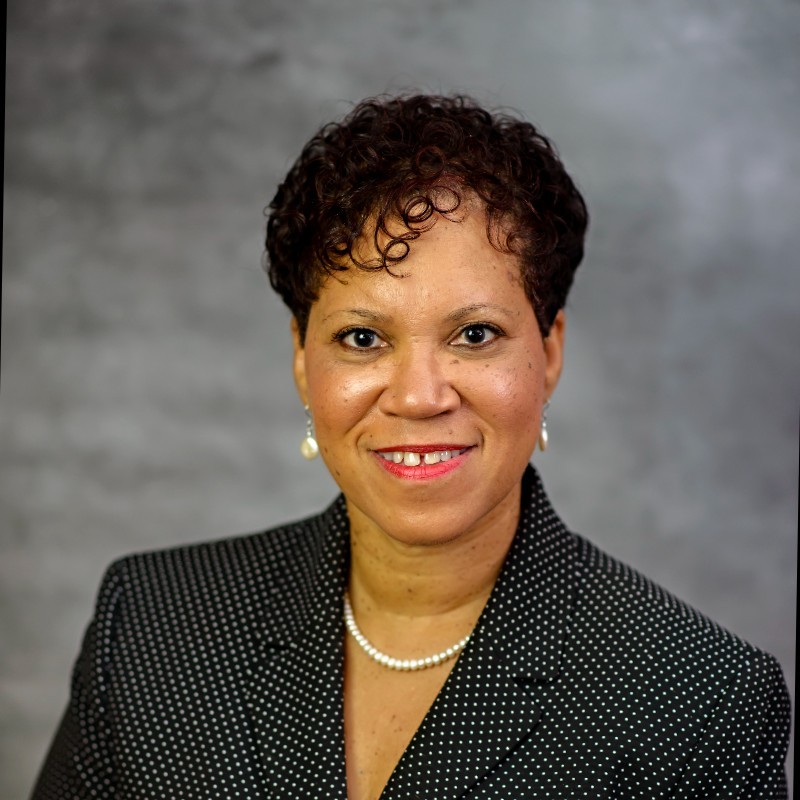
CodoxoMusheer AhmedDr. Musheer Ahmed is the CEO and Founder of Codoxo. He founded Codoxo (formerly named FraudScope) to help make our healthcare system more affordable and effective. Codoxo’s Forensic AI Platform uses patented technology to identify problems and suspicious behavior earlier than traditional techniques, which helps ensure our scarce healthcare dollars go to real patient care. Dr. Ahmed developed this technology as a part of his Ph.D. dissertation at the Georgia Institute of Technology.

A report by the JASON advisory group, the prestigious scientific advisory panel to the US government, reinforced that his doctoral research tackled some of the biggest challenges within the emerging health data infrastructure in the United States. Several media outlets have interviewed Dr. Ahmed for his work in reducing healthcare fraud, waste, and abuse. When he’s not fighting healthcare fraud, you’ll find him volunteering for various causes and spending time with his family.

Follow Codoxo on Twitter and LinkedIn.

What You’ll Learn In This Episode

  • About Musheer’s background
  • About Codoxo
  • The types of fraud schemes Codoxo’s AI is uncovering
  • AI evolving to help reduce costs in U.S. healthcare

This transcript is machine transcribed by Sonix

TRANSCRIPT

Intro: [00:00:03] Broadcasting live from the Business RadioX Studios in Atlanta, Georgia. It’s time for Atlanta Business Radio, brought to you by on pay. Built in Atlanta on pay is the top rated payroll and HR software anywhere. Get one month free at unpaid. Now here’s your host.

Lee Kantor: [00:00:31] Lee Kantor here, another episode of Atlanta Business Radio. And this is going to be a good one. But before we get started, it’s important to recognize our sponsor on pay. Without them, we couldn’t be sharing these important stories. Today on Atlanta Business Radio, we have Musheer Ahmed with Codoxo. Welcome Musheer.

Musheer Ahmed: [00:00:50] Thank you, Lee. Happy to be here.

Lee Kantor: [00:00:52] Well, I’m excited to learn what you’re up to. Tell us a little bit about Codoxo. How are you serving folks?

Musheer Ahmed: [00:00:57] So at Codoxo, our goal is to make the health care system more affordable and effective for everyone. At America, we spend more on health care than any other nation in the world today. Unfortunately, not all of that money is going to real patient care a significant amount. According to some estimates, 3 to 10% of health care expenditure is lost to fraud, waste, and abuse in the healthcare system. And despite these losses being an order of magnitude higher than other industries, we’ve seen very little innovation happen in this space compared to those industries, with reports saying that only a fraction of that fraud, waste, abuse is currently being identified by these products. So this is the core issue that Codo xo is helping identify and addressing this major fraud, waste, abuse problem in the health care today.

Lee Kantor: [00:01:49] So what are some examples of fraud, waste and abuse in health care?

Musheer Ahmed: [00:01:53] So that’s a great question. So fraud, waste, abuse and sometimes people put an error is actually a spectrum of payment issues in health care. So fraud is defined by those things that are provider and typically it’s mostly providers more so than members may engage intentionally in deriving certain payments that they may not be eligible for or authorized to get. Let me give you an example. Let me start off with the most egregious ones. For example, there was a provider, an oncologist in Michigan, who said almost all his patients had cancer, put them through chemotherapy. But it was later identified that a majority of his patients never had cancer to begin with. But he engaged in that process, ruining those people’s lives just so he could file over $30 million in insurance claims and and just become rich. So that’s a very egregious example. Another example of pure intentional fraud is fictitious claims. So fictitious claims. An example of that is a phantom clinic, which is a clinic that does not exist in real life. It could just be a UPS mailbox address that looks like a real street address, but they still provide their identities, patient identities, file claims for maybe 4 to 6 months for 10 to $20 Million, and then shut down that clinic, move to another state and repeat that process.

Musheer Ahmed: [00:03:19] So that has been prevalent for a while in the past, and that’s an example of fictitious claims. Then you have waste and abuse, which is not as bad, but you’re looking at procedures that are maybe medically unnecessary. They are not providing any benefit to the patient. Or maybe you’re you’re prescribing brand name drugs that are very, very expensive. When there is a generic alternative that is much more economical, that’s equally effective, causing wasteful expenses into the health care system. So that, I would say, are examples of the entire spectrum of fraud, waste, abuse that exists in this space. And Lisa, the National Health Care Anti-Fraud Association estimates the 3 to 10% figure that I mentioned to you earlier, and we know last year we spent almost 4.2 or $4.3 trillion on health care. So that 3 to 10% translates to hundreds of billions of dollars lost every single year in the US to this problem which which affects every individual paying more than $1,000, then they should be on the health care that they’re receiving.

Lee Kantor: [00:04:34] And when you’re describing all of this fraud and abuse, it it sounds like it’s never the the patient. It’s always the clinic or some scammer that’s that’s taking advantage of the patient.

Musheer Ahmed: [00:04:49] So the patients do engage in fraud, waste, abuse as well. But in terms of the financial impact, it is driven significantly by providers, which would be physicians or are facilities, etc.. So they are definitely causing more of an economic impact and financial impact to this problem as opposed to members. Members do engage in that, but the financial impact is largely not driven by them.

Lee Kantor: [00:05:19] And then Cardiaco solution is to use artificial intelligence to uncover some of this fraud.

Musheer Ahmed: [00:05:29] Yes. So I come from an academic background. So I received my PhD at Georgia Tech and my PhD was focused around developing sophisticated AI based technologies to help address this problem. So this problem has been going on for a long time, and we at Georgia Tech love to find hard problems and try to solve them, which is what got me really, really excited and interested in this space. And the root of the issue is that fraud, waste, abuse teams are constantly evolving. The major schemes that are happening today are very different from the major schemes of, let’s say, last year or maybe even two years ago. They’re constantly changing. However, the detection capabilities were largely static and they were really good at finding schemes we’ve seen in the past and maybe a few schemes some experts had predicted, but they weren’t really proactive in identifying what’s the new scheme that fraudsters are coming up with so we can stop bleeding and minimize the financial impact very quickly. So what would happen is a new scheme would come up today and that would go on sometimes for months, in some cases even years bleeding. We have organizations in millions or tens of millions of dollars before someone would stumble upon it and take action. So our goal at Georgia Tech, which formed the basis of the core technology at products today, was we want to develop a proactive AI capability that’s able to identify new schemes as quickly as they emerge, give that intelligence to our customers, allow them to take action to minimize the financial impact by stopping the bleeding very quickly. And that’s the core basis of what we do really, really well. But of course, since then, we’ve we’ve had a ton of impact. We’ve already helped our customers save over $500 million, which we’re really proud of.

Lee Kantor: [00:07:21] Now, how is this problem different than like kind of some of these cybersecurity problems where you’re trying to identify hackers or schemers that are trying to infiltrate a business to do something nefarious? Is it similar? Are the bad guys similar in that? In some cases in that area, they’re nation states because there’s so much money involved? Or are these individual just bad guys that have found a way to, you know, make money by exploiting the health care system?

Musheer Ahmed: [00:07:53] That’s a great question, Liane. Actually, so my PhD at Georgia Tech has actually in the cybersecurity space and I took a unique, unique path of focusing my entire dissertation in health care. Even though I was a part of the cybersecurity department and a lot of the ideas that I’m bringing into the health care space and put out so continues to work on and bring to our customers that are really, really unique, are actually founded in the cybersecurity space. And you’re absolutely right, we in the cybersecurity world are always trying to keep up with evolving threats. But there are certain things about health care that make it really, really different. And so just to take an example in general, comparing health care not just to cybersecurity, but other industries in general, their health care payments tend to be really, really complex. It’s a it’s a complex system that we’ve evolved over time. And sometimes we need to make a decision without having all all the data points necessary and all the data points that may be able to influence the payment. To give you some examples of that, you may have medical records that can influence what should the actual allowed payment be. You may have contracts that are not standardized with providers that may also cause variations in payments.

Musheer Ahmed: [00:09:10] And you may need we need to make a decision in health care at the payment point without necessarily having access to the medical record or having access to even the contract information. So their decisions that need to be made really, really quickly, there’s no standardization and how certain things may be paid across different providers just based on different issues the member may have been facing with. The other thing that is very unique about the health care space is what is the impact of a false positive. Now let’s say you’re and just to compare simplistically, you look at the credit card space, you deny a transaction, what’s the worst thing that’s going to happen? The cardholder is going to try the card again or use another card in healthcare if you deny payment. Now, that could lead to significant issues and in some cases you may even end up in court because of something that you care that you may have denied a member. So the stakes are higher, the data points are fewer, the complexity is greater. So it’s it’s a much more challenging problem to solve in the healthcare space.

Lee Kantor: [00:10:16] But but when it comes time to for payment, like usually if I’m paying something on my credit card, it’s happening at that instant. But in health care, if I’m paying something, it could be a year after I had that treatment.

Musheer Ahmed: [00:10:29] That’s absolutely correct. So it’s the claim itself. I think there is a time period within which the provider will submit a claim to the health plan. Once the health plan receives the claim, there is the they are laws that require the claim to be paid. But unfortunately, the system doesn’t operate in as real time a manner as it should, and which is actually very indicative of the lack of adoption of new technology in the healthcare space. And health care has unfortunately not adopted not just those kinds of real time processing capabilities, but even the AI capabilities. We were the pioneers of bringing AI into this space. And since then, then the impact we’ve been able to show with the savings we’ve been able to bring to these clients, the industry has now started asking for AI capabilities. Now health plans understand the value and other players have been asked to also bring the AI capabilities into this space. So your you’re hitting spot on on something that’s been very common in health care, the lack of adoption of new technology. But we are really proud of that product. So to lead the way to show the industry on how they should be operating, we’re hoping at some point we do get to real time payments and health care, but we are a long way off now.

Lee Kantor: [00:11:51] Today, they’re now using AI to reduce costs by, you know, kind of sniffing out the fraud as it’s happening or as quickly as possible is obviously that saves money. Has the AI evolved to the other side of the equation to help, you know, identify illnesses faster or to be able to make diagnosis quicker?

Musheer Ahmed: [00:12:17] There are there are a lot of AI initiatives. And what I would say is, even though the industry has been reluctant to bring about AI in most areas and just adopt new technology in general, I think COVID became a catalyst for the healthcare industry to really take a look and understand, okay, how do we need to change? There were a lot of things, a lot of pressures that were put on the health care system. And I think that mindset is slowly changing now. And there are a lot of AI initiatives that are actually gaining a lot of traction and spotlight and attention. They are several initiatives just focusing on what you just described on the ability to find diseases faster. There’s a lot of A.I. companies that can help. For example, just to give you a quick example, look at radiology scans and predict, okay, this person is going to land with some kind of disease in the future. That may not be very, very prevalent in that radiology scan that you may be looking at. So I think there’s a ton of work going on. The industry is heading in the right direction, but just not fast enough compared to where the level of adoption you’ve seen at other places.

Lee Kantor: [00:13:31] Now, it sounds like it’s a in some way it’s a dangerous area. Like if if I can predict this person is going to potentially down the road have some problem, then I can increase their insurance now knowing that ahead of time that I’m going to have to pay out. Like how does that all play together? Because that seems really murky.

Musheer Ahmed: [00:13:55] Yes, that is that’s definitely they are going to be some gray areas, Ali. And of course, a lot of times government influences on what can and cannot be done, such as the preexisting conditions, actually impact your insurance premiums or not, or are they covered or not? So I think they will be a role that the government may play in regulating some of these things. But you’re absolutely right. I think as this technology becomes more sophisticated, they are they are things that we need to manage better going forward.

Lee Kantor: [00:14:36] So what’s next for Oxo? How can we help?

Musheer Ahmed: [00:14:39] So Cardoso. So I think we’re really excited about the impact we’ve had so far. Class research just did an independent study on our customers and they gave us an A-plus rating. 100% of our customers would buy again and would recommend to others. We are even more excited about what we can do in the future and the impact we can actually have in this space. We’ve actually come about with new innovative products that just don’t exist in this space. So two of them that I’ll quickly mentioned here, one of them is provider scope, which is our ability to engage and collaborate with providers in helping make the health care system more affordable and effective. So we give providers an early warning system so they can proactively change their own behavior, ensure they are following the coding guidelines and CMS guidelines on claim submission so we can weed out a lot of costs that were caused due to incorrect coding or even audit code that helps automate the workflow and bring about the level of efficiencies that we haven’t seen in this space today. I think I’ve put actually we’ve doubled our headcount over the last 12 months. We continue to add people who are really mission driven and really care about our goal of making the health care system more affordable and effective. So if there’s anyone listening who would like to really make an impact in the health care space, we’d love to have you on our team. Definitely do reach out to us and we’d love to have a conversation. And if there are plans out there that would like to engage with us, we work with health plans. We work with government agencies and also in the pharmacy benefit space. Now, if you’d like to use our technology and bring about the kind of results so we are able to bring about, we’d also love to hear from you.

Lee Kantor: [00:16:31] Well, thank you so much for sharing your story today. You’re doing such important work and we appreciate you.

Musheer Ahmed: [00:16:36] Thank you so much, Lee. I appreciate it.

Lee Kantor: [00:16:38] All right. This is Lee Kantor. We’ll see you next time on Atlanta Business Radio.

Intro: [00:16:45] Today’s episode of Atlanta Business Radio is brought to you by on pay. Built in Atlanta, on pay is the top rated payroll in HR software anywhere. Get one month free at paycom.


Tagged With: Codoxo, Musheer Ahmed

Everett O’Keefe With Ignite Press

July 26, 2022 by Jacob Lapera

Ignite press
High Velocity Radio
Everett O'Keefe With Ignite Press
Loading
00:00 /
RSS Feed
Share
Link
Embed

Download file

Everett O'KeefeEverett O’Keefe is a Wall Street Journal, USA Today, and International #1 Bestselling Author. The Power of the Published is his most recent solo work. He has also helped create and launch more than 100 bestselling books for his clients. Everett speaks across the nation on the power of publishing. He is the founder of Ignite Press, a hybrid publishing company that specializes in helping entrepreneurs, as well as business and medical professionals, ignite their businesses by becoming bestselling authors.

Everett is sought out as a speaker, coach, and consultant by authors and marketing experts worldwide. With a passion for entrepreneurialism, Everett helps his clients become recognized experts in their fields through speaking and authorship while allowing his clients to focus on their own areas of giftedness.

Connect with Everett on LinkedIn and follow Ignite Press on Facebook

What You’ll Learn In This Episode

  • About Ignite Press
  • The Power of the Published
  • The “Silver Bullet” of marketing

This transcript is machine transcribed by Sonix

TRANSCRIPT

Intro: [00:00:05] Broadcasting live from the Business RadioX studios in Atlanta, Georgia. It’s time for High Velocity radio.

Lee Kantor: [00:00:15] Lee Kantor here, another episode of High Velocity Radio, and this is going to be a good one. You better get your pad of paper and pencil ready because you’re going to learn a lot. And this is a very important subject today on high velocity radio, we have Everett O’Keefe and he is with Ignite Press. Welcome, Everett.

Everett O’Keefe: [00:00:34] Hey, welcome. Thank you. Thanks for having me.

Lee Kantor: [00:00:36] I am so excited to be talking to you. For those who aren’t familiar, tell us a little bit about Ignite Press. How are you serving folks?

Everett O’Keefe: [00:00:44] Yeah, so we’re a hybrid publisher. We really specialize in helping speakers, coaches, business consultants, medical and business professionals create books and launch them online so that they can enjoy the credibility and exposure and authority that comes with being an author.

Lee Kantor: [00:01:01] Now, how did this idea come about? Have you always been in the publishing business?

Everett O’Keefe: [00:01:07] Well, ironically, I would say I did an English degree in college and then promptly left the field to go into business and then got kind of came back around and found myself owning a marketing company. And we were exploring different ways to market our clients. When the idea of publishing a book came about, we decided to first try it on ourselves, guinea pig ourselves, like we do with new things and try to launch strategy that actually ended, ended up making our first book and Amazon number one best selling book for a period of time. And then we, the Guinea Pig Project caused our fees like we watched our fees double because it was attracting bigger and better clients. And, and then we went, gosh, maybe we should do this publishing thing for other people. And so here we are. We’ve been doing it now for about nine years now.

Lee Kantor: [00:02:01] What was that first moment that you thought, Hey, you know what, this is starting to get some traction. This is something that maybe we’ll be able to leverage and help other people get the same result.

Everett O’Keefe: [00:02:13] It really was the first book. I mean, the first book we were doing video marketing at the time. And so the book was about video marketing and not about publishing at all. But I’ll tell you, we had a couple of defining moments. One was the first time we saw, like, I’m sitting here looking at Amazon and our book goes live and I’m seeing myself on Amazon on the world’s biggest bookstore, and then on launch watching my book over the top of some of the people I really love, like over the top of John Maxwell and Annie Andrews and dominating the entrepreneur space, if only for a short time. And that’s when I realized just the feeling I was having that my goodness, are there are others? And then again we did the book on video marketing, but it was really just a test project, but it brought clients out of the woodwork. People like, oh gosh, I, you know, I heard about this book and we’d like to hire you. And, and that’s that’s when it became readily apparent, the authority that a book gives you, even if nobody knows who you are, the authority that a book gives you and your brand is really impossible to beat with almost any other marketing tool or method. So we thought, my goodness, if this does this for us, what will this do for others and how can we help make that happen?

Lee Kantor: [00:03:38] Now, when you decided to say, okay, we’re going to help other people publish books, you had to first write a book and then you had a publisher book. Do you help people on both of those tasks as part of your service, or is it something that they’re coming to you already with a manuscript that’s already ready to be published?

Everett O’Keefe: [00:03:58] We really can help clients in both arenas. Obviously, if they come to us with a manuscript that’s ready, then what we’ll do is take it through editing and layout and cover design and all the publishing pieces to make sure that that book is now on every basically every online media outlet. If they come to us and they really just know they need a book or would benefit from a book, then we have a couple of ways to help them. One is if they really want to write it organically, then we’ll connect them with a phenomenal book coach or ghostwriter, if that’s what they need. But very often people have that book within them, and especially for this authority piece, it can really be rapidly constructed around the facts of their business. I mean, you think about let’s take any take a medical professional or business professional. If you could sit down and in 10 minutes probably write out the questions that people ask you all the time about your brand and the ones that, you know, you can rattle them off because you do. You rattle them off all the time to your clients and prospects? Well, that rattling off can be done into an app which will transcribe those words so that that can be the rough foundation for your manuscript. And that’s really how we created our first book. We just sat down and went through the frequently asked questions of video marketing and put that into a book, and now we have that great authority piece. So it can be done very easily and very quickly, much more, much more rapidly than people understand.

Lee Kantor: [00:05:35] Right. Being an author is one of those kind of bucket list things for so many people. And they’re always in the process or thinking about writing a book that never gets written and they get overwhelmed, I think, by the just the task, it seems it seems impossible when they think of a book or they read a book and they’re like, Wow, that was 200 pages. That was 300. That was 500 pages. I don’t know how I’m going to write 500 pages. It seems overwhelming.

Everett O’Keefe: [00:06:01] Right?

Lee Kantor: [00:06:02] But if you have a system and a plan and you kind of, like you said, have a really good outline and you really understand what a book can be, you can kind of reframe it to be, Well, the book is your expertise. We’re just going to make sure it gets captured in a way that makes sense and is readable and it kind of protects your brand and also shares all that information that’s in your head.

Everett O’Keefe: [00:06:28] Yeah. And Lee, you are like, you’re so familiar with this and you understand that really what all that needs to happen is to capture a small portion of expertise into the form of a book, because people are immediately impacted when they know that you have a book. And whether that’s you putting it a copy in their hand or them seeing it online or seeing it’s available on your website, or of course, if you’re speaking and it gets packaged and we’re speaking, people are immediately moved. There’s a chapter in one of my books I wrote a book called The Power of the Published, and there’s a chapter in there just about the power of the unread book. I mean, you know, you think about it, it’s like if someone gives you a book, even if you don’t get to reading it right now, what will you do with it? Will you throw it away now?

Lee Kantor: [00:07:22] It’s on a shelf somewhere, right?

Everett O’Keefe: [00:07:24] It’s one of those things you’re like there’s like something like sacrilegious about throwing a book away, in fact. Right. So that book will hang around, whether it’s on your prospect’s nightstand or on their desk, it’ll hang around. And every time they see that book, it is screaming. Your credibility is screaming your authority. They know instantly you’re an expert on that subject, whether they crack the cover or not. It’s it’s really rather it’s really rather amazing.

Lee Kantor: [00:07:56] Now, has anything changed as kind of the media and reading and consuming content has evolved? You know, in a world where we have tick tock and there’s, you know, in 20, 30 seconds, people are sharing content. Is a book still something that does get kind of have that same kind of mindshare that it had, you know, five, ten, 20 years ago?

Everett O’Keefe: [00:08:24] Yeah, it’s a really good question. And especially like, for instance, when books shifted to like the when the Kindle was invented.

Lee Kantor: [00:08:32] Right. Our audio books now.

Everett O’Keefe: [00:08:34] Yeah. And audiobooks. So when Kindle was invented they thought paperback books would die and Kindle grew really quickly and has now plateaued is certainly did not knock off paper books and actually you just called it the fastest growing segment when it comes to publishing is actually audiobooks. It’s had double digit growth year, year over year for, I think the last eight years. And and what’s exciting I think about audiobooks is I think who listens to audiobooks? They tend to be the most educated and affluent and they’re exactly the person that most people want to attract into their business, depending upon their depending on their offering. Remember, remember the daily we used to talk about how iPhone users tended to be the most educated and affluent and that therefore you should be marketing to iPhone users. Well, now the iPhone is ubiquitous and I think audiobooks, quite frankly, has taken that has taken that place. But it is interesting this time it’s easier than ever to publish a book. And there are so many great tools and strategies available. It still maintains that mystique. It still maintains that it’s got this amazing credibility. I tell my authors, it’s like breathing rare air and they’re just so few authors out there. And that still holds true. Even even. Among the the streaming crowd. They’re still that authority. Whether they’re reading a ton of books now or not is another question, because I’m sure that that’s changing. But the authority is still there.

Lee Kantor: [00:10:15] Now, when we’re talking about publishing and writing books, are we talking primarily for Ignite press, nonfiction kind of business people, you know, sharing thought, leadership? Or are you also doing kind of some of this nonfiction? True crime, the other popular areas when it comes to books?

Everett O’Keefe: [00:10:36] Yeah, I mean, our specialty, we try to keep some pretty bright lines around what we do. And we definitely focus on nonfiction. Most of our clients are business and medical professionals or they’re directors of nonprofits. We actually have a number of pastors and other thought leaders, but we try to keep it in that we don’t wander off into into the fiction space. I think there’s enough there there’s enough romantic fiction on Amazon. We don’t really need to add to it.

Lee Kantor: [00:11:09] So you focus on business people using book for a business person, either a purpose to either get new clients to have that credibility, maybe to open up speaking opportunities or leveraging it in their marketing in some way.

Everett O’Keefe: [00:11:23] Yeah, but because I think that’s the best use scenario, the predictability of doing a book, for instance, to make royalties in any substantial amount. That’s really difficult, right? That’s like trying to catch lightning in a bottle, but utilizing a book to elevate a brand and convert prospects to clients, or to make clients better clients or to open up new doors. Those are all really predictable outcomes. We do find that we take on every now and then the odd memoir. But but really our bread and butter is working with nonfiction speakers, authors, coaches, consultants, business professionals.

Lee Kantor: [00:12:04] Now, can you share a story maybe where somebody came to you? Maybe they were skeptical. It sounded good. Maybe it sounded too good to be true. But then you work with them and you help them get the book out of their head into print, and then it moved their business to a new level.

Everett O’Keefe: [00:12:21] Yeah, actually, there’s. There was a client who came to us and maybe it’s not exactly that, that, that a case study or fact pattern you just describe it came to us and she had a manuscript and she said, I’m going to this conference. I’m thinking it would be great if I had this book available when I go to this conference that I’d get more credibility there. And she just went as and was going as an attendee and but she already had it. And she goes, Can you help miss out a really tight time schedule? We said, Sure, we’re doing it. She was going to Dubai and so we got her book done. We actually did an Amazon best seller launch on it. So before she went there, she actually had Amazon bestseller status. When she went there on the first day of the conference, she handed a few copies out to some key people that she wanted to meet. And later that night she was walking through the lobby and she happened to notice one of them sitting there reading her book and she goes, Wow, that’s really cool. I didn’t expect that. The next day she was approached by two of the people she had given books to who wanted to talk more about hiring her. It was a medical like a medical tourism conference, if I remember correctly. Long story short, she ended up getting two very high paying clients just because she put some books in a few people’s hands. And one of those clients turned around and the next year sponsored her to be one of the speakers at this international conference. In the meantime, she also was invited to contribute a chapter to a textbook in her industry. And so really for her, that book allowed her to go from basic anonymity to truly speaking on the world stage, and that she she says over and over again, that’s an opportunity that would not have been afforded to her had she not done the book.

Lee Kantor: [00:14:22] Yeah, it’s really amazing how being an author, it’s just a more authority to more influence. And it’s one of those things. The beauty of being an author is if you’re an author, once you’re an author forever, it’s not something like you have to kind of update your author license. It’s like you’re an author forever.

Everett O’Keefe: [00:14:45] That’s right. That’s right. And neither neither at least in this day and age, does the government regulate, you know, the fact that you’re an author and tell you whether you can or can’t be. That’s a that’s a great point. I think you speak to like you speaking to the durability of a book. You’re right, you create a book. It serves you for life. It’s not you know, I love video marketing, but one of the things about video marketing is that video you make today is stale relatively, relatively soon. Just because your hair changed or your voice changed or your brand changed or whatever. But the book can can be part of your brand and credibility forever. The other thing we love about it is you could put like, you know, our authors, their copies of their books usually cost them a few dollars, like literally a few dollars. And I think of you put a book in someone’s hand or you could put a nice branded mug in their hand or a branded pen or something like that. Well, which one’s still marketing for you years later? Just one of those.

Lee Kantor: [00:15:54] Right. And plus, not only it’s a constant reminder that you you’re smart and you know what you’re doing, because why else?

Everett O’Keefe: [00:16:01] And sometimes we need that, right?

Lee Kantor: [00:16:03] Well, I’m turned in terms of the person you handed the book to. It’s just, oh, you know, you needed that.

Everett O’Keefe: [00:16:09] We personally needed reminders.

Lee Kantor: [00:16:12] That to always but from a standpoint of what like I’m looking at a bookshelf right now and those, you know, one of the challenges in marketing is that kind of brand ubiquity of how do you get your name and brand in front of people just on a regular basis so they think of you or at the moment of purchase. And the book is a constant reminder that you’re an expert. So even if it’s sitting on someone’s shelf, it’s, it’s, it’s working for you in the sense that it’s reminding someone that you’re good at this thing, that you wrote your book about it.

Everett O’Keefe: [00:16:47] It just continues to scream expertise. And I think about it, Leigh, if someone reads your book, then you have that. You also get take advantage of mysterious power of a book. We talk about, like when I think of it when you watch television. Or a video or whatever, you just passively consuming content. But when you’re reading a book, you’re actively participating in it and usually having to fill in some details in your mind, right? It’s the same reason, for instance, like when we read The Lord of the Rings, it looked one way in our mind, and when we saw it in the movie theater, we thought, Wow, that’s pretty amazing. Not quite the way I thought. But, you know, movies are often more disappointing in the books because of that. I, I, I say that the author is constantly speaking and whispering in the ear of the reader and communicating to them in such an intimate and longform fashion that doesn’t exist in any other media.

Lee Kantor: [00:17:45] Yeah. And I think, I think that’s what the power of the audio book, because they literally are whispering in the ear.

Everett O’Keefe: [00:17:51] Yeah, that’s right.

Lee Kantor: [00:17:52] Of their, you know, of a prospect of somebody who’s interested in the topic that they’re an expert in. Now, I want to. For the benefit of the listeners, I’d like you to share a little bit of a kind of do it yourself for the listener who wants to attempt this on their own. What are some of the things they can be doing today to either get them ready to have a book published or, you know, actually publish it? Because this is something that you can kind of figure out on your own. It’s harder. It takes longer, but it’s definitely possible.

Everett O’Keefe: [00:18:27] Yeah, and I’m a huge fan of that. I’m a huge fan of self-publishing because I think that it like, let’s face it, traditional publishers have to tell a lot of wonderful people. No, I mean, for crying out loud, traditional publishers turn down the Harry Potter series like 20 plus times and told her that she’d be better off teaching. Like that happens all the time. And some of the best and best books ever have been turned down by publishers double digits of times anyway. So I think self-publishing is great as far as creating the manuscript. There are a lot of different models that can be done that one of writing the book around the frequently asked questions of your industry, I think is really valuable because an author can move through that quickly if they want to write things more organically, then there are some really wonderful training videos on YouTube. They’ll teach people how to chunk their content so that they can create it and organize it. And then, of course, you know your book, it needs to be well edited and few of us are capable of editing a book. Well, and sadly, if you miss this mark right, then no matter how good your content is, the reader won’t continue it. So there are a few areas where I definitely say hire out, you know, your, your, your English teacher from high school, maybe a great person and great at English, but they might not be a great book editor. So hire out your book editing. You may also consider hiring out your cover design, but you can do that. There’s some great tools online, like 99 designs or fiber, where you can have artists create your book covers layout, interior layout is can be accomplished with Microsoft Word.

Everett O’Keefe: [00:20:17] I mean, that’s how I did my first book or you can hire it out and some of those websites will also help you for hiring those pieces out and then publishing. There’s some really great tools out there. Amazon has a tool called Kindle Direct Publishing. We just call it CDP, and that is a way to get your book, whether it’s paperback or Kindle or now even hardcover, onto Amazon. The trick with anything, of course, is it’s always in the details. And with self publishing you get to make lots of decisions like margins and fonts and prices and colors or shades of gray, and you get to make a gazillion decisions. But also in self-publishing you have to make a gazillion decisions. So it’s right for some people and it’s not right for others. I tell people, look, if you’ve got more time than than than financial resources, self publishing may be exactly the way to go. If you don’t have a lot of time and you have more financial resources, it may make sense to get a professional in. I guess it’s kind of like if you do it yourself, you know, a project at that at your home, you know, you’ve got you’ve got more time than resources, by all means. Be, you know, do the remodel, put your new floor in or whatever it is. But sometimes you want to hire professionals and they both have a place and they’re both correct.

Lee Kantor: [00:21:46] Yeah. Sometimes you need help and sometimes you need to help her. And there’s no shame in either, you know.

Everett O’Keefe: [00:21:52] Great point. Great point.

Lee Kantor: [00:21:54] So if somebody wants to learn more about Ignite Press, maybe connect with you. I know there’s a ton of resources on the website for. An author or an aspiring author. Can you share the website?

Everett O’Keefe: [00:22:08] Yeah. So our website is Ignite Press US, not dotcom, but Ignite Press US. And if you if people go there, one thing that they can do is schedule a book consultation directly with me, happy to talk with them about their book and see where that leads. And I’m, you know, whether you’re likely to be a great client, you know, like you fit our model or not. I’m going to spend some time trying to help you and get you pointed in the right direction. So that’s Ignite press us.

Lee Kantor: [00:22:39] Well, Everett, thank you so much for sharing your story today, doing important work. And we appreciate you.

Everett O’Keefe: [00:22:45] Lee I’m grateful for the time here and thank you for what you are doing to help share stories and educate people. You know, you’re you’re doing amazing things to help people get their message out.

Lee Kantor: [00:22:58] Thank you. Well, this is Lee Kantor. We’ll see you next time on High Velocity Radio.


Tagged With: Everett O'Keefe, Ignite Press

Karen Wesloh With The Harrington Company

July 26, 2022 by Jacob Lapera

KarenWesloh
Association Leadership Radio
Karen Wesloh With The Harrington Company
Loading
00:00 /
RSS Feed
Share
Link
Embed

Download file

THCHorizontalRGBLogoKarenWeslohKaren Wesloh, CAE, CMP, Partner & Senior Account Executive at The Harrington Company.

Karen’s 30 years of experience in association management provides her with the knowledge and background needed to support and guide associations through a wide variety of challenges and opportunities. One of her most valuable skills is her ability to bring together volunteer leaders with different priorities and help them to move forward in a cohesive way for the good of the organization and its members.

Karen is passionate about staying on the cusp of industry best practices and trends and is among a select group of association executives that hold both the Certified Association Executive (CAE) designation and the Certified Meeting Professional (CMP) designation. She served on the Board of Directors of the AMC Institute (AMCI) and is a member of the American Society of Association Executives (ASAE) and Associations North.

Karen graduated cum laude from the University of St. Thomas with a Bachelor of Arts in Business Administration and Economics. She earned her Master of Business Administration in Marketing and Strategic Management from The Carlson School of Management at the University of Minnesota where she focused on non-profit management.

Karen’s hobbies include stained glass mosaics and scuba diving. She enjoys both warm and cold-water diving and has received a Master Diver Certification.

Connect with Karen on LinkedIn

What You’ll Learn In This Episode

  • The Incentive Marketing Association
  • Some of the characteristics that help associations to be successful
  • About The Harrington Company

This transcript is machine transcribed by Sonix

TRANSCRIPT

Intro: [00:00:02] Broadcasting live from the Business RadioX studios in Atlanta, Georgia. It’s time for Association Leadership Radio. Now, here’s your host.

Lee Kantor: [00:00:18] Lee Kantor here another episode of Association Leadership Radio. And this is going to be a good one. Today on the show, we have Karen Wesloh, who’s a partner and senior account executive with the Harrington Company and also the executive director with Incentive Marketing Association. Welcome, Karen.

Karen Wesloh: [00:00:37] Thank you for having me. I appreciate.

Lee Kantor: [00:00:38] Well, I’m excited to learn what you got going on. But let’s start with the Incentive Marketing Association. How are you serving, folks?

Karen Wesloh: [00:00:47] I’m sorry. I have to ask you to repeat that.

Lee Kantor: [00:00:51] Tell us a little bit about Incentive Marketing Association.

Karen Wesloh: [00:00:54] Well, the Incentive Marketing Association is a trade association and referred to it as IMA. And the mission for the association is to advocate for and promote the use of recognition and incentives to improve business performance. And that’s a particularly important role right now. Where things stand with in society in terms of building loyalty with customers, but especially building loyalty with employees.

Lee Kantor: [00:01:21] So so their work is a lot has a lot to do with kind of employee retention and client retention and things like that.

Karen Wesloh: [00:01:30] Absolutely. And a lot of their efforts are are focused on outward communication and really promoting the use of incentives and recognition and also providing people with the tools and the resources so that they can have successful programs. It’s a very multifaceted, global organization, and they have a lot of subgroups or strategic industry groups, as they call them, within the association for the various verticals in the industry recognition, solution providers, gift cards, brand name merchandise, travel and events and activities and that kind of thing. So that it really is all encompassing for the organization and for the industry. And then we also have a very strong European chapter as well as some additional international regional groups.

Lee Kantor: [00:02:25] So how long have you been executive director?

Karen Wesloh: [00:02:27] Since January 1st, 2016. And it’s been it’s a it’s a great job and great members to work with.

Lee Kantor: [00:02:35] Now, what are some of the challenges? You know, we read about this great resignation. So obviously it’s top of mind for a lot of companies to keep their people. Has that impacted your business? I mean, the association’s work, obviously.

Karen Wesloh: [00:02:51] Yes, absolutely. Especially the recognition portion of the organization. And it’s really brought a lot of attention to the work that we’re doing. And as I said, one of our main goals is getting the information out there to help people successfully be able to build incentive and recognition programs and implement them.

Lee Kantor: [00:03:13] And is there, as part of your work at the association, kind of coming up with research that supports how important this is?

Karen Wesloh: [00:03:20] We did have some really great research working with other organizations and the industry that we presented at the conference we just had in Snowbird, Utah. And that was, I think, very valuable to the association members. We work with the Incentive Federation, which is a affiliated organization as well as the Incentive Research Foundation. And they both presented some, some really, really great research at our conference.

Lee Kantor: [00:03:49] So that must be pretty rewarding work, kind of plugging yourself into an association and leading them for all these years.

Karen Wesloh: [00:03:58] Absolutely. And I’ve been with the Harrington Company, the Association of Management Company that manages Incentive Marketing Association for 30 years. And I will say that part of the satisfaction with this position comes from the fact that many, many years ago, when there wasn’t a lot of available education and nonprofit management, I decided that that’s what I wanted to do and kind of built my own MBA program area of nonprofit management. And it’s it’s so rewarding and interesting because you’re working with leaders in the industry, and they’re the people that really are the most dedicated and passionate. And a lot of times they get involved because they want to give something back and they want to serve as mentors to people in the industry. And so that makes it a lot of fun.

Lee Kantor: [00:04:51] Now, as a partner at Harrington, how many other associations is Harrington serving?

Karen Wesloh: [00:04:57] Well, I only work with the Incentive Marketing Association. The Harrington Company manages 25 associations.

Lee Kantor: [00:05:04] Wow. So there’s never a dull moment in that office?

Karen Wesloh: [00:05:07] No, there isn’t. It’s. It’s so great. The reason I’ve enjoyed the job for 30 years is because even though. Our associations we work with. Stay with us for a long time and I’ll work with organizations for ten or more years. You have a lot of contact with other associations and other industries and you learn so much about so many industries. It’s wonderful.

Lee Kantor: [00:05:34] Now, is it a challenge to kind of wear those two hats, one where you’re so specifically involved in one association and immersed in that? But then this other hat where there’s, like you said, 20 plus other associations that are part of the organization, but you’re learning from them as well. So I guess there’s some cross-pollination of best practices and learnings.

Karen Wesloh: [00:05:55] Absolutely. One of the best advantages of working with an association management company, of course, the most important advantage of working with the association management company is that you have access to skills and experience and talents that for small and medium associations that you wouldn’t have if you were having a smaller staff on their own, and you have access to marketing and graphic design and that kind of thing. But one of the greatest values also is the fact that we share best practices, we share information. We have other leaders and other executive directors we can lean on and communicate with and brainstorm with. And that’s been especially helpful the last few years.

Lee Kantor: [00:06:44] And then I would imagine because of these associations, like you mentioned earlier, there are so many volunteers involved in an association, it’s hard for a person who has a full time job elsewhere to also take on the responsibility of leading their association as well. So to have an expert like your firm come in and do some of that heavy lifting for them, it allows them to kind of stay in their lane and be that subject matter expert and get the most out of the association.

Karen Wesloh: [00:07:10] Absolutely. It gives them the opportunity to really not have to worry about the implementation. They really can focus on the strategy and moving the association forward in the right direction. And that’s the critical thing that we can offer. As I said, it’s just the depth of the skill and the experience. And also, I think it is important, though, for the volunteers to to make sure that they have meaningful and valuable input and they feel like they are really making a contribution to bringing the association forward and not lose sight of that that that that their role and how important that is.

Lee Kantor: [00:07:57] Now, you mentioned, you know, some of the advantages for the smaller associations that don’t have the depth of staff that you have that Harrington would bring to the table. Is there a sweet spot that you work with? Like, are they a certain number of members? Like, those are some criteria that makes a good fit for Harrington.

Karen Wesloh: [00:08:18] You know, I would say not really. I think that it’s not just very, very small organizations. Organizations even with that could have a standalone staff of maybe four or five people. They’re still not going to have access to the professional accountants and the graphic designer. And as I said, social media, strategic marketing, all of the technology that you would have with a larger association management company.

Lee Kantor: [00:08:52] So is there any advice for maybe an association is at that. Maybe they have their growing pains where it’s time to make a decision, like maybe they started on their own and it’s time to now say, hey, are we going to continue on this path or should we team up with professionals like Harrington? What is some advice for them to, you know, the trade offs back and forth to make a decision that would help them kind of thrive and flourish in the future?

Karen Wesloh: [00:09:22] Actually, a number of the associations we work with did come from a standalone staff and I think more and more. As technology has become such a critical and important thing for an association to communicate with their members, that that was a big decision factor in coming to a management company. It’s it’s a lot of times it is that technology, it’s making sure you’re keeping up with. Again, the best practices, the social media and the marketing is a big part of what they gain. And that’s a big part of their decision making, is just, again, having access to some of that expertise members expect more now than they ever have before. And they really want that sophistication and professionalism in the association.

Lee Kantor: [00:10:16] Is there any kind of symptoms that they’re going through that maybe it’s member attrition or they’re not you know, they’re not resigning as as often as they did before? They’re kind of losing members or they’re having a hard time getting volunteers or they’re having a hard time getting engagement from the largest players in the niche. What are some symptoms that Harrington would be a good fit for them, or at least explore a conversation.

Karen Wesloh: [00:10:44] I think any of those that you mentioned would again, that’s especially where they’re looking for that marketing and that being able to refine the member value and to deliver that member value and what they’re looking for, understand what they’re looking for, deliver it and then communicate back to them what you’re delivering. That that is one of the critical points, as you said, if there’s an attrition of members. A lot of times it’s actually because their current staff is retiring. They’ll have an executive director for many years and they’re retiring. And they look at this as a as a good opportunity to really revive the association and get it, give it some new life and give it some new energy.

Lee Kantor: [00:11:30] Is there anything you could share? Maybe at the Incentive Marketing Association that was something that you implemented that was able to take that association to a new level.

Karen Wesloh: [00:11:43] I think it’s less about technology than maybe some of the experience and also having some really, really great leaders in place when we started working with them. But with them, the thing that has really turned them in a great direction is bringing all of those subgroups together and really having them all partner with each other, even though the verticals are sometimes competing with each other for the same customers. But really having them all move together with a good, forward, positive momentum and then added to that, again, reaching out to the members, understanding what was critical to them. Defining that member value. Implementing what they’re looking for and then communicating it back to them. And I think that has really we’re we’re in a really good trajectory and that is what has brought the organization there, those factors.

Lee Kantor: [00:12:47] Now, having been involved in associations for so many years. Can you share some maybe the characteristics of a well run association versus some of the red flags of a not so well run association?

Karen Wesloh: [00:13:02] Well, you hit on you hit on one of the main things in most good association management education. They will tell you how critical it is for the board to focus on strategy and on moving the association forward and not get down in the weeds and really focus more on the administrative. It’s really easy to focus on the administrative and strategy is a harder thing to really work on and define and and implement. And so really keeping an association focused on strategy, but as I said, also really offering those the the volunteer leaders and the members opportunities to feel like they’re part of a group and part of a solution and part of moving the industry and the association forward. And that’s what builds loyalty, is recognizing how important they are to the industry. And so I think those are the things that make a good, positive association. And again, just focusing on the wrong things or deciding what they think members want rather than doing a survey and really understanding what members want. Those are also some things that can get association’s into trouble.

Lee Kantor: [00:14:26] So it must be so much fun to be doing the work you’re doing. You’re you’re serving this group at the Incentive Marketing Association. You’re helping lead them through a somewhat chaotic time, that’s for sure. And then also, you’re part of an organization that’s helping dozens of other associations. So thank you for doing that. I mean, that’s a lot of work and a lot to balance, and it sounds like you’re doing a great job.

Karen Wesloh: [00:14:52] Excellent. Thank you. I enjoy it so much and I’ve had so many wonderful experiences and so I gain so much from all of the volunteers we work with. They should gain something out of it. But I do too. Every. Learning from some of these industry leaders has always a tremendous benefit.

Lee Kantor: [00:15:12] Yeah. And I think it’s important for folks to really appreciate the the people that are doing the work to lead these associations. There are a lot of volunteers involved, and these associations are critical for the industries that they serve, not only as role modeling, what could be and what you want to get out of it, but also as a place for young people to learn and giving them the opportunity to lead at that level as well. So I think they serve multiple purposes and they’re critical for any thriving industry.

Karen Wesloh: [00:15:45] I absolutely agree. I think that, again, a lot of times there’s there’s different phases of of people that get that get involved in associations. Oftentimes, that younger group are looking for not only mentorship, but connections and networking. But then you have people that are at a different phase in their career. And really what they’re looking for is to give back and to really build the next generation. And it’s, again, working with those leaders that really see the world from that perspective is that’s what’s so rewarding about.

Lee Kantor: [00:16:22] It, right? And that’s a critical element if you’re association doesn’t have a path for those people to give back and to have some sort of a legacy, then you’re really missing out.

Karen Wesloh: [00:16:31] Absolutely. Absolutely. And that’s what those by having the subgroups in this particular association where each of these subgroups has their own board, their own committees, their own activities, it has just so many layers and opportunity for people to get involved in meaningful ways. And that’s one of the things that I think helped us come through the Rocky last few years that the world has had in a in a very strong place.

Lee Kantor: [00:17:03] Well, if somebody wants to learn more about incentive marketing association, what are the coordinates for that.

Karen Wesloh: [00:17:09] That is ww w dot incentive marketing dot org.

Lee Kantor: [00:17:14] And then Harrington, if there’s an association out there that is looking for help or wants to take their association to a new level, what is the coordinates for harrington.

Karen Wesloh: [00:17:24] That is W WW dot Harrington company.

Lee Kantor: [00:17:29] Well, Karen, thank you so much for sharing your story today. You’re doing important work and we appreciate you.

Karen Wesloh: [00:17:33] Excellent. Thank you so much for having me. I appreciate the opportunity to share.

Lee Kantor: [00:17:38] All right. This is Lee Kantor. We’ll see you all next time on Association Leadership Radio.

Tagged With: Karen Wesloh, The Harrington Company

Heather Fortner With SignatureFD

July 22, 2022 by Jacob Lapera

Atlanta Business Radio
Heather Fortner With SignatureFD
Loading
00:00 /
RSS Feed
Share
Link
Embed

Download file

Heather Fortner, CEO and Partner at SignatureFD.

As CEO, Heather leans into her passion for listening – to the SignatureFD team, our clients, and the industry – to create and implement the organization’s vision and mission to impact the lives of 10,000 families.

Practicing a “coach with empathy” leadership style, Heather leverages her unique ability to harmonize people’s passions and talents to build teams and lead organizations that deliver excellent and inspiring client experiences.

Previously serving as Chief Operating Officer, Chief Compliance Officer, and President of SignatureFD, Fortner has learned, navigated, and held strategic oversight for every aspect of the organization.

A highly-sought-after leader in the industry, Fortner is regularly asked to speak on the ever-changing landscape of wealth management. See a small sample of her previous speaking and media engagements below.

Additionally, in 2021, Heather was awarded CEO of the Year by WealthManagement.com for the category Individual RIA Firm Leaders.

Follow SignatureFD on Facebook and LinkedIn.

What You’ll Learn In This Episode

  • Career journey
  • Net Worthwhile
  • Helping high-net-worth families use their wealth to truly live a great life

This transcript is machine transcribed by Sonix

TRANSCRIPT

Intro: [00:00:03] Broadcasting live from the Business RadioX studios in Atlanta, Georgia. It’s time for Atlanta Business Radio, brought to you by on pay. Built in Atlanta, on pay is the top rated payroll and HR software anywhere. Get one month free at on pay. Now here’s your host.

Lee Kantor: [00:00:31] Lee Kantor here, another episode of Atlanta Business Radio. And this is going to be a good one. But before we get started, it’s important to recognize our sponsor on pay. Without them, we couldn’t be sharing these important stories today on Atlanta Business Radio. We have Heather Fortner, the CEO and partner with Signature PhD. Welcome, Heather.

Heather Fortner: [00:00:53] Thanks, Lee. Great to be here with you.

Lee Kantor: [00:00:55] Well, I’m excited to catch up. But for the folks who aren’t familiar. Can you tell us a little bit about Signature PhD? How are you serving folks?

Heather Fortner: [00:01:03] Yeah, I’d love to. We are a $6 billion independent registered investment advisor in Atlanta. We have offices in Atlanta and in Charlotte, and we are celebrating our 25th year anniversary this year.

Lee Kantor: [00:01:18] Well, congratulations on that. You have kind of worked your way through the ranks at signature to get to where you are today.

Heather Fortner: [00:01:27] Yeah, yeah, I started. It’s been almost 20 years. I started in February of 2003 as a client care associate and have held many, many positions through the firm. Was the chief compliance officer for 15 years and then also kind of built the operational platform of the firm becoming CEO and then president and now will have been CEO for two years in October of this year.

Lee Kantor: [00:01:55] So when you first started, did you dream this dream? Was this how it was supposed to end?

Heather Fortner: [00:02:00] You know, I’m not sure that anybody could have dreamed that dream. Lee I knew that and knew that I loved to be busy. I knew that I loved the business and I knew that. I always tell people I am my worst self when I am bored. So I knew that I was willing to do whatever I could to just keep learning. And I have to tell you, building building a business is just a very fascinating and fun journey. So I’ve just been very blessed.

Lee Kantor: [00:02:28] Well, having seen the business from kind of a variety of viewing points, does that you think that gives you kind of a competitive advantage as the leader now of the firm?

Heather Fortner: [00:02:39] You know, I think that the benefit of having really grown up through the business when I started with Signature PhD, we were about 250 million under management and we had probably six or seven team members at the time. So having been with the business that long and having such different vantage points, I think the benefit that it gives me is that it allows me to be able to pull threads all the way through the organization to know intended and unintended consequences when we make a decision. And that that I do believe as a leader is a benefit within the business itself.

Lee Kantor: [00:03:20] Yeah, I think that a leader of anything, whether it’s a company, whether you’re in politics or government, to have kind of worked at a low level and and kind of earned your way up the ladder, gives you a different perspective. I mean, you your your empathy gene is a lot different than someone who just pops in from another firm. And if they were just made CEO of this firm.

Heather Fortner: [00:03:47] I completely agree. I think it it enhances our ability not only to understand how the decisions affect the client experience, but also how it affects the team member experience. And when you have those long standing relationships and you know people for who they are and not just as a number, it changes things. It changes things for the better, in my opinion.

Lee Kantor: [00:04:13] Well, part of your mission, as I understand it, is to help high net worth families kind of use their wealth to truly live a great life. Can you talk about that mission and how it kind of came to be?

Heather Fortner: [00:04:29] Yeah, absolutely. Overall, we want to serve 10,000 families. We want to help 10,000 families live their net worth while in our definition of net worthwhile is really just the intersection of a family’s wealth, which is more than just their money. Money is just a tool. Wealth can be time, it can be health, it can be resources, it can be money. It can be all of those things where the intersection of your wealth overlaps the things that you find worthwhile. And many times people don’t necessarily know what it is. They haven’t they haven’t had the freedom to sit down and really define the things in their life that are worthwhile to them, that the dreams, the hopes that they have not only for themselves, but for their families. And so we hope to be able to come alongside, to partner with families, to provide the confidence. For them to free up their worries and concerns, because, quite frankly, there are a lot of worries and concerns that come for people with money to be able to free some of those up, to provide a space where people can lean in and say, you know what? These are the real things that I want to accomplish in my life. These are the things that really matter to me. These are the things that I want to grow and live and give and protect that matter to me. And then our job is professionals is to come alongside with expertise and say, well, here’s, here’s some options on how we can build that plan.

Lee Kantor: [00:06:05] Now, having a plan is critical and whatever stage you are in your life and your career, when we’re in this kind of turbulent time that we are today, it is especially important to have a plan. Can you talk a little bit because a lot of folks, when they have a plan and they’re young, that’s fantastic because right now, the the economy, the market is kind of upside down and you’re buying everything on sale if you believe in our economy and our system. Right. But if you’re like 70. This is where a plan really is important because this is, you know, when you’re not having the ability to buy things on sale and catch up, you look at your net worth and your net worth while differently.

Heather Fortner: [00:06:57] That’s right. That’s right. You know, I love the fact that you bring that up. I was just having a conversation with some of our team yesterday. I spent a lot of time talking to our advisors about what their conversations are with their clients. And it’s fascinating because the overall sentiment is that when you have put in the time on the front side, when you have done the work to create the plan, to be sure that those things that need protecting are protected. When those things that are important to you, that you have a plan to provide for those things, and then and then that you have secured, whether it’s income, whether it’s giving or whether it’s whatever those things are that are important to you. When you’ve built a plan around each one of those, it’s okay when you start to have turbulent times because you will have those consistently. The history, the history of the market, we all know it. But when you have taken the time to insulate those things that are important to you and build a plan that can accommodate those turbulent times, you still have freedom to go and live your life without all of that worry. And I think that that’s the thing that as financial professionals, that’s where we really thrive in helping our clients, is seeing someone who has built a solid plan, has identified those things, has worked the plan, and is now in their seventies or in their retirement. And they’re not worried when it’s turbulent times. That is success for us as professional advice givers.

Lee Kantor: [00:08:39] Yeah, and that’s for the folks who don’t have a professional advisor. This is when you need them. This is this is when it becomes clear that you have to have a plan. You can’t just whenever circumstances change and they do constantly, if you’re making kind of major adjustments, you don’t have a plan.

Heather Fortner: [00:09:03] Yeah, yeah, I agree. I also think it’s so critical. The behavioral component of finance is just you cannot discount how important it is to to really, quote unquote, know thyself in one of these environments, to know those triggers that you have around money, to know those those those issues that are going to create, whether it’s anxiety or fear or worry or whatever it might be for you to be able to call those out and know what they are and then have that unbiased, objective thought partner that in the moment when you are experiencing whatever those emotions or feelings may be, knows you, knows your goals, knows your plan, and can really step in as a thought partner for you to help get you through the time where you may pull the plug out of fear and not need to. Because guess what? Objectively, you’re going to be fine. We’ve built for it, we’ve planned for it. We’re going to hold the course. And, you know, living in that community and having that thought partner, it’s really critically important, I think.

Lee Kantor: [00:10:17] Yeah. Now it sounds like empathy is an important component of your coaching style, your teaching style, your leading style. Can you talk about how you coach empathy to folks maybe on your team or maybe that’s the only people you hire that have that kind of trait? But empathy is, again, a secret sauce, something that not everybody has, and especially I would imagine as you’re going through wealth advisor school, in college or in your learning, I don’t know if they have classes on empathy. That’s usually not part of the test.

Heather Fortner: [00:10:56] Yeah, no, that training I got when I did my graduate work in counseling. So I will say there is there is training for that type of stuff and those are skills that can actually be developed and learned, but they are not necessarily a component of a core finance curriculum. I do think that the majority of professionals in the finance world, most of the people that I know, they’re helpers and they love to be able they have an enormous helping gene, but they also have an enormous capacity to be an expert in their technical field. So you usually find people who are passionate about helping. Others. They just happen to be very competent and have an expertise in the financial arena as well. I do think, however, just from my background and my training, that those are skills, those skills of empathy, those skills of the soft skills, the emotional quotient can be developed over time. But it is something, first of all, that you have to be willing to learn, and it requires a level of self awareness that some people are not willing to pursue. But it also requires work. It requires you to say, I’m going to develop this skill and I’m going to practice this skill consistently, not only at work, but in my personal life as well. And I think that level of commitment, that level of self awareness, those are the people that typically can develop those skills well over time.

Lee Kantor: [00:12:37] So for leaders out there that want to help their team develop those skills, is there something actionable that you can share that maybe you do with your team that can help them be better leaders?

Heather Fortner: [00:12:48] Yeah, you know, I think one of the things first of all, it has to start with self, it has to be that you are willing to pick the log out of your own eye before you try to pick the speck out of someone else’s, you know. And there’s a ton of ways that you can do that. There’s meditation, there’s counseling, there’s therapy, there’s there’s all kinds of stuff that you can do there. There’s coaching, great coaching. I have two external executive coaches that I use myself, but then there are also resources. So not only do we do coaching internally in our organization, but we get coach training for the people in our organization who are doing coaching. So there are plenty of professionals out there. We actually partnered with a team that had done some of the coaching training over at Emory and brought them into our organization, not only to do coach training for our team, but to be an on call resource for our other directors and leaders in the organization that if they had questions or they were experiencing issues, if they needed coaching themselves around, I need a safe place to process what I’m feeling or what’s happening on my team that they have someone external to the organization to call as well. That is is, I believe, qualified and able to give them sound advice on how to move forward.

Lee Kantor: [00:14:22] Yeah, it’s fascinating how this career has evolved over the years. I remember my dad was involved in the stock market decades ago and I can’t in a million years envision the person who is advising him of having that kind of training. I mean, his conversations were always about some hot tip or some, you know, it’s time to make a move or things like that.

Heather Fortner: [00:14:46] And I do think that that’s part of the difference in a broker dealer mentality versus a registered investment advisor mentality. And over the years in the industry, we have seen a lot of convergence of those two things because people do recognize that other humans, they want to be in community and they want to be in relationship. They don’t necessarily just want transactional advice, which is is really what you’re talking about.

Lee Kantor: [00:15:19] Right. And to me, it’s changed dramatically. I mean, this industry has evolved dramatically.

Heather Fortner: [00:15:26] Absolutely it has. And it’s also created you know, there’s if you look into any type of research about our industry, it’s also created some confusion for the consumer around who actually is an unbiased advisor, who is getting paid based on what they’re selling or not selling or advice or not advice. And so some of the regulatory bodies have really been focused on trying to create ways that the public can be well informed on those issues as well.

Lee Kantor: [00:16:05] Right. Because it is I mean, not only do you have the confusion there, you have the individual person being able to do some of this, work themselves with these robo advisors that aren’t human, that. Right. So there is a lot of confusion out there to the public for the people that you serve. Who is that ideal client for you? Who is that kind of family or individual that is the best fit for signature PhD?

Heather Fortner: [00:16:36] You know, I love that question. I, I think if you had to ask me. The most ideal client for not even for us, but for any registered investment advisor, it would be the very first component would be a delegator. Someone who really wants to hire an expert in the area of planning and financial expertise, wants that help, and then wants to really incorporate that advice into their plan and delegate a lot the majority of that work to the team that they have hired for people who really want to do it themselves. Those people that are going to robo advisors, they want to be in there, they want to be doing the research, they want to be directing which investments at what time and those types of things. I would say a relationship with a registered investment advisor would be difficult in that regard because that’s not really how registered investment advisors work. That is definitely a more transactional based. The registered investment advisor relationship is definitely more collaborative and and really requiring someone who wants a comprehensive help in a delegation type way. Now for Signature PhD specifically, we are so blessed that we have so many communities, different communities with expertise and different in different areas. So we have Signature Exact, which serves a corporate executive community, we have signature law, we have Signature Health Signature Pro, which serves professional athletes. So we have signature women. We have very, very vertical niches, very focused on certain types of communities of clients, which is really been not only wonderful for our client base because we can serve them with an expertise of planning in that specific area, but also wonderful for our team members because they are able to serve the communities that they’re passionate about.

Lee Kantor: [00:19:02] Because they get to kind of go deep within a niche and then really figure out kind of the nuances there and really kind of anticipate needs of clients.

Heather Fortner: [00:19:12] Exactly right. So for example, our signature entrepreneur team, they are highly skilled in dealing with closely held businesses. Tax implications of that M&A type transactions, how you do startups like that is their passion and their love, and they have seen it over and over and over again. So they are very, very qualified to work with owners of small businesses and entrepreneurs that look very different than our signature pro group. Who is they understand the NFL and NFL contracts inside and out. Right. That that is that is a niche that absolutely looks very different than another niche. But the expertise, the very deep technical expertise in that area, it is necessary when you are trying to give quality advice to someone in that community.

Lee Kantor: [00:20:12] Well, if somebody wants to learn more, have a more substantive conversation with you or somebody on the team, what’s the coordinates?

Heather Fortner: [00:20:18] Absolutely. www.signaturefd.com. Our whole team is listed on the website as well as our different communities. So please there is a contact us page. Please reach out. We would love to have a conversation with anyone.

Lee Kantor: [00:20:36] Well, Heather, thank you so much for sharing your story today. You’re doing important work and we appreciate you.

Heather Fortner: [00:20:41] Thank you. We appreciate it.

Lee Kantor: [00:20:42] All right. This is Lee Kantor. We’ll see y’all next time on Atlanta Business Radio.

Intro: [00:20:50] Today’s episode of Atlanta Business Radio is brought to you by on pay. Built in Atlanta, on pay is the top rated payroll in HR software anywhere. Get one month free at on paycom.

About Our Sponsor

OnPay’sOnPay-Dots payroll services and HR software give you more time to focus on what’s most important. Rated “Excellent” by PC Magazine, we make it easy to pay employees fast, we automate all payroll taxes, and we even keep all your HR and benefits organized and compliant.

Our award-winning customer service includes an accuracy guarantee, deep integrations with popular accounting software, and we’ll even enter all your employee information for you — whether you have five employees or 500. Take a closer look to see all the ways we can save you time and money in the back office.

Follow OnPay on LinkedIn, Facebook, and Twitter

Tagged With: Heather Fortner, SignatureFD

Jerry Flanagan With JDog Brands

July 21, 2022 by Jacob Lapera

JDog-Brands-logo
Franchise Marketing Radio
Jerry Flanagan With JDog Brands
Loading
00:00 /
RSS Feed
Share
Link
Embed

Download file

Brought To You By SeoSamba . . . Comprehensive, High Performing Marketing Solutions For Mature And Emerging Franchise Brands . . . To Supercharge Your Franchise Marketing, Go To seosamba.com.

JDog Brands is a 100 million dollar franchise system servicing customers all around the US. With over 260 franchises nationwide, we are largest Veteran Franchise in the world.

We offer our unique business model to Veterans and Veteran Family members exclusively. My mission continues to create business opportunities and employment for every man and woman whoever served our great country.

Jerry FlanaganJerry Flanagan is CEO and Founder at JDog Brands. Jerry is an Army Veteran and entrepreneur who, along with his wife Tracy, have created a national Veteran brand dedicated to empowering Veterans through entrepreneurship.

Rooted in the Military values of Respect, Integrity, and Trust, the JDog®️ Junk Removal & Hauling and JDog®️ Carpet Cleaning & Floor Care franchise systems have become a nationwide movement, creating business and employment opportunities for Veterans and Veteran family members.

Jerry launched the first JDog Junk Removal & Hauling franchise in 2011. It was a two-person operation – Jerry hauled junk and Tracy managed the back office. As a Veteran, Jerry gained trust and credibility with customers quickly, and referrals came easy. Within a year, he had more business than one person could handle and began hiring local Veterans who embodied the brand’s values.

Through Jerry’s vision and leadership, JDog Junk Removal & Hauling has since grown to hundreds of locations, 90 percent of which are Veteran owned. To date, the company has created more than 1,000 job opportunities across the United States.

Jerry served in the Army from 1987 to 1989, and the National Guard from 1991-1993 and finished at the top of his class. He was awarded the Army Achievement Medal. Since transitioning back to the civilian world, Jerry has committed himself to helping Veterans be successful in business.

He teaches an entrepreneurial boot camp for Veterans at St. Joseph’s University, and at Boots to Business for Veterans, an entrepreneurial program offered through the U.S. Small Business Administration. He is a Strategic Advisor for Grunt Style, a Patriotic apparel company committed to creating a quality product while supporting the Military and First Responders communities. He also sits on the Board of Directors for the Grunt Style Foundation.

Jerry also founded the JDog Foundation, whose mission is to support Military Veterans and Military Veteran-related causes – with a particular focus on Veteran suicide prevention and PTSD.

Connect with Jerry on LinkedIn and follow JDog Brands on LinkedIn, Facebook and Twitter.

What You’ll Learn In This Episode

  • What JDog Brands is and their mission
  • How Jerry created the brand / concept
  • JDog Brand’s growth over the past few years
  • About the partnership with Irreverent Warriors

This transcript is machine transcribed by Sonix

TRANSCRIPT

Intro: [00:00:07] Welcome to Franchise Marketing Radio. Brought to you by SeoSamba comprehensive high performing marketing solutions for mature and emerging franchise brands. To Supercharge Your Franchise Marketing. Go to seosamba.com. That’s seosamba.com.

Lee Kantor: [00:00:32] Lee Kantor here another episode of Franchise Marketing Radio and this is going to be a good one. Today on the show, we have Jerry Flanagan with JDog Brands. Welcome, Jerry.

Jerry Flanagan: [00:00:42] Thanks for having me.

Lee Kantor: [00:00:43] Well, I’m excited to learn what you’re up to. Tell us a little bit about JDog. How are you serving folks?

Jerry Flanagan: [00:00:49] Yeah, sure. So JDog is the world’s largest military veteran franchise system. We started in 2011 just with one truck and one trailer, and we’ve expanded and exploded into over 270 locations around the country. And we’ve added a carpet cleaning and floor care service as well.

Lee Kantor: [00:01:07] So can you talk about the beginning days? What was the genesis of the idea?

Jerry Flanagan: [00:01:13] Well, my wife and I had come off of a personal bankruptcy. Our business had failed. Coming off the recession, we were in the retail world and I needed to do something that was recession proof while I looked for a real job. And it turned out that junk removal was a recession proof business. So I had a jeep. We took we took the jeep and we bought a trailer and I started hauling junk in my neighborhood. A customer found out that I was a military veteran. They thanked me for my military service and they said, You should let the entire world know that you’re a military veteran service in the community. And that’s what we did. We started branding JAG. We put a big bulldog on the truck and camouflage, and everyone knew that we were in the military.

Lee Kantor: [00:01:54] So what was how did you even think of, like, junk removal like?

Jerry Flanagan: [00:01:58] So when I was researching for recession proof businesses, the businesses that were the most popular were pharmaceutical sales, the medical field, trash and junk. And I said, you know, junk removal. I’m a pretty strong guy. I can pick up pianos, refrigerators, hot tubs. I think I’m going to go into that space. And when I started hauling junk, my wife and I just put index cards out with our phone number on and we said veteran, owned and operated. The entire community got behind the business.

Lee Kantor: [00:02:28] But what about how did you know about the math of the business that the math was going to work out?

Jerry Flanagan: [00:02:34] Google is your best friend, right? Youtube videos. I researched what the other guys were doing. There’s a company called one 800 Got Junk and Junk KING And all these other companies that kind of laid the groundwork for the business. So I kind of looked what they were doing and lowered my prices and offered a stronger and better and more personal service. And especially being a military veteran, customers would open up their door and thank me for my service before I even started.

Lee Kantor: [00:02:59] And then when did kind of the light bulb go off and go, you know what, this could be a franchise.

Jerry Flanagan: [00:03:05] Well, that was my wife’s idea. That was in 2012. Our previous business was a franchise model. We did swing sets, birthday parties, and that failed, but we did have some franchise experience. So it was her idea. She saw the unemployment rate for veterans was around 12% back then and she said, we already know how to franchise. Let’s put something together, put a playbook together and let’s franchise to our our fellow veterans.

Lee Kantor: [00:03:29] And was it that simple? Build it and they will come.

Jerry Flanagan: [00:03:32] You know, a lot of hard work, a lot of marketing dollars had to be spent. I had to raise money with some investors. And finally, in 2014, we were able to really go national.

Lee Kantor: [00:03:43] Like, what were some of the breadcrumbs that gave you clues that this thing had traction and it was going to work?

Jerry Flanagan: [00:03:48] Well, I would haul junk away in. The margins were great and I was able to recycle the items. I was able to donate a lot of the items. So my cost to dump the items were really low. I was keeping everything out of the landfill I could and those customers were calling me back saying, Hey, I have a friend, they want to use you. My church wants to use me, my mom wants to use you, my office wants to use you. Everyone wanted to use our brand because it was a military brand. They wanted to give back to the military. And it was very fortunate for us that this is going on all over the country.

Lee Kantor: [00:04:19] And then you said, let’s just lean into this and then let’s see where it takes us.

Jerry Flanagan: [00:04:24] Yeah, because when you’re a military veteran, I served in the Army. When you get out, you don’t have any real direction. You get lost. When you’re in the military, you’re consumed with brotherhood and sisterhood and the work ethic that you learn and the things you do together. And the country is missing that. And I noticed that over the last decade that when we open this thing up, people are coming to JAG to buy a franchise so they can hire their brothers and sisters. I mean, the goal for the company is to get the unemployment rate for veterans to under 1%. And we’re finding that when a franchise opens up, that’s what they want to do.

Lee Kantor: [00:05:00] Now, one of the you educate the listener a little bit about what it’s like when you do leave the military service. I think there’s some misconceptions that they think that, Oh, you’re just on some sort of a path and they’re taking care of you, but it’s kind of they’re cutting the string pretty quickly.

Jerry Flanagan: [00:05:15] They cut it very quickly. They put you through something called TAPS, which is a transitioning program, and they send you on your way. And if you don’t have the right experience when you apply for a job, most human resource people don’t know what your military experience means. They don’t know that you oversaw ten. 30 people or you managed millions of dollars of equipment. They don’t understand your leadership skills. You can’t put it on a resume because they don’t understand it. So I think that the hiring process is a problem from the civilian space.

Lee Kantor: [00:05:43] And then this is where somebody like you can come in and give them a path that makes sense. It aligns with their values, it aligns with their skill set, and it gives them a path out from feeling that sense of being lost or disconnected.

Jerry Flanagan: [00:05:58] Yeah, absolutely. I mean, our motto here is respect, integrity and trust. And we put that to work. When we show up early at the customer’s home, we say, yes, sir, yes, ma’am. You know, the service industry is missing that. And we provide that with our military veterans when they come to work every day. And when the veteran starts opening up in a market, they go crazy. Everyone’s like, I look, I love the veterans. I want to see the trucks. You know, our bulldog is our mascot. And it’s really cool. It’s cool to get a service experience with the civilian people to say Thank you for your military service. I didn’t know that much about the military until I met you. Come into my home.

Lee Kantor: [00:06:32] And then the flip side of that is not every vet thinks of themselves, maybe as a business owner or entrepreneur, by opening their mind to that and kind of opening the mindset to an entrepreneurial lifestyle that really can be a game changer as well.

Jerry Flanagan: [00:06:49] Yeah, the beauty of franchising and the reason we went there is because we can control it. You know, it’s a playbook. It’s one week here at J Dog University. We train you how to pick up the junk, how to clean the floors, what your pricing should be, how to build SEO marketing, how to manage your dollars, your budgets, your pal re review your panels with you so you’re in business for yourself, but not by yourself. And the formula works really well because if you get the right veterans in our system, they do follow orders pretty well.

Lee Kantor: [00:07:19] And that’s the key. The right veteran. Right. This isn’t for everybody.

Jerry Flanagan: [00:07:24] It’s not for every veteran. Just like in the real world. Right? There’s veterans out there that just they served and they don’t want to listen to anybody. Well, that’s not that’s not our model. You need to listen to us. You need to follow the playbook. This is not something where you sign on the dotted line and you’re free Willy out there. You need to follow our franchise system. And and that’s why it’s really important we have a process here where you’ve got to go through multiple calls in an in-person interview to be approved for a franchise.

Lee Kantor: [00:07:50] So what are some of the qualities you’re looking for? You mentioned the ability to be coachable. That’s an important component. But also you don’t want the kind of the the free willy or the maverick out there saying, hey, that’s good, what you started. But, you know, I got some my my own ideas over here.

Jerry Flanagan: [00:08:09] Yeah. I mean, the company really has become a brand and you need to really believe in the brand. I mean, the three things we focus on, AJ Dog is to get the unemployment rate under 1%. So we need you to go out there and try to find veterans and hire them. Number two, you need you want to be a business owner. We want to put veterans into business ownership so they can really create real equity value for themselves. And number three, we want to focus on the mental health of veterans and prevent veterans suicide. If you feel those three things are important to you, you’re going to make a very good franchise for us. As far as the other technical things go, we’ve got it all figured out. We know how to take apart computers, we know how to recycle. We’d have stripped wire. We’ve done all those things we’d have had. We’d had to put all that type of stuff together. But it’s really the work ethic is what we’re looking for.

Lee Kantor: [00:08:54] Right? So you’ve got to follow the playbook, but bring your best self and really believe in the mission because that’s at the heart of all of this.

Jerry Flanagan: [00:09:01] Yeah, you have to believe in the mission because again, like I said, there are certain veterans that get out just don’t want to do anything with the military. And that’s not us. We want other companies to see what we’re doing, how we’re hiring veterans, how what effect we have on the community. We people love what we do. They use us all the time. It’s great because we have competition that’s been out there for 30, 40 years and we’re able to go in and take some of that business simply because we have a relationship with that customer.

Lee Kantor: [00:09:29] Now, talk about this partnership you have with Irreverent Warriors.

Jerry Flanagan: [00:09:34] Sure. So irreverent warriors. Basically, what they do is they want to focus on the mental health and preventing veteran suicide with humor. They have these silky hikes that are nationwide and they bring hundreds of veterans together and they just do a simple ten mile march, walk right through all the cities around the country. And it’s fantastic. A lot of the veterans that are really dealing with PTSD and problems and issues, they miss the camaraderie. And when you put some selfies on and you’re marching through the heat or even in the wintertime with your fellow veterans, you get to meet people that you haven’t seen, talk about the military, your experience, and it really gets their mind off of some of the problems they’re dealing with.

Lee Kantor: [00:10:15] And then how did that come about?

Jerry Flanagan: [00:10:18] So I’m heavily involved with the veteran community. I met one of the the vice president there at a Reverend Warriors, and he told me about it. I said, You know what, I’ve got to try this thing. And so I went out and I was actually just got done by. Back surgery, so I couldn’t do the march. So I jumped in the truck and I was a safety vehicle. And my wife and I followed these veterans all around the city of Philadelphia. And I’m watching people coming out of their homes clapping, waving, cheering them on. Just so proud of the service that all these veterans had given. And, you know, we’re missing that in America right now. We’re missing that. These veterans that put their life on the line and went overseas and and did all kinds of things for us, you know, the civilian community doesn’t know much about them. So when you see them out there marching around, having a great time, Tracy and I fell in love with the mission. And our company is is a sponsor and a donor and we’re definitely a fan.

Lee Kantor: [00:11:09] And these events like what is the irreverent mean? Like, how is the fun part kind of part of this?

Jerry Flanagan: [00:11:15] You know, what happens is they get together, they’re in their silks, they sign up and they do a march like you did in the military. If you were in the military, you did these 15 mile road marches and then they do a little bit of bar crawling. They do it hit a couple of restaurants, a couple of bars. They have lunch. And it’s it’s so simple that unless you experience it and you’re a veteran, you really don’t understand it. But we know what the outcome is. The outcome is they make friends. They connect on Facebook and LinkedIn, and they’re a phone call away in case someone needs somebody. So it’s really important.

Lee Kantor: [00:11:50] So they took something that was kind of drudgery in the military and tried to make it fun and relatable because they’ve all all the people in the military have gone through a version of this. But this is kind of a funner version of it.

Jerry Flanagan: [00:12:04] Yeah. You’re almost making fun of ourselves, right? Like, I don’t know if you’ve ever seen me on a picture of me, but when I threw Silk is on, it was hysterical. My whole office was laughing, and it’s just something that just gets your mind off reality every day. And a lot of these veterans are suffering more than others. And it’s just another tool. Instead of going to the VA or going on prescription medicine, this is just fun, humor and camaraderie.

Lee Kantor: [00:12:29] Right. But it’s still in the framework of something they’re familiar with from the military.

Jerry Flanagan: [00:12:33] Absolutely. There’s a little bit of cadence that goes on and there’s some singing and it’s really fun.

Lee Kantor: [00:12:40] Well, that’s great that you connected with them and that seems perfectly aligned with your brand.

Jerry Flanagan: [00:12:45] Absolutely. Yep. We’re we’re expecting to do maybe 13 to 15 hikes with them this year. So our fellow franchisees are all around the country are getting involved, too.

Lee Kantor: [00:12:56] So that that organization is nationwide as well.

Jerry Flanagan: [00:13:00] Correct? Yep. They do over 100 hikes a year.

Lee Kantor: [00:13:05] Wow, that’s great. Now for you, are you looking to continue the expansion in certain regions or is kind of the world your oyster at this point?

Jerry Flanagan: [00:13:13] Oh, we’re we’re growing everywhere. I mean, our plan at J. Dog is to make sure a military veteran that served in every zip code in the country, it belongs to our organization and can buy a franchise even when their towns are maybe ten or 20,000 population in the middle of the country, we have a program that’s a lower tier, very affordable program where you can still haul junk in your community but be part of our bigger mission. So we’re looking at major cities, we’re looking at suburbs and we’re looking at the smallest towns in America. We just want to make sure that if you’re a military veteran, you have a chance to own your own business and reap that reward, you know, of of equity and building a nice life.

Lee Kantor: [00:13:55] And you’re trying to do it pretty much for anybody, no matter how much money they have.

Jerry Flanagan: [00:14:00] Exactly. And we’ve lowered our tier dollar investments for smaller communities. So if you’re in a small community, we have a tier three. If you’re in a big community like a Philadelphia or Pittsburgh or one of those other towns, then then it’s a tier one, but it’s all related to to the amount of business we think you can do in a market.

Lee Kantor: [00:14:19] Well, if somebody wants to learn more, have a more substantive conversation with you or somebody on the team, what’s the coordinates?

Jerry Flanagan: [00:14:26] Yeah, it’s very simple. It’s a jd.com, JD JD.com. And when you go to that site, you can read all about our foundation. You can you can apply for a job. If you’re a veteran, look into the franchising or you can schedule a service. If you’re just a customer, you can schedule a carpet cleaning service or a junk removal service.

Lee Kantor: [00:14:45] Now, has there been any cases where somebody started as an employee and eventually got their own franchise?

Jerry Flanagan: [00:14:51] Yeah, as a matter of fact, my first employee was was a guy here in my area. He built up four locations and he recently sold those four locations for a substantial amount of money. So he went through the whole process. He was ten years of working in Georgia, built up his market and sold.

Lee Kantor: [00:15:09] So there’s a path for pretty much everybody if you kind of believe in the mission and want to do the work.

Jerry Flanagan: [00:15:15] Absolutely.

Lee Kantor: [00:15:16] Well, Jerry, thank you so much for sharing your story today. You’re doing important work and we appreciate you.

Jerry Flanagan: [00:15:21] Thanks for having.

Lee Kantor: [00:15:21] Me. All right. This is Lee Kantor. We’ll see you next time on Franchise Marketing Radio.

Tagged With: Jdog Brands, Jerry Flanagan

Aleksandra Degernes With MyProgress, LLC And Slavic Business Association

July 21, 2022 by Jacob Lapera

Aleksandra
Charlotte Business Radio
Aleksandra Degernes With MyProgress, LLC And Slavic Business Association
Loading
00:00 /
RSS Feed
Share
Link
Embed

Download file

SlavicAleksandraAleksandra Degernes, Communications Director at MyProgress, LLC And Slavic Business Association

Aleksandra Degernes works as an independent consultant. She integrates her Career Development Program into various nonprofits and businesses that have international teams or work with immigrants.

Besides that, she provides consulting services in Strategic Partnerships, Communications, and Public Relations.

She also serves on the board of directors for the local non-profit, which is called Slavic Business Association. They host educational business workshops, networking events, and conferences for our community of immigrants, professionals, business owners, and entrepreneurs.

Connect with Aleksandra on LinkedIn

What You’ll Learn In This Episode

  • About MyProgress, LLC
  • Skill-underutilization
  • About Slavic Business Association

This transcript is machine transcribed by Sonix

TRANSCRIPT

Intro: [00:00:04] Broadcasting live from the Business RadioX studios in Charlotte, North Carolina. It’s time for Charlotte Business Radio. Now, here’s your host.

Lee Kantor: [00:00:18] Lee Kantor here. Another episode of Charlotte Business Radio, and this is going to be a good one. Today on the show, we have Aleksandra Degernes with my Progress LLC and the Slavic Business Association. Welcome.

Aleksandra Degernes: [00:00:33] Hi, Lee. It’s good to be here.

Lee Kantor: [00:00:37] Well, I am so excited to learn what you’re up to. Which one do you want to start out with? First, my progress or the Slavic Business Association. You’ve got a lot going on.

Aleksandra Degernes: [00:00:46] I will start with my personal story since you guys like stories on the radio. So I think I’ll start with that.

Lee Kantor: [00:00:53] All right. So this is your back story about how you got to Charlotte and where you’re at right now.

Aleksandra Degernes: [00:00:58] Yes. Yes. Even a little bit further back, I would say just a few years back.

Lee Kantor: [00:01:06] All right. Fire away.

Aleksandra Degernes: [00:01:09] Well, I was born and raised in Russia, and about ten years ago I moved from Russia to the US with limited English proficiency, I imagine me, but with a few English words. You know, I lived in a few different states. I lived in Oregon, I lived in Florida most of my time. I spent living and working in California in the greater Los Angeles area. And as all immigrants, I’ve had a variety of different jobs before I found something I really like. So I did like temp jobs as a waitress. I was doing lots of hustling, and when I found the industry that I really enjoy working in, I was able to grow pretty fast. And essentially for about seven years out of ten I worked as an event production manager. That was fun. I mean, we’ll say Angelus there, parties everywhere and there are lots of opportunity in the events field, obviously. But when I moved from L.A. to Charlotte, that was three years ago. I could not work in events anymore. Because of what? Guess what?

Lee Kantor: [00:02:37] There was a pandemic and there’s not as many events probably.

Aleksandra Degernes: [00:02:41] Yes, right on point. Yes. So essentially I was I lost the entire industry that I was working so hard for and did some house remodeling. I did a few puzzles. I think all of us did a few puzzles during those times. And I met many people from my community, Russian speaking, Slavic immigrants, Ukrainian immigrants from Moldova, essentially lots of people from that post-Soviet era. And I started noticing lots of similarities and noticing patterns in their questions. And those are questions that many, many immigrants ask and many immigrants trying to find answers to, or like, what are the cultural business aspects in the US? How do you do networking? How do you look for a job? What do employers in America want from their employees? And lots of things like that. And you know, I just had so much knowledge that I’ve gained. I did not even I didn’t even value the amount of knowledge I held at that time. But then I was like, You know what? I’m going to create a training program. And so that’s what I did. It took me a year. I included some research on integration and immigration and employment statistics and you know how to write, resume me how to what’s the strategy of looking for a job and all of those things essentially became a five day of five week career development program for all immigrants.

Aleksandra Degernes: [00:04:30] And that’s how I started my Consulting LLC, my Progress LLC. And that basically was the new career, the new path that I approached, and that’s what I started doing. So I don’t just work one on one with people. I also help local organizations who have diverse teams. And we all know companies become more diverse. And in more diverse teams there is a higher chance of conflict within organizations, organization. So essentially development and training is the field. I’m working right now and I work with local nonprofits that do immigration work as well, because I can I can implement the training programs, not just for Slavic immigrants, Eastern European immigrants. That could be for anybody who come to this country and as many research shows that. Successful immigrants, they pay better taxes. And those are money that we use for essential services in the country. And just in general, the country would benefit from professionally successful people.

Lee Kantor: [00:05:56] So so at my progress, what started was kind of a slant towards folks with Slavic background has expanded to pretty much any immigrant write your your training can help any immigrant kind of integrate themselves better to the company and it can help the company integrate more immigrants into their business.

Aleksandra Degernes: [00:06:21] Correct? Yes. And it’s yes, I do have an insight to the Slavic community. I am from that culture. So I do understand a few things that they’re dealing with. But the information that I provide, it’s it’s a general source that comes from any kind of career centers and, you know, like recruitment books or whatever. So, you know, because I’ve been doing lots of research and I am getting my master’s and you and see this coming full and. I’m going to apply for it. Let me just clarify it. But the school has been one of the greatest resources to me. But immigrants, it’s just so much information that comes their way, like they need to deal with legal things. They need to do their social securities and statuses. And they come they’re dealing with cultural barriers, the language barrier, psychological barrier, and that professional barrier, which is the fifth one. And I identify five, the ones that are just told you about. It’s it’s just way too much. And they’re very behind behind even very successful, high skilled people are still very, very behind because of those barriers. But they with a little bit of help that can do so much better. And that’s what my program is tailored to, to do. And essentially it does. Going back to your question, it does apply to any immigrant or any diverse team that works with foreigners or immigrants, right?

Lee Kantor: [00:08:18] So while your background was from a Slavic country, obviously it’s the challenges that any immigrants having are similar, like they have to deal, like you said with English, they have cultural challenges. They don’t understand all of the legalities. And and to have a trusted advisor there that can help them kind of go through that maze is super helpful. That helps the immigrant and it helps the company get a really good employee that’s going to be a hard worker that’s going to help them grow.

Aleksandra Degernes: [00:08:48] Yeah, just a little just tiny, small adjustments in communication. Hey, here’s how you write an email, right? For example, to your boss, or here’s what it means, you know, just little cultural things because really, if we think about it, it’s just those cultural mismatches, misunderstandings we sometimes perceive as something rude, you know, and we don’t hire people because we’re like, Oh, I don’t know, we’ll be easy to work with that person, you know? So essentially that program should help to remove those miscommunications, misunderstandings. And another thing really is that it’s important to work with opinion leaders and the community leaders. For example, the program can go into any immigrant community. And I work with local leaders, if you know what I mean. Like, for example, there is a Ukrainian community, large Ukrainian community in Charlotte. And I just hosted my career development workshop for refugees and. I don’t reach out to every single Ukrainian person living in Charlotte. I reach out to to leaders who organize protests right now for I mean, for help over Ukraine. They have like the cultural festivals. Is that how you called the protests? But but, you know, the awareness, essentially. So working with community leaders is essential. So that’s what I’m trying to do as well.

Lee Kantor: [00:10:36] So now how did these Slavic Business Association come into play? Was that already an existing organization that you joined or did you help create that? Like how did that come into play in Charlotte?

Aleksandra Degernes: [00:10:50] That’s a good question. There is a nonprofit which is called Slavic Business Association. It’s it’s a very young one year old one and a half year old organization. And when I was doing my my seminars in town, I was meeting people, coaching them, helping them to find jobs and things like that. I was approached by one of the one of the people of this team, and they offered me to join the board. And they said their mission was to bring together leaders of the immigrant community and businesses. And so we can create programs for people who would need. Our knowledge and our experience and things like that. I was like, Oh my gosh, that’s a great idea. I want to be a part of this thing. And so since then, I was helping them with the community engagement, communications, public relations, strategic partnerships and program developments. And working together for about a year and a half, we have developed a concrete programs based on the needs of our community, which are known. Those are workshops, educational workshops and of course, networking events and educational workshops are happening when we reach out to local businesses and they’re ready to contribute to the immigrant community and they want to promote their business.

Aleksandra Degernes: [00:12:48] So like smaller real estate companies or mortgage companies or consulting companies or any kind of company who wants to create a workshop for people based on their how do you say, their knowledge know like for example, we had a real estate professionals creating workshops on how to invest in land and what are the market trends right now. And, you know, just valuable insights from their industry. And that way we educate people on what’s going on and how to invest in land, for example. So and networking events are, of course, a big part of how you find a job in America and just how you move up in your career. It’s networking is amazing. I love this thing. I had no and I know people from my culture, they don’t have that concept because of the cultural barrier. There are some things that prevent us from a good networking, but, you know, it’s a big thing in the U.S. and that’s what we try to to organize as well.

Lee Kantor: [00:14:07] Well, it sounds like it’s really aligned with your skill set and your interests. And everything seems to be working together in order to really help you serve that community and help you help the immigrant community get a leg up and really, you know, start to see seeing some of the benefits of being part of the United States.

Aleksandra Degernes: [00:14:30] Definitely. And we have served hundreds of people already in our community. We helped entrepreneurs to grow. We helped those who come fresh off the boat and go. We call them fresh off the boat to adapt. And and we help them to to believe in what’s in what they can achieve through our education. So their win win. I see everywhere from any side.

Lee Kantor: [00:15:05] Now, do you mind sharing a little bit maybe get give a little insight to folks out there that aren’t as having as many conversations with recent immigrants as you are. Can you share some of maybe some of their fears or some of their hopes? And maybe that will spur some thinking on our listeners part so that we can figure out more ways to help them acclimate and integrate themselves into our community.

Aleksandra Degernes: [00:15:34] Yeah, the biggest thing we should all understand that successful immigrants are a benefit for everybody. And what do I define by success? That would be immigrants who have better English, who can get better positions. And essentially understanding that. That we all benefit from those successful immigrants that would benefit our company, our country as a whole. And. What else I would say is that in terms of business side is that if you are growing a business nowadays and you can tap into large communities of Slavic immigrants, could be Chinese, Iranian, any kind of immigrants, you expand your services to a broader audience and you enhance your world view and you understand different aspects of your services. So you just get richer and your business gets better when you kind of invest into helping immigrants, including them in your business or educating them. So it’s just losses everywhere, like I said.

Lee Kantor: [00:17:24] And this is I mean, number one, it’s good for people to do this. But number two, this is also could be good for their business as well, aren’t there? I mean, there’s hundreds of thousands of Slavic people in the community, right? Like this isn’t like 12 people. This is a lot of people here that you’re missing out of that could be potential customers. If you treat them right.

Aleksandra Degernes: [00:17:49] You would be surprised. Yeah. According to the current population survey from 2015, they estimated about 40,000 Eastern European immigrants in North Carolina. And, you know, the other thing is really interesting you people should know about immigrants is that they start their businesses very often. So the myth that immigrants take jobs, they actually it’s actually not based on fact because statistically and I’m studying statistics, studying sociology and immigration in particular, it’s cool. The statistics show that lots of immigrants started their businesses because of all of those difficulties, like language barrier and things like that. It’s easier for them to just start a company that does, you know, construction services, cleaning services. You think about I mean, there are so many creative services, photography, they start their own, whatever. And it’s so easy to start a business in America comparing to some countries from out there. So the entrepreneurial kind of spirit is very high in immigrants. So they create jobs.

Lee Kantor: [00:19:16] Yeah. And, and that’s that’s the reality of the situation. When they’re frustrated, they can’t get a job, they don’t complain about it. They go and start their own job and then they figure out their own thing. Now, as part of the Slavic Business Association, you mentioned a lot of services you provide, but one of them is kind of a regular networking opportunity, right, where that people can get together. And I don’t I don’t know when the next one is, but maybe you can share the date and time and location of the next kind of networking event where people can get together and meet and and explore ways to work together.

Aleksandra Degernes: [00:19:54] Definitely. So we are working on listing out our workshops schedule and for those we work with local businesses as well. So if you own a business, is it marketing, is it financial advising? It could be anything really any kind of service. And you want to expand your audience, you want to expand your clientele reach and you want to contribute to the large community of immigrants here and Ukrainians as well here. Now, we work with many of those people, go on Slavic VA that come and apply for hosting the workshop and we can also meet. I love meeting with people face to face. I host monthly networking events, very casual and in South Park, Foxcroft Wine and Co and it’s in South Park area. Like I said, just very casual on the 28th meeting. A few people I’ll be there at 5 p.m. but you need to RSVP to. In that event, you can find on our events tab on our Slavic Bazaar.com website, and there are also other things you can find there. More events and everything. Everything. But I will be on the 20th that foxcroft wine.

Lee Kantor: [00:21:40] Yeah. And, and that’s where you can meet other folks that maybe came from the same part of the world as you. And you can kind of catch up and plug yourself into a community that’s really looking to help and can really help you get to a new level.

Aleksandra Degernes: [00:21:56] Yes, definitely. We welcome everybody. So it doesn’t matter whether you’re immigrant or not, whether you business owner or entrepreneur or you’re just moved to the US from somewhere, you know, we’re inclusive. We do we do have kind of the immigration aspect of here if you say, but yes, you definitely can come and meet. So it doesn’t matter where you’re from, who you are, right?

Lee Kantor: [00:22:28] So for that networking opportunity and educational opportunity at Slavic Bazaar.com, you can learn more there if somebody wants to learn about your business. My progress, what is the website for that? Because they’re they can get some consulting from you and whether they’re a business or an immigrant and you can help them individually.

Aleksandra Degernes: [00:22:53] Yes, it’s my progress. Dot us and you will see the home page there where I outline a few important things that everybody should know about immigration and highly skilled immigrants who come to this country. And there’s also a button where you can contact me and contact me. And yeah, it’s a pretty easy website to navigate and it’s free to do well.

Lee Kantor: [00:23:27] Thank you so much for sharing your story today. You’re doing such important work and we appreciate you.

Aleksandra Degernes: [00:23:32] Thank you. Thank you. It was a pleasure.

Lee Kantor: [00:23:35] All right. This is Lee Kantor. We’ll see you all next time on Charlotte Business Radio.

Tagged With: Aleksandra Degernes, MyProgress, Slavic Business Association

Clay Gordon With Stout Street Capital

July 21, 2022 by Jacob Lapera

Clay-Gordon-Feature
Startup Showdown Podcast
Clay Gordon With Stout Street Capital
Loading
00:00 /
RSS Feed
Share
Link
Embed

Download file

Clay-Gordon-Stout-Street-CapitalClay Gordon is Managing Partner of Stout Street Capital, which he co-founded in 2016.

Upon graduation from the University of Colorado, Clay joined a large Washington DC-based nonprofit where he led regional development efforts in the Southeast, contributing to annual fundraising of $25 million.

Clay then served as the Business Development Manager for Denver-based Strata Resources Inc., before founding Stout Street Capital with business partner John Francis to become early investors in Colorado’s burgeoning tech scene.

Clay specializes in fundraising and deal flow management for the fund.

Connect with Clay on LinkedIn.

What You’ll Learn In This Episode

  • Early-stage investing in non coastal markets

This transcript is machine transcribed by Sonix

TRANSCRIPT

Intro: [00:00:04] We’ll come back to the Startup Showdown podcast, where we discuss pitching, funding and scaling startups. Join us as we interview winners, mentors and judges of the monthly $120,000 pitch competition powered by Panoramic Ventures. We also discuss the latest updates in software web3, health care, tech, fintech and more. Now sit tight as we interview this week’s guest and their journey through entrepreneurship.

Lee Kantor: [00:00:38] Lee Kantor here another episode of Startup Showdown, and this is going to be a good one. But before we get started, it’s important to recognize our sponsor Panoramic Ventures. Without them, we couldn’t be sharing these important stories. Today on Startup Showdown, we have Clay Gordon and he’s with Stout Street Capital. Welcome, Clay.

Clay Gordon: [00:00:58] Thank you so much. Excited to be here.

Lee Kantor: [00:01:00] Well, I’m excited to learn what you’re up to. Tell us a little bit about South Street. How are you serving folks?

Clay Gordon: [00:01:05] Yeah, so South Street Capital, we are a seed stage venture capital firm based in Denver, Colorado. We invest in non coastal markets and we also invest in Canada. We’ve we’ve raised two funds and made 65 investments and then we are still actively raising for our third fund. But we’ll have a first close actually today. So I got some celebration to share.

Lee Kantor: [00:01:30] Well, congratulations. Well, what’s your back story? How’d you get involved in this line of work?

Clay Gordon: [00:01:36] Yeah. So it’s a nontraditional path. I assume that’s probably the most common answer as well. So I was actually doing, I would say, community organizing prior in the Carolinas. So I worked in and lived in Washington, D.C. and then ultimately found a home in Wilmington, North Carolina, where I was doing, I would say, community organizing. And I really saw the power of that as well, finding like minded individuals and groups to come together for a certain cause. And so ultimately, I was going to move to Denver, which is where family and home is, and I just saw the power of that and my partner was involved in the startup community as well. And so we just felt like it was just great complementary skill set to kick off a seed stage fund and support more broadly the community. And that’s what we’ve been doing ever since.

Lee Kantor: [00:02:23] So when you were when you made that leap, because this is a it’s a pretty drastic leap, right, from your work as a community organizer to your work today, when did you start realizing, hey, this is something that I am making an impact? I do kind of getting that same warm feeling I used to get when I was doing the community organizing work and this is really making a difference in people’s lives.

Clay Gordon: [00:02:47] Yeah, I would say there was a couple of different factors that came in and I want to say like the writing was on the wall. But ultimately I worked at start ups in college at the University of Colorado in Denver specifically. And so I saw this this industry really, as I would say, new. And I felt like it was an industry that I would be able to create value very different than, let’s say, energy or real estate. I felt like this is something that I could truly create value to benefit the next generation of entrepreneurs. And so a couple of different factors all pointed to, Hey, let’s do startups and let’s build something that could have a lasting impact. And being on the financing is is an important part of that as well. And then we looked at, I would say, historically underserved regions to to invest in. And so we invest again really in small markets across the country, and that can be Phenix, Kansas City, Denver. And again, we have five deals in Toronto. I got a deal in Charleston. So just really great opportunity, really great founders. And I think a little bit of filling out on resources around some of these stellar entrepreneurs can make a huge difference, and that’s really what we try to do at South Street.

Lee Kantor: [00:03:59] Did you have an experience early in your career as a in a startup and actually participating in a startup?

Clay Gordon: [00:04:07] Yes, we were doing warehouse fulfillment and e-commerce for a startup in Denver. I was in the logistics side. More specifically, I was just shipping things all day long. But I really like the free flow environment of a startup as well as helping others kind of achieve their goal. And again, on the e-commerce and logistics business, we were reselling other people’s product, which I think was a win win for everyone. So I really like that aspect. My partner did have more of a finance bent or I mean that that is his background. And so ultimately we were both around it and felt like it was a really good complementary skill set to kick off a fund.

Lee Kantor: [00:04:48] Now. Are you seeing traits in startup founders that you’re like, okay, these are kind of the must haves. These are the kind of the, you know, red flags. Are there certain kind of qualities you’re looking for that stand out to you that gives you a clue that this that this is the right horse to bet on?

Clay Gordon: [00:05:07] Yeah. You know, we do have a different opinion on this because this is, I would say, one of the most common questions as well. South Street. You know, we do look at, I would say, the underlying business model, maybe a little bit more. We emphasize the underlying business model a little bit more than other firms. And the founder is obviously one of the most important parts, but that is not our sole reason for investing. And so at least our firm, we do look for at least a little bit of product validation. And so that does mean revenue at the end of the day. And so as far as red flags or advice, you know, our advice is, you know, go see what the market on the customer side has to say. Usually there’s a couple pivots to find things, and then you’re going back to investors at much more of a position of strength saying, hey, I’m already in market generating revenue and a little bit of investment would go a long way as opposed to the other way to say, Hey, I have a good idea. Will you invest in my idea to move it to a business? We just feel like having a little bit of product market validation really amplifies the company to investors as well.

Lee Kantor: [00:06:15] So selling something to somebody is a clue that you might be on to something.

Clay Gordon: [00:06:20] Yes, you know, I would say I trust the customer a little bit more than me, you know, and 100% of the cases, I would never know as much about the company, product or industry as these entrepreneurs would. And therefore, if someone’s willing to pay money for their product, I feel like there is a lot or that’s very meaningful. So anyways, we do wait the underlying business model a little bit more than other VC shops. But again, these are all in underserved regions where we feel like there is tremendous opportunity that has been overlooked by coastal investors. So we feel like it’s just a win win for everyone.

Lee Kantor: [00:06:57] So now can you explain some of the trade offs when you’re dealing with these underserved markets? Are there what are some of the kind of the great things because it’s probably a less jaded group of people than you’re you’re with, but then they’re not as seasoned and they may not be as cynical. So can you talk about some of the trade offs of working with these underserved groups and markets?

Clay Gordon: [00:07:21] Yeah, you know, I would say some of the benefits will start there. Some of the benefits are the people. You know, we’ve done a ton in the Midwest. I feel like working with people in the Midwest. I feel like that Midwest values really resonates with us. And I feel like the people that you interact with more frequently are very respectful, transparent and considerate, which I think is incredibly important as as we are investors that invest outside of our region. And so getting, you know, transparent and honest communication is we see the importance of that. And so I feel like the people where we invest is got to be number one. I think number two, again, kind of wearing the investor hat is the prices are significantly lower than coastal markets and I feel like that is due to labor just cheaper to hire someone in Saint Louis than it is in New York. And same with Denver versus San Francisco. So I would say those are kind of the two that come top of mind. As far as the flip side of that, I think the two big problems with investing in this region, which are more opportunities, is access to capital because there is few and far between venture capital shops and access to talent.

Clay Gordon: [00:08:31] The good thing is we started a venture conference called the Unmet Conference, which we’ve hosted eight times in four different states, specifically designed to help companies raise institutional seed and institutional series A and this is really where my community organizer background comes in, but again, that is an opportunity to solve this problem. I don’t know if we’ll ever be able to solve it, but at least it’s better than the status quo. And then as far as access to talent, the good thing with tech, which was already happening pre COVID is you can hire people really anywhere in the world to help. And then we’ve also partnered with firms like Powderkeg and Indianapolis to really help non coastal companies get access to a big database of people in the tech industry looking for jobs. So these are two ways that we’ve addressed. I would say the two biggest problems of non or starting a company in a less densely populated area.

Lee Kantor: [00:09:30] Now, are there niches that South Street Capital focus in on or you’re kind of industry agnostic?

Clay Gordon: [00:09:36] We are industry agnostic, so we are all over the bat. I would say like my preference is, is historically I’ve gravitated a little bit more towards S&P software, a little bit more niche your business. And so we’ve invested in software companies that sell to florist, to dental offices, to veterinarians. And we found a lot of really good opportunity and I would say established markets for a product to improve what’s already existing. We do shy away from, I would say, the truly transfer transformational ideas, which probably do require more coastal capital. You know, we do look for, I would say, minor improvements within an established market, which is a little bit more niche here or a little bit smaller of markets.

Lee Kantor: [00:10:24] So now what’s your favorite part about working with these kind of founders that are in these underserved areas?

Clay Gordon: [00:10:30] Yeah, I mean, ultimately it’s to be helpful. I think that’s everyone’s goal for the most part in the startup community, which is just really filling for a career. And then to kind of going back as the community organizer, I mean, how can we put the right people around the table where one plus one can equal three? And I feel like it’s it’s a challenge, but I feel like it’s a sense of purpose that I feel like is truly unique for this disconnected startup community that we all operate in. But again, I think it’s an opportunity to create value for long term, not necessarily change, but value. And I feel like it’s very rewarding.

Lee Kantor: [00:11:11] Now, how did you find out about the start of Showdown and get involved as a judge and mentor?

Clay Gordon: [00:11:18] Yeah, well, I have known the team over at Panoramic for probably about four years. We have a very good reciprocal relationship when it comes to sharing companies we like with each other. There are much bigger than than Stout Street. And so sending opportunities in our portfolio that have grown is a good fit for them and then vice versa as well. And there’s really a great ecosystem of investors primarily in the flyover country, that just share opportunities to be helpful. And I feel like panoramic has been one of our best partners. And then I’ve also participated as a judge and their startup showdown as well. And I think they do a great job. So that’s that’s how I found out about it.

Lee Kantor: [00:12:00] Now, any advice for startups that have never done kind of an event like Startup Showdown? How would you recommend they prepare and, you know, kind of get in the right mindset to get the most out of that activity? Well, going through the process and making sure whether they win or not, but just making sure they’re they’re kind of leveraging their time and getting the most out of the experience.

Clay Gordon: [00:12:29] Yeah, I feel like this is the most actionable, which I love. I feel like listening to other podcasts, quite frankly, is the best is the best answer. And I would say it’s a pet peeve of mine as founders that come to me to say, like, what a style to focus on. You know, we do have a website that we try to articulate as clearly as possible what we invest in and what we don’t invest in. And this one and I have also participated in a couple of other podcasts as well, where I define what we look for in companies. My background and this is all for the most part free where you can listen into what I look for in companies and not necessarily like tailor your pitch accordingly. But chances are there are investors in the room that put out information of what they look for. And I feel like doing that research ahead of time really sets you up for success. And for the most part, it is free and easily accessible.

Lee Kantor: [00:13:28] And there’s a lot of it. It’s happening every day, so there’s no excuse not to do that kind of due diligence.

Clay Gordon: [00:13:35] Yeah, I mean, I would say like as a fund manager, it’s kind of it’s on us to do the same. So like as companies put out information on their company, like it’s kind of our expectation to do that research ahead of time. And that way you’re going into that conversation prepared and at least educated to a certain extent. I feel like it just makes those because sort showdown I would say is like it’s a resource and it makes that resource much more effective.

Lee Kantor: [00:14:03] Now. Any advice for founders out there? It’s so interesting that you’re serving an area that there aren’t a plethora of other people probably tapping in and helping them and giving them the resources to be successful. What advice would you give them that may be common knowledge in like those coastal cities where there’s just so much density there and there’s so much information just everywhere but to give those people in. Like you said, the flyover areas, you know, a leg up. What would give them an edge?

Clay Gordon: [00:14:38] Yeah, I’ll say for my hat as an investor, I mean, I feel like it’s all the power of the network at the end of the day. And I feel like coastal markets just from density, they just have such a strong network because just for proximity reasons. So as far as my advice, which isn’t necessarily easy and so let’s say a company based in Florida, which does have a limited amount of VCs and it is growing by the day and more capital is going on. The tech on the VC tech side is coming to Florida. I would suggest companies to get to know VCs outside of their state, which is much easier said than done. However, there is other conferences that is free for companies like the Internet conference that you can participate that gets you access to investors outside of your region. So one that’s usually the biggest problem of early stage companies is, hey, my network is in, let’s say, Colorado, and that market just from density is still limited. How do I get to know people outside of my region just because like myself, I’ve got I’ve spent 5 to 6 years establishing those networks, but a new founder, that’s all new to them. You can ask some of these seasoned people like who do you know outside of the state that actively invest in this sector or this state? And a second part just to try to be helpful is I feel like a lot of times service providers specifically have always been bucketed as someone that can help with legal or banking or PPO. And I feel like they have resources outside of their role and asking people that you already work with, that you might view that relationship very myopically to say, Hey, who do you know? And so we’ve actually leaned on like our attorney and our banker and things like that to help with connections because they it’s their job to also network. And I feel like that’s an untapped resource by a lot of people just kind of viewing some of these people and just their own individual role.

Lee Kantor: [00:16:33] Now some VCs only want to learn about startups through kind of a warm referral or a lead like that is at the same street, or you’ll talk to anybody if they, you know, go on your website and fill out a form.

Clay Gordon: [00:16:48] Yeah. So we do respond 100% to people. So we actually use a different database called Startup Networks and that works is with an ex dotcom and someone can submit their presentation to us and we do respond to all of those that submit it. Anyone that does through our website, it’s we do look at 100% of those, but we do respond on startup networks to to all of them. We understand that that is a bias where let’s say you have a really good relationship with a fund and any deal that they send to you, you automatically think more positively about that company. We do recognize that bias and do steer away from it, and we do want to value a cold outreach just as much as a referral. Again, easier said than done, but again, we do respond via startup networks, which is again, it’s all on our website, it’s all on our website.

Lee Kantor: [00:17:42] And then, as you were saying, with the startup in these flyover areas, that it’s important to network and it’s important to take initiative. So by listening to a podcast and you hear a managing partner of a fund talk, reach out to them, comment about that and get, you know, introduce yourself to them, get to know them in the in the way that they want to get to know folks. I mean, I think it’s important to kind of be the change you want in the world. Go out and take action. Don’t wait.

Clay Gordon: [00:18:15] Yeah, exactly. I’m not encouraging anyone to pay money to get on a plane, to go network and in a different state. But you can again listen to podcasts and things that are readily available and for the most time free. And then I feel like that is your your legion, essentially. And so like if again, you’re on the East Coast and you want an introduction to South Street listing this podcast, you know, I have told you how we respond to cold outrage. I mean, again, this is a free form lead. So yeah.

Lee Kantor: [00:18:50] Well, if somebody wants to learn more about South Street Capital, what’s the website?

Clay Gordon: [00:18:55] It’s South Street Capital. Think me on LinkedIn, South Street, VC on Twitter email. Probably best, but LinkedIn is is good as well. So.

Lee Kantor: [00:19:06] Well, Clay, thank you so much for sharing your story today. You’re doing important work and we appreciate you.

Clay Gordon: [00:19:10] Thank you for having me on.

Lee Kantor: [00:19:12] All right. This is Lee Kantor. We’ll see you next time on Startup Showdown.

Intro: [00:19:17] As always, thanks for joining us. And don’t forget to follow and subscribe to the Startup Showdown podcast. So you get the latest episode as it drops wherever you listen to podcasts to learn more and apply to our next startup Showdown Pitch Competition Visit Showdown Dot VC. That’s Showdown Dot VC. All right, that’s all for this week. Goodbye for now.

Tagged With: Clay Gordon, Stout Street Capital

Rush Imhotep With Northwestern Mutual

July 18, 2022 by Jacob Lapera

Rush Imhotep
Atlanta Business Radio
Rush Imhotep With Northwestern Mutual
Loading
00:00 /
RSS Feed
Share
Link
Embed

Download file

RushImhotep

Rush Imhotep, Financial Advisor at Northwestern Mutual

Rush graduated Cum Laude from Cornell University, with a Bachelors of Arts in Africana Studies and Business Management.

At Cornell, Rush was a two time Captain of their football team, and an inductee to the 4.0 Breakfast Club. In 2014, He also earned the National Football Foundation Scholar Athlete Award in addition to the Jack Murphy “Big Play” Man of the Year Award. Outside of athletics he was a prominent member of Cornell’s Multi-Cultural Concert Funding Advisory Board, while also finding time to host a show on Cornell Radio.

Prior to joining Northwestern, Rush was initially an intern with the company, and after a brief stint of playing Arena Football, also spent time with Community Capital Funding Group, helping small business owners secure debt and equity financing.

Currently Rush has been a Million Dollar Round Table qualifier, and was recently highlighted at Atlanta’s A3C Festival and Conference as a speaker for their panel on “Start Ups and Wealth Management.”

Connect with Rush on Facebook, LinkedIn, and Twitter.

What You’ll Learn In This Episode

  • Investing during a recession
  • General financial knowledge/information

This transcript is machine transcribed by Sonix

TRANSCRIPT

Intro: [00:00:03] Broadcasting live from the Business RadioX studios in Atlanta, Georgia. It’s time for Atlanta Business Radio, brought to you by on pay. Built in Atlanta, on pay is the top rated payroll and HR software anywhere. Get one month free at unpaid. Now here’s your host.

Lee Kantor: [00:00:31] Lee Kantor here, another episode of Atlanta Business Radio. And this is going to be a good one. But before we get started, it’s important to recognize our sponsor on pay. Without them, we couldn’t be sharing these important stories today on Atlanta Business Radio. We have Rush Imhotep with Northwestern Mutual. Welcome, Rush.

Rush Imhotep: [00:00:51] How are you doing? Lee Thanks for having me.

Lee Kantor: [00:00:53] I am doing well. For those who aren’t familiar. Can you tell us a little bit about Northwestern Mutual and your work?

Rush Imhotep: [00:01:00] Yeah, for sure. So Northwestern is probably one of the oldest insurance companies in the country. And in about the mid 1907, 1950s, they got in to wealth management. So, you know, we are a one stop shop when it comes to financial services. You know, we do investments, we do insurance, we do financial planning for our clients. We help them think through retirement planning, estate planning, taxes. Really any consideration as it relates to you making, preserving, growing, etc., your money? Those are all areas where we’re able to help our clients be fortuitous.

Lee Kantor: [00:01:39] Now, what’s your back story? How’d you get involved in this line of work?

Rush Imhotep: [00:01:43] Yeah. So originally I’m actually from Brooklyn. I grew up in Brooklyn, played football growing up, and I was able to secure an opportunity to play football at Cornell University. And it was while I was at Cornell, a big donor on our football team. His name is Matt Russo. We got connected and he’s actually the managing partner of Northwestern’s New York office. And I interned for Matt one summer. I had a great experience. They actually offered me a job. I said, No, Matt, I’m going to go play in the NFL. I went and try to play in the NFL, but realized that, you know, not many teams are drafting four seven safeties from the Ivy League and that’s for 740. My speed, not my height and like six to have that in there just for no confusion. But I had to figure out what I wanted to do next. And and to that point in my life, I was only really good at two things. I was good at football because I’ve been doing that for so long and I was good at finances, right? I was good at connecting with people. I was good at making information more digestible, understanding businesses and things like that. And it just made sense for this next phase of my life or what I wanted to transition to post my short lived professional career.

Lee Kantor: [00:03:05] Well, how has being an athlete at the level you were at, which is pretty high, how has that impacted your kind of work life?

Rush Imhotep: [00:03:16] I mean, it’s impacted my life in general. I mean, it’s one it builds up this massive resiliency that I think a lot of people get the opportunity to do, because a lot of people don’t put themselves in a position where they can experience large amounts of failure. And in being a athlete, you know, not only do you fail on game day at times, but you can fail in other portions of your life or your career. So I think that’s probably one of the biggest things is just helping me build up that resiliency. And then secondly, some of the intangible traits that are developed around work ethic discipline and these are probably. You know. Well understood by this point. But, you know, team sports and just learning how to operate in that environment. Now, there are traits that directly transition to a professional environment that I’ve been able to leverage then and also like I mentioned, in my personal life.

Lee Kantor: [00:04:18] Now, what is it like when you transition from being an athlete at that level into the workforce where, like you said earlier, like you felt, hey, my superpower is football and now I’m not playing football. And it’s almost like you need a new identity and a new way to kind of see yourself.

Rush Imhotep: [00:04:37] That’s such a great way to put it. You do you do have to create a new identity because for so long your identity is playing well, for better or worse. And then that was me. And it was challenging when I initially stopped playing football. To go through that, it was really challenging. And there’s people that I know, I peers that I know that are still dealing with that struggle today. And I think that’s probably an underserved portion of the mental health community is dealing with identity crisis. But the way that I was able to overcome it was support, the same energy that I had for football and to the and to other outlets of my life and let that kind of begin to redefine me. So obviously, my professional career was one thing. I think another thing that’s developed out of that, you know, my love for martial arts, I actually grew up boxing, but now I’ve been able to reengage with different forms of martial arts that I didn’t get into prior because I was playing football and just other areas of my life that to this point had been more or less underserved because so much of my energy, time and attention was just going towards game day.

Lee Kantor: [00:05:51] Now, as you kind of are growing your practice here in Atlanta, are you focusing on a certain type of client or do you have a niche that you’re serving? Or is it kind of anybody who has wealth or wants to have wealth is a good fit?

Rush Imhotep: [00:06:10] Yeah, I mean, anybody that has money, we should definitely talk. But that’s more specifically, you know, our practice is primarily focused around working with people in tech or really anybody that receives equity based compensation. So I know a lot of guys at big tech firms, they receive these things called art issues or restricted stock units where a large portion of their income is tied to the equity of the company that they’re working for. Or alternatively, a lot of guys in the startup space, they’ll get stock options. Or if they get bought out, if they go public and things like that that create these massive liquidity events that they’ve got to figure out what to do with the money. So do a lot of work in tech and then local to Atlanta just because you know how great this community is and has been to me. I’ve also had the opportunity to connect with a number of business owners out here. So doing a lot of work in their space. And I have specialists on my team that have resources available for them for their various needs.

Lee Kantor: [00:07:10] So when you’re working with somebody that’s involved in a startup, they may not be making a lot of money today, but they could make a lot of money. A lot, a lot of money. You know, if the thing, like you said, goes public or they get bought out or something along those lines when you’re managing their wealth, is there different strategies that are effective for that person as opposed to somebody that has more traditional corporate career and they’re just grinding every month, every you know, they’re just throwing money into a. 401k.

Rush Imhotep: [00:07:42] Yeah, that’s a that’s a great question. I think one the biggest nuance is the equity portion of their compensation is different than, you know, the guy just kind of working at the I wouldn’t say regular non ified but in a more traditional role I’d be usually I mean if you’re working at like Coca-Cola or something, you’ll probably get some ass use. But especially in the tech space, so much of comp is tied to equity. So that’s probably one big nuance. And then secondly, from a pure planning perspective, especially before they come into any level of wealth, you know, with clients and really anybody trying to figure out is capital allocation or cash flow planning, where do I put my money? Right. I make this much. I expense this much with what I have left over. Where do I funnel it to a maximum of 41k, that’s 20 grand a year, but most people can save more than that. So where else should I be putting dollars that’s both tax efficient but also strategic from an investment perspective?

Lee Kantor: [00:08:45] Yeah, it’s one of those things when if you’re if you have a bunch of options and you’re betting on your company, it’s that saying of, you know, putting all your eggs in one basket. You better keep a good eye on that basket. But you better also have kind of a plan B in case that basket, you know, doesn’t work out. Because in the startup world, just because it looks like it’s doing great today doesn’t mean that it’s it’s the one that’s going to become a unicorn tomorrow.

Rush Imhotep: [00:09:17] Couldn’t agree more, Ali. And I think that’s that’s one of the biggest things that I impress upon, especially guys. I mean, really, any tech company or startup or whatever, you know, you don’t want too much of your net worth tied to something you don’t directly control. Right. If I’m working at Twitter and, you know, 60, 70% of my net worth is tied to Twitter stock, which can experience, you know, ten, 20 point Moz based on what Elon Musk says. That’s probably not the best strategy for me. So having some level of diversification, especially around things that are more or less out of your control, like broader market dynamics, just makes a ton of sense.

Lee Kantor: [00:10:00] Now, I would imagine in today’s market you’re getting a lot of calls because everybody when the when the market’s going up, everybody’s a genius. Every system, every, you know, kind of plan they had seems like it’s working. When it’s not going up, then all of a sudden everybody’s like, Hey, why are we what’s happening here? How do you kind of help people manage through a chaotic economy like we’re having now? Because I would think a lot of your role is almost as a therapist where you’ve got to just keep people kind of calm and just say, look, historically this has always worked out, so just hang in there.

Rush Imhotep: [00:10:38] Yeah, I think I mean, you hit it on the head. I think using using history as an analog is super helpful. I think one of the biggest things that market participants run into is that they think that their view of the market is the market. Right. So you have the young professional that they’ve been investing for a few years and they’re 5 to 7 years invested in their market. They feel like their experience is how the market should behave. And candidly, that’s not the case. Right. And there’s historical precedent that outlines market behavior and what it looks like when we have these economic conditions versus when we have more accommodating, accommodating economic conditions. So one of the biggest things I try to impress upon clients is that is all of these things have happened before. Right. And there are analogs that we can point to. The biggest thing that we need to manage is your behavior through this environment, because there’s a proven strategy that if we’re properly diversified and properly invested, you know, this could this could be a very fortuitous opportunity for you when you’re experiencing these types of dislocations in the market versus somebody that’s just kind of throwing it, throwing their hands up and saying, hey, I was selling everything and hopefully things get better.

Lee Kantor: [00:11:58] Yeah. And it also depends where they’re at in their kind of life because, you know, when you’re 20 or 30 or 40 and this is happening, you’re like, wow, this is good news for me. I’m here for the long haul, so I’m getting everything on sale. But if you’re 60 or 70 or 80, you’re like, What is going on here? This is my life saving. My nest egg is kind of depleting here.

Rush Imhotep: [00:12:21] Couldn’t agree more. Couldn’t agree more. And again, that just goes to strategy, just making sure you have a proper strategy in place.

Lee Kantor: [00:12:29] Yeah. And that’s why I think it’s super important to have a trusted advisor like yourself involved when it comes to finances, because you need someone that has kind of some context that it isn’t as emotional and you’re not reacting kind of in a knee jerk way because some voice of calm and reason during this time is what’s needed. You don’t want to make impulsive moves. That means you didn’t have a plan. That means you’re just reacting. And that’s where where a lot of people get hurt.

Rush Imhotep: [00:13:00] Right? No, you’re right. You’re right. I could I could not agree more. Could not agree more. I need to put you on payroll.

Lee Kantor: [00:13:06] So what? What do you need more of? How can we help you.

Rush Imhotep: [00:13:13] As far as your audience or this plan?

Lee Kantor: [00:13:15] Yeah. For our listeners right now, what could we be doing to help you in your work? I know you do a lot of talks for start ups. I know you’re are you looking for more speaking opportunities for startups? Are you looking for more opportunities to connect and serve the startup community? Do you need just more clients? What do you need? How can we help?

Rush Imhotep: [00:13:34] I mean, I’ve yet to meet the business that doesn’t need more clients. If you find it, show it to me. They probably do. They’ve done something incredibly well, I guess. Or maybe not. But it definitely need more clients always looking for opportunities to get in front of more people and share my story, my background, some of the areas where I’ve been helpful. And then I think. Um. And this is probably the best way to say it. But let me help me help you. Right. If you if you’re listening to this show and you’re a business owner or you’re in tech or you have a large portion of your content and equity and you’re trying to figure out what to do with it, don’t hesitate to reach out. Obviously, we can find ways to get my information shared. But I’d say those are some of the biggest the biggest areas where. There would be some synergistic cross currents between our worlds.

Lee Kantor: [00:14:41] What about talent? Are you looking to build out your team?

Rush Imhotep: [00:14:44] Yeah, I am. So right now I’m actually in the process of hiring a marketing director, mainly focused around helping me secure engagements like the one I’m on right now. So that’s that is something that we’re looking for. So if you have somebody that or if you are somebody that has experience with community engagement, branding, sponsorships, specifically able to specifically able to help myself and my team members get broader exposure on a more organic level, specifically in the Atlanta marketplace, specifically in the tech community. I think those would all be wins.

Lee Kantor: [00:15:28] Good stuff. And if somebody wants to connect with you and have a more substantive conversation, what’s your website?

Rush Imhotep: [00:15:34] Yeah. So it’s Rush, Imhotep and CNN.com. I believe me.

Lee Kantor: [00:15:40] Triple check. I got that in front of me. I got rush hour. You S-H, Imhotep Dot unmarked.

Rush Imhotep: [00:15:50] Yep. That is it. That’s the one.

Lee Kantor: [00:15:53] Good stuff. Well, thank you so much for sharing your story today. You’re doing important work and we appreciate you.

Rush Imhotep: [00:15:59] I appreciate you, too, Lee. Thank you.

Lee Kantor: [00:16:01] All right. This is Lee Kantor. We’ll see you all next time on Atlanta Business Radio.

Intro: [00:16:08] Today’s episode of Atlanta Business Radio is brought to you by on pay. Built in Atlanta, on pay is the top rated payroll in HR software anywhere get one month free at on paycom.

About Our Sponsor

OnPay’sOnPay-Dots payroll services and HR software give you more time to focus on what’s most important. Rated “Excellent” by PC Magazine, we make it easy to pay employees fast, we automate all payroll taxes, and we even keep all your HR and benefits organized and compliant.

Our award-winning customer service includes an accuracy guarantee, deep integrations with popular accounting software, and we’ll even enter all your employee information for you — whether you have five employees or 500. Take a closer look to see all the ways we can save you time and money in the back office.

Follow OnPay on LinkedIn, Facebook, and Twitter

Tagged With: Northwestern Mutual, Rush Imhotep

Michelle Cauley With Cauley & Associates Inc

July 18, 2022 by Jacob Lapera

MichelleCauley
High Velocity Radio
Michelle Cauley With Cauley & Associates Inc
Loading
00:00 /
RSS Feed
Share
Link
Embed

Download file

MichelleCauleyMichelle Cauley is the founder of Cauley & Associates, a Los Angeles private group practice established in 2004.

The practice provides therapeutic services to adults and couples. Some of Michelle’s clinical specialties include depression, anxiety, trauma, and grief and loss.

In addition to her clinical work, Michelle has extensive experience in working with large corporations providing business consultations, coaching, crisis management, training, and development. All associates in her practice are licensed clinical therapists and educators making them uniquely qualified to assess and address the full scope of corporate needs.

Michelle is certified in cognitive coaching, a grief and loss expert, Dare to Lead trained by Brene’ Brown, and a specialist in emotional intelligence.

All associates are certified in Crisis-Management providing immediate responses to trauma that could overwhelm and debilitate a work community or individual. Other specialties in her practice include Mindfulness, Substance Abuse expert, Wellness Coaching, and more.

Michelle empowers her clients with the knowledge, tools, and courage to work through life’s toughest challenges. Her clients appreciate her blend of knowledge, empathy, humor, and her down-to-earth approach to therapy. Whether it be the corporate client or her everyday client, she creates a safe empowering space where clients can find acceptance, healing, learn to love and reconnect with their authentic selves.

Connect with Michelle on Facebook and LinkedIn.

What You’ll Learn In This Episode

  • How corporations can benefit from mental health support for their employees
  • Business therapy
  • Anxiety surrounding the last two years (pandemic and world-wide concerns)
  • Self-care relating to burnout, exhaustion

This transcript is machine transcribed by Sonix

TRANSCRIPT

Intro: [00:00:05] Broadcasting live from the Business RadioX studios in Atlanta, Georgia. It’s time for high velocity radio.

Lee Kantor: [00:00:14] Lee Kantor here, another episode of High Velocity Radio, and this is going to be a good one. Today on the show we have Michelle Cauley with Cauley & Associates Inc. Welcome, Michelle.

Michelle Cauley: [00:00:25] Hi. Thank you.

Lee Kantor: [00:00:27] Well, I’m excited to learn what you’re up to tell us about calling associates. How are you serving folks?

Michelle Cauley: [00:00:32] Sure. Calling Associates. We are a group private practice. We are all licensed clinicians, licensed educators. So we work with that good old fashioned stuff like individual therapy, couples therapy, we provide trainings, stuff like that.

Lee Kantor: [00:00:51] And with mental health being in the headlines so much lately, you must be pretty busy.

Michelle Cauley: [00:00:59] We have never been this busy. I thought we were busy before, but yeah, we. Yeah, yeah, we’re running and we have not stopped, which is important because we also have to take care of ourselves as well.

Lee Kantor: [00:01:15] That’s right. You can’t neglect that, that’s for sure. Can you tell us a little bit about your background? Are you working primarily with individuals? Do you work with corporations? Who is that kind of ideal client for you and your team?

Michelle Cauley: [00:01:31] Sure. You know, we do it all. We do both. So initially our practice, we started off working with individuals just, you know, regular day Joe Blow, someone that might comes in with experiencing depression or anxiety or, you know, that boss at work is giving me a hard time and I’m just, you know, having a really hard time or sleep issues. And then there was there’s couples counseling. You know, my husband or my wife or my partner is doing this and we’re not getting along. And so that’s how we initially started. And then, of course, over the years, we grew into working with corporations, just like you have an individual client that comes in, a corporation is a client as well, you know, and each company has a culture. And so with that, sometimes we’ve gotten calls where, you know, there are two employees that are not getting along or we’re having a lot of high turnover or you name it.

Lee Kantor: [00:02:43] So now.

Michelle Cauley: [00:02:44] We do.

Lee Kantor: [00:02:44] Both when you’re working with a corporation. And what, because this may not seem intuitive for corporations to go, you know what? We should partner with a mental health support person or team. You know, that may not be like kind of top of mind. So and you mentioned some challenges that a lot of companies are facing, whether it’s turnover, whether it’s retention, whether, you know, it’s just conflict or and culture. Those are all issues that every company has to deal with in some regard. But but it may not be kind of, you know, like I said at the top of their mind to go, let’s partner with a mental health professional. So can you talk about like ways you work with companies, like are you talking with the leadership of the company and then kind of getting to know them to understand how you might be able to plug in and and support their employees?

Michelle Cauley: [00:03:36] Yes. Well, you know, it is a unique way. Right. You think, you know, with a corporation with retention or or conflict or any of those things, like why would we call a mental health provider? And the thing is, it’s the smartest thing I think of it is something like we’d like to frame it as business therapy. And so sometimes people think, oh, we need some conflict resolution or we need to talk to legal because there are some issues here. But really sometimes just being able to talk things out, folks with mental health background, we really have a unique skill set. And so we’re able to look at the behavior because we’re all people and people have behavior, but then we’re also able to listen to it from a problem solving perspective. And so really when you marry both of those, it’s like the best of both. And so oftentimes hours have come from HR department. Sometimes it’s word of mouth. A lot of times, you know, in terms of bringing in a mental health professional. And then, you know, and the other thing is mental health professionals, they’re different names. So it could be therapist, it could be an executive coach, it could be. So that’s how it can look in terms of. Our entryway into corporations. I don’t know. Did that answer does that help or.

Lee Kantor: [00:05:09] Yeah, I’m just trying to I’m trying to for the listener, I’m trying to open their mind to how they might be able to best leverage this because they may not have thought about it. They might have hired a consultant, they might have hired a lot of people to try to solve this same problem where they hadn’t it hadn’t occurred to them that maybe this might be the best path to solve that problem.

Michelle Cauley: [00:05:31] That’s right. Well, I also think given since this pandemic and, you know, especially the last couple of years that we’ve had, corporations are now more open to it because people are stressed out. You know, we’ve all heard about this great resignation and it’s just been a really unique time. And really, I think it’s because of the uncertainty. Right. And uncertainty brings anxiety. And so as a result, with all of mental health being at the forefront, there has been more conversation and more dialog around it.

Lee Kantor: [00:06:12] Yeah. And I think also that I think some of the by seeing like some of these professional athletes at the highest levels or, or, you know, entertainers at the highest level say, you know, I’m taking a break because I’m getting burned out or I’m feeling anxiety and I’m not performing it. They’re taking some of the stigma and shame away from it as well, I think. And it’s opening people’s minds to, hey, if if this person can go through this for sure, I shouldn’t be neglecting these feelings I’m having.

Michelle Cauley: [00:06:44] That’s right. Entertainment for athletes. Exactly. And so and the thing about it, it’s so common. Look, we can bend our ear to, you know, our spouses or our friends or our siblings. But at some point, it really is okay just to have a conversation. You know, and I tell people it’s really a conversation and it’s the same thing. If a corporation is able to just say, well, you know what, let me connect with a person, whether we’re coaches or consultants or mental health professionals, it really brings value to the to you know, it shows value to the employees of OC. There’s a space that my employer has provided that I can go in and be able to speak to someone. And then also the other part of this I wanted to just share is corporations are also bringing folks like us in just to do training. So there might be, let’s say, I don’t know, the third Wednesday, the third Thursday of each month. You know, there might be something where we’re going to have a talk about depression, we’re going to have a talk about workplace stress. We’re going to have a talk about imposter syndrome. You know what I mean? So those are those. So there’s a lot more opening. Oftentimes it comes through HR. I don’t know if any of this makes sense. I feel like I’m rambling a bit.

Lee Kantor: [00:08:05] Well, I think it does make sense because it’s I just think that corporations aren’t thinking of your service as the a possible solution and they’re going to maybe more business accepted places like, oh, I’m going to hire a consultant to come in to talk about these issues because it’s a business issue and it’s a business, you know, service that I’m hiring. And they’re not thinking about mental health professionals attacking that same problem. But just from your, you know, your lens and your your way of dealing with these issues. And the company at the bottom line is they just want to solve the problem. You know, they’re really solution agnostic. They just want the problem solved as effectively and as efficiently as possible. And I think that your solution is a very valid and useful way of dealing with these same business issues that are happening every day and impacting their employees in lots and lots of ways.

Michelle Cauley: [00:09:08] That’s right. Because the bottom line is always, you know, it’s the dollar bill, right? And so if we can come in and assist and work on whatever that conflict is or that oftentimes it’s communication and the we can come because we’re a neutral party. And if we can come in and kind of open some things and, you know, kind of like. You have some communication kind of kind of get into some ego. It’s a win win for everyone, right? So the problem can can get solved or can get addressed. And we can dig in and kind of maybe look at some feelings around that and really be able to get back to business, which is what both people want usually.

Lee Kantor: [00:09:57] Right. And I think that in the services that you offer in terms of educational seminars or talks or lunch and learns or just kind of that safe space to talk about some of these issues that are in the back of probably everybody’s mind, but for whatever reason, they’re not comfortable talking about it. You bring an interesting perspective to it, where they might feel safer to be sharing with somebody with your background.

Michelle Cauley: [00:10:26] That’s right. That’s right. And I’m going to tell you, I love this stuff. I love when I see the light bulb pops on. I love when I see, you know, like, oh, I never thought of it from that perspective. We’ve been doing this work for over 20 years. And and it’s it’s, you know, we need it. And I think that to your point of what you mentioned, it’s it’s looked at as a business issue. And I’m just hoping that more mental health professionals, those that are interested in working with corporations, it’s really about using the language and getting our skill set out there for corporations to be able to see that there can be a huge impact and it can be a win win for everyone.

Lee Kantor: [00:11:13] Now talking about impact, can you share a story? Obviously don’t name the name, but maybe talk about the challenge that these folks were dealing with. Maybe you were working with a corporation and somebody inside had an issue and you were really able to work with them and help them get through it and maybe get to a new level that they didn’t even think was possible at the beginning.

Michelle Cauley: [00:11:34] Sure. One that comes to mind is there was a company and there was conflict between two people, you know, to two people that were that were really important. And so because there were conflict between these two people, they were causing disruption and chaos for the other teams. And it was just they were just having a difficult time. And so I guess other consultants and others had been called and nothing had happened. And so they called us and they said, well, you know, we really don’t know how to present this, but they shared it. And I said, well, sure, absolutely. We’ll we’ll come in. And so we did. And we listened to what the issue was, and we ended up spending time with both of these two employees. And we realized that one of the employees was having a mental health break and the other employee there was I guess I could I would just term it as what we call workplace bullying. And so. It really looked like there was a lot of bickering and there was a lot of you don’t respect my work and you know, I’m not hurt and all of those things. So after we met with both and we went back and we shared our findings, we realized we were able to get this one employee some mental health assistance because that’s what that person needed. They would have never known that. That would have they would have never known it would have been looked like this is a problem employee the employee that was kind of I don’t know doing the heckling. We were able to get him some education. And. Ever since then, we know we’ve been providing assistance, you know, to this company.

Lee Kantor: [00:13:35] And it probably changed the dynamic of the company. People don’t feel like they’re on eggshells. There’s not a feeling of safety and respect. And and the culture actually changes, you know, when you deal with these difficult situations in a productive manner.

Michelle Cauley: [00:13:53] That’s right. Absolutely. It completely changed. And, you know, this person, both both employees had been there for a really long time, you know, but there was this. So yeah. So yeah. So it changed the culture and but everyone got help and it was there was assistance and but it was interesting where they were like, we never thought of it from that aspect.

Lee Kantor: [00:14:15] Yeah. And to you it’s probably like in 2 seconds you saw it, but to them this is what didn’t even occur to them at all. It wasn’t even on their radar.

Michelle Cauley: [00:14:24] That’s right. That’s right.

Lee Kantor: [00:14:26] Yeah. So I think it’s so important to work with experts like yourself and and have a team of support that can help people get through difficult times. And like you said earlier, coming out of the pandemic and with all this uncertainty, with sometimes you’re working from home, sometimes you’re in the office and you want to be you don’t want to be. There are so many issues that people are dealing with now that are causing anxiety that it just exacerbating any type of, you know, which might have started out as a small mental health challenge becomes a big one pretty quickly.

Michelle Cauley: [00:15:00] Well, you know, generalized anxiety disorder is the number one diagnosed disorder in the world, not just the USA in the world. And so since this pandemic, I think it’s there has it’s been an increase with children, with teenagers, of course, with adults. And so what do we do? You know, and so some people that would have never entertained let me just go talk to a counselor. Let me go talk to someone, you know. You know, they’ve reached out, which is a good thing. And I you know what I say to people, you know, there is a stigma with mental health where, oh, you know, something’s wrong with you or you must be crazy. And, you know, and really, I say you’re not. It takes the more in-depth person to be able to pick up the phone. You know, you think about if you go to the doctor or let’s say if something’s going on with my skin, I’m going to go call a dermatologist. Right. I’m like, you know, this is their specialty. Let me go have them look at this. It’s the same thing. But really, it’s just like what you and I are having. It’s really just a conversation. And and sometimes people go in and all they need are just a few sessions. It’s like, okay, I got a different perspective. I was able to listen. And then sometimes people, you know, need more. And so, you know, just to kind of get that stigma out of the way of there’s something wrong with me, you know, from a deficit model.

Lee Kantor: [00:16:33] Yeah, I agree 100%. And congratulations on all the success. It’s just an amazing story. If somebody wants to learn more about your practice and get, you know, on your calendar, maybe to have a conversation. Is there a website?

Michelle Cauley: [00:16:50] Sure. Leigh, it’s Collie, which is my last name. C a u l e y. And then the word associates all spelled out plural dot com. So call the associates dot com.

Lee Kantor: [00:17:06] Well, Michelle, thank you so much for sharing your story. You’re doing important work and we appreciate you.

Michelle Cauley: [00:17:11] I appreciate you. Thank you so much for having me. I really appreciate.

Lee Kantor: [00:17:15] It.

Michelle Cauley: [00:17:16] All right.

Lee Kantor: [00:17:17] This is Lee Kantor Russel next time on High Velocity Radio.

Tagged With: Cauley & Associates Inc, Michelle Cauley

  • « Previous Page
  • 1
  • …
  • 58
  • 59
  • 60
  • 61
  • 62
  • …
  • 116
  • Next Page »

Business RadioX ® Network


Our Most Recent Episode

CONNECT WITH US

  • Email
  • Facebook
  • LinkedIn
  • Twitter
  • YouTube

Our Mission

We help local business leaders get the word out about the important work they’re doing to serve their market, their community, and their profession.

We support and celebrate business by sharing positive business stories that traditional media ignores. Some media leans left. Some media leans right. We lean business.

Sponsor a Show

Build Relationships and Grow Your Business. Click here for more details.

Partner With Us

Discover More Here

Terms and Conditions
Privacy Policy

Connect with us

Want to keep up with the latest in pro-business news across the network? Follow us on social media for the latest stories!
  • Email
  • Facebook
  • Google+
  • LinkedIn
  • Twitter
  • YouTube

Business RadioX® Headquarters
1000 Abernathy Rd. NE
Building 400, Suite L-10
Sandy Springs, GA 30328

© 2025 Business RadioX ® · Rainmaker Platform

BRXStudioCoversLA

Wait! Don’t Miss an Episode of LA Business Radio

BRXStudioCoversDENVER

Wait! Don’t Miss an Episode of Denver Business Radio

BRXStudioCoversPENSACOLA

Wait! Don’t Miss an Episode of Pensacola Business Radio

BRXStudioCoversBIRMINGHAM

Wait! Don’t Miss an Episode of Birmingham Business Radio

BRXStudioCoversTALLAHASSEE

Wait! Don’t Miss an Episode of Tallahassee Business Radio

BRXStudioCoversRALEIGH

Wait! Don’t Miss an Episode of Raleigh Business Radio

BRXStudioCoversRICHMONDNoWhite

Wait! Don’t Miss an Episode of Richmond Business Radio

BRXStudioCoversNASHVILLENoWhite

Wait! Don’t Miss an Episode of Nashville Business Radio

BRXStudioCoversDETROIT

Wait! Don’t Miss an Episode of Detroit Business Radio

BRXStudioCoversSTLOUIS

Wait! Don’t Miss an Episode of St. Louis Business Radio

BRXStudioCoversCOLUMBUS-small

Wait! Don’t Miss an Episode of Columbus Business Radio

Coachthecoach-08-08

Wait! Don’t Miss an Episode of Coach the Coach

BRXStudioCoversBAYAREA

Wait! Don’t Miss an Episode of Bay Area Business Radio

BRXStudioCoversCHICAGO

Wait! Don’t Miss an Episode of Chicago Business Radio

Wait! Don’t Miss an Episode of Atlanta Business Radio