

Business RadioX ®

  • Home
  • Business RadioX ® Communities
    • Southeast
      • Alabama
        • Birmingham
      • Florida
        • Orlando
        • Pensacola
        • South Florida
        • Tampa
        • Tallahassee
      • Georgia
        • Atlanta
        • Cherokee
        • Forsyth
        • Greater Perimeter
        • Gwinnett
        • North Fulton
        • North Georgia
        • Northeast Georgia
        • Rome
        • Savannah
      • Louisiana
        • New Orleans
      • North Carolina
        • Charlotte
        • Raleigh
      • Tennessee
        • Chattanooga
        • Nashville
      • Virginia
        • Richmond
    • South Central
      • Arkansas
        • Northwest Arkansas
    • Midwest
      • Illinois
        • Chicago
      • Michigan
        • Detroit
      • Minnesota
        • Minneapolis St. Paul
      • Missouri
        • St. Louis
      • Ohio
        • Cleveland
        • Columbus
        • Dayton
    • Southwest
      • Arizona
        • Phoenix
        • Tucson
        • Valley
      • Texas
        • Austin
        • Dallas
        • Houston
    • West
      • California
        • Bay Area
        • LA
        • Pasadena
      • Colorado
        • Denver
      • Hawaii
        • Oahu
  • FAQs
  • About Us
    • Our Mission
    • Our Audience
    • Why It Works
    • What People Are Saying
    • BRX in the News
  • Resources
    • BRX Pro Tips
    • B2B Marketing: The 4Rs
    • High Velocity Selling Habits
    • Why Most B2B Media Strategies Fail
    • 9 Reasons To Sponsor A Business RadioX ® Show
  • Partner With Us
  • Veteran Business RadioX ®

Author and Speaker Benton Thompson III

June 20, 2022 by Jacob Lapera

BentonThompsonIII
Atlanta Business Radio
Author and Speaker Benton Thompson III
Loading
00:00 /
RSS Feed
Share
Link
Embed

Download file

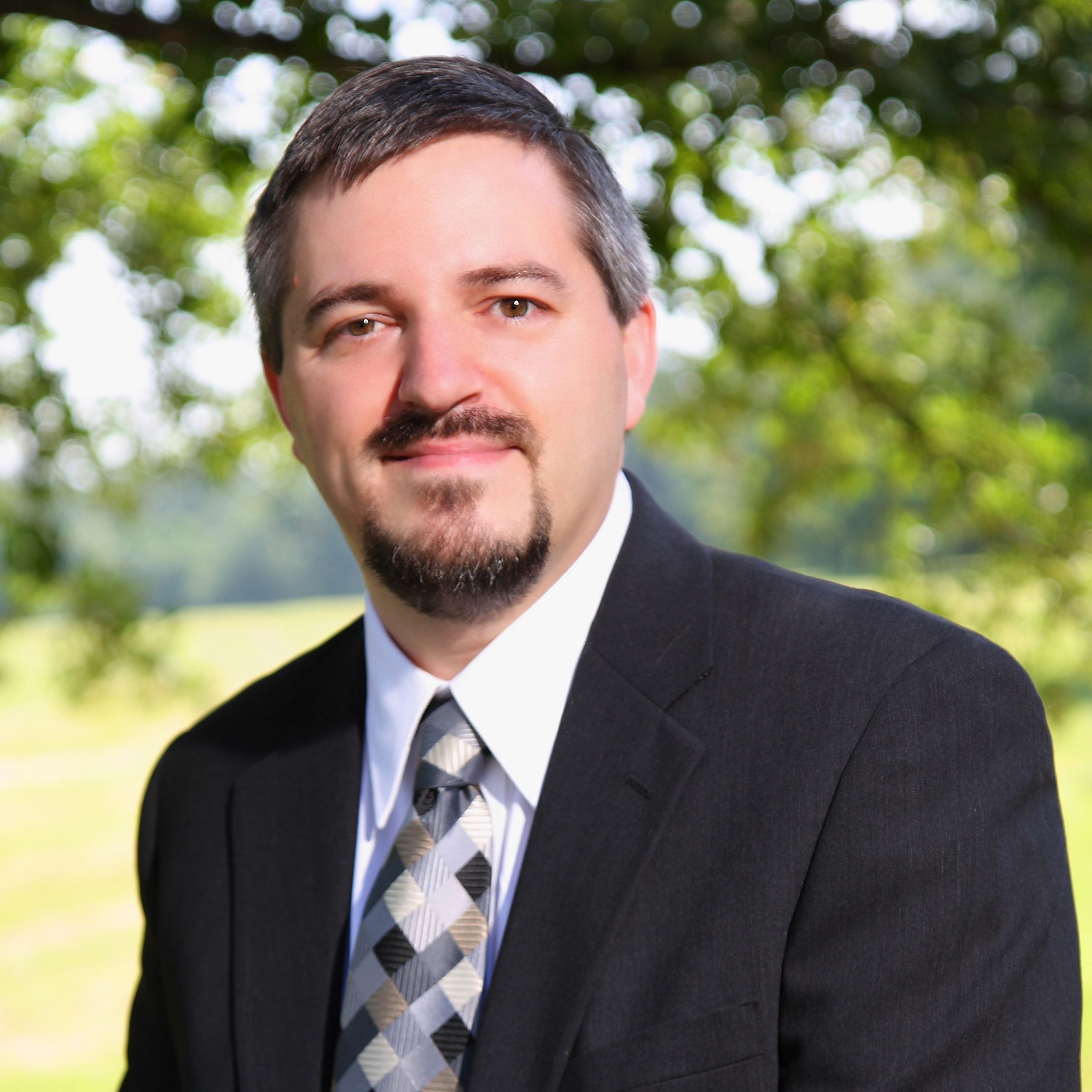
BentonThompsonIIIDetermined to share the practical side of sharing God’s word, Benton T. Thompson III is a captivating global author and speaker with a keen loving heart, who wants to assist in helping seekers find the truth.

As an ordained Minister since 1996, serving in the pastorate 15 years; Thompson has penned a wide-body of work and was a featured writer for many years in a national women’s magazine, “Precious Times.” He shared insider information with women everywhere in the column titled “The Brother’s Corner.”

Among his many talents, Thompson can also be named an International Missioner., who has spent time in India, Asia, the UK, Philippines, Central America, Israel, and the West Indies, after which he penned another book, Sons of God – Bar Abba.

Connect with Benton on Facebook and Twitter.

What You’ll Learn In This Episode

  • New devotional study
  • It is important to address grief and sorrow around the world right now
  • The series of “How to” books
  • A practical approach to spirituality
  • If someone doesn’t believe in Go

This transcript is machine transcribed by Sonix

TRANSCRIPT

Intro: [00:00:04] Broadcasting live from the Business RadioX studios in Atlanta, Georgia. It’s time for Atlanta Business Radio brought to you by on pay Atlanta’s new standard in payroll. Now, here’s your host.

Lee Kantor: [00:00:24] Lee Kantor here, another episode of Atlanta Business Radio. And this is going to be a good one. Today on the show, we have Benton Thompson, the third with Benton Thompson the third. Welcome.

Benton Thompson III: [00:00:35] Welcome. Thank you so much, Lee.

Lee Kantor: [00:00:37] Well, before we get too far into things, tell us about your practice. How are you serving folks?

Benton Thompson III: [00:00:42] Well, what I’m doing is I provide ministry services, counseling services. I do a lot of outreach work. I travel around, I speak. I’m an author and motivational speaker.

Lee Kantor: [00:00:53] So what’s your back story? How did you get into this line of work?

Benton Thompson III: [00:00:56] Well, I have been I’m an ordained minister since 1996. And so I saw a lot of needs in our communities. I run homeless shelters, just trying to help people in any facet that I can. I just see so many suffering and hurting people. And I thought any gifts or talents that I have, let me use those to be able to help other members of society.

Lee Kantor: [00:01:16] Well, is there anything actionable you can share to listeners right now to choose to be of service rather than to choose maybe to make as much money as possible or to accumulate as many things as possible? How do you convince people to choose a path of service?

Benton Thompson III: [00:01:34] Very good. I choose I direct people to like for example, right now I have a new app out on the U-verse Bible app and it’s called Jesus Carried Our Sorrows to Victory. So I think that it starts with education, being able to show people how to do something, to give them practicality and understanding. And so I show some of the things that ways that we can participate, ways that we can care for one another, especially now, given there’s a lot of grief and sorrow and it’s just about being compassionate. Sometimes it’s just as simply as speaking a kind word. And that starts the process and and talking to one another. How can I help? What can I do? And actually put a hands to something as opposed to just mere words.

Lee Kantor: [00:02:17] Now, you mentioned that your background was in the ministry and and you’ve probably been reaching people in a variety of ways. Can you talk a little bit about how you decided to go the app route and what were some of the learnings you had building an app that was trying to communicate what you were trying to communicate because that seems like an adventure by itself.

Benton Thompson III: [00:02:40] Well, and it really does. And so with that, the the clarity is I didn’t actually build the app. So you version has a Bible app and it’s all around the world and they have 500 million unique devices that they’re on now. And it’s it’s throughout all the world, as I say. So I wrote a devotional, a five day devotional about Jesus and how we carried our sorrows into victory. And so through doing that on that platform, that allowed me to reach so many people around the world, because although we’re all uniquely different, all 8 billion and counting, each of us have their own dental imprints and finger imprints. There are still certain unique commonalities that we have, suffering being one of them, joy being another. So I use that their platform, they allow me to use that to place my devotional study to share with people a way of understanding, compassion, in a way to understand the commonalities that we all have as human beings.

Lee Kantor: [00:03:36] So that’s important for the listeners to understand that sometimes you don’t have to create the wheel. You can partner with people who already have a platform and try to insert yourself within that existing platform in order to reach the folks that are already using that.

Benton Thompson III: [00:03:53] That’s exactly right, because of the fact that there’s there’s nothing new under the sun, as it were. So someone likely has the same heart, the same incentives, the same desires that you have, and so seek to partner with others in community. And then even by doing that part, we are still connecting to one another. And so that’s it’s relational. It’s not it’s not that we’re doing this in a in a vacuum. We have to relate to one another, share ideas, share our perspectives, our goals, our visions, share our pains, share our joy, share our trials like what we’re doing here today.

Lee Kantor: [00:04:26] So you also mentioned you’re an author. Can you talk about the the writing process that you use? A lot of folks dream of one day being an author, but very few people take the time to put words to paper.

Benton Thompson III: [00:04:39] Well, in that, yes. So to date, I’ve written ten books. And so my first book I wrote a number of years ago, and my books come out of my learnings. And so going back to the the precedent again that yes, we’re all uniquely different, each one of us is made as a one of a kind. But again, there’s commonalities. And so my first book I wrote a number of years ago, I was traveling for work at the time. I’m a professional. He trained as an engineer and I was traveling for work and there were some trials and tribulations I was going through. And so my first book was entitled Why Men Hunt, and it was really expressly about Mankind. I thought, well, we all go through the same things, men and women alike. We’re hunting, we’re searching, we’re seeking. And so every book that I’ve written since it has been a practical guide to complex matters, because I believe that especially matters of spirituality, faith, belief, they’ve been complicated and they’ve been purposely made that in fact. And so I think it has to be simple applicable so we can turn around and do it. And so I would advise people that are desire to write, just keep your message simple and plain and people can relate to it and connect with it. And then you’re off to the races.

Lee Kantor: [00:05:47] Well, can you talk and get a little more granular when it comes to the writing process? Did you have a system since you mentioned you’re an engineer, that engineer brain? Can you talk about maybe some of the systems or your routines that you had in order to execute the book to get it out of your head and into print?

Benton Thompson III: [00:06:04] And that’s very key. So what I did, you know, actually, I did not have a system in place. I was staying at a Jamison Inn Hotel at the time, and so they had the little pad beside there. So the thing is key, as you point out, to get it out of your head. And on paper, even if it’s cryptic, even if it’s bullet points, you have to get it outside of you and then you can flesh out accordingly. And so once I had done that and then I began to didn’t know any publishers, so I began to search, you know, who are publishers? Something with my theme, the understanding that I was self-taught and trying to find empowerment. And so you’re kind of that is a process. I don’t think that there’s a one and done. So I found the publisher sent my manuscript. They picked it up, we had a conversation and you just take it off. And so every time it is that repetitive process. But I would say then to those who would be writing right with your heart, not with your head, because again, it’s about connecting with people. So it’s great that we have this high IQ, but right now we’re seeing that in IQ. That emotional connection is far more important than our IQ.

Lee Kantor: [00:07:08] Now, was it a difficult transition to go from the engineering world to the world of faith? I would imagine faith has always been involved in your life, but to bring it to the forefront like this, it might be a risk for some folks.

Benton Thompson III: [00:07:21] And it could be. But I looked at it like they were just like just both existed in me, as it were. You know, we have certain kind of it’s like a creative sense. And then also there’s this physical sense. I have to do these things responsibly, but this is my creative side. And so that foundation of spirituality has always been there, you’re correct in that. And so I seek for ways to be able to share that again with humanity. So I take my engineering and I service humanity through my engineering. That’s great. And I can also service humanity through my gifts and talents and abilities. So even though they’re on different planes, they still serve the same purpose.

Lee Kantor: [00:07:59] So it sounds like you kind of taking a practical approach to your spirituality.

Benton Thompson III: [00:08:05] Yes, sir, that’s exactly correct, because same thing with engineering. You build it a piece at a time, a part of the time, and that is a great benefit with my spirituality. So I go in there and I look at something and say, Hey, how do you take it apart as an engineer? How do I reassemble this? So I look at God’s word, I look at the Bible, look at these things and go, Man, these are so convoluted. How can I demystify this? How can I complicate this? How can I break it down to the parts and pieces so people can understand it and apply it to the life? And that’s why I’ve had a lot of success being able to take, you know, matters of salvation or baptism and say, let’s break it down to its least common denominator. We can all understand it applied and begin getting the benefits from it.

Lee Kantor: [00:08:50] But what about the kind of difference in the sense that when you’re an engineer or you’re building something that hopefully is real, that will hold up and not fall over and not break down. But in faith, there are some leap leaps of faith that you have to take on, faith that that the answer is there and that someone will catch you when you fall. How do you kind of marry those to kind of some somewhat disparate lines of thought?

Benton Thompson III: [00:09:21] And that’s a great point. And I talk about that when I’ve written a a how to series. It’s a very basic series and it’s a How to God. So I’ll talk about how to hear God, how to pray to God, how to follow God, how to obey God. And so, again, the basic foundations. And so with faith using that same approach, for example, as it were, we don’t we have to see that. We don’t have to understand it. And so I use my background again, Lee And I said, You know what? I don’t understand how electricity gets into my house, into the outlet, but I can still utilize it. So that allows us to say I don’t have to understand and be able to fully comprehend how faith works, but I can still apply and get the benefits out of my life and I share things using that same mindset. For example, the positive and the negative. We think sometimes matters of faith are all positive, but the negative is just as valuable. And I tell people every time you get in your vehicle, you need a positive and a negative thing to happen. The positive and the negative on your battery is what starts your vehicle. So it’s a matter of a paradigm shift. And getting us to understand that all negative isn’t bad and all positive is not necessarily good. It’s the mixture, the blending of it, as it were.

Lee Kantor: [00:10:34] So what do you need more of? How can we help?

Benton Thompson III: [00:10:37] Well, I need more exposure, more awareness to let people know that it’s. There’s somebody that has solutions right now, and I don’t know everything. I just know a way that we can get them together. I think as we pull together our talents, our thoughts, and you hear a lot today about having conversations, and so we talk about those and that’s great. But it’s also we need to have spiritual conversations because that is a part of our basic compositions. We really do have a spiritual being part of us, as well as a natural part. And so a lot we focus on our natural part, but I’d love to have conversations about the spiritual part. How do we deal with our emotional things? Because, again, with the shootings and everything that’s happened now, people are suffering, they’re hurting emotionally. And so I can’t intellectually relate to that. Even with issues of race, I can’t intellectually relate to that, but I can relate to that spiritually. We can’t have those conversations. So I’d like more opportunities to be able to share and bring people together and let’s begin to have these spiritual discussions.

Lee Kantor: [00:11:39] Well, if somebody wants to learn more about your books, your app, or to have a conversation with you, what’s the website?

Benton Thompson III: [00:11:45] What my website is is as my name is it’s Benton Thompson dot com simple enough or you can just google me Benton Thompson the third you’ll see all my information on the internet. I can be reached anyway. Through that I’d love to have conversations. Come and speak, share work if I need to. Hey, let’s feed. I’ve fed the homeless, the hungry. I’m willing to work and ready to work side by side. And so reach out to me at any any factor you like to.

Lee Kantor: [00:12:13] Well, Benton, thank you so much for sharing your story today.

Benton Thompson III: [00:12:17] Thank you, Lee. I certainly do appreciate the time.

Lee Kantor: [00:12:19] All right. This is Lee Kantor. We’ll see our next time on the Atlanta Business Radio.

About Our Sponsor

OnPay’sOnPay-Dots payroll services and HR software give you more time to focus on what’s most important. Rated “Excellent” by PC Magazine, we make it easy to pay employees fast, we automate all payroll taxes, and we even keep all your HR and benefits organized and compliant.

Our award-winning customer service includes an accuracy guarantee, deep integrations with popular accounting software, and we’ll even enter all your employee information for you — whether you have five employees or 500. Take a closer look to see all the ways we can save you time and money in the back office.


Follow OnPay on LinkedIn, Facebook, and Twitter

Tagged With: Benton Thompson, Benton Thompson III

Joshua Johns With The Growth Coach

June 20, 2022 by Jacob Lapera

JoshuaJohns
Franchise Marketing Radio
Joshua Johns With The Growth Coach
Loading
00:00 /
RSS Feed
Share
Link
Embed

Download file

Brought To You By SeoSamba . . . Comprehensive, High Performing Marketing Solutions For Mature And Emerging Franchise Brands . . . To Supercharge Your Franchise Marketing, Go To seosamba.com.

JoshuaJohnsJoshua John, Director of Marketing at The Growth Coach

Helping clients understand their potential and develop successful marketing strategies for their businesses is Joshua’s passion. Whether it be grassroots or a detailed and well-organized strategic plan, he makes sure his clients and colleagues have a clear understanding of the steps needed to be taken to achieve their goals.

As a Marketing Director with a focus on behavioral science and communication, he has had the privilege to coach and support more than 100 individual businesses worldwide. With over 10 years of experience in media and marketing, he continues to lend my expertise in coaching, training, development, and strategic thinking.

Connect with Joshua on LinkedIn.

This transcript is machine transcribed by Sonix

TRANSCRIPT

Intro: [00:00:07] Welcome to Franchise Marketing Radio. Brought to you by SeoSamba comprehensive high performing marketing solutions for mature and emerging franchise brands. To supercharge your franchise marketing, go to seosamba.com. That’s seosamba.com.

Lee Kantor: [00:00:31] Lee Kantor here another episode of Franchise Marketing Radio and this is going to be a good one. Today on the show, we have Joshua Johns with the growth coach. Welcome, Joshua.

Joshua Johns: [00:00:42] Thanks for having me on, Lee.

Lee Kantor: [00:00:43] Well, I’m excited to learn what you’re up to. Tell us a little bit about the growth coach. How are you serving folks?

Joshua Johns: [00:00:48] Well, the growth coach is a business coaching franchise brand. So we believe that so many business owners out there, especially in the small and medium size business realm, they deal with tons of different issues, whether it’s profitability, whether it’s turnover, you know, getting the marketing set up for their business. So the growth coach is that that franchise that has business coaches that go out into the different territories and they help these business owners overcome those obstacles and really become the hero for their own business.

Lee Kantor: [00:01:23] Now, the coaching industry has changed dramatically over the last probably five, ten, even going back as far as 20 years. Initially, this was just a perk for the people at the highest level of an organization, and now there’s some democratization of it and that it’s trickling down to pretty much anybody. Has that kind of fueled the growth for the growth coach?

Joshua Johns: [00:01:47] Absolutely. I mean, we’re for business and sales coaching. It’s been two booming profitable markets. Small and medium sized businesses really make up 97% of the businesses in North America. So especially during the pandemic, when a lot of these business owners were trying to determine what’s the next step for my business? Do we close shop? Do we take it the next step? How do we expand? How do we overcome this? It really was an opportunity for our coaches to go in and help them reevaluate and determine kind of what that new winning combination was going to be for their business. So it really has been, at least over the last seven, 7 to 10 years, just been a huge opportunity.

Lee Kantor: [00:02:28] Now, talk about kind of the methodology. There’s a lot it’s kind of the Wild West when it comes to business coaching out there. A lot of folks have a lot of opinions and a lot of kind of winging it methodology where, hey, I was a VP of marketing at this big company, so now I’m a coach because I was a VP of marketing at a big company. Talk about the growth coaches methodology and how you, you know, kind of where the rubber hits the road for your clients.

Joshua Johns: [00:02:57] Right? You’re very correct in that there’s so often that we see so many individuals that they’re in business, they’re in a specific industry, and after a certain time they go, okay, well, I’m a coach now because I have this I have this background. And the inside joke that we in the industry see is someone when usually on their LinkedIn, you’ll see a point in time where all of a sudden they’ll, they’ll switch their, their employment to coach. And that usually lasts about 3 to 6 months or so until they actually find another job. They’re doing that as an interim. Well, that’s not what we do with the growth coach. We actually have a world class system and a specialized system called the Strategic Mindset Process that the founder of the growth coach Dan Murphy created. And that is the that is a system that we use with all of our clients. We we help them to really face their reality, to understand what some of the obstacles are. And we actually walk through it with them. It’s it’s very much the difference between a consultant and a coach. Consultants come in. They tell you the different things that need to be done in your business. You pay them and then they leave a coach, especially the growth coach. They actually stay there with you throughout the entire process. Thinking of it as a as a G.P.S. They help you map out the course and notice where those obstacles are going to be so you can reroute, but they’re in the passenger seat with you. The business owner is actually driving the business. The coach is there to help them direct.

Lee Kantor: [00:04:25] But another point of distinction between the coach and a consultant. Sometimes the consultant rolls up their sleeves and is doing some of the work where a coach is kind of advising where the business owner is doing the work or they’re hiring out somebody else to do the actual work.

Joshua Johns: [00:04:41] Correct. Now, the similar to like a fitness coach or a sports coach. You are correct that the business owner are the ones actually rolling up the sleeves and actually doing the work. And there is a great sense of fulfillment with that. Like, for instance, from a fitness perspective, I could go on to YouTube, Lee and find out all the workouts that I need to do to get myself into shape. But I don’t have anyone to really hold me accountable. So what are the odds that I’m actually going to go to the gym and do it versus if I get a fitness coach? They’re going to be that person that’s going to be calling me up and saying, Why are you not at the gym? So they’re holding me accountable. Our coaches do the exact same thing. But here’s the caveat, Lee It’s not just one on one coaching. The growth coach really at the heart, our our main concept is a group coaching environment. So we get these other business owners and business leaders into groups. So they are the coach is facilitating, but these other business owners are working together and helping to overcome obstacles in a group setting. And that’s where we have found the most success and where we’re seeing the most growth. And it’s much more rewarding in that in that field.

Lee Kantor: [00:05:47] So it combines kind of individual coaching with group peer to peer conversations.

Joshua Johns: [00:05:53] Absolutely. Any of our coaches have the opportunity to to. You give our product in aa1 on one environment. In a group environment, we have virtual. So all of our product is actually very much customized for the need of the client. Our coaches might go in and work with a specific business and notice that the CEO of the business needs this, but then the sales team needs this. So we’re going to customize a product. A lot of our product where it used to be very linear now is much more modular. So it can be topic based and really customized for the needs of that business owner or that business. And they can have a group where it’s just a closed group within a company, or they can have a group where it’s business leaders from different industries all together working as well.

Lee Kantor: [00:06:41] Now, are you finding that the ideal franchisee is somebody that’s kind of going all in on the growth coach as opposed to somebody who might have a consulting gig on the side and wants to add this as another revenue stream? Or maybe they have an existing brick and mortar business, you know, like a print shop or a co-working space. And they want to add this as another revenue line.

Joshua Johns: [00:07:06] We have both. We have them coming from all different walks of life. We have coaches that are all in that this is their their only source of income. And they are doing this full time. And we have coaches that are coming in, individuals that some are semi-retired or they still have a specific job and they want to do this part time. And then we have ones that are coming in and adding this as a revenue stream to something that they’re currently doing. So we have it in all areas.

Lee Kantor: [00:07:33] So because of that, how do you kind of go to market to attract new coaches?

Joshua Johns: [00:07:40] Well, a lot of it is we have a fantastic franchise development team and which I sit on as the marketing director for the growth coach. We try to attract individuals that are really looking to make an impact. Honestly, if someone just wants to own a business and that’s just when they just just want to own a business, we we usually will try to redirect them to maybe a different franchise because the growth coach is under the I call it the mothership of strategic franchising. Franchising owns five brands. Growth coach is one of them. We have a painting brand, a pet food brand, a senior home relocation and online auctions and. A handyman type of service. So we might direct them into that. But we are looking for clients that are really wanting to make an impact in their community and make an impact in the businesses in their community. So that’s usually who we’re trying to attract, whether it’s someone that has been in business their whole life and they’re there, they’re looking to retire and do this full time or again, someone that’s looking to do this part time, that’s usually the the the light bulb that goes off is when we have the meetings with them, when they’re kind of looking at this opportunity is what is your why? Why are you looking to become a growth coach? And that’s usually some of the questions we ask.

Lee Kantor: [00:08:59] Now when somebody is coming up to you and they’re saying, why should I buy into the growth coach and their methodology when I know a lot about business? I’ve been in business for 30 years. I mean, how much more are you going to give to me when it comes to just kind of the knowledge of business on how to help somebody in their business? If I’ve been in business myself for 20 years.

Joshua Johns: [00:09:24] Very good question. One of the biggest things is our patented and copywriting strategic mindset process that we’ve developed. So yes, we have individuals that might have been in business, but our process and how we coach our clients is what’s different compared to other coaching businesses that are out there. But also the biggest thing is we are by your side every step of the way from a corporate perspective as well. So you, even as the coach, are not alone. So and I think that’s the biggest thing. So if you have someone that’s come in and say, I’ve been business for for 20 years, I’m going to go ahead and be a coach, that’s great. But then you’ve got to develop all the material. You’ve got to develop all the product. You don’t really have a support system. We have ongoing support. We have ongoing training. We have a community of coaches around the world that we all get together virtually, sometimes physically, now that the pandemic is over, to actually learn and grow together, to help develop new product and to help build ourselves up. So that is really the difference between someone that just wants to be a coach versus being a part of a system like we have.

Lee Kantor: [00:10:30] And really being part of a community.

Joshua Johns: [00:10:33] Oh, very much so. It’s a family there. There are coaches that I have, even as the marketing director for the corporate entity, there are coaches that I have that I have now can call friend that they have been, you know, almost a part of my family in many ways, and they live halfway across the United States.

Lee Kantor: [00:10:50] And that’s what I think a lot of folks don’t realize when they when they join a team like yours, that it’s not just kind of the IP, but it’s also, like you said, that support and accountability, the thing that they’re actually offering to their clients, you’re offering to them.

Joshua Johns: [00:11:07] Absolutely. We practice what we preach. I mean, you think about it, there are so many business owners out there, whether it’s a mom and pop flower shop or even someone that owns an I.T. company, a lot of these business owners feel alone and that is usually where the problems start. So if we’re going to have our coaches giving them product and teaching them how to be a part of community, we want to provide that exact same ideology methodology to our coaches.

Lee Kantor: [00:11:32] And then part of what they get with the growth coach is kind of this the systems, processes, but also the infrastructure. So they don’t have to kind of create a whole coaching business from scratch. It’s kind of plug and play. They just go and serve their community and their their market. And then you have you’re doing kind of all the back office heavy lifting.

Joshua Johns: [00:11:55] Absolutely. We develop the websites, the social media presence, as well as all of the material, product and marketing assets. I mean, we really believe in an all inclusive approach when it comes to this. So our marketing, our product toolbox is full of digital and physical assets for all of these coaches to use to promote their services. So we think of ourselves as really a marketing company first. So after all, effective marketing products and clients, that that’s what sets you apart for optimal success and revenue. So we on the back end develop all of this with the insight from our coaches and then they are the ones that are facilitating these workshops to their clients.

Lee Kantor: [00:12:34] Now, is there a specialty for the growth coach in terms of the services that are providing these small businesses? Because small business owners could have a variety of needs, whether it’s finance, whether it’s marketing, whether it’s h.R. Or is it kind of you cover all those bases.

Joshua Johns: [00:12:52] We really do cover all those bases in a modular form. So some of the things that we do focus on is the strategic mindset process that’s so that is broken down into three different areas based on the the business owner or the business leader. And then we have strategic manager and then we have sales mastery. So those are all products that are modular with different topics from leadership, marketing, sales, retention. We just created a new module to all those that succession planning and we’re working on developing and finishing up our next one, which is going to be diversity and inclusion. So all of these modules are kind of focused in those three areas for the business owner, the sales leaders and the managers. But then we also have products like Smart Time Management, performance management, high performance teams, team building. We’ve actually gotten really, really big on personality profile and behavioral science utilizing DESC, Myers-Briggs and these behavioral assessments to help the the business owners and their teams. If they can understand how they communicate and understand how they act, then we can help develop products and systems for them to help them be better.

Lee Kantor: [00:14:06] So what’s next? Are you looking to expand in certain regions or is this kind of the world is your oyster at this point?

Joshua Johns: [00:14:13] Well, we are I mean, we are very particular and strategic in some of the areas that we look to expand. So some of the areas that we are currently looking to expand are in California, Colorado, primarily in the Denver area and some other areas of Texas. We do have a large presence internationally within Latin America in particular, but also in India, Singapore, in Spain. So we’re looking to expand into some of those markets as well. Internationally, there a little bit of a different, different process because the partner that we bring on as a franchisee, they are a franchisee that owns that entire country and then they sell franchises or hire on coaches in their country. So we support them all the materials that we develop here for the United States, we provide to them. And that is just exciting to see the growth coach growing in such a presence internationally as well.

Lee Kantor: [00:15:05] So if somebody wants to learn more, have a more substantive conversation with you or somebody on your team, what’s the website?

Joshua Johns: [00:15:11] The best thing to do is to go to growth coach franchise.

Lee Kantor: [00:15:16] Good stuff. Well, Joshua, thank you so much for sharing your story today. You’re doing important work and we appreciate you.

Joshua Johns: [00:15:22] Lee. It was a pleasure.

Lee Kantor: [00:15:24] All right. This is Lee Kantor. We’ll see you all next time on Franchise Marketing Radio.

Tagged With: Joshua Johns, The Growth Coach

Jeff De Cagna With Foresight First LLC

June 20, 2022 by Jacob Lapera

Jeffdecagna
Association Leadership Radio
Jeff De Cagna With Foresight First LLC
Loading
00:00 /
RSS Feed
Share
Link
Embed

Download file

ForesightFirst

JeffdecagnaJeff De Cagna FRSA FASAE, executive advisor for Foresight First LLC in Reston, Virginia, is an association contrarian, foresight practitioner, governing designer, stakeholder/successor advocate, and stewardship catalyst. In his work, Jeff advises association and non-profit boards on how they can navigate an irrevocably-altered world and shape a better and different future.

A graduate of the Johns Hopkins and Harvard universities, Jeff has continued his learning with the future at the MIT Sloan School of Management, Oxford University, Harvard Business School, the University of Virginia’s Darden School of Business, and the Institute for the Future. Jeff is the 32nd recipient of ASAE’s Academy of Leaders Award, the association’s highest individual honor given to consultants or industry partners in recognition of their support of ASAE and the association community.

Connect with Jeff on LinkedIn.

What You’ll Learn In This Episode

  • Fit-for-purpose association board in The TurbulentTwenties
  • The foundational beliefs of a fit-for-purpose association board
  • How can today’s association boards become fit for purpose

This transcript is machine transcribed by Sonix

TRANSCRIPT

Intro: [00:00:02] Broadcasting live from the Business RadioX studios in Atlanta, Georgia. It’s time for Association Leadership Radio. Now, here’s your host.

Lee Kantor: [00:00:16] Lee Kantor here, another episode of Association Leadership Radio. And this is going to be a good one. Today on the show we have Jeff De Cagna with foresightfirst. Welcome, Jeff.

Jeff De Cagna: [00:00:29] Thanks, Lee. It’s a pleasure to be with you.

Lee Kantor: [00:00:31] Well, I’m excited to learn what you’re up to. Tell us a little bit about foresight first. How are you serving, folks?

Jeff De Cagna: [00:00:37] Well, Foresight First is my solo consulting firm, and I’ve been working with associations for more than 20 years as a consultant, spent more than 30 years in the association community overall, including years as a staff person. And I’m devoting my attention to working with boards, to helping them set a higher standard of stewardship, governing and foresight, and helping them elevate their performance and also helping them build their organizations to thrive.

Lee Kantor: [00:01:04] Now, why did you decide to invest so much of your career in associations? What drew you to that group?

Jeff De Cagna: [00:01:13] Well, I’ll be honest and say there was a time when I thought I might do something else, but I kept being pulled back into associations. And so I concluded that I wasn’t choosing associations, they were choosing me. And I have felt that over the course of these last 30 years, and especially in the years that I’ve been a consultant, that I have learned so much about, so many different industries and professions, and have had a real opportunity, I hope, and I believe, to make an impact on organizations across the country and other parts of the world. And so it’s been very exciting and I’m very excited about the work that I do every day, working with boards and trying to help them prepare their organizations for the future.

Lee Kantor: [00:01:55] Now in your work, you use a phrase fit for purpose. Do you mind defining that? And what what do you mean by that?

Jeff De Cagna: [00:02:03] Well, I think that, you know, as I said, over the course of these last few decades that I’ve been working in associations, we’ve seen a dramatic shift in the environment. And the entire time, we’ve been told certain things about the way boards are supposed to function, what they’re supposed to do, their role. And I think we’ve reached a point now, especially over the course of these last few years of what I refer to as the turbulent twenties since the beginning of this decade, where the stakes have been raised and we’re really at a moment of truth for association boards, we’re in the midst of multiple crises that we’re facing across all three. Excuse me, all five letters of the acronym that we used in force called Steep, which is refers to social, technological, economic, environmental and political shifts. In all five of those areas, we’re seeing crises emerging, if not full blown crises and certainly critical situations. And that means that for association boards, the complexity of their work is going to increase going forward. There will be less complexity, there’ll be more complexity. And so we need boards that are prepared to deal with those issues in a in a very forthright fashion and understand the role that they have to play in trying to guide their organizations through an unforgiving future. And that really comes to a third point, which is, I think one of the things that we have seen decline over the course of these last many years, and particularly, even surprisingly, during the course of the pandemic, is we’ve seen this idea that there is a shared sense of a common good, that that has really been frayed in many ways, that we’ve become a lot more focused on what’s happening with us, a lot of focus on self interest rather than shared interest.

Jeff De Cagna: [00:03:50] And I think associations have historically been organizations that have helped to build common good help, build social capital. And I think we need to get back to that as we move forward and boards need to play an important role in making that happen. So I see a real opportunity for boards, but it’s also a moment of truth. There really is an upward there is a need here to make a decision about what kind of board are we going to be, are we going to be a board that guides the organization into the future, that makes choices about addressing serious questions or board that will abdicate that responsibility and perhaps continue what predecessors have done over many decades, which is use the future as a kind of dumping ground for problems that were inconvenient or difficult to solve. We can’t continue to do that. We must act to address these issues. And I think boards have that opportunity and that responsibility starting today and moving forward.

Lee Kantor: [00:04:43] So what are some of the symptoms that these boards that may be aren’t taking that step to become that role model or that true north for the industry or the group that they serve? What are some symptoms that hay trouble might be brewing, whether you want to admit it or not?

Jeff De Cagna: [00:05:01] I think one of the things that I talk about is the distinction between being a board and becoming a board. And I think that when you’re being a board, what that means is that you’re really focused on executing on the traditional and expected responsibilities of the board. Every association board has fiduciary responsibilities, and that includes trying to maintain oversight of the financials, of legal considerations, establishing policies and so on. And of course, those responsibilities are extremely important. But if that’s all the board is doing, and then if it’s also doing a kind of strategic plan as a checklist item, something that was felt needed to be done that doesn’t really help prepare the organization for the future, but helps focus attention on what we’re doing today. While there may be value in having that kind of understanding of our current activities, it doesn’t really help us move forward. So if we’re really not investing our attention and our energy in trying to shape a different future for our organization starting today and really thinking about the implications of what’s ahead, not just for the people that we know, but more importantly for the people that we don’t.

Jeff De Cagna: [00:06:13] People who will be coming into our organization or into the profession or industry over the course of the rest of this decade and going into the 2030s. We’ve really got to focus on the impact of what’s coming at us on them, even more so than what’s happening with our own organization. So it’s going to be a challenge for boards to be able to say, you know what, we may have to make sacrifices in the short term that will benefit this association, this ecosystem of our industry or profession, and the stakeholders and successors who will be a part of that in the future. And that’s a very selfless choice, but it’s a necessary one because we have unfortunately deferred so many of the hard choices. So it’s really a choice between thinking about how we’re going to build something that endures over the long term, or really just maintaining a focus on what we’re doing in the short term and then hoping that things will work out. That’s really not going to be an effective approach, given the nature of the, as I’ve said, the crises and the complexity that are in front of us.

Lee Kantor: [00:07:13] Now, how do you help persuade the boards that you work with to be less risk averse and to take this leap? Because it’s kind of a leap of faith? And I’m hearing from you that you’re saying that this is inevitable and you better move on this sooner than later because it’s coming whether you want to or not. And the status quo, it won’t be so status. It’s it’s going to be moving. So how do you persuade the board to take the action and to take the leap?

Jeff De Cagna: [00:07:42] Well, I guess I would challenge a little bit the idea that it’s a leap of faith, because I think anyone who has been watching what’s been going on since we entered into a global health crisis more than two years ago, can see very clearly the evidence of what we’re talking about. If we’re looking at the social division that we’re seeing, not just the United States, but around the world, if we’re looking about the growing impact of technology and the way that is reshaping the human contribution at work and really reshaping so many aspects of our lives. And we’re looking at the challenges of the economy and how the economy is is moving in different directions. There’s parts of the economy that are working well, but we’re seeing tremendous inequality in our economy. We have in the United States, 15% of our population is at or below the poverty line. If we’re looking at the climate crisis and the existential threat that that presents, if we’re looking at the political polarization and the decline of the rule of law and the rise of ideological extremism, once again, not just in the US but around the world, we are seeing very clearly what the future could look like if we enable those shifts and those forces of turbulence to continue to reshape our environment. And so for any association decision maker, whether that’s a CEO or someone serving on a board, the evidence is in plain sight. It’s a question of whether we’re willing to address that evidence directly or whether we are really more comfortable leaving it to someone else. And that’s one of the things that I find particularly challenging, because in so many situations that I’ve been in over the course of my career at once, at the same time, I’ve heard associations talk about how important it is to help young people and how much they want young people to be part of their organizations.

Jeff De Cagna: [00:09:26] And there’s also this idea that the younger people in our organizations may really help organizations thrive and survive in the future. But at the same time, there’s not necessarily taking any steps to help prepare those young people for this more challenging future that is clearly ahead of us. So we’ve got to be able to see what’s actually happening on the ground and then ask ourselves the fundamental question, which is, are we prepared to become more as a board, recognizing that we have special responsibility to those who will follow us, because perhaps those who preceded us didn’t do as much as they could have. But we have seen more. We have learned more, we have experienced more in the course of these last few years. We have lost so much in terms of the number of people who have died from COVID in the United States and around the world. At some point, we’ve got to acknowledge all of those tragedies and acknowledge what’s going on here and say, you know, we’ve got to do better for those who will follow us. We have the opportunity to do that, but only if we’re willing to change ourselves. And if we do that, then we can start to move this organization, our ecosystems, professionally and our industry and our therefore our society forward. And I think that’s really kind of where we are right now.

Lee Kantor: [00:10:38] Now, you said that a lot of like the change is obvious for anybody paying attention. And and I think that when you talk to people in general terms or about a macro world, they’ll be in total agreement. But historically, humans tend to when it comes to thinking locally or hyper locally, they think there’s not really a problem at that level. The problem is a bigger picture thing that isn’t involving their surroundings and an example of kind of the backing that is everybody gives terrible. Calling for government and the representatives, but yet the incumbents win reelection 90 something percent of the time. So when it comes time to actually pulling the trigger and making a change at that local level, everybody is hesitant and they kind of the devil they know is is worth sticking with. So how, again, do you get the people to open their minds that the problem is hyper local, that the problem is within the organization and that they have to be selfless in order to take the steps that are needed to create the change that they want in the world.

Jeff De Cagna: [00:11:50] I think there are there are there are structural reasons why incumbents get reelected to the Congress or to legislatures that are sort of beyond the scope of our conversation here today. But so I don’t necessarily equate those two things. Having said that, I think that, you know, the message is that, you know, right now, the level of trust in our institutions in this society is at really dangerous low levels, whether it’s trust in government, trust in media, trust in technology companies, trust in religious institutions and academic institutions. There is a real trust crisis across so many different sectors of our economy. So for those who are serving on association boards, which is where my focus is, for me, the message to them is understand that you do not wish to be part of the group of institutions in our society that are being challenged because they are not demonstrating their legitimacy in understanding where things are going. Anyone who is looking at what’s happening can recognize that there is a need for organizations like associations to help step in and address some of these issues. I’m not saying that associations can do at all. Far from it. Associations cannot solve the climate crisis that requires governmental action. Associations cannot solve in its entirety many of these big issues. But we can be important and constructive contributors to that process. And that’s why we need to have boards really understand their role differently than we have traditionally.

Jeff De Cagna: [00:13:25] One of the things that I think is so important in the idea of a fit for purpose board is recognizing that the association is an essential, essential 21st century institution that can really make an important positive, some impact on these big issues. If we’re willing to accept that responsibility, that it can take on responsibilities beyond just those, as I said earlier, these more traditional kinds of governing roles that we expect boards to take on and really work with others and their in their communities and their ecosystems to build those industries and professions to be stronger. And fundamentally, boards can stand up for the future of their successors, that they can stand up and say, you know what, we have to take on that responsibility on behalf of those who will follow us and really perform their what I refer to as their duty of foresight, learning as much as possible with the future, and using that long term thinking and action to benefit, as I said earlier, those that will come later into the organization, that it’s really about having that long term perspective. So I believe that there is a lot that we can do and really focus the board’s attention on having that much bigger and wider impact on there on every level of our society, really from the from the hyperlocal, as you describe it, to the national level and beyond.

Lee Kantor: [00:14:45] So what are some action steps that they can take today in order to become fit for purpose? What are some things that are actionable that a board can at least take some baby steps to begin the process?

Jeff De Cagna: [00:15:01] Well, I think it really begins with embracing three ways of thinking that that every board can begin to internalize. And then underneath those ways of thinking, there are practices that boards can adopt. So it starts with making a shift towards stewardship, really understanding that the role of the board is to leave the system better than how they found it. We often invite boards to operate from a leadership perspective and and honestly, I don’t believe that we need boards to lead. We need boards to understand their stewardship responsibilities, that longer term perspective, trying to figure out what they can do to leave it better than how they found it. And again, there are practices that they can perform underneath that. Really thinking differently about governing. How do we make governing about building the capacity of the organization, making sure the organization has a coherent view of what it is capable of, of of doing, making progress the areas it wants to make progress. And then how does it build the capability to to sustain that progress? And then also, how can it really prepare itself to be able to continue moving forward even when conditions get difficult? I talked about really three ideas there of coherence, capability and continuity.

Jeff De Cagna: [00:16:16] And so I think all of those parts of the way of thinking about governing are essential. And then, as I’ve alluded to, the the notion of foresight, the intentional process of learning with the future that for a board is really codified, the idea of the duty of foresight that we’ve got to have boards focusing as much of their attention as possible on long term issues, long term questions, these bigger considerations, bigger critical situations that are before us and thinking about how their organizations can be constructive contributors to addressing those issues. And that’s really where. They need to be and enabling others other contributors in the organization, younger people, more diverse staff and voluntary contributors to the association participating in shaping some of the short term strategic choices while enabling the board to really focus long term and then having everyone really work together and collaborate more fully in shaping a different future. I think these are all things that that boards can begin to do, but it begins with shifting mindsets, and then they can begin to implement next practices to be able to move their work in new directions.

Lee Kantor: [00:17:23] Now, do you have kind of a profile of an ideal board that you like to work with, or are they of a certain size or are they in a certain industry?

Jeff De Cagna: [00:17:33] You know, I work with boards across different industries, professions and fields. For me, the kind of board I want to work with is a board that understands what we’re talking about here, that understands the stakes, that understands that this is a moment of truth, that understands the opportunity before them and the necessity of taking action. And really, another attribute that I would say lead to that is is also a board that is willing to challenge its own orthodoxy. I define orthodox beliefs as the deep seated assumptions that we make about how the world works. When a board is willing to challenge the orthodoxy as opposed to being a perpetuation of the orthodoxy, which is often the case, certainly over the course of 30 years, I’ve seen lots of orthodoxy and associations perpetuated by what boards do, if they’re willing to challenge their own orthodoxy and become important contributors and champions for the process of challenging that orthodoxy, that is a very positive step forward. So I’m wide open to assisting and supporting any association board that is really understands where we are and understands where where we need to go and is willing to shift its ways of thinking and acting, thinking and acting beyond orthodoxy to get to where we need to go.

Lee Kantor: [00:18:45] And if somebody out there wants to get a hold of you and get on your calendar, learn more about your practice. What’s a website?

Jeff De Cagna: [00:18:53] Best place to look for me is LinkedIn. Jeff On LinkedIn is the URL you can use for that or they can email me directly at Jeff at Foresight first. Oh.

Lee Kantor: [00:19:04] Good stuff. Well, congratulations on all the success, Jeff, and thank you so much for sharing your story. You’re doing important work and we appreciate you.

Jeff De Cagna: [00:19:11] Thank you very much, Leigh. It was a pleasure.

Lee Kantor: [00:19:13] All right. This is Lee Kantor. We will see you all next time on Association Leadership Radio.

Tagged With: Foresight First, Jeff De Cagna

Lori Devaney, Shelly Farrar, And Christa Skinnell on Women in Business

June 16, 2022 by Jacob Lapera

WomenInBusiness060922pic1-Copy
Cherokee Business Radio
Lori Devaney, Shelly Farrar, And Christa Skinnell on Women in Business
Loading
00:00 /
RSS Feed
Share
Link
Embed

Download file

WomenInBusiness_060922_pic2

This Episode is brought to you byAlpha and Omega

LoriDevaneyLori Devaney is the CEO & Co-founder of The Innovation Spot and Senior Consulting Manager of Devaney & Associates. She has over fifteen years of management and consulting experience. Lori holds a Masters of Business Administration and a Bachelor of Arts Degree in Law, both from the University of California, Irvine.

Lori’s experience includes management consulting, staffing, and recruiting within various industries. She held such positions as the Orange County Regional Operations Manager for Adecco North America, Inc. and Corporate Consulting Manager and Senior Recruiting Manager with such companies as Deloitte & Touche LLP and TAG Consultants to Management, Inc., both in Southern California. She also has experience as a Regional Accounting Manager with Aluma Systems USA, Inc., an international construction company.

Lori’s consulting experience includes providing clients with direction in planning, development, and implementation of hiring and staffing strategies. Analyzing and researching current economic conditions, business trends, competitive forces, and potential markets to support new development sales programs. She is also very adept at developing and implementing operational and job costing procedures.

Connect with Lori on LinkedIn.


ShellyFarrarShelly Farrar is a caterer, realtor, and restaurant owner.

Farrar Restaurants LLC is located in Canton, GA, United States and is part of the Restaurants and other eating places industry.

Connect with Shelly on LinkedIn.


ChristaSkinnellChrista Skinnell is a disciplined leader with over 20 years of multiple sales channel experience, Licensed Optician, management, and customer service.

She successfully completed her Certification as an Event Professional through Emory University in April 2021 and has launched her own business, Nine88 Events.

Connect with Christa on LinkedIn.


This transcript is machine transcribed by Sonix

TRANSCRIPT

Intro: [00:00:07] Broadcasting live from the Business RadioX studios in Woodstock, Georgia. Welcome to Women in Business, where we celebrate influential women making a difference in our community. Now here’s your host.

Lori Kennedy: [00:00:29] Hello. This is Lori Kennedy and I’m your host today for Women in Business Powered by Business RadioX Stone Payton. Our producer is also in the studio with us today and we’re grateful to have you tuned in with us today. We have three amazing ladies. We are going to be interviewing Laurie Devaney from the innovation spot, Shelly Farrar from Riverstone Corner Bistro, and Jay Michaels, Prime Steak and Seafood. Yum! And then we also have Chris Deschanel from 1988 events. And I am going to start with tell me about your business name, what you do and how long you’ve been in business. And I’m going to start with you, Krista.

Christa Skinnell: [00:01:15] Well, I am Christa Skinnell with Nine88 events. I came up with the name. It’s basically the month and year I met my husband. We were 16 years old in September of 1988, and it’s just been a journey ever since. So that’s where we came up with the name about a year ago. So our company launched last May, so I’m super excited that we’ve hit that one year mark. We do corporate events and private parties. Congratulations.

Lori Kennedy: [00:01:47] Thank you. That is awesome. All right, Laurie, let me ask you, tell us about what you do and how long you’ve been doing it.

Lori Devaney: [00:01:54] My name is Lori Devaney and I am with the innovation spot we opened about a year and a half ago, just shortly after COVID started releasing. Here we are a coworking space and we have any conference rooms, private offices, hot desks, anything that you need for to go ahead and run your own business. How did we come up with the name? So the innovation spot, I think that, you know, I love creating and working with different businesses and we have a lot of different businesses in this coworking space. And I think every business has the potential to be very innovative and there’s a lot of innovation that comes out of this little spot.

Lori Kennedy: [00:02:36] Well, how did you come up with the idea? Because I feel like co-working spaces are relatively. Post COVID. You know.

Lori Devaney: [00:02:44] Actually, that is kind of a not not the case. And I would love to take credit for this, but it’s not my brainchild. I would actually have to say my husband, Tom Devaney, is the one that really had the idea to open this here in Woodstock. But he is he’s a professor over at KSU and the executive MBA program, and they do an international residency where they travel to different countries every year with the with the classes. And they’ve been doing a lot of travel in South America. And this is how people work in South America in particular. It’s a cost effective way for businesses to have everything they need in an office. You know, a lot of times the overhead for a conference room or a break room or, you know, all the other spaces that you need in an office can you know, it’s not always necessary, only if you use them once a month or something like that. So it makes sense to share that space, thus have a co-working space. But co-working has been a thing in other countries and here in the United States, to a lesser degree, for a good number of years.

Lori Kennedy: [00:03:57] Okay. Awesome. Well, Shelley, tell us about your businesses and how long they’ve been around and what the story is for, how they were started.

Shelly Farrar: [00:04:05] Oh, goodness. Well, my husband and I have been in the restaurant world for like over 30 years, and we never thought our kids would want to follow in our footsteps. And one day we’re on a trip to Florida. And my 19 year old son at the time says, Mom, dad, he’s like, can you help me? I want to open up a restaurant. And I was working in the corporate world. My husband worked for P.F. Chang’s, and we’re like listening to him. He had his own little business plan, and he was like, we’re like, Well, what do you mean? And he’s like, Mom, I want you to leave your corporate job and come help me. And Dad was a breadwinner, so, yeah. So I was like, okay, I can, you know, which, you know, we’ve always supported entrepreneurship, things like that. We’ve always wanted to open our own restaurant. And here we have a son who’s 19 pushing the envelope way before we we did so. Long story short, he I was a realtor as well. And I said, Well, that’s fine. You have to find the place. You have to put half down. And you know, when you do that, I will give my notice and we’ll go from there. And he found a place within two weeks negotiated with the money that he had to give 50% down. And yeah, we closed on April Fool’s Day, which is kind of funny. And we opened a deli in town like called Corner Bistro. And there we took it over from an existing business and it wasn’t doing so well. And I will never forget it. This lovely lady was sitting at her phone. She was probably in her eighties and on the table and I hear a go, you guys have to come here. They’re very nice and the food is really good. And since then, I’ve learned that word of mouth is definitely the best form of advertising.

Lori Kennedy: [00:05:54] Oh, wow. Yeah.

Shelly Farrar: [00:05:55] So, yeah. So then, you know, fast forward, we had that for five, six years and we went to look at another location near where we were doing a lot of catering and that was where we are now. But it was too big to be a deli. And we’re like, okay. And I don’t know, God gave me a vision that, you know, I was like, okay, well, we talked about other concepts and we did that. So our lunch menu is the deli pretty much. And then the dinner menu is our Southern Comfort concept that we pretty much created in like two weeks and opened the doors there. And we’d been, we were there like ten years and then we drive by. We used to go to Winchester’s all the time, which is where Jay Michaels Prime is. Yes. And back in the day, it was my husband and his favorite date night. And I would always drive by that building. And even though you can’t see it, because down a hill we loved the building and it was closer to our home. And one day we’re driving. And I was like, I feel like God wants us to have this building. And it was on the market and we made an offer. They declined. And the next year came by. And, you know, then my husband’s like, you know, I think God wants us how this building. And he’s like, I don’t know why it’s down a hill. It’s like, you can’t see it. It’s like, you know, I think we’re crazy, but, you know, let’s put another offer in. So we did another offer. He gets declined, another year goes by and they contact us going, Hey, we’ll take your final offer, you know, if you’re so interested.

Shelly Farrar: [00:07:25] And within that same time frame, the lender Community Bank of Georgia, which are wonderful people and they’ve helped us now and we didn’t know them then. We referred to them by Bojangles Crystal Beaver, who had Bojangles and, you know, she got loans from them, so. They called us and said, hey, we want to give you money. And they’re like, you know, because we talked about for and applied. And so long story short, we were able to get that and we closed on it. And that’s been four years or ten years at RCP. And then it happened. We were building a new building, bought our own property, kind of put that on hold, waiting to see where, where God was going to go with the world and what was going to happen. But we ended up the numbers are okay. The banks like no, you guys are good god. We ended up closing out the year on a positive note somehow during COVID. Right. And so, yeah. So now we just moved there January 13th. And when we went to move, we hadn’t had COVID. My husband got COVID, my son got COVID. Oh no. And my brother no, uncle got COVID. Wow. So just a couple of us had to open move the whole building and get over there. And yeah, I told my husband he owed me big after that was over. Right. But anyhow, he does a lot behind the scenes even when he’s sick. So that’s our story. It was like we’re here and we wouldn’t be here if it wasn’t for the community. And. And that’s really where we’re forever grateful.

Lori Kennedy: [00:08:54] Yeah, for sure. Laurie, tell me how you use your influence in the community.

Lori Devaney: [00:09:01] Well, I think one of the things I mean, first off, I want to say community is so important. I mean, especially, you know, I think many of us live in this great community of Woodstock. And, you know, when you live in a place and you work in a place, you just you want it to be better. And so, you know, we try to do a number of things here with the space that we have. And, you know, obviously we want to make a profit, but I think more importantly is being involved with that community. So we do different events. We’re we’re pretty tied in with most ministries. We do a lot of different things for them. As a matter of fact, we’ve got a food drive going for them, I think is just wrapping up here as we speak. And then like last year, we did an event called Axes of Kindness where we had an event and we did ax throwing, which I know that sounds kind of weird, but it was a great event. It had a lot of fun and all the proceeds from that event or, you know, given to most ministries there. And we also, you know, like every couple of weeks, we have a company or a nonprofit called Connections, which hosts their every two week podcast out of our conference room here. And they want to bring divine intervention to the workplace. So it’s a, you know, just a nice refreshing hour that, you know, if you want to have some time out, take a breath, talk with other business community members and, you know, just kind of refresh midweek on a Wednesday for for that next week, you know, for the rest of the week there. But we try to, you know, make our space available to the community in certain ways as well.

Lori Kennedy: [00:10:45] So aren’t you guys getting ready to expand this location? We’re like in the innovation spot right now. Like, that’s where we do this every month. And Stone does it more often than I do, but I jump in once a month and do the women in business and and it is so much fun. But yeah, we’re in your space now and aren’t you getting ready to expand and do more?

Lori Devaney: [00:11:06] We already expanded, so we have an additional 10,000 square feet in the building behind us that we opened up about a week ago. Opening day consisted of an event with sure connections, and we had Congressman Loudermilk out for that event. Mayor Caldwell was here as well, and we just had a fantastic opening event there in that new space. And then something else that’s exciting, which is just kind of in the works here for the last couple of days, is we are opening up an event hall, so we are going to have space in another building here within the park where we can house anywhere from about, I’d say 80 people or so and and an event hall here. So there’ll be an event center available for folks too. And we’re hoping and this is where I always learn my lessons as I give a timeline. And I found with COVID and supply chain issues and everything, you don’t always get those timelines met. But I’m hoping within a couple of weeks we’ll be able to open that.

Lori Kennedy: [00:12:14] Okay, awesome. That is great. Krista, how do you use your influence in the community?

Christa Skinnell: [00:12:21] I wouldn’t be where I am right now without the community in Woodstock. I mean, it has been such a wonderful support. I jumped right in to networking after starting my business, having no idea what to do. You know, I just was going to do it and. Started meeting fantastic people. And it just the camaraderie, the rallying, the the referrals. It’s just been such a wonderful experience. So I am so thankful for the city of Woodstock. I try to give back and a lot of different ways we I will do. I work with Encompass ministry. We’ve done work with every link matters, which is a local charity too for a special little girl. And because I still have kids in school, we are a River Ridge High School and Mill Creek Middle School. I support the PTA. I was actually on the PTA board for a couple of years, just loving on the teachers and the staff. We’ve got fabulous, fabulous schools here in Cherokee County. Are so thankful for that. So I just I give back and sponsoring those types of programs and as well as the sports. My daughter’s a cheerleader, so I get involved in that and and sponsor that way to just to give back to our community.

Lori Kennedy: [00:13:52] Well, who all is in your family or your household?

Christa Skinnell: [00:13:55] Well, it’s my husband and I. Of course, we have our daughter and son. And then I have two cute little fur babies, pug and and a black lab. And then we also have a guinea pig that runs around the basement and a little cage. So.

Lori Kennedy: [00:14:09] And how old are your children?

Christa Skinnell: [00:14:11] Karen is 18. She’ll be 18. And then my son will be 13. Oh, sure. Lincoln.

Lori Kennedy: [00:14:16] Awesome. Shelly, tell us how you use your influence in the community.

Shelly Farrar: [00:14:21] And I wouldn’t do this if I didn’t get to give back. And I think that was one thing as when I originally thought we were going to go be missionaries on the mission field and ended up encouraging, not encourage, but somehow inspiring our friends to do it. And we never did it. But we are involved with serve. They help locally and internationally. I love ministries to drop off things anytime we can, and they’re wonderful people and we just had a long time ago that we really couldn’t afford to pay for print and advertising and things like that. And going back to the word of mouth thing. And but I but my husband knows how much I like to give. And, you know, and he was like, you know, we can’t do both, but what do you want to do? I was like, I want to give to every body that asks that one something. And he was like, Well, how do we do that? And I was like, you know, even if it’s small, like, so we never tell anybody. No and no. I might be saying this out loud on the radio, and my husband’s probably like, Oh my God. But so, you know, someone comes to us like a church or an organization or anything like that or a golf tournament. We give at least a gift card to be used for drawing something like that. And then we try to do community events raising money. We’ve done it for the blind for oh gosh, Mr. Buchanan, his organization has a golf tournament.

Shelly Farrar: [00:15:44] I can’t remember which one it was, but he’s he was my very first customer at our the new RC RCB and he walked in and we hadn’t even opened yet and he asked me for a donation. He’s 94 years old today and he’s the most amazing man I’ve ever met in my life. And he’s he’s literally he won’t forget it. He’s like, you know, I go, How am I going to tell you? No, I go, I don’t have money yet. He’s like, Why should I? I hope you make money, but I feel bad if you don’t. But we gave him the very first gift card out of that restaurant and he’s told everybody, I think. So we just try to give in every way we can, any way we can, and also try to encourage other restaurateurs and other small businesses that, you know, it’s going to be okay. And, you know, during COVID, I, you know, my husband and I were talking and I was crying and, you know, not sure if we’re going to make it. And I said, well, if we’re going to go down, I want to go down helping people. So we started doing private date nights and things like that, just surprising people with things like if they couldn’t afford to go out to eat, we would let them come through a drive thru and get a meal or come get a meal for their family. So I just like to do things like that.

Lori Kennedy: [00:16:54] Yeah. You’re doing some kind of thing tonight, aren’t you? Doing something tonight that’s like a gin.

Shelly Farrar: [00:16:59] Oh, that is. That’s no, the end of the month. That’s June 30th, so.

Lori Kennedy: [00:17:03] Oh, gotcha. I saw something on social media. What is that about?

Shelly Farrar: [00:17:06] Well, we do tastings, you know, from time to time and just fun stuff. And right now I have a lot of ladies who really are interested in learning more about gin and everybody has ladies. We want the skinny drinks and low cal and you know, and then I have some friends that don’t drink alcohol. So I’ve also, you know, incorporate where we’ll teach them that they can have mocktails and still feel part of the crowd and have a good time and and have a healthy, refreshing drink with fresh herbs and juices and tonic waters and flavored waters and things like that. So we’re going to I’m going to let everybody make their own mocktail or cocktail, and we’re going to have like it’ll be up to about it would be on our rooftop because we have a rooftop now. And yeah, so we just do that and I’ll have also my bartenders that if they’re not working, I invite them to attend just for educational purposes.

Lori Kennedy: [00:17:59] So fun. Tell us who is in your family and in your household.

Shelly Farrar: [00:18:03] Well, just we’re empty nesters now. So my husband and I have been married 34 years.

Lori Kennedy: [00:18:09] Congratulations.

Shelly Farrar: [00:18:10] And that’s how I know how old my oldest one is. He’s 33. I always make him older and he gets mad at me. And then my other son is, gosh, I think he’s 26. I think they’re seven years apart. I never did the math. Right. And he and he’s our executive chef at table 20 in Cartersville. So somehow, some way both of our children are in the restaurant world. And yeah, so I think that’s it. And I how can I forget Zumba? He’s 11. So my son rescued him when he was 15. So we got him.

Lori Kennedy: [00:18:45] When your son was 15, not when the dog was. Yes, he’s 11. Got it. It took me a second. I was like, wait, what? Lorrie, who’s in your household?

Lori Devaney: [00:18:53] Oh, my goodness. So we we are heading towards empty nesters, but we’ve still got two two left in our household are my son, Colin, who is 18, who’s also following in his mom and dad’s footsteps and is an entrepreneur. And he has a mobile detailing business that he is doing now. So it’ll buffed details. And, you know, I just got to give a shout out to this kid. So. Yeah, a. A year ago. He comes to me and says, Mom, I don’t think I want to continue with college, but I have a plan. I’m like, Oh, no, what’s the plan? And he said, He goes, I want to I want to do my mobile detailing. He goes, I’m going to sell my Jeep. I’m going to buy a Ford Transit van. I’m going to logo it out, and I’m going to start my own business. I said, prove me wrong. Go do it. And he’s been doing awesome with that. So he’s still at home? Probably not for much longer, though. And then we have my our nephew, Jake, who is also at home, and he’s about a year older than Collin. And then our middle child, Amanda, is she graduated Kiss U and she moved to Nashville about a year ago. And she’s working as a communications director for the National Republican Party up there. Or for that I’m sorry, the state the state GOP. So she’s she’s a communications director up there, so she’s doing really well. And then our oldest son, Ian, who is 32, got married about a year ago. And we have our first grandchild.

Lori Kennedy: [00:20:30] Oh, congrats. Is it a little.

Lori Devaney: [00:20:32] Boy or a little boy? His name is Dustin Thomas. And just, you know, of course, I’m partial, but he’s the cutest kid in the world.

Lori Kennedy: [00:20:40] Of course he.

Intro: [00:20:40] Is.

Lori Kennedy: [00:20:42] For sure. Let’s talk about mentoring. I want to know if you are being mentored and if you’re mentoring others and what that looks like. Laurie, I’m gonna stick with you for the moment.

Lori Devaney: [00:20:52] You know, I think. I think I’m glad you brought that up, because I was thinking about that this morning is, you know, one of the first mentors that I ever had in business. I was probably. Mid-twenties and an old boss of mine, Dave, Hank and Brant. When I was in the recruiting world, he was probably the best mentor I ever had. And I think one of the things that he taught me was really just, you know, to be honest in business and to be, you know, what you say you’re going to do to do it and to be forthright with, you know, if complications arise, which they always do, and just kind of come out with that in the kindest way possible and, you know, try to hit problems head on. And then obviously, as you know, as you go through business, you know, I learn from you know, I’m always trying to learn from people and just different scenarios and and grasping knowledge, you know, and how you run a business, how you manage people, how you lead people, not even manage people because I think it’s more about leadership than it is about managing. But that’s you know, I would say that mentoring and looking at different folks ways of doing things is really important.

Lori Kennedy: [00:22:14] That’s awesome. I always write stuff down when I’m in here. I’m always like, Oh, people have the most amazing information and I want to learn from it. Shelley Tell us about mentoring. Are you being mentored or are you mentoring others? What does that look like for you?

Shelly Farrar: [00:22:27] I think people mentor me without even knowing. They mentor me. I was like a lot of our regulars that come in and have become friends of mine and I watch how they are with their family. I watch how they are with their with people. I watch how they treat my people, you know, our family, our team. And I’m inspired by that every day. And I was thinking about this, too. I had, of course, my old boss. I was with Outback Steakhouse corporate office. So Trudy Cooper, a woman in business and very successful and she has on Swan and Tampa now. But she was so kind and so sweet and and she believed in me before. I believed in myself. You know, I started there when I was like my twenties and we had, I think five. And I left there when we had a 5000 and there was only like six girls in the office for a little while and then it moved up to 20 girls. Now it’s a big Eiffel Tower thing, but you know, they just said, No, go figure out how to do this and do it. Oh yeah, we can’t make it. So we’re gonna send you on the jet and you’re going to go open, you know, Charleston, West Virginia, you know, help them with their training stuff or, hey, we need training material. You know, you’re going to go do this or you’re going to do a voiceover. So I got to learn a lot of different things and got thrown into things when I was pretty shy and pretty like not not a go getter, really.

Shelly Farrar: [00:23:43] Just kind of I was a people pleaser. I’m still a people pleaser, but she was definitely my ultimate mentor then. And, you know, now it’s like it’s really just the people, other people in businesses and other people just in life. But my ultimate mentor was my mother in law. And, you know, she passed away. She lived with us. Oh, gosh, I’m going to cry. But she was wonderful. And she was a businesswoman, but also she was the kindest woman I’ve ever known. And she definitely never said anything bad about anybody. Never, never did anything that I could think of was ever wrong. She was held at gunpoint twice working for McDonald’s. Oh, wow. Wow. That’s scary. Yeah, I told her, yeah, we’re going to get to another job. I sent her. I sent resumes out without her knowing it. And she was in her sixties. And I, you know, she had tons of offers and she thought, well, no one’s going to hire me. I’m, you know, I’m older and that’s not true. People want people. People want good people. And she was amazing at that, too. She went and learned the car wash business. She learned how to fix the mechanics of a car wash. I was like, wow, okay. You know, she’s just amazing. And yeah, you know, and even with her fight with cancer, she was amazing.

Lori Kennedy: [00:24:57] That’s awesome. Krista, tell us about mentoring. If you’re mentoring others, if others are mentoring you and what all that looks like for you.

Christa Skinnell: [00:25:05] Well, I’ll take a back and go back a little bit, because before children, I actually did something else. I was an optician for years and that was a time that I was I was being mentored. I mean, I was in my twenties and it was such a great experience to work under some really good doctors and some great business development people. So that helped me be able to and then and then watching my husband as he was, is working his way up the ladder with corporate learning, all those things as well. But then I stopped working. I had my kids and I stayed home for 16 years.

Lori Kennedy: [00:25:54] You just worked a different way. Don’t say you stop working. You probably worked harder in many ways.

Christa Skinnell: [00:25:59] I started working for free for 16.

Lori Kennedy: [00:26:01] Years.

Christa Skinnell: [00:26:04] And that really was a growing period for sure. But when I finally decided to, I’ve always had this dream of starting my own business. And so it just all started coming together and. Getting into networking. I just I wasn’t seeking a mentor. I was just, you know, just trying to figure out what to do and. People just you kind of end up in in an environment where people are gravitated or you’re gravitated to that person and you you just began to learn. And I tell you, I’m still just one year old in this and I’m just a sponge. I mean, just tell me and I’m going to just absorb it all and let it let it float in there and and and put it into action if it’s something that that definitely resonates. So I have been so fortunate in this past year to to find three amazing women. And I don’t even know that they know for sure that I consider them my mentors. But if I need something or if I have questions and I’m not afraid to ask and to just be vulnerable with people, so I will just sit down and just share my heart or whatever it is. And they are just right there for me and guiding me and and you know, when it’s right and you know, and when those things land and the right path. So I’m so thankful for that. And that’s all happened through networking through here in Woodstock. Again, just it’s been fantastic.

Lori Kennedy: [00:27:30] Yeah. I do feel like when you approach something vulnerably or you know that that you’re more open to learning and people are more open to giving to you. When you approach something like irony, know everything, then you’re not going to learn as much and you’re also people aren’t going to be open to sharing with you. So I think that’s awesome. Why don’t you tell us about a mistake you’ve made in the last year, since that’s how long you’ve been in business and how you fixed it.

Christa Skinnell: [00:27:59] Just one. Just know.

Lori Kennedy: [00:28:01] Just pick the best.

Christa Skinnell: [00:28:03] One, right? I know. I will have. I did. I’ve thought about this question and I think my biggest mistake was the inability to say no, because in some ways, I’m a people pleaser, I or I don’t want to hurt somebody’s feelings. So I just kind of okay. And I’ll go along with something when I know in my gut it just doesn’t feel right. But then I thought, well, maybe I’ll learn some lessons through it. And of course there are always lessons, so I try to stay open to that. But I accepted a certain event just because I, you know, it was an event, so it was like, Oh, let me take it. And but in my gut, I just knew something wasn’t right. It just didn’t sit right. And in the end, you know, not only was it it ended up being more I was volunteering, you know, so I actually and more so I was even just basically paying to be there. It was and it’s not about the money so much as just the environment and the tone and the way you were treated. And so I knew it wasn’t right, but I just went for it. And so I that was one of my biggest mistakes.

Lori Kennedy: [00:29:16] So you learn to trust your gut more.

Christa Skinnell: [00:29:18] Trust my gut and yes. And be more confident as time has gone by just to say no, no thanks, pass. You know, love the concept, but now I can’t do that for you.

Lori Kennedy: [00:29:28] Cheli, what about you? Tell us about a mistake that you made and how you fixed it.

Shelly Farrar: [00:29:32] Oh, goodness. I make a mistake. It’s every day of my life. So we’re in the restaurant world. You know, you have so many different people, so many different things going on at the same time. I think mainly my biggest mistake is every day or like, you know, from day to day is, I guess, underestimating, you know, the power of prayer. You know, when you don’t know what to do and you’re you’re it’s not up to you to come up with the answers. You know, it’s like, you know, you don’t always have the answers. And we deal with so many incredible young people. And, you know, I think people constantly want to say, oh, the young people, the day the young people today, they’re not they don’t they’re lazy. They don’t do this. It’s just not true. I mean, and I think the biggest mistake is that underestimate somebody or to assume, you know, somebody without really getting to know them or understanding where they’re coming from. And, you know, I’ve I’ve over the years, you know, I’ve had to learn to go take a step back and go, you know, figure out who they are before I’m make an assumption or get frustrated because they’re not doing something that I think they should already know or things like that. So I make those mistakes all the time because then, God, you know, I do something and I was like, I shouldn’t have done that. And I beat myself up for a week. And, you know, even with the customer, you know, I always tell them, you know, the employees, you know, if someone’s coming in and they’re gruff, you don’t know where they just came from because it came from the hospital, because it came from a funeral could it came from a lonely house, you know, it could have came from an abuse situation. I was like, so just don’t take it personal, you know, and just be there. Yeah.

Lori Kennedy: [00:31:17] That’s great. Lori, tell us about your mistake.

Shelly Farrar: [00:31:23] How much.

Lori Devaney: [00:31:24] Which call.

Lori Kennedy: [00:31:24] Yourself which.

Lori Devaney: [00:31:26] One from. Morning or now. You know, I think kind of thinking about I like what Shelly had to say there about the power of prayer. I think that’s, you know, pray first and then act, I think is is obviously the most important thing. But I’ll get to a specific here is, you know, as as I said earlier on in the conversation here that, you know, we opened during, you know, just as COVID was finishing, I mean, in trying to do a full buildout and construction, this this space that you’re in right now was basically just in a shell. There was there were no offices in it. There was it was it was a church previously, but it was just an open space. And so we had to source so many different materials. I mean, I remember the the architectural lights is kind of cool round lights that you see throughout the building here. We were trying to get those and I think there’s eight of them or so in the building here. I think I bought each one from a different vendor. Oh, wow. So, I mean, during COVID, you know, supply chain issues and there’s still a problem. You know, we are still trying to source some materials for the expansion that we just opened up. So I think my biggest mistake is, you know, you live in a pre-COVID world and now we live in a in a post-COVID world here. And it is just it’s they’re different worlds, but it’s it’s trying to not overpromise something and to say, okay, my goal is for this time frame. But, you know, we obviously have to look at reality and maybe, you know, from a business perspective, we can’t get to that to that point. So I think it’s just trying not to over promise different things.

Lori Kennedy: [00:33:21] And do you have a message that’s for women specifically?

Lori Devaney: [00:33:24] You know, I was kind of trying to think about that one. And, you know, I think it’s to be intentional, you know, and to really think about what your goals are and especially women in business is, you know, what is that goal that you you want to achieve? Write it down. I mean, I know we’ve all been to different seminars and leadership conferences, but write that goal down because if you can write that goal down and you can see that goal, then you can start making steps to reach that. But it’s being intentional each day. I mean, like I said to our community manager, Kelly, who is fabulous, by the way, I’ve got to give a little shout out for her here. I could not do this without her. I mean, she is my right.

Lori Kennedy: [00:34:16] Hand, always smiling.

Lori Devaney: [00:34:18] Oh, my gosh. She is like the happiest person in the world. I’m like, I don’t know how she does it, but she is fabulous. But, you know, one of the things that I’ve learned through her is, you know, is that intentional peace. And like I said, I was just talking to her the other day. I’m like, you know, I feel like I’ve got this laundry list of to do’s and I walk out of here and the list got longer, you know? So, you know, it’s but I think it’s looking at that big picture. What is that goal and how are you going to reach that goal and being intentional about it?

Lori Kennedy: [00:34:50] Okay, Shelly, tell us about a message. Do you have a message that’s specifically for women?

Shelly Farrar: [00:34:57] I think mainly. I guess I can just talk from my past. You know, I tried a lot of things and I gave up too easily, you know, too quickly. I think now, thank God, by mentors and things like that. And, you know, I look to and I try to live on purpose, you know, and because we didn’t get to go beyond a missionary field, you know, I try to be of service here locally. And, you know, my husband will say, well, this is your mission field, you know, and make a difference in young people’s lives is my ultimate, ultimate goal. And also to, you know, just keep being the best people. Just don’t give up. Just, you know, and if you don’t know something, learn it. Don’t don’t think you can’t learn it no matter what age you are. I had to teach my self to bartend. I had to teach myself how to bake. I had to teach myself how to, you know, all kinds of things, you know. And there’s things that intimidate me, but I still am like, All right, well, I’m going to YouTube it. I’ll figure it out. So, yeah, that’s awesome.

Lori Kennedy: [00:36:01] Krista, do you have a message that’s for women specifically?

Christa Skinnell: [00:36:05] Actually, it’s interesting because I. When I started this business. Just I know it’s events and it’s it’s celebrations and it’s purposeful gatherings. But my heart is for women because I know that there are so many out there that are in a spot that just they don’t know. And it’s a crossroads and it can be at any age. So you have a coming up on an empty nest or, you know, what do I do with my life now? I relate it back to what how I felt when when, you know, the kids are older and they don’t need me. I don’t need to be home all the time. And I knew I wanted to get back at something and say what, but what do I do now? And so it’s just. Thoughtful, purposeful prayer intent that you take the time to figure out what your passion is and what your heart calling like. What is it that you really would just love to do? What is your dream? And then go for it? Because every woman has that strength inside of them. And there are so many of us that I learned myself that if you’re just willing to ask the question, if you’re willing to just be a little vulnerable with somebody and say, This is my dream, what do you think? Or How can you and let’s build each other up? For me, that’s that’s everything. I, I am so passionate about that that we are now putting together. I’m working with some of my favorite ladies, and we are putting together a conference that we’re going to be having and hosting sometime early next year.

Lori Kennedy: [00:37:44] That was the next thing I was going to ask you. I was like, I don’t know if you’re ready to talk about this yet, but one night we were together and you had talked about a conference. Tell us what this conference is going to, what your vision is for it.

Christa Skinnell: [00:37:57] It’s ever evolving. So I sat down with I sat down individually with some women and just shared what I felt the calling was. And then we met as a group because they all felt it important. And it is for women as young as 18 or 17. You know, when you’re at that crossroads of I’m getting ready to leave high school, what do I do now? I have a daughter that’s there or again, empty nester or a 70 year old woman who has been passed away, whatever it is. And then you have to start over. What what do I do and where do I go? And that’s what this conference is going to be a place to motivate, to inspire, to not not and not just that, but to give you the tools when you walk out the door, because sometimes you get all rah rah while you’re in the middle of this conference and you just feel so great. And then you walk out of the door and reality hits you right in the face and you don’t even know what to do. And you hit the roadblock and then you give up.

Christa Skinnell: [00:39:07] This is going to be an intentional conference where you are going to be meeting with other women, coming alongside each other, and basically creating that mentorship. And it’ll be organic. It’s not going to be a you’re assigned to this, but it will definitely be an organic build. And so I’m super excited about it. It’s going to be called Fly a Kite. That’s the name of that came from just an experience that I had had an unfortunate experience and the person was was very ugly about it. And instead of telling me what they really wanted to say, they said, Go fly a kite. And I just I never and it was very I was I didn’t even know what to do. I just sat there stunned. But afterwards, after licking my wounds for like a day, I said, okay, what am I supposed to do with this? And it just started coming to me. And that’s the name of your conference. You’ve had this conference and that’s going to be so fly a kite. And there’s so many metaphors to that.

Lori Kennedy: [00:40:10] Yeah.

Christa Skinnell: [00:40:11] When you learn to fly a kite and getting these women to reach new heights, that is what what the goal of.

Lori Kennedy: [00:40:16] This is catching the wind.

Christa Skinnell: [00:40:18] Yes.

Lori Kennedy: [00:40:19] Okay. So tell me about Krista. What is the greatest challenge that you’re facing now as a business or an industry right now?

Christa Skinnell: [00:40:30] I think it’s pretty universal. It’s that supply and the staffing. You know, when it comes to to events, you have venue shortages, you don’t or over bookings or anything like that. So it’s it’s that supply and demand. And so if you have your last minute planners that want to do it, throw a party or do something in a few weeks, that it’s more difficult, much more difficult to get what you want out of get out of that. So that’s where, you know, when the industry just shut down for COVID. So it.

Lori Kennedy: [00:41:02] Was. Right. It’s what about you, Shelly? What challenges are you facing as a business or industry?

Shelly Farrar: [00:41:08] Oh, goodness. Where do you begin? Supply and demand, definitely the cost of food cost. Trying to you know, it’s a domino effect with everything. Farmers, agriculture, you know, I mean, you know, it’s like people can’t even get, you know, formula for babies, you know? I mean, you know, it’s like there’s just you just don’t realize the impact it does. And even like we have buildings and they don’t build things like they used to. We have a brand new building and we’re, you know, things are still breaking down. It’s a brand new building. Things haven’t really worked yet. And, you know, those kind of things. So and. You know, trying to get yeah, you might have a warranty, but trying to get a worker to come when they don’t have any, you know, they don’t have enough people there. So you’re still having something break down in a restaurant and they say it was going to be a week can be an eternity. Yeah.

Lori Kennedy: [00:41:59] What about employees for you?

Shelly Farrar: [00:42:01] You know, we are blessed in that area, you know? I know. You know, it’s a lot of a lot of my fellow restaurateurs and business people like how do you do it? How do you do it? And I’m going to say God again, but it’s also just we have father daughters, we have sister sisters working for us. We have best friends. We have you know, they all bring each other in. Our parents who are like, I want my kid to work for you. I don’t want them if they’re going to work in a restaurant where I want them to work for you. So it’s again, just we have people that are back from college, you know, for summer help and those kind of things. Now, don’t get me wrong, nobody loves a dishwasher. So that is our our biggest one to keep filled, for sure. It’s not a glamorous job. And, you know, but it’s the most important home I know, so.

Lori Kennedy: [00:42:52] All right, Laurie, what about you?

Lori Devaney: [00:42:54] You know, I don’t know that I’m going to say anything new here. I laugh about what Shelley was just saying about the dishwashing job my son has. One of his first jobs was as a dishwasher. And I think it was last week that he told me that that was just not the key job that he liked the most. But, you know, going back to the supply chain issue, you know, you’re doing a buildout and you’re trying to get, you know, equipment and and whatnot there. So I think that is probably one of the the hardest things that we’ve had to deal with. Much like Shelley had said employees that that has been a great experience. Like I said, Kelly, you know, Amanda helped by my daughter, opened up, you know, when we first opened, she was our front desk and she was awesome. And then she she went on to, you know, further her career up in Nashville. But then Kelly came and I’ve known Kelly for years, so that was a huge blessing to have her join us. But, you know, I think it’s really just goes back to the supply chain issues that we’ve been experiencing that, you know, and unfortunately, I don’t see it going away any time soon. But we have had some you know, we’ve got some great vendors that have been working for us. Ah commercial contractor Mike Bedingfield has been phenomenal. He stands by us every single time. We get another crazy harebrained idea here and he’s here meeting with us and and helping us out with that. So, you know, I mean, you just try to work through it and it goes back to networking. And it’s those people that you you meet through your community and trying to give local business, you know, businesses the first opportunity because I think they’re going to be the first ones that want to be able to help you.

Christa Skinnell: [00:44:39] That’s that’s absolutely true. I feel to reach out to those that you that are right here in your backyard and they’ll they usually are right there for you whenever you need something.

Shelly Farrar: [00:44:51] They’ve definitely come to our rescue. And I’m so thankful for Cherokee Connect. I don’t know if you guys know that sauce. Anytime I need a plumber, I need them. They’re always nice. Everybody helps us, thank God.

Lori Kennedy: [00:45:00] So I’m so we’re going to start winding down. And I would like to start the beginning of the end with you, Lori, and tell us a tip of your trade and then tell us how others can get in touch with your business.

Lori Devaney: [00:45:15] You know, I think it goes back to what you were at the question you asked about specific advice to women. And I think it’s just across the board tip of the trade is, you know, we work with different businesses. I mean, we’ve we’ve had stone in here for about a year. I think Stone was one of our first OGs here. He he came in and got the office. I think we’d been open a month. So he’s been here the longest out of any of our members, but you know, a lot of different members from mortgage lenders to real estate to i.t folks. But it comes back to being intentional. You know, set those goals, come up with a plan, write them down, take baby steps towards them. And because if you don’t if you don’t write them down, they’re probably not going to happen because it’ll just get pushed to the back burner. But being intentional, I think, is the tip that I can give anybody in business.

Lori Kennedy: [00:46:10] And how do we get in touch with your business?

Lori Devaney: [00:46:11] How do you get in touch with us? Oh, my gosh. There’s a multitude of ways to do that. We are on Instagram, we are on Facebook. You can just look up the innovation spot in Woodstock. Of course, our website was the innovation spot. Or you can give us a call at 7702623668 and or of course, stop by our offices. We’re only a half a mile from the amphitheater here on Arnold Mill Road. So we are very close to downtown Woodstock anytime between nine and five Monday through Friday.

Lori Kennedy: [00:46:43] Awesome. Thank you. All right. Shelley, give us a tip of the trade and then let us know how to get in touch with you.

Shelly Farrar: [00:46:50] Okay. Well, I’m trying to think here. There’s so many things, I think just being being willing to evolve and change, being open to it because it is going to you know, it has to change to grow. And that would be my tip is just, you know, be ready for it and and get ready because you’re going to have to you’re going to have to change something, you know, might be out of something. You might do whatever or you might need to rethink your whole thought process. We just tripled the size of our restaurant, our menus, very big. You know, we might have to, you know, modify that a little bit. And then as far as getting a hold of us, we are on Facebook and I know we’re on Instagram. Twitter, I’m not really good with all those. I’m on Facebook. I can do that one, but I’m not really good. All the rest. And then we have Jay Michaels, Time.com. And. Rc Buchanan dot com and let’s see you know we have my email address is out there everywhere my phone number personal phone number my husband’s. We are you know we are owners that are in the business. We’re in the building. One of one owner is in a building. No matter what what time of the day it is, you can always find us and thank us it.

Lori Kennedy: [00:48:07] Awesome. Okay, Chris, to give us a tip of the trade and how to get in touch with your business.

Christa Skinnell: [00:48:12] Well, tip of the trade, I think, as far as events go, but also just generally in life, I think our business is to just keep an open mind and and think outside the box. And that’s what 980 events is all about, is bringing a unique twist.

Intro: [00:48:29] To.

Christa Skinnell: [00:48:31] Any type of event that you want to have for your company, for your staff, for individual parties. And of course, having a budget in mind is as a big thing too. But we are can be found on Facebook and Instagram, LinkedIn as well. It’s 988 events, actually. Nine is nine E and then the number is eight eight events dot com. And that’s basically our tag on Facebook, Instagram and LinkedIn as well.

Lori Kennedy: [00:49:04] Awesome. All right. Well, I’m going to tell you all a little about our specials. We have monthly specials at Alpha and Omega Automotive. And so this month we have a fuel induction service for just 99, 99, which is normally one 3999. And I’m going to tell you what it is. A fuel induction service is a process where carbon deposits are cleared from portions of your engine. When you start and run your vehicle, build up from fuel and air can cause slight carbon buildup inside the engine parts and it’s recommended either every 60,000 miles or if you’re noticing performance issues. We also always have first time customers get 15% off parts on their first time. As long as they ask for the coupon, you got to ask for it. You know. Anyway, we are grateful to be here. And once again, my name is Lori Kennedy. Thank you for joining us on Women in Business Powered by Business RadioX. And until next time, keep learning and growing.

Rebecca Dixon And Verta Maloney With the*gameHERs

June 16, 2022 by Jacob Lapera

Rebecca-Dixon-Startup-Showdown
Startup Showdown Podcast
Rebecca Dixon And Verta Maloney With the*gameHERs
Loading
00:00 /
RSS Feed
Share
Link
Embed

Download file

thegamehers

Rebecca-Dixon-the*gameHERsRebecca Dixon is an entrepreneur who is passionate about creating businesses that support and amplify women through engaged communities.

As co-founder of the*gameHERs, Rebecca and her team have created the largest social network, media platform, and lifestyle brand for women who game and work in the gaming industry in North America.

Of the 2.8 billion gamers in the world, half of them are women, while women are extremely under-represented in the industry and experience a high level of toxicity. The*gameHERs is dedicated to providing a safe and social space for women gamers with the launch of their matchmaking and social app.

The team at the*gameHERs is the same team who sold their parenting company Mommmybites in 2016 to a media conglomerate in New York.

Rebecca received her BS in Mathematics from Vanderbilt University and lives in New York City with her husband and three children.

Connect with Rebecca on Facebook and LinkedIn.

Verta-Maloney-the*gameHERsVerta Maloney is all love with appropriate doses of rage. Verta is a founder, storyteller, yogi, mama warrior and anti-racism facilitator. she has designed, managed, and delivered professional learning experiences and programs for school leaders and educators across the country.

Verta began her 25 year career in education as a teacher in Prince George’s County Public Schools and then as a literacy specialist for the New York City Department of Education. after getting her master’s degree in politics and education at Columbia’s Teachers College, she became the founding principal of Bronx Arts and then served for several years as a leadership coach for principals and aspiring principals at New Leaders.

Verta is a founding team member at Civics Unplugged because she knows #TheKidsWillLead and is Chief Innovation Officer & Co-Founder at the*gameHERs because all gamers who identify as women are dope. Verta is also a national leadership facilitator for New York City Leadership Academy where she expands upon her anti-racism work.

Verta Maloney co-founded 45 Lemons to help individuals and organizations share their racial autobiographies and stories in order to act on and undo racism in this lifetime. It is Merta’s hope that in every encounter Black, Indigenous and folks of color will leave seen, heard healed and loved.

Connect with Verta on LinkedIn.

What You’ll Learn In This Episode

  • About the*gameHERs
  • Changes in the gaming industry since launching the company 2 years ago
  • Metaverse/web3
  • The biggest challenges as a startup founder

This transcript is machine transcribed by Sonix

TRANSCRIPT

Intro: [00:00:04] We’ll come back to the Startup Showdown podcast, where we discuss pitching, funding and scaling startups. Join us as we interview winners, mentors and judges of the monthly $120,000 pitch competition powered by Panoramic Ventures. We also discuss the latest updates in software web3, health care, tech, fintech and more. Now sit tight as we interview this week’s guest and their journey through entrepreneurship.

Lee Kantor: [00:00:37] Lee Kantor here another episode of Startup Showdown, and this is going to be a fun one. But before we get started, it’s important to recognize our sponsor panoramic venture. Without them, we could not be sharing these important stories. Today on Startup Showdown, we have Rebecca Dixon and Roberta Maloney with the game hers. Welcome.

Rebecca Dixon: [00:00:59] Thank you. Thank you so much.

Lee Kantor: [00:01:01] Well, I’m excited to learn what you’re up to. Before we get too far to things. Tell us about the gamers. How are you serving folks?

Rebecca Dixon: [00:01:09] Sure I can kick it off. This is Rebecca. The campus is a community and a social network, a media platform, and a lifestyle brand for women who game women and femme identifying gamers and work in the gaming industry. So we launched about two and a half years ago and we are really excited to be continuing with a lot of growth and positive feedback to help our four purpose mission based company offer more community and opportunity for women and feminine gamers. So thank you for having us. Well, I feel free to expand on that.

Lee Kantor: [00:01:50] What was the genesis of the idea? What kind of was the spark that led you to building this community? Because a community community building isn’t easy. And that’s a it’s it’s a it’s a big task by itself. So what spurred you to work in this space?

Verta Maloney: [00:02:06] I’ll take that one. This is Berta. Hello, everyone. And I would say that one of the sparks for me and for us collectively is that a stat out there is that approximately half of all gamers identify as women. However, if you think about gaming, video games, the video game industry, that’s not usually the image that comes to mind for most people. And we just realized that with our background in building community in different areas of our respective lives. Heather, Laura and Rebecca starting a company for parents in the past, and I’ve done a lot of just community organizing and work just in the world around anti racism and anti oppression. Thinking about, well, where, why aren’t we seeing all the women who are in this space actually being recognized, being honored and and making money off of what is a multibillion dollar industry? And so, obviously, cocktails were involved as well as big conversations about weight. We know how to build community and we know we talk to like thousands of women as we were starting up and we said, hey, we can build a platform in a space that can do this. So I would say that that was some of the impetus.

Lee Kantor: [00:03:13] So when you decide to go into this space and say, I want to be the community for female gamers, what do you start with the actual creators of games? Do you start with the people who enjoy playing games? Like how do you begin a venture like this? Because it seems so overwhelming.

Rebecca Dixon: [00:03:34] It’s a great question. So what we did before we started is a lot of research. I like to say and our team says we did a deep dove to set to look into is anybody addressing this sort of challenge for women gamers that exists? Does anybody care? And what we, of course, found is that, yes, there were initiatives and individuals who were trying to do do what they could do. They were not a lot of nonprofits. There were definitely a lot of incredible women who were in the industry, even if it wasn’t enough. But what we felt like is that there was space for a community like Verna mentioned. We all had experience building communities prior to launching this company, and we felt like our experience could be valuable. So we interviewed on the phone and in person thousands of gamers. We were able to attend a couple of live conferences and conventions prior to COVID and really meet women in all of the categories. Some of the ones that you mentioned, everything from streamers to developers to students. Anybody that touches the gaming industry would like to benefit from community and maybe even work in the industry. So after verifying that, yes, there is there’s a place for what we know how to do.

Rebecca Dixon: [00:04:59] We literally launched with a presence on a number of social networks, with a newsletter, with a podcast. And we immediately, I mean, absolutely immediately got traction. And so then we used our tried and true tools of community building, which I think one of the main ones is look to those early community members and ask them, how can we how can we build this and how can how can we create the space that you want? And so that was the genesis. And the one thing that I’ll add to that in answer to the question, too, is. While it’s that the industry is vast, as you’re saying, right, there are game developers, there are streamers, there’s cosplay, there’s actual like esports, competitive players. And the in the middle of that circle, the thing that connects all of the people in our community is just a love and appreciation for video games. And that’s the core of who we are. And we are providing a space that is like less toxic, more safe and more inclusive than what has existed before, to be able to just pursue all of those things within the industry.

Lee Kantor: [00:06:12] So you use the word, I believe, mission early on and having kind of a bigger why behind this than just maybe just a social aspect. Can you talk about part of the mission? Is it to to move some of the people who are consumers of gaming to consider possibly making gaming a career?

Rebecca Dixon: [00:06:37] Absolutely. The crossover between women and feminine femme identifying gamers and women and femme identifying gamers who would like to work in the gaming industry is it’s a big number. And it’s not surprising when you think about where gaming kind of sits in the world today. It’s right at that intersection of quite literally everything, right? Music, sports, entertainment, space. Nascar uses gaming education. So the fact that, as Verna mentioned earlier, it’s a multibillion dollar industry and women aren’t working in it at the percentage, which they really should be, it’s that’s the opportunity. And so that is that is that is one of the missions. I think also it’s just to create a space that is community building and safe and comfortable. And we also believe very early on that the way to move that needle for women in gaming on the professional side of it was to create a business and not a nonprofit. And tons of nonprofits exist and we love them and work with them and support them. But by creating a business, we have the resources to, number one, hire some of them to facilitate movement into the career side of it and just to continue to create sort of more general understanding in the media that, by the way, women also game.

Lee Kantor: [00:08:06] Now, as this went from idea to to an actual community, what were some of the early hurdles that you had to get past in order to get, you know, to you saw traction pretty early but what were some of the hurdles you had to get it to, you know, kind of match the vision that you you thought or think? It can be.

Verta Maloney: [00:08:30] Two things that I’ll name. One is that a lot of people think that when you are women led in, that you’re centering and you’re about women. So identifying gamers that you are not for profit. And so it was like, no, we actually are a company and we think it’s really important to put that out there for purpose and for profit, because with profit you can actually create access and opportunities. And that’s really what we’re trying to do. And I think that the second was, I don’t think that this is an obstacle. I think that this is just the nature of a startup, which is understanding that what you think you are setting out to create will change once you have other people along that journey with you. And I think that that’s our community. We have an app that we developed which was not what we thought we would make, right. It was it was actually getting on discord with our community and realizing that there were some things that were not there that they needed. And we started down this path of creating our own app, which brings our community together and is like, it’s kind of just like growing. And we just left our beta phase. It’s being nimble. And so I don’t think it was an obstacle. I just think it’s an important thing that when you start anything that you what you think you might be building can just change and shift and you have to go with that tide.

Lee Kantor: [00:09:44] Now, are you noticing now that the world is opening up a little bit and there’s more in real life events happening? Is there a place for game creating, you know, in-person experiences?

Rebecca Dixon: [00:09:56] Absolutely. That’s another example of something that we didn’t necessarily know whether or not would be a part of our business model and our community. And it is absolutely a huge part of it. We gamers love events. I think people like events, people like in-person interaction. And it’s a really fascinating thing to sort of watch come to life after two years of COVID because I mean, in fact, our team, a big portion of our team just came back from a big gaming convention. And it is it’s a huge part of why community can be built so successfully online often is tied into in real life events. So yes, we have big, big plans and current initiatives that are that are in-person and digital. So yeah. And I think can I I’m sorry.

Lee Kantor: [00:10:46] No, go right ahead.

Verta Maloney: [00:10:47] Because I think what was really interesting is the fact that we actually launched in March of 2020, like official launch literally at the moment when COVID hit and the entire world started to shut down. Is that IRL was what we had always intended. Right. And we then had to make a real big shift in just our thinking and the world did about what it meant to do. I’m going to call it Earl. Earl versus Earl experiences. Right. And we actually, I think, had the benefit of this time to really think about how we can do in-person as well as virtual together and are really excited about that and excited about the ways that we are able to now. Think about what Web three means for our company, what it means to create events that are, like I said, IRL in IRL in their nature.

Lee Kantor: [00:11:36] So what are some of the ways that people can connect with the community? What are some of the initiatives that you have active right now?

Verta Maloney: [00:11:44] Well, we just finished our professional boot camp, which is a weekend event, and that actually was born out of the pandemic when we found a lot of people in our community online was talking about being laid off, how do I break into the industry? And so we just had a whole three day virtual event because that’s how it started, where we just brought experts from all parts of the industry, whether it’s HR professionals, streamers, marketers, all of esports and gaming to just share information with the audience. So we just did that and we are gearing up for our awards, which this year pretty certain will have an IRL component. I think we’re also going to have we’re working on maybe even having a roadblock event for that as well. So a lot of really fun things that are happening there and that’s coming up. Rebecca might be able to talk more about that as the sounds start to enter my background. Yeah, I think Verna really, really hit most of it. I mean, we we exist in a lot of places and that’s because, as I mentioned earlier, saying the word gamer is it means a lot of things, right? So we have where we are at the game hers on basically all the social networks, which is a great way to interact with our community. We have a discord that’s very active. We have an app and then we have some tentpole events like like that boot camp, like our awards. But by following any of our socials, that’s the best way to figure out where we’re going to be and what we’re going to do and how to get the benefit of our really wonderful community.

Lee Kantor: [00:13:13] And you have an initiative that targets like a college level women.

Rebecca Dixon: [00:13:19] I mean, yeah, that’s an example of, as Vertue mentioned, when we didn’t know we were going to do this. But we realized very early on if we’re going to make a difference for women in gaming, we need to actively identify how we can be valuable in the collegiate space. So we did about a year of networking and research and launched launched a collegiate discord in March. And it is a wonderful community for college age gamers, as well as an opportunity for colleges and universities to join and help navigate through that community there, whether it’s their e-sports program or their gaming club, and figure out where women and them identify and gamers can sit in that in that space. So it’s been really a fun new initiative we’ve just done in the past couple of months.

Lee Kantor: [00:14:07] Is that the youngest group that you target this community for? Are there initiatives for even younger women?

Rebecca Dixon: [00:14:15] So our roadmap is to include and specifically address creating a community for all ages. And with the with our app, we have age an age limit, but we have the collegiate discord and then in the high school space and kind of k 12 we’re just right now, I would say in the study and learning phase, we talked earlier a little bit about possibly having a Roblox be a part of our awards. That’s something we’re exploring with some some younger girls. And we’re just we’re just trying to figure out how we can be valuable in that space. So at this exact moment in time, there’s not a place to go for that. But we are actively connecting and trying to learn and see what we can provide.

Lee Kantor: [00:15:04] The reason I brought that up is here in Atlanta, we do a lot of work with a group called Women in Technology. And something I learned from interviewing a lot of those folks is that very young girls are kind of interested in STEM and steam initiatives. But at some point around, I think fifth grade ish, that starts to splinter. And I was just wondering if there is, you know, at least some thinking around, we have to do things to attract and keep those girls engaged as creators, not just consumers of this type of technology.

Rebecca Dixon: [00:15:44] Yeah, absolutely. I think that that stat is one that’s it’s just really saddening. Right. And we do want to have an impact in changing that. And so we’ve we’re a small but mighty startup. And so just as Rebecca said, it’s a goal of ours and we’re already engaging with a couple of as we engage with the colleges and universities, some of them have camps where they’re bringing younger students on. And we’re thinking about ways that we can support that right now as we build out what could potentially be a way to get down to K to 12.

Lee Kantor: [00:16:14] Now, did you start this out as kind of bootstrapped and it was just a bunch of like minded folks who were just saying, hey, let’s take a swing at this? Or was this always something that you said, you know what, at some point we’re going to get investment and we’re going to really blow this out.

Rebecca Dixon: [00:16:31] We started out by bootstrapping for a very short time, but as Verna mentioned, we found out quickly that there was a space for our app. And the moment we decided that we needed to develop an app, we’ve started fundraising. So we. Of investors and we are actually in the middle of and an intermediate seed round right now and we’re looking to do our series A in 2023.

Lee Kantor: [00:16:53] So how did you hear about Startup Showdown and Panoramic Ventures?

Rebecca Dixon: [00:16:59] We have been we have identified Atlanta as a really important city for the gaming and e-sports industry. We are New York based, but we are everywhere global. That being said, Atlanta is a city where we have our lead investor and also just a lot of really wonderful partners and connections in that industry. So through that, we found out about the startup showdown and Panoramic Ventures and we were lucky enough to get to the finals last year.

Lee Kantor: [00:17:31] So can you share a little bit about part of the process that you found most beneficial? Like what was kind of the the valuable part of going through something like that?

Verta Maloney: [00:17:44] I’ll start with that. As someone who had never I’ve started a lot of things but never started a business and then had to pitch to people. And so for me, the kind of biggest learning was around how we as founders share our message and how it is that we are always clear on who we want to partner with, even as people that want to invest with us and make sure that they’re aligned with us. So that was something that was just a really key learning for me and that you kind of never know who might be interested. And so you just have to always be ready, willing and able to just like shoot your shot.

Lee Kantor: [00:18:20] Now. Any advice for other founders of startups, maybe specifically ones that are trying to build a community? Because I think building a community has its own unique challenges. Any kind of, you know, do’s and don’ts.

Rebecca Dixon: [00:18:35] I think the most I won’t say the most because there are a lot of things about building a community. But one of the really valuable things to keep in mind is the reason the community gains traction. We thought we had an idea. We we talked to a lot of gamers. We got people in the community early. And the fact that the early adopters, I guess you could say the early joiners joined means that we were on to something valuable, but we still weren’t really sure. So looking to the community for advice and and direction on how to grow, it’s just the most important thing because the minute you think that the minute that we think we know more than our community, we are community builders in terms of creating that space, but the community is the community. So that would be what my advice probably has some things to add. I’m not sure.

Verta Maloney: [00:19:24] But yeah, no, I was definitely I think that’s really important and I think for me it’s just hire I always I always hire people that are smarter than me. And I think you need to do that, right? So don’t be intimidated by that. Like actually have that as a goal. And even if you’re not hiring them, there are people that you’re collaborating bring people on that know a lot about what it is that you want to do. We have so many gamers on our team, we were just like really deliberate about that. Women on our team, people that are non binary in our team, just wanting to make sure that whoever it is that you want to serve and solve a problem for work with, sell a product to make sure that they are a part of that process of building what you’re building.

Lee Kantor: [00:20:04] How do you go about when you’re building a community knowing that this sounds like the community could all raise their hand and say, This sounds great, I’d love to be a part of this, but they never spend a dollar with you. They never kind of, you know, generate revenue so that you can keep building the community. How do you know you have something that is, you know, worthy of your members investing in with, you know, green dollars, not just, you know, likes or high fives.

Rebecca Dixon: [00:20:35] Well, I can tell you, when we first started, we had some hypotheses about revenue models for our community and definitely having community members possibly pay us was was one of them if we were able to provide something valuable for them. That being said, when we when you build a community, you do have to build the community a little bit first to make sure and then to test that. The revenue that came to us first and is still our most most robust revenue at this moment is actually advertising and sponsorships because they just because of the sheer number of women gamers and the fact that, as you mentioned, they are they represent so many different parts of the gaming industry. That is a group of people who brands almost every brand in any category could or I would say should want to reach. So that’s one piece of it. Now, why how our community would actually pay us. There are lots of different potential streams for that and it’s in the form of facilitating jobs, although that also could be could be something where we get revenue from the corporate side of it, which is something we already actually are doing right now. Merchandise merch is a big deal in the gaming world and so we are continuing again to build the community, look back to the community and test that and then grow base based on that is the answer.

Lee Kantor: [00:22:10] So it really starts with just being just continue with continual service of the community and then if you do that well then everything kind of takes care of itself.

Verta Maloney: [00:22:23] I think so. I think you do it well and it’s and it’s also being strategic. So one thing that I wanted to say about that is also seeing we see our community as an influencer, as an expert in the space and people need to one pay for that expertize, right? So that’s how it coming to us. And we want to make sure that we are able to pay people in our community to do that. But also knowing that that expertize exists makes people want to come to the community. So I want to just like say a little bit that not all of those dollars have to come from your community members spending. It has to come from what it is that that community has to offer. The world could also be the way to look at that question. Absolutely.

Lee Kantor: [00:23:01] Now, having now immersed herself in this world for a few years now, have you seen a change? Are things changing? You know, as we get through the pandemic, like you said now, some in real life things are coming into play. Now this Web three is coming into play. And the metaverse, there’s all kinds of, you know, stressors on that world. How have you seen the gaming world or industry change in that period of time?

Verta Maloney: [00:23:29] I’m going to say two things here. The first is that I believe fully that gamers, people that game, even whether it’s competitive or casually, have been the people that have actually built this moment that we’re able to be in. And so it’s within this space that so many of the thinkers I mean, if you think about AR VR that’s been around for a while, right. Has it been successful? Maybe not, but it’s been around for a minute. And so I think we are just really well situated to be engaging with a community that is going to be able to solve and kind of think about web3 and the metaverse and some really amazing dope and interesting ways. And I completely lost the second part of what I was going to say. So gone.

Lee Kantor: [00:24:08] But is it are you seeing now you’re seeing kind of a dip as the pandemic is waning, a dip in the streaming services, people, you know, watching things, they want to now get out in the world to interact in real life. Or is that kind of bleeding into the gaming world as well?

Verta Maloney: [00:24:28] Not not in our gaming world. That being said, you know, like we’ve sort of been talking about, the gaming world is so intertwined with everything else, the community piece of it, which is where we sit. I think people always want community and this goes kind of right in line with there’s Earl. Earl, and then where wherever web three kind of fits into that. It is both online and in real life and and the in real life part of it, I think, for a gaming community doesn’t take away from the online. It actually adds to that community building. So for us, the answer to that question is no, but that doesn’t mean that’s a statement for gaming at large. It’s that we haven’t we haven’t seen a dip.

Lee Kantor: [00:25:14] Now, going through the startup process and being a founder. Has there been any mentors or any people that you’re kind of leaning on to help guide you through this process?

Rebecca Dixon: [00:25:28] Yeah. I mean, we have an incredible advisory board. We all have mentors. We had even the mentors that we had in the start up showdown. I mentioned Atlanta as the city that we have identified as being important in our industry. We have a number of mentors there. And so it’s interesting that you bring that up because one thing we we talk about a lot for women and girls who want to get into the industry or maybe who want to pivot their career, to be here is to try to find people who could be mentors and connect with them. And so that is definitely an area where we practice what we preach. I think I would say every day I would agree with I think, yeah, we have an amazing advisory board and so they help us so much. And I think one of the people in the world that I just kind of admire in the space of like VC is Arlene Hamilton and she’s just this. She has an amazing story and she’s quite inspirational but also really practical. And I just follow her on social media and listen to her story and her advice. And like a lot of the things that about being ready to shoot your shot, being willing to shoot your shot, and also just believing in your idea. Right. And being able to pivot that. So.

Lee Kantor: [00:26:42] Yeah. So what do you need more of? How can we help?

Rebecca Dixon: [00:26:48] That’s a great question. We what we are always trying to do, I would say, before anything, is share the message about what we’re doing, because for the most part, women who game, who find out about us are happy we exist and want to want to join in our community to get value and to give value. We find our community is really generous with each other. So we have a lot of resources to offer in terms of figuring out how to get into the industry, getting support in the industry, getting support as a gamer. And so to the extent that we can provide that to more people, we’re always excited to get the word out about what we’re doing. And that being said, as we mentioned earlier, we are a for profit company intentionally so that we have resources to be able to grow and do more of that. So we are we are currently in the middle of an intermediate seed raise. So if you are if you are interested in learning more about that, we’d love to connect with with with you.

Lee Kantor: [00:27:54] And what’s the best way to do that. The website social and.

Rebecca Dixon: [00:27:58] I am I’m Rebecca Dixon. I lead that initiative and I am very active on LinkedIn and responsive to direct messages. So that’s a that’s a great way to connect.

Lee Kantor: [00:28:09] And the website.

Rebecca Dixon: [00:28:11] And the website yep the website is the game hers dot com.

Lee Kantor: [00:28:15] That’s tag Jamie HRC dot com.

Verta Maloney: [00:28:20] Yep and you can find us there. Oh sorry at the game. Hers everywhere else.

Lee Kantor: [00:28:27] Good stuff. Well, Rebecca Verda, thank you so much for sharing your story today. You’re doing important work and we appreciate you.

Rebecca Dixon: [00:28:34] Thank you so much. All right.

Lee Kantor: [00:28:37] You all right? This is Lee Kantor. We’ll see you all next time on the start up showdown.

Intro: [00:28:43] As always, thanks for joining us. And don’t forget to follow and subscribe to the Start Up Showdown podcast. So you get the latest episode as it drops wherever you listen to podcasts to learn more and apply to our next start up showdown pitch competition visit showdown. V.s. That’s Showdown Dot DC All right. That’s all for this week. Goodbye for now.


Tagged With: Metaverse, Rebecca Dixon, the*gameHERs, Verta Maloney

Louis Bernardi With BritePath

June 14, 2022 by Jacob Lapera

LouisBernardi
Association Leadership Radio
Louis Bernardi With BritePath
Loading
00:00 /
RSS Feed
Share
Link
Embed

Download file

BritePath

LouisBernardiLouis Bernardi, Founder & Benefit Optimization Officer at BritePath.

Lou has been in the benefits arena for 30 years and he’s seen it all. The displacement of indemnity plans by Managed Care, Community Rating, The Affordable Care Act and the deterioration of employer-sponsored health plans. But things are looking up and a healthcare revolution is underway!

Lou is proud to be among the first 150 advisors accepted into Health Rosetta; an eco-system of forward-thinking advisors and solution partners that share his passion for helping people and businesses customize health plans that enhance benefits, improve outcomes and reduce costs.

Lou is also involved with Aspirational Healthcare, the Talent Champions Council, and is a Forbes Business Council member.

Lou is the innovator behind BritePath, the benefit strategy that flattens the curve on health insurance costs. BritePath helps benefit decision-makers reset their expectations with advanced analytics & insights that make them and their members more informed health care consumers capable of changing the trajectory of the cost and quality of their employer-sponsored health insurance plan. Pay More, Get Less is replaced by a High-Performance Health Care Plan that allows them to finally start Winning.

Connect with Louis on LinkedIn.

What You’ll Learn In This Episode

  • A Benefit Optimization Officer
  • The Health Rosetta
  • Obstacles that prevent plan sponsors from building a high-performance health plan
  • The first step a benefit decision-maker (HR Director/CFO) should take to get back on track

This transcript is machine transcribed by Sonix

TRANSCRIPT

Intro: [00:00:02] Broadcasting live from the Business RadioX studios in Atlanta, Georgia. It’s time for Association Leadership Radio. Now, here’s your host.

Lee Kantor: [00:00:17] Lee Kantor here another episode of Association Leadership Radio, and this is going to be a fun one. Today on the show we have Lou Bernardi and he is with BritePath. Welcome, Lou.

Louis Bernardi: [00:00:28] Thank you. How are you doing, Lee?

Lee Kantor: [00:00:30] I am doing well. I’m excited to learn what you’re up to. Tell us a little bit about Bright Path. How you serving folks?

Louis Bernardi: [00:00:37] So Bright Path is an independent insurance agent here, agency here in New York. This is our probably our 25th year in business. And we go by the name the DBA of Bright Path the past few years, because that’s really kind of serves as both our our our call to action, our our benefits strategies. And we wanted to put that out there front and center.

Lee Kantor: [00:01:02] And then your role there at Bright Path, I know you’re a founder, but you also are called the benefit optimization officer. Can you talk about that?

Louis Bernardi: [00:01:11] Yeah. So benefit optimization officer, I coined that phrase within the past year. You know, I was a general agent for about 25 years, which essentially means I was a brokers broker helping other brokers serve their clients employee benefit needs. And I just really know I wanted to rebrand myself and I wasn’t happy with the terms that most people use. Broker, consultant, advisor, because I really didn’t feel that that fit what I was trying to do, which was be more of a something almost like an outsource CFO. I want to be that outsourced blow or boo that works very closely with HR directors, CFO CEOs. I like to call them benefit decision makers because there’s some there’s some tricks to the trade and tools and and knowledge that they they simply really can’t get on their own. You have to really dig deep. And so that’s really kind of serves as a rebranding for myself. And it’s it’s taken off.

Lee Kantor: [00:02:11] And it sounds like it’s kind of almost a mindset shift in how you’re viewing your organization in terms of it’s not a the services in the transaction. This is a relationship based service that we’re partners and trying to really help each other symbiotically, you know, get to a better place.

Louis Bernardi: [00:02:35] You know, it’s even more than that. I tell people all the time, it’s it’s taken me 30 years to get five years of experience. About five years ago, I had the almost by accident came across the prices, the prices of health care versus the cost of health care. And I was pretty surprised and I realized pretty quickly that, you know, there’s a lot of deception in health care and health insurance. The consumer is completely left in the dark, although there are some new laws that that mandate transparency and frankly, the health care system, the hospital monopolies that exist in most cities like Atlanta and here in New York, they’re not complying. And they and they they benefit significantly by keeping the consumer in dark, you know, in the dark. And, you know, we want to expose that. I’m part of several different organizations that are really committed to creating a more informed consumer, both of the employer and and their members. You know, when you when you purchase insurance from your employer, you’re called a member. But when you go out and use it, you’re a patient. And patients don’t have any clarity either.

Lee Kantor: [00:03:45] So as one of those organizations, health.

Louis Bernardi: [00:03:47] Rosetta It is health. Rosetta Aspirational health care, talent, champions council, free market medical associations. These are all different organizations that are similar in nature. They, they are, they are made up of benefit advisors or Booz like me, as well as thousands of solution partners, CPAs, insurance payors, health care systems that are really committed to helping to create a more informed consumer that can that can help to drive down prices instead of this perpetual pay more get less than that we’re used to.

Lee Kantor: [00:04:28] Now as a business owner, you have a lot on your plate just from that. Why was it important for you to get involved in these kind of associations and organizations almost for the greater good of the whole ecosystem?

Louis Bernardi: [00:04:44] I If it weren’t for organizations and the collaboration that I get, the sharing of knowledge, the sharing of experiences, this would be going so much slower than it is. The honest truth is that there’s a lot of people more advanced than than me and my agency there throughout the country. And we get together virtually we get together several times a year in person. And we we share stories. We share successes, mostly what’s working, who who which of the vendors actually can perform to their promise. Right. At the end of the day, this is about making sure that the consumer is is getting better access to health care, that they are able to identify where the best care is. We want to be. We understand that we need to be extremely proactive about that. It’s not about just giving people a website and saying, here, go here and look for yourself. You know, the consumer needs assistance. It’s been 25 to 30 years of grooming and dummying down a consumer where we just simply know, even myself, as as a health care user, we act differently. We accept that there’s no information. We don’t do that in any other aspect of our lives. So these organizations help really speed up that the ability for us to help our clients and prospects achieve better results.

Lee Kantor: [00:06:15] Now, you mentioned that in the last few years there’s been a noticeable shift. And can you talk about like the difference between today and five, ten years ago?

Louis Bernardi: [00:06:28] You know, unfortunately for a lot of people, it’s not much different. But for those people who are. Aware that these conversations are happening. You’re not going to get these from the status quo. There are so many misaligned incentives in health insurance and health care that the people that most trust to help them make these decisions, they’re not digging deep. They’re not finding alternative solutions because their compensation goes down. And that’s that’s a big part of what we do. And what we’re committed to in these different organizations is complete transparency, including compensation. But, you know, there definitely are significant signs that change is happening throughout the country. If you. I’m also a Forbes Business Council contributor. And when I talk to those people who follow the money, they can see behind the scenes that where investment, private equity money is going. And all of the signs show that there is a real huge shift happening behind the scenes in health care and whether the consumer is ready for it or not, it’s going to happen. I think more importantly, five years from now, the choices, the plans, the the type of services and expectations of the consumer are going to be very, very different.

Lee Kantor: [00:07:48] Now there’s a quote by Jeff Bezos that says, Your margin is my business or something along the lines of that. Is it happening because of technology and just the more and more transparency that if there’s a lot of margin or there’s a lot of what technology might deem as waste or ways, that margin, I think, is the fairest word, that there’s ways to squeeze some of that out. With the advent of technology and sharing data and and ultimately for the consumer, I would hope get better outcomes in less time.

Louis Bernardi: [00:08:30] Technology. Really? Yeah. Technology is absolutely at the forefront of all of this. One of the know people argue all the time about the Affordable Care Act, but one of the real good things about the Affordable Care Act was the mandate of and the release of information on all claims, both from private and public companies. So we can see using that data and technology companies are the only one ones that can take those billions of claims and make sense of them and and help point people in the right direction. But what they really exposed and because of the transparency legislation that’s already started, it’s not about margins. It is absolutely unfathomable what insurers and the health care system and particularly on the pharmacy side, what they’ve gotten away with is hidden profits. I, I tell people all the time, I kind of kind of explain it as if it’s an English muffin on the outside. It’s nice and flat. It’s got some cornmeal on it. You know, it looks like one thing when you cut it open. All of those nooks and crannies are where hidden profits, unreported income for the health care system, for the insurance carriers, for the pharmacy benefit managers, their way of doing business is really disgusting when you think about how the toll it’s taken on businesses and their employees and it’s not stopping the data now will become more publicly available. And I think that the health insurance and the health care system, there’s signs that they’re starting to turn on each other because they know someone’s going to take the fall for what these prices will expose. And they’re actually trying to become one another. Insurance carriers are getting into the health care business by acquiring different entities, and health and health care industry is getting into the insurance business. You know, they they know that these hidden profit centers are going to start drying up. And their goal, obviously, is not to lose that income. They need to replace it with other forms of income. And so they’re kind of cannibalizing each other.

Lee Kantor: [00:10:38] Now, I’ve heard some stories when they start kind of making it visible, some of the pricing that like one procedure at a hospital could be hundreds of dollars. And then in the same state down the road, it could be tens of thousands of dollars. Or like you’re saying, with the pharmaceuticals, the cost could be pennies and then the charge could be thousands of dollars. It’s so disparate. Now, the the people who are charging a lot, especially the pharmaceutical companies, saying, look, we have to charge a lot for the winners because we have so many drugs that don’t work out. And part of the R&D, we’re investing millions and millions of dollars. So we have to have some wins in order to incent us to keep playing the game. Like, what do you say to to that?

Louis Bernardi: [00:11:31] Well, there’s no question that it costs a tremendous amount of money to take a medication to market and that there’s many that they invest billions of dollars probably into that never go to market. And we have to give them that right. We want to advance medicine. There’s there’s no doubt about that. But the the other ways that they are manipulating the price is that they’re manipulating the formulary drug lists to maximize profits, something called rebates where pharmaceutical manufacturers will pay a rebate, a significant we’re talking in some cases, tens of thousands of dollars per month. That goes back to the pharmacy benefit manager, which are owned or or are owned by insurance carriers. They’re basically the middlemen of pharmacy benefit managers, really. The the the the broker for medications. They’re getting significant rebates. They’re keeping part of it. They’re passing, let’s say, 70% of that rebate back on to the insurance carrier. That’s unrepeatable income. So common medications like HUMIRA and STELARA, they’re twice what they need to be. And there’s no there’s no reason for that. Right. If insurance companies in the health care system really were trying to do what their main page of their website is, work in the best interest of their patients and their members. That wouldn’t be necessary. You can make a really good living being an insurance carrier or the health care system and still do it in an honest way, in a transparent way and win business because you’re working on the best interest of your members and patients.

Lee Kantor: [00:13:12] Now, do you think that also some of these challenges we’re having in health care are that there’s a lot of regulation around things like, you know, the amount of hospitals in the state that’s very regulated. They tell you how many they can have and how many they should have or the ability. To get drugs over in other countries and then come here. I mean, there’s a whole industry now of people traveling to other countries to get medical procedures done because it’s so much less expensive than other countries.

Louis Bernardi: [00:13:42] Mm hmm. Well, medical tourism definitely is big business, especially for really large employers that self insure and have a little bit more flexibility and say where. Where they’re because they’re paying the claim and you know there’s no there’s no question that things can cost more money here in the US because of regulations. But. There’s there’s. I’ll give you an example, because we have access and some insights that most people don’t. The whole health care system has evolved so significantly. It used to be independent doctors, independent hospitals, because they needed leverage over the health insurance companies who were kind of nickel and diming them with their fee for service rates. They needed leverage, so they merged initially horizontally. Hospitals merged with hospitals and then they merged vertically. They had to take over other parts of health care all the way down to the gatekeepers. And now they use those primary care doctors, those those poor primary care doctors who are who are really suffering just as much as employers and members. And there’s a significant shortage because there’s such little money in primary care and they pay such a they are such an essential part of health care that’s missing today. But they use them to drive people to where they can maximize their profits. So at a hospital, something like an MRI that costs about $200, their self reported cost, they will charge five, six, $7,000 for and only because that number is completely artificial. Your typical insurance carrier gets, let’s just assume a 50% discount and they want 3000.

Louis Bernardi: [00:15:22] So you have to charge six to get three for a $200 procedure. And as you mentioned before, right next door, there might be an independent facility that would perform that same mry for six, seven, 800. And if you’re paying cash, it could be as low as three or $400. The truth is the cash price can be significantly less if you call an advance and say, hey, I don’t want to use my insurance or I don’t have insurance, but if you just show up and you go to that hospital where you’re typically going to be driven or steered towards, they’re not going to feel bad sending you a bill for $7,000, whether you have insurance or not. And that’s that’s just wrong. The consumer needs to know, especially for things like radiology, where they can get the most bang for their buck. The the health insurance plans that so many people are walking around with today are not the five or $10 co-pay variety that they had 20 years ago. You have families walking around with $14,000 deductibles that are still paying a pretty significant amount out of payroll to have the privilege of having the responsibility of paying their first 14,000 of their family’s health care expenses. That’s that’s just not acceptable to me and so many other advisors in the country. And we really want to make a stand and do something about that.

Lee Kantor: [00:16:46] So what can people do to help?

Louis Bernardi: [00:16:52] People, employers, patients. They have to demand more. They have to. They have to challenge those that they trust to help them make these decisions. The focus has to be taken off of insurance. The problem is that the consumer has been groomed to think there’s nothing they can do about it, that the claims are the claims, and that what they’re doing is they’re buying insurance. You’re not buying insurance. You’re buying access to health care for your employees. That’s the investment you’re making. And when you stop thinking about the insurance and you start thinking, am I getting the right health care? And you have that conversation with your trusted advisors, you’re going to find out really quickly if that person even knows what you’re talking about. When you go shopping for a house, you’re not buying a mortgage. You’re using a mortgage to finance the purchase of that house. When you’re buying health care for your employees, you’re financing it with the insurance. And that’s the way the mindset of the employer has to change to. And if you’re a patient, you have to ask first. You have to be your advocate. You have to understand that the health care system is built right now under the managed care fee for service model to maximize profits. That’s not to say doctors are bad people, but they’re they’re great people. They don’t they only get about $0.26 of every dollar of what’s spent on health care. And that’s that’s just not acceptable.

Lee Kantor: [00:18:14] Yeah, this is I mean, we’ve created so much complexity in the system and and unintended consequences of actions over the years. It’s just a really difficult challenge to navigate today with almost, you know, almost having to blow it all up and start again from scratch.

Louis Bernardi: [00:18:36] Yeah. You know, the truth is, is that if you have the proper plan design that’s built with incentives and this is this is not something every employer can do depending on your state, you can’t self insure, but you don’t have to self insure to still think of yourself as a consumer and use technology and apps and and build a plan that rewards people for making the right decisions. There’s there’s tons of companies and we work with several of them where your typical high deductible health plan that an employer might fund with an IRA type of mechanism. Right. Because they’re want to pay less insurance and they’re willing to make a bet that their employees health care costs that they would have to fund is less than that premium savings. So they’ll be a net plus. You can wrap something around that and give your employees a tool and incentivize them in a positive way to use that resource that is going to point them not to where the care is the cheapest, to where the quality is the best. And the hidden secret within health care is that the best care costs less. It really does. You just have to be willing to have that conversation and start thinking about yourself as a consumer and challenge challenge the whole system. That’s that’s what will change when the consumer takes their business elsewhere. Those people that hold the reins have no choice but to change with it. And that’s that’s that’s imperative.

Lee Kantor: [00:20:00] So how if you look into your crystal ball, how far away are we from having a health care system that works more efficiently and effectively?

Louis Bernardi: [00:20:11] I mean, it’s already happening, but, you know, just not quite for for quite enough people as possible. I believe that the managed care networks and the carriers that, you know, today, we call them the Bukas, the large five insurance companies, they will be operating very differently within the next five years. I think that it’s possible that networks will disappear again and that insurance carriers will go back to being the payers of health care, the processors and the administrators, just like what a TPA is to a self-insured employer. Because the because the value that insurance carriers are providing today just isn’t there. And they’ll be challenged by the consumer who’s going to want to see that transparency. And there their pyramids of wealth that they’ve built are going to start crumbling on that.

Lee Kantor: [00:21:04] Well, it’ll be thanks to folks like you who are kind of looking out for the greater good and being part of organizations and associations that kind of have their eye on a true north that’s helpful to more and more people.

Louis Bernardi: [00:21:20] Absolutely. Thank you.

Lee Kantor: [00:21:22] And if somebody wants to learn more about Bright Path, what’s the website?

Louis Bernardi: [00:21:26] So a website is w w w bright path. That’s b r i t e p a t h.

Lee Kantor: [00:21:36] All right, Lou, thank you so much for sharing your story. You’re doing important work and we appreciate you.

Louis Bernardi: [00:21:40] Thank you. Have a great day.

Lee Kantor: [00:21:41] All right. This is Lee Kantor. We’ll be back next week with another episode of Association Leadership Radio.

Tagged With: BritePath, Louis Bernardi

Aly Merritt With Atlanta Tech Village

June 9, 2022 by Jacob Lapera

Aly-Merritt
Startup Showdown Podcast
Aly Merritt With Atlanta Tech Village
Loading
00:00 /
RSS Feed
Share
Link
Embed

Download file

AlyMerrittHeadshot1Aly Merritt is a former copy editor with a residual addiction to journalism, and is currently the Managing Director of Atlanta Tech Village. She was previously the Head of Community at SalesLoft, an Atlanta-based sales engagement software company, and in past Lofter lives, she’s also been a part of customer experience, support and product management, as well as Chief of Staff.

She has spent the last decade of her career working with the Atlanta startup community to advance both local startups and Atlanta itself on the national stage, with a special focus on diversity, equity and inclusion, and contributes to their growth and culture by connecting startup hubs, VCs and organizations across the city. She also works daily to build a network of strong women in business and tech in Atlanta and across the country.

Aly previously organized and emceed the ATL Startup Village, a bi-monthly meetup to generate publicity, visibility and potential investment for startups in Atlanta, hosted at Atlanta Tech Village. She sporadically spends time writing about tech and the startup community on her blog, AlyintheATL.com.

Aly lives in Atlanta with her husband, Alex (who is an attorney and therefore very challenging to argue with), and their infant son and two cats (who don’t argue at all — yet). She still is unable to reconcile herself to the Oxford comma.

Connect with Aly on LinkedIn.

What You’ll Learn In This EpisodeAtlantaTechVillage

  • Collaboration/opportunity in the startup ecosystem (ATL & regional)
  • Transition to tech with a non-tech background

This transcript is machine transcribed by Sonix

TRANSCRIPT

Intro: [00:00:00] Welcome back to the Startup Showdown podcast, where we discuss pitching, funding and scaling startups. Join us as we interview winners, mentors and judges of the monthly $120,000 pitch competition powered by Panoramic Ventures. We also discuss the latest updates in software Web3, Healthcare, Tech, FinTech, and more. Now sit tight as we interview this week’s guest and their journey through entrepreneurship.

Lee Kantor: [00:00:43] Lee Kantor here another episode of Startup Showdown, and this is going to be a good one. But before we get started, it’s important to recognize our sponsor Panoramic Ventures. Without them, we couldn’t be sharing these important stories. Today on Startup Showdown, we have Aly Merritt with Atlanta Tech Village. Welcome, ALy.

Aly Merritt: [00:01:02] Thank you so much for having me.

Lee Kantor: [00:01:03] Lee Well, I’m excited to hear your story and how you got involved with the Atlanta Tech Village. But before we get started, can you just share for the listeners who aren’t aware of Atlanta Tech Village Mission Purpose, how you serving folks?

Aly Merritt: [00:01:18] Yes, absolutely. So we are the fourth largest tech hub in the US. We focus primarily on startups with proprietary technology. We provide and allow faster access to talent, capital and ideas by supporting our just under 1200 entrepreneurs in 103,000 square feet.

Lee Kantor: [00:01:37] And then how did you get involved?

Aly Merritt: [00:01:40] Oh, this is this is a longer story. So I’ll try to truncate it a bit for you. This is probably my fourth or fifth career because unless you’re as far as I can tell a brain surgeon, your career, nobody’s career is just a straight hockey stick. Right. But most recently, I spent the last eight years at Sales Loft, which is a startup that came out of Atlanta Tech Village initially. So when I joined Sales Office eight years ago, they were on one of the yet to be renovated floors at Atlanta Tech Village, and I sort of grew up with them. We eventually outgrew the space and move to Regents Plaza where we have several floors. And you can tell I’m always a lawyer at heart because my pronoun is still we for sales loft in many ways and I sort of kept in touch with Atlanta Tech Village. It’s near and dear to my heart. The serendipitous interactions and the ecosystem here is really important. And then I ran the Startup Pitch competition for the last five years Atlanta Startup Village, and at some point there was a opening, and David Lightman and David Cummings very kindly reached out to me with an extremely vaguely bullet, pointed email and said, We have this position called Managing Director. Would you consider it? If so, what is? No. And I was I was sort of like I mean, yes, because when David Cummings makes you an offer, you don’t say no. But I also was very honest that I said, I don’t know anything about running a building, you guys. And they write back, Yes, you do. You ran the office team and were chief of staff at sales. Often it’s almost exactly the same. And it turns out that they were correct. So that’s the truncated version.

Lee Kantor: [00:03:26] Well, I think that Atlanta Tech Village is one of the the most generous gifts that any entrepreneur has ever given the city. And I think it has taken the startup scene to a new level and has kind of raised the bar for others in the city to give back and to and to build the community that David has built and his team has built. But now the tech village, like you said, has kind of left a mark and left ripples that go way well beyond Atlanta. Can you talk about how it has expanded from an Atlanta centric startup hub to what it is today?

Aly Merritt: [00:04:05] Yeah, well, and I think the important thing to note is that Atlanta is at the heart of what we do. We are here for the Atlanta ecosystem. One of the missions for Atlanta Tech Village. We had several and one of them is to help make Atlanta a top five startup city. So it’s bigger than just a TV itself as a hub. It is the city as a whole and it’s really become more of the region, right? The Southeast. How do we help drive entrepreneurship, investment startups in tech in the Southeast? And we’re lucky that we have first mover advantage in a lot of ways when to your point, David, coming so generously took that money from selling Pardot to ExactTarget instead of buying a small private island with $99 million, he invested in a building and built what he wished he had had when he had been starting Pardot. So we we try to take the visibility that we have, the reputation that we have to bring people into the city and into the southeast as a whole and benefit more than just Atlanta Tech Village to benefit the other incubators and ecosystems and entrepreneurs in the cities and in the rural areas in the Southeast.

Lee Kantor: [00:05:20] And can you talk a little bit about that collaboration and the ability to bring people together and create this sense of community? Because I think that is part of Atlanta’s secret sauce and what separates us from a lot of other areas, and that does give us a competitive edge. Can you talk about how just. That spirit of generosity. I mean, that that takes a level of humility and generosity to want to create a culture like that. Can you talk about how that kind of comes alive at Tech Village?

Aly Merritt: [00:05:54] Yes, absolutely you are. The soapbox that I like to get on actually is the community aspect and the collaboration that happens. One of my favorite things about Atlanta Tech Village itself, and then I’ll sort of expand that is the serendipitous interactions that happen. So you can get on the elevator in our club level and be talking to somebody about a project that they’re creating or service they’re creating. And by the time you get off the elevator on the fifth floor, somebody else on the elevator says, That sounds really cool. I think we have something complimentary. Let’s talk about I want to buy it or we should do an in-kind swap or something like that. And you get off with a new customer or a new partner. And I think that that’s that’s at the heart of what we do is how do we how do we collaborate with each other? It’s one of ATV’s core values, which is pay it forward, as well as be nice and dream big. And so those sort of coalesce into a collaborative approach to everything that it’s not just about you and what you’re doing, it’s about the community as a whole. And I think that this is evident in the fact that when you talk to people who come to us from other spaces and other other communities, other towns, other states that maybe are a little more competitive, one of the things that I’ve heard more than once is that when people in Atlanta say they’re going to introduce you to somebody, they actually do it. And that’s not how that happens in many other cities, because it is about bringing everybody together. And one of the things I like to use a lot is a rising tide raises all ships. So while we at ATV have a focus on proprietary technology, first of all, we’re not the only tech hub in the city or in the region.

Aly Merritt: [00:07:38] And there’s there’s plenty of room for all of them. There’s no reason for us to get territorial. Every ecosystem in the city, for example, has a slightly different focus or a different niche that they’re really good at. And there’s no reason for us to try and reinvent that. We need to cross collaboratively support it. So if you have a focus on tech, for example, you also have Tech Alpharetta, north of town, which has a focus on technology as well. And they serve an entirely different group, especially with Atlanta being as spread out as it is geographically tech. Alpharetta has more of an incubator model and have a little different focus for their tech. Atlanta provides more than just one space at D.C. out of Georgia, Tech has a focus specifically on technology as well. But they also have the skill set of they work within an academic institution that also more easily understands how to play nicely with governmental entities, for example, and they understand rules and regulations in a different way than some of the rest of us, and they’re able to provide that to their startups. You’ve got the Russell Center for Innovation, which is down next to HBCUs, and their focus is black entrepreneurship. So there’s lots of different spaces in town that are doing amazing things with a slightly different focus, and there’s no reason that we can’t all collaborate together on something bigger than ourselves. And there are some some things coming down the pipeline where Atlanta as a whole is going to be publicizing some of this behind the scenes collaboration that’s been happening for a little while now.

Lee Kantor: [00:09:09] You use the word community, use the word everybody. How do you kind of mindfully and purposefully create a community that does include everybody? And there’s a lot of underserved entrepreneurs out there that sometimes have a harder time plugging into communities like this one. How does a tech village kind of go to the market and welcome all?

Aly Merritt: [00:09:34] I think that’s a great question. And also a good point is that people like to talk about diversity, equity and inclusion, but a lot of times they may mean just one thing on the surface that they initially think about. So ATB itself does that in a couple of different ways. We ourselves have a pre accelerator that is specifically focused on underrepresented founders and we do two cohorts a year, typically 8 to 10 people you apply to be in it. And sometimes the founders are as early stages. They have an idea that hasn’t even made it to the back of the napkin yet. And we provide the resources and access to our mentors and advisors and the community here to start driving that idea forward with them. And at the end of the cohort, they receive non-dilutive capital from several of our key sponsors, specifically to give them the ability to move forward with that idea on a more level playing field that maybe they didn’t start out with because I don’t know about you, but I don’t have friends and family that can lend me $15 million for a pre-seed round. And most of our founders do not have that either. So how do we start? Along that playing field. So that’s how we internally do it. Externally, I think that it’s a bigger discussion around the concept of trust. And this is something I’ve spoken at with Jay Baily at the Russell Center at length is he and I talk about the idea of getting to know each other because that’s when you build trust and that’s when you also know what resources are being offered across town. And so he and I are sort of driving some collaboration efforts with the rest of the ecosystems in town, because there’s more to it than just coming to Atlanta and stopping at Atlanta Tech Village.

Aly Merritt: [00:11:15] So starting to create more of a welcome package kind of concept with new entrepreneurs and new investors coming to town so that they can see at a glance what’s happening in all the different spaces. And just because, again, we’re not the right fit. When people ask me about Atlanta, especially if it’s outside Atlanta, I was just at Miami, in Tech, in Miami at a tech conference, and I spoke to several startups and I said, you know, I don’t know that we align, but Atlanta aligns for you. And here are the directions that I would suggest you go. And then I made intros to those specific locations for those additional people. You’ve got locations like the gathering spot in town, which has a heavier focus on creatives and artists. You’ve got the Lola, which has a focus on women and female presenting people as a safe space. And so finding these pockets and being able to celebrate what they are providing and being able to make that more and more visible. So when you talk to me at Atlantic Village, if you’re in town for a tour, these are all spaces that I mentioned and ecosystems that I mentioned because I want there to be visibility. And then you have Startup Atlanta, which does a great job with the Startup Ecosystem Guide that identifies all of these different opportunities in town and is starting to build out as part of that welcome package. Being able to see at a glance where some areas that you might find your tribe are as well as making the entire ecosystem welcoming to anyone coming in.

Lee Kantor: [00:12:41] Now, if the person out there listening isn’t a tech person but is interested in tech startups, is there a place for a non tech? Entrepreneur in this ecosystem?

Aly Merritt: [00:12:56] Oh, absolutely. I am not a technical entrepreneur. I can’t code I. I have been working in a startup for eight years without an actual technical background. My undergrad degrees are basically art and writing journalism and graphic design. So I’d say two things to that. First of all, people do view tech the way I’ve just described it as being a software engineer and coding. And that’s not necessarily true. Technology is in almost everything now that we do in an entirely different way. Technology is wrapped up in what SCAD and its students are doing at the Savannah College of Art and Design in terms of 3D printing, for example, or augmented reality or virtual reality. But there’s also the aspect that just because it’s a technical company doesn’t mean that they aren’t people facing. You don’t do business with companies, you do business with people. And so your support team is important. Your customer success team is important, your sales team is important. These aren’t technical people per se. These are people skills. They’re softer skills. And so wanting to be a part of the, quote, tech community doesn’t mean you have to be a software engineer.

Lee Kantor: [00:14:07] Now, is that message, do you think, trickling down to young people, even at the elementary, middle school, high school level where they can see a startup as a path, a career path for them rather than a traditional, oh, I’m going to go to school, go to college, get a job.

Aly Merritt: [00:14:27] I think that’s an interesting question as well, because I think especially with the rise of things like boot camps and virtual auditing of classes, those have started changing the way people look at the traditional career path. And we are seeing quite a few people now who are getting jobs directly out of high school instead of going down this traditional university career path, if you will. And I was actually speaking with a larger corporation here in town that said that what they’re doing now is looking at recruiting, not just early stages of college and not even just high school, but trying to figure out how to partner with junior highs and middle schools to specifically get in there to help train students in areas that will lend themselves to technology but don’t necessarily have to be technology themselves. Again, there’s a lot of things going on, on the creative side that roll into technology. Video games are very visual, but there’s technology that drives that and you need both halves of that brain to happen. I think that that is starting to be more visible in the way that schools are training people. We have some high schoolers coming through actually tomorrow to go to our pitch practice event, and most of them aren’t technical high schoolers, but they are in the entrepreneurship program at their high school. And I think just the concept of entrepreneurs as creating your own business around something that you’re passionate around is starting to change. The commentary is that it doesn’t have to be a technical startup, it can be many other things.

Lee Kantor: [00:16:03] Yeah, I think that that’s critical for young people to open their mind to the idea of entrepreneurship as artist, in that they each create something from nothing and that there is a place for them in this world and this ecosystem, even if they don’t feel confident with their math and science skills. There is a place for great communicators, great writers. There is a place for them in this community. And I think it’s important for them to open their mind to that as a career path and explore it. And I and I am happy to see that a lot of educational institutions are kind of bringing in entrepreneurship early on in the education process. And just thinking like an entrepreneur pays benefits and that’s transferable down the road.

Aly Merritt: [00:16:50] Yes, absolutely. And you said something interesting just now about specifically communication as a skill set. And I think that’s a skill set that’s been potentially undervalued for a long time. But people are starting to realize that that’s very important. We see a lot of technical founders who are looking for a non-technical co-founder specifically. They want somebody with a marketing or a sales background. Because of that communication piece, you can have the best idea in the world. But if you can’t communicate what it is to an investor, you aren’t going to get funding. If you can’t communicate that in a business plan, you’re not going to get a grant or you’re not going to be able to take out a loan from a bank. All of those things center around good communication and sometimes that’s verbal and sometimes that’s visual, and sometimes it’s a blend of both. And I think that having the art and writing skill sets, if you will, as I mentioned, that’s that’s my background having those are more important sometimes than being able to actually do the execution of the coding. Now a successful startup has both. If you are a technical product, you need it to work, but you also need to be able to make it visually appealing. User experience and user design is built around what are the intuitive paths for people, for your customers, for your users, for utilizing your service, your product. Because if it’s too hard or too complicated, they won’t use it. That’s one of the reasons that iPhones go over so well, and that’s one of the reasons that people with toddlers have their toddlers swiping. And because it’s intuitive, they understand how an iPhone works and it makes sense to them in a way that something that was very technical would not.

Lee Kantor: [00:18:27] So what’s your favorite part about mentoring startups and entrepreneurs and early stage folks?

Aly Merritt: [00:18:33] Oh gosh. The passion that people have for these different segments of life that I didn’t even know existed. Being a startup, being a startup entrepreneur and running with something that is so important to you is incredibly moving. It’s inspirational. I love talking to entrepreneurs who have put everything that they have behind this really amazing idea because it’s important to them that they see a problem and a solution for that problem and they want to share it and make life better. So many entrepreneurs see a problem that they had and they want to figure out how to keep other people from having to experience that problem. They want to fix it for somebody else. And it’s a very interestingly altruistic motive in many ways. I had this issue and I don’t want anybody else to have to face that issue. Let’s fix it.

Lee Kantor: [00:19:22] Yeah, I think generosity is at the heart of a lot of. Nors and and and I don’t know if the layperson understands that or appreciates that.

Aly Merritt: [00:19:31] Well, I think entrepreneurs are if you’re not in the startup and tech community, you view entrepreneurs as the extremely successful people that, you know, that have come out of a startup space. But there’s so much more than that. Those extremely successful people, by the time you see them, there’s money involved. And so they see it as what, you started a startup to get money, which is great. We all like money. It provides many wonderful things in our lives. But a lot of startups don’t become the uber successful and I mean that level. They’re not Uber, they’re not going to be the next even part of it, but they are going to be something that changes lives in a different way, even if it’s just the lives of the team that’s working on that product, right?

Lee Kantor: [00:20:13] Or the family of the entrepreneur or the community where that family lives. I mean, the lifestyle.

Aly Merritt: [00:20:19] Small businesses are extremely respectable business model. There is no reason that you have to look at your business and think, How do I scale this internationally?

Lee Kantor: [00:20:28] Amen to that. Now, how did you find out about Startup Showdown?

Aly Merritt: [00:20:34] So this is a completely shameless plug for the former LAUGHTER Network, because Tammy McQueen, the VP of marketing at Panoramic, is a former lady. Laughter at heart or all kind of still offers. And she is one of the most amazing and dynamic marketing professionals I have ever met. She has vision that she communicates beautifully and she creates these wonderful experiences. So when she mentioned that she was doing this new startup showcase concept, I kept thinking, That sounds really fun. And I bet if Tammy is behind it, it’s going to be a really amazing scale. It’s going to really provide something that changes the lives of entrepreneurs. I’ve run a lot of startup events and startup pitch events. I’ve helped at a lot of them. But Startup Showdown is providing an enormous amount of capital in a very real number that makes a difference for the winning companies. $100,000 every month is what they’re giving away, if not more. And that is a significant number that can really take a startup from where it is to very far down the line in the next level. So when Tammy mentioned it, I immediately said, I would love to help, how can I help? And she asked very graciously if I would help mentor some of the startups. And of course I said yes, because how can I not? So I did two rounds of startup mentoring for Startup Showdown.

Lee Kantor: [00:21:58] Now, any advice for Startup Founder that’s listening right now? Like what would be kind of your do’s and don’ts?

Aly Merritt: [00:22:06] Oh, gosh, I have so much advice. Let me try and truncate that. The first thing is, is you should know the people in your industry, especially people locally. I’ve seen a lot of different entrepreneurs, you know, somebodies name or the company they’re with. They don’t recognize them visually and they will miss an opportunity to chat with them at an event that they both happen to be at. No know who your target audience is, know who your investors are, know who the people that are in your industry, they’re doing great things. Ah, and then I would, I always say this to everybody, regardless of startup, whether you’re a startup entrepreneur or just a person, is have conversations with people without looking for what you’re going to get out of it, ask how you can help them. Is there something you can provide that would help them drive their dream forward regardless of what it does for you? Because one, that’s the right thing to do. And two, it creates a trust and a network in a different fashion than just something that’s built over the monetary impact that you can have on somebody’s company.

Lee Kantor: [00:23:09] Well, Ali, thank you so much for sharing your story today. If somebody wants to connect with you at Tech Village or learn more about the events or just some of the opportunity there, what’s a website?

Aly Merritt: [00:23:20] Yes, Atlanta Tech Village dot com, all spelled out.

Lee Kantor: [00:23:23] Well, thank you again for sharing your story. You’re doing important work and we appreciate you.

Aly Merritt: [00:23:28] Thank you so much, Lee. I appreciate you having me on today.

Lee Kantor: [00:23:30] All right. This is Lee Kantor. We’ll see you next time on Startup Showdown.

Speaker2: [00:23:36] As always, thanks for joining us. And don’t forget to follow and subscribe to the Startup Showdown podcast. So you get the latest episode as it drops wherever you listen to podcasts to learn more and apply to our next startup Showdown Pitch Competition Visit Showdown VC. That’s Showdown Dot VC. All right, that’s all for this week. Goodbye for now.

Tagged With: Aly Merritt, Atlanta Tech Village

Jay H. Tepley With Unbreakable Entrepreneur LTD

June 7, 2022 by Jacob Lapera

JayH.Tepley
Cherokee Business Radio
Jay H. Tepley With Unbreakable Entrepreneur LTD
Loading
00:00 /
RSS Feed
Share
Link
Embed

Download file

UnbreakableEntrepreneurLTD

JayH.TepleyJay H. Tepley is an author, entrepreneur, international speaker and passionate mental health advocate.

A lifelong geek and a research aficionado, she helps entrepreneurs overcome depression through her proven masculine-geared system of spiritual evolution. Her Unbreakable ONE program has shown many men the road to personal power and renewed hope, and is credited with saving many lives. She has spent the last 20 years teaching and coaching students around the globe.

Her charity work supporting mental health has been featured in the Guardian, The Jeremy Vine Show and BBC 1.

When she’s not teaching or writing, Jay enjoys reading about Japan where she studied and lived for a time (she also speaks fluent Japanese, and her unique novel, the Lightwatch Chronicles, begins in Tokyo).

Connect with Jay on LinkedIn. Follow Unbreakable Entrepreneur on Facebook, Instagram, Twitter, and Youtube.

What You’ll Learn In This Episode

  • the psychological cause of depression in modern society
  • It is important to do personal/spiritual development for a more fulfilled life

This transcript is machine transcribed by Sonix

TRANSCRIPT

Intro: [00:00:04] Broadcasting live from the Business RadioX studios in Atlanta, Georgia. It’s time for High Velocity Radio.

Stone Payton: [00:00:13] Welcome to the High Velocity Radio show, where we celebrate top performers producing better results in less time. Stone Payton here with you this morning. You guys are in for a real treat. Please join me in welcoming to the broadcast with unbreakable entrepreneur Jay Tepley. How are you?

Jay H. Tepley: [00:00:33] Hello. Yeah, I’m really good. Excited to be on this show and talking to you today.

Stone Payton: [00:00:38] Well, I almost said good morning, but it’s actually not morning for you. We have the the blessing of technology enabled conversation. You’re you’re actually located over in the U.K., right?

Jay H. Tepley: [00:00:52] That’s right. Yeah. Okay. London.

Stone Payton: [00:00:54] So when we get a business radio studio set up in your neck of the woods, as we say down here, we’ll we’ll we’ll do something live from there. But in the meantime, what a marvelous opportunity. And maybe we’ll get Business RadioX, U.K., U.K. going. So talk to us a little bit. Mission, purpose, what’s your focus over there? What are you really trying to do for people with this body of work?

Jay H. Tepley: [00:01:21] Okay. So I help male entrepreneurs overcome depression in eight weeks without medication or traditional therapy.

Stone Payton: [00:01:32] And so why the focus on on males? That was obviously that was a conscious choice. Yeah.

Jay H. Tepley: [00:01:39] Absolutely. I well, several reasons. Firstly, the system that I’ve designed is specifically focused on how the male mind works. And so it’s designed to produce the best results for the male mind. And the reason why I thought it was really important is because, as you probably know, depression is a great problem right now, but not just not everyone is exposed to it equally, so to speak. And so according to research, the rates of male suicide and depression actually double that of female and especially with entrepreneurs. I realized there weren’t many people helping them the right way because the mind of the entrepreneur is quite different from someone who works 9 to 5. It’s a very different mindset, it’s a very different outlook on life. And to me, entrepreneurs are the heroes, the new heroes of these times. And because of that, they require a different approach and a different treatment.

Stone Payton: [00:02:54] Well, I’m sure that my wife would agree with you 110%. I’ve been an entrepreneur almost my entire career. She has a very rewarding and fulfilling career with a little company some of our listeners may have heard of called IBM, and I’m sure she would agree with you that the mind of the entrepreneur is different. But if you would say more about that, in what ways?

Jay H. Tepley: [00:03:19] Right. Well, first of all, it’s the ability to push against your fear, against obstacles, against your comfort zone, something that many people feel troubled by. And also is this thing about having a mission and striving to create something bigger than yourself, to leave a legacy. So not just to pay your bills, to live your day, to die, but to actually create a change in the world.

Stone Payton: [00:03:52] So as you might imagine, in my in my role with Business RadioX and just really my lifestyle in general, I hang out with a lot of entrepreneurs and business owners and I don’t know, it wouldn’t surprise me at all, particularly as I learn more from you about this whole issue of depression, if some of them are depressed, but boy, they don’t present themselves that way, you know, like, are we particularly good at masking our depression? Well, I’ll ask that on two fronts, entrepreneurs and men. And then this is like a double whammy.

Jay H. Tepley: [00:04:24] Yes. Well, it has to do a lot with how men are brought up in our society and from a very young age. So, you know, boys don’t cry and you don’t have to either. You can’t really talk about your feelings openly. And in my observation, what happens is many men actually lose that conscious connection with their feelings. And so what I’ve noticed sometimes is someone is really suffering, but consciously they’re not fully aware of it. So there are rather telltale signs, but the person themselves thinks that everything is a rut up to a point, obviously, up until they psychologically and mentally crumble, and then they realize that something is wrong. But yes, you’re right.

Stone Payton: [00:05:20] What an interesting line of work. It’s obviously a noble pursuit, but I got to know a little bit more about the back story. What in the world compelled you to to do that? How did you find yourself in this line of work in the first place?

Jay H. Tepley: [00:05:35] Right. So I started doing this work about 20 years ago, just over 20 years ago now. I’ve been a spiritual mentor and teacher over all these years, but gradually I decided to narrow down my focus. And so the more I was seeing, obviously, what kind of people are benefiting from my teachings the most and what kind of people need them the most as well. Then naturally I realized the entrepreneurs, because I’m surrounded by that tribe, I’m an entrepreneur myself. And so I’ve realized that the entrepreneurs are those people who. Who would really benefit from what I teach, because the task that they’ve chosen for themselves quite often is very strenuous and quite often that far exceeds what they wear mentally and emotionally prepared for going up to this point. And so I’ve realized that having those tools that I’m sharing would make a massive difference for this tribe.

Stone Payton: [00:06:49] So have you through your work, have you been able to identify, kind of get at the the root cause of like, do you know, I don’t know the psychological reasons, like, why is it happening?

Jay H. Tepley: [00:07:04] There are several there are several reasons. Obviously, it’s not it would be very easy and very simplistic to say one size fits all and this is why this is what you do. But however, there is an underlying motive and underlying pattern with what is happening. And quite often, not always, as I said, but quite often with developing depression, it has to do a lot with how our mind works. And we can see our mind as a structure divided into four levels or layers. And the way those levels are designed to function are in full synchronicity and synergy. And this unfortunately doesn’t happen with many people. So you don’t need to be a psychologist to have heard about the conscious and the subconscious mind. And quite often those two don’t agree with each other. And if they don’t agree with each other massively, they start that internal war and the subconscious mind has its desires, needs and goals. And then the conscious mind or the ego has its own desires and goals usually imposed by someone else, usually copied from someone we admire, or from society, or from our peers, our parents. And so when these two are at odds, what happens is they they become an internal war. And that, in terms of war is like a friction, like a mental friction that causes a kind of a mental inflammation within. And you can you can tell it even from how the body responds to it, because inflammation on the physical level quite often accompanies depression. And so that mental inflammation is the root cause of that, what we call depression in many cases. And the easiest way out is to address that conflict and to stop that war within.

Stone Payton: [00:09:24] So let’s talk about the work itself. What does the what does it look like when you begin to try to help someone get their arms around this issue and actually help them become unbreakable?

Jay H. Tepley: [00:09:36] I love this question so falsely I teach them how their mind works, because if you want to repair something, say a machine first. You want to learn how this machine operates with your mind is very similar. So I teach them about the four levels of the mind, how this levels interact and how they want and need to be in synchronicity. So that’s step number one. And then step number two, I teach them how to make sure that the needs of your subconscious, the part that starts the war, are met. And it’s a very straightforward system where all you need to do need to learn that your subconscious basically only wants one thing. And no, it’s not disgusting.

Stone Payton: [00:10:29] I you know where my mind went.

Jay H. Tepley: [00:10:33] Yes, but everyone’s subconscious only wants one thing and that thing is personal power. I may sound really strange because in our society, in our current paradigm, the word power has a lot of negative rep. But what we need to understand and really understand to pull ourselves out of depression is that we are meant to be very powerful beings and it’s reflected in many philosophies and regions of the world where it says that we come from the source, that we are the children of the absolute of God. And when you think about it, children take after their parents. And so if we are part of that universal force that created everything, obviously part of that creative power and that consciousness is in us. And our deepest desire as human beings is to realize that power and to make a dent on the world. And again, I know that some people think, oh, but I don’t want to be powerful. And I want to say, yes, you do, Sarah, your feelings, you know this to be true, because everything we do, everything we do, ultimately it comes down to living a mark on the world. Because why do we even want to stay alive? Because we want to make a difference. Why do we want to be with someone ultimately? Because we feel that we are pulling someone into our orbit and we are creating something meaningful together.

Jay H. Tepley: [00:12:21] So, again, it’s it’s a reflection of that personal power. So for entrepreneurs creating their businesses, it’s a very pure expression of wanting to leave a mark on the world and to change something by their presence. Now, the problem is, though, that the conscious and the subconscious mind say this thing very differently. And as I said, the word power has a lot of bad rep in our society, and this is because we don’t suddenly have a different word for power to and power over. And these are different concepts. I should explain them in my book. So the power of two is the side that often gets misused and abused and has this very dark connotation in our society, because the power to springs from that inner insecurity and emptiness, and it’s the power of a resources or social power of some kind. And quite often people abuse it because they don’t have a solid standing because they are compensating for something. And you know, it’s a similar to say, if there was a very, very muscular guy sometimes who compensates with his lobes for his inner insecurity, and it’s just something that does happen. So people who crave a lot of power over those who compensate for the lack of power too, and the power too is what we actually really crave as human beings, is what we are searching for or all our lives.

Jay H. Tepley: [00:14:09] So that power too means that is the power over our internal resources, over our mind, over our internal power, our gift to manifest in the world. And when we have. To the power too. You will notice that people who meditate a lot, people who are spiritually curious or spiritually inclined, are much more peaceful and much more compassionate if they do it in the right way. I mean, if they really see the results from their practice, you can see that there is like an aura of calmness and confidence around them. And that happens because they acquire the power to. And the curious thing is that once you have this power to once you are able to consciously mold your mind and your reality in alignment with your will, suddenly the power over is given to you. But you are not that interested, because if you have the real treasure, why would you compensate? And so the lack of access to that very fundamental need, which is the power to which is our inner confidence and the and the ability to create our own reality the way we want it. This is what drives people to depression and sometimes even suicide.

Stone Payton: [00:15:39] Wow. All right. So say more about this book. In my experience, books that that complement a professional service providers work like in your situation for me what I like about it as a as as supplementing the work is it often reinforces just how to get started. And I suspect that’s one of the great benefits of your book. But say more about the book, why you chose to commit the time and energy to commit this to to a book. And I don’t know where my instincts right. Is. One of the benefits that it helps you just get get this thing going. It gives you a starting place.

Jay H. Tepley: [00:16:20] I wrote several books and you can find them on Amazon. So I am an author. And for me, writing books, well, I would say the way it started was students kept asking me the same questions over and over. And I felt actually, you know, rather than explaining that every time, it would be easier to put them into a book. But since then, I’ve written several books, and with this in particular, the idea was to get someone started from where they are. Okay, so someone may choose to work with me and that’s great. That’s one of the purposes of this book. So you can read it, say, fall in love with what I’m talking about and really think that, wow, that resonates with me. That makes so much sense. I need to take it further and explore it further. But even if someone decides to just get a little bit of help and say they want to do it on their own, this book gives you the tools to do it.

Stone Payton: [00:17:30] So as a and I did know that you’re a prolific author. So one of the reasons I was so excited about having you on on the on the show is did you find that the book came together pretty easy for you or was that a bit of a challenge taking what you naturally do and then getting it committed to paper and in a structure that the layperson could really use? Or what was that, the actual book writing process like for you?

Jay H. Tepley: [00:17:57] You used to be a quiet, quiet, insidious work. But over all these years that I’ve been rising, it became pretty effortless, I would say, because also I read articles, I read posts and social media. So I think like with everything, it just comes with experience. So the more you do something, say I was writing same, was working out, same with my mother. The more you do something, the better you become at it. And you may come to the point, hopefully when it becomes your second nature, when it becomes natural. So I know that many people are dreading to write a book because it seems like such a huge mammoth task. But for me, I just don’t. It’s just something to do. Let’s say if if there is a task to write a book, it’s just another entry on my to do list. So it’s not strenuous anymore. And I think my readers can feel it as well, because many people told me that my books are very enjoyable and easy to read.

Stone Payton: [00:19:11] So let’s let’s talk about this, this broader topic, I guess, of this personal spiritual development. Again, in my experience, some some of the most successful people that I’ve had the pleasure of interviewing and getting to know a little bit really do invest a great deal of energy in a time in their own, their personal, their spiritual well, and also their physical development. Can you speak to that some more?

Jay H. Tepley: [00:19:43] Absolutely. And I love this question. I think it’s super important for any teacher and any mentor to keep going on, on their journey and never become complacent and never rest on their laurels and always seek for something greater. Because the more they work on themselves, the more value they can offer to their students on a continuous basis. So yes, I apart from obviously I meditate every day. I also love working out. I love martial arts. And before the dark times, I used to run a light saber choreography club here in London for charity purposes.

Stone Payton: [00:20:30] Oh, that sounds fun. It’s probably great.

Jay H. Tepley: [00:20:34] I love.

Stone Payton: [00:20:34] It.

Jay H. Tepley: [00:20:36] I love it. And it’s a very good workout. And I was also teaching those guys meditation as well. And with with the lightsaber or with the sword, I used to deal with swords as well. It trains you something very important because apart from obviously developing your balance, your stamina and your physical strength, it also allows you to have a very important shift in mindset, which is to be able to stand up for yourself, because if someone is attacking you in that way, you’re forced to defend yourself. And I think it’s great for people who in their everyday life have problems putting their foot down or saying no where they should say yes. And it can be very sneaky because many people think, oh, you know, I don’t have this issue. I’m super confident this is how I run my business. That’s that’s who I am. But really, if deep down they look into the darkest recesses of their soul, they may find that they actually feel they have this imposter syndrome, which is more common than most people think. So that ties up with what we spoke about earlier, about many men not fully being not being fully connected with their emotions and with what they feel. And this is why this self searching and self inquiry work is so, so important.

Stone Payton: [00:22:10] So what are you finding the most rewarding? What are you enjoying the most about your work?

Jay H. Tepley: [00:22:19] Honestly, I for me, it’s being able to make a difference in someone’s life. Every time when someone comes to me saying Thank you, your work has saved my life. I wouldn’t be talking to you right now if I didn’t discover you in time. And it’s very humbling and it’s very rewarding. And I think I wouldn’t want to do anything else more than what I’m doing right now.

Stone Payton: [00:22:49] I believe that it comes through over the airwaves. It comes through over the video. I can see it in your eyes. We could hear it. We could hear. In your voice. So what’s next? I mean, surely you’ll be writing more books and expanding your work. Do you plan to kind of try to grow the business and scale the business, or have you kind of got that where you want it and it’s allowing you to do the the work you want to do?

Jay H. Tepley: [00:23:16] I absolutely plan on growing it internationally. The reason why I want to do it is now because of, say, EGA or the financial aspect. And I know obviously it’s important I understand the importance of it, but for me the main goal is to spread the message. And so as many guys as possible can discover this tools just when they need them. And if that’s all right with you, I wanted to share one simple technique. Please start someone off.

Stone Payton: [00:23:53] Yes, please.

Jay H. Tepley: [00:23:55] Right. So all you need to do and if you meditate already, right. If you’re done, that’s fine as well. And all you need to do is to find a quiet moment during the day to calm down a breathing and then to be able to focus fully on what you’re feeling in that moment. And most people never do that. So really, without any judgment, without any anger, without any resistance, look at your feelings in that moment and simply label them. So imagine that you are a researcher of your own mind and you have like a notepad. So everything that you knows is there. You simply write it down. So let’s say, you know, anger or tiredness or frustration or joy or happiness or being in love, just simply write it down. And after that, have a think. What are the underlying feelings in your life? What are the most dominant feelings that run in the background of your mind every day? Because those feelings ultimately create your life?

Stone Payton: [00:25:11] What marvelous counsel. And I, I think it’s important that we that we build in the time to make that happen. I, I, my business partner and I, we set aside different blocks of time to accomplish different tasks. And I think it would be wise to not just say, I’m going to do that, but, you know, block it off in your calendar. Right, and make it a.

Jay H. Tepley: [00:25:33] Habit and.

Stone Payton: [00:25:34] Do it consistently. Terrific.

Jay H. Tepley: [00:25:36] Absolutely. And the beauty of it is you don’t need that much time. You only need a couple of minutes. And no matter how busy someone is, they can only they can always find a few minutes in there. They’re even, you know, just taking a quiet time out, you know, as you’re sitting on the couch relaxing, you could do them.

Stone Payton: [00:25:59] So we touched on this earlier. You mentioned the idea of mentoring. So I got a couple of before we wrap, there’s a couple of things I’d like to get your insight and perspective on with regard to mentoring. One, I’m just interested to know a little bit more about your experience being what do you call a mentee like when you maybe had a mentor in your life and then your experience in insight from being a mentor? Anything you can offer me personally, by the way, guys, if you if you want to get some really great professional counsel at without paying for it, get yourself a radio show. I learned so much. But yeah, anything you might you might have to offer in terms of this whole idea of seeking out and fully capitalizing on either side of that mentoring relationship, I’m sure our listeners would really appreciate that.

Jay H. Tepley: [00:26:58] Okay. Absolutely. It’s my belief that mentorship is really important if you want to achieve real results. And I think I don’t need to explain to entrepreneurs why it’s so important, because obviously, if you got some great results in your business, usually it’s because you found a great mentor that showed you how to do it. And with spiritual development is very similar. And I would say it’s even more urgent because I like the saying, your mind is a dangerous neighborhood. Don’t go there alone.

Stone Payton: [00:27:36] I love that. So kind of along that same that same line, it strikes me that if you’re going to be a good mentor, a leader, that it would be it would be wise to understand that a male, particularly in the context of this conversation that you’re working with, may be dealing with some of these challenges. And so maybe be prepared to to at least acknowledge for yourself, hey, this person may be experiencing some of this. So as a result, I’m going to, you know, let that inform the way I communicate and try to help this person. Yes.

Jay H. Tepley: [00:28:16] Absolutely. So I have a very sophisticated diagnosis system and you can actually get it from my website. So if you go on my website, you can choose one of the options to get this depression self check list. The results may surprise you so because as I said, there are many different reasons why the depression like symptoms may occur in that person. And this is why I don’t believe in one fix fits all, because it can be the the symptoms are similar, but the root cause is actually different. And this is why I always run the person through that depression self checklist first and there are only seven points. So it’s pretty straightforward. But as I said, certain things are very unexpected. For many people. It’s like, really? Have I been affected by that? I would have never thought so. I think self understanding is really key to developing yourself to the point where you become unbreakable.

Stone Payton: [00:29:35] All right. And we can find this checklist right on your right on your website, which is a perfect Segway. But before we wrap and I could talk about this all day, but I have to have go I have to go meditate now that I’ve done it.

Jay H. Tepley: [00:29:47] That’s a good reason.

Stone Payton: [00:29:49] So before we wrap, let’s do let’s make sure that our listeners, if they would like to have a conversation with you or someone on your team, or they’d like to go access the book or go to the website, let’s leave them with some some points of contact, whatever you feel like is appropriate. The website, LinkedIn, Amazon let’s make sure we give them a path to make it make it easy for them.

Jay H. Tepley: [00:30:10] Fantastic. Yes. Surely you can find me on Amazon as a tablet and all my books, and you can find me on LinkedIn, on Facebook and on Twitter as Unbreakable Entrepreneur and on TikTok and on YouTube, which is where you’re probably watching this video right now. But I would say the bus and the easiest way to get in touch with me is at the back of my books, but also in all of my materials. You will have a link to my Telegram channel and if you join this channel you will have also access to some exclusive content that I share only with my students. And you will get to talk to me personally and to some of the advanced students of the course. So it can be the beginning of a really fascinating journey.

Stone Payton: [00:31:01] Well, Jay, it has been an absolute delight having you on the show today. Thank you so much for joining us and sharing your insight. This has been informative, inspiring and candidly, just a lot of fun.

Jay H. Tepley: [00:31:15] I’m glad to hear that. And thank you so much for inviting me on. The show. Has been a pleasure.

Stone Payton: [00:31:20] All right. Until next time, this is Stone Payton for our guest today, Jay Tapley with Unbreakable Entrepreneur and everyone here at the Business Radio X family saying we’ll see you in the fast lane.

Tagged With: Jay H. Tepley, Unbreakable Entrepreneur LTD

Todd Stanton With Stanton Law

June 7, 2022 by Jacob Lapera

Atlanta Business Radio
Todd Stanton With Stanton Law
Loading
00:00 /
RSS Feed
Share
Link
Embed

Download file

Todd Stanton, founder of Stanton Law, has focused on management representation in employment matters since graduating from University of Georgia School of Law in 2002. Starting with labor and employment boutique Fisher Phillips, he eventually moved to Powell Goldstein (later Bryan Cave Leighton Paisner), where he represented some of the largest companies in the country. That means he’s responded to a lot of demand letters and agency charges, conducted harassment investigations, and slogged through plenty of costly discovery and document productions, depositions, and summary judgment motions. A litigator by training, he’s well-versed in the slate of employment law shorthand — EEOC, DOL, NLRB, OSHA, ADA, FMLA, ADEA, FLSA, and Title VII — and knows first-hand how much sloppy human resources practices can end up costing.

Todd’s ability to see past the inefficiencies of a dispute helps get his clients back to earning, rather than spending. His practice helps his clients identify the real, most overarching goals, then guides them through an efficient plan to get there.

Todd’s refreshing approach to his legal practice seeps into the firm’s employee-first operations. He’s most proud of the platform Stanton Law provides for other entrepreneurial and ownership-minded lawyers to build their respective practices while keeping an eye on what’s most important.

A native Atlantan and Marist alum, Todd graduated from Washington & Lee University with Honors in 1995, majoring in Psychology and with a 4-year in baseball. He married Ashley in 1999 and they have two sons. He enjoys spending time with Ash and being outside, with lots of golf and morning workouts, and prefers to do most things listening to Widespread Panic. He sits on the Board of Directors for the Boys & Girls Clubs of DeKalb County, and can’t seem to get out of running the Christmas Tree Lot at Haygood United Methodist Church. He’s greatly entertained by stereotypes being fulfilled, thinks a lot of things are funny that others might not, and respects the hell out of folks who can effectively make fun of him about things.

Connect with Todd on LinkedIn.

What You’ll Learn In This Episode

  • Retention has to be more than a paycheck
  • Finding folks with similar values is the key to long-term relationships – clients and employees
  • Being the person with whom you’re comfortable – all the time – is easier than being someone different depending on the situation

This transcript is machine transcribed by Sonix

TRANSCRIPT

Intro: [00:00:04] Broadcasting live from the Business RadioX studios in Atlanta, Georgia. It’s time for Atlanta Business Radio brought to you by on pay Atlanta’s new standard in payroll. Now, here’s your host.

Lee Kantor: [00:00:24] Lee Kantor here, another episode of Atlanta Business Radio. And this is going to be a good one. But before we get started, it’s important to recognize our sponsor on pay. Without them, we couldn’t be sharing these important stories. Today on the Atlanta Business Radio, we have Todd Stanton and he’s with Stanton Law. Welcome, Todd.

Todd Stanton: [00:00:42] Welcome. Thank you very much. I appreciate the opportunity to talk with you guys today.

Lee Kantor: [00:00:46] Well, I’m excited to get caught up. What’s happening at Stanton Law? Why don’t you let people know what your specialty is and how you’re serving the folks here?

Todd Stanton: [00:00:55] Sure. So we’re a boutique business side firm. We have 15 attorneys, including litigators, a couple of transactional attorneys, an Orissa specialist doing health and welfare and executive comp. We have a sub practice with the Americans with Disabilities Act, Trust and Estates and Intellectual Property Attorney. So we try to meet the full legal needs on the side of small and medium sized businesses. Our focus is really on trying to keep your business issues from becoming legal problems in the first place. And we have certainly been busy coming out of out of COVID. And as we’re dealing with employee retention issues and the normal slate of employment law problems, it’s a good time to be on the business side of the law.

Lee Kantor: [00:01:44] So now has the pandemic and the advent of all this work from home and this, you know, this hybrid and all this stuff, does that open up the employer for some challenges that maybe they hadn’t thought about if they had never done this before?

Todd Stanton: [00:02:01] Yes, but maybe not for the reason that you think. I think that the 2020 and 2021 really reset a bunch of employee expectations for what for what work was. And while they were forced to be at home, they they found that they could still be productive. A lot of employers found that they could still get productive employees. And now, as we’re moving back to where most folks can, if if it’s required to be at work, some folks are saying, I don’t want to anymore. So I think that that’s part of the great the great resignation that you hear as people figure it out, that they don’t need to be at a 9 to 5 job and don’t want to be able to find a job. And employers are struggling to figure out whether or not they want to be a work from home or a hybrid company. Now, from a from a legal standpoint, that doesn’t change a whole lot. If a company wants their folks to be at home excuse me, to be be in the office, they can certainly require that in most instances. But it’s more of a business problem about whether whether you’re going to be able to recruit and retain solid and productive talent if their expectation is to work from home full or part time. And your expectation is that they they report to work every day. So, yeah, it’s been a it’s been a source of friction, I guess a source of questions from employers. But again, coming at it from a business standpoint than a legal standpoint is probably going to get them more miles than treating it as a pre litigation event.

Lee Kantor: [00:03:42] Now, when the pandemic started and people were kind of forced to work from home, that the expectation was, okay, I got to work from home because I can’t go back into the office. So now when they say, hey, the pandemic is over for us, so you have to come back in and the employee says, Look, I’ve been just as productive here. I mean, I didn’t miss a beat. You know, I don’t want to go back. Is that a renegotiation or is that like. Like, is the employer allowed to just say, well, if you don’t want to come back? I think Elon Musk said, I’m assuming if you’re not here, you’ve resigned like is that is it that simple for from the employer standpoint? They can say something like that.

Todd Stanton: [00:04:24] It can be for for most of the employees. But look, you’ve talked with enough lawyers on your program. You know, there’s no yes or no answer when you’re dealing with an attorney. It’s always going to be. It depends. And in this situation, when when that instance comes up, like I said, in 90% of these cases, yeah, if the boss wants you at work, it doesn’t matter whether you would prefer to work from home. Georgia is a firmly at will state and they can fire you for a good reason. Batteries and no reason at all. And certainly not not reporting to work, as you’re told, is a good reason. That being said, if there is aa1 of several reasons that they are required, you might be entitled to work from home. There’s a law that affects employee employers with 15 or more employees called the Americans with Disabilities Act. And if there is a if the employee has a qualifying disability, they might be entitled to a reasonable accommodation which might entitle them to work from home for a for either a permanent or indefinite period of time. Certainly an intermittent time might be reasonable in those cases.

Todd Stanton: [00:05:36] Other types of medical leave for either the for the. Or their children or immediate family member might also make it such that being at home is a prudent thing to do. But at the end of the day, when we’re down to where we’re arguing about the walls and whether somebody has the right to work from home and whether they’re entitled to work from home, and the employer has to let them work from home or can make them report to the office. And many instances the battle’s already lost. At that point, the relationship might be broken to the point where things have been said or trust has been broken and that it might not work. Our advice is to try to work this out and find something that’s a win win for both parties. Understanding that if it’s a good employee, you need that work done and making the concession that they get to work from home part or full time might ultimately be the best, best business decision, the best decision for the bottom line, rather than trying to find somebody else out there, as we know, is a pretty tight labor market.

Lee Kantor: [00:06:40] Now, let’s talk a little bit about your back story. I know you came from a large firm and then decided to launch this kind of boutique firm. What was the thinking there of making that transition from kind of the, you know, that traditional I’m going to go to law school working a big firm, become a partner, you know, that you know, we’ve watched enough movies to see that play out, but you decided to kind of pull the ripcord and said, you know what, I’m going to go my own way and I’m going to make this the way that I want it to be.

Todd Stanton: [00:07:07] Yeah, I enjoy telling this story. So you’re right. My trajectory coming, going into the law school and coming out of law school was to work for a big law firm and be a big law partner. Some of that is for the reasons that most people see. I mean, they make a lot of money and for the most part lead a pretty good life. They certainly the paycheck will allow them to do it if they’ve got their other priorities straight. I did that for about nine years through two firms that I really enjoyed. Both of them treated me very well. But as I was looking at what partnership meant at a big law firm and I was asking around what are the qualifications to make partner at the large global firm where I was in 2009 and ten. And finally, a practice group leader, a lovely lady named Elaine Cook told me that I was asking the wrong question. She said, You shouldn’t be asking whether or what it takes to make partner. You should be asking what it takes to develop a practice to make partnership inevitable. And that subtle switch in thinking led me to conclude that all lawyers are self employed, and I was responsible for whether they work for a firm or not. And I was responsible for building my practice and being an employment lawyer in a big firm. I recognized pretty quickly I was going to have a difficult time building that practice in an environment with my contacts.

Todd Stanton: [00:08:34] Most of Stanton Law’s clients, even today, are employers with less than 500 500 employees. Those employers generally cannot afford those, those large law firm rates. And so I was able to decide to say, let me go service these clients with whom I already have these relationships. And and Phil, what I saw was a need. I will say that when I was looking at leaving and I talked to other lawyers who had left the big law firm nest and gone out to either small or solo or nontraditional type firms. When I asked them what they would have done differently in their and they’re leaving every one of them, 12 or 12 said that they would have done it earlier. It is just a different and in my opinion, a more enjoyable way of life to have still have a lot of responsibility, but to have authority and to have autonomy that’s that’s commensurate with that with that responsibility. It’s just a much more liberating way to be for me at least. And whether self employment is for everybody remains to be seen. But I would certainly encourage lawyers who are looking for a better balance between their work life and their their personal life to consider small and small and nontraditional firm life.

Lee Kantor: [00:09:53] But one of the big additions to your your job requirements are leadership. I got to hire. There are certain elements now that everything becomes your problem rather than you’re just kind of a cog in the machine and you can just be heads down and do what you got to do. Has that you know that part of it? Are you enjoying that part of it? Is that something that you’ve been able to, you know, build the team that you wanted to build at the speed you wanted to build it?

Todd Stanton: [00:10:26] Well, there’s enough is never enough when it comes to that. And a large part of running any business, I suppose, is chasing that overhead. Right. And finding the balance between having enough infrastructure. To generate the revenue and then enough revenue to support the infrastructure and then add more. So have I grown as fast as I would like to? Perhaps not. And certainly some days the crown is heavy, and being the boss of at a law firm and having your name on the door does pose leadership challenges. I like being around the people that we work with. One of my major tenets for both business development and with the firm is we don’t really have a work life and a a home life. We we integrate those very, very well. And so it takes a little bit of the sting out of working hard and working a lot when we’re we’re blending it with the things that we like to do anyway. That, that, that Branson, Richard Branson quote about not having a life, not having a work life and not having a play. Life is a standard around our shop. We also are a why based firm, and our why for Stanton Law is that we build and maintain fulfilling and sustainable lives both in and out of work. Our attorneys are expected to pay attention to their family obligations because they can be better employees. They’re better lawyers when they have a satisfying life outside of the office. And we emphasize that and we live it. And if I’m able to model that, that’s the most persuasive, persuasive leadership that I can I can imagine. And giving those other people space to do the things that interest them while they they make the handsome paycheck serving their clients.

Lee Kantor: [00:12:18] So now when you make the leap and then Stanton Law is you at the beginning, how did you know? Like did something happen where you’re like, okay, we’re going to be okay. This is going to work out.

Todd Stanton: [00:12:33] I don’t remember an epiphany moment like that. I mean, we’ve made it ten and a half years now. I think we’re over, you know, being self employed and running a business. I don’t know of many people who don’t have that feeling that they’re one month away from foreclosure, even though I know that’s not going to happen. I look at a horrible pal from April and I’m thinking, Oh gosh, even April 20, 22. I say, this is horrible. This is a disaster. But then we turn around and it was a great month and we’re back, right back on track. So I don’t know that there’s ever been a spot where the switch flicks and you say, I’ve made it and we’re in good shape. I know we do good work. And I know that the people at Stanton Law are all pulling together on this. But no, there wasn’t a there wasn’t a flash of light, a burning bush moment where I realized that we had crested the hump and we’re we’re able to put it on cruise control. I will say that another part about that is knowing that you have good clients and servicing them and that they will keep coming back as is really important. We our bills are relatively small compared to the larger law firms and we have lots of repeat clients coming back to us and paying very modest rates for legal services, not because our rates are necessarily that much lower, but because we’re pretty efficient and we want to keep them coming back and having a stable of loyal clients is probably the thing that lets me sleep at night knowing we’re not going to go belly up at any particular time.

Lee Kantor: [00:14:08] Well, I would think that that’s a marker that things are going okay. Another marker might be that when lawyers are saying, hey, Todd, you know, any openings, I would think that’s another marker that that people the right people that fit your culture want to work with you or these are signs that you might be doing something right.

Todd Stanton: [00:14:29] Yeah. Let me give you another example of that one that I’m really pretty proud of. So last summer, one of our I think Amy is a seventh year attorney. She had worked with us as a clerk as a third year at Georgia State Law School. And then she came right with us and became an associate. And she approached me about this time last year and said that she had gotten an offer from another boutique firm that was essentially going to double her compensation. It was going to require more hours, it would require some more structure for her, but that it was her dream job and certainly was going to give her and her husband a cushier income than what she was earning at state law and knew what was coming next. And she surprised me and she said not turned it down. She said, I like what we’re building here at Stanton Law. I believe in what your mission is. I believe in what we’re trying to do together. And so I’ve turned it down. There’s a postscript to that story that I wrote, a very, almost a viral LinkedIn post about that story and how proud I was of it and how happy I was with Amy’s decision.

Todd Stanton: [00:15:41] And about two months later, she came back to me and she said, Todd, I’ve reconsidered and I’ve decided to take that big job now. And I was obviously disappointed. And then the next postscript to that was she worked at that boutique for a week and decided it was not for her and came back to Stanton Law again. So I think that, yes, when you start to see people who are enjoying working with us and then then you see this where they tried something else and realized that that big paycheck comes at a price and that there are other things about work, other things about even being a lawyer that that compensation, a pure paycheck can’t really cover. And that’s what that’s what I’m banking on, is that if we provide happy a place for employers and lawyers to be happy, they’re going to be better lawyers. And ultimately, that’s a that’s going to be a good client retention strategy as well.

Lee Kantor: [00:16:33] Now, are you finding that this is a trend in in cities around the country where there’s law firms that are taking the tack that you’re taking this kind of entrepreneurial culture that’s attracting certain types of lawyers that want to do a certain type of work in a certain manner, rather than go that kind of classic route, a big firm partner, etc..

Todd Stanton: [00:16:57] Yeah, I think that nontraditional firms is how well shorthand that are certainly gaining steam. I owe a lot to Mark Taylor and Joe English at Taylor English, both of whom I had good relationships with before before starting Stanton Law. Not only by helping me have ideas and supporting the supporting the effort, but by really plowing a lot of ground and making corporate clients much more comfortable with with nontraditional firms, with lawyers who are more entrepreneurial. Leaving the. Even though the big Midtown model, Joe and Mark did a lot of a lot of work pioneering that. And I would submit that a lot of nontraditional firms in one way, shape or form had a model adapted off of what what Mark and Joe came up with. Stan does to some extent. And then there’s the other, the purely virtual firms. Fisher Boyles jumps to mind there, who offer a lot of the benefits of self employment for very low overhead. They don’t provide necessarily all the same lawyer services or benefits that a brick and mortar shop does. But it is certainly the case that having an alternative to a 1920 100 billable hour year is is attractive to to my peers, as well as a younger generation that would want something more out of a legal career than 40 years behind a desk in a in a gold watch on the way out.

Lee Kantor: [00:18:35] Now are the clients typically the folks that just can’t afford the big firms? Or are you getting some of these larger clients that are saying, you know what, let’s give some of our business to these nontraditional practices?

Todd Stanton: [00:18:49] I like this question, too. So among the big, big corporate clients that the joke around our place is that no one ever got hired. No one ever no general counsel ever got fired for hiring King Spalding. So if if there’s a company litigation, if there is an enormous transaction, certainly a marquee and a branded name with the very good and smart lawyers at reputed law firms is the safe bet. Right. And larger companies are not going to be certainly not as fee sensitive as as groups with less than 500 folks. We have been able to crack into larger companies, several large companies here in Atlanta. We count among our clients, but we usually do niche work for them. We we respond to HR complaints for one for one large company. We respond to third party subpoenas for another large client. We do internal investigations for another. So we don’t necessarily get the the company pieces coming out of that large out of those large companies. But there’s a place for us and we in our in our margins can still generate good or our rates can still generate good revenue, and we’ll still able to keep our overhead low and generate good margins. But I’d be I’d be lying if I said that our bread and butter was not much smaller. Companies from the 250 and down is where our our bread and butter is. And those groups, in most instances, do not have the the legal resources, the legal budget, in order to pay those large firm rates. That’s true. And they need somebody who is a little bit more closer to their PNL than somebody who sits in the midtown office tower. So that’s where I think that being an entrepreneurial law firm, being business owners ourselves, certainly helps speak the language of our smaller clients who generate probably about 80% of our revenue comes from clients with less than 300 employees.

Lee Kantor: [00:20:53] So if there is a business out there with less than 300 employees that wants to learn more about what you have to offer or maybe engage you in conversation, what is the website?

Todd Stanton: [00:21:05] Yeah, we are at Stanton Law LLC and Stanton LLC and that selecting a lawyer process. We’re in the middle of a LinkedIn campaign with that to interview lots of lawyers and find a fit. Don’t, don’t, please don’t pick it just on rate either too high or too low. Finding somebody whose approach matches with yours, whose advice you genuinely trust and understand from where they’re coming. That’s the most important part about finding an attorney and a counselor with whom you’re going to hopefully have a long standing business relationship. So it all fits for some. But if you’re interested in a hard nosed litigator, maybe that’s not maybe that’s not us. Maybe there’s another boutique that goes goes a little bit harder charging. You’re more interested in the business aspects of it and solving problems rather than picking fights. That’s more our speed. So I would encourage people to look at that, to certainly give us a try and kick our tires. But don’t don’t just interview us. Find the right fit for your business.

Lee Kantor: [00:22:09] Choose wisely.

Todd Stanton: [00:22:11] Choose wisely.

Lee Kantor: [00:22:12] Well, Todd, thank you so much for sharing your story today. You’re doing important work and we appreciate you.

Todd Stanton: [00:22:17] I appreciate the opportunity. Thank you.

Lee Kantor: [00:22:19] All right. This is Lee Kantor. We’ll see you all next time on the Atlanta Business Radio.

About Our Sponsor

OnPay’sOnPay-Dots payroll services and HR software give you more time to focus on what’s most important. Rated “Excellent” by PC Magazine, we make it easy to pay employees fast, we automate all payroll taxes, and we even keep all your HR and benefits organized and compliant.

Our award-winning customer service includes an accuracy guarantee, deep integrations with popular accounting software, and we’ll even enter all your employee information for you — whether you have five employees or 500. Take a closer look to see all the ways we can save you time and money in the back office.
Follow OnPay on LinkedIn, Facebook, and Twitter

Tagged With: stanton law, todd stanton

  • « Previous Page
  • 1
  • …
  • 63
  • 64
  • 65
  • 66
  • 67
  • …
  • 116
  • Next Page »

Business RadioX ® Network


Our Most Recent Episode

CONNECT WITH US

  • Email
  • Facebook
  • LinkedIn
  • Twitter
  • YouTube

Our Mission

We help local business leaders get the word out about the important work they’re doing to serve their market, their community, and their profession.

We support and celebrate business by sharing positive business stories that traditional media ignores. Some media leans left. Some media leans right. We lean business.

Sponsor a Show

Build Relationships and Grow Your Business. Click here for more details.

Partner With Us

Discover More Here

Terms and Conditions
Privacy Policy

Connect with us

Want to keep up with the latest in pro-business news across the network? Follow us on social media for the latest stories!
  • Email
  • Facebook
  • Google+
  • LinkedIn
  • Twitter
  • YouTube

Business RadioX® Headquarters
1000 Abernathy Rd. NE
Building 400, Suite L-10
Sandy Springs, GA 30328

© 2025 Business RadioX ® · Rainmaker Platform

BRXStudioCoversLA

Wait! Don’t Miss an Episode of LA Business Radio

BRXStudioCoversDENVER

Wait! Don’t Miss an Episode of Denver Business Radio

BRXStudioCoversPENSACOLA

Wait! Don’t Miss an Episode of Pensacola Business Radio

BRXStudioCoversBIRMINGHAM

Wait! Don’t Miss an Episode of Birmingham Business Radio

BRXStudioCoversTALLAHASSEE

Wait! Don’t Miss an Episode of Tallahassee Business Radio

BRXStudioCoversRALEIGH

Wait! Don’t Miss an Episode of Raleigh Business Radio

BRXStudioCoversRICHMONDNoWhite

Wait! Don’t Miss an Episode of Richmond Business Radio

BRXStudioCoversNASHVILLENoWhite

Wait! Don’t Miss an Episode of Nashville Business Radio

BRXStudioCoversDETROIT

Wait! Don’t Miss an Episode of Detroit Business Radio

BRXStudioCoversSTLOUIS

Wait! Don’t Miss an Episode of St. Louis Business Radio

BRXStudioCoversCOLUMBUS-small

Wait! Don’t Miss an Episode of Columbus Business Radio

Coachthecoach-08-08

Wait! Don’t Miss an Episode of Coach the Coach

BRXStudioCoversBAYAREA

Wait! Don’t Miss an Episode of Bay Area Business Radio

BRXStudioCoversCHICAGO

Wait! Don’t Miss an Episode of Chicago Business Radio

Wait! Don’t Miss an Episode of Atlanta Business Radio