Business RadioX ®

  • Home
  • Business RadioX ® Communities
    • Southeast
      • Alabama
        • Birmingham
      • Florida
        • Orlando
        • Pensacola
        • South Florida
        • Tampa
        • Tallahassee
      • Georgia
        • Atlanta
        • Cherokee
        • Forsyth
        • Greater Perimeter
        • Gwinnett
        • North Fulton
        • North Georgia
        • Northeast Georgia
        • Rome
        • Savannah
      • Louisiana
        • New Orleans
      • North Carolina
        • Charlotte
        • Raleigh
      • Tennessee
        • Chattanooga
        • Nashville
      • Virginia
        • Richmond
    • South Central
      • Arkansas
        • Northwest Arkansas
    • Midwest
      • Illinois
        • Chicago
      • Michigan
        • Detroit
      • Minnesota
        • Minneapolis St. Paul
      • Missouri
        • St. Louis
      • Ohio
        • Cleveland
        • Columbus
        • Dayton
    • Southwest
      • Arizona
        • Phoenix
        • Tucson
        • Valley
      • Texas
        • Austin
        • Dallas
        • Houston
    • West
      • California
        • Bay Area
        • LA
        • Pasadena
      • Colorado
        • Denver
      • Hawaii
        • Oahu
  • FAQs
  • About Us
    • Our Mission
    • Our Audience
    • Why It Works
    • What People Are Saying
    • BRX in the News
  • Resources
    • BRX Pro Tips
    • B2B Marketing: The 4Rs
    • High Velocity Selling Habits
    • Why Most B2B Media Strategies Fail
    • 9 Reasons To Sponsor A Business RadioX ® Show
  • Partner With Us
  • Veteran Business RadioX ®

Eliane Lugassy With Witco

January 21, 2022 by Jacob Lapera

rita-trehanfeatureimage-1500x1500
Daring to
Eliane Lugassy With Witco
Loading
00:00 /
RSS Feed
Share
Link
Embed

Download file

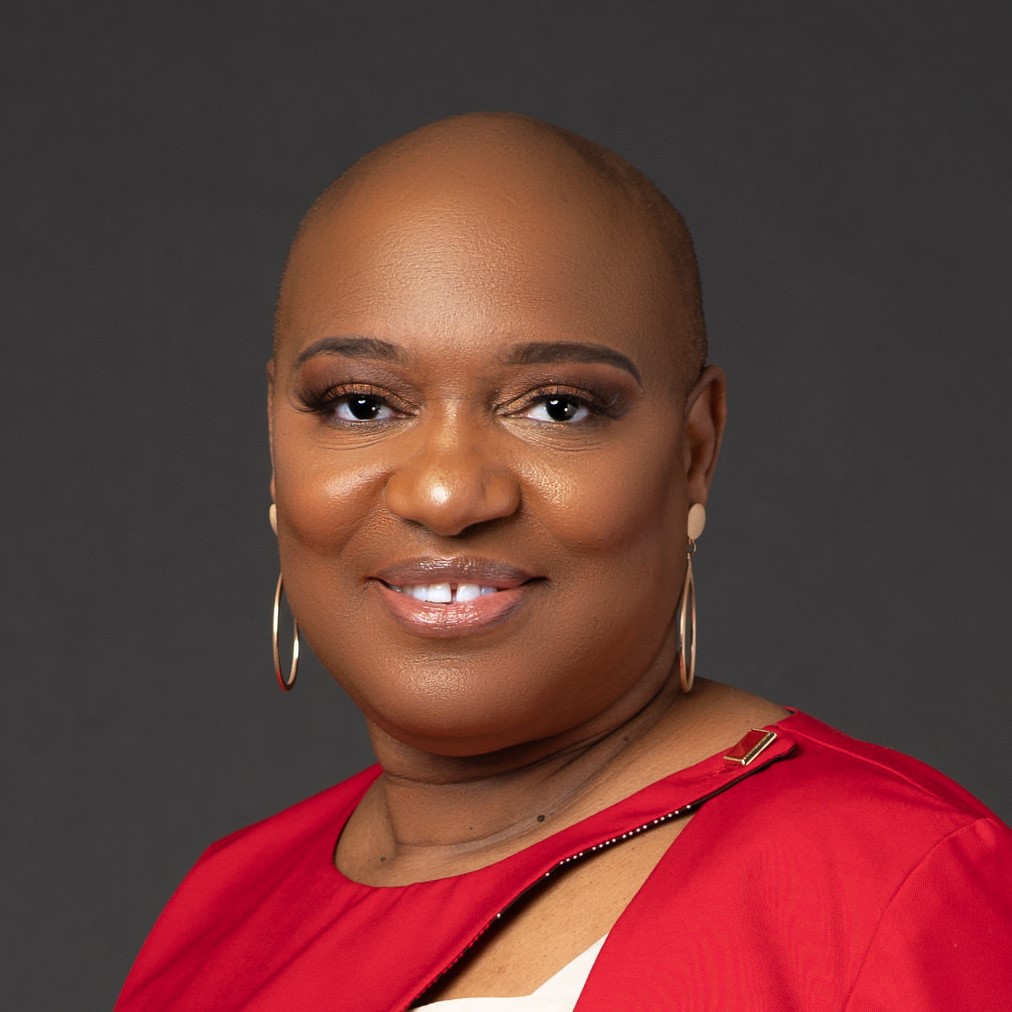
ElianeLugassyEliane Lugassy, CEO and Founder of Witco

After studying business law and obtaining a degree from ESSEC, Eliane began her career at Rothschild & Co in Paris on Mergers and Acquisitions.  She accompanied several real estate projects, including the sale of the “Cœur Défense” building.

In 2016, she left finance to create Witco an application that improves tenant experience in all buildings while facilitating their management. Offices, residences, coworking, and co-living. Witco adapts to all types of properties thanks to flexible technology and personalised support and will be critical to businesses as WiFI is.

Connect with Eliane on LinkedIn.

TRANSCRIPT

Intro: [00:00:02] Welcome to Daring To, a podcast that finds out how CEOs and entrepreneurs navigate today’s business world, the conventions they’re breaking, the challenges they faced, and the decisions that they’ve made. And lastly, just what makes them different?.

Rita Trehan: [00:00:19] Well, good afternoon, and welcome – if your – or morning or evening, wherever it may be that you’re listening and whatever time of the world that you’re in. We are a global podcast which is so exciting. And actually, my guest today is in Paris. I’m in the UK and this has been recorded in the US. So, if we ever wanted to know about global hybrid working, I guess this is it in action.

Rita Trehan: [00:00:40] I’m really pleased, actually very excited because we’ve got not only an amazing woman on our podcast today, Eliane Lugassy, who is the CEO and Co-Founder of Witco. So, kudos to you, and also you’re a woman founder of a tech company. I mean, you know, I hate to say it, but they’re few and far between, and there needs to be more of them. So, I think your story today is going to be really exciting. You are the co-founder of a company called Witco, which is an app. It’s a smart building app, as I understand it, that makes commercial and residential buildings more serviceable, more collaborative, and flexible, and enhances the experience for everybody in it.

Rita Trehan: [00:01:22] We’re going to talk a little bit about that, and particularly because in this environment today, post-COVID, hybrid working and everything, it’s probably a really relevant product at service to be talking about.

Rita Trehan: [00:01:34] But there are three things that we really want to focus on today, your journey into the entrepreneurial tech space, the challenges of the work environment today and what that brings to organizations, and why you’re so passionate about it if you write a lot about it, and clearly your product is all about that. And then lastly, a little bit about you as a leader because you’ve come a long way.

Rita Trehan: [00:01:57] So, here you are, somebody that studied law and business, like work for this amazing, really well-known brand, Rothschild and company, and worked on mergers and acquisitions. That’s not easy. You know, it’s a tough job, but it’s a big, you know, global brand, global career. And then, suddenly one day you wake up and you go, “You know what? I think I’m going to go start my own business.” Now, that’s a pretty bold decision to step out for anybody. For a woman entrepreneur, it’s three times as hard. Can you tell us a little bit about your journey into the entrepreneurial world? How easy a decision was it for you?

Eliane Lugassy: [00:02:35] Yeah, sure. Happy to. So, I think you summarized it well, you summarized it well. So, yes, I did law and then investment banking. I wanted to be always challenged and to always challenge myself to higher standards. So, I spent three years investment banking, and then every three years you are promoted. So, I got promoted and I thought, “Okay, the longer you stay, the harder it is to leave this kind of environment because you know you are well-paid and everything is done for you to stay.” On my part, I thought, “Okay, I’m still under 30 years old and I don’t have any children and any other family to support heavily.” So, it’s my shot to just try and I believe that’s something where it should be done in the future of work environment at the time.

Eliane Lugassy: [00:03:24] So, I tried, maybe I was a bit naive, but I didn’t see it as like a mountain, you know. I just thought it like, “Okay, something needs to be done.” And I think the product, I imagine, would like to do – like the bigger part of the people, not just me. And then, you know, one step at a time, I figured a product that could actually work and that people would buy. Because it’s not just something that you imagine, it’s also something that you need to have people to buy for. So, that’s how it happened. So, I think to be quite honest, I didn’t imagine it would be that hard. And I just thought, “Okay, this is a challenge. Let’s go step by step.”

Rita Trehan: [00:04:11] Well, and you know, it’s interesting that you were probably ahead of your time if you think about it really when you first thought about Witco, because, you know, we weren’t in the midst, really. We were kind of in the midst of hybrid working. There were lots of discussion about should people work from home or not work from home. The whole idea about workplace wellbeing and like individual spending a lot of their time at work. You and I both know in the corporate world we’ve spent hours in the office. It is really where most people – you know, their working life, it takes up a lot of your hours.

Rita Trehan: [00:04:44] But you were kind of ahead of the curve, really, because, you know, the challenges today are 10 times more than they were when you probably thought about the idea and people are demanding more. Individuals want a different kind of experience. You know, this whole desire for personalization is hitting everything. Technology has advanced so much. So, what is it about Witco and what it offers that you think is really helping to address the challenges that a lot of leaders and organizations are right now are really struggling with?

Eliane Lugassy: [00:05:18] I think you should take it from the beginning. Like, 2016 was not a time where it was such a struggle to find talent and retain them. But it was starting to appear because, like, especially the younger generation wanted to – wanted something different and they wanted to be considered. And they didn’t want to be like just one person inside the organization, but they wanted to have a job that matters.

Eliane Lugassy: [00:05:42] So, I think it was the beginning of this trend. And for sure, when COVID hits, it’s accelerated this trend. But it started, like, to me in 2015, 16, especially when we were – they said the same thing at the time was a workplace should be an experience. So, this was the beginning. But for sure, the shortage of talent and the shift towards some, like a workplace that is more flexible and also a way of managing people changed over time. And I think maybe the consecration was more like during COVID for sure because everything had to be changed so quickly.

Eliane Lugassy: [00:06:19] So, yes, it’s accelerated. But the trend already existed, in my opinion. And for my part, I just thought, okay, you guys, like my employer was expecting so much from me that in return I wanted a software that was very easy to use. And that will also make me more efficient because I don’t have time to lose, to chase someone to fix the incidents, the [inaudible] that doesn’t work. If I forgot my badge, I wanted someone, like just – why can’t I just use an app? I can’t enter a building, or, no, I can’t enter like a train or a plane with the QR code that I could not without my phone. It was like entering a building. So, why? So, I just wanted to remove all those pains that were not having me focused on my work.

Eliane Lugassy: [00:07:07] And then, as you mentioned, COVID raised other concerns. Meaning, how do I manage a workplace that is not just on sites? And, how do I make sure they stay engaged?

Eliane Lugassy: [00:07:21] So, this app is not just only to make sure that people are efficient, but also to make sure that they stay engaged because they are part of a community. They are part of a company, and the company’s culture was before only made of the workplace. But tomorrow is, yes, the workplace, but not only. You need to keep this link between the company and the employees. And this is what we are trying to do also with this app.

Eliane Lugassy: [00:07:44] And, when they have to go to the office, it’s very easy to use. They know where they will sit. This is also one of the trouble and you say, okay, I don’t have my desk anymore, but that’s fine because I know that – okay, I know who is on the right, on the left today, so I can book this place. I will be surrounded by people I know, or maybe this is people that don’t know. That’s great because this is an opportunity for me also to meet new people that I can’t do at home.

Eliane Lugassy: [00:08:11] So, this is all the thing about H.R. management – the H.R. people that need to think of how to – how do I reorganize the workplace and how do I make sure people in place are still engaged and they are still happy to be part of this culture and this company. And, we are trying to help them with this app.

Rita Trehan: [00:08:36] What’s really interesting I think about when you talk about it, I mean, you bring up the H.R. organization and, you know, it warms my heart to hear, you know, you’re making that connection between the role of like something that is about organization productivity, it’s about engagement, it’s about experience and connecting it to the H.R. function. Because often people would go like, “Well, that sounds like – isn’t that to do with like how you manage the building? Isn’t that about how you like organize meetings and that?” But actually, it doesn’t sound, but that’s what you’re trying to get at. It sounds like you’re trying to get at something much deeper than that about making the workplace, where people can be the best that they can.

Rita Trehan: [00:09:15] And, I guess it’s a kind of a wake-up call for H.R. And I’ll quote you in something that you said that really struck me, that which was around the 2022 challenges. We are now in 2022 and we are right at the start of it. The challenge now is to design a hybrid model that meets employee expectations while maintaining team cohesion and motivation. 2022 will be an exercise in empathy. I’m really curious about that. However, balancing the needs of your team with the bottom line.

Rita Trehan: [00:09:46] What’s your call to H.R.? Because I don’t see any of them stepping up, and they surely should be in highlighting what you are trying to bring to the forefront, I think, with Witco, which is like we’re losing a lot of productivity and we’re also losing a lot of what people can bring and to the experience themselves, so they bring themselves to work and do the best that they can. I mean, how do you get that message across to an organization?

Eliane Lugassy: [00:10:13] In my opinion, and especially today, H.R. managers understood that things need to change the way people are managed and the way the company culture is spread. So, I think it is a matter more of how are we going to organize ourselves because everything has changed so quickly. That’s for sure. We are experiencing a phase where there will be struggling.

Eliane Lugassy: [00:10:43] You know, at the beginning they were thinking maybe it’s just the beginning of COVID. In six months, it will be over with it. And now, they’re realizing even when COVID will be over, things won’t go back to normal for most of the companies if they want to hire and retain tenants. So, it’s a big shift, and I need to admit also that most of the time the clients that we are having, or even the prospects we are talking to, they are really listening to what is going on in the market and what can be done in these aspects.

Eliane Lugassy: [00:11:16] And, again, it’s as you said and I mentioned, it is a balance between having people productive. So, it’s not just to stay home to relax and to not be as productive, but it’s also a way of, okay, I trust them, and to keep like to have objectives and not just hours you put in the office, and you say, “Okay, your hours, your objectives for this quarter. This is this. We have check-ins regularly and then I trust you to do your best and to choose whether it is better for you to go to the office, to see other employees, other people in your department because you also need collaboration and the time also you need to have to work for deep work at home and focus on it to deliver on time.”

Eliane Lugassy: [00:12:06] So, to me, it’s a combination of trust and also control. You know, you check, but you also need to trust, and I think this is moving into the right direction. And also, the managers need also shifts. It’s not just the H.R. It’s also the managers.

Rita Trehan: [00:12:24] Yeah. So, how are you helping organizations get value from the insights that Witco can bring by having sort of like this seamless integration rather than having like, you know, 15 different ways to book a meeting room, communicate with somebody, know if somebody is in town or not, whether you’re working from home or not. I mean, how are you providing insights that are helping them to make good decisions, not just about the workplace, but obviously about the work experience as well? We know that, you know, right now that’s really important. How is your product helping to do that?

Eliane Lugassy: [00:12:59] Yeah. So, the idea is to be – to have this single app where it’s become like the companion of the employees. So, through this app, they should be able to have all the services available to them and very easy to use. So, it could be a mapping where I could see, “Okay, where should I sit today?” And then, I click on it and I book the desk for the week, depending on the limitations and also the settings of our clients.

Eliane Lugassy: [00:13:24] They can also say, “Oh, okay. I’m coming to the office tomorrow. Who will be attending to?” So, that’s interesting. So, I know that for lunch, I won’t be alone because what we are seeing today is people coming to the office, but the floor is empty. So, why am I coming? Why am I commuting for an hour if at the end of the day it’s the same as working from home?

Eliane Lugassy: [00:13:43] So, what we’re trying to say is, okay, you’re coming tomorrow, let’s book meetings because you need to work with other people. And also, if you don’t have anyone, like, physically near you, at least you know who is attending today, and you can also break the ice and say, “Oh, hi. We don’t know each other specifically, but maybe we can have lunch together.” And also, again, it brings humanity on top of what is happening as well. So, just taking maybe this COVID situation as an opportunity also to do things differently and also to meet new people and to what are the [inaudible] also – so people you will not maybe meet in real life or maybe not come across.

Eliane Lugassy: [00:14:21] So, this is what we are trying to do for employees, but also for H.R. managers where they can see the occupancy rates of the buildings and, for instance, organize better, for instance, the shifts of the teams. And also, for instance, what we do for us is we make sure that at the same day, we need to have a sales team present the same day as the developers, so they interact with each other and it’s like one team, and we are – every time we make sure it’s not just every day, the same people, the same time at the office, but, for instance, it’s product one day with CSM and et cetera, et cetera.

Eliane Lugassy: [00:14:56] So, also with this app, they manage to say, okay, who is coming, who is not coming in terms of teams and foster the collaboration and when, for instance, you see someone like a team never coming to the office, it’s also a way of saying, “Oh, what is going on?” So, you have like a dashboard to see what is going on and not just rely on managers telling you, yes, it’s perfect. Everything is going great. So, we start –

Rita Trehan: [00:15:20] But I guess it’s assuming – it’s providing me with some insights on employee behavior and sort of like experience [inaudible]

Eliane Lugassy: [00:15:26] And engagement as well.

Rita Trehan: [00:15:29] Yeah,

Eliane Lugassy: [00:15:29] Yeah.

Rita Trehan: [00:15:30] So, let’s talk a little bit about this. You know, do you think the hybrid environment is here to stay? I mean, there’s been a lot of – you know, we can read all the stats. You know, we can we see that a lot of people are, particularly among young people, the stats are saying like mental health of being isolated, of not being with other people is a massive – has had a massive effect. There are others that are saying, forget the workplace. Everybody likes working at home. We’re going to work from home. Offices go away. What’s your view? I mean, it’s a big challenge right now. How do you bridge that gap with what you’re trying to do?

Eliane Lugassy: [00:16:05] I do believe hybrid work is here to stay. Definitely. For how long? I will not comment on that, but for sure, it’s – will not going to – will not going to disappear like after the COVID period, and especially because I think people are eager for flexibility. And, you know, some people can be willing to come every day in the office because they feel better, you know, being surrounded by people, the energy that comes with it and also because this is the way they like to work. And that’s definitely fine. And flexibility needs to also say, “Okay. You want to come in every day. This is possible.” We’re not just asking you to leave the office two or three days a week because we have budget constraints. No, I don’t think this is a signal we need to send.

Eliane Lugassy: [00:16:51] And, at the same time, I think there should be limits where like you need to see employees once in a while and if, for instance, someone never wants to come, it’s an issue, in my opinion, because otherwise, you know, you don’t create a culture with committed people attached to the company and at some point, you need to see them.

Eliane Lugassy: [00:17:10] So, I don’t believe in fully remote teams. I don’t believe at some point you are as efficient because collaboration is key, and to be efficient in collaboration, you need to see people. And, there is like so many, so much communication that is not verbal. That is like – so it is necessary to have physical meetings and especially, I believe, for junior people and for women. We saw that it was not the best way to operate.

Eliane Lugassy: [00:17:44] Like, especially like for younger people, you need to – you know, you have a way of replicating what you saw that you can’t do when it’s just through Zoom. So, you’re learning curve is not the same. So, again, I think a mix of on sites and working from home is best. And, everyone needs to also think, how do I organize myself tomorrow? And, if, for instance, this hybridization is not perfect, they need to know themselves and maybe ask for more flexibility. Can I come in every day or can I come a little less for this period of time because I have this and this? But don’t worry, in terms of objectives, I will be there.

Rita Trehan: [00:18:22] So, it sounds like, you know, you’re trying to address a couple of things there. I mean, you also talked about like the women’s piece. There’s been a lot of discussion about proximity bias and by not being in the office. Women are – you know, unfortunately, I’m working from home. Like, traditional stereotypes are coming back because women are at home now and they are being kind of pushed back into that traditional role of juggler of all and therefore not necessarily viewed from a company perspective as in the same way. They are not seen, not heard kind of thing. And it’s like, “Oh, will you be able to cope with all of this?”

Rita Trehan: [00:19:01] So, that’s something I guess that we need to address and that hopefully is sort of captured in some of the technology and data that you’ll be able to provide with your product.

Eliane Lugassy: [00:19:10] Yeah. Sorry.

Rita Trehan: [00:19:14] No, go on, carry on.

Eliane Lugassy: [00:19:15] Yeah. We try to help with this product for sure, but at some point, it’s also how you use it and especially, for instance, for women. That’s why I thought for me, we need to have like a minimum where someone can say, I’m never coming back. You know, I’m not coming. Because we need to see also people. And if, for instance, women are told you guys we expect you to come in in the office, then you know, you mitigate this risk of, for instance, women just saying, “Oh, yes, but I have other things I prefer to stay home.” No. We forced you to come because we want you to feel part of the company and we need to see your face as well so that you are not disadvantaged because you are not seen by the top management. So, at some point, that’s why also like limitations, like limits to – a principle needs to be also set.

Rita Trehan: [00:20:08] So, let’s talk a bit. I mean, a lot of this is also about how you lead, right? It’s about the leadership, so commitment to understanding the importance of this, and then actually applying that using the technology and applying that in ways that demonstrates good leadership.

Rita Trehan: [00:20:22] Let’s talk about a little bit. Let’s kind of switch gears a little bit and talk about you as a leader. I mean, you know, woman entrepreneur in the tech industry and leaders don’t know yet, but, you know, you raised 14 million dollars of funding. I mean, that’s pretty hard to do for anybody. Is it more difficult as a woman to go and try and raise that money, or do you think that the issues and the challenges are the same?

Eliane Lugassy: [00:20:49] I would go against figures if I were to tell you that these are the same for women and men. I would say it can be harder, but I will not pretend it was that hard for me, at least now, because when we raise, like, a few months ago, we had product-market fit and we had good figures. And then, for sure, I think from my investment banking product, I know how to talk to men. You know, it’s like you need to learn how the system works, and then you fit right into it, so you need to show confidence.

Eliane Lugassy: [00:21:22] And I think where we are lacking as women is, we try to under-promise and overdeliver. But when you under-promise, like, and you are against other men saying, yes, I can just go to the moon and I will make you a billion-dollar company in five years. And when you have like a woman next door and saying, yes, I would try to do my best, et cetera, you are not selling your stuff as well as men. And, I think that’s where we are lacking as women. It’s confidence. So, I would urge them if I were to give some advice is just to feel confident and a bit more than we are used to do.

Rita Trehan: [00:22:05] I love the phrase. Like, you know, underpromote and overdeliver. I think, you know, if there’s a phrase that the women listeners and men listeners on the podcast this week for them just to go back and like just keep that in their mind. You know, am I underpromoting and overdelivering? And perhaps, you know, I need to start overpromoting.

Eliane Lugassy: [00:22:26] That great.

Rita Trehan: [00:22:26] And I think that’s a great nugget of insight. But tell me, you know, you started with a team of five. It’s quite good when it’s just a really small team. It’s something that a lot of companies when they first start and it’s a small team. Everybody knows everybody. Everybody’s like geared up. We’ve all got the same passion. But, you know, success comes with growth, and with growth comes challenges of more people. And suddenly, there isn’t just five people that know everything. You’re now a team of 50. But tell me about some of the challenges of that, about finding the right people, the finding the right talent, building that team. What had been some of the highlights and sort of lessons learned from that for you?

Eliane Lugassy: [00:23:07] Yeah. Building a team and finding the right talents, to me, are the hardest parts, and especially because for tech companies, talents are key. You can’t do anything without the right talent, so they are the core of what we are trying to build. We don’t have any machines, et cetera. So, yes, that’s key.

Eliane Lugassy: [00:23:23] I would say values are also so important to make sure you hire – even if you hire more and more people, then we are all sticking to the right values because we believe in them and we understand each other. So, first, I would say values and the second aspect I would say over-communicate to your team and not just the CEO, but also the managers to the team to convey the mission, what are we doing. And I think this is the purpose of what we are doing, the mission that is driving us that make people motivated to come engage and willing to do their best.

Eliane Lugassy: [00:24:01] And I think I’m really in bad blood at the moment and what I feel that what struck me is that even if, you know, the machines were not working, people were so into it because they were thinking, “Okay, we are changing the health industry. We will not have used ones are like leaving us too soon because we didn’t have the means of detecting if they had any health issues, et cetera.” So, that’s why so many people just kept going, even if they were like so many struggles inside the company. And, I feel like this is so right because starting from scratch is hard and we will have obstacles all the time. But if we continue to see the bigger picture, okay, why am I doing this? What is the endgame to this? And, you have a healthy corporate culture, then I feel people can do their best and you can also thrive. So, I would say communicate the culture and make sure you hire people with the same values as you.

Rita Trehan: [00:25:04] Why do you think so many organizations struggle with that? I mean, like something that, you know.

Eliane Lugassy: [00:25:09] Because it’s so hard.

Rita Trehan: [00:25:11] Why is it so hard? Like, you know, why is it you think so hard? What is it that makes it so hard? I mean, it’s like, we know it. CEOs around the world say one of their biggest – always one of their top three concerns is like finding the right talent for their growth plans, making sure they’ve got the right culture. And why is it so difficult?

Eliane Lugassy: [00:25:32] I think because the culture is something – is evolving, and that’s also you need to materialize. It’s not just, yes, we want to work hard and we want to have, I don’t know, honest people, et cetera, et cetera. You need to materialize it on a day-to-day basis. Otherwise, it’s just values, but they are, like, not concrete.

Eliane Lugassy: [00:25:52] And that’s the most difficult part is on a day-to-day to repeat and also to feel, “Okay. Am I implementing those values? And, am I part of something bigger, and am I on this right track?” So, I would say once values are just -for one, values are great, but then we need to incarnate them.

Eliane Lugassy: [00:26:15] And the second part, especially today, is like there are more money than talents, to be honest. Like, it’s hard. Like, we are fighting for the right people to join our teams. And, only CEOs saying this is a lot of money is out there and you’re struggling because you are not like a company of five where you can promise, like, more shares and more proximity with the founders, et cetera, but we are not like a [inaudible] yet. Soon to be. So, we can’t say, “Oh, yes, you would be part of like the hottest companies in the world,” because we’re not there yet. We are in the middle. So, how do I engage them while I am in the middle?

Rita Trehan: [00:26:57] So, I guess a lot of that must, you know, I mean, money is a factor. We know that. But often the research says it’s more than that. It’s about the experience that they get or the manager that they work for. I mean, is there – you know, there’s a lot going on right now with the four-day working week. We’re seeing loads of people also talking about the great resignation. People are leaving [inaudible] the companies that they work for. People are making different decisions.

Rita Trehan: [00:27:21] But let’s start in the four-day working week. I think you and I might have a different view on this. So, you know, we’ve just piloted in the UK here. They have just piloted – a certain number of companies have gone to a four-day working week. There’s been lots of discussions. Is it a good thing? Is it a bad thing? You know, obviously, an app like Witco could help from that perspective, but fundamentally it comes back to some of the things that you know your product was based on. Is it a good thing or not?

Eliane Lugassy: [00:27:46] I don’t know what your stance is, but I would say, in my opinion, it’s not. I don’t think that people [inaudible] intend to work less. But, again, the intent to work on something that matters. And if you tell them, if you work five days a week but this is for something bigger than you, they might do it more easily. For sure, if it’s something that you’re doing, you know, automatically and you don’t exactly know what you are doing it, it’s boring and you just want to leave work. What I’m saying don’t apply, but this is [inaudible] right, but this is what managers are for. They need to inspire the workforce, not to work less, but to work better and to understand why they work.

Eliane Lugassy: [00:28:35] So, that’s why I think – like, maybe also because I’m a heavy worker, I like to work a lot, but also because I enjoy it. So, that’s why I think – the issue is not if we work too much is are we enjoying what we do? And, when you enjoy what you do, it’s like it’s become a passion. You don’t see the line between pleasure and work, but that’s the point. If you don’t really feel, okay, I’m doing something that I enjoy. For sure, you will want to work less. So my point is.

Rita Trehan: [00:29:04] So, maybe they’re missing the point. Maybe we’re missing the point. It isn’t about a four-day working week. It isn’t about five-day working week. It isn’t about a seven-day working week. Maybe it’s back to what you said at the beginning. It’s about trust. Like giving people – like, you know, there’s a certain amount of work to be done. Trust the people that they’re going to get the work done in the hours that are allocated and worry less about is it a four-day working week or a five-day working week. And, are people being productive and being as efficient and as effective and giving their best at work? I don’t know, but you’ve actually prompted me to think like actually is the problem, really, not about the hours, but about, like, how you create the work environment and that is engaging enough that people want to deliver and want to feel part something [inaudible]. I don’t know. Like, you know.

Eliane Lugassy: [00:29:50] Yeah, but –

Rita Trehan: [00:29:51] Like, maybe we’ve been addressing the wrong problem.

Eliane Lugassy: [00:29:54] Maybe.

Rita Trehan: [00:29:55] Yeah.

Eliane Lugassy: [00:29:55] At some point, again, I do believe, especially for startups, that we are judged and the whole system is based on pace and rapidity. And at some point, like, even if you are a leader, at some point you need to put in the hours. And I would – the metaphor I would use is you don’t become a champion by going less to the court. You go more and more than everybody else. And this is how you stand up.

Eliane Lugassy: [00:30:23] And at some point, depending on the kind of companies you are in, I didn’t pick which side because I wanted to work less. I wanted to be so much challenged. Like, it was something I was looking for. And, if at some point you need or you want to attract the best ones, maybe you will want – you would say, okay, I will not go to this company because, okay, the company’s culture is different than mine. And if I want to learn a lot and, yes, maybe it was very challenging, as I said. But on the other side, I learned so much so quickly.

Eliane Lugassy: [00:30:53] So, again, to me, it depends on also the company size and stability, I don’t know. But, especially for tech companies, you need to go so fast to take the market that if you just – even if, like, in four days, to me, I can’t do anything and I work so like long hours. So, I’m not saying that everyone should be like me, especially like CEOs, it’s particular. But at some point, if you want to overachieve, you need to do more than average people, average [inaudible].

Rita Trehan: [00:31:24] I guess that’s how entrepreneurs have shown their difference, the ones that have the staying power to understand, you know, probably get the right talent, make sure you’ve got the right people on board to help you get there, and be really passionate about what you do. I mean, you’re clearly, like, very passionate about what you do.

Rita Trehan: [00:31:42] I have one last question, well two, actually. There’s something else that you said that really resonated and I think will resonate with our listeners, which is, you’ve said the challenge of a workplace is that we need a society where you can progress by your own merit. It saddens me when the system seems broken due to gender or social discrimination.

Rita Trehan: [00:32:03] You talk a lot about meritocracy. So, tell me like, what does that mean to you? I mean, it’s obviously that statement, that sentence like clearly is something that comes from a deep self-belief, and it’s very powerful. And I think it hits at the heart of what a lot of people, individuals experience today, and the need for inclusive cultures has never been more so and I mean inclusivity in its broadest sense. Tell me a little bit about meritocracy and what that means for you.

Eliane Lugassy: [00:32:31] Yeah. Yeah. To me, it’s something very – that I strongly believe in, especially because I think I’m an illustration of it. I think if you, again, work hard, you can achieve it but by your own merits. So, I tend to say the same to my team. So, you will have the place that you will take and that you will deserve and not because for some like network or some connection that you’ve made. That’s not how we operate.

Eliane Lugassy: [00:33:03] So, for sure, you can’t treat people exactly the same way depending on the background. But as much as possible, I expect people to be treated fairly and objectively. And when, you know, when we talked about [inaudible], this is what they are for. It is not like a subjective review. It’s objective. “Okay. What did you do? What did you bring to the table so I can promote or not promote?”

Eliane Lugassy: [00:33:31] So, yes, to me this is the core of every organization and once – and when meritocracy is broken, this is very hard to keep people motivated because, you know, what’s the point? I didn’t get promoted, but it is not based on my merits, on my demerits. It’s because I was not like friends with my manager. So, that’s not fair.

Rita Trehan: [00:33:53] So, it’s a really powerful insight. So, I ask every individual who comes on the podcast to share one daring to moment. So, what’s your daring to moment? [Inaudible] you’re daring to do going in the future, something that you’ve done. But what one daring to moment would you share with our listeners about you?

Eliane Lugassy: [00:34:12] Could you please rephrase your question?

Rita Trehan: [00:34:13] Yes, so daring to. What are you daring to try and do, pushing the boundaries of something? And, it could be something that you’ve done, something that you have an ambition to do that you could share with the listeners today.

Eliane Lugassy: [00:34:29] Is it daring to like something I avoid or something that is very challenging for me?

Rita Trehan: [00:34:33] Very challenging like that you want to do, that you want to change. I’m daring to change this or I’m daring to challenge something, or I’m daring to push the boundaries in some way.

Eliane Lugassy: [00:34:44] I would say, keep growing and again have my team as motivated as they want. Again, this is so hard and the value of this company is talent, so, you know, the bigger we are, the harder it is to stay close to them. And also with this COVID situation, where we are like all in the office and certainly not in the office, and then like everything is changing all the time, to me, yeah, the most challenging part is to keep them motivated and so they know what they are doing and why they are doing it, especially [inaudible] ambitious people, you need to fit them all the time. Otherwise, they get bored and, like, suddenly they are not here anymore. So, yeah, I would say that. Does that answer the question? I’m sorry [inaudible].

Rita Trehan: [00:35:33] Yeah. It’s great. And, I guess, you know, I think, you know, what I would end on with the listeners is, you know, Witco. I mean, you’ve shown how valuable it is in the countries that you serve. But the funding that – the series A funding that you’ve raised has really highlighted that this is a global issue, that there is a, you know, there’s a demand for it globally. So, you’re already expanding in the UK. This is not a, you know, a geographical-specific issue around the workplace of the future. So, it sounds like this is something that could be really helpful to organizations. And we do have a global listening – listener-based, so it’d be great for them to listen into this.

Rita Trehan: [00:36:10] So, if they want to find out more about what you’re doing about you, the company, how do they do that? Website, LinkedIn, Twitter? What’s the best way for them to know more?

Eliane Lugassy: [00:36:19] Yeah. Yeah. They can ask for a demo on our website or just information, or they can also contact me through LinkedIn. I’m very responsive, so we’ll be happy [inaudible].

Rita Trehan: [00:36:28] Okay. And your website address, what’s that? If they – what’s the website address?

Eliane Lugassy: [00:36:32] Yeah. witco.io. So, w-w-w, and, yeah, witco.io.

Rita Trehan: [00:36:37] Great. Thank you so much. It’s been a pleasure to listen to you. You are very passionate about what you do. You can hear it as you speak. I think some of – you know, ahead of your time in coming up with with a, you know, an app that it’s only needed that goes beyond just sort of like, you know, how you manage but really gets the whole of employee experience. So, it’s been great having you as a guest.

Eliane Lugassy: [00:36:58] Thank you.

Rita Trehan: [00:36:58] If you want to know more about DARE Worldwide, then you can find out more on our website, www.dareworldwide.com. Also, check out our latest inclusivity index. It’s a diagnostic that has been endorsed by MIT and how you can take your organization from being purpose-driven to inclusivity-driven. It’s the future of where organizations go.

Rita Trehan: [00:37:19] So, thank you for listening. If you enjoyed it, please leave a comment, and look forward to seeing you again soon.

Rita Trehan: [00:37:25] Thanks for listening. Enjoyed the conversation? Make sure you subscribe so you don’t miss out on future episodes of Daring To. Also, check out our website, dareworldwide.com, for some great resources around the business in general, leadership, and how to bring about change. See you next time.


Sara Stender Delaney With Sarilla

January 19, 2022 by Jacob Lapera

GWBC Radio
GWBC Radio
Sara Stender Delaney With Sarilla
Loading
00:00 /
RSS Feed
Share
Link
Embed

Download file

SaraStenderDelaneySara Stender Delaney, CEO & Founder at Sarilla, Ted Speaker, Award Winning Beverage Maker, Change Agent & Social Entrepreneur

Sara is the Founder of the international nonprofit Africa Healing Exchange (AHE) and the Founding CEO of 3 Mountains, a social enterprise building an innovative model for driving institutional and social change. 3 Mountains owns two CPG brands, Sarilla Sparkling and Tîma Tea, and partners with women Genocide Survivors in Rwanda. Together they are building Ubuzima Healing Garden farm, where they grow healing and regenerative botanicals that can be used in teas and other products.

Sara is a passionate global activist and social entrepreneur and is building these organizations with the intention of making a great positive impact on all people involved. She has been working with the people of Rwanda for over decade, creating a vehicle that would support total health for marginalized communities, offering resources for women to overcome trauma and opportunities to lift themselves out of poverty.

As a survivor herself, she brings an authentic and inspired message to everyone she meets, and in her recent Ted Talk, Sara emphasizes how community is the number one resource we have to overcome absolutely anything.

Sara has been leading curated tours to East Africa since 2012, and is developing a farm in Rwanda in partnership with a group of 55 women who go by “Umutuzo” which means Resilience. Together they are building an integrated supply chain, growing healing botanicals that can be used in teas, native medicinals, and for export to generate sustainable income and employment.

Sara studied psychology as a university student and graduated with a Bachelors degree in Business Management and French from Simmons College in Boston. Feeling unfulfilled by the corporate finance track, she went on to study responsible business and nonprofit development, with a concentration in Leadership and Change, earning a Masters degree in Organizational Management from the School of International Training (SIT), where the Peace Corps was founded. She completed the Mama Hope Global Executive Fellowship, and holds an international business certification from Grande Ecole du Commerce in Grenoble, France.

Sara is an experienced public speaker, spokesperson, fundraiser and writer.

Connect with Sara on LinkedIn and follow Sarilla on LinkedIn.

What You’ll Learn In This Episode

  • Their mission is to end violence against women
  • How to know if your products have been produced ethically
  • The most important values from consumers and employees
TRANSCRIPT

Intro: [00:00:04] Broadcasting live from the Business RadioX Studios in Atlanta, Georgia, it’s time for GWBC Radio’s Open for Business. Now, here’s your host.

Stone Payton: [00:00:18] Welcome to another exciting and informative edition of GWBC Open for Business Radio. Stone Payton here with you this afternoon, and you guys are in for a real treat. Please join me in welcoming to the broadcast founder with Sarilla, Miss Sara Delaney. How are you?

Sara Delaney: [00:00:37] Hi, Stone. I’m great. How are you today?

Stone Payton: [00:00:38] I am doing well, delighted to get a chance to visit with you and learn about the work that you’re up to. In fact, that’s probably a good place to start. Could you give us a little primer, mission purpose? What are you out there trying to do for folks?

Sara Delaney: [00:00:55] Sure. Well, we are a proud member of WeBank and we’re based in Asheville, North Carolina. I’m the founder of Sarilla, which is a social enterprise. I’ve been working with people in Rwanda since 2007. So, Rwanda is a small country in East Africa, producing some of the best tea in the world, among many other things, and really served as an inspirational country that I actually used to live in and really changed my life.

Sara Delaney: [00:01:28] I came back to the U.S. and started a nonprofit foundation, which we still operate, to provide services for women who have a history of trauma. We have a resiliency program through that foundation, and we also offer seed funding and emergency relief for different issues specifically related to trauma, poverty, substance abuse, and addiction.

Sara Delaney: [00:01:55] But I started Sarilla as really the economic driver, so we’ve got this amazing sparkling beverage, which is 0% alcohol. The main ingredient I use in that is Rwandan tea. We use the whole tea leaf. So, you’re getting the health benefits, the rich flavor. We don’t use any powders or syrups or refined sugar, so it’s better for you. It’s better for the environment and better for our partners in Rwanda.

Sara Delaney: [00:02:26] So, that’s our primary product line. We’re selling that throughout the U.S. now, mainly on the East Coast. We have it in cans, and we’re getting ready to launch our kegs again, which we started to do right before the pandemic shutdown. But I’m super excited to get our tea on top, back into breweries, bars, and restaurants, and we’re starting to work with college campuses as well. My mission for 2022 is to get into as many bars, especially in college towns, where wherever alcohol is served, we want Sarilla to be served too.

Stone Payton: [00:03:06] Well, you certainly have a lot of irons in the fire as my mother would say. You’re accomplishing a great deal with this vehicle. What drove you toward the beverage industry?

Sara Delaney: [00:03:20] Yeah. Well, I am in recovery myself. I’m sober 15 and a half years. I got sober in my 20s, and alcohol really caused a lot of problems in my life and definitely generationally in my family. And so, I just was really excited to kind of delve into living a sober life that was clean and healthy but also, like, full of fun. And when I quit drinking, I was just kind of – I was concerned, right? That’s really, to put it mildly. But I was concerned about the lack of choices. I was concerned about how I would socialize.

Sara Delaney: [00:04:05] I remember thinking, I was not married at the time, and I just remember thinking, “What am I going to drink on my wedding day if I can’t have champagne?” And so, that was kind of a driver, I would say, to really create like a fun, celebratory beverage that, you know, felt like I was included. And I’m just, I’m excited and heartened to know about how many people are choosing, whether it’s just for health reasons or addiction reasons or, you know, just kind of testing the waters and maybe drinking a little bit less alcohol these days. There’s a lot of people who are going that route and choosing that lifestyle, but still want to be social and have a good time and want something fun to drink besides like chlorinated club soda or sugary sodas or juices, you know.

Sara Delaney: [00:04:58] So that was like a big personal motivator, and I also saw the market opportunity there and kind of where things were trending and then combine that with my passion and love for Rwanda and then the fact that I had, like, this amazing ingredient with me. I started working with the tea to make a beverage, and I went to the Southeast Beverage Institute here, learned how to keg and create a carbonated beverage. And that’s kind of how we got started. So, I just did my proof of concept here locally in Asheville, had a few kegs at a couple of events and a couple of breweries, and then it just went from there.

Stone Payton: [00:05:37] Well, what an exciting time for you, and what an inspiring story. For those of you who are listening to this interview on-demand, we’re actually having this conversation in mid-January of 2022. And as I understand it, Sara, I think I saw this in the notes, you don’t really believe in New Year’s resolutions, do you?

Sara Delaney: [00:06:01] Well, no. I mean, it’s not that I don’t believe in it. You know, it’s just not for me.

Stone Payton: [00:06:07] Yeah.

Sara Delaney: [00:06:08] I’d say, you know, if I were going to set like an intention today, it would be – because my son and I were – it’s snowing here today and it was snowy yesterday and so we were outside sledding. And I’m probably just going to take actually tomorrow off. We’re going to go snowboarding for the first time this season. And I think, if anything, that’s one of my big intentions is just to, like, play more and carve out time just to have fun or just to do nothing and just be unscheduled.

Sara Delaney: [00:06:37] But, I kind of like, I think, you know, having, you know, being an ex-drinker and someone who just kind of woke up every day and said that I was going to not drink today, and then by 5 o’clock, I’d be drinking again. That was my past, and I just really saw, like, New Year’s resolutions as a setup for failure.

Sara Delaney: [00:06:56] But, like, I think setting intentions and goals is certainly important. I think it’s been real tough these past two years for us to really make a plan and, like, stay with it just because every day, I don’t know about you, but my plans and my schedules and meetings getting canceled and people getting sick, like tradeshows getting canceled, it’s just you never know what the next day is going to bring. So, I’m all about one day at a time and living life in the present. At the same time, I’m the business owner, so of course, I need a plan and set projections and goals and do the metrics and all that. So, I think there’s a real balance there.

Sara Delaney: [00:07:40] But if we are going to set resolutions or goals, I think it’s really important that they are somehow measurable and that we’re, you know, kind of, like, checking in, like that we have a specific technique, you know, that’s going to help us get to that place.

Sara Delaney: [00:07:59] I was just on a meeting this morning with Daniel in Rwanda. He’s an employee there and he’s on the ground at our farm there. And we were talking about smart goals and like how to make sure that every goal we have has some kind of metrics attached to it so we know we’re making progress, but also so we’re setting ourselves up for success rather than just keep it kind of open ended. Like, I’m going to try better. I’m going to, you know, improve in this way. But it’s like, well, how? You know, how?

Sara Delaney: [00:08:31] So, going back to what I said about, you know, for anyone who’s like “I’m going to quit drinking today,” or “I’m going to quit eating sugar,” or whatever, that, you know, I’m going to lose 10 pounds resolution is like, well, what’s one specific step that you can take today to get closer to that idea and then kind of keep circling back to what’s the reason behind it? Like, do you think it’s going to make you feel better or look better or be happier and, like, what’s behind that and kind of keep pulling the curtain back?

Stone Payton: [00:09:00] Well, I think I hear in your description that the key really is getting very clear about the why, those small steps, and establishing the habits that lead to those outcomes. Huh?

Sara Delaney: [00:09:15] Yeah, good point, the habits. It’s super important.

Stone Payton: [00:09:18] So, as I understand it, one very critical mission for you, and it’s a broad one, is to end violence against women. Can you speak more to that?

Sara Delaney: [00:09:29] Sure. I’ve been doing a lot of research lately looking at the statistics, which are pretty horrific about the percentage of sexual crimes and specifically rape that have alcohol or drugs somehow involved. And there’s just, you know, some really crazy stats that I’d be happy to share. But, like, one of them is over half of rapes in this country happen when alcohol is involved. And, again, over half of the women who experience rape the first time are in college or under the age of 18. And when a woman or young woman or girl is raped under the age of 18, she’s twice as likely to be raped again. And, I myself experienced rape once in high school and once in college, and both times alcohol was involved on one side or the other or both.

Sara Delaney: [00:10:36] So, for me, it’s very personal. I want to do everything I can to get these numbers down. And I do believe that, again, back to my goal of having Sarilla wherever alcohol is served, you know, that’s just one thing we can do but also partnering with community organizations and nonprofits to make sure the tools are in place for the venues, for example, that are serving alcohol. Like, what are the resources they have to help in the preventative measures? And then, what are the resources, let’s say, on college campuses? What are the resources for women who are recovering from this kind of a trauma? So, wherever possible, I want to be involved in the communities where we’re working in order to help this from happening to other young women.

Stone Payton: [00:11:33] You use the moniker or the phrase early in the conversations I think, social enterprise. Is that a formal designation? Is it just reflective of some disciplines that you try to exercise? Say a little bit more about that.

Sara Delaney: [00:11:50] Oh, that’s a great question. Social enterprise to me is really – it’s not necessarily a third-party audit or a certification, but we are pursuing benefit corporation status, which is a pretty rigorous program to go through with a lot of metrics that you have to hit to show the commitment to more than just a profit-making organization. So, social enterprise to me really means that we’re committed to the triple bottom line.

Sara Delaney: [00:12:21] So, yes, we’re a for-profit organization, but we also are very involved in social initiatives. We have a social mission that goes along with our profit-making mission. Of course, we are accountable to investors. At the same time, we do have a nonprofit foundation attached to our business and we want to do everything we can to do good in the world, with the money that we do make.

Stone Payton: [00:12:50] So, as part of that, I think many organizations, and I think I saw in the notes where this is the case with yours, that you make a real effort to make sure that your products are produced ethically. I’d love to hear a little bit more about what that means, produced ethically and in a more technical, tactical kind of level. I mean, how do you know? How do you make sure that that’s what’s happening?

Sara Delaney: [00:13:17] Right. So, in my 20s, I worked on the fair trade side of things, so I worked with the agencies that certified brands and producers as being fair trade. I also worked with some other community organizations that really tried to make sure that businesses were operating in an ethical way. So, it depends on what the industry is. But there’s ethics related to, of course, treatment of people, treatment of the environment, animals, the whole nine yards.

Sara Delaney: [00:13:58] The fair trade certification system, I think, is a great starting point for businesses that are sourcing certain ingredients that are fair trade certifiable, but it’s not enough. It’s kind of scratching the surface there of, like, really basic elements that need to be in place to be sure your business partnerships are ethical on a global level when you’re sourcing ingredients from developing countries specifically. So, we do participate in that system.

Sara Delaney: [00:14:32] We also are building our own farm to grow our own ingredients and partnering with 55 women in Rwanda who are part owners in this business there where we’re growing botanicals that can be blended into an herbal tea product that we sell in Rwanda. And then, we’re also going to be importing the herbals to use in future Sarilla flavors.

Sara Delaney: [00:14:56] And so, that I feel like is a model that goes beyond fair trade, where we’re truly partnering with the people growing, the ingredients that we’re using in this manufactured product, making sure that there’s upward mobility, that there’s seed funding if they want to start their own business, that they have access to resources that any employee in the U.S. should have access to, that they have access to information, that they’re empowered with the information that we have on this side as well.

Sara Delaney: [00:15:30] And, we’re also using regenerative agriculture processes and are growing, so anything we can do to really help the climate change crisis. I do believe that that’s the primary farming method that we all need to really start using in order to not only – not only stop the climate change crisis but also to potentially turn around the damage that’s already been done to the planet.

Stone Payton: [00:16:06] This must be, and I don’t mean to suggest for one minute that your work doesn’t have its own set of challenges. I’m sure it does, but this must be incredibly rewarding work.

Sara Delaney: [00:16:20] Yeah. It really is, Stone. I mean, you know, I made a lot of entrepreneur groups and I hear, you know, the fatigue in a lot of voices trying to build your own business and it can be exhausting and, like, it can be discouraging. And I just I know a lot of people who kind of give up or, you know, just maybe don’t find the same kind of rewarding, I guess. I don’t know. I don’t know what it is, but you’re so right. I’m definitely, I feel like I’m on my path and I’ve been on the other side, though. Like, I’ve worked for – and I’ve had jobs that did I just kind of dread going to or work for big corporations that I just, I get to that point where I’m like, “What, what is my purpose here? Like, how am I making a difference really in the world?”

Sara Delaney: [00:17:16] And so, I’m glad that I had those experiences too because now I know what it can feel like to be on the other side. So, yes, it is. It’s a lot of work, but I’m grateful to have an awesome support network and to be part of some really great mentoring communities and peer support groups that I don’t, you know, as much as I’m working from home right now, I usually don’t feel too alone in this. So, I’m excited for the next chapter in building this business.

Stone Payton: [00:17:49] So, you’ve had an opportunity to share your insights, your experience, your perspective in a TED Talk. What was that like?

Sara Delaney: [00:17:59] Oh, my gosh. It was a lot of work. It was, I would say it took me about six months to get ready for that, and I had a great coach here in Asheville who really worked with me on my speech. But I would say more than like – more than even the speech itself, he helped me almost like a therapist. He helped me tap into the feeling that I really wanted to convey with my message. And, it required me to get really, like really deep and personal into my own healing journey, and so it was really intense at that level more than I could have expected because I chose a very personal topic too.

Sara Delaney: [00:18:54] And then, you know, to actually get up there, I mean, this was before when everything was still in person. Luckily, I think I hit like the last in-person event. I think there were 500 people in the theater. And the actual day was just – I mean, I used to have kind of stage fright. And so, to get over that was also a big challenge. But luckily, I had a lot of time and support and practice but no one prepared me for what it would actually be like to step on to stage.

Sara Delaney: [00:19:30] It was pitch dark in the auditorium and I couldn’t see anyone. And then, there were some really strange sounds coming from the audience. And so, even though we had, you know, we had practiced a lot on this stage, just in our small group without an audience, it was super nerve-wracking to be up there and have all these different challenges that I hadn’t prepared for. So, you know, and then just to really, really let my guard down and open up was a huge step for me. It was a huge step in just my personal journey, but also to get to where I am right now with my business.

Stone Payton: [00:20:10] Well, I have no doubt that you absolutely knocked it out of the park and that you reached more than a few people with your message, and that’s just based on having a really delightful, you know, 15, 20-minute conversation here on on the air. I love to listen to TED Talks. I must confess I haven’t heard yours, but I’m going to go find it and I’m going to listen to it.

Stone Payton: [00:20:33] Now, one of the decisions that you made at some point was to become part of the Greater Women’s Business Council, and I think you mentioned you’re WeBank certified. What compelled you to make that decision and how has that served you if it has?

Sara Delaney: [00:20:51] Yeah, definitely. You know, I think it’s really important – you know, I went to my – I did my undergrad at Simmons College, which is an all-women school in Boston, and I think it’s really important to stay connected with these communities that really celebrate women and also to just stay connected with programs like this that continuously show us role models because it’s important to have something to strive to. And, I feel like we’re not alone. And, there just aren’t that many female founders and leaders that I interact with on a daily basis in my everyday life. So, this really expanded my network and I would say, you know, even on a bottom-line impact, we get customers who have found us specifically because we are women-owned, certified.

Sara Delaney: [00:21:50] So, I think it’s helped us on that level as well. I definitely recommend the program to other female founders and I’m in the CPG space. So, there’s some benefits associated there too, with certain grocery store chains that are actively seeking out women-owned brands.

Stone Payton: [00:22:13] So, it strikes me that it’s one thing to have a leader as passionate and committed as you are to these topics that we’ve been describing. Clearly another, I would think, in the recruiting and selecting and developing and nurturing and building that culture, you must seek out people with overlapping value system. And, I suspect many of your customers share a lot of these values. Yeah?

Sara Delaney: [00:22:49] Yeah, that’s true. I mean, it’s hard to always, always know even who our customers are. For example, our products are in grocery stores, you know, and we don’t always know who’s buying our products, but it’s awesome to be able to do demos and interact directly with folks in stores when we’re able to. And, of course, on social media and engaging there.

Sara Delaney: [00:23:13] We’re also on this platform called faire.com. It’s an online wholesale platform where we can actually see retail because we sell wholesale as well as direct-to-consumer, but most of our business is wholesale. So, we can see the retailers who are actively searching for values because they have a checklist of values that folks can tick off to get to the type of business they’re looking for.

Sara Delaney: [00:23:43] So, that’s really cool, you know, and we do see a lot of people coming to us who are selling other Fair Trade certified and organic certified and women-owned brands. So, yeah, it’s always – it’s one of my favorite things to do is to walk into a store and see our products, you know, on the shelf or in the fridge next to other products that share some of the same values. It’s really exciting.

Sara Delaney: [00:24:11] So, yeah, I think it’s becoming very, very important to our consumers to stand for something important in the world, you know, to really be committed to making a positive impact environmentally, socially, and to really walk the talk.

Stone Payton: [00:24:32] Well, and how marvelous it must be to know that you’ve created an environment and a machine that will allow your employees and your market partners to live into their values.

Sara Delaney: [00:24:46] Yeah. I recently saw a report that showed employees today the salary, and, of course, this is very general, but their salary falls something like number four or five on the list of reasons they choose to work for companies. And typically, the first three items are very much values based decisions, which I think is pretty exciting.

Stone Payton: [00:25:14] Oh, man. Again, it must be incredibly rewarding. Okay. So, what’s next and how can we help not just the Business RadioX network, but those of us who are listening to this, who resonate with what you’re doing and why you’re doing it? What can we be doing in our daily lives to help and what are your near-term plans?

Sara Delaney: [00:25:36] Well, we really want to engage with the people who care about our products, but the values, as I mentioned, so you can find us on social media. Our handle is @drinksarilla, S-A-R-I-L-L-A. So, we’ve got Tiktok, Instagram, Facebook, and LinkedIn, drinksarilla. Our website is also drinksarilla.com. I’m actually the one who does our emails. I rarely send them out, but when I do, it’s really important, an important message. So, I love getting new subscribers to our email. And then it’s my favorite thing is when someone actually responds to one of my emails and we have a conversation that way. So, I’m very much involved in the day-to-day business and any of those handles. Like, I will also see those messages.

Sara Delaney: [00:26:32] But even if folks are not choosing my products, I just encourage you always to kind of look behind the label of what you are buying. I mean, every time we spend money at the store, we’re casting a vote. And on the other side of that vote are people growing the ingredients, you know making the products, working so hard with so much care to make sure that we get what we want in our homes. So, as much as you can, you know, choose brands that you really care about and check them out. Like, see what they’re doing, see who they’re sourcing from.

Sara Delaney: [00:27:12] It’s really easy these days. We’ve got QR codes on our packages, we’ve got videos, we’ve got a crop-to-cup trip so we do travel to origin, and just, you know, take a look at your favorite brands and see what they’re up to. And then, there’s nothing better than word of mouth. So, if you like something you know, please shut it out on social media. If you don’t use social media, let your friends know because that’s how we grow and that’s how we continue to encourage other companies to try to do the right thing as well.

Stone Payton: [00:27:46] All right. One last time, let’s make sure that we leave our listeners with some points of contact. So, the LinkedIn, the website, whatever is appropriate, I want to make sure that they can reach out and learn more and maybe even have a conversation with you or someone on your team. So, if you would share again some key points of contact.

Sara Delaney: [00:28:03] Yeah. And, Stone, one other thing, we’re getting ready to do a big fundraise. We’re doing a seed round with IFundWomen. And so, over the next month, if folks do connect with us by email or social media, which is @drinksarilla, S-A-R-I-L-L-A, like gorilla, or drinkssarilla.com, then they’ll get an update on when we launch our IFundWomen campaign, and so people have an opportunity to contribute towards that campaign to help us launch this safety Sarilla in bars program this year that I mentioned before. So, that’s a really important way that people can get involved. And if you have questions about that social campaign, the community building part of it, we’re also looking for ambassadors and activists in the different cities where we’re launching this year.

Stone Payton: [00:29:01] Well, Sara Delaney, founder with Sarilla, it has been an absolute delight having you on the show this afternoon. You’re doing such important work and I have found the conversation and the information absolutely inspiring. Thank you so much for investing the time to visit with us.

Sara Delaney: [00:29:20] I appreciate it. Thank you, Stone. It’s been a great conversation.

Stone Payton: [00:29:25] All right. This is Stone Payton for our guest today, founder with Sarilla, Miss Sara Delaney, and everyone here at the Business RadioX family saying we’ll see you next time on GWBC’s Open for Business.

About GWBC

The Greater Women’s Business Council (GWBC®) is at the forefront of redefining women business enterprises (WBEs). An increasing focus on supplier diversity means major corporations are viewing our WBEs as innovative, flexible and competitive solutions. The number of women-owned businesses is rising to reflect an increasingly diverse consumer base of women making a majority of buying decision for herself, her family and her business. GWBC-Logo

GWBC® has partnered with dozens of major companies who are committed to providing a sustainable foundation through our guiding principles to bring education, training and the standardization of national certification to women businesses in Georgia, North Carolina and South Carolina.


Tagged With: Sara Stender Delaney, Sarilla

Brandy and Bryan Rousselle With Capital Recovery Corporation

January 19, 2022 by Jacob Lapera

CherokeeBusinessRadio011822pic
Cherokee Business Radio
Brandy and Bryan Rousselle With Capital Recovery Corporation
Loading
00:00 /
RSS Feed
Share
Link
Embed

Download file

This Episode was brought to you by

The Innovation SpotAlma Coffee


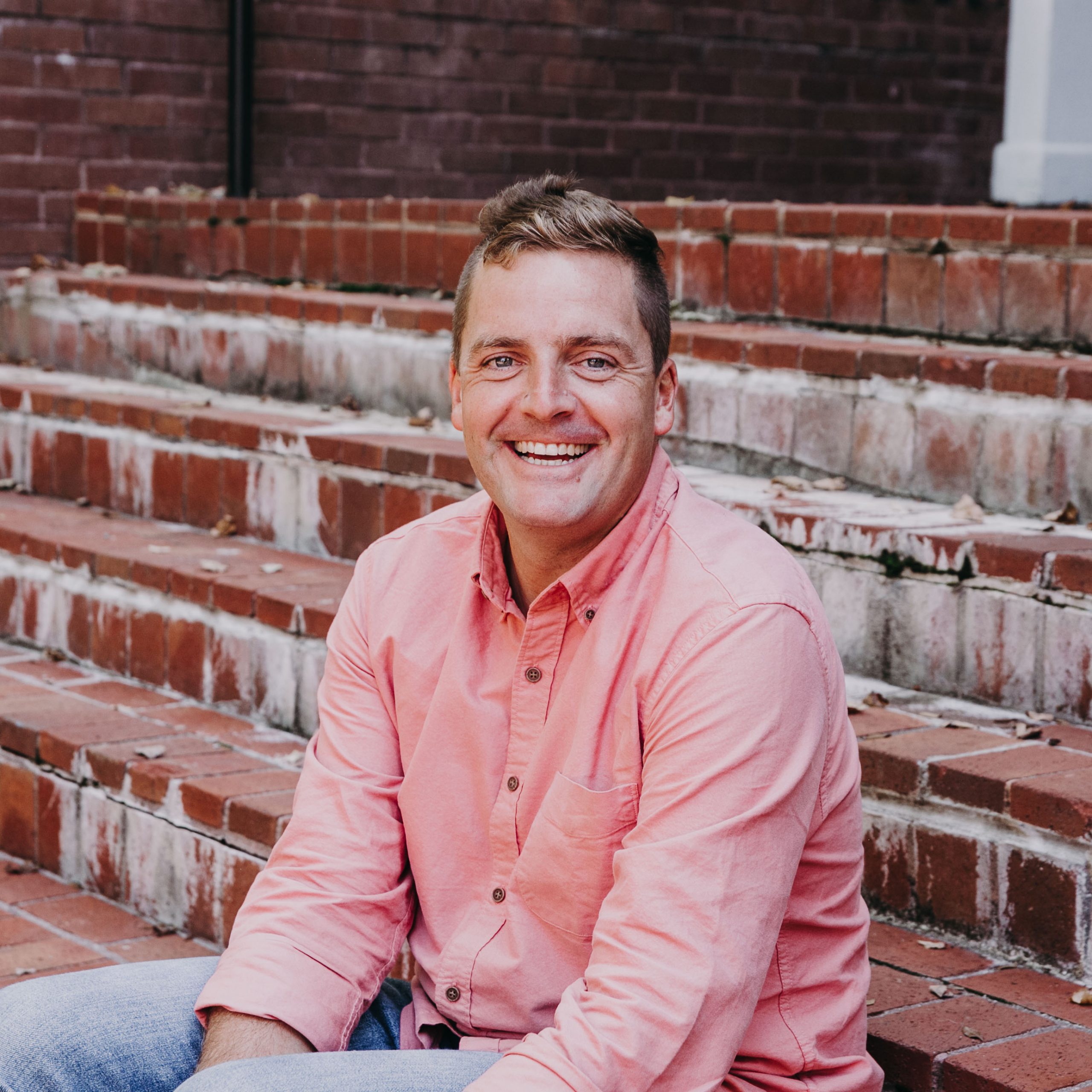
CRCorpBrandy and Bryan Rousselle, CEO at Capital Recovery Corporation

They are a world-class provider of Extended Business Office and Recovery services, emphasizing unparalleled performance for our clients, while providing the best possible work environment for their employees.

Follow CRC on Facebook, LinkedIn, and Twitter.

This transcript is machine transcribed by Sonix
 

TRANSCRIPT

Intro: [00:00:07] Broadcasting live from the Business RadioX Studios In Woodstock, Georgia. It’s time for Cherokee Business Radio. Now here’s your host.

Stone Payton: [00:00:23] Welcome to Cherokee Business Radio Stone Payton here with you this morning, and today’s episode is brought to you, in part by Alma Coffey, sustainably grown, veteran owned and direct trade, which of course means from seed to cup, there are no middlemen. Please go check them out at my alma coffee and go visit their Roastery Cafe at thirty four point forty eight Holly Springs Parkway in Canton. As for Harry or the brains of the outfit Letitia? And please tell them that Stone sent you. You guys are in for a real treat this morning. Please join me and welcome into the broadcast with Capital Recovery Corp. Miss Brandy Rousselle and Brian Rousselle. Welcome to the show, guys. Good morning, Steve.

Brandy Rousselle: [00:01:09] Thanks for having us.

Stone Payton: [00:01:10] What a delight to have you on on the program. Maybe from the onset, it would be helpful to have a little bit of a primer on overview mission purpose. What are you guys out there trying to do for folks?

Brandy Rousselle: [00:01:22] We are. We’ve been around for 35 years. The company originally started with my father in law, his father, and it started as a collection agency 15 years ago. We took it in the health care. So now we are trying to be a fully extended business office for our clients that carries on to first party collections and then goes to third party collections.

Stone Payton: [00:01:44] So when you use the word collections to me that that sounds like they’re behind, are they necessarily behind or are you sometimes collecting on stuff that’s on track?

Brandy Rousselle: [00:01:54] Or when we have the early out program of our extended business office? That’s it can be anywhere from day one that the bill drops or it can be 30 days later. Maybe they want to do some in-house collections on their own pre collections, we like to call it. It’s not where their brow beating them or anything like that. They’re sending out a letter, maybe a phone call, but then they send it over to us and we act on their behalf. So when we answer the phone, we are that company. When we send out letters, it’s their letterhead. So they were basically just an extension of their business office and it’s not mandated under the FCPA at that point. So we can it’s it’s soft collections. We’re super, super nice. And but when it goes into collections, we’re still super nice. That’s one of the things that separates us from other agencies. We just don’t believe in browbeating someone. And, you know, we find that you can get a lot more results when you’re just willing to work with them and help them resolve their debt.

Stone Payton: [00:02:51] Well, I’m not surprised to hear that. I’m also not surprised that you gravitated to some degree to the health care arena. I suspect that’s one of the more challenging businesses to be in from a from a cash flow perspective. Is that accurate?

Brandy Rousselle: [00:03:05] Well, interestingly enough, I started 15 years ago when it was right when the recession started. So my background is health care and I said, we need some birth the great business to bring in here, because at that point in time, you know, we had the mortgage crisis and all of that. So in the collection agencies are kind of a litmus test for how the economy is going because if people can’t pay their bills were the first ones to know because we’re seeing the influx of business, right? So we went to health care and it is more challenging, but it’s more volume. Obviously, it’s like typically lower dollar accounts that someone’s co-pay, it’s their coinsurance, it’s their deductible, you know, those sorts of things. We also do have a facet of our business that works with insurance companies. So we’ll actually go after the insurance company to make sure that the claims process correctly. And then once this process, that’s our insurance follow up team. Once it’s processed, then it flips over to our patient responsibility and we have a whole different team that handles those.

Stone Payton: [00:04:05] I would think it would be a real challenge for the individual practitioner or the small clinical team or a dental office just dealing with all that paperwork. And I got to say, as as a layperson, being on the other end of all this, sometimes the paperwork is very confusing. You know, you get the one thing that says this is not a bill, this is a bill and it’s in the numbers are all over the all over the place.

Brandy Rousselle: [00:04:28] Most people have no idea the inner minutia of an insurance claim. They really don’t. And they don’t know that a lot of stuff can happen on the front end, meaning like something isn’t coded correctly or something wasn’t authorized before the procedure was done. I mean, you guys have probably experienced that with your own insurance claims, where all of a sudden you’re getting a $2000 bill and you’re like, Wait a minute, what’s the insurance for if I’m getting the bill and then you find out that it wasn’t processed correctly? So we do troubleshoot those things on on the insurance follow up site and try to resolve it before it even gets to the patient.

Stone Payton: [00:05:02] So I can hear it in your tone. I can. I can see it in the way you carry yourself. You obviously would be marvelous at this, but but you can’t you can’t do all this. You’ve got to recruit and develop people that can take this, this same mindset and the same skill set to to the marketplace. How do you how do you? You do that. How do you recruit, develop it and retain these folks?

Brandy Rousselle: [00:05:25] One of the requirements that we have for our staff and our team is CPR certification. So that certified patient account representative, and that’s another thing that separates us from our competitors. It’s a it starts in June and it’s a pretty it’s like a 1000 page book. And then the test is in November. And so what we do, we incentivize. Obviously, we’ll pay for the exam because it gives them that CPR certification. And then we will also give them a bonus that says, Hey, good job, you did this and it’s something they can carry through the rest of their career. And a lot of times, you know, they get to throw the acronym on the end of their signature, and they have that. So God forbid, they leave capital recovery to go somewhere else. They’re going to stand out a bunch are among the other candidates that are out there.

Stone Payton: [00:06:10] Yeah, I sense that you would fire me before lunch. I know I would. I would be well intentioned if I made it through that process. But I mean, you just have to have a certain discipline, a certain mindset, a certain level of maturity to handle those conversations. Because I would think at some point you’re not necessarily catching people at their best and you’re trying to have a conversation with it, right? I mean, that’s well.

Brandy Rousselle: [00:06:35] And one of the things our industry is experiencing big time right now is the regulations. The agencies out there, the FTC, CPAs, the TCP was the CFPB’s. All these lots of letters now. Yeah, that bring a lot of challenges for us. And you know, like one one bill that was just passed is when you speak with a debtor or a patient. And if you don’t get permission to talk to them like you can’t, you have to say, can I call you back tomorrow? And if they don’t give you permission, if you call them again before seven days, you you’re at the mercy of a lawsuit. If someone wants to go after that, oh, it’s it’s absolutely nuts. And another thing that’s going on is a lot of providers. This was one of the biggest changes with this ruling was a lot of providers don’t realize that when your patient comes in and fills out their face sheet and they put their email address on their or their cell phone number on there, if they if you don’t send the letter thirty five days before you transfer that account to capital recovery, that says, Hey, this is going to capital recovery in thirty five days. You can opt out of this communication portal if you want to. But if you don’t, you know, if they don’t do that, we can’t reach out to them via email or cell phone. We have to be able to get consent. It’s not. It’s not transferred consent. And right now, consent is a big thing because the CFP and the TCP they want, you know, you’re getting all these spam calls on your cell phone all the time, right? Right. And so they want they’re trying to prevent that. So it’s it’s to protect the consumer, but it brings a lot of difficulties for the are part of collecting and doing this own collections. It really does.

Stone Payton: [00:08:18] Well, I can see I might be a well accomplished physician, dentist practitioner, but to be good at that and have my arms around all of these regulations could get in trouble in a hurry. I would think you can.

Brandy Rousselle: [00:08:32] You can. And staying on top of it, I mean, you really have to have a full time compliance person, but that’s one of the things that I feel like we do well and we inform our clients like we do webinars for them to say, Hey, this is coming up, right? You know, these are the changes and we try to bring the solutions for them. So it doesn’t seem so problematic, you know, for them, because you’re right, they they went to school to provide medicine and, you know, to serve patients. They didn’t go to school to figure out if the CPT code was correct on the bill or if they got consent from the patient to contact them later.

Stone Payton: [00:09:05] Wow. So many moving parts and the practitioner’s life, but in your business as well. So we have Brian, your business partner, here as well. You may have noticed when when we teed this conversation up their last name, both of them is Roussel. You’re a married couple. Yeah, you’re in business together. Mm hmm. Oh my.

Bryan Rousselle: [00:09:25] Yeah, you can tell that she handles that aspect. I’m on the commercial side, but we don’t have to deal with all those regulations.

Stone Payton: [00:09:33] Well, all right. We’ll say more about that, right?

Bryan Rousselle: [00:09:35] It’s more straight up to me, to be honest with you. It’s you get clients, our commercial clients that have obviously it’s business to business, right? They don’t follow all those those rules. I mean, it’s very deregulated. It’s very straightforward. We have, you know, building products company National One. We deal with contractors, you know, we get a a claim for $20000, the same premise. So excuse me, we don’t we handle it the same way and the same sort of for lack of a better term compassion. We don’t want to go in there so combative. It doesn’t get anything done. We represent our client and say, Look, we don’t want to litigate this. Let’s let’s work something out. Let’s let’s get a payment plan that all sides are happy with. So we keep. The attorneys out of it, and, you know, they use us because they don’t want their employees doing that. You know what capital? You handle this. I need our employees staying on current. Are you guys figure something out and as you develop a relationship with your client? You know what’s acceptable? And no, it’s not. So if they come back with a payment offer or a payment plan. We know we can’t bring to our client say you’re going to have to. I’m not going to even bother my client with that. Yeah, let’s get it up and let’s get this and let’s get the attorneys out of it and let’s work together and kind of stay on top of it like that, but not regulated like that. Not even close.

Stone Payton: [00:10:57] Well, I suspect contractors, that’s another one of those businesses where cash flow, even when people are paying on time, is probably a challenge, let alone when they fall behind like that, right?

Bryan Rousselle: [00:11:08] Right. Sure. Absolutely.

Stone Payton: [00:11:09] So what counsel, if any, might you have to just not get in that situation in the first place, not not get in debt or there’s some strategies and tactics, some things you can just sort of implement

Brandy Rousselle: [00:11:21] As a business client side?

Stone Payton: [00:11:22] Well, actually, I was going to ask you about both.

Brandy Rousselle: [00:11:24] Ok. Well, I think for from the debtor perspective or the patient perspective, communication is key. Absolutely. If you are talking to them, if you are not ignoring the statements and the letters and the emails and the phone calls that are happening, they’re going to work with you, you know, and they’re they’re going to be less apt to say, send this off. And and, you know, I mean, kill them with kindness, just give them the story to let them know. Like, Look, I know that I’m behind, but I need you to work with me and, you know, just go from there. And then from a client perspective, it’s the same thing communication. Stay on top of your air, but also make sure you’re tightening up those loose ends, like getting consent for cell phone, text messaging and emails. Make sure that when they come in, you’re updating their demographic information. You know, we do have what we call skip tracing service, where let’s say a medical provider gives me a list of patients to put into our system. We’ll run it through a database. The database will tell us their newest address, and so we’ll always have the most up to date information.

Brandy Rousselle: [00:12:32] But now it’s getting so innovative with a AI and machine learning. Now it’s spitting back results. We’re actually in the midst of partnering with a company right now that it will spit back their propensity to pay, and they base that off of zip code. They base that off credit scores. They base that off of basically what they’ve seen in the past, and they’ve got this very large database and they work with a lot of agencies so they can kind of bump it up against all of them and say, Hey, this is where you really need to focus, you know, put these accounts in front of your live collectors. Let though the other stuff sit on the back end and get the letters and the emails and the text. So you know, a lot of people when they say, how big is your agency? Well, we’re we’re like 15, but we don’t need to be any bigger than that because we have a lot of technology doing the work for us. That’s true.

Stone Payton: [00:13:27] Well, and here we go again. Not only do you have the knowledge base, but you have the resources and you understand how to employ those resources. Now, I’m worried that way a little bit. Anyway, I have two tools at my house a telephone and a checkbook, so I know I sort of lean in that direction anyway. But if someone’s considering just trying to take take this on themselves for their own practice or their own business, man, they’re leaving some holes, aren’t they?

Brandy Rousselle: [00:13:53] Lots of them. Yeah, definitely. I mean, there has to be a schedule, some consistency when we meet with prospects or our clients, we show them our work flow chart that says this is what happens when the account comes in. At day one, it gets scrubbed. You know, we start, we send out the whether it’s an early out or bad debt, we send out whatever first notice is necessary at that point. So they’re getting a letter simultaneously, they’re getting text messages, they’re getting voicemails and they’re getting emails. So we’re reaching out and all of it complies and is compliant with these regulations. But they’re getting communications that I guarantee you. A lot of these providers and other companies out there are not able to do because the manpower is not there.

Stone Payton: [00:14:38] So you’ve mentioned that phrase a couple of times early out? Yes. Would you describe that? I don’t know what that is.

Brandy Rousselle: [00:14:44] Early Owl is soft collections. So that’s if, you know, say you have company trucking ABC and you don’t want it to be like, Hey, I sent you to collections already. I want trucking ABC to be represented, but you can’t handle doing the collections in-house. That’s you outsourcing it to us, and that’s acting on your behalf.

Stone Payton: [00:15:02] Okay. Yeah.

Brandy Rousselle: [00:15:04] Nice. So and a lot of that that actually and one of the other things that I think separates us from our competitors, there’s a lot of agencies out there that do offer early out and they offer collections. But what they’ll do is they’ll start with a low rate because they say, well, early out it’s newer air, so it’s probably more collected. And then they’ll jump it up to like 25, 30 percent when it hits bad debt. Well, naturally, what that’s going to do and I don’t want to say all agencies do this, but why wouldn’t you just sit on it and not work as hard, aggressively on the front end and then hit the higher rate

Stone Payton: [00:15:37] On the back? Sure, that’s that’s human nature.

Brandy Rousselle: [00:15:40] So we do not do that. We actually have a flat rate across the board and it’s contingent we don’t get paid unless we collect. So there’s really no risk for our clients at all when they use our early out to bad debt program.

Stone Payton: [00:15:54] Well, I mean, I think I could build a business case for early out for anybody that’s got a substantial amount of receivables, just trying to stay focused on on on their craft. Yeah. So I want to ask this of each of you individually and I’ll start with Brian. But what are you finding the most rewarding about the work? What do you enjoy the most man?

Bryan Rousselle: [00:16:17] I guess making the clients happy producing for them, the results that you get and at the same time working with someone and convincing them to work with you and to get on a payment plan to get them out because I’m sure it’s stressful, you know? Yeah, the if you owe money to one of our clients, you know, and the worst thing you can do is Brandy touched on is just ignore it because it’s not going to go away. So if you if you handle it professionally and say, OK, well, this is the landscape that I’m in. Can I work with you on this and you’re able to resolve a problem helps somebody else’s house because it’s stressful, you know, and just let them know. Look, I’m not here to browbeat you. You know, we’re here to solve a problem for everyone involved. You know, our client and you. And getting to that result is something that it’s it’s kind of an accomplishment. You’re like, OK, I fixed a problem that they turned over to me because on their end, they could not get it resolved. I’ll bet so. Yeah. Because owing money is not a fun thing, and I understand

Stone Payton: [00:17:21] And I’ve been there. Yeah, exactly. And it wasn’t fun, and I have been on the other end of the phone with someone who browbeating is the right is the right term. And it yeah, that was not. It was. It’s not pleasant being on either into this correct. Really, it’s sort of I have a resource like you guys, how about how about you, brandy? What are you enjoying the most?

Brandy Rousselle: [00:17:39] I mean, I would definitely agree with Brian, but I think the aspect I am enjoying the most right now since 2020 and the pandemic, we’ve seen technology blow up in this industry. And I just love seeing like all these different little facets that come in and help us provide better services for our clients and just things that like, I mean, some of it’s a little like artificial intelligence, you know, it’s it’s causing me to stay on top of technology instead of get behind, and I’m liking that accountability from it.

Stone Payton: [00:18:12] Now, Brian touched on this a little while ago, but I’d like to dove a little bit deeper. Do you find yourselves from what you’ve learned over the years of doing this? Because I mean, this is not your first rodeo. You guys have been at this that you you take approaches, use strategies and tactics, employ different tools and resources as you’re working with clients from different arenas like medical, retail, commercial.

Brandy Rousselle: [00:18:36] Yes, I mean, they definitely drive our next step, you know, whether it’s commercial or consumer or health care, definitely. If there’s a need and we can help, we’re going to do some research like, as I mentioned earlier, the insurance follow up. There’s different partners out there that can help you expedite that and do it much more easily than maybe a health care provider hasn’t looked into and we’ll go out there. And so sometimes, yeah, our our clients are definitely driving where our business is going and where our technology is ending up for sure.

Stone Payton: [00:19:09] So talk a little bit, if you would. This is partially for my own benefit. One of the things, guys. A benefit of having your own radio show. You get all this free insight and consulting. And so we’re still trying to polish and evolve our onboarding process when we bring on a new client on the client side of our work. Talk to me, if you will, about your own onboarding process. Those early steps of an engagement. What does that look like when when you take on a new client,

Brandy Rousselle: [00:19:38] When they’ve expressed interest, depending upon if their health care, commercial or retail? It will go to a business office manager will set up calls we look for and we basically do a profile on the company which identifies their needs. It identifies, you know, one of the cool things about us. I think we’re flexible to where let’s say you don’t want letters going out every two weeks, you want them going out once a month. You just don’t want your patients receiving, you know, we can customize that very quickly.

Bryan Rousselle: [00:20:10] So I can tailor its its own collection service.

Brandy Rousselle: [00:20:13] So we will we will reach out to them and we’ll have multiple conversations before the onboarding process that says, OK, this is what typically we need to put you into our system, get your account set up. We have what we call strategy on demands on the back end of our database, and those things drive these accounts through the system depending upon what the client wants, as well as, you know, our own internal processes. And then we will have the onboarding call where we will talk to them. This is what you expect, especially when it’s medical. We’ll get those individuals that are at the front office because a lot of times the people making these decisions are CFOs, controllers, business office managers. But you have front office personnel that are at the local clinic. They’re not aware of capital recovery, they’re not aware of the process and the patient’s going to come in and be like, We’re this bill come from there. So we want to make sure that we, you know, educate everybody about the process. So we’ll probably have, you know, anywhere between three and. Five calls to onboard them, and then what we like to tell them is give us 90 days because that gives us the time to work, the account, scrub them, really dove into there and we can give them feedback. And we’ll say after 90 days, we’re going to schedule a call. We’re going to let you know. These are the things that are working and these are the holes that we think we can possibly do do better on our end or make some suggestions on their end of processes that we’ve seen work for other clients that they may want to try.

Stone Payton: [00:21:46] I’m glad I asked you. It seems you guys seem so much more buttoned up than we are here at Business RadioX. We’re like Samir, just send us a check and we’ll figure it out the rest later. Come on in, we’ll talk it through. So no, it’s it’s a it’s a model to aspire to. Where does the new business come from? How does the whole sales and marketing thing work for a, for a, for a business like yours?

Brandy Rousselle: [00:22:09] We’ve tried many things. As you can imagine with a collection agency, there’s this negative connotation that we’re trying to, you know, really remove. But it’s it’s a challenge. I mean, we do social media. We also like to, you know, our our team. We’ve been very involved in the community and we like to profile that we’re not just these people behind the desk going after the money. Most of the time we’re partnering with a nonprofit, you know, to feed homeless or do something like that and you know, or give give supplies to, you know, a pet, you know, shelter or something like that. Like, we’ve got a really good team and they’re all very kind hearted and we like to showcase that. So that’s part of it. We’ve worked with PPC, we’ve obviously with SEO, but mostly our target and where we’re finding the best bang. And thank God, hopefully these are going to resolve and continue soon is our conferences, you know, getting in front of the audience. There’s something to be said about that face to face connection. I mean, people are inundated with email blasts. They’re inundated with, you know, just cold calls or whatever. Just being able to be down there at a booth and you know, one of our specialties is worker’s compensation. So and that’s not something a lot of agencies focus on. So we will put ourselves in front of a workers compensation conference or nice occupational health. You know, we’ve gone to some conferences for that. So that’s really it’s it’s a challenge for this industry, for marketing, but it can be done.

Stone Payton: [00:23:45] And so you’ll exhibit and maybe even teach like a present at a what do you call like a breakout thing?

Brandy Rousselle: [00:23:54] Well, we’ve done webinars. We have not actually done like a sponsorship of a of an event. But yeah, that’s definitely something

Stone Payton: [00:24:03] That you guys would be great for that, I think. So a large part of our listening audience are entrepreneurs, often small teams, small firms, some of them probably kind of fit the demographic of some of your client base. And as an entrepreneur, small business owner myself, I know this to be true. We all have a tendency at times to to hit a wall run out of gas. You guys had the benefit of maybe recharging each other, but I always like to ask what when you kind of get to that point or you see that coming on the horizon? Where do you go to to recharge to get inspiration to to to refresh what’s what’s what’s your approach to getting

Brandy Rousselle: [00:24:46] So personally or yeah? I mean,

Stone Payton: [00:24:50] I I was I’m going to ask Brian as well.

Brandy Rousselle: [00:24:53] I like to be active in the community. I have a nonprofit that you do with the homeless in Atlanta. Yes, it’s called loving one by one. So I work with them. And like at Christmas, we we just gave there were 11 homeless vets in the area that we just gave them, like head to toe gear for the cold and my tents and tarps and stuff like that. And you know, it’s just that’s one of the things that like feeds me, you know, it really doesn’t makes me feel good to be able to provide for somebody else. And then I’m also active on the Main Street board in downtown Canton. We moved, we moved down there three years ago when we moved off of Main Street and we renovated a house and we just love it. We absolutely

Stone Payton: [00:25:42] Love it. So. Main Street Board. I’m not familiar with it. Tell me a little bit more about that.

Brandy Rousselle: [00:25:47] The functionality of Main Street Board is to really bring in business for the businesses that are down there. So we work on promotions and events to bring foot traffic so that that brings in that foot traffic to these local businesses that we want to support.

Stone Payton: [00:26:04] Nice. Yeah. And Brian, I know you get behind the mic, could you? You’re a performer. You’re a musician. But where do you go for inspiration? Recharges at the beach? Is it sailing? Is it? Is it working with Brandy on some of these calls?

Bryan Rousselle: [00:26:18] No, no, actually, she’s she’s she can do she. I mean, I help her out, you know, if we have to deliver stuff and everything, but she’s really the brains behind all of that. I play in a band called the Whiskey Holler. We play all over Metro Atlanta. I love it. And that that’s my outlet. You know, it’s right, you know, because sometimes in this industry, it can be stressful. You know you you’re on the phone all day long. You know, you’re talking to people that don’t necessarily want to talk to you. And I don’t want to paint the, you know, the roses. I mean, we want to work with everyday. Don’t get me wrong, but some people are very combative and you have to. It’s, you know, you get off the phone after a 20 minute call, you’re like, Oh my gosh, you know, I just got to take a lap, you know? And so, you know, playing music and hanging out with your friends and stuff is and going downtown to the obviously downtown canton is growing. Oh yeah. And there’s so much to do, and it’s only getting it’s only getting bigger. It’s getting better. And so that’s what I like to do. So that’s kind of how I get away from the industry and kind of keep everything in perspective.

Stone Payton: [00:27:18] So what’s next for the business near term? I don’t know, six to 18 months? Are you maybe looking at scaling or are you going to hunker down? And what do you think and where are you going to put your energy?

Brandy Rousselle: [00:27:29] Well, right now we are in Alpharetta, but most everybody is at home right now just because, you know, it’s just, you know, so we want to move the office to downtown Canton just, you know, have a space where if clients want to come in and see what’s going on, that’s fine, but still offer the remote.

Bryan Rousselle: [00:27:47] But really, if you don’t mind me, let me ask you a question. Yes, sir. So through this pandemic and what’s happening and all the variants that’ll come down and who knows if there’s going to be another one, but one thing that it’s taught a lot of people is that the traditional pre pandemic, I guess, routine going into the office, going home, going to the office, it’s completely changed. We don’t need all that space anymore. I mean, our employees are more productive. They don’t. There’s less wear and tear in your car. It saves you in gas. You don’t need the kind of office space that we used to have. It seems to change. It’s it’s a it’s almost become when people have a resume that they look for a job, they ask you, Well, what are the work from home hours? And you never would have heard that before. You know, and technology is is is changed to accommodate that, that factor in in employment. It’s really, you know, it’s because it’s really different than it was two years ago, some two years ago.

Stone Payton: [00:28:56] Well, more and more business leaders are expressing that exact sentiment. I can tell you here at Business RadioX, I kind of went kicking and screaming into the idea of doing virtual interviews. Mm hmm. And there is a little different dynamic in the studio, especially when you have multiple and businesses represented and I thirst for that human contact. But as far as efficiencies, effectiveness of running, so many of our businesses to have thousands and thousands of square feet of space, no, it’s just not. And I don’t think it’s ever going to snap back. I mean, I’m no thought leader, but just my base. My opinion is it’s not going to be like it was.

Bryan Rousselle: [00:29:33] There’s a national company across the street from where our brick and mortar is. Yeah, and

Brandy Rousselle: [00:29:39] They

Bryan Rousselle: [00:29:40] Yeah, obviously a global company, and they used to have thousands of cars in their parking lot and we were kind of try to duck out before them because when they flow out and you’re stuck, you know? But there hasn’t been a maybe 15 to 20 cars in there for two years plus and they’re still working. Yeah, but they’re just doing it in a different capacity. You know that they are adapting to the landscape of what’s going on and what the employees need and want.

Stone Payton: [00:30:07] And so many of us have learned or been reaffirmed even larger firms that were slow to move in that direction that that most, most employees are going to do a perfectly fine job in some cases a better job because they have the flexibility to do what they need to do. Yeah. And I don’t know what the future will hold, but my instincts are it’s never going to snap back to the old.

Bryan Rousselle: [00:30:28] Remember when it first started, it was and nobody knew what was going on. It was just to flatten the curve. And I want to get this political. I’m not. I’m just saying there was never you could never foresee two years out that it it’s still the same way because those employees were like, Wait a minute, why are we spending this here? Look at our productivity. Yeah, our employees are doing a better job. You know, they’re they’re they’re doing just as well. Not, you know, like I said, if not better, right? But we don’t need all this overhead. Why don’t they need to come in? They just wake up, get on the VPN, start their days business, get on Zoom calls. You ever, never leave their house. It’s I mean, it’s it’s a win win for the employee, you know?

Stone Payton: [00:31:08] Sure. I agree.

Bryan Rousselle: [00:31:10] And you didn’t think you’d be at this spot. At least I didn’t. I thought, maybe. Going into it five months, Max, you know, because we didn’t know anything about it, you know, so but it turns out to be a very successful business model. It really, really is.

Stone Payton: [00:31:21] Yeah, I agree. 100 percent. Yeah, it’s weird. So you’re talking about you’re going to actually you’re going to plant your flag headquarters is going to be, you know,

Brandy Rousselle: [00:31:29] We want to we want to move down to Canton and then, you know, give the employees the decision. If they want to come in, they can. I mean, we can track productivity very well. It’s very transparent and what we’re doing so. Right? But then it’s just to grow, you know, continue to grow the Extended Business Office, the early out portion. I really feel that there’s a huge need for that right now, especially in health care, because a lot of people are exiting the health care industry, you know, due to COVID. And so these physicians are in a place now more than ever. You know, you have to focus on the service and the treatment, but you can’t leave the back end, you know, not are taken care of or don’t get not provide the attention that it needs because that’s going to cause your bottom line to just it’s not going to be good. You have to stay on top of health care claims all the time.

Stone Payton: [00:32:23] Well, well, you guys are clearly filling such an important need. Thanks. Really? Before we wrap, let’s make sure that our listeners know how to get in touch. Have a conversation with you or someone on your team, whether they might want to learn more about getting this certification and becoming part of your team, or if they might want to invite you to come to a conference and speak on the topics, or if they might be a prospective client. Whatever you think is appropriate, website LinkedIn, email, whatever points of contact makes sense. Let’s make sure that we give them. Give them those those contact points.

Brandy Rousselle: [00:33:00] Definitely our website Capital Recovery Dot Net, there’s contact information on there. There’s a get started page that goes directly to us. It goes to our sales department. If you’re interested in our services or just in general, that’s the easiest way to get in touch with. There’s some email addresses on there, too. Then if you want to email us directly,

Stone Payton: [00:33:21] That works as well. All right. And where can we hear the whiskey?

Bryan Rousselle: [00:33:24] What the whiskey holler.

Stone Payton: [00:33:26] Where are you guys going to be in?

Bryan Rousselle: [00:33:27] We’re going to be February 12th, the Valentine’s Day weekend where we will be at high tops and Canton. Yeah, and then March. I think it’s whatever the is it 15th March, 15th downtown Alpharetta at the truck and tap for for St. Patty’s Day there. Celebration.

Stone Payton: [00:33:50] Oh, I love me some truck and tap to. That’s good,

Bryan Rousselle: [00:33:52] Man. That’s a good place. Actually, I like it. It’s good food.

Stone Payton: [00:33:56] Well, Brandy and Brian Russell with Capital Recovery Corp. it has been an absolute. Thanks, Don. Appreciate it. Oh, this has been fun. It’s been informative and I get inspired to want to go out there and do better for for my clients as well. I know our listeners feel the same way and don’t be a stranger, something that might be fun. And if you guys are up for it, it might be interesting to have you come back in the studio some time with a delighted client. We’ll spotlight their business as well. Absolutely. And maybe talk about how you guys were thinking Stone. You’re thinking like it happens twice a day. Well, thank you so much, guys.

Bryan Rousselle: [00:34:34] Yeah, we appreciate the opportunity.

Stone Payton: [00:34:35] Thank you. All right. This is Stone Payton for our guests today, Brandy and Brian Russell with Capital Recovery Corporation and everyone here at the Business RadioX family saying, we’ll see you next time on Cherokee Business Radio.


Tagged With: Brandy Rousselle, Bryan Rousselle, Capital Recovery Corporation

Mayor Michael Caldwell With Black Airplane

January 16, 2022 by Jacob Lapera

Woodstock Proud
Woodstock Proud
Mayor Michael Caldwell With Black Airplane
Loading
00:00 /
RSS Feed
Share
Link
Embed

Download file

MayorMichaelCaldwell2Michael Caldwell is the 31st Mayor of Woodstock, Georgia, and Managing Partner at Black Airplane, a full-stack digital product agency. Caldwell was previously the youngest state legislator in the United States and represented Woodstock for eight years in Georgia’s House of Representatives.

He also serves as a gubernatorial appointee on the Georgia Technology Authority. Michael and his wife Katie have three children, Oliver, Elizabeth, and Charlotte who will arrive in March 2022.


This transcript is machine transcribed by Sonix
 

TRANSCRIPT

Intro: [00:00:02] Broadcasting live from the Business RadioX Studios in Woodstock, Georgia. This is Woodstock proud, spotlighting the individuals, businesses and organizations that make Woodstock one of the premiere destinations in metro Atlanta to live, work and play. Now here’s your host.

Jim Bulger: [00:00:28] Hello, and welcome back once again to Woodstock, proud here on Business RadioX, I’m your host, Jim Bulger. You know, when we started this program about a year ago, we promised that in each episode we would spend a few minutes just to get better acquainted with and to celebrate some of the individuals that are really making a difference here in the Woodstock community. And our guest today definitely fits that bill. Having already had a huge impact on Woodstock and someone who is now poised to make an even bigger difference in our future business leader, philanthropist, a lifelong resident of Woodstock, four-term state representative and the newly elected mayor of Woodstock, Georgia, Michael Caldwell, Mr. Mayor. And it feels so good to say that, Mr. Mayor, it is our privilege to welcome you to Woodstock.

Mayor Michael Caldwell: [00:01:20] Proud. Oh, thank you, my friend. I’m I’m proud to be here, and I’m glad it feels good for you to say it still feels completely bizarre to hear so

Jim Bulger: [00:01:29] You’ll get used to it quickly now. This past Monday, you were officially sworn in as mayor. Yes, sir. And due to some unfortunate scheduling, that ceremony took place at exactly the same time that the Georgia Bulldogs were getting ready to take the field against Alabama in the National Football Championship.

Mayor Michael Caldwell: [00:01:49] They heard something about that football game. I’ll tell you, I’m a I’ll kick this interview off by turning off all your listeners by telling them I’m a Michigan fan. So for me, I it was funny because the half the council was messaging me going, Hey, we’re going to be fast tonight, right? And I went, You know, the shame for you is all the incentive for the guy with the gavel to finish this thing up just disappeared as well.

Jim Bulger: [00:02:11] What I found interesting was, despite that competition, you packed them in.

Mayor Michael Caldwell: [00:02:16] We did. We yeah, we slammed that room. I don’t know what the total count on people in that room was, but I did see that. I did see the police chief counting to try to make sure we were meeting code. I’ll tell you, I’m grateful there was a game because I think we might have had a problem. So I’m the my my honest answer in that is just thank you to everybody who came out and for those who couldn’t because they were in Indy or just watching the game on their couch. Thank you all for not drinking and driving, but it was it was an absolute honor to get to see everybody.

Jim Bulger: [00:02:45] Well, it had to feel great. And as someone who’s lived in Woodstock their entire life and has been so involved in the community for all these years, that ceremony had to have a real emotional impact on you. Now, as someone who grew up here in town now in a position to lead this town, what kind of feelings went through your head on Monday?

Mayor Michael Caldwell: [00:03:08] Yeah, it’s tough to. It’s tough to wrap all that into a couple of words. It is an incredible town. I mean, your intro called it called it a premier destination, right? It’s pretty incredible what this place has become. It is a different place than I grew up in, and it’ll be a different place for my kids to continue to grow up in the one constant we’re going to continue to have is change. The question is, does it continue to feel like the community it is? What I love about this place is, you know, I’ve heard it called Mayberry. I’ve heard it called, you know, people say there’s something in the air. It’s a city unexpected. At the end of the day, it’s a it is a community. I don’t I think we don’t believe in strangers. It’s a place. I trust that when I walk down the street, somebody will pick my kid up when he falls over and scrapes his knee and and they don’t ask questions, right? And it’s it’s a place I’m so proud to be from, and I’m so proud to get to see where we get to go and to to get to get to help lead and set that direction is, yeah, it’s just it’s something special that night. I think I said, I said I used to. I used to finish all my articles in the State House when I did a monthly article for the local magazines and that I used to finish with. It’s the honor of my lifetime to serve our families in the house. Oh, and it was. But this is this is just something special. This is home. It is a whole different level of of humbling to to get to lead this community.

Jim Bulger: [00:04:26] Well, before we talk about your plans as mayor, let’s give people a little history if they don’t already know. As I mentioned, you served four terms in the Georgia House of Representatives. God help us. Initially elected in twenty thirteen, in that time you were the youngest state legislator in the entire U.S.. So tell us how you first came to seek public office at such a young age and was that always a dream of yours?

Mayor Michael Caldwell: [00:04:53] Yeah. So no, I was I. So I was born to a father who was born in England. He was born to an English mother and a U.S. Air Force chief master sergeant. And that means by technicality. I’m a British citizen. I have a British passport, and every time I say it out loud, George Washington rolls over in his grave. But I I was born. I wasn’t born to the county commissioners kid. I wasn’t. I didn’t grow up in a government family. I just I fell in love with the Great American experiment. And when I say that, I know how cliche and cheesy it sounds. But I grew up with two passports. And so when when my dad would say or when teachers would say, Hey, this is the greatest place in the world, you kind of went, well, why right? And so I went back and I for me, I answered that question in the document that started it all. I go back to the declaration. So the declaration says we hold these truths to be self-evident, that all men are created equal. They are endowed by their creator with certain unalienable rights. Among these are life, liberty, pursuit. We have argued for a quarter of a millennium now about life, liberty, pursuit. What belongs in that list? Did we hit it all? What we missed the most important sentence in in the document, which is early important, most important part of the sentence we are endowed by our creator with.

Mayor Michael Caldwell: [00:06:05] We are the only nation in the history of the world to recognize rights come from God and not government. And whatever you believe about divinity, it’s not important. It is important, but not for this. We are the only nation in the history of the world to recognize in our founding documents. Your rights are inherent to you as a human being. They are not granted to you by those in power. You have them and you grant the powerful power. And that concept is unique to us, not just in human history, but in the world today. And if we disappear from the Earth, when we talk about being the beacon of liberty in the world. That’s what we’re talking about. And as a kid, I fell in love with that story, and so I I was that nerd through high school and college who would go sit in the gallery of the State House and watch because it was drivable, it was accessible. And I would sit down there because our General Assembly is older than the United States Congress. It’s been meeting continuously since the revolution, and it was amazing. I felt like I was watching history unfold in front of us, right? And so as as I watched that, I learned very quickly. I am a weird Republican in that I believe in. I buy into the conservative agenda, and I also thought lobbyists had too much financial interests at the Capitol, and that meant neither side wanted to sit at my lunch table.

Mayor Michael Caldwell: [00:07:12] And so I I decided I ran for the first time in 2010. I was actually a college student. At the time, I had no idea what I was doing. I wasn’t a political volunteer. I’d never been part of the party. I was just a I was a guy who knew what he believed and felt like. We needed a better standard on campaign finance reform. And so I started running that year having no idea what I was doing. And one of the party elders here in Cherokee County sat down with me. It was very nice. I asked him for coffee, gave me an hour of his time. We got to the end of it and I said, Well, what do you think? He goes, Can I be honest with you? I said, Yeah, don’t. I mean, I think it’d be a waste of both of our time if you weren’t. He goes, Look, you sound like good conservative. If at your age you take 10 percent of the vote, you’re going to change the way I look at Georgia politics. Now, in hindsight, I know he was exaggerating at the time. I didn’t know enough to know that. And so I walked out and you walk out of that with one or two responses, right? Either.

Mayor Michael Caldwell: [00:08:01] Oh, forget that I’ll prove him wrong or you do what I did, which was crap. What have I done? And so I went and sat with my my college roommate, now my business partner, my my girlfriend, now my wife. And the three of us had a big whiteboard on the wall. And I’m I’m one for drama, so I turned an hour long egg timer over and I said, OK, here’s we’re going to do. We got an hour. Let’s write up on the whiteboard with a perfect campaign in office would look like to us, it sounds like we’re going to lose either way. But if we don’t, we’ll have really changed the game. If we do. Maybe we’ll change the conversation. And so it was a we sat down and we wrote up things like I filed the first bill for legislative term limits anywhere in America in 25 years. I don’t believe in War Chest, so I send all my money back to my donors at the end of every election cycle because if you donate $100 to the campaign, I spend seventy five and then I break every promise I made to you. I shouldn’t get reelected on your twenty five bucks. It should be your choice. We wrote up things like the state will tell you how I voted on every measure. We cast thousands of votes over the course of that eight years. It’ll tell you if I voted yes or no, I won’t tell you why.

Mayor Michael Caldwell: [00:09:02] So I did it right up on every single vote I ever cast from the floor as we were voting. So you could always see what was Caldwell thinking. Maybe he was wrong, but at least I know where his head was at the time. And so we wrote all this stuff up. It’ll tell you the state will tell you how much we campaign with a couple of times a year. I do a disclosure every single day updated on my website, and I still do that in the mayor’s office. Now you can go on my campaign site, see where all our money came from, where it went. You can see the refunds on there that went out, and the goal was to figure out, look, before we ever even have the opportunity to touch legislation, how do we start trying to change the game by leading by example? And so we did all this stuff. It was 2010. Spoiler. We didn’t win, but but I didn’t take 10 percent. I took 46 percent of the vote that year. If we could have swayed another 200 people, we’d have won the. It race, we were done, I thought it, I thought, cool, what a fun game this was in college to go, try to try to see if we couldn’t make an impact when got my career started, got married and then turned out two years later, I was just as frustrated about the issue as I was two years before, and so I ran again.

Mayor Michael Caldwell: [00:10:01] My opponent spent 100 hours, said high six figures. I spent $16000 and we won with fifty five percent of the vote. We knocked on 17000 doors that year and we just worked it. And so the that was 2012 January of 13. I swore into the State House as the youngest state legislator in America, and the voters of the 20th sent me back three more times after that. And so I’m I was a tremendous guy. I said I wasn’t going to run for the State House more than four terms in a row and we held to it and it was I I mean, it genuinely it was the honor of a lifetime to get to go down there. There is something about the. It was fun that I remember very well, and it was only about a year and a half ago, but I remember very well the last time I ever stood on that floor and I got butterflies the same way I did the first time you walk on because there’s just there is a there is a history to that building in that room that is just palpable and and it was incredible getting to serve that way and to get to try to do it, do it to the best I could.

Jim Bulger: [00:10:59] Well, it’s a great story. And I mean, the fact that this was driven by issues that attracted you and you weren’t the eight year old who went to school with the briefcase and the necktie that was not campaigning for third grade president. You know, I mean, but this was really something that you saw things you wanted to be a part of changing.

Mayor Michael Caldwell: [00:11:20] Yeah, I still don’t want to be an elected official when I grow up. I think for me, it was it’s public service, right? And so I’m sure we’ll talk today, too. I mean, I’ve got a private sector background and and the private sector has been really good to me and I find a lot of meaning in that and I enjoy building. But on the public service side, there are when there are moments that you can go make a difference, not just for yourself and not just for your neighbors, but for the next generation. I think that is the American calling. We’re all called to answer that when it presents itself. And if you want to fix the Republic, we need more good people running for office. And so I saw that calling back in 2012 and we answered and I hope that I hope that I was answering and calling for it again this year.

Jim Bulger: [00:12:02] Well, how do you think those terms in the house prepared you to be the mayor of Woodstock? I mean, what do you feel are the major differences between the two roles?

Mayor Michael Caldwell: [00:12:11] Oh yeah, I we could fill a Mack truck with the differences between the roles, and I don’t mind spending some time doing it. I will tell you, I think it prepared me in a few ways it so one of the things that I did in the State House, I held more public meetings than any elected official in America. During that eight years, we did a weekly coffee every Saturday morning at Copper Coin down here. And we did it a 9:00 a.m. Every single Saturday. The only exceptions were when I was out of town with my family. And so we held something near 400 of these coffees, let alone the rest of the normal engagement you do in the public. But what I loved about that and the reason I used it as part of this example is it taught me that room held me so accountable. It was different people in the room almost every weekend. You had your regulars, but it was it was amazing. The filter through and out we probably had over the course of eight years, 1500 people come in and out of that room throughout that time period. And I used to tease it was the room that people knew that they could come yell at me and they did. But it was a great opportunity. I learned more in that room because it was that moment you got to know on a weekly basis, no matter who, no matter what happened in the week, no matter how proud and and and egotistical I’m feeling that week I get to sit in front of my neighbors and tell them about the week that I spent talking on their behalf.

Mayor Michael Caldwell: [00:13:29] And you’ll never find a more higher moment of accountability than when you’re telling neighbors whose money you’ve spent and whose voices you’ve borrowed for a week, how you did it and why. And and I say all that the people I was going to say almost without exception, really at large part without exception came with grace. I mean, it was a it was a it was a civil wonderful experience and and we’ll do it again through the mayorship. But it was a it was an experience that taught me and reminded me on a regular basis over the course of the better part of a decade that the. It is so important to pause and listen to the people that you’re representing. And I’ll tell you, that loss in 2010 taught me early on, and I think everybody should lose their first race for office because it taught me it is an early, immediate reminder the seat is not yours. You don’t deserve it just because you put your name on a ballot. You have to earn it and you’ve got to and and you don’t earn it once and then get to hang on to it. You have to daily, get up and earn it and listen and understand and represent. The mayor’s role is different in it is similar to the representative’s role in all of those ways, and then I think it has an additional burden, say burden. That’s the wrong way and additional responsibility that comes with the fact that there’s a there’s a real leadership component that comes into this too. And so there’s that balance between, I guess, a good way to illustrate this in the State House, we used to talk about what do you do in situations where you think you know what you think? You know what’s right on a specific bill, but your district disagrees with you? And it was always fun.

Mayor Michael Caldwell: [00:15:08] That was a really fun question to ask new candidates who thought they were going to run for State House and they come to you and ask, Hey, what do you think? Should I do this well? Ok, let’s talk about this situation. What do you do? And you always get one or two answers. It’s either the, well, you know, I’m a representative. It doesn’t really matter what I think. I’m there to represent the majority or the I get hired to use my judgment and that’s what I’m there for. And that’s if they don’t like my judgment, they’ll send somebody else. And I always I always thought both of those were answers that were missing the meat, right? And so for me, the threshold and it’s an imperfect threshold. But the the measuring rod I used to use was if I believe a majority of my district disagrees with me on an issue. I asked myself why if I. Is it because they don’t have the information I have? Meaning if I had ten minutes with the average voter, could I win them to my side? Then I’m going to go with what I what I believe is right on this issue. If it’s because we are principally opposed on a matter, then I’m going to go with the district because I’m here to represent the district’s principles in this in this body.

Mayor Michael Caldwell: [00:16:02] As mayor, I think so often the goal is it’s a vision casting role. And so the job is to take the city in a direction. You need to do that in a way that represents the will of the people. And also in a way that is chasing after their good. And that is an interesting balancing act from issue to issue. And and so it’s different from the representative’s role where it is a it’s an idea in concept pitch and then you’re hoping your colleagues can rally around it and the mayor’s role. I’ve got a council I have to win over. I keep teasing. I have no power until I have lots of it because I can’t cast. I can’t vote, I can’t make a motion, but I have a huge soapbox and I do cast a vote if it’s a tie on the council and we’ve had more tie votes in the last two years than we did the prior 14 combined. But I think we’ve got a we’ve got an incredible alignment on our council right now. I think we all see the goals we’re chasing after. I think we’ve got a really neat chapter coming up here in Woodstock where we’ve all felt it. There’s been we’ve come through a great season here. The challenge now is is not building something great. We’ve built something great. Challenge now is building something that’ll last. And so doing that in a way that. That that brings not just a council, but brings brings our people along with us. I think it’s going to be the calling.

Jim Bulger: [00:17:16] Well, and I would think I mean, when you were holding those Saturday morning face to face meetings, people had to appreciate to that. They could talk to you without filters, without go betweens, without interpretations.

Mayor Michael Caldwell: [00:17:30] They’ll tell you there was no filter.

Jim Bulger: [00:17:33] And as mayor, you’re going to get that just walking around town.

Mayor Michael Caldwell: [00:17:36] That’s exactly right. It’s well, my wife used to tease in the State House. She used to call it Woodstock famous, which meant it was famous enough that you didn’t get anything for it, but famous enough to ruin a trip to the grocery store. And and it’s a little bit on overdrive for that now, but it’s great. I honestly, I genuinely love that part of this job that we live in a city that is one of the largest cities in the state now where 35000 people in this city were top. I want to say top 30. It might be top 25 population cities in the state and I can walk down Main Street and people know who I am and same, vice versa. And what a cool dynamic for a city that we can have that kind of size and scale and impact in in not just a not just a region, but in a state. And yet we still have that that small town feel. And it’s so hard to put your finger on. But you know, you live here for any, any period of time and you know what we’re talking about and it’s just an incredible balance that we’ve struck in this place. And so we’re going to. Here’s the reality Cherokee County’s got 100000 people coming in the next 10 years. Woodstock’s going to pick up a lot of them. And so doing that in a way that continues to build doesn’t have the expectation that when we close our eyes and open them again in 10 years, that everything looks exactly the same because it won’t. But making sure that we still have that community focus and feel has to be the target. The the former is an unachievable goal. The latter is something we can do.

Jim Bulger: [00:18:58] Well, we’ve talked a number of times on this show about. How that makes Woodstock special. I mean, as we’ve grown that sense of community, that small town feel our appreciation for the history of what’s come before, right, that we haven’t lost that. And as we look at some other cities around us that have grown, they have become more homogenized in that and have become more big. City ized

Mayor Michael Caldwell: [00:19:25] Isn’t. Isn’t that so important to you, though? I feel like it’s something that we have to remind our eyes and say, remind each other, remind ourselves, is so I was born in Michigan. I lived in Michigan, California, Texas, North Carolina, Georgia. I was on for a not for the job I’m in today, but for a previous role. I was on nearly a thousand flights in seven and a half years. I have. I’m not great at a lot of things, but I’m well traveled. But I feel like we get so many people who who haven’t gotten that gotten that good fortune to go see, not not to go to Paris, but to go to the middle of nowhere Iowa and go see other small towns. And it is so important that when you say the words Woodstock special that that listeners, especially Woodstock, are listening, don’t hear, Hey, we live here and we’re biased and we like it special, meaning unique. This place is different and we take it for granted. I mean, we just absolutely as residents here completely take for granted how fundamentally unique and different this place is. And so protecting that and not just preserving it, you know, that’s that’s the you hear that word on the campaign trail for mayor a lot. How are we going to preserve? I want to capitalize on it. How do we build that and grow it and make sure that that the next generation not only has it like we have, but knows it uses it and pushes it forward? These these are attainable things that we can chase.

Jim Bulger: [00:20:51] Well, let’s talk about the decision to run for mayor. I mean, you announced your candidacy in early 2020. What brought that about?

Mayor Michael Caldwell: [00:20:57] Yeah, I I started talking with our current or current or former mayor. Sorry, I’m the current mayor.

Speaker4: [00:21:06] Oh yeah.

Mayor Michael Caldwell: [00:21:07] Hey, you know, it’s funny, actually, I come. So our charter says that I’m mayor as of January one, regardless of swearing, which led to me making all kinds of jokes about an ethics free pass for 10 days. But we for the first couple of days there, we had a power outage here in Woodstock the first weekend. So the day after I became mayor and it was a good hour and a half where the power cut through a large, large swath of the city. It was a bad luck storm hit right at the amphitheater took out one of the power lines. That, of course, is everything right? And so and it was so that everybody knows those power lines will be underground within six months. But I was texting the city manager because my coincidentally the water in my house cut off at the same time and I went, If this is a coup, it’s being done very well. So but I I think the world of our former mayor, Don Enriquez, served for 16 years. Our city will turn one hundred and twenty five years old this coming December. So when I say he’s the longest serving mayor in Woodstock history, that doesn’t mean like some of these North Fulton cities that have been around for three and a half months.

Mayor Michael Caldwell: [00:22:12] He’s the longest serving mayor in a in an old city by by nearly all American terms. And he did a spectacular job for us, led us from a very different place in the early 2000s to where we are today. And Donny and I had coffee back in the in early 2020 like we did fairly often. And and I did, I told him, Look, if you ever think you’re not going to do this job again, let me know if you do, I’m charter team Donny. But if you ever decide you’re not going to. And we both kind of laughed about it. And he called me back later that week and said, You know, I’ve been thinking a lot about that. I’m going to put some more thought into that, and we’re great and we hung up and it was another one of those, OK, you know, I’m not going to put too much thought into that. I’ve come off of a Senate race that didn’t work out. I’m out of the House. I’m really am done like I’m going to go focus on private sector. And so to make a long story unbearable, over the course of a couple of months, Donny and I kept talking and and Donny decided that six years have been enough for him. And so he decided to step out and was a huge supporter of mine, and all six council members got on board right away.

Mayor Michael Caldwell: [00:23:19] And you know, I think I mentioned to you the other day when we were talking, I for me, the deciding moment was was with my wife. Katie has been an incredible supporter through the State House. Days could not have done it had she not been, nor would I have I watched way too many families break apart down there. You don’t, you got to keep your priorities right. But it was never her thing, right? My wife is not a political nut. So but when when I went home and I said, Hey, what would you ever think about running for mayor? It was so much fun to watch my wife’s eyes light up like, Oh man, no, that’s something that actually matters. This is this is our home. And and that for me, was a huge differentiator. It was a moment where I went, You know this, this could be a thing where we really get to get to make a difference where not just that it matters for us, but we’re it matters so much for so many people who call this place home. So I’m proud of the place. If it’s not obvious, I love it.

Jim Bulger: [00:24:13] Well, and it ended up that you ended up running for mayor unopposed when when you consider, I mean, these days, elections sometimes deteriorate into political attacks, professional attacks, even personal attacks. You were able to avoid all that by running unopposed. And we’re really able to focus on getting ready to take office.

Mayor Michael Caldwell: [00:24:37] Yeah, I’ll tell you to. I have to say thank you to a gentleman named Chuck Sanger as well who who initially had planned to run for mayor, and Chuck and I had both separate from one another, didn’t know each other, hadn’t decided to run because of the other, had both started running for mayor. And when when we both realized we both were, we both decided, let’s start. Let’s start getting a beer. And so we went four months and sat at Reformation Brewery and just started talking, What do you believe? Why are you running? What do you think? And and I’m extremely grateful to Chuck because he through that process told me he thought that I was going to do a great job and decided to become a supporter instead of an opponent. And so it did to to exactly where you’re going. The biggest benefit in that was not was not not having to run a race because if I’m being honest, over the course of a decade, I’ve run plenty of races, we can do that. The biggest benefit was after 16 years of Donny’s mayorship. There’s a lot of institutional knowledge there, and there are a lot of things that just the people who work around the city manager and every council member came after Donnie. And so there are a lot there’s we haven’t had a single person there right now who experienced a change over in mayorship yet.

Mayor Michael Caldwell: [00:25:48] And so there’s just. Things that we take for granted. Well, had I gone through a normal election in November, you get about a month, month and a half to try to onboard into that after that kind of tenure. That’s a that’s a tough lift because it because Chuck was gracious and because we came to that agreement together, I got from August 18th till January 1st and I got to tell you guys that was that was a genuine gift from God. I mean, just an unbelievable blessing to get to spend that kind of time where I had a literal key. I was going to say key to the key card to the city like it was. I was able to go into the annex and sit with city staff and meet with department heads and get to know the city before I was responsible for the city, and that was just a massive advantage that had to be huge. Oh man, I am, I am I. I am still learning that I don’t know what I don’t know. Like, I have been learning for the entirety of my life and every facet of my life, but I am so much better in the role right now today. What a week and a half, two weeks into exactly two weeks today into the role than I would have been had I not had that four months of onboarding.

Jim Bulger: [00:26:58] And besides giving you that time to really focus and get acclimated and get assimilated into the role. Running unopposed had some real financial benefit for the city, too, right?

Mayor Michael Caldwell: [00:27:09] Absolutely, yeah, there is a I mean, this is money that we all, as citizens should be willing to spend because it’s the bedrock of the Republic. But there are costs to elections. And so the city, it costs the city about $30000 every time we hold a municipal election. And so not just that I ran unopposed, but the three returning council members who I think are absolute rock stars, each ran unopposed as well. And because of that, state law allows us to outright waive the election because the assumption legally is that all four of us would have voted for ourselves. I tried to tell the clerk I was undecided. But but the the the savings to the taxpayer in that are substantial. I mean, the city, if and so what I kept trying to tell everybody through the qualifying period was, look, if, if you think you’re going to be better in this role than me, you you should run. But if you’re if you’re running for a joyride, don’t, don’t run. There’s a real cost that comes along with this, and there was a savings for I mean, as silly as it sounds, the voters shouldn’t care about this, but my supporters sure do. There was a savings for my campaign supporters, too, because we don’t keep war chests. I was able to send checks back to all my donors. And so it’s a there are there are downstream impacts of that. I think the elections are the bedrock of a republic. They are fundamentally important. And when we have a genuine discrepancy and battle of ideas, we we absolutely should always have them. But if if, if you don’t have candidates who are competing because of a difference in direction and ideas, when you can come to an agreement, we can come to consensus. Rather, that’s so much better for not just the candidates, but for the taxpayer too.

Jim Bulger: [00:28:43] Well, I don’t want to pass over that too quickly because those war chests you talk about, I mean, they’re a real thing. And for a lot of candidates, the donations they get in that go unused are held for future campaigns, future elections. In your case, you had a lot of early support when you first announced your candidacy. There were a lot of donations that came in to

Mayor Michael Caldwell: [00:29:06] Show off for a second, the most that’s ever been raised in a Woodstock City election. Oh, is that right? $10000 and I raised twenty seven without an opponent so well, and I don’t take lobbyist money

Jim Bulger: [00:29:17] And whatever and whatever was left. You wrote checks back to those people and it’s interesting on your website. You show what each of those donations were, who it came from and you show the check going back to them.

Mayor Michael Caldwell: [00:29:30] Yes, sir. You can see every dime and I’m grateful to a large portion of those people sent them right back to me again and said, Nope, I want you to count it toward the next one. But it was their choice, not mine, and it should have been theirs. It should always be the donor’s choice for that, and it should be your call to re-up.

Jim Bulger: [00:29:46] Well, you mentioned Donnie before, and as you said, I mean four terms six years a great run. And I know we all owe him a lot of gratitude and a lot of respect and a lot of thanks for his service to this city. But as the new mayor coming in after that kind of tenure, what challenges does that pose for you regarding the balance between respecting what was already in progress and new agendas, new ideas that you want to propose?

Mayor Michael Caldwell: [00:30:18] Yeah, it’s a great question without a clean answer. I think the simple answer is we’re going to chase good ideas wherever we find them. So the the you run for office for one or two reasons, you either want to turn the card over, you want to make sure no idiot comes in and does. And I was in the latter camp this time. So so I’m I’m really proud of the city. I think we’ve done a spectacular job. We are in a year, so I’ll I’ll pause to make a quick plug. I have a state of the city address coming up next Friday, so you get some spoilers in this in this interview today because I’ve got a lot of those talking points fresh on my mind, but would love to see you all in Woodstock will be hosting it. 7:45 a.m. on Friday, the 21st. But we. At a time when states across the unions businesses are shuttered at a time when businesses and cities all over the country are seeking help in trying to figure out what’s next still coming out of this pandemic in our city, our unemployment rates at two point eight percent. I mean, things are going well here. And so making sure that we don’t break what isn’t broken but there were also leaning in and making sure we’re looking forward to because the honest truth is the American, the North American pattern. Forget the American powder. The North American pattern is to treat suburban cities like consumables. We use them up. We move on to the next one, and cities have a 10 to 15 year lifespan of being a really neat place to be. And then they get priced out or they fundamentally forget who they are and they become a place nobody wants to be anymore.

Mayor Michael Caldwell: [00:31:51] And you can watch in metro Atlanta as it continues to sort of shift north and east and west and south as these places that 15 years ago were where you wanted to own a business and you wanted to live. And now I don’t, I don’t know. That’s where I’ll move up a little bit further. If I’m accept that as the premise, that means my kids won’t want to live here and I refuse to accept that, that’s that’s that’s unavoidable. And so it means in order to do that in order to break that right, if you want atypical results, you’ve got to have atypical behavior. And so we’re going to have to do some things that feel a little bit weird when you compare us to the American normal. And so if, if, if everything about my mayorship looks like a normal mayorship, I’ve done it wrong. At least I haven’t thought through whether or not my kids are going to want to live here. Or maybe I did, and I just didn’t care. I care desperately. I don’t. If Ali gets into MIT, God bless him. I hope he goes, and I hope he has a great life wherever he decides to be. But I don’t want my kids hitting senior year going. I cannot wait to get the hell out of this place, and that is the American pattern. And it’s just not OK. I want my kids to feel roots. I want them to look around and love the place they grew up and recognize how special and unique it is because it is. And so we’re going to have to we’re going to have to be willing to look around and find good ideas and break the mold a little bit.

Jim Bulger: [00:33:07] Well, and I think for the kids growing up in Woodstock now, like your children, I mean, they have that picture of Woodstock indelibly, you know, etched in their minds. My kids grew up in Woodstock. They left now when they come back, Woodstock is a totally different city than it was when they left.

Mayor Michael Caldwell: [00:33:30] It’s fun. Having grown up, I grew up in Town Lake and so I grew up in really the the part of Woodstock that was populated back when I was growing up. And and it’s funny when kids come back from from wherever they’ve moved off to now and they go, What? What happened here? I know it really came around, but you know, that’s the beauty is that it’s it’s it is such a it is a destination. It’s the right word. If you look at if you look at the amount of people who come here on a on a daily and weekly basis, as tourists, as people coming to spend to to shopping or retail, to drink beer in our breweries to to play, it is astounding. We had 100000 bike trips on the bike trail at Old Road Mill Park alone, let alone you get up to Blanket’s Creek when it starts to look like it is a just an insane level of participation that we have here from not just our citizens, but the people all around who know this is a place to be.

Jim Bulger: [00:34:27] Let’s go a little bit deeper into that because I mean, as as the 31st mayor of Woodstock, you’re coming into your initial term with a situation that nobody has ever had before, and part of it is being that destination city. So how does that change the expectations for you as mayor, not only from the residents, but from visitors, from other cities that look as a look at us as kind of a role model? I mean, that has to completely change the expectations on you.

Mayor Michael Caldwell: [00:34:54] As Mayor Jim, you’ve taken a lot of private sector leadership roles. You ever taken one where things were going really well and you go, Yeah, see, that’s not the role you want to take, right? That’s it’s when the bar is way up here. You’ve got to make sure to bump that sucker up. And so that’s it’s I. I see it as a challenge, and I think it’s a it’s a really spectacular change. It is the job you want to take is the you don’t want to inherit a mess. And I’m very fortunate in that I get to come into this role with a counsel who has let you know it’s Donnie deserves incredible respect and and and I, I try to give it to him regularly because he deserves it. Donnie would be the first to tell you that as much as big personalities and mayors get recognized for this stuff, at the end of the day, you got to have a council who’s aligned and working it, and you’ve got to have a city staff who understands what they’re doing. We got 200 employees who are, I mean, world class, top notch and and so we’ve just got an awesome team who gets this. But then above and beyond that, the government doesn’t create this feeling right. We the government can help facilitate things like parks it can facilitate. We can make sure that our roadways make sense and that we’re investing in grid streets and walkability and those are important. But if the community is not bought in, you don’t have anything. And so it’s not just even the government team, it’s this incredible place of people, you know, it’s a sense of belonging we have.

Mayor Michael Caldwell: [00:36:14] And so that’s that’s the part we’ve got to make sure we’re still investing in and that what we’re doing as a government is dealing so at a state level. We used to talk about if you wanted to predict prison populations in 15 years, you look at third grade reading level. And that wrap your head around that right, but it was a great example of a leading indicator, and if we can improve that leading indicator, we fix the actual problem, not the symptom. The prison sentence is a symptom of underlying problems. How do we go fix the underlying problems? Fact check me on that because I know they used to talk about it in the State House all the time. I have yet to find the source, but it’s a really good thought process, right? So if we can fix the leading indicator, how we actually solve the underlying problem, that’s for me here in Woodstock. I want to start looking at, OK, what are the what are the the policy objectives we’re chasing? What’s the leading metric we can start going after? That isn’t the symptom based metric, but the actual leading metric we can chase. I’ll give you an example. I think the number one thing I’m a conservative as conservatives. Far too often when it comes to local government, we treat the word density like it’s a bad word, OK, because it causes traffic, because it whatever right for me. I think if we want a long term, sustainable city, we have got to stop paying attention to single family versus multifamily is the metric.

Mayor Michael Caldwell: [00:37:30] We’ve got to start paying attention to ownership versus mentorship as the metric. If you want a long term city, if you want to set a population of people who think long term about your city, you build a population of owners. That’s common sense. That makes sense. The bigger reason this matters. You have an entire population of millennials right now who are objectively making more than their parents made and are objectively poorer than their parents were. They’re all complaining about it. You know, they are because they’re loud. But the problem is, all of Gen X is looking at them saying, Well, you should have saved more like we did. Here’s the reality Gen X, I hear you. You are full of crap. They were not better savers than their kids are. What they did is they got out of college and they bought a house. Their kids got out of college. They were 15 years into their career now, and they have yet to buy anything. And so where their kids are paying rental payments every month, their parents paid mortgage payments and they built nest eggs and they built wealth. We built the American middle class on an ownership model. Look at California. Look at England. Both are 80 percent renters, and both have a massive disparity between the haves and the have nots. If you want wealth classes in this country, if you want wealth classes in Woodstock, you do it by getting out of the ownership model. If you want to build a strong middle class here and more importantly, a strong, financially stable city in the long term, you build a financially stable people.

Mayor Michael Caldwell: [00:38:48] We can go on savings or good campaigns. All we want, I promise you, we’re all bad at it. What forces saving and what generates individual American wealth is home ownership. The challenge is when prices start to look like they do. The millennial buying their first home probably doesn’t start with a picket fence, but it might be a townhouse. It might be a condo, but it gives a route through which we can achieve ownership and we can build an actual wealth model for not not just the city, but for the individual citizens and families. They turn that nest egg. They build up in that condo into a home, and then they pass that nest egg on to the next generation. You continue to build wealth that way. This is how we did it. As a country, we are abandoning that concept and mentorship rates are growing at a massive rate in this country. Sister cities nearby have recently announced they are majority renter. Now, if we follow that pattern here, we will not have a place we want to live in 30 years. We’ve got that is a leading metric that isn’t sexy on the campaign trail. It is really easy to say no condos and you’ll hear me say no apartments because it follows that rental ship model, right? It’s not. The renting is bad. My wife and I rent it for the large part of the start of our marriage. It’s that when your community becomes a majority of that ownership model, it changes the face of the community. It changes the wealth pattern of the community.

Jim Bulger: [00:40:08] I can almost hear the cheers of realtors all over our city.

Speaker4: [00:40:11] That’s true.

Mayor Michael Caldwell: [00:40:14] I I think that if we get that metric right, we fix fifty five symptoms down the way. And so those are the kinds of metrics is not the silver bullet. There is no silver bullet to make a great city. But if we can find those kinds of leading metrics and chase them and chase them unapologetically, then we are going to build a city that is unlike any other city because I don’t know another city chasing that metric right now. If we become the one setting that pattern, not only do we make this a healthier place, we set the example for how to bring the American Republic back. So I think we’ve we’ve got to decide we’re going to lead and lead on things that are going to matter for the people who are going to call this home.

Jim Bulger: [00:40:48] That’s great. Now, I suspect there are some misconceptions about the mayor’s office, and I

Mayor Michael Caldwell: [00:40:57] Suspect that

Jim Bulger: [00:40:58] One of them is this is a part time position. Yes, sir. I mean, you’re also the managing partner of Black Airplane, which is an award winning digital agency located here in Woodstock. How did you get involved in that business?

Mayor Michael Caldwell: [00:41:12] Yeah. Speaking of misconceptions, with office, I will never forget in a past life, I used to travel a lot for work, and I’ll talk about that in a second too. I was in. I was outside of Baltimore for work on a Wednesday afternoon and I got a call from a constituent back in the State House days and he said, I need to meet with you this afternoon. Oh no, sir, I’m up in Baltimore right now. I’m here for work. I can meet with you on Saturday. And he goes, I don’t care what side gig job you’ve got. We’re paying you one hundred and eighty grand a year. You’re going to get back here. Oh, oh sir. I don’t know how to tell you this. I’m not your congressman. I make $17000 a year and we work for 40 days out of the year. And it was, but it was, and I felt bad for the guy because it’s those moments where you realize we just, you know, the number of doors I knocked on and running for State House and said, I want to be your state representative and they go, How are you going to change? Washington set a good example.

Speaker4: [00:42:02] I got to.

Mayor Michael Caldwell: [00:42:04] And so for the for the mayorship, it is a part time job. I have a real job. That’s where I make my money. My my former State House buddies all tease me. I found the one job in government that pays less than the State House did we. I own Black Airplane. We we employ just shy of 30 full time developers and designers, building custom software for some of the largest companies in the world. For the DOD, for Coca-Cola, for some really fun companies and and also for a whole lot of companies. Here in North Georgia, there are mid-market, just great brands that are trying to build a living for themselves in their communities. I started my career way back when in recruiting and then in software and then got out of that. My dad, my neighbor, my college roommate and I started a safety equipment business back in 2011 that we we built up to about 30. Yeah, about 30 people. Maybe a little bit more than that. We sold it to 3M in twenty fifteen. I got locked in at 3M for two years. During that time period, from 2011 to 17, I was on just shy of a thousand flights. I flew. I averaged a flight every other day, including holidays and weekends, and that didn’t include the time that I was grounded because I was in the legislative session. So for the first three months of the year, I couldn’t fly and I traveled all over the world. I wrote the the the dropped object policy that has since large portions have been adopted into OSHA policy.

Mayor Michael Caldwell: [00:43:31] But I traveled the world talking on that topic and we sold that company. 3m did really well. After two years, I left 3M and David Leggett, the one of those one of the four of us and I. He has always been a tremendously talented software developer, knew he wanted to get back into that and start an agency. So in Twenty Seventeen, we started Black Airplane. We actually bought the brand off of a gentleman who was using it for his design shop. We hired him in as our first designer and we relaunched the company and we’ve built it up since. We’re cash flow positive, profitable all those fun words, no debt, no outside investment and built it up to just shy of 30 full time. Now here in downtown Woodstock and I walked to work most days. My office is 2600 feet from my house. I walk or a golf cart and and it’s a I will tell you as mayor, this is we’re all biased in that we know the things that we know, right? But I’m a firm believer. If we’re going to build a long term sustainable city, we need to have more people who live and work in that city, right? We we lose our sense of roots, unlike we had three generations ago because three generations go and for the five thousand years in human civilization, prior to it, you lived and worked in the same city and then the automobile through everything on its head because we all accepted I can work forty miles away.

Mayor Michael Caldwell: [00:44:43] The problem is then when the place you live starts to feel off, you don’t think about how to fix it. You think about how to get out of it. When the place you work starts to feel off, you don’t think about how to fix it. You think about how to get out of it. When you work and live in the same place, you feel a responsibility to make sure that that place continues. And so if we can get more people who are living and working here at the same time right now, we call it a great place to live, work and play. The challenge is Pick two, you can live and play here, or you can afford to work here, but you can’t do both. And so we’ve got to get more high paying jobs. The challenge is, I don’t want Microsoft. I’m not looking to attract the next Amazon campus into our 13 square mile city. I want I want fifty twenty five employee companies locating in downtown Woodstock who are paying six figures and allow their people to walk or take a short under ten minute drive to work every day. I will tell you I employ a whole team of people who we’ve got two or three exceptions because they wanted land in North Georgia. But outside of those, I think our average commute is like seven or eight minutes. And I can’t tell you the quality of life improvement. You give somebody with that.

Jim Bulger: [00:45:50] Well, and there’s a whole different office dynamic that comes with that, too, when you’re employing your neighbors. That’s exactly right. I mean, you’re not the faceless leader of the organization because you’re going to see them at the grocery store, you’re going to see them at the restaurant. You are living with them outside of work, too. And I think that brings another level of responsibility to that leadership as well.

Mayor Michael Caldwell: [00:46:16] Absolutely. Well, you know, I’m really proud of Black Airplane. We’ve built an incredible team of people and we’ve got we’ve got our five values like everybody. But the the one that always means the most to me is we invest in each other personally and professionally, and I have a team of people who really buy into that and have shown us that over and over again. And it is so much fun to watch the team as you’ll have someone. We have an employee who who took on foster kids and one of the foster kids got really sick, and David and I own the company were both 50 50 partners, and we had no idea this was happening. One of our one of our employees walked around the company collecting money for these guys, and I think they raised them like $2200 or something. I mean, just silly stuff that is just leaning into each other in moments where it’s not a yeah, sure. Here’s five bucks. It’s a no. What do they need, OK? How do I meet that need? And I love that we’ve built a family there. And I think a large part to your point is that it’s a family of people who consider our community home. And so you already have a tie together.

Mayor Michael Caldwell: [00:47:11] It’s not your tie isn’t just the logo that you’re wearing, right? It’s the it is everything I know. I’m going to see you again. I know you probably won’t retire here. When you leave, I’m likely to see you again. This is not a, you know, this isn’t a this isn’t a limited season in our in our relationship together. It’s just a it’s a season we work together. And so having that relationship, I think you’re right. As a leader, it adds a sense of responsibility. I hope and I believe my team shows it. It adds a sense of responsibility to them as well. They perform for the company because they recognize not just that the company matters for them and the families it feeds, but that our company, our company, does a lot in the community too. And so I think our employees rally around that and really believe in it. And we we do it. I might just be terrible at taxes, but I don’t see a whole lot of tax benefit out of it. But we do it because it’s the right thing for Woodstock and for Cherokee County. And if it’s good for Woodstock and Cherokee County, it’s going to be good for us.

Jim Bulger: [00:48:03] So let me just recap a minute. Sorry, I’m doing a lot. No, no, no, no. Well, you’re

Mayor Michael Caldwell: [00:48:07] Here.

Jim Bulger: [00:48:08] But in addition to being the owner and managing partner of Black Airplane. Devoted family man, you and your wife, Katie, have two small children, Oliver and Elizabeth, with a third on the way in

Mayor Michael Caldwell: [00:48:21] March and in March, yeah, we’re going to have a busy Q one.

Jim Bulger: [00:48:24] You have all this community involvement with the different boards and charitable organizations and everything else. And I’ve always been as you and I have talked about, I’ve always been a huge admirer of the way you’re able to balance your time between family and work and community. How does adding the Office of Mayor bring an additional challenge to that?

Mayor Michael Caldwell: [00:48:47] Well, thank you. You make me sound like a really good guy. I’m just a big jerk. But I. It adds complexity I used to get asked in the State House all the time, how do you do this and a real job? Oh, poorly

Speaker4: [00:48:59] Is

Mayor Michael Caldwell: [00:49:01] The the way I used to describe it was, you know, when you wear two hats, no matter how good each hat looks, you still look stupid. But I I don’t know. I there’s not one of those things, you name, that I don’t love doing. And so it makes it a lot easier. I think back to in sixth grade, my my teacher was complimenting my mom and I remember standing there sixth grade, right? I’m standing there in teacher. Oh yeah, Michael did great on this history piece, blah blah. I remember my mom just, I mean, totally deadpan. Look at her. She goes, Don’t kid yourself. Michael never does anything he doesn’t want to do. And and but it stuck with me because there’s there’s an element of you’ll always do really well in the stuff that you want to be doing. And so this is a for me. I’m fortunate in that. I mean, I tell my wife, every day you leave me, I’m going with you. She, my wife, has been a huge support in all of this and my wife’s the president of the board of directors for Woodstock Arts, formerly Elm Street. And and so I do my best to make sure I’m supporting her in that when I leave here, I’ll be picking up the kids from grandparents because she’s off at their retreat this weekend. And it’s we she and I have always recognized we’re a team and that means we’re going to each take one for the team every now and then and make sure we’re supporting so we can go get things done because we both value what we’re doing in the community.

Mayor Michael Caldwell: [00:50:17] And then I’ve got a great business partner. David’s been incredibly understanding and supportive through the, you know, sometimes I’m gone at one o’clock for a ribbon cutting and I I don’t get to do that one o’clock meeting, so we’ve got to push it to two. But the the mayor’s office brings an easier balance than the State House did in that it is easily as much time as the State House took, but it is spread through the year. And unlike the State House, where if I had a Regulated Industries Committee meeting at 10:30 in the morning on a Tuesday, I got to drive down there two hours before. So I’m driving out at 8:30 in the morning meeting last two hours. Great. Now we’re at 12 30. I’m going to grab lunch down there. Grab lunch. Ok, now we’re at 1:30. Ok, I got another hour drive back. It’s 2:30 now. Well, my whole day, 8:30 to 2:30 shot right for a four one meeting here. If I catch a meeting for mayor, I’ve got a two minute walk or drive from my office. I have the meeting for forty five minutes or an hour and then I get back to the office and it’s a genuine hour going. And so it’s there is a it’s an added just not just a hey cool that feels more like it matters because I can see where I work and live from here, but also a a genuine value to I didn’t have to travel an hour and a half away to go do something that matters. We can do it right here at home.

Jim Bulger: [00:51:31] Absolutely. Well, and over the last couple of years, you and I have gotten better acquainted because we both have the privilege of serving with NAV, the North Atlanta venture program, where we operate as mentors to new emerging growth continuing growth companies. Yes, sir. So as a business leader and also a mentor to other businesses. Talk a little bit about your goals concerning business growth in Woodstock.

Mayor Michael Caldwell: [00:52:00] Yeah, I think study after study shows that business recruitment is almost never the way to genuinely grow jobs in the community. The dramatic majority of additional jobs come from growing businesses that already exist there or getting people who live there to start their own business. I will tell you one of the one of the ways I really want to go after recruiting in Woodstock is a an atypical recruiting model, which is we have a we’ve got a seventy eight, somewhere between seventy eight and eighty two percent, depending on the year that you’re measuring out commute and Cherokee County. So we have a tremendous, tremendous talent base in Cherokee of people who are working jobs and commuting out to companies outside of this county. In addition to those employees commuting out, you have a ton of business owners commuting out. They live here and they own a business in Cobb or Fulton County. I’m going to take the list from the secretary of State of Businesses, who’s registered agent lives in Woodstock and whose business is located in Fulton County. And I want to lunch with every one of them because those are guys who 15 years ago, when they opened their business, of course, it made sense to open it out there. There was nothing here, but they all it’s time come home. And so that’s I’m having weekly meetings with developers talking about, Yeah, we want to build office space. We just need to justify the demand. They are waiting. They’re itching to build it. These business owners would love to come back, but there’s no office space. So you have this chicken or the egg. All we need is a matchmaker. And so I’m going to intentionally start having those meetings with those guys.

Mayor Michael Caldwell: [00:53:26] And I think it’s a good complement to how do we continue programs like the North Atlanta venture mentor for anybody on here who doesn’t know about that program. By the way, we have the only MIT trained venture mentoring service in the state of Georgia here in downtown Woodstock. It is an awesome asset that we’ve got for this community, and if you have a business you’d like ongoing mentorship in from people who’ve been there done that, it is a free program to be a part of. And if you think that you could offer value to that as a mentor, we would love to talk to you. It is an awesome, awesome program here downtown, but more programs like that and then also making sure that we are continuing to add entry level office space here to for businesses that want to get off the ground, we need additional co-working options. We’ve got the circuit, which is a great option. It’s where I started Black Airplane, but encouraging as we continue to scale out that we’re bringing in more, more and better options for those kinds of how do we keep the overhead low, allow people not just to fail fast, but to succeed fast too, because they’re not trying to desperately make ends meet at every turn around. We’re sitting in the innovation spot, which is an awesome option for that kind of kind of launching point. And so how do we continue to build those options here in downtown Woodstock? I think the the small business infrastructure is going to have to be a big focus of the next two or three years.

Jim Bulger: [00:54:43] Well, we talked earlier about how the representative role in the mayoral role differ, and I think one of the other differences in that is the direct leadership role you have as mayor and obviously you’re a different person now than you were when you first entered the house. Yeah. You’ve had experiences as a business leader with Black Airplane. Talk a little bit about your management style and how those leadership experiences. You see those being put into play as mayor.

Mayor Michael Caldwell: [00:55:15] Oh, that’s a good question. I think I’m a I like to believe I’m a lead by example guy. I am a. I am not afraid of confrontation, but I’m not a confrontational guy, I’m not an aggressive guy. I like to I like to win people over. I think you have more success that way if you can get them bought into your vision than the other way around. But at the end of the day, I think I mentioned our values at Black Airplane earlier. We’ve got our we invest in each other that matters desperately to me and I think hopefully speaks into what I’m trying to describe there through just sort of an authentic, genuine leadership by example style. But our first value is we have courage and that value. For me, it’s it’s the most important value we have, I think, and I hope that it leans into the mayorship as well. The way I try to teach it with our employees is it’s those moments. Having courage is more is less important in a moment where you feel you’re on the defensive than it is in a moment where you feel you need to provide feedback. So I find far too often people are willing to let someone else fail because they don’t want to say the mean thing or what they perceive is the main thing.

Mayor Michael Caldwell: [00:56:24] And in reality, what you’re doing is being a coward because you’re letting someone else bear the burden of your discomfort in the form of failure. And so encouraging my team to show courage by not just correcting and not doing it maliciously, but showing the courage of correcting and grace. But then, as mayor, I hope that I can have the courage to do like we’ve been talking about through this interview, right? We’re going to have to lead in ways that look a little bit weird sometimes. And if we don’t, then we’re decimating our city to be a place we don’t want to be. And so I think courage is going to be a dramatically important piece moving forward. I have tons of examples through my time in public service where I think I did a good job of showing that, and I have tons of examples where I absolutely missed it. And so my hope is like, we all do. I hit more than I miss. What did? What’s Cinderella’s quote? Have courage and be kind? I hope I can be a lot like Cinderella here, so well.

Jim Bulger: [00:57:20] Now, anyone who’s ever entered a leadership role knows that initially they’re going to be seen as a new set of ears for people wanting to resurface discussions on old issues. How do you plan to handle that?

Mayor Michael Caldwell: [00:57:36] I’d like to be a new set of ears, bring them. I think my my caution will be what we said earlier. Write good ideas will win out and bad ideas will continue to have to wait for the next new set of years. Let’s let’s hear round. I think I think that’s that’s a healthy occurrence, too. It’s part of why new sets of ears are good is because what what may have been, what may have been dismissed. Eight years ago might have been dismissed because it was a bad idea. Eight years ago, but you know what? Woodstock isn’t the city we were eight years ago, and so there are there are a lot of ideas that may have been left on the table that do deserve a rehearing. There are a lot of ideas that I’m confident got left on the table that belong under the table or in a trash can. So I fall back to I hope I have the courage. I hope I have the wisdom to see between the two and the courage to make it very clear where we’re going now.

Jim Bulger: [00:58:25] That’s great. And it’s obvious that all of these previous experiences you’ve had have brought you to this exciting new chapter. So. Let’s get out the crystal ball, let’s look into the future. Let’s look four years down the road, it’s now the end of your first term as mayor. How do you hope residents will then view their city? What words do you want to hear them use?

Mayor Michael Caldwell: [00:58:51] Oh, that’s a great question. I hope the word community comes out a lot more often than the word city. I like the word vibrant. I like I like the word neighbor. And I know how cliche that sounds. But it’s an underused word and it’s a word that I think we are we’re becoming increasingly suspicious of. I hope that when people think about Woodstock, I hope that regardless of the fact that four years from now, we’re going to be an even larger city, we could be knocking on the door of 40000 people. And I hope they keep using the word small town because, you know, it’s amazing how often we use that word, and it’s just a really hard word to continue to justify. And yet I don’t see it going anywhere anytime soon because we’ve got that feel. I hope they, I hope they say walkable. I hope they say, as I say, vibrant again, because it’s an important one. I want that sense of life. I think the fact that I can go sit under the Elm Tree at Reformation on a Tuesday afternoon and it feels full is not an example of Woodstock being out of work because we’re again, that unemployment rate is real low. It’s that it’s that we’ve got a city of people who’d rather be together than apart. And at a time in this country where a division seems to, it just seems to be floating in the air. It sure seems to have missed us. And so I want I’d like people to use words like weird and different. I think we should. We should be striving to be different and unique, and I think that word special needs to keep coming out.

Jim Bulger: [01:00:23] So that’s a lot of words. Oh, that’s that’s great. We thank you for that. And obviously, we could talk for hours. Oh, yeah. But before we wrap up here, any any final thoughts you’d like to share?

Mayor Michael Caldwell: [01:00:34] I want to say thank you. We I know it was unopposed, but it was unopposed because 35000 other people decided not to run. And I like to hope at least a part of that was that they thought I would do a good job for them. So I want I want the citizens of Woodstock to hear that I intend to earn that. I will not get everyone right. I know I didn’t in the State House and I won’t hear either. But it won’t be for lack of work and it won’t be for lack of trying to make sure I do. So my promise to everybody is I ran. I still believe I had the most accessible and transparent legislative office in America for the course of eight years. I intend to run the mayor’s office the same way if you ever need me. My personal cell phone is six seven eight five two three eight five seven zero. It is the same phone my wife calls me on, so don’t blow me up because she needs to get a hold of me to. But call me anytime you need me, shoot me a text message. I am around downtown. I live on Hubbard Road and I walk to the corner of Mill and Town Lake Parkway for work every day. You can catch me in between, probably at the brewery, so I would love to see you and hear from you. I am not the guy who has all of the ideas. I am the guy who’s going to try to aggregate them. I consider the mayor’s role a facilitator role. I get staff and the council, the information and the resources they need to get their jobs done and to execute. For the people who call this home, people who call this home use me as a facilitator. If you’ve got a good idea, I want it. I will run with it. If you’ve got a bad idea, I will be kind.

Jim Bulger: [01:01:59] Well, in communication and transparency have always been foundations of your public service and I think your private life as well. So that accessibility and I mean, obviously, you’re active on social media. You mentioned the phone number, you have websites and I mean, there are a lot of ways people can contact you if they want.

Mayor Michael Caldwell: [01:02:21] If you’re not talking to me about something, that’s because you don’t want to.

Jim Bulger: [01:02:25] So help us help you. How do you feel that we, as residents here in Woodstock, can effectively assist you and the other elected officials?

Mayor Michael Caldwell: [01:02:35] Yeah, that’s a great question. Don’t be shy. And I mean that genuinely, I find I find so many people think their elected officials are going to get their idea through osmosis, and that’s just not going to happen. So if you’ve got one, don’t assume it has come across our desks already. And so don’t be shy. Please share ideas. Share thoughts. But also, I would ask. In the same way, I’m hoping to have courage, have courage, be willing to try some stuff out here. I think that I guess I’ll say it this way if we follow the American pattern, we’re doomed to failure. So trying out some new things can’t do anything worse than the than the regular pattern for a suburban city can do. So let’s let’s make sure we’re setting a path. Let’s we are. I would. There are two things we have to remember right now in order to do well in the long term, we’re going to need to do some things that feel a little bit weird and that’s good in order to do in order to remember and be grateful for what we have right now, we’ve got to remember that, yes, we have issues with traffic and parking and pedestrians are in the roadways.

Mayor Michael Caldwell: [01:03:40] And you know what? Those are all problems that come with a city people want to be in as we complain about those problems and we should because we should be chasing solutions. Let’s remember almost every other community in America would kill to have those problems. We have problems people envy, enjoy the problems other people envy like. It is a good thing if it takes you a little bit longer to get through downtown because it means you have a downtown that’s worth something and is contributing your property value. You know, the people who really don’t like the traffic in downtown and are. And I understand why the people who do not live in our city and don’t work in it, but drive through the middle of it. You know what, I want them to stop doing driving through the middle of it. So it’s I’m OK with them hating that traffic. That’s fine with me. For those of us who call this home or work here, let’s remember those are good problems. Let’s lean into them, and let’s make sure that we’re thinking of solutions together.

Jim Bulger: [01:04:30] That’s great. And and the web address if people want to email you.

Mayor Michael Caldwell: [01:04:33] Yeah, you can catch me at Michael at Mayor Caldwell or go to Mayor Caldwell dot com. Or you can always check out the city website at Woodstock, Ga. Gov.

Jim Bulger: [01:04:43] Well, Mr. Mayor, thank you so much for your time today. Sharing your goals, sharing your insights. We thank you for all of your past service and all your contributions to the city, and we thank you for your willingness to lead us into our future as our mayor. We wish you, your family, your entire city team, all the best in the future. Thank you once again.

Mayor Michael Caldwell: [01:05:07] Thank you, sir. It was an honor,

Jim Bulger: [01:05:09] And we thank you for listening to Woodstock. Proud. We hope you enjoyed getting to know new Woodstock Mayor Michael Caldwell a little bit better. Until next time, this is Jim Bulger saying Take good care of yourself. Please stay safe and we will talk with you again. Real soon.

Tagged With: Black Airplane, Michael Caldwell

Neel Parekh With MaidThis

January 14, 2022 by Jacob Lapera

NeelParekh
Franchise Marketing Radio
Neel Parekh With MaidThis
Loading
00:00 /
RSS Feed
Share
Link
Embed

Download file

Brought To You By SeoSamba . . . Comprehensive, High Performing Marketing Solutions For Mature And Emerging Franchise Brands . . . To Supercharge Your Franchise Marketing, Go To seosamba.com.

maidthis

NeelParekhNeel Parekh is the CEO and Founder of MaidThis, one of the top-rated national cleaning franchises. MaidThis offers hassle-free house cleaning for busy individuals and vacation rental hosts (Airbnb, VRBO, etc.). MaidThis has been called “the franchise for millennials”, given its fully remote model and new-age spin on an old-school cleaning industry.

As he built his business to reach millions in revenue, Neel traveled for five years while managing a fully remote team — he is now on a mission to help others achieve the same! A renowned business expert, Neel mentors other entrepreneurs on the benefits of owning a franchise versus launching a new business, the do’s and don’ts of managing a remote team, success tips for franchise operators, how to be a successful digital nomad, and more.

Connect with Neel on LinkedIn and follow MaidThis on Facebook and Twitter.

What You’ll Learn In This Episode

  • About MaidThis
  • The benefits of becoming a franchise owner versus launching a whole new company
  • Tips for others who want to be a franchise owner
  • Some fundamentals of running a fully virtual company
  • Some must-know tips for marketing a fully virtual franchise

This transcript is machine transcribed by Sonix

TRANSCRIPT

Intro: [00:00:07] Welcome to Franchise Marketing Radio, brought to you by SeoSamba Comprehensive, high performing marketing solutions for mature and emerging franchise brands to supercharge your franchise marketing. Go to seosamba.com. That’s seosamba.com.

Lee Kantor: [00:00:32] Lee Kantor here, another episode of Franchise Marketing Radio, and this is going to be a good one today on the show, we have Neel Parekh and he is with made this cleaning. Welcome, Neel.

Neel Parekh: [00:00:42] Hey, thanks for having me here.

Lee Kantor: [00:00:43] Well, I’m excited to learn what you’re up to. Tell us a little bit about Made this How are you serving, folks?

Neel Parekh: [00:00:48] Yeah, absolutely awesome. Made. This is a work from anywhere cleaning franchise that focuses on two niches one’s residential cleaning, and the other is vacation rental turnover. It’s like Airbnb, so we’re actually the first and only vacation rental cleaning franchise. And yeah, like I mentioned, we’re fully remote concept.

Lee Kantor: [00:01:03] So what was the genesis of the idea? How did this come about?

Neel Parekh: [00:01:09] You know, I was working in corporate a few years ago, and I was trying to find some sort of side hustle and was trying a lot of different things like e-commerce and marketing. None of it really worked, and I came across a post on Reddit lead, you know, of Reddit dot com.

Lee Kantor: [00:01:23] Yeah.

Neel Parekh: [00:01:24] Hundred percent. Yeah. Yes, I read it in a guy who posted how he started a candy company. I thought, You know what the heck? Let me try this as well. And it started to work. And in hindsight, I figured out why he was working better than anything else. But it started to work well and I wanted to eventually quit and travel. And that’s why I had to figure out a way to make this local business completely remote. And a couple of years after that, I quit my job and took my side hustle full time and booked a one way flight to South America and traveled for about five years. While building made this, and therefore was able to make the systems in a way that can be done from anywhere in the world.

Lee Kantor: [00:01:57] So but you obviously you need boots on the ground in the market to serve?

Neel Parekh: [00:02:02] Correct? Yeah. So the cleaners are localized. However, your operations have coordinated things. Picking up calls can be done from anywhere.

Lee Kantor: [00:02:09] And then so the people that are there cleaning your job as the franchisee is just to recruit them, motivate, manage them.

Neel Parekh: [00:02:20] Exactly, exactly. And of course, on the other hand, you have the customers calling you as well. Right. So you’re kind of almost like the middleman in between the two funnels which are running. But I think what’s cool and in this day and age is how fast technology has moved. You can have a local company completely remote, and I feel like a lot of people haven’t really caught on to that yet. It’s a lot of home service companies. You don’t really need boots on the ground as much any more besides the actual labor go in there. So that’s kind of what we figured out just because of the timing that we came about in.

Lee Kantor: [00:02:49] And then so when you kind of made that mental shift and then you tested it, I guess with yourself, you were remote and then you were trying to to manage the people locally. What were some of kind of the the breadcrumbs that were like, Hey, this could really work? Like, when did you start seeing some traction and when did you see this as more, you know, maybe easier to manage than you maybe anticipated?

Neel Parekh: [00:03:15] Yeah, great. Great question. And I think at the first the beginning, I didn’t think it could be done fully remote because you don’t you don’t think that with the local business. So my parents had video rental stores like a traditional brick and mortar store. So I always thought local businesses, you have to physically be there. There’s a large in-person presence. And then what happened and how I figured out could work for me. This is I was doing this as a side hustle meeting. I was doing it from my job. Basically, I’d run out and lunch breaks, take calls, you know, just render and give cleaner’s cash because I didn’t really know how to do this thing at all. So I kind of figured at the time I’m like, Oh, I’m actually kind of doing the remote. It’s just from L.A. and the one piece I cannot figure out how to get out was doing in-person interviews for cleaners, so I always thought it had to be done here. Finally, I kind of solved that because I just had to go somewhere for vacation one time, so I found someone to do the interview for me, and it worked, and that was the last piece of the puzzle. So then I said, OK, let me just try to take off completely, go to South America and leave. Whenever you have constraints, you kind of figure out a way to get creative around those constraints. So because I was not there at all, I had to figure out the systems in a way which to make in order to make it work. And the beauty of any model that does this is that it works mostly for businesses which send technicians straight to a different job site, whether that’s a home or that somewhere else. As long as there’s not a central office where customers have to come into this model can work. So it was it was kind of a slow aha moment, you know, I kind of figured out just from different things I was doing that, Oh, this actually can work. And then finally, you just made the plunge.

Lee Kantor: [00:04:47] So then you eliminated the step of that in-person interview with the person that goes into someone’s house. You did you get rid of that? Or you just found another way to do that remotely?

Neel Parekh: [00:04:59] I found someone who can do the group interviews for me in person. And Lee, what’s kind of changed in the last couple of years is we were doing in person because cleaners were not very tech enabled, right? They wanted to meet someone in person. You have group interviews, you have that whole funnel. What happened since the pandemic is that everyone learned how to use Zoom. Everyone learned how to use my 70 year old parents know how to use Zoom and do karaoke on it, right? So like, everyone has a Zoom, including cleaners. So now you actually can’t be fully remote because you could run the entire interview funnel exclusively on Zoom. And people are. And able enough to be able to do that, so the game has changed in our favor because of the pandemic. We don’t need to do group interviews in person anymore and we don’t do it in person anymore.

Lee Kantor: [00:05:39] And then you’ve been able to elevate that Zoom interview or execute that Zoom interview in a manner that you’re getting kind of the same. Read on this person, you know, because obviously there’s limitations to zoom as in person, you’re missing some cues, visual cues that maybe you would see in person, but you’ve been able to kind of navigate around that.

Neel Parekh: [00:06:04] Yeah, good question. And I would say, for the most part, yes, it will never be 100 percent compared to an in-person interview, right? You see kind of body language cues and things like that. But a lot of the things we are testing for is reliability is a big one in attitude. So reliability, you know, the people who won’t show up for group interviews won’t show up for a Zoom interview. And after that, we actually added another segment of the funnel, which is in terms of like a test cleaning. So there are different steps we added to kind of push them through those hoops a little bit more. So we’ve been able to achieve a similar level of success by adding and refining the funnel a little bit more.

Lee Kantor: [00:06:39] So once you’ve kind of got this model down for yourself, how difficult was it getting that first franchisee to make that same mental shift in that same leap of faith that this can be done remotely?

Neel Parekh: [00:06:52] You know, surprisingly, not because I think when people hear it, it’s kind of like a oh, like, of course, you can do it remotely, right? So for me, I think the bigger, bigger shift was actually, to be honest, understanding of the franchise world. I didn’t come from a franchise road. I didn’t know anything about franchising. So getting into franchising and figuring out basically how to pitch this, who really ideal franchisees? What are they looking for? I think that was more of a learning curve for me. I feel like when people see the model and they understand it like, Hey, you don’t need heavy overhead, you can run a local home services company pretty lean. This is just the way things are in this day and age. It doesn’t have to be super old school where you have a big shop and hold on to supplies everywhere. So surprisingly, it wasn’t that much of a mental hurdle for people to get it immediately.

Lee Kantor: [00:07:35] So did you kind of I hear this a lot from founders that, you know, you assume that the person who’s a franchisee potential franchisee is a version of you, you know? Oh, maybe that someone with a side hustle that is, you know, coming from corporate that is kind of seeing the world like I saw the world so that this would be a logical path that you go down that route or did you say, OK, let me start from a clean slate and let’s see who would be attracted to this kind of a model?

Neel Parekh: [00:08:01] I’m very curious what you think the correct way to do this? I’m not correct way. I’m sure there’s multiple ways to do it. I’m going down the path of probably someone who resonates with my story. And what I found from early emerging brands is people resonate with your story are probably the ones who are going to be more bought in, right? So people who want to start it as a side hustle and eventually quit their job, they say, Hey, has already done it. Obviously, he’s done. He’s bought a franchise off of it. Let me just copy that blueprint. So I’ve been approaching the path of the people who want to copy the similar model with side hustle to remote local opportunity is kind of what I’ve been doing. Lee, what have you seen from different people you’ve interviewed?

Lee Kantor: [00:08:41] And now that that’s it’s usually that’s I mean, when they’re just starting out, that seems to be the path is like, Oh, somebody like me, of course, because I did it, I’m proof. So therefore it’ll be easier for me to sell because I have me as this example of doing it this way. Yeah, but over time, you realize some of the people realize that, hey, maybe I was an anomaly, or maybe I was an outlier. I wasn’t really kind of the optimal person. Maybe there is a different optimal person that this is a better fit for than me.

Neel Parekh: [00:09:16] Yeah, yeah. And I think that will be a discovery process. We’re still relatively new in the franchise had been around for a year. I have a couple of locations, so still kind of figuring out who is the ideal target. But yeah, initially it just, hey, who are people who resonate with my story who have a similar background? And I agree. I think we’ll see where this goes,

Lee Kantor: [00:09:33] But something to consider and this is what I’m seeing a lot of as brands evolve. They’re trying to partner with other brands. So so I’m seeing more clusters of brands and that are targeting a similar audience member.

Neel Parekh: [00:09:48] So when you say partner, do you mean like someone buys a franchise, someone becomes a franchisee of one brand and another brand or?

Lee Kantor: [00:09:56] Yeah. So that and that and the franchisor becomes owning all these multiple brands that have the same customer?

Neel Parekh: [00:10:04] Oh, interesting.

Lee Kantor: [00:10:05] Interesting. So it’s I mean, I’m using the term cluster and I’m using these words. I don’t know what they use internally, but there’s there’s now I’m seeing a lot more what I’m calling professional franchisees where they’re like, Hey, I’m building a portfolio. So if I’m going through all this hassle of getting this, you know, a person who wants made right? Mm hmm. They also may want a. Painter, or they also may want someone to clean their pool, and it’s the same customer, so the hard part is getting the customer. So if I can then now have three or four other services that I’ve already got the customer I can now offer them. Then there’s some economies of scale for me and I can build this kind of mini empire.

Neel Parekh: [00:10:48] Interesting. Ah, is it usually the franchisee who’s going out and finding the different ancillary services

Lee Kantor: [00:10:53] Now that franchise or

Neel Parekh: [00:10:55] They’re the ones who offer that? Right?

Lee Kantor: [00:10:57] So and then they start buying up these kind of complementary. They’re looking for the emerging franchise and they’re like, Oh, that’s a good fit to this portfolio. And then I have a portfolio of four to six services that I’m going after for this one customer.

Neel Parekh: [00:11:12] Yeah, yeah. Yeah, I love that. I love that it makes. I mean, for us, I think the most complimentary service, for example, would be, let’s say, window cleaning, right? We do residential and Airbnbs, but a lot of the residential customers say, Hey, I need my window cleaning done right now. We just refer it out to a partner. They give us business. We give them business. But we had that as just a bolt on service as well. I like that a lot.

Lee Kantor: [00:11:32] Right. And the more window cleaners you, you know, the more you’re going to grow your business because that’s a great referral source. And then if you can teach your people in the local market or working the local market to befriend, OK, I need you to to meet the window cleaner, the painter, the landscaper, like all these people who are outsource those kind of home services. Yeah. Then the then your choice is also one of those outsourced home services. Yeah.

Neel Parekh: [00:12:02] Yeah, yeah, I love it. I feel like, I mean, you’re giving me way too many ideas right now. So I’m like, OK, go start a window cleaner because I need to take a step back. It’s the same

Lee Kantor: [00:12:11] Model, right? Like, once you’ve got your thing now, you can plug and play with all those home services.

Neel Parekh: [00:12:16] Exactly, exactly. I like it.

Lee Kantor: [00:12:19] So now, like you mentioned that that this was kind of your first venture into franchising. What have you learned about that process? Because your business, you know, when you’re going from a Hey, I’m a remote cleaning service to I run a franchise of remote cleaning service providers. You, you’re going from. Ok, let me get one more client to let me become a training operation and helping someone learn these skills and kind of then kind of be successful in selling that one more local client. So how has that shift happened for you? Was that a difficult transition?

Neel Parekh: [00:12:56] It was. It was. I guess I’ve heard it. I heard a phrase, Leila, where it’s like the ignorant are often the most bold, and I feel like that’s what I was. I didn’t know what I was really getting into because I was completely ignorant on the industry and what franchising was and what I am basically selling. I always say I’m pleasantly surprised into how much I enjoy it. Honestly, I love like I care for more when my franchisees make a sale than when my corporate office makes a sale, I just get so pumped because it’s like, Hey, the model is working, and it just brings me a lot of joy. So she’s seeing my franchisees trust me and buy into the system and seeing it paying off for them is huge for me. So I’ve been loving that part a lot. One thing which has been very interesting is, let’s say, cleaning, you know, maybe selling a $200 cleaning, going from a $200 sale to a thirty five thousand plus sale. Right, that’s a big jump. It’s not like, hey, I gradually went up from two hundred to one thousand to ten thousand and then now I’m doing like a large ticket item. So going straight to a large ticket item sale has been an interesting shift and has made me have to like, really retool what I’m doing. And I’m realizing, like I’m actually running two businesses right at my corporate offices as well as the franchising because it’s related, but it’s extremely different. So that’s been a lot of the learning I’ve had in the last year or so.

Lee Kantor: [00:14:09] And then. So where are you at right now? How many up and running franchises do you have?

Neel Parekh: [00:14:16] Sure. Yeah, we have two franchise locations. One’s in Denver, one’s in Myrtle Beach, and we have two corporate locations L.A. and the bay areas like S.F.

Lee Kantor: [00:14:24] And then are, are you going going for regions or are you just like kind of the world is your oyster in wherever they come, they come

Neel Parekh: [00:14:32] For us because it’s water. Wherever they come, they come right. And I think people who are in that local market have a better handle on whether their market is good or not. So I know there is a strategy of targeting specific states and saying, Hey, I’m going to target this state. I think there probably are some states which are very conducive for vacation rentals. For example, Florida has thirty five percent of the entire nation’s vacation rentals. Those are probably really, really good markets. But the reality is with cleaning, every household is a potential customer in theory. So it’s not like we’re just segmented into certain key markets, and that’s it. So because of that, the entire country is our oyster and anywhere works, and it’s a remote model as well. So I have people who are living somewhere else who want to open a franchise somewhere else, and it’s doable with our model.

Lee Kantor: [00:15:15] And then are you constantly kind of upgrading your technology in terms of making an app or something that’s easy for your franchisee to totally kind of send them to one location? They can do all the behind the scenes like schedule pay like all the kind of elements of the business, all in one kind of nice technology bucket.

Neel Parekh: [00:15:40] Yeah, I mean, we came to the market with that tech stack in place. That’s what kind of allowed me is my corporate office to get ahead so quick. We’re just more tech enabled than any other cleaning company. So we already had that before we even got into franchising. So they piggyback off of that. A lot of my upgrades for the franchise system are based off of my learnings from corporate and also seeing what the other franchisees are doing and bringing that to everyone else. So do you feel like the shared economies of scale with just trying out a process and system, seeing if it works from rolling it out has been the biggest benefit because you could just speed up things a lot if there’s four different locations testing things out and everyone can share the knowledge you save a ton of money from not having to test things out individually, you could share resources. It just makes a ton of sense. So I think the process is is the refining of the processes. And the funnel has been the biggest improvement month over month in the franchise world.

Lee Kantor: [00:16:30] Now, have you gotten to the point where the folks that are out in the wild doing the work, you know the franchisee are bringing to you? Hey, this is something that’s working here. That’s a learning that you’re like, Oh, I didn’t think of that. That’s a good one. Let me implement that moving forward.

Neel Parekh: [00:16:50] Yeah, yeah, definitely. And I think a lot of the learning has come on the marketing end, and I’m sure you guys you know this, but like it’s very city by city from marketing. Yelp works great in California just now. We’re great in Myrtle Beach, right? So it’s not a one size fits all from marketing any local market. So the cool part about this is there’s some stuff which does work. Seo works no matter where you are. Google is key everywhere, but there’s other things in smaller markets which you might need to get scrappy for picking up the phones and calling real estate brokers attending your B and C meetings, right? More networking stuff, which I maybe have not had to do in L.A. because it’s a massive city. I got that knowledge from our franchisee, and now we know like, Oh, this works, this is how you do it. Let’s document it. Put in our operations manual. Everyone has access to it. So I think the marketing end just with the different sized cities has been very, very telling.

Lee Kantor: [00:17:37] But when they’re doing that, then then it can no longer be remote if that some of the marketing has to be done kind of boots on the ground.

Neel Parekh: [00:17:44] There’s parts of it where the majority of it is digital marketing, so the majority of it is going to be remote. For example, our Denver franchisee, I think they only do digital marketing, but our Myrtle Beach location, the person individual happens to be there already. So most of it’s digital marketing. He’s working a full time job on his spare time. He’s able to actually attend meetings and do different things. So it’s not a requirement, but it’s something extra and beneficial if you are there, at least at the beginning.

Lee Kantor: [00:18:10] And so what’s next for you? What do you need more of?

Neel Parekh: [00:18:15] Next for me for franchising. Yeah, get more. Obviously, we have the two right now and I’m loving it so far. You know, our goal is not to grow one hundred in a year. I tell everyone, Hey, my criteria is if you check mark all the boxes of what I need in the franchise, I also need to be able to have a beer with you. I want to make sure we get along well, and that’s the goal of what we’re doing in business is, you know, you want to be in business with people you like. So I’m looking for a select few individuals to really, really grow and expand with them to multiple territories as opposed to a mass quantity of franchisees. So my goal is just to kind of slow and steady growth going forward and finding the right people in the U.S.

Lee Kantor: [00:18:52] So that’s what I hear a lot of is that the first franchisees are critical because that’s the ones that other people are going to use to validate the concept.

Neel Parekh: [00:19:02] Right. Right. Exactly, exactly. And yeah, even more than that, I think you just I talk to them every week, right? You want to make sure you like them and make sure they like you, and it’s a good cultural fit. So that’s that’s very important for me.

Lee Kantor: [00:19:15] Well, congratulations on all the success, and it’s so refreshing to see someone going to kind of a an industry that has been doing things one way to kind of look at it through fresh eyes and attack it totally differently. Well, kudos to you.

Neel Parekh: [00:19:30] I appreciate those words. Thanks, Lee.

Lee Kantor: [00:19:31] And if somebody wants to get a hold of you, learn more about the opportunity. What’s the website?

Neel Parekh: [00:19:35] Sure, you just get to made this franchise that’s made his franchise.

Lee Kantor: [00:19:41] And then if you go to made his, that will take you just to the consumer site,

Neel Parekh: [00:19:47] Correct, which has a franchise link in there as well, but you could check out both

Lee Kantor: [00:19:51] Good stuff. Well, Neal, thank you again for sharing your story today.

Neel Parekh: [00:19:54] All right. Thanks, Lee.

Lee Kantor: [00:19:55] All right, this Lee Kantor. We’ll see you all next time on Franchise Marketing Radio.

Tagged With: MaidThis, Neel Parekh

Jerry Howard With E4 Leadership & Business Coaching

January 14, 2022 by Jacob Lapera

Coach The Coach
Coach The Coach
Jerry Howard With E4 Leadership & Business Coaching
Loading
00:00 /
RSS Feed
Share
Link
Embed

Download file

JerryHowardAt E4 Leadership & Business Coaching, Jerry Howard equips business owners, executives, and their teams with the tools to fight for the highest possible good of those they lead.

He drives culture shifts by implementing a language of leadership that bridges the gap between decision-makers and where the rubber meets the road. Client interface, personal development and team health all suffer when there’s a leadership disconnect.

The technology is based on neurolinguistic science, using pictures and videos, digital platforms, and visual metrics to bring quantitative results to qualitative goals.

Jerry began his professional career soon after the terrorist attacks on September 11, 2001, by volunteering in the United States Marine Corps. While on active duty, he completed his bachelor’s degree and obtained an MBA from National University in San Diego, CA.

Afterward, he and his family returned to the Richmond, VA area. He has worked as an executive in hospital administration and is also the President and CEO of two boutique construction companies; which provide smart solutions for energy, light, and décor.

Today Jerry is the founder and senior leadership consultant at E4 Leadership & Business Coaching. He is a keynote speaker and is a featured author in multiple veteran’s journals published by the VA War Memorial, and a Christian anthology titled “From Light to Dark” published by EA Books. He volunteers with multiple veteran organizations and helps lead faith-based and nonprofit boards in the Richmond, VA community.

Jerry has been married for 20 years and has four beautiful children. He enjoys active sports such as snowboarding, mountain biking and boxing. To recharge, he finds no greater joy than spending time with family and learning to be a better disciple of Jesus.

Connect with Jerry on Facebook and LinkedIn.

What You’ll Learn In This Episode

  • About E4 Leadership & Business Coaching
  • Biblical thinking into practice
  • 5 key drivers for business

This transcript is machine transcribed by Sonix
TRANSCRIPT

Intro: [00:00:07] Broadcasting live from the Business RadioX Studios in Woodstock, Georgia. Welcome to women in business where we celebrate influential women making a difference in our community. Now here’s your host.

Lori Kennedy: [00:00:24] Hi, everyone, this is Lori Kennedy, and I’m your host today for women in business, powered by a Business RadioX Stone Payton, our producer is also in the studio with us today. And we’re grateful to have you tuned in with us today. We are interviewing two amazing women we have. Kara Frenkel with a moving target ATL and we have Kristi Choate with Chote Barbecue and we’re going to get to hear about them today and what motivates them and what got how they got started and all that kind of stuff. So Kara, why don’t you say hi to us and tell us a little about when you guys opened and what that look like?

Kara Frenkel : [00:01:07] Absolutely. I’m Kara Frankel. I’m the owner of Moving Target ATL, which is a mobile ax throwing business and company, and we opened our first unit in November of 2020. So dead in the heart of the COVID season, and we’re fortunate enough to have a really great year. And we opened our second unit with partners of ours in October of last year. So that’s we’ve got a good little bit over a year under our belt in the mobile business.

Lori Kennedy: [00:01:35] And so what areas do you serve

Kara Frenkel : [00:01:37] Right now, Georgia,

Lori Kennedy: [00:01:39] Anywhere in drive?

Kara Frenkel : [00:01:40] Well, yeah, we try to stay a little closer to home, but we do right now. We do go off more than we really wished we would. Yeah, that’s why the expansion is coming.

Lori Kennedy: [00:01:51] And so where is the you guys are in Woodstock, where we are? Ok, so where is the other unit going to be?

Kara Frenkel : [00:01:57] Actually, the second unit is also housed here in Woodstock. It wasn’t originally planned that way, but it was. The supply was the demand was needed for here. Ok, so the third unit that we’re looking for, southwest Georgia.

Lori Kennedy: [00:02:10] Ok. Awesome. Awesome. All right. Well, Kristi will tell us a little about you and what what all you do. I know you have your hands in lots of different things and how barbecue got started.

Kristi Choate: [00:02:22] Well, so I’m Kristi Choate. We along with my husband, Brian Owen Cho barbecue. We got started, well, little small beginnings. That’s why we always say don’t despise small beginnings. We started out with a kiosk restaurant in the back of Woodstock market, which is just off of Bells, Ferry and ninety two. So the reason for that is you had to have a commissary to have a food truck. So and that was our ultimate goal is to have a food truck that was back in twenty sixteen twenty seventeen is when we got our start with our food truck and it’s just grown since the last five years. And also during the pandemic, we had the blessed opportunity of opening a restaurant in Ballgown Georgia. So in the end of July of 2021, we opened our restaurant in Bell Ground.

Lori Kennedy: [00:03:18] That’s awesome. And how did like you also do other things, don’t you?

Kristi Choate: [00:03:23] I do. I do a lot.

Lori Kennedy: [00:03:24] Yeah, you, you work, what, a couple of days a week, as well as trying to come up with all the recipes and yes, help everybody get to figure out how to get the food out of the kitchen and that sort of thing. Absolutely.

Kristi Choate: [00:03:38] So in addition to Cho Barbecue, I am an administrator at our church. I’ve done that for the last. It’ll be 10 years in October. So I’ve done that. In addition to Cho Barbecue, in addition to being a mom and wife and all the things you just learn to balance it all. So we actually have a great team that’s in our in our kitchen now who you know, it’s it’s a it’s a baby for you. So you’ve had so much control over your recipes and how things are done and your processes and being able to find those people to come into your into your family. And that’s why we like to say at show barbecue, we’re a family, so they come into our family and then you have to teach them like you teach, you know, you’re just different things to your children when growing up. Not that their children. These are bright individuals who have definitely added to our lives and added to our business. But here you’re handing their your baby that you’ve had for the last five years over to other people. And you know, it takes a lot of trust in those people.

Lori Kennedy: [00:04:37] Yeah, I think that’s a really good analogy, too, because it’s also and Carrie, you’re going through the same thing as you guys grow. You know, you also have to just like with children, you do a whole lot more for them when they’re an infant than you do when they’re 15. So or it looks different. So you also have to kind of take your hands off a little bit and let them go and have trust that they’re not going to.

Kara Frenkel : [00:05:02] And that’s hard,

Lori Kennedy: [00:05:03] You know, add salt instead of sugar to your sweet teeth.

Kristi Choate: [00:05:07] When you have a personality like me who you know you like things done right and it’s easier to do it yourself rather than trusting people to do it. It’s hard. It’s harder to to hand that off to people because I mean, there’s always going to be tweaking here and there, you know, to get them back on track with how you want things done right. But they’re doing a great job.

Lori Kennedy: [00:05:28] For sure. Well, Kyra, let me start with you in. I gave you guys a list of questions and I don’t know that we’ll get to all of them, and I kind of just want us to go wherever our conversation takes us. But we will. We have at least a guideline that we know we can start with, but tell me what motivates or inspires you.

Kara Frenkel : [00:05:48] I would say motivation for me has to come from within. It’s easy to say, Oh, my family motivates me or I do it for them, but you really have to be internalize that. I think so. From that, I would say resilience and action, and I know that those two have to go hand in hand and always have in my life. And my dad was a very wise man, and he once taught us at a very early age that you don’t get to pick the cards you’re dealt. So since you don’t get to pick up and play the hell out of the ones that you that you can’t that you have. So with that, you really a lot of when something is challenging that comes your way. It’s truly that ability to say, You know what, I can’t be a victim of circumstance. This is what’s facing me now and how do I get past it? And by doing that, that’s really what motivates me is like, you don’t have a lot of downtime to be able to wallow in the misery. You have to be able to take action and get past it and push yourself past it. And that’s that’s where our business was actually formed. By losing a job to COVID and being able to within four weeks, we already had a business plan in place, and within three months we were fully in business from the ground up. So it’s just truly being able to say, you know what? This was really difficult, but we got to go somewhere else and having a good support system behind you, pushing you like my husband does is is what got us there that fast?

Lori Kennedy: [00:07:02] Yeah. Well, I know you talk about resilience and I do know some of your personal story and you know, only sure what you feel comfortable with. But how does how do some of the things that you’ve had to have resilience with affect? How did those affect you now?

Kara Frenkel : [00:07:22] Obviously, my chronic health issue was the biggest part of the overcoming through the past 15 years or so and knowing that I was living more when I was possibly facing my last days and knowing that I couldn’t get couldn’t get caught up in that. And I had to say, You know what? There’s more for me here, and God had a hand in that and said, Yeah, there is more for you here. And being able to step past that and being able to say, You know what? It’s not fair, but life’s not fair. So it’s time to time to keep going and keep living.

Lori Kennedy: [00:07:51] Yeah, it gives me chills. Thank you for sharing that. I’m Christy. What motivates or inspires you?

Kristi Choate: [00:07:57] That’s a great question. And like what Kara said about internal motivation for me, there’s various things that motivate me, not just internally, but externally. For me, a lot of my motivation comes externally, a lot of stressors, things that just have to be done. So you wouldn’t necessarily think of that as motivation, but you know, you have things that have to get done on a daily basis with the restaurant. Things are it’s predictable. There’s things that have to be done every day. But in terms of inspiration, I find my inspiration from all different types of places people inspire me. Stories inspired me, you know, just a beautiful day sometimes inspires me just seeing what God has has made out in the world, you know, and competition inspires me. So competition is a big thing. I never liked losing. I don’t like losing. So, you know, wanting to win, wanting to to put out there the best product you can and actually negative comments inspire me, whether it makes me irritated in the moment. But I take that. I take that as constructive criticism and move on with it.

Lori Kennedy: [00:09:10] Yeah. Wow, OK. And how does who you are as a person reflect in what you do?

Kristi Choate: [00:09:19] Well, I think a lot of times

Lori Kennedy: [00:09:23] I think the word that comes to my mind is excellence like right off the top of my head. But so as you if you get caught up in that, like if you get caught in, how does that how does that actually, you know, implement itself in my life? I see that in everything you do.

Kristi Choate: [00:09:38] I think being a more for me, I’m more critical on myself than I’m on other people. So one, I don’t a lot of times see what I’m excellent at because I tend to. It’s easier to find the faults than it is the good things sometimes. But it takes people who you have in your life to be able to speak into you. Sometimes that’s what you need. You need people in your life that are speaking those things about you that you might not even see in yourself. So excellence. Like I said before, I’m I’m a recovering perfectionist in that, you know, at some point with a restaurant, you have to hand things off. So and it still creeps in. But again, I don’t think necessarily perfectionism is a bad thing because you always want something to be better.

Lori Kennedy: [00:10:31] Yeah, yeah. Well, you know, I know we’ve talked about Instagram before and I’m a one which is a perfectionist in its title, but really, I think they’ve changed it to an improver as they should have. And I just like to always improve things. And so I see that that trait in you as well, like, you know, and you’ve even talked about it just here right now. You analyze something and then try to figure out how to how to make it better, whether that’s, you know, a recipe or handing something off to someone or that sort of thing.

Kristi Choate: [00:11:03] I think also what Carrie was saying is you take those trials that you have in your life and they can either make you bitter or better. So and we can always wallow in bitterness for a while, but it’s not a healthy place to stay. So I mean, we all have we all have stories. And whether we frame those stories as something for our good or something, that’s always going to be a struggle for us. We just need to reframe those in our mind.

Lori Kennedy: [00:11:32] So, yeah, for sure. So what makes your life significant, Kara? And how does that affect and feed into your work?

Kara Frenkel : [00:11:43] Significance for me, I think is more is just simply connection, connection and relationship, and it’s everything that we do. It’s what empowers me as from from families or friends or anything else can be very situational situationally. Oh, that was hard, situationally connective. But it’s really finding the value in those bonds of people that make you be better or want to show up and be the best that you can be. And what we do, everything that we do is truly a connection from the moment that a customer calls us. The cool thing we get to do is we usually come into their personal lives or whatever, wherever that might be. Be it work, be it church, be it their home or celebration, and they become our family. So it’s taking that transactional status out of of of a business model and being able to make it much more relational and much more personal. And that’s that’s what we pride ourselves in. We don’t want you to feel like you hired us. We want to feel like you like us.

Lori Kennedy: [00:12:41] Well, and you think of all the details like, I remember I went to an event and you had crocs in every size. So why do you have Crocs in every

Kara Frenkel : [00:12:51] Size insurance guidelines, close toed shoes in Georgia, you’re going to have people that wear flip flops twenty four hours a day, three hundred and sixty five days a year. So we have to be prepared. And I think that’s the big thing that we’ve come across is we want to over exceed your expectations, but we also want to be able to provide the things that you don’t expect. And if there’s anything that I’ve ever wanted, if if I was the customer, we want to add that, be it a purse hook. Simple as that sounds, that’s a big deal. A coat hook, a drink holder. Some of the things that you add just because it’s something that you would want or that would be an irritation if it wasn’t there. So it’s just adding the extra special touches and the attention to detail.

Lori Kennedy: [00:13:29] When you do an event like what are the what is the normal time limit if somebody hires you for something, what does that typically look like?

Kara Frenkel : [00:13:37] There’s not really a typical our base rate. Our base time is two hours, so that’s going to be the shortest event that we do. But it’s based a lot out of what your what your event looks like if you have other entertainment or if we are the focus of that entertainment, if people are coming all at once or if they’re going to be straggling in or if you have 100 people or if you have one hundred and fifty people, or if you have 30 people. So it kind of faces off of what you’ve got going on and what your what’s your headcount looks like?

Lori Kennedy: [00:14:04] Ok, got it. All right, Christy, let’s ask you that question. What makes your life significant and how does that feed into or affect your work?

Kristi Choate: [00:14:15] Well, it makes my life significant. Would be. I find my significance from my relationship with God. I know that not everybody is religious or has those views, but that’s where I get most of my significance from. I’m not here as an accident. I’m here with a purpose. I was designed for a purpose. I’m here for this exact time and this exact reason. So a lot of my significance comes from my relationship with with my mouth, my god. So, you know, and I think every life has significance, obviously. But I I haven’t found that most profoundly until I had a special needs daughter like you really don’t have unless it comes into your life and you have a personal relationship with it. Whether it be an issue, a health issue like cancer or whatever, or you have a child with a special need or you have an elderly parents, at some point we’re all going to have elderly parents that were caring for it really doesn’t have significance for you. So it’s just those different things that come into your life, whether you’re going to see it as significant and help you grow and be better, or whether you’re going to use it as something to point to as a crutch and, you know, just wallow in it. So I found through my daughter that I have found a lot of joy, like she doesn’t have the nickname Hannah Joy for no reason.

Lori Kennedy: [00:15:46] But yeah, so yes, she’s always smiling and always has lots of hugs available

Kristi Choate: [00:15:52] That she does.

Lori Kennedy: [00:15:54] Well, one of the things that Brian, your husband said to me recently was that you guys are considering your business and ministry and that the people who work for you, you know you want to make positive impacts in their life. What are some ways that you’re that you see that played out?

Kristi Choate: [00:16:13] Well, we’re interested in their stories. They’re not just somebody who comes to work who, you know, they just come in, get the job done. We don’t care about them, necessarily, and they just go home. A lot of times it’s easy to see yourself as a number or machinery, as my pastor calls it. But they’re not just machinery. They are people who have stories and who have hurts, who have, you know, different things in their life that are struggles for them. So I want to know what they’re going through and who they are as people. And my husband says that he was brought into this restaurant business for Grace. You know, he grace is something that we extend, but we also receive. So we also want to extend that grace to people that we work with. And like I said before that, everybody that comes into our business, we’re accepting them into our family. So we want to see them as family and with family comes struggles sometimes, and you just have to work through that.

Lori Kennedy: [00:17:16] Yeah, yeah, for sure. How do you use your influence in the community, Christi?

Kristi Choate: [00:17:25] Whether we think we have influence or not, we do so a lot of times I don’t think I have influence because I’m an introvert, so I like to sit back, observe. I don’t like to be in the spotlight. That’s why my husband is the extrovert and he can talk to anybody. But whether we like it or not, we have influence how I’m using that in the community. I mean, I to be honest, I don’t know.

Lori Kennedy: [00:17:53] Well, you teach a Bible study well or you facilitate a Bible study and you’re very consistent with that and you are very purposeful and driven with that.

Kristi Choate: [00:18:05] Yes. So that goes into my consistency and my perfectionism. I do have a Bible study. I do go to to my part time job. I’m consistent in that. I do go to my restaurant and I’m consistent in that, and I think people can see consistency as an influence.

Lori Kennedy: [00:18:27] It’s definitely something that you can depend on, right? Like, yeah, I would much rather have friends that I know how they’re going to react to something as opposed to somebody who’s going to blow up if I’m one minute late or whatever, you know, because I’ve never been late.

Kristi Choate: [00:18:45] Right?

Lori Kennedy: [00:18:46] Never, never, never, never. Well, Kara, how do you use your influence in the community?

Kara Frenkel : [00:18:52] We’ve actually started a of not a foundation. We’ve started a format of fundraising that we call acts of service, and that allows us to being mobile. We can give back to quite a few different communities, not just the local community that we’re plugged into. And that’s been really great because it allows us to add a level of unique entertainment while people are giving back for either an organization, a cause or a nonprofit. And that’s something that we partner with a lot. We like to do that monthly, if not bi monthly, and sometimes it’s notified that, you know, notice that we are a big sponsor of something like that, and sometimes the best giving is when people don’t know that you’re involved.

Lori Kennedy: [00:19:30] Yeah, yeah, that’s for sure. You also have this ministry at your house that’s like the hot tub ministry.

Kara Frenkel : [00:19:36] We do.

Lori Kennedy: [00:19:37] We do for girls only. I like that one,

Kara Frenkel : [00:19:42] Our networking moment that we have there once a month.

Lori Kennedy: [00:19:46] Well, Chrissy, I actually thought about something as we were having this conversation. You know what? I’m going to say, Tony.

Kristi Choate: [00:19:53] Maybe I’m not sure.

Lori Kennedy: [00:19:55] Go ahead. Banana pudding? Yes. Tell us about your banana.

Kristi Choate: [00:19:59] So special needs. My daughter has been involved in Special Olympics since she was in fifth grade. That’s how old you have to be or what grade you have to be in to get involved with Special Olympics. So she has done bowling, she’s done swimming, she’s done horseback riding and her greatest love is horses. So but she actually had an accident about a year ago where she fell off a horse and broke her arm. But that’s a side story. A joy. It’s and she’s always had the nickname Hannah Banana. And at a barbecue restaurant, you do have banana pudding. So we renamed the pudding to hand a banana pudding and every for every hand and banana pudding that sold a dollar gets donated to a Special Olympics Georgia and to beets, which is Bethany’s equine and aquatic therapy they’re out of. I believe the address is Woodstock, but it’s pretty, pretty far up there in between Milton and Canton area. Ok, but that’s the barns that she’s written at since fifth grade.

Lori Kennedy: [00:21:05] Yeah, that’s awesome. So how do you handle mistakes in your business and give me an example? I know it feels like an interview, doesn’t it? That’s an interview question.

Kristi Choate: [00:21:16] I mean, food’s pretty predictable. A mistake in in a restaurant would be something not cooked right. Something’s overdone. Something’s not put together correctly. They don’t like it. It’s always trying to please the customer. You’re going to do things wrong. I mean, that’s just that’s just how it’s going to be. There’s always going to be somebody who doesn’t like something. Some things are personal preference, but you know, we always want to make it right for the customer. We always said, we’ll give them a refund. We’ll give them a free meal, give them a coupon and come back later. It’s the only issue with handling mistakes. Is not handling them. Yeah, ignoring them. Then your customer isn’t feeling valued and ignored, and that’s never a good thing.

Lori Kennedy: [00:22:00] I guess we have the we just we went on vacation together, y’all, so we just spent a whole week together. And you know, things happen with your business when you’re not there. And so I saw that, you know, your husband dealt with a customer that was not happy. And he didn’t even ask, Was he right or wrong? He didn’t care. He just said. I don’t make him happy. It doesn’t really matter what happened, right, you know,

Kristi Choate: [00:22:29] Because in the end, you always want a customer who’s satisfied or not just satisfied who has had a great experience.

Lori Kennedy: [00:22:36] Yeah. And in the same token, he did ask because he wanted to know if there were things that he needed to do different going forward. But he was like, Make them happy. I don’t care what happened, and then let’s figure out what happened and see if we need to make changes, you know? Absolutely. Yeah. What about you care? How do you handle mistakes in your business and give me an example?

Kara Frenkel : [00:22:56] Well, obviously when you are a one or a two man show, you wear a lot of hats and you have a lot of plates spinning in the air and it’s just, we’re human. It’s going to happen where one of those drop. Unfortunately, like you said, I’m my worst critic, so I can’t get past it very easily. So the biggest thing I think is just swiftly handling the situation and being very humble and using 100 percent candor and just being flat out honest. It was exactly what happened, why it happened and then how you can rectify it. I think also it’s I like to come to the customer with these are some options that I think we can, how we can handle the situation, but also ask for input. What do they what will they be satisfied with if this mistake happened? And then it’s just learning through that and knowing that you put the proper things in place, so it doesn’t happen again. The example that I probably, as I say, you have to give yourself a little bit of grace. I don’t usually do it, and I’m still probably worried about this one. But early on, I gave a lot of credit to Google Calendar and being able to do all my scheduling through that. And the mistake happened when I realized that I double booked when we had one unit. I double booked a event on the same day at the exact same time in different cities.

Kara Frenkel : [00:24:11] So that wasn’t going to be an easy one to rectify. But I had to just put that aside and say, OK, let me go to these people on a very personal note. Let them know I made a mistake and take full responsibility for it. I think that’s the other part is how would I want this handled if it was me? Unfortunately, both events couldn’t be rescheduled or changed from the date. But being able to work through it and letting them know I made a mistake and being able to right that wrong in the customer’s behalf. So if it was doing their event at a slightly earlier time, just to be able to make both happen, even if it came down to, I reached out to a competitor to be able to say, Would you be available on this? I messed up. Would you be available? And if that was the right route I needed to go, we would be happy to do that to make sure that the customer was satisfied. On the other end, but it was just being able to also say, Well, you know what we could do, we could do it at this time. And I say, if you would do that for us, we’ll we’re going to comp your event and they’re more than happy just to know that they can still feel really good about the outcome, and they were able to help us out in a really sticky situation.

Lori Kennedy: [00:25:14] Yeah, for sure. Well, so I know we’ve talked a couple of times before and I’ve heard you say things about like what makes what you do different than your competitors.

Kara Frenkel : [00:25:28] Anybody that’s making people have a great time is doing a great thing. So I’ll start with that. Yeah, a little bit about what we do differently is the attention to detail and being able to start with a really good quality product at the point where I lost my job and we were going to start a business. It seemed like, OK, how are we going to do this? Where where are these funds coming from? And to do it, I could understand how somebody would want to go into it as inexpensively as possible just to be able to start the business and then grow with it as you do. We took the absolute opposite approach and said, if we’re going to do it, we’re going to do it right and it’s going to be recognized that there is a difference. And we hear a lot. Even when I talked to our insurance company, they say usually every Monday morning we get somebody that wants to quit their job and put this on wheels and start mobile ax throwing. And they say we can’t even insure them because they don’t even know how they’re going to build it, let alone have a drawing or any type of a business plan. And that’s one thing having the industry knowledge behind me and going into my fifth year of being in the industry and in the sport, we already knew what that looked like. We knew what, how we needed to make it right and make it different, make it safe. And that was our biggest thing is putting the safety first. Making decisions that weren’t all about the money, but it was about the safety and the experience. And by doing that, we keep everything on the unit versus extra targets off of the unit or roaming axes where it’s not going to be safe. So it’s just a quality product, a quality experience and having that wow factor when we pull up all the way to the very end and the follow up.

Lori Kennedy: [00:26:57] Ok, awesome. Same question for you, Christy. What makes barbecue, not just your everyday barbecue? What is special about y’all

Kristi Choate: [00:27:07] In contrast to care? We did start out small. We started out with a little offset smoker in our driveway, which you know, would draw the neighbors. What are you cooking? And he, my husband, Brian, he. I’d like to say invested in a lot of meat before he got it right. So he does a lot of things wrong before he got it right. But we’ve always gone into it is our motto is sauce optional, simply great barbecue. So we want our product to have flavor outside of the sauces, which we already make. We make as well. Before you put it on the product, but it’s always that attention to if it’s right, if it’s cooked right, if it’s if it’s how it should be, if it’s it moist, is it dried out? Is it too dark? Is it too light? So it’s always been doing it right the first time? I mean, you’re going to get like I said, you’re going to ruin it. Ruin a lot. Spend a lot of money. Before you get it right,

Lori Kennedy: [00:28:13] Yeah, one of my first memories of Brian was when he entered barbecue into a church cook off and one for the very it was his very first time doing something like that. And I remember how scared he was and he was like, But I won. I won. Yes, that was fun.

Kristi Choate: [00:28:28] So he he figured it out quickly that he would rather sell barbecue at a barbecue competition than to pay somebody to tell him that his barbecue is good.

Lori Kennedy: [00:28:36] So he makes sense appropriate.

Kristi Choate: [00:28:39] He’s always done the meat side of the business, the the brisket, the ribs, chicken, and I’ve always done the sides. I’ve always had a affinity for cooking that probably comes from my aunt, you know, going to visit her. She was a great cook, but yeah, so we’re complementary in that. But yeah,

Lori Kennedy: [00:28:58] What are the other parts of the business that you do versus him? I’m always curious, and I’m going to ask you the same question here because I’m always curious how husband and wife figure out who’s supposed to do what without, you know, killing each other.

Kristi Choate: [00:29:13] Yes, that’s a very great question. So him being the extrovert and me being the introvert, he’s greater. He’s better with people than I am. I would much rather get my get my head to the grind and do work versus having to manage people. And I’ve told him that I will do whatever, but I’m not managing people. That is not my strength. That’s not what I like to do. I like to do work. So I mean, I’ve been on the food truck, I’ve made sides, I’ve been up late, I’m going up. I’ve been up early, I’ve done it all. But also, I also have an administrative background, so I like numbers. I like putting my hands to whatever is the back end of the restaurant to make it run because there’s a lot, a lot in the back end that goes into it.

Lori Kennedy: [00:30:03] Yeah, I mean, we’ve talked about things like, what company do you use for payroll and what, you know, how did you get a PPP loan and all these kind of things? So I know you do a lot of the admin paperwork accounting that kind of stuff.

Kristi Choate: [00:30:16] Yeah, a lot of inquiries from catering. Yeah, I just do it. Do it all on on the administrative side of things. So yes. But Brian is the day to day operations of the restaurant. He worked for a Fortune 500 company for 23 years, and in June, he quit his long time job during a pandemic and went full time into restaurant,

Lori Kennedy: [00:30:44] Took the plunge,

Kristi Choate: [00:30:45] Took the plunge. At some point in your business, you’re going to have to do that, whether you’re forced to or you doing it willingly, it was the next step to where we wanted to be with our business.

Lori Kennedy: [00:30:57] Yeah, it’s very courageous. It’s a very courageous step. It’s a very scary place to be. But yes, you’re right, in order to take that business to that next level, you have to be willing to put your all into it. Yeah, for sure. What about you care? How do you and your husband divide your your business?

Kara Frenkel : [00:31:15] Well, my husband hasn’t taken the plunge, so he still has a normal job or what he calls a real job, which you know, now we laugh at that because now he has two real jobs. But if you asked him, he’d say, I’m the brains. He’s the brawn. I would say way more than that. We both are extroverts. We both have no problem talking to customers and it kind of works for what we do. I get the customers from the time that they’re trying to get a quote all the way through the process. All of the back end again, those a lot of spinning plates, for sure. And he gets our unit safely to wherever we go and does one hundred percent of the maintenance he’s he did ninety nine percent of the build out of both units himself other than the welding, and he’s the MacGyver that can make any. He can prepare ahead for what he can think could possibly go wrong. But he is in the moment the person that can go. No matter what happens, I can fix it. And we’ve actually seen that happen when our winch broke right at the beginning of an event in my head. It’s like, Oh, this one’s canceled, he said. No way, you know, he went to Home Depot, he fixed it. They never even knew anything was wrong. But he also has the personality to be able to be the lead expert and be up on the trailer and having people have a great time with him. So he’s kind of the anomaly that is hard to be able to get, which is why being able to find the the right people to be our operators are very difficult because you usually don’t have the person that has that skill and that those traits as well as the personality and you kind of have to have both.

Lori Kennedy: [00:32:43] Yeah, yeah. What is the greatest challenge that you’re facing right now as a business or industry?

Kara Frenkel : [00:32:49] Oh, goodness, I would have to say I’m going to go from the mobile aspect because ax throwing is it’s not going anywhere. It’s a worldwide sport. It’s an ESPN sport. But the mobile side is newer, so that’s only been around for a couple of years. And so a lot of trial and error to be able to make sure that regulations are are are completed and correct. But the biggest thing would be. Somebody getting into the business. So new without doing the proper research in the industry knowledge and knowing what those regulations are and how to be able to be safe at what you’re doing and what you’re building, not just jumping straight in because we’re trying to keep the integrity of mobile apps growing at a level that we we operate at and that we want to be able to sustain. And if you get somebody that’s not going to do it very safely and you get one bad rap, then it’s going to hurt the whole industry. So it’s just trying to make sure that we can mentor and help people along the way to be able to make the decisions and be knowledgeable before they actually jump in.

Lori Kennedy: [00:33:49] Who knew about ax throwing before you did this and how did you bring that knowledge to the. Do you know, how did you do it before?

Kara Frenkel : [00:33:58] Yes, I was actually. I was in brick and mortar entertainment for four years or almost four years before COVID, so I ran brick and mortar different entertainments, but ax throwing was one of those across the country.

Lori Kennedy: [00:34:11] Ok, yeah, I think you’ve probably told me that. But you know, I had not remembered that. I think that ax throwing combining that at an event with alcohol would be an interesting endeavor to make sure everybody stays safe all the time, for sure. Which way do I throw this thing again?

Kara Frenkel : [00:34:28] We’ve been very fortunate again. We that’s our number one thing is the safety, so we’ve been very fortunate to make good decisions that keep people safe.

Lori Kennedy: [00:34:36] Yeah, that’s awesome. Christy, what are the greatest challenges that barbecue is now facing as a business or industry?

Kristi Choate: [00:34:44] Can we say pandemic? So all across the board, whether it’s labor commodity cost, it’s all a challenge. Yeah, something was. So let’s just take fryer oil, for example. What it was 13 dollars, 14 dollars a couple of years ago is now $40. Meat is a couple of dollars more dollars per pound. So business cost is a huge thing and labor costs have not gone up. You know, you just want to take better care of your employees and to get that great talent, you have to pay them more. So and a lot of times customers, they don’t want to pay higher prices, but you kind of have don’t really they want they want the same amount at the same cost. So but we’re in that unique situation that, you know, we have great customers few and far between that they’ll come in and be like, Well, this is expensive, but it’s not McDonald’s or it’s not Chick-Fil-A. It’s a process that takes a lot longer time to produce then than that. And but yeah, the pandemic, I think, is the biggest challenge, and I know it’s not forever. Costs are going to come back down. Hopefully, hopefully it won’t be much inflation, but you know, it’s just something we’re dealing with for the next. I don’t know how long.

Lori Kennedy: [00:36:09] Yeah, we thought we had several conversations about labor and how difficult it is to get get people working these days. So I know that’s got to be even more difficult in restaurants than it is in automotive, but it’s we’re struggling as well.

Kristi Choate: [00:36:23] Absolutely. Now for the food truck, during the pandemic, we had our best sales year period. Being a mobile business, you know, with all the restaurants shut down, people were inviting us into their neighborhoods. And yeah, so we did a lot of neighborhoods. We did more, more more events like that. So it was a great year for the food trip. But, you know, still the costs went up.

Lori Kennedy: [00:36:51] Well, what are some misconceptions about your industry misconceptions?

Kristi Choate: [00:36:56] Well, I think I hit on one of them is that people want the same amount for the same price in in this environment. It’s just not going to happen. I was actually reading an article today about a company in Atlanta, a restaurant group that actually is putting a surcharge on their tickets. I mean, it’s right on there for you to read, so it’s not hidden. But they have. I believe it’s a five percent surcharge to provide paid time off and health benefits for their employees. So every ticket, they’re adding five percent to it. Now you can opt out of that, but that’s not something we’re doing.

Lori Kennedy: [00:37:33] But I I think it’s a very creative idea.

Kristi Choate: [00:37:36] Absolutely. And I think anything that you want to do with your business, as long as people know up front where you’re doing, then you’re better off more information than less information.

Lori Kennedy: [00:37:48] Yeah. And I think a lot of people, at least a lot of people that I know when they go out to eat now, they tip more percentage wise than they did before the pandemic because they know that it’s hard to keep employees working. And I think everybody knows it’s hard to give them benefits. It’s costly to give them benefits. So I think I would be all for, you know, if I can afford to go out to eat, then I can afford to pay an extra five percent to make sure somebody’s taking care of. Right? I mean, I think that’s I think that’s very creative.

Kristi Choate: [00:38:19] It is creative. Absolutely.

Lori Kennedy: [00:38:20] Yeah. What are some misconceptions about your industry here?

Kara Frenkel : [00:38:24] That’s pretty easy. Ax throwing is dangerous.

Lori Kennedy: [00:38:27] So especially when you combine it with alcohol.

Kara Frenkel : [00:38:31] We just talked about this. Absolutely. Yeah. So I think the biggest thing is, again, it’s been around for a long time now. So it’s not something that’s just thrown together like, Hey, this would be fun if we started throwing axes for a sport, it’s it’s here to stay. So I think the biggest part is especially when you throw it on to a trailer and your mobile people think it’s a free for all. The people are just walking around with axes and doing their thing. They’ll. And always, hey, I saw a video once like, we know where it’s going, hey, I saw this video once and it looked really dangerous or it could have gone really bad. But there’s a lot of things that you that checks and balances that you put into place to make sure that you can show them clearly that that’s not the norm. And again, some of those regulations are our trailer is regulation distance for throwing, regulation width for throwing. It also always has somebody on the trailer. The axes are the properly selected axes and the size and the weight that they should be to make the risk a lot less than it would be if it was improper.

Kara Frenkel : [00:39:32] Making sure that people are going through a litmus test of getting up the stairs easily before they’re going to start throwing axes. And then again, making sure that the throwing is only happening on the trailer and that we have full management and full responsibility of where those axes are and that they never leave the trailer. So there’s a lot of checks and balances to make it a lot safer. Plus, we’re totally covered with our insurance that there’s no additional risk to any property owner or anywhere that we’re sitting. So that gives them some type of a peace of mind as well. But once they see what we do versus what some other people do, or they’ll actually build a target on the ground, and then, yes, there’s axes roaming around, you never can really control somebody. But what we do is it’s one hundred percent. You’re always with somebody that knows what they’re doing, that’s managing it on the trailer and you never take them with you.

Lori Kennedy: [00:40:17] Yeah. Contained.

Kara Frenkel : [00:40:18] Very contained. Yes.

Lori Kennedy: [00:40:19] Well, yes. And our industry and automotive, whenever somebody says, Yeah, I saw something on YouTube, right? Oh no.

Kara Frenkel : [00:40:27] The funny thing is the one, the one that most people are talking about. We can go ahead and debunk that one right off the bat so we know what they’re talking about before they even get to that. You’ve seen it? Yeah, we know. We know.

Lori Kennedy: [00:40:38] Well, are you being mentored and are you mentoring others? And like, what does that look like for you on a regular basis?

Kara Frenkel : [00:40:44] We do mentor others in two different capacities. One is when we jumped in, we were we were quickly recognized as a very quality brand. And by doing that, we had a lot of people through Facebook groups and other people that are looking to get into the into the industry, reach out to us and ask for a lot of guidance, which this is where my husband and I differ. He’s like, No, we did all of that. They can do like, no, it benefits and behooves all of us to let people fall in love with the sport and to do it the right way. So there’s no reason to put anything in their way of being successful because it would only hurt us as well. So it’s from San Diego to two people in Florida and currently somebody in Tennessee, in North Carolina that we’re starting to kind of help through the process and mentor along the way. I have no problem answering questions and trying to at least open their eyes to things that they don’t know or even going to come their way before they make the mistakes that could possibly cost them their business before it even gets off the ground. And then our second way is through our established partnerships that we have. So our second unit is more of a, you know, closer to my heart. It’s son and daughter in law, have bought into it and have their own unit as well. And they’re doing it on a part time basis because of his job. But being able to mentor them and actually teach them a little bit more about business in general, not just about the business that they have. They have actually started themselves. And then obviously the new entrepreneurs that are coming up with us as well for the next units.

Lori Kennedy: [00:42:08] Although I love your answer, my thoughts go toward franchise.

Kara Frenkel : [00:42:13] Yeah, yeah, we’re doing partnerships versus franchise. It’s just a better business model for us. So we’re partnering out versus franchising. Yeah.

Lori Kennedy: [00:42:22] What about you, Christie? What mentoring? Who’s mentoring you? Who are you mentoring? How does that look?

Kristi Choate: [00:42:29] So when we got into the barbecue food truck business specifically, we had several barbecue food trucks that were out there already doing it. Some great guys who who, you know, told my husband and I, If you ever need anything, let us know they let us. They gave us some tips, some tricks of the trade, that sort of thing with having to do with the food truck. These were people who knew, and Kara’s point is that, you know, their success doesn’t equal my failure and my success doesn’t equal their their failure. Every once in a while, you run into some people who aren’t like that where they see it more as a competition, but is if you’re putting a great quality product out there. I mean, it elevates it elevates the whole industry or whole elevates the whole barbecue industry. Now, of course, my husband and I like to go wherever we go. We go to always, always find out, find those barbecue restaurants where we can go. And it makes us, you know, like, Oh, we need to do this different or, you know, it just validates to us that we’re we’re doing something right.

Kristi Choate: [00:43:33] So those were people who early on were mentors to my husband and I in our business. And when we were looking to expand from the food truck to the restaurant, you know, we had different people from some, some local breweries. I mean, Spencer Nix with reformation, he was a great asset to my. Has been and not Kobe Zakhele with. Yes, several local restaurants and can you know, he he you know, Bryant bounced some stuff off of him and actually gave him a great lead for this restaurant where and now? So those were people that you know, were vital, you know, to our business and who has have talked and talked into my husband and I. But also, you know, in terms of other mentors, I mean, there’s lots of people out that you come in contact with that can be challenging or can be mentoring you in some aspect. And in terms of mentoring other people, I don’t feel like I’m mentoring other people, but that’s the key there. You don’t feel like it. So again, you have influence, whether you think you do or you don’t. But yeah,

Lori Kennedy: [00:44:48] For sure you do. Ok. Just a couple more questions. And what advice Christy would you give to someone trying to get into a new business, not specifically your business, but a new business? What advice would you give them?

Kristi Choate: [00:45:04] I think I said it before. It’s don’t don’t despise small beginnings. A lot of people want to go big or don’t do it at all. I think are entry level points into business where you can be successful and build from there. And that’s what we have seen in our business is we started small, we funded it ourselves. We didn’t have any debt going into our business and we built the food truck out ourselves. So there’s different things that you can do in business where you don’t have to invest a lot of money ahead of time, but you do have to invest a lot of talent and sweat equity into it. So that’s what I would, you know, some advice I would give them is don’t don’t worry about starting small. It’s OK.

Lori Kennedy: [00:45:50] Good advice. What about you care

Kara Frenkel : [00:45:54] In business in general

Lori Kennedy: [00:45:55] Or business? Yeah, business in general. I think just because your business is so specific, it is. Yeah, that I’d say here in general, yeah, in

Kara Frenkel : [00:46:03] General, I think it’s just, you know, take a deep breath and believe in yourself. You can do more than you give your give yourself credit for and allow the people that are your your best advocates to be there to pump you up and make you feel like, you know what, you’re doing a good job and listen to them. Sometimes it’s hard to hear the positive. It’s only it’s really easy to hear what people are going to the naysayers of what you’re doing. So take the risk and be able to know that there’s going to be setbacks. And that’s OK. That doesn’t mean it’s the end of your business. So just be ready to to power on pass those and do it. Just do it. But make sure that you’re you’re well informed when you do so that you’re prepared for what can come your way.

Lori Kennedy: [00:46:44] That’s awesome. Ok, last question and that is, how do we get in touch with you? How do we find you? How do we follow you? How do we come see you? Whatever that is, Kara, how do we do that with you?

Kara Frenkel : [00:46:59] With me? You can find us at W W W Dot Moving Target ATL. You can also email us and that would be info at moving target ATL. And then our phone number is seven seven zero seven five six two nine three seven. That spells axis axis, so that’s easy to remember on that.

Lori Kennedy: [00:47:20] My father,

Kara Frenkel : [00:47:21] My husband did that. He gets full credit for that. But then also, if you’ll check us out on social media, we’re on Facebook and Instagram, and you can really get a good feel for what we do and what sets us apart in the industry.

Lori Kennedy: [00:47:31] Awesome. Thank you. How do we find you?

Kristi Choate: [00:47:35] Well, when you can just look for the food truck rolling down the road, but that jokes aside, yeah, no.

Lori Kennedy: [00:47:41] You guys are at. You’re in down from Woodstock. A good bit trucking tab.

Kristi Choate: [00:47:47] Yeah, two times a month. We’re at several local breweries. We do all kinds of events, which is complimentary to ax throwing. But yeah, it’s WW W Dot Tote Variety BBC.com is our website and you can find us on Instagram and Facebook. Our restaurant is actually up in Bagram. It’s one oh one five zero Ballgown Highway in Bagram. It’s right on the main thoroughfare there as you’re going in and through background ground, and we’d love to have you come out and visit us.

Lori Kennedy: [00:48:23] Awesome. Well, thank you for joining us today on women in business powered by Business RadioX until next time, this is Lori Kennedy reminding you to keep learning and growing.

Tagged With: E4 Leadership & Business Coaching, Jerry Howard

Jan Levie With Handy Entertainment

January 14, 2022 by Jacob Lapera

JanLevie
GWBC Radio
Jan Levie With Handy Entertainment
Loading
00:00 /
RSS Feed
Share
Link
Embed

Download file

HandyEntertainment

JanLevieJan Levie is the CEO and Creative Director of Handy Entertainment, a subsidiary of A Handy Little Company, a WBENC-certified Woman-Owned Small Business event production and management business. Handy Entertainment creates entertainment solutions for social, corporate, promotional, and fundraising events.

They help companies make transitions, create solutions, and reinvent traditions that no longer serve their purpose. By creating and producing customized, interactive entertainment, they connect people to each other, their company, their project, or their mission. They are immensely proud of the diversity, equity, and inclusion they bring to the table, training and hiring people with physical, intellectual, and emotional handicaps.

Jan’s professional background spans stage, film, television, voiceover, industrials, journalism, and translation. She has worked extensively with corporate, legal, educational institutions, and government entities both in the U.S. and internationally.

Jan Levie is a noted speaker presenting among many topics, on events, entertainment, non-verbal communication, intuition, and disabilities awareness. She will be presenting on Intuition in Business at 2022 The Special Event in Anaheim, CA. Jan serves on Discover Chamblee’s Advisory Council.

Connect with Jan on LinkedIn and follow Handly Entertainment on Facebook and Twitter.

What You’ll Learn In This Episode

  • How hiring an event production company saves time and money
  • Stories about Handy Entertainment helped businesses and individuals
  • Why you should do what you want instead of what everybody tells you to do
TRANSCRIPT

Intro: [00:00:04] Broadcasting live from the Business RadioX Studios in Atlanta, Georgia, it’s time for GWBC Radio’s Open for Business. Now, here’s your host.

Lee Kantor: [00:00:18] Lee Kantor here. Another episode of GWBC Open for Business, and this is going to be a fun one. Today on the show, we have Jan Levie and she is with Handy Entertainment. Welcome, Jan.

Jan Levie: [00:00:28] Well, hey, Lee. How are you?

Lee Kantor: [00:00:30] I am doing well. Tell us a little bit about Handy Entertainment. How are you serving folks?

Jan Levie: [00:00:36] We produce event entertainment. We create event entertainment for companies, for businesses, and for individuals.

Lee Kantor: [00:00:44] Now, what’s the backstory? How did you get into this line of work?

Jan Levie: [00:00:47] Oh, do you want to hear the real story?

Lee Kantor: [00:00:50] The real story. Let’s start with the real story, and then we can do the fake story a little later.

Jan Levie: [00:00:54] Real story, and I didn’t have permission to share this story until last month. The real story is, I started my business in 2009, and if you fast forward to last month, December 2021, I asked my favorite son if he knew why I started my business. And he said something like, “Well, you needed to find something to do.” And I said, “No. I already had plenty to do.”

Jan Levie: [00:01:22] And just to go back in 2009, he was nine years old and he was struggling everywhere. He was struggling in school. He was struggling socially at home. And we were trying everything. But I just decided when I started this business that I was going to create something that, no matter what it turned out that he had or is, that he would have work and that it would be meaningful. Go ahead.

Lee Kantor: [00:01:51] But what drew you to this event production?

Jan Levie: [00:01:55] Well, I started doing event entertainment when our kids were in grade school and it morphed. And my background is theater and journalism, so that was kind of a shoo in. The more I did with events and I’d always done events because, in order to support a theater habit, you have to have fundraisers. And somebody ends up working them, and so I’ve done quite a bit of production work beforehand.

Jan Levie: [00:02:24] I just realized that the greatest part about having an event production and event entertainment company is you get to really create things that are unique, and individual, and that serve a specific purpose. It’s kind of amazing. It’s not just entertainment. You can get people to come in and to leave with something that’s about them, or about the business, or about the event, something that is maybe electronic. Maybe it’s written, maybe it’s art, maybe it’s something they get later. It’s just fascinating to me how multi-pronged it can be and how far it can go.

Lee Kantor: [00:03:10] I think it’s one of those places that really leave an impact. It leaves a mark. It’s visceral. It’s emotional. And it elevates relationships. It elevates kind of the content. It elevates everything around it if it’s done well. I think in today’s world, a lot of people are kind of superficially going through the world. But when you have an event, it forces you to be in the moment.

Jan Levie: [00:03:37] Totally. And I couldn’t agree with you more about the tendency/tendencies towards superficiality. And I really hope and I truly believe that we create things that touch people, that move them, that show them something in a way that they haven’t done before.

Jan Levie: [00:03:59] And full disclaimer, no, it’s not a casino table. I mean, we can get those if you want them. It’s not about something that’s just pretty. It’s something that really resonates with the goal of the event, or the hope of the host or hostess, or something that people want to try out, or something that they want to leave as their mark in the world.

Lee Kantor: [00:04:29] And I think that’s what separates your firm from others that it isn’t just about, like you said, executing casino night. You’re trying to leave a mark for these people. And you’re really getting at the heart of the outcome they desire. Not just the “Oh, that’s the event we desire.” Sure. But what is kind of the emotional resonance you want to leave with each of the people.

Jan Levie: [00:04:52] Well, what do you want people to do? What do you want them to feel? What do you want them to know? I mean, really, literally, what do you want them to feel, know, and do after the event? Is it just about having a good time? Do you want people to know who your sponsors are? Do you want them to know what it is you accomplished without being boring, without just giving announcements? Do you want them to have a reason to find out more? Do you want them to see things in a different way?

Lee Kantor: [00:05:24] Now, I’m sure that most other event production companies aren’t asking those questions, they’re more about the nuts and bolts of, you know, kind of chairs, tables, and kind of the logistics of it. But when you get to the heart of it, I think that that’s what elevates you and it elevates a company. If you can really get to the heart of what your client really wants, not what they say they want, but what kind of impact they want to leave, then you’re becoming a true partner.

Jan Levie: [00:05:56] Thank you. Yeah. It takes more time. It’s not like creating widgets. It takes more energy. It takes more money. It takes more engagement. But if a client tells us, for example, that for them, the most important thing is to reach as many people individually as possible, then we know that’s what they want. If they say that budgets are a big concern, we know that we can work within the parameters or not. If they say that they really want glam and glitz, then these are your options, these are things that you could do with that.

Jan Levie: [00:06:37] Sometimes people want to be part of what we create, and then we have to ask them to show us their proof of concept for the part they want to contribute beforehand, and this has happened. You don’t show up expecting the client to have provided that thing that they wanted to provide and then they don’t.

Lee Kantor: [00:07:01] Now, when a person is considering an event, can you share maybe some stories about how you’ve helped a person kind of think holistically and maybe get more than they even expected, but it can help them really make a difference in their business and to the folks who are all involved with every aspect of this.

Jan Levie: [00:07:25] Sure. I don’t know if you’ve heard of Sojourn, the Southern Jewish Resource Network. It is a nonprofit that creates counseling and outreach programs for LGBTQ, i.e., youth and their families and their communities and institutions. And what we did for them at one point was, we created Zoltar cards that were distributed by Zoltar that listed their mission in the past year. And everything that was listed was listed as a question.

Jan Levie: [00:08:05] And then, as the answer to the question, there was what they had accomplished, the amount of seminars that they had led, the amount of counseling sessions that they had referred, the amount of money they had raised to combat homelessness in these communities. It was all listed. And they were separate cards, there were eight of them. There were eight statements.

Jan Levie: [00:08:32] And the thing that meant the most to me is when their chair of their board called me the next day to thank me because she said it was the very first time that their sponsors and donors knew really what they were doing.

Lee Kantor: [00:08:50] And that’s something that some businesses take for granted. “Of course, they know what I’m doing. Why would they be here to support me if they didn’t know?” But it’s one thing of kind of intellectually knowing and then another thing to emotionally know and connect dots where you can see the thing in action. You can really feel the emotion of what’s going on. That’s a different level of intimacy and relationship.

Jan Levie: [00:09:17] Those are really, really great words to describe, I believe, what we’re trying to create.

Lee Kantor: [00:09:26] Now, what is it like for you when you hear someone who has maybe worked with other entertainment or event production companies who aren’t kind of caring at the depth that you are and they’re kind of superficially thinking, “Oh, I just tell you these kind of basic superficial things.” And then, you got to kind of dig in a little deeper to get the why behind the why to really understand what outcome they truly, truly desire, what it could be, not just what they think it can be.

Jan Levie: [00:10:00] Why behind the why, it’s so good. The why behind the why, so a lot of companies or institutions or people we deal with, when you ask them things like, “Could you give us a budget range?” They will hesitate or obfuscate and say, “Oh, we don’t know.” And that happens because people have had experiences, I believe, I feel in the past, where companies have used that to peg what they’re going to offer to hit or go over that budget.

Jan Levie: [00:10:33] And like I explained to them, when someone says to me, “I’m going to Paris, where should I stay?” And I say, “What’s your budget?” And someone says, “I don’t know.” And I said, “Do you want to stay under the bridge or do you want to stay in the hotel?” You know, it makes a difference. And before I create something as an offer for you, let me know what it is that is most important, what it is you’re trying to achieve. And if you don’t know yet what you’re trying to achieve, let’s try to figure it out.

Lee Kantor: [00:11:04] As Stephen Covey says, focus on the end in mind, what is the end result you’d like? And let’s work backwards from there, right? Like, let’s get to what feeling do you want your people to leave with? And then, let’s figure out ways to do that instead of just thinking, “Well, I want Casino Night.” I think it’s better to look at that from the end in mind rather than what you think is the best path to get there. And then, give the floor to the experts like you and help them create that event that they want that leaves their people with that feeling they want them to have.

Jan Levie: [00:11:47] Thank you for that. I really don’t know that I’m an expert. I feel that I always am learning. And I always try to learn from people who are better than me. And there are loads of people out there who are my teachers, who are my mentors.

Lee Kantor: [00:12:02] Right. We’re all learning, but you’re humble enough to know that you’re still learning. You don’t have to have all the answers. But you have enough scar tissue and experience to know. You may not know how it’s going to end, but you probably know how it could end. And there’s lots of ways to get there. So, I would definitely defer to you when it came to things like this.

Jan Levie: [00:12:24] Thank you. Something as simple as, you want to have an entertainer and you have the space for them. What is it that you would like people to see? Like, one event that we did, they had a huge gallery of beautiful art. And so, we set it up so that when people were waiting – and this was before COVID. We have pagers now if people need them. We have a scheduler now if people need them – they were hanging out, they were in line, they were waiting, they were speaking with each other, but they were in a place that had things they could bid on or buy. And that was really useful. That was useful for the organization. It was useful for their guests. And they said that everybody stayed and they stayed a long time, much longer than ever, and they made more money than ever.

Lee Kantor: [00:13:13] Now, isn’t that a great example of how an event and working with a professional organization like yours, it can save the host time and money and make them more money than they might have been able to do if they had just kind of put this together on their own. Or just said, “Hey, you’ve done events,” something on the team, and they just kind of hand it off to them and say, “Yeah. You’re good. I had a party at your house, that was a good one. You’re in charge of this.”

Jan Levie: [00:13:44] Thank you, Lee. Thank you. These are the things that make a huge difference. Like, do you have sponsors or donors that you want to highlight, you want to give them business? Do you want their business to be part of the event, something that they produce?

Jan Levie: [00:14:04] For example, we are preparing a proposal, actually, today for an event, and they have many small boutiques. And one option is for them to have lip print analysis on an item that is produced by one of the boutiques. So, that actually highlights what the shop sells. It gives people something to take with them that has information about the event on it. And it gives them something about themselves, which is a lip print analysis.

Jan Levie: [00:14:42] We’ve done that before with the step and repeat, with the different logos from the different companies and the different sponsors. And people have written on them. They’ve put their prints on them. They’ve written about the organization. And there were lots of pictures and it went on social. So, what they had to say about the organization was on social, literally.

Lee Kantor: [00:15:06] And it’s that kind of thinking, though, why I’m a big believer in hiring specialists for certain things. And this an example, one, where a person like you are going to help me think of things that I wouldn’t think about because you think about this every day. I’m thinking about this once a year.

Lee Kantor: [00:15:24] And to hire an expert that, first of all, knows where all the landmines are, that’s super valuable. Someone that knows ways to elevate my event, super valuable. Knows ways that I can maybe make money or get more value in terms of social media exposure for my brand, for my company, that’s extremely valuable. I think that any time anybody is having an event of any size, it’s worth having a conversation with you or somebody on your team or somebody in your industry.

Jan Levie: [00:15:55] Totally. And one way that we save people money is that we work with trusted vendors. We work with partners who actually do what they say they’re going to do when they say they’re going to do it. And they have backup plans.

Jan Levie: [00:16:10] So, what’s really great about that is that, by using us, you get things at a much better consumer cost than if you were going out and spending the time, spending the energy, or paying your employees to go out and source and price everything, not knowing in the end if those companies that are less expensive are going to deliver what you need, what you want, and when you want it in the condition you expect it to be in.

Jan Levie: [00:16:37] And I can’t say enough about having trusted partners in business. It’s so amazing, so awesome, and helps me sleep at night.

Lee Kantor: [00:16:46] Yeah. And in business today, you have to have those kind of trusted people around you in order to execute what you do and you’re doing the vetting for me, the consumer. You’ve already kind of kissed all the frogs to find the princes, right? You already know who are the people that keep their word and promise. And that’s super valuable because my time is worth knowing that. And I don’t want to do that and audition all these people. You’ve already seen them in action. You might have seen them in another event and say, “Hey, this person is a rock star, let me get them on the team.” And then, you built kind of a team of people you trust to help execute. I mean, that’s super valuable.

Jan Levie: [00:17:25] It’s incredibly important, and I know that you all have that too.

Lee Kantor: [00:17:29] Yeah. I mean, we try to do that as well. Like people say, under-promise, overdeliver. To me, the optimal is, overpromise and overdeliver. So, I want you to be wagging your tail when this thing is over. I want you to have a great experience.

Jan Levie: [00:17:48] Absolutely. And one of the ways to do that is to really find out. For example, we had a walk through yesterday, and one thing I discovered that I hadn’t known from our previous discussion is that, even though this planner was amazing and has the most incredible ideas, for her, a turnkey solution is better than something that is more involved and has more bells and whistles. She wants something that’s really kind of easy in and easy out. Whereas, somebody else might say, “Well, you know, if we could do this part, that would be fine with us. And you could take care of this part.”

Jan Levie: [00:18:31] So, it’s really good to know what are your strengths as an organization or as a person. Like, if you’re someone who really wants to manage those, are you capable of managing the installations, the tents, the permitting, making sure that your bartenders are licensed, and that your caterer has the correct setup to keep everything, the proper temperature? Can you do that? Do you know that your officiant is licensed? Do you know all these things or do you need to have professionals take care of it for you or to help you with it? So, there are different levels of engagement.

Lee Kantor: [00:19:09] Now, let’s shift gears a little bit and talk about GWBC. Why was it important for you to get involved with that organization?

Jan Levie: [00:19:17] I’m a woman. I’m a woman-owned small business. And I am the owner of a company that is certified by GWBC, by the Greater Women’s Business Council. And I am so glad, and the reason I’m so glad is I am now, as a business owner, eligible to work with large corporations and entities that do business with the federal government.

Jan Levie: [00:19:45] We have been able to really make strides in business in, I’d say, the past six months because of this certification, which has allowed us to get in front of partners that, otherwise, they would probably just go to the big boys. When I say big, I mean big. When I say boys, I mean boys. But by having diverse certification opportunities, people who have businesses that normally don’t get a chance to sit at the table are at the table. And that creates an equity that is long overdue.

Lee Kantor: [00:20:28] Now, in the growth of your business, what can we do to help? What do you need more of?

Jan Levie: [00:20:34] You should hire us. We will put together an amazing show for you, an amazing event.

Lee Kantor: [00:20:42] And then, when you’re saying event, what is an example of the types, maybe the range of events? Like, what would be something small, medium, and large?

Jan Levie: [00:20:51] Something small would be, well, nowadays, in the last-year-and-a-half, two years, we’ve had quite a few micro events with 25 people, 50 people, 75 people. You could have something medium which is about 300 to 500. Something larger from 1,000 to 5,000. And you could have something with installation of tents. You could have something with bands. You could have something with a specific type of entertainment like, for example, a sword swallower. They’re hard to find. You know, find a good swallower that stays around.

Jan Levie: [00:21:40] You could have an over-the-top wedding. We did a wedding, well, it’s two months ago now, and it was safe. We created an environment that kept all of their guests safe, which was really important for them. We used our contact free entertainer booths. And everybody managed to be able to interact and have what they needed. And to take something home that reminded them of their experience. But they weren’t exposed to someone else’s germs.

Lee Kantor: [00:22:15] Well, Jan, congratulations on all the success. If somebody wants to learn more, what is the website?

Jan Levie: [00:22:21] www.handyentertainment.xyz.

Lee Kantor: [00:22:29] And it’s just as you think it spelled, right? H-A-N-D-Yentertainment.xyz?

Jan Levie: [00:22:35] Yes. Except you wouldn’t think that it’s done xyz, but it is.

Lee Kantor: [00:22:40] That’s the surprise and delight moment that you add to the whole thing, right?

Jan Levie: [00:22:44] Thank you. And it’s so sweet.

Lee Kantor: [00:22:46] Well, thank you again for sharing your story, Jan. You’re doing important work and we appreciate you.

Jan Levie: [00:22:51] Well, thank you so much, Lee. And it’s been a pleasure to talk with you.

Lee Kantor: [00:22:55] All right. This is Lee Kantor. We’ll see you all next time on GWBC Open for Business.

About GWBC

The Greater Women’s Business Council (GWBC®) is at the forefront of redefining women business enterprises (WBEs). An increasing focus on supplier diversity means major corporations are viewing our WBEs as innovative, flexible and competitive solutions. The number of women-owned businesses is rising to reflect an increasingly diverse consumer base of women making a majority of buying decision for herself, her family and her business. GWBC-Logo

GWBC® has partnered with dozens of major companies who are committed to providing a sustainable foundation through our guiding principles to bring education, training and the standardization of national certification to women businesses in Georgia, North Carolina and South Carolina.


Tagged With: Handy Entertainment, Jan Levie

Kristi Choate With Choate BBQ and Kara Frenkel With Moving Target Atl

January 14, 2022 by Jacob Lapera

Women In Business
Women In Business
Kristi Choate With Choate BBQ and Kara Frenkel With Moving Target Atl
Loading
00:00 /
RSS Feed
Share
Link
Embed

Download file

GroupPic

This Episode is brought to you byAlpha and Omega

kristichoateBryan and Kristi Choate started out smoking meats in the backyard for themselves and for gatherings with family and friends. They soon learned that they were on to something good and were strongly encouraged by their friends and family to do something to get this out there to the public.

They began catering some weddings for friends and providing food for church events while they figured out what was next. They decided that they wanted to start a food truck and catering business. They did that for about 5 years and loved it

They decided that it was time to take the next step so they recently opened a restaurant, Choate BBQ in Ball Ground, GA. They hope to get the food truck back out soon but they’re focused on making sure that they continue the great service and BBQ they’ve become known for.

Follow Choate BBQ on Facebook, Instagram, and Twitter.


KaraKara Frenkel‘s Moving Target ATL is Georgia’s most popular, top quality MOBILE axe throwing company based in Cherokee and Cobb Counties.  With over 4 years of specialized axe throwing industry experience, they are excited to now take their comprehensive knowledge and the sport of axe throwing on the road, bringing the fun directly to your home, neighborhood, church, business, office, or event.

It doesn’t take much to recognize that Moving Target ATL is 100% focused on providing a top-quality brand in every part of their business including their units, booking process, and full customer experience.  They provide a personal custom experience and play model for special events no matter the size or location.

They specialize in corporate events and team builders, client or staff appreciations, church events, private parties, and social gatherings of any kind. They also partner with venues, festivals, and fairs. They offer many options and game models suited especially for events, and work with every step of the way making this logistically simple and enjoyable start to finish.

Mobile is ALL they do, allowing them to focus on the best event experience possible, and they continue to strive to improve our concept every single week. They are sure to exceed your AXE-pectations!

They are fully insured with a specialized general liability policy, and can add other’s businesses as additional insured on their policy if selected. There is no additional risk to the property owner or business in regard to their event. They’ve got it covered!

They also pride ourselves on giving back to the community and non-profits with their fundraising campaign, AXE of service.

Follow Moving Target ATL on Facebook and Instagram.


This transcript is machine transcribed by Sonix
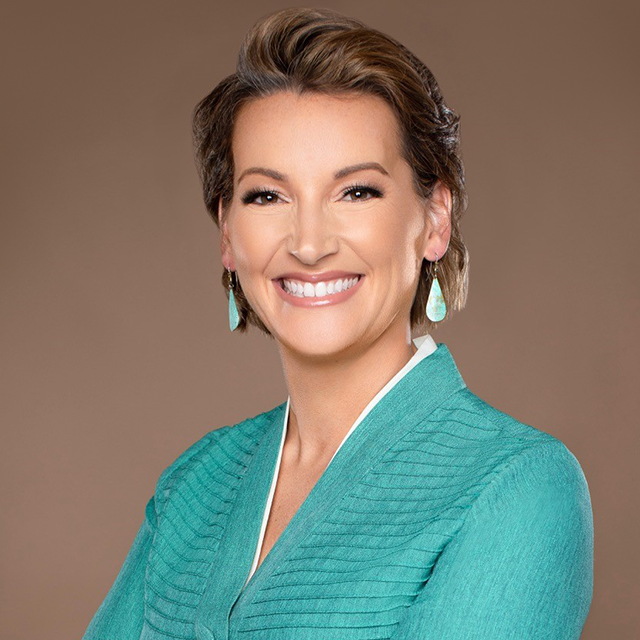
 

TRANSCRIPT

Intro: [00:00:07] Broadcasting live from the Business RadioX Studios in Woodstock, Georgia. Welcome to women in business where we celebrate influential women making a difference in our community. Now here’s your host.

Lori Kennedy: [00:00:24] Hi, everyone, this is Lori Kennedy, and I’m your host today for women in business, powered by a Business RadioX Stone Payton, our producer is also in the studio with us today. And we’re grateful to have you tuned in with us today. We are interviewing two amazing women we have. Kara Frenkel with a moving target ATL and we have Kristi Choate with Chote Barbecue and we’re going to get to hear about them today and what motivates them and what got how they got started and all that kind of stuff. So Kara, why don’t you say hi to us and tell us a little about when you guys opened and what that look like?

Kara Frenkel : [00:01:07] Absolutely. I’m Kara Frankel. I’m the owner of Moving Target ATL, which is a mobile ax throwing business and company, and we opened our first unit in November of 2020. So dead in the heart of the COVID season, and we’re fortunate enough to have a really great year. And we opened our second unit with partners of ours in October of last year. So that’s we’ve got a good little bit over a year under our belt in the mobile business.

Lori Kennedy: [00:01:35] And so what areas do you serve

Kara Frenkel : [00:01:37] Right now, Georgia,

Lori Kennedy: [00:01:39] Anywhere in drive?

Kara Frenkel : [00:01:40] Well, yeah, we try to stay a little closer to home, but we do right now. We do go off more than we really wished we would. Yeah, that’s why the expansion is coming.

Lori Kennedy: [00:01:51] And so where is the you guys are in Woodstock, where we are? Ok, so where is the other unit going to be?

Kara Frenkel : [00:01:57] Actually, the second unit is also housed here in Woodstock. It wasn’t originally planned that way, but it was. The supply was the demand was needed for here. Ok, so the third unit that we’re looking for, southwest Georgia.

Lori Kennedy: [00:02:10] Ok. Awesome. Awesome. All right. Well, Kristi will tell us a little about you and what what all you do. I know you have your hands in lots of different things and how barbecue got started.

Kristi Choate: [00:02:22] Well, so I’m Kristi Choate. We along with my husband, Brian Owen Cho barbecue. We got started, well, little small beginnings. That’s why we always say don’t despise small beginnings. We started out with a kiosk restaurant in the back of Woodstock market, which is just off of Bells, Ferry and ninety two. So the reason for that is you had to have a commissary to have a food truck. So and that was our ultimate goal is to have a food truck that was back in twenty sixteen twenty seventeen is when we got our start with our food truck and it’s just grown since the last five years. And also during the pandemic, we had the blessed opportunity of opening a restaurant in Ballgown Georgia. So in the end of July of 2021, we opened our restaurant in Bell Ground.

Lori Kennedy: [00:03:18] That’s awesome. And how did like you also do other things, don’t you?

Kristi Choate: [00:03:23] I do. I do a lot.

Lori Kennedy: [00:03:24] Yeah, you, you work, what, a couple of days a week, as well as trying to come up with all the recipes and yes, help everybody get to figure out how to get the food out of the kitchen and that sort of thing. Absolutely.

Kristi Choate: [00:03:38] So in addition to Cho Barbecue, I am an administrator at our church. I’ve done that for the last. It’ll be 10 years in October. So I’ve done that. In addition to Cho Barbecue, in addition to being a mom and wife and all the things you just learn to balance it all. So we actually have a great team that’s in our in our kitchen now who you know, it’s it’s a it’s a baby for you. So you’ve had so much control over your recipes and how things are done and your processes and being able to find those people to come into your into your family. And that’s why we like to say at show barbecue, we’re a family, so they come into our family and then you have to teach them like you teach, you know, you’re just different things to your children when growing up. Not that their children. These are bright individuals who have definitely added to our lives and added to our business. But here you’re handing their your baby that you’ve had for the last five years over to other people. And you know, it takes a lot of trust in those people.

Lori Kennedy: [00:04:37] Yeah, I think that’s a really good analogy, too, because it’s also and Carrie, you’re going through the same thing as you guys grow. You know, you also have to just like with children, you do a whole lot more for them when they’re an infant than you do when they’re 15. So or it looks different. So you also have to kind of take your hands off a little bit and let them go and have trust that they’re not going to.

Kara Frenkel : [00:05:02] And that’s hard,

Lori Kennedy: [00:05:03] You know, add salt instead of sugar to your sweet teeth.

Kristi Choate: [00:05:07] When you have a personality like me who you know you like things done right and it’s easier to do it yourself rather than trusting people to do it. It’s hard. It’s harder to to hand that off to people because I mean, there’s always going to be tweaking here and there, you know, to get them back on track with how you want things done right. But they’re doing a great job.

Lori Kennedy: [00:05:28] For sure. Well, Kyra, let me start with you in. I gave you guys a list of questions and I don’t know that we’ll get to all of them, and I kind of just want us to go wherever our conversation takes us. But we will. We have at least a guideline that we know we can start with, but tell me what motivates or inspires you.

Kara Frenkel : [00:05:48] I would say motivation for me has to come from within. It’s easy to say, Oh, my family motivates me or I do it for them, but you really have to be internalize that. I think so. From that, I would say resilience and action, and I know that those two have to go hand in hand and always have in my life. And my dad was a very wise man, and he once taught us at a very early age that you don’t get to pick the cards you’re dealt. So since you don’t get to pick up and play the hell out of the ones that you that you can’t that you have. So with that, you really a lot of when something is challenging that comes your way. It’s truly that ability to say, You know what, I can’t be a victim of circumstance. This is what’s facing me now and how do I get past it? And by doing that, that’s really what motivates me is like, you don’t have a lot of downtime to be able to wallow in the misery. You have to be able to take action and get past it and push yourself past it. And that’s that’s where our business was actually formed. By losing a job to COVID and being able to within four weeks, we already had a business plan in place, and within three months we were fully in business from the ground up. So it’s just truly being able to say, you know what? This was really difficult, but we got to go somewhere else and having a good support system behind you, pushing you like my husband does is is what got us there that fast?

Lori Kennedy: [00:07:02] Yeah. Well, I know you talk about resilience and I do know some of your personal story and you know, only sure what you feel comfortable with. But how does how do some of the things that you’ve had to have resilience with affect? How did those affect you now?

Kara Frenkel : [00:07:22] Obviously, my chronic health issue was the biggest part of the overcoming through the past 15 years or so and knowing that I was living more when I was possibly facing my last days and knowing that I couldn’t get couldn’t get caught up in that. And I had to say, You know what? There’s more for me here, and God had a hand in that and said, Yeah, there is more for you here. And being able to step past that and being able to say, You know what? It’s not fair, but life’s not fair. So it’s time to time to keep going and keep living.

Lori Kennedy: [00:07:51] Yeah, it gives me chills. Thank you for sharing that. I’m Christy. What motivates or inspires you?

Kristi Choate: [00:07:57] That’s a great question. And like what Kara said about internal motivation for me, there’s various things that motivate me, not just internally, but externally. For me, a lot of my motivation comes externally, a lot of stressors, things that just have to be done. So you wouldn’t necessarily think of that as motivation, but you know, you have things that have to get done on a daily basis with the restaurant. Things are it’s predictable. There’s things that have to be done every day. But in terms of inspiration, I find my inspiration from all different types of places people inspire me. Stories inspired me, you know, just a beautiful day sometimes inspires me just seeing what God has has made out in the world, you know, and competition inspires me. So competition is a big thing. I never liked losing. I don’t like losing. So, you know, wanting to win, wanting to to put out there the best product you can and actually negative comments inspire me, whether it makes me irritated in the moment. But I take that. I take that as constructive criticism and move on with it.

Lori Kennedy: [00:09:10] Yeah. Wow, OK. And how does who you are as a person reflect in what you do?

Kristi Choate: [00:09:19] Well, I think a lot of times

Lori Kennedy: [00:09:23] I think the word that comes to my mind is excellence like right off the top of my head. But so as you if you get caught up in that, like if you get caught in, how does that how does that actually, you know, implement itself in my life? I see that in everything you do.

Kristi Choate: [00:09:38] I think being a more for me, I’m more critical on myself than I’m on other people. So one, I don’t a lot of times see what I’m excellent at because I tend to. It’s easier to find the faults than it is the good things sometimes. But it takes people who you have in your life to be able to speak into you. Sometimes that’s what you need. You need people in your life that are speaking those things about you that you might not even see in yourself. So excellence. Like I said before, I’m I’m a recovering perfectionist in that, you know, at some point with a restaurant, you have to hand things off. So and it still creeps in. But again, I don’t think necessarily perfectionism is a bad thing because you always want something to be better.

Lori Kennedy: [00:10:31] Yeah, yeah. Well, you know, I know we’ve talked about Instagram before and I’m a one which is a perfectionist in its title, but really, I think they’ve changed it to an improver as they should have. And I just like to always improve things. And so I see that that trait in you as well, like, you know, and you’ve even talked about it just here right now. You analyze something and then try to figure out how to how to make it better, whether that’s, you know, a recipe or handing something off to someone or that sort of thing.

Kristi Choate: [00:11:03] I think also what Carrie was saying is you take those trials that you have in your life and they can either make you bitter or better. So and we can always wallow in bitterness for a while, but it’s not a healthy place to stay. So I mean, we all have we all have stories. And whether we frame those stories as something for our good or something, that’s always going to be a struggle for us. We just need to reframe those in our mind.

Lori Kennedy: [00:11:32] So, yeah, for sure. So what makes your life significant, Kara? And how does that affect and feed into your work?

Kara Frenkel : [00:11:43] Significance for me, I think is more is just simply connection, connection and relationship, and it’s everything that we do. It’s what empowers me as from from families or friends or anything else can be very situational situationally. Oh, that was hard, situationally connective. But it’s really finding the value in those bonds of people that make you be better or want to show up and be the best that you can be. And what we do, everything that we do is truly a connection from the moment that a customer calls us. The cool thing we get to do is we usually come into their personal lives or whatever, wherever that might be. Be it work, be it church, be it their home or celebration, and they become our family. So it’s taking that transactional status out of of of a business model and being able to make it much more relational and much more personal. And that’s that’s what we pride ourselves in. We don’t want you to feel like you hired us. We want to feel like you like us.

Lori Kennedy: [00:12:41] Well, and you think of all the details like, I remember I went to an event and you had crocs in every size. So why do you have Crocs in every

Kara Frenkel : [00:12:51] Size insurance guidelines, close toed shoes in Georgia, you’re going to have people that wear flip flops twenty four hours a day, three hundred and sixty five days a year. So we have to be prepared. And I think that’s the big thing that we’ve come across is we want to over exceed your expectations, but we also want to be able to provide the things that you don’t expect. And if there’s anything that I’ve ever wanted, if if I was the customer, we want to add that, be it a purse hook. Simple as that sounds, that’s a big deal. A coat hook, a drink holder. Some of the things that you add just because it’s something that you would want or that would be an irritation if it wasn’t there. So it’s just adding the extra special touches and the attention to detail.

Lori Kennedy: [00:13:29] When you do an event like what are the what is the normal time limit if somebody hires you for something, what does that typically look like?

Kara Frenkel : [00:13:37] There’s not really a typical our base rate. Our base time is two hours, so that’s going to be the shortest event that we do. But it’s based a lot out of what your what your event looks like if you have other entertainment or if we are the focus of that entertainment, if people are coming all at once or if they’re going to be straggling in or if you have 100 people or if you have one hundred and fifty people, or if you have 30 people. So it kind of faces off of what you’ve got going on and what your what’s your headcount looks like?

Lori Kennedy: [00:14:04] Ok, got it. All right, Christy, let’s ask you that question. What makes your life significant and how does that feed into or affect your work?

Kristi Choate: [00:14:15] Well, it makes my life significant. Would be. I find my significance from my relationship with God. I know that not everybody is religious or has those views, but that’s where I get most of my significance from. I’m not here as an accident. I’m here with a purpose. I was designed for a purpose. I’m here for this exact time and this exact reason. So a lot of my significance comes from my relationship with with my mouth, my god. So, you know, and I think every life has significance, obviously. But I I haven’t found that most profoundly until I had a special needs daughter like you really don’t have unless it comes into your life and you have a personal relationship with it. Whether it be an issue, a health issue like cancer or whatever, or you have a child with a special need or you have an elderly parents, at some point we’re all going to have elderly parents that were caring for it really doesn’t have significance for you. So it’s just those different things that come into your life, whether you’re going to see it as significant and help you grow and be better, or whether you’re going to use it as something to point to as a crutch and, you know, just wallow in it. So I found through my daughter that I have found a lot of joy, like she doesn’t have the nickname Hannah Joy for no reason.

Lori Kennedy: [00:15:46] But yeah, so yes, she’s always smiling and always has lots of hugs available

Kristi Choate: [00:15:52] That she does.

Lori Kennedy: [00:15:54] Well, one of the things that Brian, your husband said to me recently was that you guys are considering your business and ministry and that the people who work for you, you know you want to make positive impacts in their life. What are some ways that you’re that you see that played out?

Kristi Choate: [00:16:13] Well, we’re interested in their stories. They’re not just somebody who comes to work who, you know, they just come in, get the job done. We don’t care about them, necessarily, and they just go home. A lot of times it’s easy to see yourself as a number or machinery, as my pastor calls it. But they’re not just machinery. They are people who have stories and who have hurts, who have, you know, different things in their life that are struggles for them. So I want to know what they’re going through and who they are as people. And my husband says that he was brought into this restaurant business for Grace. You know, he grace is something that we extend, but we also receive. So we also want to extend that grace to people that we work with. And like I said before that, everybody that comes into our business, we’re accepting them into our family. So we want to see them as family and with family comes struggles sometimes, and you just have to work through that.

Lori Kennedy: [00:17:16] Yeah, yeah, for sure. How do you use your influence in the community, Christi?

Kristi Choate: [00:17:25] Whether we think we have influence or not, we do so a lot of times I don’t think I have influence because I’m an introvert, so I like to sit back, observe. I don’t like to be in the spotlight. That’s why my husband is the extrovert and he can talk to anybody. But whether we like it or not, we have influence how I’m using that in the community. I mean, I to be honest, I don’t know.

Lori Kennedy: [00:17:53] Well, you teach a Bible study well or you facilitate a Bible study and you’re very consistent with that and you are very purposeful and driven with that.

Kristi Choate: [00:18:05] Yes. So that goes into my consistency and my perfectionism. I do have a Bible study. I do go to to my part time job. I’m consistent in that. I do go to my restaurant and I’m consistent in that, and I think people can see consistency as an influence.

Lori Kennedy: [00:18:27] It’s definitely something that you can depend on, right? Like, yeah, I would much rather have friends that I know how they’re going to react to something as opposed to somebody who’s going to blow up if I’m one minute late or whatever, you know, because I’ve never been late.

Kristi Choate: [00:18:45] Right?

Lori Kennedy: [00:18:46] Never, never, never, never. Well, Kara, how do you use your influence in the community?

Kara Frenkel : [00:18:52] We’ve actually started a of not a foundation. We’ve started a format of fundraising that we call acts of service, and that allows us to being mobile. We can give back to quite a few different communities, not just the local community that we’re plugged into. And that’s been really great because it allows us to add a level of unique entertainment while people are giving back for either an organization, a cause or a nonprofit. And that’s something that we partner with a lot. We like to do that monthly, if not bi monthly, and sometimes it’s notified that, you know, notice that we are a big sponsor of something like that, and sometimes the best giving is when people don’t know that you’re involved.

Lori Kennedy: [00:19:30] Yeah, yeah, that’s for sure. You also have this ministry at your house that’s like the hot tub ministry.

Kara Frenkel : [00:19:36] We do.

Lori Kennedy: [00:19:37] We do for girls only. I like that one,

Kara Frenkel : [00:19:42] Our networking moment that we have there once a month.

Lori Kennedy: [00:19:46] Well, Chrissy, I actually thought about something as we were having this conversation. You know what? I’m going to say, Tony.

Kristi Choate: [00:19:53] Maybe I’m not sure.

Lori Kennedy: [00:19:55] Go ahead. Banana pudding? Yes. Tell us about your banana.

Kristi Choate: [00:19:59] So special needs. My daughter has been involved in Special Olympics since she was in fifth grade. That’s how old you have to be or what grade you have to be in to get involved with Special Olympics. So she has done bowling, she’s done swimming, she’s done horseback riding and her greatest love is horses. So but she actually had an accident about a year ago where she fell off a horse and broke her arm. But that’s a side story. A joy. It’s and she’s always had the nickname Hannah Banana. And at a barbecue restaurant, you do have banana pudding. So we renamed the pudding to hand a banana pudding and every for every hand and banana pudding that sold a dollar gets donated to a Special Olympics Georgia and to beets, which is Bethany’s equine and aquatic therapy they’re out of. I believe the address is Woodstock, but it’s pretty, pretty far up there in between Milton and Canton area. Ok, but that’s the barns that she’s written at since fifth grade.

Lori Kennedy: [00:21:05] Yeah, that’s awesome. So how do you handle mistakes in your business and give me an example? I know it feels like an interview, doesn’t it? That’s an interview question.

Kristi Choate: [00:21:16] I mean, food’s pretty predictable. A mistake in in a restaurant would be something not cooked right. Something’s overdone. Something’s not put together correctly. They don’t like it. It’s always trying to please the customer. You’re going to do things wrong. I mean, that’s just that’s just how it’s going to be. There’s always going to be somebody who doesn’t like something. Some things are personal preference, but you know, we always want to make it right for the customer. We always said, we’ll give them a refund. We’ll give them a free meal, give them a coupon and come back later. It’s the only issue with handling mistakes. Is not handling them. Yeah, ignoring them. Then your customer isn’t feeling valued and ignored, and that’s never a good thing.

Lori Kennedy: [00:22:00] I guess we have the we just we went on vacation together, y’all, so we just spent a whole week together. And you know, things happen with your business when you’re not there. And so I saw that, you know, your husband dealt with a customer that was not happy. And he didn’t even ask, Was he right or wrong? He didn’t care. He just said. I don’t make him happy. It doesn’t really matter what happened, right, you know,

Kristi Choate: [00:22:29] Because in the end, you always want a customer who’s satisfied or not just satisfied who has had a great experience.

Lori Kennedy: [00:22:36] Yeah. And in the same token, he did ask because he wanted to know if there were things that he needed to do different going forward. But he was like, Make them happy. I don’t care what happened, and then let’s figure out what happened and see if we need to make changes, you know? Absolutely. Yeah. What about you care? How do you handle mistakes in your business and give me an example?

Kara Frenkel : [00:22:56] Well, obviously when you are a one or a two man show, you wear a lot of hats and you have a lot of plates spinning in the air and it’s just, we’re human. It’s going to happen where one of those drop. Unfortunately, like you said, I’m my worst critic, so I can’t get past it very easily. So the biggest thing I think is just swiftly handling the situation and being very humble and using 100 percent candor and just being flat out honest. It was exactly what happened, why it happened and then how you can rectify it. I think also it’s I like to come to the customer with these are some options that I think we can, how we can handle the situation, but also ask for input. What do they what will they be satisfied with if this mistake happened? And then it’s just learning through that and knowing that you put the proper things in place, so it doesn’t happen again. The example that I probably, as I say, you have to give yourself a little bit of grace. I don’t usually do it, and I’m still probably worried about this one. But early on, I gave a lot of credit to Google Calendar and being able to do all my scheduling through that. And the mistake happened when I realized that I double booked when we had one unit. I double booked a event on the same day at the exact same time in different cities.

Kara Frenkel : [00:24:11] So that wasn’t going to be an easy one to rectify. But I had to just put that aside and say, OK, let me go to these people on a very personal note. Let them know I made a mistake and take full responsibility for it. I think that’s the other part is how would I want this handled if it was me? Unfortunately, both events couldn’t be rescheduled or changed from the date. But being able to work through it and letting them know I made a mistake and being able to right that wrong in the customer’s behalf. So if it was doing their event at a slightly earlier time, just to be able to make both happen, even if it came down to, I reached out to a competitor to be able to say, Would you be available on this? I messed up. Would you be available? And if that was the right route I needed to go, we would be happy to do that to make sure that the customer was satisfied. On the other end, but it was just being able to also say, Well, you know what we could do, we could do it at this time. And I say, if you would do that for us, we’ll we’re going to comp your event and they’re more than happy just to know that they can still feel really good about the outcome, and they were able to help us out in a really sticky situation.

Lori Kennedy: [00:25:14] Yeah, for sure. Well, so I know we’ve talked a couple of times before and I’ve heard you say things about like what makes what you do different than your competitors.

Kara Frenkel : [00:25:28] Anybody that’s making people have a great time is doing a great thing. So I’ll start with that. Yeah, a little bit about what we do differently is the attention to detail and being able to start with a really good quality product at the point where I lost my job and we were going to start a business. It seemed like, OK, how are we going to do this? Where where are these funds coming from? And to do it, I could understand how somebody would want to go into it as inexpensively as possible just to be able to start the business and then grow with it as you do. We took the absolute opposite approach and said, if we’re going to do it, we’re going to do it right and it’s going to be recognized that there is a difference. And we hear a lot. Even when I talked to our insurance company, they say usually every Monday morning we get somebody that wants to quit their job and put this on wheels and start mobile ax throwing. And they say we can’t even insure them because they don’t even know how they’re going to build it, let alone have a drawing or any type of a business plan. And that’s one thing having the industry knowledge behind me and going into my fifth year of being in the industry and in the sport, we already knew what that looked like. We knew what, how we needed to make it right and make it different, make it safe. And that was our biggest thing is putting the safety first. Making decisions that weren’t all about the money, but it was about the safety and the experience. And by doing that, we keep everything on the unit versus extra targets off of the unit or roaming axes where it’s not going to be safe. So it’s just a quality product, a quality experience and having that wow factor when we pull up all the way to the very end and the follow up.

Lori Kennedy: [00:26:57] Ok, awesome. Same question for you, Christy. What makes barbecue, not just your everyday barbecue? What is special about y’all

Kristi Choate: [00:27:07] In contrast to care? We did start out small. We started out with a little offset smoker in our driveway, which you know, would draw the neighbors. What are you cooking? And he, my husband, Brian, he. I’d like to say invested in a lot of meat before he got it right. So he does a lot of things wrong before he got it right. But we’ve always gone into it is our motto is sauce optional, simply great barbecue. So we want our product to have flavor outside of the sauces, which we already make. We make as well. Before you put it on the product, but it’s always that attention to if it’s right, if it’s cooked right, if it’s if it’s how it should be, if it’s it moist, is it dried out? Is it too dark? Is it too light? So it’s always been doing it right the first time? I mean, you’re going to get like I said, you’re going to ruin it. Ruin a lot. Spend a lot of money. Before you get it right,

Lori Kennedy: [00:28:13] Yeah, one of my first memories of Brian was when he entered barbecue into a church cook off and one for the very it was his very first time doing something like that. And I remember how scared he was and he was like, But I won. I won. Yes, that was fun.

Kristi Choate: [00:28:28] So he he figured it out quickly that he would rather sell barbecue at a barbecue competition than to pay somebody to tell him that his barbecue is good.

Lori Kennedy: [00:28:36] So he makes sense appropriate.

Kristi Choate: [00:28:39] He’s always done the meat side of the business, the the brisket, the ribs, chicken, and I’ve always done the sides. I’ve always had a affinity for cooking that probably comes from my aunt, you know, going to visit her. She was a great cook, but yeah, so we’re complementary in that. But yeah,

Lori Kennedy: [00:28:58] What are the other parts of the business that you do versus him? I’m always curious, and I’m going to ask you the same question here because I’m always curious how husband and wife figure out who’s supposed to do what without, you know, killing each other.

Kristi Choate: [00:29:13] Yes, that’s a very great question. So him being the extrovert and me being the introvert, he’s greater. He’s better with people than I am. I would much rather get my get my head to the grind and do work versus having to manage people. And I’ve told him that I will do whatever, but I’m not managing people. That is not my strength. That’s not what I like to do. I like to do work. So I mean, I’ve been on the food truck, I’ve made sides, I’ve been up late, I’m going up. I’ve been up early, I’ve done it all. But also, I also have an administrative background, so I like numbers. I like putting my hands to whatever is the back end of the restaurant to make it run because there’s a lot, a lot in the back end that goes into it.

Lori Kennedy: [00:30:03] Yeah, I mean, we’ve talked about things like, what company do you use for payroll and what, you know, how did you get a PPP loan and all these kind of things? So I know you do a lot of the admin paperwork accounting that kind of stuff.

Kristi Choate: [00:30:16] Yeah, a lot of inquiries from catering. Yeah, I just do it. Do it all on on the administrative side of things. So yes. But Brian is the day to day operations of the restaurant. He worked for a Fortune 500 company for 23 years, and in June, he quit his long time job during a pandemic and went full time into restaurant,

Lori Kennedy: [00:30:44] Took the plunge,

Kristi Choate: [00:30:45] Took the plunge. At some point in your business, you’re going to have to do that, whether you’re forced to or you doing it willingly, it was the next step to where we wanted to be with our business.

Lori Kennedy: [00:30:57] Yeah, it’s very courageous. It’s a very courageous step. It’s a very scary place to be. But yes, you’re right, in order to take that business to that next level, you have to be willing to put your all into it. Yeah, for sure. What about you care? How do you and your husband divide your your business?

Kara Frenkel : [00:31:15] Well, my husband hasn’t taken the plunge, so he still has a normal job or what he calls a real job, which you know, now we laugh at that because now he has two real jobs. But if you asked him, he’d say, I’m the brains. He’s the brawn. I would say way more than that. We both are extroverts. We both have no problem talking to customers and it kind of works for what we do. I get the customers from the time that they’re trying to get a quote all the way through the process. All of the back end again, those a lot of spinning plates, for sure. And he gets our unit safely to wherever we go and does one hundred percent of the maintenance he’s he did ninety nine percent of the build out of both units himself other than the welding, and he’s the MacGyver that can make any. He can prepare ahead for what he can think could possibly go wrong. But he is in the moment the person that can go. No matter what happens, I can fix it. And we’ve actually seen that happen when our winch broke right at the beginning of an event in my head. It’s like, Oh, this one’s canceled, he said. No way, you know, he went to Home Depot, he fixed it. They never even knew anything was wrong. But he also has the personality to be able to be the lead expert and be up on the trailer and having people have a great time with him. So he’s kind of the anomaly that is hard to be able to get, which is why being able to find the the right people to be our operators are very difficult because you usually don’t have the person that has that skill and that those traits as well as the personality and you kind of have to have both.

Lori Kennedy: [00:32:43] Yeah, yeah. What is the greatest challenge that you’re facing right now as a business or industry?

Kara Frenkel : [00:32:49] Oh, goodness, I would have to say I’m going to go from the mobile aspect because ax throwing is it’s not going anywhere. It’s a worldwide sport. It’s an ESPN sport. But the mobile side is newer, so that’s only been around for a couple of years. And so a lot of trial and error to be able to make sure that regulations are are are completed and correct. But the biggest thing would be. Somebody getting into the business. So new without doing the proper research in the industry knowledge and knowing what those regulations are and how to be able to be safe at what you’re doing and what you’re building, not just jumping straight in because we’re trying to keep the integrity of mobile apps growing at a level that we we operate at and that we want to be able to sustain. And if you get somebody that’s not going to do it very safely and you get one bad rap, then it’s going to hurt the whole industry. So it’s just trying to make sure that we can mentor and help people along the way to be able to make the decisions and be knowledgeable before they actually jump in.

Lori Kennedy: [00:33:49] Who knew about ax throwing before you did this and how did you bring that knowledge to the. Do you know, how did you do it before?

Kara Frenkel : [00:33:58] Yes, I was actually. I was in brick and mortar entertainment for four years or almost four years before COVID, so I ran brick and mortar different entertainments, but ax throwing was one of those across the country.

Lori Kennedy: [00:34:11] Ok, yeah, I think you’ve probably told me that. But you know, I had not remembered that. I think that ax throwing combining that at an event with alcohol would be an interesting endeavor to make sure everybody stays safe all the time, for sure. Which way do I throw this thing again?

Kara Frenkel : [00:34:28] We’ve been very fortunate again. We that’s our number one thing is the safety, so we’ve been very fortunate to make good decisions that keep people safe.

Lori Kennedy: [00:34:36] Yeah, that’s awesome. Christy, what are the greatest challenges that barbecue is now facing as a business or industry?

Kristi Choate: [00:34:44] Can we say pandemic? So all across the board, whether it’s labor commodity cost, it’s all a challenge. Yeah, something was. So let’s just take fryer oil, for example. What it was 13 dollars, 14 dollars a couple of years ago is now $40. Meat is a couple of dollars more dollars per pound. So business cost is a huge thing and labor costs have not gone up. You know, you just want to take better care of your employees and to get that great talent, you have to pay them more. So and a lot of times customers, they don’t want to pay higher prices, but you kind of have don’t really they want they want the same amount at the same cost. So but we’re in that unique situation that, you know, we have great customers few and far between that they’ll come in and be like, Well, this is expensive, but it’s not McDonald’s or it’s not Chick-Fil-A. It’s a process that takes a lot longer time to produce then than that. And but yeah, the pandemic, I think, is the biggest challenge, and I know it’s not forever. Costs are going to come back down. Hopefully, hopefully it won’t be much inflation, but you know, it’s just something we’re dealing with for the next. I don’t know how long.

Lori Kennedy: [00:36:09] Yeah, we thought we had several conversations about labor and how difficult it is to get get people working these days. So I know that’s got to be even more difficult in restaurants than it is in automotive, but it’s we’re struggling as well.

Kristi Choate: [00:36:23] Absolutely. Now for the food truck, during the pandemic, we had our best sales year period. Being a mobile business, you know, with all the restaurants shut down, people were inviting us into their neighborhoods. And yeah, so we did a lot of neighborhoods. We did more, more more events like that. So it was a great year for the food trip. But, you know, still the costs went up.

Lori Kennedy: [00:36:51] Well, what are some misconceptions about your industry misconceptions?

Kristi Choate: [00:36:56] Well, I think I hit on one of them is that people want the same amount for the same price in in this environment. It’s just not going to happen. I was actually reading an article today about a company in Atlanta, a restaurant group that actually is putting a surcharge on their tickets. I mean, it’s right on there for you to read, so it’s not hidden. But they have. I believe it’s a five percent surcharge to provide paid time off and health benefits for their employees. So every ticket, they’re adding five percent to it. Now you can opt out of that, but that’s not something we’re doing.

Lori Kennedy: [00:37:33] But I I think it’s a very creative idea.

Kristi Choate: [00:37:36] Absolutely. And I think anything that you want to do with your business, as long as people know up front where you’re doing, then you’re better off more information than less information.

Lori Kennedy: [00:37:48] Yeah. And I think a lot of people, at least a lot of people that I know when they go out to eat now, they tip more percentage wise than they did before the pandemic because they know that it’s hard to keep employees working. And I think everybody knows it’s hard to give them benefits. It’s costly to give them benefits. So I think I would be all for, you know, if I can afford to go out to eat, then I can afford to pay an extra five percent to make sure somebody’s taking care of. Right? I mean, I think that’s I think that’s very creative.

Kristi Choate: [00:38:19] It is creative. Absolutely.

Lori Kennedy: [00:38:20] Yeah. What are some misconceptions about your industry here?

Kara Frenkel : [00:38:24] That’s pretty easy. Ax throwing is dangerous.

Lori Kennedy: [00:38:27] So especially when you combine it with alcohol.

Kara Frenkel : [00:38:31] We just talked about this. Absolutely. Yeah. So I think the biggest thing is, again, it’s been around for a long time now. So it’s not something that’s just thrown together like, Hey, this would be fun if we started throwing axes for a sport, it’s it’s here to stay. So I think the biggest part is especially when you throw it on to a trailer and your mobile people think it’s a free for all. The people are just walking around with axes and doing their thing. They’ll. And always, hey, I saw a video once like, we know where it’s going, hey, I saw this video once and it looked really dangerous or it could have gone really bad. But there’s a lot of things that you that checks and balances that you put into place to make sure that you can show them clearly that that’s not the norm. And again, some of those regulations are our trailer is regulation distance for throwing, regulation width for throwing. It also always has somebody on the trailer. The axes are the properly selected axes and the size and the weight that they should be to make the risk a lot less than it would be if it was improper.

Kara Frenkel : [00:39:32] Making sure that people are going through a litmus test of getting up the stairs easily before they’re going to start throwing axes. And then again, making sure that the throwing is only happening on the trailer and that we have full management and full responsibility of where those axes are and that they never leave the trailer. So there’s a lot of checks and balances to make it a lot safer. Plus, we’re totally covered with our insurance that there’s no additional risk to any property owner or anywhere that we’re sitting. So that gives them some type of a peace of mind as well. But once they see what we do versus what some other people do, or they’ll actually build a target on the ground, and then, yes, there’s axes roaming around, you never can really control somebody. But what we do is it’s one hundred percent. You’re always with somebody that knows what they’re doing, that’s managing it on the trailer and you never take them with you.

Lori Kennedy: [00:40:17] Yeah. Contained.

Kara Frenkel : [00:40:18] Very contained. Yes.

Lori Kennedy: [00:40:19] Well, yes. And our industry and automotive, whenever somebody says, Yeah, I saw something on YouTube, right? Oh no.

Kara Frenkel : [00:40:27] The funny thing is the one, the one that most people are talking about. We can go ahead and debunk that one right off the bat so we know what they’re talking about before they even get to that. You’ve seen it? Yeah, we know. We know.

Lori Kennedy: [00:40:38] Well, are you being mentored and are you mentoring others? And like, what does that look like for you on a regular basis?

Kara Frenkel : [00:40:44] We do mentor others in two different capacities. One is when we jumped in, we were we were quickly recognized as a very quality brand. And by doing that, we had a lot of people through Facebook groups and other people that are looking to get into the into the industry, reach out to us and ask for a lot of guidance, which this is where my husband and I differ. He’s like, No, we did all of that. They can do like, no, it benefits and behooves all of us to let people fall in love with the sport and to do it the right way. So there’s no reason to put anything in their way of being successful because it would only hurt us as well. So it’s from San Diego to two people in Florida and currently somebody in Tennessee, in North Carolina that we’re starting to kind of help through the process and mentor along the way. I have no problem answering questions and trying to at least open their eyes to things that they don’t know or even going to come their way before they make the mistakes that could possibly cost them their business before it even gets off the ground. And then our second way is through our established partnerships that we have. So our second unit is more of a, you know, closer to my heart. It’s son and daughter in law, have bought into it and have their own unit as well. And they’re doing it on a part time basis because of his job. But being able to mentor them and actually teach them a little bit more about business in general, not just about the business that they have. They have actually started themselves. And then obviously the new entrepreneurs that are coming up with us as well for the next units.

Lori Kennedy: [00:42:08] Although I love your answer, my thoughts go toward franchise.

Kara Frenkel : [00:42:13] Yeah, yeah, we’re doing partnerships versus franchise. It’s just a better business model for us. So we’re partnering out versus franchising. Yeah.

Lori Kennedy: [00:42:22] What about you, Christie? What mentoring? Who’s mentoring you? Who are you mentoring? How does that look?

Kristi Choate: [00:42:29] So when we got into the barbecue food truck business specifically, we had several barbecue food trucks that were out there already doing it. Some great guys who who, you know, told my husband and I, If you ever need anything, let us know they let us. They gave us some tips, some tricks of the trade, that sort of thing with having to do with the food truck. These were people who knew, and Kara’s point is that, you know, their success doesn’t equal my failure and my success doesn’t equal their their failure. Every once in a while, you run into some people who aren’t like that where they see it more as a competition, but is if you’re putting a great quality product out there. I mean, it elevates it elevates the whole industry or whole elevates the whole barbecue industry. Now, of course, my husband and I like to go wherever we go. We go to always, always find out, find those barbecue restaurants where we can go. And it makes us, you know, like, Oh, we need to do this different or, you know, it just validates to us that we’re we’re doing something right.

Kristi Choate: [00:43:33] So those were people who early on were mentors to my husband and I in our business. And when we were looking to expand from the food truck to the restaurant, you know, we had different people from some, some local breweries. I mean, Spencer Nix with reformation, he was a great asset to my. Has been and not Kobe Zakhele with. Yes, several local restaurants and can you know, he he you know, Bryant bounced some stuff off of him and actually gave him a great lead for this restaurant where and now? So those were people that you know, were vital, you know, to our business and who has have talked and talked into my husband and I. But also, you know, in terms of other mentors, I mean, there’s lots of people out that you come in contact with that can be challenging or can be mentoring you in some aspect. And in terms of mentoring other people, I don’t feel like I’m mentoring other people, but that’s the key there. You don’t feel like it. So again, you have influence, whether you think you do or you don’t. But yeah,

Lori Kennedy: [00:44:48] For sure you do. Ok. Just a couple more questions. And what advice Christy would you give to someone trying to get into a new business, not specifically your business, but a new business? What advice would you give them?

Kristi Choate: [00:45:04] I think I said it before. It’s don’t don’t despise small beginnings. A lot of people want to go big or don’t do it at all. I think are entry level points into business where you can be successful and build from there. And that’s what we have seen in our business is we started small, we funded it ourselves. We didn’t have any debt going into our business and we built the food truck out ourselves. So there’s different things that you can do in business where you don’t have to invest a lot of money ahead of time, but you do have to invest a lot of talent and sweat equity into it. So that’s what I would, you know, some advice I would give them is don’t don’t worry about starting small. It’s OK.

Lori Kennedy: [00:45:50] Good advice. What about you care

Kara Frenkel : [00:45:54] In business in general

Lori Kennedy: [00:45:55] Or business? Yeah, business in general. I think just because your business is so specific, it is. Yeah, that I’d say here in general, yeah, in

Kara Frenkel : [00:46:03] General, I think it’s just, you know, take a deep breath and believe in yourself. You can do more than you give your give yourself credit for and allow the people that are your your best advocates to be there to pump you up and make you feel like, you know what, you’re doing a good job and listen to them. Sometimes it’s hard to hear the positive. It’s only it’s really easy to hear what people are going to the naysayers of what you’re doing. So take the risk and be able to know that there’s going to be setbacks. And that’s OK. That doesn’t mean it’s the end of your business. So just be ready to to power on pass those and do it. Just do it. But make sure that you’re you’re well informed when you do so that you’re prepared for what can come your way.

Lori Kennedy: [00:46:44] That’s awesome. Ok, last question and that is, how do we get in touch with you? How do we find you? How do we follow you? How do we come see you? Whatever that is, Kara, how do we do that with you?

Kara Frenkel : [00:46:59] With me? You can find us at W W W Dot Moving Target ATL. You can also email us and that would be info at moving target ATL. And then our phone number is seven seven zero seven five six two nine three seven. That spells axis axis, so that’s easy to remember on that.

Lori Kennedy: [00:47:20] My father,

Kara Frenkel : [00:47:21] My husband did that. He gets full credit for that. But then also, if you’ll check us out on social media, we’re on Facebook and Instagram, and you can really get a good feel for what we do and what sets us apart in the industry.

Lori Kennedy: [00:47:31] Awesome. Thank you. How do we find you?

Kristi Choate: [00:47:35] Well, when you can just look for the food truck rolling down the road, but that jokes aside, yeah, no.

Lori Kennedy: [00:47:41] You guys are at. You’re in down from Woodstock. A good bit trucking tab.

Kristi Choate: [00:47:47] Yeah, two times a month. We’re at several local breweries. We do all kinds of events, which is complimentary to ax throwing. But yeah, it’s WW W Dot Tote Variety BBC.com is our website and you can find us on Instagram and Facebook. Our restaurant is actually up in Bagram. It’s one oh one five zero Ballgown Highway in Bagram. It’s right on the main thoroughfare there as you’re going in and through background ground, and we’d love to have you come out and visit us.

Lori Kennedy: [00:48:23] Awesome. Well, thank you for joining us today on women in business powered by Business RadioX until next time, this is Lori Kennedy reminding you to keep learning and growing.

Tagged With: Choate BBQ, Kara Frenkel, Kristi Choate, Moving Target ATL

Stacy Santiago With Powerhouse Hypnosis

January 13, 2022 by Jacob Lapera

StacySantiago
Workplace Wisdom
Stacy Santiago With Powerhouse Hypnosis
Loading
00:00 /
RSS Feed
Share
Link
Embed

Download file

StacySantiagoStacy Santiago is a Certified Hypnotherapist, Board Certified Coach, and Licensed Professional Counselor in Woodstock, Georgia. Her passion is helping 6 and 7 figure entrepreneurs quickly and effortlessly dissolve barriers at the subconscious level so they can skyrocket their income, fulfillment, hypnosisand impact to a level that leaves others speechless.

Knowing that our subconscious mind controls 95% of our life and that people are hungry for faster, permanent solutions to painful problems, Stacy created Powerhouse Hypnosis with a unique methodology. Stacy doesn’t put superficial band aids on symptoms for temporary relief.

She takes you deep below the surface of what’s holding you back – money blocks, self-doubt, limiting beliefs, self-sabotage – and unlocks both the conscious and subconscious superpowers you need to create what you want to have and feel in your life. Forever.

Her career path includes experience in insurance, recruiting, therapy, career counseling, and successfully building her first coaching business, True Career Choice. All about the simple life, Stacy spends her time with her husband and three boys, living out her faith, cultivating peace, and constantly learning new things about the mind.

Connect with Stacy on LinkedIn.

This transcript is machine transcribed by Sonix

 

TRANSCRIPT

Intro: [00:00:08] Broadcasting live from the Business RadioX Studios in Atlanta, Georgia. It’s time for workplace wisdom sharing, insight, perspective and best practices for creating the planet’s best workplaces. Now here’s your host.

Stone Payton: [00:00:31] Welcome to another exciting and informative edition of Workplace Wisdom Stone Payton here with you this morning. And you guys are in for a real treat. Please join me in welcoming to the broadcast with powerhouse hypnosis Miss Stacy Santiago. How are you

Stacy Santiago: [00:00:49] Doing well! Thank you, Stone. Thank you so much for having me.

Stone Payton: [00:00:52] Will this conversation has been such a long time in the making? I’ve been so excited about visiting with you. I have a ton of questions. In fact, we may have to have you come back to complete my my entire line of inquiry, but I’m really excited to have the conversation and bring your work to our listeners. Perhaps a good place to start, though. Can you give us just a primer, a little overview, mission purpose? Well, what are you really out there trying to do for folks?

Stacy Santiago: [00:01:18] Yeah, sure. That’s a great question. So just to get perspective, I’m a certified hypnotherapist as well as a board certified coach and licensed professional counselor. And what I really love to do is help entrepreneurs especially quickly and effortlessly dissolve barriers at the subconscious level so they’re able to just break free and skyrocket their income, fulfillment and impact to a level that just really leaves others speechless. That’s what I’m about doing.

Stone Payton: [00:01:51] Well, I got to tell you, I resemble that remark. I’ve been an entrepreneur virtually all of my life, and I’ve certainly struggled. I’ve been very blessed and I’ve had a few wins. I’m sure you see some patterns. Are there some things that you see over and over that you see more and more entrepreneurs struggle with?

Stacy Santiago: [00:02:11] Yeah, absolutely. And what it comes down to, hands down, is mindset. I mean, you may have heard it said that success is 80 percent mindset and 20 percent mechanics. And it’s just it’s so true. We all have limiting beliefs. And the more you grow your business, the more you’re going to feel the effects of these perceived limits, for example. So many entrepreneurs struggle with self-doubt, imposter syndrome, fear of failure or fear of success, or even secretly feeling like they’re unworthy of earning a lot of money. And this all comes from old hardware programing in the subconscious. And most of the time it comes down to one of these root beliefs. I’m not good enough, I’m not deserving or worthy, or I’m not accepted or loved. And what I’ve found is that unless you neutralize and you release these negative beliefs in the subconscious, then they’re always going to create limits and suffering in your life.

Stone Payton: [00:03:13] So I got to tell you, I feel like I am actually in the session because, I mean, these are things that I’ve struggled with personally, and I think or at least I feel like I’m pretty good at recognizing when I’m struggling or when I feel like I’m I’m struggling. But, you know, I don’t necessarily know what to do about it. I think my go to move is is work harder. Read more But, you know, I don’t have like, Oh, this is happening. So now this is what I do to to get self corrected. I bet you see entrepreneurs trying to just because of their nature. They try to fix this on their own right.

Stacy Santiago: [00:03:53] Oh yeah, I was doing that too. I was executing and hustling like a bro. But I face so many limits and struggles in my own journey as an entrepreneur that I couldn’t break free from on my own. And I see that over and over with people as they try and put their head down, do it alone and just overcome it with hustling. They think, Well, if I just work harder and I push, push, push, I’ll achieve, I’ll be successful and I’ll be happy. But if you’ve ever tried this before, and yes, that was me been there, done that, then you know, you know that happy is not the outcome that you get. And another struggle that I see where people go with this is it’s easy to slip into operating with a victim mentality. And that means you believe in an objective reality that you largely have no control over. And what’s not working for you might be because of someone else or someone has something you don’t. And so there’s kind of some blame, some complaining going on there and no judgment. If listeners, that’s where you are, but there is a victor inside of you that’s screaming to be let out.

Stone Payton: [00:05:07] So how let’s do talk about that, your back story a little bit. How does one find themselves in in this line of work? Tell us a little bit about your journey.

Stacy Santiago: [00:05:17] Yeah. So for me, being an entrepreneur, I took the journey starting out. I can do this on my own, I can do it. And I chose a few different models of business, a lot of trial and error. And it all came to this point where I tried to launch something that didn’t work. And it was kind of funny because I had about two people enroll in what my offer was, and I was so disappointed I actually gave them their money back. Yeah, it was just so frustrating for me, and I’ve always been seeking, Well, how do I break free and what do I do? And I’ve worked personally with five different coaches on my own, five different programs and angles. And then I also saw that with the people that I’ve been working with for over a decade and helping them find their ideal path and grow their business, it’s just so clear that there are deep issues and inner struggles that cannot be fully resolved with conscious thought. And so having tried many things and been seeking for a long time, I finally found that best solution hypnotherapy. And now I’ve combined that hypnotherapy mindset and coaching all into this one superpower formula that sets people free to have and feel what they truly desire in their business in life.

Stone Payton: [00:06:36] Well, and I do want to be careful to make the distinction because I get the distinct sense that that you’re not dismissing other methods of introspection and growth and and information gathering and inspiration. I sense that you’re saying, don’t let me put words in your mouth. There’s still a place for the self-help book the education, the, you know, focus and and and setting strategy and all that. I just I get the idea that you feel like there’s this whole other untapped resource that is, if we can take that and use it to compliment all that, then you’re really on on steroids. If you were

Stacy Santiago: [00:07:16] Right, exactly. It comes down to knowing what the real problem is because for some people, it might be knowledge and knowledge can be very helpful. But if you have a route struggle like I’m not good enough this plaguing self-doubt, this need to please people this feeling unworthy or undeserving. That’s not something that’s going to be fixed through business tactics or self-help books. It’s kind of like wanting to see your one hundred piece puzzle finally put together, but all you’re doing is grasping at one random piece at a time. So when you have these root problems, it’s it’s not a matter of knowing something. It’s a matter of being stuck in this toxic pattern of subconscious thought. Does that make sense?

Stone Payton: [00:08:09] Well, it does. And and I realize it would be completely inappropriate to name names. But but I’m wondering if you could help bring an example to life where maybe you’re working with a client and, you know, maybe they’ve got this imposter syndrome, but they they come to you thinking that the the the problem is, is X. And then you help them identify the root cause is why is there an example where someone came to you when they felt like the problem was something more superficial and then you helped them identify something they had not even maybe even entertained?

Stacy Santiago: [00:08:46] Oh, sure. Yes, all the time. So I have this client who has a really wonderful business offer. She’s super bright, hardworking, and she’s struggling with the revenue that she wants to earn. And so that can be a very common experience, right? That’s what’s top of mind is maybe I’m not breaking through to that next level of revenue that I want. So it must be maybe this money issue that I have. I can’t figure out why. What am I not doing right? But in looking underneath the surface with this client in particular, she has this belief that she is not going to be accepted, that she is going to put herself out there. And when she does, she’ll be rejected and she’ll be left alone with nothing. So you see that even though she really does want to amp up this revenue and she wants to get this offer out there and getting so much more momentum with it, it’s not a matter of tactics. She’s already spelled out, she’s mapped out. We’ve reviewed funnels. We’ve looked at all of that, but it’s not going to matter what she executes on because what’s underneath that, as long as she believes and she doesn’t shift out of, well, I’m going to be rejected and I’m going to be left. Along with nothing, it’s just not going to matter what she does, she has to go to that place. And it’s so interesting because in working together, I mean, she didn’t know that on the on the front end of this, she didn’t know that that’s what really needed to be worked on. It comes out only as we do this work with mindset and hypnotherapy because in the subconscious and the heart, that’s it knows where to go.

Stone Payton: [00:10:31] Ok, so let’s talk about hypnotherapy a little bit. I almost characterized it as as the elephant in the room. I think it’s the elephant in my room. I don’t think it’s an elephant in your room. I got to believe that you must meet with some level of skepticism when you’re maybe in your sales and marketing process or in the early part of your counseling, your consulting work. Do you run into some skepticism? If so, how do you deal with it? What really is hypnotherapy? Let’s let’s let’s let’s take the veil off of this thing and really help people understand what this is, can be and can do for them.

Stacy Santiago: [00:11:09] Oh, sure. Yes, this is not something that while it’s becoming more mainstream, it’s not something as common as traditional talk therapy. And often what’s portrayed about it is not an accurate representation of what hypnotherapy actually is. And so in hypnosis, what it is, it’s a powerful state of focus. And as a hypnotherapist, I help your critical mind relax and move to the side so we can access that which you want to change and feel differently about. So when your mind shifts to a lower brain wave pattern called Theta State, which is similar to dreaming, then the mind can find what caused the hardwired beliefs that are not serving you. And it’s in this relaxed state that the mind can release and can accept new programing that frees you to feel and create what you actually do want. And what’s cool is that all hypnosis is just self-hypnosis. You’re completely in control, you’re very much aware. It’s very effortless, it’s very relaxing. You know, you may have experience a little bit of a hypnotic state like when you’re driving and if you’ve ever driven somewhere and you’re like, Well, how did I get there? I don’t remember those traffic lights. That’s a light, hypnotic state. And your subconscious was actually driving for you.

Stone Payton: [00:12:37] Well, and I wonder if that’s and you tell me, is that a little bit of what happens? Is that similar to the dynamic that an athlete or a top performing person in any arena finds themselves in when they say they’ve got the flow or they’re in the zone or the is it touching on that same dynamic?

Stacy Santiago: [00:12:58] Yeah, so there’s different levels, and the closest that you that one could come on their own would be. Perhaps a longer, in-depth meditation where they’re very much visualizing and focusing on that, but even still, that’s in the conscious realm. And where hypnotherapy comes into play, it’s finally getting behind the veil. It’s finally moving aside the analytical mind to wear what comes up for you and what you’re accessing. You have no idea until you’re in it and your mind just does the work for you. You’re your analytical mind is not there dictating anymore. It’s not overthinking. It’s literally kind of just taking a nap on the side. And then your subconscious mind does the work for you, and you can only access it in that deep state when you have an expert that’s helping facilitate that for you.

Stone Payton: [00:13:54] So I’m probably going to use the wrong word here because I’m from a traditional trainer, speaker consultancy kind of background before I got into this line of work, but the question I would typically frame is what does an engagement with you look like? What? Speak a little bit to the process. Someone listens to this either here live this morning, or maybe they listen to it six months from now and they reach out. Is there like this initial consultation? And kind of, if you don’t mind, kind of lay out what the workflow or engagement pattern? I know I’m using their own words, but.

Stacy Santiago: [00:14:30] Mm hmm. Yeah. It’s like, Whoa, what do we do in this? And so I offer a couple of different options. Sometimes a client might want to do just in hypnotherapy. There’s a lot going on. And so we might want to do, let’s say, five sessions to unwind. Some of those deep limiting beliefs like not enough. And then as well do some abundance work so we could take that approach and do in-depth hypnotherapy sessions. There’s also the powerhouse program, which I’ve specifically designed based on what I absolutely know works for people on both the subconscious and the conscious level. So with that type of program, what we’re doing, we’re doing the hypnotherapy sessions, but we’re also learning what we can do on the conscious level to release to manage triggers. So for example, I want you to be in a place where no matter what happens in your day, you’re in the driver’s seat because you know how to reframe, you know, how to make a meaning that serves you. You know how to handle emotion. You know how to see, feel and visualize in a way that manifests 10 times faster for yourself. So I want to give you those tools to do it on a daily basis and then also have the coaching support because I’ll see things you can’t and I’ll help give you that feedback, connect the dots and help you get the feedback you need. So all of this happens so quickly for you, and it’s almost like a night in day in a matter of just a few weeks.

Stone Payton: [00:16:09] Ok, so so I’m sensing there’s there’s genuine the word we would have used in the consulting world is capability transfer. If I’m working with you for a handful of sessions or through a specific sequence, I’m going to I’m going to take away from that the ability to to do some of this on my own. Yes.

Stacy Santiago: [00:16:30] Yes, exactly. Okay. So we’re taking care of the subconscious, what we do and hypnotherapy and release. There is a permanent release because now it’s changed. The hardwired programing has changed. So that becomes part of that permanent solution that operates for you because your subconscious is now doing that work. But then also you’re still going to be triggered in life. You know, the objective is to never feel negative emotion or to never be triggered. It’s to manage that and to move through it, according to your own choosing. And so you’ll want these tools to do what I call live above the line of suffering so that life isn’t just OK going through the motions, it’s not just tolerating the drudgery. No, you live above the line of suffering and you know how to do that because you have the greatest tools out there that you it’s just a super super ninja power that you have, and it changes everything and it and it ripples out. I want this to ripple out to not just to you and your business, but to your family, to people in your community. This has a ripple effect. That’s just profound.

Stone Payton: [00:17:41] I bet it. I mean, this must be incredibly rewarding work.

Stacy Santiago: [00:17:47] Yes. Yes it is. It’s truly wonderful. And when you have people say to you, what you’ve done has literally saved my life. I mean, I’m going to get up every day and I’m going to I’m going to take a stand for you because you deserve to have more. You deserve to thrive. You deserve to have the impact you want to have in your business and your life. There is a better way and a lot of people, you know, they wake up and it’s tough. It’s tough to get out of bed. It’s tough to wonder what your purpose is and if if you’re really enough and I want you to be able to wake up energized knowing that you are creating everything you want, you’re the one generating emotion, the emotion you want to feel. You know that you’re accepted, you’re worthy. You know it to the point where you can see those positive effects manifesting in your business and your relationships.

Stone Payton: [00:18:43] So and I asked almost all of my guests this because I have kind of a sales and marketing lens that I have a tendency to look at a lot of things through. How does the whole sales and marketing thing work for for a practice like yours? Is it something where you go out and kind of beat the bushes? Or is it more kind of word of mouth or how is that? Or is it education or?

Stacy Santiago: [00:19:08] Yeah. For me, it’s through personal connection. So what I like to do is to connect with people in different forums, whether that’s online, it could be Facebook, it could be in a professional group, it could be through my extended network and understand where people are because most people, especially entrepreneurs, are not saying I’m super fulfilled. I’ve got all the abundance I want. I have the complete success and impact. I’ve just totally reached it and I’m great. Most of the time that’s not the case. And so I want to listen. I want to understand where you are and if I can add value, if I can help you, whether that’s with what I have to offer or whether that’s with somebody else that I know of. It would be better to fill in the gap. That’s what I want to do is I want to make sure that you’re on the best path for what you need. And so that’s it. It’s just connecting and listening and then giving my honest assessment of what I would recommend so that you can have what you most want.

Stone Payton: [00:20:09] I’ve got to confess this is such a timely conversation for me. I am going to be on the other side of the microphone later this afternoon. I’m going to be a guest on a on a show and I do. I mean, I’ve been so blessed and this thing of ours has has really helped, you know, our clients build relationships and and grow their business. And there’s a piece of me that I think it’s probably deep down I try to keep it pushed out, and maybe I need to let it out instead. You know, it feels like, man, you know, I guess it’s a little bit of that imposter thing, you know, or like, I’m going to get found out, you know, like, you know, I’m not that bright. I didn’t really invent all this. I just was, you know, kind of here at the right time and found a way to help people grow their business by using this platform to to build relationships. But I’m going to be on the other side of the microphone later this afternoon. And there’s there’s this little piece of me that, you know, hopes it helps. Nobody discovers, you know, Hey, I’m not all that bright, you know, I just we’re just doing this thing and it’s and it’s working.

Stacy Santiago: [00:21:11] Mm, yeah.

Stone Payton: [00:21:13] Does that sound familiar?

Stacy Santiago: [00:21:14] Yeah. And I think what I know is made the difference for me and why I’m so confident in what I do. Aside from the results and having just so many clients over and over again say what a difference this has been, you know, for me, it’s it’s completely heart driven. Like my priority is not the money, it is not the success. It’s the heart. And it’s taking a stand for people and it’s truly helping them reach that level of happiness and love in their life that they have always wanted for themselves in their family. And when you come from the heart and you actually care about people, that’s a power that’s stronger than anything.

Stone Payton: [00:21:58] So is this work that can be executed or partially executed virtually?

Stacy Santiago: [00:22:06] Yes, it completely is. I have clients from all over the country, so everything’s delivered virtually through different modalities, so there’s one on one with me via Zoom. There’s coaching via Zoom. That’s live. And then there’s also modules as well, so I can deliver tons and tons of value at your own pace and that you can always have access to. So yes, it’s super easy. It’s super comfortable. Even the hypnotherapy can be done virtually via Zoom.

Stone Payton: [00:22:35] So I’m kind of a one trick pony and I have a tendency to see everything through the Business RadioX lens. But I think you ought to be on this side of the mic, you know? And I don’t know how that would work, exactly. I mean, you can always use it to build relationships, but I’m talking about like in executing your work. I I don’t I don’t know. You know, and of course, my I go back to the more traditional sources of providing support, you know, the book and the radio show and the talk. But while this is, this has been a very interesting conversation. Before we wrap, let’s make sure that our listeners know how to reach out if they’d like to have a conversation with you or someone on your team, or if they’d like to just learn more about this topic in general, let’s leave them with some, some points of contact.

Stacy Santiago: [00:23:26] Yes, so the easiest thing would be to go to Power House Hypnosis, and you can read much more about it there. And if you’re wanting to schedule a free breakthrough, call with me, there’s a blue button in the top right corner of that home page. There are blue buttons throughout the home page and the About Me page, and you can easily just click on that and calendar will pop up and you’ll see my availability and you’ll just click on whatever time works best for you. And there will be set to connect via Zoom, and we’ll have about a forty five minute call where I’ll understand what’s going on for you and listen to see how I can add value and then we’ll take it from there. It’s super easy and and super fun, and you know, no matter what you just even from that one call, that’s why I call it a breakthrough call is you’ll have so much more clarity, so much more just relief. You’ll feel good that someone out there gets it and you’ll know what next steps are best for you.

Stone Payton: [00:24:31] Well, Stacey Santiago with powerhouse hypnosis, it has been an absolute delight having you on the show. Thank you so much for visiting with us.

Stacy Santiago: [00:24:40] Absolutely. Thank you so much, Stone. Just such a joy to share this. I’m so passionate about it because I know what it can do for people and I want to spread that word. So there’s hope and there’s help out there. You’re not alone. And so thank you for allowing me to share.

Stone Payton: [00:24:56] All right, this is Stone Payton for our guests this morning, Stacey Santiago with powerhouse hypnosis and everyone here at the Business RadioX family saying, we’ll see you next time on workplace wisdom.


  • « Previous Page
  • 1
  • …
  • 82
  • 83
  • 84
  • 85
  • 86
  • …
  • 116
  • Next Page »

Business RadioX ® Network


Our Most Recent Episode

CONNECT WITH US

  • Email
  • Facebook
  • LinkedIn
  • Twitter
  • YouTube

Our Mission

We help local business leaders get the word out about the important work they’re doing to serve their market, their community, and their profession.

We support and celebrate business by sharing positive business stories that traditional media ignores. Some media leans left. Some media leans right. We lean business.

Sponsor a Show

Build Relationships and Grow Your Business. Click here for more details.

Partner With Us

Discover More Here

Terms and Conditions
Privacy Policy

Connect with us

Want to keep up with the latest in pro-business news across the network? Follow us on social media for the latest stories!
  • Email
  • Facebook
  • Google+
  • LinkedIn
  • Twitter
  • YouTube

Business RadioX® Headquarters
1000 Abernathy Rd. NE
Building 400, Suite L-10
Sandy Springs, GA 30328

© 2025 Business RadioX ® · Rainmaker Platform

BRXStudioCoversLA

Wait! Don’t Miss an Episode of LA Business Radio

BRXStudioCoversDENVER

Wait! Don’t Miss an Episode of Denver Business Radio

BRXStudioCoversPENSACOLA

Wait! Don’t Miss an Episode of Pensacola Business Radio

BRXStudioCoversBIRMINGHAM

Wait! Don’t Miss an Episode of Birmingham Business Radio

BRXStudioCoversTALLAHASSEE

Wait! Don’t Miss an Episode of Tallahassee Business Radio

BRXStudioCoversRALEIGH

Wait! Don’t Miss an Episode of Raleigh Business Radio

BRXStudioCoversRICHMONDNoWhite

Wait! Don’t Miss an Episode of Richmond Business Radio

BRXStudioCoversNASHVILLENoWhite

Wait! Don’t Miss an Episode of Nashville Business Radio

BRXStudioCoversDETROIT

Wait! Don’t Miss an Episode of Detroit Business Radio

BRXStudioCoversSTLOUIS

Wait! Don’t Miss an Episode of St. Louis Business Radio

BRXStudioCoversCOLUMBUS-small

Wait! Don’t Miss an Episode of Columbus Business Radio

Coachthecoach-08-08

Wait! Don’t Miss an Episode of Coach the Coach

BRXStudioCoversBAYAREA

Wait! Don’t Miss an Episode of Bay Area Business Radio

BRXStudioCoversCHICAGO

Wait! Don’t Miss an Episode of Chicago Business Radio

Wait! Don’t Miss an Episode of Atlanta Business Radio