
Business RadioX ®

  • Home
  • Business RadioX ® Communities
    • Southeast
      • Alabama
        • Birmingham
      • Florida
        • Orlando
        • Pensacola
        • South Florida
        • Tampa
        • Tallahassee
      • Georgia
        • Atlanta
        • Cherokee
        • Forsyth
        • Greater Perimeter
        • Gwinnett
        • North Fulton
        • North Georgia
        • Northeast Georgia
        • Rome
        • Savannah
      • Louisiana
        • New Orleans
      • North Carolina
        • Charlotte
        • Raleigh
      • Tennessee
        • Chattanooga
        • Nashville
      • Virginia
        • Richmond
    • South Central
      • Arkansas
        • Northwest Arkansas
    • Midwest
      • Illinois
        • Chicago
      • Michigan
        • Detroit
      • Minnesota
        • Minneapolis St. Paul
      • Missouri
        • St. Louis
      • Ohio
        • Cleveland
        • Columbus
        • Dayton
    • Southwest
      • Arizona
        • Phoenix
        • Tucson
        • Valley
      • Texas
        • Austin
        • Dallas
        • Houston
    • West
      • California
        • Bay Area
        • LA
        • Pasadena
      • Colorado
        • Denver
      • Hawaii
        • Oahu
  • FAQs
  • About Us
    • Our Mission
    • Our Audience
    • Why It Works
    • What People Are Saying
    • BRX in the News
  • Resources
    • BRX Pro Tips
    • B2B Marketing: The 4Rs
    • High Velocity Selling Habits
    • Why Most B2B Media Strategies Fail
    • 9 Reasons To Sponsor A Business RadioX ® Show
  • Partner With Us
  • Veteran Business RadioX ®

Gavin Cicchinelli With PrimeRevenue, Inc.

November 2, 2021 by Jacob Lapera

Gavin Cicchinelli
Atlanta Business Radio
Gavin Cicchinelli With PrimeRevenue, Inc.
Loading
00:00 /
RSS Feed
Share
Link
Embed

Download file

PrimeRevenue-logo-color-250x69

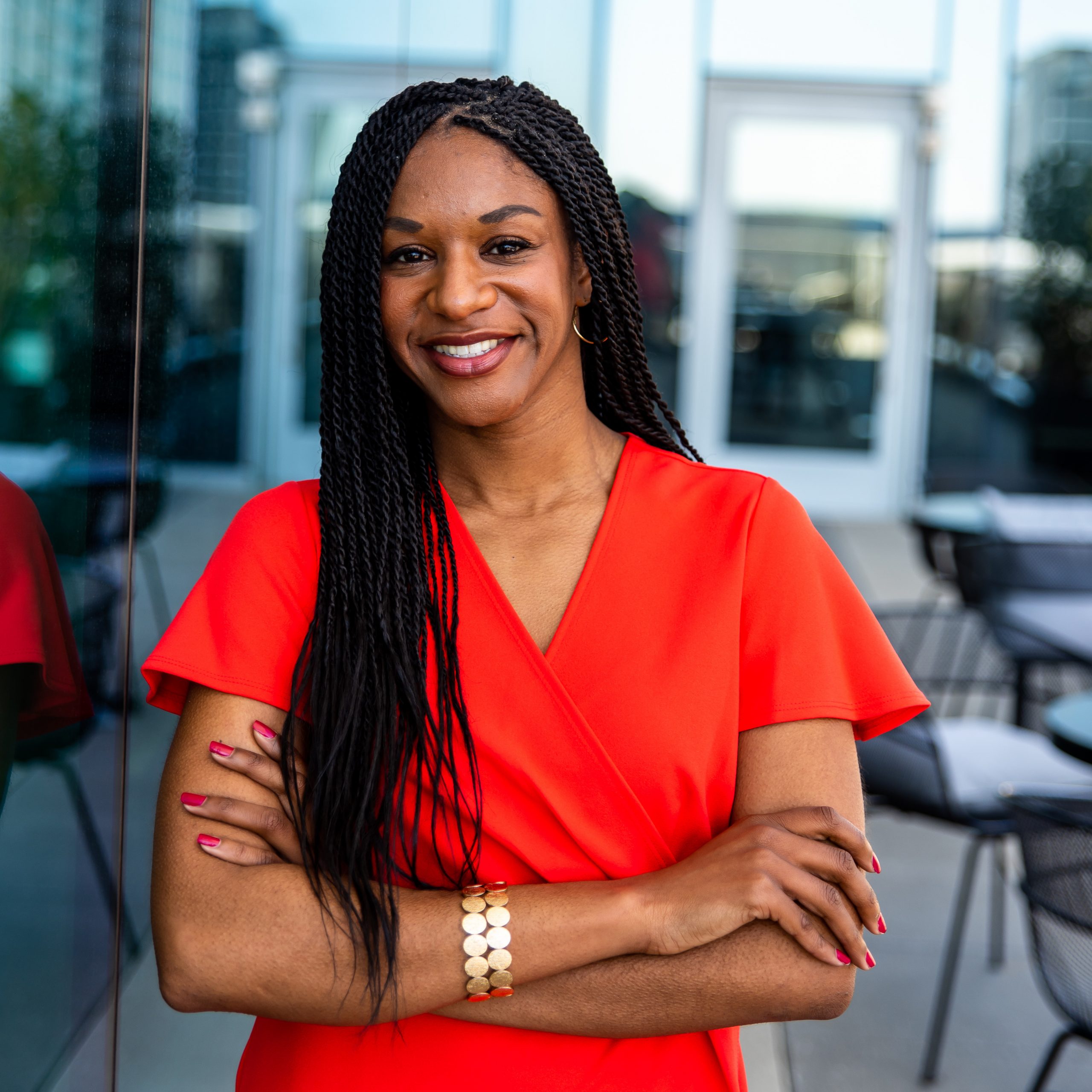
Gavin CicchinelliGavin Cicchinelli is PrimeRevenue’s Chief Operating Officer, responsible for leading transformation across the company’s corporate and operational strategies, implementing go-to-market growth execution, and driving commercial expansion that aligns with PrimeRevenue’s core business.

Prior to PrimeRevenue, he served as President and Chief Revenue Officer of Integrated Solutions at TSYS, a publicly-traded global payment processing services company acquired by Global Payments (NYSE:GPN) in 2019. Gavin has over 20 years of leadership and executive experience along with a deep understanding of the payments space.

Connect with Gavin on LinkedIn.

What You’ll Learn In This Episode

  • The PrimeRevenue SurePay Platform
  • Benefits and advantages of the platform
  • The difference of the SurePay platform from other B2B payments platforms
  • PrimeRevenue expands into the B2B payments market

This transcript is machine transcribed by Sonix
TRANSCRIPT

Intro: [00:00:04] Broadcasting live from the Business RadioX Studios in Atlanta, Georgia. It’s time for Atlanta Business Radio brought to you by onpay built in Atlanta. On Pay is the top rated payroll and HR software anywhere. Get one month free at Onpay. Now here’s your host.

Lee Kantor: [00:00:31] Lee Kantor here, another episode of Atlanta Business Radio, and this is going to be a fun one today on the show, we have GavinCicchinelli with prime revenue. Welcome, Gavin.

Gavin Cicchinelli: [00:00:41] Thank you, Lee. Great to be here. Appreciate the time to chat.

Lee Kantor: [00:00:45] Well, before we get too far into things, tell us a little bit about prime revenue. How are you serving, folks?

Gavin Cicchinelli: [00:00:51] The prime revenue. We are a working capital and B2B payments organization for the global supply chain. We are fintech company that buyers and their suppliers utilize and plug in to to be able to transact on time and early payments. So we are a global payment rail that facilitates cash flow.

Lee Kantor: [00:01:13] So what’s the back story on prime revenue? Was this how you were always set up to be or is it something that’s kind of evolved to this point because fintechs always kind of evolving and pivoting

Gavin Cicchinelli: [00:01:25] And a great question. Actually, yes, our underlying technology has always been built on a gateway payment rail, which is the fascinating part of our organization. So from a fintech perspective, we were kind of born out of natural fintech. From there, we’ve continued to add and generate investments into the product and the platform and expand across global reaches that over the last 18 years of prime revenue as an organization has built a pretty tremendous global payment rail, if you will, for again on time and early payments for anyone who has a supply chain and any large buyer client or small buyer client who has a need for working capital.

Lee Kantor: [00:02:07] And then now, tell us about this sure play SURE-P pipeline.

Gavin Cicchinelli: [00:02:12] Sure. So very exciting. We just sent out a great press release last week on our release of our new sure paid platform. And what that really means is that the paid platform is an easy to use marketplace, if you will, of our products. There are three core products that sit within that platform. One is called supply chain finance, which is a traditional long term working capital solution that’s been used for years and years and years and the trade finance markets. The second is dynamic discounting. That is an opportunity for our buyer customers in their supply chain to be able to offer discounts to their suppliers in exchange for an early payment. And then our most exciting and recent release is our on time payment. This is where we’ve really taken a massive investment this year in our product platform to start to solve account payable problems for buyers and suppliers and how they interact within the supply chain and getting on time payment. So if a customer, for instance, a supplier, has an agreement, they’ll get paid in 30 days for the products they sold to a larger entity. They’ll onboard to our platform and we’ll make sure and ensure that the accounts payable process pays them exactly on time in 30 days. So there’s no cash flow issues. So that’s our most recent release in the broader, sure paid platform.

Lee Kantor: [00:03:37] So when you’re kind of launching a marketplace like that, it’s a chicken and egg. Is it difficult for you to get both sides of the equation involved on the platform?

Gavin Cicchinelli: [00:03:47] Wonderful, wonderful question. The unique advantage that we have as prime revenue is again, after 18 years of really establishing a long term name in the traditional trade, finance and supply chain finance market, which is again a fancy word for just working capital early payment, if you will. We have been able to build such a tremendous network of incredibly valuable customers and clients where the evolution of this pay platform came from is direct feedback from 18 years worth of working with our customers. We realized that we could solve so many additional problems with our with our product that we, with some investment just hadn’t done in the past. So in our scenario. The good news is it hasn’t been the chicken and egg per say. We built a great foundation that now we can just continue to solve additional problems for not only our existing customers, but any customer that’s got to count payable issues across their supply chain.

Lee Kantor: [00:04:44] Now, when you say any customers that any customer of a certain size or is it truly any customer?

Gavin Cicchinelli: [00:04:50] You know, it’s truly any customer. You know, we typically we work anywhere from customers that are, you know, 50 million in annual revenue up to well over two billion in annual revenue. So our our platform is scalable, especially in the on time and account payable platform. Supply chain finance, you know, does have a third party component with our banking that has to be qualified. But for the Sherpa platform and our B2B payments process, it really is scalable for any customer that’s got a supply chain.

Lee Kantor: [00:05:22] So now talk about the Atlanta fintech scene. How have you seen it evolve?

Gavin Cicchinelli: [00:05:29] Oh, that is a question that I could talk about for hours and hours and hours. Atlanta has become a tremendous hotspot. I don’t know what the most recent percentage of payments that flow through Atlanta is on a global scale anymore. I know at one point it was somewhere around 70 75 percent of the world’s transactions. Through Atlanta. So, you know, we’re happy to be Homestead in Atlanta, continuing to grow, invest and provide career opportunities for the Atlanta market. We continue to offer and we have actually open positions now as well, so please check out our website for that. But the expansion of fintech and payments in Atlanta just continues to to grow. I worked for a couple, even former organizations there in the Atlanta home base, so it’s exciting to see not only the growth of payments, but the expansive growth of Atlanta kind of becoming that hotbed, if you will, for fintech and B2B payments.

Lee Kantor: [00:06:27] Now, why do you think that that ecosystem within fintech is so strong in Atlanta?

Gavin Cicchinelli: [00:06:34] It’s it’s talent. It is resources. And you know, what a what a great place to be in Atlanta with, you know, just able to travel to a lot of different global continents. You know, we have offices in Hong Kong, we have offices in in Europe and London. We’ve got an office in Australia. And so, you know, you think about being able to to kind of centrally locate and work across the globe. Atlanta is a great spot, not only time location, but to interact with other fintech companies that also operate in some of those markets. It just really creates a great unity across our buyers and our partners and our vendors.

Lee Kantor: [00:07:14] So now how how does the crypto kind of excitement impact what your work like? Is there anything in there for you or is that something you’re looking at or part of a roadmap?

Gavin Cicchinelli: [00:07:28] Sure, great question. We get that question a lot from any time you mentioned payments. The next question is always crypto and all of that. Here’s what I would answer is is the space that we’re playing in today. The short answer is no. The part of crypto that does make sense is more the ledger based, you know, infrastructure of seeing where a payments made and how that continues to evolve and more of a ledger based payment system and methodology. But today, the problems we’re solving with our Sherpa platform are not crypto related. They’re truly solving for manual processes that a lot of supply chains are working through today and making them automated so that you gain efficiency in how a buyer customer pays all of their suppliers that they buy products from. And so we’re really excited about not only that continued automation, but then if there’s ever a need lead for one of those buyer customers to have to unlock capital to make investments in their business, we’re able to do that as well and provide what I would say on a massive giant scale. You know, large cash advances, if you want to think of it that way to not only suppliers but to buyer entities, you know in how they can unlock capital and ultimately reinvest. So we’re solving a different part of the ecosystem beyond the crypto.

Lee Kantor: [00:08:46] So now what is kind of the problem that they’re having right now, where your solution is, the solution for them is like, are there symptoms where if they are having kind of certain issues that they should contact the prime revenue folks like, what are some clues that there might be a better answer to what they’re doing?

Gavin Cicchinelli: [00:09:05] Oh, great. Great question. Thank you for that. I’m going to answer that in two ways. If you’re a customer meaning a supplier and you’re selling your products to larger buyer entities. Our platform has an accounts payable process in it that your buyer and you as a supplier can join our platform and the buyer will pay you through our platform versus manual and checks versus wondering did they approve the invoice of all the products that they bought from me? Oftentimes, a supplier will submit an invoice for thirty thousand units. You know that somebody bought from them and the visibility of when that invoice got approved for payment. And when the payment is scheduled to be made is kind of a black hole for a lot of companies right now. So that’s where our platform gets to plug in those two connective tissues and say once an invoice is approved by the buyer entity, the supplier who sold those products gets to see that entire visibility cycle of when the payments come in, when it’s going to be in their bank account and when that invoice got approved. The other client and customer that would be a great opportunity with love and opportunity to talk to is if you’re a buyer entity that you buy products from other suppliers, we’ll put your entire supply chain on our platform.

Gavin Cicchinelli: [00:10:25] And will tech enable your entire supply chain? And what that will allow you to do is pay all of your suppliers through our platform in one fell swoop. Generally, we’ve seen in the research that an average invoice in a manual nature that a buyer has to make costs about 15 dollars per invoice give or take. Our platform can save substantial money and doing that through the automation of it because you’re not having to answer and field thousands of phone calls in a month from all of your customers, saying What am I going to get paid? Is the check in the mail. Did you approve my invoice? And then lastly, we you know, we are a great place for a customer and a buyer to come if they’ve got a need to run a supply chain finance program where essentially, you know, we can help a buyer unlock working capital to go reinvest back in their business. So we like to think we really run the gamut of what the B2B payments ecosystem needs, whether it’s early payment through supply chain finance, dynamic discounting or on time payment through really our platform solving account payable processes in the supply chain.

Lee Kantor: [00:11:28] Now what percentage of folks are doing this still manually? That kind of. Shocks me a little bit.

Gavin Cicchinelli: [00:11:35] It did us as well, which is, you know, kind of hence the launch of our platform. You know, I don’t know the numbers exactly, but as of as of late, I would say on a global scale, it’s still about forty five percent to 50 percent of buyers and suppliers are communicating in a manual nature. In fact, what we’ve heard is we did diligence with even our own customers, meaning our own buyer clients as a customer. Is that in most cases, the buyer customer is using a different supplier portal versus a different invoicing vendor versus a different vendor for supply chain finance versus a different vendor for dynamic discounting. So you can kind of see the picture that I’m painting, you know, really, our platform is a one stop shop now. And so that’s where helping to solve not only the fragmentation of multiple vendors, but the 40 to 50 percent of folks that are out there still handling manual payment processes and mailing checks. You know, a big challenge for buyers is that to get all of their suppliers, let’s say you have a thousand suppliers you buy products from across the world validating the bank account to make sure it’s the right bank account to pay in an automated fashion. Just imagine that process across a thousand suppliers in your ecosystem. We take that lift off and we handle all that for you. So if you don’t have validated bank accounts, you can never get out of the stage of cutting manual checks and having a manual process. So just those simple steps along the way is really how our short paid platform solves problems.

Lee Kantor: [00:13:05] So what’s next for you guys? How do you see twenty twenty two? What’s your forecast especially? I mean, I know you’re using the word supply chain maybe differently, but then what’s in the news with the supply chain? But it sounds like there’s a lot of turbulence in that world.

Gavin Cicchinelli: [00:13:23] There is. That’s a great, great point, and that’s actually where we can help to eliminate some of that friction. You know, when there are restrictions in supply chain, we can help to unlock capital. So if you’re a buyer entity out there that are having challenges in getting, you know, your suppliers have the right products, have enough products, demand of products give us a call because we can definitely help unlock capital to infuse that back into your supplier and supply chains to free these things up. But what’s next, really for us in Twenty Twenty Two is really continuing just to accelerate our pay platform. We’re very excited to go to create and deliver ongoing value to our supplier, customer and our buyer customer in solving working capital and on time AP payment solutions. So we’ve got, you know, since the press release, just an immense response, you know, from not only new customers, but our existing customers saying, Hey, tell me more about this. We’re excited. We’ve known prime revenue has done great things for the last 18 years. But but we want, you know, we’re hungry for more products from which you guys have on your platform. So we’re going to be busy in twenty twenty two. No doubt.

Lee Kantor: [00:14:32] So if somebody wants to learn more, have more substantive conversation with you or somebody on the team, what’s a website?

Gavin Cicchinelli: [00:14:39] A website is prime revenue. All one word. Check us out, there’s a contact us form if you’re interested in learning more and buying the platform and what the platform can do for you to solve a problem. If you’re looking for a career opportunity, check our page out there as well for careers and see what positions we have. But we’re in a very exciting time and a cool, transformative time for us as an organization in the world that we live in. So please check us out.

Lee Kantor: [00:15:08] Well, congratulations on all the success. Thank you so much for sharing your story today.

Gavin Cicchinelli: [00:15:13] Thank you, Lee, for having me and have a great Halloween. All right,

Lee Kantor: [00:15:16] This is Lee Kantor. We’ll see you all next time on Atlanta Business Radio.

About Our Sponsor

OnPay’sOnPay-Dots payroll services and HR software give you more time to focus on what’s most important. Rated “Excellent” by PC Magazine, we make it easy to pay employees fast, we automate all payroll taxes, and we even keep all your HR and benefits organized and compliant.

Our award-winning customer service includes an accuracy guarantee, deep integrations with popular accounting software, and we’ll even enter all your employee information for you — whether you have five employees or 500. Take a closer look to see all the ways we can save you time and money in the back office.

Follow OnPay on LinkedIn, Facebook, and Twitter

Tagged With: Gavin Cicchinelli, PrimeRevenue

Tim Fagan With 1-800 WATER DAMAGE

November 2, 2021 by Jacob Lapera

1-800WATERDAMAGE
Franchise Marketing Radio
Tim Fagan With 1-800 WATER DAMAGE
Loading
00:00 /
RSS Feed
Share
Link
Embed

Download file

Brought To You By SeoSamba . . . Comprehensive, High Performing Marketing Solutions For Mature And Emerging Franchise Brands . . . To Supercharge Your Franchise Marketing, Go To seosamba.com.

TimFaganTim Fagan is the President of 1-800 WATER DAMAGE (a property restoration brand) and Blue Kangaroo Packoutz (a contents restoration brand), part of the BELFOR Franchise Group family of residential and commercial services franchise brands based in Ann Abor, Michigan.

He has been in the restoration industry for over 25 years, having been the CEO of a local water mitigation/contents company that was purchased by BELFOR Property Restoration, the world’s largest property restoration company, in 2010. He has managed emergency losses in residential, hospital, university, business, manufacturing, multi-family and K-12 school facilities.

Follow 1-800 WATER DAMAGE on Facebook.

What You’ll Learn In This Episode

  • The franchise culture for 1-800 WATER DAMAGE and Blue Kangaroo Packoutz
  • Types of franchisees are you looking for to grow the system
  • Difference of 1-800 WATER DAMAGE and Blue Kangaroo Packoutz from other restoration franchises
  • The training process for new franchisees
  • Advice to an aspiring franchisee looking to join a service brand

This transcript is machine transcribed by Sonix

TRANSCRIPT

Intro: [00:00:07] Welcome to Franchise Marketing Radio, brought to you by SeoSamba Comprehensive, high performing marketing solutions for mature and emerging franchise brands to supercharge your franchise marketing. Go to SeoSamba.com that’s SeoSamba.com.

Lee Kantor: [00:00:31] Lee Kantor here, another episode of Franchise Marketing Radio, and this is going to be a good one today on the show, we have Tim Fagan with 1-800 WATER DAMAGE and a blue kangaroo packoutz. Welcome,Tim.

Tim Fagan: [00:00:45] Thank you, Lee.

Lee Kantor: [00:00:46] Well, I’m excited to learn what you’re up to. Let’s start off with one eight hundred water damage. Tell us about that franchise.

Tim Fagan: [00:00:52] Well, that’s a franchise that primarily responds to residential and commercial water losses, and they dry out the play, they dry out the houses or dry out the buildings. And then many of the times we put them back to pre lost condition, depending how much damage is done. But most of the time the franchise can, can, can work with the homeowner or the business property manager to get the place back to pre lost condition.

Lee Kantor: [00:01:27] So now was this company developed as a mom and pop and then turned into a franchise? Or was it built to be a franchise all along?

Tim Fagan: [00:01:35] No. It started in in the nineties in Seattle as a as a mom pop, and they developed some marketing. Strategies, particularly among plumbers, marketing plumbers, because plumbers often are some of the first calls when water damage does take place, and then they developed a franchise and the franchise grew and then 20 15 fell for franchise group purchased one eight hundred water damage.

Lee Kantor: [00:02:09] And how many units are there?

Tim Fagan: [00:02:12] There’s ninety three units and about one hundred and seventy eight territories currently.

Lee Kantor: [00:02:20] Wow. So is the growth across the United States or is it in certain regions?

Tim Fagan: [00:02:27] I think it’s across the United States. I mean, I can’t point to one region of the U.S. and say, Hey, we’re growing in the southeast, but not in the northwest or et cetera. It’s all over the country.

Lee Kantor: [00:02:39] So is the water damage typically from flooding or like, like you mentioned, a plumbing problem?

Tim Fagan: [00:02:46] Yes, all the above. Sometimes cat events, catastrophe events where you have significant localized flooding. Sometimes you have like in the Texas Oklahoma area last year where they had or this year actually was, I think it was in March of this year where they had extensive cold and pipe freezes. And then you have, you know, any time there’s water that runs into a building and that’s almost every building we have now. It is an if the pipe is going to leak, it’s when whether that’s fire suppression systems or toilets or sinks or ice maker’s lines that go to refrigerators. They all release water at some point or another.

Lee Kantor: [00:03:41] And then is the franchisee? Typically, the plumber that this is another revenue stream for them, or it’s somebody that works with plumbers.

Tim Fagan: [00:03:49] No, it’s it’s rarely a plumber that’s that’s the franchise. Most of the time they will work with plumbers, they’ll work with insurance agents, they’ll work with property management companies to get referrals. Sometimes they get referrals online from people searching online so they they won’t get they won’t get all their referrals from one source.

Lee Kantor: [00:04:16] So what is their kind of background? Do they have to be? Is this like a hands on thing or this is somebody who hires the folks who go in and and deal with the damage?

Tim Fagan: [00:04:27] So the background of the franchise here all over the board, usually there’s a couple of things that we look for when we talk to them and they show interest and then we, we we interview them and recruit them. And and we look for a few things. One, because this is a twenty four seven business. It’s not like normal businesses, right?

Lee Kantor: [00:04:51] Like this isn’t if you only want to work in the mornings, this is right. This stuff happens when it happens,

Tim Fagan: [00:04:57] It happens when it happens. And the expectation is that you’re going to respond immediately to to people’s needs. So their ability to adapt. I mean, typically people that like working nine to five and that’s it, you know, and they hang the shingle and says. They don’t do real well.

Lee Kantor: [00:05:22] I’d imagine that it’s not conducive to that kind of it’s not a lifestyle business. This is like you’re on call all the time.

Tim Fagan: [00:05:30] Yeah, and it is a lifestyle and what drives? You know, you said what? What attracts people to it if if you have that help or heart that helper gene that you always wanted to to help people, you know, some of the same reasons people get into nursing or get into first responder being, you know, being a, you know, in an ambulance or law enforcement or. By your service, those kind of those kind of people, teachers, they love this kind of business because, you know, you get paid to respond and you get paid pretty well for making somebody’s worst day. Ok? Again, in a very in a fairly short amount of time.

Lee Kantor: [00:06:17] Right. That’s a great way to frame it because it’s probably best suited for the folks that kind of go into the who want to go into those situations and help and really, like you said, kind of make that person’s worst day, a good day, you know, to make it more manageable and to see a light at the end of the tunnel because every day I’m sure folks are just really appreciating them. And for the work they’re doing, how they just got them out of a bind.

Tim Fagan: [00:06:44] That’s right. And that’s what motivates them. And that’s why they get up at 2:00 a.m. on those cold winter nights and say, Hey, I got to go Honey, I, we got a water damage on the other side of town and and that really is that’s what what energizes them and gives them endorphin rushes.

Lee Kantor: [00:07:02] So now is it hard to find those folks or are they finding you because they’re searching for this kind of opportunity?

Tim Fagan: [00:07:10] Yeah. I mean, for the most part, they reach out to us. We have no idea if they’re interested at all. They find us online or they find us through a business broker and then we get a chance to talk to them about what are you looking for? And I can’t tell you how many guys we have in the system that were former corporate accountants or, you know, or owned franchisee franchises that that did tax accounting or something. But they want something that is a little more. The where they feel that they’re making a significant

Lee Kantor: [00:07:49] Difference, right, because it’ll have an impact like this is something that you see what it looks like today and then tomorrow it’s going to look a lot better and you and you can say, I did that.

Tim Fagan: [00:07:59] Yes, that’s right. Yeah, it’s a lot like we have six kids at home and my wife mows the lawn. And it’s because she says that in a short amount of time, it makes a big difference and it’ll stay that way for a little while. And that’s some of the same reasons that that our guys get into this business is that in a short amount of time, you’re right, you get it can go from chaos to order and put make a frown from a frown to a happy face on a customer’s smile.

Lee Kantor: [00:08:31] So now let’s talk a little bit about blue kangaroo pack outs. What does that franchise?

Tim Fagan: [00:08:36] So that is along the same lines on an insurance deck page, which is a cover page of an insurance policy and often talks about your structure, which is basically if you took a building or a house and it tipped it upside down and shook everything out of it, anything that fell out with the contents that’s called personal property in your insurance policy. And the stuff that didn’t fall out is called structure. And so we handle and move kangaroo pack outs. The personal property stuff that may get damaged in a in a claim in it, whether it be a fire or a flood or a sewer backup or a skunk, you know, ran through the house, they don’t happen. That doesn’t happen very often, but it happens often where a dog gets sprayed, a pet gets sprayed by a skunk and the dog runs to the house and and rubs on everything because he’s trying to get the mask off of them. And then ultimately, those are not very good days for those homeowners. But thank God, there’s there’s people like us so we can come in and and either clean it on site or remove that furniture and get it ozone treated and clean and then deliver it back to the homeowner.

Lee Kantor: [00:10:01] Now is that franchise, the franchisee, the similar kind of personality, the person that likes to go into a crisis and help and then really make a difference in a short period of time?

Tim Fagan: [00:10:11] Absolutely. And they do just in a different way. And while it’s a twenty four seven business, the occurrence of getting called outside of business hours is much less than it is at one eight hundred water damage.

Lee Kantor: [00:10:25] Right. So when you’re tired of waking up at 3:00 in the morning, you can go over to Blue Kangaroo and then, you know, that’s more of a normal kind of workday situation.

Tim Fagan: [00:10:35] Typically, it is. But disasters happen as we all know at all times, and you still need to have an on call crew that you can mobilize at a moment’s notice. Sure.

Lee Kantor: [00:10:48] Now talk about the training. Is the training similar? Obviously, there are different things that they have to do, but it sounds like you’re dealing with a same type of personality of an individual. Is the training kind of along the same lines?

Tim Fagan: [00:11:04] The training in both cases sort of share similarities first and then I’ll see your differences, so the similarities is that both of those trainings take place with a combination of hands-on and classroom. Bell four has a state of the art flood house that we built from the ground up and not only built for property restoration, but pack outs in one 800 water damage train in that house and that house has been flooded. Oh boy, I know upwards of 50 times. Each time with over twelve hundred gallons of water, so we work on a real house, both from a contents perspective and packing the house out, you know, and securing the furniture and getting into a secure environment or a stable environment as working on that. Working on the house and the water damage itself on the structure side, including. So these are all things that that kind of make this the training unique. So when they get out of our 13 day training, they’re ready to hit the road. Now they don’t have the relevant experience. They have some because they did, you know, a pack out or a water damage at our flood house.

Tim Fagan: [00:12:35] But they’re there ready to hit the road with the equipment that they need. And then with the support behind them, they just call for help if you need it. It seems to work out very well. And again, I mean, my background as a school administrator, I mean in a degree in teaching and two master’s degrees in educational leadership. I mean, I know that people are different kind of learners. Some do a great job in the classroom and they can learn a lot from a teacher in a classroom or from opening a book. But there’s a great population of people that are kinesthetic learners that learn hands on, and that’s how they best learn. And so the classroom, we kind of introduce them to the concepts, but then we we take them right from there to the flood house or to our store number one. It contents back out in Mount Clemens, Michigan, and then they get actual hands on guided practice training. So it it’s very effective and it works out real well.

Lee Kantor: [00:13:39] And then even if even if they just started and they had gone through your training, I’m sure if they ran into a situation, one of the the benefits of being part of a franchise network like this is that there’s someone to call that’s probably seen it and done it already.

Tim Fagan: [00:13:56] Well, and again, that’s back to the lifestyle. So the regional business coaches that we have. Guess what field they came out of the restoration field. So they know what it’s like to answer the call at 2:00 in the morning or 3:00 in the morning or during your kid’s birthday or a holiday. And yeah, that’s that’s an expectation that we have is that, you know, and including myself, you know, my phone never goes off because when they need help, it’s typically now it’s not like, Hey, call me on Monday morning, but I’m in the middle of a job and I need some support. And it’s also great thing about being part of the bell for family is that there is no job that we have to turn away from that is too big or too complex, or nobody in the company has ever done that or knows how to handle that. We have a tremendous network out there of the world’s largest property restoration company, largest by a lot, not by a little. And so that that network, they tap into that network and there’s there should be no jobs that we turn away from because of because we’re we’re a little bit intimidated by it.

Lee Kantor: [00:15:18] Now is there an incentive for potential franchisee to combine both of these brands?

Tim Fagan: [00:15:26] There there is. We rarely I can’t think of anybody who’s come in and tried to learn both at the same time. We do have franchisees that have started with one, and most of them are in the 800 water damage. They start with that and then they find out how much of the contents work. They’re referring out. And if I could do that myself, then they they end up buying into an eight hundred water or eight or blue kangaroo pack outs and combine that with their eight hundred water damage business. And those have been really successful.

Lee Kantor: [00:16:06] So now what is the trend for your firm the rest of the year? Are you kind of bullish with how this year is ending and how next year’s beginning in terms of growth?

Tim Fagan: [00:16:17] We’ve had tremendous growth, both growth in our average office and grow sales. I mean, if you were to look at our gross sales from 18 to today, you would not be able to see that there was a pandemic in the middle of it. You would think, Wow, that’s a that’s a heck of a hockey stick growth of that franchise. So. And that growth continues as we look in the franchise development or the sales funnel for more franchisees coming in, that funnels fairly full. And so, you know, and then at least foreseeable future, we’re going to continue to add franchisees to the system and and putting new owners through our training.

Lee Kantor: [00:17:08] Yeah, because these kind of issues, they don’t care if there’s a pandemic or not.

Tim Fagan: [00:17:13] No, I mean, they don’t care if there’s a recession exactly like this. This still happens. People typically will still buy insurance for their property because for the value that they get in the peace of mind, they get for having insurance to protect their property. So that will still be there regardless of what you know or irregardless of the of the economy out the window.

Lee Kantor: [00:17:46] So now, if somebody wants to learn more about either of these opportunities, is there one website or two websites?

Tim Fagan: [00:17:54] Well, they can go to the you can go to either one of the Blue Kangaroo Accounts website or the one 800 water damage website, or if they want to see what other options are available through Bell for Franchise Group, they can go to that website as well.

Lee Kantor: [00:18:13] Well, Tim, thank you so much for sharing your story today. You’re doing important work and we appreciate you.

Tim Fagan: [00:18:18] Well, thank you, Lee, and thanks for having me on.

Lee Kantor: [00:18:21] All right, this is Lee Kantor. We’ll see you all next time on Franchise Marketing Radio.


Tagged With: 1-800 WATER DAMAGE, Tim Fagan

Todd Stephenson With Premier Chicago Real Estate

November 1, 2021 by Jacob Lapera

ToddStephenson
Chicago Business Radio
Todd Stephenson With Premier Chicago Real Estate
Loading
00:00 /
RSS Feed
Share
Link
Embed

Download file

Firmspace-sponsor-banner

PremierChicagoRealEstate

ToddStephensonTodd Stephenson is the owner and sponsoring broker of Premier Chicago Real Estate. He has over 10 years of experience in real estate sales and consulting, property management, and real estate investment management.

He has also represented distressed homeowners in working toward solutions by either advising on short sales or helping them work through loan modifications. At Premier Chicago, Todd specializes in residential and commercial sales in addition to real estate investment management.

Prior to working in real estate, he worked in the advertising and technology industries. With more than 15 years of sales experience, his responsibilities have included marketing, business development, and client relationship management.

Todd earned his bachelor’s degree in Business Administration at Kentucky State University. He was born and raised in Chicago and continues to be an active member of his community.

Todd currently resides in the Beverly neighborhood with his wife and son.

Connect with Todd on LinkedIn.

What You’ll Learn In This Episode

  • Opening Premier Chicago Real Estate in the midst of the pandemic

This transcript is machine transcribed by Sonix

TRANSCRIPT

Intro: [00:00:04] Broadcasting live from the Business RadioX studio in Chicago, Illinois, it’s time for Chicago Business Radio brought to you by Firm Space, your private sanctuary for productivity and growth. To learn more, go to FirmSpace.com. Now here’s your host.

Max Kantor: [00:00:21] Hey everybody, and welcome to another episode of Chicago Business Radio. I’m your host, Max Kantor. And before we get started, today’s episode is sponsored by firm SpaceX. So thank you to firm SpaceX because without them, we couldn’t be sharing these important stories that we do. I’m excited for today’s episode. We have the owner and sponsoring broker of Premiere Chicago Real Estate, so there should be a good one. Please. Welcome to the show, Todd Stephenson. Welcome to the show, Todd.

Todd Stephenson: [00:00:49] Max, thank you, thank you very much.

Max Kantor: [00:00:52] Tell us, let’s jump right into it. How are you serving, folks?

Todd Stephenson: [00:00:55] Well, my company we are a boutique boutique real estate firm here in Chicago Land, specializing in residential and commercial real estate throughout the city and the surrounding suburbs, primarily working with, you know, first time home buyers, sellers as well as investors with purchasing real estate throughout the city.

Max Kantor: [00:01:17] Gotcha. So I know reading your bio and stuff, you weren’t always in the real estate business. So what drew you to that industry?

Todd Stephenson: [00:01:24] Well, you know, I did not start on the real estate business, but it’s always been a passion or an interest of mine since I was younger, got out of college, kind of went in another direction with sales and the corporate environment, but just kept calling me. It was something I always wanted to do and, you know, serve people and help people. So, you know, a few years within the sales environment, I got out and got into real estate finally.

Max Kantor: [00:01:50] Gotcha. Gotcha. And so you open this business during the pandemic, what was that like?

Todd Stephenson: [00:01:56] Yeah, we opened it 20, 20. It’s like, like again, it’s always something I had an interest in doing, always something I plan to do. But just like anything, you got busy with work and you kind of put things off and then obviously the pandemic hit. And timing is everything right? And it was, you know, just with the pandemic, it kind of allowed me that pause to really focus and step out to do what I really wanted to do was start my own brokerage.

Max Kantor: [00:02:21] Gotcha. Gotcha. So how did industry trends change before, during and now what kind of post-COVID? I know it’s still going on, but how have you seen those trends shift?

Todd Stephenson: [00:02:34] Well, you know, right, right before COVID hit, we saw a trend in as far as like the interest rates with the home buying market. So, you know, mortgage interest rates were kind of kind of getting lower there, then the pandemic hit. And then obviously things went on on a standstill. But I think the trends kind of changed with. You know, more people wanting to take advantage of the low interest rates within the mortgage market and the low. I kind of just just rambling on here, but they wanted to take advantage of the low interest rates they shifted to. Once the once the market shifted, it was low inventory, so you kind of push prices higher. So we’re kind of dealing with more or less a seller’s market now where, you know, basically you have an influx of buyers, buyers competing for a lot of inventory because it’s very low inventory. So the sellers have basically the pick of the litter. So they’re able to kind of list their price and then get multiple offers at or above. Ask with their with their with their sales price. So we see it’s kind of a a tricky market now if you’re dealing with buyers. But if you’re dealing with sellers, you know you’re able to get at or above as so. It’s a great time to sell. Great time to buy. But again, with the low inventory, it’s kind of rough with finding properties out there, but that’s kind of what’s going on in the residential market right now.

Max Kantor: [00:04:07] Gotcha. Gotcha. Now why should a seller work with your firm?

Todd Stephenson: [00:04:15] Well, our goal is to be able to obviously its customer service quality. We want to make sure that we respond in a timely manner, be able to kind of not only respond in a quality manner, but be able to kind of list the price at proper proper list prices. So when you when you get somebody selling, you know, you don’t want to over oversell and under-deliver. So our goal is to make sure we’re doing our due diligence, getting the proper pricing strategy for the market and making sure we get enough buyers within the door to actually get competing offers. That way, we can’t get a quality price at or above what they’re looking to get when selling their property.

Max Kantor: [00:05:01] You mentioned that you work with a lot of first time homebuyers, so I’m sure a lot of people listening to this might have never even looked into buying a home. But listening to this, they become interested. So what are some common kind of beginner concerns and questions that you have seen with new home buyers? And how do you address those?

Todd Stephenson: [00:05:22] With new homebuyers, I mean, their biggest their biggest concern is, is this is, you know, most people only buy one home within their lifespan. So this is the biggest investment in their life. You’re talking about taking the average sales home. I mean, home sales price in Chicagoland is around two hundred and fifty thousand. So when you’re thinking about getting a mortgage, that’s a hefty price tag. So you want to make sure you can afford the property be what to look for. You know, as far as like, you know, again with it being your biggest investment. You know, what are some of the things that you’re going to have over the next five, 10, 15 years as owning this property? You know, what are some of the the structural things that you may need to look for, et cetera? So you know, it’s, you know, homebuyer. I mean, home ownership is very key to kind of be aware of some of these things as far as, like, you know, condition of the property when going into it, you know, how much can you afford? What are some of the do’s and don’ts? You know, as well as like how to take care of the property over the initial, you know, time that you own the property. So those are some of the initial things that you kind of look for into a home.

Max Kantor: [00:06:29] Yeah. Well, you know, home buying such a big decision. So it sounds like you do a really great job at easing people into making such a large decision and helping them with it. You mentioned that you help buyers in the Chicagoland area and sellers. So what neighborhoods are hot right now? Where are there still good deals in that area?

Todd Stephenson: [00:06:50] It’s quite a few in Chicago woodland being one of the hottest neighborhoods, not only in the city of Chicago but as well as the nation. It’s one of the fastest growing and appreciating neighborhoods across the nation, so I think woodland is a great place. You know, West Loop, it’s a ton of new development and properties going up in West Slope, South Loop. Those are some of your hot areas right now. But I like those three areas, primarily when it comes to To the Fast, one of some of the fastest growing and appreciating hot neighborhoods within Chicago.

Max Kantor: [00:07:25] Now does your firm do only residential or residential and commercial?

Todd Stephenson: [00:07:30] We also do commercial. I work, I do some small commercial. I do. I work with the Cook County Land Bank, whose primary focus is also help revitalizing neighborhoods with some of their commercial properties. So I work as a commercial broker with them, and I help them kind of sell some of their commercial inventory within the south and west side of Chicago.

Max Kantor: [00:07:54] Gotcha. So you’re you mentioned you’re relatively new, started last year in 2020. Do you have any kind of success stories that you’re proud of that you would want to share?

Todd Stephenson: [00:08:06] Oof, that is a great question, I mean. I mean, it’s quite a few, I mean, I don’t know where I mean, could you maybe be specific with that like any like residential commercial? I mean, what are what are you?

Max Kantor: [00:08:18] Maybe a time that you helped a first time homebuyer that was really impactful to them or to you.

Todd Stephenson: [00:08:26] Yeah, I mean, I want to think of something that’s fresh off hand helped a VA seller. We listed his pride. I mean, it’s property and floss more, which is a southern suburb here in Chicago, have been going back and forth for a while. But we listed his property and within a week of listing the property again. When we’re talking about pricing strategy, we priced it right. Got enough activity in traffic through the door of the first weekend. We had an offer that following week. So I would say within a matter of five to seven days, we had had an offer on multiple offers on his place, but we had an offer. I think it was just over 15 K over apps. We were asking three twenty. We got three, thirty five for that place.

Max Kantor: [00:09:12] Wow. And is that is that quick? Is that I don’t know the the timeline for things like that. So is that faster than usual?

Todd Stephenson: [00:09:20] Yeah. Within the market, like I said, this market is, is is is key. You know, it’s very it’s very hot right now. So if you got a quality like I know the sellers have an advantage. So that is pretty fast seven days, you know, I mean, you’re looking at, you know, generally within the first few weeks is when you get the most interest in a property, when you list the property. So, you know, if you can get an offer within that first seven days, that is that’s huge. But generally, you know, the activity starts to starts to die down a little bit after like 30 days of being on the market. So if you’re 30 days, you know, you start to see less activity because it’s not as fresh in the market, but to get a get multiple offers. We had like three or four offers the first weekend and like I said, we accepted one point K over s, which is it’s pretty, pretty good this market.

Max Kantor: [00:10:11] So I want to ask you about some tips for first time homebuyers. Something like, you know what credit score should they be looking to have? How much do you need for a down payment, things like that.

Todd Stephenson: [00:10:26] A down payment, I mean, they have programs out here now where you can do FHA or even conventional products with as little as three to three and a half percent down and credit score. That’s a good question. I mean, you know, I think some lenders can go, you know, somewhere around like the 600 range. You know, obviously the better credit score, the better interest rate and terms you’re going to get. But I think somewhere around the six hundred credit score would suffer. I mean, it depends on the mortgage company, but generally maybe around six hundred plus you can get a mortgage with three and a half percent down. Fha.

Max Kantor: [00:11:03] Gotcha. So on this show, Chicago Business RadioX, we love to highlight and spotlight local businesses, which is why I’m so glad I get to talk to you today. So as a local business, you know, what do you need more of? Do you need more buyers? Do you need sellers? How can our listeners help you?

Todd Stephenson: [00:11:21] Well, both buyers and sellers are key to our business. You know, you can’t obviously have one without the other. I love working with buyers because it’s helping them realize the dream of home ownership. And you know, sellers, you know, obviously they’re selling their property to move on to whatever their next opportunity is with their business, you know, downsizing or getting or relocating to another area, or maybe even getting something bigger because their family is expanding. So I would say both buyers and sellers, you know, are both key and our market.

Max Kantor: [00:11:54] And and finally, I got to ask you what is the most rewarding part of what you do?

Todd Stephenson: [00:12:01] Just being able to help others, you know, I’m always open to lend a helping hand for me. You know, dealing with buyers, like I said, it’s very rewarding because, you know, some of them may, you know, like their lifelong dream. It may have been owning a home. And just to be able to see them get to the finish line and be able to own the home that they truly dreamed about or, you know, always want it is rewarding to me. And then, like I said, you know, even helping sellers, you know, whether if it’s downsizing, you know, growing or expanding or relocating, I know that it’s key to be it’s I feel it’s very rewarding to be able to help them achieve their goals. So it really is just helping, helping others, helping people.

Max Kantor: [00:12:42] So Todd, if there’s a buyer or seller or just someone who’s interested in learning more about your firm, how can people contact you? What’s your website and or social media?

Todd Stephenson: [00:12:51] Well, I do have our website. They can visit us at W-w-what for mayor of Chicago Real Estate, and we do have an Instagram recently is at Premier Chicago are as a real e as an estate.

Max Kantor: [00:13:07] Great. Well, Todd, thank you again for being on the show today. It was excellent to talk to you.

Todd Stephenson: [00:13:13] Same here, Max, thanks for having me.

Max Kantor: [00:13:14] No problem at all, and thanks to you for listening and we will see you next time on Chicago Business Radio.

Intro: [00:13:23] This episode is Chicago Business Radio has been brought to you by firm SpaceX, your private sanctuary for productivity and growth. To learn more, go to Firme Space.com.


Tagged With: Premier Chicago Real Estate, Todd Stephenson

Angie Licea With Global Travel Collection

October 29, 2021 by Jacob Lapera

Angie-Licea
Atlanta Business Radio
Angie Licea With Global Travel Collection
Loading
00:00 /
RSS Feed
Share
Link
Embed

Download file

Angie-LiceaAngie Licea is President of Global Travel Collection, a division of Internova Travel Group, which includes the company’s high-service, premium and luxury travel businesses.

In addition to Protravel International and Tzell Travel Group, luxury brands Andrew Harper Travel and R. Crusoe & Son also reside in this division.

What You’ll Learn In This Episode

  • about Global Travel Collection
  • How travel advisors help with corporate and business travel

This transcript is machine transcribed by Sonix

TRANSCRIPT

Intro: [00:00:04] Broadcasting live from the Business RadioX Studios in Atlanta, Georgia. It’s time for Atlanta Business Radio brought to you by on pay built in Atlanta. On Pay is the top rated payroll and HR software anywhere. Get one month free at onpay. Now here’s your host.

Lee Kantor: [00:00:31] Lee Kantor here, another episode of Atlanta Business Radio, and this is going to be a fun one. But before we get started, it’s important to recognize our sponsor on pay. Without them, we couldn’t be sharing these important stories today on the Atlanta Business Radio. We have Angie Lecea with global travel collection. Welcome.

Anglie Licea: [00:00:51] Thank you so much, Lee.

Lee Kantor: [00:00:52] Well, I’m excited to learn what you’re up to. Tell us a little bit about global travel collection. How are you serving, folks?

Anglie Licea: [00:00:58] So we’re very excited, first off, that we’re coming into your guys’s community. But to start, global travel collection is the world’s largest, most sophisticated community of travel industry agents and agencies. And so what we’ve done is within our Inner Nova parent group is created. Operating companies, the operating company Global Travel Collection, focuses primarily on luxury, leisure and bespoke corporate travel, as well as entertainment and production business travel business.

Lee Kantor: [00:01:32] So now how are how’s the. Can you give us just kind of a general where we’re at with the travel in the world today? It seems like it changes almost on a daily basis. Some countries are open, some countries aren’t. How do people even plan for travel nowadays?

Anglie Licea: [00:01:49] Yeah. So it’s a good question. Last week I was asked What can what’s the most consistent thing we can count on in twenty two? And I said inconsistency. So a little bit cheeky. But yes, it does change every single day. The good news is volume is picking up fairly substantially and there’s a couple of primary drivers to that. One of the driver is the actual vaccination for family members or for children. So, you know, in many cases, parents were able to go. Children weren’t in many countries. You couldn’t travel unless you had a vaccination or you’re willing to quarantine for 10 or 14 days. So the announcement of the fact that the vaccine is going to be available to younger folks is a driver of volume increase, albeit that is relatively recent and then the opening up of across the waters for Europeans to come over to the United States. Volume is growing. It’s growing at a decent pace. Are we anywhere near where we were in 2019? No. As an industry, we’re probably running somewhere around the 60 to sixty five percent range of 2019. But the good news is volume is increasing. It’s increasing steadily day after day, week after week and month after month and barring any particular huge flare up in the coronavirus. I think that for me, I would forecast my group would be back at 2019 levels early, late, twenty two or early. Twenty three.

Lee Kantor: [00:03:18] Now, I would think this is a good time for your business in terms of showing that there’s value in working with a travel advisor instead of going at it yourself. I would think that now people want to have an expert to kind of help them navigate this.

Anglie Licea: [00:03:37] Yes, for sure. First off, I’d start back to when the pandemic happened, you know, for for many of these advisers, they were the unsung hero within this whole pandemic because we had thousands and thousands of thousands of travelers stuck in different parts of the world trying to get home. People would purchase very exquisite vacations that they were trying to get refunds for. And these advisers, starting in March of twenty twenty, were basically working for free or at a loss for months on end, trying to get their their travelers back where they belong, trying to get them refunds, sitting on the phone for hours. That in itself should show the consumer base when it comes to somebody having your back. Travel advisors have your back, but also when you look at the complexity of travel today and moving forward, you know, going back to you just get on a plane and you really don’t think about things that other than maybe your visa or a passport, those days are gone for for the foreseeable future. So, you know, in this, travel agents have always been consultants helping consumers find the best location for the best value. You know, making sure that the endless, you know, a to z of the trip is is accommodated for and that the travel agent is thinking of the questions that a consumer has not even thought to ask yet, right? That kind of summarizes a trial, an advisor. And then you late layer the complexity of the pandemic. On top of that and the changing of protocols, what do you need? What’s the paperwork? The paperwork for each country is different. So could you imagine a consumer or a traveler trying to navigate the issues with the coronavirus? What documentation is required? Where do I get the paperwork? What if that protocol changes? And then plus on top of that, just the fact that we are still dealing with occupancy and capacity constraints, you know, spaces of where to go, where to travel, where to stay are limited as well. So all of those things are encapsulated in the value that a travel advisor brings to a traveler or a consumer.

Lee Kantor: [00:05:52] Now how has the how has the shakeout in the industry for travel advisors been? With the advent of so many of these online places where you, it seems there are, I’ll just say they make it seem that it’s possible and doable and almost easy to just do this on your own and you don’t need a travel advisor. It’s been my experience. I prefer personally to always have an expert at hand because I I want someone who’s already been there and done that and knows what I don’t know because they’re dealing with it every day. But I would imagine a lot of the public thinks this is something that they can do on their own.

Anglie Licea: [00:06:32] Yeah, I think there’s a fair amount of people who think they can do it on their own. But you know, I like to say you hire a personal trainer to learn to work out. You hire a nutritionist to learn how to eat you and hire a financial analyst to help you with your money. Travel is not inexpensive, why would anybody not take the available expertize of somebody who knows and exactly to your point, who’s been there, who’s done that knows what the pitfalls to watch for and knows what the advantages are? Why wouldn’t you be using the expert? These are not just jobs to these people. These are this is their career. This is their life, career, and they are absolute experts in this space. So, you know, the online space, they’re doing their job, their marketing, because they’re trying to say, you don’t need an adviser. They’re doing their job. But in reality, exactly to your point, why wouldn’t you use an expert and avoid the pitfalls? Understand the questions that you should be asking. It’s just to me, it’s sometimes it boggles my mind to think why people think that they shouldn’t use an adviser, but each to his own. If it’s me, I’m calling an adviser for sure.

Lee Kantor: [00:07:45] Well, I think that to your point about it, it’s not only is it expensive, but it’s to make a mistake based on somebody has a persuasive web copy on an internet that you were in three o’clock in the morning looking at without knowing kind of having boots on the ground and having been there and known, Hey, that’s in a terrible neighborhood. I’ve seen people like book hotels that are nowhere near where the anything is because it was inexpensive and it seemed they made it seem like it was a suitable choice.

Anglie Licea: [00:08:19] But they make it seem like it’s just around the corner when in many cases it’s not so. Yeah. Leigh, I agree. I think you’re doing a great job in helping us send the message just in your commentary on what you’re saying, because in the end, these guys do know what it’s like to have boots on the ground.

Lee Kantor: [00:08:37] Right. So I mean, this is one of those things. It’s kind of I don’t want to say it’s a pet peeve, but it’s one of those issues where people think they’re they’re saving some money, but they’re not because one mistake is going to cost you. It could be way more than money. I mean, it could be you’re stuck now there for two weeks, and there’s all these unintended consequences of making a mistake.

Anglie Licea: [00:08:57] Yeah. Or just wasted money on things that you thought you were going to get that you’re not going to get. I mean, who’s going to go fight that battle if you show up your hotel at 10 o’clock at night and they say, I’m sorry, we don’t have space, you’re on your own if you booked it on your own, if you booked it with the travel advisor. They’re there to help you resolve the issue for you.

Lee Kantor: [00:09:15] Now in your role as president is part of that role, attracting travel advisors to the company and partnering with travel advisors. Or is it just helping get the word out with enterprise level companies and people that want to use the travel agent?

Anglie Licea: [00:09:33] Yeah. So I think it’s all of the above. You know, we’re very particular in our organization as to the advisor that we’re looking to attract. So we always look to grow our advisor population, but we don’t want just every advisor. We want advisors that are going to add to our portfolio, add to the value, add to the level of expertize. So for example, if somebody is, you know, we we find an advisor that’s a specialist in Bucharest and Bucharest is a hot place right now in a lot of our advisors maybe don’t know it. That’s a great advisor for us, right? But we don’t want just any advisor. We want advisors who are going to add value to our consumer base, to their consumer base and to the agent population as a whole. From doing more to create volume and travel, we’re doing a lot around thought leadership and exposure to the value of a travel agent. Hence, our recent campaign book Human to really show the value of the Advisor. So we’re looking to bring in advisors to grow our portfolio, but we’re also looking to bring in new consumers that the advisors can support.

Lee Kantor: [00:10:42] And then that ideal consumer. Is it somebody at the corporate level or is it an executive? Is it for personal travel or business travel? Both.

Anglie Licea: [00:10:51] Yeah. So all. So in our segmentation, the beautiful part of Nova, which is our parent company, as I say, we have a place for every traveler that wants to travel. So within our segmentation, right, we have primarily bespoke corporate travel. We have corporate clients, we have a lot of high end corporate clients and then executives of corporate clients. So we certainly target the corporate space. A very hot area for a lot of travel agencies. Certainly for us is production and entertainment. So attracting those, you know, these companies that are producing new films and new TV programs and handling the production travel for them or even top entertainment, musicians, singers, actors that you know are are these very iconic individuals in their space also do a ton of business for us. So we really would. In our group, we have those four areas that we have high focus on. We’re also looking at focusing on expanding in the honeymoon and romance area as well as health and wellness. I truly believe Leigh will be one of the top verticals for types of travel in the future. Then, coming out of the pandemic, a lot of people said, I want to try to find peace and balance, and that health and wellness segmentation is growing substantially.

Lee Kantor: [00:12:14] The allocation?

Anglie Licea: [00:12:16] Oh, the health and wellness. And then the I’m sorry, you said,

Lee Kantor: [00:12:22] Well, I said the word allocation where you’re going to play and you’re trying to kind of recharge.

Anglie Licea: [00:12:28] Oh yeah, for sure. We we have a lot of people who I kind of joke about it. We have this thing where we say it’s like the getaway vacation and it stays in the place where a lot of people have been in their home with their families for all these months. And they’re saying, I want to get away and I want to go play. So I think that plays into your space, too. A lot of people have really assess that, reassess themselves. They’ve reassessed what value is. And then in some cases, going out and just having some fun and relaxing is really important to consumers today. And so we are seeing a lot more in that sort of fun play space. It doesn’t have to be a big serious vacation. It might just be a weekend away, but it’ll be relaxing.

Lee Kantor: [00:13:10] So say I’m an executive at an enterprise level company and I want to work with global travel collection. Is it something that I have kind of an account person that’s on my team that says, Hey, my family and I want to go, you know, and I know all around the world trip and then and we just start talking about it. Is that how it works like or is it? I go to a portal and I figure it out? Or how does it work?

Anglie Licea: [00:13:38] Yeah. So if somebody would like to do business with this, we have multiple websites across our different brands global travel collection. We have pro travel zel travel in the no experience. Andrew Harper. So any of those brands that somebody might be familiar with or again could go directly to global travel collection, they can launch an inquiry directly from the website. And then what we would do is match them up with an advisor. And then the advisor would become their consultant or consultation for whatever trip that they have now and into the future. The interesting thing about travel agents, Leigh, is it’s much like a hairdresser, right? So people will follow their hairdresser, they will once they find a hairdresser, they like they’re with that person. For life, travel agents are much the same. Once you find a travel agent that you trust and you know, has your back and could take care of things they stay with with the advisor for years and years and years. So we’re ready and waiting for all those inquiries to come in through either our website or reaching out to one of our eight hundred members.

Lee Kantor: [00:14:45] So now why did what was the impetus for the move to Atlanta?

Anglie Licea: [00:14:51] So Atlanta has been an area that we’ve been very, very interested in for a long time, and it just so happened that we had a group of advisors that are long standing members of the Atlanta community, you know, in the Buckhead and the, you know, the Ansley Park sort of areas and their institutions in the community. And they had an interest in joining us. And we we jumped at the opportunity at the very first conversation when they said, Look, we’d like to have a conversation with you guys. We were committed at that point to build an office and grow the office in the Atlanta market. We love the Atlanta population and we truly, truly believe it’s an area of major growth for us. So the impetus was these advisors saying, Hey, we like you guys and we were like, We really like you. And then the want and the need for us to build something in Georgia, which we wanted to do for a long time. It was a match made in heaven, for sure.

Lee Kantor: [00:15:58] Now what is the strategy in terms of having an actual office when so much of this stuff is can be done online or over the phone or on Zoom? Is it something that you’re trying to encourage this kind of face to face relationships and real personal?

Anglie Licea: [00:16:13] Well, I think in two parts for for an advisor, particularly, there’s there’s a fair population of advisers who don’t want to work from home, they want to go into a business environment and then we still have a large number of consumers who like to come in and sit down to plan their trip. So, you know, from from the need of the adviser as well as the need of the consumer, you know, to want to connect physically, personally, it was important for us to have a presence now. There’s still a fair population or a large population of people who don’t mind doing things via text or email or just a phone call. And for those people, you know, we have that solution too. But we did want to accommodate the need in the Atlanta area. For those consumers who still physically want to come in, have a seat, have a chat and plan something out with the adviser directly.

Lee Kantor: [00:17:05] So what do you need more of? How can we help? Do you need more people that want to connect with global travel collection? Do you need more advisers both?

Anglie Licea: [00:17:15] So there’s advisers who are thinking that they feel like this would be a great place for them, the global travel collection or organization? We’d love to talk to you if there’s consumers who are planning travel on their own and they’re kind of questioning, is this something I should be doing on my own? My goodness, this is so complex. Why am I thinking about doing this on my own? Please reach out to us because we have the most amazing advisers around the world supporting our customers today, and many of them are sitting right in your backyard in the office. We’ve just opened and then.

Lee Kantor: [00:17:52] Is there a fee to be part of this? Are you a member of global travel collection or is this something that the fees are just built into the each individual travel?

Anglie Licea: [00:18:01] Yeah. So it depends on the the travel type. So, you know, simple air car and hotel. Sometimes advisors will charge a nominal fee or no fee. Sometimes it’s is very extensive 200 day around the world trip. There may be a planning fee, but I would guarantee you that the money and the trouble that could potentially be charged is far offset by the value that the consumer gets by working with an advisor, working with an advisor. We don’t have a set fee and say, OK, if you’re going to talk to us, it’s one hundred bucks. That’s not how I travel advisor works. They assess the environment, the situation, and then there’s a consultation conversation about what, if, if a fee is charged, what that fee might be.

Lee Kantor: [00:18:45] So you don’t you’re not a member of global travel collection and then you’re you get access to stuff. This is just if I call global travel collection, I book a trip, it’ll be a transparent fee in there or or it’ll just be absorbed as part of the travel.

Anglie Licea: [00:19:01] Correct. But also leave from a from a total leverage standpoint. Inter Nova’s our parent company. We have we’re one of the largest agencies in North America, so our ability, our buying power is quite strong. So even though somebody wouldn’t necessarily need to sign up and be a member of global travel collection, there are tremendous benefits in the form of discounts, enhanced amenities, you know, just an expert advisor knowing how to price something effectively. There’s tremendous value with somebody doing business with us versus maybe a smaller agency because we do have the leverage of our parent company, which is which is amazing,

Lee Kantor: [00:19:45] But it’s one of those things that it’s best suited for some level of complexity rather than, Hey, I’m just flying down to visit my folks in New York and I just need an airplane ticket.

Anglie Licea: [00:19:57] No, I think that there’s value to that as well. It just depends on the consumer’s comfort level. That’s what should drive a decision if you’re a first time traveler and you’ve never booked an air ticket before. Probably best to use an advisor if if you don’t want to be troubled and you just want to like what I do, I just send three sentences I need to go, This is the date. This is how much I want to pay APR and my travel agent takes care of everything. So it really depends on the individual. The complex, the more complex, the more the advisor is needed. But that doesn’t mean even a simplistic trip somebody shouldn’t consider using an advisor.

Lee Kantor: [00:20:37] Good stuff. Well, congratulations on all the success, and thank you so much for sharing your story today.

Anglie Licea: [00:20:43] Well, thank you and thank you for helping us share this story. We appreciate it.

Lee Kantor: [00:20:47] All right, this is Lee Kantor will sail next time on Atlanta Business Radio.

About Our Sponsor

OnPay’sOnPay-Dots payroll services and HR software give you more time to focus on what’s most important. Rated “Excellent” by PC Magazine, we make it easy to pay employees fast, we automate all payroll taxes, and we even keep all your HR and benefits organized and compliant.

Our award-winning customer service includes an accuracy guarantee, deep integrations with popular accounting software, and we’ll even enter all your employee information for you — whether you have five employees or 500. Take a closer look to see all the ways we can save you time and money in the back office.

Follow OnPay on LinkedIn, Facebook, and Twitter

Tagged With: Angie Licea, Global Travel Collection

Michele Lee Malo With MIchele Lee Malo Consulting

October 29, 2021 by Jacob Lapera

MIcheleLeeMaloConsulting
Coach The Coach
Michele Lee Malo With MIchele Lee Malo Consulting
Loading
00:00 /
RSS Feed
Share
Link
Embed

Download file

MicheleLeeMaloMichele Malo delivers an appetite for sanity to entrepreneurs and corporate go-getters needing to make a change in their lives and businesses.

As a coach, she creates strategies in personal branding, marketing, career and business acumen for her clients. As a speaker she motivates audiences all over the world, and as an author she empowers others to confidently live a life without regrets.

Michele fuels an appetite for success through her Success Menu Programs, that opens up their mindset with the idea, “If the rug gets pulled out from under you buy a new rug.”

Connect with Michele on Facebook, LinkedIn and Twitter.

What You’ll Learn In This Episode

  • Opportunity comes in all forms
  • When the rug gets pulled out from under you buy a new rug
  • Personal branding and the importance of a consistent message
  • Who do you think you are?
  • Who do others think you are?
  • How to lose 185 lbs in one day

This transcript is machine transcribed by Sonix

TRANSCRIPT

Intro: [00:00:02] Broadcasting live from the Business RadioX Studios in Atlanta, Georgia. It’s time for Coach the Coach radio brought to you by the Business RadioX Ambassador Program, the no cost business development strategy for coaches who want to spend more time serving local business clients and less time selling them. Go to brxambassador.com To learn more. Now, here’s your host.

Lee Kantor: [00:00:33] Lee Kantor here, another episode of Coach the Coach Radio, and this is going to be a fun one today on the show. We have Michelle Lee Melo with Michelle Lee Melo Consulting. Welcome.

Michele Lee Malo: [00:00:43] Hi, thanks for having me.

Lee Kantor: [00:00:44] Well, I’m excited to learn what you’re up to. Tell us about your practice. How are you serving, folks?

Michele Lee Malo: [00:00:49] The best way that I know how and that’s trying to uplift folks as careers through personal branding. But if folks don’t want to go back to work, what we definitely help them do is start their own business.

Lee Kantor: [00:01:02] So now what’s the vibe out there? Are people really resigning at the rate you’re are you finding that to be the case as well as with everything you’re hearing about in the media?

Michele Lee Malo: [00:01:12] Yeah, there’s there’s a lot of things that have happened. First and foremost, a lot of people’s rugs got pulled out from under them. So where so there was no choice. So a lot of them are saying, You know what? This is the perfect time for me to follow my dream. It started and start that career I was looking at doing or that business or completely change what they were doing. So if they were marketing folks, I’m seeing people going into training or into accounting just completely 180 ing everything that they were doing. But but yeah, there’s a lot of there’s a lot of movement in the industries right now.

Lee Kantor: [00:01:46] Now what’s your back story? How did you get involved in this line of work?

Michele Lee Malo: [00:01:50] Well, I was in corporate fortune five hundred for a little bit over 20 years and you know, the crafts and catalogs of the world doing brand management and just leading the hospitality divisions for the for the marketing. And I did that so long and I was on so many airplanes and I loved it. But as fate would have it, I was probably the sickest 28 year old you’ll ever meet. I was over three hundred and ten pounds pre-diabetic, high blood pressure. All of that, and I decided to turn my life around and lost one hundred and seventy pounds. And what I was finding, though, is that that was slowly starting to creep back up with the lifestyle that I was leading. And I thought I could have a bigger impact actually going out on my own and helping other people get their lives back on track because everything is intertwined. Because if your health or your finances, your career or any of your relationships, if any of that’s off kilter, more than likely it’s affecting all of that. So that’s why I decided you’ll let me see if I could really do something on my own and and really make a difference in other people’s lives.

Lee Kantor: [00:03:00] And then you’re still kind of using the maybe umbrella of branding and you’re still singing about from a branding standpoint, just showing an individual how they can leverage maybe this tool that enterprise level people talk about and think about all the time, but they can use it themselves individually?

Michele Lee Malo: [00:03:18] Yes, absolutely. I mean, basically what it is, it’s more of a process in order for folks to really start to think of themselves as the product versus what they’re doing because people buy things from those they know, like and trust. So if we can establish yourself on social media and when you go on radio shows or podcasts or any of those sort of things to be very consistent in their messaging and how they show up in the world, and I show them how to do that. And if that means starting a business, it’s also doing the whole strategy and marketing behind that and getting that infrastructure going so that what shows up and who that business is serving really likes, knows and trusts the person behind the curtain.

Lee Kantor: [00:04:03] And that’s one of those things where a lot of branding is that kind of being congruent and authentic in that what you’re saying, it all matches up right where people aren’t saying one thing, doing another, or they’re saying they’re, you know, super elegant and high class, and then they don’t visually show that.

Michele Lee Malo: [00:04:23] That’s exactly right. Whenever I’m working with my folks who are looking to do a career change or to make a change within that area, I always said we want to make sure that the resume you’re LinkedIn and how you show up in an interview, there’s no gaps. It all makes sense because you’ve always I don’t know about you, but I have met folks and you read about them or you follow them on LinkedIn or other platforms, and then they show up and you’re like, Wow, that just something doesn’t match and it and it feels off. You’ll never get the job and you’ll never get the sale. So we have to make sure you’re absolutely consistent across every way you show up. Like I said in the world.

Lee Kantor: [00:05:05] Now you mentioned earlier that you lost a lot of weight. Was that exercise of that to the actions you had to take to make that kind of a drastic change? Are those some of those lessons transferable to business as well?

Michele Lee Malo: [00:05:20] It absolutely is, because I tell everyone jokingly that I probably lost and found a thousand pounds in my life so far because whatever triggers you and that mindset, because mindset is everything and whatever you do. And once things start going wrong or there’s certain triggers in your life, it’s you start to fall back into bad habits. So while I was very successful on the health piece of that was and why people gravitated towards me is because I understood there was an empathy there to really start to look at, OK, we can look at the diet, we can look at exercise, but what else is going on there that’s throwing everything else off? Because maybe that’s another area that we need to really talk about before we make any significant changes so we don’t go back to the bad habits.

Lee Kantor: [00:06:10] And it’s one of those things where when you’re going on a journey like you were going on, it’s you’ve got to kind of work at every day and then a bad day can turn into a bad week and a bad week can be a bad month. And that’s the same in business. Sometimes you lose track of those daily activities you have to do every day, and then a bad day turns into a bad week, a bad month. And then all of a sudden you don’t have a business anymore, you don’t have any more clients. So to me, there’s a lot of similarity when you when you’re doing any type of kind of having an achievement that of that magnitude.

Michele Lee Malo: [00:06:42] Absolutely. And I think you have to also give yourself space with grace because things do happen. But to your point, you need to get back at it. So writing goals, personal goals for the day, for the week, you know, and have those go out and really start to look at them constantly and have gratitude when you start to make progress forward. Because I see a lot of things in the industry where you’ve got to hustle, you’ve got to push, you’ve got to do that. I 100 percent agree. But the hustle has to be strategic. It can’t just be busy so that you’re actually doing things that matter, that you see a pound off at the scale you. You launch the next phase of your business. Or you put that product even further into the go to market strategy or you’re finishing up that resume and making calls to to get interviews. So making small, very strategic and focused action is what really needs to happen, to keep you to keep you always moving forward. And I think happy also because accomplishing things and at least for myself, checking things off the list and saying, Hey, I’m in a better place today than I was yesterday, is everything right?

Lee Kantor: [00:07:54] And like you said, it doesn’t have to be super big wins every day. You know, moving the ball an inch is still moving the ball.

Michele Lee Malo: [00:08:01] That’s it. And speaking as a as someone who tries to run half marathons and marathons, I say I’m running because that’s very loose of what I do, but it’s it’s getting to the start line. And just as one foot in front of the other and then just seeing it all the way through to the finish, and it doesn’t matter how long it takes you to get there and remember that.

Lee Kantor: [00:08:23] And and I think that this is the value of coaches and consultants in this process is that they become an accountability partner. They become a sherpa guide to kind of light the way and show you what you could do and maybe push you to aim a little higher.

Michele Lee Malo: [00:08:39] Yeah, absolutely. And the accountability also comes in helping with the time management piece of things. So setting goals in terms of OK, by this date, you know, we will have you know this done because it’s a critical milestone just to keep the process moving forward and then if there’s a problem. You could you can address it first to your point, earlier, it’s OK, it becomes a week, it’s the month because you don’t know how to deal with some kind of blockage or or a problem in a certain area with the coach, you can kind of work through that. So you don’t just kind of push that aside or procrastinate. And then, like you said, nothing’s getting getting accomplished. So coaches are definitely a way to get things done. I always say I never do yell at folks like, Oh my goodness, you don’t know me at all. Not at all. But I will be very assertive and question every day. What are your goals? What did we set out to do? And I don’t want you to let yourself down.

Lee Kantor: [00:09:38] Now what is kind of an engagement look like for you? Is it one on one? Coaching is a group. Coaching is a mastermind group. Like, how do you work with your clients?

Michele Lee Malo: [00:09:46] Absolutely. Right now, especially with COVID, it’s been one on one. I had to do pivoting. I had pivoting. I had to pivot on that because I was doing a lot of public speaking, speaking at with workshops and things like that. I am a certified mastermind instructor, but I didn’t do that on Zoom and I will look to probably relaunch that coming up here. But right now, it’s definitely one on one. I’ve got a couple of clients working with that are in the process of launching some pretty big ideas and still working with all my my career folks. So that’s that’s where we’re at right now, but we’ll see what the future holds with everything that’s going on.

Lee Kantor: [00:10:27] Now what is kind of the pain that they’re having, where you’re the ideal fit when in terms of choosing a coach?

Michele Lee Malo: [00:10:35] Basically, the they the pain I’m trying to solve is that they know that they’re not alone. And what makes me very unique is that I have a very wide network because of a lot of different experiences and different industries and platforms and things like that. So when they are stuck and they don’t know how to do it. As an example, one of my clients currently, she has invented this brilliant idea and. She just came to me and said, I don’t know how to do it, I’m the inventor, but I have no business background. And so I give them the reassurance and they trust me to take a look at their whole goal and what it is. They’re bringing in their target market to give them peace of mind, that the gaps in their knowledge I’m able to fill for them so we can get their product to market and get them making some money pretty quick.

Lee Kantor: [00:11:31] So now. But could it be also like an executive that is, you know, maybe in a leadership role? Can you help that person as well that maybe they’re thinking, Hey, maybe I want to have I see the writing on the wall here? Maybe I need a second act?

Michele Lee Malo: [00:11:46] Yeah, actually, absolutely. Quite a few clients that come from the executive ranks because again, once you get to the VP roles, even senior directors and all of that because I was one of those folks and I did get a coach myself when I was trying to figure out how do I leave? Do I stay with what I’m doing because I was very successful at it? And that’s actually something I really love doing because we get into my intake form and kind of my process is to understand the life that they want to live, not the career not defined by their family or anything else like that, but really digging down to see what does life look like. Because once we understand what they’re trying to achieve on a personal level, then we’re able to peel back the onion layers and start making a strategy and branding and a plan for them to get to the next level based on their goals for their life.

Lee Kantor: [00:12:42] Now what’s been the most rewarding client you’ve worked with? What what story have you helped? Do you mind sharing a story where you’ve helped someone get to a new level?

Michele Lee Malo: [00:12:53] Oh, absolutely. This is one of my absolute favorites. She came to me. She was a single momma from Chicago and had met me at a conference, honestly two years ago. So I tell everybody, you never know who you’ve affected. It might be a phone call the next day or two years from that day, but when they need you and if you’ve made an impression, they will get in contact with you. And she was like, I said, a single mom and working for her kiddos. But in her heart, she’s always been a musician. And she wanted to start doing as her kids, her kiddos were getting close to college and all of that to start moving towards that career. And but she was unmotivated, she didn’t know how to do it. She was struggling with depression. And, you know, we just made a plan for her to start getting out there, how we can get her to do little things every day. So she’s always practicing because she was a bass player and an a vocalist. And fast forward, she now is the voice of Wal-Mart. And she also scored on last season’s The Voice. She was in the top 10. Wow. Now she’s and now she’s even doing television, she’s got a couple of different roles that she’s walking onto. So I went from she went from someone who’s very, very strong but was very, very tired to. Realizing her absolute dream and goals, and honestly, I felt like a proud mama just to see her do that because when she called me and said she did thing, she was like, I did a thing like, What did you do? She goes, I tried out for the voice and she had done American Idol way back. But it was a bad experience and I said, I’m proud of you. She’s like, Well, we’ll see. It’s time. And it’s her time. Well, I’ll probably be just a little piece of that.

Lee Kantor: [00:14:47] That’s an amazing story. I mean, you see the on that show, especially the back story of a lot of those folks are just this is kind of their last swing at a dream. And then when it comes true, it’s just amazing.

Michele Lee Malo: [00:15:00] Yeah, it’s it’s so and to see the pride in her and she’s also like a fashion icon. And I just it was everything we had talked about. And now this is five years in the making. You know, so on and off and for her to follow things, but you got to stay with it. I think that’s the moral of the story is never give up on that dream. You don’t have to be twenty two to become a musician. You can have life happen. And it still can come true, and that’s with anything you do, so that’s why having people in your corner to be your cheerleader, also when you’re down and say, OK, let’s give OK, let’s get back up what’s going on and giving them small tasks to just keep them on the road towards what they’re truly, truly wanting to do and having them win in life.

Lee Kantor: [00:15:48] Well, congratulations on all the success. If somebody wants to learn more or maybe get on your calendar or, you know, schedule a call. What is the best way to do that?

Michele Lee Malo: [00:15:59] Sure. You can look up the mindset menu if you want to sign up to have a call with me, or you can reach out to me on any of the social media platforms at Michelle Lee Malvo. Those are all my handles. I’m in one. Michelle, so make sure you get that. But that’s the best way to get a hold of me. Like I said, reach out on social or go ahead and schedule a calendar event with me through the mindset menu.

Lee Kantor: [00:16:27] Well, thank you again for sharing your story. Today you’re doing important work and we appreciate you.

Michele Lee Malo: [00:16:32] Oh, I appreciate the opportunity. Thank you so much for having me.

Lee Kantor: [00:16:36] All right, this is Lee Kantor. We’ll see you next time on Coach the Coach radio.

Tagged With: Michele Lee Malo

Marketing Coach Robynn Anton

October 29, 2021 by Jacob Lapera

RobynnAnton
Coach The Coach
Marketing Coach Robynn Anton
Loading
00:00 /
RSS Feed
Share
Link
Embed

Download file

RobynnAntonRobynn Anton is the author of Three Days to Thrive: How to Write an eBook in Three Days or Less. She is the owner of RGA Creative Marketing Agency for 20 years.

She is a mother of 3 plus 2 bonus kids! Can’t get enough of Her fiance, Brad, embarrassingly obsessed with Friends and can be found in the kitchen dancing to Maroon Five’s Sugar on repeat.

She is a writer at heart, a marketer by default. She prefers a beach, but also loves to ski, scuba, and shark diving – always up for an adventure! She is an EX-procrastinator – “life is too short!”

Connect with Robynn on Facebook and LinkedIn.

What You’ll Learn In This Episode

  • For Course Creators, Coaches, and Consultants: Launch It Like You Mean It!
  • Creating and Offer Your Prospects WANT & NEED
  • Organic Marketing Strategy
  • Launch Program

This transcript is machine transcribed by Sonix
TRANSCRIPT

Intro: [00:00:02] Broadcasting live from the Business RadioX Studios in Atlanta, Georgia. It’s time for Coach the Coach radio brought to you by the Business RadioX Ambassador Program, the no cost business development strategy for coaches who want to spend more time serving local business clients and less time selling them. Go to brxambassador.com To learn more. Now here’s your host.

Lee Kantor: [00:00:33] Lee Kantor here, another episode of Coach the Coach Radio, and this is going to be a fun one today on the show, we have Robin Anton with Robin Anton, which is owned and operated by RGA Creative Enterprises. Welcome Robynn.

Robynn Anton: [00:00:48] Hello. Hi, Lee. Thanks for having me.

Lee Kantor: [00:00:50] Well, I’m excited to learn what you’re up to. Tell us about your practice. How are you serving, folks?

Robynn Anton: [00:00:54] So I work with coaches, consultants and course creators, helping them develop their primarily getting their business started up and running online. So I work with people who have been trying and struggling for years, either trying to sell their course online or their programs online, or I work with one on one coaches who say, Hey, I want to take this online and I want to scale my business.

Lee Kantor: [00:01:14] So how’d you get in this line of work? Have you always been working with coaches?

Robynn Anton: [00:01:18] Yeah. So I’ve been a marketing consultant for over 20 years. Don’t want to age myself, but I’ve been doing this for a really long time. I’ve primarily started out working on B2B environment and probably just in the last few years have kind of transitioned into, I call it, the beat environment, right where we’re working with businesses and entrepreneurs trying to sell to other businesses or individuals.

Lee Kantor: [00:01:37] So what drew you to this crowd?

Robynn Anton: [00:01:42] I’ve always had a passion for small business owners and trying to help them. I mean, years ago I started a website called Pops Pages and it was all about. It was a directory, an online directory for small business owners, and I worked with Entrepreneur Magazine and we had had eight hundred thousand people in the program. And I really just always wanted to help businesses kind of promote themselves online small business owners because you’re always competing against the larger organizations and they don’t have the money and the funds to do that necessarily. So I really just always had that passion. And when I finally came up with this program and something I started and it worked for me, I’m like, I’ve got to help people do this. So I’ve kind of transitioned into helping people launch their programs online.

Lee Kantor: [00:02:21] So now for the folks out there that are trying to do this alone without any expert advice, do you see them making kind of similar mistakes?

Robynn Anton: [00:02:30] Yeah, so what’s what’s been happening and what I was stuck in, I was kind of stuck in the screen too. I really started online trying to do things online since 2004, so I’ve been doing this for a really long time, but I kept getting pulled back into my traditional business and my marketing agency where I worked with might be to be clients. But I’ve always had, you know, my my finger on the pulse of what’s going on, what are they teaching? What should I be doing if I want to start something online? And most of the online gurus teach you how to create a freebie and sell it. Ninety seven another course and kind of start way down here. I’m like, You can’t see me visually, but start down at the bottom and work your way up to higher priced programs. And so what I’ve done and what I the program that I’ve created is I’m teaching people how to flip their value ladder. So for example, if you’re a one on one coach, you’re already working one on one with people. You probably have a higher price already. So take that program and I teach them how to turn that into a small business or small group program and and really scale their business quickly. So I actually get the coaches that I work with. It takes 30 days. I give. I give them an outline of what they need to do for the first 30 days to get their business up and running, and they are launching their program within 30 days.

Lee Kantor: [00:03:36] So now are the programs some variation of group coaching, you know, kind of a master minded thing where you’re sharing some expertize but giving people a community to help each other, but together you’re going to all grow.

Robynn Anton: [00:03:52] One hundred percent, right? So that’s kind of what we’re all the kind of the online course programs are going right. You have a course, typically some type of content that you want to share with them. What I encourage my my coaches to do is number one, you can sell it before you actually create it. You have to have the idea in the concept and you have to understand how you help someone develop and change or you figure out what that challenge is and how you get them through that. That challenge, you have to already know that you can’t make that part up as you go. But what you can make up is not make up might not be the right word, but I teach you how to to create an offer they can’t refuse. And then I teach you how to actually launch the offer and market the offer. So what I have then do is walk through this process in 30 days and in 30 days, they’re actually in front of their dream prospects, selling their coaching services on and, like you said, in a community type face situation where they have a Facebook group for the people that are joining.

Robynn Anton: [00:04:43] They have a course program that they they either create or have already created. And then what I have them make sure that they add in is that that one on one or one on one, but the small group coaching. So for example, I encourage them to take an hour a week where they meet with everybody who’s in the program and answer their questions and work with them in a really intimate situation, like on a Zoom call so that they can see the people that they’re working with. They get to know each other. They work together as a community, and then they also share information in the Facebook group. I encourage my teams to go into the Facebook group, share your information, talk about what you’re doing, ask what, what you need help with. Show us what you’re like, show us your landing page or show us your ad. Show us what you’re talking about and we we all work together to help everybody get to a better level with their business.

Lee Kantor: [00:05:26] Now, do you find a lot of people are just afraid that like they don’t like they plan to plan like their never want to take the leap and take action, but they there’s always some reason that it’s not ready.

Robynn Anton: [00:05:41] That is the number one excuse, right, it’s always you’re trying to perfect everything, you’re trying to make sure I can’t watch my course on my horse riding. I can’t, I can’t do my I can’t create a landing page until I know what my horse is about. I mean, there’s always a reason, right? I have to learn the technology. I have to do this. There’s always a reason why you can’t get it done. So obviously imperfect action is the way all entrepreneurs, especially with online, you need to take imperfect action. You need to take that next step. You need to take the leap if it’s something that you really know that you can help people. If you know that you can help people solve a challenge and you really have this urge. Entrepreneurs typically know if they’re entrepreneurs, right? You know what that feels like to be an entrepreneur and you want to be successful. You cannot dwell, right? You have to take action. And that’s why in my program, I have a 30 day kickstart. So within 30 days, they’re actually marketing their program, figuring out what the offer is and launching. And that’s one of the always the missing component. Typically in an online program, the people that I talk to, they’re missing that launch component, but I teach them how to do that.

Robynn Anton: [00:06:37] I teach on how to launch the program, not just market it, but launch it. And they’re doing this within 30 days so that they can’t. They don’t. It helps you not to get scared. It helps you not to procrastinate. You just have to do it, you have to follow it, you have to get the program done and then you tweak and refine and make things better for the next launch. So I teach you how to get it going and just to do it. And because of the way I have my program structured, it’s set up in a step by step check off list. And it’s really cool because you know, when you’re you’re behind. And if you need to extend something for some reason, that’s fine. I get it real for all business owners. We’re all busy, we all have lives. But my goal is that within 30 days you’re launching your program and you know what you’re doing and you’re excited about it, and then you’re just looking at the results and making the changes that are necessary to make it better the next time.

Lee Kantor: [00:07:20] So what are the components of a successful launch? Do you have to already have some built in audience or built in mailing list of some kind in order to be successful at this? Or can you do it just, you know, for someone that’s just starting out?

Robynn Anton: [00:07:34] So the way that I’m teaching, the way that I work with people, it’s really cool because you don’t have to have a huge email list or any email list at all. You get that by doing what I teach you as far as your organic, your organic marketing, right? I teach you all the organic marketing stuff that you need to take. And what’s really cool about the way when you’re selling high ticket, you don’t have to sell it a hundred people. You want to sell to three to five people the first round and you’re making five to ten thousand with your first launch. So you don’t your audience is much smaller, much more intimate. And so therefore you don’t have to have 250 people on an email list. I didn’t have any email list when I started. I had my email list for my own business from years ago, but I’ve never used that. I have developed my email list and my program specifically, by the way I teach in the program in the course. So whatever I’ve done, that’s been successful for me. I’m teaching people how to do that, and it doesn’t include an email list. It doesn’t include having your your your course created in advance. And it’s just a matter of getting yourself out there and talking to in the face group Facebook groups and getting yourself out there on Facebook. As an expert and I teach you how to do all of that.

Lee Kantor: [00:08:37] So it doesn’t require like a huge ad budget for Facebook or any of these platforms.

Robynn Anton: [00:08:43] No ads, no email list and of course, which mean people like, well, that that’s not going to work. I’m telling you, I have. I had one of my students just recently. He’s had a windfall. It’s been amazing. He ended up selling two hundred of his smaller courses by putting a program together, and then he sold another six of his thousand to fifteen hundred or two thousand. I’m not sure his final price point that he gave some discounts, but let’s just say it’s around one thousand to fifteen hundred of his of his big mastermind course. So no, and that was without a plan. Without anything, he started from scratch with what I taught him and went for it.

Lee Kantor: [00:09:20] And then so what is required of the person just being an expert at some something?

Robynn Anton: [00:09:27] Yeah, you definitely need to be an expert. And when and when I say expert, I mean that you’re able to help somebody through a transformation or challenge all the transformation or challenge. So typically, if you’re not like a business expert or you haven’t been doing this for 20 years, it could be you’re an expert at losing weight because you did it yourself. You lost one hundred pounds, you lost 50 pounds. So I don’t expect people to necessarily always have the business acumen for what they want to actually create a course for it. It could be something that you’re passionate about, that you know about that you’ve gone through a challenge yourself and you know how to solve that challenge for people. That’s all I requires that you have that expertize. I don’t want you making something up or trying to figure that part of it out. You already have to have that in my mind. Part of my business is the way I teach you. I want you to already know what that is, and then I just help you figure out how do you market it? How do you make it into an offer that people can’t refuse? Because there’s two parts to an offer they need to want it not only want it, but they have to meet it as well. A lot of times entrepreneurs create programs that people want but don’t necessarily need, or programs that they need. But they don’t necessarily want, right? They have to want it and need it. So I make sure I go over that part and I make sure I teach you how to do that. And then ultimately they have to be able to know how to launch. I work with them on launching it, so I do the three things that organic marketing, the launch and the offer. But you have to have the expertize. You come with the expertize. I can get you where you need to go.

Lee Kantor: [00:10:48] Now do I have to invest in kind of a lot of marketing automation or mailing list kind of services in order to kind of nurture all these people and to and to sell them something?

Robynn Anton: [00:11:02] Yeah, these are great questions. You kind of you really you did your homework or you already you understand this business, right? So a lot of times you’ll get with with with experts or coaches helping you do this and you end up having to spend hundreds and hundreds of dollars on extra extra programs. The only programs I have them do is I use I used to, I use Clickfunnels and it’s ninety seven dollars a month and I use active campaign and it’s nine dollars a month. So that’s what I had asked to be. Those would be any extras that they have to spend. Otherwise everything else is either free or you don’t really need a lot. I try to minimize the technology because I know technology is what people back. And so I make it very simple. In my program, I actually hand you my funnel, I hand you my sales funnel, I hand you my everything that I do in order to get people into my program and sell them. I give you all of that information, and I also give you all of my email, email campaigns and all the series that I use and all the automated automation that goes with that. I hand it to you and drop it right into your account, and all you do is go in and tweak it with your colors and your photo and your your copy and you’re all set to go.

Lee Kantor: [00:12:05] Now, one of the components of your final, I would imagine, is this how to write an e-book in three days or less? Is that right?

Robynn Anton: [00:12:14] Actually, it’s funny you said that. No, it’s it’s not one of my components of this program. It is definitely something that I encourage people to do in order to become the go to expert. It’s just something fun and something that gets you noticed in your market.

Lee Kantor: [00:12:29] So that’s just a value added as part of your program.

Robynn Anton: [00:12:33] Yeah, for sure. If you have a if you have an e-book that helps obviously with your organic marketing because you can use the content from the book. But it’s not something that I require because I actually when I first started this program, I did think I would include that as a component, but I don’t want to overwhelm. So and that’s one of the things I teach my my coaches is you don’t want to overwhelm, you want to overdeliver, right? You want to simplify the overwhelm or the overdelivering is simplifying, simplifying the process so they can get something done and the allotted amount of time that you tell them they’re going to be able to get it done. And by creating the component of the book, that’s kind of in the next phase of my business, a next phase of my mastermind that if you go into the second phase of the mastermind you, I would encourage you to do create an e-book. But at the beginning, I don’t encourage that only because I want you to stay very focused on what you need to do in order to get launched in the first 30 days.

Lee Kantor: [00:13:23] And then the launch is kind of foundational. In order to build kind of the cash flow you need, maybe to take the program to a new level.

Robynn Anton: [00:13:30] One hundred percent. I teach them how to do this a five day challenge launch. And then I also teach you that that’s one of the conversion strategies, but you have to have a launch program in place. And this is a really interesting launch program because you have it kind of contains all the components of a launch. It lets you show yourself as an expertize. You’re able to develop a relationship with your prospects. You don’t have to have a large group in the program. I mean, you can have one of my launches. I had three people that showed up every day for five days and I sold it to two of them. So actually, I sold it to three of them. The third one ended up putting it on hold so you don’t need a large group in order to make sales and in order to make money quickly. But my idea is that you can actually you learn this first component of how you convert and how do you launch a program and then you can later on do other types of launch programs that can either come. The challenge or it can take place of the challenge, so yes, it creates cash flow quickly and then you can learn the other aspects of marketing your courses and your programs.

Lee Kantor: [00:14:29] So the launch is typically on this kind of short term. Activity that you’re getting people to buy into this smaller three day, five day challenge or something along those

Robynn Anton: [00:14:41] Lines, yeah, so it’s a five day challenge and I encourage it to be free. There’s later on in your program, you can charge for the five day, but I encourage when you’re first starting out to do a five day for free and really show your expertize and I break down the day’s kind of how you can build those relationships and what you need to do. And typically like, there’s a lot of people, not a lot, but there are other people out there showing and teaching people how to do the launches. And I’ve kind of have a few secret source components, and I’ve kind of mentioned one of them here. I think it’s really important to me anyway, is to build to build those relationships with your prospects, and most coaches will teach you to do it like any type of a course or a launch. I’m sorry on a Zoom call or not a Zoom call. I’m sorry. Unlike a Facebook Live on the live, where you’re where they you’re not really interacting with them other than through chat. I really encourage my my folks to do it on Zoom so that they can see the people they get to know them when they start the program. I say know a lot of men before talk to everybody so you can see them. Normally they’re saying, Oh, say hi to on chat. I think it’s so important to have that face to face connection, especially with the online world, especially the entrepreneurs are facing right now. It really helps to develop those relationships, and I think that’s really, really important in order to get to get your business to where you want it to go, to bring in the flow and make the sales because they trust you, you build that trust, you build that authority factor and then you also build a relationship. But they really like working with you, so they want to buy it. By the end, they’re ready to sign up.

Lee Kantor: [00:16:05] So what’s your personal best in terms of a client who who hit it out of the park?

Robynn Anton: [00:16:11] I say the personal best right now would be Steven Hochman, he actually has an SEO program and he’s someone that I just was speaking about earlier. He just, you know, he was already he had a small course designed to. He had he was doing all the thing I was saying. He had the smaller courses he was trying to sell for. I think two hundred dollars, a hundred and ninety seven dollars and he’d been doing it for a couple of years and just wasn’t able to get it exactly how he wanted it or get the traction that he wanted. And he started working with me. And like I said, within 30 days, he had somebody who partnered with him. And he ended up selling, I believe, 100 or 200 courses. I don’t know why I can’t give that that number. I think he I think he sold it. I think he did sell. I think he sold two hundred of the courses and then he went back and sold to those people, got them into his mastermind program. You got six of them to sign up for the mastermind just through an email series. So it was a it’s a that was a great success story. He’s thrilled with the program. He’s so happy. I mean, we just had a meeting today and he’s like, Robin, he goes, I just can’t believe it. This all happened and he feels like his business is really taking off, and he now understands his business and how it’s going to work.

Lee Kantor: [00:17:11] And for a lot of these folks, all they need is that escape velocity and they get frustrated because they never can reach that. And it seems like that it just wasn’t meant to be when a lot of times if they just know a few tactics, it can change the game.

Robynn Anton: [00:17:26] Oh, Tonya, because I was the same way I started this, you know, in two thousand four, I kind of I’ve been dabbling. I’ve purchased every program from every big guru and sat through hours and hours of seminars and webinars. And then I kind of was always trying to piece meal things together. And what’s really key with my program is I have a system and structure that you follow and and you know, if you do everything by the book, you’re going to make something happen because here’s what it is. I obviously can’t promise somebody they’re going to sell, right? I can’t promise you that you’re going to sell your course or your program, but I can promise you that you’re going to know how to market it. You’re going to know how to create an offer that people can’t refuse, and they’re going to actually launch the program and get them to at least be in front of you. And here’s the thing you have to do this and within 30 days, and let’s just say you run the program and nobody buys. Well, that’s data, right? That’s data that you look at. What was your message? What were you trying to sell? How did it your how did your marketing tie into your offer? Like, there’s all these things you have to look at all these components it didn’t match. And I’ll tell you why I say this, because when I first started, I launched and I had 40 people sign up for my program.

Robynn Anton: [00:18:25] The first program, which I was thrilled and I had maybe twenty to twenty five showing up live every day, which was crazy. But my my message when I marketed was, Hey, if you’re a small business owner, come to my program. What I realized before I even launched is that I had the wrong message, I had the wrong people in the group, so I had a water. For now, my whole message, my whole week long event, in order to make sure that people got something out of it because I wanted to make sure these, I ended up with a bunch of traditional brick and mortar small business owners, as opposed to people who are really trying to take their course or their program or the coaching program and launch it online. So I had to I had to evaluate. I had to sit back and go, OK, I just had this amazing launch with all these people show up, and I didn’t sell anything because I didn’t have my original message tied with my offer. So it’s really crucial that all that aligns and that and that you like I said before that you do it quickly so that you have the data to evaluate and then you can move on. Once you’ve done done your first launch,

Lee Kantor: [00:19:20] And that’s a good message about clarity of message and being really precise when it comes to your ideal prospect or client. Yeah. And a lot of folks don’t want to kind of have that niche and they think it’s it’s limiting, but I think it’s freeing.

Robynn Anton: [00:19:38] Well, I’ll tell you, I teach them, and that’s one of the things I teach in my my mastermind and I talk about it in my five day launch as well. You have to pick one person, you have to pick one person to talk to. It’s kind of like if you go into a party and you look at all these people, who would you go up to and actually want to talk to you and have a conversation with? And that doesn’t mean the other people standing around that person aren’t going to listen in and join in on the conversation. But you have to talk to that one person to get somebody’s attention if you try to talk to everybody. You’ll talk to nobody. That’s kind of what I teach.

Lee Kantor: [00:20:06] Right. But that’s counterintuitive. Not everybody sees that.

Robynn Anton: [00:20:11] Correct, correct. And then it’s hard. I mean, it’s even hard. Still, it’s hard for me because I’m like, I’m going to do course. Our coaches and of course, creators and, you know, I want to work with all these people. I ultimately have my message narrowed down to and here’s here’s the key. You want to the coaches that are out there, you want to work with the people who are are already on the journey. People who are already like, in my case, creating courses are already a coach or consultant. I don’t want to have to be the person that convinces them, first of all, that they’re an expert. Second of all, that they should take their business online, right? I want to be the person that’s in that third section where you’ve been, you know, you’re an expert. You want to take your business online and you just don’t know how to do it. That’s why you only have to make one decision. You want to say, Well, I want to learn how to do it. I’m gonna learn how to do it from Robert about that as a coach, how that plays into your scenario.

Lee Kantor: [00:20:57] Well, congratulations on all the success. If somebody wants to learn more, maybe get in on one of your challenges. What is the website?

Robynn Anton: [00:21:05] The best place to go to my website, Robin and. It’s Anton. Anton, Robin, Anton, but can pronounced Anton, but Robin with two answers. Robbie and Anton and I have a banner slide down a little bit. There’s a banner on my page and it takes you right to the next challenge.

Lee Kantor: [00:21:23] Good stuff. Well, again, thank you so much for sharing your story. You’re doing such important work, and we appreciate you.

Robynn Anton: [00:21:29] Oh, no problem. And thanks for having me on the call today. This is great.

Lee Kantor: [00:21:32] All right. This is Lee Kantor. We will sail next time on Coach the Coach radio.

Tagged With: Robynn Anton

Beau Billington With The Free Agent

October 29, 2021 by Jacob Lapera

BeauBillington
Atlanta Business Radio
Beau Billington With The Free Agent
Loading
00:00 /
RSS Feed
Share
Link
Embed

Download file

thefreeagentBeauBillingtonBeau Billington is the founder of the Free Agent, a consulting company immersed in the strategic-layer of the Gig Economy.

The Free Agent has a vetted bench of executive leaders with backgrounds in Sales, Marketing, and Technology that are available on a Fractional, Interim, or Full-time basis.

The Free Agent works across a multitude of industries and disciplines, with a keen focus on technology companies with revenues ranging from $10M-$200M.

Connect with Beau on LinkedIn.

What You’ll Learn In This Episode

  • Executive Headhunting and the Gig Economy
  • Create Opportunity in the Gig Economy
  • Position Yourself for a win in the Gig Economy
  • Price your Solution or Service in the Gig Economy
  • Attract and retain talent

This transcript is machine transcribed by Sonix

TRANSCRIPT

Intro: [00:00:04] Broadcasting live from the Business RadioX Studios in Atlanta, Georgia. It’s time for Atlanta Business Radio brought to you by on pay built in Atlanta. On Pay is the top rated payroll and HR software anywhere. Get one month free at onpay. Now here’s your host.

Lee Kantor: [00:00:31] Lee Kantor here, another episode of Atlanta Business Radio, and this is going to be a fun one. But before we get started, it’s important to recognize our sponsor on pay. Without them, we couldn’t be sharing these important stories today on the Atlanta Business Radio. We have Beau Billington with the free agent. Welcome, Beau.

Beau Billington: [00:00:49] Glad to be here. Thanks for having me on.

Lee Kantor: [00:00:51] Well, I’m excited to learn what you’re up to this. This sounds like a pretty big disruption in the industry, so please share with our folks about the free agent. How are you serving, folks?

Beau Billington: [00:01:02] Sure. And that’s that’s definitely the key in the interest here is the disruption, right? So, you know, essentially we’re we provide executive head hunting and consulting services to high growth technology companies that have a product software service. So most of our our customers have revenue somewhere in the neighborhood of 10 to two hundred million. They’re growing rapidly. And the common theme with a lot of those high growth companies is personnel and the lack of access to top personnel. And that’s basically where we come to play, where we sit down with these companies, help them understand their gaps and then bring executive level individuals to the table on a full time interim or fractional basis. And lastly, we focus across really just the sales, technology, product and marketing silos.

Lee Kantor: [00:01:50] Now, what’s your back story? How did you get into this line of work?

Beau Billington: [00:01:54] Yeah, so I kind of fell into it, to be honest with you, I had already, I always aspired to be an entrepreneur. So for me, it was never a matter of if it was a matter of when and the last job that I had in corporate America. This was about four and a half five years ago, was actually a professional services company, and I had the concept of the free agent about two years prior to even starting with this company. But bottom line, we’d go in and we’d have conversations with CIOs and CTOs and sell this grandiose vision of what we can do for them the next one, three, five years and then we’d actually have to go out into the marketplace and then go find the people that we actually didn’t have on a bench. Right. And so it’s kind of a light bulb moment for me, to be honest with you that at that time, Leigh, where I was thinking, there’s got to be an easier way, right? And perhaps maybe there’s individuals that are available that are ready, and we could essentially act as broker intermediary between the companies that need them and the individuals that are actually looking for the work.

Lee Kantor: [00:02:47] Now, you know, the term free agents been around for a minute or so, but it typically applies to maybe in sports or entertainment, and it sounds like you’re trying to apply it here to the business world to have people kind of on demand available when they’re needed in the capacity that they want to to be needed. And it’s it’s any time you have this type of a marketplace, it’s kind of a chicken and an egg thing. How do you kind of maintain the bench and then maintain the opportunities and make sure that you know the matches are there when you need them?

Beau Billington: [00:03:22] You told me definitely took it in the egg, but we rewind a little bit in regards to kind of the namesake. And long story short, I was sitting in Toronto about to miss Christmas with my when my newborn kids and ESPN was playing in the background and they’re talking about so and so as a free agent, I thought to myself, How cool would it be if I myself was a free agent? And at the time I was in sales and marketing, and essentially I could plug in to an organization on my terms, and that’s kind of what spawned the concept of the free agent. And then we kind of moved that across sales, marketing, technology and product to answer your question in regards to a double sided marketplace. That’s that’s really kind of the toughest proposition proposition here, to be honest with you, because you’ve got to have enough demand to kind of ensure that the supply can eat, if you will. What we found, however, though, is that there is a tremendous amount of supply. The gig economy is real and due to the fact that the gig economy exists, there’s actually a tremendous amount of individuals in the marketplace that are looking to be independent consultants. And so part of our value prop is that we’ll look to network with those individuals, know they’ll go through our vetting process and they’re therefore become part of our bench and some are available when needed. Other times, you know, maybe they jump on to another project, but ultimately we don’t lock these individuals into our organization. They’re free to kind of do what they please.

Lee Kantor: [00:04:42] And then have you had like, what was your first kind of match in this under the free agent?

Beau Billington: [00:04:51] Chief Revenue Officer Right. So basically high growth company that you initially came to me and was interested in full time. And I hate that acronym, mind you. But they were interested in a full time chief revenue officer. And basically, after further exploration, we kind of collectively agreed that maybe that wasn’t the right move now that they’re probably about a year or two premature from meeting one of those individuals. And so ultimately, I went out into the wild, went out to the marketplace and found an individual that that was available on contract and we plug this individual in. And it was a huge success. And so we started thinking, how can we replicate this?

Lee Kantor: [00:05:27] And then what do kind of the free agents do to kind of catch your eye? What are some of the things they could be doing so that they are kind of sought after in this regard?

Beau Billington: [00:05:38] A couple of things I think, you know, because we also do executive head hunting as well as consulting as it pertains to the consulting side of the business. I think first and foremost, I think people need to choose a lane, right? Either they’re looking for full time employment, that’s kind of their shtick or they want to be a contractor and hang out their own shingle. If you’re really talking about the ladder versus the former, I think it’s highly important to create your your persona and your profile of the LinkedIn website, et cetera, that really mirrors the work that you’re trying to to accomplish. So if you’re setting out to be an independent consultant, then if somebody were to Google your name, that’s what they should really see and that should be representative of your brand.

Lee Kantor: [00:06:18] And then for the the companies that are seeking the talent is there are things they can be doing to make their opportunity that much more attractive because it seems pretty competitive nowadays.

Beau Billington: [00:06:30] Oh man, it’s this has been the the best year and the worst year for me. It’s been that’s been really insane. It’s funny. You mentioned that about 10 minutes ago on LinkedIn, I actually posted something in regards to employee branding, employer branding, rather as well as the importance of the candidate experience in the hiring process. And basically, I think first and foremost, companies really need to look at their online, their social footprint. Reviews on Glassdoor and what they look like to a prospective candidate and really try to kind of tighten that up across the board, as well as when they’re actually looking to attract individuals within their company and they’ve engaged with them on a one on one basis. They need to do a better job of enhancing the increasing the candidate experience. So ultimately, anybody who’s to walk away or gravitate towards that position is going to write a nice review or at least speak pleasantly about the employer. And I think that’s first and foremost critical step in the talent war that we’re currently in.

Lee Kantor: [00:07:24] And then is this something that you are free agents? Are they kind of of all demographics or is this kind of more attractive to the senior level person that maybe got laid off or is, you know, kind of going their own way for the first time? Or is this also young people that are just kind of frustrated and want to have that flexibility?

Beau Billington: [00:07:43] It’s really across the board, you know, I’d say our typical demographic is probably 40 45 to, you know, upwards of sixty five or so, but we’ve got outliers on both sides. For us, it was really important is trying to carve out a niche and not compete with the staffing agencies that are out there in the middle tier of staffing. And so for us, you know, we typically work executive head hunting side of the house, you know, in excess of base salaries, you know, one eighty five plus. And if we’re talking on the contractual side, you know, we’re talking bill rates 80 100 with our average around one hundred and twenty plus. So we do work across demographics, we do work at different age groups. But I’d say majority of individuals we do work with somewhere between forty forty five sixty five and have run teams and worked at a very, very high level at an organization typically director, VP or even higher.

Lee Kantor: [00:08:35] Now, since you’re the marketplace, are you like, who do you kind of who are you advocating for at any given time? Or are you on the side of the free agent? Or are you on the side of the business that’s looking for the free agent? How do you kind of thread that needle?

Beau Billington: [00:08:49] Yeah, I typically I’d say I do the majority of the work on the free agent side of the House, just because there’s a lot of aspiring contractors, individuals that are looking to kind of hang their own shingle. And that’s that’s where I kind of get involved and may have some one on ones with these individuals and what they can do to kind of create a better footprint, social footprint to attract more opportunity. A lot of times companies or are much more say, established as it pertains to what they also want. And so we kind of it’s a little bit less hands on, I’d say, on the company side of the house.

Lee Kantor: [00:09:22] So when you’re working with that free agent, is some of your work kind of educating them and managing their expectations because they might have come from a corporate job and had certain, you know, monetary compensation and now their free agent. And now it’s a different world. And, you know, sometimes they’re going to have to make less. So do you help them on saying, OK, you know, the value in the marketplace for what you do is X not, you know, X Times seven that it used to be great.

Beau Billington: [00:09:53] Great. Great question. Great point. And yes, life lessons, right? I mean, I think, you know, part of my role is is kind of a psychologist, if you will, managing expectations and really helping people find a path because ultimately, you know, the free agent side of the house, you know, being a freelancer or being an executive contractor, that’s not for everybody. It’s kind of like starting a business sleepless nights. It’s very tough to get started. When you can get some momentum, it can be the holy grail, but it’s really not for the faint of heart. And so ultimately, I really help these individuals, you know, from pricing their service, helping them kind of position themselves for a win and ultimately trying to create more opportunity in the gig economy and being an independent consultant.

Lee Kantor: [00:10:35] Now, in today’s world where everything or not, everything but a lot of the things are remote, is it opening up a lot more opportunities where the person, you know, maybe did get laid off or retired and, you know, was like, Hey, now I don’t have to travel the good side. I don’t have to travel five days a week like I used to. Is it possible to find opportunities wherever you are, you know, working anywhere in the world now, I would imagine.

Beau Billington: [00:11:00] Yeah. Hundred percent. I think it’s really opened up opportunities on both sides of the house because you have individuals, individuals that are more inclined to take positions maybe they wouldn’t have before because of, you know, travel requirements. Conversely, you have companies that may have had, you know, stringent in in office policies that have, you know, really lightened that up. And frankly, a lot of the companies that I work with currently that I’ve had relationships with pre-COVID may have been less inclined to have a fully remote worker. Fast forward 18 months or two years, and now they are totally fine with somebody being located in the U.S. versus Atlanta southeast or specific state that I may be working outside of Georgia

Lee Kantor: [00:11:41] Now for you. What’s been the most rewarding part of this adventure?

Beau Billington: [00:11:46] So I was I guess I was on a, you know, some sort of soul searching, if you will. And so like for me, you know, I don’t like the mundane, I don’t like doing the same thing day in and day out. And so starting a company four and a half years ago for me has been extremely fulfilling just because every single day is different, good, different, bad, different. It’s all across the board, but every day is different. And so for me, that’s been the most exciting and most fulfilling part of actually starting a company.

Lee Kantor: [00:12:13] Now you mentioned that your work is around sales and marketing and technology. Is that. I mean, that covers pretty much every industry. Is this industry agnostic or does it kind of gravitate towards health care or fintech or certain kind of niches?

Beau Billington: [00:12:28] Yeah, we’re industry agnostic. But for us, excuse me, we typically work with technology companies exclusively companies that have a product software service, but we don’t niche down to, say, manufacturing, health care or fintech. We do work with fintech companies. We do work with health tech companies so long as they have a technology component, then then they’re a good target for us. But we’re not going, you know, sheerly after the manufacturing vertical.

Lee Kantor: [00:12:52] And but you are as long as they have technology at the heart of their business, then you probably have somebody that might be able to help them.

Beau Billington: [00:12:59] Correct. Precisely.

Lee Kantor: [00:13:01] And then so at this stage, what do you need more of? Do you need more companies? I would imagine every company has got their hand up looking for more talent. It’s just a matter of finding the right fit.

Beau Billington: [00:13:12] Yeah, I know it’s a phenomenal question. Pre-covid there was, you know, tremendous amount of individuals looking and now it’s it’s really kind of flipped and it’s companies and companies can’t find enough personnel. And so yes, I’m definitely looking for more talent to add to and bring in to our exchange. One hundred percent.

Lee Kantor: [00:13:33] And then from the talent standpoint, you just want, are you you’re you’re it’s kind of two sides, right? You’re actively looking for them and then you want them to kind of raise their hand and and kind of join your marketplace.

Beau Billington: [00:13:46] Yeah. Correct. So we’ve got kind of a marketing strategy and outreach strategy, and we’ve professionalized that over, you know, pretty pretty recently, actually over the last one to two months. But it’s a combination. I mean, we go out and have a persona and have a profile of individuals that we believe kind of check the boxes as it pertains to our exchange, our marketplace, and we’ll actively go out into the market and reach out to those individuals and try to establish a relationship. We also networking is critical to the success of our business, not only at the company side but also in the free agent side. So we network and then also to what we’re trying to figure out just to be candidly is how we can flip the funnel and drive more of these individuals to us versus us having to go out into the marketplace and find them.

Lee Kantor: [00:14:28] And individuals are saying free agents, you want the free agents to to come to you.

Beau Billington: [00:14:33] Exactly. And then I think that’s what everybody runs into, right? It’s how do you flip the funnel on its head and have the inbound lead flow versus having to go out and grab people right?

Lee Kantor: [00:14:44] Right. So you haven’t cracked the code for that yet, but that’s where you’re working on.

Beau Billington: [00:14:48] So it’s a work in progress, right? A lot of moving parts, and I feel like I’m getting closer every day. But no, I haven’t cracked it to this point. Now that’s it.

Lee Kantor: [00:14:57] From the standpoint of the organization, the enterprise level organization, what are kind of some of the the reasons to go this free agent route rather than the more traditional route?

Beau Billington: [00:15:09] Yeah. So it really kind of depends on a lot of times the size of the company and what the initiative is, right? So if you’re talking about a smaller company, a lot of times, you know, at first too, I think that companies, you know, most individuals and most companies are knee jerk reaction is, Hey, I need a full time resource to take care of this, this this job, whatever it may be. And that’s not always the case, especially with the smaller companies. You know, ultimately, they they may be these individuals may be cost prohibitive, you know, they may not have access to the same level of talent that larger companies have. And so if you kind of flip the flip the the interest here and what you’re trying to accomplish and go out and look for a contractor that can open the doors for access to a different level of talent.

Lee Kantor: [00:15:56] And then but you just have to kind of change your mindset in terms of how you’re deploying that talent and instead of looking at it, checking a box and being done with that, you’re looking at it more on a project basis or kind of trying to achieve certain milestones.

Beau Billington: [00:16:12] Correct. So if you go back to the example I used earlier about the chief revenue officer, that company that I referred to was not if they brought a chief revenue officer in, that person wouldn’t have been set up for success ultimately. Right. And so we walked kind of through that process what they were trying to accomplish, and we realize that there’s a lot more groundwork that needed to be laid before they could bring in a successor of this contractor that then would be in a position to to really kind of take the reins and drive revenue, right? So it really depends on kind of where the company is in the lifecycle as well as where that specific department is in its lifecycle as well. And a lot of times, you know, the companies bring us in where maybe there’s a new initiative that they’re trying to stand up, something’s broken. Or frankly, maybe somebody’s key executive left and they need to stop the hemorrhaging and bring somebody in quickly on an interim basis.

Lee Kantor: [00:17:03] Well, good stuff. Congratulations on all the success. If somebody wants to connect with you or the free agent, is the website the free agent?

Beau Billington: [00:17:12] Yes. Don’t ask me how I got that URL. The websites that you know the free agent that can be found on LinkedIn at Beau Billington, B.U. Billington. Pretty, pretty easy there. And then also to. I’ve created a new website in a podcast called Finding that next year. And it’s that finding that next.

Lee Kantor: [00:17:30] Good stuff. Well, thank you again for sharing your story. You’re doing important work, and we appreciate you.

Beau Billington: [00:17:34] Thanks for your time. I appreciate you having me on.

Lee Kantor: [00:17:36] All right, this is Lee Kantor. We’ll see, y’all next time on Atlanta Business Radio.


About Our Sponsor

OnPay’sOnPay-Dots payroll services and HR software give you more time to focus on what’s most important. Rated “Excellent” by PC Magazine, we make it easy to pay employees fast, we automate all payroll taxes, and we even keep all your HR and benefits organized and compliant.

Our award-winning customer service includes an accuracy guarantee, deep integrations with popular accounting software, and we’ll even enter all your employee information for you — whether you have five employees or 500. Take a closer look to see all the ways we can save you time and money in the back office.

Follow OnPay on LinkedIn, Facebook, and Twitter

Tagged With: Beau Billington, The Free Agent

Jim Inglis With Inglis Retailing

October 28, 2021 by Jacob Lapera

JimInglis
Atlanta Business Radio
Jim Inglis With Inglis Retailing
Loading
00:00 /
RSS Feed
Share
Link
Embed

Download file

Jim Inglis is a world-renowned expert with sixty years of experience in the retail home-improvement industry. He served in executive positions with The Home Depot for thirteen years, where he held the titles of Vice President of Merchandising, West Coast; Executive Vice President of Merchandising; and Executive Vice President, Strategic Development.

He also served as a member of the Corporate Board of Directors. Currently, he serves as President of Inglis Retailing.

Inglis has helped shape the industry worldwide as a special adviser to the boards of leading home-improvement retailers across the globe: Sodimac in Santiago, Chile; Hornbach in Bornheim, Germany; Bunnings Warehouse in Melbourne, Australia; and Komeri in Niigata, Japan.

He is also a past member of numerous boards of directors including for: Home World in Tianjin, China, Chamberlain Manufacturing, K&G, and the National Kitchen and Bath Association, among others.

n 2015, he was honored with the Lifetime Achievement Award from the Global Home Improvement Network and the European DIY Retail Association. He is also the author of Breakthrough Retailing: How a Bleeding Orange Culture Can Change Everything.

Connect with Jim on LinkedIn.

What You’ll Learn In This Episode

  • The History of The Home Depot and Its Journey to Market Domination
  • Lessons from The Home Depot’s Bleeding Orange Culture and Customer-Centric Approach
  • Culture is the Secret Elixir of Business Success— Especially in Retail
  • Ten Principles that Drive High-Productivity Retailing from Advertising to Self-Service
  • Develop a Winning Supply Chain
  • Six Traps that Inhibit Innovation in Mastering the Art of Merchandising
  • Create Brand Loyalty and Manage Pricing in Today’s Competitive World

This transcript is machine transcribed by Sonix
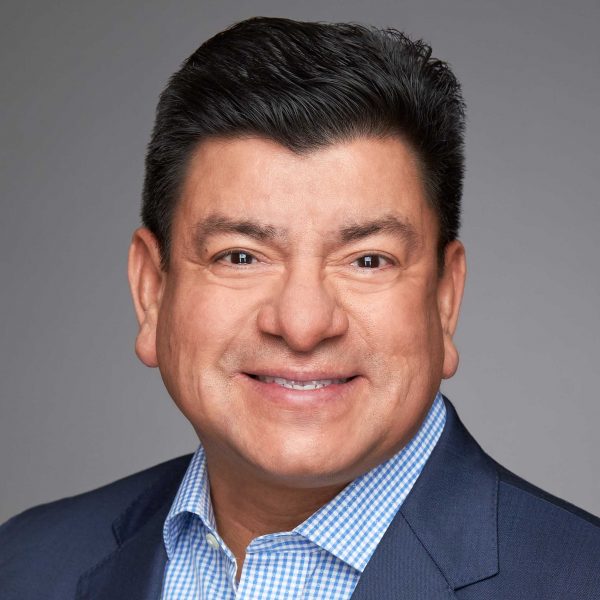
TRANSCRIPT

Intro: [00:00:04] Broadcasting live from the Business RadioX Studios in Atlanta, Georgia. It’s time for Atlanta Business Radio brought to you by onpay built in Atlanta. On Pay is the top rated payroll and HR software anywhere. Get one month free at Onpay. Now here’s your host.

Lee Kantor: [00:00:31] Lee Kantor here, another episode of Atlanta Business Radio, and this is going to be a good one, but before we get started, it’s important to recognize our sponsor on pay. Without them, we couldn’t be sharing these important stories today on the Atlanta Business Radio. We have Jim Inglis with Inglis retailing and the author of Breakthrough Retailing Welcome Jin.

Jim Inglis: [00:00:52] Thank you.

Lee Kantor: [00:00:53] Well, I’m excited to learn what you’re up to. Tell us about your firm. How are you serving, folks?

Jim Inglis: [00:00:59] Well, English retailing is a consulting firm, and we focus on the home improvement retail industry, basically working internationally with home centers all around the world Japan, Australia, South America, Europe. And this comes out of my work history where in my career I was executive vice president of Home Depot and during the very aggressive growth years of the company. And so we focus on helping at home centers in other parts of the world who would like to emulate Home Depot and become the dominant player in their market, just as Home Depot has become the dominant player in the North American market. And so that’s what we focus on. And fortunately, in most cases, whether it’s in Australia or or Europe or South America, typically we work with either the number one or number two retailer and in each of those markets.

Lee Kantor: [00:02:08] So now is the home center retailing is at a different animal than other types of retailing.

Jim Inglis: [00:02:14] Well, yes, it’s it’s a it’s a it’s a specialty type of retailing where if you, for example, if you think of a Home Depot, it’s a big box store, has a lot of merchandise, but essentially everything in that store is focused with one mission. And that mission is to provide maintenance, repair or remodeling for the home. And so it doesn’t, you know, you won’t find a lot of other products that you might find, say in a Wal-Mart, which would be a general merchant general merchandise company, but rather it’s a specialty retailer and that is focused specifically on being a solution provider for the homeowners.

Lee Kantor: [00:02:58] And then when being a big box is a different kind of strategy than the maybe the smaller box that attacks the same market like an ace hardware.

Jim Inglis: [00:03:08] That’s right. I mean, what you see in the United States is really two extremes. You have three really big box warehouse stores Home Depot, Lowe’s, and in the Midwest, there’s a third called Menards that control the the biggest dollar amount of shares in the market. But at the other extreme, you have the small neighborhood store, which is the ace type store. And it it’s a very viable retail format in itself because it is local. And in fact, it’s very highly, highly rated when you come to when you do. Market research like J.D. Power gives Ace Hardware a very, very high rating. So. So they don’t control the major dollar amounts because they’re much smaller stores. But there’s there’s two two extremes in the marketplace. Typically, the the customer that’s looking for maybe repair and maintenance might find it very convenient to go to an ace hardware, whereas if they’re doing a bigger project, a remodeling project, then most likely they’re going to to need the assortment and services of of of the big store. The big box store.

Lee Kantor: [00:04:23] So then the customer for the big box store is not only the consumer, but sometimes these other kind of service providers.

Jim Inglis: [00:04:30] Yeah. In fact, if you look at the current Home Depot statistics, forty five percent of the business done in a Home Depot is done with professional customers. And these these are professional customers who essentially are doing the same. Three things that the homeowners are doing repair, maintenance and remodeling. So there’s a certain synergy between the homeowner who’s looking for the same products, the same type of pricing and assortment and service that the professionals looking for. And as a result, a big box store like a Home Depot can can can very well serve both of those markets.

Lee Kantor: [00:05:11] Now, when you’re going into do your consulting with one of these firms overseas, is the marketplace similar in America? Like is this just people take care of their home in a similar manner and then they go to these kind of places in a similar way, like it’s just the same thing, but different in another country.

Jim Inglis: [00:05:30] Well, you know, the desire is the same. You know, the homeowner wants a better standard of living. They want to take pride in their home. They want to improve their home. And so yes, the desire and the need by the homeowner is the same, whether you’re in Japan or whether you’re in South America or whether you’re in Europe. Now there are certainly significant differences in each of those markets. For instance, if you go to Germany, you find that there’s not as many single family homes that are privately owned. There’s a lot more renters in those markets. If you go to South America, you’ll find that you don’t have as large a middle class. You also find that the homes there are made of cement instead of wood. And so that creates a whole different product mix and sometimes a different complexity and doing the do it yourself jobs. So each market is unique in its own way. But but the basic need of the customer is the same. And so really, the principles of how to drive a high productivity business really remain the same. The tactics the tactics may change depending on the legal situation or the economic situation or the type of construction that’s used or the competition that’s there. So or the culture of the local culture. So the tactics may change, but the overall strategy is really very similar.

Lee Kantor: [00:07:05] Now does the overall strategy that Home Depot kind of relied on to get escape velocity when it was starting out and through your. With the organization, does that transfer to other organizations that aren’t necessarily, you know, retail even or even in the home market? Well. Like from a culture standpoint, you know, being so customer centric, those kind of areas, I would think transfer those are industry agnostic.

Jim Inglis: [00:07:38] Sure. I mean, if you ask, you know what, what is the success of whom do you go? And you know, why is it the largest home center business in the world? And it is. It’s by far the largest home center business in the world and also the most profitable. If you if you trace that back, you trace it back. Well, it is the culture and it’s a culture that is highly customer centric. And so certainly, if you take the same principles that were established by Home Depot of of developing a company with a culture that in fact is customer centric and customer focus, and you empower your people to take care of those those customers and you not only empower them, but you, you educate them. And not only the how, but the way of taking care of those customers. They’ll they’ll they’ll they’ll take on that mission and they will fulfill it. Well, certainly, you know, regardless of whether you’re in the home improvement business or the furniture business or the or the, you know, the clothing business, those principles are still intact. And of course, my my book is called breakthrough retailing. But the tagline is how a bleeding orange culture can change everything. And that’s what my whole book is about is how important that culture is in in creating the environment that allows rapid growth that allows you to dominate the market and that that domination comes by simply being the best store for the customer.

Lee Kantor: [00:09:15] Now how how are those retailers like Home Depot dealing with the online merchants that I don’t think we’re there when Home Depot started?

Jim Inglis: [00:09:27] No. You know, when when Home Depot started, it was it was a pure DIY. Do it yourself business, you know, called stack it high and sell it low. That was that was the model. And over time, a lot of things have changed. The population has changed. There’s more people want services and the DIY market is still very important, but so is the professional market. And and then, you know, the next evolution, of course, is the whole digital world with the with the e-commerce and Home Depot. I went through a period where they when they first got involved with the the digital world in e-commerce and they made a lot of mistakes and that the the the e-commerce business was set up sort of as a freestanding business separate from the stores. But they quickly learned that that it’s not a separate business, it’s an enhancement of the existing business. And so what you find today is that is that at Home Depot, they call it interconnected retailing that it’s really well to use the words of of the CEO. The internet’s the front door of the store. In other words, people will start their projects at home looking at the internet. They’ll do their research on the internet. But as they as they begin to put that project together, they want to touch and feel the merchandise, or they need some additional hands on help with their project and some advice or some design, or they need some delivery. And so what you find is that the internet isn’t a separate market. It’s not a competing market. It’s just an additional tool that gets the customer engaged with the business. And while the while the internet’s the front door of the store, most of those people ultimately find their way into the store and and a typical project may go back and forth many times between the physical store, between the call center and back to the back to the to the internet again. So it’s not it’s not two different businesses. It’s one interconnected business.

Lee Kantor: [00:11:35] And but at the heart of it, it’s like you said earlier, this customer centric approach where you’re just trying to serve the customer in any way they want to be served and give them an experience that is memorable and that is reliable and predictable. That’s different than some of these online operators where they never interact with the human being and they’re just buying an item, you know, in order to save 50 cents. But some customers would rather have a human being interacting with them.

Jim Inglis: [00:12:06] That’s right. Well, you know, your internet business, like I say, it’s the front door of the store, but many times the customer needs that, some additional help. So they actually end up as their next step coming into the store. But also, you know, if you look at, for instance, the internet business at Home Depot, over half of the product. That the customer actually start makes the purchase on the internet. They actually go to the store to actually pick it up. So it’s not, you know, the store, the store, the store is, like I say, an interconnected piece of that internet and that customer is is going to get great service. And you know, if you look at if you look at there was a there was a survey by Forbes magazine just very recently and they were interviewing customers to find out what was their attitude toward internet retailers. And they came to the conclusion that that Home Depot was the number one trusted brand for the internet. So you can have a good experience on the internet and you can have a bad experience on the internet.

Jim Inglis: [00:13:13] And one of the things that Depot is doing now is they’re investing literally billions of dollars in the largest logistic systems so that they can provide the best delivery. The other thing that that you realize is that when people buy on the internet, three times as much return goods are done on a purchase from the internet than are purchased in the store because people don’t know until they see it, until they feel it or they try it on or or they buy too and see which one they like. So your returns are three times as much. Well, the advantage of having both the internet and the store is the customer can then quickly and easily bring that back to a store because the stores in the case of Home Depot are very convenient to virtually 90 percent of the customers in the United States. So. So there’s the internet. That’s a very cold, distant internet. And then there’s the internet that’s interconnected with the local store, and there’s a world of difference in service between those two extremes.

Lee Kantor: [00:14:16] Now, is there any advice for a retailer out there? And maybe it’s not an enterprise level, but even a mom and pop that they could be doing right now that could, you know, make a difference in their business?

Jim Inglis: [00:14:28] Well, the most important thing is to understand how does the customer see your salespeople, the people that interact with your customers? Do they see your salespeople as competent? Do they see them as dependable? Do they see them as trustworthy? And do they see them as caring? If they do, then they will take those attributes and they will apply them to your brand and you will become the preferred place to shop the preferred destination store. So it’s so critical that your people believe in your mission. You know, people think, Well, I’ve got to advertise to let people know about my store and my mission and what I do. But the first people that you have to market to is your own salespeople. They have to believe, and if they believe, then your customers will believe.

Lee Kantor: [00:15:32] So the first step is to really get the culture right. I mean, if you have the culture right and the mission is obvious and everybody’s on board and everybody’s rowing the same way, then you have a chance.

Jim Inglis: [00:15:44] Bingo. That’s that’s the bottom line.

Lee Kantor: [00:15:47] So now does that is that the same way in order to create the brand loyalty you need and to be that top of mind provider is that it starts with the people again because that’s foundational.

Jim Inglis: [00:15:59] That’s correct. You know what, what we what we always said at Home Depot was that is that what we expected was not we didn’t we didn’t say, Well, our people are inherently better, but rather we have ordinary people. But they perform at an extraordinary level because they’ve bought into the mission because they believe in the company. And and so what you find is, is that the leadership of the company sets values and demonstrates behavior that creates a culture that is in fact mission driven. And when those employees buy into that mission, you end up with extraordinary performance by ordinary people. And you know, another another statement that I’ve heard is that great people are everywhere, but it’s the culture they are in that determines how they will be perceived by the customer.

Lee Kantor: [00:17:02] Now, do you see a kind of way out of this supply chain issues that we’re dealing with now? Is this something that we’re going to be dealing with for months and months? Or you think that there’s a light at the end of this tunnel?

Jim Inglis: [00:17:15] Where the light might be a train coming at you very fast. It’s a serious, serious problem the the supply of product. Not many of our products are in fact produced outside the United States, and even the products that are produced in the United States quite often use component parts that are produced overseas. And so what we had in the past, we had a situation which the the the smart retailers, the smart companies bought into this whole idea of of just in time management, just in time supply chain. And this was started by the automotive industry that said, Hey, you don’t have to have an investment in inventory. You use just in time supply chain. And that’s been the modus operandi for like the last 20, 30 years. And it’s been taught by every consultant and every every professor that just in time is the smart way to run your business. Well, what’s happened with this COVID situation has proven that, well, there’s a downside to that. And just in time may change to a strategy of just in case. Hey, just in case we better have a Plan B, just in case we better have a Plan C, we better have, you know, diversification we may meet. It might be ideal to buy from all your product, from a company, from Country A, but maybe you should have a backup in Country B or Country C. You’ve got a supplier A that could supply 100 percent of your product, but you better have Supplier B and Supplier C in line so that you can. Have assurance that you can, in fact, get products, so I think the biggest thing that biggest change is going from just in time to a just in case mentality. And I’m not saying by that that we should stop buying, that we should stop having free markets and we should set up tariff barriers like Trump wanted to do and like Biden is doing. I think that’s counterproductive. I believe in open markets, but at the same time, diversity within those markets.

Lee Kantor: [00:19:43] And do you think that that’s going to cause maybe an increase in manufacturing in areas that there weren’t manufacturing before in order to kind of be that Plan B and Plan C.?

Jim Inglis: [00:19:54] Absolutely. I mean, today you see a lot of a lot of manufacturing is moving from China into Thailand and to Cambodia and to Malaysia. Yeah, you see, it’s already happening.

Lee Kantor: [00:20:08] Sometimes the market, kind of when they have the most to lose, they’re the ones who take the most action.

Jim Inglis: [00:20:14] Well, that’s right, I mean, and all of. You know, a problem is, is the is the mother of invention.

Lee Kantor: [00:20:24] Well, congratulations on all the success. The book, though, is written for the people in retailing is that the the market for it or anybody in business would learn from some of the things that you went through in your career?

Jim Inglis: [00:20:37] Well, the book is is actually a very large book. The book is over 400 pages, so this is this is a typical business book is about half this size. So this is a big book and and the reason it’s really two books on one. The first half of this book is the history of Home Depot. How did it get started? Who started it? How did it get started? What did they do that that that changed the marketplace? And how did they become the largest company in the world? How did in home improvement retailing? How what problems did they come through because they went through some very dark periods as well? And and then, you know, how did they how did they right the ship and and continue the incredible growth they’ve had? So it’s a great it’s a great history story. And how many people are involved with the Home Depot? Well, all the people that work there, all the people that sell the Home Depot, all the people that buy it home, people. So anybody who’s interested in the story of Home Depot, that’s the first half of the book. The second half of the book is as as as I mentioned earlier, I’ve been teaching other retailers around the world how to emulate Home Depot, and in doing so, I developed 10 principles that each company needed to understand and needed to implement to be the dominant retailer in their own market. And so each of those 10 principles is a chapter in the book, and that constitutes the last half of the book. So the first half of the book is a history book. I think it’s an interesting history. And then the second half of the book is really the principles that that you can apply to create a high productivity retail business. And of course, that business doesn’t have to be in home improvement. It could be in any business because the principles are universal.

Lee Kantor: [00:22:25] Well, Jim, thank you so much for sharing your story. If somebody wants to get a hold of the book or get a hold of you for some consulting, is there a website?

Jim Inglis: [00:22:33] Yes, it’s breakthrough retailing. One word breakthrough retailing.

Lee Kantor: [00:22:38] Well, thank you again for sharing your story. You’re doing important work and we appreciate you.

Jim Inglis: [00:22:42] Thank you, Lee. I appreciate the opportunity.

Lee Kantor: [00:22:44] All right, this is Lee Kantor. We’ll see you all next time on Atlanta Business Radio.

About Our Sponsor

OnPay’sOnPay-Dots payroll services and HR software give you more time to focus on what’s most important. Rated “Excellent” by PC Magazine, we make it easy to pay employees fast, we automate all payroll taxes, and we even keep all your HR and benefits organized and compliant.

Our award-winning customer service includes an accuracy guarantee, deep integrations with popular accounting software, and we’ll even enter all your employee information for you — whether you have five employees or 500. Take a closer look to see all the ways we can save you time and money in the back office.

Follow OnPay on LinkedIn, Facebook, and Twitter

Tagged With: Inglis Retailing, Jim Inglis

Ryan Johnson With Cxmmunity

October 28, 2021 by Jacob Lapera

RyanJohnson
Atlanta Business Radio
Ryan Johnson With Cxmmunity
Loading
00:00 /
RSS Feed
Share
Link
Embed

Download file

RyanJohnsonRyan Johnson is a graduate of Oakwood University. Currently, he is completing his master’s degree in Sports Administration at Georgia State University. Since completing his bachelor’s degree Ryan has worked in various roles in the technology, sports, and entertainment industries.

With expertise in sponsorships, business development, brand partnerships, consumer insight, and trends. Now he is combing his passions and talents to build and expand Cxmmunity.

Ryan began his professional career as an Account Executive with Vonage Business. He was responsible for maintaining a client base that met monthly and quarterly metric goals. Shortly after he accepted a role as an IT Consultant with Adapture. Adapture is an award-winning IT firm located in Sandy Springs, GA.

Winning CRN Tech Elite and Atlanta Business Chronicle Pacesetter Awards, Ryan was able to quickly develop skills around business development, project management, and customer experience with corporate organizations. In 2018 he joined RIISE Ventures and assisted in business development and event initiatives. RIISE Ventures had a focus on the esports, technology, and entertainment industries.

Ryan was able to curate events and create business partnerships at events including CES, NBA-All Star Weekend, Dreamhack Dallas/Atlanta, NCAA Final Four, and E3. Most recently, Ryan helped form a partnership between his nonprofit Cxmmunity and Twitch to create the HBCU Esports League.

Connect with Ryan on LinkedIn.

What You’ll Learn In This Episode

  • Social impact
  • Maximizing corporate partnerships
  • Creating sustainable academic STEM programs
  • Integrating media and sponsorships into your brand

This transcript is machine transcribed by Sonix

TRANSCRIPT

Intro: [00:00:04] Broadcasting live from the Business RadioX Studios in Atlanta, Georgia. It’s time for Atlanta Business Radio brought to you by onpay built in Atlanta. On Pay is the top rated payroll and HR software anywhere. Get one month free at Onpay. Now here’s your host.

Lee Kantor: [00:00:31] Lee Kantor here, another episode of GSU ENI radio, and this is going to be a good one today on the show, we have Ryan Johnson with cxmmunity. Welcome, Ryan.

Ryan Johnson: [00:00:42] Hey, Lee, thanks for having me, how are you?

Lee Kantor: [00:00:44] I am doing well, I’m excited to learn what you’re up to. Tell us a little bit about community. How are you serving, folks?

Ryan Johnson: [00:00:50] Absolutely. So Community is the leading EA Sports career and competitive pipeline for students of color. What we focus on is ensuring that minorities have representation in the growing EA Sports and video game industry, and we do that by partnering with underserved K through 12 institutions as well as HBCUs, and ensure that they have the appropriate resources to provide STEM curriculum and also EA Sports related competitions for the students on their campuses.

Lee Kantor: [00:01:19] So now why don’t you educate the listener a little bit about EA Sports as kind of an industry? Can can you talk a little bit about how large that is and where the opportunities you see lie?

Ryan Johnson: [00:01:31] Yeah, for sure. So the EA Sports industry is just a subsegment of the holistic video game. Industry is projected that the video game industry by the end of this year will reach. One hundred and seventy five billion dollars of recurring revenue in EA Sports currently makes up about one billion of that number. It is consistently growing. So you can consider EA Sports to be the competitive and professional and competitive amateur video game competitions. So essentially what you will have if we look at the state of Georgia as an example, Georgia was one of the first states in North America to actually recognize EA Sports as an interscholastic high school sport under the Georgia High School Sports Association. So you have schools that are competing in titles like Madden, Rocket League, League of Legends and Overwatch. And just like you would have them compete in a traditional sports schedule like basketball, football track and field or even swimming. So essentially, what you have happening in the state of Georgia is students that are competing at a super high level and winning state championships with their teams in high school are actually getting scholarships to attend.

Ryan Johnson: [00:02:39] Institutions like Georgia State, Georgia Tech, the University of Georgia and Kennesaw State, which also have East sports teams that are hand out scholarships as they’re looking to chase now national and collegiate titles. So the reason why this is important specifically for minorities is that if you look across the landscape, most EA Sports are played on gaming PCs instead of consoles and systems like Xboxes and PlayStations and Nintendos. So naturally, what you have happen is a socioeconomic divide within the school systems based on which schools and which districts can afford gaming PCs, and then also who can afford to pay a stipend for an EA Sports coach. So naturally, you lose majority of the inner city schools throughout North America. And then also most HBCUs do not have the additional resources to bring their EA Sports program to life. So holistically, that’s what we focus on. We’re an advocate and an advocacy group to help raise awareness for these institutions that want to be a part of this growing industry, but may not have the resources to do so themselves.

Lee Kantor: [00:03:48] Now is the opportunity for the young person to be a player and then get a scholarship or earn money being a professional or is the opportunity in being a creator and being involved in EA Sports in terms of being part of the teams that are creating the games or creating the communities within the games? Or is it both?

Ryan Johnson: [00:04:11] I would say it’s both. And then there’s another layer, which is the career path of STEM. Right? I think a lot of times we overlook the fact that at the end of the day, the video game industry is nothing but a subsegment of technology. So what we really focus on is ensuring that young students of color who love video games have they understand that within gaming, there is career path within production, within business and marketing and law that there’s career paths within computer programing, video game design, 3D animation. So where we really focus on is actually the career pathways because our ultimate mission through our company is to ensure that there’s a larger representation in the actual workforce and the gaming industry. But supplemental to that comes actual varsity competition like we’re talking about with EA Sports leagues, competitive collegiately and at the high school level. But then there’s also the casual and recreational competition that all exists within that same ecosystem. So we like to identify or really showcase the students those three variables or pathways to actually becoming professional. So playing and making money, playing casually and being part of an entity or actually working in the space as a working professional across I.T. and or business.

Lee Kantor: [00:05:33] So now with your work with community is that you’re advocating and evangelizing this opportunity. I guess you’re starting. With the young people in an elementary school level, is that where this begins?

Ryan Johnson: [00:05:48] So we we do have some students that are in elementary and middle school, but our true target is sophomores, juniors, seniors in high school and also college students. Because the idea is that once sophomores, these seniors in high school, you know, it could be a chance where they have not yet had the opportunity to identify what they want to study in college and or what college they want to attend. So as we continue to build out these EA Sports programs, especially at the HBCU level, if we take Atlanta as a perfect example, we infuse and interject gaming into the Atlanta public school system and simultaneously we help build out the e-sports ecosystem within the Atlanta University Center. So now students within apps know that they have the opportunity to attend a Morehouse or Clark, Atlanta, Spelman or Maurice Brown and be an active participant within that EA Sports program and even have the opportunity to earn scholarships and internships through our programs as well.

Lee Kantor: [00:06:46] So now who is your customer? Is the customer, the high schools or the individual consumer?

Ryan Johnson: [00:06:54] Our customers essentially are the academic institutions, but our largest stakeholders are corporate brands. So actually, how we drive revenue, if you can imagine over the last year and some change, there’s been upwards of five to $10 billion allocated from corporate America specifically to communities of color in response to a lot of the racial and social injustice in the country. So our largest constituent is actually taking everything that we talked about so far, packaging our entire program, competitive and career, and then go to a corporate brand like Microsoft or Verizon or Comcast or Red Bull. And they provide us marketing and social impact dollars, and that’s how we actually operate our business at large. So as it comes to being from the school standpoint, we actually don’t charge students or the schools to be a part of our program. We generate all of our revenue through social impact, dollars in corporate social responsibility, sponsorship and media investments from our corporate brands. Because one of the unique elements we’re able to leverage because we’re in the space of e-sports is a platform like Twitch. So when we’re able to take our programs that we’re describing our esports competitions, we create broadcasts and we throw it on a platform like Twitch. In our first year, we aggregated over 10 million live viewers that actually viewed our content. So brands are able to actually give back to communities that they’re looking to serve that are underserved, but also at the same time reach massive audiences on platforms like Twitch VR public broadcast.

Lee Kantor: [00:08:33] So then the value to the brand is not only just doing good, but it’s also there’s an opportunity for them to get their brand associated in these, you know, highly sought after environments.

Ryan Johnson: [00:08:46] Absolutely correct.

Lee Kantor: [00:08:48] So what do you need more of

Ryan Johnson: [00:08:51] At this point, we’re actually raising capital in our first year. It was really just myself and my co-founder, Chris Pierre. Now we have a team of nearly 17 people. We’re currently just looking to build out new IP within our business. So we’re actually looking to raise money right now to expand our operational expenses so we can bring on more programmatic directors, more curriculum directors, but more so is actually bringing in more marketers and brand directors. Because as we build our brand grow, our audiences grow our social channels, that actually makes us become more valuable to the corporate sponsors that we’re already working with just allows them to expand their reach and really say seek out the market segment that they’re looking to reach, primarily being the multicultural audiences in these inner cities throughout the country.

Lee Kantor: [00:09:42] Now, how did you get involved with the Main Street Entrepreneurship Seed Fund?

Ryan Johnson: [00:09:47] So for graduate school, I attended Georgia State, where I actually just finished this past summer with my master’s in sports administration. So just through being in the Georgia state network, that was my connectivity to the entrepreneurship, the actual the Maitri Seed Fund and then also historically, I’ve had a friend of mine go through it, so I was able to essentially observe his journey. So when the time became appropriate, I went ahead and applied.

Lee Kantor: [00:10:13] So how was that involvement helped take community to a new level?

Ryan Johnson: [00:10:18] I truly just through the mentorship and in relationships that we’re able to develop, one of our biggest advocates within the group is m’kay. And even this year through the program, we were able to work on a side project with Inc that allowed us to do a lot of market research and just do a little bit more discovery about our own business. So that was the main thing. It’s just relationships. That’s one of the biggest challenges, especially as a young company and young entrepreneurs is not necessarily knowing which doors to open or even who to talk to that has access to certain doors. So that’s why we’re really even excited for this upcoming Thursday to twenty eighth of October for demo day. Just an opportunity now to present ourselves to some of the more senior stakeholders and investors that we’ve been looking to connect with over the past couple of months.

Lee Kantor: [00:11:07] Well, congratulations on all the success. If somebody wants to connect with you or take a look at community, is the website live yet?

Ryan Johnson: [00:11:15] Yeah, absolutely. Our website is live and running and it’s Community Echo, but we spell our name and I t y Dot CEO. And that same, our website is basically how you can find this across all social media platforms. And if you’re interested to connect with me directly. Ryan Johnson on LinkedIn. But on Twitter and Instagram, you can find me at. Ryan ran it up so RIAA, NRA and I teamed up. So now I’m really appreciative of this opportunity and just grateful to continue building.

Lee Kantor: [00:11:50] Well, again, congratulations on all the success and thank you so much for sharing your story. You’re doing important work and we appreciate you and that website one more time to see immunity. Ceo Ryan Johnson, thank you so much for sharing your story. Thank you. All right, this is Lee Kantor. We will see you all next time on GSU. Any radio.

About Our Sponsor

OnPay’sOnPay-Dots payroll services and HR software give you more time to focus on what’s most important. Rated “Excellent” by PC Magazine, we make it easy to pay employees fast, we automate all payroll taxes, and we even keep all your HR and benefits organized and compliant.

Our award-winning customer service includes an accuracy guarantee, deep integrations with popular accounting software, and we’ll even enter all your employee information for you — whether you have five employees or 500. Take a closer look to see all the ways we can save you time and money in the back office.

Follow OnPay on LinkedIn, Facebook, and Twitter

Tagged With: Cxmmunity, Ryan Johnson

  • « Previous Page
  • 1
  • …
  • 91
  • 92
  • 93
  • 94
  • 95
  • …
  • 116
  • Next Page »

Business RadioX ® Network


Our Most Recent Episode

CONNECT WITH US

  • Email
  • Facebook
  • LinkedIn
  • Twitter
  • YouTube

Our Mission

We help local business leaders get the word out about the important work they’re doing to serve their market, their community, and their profession.

We support and celebrate business by sharing positive business stories that traditional media ignores. Some media leans left. Some media leans right. We lean business.

Sponsor a Show

Build Relationships and Grow Your Business. Click here for more details.

Partner With Us

Discover More Here

Terms and Conditions
Privacy Policy

Connect with us

Want to keep up with the latest in pro-business news across the network? Follow us on social media for the latest stories!
  • Email
  • Facebook
  • Google+
  • LinkedIn
  • Twitter
  • YouTube

Business RadioX® Headquarters
1000 Abernathy Rd. NE
Building 400, Suite L-10
Sandy Springs, GA 30328

© 2025 Business RadioX ® · Rainmaker Platform

BRXStudioCoversLA

Wait! Don’t Miss an Episode of LA Business Radio

BRXStudioCoversDENVER

Wait! Don’t Miss an Episode of Denver Business Radio

BRXStudioCoversPENSACOLA

Wait! Don’t Miss an Episode of Pensacola Business Radio

BRXStudioCoversBIRMINGHAM

Wait! Don’t Miss an Episode of Birmingham Business Radio

BRXStudioCoversTALLAHASSEE

Wait! Don’t Miss an Episode of Tallahassee Business Radio

BRXStudioCoversRALEIGH

Wait! Don’t Miss an Episode of Raleigh Business Radio

BRXStudioCoversRICHMONDNoWhite

Wait! Don’t Miss an Episode of Richmond Business Radio

BRXStudioCoversNASHVILLENoWhite

Wait! Don’t Miss an Episode of Nashville Business Radio

BRXStudioCoversDETROIT

Wait! Don’t Miss an Episode of Detroit Business Radio

BRXStudioCoversSTLOUIS

Wait! Don’t Miss an Episode of St. Louis Business Radio

BRXStudioCoversCOLUMBUS-small

Wait! Don’t Miss an Episode of Columbus Business Radio

Coachthecoach-08-08

Wait! Don’t Miss an Episode of Coach the Coach

BRXStudioCoversBAYAREA

Wait! Don’t Miss an Episode of Bay Area Business Radio

BRXStudioCoversCHICAGO

Wait! Don’t Miss an Episode of Chicago Business Radio

Wait! Don’t Miss an Episode of Atlanta Business Radio