

Business RadioX ®

  • Home
  • Business RadioX ® Communities
    • Southeast
      • Alabama
        • Birmingham
      • Florida
        • Orlando
        • Pensacola
        • South Florida
        • Tampa
        • Tallahassee
      • Georgia
        • Atlanta
        • Cherokee
        • Forsyth
        • Greater Perimeter
        • Gwinnett
        • North Fulton
        • North Georgia
        • Northeast Georgia
        • Rome
        • Savannah
      • Louisiana
        • New Orleans
      • North Carolina
        • Charlotte
        • Raleigh
      • Tennessee
        • Chattanooga
        • Nashville
      • Virginia
        • Richmond
    • South Central
      • Arkansas
        • Northwest Arkansas
    • Midwest
      • Illinois
        • Chicago
      • Michigan
        • Detroit
      • Minnesota
        • Minneapolis St. Paul
      • Missouri
        • St. Louis
      • Ohio
        • Cleveland
        • Columbus
        • Dayton
    • Southwest
      • Arizona
        • Phoenix
        • Tucson
        • Valley
      • Texas
        • Austin
        • Dallas
        • Houston
    • West
      • California
        • Bay Area
        • LA
        • Pasadena
      • Colorado
        • Denver
      • Hawaii
        • Oahu
  • FAQs
  • About Us
    • Our Mission
    • Our Audience
    • Why It Works
    • What People Are Saying
    • BRX in the News
  • Resources
    • BRX Pro Tips
    • B2B Marketing: The 4Rs
    • High Velocity Selling Habits
    • Why Most B2B Media Strategies Fail
    • 9 Reasons To Sponsor A Business RadioX ® Show
  • Partner With Us
  • Veteran Business RadioX ®

Croft Edwards With CROFT and Company

October 28, 2021 by Jacob Lapera

CroftEdwards
Coach The Coach
Croft Edwards With CROFT and Company
Loading
00:00 /
RSS Feed
Share
Link
Embed

Download file

CROFTCompany

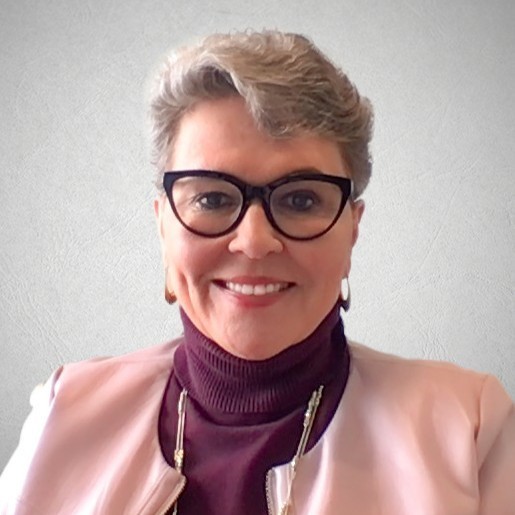
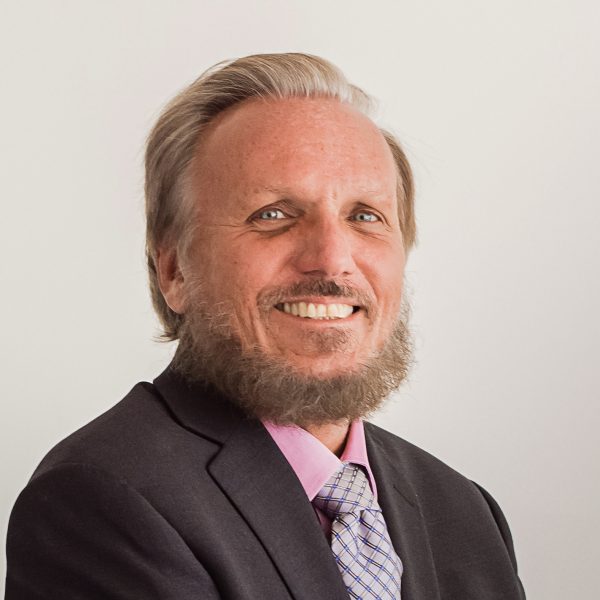
CroftEdwardsCroft Edwards is a Master Certified Coach, President of CROFT + Company, and the genesis behind LeadershipFlow, the study of how to help individuals and organizations be at their best.

He has been helping leaders and their teams find their Flow since 2001 in a variety of fields: mining, refining, government agencies, manufacturing, small businesses, and healthcare.

Two miles down in a mine or up on the 8th floor, Croft coaches wherever there are leaders who desire a different result.

Connect with Croft on LinkedIn.

What You’ll Learn In This Episode

  • About LeadershipFlow
  • LeadershipFlow in individuals and organizations

This transcript is machine transcribed by Sonix

TRANSCRIPT

Intro: [00:00:02] Broadcasting live from the Business RadioX Studios in Atlanta, Georgia. It’s time for Coach the Coach radio brought to you by the Business RadioX Ambassador Program, the no cost business development strategy for coaches who want to spend more time serving local business clients and less time selling them. Go to brxambassador.com To learn more. Now, here’s your host.

Lee Kantor: [00:00:33] Lee Kantor here, another episode of Coach the Coach Radio, and this is going to be a good one. You better get your pencil and paper out because you’re going to be taking a lot of notes. You’re going to learn some really good stuff from our guest today. Croft Edwards with CROFT and Company. Welcome.

Croft Edwards: [00:00:49] Hey, Lee, great to be here.

Lee Kantor: [00:00:50] Well, I’m excited to learn what you’re up to. Tell us about Crofton Company.

Croft Edwards: [00:00:54] So we are a leadership development firm, which we help organizations create high performing leaders and do do that mainly through a lot of coaching, both one on one and a lot specifically on the embodiment of coaching and what it means to be a leader.

Lee Kantor: [00:01:10] So what’s your backstory? How did you get involved in coaching?

Croft Edwards: [00:01:14] A long story, but I can tell it short, when I was eight years old, I read Omar Bradley, the World War Two generals autobiography, and I didn’t realize it at the time, but it just peaked in me. A fundamental question I’ve been exploring ever since, which is why was he or any leader, for that matter, successful? So what does it mean to be a leader and then how do you do that? And then that led me through a career both in the Active and Reserve Army and then for the last 20 plus years, coaching leaders in organizations.

Lee Kantor: [00:01:48] So now when you were in the military, how did you kind of assess the leadership that you were able to kind of experience?

Croft Edwards: [00:01:58] Well, I’d like to think that I I was a great leader, but I’m pretty sure that I wasn’t. And so what I what I learned was leaders all kind of face the same challenge, which is we’re human beings. And leadership is an art. My assessment is really is it’s not something that just happens. Yeah, there are some people that maybe are better at it, but it’s it’s how do I how do I ultimately create a situation where other people are inspired and motivated to take actions that align with what we’re trying to do as an organization?

Lee Kantor: [00:02:33] Well, that brings up an interesting point. Like at the end of the day, what is a measure of successful leadership in your mind?

Croft Edwards: [00:02:43] Oh, wow, that’s a great question. I mean, ultimately, I think at the end of it, the results are there, but it’s results which take care of what individuals and the organization and the leader care about. So I would make the assessment a distinction we’re using. Leadership is. Management is the authority granted to the individual by the organization? Leadership is the authority granted to an individual by their followers. So if we’re going to have success ie the follower have to get my needs taken care of. The organization needs their needs taken care of and as does the leader, so we can get results. But if it’s at some cost, then it’s not likely going to be effective leadership.

Lee Kantor: [00:03:29] And how have you seen it evolve? Because back in the day, you know, it was just get the job done, make it happen and don’t make any excuses kind of world. And in today’s world, that seems a little more gray than that. Everybody’s individual needs and cares are now kind of in play, whereas maybe a while ago that wasn’t as important to leadership. How have you seen that transition occurring? And and I’m sure you believe there’s room for improvement.

Croft Edwards: [00:04:03] Well, I think one of the things I’ve and I actually I have an issue kind of with what’s what’s going on right now is there’s kind of a mindset that, oh, we have to the employee has to come first and the individual has to come first. And don’t get me wrong. Those needs are important, but those needs can’t circumvent or be more powerful than the needs of the organization. Because ultimately, organizations exist to fulfill a promise that individuals can’t do by themselves. So whether we’re an airline or the military or a family, the organizational need. The reason there’s an organization is because there is something bigger that individuals can’t do themselves. So individual needs are important, but they can’t be more important than the outcome for the organization.

Lee Kantor: [00:04:58] Well, the individual needs might be important for that individual, but they just might not be the right fit for the organization. Yes.

Croft Edwards: [00:05:06] Right. Yeah. And so I see this a lot in organizations where it’s the the old adage that the inmates are running the asylum. And real leadership says, no, no, we have a we have a bigger care and we’re going to we’re going to all work together to get everybody’s care taken care of, but they’re going to be times when your care can’t be the primary care. Because for the organization to exist, right, there are times when we’re going to have to work late. But where it becomes an issue is if we have to work late every night of the week, then the organization’s care is outweighing the individual care, right? So if the individual care isn’t, is it becomes the issue that it doesn’t take care of organizational care.

Lee Kantor: [00:05:51] Right. You can’t kind of twist yourself in a pretzel to accommodate a handful of people. They might have to kind of leave the organization and kind of go their own way in order for the organization to kind of make it.

Croft Edwards: [00:06:06] Yeah. And then what ends up happening? My assessment is when we get high performing organization, there’s there’s and I don’t like the word balance because it implies that both sides are equal. There’s a place where there’s harmony to where. All of the needs, the three cares, the organization, the leader and the individuals cares are being taken care of to an extent which will sustain and allow the organization, the individual and the leader to thrive.

Lee Kantor: [00:06:34] It’s an interesting concept that you bring up, is this something that you’ve kind of come upon yourself or is this influenced by? It’s obviously influenced by other kind of education and learning or maybe mentors that you’ve had in the past, but is this kind of the methodology of the craft and company organization?

Croft Edwards: [00:06:52] Well, I am very proud to say I’m part of a historical discourse and my background in training is in three domains, which are all kind of one, which is the ontological, an ontology study being here. And so ontological coaching, generative coaching, which is fundamentally ontological coaching in the context of organizations. And then I do a lot of semantic work. So I am I am part of a lineage and a discourse around how do we that we fundamentally look at the phenomenon of what it means to be a human being? And then how do we max? Surmise the human performance

Lee Kantor: [00:07:30] And then is that is you call it leadership flow. Is that kind of at the heart of this?

Croft Edwards: [00:07:36] So my methodology of leadership flow is the idea that that flow is the state of ultimate performance. So you see flow in places like elite athletes or. And everybody knows flow. It’s that moment in our lives where time stands, still stands. Still, we’re so in the moment that we become the task. This is the research by a man named me sent me, I and who. And actually just passed away last week, so a shout out to Chuck sent me high because he really was the godfather of this, but it looked at the idea of flow is how do we get ultimate performance? And then my realization was ultimately the role of a leader is to tap flow. Because if I can tap flow, if I can bring out the greatness in each individual on my team and the greatness of my team, a lot of the stuff will fall by the wayside because we’ll actually create what we want to create.

Lee Kantor: [00:08:32] Now, is it possible to kind of create flow on demand or is this something that is just all the stars have to align in order for flow to occur?

Croft Edwards: [00:08:42] Great question. Yes, and no kind of thing. So there is what’s called the flow cycle. And so for if you think about this pick something you love, there is a place where there is a challenge that is above where we’re at. So. So an example when a kid, for instance, is learning how to ride a bike, there’s a point where the writing of the bike is too big of a challenge. But at some point, the challenge gets within reach. So we have this challenge or struggle. And then there’s a place where we release and we just kind of let go and we get into the moment we have flow. And then flow is not a continuous state, it’s not something we’re always in, because in that moment, our body is functioning in its ultimate performance. All the chemicals in our body are lining up, et cetera. But at some point that’s we have to stop. And so there’s the relaxation and then recovery phase of flow that we have to go through. So we can’t just create flow and anybody that’s a if you’ve done anything, if you’ve done writing, writers will tell you they get a writer’s block, right? They just can’t find it. And then something happens and then they release and oh, the sentence just came along or songwriters or elite athletes. So it’s not something we can just create. But if we are willing to get into the act, it’s a lot of times it’s just being a practice that will create the flow.

Lee Kantor: [00:10:09] So now how do you kind of teach this in your in your training and your coaching, like, is this something that can be taught that it’s OK, you do these 14 things and then you can be in flow? Is it is it a checklist type thing or is it a mindset thing?

Croft Edwards: [00:10:28] It’s it’s it’s not so much mindset. It’s it’s embodied practice. So think about anything you’re good at, and if you’re good at it, you embody it. Well, leadership is an embodied practice, so a lot of what we do and we actually go to organizations. We have what we call leadership flow dojos and traditional going in organization, and I’m going to stand at the front of the room for eight hours and I’m going to lecture to you and we’re going to do some exercises. What we actually do is we start having conversations and as we do that, we start to introduce new distinctions and we practice literally. How are you standing when you’re having a conversation or how do you experience a mood of openness, a body of openness? And the only way you can get good at something like that is you have you have to practice. So we actually when we go into an organization, a lot of what we do is we just practice having the new conversations. And then my role or one of my team members role is to facilitate and train and teach people how to actually have those conversations.

Lee Kantor: [00:11:32] And so this is not just an intellectual pursuit, this is not something you read and then get. This is also there’s a physicality to this the way you’re standing, breathing, feeling, you know your hand.

Croft Edwards: [00:11:46] Yeah, so let’s say I’ll give you a quick example, let’s see you and I needed to get good at having really open and honest conversations. Well, the only way we would actually do that is to actually have really good and open, honest conversation, so the way we might practice that is if you and I were standing in a room is we might stand literally stand face to face and we would be about less than an arm’s length away. And as we’re standing there, and if you can imagine this is you and I standing there, our bodies make it very uncomfortable. Right, because you and I are standing there looking each other in the eye, face to face, which for many people, it’s like, whoa, that’s way too intimate. Yeah. And if I don’t practice that, how can I have a conversation with another human being in that? So we literally have to get into our bodies and practice the conversations because I make the declaration that the body is the holy grail of leadership because if I can be in my body, be comfortable in my body, say having that difficult conversation now, I can have that conversation. But I can’t go to a class and just have somebody say, have that conversation and then not practice it because think of anything you’re good at. And if you’re really good at it, you’ve the one thing I can guarantee you’ve done is you’ve practiced.

Lee Kantor: [00:13:07] Now in sports, people can practice on their own like somebody. Steph Curry could practice shooting the ball by himself. Is there an exercise that I can do to get into this flow state by myself, or does it always require others because I’m always leading others? But I guess I have to lead myself at some point as well?

Croft Edwards: [00:13:27] Yeah, I make the assessment. The most difficult person you ever have to lead is yourself. So, yeah, there’s many practices and we call them things like centering meditation, yoga, martial arts. If you take, for instance, a martial art, the fundamental practice in martial art is we learn to master our body by mastering our mind, and we learn to master our mind by mastering our body. So for instance, if if you’ve ever met somebody that is very high level in their learning and practice with martial arts, they are also probably very likely very calm. Very centered. Because as they practice, they’ve learned to show up. And be in a place where they’re open to many different conversations. So, yeah, you can practice this. Sometimes I’ll coach people that, for instance, their practice that we they sometimes come up with maybe something like improv comedy. Because improv comedy is about getting together with a group of people being in a sense by yourself and being connected with other human beings. And lots of different practices.

Lee Kantor: [00:14:39] So like, if you were to implement something like that, that’s something that it kind of stretches the business person because that’s typically outside their scope of what they do on a regular basis. But it’s teaching kind of the same skills of active listening, you know, giving the floor to the other people and holding other people up rather than just, you know, shining it on yourself.

Croft Edwards: [00:15:03] Yeah. Improv comedy is great. One of the fundamental distinctions, if not the fundamental distinction in improv comedy, is the concept of yes. And so whatever you say, I say yes to and I add to it. So now we’re much more collaborative than I want to go off this direction and just be about me. No, I have to work with you and meet you where you want right?

Lee Kantor: [00:15:27] And I have to listen to you because I can’t just force fit my next thought into the conversation because I have to build on yours. So my whatever’s going on in my mind is secondary to whatever you’re saying.

Croft Edwards: [00:15:39] Yes, and from a flow perspective, there’s a concept called Group Flow, where where you see this, a jazz band is a great example of group flow or a band. I’m a big Beatles geek, but if you if you listen to a band like The Beatles when they were doing what they do, it’s that whole jamming and riffing and just kind of they’re in sync together. And the only way they do that is they in a sense, surrendered to the collective and just see where it goes.

Lee Kantor: [00:16:10] Now is this type of coaching. Do you work primarily with like kind of creative organizations or does this can this work in manufacturing? Can this work in any type of business? Is it kind of industry agnostic or does it work better in kind of?

Croft Edwards: [00:16:26] Well, when people ask, what is my typical client? I say it’s a human being trying to coordinate action with other human beings in the context of an organization. So it doesn’t matter the organization because we’re all fundamentally doing the same thing. So I have clients in mining refining. I just did a three year gig at a medical school. Right now, I’m coaching very. Senior leaders in the U.S. military is an example. So it doesn’t matter where the actual. The only thing that’s the limit is how open the individual is. Because if I show up as an individual and say, look, I’ve got the answers, I don’t have anything to learn here. I can’t help him as a coach.

Lee Kantor: [00:17:11] Now are you finding coaching becoming just part of the DNA of more and more organizations? And they’re kind of equipping all of the the people on the team with some sort of coaching or because historically it’s been just for a handful of, you know, the higher highest performers or upper echelon.

Croft Edwards: [00:17:31] Yeah, my my assessment is it’s becoming more commonplace. The one downside, though, is it’s also becoming a way so that I, as a leader can sleep at night so I can go, Oh, you know, I’ve got my people, they’ve got coaches. But it’s not a cure all, and if I send coaches in to solve problems that won’t actually solve the problem, it will perpetuate it because really when when I see coaching work, it’s because the senior leader is the most coachable person and they’re willing to say, Look, I’m going to challenge everybody on my team and I’m going to set the example, I’m going to be vulnerable myself. So for instance, when we do leadership flow dojos, if the if the leader isn’t in the room, I kind of have to tell them, I can’t get you the result you’re going to probably want because you have to be the change you want to see.

Lee Kantor: [00:18:26] And it becomes a it has to become kind of part of the company culture for it to be effective.

Croft Edwards: [00:18:33] Yeah, yeah. And you see if you look at high performing organizations, learning and development as part of my background is obviously as army. If you look at it, a typical 20 year lieutenant colonel in the United States Army while enduring those 20 years, probably four years or so of that time has been spent in school learning. Right, so high performing organizations, learning is a part of it. And when you have that learning, you can’t just delegate it to somebody and say, Here you teach my people what it means to be a leader. You have to have the leaders of the organization teaching people. So, you know, when I was a young lieutenant, I was being taught by captains. When I was a captain, I was being taught by majors and lieutenant colonels. Lieutenant colonels are taught by colonels. If I’m a taking battalion command of the United States Army, I get to go to a command course where I get to meet the four star generals in the army, and they’re going to tell me, here’s what I need from you as a leader. So it’s got to be the senior leader of the organization having the conversations right.

Lee Kantor: [00:19:44] You can’t abdicate this. This is something that it has to kind of you have to lean into this in order for it to really be effective. Otherwise you’re just kind of checking a box that you think you’re doing something, but it’s not going to be as effective.

Croft Edwards: [00:19:57] Yeah, if a leader says, fix my people, I know I know where the breakdown is, because what they’re basically saying is I don’t know what to do. And so using my answers I can I can start on that, but I can’t actually do that. You’re the person that needs the coach.

Lee Kantor: [00:20:13] Now, what is the kind of symptoms that an organization is having where they might be kind of a little? Uh, I don’t want to say off kilter, but maybe they’re not maximizing all of their people.

Croft Edwards: [00:20:28] The simple way we look at it is as a leader, are you dissatisfied? And then is your team performing at the level you want to be, and if not, then then you have a leadership issue? But it’s easy to blame, well, you know, we can’t get good people. That’s the leadership issue. Well, you know, times are tough. That’s a leadership issue. So the way to look is as a leader, if you’re not getting the results, then actually I know where the breakdown is, you’re not showing up as a leader that’s creating those results.

Lee Kantor: [00:21:00] So you think that leaders are in control of a lot more than maybe they want to admit?

Croft Edwards: [00:21:08] Yes, and I wouldn’t I wouldn’t use the word control because it’s to me that’s more of a machine type thing. But if you look at the idea of leadership. It’s the leader that says, wait, wait, here’s a different future. When people say, Oh, I want to be a part of that future, so when we actually when leaders try to control it, it’s more of a management thing. All right. Everybody is going to go to this leadership development class. So we get everybody through and we go, look at that, we got everybody through, but we never say, Well, wait a second, did we actually get any new behaviors? Right, so the leader or the leader determines which conversation, so there’s a law in computer programing called Conway’s Law, which basically says if I put a team together to design computer software and they’re right, real, loose and kind of fired by the seat of their pants, the software they design will be the same way. So I have what I call Croft’s law, which is the same thing if I want to see how an organization performs. All I have to do is go to the senior leadership team. Because the behaviors I see in that room will be the behaviors I see in some form out in the organization.

Lee Kantor: [00:22:19] Now is there any advice you can share right now, something that’s low hanging fruit for a leader to kind of just up their game a little bit today?

Croft Edwards: [00:22:30] Yeah. The most difficult person you ever have to lead yourself. So your fundamental practice as a leader is how do I get me out of the way? And the more I get me out of the way, then I can start having the conversations I need to have with my team, with the individuals, with whomever, but mostly leaders, what happens when the event happens? I get I’m on that leader. I get triggered and now I’m dealing with my emotions and I’m in my moods or my whatever. Instead of going, Oh, the event happened, and here’s how I choose to go around it.

Lee Kantor: [00:23:06] Well, it’s a it’s an amazing story. Crofton, we it’s just fantastic the way that you’re dealing with this and congratulations on all the success to get. Buy in from the, you know, diverse group of people that you’re working with is amazing. And I think that this is something that a lot of folks should be thinking about. And I don’t think a lot of folks are this level of personal accountability and the amount of impact that a person can have if they’re kind of taught some of these type kind of tools and and methodology, I think it could be kind of game changing. Is there a story you can share about maybe a success story that maybe somebody came to you and they had a problem? You don’t have to name the company but just share what was the challenge and how you were able to help them take their organization to a new level.

Croft Edwards: [00:23:59] I could think of hundreds of stories, but I think the one one of my clients, one of my favorite clients, the it was the senior leader who and this sounds a little bit corny, but he led the way on everything. So when he would get the team together, he was the one that was in the conversations and he demanded the conversations from his team, which then that became the practice. And so the organization and that’s where I really learned this idea that it really organizational change is how much is the leader willing to change? And so that’s I saw that time and time again, the more the leader stepped up and became the change, the more the organization changed.

Lee Kantor: [00:24:47] And then that had a big impact on the organization moving forward once that happened.

Croft Edwards: [00:24:53] Very much so, and even well, and I could even make the point that even the leaders, it didn’t change then that influence the future of the organization because the organization kept doing what they were still doing. So it’s always the leader, by definition, I mean, whether you’re not getting into the politics, but the past two presidents we’ve had have had very different ways of being, and they both have created very different futures. Well, if somebody wants to write,

Lee Kantor: [00:25:21] If somebody wants to learn more about your practice and get on your calendar, what is the website?

Croft Edwards: [00:25:30] It’s Croft and Co. The great thing about having a name like Croft is there are not many of us. No other croft Edwards that I know of, except for my great grandfather who’s no longer with us. So if you Google Croft Edwards, you’ll find me Twitter, my LinkedIn or my web page.

Lee Kantor: [00:25:49] And that’s Croft Croft and Co..

Croft Edwards: [00:25:54] Yeah, yep. Three words croft and company.

Lee Kantor: [00:25:58] Well, thank you again for sharing your story. You’re doing important work, and we appreciate you.

Croft Edwards: [00:26:02] Thank you, Lee. Great to be here.

Lee Kantor: [00:26:04] All right, this is Lee Kantor, we’ll see you all next time on Coach the Coach radio.

Tagged With: CROFT and Company

Alan Worley With Money Pages

October 27, 2021 by Jacob Lapera

AlanWorley
Franchise Marketing Radio
Alan Worley With Money Pages
Loading
00:00 /
RSS Feed
Share
Link
Embed

Download file

Brought To You By SeoSamba . . . Comprehensive, High Performing Marketing Solutions For Mature And Emerging Franchise Brands . . . To Supercharge Your Franchise Marketing, Go To seosamba.com.

MoneyPagesAlanWorleyAlan Worley began his career in Advertising and Communications in 1996 after having graduated from Campbell University in Buies Creek North Carolina. He set his sights on Jacksonville Florida where he transitioned into Radio Marketing as an Account Manager.

After several years in the radio business, Alan ventured off to start his own endeavor with a direct mail and advertising magazine company called Money Pages.

Today, Money Pages provides savings for over 762,000 homes and has expanded into franchising opportunities for a growing demand in multiple markets.

Connect with Alan on LinkedIn.

What You’ll Learn In This Episode

  • About Money Pages and its services
  • How Money Pages grow during the pandemic
  • How franchising impacted the success of Money Pages

This transcript is machine transcribed by Sonix

TRANSCRIPT

Intro: [00:00:07] Welcome to Franchise Marketing Radio, brought to you by SeoSamba Comprehensive, high performing marketing solutions for mature and emerging franchise brands to supercharge your franchise marketing. Go to SeoSamba.com that’s SeoSamba.com.

Lee Kantor: [00:00:32] Lee Kantor here, another episode of Franchise Marketing Radio, and this is going to be a fun one today on the show. We have Alan Worley with money pages. Welcome, Alan.

Alan Worley: [00:00:42] Hey Lee, how are you? Thanks for having me.

Lee Kantor: [00:00:44] Well, I’m excited to learn what you’re up to. Tell us about money pages. How are you serving, folks?

Alan Worley: [00:00:49] Well, primarily we’re serving folks by saving them money. But it started in two thousand and one I actually used to be in the radio business and then saw an opportunity in the city of Jacksonville, Florida, to provide an outlet for people in a controlled area to broadcast their messages and be able to reach the homes through the mailbox. And since that time, we have grown that into six states, so we’re in the business of saving readers money and helping businesses grow their business with the local community.

Lee Kantor: [00:01:26] So now was it always set out to be a print offering?

Alan Worley: [00:01:31] It was Lee. We found that this was a good way to target different parts of the city so they could have a control of where they wanted their message to to go, as well as be able to control the cost. It’s a very economic way of being able to market and advertise local businesses.

Lee Kantor: [00:01:49] And then was it always built to be a franchise or did that happen kind of organically over time?

Alan Worley: [00:01:56] That really happened organically. I always had the vision of wanting to be a media player in Jacksonville, Florida, and that worked really, really well. And then I wanted to be able to expand that out. So we started expanding outside of Jacksonville into some surrounding cities. And then we started looking at what it would take to franchise. And in 2012 we took the plunge and started our franchise business. And since that time, we’ve been able to expand into six states and growing. Right now, we’re mailing to a little bit over 13 million homes annually, and we’re really trying to double our footprint into 40 more cities by twenty twenty three.

Lee Kantor: [00:02:41] So now how was it as kind of the CEO and founder to manage that kind of business because that business is a little different than probably the money pages local in Jacksonville business?

Alan Worley: [00:02:52] It is. I have a great team that supports me. Chris Sexton is the VP of franchising, and he has been with the company for over a decade himself. He launched a franchise in Greenwood, South Carolina, which is still mailing today, and we brought him on to run the franchise company. And since then, I’ve just built a solid group of people that helped me on a day to day basis and making sure all those operations run smoothly and effectively.

Lee Kantor: [00:03:27] Now are there any lessons you can share about making that transition from a locally owned kind of mom and pop to a franchise?

Alan Worley: [00:03:35] Some of the lessons I learned is to don’t be afraid to fail. Some of my biggest. Opportunities of learning is when I’ve made mistakes, and I’m a big believer on just being confident giving 110 percent to what you do, you’re going to make mistakes. Embrace it and take the best things you can learn from it. Also, I learned from a financing perspective is to after you get your business up and running, it’s a great time to look at getting some financial resources because it’s a lot easier to get financing from banks and other areas when you don’t need it until waiting until you do.

Lee Kantor: [00:04:20] Now, when you took the plunge and decided the franchise, was it somebody that had seen it in Jacksonville that said, Hey, how come there’s not one of these over here?

Alan Worley: [00:04:31] Well, we started out with a licensing arrangement and that’s what expanded us. And Chris Sexton was really instrumental in that, too, when he went to Greenwood, South Carolina. And what we found out was licensing. We went that route. One reason was because of cost. There’s a lot you have to invest to build a franchise system before being able to to offer it as a franchise company. And it took a little bit of time and energy of seeing what would work in the growth and what wouldn’t. And so then we finally were at a position that we could afford and invest in the franchise system, and we hired the I franchise group to come in and do some consulting for us, and they brought in a team of experts that helped us build out our system. And that took, I don’t know, about two years to do. And then we were ready to hit the ground running. And the Grindle is Don and Walker Grindle were our first franchisees, and they have continued to grow with us and now own four different franchise cities and and are still having their best year ever.

Lee Kantor: [00:05:43] And and in order to kind of take that plunge, though, you felt it was necessary to hire kind of an adviser on that on that you tried it initially, I guess you were doing the licensing and trying to do it on your own. And then at some point you were like, Hey, we need experts in here.

Alan Worley: [00:05:59] Well, yes, Lee, I’m not an expert on on writing a operations manual or a training manual. And what the franchise group does is they come in and each one of the elements that it takes to build out a franchise system. They bring in those consultants to work alongside of you to bring your vision to life because I know how to run a business. But I wasn’t as familiar with how to write the manuals and all that it took to get that, and they were a great instrument to help us to get off the ground. And then once we had our system put together, then we started using the broker networks to help us spread the word.

Lee Kantor: [00:06:48] Do you feel like now you have that escape velocity that now it’s just a matter of just getting more people aware of the opportunity?

Alan Worley: [00:06:54] Oh yes, I think each year you, you learn more and more each and every year with any business, and we’re at a very good spot of where we know what we’re looking for in individuals. We have a few cities that we’re really looking forward to getting into. We’ve earmarked some in the Carolinas. So we have in Tennessee, but we’re open to moving across the United States. Our furthest franchisee is in Oakland, California, right now. And yes, I believe we’re confidently at a spot that we’re just ready to continue to tell the money pages, story across the country and see as many businesses as we can help and cities that we can provide savings to.

Lee Kantor: [00:07:35] Now, when you’re kind of identifying that ideal franchisee, is it built around kind of their skill set or is it a built around kind of the the zip codes or the areas that you serve or both?

Alan Worley: [00:07:48] Well, it starts with the interest of the party. We’re not opposed to really going to any city, but we do look for someone that has that entrepreneurial spirit that is wanting to be able to help the community and be able to partner with local businesses and be able to save readers money. It’s a very fun, warm and friendly circle to be in when it gets down to the actual logistics of picking zip codes and carrier routes. We help them along the way during the process of onboarding to really focus in on the areas that are going to best serve them in their city.

Lee Kantor: [00:08:29] Now is the franchise opportunity such that the kind of your boots on the ground or the franchisee is primarily there to network and meet people and sell as opposed to, you know, writing ads or printing or anything like that.

Alan Worley: [00:08:45] That’s a great question. The way that our system works is our franchisees primarily are the face of the company, and they have the ability to go out and build relationships and maintain that and and be the voice in their local area. All of the back office support comes from corporate. We have a team of people, so from day one. Our franchisees have an amazing support system that allows them the freedom and flexibility to to grow those relationships and corporate does all of the artwork, all of the layout, all of the mailing, we even do all of the invoicing on their behalf.

Lee Kantor: [00:09:25] So literally all they have to do is just kind of meet people and make friends that easy.

Alan Worley: [00:09:33] Once you meet people, you definitely want to have the passion to want to help them and showcase how you can do that with with money pages and the areas that they’re mailing to. But yes, they have the ability, the ability to hit the ground running and not have to worry about hiring a team of people. It’s low overhead. They don’t have to worry about getting into an office or buying a bunch of equipment. We have all of that. So really their job is to go out and grow their business if they want to hire account managers alongside of them. We encourage that. It’s not a requirement, but like anything else, strength or in numbers. And any time you can hire a salesperson alongside of you just replicates what you do on a daily basis.

Lee Kantor: [00:10:21] Now, how did you guys handle the pandemic? Because I would imagine there was some obviously negative implications regarding so much kind of chaos from the retail level, but there might have been a lot of opportunity. Also, because your offering doesn’t require an office or kind of face to face meetings, really, you can do everything virtually and keep serving the people that are still thriving in that environment.

Alan Worley: [00:10:46] I was thankful that we had made some adjustments to our technology, we were able to pivot pretty quickly. So when the markets closed down one, we were in a central business because of what we do and how we do it. But we found ourselves really in the opportunity of helping, especially restaurants, be able to tell their stories of their closures and how to get curbside service and also updates to their menu real time. So we saw an uptick in that. And then we also saw the home improvement business because of people being at home so much. It went through the roof. I mean, we had probably upwards of twenty five to 30 percent increase in call volume last year in our home services clients.

Lee Kantor: [00:11:36] And then for you, how have you handled kind of this transition from this kind of owner operator of one to now kind of this whole empire you’re building? Is that more rewarding this kind of because now for you, a sale in a market is a win as opposed to, you know, getting that salon to sign up for you in Jacksonville.

Alan Worley: [00:11:59] Yeah, I think both are important to me. I have a heart to help people, and that’s one of the main reasons I wanted to do franchising is to give other people an opportunity to see some of the success that we’ve had in Jacksonville and show them a roadmap to do it in their markets. But I I still, from time to time, help with larger clients not only in Jacksonville, but some of our franchise markets. I still go into markets and help them with larger meetings, but it is rewarding. It’s I never thought I would be sitting in the seat where we would have the circulation that we have, and I feel very humbled and honored to be able to represent so many people and so many businesses on a monthly basis.

Lee Kantor: [00:12:49] And then as you are kind of imagining a future, is it always in the mailbox money pages or are you kind of also open to other kinds of money pages, channels?

Alan Worley: [00:13:03] Lee A lot of people ask that question to us. And as long as we have a mailbox and it’s constitutionally possible to be able to mail things, I think that is going to be our magic sauce. We also not only have the mailbox, but we do have an app that we have. So if people would prefer to utilize technology in that way and all of our markets, you can download the Money Pages app and use it in any city across the country that we’re in, which we’ve really enjoyed seeing some of the usage of that go up, but still primarily with phone volume, coupon redemption and usage. I still feel like the heavy lifting is going to be left to the magazine in the mailbox, and that’s the key. The USPS is probably a key to this.

Lee Kantor: [00:13:57] And then when the local franchisee, how did they kind of serve the whole business community? What are some of the things they’re doing in addition to, you know, kind of selling ads in the magazine?

Alan Worley: [00:14:10] Well, we encourage community involvement in many ways. We’re a part of multiple nonprofit organizations. We encourage that through our franchisees, so we see them doing the same things in their markets. We see them getting involved in the community chambers, in BMI groups. So it’s not just about them. We’re all really big on helping other individuals, helping our communities, helping our schools. It’s been very rewarding in that way. And when you have a magazine and you have real estate and a vehicle to get information out. That’s a pretty rewarding space to be in, especially when you want to help a nonprofit or a school or a local event that is happening, so that’s primarily where we’ve given back to the community. And I know just in Jacksonville alone, dreams come true. The Tim Tebow Foundation are two of our larger philanthropic efforts.

Lee Kantor: [00:15:16] And then do you typically have a national effort and then it’s drilled down locally? Or do can some of the franchisee locally have their own initiatives locally or both?

Alan Worley: [00:15:25] We encourage locally, really, because. Everything we do is about the local community, which again, is why I wanted to go the franchise route instead of corporately owning all of these markets. We want there to be an owner operated local presence that they can give back to their community, and we support them from corporate. We support some of their local initiatives, but primarily we leave it up to them to get back into their local community and cities.

Lee Kantor: [00:15:59] Well, congratulations on all the success. If there’s somebody out there that wants to learn more about the opportunity or just kind of check out the money pages, is there a website?

Alan Worley: [00:16:07] Yes, it’s money pages franchising. You can also look at our site at money pages, but we would love for you to check out our franchise system and love to look at a city near you.

Lee Kantor: [00:16:20] Good stuff. Well, thank you so much for sharing your story today, Alan. You’re doing important work and we appreciate you.

Alan Worley: [00:16:25] I appreciate it, Lee. Thank you so much for having me on.

Lee Kantor: [00:16:27] All right, this is Lee Kantor. We’ll see you next time on Franchise Marketing Radio.

 

Tagged With: Alan Worley, Money Pages

Rejess Marshall With Karaoke Noir

October 27, 2021 by Jacob Lapera

RejessMarshall
Atlanta Business Radio
Rejess Marshall With Karaoke Noir
Loading
00:00 /
RSS Feed
Share
Link
Embed

Download file

KaraokeNoir

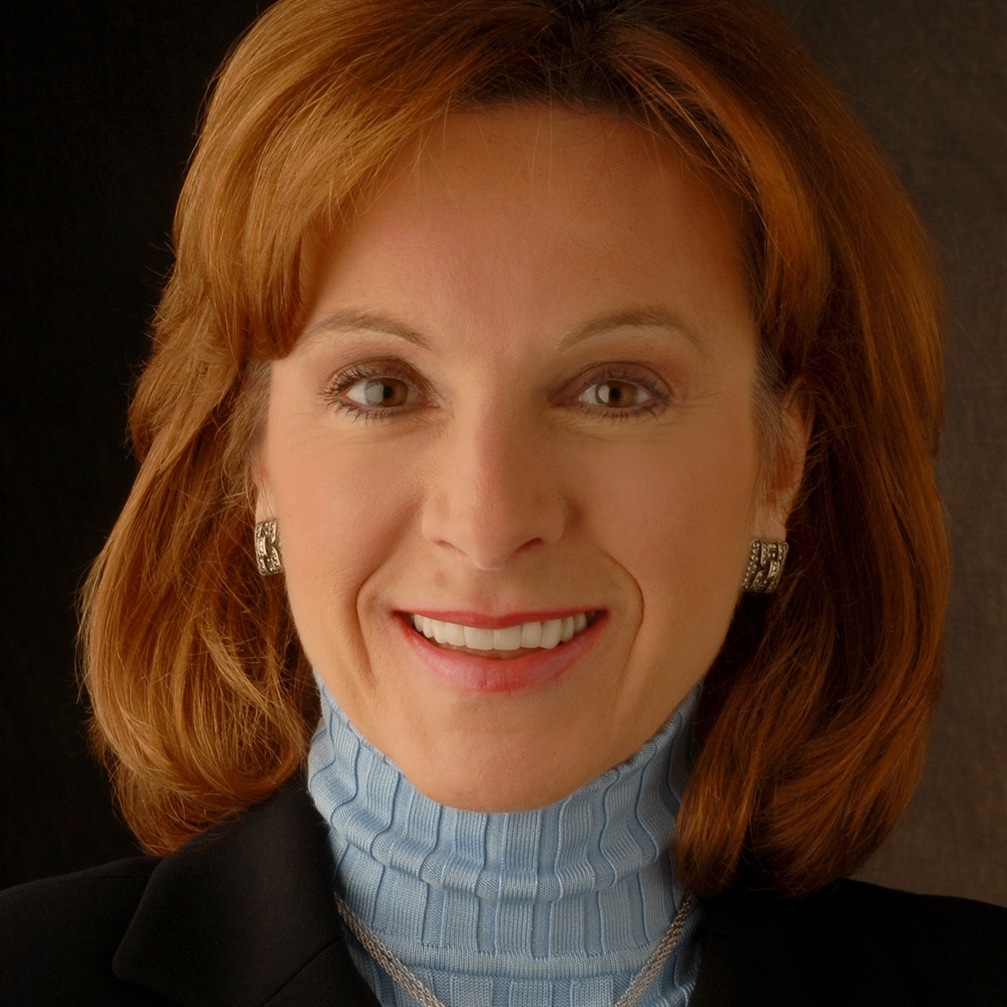
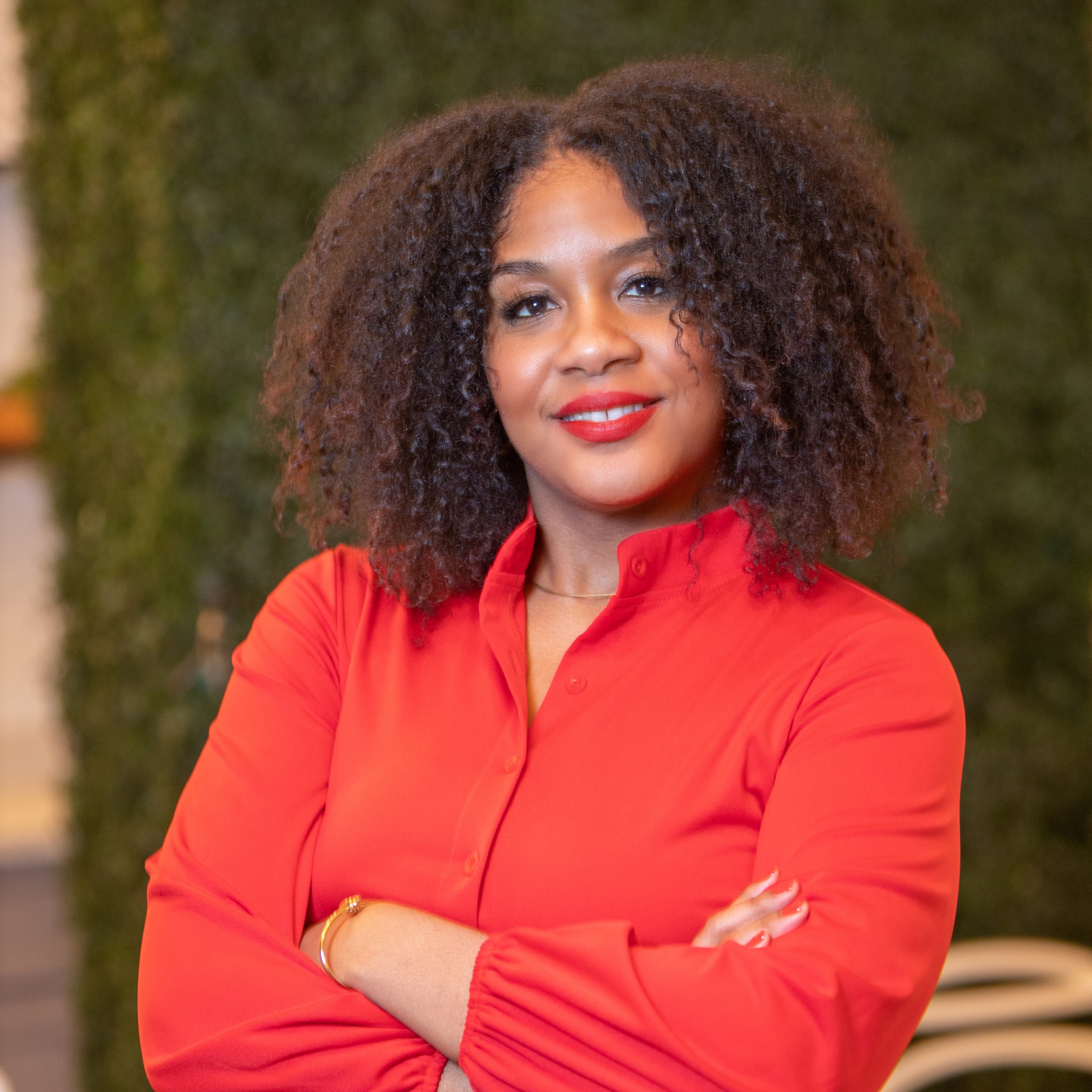
RejessMarshallRejess Marshall is the founder/CEO of Karaoke Noir. She holds a BBA and MBA from GSU.

Her experiences as a frustrated karaoke user and professional DJ has led her to the creation of Karaoke Noir.

Follow Karaoke Noir on LinkedIn.

What You’ll Learn In This Episode

  • Tech startups
  • About Karaoke Noir
  • Advice  to entrepreneurs

This transcript is machine transcribed by Sonix

TRANSCRIPT

Intro: [00:00:04] Broadcasting live from the Business RadioX Studios in Atlanta, Georgia. It’s time for Atlanta Business Radio brought to you by onpay built in Atlanta. On Pay is the top rated payroll and HR software anywhere. Get one month free at Onpay. Now here’s your host.

Lee Kantor: [00:00:31] Lee Kantor here, another episode of GSU ENI radio, and this is going to be a good one today on the show, we have Regess Marshall with karaoke noir. Welcome.

Rejess Marshall: [00:00:42] Hi, Lee. Thank you for having me.

Lee Kantor: [00:00:44] Well, I’m excited to learn what you’re up to. Tell us about karaoke noir.

Rejess Marshall: [00:00:48] So, yeah, karaoke noir is really just started. And as a out of a frustration that I had, I was doing karaoke a lot with my friends and I just couldn’t find songs that really were reflective of my musical choices and the choices that I saw my family and friends wanted to do. And so I had this idea, and during my usual social media scroll, I saw that a e and I had a Main Street Entrepreneurship Fund and they were taking ideas as applications, so I decided to apply.

Lee Kantor: [00:01:18] So what exactly is the idea? So does it? Do you go into a karaoke area with this device or this special device sold to karaoke places?

Rejess Marshall: [00:01:30] No. So what we are as an AI powered app and web based application where you can actually have a subscription based account where you can log in and do your favorite songs? We specialize in music of the African Diaspora, so gospel, hip hop, R&B trap, Afrobeats, reggae, reggaeton and those type of genres.

Lee Kantor: [00:01:49] So how does it work for the user?

Rejess Marshall: [00:01:52] So for the user, once we are fully launched, you’ll be able to sign up for a subscription or get a two to three day party pass and then sign in and enjoy your favorite karaoke tunes.

Lee Kantor: [00:02:03] And then how will it be played like if if I’m at a location that has karaoke and they don’t have any songs I like and I want to use this, can I use this there?

Rejess Marshall: [00:02:13] No. So the only way to experience karaoke you are will be in your home with our subscription based plans or with the karaoke to our DJ. So you could hire karaoke to our DJ that will be licensed to use our service.

Lee Kantor: [00:02:25] So it’s meant for kind of like parties, private parties, right?

Rejess Marshall: [00:02:31] And then an in-home

Lee Kantor: [00:02:32] Use, right? In-home use and that could be just by yourself or with friends. Just kind of casual, having fun with your friends, but not like I’m going to a place and it’s a work party and we’re all doing karaoke. That’s not how it’s going to go.

Rejess Marshall: [00:02:48] No. Yeah, that would be that individual locations choice on what vendor they decided to use at some point. We plan to grow and scale to where locations could decide to contract with us to use our service.

Lee Kantor: [00:03:01] So now what equipment does that individual user need in order to use the service?

Rejess Marshall: [00:03:08] Really, all you need is a laptop or mobile device, laptop, cell phone or a tablet. You’ll be able to log in and sign up and then you can get the singing. If you have microphones, that’s great. One of our plans down the roadmap is to offer all in one karaoke machines along with speakers and microphones.

Lee Kantor: [00:03:27] And then, have you tested this? Do you have kind of a minimum viable product right now or is this still at the idea stage?

Rejess Marshall: [00:03:35] We’re probably like in between I did in VP. So that’s what we’ve been able to do with the Main Street Entrepreneurship Fund was really learn a lot about some of the legal aspects of the business and what it really takes to build an application. So we’ve been able to set a solid foundation to continue to raise funds and go forward with building the app.

Lee Kantor: [00:03:54] And then did you have a technical background to build apps or is this something that you had to find kind of a technical help?

Rejess Marshall: [00:04:03] No, I don’t have a technical background in building apps, so I was able to find a technical co-founder and then I also have a legal co-founder who’s really legal savvy to help us with the music licensing. So one of the key terms or key items that we’ll need to tackle in order to have a successful product is obtaining all the music licenses to use current music that’s out there. And of course, that is quite expensive. So that’s another reason why we were able to use our funds to really brand ourselves and get started so that we can go on other pitch competitions and seek other investment funds.

Lee Kantor: [00:04:37] And yeah, so I would imagine that that’s going to take up a big part of the budget, right? Is the licensing the music now? So when you first had the idea and you started kind of going through the steps to solve the problem? And it seems like there were problems everywhere. How did you kind of get through each one of them that it seems like that would be a pretty daunting challenge?

Rejess Marshall: [00:05:01] Yeah. I mean, we really spent a lot of time learning and researching what karaoke looks like in America and what the licenses that are required to have karaoke services here in the United States. And so we really learned a lot about the mechanical license and the synchronization licenses and all these terms that we need in order to move forward. We also spent a lot of time archetype and understanding what technologies were available to us to help build our ideal product.

Lee Kantor: [00:05:29] Now what about the market? Is there a big market for in-home karaoke use?

Rejess Marshall: [00:05:34] Overall, karaoke is a $10 trillion global industry. Unfortunately, it’s so new to the United States it doesn’t have its own necessary lane or market quite yet in the United States that you can kind of carve out. And there are actually only two major competitors that have karaoke apps, and none of them are American based companies. So we kind of have a wide open market to try to come in and get a piece of that market share and also create and cultivate a karaoke culture.

Lee Kantor: [00:06:01] Now what efforts are you doing to kind of develop that karaoke culture?

Rejess Marshall: [00:06:07] I mean, really, a lot of it’s already been done right. So there’s all kinds of karaoke events, so we know that people love to do karaoke, there’s trap karaoke, there’s afro karaoke, there’s always a bar or an establishment having karaoke night. But what we noticed was the DJs. One couldn’t find the song, so they would have to go on established platforms so they would have to go on YouTube. When we did a lot of our customer discovery with the DJs and with individual consumers, we found that a lot of people had to go to YouTube to find songs that they like. And so for us, we saw that really as an opportunity to seize that market and just to open up something new and introduce a new product.

Lee Kantor: [00:06:44] Now is this your first entrepreneurial venture? It is. So how’s it been?

Rejess Marshall: [00:06:50] It’s definitely been interesting, right? So I had to learn a lot. These aren’t skills that they really teach you in school. And so just did a lot of self learning and listening to podcasts, reading and really spending time in this Main Street program has really helped me learn all that kind of goes into starting a business.

Lee Kantor: [00:07:09] So what are some of the kind of the benefits you see of being part of the Main Street Entrepreneurship Seed Fund?

Rejess Marshall: [00:07:16] Well, I would first say the relationships that we’ve built, having an entrepreneur in residence that we can text or call it any time, it’s been really helpful. The classes and workshops that they provided have been really, really helpful just from the learning aspect. Like I said, we started with an idea, so we didn’t go into this knowing how to run a startup or start a business. But we just kind of had an idea and a hunch that this was something that kind of needed to exist in the world. So this program has really helped us develop that idea into a real strategy so that we can continue to go forth and build it.

Lee Kantor: [00:07:51] Now, when did you kind of get a sense that this could be something big?

Rejess Marshall: [00:07:56] Um, usually it’s just when I asked people during the customer discovery finding out that either people didn’t know of existing karaoke platforms available to them, or that when they did do karaoke, they used YouTube because YouTube would have the songs that they wanted. And then three, I asked, you know, when they went out to do karaoke? Were they able ever to find their songs that they liked? And a lot of people said they couldn’t find songs that they liked, you know, especially in the African Diaspora genres. You just don’t see that representation there.

Lee Kantor: [00:08:28] And then when you were building your team, how did you find each of your co-founders?

Rejess Marshall: [00:08:34] I really just started asking around, so I asked some lawyers that I knew if anybody knew what entertainment lawyer. And that’s how we got our co-founder, Devin, who handles the legal aspects and then my sister’s husband is actually our chief technical officer. So that was a pretty easy fine.

Lee Kantor: [00:08:53] And then how has GSU helped? Because with their emphasis on entrepreneurship permeating kind of the whole school, it’s it’s unique compared to other universities. Have you found that to be helpful?

Rejess Marshall: [00:09:09] Absolutely. Like I said, just the vast network. The fact that they’re able to provide us funding was really amazing. So we were able to really make leaps and bounds with that funding that had we did, if we didn’t have it, you know, we’d probably still be stuck somewhere around the ideation phase trying to figure out, where do we spend money? How do we allocate money, what resources were worth us allocating to? But because of Main Street, you know, we’ve been able to really get a good, solid foundation. We were able to afford systems and processes to last us for at least the next 12 months and keep us afloat while we continue to try to build this product and and bring more awareness to the karaoke industry.

Lee Kantor: [00:09:46] Now any advice for that budding entrepreneur that maybe just has an idea that’s just kind of bugging him. They see a problem that’s kind of bugging them, but they don’t they haven’t taken that leap to be an entrepreneur. You know, it’s just one of those things that are back burner.

Rejess Marshall: [00:10:00] I mean, I feel like you just have to go for it if there’s a something burning inside you and a problem that you just know needs to be solved. You just got to try. And that’s kind of really the first step is not being afraid to see what, see what’s possible.

Lee Kantor: [00:10:15] And then what’s been the most fun part so far for you?

Rejess Marshall: [00:10:20] The entire experience, I mean, every every time we do something with this business, it’s a learning experience, right? And so every day we’re learning, every day we’re getting better, every day we’re discovering new things. So that’s really been the best part that it never gets old, it never gets dull. It’s just an exciting adventure, and I’m really excited to see what happens.

Lee Kantor: [00:10:37] So what do you need more of?

Rejess Marshall: [00:10:40] Uh, definitely, we need more resources, right? And that could be financial resources, it could be technical resources or people with technical skills, and it could also be advisers and mentors within the Atlanta music industry.

Lee Kantor: [00:10:54] Good stuff. Well, congratulations on all the success if somebody wants to learn more. Is there a website?

Rejess Marshall: [00:11:00] Absolutely. You can visit a site karaoke, NORTHCOM or karaoke noire on all social platforms. And if you want to email us, if you’re interested in being a beta tester one day, feel free to do that at info at karaoke NORTHCOM.

Lee Kantor: [00:11:13] And that’s KUAR, Aoki and OIRA.

Rejess Marshall: [00:11:19] That’s correct.

Lee Kantor: [00:11:20] Well, thank you so much for sharing your story today. You’re doing important work, and we appreciate you. Thank you. All right, this is Lee Kantor. We will see you all next time on GSU. Any radio.

 

About Our Sponsor

OnPay’sOnPay-Dots payroll services and HR software give you more time to focus on what’s most important. Rated “Excellent” by PC Magazine, we make it easy to pay employees fast, we automate all payroll taxes, and we even keep all your HR and benefits organized and compliant.

Our award-winning customer service includes an accuracy guarantee, deep integrations with popular accounting software, and we’ll even enter all your employee information for you — whether you have five employees or 500. Take a closer look to see all the ways we can save you time and money in the back office.

Follow OnPay on LinkedIn, Facebook, and Twitter

Tagged With: Karaoke Noir, Rejess Marshall

Victoria Blount With The Cheesecake Specialist

October 27, 2021 by Jacob Lapera

VictoriaBlount
Atlanta Business Radio
Victoria Blount With The Cheesecake Specialist
Loading
00:00 /
RSS Feed
Share
Link
Embed

Download file

TheCheesecakeSpecialistVictoriaBlountVictoria Blount is from College Park, Georgia, and is a junior at Georgia State University majoring in finance. Her other educational pursuits include a minor in music and an undergraduate certificate in professional sales.

She is a student in the Honors College and part of the Class of 2023 cohort for the Eric J. Joiner Achievement Academy (JAA), a competitive personal and professional signature program in the Robinson College of Business. She is also an active member of LaunchGSU, the student business incubator, and one of 13 founders chosen for the second cohort of the Main Street Entrepreneurs Seed Fund program at Georgia State University.

In March 2018, Victoria founded her company The Cheesecake Specialist which provides specialty cheesecakes to individual and corporate clients. Notable flavors include Honey Lavender, Pumpkin Spice, and Banana Pudding.

Victoria plans to use the knowledge gained in her degree program of finance towards growing her current venture and pursuing her post-graduation goal of being a successful entrepreneur.

In her spare time, she enjoys listening to audiobooks, attempting to guess the puzzles in Wheel of Fortune and Jeopardy!, and playing business-related board games like CASHFLOW®, Monopoly, and Daytrader.

She has competed in several 5Ks, including a race that was on the 5th runway of Hartsfield Jackson International Airport. She hopes to run a marathon one day.

Connect with Victoria on LinkedIn.

What You’ll Learn In This Episode

  • Top-selling products
  • Ways do you have to grow your business
  • Some of the biggest challenges and one main lesson

This transcript is machine transcribed by Sonix

TRANSCRIPT

Intro: [00:00:04] Broadcasting live from the Business RadioX Studios in Atlanta, Georgia. It’s time for Atlanta Business Radio brought to you by onpay built in Atlanta. OnPay is the top rated payroll and HR software anywhere. Get one month free at onpay. Now here’s your host.

Lee Kantor: [00:00:31] Lee Kantor here, another episode of GSU ENI radio, and this is going to be a good one today on the show, we have Victoria Blount, the cheesecake specialist. Welcome, Victoria.

Victoria Blount: [00:00:42] Hi, Lee.

Lee Kantor: [00:00:44] Well, I’m excited to learn what you’re up to. Tell us about the cheesecake specialist. How are you serving, folks?

Victoria Blount: [00:00:49] Okay, so I’m the founder of The Cheesecake Specialists, and it’s, as the name suggests, a specialty cheesecake company. Some of my notable flavors are honey, lavender, German chocolate, banana pudding and more. Currently, I’m looking for a shared kitchen space. I’m just doing some orders from home right now, but I am looking for a space to go into.

Lee Kantor: [00:01:15] So how did you know that your cheesecake was good enough to be have its own business?

Victoria Blount: [00:01:22] So I’ve been baking since I was a child. My love of cheesecake that started in twenty seventeen. I was helping my aunt with her monthly family dinners and each month we would try different cheesecakes along with other desserts as well. And they were probably like 30 plus people who would show up every month. And so they were kind of my first test market and they always love the different cheesecakes we would try. So one of her friends, one of her Spelman classmates, she insisted, I make this honey lavender cheesecake for her 60th birthday and that’s how everything got started.

Lee Kantor: [00:02:00] Now was there something about cheesecake that you like? Because I’m sure you were baking lots of things?

Victoria Blount: [00:02:05] I just like cheesecakes, mainly. I mean, that’s one of my favorite desserts, and I like them because they weren’t. They were kind of different. Not a lot of people are doing cheesecakes. Typically, people do cupcakes and like regular cakes. So I just thought, OK, I got some advice from another relative of mine who said, pick something and kind of stick to it. So I chose cheesecake.

Lee Kantor: [00:02:29] And then when did you start experimenting? Or was that from the very beginning of just instead of kind of the classic cheesecake? And then you just started kind of tweaking it and coming up with your own recipes in your own takes on this?

Victoria Blount: [00:02:42] I start experimenting from the very beginning I have I’m not sure when I even first made a New York style cheesecake, it was probably about a year after I’d started making them.

Lee Kantor: [00:02:54] So do you have as a child like a memory of a cheesecake experience that kind of got you thinking about cheesecake or was it just something that kind of just organically happened?

Victoria Blount: [00:03:05] I have a particular childhood experience. I mean, I’ve always loved cheesecakes in general. Now we didn’t grow up baking them from scratch per say, but I didn’t have a particular experience. It was kind of in twenty seventeen when I just started making them and then I realized I loved it. I loved it, so I just kept going.

Lee Kantor: [00:03:28] Now, when you were learning how to bake it, where were you getting that kind of learning from? Was it like cookbooks or was it YouTube? Or was it just a mentor that kind of showed you how to do it online?

Victoria Blount: [00:03:40] Mainly YouTube and not just videos, but also just reading the recipes and then trying them out and then tweaking them where it made sense. And then my aunt, she’s been baking for decades now, so she also would help me to sew together.

Lee Kantor: [00:03:58] You were kind of experimenting. Did you ever have one where it’s like, This is inedible? This is not going to. No one should have this.

Victoria Blount: [00:04:06] Hmm. That’s a good question. Have I ever had one like that? I tried a peanut butter cheesecake one time years ago, even before my experience with my aunt and. It turned out I burnt the cheesecake, so that’s why it turned out poorly. Maybe it would have been good if I’d done it correctly,

Lee Kantor: [00:04:30] But baking is one of those things that’s almost like chemistry, right? Like you can’t. It’s not like in some cooking, you can just kind of wing stuff, but this is very precise in how you kind of mix the ingredients and the ratios and things like that.

Victoria Blount: [00:04:43] You know, everybody says that every time I say that, I bake. That’s kind of the response. I get baking. It’s not like cooking. It’s very precise. It’s more like science. And there’s truth to that. But there is. There’s more room to experiment within baking than you think. Like, I can change the amount of eggs in a recipe and it’s not going to affect it too much. I can shift things around like the sour cream ratio, so it is definitely more precise than typical cooking. But you do have some freedom.

Lee Kantor: [00:05:15] And then when you have an idea, how do you test it? Do you have like kind of trusted people? You’re like, Hey, I got this idea? Why don’t you give me your take on it? Or do you just kind of just throw it out there and make it available?

Victoria Blount: [00:05:30] A combination of both of those things, so I’m. Kind of looking up recipes and tweaking them and whatnot as well, so I know just based off of some of the comments and whatnot. Ok. This should be OK. Then I changed it a little bit. And then I test it out with my family first. But then I also just make it available and see the reaction to it.

Lee Kantor: [00:05:57] Now, do you remember, like kind of that first big sale where it was like, wow, that was a decent amount of money for this? This could be something.

Victoria Blount: [00:06:06] The first big sale, I would say. Here’s what I’m thinking of in particular, but it wasn’t the first one, I’ll say the first one was with the City of College Park. They were doing this event and bringing in a bunch of business people to look at some real estate, this space that they were trying to sell sell. And they wanted me to do seventy five mini cheesecakes and then a complimentary 10 inch for the special guest of honor as well. So that was like my first big sale, which was several hundred dollars. And I’m like, OK, yeah, this could be something.

Lee Kantor: [00:06:48] And then did you have to like when you’re making, you know, one or two? That’s that process is one thing. But when you’re making seventy five of something, that’s a different process, right? Like that that requires a different kind of organization. And then kind of production was was that a difficult transition for you or was that something like, OK, I just got to start earlier and just start cranking these out?

Victoria Blount: [00:07:13] So I currently offer two sizes of cheesecakes, I offer this full typical 10 inch size and then I do mini cheesecakes as well, which are kind of like cupcake size and with Minis, I always kind of have to do a dozen of each flavor. So even if I am doing a smaller so, my order size right now doesn’t go beyond like half a dozen go below that currently, unless, like, I’m doing like a special event and just offering samples. But so because I’m making a dozen always, it wasn’t so difficult to do seventy five, but it was still more than what I had done at that point.

Lee Kantor: [00:07:56] And then, like you said earlier that you’re making this now transition to get into a commercial kitchen and that kind of environment is, is that just part of the kind of organic growth you’re getting to a point where that’s necessary now in order because of the demand?

Victoria Blount: [00:08:14] Yes. It’s also necessary, so it’s necessary for growth for sure, like my refrigerator, the most cheesecakes I’ve ever made was two hundred and forty for the Atlanta Children’s Shelter. Wow, that was definitely at capacity. My refrigerator space at home. So yes, it’s definitely necessary for growth, but it’s also necessary for just licensing purposes and to be legitimate as well. So. Yeah, the commercial kitchen space is something I’ve been looking for for a while now.

Lee Kantor: [00:08:49] And then how did you get involved with the Main Street Entrepreneurship Seed Fund?

Victoria Blount: [00:08:56] So this is the second time around the second cohort that they’ve done for this program, and I knew about it the first time they did it. I didn’t apply this, so I had like just gotten into Georgia State at the time and I just thought, OK, it’s going to be too much if I apply for this program, along with just trying to learn the ropes as a college student. So I went to their demo day, though, for the first cohort and then, I mean, I was really impressed. So the second time around I saw it, I think the application I saw it around January of this year, I applied in February was we went through two application rounds. So just a written application and whatnot, which was reviewed by people at Georgia State internally. And then we went through a pitch round which we and we were pitching to outside entrepreneurs and investors. And after that, I was chosen as one of the 13 companies in March.

Lee Kantor: [00:10:00] Wow, congratulations. I mean, that’s what did you what have you learned most about having that kind of structure around your business?

Victoria Blount: [00:10:09] I have learned what have I learned most? Definitely focusing on the customer, which sounds so obvious when you think about it, but the average business person who goes into starting a business doesn’t really do that. They have an idea and they kind of look to validate that idea, though we had like a couple of workshops at the very beginning on customer discovery and focusing on like, who do you even want to serve in the first place? Think about that and then start from there and figure out what they want, what they need and try to find authentic demand for your offering and then tweak it. And because we had to design thinking workshop as well, like continue to innovate on it, to continue to serve them. So that was the main thing, just a shift in mindset and also just being around other student entrepreneurs and like an alumni and just, you know, kind of knowing that we’re all in this together and being able to talk to them about my experience, our experiences.

Lee Kantor: [00:11:22] Now has your customer today the same as it was when you started? Or is it it sounds like you’re doing a lot of work for groups and organizations that maybe, you know, not the individual consumer who buys the cheesecake.

Victoria Blount: [00:11:36] Yeah, so my customers starting out was definitely individual clients, mainly middle aged and older women. And then I still do that, but I have done more like more larger orders for organizations and whatnot. I am looking since I am a college student. I am looking to sell to college students starting at Georgia State. Of course, since we just got back on campus, I haven’t gotten that off the ground yet, but that is something that’s the market I’m looking to expand to.

Lee Kantor: [00:12:12] So you’re looking to create a product or just take one of your existing products and offer it to students?

Victoria Blount: [00:12:20] Well, I do want to create another size, maybe like a personal size kind of like how you have personal pan pizzas, maybe something like that for students and even vegan options, potentially since I’ve been asked about that quite a bit. So it could be an existing product that I tweak a little bit for students. It could be something new.

Lee Kantor: [00:12:42] Now, what’s been the most rewarding part of this adventure for you, because I mean, you’re in school, probably when you started, you were thinking, I’ll get go to school, get a degree, get a job and then now you got this thing going and it seems like it’s taking on a life of its own. So how do you kind of balance that?

Victoria Blount: [00:13:00] I was a great question lately, just very little sleep. We’re preparing for a demo day, which is coming up on Thursday. So but in general, I think it’s somewhat like picking days to focus on different things and also using like time blocking and just giving myself a certain amount of time for task. Because in my professional skills class, one thing we talked about is that a task will extend to the amount of time you get it. So if you give something five hours, it’s going to take you five hours to do that. So I just have to be very organized with my time to balance everything. Yeah. As far as your original question, like what’s been the most rewarding part of all of this? I think just the learning in like the growth of it all and just pushing myself and seeing what I’m capable of. It’s far greater than what I would have thought years ago at this point. So I think that’s the most rewarding for me now.

Lee Kantor: [00:14:06] Has your experience at Georgia State been what you anticipated being or is it? I mean, it sounds like it’s really stretching you in terms of maybe how you saw yourself initially and what you’re becoming.

Victoria Blount: [00:14:23] No, I mean, I knew Georgia State, I wanted to stay in state from from metro Atlanta just so I could kind of do the business and go to school at the same time. I knew Georgia State would provide me with a lot of options and I knew college in general. I was homeschooled, so I knew college in general would provide me with a lot of structure and structure that would help me just kind of stay organized and stay accountable and whatnot. But I didn’t anticipate, I didn’t anticipate all of the entrepreneurial resources that Georgia state has in the like the high quality level of them. They’re still fairly young and fairly new, but they are really high quality. So I’ve definitely gotten way more out of school than I thought I would. I didn’t think I would go to school and like, talk about entrepreneurship. I thought it was something I would kind of do on my own. On the side, I didn’t think there would be a community just available through my university to in resources, through my university to help me on this journey.

Lee Kantor: [00:15:25] So now in the growth of your business, is there kind of best selling cheesecakes that people are kind of demanding over and over again? You have kind of your people’s favorites.

Victoria Blount: [00:15:38] Yeah, people really love the assorted minis, which is just a dozen and a variety of pack of minis. And usually those flavors will be like red velvet, key lime, Oreo, honey, lavender as well. And then people as far as 10 inches. The turtle is really popular in the honey. Lavender is popular as well.

Lee Kantor: [00:16:01] Now if are they available for sale right now or is this something that you kind of special order whenever somebody comes to you and say, Hey, I need six or 10 or one hundred, then you just kind of serve them that way? Or is it like, can somebody go to a website in order one right now?

Victoria Blount: [00:16:19] Right now, my website is up, I’m not taking orders through it currently, so my website is cheesecake specialists. You can sign up for the email list and I’m hoping to actually launch like an online ordering system in the next month or two. Currently, I take orders more like on a case, not on a case by case basis, but on an individual basis. So you can also email me at orders. Cheesecake specialist at gmail.com or ordering.

Lee Kantor: [00:16:55] And then they can say, Hey, I got this event, I got like a family reunion, I’d love for everybody to have a cheesecake and then you kind of just

Victoria Blount: [00:17:03] Work out the dates, how many want and my Instagram, if you want to see pictures of them, is at cheesecake specialist. So.

Lee Kantor: [00:17:13] Well, congratulations on all the success. It’s exciting time.

Victoria Blount: [00:17:17] Thank you, thank you so much.

Lee Kantor: [00:17:19] And then so once again, it’s cheesecake specialist to get on your mailing list or wait list if they are ready. At some point, you’re going to have the website up and running, so anybody on that list will probably be notified that, hey, you can order that right?

Victoria Blount: [00:17:35] Yes. Yeah, that’s how it will go.

Lee Kantor: [00:17:38] Well, thank you so much for sharing your story. You’re doing important work and we appreciate you.

Victoria Blount: [00:17:43] Thank you so much. I appreciate this interview.

Lee Kantor: [00:17:46] All right, this is Lee Kantor. We’ll see you next time on GSU. Any radio?

About Our Sponsor

OnPay’sOnPay-Dots payroll services and HR software give you more time to focus on what’s most important. Rated “Excellent” by PC Magazine, we make it easy to pay employees fast, we automate all payroll taxes, and we even keep all your HR and benefits organized and compliant.

Our award-winning customer service includes an accuracy guarantee, deep integrations with popular accounting software, and we’ll even enter all your employee information for you — whether you have five employees or 500. Take a closer look to see all the ways we can save you time and money in the back office.

Follow OnPay on LinkedIn, Facebook, and Twitter


Tagged With: The Cheesecake Specialist, Victoria Blount

Joshua Peters With X-Factor Hypnosis

October 26, 2021 by Jacob Lapera

JoshuaPeters
Coach The Coach
Joshua Peters With X-Factor Hypnosis
Loading
00:00 /
RSS Feed
Share
Link
Embed

Download file

JoshuaPetersJoshua Peters, CEO of X-Factor Hypnosis, is a high-performance and hypnotic coaching expert. He helps entrepreneurs, business owners, and other leaders eliminate self-sabotaging habits or beliefs and replace them with positive patterns of success.

Joshua started practicing hypnosis at the age of 13. After working most of his life in the corporate world, he formally trained in NLP and Hypnosis and began coaching in 2016. As a certified professional hypnotist, having helped hundreds of clients, Joshua dedicates himself to the science of quickly and easily rewiring negative patterns of thought or behavior.

This doesn’t just supercharge your business. These changes reflect across all areas of your life, bringing greater fulfillment in personal relationships, confidence, and health.

While Joshua loves making an impact and changing lives, he finds the most joy in spending time with his wife and family.

Connect With Joshua on Facebook and LinkedIn.

What You’ll Learn In This Episode

  • The neuroscience behind changing your mindset
  • The importance of growth mindset
  • how to hijack unconscious trance
  • Taking 100% responsibility for every aspect of your life is vital for success
  • The difference between traditional coaching and hypnotic coaching

This transcript is machine transcribed by Sonix

TRANSCRIPT

Intro: [00:00:02] Broadcasting live from the Business RadioX Studios in Atlanta, Georgia. It’s time for Coach the Coach radio brought to you by the Business RadioX Ambassador Program, the no cost business development strategy for coaches who want to spend more time serving local business clients and less time selling them. Go to brxambassador.com To learn more. Now, here’s your host.

Lee Kantor: [00:00:33] Lee Kantor here, another episode of Coach the Coach Radio, and this is going to be a fun one today on the show, we have Joshua Peters with X Factor Hypnosis. Welcome, Joshua.

Joshua Peters: [00:00:43] Thank you, Lee. Glad to be here.

Lee Kantor: [00:00:45] Well, I’m excited to learn what you’re up to. Tell us a little bit about X Factor. How are you serving, folks?

Joshua Peters: [00:00:51] I am helping mostly entrepreneurs and business owners or even creatives who are getting stuck with self-sabotage. That’s these things like feelings of anxiety that are stopping them. Or maybe they procrastinate, or they might have a fear or a phobia that’s stopping them from from blasting through the plateau that they find themselves at. And I use hypnosis and different types of NLP processes to help them get past those, those subconscious habits and beliefs and behaviors that hold them back.

Lee Kantor: [00:01:27] So what’s your back story? How did you get into this line of work?

Joshua Peters: [00:01:31] Well, I’ve had a strong interest in hypnosis ever since I was a kid. And use some simple techniques that I learned out of some books that I found in my school library. But then I found myself at this point in my life where I was just really stuck and I was in a in a marriage that didn’t work in a job that was destroying my soul. And in a place where I didn’t even want to be. I started changing my life, and I did it in a very slow, methodical way. And I got to this place where I remembered hypnosis, I realized hypnosis is a thing. And I used it to help kind of get past the last area that was blocking me, which which let me move out, move to a new place. And I just decided if I could help other people get past these blocks faster than it took for me and I could get paid for it. Well, what more empowering way could you possibly live? So then I jumped in. I did the training. I started seeing clients.

Lee Kantor: [00:02:36] Now, when you were younger, was your career path along the lines of coaching or did you have more traditional? I’m going to get go to college, get the job, start working and then you got kind of frustrated and then made this move.

Joshua Peters: [00:02:52] Yeah. When I was younger, I was into, I was in a creative space, so I was a graphic designer for many years. And as I was shifting my life around at that point where I was just really stuck, I moved out of that into a career in in the organic food industry where I could feel like I was making a difference. And I actually went into food packaging regulations. And I was in the corporate world there for about 14 years before I did this training and started coaching back in twenty fifteen.

Lee Kantor: [00:03:31] Now, when you were in the corporate world, were you getting coached yourself like was coaching part of your experience in business?

Joshua Peters: [00:03:39] No, it wasn’t really at all. I mostly. Well, actually, that’s not actually true because the company that I worked with, they actually did a lot of training. So, you know, all the corporate, many of the corporate businesses out there know that you need to keep your. You need to keep the employees growing. And so they had all different kinds of trainings that you could do. So outside of the the trainings that were offered to the employees, I wasn’t really doing much coaching with anyone else I did do. I did go down a whole different path of performance for for many years. At the same time as I was in that corporate life, but I don’t know if that’s exactly coaching.

Lee Kantor: [00:04:31] And then now you feel your role is with kind of solopreneurs and individuals rather than like, do companies hire you and say, Hey, let’s do some executive leadership coaching or things like that? Or is it mostly individuals or in solopreneurs and small firms that hire you?

Joshua Peters: [00:04:48] Yeah, I’m mostly working with with individuals. I do also do some trainings that are, you know, more interesting than your typical kind of corporate training. So sometimes I’m hired to come in and do a little bit of an interesting type of team building or training for people. But the bread and butter of what I do is really one on one coaching. It’s really where you get the best bang for your buck and and can really make the most changes in your life the fastest.

Lee Kantor: [00:05:17] Now, the folks that are kind of drawn to hypnosis or open minded enough to explore hypnosis is that like what percentage of the population is that? When I think of hypnosis, a lot of times I think of, you know, on stage, performing more for entertainment, but not really for, you know, to improve performance.

Joshua Peters: [00:05:42] Sure. And that is what most people have in their mind when they think of a of a hypnotist. And because of that, at at first, when I was starting to work with clients, I called myself a hypnotherapist and I would go out and do these networking events and I. Introduced myself as a hypnotherapist, and I noticed that people’s eyes would glaze over and they would immediately in their mind tell themselves they don’t need a therapist. So I started playing with with this because, you know, you go out to all kinds of networking events. And I started calling myself a hypnotist. And what I noticed was when I would do that, more often than not, their eyes would light up and they would get excited and tell me about an experience that they had where they saw a hypnotist at a show. Or they had an aunt who quit smoking using hypnosis or their mother lost a bunch of weight using hypnosis. So almost everyone has a story of a hypnotist. That that resonated with them. So back to your question. Most people have some experience with it. And. Now, I would say probably half of the people that I talked to might be interested in exploring how that it could, how it could work for them on there and an individual level or with business. And the other half are just not very interested, and that’s fine.

Lee Kantor: [00:07:17] Now when you’re working with somebody, how different is it for like a stage hypnotist can encourage someone to eat an onion and think it’s an apple? Are those transferable like now? Can you make me not want to procrastinate because I like procrastinating, you know, like, is it a similar thing that’s happening in both cases, or are these totally different things?

Joshua Peters: [00:07:46] They’re pretty different. The underlying mechanisms that happen in our brains is the same, but the way that we’re we’re getting at it is a little different. So, for instance, for someone who is a procrastinator, there’s usually an underlying reason why they’re why they’re doing that. For a lot of people, you’re procrastinating because you might worry that if you do something wrong, you’re going to be judged by, like, kind of like a perfectionist kind of personality. Many times they they have a parent, maybe who has pushed them a lot when they were a kid. And there’s almost like this internal rebel who who comes out so with hypnosis and with the the hypnotic coaching that I do, we’re able to. Go back to those moments when these events have created the response and and shift them, change the way that you’re thinking so that you can access a a resourceful part of your brain. It’s taking the, for instance, the trigger of sitting in front of a computer and instead of working on the document, flipping to the browser and going onto Facebook. Rather than doing that, we shift that trigger of looking at that computer into that resource for you who’s excited about creating and confident that whatever they do, it doesn’t even really matter what anybody else thinks because they’re putting their best into it. So do you. That’s what I do. But as far as what a performer do, does is they they’re using all the same hypnotic techniques, but they’re basing it into something that’s entertaining. And most performers will put a piece of change work at the end of their show. But for the most part, it’s all just about. Creating a image of something in their mind that’s not actually there.

Lee Kantor: [00:10:03] But is it kind of leveraging maybe just human nature in the sense that there’s lots of facets to everybody and maybe they’re all in there somewhere and it’s just a matter of releasing them or reprioritizing?

Joshua Peters: [00:10:18] That’s a really great point lead because yes, we all have all of these different aspects, like we’ve all been successful in lots of different areas of our life. But then we tell ourselves, Oh, we aren’t good at this one thing or or we label ourself as a procrastinator. But the truth is, there’s plenty of times in your life when you don’t procrastinate. So there’s contact, it’s a contact thing. In some contexts, your procrastinate. In some contexts you don’t. So let’s just take the context where you don’t and how that feels and everything that’s based around that and and attach it to the the problem context.

Lee Kantor: [00:10:59] And then your role is kind of helping the person realize that and they become aware of it. And then they can just more seamlessly procrastinate less or they can catch themselves when they are procrastinating, procrastinating and then kind of get back on track faster.

Joshua Peters: [00:11:18] Yeah, there’s there’s basically three ways. So short answer, yes, but there’s three ways that I’ll do that. The first thing that I do is I give my clients a whole set of tools, tools that can interrupt the the patterns of thought. Often it’s a fight or flight response that’s popping up. So I give you these different physical things that you can do to interrupt that flow. That’s step number one. The second thing we do is we get at the root what is happening underneath that is causing the behavior in the first place. And then we release that we take the non resourceful state and change it into a resourceful state. And then step number three is we update your identity. We create a version of you who. Is so far in the future or so far beyond the problem that the problem is a distant memory. So maybe like a year in the future and then we let you step into that. So now you’re already that person.

Lee Kantor: [00:12:24] And then when you’re already that person, then when that thing bubbles up again, you’ve already kind of conquered it so you don’t have to really spend as much emotional time on it anymore.

Joshua Peters: [00:12:35] You hit the nail on the head.

Lee Kantor: [00:12:38] Now, so is the work, are you hypnotizing the person every time, or is this something that the person can learn how to hypnotize themselves so they can kind of accelerate the learning? Or like how does it work from that standpoint?

Joshua Peters: [00:12:53] When I’m working with a client, a typical session has probably about two parts, the the first part is very conversational, but I’m leading them through hypnotic processes within that conversation. So it’s conversational hypnosis. We’re making changes happen towards the end of the session. I I guide them into a deeper state what you might think of as a trance state that you’ve seen at the shows or on TV or whatever your eyes are closed, you look pretty relaxed. And we we go through some different processes. Add in those positive suggestions like you talked about only I don’t tell them that the onion is an apple, but we give them positive suggestions based on their goals and the as clients are going through this process. You know, as we go through multiple sessions, they’re learning what that feels like to go into that state. They’re they’re learning how they can take themself into that state. And I have many clients then who basically take what we do and they just run with it. They learn how to put themselves into a hypnotic state and give themselves suggestions. And then a part of the part of the tools that I provide to my clients is a whole series of audio programs as well that supports them between sessions kind of on an as needed basis.

Lee Kantor: [00:14:20] Now does this technique work just across the board? Like will it work equally as well as you know, for, like you mentioned earlier, weight loss or smoking? Does it work for that as well as it does for, you know, let’s we’ve been talking about procrastination or procrastination or what about like I’m an alcoholic like or does it work for all kind of challenges that you’re having?

Joshua Peters: [00:14:45] It can definitely support them. I don’t work with addictions, so when someone comes to me with that as their challenge, I have other hypnotists in my network that I refer them to. So many of us kind of find different specialties. But to answer you again, it’s basically we’re taking a non resourceful state and changing it into a resourceful state in the instance of an alcoholic. There are there are patterns that they’ve created in their mind, so there’s probably some kind of traumatic event that’s happened to them. And a traumatic event is one of the most powerful ways to create a subconscious habit or belief or behavior. That’s the thing that’s underneath. And in the instance that I was talking about, that’s it. We’ll go to. That’s what we’ll resolve and let go of, figure out whatever it is that the that the subconscious part of you is trying to get you to learn so that you don’t have to keep going back to this anymore. I find that for alcoholics, it’s really helpful to have some other kind of system that you’re working within as well, and then the hypnosis just really helps to amplify that the whole process.

Lee Kantor: [00:16:06] Now when you’re working with clients in business, is this something that it takes a long time to really kind of work through all these issues? Or is business kind of maybe you can accelerate the the process?

Joshua Peters: [00:16:19] Well, let’s bring it back to that to that onion. I have found that most people will come to me with their issue. So say it’s procrastination, and that issue is the outside layer of this onion. So we’re going to peel that off and they’re going to find underneath that layer. There’s something else that they hadn’t even realized because they were so focused on that outside layer. So I work with clients for a limited length of time, usually about 90 days. And through that process, where we’re peeling back those layers to release whatever the challenges are that are blocking you. And then we’re really building up this a new identity and helping you get better at what you’re already good at kind of ramping up your your positive as well as eliminating the things that you might think of as negative.

Lee Kantor: [00:17:24] And then at that point, then they’re kind of on a maintenance program or they have those audio that you mentioned that can help them kind of maintain this over time, for sure.

Joshua Peters: [00:17:36] So most people will I do two kinds of maintenance, I do a maintenance where it’s like an ad hoc. So sometimes I see clients quarterly after our initial sessions. I do have some like that enjoy the process so much. They just sign on for another 90 days and then I have some that. I think the most effective is just to do a monthly a monthly session. It’s what I do with my own hypnotist. We just have a a monthly meeting booked. I don’t even know what we’re going to work with work on, but I’ve always I always come up with something. There’s always some kind of challenge that comes up in your life so that that works. I think that works. The best is to have that monthly maintenance kind of like a chiropractor.

Lee Kantor: [00:18:23] Now is there in your experience for a person working with this kind of methodology? Are you also kind of digging into like tactical business things or you’re this is primarily focused on this mindset and getting your thoughts on working more productively rather than, oh, I need more sales this month.

Joshua Peters: [00:18:44] Yeah. I don’t work with the tactics much. But why are you having a problem with sales like what’s stopping you? For some of my clients, that’s that’s exactly what they come for. They have a one particular client who she would drive to the the sales call, and she’ll sit in her car and distract herself, get on her phone, go over the things she’s going to say, amp up her anxiety and her worry about how the call is going to go, sit there for an hour and then drive away. So she’s not making sales because she’s not actually getting into the building. So we worked with her to find that identity, find out what it feels like when she’s totally confident and just stepping in to that call or that sales presentation, just knowing that she’s going to give her best that that this client is going to benefit from her. And she starts, she told me the next time I saw her that it was really weird, I got to the to the call. I parked and I walked right in and I didn’t even realize until after I was walking through the door that I hadn’t sat in my car to do any kind of preparation. I just walked right in. So that’s that’s the kind of results that you can get. So again, it’s not necessarily a strategy. I do often share some strategies, but most people know what they need to do and how they need to do it. And something is just getting in the way from them actually doing what they say they want to do.

Lee Kantor: [00:20:28] And then your coaching helps kind of eliminate some of this self-sabotage, and it helps give them tools to kind of just be more productive and get more out of themselves

Joshua Peters: [00:20:42] To be more productive, get more out of themselves. But also what I find is this helps them often in their relationships. It also helps them in their in their physical being. So a lot of people, they’re not just procrastinating at work, they’re avoiding conversations, they’re avoiding working out, they’re they’re eating junk food. And once these are all these different layers that I was talking about, once we can start to get your your life on track, you can shift everything.

Lee Kantor: [00:21:16] Now, part of this show is about sharing with other coaches how to kind of. When and how would you describe your last win, like where did it come from, where did you get maybe your last client? What was something that you did in your practice that maybe you can share with another coach that might help them in their practice?

Joshua Peters: [00:21:42] Ok, I’ll share. So this happened Tuesday, just a couple of days ago. I’m sitting in my office and I had about an hour between clients, so I had some free time and my phone rang. Oftentimes that means somebody calling to talk about booking a call, and because I had plenty of time, I took the call right then and it was a another hypnotist from the East Coast who somehow had found me online looking for somebody else. And she was. She hadn’t seen any clients over the whole time of COVID and was about to see a client the next day and realized she needed her own hypnotist because she was feeling so nervous and worried, and she want to know if I could work with her, and I said, Well, let’s just have a conversation, and then when we get done, you can tell me what you think. So we had a conversation and I got to. I understood it. I understand. Ok, here’s where. Here’s how her problem is working. I could see that when she starts to think about this thing, it creates this problem for her these feelings. And I helped her identify. How it feels when she’s just helped somebody get past something that’s been a problem their whole life. And I helped her tune into that and then we attached that feeling back to this potential or this client that she was about to see just through the conversation. This is what’s so beautiful about this type of of hypnotic coaching. And what was beautiful was all of a sudden she said, Oh, and I asked her, What was that? And she told me there was a shift. Things just shifted. Oh, she she I could hear it in her voice. This whole change and the whole problem was gone. So I just did that in in conversation because I had some extra time and I felt really excited for her because she hadn’t seen clients for a while. And it just showed it just kind of reiterated to me why I love to do this and how powerful it can be.

Lee Kantor: [00:23:59] Well, congratulations on all the success. If there’s someone out there that wants to get a hold of you and learn more. Maybe book a call. Get on your calendar. What is the website?

Joshua Peters: [00:24:10] You can find me at the X Factor coach.

Lee Kantor: [00:24:15] And that’s THG, the letter X Factor 0r Coach the Coach.

Joshua Peters: [00:24:22] You got it.

Lee Kantor: [00:24:23] Well, Joshua, thank you so much for sharing your story today. You’re doing important work and we appreciate you.

Joshua Peters: [00:24:28] Thanks, Leigh. I appreciate the opportunity to speak with your amazing audience.

Lee Kantor: [00:24:33] All right, this is Lee Kantor. We’ll see you next time on Coach the Coach radio.

Tagged With: Joshua Peters, X-Factor Hypnosis

Latoya Morris With Total Image Consulting Group

October 26, 2021 by Jacob Lapera

LatoyaMorris
Coach The Coach
Latoya Morris With Total Image Consulting Group
Loading
00:00 /
RSS Feed
Share
Link
Embed

Download file

TotalImageConsultingGroup

LatoyaMorrisLatoya Morris is the founder of Total Image Consulting Group, Inc., a business and management consulting/coaching firm, that trains, coaches and develops businesses for a next level customer experience. She also coaches small businesses, artists, and individuals.

Helping businesses and motivating people have always been a passion of hers for over 15 years.

Connect with Latoya on LinkedIn.

What You’ll Learn In This Episode

  • Helping businesses
  • People getting their brand wrong
  • Ideal client
  • Warning signs that they might have a problem

This transcript is machine transcribed by Sonix

TRANSCRIPT

Intro: [00:00:02] Broadcasting live from the Business RadioX Studios in Atlanta, Georgia. It’s time for Coach the Coach radio brought to you by the Business RadioX Ambassador Program, the no cost business development strategy for coaches who want to spend more time serving local business clients and less time selling them. Go to brxambassador.com To learn more. Now here’s your host.

Lee Kantor: [00:00:33] Lee Kantor here, another episode of Coach the Coach Radio, and this is going to be a fun one today on the show, we have Latoya Morris with Total Image Consulting Group. Welcome, Latoya.

Latoya Morris: [00:00:45] Well, thank you so much, Lee, I’m so excited to be here.

Lee Kantor: [00:00:48] Well, I’m excited to learn what you’re up to. Tell us a little bit about Total Image Consulting Group. How are you serving, folks?

Latoya Morris: [00:00:56] Sir. So, you know, I like to tell people this, I’m going to just give you my little, my little spiel, I’m every CEO secret weapon and on every business owner’s triple threat. So Lee, my main purpose is helping women, service based entrepreneurs and small businesses. Connect the dots within their business by identifying, organizing and refining their Interbrand message, using a creative, holistic marketing approach that I’ve created to build a more profitable, fulfilling business.

Lee Kantor: [00:01:28] So now where do you see people kind of getting their brand wrong?

Latoya Morris: [00:01:34] Oh, well, you know, especially during the pandemic, I find that a lot of businesses started either in fear or survival mode, and they almost miss the marketing step completely and they tend to start a business. I like to say backwards and I’m guilty of it as well. I like to tell people that I’m kind of like an attorney because people call me after they’ve gotten in trouble and then they want me to help them fix it. And so a lot of times it’s just really identifying what I like to call the Interbrand. And with the Interbrand, it’s more about the components of a brand, the building blocks and the foundation of a brand. So it’s not really a logo or a color or a website. And even though that’s a part of branding, sometimes small business owners or just businesses in general, they only think that that is branding and it’s not branding is how people feel about you. And so my job is to really kind of hone into your impact on the world and how that how we can maximize that to get some impact and really bring in some profitability. But yeah, most most definitely. I find that small businesses skip that step, the marketing stuff and what that means for their customer.

Lee Kantor: [00:02:49] So when they skip that step, are they just getting right into the work of what they do and less about kind of their holistic way they’re serving?

Latoya Morris: [00:03:01] Yeah. They skip the planning process, and I’m I’m just I’m going to say this, Leigh, I’m a perfectionist. So for me, I have to connect the dots and make sure that the foundation is together. I don’t know if you’re familiar with real estate, but you know if you don’t have a strong foundation, it might look nice. You might have a great business idea. It might be perfect, but you’re going to have cracks. And when the storms come, you may not be prepared. And so a lot of businesses, they just go full force. They they have an idea. They think they can serve and service everyone. And that’s just not the case. It’s really about finding what you’re good with and what you’re good at and then figuring out what your customer is actually willing to pay for. And a lot of businesses miss that. They disconnect, especially again during the pandemic. They kind of have this disconnection and they really don’t know their customer post-pandemic.

Lee Kantor: [00:03:55] So now do you typically work with like solopreneurs? Do you work with non-profits? Do you work with creatives and manufacturing? Like, is there a niche that you serve?

Latoya Morris: [00:04:06] Sure, so I actually have an entertainment background, a music entertainment background. And so that’s my first love. But I also started my first real business when I was in college and that was retail. So I work with retail, preferably in beauty care, entertainment, more so in the music. I also work with non-profits, so youth based nonprofit organizations, and then I work in the mental health space when it’s related to counselors. So I actually have a lot of counselors that are starting their private practices now, some great success stories. So that’s typically the industry that I enjoy. Working with solopreneurs to small business owners is really where I focus my attention on women based businesses.

Lee Kantor: [00:04:54] Now what are some symptoms that these people are having that maybe are kind of warning signs that they might have a problem and that you might be able to help them?

Latoya Morris: [00:05:08] Sure. Number one, they are struggling with time management, a lot of women, business owners, we we wear a lot of hats. Even if you don’t have a family, we still tend to wear a lot of hats. And so they have a lot of ideas, but they don’t have a clear focus and they’re doing 50 million different things, but it’s not really effective. So we kind of dove in to see what their processes look like and how we can make it better so that they have more time. Which is why I’m all about, yes, you have a business idea. It’s great, but I also want you to have a fulfilling life. And so that’s one of the red flags. Also, a lot of business owners don’t know what to ask for because they don’t know how to articulate their brand. So one good example, Lee, is I had a client who had a $100000 grant from a very reputable company. I’m in the Illinois area, so a very reputable company, so they know marketing and they gave them this grant for marketing. The problem was, is that they didn’t know how to market the company. And so this company was sitting on $100000 grant that they couldn’t use or another example. I have a client who actually just launched a skin care line for men, and she had paid for someone to do social media for her, and they were paying about $600 $800 a month. But they really weren’t developing or doing any content that spoke to their brand because they didn’t know what to tell them. And they told me they were like, You know, that’s my fault because I didn’t know what to say or how to say it. And a lot of times people are really good at what they do, whether it’s web development or logos, but they may not know how to, you know, package that if you can’t tell them. So those are the red flags that I that I have lately.

Lee Kantor: [00:06:55] So now if somebody starts working with you, what are kind of the first steps like, what is that initial phone call or conversation look like when you start working with a new client?

Latoya Morris: [00:07:07] Well, I first have an intake form that I submit because I really want to know a little bit about their needs. And then I also have a personality map, and the purpose for the personality map is because I want to know their back story. I want to know how they were growing up. What prompted them to start a business where they around entrepreneurs? Do they have any mentors? And then that way, when I talk to them, I’m able to really connect with them. My goal is not to necessarily just have these these set rules in place, but to meet them where they are and then try to get them to connect and come up a little bit and they’re thinking and thinking outside of the box. And then the first thing that I do when we talk is I have them write down their goals. And when we write down their goals, I actually have a section that I leave blank and that’s an exercise that I do, because what I want to know is if they’re doing what they’re doing now, is it going towards their goal for the future? So it’s an exercise that I see because a lot of times we have these really big goals. But if we keep doing what we’re doing now, we’re never going to be able to make that goal. And I’m more so focused on really breaking down that goal into small chunks so that you’re not overwhelmed. So that’s usually the first process.

Lee Kantor: [00:08:27] So now for you, what’s the most rewarding part of the job?

Latoya Morris: [00:08:31] Oh, my gosh. Ali, there’s so many things I love helping people, I’m a creative, so I love helping people. I love when a client calls me and says, Hey, I got a new client or I just opened up my private practice. I just love helping people and really just that’s very rewarding to me. And I’m an entrepreneur myself, so I just love business, and creating things is just something that I can literally do. My husband jokes, but I could talk about business all day, every day, probably. So you have to cut me off. But I just love helping people, and I love encouraging people to a lot of women entrepreneurs. They’re probably the only entrepreneur that they know. So sometimes it can feel like you’re alone and you don’t have anyone to talk to as an entrepreneur. And so I like to be that team member that says, Hey, I’m on your team. I understand, and you’re not alone. Don’t give up. You got this.

Lee Kantor: [00:09:29] So now when people work with you, are they working with you primarily one on one coaching? Or is there a group coaching or are there different ways to engage with you?

Latoya Morris: [00:09:38] Yeah. So I do one on one coaching, I also have a team that coaches, depending on the area, because I deal with non-profits as well. I do group coaching. Before the pandemic, I was actually doing more a group coaching, but now we still do it, but we do it virtually still right now. So I do still offer that, and I also just launched a online course, so I will be doing more courses as well. So there’s another opportunity for people to engage with me as well. So that should be launching. I thought it was going to be today, but yeah, that should be whenever they’re finished doing whatever they have to do. So yeah, those are some of the areas in which I work with people.

Lee Kantor: [00:10:22] So now if somebody wants to learn more, have a more substantive conversation with you or somebody on the team as our website.

Latoya Morris: [00:10:28] Yes, so I have two websites, I have one that you could connect on a more personal level, and that’s Latoya Morris. And then my company website is total image C as in Cat G as in Dotcom. So you can visit either one of those websites. You can also email me, contact at Latoya Morris and I respond.

Lee Kantor: [00:10:54] Well, congratulations on all the success you’re doing. Such important work and we appreciate you.

Latoya Morris: [00:11:01] Thank you so much. I’m grateful and thank you so much for allowing me to come on your show.

Lee Kantor: [00:11:06] Well, it’s great to hear success stories like yours. I mean, it’s just inspiring and the work that you’re doing is helping so many people. Thank you.

Latoya Morris: [00:11:14] Thank you.

Lee Kantor: [00:11:15] All right, this is Lee Kantor, we’ll see you next time on Coach the Coach radio.

Tagged With: Latoya Morris, Total Image Consulting Group

Leban Arreh and Abdi Ali With Tikler

October 26, 2021 by Jacob Lapera

Tikler
Atlanta Business Radio
Leban Arreh and Abdi Ali With Tikler
Loading
00:00 /
RSS Feed
Share
Link
Embed

Download file

Leban Arreh and Abdi Ali, along with Adam Omar and Mohamed Abdulkadir, are Co-Founders of Tikler. They have been each operating in the Saas Software space professionally over the last 3-4 years while also dabbling in small side projects here and there.

The idea of Tikler was conceived back in May of 2020 during the height of Covid to help companies improve their information management in a world that is increasingly going virtual.

Follow Tikler on LinkedIn.

What You’ll Learn In This Episode

  • About Tikler
  • The main problem to solve
  • Information management

This transcript is machine transcribed by Sonix

TRANSCRIPT

Intro: [00:00:04] Broadcasting live from the Business RadioX Studios in Atlanta, Georgia. It’s time for Atlanta Business Radio brought to you by on pay built in Atlanta. On Pay is the top rated payroll and HR software anywhere. Get one month free at onpay.com. Now here’s your host.

Lee Kantor: [00:00:31] Lee Kantor here, another episode of GSU ENI radio, and this is going to be a good one today on the show, we have Leban Arreh and Abdi Ali with Tikler. Welcome, guys. Now, before we get too far into things, tell us about Tikler. How are you serving, folks?

Abdi Ali: [00:00:50] Yeah, thanks, Lee. Well, we’ve actually just launched we had a soft launch back in February, but we are a information management platform or software, so our mission is to really simplify information management organizations and give people back their time of day instead of doing routine manual work of finding details and documents and email threads and all the things that can hamper you down on a day to day.

Lee Kantor: [00:01:15] So now, like what exactly is information management like everybody is just seems to be acquiring lots and lots of information, and it’s coming from a variety of places. And I mean, information is a big word that covers a lot of ground.

Abdi Ali: [00:01:31] No, that that is an excellent point, and I’m glad you asked that question, actually. It’s a broad, broad subject, if you will. It’s a pretty vague word term as well. But when you think about it, the example I like to give is if you own a small business or a medium sized work for a medium size or even a Fortune 500 company, oftentimes you’ll find that you’re dealing with business documents, contracts and, you know, minutes of meetings, whatever it may be. And a lot of the times people are using spreadsheets to capture and track and communicate using email and then also using folder directories. A lot of that time can be spent searching for information and tracking it and communicating it on a timely basis. And so we thought of why don’t we bring all of those elements together in a single platform just so that to eliminate at the end of the day, any silos and information or communication that may exist within teams, departments and really individuals. So it is a broad term, but our mission really our our initial mission started with solving the task at hand for us is solving the issue with document management and then expanding out to other forms of information. So we started with documents and we really want to create an environment where people are moving away from spreadsheets, moving away from folder directories and more, so moving into a collaborative environment.

Lee Kantor: [00:02:57] So now I have a small business and tell me if if you can help us with this. So like we have somebody that sells a deal, then somebody else has to onboard that person. Then somebody else has to kind of manage that person and then somebody has to, you know, just keep supporting them over time. And then at some point they’re going to have to kind of sell them the next deal. And a lot of times we lose track of where certain things are and why, you know, did this get covered? Did they get this? Is this a solution for that where like, everybody has access to everything and then you can kind of find whatever you need because it’s all in one place?

Abdi Ali: [00:03:39] Yeah, it sounds like a great fit. It very well could be. Ultimately, the dream is to create a single source of truth. So ideally if, let’s say in your scenario that you’ve outlined, you bring on a new customer and there’s contracts and documentation relating to that. But then there’s also the communication pieces you’ve mentioned and the knowledge retention, as well as just the tasks and reminders necessary to be on top of it. All of that would ideally live in one ecosystem, which would be tickler instead of you having to potentially, I would assume, create a spreadsheet to document that and then going back and forth and forth over email threads.

Lee Kantor: [00:04:23] Now, would it work that like, say, I have one customer and then I know that all the customers are going to go on this similar journey? Can I kind of clone that information and then start another conversation? And so that all of that information now is so I don’t have to recreate the wheel every time I can remember all the stuff I have to do and all the components of it, because I can just kind of clone it and then make it used for the next customer.

Abdi Ali: [00:04:51] To an extent. Absolutely, absolutely. For us, it’s all about process improvement, you know, making something routine where there’s not multiple ways of doing it. So in our platform, there’s a component where you can create templates, and those templates would allow you to every single time you’re doing an action that’s repeatable, do it the same exact way. And that at the end of the day is going to facilitate a means where if you have other staff or other employees working on the same tasks, there’s there’s not a a version versus a levered version of documentation. It’s more so you guys are following the straight and narrow path and ultimately having that single source of truth that you can always reference back to do so.

Lee Kantor: [00:05:33] Absolutely. So now who is the customer for this? Are you targeting like enterprise level companies or are they franchises or like, who is the best use case for this?

Leban Arreh: [00:05:43] Yeah, that’s great. When we initially started, we believe Typekit was meant for everyone, but as you know, product for everyone is for no one. So now we’re trying to niche that a little bit. And so based on our customer discovery, we don’t want to go through the enterprise route, not the self-service route. So right now, we’re speaking to contract managers and accountants at the moment. And so we’re actually happy enough to. We’re continuing talks with Georgia State University’s Contract IT department team, and we’re actually onboarding them pretty soon. So that’s kind of our target market for now.

Lee Kantor: [00:06:16] And then what was the how did the idea come about? What was the genesis of the idea?

Leban Arreh: [00:06:21] Yeah, in terms of how we came up with tickler. Yeah. Ok, I’ll let Abby take that. So go ahead. Tell them the funny story on how we can realistically.

Abdi Ali: [00:06:32] Yeah, it was actually it was just a spur of the moment like to try to think of different ideas for starting businesses. And, you know, back in October, it was in its infant phase infancy. That’s the correct term back in March of twenty twenty, just sleeping late at night. Are Semi consciously thought of, hey, why? Why am I still using Google Drive supplement supplemented by a spreadsheet to just keep track of all the information on my day to day? There must be something better than that, especially specifically information management, not to be confused with project management or anything like that. Pull my phone out, and I usually run ideas by Lebanon law and took a chance and 3:00 a.m. In the morning, I called him up and said, Hey, why don’t we combine a spreadsheet with a folder and a calendar and see what happens? And he, you know, incoherently, of course, and it’s 3:00 a.m. in the morning. And he said, what? And that’s pretty much where the journey started from. So. Luckily, he was awake to take my call like he was awake to take my crazy call at that late in the morning or early in the morning. And from there I ran the idea by our other co-founders and it became a coalbed baby.

Lee Kantor: [00:07:50] Now where are you at? So you, you have an actual prototype. This is in in live in the wild or and you’re looking like you mentioned one partner. Is that the beta test for this? The guinea pig?

Abdi Ali: [00:08:06] Yeah. Yeah, so they are it’s a closed beta right now. We have two entities using it or organizations. One of those hopefully is going to be fully on board, which is one of the departments within Georgia state. It is in production fully built out for the initial problem that we solved. But you know, we have a long roadmap in terms of enhancements we want to do down the line and really make this the tool that we dreamed we dreamt about. But in its four v one is out and is up and live and running.

Lee Kantor: [00:08:37] Well, congratulations. That’s a big achievement.

Abdi Ali: [00:08:41] Thank you.

Lee Kantor: [00:08:42] Now, how did you get involved with the Main Street Entrepreneurship Seed Fund?

Leban Arreh: [00:08:47] Yeah. So I actually came across where we’re Georgia state alumni and a few of our friends that we know of actually done the first round of Main Street Fund. And I remember looking at it and you know, this was during right before COVID hit and I told myself, Hey, if me and our local friends, we ever come up with an idea, this is where we need to go to Main Street Fund. You know, the turnout was amazing. The feedback was amazing. So I believe this was back in May of 2020, where it wasn’t really announced that, you know, the Main Street fund wasn’t going to be having a second one because COVID and all that. So I remember reaching out cold, emailing m’kay and asking him, Hey, whenever the next quarter, Hood is like, Let us know we have. We have an idea and this is before we built it out. And we definitely want to pursue it. And then a few months later, Nick called us back and we kind of told him, like, Yeah, we just developed product and we’re interested. And so we kind of went through there and applied and got in. And so, yeah, so that’s kind of the journey on how we found out on Main Street.

Lee Kantor: [00:09:43] Now your background, you each are working in in SAS companies, right? Like you’re kind of already onto your career and this is a side hustle that you know with dreams of, you know, a happy ending at the end. Is that accurate?

Leban Arreh: [00:10:01] Absolutely. Like, like I mentioned before me and we’ve been talk of starting business for the last few years and you know, us being in the SAS space kind of open things up in terms of solving problems through software. And yet right now we are working full time, but tickler is kind of our our second full time job as well. And so as we gain traction, we’re looking to grow it into something bigger.

Lee Kantor: [00:10:23] Now, any advice for other people that are working and then might have several friends that share this common interest to put together a group to at least experiment with business ideas like you’ve done?

Abdi Ali: [00:10:36] Yeah, my main advice would be just to get started, and that’s pretty vague, but I know for us this is not our first go around. We’ve actually had a project we worked on previously together and wasn’t as successful as we wanted, but it was a learning experience, so a lot of the time fear can get in the way. It’s OK to fail. Just start an hour a day is going to get you farther along your your goals or your ambition. So we started just idea phase writing it down on a piece of paper and then gradually progress towards actually building it out. You know, if it motivates anybody, we’re not technical co-founders either of us. We’re not developers at the end of the day. So we’ve outsourced all of this and kind of just grown our internal network. So, you know, don’t be afraid to start and really just if you’re excited and passionate about something, just give it a run. Anything can be achieved. At the end of the day, you don’t have to be an expert in the subject matter in which you’re trying to solve a problem. So it can become more.

Lee Kantor: [00:11:36] So how did you find that the technologist?

Abdi Ali: [00:11:40] Oh, yeah. It took a lot of kind of just research and understanding of the market in terms of, you know, do we have a budget for this? What would be most cost effective? At the end of the day, we went overseas, our developers are located in India. That was also another big gamble. You know, we’re wiring money overseas. Is this actually going to work out or are we going to be scammed? So it took a lot of, I would say, conversations and back and forth between the teams there and demoing their products and what they’ve worked on. But ultimately, we found a great partner overseas who’s been great and developing the product, allowing us to build the knowledge in the space at the same time. So it’s it’s we like to think of it as an MBA that we’ve paid for, as well as a product that we’ve built

Lee Kantor: [00:12:31] And what’s been the most rewarding part of the journey so far.

Abdi Ali: [00:12:37] Um, it’s. I’ll let you take it, but for me, it’s personally been just working with your friends, you know, a lot of the times people say, don’t go into business with your friends, but if you have a good set of friends and you have the same vision and the mission, it’s every day is an exciting day. So for me and also the most rewarding aspect of it is coming together with a common goal and seeing it come into fruition. You know, if we if you know, we’re the product itself, just self standing alone today is ultimately our biggest success. So even if we don’t spend another moment on it, I think this is kind of like something that I would love to frame and put on my wall. You know,

Leban Arreh: [00:13:17] Just to kind of piggy off of that. Yet definitely, it’s just the thing I love about the most is just having an idea and seeing through that idea. And it’s definitely hard doing alone. But when you have other like minded founders, you know you have someone else pushing you. So maybe one day you don’t feel like working, but then your other co-founders, you see them closing deals or or progressing, and that kind of motivates you to work on it. Even more so, I think the journey in itself is rewarded.

Lee Kantor: [00:13:41] Well, congratulations on all the success. If somebody wants to learn more, is their website.

Leban Arreh: [00:13:47] Absolutely. Yes, they can find us at tickler o t k l e r o. You know if you guys are interested. We are. We are looking to partner up with folks as well. And if you want to try the software, reach out to either me or. We’re also on LinkedIn as well.

Lee Kantor: [00:14:01] Well, thank you again for sharing your story. You’re doing important work, and we appreciate you.

Leban Arreh: [00:14:06] Absolutely. Thank you.

Abdi Ali: [00:14:07] Thank you.

Lee Kantor: [00:14:08] Finally, all right, this is Lee Kantor. We’ll sail next time on GSU any radio.

About Our Sponsor

OnPay’sOnPay-Dots payroll services and HR software give you more time to focus on what’s most important. Rated “Excellent” by PC Magazine, we make it easy to pay employees fast, we automate all payroll taxes, and we even keep all your HR and benefits organized and compliant.

Our award-winning customer service includes an accuracy guarantee, deep integrations with popular accounting software, and we’ll even enter all your employee information for you — whether you have five employees or 500. Take a closer look to see all the ways we can save you time and money in the back office.

Follow OnPay on LinkedIn, Facebook, and Twitter

Tagged With: Abdi Ali, Adam Omar, Leban Arreh, Mohamed Abdulkadir, Tikler

Jessica Trippiedi With ONYX

October 26, 2021 by Jacob Lapera

jessicatrippiedi
Atlanta Business Radio
Jessica Trippiedi With ONYX
Loading
00:00 /
RSS Feed
Share
Link
Embed

Download file

onyxjessicatrippiediBoth Jessica Trippiedi and her cofounder come from non-business backgrounds and started ONYX with a single goal in mind.

Before joining forces they had to separate businesses within the same industry, and now use both their creative skillset, technical expertise, and shared passion for FemTech to support menstruators through their business.

What You’ll Learn In This Episode

  • Origin of ONYX
  • Sustainability + social impact
  • The FemTech industry
  • Business podcast

This transcript is machine transcribed by Sonix

TRANSCRIPT

Intro: [00:00:04] Broadcasting live from the Business RadioX Studios in Atlanta, Georgia. It’s time for Atlanta Business Radio brought to you by on pay built in Atlanta. OnPay is the top rated payroll and HR software anywhere. Get one month free at unpaid. Now here’s your host.

Lee Kantor: [00:00:31] Lee Kantor here, another episode of GSU ENI radio, and this is going to be a good one today on the show, we have Jessica Trippiedi with Onyx. Welcome, Jessica.

Jessica Trippiedi: [00:00:42] Hello lee, thank you for having me.

Lee Kantor: [00:00:44] Well, before we get too far into things, tell us about omics. How are you serving, folks?

Jessica Trippiedi: [00:00:49] So OK, yeah, so I’ll give you like a little elevator pitch. So Onyx is a mental wellness brand. We are finding the solution creating solutions for socially responsible pain management products for all traders, and we use the term MetaTrader because not everyone can menstruate and not every menstruate or as a woman.

Lee Kantor: [00:01:12] And so what’s the back story? How did the what was the genesis of the idea?

Jessica Trippiedi: [00:01:17] So the so both my co-founder and I, my co-founder, L. McCray, we we come from both non business backgrounds, and we started Onyx with a single goal in mind. We both realized that just dealing with period pain is unproductive and just dealing with it is shouldn’t be an option and dealing with it should be. So we joined forces and initially had separate businesses within the same industry of femtech, and we’re both using our creative skill set and technical expertize and shared passion for tech to support my traders through our business.

Lee Kantor: [00:01:57] So you said you both your co-founder and you were came from a non business background. What what kind of what does that mean? Non business background?

Jessica Trippiedi: [00:02:05] Yes. So my background I’m from I’m a grad undergraduate from Fashion Institute of Technology, and I’m studying textile design, development and marketing. And Elle is a film student in Georgia state. So we don’t really have that. I guess the formal business background, and we’re kind of using our creative mindset to maneuver through that.

Lee Kantor: [00:02:33] So coming from it, from this problem you’re trying to solve through this more creative lens, did you stumble upon a solution that kind of incorporates your backgrounds or your you were able to solve this by maybe looking at it through fresh eyes?

Jessica Trippiedi: [00:02:51] Yes. So I think so. So we created a stink that relieves pain directly at the source of period cramps and is infused with CBD. And we’ve also we know that not all periods are the same, and not all mind triggers are made equal. So we designed with every meditator in mind. We created a multi desk, which is kind of like an intro liberal pad, and it’s from educators who are not comfortable with insertion and it’s also infused with CBD.

Lee Kantor: [00:03:22] So how did you learn how to kind of make this type of a device like this seems like? I mean that you need special skills like you can’t just kind of do this in your kitchen table, can you?

Jessica Trippiedi: [00:03:35] So that’s a good question. So in my background, in textile development marketing, I do have a background in fashion design. So I kind of know the production and technical development of building a product from paper to actual physical products. So from 2D to 3D. So I kind of had to break it down based on the layer of each product and how to transfer transfer the CBD. And then of course, we have to bring in OBGYNs and people with a scientific background.

Lee Kantor: [00:04:09] So when you came up with the idea, well, first, did you both come up? You were both kind of exploring this femtech area separately? Mm hmm. So how did you how did you even meet like where you’re just friends?

Jessica Trippiedi: [00:04:22] No, that’s a good question. So there is a not-for-profit and we always try to call them out because they’re so great. So there’s a nonprofit called Fund Tech Focus, and they’re their focus is really to bring awareness to the femtech industry, which is all about women’s health, and that ranges from menstrual health to reproductive health and spend and so on. And so we had our mentor, Dr. Brittney Barretto, who is the co-founder of Femtech Focus. She had one on ones with us and she was like, You guys would be perfect together. She’s like, Oh, has that creative marketing background and you have that creative textile background, and it would just really make a great fit. And that’s how we kind of got started. And then we were testing the waters with one another and we created our own tech business podcast. And then we were like, Yeah, this is this is good. This is solid. I think this is going to work. And then we kind of found from there. And I guess you can say, like business partner married

Lee Kantor: [00:05:25] Now, do you have any advice for other maybe solo founders that then decide to go and get a co-founder because that’s a different kind of adventure you’re signing up for when you’re a solo founder? Everything is kind of on you. But with a partner? You know, I have a saying that with the right partner, you can do anything. I think it really is a one plus one equals three situation if you’re lucky enough to find the right partner.

Jessica Trippiedi: [00:05:52] Yes. Yes, I totally agree. Yeah, we definitely I definitely found that that three to my one. So I guess to circle back on your question for solopreneurs who are interested in finding a co-founder. It’s really it’s kind of corny, but like, really find the yin to your yang, find the person who fills the holes or that you’re lacking your your weaknesses or someone who really supports you in the decisions that you’re making, but also at the same time challenges you like for. It’s it’s good tension, you want good tension, not something that’s always like when you’re trying to talk to somebody, it feels like a chore.

Lee Kantor: [00:06:36] Right, so you need that friction, but it has to be productive friction that makes a diamond at the end, not just a piece of coal.

Jessica Trippiedi: [00:06:44] Exactly, exactly. And I think that’s that’s how and I have been working really well together in that aspect. One of our mentors was saying how you might not get lucky in signing up for a co-founder. And we’re like, Well, I think we’re that one percent who found the perfect co-founder.

Lee Kantor: [00:07:02] Now, how did you get involved with the Main Street Entrepreneurship Seed Fund?

Jessica Trippiedi: [00:07:07] Yeah, so l was originally so she originally before we signed together, she originally applied and I think she found out through her professor through one of her entrepreneur courses, and she applied and she got in. And then once we signed on together, we were able to work on Main Street with one another.

Lee Kantor: [00:07:29] And it seemed like you really leaning into asking for help, getting help, being mentored. Has that been fruitful for you? Has that helped you grow?

Jessica Trippiedi: [00:07:38] Yes, yes, most definitely. It’s definitely advance us to so many different horizons, and we’re so very fortunate for the mentors that we’ve come across. And even if we bump into like, let’s say, the wrong mentor, not the wrong mentor, but somebody who might not be able to help us in the direction that we’re going, we always try to ask, do you have two or three people that you could recommend who specialize in this industry or specialize in this in this product?

Lee Kantor: [00:08:06] Now you you’ve used the phrase femtech before. That’s the name of your podcast has femtech in it. Can you educate our listeners about this? This is kind of a new I mean, it’s it’s an old problem, but maybe it’s a new moniker for that problem. Can you talk about the femtech community that’s being built?

Jessica Trippiedi: [00:08:24] Yeah, absolutely. So the femtech community that is being built is really an exciting one. It’s very woman centric health care. There are a bunch of there are a bunch of femtech companies that I could recommend that are really helpful, such as the Flow app. There’s also bloom life. There’s kind body it’s really to to really fill that gap for women’s health, just because that has been on the back burner for so many years. For example. The clinical trials on woman didn’t occur until the nineteen nineties, which is pretty crazy to me. And if you would need to google that and double check, that’s totally fine. Yeah. So it’s one of those where we’re kind of like, there’s so many other solutions out there. There are so many other over-the-counter medicines out there, but there aren’t really specialized towards women and women’s bodies and administrators and people who who can and want to get pregnant.

Lee Kantor: [00:09:25] Now, have you found the community very collaborative in terms of everybody’s trying to help everybody, and it’s not the super cutthroat, you know, a zero sum game mentality that some of these environments are?

Jessica Trippiedi: [00:09:38] Yes, it’s definitely been very collaborative. We’ve been very fortunate so far. It’s definitely not a wolf type gang industry. Everybody understands that everyone’s end goal is to help people. We really want to make the quality of life for people significantly improve. We all have the same goal in mind where we just want people to feel better and feel better about themselves. So it’s been a very collaborative experience. We’ve been very fortunate with one another. It’s one of those industries where like, let’s say there’s the wrong Zoom link was sent or somebody is 10 or five minutes late. We’re all pretty understanding that it’s OK, like it’s just life. It occurs and we’re going to move on from there. It’s not really, oh my gosh, you’re you’re 10 minutes late pound on. You know, we know that you might have children or you have your own life going on. So it’s pretty understanding for that matter.

Lee Kantor: [00:10:32] Now, any advice for young people that maybe are in college and that they always thought, Oh, I’m going to get a job, I’m going to get a job, but you’ve chosen, I guess, to keep your one foot in each camp. Like maybe you’ll get a job, but you also have this side hustle. But this could turn into your job at some point. I’m sure if you get funding and if you get, you know, super high growth. Any advice are you are you seeing people opening their mind to, Hey, I can choose myself for a career and I can bet on myself and my kind of interest and passions?

Jessica Trippiedi: [00:11:04] Yeah, I think especially within this past year with COVID, there’s been a significant increase of LLC and small businesses opening up within the United States and especially for what we’ve noticed even through our own customer discovery survey, the millennials and Gen Z that do experience period pain. They not only identify it, but they want a solution and they’re willing to pay for the solution. And I think that’s a lot of what my classmates as well and I fight and just people who are graduating, they want to either find the find the opportunity or make it for themselves, which is really fantastic.

Lee Kantor: [00:11:51] And then when you do that, when you’re in control of your own destiny, that gives you, I mean, then it’s on you. You got to take responsibility. You know, it’s a

Jessica Trippiedi: [00:11:59] It’s not a nine to five or twenty four seven. Exactly. It’s not you wake up, you drink your coffee, you walk your dog and then you go to work. It’s no you wake up, you go to work period, right?

Lee Kantor: [00:12:11] And it’s probably most of what you’re thinking about are ways to solve the problems that you’re dealing with.

Jessica Trippiedi: [00:12:17] Hmm. Absolutely. And just simply because we do have that, that kind of quality of life on the I don’t want to make it so serious, but kind of like quality of life on the line. Yes, it is very, very serious. We want to make sure that we’re sourcing ethically, sourcing sustainably where responsibly producing our products, especially because I come from an ethical and sustainability background. And I I’ve seen firsthand on what fast fashion could do to the planet, for example, not to get off topic, but fast fashion or textiles are the leading pollution source on the planet. So I don’t want to be part of the problem. I want to make sure that our products are only part of the solution.

Lee Kantor: [00:13:06] Well, congratulations on all the momentum you have now. And what stage are you at a business? Do you have a product that’s for sale? Are you looking for partners like retailers like where like where are you at in the growth of your company?

Jessica Trippiedi: [00:13:21] So I’m going to throw in or ask if that’s all right. So we are pre-revenue and we are prototyping. We are finalizing our prototypes and we are looking for R&D facilities who are interested or and even manufacturers to do custom production, who are interested in partnering with us for for a CBD non-woven period menstrual product line.

Lee Kantor: [00:13:47] So you’re out there kind of sourcing right now

Jessica Trippiedi: [00:13:50] We are sourcing, we are pre-revenue and we are seeing a lot of traction and we’re really, really excited for what’s to come.

Lee Kantor: [00:13:57] And are you finding that you’re getting the attention of investors as well?

Jessica Trippiedi: [00:14:02] Yes. So that’s a great question. So it is it’s fun to really talk to an investor about this because once you mentioned period or even vagina or CBD, it really it’s it’s a lot of like hot terms, trending words going on, but I’m throwing at people so more and more investors. Actually being very conscious on how they’re asking and they’re being very conscious on what to ask because they understand that not only is this a solution, but it’s a potential growth. For example, the fintech industry is projected to reach one point three trillion dollars by twenty twenty five. So in four years from now, and also the menstrual industry is projected to reach sixty six million by twenty twenty seven. And then on top of that, we have the CBD industry who is projected to reach 20 billion by 2024. So we have our hands in a lot of industries and the investors that we talked to see that

Lee Kantor: [00:15:03] Exciting times, exciting times. You must be very proud of what you’ve accomplished thus far. Yes. If somebody wants to learn more and maybe get on your waiting list or just, you know, kind of connect with you, is there a website? I know you’re in the process of building one, but

Jessica Trippiedi: [00:15:22] So we are in the process of building one. And you can find us on. We are Onyx Dot us. So Onyx is oh, and why? My name is Jessica. So I think our email is going to be, Hey, we are Onyx on us, but you’ll find everything on the website.

Lee Kantor: [00:15:42] Good stuff. Well, again, congratulations on all your success and you’re doing important work and we appreciate you.

Jessica Trippiedi: [00:15:49] Thank you, Lee. Thank you so very much, and thank you so much for your time.

Lee Kantor: [00:15:52] All right, this is Lee Kantor. We will see you all next time on GSU. Any radio.


About Our Sponsor

OnPay’sOnPay-Dots payroll services and HR software give you more time to focus on what’s most important. Rated “Excellent” by PC Magazine, we make it easy to pay employees fast, we automate all payroll taxes, and we even keep all your HR and benefits organized and compliant.

Our award-winning customer service includes an accuracy guarantee, deep integrations with popular accounting software, and we’ll even enter all your employee information for you — whether you have five employees or 500. Take a closer look to see all the ways we can save you time and money in the back office.

Follow OnPay on LinkedIn, Facebook, and Twitter

Tagged With: Jessica Trippied, ONYX

Marques Herrington With Edusophic Curriculum Development and Solutions

October 26, 2021 by Jacob Lapera

MarquesHerrington
Atlanta Business Radio
Marques Herrington With Edusophic Curriculum Development and Solutions
Loading
00:00 /
RSS Feed
Share
Link
Embed

Download file

MarquesHerringtonAs a graduate of Morehouse College, Marques Herrington majored in physics and hold a post-secondary degree in education from UMASS Boston.

He is currently a doctorate student at Georgia State University studying teaching and learning with a concentration in mathematics education. He is currently doing research on the how affective processes impact STEM collaborative learning activities for students.

He spent over 10 years teaching in the critical areas of math, science, and technology to middle-grade students. Within this range of time, he was able to teach at inner-city public schools, STEM schools, theme-based charter schools, and online schools.

The culmination of these experiences led him to gain valuable knowledge about a variety of instructional practices, not limited to problems-based learning, online teaching, socio-emotional learning, culturally responsive teaching, and tutoring.

He currently supports myself by collaborating with teachers in local school districts to curate learning activities that take advantage of technology innovations. While engaging with teachers, I am supportive, patient, and attentive to their needs and goals of how they want to shape and fashion learning activities. I come into their spaces with creativity, passion, and out-of-the-box thinking to leverage their ideas with cutting-edge education platforms that produce unique learning experiences.

What You’ll Learn In This Episode

  • The importance of Edusophic Curriculum Development and Solutions during these times
  • Kinds of products/services
  • Example of the curriculum

This transcript is machine transcribed by Sonix

TRANSCRIPT

Intro: [00:00:04] Broadcasting live from the Business RadioX Studios in Atlanta, Georgia. It’s time for Atlanta Business Radio brought to you by on pay built in Atlanta. OnPay is the top rated payroll and HR software anywhere. Get one month free at unpaid. Now here’s your host.

Lee Kantor: [00:00:31] Lee Kantor here, another episode of GSU ENI radio, and this is going to be a good one today on the show, we have Marques Herrington with Edusophic Curriculum Development and Solutions. Welcome.

Marques Herrington: [00:00:45] Hey, how are you doing today?

Lee Kantor: [00:00:47] I am doing well, I’m so excited to learn what you’re up to. Tell us about your business. How are you serving, folks?

Marques Herrington: [00:00:53] Well, you know, for one, you know, I’m from this the Atlanta, Georgia, area. And you know, as a teacher of 14 years or so, I’ve come up with this company to address the disconnect between a lot of educational curricula and pedagogy and strategies and the actual local communities that present themselves with the children there. So education is kind of a connect where we want to leverage technology, specifically virtual reality platforms, to do this kind of work to kind of create and design and construct curriculum that addresses this gap.

Lee Kantor: [00:01:32] So now, who is the buyer of your service, is it the educational institutions or is it the consumer?

Marques Herrington: [00:01:41] Right. So we want to direct this towards school districts, obviously. I know oftentimes it’s difficult to kind of get in school districts just because of kind of the standardized thing and making sure that things are aligned according to the standards. So in addition to school districts, we also want to look at after school programs. We want to look at charter schools, is going to look at private schools just basically any place that has kind of this, this educational component to them.

Lee Kantor: [00:02:10] So now walk me through, say I am say I own a private school and you come to me and you go, Hey, I got this great idea. So pitch me on it. Tell me how it works and why I should be considering it.

Marques Herrington: [00:02:25] So, hey, this is this is exotic. And basically what we would do is we would come to you. I have a research team that will come and we would just talk about, Hey, you know, what are some challenges that you’re having within the community and what kinds of of curricular things can we do to connect what’s going on in the classroom, which oftentimes is a traditional one size fits all deal to more of a localized, customized curriculum? And what we do is we provide this on an immersive VR platform, right? So all of the things that you might be dealing with, especially in this time of COVID, where kids are disengaged and they’re just interested and there’s a lot of lag and there’s a lot of space where kids are behind instructional league. Ok, you now get the opportunity to have these experiences, which bring your kids back up to speed. It’s an engaging experience. And of course, we’re the ones designing it based upon our collaboration, not necessarily a collaboration of some other textbook or some other curriculum approach that has nothing to do with your local conditions.

Lee Kantor: [00:03:33] Now is is some of the learning going to be kind of the nuts and bolts of learning like math and English and science? Or is it more kind of the social sciences? Is it more the softer things like what is the like? What are my students going to learn specifically? Or are they going to learn math better because of this?

Marques Herrington: [00:03:55] Got you. So what we’re doing is we’re using engineering as a foundation, right? So the idea is to come up with solutions that are local to communities and in that we offer or then add in the relevant mathematics that goes with that. So if I need the plot lines and those speed rates or, you know, whatever rate I need, for example, then then that will become a part of that. We’re also writing in this whole language, language arts and writing component, right? Because I think the misnomer with engineering is the fact that you don’t have to write or communicate what you’re doing to other groups of people or other factions of people. So then there’s a there’s a there’s a there’s a part there where we can say, OK, let’s go ahead and do some writing in terms of proposals. Ok, so so the other thing the other thing about this is is that these things that students will be coming up with, let’s say the proposals, for example, they can go to state officials and actually propose some of this stuff.

Lee Kantor: [00:04:57] So then like when you say it’s kind of customized to the environment, it’s so like if I was in a maybe a farming part of the country, then the examples and maybe the kind of the the immersion would be farm oriented because that’s what those folks are doing as opposed to somebody that’s maybe in an urban setting would be more of kind of a city type environment, and those would be the examples.

Marques Herrington: [00:05:25] Absolutely. So for example, you know, I found this out just recently. Georgia is number five in the world, right? In terms of chicken production, we’re talking about, you know, cutting the chicken and packaging it and all this kind of stuff, right? So I’m in the process of partnering with Georgia Tech. Georgia Tech has a VR thing going on over there, but what they’re doing is they’re looking at ways to troubleshoot some of the issues that that that are happening. So say, for example, with packaging chicken, right? You know, you have to have 20 people in there per line. One hundred people, you know, at some plant and they have to cut the chicken. They have to process it, use a long hours. So we’re trying to figure out how to bring in some type of robotic sense or or something where we don’t have as much human labor in this case. So what Georgia Tech is doing there is they’re interfacing experts. It could be scientists, you know, they could be there all across the country. They’re interfacing these, these these experts with in a VR kind of way, right? With the with the robots that can then do this work. So for example, this would be how you would go and use a VR platform to kind of address some, some some challenges. So we’re we’re we’re in the process off of this trying to figure out, well, how can we then kind of translate this into more of an educational setting for engineering students?

Lee Kantor: [00:06:58] Right. So then I mean, I definitely see a place for it, especially with the remote learning, because a lot of students engagement levels are probably at all time lows in terms of them them, you know, even dealing with other people in their class, it’s just almost impossible nowadays. It really takes an effort that is, maybe it’s just not engaging enough so I can see the value there is. Do you think that this is also suited for those businesses? So as a training tool, you know, outside of the, you know, the typical young student, but maybe the adult learner to helping them train and immerse themselves in this type of knowledge and learn faster?

Marques Herrington: [00:07:44] Oh, absolutely. And I think the trend that we’re realizing here is we’re moving towards a more of a digital world, right? It’s already started where our smartphones and then of course, with COVID, you know, teachers had to learn how to leverage virtual learning and virtual technology. So we’re moving towards that. Ok, the next the next best thing on that track is the virtual reality component. And I think because of the fact it is an immersive experience where you’re able to kind of and this is for kids and parents are like to kind of block out those distractions and be immersed in a world where they can be creative and have this experience right where they’re able to engage, you know, with interactive objects and do that kind of thing. I think it’s definitely going to serve this purpose and be an advantage moving forward for, you know, again, students and parents and adults and kids alike to really use this as a powerful learning tool.

Lee Kantor: [00:08:44] Now, a lot of folks are struggling with just having the equipment they need and the resources they need to just have an online experience in this remote world that we’re kind of playing around with. How do you kind of deal with that, where this requires even more technology and more actual physical equipment?

Marques Herrington: [00:09:05] Very good question. See, and the thing about that is we definitely want to target or present the VR as kind of like the centerpiece, right? But this does not negate other what we call ad tech platform approaches. So it really depends upon what level of technology you’re dealing with. Some, like you said, are ready to go to that VR next level. Some schools and some organizations are just like, Whoa, we’re just getting to, you know, Google sites or whatever this simple edtech platform may be. So we’re willing and we’re and we’re definitely able to kind of address that whole spectrum of technology.

Lee Kantor: [00:09:47] So now what stage of a business are you at now like? Conceptually, it sounds very strong and and you’re very persuasive. Or do you have are you being tech? Seeing this anywhere, has anybody raise their hand to say, Hey, you know, let’s we’ll be the guinea pig for this?

Marques Herrington: [00:10:02] A good question. So because of the nature of where I work, I work at a museum in Atlanta, Georgia, and because of the fact that I’m no one able to create these programs to go out into DeKalb County schools and then no two kids come to the museum and we’re able to create programs there. So I have absolute autonomy to be able to create stuff. So to answer your question, I’ve already been beta testing. I have a group of ninth grade engineering students and a lot of these things, these concepts in terms of of of community value and trying to circulate that community value and then using these tools. We’ve just got some VR headsets in that not too long ago, we’ve been dealing with coding and robots and that kind of thing. So this process is already in motion. And, you know, I’ve gotten some feedback and I’ve and I’ve gotten some results so far.

Lee Kantor: [00:10:56] So everything looks positive, and you’re just looking to kind of roll it out into more environments.

Marques Herrington: [00:11:01] Yes, absolutely. So it’s a thing of where we’re now trying to say, OK, well, we know that coming back in schools from COVID 19 and its break that we’ve had, right, we’re going to be reconceptualize in education as we move forward. What does that look like and then how does VR come into play in terms of being able to take advantage of this time where we now may have more, more efficient and more effective means by which to reach meet the needs of our kids?

Lee Kantor: [00:11:33] So now how did you get involved with the Main Street Entrepreneurship Seed Fund?

Marques Herrington: [00:11:37] Well, I am a current doctoral student there. I’m a fifth year doctoral student and my background, of course, is in math education. So I just happen to kind of start this company just feeling like it’s time. It’s just time to do it right. And you know, I get the emails, you know, so I happen to see, you know, the Mainstream Entrepreneurship Fund email saying that this is what they were looking for. So, you know, as I say, I just shot my shot, you know, and here we are.

Lee Kantor: [00:12:12] So now what have you gained from going through the program?

Marques Herrington: [00:12:15] Oh, wow. Just the the knowledge of all of the things that you have to be cognizant of in order number one to run a business, all the things in terms of the accounting part of it, the customer discovery, part of it, the pitching, part of it and all of these things coming together to be able to to run a viable business and be knowledgeable about all parts of it.

Lee Kantor: [00:12:42] So now any advice for other folks that are in that startup mode that have an idea but haven’t really taken the leap yet? Any advice for those folks to, you know, maybe gather the courage and resources to take the leap?

Marques Herrington: [00:12:57] Absolutely, and the number one thing is, is to trust yourself. I know that may sound cliche, you know, but the idea is, is that once you get going and once you are showing that momentum, then you’ll have what people who can help you along the way and who will help you along the way will start to see you and start to gravitate towards you. And you’ll notice that doors that you didn’t even know were there. It will start to be open for you. So absolutely.

Lee Kantor: [00:13:30] And if somebody wants to learn more about this project, is there a website or what’s the best way to connect with you? It maybe through LinkedIn or through some social platforms,

Marques Herrington: [00:13:40] They can contact me through email. Right now, I’m in the process of getting the website or the final website kind of ready to go and that happen in a matter of another week or so. But for right now, if you want to hit me at Aju Sapphic, that’s Edu. So I see at gmail.com you can get in touch with me and we can. We can chat, we can talk.

Lee Kantor: [00:14:04] Well, congratulations on all the success you’re doing. Important work and we appreciate you.

Marques Herrington: [00:14:08] Thank you for having me today.

Lee Kantor: [00:14:10] All right, this is Lee Kantor. We’ll see, y’all next time on GSU. Any radio.

About Our Sponsor

OnPay’sOnPay-Dots payroll services and HR software give you more time to focus on what’s most important. Rated “Excellent” by PC Magazine, we make it easy to pay employees fast, we automate all payroll taxes, and we even keep all your HR and benefits organized and compliant.

Our award-winning customer service includes an accuracy guarantee, deep integrations with popular accounting software, and we’ll even enter all your employee information for you — whether you have five employees or 500. Take a closer look to see all the ways we can save you time and money in the back office.

Follow OnPay on LinkedIn, Facebook, and Twitter

Tagged With: Edusophic Curriculum Development and Solutions, Marques Herrington

  • « Previous Page
  • 1
  • …
  • 92
  • 93
  • 94
  • 95
  • 96
  • …
  • 116
  • Next Page »

Business RadioX ® Network


Our Most Recent Episode

CONNECT WITH US

  • Email
  • Facebook
  • LinkedIn
  • Twitter
  • YouTube

Our Mission

We help local business leaders get the word out about the important work they’re doing to serve their market, their community, and their profession.

We support and celebrate business by sharing positive business stories that traditional media ignores. Some media leans left. Some media leans right. We lean business.

Sponsor a Show

Build Relationships and Grow Your Business. Click here for more details.

Partner With Us

Discover More Here

Terms and Conditions
Privacy Policy

Connect with us

Want to keep up with the latest in pro-business news across the network? Follow us on social media for the latest stories!
  • Email
  • Facebook
  • Google+
  • LinkedIn
  • Twitter
  • YouTube

Business RadioX® Headquarters
1000 Abernathy Rd. NE
Building 400, Suite L-10
Sandy Springs, GA 30328

© 2025 Business RadioX ® · Rainmaker Platform

BRXStudioCoversLA

Wait! Don’t Miss an Episode of LA Business Radio

BRXStudioCoversDENVER

Wait! Don’t Miss an Episode of Denver Business Radio

BRXStudioCoversPENSACOLA

Wait! Don’t Miss an Episode of Pensacola Business Radio

BRXStudioCoversBIRMINGHAM

Wait! Don’t Miss an Episode of Birmingham Business Radio

BRXStudioCoversTALLAHASSEE

Wait! Don’t Miss an Episode of Tallahassee Business Radio

BRXStudioCoversRALEIGH

Wait! Don’t Miss an Episode of Raleigh Business Radio

BRXStudioCoversRICHMONDNoWhite

Wait! Don’t Miss an Episode of Richmond Business Radio

BRXStudioCoversNASHVILLENoWhite

Wait! Don’t Miss an Episode of Nashville Business Radio

BRXStudioCoversDETROIT

Wait! Don’t Miss an Episode of Detroit Business Radio

BRXStudioCoversSTLOUIS

Wait! Don’t Miss an Episode of St. Louis Business Radio

BRXStudioCoversCOLUMBUS-small

Wait! Don’t Miss an Episode of Columbus Business Radio

Coachthecoach-08-08

Wait! Don’t Miss an Episode of Coach the Coach

BRXStudioCoversBAYAREA

Wait! Don’t Miss an Episode of Bay Area Business Radio

BRXStudioCoversCHICAGO

Wait! Don’t Miss an Episode of Chicago Business Radio

Wait! Don’t Miss an Episode of Atlanta Business Radio