

Business RadioX ®

  • Home
  • Business RadioX ® Communities
    • Southeast
      • Alabama
        • Birmingham
      • Florida
        • Orlando
        • Pensacola
        • South Florida
        • Tampa
        • Tallahassee
      • Georgia
        • Atlanta
        • Cherokee
        • Forsyth
        • Greater Perimeter
        • Gwinnett
        • North Fulton
        • North Georgia
        • Northeast Georgia
        • Rome
        • Savannah
      • Louisiana
        • New Orleans
      • North Carolina
        • Charlotte
        • Raleigh
      • Tennessee
        • Chattanooga
        • Nashville
      • Virginia
        • Richmond
    • South Central
      • Arkansas
        • Northwest Arkansas
    • Midwest
      • Illinois
        • Chicago
      • Michigan
        • Detroit
      • Minnesota
        • Minneapolis St. Paul
      • Missouri
        • St. Louis
      • Ohio
        • Cleveland
        • Columbus
        • Dayton
    • Southwest
      • Arizona
        • Phoenix
        • Tucson
        • Valley
      • Texas
        • Austin
        • Dallas
        • Houston
    • West
      • California
        • Bay Area
        • LA
        • Pasadena
      • Colorado
        • Denver
      • Hawaii
        • Oahu
  • FAQs
  • About Us
    • Our Mission
    • Our Audience
    • Why It Works
    • What People Are Saying
    • BRX in the News
  • Resources
    • BRX Pro Tips
    • B2B Marketing: The 4Rs
    • High Velocity Selling Habits
    • Why Most B2B Media Strategies Fail
    • 9 Reasons To Sponsor A Business RadioX ® Show
  • Partner With Us
  • Veteran Business RadioX ®

Mark Jameson With NerdsToGo

October 19, 2021 by Jacob Lapera

Franchise Marketing Radio
Mark Jameson With NerdsToGo
Loading
00:00 /
RSS Feed
Share
Link
Embed

Download file

Brought To You By SeoSamba . . . Comprehensive, High Performing Marketing Solutions For Mature And Emerging Franchise Brands . . . To Supercharge Your Franchise Marketing, Go To seosamba.com.

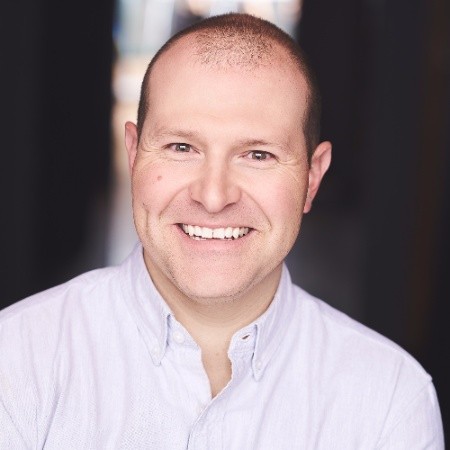
An experienced franchise and retail executive, Mark Jameson leads the FASTSIGNS® Franchise Development team in all aspects, from “lead to lights on”, which includes franchise sales, real estate and development services.

Mark is currently the Chief Support and Development officer of Propelled Brands. Our family of brands includes FASTSIGNS®, NerdsToGo®, MY SALON Suite® and Salon Plaza®, all of which found tremendous success in their respective industries. FASTSIGNS is the leader in the $29 Billion sign industry, while NerdToGo is a growing franchise organization in the IT services business. MY SALON Suite and Salon Plaza are a principal leader in the rapidly growing salons and beauty services sector and are on the way to becoming one of the nation’s largest salon suite franchisors.

His role continues once centers are open by overseeing training and operations support and supply chain for the entire franchise system. Prior to joining FASTSIGNS, Mark served as the VP of Franchise Development for franchise-owned brands at CCA Global Partners, including ProSource Wholesale Floorcoverings.

His extensive franchise background includes experience in franchise relations and operations, training and company store operations, marketing and merchandising, sales and development, real estate, franchise law, technology and intellectual property.

Mark is a Certified Franchise Executive (CFE) with more than 20 years of experience in all aspects of franchising in both consumer industries (home services, food and retail) and in business-to-business (flooring; signs and graphics).

His extensive franchising background includes franchisee relations, operations, training, company store operations, franchise law, intellectual property, financial management, procurement, technology, and sales and marketing.

He joined FASTSIGNS International in 2009, and today leads Franchise Support (including Training, Operations and Supply Chain) and global Franchise Development. Mark’s responsibilities cover overseeing “lead to lights on” support (through Franchise Sales, Real Estate and Development Services teams) and then continue seamlessly into providing ongoing, lifelong franchisee support (through the Training, Operations and Supply Chain teams).

Mark has been a panelist and panel leader for sessions at many International Franchise Association Conventions and at the Franchise Development Leadership Conference, and has spoken at international franchise forums in Middle East, Peru and the United Kingdom.

Since joining the company, the brand has added more than 200 locations domestically and signed international agreements to enter twelve new countries (UAE, Malta, Italy, Greece, Chile, Spain, the Caribbean, and 4 others in the Middle East).

Prior to joining FASTSIGNS, Mark was the Vice-President of Franchise Development for 8 years for multiple franchise-owned brands at CCA Global Partners including ProSource Wholesale Floor Covering.

Connect with Mark on LinkedIn and Twitter.

What You’ll Learn In This Episode

  • Benefits of NerdsToGo
  • Innovations or changes made to business during the pandemic that will continue to be a part of the NerdsToGo business
  • Growth of NTG through adversity
  • Lessons learned through challenging times
  • Strategies to continue to grow as a franchise
  • The vision for NerdsToGo for the next five years

This transcript is machine transcribed by Sonix

TRANSCRIPT

Intro: [00:00:07] Welcome to Franchise Marketing Radio, brought to you by SEO Samba Comprehensive, high performing marketing solutions for mature and emerging franchise brands to supercharge your franchise marketing. Go to SEOSamba.com that’s SEOsamba.com.

Lee Kantor: [00:00:32] Lee Kantor here, another episode of Franchise Marketing Radio, and this is going to be a fun one today on the show, we have Mark Jamieson with nerds to go. Welcome, Mark.

Mark Jameson: [00:00:42] Thank you, Lee. Excited to be here.

Lee Kantor: [00:00:44] Well, I’m excited to learn about your concept. Tell us a little bit about nerds to go. How are you serving, folks?

Mark Jameson: [00:00:50] Absolutely, I’ll start real quick that Nerds to Go is part of our platform company called Propelled Brands and Propelled Brands, owns three different brands Fast Signs, My Salon Suites and Nerds to Go. We acquired nerds to go in September of 2020. And you know, it is just a wide open space. That’s what we love about it is everybody has a computer, be it at home or being or in their business, and nerds to go serves both direct to consumer, with now a focus primarily on the B2B customer and driving that business. And you know, anybody who has a connected device, which is you and I probably know is everybody recognizes that there’s a need for a nerd in their life.

Lee Kantor: [00:01:39] And then what are what are some of the services that nerds to go provides for the consumer?

Mark Jameson: [00:01:44] Yeah. So Nerds to Go opens up in about seven hundred to nine hundred square foot storefront locations, typically in a well-traveled area at the location. We do break, fix, walk in some computer peripherals and equipment that we sell, and that could be either direct to the consumer or the B to B. All of our locations have a fleet of vans that that the nerds go out and directly serve customers. On the B2B side, we do a number of things. We’re doing everything from data security to protection. We also have a managed service plan that we call nerd assure, and that is to monitor their computers and software for health, making sure there’s virus protection in place. And then we notify the customer if we see anything out of the ordinary that often leads to other things, like the sales of hardware and software, and we might help them onboard to a different platform, maybe moving to Outlook Online or Google online, even things like phone systems, because all of those today are based on a connection to the internet. So really a wide array of services, our customer tends to be small and medium businesses that do not have anybody that fills a CIO or a chief technology role. And so we’re really there outsource technology team.

Lee Kantor: [00:03:09] And then I would imagine with, you know, a big portion of the business world going remote, you can help maybe get those people set up if this is the first time they’ve ever kind of had a remote workforce.

Mark Jameson: [00:03:22] A great great question. And yes, you’re a hundred percent, right? Actually, the pandemic, this is one of the businesses that did exceptionally well because as we all had to relook at how we operated, operating remotely or having your employees operate remote meant that if you’re working from home, you need to have good internet connection and good connectivity to others on the team. And so for us, that is a big part of what 2020 was, and I think probably we’d all agree that the future is going to be more and more people working remote and nerds to go is well positioned to help not only the consumer in their homes, but their businesses make sure that their workforce has access to everything they need to be successful. So big part of what we’re doing today, being part of the future and really allowed our franchisees to completely be considered a an essential business and operate during the pandemic.

Lee Kantor: [00:04:19] Now, I would imagine there’s some opportunity in all those folks that maybe got laid off or displaced and started their own business, and they were used to having some sort of enterprise level help desk that handled a lot of the technical stuff that maybe they’re not familiar with it that needs to go is a great solution for those folks who need help in that area and just, you know, didn’t want to go on YouTube and start figuring stuff out on their own.

Mark Jameson: [00:04:44] Yeah, a hundred percent agree, and then as you’ve probably seen, there’s all these virus attacks now and other things that are being publicized so small and medium businesses, be it startups like you talked about or others, are recognizing that today there’s a lot more than just firing up your laptop and hoping you’re connected to the internet. You need to have protection over your data and security and customer’s information, and nerds to go helps with all of that. But yeah, I mean, we serve very many start up businesses as well that are trying to understand how to build a network out. What does that look like? How does it deal with employees that are both maybe remote and and not remote? So you know, what’s great about us is we are really a custom solution house, so we meet with the customer. We try to understand what their needs are and then the nerds to go team both in the local franchise. Working with our support corporately provides a great solution and options for the customer.

Lee Kantor: [00:05:46] So now has the ideal, have you got a handle on the ideal franchisee? What is the make up of them? Kind of from a more so from, I guess, a psychographic rather than a demographic?

Mark Jameson: [00:05:59] Yeah, great question, you know, surprisingly maybe to some is we’re not actually looking for technology people. You know, as our business is technology driven and you can hire a, you know, a Level one or level two tech relatively easily. Really, what we’re looking for our franchisees that want to be able to build an enterprise. And so very often people who come out of a sales experience or background, even if it is technology sales is great. However, people who sit in a senior role in technology like a chief technology officer, this isn’t they almost overthink the business. This business is not about setting up massive mainframes and networks for large companies about supporting small, medium businesses and people at home. So what? We really want our franchisees that are looking to build a business, build a team, create an organization, and much of this business, like any B2B, is relationship driven. And so our best franchisees are typically engaged in their local community. They may have business contacts already. Certainly, they’re going to join the chamber and and work with other businesses. But but they do not need any experience. They should be comfortable with technology, obviously, but they don’t have to be an IT professional and in many cases, we actually prefer that they come from an experience of more leadership and management because that’s what they’re doing is building an organization.

Lee Kantor: [00:07:29] So now is the actual work. Is that done by corporate that that’s part of what the franchisee is paying for? Is there getting some smart people at corporate that can diagnose some of these issues? Or is it something that they have to hire locally?

Mark Jameson: [00:07:43] It’s actually a combination of both. So every new franchisee starts with one or two what we call nerd’s, which is the support both in the location as well as going out and visiting customers both at their home or in their place of business and providing consulting services. Those are what, as I said before, a level one, level two people who have good experience understand computers and have training, and then we also have certification and training as it gets more complex and you go into products like Nerdist, sure, which is a program where we monitor networks for small and medium businesses that we actually housed at our headquarters in Dallas. And we work with our franchisees to provide them support and monitoring of that. And then if they have a very complex job, we actually have a gentleman on the team who is our senior director of technology, who works with franchisees. So if they have something that’s more complex and they need help and support, maybe it’s got more project orientation to it will step up and help them and oftentimes even travel to their market to help them set up those things. So it’s really a combination most of the business has done local and market by people. We help train and provide ongoing training, but then the corporate office sort of needs to go, which is part of propelled brands, has probably 20 plus people in our corporate IT team that also provides support.

Lee Kantor: [00:09:11] So now what is kind of the main revenue streams for the franchisee?

Mark Jameson: [00:09:17] You know, it’s a little split. When we bought the company, Lee, it was primarily driven by consumer walk in, break fix, some home visits and that was maybe, you know, depending on the location, 70 30. We’re making all of our efforts today to drive that business more on the B2B side. And so I would see those numbers in a couple of years flipped for us, where we may be as much as 60 or 70 percent B to be and 25 or 30 percent walk in traffic, some direct to consumer. The reason we love the B2B model is it tends to be reoccurring revenue for the franchisee. And so what we do with Natasha is we set up a customer, charge them based on workstations, so it might be the lowest six hundred in some cases to three thousand a month. We’re monitoring their systems. We’re really they’re outsourced I.T. department and for our franchisees, that reoccurring revenue has a lower cost base and really helps them get to profitability quicker. The walk in traffic, the break fix that sort of my iPhone needs a new screen or my laptop isn’t working, but there’s some good, steady income there, and that’s what we perform, typically at the storefront locations. But but no doubt the focus is the B2B side with the reoccurring revenue on managed services planned.

Lee Kantor: [00:10:43] And like you said, the idea of franchisee, they’re spending their time kind of immersing themselves in the community and being that go to resource and then selling this stuff and then having either corporate or one of their employees doing the work of the kind of the ongoing support moving forward.

Mark Jameson: [00:11:02] Exactly. We believe that there are certain things that owner can do that you can’t hire, right? And that’s exactly what you talked about. It’s the relationship being in the community, having that sense of ownership, creating culture. We can hire good technical technical people. We can hire customer service people to answer the phones and nerds to go out on calls. And so the role of the owner is to drive the business forward, preferably in a relationship business development role, while obviously making sure that the team is living up to the customer service standards of nerds to go and taking care of the customer. So there’s a little bit of that daily workflow meetings making sure we’re good, we’re getting out to the customers. We need to get to handling anything that needs to be resolved that comes up. But I would say the bulk of the role the owner, certainly after they’ve ramped up the businesses, is customer relations as well as business development, exactly as you describe.

Lee Kantor: [00:11:58] So now what are some kind of best practices that you’ve learned in order to help the franchisee, you know, kind of build their book of business?

Mark Jameson: [00:12:08] Yeah, it’s a great question, I mean, the new locations we’ve opened, and this year we’ve already opened, we’re averaging about one or two a month. And we see that number considering increasing in twenty twenty two. You know, the big focus is for them to make sure they have got the right staff in place hiring. Today’s a challenge in any business. So hiring people, making sure that they get trained and that the owner is really in an oversight role, knowing the business, knowing what has to take place. But hopefully not the one that’s actually performing the technical assistance so that they can drive the business. But I think in many cases, the role of that owner, the role in the beginning, what we’ve learned is that the franchisee needs to spend much more time on developing the team, developing the people. And then, of course, following up with customers. These monthly reoccurring customers need ongoing communication, and I think that’s one of the things that we’re continuing to fine tune is how do we follow up with them? What else do they need? How do we leverage things that are happening in the news that kind of scare people to make sure that they feel protected?

Lee Kantor: [00:13:19] Now, how does the local person get most of their business? Is it through their own kind of effort in networking or is this something that digital marketing helps kind of bubble up leads?

Mark Jameson: [00:13:33] Good question. And really, the answer is both. We would expect our franchisees to have an open house and invite other local small businesses, join lead groups and Chamber of Commerce so that they are in fact doing it that way. But we also have a social media campaign and a digital marketing campaign that is focused that we manage for our franchisees through a third party that helps them drive leads, target people. And then we have a proprietary program that is really almost a lead shepherding system that keeps in front of the customer that say, Hey, is it time for a fall cleanup or this holiday? May there be some issues that you want to deal with. You’re hiring a new employee. We can help you with making sure you’ve got the equipment you need. So it’s really a combination of our efforts as a brand to drive leads on the web to our franchisees because most people today go to the web first when they’re looking for these products and services dovetailed with the local franchisee in their market going out and and maybe not so much hard core calling, but really building relationships. Doing some demos at chamber events to talk about safety and security. To kind of wake wake people up to the opportunity that, you know, look, if your computer is at risk, your business is at risk.

Lee Kantor: [00:14:54] Now, are there certain markets you’re targeting or is this kind of, you know, the whole country available right now?

Mark Jameson: [00:15:00] You know, today we’re lucky with this brand that we’re wide open. We have only about 30 locations, another 10 to 12 in development. And so we’re wide open and we’re looking for franchisees and in every market from medium small markets. We’ve just opened in Asheville, North Carolina and Nashua, New Hampshire and Waco, Texas, and we’ve got sites under construction now in Dallas and Pittsburgh, Pennsylvania, other areas. So we’re pretty wide open. We’re really looking for the right franchisee. We seek somebody with a net worth of about three hundred thousand and about eighty thousand of that liquid. We have financing in place so we can help them finance the business. But no, we’re we’re lucky at this point that we’re wide open, like I’ve seen from our other brands. I suspect markets that are fast growth, like Atlanta, where you are, Dallas, where I am, most of Florida, Phenix, those markets were getting such high level of inquiries that I would expect we’d be getting close to sold out in those in two to three years. So we’re excited about the response we’ve got.

Lee Kantor: [00:16:09] And since you bought the brand, has anything changed in your kind of prognosis and forecasting?

Mark Jameson: [00:16:17] Yeah, I mean, I think that we’ve done a significant job in trying to bring value and savings to the franchisees when you’re an emerging brand with only 30 locations. It’s harder to dedicate resources. So after acquiring the brand, we’ve done a number of things. We’ve hired more technology enabled staff. We’ve implemented a new point of sale system. We implemented the managed service or what we call nerd assurer plan, and we are continuing to develop tools very much focused on driving profitability for our franchisees, reducing their costs and then helping them with training and education and new products and services. And that’s what we do as franchise or there is one company store. We still operate in Guilford, Connecticut, where the company was founded, and that’s a good learning for us to kind of stay grounded and understand what needs to happen at the store level. Because, look, we don’t make any money at an office in Dallas. We make the money in the field supporting our franchisees.

Lee Kantor: [00:17:16] So now is there any are you are you putting together any incentives for propelled brands as a whole to say, Look, I got the sign company now I can, you know, add nerds to go to my portfolio as an individual franchisee in a given market.

Mark Jameson: [00:17:31] We do. We encourage franchisees of all of our brands. If they’re interested in another brand in their market, we offer them a referral or a discount of 5000. The other thing I should mention that is a big thing we added to nerds to go after we bought the company is, you know, at fast times. For many years, we’ve worked very hard to attract veterans and first responders. And so we added 50 percent discount to veterans and first responders for the franchise fee for the franchisees of about 50000. We cut that in half. Wow. Because they are great franchisees, they obviously know how to follow a system and in fact, signs. Today, about 14 percent of our network is veterans. And our hope is to grow the nerds, to grow, nerds to go brand with veterans and first responders. And it’s our way of kind of giving them thanks for all they’ve done.

Lee Kantor: [00:18:27] Well, congratulations on all of the success. If somebody wants to learn more about the opportunity. Is there a website?

Mark Jameson: [00:18:33] Yeah, absolutely. They can just visit us at nerds to go and click on franchise opportunity. Also, happy to have anybody e-mail me at Merck Mrk Dot Jamison J.M. Itsown at Nerds to Go franchise.

Lee Kantor: [00:18:51] All right, Mark. Well, thank you so much for sharing your story. You’re doing important work and we appreciate you.

Mark Jameson: [00:18:56] Thank you, Lee. A pleasure to be with you today.

Lee Kantor: [00:18:58] All right, this is Lee Kantor. We’ll see you next time on Franchise Marketing Radio.


Tagged With: Mark Jameson, NerdsToGo

Ron Jennings With A&W

October 19, 2021 by Jacob Lapera

Franchise Marketing Radio
Ron Jennings With A&W
Loading
00:00 /
RSS Feed
Share
Link
Embed

Download file

Brought To You By SeoSamba . . . Comprehensive, High Performing Marketing Solutions For Mature And Emerging Franchise Brands . . . To Supercharge Your Franchise Marketing, Go To seosamba.com.

A&W Restaurants has signed agreements with multi-unit restaurant operators Ronald and Nadyne Jennings for three locations in the Gastonia and Kings Mountain areas of North Carolina, as well as the Rock Hill region in South Carolina. Ron and Nadyne, who are multi-franchise owners, also own Schlotzsky’s and Moe’s Southwest Grill locations throughout the Carolinas.

Established in 1919 in Lodi, CA as a roadside stand, A&W Restaurants now stands as a thriving part of the American experience. With 500-plus locations across the country, including300 standalone restaurants, the brand remains a one-of-a-kind true original. Even its signature A&W Root Beer, served in an iconic frosty mug, is handcrafted at the restaurant. Today, that traditional approach is resonating strongly with consumers, who are looking for authentic brands.

What You’ll Learn In This Episode

  • Experience expanding A&W in the Carolinas
  • The decision to join the A&W franchise
  • The most appealing about A&W

This transcript is machine transcribed by Sonix

TRANSCRIPT

Intro: [00:00:07] Welcome to Franchise Marketing Radio, brought to you by SEO Samba Comprehensive, high performing marketing solutions for mature and emerging franchise brands to supercharge your franchise marketing. Go to SEOSamba.com that’s SEOsamba.com.

Lee Kantor: [00:00:32] Lee Kantor here, another episode of Franchise Marketing Radio, and this is going to be a fun one today on the show, we have Ron Jennings. He’s a franchisee with A&W restaurants. Welcome, Ron.

Ron Jennings: [00:00:43] Well, thank you, Lee. I definitely appreciate being here, getting a chance to talk to you, and I’m excited.

Lee Kantor: [00:00:51] Well, before we get too far in the things, share with our listeners a little bit about the concept that AMW concept.

Ron Jennings: [00:00:59] Well, ANWR is is an old brand. It’s a very iconic brand one. Well, actually a couple of things that they have that is very, very iconic. But one is the fact is they are actually the creators of the bacon cheeseburger. I’m pretty sure everybody loves bacon bacon and they are the first inventors of that. And then also every single location that you go to, you get fresh brewed and root beer. And the brand has been around for well over 100 years now.

Lee Kantor: [00:01:38] So you’re you own several franchises. This is one of several that you’re a part of, right?

Ron Jennings: [00:01:45] Yes, that is correct.

Lee Kantor: [00:01:47] Now I’m starting to see a trend I’m not starting to see, but I’m just for the first time observing a trend that as we come out of the pandemic, it seems like there’s more and more what I call professional franchisees, the people who have done well with one franchise and are cobbling together a portfolio of maybe complementary or similar type brands. Are you that kind of describes you, right?

Ron Jennings: [00:02:14] Yes, it does. And, you know, whenever you build a portfolio, a lot of people, what they like to do is actually diversify a little bit. So, you know, that’s exactly what we’re doing. We’re we’re diversifying, diversifying our portfolio right now.

Lee Kantor: [00:02:30] But within the kind of restaurant category, right? Like you’re not now doing a Jiffy Lube, you’re the kind of restaurant oriented.

Ron Jennings: [00:02:39] Yes, that that is correct, actually, we started off by purchasing two car washes. My wife and I and then from there we transition over to the restaurant industry and we just been growing, growing the restaurant industry.

Lee Kantor: [00:02:55] So now talk about kind of those early days, like what was the impetus to even choose franchising as a path at that point was that had you had your own business, were you part of a, you know, a larger enterprise and then kind of decided to change directions?

Ron Jennings: [00:03:14] Yeah, so I would say probably around the time after graduating high school, my mother set me up with a business. It was a packaged goods business and I did that for roughly about five years, five to seven years. And then after that, I graduated college and, you know, got my degree in finance and accounting, you know, climbed the corporate ladder and then said, you know, I felt like something was missing. And I went back to being the business owner. And then from there, we purchased two car washes and then I just noticed that the car wash that we purchased, even though that they were buy the same, you know, from the same owner, there really wasn’t any systems or processes in place to duplicate. You know, at both locations and then from there, you know, I always was interested in food. And excuse me, especially the brands that we have now and ANWR was top of mind. And I started speaking to ANWR immediately. So I’ve been talking to ANWR now, probably for roughly about four years.

Lee Kantor: [00:04:28] So you started out, though, as you had one restaurant or one brand restaurant brand. And then and then that started doing well and you started to see like, Hey, let me kind of build a little empire here and then start kind of expanding. And then at some point you were like, Hey, if I can do this with this, I’ve already got the infrastructure, the systems in place. It’s kind of it makes sense at that point, right to go, what if I got another brand going? I already know I got the lay of the land here. Is that Howard just kind of organically happened like opportunities just started presenting, you started to see opportunities?

Ron Jennings: [00:05:07] Yes, that that is that is very that is very, very true. So it actually started with one brand which was slot skis. And then, you know, we noticed with with the pandemic that a lot of people that actually had their restaurants, you know, for 10 or 20 or 30 years, they decided to retire. They they were done. So we actually started buying restaurants from people that were, you know, in their mid-60s, ready to retire. And these were established brands and establish locations. And we quickly grew from our first location back in December to five locations within six or seven months.

Lee Kantor: [00:05:54] And then when you did that, like something you were doing was working, so what enabled you to grow so effectively where maybe they had plateaued?

Ron Jennings: [00:06:03] Um, it was it was it was really the fact that a lot of the the people that actually used to own it, they were they were just tired. So when we took over the locations, what we noticed was there was a lot of systems that were not in place, for example, like PA sheets, things of that nature. And we utilize inventory better inventory management processes. We actually went ahead and followed the franchise model. And then our revenue actually increased dramatically. Our first location, we I think we increase revenue by 20 to 30 percent within three months. And that now is one of the the top locations of slot skis right now in the world.

Lee Kantor: [00:06:56] So how did you go about kind of choosing which brands to kind of pursue because there are so many of them?

Ron Jennings: [00:07:05] Yes. So I actually went ahead and looked at a couple of brands that was in the area, and I really focus on the fact of the food, the food quality slot, skis we absolutely loved. You know, the sandwiches, everything was made fresh and you’re probably going to notice you’re going to notice a similarity between all of them. When we acquired Moz, we went there because everything is made fresh to order as well. And then we went to AMW. Excuse me, with the fresh air, fresh root beer.

Lee Kantor: [00:07:46] And so that that’s kind of the thing that draws your attention, and then once you kind of are digging in deeper, you have to like kind of the systems and the processes and the brands that are, you know, semi recognizable that you know, you can build market share around.

Ron Jennings: [00:08:03] Yes, exactly. So and and a lot of the consumers now they they really pay attention to the freshness and the quality. And then if you have better inventory management, the food gets the food is fresher then than your competition around you.

Lee Kantor: [00:08:23] So now, as an owner of multiple franchises, is there any advice you can give that person who has maybe one brand and hasn’t kind of taken the plunge to to kind of own several brands?

Ron Jennings: [00:08:37] I would say follow the systems that are in place. That’s what we did. That’s how we were able to grow very fast. If you follow the systems that are in place and then if you embrace technology, that’s something else that we also notice to as well. A lot of the locations that we acquired, you know, they were not utilizing technology at all. And that’s what we that’s what we embrace to grow as fast as we did. And then also get a very strong support team, AMW, even though the the other brands you might see more often. The one reason why we’re growing with AMW and growing very, very fast. You know, we signed on to having three locations right now, but we do see ourselves adding on even more as we grow is to is to support AMW, the management team there. They really, really support our support, our group. And that’s one reason why we have chosen the AMW brand to accelerate our our growth with.

Lee Kantor: [00:09:49] Now what’s an example, like something that someone could kind of latch onto, and it’s an example of them being more supportive than maybe other brands like what’s something that they’re doing that stands out to you, that you’re like, Wow, that is really helpful.

Ron Jennings: [00:10:06] Um, the excuse me, the fact that I could actually get on the phone with management and ask them questions such as How do I grow our current portfolio from five to 10 or even 20? Um, what systems and what systems should I have in place? They will direct me over to another franchise that might have 20 or 50 locations to help me. And also they they have knowledge, you know, a brand like this that’s been in existence for over a hundred years. The team have has a lot of knowledge and they support me 100 percent.

Lee Kantor: [00:10:55] Now you’re in the Carolinas. Can you talk about what that market looks like in terms of opportunity is there are a lot of opportunity for your growth there in that region as well as maybe other complementary brands.

Ron Jennings: [00:11:09] Yes, actually, the Carolinas is is is poised for growth with with AMW, and that’s where we really, you know, going to branch out to because the Carolinas really doesn’t have that many and they have maybe the old concept of AMW with, you know, combined with Kentucky Fried Chicken and. And, you know, other brands underneath one umbrella that they that they did back in the day before they became their own entity, but to build out a single unit AMW, there really is not that many in this market. And that’s why we’re expanding very fast with them now.

Lee Kantor: [00:11:57] Has the size of the restaurant changed at all, like post-pandemic?

Ron Jennings: [00:12:03] Um, the restaurant right now, they are looking at roughly about twenty two hundred square feet size. Size wise and and of course, they are focusing more on speed and getting customers in and out, you know, improve and drive, drive through performance and things of that nature.

Lee Kantor: [00:12:25] So drive throughs a critical element in the well, not in all the brands you chose. But then they end up you.

Ron Jennings: [00:12:33] Uh, yes, yes. Yes, it is.

Lee Kantor: [00:12:36] Now in the other brands, I would imagine curbside and to go things like that, maybe third party delivery, that’s an important component.

Ron Jennings: [00:12:45] That is a very, very important component and we have notice of, you know. A great uptake in the online sales and also catering, catering is, you know, you could really grow with catering just as long as you focus on accuracy and timeliness. And that also goes with online ordering in general.

Lee Kantor: [00:13:10] And that’s something that may be a new franchisee wouldn’t think about as a potential revenue stream. But if you that could be really attractive and and a nice addition to your kind of the growth of a given store, right? The catering element.

Ron Jennings: [00:13:26] Yes. Yes. My wife and I, we that’s really where we focus a lot of our time on catering. You know, for example, this week we had a we had a very large catering order at one of our locations. It was roughly for roughly about 1200 sandwiches. Wow. Yes. So, you know, catering, you could definitely grow with catering. Catering is definitely, you know, one of our areas that we focus on a lot.

Lee Kantor: [00:13:57] Now is there any advice for people who aren’t kind of tapping into catering? Like, how do you get more catering business?

Ron Jennings: [00:14:04] I say you focus on. So what we have to our advantage right now with the brands that we do have is easy cater and we’re easy cater. There’s, you know, you can actually mark it right on the website, which is very good. So what we did do for a couple of our locations is they have a point system. It’s kind of like a rewards rewards thing that you know a lot of people have on their credit cards, right?

Lee Kantor: [00:14:34] The loyalty.

Ron Jennings: [00:14:37] Exactly. Exactly. So currently, you know, well. Before we took over, a lot of a lot of our locations actually only was given out one point. We actually update the five points and we have seen the growth there, definitely with that.

Lee Kantor: [00:14:57] That’s a that’s a great example of leveraging technology, though. I mean, to use technology to help build loyalty, which builds repeat customers may be coming more frequently. I mean, that could really move the needle.

Ron Jennings: [00:15:10] Yes, definitely. And also knowing your partners, too as well. So I actually have basically all my managers does this as well, too. They actually follow up with the customer afterwards just to check and make sure that the order arrive, you know, accurately and timely, because we also utilize DoorDash actually to do some of our deliveries for us, for the catering orders as well. So we just follow up. So this way the store is actually the last point of contact.

Lee Kantor: [00:15:46] Now how has the kind of the the war on talent impacted you and your brand? So you have any kind of solutions to that? Have you gotten some things that help keep employees there and keep them energized and productive?

Ron Jennings: [00:16:03] Yes, I think we have, you know, to our advantage since we are a family business. You know, that’s how we are starting out and we believe in the family culture at all of our locations. They get a chance to see, you know, I’ll go to one of the locations and I’ll pick up a broom and I’ll I’ll sweep the floors. My wife cleaned off the tables. Our daughters will be at either one of the locations working, you know, behind the counter, and we due to the various different drop ins at all our locations. And they they know when we come there, we’re not one of those owners that just sit behind the, you know, sit behind the desk. We actually get out there and we’ll actually help them on the line. You know, we’ll we’ll interact with the customers and, you know, even even with our car washes, it’s the same thing, too. We’ll go there and we’ll clean the car and we really have not had that much turnover. You know, as some of the other locations, all our locations actually have been open during the pandemic. And, you know, we’re building up that, you know, that that employee relationship that you know, that a lot of our employees are not leaving us, they they are actually sticking by us, you know, because they know we’re in it together.

Lee Kantor: [00:17:39] And that’s a great example for other people. People don’t quit jobs. They usually quit bosses. So if you have a culture that really cares and and the and it’s authentic, then your people are going to stay.

Ron Jennings: [00:17:54] Yes, that is very true. And that’s that’s what we focus on.

Lee Kantor: [00:17:58] So now is this kind of this kind of empire you’ve built with these multiple brands and just the expansion and so many of them? Is this how you envisioned this when you first started out? I mean, there was this kind of beyond your wildest dreams because this is quite an achievement.

Ron Jennings: [00:18:18] Yes, this is what I you know, it’s one of those things, this is what I envisioned, but I didn’t realize that. Well, I guess I did realize it, but the fact of the matter was that you could take something and you could visualize it, and you can actually, you know, make it make it happen. And that’s that’s where we where we’re enjoying this. This is this is fun for us. My wife, my kids, they really enjoy this. They talk about it every day, you know, and then also growing out the brands, we don’t only we grow out of brands, not only for ourselves, but also to support other families. So, for example, you know, with our location in Colombia, we’re building, we’re looking at more locations there because, you know, we have general managers, you know, in the Colombia market that eventually want to become a district manager. But, you know, with, you know, they know that grown with us, they will get that opportunity. You know, as we grow out more locations and then, you know, one of our other locations in Charlotte, you know, our GM there, she is absolutely ready. And I guess in the last month or so, she has hired several managers from local franchises, restaurants, well established restaurants, you know, to come in to support her. And they are all ready to go and build this out because they know our vision and they are looking forward to it.

Lee Kantor: [00:20:05] It’s an amazing story. Congratulations on all the success. I mean, the impact that you’re making in your community is real and the ripple effects are amazing. I mean, you should be so proud of yourself. This is such a great story to be able to do what you’ve done. Congratulations.

Ron Jennings: [00:20:22] Thank you. Thank you, Lee. Definitely appreciate it. And you know, we we would not be able to do it without them.

Lee Kantor: [00:20:30] Well, what I mean with I have a thing I talk about in my company is with the right partners, you can do anything and it sounds like you’ve aligned yourself with the right folks.

Ron Jennings: [00:20:40] Yes. Yes, I definitely agree. I definitely agree.

Lee Kantor: [00:20:43] Now, if somebody wants to learn more about the AMW opportunity, is there a website for them?

Ron Jennings: [00:20:49] Um, yes, it’s. It is actually franchising that AMW restaurants dot com.

Lee Kantor: [00:20:59] Right? The website I got on my sheet is franchising A.W. restaurants.

Ron Jennings: [00:21:05] Yes, that’s correct.

Lee Kantor: [00:21:07] Well, Ron, thank you so much for sharing your story today. Like I said, you’re doing important work and we appreciate you.

Ron Jennings: [00:21:13] Yes. Thank you so much, Leigh. I definitely appreciate you.

Lee Kantor: [00:21:16] All right, this is Lee Kantor. We’ll see you next time on Franchise Marketing Radio.


Business Strategy Expert Tra Williams

October 18, 2021 by Jacob Lapera

TraWilliams
Franchise Marketing Radio
Business Strategy Expert Tra Williams
Loading
00:00 /
RSS Feed
Share
Link
Embed

Download file

Brought To You By SeoSamba . . . Comprehensive, High Performing Marketing Solutions For Mature And Emerging Franchise Brands . . . To Supercharge Your Franchise Marketing, Go To seosamba.com.

TraWilliamslogo

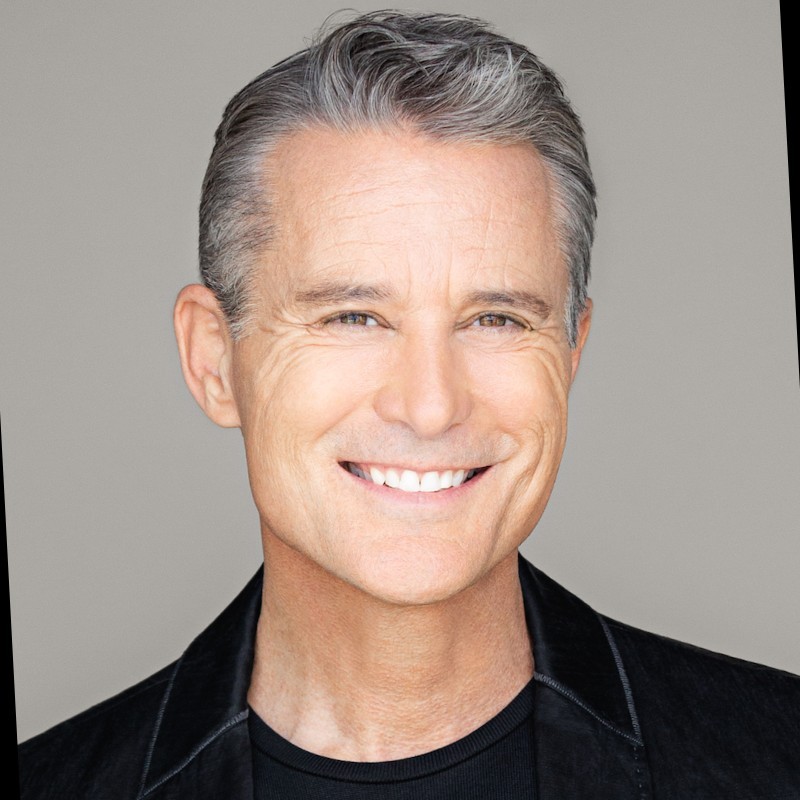
TraWilliamsTra Williams is a speaker, author, entrepreneur, and nationally recognized expert in entrepreneurship and business strategy. He has sat at the helm of two international brands and has supported thousands of entrepreneurs on their journey to self-employment.

He has been featured or quoted in numerous publications, including Forbes, Bloomberg, and Franchise Times, and he often speaks at economic development conferences and company conventions.

In his new book Boss Brain, Tra reveals the shocking truth behind the decline of American entrepreneurship and provides a scientifically proven system to unlock your entrepreneurial instincts so you can leave traditional employment forever — that’s the real American Dream!

Connect with Tra on Facebook and LinkedIn.

What You’ll Learn In This Episode

  • American entrepreneurship is at an all-time low
  • The hardwired psychology behind why most people feel they were meant for entrepreneurship yet never act on that instinct
  • Society is collectively advancing while individual fulfillment and happiness are waning
  • The gap between entrepreneurship and employment in America grows larger every year

This transcript is machine transcribed by Sonix

TRANSCRIPT

Intro: [00:00:07] Welcome to Franchise Marketing Radio, brought to you by SEO Samba Comprehensive, high performing marketing solutions for mature and emerging franchise brands to supercharge your franchise marketing. Go to SEOSamba.com that’s SEOsamba.com.

Lee Kantor: [00:00:32] Lee Kantor here, another episode of Franchise Marketing Radio, and this is going to be an interesting one today on the show, we have author Tra Williams. Welcome, Tra.

Tra Williams: [00:00:41] Hey, there. It’s great to be here, it’s really my pleasure, thanks for having me.

Lee Kantor: [00:00:44] Well, tell us about your writing.

Tra Williams: [00:00:48] So the book came out last week. It is called Boss Brain and it is about unlocking your entrepreneurial instincts. The book is one that I formulated after years within the franchise industry myself, where I saw this inherent battle in aspiring entrepreneurs minds, and it really is the battle between optimism and uncertainty. It’s one that I think most of us lead every day and we still battle. We’ve been battling it for millennia and these days and the western world where we have a tremendous amount of certainty. The book really reveals how so many of us have succumbed to that, and it’s really smothered our entrepreneurial instincts.

Lee Kantor: [00:01:27] So now talk about your journey and franchising.

Tra Williams: [00:01:32] Oh, I stumbled in the franchising way back in the Ufot era. I’ll date myself with that statement. Most of the folks in the industry will remember previous PhD universe franchise offering circular, and I had no idea what I was doing in 2000 when I first tried to franchise a concept. But I learned some some lessons through the school of hard knocks and was able to successfully franchise a concept was welcomed into the franchise community. As the franchise community always does. It’s an incredibly supportive and and nurturing community. Spent some time at Petrus Brands over a couple of different brands in Atlanta after they had after we had acquired some some brands from raving brands and really helped them bring those into the national spotlight before one of them was sold off to tasty delight. And Jim Amos and the folks over there incorporated it in as a co-brand with them and at that point went out on my own to help emerging franchise owners.

Lee Kantor: [00:02:31] So now have you seen a different type of franchise e post-pandemic or during the pandemic and post-pandemic rather than prior to it when you were getting started?

Tra Williams: [00:02:43] I’m loving right now, is that what I’m seeing are the aspiring entrepreneurs who have had this smoldering inner calling. The word entrepreneur coincidentally means inner calling, and they’ve had this inner calling for some time. And I think the pandemic really revealed the so-called stability of 26 paychecks a year and 14 days of vacation to be a bit of a house of cards. And it really released these these instincts and cause folks to follow this. This inner yearning is inner calling that they’ve had for a long time. So what I’m hearing is a lot of folks saying, you know, I’ve been wanting to do this for decades, and the pandemic really made me realize that there was never going to be a perfect time. And also the pandemic sort of. It changed the market in a way that made this a really unique opportunity in history to seize market share in a variety of ways.

Lee Kantor: [00:03:38] Now do you find that young people are drawn to kind of the phrase or term entrepreneur? I find them to be very. They like the concept of being in control of their own destiny, and they kind of have a negative feeling about business, though. So do you see any of that?

Tra Williams: [00:03:57] Yeah, you know, that’s a bit of an enigma, right? So what’s important to remember is 70 percent of the American workforce has indicated that they want to be self-employed. That’s one hundred million people. So there’s a hundred million people out there who really feel this desire to be an entrepreneur and aren’t converting that feeling into action. The book goes into great detail about why this is happening, and it gives you a framework for for how to get out of it yourself. But what I’m seeing in this younger generation is one of the things that I talked about specifically in the book, which is our inherent optimism ebbs and flows throughout our life in the time in our life when we’re making these decisions about entrepreneurship and careers. Let’s say after college, mid and early 20s is the time in our lives when coincidentally we are least optimistic. And this goes against conventional thinking. Most media would portray the youth as this unappreciative of the hard work that the world requires, and they’re naive and they’re too optimistic. But it’s actually the opposite of that. We’re most optimistic when we’re 55 years old, and we’re least optimistic when we’re in our 20s. So these young folks who do feel that inner calling are really becoming subject to that, that hardwired negativity that is inherent at that age.

Lee Kantor: [00:05:22] Now, is that is that a recent development or historically have the young people been more optimistic than they are today?

Tra Williams: [00:05:29] I think it’s just a sort of misperception when we’re looking at youth and we we think of those in their 20s as as being overly optimistic in the media has always portrayed it that way. But if you read Tali Chirac’s book Optimism Bias, you’ll see that in that time frame is actually when we’re least optimistic and it’s such a it’s such a tough thing because it’s at that very moment when we are making those crucial decisions. And what ends up happening is we choose predictable adequacy. We choose 26 paychecks a year. We choose a job over our college.

Lee Kantor: [00:06:08] Now, do you find that folks who. I don’t know, I’m just the world that I’m seeing doesn’t align exactly that way. I’m seeing a lot of folks, especially young folks, who aspire to maybe a life of things that I don’t even want to call it entrepreneurship, but like a series of projects or gigs or activities that pay them enough to live the lifestyle they want. They want their flexibility and they don’t want necessarily a a job that that that’s not kind of mission oriented or rewarding. I’m just that’s what

Tra Williams: [00:06:48] I see what you’re saying that certainly the gig economy is something that those who are 21 years old were born into. Everyone knows that the traditional work day of eight to five o’clock and et cetera, et cetera, is a relic of the industrial revolution. At a time when when America needed workers and we need them to be safe and healthy and not burned out, and we started measuring and maintaining the amount of time people spent on their job. So, yeah, and a lot of ways I can see that had that gig economy been in place when I was born, I would have felt the exact same way about traditional work environments and corporate structure in the workday. No doubt about it, but that’s simply the world that they were born in to be, albeit an antiquated.

Lee Kantor: [00:07:30] But that kind of world is whether they call it that or not, to me, that is being an entrepreneur because you it is an eat what? You kill a lifestyle.

Tra Williams: [00:07:38] I couldn’t agree more. Yeah, I agree with you completely. But despite all the hype of the gig economy, 93 percent of Americans still work for the other seven percent, and the percentage of people in America that are self-employed is at an all time low.

Lee Kantor: [00:07:56] So the people that are in the gig economy, you’re finding they have a job somewhere that’s providing maybe some of the stability and structure and maybe benefits that they they desire

Tra Williams: [00:08:08] Hustle, right? A lot of side hustle, a lot of multiple jobs at the same time. And certainly, the pandemic created opportunities for underemployment where people needed to have that supplementary income. And then maybe they found that to be a lifestyle that was attractive to them. But the the what’s not happening is there isn’t enough of the younger generation converting their their entrepreneurial desire into action to reverse this downward trend of entrepreneurship in America. It’s been falling since the mid-1940s.

Lee Kantor: [00:08:42] So is it falling just because that’s the evolution of entrepreneurship? And maybe this is too hard of a path and it’s it’s going to kind of just go away at some point.

Tra Williams: [00:08:54] Well, it’s too part of a path. Relatively speaking, what’s happening is we’re becoming victims of our own success in America. Your safety is, is is always much higher than in other places in the world. We have a grocery store right around the corner. The media excuse me to the poverty level in the United States, about $12000 a year is 20 percent more than the median income on the planet, which means the poorest people in America make 20 percent more than half the globe. So in America, we get a lot of certainty. That doesn’t mean that we don’t have opportunities to bring people up out of poverty and expand the middle class. But what it does mean is this certainty has really undermined our entrepreneurial spirit. And what you can see is a one to one expansion as as the middle class expands starting in the nineteen forties in the post-World War Two Baby Boom era. Till now, a direct, excuse me, an indirect proportional relationship with entrepreneurship as the middle class rises in quality of life becomes better, entrepreneurship declines.

Lee Kantor: [00:10:03] And then so. I’m seeing a lot of people in franchising that are those second act entrepreneurs that after maybe they have that nest egg, then they’re willing to take the risk after they see, like kind of no way to replicate that salary when they get laid off or they retire. Sure, that it kind of forces their hand almost to be an entrepreneur and buy something. And even in that case, I mean, you can make a case that they’re picking a safer route in terms of picking a franchise rather than kind of building their own thing.

Tra Williams: [00:10:36] One hundred percent. I mean, I’m a huge franchise advocate for that reason. And more businesses were started in 2020 than have been started in any year for the past 15 years. So, yeah, the pandemic really released that and sort of unchained all of those aspiring entrepreneurs who had not reached the point of comfort level to make that decision on their own and the pandemic made that decision for them.

Lee Kantor: [00:11:01] So what’s your kind of prognosis looking into your crystal ball in the future? What’s going to happen?

Tra Williams: [00:11:09] I’m a I’m a recovering optimist and

Lee Kantor: [00:11:13] That means you’re over fifty five.

Tra Williams: [00:11:14] So well, what it means is I’m I would never bet against America or American entrepreneurs. I think every time entrepreneurs have been called on, they’ve risen to the challenge. Whether it was converting soup factories into ammunition manufacturers during the World War Two or converting automobile assembly lines into ventilator assembly during the pandemic. I think you can. We should never bet against the American entrepreneur. And really, my mission is to bring awareness of this decline because on the current trajectory by the mid 20 40’s, ninety nine percent of Americans are going to work for the other one percent, and I do not want to allow that to happen.

Lee Kantor: [00:11:57] Now I’m seeing and I’ve done work with some universities that they’re trying to build as part of their curriculum and entrepreneur. Kind of element, whether it’s a entrepreneurship classes available to anybody in any major or majors or minors in entrepreneurship. Do you think that that’s something that’s going to help stem the tide and at least open up young people’s mind to this as an option rather than I have to work for somebody else?

Tra Williams: [00:12:29] I hope so. Lee But here’s the sad truth. There are about 5000 colleges in America, and among them less than 300 of them have entrepreneurship or small businesses, a major about four or five percent of the universities. So the message that they’re sending is resoundingly clear, and that is, we are training you to be an employee and there is an expectation of assimilation. So I’m proud that there are colleges and universities out there who are who are supporting these entrepreneurship programs and recognizing the importance of it, if for no other reason. Because capitalism works best when there is competition and in order to have that competition, we need a flourishing small business environment that can hold corporate monoliths accountable through innovation and through their agility that the larger companies don’t have. So without those small businesses, capitalism doesn’t function as well as it normally would.

Lee Kantor: [00:13:27] So now do you think that there has to be some sort of intervention when it comes to these corporations, these mega corporations just kind of sucking all the oxygen out of the room and and that they’re almost. I don’t I really don’t want companies that are too big to fail. But some of these companies are trying to play both sides of an equation. You know, they’re building a platform, then they’re selling stuff on the platform and then they’re, you know, learning from the people, using the platform to create their own things within the platform, like it becomes very incestuous and I think it becomes it opens up the possibility of corruption and not a true market.

Tra Williams: [00:14:07] Yeah. To answer your question directly is, I think that intervention and regulation is what caused this disparity. I think that government intervention has always been lopsided towards bigger businesses and still is lopsided toward bigger businesses. If I’ll give you a shining example of this throughout the pandemic, your locally owned ace hardware could not be open, but Home Depot never closed. Right? Your local farmer’s market office could not be open, but every large grocery store chain of Walmart was was open. So that message is resoundingly clear, and I don’t want to intervene more than we’ve already intervened. What I want is the government to get out of the way and allow the free market to work the way it’s supposed to, right?

Lee Kantor: [00:14:48] But don’t you think that that right? But those government choices typically stem from the larger corporations that are lobbying to create that kind of squashing of the small folks?

Tra Williams: [00:15:02] Yes, I don’t I don’t want more intervention on their side. If we’re going to intervene, we need to intervene as a consolidated effort of the people to support small business and the importance of propping up entrepreneurship.

Lee Kantor: [00:15:15] So, so what’s the answer then? Like, what are you going to? What’s going to be the impetus to get any change, especially among these mega-corporations?

Tra Williams: [00:15:25] So I’d like to think that you’re seeing this happened in the pandemic released this already. I don’t know if you saw in the news, but in August, four point three million people quit their job. That’s the highest number in a single month in American history. And they weren’t fired. They weren’t downsized. What happened was the pandemic exposed that there is a quality of life that may be existed differently than the corporate world that they lived within. And when they went back to work, they hated it, and four point three million people quit their jobs in August. So you’re asking me what the answer is? I think the answer has been revealed to us. And when you have that many millions of people leaving on their own either to seek better employment or start their own gig, you know, this is a revolution that that I want to be part of.

Lee Kantor: [00:16:13] But when they’re leaving, are they just going to a different, you know, kind of entity? Like you said, a handful of corporations are running the show. So are they leaving one just to go to another, you know?

Tra Williams: [00:16:25] I don’t. I don’t think that folks are quitting large corporate monoliths to go to another large corporate monolith. I think that COVID has really revealed the importance of us working together on a hyper localized basis in a lot of the businesses that you see flourishing right now are flourishing within their hyper local community precisely because the pandemic revealed the importance of us working together as a community, but also because corporate monoliths are struggling with logistics right now. It’s all over the news, and they can’t get products and services to these smaller mid-tier and small markets. So what an incredible opportunity that is for entrepreneurs to take market share away from these massive organizations right now, when when they were pandered to early in the pandemic, but are now crippled by logistical challenges.

Lee Kantor: [00:17:13] So then this requires the individual to step up and seize the day.

Tra Williams: [00:17:19] Right? I can tell you, I couldn’t said it better. That was a perfect way to say it. Absolutely. There’s never a perfect time, but I have to say that so many of the market indicators are in place right now, from real estate availability to consumer demand and shifts and evolutions in how services and products are being provided to actually have whitespace for the first time in America, and some time to have a new landscape of business environment to be able to step into without having to step into one that is mature and well formulated. Where you have a lot of steep competition, you can literally be the tip of the spear right now.

Lee Kantor: [00:17:56] So what would be some practical tactical action someone could take right now?

Tra Williams: [00:18:02] And I will tell you two different ways, so my my standard answer to this is belief is reverse engineered for those who don’t necessarily believe they can be successful, you never will believe and still you until you start taking action and then you start seeing yourself as the kind of person who could be successful in that area. And my other answer to this is to latch hold of the incredible amount of service industry opportunities that are being provided. The real estate market is a prime example of this. I live in Florida. A thousand people a day are moving to Florida. That’s a real number, and those people are either buying homes or renting homes. So there’s this enormous opportunity for appraisers and remodelers and skilled labor force and HVAC companies and all of these amazing service, industry related or real estate related services that I know a guy who’s a home inspector and he’s booked for the next eight weeks. You can’t get a home inspection right now in the state of Florida. It’s really difficult. So for those franchises that do home inspection, I’m sure they are trying to find new franchisees and what an incredible opportunity to join an industry that’s in such incredible demand, right?

Lee Kantor: [00:19:14] So now in your practice, do you spend most of your time speaking or you consulting?

Tra Williams: [00:19:20] I did most of my time speaking, and I also consult with chambers of commerce and municipal entities. I recognize that I’m never going to be able to rescue one million entrepreneurs from traditional employment the way I would like to. By doing it, one entrepreneur at a time, I know that we’re going to have to effect change at a policy level. So I consult with a lot of chambers of commerce and municipal economic development councils on how to set up the infrastructure and the the attractiveness to allure those entrepreneurs into those markets, or to be able to have those that already are in their markets finally take that leap.

Lee Kantor: [00:19:57] And if somebody wants to get a hold of you or get a hold of your book, what’s the website?

Tra Williams: [00:20:02] I’m really easy. You can go to Trey Williams. I’m Trey Williams. The book is called Bus Brain. It’s on Amazon. You can. I was proud to see I made number nine on the new releases and the startups category this last week on Amazon, and I really was humbled by the support and the outpouring of support for this. I think a lot of people recognize the importance of entrepreneurship as as as an American really fundamental and the importance of keeping capitalism working at its finest by always having great competition. So anyone who like to pick up the book and contact me to have those discussions, I’m always happy to talk to entrepreneurs.

Lee Kantor: [00:20:40] Good stuff. Well, thank you so much for sharing your story today. You’re doing important work and we appreciate you.

Tra Williams: [00:20:45] It’s my pleasure. Thank you.

Lee Kantor: [00:20:47] All right, this Lee Kantor will sail next time on Franchise Marketing Radio.

Tagged With: business strategy, Tra Williams

Bob Spiel With Spiel Consulting

October 18, 2021 by Jacob Lapera

Coach The Coach
Coach The Coach
Bob Spiel With Spiel Consulting
Loading
00:00 /
RSS Feed
Share
Link
Embed

Download file

For over 30 years, Bob Spiel’s passion has been developing inspired leaders while building high-performance teams. His firm, Spiel & Associates, transforms general and specialty dental practices by building leaders at all levels.

In his 15 years of consulting and speaking, Bob has seen time and time again that leadership can be taught and teams reborn – what it takes is genuine desire, the willingness to be coached, and an unwavering commitment to personal and team growth.

Throughout his career, he’s been called “Mr. Team”. Bob had the opportunity to take on tough, turn-around situations as an operations director for two Fortune 500 companies, leading teams of over 400 employees while creating world class systems and cultures. Later, as a hospital and Surgical Center CEO, he led the transformation of two near-bankrupt entities, bringing them back to profitability.

He is the author of Flip Your Focus – Igniting People, Profits and Performance through Upside-down Leadership.

Connect with Bob on LinkedIn.

What You’ll Learn In This Episode

  • Turning your career into a calling
  • Finding your “sweet spot” as a coach
  • Having an abundance mindset
  • Mentally managing the risk of failure
  • Small business leadership — coaching your clients to compete against who they were yesterday
  • Transforming your job as a small business leader
  • Building high-performance teams with your clients and for you

This transcript is machine transcribed by Sonix

TRANSCRIPT

Intro: [00:00:02] Broadcasting live from the Business RadioX Studios in Atlanta, Georgia. It’s time for Coach the Coach radio brought to you by the Business RadioX Ambassador Program, the no cost business development strategy for coaches who want to spend more time serving local business clients and less time selling them. Go to brxambassador.com To learn more. Now, here’s your host.

Lee Kantor: [00:00:33] Lee Kantor here, another episode of Coach the Coach Radio, and this is going to be a good one today on the show, we have Bob Spiel with Spiel Consulting. Welcome, Bob.

Bob Spiel: [00:00:42] Thanks, Lee. Great to be with you.

Lee Kantor: [00:00:44] Well, I’m excited to learn about your practice. Tell us about spell consulting. How are you serving, folks?

Bob Spiel: [00:00:49] Well, Spiel Consulting is a health care management firm that specifically targets non-hospital settings. Okay. I’ve been a hospital in surgical center CEO, so I made a decision about 15 years ago to leave that in the rearview mirror, and we try to teach practices and practice leaders how to do more and less time with less stress. So they’ve got they’ve got more of life when the day is over and more life inside them.

Lee Kantor: [00:01:20] So now, based on your background, what kind of drew you to this side of the equation?

Bob Spiel: [00:01:27] Great question. My I’ve got an MBA and I’ve loved through my whole career solving problems. Actually, what drew me to this side of the equation to become a coach was based upon an experience I had about 15 years ago and I got fired as a hospital CEO. I was looking for my next CEO gig and you know, my son Adam, who is now 38 years old. He was younger then, but still very, very wise. He approached me early and he said, You know, dad, have you ever thought about working for yourself? And my instant reply to him was, no, I can’t do that. And about a month later, he came back to me, says Dad, have you thought anything more about what we talked about and I said about what he said, Well, do you think he could work for yourself? And I said, Adam, that’s not me. Now, just as a quick aside, all the while I’m looking for my next gig, I’m getting calls from doctors in the area saying, Hey, I understand you’re looking for work right now, but I’ve got a problem in. Could you help me come solve it? And I thought, Yeah, this is a great diversion.

Bob Spiel: [00:02:39] I think it’ll be fun. It’ll get my head into something else, so I mind looking for my real gig. And that kept growing while I’m thinking, OK, I need to find my next position. Finally, Adam came up to me and maybe three or four months in this whole search, and he said, Dad, why don’t you think about working for yourself? And again, there’s this limiting belief leave saying, Man, I can’t do that. I work for somebody else. And he said, Well, listen, dad, you’re an independent thinker. And if you can just find the intersection of your knowledge, your experience and your passion, that’s your sweet spot. And if you stay there and you play there, you no longer have a job, you have a calling. And money finds you. About 15 years ago, and he was spot on in every regard. I left behind the thought of ever working for somebody else. I’ve now reached the point where I realized I’m unemployable. But you know, it’s just been a blast helping clients have hope. How strategies find answers and get their life back.

Lee Kantor: [00:03:57] So now when you kind of as a CEO, some people would think, well, you were your own boss, like you were in charge, you were making decisions. But you felt that because of the ecosystem and health care that it’s hard even as a CEO to be someone that is kind of controlling their own destiny.

Bob Spiel: [00:04:15] Absolutely, yeah, especially in the health care type setting the CEO pardon the expression is actually a monkey on a chain. Now, a CEO of a health care entity is not controlling their destiny whatsoever because they either have a board that they’re answering to or a group of doctors that they’re answering to. And one little secret inside this hospital CEO group that I was a part of is that before you accept your position, you negotiate a really healthy severance package because typically boards and doctors have this kind of Alice in Wonderland off with your head mentality. So unless you’ve got a really sweet package or parachute, it’s hard to to execute within your position because every other month they want to fire you. Um, so no, as a CEO in that type of entity, you’re not in control, I’ve even got a good friend who’s the CEO of a public entity. He’s not in control because he’s got a board and he has stock analysts that he has to answer to. Like a good friend of mine said, who is also a coach and has done so for his whole career, he said, You know, Bob, you can make a living working for somebody else, but you only make a life working for yourself. And that’s also true.

Lee Kantor: [00:05:40] So now was that kind of the mindset shift that you needed was that you were having a career that by every kind of measure from the outside looks extremely successful and you were just not getting fulfilled. It just wasn’t filling you up that you felt that there was more out there that you buy controlling your own destiny, that you can be more you can help more people and make more of an impact.

Bob Spiel: [00:06:09] Yes. And you know, anybody who’s who’s launched in this type of profession understands there’s some real white white knuckle moments as you begin this whole venture because, you know, at first it can be pretty lean. But what I found with his his advice, knowledge, experience, passion, stay there. I did, and it became extremely fulfilling. It is absolutely fulfilling today, and I’d have to say that, you know, I don’t view my job at all as a job. It’s a calling and 90 percent of the time. I love what I do. The rest of the 10 percent is when I’m on a plane.

Lee Kantor: [00:06:57] Well, I don’t think anything would be 100 percent, but I guess we all aspire for that.

Bob Spiel: [00:07:01] That’s correct. Yeah.

Lee Kantor: [00:07:03] Now talk about kind of some of the logistics, how when you were kind of at first when these people were coming to you for advice, were you charging them or were you just being a friend like, well, here this one I would do or and then at some point it moved into a there was some sort of a financial transaction.

Bob Spiel: [00:07:21] I charged him up front, but what I charge was very, very modest compared to today’s rates, you know, and still today, there are times that I’ll pitch in and listen to somebody for an hour and give them some free advice and and kind of believe in the philosophy. If you cast your bread on the waters, it comes back to you. But I think Lee, the best thing I did was once I determine that this is where I really wanted to go. I had two other things that I had to overcome. One was the fear of failure. And the fear of failure really was huge in my mind, because when you’re in a successful career and then you kind of get bucked off the horse as I did, you really wonder man, is this going to happen again? And if it does, what do I do? I read a great book again. My son Adam referred to me called Outwitting the Devil by Napoleon Hill, the, you know, the grandfather of all the success literature out there from the 1920s. A fascinating book that was actually published like 50 years after his death. But what that book taught me was that every one of the self-made men or women of his day and age had experienced profound failure before they had experienced tremendous success. So I realized, you know what? That’s just part of the deal. And if you fail, you’re going to learn from it and you’re going to pick up and keep moving on. And so that was the last piece of the paradigm that had to be cemented in place after that. Then I went out and found a mentor, somebody who is doing this actively and could teach me some of the ropes and allow me to learn his model, which I’ve since evolved multiple times over that. But it just gave the confidence and the kind of I’m not really creative, but I am a great person at following a template and then building off of that. And that’s what I did.

Lee Kantor: [00:09:27] And then was that person in health care. Were they in just executive coaching? So was in your same industry?

Bob Spiel: [00:09:32] Well, yeah, same industry. Although I’d have to say that he was in broader than me because he was coaching lawyers and CPAs and, you know, a lot of other entities that kind of had the same vibe to them of highly educated professionals that never learned how to run a business or lead a team.

Lee Kantor: [00:09:57] And and then where do you see your niche?

Bob Spiel: [00:10:01] My niece is is exactly that it’s teaching in particular dentists, dental specialists and then early health care entities how to run a business, lead their team and get their life back.

Lee Kantor: [00:10:16] So these are kind of more emerging like there or they they could be or they mega, you know, like,

Bob Spiel: [00:10:24] No, no, I don’t. I’ve had some experience with the Megas. I really love the small practices, the solo practice owner up to, you know, four or five six operators within a within an entity just because it’s faster to turn that ship than it is to take a huge operation. Huge operations take up a lot of time and can be highly change resistant where if you can develop the trust of a leader or leadership team, it’s amazing how quickly you can transform things. And that gives me a real rush every time I see things that we’ve put in place make a difference quickly. And it’s not startups. It’s not large guys. One of the best things that I that I experienced early, probably eight nine years ago, was sitting in a meeting and I heard a fascinating consultant to the actual credit union and banking industry. Her name is Roxanne Emmerich, and she took us through an exercise to figure out who your ideal client was or is. And I’d been at the game long enough that I had, you know, a book of business that I could really start to parse through. And the first thing that she asked us was look at those clients that give you energy and those that take it away. I’ve now call those energy suckers. And look at those that give you energy and then go through and look at they’re not their demographic trends, but their social geographic trends. Meaning how old are they? Which is demographic. But where do they live? What’s their background? What do they do in their off hours? Do they have faith? What are their hobbies? All these other fascinating ancillary things about them? And when did they become your client? What was the type of problem you were solving, et cetera? And I worked through that, and it became one of the most clarifying moments of my entire career as a coach because I determined who my I knew my sweet spot. Now I knew who my target audience was, and I’ll always remember the comments she made at the end of this presentation, she said. Marketing is knowing who you don’t want to talk to.

Lee Kantor: [00:12:49] Yeah, something I’ve been telling folks is back in the day, ABC was always be closing. And then as you get older and more mature in your in your work, it becomes always be curating your. Yes, you’re picking the right ones, the perfect fits and taking and spending less time on the ones that you know you may have forced into the funnel back in the day. But as you get older, yeah, it’s like, I just want to work with people I want to work with, and then I know I can solve their problem rather than force people into my machine. There’s lots of other machines out there. It’s that abundance mentality, I think.

Bob Spiel: [00:13:28] Mhm. Absolutely. There’s more than enough for all of us and find those clients that you can develop a very high trust level with that fit your sweet spot and that gives you energy. And when that happens, it’s magic. And it’s a really fulfilling experience to work with them. And, you know, it’s not abnormal for a client after one of these engagements to, you know, pull me aside and say, Hey Bob, I love you. And thanks for your work,

Lee Kantor: [00:14:02] You probably weren’t getting a lot of that earlier in your career.

Bob Spiel: [00:14:06] No, I wasn’t. Not at all. In fact, it was the exact opposite. It was the. What have you done for me recently? You know, type mentality that private coaching is a totally different environment.

Lee Kantor: [00:14:22] Well, it feels I mean, I didn’t know you back in the day, but it feels like there’s a lightness to you and that there’s kind of weight off your shoulders that maybe you’re living a life now. That is easier in a lot of ways.

Bob Spiel: [00:14:35] I’ve never worked more hours. And my wife has some reservations about that, although I’ve learned how to stack my schedule so that I’ve got, you know, some pretty good, free time, but, you know, I’ve never had more fun in my whole career.

Lee Kantor: [00:14:51] Yeah, that’s really coming through. Now talk a little bit about your firm is called Spiel Consulting, how are you kind of drawing the lines between coaching, consulting or is there a blurring the lines like where your work is kind of some consulting, where you’re actually kind of rolling up your sleeves and helping them solve problems? Or is it more coaching? That’s more, you know, consultative and you’re just kind of letting them solve the problem and you’re just kind of helping guide them.

Bob Spiel: [00:15:17] Yeah, actually, it’s even in the consulting realm of things. It’s more of the latter than the former because what I found over the years is as a good friend of mine, Katherine Mitel once said that people will fight an idea that’s given to them, but they will defend to the death, something that they have developed on their own. So I try even in a consultative status, to try to first find out where are the answers in the room and actually to help facilitate that. I play a lot of games with my clients when I’m on site. I was on site with two clients just last week in a consulting mode, but in the afternoon we had team training meetings with both of them. And often I tee up where I’m hoping to take them to with again because I found that adults learn best if they’re on their feet. And if you can have some very wise but also insightful ways to get them to play together, you can not only see how the group shows up, but you can then create a common context for where you’re trying to take them next and how you’re pulling the answers out of them. So it’s a very blurred line to answer your question.

Lee Kantor: [00:16:43] Now, can you give some advice for that leader that’s struggling? Is there anything they could be doing on their own right now, some low hanging fruit that you would recommend maybe an activity or just kind of a mindset shift exercise that can help them maybe see what they got right now and maybe some baby steps to improve something?

Bob Spiel: [00:17:05] Yes, please. First and foremost, I’d say grab my book. I wrote a book five years ago called Flip Your Focus, Transforming People Profits and Passion through upside down leadership, which is my leadership philosophy. It’s real simple. It’s the idea that my job as a leader is to work myself out of a job, and I do so by shifting my mindset from everybody here to see that I succeed to. I’m here to see that they succeed. And then there are three simple behaviors that I teach actively to my clients, and the first is clearly set expectations. The second is create a culture of participation. And the third is to show genuine appreciation. So if a leader honestly wants to change tomorrow, just how they show up and what they’re doing. Begin to catch your people doing stuff well and telling them, thank you. Sincerely and the best thank you have three components, not only what did they do, but why it matters to you and how it made you feel when you saw them do it. That’s the easiest way to begin to transform the leadership. There are other things as well. Clarity seems to be something that’s missing so much in business, whether it’s large or small, being clear about how everybody plugs in and what their piece of the puzzle is. I borrowed from Stephen Covey, who’s a hero of mine and was one of the guys that I learned how to think about business some 40 years ago. This idea of roles, goals and expectations. And so I actively teach clients to work through those type of exercises to know what the roles, goals, expectations and then metrics are for your team members. And if you can’t define them as their leader, then chances are they have no clue exactly what you’re wanting from them. So those are just some ideas.

Lee Kantor: [00:19:12] Well, I appreciate you sharing that. Is there like what’s the pain that your next client is having right now? What are some of the symptoms that they say they it’s going to get them thinking, I better call Bob on this team?

Bob Spiel: [00:19:27] Mm hmm. Well, hearkening back to this whole exercise about who is your ideal client, what I learned, my ideal client is somebody who’s been in business for five to 10 years and they’re stuck. What that means, Leigh, is they’ve succeeded in spite of themselves. But now they’ve kind of painted themselves into a corner and they don’t know where to go next. Typically, what that tells me is that they’ve got. Deliberate approach in their practice, what they do resonates with patients, but they’ve never really worked through what are their systems and what are their communication strategies and how do they lead. And so that’s where I plug in and help them work through those three things.

Lee Kantor: [00:20:15] But when you say stuck, a lot of people don’t have the self-awareness that they’re stuck like. It might be. Is there some symptom that, hey, revenue hasn’t moved in a period of time or, hey, I’m losing a lot of people like, are there some some breadcrumbs that are kind of a trigger to, you know, someone leading a practice that says, Hey, we might be in trouble, there might be a, you know, an iceberg ahead, but you know, I’m seeing some clues, but I’m not sure.

Bob Spiel: [00:20:42] Mm hmm. Mm hmm. Yeah, it’s even easier than the other two, although the other two you mentioned are perfect to look at turnover, to look at what are your numbers telling you? But the biggest metric that I found is burnout.

Lee Kantor: [00:20:55] So the leader is just like kind of at the end of their rope, like, why am I doing this kind of thing?

Bob Spiel: [00:21:01] Exactly, yeah. The phrase in dentistry, but often in small businesses, you feel like you’re on a hamster wheel, you’re running and running and running and you’re not getting anywhere. And that’s the biggest telltale sign right there that they’re stuck and that they could use help. Then there’s, you know, the next big hurdle after that is to say, OK, now if I’m stuck, how can I afford the help? But just like I was talking to a client yesterday during a call in a comment she made to me was, you know, Bob, there’s a scary juncture that you have as a business owner when you realize that you’re stuck and you realize you need the help, you think, Man, I just can’t afford the money to make it happen. But she said the best thing that I ever did was hire you. This is somebody who 50 percent at her practice the first year she was with me, and now she’s 100 percent of her practice this year. And before that, she was flatlined, you know, for three years. So that’s a big mental gap that has to be closed. Just like for me, it was, you know, I can’t work for myself. There’s this mentality that takes place while I know I’m stuck, I can’t pay for that. That’s a limiting belief that needs to be actively challenged. And then just, you know, put to the side because when somebody’s stuck, they succeeded. And now they don’t know where to go next. That’s when they need to bring in a coach and that coach is going to pay for his or herself. Hands down,

Lee Kantor: [00:22:45] Right? And it was just like you went through the first thing or one of the first things you did was find an expert. Yeah. To help guide you, to give you structure and to give you kind of a direction and say, OK, now I can take this and now I can, you know, put my secret sauce to this and take it to a new level. I mean, there’s no shame in that. That’s no, there’s not. That’s not a weakness. That’s a strength.

Bob Spiel: [00:23:07] Yeah, it is. And you know, and I paid him about the same amount that one of my clients will pay me in year one. And it was worth every penny is absolutely worth every penny because it set my feet on the path with the confidence and the competence to jump into this. And after that, then you know, you start to find yourself just meeting people and finding opportunities, becoming a part of established networks and finding additional mentors that can continue to take you further and further and further.

Lee Kantor: [00:23:42] Well, Bob, congratulations on all the success you’re doing. Important work and we appreciate you. Is there a website people can go to to learn more about your practice and maybe get it on your calendar?

Bob Spiel: [00:23:53] Absolutely. Yeah, my website is spiel consulting and it’s spelled S’s and Sam P like in Peter IBL consulting all one word. Or, you know, I’m also happy to be able to have them reach out to me. They can text me, which is probably the best way to get in touch with me. Just at two 00 eight five two zero six nine zero zero and I’d be happy to. Talk to anybody who’d like to talk to me.

Lee Kantor: [00:24:23] Well, Bob, thank you again for sharing your story.

Bob Spiel: [00:24:25] Okay, thank you, Lee. Great to be with you.

Lee Kantor: [00:24:28] All right, this is Lee Kantor. We’ll see you next time on Coach the Coach radio.

Tagged With: Bob Spiel, Spiel Consulting

Jeff Perkins With ParkMobile

October 15, 2021 by Jacob Lapera

Jeff Perkins
Tech Talk
Jeff Perkins With ParkMobile
Loading
00:00 /
RSS Feed
Share
Link
Embed

Download file

Jeffperkins

Jeff Perkins is CEO for ParkMobile, the leading provider of smart parking and mobility solutions in the U.S. He has been with the company since 2017. Prior to ParkMobile, Jeff was the CMO of QASymphony where he helped establish the brand and grow revenue 500% over a three-year period, leading to a $40 million Series C with Insight Venture Partners.

He also has held senior marketing leadership positions at PGi and AutoTrader.com. Jeff started his career grinding it out in the NYC ad industry at Saatchi & Saatchi. His experiences range from traditional to digital, B2C to B2B, and agency-side to client-side.

Jeff’s work has earned him numerous accolades including a Stevie Award for Marketing Executive of the Year and the Atlanta Business Chronicle’s MAX Award for marketing excellence. Jeff received his BA from American University and MBA from Emory University’s Goizueta Business School.

He is a frequent contributor to several marketing publications and a speaker at many industry events. When he’s not working, you might find him riding his Peloton bike or attending a Bruce Springsteen concert (he’s been to 32 so far).  He lives in Atlanta with his awesome wife, two adorable daughters (ages 8 and 11), and two dogs.

Follow ParkMobile on Facebook, Instagram, LinkedIn, Twitter, and Youtube.

This transcript is machine transcribed by Sonix

TRANSCRIPT

Intro: [00:00:06] Coming to you live from Atlanta, Georgia, it’s time for another episode of tech talk with your host Joey Kline

Joey Kline: [00:00:17] Welcome, everyone. All right, we’ve got a good show today, we’re talking to Jeff Perkins, CEO of Park Mobile. You know, one of the themes of the show tends to be transitions. It can be a transition from someone. Starting a new company could be a transition of someone raising money for a company and can be a leadership transition. I’ve known Jeff for a number of years, and you know, Jeff’s background is traditionally marketing, but, you know, recently took the helm as CEO of Park Mobile and wrote a book. So we got a lot to talk about today, Jeff.

Jeff Perkins: [00:00:50] Thanks, Joey. Great to be here with you.

Joey Kline: [00:00:52] Yeah. Ok, so let’s let’s let’s leave the book for a little bit. All right. I definitely do want to talk about that. I want to talk about the writing process, but let’s talk about kind of you as an executive. So you’ve taken. You were the chief marketing officer of Park Mobile for the last several years. Correct. And recently took over as CEO. Yes. Ok, so did you ever see yourself in a CEO role before?

Jeff Perkins: [00:01:16] It’s hard to say so many things have to fall in place for you to get to the CEO position. So I never focused necessarily on being a CEO. I focused on doing a great job and maximizing the impact I could have on the organizations that I work for. And the rest kind of took care of itself, I guess. So if you’re someone who you know is really focused on results and impact, you know that path may lead you to the CEO position if things go your way. But it’s hard. I mean, when you get to the CEO position, you’ve essentially made it to the top of the organization and there’s only room for one person at the top of the organization. And so it’s, you know, it’s one of those challenging things where I, you know, I always thought I could do a CEO job, but I didn’t want to get so focused on becoming a CEO that it would take away from the the greater focus on making impact on the business, driving results for the business and being as good as I can be in the position I was in.

Joey Kline: [00:02:30] Sure, but but it is somewhat of a unique path because typically, if you know, like not that I have numbers for this, right? But you know, if you look at sea level positions that have become the CEO, usually it’s tapped from maybe CFO or CEO. You know, it takes a very unique type of marketer because I think a lot of marketing, of course, as it should be extremely creative. And sometimes I would imagine it can be a little bit tough for some folks in that role to transition it to the big seat. Obviously, not for you so much. And so it’s just it’s a very different lens, I think, than most people come to the CEO role as opposed to from finance and operations.

Jeff Perkins: [00:03:12] A lot of people have said that to me since I took on the CEO role, and but I think that’s a very technology centric view. Yes, in technology companies, usually the CMO does not become the CEO, but. Look at Procter and Gamble, every CEO of Procter & Gamble has come up through where the brand management track essentially the marketing track, right? Most large CPG companies have people that have been in marketing at some point that have taken the helm as CEO. So it’s probably not quite as as uncommon as it seems, sure. But in those companies, there’s more of a system to get you from assistant brand manager to the CEO role, whereas in most tech companies, if you’re in marketing, your real focus is on communications, branding, lead generation and sometimes many marketers, you know, are comfortable in that silo and kind of tend to stay in that silo and don’t branch out into other parts of the organization. Yeah. What I have always tried to do in my jobs is to master the role I’m in and then look for opportunities to expand my portfolio, so not necessarily move out of the job I’m in, especially if I like that job and I feel like I’m doing a pretty good job at it. But to expand the responsibilities and that’s what what’s what’s happened to me in most of the jobs where I’ve had, I worked at a company called PGI, where I was VP of marketing there, and they gave me a sales team to run. I’d never run a sales team before, but that was a good opportunity to learn something new, expand my portfolio while still doing the core marketing work that I was good at and trained at. At Park Mobile started as CMO and then added product to my portfolio and then added Actually technology to my portfolio. So when our last CEO, John Ziegler, decided to move on into a new role, I was running essentially 75 percent of the company between marketing, product and tech at that point. And so it kind of made sense that I would step into that role.

Joey Kline: [00:05:19] Well, does the final little bit. So let’s actually back up for a second if anyone listening to this for some reason does not have park mobile on their phone, which if you’re listening to sports right now, go download Park Mobile. Give us the high level elevator pitch. What is Park Mobile, right?

Jeff Perkins: [00:05:36] So Park Mobile is the number one app in the United States for paying for parking on your phone. So in the past, when you were parking, usually had to pay it a parking meter, sometimes a parking meter that only accepted coins. There’s still cities out there that still have those parking meters out

Joey Kline: [00:05:54] There, hopefully not for long before you

Jeff Perkins: [00:05:56] Charge. I know. Yeah. But quickly people said, Why do I have to go to this piece of hardware when I have a mobile device here and I could pay on my phone? So people really were looking for that as a solution. So we rolled out in the United States about 12 years ago and right away it started gaining traction at the time. Actually, it wasn’t an app because there weren’t apps 12 years ago. It was a call in number. So you would dial in to an IVR line on your phone and you would set up your account and punch in the number and you’d be able to pay for parking on your phone. And as technology evolved, we built the app and that’s what twenty seven million people use today, and we’re adding another million about every 30 days. So the business is growing very fast because it’s just something that people are demanding, especially in a sort of a post-COVID. I don’t know if you could call it post-COVID yet, but as the world comes out of COVID, as cases decline, as more people get vaccinated, you are clearly seeing more people on the roads and that means more people parking. And that’s very good for our businesses, our business in the cities that are collecting and rely really on that parking revenue.

Joey Kline: [00:07:09] I do want to talk about that and how people’s driving habits, you know, is affecting you guys. But I mean, look, it’s like I I vividly remember that initial version of your product, and I sort of remember I feel like I’ve there have been several stages of parking, right? First is, you know, you’re carrying around coins, OK, second is, oh my god, you know, this thing takes a credit card. That’s incredible, right? That was, I mean, just huge game changer alone. And now it’s like, I even have to take a credit card out of my pocket and I can’t just do this on my phone. You know, what is wrong with this, you know, city or owner that hasn’t actually signed on park mobile? It just the the convenience factor. You can never go back.

Jeff Perkins: [00:07:53] Right, right. Well, even for us, we see that too. Yeah, because we we first rolled out an iOS app and everyone was very excited and they said, Well, but I have an Android device and I want to use Park Mobile on an Android device and then we roll out an Android app. So now you have an iOS and an Android app at both work very well and then people say, Well, I don’t want to have to download an app to pay for parking. Why? Why should I have to go to the App Store and download something I just want to pay in a web browser, a mobile web browser? So now we have a mobile web app, and then people said, Well, why do I have to download any app or use a web browser because I do everything in my Google Pay? App, so now we’re available in the Google Pay app, and so I keep fielding

Joey Kline: [00:08:31] People’s complaints and you’ll get there well.

Jeff Perkins: [00:08:34] Well, it shows you the constant evolution of consumer needs, right? And you think back to the old framework of Maslow’s hierarchy, you know, as you meet one need, it creates another need. So as something gets easier, people start to think, well, that could even be easier than it is now. And and so it’s an interesting all tech companies actually have to deal with. This is that, you know, once you solve one issue, you’re on to the next one quickly because consumer, once you meet, one need consumer needs will evolve and then you’ll have to meet the next need and the next need. After that,

Joey Kline: [00:09:08] It sort of seems I have little kids, so this is top of mind. It sort of seems like this can all be summarized with the book if you give your mouse, if you give a mouse a cookie, right? I think we need to learn everything from consumer behavior about that. It just it never ends. Ok, so I’m interested to talk to you about the future of cities and what that looks like as people kind of get back into their old habits. And I guess when we say old, we should, you know, it’s hopefully hopefully we paused our habits for about, you know, a year or so, and now they’re just sort of picking back up. But I’m also curious, you guys are thinking about what does. There’s a lot of talk about autonomous vehicles and what that’s going to do to cities. And frankly, I’m curious about your opinion, but I think the technology is maybe a little bit further ahead than most people think it’s going to be. But I am curious if you think of a world in which people are using personal vehicles or using shared vehicles much differently and how that plays in with Park Mobile’s technology.

Jeff Perkins: [00:10:13] It’s something we think a lot about because when you’re doing your annual strategic planning and you’re thinking about, OK, what are the what are the threats in the business? Autonomous vehicles clearly is a potential threat. It’s also a potential opportunity, right?

Joey Kline: [00:10:31] Kind of kind of depends on what the storage situation looks like.

Jeff Perkins: [00:10:34] Right? Yeah, right. Well, one thing I’m pretty confident in is that even as autonomous vehicles are on the road and taking people around dropping them off, the thing that they’re not going to be allowed to do is just to circle the block aimlessly and create all kinds of congestion. Right. So cities are not going to allow that, you know, congestion in major cities. It was bad before COVID. It’s bad again now. And really, it’s only going to get worse. And so what? What modern cities need to do is not just think about, OK, we have we have a transit plan and we have a parking plan and we have, you know, all these other things that we do around mobility. But they have to think much more broadly about an overall mobility strategy and how our city is going to make their environments livable over the next 10 to 20 years as more and more people move into urban areas. And it’s a real challenge for city planners, for people who run transportation departments because it’s totally fragmented now and there’s nothing that’s bringing everything together. So I think the the smart cities of the future are going to start to say, OK, we need to stitch together transit and parking and ride sharing and autonomous vehicles, and we need to have much more collaboration among those entities, so they’re creating a better overall experience for the consumer. Otherwise, our city will get crushed.

Joey Kline: [00:12:14] Well, and so is Park Mobile partnering? Look, I understand that transit planning and things like that is somewhat outside of the range of Parc Mobile’s business. But are you partnering directly with cities from a park and perspective? Are you typically approaching this from just a private operator of a deck or a parking lot? What is the outreach and customer acquisition look like?

Jeff Perkins: [00:12:37] Right. So most of our clients or our customers, our cities, municipal cities, right where we do the on street parking in those cities. And you know, when we first started the business, mobile payments was a very small percentage of the overall parking payment. So, you know, we didn’t have a lot of data to share with the cities. Now, in a lot of the cities we’re in, you’re looking at for parking payments. 50, 60, 70 percent of parking payments are through the mobile phone. So now we have very interesting data for cities to look at around time of day, day of week, what specific streets are more congested, less congested. And I think it’s very interesting the way that cities are going to start using some of that data to make smarter decisions around parking policies potentially rate. Because if you’re running a city and you have one price for parking across the entire city, yet you have some streets that are completely empty and some streets where you can never find a parking spot. It really means your parking policy is out of alignment. And now what’s really exciting is we have data that can help them make smarter decisions around their parking policy. So maybe in certain streets that are empty all the time, you may not need paid parking or maybe paid parking is very, you know, very low from a monetary perspective. But in areas where you can never find a spot. Your parking rates should probably be a lot higher because you. Those spots are clearly in high demand, and these are the kind of decisions that city operators haven’t been able to make effectively in the past. And now we finally have the data so they can really make smarter policy decisions in the city to drive more vehicle turnover in high volume areas to drive people, maybe to lower volume areas, to park their car and then walk a little bit. So it’s a pretty interesting area that we sit in around, you know, city government, city decisions around parking policy

Joey Kline: [00:14:34] That that really is, I guess, I never thought about. Obviously, you know, technology companies have a treasure trove of data riding this about what you use that for. And, you know, do the clients, partners or customers that you’re working with actually utilize it to make decisions? I mean, I’m almost thinking like, you know, it can help guide development patterns and where you know, certain, you know, types of development should be incentivized or not. Do you find so you have all this data, right? That’s one thing. Ok, but do you find the municipalities that you’re working with are actually one interested in it to actually utilizing it to plan and inform policy?

Jeff Perkins: [00:15:16] It’s pretty early on right now, but we’re seeing more and more interest from our clients in our data and what our data is saying about their program and how their metrics may be. Compare to other similar sized cities so they can learn so they can get better and improve their overall parking program. So it’s it’s early, but I think over the next five years, cities are going to be able to make very, very smart decisions around parking policies and using actual data as opposed to just saying, Oh, this is what we’ve always done and we’re going to do it again, or we’ve been charging two dollars an hour, let’s bump it up to two fifty or three dollars an hour. Just arbitrarily, they’ll be able to actually look at data to make more informed decisions around, you know, the rates and policies related to parking.

Joey Kline: [00:16:04] Yeah. And basically figure out, you know, what will the market bear and in what locations, right?

Jeff Perkins: [00:16:08] Right? Or maybe in some areas, you know, in high volume areas, they may say, Hey, we need to shut off parking here because it’s too congested. And what this data shows us is there’s never a spot here. As soon as the spot opens, another person comes in. Maybe we don’t want people parking here because traffic’s also a big issue here. That’s right,

Joey Kline: [00:16:27] We don’t have people, you know, just, you know, stalking the, you know, cars that are just lined on the road and slowing everyone

Jeff Perkins: [00:16:32] Down. Yeah. So it’s it’s a super interesting space. It’s rapidly evolving. And like I said before, you know, cities and the people who run cities are going to have a lot of pressure over the next couple of years to do something about congestion, to do something about parking issues. And, you know, hopefully we’re very well positioned within these cities to be a consultative partner partner and help them with those issues

Joey Kline: [00:16:57] When we need it because it is a very uniquely American problem to we really, I mean, outside of a couple, you know, really only a handful of major cities that truly have a World-Class transit system and even those World-Class Transit systems pale in comparison to their European brethren. We’ve just built this entire country around the automobile, and it just sort of is what it is, right? Look, I’m a huge proponent of transit expansion, but at a certain point we have built our lives and development around an automobile. There’s only so much infill transit development that’s really going to happen. So OK, at the end of the day, now we all want to live in cities. You know, this one is projected just the city limits alone to double in the next 25 years. So you have to learn how to make life easier for people in a vehicle heavy city that hasn’t ever had that number of people driving around.

Jeff Perkins: [00:17:51] Yeah. And, you know, vehicles, according to our research, more and more people now are relying on the personal vehicle and not even opting for public transportation. And I think that’s a dynamic and COVID. It may shift a bit. But people generally right now and you could see this in the car sales data, people are you can’t find used cars, you almost can’t find new cars, right? And you know, they come into the to the dealership and then they are off the lot within 12 hours. So it’s it’s really interesting. But it’s not going to be sustainable over the long term. You can’t have so many cars on the road where nobody can ever get anywhere. And so I think cities are really going to have to look at solutions and that’s going to include transit. But it’s also going to include looking at the data that they have that maybe they haven’t been taking advantage of and looking. Can that data help them drive smarter decisions about policy in the city?

Joey Kline: [00:18:52] Yeah. Well, I hope so. Certainly. Ok, let’s talk about leadership for a little bit. Ok, so you’ve been certainly in leadership roles, you know, throughout your career. The various organizations you work for, I’m curious if your view on leadership has changed one as you transitioned from past roles into park mobile and to as you’ve transitioned from Chief Marketing Officer to Chief Executive Officer.

Jeff Perkins: [00:19:19] I don’t know that my my overall view on leadership has really changed that much from when I first became a VP or a CMO. I started really managing large teams. I’m definitely managing different types of people now. So instead of just managing a team of marketers, managing a CFO and a CIO and a CRO. So you have to adjust a bit for the kinds of roles that you’re you’re managing. But overall, I think, you know, the core leadership philosophy that I’ve had are pretty much the same. You know, it’s all around, you know, leading from the front, rolling up your sleeves, being in there with your team, being very visible, you know, effective communication on an ongoing basis and encouraging really, really high levels of collaboration across the organization and transparency. So I think a lot of the things I’ve done in previous jobs I keep doing, it’s just you’re doing it at a very different level and sometimes you have to recalibrate a little bit. The way I’m managing a maybe a CFO that works for me is different than I would have managed a marketing manager that works for me. Sure, a little more hands off, you know? But but the fundamentals are the same. You’ve got to be there for your team. You’ve got to show them that you’re in it with them. You’ve got to lead from the front and you’ve got to be very clear on where we’re going, how we’re going to get there and then making sure you’re tracking progress along the way.

Joey Kline: [00:20:50] Yeah. So, OK. So that that all make sense. And look, it’s you know, I would imagine that, you know, you have obviously, we have certain principles that sort of stay with us, right? It’s not like they, you know, drastically change with every organization you learn things you, you know, learn what works and what doesn’t. I am curious as you have, you know, very different levels of folks that you’re working with now. And you know, it seems that the challenges of the modern workplace have just, you know, exploded, right? And so I am curious kind of how you help to manage the team through the past year. You know what your goals are for, call it, the next 12 to 18 months. And this can be from a culture perspective. It can be from a business perspective. You know what? What sort of happened? Where are you now and what are you looking for in the future?

Jeff Perkins: [00:21:39] Yeah. So if we go back to to the pre-pandemic park mobile, you know, we had we still have very clearly defined core values as an organization. It’s actually when I joined in 2017, that was one of my first projects was establishing the core values because we actually didn’t have them at the time. And we’ve really built the culture around those core values. It’s how we hire, it’s how we fire. It’s how people get bonuses and promotions. So it’s really been a big part of how we operate, and it’s helped us build what I think is a very special culture within the organization. What I learned during COVID is that, you know, that culture was largely an in-person office type culture, right? It relied on people being around each other and forming the bonds. You can only form when you’re with people and going out to happy hours together and hanging out at lunch and in the break room. So what was really challenging with COVID is that we went totally remote and, you know, we basically lived our lives on Zoom for the last two years, almost. And that’s been really challenging to the culture, and we we’ve tried really hard to to translate what was a great in-person culture into a virtual culture. And I think in some ways we’ve been successful. You know, we the transparency we have with our teams, we do every other week, we do an all hands meetings. We do happy hours on Zoom. We we’ve really tried to keep connected to our team members. But you cannot replace the physical connection you have when you’re with people together, it’s just impossible.

Joey Kline: [00:23:36] It’s just built. It’s it’s built into our DNA. Yeah, yeah. You can’t, you can’t. You can’t ignore. Obviously, we have incredible tools to try and bypass for a certain period of time. But yeah, I mean, there’s just, you know, you sit across from someone, there’s just nothing like that face to face conversation.

Jeff Perkins: [00:23:51] Yeah, and that’s created a huge challenge for us as a, you know, we’re a smallish company. We’re about 200 employees. And when you’re a smallish company, one of your real competitive advantage is so you keep all the big guys from poaching your people is that you have a great culture and people maybe won’t go and take a little bit of a pay increase because they they want to stay with the company. They believe in the mission, they believe in the core values, and they have a lot of friends at the business, right? And it’s hard to leave your friends. It’s hard to leave people who you like to be around every day to go to some unknown. Yeah, and and that really helped us have very high retention up until Coit. And so once COVID hit, I mean, we still had pretty good retention because there was so much uncertainty. But right now, we have higher attrition than we’ve seen, and I don’t think this is just our company. I think it’s every business is going through this now because if you’re virtual, you’re basically you’re not going to have a culture. Even if you try, you’re really not going to have a culture. And if you don’t have a culture, people are just working for a paycheck. And if they’re just working for a paycheck, it’s very easy to bounce around to get another 10 percent, you know. And so I think going forward, that’s going to be critical to our success is getting back into the office, maybe not five days a week. You know, I’ve really I’m a I’m kind of an office creature. I’ve worked, you know, 20 plus years in an office, five days a week. I don’t know if we’re going to go back five days a week, but we’ve got to get back a few days because we’ve got to get together again and we got to rebuild the culture that we had before COVID. Because really, I think that’s so important to the future success of the business. And we just can’t do that if everyone’s sitting in their home office on Zoom all day.

Joey Kline: [00:25:41] Well, it’s I’m thinking back to what you know, you mentioned Maslow’s hierarchy, right? Ok, so the bottom of the pyramid, you take care of things like food and shelter. You know, the basic needs of humans to feel OK in the world, right? And then you, you know, sort of graduate to self-actualization, right? You graduate to, OK, I don’t need to worry about where my next meal is coming from. If there’s a roof over my head, I can really think about the greater things that in that fulfill me, OK? And if you take away that fulfillment, right, I’m not saying that everyone gets some sort of, you know, soul enlivening fulfillment out of their job, right? Some of us do. Some of us do it for a paycheck. Some of us don’t like it, right? There’s a wide gamut, OK? But yes, to make an organization really sticky. If everyone is just, you know, concerned about kind of that basic level of, OK, if I’m not getting anything higher out of this, then this is just a commodity. Right, then my work is a commodity and I can take it to the highest bidder. And that that is not I. It’s not a way to sustain an organization, obviously. I think you you, of course, would agree with that, but that the recipe there is for people to consistently jump from one thing to another without really investing themselves in something higher within any organization.

Jeff Perkins: [00:27:10] Yeah, I mean, it’s a great way to put it, you know, we want people to be all in right when they work at the company and that you, you believe in what we’re doing. You’re excited about what we’re doing. You celebrate the wins, you there when we have the losses and we console each other, so. So that’s really the kind of culture we want to build within the company. And from what I’ve seen in my career, those are the kind of companies that are able to attract top talent and retain those people over time. And, you know, I just don’t think you can do that unless you’re together some of the time now. What’s interesting, though, and this is where I think my mind has changed on virtual work, is that, you know, I think people can be very productive virtually and more more so now than ever before. And in 2020, I mean, we launched, we did had a 111 product releases. We signed on a ton of new clients. We had a great year in many ways. You know, the revenue was down because people weren’t parking, but sure, a lot of the core business. We were just we were crushing it. And so that was that was great to see. So it shows you that, hey, you know, people can work effectively. When they’re not in the office, but you miss out on that culture piece, if they’re not in the office, and that’s what that’s what you need, and I think I’d like to get back at least two days a week in the office. But have those weeks or I’m sorry, have those days be structured around collaboration, so I don’t want you to come to the office and sit at a computer screen for eight hours and then drive an hour and a half home, right? You can do that at home.

Joey Kline: [00:28:53] Yeah, you can do that on your off day. Exactly. An off day, home day, whatever.

Jeff Perkins: [00:28:56] You know what? I’m yeah. Yeah. But I think that’s the the mindset change leaders need to think about is, OK, if you’re having people come into the office, are you doing it just so you could look at them and make sure they’re sitting in a seat? Or are you doing it to enable some kind of broader collaboration and culture building that’s going to help your organization?

Joey Kline: [00:29:16] I have. So look, I think the good thing that has happened out of all of this is I always thought, and look, obviously, I have the privilege of being a commissioned salesperson that no one really cares if they’re in the office or not. I enjoy going to the office when I need it. Otherwise, I do whatever I want, OK? And I always thought that. I always thought it was wrong for people to have to sit at a desk where a manager could see them for whatever, eight nine hours a day, OK? It seems it always seemed to me that and of course, I had the privilege of not, you know, doing that based upon my role, but always seemed to me like, if you need to see your employees that much, maybe you don’t have the right employees, right? Like if you don’t if you don’t trust your team to be productive and effective, if they’re not right in front of you when you have trust issues too, you might need another team. And so what I think is really good now is that finally, employees have a little bit of power to say, I mean, come on, we it’s twenty twenty one. We have the technology. We all did fine, right? You can give me the flexibility to stay home a couple of days a week and deal with the laundry or the, you know, the roofer or whatever it might be. So I think that is a really good development for employees. That being said, you know, I always think about in terms of how much we have all been alone, OK? You know, why is solitary confinement the most severe punishment that you can give a prisoner will because we just sort of crumble into ourselves without that stimuli. And I’m not equating being at your home office to solitary confinement, obviously, but I’m using it as example to, you know, show how much we need other people around us to be, I think, bring out the best in us and our creativity. And that, of course, relates to, you know, culture and your best work.

Jeff Perkins: [00:31:02] Yeah. And you know, I think as leaders, you don’t serve any of your employees well. If you just say, all right, we’re all virtual. You know, have fun. You know, make sure you’re checking in with your boss every now and then because you have a couple, you have a couple contingents in a company, right? You have the extroverts who love being in an office. And this has been a hard, you know, year and a half for them because they’re, you know, they’re working virtually. It’s hard to connect with people. It’s not as fun as it used to be. And so maybe they’re not as productive or they’re not they’re not getting the most out of the work experiences they could then. On the other side, you have, in our case, we have a lot of software developers, a park mobile. The software developers overindex usually on introvert as a general rule not to not to totally say they’re all introverts, but they’re generally more introverted. And, you know, during COVID, they’re living best life right there. They’re at home. I mean, I was talking to one of our developers, he’s like, Yeah, I could, you know, go go play video games in between breaks and it’s I love it and it’s so fun. But I don’t think we’re serving that employee very well, either, because if you’re an introvert, you got to get out of your comfort zone a bit and you got to get with your team and you got to learn how to collaborate even if it takes a lot of your energy. And so I think for for both contingents, leaders really have to get them back at some capacity. And I think when we do, I think you’re going to see the culture come back, you’re going to see the retention improve and you’re going to see the business do better overall. Mm hmm.

Joey Kline: [00:32:35] Well, I think about the companies who are going to default too far in the guys. Just go for it, do your thing direction. What I worry about are, is the younger generation and what I worry about is career advancement, skill building and mentorship. Because, you know, OK, look, if you’re a couple decades in and maybe you have, you know, a core group of champions, you know, the lay of the land, OK, fine. But early on, you know, are we just going to have a generation of people that don’t have know how to properly navigate an organization, build skills, build buy in and get mentors because you can’t do that if you’re just off on an island with no one, you know, really giving you any sort of support or direction that that’s concerning, and I hope that we don’t see too much of that.

Jeff Perkins: [00:33:25] Yeah. And I mean, I think I think you probably will see some of that. I know. And you’re going to have a different kind of workforce, you know, growing up over the next 10 years where, you know, probably more used to being virtual, more used to the flexibility. And we’ll see how that works out. Yeah, but you know, I know that it’s more fun to be around people. It’s more fun when you win together, you get more done when you’re together and, you know, having a career in marketing. I mean, marketing is all about collaboration and stopping by people’s offices or cubes and just talking through things and not being able to do that and having everything kind of pushed to, OK, I got to set up a Zoom meeting and then we’re going to get on. We’re going to turn our cameras on and we’re going to look at each other. I mean, that’s terrible way to work overall. I know. So you got you got to have that time. And you know, I’ve been going back to the office, you know, probably like three days a week and it’s been super energizing for me. You know, I come out of the office. I was like, Wow, I’m really glad I stopped in today, and you have people that are popping into my office and be like, Hey, let me let me pick your brain on something, Jeff. And. That interaction would not have happened if I was at home and they were at home, they wouldn’t have just slacked me and said, Hey, can we jump into Zoom? I want to pick your brain, but because I’m there in the physical space, it kind of gives that permission that, oh, I can go talk to the CEO. I can kind of brainstorm a bit. And I think that’s a great thing. Much more approachable.

Joey Kline: [00:34:52] Ok, let’s finish up talking about your book. Sure. So you wrote a book? I wrote a book. Ok, what’s the book called?

Jeff Perkins: [00:34:57] The book is called How Not to Suck at Marketing. It’s it’s kind of

Joey Kline: [00:35:02] Seems appropriate for marketing professional.

Jeff Perkins: [00:35:04] It’s kind of a survival guide for a career in marketing, which is a highly perilous career. And I was trying to think what I had actually advise my kids to pursue a career in marketing. At this point, I might say, yeah, maybe go into accounting or something a little more stable, but it’s it’s a great career for a certain type of person. But there are a lot of ways you can be a failure. And you know, I write from my personal experience of things that I’ve done well and not done well, and I tried to create a roadmap for people in marketing, regardless of your career stage, to try to navigate through organizations and to try to maximize your impact and avoid a lot of the common mistakes that that marketers do make that, you know, results in, you know, the marketing function sometimes being the one that turns over the most in the organization.

Joey Kline: [00:35:59] Why did this book need writing now and why were you the guy that should write it?

Jeff Perkins: [00:36:06] So why did it need writing now? Well, I go back to the beginning of my career and I started it Saatchi and Saatchi advertising in New York City doing television ads. There was no internet, so there was no opportunity to do internet advertising. So if a client wanted to do marketing, you had television and radio and outdoor and print and those were your your four basic options, right? And it was very simple. And so for five years, I did that and I learned a ton about strategy and branding and how to develop effective copy. And all of those skills are some are still applicable today. But today, when you look at marketing, it’s it’s much more vast and it’s highly analytical. And now there’s all these digital tools you have. There’s all these digital media that you have options to run. Really, marketing today does not resemble the marketing when I started my career. And that’s that’s kind of interesting to think about because if I had started my career in accounting, I would still basically be doing the same thing. I, you know, I’m in the spreadsheet and I’m doing closing the month, you know, and beyond. Just maybe tax law changing. Not a lot has has evolved, which is probably a good thing from a finance perspective, but marketing is a totally different function today. And so for people who want to pursue a career in marketer marketing, you have to go and realizing, Man, I have to reinvent myself basically every few years. And if you’re someone who likes doing that, it’s like the greatest career you can have. But if if change scares you, please don’t go into marketing because you will hate it. Yeah, it won’t be the career for you.

Joey Kline: [00:38:00] That is a it’s a good point. Of course. Now I’m racking my brain thinking about, you know, what professions stay the same and what and which ones don’t write. Can I think of one that I think changes more than marketing? You know, I’m sure I could maybe come up with a couple that maybe change just as much. But I guess I think through the different functions of the org chart, there is just so much to keep up with. And I feel like I’ve had this conversation with a number of folks I know who work at agencies, the constant pressure to just stay on top of it, you know, like your your twenty five year old self, you know, version of yourself that just is, you know, plugged in to all the new stuff. That could be exhausting.

Jeff Perkins: [00:38:44] I would imagine it’s a big challenge. And so I was speaking at a marketing conference and it was one of these digital summit conferences when they have like three sessions going on at the same time. And you know, I wanted I wanted to have the best showing in my session of the three. So I said I need a good title and I was thinking about what I wanted to talk about. And I said, I really want to address the challenges in the marketing function today. And so I use the title how not to suck at marketing for my session. And so I got to the room where I was presenting about 15 minutes before I was supposed to go on and the room was already totally filled. And I mean, people were standing like everybody was waiting. And I don’t think anyone was in any of the other sessions because everybody wanted to see this session. How not to suck at marketing. And I was like, Wow, I’m really on to something here. This kind of struck a nerve. And I realized we all in this profession. We all have the same struggles just keeping up, figuring out not just what to do, but also what not to do. Oh, that that thing over there that you know, that Joey is doing looks really cool. I need to do that. There’s tons of shiny objects out there. But but what I found is that to be successful in marketing, it actually requires huge focus. And that’s really hard when you’re in a function that is so unfocused in many ways, right?

Joey Kline: [00:40:05] And really supports being the most up to date on any sort of new technology or trend or what might have.

Jeff Perkins: [00:40:10] Yeah, now you have to stay on top of the trends and you have to kind of keep an eye on and watch it. But at the end of the day, the most successful marketers are the ones that can tie basically create a straight line between what they are doing and the impact on the organization. And that’s the most important thing. And so if you can’t figure out what are the things that are going to make that impact, you’re kind of in trouble and you should read my book because it could kind of help you figure that out.

Joey Kline: [00:40:42] You should read his book anyway. I imagine your book is available on Amazon and all major outlets.

Jeff Perkins: [00:40:46] It is, I think I don’t. I’m new to this publishing thing. So I just, yeah, I think I think if you just Google it or

Joey Kline: [00:40:54] Google, how not to suck up. Well, I am curious. So was this an enjoyable process? Do you anticipate writing other books or did you really just need to get this information out? And you know, it happened to be in book form, but now you’re kind of. Moving on,

Jeff Perkins: [00:41:11] Well, I never thought I would actually write a book, this is I was kind of surprised. I actually finished it and got it done and had to publish or publish it. The book actually started years ago. I was I was at this company and I had hit this kind of this wall there where I was a senior marketing manager and I just couldn’t get to the next level. And I was there like five years and I was really struggling. And, you know, I didn’t know what to do and I said, All right, I’m going to I’m going to go find a director job because I should be a director of marketing because I was in my mid-thirties and I was I was thinking, I really need to kind of take my career to that next level. And so I started looking for director jobs or VP jobs, and all the recruiters were saying, Hey, Jeff, I can’t put you up for those jobs because you have senior manager title. I was like, Well, that’s great, but I was like, I have all these experience, you know, and it’s OK. And so I said, OK, well, what am I going to do is I’m going to go do a lateral move to another company, and I’ll just I’ll go be a marketing manager somewhere and all but a company where I see opportunity to move up.

Jeff Perkins: [00:42:14] So then, you know, I started talking to recruiters about marketing manager jobs and they said, Well, you know, what’s your salary range? And I would tell them be like, Oh my gosh, you’re like, I can’t possibly get you a marketing manager job at that salary. It’s way too high. So I was in this catch-22 where I didn’t have a title, so I couldn’t get the the director job and I made too much money to get a manager job. And so I was like, Man, I’m totally screwed here. And so I it was an important lesson for me at that point because I realized I was I was letting everybody else define me, but I wasn’t defining myself. I wasn’t building my own brand as a professional. And so I would just say, All right, you know, look at my title on the resume or look at my salary, and that should tell you who I am. And that’s the worst. That’s the worst thing you can do, especially as a marketer. We should be good at branding and marketing ourselves.

Joey Kline: [00:43:06] There is much more to you than right.

Jeff Perkins: [00:43:09] And so I said, All right, I need to build my personal brand. And so I started writing and I said, I’m going to write one blog post a week, and I did that for a year. And so I ended up having a pretty big repository of blog posts about marketing and that that was really kind of the nucleus for the book. I think I kind of stitched a lot of that early writing together and send it to the publisher. And that was about 20000 words. And then I wrote the other 30000 over about, you know, three months. So you get about 50, 60000 words in the book. But but it was a fun process, and it was a lot faster than I thought it would be. The hardest part of it is the editing process because you basically have to reread your own book multiple times. Luckily, my wife loves editing my writing because she could point out all the mistakes I make. And so, so she actually, she really helped me with the editing, and obviously the publishers did extensive editing on the book. But no, I’m really proud of it. I think it turned out pretty well, and it’s it’s it’s probably a more fun and irreverent read than a lot of the marketing books out there, so it doesn’t take itself too seriously.

Joey Kline: [00:44:15] I would imagine by title alone the content, unless it was a total bait and switch, the content inside would probably match that.

Jeff Perkins: [00:44:22] That style? Yeah, and it tried. I tried to really be myself within the book. And you know, it’s I think it, you know, no matter where you are in your career, though, and even if you’re if you’re a big company or a small company, I think you could probably get something out of it actually wrote a whole section because all I’m constantly getting asked by small business owners what they should do for marketing. And these are people who can’t hire an agency. They can’t hire a marketing manager or a VP of marketing. And so I tried to say, All right, here are the things you can do as a small business owner that can really move the needle from a marketing perspective. So that’s a chapter in the book. I also talk a lot about my career journey building your personal brand, building your network. So it covers, I think, a lot of ground and it’s a pretty quick read.

Joey Kline: [00:45:07] That’s great. All right. Well, everyone listening, you have to to homework items, you’re going to go and look up how not to suck at marketing Jeff’s new book. And if for some reason you’ve been living under a rock and don’t have park mobile on your phone, stop using coins or paying with your credit card directly and go do that. Jeff, thank you so much for coming by today. Great to hear from you. Thanks, Joey.

Tagged With: Jeff Perkins, Parkmobile

Waleed Shamsid-Deen With Supreme Foods Worldwide

October 15, 2021 by Jacob Lapera

Franchise Marketing Radio
Waleed Shamsid-Deen With Supreme Foods Worldwide
Loading
00:00 /
RSS Feed
Share
Link
Embed

Download file

Brought To You By SeoSamba . . . Comprehensive, High Performing Marketing Solutions For Mature And Emerging Franchise Brands . . . To Supercharge Your Franchise Marketing, Go To seosamba.com.

Waleed Shamsid-Deen is President & CEO of Shamsid-Deen & Associates (SDA), a business management and consulting firm specializing in Government, Non-Profit, and Business Management Services and President & CEO of Supreme Foods Worldwide, a family-owned franchise corporation with 11 locations in Metro-Atlanta, Georgia.

Waleed has over two decades of business experience. His drive, political savvy, and keen insight for intelligent investments have allowed him to establish numerous successful businesses and community-oriented ventures nationwide. In the past decade, Waleed has raised millions for startup ventures and non-profit organizations nationwide.

Additionally, he has served as a consultant for Athletes, Entertainers, Entrepreneurs, and Producers; managing and protecting their personal business and philanthropic interest. As managing partner of ARE, Inc., an angel investment firm founded by NBA Veteran Shareef Abdur-Rahim, Waleed has helped lead its emergence in the real estate, restaurant, and entertainment industries.

He was co-executive producer for the hit reality show Being Bobby Brown and Producer of a theatrical production entitled Drumline Live™which brings to life the story and experience of the Historical Black College and University marching band. His dive into the entertainment industry has led him to form relationships with media moguls Spike Lee, Robert Townsend, Polow da Don, Keri Hilson, and Dallas Austin, among others. Globally, he conducts workshops and presentations on various business topics.

As Director of Operations for the Allen Entrepreneurial Institute, Waleed was instrumental in supporting the Vision, to increase the number and size of minority and women-owned businesses throughout the US and Globally.

Waleed is also the founder of Supreme Family Foundation., a non-profit business mentorship program for high school students. Celebrating 25 years, the mentorship program has expanded to include global cultural exchange programs and Food Insecurity.

Waleed has recently authored a book, Excellence at a Minimum: The Plight of an Entrepreneur. An avid traveler, Waleed has led academic and business delegations throughout several countries in Africa and the Middle East.

Waleed has received the prestigious Businessman of the Year Award, the Service above Self Award, the Rising Star Award, the Champion Award and the Young Adult of the Year Award.

He holds a bachelor’s of science degree in Business Economics from Florida A & M University and a Masters in Business Administration with a concentration in Finance from Walden University. A native of Brooklyn, NY, Waleed is married to Quiana and has five children; Lawrence, Safiyah, Siraj, Micah, Aya, and the late Nya.

Connect with Waleed on Facebook and LinkedIn.

What You’ll Learn In This Episode

  • History of Supreme Foods Worldwide
  • Community Impact
  • Growth and Expansion strategies
  • Revenue streams of a franchise
  • Best practices as it relates to supply chain
  • Role models in the industry
  • Being financial literate
  • Create multinational opportunities

This transcript is machine transcribed by Sonix

TRANSCRIPT

Intro: [00:00:07] Welcome to Franchise Marketing Radio, brought to you by SEO Samba Comprehensive, high performing marketing solutions for mature and emerging franchise brands to supercharge your franchise marketing. Go to SEOSamba.com that’s SEOsamba.com.

Lee Kantor: [00:00:32] Lee Kantor here, another episode of Franchise Marketing Radio, and this is going to be a fun one today on the show, we have Waleed Shamsid-Deen with Supreme Foods worldwide. Welcome.

Waleed Shamsid-Deen: [00:00:44] We are excited to be here, brother, thank you very much for this opportunity.

Lee Kantor: [00:00:48] Well, I’m excited to learn what you’re up to. Tell us a little bit about Supreme Foods. How are you serving, folks?

Waleed Shamsid-Deen: [00:00:54] Well, we have two unique brands. One is called Supreme Burger. It’s a gourmet burger concept. You know, we focus on veggie, vegan, lamb, turkey, shrimp and of course, the Supreme Burger. And then we have a second, which most people don’t land on familiar with Supreme Fish Delight. And we’ve been in the market for over 40 years. We have 11 locations around the city, and that’s more of a southern fried fish concept that has your whiting and tilapia catfish shrimp. And of course, the famous hush puppies

Lee Kantor: [00:01:26] Now talk a little bit about your back story. Did you start this to be a franchise all along, or did it start just kind of as a one one shop and then just organically grew?

Waleed Shamsid-Deen: [00:01:39] Leigh, my dad started the company in nineteen eighty one location on Sweet Auburn Avenue, right down the street from where Martin Luther King was born. And we just grew slowly but surely as a mom and pop family owned business, opening one location every year, every 18 months. And before long, we had 10 12 locations in the city and then we just started. We decided to do some franchising. It was early nineties and my dad was one of the first black owned franchises in America and in 90 to early two thousands. We grew to about twenty five locations in the city of Atlanta and was excited to partner with the Olympics in 96 and most recently, the Super Bowl in twenty nineteen. You know, for the tailgating experience, we did about 5000 burgers and was there for that exciting time with the Super Bowl. So just a very slow organic mom and pop turned corporate term franchisor.

Lee Kantor: [00:02:40] So what was it like as a business to make that transition into, you know, from running a store to now running a franchise network where, you know, now you’re kind of a training and development business rather than a sell one more burger or fish sandwich business?

Waleed Shamsid-Deen: [00:02:58] Great question. I think every challenge you could name we’ve had from technology to systems to point a sale to supply chain, you know, really exploring what it’s like to sell businesses as opposed to just selling fish and burgers. And over the years, we kind of just learned organically. We joined different franchise trade organizations toward different franchise shows, and we brought on members and teams of people who have been there and done that, i.e. legal, accounting, business development and marketing to help us grow and get to where we are today. And despite all the challenges with the turn in the marketplace, the recession and most recently, COVID, we’re still here and we’re still positioned to grow.

Lee Kantor: [00:03:44] Now has COVID. I know it forced your hand, probably in some areas, as you know, the government said, you know, you’re allowed to open, not allowed to open, dine in or no dine in. Did it kind of force your hand in doing more delivery or curbside? Or had you always been doing things like that?

Waleed Shamsid-Deen: [00:04:03] Well, we had a unique experience, one because of government mandates and the CDC. Of course, we had to do, you know, light renovations, adding plexiglass and PPE and shifting to online and curbside. But the unique advantage we’ve always promoted small footprints, you know, twelve hundred square feet. Fourteen hundred square feet. So we didn’t have large dining capacity. 70 80 percent of our business was carry out. And believe it or not, this has been a great year, the last two years in terms of sales for a number of our locations. Because of that, we focused on online ordering. Curbside delivery really pushed DoorDash, Grubhub, Uber, and we have some unique pivots to go after emergency meals for frontline workers, senior citizens and youth, which put us in a space of really generating revenue through government contracting and working closely with schools and nonprofits. So because we’re we’re very lean as a franchisor, we was able to pivot and not just survive, but keep all of our employees, keep our franchises open and continue to serve the communities that that we’re currently in.

Lee Kantor: [00:05:16] Now talking about talk a little bit about how community impact is so important to your brand and for the franchisees.

Waleed Shamsid-Deen: [00:05:25] Well, one thing that we promote is that we think every customer for being a part of the family because we’re mom and pop, you know, we believe not only are the employees and extension of our family, but the vendors, the suppliers, the customers and the community. So we take that approach. We reach out to schools. We reach out to religious organizations, nonprofits, you know, your local boys and girls clubs and YMCA. We sponsor as much as we can afford within the budget, more so for the food and donations so that we can build that, that community be the go to spot for your burger or your fried fish and really get engaged in the football programs, the school programs, the band programs. So they see us as a part of an education or an extension of that community, and that model has been successful for us to the tune. You know, you have the coaches come by and you let the officials come by and they feel good about supporting a business that supports the community. So as part of our philosophy, as we build our franchise to encourage our franchisees to be supporters of the community that they serve.

Lee Kantor: [00:06:32] Now have your franchisees profile changed as we’re hopefully entering a post-pandemic period? Or is it the same type of person is buying the franchise now as they were, you know, when you started doing it?

Waleed Shamsid-Deen: [00:06:46] I think the model is shifting a bit because we’re getting more requests for some joint venture opportunities. You know, we expand it into Mexico just outside of Cancun, in a in a municipality called Playa del Carmen. And we’re looking to do maybe two in Cancun to imply a two and saloon. And that’s under a joint venture. And we’ve gotten calls from some business people in Canada. Again, looking for job opportunities. And most recently, we licensed a couple of franchisees in Charleston, South Carolina, and we’re looking at Charlotte. But despite the existing model of, you know, maybe a single unit of multi-unit opportunity, we’re getting calls now that are looking for us to share in some of the risk right during COVID and look at considering a joint venture model or a multi unit model where corporate is deeply engaged in the process. So I would say yes, the model is shifting post-COVID.

Lee Kantor: [00:07:47] Now, are you getting any franchisees who I like to call our professional franchisees, ones that own multiple brands and are just trying to add like a brand like yours to their portfolio?

Waleed Shamsid-Deen: [00:07:59] Believe it or not, just before COVID hit, you know, we got licensed and certified as ACB, which allows us to go into airports. You know, ACB stands for airport concessions, this disadvantaged business enterprise, and we also certified with the SBA so that potential franchisees could get government back financing. And by doing that, those tools looked very attractive for multi-unit professional franchise systems, and we were getting calls to partner as a minority in airports to partner and bring our brand into different concession opportunities. Really excited about that. And then all of a sudden COVID hit. So it kind of shocked the market and we’re still waiting to see what these opportunities are going to look like as airports start opening back up and start coming back out for unique opportunities throughout the U.S..

Lee Kantor: [00:08:58] Now, a lot of folks are struggling with supply chain issues. Is that something that’s impacted you guys?

Waleed Shamsid-Deen: [00:09:05] Absolutely. We went from a prepackaged beer battered onion ring to a homemade onion rings. We’re cutting our own onions and battery battering our own product supply chain has been an issue. The cost of goods, poultry is up, beef is up, lamb is up. The fact that we have unique branded burgers, we’re doing all halal. The price of halal is up, and in some instances we have to remove items and make them featured, depending on the supply chain, and we’re forced to look further up. How can we control our supply? I’m looking at farms now. I’m looking at commissary opportunities where we can produce stuff in house for our system so that we mitigate the risk of supply chain shortages in the future, but definitely an impact, and we’re looking to successfully address that for our franchisees going forward.

Lee Kantor: [00:09:59] So now we touch briefly on what an ideal franchisee looks like, but do you have kind of specifics in terms of like? How savvy they are in business, their background, do they have to have restaurant background? Do they have to? How immersed in the community must they be like? Some of them are nice to have some of them or must haves? What’s that ideal kind of franchisee profile look like for you?

Waleed Shamsid-Deen: [00:10:26] So for us, insane, ridiculous work ethic with the belief that failure is not an option to be coachable, have some resources, you know, be able to put the money necessary to get the location open and do some marketing. And outside of that, you know, we’re not rocket scientists, we’re not taking trips to the mall, you know, we’re flipping burgers and dropping fish, everything else we can teach in health. We have a pretty detailed curriculum in the classroom where we go through financials and food cost analysis and inventory control, and then we put them in a store for a week to teach them, you know, our systems in terms of cooking and prepping. And then when they open up, we spend a week in that store. So all end. It’s about three weeks, maybe to a month in training. And we think, you know, with our support, they’ll have the tools necessary to be successful.

Lee Kantor: [00:11:17] So now, as a franchisee, there’s a variety of revenue streams. Can you share a little bit about some of those revenue streams that are franchisees can take advantage of?

Waleed Shamsid-Deen: [00:11:29] Well, of course, the in-store sales, then the delivery platforms have interesting models now that look to start reducing from that. Twenty five and 30 percent down to 15. That’s been successful. We do a lot of corporate catering. You know, we’ve partnered with food and food. Again, that’s a revenue share, but they put us in over hundred locations. Metro, what we’re catering for everyone from the CDC to Dallas or to Georgia Power to a number of corporations and and food is nationwide. So we encourage our franchisees to look at partnering food and food. Then you have government contracting, and that’s like more on the catering side, feeding your local board of education or your county commissioners, or working closely with the school systems to feed for pregame meals, your football players, your basketball players, your marching bands, your cheerleaders. So we help show them all the revenue stream that you can have within your location inside the four walls, plus the additional revenue streams that take place through delivery or contracting outside of those four walls so that you can have, you know, seven to eight revenue streams per location.

Lee Kantor: [00:12:37] Now, what has been the most rewarding part of the journey for you, this is has been must have been quite an adventure.

Waleed Shamsid-Deen: [00:12:45] We, you know, we’re excited that we’ve been in business over 40 years now to to say that we’ve employed the grandparent, the parent, the kid. You know, we partnered with transition centers and we’ve given second chances. There’s a tremendous amount of pride in giving back to the community by providing emergency meals for kids and doing senior meals and delivering those into the homes of senior citizens. We’re excited that we’ve been able to grow and expand outside of the country, that we survived the recession and that we’re navigating through COVID. But most exciting is when we get a note from a school and a kid says, Hey, thank you so much that burger was delicious or thank you so much from a senior that we appreciate your support during COVID. That’s the feel good that makes all this worthwhile. And believe me, believe it or not, we get a lot of those letters and notes, especially from those who had second chances who couldn’t get employed. Otherwise, we’ve been able to employ them promoting to assistant managers, managers, and in some instances we’re looking to get them in food trucks and get them in their own business because you’ll be surprised, you know, when you have a business online or you have a brick and mortar. People don’t come in and say, Hey, there’s only have a felony. You don’t have to check a box to see if they’re able to be employed or you just go in, you swipe that card, you buy that food and you thank them for the good service and the good quality food. So buy our our model of giving back and supporting and being active in the community. It gives us more reward than just making a profit. We’re making a profit and we’re making a difference. And that’s what it’s about, making a profit and making a difference for our franchisees and building a legacy for our franchisees and our community.

Lee Kantor: [00:14:36] Well, if somebody wants to learn more about the opportunity as their website

Waleed Shamsid-Deen: [00:14:41] I would, I would send them directly to Supreme Foods worldwide. And from there, they can see our impact, see our multiple brands and see ways to become part of our family. Supreme Foods Worldwide.

Lee Kantor: [00:14:55] Well, thank you so much for sharing your story. You’re doing important work and we appreciate you.

Waleed Shamsid-Deen: [00:14:59] Lee, thank you for the opportunity. Really appreciate the platform, and I look forward to being on your show again in the near future.

Lee Kantor: [00:15:06] All right, this is Lee Kantor. We will sail next time on Franchise Marketing Radio.

Tagged With: Supreme Foods Worldwide, Waleed Shamsid-Deen

Joe Yurick With JDog Junk Removal and Hauling

October 15, 2021 by Jacob Lapera

Franchise Marketing Radio
Joe Yurick With JDog Junk Removal and Hauling
Loading
00:00 /
RSS Feed
Share
Link
Embed

Download file

Brought To You By SeoSamba . . . Comprehensive, High Performing Marketing Solutions For Mature And Emerging Franchise Brands . . . To Supercharge Your Franchise Marketing, Go To seosamba.com.

Joe Yurick is a Franchisee with JDog Junk Removal and Hauling.

JDog is a nationally recognized brand offering franchise opportunities through JDog Junk Removal & Hauling and JDog Carpet Cleaning.

They specialize in the home and commercial service industry, providing junk removal and hauling as well as floor, upholstery, and carpet cleaning. They are known for our Military work ethic and employment of Veterans.

Connect with Joe on LinkedIn, and follow JDog Junk Removal and Hauling on Facebook and Twitter.

This transcript is machine transcribed by Sonix

TRANSCRIPT

Intro: [00:00:07] Welcome to Franchise Marketing Radio, brought to you by SEO Samba Comprehensive, high performing marketing solutions for mature and emerging franchise brands to supercharge your franchise marketing. Go to SEOSamba.com that’s SEOsamba.com.

Lee Kantor: [00:00:32] Lee Kantor here, another episode of Franchise Marketing Radio, and this is going to be a fun one today on the show, we have Joe Yurick with Jay Dog junk removal and hauling southern Lancaster County. Welcome Joe

Joe Yurick: [00:00:45] Lee. Good morning. How are you?

Lee Kantor: [00:00:46] I am doing great. I’m so excited to learn what you’re up to. Tell us a little bit about Jay. Doug, how are you serving folks?

Joe Yurick: [00:00:52] So we are a veteran owned and operated junk removal company, and we do things as small as a single item pickup to a full estate cleanout. What kind of sets us apart is the whole veteran aspect. My crew are all local veterans, and what we do when we find items that we could repurpose on jobs is we’d like to keep those items and donate them to local veterans or even local civilians, anybody in need. Our focus is to keep things out of the landfill as much as possible.

Lee Kantor: [00:01:20] So your franchisee, what attracted you to this franchise?

Joe Yurick: [00:01:25] To be honest, I got out of the army back in 04 at an honorable discharge after serving during Iraqi freedom and enduring freedom. And throughout my professional career, I’ve been doing this for four years. I never really had a chance to kind of celebrate the fact that I was a vet. Like, unless you knew me, you didn’t know that. So when I heard about Jay Dog and I saw the obnoxiously beautiful trucks with the vehicle wraps and the fact that it’s veterans and putting veterans back to work, I was like, That is actually really cool. So just the idea of it wrote me in and month and a half ago we celebrated our 40th anniversary and it feels like I’ve only been doing this for a couple of months. I’m just having a blast.

Lee Kantor: [00:02:01] Now, how was that transition to go from the military into being a business owner?

Joe Yurick: [00:02:08] So the transition from military to civilian at first is kind of rough, I feel like now they have a lot of programs that help you with that. But back when I got out, I kind of felt like alone and lost. But the cool thing about the military is they kind of instills like an intestinal fortitude and an attitude where you can adapt and overcome to any situation, especially in our industry. We use this term a lot embrace the suck. We do a lot of like water clean outs and on days like that, like the smells the haunt you forever. So you just kind of have to embrace the suck. Focus on the mission and just move forward. So I’d say the military helped a lot and become an entrepreneur.

Lee Kantor: [00:02:45] Now, when you’re leading men in the military and leading men and women in the in your business, now there’s a sense of mission, there’s a sense of, you know, serving. Is it that much difference? I would imagine there’s that that part of it is pretty similar. I mean, as a civilian, I don’t want to. I mean, I know that the there’s different missions and there’s different stakes, obviously, but just intellectually, it sounds like a similar kind of endeavor.

Joe Yurick: [00:03:18] It adds It actually is, yeah, in leading people, and it depends on your leadership style, my leadership style is I like to lead by example, so even though I’m out of the truck, I’d say 80 percent of the time, a lot of the harder jobs. I do it with the guys just to show like, Hey, if I can do it, you can definitely do it. Now, when it comes to mission, this is something that definitely is taught in the military that I don’t know if a lot of civilians deal with this when you’re out of work time or on any kind of mission. It never goes as planned. You could go in with the best plan in the world, and something throws a wrench in it and throws that plan off on the military. Like I said earlier, we’re taught to adapt and overcome. So literally, no matter what happens, we readjust, we figure out, and we still complete the mission.

Lee Kantor: [00:04:00] Now, do you think that going the route of franchise is a good path for people leaving the military?

Joe Yurick: [00:04:08] I do, and for a couple of reasons, number one, they provide you with a playbook of what to do. So even if you’re not the most outgoing or spontaneous person like they literally tell you what to do to be successful. And then number two, which I really like, there’s a huge support system. Like when I first started, I remember doing my first baby grand piano removal, and I’m like, How the hell do you get a piano out of the house? So I went on our internet and I said, Hey, doing a piano removal, any suggestions and other $J owners would chime in. Do this? Do this step one, step two, step three. So then I went into the job looking like a professional, even though it was my first time doing it. But I just relied on my network as a franchise. And to me, that’s invaluable.

Lee Kantor: [00:04:50] So now, as part of when you were when you were deciding to go, you know, be a business owner and be a franchisee. Did you check out a whole bunch of different franchises and then landed on Jay Dog or was Jay Dog just kind of the thing you saw and you’re like, Hey, this is what I’m going to do.

Joe Yurick: [00:05:06] No, Jay Dog is definitely the first one I saw. And like I said, the whole veteran aspect really, really roped me in. So what I did was I reached out to local $J, who already existing. I spent a day with them, shadowing them, just picking their brain, working on the job with them and seeing if it’s something I would like to do. And it’s just it’s great. I mean, I I didn’t shop around franchises, but when I sold this one, I just fell in love.

Lee Kantor: [00:05:30] Now any tips for new franchisee on how to get that kind of escape velocity? Because ultimately, it’s your business. You know, the franchisor helps and they have a structure and a playbook, but you’re the boots on the ground. You’re the one who has to, you know, kind of drum up the sales and get the business. Any advice for a new franchisee on how to create that escape velocity to create a successful business?

Joe Yurick: [00:05:54] Yeah, absolutely. Now going into it, I’m not going to lie to you. This was one of the scariest decisions I’ve ever made because, like you said, when you’re a business owner, the success is all on you and the failure is all on you. So my suggestion is, do the work do things that make you uncomfortable? Do networking go to being in groups? Join your local chambers, give back to your community? I always say you have to network to get work. And in my experience, the more you give people give back to you. So anything you could do to help, whether it’s volunteering your time or donating whatever you could possibly do to give your community. You’ll get it back like tri fold. So don’t be afraid of anything. Jump right into it, get out of your comfort zone and always network. You cannot sit at home and wait for the phone to ring. You have to put your brand out there, be a part of your community and the business will come.

Lee Kantor: [00:06:42] So be very visible. Don’t you’re not going to succeed just by staying in the office and waiting for the phone to ring.

Joe Yurick: [00:06:50] Not at all. No, no. My my soul dies if I sit behind a desk for too long. So I have to be out and about networking and meeting people and just talking to people like you and just spreading the word.

Lee Kantor: [00:07:01] So now let’s talk a little bit about the new reality show that Jay Dog is being spotlighted in. Can you share a little bit, maybe a sneak preview of that?

Joe Yurick: [00:07:11] Yeah, so the name of the show is called Operation Hidden Treasures, and it is on Sunday mornings on the Discovery Channel at eight a.m. And then there’s an encore episode on the American Hero channel, which used to be the military channel. And that’s prime time at 8:30 p.m. So each Sunday, each Thursday, they shot a total of 10 episodes where nine of them and it was so cool to shoot because it really highlights what we do and everything’s in the title operation Hidden Treasures. So we go to jobs, we do clean outs, we find really cool things. We find either veteran or civilian, anybody in need of these items, and then we donate them free of charge to the person just to do the right thing and give back. And a lot of those stories are very heartfelt. Some of the guys we pick up are actually pretty outlandish. So you definitely want to tune in. It’s a really good show

Lee Kantor: [00:08:01] And that goes that that wasn’t just for a show as part of the show. That’s just part of how George does business normally, right?

Joe Yurick: [00:08:09] Absolutely. You could go on my Facebook page, all of southern Lancaster County and go to any date and look within a week and you’ll see us doing some sort of donations. I mean, we’ll just do that for cameras. I think that’s what kind of enticed the producer to put us on on the world stage. But yeah, we always donate because it’s it’s the right thing to do. And to be honest, it kind of makes up for all the the hard crap jobs that we do, like the hoarder houses and everything. When you donate to someone and they start tearing up and they just give you that big hug, like you can’t put a money amount on that like that just fills my bucket. That’s the best feeling in the world.

Lee Kantor: [00:08:43] Now, any advice for homeowners who have been acquiring a lot of stuff, what could they be doing to not get to the point where, you know, they become a hoarder? Like, is there some just regular maintenance people should be doing just to kind of, you know, purge some of the stuff that they’ve been acquiring over the years because it just sneaks up on you a lot of times

Joe Yurick: [00:09:05] It really does. And it’s funny. A lot of people don’t realize how much stuff they have until they move. And they’re like, Man, I’ve moved these boxes with me to three houses like, Why do I still have this? Or if they have the garage where Powell started keeps getting bigger and bigger, and now they have these expensive cars outside, but they’re protecting junk in their garage. So what I would suggest is, and this is really hard to do it if you’re enticed to look around at everything you have, if you haven’t used it in two years, you’re probably not going to use it. So just kind of get an idea of what you want to get rid of. Call your local dog. And the beauty of hiring us is we do all the work so you don’t have to. So if you had items in your attic, in your basement, your garage or guys go in, we grab them, pull them out. You just have to hit them with the mice and show them what to grab. And we do all the work, so you don’t have to.

Lee Kantor: [00:09:51] Now what about the folks who who think, Oh, this is valuable? The hanging onto this because at some point I’ll be able to sell this.

Joe Yurick: [00:10:01] That’s tough, and just always think that if you haven’t sold it yet, like I said, the two year thing, if you’re going to sell it, sell it, put on eBay, put on Craigslist, put on Facebook Marketplace, but do it because it’s not your kids are going to end up cleaning it out of your house and saying no dad wanted to sell this like ten years ago. And now it’s your child’s responsibility. So if you’re going to sell it, act like Mike, you just do it. It’s not definitely has somebody pick it up because again, we repurpose items. So if it is something of value, we could find a home for it so it doesn’t go to the landfill.

Lee Kantor: [00:10:32] Now in your work, is it what is the primary customers that someone moving is a death like? What is the typical job for you?

Joe Yurick: [00:10:42] So it varies our our clientele seems to be, for the most part, housewives anywhere between the age of 25 and 85. Maybe they’ve asked their husband to clean out their basement and they haven’t done it yet, or they’re just tired of parking out in the rain and carrying their groceries, groceries in the house when their garage is full. We also do work with a lot of realtors, so like if tenants just move out and leave all the items behind, we could pick that up. Or if you have like you’re walking through your for your final day of closing and the seller was supposed to remove that jacuzzi and it’s still there, you could call us, we pick that up. We also do nonstructural demo. So if you have like a playground in your backyard and you’re an empty nester and you just want the playground guard gone, we could grab that. Or if you have a shed that’s falling apart. We could demo and haul that off. So there’s really not one. Typekit customer we have because literally everyone has jumped, so it’s just a matter of time until you’re ready to get rid of it and then you just call the veterans at Tatel.

Lee Kantor: [00:11:38] Now, as part of your business, you mentioned networking is knowing kind of like a lot of real estate agents. Is that critical for your job? Because the more you know, the more people are going to refer business to you? Or is it do you just kind of wait for the consumer to find you or you find the consumer that need you?

Joe Yurick: [00:11:56] Now, it’s critical to have real estate agents in your network because word of mouth, especially in my territory, because we’re just outside Lancaster, Pennsylvania, which is like Amish country, word of mouth down here is everything. That’s why I get priced 60 percent of my work is we do a good job for a realtor once and then they talk to their realtor friends and it’s just it’s key. So take care of your realtors, take care of everyone in your network group and just just always communicate just if you can’t do something. Be honest if you can do something. Be honest. So it’s all about communication and making sure your network is taking care of good stuff.

Lee Kantor: [00:12:30] Well, congratulations on all the success. If somebody wants to learn more about the job opportunity or even get a hold of you in southern Lancaster County, what are the best coordinates?

Joe Yurick: [00:12:42] So worldwide for the job opportunity, just Google www.youtube.com, and that’ll send you to the main landing page because there’s also two parts of Jade, there’s a carpet cleaning and a junk removal, so that will put you where you could kind of make that decision. Now, if you’d like to contact me, I’m the jade dog of southern Lancaster County. I’m on Facebook, Instagram and you could also find me online. And we also started a film company called Final Information Films because we like to do these fun videos while we’re on jobs. So if you Google my name, which is Joe York, Joey YRI, C.K., I’m on YouTube, and you can check out all of our fun videos of what we do on jobs.

Lee Kantor: [00:13:21] Good stuff. Well, thank you so much for sharing your story today. You’re doing important work and we appreciate you.

Joe Yurick: [00:13:28] Aileen, thank you for the opportunity, and it was great meeting you.

Lee Kantor: [00:13:30] All right, this is Lee Kantor. We’ll see you next time on Franchise Marketing Radio.


Tagged With: JDog junk removal and hauling, Joe Yurick

Raj Tulshan With Loan Mantra

October 14, 2021 by Jacob Lapera

Atlanta Business Radio
Raj Tulshan With Loan Mantra
Loading
00:00 /
RSS Feed
Share
Link
Embed

Download file

Raj Tulshan, founder of Loan Mantra, is a fin-tech expert that can discuss financial trends in business, how things have developed over the past year and tips to educate and empower your listeners to have more control over their financial security in the future.

Loan Mantra is a boutique advisory firm providing corporate finance services to emerging, growth and middle-market companies. The team has over 35 years of experience in small business and middle-market industries. This expertise, coupled with the firm’s integrated commercial lending technology, BLUETM, provides a perfect match every time.

Follow Loan Mantra on Facebook, LinkedIn, and Twitter.

What You’ll Learn In This Episode

  • How Covid impacted businesses over the past year
  • Some tips to improve financial security
  • October is National Financial Planning Month

This transcript is machine transcribed by Sonix

TRANSCRIPT

Intro: [00:00:04] Broadcasting live from the Business RadioX Studios in Atlanta, Georgia. It’s time for Atlanta Business Radio brought to you by on pay Atlanta’s new standard in payroll. Now here’s your host.

Lee Kantor: [00:00:24] Lee Kantor here, another episode of Atlanta Business Radio, and this is going to be a good one, but before we get started, it’s important to recognize our sponsor on pay. Without them, we could not be sharing these important stories today on the Atlanta Business Radio. We have Raj Tulshan with loan mantra. Welcome Raj.

Raj Tulshan: [00:00:42] Hey Lee, thank you for having me on.

Lee Kantor: [00:00:44] Well, I’m excited to learn what you’re up to. Tell us a little bit about loan mantra.

Raj Tulshan: [00:00:48] A loan mantra is a small business lending and advisory company. We have our online portal, which essentially allows small businesses to connect with lenders. One of the biggest problems that most small businesses have is essentially they when they reach out to a lender, a local lender or somebody they work with and they give them a whole bunch of paperwork, et cetera. And then the small business owner is like, Oh, great, I’m great at what I do, but I don’t know where to go, how to finish this paperwork. While loan mantra has made that entire process easy. We built out our entire portal loan mantra dot com and anybody can go in and use it for free. So it’s a way of thanking our small business community.

Lee Kantor: [00:01:26] So then how many small business people try to get loans where they would use this?

Raj Tulshan: [00:01:33] Oh, anybody, it’s opened nationwide, 48 states, you can pretty much go from any of the continental U.S. and apply for a loan. You can complete all your paperwork, either if you’re applying for a conventional loan and SBA loan. I mean, anybody who’s gone and taking a loan, they can imagine the amount of paperwork that’s required. And it’s never it never comes back. It’s like, Hey, here’s a list of things I need. Can you get this out to me now? It’s always like you give you give the lender paperwork, they’ll come back and ask for something else. Well, guess what? We have demystified the whole thing. Now a borrower can go in and start a small business. You can go in and just plug in the information at their own leisure, in the evenings or in between work. They can just be like, OK, let me fill up all my paperwork. And with the push of a button, they can essentially send everything to the lender from the portal itself.

Lee Kantor: [00:02:20] Now is that kind of a does that affect your credit by doing this?

Raj Tulshan: [00:02:26] No, actually, we don’t pull credit at all. This is just a way of organizing the small business owner to get to the lender. Now, when the lender, however, he or she goes and pulls the credit if they decide to move ahead with the transaction, that’s the time it will impact the credit. That’s the time they’re, you know, if the borrower’s credit is locked, they’ll be after, you know, unlock it. Otherwise, pretty much. I think it it notifies them that, yes, a credit has been pulled.

Lee Kantor: [00:02:52] Now does this the fees associated with this? Is this like a cost a lot of money when it’s time to actually do the loan? Or is that every kind of lender has their own rules?

Raj Tulshan: [00:03:05] Every set of Linda has their own rules, look, any kind of transaction, right, depends on the kind of industry you want, the kind of assets you have, you know what? And every lender, if you’re doing a conventional loan, was as an SBA loan. A conventional lender has their own set of fees, etc. and SBA loan. Generally, they have SBA guarantee fee besides a small SBA sorry lender origination fee. I believe that’s what they call it. It goes around $2500, but it varies from lender to lender, asset class, industry type, etc..

Lee Kantor: [00:03:38] Would this have been helpful, like during the PPP period?

Raj Tulshan: [00:03:42] Absolutely, our system, so we had a portal where we essentially had the form ready. So a lot of time, well, numerous borrowers of us came and said, Hey, you know what? My financial institution is a large institution. They are already buried. They have a thing on the website. And we saw this a lot that they said they have a thing on the website. Don’t contact us. We’ll get to you. We are buried. But somebody could have gone into our portal, essentially have filled in the PPP form and essentially taken it to a different lender of choice and applied through that. Initially, yes, during P.P.P one, it was a little bit of a problem because they want that many lenders. But eventually, as with time, these lenders got sophisticated. They were willing to work with other small business owners

Lee Kantor: [00:04:23] And is due to the loans require personal guarantee or is that kind of case by case?

Raj Tulshan: [00:04:30] Um, not the people I’m assuming you’re talking right, traditional loan. Correct. Correct, correct. The traditional loans, all traditional loans, I always say that look, the best way to look at a loan is you are a sole business owner. The same way you benefit from the business. You should be willing to almost be assured that there is a personal guarantee component built into it. But again, it varies transaction to transaction equipment. Loans are different from, you know, a 25 year business, business loan, etc. So but my whenever I talk to my borrowers, I’m like, You are going to benefit from your business. Be willing to to, you know, stand behind your business, which is essentially a personal guarantee.

Lee Kantor: [00:05:12] And then so when you put in all the information, how long does about does it take to kind of input the information?

Raj Tulshan: [00:05:19] So here’s the best part, right, if you do work with the traditional lender, it travel back and forth, back and forth, takes three weeks, four weeks. If you’re on loan mantra and if you’re willing to spend 25 30 minutes, you should be able to complete the entire process, start to finish and then essentially the forms are generated. You can doc you, sign it and send it to your lender.

Lee Kantor: [00:05:38] So then it becomes kind of a place where I can hold that those loan documents so that when I’m ready to apply, I can just send it out to whoever I want to look. I can send it out to more than one person if I wanted to.

Raj Tulshan: [00:05:50] Absolutely. And that’s a great point. I’m glad you brought it up. So yes, so you’re filling up. If you go into loan monitor right now, right? You log in. You’ll see that there are six types easy to use. They’ll you fill in all the information and the back end of it. There’s a document section. So low matter does. The document section is divided into two parts. One is what we call blue generated documents, where all the information you put in is nicely now put into forms that are generally required by a lender. We had an SBA lender or a conventional lender. Then below that, the system automatically generates a checklist of documents that are required by a business owner. It’s a generic checklist, but it pretty much fills in all the information that you need. You know, tax returns, bank statements. If you’re an equipment company, sorry, if you have an aging app, you can put all of that information in. And then whenever you’re ready, you can essentially select the documents you want to send to your lender and you forward it out to them so you can send it to one lender and or you can send it to multiple lenders.

Lee Kantor: [00:06:49] And then so I don’t have to really make a decision like I can see who’s offering me the best rates, the best deal.

Raj Tulshan: [00:06:57] Yeah, absolutely, I mean, that’s that’s the beauty of this. The system is built with a borrower in mind, right? This is literally the system can you can decide. We’re using blue. You can decide, essentially, Hey, this is what I want to do. This is I want to work with Bank of America. I want to work with a bank across the country. You can literally decide, Oh, you can call us at loan mantra and we’ll be like, Hey, guys, I want to work with, you know, this is what I need. This is what requirement. What do you recommend? And we have a network of lenders. We can go to them and essentially place a transaction with them. So the flexibility is there, the flexibility is built around one business. Look, I’m a small business owner. I know time is of essence and I’m very good at what I do, but I’m definitely not good at other things. And that’s what I think about when I think of my clients at a gas station owner. I know somebody who started a gas station by working in the cold days of New Jersey and literally pumping gas with his socks hand wrapped around his hand. That guy is exceptionally good at gas station today. He has four different gas stations, but when it comes to his loan application, et cetera, he trusts us. We have all his information in the system and any time he needs now into six years in the future, we can pretty much just refresh it and keep sending it to lenders. What it does is it’s easy, it’s convenient, it’s efficient and it’s it saves time.

Lee Kantor: [00:08:15] Do I connect like my QuickBooks to it? And it uses that to fill in the blanks? Or like, how does a

Raj Tulshan: [00:08:23] You got me on that one? Unfortunately, we’re not there yet. We will one of these days get there. For now, it is very simple. It’s like you pretty much fill in the queue with the system. It’s a decision tree based logic system, and it generates a whole bunch of documents that are required. Unfortunately, you’re required to upload the documents one of these days. We will reach out to our friends at QuickBooks and be like, Hey, guys, love to work with you guys and build an API.

Lee Kantor: [00:08:49] Now, do you have any tips you can share when people are trying to do this kind of, you know, trusting third party with all these, you know, kind of private information? I’m sure security is at the utmost care in your organization, but is there any kind of tips you can share regarding financial security, especially online?

Raj Tulshan: [00:09:14] Look, as far as let me first talk about the security of the US alone. I mean, we are we follow the NIST 800 Dash 53 version five controls what it means It’s a federal mandated technology security protocol, and we we adhere to that any time now. There are lots of systems out there, please. Before you go and submit your information, do your due diligence, just do a quick search. Hey, who has loaned Mantra? What is loan mantra or what is Company X, Y and Z? We have phone numbers that see where we are located. Pick up a phone and call us. Always have introductory call. Or, you know what? Create a portal. I mean, so in the portal, put in your basic information loan monitor. It doesn’t ask for a lot of information. We are asking for 10 basic information, just put in the basic information that is publicly available and see what comes back. If you start getting crazy calls that mean you probably just got spammed, you may want to block them, etc. But you know, if you get somebody you’re talking to, you’re working with on a regular basis who will reach out to you and you, you see that a little bit more organized. They probably have put in the time they’re not out there to get your money out there to work with you.

Lee Kantor: [00:10:25] Now say I go into your thing and like you said, I’m not an expert in all this stuff and I have a question is it all? Is there like online chat or is there help from that standpoint?

Raj Tulshan: [00:10:35] There’s absolutely. So there is on the right hand side, we have an email system. If you put an even in your portal itself, if you go ahead and create an account for yourself, there’s a note section within the system built in. Go ahead and put in your question and somebody will generally get back to you within 24 hours would be like, Hey, Lee, I see that you had reached out. You had asked this question. And the best part about this, this entire interaction is sitting in the portal by itself. So tomorrow, if you have, you can go back and forth so you can be like, I know myself, I have 10000 things going on with my business, right? Things I forget. I’ll go back into my notes and be like, Oh yeah, on this day, I had a conversation with X Y and say, This is what is required. The best way to look at it is like, you me. We all are small business owners, literally the guy who makes a pencil, the guy who serves the coffee at a bodega. Everybody is a small business owner. We are extremely busy with our life, with our work, etc. So why not give them something which will work with them on their time? And that’s what blue and lawn mantra is.

Lee Kantor: [00:11:36] So now October is national financial planning month. Everybody should be kind of assessing their financial, doing a financial checkup, you know, pretty regularly, at least annually, and this is a good reminder to do that. Is there any kind of tips you can share about having someone do this kind of financial plan to see where they’re at?

Raj Tulshan: [00:11:59] Absolutely, look, we are end of the quarter, right? We have had a crazy twenty twenty an hour. And equally crazy twenty twenty one. This is a great time. You know, take just take stock of the situation. Where are we? A lot has changed since the financial crisis. What kind of industry you are in, etc.. Get your paperwork all in. Henry tax season is coming next year. Your accountant has just finished filing the business and personal tax extension tax returns for people so they may have five minutes in their hand. If there’s something you may want to talk to your accountant about, this would be a great time to do so. Even just look at your house, your business being take five minutes to think, Hey, what else was my cashflow like during this crisis? What is my cashflow going to look next year? Or, Hey, you know what? This code has changed business so much. What is it going to be like next year? There’s so much noise about supply chain. There’s so much noise about, you know, employee and all that rise above the noise and just be like, Okay, I can do this. I need to put everything on paper. This is where my businesses and 2022, which is going to be a fresh start, fresh calendar year, we can do this. We can get all of our paperwork and everything in order, and that’s the most important thing. Start talking to your clients. Holiday season’s coming. That’s another great way to connect with your clients and be like, Hey, thank you for your business. What can we do better next year?

Lee Kantor: [00:13:24] So now I imagine you partner with a lot of lenders. How many lenders are kind of working with you right now?

Raj Tulshan: [00:13:33] We currently have a base of 84 lenders that we work with on and off, and there’s always new ones joining, and the best thing about my business is what we do essentially is we are nationwide, all our clients are nationwide and our lenders also nationwide. And we buy what you offer our portal on Monster.com. We can essentially connect, as you can imagine with the lender, which is sitting in Kansas to over to a borrower who is in New Jersey and vice versa. So we we have that flexibility.

Lee Kantor: [00:14:01] How many lenders are there in the country?

Raj Tulshan: [00:14:04] Oh, boy. I wouldn’t be able to leave. You got me in that, I apologize. I wouldn’t be able to take a guess to what that is, but I’ll have to look that up now that you mention

Lee Kantor: [00:14:13] It’s got to be hundreds thousand lenders out

Raj Tulshan: [00:14:16] There. Oh, I’m pretty sure a couple like probably I have five or six hundred lenders out there who. National lenders, at least who do who do traditional loans and SBA loans. And then I apologize. I wouldn’t be able to venture a guess on that.

Lee Kantor: [00:14:33] What is the kind of what is the temperature of the lender nowadays? Are they looking to make these loans sometimes or, you know, it’s harder to get them than other times? What is the kind of the trend when it comes to loan availability right now? Are they open to kind of doing these kind of loans nowadays?

Raj Tulshan: [00:14:52] Absolutely, look, there are two things happening since COVID, two things have happened. One is the government has become a direct line that the U.S. government has. The federal government has put in so much money to the economy to try to help small business, right? Brought in different programs. I mean, some successful, some not. I mean, there was PPP one PPP to the Vogue. The idea there was an ideal one, ideal two. And now there’s the ideal three. What I mean by that they started last year with 150000 increase it to half a million to two million. Besides that, there was the RAAF. I’m hoping and praying that Congress approves the $60 billion that’s outstanding, the bill, so that our restaurant clients can get the money. The restaurant owners are still hurting. And if anybody’s listening out there, please approve the bill. So I think it’s called HR 38 or seven, so the restaurant owners can get the much needed money. But those are all that’s the program in itself, the government and besides the government banks, banks are flushed with cash, right? If you think about it all, the everybody was saving this money in the banks, et cetera. So the banks are if there’s a good transaction to be had, if a borrower is organized, if all the paperwork stand, if there’s a good quality borrower, a bank is willing to lend. Plus, in addition to that, as the SBA program, the SBA seven eight as we have five or four and SBA Community Advantage program all of these programs. So there is a this is a great time for a small business owner. Most of the industries are doing pretty well, and there’s easy that if you are organized, there’s an easy way to get money right now in the market.

Lee Kantor: [00:16:29] Now where do you need more of right now? Do you need more people to be aware of loan mantra to, you know, put their application in? Do you need more lenders? Do you need more funding to grow? What do you need, right?

Raj Tulshan: [00:16:41] So what we are, we are a catalyst loan monitor sitting in the middle, and it is helping small businesses connect to lenders and same time connect lenders to good quality small business owners. Loan mantra has been built around the whole platform is built around to take a small business owner, a business owner period, and make them more efficient so that by the time they get in front of the lender, they’re shining. Everything is done. They’ll wow the lender. The lender will be like, Okay, this person knows they have the paperwork. So as far as we’re concerned, more the merrier. Please come the system’s already been built. Come as a small business owner. Help yourself as a lender. Help yourself to some small business owners who are willing to work with you. Any small business owner who goes and puts the information on loan mantra and any lender who is seriously seeking a small business. There is a match out there to be made

Lee Kantor: [00:17:31] And then the amounts of the loans. What’s the range of the loans?

Raj Tulshan: [00:17:35] So generally, a traditional lender is anywhere from $100000. There’s a small community lenders which do $100000 up to almost $15 million can easily be done alone. Mantra anything, not that it generally goes into a different section in the middle market section, and there’s a different group of lenders that get involved in it. But again, loan monitors available, you can always save your information, then even they can efficiently work with their lenders. I mean, think of it from a lender’s perspective. And any time you work with a lender, if you give him or her what they’re looking for after that, it’s just, you know, it just the process. But if you can make the entire thing easy for them, it just goes through it. It’s like a one to three,

Lee Kantor: [00:18:20] And it sounds like you’re trying to make it easy for both sides.

Raj Tulshan: [00:18:24] Absolutely, I mean, information is out there, it’s just a matter of organizing the information, so I always say it’s like, you know what? Talking the same language, the lenders have a language. The small business owners have a language. Small business owners languages. Their product, their their thing, the service, whatever they’re selling, they’re very good at. The lenders have a process which has been mandated by either their board, their team or the federal government somebody. So it’s essentially just matching it. And both of them want to get something right. The lender wants to do the loan because they have the money. That’s what their business is. The small business owner wants to grow their business. They need the money. So why not give them the same language and loan mantra is the same language for them?

Lee Kantor: [00:19:09] So if somebody wants to learn more, you know, take it for a ride. What’s the website?

Raj Tulshan: [00:19:15] Oh, it’s a w w w dot loan mantra dot com Alloa and M a n t r a dot com, please. It’s free. It’s literally go on the website on the top. It’s a start. You click on it and it takes you the next page and you can go through and through.

Lee Kantor: [00:19:31] Well, Raj, thank you so much for sharing your story today. You’re doing important work and we appreciate you.

Raj Tulshan: [00:19:36] Hey, Lee, I appreciate. Thank you for having me, and if anybody has any question, please reach out to us through our website.

Lee Kantor: [00:19:42] All right, this is Lee Kantor all next time on Atlanta Business Radio.

About Our Sponsor

OnPay’sOnPay-Dots payroll services and HR software give you more time to focus on what’s most important. Rated “Excellent” by PC Magazine, we make it easy to pay employees fast, we automate all payroll taxes, and we even keep all your HR and benefits organized and compliant.

Our award-winning customer service includes an accuracy guarantee, deep integrations with popular accounting software, and we’ll even enter all your employee information for you — whether you have five employees or 500. Take a closer look to see all the ways we can save you time and money in the back office.

Follow OnPay on LinkedIn, Facebook, and Twitter

Tagged With: Loan Mantra

Brooke Beach With Marketwake

October 14, 2021 by Jacob Lapera

Brooke_MW_2019
Atlanta Business Radio
Brooke Beach With Marketwake
Loading
00:00 /
RSS Feed
Share
Link
Embed

Download file

Marketwake

Brooke_MW_2019After more than a decade in marketing and communications, Brooke Beach knows it’s always about putting people first, and often about pushing past the great ideas to get to the core message of why a business is impactful, and how to build a foundation for success from there.

Marketwake, the Atlanta-based digital marketing agency she founded in 2015, lives this mantra, focusing on the intersection of data and creativity to share compelling stories and build unforgettable brands.

As CEO, she’s built an agile team and a challenging, supportive environment that has named Marketwake on both Inc.’s Best Places to Work and Inc.’s Fastest Growing Businesses lists. Along the way, she’s consulted startups, interviewed movie stars, led nationwide PR and marketing campaigns for Fortune 500 companies, spoken at universities, and, of course, given a TED talk.

More recently, she’s played host to Venture Atlanta, the South’s leading venture conference, and launched Marketwake Ventures, a venture fund dedicated to expanding the tech ecosystem in Atlanta and beyond.

When she’s not busy making 40 Under 40 lists, Brooke Beach has been known to fly her company worldwide—New York, Kingston, and Reykjavik—for team bonding and cheer on the Georgia Bulldogs from the hedges as a proud UGA alum.

Follow Marketwake on Facebook and LinkedIn.

What You’ll Learn In This Episode

  • The importance of recovery as a leader
  • Split attention
  • Think Bigger to you/ to your company
  • Leadership advise

This transcript is machine transcribed by Sonix

TRANSCRIPT

Intro: [00:00:04] Broadcasting live from the Business RadioX Studios in Atlanta, Georgia. It’s time for Atlanta Business Radio brought to you by on pay Atlanta’s new standard in payroll. Now here’s your host.

Lee Kantor: [00:00:24] Lee Kantor here, another episode of Atlanta Business Radio, and this is going to be a good one, but before we get started, it’s important to recognize our sponsor AMP. Without them, we couldn’t be sharing these important stories today on the land of Business Radio. We have Brooke Beach with MarketWake. Welcome, Brooke.

Brooke Beach: [00:00:41] So glad to be here. Excited to talk to you. You and the crew today.

Lee Kantor: [00:00:45] All right. Well, tell us a little bit about Market Week. How are you serving, folks?

Brooke Beach: [00:00:49] Market Week it’s a digital marketing agency located in Atlanta. We serve people for on the digital side with three different departments. The first is marketing, where we’re really focused on lead generation demand and think paid media, SEO, content creation, social, all of the things that became very popular when COVID happened. And before, obviously. And then the second is our websites and projects and branding if we are driving leads, but the website isn’t converting them and there’s a gap there, so we help fill that gap. And then last is Salesforce implementation. And people always kind of scratch their heads and they’re wondering why Salesforce? It’s all Salesforce and systems HubSpot marketing automation tools. They really they’re the backbone of a lot of what we do, and it helps make our job a whole lot easier and obviously our clients happier when we can trace a lead from the time they interact with the website all the way through the time they become a full time customer.

Lee Kantor: [00:01:45] Now what drew you to this convergence of creativity and data?

Brooke Beach: [00:01:51] Previous life? I was the CEO of a tech company and in that I actually worked with a lot of agencies and kind of found the split on one side. I would have some of the most creative people in the entire world producing beautiful campaigns, beautiful designs. But when I ask them hard questions like, OK, do we know if this worked? What’s the ROI? How many leads does this get us? It’s kind of a head scratching moment, and it could never really give me clarity there. And then on the other hand, I would work with phenomenal technicians, analysts, implementation specialists. But when it came to creative, there was a huge gap and realized, Hey, marketing really should be the marriage between those two. Yes, it needs to look good and it needs to read well and it needs to connect and be a compelling message. But equally as important, we’ve got to know if it works. And are we actually doing the right things and getting it in front of the right people? And at the end of the day, marketing should move your business forward. It’s not a nice to have. It really should be a need to have, and that intersection is what gives us that ability.

Lee Kantor: [00:02:49] Now, when you’re having those conversations with folks, I would imagine there are some pushback in terms of it sounds good, but it’s like there’s so much data it’s hard to know what is a number worth measuring and what is just a number that we can measure because we can measure it.

Brooke Beach: [00:03:11] You’re very correct and it is a daily battle because there’s always new ways to slice and dice data, right? What metrics are you looking at? What’s your KPI? Are we looking at traffic or are we looking at conversions? Or are we looking at marketing qualified leads? It is very specific to what the goal is. Some of our clients, they want brand awareness. That’s a much more fun conversation where it’s just how many views and then others are very centered on know how many opportunities and what’s the value of that opportunity. And that’s exactly what we’re going to measure. We’ll give our recommendations and the KPIs that we think are by far and away the most important. But it is it is a little bit nuance depending on the client that we’re working with and what their goals are.

Lee Kantor: [00:03:50] Now how do you handle the conversations where there is such distrust about even numbers that can be counted because people can manipulate a lot of the digital numbers that are out there?

Brooke Beach: [00:04:04] Oh, it’s really nice. Yeah, generally you can manipulate a lot. It’s just all of a sudden you go from one customer to three and it’s like, Oh, we grew. It’s so much amazing. We deal with that a lot. We actually create dashboards that are very, very transparent. It’s the best way around it. You know, at the end of the day, my goal is that we are an extension of our clients team. I want us to feel like partners or there should be no smoke and mirrors. I want them to call us when they have their baby shower and they’re getting married. So we have a very close relationship with our customers, and in that comes transparency in our own lives and then also in the data. So we’ll build dashboards. We’ll make sure that they have access to it. We’ll we’ll in those dashboards, give them access to slice and dice it the way that we want. And then we’ll all or the way that they want and then also have areas of very clear cut concrete metrics that we’re measuring against, which is helpful because you’re right, a lot of marketing agencies, they’ll they’ll present the best of the when we grew 300 percent this year and it’s like, Yeah, but what are we actually looking at?

Lee Kantor: [00:05:04] Well, I find that, you know, kind of the money in the bank is a good metric to measure.

Brooke Beach: [00:05:12] It’s the most concrete. Yeah, that’s. And then where does that money come from, what you leads and how

Lee Kantor: [00:05:19] That’s where the magic happens? If you figure that out. But. Talk a little bit about your journey as an entrepreneur. You mentioned that you started in a tech firm leading a tech firm, and now you’re leading an agency that works probably with a lot of the tech firms. Talk about how maybe that’s evolved over the years and especially going through, you know, such a disruption as COVID.

Brooke Beach: [00:05:42] Absolutely, I started this and I love marketing, I actually graduated with PR, I did PR for a little while. I enjoyed it, but I’m definitely more on the numbers side and I can tell that marketing was much more closely tied to the ROI and business goals and objectives, so I wanted to move in that direction. I was actually the story of Market Week. I was at a lake house trying to figure out what I was going to do. I had this. I’ve heard before that entrepreneurs have this calling on their lives and there’s no way they can avoid it. They can try, but they cannot hide from it. And you have to just at one point embrace it and move forward, even though it’s scary. So it’s kind of I had that calling rate of I need to start something. It’s probably just going to be me. I didn’t have that vision of is going to be a huge company and we’re going to grow X percent year over year. It was just I need to start something and I don’t know what it looks like. So I’m sitting on the dock. It’s about six o’clock in the morning and I’m watching all of these boats go by.

Brooke Beach: [00:06:38] It’s actually like burden for those who are familiar in the area, the beautiful boats were in a no wake zone and they’re just going by. There’s fog in the lake and I’m thinking through what I need to do. And then all of a sudden, this little tiny bass boat, I mean by far and away, the smallest and least impressive of all of the boats starts to go by same speed. No wake zone. But that little boat left a wake so large that it shook the dock that I was on, and that’s what I realized. It’s exactly what I want to do. I want to help people in small businesses and in big businesses figure out what is the wake that you’re leading in the world and help them realize the impact that they can have. And that’s where the name came from. That’s where Market Week started. And that’s what we preach and believe is every single person in business has a week that they leave, and our job is to help shape that in a positive way. So at that point, Mark was born, and it’s been a quite a journey since then. I actually, six months after starting it, I was asked to be the CEO of a different company while it was going through a pivot and hard decision.

Brooke Beach: [00:07:45] I had already gotten customers on board with Market Lake. I was I was trying to convince someone to quit their job and follow me like I was head first all the way in. But then this opportunity presented itself and I figured, OK, hey, if this is going to be temporary, if I’m just going to be here to help turn it around, then maybe, maybe it’s worth it. So I went ahead and did that. I was CEO of this company. I was going through a pivot during the day. I was working mark awake at night, trying to keep the lights on because I knew I eventually have to go back there. So I didn’t want it to fall apart and within 15 months was able to get the company to positive hand it off to the CTO and then went back to market work full time in twenty seventeen. There was a I think there were two in twenty seventeen and there’s an over 40 of us now. So it’s been a wild ride the past couple of years, but much better growth.

Lee Kantor: [00:08:37] Now, any advice for the entrepreneur that’s out there that has kind of a vision, they they think they know what they want to do, but maybe they are getting caught up in it and then they’re not making the impact that they’d like and they’re frustrated, maybe in this journey. They know what they would like to do, but it’s just it’s just not there. It’s just not clicking yet. Do you have any advice on how to weather that storm?

Brooke Beach: [00:09:05] It’s hard. It’s hard. I feel that sometimes you do have that calling and it’s just, you’re working. You’re feeling every single day you’re in that grind and it’s not where you want it to be. There were many, and I’m sure still will be moments like that. The best advice is to figure out your why. There’s an amazing books from Simon Sinek start with why and then another one of the infinite mindset. Both of those books had a huge impact in shaping the way that I see this business in my role within that business. In those darkest days, you have to have a guy that’s bigger than yourself. You have to have a mission that is bigger than just you wanting to build something for the sake of it or you wanting to have a lifestyle business or whatever that might look like if you don’t have that to fall back onto. This is why I’m doing it. This is why it’s worth it. It does get hard, but the cool thing is when you do create that wine, you spend time really processing and contemplating what that lie is of why in the world did you get started and why do people care? It it has this very compelling effect on your team. It gives them something grounded to hold on to to say, Oh, this is why I’m here to. I’m not just here to collect a paycheck, I’m here to do something bigger than myself. And that’s a really powerful concept that leaders sometimes don’t grasp. It’s, Hey, we’re here to grow, we’re here to reach your numbers. We’re here to reach next year’s numbers. But at the end of the day, people still want a connection to something bigger than themselves. And that story and and figuring out that why is going to help you kind of break the monotony of the grind and figure out what you’re here for now?

Lee Kantor: [00:10:44] Do you find that most people just don’t think big enough?

Brooke Beach: [00:10:49] Yes. So funny that you say that that’s one of our mantras is and you’ve probably seen it. We have it everywhere, but it’s think bigger because people don’t think big enough. They really don’t. And I have it all over my office and all over the walls everywhere because it’s like, I want a a constant reminder to say, Hey, the sky’s the limit. And if you were not thinking bigger, then you’re missing. Opportunity to the point where we even moved into a new office space in one of my requirements was 30 foot ceiling because I don’t want them to have a ceiling on their thoughts. I want it to feel big when they walk in the room. And I kept talking about thinking bigger and finally decided, OK, I got I got to show them what this looks like. So twenty nineteen. Right, right? Pre-covid, 2019 Christmas. I actually surprised the entire team in their spouses and significant others with the trip to Iceland gave them all tickets they got on an airplane. It was a pretty whirlwind experience. Got an airplane landed and I’ll never forget we got to chase the northern lights. We found them. One of the days we were actually snowmobiling on a glacier, which I’ve never been on a glacier before, and it’s pretty substantial. I had no idea the size. It’s frozen ocean. It’s huge. So we’re standing on this glacier. We’d gotten on snowmobiles. We had to follow a very specific path because if we deviated from that path, there was a chance that you could fall into a a hole, a crevasse, if you will, which was a little bit nerve racking.

Brooke Beach: [00:12:20] So everyone follows this path we’re led by a couple of people would get on to the center of the glacier. It is, I think, at that point, negative thirties. We’re in all of these suits and hats and gloves, and all you can see of us are these eyes behind goggles. We line up our snowmobiles and it is completely silent. And I watch as everyone gets off their snowmobile and we take in the scene of the fog that we’re on a glacier with our team overlooking the mountains of Iceland as the sun is going down. And it was one of the most. I mean, even still, I get goosebumps. That was. The personification of thinking bigger of like, did you ever think that we could be here or did you ever think that this was possible? And ever since then, the last year in Jamaica, this year we’re going somewhere else that I can’t say because it’s a surprise. But ever since then, that travel aspect has been a big part of why our creativity and are thinking bigger concept land so well for our clients because we’ve gotten to see what thinking bigger can do in real life together and that that creates a really amazing bond and a really cool mindset that we get to bring back to our clients.

Lee Kantor: [00:13:29] Now, any advice for that entrepreneur that’s, you know, at the beginning stages, maybe of the journey. How do they kind of create that kind of a culture in that kind of a mindset when maybe they don’t have the resources to go to Iceland or some of these exotic locales?

Brooke Beach: [00:13:45] Yes, the reason you can do a lot with a little, so be willing to stretch a little bit, but it is kind of remarkable of how things start to come together when you make that decision, when you just you start to figure out ways, but you don’t have to do those big tricks in order to create a culture like that. It is about the values that you hold and the way that you empower your team to make decisions and to think about their own lives in parallel with your business because they’re working with you sometimes more than they are even at home or seeing their friends or seeing their families. So it’s important for you to recognize that fact and and give them tools to grow so they feel like they’re experiencing personal and professional growth inside of the business, and then also recognizing the fact that they’re putting a piece of themselves into the world. That’s a vulnerable and exciting endeavor, and they should be very proud of it. So empowering them to feel that way and having some very clear values of thinking bigger and what you want the framework of your team to be is is pretty spectacular. And then doing small surprises, those the last 10, I tell everyone, I’m like, Yeah, yeah, sounds great, but just do some surprises like literally have them walk in one day and have a Waffle House truck there, and they’re serving waffles and breakfast, or every once in a while will bring puppies. You can rent puppies, which sounds like the most crazy concept in the entire world that rent puppies and bring them in and surprise them and then just give everyone that love time. So small surprises like that go a really long way because you’re showing your team that you care about them and you care about things outside of just them doing their job day in and day out.

Lee Kantor: [00:15:21] So now as you’re evolving, as a leader in the community and your business, obviously the impact that you’re making is real. What is the most rewarding part of the job for you? Is it getting a new client, getting a one of your people kind of grow into an even bigger role? Where is the kind of the proud moments for you in your journey?

Brooke Beach: [00:15:44] Oh, it’s so fun. The moments all the time. I mean, we’ll land a big client or I get an email from a client like, I love this person. They’re so great at their job. I’m so blessed to know them like, Oh, that that feels so good. I feel like a proud mom all the time, which don’t tell the team that, but I definitely do. I feel like a proud mom. But then other aspects of when I see them taking their role very seriously and growing, we’ve had people start as a account manager, grow to senior account manager, grow to marketing director and beyond, and having them choose markedly to excel. That career path is a huge honor. And then watching them become who they need to be on behalf of the company and clients. We have people here who start May. They’ve never even heard the term SEO, and we’re throwing clients at them, and I’m sure they feel like they’re drinking from a fire hose. And it is amazing to see that the people who just own it, they take it, they run with it. They know, realize that they have the ability to really create a pathway and a trajectory for themselves here. And they go from maybe never hearing the term SEO to mastering a strategy on behalf of a client in a couple of months and being very dedicated to their learning and coaching and training. And I, I have so much small, tiny little pieces of joy all day long that also helps break up some of the grind.

Lee Kantor: [00:17:04] Now, any advice for a person that is starting out in wanting to get their digital marketing right, any advice or some to do’s for them that they can? They can be doing themselves to kind of take their marketing to a new level?

Brooke Beach: [00:17:19] Hmm. Absolutely. I think for digital marketing, one of the most important things that you can do is become Google Analytics certified. Start looking at certifications for not only Google Analytics, but Google Ads, Facebook ads, SEO and then certifications. Hubspot offers another one called inbound that’s really good. That gives you a fantastic high level overview of what demand gen and lead generation actually looks like. Getting those certifications goes a very long way in the interview process, because here’s the issue. A lot of people graduating from college right now, they’re still learning a more traditional marketing. Textbook of hey, here’s here’s media, here’s what p.r. looks like. Here’s what TV and radio spots look like, and it’s important and you need to integrate all of those things. But in addition to that is, hey, go above and beyond. Take the certification to really understand digital, and then you can pair that on top of some of the more traditional to really make it powerful.

Lee Kantor: [00:18:23] So now, if somebody wants to learn more, have more substantive conversation with you or somebody on your team, what’s the website?

Brooke Beach: [00:18:31] Margaret, wait. They can go there, there’s information on careers, there’s information on our all of our offerings and some fun little Easter eggs. If you start poking around there, some fun surprises across the website.

Lee Kantor: [00:18:44] You’re always surprising and delighting.

Brooke Beach: [00:18:46] Well, sometimes sometimes it’s it’s a fun way to get through the day and make people smile because, you know, we’re all in this crazy game of business together, right?

Lee Kantor: [00:18:58] That’s right. Well, Brooke, thank you so much for sharing your story today. You’re doing important work and we appreciate you.

Brooke Beach: [00:19:03] Oh, thank you so much for having me. I really appreciate it.

Lee Kantor: [00:19:05] All right, this Lee Kantor will sail next time on Atlanta Business Radio.


About Our Sponsor

OnPay’sOnPay-Dots payroll services and HR software give you more time to focus on what’s most important. Rated “Excellent” by PC Magazine, we make it easy to pay employees fast, we automate all payroll taxes, and we even keep all your HR and benefits organized and compliant.

Our award-winning customer service includes an accuracy guarantee, deep integrations with popular accounting software, and we’ll even enter all your employee information for you — whether you have five employees or 500. Take a closer look to see all the ways we can save you time and money in the back office.

Follow OnPay on LinkedIn, Facebook, and Twitter

 

Tagged With: Brooke Beach, Marketwake

  • « Previous Page
  • 1
  • …
  • 94
  • 95
  • 96
  • 97
  • 98
  • …
  • 116
  • Next Page »

Business RadioX ® Network


Our Most Recent Episode

CONNECT WITH US

  • Email
  • Facebook
  • LinkedIn
  • Twitter
  • YouTube

Our Mission

We help local business leaders get the word out about the important work they’re doing to serve their market, their community, and their profession.

We support and celebrate business by sharing positive business stories that traditional media ignores. Some media leans left. Some media leans right. We lean business.


Sponsor a Show

Build Relationships and Grow Your Business. Click here for more details.

Partner With Us

Discover More Here

Terms and Conditions
Privacy Policy

Connect with us

Want to keep up with the latest in pro-business news across the network? Follow us on social media for the latest stories!
  • Email
  • Facebook
  • Google+
  • LinkedIn
  • Twitter
  • YouTube

Business RadioX® Headquarters
1000 Abernathy Rd. NE
Building 400, Suite L-10
Sandy Springs, GA 30328

© 2025 Business RadioX ® · Rainmaker Platform

BRXStudioCoversLA

Wait! Don’t Miss an Episode of LA Business Radio

BRXStudioCoversDENVER

Wait! Don’t Miss an Episode of Denver Business Radio

BRXStudioCoversPENSACOLA

Wait! Don’t Miss an Episode of Pensacola Business Radio

BRXStudioCoversBIRMINGHAM

Wait! Don’t Miss an Episode of Birmingham Business Radio

BRXStudioCoversTALLAHASSEE

Wait! Don’t Miss an Episode of Tallahassee Business Radio

BRXStudioCoversRALEIGH

Wait! Don’t Miss an Episode of Raleigh Business Radio

BRXStudioCoversRICHMONDNoWhite

Wait! Don’t Miss an Episode of Richmond Business Radio

BRXStudioCoversNASHVILLENoWhite

Wait! Don’t Miss an Episode of Nashville Business Radio

BRXStudioCoversDETROIT

Wait! Don’t Miss an Episode of Detroit Business Radio

BRXStudioCoversSTLOUIS

Wait! Don’t Miss an Episode of St. Louis Business Radio

BRXStudioCoversCOLUMBUS-small

Wait! Don’t Miss an Episode of Columbus Business Radio

Coachthecoach-08-08

Wait! Don’t Miss an Episode of Coach the Coach

BRXStudioCoversBAYAREA

Wait! Don’t Miss an Episode of Bay Area Business Radio

BRXStudioCoversCHICAGO

Wait! Don’t Miss an Episode of Chicago Business Radio

Wait! Don’t Miss an Episode of Atlanta Business Radio