Business RadioX ®

  • Home
  • Business RadioX ® Communities
    • Southeast
      • Alabama
        • Birmingham
      • Florida
        • Orlando
        • Pensacola
        • South Florida
        • Tampa
        • Tallahassee
      • Georgia
        • Atlanta
        • Cherokee
        • Forsyth
        • Greater Perimeter
        • Gwinnett
        • North Fulton
        • North Georgia
        • Northeast Georgia
        • Rome
        • Savannah
      • Louisiana
        • New Orleans
      • North Carolina
        • Charlotte
        • Raleigh
      • Tennessee
        • Chattanooga
        • Nashville
      • Virginia
        • Richmond
    • South Central
      • Arkansas
        • Northwest Arkansas
    • Midwest
      • Illinois
        • Chicago
      • Michigan
        • Detroit
      • Minnesota
        • Minneapolis St. Paul
      • Missouri
        • St. Louis
      • Ohio
        • Cleveland
        • Columbus
        • Dayton
    • Southwest
      • Arizona
        • Phoenix
        • Tucson
        • Valley
      • Texas
        • Austin
        • Dallas
        • Houston
    • West
      • California
        • Bay Area
        • LA
        • Pasadena
      • Colorado
        • Denver
      • Hawaii
        • Oahu
  • FAQs
  • About Us
    • Our Mission
    • Our Audience
    • Why It Works
    • What People Are Saying
    • BRX in the News
  • Resources
    • BRX Pro Tips
    • B2B Marketing: The 4Rs
    • High Velocity Selling Habits
    • Why Most B2B Media Strategies Fail
    • 9 Reasons To Sponsor A Business RadioX ® Show
  • Partner With Us
  • Veteran Business RadioX ®

Trends, Tips and Lessons Learned with Feedonmics, BigCommerce and Rewind E5

April 17, 2023 by Karen

Trends-Tips-and-Lessons-Learned-with-Feedonmics-BigCommerce-and-Rewind-feature
eCommerce Insights
Trends, Tips and Lessons Learned with Feedonmics, BigCommerce and Rewind E5
Loading
00:00 /
RSS Feed
Share
Link
Embed

Download file

Trends-Tips-and-Lessons-Learned-with-Feedonmics-BigCommerce-and-Rewind

Trends, Tips and Lessons Learned with Feedonmics, BigCommerce and Rewind E5

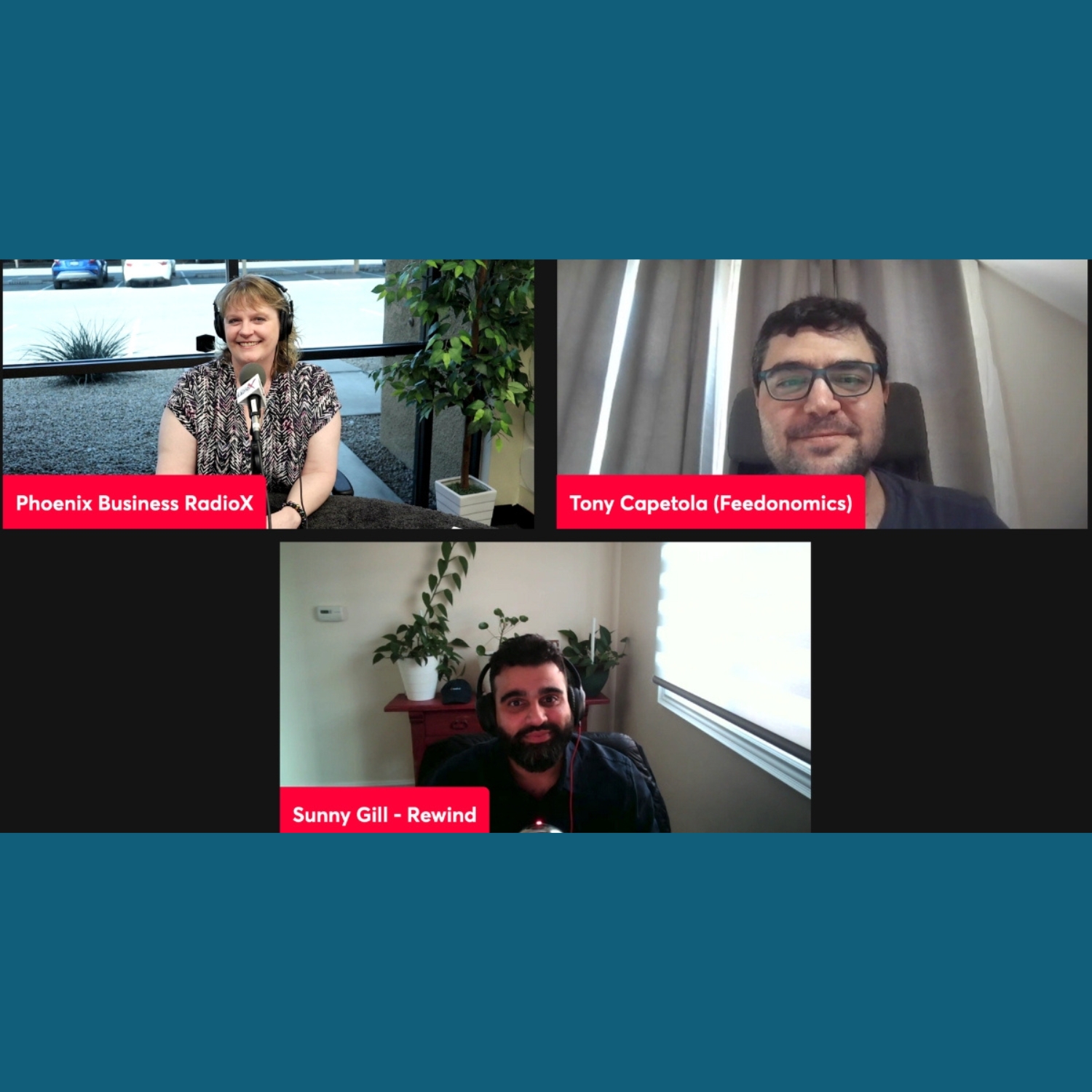
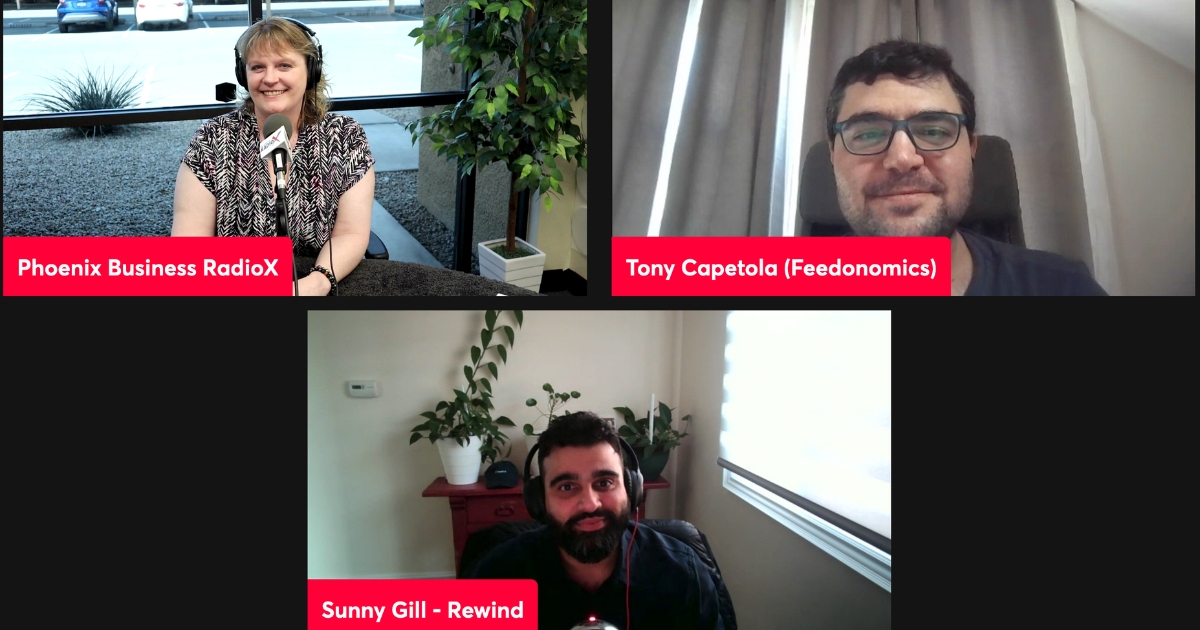
In this episode, Honey Olesen of atmosol met with Tony Capetola of Feedonomics/BigCommerce and Sunny Gill of Rewind to discuss the importance of backing up your eCommerce store and the evolving landscape of OmniChannel.

This episode provides valuable insights into eCommerce store backup practices and the evolving landscape of omnichannel retail, making it a must-listen for anyone looking to benefit from the guest’s expertise and learn from their perspectives on the topics discussed.

Feedonomics-logo

BigCommerce and Feedonomics have partnered to create the ultimate omnichannel selling experience, automating and optimizing your product catalog across channels. BigCommerce, with Feedonomics is the leading product feed management and channel syndication platform that helps businesses optimize their product data feeds for various online channels such as marketplaces, comparison shopping engines, and social media platforms.

The platform enables businesses to manage their product data feeds from a single dashboard, ensuring that the information is accurate and up to date across all channels. This helps businesses to improve their visibility and reach more customers by increasing their exposure on various online platforms. The platform uses advanced technology and data analytics to optimize product data feeds, helping businesses to maximize their ROI and achieve their marketing goals.
Tony-Capetola-eCommerce-InsightsOriginally coming from a background in restaurant and hospitality, Tony Capetola went on to graduate from the New York Film Academy but soon started an apprenticeship for a small boutique SEO and digital marketing agency. This eventually led him to starting his own freelance operation taking on clients for various different digital projects.

Tony was the 6th hire at Sales & Orders, an Elite BigCommerce Partner and eventually rose to become the VP of Marketing for the Feeds & Ads Management tech company and agency.

After first joining the BigCommerce team in November 2022, Tony joined the entire Omnichannel Partnerships team in moving into becoming part of the Feedonomics organization where he oversees partner and merchant development and programs management.

Connect with Tony on LinkedIn and follow Feednomics on Facebook and Twitter.

Rewind-New-Logo

Since 2015, Rewind has been on a mission to help businesses protect their SaaS and cloud data. Today, over 100,000 customers in more than 100 countries have used Rewind’s top-reviewed apps and support to ensure their software-as-a-service applications run uninterrupted. The Rewind platform enables companies to back up, restore, and copy the critical data that drives their business.

Sunny-Gill-eCommerce-InsightsSunny Gill, eCommerce Partner Manager at Rewind.

Education:
BA Commerce from McMaster University
Business Admin Diploma from Seneca College
Project Management Certification from McMaster University
Certified Partnership Professional Certification from Firneo

Work Background:
Sales background in SaaS for 5 years.
Partnerships background in eCommerce for 4 years.
Worked as a Partner Manager at eCommerce iPaaS company called eBridge Connections (acquired by Jitterbit in 2021).
Currently eCommerce Partner Manager at Rewind.

Connect with Sunny on LinkedIn.

About eCommerce Insights

eCommerce Insights is about bringing people together to discuss the vast landscape of eCommerce covering topics like technology, conversion optimization, branding, and marketing. The show focuses on how to build, manage and grow your online business using scientific and predictable methods thereby reducing uncertainty and risk. Our guests include vendors, merchants, experts, and technology partners shaping the world of eCommerce.

About Our Hosts

Ram-K-MohanRam Mohan is CEO and partner at atmosol, an ecommerce and technology company. He has spent over two decades in technology and eCommerce consulting helping companies ranging from small to fortune 100 achieve their business goals using technology.

As CEO, Ram leads atmosol’s eCommerce and SaaS services business working with our clients. In addition, he leads a team that runs an eCommerce portal in the meetings and events sector focusing on the EMEA market. He is also responsible for several SaaS products that are envisioned, built, and marketed by atmosol in different verticals and geographies.

Ram enjoys keeping up with and gaining a deep understanding of the latest trends in technology and eCommerce so he can help atmosol and our clients avoid hype and adopt trends that offer a tangible impact on our businesses.
Honey-OlesenHoney Olesen is the Director of Operations with atmosol and has substantial experience in leadership, management, operations, project management, digital marketing, human resources and data analysis. She deeply understands how businesses work and can take complex concepts and make them easy to understand for both employees and customers. She has worked at atmosol for over 11 years and has had the opportunity to work with some great brands and people in ecommerce, marketing and business.

Before entering the world of technology, Honey worked with some fantastic business owners in the building industry – soaking up knowledge of business day-to-day operations and growing her professional development.

She believes that in order for businesses to be successful, they need to have a clear mission and purpose, make sure the business goals are aligned with the values and stay focused on what’s important. She believes this is the same for individual success: find a place where your mission, purpose, goals, and values align with the company.

About Our Sponsor

Atmosol is a technology company working at the intersection of eCommerce and SaaS software. Our deep expertise in web development in addition to our long partnership with eCommerce platforms enables our clients to break through eCommerce platform barriers and build experiences that amaze their customers. Being in the eCommerce business ourselves running a meeting and events sales portal in the EMEA, we know the trials and tribulations our customers face firsthand.

In addition to eCommerce, we also build highly scalable SaaS products for our clients. We’ve also built and marketed our own successful SaaS products in different verticals.

Follow atmosol on LinkedIn, Twitter and Facebook.

atmosol-transparent-logo

Tagged With: feed management, feedonomics, product data feeds, product feeds

United Through Higher Purpose E19

April 17, 2023 by Karen

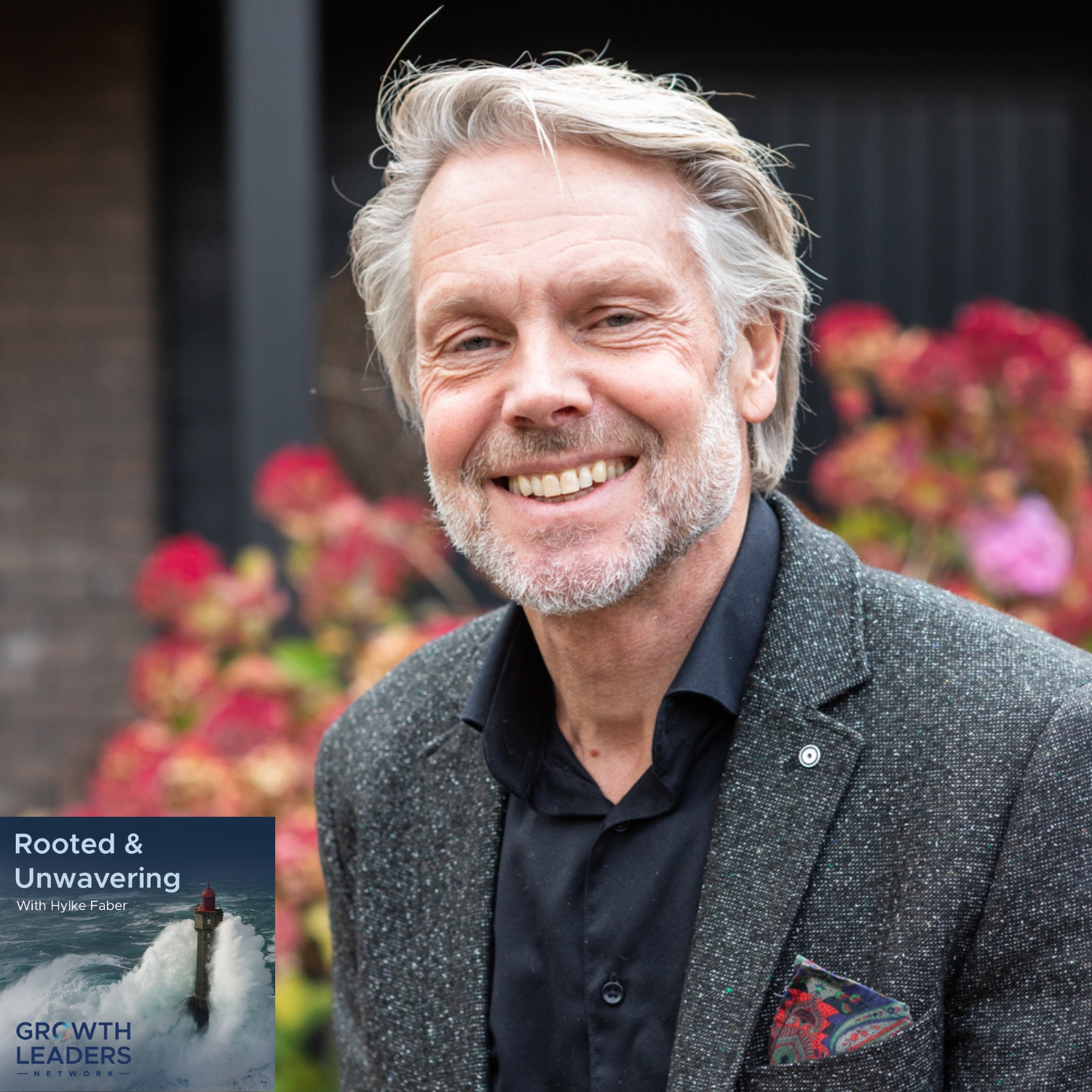
Bert-van-der-Hoek-Rooted-and-Unwavering
Phoenix Business Radio
United Through Higher Purpose E19
Loading
00:00 /
RSS Feed
Share
Link
Embed

Download file

United-Through-Higher-Purpose

United Through Higher Purpose E19

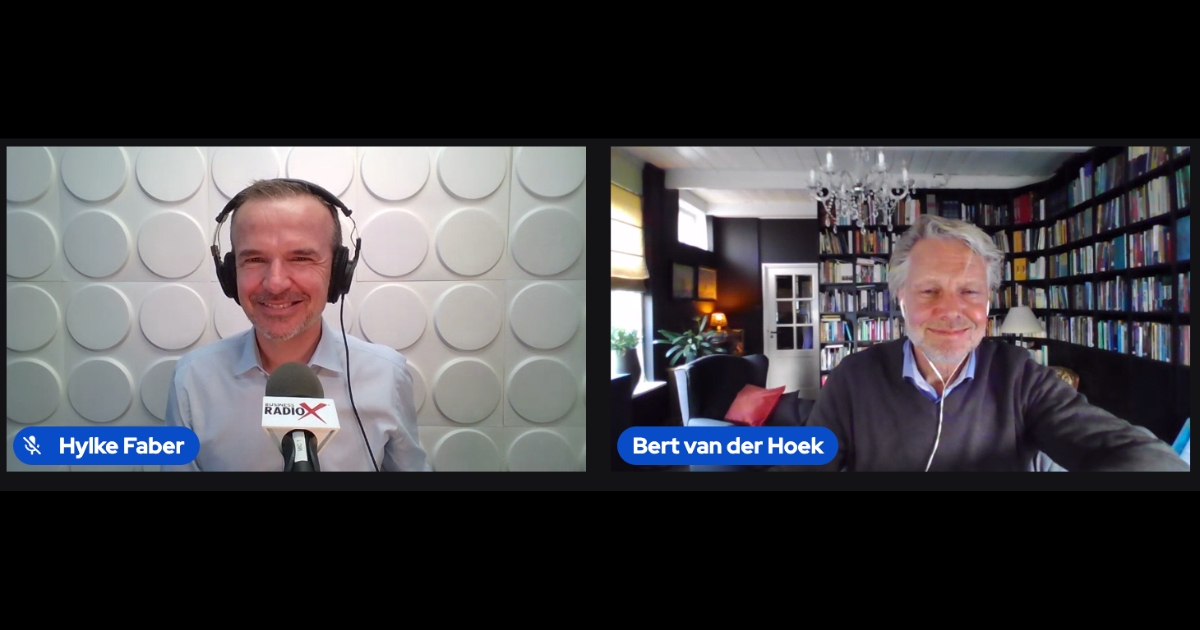
Bert van der Hoek, CEO of the Trimbos Institute for mental health in the Netherlands, shares how his orientation has become more and more inclusive over the course of his life. As a young man his focus was on his own performance and success, and that of his immediate team and family.

Now he is focused on serving a higher purpose: creating a better world. He uses purpose also as a powerful leadership orientation: bringing people who, on the surface have divergent interests, work together toward a common goal. What do life insurance companies and healthcare providers have in common? How can higher purpose unite them to work together to better healthcare quality and access?

Listen to this episode of Rooted & Unwavering and discover how being honest about we really care about brings us together.

Trimbos provides research, policy, and practice-based advice for professionals on mental health and addiction issues across the life course, and across the promotion, prevention, treatment, and recovery spectrum.

They also focus on improving the mental health and wellbeing of specific groups at high-risk of developing a mental health or substance use issue.

Bert-van-der-Hoek-Rooted-and-Unwavering-headshotBert van der Hoek studied classical guitar and Work and Organizational Psychology and Individually Applied Psychology at the University of Groningen.

Bert worked in the occupational health and safety sector at various (semi) governmental organisations.

After he worked in the health insurance sector and in 2005 in mental healthcare. In 2015 he became chairman of the executive board of De Friesland health insurance. Since October 2018, he has been chairman of the board of the Trimbos Institute.

Connect with Bert on LinkedIn.

About Rooted & Unwavering

Peace, Compassion, Wisdom, Purposefulness, Creativity and Strength come online in us when we deeply connect with the true, unwavering greatness that lives within ourselves and others.Rooted-and-Unwavering-Tile

In this podcast and radio show, Hylke Faber, seasoned transformational coach and author of the award-winning Taming Your Crocodiles series, engages in deep inquiry with leaders from all walks of life about courageously connecting with our true selves, others and the world at large.

How do we stay connected to our true selves and our greatness, especially when we are challenged? How do we rest in the heart, also when our mind keeps us restless? What becomes possible when we truly stay committed to our own and others’ best selves, also when we don’t feel it? How do we practice staying connected to our true selves, in the midst of our busy lives?

Join us and leave inspired to act on your heart’s greatness and that of the people around you.

About Our Host

Hylke-Faber-headshotFor as long as he can remember Hylke Faber has been curious about what this life is about. His ongoing inquiry has become his work: helping people individually and collectively to discover what is possible in life and express that authentically and fearlessly.


Hylke started his work life with Towers Perrin as consultant and then as Partner with Strategic Decisions Group, serving a wide range of industries, including financial services, manufacturing, consumer electronics and life sciences companies. A major shift occurred during this critical phase of his life. He had become the typical, hard-charging, 16-hours-a-day strategy consultant, and was burning out at a rapid clip.

When he discovered meditation, everything changed. He was so taken by his new discoveries that he chose to bring to business what he was learning: that there is a way we can have it all – we can be fulfilled, do work we love, and create extraordinary results with others. He thinks of it as creating a sense of ease in business.

He learned how to coach and facilitate human transformation completing his coaching certification with Newfield Network and by working at Axialent, the culture and leadership company. After a few years, he founded Co-Creation Partners together with other leaders in the field of transformation and personal development. Then he formed Constancee to help people grow by creating the conditions where deep personal, interpersonal and organizational shifts happen routinely.

He leads Growth Leaders Network, the culture and team development consultancy. He has also taught coaching at Columbia Business School Executive Education and has contributed to Harvard Business Review. He is currently teaching a course on Climate Conscious Leadership at Arizona State University. His award-winning book, Taming Your Crocodiles: Unlearn Fear & Become a True Leader, was published by Dover in 2018.

His next book, Taming Your Crocodiles Practices for Leadership Depth, came out in 2020. Besides helping others grow, which he loves, he is a trained opera singer, enjoys hiking and writing, is an avid reader, in particular of biographies, and is always in the process of growing himself. He integrates all of what he learns in his work with executives.

Connect with Hylke on LinkedIn.

About Our Sponsor

Realizing Your Greatness

We are a team of experienced facilitators and coaches dedicated to helping individuals, teams and organizations thrive by helping them recognize their innate greatness and putting it to work.

    • Executive Coaching: we work with clients individually to help them connect to their calling and use every challenge as an opportunity to help them grow more into what makes them great.
    • Team Performance: we help teams evolve to their next level of excellence, connectedness and impact by working on the root drivers of team performance.
    • Culture Development: we help organizations to evolve their culture by creating clarity about where they aspire to go, and by building role models, coaches and systems that catalyze people being energized to work the new way.
  • Key Notes: we deliver powerful speeches at conferences and other events that help audiences become energized, more connected to themselves and each other, more open to discovery and ready to commit to the next stage of learning in their career and life journeys.

Growth Leaders Network (GLN) serves Fortune 500 companies, smaller organizations and non-profits globally.

GLN clients report that we catalyze significant business transformational impact and profound shifts in people, team and organizations at the root cause level.

Learn more about the Growth Leaders network here.

Tagged With: Trimbos

Joseph Scarpignato with Phoenician Properties Realty

April 13, 2023 by Karen

Joseph-Scarpignato-with-Phoenician-Properties-Realty-feature
Phoenix Business Radio
Joseph Scarpignato with Phoenician Properties Realty
Loading
00:00 /
RSS Feed
Share
Link
Embed

Download file

Joseph-Scarpignato-with-Phoenician-Properties-Realty

Joseph Scarpignato with Phoenician Properties Realty

Phoenician Properties’ philosophy is simple: clients come first. We pledge to be in constant communication with our clients, keeping them fully informed throughout the entire buying or selling process.

We believe that if you’re not left with an amazing experience, we haven’t done our job. We don’t measure success through achievements or awards, but through the satisfaction of our clients.

Joseph-Scarpignato-Phoenix-Business-RadioJoseph Scarpignato is a father, a husband, a brother and a son. He is grateful beyond words for his family. Joseph enjoys summers at their cabin in Wisconsin with his family. He enjoys hiking, biking, fishing and sitting by the campfire. For his previous and current clients, he thanks you for allowing him to be your real estate agent.

For his new clients, he looks forward to serving you with the same professional, honest and high quality of service that his other clients enjoy. Joseph’s real estate business has enjoyed many successes and awards over the past 25 + years. His reputation is based on honesty and service to his customers. ppr-color-logo

Joseph a is certified RCS (Real Estate Collaborative Specialist). He helps divorcing couples, as well seniors, get top dollar for their homes by protecting them from predatory “I buyers”/ and unethical investors trying to capitalize on their earned equity.

He also helps divorcing couples on real property values to assist them to determine the true value of the home, giving them the information to make an informed decision on whether to keep the home or to sell it. The collection of these documents can greatly open the eyes of many people on information they just did not know.

Connect with Joseph on LinkedIn and follow Phoenician Properties on Facebook, Twitter and Instagram.

Tagged With: Phoenician Properties Realty

Hylke Faber with Growth Leaders Network

April 10, 2023 by Karen

Hylke-Faber-with-Growth-Leaders-Network-feature
Phoenix Business Radio
Hylke Faber with Growth Leaders Network
Loading
00:00 /
RSS Feed
Share
Link
Embed

Download file

Hylke-Faber-with-Growth-Leaders-Network

Hylke Faber with Growth Leaders Network

Growth-Leaders-Network-logo

Growth Leaders Network support clients providing executive coaching, team development, culture development and key notes, in addition to assisting in initiatives for societal evolution.

Our clients report that we catalyze significant business transformational impact and profound shifts in people, team and organizations at the root cause level.

Hylke-Faber-headshotHylke Faber started his work life with Towers Perrin as consultant and then as Partner with Strategic Decisions Group, serving a wide range of industries, including financial services, manufacturing, consumer electronics and life sciences companies. A major shift occurred during this critical phase of his life. He had become the typical, hard-charging, 16-hours-a-day strategy consultant, and was burning out at a rapid clip.

When he discovered meditation, everything changed. He was so taken by his new discoveries that he chose to bring to business what he was learning: that there is a way we can have it all – we can be fulfilled, do work we love, and create extraordinary results with others. He thinks of it as creating a sense of ease in business.

He learned how to coach and facilitate human transformation completing his coaching certification with Newfield Network and by working at Axialent, the culture and leadership company. After a few years, he founded Co-Creation Partners together with other leaders in the field of transformation and personal development. Then, at the beginning of 2014, he formed Constancee to help people grow by creating the conditions where deep personal, interpersonal and organizational shifts happen routinely.

In addition to working with organizations, he leads the Growth Leaders Network, a culture and team development consultancy and The Crocodile School, an organization dedicated to developing facilitators and coaches. He also teaches coaching at Columbia Business School Executive Education and has contributed to Harvard Business Review. His award-winning book, Taming Your Crocodiles: Unlearn Fear & Become a True Leader, was published by Dover in May 2018. His next book, Taming your Crocodiles Practices for Leadership Depth, was published by Dover in June 2020.

Besides helping others grow, he is a trained opera singer, and enjoys hiking and writing, is an avid reader, in particular of biographies, and is always in the process of growing himself. He integrates all of what he learns in his work with executives.

Connect with Hylke on LinkedIn.

Tagged With: Growth Leaders Network

Wearing the One Hat: Deep Authenticity E18

April 10, 2023 by Karen

Wearing-the-One-Hat-Deep-Authenticity-featyre
Phoenix Business Radio
Wearing the One Hat: Deep Authenticity E18
Loading
00:00 /
RSS Feed
Share
Link
Embed

Download file

Wearing-the-One-Hat-Deep-Authenticity

Wearing the One Hat: Deep Authenticity E18

At a point you think no one could love you, and here are strangers showing you love,” reflects James Christensen, CEO of Gateway Bank, on his personal growth journey, transforming severe depression and isolation into deep connectedness with himself and others.

Part of the way he leads now includes sharing in a profoundly genuine way, for example that he has moments when he feels completely worthless and moments when he feels incredibly strong. James builds a culture of deep honesty, care and service at Gateway Bank. “Service is what makes our life better. The people you serve fill you up so much. Service fills me up. It gives the energy I need to do what I need to do at work.” Listen to this episode of Rooted & Unwavering and discover more about the power of true authenticity and care.

gateway-logo-color

Gateway Bank is the only community bank in Mesa, Arizona. Gateway represents a return to how banking used to be, where the staff knew everyone by name and treated customers like people instead of numbers in a database.

They bring this nostalgic approach into modern times and offer the best of both worlds: the fast, personal service of a local bank, plus the diverse products and services of a large bank. While Gateway’s branch is located in Mesa, they serve customers across the Valley.

With a nationwide network of fee-free ATMs, plus added conveniences like Remote Deposit for businesses, you can experience the Gateway difference no matter where you are.

James-Christensen-Phoenix-Business-RadioJames Christensen is the President of Gateway Bank, the only community bank in Mesa, Arizona. Under his leadership, Gateway has thrived through multiple economic downturns and grown to consistently be one of the strongest performing financial institutions in its peer group.

James is also very active in the local community and was named Mesa Citizen of the Year in 2023. He is a fierce advocate for small businesses, marginalized groups, and people in need. From one-on-one meetings to presentations and podcasts like this, James enjoys educating and inspiring diverse audiences to improve their financial health and overall well-being.

Connect with James on LinkedIn.

About Rooted & Unwavering

Peace, Compassion, Wisdom, Purposefulness, Creativity and Strength come online in us when we deeply connect with the true, unwavering greatness that lives within ourselves and others.Rooted-and-Unwavering-Tile

In this podcast and radio show, Hylke Faber, seasoned transformational coach and author of the award-winning Taming Your Crocodiles series, engages in deep inquiry with leaders from all walks of life about courageously connecting with our true selves, others and the world at large.

How do we stay connected to our true selves and our greatness, especially when we are challenged? How do we rest in the heart, also when our mind keeps us restless? What becomes possible when we truly stay committed to our own and others’ best selves, also when we don’t feel it? How do we practice staying connected to our true selves, in the midst of our busy lives?

Join us and leave inspired to act on your heart’s greatness and that of the people around you.

About Our Host

Hylke-Faber-headshotFor as long as he can remember Hylke Faber has been curious about what this life is about. His ongoing inquiry has become his work: helping people individually and collectively to discover what is possible in life and express that authentically and fearlessly.

Hylke started his work life with Towers Perrin as consultant and then as Partner with Strategic Decisions Group, serving a wide range of industries, including financial services, manufacturing, consumer electronics and life sciences companies. A major shift occurred during this critical phase of his life. He had become the typical, hard-charging, 16-hours-a-day strategy consultant, and was burning out at a rapid clip.

When he discovered meditation, everything changed. He was so taken by his new discoveries that he chose to bring to business what he was learning: that there is a way we can have it all – we can be fulfilled, do work we love, and create extraordinary results with others. He thinks of it as creating a sense of ease in business.

He learned how to coach and facilitate human transformation completing his coaching certification with Newfield Network and by working at Axialent, the culture and leadership company. After a few years, he founded Co-Creation Partners together with other leaders in the field of transformation and personal development. Then he formed Constancee to help people grow by creating the conditions where deep personal, interpersonal and organizational shifts happen routinely.

He leads Growth Leaders Network, the culture and team development consultancy. He has also taught coaching at Columbia Business School Executive Education and has contributed to Harvard Business Review. He is currently teaching a course on Climate Conscious Leadership at Arizona State University. His award-winning book, Taming Your Crocodiles: Unlearn Fear & Become a True Leader, was published by Dover in 2018.

His next book, Taming Your Crocodiles Practices for Leadership Depth, came out in 2020. Besides helping others grow, which he loves, he is a trained opera singer, enjoys hiking and writing, is an avid reader, in particular of biographies, and is always in the process of growing himself. He integrates all of what he learns in his work with executives.

Connect with Hylke on LinkedIn.

About Our Sponsor

Realizing Your Greatness

We are a team of experienced facilitators and coaches dedicated to helping individuals, teams and organizations thrive by helping them recognize their innate greatness and putting it to work.

    • Executive Coaching: we work with clients individually to help them connect to their calling and use every challenge as an opportunity to help them grow more into what makes them great.
    • Team Performance: we help teams evolve to their next level of excellence, connectedness and impact by working on the root drivers of team performance.
    • Culture Development: we help organizations to evolve their culture by creating clarity about where they aspire to go, and by building role models, coaches and systems that catalyze people being energized to work the new way.
  • Key Notes: we deliver powerful speeches at conferences and other events that help audiences become energized, more connected to themselves and each other, more open to discovery and ready to commit to the next stage of learning in their career and life journeys.

Growth Leaders Network (GLN) serves Fortune 500 companies, smaller organizations and non-profits globally.

GLN clients report that we catalyze significant business transformational impact and profound shifts in people, team and organizations at the root cause level.

Learn more about the Growth Leaders network here.

Nathan Miller and Elizabeth Mora with Matrix New World Engineering

April 5, 2023 by Karen

Nathan-Miller-and-Elizabeth-Mora-with-Matrix-New-World-feature
Phoenix Business Radio
Nathan Miller and Elizabeth Mora with Matrix New World Engineering
Loading
00:00 /
RSS Feed
Share
Link
Embed

Download file

Nathan-Miller-and-Elizabeth-Mora-with-Matrix-New-World

Nathan Miller and Elizabeth Mora with Matrix New World Engineering

matrix-new-world-engineering-logo

Matrix New World Engineering is a company of engineering and science experts who focus on some of the nation’s most pressing long-term challenges, including climate change, resiliency, ecological restoration, contamination studies, water supply, disaster response, and urban revitalization. Matrix believes solving environmental challenges through careful planning and engineering is an indispensable measure of success.

Matrix is a growing woman-owned business with offices in New York, New Jersey, Connecticut, Arizona, and Louisiana coupled with project experience throughout the United States and the Caribbean.

Nathan-Miller-Phoenix-Business-RadioNathan Miller is a graduate of the University of Arizona and serves as Arizona Operations Manager for Matrix New World Engineering. He is also a hydrologist with recognized expertise in numerical groundwater flow modeling who leads Matrix’s modeling team.

Mr. Miller combines his technical proficiency with an understanding of the State’s key regulatory policies affecting the use of groundwater to serve municipalities, water utilities, developers, and regulatory agencies.

Mr. Miller serves as technical lead and primary interface for several high-profile groundwater resources investigations throughout Arizona. This includes but is not limited to:

  • construction of a basin-wide model for the Harquahala Basin to quantify the recoverable volume of groundwater, an important alternative water supply in the State;
  • development of a proposed new baseline model simulation for the Pinal Active Management Area (AMA) resolving key deficiencies for meeting the requirements of the Assured Water Supply (AWS) program; and,
  • adaptation of models to evaluate the impacts of potential future increases of groundwater pumping to help rural communities identify effective groundwater management solutions.

Connect with Nathan on LinkedIn and follow Matrix New World Engineering on LinkedIn, Facebook, Twitter and Instagram.

Elizabeth-Mora-Phoenix-Business-RadioElizabeth Mora is a Senior Project Hydrogeologist and Modeler with 21 years of professional experience.

Throughout her career, Ms. Mora has developed expertise in groundwater flow modeling for water resources projects including managed aquifer recharge and Assured Water Supply projects.

Ms. Mora works closely with Mr. Miller in the use of numerical groundwater flow models to evaluate pumping and recharge impacts for clients throughout Arizona.

As a fourth generation native to the Phoenix area, Ms. Mora has a genuine interest in the future of Arizona’s water supply and is committed to safeguarding its long-term viability.

At Matrix, Ms. Mora assists with management of the Matrix Modeling Team. She has conducted dozens of water supply and managed aquifer recharge projects across Arizona.

Connect with Elizabeth on LinkedIn.

Tagged With: engineering, Environmental, resiliency, sustainability, water

Optics Valley: The State of Arizona’s Optics Industry E36

April 3, 2023 by Karen

Optics-Valley-The-State-of-Arizonas-Optics-Industry-feature
AZ TechCast
Optics Valley: The State of Arizona's Optics Industry E36
Loading
00:00 /
RSS Feed
Share
Link
Embed

Download file

Optics-Valley-The-State-of-Arizonas-Optics-Industry

Optics Valley: The State of Arizona’s Optics Industry E36

Arizona is home to a global hub of world-class companies and institutions with decades of innovation and leadership in optics, photonics and astronomy. From medical imaging to remote sensing, semiconductors to astronomy and mobile phones to quantum information science, the applications of optics and photonics technologies are exploding.

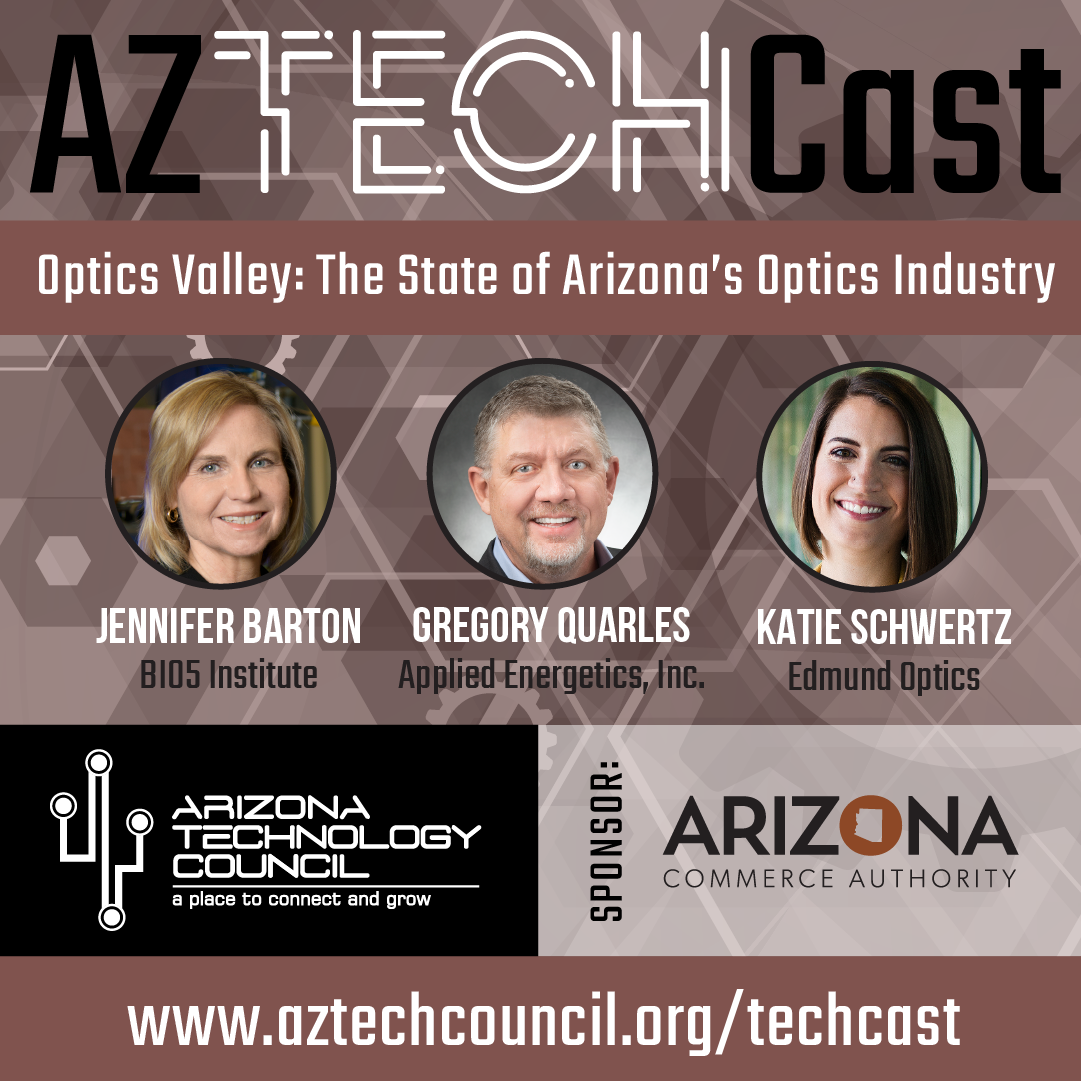
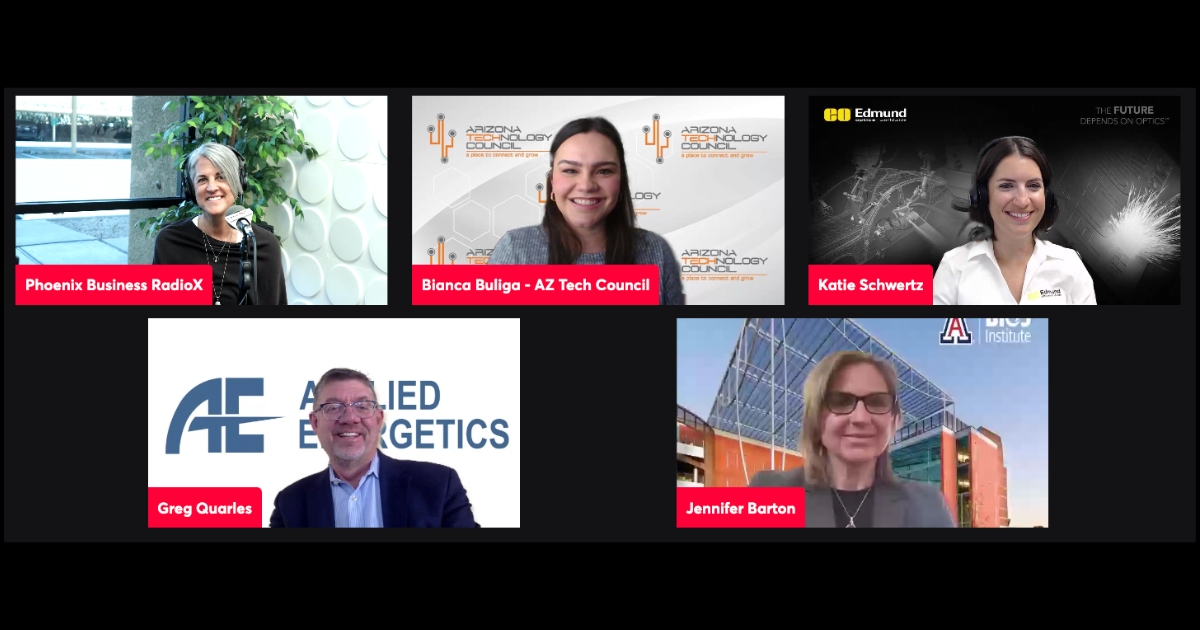
The March 2023 episode of the Arizona Technology Council’s AZTechCast podcast featured experts including Dr. Jennifer Barton, director of the BIO5 Institute at The University of Arizona; Gregory Quarles, CEO and president of Applied Energetics, Inc.; and Katie Schwertz, design engineering manager at Edmund Optics. These leaders joined Bianca Buliga, director of marketing and communications at the Arizona Technology Council, and Karen Nowicki, president and owner of Phoenix Business RadioX, in discussing why Arizona attracts optics companies, how these companies are supported and what Arizona and the U.S. can do to maintain industry leadership.

In this hour-long episode, the panel of three experts started by defining the study of optics and photonics as the science of light and sharing how the industry has evolved and grown in the past decade. They emphasized that while not many people have heard of optics and photonics, the industry’s applications are present in everyday life, from the cars we drive to our cell phones to medical equipment being used at doctor’s offices. The panel then continued on to explain how Arizona has become a global hub for innovation in optics, photonics and astronomy, with the Optics Valley industry cluster leading the way in southern Arizona. Optics Valley, a committee of the Council’s that has now grown to over 100 members, hosts several events every year like Arizona Photonics Days and the International Day of Light to educate the community on the many important applications of optics and photonics.

AE-Logo

Applied Energetics, Inc. is a pioneer in photonic and fiber-based laser technology. Headquartered in the University of Arizona Tech Park in Tucson, Arizona, Applied Energetics is a dedicated team of experienced innovators who understand the power and limits of physics and put their knowledge to work, providing unparalleled capabilities to solve the most complex challenges of our customers’ critical missions.

The company has a proud, 20-year history of technological innovation, owning the patents and intellectual property for their unique USP laser technology, and delivering on multiple national security programs.

Greg-Quarles-AZ-TechCastDr. Gregory Quarles was hired in May 2019 as the CEO and Board member for Tucson-based Applied Energetics, Inc, a recognized leading company developing ultrashort-pulse lasers, frequency agile optical sources, and laser guided energy technologies.

He was subsequently named President and CEO in 2020. Greg had previously served on the AE Scientific Advisory Board. Prior to joining Applied Energetics, Dr. Quarles served as the Chief Scientific Officer for Optica (formerly the Optical Society of America) since November of 2015.

He is an experienced Chief Executive Officer, Board Member and renowned physicist with 30 years of experience driving cutting-edge laser, optics, nanopowder, directed energy devices, and photonics technology development and operations within advanced industrial companies.

Greg is a globally recognized leader for his strategic partnerships with the Department of Defense, the U.S. Congress, and his innovative work developing new laser devices for medical, national security, and industrial applications. He has also spent the past fifteen years interacting with global leaders in the optics, photonics, and academic communities discussing policy opportunities.

Greg has been awarded five patents related to his research in solid-state lasers, has twelve pending, and has published over 130 peer-reviewed and conference publications. Dr. Quarles has been a member of the U.S. Department of Commerce, Bureau of Industry and Security, Sensors and Instrumentation Technical Advisory Committee (SITAC) since 2015.

Earlier in his career, Greg was a founder, COO and Managing Partner of EdgeLight Incorporated, a start-up enterprise pioneering wearable light therapy in Tucson, AZ. He has also managed his own consulting firm since 2013, as President and CEO of Opto-Electronics Management Network.

Prior to starting this consulting business, Greg served as the CEO at B.E. Meyers & Co., Inc., and was Director of Corporate Research, Development and Technology for II-VI Incorporated, from 2002 -2010. His previous experience includes serving on eight Corporate and not-for-profit Boards, including the Optica Board of Directors, working at II-VI Incorporated for 18 years, and the U.S. Naval Research Laboratory for 5 years.

Dr. Quarles is a graduate of Oklahoma State University and holds a Ph.D. and MS in Physics, and a dual BS in Math and Physics. He has served as Assistant Editor for both Optical Engineering and the IEEE Journal of Quantum Electronics and is a Fellow of both the Optica and SPIE and a Senior Member of IEEE.

Follow Applied Energetics on LinkedIn and Twitter.

EO-worldwide-logo

Edmund Optics® (EO) has been a leading global manufacturer and supplier of optics, imaging, and photonics technology that has served a variety of markets including Life Sciences, Biomedical, Industrial Inspection, Semiconductor, R&D, and Defense since 1942. EO designs and manufactures a wide selection of optical components, multi-element lenses, imaging systems, and optomechanical equipment, while supporting original equipment manufacturer (OEM) applications with volume production of stock and custom products.

EO takes pride in helping customers from prototype to volume production, and specializes in creating cost-effective solutions that meet customer’s specifications, timelines, and budgets.

The Edmund Optics® Tucson Advanced Design and Assembly Facility is a 22,284 sq. ft (2,070 m2) state-of-the-art facility near the Tucson airport offering sophisticated design and assembly services. It contains ISO Class 6 cleanrooms for assembly, ISO Class 7 cleanrooms for incoming inspection, ISO Class 5 Precision Cleaning Line, and numerous testing capabilities such as modulation transfer function (MTF), straylight, laser beam profiling, thermal cycle, shock, and vibration.

Our skilled team of optical assembly technicians has extensive experience with high-performance systems in cleanroom facilities. U.S.-based customers now have access to more sophisticated commercial and ITAR compliant offerings at a regional location on the West Coast, in addition to other Edmund Optics facilities, domestically and internationally.

Katie-Schwertz-AZ-TechCastKatie Schwertz is the Design Engineering Manager at Edmund Optics in Tucson, AZ where she is responsible for managing corporate-wide design and analysis needs for existing products and new product development.

She received her B.S. in Optics from the University of Rochester and M.S. in Optical Sciences from the University of Arizona. She has over a decade of applied industry experience in optical and optomechanical design primarily for imaging lens systems.

She is a co-author of two books, the SPIE Field Guide to Optomechanical Design and Analysis (2012) and Photonics Rules of Thumb, 3rd ed. (2020). She is a senior member of SPIE and Optica and recently served on the SPIE Board of Directors (2020 – 2022). She is an active member of the Optics Valley industry cluster within the Arizona Technology.

Connect with Katie on LinkedIn and Instagram.

BIO5-Institute-Logo-FullColor

The BIO5 Institute at the University of Arizona connects and mobilizes hundreds of world-class plant, animal, and human bioscientists, engineers, physicians, and computational researchers to develop creative solutions for complex challenges such as disease, hunger, water and food safety, and other health issues facing Arizona.

BIO5 is commemorating 20 years of research, innovation, and impact. It is proud of the significant work behind this milestone, and all that it means for our university, state, and world.

Jennifer-Barton-AZ-TechCastJennifer Barton received her Ph.D. in Biomedical Engineering from the University of Texas at Austin, and previously worked for McDonnell Douglas on the International Space Station program.

She is currently the Thomas R. Brown Distinguished Professor of Biomedical Engineering, and has additional appointments in Electrical and Computer Engineering, Medical Imaging, Optical Sciences, and Biosystems Engineering at the University of Arizona.

She has served as department head of Biomedical Engineering, Interim Vice President for Research, and is currently Director of the BIO5 Institute, a collaborative research institute dedicated to solving complex biology-based problems affecting humanity.

Barton develops miniature endoscopes that combine multiple optical imaging techniques, and evaluates the suitability of these endoscopes for detecting early cancer development. She has a particular interest in the early detection of ovarian cancer, the most deadly gynecological malignancy.

Follow The BIO5 Institute on LinkedIn, Facebook, Twitter and Instagram.

About Your Hosts

Steven-ZylstraSteve Zylstra serves as president and CEO of the Arizona Technology Council, a role he assumed in 2007. He is responsible for strategy, operations, finance and policy development. Zylstra is a vocal spokesman for the value technology can provide in raising social and economic standards in Arizona.

Zylstra serves on numerous councils, committees and boards, was named “Leader of the Year, Technology,” by the Arizona Capitol Times, and “Most Admired Leader” by the Phoenix Business Journal. In addition, he was awarded an honorary doctorate of science in technology from the University of Advancing Technology in Tempe, Ariz.

Zylstra earned a bachelor’s degree in automotive engineering technology from Western Michigan University.

KarenNowickiv2Karen Nowicki is a successful author, speaker and the creator of Deep Impact Leadership™ and SoulMarks Coaching™. She is a two-time recipient of the prestigious national Choice Award® for her book and personal development retreat. Karen was crowned the first-ever “Mompreneur of the Year” Award in 2010 for the southwestern states. She was recognized for her leadership, business acumen, and work-life balance.

Karen has been an expert guest on regional TV and radio shows, including Fox Phoenix Morning Show, Sonoran Living, Good Morning Arizona, The Chat Room, and Mid-Day Arizona. She has been a regular contributor to many print and online magazines – publishing articles and blogs for business and education.

In addition to working with private coaching clients, Karen is also the Owner & President of Phoenix Business RadioX. The Business RadioX Network amplifies the voice of business – serving the Fortune 500,000, not just the Fortune 500. Phoenix Business RadioX helps local businesses and professional associations get the word out about the important work they’re doing to serve their market, profession, and community.

Of all the experiences Karen has had the privilege of participating in over her vast career, she shares that Phoenix Business RadioX is a pinnacle adventure!

Connect with Karen on LinkedIn and follow Phoenix Business RadioX on Facebook and Instagram.

bianca-buliga-aztechcastBorn in Phoenix, Arizona, Bianca Buliga is a trilingual first-generation American of Romanian ethnicity. A marketing professional with experience in both the nonprofit and for-profit sectors, Bianca currently works as Director, Marketing & Communications for the Arizona Technology Council.

Previously, Bianca worked as Marketing Communications Lead at Proctorio, a learning integrity platform that offers remote proctoring software ensuring exam integrity for learners around the world.

Bianca also worked as Senior Marketing Manager at SEED SPOT, a social impact incubator that educates, accelerates, and invests in impact-driven entrepreneurs creating market-based solutions to social problems. In January of 2020, Bianca was selected as an awardee of the Mandela Washington Reciprocal Exchange Program and traveled to the African island of Mauritius to run entrepreneurship programming for 15 impact-driven ecopreneurs on behalf of the U.S. State Department’s Bureau of Educational and Cultural Affairs.

Bianca has also completed comprehensive consulting projects for IBM, ESAN Business School, and the Peruvian government, and interned at the Arizona House of Representatives and U.S. Embassy in Bucharest, Romania.

Bianca earned her Bachelor’s degree in International Affairs from Northern Arizona University in 2014 and her Master’s degree in Global Affairs and Management from the Thunderbird School of Global Management in 2017. She is an avid reader, yogi, and world traveler always planning her next trip.

Connect with Bianca on LinkedIn.

About Our Sponsor

The Arizona Technology Council, Arizona’s only statewide organization serving the technology sector, fosters a climate of innovation to enhance technology in Arizona.

A trusted resource in strengthening Arizona’s technology industry, the Council proactively eliminates impediments that companies face, accelerates the entrepreneurial mindset in the state’s expanding innovation ecosystem, and works to create a destination for companies to be, thrive and stay.

Follow Arizona Technology Council on LinkedIn, Facebook, and Instagram.

AZTClogomainRGBPNG300DPI

Tagged With: arizona research institute, Defense, Directed Energy, interdisciplinary research, Laser Guided Energy, National Security, optical engineering, Optics, Optics Valley, photonics, Ultrashort Pulse Lasers, university of arizona research

Episode 103: Strategic Visioning with Your Actuary!

March 31, 2023 by Karen

Episode-103-Strategic-Visioning-with-Your-Actuary-featurev2
Phoenix Business Radio
Episode 103: Strategic Visioning with Your Actuary!
Loading
00:00 /
RSS Feed
Share
Link
Embed

Download file

Episode-103-Strategic-Visioning-with-Your-Actuary

Episode 103: Strategic Visioning with Your Actuary!

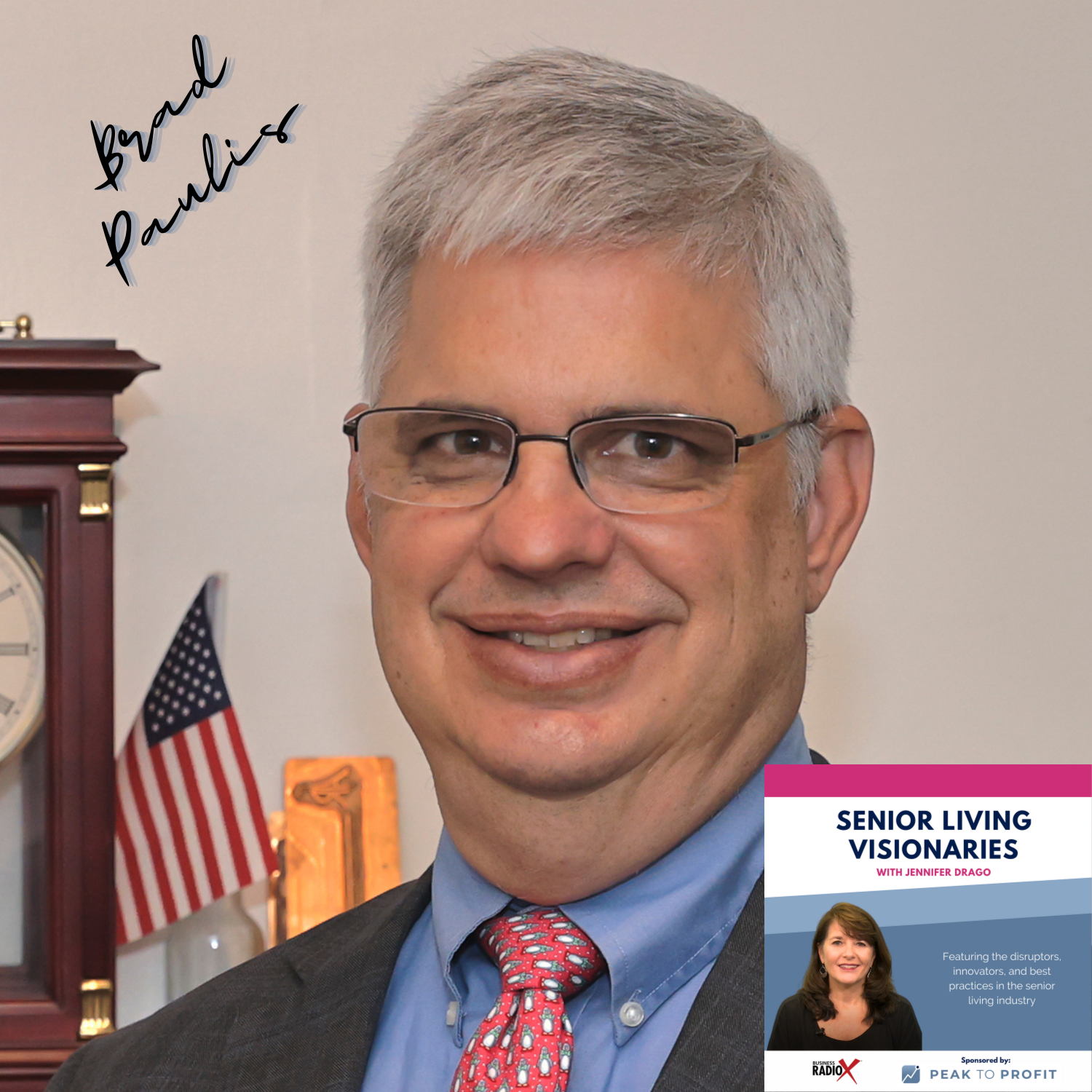
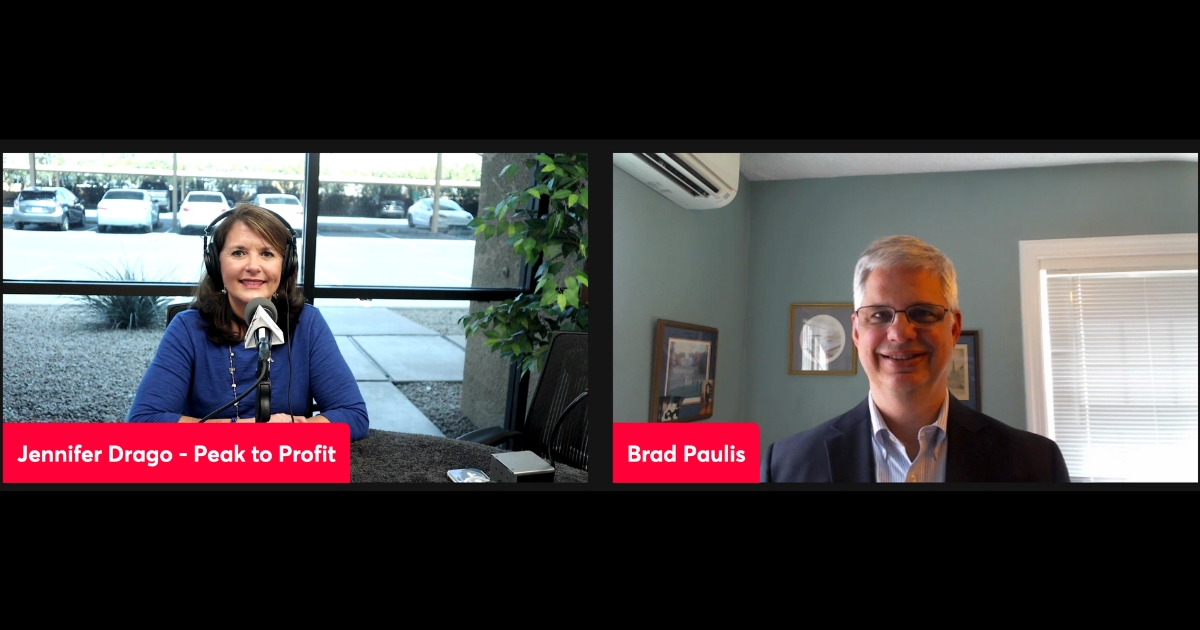
In this episode, host Jennifer Drago interviews Brad Paulis, Partner at Continuing Care Actuaries and learns about current trends in retirement living as well as how he helps clients to “vision” services in the future. They also discuss one of the most promising opportunities in our industry, Continuing Care at Home (CCAH) programs.

CCAH programs — which allow members to remain in their home, safely and independently while they age — give senior living providers an opportunity to serve more clients with their mission. These programs complement existing continuing care retirement communities, instead of compete with them.

Senior living providers, as well as advisors and vendors working with these providers, will gain information on current trends in benefits and costs among continuing care retirement communities. Brad discusses how utilization is shifting and how inflation has impacted these communities and their residents. Brad and Jennifer also discuss how CCAH programs work and why providers should take a good look at these models today!

CCA-Logo

Continuing Care Actuaries (formally CCRC Actuaries) was founded in 2000 by Dave Bond and Brad Paulis. Prior to forming Continuing Care Actuaries, they directed the National Long-Term Care practice at E&Y. The staff brings a unique blend of experience having worked at a Big 5 accounting firm, insurance companies and a CCRC developer.

Their firm specializes in services to the senior living industry. In addition to their work with Life Plan Communities, or CCRCs, they have been active in supporting the development of the Continuing Care at Home product. They have performed analyses for over 500 CCRCs and at home programs. Their current staff has 13 employees, 4 of which are credentialed by the Society of Actuaries, and the American Academy of Actuaries.

Brad-Paulis-Senior-Living-VisionariesBrad Paulis has spent over thirty years defining, evaluating, and communicating financial and operational risks for his clients. He is an innovative professional who can plan and deliver effective strategies and bring key stakeholders together in a rapidly evolving environment.

He manages the day-to-day operations of Continuing Care Actuaries, growing the firm to be an industry leader in providing our proprietary software and consulting services to Life Plan Communities and at Home Programs.

Brad frequently volunteers with the Society of Actuaries (SOA) and American Academy of Actuaries (AAA), including serving on the SOA Climate and Environmental Sustainability Research Committee and several AAA committees including Health Solvency, Long-Term Care Reform, and Public Programs – Medicare.

Connect with Brad on LinkedIn.

TRANSCRIPT

Intro: [00:00:05] Welcome to Senior Living Visionaries, a podcast for senior living leaders who are looking to stay ahead of the curve in the industry. On this show, we feature leaders and innovators in senior living who are pushing the boundaries and creating new effective services and solutions. And, now, let’s settle in as host Jennifer Drago connects us with today’s guests.

Jennifer Drago: [00:00:30] Hi there, and welcome to Senior Living Visionaries. We’re broadcasting live from the Phoenix Business RadioX Studio. And we’re here to showcase one of the innovators who’s helping to shape the field of senior living, and that is Brad Paulis of Continuing Care Actuaries.

Jennifer Drago: [00:00:49] So, as the intro mentioned, I’m Jennifer Drago. I’m a Strategy Consultant and I’m CEO of Peak to Profit. And I want to welcome Brad Paulis today. He is a partner at Continuing Care Actuaries. They’re out of Maryland. And he and his partner, Dave Bond, founded Continuing Care Actuaries in 2000 after being the directors of the national long term care practice at Ernst & Young. And so, they brought that big five accounting experience into this actuarial world. And I can tell you from my time in senior living that they are well known as one of the actuaries that really serve our industry.

Jennifer Drago: [00:01:30] So, Brad has spent over 30 years now – you look so young, so hard to believe 30 years – defining, evaluating, and communicating financial and operational risks for his clients. That’s really the role of an actuary, but what I love about working with Brad is he is truly an innovative professional and he really helped me when I was working with a provider. And I know he continues to help all of his clients really envision what’s possible in the industry in serving our communities and our residents. And that’s really kind of a shifting model of what we’re trying to do.

Jennifer Drago: [00:02:03] So, Brad manages the day-to-day operations of Continuing Care Actuaries. And, again, they’re the industry leader providing proprietary software and consulting services to both life plan communities and Continuing Care At Home Programs, which is really part of what we want to talk about today. So, Brad, welcome and thank you so much for being here.

Brad Paulis: [00:02:25] Thank you for having me. I’m looking forward to the conversation.

Jennifer Drago: [00:02:28] Perfect. Did you want to add anything about your company, Continuing Care Actuaries?

Brad Paulis: [00:02:33] No. You covered it well. We have over 500 clients across the country and we work nationwide. And I’ve done some work internationally as well.

Jennifer Drago: [00:02:41] Wow. That’s awesome. All right. So, for those of you listening who haven’t worked with an actuary or may not know what an actuary does, can you share just at a basic level how you help senior living providers determine their pricing and services and how you work in our industry?

Brad Paulis: [00:02:58] Sure. As core actuaries, we predict the future. It’s part art and part science. We look at the past, who are your residents, who are the individuals you’re serving, what do they look like, how have they flown through your different levels of care. And then, we consider how is the future going to be different from the past, are there legislative changes, operational changes, is there philosophy of care changing, is there a change in market demand. Between that past and how we think things are going to evolve, we forecast the future. Is the organization going to serve and what are the needs of those served? What does that look like operationally and financially?

Jennifer Drago: [00:03:35] Awesome. That’s a great description. You have a crystal ball somewhere in that office, I guess, is what —

Brad Paulis: [00:03:40] I actually do have a crystal ball. A little miniature one.

Jennifer Drago: [00:03:45] That’s awesome. So, this is the perfect time to talk about predicting the future because we’re post-pandemic. We’ve seen lots of changes in the last couple of years, inflationary pressures that we haven’t seen for many years. We have staff shortages that we luckily haven’t experienced in a while. Many states are really attacking minimum wage – like we did here in Arizona – significant increases. So, I know that’s put tremendous cost pressure on providers. Tell us about what other trends you’ve seen and then, really, what the impact has been in terms of senior living providers, their offerings, and their pricing.

Brad Paulis: [00:04:23] Sure. It’s been a tough year from an inflation standpoint. And when you think about it, this is what we define as adverse experience, and it’s coming right after a really horrible period with COVID. Long term, when we talk about inflation, we want revenue inflation to match expense inflation. But the reality is that can’t always occur on a year-to-year basis, and we recognize that. And what you really need to do is focus on the long term.

Brad Paulis: [00:04:49] When you have a low inflation year, you can have a two, two-and-a-half, three percent inflation year. You try to capture an extra. That’s the year to increase fees three-and-a-half percent and try to build up a little bit of a margin for those bad years. Social Security went up over seven percent. This isn’t the year to do a three percent fee increase. It just doesn’t make sense. Even if you can hold down your individual inflation, take advantage of the fact that Social Security went up over seven percent to justify those fee increases because you need to manage this over the long term and not just on an annual basis because it won’t occur on an annual basis year-to-year.

Jennifer Drago: [00:05:27] Yeah. That’s a really good point. And for anybody that’s worked in this industry where there are – well, whether you’re a rental or you’re an entrance fee model, you’re going to have monthly fee increases. And that tends to be what our consumers seem to be most price sensitive about after they’ve moved in. So, even communicating seven or eight percent on a year that Social Security is going up that much, it’s still a difficult conversation to have.

Brad Paulis: [00:05:55] It’s always difficult, but it’s easier to just 7 percent or 6 percent when Social Security is at 7.8 percent versus when Social Security is at 3 percent. I had a community that really managed a really tight margin. They intentionally managed to a zero percent margin because they were very strong for year-over-year. This was 10, 15 years ago when we had a nursing shortage, they went from no temporary nurses to 50 percent temporary nurses. And they had no margin, and that’s when they came to me. At that point, they did a seven percent fee increase, a ten percent midyear fee increase, and then another seven percent at the end of the year.

Brad Paulis: [00:06:39] But that was just to keep the lights on. So, that’s why you don’t want to operate with no margin. That’s why you want to look at these fee increases over a period of time. And you can’t ignore given number of years. You do need to match that revenue inflation with expense inflation.

Jennifer Drago: [00:06:53] Yeah. Really good point, and stay ahead of it, not get caught behind it. That was a great example. One of the things that I know you and I talked about in my prior life when I worked for a provider, is, we moved from doing a three year actuarial analysis once every three years, which is required by our state. And we went to annual because – and this was pre pandemic – we found that costs were increasing already just year-over-year. And, again, it may have had part to do with our minimum wage increase. But are you seeing more and more of your clients move to an annual analysis of their future financial status?

Brad Paulis: [00:07:35] We do. A little over half of our clients do an analysis annually. It allows us to identify emerging trends. And we really then work as partners with the community or the at-home program as they’re looking at how to address changing resident needs or they want to modify a contract. We have all the data. It’s very easy for us to really be a partner with them as they’re trying to meet their resident needs.

Brad Paulis: [00:08:02] At a minimum, we really do recommend that you look at this every three years so we can revise and update assumptions. But even if you go down that path, you don’t want your studies to be sitting on a shelf. You need to be annually reviewing did your actual experience match up with what was assumed. And if there’s any significant variances there, you may need to move up that study because your results are really dependent on those assumptions.

Jennifer Drago: [00:08:26] Yeah, for sure. You mentioned that some of your clients are looking at changing services or modifying services, and I imagine that’s part in relation to cost, but then part in thinking about the boomers that are now becoming our clients, and the fact that they have different needs, different expectations. What kinds of things are you seeing being included in Continuing Care Retirement Communities’ overall benefits and amenities that maybe wasn’t in the past?

Brad Paulis: [00:08:57] So, we’ve seen post-pandemic a significant drop in skilled nursing occupancy. But if you really look at the statistics, the government payers haven’t really dropped. They’ve dropped slightly. So, Medicaid and Medicare, they’ve remained steady. The big drop has been in private pay. And that’s what the life plan community residents are, they fall under that pot, those private pay.

Brad Paulis: [00:09:21] So, what we find, residents have never wanted to go to skilled nursing, but they’re really resisting it now and they’re putting their dollars behind it and they’re staying in the home. So, I related to this. We have the residents’ desire to have more home care. So then, that’s where it raises some questions within your community. How do the residents or your community fund this care?

Brad Paulis: [00:09:43] So, I have some communities that are looking at if they have a life care contract, can I get some home care into that contract? Can I redesign the contract for that care? How do you manage the care? Who’s coming on to your community to serve your residents? And are you going to manage it? And should you place some limits on the care?

Brad Paulis: [00:10:03] A lot of residents say they want to age in place. Not a lot of residents want to move in next to someone who’s aging in place. I had a friend who recently moved into a retirement community and the first thing they told me was the age of everybody else on their hall. So, it’s just something you need to consider.

Brad Paulis: [00:10:24] And I’d like to say, whenever you make a change in your community, it’s going to have an operational impact, the marketing impact, and a financial impact. And you really need to consider all three. But changing how you deliver home care and finance home care really is important in this moment because the health care in a facility setting is no longer necessarily what the residents are looking for.

Jennifer Drago: [00:10:48] Yeah. And I think it’s also true in our industry that we’re seeing fewer Continuing Care Retirement Communities have skilled nursing services even under their umbrella. So, some are decommissioning where they can because of exactly what you said, we find that we can care for folks in lots of different alternative settings, even a higher acuity assisted living if their needs were great, but many times in the home.

Brad Paulis: [00:11:17] Right. Lots of communities are developing just with assisted living or memory care. And a lot of times memory care is the best location for an individual. But all the other care a lot of times can be done in the home. It can be done safely. And it’s what the residents desire. So a lot of care can be brought and delivered into the home effectively.

Jennifer Drago: [00:11:40] Yeah. So, for those providers who are thinking our residents of the future may not need skilled nursing care, and those costs were included in your actuarial analysis in prior years. Is it a shift into then potentially – again, with all those considerations you just mentioned – of some of those dollars to be able to provide in-home care? And we’re truly talking about non-medical care. So, assistance with activities of daily living for the most part.

Brad Paulis: [00:12:14] Yes. It’s definitely non-medical. It’s long term care. And so, I have one community that’s in the process of redesigning their contract. They have a life care contract. But they’re going to say instead of your care is covered in the facility, we’re going to give you a $250,000 of care. And you can use that either in your home or in the facility. And if you burn through the 250,000, then you’re going to be fee for service. But you can use that benefit either in-home or in in the community assisted living, skilled nursing.

Brad Paulis: [00:12:47] But I believe as we look forward 10, 15 years, you’re going to have a lot more contracts like that, and that we need to figure out how to finance some of that home care because that’s what residents desire. And so, that’s why from a marketing standpoint, you’re going to have to deliver.

Jennifer Drago: [00:13:03] Yeah. I think it’s really smart. I’m happy to hear that providers are actually starting to look at their contracts now and plan for that, because I do think that flexibility – and I love the way you described it – they can use it in their home, perhaps with some limitations depending on the community for what you described, or in the facility. So, that’s awesome.

Jennifer Drago: [00:13:24] Let’s shift to a topic that you and I are both big advocates for, and that’s Continuing Care At Home Programs. So, let’s start with kind of a basic understanding of what Continuing Care At Home Programs are. So, would you like to take that on?

Brad Paulis: [00:13:42] Sure. It was initially called CCRC-Without-Walls. And the desire was to take the benefits of a CCRC – and you have a whole bunch of people who just don’t desire to move into a CCRC – and bring it into people’s homes. And the programs have really been successful at that. And in addition to that, managing down the care.

Brad Paulis: [00:14:05] I mean if you look at the resident statistics – which as an actuary, I do a lot – these programs have really done an incredible job at bringing the care into the home. And individuals actually moving on to assisted or skilled nursing is very low. And it’s not that care isn’t being delivered, it’s just being delivered in a different location. And so, if we look at just care statistics, the care is about the same between life plan community and an at-home program, just the location of that care is what’s different.

Jennifer Drago: [00:14:36] Right. And can you compare and contrast for us? So, I know the statistic that I always used when I was at the provider level was that when a member is a member of a Continuing Care At Home Program, there’s only a four percent chance based on 30 years of history that that member will have to go to assisted living memory care or even skilled. Because these programs, one, I think they really focus on wellness and helping people navigate the health care system. But then, yes, they bring all the services and the nursing care to them in their home. How does that four percent number contrast to what would be found in the general population and in CCRCs?

Brad Paulis: [00:15:20] This is slightly different in terms of how we look at them. And so, when we look at a mature program, and let’s talk about a CCRC, when we go out 15, 20 years and look at that CCRC, we take a snapshot and say how many residents that originated in independent living are sitting in a health care setting right now. And pre-pandemic, that was 18 to 22 percent. We’ve seen that number post-pandemic, actually CCRC has come down where we’re now looking at 15 to 18 or 19 percent.

Brad Paulis: [00:15:54] So, that really highlights that resistance for those residents to go into the facility setting. We’re seeing that happen in the data. It’s now 15 to 19 percent. For at-home programs, it’s closer to three to four percent, as you mentioned. So, as I look at a mature program, three percent of the residents are sitting and typically it’s assisted living memory care. Not that other of those members aren’t getting care, we still have those other 12 to 15 percent of the individuals getting care but they’re getting care in the home.

Jennifer Drago: [00:16:31] Right. That’s perfect. So, let’s between you and I try to explain how this works and how Continuing Care At Home Programs are able to keep people at home and truly allow them to remain independent, safe, and age in place.

Jennifer Drago: [00:16:46] And one of the key tenants of a program like this or key features is the wellness coordinator. And something that I learned from you early on is, first, you have to medically qualify these people appropriately to become members of this program. So that if you think about somebody in the home, if they were not appropriately qualified, they could really eat up your costs and kind of turn your actuarial analysis on its head. So, first is medical underwriting.

Jennifer Drago: [00:17:14] But then the second key to success is having a really great wellness coordinator. Or what else would they call them? Medical coordinator, care coordinator?

Brad Paulis: [00:17:26] Most places call it care coordinator.

Jennifer Drago: [00:17:28] Care coordinator.

Brad Paulis: [00:17:28] I like wellness coordinator so much better because that’s really what you’re doing. You’re trying to keep the individuals well and you’re trying to keep them in the care setting that is the highest quality of life. And that’s really what we’re talking about is a high quality of life as an individual’s health is declining. We’re trying to maintain that highest quality of life as possible.

Brad Paulis: [00:17:51] I’ve done some care coordination for family. And I’m in the industry as an individual, it’s impossible. Even if you know what to do and know some people to call, it’s still hard. And if you don’t have family around, I can’t imagine how some people deal with it. And that’s what is really the differentiator here is that care coordination, and just someone to walk with you. And they’re still your decisions in terms of what care you’re getting, but it’s someone that’s helping you in terms of who needs to be called, how much care do you need, how do you maintain that quality of life, if you’ve declined, how do you improve. It’s just that care coordination. I mean, that is the benefit that you’re selling more than the long term care benefit. That care coordination is what these programs are selling.

Jennifer Drago: [00:18:46] And you described it really well. So, in the case of the program that I helped to build, we had a nurse, an RN. At different times, we had social workers. And I think right now the ideal situation is having a nurse and a social worker on a team as your membership grows. But they truly are your patient advocate. And from the get-go, as you enter the program, they’re getting to know all about you, your preferences, your likes, your dislikes, how you want to be treated and cared for in case there is an untoward event. But, of course, they’re really trying to prevent you from having any kind of event like that.

Brad Paulis: [00:19:26] So, there’s a cognitive assessment and an in-home safety assessment, a nutrition assessment. Of course, we evaluate all the medical records, too, as somebody is coming in so we know what their health status is, we know where they need to have preventative checkups to make sure that they’re staying on top of different chronic conditions and things like that. But the goal is really to keep somebody as healthy as possible.

Jennifer Drago: [00:19:52] And then, when they do have an event, as what you were describing, to help them navigate the health care system, get the care they need, remain in the home, whether temporarily or on a permanent basis, deliver the services that they need in their home that helps them stay in the home.

Brad Paulis: [00:20:11] Absolutely.

Jennifer Drago: [00:20:12] Yeah. And so, we’re such fans of this program. So, tell us more, you know, how many programs are do we have here in the U.S.? How long have they been in business? And about how many members do we have across the country?

Brad Paulis: [00:20:28] The oldest program is around 33 years. There were a couple of programs designed over 30 years ago, and then those programs grew. And then, five, ten years later, another group of programs developed from that. So, there was a really slow growth initially. Right now, there’s around 40 programs. And I’m aware of another, I think, four or five that are really going to come online in the next year. So, there’s a lot of programs that are in development right now.

Brad Paulis: [00:20:59] It has been a slow growth, and there’s been a lot of reasons for that. That if the programs haven’t taken off in terms of the growth of the programs, one of the challenges has been the regulatory environment. A lot of states we need some changes to the statutes and, typically, that’s not going to happen without a provider advocating for that change. And so, you need a provider willing to sort of go through the pain of changing the law.

Brad Paulis: [00:21:27] And then, the other side is board resistance. And the boards are comfortable with the risks they know. I’ve seen boards willing to invest in a new $100 million building, but they’re not going to invest 200,000 in an at-home program. And the reality is what we’re talking about here, is, building a new satellite campus with no bricks and mortar. If we look out ten years, we’re going to be serving 200 seniors. And without the bricks and mortar, so your your operating costs are a lot less, your investment was a lot less than building the bricks and mortar at a much lower dollar amount, you’re still serving those 200 seniors and you’re serving them the way those seniors want to be served.

Jennifer Drago: [00:22:07] Yeah. I love that. And I was fortunate in Arizona – well, let’s talk about our regulatory environment first, but then I want to give my retired CFO some props here because he was one of the most supportive people in building this program. But we are a great example in Arizona of having to change the regulatory environment or the regulations around this.

Jennifer Drago: [00:22:31] So, we had state regulations through the Department of Insurance that regulated Continuing Care Retirement Communities, but they didn’t recognize Continuing Care At Home Programs. And so, early on – and this even predates me being involved in the program – our executives went and found a legislator that was willing to submit language to the legislature to add regulations for Continuing Care At Home to the CCRC language.

Jennifer Drago: [00:23:00] So, in that process, you know, I think they only had to go through one legislative session and they were lucky that it was approved. And so, it took the better part of a year to get that in place. And then, now the Department of Insurance regulates CCH here in Arizona.

Brad Paulis: [00:23:19] Getting the ear of the right politician that can usher it through the legislature is key.

Jennifer Drago: [00:23:23] Yeah. And we’re fortunate because we have a number of retirement areas. As you know here in the Phoenix area, we were the original Sun City. So, our legislators are very interested in serving the needs of seniors. And so, this was kind of a no-brainer, “Oh. We have a new innovative way to take care of seniors the way they want in their home. Great. Let’s go for it.” So, we were fortunate.

Jennifer Drago: [00:23:47] And the other thing I was fortunate about is that we had our board approval and our CFO was right on board from the very beginning. But about two years in, he said to me, “This is the best thing ever.” And it’s exactly what you said, we have a community of people without the bricks and mortar, and the maintenance, and all the staffing that goes with the brick and mortar. So, it’s like we have another community, but they’re living in their homes. And he was just a big fan of that.

Jennifer Drago: [00:24:18] So, for all you CFOs out there, what is the challenge for anybody that’s considering this? There’s a period of about three to five years before you actually breakeven on a product like this, and so that there needs to be some reserve set in place to actually start a program up. Is that correct?

Brad Paulis: [00:24:35] So, you cash flow very quickly. But from a gap perspective, gap doesn’t match up the revenue and liabilities or expenses, so any fees you bring in upfront get amortized over the life expectancy of the individual. But you have to expense your marketing, which is a significant expense in the program. So, there’s just a mismatch of revenues with expenses. So, it is going to be three to five years become gap positive on your statement of operations.

Brad Paulis: [00:25:05] But your cash flowing very quickly. Usually, within the first 12 months, you have cash flow positive and you generate a lot of cash balances. It’s not cash you can spend because those cash is in reserves, but those cash balances can support the larger organization in terms of your debt. It increases your days cash on-hand, increases your debt service coverage ratio. So, there’s a lot of ancillary benefits for the larger organization to having a whole bunch of cash, even if you don’t want to spend it because you want to sort of set it aside for future care. There’s still a lot of advantages for the larger organization from a debt perspective.

Jennifer Drago: [00:25:42] Yeah. So, we didn’t talk about one of the concerns that I hear from senior living providers about Continuing Care At Home Programs, and it is the idea that the Continuing Care At Home Program can provide competition for the brick and mortar facilities. And in a day and age when we’re fighting for occupancy, we’re still rebuilding from COVID, and now our stabilized occupancy percentages may have to be higher because of the increase in expenses as we were talking about. Are these at-home programs truly competitive? So, are we kind of speaking both sides of our mouth, come move in our community, stay at home? What are your thoughts on that?

Brad Paulis: [00:26:30] There’s a lot that goes into this. And the reality is we’ve known the baby boomers are coming for years, but the oldest baby boomer is just 77. An average age into our life plan communities in the early ’80s, they’re not here yet, I mean, if you are the one who want to move into the retirement community. But a lot of them aren’t. They’re not even up to that retirement.

Brad Paulis: [00:26:50] Every organization should be thinking about their mission statement. Most have some phrase similar to they want to serve the needs of seniors. But our industry is not developing enough units, just brick and mortar units for those that seek the financial security of a life plan community. We’re not developing the unit, so the units aren’t going to be there.

Brad Paulis: [00:27:10] And even today, only 15 percent of those individuals who are asked in an income qualified ever want to move into a retirement community, which means you have 85 percent of the people who don’t want to move into a retirement community. So, the people who don’t want to move into retirement community to start with, the people who want to move into retirement community but we’re not building them units. And then, you have those who really have an increased resistance to going to skilled nursing. And so, what you’re offering them right now isn’t what they’re seeking.

Brad Paulis: [00:27:40] As leaders in the senior living industry, we need to solve this solution. I mean, it’s our responsibility to develop these solutions. We’re the leaders. And so, I’m Continuing Care At Home. I don’t think it’s the solution. But it’s part of the solution. And we need to be talking about expanding if you’re landlocked doing satellite campuses and using the health care of the first campus. But we need to come up with some solutions to address these baby boomers. So, that’s part of the answer, is that I just don’t think the bricks and mortar industry is going to meet the needs of everybody.

Brad Paulis: [00:28:14] And the other side is the at home program, the markets to individual is younger than CCRCs. Sign up entry for CCRCs is in the early ’80s. Typical sign up for at home programs is mid-’70s. So, you’re getting a touchpoint in a much younger age. And you can facilitate it so that individuals can transition from the at home program to the CCRC.

Brad Paulis: [00:28:38] You know, people change their minds. I attended a focus group and, I want to say, about a third of the couples in the focus group – there was a number of singles as well in there – when asked had they considered CCRCs, most of them had raised their hand. And they said, “Do you want to move into them?” And one member of the couple would raise their hand and the other didn’t. So, what do you do in that situation? Well, the reality is they do nothing, initially.

Brad Paulis: [00:29:04] Well, the at home program is a choice to do something now to provide that financial security. And if they change their mind in the future, you can facilitate that transfer. If one individual dies, you can facilitate that transfer. And there is one at home program – we’ve done a particularly good job with this – they have one marketing staff. Most programs and CCRCs have separate marketing staff. One program has one marketing staff, and they say, “Come on in and let’s have a conversation. How can we meet your needs?” And the marketing staff is reimbursed in a way that they don’t care which program they sell, the at home program, the CCRC. They’ve had close to 25 percent of their at home members eventually move into the CCRC.

Jennifer Drago: [00:29:50] I’m so glad you brought that up, because that is, to me, one of the biggest opportunities that we have is just to think about the sales and marketing a little bit differently. And to your point, if we’re nonprofits, we’re mission-based, we should be talking to our community and saying, “What are your needs? And whatever your needs are and your wants, we have a program for you. We have an at home program.” And, you know, in some instances they may have several types of brick and mortar to serve them.

Jennifer Drago: [00:30:21] And you’re right that having that transition to moving into a community, it happens way more than we expected. So, in our program here in Arizona, we allowed members to take their entrance fee from Continuing Care At Home and get a dollar for dollar credit toward an entrance fee in the community if they decided to move in, in the future. Now, they still had to medically and financially qualify at the time that they wanted to move in, but they got a 100 percent credit on their entrance fee.

Jennifer Drago: [00:30:54] People who said, to your point, “I’m never going to move into a community” actually made different choices at different times in their lives. So, maybe their spouse had passed. Or we’ve had some single women where the spouse had passed and then their friends started to pass and they were super lonely in their homes living by themselves. And so, they moved into the community.

Jennifer Drago: [00:31:17] Certainly, health challenges make you think differently about taking care of a big house. So, so many things can change, even things that people aren’t considering or thinking about when they’re making those choices. But I agree with you about keeping this as a continuum of services that we can offer. Go ahead.

Brad Paulis: [00:31:38] Let’s think of that individual. When they choose to move into a CCRC, what’s the first community they’re going to talk to than the one they already have a relationship with? And even if they didn’t sign up for the At Home Program, you’ve been marketing to them now for seven years with the At Home Program. So, even if they didn’t sign up for the At Home Program, if they later decide to move to a retirement community, most likely you’re going to be the first call because you’ve been talking to them for years and you’re the leader in the area in terms of delivering services to seniors.

Jennifer Drago: [00:32:14] The other thing that I really like about marketing, both the At Home and the CCRC at the same time is, if somebody chooses to join At Home, we’ve just described how we care for them and support them in maintaining their health, which makes them a better risk, honestly, by the time they’re ready to move into the CCRC. They’re probably healthier than they would have been otherwise. And God forbid something happens to them while they’re still living in their home, they’re under a program that will care for them.

Brad Paulis: [00:32:46] Absolutely.

Jennifer Drago: [00:32:47] Yeah. We we kind of beat our chest on this a lot. Brad and I are passionate about this.

Brad Paulis: [00:32:55] Well, I am passionate about it. And the reason I’m passionate is I’ve been working with At Home Programs for close to 30 years because I was involved in one of the early At Home Programs. But I became passionate about it when I had to do some care coordination for family members. That’s really where my passion comes from.

Jennifer Drago: [00:33:14] Yeah, I agree. And you brought up another point that I really want to underscore, and we talk about it a lot in our industry, and it’s the fact that there’s a portion of what you mentioned we’re not going to have enough units even if 100 percent of the seniors at some point wanted to move to a community, which they don’t. But even for the small percentage that do, we don’t have enough units and we can’t build units fast enough to serve this silver tsunami that’s coming at us.

Jennifer Drago: [00:33:45] And that’s coupled also with the fact that we know the baby boomers and the generations to come after them are probably going to have less financial wherewithal than the generations we’re now serving in our CCRC, so we call that the middle market. They’re going to be more middle market consumers. And at the end of the day, these Continuing Care At Home Programs tend to be more economical to a middle market type of demographic. So, can you talk a little bit about that?

Brad Paulis: [00:34:17] Absolutely. You know, we’ve always failed the middle market. And we talk about it in the industry a lot, how do we deliver services at a lower age and income qualified segment of the market? And, you know, some communities do it, but not a lot. But these programs hit a lower income level, a lower asset level. So, this is, again, one part of the solution to expanding our market, not just from an age perspective, because it does bring down that average age that we’re serving, but also from an income perspective. So, it allows us to serve more individuals that would never move into the retirement community because they can’t afford it.

Jennifer Drago: [00:35:01] Yeah. Really good point. Okay. Well, hopefully, we’ve piqued some interest today among people who aren’t doing At Home Programs to at least look into it and do some research around it. But tell me, if somebody, if a provider wanted to really research this opportunity, what would you recommend that they do? What would be the first couple of steps.

Brad Paulis: [00:35:21] I would talk to your marketing staff. What are they hearing? They’re your feet on the ground in terms of talking to the individuals who ultimately are going to get served. And really focus on the younger individuals that they’re talking to. Talk to existing providers. The industry is small and growing, but the providers, they really want the industry to grow. And all the providers I know are really active in terms of responding to new programs they want to develop. And they’re willing to help you in terms of developing those programs.

Brad Paulis: [00:35:54] I really recommend don’t try to manage this on your own. It’s similar to a life plan community, but the differences are important and the devil’s in the details. You do need to get the right expertise in and just talk to some individuals who have done the marketing, done the operations, because there are some significant differences from the life plan community. They’re serving a similar market, but there are differences. Talk to someone who’s developed that program. We have marketing, legal operations, pricing, reserving. Make sure you’re addressing each of these. They’re all important.

Brad Paulis: [00:36:27] And, finally, you need dedicated staff. Someone’s not going to do this as part of their job. You need someone dedicated that is going to sort of drive the train and is going to bring the program to fruition. And it’s not a side job that someone can manage.

Brad Paulis: [00:36:45] Remember, and I won’t say it again, you’re building a program to serve 200 individuals. Someone’s not going to do that as a part-time job.

Jennifer Drago: [00:36:53] Yeah. I’m so glad you brought that up, because I would say early on, as we were building our program, and to your point, these At Home providers are so great about joining forces and sharing information amongst one another. But some of the programs that we saw that were really challenged weren’t given fulltime staff. So, again, here we go back to the boards and being super conservative, even on operations, as they were building these things and trying to minimize costs.

Jennifer Drago: [00:37:23] And I remember one that the person was an executive director of the at-home program, but they still had a significant job in the community. And I thought, “Oh, my gosh. This is two full-time jobs, how do you do that?” So, you really do need to build your own separate staff. It’s not a lot of staff to start, but they need to be dedicated.

Jennifer Drago: [00:37:43] And something you kind of mentioned it, but, I mean, the other step I would add in there is contact your actuary because the actuaries who work in senior living and with CCRCs, like Brad, they know these programs and they can really help you understand financially what that would look like.

Brad Paulis: [00:38:00] Right. That’s the pricing and reserve, so I throw it in with all the other things. But it’s not just us. There’s a lot of voices that need to be heard here. Because, well, I do a great job at the pricing and reserving. You know when you’re actually doing your marketing.

Jennifer Drago: [00:38:13] You’re good at it though. I would trust you with my marketing. But the other thing that’s involved when you do this, I think if you want to do it well, it depends on the market you’re in and how familiar they already are with CCRCs. Like in Philadelphia – what is it, one out of three seniors move into a CCRC? It’s something crazy. They are going to understand Continuing Care At Home Programs which are similar to CCRC is better than someone in Arizona who we only have 14 CCRCs in the entire state.

Jennifer Drago: [00:38:46] So, in our case, we did more market research upfront. We did focus groups, and several sets of them, to understand messaging and pricing and everything around how our prospects would perceive this product. And so, it’s going to be different in every market, but market research is really important.

Brad Paulis: [00:39:06] Absolutely. And the penetration rate for at-home programs is greater in Philadelphia, just like with CCRCs is greater in Philadelphia. And Philadelphia really is a unique market. So, there are some similarities between the education of the marketplace, both from an at-home perspective and a CCRC. But, really, from a marketing perspective, your first job is educating the marketplace. People have to understand what the product is and why they need the product before you can ever sell them on your community or your program.

Jennifer Drago: [00:39:38] Yeah. You just raised another question in my mind. I don’t know if you know the answer to this, but we know about what our sales cycles are on the brick and mortar side, are sales cycles for at-home longer do you think because of that education piece?

Brad Paulis: [00:39:55] Generally, I want to say four to six months, but it can stretch out to years. I think that’s true of CCRCs as well. I saw a marketing presentation a couple of weeks ago that said their average sales cycle was 1,000 days on the CCRC. I was surprised it was that long. So, if we’re talking three years for that community, I don’t know that at-home programs are that long. I think some CCRCs in terms of when they’re starting to reach people, when it’s 1,000 days, they’re talking about the first contact where the individual sort of responded back to them. And so, I was surprised at how long the CCRC was on the sales cycle. But, yeah, most programs have told me it’s four to six months before you can really expect someone to sign up.

Jennifer Drago: [00:40:42] Yeah. For sure. For us, it was a lot of education. And if they also have long term care insurance, they’re understanding how these two can work together. We didn’t talk about that, but at-home programs actually can work with long term care insurance. So, what models have you seen in that regard?

Brad Paulis: [00:41:01] Absolutely. And most programs have multiple levels of sort of what that long term care is. You get the same care coordination regardless of how much of a benefit you purchase. So, that care coordination statement, that’s the principle. What you’re selling is that care coordination. But someone who has a long term care policy can take sort of that low benefit and wrap that benefit and the care coordination around that long term care policy, which really doesn’t offer care coordination.

Brad Paulis: [00:41:32] Most long term care policies will say they offer care coordination. But really what they’re offering is what do you qualify and care, not coming in and helping you find the care. They’re really defining what you qualify for. And different programs address that long term care but they really do work well together.

Jennifer Drago: [00:41:53] Yeah. And just one quick thing, from our experience in our program, we had a plan option that worked well with long term care. So, to Brad’s point, it had all the benefits to keep you well and healthy and the wellness coordination, but it didn’t have the health care components because that was covered by the long term care. We had a number of people, I want to say we were close to 50-50 early on where the people with long term care were coming in and choosing that program option, and others were choosing one that had health care options.

Jennifer Drago: [00:42:25] And that’s evolved over time for a couple of reasons. But one of the main things that we’ve seen is even people who came in with long term care and bought that initial plan option, those long term care insurance plans in some cases were having humongous premium increases. And so, at some point, a member would come to us and say, “This long term care insurance is getting really pricey, can I upgrade to the other plan option that you have that includes the health care?” So, they decided, and this is completely their decision, we don’t get involved, but they decided to drop the long term care insurance and keep the Continuing Care At Home coverage . and actually upgrade it.

Brad Paulis: [00:43:04] Yeah. And as long as you don’t repass the medical underwriting, you’re always willing to sell them a higher plan.

Jennifer Drago: [00:43:10] We mentioned underwriting early on, maybe as we get ready to wrap up, can you tell us a little bit more about how you advise programs around medical underwriting? What are we truly looking for to have in the program? And what do we want to try to avoid in terms of health conditions in this type of program?

Brad Paulis: [00:43:30] Any sign of dementia is an exclusion because that’s a degenerative condition, generally speaking. And if it’s not dementia, from a medical standpoint, you want a reasonable expectation that they’re not going to need long term care for the next three to four years. You really can’t predict beyond that. But if they have high blood pressure, but they manage it with medication, then that’s okay. And so, it’s really are they taking care of themselves, are they managing their conditions, is there a reasonable expectation that you’re not going to need care for the next three to four years, and no dementia.

Jennifer Drago: [00:44:09] Yeah. That’s a good one. Yeah. We also excluded some other neurodegenerative diagnoses like Parkinson’s, ALS, muscular dystrophy, things like that. Because if somebody is already diagnosed with that, to your point, you can see that trajectory that they’re going to need that care and they can’t truly be independent in the long term.

Brad Paulis: [00:44:30] So, if you have ALS, you know it’s degenerative, you don’t reasonably know that they’re not going to need care in four years. And that’s the problem because we know it’s going to decline and you don’t really know the speed of it. And that’s the challenge with those diagnoses, is, we know they need care today, and so that’s the challenge with those individuals.

Jennifer Drago: [00:44:49] So, Brad, tell our listeners, if you would, how they can reach you, how they can get in contact with you if they really want to learn more about Continuing Care At Home or any of the actuarial services that you provide?

Brad Paulis: [00:45:00] Sure. My email is bpaulis@continuingcareactuaries.com. That’s my website as well, continuingcareactuaries.com. And you can find me on LinkedIn under Brad Paulis, I think I’m the only Brad Paulis out there.

Jennifer Drago: [00:45:14] The only one. You’re an original.

Brad Paulis: [00:45:17] My family changed their name when my dad was in elementary school, so I think I know every Paulis I’m related to.

Jennifer Drago: [00:45:23] That’s awesome. And we will link all this information, of course, in the show notes as well. I want to thank you, Brad, for providing us with a wealth of knowledge today. I love talking to you about everything that you do. And we titled this episode intentionally, Your Actuary is a Visionary. And I truly believe you, Brad, are a visionary in our industry, helping us think about what we need to do differently or what we can do differently to serve our future customers. And so, that’s why I have enjoyed working with you as the actuary of our provider and why I continue to enjoy working with you as a colleague. So, I want to thank you so much for your time today.

Brad Paulis: [00:46:04] Thank you. I’ve enjoyed the conversation. The time went quickly.

Jennifer Drago: [00:46:07] It’s awesome. You’ve been listening to Senior Living Visionaries here at Business RadioX. I’m Jennifer Drago from Peak to Profit. And join us next week – or next time, which will be two weeks from today, when we continue to interview disruptors, innovators, and try to learn the best practices in the senior living industry. Our goal is really to help this industry become more sustainable in the long run and to be able to even better meet the needs of our future residents.

Jennifer Drago: [00:46:36] You can sign up for this podcast or to be notified of new episodes at our website, which is seniorlivingvisionaries.com. Thanks so much.

Outro: [00:46:48] You’ve been listening to the Senior Living Visionaries Podcast and Radio Show, where we showcase the leaders and innovators in the industry who are pushing the boundaries and setting the stage for the future in senior living and services. Join us next time as we share the bold ideas and breakthroughs of the industry’s most forward thinking leaders here on Senior Living Visionaries.

About The Show

Senior-Living-Visionaries-Podcast-Cover

Senior Living Visionaries is a podcast and radio show curated specifically for leaders in the senior living industry. Our guests are among the best and brightest executives, advisors, and service providers in senior living.

These industry leaders have consistently implemented creative solutions, new customer services, and targeted financial strategies resulting in long-term brand impact and increased revenues.

About Your Host

0217JenniferDrago00654squareWith 30 years of experience working with mission-driven organizations in senior living and healthcare, Jennifer Drago is an executive leader who brings creative, out-of-the-box strategies to help organizations amplify their impact and skyrocket their revenues.

As an award-winning strategist, best-selling author, and certified business coach, Jennifer helps corporate leaders and small business owners develop and implement a laser-focused business vision and strategy so they can earn more and amplify their impact.

Jennifer holds a bachelor’s degree in Finance, a master’s degree in Health Services Administration and an MBA from Arizona State University. She is a Life Fellow of the American College of Healthcare Executives.

About Peak to Profit

Peak to Profit serves senior living, healthcare and nonprofit organizations, helping them identify and execute revenue and growth opportunities through strategic, financial and operational consulting. Our core purpose is to help mission-driven organizations amplify their impact by serving more clients and increasing their financial resiliency.

Our proprietary Peak Performance Assessment provides an objective evaluation of your organization on six key dimensions, identifying areas that need improvement and highlighting growth opportunities. With the assessment results, we help you implement an Impact Roadmap – a clear, measurable action plan to execute your strategy.

Learn more at PeaktoProfit.com.

Peak-to-Profit-logo

Tagged With: CCAH, CCRC, entrance fee amortization, financial underwriting, life plan community

From Mental Health to Midday Weights – The Variety of Ways to Improve Company Culture E31

March 31, 2023 by Karen

2023.03.27TierraJames
Phoenix Business Radio
From Mental Health to Midday Weights - The Variety of Ways to Improve Company Culture E31
Loading
00:00 /
RSS Feed
Share
Link
Embed

Download file

From-Mental-Health-to-Midday-Weights-The-Variety-of-Ways-to-Improve-Company-Culture-E31

From Mental Health to Midday Weights – The Variety of Ways to Improve Company Culture E31

Have you ever wanted to hear from a company that was really crushing it with their company culture? Did you ever want to just listen in on the things that they were doing to improve their company culture? Well now is your chance.

We brought James Christensen from Gateway Bank and Tierra Terry with the Better Business Bureau Serving the Pacific Southwest together to hear about the various things they are doing to try and improve their company culture.

From putting a gym in the office and providing time for employees to take a break during the work day, to bringing in a specialist to work on a resilience strategy with the company. The list goes on with the variety of things that Gateway Bank and the BBB are implementing.

The company culture does not just come from space that is built in the office and programs that are implemented. It comes from the leadership. Culture comes from the leaders that really do allow the staff the opportunity to come talk to them. It comes from the leadership that is open and raw about their own struggles and journeys. It comes from the leadership being willing and open to new ideas and change. If the leadership is not open, authentic, and raw, then the rest of the work that is implemented is pointless.

This is a great episode to listen in on if you are looking to hear how leaders open up to their employees to set the tone for the company. Listen in to hear the variety of ways to implement change in the workplace such as; flexible work schedules, maternal support, catered lunches, gym space, life guides, resilience strategy, mental health support, and more. It starts with the leadership and then continues on from there. Take a listen and learn from Gateway Bank.

gateway-logo-color

Gateway Bank is the only community bank in Mesa, Arizona. Gateway represents a return to how banking used to be, where the staff knew everyone by name and treated customers like people instead of numbers in a database.

They bring this nostalgic approach into modern times and offer the best of both worlds: the fast, personal service of a local bank, plus the diverse products and services of a large bank. While Gateway’s branch is located in Mesa, they serve customers across the Valley.

With a nationwide network of fee-free ATMs, plus added conveniences like Remote Deposit for businesses, you can experience the Gateway difference no matter where you are.

James-Christensen-Phoenix-Business-RadioJames Christensen is the President of Gateway Bank, the only community bank in Mesa, Arizona. Under his leadership, Gateway has thrived through multiple economic downturns and grown to consistently be one of the strongest performing financial institutions in its peer group.
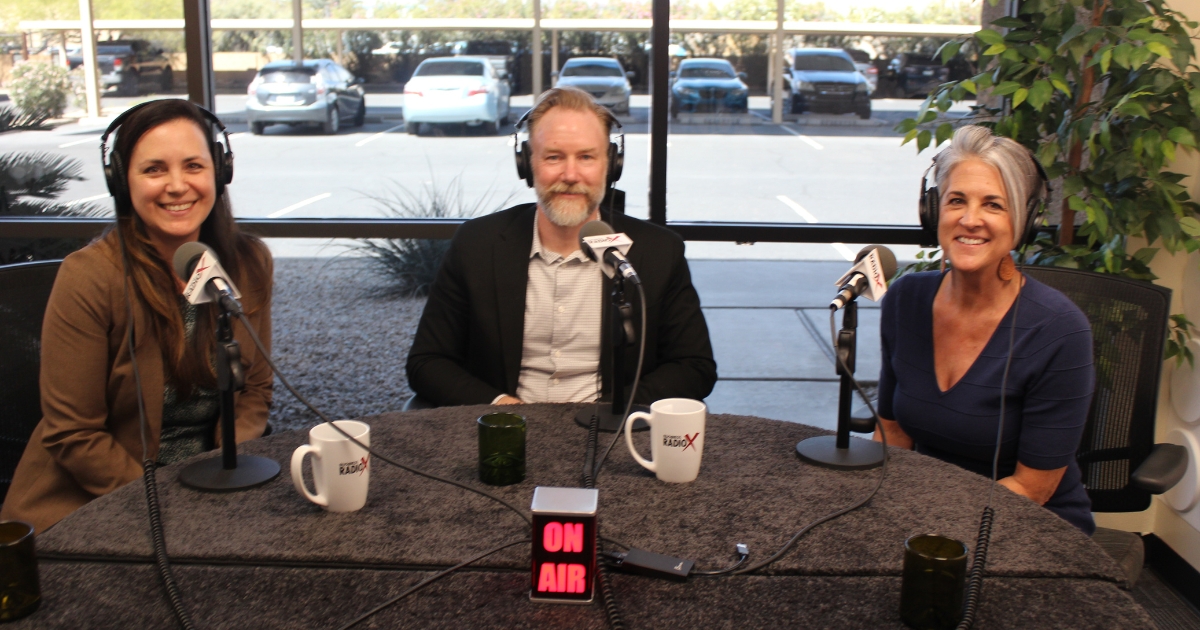

James is also very active in the local community and was named Mesa Citizen of the Year in 2023. He is a fierce advocate for small businesses, marginalized groups, and people in need. From one-on-one meetings to presentations and podcasts like this, James enjoys educating and inspiring diverse audiences to improve their financial health and overall well-being.

Connect with James on LinkedIn.

BBB Pacific Southwest proactively supports an ethical community by providing resources and education by leading experts, coworking and executive meeting space, an online incubator, access to affordable capital, and an intensive accelerator in partnership with GoDaddy. BBB-Logo-Transparent

BBB remains dedicated to helping entrepreneurs develop their businesses ethically to build stronger, more trustworthy relationships with customers. Consumers turn to BBB as a reliable source to find trustworthy businesses, and those that earn BBB Accreditation display their comittment of doing things the right way. BBB is in the business of good business.

Tierra-Terry-Phoenix-Business-RadioTierra Terry serves as BBB’s Director of Diversity & Inclusion Programming and is an advocate for community, education, and connection to support the entrepreneurial ecosystem and its consumer base.

She oversees the development and implementation of programs and services that promote diversity within and outside of BBB. Her efforts cultivate a supportive and inclusive work environment while leading diversity, inclusion and equity for all.

She is a past speaker for Conscious Capitalism San Diego on the Diversity & Inclusion panel and past interviewee on AZ Family, ABC15, Fox 10, and Channel 12 News, and iHeartRadio.

Based in Phoenix, she is available for community presentations and trainings on customer service, organizational development and culture, diversity, inclusion, innovation and community impact.

Follow BBB Pacific Southwest on LinkedIn, Facebook and Instagram.

About Culture Crush

Culture is not just a tag word to be thrown around. It is not something you throw in job descriptions to draw people to applying for jobs within a company.

According to Marcus Buckingham and Ashely Goodall in their book Nine Lies About Work, “Culture is the tenants of how we behave. It’s like a family creed. This is how we operate and treat each other in the family.”CultaureCrushKindraBanner2

As a growing company- Culture Crush Business Podcast is THE culture improvement resource that supports companies and leaders.  Our Mission is to improve company cultures so people WANT to go to work. Employees and leaders should like where they work and we think this is possible.

Within the company: Culture Crush has Vetted Resources and Partnerships with the right people and resources that can help improve your company culture.

On this podcast:  We focus on everything surrounding businesses with good company culture. We will talk with company leaders to learn about real-life experiences, tips, and best practices for creating a healthy work environment where employees are finding joy and satisfaction in their work while also striving and growing within the company.  We also find the companies that offer resources to help improve company culture and showcase them on the show to share their tips and tricks for growing culture.

About the Host

ABHOUTHOSTHEADSHOT

Kindra Maples  is spartan racer, past animal trainer, previous magician’s assistant, and has a weakness for Oreo cookie shakes. Her journey working with people actually started working with animals as a teenager (don’t worry we won’t go that far back for her bio).

She worked for over 15 years in the zoo industry working with animals and the public. Her passion of working with animals shifted into working with people in education, operations and leadership roles. From there her passion of leadership and helping people develop has continued to grow.

Then came the opportunity for leading  the Culture Crush Business Podcast and she jumped on it. Leadership, growth, and strong company cultures are all areas that Kindra is interested in diving into further.

Shout Outs

We want to thank a few people for their behind the scenes effort in helping this relaunch to come to life. James Johnson with Tailored Penguin Media Company LLC.– It is a small, but powerful video production company with a goal to deliver the very best by articulating the vision of your brand in a visually creative way. Gordon Murray with Flash PhotoVideo, LLC. -Flash Gordon has been photographing since high school and evolving since then with new products that will equip, encourage, engage, and enable. Renee Blundon with Renee Blundon Design – She is not only one of the best free divers (that’s not how she helped with the podcast) but she is great with graphics design and taking the direction for the vision that you have while also adding creative ideas to bring to your vision to life.

These are just a few of the folks that supported the relaunch of the podcast. If you would like to be part of the Culture Crush team or would like to support underwriting the show- please reach out: info@culturecrushbusiness.com

Tagged With: Arizona Community Bank, bank in mesa, banks in Mesa, BBB Pacific Southwest, community bank in mesa, Community Banks in Mesa

  • « Previous Page
  • 1
  • …
  • 21
  • 22
  • 23
  • 24
  • 25
  • …
  • 170
  • Next Page »

Business RadioX ® Network


Our Most Recent Episode

CONNECT WITH US

  • Email
  • Facebook
  • LinkedIn
  • Twitter
  • YouTube

Our Mission

We help local business leaders get the word out about the important work they’re doing to serve their market, their community, and their profession.

We support and celebrate business by sharing positive business stories that traditional media ignores. Some media leans left. Some media leans right. We lean business.

Sponsor a Show

Build Relationships and Grow Your Business. Click here for more details.

Partner With Us

Discover More Here

Terms and Conditions
Privacy Policy

Connect with us

Want to keep up with the latest in pro-business news across the network? Follow us on social media for the latest stories!
  • Email
  • Facebook
  • Google+
  • LinkedIn
  • Twitter
  • YouTube

Business RadioX® Headquarters
1000 Abernathy Rd. NE
Building 400, Suite L-10
Sandy Springs, GA 30328

© 2025 Business RadioX ® · Rainmaker Platform

BRXStudioCoversLA

Wait! Don’t Miss an Episode of LA Business Radio

BRXStudioCoversDENVER

Wait! Don’t Miss an Episode of Denver Business Radio

BRXStudioCoversPENSACOLA

Wait! Don’t Miss an Episode of Pensacola Business Radio

BRXStudioCoversBIRMINGHAM

Wait! Don’t Miss an Episode of Birmingham Business Radio

BRXStudioCoversTALLAHASSEE

Wait! Don’t Miss an Episode of Tallahassee Business Radio

BRXStudioCoversRALEIGH

Wait! Don’t Miss an Episode of Raleigh Business Radio

BRXStudioCoversRICHMONDNoWhite

Wait! Don’t Miss an Episode of Richmond Business Radio

BRXStudioCoversNASHVILLENoWhite

Wait! Don’t Miss an Episode of Nashville Business Radio

BRXStudioCoversDETROIT

Wait! Don’t Miss an Episode of Detroit Business Radio

BRXStudioCoversSTLOUIS

Wait! Don’t Miss an Episode of St. Louis Business Radio

BRXStudioCoversCOLUMBUS-small

Wait! Don’t Miss an Episode of Columbus Business Radio

Coachthecoach-08-08

Wait! Don’t Miss an Episode of Coach the Coach

BRXStudioCoversBAYAREA

Wait! Don’t Miss an Episode of Bay Area Business Radio

BRXStudioCoversCHICAGO

Wait! Don’t Miss an Episode of Chicago Business Radio

Wait! Don’t Miss an Episode of Atlanta Business Radio