Business RadioX ®

  • Home
  • Business RadioX ® Communities
    • Southeast
      • Alabama
        • Birmingham
      • Florida
        • Orlando
        • Pensacola
        • South Florida
        • Tampa
        • Tallahassee
      • Georgia
        • Atlanta
        • Cherokee
        • Forsyth
        • Greater Perimeter
        • Gwinnett
        • North Fulton
        • North Georgia
        • Northeast Georgia
        • Rome
        • Savannah
      • Louisiana
        • New Orleans
      • North Carolina
        • Charlotte
        • Raleigh
      • Tennessee
        • Chattanooga
        • Nashville
      • Virginia
        • Richmond
    • South Central
      • Arkansas
        • Northwest Arkansas
    • Midwest
      • Illinois
        • Chicago
      • Michigan
        • Detroit
      • Minnesota
        • Minneapolis St. Paul
      • Missouri
        • St. Louis
      • Ohio
        • Cleveland
        • Columbus
        • Dayton
    • Southwest
      • Arizona
        • Phoenix
        • Tucson
        • Valley
      • Texas
        • Austin
        • Dallas
        • Houston
    • West
      • California
        • Bay Area
        • LA
        • Pasadena
      • Colorado
        • Denver
      • Hawaii
        • Oahu
  • FAQs
  • About Us
    • Our Mission
    • Our Audience
    • Why It Works
    • What People Are Saying
    • BRX in the News
  • Resources
    • BRX Pro Tips
    • B2B Marketing: The 4Rs
    • High Velocity Selling Habits
    • Why Most B2B Media Strategies Fail
    • 9 Reasons To Sponsor A Business RadioX ® Show
  • Partner With Us
  • Veteran Business RadioX ®

Support at Every Turn E42

March 28, 2023 by Karen

Support-at-Every-Turn-feature
Phoenix Business Radio
Support at Every Turn E42
Loading
00:00 /
RSS Feed
Share
Link
Embed

Download file

Support-at-Every-Turn

Support at Every Turn E42

Are you looking for ways to support local businesses or get support as a small business? How about mindset or entrepreneurial tips? Or do you have someone you love living with Dementia?

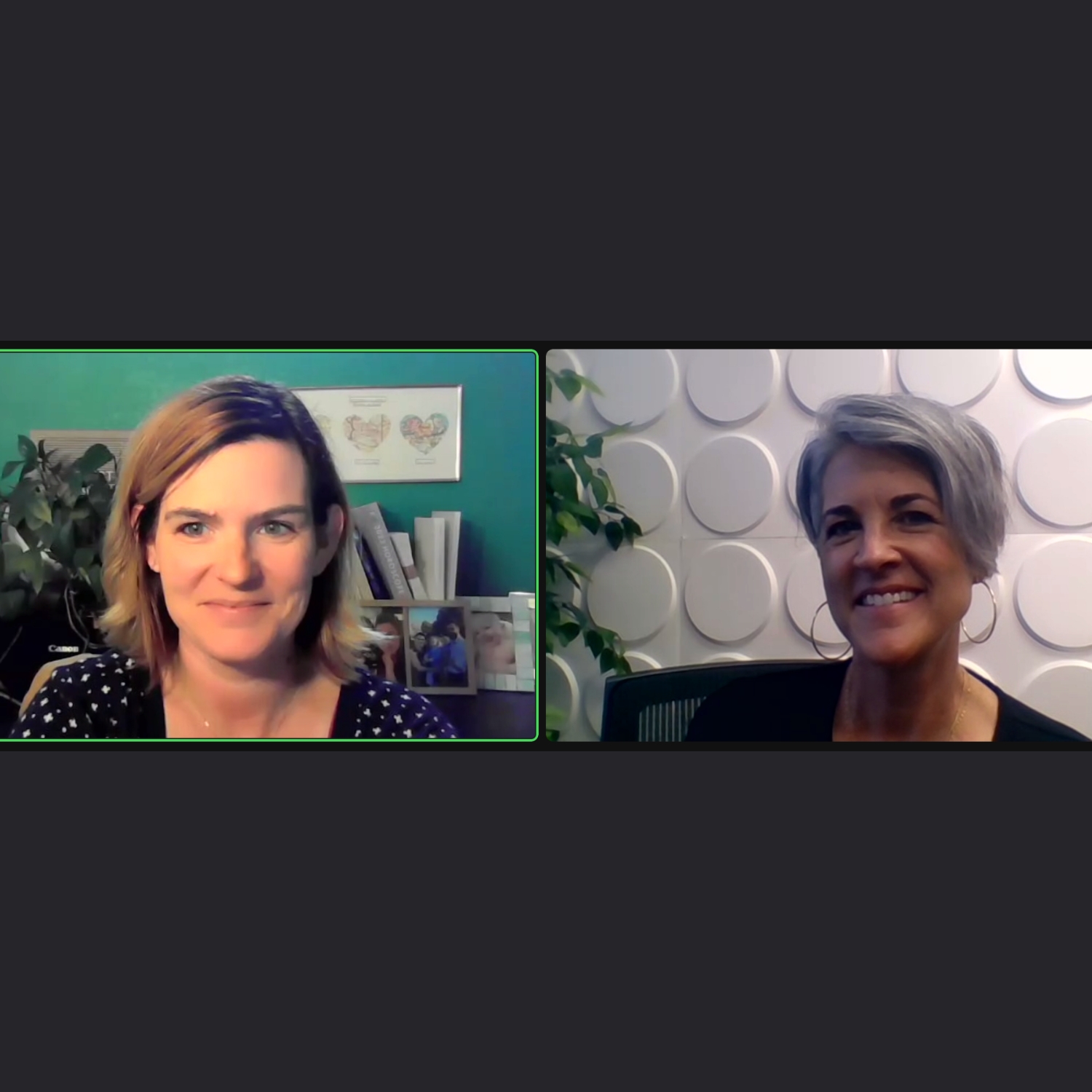
If so, then check out this episode of Collaborative Connections Radio Show and Podcast with host, Kelly Lorenzen.

She was on-air with Michelle Zipser, owner of Cognitive Care and Counseling, Thomas Barr, Vice President of Business Development at Local First Arizona, and Carla Reeves, owner of Carla Reeves, LLC.

They gave amazing insights, resources, and tips for all of the above and more.

CCLogoHorizontalColor

Cognitive Care and Counseling provides counseling, education, and consultations to care partners/caregivers and family members of people living with dementia as well as older adults going through a life transition. They help you care for yourself, so you can care for your loved one.

Michelle-Zipser-headshotMichelle Zipser worked as a medical social worker in hospice and palliative care for the last 20 years and has been a caregiver herself.

She knows and understands that this caregiving journey can create many emotions that we could never anticipate.

Having a counselor who understands this can make all the difference. Michelle focuses on meeting her clients where they are at and understands that everyone is on their own journey.

Connect with Michelle on LinkedIn.
LFA-Logo

Founded in 2003, Local First Arizona is a nonprofit organization committed to community and economic development throughout Arizona. Our work connects people, locally-owned businesses, and communities for meaningful actions that build a diverse, inclusive and prosperous Arizona economy, including:

Educating consumers about the interconnectedness of the economy — how and where they spend matters.

Training small businesses to be more resilient, while helping our larger partners tell their story as champions of Arizona.

Creating programs and events that make it fun and easy to discover local businesses and buy local.

Targeting systems of inequity and building prosperity for all Arizonans by proactively identifying comprehensive solutions and taking action.
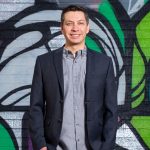
Thomas-Barr-Headshot-2022Thomas Barr is the Vice President of Business Development for Local First Arizona, the largest coalition of local businesses in North America. He advocates for a strong local business community that contributes to building vibrancy, equity, and prosperity across the state.

A proud Arizona native and graduate of Arizona State University, Thomas leads the business coalition of Local First Arizona by advocating for the economic and cultural benefits provided by building strong local economies.

Thomas steers the strategic direction of LFA’s major programs and initiatives as well as the engagement of over 3000 businesses across Arizona. As Vice President, Thomas guides the direction and execution of LFA’s major initiatives and key partnerships, as well as the collaboration of 40 staff implementing work in entrepreneurship programs, small business advocacy, environmental sustainability, urban development, local food systems, and community building.

He frequently speaks to groups locally and nationally, presenting the impact of Local First Arizona and the importance of local economy work in building prosperity.

Outside of Local First Arizona, Thomas contributes his time to many causes and organizations throughout the Valley including Young Nonprofit Professionals – Phoenix, Equality Arizona, Arizona Commission on the Arts, Heritage Square Foundation, Phoenix Legal Action Network, and ONE Community.

Additionally, he serves as a director on the board of the American Independent Business Alliance, the leading national organization supporting the growth and development of local business alliances across the country. Thomas is a 2018 Phoenix Magazine and 2021 Phoenix Business Journal 40 Under 40 honoree, alumni of Arizona Leading for Change, and alumni of Valley Leadership Institute’s 40th cohort.

Most recently, Thomas has been appointed to the Small Business Advisory Council for the Arizona Secretary of State’s office.

Connect with Thomas on LinkedIn.

CRLLCLogo4

At Carla Reeves Coaching, they believe people are far closer than they realize to what they deeply desire, but trapped by an outdated way of thinking that prevents them from achieving their most important goals.

For over a decade they have been helping ambitious leaders identify their blind spots and overcome the internal barriers that keep them from taking their life to the next level.

Carla-Reeves-HeadshotFor over a decade, ambitious leaders and hyper-achievers have been relying on Carla Reeves to call out their blind spots, challenge their thinking and expand their perspective.

She is known for her compassionate, direct, and truth-telling candor.

Carla believes in ditching the illusion that life will be great “someday” in the future and teaches leaders how to move out of survival and forward with intention, now.

She is the host of the podcast, Differently. Journaling changed her life and she’s now changing other people’s lives by coaching with a journal. It has proven to deepen and accelerate the impact for her clients.

She is the mother of two, was born and raised in a sleepy beach town in California and now lives in AZ on a small farm with cows, chickens and her beloved husband.

Connect with Carla on LinkedIn.

About Collaborative Connections

The purpose of Collaborative Connections Radio Show and Podcast is to build a connected community, one collaborative show at a time. We highlight local non-profits, associations, small and family-owned businesses.

By bringing 4 like-minded people together for an hour of in-depth conversation, our hope is that they connect and collaborate in life and business in the future.collaborative-connections-Radio-Show-Podcast-logo1
About Our Sponsor

KLM is a business development firm helping entrepreneurs, small and family-owned businesses start, grow and scale through consulting, marketing and project management. Combining those three things has been a trifecta, or triple advantage to business owners.

Entrepreneurs & small business owners come to KLM for support in all areas of business. If you need to duplicate yourself in any area of your business, we can help. If we don’t do exactly what you need, we know someone who can.

Business owners can continue to do what they love while having the support they need when they need it, with the help of KLM. We help you figure out what needs to get done AND DO IT FOR YOU!

klm-logo-small

About Your Host

Kelly-Lorenzen-on-Phoenix-Business-RadioXKelly Lorenzen, CEO of KLM, is an award-winning entrepreneur with over 15 years of business-ownership experience. She is also a certified project management professional.

Kelly’s expertise is in business development, customer service, marketing, and sales.

Connect with Kelly on LinkedIn, and follow KLM Consulting on Facebook.
Tagged With: arizona, arizona resources, business support, caring for the caregiver, carlareeves coachwithajournal, carlareevescoaching, Cognitive care, counseling, dementia, dementia care consultations., differentlythepodcast, local business, mindsetcoach, small business

The Messiness of Change and Transition E12

March 27, 2023 by Karen

The-Messiness-of-Change-and-Transition-feature
Phoenix Business Radio
The Messiness of Change and Transition E12
Loading
00:00 /
RSS Feed
Share
Link
Embed

Download file

The-Messiness-of-Change-and-Transition-E12

The Messiness of Change and Transition E12

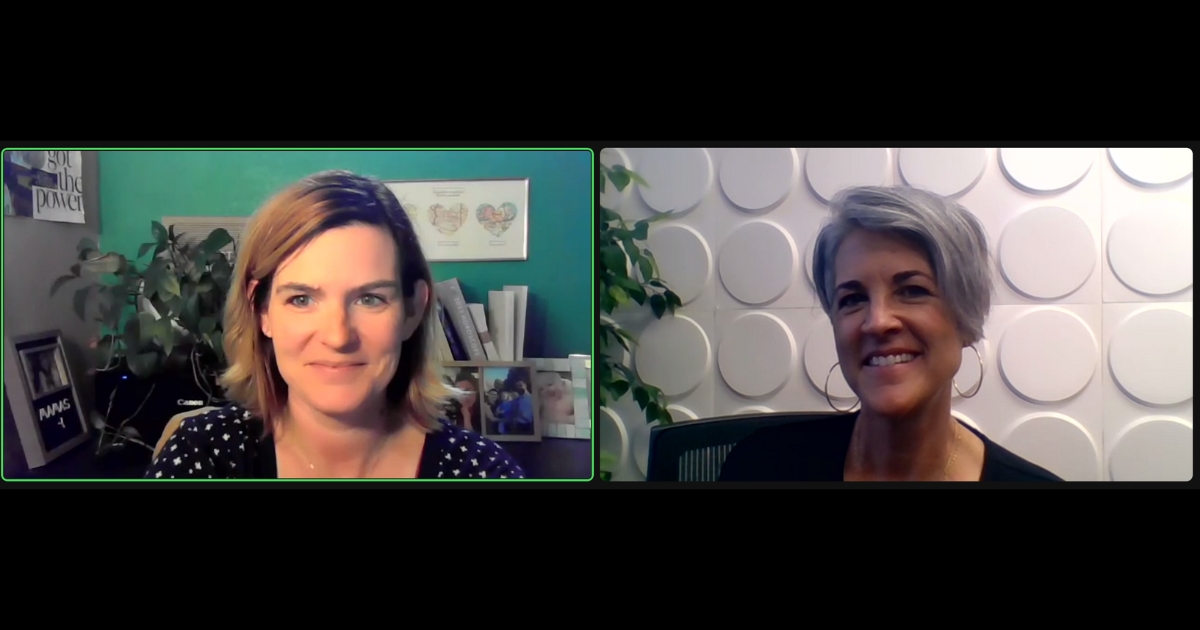
On this farewell episode, friend and CEO of Phoenix Business RadioX, Karen Nowicki chats with Jen Burwell, founder of Mother & Founder Co. Jen shares an important business and life update. Karen helps her talk through her decision-making process and the tools she utilizes to stay calm and grounded in the messiness of change and transition.

You will want to tune in if you are currently going through or contemplating a big change in your life. Both Jen and Karen share their experience, practices and tips. The messiness of transition doesn’t have to be chaotic. It is usually uncomfortable and there are ways to help keep yourself centered in your true center while navigating the unknown.

Karen-NowickiKaren Nowicki is the Owner of iNudge LLC, the parent company to Phoenix Business RadioX and Deep Impact Leadership Coaching & Consulting.

Karen is a passionate and purposeful woman who has spent over 30 years in corporate, small business, and educational leadership roles. For the past 10 years, she has held an impressive private client list that includes c-suite leaders in a variety of industries.

As an Executive Leader and Business Owner herself, Karen knows what it takes to bring more fulfillment into work, life, and relationships. She is an impeccably trained Integrative Coach with a unique blend of certifications in communications, facilitative leadership, mindfulness, trauma, tao healing, talent management, neurofeedback and strategic planning.

Connect with Karen on LinkedIn.

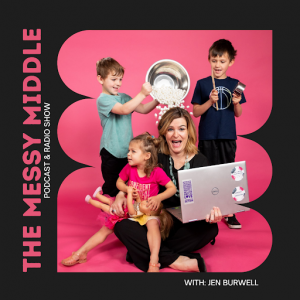
About The Messy Middle Podcast & Radio Show

The-Messy-Middle-logo“Beginnings are usually scary, and endings are usually sad but it’s the middle that counts the most.”- Hope Floats
We often talk about the beginnings and endings of things. We celebrate our firsts and mourn our lasts. We often ignore the in between, or what we like to call the messy middle. In this nebulous space, often there are no awards or recognition.

It is frequently characterized by the long days, hard work, uncertainty, self-doubt, small wins, setbacks, persistence, and sheer determination to simply keep moving forward. And, yet, it is also where the magic happens. The middle part of our journey is what shapes us, prepares us and fills our lives with meaning.

Welcome to the Messy Middle Podcast & Radio show! Each month we invite guests to share their own version of the Messy Middle and the lessons they’ve learned along the way.

Whether you’re in the messiness of growing a business, healing from trauma, or navigating the wild world of parenting; this show is for you! We’re so excited to celebrate the messiness of life and business with you!

About Mother & Founder Co

Mother & Founder Co was created to help people who are experiencing change and are looking for growth, healing & transformation. The only thing that is constant is change…and change is really difficult for most people. When remaining where you are is more painful than the unknown, change happens.

*And*Mother-and-Founder-logo

Mother & Founder is there to help you create, maintain, and navigate the changes you wish to make.

In addition to the amazing community of women, we provide trauma healing sessions, clarity courses designed to re-imagine what’s possible, individual coaching and small business strategy masterminds.

About Jen Burwell

Jennifer-Burwell-Messy-MiddleJen is the Founder of Mother & Founder Co. and Co-Founder of Jens LIGHT Events.
She is a recognized public speaker and enjoys working with audiences of all sizes. She is a fierce advocate of self-development and believes a kinder world begins from within.

Her goal is to help as many leaders heal themselves as possible. A healed world is a better world for all of us. In 2020, she received the prestigious honor of Business Woman of the Year by the Tempe Chamber of Commerce.

She loves being right in the messy middle of growing business(es), mothering 3 young kiddos (2 on the Autism Spectrum) and navigating a healthy and happy marriage amid it all.

In her spare time, she enjoys morning solo runs accompanied by her AirPods and her latest Audible book. Her other joys include spa days, being near the ocean, travel and learning something new.

Follow Mother & Founder Co on Facebook and Instagram.

Get a Grip on Your Business

March 23, 2023 by Karen

Get-a-Grip-on-Your-Business-feature
Phoenix Business Radio
Get a Grip on Your Business
Loading
00:00 /
RSS Feed
Share
Link
Embed

Download file

Get-a-Grip-on-Your-Business

Get a Grip on Your Business

We believe in the power of entrepreneurship to change people’s lives, and we believe that our tools have the power to change entrepreneurs’ lives.

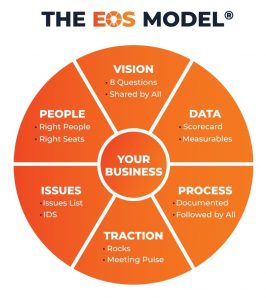
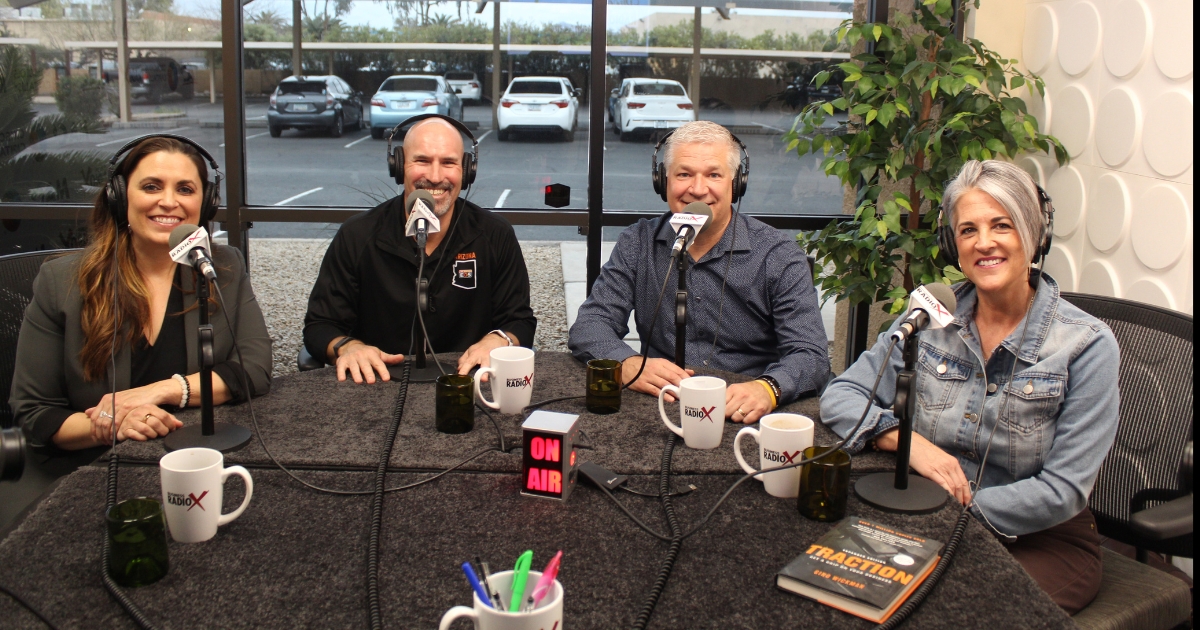
EOS®, the Entrepreneurial Operating System®, is a set of simple concepts and practical tools that has helped thousands of entrepreneurs around the world get what they want from their businesses and create a positive impact on the people and societies around them.

Scott-Goodrich-Phoenix-Business-RadioPrior to his work as an EOS Implementer, Scott Goodrich spent over twenty years leading and scaling operations for both public and privately held companies in the financial services and insurance industries.

Scott is also a local business owner. He and his wife opened a Bishops Cuts/Color franchise in Tempe in 2017.

Their shop has doubled its sales in each of the last two years and consistently ranks in the top 5 of all locations in the network. EOS-Model

Scott is excited to share his experiences as both an executive and an entrepreneur with his clients and help them to get what they want from their businesses.

Connect with Scott on LinkedIn and Facebook.

Mari-Tautimes-Phoenix-Business-RadioMari Tautimes led her family business for 22 years helping grow the company into one of the most recognized and sought after agencies in the market space.

Growing revenues from $350k to over $10m in 7 years, she experienced all the joys and sufferings of entrepreneurial leadership.

After a successful exit in 2019, she now loves coaching, leading, and facilitating entrepreneurial leaders to help them get everything they want out of their business so that they can have even greater fulfillment in their lives.

Connect with Mari on LinkedIn.

Fred-Jentgen-Phoenix-Business-RadioFred Jentgen’s entrepreneur journey started as a sales & marketing leader for a technology company.  After several business misfires, he eventually built a strong team and competitive product, and was able to deliver significant, sustained revenue growth for over 15 years. 

One of his favorite roles was partnering with entrepreneurs to grow their businesses together. Despite achieving their business goals, many were left feeling empty with struggles in their internal business operations, their families, and with their health.  That broke his heart and fueled his purpose!

In 2017, Fred began to feel empty, and the business that he loved was no longer fulfilling.  He decided to take the leap and focus full-time on his passion:  helping leaders to be their best in business and life thru EOS® Implementation.

Connect with Fred on LinkedIn.

Tagged With: Entrepreneurial Operating System, EOS, EOS Process, healthy, Traction, vision

Episode 102: Don’t Miss These Sales Warning Signs

March 22, 2023 by Karen

Mike-Brindley-Senior-Living-Visionaries-feature
Phoenix Business Radio
Episode 102: Don't Miss These Sales Warning Signs
Loading
00:00 /
RSS Feed
Share
Link
Embed

Download file

Episode-102-Dont-Miss-These-Sales-Warning-Signs

Episode 102: Don’t Miss These Sales Warning Signs

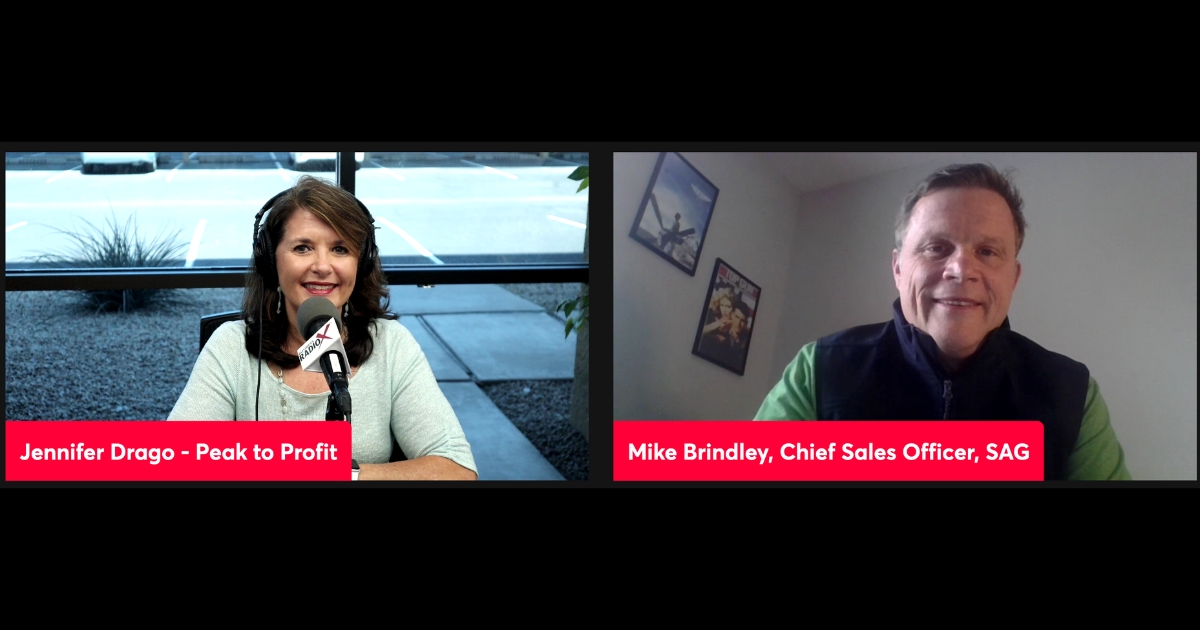
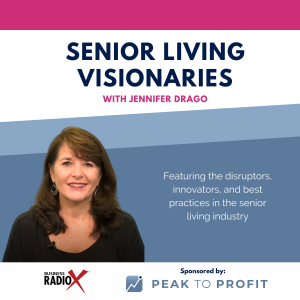
In this episode, host Jennifer Drago interviews Mike Brindley, Chief Sales Officer at Solutions Advisors Group. They discuss warning signs and metrics that executives should look for when their community is not meeting sales or occupancy goals. They also discussed current trends and gestation periods in senior living sales and how to overcome resistance in prospects who are worried about the economy and the real estate market.

Leaders of senior living communities and anyone in the senior services industry would benefit from listening to this episode to understand the current mindset of seniors as well as effective sales strategies to use amid current market conditions of high inflation, cooling real estate prices and a looming recession.

Sol-Advisors-logo

At Solutions Advisors, we create and execute plans for operations, sales and marketing that empower senior living communities to realize their potential.

We provide Sales Consulting, Strategic Marketing, Creative Solutions and Digital Marketing. Whether you’re looking to increase occupancy, expand services or simply re-engage your sales team, we start with a thorough analysis of your market position and then formulate a strategic marketing plan with measurable goals. And we measure results continuously to ensure wise expenditure of your marketing dollars.

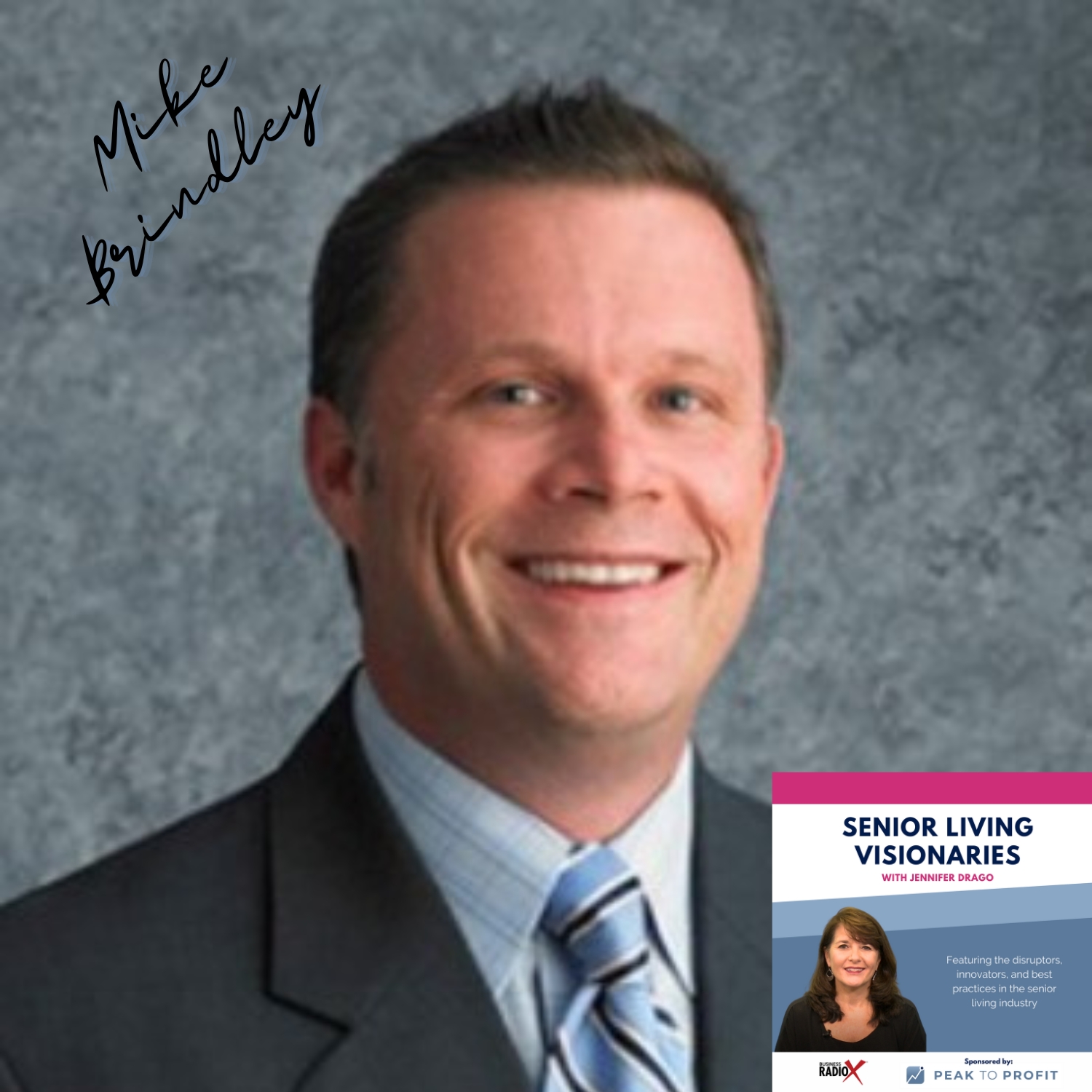
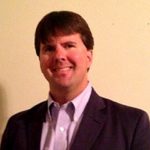
Mike-Brindley-Senior-Living-VisionariesMike Brindley brings more than 27 years’ experience in operations, sales and marketing, and community development. His ability to manage properties from a regional level in both sales and operations offers clients a holistic and comprehensive perspective.

During his tenure at Solutions Advisors, Mike has improved occupancy at both CCRC’s and rental retirement communities. His approach is successful because he works collaboratively with the sales team to be more strategic in the sales process.

Prior to his time with Solutions Advisors, Mike served in numerous Regional Operations and Sales roles with two of the largest for-profit senior housing companies – Sunrise and Holiday.

Connect with Mike on LinkedIn.

TRANSCRIPT

Intro: [00:00:05] Welcome to Senior Living Visionaries, a podcast for senior living leaders who are looking to stay ahead of the curve in the industry. On this show, we feature leaders and innovators in senior living who are pushing the boundaries and creating new effective services and solutions. And now let’s settle in as host Jennifer Drago connects us with today’s guests.

Jennifer Drago: [00:00:31] Hi and welcome to Senior Living Visionaries. We’re broadcasting live from the Phoenix Business RadioX Studio. And we showcase leaders and innovators in the field who are shaping the future of senior living. I am Jennifer Drago and I’m the strategy consultant and CEO of Peak to Profit.

And today, I’m so excited to welcome my guest, Mike Brindley, who’s the chief sales officer of Solutions Advisors Group. And Mike has been in our industry for the better part of three decades, and he’s got significant experience in sales, operations, and marketing. And in fact, started his career and really grew in senior living, doing regional sales and regional operations on the for-profit side for Sunrise and Holiday. So, some big names. He’s got a lot of expertise behind him.

During his tenure at Solutions Advisors, he’s helped to improve occupancy at both CCRCs and rental retirement communities. And his approach is successful because he works collaboratively with the sales team to be more strategic in the sales process. And I know that your knowledge of operations really helps in all of that too.

So, I just want to say welcome to Mike, who also shared during our pre-work that his middle name is Patrick, and we are recording on Saint Patrick’s Day, so we’re both wearing green and Happy Saint Patrick’s Day. Welcome, Mike.

Mike Brindley: [00:01:57] Yeah, yeah. And when you said three decades, I was like, oh, you’re right, it really is. And when I first started, one of the great parts of the gig was having older adults or residents say, wow, you remind me of my grandson. And I just thought this was the greatest thing ever.

And now they always say, you remind me of my son. And I really don’t know if I enjoy that as much. I think I like grandson a lot better. So, yeah, great to be here and I’m really excited to be a part of this podcast.

Jennifer Drago: [00:02:25] Yeah, I’m going to go off script in our first question. We prepped a couple of questions, but one of the things that when I was reading your bio today and even prior to this and I realized the significant experience that you had in the for-profit industry, the for-profit sector of our industry. And I’m wondering how that informs the work that you do today, because I think you primarily work with nonprofits at this point. Is that correct?

Mike Brindley: [00:02:52] Yeah. I think if I go back, especially to my days when I was at Sunrise, it’s a great training. It’s a training-training ground for, I think, a lot of talented individuals that either stayed with Sunrise or moved forward in their career going on. And I had some really good mentors starting in the industry.

And then when you get to a place like Sunrise, there really is a culture of training and learning. So, I think some of the basic blocking and tackling and those fundamentals were imprinted on me pretty early in my career. And as I go further down the road and I go a lot of work in the non-for-profit side, while the approach may change in terms of how we look at prospects and how we move them through the sales cycle, that blocking and tackling this process and being kind of centered on it is really important. I can definitely take that from my days on the for-profit side.

Jennifer Drago: [00:03:41] Yeah. I think that non-for-profits, nonprofits in general, whether senior living or otherwise, can really benefit from leaders who have worked at least for a time in the for-profit side, bringing that discipline, that sharpness, that execution to bear on the non-profit side. Sometimes, I don’t want to stereotype, but sometimes they aren’t as sharp, right? And so that blocking and tackling discipline is really important.

Mike Brindley: [00:04:05] Yeah. And I think also sometimes there is this sometimes stereotype of for-profit, very high sense of urgency, non-for-profit, less sense of urgency. And I don’t know if that’s always necessarily true, but there is kind of that push that I think sometimes communities do need, especially in tough times, that we can do this and we need to move forward and we can’t just kind of settle to where we’ve been.

Jennifer Drago: [00:04:28] Right. Right. And we’re going to talk a little bit about the tough times because we’re truly, as an industry, coming out of tough times and seeing some recovery, which is really good. But one of the themes of this podcast is about organizational sustainability. So not only how can we rebound from COVID and the pandemic, all the things that we needed to learn from that, but how do we continue to make our organizations more sustainable?

And I know your company is often brought in by bondholders or advisers to bondholders after a provider has tripped some covenants. So, there’s been some issues and then your company is brought in to help them recover from that. And one of the things that I would love to learn from you is what are the early warning signs that providers can recognize that executives can recognize, so that they don’t end up in the situation where they’re breaking covenants?

Mike Brindley: [00:05:21] Yeah. And it’s definitely not one size fits. All right. I mean there are some early warning signs, but I also don’t think that if this happens, you must do this. But I think the first thing that typically happens or that we usually see is they’re not meeting budget occupancy wise. And maybe in the community level, they’re saying things like, well, we don’t have enough leads, or we would have made it, but we had these amount of move outs.

And so, I think a lot of times bondholders or asset groups hear that and go, okay, well, those things happen in the community. And so therefore we’ll kind of like let that go for now and keep an eye on things. And then typically what happens is the community will have like one or two good months stretch and they’re like, okay, see, things are moving in the right direction and things are going well. And anybody can have a really good month, but it’s sustainability, right, which you go back to the beginning of your podcast, how to be sustainable?

So, we kind of temper and say, listen, when those early signs happen where maybe we’re not meeting budget, there’s performance issues at the community level, we’ll have one good month, but it’s followed by two month’s worth of either slower paced or empty. Those are like the early warning signs for sure that at least I mean, engaging with another consultant or somebody, that that’s what they do, get in the weeds and really look at the process is probably the best time to make that phone call.

What happens usually is, again, as you said, there’s a bond covenants or some type of trip of it and then we get brought in by then. Now, we’re working a little bit behind the eight ball to kind of ratchet things up. No matter if it’s for-profit or non-for-profit, people want that magic wand, that quick fix. In sales, there’s no quick fixes. It’s hard work and it’s a process. And so I think when that early signs happen, that’s number one.

I think another warning sign is, is when communities say, well, I don’t have enough leads. Well, I think there’s a warning sign where we have too many leads. And so all these leads are funneling in and we’re getting 100, 150 leads for the community at 75 percent occupancy and maybe they need 15 to 20 net occupancy over the next 12 months. When we have too many leads, it’s physically impossible for our sales teams to work those leads and really stay on top of them.

And so communities will spend more and more marketing dollars to drive more leads in typically from the website. And that doesn’t necessarily equate to occupancy. And in fact, sometimes we see communities go backwards because they can’t funnel these leads and they can’t work them at a pace that the prospect needs to move forward.

Jennifer Drago: [00:07:53] Yeah. So too many leads can be a problem and I see exactly what you’re saying. And is it likely that if they have that many leads that are driving in, they might not be well qualified leads?

Mike Brindley: [00:08:04] Yeah. Top of the funnel or way, way, way top of the funnel. I think that’s part of it. I tell communities all the time, like I can’t control who goes to your website and uses it, but we can control how we work that lead. And so, we see these that are either non-qualified financially, Google’s changed some of those requirements and restrictions, so that makes it a bit harder for marketing providers to provide the quality of leads. So that happens. I think that they’re above the funnel and these are people who are earlier in their journey.

And during COVID, one of the things if you look for a bright spot was the people that were thinking about senior housing, the I’m not ready yet, they avoided communities at all costs. So if you’ve got a website lead during ’21, early ’22, you could almost guarantee if they were qualified financially that they were probably closer to that planning stage of, all right, I know I need to do something. I don’t know what it is, but I did not like what happened in the last 12, 15 months of living on being alone and isolated. So, kind of this I’m not ready yet, it’s kind of stayed away. And we really were getting some great quality leads coming to community websites.

Jennifer Drago: [00:09:07] Yeah. So this follow up question to that then. So if we have a number of a large number of leads coming in and we know we’re not really sure of their qualification status and they’re probably too high in the funnel to really put them through your normal prospect process, what are you doing at the very top of the funnel then? What is the ideal work that you’re doing? Is it communicating with them about keeping them on an email list, letting them know about activities? Are they coming to tour at that point or?

Mike Brindley: [00:09:40] Great question. I think there’s some definitely validity in your question. There are some answers there, too. I think first and foremost, and you brought up earlier the three decades, the ’90s and the early 2000s mentality of we’ve got to hammer out 50 phone calls per week. And if we do that, that’s going to create potentially X amount of tours, which would mean X amount of retours and then potentially sales to move ins. That mentality I think is so much different now.

And so if you’re a salesperson, let’s say a two-person sales team in the community and you’re getting 130, 140 leads every single month, that’s 65 to 70 phone calls right then and there you initially have to make, along with the leads that are already in your lead base. And so I think the first thing is, is if a lead is working with you, work with them. Keep that cadence and rhythm of that lead moving forward.

But for people that are I’m not ready yet above the funnel, that’s where we can get them on email blasts, invite them to events. Maybe sending a phone call once every six months or once every year, if you’ve had some contact with them about where they are and that kind of stage of readiness we like to call in terms of that funnel. If they’re not ready to move forward, I’m not saying hot, but if they’re not ready to move forward, let’s hit them in a lot of different ways through digital media and connecting through marketing and let those people kind of work themselves early on in the process.

David Soul is an author, and he wrote a fantastic book called How to Say It to Seniors. In his book, he mentions that the most deliberations actually take place, not in your presence. And so some of those early adopters, as they kind of look at your website and try to move forward, they’re going to do a lot of work on their own. And yeah, you want to establish a relationship with them, but it’s a slow process for a lot of those people. So we can take your time and really focus on the people that are really trying to flow with you.

Jennifer Drago: [00:11:32] That’s perfect. That’s perfect. So really having a good sales strategy is having a way to move people at the right time through the funnel, but also having the right activities at the right part of the funnel too. Yeah.

Mike Brindley: [00:11:46] Right. For sure.

Jennifer Drago: [00:11:47] As an industry, we hear that occupancy is recovering to some degree. But now we have inflation, we have staff shortages, we might actually have to hit a higher occupancy level to truly be stabilized and profitable than we may have prior to the pandemic. What are you seeing now with what is the stabilized occupancy rate on average? Obviously, everyone’s going to be different.

Mike Brindley: [00:12:12] Yeah, I was just on a panel last week in Oklahoma City with a great group of non-for-profits and for-profits. And I think when I first started the industry, like in terms of, especially the for-profit side, like 78 to 80 percent, that’s when you would start to see kind of the plus side and you start seeing a profit. And what I think is interesting and sometimes can be scary is a lot of communities now stabilize occupancy to budget at 90-93 percent. And so that’s really tight margins for communities, whether it’s for-profit or non-for-profit, but we’re seeing a lot of that going forward.

So obviously the industry is changing. The way we look at some of those numbers are changing. But when we come, ’08, ’09 we were told, you’re kind of recession proof industry and we found out really quickly we weren’t. And now, we’re going through some of this again. And I think we learned a lot from ’08, ’09 and earlier than that, but definitely ’08, ’09.

We’ve learned a lot, but that doesn’t mean like things are going to be easy. This is going to be really tight. Just even, and I don’t know enough about to even speak to it, but what happened with the banking industry in the last two weeks when things like this happen, this makes older adults anxious.

Jennifer Drago: [00:13:23] Yes.

Mike Brindley: [00:13:24] And we saw that for sure 13, 14 years ago. And I anticipate more of that going forward is when there is financial crisis or housing market changes, inflation, all those things for people that are, especially the silent generation and the boomers, they’re very particular about who invests and touches their money and where that money goes. And so, we have to really keep a close eye on that. And so the stabilize occupancy has definitely changed over the years, and I get why, but it makes it really harder for communities to be successful.

Jennifer Drago: [00:13:55] Yeah, I agree. So with some of those pressures that we have on our economy right now and looming recession, are we in it? Not sure. I assume, like you said, seniors are really becoming, perhaps they’re waiting longer. Maybe they’re like, oh, this isn’t the time, I’m going to hold back. Maybe they’re resistant to making these investment decisions with their dollars. Are you seeing then changes to the sales cycle, the actual length of the sales cycle as a result?

Mike Brindley: [00:14:26] Yeah. Prior to COVID, I think and again, I work mostly with non-for-profit, life care communities, CCRCs, entrance fee type communities. We do a lot of I’d say probably 90 percent of our business is with that. Prior to COVID, I think the typical gestation, so the inquiry to move, it’s around 18 months.

COVID hits, everything kind of shuts down. Older adults living at home did not like being on their own, didn’t like being isolated. And so, two things happened. You had that stirring the pot kind of and then we have this housing market that just gave us this unbelievable wind in our sails. And we were seeing gestations just drop quickly once we first started coming out.

And I would say kind of middle ’21 to middle ’22 for a full solid year, we were seeing some like record breaking gestations, people inquiring. And again, this is for people looking at $500, $600,000 entrance fees. They were making buying decisions and moving in within 90 days to 180 days. And that’s great.

And the other part that was really interesting to see was websites. And we can probably talk about this later as we go through the podcast. Website leads were gestating in that three to six-month period to which we never saw that prior to the pandemic. So that was moving us forward. People were selling their house really quickly, getting exorbitant amount of money for their homes.

I mean, I think I saw a stat where during that time there was about 18 percent growth in housing market or prices across the country. But our entrance fees only raised about two percent. So for an older adult, a lot of these communities, they were a bargain. I think that was a miss we had. I think we probably could have raised entrance fees a little bit in certain markets to add capital dollars that could have gone to renovations for communities. So we were seeing a lot of that.

And then I would say late third quarter into fourth quarter of Q4 of ’22, while there were still some really positive sales trends, some of those were very incentive driven. Like if you deposited before X amount of date, you got certain amounts free, and so people took advantage of it. But the housing market is starting to slow down while housing prices are still above where they were prior to COVID. They’ve inched further down. Interest rates have definitely climbed up.

And so I think a couple of things have happened is that slowed the gestation period down where it is an advantage for maybe a community is Mr. and Mrs. Jones may be looking at you and may be looking to buy another house. Now, if they’re not paying cash for it, that interest rate is going to probably deter them from doing that. And maybe the community and their floor plans and their cottages and villas may look more impressive that way.

But I will say that gestations are creeping up. They’ve definitely creeped up, not close, not to where we were prior to COVID, but we’re watching it closely and I think that’s going to continue to change. We’re getting a lot of those questions. Like where’s this money going? How is it going to be reinvested? Are there different options out there versus just the type A contracts?

And so communities that have multiple contract opportunities I think are definitely in the positive and have a better chance of continuing to win. If you’re kind of stuck in that one contract model, that could become a little dicey for communities here in ’23.

Jennifer Drago: [00:17:43] Yeah, great point. Great point. Lots of great points there. And I think the one that you said was really smart and executives should probably pay attention to, which is if the housing prices, like you said, they went up, they’ve cooled, but they’re still higher than they had been before this housing boom happened. And so should we take a look at our entrance fees and make sure that they kind of came up at maybe a commensurate rate, maybe a little bit lower.

But yeah, don’t hold ourselves to the lower entrance fees because we know that we’re struggling because of inflation. Our monthly fees have had pretty big increases. Right? And so one of the ways to mitigate those monthly fee increases is to kind of balance that with entrance fees. Brad Paulis from Continuing Care Actuaries is going to be our next guest on March 28th, so he can fill me all in on that.

But I think that was a really smart point that you just made. And obviously, just understanding, wherever our consumers are at, we need to have a great understanding of this. And you and I talked a little bit prior to the podcast about what message can we prepare our own staff with, our sales staff, around the housing situation? Right. Like you said, it was hot, it’s cooled a bit, but it’s still a great time. If a senior is looking at a CCRC or even a rental community and thinking about selling their home, what advice would you give to your two sales teams that work with you?

Mike Brindley: [00:19:18] Yeah, that’s a really good question. I think a couple of things. One, if you’re a rental community, whether it’s independent living or even as we look at care levels, there could be some more opportunities there. Like the fact that you don’t have a large entrance fee, you probably have a community fee that may be more appealing to prospects and their families who are trying to watch kind of mom and dad’s money. So I think there is some advantage there.

The second part is, if I go back to a little bit before in the last question on gestation, the one thing that was very apparent while gestation was shortening from, let’s say, 18 months to 3 months to 6 months, the amount of touches, the amount of phone calls out, voice to voice, face to face, tours, retours, create a follow up, that wasn’t changing very much.

So over 18 months, if you touched a prospect in terms of how many contacts you have them was like, let’s say 30. That’s what we’re seeing for three to six months. So that didn’t change. So that was really hard work. So now you’re taking all that time and shrinking it into a shorter time frame.

So the first thing I would tell sales teams is if you don’t have a connection with your prospects, you’re going to struggle. And if you are not having a really empathetic connective relationship where you’re building trust, I know the other day we talked about it, we like the term that trusted advisor versus a sales person.

If you are not doing that, that’s where you’re going to struggle because some of that transactional sales, the fact of having a house selling in one day and getting that kind of money, like that makes us all look really good. But when these things are slowing down, they have to have trust in you. They have to know that you’re looking out for them not as, oh, this is a great apartment, but you as a human being and who you are and what that next journey looks like, the life you’ve lived, that legacy of that prospect.

So I think the first thing I’d always put on to the sales team is how well do you know these prospects? How is your resident referral program? When times are tight, your resident referral program better be outstanding. And if you’ve done the same resident referral program for the last five years, how are you going to change it?

Like, are we going to give more dollars to a resident that refers now? Or do we give some bonuses to that if they actually make more than two or three or four movements in a year happen because of one resident? What are we going to do for that resident because that’s a really great tie in?

So I would look at resident referral programs. I would look at the way we actually look at the sales process. What’s that relationship look like with the prospect? How are we working them through that? And I’m sure we’ll talk more about it too. But what’s your strategy? How are we looking at leads on a weekly basis and what are we doing to move leads forward through the sales funnel or the cycle or whatever terminology communities use for that process?

Jennifer Drago: [00:22:04] Perfect. Great, great advice. We spoke earlier about warning signs that executives should keep their eye on. And because occupancy is so integral to the financial health of the organization and to their sustainability, what metrics or activities should executives be monitoring from the sales team? So sales and marketing metrics, what would you recommend?

Mike Brindley: [00:22:29] Well, this is where people drop off the show, so I apologize. The first one I would not be looking at is call outs. I think while call outs are great and I think that calling a prospect, getting to know the prospect, is a really good idea, dialing for dollars is, to me such an old way of looking at it and an old business model. I mean, we’ve all done it.

You’ve been in industry a long time and hopefully there’s listeners that have been in a long time. How many of you all, I feel like I’m talking to the audience now, but how many of you all did the lock you up in the conference room and we’ll have a pizza night, and we’ll do all these phone calls after phone blitz after 5:00? And then we learn that the maintenance man booked a tour. Like that was great, but that was a different time. I mean, we’re so different now.

So the first warning sign is not going to be amount of call outs we’re doing because that is to me not a metric that really relies on or shows success or sustainability. Anybody can make a phone call. You have a really good connect. A phone call is a different thing. I’m always looking at, is there a lead to tour conversion? Each market is a little different.

I think Sherpa, which is a CRM tool, does a really nice job. Every April, they come out with what they call their top performers report. They actually measure what the top performers do against the median performers. I like to use it somewhat of as a coaching tool, not as a guide or as accountability, but like, where are we at?

So I would look at that lead tour ratio and how can we coach that, not say, hey, you’re not hitting it, so what are you going to do about it? Like, how do we coach to that? We’re always looking at those tours to move in ratios. I think one of the best ones you can look at, especially if you’re really relying on a process of developing relationships with prospects, is what is your tour or retour look like?

And not like, all right, so I got 20 new tours last month and I got 15 retours but you find out that one of those retours was one prospect who did seven times because they’re family. They brought in every single family member. But like, if you’re really, a good to great community is averaging the same amount of retours as initial tours every single month.

So if you can do that, if you do that, I promise you there will be some, you’ll get some gold at the end of it. Because if communities, if people are seeing you and they like you and they’re coming back to see you and they’re coming back to see you, that’s moving them. That’s advancing them through the stages. We call stages of readiness or stages of change, like that’s moving people through towards the finish line.

You’re establishing what I repeat over and over, and the people that work for me, they get tired of hearing it, this cadence and rhythm. We want prospects to have control in terms of how they make a decision, where they go and have choice, but we control how we work the lead. And so that tour and retour is one of the first things I look at. Sherpa does a great job of measuring time in the selling zone. So how much time do you spend with each prospect before they make a buying decision? I love looking at that.

Now, again, not every community will have Sherpa. Enquiry is also a really good CRM tool out there too, that we do a lot of work with. But measuring like how much time are we actually working with that prospect? I’m looking at touches. How much, how many times are we touching that prospect in terms of face to face, voice to voice? Email outs is okay, but not my favorite. Text messages always work but create a follow up, home visits. I can talk for hours on home visits.

And again, I’m regressing now, but if you look at the key lead metrics over COVID, leads were down, tours were down, retours were down. Obviously, sales and move ins were down and move outs were up. The one metric that stayed flat year over year was home visits. The top performers also found ways to do home visits.

And people were like, wait a minute, this is a pandemic and people couldn’t see each other. We learned how to do it. We did donuts in the driveway. We did six feet apart outside. We met in the garage. Soli also says that older adults feel comfortable in two places, when it comes to talking about their money and finances is their own home and then outside.

So at a community, if you have a nice gazebo and you want some Arnold Palmers out there and get to know your prospects, that’s a great intimate way to get to know your prospect. But at their home, where they have control, they can enforce boundaries. They could clean before you get there or disinfect before you got there. They can wear masks. They can stay six feet away. They can disinfect afterwards. Like home visits were flat like. That’s a huge win.

And so what are we doing with that metric? If your communities aren’t doing creative follow ups, planning sessions, learning about your leads and not doing home visits, then you’re going to miss out. Because in order to keep that cadence and rhythm, those are some three really strong indicators of keeping a prospect advancing through the sales cycle.

Jennifer Drago: [00:27:15] Yeah.

Mike Brindley: [00:27:16] I get a little nerdy about this stuff so.

Jennifer Drago: [00:27:18] I love it. I love it. And it’s what value bombs you just dropped on us. And it’s kind of counterintuitive, right? If you aren’t doing home visits, right, you may think, oh, well, we’re a community. They’re going to come to us. They want to see our stuff. And so it’s just what a great way, though, You’re right there. Exactly. There’s so much more comfortable in their own environment when they’re making this big decision and they have a million questions.

Mike Brindley: [00:27:43] Yeah. And they are. And I can promise you, I know my mom’s not listening. I didn’t tell her to. Her ability to probably find this would have been almost virtually impossible. And unless someone brought her here to your studio to watch. But I look at, you know, we talk about home visits. People say, well, that doesn’t work in this market. We tried it before. And geographically, this is not the right fit for home visits.

A lot of these prospects, they bought their vacuum cleaners. They bought their — I looked because I brought my mama for reason. Like my parents bought Funk & Wagnalls Encyclopedias from a door-to-door salesman. Now, either they thought we weren’t very smart or the Funk & Wagnalls guys quit because I don’t think we ever got past the letter P. So if you ask anything about me from A to P, I know it. From Q on, I’m really like behind the times what happened in the United States during that time. But my parents bought from a door-to-door salesman back then on that too.

So these older adults are used to people coming to their houses. And when they were so isolated and lonely and missing that connection, if you weren’t doing that, you missed out. If you weren’t using — shout out to OneDay. If you weren’t using OneDay as a tool during COVID, you missed out and you should be using OneDay still, which is a great video app to create and drive connection.

Jennifer Drago: [00:29:05] Awesome, awesome. You mentioned video. How important is video in connecting with prospects from your website? Today, I think we as an industry, it seems like we’ve been slower to adopt video. So tell us how you advise your clients.

Mike Brindley: [00:29:21] I mean video testimonials on your websites are fantastic, especially for people post-pandemic to talk about what was great about the community. I do feel like there’s some revisionist history. I’m very passionate about how hard these communities work during the pandemic. And I think our industry took a big punch in the gut from the media early on, deaths and headlines and all that was out there.

It was interesting. There was no talk about the senior housing industry once the world reopened and everybody else got sick. Because we were just –.

Jennifer Drago: [00:29:57] Good at it.

Mike Brindley: [00:29:57] We were early on. We were early adopters, unfortunately, when it came to that. Right. I think there’s a lot of revisionist history. I think a lot of residents will say now, wow, those teams work so hard for us. I’m so glad we were here. So these resident testimonials are really, really powerful.

I think virtual videos were great. Virtual tours were great. I don’t think we need to do a lot of that. I love some of the drone stuff I’ve been seeing on communities websites. Here’s the deal though. If you didn’t have a really good website prior to COVID, you probably didn’t win. You probably did not drive occupancy.

It’s really impressive to see communities have 30, 40 percent of their move ins come from their websites because their websites drive choice. They drive control. They allow older adults or family members to book their own tours or have an artificial intelligence chat with a salesperson. And then the community gets copies of those, and they can really look at and start triggering down to what that prospect may be looking for and developing that relationship.

I just think communities that miss the boat prior to COVID with their websites are playing catch up now. And you can still catch up, but you have to look at these tools to drive it. We didn’t talk about this when we did the pre. But I tell this to communities, if you don’t think older adults are going to websites and using them, that is so that 1990s mentality.

Jennifer Drago: [00:31:18] It is.

Mike Brindley: [00:31:18] Like we all had to figure this out. My mom, she was using streaming services and became a binge watcher whether she liked it or not. She was ordering meals and doing curbside pickup, Hulu, the TV streaming service, their number one streamed show the last two years is Only Murders in the Building, which is a podcast-based TV show starring Steve Martin, Martin Short, Nathan Lane. Shirley MacLaine’s in it. Every major star other than Selena Gomez is an older adult. It’s produced by an older adult. It’s directed by Steve Martin.

And so I’m telling you, 25-year-olds may be watching it, but it’s older adults streaming it and watching the old guard. Those people, they’re people they’ve loved taking it and watching it. Top Gun Maverick. And you see back there against me over there, 27 percent of the people that saw it the first week were over 55. In the second weekend, there was 8 percent growth of people 65 and over, seeing Top Gun.

We know that older adults are finding ways to do things differently. This is the group that was using QVC back in the ’90s anyway. So like they’re used to some of this stuff. So if your community’s websites aren’t pushing older adults to drive choice, make decisions, be in control of their next chapter looks like, and then giving them options to make their own tours or have conversations around pricing and availability and booking a tour, you’re going to probably lose.

Jennifer Drago: [00:32:54] Yeah, yeah. Really good points. I want to ask, we also talked about this in the pre, but we didn’t have a question around it. But you were sharing with me some interesting things that you see when you secret shop a community. And I know you don’t do it always personally but tell me about things that you’ve seen recently that you just want to use it as an example of what providers shouldn’t do?

Mike Brindley: [00:33:20] Well, the first thing is, is for those that are listeners and hopefully there’s a lot of them out there, usually we see a lot of signs in the communities. And typically, when we see signs, it’s usually telling somebody not to do something. Like stop, don’t, whatever that is. I’ve seen some that actually have a stop sign with a handprint on it. Like don’t.

It’s hard to give a tour with a older adult and maybe their family and talk about when you come to our building, you have so many choices and you’re going to have this ability to choose your menu, choose your meals, and choose your activities or lifestyle and see the moves you want to see. How do you do that, and then have signs all the community telling the residents, no? Prospects pick up on that stuff. And when we mystery shop, we see those things.

And so number one, like and I know why the signs go up. Somebody did something that somebody didn’t like. And so, in order to stop that behavior, we’re going to do an excessive amount of signs. So, number one, if you’re a community has signs all over the place, I would do some type of scavenger hunt and try to pull those things down.

Lauren Mesmer, our CEO, a lot of times will talk about, a lot of times she can figure out a community before she even goes into it of what’s going to happen. And she’s very much intuitive and write a lot. But one of the things that people will say is, well, can you really check what our sales team is doing?

They’re saying they’re doing this, they’re saying they’re doing that. They’re doing their leads, they’re doing their tours, they’re doing retours, they’re doing creative follow up, home visits, everything. Then we go in and if we mystery shop and we see immediately the process is broken.

And so don’t expect what you hear from salespeople. Inspect what salespeople do. We just did a home visit, or a mystery shop a couple of weeks ago where one of our consultants had to wait 20 minutes, was never asked their name, was never asked for a phone number, address, anything, no contact information. That person is not going to move in if you do that. So you’re going to lose right there.

So we see that quite a bit. It’s always that decluttering around the community. Things are out and about. Like you’ve got to have a great first impression. I have a client and they do such an amazing job. They’re concierge. He is so sharp and he’s so eloquent and he will always come around the front desk and shake the prospect’s hands right when they come in, whether it’s a scheduled tour or a walk in.

And to me, like, that’s a great first impression. I mean, a lot of things can happen on the tour you may not like. You’re going to remember that and how he made you feel. And so I think a lot of those things sometimes — there was an erosion of customer service during COVID. And I don’t mean that negatively. People again, work so hard.

And I saw some great customer service things like writing your names on coffee cups saying have a great day and drivers becoming grocery shoppers. And we should have been following those guys on GoPro and show everybody how hard they work to really fill up the buses to get groceries back to the community. But we got a little more lax on uniform policy. People had to carry their cell phones with them because their sons or daughters were learning remotely, and they had to make sure that there was access to Wi-Fi, all those things. Front desk areas became Amazon shipping centers receiving and going.

So a lot of that kind of eroded and I think we’re coming back from it. But I would definitely, from a mystery shop standpoint, I would really check your customer service. What’s your first impressions look like when you walk the community from the grounds and how are we doing and have we made changes? Are people’s uniforms still more aligned like you want it to be? All those things.

Jennifer Drago: [00:36:55] Yeah, really good points. When you were saying signs, I just want to clarify. I think you were talking about paper signs, which —

Mike Brindley: [00:37:02] Yeah, yeah. Sorry, yeah, right, paper signs taped everywhere.

Jennifer Drago: [00:37:04] Yes. My goodness. That is a huge pet peeve of mine too, is if you’re walking through a community or touring someone and they see signs, even if they don’t say stop or have the stop sign, I mean, it’s just so ugh. But the other thing that you mentioned was, that I just want to bring up, is you mentioned if somebody comes for a tour, whether they’re scheduled or they’re a walk in. Now, I’ve heard of communities that have said, we don’t accept walk in tours. We need to have them scheduled. What’s your thought on that?

Mike Brindley: [00:37:34] Yeah. I mean, I know that a lot of communities did that during the pandemic and made a lot of sense, right? I mean, I wouldn’t advise it. I would not recommend it. That’s a lead that’s coming in to see you for the first time. And the first impression you give them is, I’m sorry, you’re not good enough. You’ll have to come back again.

Again, I know we don’t portray that. How does the prospect perceive it? I think they take it as I took the time to come here, and maybe I have a friend who even lives here, and now you’re telling me I have to schedule so. And again, and sometimes there’s like very crowded and things are going on. Like you may have to have a conversation around it, but we shouldn’t be doing that.

We shouldn’t be doing — I’ve heard of communities that don’t tour on weekends still or their last tour of the day scheduled can’t be past three. Again, you are eliminating choice and control when you do that. One of the first things that came out of communities booking tours on websites was again, I feel like I’m an old guard. I mean, I’d like to think I’ve learned a lot and I try to keep learning is, well, what if they book a tour and I’m not available and what am I going to do?

And well, you call the prospect, and you say, hey, Mrs. Jones, I know that you’d like to see our community at 2:00. You’re very important to me. I’d like to spend a lot of time with you. I have a tour at 130. It probably won’t wrap up until around 3:00, 3:30. Would that time be better for you?

And guess what? More often than not, they say that would be great. And so the ability you’re just using to establish that connection, it’s okay to call them back and say that tour is not going to work time wise. But yeah, I think if you tell a walk in that they have to come back, I think you’re missing. They may not come back and that’s not good.

Jennifer Drago: [00:39:18] Yeah, yeah, good point. Good point. So we talked about we hear this a lot in senior living when somebody may come and take a look at your community, learn about your community,, but they’re still struggling with I’m not ready, I’m going to wait a little bit longer. And so when you have those folks who are definitely warm leads, you’re going to stay connected with them regardless.

But we’ve heard in our industry about the creation of some alternative programs or structures that kind of can keep the prospect engaged, whether it’s a signature club or a membership program or something that keeps that prospect engaged in the community while they are becoming ready, more ready, and perhaps maybe the activities that they’re doing while they’re part of this club helps them get more ready. But what are your thoughts on those?

Mike Brindley: [00:40:10] If you can make it work in your community and you’re successful at it, I think you should be telling others how to as well. Maybe you don’t want to tell others because that’s your competition. But I think there’s probably more that do it probably and struggle than actually do it really well. I’ve worked with a couple of communities where I’ve learned a lot from them, where they actually they put parameters around it. And I think that is the best way or it really is best practice way of doing it.

And so what I mean by that is and typically I think a community may say, all right, so for $1,000, you can come to two meals a month, you can attend up to like three or four exercise activities or classes. Maybe you come to an event at the community. And so if you do that, your hope is the touches. They keep coming back for more, that eventually they say, wow, this community is a place for me. I want to move in.

And again, if that works in your community and they move in, wonderful. But the communities that have really the best practices is they put time frames on it. So okay, they put two things, time frames and they make it hurt a little bit. They actually put a really stronger price point on. So maybe it’s $2,000.

I’ve heard of a group that did, all right, your membership’s $10,000 and it can be refundable. But after one year, the membership is up, and you can either re-up or get your money back. Because what we don’t want is these clubs where people can just take advantage of the communities and just come and use it as a fitness center and say, well, you know what, there’s no time frame on it. For $1,000, I can get some meals every month for the next two years. I can work out whenever I want to. And I can go to a couple of events and learn more. If it’s like an Ollie program or something, I can learn more. Like that’s good money and then I still can get that money back if I choose not to move in or apply it to my entrance fee. Well, I can take my time. There’s no sense of urgency or call to action with it.

So these communities have put like, all right, you’re signing up for the year. And at the end of the year you can get a portion of your money back and you can re-up or just come off the program. I think that’s really smart. I mean, waiting list is the same way we’ve got communities out there that have high number of waiting lists and they have occupancy issues.

And again, I know certain people want certain apartments and they want a certain style, but if we’re selling off the waiting list, we are missing opportunities to grow relationships with the people coming into the community and the prospects that are starting to inquire. We place a lot of emphasis on the people that we have a limited relationship with because we put them on a waiting list for a club and then we’re missing opportunities to grow relations with people that are first coming in.

I think the other part of it is, is when you when you do something like the Signature Club or whatever you want to call it, it’s a lot like when I first started that I think salespeople that struggle would, all right, I’m not really good at closing, so I’m going to offer a respite stay in assisted living community. And so they can try it and buy it and like it. And hopefully, we have such good operations going on that they’ll stay and will become a permanent resident.

I think salespeople who struggle with closing or asking for money, they’ll take the easier way out, which is join the Signature Club. It’s less invasive. It’s an easier ask money wise. And it’s a way of saying, well, listen, I got this person on the club and I think they’ll be able to move forward, but we don’t know.

And so you put them in that bucket of the Signature Club, you may actually spend less time with them because they’re coming to the communities when they want to than you are if they were still just a regular lead that you are advancing through that process of I’m not ready. What does ready really look like to you? Let’s learn that first.

Jennifer Drago: [00:43:47] Yeah. So if somebody is part of a club, you want some boundaries, some parameters, some time limitations, some skin in the game from the prospect, but you also want to be managing them as a prospect while they’re part of that club. Is that what you say?

Mike Brindley: [00:44:04] Yeah, for sure. Now again, there’s nothing — again, we talk about all the time and how we look at our kind of our process. There’s nothing wrong with them coming to community and spending time with residents and advancing that way. And then you’re having follow up calls, oh, I saw that you went to exercise class. Who was the instructor, those things.

But that’s what happens. We’re not having those conversations. Like you have to use those interactions in the community as another touch point when they come out of it to see how it went and to further that relationship along.

Jennifer Drago: [00:44:32] Yeah, perfect. So as we wrap here, we talked about, you mentioned the word sales strategy before. And I’m a strategist, so I feel like everything should have a strategy. But sales isn’t just what I’ve gathered from our time together here today and prior is everything is part of a larger process where you want to make sure that you have a very well-defined process. You want to make sure that you execute, that your website and all the things that are on there, contribute positively to that process that it’s really, it’s truly a strategy. And so, can you talk about when things are firing on, all cylinders are firing at a senior living community, what things are in place and what is their sales strategy look like?

Mike Brindley: [00:45:22] Yeah. Well, we don’t get many calls for communities that are doing that well.

Jennifer Drago: [00:45:26] Right. Right. Get it. Well, and so I asked this question kind of diagnostically, right, for the executives that are going, wow, what are we missing? Well, maybe you need a sales strategy.

Mike Brindley: [00:45:36] So again, I’ll go back to like how we used to do things and how I think we should be evolving or should evolve. We always had sales meetings. And every week, we’d have sales meetings, and I would lead them or executive director would lead them. And the sales team would say how many new leads they got this week and how many tours they did and how many phone calls out. And it was very sales metric focused.

And then we may say how many hot leads you have? Well, we’ve got nine. Okay. So are you saying you have nine move ins next month? Well, I think we’re going to have seven. And I’m secretly, as a sales person going, please don’t ask me the name of those seven people, because I’m really just throwing a number out there to keep us on budget.

And then next month, when we only get four, my excuse is, well, one passed away, one wasn’t ready to make a decision, and one went to a competitor. And then we just took it and moved on. And that’s not being strategic. That’s just like regurgitating data.

And so my team gets probably tired of me hearing this. But number one, if you’re not having a weekly planning session with your team, you are missing out. And again, I’ll say this is where you won’t win. And what I mean by a planning session is this is a meeting that’s scheduled, but it is not time sensitive. You may start at 1030 in the morning and then you could go to 1:00, 2:00, 2:30. It doesn’t matter.

Your goal in this is to take leads and maybe it’s your whiteboard and you’ve got 10 or 15 leads on it is really work those leads, spend time on them. What are we going to do as a next step? What’s their legacy, their story of who they are? How do we genuinely know them as a person? What’s our empathetic connection look like with them? What’s creative follow up look like? Is there a potential for a home visit?

And then really create not just one next step, but three or four next steps. So because if this happens, we’re going to do this. And if this happens, we may do that and pull back. It’s instinctual, saying, hey, we’re moving really fast in this prospect. We may need to pull back the reins a little bit and slow things down. We also say we’d like to slow things down to speed them up.

So but this meeting should be happening once a month, once a week. You should be talking about leads every day. Once a week, this planning session, whiteboard session should be happening. Leadership be a part of that whether you’re an entrance fee community and the CEO attends or the executive director of a rental community. They should be there as well. It should be your salespeople. If you have a marketing assistant, it should be them.

You should be entering the data into your CRM as you’re having the meeting so that when you actually leave your meeting, you’re going straight to executing on these strategies. You should have an Amazon account for your community. All these things that really make it easy now logistically versus, well, I’ll run out and get it and we lose an hour of time the selling zone because traffic’s bad. Or, oh, by the way, I could go go pick up the birthday cake for the community this month.

So you start with that. And Sherpa says in the last couple of years, the top performers spend 30 percent of their time on what they’re going to do with the lead. Top performers spend 30 percent of what they’re going to do with the lead versus those phone calls out.

Also, top performers average seven times the amount of call ins that come into them versus call outs they make because they have such a connection with their prospects or they use creative follow up or home visits that prospects will pick up the phone and call them because they say, I trust you, Jen. I just got back from vacation. You left me a message to ask me how going to Hawaii was. Well, let me tell you how it was.

So those are all born out of these planning sessions, these strategies we’re going to do with these leads. And not just your hottest leads, but your leads that you could advance. It could be a lead that you’re stuck with that says, okay, we’re going to try one or two more times. And if not, we’re going to pull them off the whiteboard and maybe we use them a different way going forward.

So I think you start with that. And then what does your models look like? I mean, the fundamentals of blocking and tackling, what are your models look like? What’s your tour path? Are you adjusting your tour path based on your vacancies? If you have an apartment that’s in the far west wing, it’s the farthest walk, but it’s the hardest apartment to sell, we make that our model. That’s a problem because guess what? You know, the older adults, by the time they get back from visiting the model and come back to your discovery room, they’re tired.

And then they go, wow, I can’t do this. This is overwhelming. It’s not showing the whole community on that first visit. Give them opportunities to make repeats and come back. Just show them enough, show them what’s important to them. And so I think you start with those things. So again, the basic fundamentals. And again, I know every community out there says we do that, but if that was the case, we wouldn’t be getting these phone calls that we get.

Jennifer Drago: [00:50:13] We’d all be full. We’d all be full. I love the value bomb I just took away from what you just said is, and it’s true of any strategy in any part of any organization is, the more time you sit to think and plan how you’re going to get to the goal, the better your actions are going to be, the better your execution is going to be.

And I love that when your teams are doing that, you’re having them not just think of the next step. That’s a miss. The next couple of steps and maybe even, oh, well, if that doesn’t work, let’s try this. Or the alternative strategies, in any strategic plan or strategy, that’s what you need. You need the options and multiple steps.

Mike Brindley: [00:51:00] This community that I work with, they’re outstanding at planning sessions. Like I can’t wait to go there because they’re that good at it and I learn from them. They really excite me. And this community one time said, the salesperson with great instinct said, I think I’ve worked this lead as hard as I can. I don’t connect with them. I don’t think he likes me very much. I think we need to switch salespeople.

And other salesperson said, you know what, I’ll do it. I can do this. And she’s a very empathetic person. She would generally connect really well with this prospect. And that prospect moved in. And that prospect said, I got to tell you something, if I’d stayed with so-and-so, I don’t think I’d ever moved in. We didn’t connect very well.

Jennifer Drago: [00:51:39] Wow.

Mike Brindley: [00:51:40] That’s what a planning session can do for you if you check your ego at the door, allow that lead to kind of just come out granually, and organically and we all listen that kind of really hard listening, I mean if you’re really good at this job, 92 percent of the people will tell you no. So you have to have very thick skin. And if you do this job really well, you have to be a really good listener. And when that prospect leaves the community, I want you to be exhausted and tired because you listened that well.

Jennifer Drago: [00:52:06] Great. What an awesome way to wrap up our podcast. I want to thank you.

Mike Brindley: [00:52:13] Unscripted.

Jennifer Drago: [00:52:13] What’d you say?

Mike Brindley: [00:52:14] Unscripted too.

Jennifer Drago: [00:52:15] Unscripted, for sure. Mike, tell us how we can get in touch with you. How people, how can listeners get to know you, get to know more about Solutions Advisors Group and how you can help them?

Mike Brindley: [00:52:27] Yeah. So we’re a consulting company that works only in the senior housing space. We’ve been around for 14 years. Lauren Mesmer is our CEO. We’re located in Saint Petersburg, Florida. I’m in Richmond, Virginia. As a consulting person, I can kind of travel and live anywhere. You can find us at SolutionsAdvisorsGroup.com. You can find me on LinkedIn under my name here. I’m happy to connect that way.

And again, in a lot of times it’s not the communities themselves are connecting with us. It’s the asset groups and it’s the bondholders. But anytime you have questions or anything like that, I mean happy to help. I love the industry. I’ve been around the industry a long time, just like you, Jennifer. And anytime we connect with people and hear what’s happening and can we offer some support, we’re happy to do that.

And we also offer marketing. We offer digital. So we’re full-service consulting firm. So not just sales consulting, but everything that drives. If I don’t say this, Lauren would come after me. We have about 40 people in our company. Every single person in our organization knows our goal and we only have one goal. And our goal is occupancy from whoever does our digital to our copywriters, to our sales consultants, to our leadership team, it’s not leads.

And again, we started this show off with everyone talking about how many leads you need to get. We’ll work leads. I don’t need all the leads. I want to grow occupancy. And everybody in our organization, that’s all they think about is growing occupancy.

Jennifer Drago: [00:53:55] Yeah. Your passion is for what you do is so evident. And I’ve seen you as a trainer in the organization that I was last at. And you’re just fantastic at inspiring sales teams and really teaching them what is the secret sauce to grow your occupancy. So my hope is that listeners connect with you before the asset groups, or the bondholder representatives connect with you. I really want folks to get even better at what they do in terms of filling their buildings.

And we know that there’s an unlimited need for senior living and retirement living in the world. So thank you so much for what you do. Thank you for being a guest on today’s podcast. And again, happy Saint Patrick’s Day.

Mike Brindley: [00:54:43] Yeah. Thank you, Jen. Appreciate it. Have a great Saint Patrick’s Day, everyone, and have a wonderful weekend. Be safe.

Jennifer Drago: [00:54:48] Thank you. You’ve been listening to the Senior Living Visionaries podcast and Radio show. I’m Jennifer Drago. And I hope you’ll join us next time as we continue to explore cutting edge ideas and breakthroughs that are shaping our industry. I want to thank you for listening today. And I want to invite you to subscribe so that you’ll be notified each time a new episode is live, and you can do that at SeniorLivingVisionaries.com. Thanks so much. We’ll see you next time.

Outro: [00:55:19] You’ve been listening to the Senior Living Visionaries podcast and radio show where we showcase the leaders and innovators in the industry who are pushing the boundaries and setting the stage for the future in senior living and services. Join us next time as we share the bold ideas and breakthroughs of the industry’s most forward thinking leaders here on Senior Living Visionaries.


About The Show

Senior-Living-Visionaries-Podcast-Cover

Senior Living Visionaries is a podcast and radio show curated specifically for leaders in the senior living industry. Our guests are among the best and brightest executives, advisors, and service providers in senior living.

These industry leaders have consistently implemented creative solutions, new customer services, and targeted financial strategies resulting in long-term brand impact and increased revenues.

About Your Host

0217JenniferDrago00654squareWith 30 years of experience working with mission-driven organizations in senior living and healthcare, Jennifer Drago is an executive leader who brings creative, out-of-the-box strategies to help organizations amplify their impact and skyrocket their revenues.

As an award-winning strategist, best-selling author, and certified business coach, Jennifer helps corporate leaders and small business owners develop and implement a laser-focused business vision and strategy so they can earn more and amplify their impact.

Jennifer holds a bachelor’s degree in Finance, a master’s degree in Health Services Administration and an MBA from Arizona State University. She is a Life Fellow of the American College of Healthcare Executives.

About Peak to Profit

Peak to Profit serves senior living, healthcare and nonprofit organizations, helping them identify and execute revenue and growth opportunities through strategic, financial and operational consulting. Our core purpose is to help mission-driven organizations amplify their impact by serving more clients and increasing their financial resiliency.

Our proprietary Peak Performance Assessment provides an objective evaluation of your organization on six key dimensions, identifying areas that need improvement and highlighting growth opportunities. With the assessment results, we help you implement an Impact Roadmap – a clear, measurable action plan to execute your strategy.

Learn more at PeaktoProfit.com.

Peak-to-Profit-logo

Tagged With: how to improve CCRC occupancy, how to improve rental retirement community occupancy, strategic sales management

Developing the Workforce of Tomorrow E14

March 21, 2023 by Karen

Mike-Hess-Changing-the-Perception-of-Blindness
Changing the Perception of Blindness
Developing the Workforce of Tomorrow E14
Loading
00:00 /
RSS Feed
Share
Link
Embed

Download file

DevelopingtheWorkforceofTomorrow
Developing the Workforce of Tomorrow E14

In this episode, Mike Hess and David Steinmetz discussed workforce development, training programs and empowering person’s who are blind through careers in the technology field. Mike said that 86% of the fortune 10K organizations have a DEI initiative, but only 4% of those include people with disabilities.

Low expectations of people who are blind are often times imposed by employers, educators and society. This episode focuses on changing the perception and breaking down myths.

BIT-logo

Blind Institute of Technology™ is a nonprofit organization with boots on the ground across the United States working hard to advance the professional opportunities for people with disabilities.

We’re a small, passionate team with a dynamic blend of backgrounds, disabilities, experiences, and motivations, doing whatever we can to get the job done.

Mike-Hess-Changing-the-Perception-of-BlindnessAfter 20 years as a tech veteran managing 7-figure projects for Fortune 500 companies, one thing troubled Mike Hess: he was always the token blind guy. Knowing that the invaluable skills he developed because of his blindness were the keys to his success, he couldn’t understand why unemployment amongst the BVI community was so high.

He embarked on a journey to change corporate America’s stigmas and misperceptions of BVI professionals, developing Blind Institute of Technology. Using the same skills that made him a success in IT, Mike has built partnerships and placed BVI professionals in Fortune 500 companies nationwide.

Mike has been featured in the Denver Post and the Denver Business Journal and has been honored with the 2017 Martin Luther King, Jr. Business Award and the 2019 GlobalMindED Inclusive Leader Award. BIT’s focus on accessible technology garnered invitations to present at Google Cloud Next 2019 and Salesforce’s Dreamforce 2019 conference.

Mike is a co-host for Choose Inclusion, a podcast addressing the benefits of diversity and inclusion. In 2019, Mike’s vision of full access for BVI led him to develop EdgGuide, a navigation system that allows independent navigation in previously inaccessible public spaces.

Follow Blind Institute of Technology on LinkedIn, Facebook and Twitter.

About Your Host

David-SteinmetzAs the manager of Community and Public Relations, David Steinmetz uses his expertise, education, and personal experiences to “change the perception of blindness.”
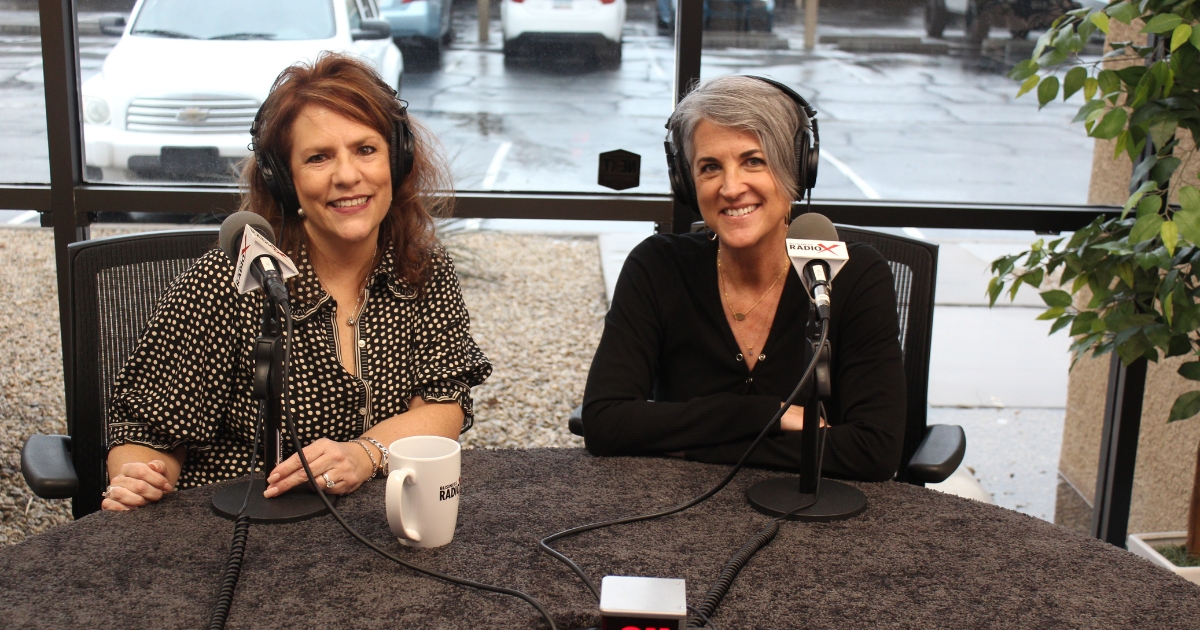
Diagnosed with RP, a blinding retinal disease, at the age of 19, David uses his personal story to drive change that leads to improved employment outcomes and community integration for people who are blind or visually impaired.

Mr. Steinmetz graduated from Arizona State University with a bachelor’s degree in Business Management and Economics. Additionally, Steinmetz has continued his education by graduating from the Business Management Training (BMT) program provided by Darden Graduate School of Business, University of Virginia.

In 2008, David was the national recipient of the National Industries for the Blind Milton J. Samuelson Career Achievement award. This prestigious award recognized Mr. Steinmetz for his career achievements and community service work.

David Steinmetz is a member of the Governors’ Council on Blindness & Visual Impairments, is a Board Member at the Arizona Center for the Blind & Visually Impaired (ACBVI) and serves his community through the Chandler Lions Club.

Connect with David on LinkedIn and Instagram.Changing-the-Perception-of-Blindness-iTunes

About the Show

Changing the Perception of Blindness; One Conversation at a Time is dedicated to breaking down barriers, de-mystifying blindness and promoting real world solutions that empower people who are blind to live a full and inclusive life.

Host, David Steinmetz connects with organizations, industry professionals and thought leaders who are working to bridge the gap that creates a world accessible for all.

About Arizona Industries for the Blind

Arizona Industries for the Blind is a nonprofit organization dedicated to creating employment opportunities for people who are blind. It’s employees, more than half of whom are blind, deliver a variety of products and services, including a full-service Warehousing and Distribution Center, confidential Digital Data Scan (DDS) services for private businesses and government and the operation of Base Supply Centers located at each of Arizona’s three military bases under the umbrella of the U.S. Department of Labor’s AbilityOne program.

Follow AIFB on LinkedIn and Facebook.

Tagged With: Blind Institute of Technology

Jennifer Reynolds with Ideation Design Group

March 17, 2023 by Karen

Jennifer-Reynolds-with-Ideation-Design-Group-feature
Phoenix Business Radio
Jennifer Reynolds with Ideation Design Group
Loading
00:00 /
RSS Feed
Share
Link
Embed

Download file

Jennifer-Reynolds-with-Ideation-Design-Group

Jennifer Reynolds with Ideation Design Group

Ideation-Design-Group-logo

Since 2004 Ideation Design Group has partnered with the world’s largest brands to execute their vision into functional works of art that deliver innovation through design. We are a creative, modern boutique architecture and interior design firm delivering full-service with fresh ideas. Our approach is personal; offering hands-on expertise to our clients with accessibility at all levels. Our clients are family and we take care of them as such.

Ideation Principals, Jennifer A. Reynolds, NCIDQ and Carl F. Schaffer, AIA leverage their dynamic synergy and personality to enhance the customer experience into one that is both productive and fun. Together, through their leadership and vision, they have grown the firm to a dream team of talented designers, architects and project managers.

Ideation Design Group is a certified one-stop shop that includes architecture, interior design, foodservice design and graphic design divisions, as well as a procurement group, IDG Purchasing. We create restaurant, retail and hospitality concepts that both excite and perform. Additionally, we have worked on projects ranging from ground-up buildings, tenant improvements and remodels. IDG works in all types of specialty environments such as airports, casinos and entertainment venues. Decades of combined experience shows through in the quality of our work and we never back down from a challenge.

Jennifer-Reynolds-Phoenix-Business-RadioJennifer Reynolds is a creativity powerhouse, with 25 years of experience in restaurant design, retail design and procurement coupled with an innate eye for detail. This has given her the ability to completely transform spaces that both impress visually and function to the optimal level of performance.

Her skill in connecting not only with her clients but also the consumers using her spaces has built her world class reputation across the country. She is the go to expert for many of her clients and with the ability to be a one stop shop, those clients come back again and again.

As a woman owned business, Reynolds has worked hard to mentor her staff and promote an atmosphere of “the sky is the limit” prompting her team to dream big and thrive.

Follow Ideation Design Group on LinkedIn, Facebook and Instagram.

Tagged With: Airport concessions design firm, Boutique design firm, Ideation Design Group, Nationally recognized restaurant design firm, One stop shop design firm, Rebranding specialists

True Growth: Let the Lesson Land in You E17

March 13, 2023 by Karen

True-Growth-Let-the-Lesson-Land-in-You-feature
Phoenix Business Radio
True Growth: Let the Lesson Land in You E17
Loading
00:00 /
RSS Feed
Share
Link
Embed

Download file

True-Growth-Let-the-Lesson-Land-in-Youv2

True Growth: Let the Lesson Land in You E17

Karen-NowickiKaren Nowicki is the Owner of iNudge LLC, the parent company to Phoenix Business RadioX and Deep Impact Leadership Coaching & Consulting.

Karen is a passionate and purposeful woman who has spent over 30 years in corporate, small business, and educational leadership roles. For the past 10 years, she has held an impressive private client list that includes c-suite leaders in a variety of industries. 

As an Executive Leader and Business Owner herself, Karen knows what it takes to bring more fulfillment into work, life, and relationships. She is an impeccably trained Integrative Coach with a unique blend of certifications in communications, facilitative leadership, mindfulness, trauma, tao healing, talent management, neurofeedback and strategic planning.

Connect with Karen on LinkedIn.

About Rooted & Unwavering

Peace, Compassion, Wisdom, Purposefulness, Creativity and Strength come online in us when we deeply connect with the true, unwavering greatness that lives within ourselves and others.Rooted-and-Unwavering-Tile

In this podcast and radio show, Hylke Faber, seasoned transformational coach and author of the award-winning Taming Your Crocodiles series, engages in deep inquiry with leaders from all walks of life about courageously connecting with our true selves, others and the world at large.

How do we stay connected to our true selves and our greatness, especially when we are challenged? How do we rest in the heart, also when our mind keeps us restless? What becomes possible when we truly stay committed to our own and others’ best selves, also when we don’t feel it? How do we practice staying connected to our true selves, in the midst of our busy lives?

Join us and leave inspired to act on your heart’s greatness and that of the people around you.

About Our Host

Hylke-Faber-headshotFor as long as he can remember Hylke Faber has been curious about what this life is about. His ongoing inquiry has become his work: helping people individually and collectively to discover what is possible in life and express that authentically and fearlessly.
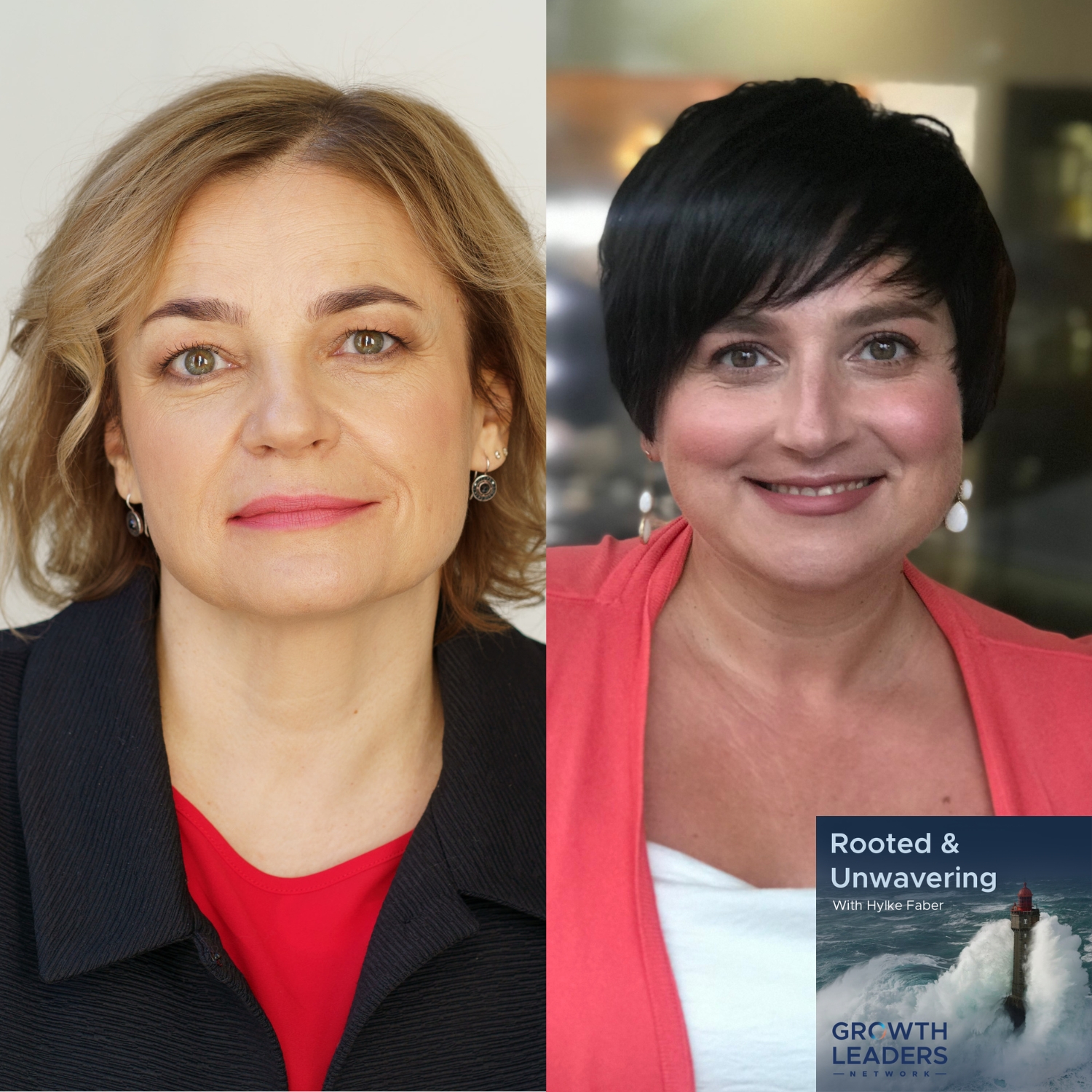
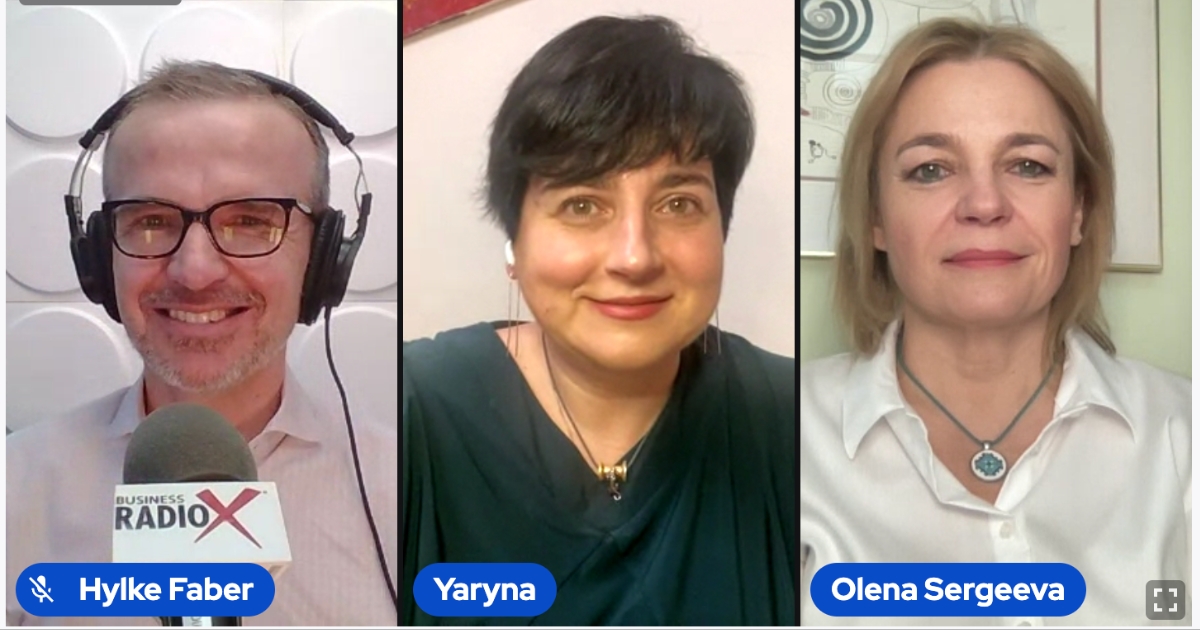
Hylke started his work life with Towers Perrin as consultant and then as Partner with Strategic Decisions Group, serving a wide range of industries, including financial services, manufacturing, consumer electronics and life sciences companies. A major shift occurred during this critical phase of his life. He had become the typical, hard-charging, 16-hours-a-day strategy consultant, and was burning out at a rapid clip.

When he discovered meditation, everything changed. He was so taken by his new discoveries that he chose to bring to business what he was learning: that there is a way we can have it all – we can be fulfilled, do work we love, and create extraordinary results with others. He thinks of it as creating a sense of ease in business.

He learned how to coach and facilitate human transformation completing his coaching certification with Newfield Network and by working at Axialent, the culture and leadership company. After a few years, he founded Co-Creation Partners together with other leaders in the field of transformation and personal development. Then he formed Constancee to help people grow by creating the conditions where deep personal, interpersonal and organizational shifts happen routinely.

He leads Growth Leaders Network, the culture and team development consultancy. He has also taught coaching at Columbia Business School Executive Education and has contributed to Harvard Business Review. He is currently teaching a course on Climate Conscious Leadership at Arizona State University. His award-winning book, Taming Your Crocodiles: Unlearn Fear & Become a True Leader, was published by Dover in 2018.

His next book, Taming Your Crocodiles Practices for Leadership Depth, came out in 2020. Besides helping others grow, which he loves, he is a trained opera singer, enjoys hiking and writing, is an avid reader, in particular of biographies, and is always in the process of growing himself. He integrates all of what he learns in his work with executives.

Connect with Hylke on LinkedIn.

About Our Sponsor

Realizing Your Greatness

We are a team of experienced facilitators and coaches dedicated to helping individuals, teams and organizations thrive by helping them recognize their innate greatness and putting it to work.

    • Executive Coaching: we work with clients individually to help them connect to their calling and use every challenge as an opportunity to help them grow more into what makes them great.
    • Team Performance: we help teams evolve to their next level of excellence, connectedness and impact by working on the root drivers of team performance.
    • Culture Development: we help organizations to evolve their culture by creating clarity about where they aspire to go, and by building role models, coaches and systems that catalyze people being energized to work the new way.
  • Key Notes: we deliver powerful speeches at conferences and other events that help audiences become energized, more connected to themselves and each other, more open to discovery and ready to commit to the next stage of learning in their career and life journeys.

Growth Leaders Network (GLN) serves Fortune 500 companies, smaller organizations and non-profits globally.

GLN clients report that we catalyze significant business transformational impact and profound shifts in people, team and organizations at the root cause level.

Learn more about the Growth Leaders network here.

Lesson from Ukraine: Empathy, Forgivenes, Gratitude and Action E16

March 3, 2023 by Karen

Lesson-from-Ukraine-Empathy-Forgivenes-Gratitude-and-Action-feature
Phoenix Business Radio
Lesson from Ukraine: Empathy, Forgivenes, Gratitude and Action E16
Loading
00:00 /
RSS Feed
Share
Link
Embed

Download file

Lesson-from-Ukraine-Empathy-Forgivenes-Gratitude-and-Action

Lesson from Ukraine: Empathy, Forgivenes, Gratitude and Action E16

How do we stay connected to some kind of sanity when our country is being invaded by another one? Says Yaryna Klyuchkovska, a senior communications expert, living in Kyiv: “As a country we are surviving because we’ve learned who we are.

Yaryna shares that war has taught her more of what she is truly made of. She acts on what she truly values, even if it means losing relationships, and a prestigious job. “It’s not a value if it doesn’t have a cost,” reflects Yaryna. And, practicing forgiveness, she accepts that everyone makes their own choices. Olena Sergeeva, a seasoned facilitator and coach from Ukraine who has moved to the US has found herself in search for meaning and what her true core is. “It’s difficult not to be sucked into bigger emotions and be blown with the wind,” says Olena adding that she finds inner stability through empathy with self and others, meditation, exercise, and by facing head on old patterns that no longer serve her.

Both draw inspiration from Viktor Frankl’s “Man’s Search for Meaning” and practice gratitude. Listen to this episode of Rooted & Unwavering and discover more of your inner wherewithal to work with crises.

Yaryna-KlyuchkovskaA communications professional with 20+ years of experience, Yaryna Klyuchkovska works as strategic communication consultant in Kyiv, Ukraine. She specializes in strategic communications, crisis communications, and communicating change. As a communications advisor and media trainer, Yaryna has helped dozens of senior executives, government officials and politicians.

Most recently, Yaryna worked as Corporate Communications Director for ArcelorMittal Kryvyi Rih, the largest foreign investor in Ukraine. She revamped the company’s approach to communication as a strategic function, transformed its relationships with the media and influencers, and successfully managed communication for a series of crises, including a major litigation case with the government and the first six months of Russia’s invasion of Ukraine.

Earlier, she worked as communication consultant and advisor for clients including the Minister of Economic Development and Trade, the Minister of Finance, the National Health Service and a number of businesses and NGOs. She led communications departments at large Ukrainian and international companies, including Microsoft Ukraine, Group DF, UMC (now Vodafone), and Metro Cash & Carry Ukraine. She also spent a year with Benjamin Group / BSMG Worldwide, a leading technology PR agency in Silicon Valley (now part of Weber Shandwick).

Yaryna holds master’s degrees from University of Kyiv-Mohyla Academy (Kyiv, Ukraine) and San José State University (Calif., USA). Since 2001, Yaryna has developed and taught public relations and business communication courses at Ukraine’s leading business schools. She co-founded the Ukrainian Association of Public Relations and chaired its Board in 2007-2008. In 2011, she was named one of Ukraine’s best PR Directors by Marketing Media Review magazine. In 2014, she helped create the Ukraine Crisis Media Center, a civic initiative to help Ukraine manage its international visibility during the ongoing military crisis.

Connect with Yaryna on LinkedIn, Facebook and Twitter.

Growth-Leaders-Network

Growth Leaders Network is a team of experienced facilitators and coaches dedicated to helping individuals, teams and organisations thrive by helping them recognize their innate greatness and putting it to work.

We support clients providing executive coaching, team development, culture development and key notes, in addition to assisting in initiatives for societal evolution. Our clients report that we catalyse significant business transformational impact and profound shifts in people, team and organisations at the root cause level.

Olena-SergeevaOlena Sergeeva is a coach, facilitator, and consultant working with organisational change and leadership development projects, executive coaching, and team alignment.

Olena’s vast professional background encompasses 15 years of senior management experience and 12 years in business education and consulting. For a decade, she headed Mary Kay in Ukraine & Moldova as a General Manager and was listed among Ukraine’s Top 100 Managers.

Olena was also one of the founders of Ukrainian Direct Selling Association and served as a Chairperson for its Board. As a consultant on leadership as well as an MBA lecturer at Edinburgh Business School Eastern Europe and Kyiv School of Economics, Olena has worked with generations of leaders across industries and non-profit sector to help them grow and transform their organisations.

Olena has a Master of Education degree from Rutgers University, New Jersey, USA, and a Master of Arts in Philology degree from National Shevchenko University of Kyiv. She is a Certified Coach with Coach Training Alliance, USA and a Certified Senior Professional in HR International with Human Resource Certification Institute, USA.

Connect with Olena on LinkedIn.

About Rooted & Unwavering

Peace, Compassion, Wisdom, Purposefulness, Creativity and Strength come online in us when we deeply connect with the true, unwavering greatness that lives within ourselves and others.Rooted-and-Unwavering-Tile

In this podcast and radio show, Hylke Faber, seasoned transformational coach and author of the award-winning Taming Your Crocodiles series, engages in deep inquiry with leaders from all walks of life about courageously connecting with our true selves, others and the world at large.

How do we stay connected to our true selves and our greatness, especially when we are challenged? How do we rest in the heart, also when our mind keeps us restless? What becomes possible when we truly stay committed to our own and others’ best selves, also when we don’t feel it? How do we practice staying connected to our true selves, in the midst of our busy lives?

Join us and leave inspired to act on your heart’s greatness and that of the people around you.

About Our Host

Hylke-Faber-headshotFor as long as he can remember Hylke Faber has been curious about what this life is about. His ongoing inquiry has become his work: helping people individually and collectively to discover what is possible in life and express that authentically and fearlessly.
Hylke started his work life with Towers Perrin as consultant and then as Partner with Strategic Decisions Group, serving a wide range of industries, including financial services, manufacturing, consumer electronics and life sciences companies. A major shift occurred during this critical phase of his life. He had become the typical, hard-charging, 16-hours-a-day strategy consultant, and was burning out at a rapid clip.

When he discovered meditation, everything changed. He was so taken by his new discoveries that he chose to bring to business what he was learning: that there is a way we can have it all – we can be fulfilled, do work we love, and create extraordinary results with others. He thinks of it as creating a sense of ease in business.

He learned how to coach and facilitate human transformation completing his coaching certification with Newfield Network and by working at Axialent, the culture and leadership company. After a few years, he founded Co-Creation Partners together with other leaders in the field of transformation and personal development. Then he formed Constancee to help people grow by creating the conditions where deep personal, interpersonal and organizational shifts happen routinely.

He leads Growth Leaders Network, the culture and team development consultancy. He has also taught coaching at Columbia Business School Executive Education and has contributed to Harvard Business Review. He is currently teaching a course on Climate Conscious Leadership at Arizona State University. His award-winning book, Taming Your Crocodiles: Unlearn Fear & Become a True Leader, was published by Dover in 2018.

His next book, Taming Your Crocodiles Practices for Leadership Depth, came out in 2020. Besides helping others grow, which he loves, he is a trained opera singer, enjoys hiking and writing, is an avid reader, in particular of biographies, and is always in the process of growing himself. He integrates all of what he learns in his work with executives.

Connect with Hylke on LinkedIn.

About Our Sponsor

Realizing Your Greatness

We are a team of experienced facilitators and coaches dedicated to helping individuals, teams and organizations thrive by helping them recognize their innate greatness and putting it to work.

    • Executive Coaching: we work with clients individually to help them connect to their calling and use every challenge as an opportunity to help them grow more into what makes them great.
    • Team Performance: we help teams evolve to their next level of excellence, connectedness and impact by working on the root drivers of team performance.
    • Culture Development: we help organizations to evolve their culture by creating clarity about where they aspire to go, and by building role models, coaches and systems that catalyze people being energized to work the new way.
  • Key Notes: we deliver powerful speeches at conferences and other events that help audiences become energized, more connected to themselves and each other, more open to discovery and ready to commit to the next stage of learning in their career and life journeys.

Growth Leaders Network (GLN) serves Fortune 500 companies, smaller organizations and non-profits globally.

GLN clients report that we catalyze significant business transformational impact and profound shifts in people, team and organizations at the root cause level.

Learn more about the Growth Leaders network here.

Tagged With: Coaching, crisis communication, leadership development, leading self, personal transformation, reputation, Russian war against Ukraine, strategic communication, team connectedness

Emmanuel and Angela Williams with DetailXPerts

March 3, 2023 by Karen

Emmanuel-and-Angela-Williams-with-DetailXPerts-feature1
Phoenix Business Radio
Emmanuel and Angela Williams with DetailXPerts
Loading
00:00 /
RSS Feed
Share
Link
Embed

Download file

Emmanuel-andAngela-Williams-with-DetailXPerts

Emmanuel and Angela Williams with DetailXPerts

DetailXPerts-logo

DetailXPerts is on a mission to empower people and our planet – one Cleanup Project at a time. Their passion for creating opportunities has led them down an eco-friendly business development path that prioritizes saving water – while caring for people and preserving the environment.

When it comes to mobile cleaning, their sustainable restorative approach makes DetailXPerts the go-to source for impeccable cleaning results. Both in the Phoenix market and around the world!

Angela-EmmanuelEmmanuel Williams is the Founder and Chief Executive Officer of DetailXPerts. Emmanuel created the company’s patent-pending steam cleaning process in 2002.

He uses the skills and knowledge he gained as a graduate of the Detroit Engineering Institute and combines these with his extensive experience as a licensed Stationary Engineer and Facility Manager to continuously improve and upgrade the DetailXPerts proprietary cleaning processes.

Angela Williams is the President and Chief Operating Officer of DetailXPerts. As the company’s President and COO, Angela makes sure operations flow smoothly, efficiently, and economically. She guarantees that work is done properly and on schedule.

Her combined knowledge and experience in the fields of Information Technology, Financial Systems, Accounting, Information management, and Business Management helped DetailXPerts become the successful business it is now. She is also a certified Project Management Professional.

Follow DetailXPerts on LinkedIn, Facebook, Twitter and Instagram.

Tagged With: auto detailing Phoenix Arizona, commercial cleaners in Arizona, mobile detailers Phoenix, mobile fleet cleaning Arizona, water saving car wash

  • « Previous Page
  • 1
  • …
  • 22
  • 23
  • 24
  • 25
  • 26
  • …
  • 170
  • Next Page »

Business RadioX ® Network


Our Most Recent Episode

CONNECT WITH US

  • Email
  • Facebook
  • LinkedIn
  • Twitter
  • YouTube

Our Mission

We help local business leaders get the word out about the important work they’re doing to serve their market, their community, and their profession.

We support and celebrate business by sharing positive business stories that traditional media ignores. Some media leans left. Some media leans right. We lean business.

Sponsor a Show

Build Relationships and Grow Your Business. Click here for more details.

Partner With Us

Discover More Here

Terms and Conditions
Privacy Policy

Connect with us

Want to keep up with the latest in pro-business news across the network? Follow us on social media for the latest stories!
  • Email
  • Facebook
  • Google+
  • LinkedIn
  • Twitter
  • YouTube

Business RadioX® Headquarters
1000 Abernathy Rd. NE
Building 400, Suite L-10
Sandy Springs, GA 30328

© 2025 Business RadioX ® · Rainmaker Platform

BRXStudioCoversLA

Wait! Don’t Miss an Episode of LA Business Radio

BRXStudioCoversDENVER

Wait! Don’t Miss an Episode of Denver Business Radio

BRXStudioCoversPENSACOLA

Wait! Don’t Miss an Episode of Pensacola Business Radio

BRXStudioCoversBIRMINGHAM

Wait! Don’t Miss an Episode of Birmingham Business Radio

BRXStudioCoversTALLAHASSEE

Wait! Don’t Miss an Episode of Tallahassee Business Radio

BRXStudioCoversRALEIGH

Wait! Don’t Miss an Episode of Raleigh Business Radio

BRXStudioCoversRICHMONDNoWhite

Wait! Don’t Miss an Episode of Richmond Business Radio

BRXStudioCoversNASHVILLENoWhite

Wait! Don’t Miss an Episode of Nashville Business Radio

BRXStudioCoversDETROIT

Wait! Don’t Miss an Episode of Detroit Business Radio

BRXStudioCoversSTLOUIS

Wait! Don’t Miss an Episode of St. Louis Business Radio

BRXStudioCoversCOLUMBUS-small

Wait! Don’t Miss an Episode of Columbus Business Radio

Coachthecoach-08-08

Wait! Don’t Miss an Episode of Coach the Coach

BRXStudioCoversBAYAREA

Wait! Don’t Miss an Episode of Bay Area Business Radio

BRXStudioCoversCHICAGO

Wait! Don’t Miss an Episode of Chicago Business Radio

Wait! Don’t Miss an Episode of Atlanta Business Radio