
Business RadioX ®

  • Home
  • Business RadioX ® Communities
    • Southeast
      • Alabama
        • Birmingham
      • Florida
        • Orlando
        • Pensacola
        • South Florida
        • Tampa
        • Tallahassee
      • Georgia
        • Atlanta
        • Cherokee
        • Forsyth
        • Greater Perimeter
        • Gwinnett
        • North Fulton
        • North Georgia
        • Northeast Georgia
        • Rome
        • Savannah
      • Louisiana
        • New Orleans
      • North Carolina
        • Charlotte
        • Raleigh
      • Tennessee
        • Chattanooga
        • Nashville
      • Virginia
        • Richmond
    • South Central
      • Arkansas
        • Northwest Arkansas
    • Midwest
      • Illinois
        • Chicago
      • Michigan
        • Detroit
      • Minnesota
        • Minneapolis St. Paul
      • Missouri
        • St. Louis
      • Ohio
        • Cleveland
        • Columbus
        • Dayton
    • Southwest
      • Arizona
        • Phoenix
        • Tucson
        • Valley
      • Texas
        • Austin
        • Dallas
        • Houston
    • West
      • California
        • Bay Area
        • LA
        • Pasadena
      • Colorado
        • Denver
      • Hawaii
        • Oahu
  • FAQs
  • About Us
    • Our Mission
    • Our Audience
    • Why It Works
    • What People Are Saying
    • BRX in the News
  • Resources
    • BRX Pro Tips
    • B2B Marketing: The 4Rs
    • High Velocity Selling Habits
    • Why Most B2B Media Strategies Fail
    • 9 Reasons To Sponsor A Business RadioX ® Show
  • Partner With Us
  • Veteran Business RadioX ®

CodeLaunch 2021 – Kitty Bogle-Sherman and Courtney Harmon

August 23, 2021 by Kelly Payton

Kitty Bogle-Sherman
CodeLaunch
CodeLaunch 2021 - Kitty Bogle-Sherman and Courtney Harmon
Loading
00:00 /
RSS Feed
Share
Link
Embed

Download file

Kitty Bogle-ShermanCourtney Harmon


This transcript is machine transcribed by Sonix


TRANSCRIPT

Intro: [00:00:07] Broadcasting live from the beautiful legacy theater in Alpharetta, Georgia, for code launch Atlanta, 2021. It’s time for Atlanta Business Radio. Now here’s your host.

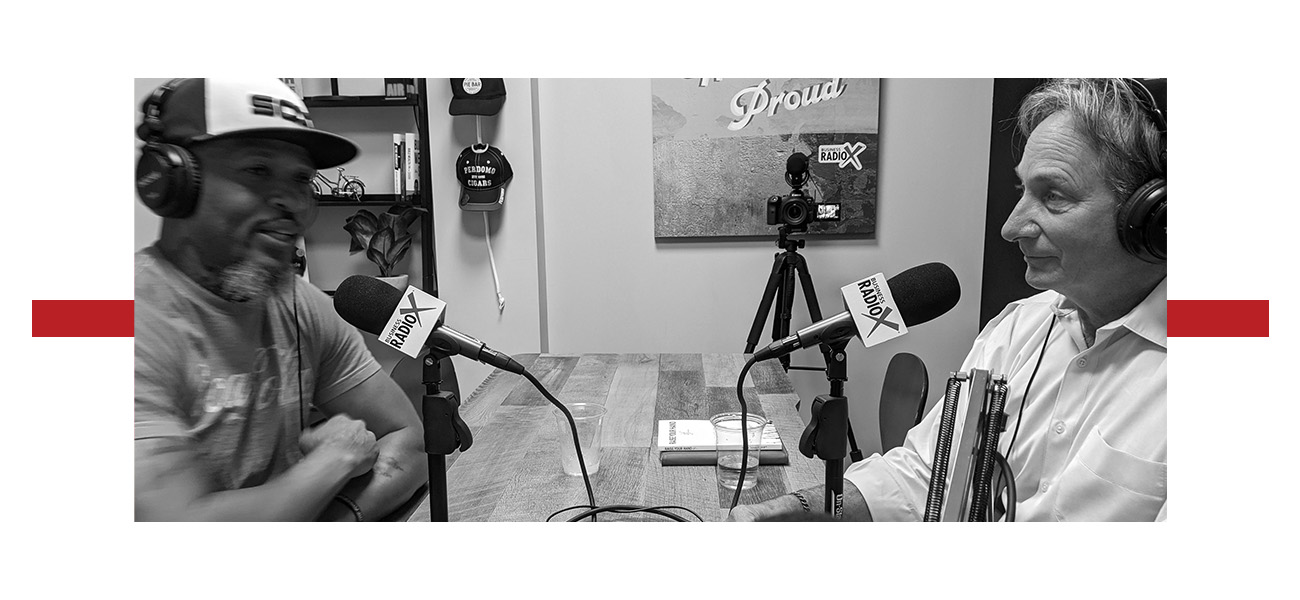
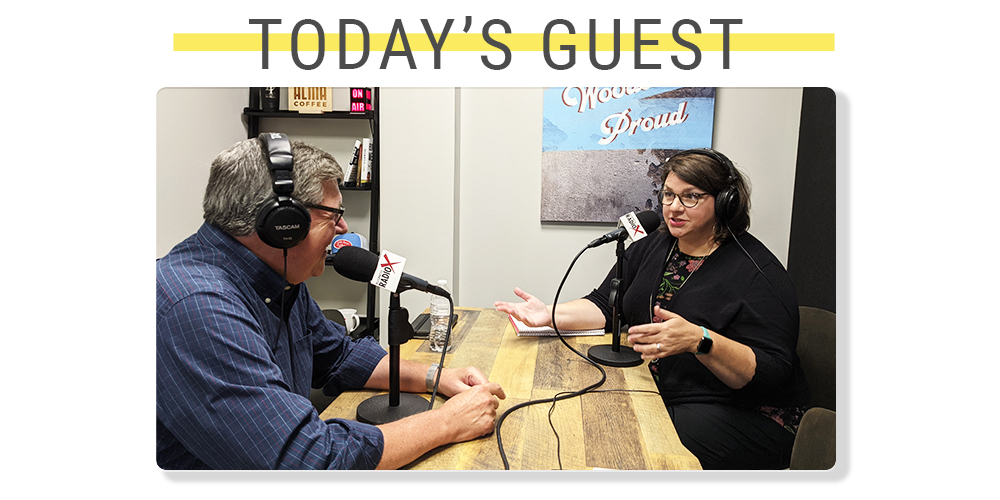
Stone Payton: [00:00:24] And we are back broadcasting live at code launch in Atlanta, twenty one Stone Payton Lee Kantor here with you with the Business RadioX Network. Next up on today’s broadcast, please join me in welcoming to the show with Mauti Misk, Katie Bhogle, Sherman and Courtney Harman. Welcome to the show.

Lee Kantor: [00:00:45] Thank you for having us. The are two things. Tell us about Maudy.

Kitty Bogle-Sherman: [00:00:50] Ok, Maudy is a place for people to remember differently. We’re building a new kind of home for your memories. So basically the idea is that there are billions and billions of photos and videos uploaded to the cloud and stored on the cloud. There are trillions actually there. Twenty eight billion new photos and videos uploaded to Google photos a week. And so the experiences currently available to experience your memories then are either social media or printing a scrapbook. But essentially, the experiences are very limited. And so we’re going to create an app where your digital presence can have a home forever.

Lee Kantor: [00:01:36] And then what was the catalyst of the idea?

Courtney Harmon: [00:01:40] So the main catalyst really goes back actually about seven years. When I first became a new mom and had a newborn, we lost an aunt that was really close to us. I’m sorry. And so it was at that time, as I was, I was going through a transition, becoming a new mom, that I had all these questions that I would have wanted to ask her. And there is no way to do that. And I just thought at that time, I don’t want my daughter to be left without with unanswered questions. So what are the things I can do? You know, what would be a way to leave your legacy? An intentional legacy, you know, really be able to be that influence in your in your family’s life, even if you aren’t there anymore. And then as we explored that idea, it’s expanded to pretty much just say, you know what, we have now thousands and thousands of photos that we take of our family and no way to really use them. They just sit in the cloud. And so really the problem is the limited experiences. So we wanted to just completely flip that on its head, something people really can’t even conceive of right now, because it’s it’s different than what’s out there and really change that experience.

Lee Kantor: [00:02:51] So now give me an example of how the experience comes to life. So I had a family member and it has like where does the context come in? Where does the threads that tie things together, where the stories are, or the experiences that maybe can combine different people together, and then we were all here at this time or we all experienced this, like how how does it all tie together?

Kitty Bogle-Sherman: [00:03:15] Well, you were right on track with your question. So basically you will be able to connect with your people. So anybody that you really actually want to share your life with and, you know, you think about it in that context or maybe contrasting with social media, you know, that typically tends to be more of a highlight reel. And I don’t think anyone here would say, oh, yes, my essence is really captured by, you know. So, you know, we’re kind of thinking about that differently. So you connect with those who are closest to you. And then we are developing a system of classification, and that’s really what’s going to make our tools so unique. So right now, what it can do, for example, is our grandfather, he uploaded a bunch of different jokes that he tells. Right. And so right now, our apps in the app store right now, what you can do is you can go in the last hour virtual code launch in April. Actually, the hackathon purpose was to implement voice activation technology into the app. So that has been done. And so you can pull Maudy open and say, hey, mordy, fetch Fopo, make me laugh, for instance. And then anything that’s been categorized in that way then pulls up. And so right now, the experience is a video pulls up and my grandfather tells a joke. But what we’re building towards and, you know, we’re in the middle of fundraising. So anyone who’s listening. What we’re building, though, is an experience where you will go into what we’re calling sets, and it’s a completely different world. And that’s where you are building basically a home that anyone in the future, your future descendants, your loved ones, whoever can come find you. And that’s where everything you’ve uploaded will live. But you also will be setting, you know, who sees what and when. So you can send messages to like, I want my child to see this on their 30th birthday or whatever, but. Oh, fine. So the possibilities are really in. Unless and it’s an opportunity that just hasn’t been tapped.

Lee Kantor: [00:05:27] So now you had this idea and then where does Kirtland’s fit into this?

Kitty Bogle-Sherman: [00:05:31] Well, we had the idea and then pre pandemic. So February of twenty twenty, we attended the memorial service for our great aunt in Little Rock, Arkansas. She was a very accomplished lady in the science and technology field. And so we had the good fortune to attend an event at the repertory theater there. And it was kind of like a celebration of her life. The play was an about Ann Richards. We’re from Texas. She’s really well known for her governor. And so in in that process, we saw you know, we heard from people eulogizing her. We saw videos people had made about her. We learned so much we didn’t know about her, but also our family and kind of where we fit into that legacy. So it was very inspiring, but also restarted, kicked that idea. Now, if we’re not, not everyone is going to have documentaries made about their lives, but every single person has a unique, interesting story. It needs to be put out there. So we were like, let’s go the pandemic here. We have two small children each. We were homeschooling for the rest of that semester and then, you know, summer twenty twenty. We realized, who knows when Covid will be over. We don’t know what that even looks like. Let’s go. Courtney said, Do you mind if I send this? I think he said I sent an application to this Covid lunch thing, and I was like, sounds cool. And then we ended up in code lunch and we were the alternate finalist out of, I think, like 160 hundred and congratulations. So the idea worked. But yeah, they really were the catalyst for like getting us into a network and then also giving us feedback on the idea. Yes, yes.

Courtney Harmon: [00:07:19] Evolution, providing a stage for us to collect market feedback, you know, really evolve our idea. What you gave us the confidence to go and start getting funding, which we haven’t gotten a significant amount yet. So and we’re in the middle of finishing out that round. And the idea has really evolved to something that has a very clear vision for us right now. And we’re excited now to just go execute on that.

Lee Kantor: [00:07:46] So now, what compelled you to say, you know what, I’m going to go to Atlanta to like, what are you here?

Courtney Harmon: [00:07:54] Well, I feel like we probably are giving you way too long of answers right now. But basically, my sister Courtney was living in Florida. We’re originally from Texas. I live in our hometown of Longview. Well, while all of this was kind of transpiring, she lived in Florida. So I would pick her up at the airport in Dallas. I would drive two hours, pick her up. We would go do all this. And this is

Lee Kantor: [00:08:16] No middle ground.

Kitty Bogle-Sherman: [00:08:18] Well, you know what? She moved to Texas in June, so also used to live in Atlanta. We’re southeast. We’ve been all over the place. So this really is a place we’re familiar with. And we’re just this is such a great event. We’ve gotten so much out of our other two events with this program that we know this is a place to be.

Lee Kantor: [00:08:38] So how have you seen the event evolve over the innovations you’ve got to be part of?

Kitty Bogle-Sherman: [00:08:44] Well, we’ve only been involved during the Covid era, and I will just say that the production value, in my opinion, has always been very high, and they have just somehow managed to work around every challenge. I would say, you know, compared to the event we attended last November in DFW. From what I’m hearing, we’re going to have like maybe double the attendance. And so I think that’s a pretty nice step for them to take.

Lee Kantor: [00:09:12] Now, any advice for entrepreneurs out there who maybe haven’t heard about Covid launch or they’re thinking about code launch?

Kitty Bogle-Sherman: [00:09:20] I think that you should definitely get involved, really, no matter what stage you’re at. There’s something for everybody here. As long as you know kind of what your goal is and what you’re trying to get out of it. It’s a great networking opportunity. And the people at Covid launch really care about this community of, you know, startup entrepreneurs. And it’s really exciting. You can learn a lot from anybody that’s here, and it’s a great way to just evolve your product.

Lee Kantor: [00:09:44] Now, any advice from from a networking standpoint, how do you kind of squeeze the most through an event like this where there is so much going on?

Courtney Harmon: [00:09:54] I think as an entrepreneur, you need to be really clear about what your goals are for the event. So, for example, in November, we knew we weren’t going to be on stage. We’re thinking, OK, well, who’s going to come to our table? We barely even know how to talk about this idea properly. And so we wore costumes and kind of in theme with our branding at the time. But it really works because I think, you know, Jason Taylor, I don’t want to speak for him, but I think, you know. He really took that as OK. These ladies will bring some value. So really, I think that’s it. What can you bring and what are your goals? And for us, we knew our goals. We’re not trying to get funding here. We’re trying to get some market validation. We’re trying to get to know people who can help us and we can connect with. And that’s what we did. And then our goal, for example, tonight is we’re ready to build a waitlist. So we have an Oculus giveaway, and that’s what we’re here to do. So I would say be specific about your goals and always, always think of how you can bring value

Lee Kantor: [00:10:55] And when you show up here with you and plan and

Courtney Harmon: [00:10:59] Execute. Yes, sir.

Lee Kantor: [00:11:00] Now, if somebody wants to learn more about Maudy, you mentioned the App Store as a website as well. Those investors who want to kind of learn more, what’s the best way to connect with you? I would say

Kitty Bogle-Sherman: [00:11:11] Either LinkedIn or Maudy app, A.R.T. i e a p dot com. Good stuff. Did I miss anything, Courtney? We’re also on Instagram,

Kitty Bogle-Sherman: [00:11:21] Although we’re not posting regularly yet.

Courtney Harmon: [00:11:25] That is coming. Yes. And it’s going to be great.

Kitty Bogle-Sherman: [00:11:28] And that’s also at App.

Stone Payton: [00:11:31] What an inspiring story. Thank you so much for visiting with us. Of course, we’re going to visit your booth. So we’re also going to continue to follow your story. And I think we touched on this in our last segment. Yes. Someone will emerge this evening as the winner of the event. No one loses here. Anyone here is going to gain, particularly if they’re of the right frame of mind. If they come in with a plan like you described, I can see why you’ve had the success that you’ve had so far. Congratulations on the momentum. Keep up the good work. One more time. Points of contact that people want to reach out to have a conversation with you make you a big check by your app. I already do. Let’s make sure we leave our listeners

Kitty Bogle-Sherman: [00:12:10] With that, OK? LinkedIn, Katie Vogel, Sherman, Courtney Harman or Maudy App. And again, Maudy Adcom has our contact information on it as well. We look forward to hearing from you. And thank you very much. You guys are just some more people are meeting that have been incredibly kind and generous to us, and we really appreciate it.

Stone Payton: [00:12:30] Well, it’s absolutely our pleasure. All right. We’ll be back in the future with code launch in Atlanta. Two more.
Tagged With: CodeLaunch

Joe Hammonds-Swain from FATHOM Realty

August 16, 2021 by Kelly Payton

JoeHammondsSwain
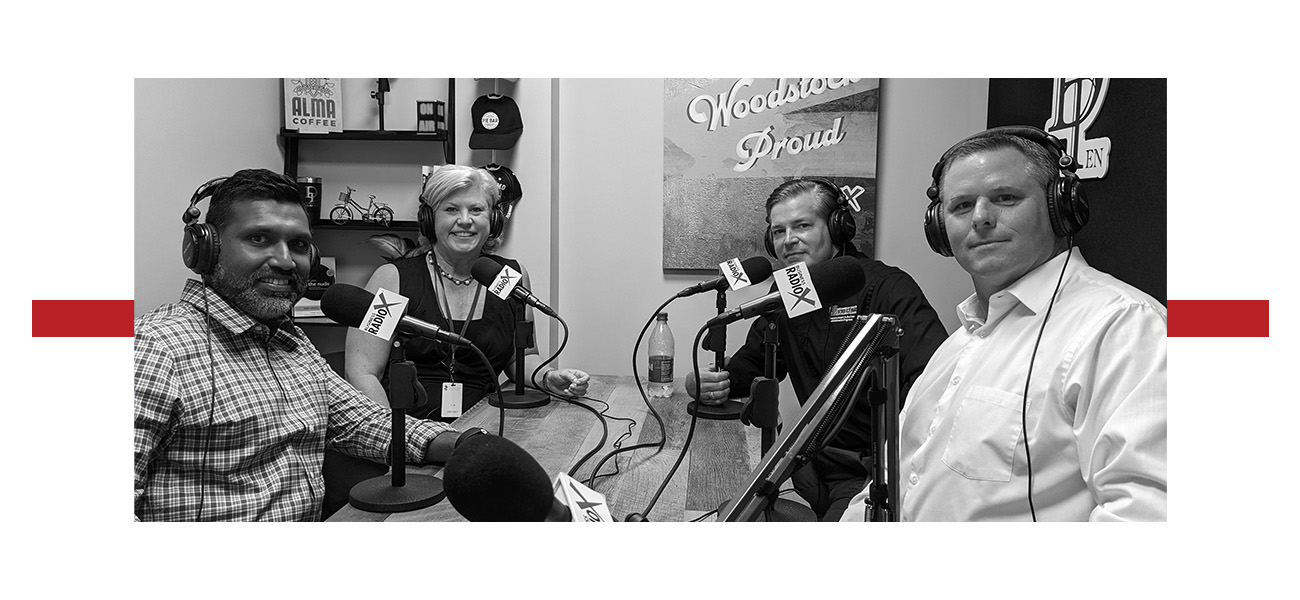
Woodstock Proud
Joe Hammonds-Swain from FATHOM Realty
Loading
00:00 /
RSS Feed
Share
Link
Embed

Download file

The Innovation SpotAlma Coffee

Joe Hammons-SwainJoe Hammonds-Swain, Realtor for FATHOM Realty

Joe is an 18+ year resident of Woodstock, “Not your Average Joe REALTOR” – Top Producer 2019 Atlanta Board of REALTORS®, Top 10 REALTORS® while at Red Barn Real Estate and Around Woodstock Magazine’s 2019 and 2020 Reader’s Choice REALTOR® – “Changing the face of Real Estate – one Client at a time!”. Joe has a Successful 20+ years in Sales and Marketing. Demonstrated history of successful Consultative Sales and Cultivating Relationships.

Attributes and Strengths:
Self-Starter who needs minimal direction and quickly builds and nurtures relationships. Excited by a fast paced, forward thinking and innovative environment.

Fathom RealtyConnect with Joe on LinkedIn and Follow Fathom Realty on Facebook


This transcript is machine transcribed by Sonix


TRANSCRIPT

Speaker1: [00:00:02] Broadcasting live from the Business RadioX Studios in Woodstock, Georgia, this is Woodstock proud, spotlighting the individuals, businesses and organizations that make Woodstock one of the premiere destinations in metro Atlanta to live, work and play. Now, here’s your host.

Speaker2: [00:00:28] Hello and welcome back once again to Woodstock browed here on Business RadioX, I’m your host, Jim Bolger. Now, if you’ve been with us before, it’s great to have you back. And if you’re joining us for the first time, we really appreciate you spending a few minutes with us as we get better acquainted with the individuals and businesses that are making a daily difference here in the Woodstock community. Today’s guest is Joe Hammond Swayne, another proud resident here of Woodstock and an award winning realtor with Fathom Realty. And Joe focuses on residential properties and has firsthand knowledge of the housing market here in Woodstock, in Cherokee County and in north Georgia. He’s also an active networker in the Woodstock area and a newly appointed board member of in Woodstock, one of the local organizations that connects businesses and spurs the economic growth in the community. So we’re going to talk a little about real estate. We’re going to talk about networking maven, even talk a little bit better about barbecue before it’s all over, though, Joe. Welcome to Woodstock Browed.

Speaker3: [00:01:33] Hey, Jim, thanks for having me. I really appreciate the time.

Speaker2: [00:01:35] Now, we’re happy to have you here. So let’s let’s start with a little bit of background. Like many realtors, this was not your first career. So give us a brief idea of your background and how you ended up at Fathom Realty.

Speaker3: [00:01:48] Sure. No worries. I started many years ago doing sales, I would say. I think one of the first things we do is, as anybody growing up should wait tables, OK? And you learn real quick what customer service means. And then that turns into, you know, college, which then turns into retail, and then it kind of evolves. And before you know it, you’re working in some sort of sales capacity selling technology, at least I did. And then I spent probably 15 years selling technology, some of the biggest companies here in the southeast. And then through some changes, through some technology, through companies, I decided that it was time to break out on my own and become my own business owner. And I found that real estate is one of the fastest ways to get into being know an owner of your own business. So.

Speaker2: [00:02:34] Well, that’s great. And the move from technology companies to realty is kind of a unique one. So as you look at it, what skills, what knowledge, what experiences were you able to transfer from your technology roles into being a realtor?

Speaker3: [00:02:52] Sure, I I think that when it comes to real estate, it’s about setting appropriate expectations. OK, and then as you learn more about what people’s needs are, you become a problem solver. And I think a lot of that equates back to technology, because when I was selling technology, my job was to come into an organization, understand, spend time learning about processes, spend time about different systems, and trying to bring all of that together with a solution that would resolve a specific pain point that the client may or may not know in this case with real estate. A lot of people do know that either they want a home or they know that they want to make a change from one home to another home. And so your job is to help solve for that equation. And so that project management background, working inside real estate allowed me that kind of comfort when we moved over to this one from like a big, large global kind of mindset to a very communal mindset by moving to real estate. It’s just some of the same transfer of some of the same processes.

Speaker2: [00:03:59] So. Well, it’s interesting that you mentioned project management, because every customer interaction you have is really kind of a project unto itself between the needs analysis and then looking for the possible solutions and making sure that that meets their needs. I mean, when you first meet with somebody, talk a little bit about that needs analysis, how do you help them decide, you know, really what they’re looking for so that you can narrow down the choices for them and manage their time to? Sure.

Speaker3: [00:04:33] Well, real estate is interesting because there are so many different styles of homes, so many different architectural capabilities. So when you start thinking about do you like a traditional home or do you like a modern home or do you like a contemporary home? A lot of people don’t know what those differences are and those different types of architectures. So you spend the time sitting down and going, OK, so where are you in this stage of your life? What style do you want? Do you want to be in a more urban setting where you’re walkable to all of your work, play, live environment, or do you want to be out further in a more rural environment? Maybe because you want to have some animals, maybe you want to have a farm. So once you sit down and have that conversation, you kind of uncover. What they’re looking for, and then then it becomes a discussion about, OK, so where can we find tune that? Where can we add this? Where can we pull away from that? What are your primary? If you were to do a list and this is probably something I tell a lot of people, do your pros and cons write down all the things that are must have? You know, I have to have this many bedrooms.

Speaker3: [00:05:37] I have to be on this size lot. I have to be in this particular city or town and then go, what are your nice to have? Well, if it had a kitchen, they’d be great to in. But if it had if it’s got like a backyard or a fence, that’d be nice. Maybe it has a pool, maybe that would be nice. And then the, the deal breakers, as I call it, that’s the column that we really need to pay attention to. These are the ones where people will say if it has this item, then it’s a no go for me. In other words, has to have a basement. If it doesn’t have a basement, don’t even bother sending me this particular property, OK? Because it is a priority for me to have a basement. But if it doesn’t have one, then you can take that off the list. So those types of things do come up. And I do find sometimes people they want that pool, they want that hot tub. You know, they want that spa. They want the land, OK? And those are deal breakers. If it doesn’t have those, then, you know, that’s it.

Speaker2: [00:06:34] Well, and for most of us, I mean, buying a house is the largest personal investment we’re going to make in our lives. And it’s an exciting time, but it can also have a lot of tension and nervousness and twitchiness do it. And so holding down those frustrations where they’re looking at a lot of things that don’t meet their needs, I’m sure helps you in building your relationship with them, that doing that initial needs analysis, you really can narrow down to just what they’re looking for.

Speaker3: [00:07:06] You can. And then on top of that, sometimes what you may see online. May be completely different when you walk through the front door. I hear that all the time. Yeah, so the front door is is there is the gateway, right? So you may see pictures online that are beautiful. They have fantastic lighting. They have, you know, staged. And then you walk through the front door and it feels like it’s either a basketball court because it’s miles and miles wide or it’s this tiny is like a closet. OK, so you have to you really may not know until you walk through the door. And so sometimes even I don’t even know until we do step through that front door.

Speaker2: [00:07:42] You know, somebody mentioned to me not long ago, they had said that, you know, they were looking at some houses on Zillow and some of the other sites. And then they went out to actually look at them and they said, you know, it’s kind of like reading somebody’s resume and then meeting them, that there was a big difference there between what they expected to see and what they actually saw.

Speaker3: [00:08:01] Absolutely. That is something we deal with on a daily basis. And again, back to your topic. You know, how do you set those appropriate expectations? OK, and so having those conversations where it’s open and you have that dialog allows us to further understand those needs. Right. And, yeah, it just it’s really interesting when it comes down to that.

Speaker2: [00:08:25] Well, and I would think one of the other transferable skills you brought was I mean, I spent a lot of years in technology companies, as you did, and the technology is always changing and being able to adapt to those changes seamlessly is a big part of it. And obviously, we’ve seen a lot of changes in the real estate market. I mean, as we sit here in August of twenty, twenty, one of the local real estate market is strong. And as we’ve mentioned on the show before, I mean, Woodstock has gotten a lot of attention over the past year. Is Money magazine’s number 17 best city to live in in the US Homes magazine, third best U.S. suburb to move to in just a few weeks ago, Woodstock was named the fifth safest city in Georgia. And do those kinds of awards prompt people to consider a move to our area? What kind of changes are you seeing in the market right now?

Speaker3: [00:09:19] Absolutely. I mean, the market right now is unprecedented. I mean, we’re seeing stuff that’s been in the works now for 20 plus years. OK, the housing shortage has been something for quite a while. And so when you add the pandemic last year and then you add to the reduction of mortgage rates right now being some of the lowest ones, you know, very, very long time, it creates demand. And so when you have those two things playing, you instantly have more competition. It’s that competition mindset, supply and demand, I mean, this basic economics. And so when you have homes on the market and you have multiple offers, which we are seeing, OK, and then you have to make some decisions based upon the offers themselves, the owners, the sellers have to do that. And as a buyer, you want to position yourself as strong as you can. So when you work with both sides of the equation, like I do, you have a very well rounded ability here to to really help people find those homes and try to win. And it becomes competitive. It really does. And but we are seeing some people, you know, transplant here from other locations maybe where there are real estate markets. Values are even higher than they are here in the Atlanta market. So we’re seeing a lot of that as well. And that creates more competition, too.

Speaker2: [00:10:40] So so let’s say there’s someone who is looking to take advantage of the market right now. They’re thinking about selling their home. What advice would you give them as far as preparing their home to make it as attractive as possible to potential buyers?

Speaker3: [00:10:57] Ok, so the word advice, I’m going to frame that by saying to be me providing advice, that would mean that you would need to be under contractual arrangement with me. OK, but knowing that these things are pretty commonplace, I will say that the biggest thing is to clutter the clutter, clutter, clutter, remove unwanted furniture that maybe makes a room feel very claustrophobic, OK? Make sure you clean, clean your ceiling fans, clean your light fixtures, wipe down the countertops. OK, these sound like simple things, but you would be surprised if some homes when you walk into them and those things haven’t been done, if you have a stainless steel refrigerator or stainless steel appliances, might not be a bad idea to wipe it down with a stainless steel wipe. OK, because fingerprints really stick out. OK, you windows. Clean the windows, I mean, it sounds crazy, but it really is the simple things that make it stand out, but it really is one of those first impressions are everything curb appeal? OK, make sure your house looks great from the street. If you need to put down new mulch, Moorestown, maybe add a splash of color with a few flowers, you know, pick some seasonal flowers depending on when you’re going to list your home.

Speaker2: [00:12:11] So so it doesn’t have to be big changes. These are all pretty simple to do.

Speaker3: [00:12:16] Yeah, I think the House is going to sell itself if it’s priced right. And I’ll come back to that. It has to be priced right. And I feel like sometimes you deal with people who have unrealistic expectations, you know? You know, sometimes they’re like, I’ll sell if I can make X number of dollars, that’s great. I can’t guarantee anything. OK, but we can try it. But the reality is, is if it doesn’t sell, I want you to understand that the way it does sells through price price resolves a lot of concerns. So.

Speaker2: [00:12:49] I have a friend who’s a home remodeler, and we were talking a few months ago and he was telling me that, you know, HDTV in the other home improvement home buying shows for his business have prompted people to reevaluate their current space, get a little dissatisfied with their current space and look at remodeling or even moving as a realtor. Have you seen any impact from those kinds of shows?

Speaker3: [00:13:19] Yeah. So, I mean, this morning, matter of fact, it said my realtor only works with me and shows me three homes and I have to decide which home to buy. OK, because that’s an excuse me, a television show kind of mentality. But the reality is I can show upwards. I showed one client last year, 60 homes, while for we we closed it was 11 months, you know, time frame that we spent looking at homes to find the right home because they were very specific and what they were looking for and. So when you talk about the television shows, people do see trends, everything’s trends, and so you do see some television shows that do follow those trends and people do like to see those trends. But the reality is, is a four thousand our kitchen makeover, where you rip out new cabinets and new countertops, new flooring, new appliances, it’s a little bit unrealistic. OK, so having a realistic expectation is key. And sometimes the designers have added, if you can do it, fantastic. But if you’re going to try to sell and maximize your amount of money, it really is going to require very quality remodels. And so that’s the key.

Speaker2: [00:14:31] So, I mean, obviously, you get to work with a lot of people and it’s very individualities. I mean, everybody is going to be a little bit different. But as far as just general trends, what kind of trends do you see as far as what buyers are looking for?

Speaker3: [00:14:45] Buyers want Turkey right now. A lot of them want to be able to move into a property, but a minimum amount of money into it and then be able to live. So they’re looking for updated kitchens, updated owner suites, updated landscaping, OK, they’re wanting updated appliances. They want what’s on trend. And that’s what we’re seeing a lot of sometimes going that extra mile when you’re getting ready to list your home, maybe choosing a painkiller that’s popular. Yeah, that’s great. The thing is, it may not go the style of your home, so you have to think about that, too. So, yeah, it’s a lot. I mean, I’m not an architectural expert at all, OK? And I’m not I’m not an interior designer either, but I do have access to those tools for people who would like to use them so well.

Speaker2: [00:15:33] And you talk about people wanting something that’s move in. Ready? And tell me if this is right, but I’m hearing, you know, a lot of houses right now are only on the market a couple of days and yeah, you can push out a closing date a little bit, but people have to be ready to move pretty quickly. And if a home needs a lot of repairs or a lot of updates or a lot of remodeling before they can move in, it may delay them being able to sell their current house. Hmm.

Speaker3: [00:16:03] I’m thinking through that because I think that price resolves a lot of that. Sure. OK. But if there are remodels that have to be done, then doing those quickly would be the key. OK, as far as selling a home. It’s going to be it needs to be what the buyer needs, OK, which is going to be. You know, that turnkey look now, some homes like a home I went and visited yesterday. They’ve spent the last 90 days fixing the home up in preparation to put it on the market, landscaping, exterior, paint, interior paint, new deck. You know, I spent some money to overhaul the kitchen countertops, new cabinetry, took down a wall, opened up the space, which are all things buyers are looking for. And I think it’ll be a very attractive property when it does hit the market. And I think we will see multiple offers. I mean, the trend right now is four point four offers per listing. OK, things are cooling off, OK? It’s not as aggressive as it would have been back in May or even early April of this year. We are still seeing, you know, homes on the market for a period of time. But I don’t know the exact days on market today, but it is relatively under a month. Right out amount of inventory, so,

Speaker2: [00:17:36] Well, you mentioned earlier that, you know, mortgage rates have remained pretty low. Is that from what you’re seeing, is that prompting some people to get into home ownership who really maybe before were renting or hadn’t really consider that?

Speaker3: [00:17:50] I think so. I think a lot of people see the six hundred dollars and eighteen hundred dollars and two thousand dollars worth of rent every month is they’re paying somebody else’s mortgage. And so you see people looking at that and analyzing that and then making some decisions based on that so that they can, you know, either save money to put down because every real estate transaction, it does require some cash or they put some aside for their own remodeling that maybe they want to do once they get into a property. But we are seeing more people because money is, quote unquote cheap. And I’m using finger quotes here, people that more people want to do become homeowners, you know. So it’s neat. It’s interesting to see. But there are some things happening and on Wall Street that is creating additional competition where they are buying homes, cash, OK, and that’s non financed, by the way. So that makes it an interesting when you have multiple offers. So.

Speaker2: [00:18:48] Well, and for those of us who are more uninformed about this, you know, I hear people saying, well, inventories are low right now that, you know, looking for a house, if you’re ready to move, move fast, try to make a decision, because, you know, there’s just not the kind of inventory out there that there was before. I mean, if you found that to be true,

Speaker3: [00:19:13] There are more agents right now than there are homes on the inventory and on the market, really. That’s a stat I read somewhere in the past couple of months, but yes, there are more agents than there are homes on the market to be sold. Wow.

Speaker2: [00:19:27] Now, you we talked before about you making this change from your past career into real estate. If if someone listening is considering becoming a realtor. Let’s talk a little bit about what advice you might have for them, what traits do they need to do to need to have? What can they expect?

Speaker3: [00:19:54] Sure. This is an industry where. You I mean, you’re running your own business, much like if you want to set up an Amazon shop, you’ll be running your own business. If you’re going to be setting up a brick and mortar where you have people coming in to buy stuff from you, whether it’s a food, whether it’s clothing, it is a business. So you have to manage it like it is a business. And I think a lot of people don’t realize that because you do have to network, you do have to spend time understanding your financials. OK, you do have to spend time marketing and you do have to spend time seeking business and becoming a salesperson person. If you’re not a sales person, you can learn those traits. And you can evolve and you can be very successful sometimes being part of a team of people that help support you does help you grow faster. OK, I came into this industry cold feet. OK, I just had what I call myself Chop’s, OK, and so I just didn’t understand this vertical, this industry, and so I needed the right tutelage, the right mentor to help me through that. And I was lucky I was lucky to find a great mentor that could give me the right information I needed when I needed it so that I could be successful.

Speaker3: [00:21:13] Doing what I needed to do, which did require cold calling, did require knocking on doors. It did require responding to leads coming through the Internet. So these are all what I call typical sales tactics. Now, that’s not to say you can’t be very successful if you’ve been a teacher for 20 plus years and you’ve decided to make an evolution and become a realtor, you can still be very successful. I’ve seen a number of agents that have done something similar, and for that I’m excited for them. You know, it is a sales role, but it’s also a relationship. This is a relationship business. It’s about how you take care of your clients. It’s about the people that you know. It’s about the businesses that you choose to support, OK? It’s about being involved. These are just typical community stuff. And that’s why being in Woodstock has been so great. I’m so grateful to be here and have been here for 18 plus years. It’s just a neat, neat environment.

Speaker2: [00:22:10] I’m with you all the way on that, you know. I think a lot of people are going to suspect a lot of people have a vision of what it takes to be a realtor that may be different from reality as far as the amount of work it takes, as far as the kind of schedule they’re going to keep. As far as you know, I mean, there is a going out and showing homes to people. Part of it, there’s a paperwork, part of it to talk a little bit about that as far as the the amount of work it takes to schedule things of that sort.

Speaker3: [00:22:49] It’s funny you say that because I tell people all the time I work when most people don’t work and I work when most people don’t work. You know that. I get that right.

Speaker2: [00:22:56] Yeah, OK. So I work

Speaker3: [00:22:58] When people work and I work when people don’t. So there are you do have to set boundaries. I mean, I do have a family, have two wonderful, beautiful daughters that I have to take care of and and make sure that I’m involved in and their lives. And my lovely wife, of course. So I want to make sure that I have time. But you have to allocate that time. I mean, again, back to time management, being a business owner, making sure you carve out those things because those are priorities and at least they are to me. OK, and I know when starting any new business, you struggle with time. You know, I really need to go. It’s that that famo is the term I hear a lot if you’re missing out. If I’m not here, I’m not doing this and you don’t know where business is going to come from. OK, you know, what I have found is a lot of businesses come from your network, which is great as long as you’re actively involved in your community. So as a new agent, you understand there’s a lot of outlay of costs. People think that business falls in your lap. When you get your license, you put it on the table, you know, hey, I’m a realtor. Raise my hand, everybody. You don’t want to lose your house to me. And that’s not the answer. I’ve learned. Some people just don’t want to disclose their financials. OK, you may have some really close friends that love you and have been on your holiday card list every year.

Speaker3: [00:24:12] And they’ve come to your parties. They just may not choose to use you because they may not want you in that side of their their life. And I accept that. I’m sure I’m not for everybody. I’m very direct. I’m very honest. You know, I’m very busy. So it’s like, you know, I want to make sure that, you know, your priority to me. But at the same time, you know, there are things that I want to make sure I’m not wasting your time. OK, so you have to manage all that and expectations. People, they don’t know what they don’t know. And sometimes you have to tell them, OK, and so sometimes just tell them three times that they will say, all right, tell them once, tell them again, tell them a third time. And, you know, so when it comes to buying a home, you become a coach, you become an educator, you become a consultant, and you have to have your quiver, as I call it, full of all the tools that you can possibly use to give them the best experience possible, whether that’s access to a specific cash buyer, an investor, a Web portal, maybe it’s part of being part of a group that says, hey, I got a I know something coming soon here that might be of interest to you. You know, knowing what those tools are and how to effectively use them. You don’t use a hammer as a wrench. But, you know,

Speaker2: [00:25:31] When you talk about sales and obviously this is a very consultative sell, you know, someone who’s coming from a hard sell consumer package, goods kind of background and things of that is going to have to adapt to this kind of sales. And you talk about time management, and I think it goes back to what you were saying earlier about the prep work that you have to do. I mean, I would imagine and again, I’m not a realtor, so I’m just looking from the outside in. But I would think just the pure activity of going out and showing homes, going out and looking at homes prior to bringing your customers in, that can be a real time sponge if you haven’t done the prep work earlier to really know what you’re looking for.

Speaker3: [00:26:22] Absolutely. You can burn up the roads and burn the miles and the fuel in your car show and houses somebody that doesn’t even have an intent to buy insurance. So you have to learn some of that is through hard knocks, you know, but there are times where you can ask those questions and you learn how to figure that out. You learn how to adapt because sometimes you show up to house and you’ve got let’s say you have five houses schedule to show one client over a three and a half hour window. You might have to drive an hour to the other side of town, OK, from your location, you have them all lined up and each home’s thirty minutes showing or fifteen minutes showing, OK, and you get there and when they pull up to the house, maybe it’s the third house. They stop and say, this is not for me. Now you’ve got thirty minutes of dead air. What do you do with it. So knowing how to adapt. Knowing how to, you know, take a step on the back foot and figure out how to move and then have the ability to well, maybe maybe there’s one in the neighborhood we can get into right now. Let’s call. So you make some few calls, maybe because you’re trying to maximize their time, you’re trying to maximize your time, and then maybe you find something, you know, that’s close by that you can get into and still squeeze in that window and still make all your other appointments because you’re still trying to hit those targets. And if and if it doesn’t happen, it’s a chance to build relationship, a chance to ask a few more questions, find little bit more about what makes them tick. You know, so you have to be in that mindset

Speaker2: [00:27:51] All the time. Well, and I know and hopefully I’m unique in this because I know when my wife and I were looking at houses years ago, as we looked at houses, our wants would change. We’d see things in certain houses. We say, OK, yeah, we want that or we don’t want that. And so even over the course of that relationship with our customer, does it change the kinds of houses that you’re looking at typically?

Speaker3: [00:28:18] Yeah. Yeah, because you at least I have a process where I ask, what are you like about this property? What do you dislike about this property? What would make it if you were to make a few changes? Could you live in this house? These are questions that you know, intuitively you don’t figure out when you first start. You have to think about them. And so things do change, areas change. Maybe they decided they didn’t want to live in this specific county or the specific city. And then all of a sudden, what you may have shown, 20 houses. Now you shift, you know, 30 minutes away into another neighborhood or another house. Maybe there’s an opportunity, you know, of coming in a specific area where they’re starting to build houses. Maybe the house is going to be a different price point. Maybe that’s going to be something that could you could potentially get into. So things may change, but your job is to always service the client, address their needs and protect them as much as you can from from everything that can happen.

Speaker2: [00:29:13] So how do you keep up with all that? I mean, obviously, you work here in Woodstock, but you’re also working Cherokee County. I know you also work further up in north Georgia. How do you personally kind of stay on top of all the different communities, all the different options that are out there?

Speaker3: [00:29:29] I can’t know at all. I try. It’s so hard. It’s so hard. Things change. It’s like technology moves at such a fast pace. The new developments being build. I’m not in every city council meeting or every county meeting talking about zoning. I just don’t have the time here. So so you you do your best with what? The tools that you have. And I’ve got some amazing tools. These tools, you know, I pay handsomely for they give me access to data because I’m a technology person. I have data at my fingertips. You can slice and dice data left and right and you can pull some very creative reports. So once you get those creative reports and creative, alerting gives you sometimes a heads up on what’s happening as far as knowing every new construction neighborhood between here in the state line in Tennessee or North Carolina, I have no idea. I can’t keep up. OK, but if I can get access to the data that maybe there may be posted in, then that gives me some more information.

Speaker2: [00:30:27] So I’m going to guess there’s probably times two when you are partnering with other realtors who may know other areas specifically better than you do.

Speaker3: [00:30:38] Right, exactly. We would if there’s if there’s something where I can’t service effectively, like, for instance, I don’t drive to Savannah to show houses I can. I’m licensed in the state of Georgia, which means from the coast to Alabama to from Tennessee to Florida, I can work anywhere in there and do any business in the state of Georgia. But I’m not going to have time to drive to Savannah, show three houses and drive back. So it makes best sense to me to put somebody that’s a local expert to put those people in our local experts hands so that they can have the best service possible. And that’s what you have to figure out. You know, I have been here for 18 years. I understand Woodstock. So that makes me probably more of a local expert here in Woodstock. And for that, I’m grateful. You know, if I lived in Savannah for 18 years, it’s probably a good chance I would be a Savannah expert, you know, or one of the islands or something.

Speaker2: [00:31:27] Well, and I would guess for most people, I mean, yes, looking at the house is primary and choosing the house is primary. But they’re going to have other questions about the area, about school systems, about business climate, about, you know, arts and entertainment. I mean, they’re going to have other questions there that if you’re not a part of that community, it’s going to be real tough to answer those questions.

Speaker3: [00:31:50] Yeah, like, here’s an example in Savannah. I happen to know of a development going on down there that’s going to you know, it’s a really great overhaul, kind of like what’s happened in Keine at the mill. They’re putting a lot of money into developing this for business, for restaurants, for art. And it’s a neat little place, but I haven’t seen it personally. You know, I can only see what I’ve seen online. And I have some people I do know down there that know it and say it’s really a great environment, but. I can’t be the best one to talk about what’s going on in that development, that’s going to have to be somebody that lives in Savannah.

Speaker2: [00:32:22] Now, you talked earlier about how important networking is, and as we mentioned in the intro, you’ve been an active member of in Woodstock for years. In fact, I think that’s how we first met. It is. And were recently appointed to their board. Congratulations on that. Thank you. But I know you’re also involved in a lot of other networking groups in and around the county. Let’s talk a little bit about not only how. Important, you feel those groups are not only to your business, but just to you, as far as knowing the community and how you feel other people can benefit from them.

Speaker3: [00:32:59] Sure. And a group like in Woodstock is, you know, it’s a great environment that’s that’s part of the city of Woodstock. And it’s a five on one see six five one three five one one six six. It’s a membership driven nonprofit. Let’s just say that. And what is designed to do is to help foster the community here. And so if you’ve ever been part of the scarecrow invasion or been part of any of the goals that happen or any of the Ypersele, for instance, these are all groups and opportunities for you to connect with the community. And so I find that being part of that community, you do make contacts that can help your business. Like I’ve made a number of contacts for vendors and my clients may want to use. OK, so you compile a list and you provide those to your client and you let them choose who they want to work with. And so you need a plumber here, three plumbers that I happen to know here. The electrician hires three electricians that I happen to know. So it’s kind of nice to to know those businesses develop those relationships again, relationship with the business and then supporting those restaurants. Like last year when we were locked down, these restaurants needed a little bit to get through to the next day, to the next day. And so coming together and and ordering the takeout or stopping by and picking up, you know, kept those doors open, those businesses that we love. But it has to be because, you know, those business owners, you know, you know what they’re doing. And so by knowing those business owners, it just it’s that community aspect. And we we have a community here in Woodstock.

Speaker2: [00:34:33] It’s really nice. Well, I think it’s the community, but I also think it’s. You’re well-known in the area for your ability to build relationships, and obviously that’s part that, you know, it definitely helps you in your business because there’s a trust relationship that that customer has to have in that you’re looking out for them. But I’ve seen you plenty of times just connect people at different networking events that have nothing to do with real estate, and I have nothing to do with your business, but it’s just, oh, you’re looking for this. I know this person and bring the two of them together. And that happens all the time.

Speaker3: [00:35:10] It does. And it is because I’m there. It is a priority for me to be involved, to be part of this community, because I want to see this community continue to thrive. And so by participating, I get out of what I put in, you know, and I think that comes with anything that’s a priority. This just does a lot here that we have to offer. And I really am excited to see this blossom. I’m excited to see where this is going to go the next 20 years. I mean, it’s it’s an interesting I’m here for a while, so.

Speaker2: [00:35:44] Well, and if we we’ve talked about Woodstock five years ago, 10 years ago,

Speaker3: [00:35:48] Totally different kinds of really different conversation. Yes, yes. The businesses that were in downtown or weren’t a lot of them weren’t there? A lot of them were, but a lot of them weren’t. So, yeah.

Speaker2: [00:35:58] So let’s talk a little bit about your your life outside of work. I mean, I know that, you know, besides the networking, you’re a big hearted guy and have a real hard for supporting some of the local philanthropic efforts and other things in the community. Let’s talk a little bit about your involvement there.

Speaker3: [00:36:15] Sure. I mean, as part of real estate, I do have access to you know, you have to have professional photography. So one of the things that I do as part of my professional photography is when I do purchase a photo shoot for a listing, for instance, I have the ability to click a box and part of those proceeds could donate it to a national nonprofit. So that’s a benefit there that I like to try to do. But on top of that, there are plenty of nonprofits that are based here in Cherokee inside of Cherokee County, Woodstock, in Alice Springs, Alaska. And those nonprofits, they need as much support as anyone else. I mean, that’s you know, if you’re going to put your money out, let’s put it towards local. And so an example of that would be like limitless disability services and Goshen Valley and, you know, like a circle of friends coffee. You know, these are all environments that are local here. You know, most ministries is one. The next steps is another. I mean, the list is long, OK? But it is nice to be, you know, have the access to those that are here where, you know, your money, if you do donate, is going to be directly impacted on your community.

Speaker2: [00:37:20] That’s right here. And you can see the impact.

Speaker3: [00:37:22] You can see it. That’s right now.

Speaker2: [00:37:26] I promised at the beginning we would talk a little bit about barbecue. Now, a couple of years ago, you started a Facebook group called Cherokee Barbecue Society, where a local backyard grillers and smokers come on to this Facebook group. They share tips, they share pictures of what they’re cooking. And I mean, as a member of this group, I mean, it ranges from chicken and hamburgers to briskets and ribs and pork butts and kind of all points in between. Talk a little bit about what prompted you to start the Cherokee Barbecue Society.

Speaker3: [00:38:06] Well, it was on a whim, right? So it’s it was the closest thing to, like, a passion project, OK? I just felt I have a close circle of friends that I do work with that are out of the Cobb County area. And we’ve competed in a couple of barbecue competitions. And and so it’s been a hobby. OK, but I do enjoy standing behind the smoker. I do enjoy all the different techniques that come from it because it’s a process thing for me. It’s a problem solver kind of concept. So how can I improve? How can I move it forward? And so on a whim, one day I just decided to create this group, OK? And I just invited a few people and it’s kind of grown organically. I mean, I’m not marketing it and I’m not pushing it out there. But, you know, if I can see somebody that’s tried something on a smoker that I’ve never used and it turns out it looks beautiful and my mouth waters and says, hey, I want to taste that. You know, that’s a nice looking brisket. How can I get a cut or how did what did you use the season at or how long did it cook or, you know, what is the temperature? You cooked it. I mean, these are all things that run through my head, so how can I leverage that potentially on my own? And so I just saw it as an opportunity to create just a little community that’s surrounded by one thing, cooking behind a grill.

Speaker2: [00:39:19] Well, and I think it’s amazing. I mean, it’s over one hundred and thirty people now. I think so. It’s grown significantly over the years. But as you go there and look at the membership, a lot of them are people, you know, in the community who you never knew were standing behind a grill or a smoker on the weekends like you were. And I’ll tell you, you look at the pictures that they post on there and those pictures are going to make you hungry. They do. And there there’s some pretty talented cookers out there. And, you know, I don’t want to give the I mean, these are not professional, you know, cooks, but they’re putting out restaurant quality food in their backyard. And, you know, it doesn’t matter if you have the big set up or anything else. I mean, there’s people who are doing it on a little Weber. So I just find it interesting. And, you know, it is just I think it’s a great community. And I think it’s one more example of how this community of Woodstock just enjoys common interests comes together and whether it’s around business or music or art or barbecue, some people want to share. They do. And the tips on there, I know I’m constantly writing down different things that. What’s the best tip you’ve ever gotten from turkey barbecue society?

Speaker3: [00:40:45] Low and slow is what everyone says over and over, low and slow, low and slow. But you know what? You can actually accelerate that. There are certain techniques out there called the fast and run where you essentially crank the heat up and it runs in a hotter temperature and you cook it faster and you get similar results. So just know that it really depends on your smoker, your grill, your environment, how much time and effort and energy you want to put into it. But there are ways to modify any recipe. And that’s what I love recipes and love hearing about, you know, ways people modified it. There have been many nights that I’ve gone to bed at two a.m. only to wake up at four thirty and find out that I’ve burned the entire meal for tomorrow’s lunch. OK, and it happens. I’ve been there. It creeps up. And before, you know, it is eight hundred degrees and it’s been that way for two hours. You have a charred briquette right there sitting in your twelve dollar report. But I’m like, that’s great. I guess time to adapt, you know. But you roll with it, right. But it’s a learning process. You always have to be learning new stuff. And this is a way for me to learn new stuff.

Speaker2: [00:41:47] So well, again, I just think there’s a closeness that these folks have and it gives you some insight into other people that maybe you didn’t have before. So before we wrap up here, Joe. Final thoughts for someone thinking about moving into Woodstock, moving into Cherokee County, moving into the area, what would you tell them about the area as a whole, as far as someone maybe coming from outside the area who’s looking at our community?

Speaker3: [00:42:15] Well, if you’re looking to work, play and live. Woodstock is some of the best capabilities for this, such as coworking spaces, restaurants and downtown, your live entertainment that you find on Thursdays, Friday, Saturday nights, and even sometimes on Mondays and Tuesdays, depending on where you go. We really have some great places to go. You know, the concert series that was put on is a great, well attended communal event, you know, and then you have, of course, arts. If you want to do anything with Elm Street Green or the Elm Street Woodstock Arts Group, it’s a fantastic place to tie in and participate. You actually have a chance to come and volunteer and participate in those events. And so I see it as a potential here if you want to be outdoors. We have some of the best trail systems out there, whether it’s a bicycle or running or are walking, we have those abilities. We have a dog park. How many cities do you have? A dog park is pretty crazy. So, I mean, you know, it’s a chance for you. If you want to be outside, you can be outside all day long. If you want to be inside, you have plenty of options for that, too. So I’m excited where we’re at today and I’m excited to see this evolve and become, you know, maybe a bigger community of much more cooler stuff. So.

Speaker2: [00:43:31] Well, I think one of the things that’s interesting about and we’ll talk about Woodstock specifically, and I’ve lived here for over 30 years and there’s been a lot of growth, but new people coming into the area constantly are commenting about how it still has a small town feel, how it hasn’t lost that community, how it hasn’t lost that sense of history that it had 20 years ago when it was much smaller. And, you know, the train depot was empty and there were only a few shops downtown, you know, and I think that’s a real tribute to city leadership. I agree. And the people that have made some real wise decisions to grow the right way. But thank you so much for sharing your knowledge, your expertize and and your advice with us. We wish you and the team at Fathom continued success. And if someone listening would like to contact you about buying or selling a home in our area, how can they best get in contact with you?

Speaker3: [00:44:39] It’s really easy and pretty easy to find at the real estate, Joe. And then my websites at the real estate, Joe Dotcom.

Speaker2: [00:44:46] Well, thank you again for being here. We really appreciate it. And thank you for listening to Woodstock. Proud. We hope you enjoy getting to know Joe Hammond swaying a little bit better until next time. This is Jim Bulger saying take good care of yourself. Please stay safe. And we will talk with you again real soon.

Tagged With: Fathom Realty

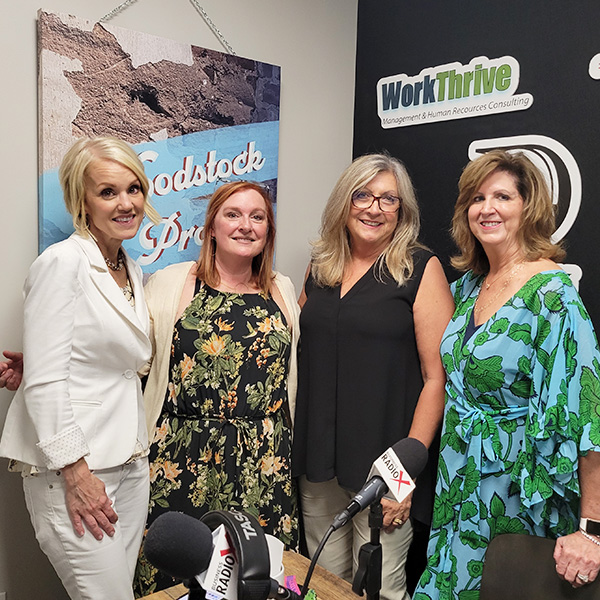
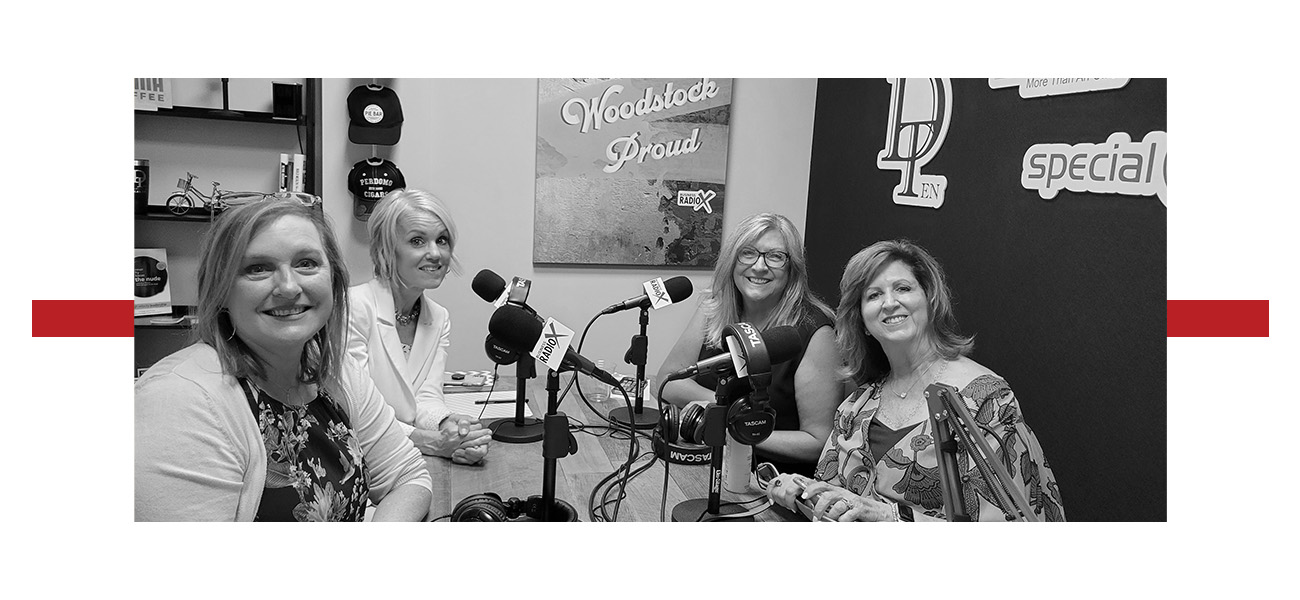
Patty Ponder, Candi Hannigan, and Jennifer Coleman from Aroundabout Local Media

August 13, 2021 by Kelly Payton

Women In Business
Women In Business
Patty Ponder, Candi Hannigan, and Jennifer Coleman from Aroundabout Local Media
Loading
00:00 /
RSS Feed
Share
Link
Embed

Download file

This episode was brought to you by

Alpha and Omega

Patty PonderPatty Ponder, President of Aroundabout Local Media

Patty has responsibility for the day-to-day operations, strategic planning, marketing and sales for ALM. She joined ALM after a 20-year career with AT&T, where she spent most of her time as a program manager in various AT&T companies on many different projects and had responsibility for customer service training for small business, mid-market and large business sales. Her experience includes participation in a five-year leadership program, and extensive sales and customer service training that gives Patty the qualifications to drive our company’s philosophy of focusing on the customer, and going above and beyond to satisfy our customer’s needs.

Patty has lived in Towne Lake since 1991 with her husband Mark, and children Ansley and Daniel. She is engaged in the community as an active member of the Cherokee County Chamber of Commerce, a chair for a Downtown Woodstock committee and serves in her church. You will see her often in our community enjoying concerts, art festivals, dining in local restaurants and promoting our local businesses.

Connect with Patty on LinkedIn


Candi HanniganCandi Hannigan, Executive Editor of Aroundabout Local Media
A Cherokee County resident since 1987, has more than 30 years journalism experience as a page designer, copy editor and writer. After earning a journalism degree from the University of South Carolina, she worked at the St. Petersburg Times and Evening Independent, and The Charlotte Observer before moving to Atlanta to join the Atlanta Journal-Constitution staff. Candi spent more than a dozen years as a freelance writer covering the community of faith for the AJC, and started a monthly publication called The Cherokee Vine before joining the Aroundabout Local Media staff in 2012. In addition to her professional background, Candi volunteers in many capacities which led to her co-founding Give a Kid a Chance – Cherokee in 2006. She also serves on the board of Cherokee FOCUS. Candi and husband Glenn, a local United Methodist pastor, have three children.
Connect with Candi on LinkedIn


Jennifer ColemanJennifer Coleman

Jennifer Coleman is a graduate of Georgia Southern University with extensive advertising experience on both the local and national levels. She has excelled in creating integrated marketing packages inclusive of print, digital and content marketing for clients nationwide and parts of Canada. With over 20 years of sales and marketing experience, part of her expertise stems from managing luxury lease-up apartment communities where she created strategic sales and marketing goals along with building and training strong leasing teams. She was on the buyer’s end of advertising for her properties which has given her a realistic and empathetic understanding for the businesses she serves. She enjoys promoting the heartbeat of her clients and continues to share her passion by helping local businesses thrive with effective, affordable advertising plans.

Jennifer attends Woodstock City Church with her husband Mike and their daughter Abigail. A few of her favorite things: spending quality time at the barn with her daughter and their horse Amberjack, hiking in the area with their dog Flynn and shopping locally to support small businesses. She considers it a privilege to live, work and play in the communities she serves!
Connect with Jennifer on LinkedIn
AroundaboutlocalmediaFollow with Aroundabout Local Media on LinkedIn


This transcript is machine transcribed by Sonix


TRANSCRIPT

Speaker1: [00:00:07] Broadcasting live from the Business RadioX Studios in Woodstock, Georgia. Welcome to Women in Business, where we celebrate influential women making a difference in our community.

Speaker2: [00:00:22] Now here’s your host.

Speaker3: [00:00:29] Welcome to Women in Business, powered by Business RadioX, where we support and celebrate influential women making a difference in our community. I’m live in the studio, Lori Kennedy here. And we also have Stone as our producer. First, I want to introduce Patti Ponder, who is the president of Roundabout Local Media, and she is going to tell you a little about herself and what she does. And then we have some other guests that she is going to introduce us to. So, Patty, why don’t you let us know a little about you?

Speaker4: [00:00:58] Well, thank you so much. Well, I’m Patti Ponder and I’ve been with the company for 11 years this past June. And we as a as a present company, I do run operations of the company and try to oversee everything that we do and make sure that we are cohesive from from sales to operations. Look and feel of the magazine content, which is actually handled by our executive editor, Andy Hanigan, who is here with us. We also have our director of marketing, which is Jennifer Coleman. She’s here with us today. And we are all here and hope to share with you exactly what we do at around about local media and why we call this local media.

Speaker3: [00:01:41] Well, I am looking here at your around about local media team, and I see a lot of beautiful faces on here. And I do notice that many of them are female. Is that by design or is that something that has just naturally occurred or what does that how does that play out in your business?

Speaker4: [00:02:02] Well, it’s not really by design. It just seems to have have occurred over the years. We when we interview, we you interview all all types of people and all candidates that apply with us. We’ve just it’s just gravitated that way. We definitely have diversity among age in our organization. We have young women with small children, young women who have just gotten married. Some of us are more seasoned, experienced. We like to use the word seasoned organization yet so we have that diversity. We definitely have the diversity through our photographers. We have women and men of all different ages and races through the organization, and we make sure that our magazine definitely addresses all demographics is very, very important to us.

Speaker3: [00:02:51] Yeah, I think that’s great. Why don’t you tell us exactly what it is that around about local media does?

Speaker4: [00:02:58] Well, we have a couple of different missions we’d like to look at. One is our altruistic mission, which we’re most proud of and we are altruistic. Mission is to build stronger communities by sharing positive, uplifting and relevant information about our neighborhoods and our communities to our readers. So with that mission, we share local information. I always share things when I talk to other people outside of our magazine or could be our clients or readers that we like to share. Information going on in the community could be that we have two rival football games and you might see a spread of two high schools in the magazine, or there might be a Little League Baseball team who’s won a championship, or there might just be local news, which our executive editor, who is she’s very experienced and she looks for what might be coming next in the community. For example, when we built the amphitheater, she was able to find a schematic and share that in the magazine. And I can’t say that other magazines have that ability and that talent. So that’s our altruistic mission. And we also have a commercial mission, which we’re very proud of, and that is helping small businesses grow to small businesses. We like to focus on them, help them work with them to select the correct marketing, the best marketing plan for them. Our we have a very consultative approach. And you’ll find that when you meet Jennifer Coleman, she’s very warm and friendly, really works with the customer to find out their needs and designs, marketing plan to work well with them as well as I do myself. We care about the customer, their business and their growth.

Speaker3: [00:04:35] You mentioned a couple of people that are here, and then you also mentioned a little about what they do. Jennifer, we’ll start with you. How did you come to this company? What brought you here? And what do you enjoy most about what you do? How do you support the community?

Speaker5: [00:04:50] You’re so excitingly. This is my third publishing company that I’ve worked for. And I started with hyper local community magazines in Houston, Texas, and I absolutely loved it. Transitioned to national media sales several years ago in the Atlanta area when we relocated. This is home for us. So we’re back home, but met Patty Pinder a few years ago, fell in love with her. There happened to be an opportunity available, jumped on board. And ever since then, it’s just been a perfect fit. So and like Patty said, I work with our advertisers on a consultative approach. I really like to have one on ones and find out what makes the most sense for. Their business, what’s going to fit their budget, what type of presence can we create for them? There’s so many options that we offer. We have content, writing opportunities. We have thought leadership, editorial writing opportunities, multiple sizes of print advertising, you know, to fit their needs as well. So it’s exciting to work one on one with these local businesses and and partner together to help their business thrive.

Speaker3: [00:05:53] And Candy, where what is your history? What brought you to this place?

Speaker2: [00:05:57] Well, I moved to Cherokee County 34 years ago, I guess, as a newlywed. So we have been here for quite some time now. And before that, I have a journalism degree and I work for three newspapers in the Southeast and then came to the AJC. Then I left the AJC, raised our children, and then when it was time to go back into the working environment, I started doing freelance work for the newspaper out of the Cherokee bureau. So I started my hyper local experience there. And I see how that’s kind of built over the years into what I’m doing now through the magazines.

Speaker3: [00:06:38] Who actually founded the magazine?

Speaker4: [00:06:42] Well, that was Gina Carr and Don Kyle, and it’s been 25 years ago, this past June, so they were local, their realtors, Gina was a realtor in our community. And in fact, I used to live I lived in the neighborhood with them. They were neighbors not too far from me. And their son went to school. My daughters, they were local community residents as well.

Speaker3: [00:07:06] Ok, so then how did it come to where it is right now? Like who got involved first?

Speaker4: [00:07:12] Here they were the past owners, and then they turned it over to John Flagg, who is our owner now. And John has the wonderful man in the community that I always admired and respected and wanted to work for. And so John has a multitude of businesses. He’s an entrepreneur, and he jumped in the business at the appropriate time when Gina and Don left the business and took over and just did some amazing things. So to stabilize the business, I guess, is the best term to use. And then he went kind of back on the road and he has a lot of, as I said, different businesses. But one of them is building homes and custom luxury homes. And so he was back doing that. And that’s when he asked me to take over to run the business. And that’s kind of when we started building this team. I, I have to say, Candy’s not giving herself near enough credit. I always tell people I said, do you remember the Dixie living sections of Journal Constitution? That’s what Candy did. So she she would of course she wouldn’t, because she’s just a personality. She’s just not giving herself credit for what she’s done. And she was really working in the background with this magazine before she came on and became the editor of our Around Canton magazine. I believe first and through changes in the company, we asked her to become the executive editor, since she’s become the executive editor of this magazine has just flourished more and more and grown. The content has just grown. And people tell us all the time how much they love our publication, how they read it, cover to cover. And I attribute that to Candy with her content because we wouldn’t be able to market this magazine if it didn’t have the robust content that it has. And she’s now building a wonderful editorial team of some younger people coming up, which we needed. And so I just I just had to give a little shout out to Candy because she won’t give it to herself.

Speaker3: [00:09:13] Well, I love it. And I do. I mean, y’all what you guys are doing is so encompassing of so many areas, like there are stories that have to be written well. But there are also, you know, your companies that you support and from a marketing standpoint that you have to support well and make sure that they’re seen in the community and you are doing all of those things with such excellence. Can you tell me how many magazines that you have and what their reach is?

Speaker4: [00:09:40] Well, I’ll I’ll let Jennifer jump in on this, too. I’ll just start off saying that we have five are really proud to say we just launched around Kenesaw and since I was Jennifer’s territorial, let her expand on our distribution numbers and so forth.

Speaker5: [00:09:55] So we have five hyper local community magazines with having just added Kenesaw. So we’re so excited. And each magazine respectively is around seventeen thousand in total distribution. So if you put that together, but we’re very specific with our targeted demographics. As far as the carrier routes in the neighborhoods, we put a lot of focus into that for each of our magazines just to make sure that it benefits the reader and that it also benefits the advertiser. Gosh, I’m trying to think, Patty, what else I could add to that?

Speaker4: [00:10:26] Well, our I’d love Candy to share really about the content and how she makes those magazines fit each community.

Speaker2: [00:10:35] It’s it’s a lot of fun, honestly. And I think over the years I’ve started to work a little more with our marketing team to blend the editorial in the businesses, the local businesses. But but from my perspective, I I love it when I have a three page calendar because then I’m sharing everything possible in the community with the readers. So they aren’t going to miss anything exciting because there’s so much happening in each of the areas that we serve. And then for larger stories, because we’re a monthly magazine, I get a lot of press releases with news, but I always try to look to the next level and say, OK, by the time the magazine comes out, people will know this already. So what can we do to provide an interesting story still? And sometimes that involves going to the person, the stories about and getting a personal reflections from that person or just looking at things from a different aspect to make the content unique.

Speaker4: [00:11:32] Would you say, Candy, that like having a mayor write in the magazine? People like that is one of the things that makes our magazines unique or local.

Speaker2: [00:11:43] No, absolutely, absolutely. Some of the port city councilors, I’m bugged and so much like what you write about this and this is coming, but you were the person behind getting this project off the ground and moving into the community. You write about how that happened and let’s send some photos to and we’ll just kind of share everything. So, yeah, we rely a lot on our local leaders for information.

Speaker4: [00:12:08] And don’t we rely on them on recipes sometimes?

Speaker2: [00:12:13] Absolutely. Well, you know, you got to have faith. And honestly, if we happen to leave out an ingredient in a recipe, oh, my goodness, the phone calls come in because people are reading and they’re trying these recipes for something even as small as that is to do

Speaker3: [00:12:28] That on purpose, just to see if they’re looking. Well, that’s a good idea.

Speaker4: [00:12:32] Well, we know they’re engaging with us. I love

Speaker3: [00:12:35] It. Yeah, well, I do notice that the articles are very positive. Like, I really appreciate being able to pick up the magazine and know that I’m going to find it, get information and leave with with more knowledge, but not feel like, oh, my goodness, the world is going crazy because we all already know that. Right.

Speaker2: [00:12:59] That’s intentional for sure. We we definitely and that’s kind of a personal goal of mine. I have kind of a mission minded focus to to share good news and to let people know the good things that are happening in the community and also to help them to know how they can plug in and get involved and and participate themselves and the different ministries and missions that are going on out there.

Speaker3: [00:13:22] Yeah, that’s great. So there are so many things that you’ve already shared about what makes your publications unique. Is there anything in addition that you would like to add to that?

Speaker4: [00:13:32] I mean, I have to say our people make it unique.

Speaker3: [00:13:35] I agree.

Speaker4: [00:13:36] Really. We’re we are you know, I want to start crying here, right here, because it’s really emotional. They can’t see

Speaker3: [00:13:42] You

Speaker4: [00:13:43] Yet. But we were just so extremely fortunate with the quality people we have in this team and the new people that have come on I candesartan, just a fabulous job interview and bringing on her new people. I would so, you know, it didn’t just happen when I met Jennifer because I can’t look at her because we you know, she saw me we saw each other really in the community. And then we met at our local copper coin. And, you know, just so she kept sending me messages and I thought, who is this kind of person that wants to meet with me? And finally I saw her. Finally, I thought I better be with her. But golly, I always say, you know, we met and we it’s just such a a marriage. A blended family is what our team is. It’s it’s more of somebody hurt somebody doesn’t you know, we help each other. We jump in. It’s amazing. And I think that shows when we work with our clients and our clients help us out. We just had a situation where we had a client, you know, still recovering from covid and just couldn’t handle a commitment. And we had another client who jumped in and was able to, you know, to help. We were able to help each other. And that’s really what it’s about.

Speaker3: [00:15:08] What are some different marketing options that you offer local advertisers? Jennifer?

Speaker5: [00:15:13] Yes, and one thing that I love and Candy and I work together a lot on this is the content marketing opportunities, which are essentially advertorials. We have full and half page advertorials, and it’s where a client can tell their story. And we found people love to be able to tell their story. And it just pianism beyond the print ad to tell a little bit more about the company, how they got started, something new and new and unique. And that’s one thing that advice tell advertisers is, you know, what is your unique value proposition? What makes you different from other businesses? And we all have a story to tell. So this content marketing pieces are invaluable. Love that. Another thing that’s very unique that we offer is for a regular advertiser that does what, say, a half page ad for 12 issues. You know, we will really take it to heart and consider it. That will offer them a writing opportunity. This is more what I call thought leadership, where it’s educational versus non self promoting. And it might be, you know, three tips to consider when renovating your kitchen, that type of thing. So and we found that advertisers love that opportunity and that exposure.

Speaker5: [00:16:20] So, you know, those are just a few things. And again, with our print advertising, we have anything from a quarter page ad, third half full. So really, you know, it’s very important to consider what type of presence do they want to you know, how much do they want to dominate the market? Do they want to just have a little bit of brand awareness and have a quarter page ads? Do they want to dominate the market and have that full page ad or a cover issue with a two page spread? We do sell our covers and we found to that advertisers love those covers and love the two page spread. So one thing, too, I just want to note is all of our magazines are online. They’re all digital. And with that, their ad has a live link that would take a reader directly to their website. So we have that. And lastly, so I don’t talk too much, but each of our magazines have a dedicated Facebook and Instagram page. We have a strong presence online, a lot of engagement, a lot of followers. And then each magazine has its own dedicated website as well.

Speaker3: [00:17:17] I do find that we are on the cover this month, Alpha and Omega Automotive is the town liquor, and I do find that people want to know who you are. They want to know your heart. They want to know what drives you. They want to know your story. They want to know who you are. And that is an opportunity to allow people to get behind the curtain, so to speak, and and get to know whether you’re somebody that they want to do business with. And so that opportunity is greatly appreciated. And we have truly seen an increase in customers through this. We’ve done it twice now in two different of your publications. And both times I tried to be prepared with enough staffing to keep everybody happy. And I just keep not measuring up there because it’s just the demand is so great. You guys have a great influence in the community. And I do think part of that is the opportunity to let people know who we are. Like, I think they like that.

Speaker2: [00:18:19] That kind of is part of the way I approach writing covers and advertorials because of my background as a journalist is I’m more of a storyteller is more so than a marketing person. So my goal with each article is to have the reader go to you and say, hey, I’ve read about you. I feel like I know you. And they know your business and your your values and all the things you offer. But but more importantly, just in a you as a person.

Speaker3: [00:18:44] Well, I feel like a celebrity because a couple people have come in and asked my husband to sign the magazines. It’s not

Speaker4: [00:18:52] Great. It’s been great.

Speaker3: [00:18:55] So what are the benefits of a consistent monthly print ad versus just one time? Like what? What is that look like for you guys as far as how many times before you see a difference and that sort of thing?

Speaker5: [00:19:12] Sir, I’ll jump in. Well, there is a marketing role that is the marketing role of seven. And typically research shows that an ad has to be viewed five to seven times before somebody makes a purchasing decision. So in order for the advertisers to get a fair return on their investment, we encourage that because it’s for their benefit. So you want to stay top of mind. You want that repetition that’s very, very important in a marketing plan because marketing takes time. Just because somebody sees your ad does not mean they’re ready to buy. And so when they see you over and over repeatedly, it sinks in. It builds that awareness and it can help lead to that decision.

Speaker3: [00:19:52] Awesome. All right, I’m going to ask Patty first, what motivates or inspires you, and I’m going to ask all of you this. So let’s start with you, Patty.

Speaker4: [00:20:04] In business or personally or just

Speaker3: [00:20:07] However you feel need to share. I would like to know you just like just like the articles in the magazine, like knowing us personally makes people want to do life with us. I want to know you personally.

Speaker4: [00:20:20] I think what what motivates me is when I walk away from a person, a person has a good feeling leaving somebody feeling like they trust me, like they like me, like they have a good feeling when I leave, whether it’s a client or an individual.

Speaker2: [00:20:38] I’d love to say this about Patti, too, because Patti is not she makes sure that she gets to know the client and really understands their needs. So she. She picks just the right marketing campaign for that person. She’s not going to oversell, she’s going to find just the right thing and that makes them more successful.

Speaker3: [00:21:01] That’s great. What about you, Candy?

Speaker2: [00:21:04] I love to connect people. And I love to share stories, the good news stories in the community, because we have so many of them and and we’re a perfect way to kind of get that out. So that motivates me the most.

Speaker3: [00:21:21] Jennifer?

Speaker5: [00:21:22] Yes. Well, one thing that motivates me is building relationships in the communities we serve. And I had read a quote recently, it was in a book I had read that it said, you know, when you’re in sales, which essentially, you know, part of my job is advertising sales. But when you’re in that you’re not closing a sale, you’re opening a relationship. And that just stuck with me because I thought, that’s it. That’s what matters. People see that they can tell when you care. And so with every interaction I have, I look at it is a new window of opportunity to build a relationship and hopefully keep those long term clients.

Speaker4: [00:21:56] That’s I think that’s the commonality with our team, is building relationships really. We’ve never been driven by I’ve never met a customer and thought, oh, this means X number of dollars, ever. Never. Exactly. And and I think everybody on our team, you know, everybody will meet somebody and they’ll know about their kids, their husband, their dog, their you know, that’s just a common theme throughout our company.

Speaker3: [00:22:24] I believe I’ve seen that a lot in our community and specifically more recently. But I feel like that so many people that I’ve met are in the business to help you be the best version of you that you can be to help you become successful. And then as you become successful, then automatically the light shines back on them, too. And I just feel like we are such a community of lifting each other up. And I love how you guys do that in the community so dramatically. Why don’t you tell me a little bit of how you how you use that influence in the community? How do you use the influence of the magazine specifically in the community?

Speaker4: [00:23:08] And Candy’s probably best to answer that from the content.

Speaker2: [00:23:13] I think that having a platform to offer folks a way to tell their stories and not just your. Not just your leaders in the community. I mean, that’s very important, too, but just off thugs of all walks of life. But to offer to come alongside our city leaders, the mayor and council people and and our county commissioners, chairman of the board, he writes for us. So just I think allowing them a voice through us is a good way to use our influence.

Speaker4: [00:23:48] And you have Candy does some things noteworthy playing with that.

Speaker2: [00:23:53] Oh, it’s all those cute little

Speaker4: [00:23:54] Stories that were the the stories

Speaker2: [00:23:56] That you won’t see in the newspaper or anywhere else. And it could be just, you know, a little Girl Scout troop that that got five hundred books donated for a cause. And and they’re so proud. So, you know, we’ll run a photo and make an announcement about it. And Rob’s

Speaker4: [00:24:13] Rescues

Speaker2: [00:24:14] Held. Oh, my goodness. He started he was in Rob McMillan was in like third grade. And he’s probably about six feet tall now. But he he sent an email and he said he wants to help shelter animals. Could he write an article monthly, an article and feature a dog and a cat from the shelter? I’m like, yeah, oh, well,

Speaker3: [00:24:33] Heard of

Speaker2: [00:24:33] That. And so now it’s expanded to include an interview with a nonprofit leader. And he’s done so many of them. He’s run out of once in Cherokee. So we we break a little bit of the hyper local ruling, let him interview other nonprofit leaders, because it still impacts us here. But but it’s something generated totally by him. I’ve got pictures of him at the shelter with his notebook in his lap, with the cats climbing all over him as he’s writing. So is genuine good? Yeah, it’s very sweet.

Speaker3: [00:25:06] Then the next question, how do you handle mistakes in your business and give me an example of it feels like an interview, doesn’t it? Yeah. Oh, I guess it is an interview, but it feels like a job interview. Tell me about your time to time.

Speaker4: [00:25:21] No one is very open and honest. We have made mistakes. Jennifer and I look at each other because we know of things that have happened with the client and we’ve made a mistake and we’re up front with the client. We tell them exactly what happened and then we usually offer them some type of compensation. And I can’t think of, I believe 100 percent of the time they feel better. They appreciate that we’ve offered some type of compensation and they appreciate that we’ve been upfront there. There’s some mistakes we can’t help or or put in a magazine. Client calls their ads not in the magazine because they left out a couple of pages, the printer. It’s just a weird, flukey thing that happens to the printer that’s happened. You know, we still offered a compensation, even though it’s not our fault. But our number one focus is a client. You ask, you know, salespeople, Jennifer and I are marketing consultants. Really a client is gold for us. And everybody in our ad on our team knows a client is gold for us and we want to keep that client happy. I don’t care if it was a client’s mistake. I don’t care if the client sent you the wrong picture for the cover and they’re mad. I don’t care. We want that client to be happy.

Speaker3: [00:26:38] Yeah, I feel like on some level that when I was young, I thought I wasn’t supposed to make any mistakes. But the older I get, the more I realize obviously we all make mistakes. I think I’ve heard it said that if you have, you know, on Google reviews, if you’re a complete 5.0 or whatever, that nobody believes that because somebody is going to get mad sooner or later about something even unreasonably. And so I do feel like what you’re saying, you know, you just you say, I’m sorry that happened. Let’s figure out how we can fix it. You know, I feel like that’s the best way to deal with anything like that. So, Candy, tell me who’s in your house or who was in your tell me about your family. Want to hear about your pets, your kids, your husband. Tell me about your family. Oh, my

Speaker2: [00:27:26] Goodness. OK. Well, I’m not a grandparent yet, I’ll just say that up front. Are you

Speaker3: [00:27:31] Jealous? A little bit.

Speaker2: [00:27:34] A little bit. I have to admit, but

Speaker3: [00:27:37] Kids are a little older than yours.

Speaker2: [00:27:39] Well, now, let me tell you, my oldest is third 32. I probably shouldn’t even be saying anxious because, you know, I started when I was 10. Right. Right. Let’s just say they’re adults now. The three children, Julie, Drew and Rebecca, and they’re all out on their own doing great things. My husband, Glenn, is a local pastor and. We just because of the grandparent thing, we just adopted two puppies because we thought that would fill our lives, so we figured,

Speaker3: [00:28:11] Oh, I think I’ve seen pictures. What kind of puppies are they?

Speaker2: [00:28:14] They are part Australian Shepherd, part blue heeler.

Speaker3: [00:28:17] And what are their names there?

Speaker2: [00:28:19] Ellie and Bertie now are two cats at home named Barney and John Henry aren’t quite sure. And I think they’re ganging up and about to revolt. So if I don’t show up some place someday, I just know it’s probably the cats that we love our animals. So it’s a good thing.

Speaker3: [00:28:36] I’ve heard that cats are always you can just look in their eyes and tell that they’re always trying to figure out their next move, which they’re going to do to their to their adult.

Speaker2: [00:28:45] Oh, yeah, for sure. Yeah.

Speaker3: [00:28:47] What about you, Paddy?

Speaker4: [00:28:48] I have two children, Daniel, who’s soon to be 25. He explained that his frontal lobe will be in five. I can’t always share that because it’s so hilarious. He lives in Florida and my daughter, Anjali’s twenty seven. She lives in Atlanta, works at Ponseti market. If she ever goes back in the office and then at home, we have little Zoe. She’s my also pseudo grandchild and I have Millie, the Cat’s Calico, and my husband Marc, who’s now working at his home office, which is lucky but lucky to home and round about local media is a home.

Speaker3: [00:29:29] Awesome. Jennifer, who’s in your family?

Speaker5: [00:29:33] So my husband, he is a pilot, so he flies the friendly skies for a living and goes all over the place. And I kind of live vicariously through him. He goes to some very interesting places and I think, wow, tell me about, you know, everything you did on this trip. Truly, he could write a coffee table book. Some of the experiences have in the places he’s gone. It he just in some of the pictures he’s gotten out of the cockpit or just beautiful. But so that’s his his deal. And then I have a sixteen year old daughter that attends Wittstock High School. She is the apple of my eye. She’s our only child. I could cry thinking about it right now because I can’t believe in two years I’ll be headed to college. But she loves horses. Is she? Art and horses? Those are her things. And so we bought a horse for her 16th birthday last year and we just love him to pieces. I mean, I sneak a little right here in there and she’ll give me little lessons. Haven’t done anything crazy, but I’ve gotten on him and I haven’t fallen off. So that’s the good news. But when we do have three dogs, so got that going home to you.

Speaker2: [00:30:37] But we love our pets. Let me ask you something.

Speaker3: [00:30:44] You should have some sort of party where everybody brings their pets and see if they all get along with each other.

Speaker4: [00:30:49] Should I had a party for Zoe’s first birthday,

Speaker2: [00:30:52] We could have met at Brewsters. Well, I can get Glenn to do a blessing of the animals. We’re actually talking about that at our church. So now that would be sweet.

Speaker3: [00:31:00] Now, doesn’t Brewsters have a pup?

Speaker2: [00:31:02] Oh, yeah.

Speaker3: [00:31:04] Hops or whatever. Ice cream. Ice cream. Yeah. Oh, I think that’s a grand idea. I’ll bring my pets. OK, so yeah I think we should do it. Well there is somebody else besides Stone in our studio today. Would you like to talk a little about what you have coming up?

Speaker4: [00:31:19] Very excited to introduce Kelly Black, and she’s sitting here. She’s a chief strategist that’s going to join us very soon, like Monday. But we’ve I’ve been sending her emails. We’ve been talking and she comes to us with experience of growing businesses. Say, hi, Kelly. Hello. Hello. So we just experienced the growth of adding around Kenesaw and we want to grow this company. So Kelly has experience doing that and we’re excited to have her join us. And she’s been people are going to be so surprised when we put that on social media Monday because she’s been out and about in Kenesaw. And Jennifer actually told me about her and I said I’d like to go meet her. Little did she know what we did and none of us knew what was going to happen. But here she is and we’re really excited that she’s going to be on our team.

Speaker3: [00:32:12] Wow, that’s awesome. OK, we are getting ready to start winding down. So before we do that, I want to make sure that you have had a chance to tell me everything that you want to tell me. So I’m going to start with you, Miss Jennifer. Is there anything else that was on that was on your list of things that you wanted people to know for sure?

Speaker5: [00:32:31] Well, one thing. So I’m a nerd. I’ll have to research, marketing, advertising. You know, it’s just fun to me to read articles and keep up with with what’s current and trendy. But I also like to just kind of look at facts and figures. And I found some interesting things I just wanted to share about print media and just a few things that the Small Business Chronicle had shared. An article is that one of the advantages of print media is that it has staying power. So you have to think about it. It’s. Something that isn’t just quick, like an ad that pops up, it has a longer shelf life, and especially with our community magazines in the home, that’s our goal. And with the engaging content that Candy helps provide, that makes it where people it sticks around. So another thing, it’s viewed as credible. And again, these are statistics that multiple reports and research has shown, but very, very credible. And overall consumer consumers view print media is more trustworthy than the Internet and then it’s non interruptive. So the fact that you’re not interrupted when you’re looking at it, you have more it’s more leisurely, you know, as far as the time that you take with it. And with that, a lot of times the ad is viewed for a longer period of time. So I thought those were kind of neat things, just little tidbits of information that are fun to know about.

Speaker2: [00:33:54] So that’s so true about the staying power. Not long ago, I received a phone call or an email from someone. It was referring to an article that actually ran like two years ago. And I said, gosh, I could not figure out what they were talking about. And then we finally nailed it down to it’s an old copy that they still had in their home. So that felt good to know. Oh, yeah. You know, that was that staying power is really true.

Speaker5: [00:34:18] I have had that same thing. Interestingly, there was somebody that had called it was for around Dagworth magazine and they had no copy. And it was a question. But the point being is that it was still in their home. And I thought, yeah, it’s still there. So I was

Speaker3: [00:34:32] Crazy. I mean, the recipes alone are what’s right. Absolutely right. Anything else, Candy, from you specifically that you want to make sure that people know?

Speaker2: [00:34:43] I want people to know that they can contact me, they can email me or call me because I couldn’t get all that amazing content without hearing from folks in the community. So don’t ever hesitate to give us a call, shoot an email, put us up, put something on social media, on our Facebook pages, and we’d love to hear from you. Any kind of story, ideas, sharing anything awesome that someone did, even if it’s your you know, your daughter, you know, raised one hundred dollars in a lemonade stand. That’s great. So anything we’re interested in hearing about and sharing.

Speaker3: [00:35:15] Ok, awesome. Well, before I go to you, Patty, let me go back to you, Jennifer, for a second. And can you share all that contact information with us like Instagram and Facebook and how to get in touch with you guys?

Speaker5: [00:35:28] Oh, yeah. So you mean in other words, if somebody wanted to reach out to us, how could they reach out to us? So basically in each of our magazines and the very friendly magazine for Woodstock in town, L.A., Patty’s contact information, her email and phone number is right there. And then same for me with Canton, Acworth and Kenesaw. So if you have a magazine and you want to reach out to us, there we are. And another great way is just to send a message through either our Facebook or direct messages on Instagram that be a great way to reach out to us as well.

Speaker4: [00:36:01] And if you go to a roundabout local media dot com, you can access any of our publications online. And really all I want to do is think the loyal readers and advertisers and without y’all, we couldn’t be who we are.

Speaker3: [00:36:16] And he thinks, Stone, that you can think of

Speaker6: [00:36:18] No, but I really appreciate you guys letting me play. I’ve enjoyed this because I didn’t have any real responsibility to ask or answer questions so I could just listen. And I just as you might imagine, I really, really resonate with the whole idea of wanting to share stories and celebrate all the great stuff that’s happening in our community. And I I love what you’re doing. I am just absolutely enamored with your mission. And I know this is women in business, but I certainly want to do anything that I can or the network can to support your efforts. So I hope you won’t hesitate to ask us as well. And thank you, Lori, for for letting me be a part of it.

Speaker3: [00:36:57] Awesome. Well, thank you for joining us. Joining us today on Women in Business, powered by Business RadioX until next time, this is Lori Kennedy reminding you to keep learning and growing.

Tagged With: Aroundabout Local Media

David T Jackson from Heritage Financial Solutions, LLC., Luther Maday from North Atlanta Digital Marketing, Allan Bishop and Lisa Marie Haygood from Kennesaw State University

August 11, 2021 by Kelly Payton

DavidLutherAllanLisa
Cherokee Business Radio
David T Jackson from Heritage Financial Solutions, LLC., Luther Maday from North Atlanta Digital Marketing, Allan Bishop and Lisa Marie Haygood from Kennesaw State University
Loading
00:00 /
RSS Feed
Share
Link
Embed

Download file

This episode was brought to you by

The Innovation SpotAlma Coffee


David JacksonDavid T Jackson, Founder/CEO of Heritage Financial Solutions, LLC.

Born and raised in GA, Military Dad Medically Challenged mother Married for 25 years 2 sons ages 22 + 17


HeritageFinancialSolutionsConnect with David on LinkedIn and Follow Heritage Financial Solutions on Facebook


Luther Maday

Luther Maday, Head of Sales for North Atlanta Digital Marketing

Born in India, grew up in Saudi Arabia, and been in the US since 2001. Blessed with an amazing wife, Monica who works at Northside Cherokee, and two wonderful kids. I just love interacting with people and speaking 5 languages does help. Always open to trying new food and will happily overlook the health score of a restaurant if the food is good. I believe in authenticity when it comes to human interactions and try to be as authentic as possible in my professional and personal life.

NorthAtlantaDigitalMarketingConnect with Luther on LinkedIn


Allan Bishop

Allan Bishop and Lisa Marie Haygood, Director of Business Development | Executive Director of the Cherokee County Educational Foundation for Kennesaw State University

Allan Bishop is the Director of Recruitment and Business Development for the Kennesaw State University Executive MBA Program in the Coles College of Business. He earned two degrees at KSU, a bachelor’s in Business Administration and a Master of Business Administration. Prior to KSU, he worked for WellStar Health System as the Executive Director of Retail Operations.

KSU

Connect with Allan on LinkedIn and Follow KSU Executive MBA Program at Coles College of Business on Facebook


This transcript is machine transcribed by Sonix


TRANSCRIPT

Speaker1: Broadcasting live from the Business RadioX Studios in Woodstock, Georgia, it’s time for Cherokee Business Radio. Now here’s your host.

Speaker2: Welcome to Cherokee Business RadioX Stone Payton here with you this morning, and today’s episode is brought to you in part by Alma Coffey, sustainably grown, veteran owned and direct trade, which of course means from seed to cup, there are no middlemen. Please go check them out at my Alma Coffee Dotcom and go visit their Rosary Café at thirty four forty eight. Holly Springs Parkway in Canton asked for Harry or the brains of the outfit Laticia and tell them that Stone sent you guys looking for a real treat. We’ve got a studio full. A little bit later in the program. We’re going to get a chance to visit with the folks from Kansas State University about their MBA program. We’re going to have Mr. Luther today on the show and talk a little bit about digital marketing. But first up on Cherokee Business Radio, please join me in welcoming to the broadcast with Heritage Financial Solutions, Mr. David Jackson. Good morning,

Speaker3: Sir. Good morning, Stone. How are you?

Speaker2: I am doing well. Delighted to have you. I think I don’t know, maybe it’s cause I was going to say you win best dressed, but you took your sport coat off.

Speaker4: I think I think you and I

Speaker2: For for best dress, you know, I’ve been talking about. Haven’t you come on the show for some time now. It’s finally happening. We met at a networking group. It’s more than a networking group that’s not even fair to call the networking group a community of business people who really try to support and celebrate each other called Woodstock Business Club. And the only reason I even was introduced to the group is because you pointed me in their direction. That’s where we met. Right?

Speaker3: That is that is you had called me about coming on the radio and at the time

Speaker2: You said no.

Speaker3: Right.

Speaker2: You can come to my thing.

Speaker3: And I said, if you wanted to have 60 plus people that might be open for it, you needed to show up to that that networking group. What a great group of people.

Speaker2: And you were just about right, because, I mean, what a marvelous group of folks. They’ve embraced me like I’ve been living here forever. I’ve been here for like four months. And, you know, I feel like Norm when I walk when I walk in there. All right. So Heritage Financial Solutions, mission, purpose. What are you out there trying to do for folks?

Speaker3: Man, I am just trying to get people from point A to point B in their financial plan as efficiently as possible. Everybody has a different plan. Everybody has a different starting point. I’m just trying to have you understand the vehicles and the maps to get you there efficiently.

Speaker2: I would think that a big part of your work is like education and awareness. So many of us are. At least I’ll speak for myself and I’ll ask the class, the are the rest of our expert panel here in the room today. I don’t know. Coming up, as a as a kid in school, I don’t remember learning much about money, how to manage money or any of that stuff. So, I mean, has that been your experience, guys?

Speaker5: I still know nothing.

Speaker2: All it’s a good thing you’re here today. But no, I think a lot of us have not have just not been exposed to some of the basics. Is that accurate? Is a big part of your work just education?

Speaker3: Absolutely. Essentially, when you’re in high school, you have home economics and that’s a cooking class. But they don’t teach you how to balance a checkbook. They don’t teach you about compounding interest. They don’t teach about credit card debt and how deep you can get into that. They don’t give you a a end goal in mind. They teach how to cook.

Speaker2: And so so what was the what was the catalyst what prompted you to get in this business as a as opposed to I don’t know, I’ve run a radio studio.

Speaker4: Right.

Speaker3: Well, I have I have two scenarios that happened. One was I was at an employer and my 401k match went away. And during the open enrollment meeting, I was asking questions about that and they did not like me asking questions. So essentially, you want me to not make anything from you, but you want me to help fund your tax write off? Is that what you’re telling me? And I got the Dave, we don’t have time for this. Right. The second one is my dad passed away in February of ninety seven. It was his second heart attack in between the two heart attacks. He got everything put in place for my mom and I’m an only child. So I saw what should have been with my dad’s planning. But my mom did not follow the plan. And a couple scenarios later, I was named fiduciary for her. And when I was expecting to see, you know, half a million, a million dollars sitting your checking account, she was down to twenty thousand out.

Speaker2: I yes. So what are you what are you finding the most rewarding about to work and what’s the. What’s the biggest challenge so far?

Speaker3: The biggest challenge for me is getting people to understand how I’m different than other financial advisers. They sit there and simply show you products where I build the strategy for you. And if you don’t understand it, we don’t sign up for anything. Right.

Speaker2: So my options are going to be pretty limited.

Speaker4: Well, that’s that’s

Speaker3: Where the education comes in, right? Right. So if you understand the plan that we have for you, as long as it’s going towards your goals, you’ll abide by it. Right. There’s a reason why I have a 98 percent retention rate in my book of business, because people understand the plan. They know what I’m trying to achieve. And and it aligns with what they’re trying to achieve. It’s not about commissions. It’s about getting you from point A to point B as efficiently as possible.

Speaker2: So once you’re getting the work, once you begin helping folks manage their money and build their wealth, you just said you have a marvelous retention rate. On the other end of things. I got to imagine the front end of working with a brand new client or a prospective client, the trust that you must have to cultivate to to get someone to even talk about their money, much less handed over to you or the management of it over to speak to that. A little bit

Speaker3: Of your well, like Stone, if you and I were to meet, my first thing would be to show you how I operate and how I’m paid, which builds trust anyways, because I’m not fee based. So the people I contract with pay me directly. Every dime you put towards your plan goes towards your plan from there. I think management of taxation is where you’re going to make or lose most of your money. So I would, you know, sit down with you, ask you if you have your cell phone on you, of course you’re going to say yes because people will walk out the door naked, but they’ll have their cell phone.

Speaker4: Right. Right.

Speaker3: So, you know, we need to go back to understand where taxes were versus where they are today. Like, you know what the top tax bracket, 1960 was. Nossa, you want to know?

Speaker2: Yeah, I do now.

Speaker3: It was it was 91 percent on the federal side. Holy cow. So if you made a million dollars and you did not have a place to legally write that money off, you didn’t even keep hundred thousand of it. Wow. Right. Today’s top tax bracket, which is probably going to change, is only 37 percent.

Speaker2: Oddly, I don’t know that either.

Speaker4: I wonder why I didn’t know that I’m not there. Right.

Speaker3: But but the average person is paying anywhere from 20 to to 30 percent. Right. For taxes. Right. And they’re still deferring all their retirement plans, IRAs, 401. And that were great for their parents who are retiring today. Right. Because not only do they get to bring their their tax bracket down, but they get to pay less of a percentage. Well, the rolls have turned, but everybody still in the same mindset of deferring taxation in a tax deferred product and the government’s in complete control of it. And you were just working right into their to their plan. And all I try to do is help you understand that there’s other avenues you can put your money in. I’m not saying don’t fund your 401. Right. I’m just saying there are other avenues that you can work in conjunction with that and work, you know, the plan to your benefit, because the plan is there, the government has it and you just have to use it and understand it.

Speaker2: But every situation probably has its own idiosyncrasies. I mean, you can work with someone like me or somebody like Luther Pockets, right? Somebody with that guy’s money. Right pocket.

Speaker4: You got my business card with you.

Speaker2: But I mean, everybody, just because the plan is ideally suited for Luther in this situation, it may not be good for me at all. Right. That is

Speaker3: Correct. That is correct. Every plan is specific. There’s general ideas and concepts, but the specifics of it are for the individual or the business owner. Yeah.

Speaker2: So going back to this whole trust thing, how does the whole sales and marketing thing work for for a guy like you? Because I don’t know, you can’t just pick up the phone and say, hey, Luther, would you like to or can you?

Speaker3: I have had no success. That’s how my career started. All right, here’s a list of one hundred people. And, you know, and that was on a Monday morning most of the time, you know, when when I was under contract with the company. Right. Right. And I try to explain to nobody wants to answer the phone on Monday morning. Everybody hungover over. They don’t want to be at work. They had a great weekend. And you want me to call them with a solicitation at 10 o’clock

Speaker6: About their money?

Speaker3: Yeah, about about their money. You don’t know me, but have I got the deal for you? Right. I just I’m just not a used car salesman. Right. You know, that whole is that oil under the car? No, that’s sweat all the horsepower. Right. So I’m just not that guy. I mean, you’ve known me for a little while now. It’s just no smoke, no mirrors. And when you understand your plan and you understand and visualize how we are moving towards your goal efficiently at that point, my question is, why wouldn’t you do it?

Speaker2: And you’re out there cultivating real relationships and trying to help other people advance their business, whether they do business with you or not. Or at least that’s the sense I get.

Speaker3: I do. I do. Essentially, it’s like I was telling a client Saturday over the phone as I was out on the mountain mountain biking, I was like, look. The scenario is, as long as you understand your plan. We are good to go if you don’t use me, that’s fine. But I want my tombstone to say I’m that guy. And by that, I mean when you’re sitting there and you have your grandchild on your knee and you’re talking to your son or daughter and they’re like, why are we a little bit better off than other people? Who make more money than us or or the same money or work at the same job has the same scenario. Well, it was this guy named Dave. You showed me how it all worked and made me understand. It is when you understand the scenario and strategies I’m trying to put in front of you, even without me, you can move forward.

Speaker2: I would think that would be very rewarding work to be able to look back even on the ones that maybe didn’t formally engage you, but certainly the ones that are working with you more intimately. I would think that would be you would sleep pretty well at night and you would enjoy that.

Speaker3: I do. I sleep well.

Speaker2: All right. Let’s don’t gloss over mountain biking because I saw you come to talk about transparent. The what you see is what you get when he came to the last networking meeting. It’s not a costume. That’s not fair. What do you call the thing you wear when you write a mountain bike?

Speaker3: No, I was just in a short sleeved mountain biking jersey, actually, in a pair of pants. I was headed to North Carolina.

Speaker2: You were headed from the meeting to the mountain

Speaker3: Bike at the bike on the back of the

Speaker2: Truck. So is that where you find your inspiration? Is that an outlet? Do you do thinking on that or do you not? You can’t think you’ve got to be paying attention to the rock in front of you.

Speaker3: Yeah, that’s that’s my release. That’s my right drawing on Rush. I spent a lot of years racing, motocross and. You know, had some injuries that said, OK, this is enough, I need to step it down a little bit. So mountain biking, so

Speaker2: The injuries, that explains a lot.

Speaker4: Right, right.

Speaker3: Right.

Speaker2: So you mentioned earlier in the conversation that there was some I don’t know about the catalyst, but some contributing events that kind of got you on on this on this path. And it hit very close to close to home. So you find yourself now your folks have passed. Are you still kind of helping them manage through that kind of thing? Well, my

Speaker3: Dad passed on 97 from a from a massive heart attack. And my mom has been in assisted living since 2008, and she’s still there today.

Speaker2: Wow. So, I mean, I don’t know enough to know that if she’s been in assisted living since 2008, you’ve managed money really well for her. That much I do know, right?

Speaker3: Yeah. And there they are, not cheap. And there’s a reason why they’re popping up all over the place. Right. Assisted living homes or gold mines. Once you which you pay the mortgage on the place, off the money, she’s free and clear and it’s literally is pouring in. And we’re talking anywhere from, depending on the facility, three thousand to eight thousand dollars a month.

Speaker2: And that age group is only getting larger, am I right?

Speaker3: That’s correct. We’re living longer. We’re healthier. Right. We know that quadruple cheeseburgers with double bacon. And can I get a side of bacon grease with that is not healthy for you.

Speaker5: We still eat

Speaker4: Them, right?

Speaker2: Yeah, right. But you’re actually you’re you’re living through that experience you’re experiencing in that all of that personally. And you’re able to bring that that frame of reference, that perspective to your work when when that impacts some of your clients, I would think.

Speaker3: Correct. Correct. So my mom just thought with everything my dad had set up was she was just never going to outlive her money. She could just spend money frivolously. She had some friends that were taking advantage of her. And, you know, there was no mindset. It was just writing checks and there was no managing the money when I was named fiduciary for her. Wow. It was an eye opener and people were taking advantage of her. She just had no cares about where the money was coming from. All she knew is she could spend it. And, you know, it should have been versus what actually is two different scenarios. But I lived it. I learned through a trial by fire, I was appointed by the law to be fiduciary for my mother. And as I understood this more and more, I said, if I can keep my mom’s money where it is and slowly but surely growing, what can I do for the average family or person or business owner that is actually trying to get ahead in watching what they’re doing?

Speaker2: Yeah. So before we wrap, counsel, if any, that you have for those of us that aren’t quite where you’re describing, but we’re going to be right. My folks are there in great shape now. They’re living on their own. I’m the oldest son. There’s two of us. And my folks are in pretty good financial shape, too. But that there’s probably some stuff Rusty, my brother and I ought to be doing. I don’t know if it’s putting the three ring binder together and just getting all the info together. What are some things Russ and I maybe ought to be doing now so that we’re properly prepared?

Speaker3: Well, first off, you have to know what your goals are and what you see, your endpoint being right, because otherwise it’s just a plan going in all different directions. So, you know, think of it as you’re traveling in a car, you’re going from point A to point B, right. Your car is your vehicle and you’re just following Google Maps to get there. And, you know, suddenly there’s a traffic jam. Will Google map divert you? Right. And finds a quicker way for you? That’s all I do. I provide the vehicle. And the quickest way to get there, that’s all I do.

Speaker2: All right, so now while mom and dad are still in good shape, that conversation ought to be with them and find out what how they want things to go. To some extent, I would think.

Speaker3: Right. They needed the map together. They need to know their assets depending on their age. Or is there anything guaranteed that you know for sure is going to be there regardless of whatever happens? Right. Do you want growth? Do you even care about growth? If you if you’re worried about the market dropping, maybe you need to reallocate some of those funds while the market’s high. We’ve been in the longest running bull market this country’s ever seen. They’re saying a correction is coming. Experts figure, and it makes sense that it is coming as just a matter of when and how much it’s going to correct, depending on where you are in your stage of planning. A correction also presents buying opportunities that might buy low and sell high, right?

Speaker2: I like that. I like that strategy. Let’s let’s do that one.

Speaker3: Right. But there’s two rules of Wall Street, right. You buy low and sell high. But the second rule nobody ever pays attention to. And if anybody in this room is heard of this, let me know where you invest a percentage of your assets equal to your age in fixed accounts. I’ve never heard of that, right, so as your money builds, you scrape off the earnings and put it into a fixed account, you let a bill scrape off your earnings, put it into a fixed account. By the time you’re 70, 75, whenever you want to retire, you have some money growing in the market. And then you also have fixed accounts that you don’t ever have to worry about. Right. Is your risk tolerance is going to become next to nothing. In retirement, you don’t you don’t want to lose money when you’ve spent 40, 50 years building it, right. So put it in the place where you can keep it

Speaker2: Makes all the sense in the world to me. All right. If our listeners would like to reach out to have a conversation with you or somebody on your team, let’s give them some points of contact, whatever you think is appropriate, phone number, LinkedIn, email, whatever works for you.

Speaker3: Ok, my phone number is seven seven zero five nine six three eight four zero. That goes directly to my cell phone. My staff will not get it. That will come to me. My website is Heritage Solutions dot net. You can find it is a little antiquated, but you get all the info you need on me, contact information and everything else. And because I have a God awful long email will admit that

Speaker2: Or slobby which type business club and Reformation Brewery. And you’ll be there most Thursday morning today.

Speaker3: 30 or mornings. Eight thirty. That’s my that’s my group. That is my definite. I have to make this meeting. Absolutely, networking group. What a great group of people, Wittstock business club, absolutely.

Speaker2: David, thanks for coming to the studio this morning. And this has been fun. I knew it would. Don’t be a stranger. Maybe we’ll have you come back some time and get us caught up on trends or things like that. But this has been a lot of fun. And for me and I think for the group in studio here anyway, very informative, man. We sure appreciate it.

Speaker3: Awesome. Thank you, Stone. We didn’t talk anything about mountain biking, though, so that’s.

Speaker2: That’s right. So we’ll get a chance to talk more about mountain biking to do this again.

Speaker3: Ok, very good. Thank you.

Speaker2: Yes, sir. Hey, how about hanging out with us while we visit with our other guests? Would love to. All right. Let’s talk about mountain biking, OK? All right. Next up on Gergi Business RadioX, we have with us the director of business development with Kennesaw State University, Mr. Allen Bishop. How are you, man? Doing great. So did you learn anything in that last segment?

Speaker5: I learned if I heard this correctly, because I’m 53, I should be saving 53 percent of what I make right now that what I heard. Did I miss here

Speaker3: That it depends on your plan

Speaker5: Because that’s not going to

Speaker4: Happen, unfortunately.

Speaker2: So director of business development for like the MBA program, what’s your role out there?

Speaker5: Sure. So Director of Recruitment and business development for the Executive MBA program at KSU. So Kaosu has three MBA programs. We have an online, a part time and an executive. So I’m strictly out there working on behalf of the executive MBA program.

Speaker2: Huh. And how long you been doing that?

Speaker5: Six years.

Speaker2: Six years. Well, you probably got to figure it out there,

Speaker5: You know, every year. I think that. And then I realized I don’t.

Speaker2: So what do you enjoy the most about it?

Speaker5: Well, you know, I really enjoy being out there in the community, meeting people, meeting corporations. I enjoy because we interview all of our prospective students. And I really enjoy learning about what they do because you don’t realize how many different jobs and roles there are out there, particularly in metro Atlanta. So it’s pretty exciting. And then because one of the highlights of our program is the fact that we really focus on career advancement. I really enjoy seeing our students advance their careers even before they graduate. So that’s pretty cool.

Speaker2: So what does an executive MBA student look like? Is there like a I don’t know what you call a demographic and psychographic? What are you marketing people call it? Yeah, yeah, yeah. What he said

Speaker5: We just did some

Speaker4: With it.

Speaker5: Ok, well, first of all, I’ll say this. I’m not a fan of the term executive MBA because I really think it scares people off because when people hear the word executive, they typically think of the C suite or at least VP level and above. And really our programs designed for working professionals, typically manager level and above that are looking to advance their career. So we require a minimum of five years post undergraduate professional work experience. So the youngest student you’re going to see is about twenty six for our program every year. The stats are pretty much the same average age of our students, about 38 39, with about 14 years of work experience, typically about seven years of management experience.

Speaker2: Wow. So these folks already are pretty accomplished when they come. You’re not you’re not throwing people a life raft, right? I mean, you’re working with accomplished people already.

Speaker5: We are. And that’s part of the value proposition of an executive MBA, is that, you know, one of our mottos is you’re going to learn as much from your fellow students as you are the faculty. So you’re learning from individuals with different functional backgrounds, different levels of expertize, different corporations. So there’s a great networking component to this program as well.

Speaker2: So is there some sort of. I’m sure there is. I’ll ask that differently. Tell me about your assessment process, your application process. What kind of hoops does one need to jump through to to get to get to do this?

Speaker5: So our program is different in that for most MBA programs, you just jump in and apply for our program. We want to interview you first and enter even before we interview you. We want you to come to an information session because we want you to know what you’re getting into, because you may opt out and say, this isn’t for me. The interview is really much like a job interview and it’s to determine mutual fit. So if I were to interview you for the program, I would know on paper if you’re fit or not, because I can look at your resume, I can look at your LinkedIn, I can look at your background, write certain things we screen for in the interviews. Really, first of all, motivation and drive. This is not a check the box kind of program. So if you’re just saying, OK, you know, I always want to get an MBA, I’d like to see MBA. My grandfather had an MBA. That’s not a compelling reason for an executive MBA. So we’re really looking for that. And we also want to see people that are going to work and play well with others. This is a team based program. So you’re going to be on a team of six or seven individuals throughout. And if you’re not willing to learn from others and give. It’s not the best program for you, so we do that screening process and we determine sometimes right on the spot or maybe a few days later if they’re a fit and then we have them apply.

Speaker2: And if they’re not a fit, doesn’t mean they could never go get an MBA somewhere. I mean, you don’t just write, right?

Speaker5: I mean, so what we’ll do sometimes is say, you know what, the the part time or evening program might be a better fit based on your lifestyle, the online or let’s say it’s somebody that’s a little younger, a little less mature. Maybe they’re not in the right role at the right time. We’ll give them the options so you can look at another program or come back to us in two years and let’s do this again.

Speaker2: Yeah. So how did you bring with you over here?

Speaker5: Also with me is one of our fantastic current students, Lisa Marie Haygood, who is the executive director of the Cobb County Educational Foundation.

Speaker7: I actually am the executive director for the Cherokee County National Foundation. You threw me a card, which is awesome. I love Cobb County. So I was

Speaker5: Born. I was born and raised in Cobb County. I’m a cop, but yes, Cherokee. I’m a member of the Cherokee Chamber of Commerce.

Speaker7: All I’m the person throw in the aged care for the executive MBA program. And there’s three or four of us in this cohort that are over the age of 50 and just taking a different life approach.

Speaker2: Well, welcome to the show. We’re delighted to have you. Thank you. So I don’t know the rights and responsibilities. Tell us a little bit about this job of yours. What’s the what are you doing out there every day?

Speaker7: So the job that I have is to raise awareness and funds for all of the public schools in the Cherokee County School District. Oh, I do that through writing grants, getting business sponsorships this next weekend. This weekend, on Saturday the 14th, we’ll be doing the annual Chick fil A move it road race. It’s the largest road race in north Georgia. And all of our chick fillet operators here in Cherokee County put that event together. And the foundation is the beneficiary along with Special Olympics. It’s a great event, but we raise funds through road races, galas, golf tournaments, tennis tournaments. There’s really not a lot that we wouldn’t do to raise funds. And it’s just to ensure that we have excellence in all of our schools in Cherokee County. I’m exceedingly proud of the fact that you probably couldn’t pick out our Title one schools if you tried. We have amazing schools. We put unequal resources where there’s unequal need and you get a really great education. In the Cherokee County Public Schools, a lot of people are moving here, businesses move here and schools are top of their list.

Speaker2: So why the NBA? What prompted you to to pursue the my story?

Speaker7: A little sad, actually, along with date, my husband back in April of twenty nineteen had a massive heart attack in his sleep. So I, I gave him CPR. I wasn’t ready for him to go yet. And he spent much of that year on life support. And in that time I realized that somehow we’re going to have to pay all these bills. And while I’ve had the opportunity to do what I love and I’m passionate about, I needed a chance to sharpen my skills and get ready to go back out into the workforce. I spent a lot of time on the laptop and read a lot about the executive MBA program while I was beside him in the hospital and I decided that I didn’t expect him to make it through that event. And so I started applying to school so I could take care of my daughters and myself. And after he he’s better is much better. He’s working. It’s amazing. It’s a miracle. But he still he sees what a difference it makes in my life to be a part of that program. And he wants me to succeed.

Speaker2: So fantastic. So you are an alum or you’re in the program?

Speaker7: I am in the throes. Oh, wow. Right now, Professor Deveny, who owns the innovation. Wait, wait,

Speaker2: Wait, wait. That is not what we call him around here.

Speaker4: That’s what I call well,

Speaker5: Some of our students call him something else.

Speaker7: Know he’s hard core. I’ll I’ll be honest with you. I wasn’t entirely sure at the beginning of last fall that I could cut it in this program. It was challenging for me, the Excel coursework, his accounting, running data analysis and regression and statistics and things. This is not my skill set, but I will say that I can do it now. And I have never seen a more committed group of faculty members, particularly Professor Divinia. He really had to dig in because I kind I I’m on the struggle bus with with accounting and higher order excel. And he is so willing to just make sure when he knows that you’re invested in it, he is equally invested in the students.

Speaker5: Yeah. In one thing I’ll just jump in and say, is our program we have five full time dedicated faculty members that are only dedicated to this program, but they have real world business experience like. Esther Deveny, they’re out there, they’re actively consulting, so they bring that experience to the program. But the point I wanted to make is our students, if they’re struggling with anything, the faculty are right there to assist them. And I think that’s very important.

Speaker7: It’s also important to note that I made an A on my last assignment,

Speaker2: Absolutely less published for The World is now out on the airwaves for posterity. At least Hillary made a sense. But you’ve got a real job. You’ve got unlike some of us in the room. But now you’ve got you’ve got this day job. So how do you even work this in? What’s this? The the scheduling. The time when in the evenings, weekends, early mornings, a

Speaker7: Little bit of both. But is it is important to note that if you have a real job, this is this is a great program to accommodate that. We have classes that convene and it’s important for me, I am not an online learner. I struggle with that. And so being face to face with professors and members of my cohort was very important to me, especially in a global pandemic. There were a lot of schools that went completely virtual. And to their credit, this Kenesaw MBA program, the executive MBA program, allowed us to meet. It was weekends. They distanced us. We wore masks. Everybody was very safe and cautious. They individually packaged our food. They did everything that they could do to keep us safe and learning in the environment that we committed to. So I think that was pretty that was a big deal for me. But they meet on the weekends. We start class on Saturday morning at 8:00 a.m. We finish at five Saturday. We come back on Sunday. We have, as Alan explained, we have groups that we are placed in. We don’t get to choose our groups. I’m not really sure how that sausage gets made, but they put us into groups. And that’s challenging because in real life, so much of the work that you do is in groups and you don’t always love each other. You have to learn to work together. And so that experience has been that’s also very valuable. And so we have group projects and assignments. We meet on Zoome during the week, in the evenings after I have some teammates who have four kids and have to get everybody put to bed, some who are sick. I mean, it’s it’s really different. The makeup and dynamic of the teams is really different. We have one member of my team that travels 100 percent of the time. He is always out of state and only comes in for the weekends that he has class. I wouldn’t have even thought that was possible. And we are online with him and he’s an engineer and thinks very differently than I do. It’s just amazing what you learn from those people.

Speaker2: So obviously, I mean, we can see the glint in your eye and I’m sure our listeners can hear it in your voice. You’re already getting tremendous value from participating in the program. And what is the end game? What are you hoping to experience differently on the other side of having the credential and having gone through the experience?

Speaker7: For me, the credential is important because what I learned about myself is I’m truly passionate about my job. I love our public schools. I love nonprofit work. It helps me to sleep at night. Like Dave. I rest better knowing that I’m making a difference. But if I can make a difference and a paycheck for my family, that’s going to be amazing. So I, I think I had a pretty different walk to come into the MBA program. My my entire career has been based on starting as a room mom, a PTA room mom. And I worked my way up until I was the state president for Georgia PTA. That’s 250000 members in a downtown Atlanta office. I cut my teeth making photocopies at Tostan Elementary. So you just really kind of have to learn as you go. And I think that this program is a great, great example of how you can grow. Every member of my team has experienced a job promotion or a pay raise since starting every member. And it’s not unusual. Every weekend we sit down, we celebrate the growth that people get. When you are more confident in your skill set, it gives you a boost that helps you to really just maximize what you want to do with your life.

Speaker2: Allen, are there posters all over town with Lisa Marie and

Speaker4: There will be no. There will be. Oh, wow.

Speaker2: What a glowing.

Speaker3: Yeah, they’re going to have the the big billboard right there for a road.

Speaker4: Yeah, that’s right.

Speaker7: I do think I would be a cheerleader for the MBA program if I could, but I think it’s an amazing commitment. You guys should totally be enrolled and we’ll make sure that you have an interview you before we leave.

Speaker5: Well, and I’ll say this. We have a lot of great alumni who give back who stay involved in the program, who are a great cheerleaders. Lisa Marie, in my six years of doing this, has been one of the biggest advocates of our program, has a current student. So I obviously appreciate everything that she does for us.

Speaker6: I think one of the things that Lisa Marie you covered was all the different challenges that you had. And I think that’s that’s quite often what people come. What comes to mind, right when you say, I got I to go back to school, the first thing you think is I have kids, I have a job, I have all these things, the reasons why I can’t do it. But I’m glad you covered that.

Speaker7: I think that there are everyone has baggage and excuses. You just have to make a decision to do it. And one cool thing, the importance of financial planners are amazing schools here in the state of Georgia. Both of my daughters attended college on a Zell Miller scholarship. And we’re not in need of all that collegiate money that I saved. And so my financial planner said, why don’t you make yourself the beneficiary of your 529 and put yourself back in school with all that money you save for your kids. That’s brilliant.

Speaker3: And he was right.

Speaker5: You know, one thing I’ll say just in conjunction with that is so we talk about the weekend format. So it’s approximately one weekend a month, Saturday and Sunday, because we are dealing with working professionals around and to maintain their career. But a lot of them you mentioned someone with you say three kids. We have somebody with four or five kids in this program. That’s crazy. But one of the things we do in the interview process is say you’ve got to plan for at least 20 hours a week during this 19 month program. So you can ask yourself a question. What are you doing right now for those 20 hours that you’re going to have to give up and it could be Netflix and chill or it could be you’re going to you’re going to you know, you’re going to miss out on some soccer games on the weekend or you’re going to have to cut back on the mountain biking. So so we do want to make sure people are prepared for that time commitment

Speaker7: And forgot the coolest part of the program. I can’t believe you didn’t even pitch it. But at the end of our 18 month, 19 month stint, we go abroad and we do an international two week consulting job with a company. We’re going to Panama this this next year for two weeks, and we get real life international consulting experience. How cool is that?

Speaker2: That sounds marvelous. All right. So let’s leave our listeners, particularly those who might be interested in talking to you guys and learning more, or maybe some who are already enrolled and kind of excited about coming in this fall. What advice? And I’ll ask from both of you both from your perspective, Alan, and and we’ll start with you. And then I want to get your perspective. How would you how would you encourage them to prepare? What advice would you have for them? I’ll start with Alan. What what advice do you have for those folks?

Speaker5: Well, so first of all, we have prereading assignments for our students, for the class began. So we recommend that they do all their prereading, but also use that as a way to get used to that 20 hours a week. And then once people are in the program, the advice I like to give is because it is teeming base. So you’re broken out in those teams is to not only get to know your team, which you’re going to do, but get to know on a deeper level your fellow cohort, and then you’re going to overlap with two other cohorts. It’s a great networking opportunity. Sometimes people jump in, they’re all in with their team and other people might fade into the background. So really, the network component can’t be emphasized enough.

Speaker7: Excellent. I think that everything he said is very valuable. I think it’s also important to note that the breaks fall pretty naturally in places where we already have challenges. We’ve had the last two weeks closed our summer semester so you can logically take a vacation during Christmas last year, I was worried, what is my MBA program going to do for the holidays? Because, you know, you have so many commitments. But there was a logical break at that time and like a two week stint where you could really still focus on family, I think you can juggle it all. But like anything else, the I think if you stop learning, you stop growing and you stop living. So this is an opportunity to really step up your game and make sure that you’re relevant and valuable in society to people and for yourself.

Speaker5: And just add to the biggest mistake I think sometimes new students make is we talk about in the information sessions, the interviews, the dedicated faculty, and we encourage the students. If you struggle with anything right off the beginning, reach out, call email, see them on the class weekend. But we find that for a lot of students, maybe it’s because their undergraduate experience there has to do so. And even though we tell them it usually takes them past that first semester where they finally realize, OK, these people aren’t scary. I mean, Professor Deveny seems a little scary.

Speaker2: Nobody is scared is I still can’t get my mind wrapped around that title, Professor Devanny. But, you know, I won’t start calling him that.

Speaker7: He responds well to. Right.

Speaker2: So a great many of our listeners listen on OnDemand demand. And so they may be hitting a bucket of balls or mountain biking two months from now. And here this book, there’s going to be people who listen to it now, now being August the 10th. Twenty twenty one at this very moment. Live while we’re talking is there’s still time to enroll in the next. What do you what do you call the next thing next quarter. The next thing you know, we

Speaker5: Refer to it as a cohort. OK, next cohort. Important thing to note is that we only enroll one cohort every year. So if you missed the deadline for this fall, you have to wait a year. Oh, so our deadline for this fall is August 31st, which you may say to yourself, there’s not enough time. There really is, because we can interview, especially if it’s virtual, we could interview somebody this afternoon and if we determined them to be a fit, the application process is pretty straightforward. So we can onboard somebody pretty quickly.

Speaker2: All right. And then over time, what can we do to help? What can Business RadioX do to help? What can the folks in this room do to help? What do you need? Just continued awareness of the program. Is that the best way for us to help?

Speaker5: Yeah. I mean, I think, you know, I talked about, you know, that I’m not a fan of the term executive MBA. I think sometimes people are scared away. So I think the awareness is key. And I think there’s still a lot of people out there that do not know that these programs exist. So they may immediately just look for a traditional MBA before they learn about what an executive MBA is. And I think there’s a lot of people out there that miss out on a great program because the awareness is not there. Not to say I’m not doing my job, I’m out there. But still, you know, there are some people that don’t realize it.

Speaker7: And it was the ranking of our program.

Speaker5: Oh, thank you. You know, I wrote that down here somewhere.

Speaker4: So good. Are you are hirelings. Yeah. Yeah, right. You see what a broader

Speaker5: We’re ranked number one in Georgia for the fifth year in a row by CEO magazine and number two in the nation and number eight in the World Bank. So what happened?

Speaker7: So right here, it’s right here. Right in our in our backyard. Isn’t that

Speaker2: Amazing? That’s incredible. Congratulations on that. The momentum. Good luck on going going forward. We’re going to continue to follow your story. And I don’t think this ought to be the last time we talk. I think you ought to come in here periodically, maybe as you are cyclically. Is that a word every now and again as whatever, you’re going to have a new cohort and you go, you want to get the word out about it, maybe we ought to have you swing back in.

Speaker5: Well, yeah. And I’ll say this for anybody considering doing Business RadioX, this is a heck of a lot of fun and you’re really good. I mean, I’m excited. This is fun and I definitely want to do it again.

Speaker2: It beats the heck out of working.

Speaker4: But, you know, this is good.

Speaker2: All right. So let’s leave our listeners with some information on how to get to your phone number, email, whatever you’re for.

Speaker5: For Kaosu Kaosu INB Dotcom is our Web site. Look me up on LinkedIn. It’s Alan HLL and Bishop Email as Alan Bishop at Kennesaw Edu in phone is four seven zero five seven eight forty four twenty.

Speaker7: And I’m Lisa Marie because my mom was a giant Elvis fan and me too. I’m in the Cherokee County Educational Foundation and if you want to get together, as long as you buy me a glass of wine, I can easily be persuaded to recruit and market you for this program.

Speaker4: So it’s not the county

Speaker7: And it is not Cobb County that we do love the Cobb County schools

Speaker2: Next year. And similarly, as I was mentioning to him, if you’d like to come in and focus a little bit more on on that on on your organization, if you’d like to come and do a segment, we’ll talk off air. But we’re delighted to make that happen.

Speaker7: Thank you, Stan. I appreciate it.

Speaker2: Absolutely. Hey, can you guys hang out with us while we visit with one more guest?

Speaker5: Absolutely. If not, I’d have to go back to work.

Speaker2: All right, everybody, we ready for the headliner. He’s been very patient. He’s been taking copious notes, lots of notes. Somebody tried to say something funny and he leaned in and he laughed. I mean, he’s really played very nicely with others. I think it’s time to let him let him have his moment in the sun. Please join me in welcoming to the show with North Atlanta Digital Marketing. Mr. Luther Mudiay Good morning, sir.

Speaker6: Hey, Stone. How’s it going?

Speaker2: It’s going great. I think the last two times you and I had a chance to visit it was for me anyway over an IPA. Yeah, reformation. That’s right. That’s right. Reformation. I love this town,

Speaker4: Although it’s not a bad place to meet. It’s a

Speaker2: Fantastic place. Fantastic place to meet digital marketing. That seems to me like it could be one of those heavily loaded words. And many of us probably have some box. We’ve already put what you do in and we’ve probably got it wrong. Tell us about digital marketing and your take on it specifically.

Speaker6: Absolutely. You know, when you talk about digital marketing, I think if you’re a business owner, you probably get four phone calls a day that says, hey, we can help you with Google, we can help you with SEO, we can help you with all sorts of stuff. And unfortunately, all those things get lumped into digital marketing. I think from my perspective, you know, one thing we focus on is education from what we do and digital marketing, if you look at it, no one is like it’s just like building a house if you have an amazing house in a forest, but nobody knows it exists. Well, maybe that’s what you want, but nobody’s ever going to know your amazing house exists. And that’s and so the amazing house in this case is a website. Right? So if you can have the most amazing well thought out, well, you know, played out website, it doesn’t matter if nobody can find it, you know, and that’s really one section of digital marketing. It’s just the website. The other whole section of digital marketing is just making sure that people are aware that you as a business exist and your business actually has a website. So there’s a. All other sections on Google and and all those things that come into digital marketing when it comes to just making sure that people are aware that your website exists, because in today’s world, honestly, don’t nobody ever jumps on Google and says business x radio or they don’t say I’m looking for this plumber. They actually say I’m just looking for a plumber near me or whatever pops up and whatever pops up in the top five results, that’s what they’re going to click. And that those top five results don’t have a bunch of reviews. They’re not going to be clicking on those.

Speaker2: So your business, your niche? Well, I would think it certainly impacts SEO. You’re not really the NSA, OK? You’re more of a. Well, I don’t. I’ll let you say. Yeah, well, Gymnich.

Speaker6: Yeah. You know, I think from a digital marketing perspective, SEO is the most overplayed term out there. But we’re not focused on that. We’re focused on the neon sign that points to your website. So we focus on Google my business, one of the most underutilized tools out there that’s out there for free. Anybody who has a business can go out there and set up your Google my business page. And that is what we really focus on from from a hey, here’s where the houses perspective, right? That’s number one. Now, we we also do social media marketing, which is another key aspect of today’s world where I don’t think any business that doesn’t interact with social media one way or the other by having a Facebook page, by having an Instagram page, by having a Twitter feed, etc., it’s really hard to interact with your customers, especially depending on the service that you’re in. Right. We certainly help with that as well. But Google, my business and social media is really where we focus a lot of our efforts.

Speaker2: And then tell us about the screens.

Speaker6: Yeah, absolutely.

Speaker2: Yeah. So because that’s what got me so excited about what you were doing, maybe just because I hadn’t talked to anybody who was in that arena. And maybe that’s pretty unique. I don’t I don’t know.

Speaker6: Yeah, no, I’m glad you brought that up, because one of the things, you know, when it comes to digital marketing is that, you know, there’s a lot of online marketing that goes into. Right. Right now. One thing that makes us unique, even though we’re a full fledged digital marketing shop, is that we also have what we call indoor billboards. And although the name sounds fancy, all we’ve done is we’ve taken the concept of outside billboards, you know, the ones that you drive by at 60, 70 miles an hour and you probably don’t even know what’s on there. We’ve taken that concept and we brought it indoors like coffee shops and restaurants and haircut salons, et cetera. And so we said, hey, what? We’re going to put a 55 to 60 inch screen inside there that’s dedicated to just playing ads. It has a few things around headlines, et cetera. So there’s some entertainment value to it. But predominantly it’s about playing ads. There are 20 to 30 seconds long. The background, no sound. So you’re not like you know, it’s not like walking into a mall and Christmas and you just got the same loop playing

Speaker4: Over and over again. You know, it’s not like that.

Speaker6: But, you know, so there’s no there’s no sound to this, but it’s just playing in the background. We put a lot of we put a lot of motion into it catches the eye. But the concept of that, what it does really Stone, is that, you know, from from an online presence in an offline person’s perspective, we’re able to cover that. Right. So when it when somebody says, hey, Luther, they’re like, we’re we’re we’re a new business. We’re an established business, whatever it is. And Woodstock, Georgia. Well, guess what? We can make sure that people are seeing their brand any time that they’re shopping, eating, playing, working out in Woodstock. And when they go back home and they log on, they’re going to see that same kind of branding online on Facebook or on Google.

Speaker2: Ok, let’s talk about me for a minute. I mean, it is my show, so. Yeah. Well, you talked a moment ago about overplaying something. You were talking about SCA one great strength of the work that we do, a Business RadioX is the relationships. They get built in the room, right in their face to face in the studio. You get to know people. But I wonder if maybe I and we haven’t even maybe overplayed that and not taking full advantage of something like this, because the I wonder how nice it might be to have more ubiquity so that when when the people in this room walked out of here and you went to your dentist’s office or wherever, and you saw a screen and it said Business RadioX on it. Yeah. You know, for people who are listening, they listen to it. They heard a great interview. And if they were to see something on a screen that said Business RadioX more of an integrated holistic, there’s probably some value in that.

Speaker6: There is. Right. If you think about it, top of mind being top of mind, it’s it’s actually like a connection that that’s happening between the service provider and the customer. Right. Especially for a first time customer, I think about it. So when if you wake up one day and your faucets leaking or you have a leak in the house. Right. That’s when you think about a plumber. Right. But chances are your brain has already put forth a particular plumber because you’ve already seen their branding everywhere. Right. Right. Same thing with education. Same thing with financial planning. Right. Same thing with insurance except. Right. So there’s there’s a reason why, Mark, Spain has a billboard every half a mile

Speaker4: Because he completely understands, he

Speaker6: Completely understands that branding is all about ubiquity,

Speaker2: But to compete with a market, Spain, not that I have to compete with him, but there are people in that category.

Speaker6: There are people with the category. So here’s here’s here’s the interesting part, Stone. So a typical outdoor billboard on a very not so busy street costs about 600 bucks a month. Right. But we’re able to give the same presence for a lot less. And the beauty of it is nobody’s driving by 60 miles an hour. They’re actually sitting there probably having dinner with their family or working out in the gym or are, you know, like one of our locations of the gymnastic school. Well, parents are stuck there at least three to four days a week for at least an hour and a half.

Speaker2: I had two girls in gymnastics and not just parents, parents with money. Yeah, I can remember soccer. We were kind of at the higher end of the socio economic ladder of the soccer parents, and we were on the low end of the gymnastics.

Speaker4: It’s a different

Speaker2: Crowd. OK, but but if I were on a screen, if Business RadioX Cherokee Business RadioX or Business RadioX network or on the screen at a handful of these places, I’m getting the idea you could be more than one. I could maybe reach quite a few eyeballs here.

Speaker6: Yeah. So our network is we have about one hundred and forty plus screens all across north metro Atlanta and that’s Cherokee, Cobb, North Fulton, Forsyth and a little bit of Gwinnett. Right.

Speaker2: All right. So how does it work? So do you help me design an ad that mostly just like a logo and how is that?

Speaker6: So the beauty of it is unlike outdoor billboards, when when we engage, when a customer engages with us, we actually sit down and we kind of first of all, we understand what is it that they do to make the phone ring, to make the customer walk in, because whatever they’re doing today has to fit in with how they’re going to market on the screens. Right. We don’t want to create anything that’s that’s not in line with their with how they how their image lies out there. So so the first thing we do is we understand that the second thing we do is we kind of gather all the materials that goes into making an ad. It’s a 20 to 30 second ad. It’s a video ad. So we gather those materials. We if they have a logo, great, we’ll use it. They don’t have a logo, make it for them and we’ll kind of create this whole marketing campaign around that. And then, you know, for, you know, and we also engage with them if they want additional social media, et cetera. But all that is one fee. Like there’s no additional packages, like when when we are engaged for getting as an ad on a screen or a bunch of screens, we incorporate the creation of the ad, the management of that and everything. And also any time that the customer wants to change like once a quarter and make changes, for example, we’ve got a customer who is a roofer. Right. And so roofers, one of the things that they’re always looking for is hailstorms. So we can move their ad anywhere in metro Atlanta depending on where the last hailstorm was.

Speaker2: You know, how’s that for targeted marketing

Speaker4: Rights for storm chasers? Yeah, exactly.

Speaker6: So but the beauty of it is it’s all we can manage, all of it, you know, sitting in our home on my phone. So it’s not a big deal. And the ad creation takes about two or three business days so we can very easily move the ads around. And then that’s that’s what makes us very, very different than a standing billboard on the outside.

Speaker5: Right. Do you do any geo fencing around those as well?

Speaker6: We don’t do geo fencing yet. Yet is the key word there, because we’re going to be adding that soon to more, not so more, so much to add add variation, but more so to understand who is looking at those ads.

Speaker2: So I will look that term up after the show

Speaker4: Or ask you guys to say

Speaker2: It and say more about it. So your back story, how in the world did you find yourself doing this kind of kind of work?

Speaker6: Yeah, it’s actually funny because I’ve been one of those people that has been blessed with business aid for all my life, where I’ve always said I always wanted to be a business person, that I’ve had online businesses, etc. And I think that’s really the crux of where I picked up most of my skills around digital marketing. And, you know, one of the things the addition to that was that when I started looking at business ideas that I could take on, I looked at digital marketing, which was the online business, and I found a franchise that I’m a part of that offered the screens. And so there was a perfect harmony where I said I can I can give people Ubiquiti for a very cheap price point compared to what they would with an or billboard. And so that’s really how I got into it.

Speaker2: So how does the sales and marketing thing work for you? I think I’ve asked this question of everyone. Is it eating your own cooking? Is it is it using the product? Is what you guys do?

Speaker6: So every screen that you would see out here in Woodstock, Georgia. Yeah, it plays ads for the customers, right? It’ll have it for a plumber, etc., but it’ll always have my ad as well that says, hey, here’s how you contact Luther and the company being audited by digital marketing and the same thing. We use the same principles that we would use to help promote a given business. On Google my business, I use the same principles. I am constantly posting on to my business. I’m uploading videos and photos all the time. Right. So I have to I mean, there’s a reason why we preach. It is because we see it work in our own business.

Speaker2: And you have a day job. We’re in kids, right? I mean, where do you find the time?

Speaker6: I think, you know, that’s why I was asking some readers questions about like, how do you balance all these things? And honestly, one of the things would be summary said that really, really I kind of, you know, dug into was she said, you know, if you don’t learn, you don’t grow. Yeah. And I think it’s always one of the things I think you can come up with five hundred reasons to just Netflix and chill, as Alan said. But I think the moment you do less of that and you just kind of take a little bit of that and reallocate it towards a business or to going to school, for example, or maybe just making better financial decisions. Right. Like David said, I think you immediately find out you actually have a lot more time than you originally thought you did.

Speaker2: So you’re a family man. What what do you hope your your kids learn from watching you conduct your business life the way that you do? What are the lessons that you hope they come away with?

Speaker6: I would say this. No one don’t be don’t don’t ever be afraid to fail. I think that’s one of the biggest things that I myself was often like. You know, as you kind of go through life, you’re like, maybe I don’t want to do this, not because it’s big and scary, but because maybe I’m not the right fit for it or it’s, you know, whatever. And I think that’s the fear of failure that stops most of us from trying something new. Right. But quite often what you find is that once you actually take that step, then, you know, you just have a way like I think the universe kind of comes around and says, OK, well, if you’re taking that step, I’m going to help you out and, you know, raise the right resources and things. Just start figuring out and, you know, and it all works out in the end. And the beauty of it is in the end of all of that, if it doesn’t work out, you learn so much that it was so worth doing it.

Speaker2: What an excellent point. There’s a movie. It’s exotic gold. Marigold Hotel is everything. And the guy says everything will be alright in the end. And if it’s not all right, it’s not the end.

Speaker4: That’s right. That’s right. I love that.

Speaker6: Yeah, but that’s really the key takeaway. And I think that’s what tell most people do is like because they ask I often get that same question, which is why would you take on a business when you have a job? And my thing is now I ask, why wouldn’t you take on a business? Because I think maybe David would attest to this. But having a business teaches you so much. And B, the tax benefits are not bad at all.

Speaker3: Right. Right. But but to to your point on the fails, like Thomas Edison said, he failed nine thousand nine hundred and ninety nine times the ten time he got it right. And we all have light because of it.

Speaker6: That’s true. And I think he actually says something like he figured out nine thousand nine hundred different ways not to make a light bulb.

Speaker5: That’s right. So there’s hope for me yet.

Speaker2: Yeah, well, the failure doesn’t hurt as much as we may be thinking. It’s going to end. There’s still there’s the seed of an equivalent benefit that comes from that, or at least that’s been my experience and I’m pretty experienced in failing.

Speaker6: And I think failure is overplayed. Right, in the sense that if you if you are going to you know, like I’m guilty of listening to a lot of motivational videos when I’m working hard, because that’s the only way I can make way of work out. Right. They always talk about, you know, successes, the successes that. But I think the truth is in order to gain success, you have to have quite a good amount of failure or get used to the failure rate. Just treat that as it’s just a stepping stone.

Speaker2: Just part of it is risk.

Speaker7: We were talking in class just this past weekend about the fact that a man will apply for a job that he’s only 65 percent qualified for looking at the job description. And women won’t apply unless it’s like 90 to 100 percent interesting. And I thought that was fascinating. And our professor encouraged us to step away and take a harder look, because if you apply for a job that you’re 90 to 100 percent qualified for, then you’re not learning, you’re not stretching, you’re not growing. So you want to get your foot in the door and learn and grow and be challenged or else you’ll be bored.

Speaker4: Yeah.

Speaker6: One of the I think one of the best things I’ve ever heard is if you’re the smartest person in the room, you’re in the wrong room.

Speaker4: That’s as if

Speaker3: The real successful business owners, if you interview all of them, they say, I am not the smartest person in the room. I hire the smartest people. And that’s. I have the money, I do that.

Speaker4: That’s very true.

Speaker2: So what’s next for you and what can we do to help?

Speaker6: Yeah, I think, you know, one of the things, you know, when when you and I connected so on, I was actually looking at your website right before we met. And I noticed that you said you have in the in the business, it’s radio. It says hyper local marketing. And I was like, well, wait a minute, that’s what I do as hyper local marketing. And I think there’s a lot of overlap from that perspective, because at the end of the day, it all comes down to branding. Right. And I think there’s there’s a difference between putting an ad out there and making branding ubiquitous. Right. Because usually ads just have the concept of, hey, there’s an ad and like a whatever magazine they want you to call them. But branding goes well beyond that. Just that one ad. And I think it’s really from that perspective is we are here, right here in Woodstock, Georgia. We completely understand, you know, the how the market works out here. And so we’re completely looking for, you know, mostly in the service providers who are looking for the branding that says, hey, I know that one ad is not going to make a difference, but having my brand all across, you know, in a coffee shop or in a restaurant and then the same brand being online is what creates that ubiquity and that top of mind awareness.

Speaker2: And I do know what ubiquity means because I looked it up after the last show.

Speaker4: That’s the word of the day. I was like, yeah, yeah.

Speaker6: Well, we didn’t use geo fencing so well.

Speaker2: Thank you so much. What’s the best way for folks to get in touch with you and have a conversation about some of these ideas and maybe get some of that ubiquity that we all crave?

Speaker6: Absolutely. So our website is not outlandishly marketing with its NATO D.M. Dotcom. So it’s you know, it’s all the first letters of digital marketing. And my phone number is four four five zero seven two six zero seven.

Speaker2: Marvelous. Well, thanks for coming in hanging out with us today.

Speaker6: Yeah, absolutely. So.

Speaker2: All right. Until next time. This is Stone Payton for our guest today and everyone here at the Business RadioX family saying we’ll see you next time on Cherokee Business Radio.

Tagged With: Heritage Financial Solutions, Kennesaw State University, North Atlanta Digital Marketing

Ron Green from Operation Snatch Back and Mike Sena from Mike Sena Advisors, Inc.

August 4, 2021 by Kelly Payton

Mike and Ron
Cherokee Business Radio
Ron Green from Operation Snatch Back and Mike Sena from Mike Sena Advisors, Inc.
Loading
00:00 /
RSS Feed
Share
Link
Embed

Download file

Mike and RonThe Innovation SpotAlma Coffee

Ron GreenRon Green, Founder of Operation Snatch Back

Ron Green was born in South Bend, IN and has been a resident of the greater Atlanta area for 21 years. Mr. Green is the owner of The Video Plug based in Woodstock, GA. He is also the Founder and CEO of Operation Snatch Back, a 501(c)3 nonprofit youth development organization. Mr. Green specializes in equipping youth to withstand negative influences, push through hardships, and make a successful transition to adulthood. At Operation Snatch Back, youth become leaders in their homes, schools, and communities. In his spare time, Ron enjoys traveling, reading, and most of all, building relationships with people of all walks of life.

Snatch BackConnect with Ron on LinkedIn, and Follow Operation Snatch Back on Facebook


Mike SenaMike Sena, Fee-Only CFP (r), CEO of Mike Sena Advisors

Fired from his first two corporate jobs, Mike has been on his own ever since, creating and running several businesses. Along the way, he’s learned a lot about life, happiness and money. Mike is a father, speaker, author, TEDx organizer and weekend polo player. He loves working with good-fit clients to improve their circumstances and outcomes. Most of his clients have come from other advisors, most own a business, many are seven-figure wealthy, all enjoy a personalized experience and comfort at night.

Connect with Mike on LinkedIn


This transcript is machine transcribed by Sonix


TRANSCRIPT

Speaker1: Broadcasting live from the Business RadioX Studios in Woodstock, Georgia, it’s time for Cherokee Business Radio. Now here’s your host.

Speaker2: Welcome to Cherokee Business RadioX Stone Payton here with you this morning, and today’s episode is brought to you in part by Alma Coffee, sustainably grown, veteran owned and direct trade, which of course means from seed to cup, there are no middlemen. Please go check them out at my Alma Coffee Dotcom and go visit their grocery café at thirty four forty eight. Holly Springs Parkway in Canton asked for Harry or the brains of the outfit Laticia and tell them that Stone sent you. You guys are in for a real treat today. A little bit later in the broadcast, we’re going to visit with Mike Seina with Mike Senior Advisors. But first up on Cherokee Business Radio this morning, please join me in welcoming to the show with Operation Snatch Back, Mr. Ron Green. Good morning, sir.

Speaker3: Good morning. How are you doing?

Speaker2: So I am doing well every time I see you, every time we visit. You’re so enthusiastic. You I don’t know if it’s caffeine. I don’t know if it’s just a zest for life. But you’re always you’re just seem to be fired up about about what you’re doing. And I suspect some of it must be related to mission purpose of this operation. Snatch back. Tell us a little bit about this about this this thing and what it is you’re trying to accomplish.

Speaker3: Yeah. So you’re right. I love I love what I do. Operation Snatch Back is why I walk the face of the earth. It’s my first love. It’s my passion is to build young leaders that that’s what we do. So Operation snaps back. Youth Development is a five to one C3 nonprofit that focuses on at risk marginalized and underserved youth ages 13 to 24. So usually middle school, high school and young adults. What we’re seeing, Stone, is that these kids coming up have enormous challenges, whether it be, you know, maybe drug experimentation, gangs, violence, lack of education, poverty or economic deprivation, low self-esteem, peer pressure. The list goes on and on and on. And we’re losing a lot of them. So we I started this organization to put it into that and start building young leaders.

Speaker2: You started this thing?

Speaker3: I started it, yes. I started in twenty fifteen.

Speaker2: My goodness. So this kind of thing, of course I see it on the news. I get a chance to meet bright, passionate people like you that are really driven about trying to do something.

Speaker3: That’s what you say, right. That’s what you say. I don’t know what everybody else, but I’ll take that.

Speaker2: But I have to be perfectly candid with you. It’s it’s it’s very far removed from my own life experience, you know? I mean, we didn’t grow up wealthy or anything, but my folks were teachers. You know, we never we weren’t hungry. I don’t know. I think the surfer kids did some marijuana, you know, but I mean, I was you know, I mean, I’ve seen it in the movies, you know, but it was just so it’s so far removed from my life. I think it it doesn’t get on my screen very often. Do you find that’s the case with a lot of people in my situation?

Speaker3: Yeah. You know, everybody has their own life journey, right. You know, so it’s not everybody doesn’t look at this through the same lens because of their life experiences. Right. Right. But the reason I started is because it was close to me. It was a part of my life growing up. So I was attached to that that challenge as a youth. So I grew up right outside Chicago and in what they call the BRICS or the projects or, you know, public housing. I grew up in extreme poverty. I grew up in drug infested areas where there was prostitution, gang violence. Just the list goes on and on. So it was a world that I’m very familiar with.

Speaker2: So you lived this or at least pieces of it?

Speaker3: Absolutely. Absolutely.

Speaker2: Well, no wonder you’re so passionate about it.

Speaker3: I am. I am. You know, like I said, is is close to me. And I have you know, I have what we call lived experience man. So but by that, I have a responsibility also to impact in that area.

Speaker2: Well, it’s interesting that that’s where you where you landed, because I don’t know what I have done, because I’ve interviewed thousands of very successful business people, some of them incredibly financially accomplished and accomplished in other ways. And almost without exception, they will specifically articulate this, not just a desire. I think the word you used was obligation. They feel like they want to stretch a hand out and try to help the next entrepreneur, the next group. So you came out of your situation feeling like you had an obligation to try to help other kids that were that found themselves in that same situation?

Speaker3: Absolutely. My philosophy is, you know, today I live a wonderful life. You know, I’m eating good, living good.

Speaker2: And, you know, Stone’s radio

Speaker3: Show and I’m on the radio show you what the hell else could I want out of life.

Speaker2: Exactly.

Speaker3: So but, you know, if if I found a way to climb out the mud and other people have helped me climb out the mud. Right. And to be better and do better in my life, which I have, then I’m. Charged with the responsibility of helping others climb out that mud, man, that’s my philosophy. So, you know, Stone, when I was coming up as a young kid, I made a lot of bad mistakes, man. Coming up in that environment, you know, started selling drugs at age 16, 17, became a drug addict, just the crack cocaine era. So at 17, I was a full blown crack cocaine addict. And at 17 and when most kids are looking to go to a prom or study for tests, I was trying to figure out who I was going to rob, steal, lie to to get what I want. My body was crazy.

Speaker4: Yeah.

Speaker2: Wow, wow, wow. Yeah, yeah. The moment of silence, you know, that’s and there must have been some grand purpose to all this or some grand design to it, because now you are more prepared or as prepared as anyone to genuinely help these kids. They must when you share that story, they must really identify with you have some some real credibility.

Speaker3: Absolutely. Yeah. These kids what I understand, Stone is my greatest asset in life is that I used to be a junkie, that I used to live in the woods, that I used to hold a cardboard sign at that intersection. And I used to live like a maniac and an animal. That’s my greatest asset, because through those trials, I’ve learned how to be resilient. There’s nothing I can’t do in my mind, you know. So, you know, this thing we call life is no pressure. When you wake up with a monkey on your back, you’ve got to get dope and you’re hungry. You don’t have any place to live. You you coming out the Woolies. That’s pressure, man, you know, so so I use it. I use my experience to impact not only young people, but in my mind to impact the world.

Speaker2: So how do you get to these kids? Because my my instincts are that they would be everything from to a little bit cynical and skeptical to, I don’t know, maybe even angry and violent. How do you how do you reach these kids?

Speaker3: Well, for me, you know, I use again, I use my credibility now, you know, early on, you know, getting arrested. I’ve been arrested over 30 times. I’ve been sent to the penitentiary on drug charges. I mean, you know, at that time, it didn’t work out well for me. It’s not a good thing. Right.

Speaker2: We’re going to say jail stories. I actually got arrested for hunting over corn. But I mean, you know, I was in the courts for ten minutes. They confiscated my bulb. But it’s not the same thing.

Speaker3: It’s not not not quite the same. You’re working on a man. You’re working on the stuff. Not not not quite there.

Speaker2: Me and Ron were hard core.

Speaker4: I got a little bit above you. I was DUI in 1997. I spent the night in Fulton County Jail downtown. That was

Speaker3: My street. Right. Street. Yeah, that

Speaker2: Was eye opening.

Speaker3: Yeah, I’m. Yeah that’s. Yeah that’s, that’s, that’s that big house right there. Yeah.

Speaker2: Yes. But that is your opening with these kids. It’s real. You’ve been there, that kind of thing.

Speaker3: Look for the first my introduction to the prison. The first two weeks I had my jaw broken in half mile, my mouth state wide shut for six weeks I drink out of a straw. I lost twenty pounds and I said, oh boy, I. I don’t I don’t think I want to be here. All right. But I tell the kids this because a lot of kids in their mind, if you go to jail and come out, you have this big credibility. Now you the man hey man, this ain’t where you want to be. So I intro a lot with that story and you ask me, how do I connect with the kid? I just connect with them through those stories, some of the things that they can identify with of the chaos and the madness that’s going on today. That’s I opened up with that. And then Dennis is it’s all good after that.

Speaker2: Well, OK. Well, so you’re connecting with them, right? Right now. But now that’s not enough. You’re trying to move that. You’ve got to work on everything from mindset to. Well, I don’t know what you’re doing, but you how do you move them like kids are structured? Is it a curriculum? Is it a process? Do you have them build a portfolio of doing good stuff?

Speaker3: Right. So so what we do, we run our programs out of the Sweetwater Mission Complex. We have a facility. Yes. And it’s in Austell, Georgia. And we we run our our core programs out of there right now. What you have to understand is for a young person to really buy into what you’re doing and what you’re saying and what you’re trying to teach them. They have to know you, like you and trust you. Right. So just showing up, they’re constantly running the programs. There’s no one sharing and being authentic and being transparent. So you want to connect with them. So once you connect with them, they know you like and trust you. Now, what you do is make the training space of a fun place to learn. We build curriculums. You’re right. We build curriculums, we build programs, but we make sure that they are built in such a way. It gives the kid an appetite to want to engage in these trainings. We do we do anything from leadership, soft skills training. Mindset training, image building, character building, we do training to help them to become the best version of themselves that they can be.

Speaker2: And do you draw on experts in those different domains, do you personally do a lot of research and then bring that material and then sort of run it through the the run street cred filter before you try to deliver it? Yes.

Speaker3: So I work with other people that have been broken. Most of them. Some not, but most of them have been broken. And we use our own experiences to develop these programs and curriculums. But I however, what we do, we also also do is we do a cool thing called design thinking. And I get this idea from a professor at KSU that came in and showed me this right here. Whatever program we’re building, you know, because sometimes, you know, we like to get sometimes we’ll get the ego going on. We like we know everything and we get to we get at the conference table, we build these curriculums. But what I found out, design thinking says that the population that you’re trying to impact, you bring them in to help build the programs I want.

Speaker2: Now, there’s an idea. Yeah. Yeah, exactly.

Speaker3: Maybe they know a little bit better than we do, which they normally do. They’re the experts in the room. So bring them in, take suggestions. Some of them might not be good, but a lot of that stuff

Speaker2: Is because in the end, they have some authorship in the point in the plan. Right. That’s huge, right?

Speaker3: Yes. That’s that’s the that’s the main piece because it gives them a sense of empowerment. Right? Right. A value I bring value to the world. I helped build this curriculum. So now the chess is a little, you know, sticking out a little bit more.
Speaker2: Right. Right, right, right. That is fantastic. So how do you know what are what are some telltale signs that you’re really making progress and you’re having an impact? There must be some things you start to see. Oh, you know. Yeah, yeah. Joe is almost there. You know, he did this yesterday kind of thing.

Speaker3: You’ll see it in behaviors. And this is what got me to understand the kind of impact that I could have in the space of youth development. Let me give you an example. When I first started mentoring or running these programs, you know, the kids will come in and they I mean, they throw on paper everywhere. It’s chaotic. They run it around. They don’t even acknowledge you. It was it was chaos. But once I continue to keep coming and to share who I was being authentic showed them that I cared for them and then make the space fun to learn when I walk in now is. Hi, how are you doing, Mr. Green? Everybody’s quiet, so you’ll see a change in behaviors. And that’s the thing that made the hair on the back of my neck stand up. And I knew right then at that moment, oh, this is why God made me.

Speaker2: So you really do feel like this is this is this is where you belong. It’s what you’re supposed to be doing.

Speaker3: Without a doubt. Without a doubt. And for me, it’s so fulfilling because when you come to a place in your life where you understand purpose and you you understand that and you’re living in that, that’s the that’s that’s the mystery of life. You know, people search for that all the time. That’s the real true mystery of life. When you find that you unlock the mystery of life.

Speaker2: Yeah. So you’ve mentioned a couple times this this idea of consistency, which I suspect is something that maybe they have not experienced a great deal in other aspects of their lives, right? Absolutely. They haven’t seen that or people making a promise or a commitment and then fulfilling it. And if they if they see that they see that modeled, that’s that probably that probably goes a long way. Have you been at it long enough to answer this question? Some in it, maybe not. But I wonder if you’re starting to witness as as some of these young folks make the progression and they start getting some wins and they start enjoying some of the fruits of behaving in this fashion. Do any of them feel an obligation or some pride or something in leaning over and helping the next one? Mm. Is there a little bit of that internal.

Speaker3: Yes. So our program is, is designed and that’s a great question.

Speaker2: I thought it took me a while to get it out. I thought it’s fantastic.

Speaker3: It was.

Speaker2: What do you think Mike, you were in the radio business.

Speaker4: It was perfectly, perfectly phrased. I guess I’m and off

Speaker3: After you mumbled through that one for about one minute. Yeah, that was a great, great question. But our program is designed where once an individual goes through our program, then the goal is for them to come back as a alumni. I’m nice. So now if you think about it, they keep coming back as alumni and then they’ve already been through the program. They can they can they can lead. They can give suggestions. And then they become a part of this alumni group that in my mind, will just keep growing, growing and growing. And before you know it, really, the alumni group is who runs the organization.

Speaker2: I like it. I yeah. All right. So let’s switch gears a little bit, because I happen to know that another very important part of your life. And career is with this business that you run its video plug, right, that

Speaker3: That’s correct, the video.

Speaker2: All right. So tell us about the video plug mission purpose there. And if there is any to speak of any overlap like lessons you’re learning from one arena that you’re applying to the other or if. Yeah, tell us about video play.

Speaker3: So the video plug came about. We are we do all things video. The video really focuses on creating dynamic video footage, promo videos, brand message videos and testimonial videos to help grow and scale your business. And the reason I never picked up a camera until the pandemic. Wow. So so I’m not even, you know, I mean, but because that I used to sleep in the woods and had a monkey on my back, I feel like I can do and learn anything.

Speaker2: This guy does not feel pressure. Like if he’s going to do an opportunity like a big sales call, what I would I would call pressure doesn’t feel like pressure here. Like it’s just another day in the park.

Speaker3: Exactly. So what happened was during the pandemic, when everybody or most people panicked, you know, I’m a big reader researcher. I’m I don’t have postsecondary education. I dropped out of school in the 10th grade. I got my GED in prison. But, you know, I read a lot of research, a lot. And what I understand about the one percenters who own most of the wealth here in America is that when a devastation arises or occurs, they don’t panic. They look for the opportunity in the devastation.

Speaker2: Well, that’s your world. That’s probably true, right, Mike, of the people with wealth and have that track record, they find opportunity in these things, right?

Speaker4: They absolutely do. And it kind of goes back to what we talked about earlier, mindset and where you’re starting from. But absolutely.

Speaker3: Yeah, yeah. So what I did was I sat down at the table when I had a meeting with myself doing this pandemic. I said, Ron, OK, what the hell is going on here? Right. So what I did do research. I found out that a lot of people were opening up their own small business side hustle, anything they could do to start a business. But they had these subpar videos depicting what they did and to kind of promote their business. It was cell phone shot.

Speaker2: And because we all think we can use.

Speaker3: Right, right. Right, right, right, right. So I said, there it is right there. I said, you know what? I’ll I’ll be the video. I’ll build a video business. So what I did is I went to the University of YouTube, right? Yeah. Big shout out to YouTube telling

Speaker2: You that’s where all my barbecue shops have come from. Everything I know about smoking in Boston. But I’m going to

Speaker3: Youtube nominal resource use man. So I went to the university YouTube, I bought the equipment, I made an investment, and then I learned a business. And I’m still learning the business. So I’m working. I’m working on mastering the business now. So that’s how the video came to be. Man So we’re doing great work here. I stay very busy. I’m building is scaling it, but it’s just a test. This isn’t a great testament to how, no matter what circumstance, no matter what happens, definitional problem is that which can’t be solved. Right. So it’s just a mindset like my man right here. It’s all about mindset. How are we looking at it, man? And once you develop the correct mindset, you really become unstoppable.

Speaker2: So a little bit of tactical advice for people like me with a cell phone. The first piece of advice is at least reach out to have a conversation with Ron Green. But I get the sense and I really don’t know other than some brief conversations you and I have had, but my instincts tell me, you know, even if it’s the most polished video in the world and someone comes in here and does a video of me talking about mission and purpose of Cherokee Business RadioX just me talking about how great we are and throwing it on the Internet and social media, that’s that that’s not really a solid strategy. It’s it’s not it’s fun. And, you know, your mom likes it, you know. Right. Or at least my mom will still share it. Right. But but you yes. You have the the the technical expertize and you’ve learned it the hard way. But you’re you’re as much a I don’t know what you like. A strategist, a marketing strategic resources. You are a camera guy, if not more so. Right.

Speaker3: Right. So there’s a big difference between someone who just takes footage. Right. Who goes and captures footage or someone who is a video strategist. I’m a video strategist. Right. So I developed systems using videos to help grow and scale your business. So we talked earlier about promo video. Something quick should be thirty, forty five seconds. No longer than a minute. I saw one

Speaker2: This morning, our buddy John Clune and shout out shout out to John.

Speaker3: Big shout out to John Cornyn. Why it go on our Das’s website, Audacity Marketing, and listen, look at the promo video for that guy. He’s smashing watermelons in his in his video and I directed all of that. But but that’s his personality. He’s bigger than life.

Speaker2: So, like, if you did one for Mike, we probably wouldn’t have Mike Smith in order

Speaker3: Because it wouldn’t fit his

Speaker2: Brand. Have him on a horse because he plays Paul Ryan. Right. There we go.

Speaker4: I actually did a promo video at the polo field. It turned out really well. Yeah, but four or five years ago, it’s time to rewrite.

Speaker2: But you got to you got to fit. It is it’s absolutely one size fits all kind of

Speaker3: Thing, right? No, it’s not one size fits all at all. So it’s got to be a strategy. You know, people want to know who you are and then, you know, it has to match up with the video and then it’s the placement of the different videos. There’s three types of videos really to grow your business, a promo video, brand message, video and testimonial videos. They work together hand in hand to drive clients to to to your to your products and services. You just if you think you could just get one video, this is this is the most this is the biggest myth in the video world ever. If you think you could just go purchase one video and all of a sudden the falls are going to light up and you’re going to be on Forbes magazine, you’re highly mistaken. It is a strategy of different videos to help pull people and hold their hand to different places, to they ready to push the button.

Speaker2: Yeah. So where is this business headed? Are you are you in the mode of expanding that business and bringing on more clients? Or are you are you gravitating to certain industries or

Speaker3: So the goal is to go scale the business from Cherokee outward. So I want to build different stutt, have different actual brick and mortar studios where you see the name video plug, you know, you’re going to get a quality video that’s that’s really going to be dynamic. So we’re just focusing on going to scale and then we’re getting busy. Now, I have an intern working and another person with me. But, you know, we’re looking now at probably this year start to actually hire an additional staff because the work is the workflow is it’s that busy now. So so we rock and roll and baby.

Speaker2: Well, I wonder if we won’t have and we talked a little bit about this before we came on air, but I wonder if you and I might have an opportunity to collaborate in serving some clients. And I get this this phraseology, this wording from John Cloonan. I teased him the other day, I think about having some experts on a panel. So some marketing expert, I was telling someone else. So we had these marketing experts on this panel and John Clearnet.

Speaker3: But I don’t think I’ll get you for that man. John. John, get them for that man. Get them for that.

Speaker2: But the truth is, I just have all the respect in the world for his work. And he and he talked about having an integrated strategy. And I can see as we bring clients focus on the client side of our work, we’re trying to I kind of in my lane is professional services. And yeah, they can host their own radio show and use the platform to serve their ecosystem and build relationships. That’s great. But if we were to complement that with bringing someone like you in and having them do have a real an actual strategy, then I’d feel like we’re we’re we’re a long way toward that toward that integrated approach. So maybe we’ll get a chance to do some cool stuff together.

Speaker3: Absolutely. Man, if you don’t know, Stone’s got a great marketing mind and I’ve sat down talk with this guy and he’s he’s brilliant in that aspect. And that’s a real I’m not joking, guys. He really

Speaker2: Is. Well, that’s kind of been my secret sauce is I just decided to move to a community that is extremely supportive of business in general.

Speaker3: Oh, I like that. You’re right.

Speaker2: It hasn’t that been your experience?

Speaker3: Let me tell you, hands down. I’ve never been to a place or community that supports businesses like like like this community here. Never. I’ve been on the Earth 51 years now, you know, so I’ve been around a little bit.

Speaker2: You wouldn’t know it, man. You’re looking good. I appreciate the mission. But for instance, like the Woodstock business club, the the the the mindset, the ethos is it’s it’s serve first. It’s relationship oriented. It’s not quid pro quo like Mike. I’ll have you on the show and then I need you to buy. It’s not that at all. It’s and it’s just it’s a good group of people. So. Yeah. Living walking distance from Reformation Brewery, you go do that and you could just about throw a rock from my house over to the circuit and then I walk over there so. Oh, shout out to KC Sullivan. She’s going to be doing a million customer. Yeah.

Speaker3: Ad at the

Speaker2: Circus. At the surf.

Speaker3: Yeah. Yeah. I’m a show up there. I’m a big supporter of Casey man. But if I may, I want to just touch on one stop in this club. Please let me let me give a plug in to them guys, because you know what? Since I joined a few months ago. What made me join is one of the one of the people in leadership there stood up and this is what they said, they said in order really to to really be successful in this in this networking group, you should always come from a place of contribution. And when she said that, she was talking my language. So I was like, that will work. And I’ve seen that. And I display that in my own behaviors and everybody else does in the networking group. Man And I’ll tell you, I’ve gotten so much business out of that and I’ve used so much services out of there. And it’s not a competition because you have other media people in there.

Speaker2: Well, that’s another thing about this group. This is an open group. There’s other people in the video. Great video work, great video. But you guys, it’s it’s just different. I know.

Speaker3: I explain. I don’t need that. But I know they got a great, great formula over there. I will start a business club. So if you are listening to this and in the Cherokee area, you need to get over there every Thursday, every Thursday morning at eight thirty at Reformation.

Speaker2: Get there. That’s right. And if you swing back around after two, stone will be under the tree. I’m sure I’ll

Speaker4: Find you there more times than that

Speaker3: Would appear for restoration of the beer.

Speaker2: That’s right. Oh, man. I can have these conversations. I got one other quick idea and we will wrap this segment this time. But we’re going to do some more of this together and with clients and stuff. But I was thinking about you working with your kids. If and when you run across one that has a real interest in media, maybe they’re interested in what you’re doing. Maybe they’re kind of interested in broadcasting or radio. I would absolutely make this platform available. We’ll teach them how to run. The board will let them host a show. I’ll leave it to you to, you know, to to make the set the structure for it. Yeah, but just know that you’ve got this. I really my passion and I never well, I’ve slept in the woods, but, you know, hunting and fishing, you know, where we go from two very different different worlds. But I do have a genuine it’s more than a passion for young people who might be interested in business. And so if there’s anything, you know, my little circle of knowledge is pretty small, but I know some things about using these toys to help people make money. And anyway, if you if you ever think there’s an opportunity for the eight kids or some kids to come in and get a chance to, they might have fun having their own show or something. I don’t know. We’ll make

Speaker3: It happen. Man, that’s great. I appreciate that because it is so much about exposure, man. I’m telling you, it’s about exposure. Yeah, yeah. I was at Chick fil A and it was a couple of kids talking about 16 and they were going over their stocks on the on their phones and they were talking about what stock is not good. I’m serious. Right. And then, you know you know, what I did is don’t I listen to him for a second? And I had to. I had to. But and I said, excuse me, I hear you guys talking about stocks. How are you, like 16? I said, how did you even start in the financial game? They said they said, well, we just thought it was cool. And I said, what sparked that? They say, I had an uncle who is a entrepreneur. And he he he he trades all the time. That’s exposer that those kids were exposed to something and now they love it. So it’s all about exposure. So thank you

Speaker2: For the opportunity. I’m happy to do it. And they don’t have to call me Uncle Stone, but it will be kind of cool.

Speaker3: How about Grandpa Stone? My Grandpa Stone.

Speaker2: Oh, my gosh. That’s probably a little more appropriate. I’m probably.

Speaker4: All right.

Speaker2: All right. Before we wrap, let’s make sure that our listeners know how to get in contact with you, have a conversation with you or anyone on your team about either of these operations that spark or the work that you’re doing through video plug, what’s whatever you think is appropriate, email, phone, website, whatever.

Speaker3: So I think website you can give you for the video plug. Just got a website in to give you all the platforms. It’s WWE, Multimedia, Dotcom, and for my youth development organization, Operation Snatch Back is w w w dot snatch back dot net.

Speaker2: Well, it has been an absolute delight having you here in the studio and I’m quite sincere. Let’s you and I are going to be talking a lot about a lot more. Let’s find some ways to go out there and help some folks. We might make some money in the process, but hey, the more money we made, the more people we can help, the more people we help. Sometimes you can stop that flywheel if you want to it. We’re going to get some advice here from the from the money go. But, hey, can you hang out with us while we visit with our next guest?
Speaker3: Are you kidding me? The money guy? I’m going to put him on my notepad out and start taking notes on this one.

Speaker2: There you go. All right. You ready for the headliner out there? Here we go. Next up, Cherokee Business RadioX this morning. We have with us with Mike, senior advisers, the man himself, the grandpa, the guy, Mr. Mike Cena. Good morning, sir.

Speaker4: Very good morning to you. What a pleasure to follow that act. Jump, Jimmy, go. And a number of different directions. One of the. I do want to touch on again, it’s to me this vibe in this youthful energy in the city of Woodstock in Cherokee County, it is such a neat place and I’m thrilled to be a part of.

Speaker2: So I’m sorry you had to follow that act. I mean, we know it’s been a lot of fun, a little fun already. And of course, we learned a really exciting story. But I like to ask people about their back story. And I do have to wonder, how in the world do you do you land in a role like this, a professional financial planner and in your case, the only which we’ll talk about here in a few moments. But, yeah, what’s the back story? Tell us about the winding road to get to here.

Speaker4: Well, I tell you, it is a winding road. I was fired from my first two corporate jobs.

Speaker2: Oh, my.

Speaker4: I’ve been on my own ever since. Now, my longest tenure was in the IT business. I owned the night company here in Atlanta and we were primarily based in North Georgia, in central Florida. The short version is I just wasn’t having fun anymore after about 15 or so years and I started thinking about something I could do that I would have fun at and help people. Now I’m your traditional left brain introvert. I’m a business guy. And I landed on to this notion of fee only financial planning. And I will tell you this. I make money managing money, but the value I bring and the fun I have is in the planning. And that’s kind of a squishy, nebulous. You really don’t know it. It’s different for different people. You know, it occurs at different times. But I’ve just had a blast with it. And oddly enough, back around 2002 or so, I went to talk to a family friend of mine who’s got a family practice down in Buckhead, Georgia, Atlanta. And he was very gracious. He took me through his back office and all of the trading stuff and. It’s been about four or five hours with them, and on the way out, he put his hand on my shoulder and he says, Mike, you’ve really got a good thing where you’re at. You need to find a way to make it work. You don’t want to get into this business. And I was like, you know, waving the proverbial red flag at me here, hold my beer and I’ll show you. But I got to tell you, I started this in 2008. The economy slid into the abyss. I went through a very difficult war

Speaker2: Sordidness

Speaker4: To Tanzini. It was a brand new business. Yeah, yeah. It’s been an education.

Speaker2: I’ll bet it has. So the type of person and I know those of us with small, medium sized businesses, we’re often tempted to take business wherever we can get it right. And in most cases, maybe this is the case for you. There are some clients who are just more of a hand in glove fit for your style, your approach. Has that been your experience? And if so, what does that person or couple or family look like?

Speaker4: That’s a really great question. I’m still trying to figure that out, but what I can come down with is the people that I work with now. There is an emotional and intellectual connection. Now I work with primarily people in their middle 40s to. Middle 70s. I have a lot more fun with younger people. I’ve got time I have a chance to actually make a big difference in their lives. Sometimes when somebody comes to me and they’re 65 and they’re approaching retirement, there’s not a lot I can do. There’s not much time to actually implement small technical things that will add up over a long period of time. But I just I have so much fun working with people and getting to know people. And I think one of the big AHA’s for me. Is it’s never about me, it’s about them, and I think the greatest lesson I’ve learned and probably wrong for you and in your kids is this ability, this art of listening. Hmm. Emptying your mind and being genuinely curious and listening to people. And they know when you’re listening, it makes a huge difference. And I I’ll raise my hand. I wish I to learn this. 15 years ago when I had a teenager, I think our relationship would be a little different than it is now, although he’s doing fine. I’m doing fine. But this whole notion of active listening and I speak in public, various venues and stuff. One of the talks I gave was about how to listen. And I just I encourage people to zip it.

Speaker4: Just keep your mouth closed and listen and people will. It’s amazing what they’ll tell you. If you let them know and that’s how you really get to know people and you know, this goes really kind of deep, but. Money is very emotional, it’s very deep. Most people would rather get naked than talk about their money. I mean, really get down to what’s driving money. And when I was on the radio a few years ago, WSP lady I was on the radio with, we had terrific chemistry and she introduced me to this notion. I never really thought about it quite this way before, but there’s a lot of shame that people carry with them regarding money. We’ve all made mistakes. We have pretty much everybody has been screwed by an adviser at some point in time. That’s really the reason I got into this business, is so many of my friends, my coworkers, my neighbors, they were being sold products in transactions that benefited the seller much more than my friends, neighbors and coworkers. And I just thought there had to be a better way. I really set out to fundamentally change the nature of financial services and try to educate people as to what is going on. I’d love to tell the story that Wall Street it’s a manufacturing business. It’s no different from General Motors, Dupont, Johnson and Johnson. They manufacture financial products to sell. Hmm. And there is a home for most every product, but probably not your home.

Speaker2: Ok, but

Speaker4: There’s a home for it. I mean, these are smart people and there’s you can get really, again, deep in the weeds with this stuff. But I just try to get people to keep it simple and understand what’s really driving them and their life. And from there, if you’ve got a good understanding of the priorities in your life, most everything else will fall into place.

Speaker2: So how does the hole. Well, let me back up. I was going to I’m going to ask how the whole sales and marketing thing works for a guy like you. But before we before we even go to to that, I have to believe the level of trust that I mean, you have to have some trust. If you’re going to come into my shop and be on my show like I’m not going to ask you, you know, stupid questions and I’m not going to make you look dumb, you know, but the trust that one must have to have to even have a conversation with you about their money, much less take your counsel of what to do with their their money. So, yeah, the whole sales and marketing thing. To me, what you do looks like it would be a heck of a lot harder to sell. That’s what I

Speaker3: Said. I said that’s a great point. Yeah, that’s a great point.

Speaker4: Well, I got to tell you, and part of I don’t want to phrase this so much of Wall Street, so much of financial service is selling oriented. And I’ve written about this and I’ve spoken about this. There are some people remarkably charismatic that have a beautiful white smile. And they look, you’re right in the eye and they know what to say. I don’t want to use the word manipulate, but there’s oh, I’ll go back to a lot of people have been sold bad stuff. So the whole nature of financial services is based on sales. That is not how my practice is set up. And I’m going to go to the video thing. I started doing videos a few years ago. I had a guy that helped me with them and over time it started to deliver an authentic brand the people became comfortable with. And I raised my hand. When the pandemic started, my access to this guy was gone and I was like, what am I going to do now? And I finally I did the dreaded iPhone thing in my kitchen and I just started doing minute to minute and a half, two minute short videos on different topics that I think resonate with people. And the phone’s been ringing and it’s consistency is key.

Speaker4: And you have to have an authentic message. And there is there’s a good fat client for me. I’ve learned to recognize that over the years. And I’m not for everybody and everybody’s not for me. But I have a pretty unique in boutique type practice where I help people with a number of situations in the life. And I’ll tell a story. This is going to. I have a client. It’s in South Carolina whose wife? Developed cancer. I was the first person he called me and it really touched me. He’s got a brother, but he says you’re the closest thing to a brother I have now. I’ve been working with this guy for about four years. And that’s the kind of relationship that I have with my clients. And I help them with any number of things beyond just money. And to me, money is a tool, but we’re only here for so long. And, you know, I practice a lot, try to teach people to make the most of what they have and live in the present and do not be so focused on the future in what I call the number that you miss, what’s happening right here in front of you.

Speaker2: So this term, we’ve mentioned it a couple times, fee only, what exactly does that mean and why why did you go that route?

Speaker4: Well, I just fly. So everybody said nobody knows that there’s so much jargon in my my business, but fee only.

Speaker3: Yeah. When I first heard you guys were feeling it, I just was like, OK, I’m not going to ask what that is going to feel.

Speaker4: It means I don’t make any money from the sale of a product or a transaction. I don’t sell insurance, I don’t sell securities. And I take it even a step further. Most people even fee only financial planners. They get a percentage of assets under management, typically around one percent. It the relationship I have with my clients, it’s a flat fee, annual retainer. I don’t manage money. I hope people manage their net worth and it’s eminently transparent. We have a good understanding of what’s taking place and how the transaction and the relationship develops. You’d be amazed how many of my brother that sell insurance and they’ll have a conversation with their client in the client. Well, how much is it going to cost? It’s not costing you a thing. You’d be amazed how many people that work with primarily insurance. People have no idea what they’re paying. And I don’t object to how a man earns a living or a woman earns a living. I just object when there’s no transparency in the commissions on these life insurance and variable annuity products is substantial and they’re very complicated now saying I don’t sell insurance. It doesn’t mean I don’t advise on it and it doesn’t mean that I don’t encourage it when it’s appropriate. But I’ve tried to set up a practice that is objective and focuses more on what’s best for you, not what’s best for me.

Speaker2: So do you find yourself working with couples? You probably do, right? Married people? Well, you know, you just mentioned because of the gentleman. So when don’t you have to be like part couple’s therapist early?

Speaker4: You had no idea how long. This has been an educational journey in almost every case, even on my marriage, money was a big deal.

Speaker2: Yeah, but I bet it is. And most

Speaker3: Right. It isn’t mine.

Speaker4: It is. And, you know, trying to navigate that again, I try to take the approach. The first thing I generally try and do is get people to write down and understand what the priorities are in their individual lives and when there’s commonality that helps. Once we get to that point, then we can start talking about the basics of money and I. The two most dreaded words in my English language is budget and behavior that just sends people to the moon. Hmm. I don’t like to use the word budget and I hardly ever use budgets. I try to get people to figure out what’s important in the budget will fall into place. And to a degree, the other thing I try to get married couples to agree on is it’s our money. Yeah, and I have a relatively new client I’ve been working with for about a year and get kind of get back to this therapy thing, my objective with them is just to get them to sit and talk once a month for 30 minutes about money. And they don’t they have a hard time with that and it kind of goes back to this notion of learning how to listen,

Speaker2: More

Speaker4: People know how to listen. People engage with a little compassion and have some understanding. I tell you, I had a very deep conversation. I call meaningful conversation with my son. It’s the beginning of this year. I really had no idea what he had in mind, but it was kind of a. What a terrible dad I had been, and we I just let him go on for about an hour and then we talked for another two or three hours after that. And I explained my life, my upbringing and how I like to figure out things on my own and how the last person on the planet I wanted to get advice from was my dad. It just having that conversation with respecting each other’s values and positions, it just goes a long way towards increasing enhancing marital harmony.

Speaker2: Well, no little listening to communication, if you could, both partners on the same page in general and recognizing and acknowledging and being OK with the differences even. I mean, I suspect that could mean a lot of more zeros at the end of the day. Right? At least a lot more. Just what was harmony somebody said earlier? Right.
Speaker4: I get that. And yes, you’re right. It does go hand in hand. But there was I’m part of this nationwide peer to peer. Kind of mentoring group of financial advisers, and we have these calls a couple of times a month and one guy put it, it was beautiful, I know I’ll mess it up, but it’s not so much return on investment, but return on life. And I’m more focused on helping people make the most of what they have. And one of the things I have learned as well is it’s amazing how little I need financially to be happy. Now I have my own financial goals. I’ve got my dream of, you know, boating up the intercoastal under the Hudson River on this really nice 55 foot Flemyng motor yacht. That may or may not happen. But I can tell you I’m going to have a great life whether it happens or not. And I will find some way or another to go boating up the Hudson River. That’s one of my thanks. And we’re trying to just get people to shed the layers of emotion and shame and fear and whatever else might be driving them to understand what’s good, what’s working, and try to stay focused on what is working rather than focusing on what’s not. I could tell you every time when I get in trouble and I call it, you know, crossing the trouble line is when I started thinking about what is missing in my life, I mean, I can get pretty deep here, but it’s.

Speaker4: I just try to get people to focus on what’s good, what’s work and make the most of what they have. So I wrote a book a few years ago called Raise Your Hand if you’ve ever done something stupid with money. So we all can write. I want to redo the book and I want to cross out Stupe. I didn’t write human above it because that’s the essence. We’re all human. We’re fallible. We make mistakes. We make poor judgments. There was a book I read by a guy named Morgan Housel, The Psychology of Money, and it really made the circuit in the financial planning arena. And one of the points he made, it really hit me like the frying pan in the face is in the moment. Whatever decision we’re making seems appropriate. Yeah, and, you know, that just really kind of struck me as like, well, duh. I never thought about it that way. One of the other things that financial planners, financial advisers in general do is, I mean, Goodwins, to a degree, will kind of sit on their shoulder like a little angel or devil. Depending on your point of view, people will make better financial choices if they know somebody is paying attention.

Speaker2: Huh? So we want to hear more about the about the book, and I know you’re a speaker as well. I want to ask about that before we wrap. But back to the sales and marketing thing. A guy like you, you I suspect you don’t pick up the phone and you’re running an ad. I mean, it’s got to be is it all referral relationship? How does it work for a guy like you?

Speaker4: It comes in so many different places and you never know where a little seed will be planted and grow. I can tell you I’ve done my share of cold calling. This is a fun story that you both might enjoy when my son was born, but got this four foot tall. It’s a boy thing. Well, I sat in a chair across from my desk and I drew a face on it. So I had something to talk to when I’m making cold calls.

Speaker2: So here’s the cold call people out of the blue with the idea that you would land some number of them as clients.

Speaker4: Just start a conversation, right? Yes. And I wow, I never really did. But it starts a conversation and it’s I think every financial adviser goes through a period of that of trying to find what works for them and what doesn’t. And it’s like Ron was saying before, it’s a consistency and it’s a process. And it’s not just one thing. There is no just one thing, it’s something that evolves over time, and a lot of it is speaking, I rarely speak about money per say, Roth IRA or a traditional IRA or SEP or college funding, this kind of stuff. I tend to speak about more life issues and that tends to attract interest. And it just leads to another conversation.

Speaker3: I love I love the idea of cold calling because it’s the toughest form in attempting to gain a client and but it but in the process, in my opinion, tell me if I’m wrong here in the process, it really it really fortifies you and makes you better at what you do.

Speaker4: It does, and I’m not saying we all hate rejection, I hate rejection, but you’ve got to get over it. And one of the other things that it forces you to do, and I likened it, it’s just training. It forces your brain to think and listen. And it’s amazing what you can pick up over the phone. It is amazing if you’re paying attention and listening. Emotion comes through the phone that you wouldn’t ordinarily get even on an in-person meeting. And I’ve learned to be much more comfortable on the phone by forcing myself to do this in, you know, some days I only make five calls. This is my objective today. I got to make five calls. These are the people I’m going to call. I learned some techniques to kind of smooth the introduction. Sounds like a catch at a bad time. Most of the time they’ll say no and we’ll go on. And I have found that abject honesty works best. I’m probably the last person you want to talk to right now. But could I take 60 seconds of your time? Just let me tell you how I help. And if we want to continue the conversation as smooth, that’s fine. And if not another time, perhaps

Speaker3: That’s why I’m taking notes of. That’s smooth. That’s that’s moving

Speaker2: Well. So a guy like me who is like scared to death of cold calling, like you feel no pressure, I think take right for it. But it does, I would think, help you crystallize your own thinking in your own messaging, makes you a better listener, which is kind of been a theme of this whole conversation. So where all have you had an opportunity to do the speaking? Because because one of those places is 10x right?

Speaker4: Well, I actually did not speak at 10X, but getting back to the city of Woodstock, a very good friend of mine, Steve Monohan, Fortune 100 executive and I, we have been friends for a number of years. He’s been a mentor to me, just a terrific, terrific friend. And we were wanting to do something in the city of Woodstock. And Steve actually went to Ted Dotcom, downloaded the license application. We filled it out. Our objective was to. Tap into the vibe of the city of Woodstock to help promote the city of Woodstock in Cherokee County. We have a marvelous community. There’s some great speakers, there are some awesome stories. And we put together this text Dupri Park event that unfortunately got canceled due to covid last year. We’re going to hold our in-person speaking event at Madde Life Stage in Studios’, which is a terrific venue, the levees Mike Levy and drawing a blank on his wife’s name. Just what what a great story. Terrific people. They have an awesome venue where we’re going to have some networking events at Elm Street, the local theater, Alma Coffee. We had our inaugural networking event at Aleinikoff to kick things off, and we ended up doing a virtual online event in December instead of the in-person event in May. And we are looking at doing a 10, 20, 21. So we’ll see how that develops. Oh, I

Speaker2: Hope that comes down.

Speaker3: I do too. I’d like to know more about that if that materializes.

Speaker4: And I just wanted to be the emcee. I will tell you, I have learned over the years I love emceeing events. It just seems to be a natural for me and maybe someday I’ll be a speaker. But I love him seeing events. And I’ve done a few several nonprofit events for AMC and I’ve done speaking at different networking events. I’ve done a few my own webinar type things in. My claim to fame is Toastmasters, which is probably the best known secret or unknown secret to a lot of folks, but my first Toastmasters experience never happened. Because I was too afraid to walk through the door and so many people are so terrified of public speaking. And I got to tell you, Toastmasters has a process that gets you to a level of competency. And then going back to what you talked about earlier mindset. I wrote a book called Mindset that talked about the difference between what they call a fixed mindset and a growth mindset that got me over the hump. To where I actually had fun speaking, and I will tell you, it doesn’t matter what you’re talking about. If the speaker is having fun, chances are the audience is going to have fun and be receptive.

Speaker2: So before we wrap, I want I want to dove into this book a little bit, what did it come together? Easy for you, because it was just like just burning, you know, just burning on your brain. Or did you really struggle trying to get this thing together? What was that

Speaker4: Like? I struggled. You have no idea. And I tell you, I had it written for probably three months and I couldn’t actually kind of like walking through that door. Toastmasters, once you publish a book,

Speaker2: You’re out there.
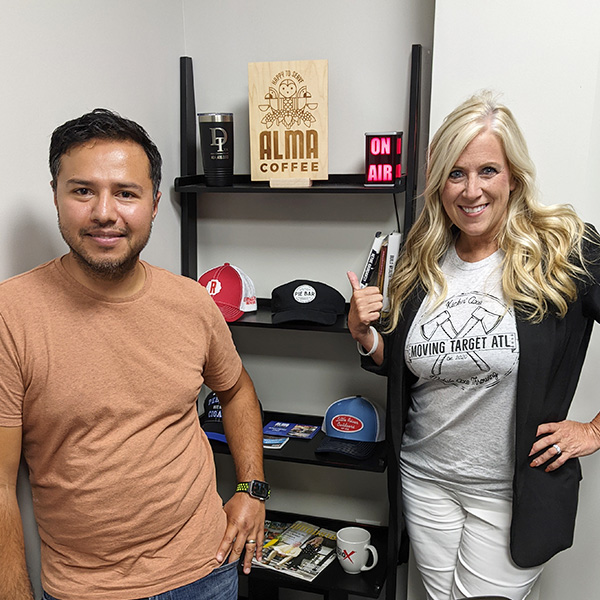
Speaker4: Maybe it’s out there in the domain and your heart and soul and your life is out there for everybody to judge. Yeah, it was very scary. And I finally pulled the trigger and I got a very good reception from that. I didn’t really use it particularly to make money, but I wanted to introduce the subject of financial planning in somewhat of a more fun way. And it’s just it’s 48 little two to three page stories. In fact, I shouldn’t even tell this story, but.
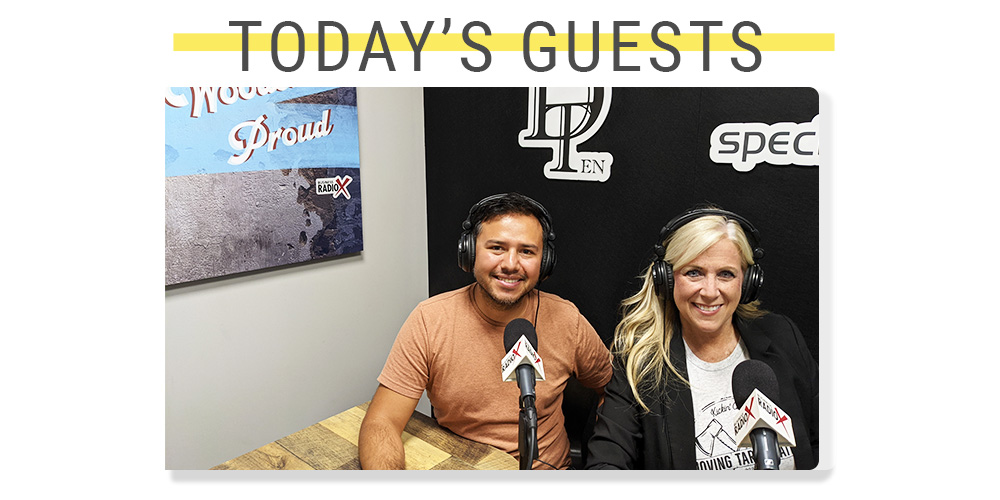

Speaker2: But we will. I will.

Speaker4: So a friend of mine sales guy Dan Jordan by the deejay, he is a great sales guy and a great mentor, a good friend of mine. He and I were having a meeting and I’m talking about the book. And part of my idea was I’ll give you the book for free if you write a review on Amazon.

Speaker3: For me, that’s a nice trade off.

Speaker4: So we’re talking about it. And I just kind of said, you know what, it’s a great bathroom book. I say, you can just pick up and start reading. It’s two or three pages each little story. Well, that was his Amazon review. It’s a great bathroom. Oh, thanks, Dad. I really appreciate that.

Speaker3: One of the nerve of Dan.

Speaker4: So anyway, it was a lot of fun. And I got another book in me. It’s been in the drawer. I keep pulling it out from time to time. But basically it’s the working title is The One Percent and can I join? And it’s more of a work workbook mindset stuff, stories of people that have overcome adversity. And I tell you, going back to what Ron said, what you’ve talked about, Stone, is human beings are infinitely adaptable. If you’re open to being adaptable and it all goes back again to this mindset business and there’s a mindset of abundance in America and on planet Earth, it’s just amazing what people can do. And sometimes they just need a little direction. Yeah, I try to reframe the budget and behavior words on a different format so that people actually embrace. Those concepts and use them to their advantage and build wealth over time.

Speaker2: Yeah, for what it’s worth, that’s really what I and my colleagues want to do with this platform is perpetuate that that serve first abundance kind of mindset. The I have these folks I call community impact partners. Right. Like Harry and Leticia Overhead Alman innovation, smart folks here. And that’s what I’m aspiring to that as well as to. Is there anything we can do to use this platform to perpetuate that? Because you do see some marvelous outcomes when you when you hang out with people like that and you get two or three and put their heads together, that’s when it’s really fun.

Speaker4: You know, a great point community. I would never have been able to do this on my own. And there’s a wonderful community here in Cherokee County and North Fulton County. I really love the Atlanta area. I think it’s a vibrant and dynamic area with fabulous people. And community has been what’s helped me more than anything. And I’ll go back to my Toastmasters experience, which taught me how to tell a story, which taught me how to write a story, which taught me how to publish a book, which taught me how to have fun speaking, which taught me how to lead meetings and help set me up for being able to produce the texts that we pulled off last year. It was a phenomenal experience and I the last thing I’ll say about it, I met people. That I would have never met in any other format in any other way, people far more pedigreed and knowledgeable and interesting than me, it was just it was almost it was a wonderful stone.

Speaker3: Was there, you

Speaker2: Know, stop. I don’t know about it,

Speaker4: But I worked for Steve Monahan. Carr used to be a force in Cherokee County. She’s now down in Orlando. She was our CEO and our speaker curator. She and I emceed the event. Jenas, got a platform video, rock stars. If you want to learn how to make money with your videos, check out video rock stars and Jannika, just a fabulous, fabulous person who I learned so much from and continue to learn from.

Speaker2: That’s a nice plug. I’ll send her an invoice. I know you’ve mentioned Gina before, and I think I shared with you that one of the other studio partners and I are launching a studio in Orlando and we’ll take all the help we can get. Again, like minded people that want to try to hold up the community. So, yeah,

Speaker4: Jane is great. And her her partner, Terry Brock, he speaks a lot on technology.

Speaker2: I feel like I know that name, Terry Brock.

Speaker4: I maybe not world famous, but he’s pretty famous speaker on the National Speakers Association. He’s terrific guy, a really insightful speaker. I try to tune in to him every time I get a chance.

Speaker2: Don’t you think there’s at least one book in Ron Green? Don’t you feel like there’s a book in here? There’s got to be, right? Oh, I

Speaker4: Absolutely. You talk about adaptability, overcoming adversity.

Speaker2: Then we’ve got we got to help you get to the nature of our help. But you got to get a book. I have to do it

Speaker4: Of human beings. All right. I’ll invite you to Cherokee Toastmasters. OK, may be a start for you. It’s the best toastmaster stop in Cherokee County, by the way. Another plug. We’re looking for an in-person venue. We’ve got a couple of

Speaker2: For the Toastmasters looking for somewhere to meet. How often do you have like Marguerita Mon’s, how’s this thing work on Tuesday and Wednesday? No. Oh, Lord Stone. I got

Speaker4: To alcohol and speaking really go hand

Speaker2: In hand. That could be a fun game after three shots. Let’s see how great, how articulate you are.

Speaker3: This is not karaoke. OK, song.

Speaker2: All right. Before we wrap here, I really do believe with all my heart you are probably the only polo player that I personally know.

Speaker4: It’s a great song. I don’t know anything that’s.

Speaker3: Don’t know. I don’t know. I don’t know

Speaker4: Anymore. And I got to tell you, we play at a farm called Shucker Farm. It’s in southeast Turkey County. The owner of the farm passed away a couple of years ago. Jack Cash and friend and neighbor of mine for many years. And he built the polo field, Jack, that a lot of things that nobody else would ever do, and it’s recreational polo. It’s Alpharetta Polo. This is not Prince Harry, although there have been some pretty famous people come up to Chuck AFIRM. We have the crown prince of Jordan. Come play polo. I’ll date myself a little bit. Stefanie Powers, you might remember

Speaker2: Stephanie

Speaker4: Came to play polo with a seat and Buddy Ibsen’s daughter

Speaker2: As Jethro’s buddy. You know,

Speaker3: I don’t know. Yeah, no, I don’t know what it is. People not

Speaker2: Not Jethro’s. It’s not just Jethro’s dad. It’s Clampitt, Mr. Clan.

Speaker4: Mr. Clampett. Or he was a he was one of the originals of the The Wizard of Oz.

Speaker2: That’s right. Yeah.

Speaker4: And his daughter was in town for a concert at Chukka Farm and played with us the next day. So, I mean, it’s very cool. It’s a the competitiveness, the camaraderie and the notion that you’re you’re a teammate with a living being fifteen hundred pounds of horse flesh that’s galloping up and down the field and hitting a ball about the size of a baseball. I get it is adrenaline pumping and I play when I’m on the polo field. I’m not thinking about anything else. It has been my escape, particularly during covid. We have we have one hundred and thirty acres to social distance and.

Speaker3: Yeah, yeah, yeah. You good on that. You get out of

Speaker4: The polo field and it’s, it’s a wonderful, wonderful sport.

Speaker2: So for those of us who may not have your horse back skills, can we go and watch and have a Bloody Mary or how’s that work or.

Speaker4: Yes, you can come watch. I’ll tell you, Apollo was not what it was a whole series of events. There was a handful of us playing polo. I tell you, if you want to watch really good polo, there’s Atlanta Polo Club that’s down in Vinings. It’s across the river from Love It and drawing a blank on her name on a fourth line kind of runs things, but he’s got another lady. Who’s he began to follow down in the south side of Atlanta, and that is some pretty good polo. And one of the things I’ll tell you, a polo field. Is ginormous. You can almost see the curvature of the Earth. It is the equivalent of nine football fields.

Speaker3: Well said. Well said

Speaker2: It. So it’s like three by three football field. Yeah. Yeah.

Speaker4: So anyway, they’ll start there starting up the middle of this month or September, IATA fall polo was the best time to watch Polo because the horse has been going all summer and the weather’s moderating. I’ll try to keep you guys up to speed. It came down to to Vinings and watch some pretty good polo.

Speaker2: Now, that would be fun. I was yeah. It’s so far removed from my world in my to imagine from yours, too. I mean,

Speaker3: There’s not a lot of black guys playing polo. I mean,

Speaker4: You’d be surprised we got a guy, Miguel Wilson. Well, you ought to connect with him. He’s in the fashion business and he has a nonprofit that focuses on helping at risk youth. And he has a polo scholarship where he gets young black kids out of the inner city on a horse.

Speaker3: I love it.

Speaker4: And teaching them about Polo and Miguel’s pretty good polo player. He is a great guy. And I tell you, you talk about. Somebody that understands publicity, yeah, he is, he’s got a cameraman wherever he goes. I have learned I’ve learned a lot from Miguel. He’s a terrific guy now. That’s awesome. I’ve really enjoyed getting to know him. And he’s got an event coming up. I don’t know if it’s an Atlanta polo or not, but he has an annual event that he raises money for his nonprofit. Last year, you may recall, we had somewhat of a flood and I don’t know if it’s spring or fall, but it kind of rained out his event. It was unfortunate. But Miguel Wilson

Speaker3: Might want to connect. Yeah, yeah. Connect me. Me. Absolutely.

Speaker4: It’s a super neat guy.

Speaker2: And you think there might be like a fundraiser where we really could go and watch stuff and bid on? I love the fundraisers. Yeah, my dad usually centered around alcohol. Like I went to the Bourbon Gala for Enduring Hearts. I mean, I loved every minute. All right. Where can our listeners go if they’d like to reach out and get together with you and have some of these conversations and just and get a little bit of direction and counsel and most of all, a guy who will sit down and listen.

Speaker4: Well, thank you. Best way to reach me is Mike at Mike Seina. S e in a advisors dot com. That’s advice ogress. Mike S. advisers dot come and go to the website, you get a little feel for what we’re trying to accomplish and it’s been great fun.

Speaker2: Well, this has been a great deal of fun for me. Very informative. Also, if you just if you’re having trouble reaching Mike, which I don’t think you will, if you just walk up and down Main Street, you bump into it because I see you two or three times a week. And if you mention to me, I will share this with you, and this is this has been my experience already. If you share with Mike like I have, hey, I’m looking for this. I need this deal. I mean, it’s like he he he just gets his job this week. I’m like, go. No, no, that’s he’s that guy that’s good and genuinely listens to what it is you’re trying to accomplish. And if he can, he will he will help you. It’s just it’s such a pleasure to have you both in the in the studio today. So thank you both. And let’s don’t make this a one and only thing. Let’s let’s circle back from time to time. I know you and have got some designs on doing some stuff, collaborating together, Ron. And I don’t know, might maybe, you know, find an excuse to to hang out bourbon.

Speaker3: Bourbon. Yeah, well,

Speaker2: We’ll have to mix in a Business RadioX bourbon. Thanks. I go sleep. All right. Until next time. This is Stone Payton for our guest today, Ron Green and Mike Seina and everyone here at the Business RadioX family saying we’ll see you next time on Cherokee Business Radio.

Tagged With: Mike Sena Advisors, Operation Snatch Back

Randell Beck from Beckshot and Aria Taboada from Aria Music Studios

July 28, 2021 by Kelly Payton

Cherokee Business Radio
Randell Beck from Beckshot and Aria Taboada from Aria Music Studios
Loading
00:00 /
RSS Feed
Share
Link
Embed

Download file

Aria and RandellThe Innovation SpotAlma Coffee


Randell BeckRandell Beck, Photographer – Cinematographer–and Post-Production at Beckshot

Randell is a former Naval Commander with a background in engineering and special operations. A lifelong outdoorsman and photographer, he also holds an MBA from the University of Texas in Community Planning (joint program between the school of architecture and real estate programs), and extensive experience in logistics and team building.

He applies his business expertise, operational planning background, and award-winning photographic talent to the challenge of producing exquisite marketing materials for his clients. His extensive real estate career spans over 25 years in every aspect of real estate: development, construction, marketing, operations, and design.

He is a member of the Board of Directors of Lutheran Social Services of New York and an accomplished guitarist.

BeckshotFollow Beckshot Media on Instagram and Facebook


Aria Taboada, Owner of Aria Music Studios

Aria Taboada has been passionately engaged in music since she was nine years old, when she picked up the violin for the first time. She spent many hours practicing her craft as well as learning piano. She played as a member of the Atlanta Youth Symphony as well as the Georgia All State Orchestra in high school, and later attended Georgia State university as a violin performance major, studying under Dr. Christos Galileas. She has been featured in multiple artists recordings, including Latin Artists Seich Music and country artist Alison Nichols. Although she enjoys performing, her true passion lies in educating and inspiring young musicians. She believes that the fine arts are a very important part of the community.

Aria Music StudiosFollow Aria Music Studios on Facebook and LinkedIn


This transcript is machine transcribed by Sonix


TRANSCRIPT

Speaker1: [00:00:07] Broadcasting live from the Business RadioX Studios in Woodstock, Georgia, it’s time for Cherokee Business Radio. Now here’s your host.

Speaker2: [00:00:22] Welcome to Turkey, Business RadioX Stone Payton here with you this morning, and today’s episode is brought to you in part by Alma Coffee, sustainably grown, veteran owned and direct trade, which of course means from seed to cup, there are no middlemen. Please go check them out at my Alma Coffee Dotcom and go visit their grocery café over at thirty four forty eight Holly Springs Parkway in Canton. Ask for Harry or the brains of the outfit Letitia and please tell them that Stone sent you. You guys are in for a real treat this morning. A little bit later in the broadcast, we’re going to get a chance to visit with Aria and I’m going to try to pronounce her last name, but we’ll get a handle on that. And she runs a school where she teaches folks how to make beautiful music. But first up on Cherokee Business RadioX this morning, please join me in welcoming to the broadcast with best shot Mr. Randall Beck. Good morning, sir.

Speaker3: [00:01:23] Good morning, Stone.

Speaker2: [00:01:24] How are you? I am doing well. It’s a delight to have you here in the studio. You and I have talked about this idea of having you come in and visit and talk to us about your work. It’s finally happening. Thanks for coming down. Tell us a little bit about mission purpose. What are you out there trying to do for folks, man?

Speaker3: [00:01:45] In the corporate world, there’s this thing in the instilled it in us in business school back when I was getting my degree right, and you you ask somebody, what do I what do you do? And so it bigshot that they would ask me that. And I might say, you know, I subvert dominant paradigms by leveraging industry best practices through accentuated technology, what you know, and so, so big shot is about messaging. Right. And what we try to do, what we’re trying to do is transform business messaging and really grab people. We help the business tell their story about why they do what they do and what makes them different than their competitors in a way that has impact through video and high quality photography. And we put the impact on the story so that they can reach their clients and, you know, generate a better client experience.

Speaker2: [00:02:34] Well, I tell you, I can’t think of anything that is more important and would have a larger impact faster than getting that messaging crystal clear. And I think I suspect you tell me there’s probably a tremendous advantage in having third party perspective come in and help you think through articulating that message. Because I can tell you this, my business partner, Lee Kantor, I mean, he and I can talk we can tell each other what we do. And it all sounds great. But like if you have a third party, there’s some value just from that third party perspective, isn’t there?

Speaker3: [00:03:11] Clarity is everything. Yeah. And particularly in today’s marketing world, the Internet marketing and social media, explosive growth there has kind of transformed the marketing equation. Now, I’m a big Simon Sinek disciple, and so it’s all about why

Speaker2: [00:03:29] He’s the why guy. As I’ve seen a little YouTube, I got to confess, I didn’t read the book. I should probably read the book and read the book.

Speaker3: [00:03:35] It’s really good. Yeah, it’s called Start With Why? And I’m not going to try to recap the book, but the central message for him is, is that the research shows that nowadays people aren’t buying what you sell, they’re buying why you do it. Yeah. And so to communicate that why is the most important thing and the best way to do that is is through. High impact, direct communication. Forget the business, speak like I was joking about a minute ago. Right, right. Talk simply and directly to people in ways that engage them. And of course, with social media and the Internet, the best way to do that is video. The video revolution is is in full swing. If you if you’re not doing video. Five years ago, you’re already behind, so.

Speaker2: [00:04:24] Right. Right. Well, that’s where we come in. One of the things that I think I like about the idea of video, interesting in some respects, audio, but certainly you’ve got once you get it nailed and the pros like you, piece it all together properly and we’re all happy with what we’re going to place out there. I got this I got this stone out there. I think I don’t know. I don’t have one, but I’ve got this stone out there working for me 24/7 while I’m doing other things. That’s got to be a tremendous advantage. And he gets it right every time

Speaker3: [00:04:56] He gets it right every time. And it’s a consistent message if you if you. If you orient your narrative so that each piece that you put out is is really hitting on your core values, your core message, your HWI, right, then he is getting it right every time. And of course, nobody likes to be sold to. And so when you’re having a conversation with somebody, if you start coming across like a salesman, they start tuning you out. Right. But it’s a better approach to be able to say, yeah, you know, I do Business RadioX and hey, check out my website. There’s a bunch of stuff on there for you to look at and you can see what it is we do. And then you just have a conversation with them where they can get your they can get your pitch and your differentiation and your messaging from that website that’s getting it right every time. Right. So that’s the that’s the social media revolution.

Speaker2: [00:05:44] So these I think I heard you say this is is your council typically to do more like and rather than do a 15 minute ditty, you would do five, three minutes, you would do multiple pieces with little different angles on them.

Speaker3: [00:05:58] They call it the three second world that we live in, you know, three seconds to grab somebody’s attention. That’s spans are really short. So you start with a bang, right? Yes. And, you know, one minute, maybe two sometimes is is really as long as you want to go in that environment. And, you know, marketing in general tells you to always, always be putting your key message out. Right. Nike, Nike says just do it on everything. Yeah. They want you to understand what they’re about. We work with champions. We open doors for you to achieve your potential. Just do it. You get that on everything you see from Nike.

Speaker2: [00:06:32] Ok, so let’s walk it through a minute. So let’s say so. I understand that you probably have a wide variety of the kinds of people you could service for for the moment. Just purely hypothetically, let’s talk about me for a minute. I mean, it is my show, let’s say when it was my as soon as the check clears, Randall, as soon as the check clears. If we were doing this and I were the subject, like what? Walk us through the engagement, especially like the early steps. How do we how do we do a certain set of videos or a Cherokee Business RadioX? Yeah, Walkerston, we would start

Speaker3: [00:07:09] Off with the idea of what is Business RadioX? What is Cherokee Business RadioX? What’s what’s this about?

Speaker2: [00:07:16] And this is me and you just talking casually, just trying to get out. Just I was trying to

Speaker3: [00:07:21] Find out what you’re about. Right. And then I want to explain what I’ve just explained to you about about proper marketing and the way way to get your messaging out. So now you decide, OK, this is this is really for me. I really want to do, you know, maximize my impact. Right. And do this. So then we sit down on camera and we do a structured interview where I’m going to elicit from you during the interview

Speaker2: [00:07:47] The you’re probably a lot better than I am. I don’t know about that. You’re going to give me a report card after. I don’t know about that. I interrupted you. Go ahead. All right. So so you’re a structured kind of interviewer structured interview. You’re pulling you’re pulling the best of me out of me.

Speaker3: [00:08:01] I guess you’re getting your why and you’re how wrong. What makes you different. Right. And that’s all on camera. So I can edit that video and audio together once we’re done to to craft the narrative that you’re wanting to put out there, you know, in a very concise and powerful way.

Speaker2: [00:08:18] And that’s encouraging that you can that you can just clean it up a little bit.

Speaker3: [00:08:23] You know, we’re talking business messaging here. We don’t need

Speaker2: [00:08:27] Nice, you know, is

Speaker3: [00:08:29] Like like like you

Speaker2: [00:08:30] Can I think you tell me. I think maybe you can get away with a little bit more that kind of thing, like in this format where you’re just sort of chewing the fat, as my dad would say, but not in a professional messaging piece. That’s a different animal. That’s right.

Speaker3: [00:08:44] Yeah. Because you only have that one minute to run before they’re turning you back out. And so then once we have their narrative crafted, right, we edit in what we call Berel, which is, you know, you’re cutting away from your smiling face and showing what you do, showing in this context, we’d be showing you doing some interviews, show your facility like, oh, you

Speaker2: [00:09:04] Were just some faces, get more big role than others. You why do I get the feeling that there would be a lot of money

Speaker3: [00:09:13] That’s up to you. We edit all that in there, too. So still getting your message, you know, you’re still hearing your voice. But this is almost like a documentary, right? You’re hearing your voice. You’re narrating your story. But we’re seeing aspects of what you do, too, in a very impactful way. And then that is that goes to color correction in the whole editing process we call post-production. Right. Just like you do. Right.

Speaker2: [00:09:34] And you make me six foot three with the blast and

Speaker3: [00:09:37] We make you look like Clark Gable. And then and then we distribute.

Speaker2: [00:09:41] Ok, well, OK, let’s talk about that, because that’s nothing to gloss over. When you say distribute, the last thing we want to do is based on my little tiny circle of knowledge. You don’t want me making major decisions about when to distribute what how to frame it. So I’m going to get some direction from you on that, too, right?

Speaker3: [00:09:58] Not for me personally, but. I’m no marketer, OK, but part of the package can be that we bring in a marketing person to help do that campaign. OK, or if you already have that marketing person we give you, we give them your deliverables. Right. You know, execute your marketing strategy. Right. Whether that’s Facebook or Instagram or both or, you know, website or blog or whatever it is. And so we work we work together with your team to come up with that.

Speaker2: [00:10:24] Well, I like that idea. I like the flexibility of it. If I’ve got someone who I really have gotten to know and trust and really respect their their professionalism and their expertize on on how to fully leverage that kind of content, you’re flexible. Find Stone. Here it is. Run with it. And if not, sounds like you have relationships with best in class folks that have that knowledge and expertize. And I can I can team up with them. Or do you just build it into my whole

Speaker3: [00:10:49] Package, build it into your package. That’s right. And the bigger we go, the bigger the company are. Sometimes they have their own agency. Right. And in that case, the agencies will be given us delivery specifications. So we’re just working to the specs then. Right. They already have the campaign defined and at that point we’re giving them the content.

Speaker2: [00:11:07] So talk about that a little bit, because I think, you know, a lot of our listeners are some of them are aspiring entrepreneurs, but a great many of them have a little something going, even if it’s a side hustle and they’re trying to figure out different aspects of their business. And a big piece of it is this whole sales and marketing piece. How does the whole sales and marketing thing work for for a guy like you? Like we were talking about, like an individual you and I met at a at Woodstock business club function on in stock in Woodstock thing. So I think I have a feel for how you might meet people like me or Oria. But how do you how does all sales and marketing thing work when you’re trying to build relationships with people that own, you know, large firms? That cannot be easy, I wouldn’t think.

Speaker3: [00:11:54] No mystery to networking. Right. The introduction is always the best. A good referral is the next best.

Speaker2: [00:12:01] So you get referred in a lot of time. Doing good work is a heck of a sales tool in that area. Yeah, you’re right. I mean, if you taught my kid how to play the violin and they couldn’t walk and chew gum before I brought them to you and then I tell my neighbor, did get your kid over there. Are you straight about right?

Speaker3: [00:12:16] Definitely not the drums or the trumpet.

Speaker2: [00:12:19] Right. Right. So so your business, I mean, you you have to have a tremendous amount of trust. It’s not just the money. I mean, OK, I mean, I’ve spent money on stuff that didn’t work. But to trust you, to put me in the best light, that’s the that’s

Speaker3: [00:12:38] The key factor in this business. And yeah. And so we make a real point that we are always loyal to the project and to our client, you know, whatever it takes to get it done, right. That’s right. And and, you know, there’s never a time that I want them to be surprised by anything that’s happening. Yeah, communication’s critical because once you lose the trust in this kind of business, it’s all relationship. When she loses the trust,

Speaker2: [00:13:05] That’s better and better, I suspect. I mean, I think better to overcommunicate and have them cry uncle on that and then not communicate and then over deliver.

Speaker3: [00:13:16] You know, if you’re in a real estate shoot for a brokerage and they contract for twenty photos, we might give them twenty five because, you know, it’s just better we don’t nickel and dime and we overdelivered.

Speaker2: [00:13:28] Ok, so I wanted to ask industry sectors, are you fine because you just mentioned real estate. I chose myself. I thought it might be fun to do something for someone like an already small business people that we know. But are you finding that your business over the years has sort of gravitated toward certain sectors, certain industries, certain types of businesses?

Speaker3: [00:13:47] Yes. You know, in the broad sense, it’s professionals, right? It’s businesses of any size, but in a professional environment, the need to differentiate themselves. But there are sweet spots that. Right. We’ve developed. Real estate’s obviously a big one in the photography.

Speaker2: [00:14:02] Well, it wasn’t obvious to me. Why is that? Why is that?

Speaker3: [00:14:05] Because my photographs all the time on their listings and they need videos about why you should work with me. And, you know, here’s what my process is, OK? And related businesses to them, to mortgages and people like that need to do the same

Speaker2: [00:14:16] Because those are crowded arenas, right? I mean, you can’t swing a dead cat without hitting a mortgage broker or a realtor, right?

Speaker3: [00:14:22] That’s right. And they need to differentiate themselves in a big way. Right. But then there are other industries related to that. Commercial real estate is one commercial buildings. The property managers that are leasing apartments and office space, you know, are starting to discover out there that that showing their operation in their properties in the best light is going to be very critical post covered with all the downsizing and shuffling going on. Right. Leasing is going to get very competitive

Speaker2: [00:14:50] And I’m going to look at it. Will you tell me, is this right? I’m going to look at that space, look at shots, videos of anything around this on a computer long before I ever try to set up any visit. I’m not going to drive all the way to wherever, right? That’s right.

Speaker3: [00:15:06] And in a real sense, you know, you want that buyer that’s seen those photos to come in prepared to make an offer. Right. The better, the better. The presentation online that’s your first showing in the better that presentation is, the more likely they are to to do that. Transaction and in a bigger sense than that, you know, in other related industries, architects, engineers, property developers, construction contractors that need to show a portfolio, our approach is really well for them. Now, that’s some high level involvement on those issues. They’re really looking to express a design concept and really show it in its best light. Some of those shoots are very involved and are our secret to this is we shoot everything we do as if it’s for publication for an architect. Right. So even even a real estate agent says, just shoot. My listing gets the same approach with some standardization and some things that we do to make that efficient for them. Right. We have we have standard pingle, standard shots, you know, some standard settings and things like that. And so they get that same approach as is the architectural shoot would be if they’re going to be featured in residential design. Right. Wow. So it’s a it’s a good way to make their business advertise their business.

Speaker2: [00:16:23] So then you get a chance. I would think you get a chance to build relationships and genuinely serve. I don’t know the the people who run the building. Right. Or run the the marketing of the can be. Do you enjoy. You must you must enjoy seeing all the different architecture and have a real appreciation for design,

Speaker3: [00:16:41] Something I thought about doing in my life and didn’t do. And maybe that was a good decision and maybe it was so, so I’m fascinated by it. But because I’ve been involved in it, you know, even back in the Navy, I built team buildings for the SEAL teams. And so,

Speaker2: [00:16:55] Ok, we got back involved with they just got sort of I built training for the SEAL teams. I got to hold my breath for an hour and a half. Well, let’s back let’s get the back story on this thing. Although as far back as you’re willing to go, how does one, you know, land where you have what’s the what’s the Randall big back story? Oh, no. We call it the back story. Oh, I like that. See?

Speaker3: [00:17:17] Ok, how do I get to where I am? A long series of miscalculation and error. So, no, I. I was a naval officer out of college for 14 out of school, 14 years total. And about 10 of that I spent in, you know, some various capacities in the SEAL teams or the special bone units. And my last job in the Navy was on the on the staff of the commander in chief Atlantic Fleet as the special warfare liaison. Oh, my. So I was in big involved in R&D and acquisition budgets. You know, new things. Right. Like my favorite project was we were developing a wave piercing speedboat, combat speedboat. Oh, my. So things like that that were very interesting. But one of one of the projects was building a team building with some very specialized electronics and security features and things like that was a fascinating process. And and post Navy, I got into the real estate world development and construction operations world. And so I’ve learned to speak, engineer, architect, city planner, all those languages. Right.

Speaker2: [00:18:24] Do you feel. I’m sure the answer is yes. So maybe I should say, why do you feel how do you feel that having that that background in the military and in this case even highly specialized, you know, elite pocket of the military, how do you feel like that has served you in the business world?

Speaker3: [00:18:44] Mission focus, true leadership, an orientation towards results.

Speaker2: [00:18:51] So do you get frustrated occasionally so you can you can tell me it’s just us girls here, just it’s just me and Ariah. Do you get frustrated sometimes when you see people that are less than driven or less than disciplined or a little bit lazy? Is that frustrating to a Navy SEAL?

Speaker3: [00:19:10] No, never.

Speaker2: [00:19:12] I don’t think I’m buying that. You have to find a way to work with those folks. But but I’m sure you do run into most people must seem a little less disciplined, a little less on point than you would prefer, I would think at times. OK, maybe at times. OK, so you also learn diplomacy and all that, as I say, less timely.

Speaker3: [00:19:36] Maybe sometimes you just you just want people to hurry up, you know.

Speaker2: [00:19:40] So but you’re just like the people, some of the constituencies you serve your go.

Speaker3: [00:19:46] Before we go on talk about constituency, we kind of talked a lot about real estate and architecture, which are lovely, sweet spots. I enjoy that tremendously. But we’re also in the art world where we’re currently working on a five part documentary for Cousins Properties. Speaking of developers, I’ve heard

Speaker2: [00:20:01] Them nice little cute little cottage

Speaker3: [00:20:03] Industry. But they are they are doing a four sculpture installation in their renovation of Buckhead Plaza, OK. And so we are filming. We’re videoing the creation and the installation of these sculptures, which represent intersections around the Atlanta area. And of course, by that, you’re automatically drawing in some historic and cultural context. Right. Cousins is a company that’s made a real commitment towards art in public spaces and impacting the culture in ways other than just don’t we have a pretty building lease in it right now, a very unique company among developers out there. So we’re doing a five part documentary series on that, which puts us we’re working with an art consultant and the sculptor himself. We’re in his studio doing the creation, as well as in the Plaza for the installation in the finished product. So that’s an interesting one. We’ve done health care and, you know, health allied health services.

Speaker2: [00:20:57] Now, why that would not have thought. I wouldn’t I’m not getting a good visual on health care.

Speaker3: [00:21:02] Remember that our thing is differentiation, right? Writing anybody, any professional that needs to differentiate themselves from the others is is a good client and they have need of what we do.

Speaker2: [00:21:14] Well, and I guess there’s a pocket there’s a there’s a a sandbox in the health care world that is that has medical devices and stuff. And I bet design and that kind of things like visual is important in that regard. I bet.

Speaker3: [00:21:27] I don’t know. But design always reveals intent. Right.

Speaker2: [00:21:30] And if somebody write that down and

Speaker3: [00:21:32] Design is design, it’s fascinating to me, no matter what form it takes, one of my friends from up in New York City is works for a company that does packaging design. They package products for their clients, while a strange. You wouldn’t believe how technical that that is. You know, there’s a science to product design and packaging and

Speaker2: [00:21:58] The packaging, I mean, it’s the kind of thing I don’t even think about the

Speaker3: [00:22:02] Shape of the grip on the skill. So it’s not an accident

Speaker2: [00:22:06] And neither is the box that it comes in. Maybe that’s it.

Speaker3: [00:22:11] So design is fascinating. Right. So in any aspect and I personally really like design.

Speaker2: [00:22:17] Yeah. And it’s and you get the joy of capturing it and putting it in its best light and then helping them think through how to get that message out there. We touched on it a little bit, but is there anything else that comes to your mind when maybe we’ll get it? We’ll ask in the form of getting some counsel for for some of the the folks in our tribe. What advice, if any, do you have with regard to to those of us who might be in an arena that that is kind of noisy, kind of crowded? What advice do you have for us to try to achieve a little bit of differentiation, to just separate ourselves a little bit from the from the crowd?

Speaker3: [00:22:52] I would say inspiration is the key, and so you need to find a way to inspire people to do business with people that inspire them. Right. And that’s that’s the challenge when I talk about impact, when I talk about differentiation, that’s really what we’re trying to do, is give them your your big why in a way that inspires them to participate with you.

Speaker2: [00:23:14] Know this whole Y thing for you, it’s not a parlor trick. I mean, I think you take this very seriously. This is the core of what you do, isn’t it?

Speaker3: [00:23:22] How many businesses say you’ve got the best price? Right. How many of them say we’ve got the best product? Right.

Speaker2: [00:23:30] Do they? I don’t know. All right.

Speaker3: [00:23:34] On any given day, that can change. Right, right, right. And if your customer is coming to you because you’re. Your convenience store and you’ve got the cheapest price on gasoline today, they’re going to buy their gas from you, but tomorrow when the other guy undercuts you by a nickel where they’re going to buy their gasoline. Right, right, well, that’s a simplistic example, but you want to inspire loyalty and continued. Continued commitment from your client. All right, so now you’re in the white world. Yeah. Why are we doing this?

Speaker2: [00:24:04] I must start asking why more like that. Yeah, that’s it. I enjoyed the video when I watched it. This Simon guy, Simon. Yeah, but I don’t know. I don’t feel like I’ve applied enough. I should just I should be I should ask you more like if people think they might want to sponsor a show or a host of serial, maybe I should say. Well why. Well, I mean, maybe there are other maybe I have come up with some other phrases besides why or, you know, what makes you feel that way or something, but kind of just keep poking. Right.

Speaker3: [00:24:32] Said you hadn’t read the book, but in the book he tells you how to do that.

Speaker2: [00:24:35] Oh, he does.

Speaker3: [00:24:35] It’s a process, not a destination.

Speaker2: [00:24:37] And so since I’m on an invoice, we’re giving him quite a little poker. He doesn’t believe

Speaker3: [00:24:43] The world is talking about him. It’s just, you know, it’s a good framework.

Speaker2: [00:24:49] So, yeah, before we before we wrap, I want to make sure that our listeners know how to get in touch with you. So whatever you think is appropriate in terms of contact info, whether it’s a phone number or email address, maybe a website, maybe there’s a cool place to go. Look at some of your work or whatever you think is appropriate. Let’s make sure we let them.

Speaker3: [00:25:09] So a part of why is is a contact, contact, communication and commitment. So at best shot when you need to get hold of us, you’re getting hold of me. And whatever needs to happen, I will take care of with our crew or our suppliers or whatever you can get. You can reach me through the website. It’s bigshot shot dotcom. Beck shot singular dotcom. There is a big shots that’s plural and that’s not us. My email and phone number are on the website. Phone numbers five one six five oh nine six nine four three. Email is Rendel L.L. at Bigshot Dotcom and we’re on Instagram and Facebook as well. Just type in best shot and up will come.

Speaker2: [00:25:59] Well, and I do. I think maybe that’s even a point of differentiation. If I pick up the phone or even if I sent you an email, the next contact, probably I’m going to look you in the eye or talk to you on the phone. Yes. I mean, not to me, that seems like a real point of differentiation right there. No, it is. Well, thank you so much for coming to visit. And I hope you’ll come back. I’ll tell you an idea that might be worth pursuing. I think it be fun. Might be fun if if you have a local client to maybe have them come in. We’ll spotlight their business, too, because I love learning about other other businesses. But maybe it would be fun to talk about this a little bit about the relationship, how you guys work together and or if that’s do that, or maybe one of these trusted market partners, these best in class, somebody that handles the other part of the engagement. If someone needs like to have someone that does, you know, the the distribution work. So if you’re up for that, we’ll do that sometime.

Speaker3: [00:26:56] Yeah, that would be fun. I can think of several good local clients that might really enjoy that.

Speaker2: [00:27:01] Yeah, I’d love it. Hey, listen, how about hanging out with us while we visit with our next guest?

Speaker3: [00:27:06] Sure. It’s a great studio. I’d love to hang out with you guys for a little bit.

Speaker2: [00:27:10] All right. Next up on Cherokee Business RadioX, we have with us from us Aria. Armelle, take a swing. I should have asked before we went on air, would have been the last sort of professional interviewer would have done right to both of you.

Speaker1: [00:27:23] Got it. That’s exactly right.

Speaker2: [00:27:24] Are you all that built up or not? She just took a swing. Right. So, Aria, the the name of your outfit. Am I saying that right? Aria, Aria, Aria, Music Studios, Music studio. Clever. All right. Music Studios, you’re teaching folks how to play music. What are you doing?

Speaker1: [00:27:43] So I personally teach violin. That’s my main instrument that I teach. And also piano, ukulele and viola. We also have a bunch of other or a few other instructors that teach other instruments, such as saxophone, recorder, bass guitar, guitar, drums, beginning voice. I hope I’m not leaving any out there. There have been several that have been added recently, which is a great thing.

Speaker2: [00:28:09] So I’m going to tell them myself and my my supreme lack of musical knowledge or talent. When my oldest was in the third grade, I had I wasn’t very long in this business of running studios for the Business RadioX network. And one of the things on the list was you had to have a recorder and Holly was going to the store to get a recorder. I said, Holly, I got more recording equipment and you can take a look at what do they need? It’s a little flute, etc.. So that was my education that they have. What a recorder that I

Speaker3: [00:28:42] Think Stone should come to your school.

Speaker2: [00:28:45] Maybe, you know, maybe you should have just a class for parents to just like just basic terms. And I want to say and not to say, because I don’t know in third grade, though, and actually in third grade, you’re still kind of a smart guy. You’re like Daddy, the hero. I was at seventh, eighth grade where you got to be really stupid. I don’t know, somewhere. I don’t

Speaker1: [00:29:03] Remember. I was a big nerd the whole way, so who knows?

Speaker2: [00:29:07] All right. So you’ve got a you’ve got a physical location that people come to. We do, yeah.

Speaker1: [00:29:13] So we recently opened our brick and mortar location in the beginning of March. We have been around for a long time, though, probably about ten years. We were previously located in Kennesaw actually at my home studio. So I just moved it now to a brick and mortar because we wanted to have some more instructors and also to be able to do a little bit more in the community, in the Woodstock community. So I was really lucky to land that new that new office that we can actually be in Woodstock and kind of, you know, do some outreach and stuff like that.

Speaker2: [00:29:48] Well, congratulations on that. I think that’s fantastic. So the the the end user profile, probably not the person writing the check, but the ah, most of the students, young people,

Speaker1: [00:29:59] We have a wide range of students. The ages range from anywhere from four years old to eighty, just however old. We have some adult students that actually take with their kids, which I think is really good.

Speaker2: [00:30:13] That’s cool. That’s the way we do it. Right.

Speaker1: [00:30:16] And I have several adult students. They tend to not be as they’re a little bit more shy about performing. But I’m trying to get some more performance opportunities that they would be comfortable with so that they can kind of get their music out there.

Speaker2: [00:30:30] So we should just bring them to the studio and be like, OK, it’s time for the. The area, our show us what you heard last week, Bill,

Speaker1: [00:30:38] So I have a few for you.

Speaker2: [00:30:39] Yes, but like the four year olds, a six year old, I bet they’re probably less inhibited. Right. And they don’t have it right or willing to stand and strong string or blow the thing or whatever, Netley.

Speaker1: [00:30:50] Well, I do have some shy ones. I will say I have some kids that I, I haven’t really heard a peep from, you know, for the duration of their lesson. And sometimes they’ll open up. But, you know, after a year of teaching and they’ll just start talking, I’m like, wow, I’ve never heard you talk before. But for the most part, yeah, the kids are a little bit more free and bold.

Speaker2: [00:31:11] So the hats that you must have to wear, the all the the disciplines that you must be able to exercise because you have this highly specialized knowledge from in the music world and talent in the music world. But you’re also running a business, a big piece of which I suspect is, you know, getting the business, the sales and marketing and all that kind of stuff. And you got to sort of know how to how to run a class, even though there’s a lot of your work, one on one or some group.

Speaker1: [00:31:43] So it’s actually all one on one up until this point. But we are opening a mommy and me type class that taught its toddler music, baby music, and we’re calling it baby rock stars. And it’s going to be opening in September. So we’re hoping to get a couple people for that, for the group class. That will be kind of a new avenue for us.

Speaker2: [00:32:04] But having a child that you don’t know initially come in. I mean, to me, it was I mean, I my kids were wonderful, but still they were I mean, that was a handful. And then try to get them focused on learning something. Do you have did you just learn that by trial and error or you just have a knack for that? Or is there like formal education? And here’s how you handle a kid for an hour and a half. Right.

Speaker1: [00:32:28] I mean, really what we focus on is the individual. So everybody’s different in their learning style. I’ll have some parents that will bring their children in like we want them to do competitions. We want them to, you know, be a little Mozart. And then I have other parents that come in. There’s just like, you know, just let them have fun, just explore what they want to do with music. So it really depends on the individual. And I just try to make that individual comfortable when they come in for lessons by trying to figure out what their individual goals are, what they want to do. And if it’s a kid or an adult, I’ll ask them, what is the song that you really want to play? Like something that you’ve heard on the radio, just your favorite song. And even if it’s something that they can’t do for a year or more, will work towards that so that they have a goal to work towards.

Speaker2: [00:33:19] Now, are there some instruments that are easier in general to pick up and do a pretty good job over other? I mean, because I have zero musical talent, there’s no one no one in my family on my side, no one sings, dances, plays any music. My wife says that I’m tone deaf. I maintain that I am tone mute. I can hear you just fine. I just can’t I just can’t produce it. But are some instruments you have little if you’re going to get if you’re going to have a stone style studio, let’s get him on. I don’t know. Maybe it’s that recorder thing.

Speaker1: [00:33:53] I would say recorder is a really good instrument to start with. That’s the reason that a lot of schools use that instrument to kind of get kids acclimated to learning music. Also, I do have some students that want to learn stringed instruments right off the bat, and I wouldn’t recommend that if they’re below a certain age, I would recommend starting with piano. It’s a little bit more instant gratification to play piano because you don’t have to, though. There is technique involved. There’s no screeching sounds or anything like that. When you play piano as opposed to violin. There’s just so much to think about when you’re playing a stringed instrument. And that can frustrate a lot of the younger musicians.

Speaker2: [00:34:34] Ok, is the violin and the fiddle the same thing? Is it the same instrument?

Speaker1: [00:34:39] It is the same instrument. It’s just the style that it’s played. There is an argument, though, that there were old time fiddles that were shaped a little bit differently, the bridge that holds the strings up so that fiddle players could play more strings at the same time. But I think in general, it’s just a violin. Yeah.

Speaker2: [00:34:59] Randall, you I remember now, if it was during during our conversation or before we went on air, but you play something in your room.

Speaker3: [00:35:08] I’ve played a number of instruments in my life, but. But guitar is the one that stuck.

Speaker2: [00:35:12] Yeah. And did you learn from a really early age like like she’s talking about her? I started about

Speaker3: [00:35:18] Six years old or so I said, oh wow,

Speaker2: [00:35:21] That’s awesome.

Speaker3: [00:35:21] It got a little songbook with a bunch of old, you know, bluegrass songs and Johnny Cash songs and John Denver songs in it. Right.

Speaker2: [00:35:28] Learn them. Oh what fun. So it out in the community. You obviously find yourself working with parents to provide them and their child a great experience, you get to the 80 year old who says, I always wanted to play guitar or whatever. Do you find yourself collaborating with community organizations, associations, other businesses in some way to either on the business side of things or just to try to be a visible, vibrant part of the local community?

Speaker1: [00:36:04] Yes, of course, when we open the studio and of course, I know covid is still kind of a thing. It’s still kind of going on now. But, you know, covid has really kind of inhibited us from doing community stuff. So we are looking forward to doing a little bit more out in the community. I really would like to get the kids especially and the adults out, you know, playing at different locations, maybe for children’s hospitals or retirement homes or anything like that. We are going to be doing or I say we I mean, me and some of the other teachers are going to be doing a benefit concert, a charity event for Circle of Friends. You might have heard of them.

Speaker2: [00:36:44] Oh, yeah. I get my coffee there on Thursday morning.

Speaker1: [00:36:48] Thursday morning. I see you there every Thursday, too. So, yeah, we are planning on doing a Valentine’s Day concert. I know that super far away, but I’ve already started practicing for it. So I will be playing the Vivaldi Four Seasons, All Four Seasons. And one of my coworkers are employees, Lanard. He’s going to be doing piano and I’m not sure what he’s going to do yet, but I’m hoping that something kind of jazz related, I think that would really balance it out well. So unfortunately, I don’t have the venue get the information, but it is going to happen. It’s in sometime in February. So if you follow the social media links, we will definitely announce that.

Speaker2: [00:37:27] Well, that is fun. You can call it the Business RadioX folks there. But I have

Speaker3: [00:37:32] A question for you is if that’s OK. Absolutely. You know, listening to this and with my perspective on the world, I’m interested in what you do that’s different and all the music stores that give lessons, right? Yes. Why would there’s that question? Why would somebody

Speaker2: [00:37:49] And you’re getting all those for free, are or are you going to send us a bill?

Speaker3: [00:37:56] Size matters. You get a big bill. You know, why would somebody come to your school instead of those lessons or, you know, what is it that you do different?

Speaker1: [00:38:05] I think one thing that differentiates us is our focus more on the individual during the lesson, as I said, just figuring out what their goals are and trying to focus on them instead of just having a core curriculum that we do. So whereas some people might do better with a curriculum, other people do better with just learning individual songs, just kind of, you know, piddling around a little bit. Playing by ear is a big one, too, like some people read music better, some people play by ear better and just, ah, you know, just being able to perform as well. We have to recital’s a year currently that we do. So the students really get to show off what they’ve learned during the year. And also we have other you know, we help we help students out with competitions that they want to do, all state orchestra, stuff like that, to to just inspire them. You know, I think that’s our main our main thing is to inspire musicians.

Speaker2: [00:39:04] There’s that word again where you were on to something, you

Speaker3: [00:39:07] Know, that resonates with me, though, because when I was a kid and taking piano lessons, the thing that frustrated me about it was the structure of it. You know, it was all exercises and these little songs you wanted me to learn. And they weren’t at all what I was wanting to play. And ultimately I stopped doing that and moved over in the guitar direction. So I didn’t play the things that I was interested in. Yes. Like she was saying,

Speaker1: [00:39:27] I think it’s important for us as teachers to communicate well with our students because sometimes you can tell if they’re not having a good time, you know, after a while and I’ll just stop and ask, like, hey, sweetie, you know, or buddy can are you enjoying this? Like, are you do you like the song? Is there something else that you want to do? And that’s more effective because more often than not, students will not communicate with you and then they’ll just end up quitting. So it’s better to communicate them from the get go to see what they want to do, what their goals are.

Speaker2: [00:40:00] So how about what about recruiting other team members? Because you want them to have that same love for the craft. You want them to have that same presence with the kids? Have you have you kind of got it dialed in and crack the code on how to recruit good people and keep them on board?

Speaker1: [00:40:21] Well, so far I’ve been very lucky with the staff that I have. I know I don’t I don’t think I’ve cracked the code yet because we just really started. And so this is my. First time having employees or having, you know, people, there’s

Speaker2: [00:40:37] Another hand, I mean, when you run into you, can you wear all these hats?

Speaker1: [00:40:40] Yeah, well, you know what one thing? My husband was a marketing major, so he helps me a lot. And I definitely wouldn’t be able to do that kind of stuff is not my cup of tea, but I’m learning a lot more through him and also through the Woodstock Business Club where I met you guys as well.

Speaker2: [00:40:58] So your husband’s name, if you don’t mind, Taylor.

Speaker1: [00:41:01] Taylor.

Speaker2: [00:41:02] All right. Shout out for Taylor. Make it happen. Behind us is Taylor’s musical at all.

Speaker1: [00:41:07] He’s not. No, but he supports music, though.

Speaker2: [00:41:13] That’s fantastic.

Speaker1: [00:41:14] It’s the radio

Speaker2: [00:41:15] You give me, too. So talk a little bit about Woodstock Business Club specifically, but also just the the the the I don’t even know what to call it. The collegial, supportive environment. At least I have found it that way since I’ve come here. That’s been your experience to apparently, yes.

Speaker1: [00:41:34] I was pleasantly surprised because I’m definitely an introvert. I don’t really put myself out there very much as far as talking to people. Playing music is fine. That’s that’s kind of odd, I’m sure. But but I just I’ve made so many great contacts and great friends, and it’s amazing how one thing will kind of lead to another. You know, you meet someone that you don’t really think is going to to help Persay, you know. But I think just putting yourself out there and just being getting to know everybody and kind of helping collaborating with them, I really enjoy that a lot more than just trying to recruit people to help my business, you know, so so I found a lot of it’s been great to kind of get to know people and also just to drive around Woodstock and be like, oh, wow, I know the owner of that business is kind of cool where, you know, I would have never met all of these people otherwise.

Speaker2: [00:42:28] So I’m that experiences that. That’s what I’m finding as well. The other thing that I did not anticipate, although I have run another studio and my day job is trying to find other people across the country to run studios, I’ve run another studio in Sandy Springs for years, but it wasn’t as intimate because they might be from, you know, the east side of Atlanta or whatever. Now, on the client side of our work, I mean, it’s they’re going to be a client of mine. I might see them at church. I might see them at Reformation. I might run into him at the piebald. I kind of I got to live with he’s going to look them in the eye. So I feel like there’s this I don’t know, I’m feeling even a higher obligation of making sure that I can I can give them whatever type of result they’re seeking if they’re going to write me a check to be part of this team.

Speaker1: [00:43:17] Right. Right.

Speaker2: [00:43:18] Do you feel like this higher sense of obligation? I certainly

Speaker1: [00:43:21] Do. I do. Yeah. I definitely want to help out anybody that I can if I if I can, you know, and give them give them some business and just kind of collaborate with them. That’s that’s that’s my favorite word. I guess lately it’s just collaborating.

Speaker2: [00:43:36] I can’t even spell it, but I walk away from the and I get energized when I go over here. My new routine is just to walk across the street to the circuit and I really enjoy the Ypersele. I don’t know. We may need an opower crusty

Speaker3: [00:43:50] Old

Speaker2: [00:43:51] Curmudgeon’s what

Speaker1: [00:43:52] I’m getting there too,

Speaker2: [00:43:53] But I’m really I’m enjoying that. And it’s a little different flavor and it’s a it’s a it’s some of the same folks but other folks. And then I try to time it so I can get over to the Reformation and enjoy the Woodstock business. So that’s that’s kind of my get to know people day. And there are a lot of people for whom I might not be a good client for, and they are probably not a good client for me. But I swear to you, I really am. After I got a chance to sit down, this was my intellect is kind of up, you know, if there’s a way for me to help someone. So I’m going to, you know, I keep it. So I feel like I’ve got all these I call market mates. Yes. Like, I get all these, you know, market mates. And I’m going to try to help. And I feel like they are the same. Yes. That they’re going to try to help me. So I don’t maybe that happens in other communities, but it’s all new to me.

Speaker1: [00:44:40] Yes. Yeah. And I never go in there with the intention of I’m going to get some business today. I’m going to drum up some business. Yeah.

Speaker2: [00:44:45] That’s not the right frame. Right.

Speaker1: [00:44:47] I think that people can sense that too, if you feel that way, you know. So I think it’s it’s great just to just to make new friends, you know,

Speaker2: [00:44:55] That’s probably what maybe turned me away from years ago, investing much time or energy in that kind of activity, because I can remember going to a to a thing. And I swear to you, the some of the people to have a conversation with me. And as soon as they put me in whatever box they wanted to put me in, I probably wasn’t answering the question properly. Randall thought I had some training from you. I probably answered, you know, what do you do? I probably got. But I swear to you, I could I could tell they were looking right over my shoulder like, who’s my next victim? Who’s my name? This is I’m not. Yeah, but that is not been my experience at all for this.

Speaker3: [00:45:32] That’s tell them that you subvert leveraging industry best

Speaker2: [00:45:37] Practices and then they’ll just move right along. So what’s next for for for you and mastermind Taylor? What do you guys got some world domination plans for this thing?

Speaker1: [00:45:47] Well, I don’t know about that. I mean, you know, I haven’t thought about that, though. So maybe that’s a that’s a good idea, but not for right now. I mean, we’re we’re just focusing on filling up our studio with awesome students and awesome teachers. We currently have five studios open, but we’re really only utilizing two of them.

Speaker2: [00:46:05] So we got some capacity.

Speaker1: [00:46:07] Yes. Yes. So we we definitely want some of our students. And I think for us, we we definitely want to get out in the community more. That’s our main focus right now, is to have more performance opportunities for the students, which creates, you know, just inspiration in them to learn music as well as retention.

Speaker2: [00:46:28] So, yeah. So how can we help the most? I mean, obviously, you know, maybe this will help you get a little something. You can get out there to the to the masses and share and that kind of thing. But yeah. How how can people like Randall and me and our listeners, what can we do to support what you’re what you’re trying to accomplish?

Speaker1: [00:46:47] I mean, you know, if you can make it out to the performances, that’s great. Just support us. And and then if you know anybody that needs lessons, you know, you might want to come by and check us out first. I don’t know if you’ll feel like us or not. I’m sure we will. But but yeah, that’s pretty much it.

Speaker2: [00:47:07] Fantastic. Do you have any great pictures of you anyway? Didn’t you want me to ask her that? Really great

Speaker1: [00:47:12] Pictures. Actually, I was I was thinking about that during this whole thing. Like, I need some headshots. And and then I also learned from Randall about I need to be making more videos and maybe I need someone to make them for me.

Speaker2: [00:47:24] But no, I would think that, gee, I wonder who could do that. We’ll find somebody for you. We’ll we’ll go on for you. But no, I could see if I were looking for lessons for Katie or Kelly, my too. And if I went to your website and I saw a beautiful picture of you on a cello or I mean, to me the instruments are so gorgeous, the cello and the fiddle, the two instruments that you should be in every song. No, I could see that, you know, really making an impact. So. All right. Well, we’ll keep our our eyes open and our our ears open for for some opportunities. It’s been a lot of fun having, you know,

Speaker1: [00:48:03] Thank you for having me.

Speaker2: [00:48:04] Yeah, well, I hope you do. And I’m quite sincere with this. I hope you’ll think about coming back and letting us know how things proceed. Definitely. For sure. And maybe when you’re getting the next event that your thing is February,

Speaker1: [00:48:19] February, it’s going to be around Valentine’s Day. And we’re hoping to have kind of like a romantic setting, like some y, you know, whether you’re single or in a couple, you can enjoy some wine. Yeah. Enjoy some music.

Speaker2: [00:48:32] All right. So, I mean, I’ll I’ll definitely participate by the ticket or whatever. And me and my roommate of thirty plus years, Holly, will come on down. So but what I was going to say is, if you like, as we get closer to that event, anything you’ve got going or if you’re doing something kind of connected to one of these causes, because I know you’re great about trying to support these causes. Let me know even if you can just swing by the studio for a quick segment just to get people caught up. I mean, the platforms at your disposal, I’m happy to help and we’re happy to help in any way we can. Thank you. Yeah. All right. So before we wrap, let’s make sure folks know where you are, OK? So let’s make sure we tell them that again and then how to how to get to you and have a conversation with you or someone else on the team or have a kid, have them in their kid, come see whatever whatever works for you.

Speaker1: [00:49:17] All right. So we are located basically in downtown Woodstock. It is off of Highway Ninety two in the Creekstone office, Creekstone Ridge sorry, office complex. And it’s right behind that Dairy Queen on off of Highway 92. And if you want to look at our website, it’s our music studios dot com, and you can also reach us on pretty much any form of social media. So if you look us up on Instagram at our music studios and also on Facebook at the same address, and we are also on LinkedIn and I’m missing something, but we’re we’re we’re definitely on those news websites. So you can check us out just type in area music studios on any of those platforms.

Speaker2: [00:50:04] Sounds to me like you’re incredibly accessible. Yes, I know. Randle would support. Well, thank you, Aria. Thank you, Randall. This has been an absolute delight. What a fantastic way to to invest a Tuesday morning. Thanks so much. Thanks for having me. You all right. Until next time. This is Stone Payton for our guest this morning and everyone here at the Business RadioX family saying we’ll see you next time on Cherokee Business RadioX.

Tagged With: Aria Music Studios, Beckshot

Harvey Burkin from Maxwell’s Cigar Bar

July 28, 2021 by Kelly Payton

Maxwells
Cherokee Business Radio
Harvey Burkin from Maxwell's Cigar Bar
Loading
00:00 /
RSS Feed
Share
Link
Embed

Download file


This Episode is brought to you in part by

The Innovation SpotAlma Coffee

Harvey Burkin

Harvey Burkin, Owner of Maxwell’s Cigar Bar

Harvey’s love of fine cigars brought him to Downtown Woodstock after exploring many destinations. They’ve been open 11 years now, and each year has been better than the previous one. You may be wondering why he named it Maxwell’s, his name is Harvey… Maxwell, his dog, was his best friend. No matter what time Harvey came home from his previous career (and sometimes it was midnight or later), he would greet him at the door, and follow me, while I changed clothes, picked out a cigar and a glass of wine or scotch, and made it out to his deck to listen to some blues or jazz. When finished, they would both go to bed. Maxwell only lived to be 7 yrs. old, and it broke his heart when he lost him. So Harvey figured he would name the shop after him, so his name would live on.

​They sell fine cigars from all over the world along with beer and wine. Maxwell’s also has live entertainment on the weekends. You will also find the area’s largest selection of cigar cutters, lighters, humidors, travel cases and even pipe tobacco supplies. When you turn a hobby into a career, it comes with a level of stress. But, he’s doing something he loves, making much less money than he used to, and finding himself much happier!

Maxwells

Connect with Harvey on LinkedIn, and Follow Maxwell’s Cigar Bar on Facebook


This transcript is machine transcribed by Sonix


TRANSCRIPT

Speaker1: [00:00:07] Broadcasting live from the Business RadioX Studios in Woodstock, Georgia, it’s time for Cherokee Business Radio. Now here’s your host.

Speaker2: [00:00:22] Welcome to Cherokee Business RadioX Stone Payton here with you, and you guys are in for a real treat for this special afternoon episode. Please join me in welcoming to the broadcast with Maxwell’s Cigar Bar, Mr. Harvey Burkin. Good afternoon, sir. Good afternoon. We have we’ve been chatting about having you come in the studio for some time now. Almost immediately after my wife, Holly and I moved here. And I have so been looking forward to this. Holly and I have been here all of six months maybe. And how long you been in this community?

Speaker3: [00:00:59] Well, I actually live in Marietta, but my shop’s been here since 2010.

Speaker2: [00:01:04] Oh, my. I’ve been a lot has changed since then. And your shop, it’s it’s is it Arnold Mill by the time you get on that sort of main street. They call it something else

Speaker3: [00:01:14] Outside its town

Speaker2: [00:01:15] Like Barkway Tantalite Parkway. So, yeah, if you would for the folks the address of Maxwell’s Cigar Bar, what’s the address and kind to describe the location.

Speaker3: [00:01:22] One five zero town like Parkway Suite one five eight Woodstock.

Speaker2: [00:01:28] So the way I describe it is it’s a five minute walk from Stone’s house because Holly and I bought but a home right there on the edge of town. And yeah, it’s like a four minute walk to restock and then another minute over to your place and occasionally coming or going, particularly if it’s if it’s like late afternoon, early evening. You know, I’ve seen deer a couple of times and that and that would bother you. So mission, purpose, objective. What prompted you to to have a cigar bar? What are you trying to create for people that.

Speaker3: [00:02:06] Well, I’ve been a fine cigar lover for about 35 years and I’ve been in the car business, gosh, half my life or longer since 1979 and made good money in the car business. Much better money than I’m making now. But I hate to go to work every day. It’s just I didn’t look forward to it and I really had no intention of opening a cigar bar until about the last year. I was in the car business and I just started putting some ideas together, started looking for a location and boom, there I am. It was it was tough. Get going. We opened up on Chambers St right in downtown Woodstock, and I was scared to death the condos upstairs where they were when they first built them in two thousand eight. They were asking five hundred grand for a one bedroom. Wow. And when I leased my spot in 2010, the sales office had a sign out front condos from the one forties. So, I mean, just, you know, the economy busted, you know, just nobody was buying them. And my only hope to do a decent business. I was right across from here to Korea and they have an upstairs outdoor patio that people eat. And I thought, well, maybe I can get enough traffic just from people sitting up there eating, deciding, hey, you know, after dinner, let’s go have a cigar, have a glass of wine or a beer. And that’s how I got started. And it was tough. First few years I had to keep putting money back into the company and it probably took three or four years before I started holding its own.

Speaker2: [00:03:47] So what was the biggest challenge in getting that thing up and running, if you remember? What was what was the toughest part?

Speaker3: [00:03:56] Oh, going through all the licensing.

Speaker2: [00:03:59] Yeah, I not about that.

Speaker3: [00:04:00] Yeah. If I had known all the stumbling block I probably never would have done it.

Speaker2: [00:04:07] That is not the first time we’ve heard very successful entrepreneurs come in here and they’re like these ten year overnight success stories. Right. And they’re like, if I didn’t know then what I know now, I have done so totally different.

Speaker3: [00:04:19] Yeah. Between the health department and the city licensing and the state licensing and, you know, everybody so many people trying to. Make tobacco illegal and, you know, they try to group cigars in the same category as cigarets and, you know, so many studies have shown that they’re totally different. People don’t smoke cigars, they don’t inhale cigars. They don’t have the same health risks as cigarets do. But, you know, the government keeps trying to lump them into the same group.

Speaker2: [00:04:52] So you built this business and it had its trials early on, as you’ve described, and then you made it over some hump or some series of humps. And now you’ve got you have this thing going. But I’ve been there. I’ve been there several times now. Sometimes I’ll just pick up a cigar. But a few times I’ve sat down and just sort of I’ve enjoyed the people watching and just kind of hanging out and relaxing. You’ve built something far beyond a place to to have a cigar or a beer, a little bit of one. You’ve built this. You’ve built this destination. You’ve built this oasis. You’ve built this. I don’t even know what’s the right word for it is how you’ve built this thing that I don’t even know how to describe.

Speaker3: [00:05:37] And it wasn’t really part of any kind of business plan. It just kind of evolved. You know, there’s a lot of cigar store, there’s a ton of cigar stores in the state of Georgia. I mean, there used to be over two hundred. I don’t know if there still are a pandemic, but some of them under I don’t know. But a lot of them, you know, they’re just a walk in by cigars and leave a lot of them. You can buy cigars, sit there and smoke. Most do not have an alcohol license of any kind. In fact, when I was originally trying to open, I was looking for a place in Marietta, in Cobb County where I live and not realizing it. But at that time or still, you can’t get an alcohol license, even beer and wine, unless fifty one percent of your business is food. And I used to be in the restaurant business and I am not interested.

Speaker2: [00:06:32] You knew you

Speaker3: [00:06:33] Didn’t want that. The health department put me through enough hoops just because I have to wash glasses. I had to put an extra bathroom in. I had to put a certain type of floor down under a three compartment sink with a handwash sink and things that I never would have had to done if I would serve wine in plastic cups. But I didn’t think wine goes well with plastic cups. So I succumb to their requirements and and they and they charge me every year for health inspections. And, you know, I don’t know really how much they expect inspect because all I’m doing is washing glasses anyway.

Speaker2: [00:07:13] Well, I just I just so enjoy and sometimes, like, you know, tomorrow I may go grab a cigar too. And, you know, just so that I have a couple at the house, I haven’t I don’t have like a humidor at home or anything, but I got one, you know what, a quarter of a mile away that Harvey maintains. I don’t even have to worry about it, but I have also enjoyed just chilling out. There’s two or three, four screens in there. You can watch the sports or sometimes you’ll have like the cool car channel on there. But one thing I have noticed is often right the screen right behind the main the bar thing, there’s often a Cubs game going. What’s the deal with that?

Speaker3: [00:07:58] I’m from Chicago and I am a diehard Cubs fan. So if there’s a Cubs game on TV, it’s going to be on one of those screens. Otherwise it’s going to be. I have the MLB app on my phone, so if it’s not being televised, I’ll I’ll sit there watching it on my phone. But we’re a little different than most of the other shops. In fact, I’ve got people come in that say, you know, I passed by for cigar shops on my way here. I said, why, why? Why do you come here? Well, because, you know, I go into other places and there’s little clicks of people, you know, sitting around talking to each other. And it’s almost like, you know, sitting there by myself. He said, this is like a cheers. You walk in, you’re greeted, you’re helped. If you need help in the human, are people sitting down will say, hey, first time here, hey, let me show you around. It’s just a very inviting, open atmosphere. Another thing that sets us apart from most of the other cigar stores is we have live entertainment on Friday and Saturday nights. It’s mostly blues. I’m being from Chicago. I’m a big blues fan. Yeah, some rock and roll. And we get the quality of the the talent that we get. Musicians, it amazes me that they will play for is small amount of money as I could afford. And the reason I’m I’ve got such a tight budget on the entertainment is because I don’t charge a cover charge. So the music’s free and to help the musicians, because I know I don’t pay them nearly as much as they’re worth, I walk around during the night with the tip jar and try to collect some money for him. But I don’t charge a cover charge because I don’t want to deter the person that just wants to walk in and sit and smoke a cigar and have it, you know. So therefore, you know, I don’t charge to cover charge. I don’t want to have those people turn around and walk away.

Speaker2: [00:09:54] Well, thank you so much for going to the trouble and expense of getting the beer and wine license, because it is very nice for me. As my listeners know, I’m a huge fan of the IPA and as much walking as I’m doing, I haven’t really lost any weight because I typically will cap my walk off with an IPA, either walking by reformation or by or by your shop. But it does make all the difference in the world. You know, being able to have a glass of wine or or pour a beer. And I see that people really enjoy that. But did you ever anticipate maybe you knew what you were doing from day one? Maybe it just sort of came together. I mean, there there is this cheers. There’s this naum atmosphere that that is that is there. That that’s got to feel good to know. That you helped create that it does.

Speaker3: [00:10:48] I mean, I’ve been in sales all my life, so, you know, customer service is very high on my priority list. Right. And, you know, another few comments I hear from people going into other stores that, you know, it’s like they don’t care if you’re there or not. I do. If you’re not there, I’m out of business. So, you know, when I first opened, you know, I wanted to carry a certain kind of beer. I didn’t want to carry light beers or anything like that. And if I’d have stuck with what I liked as far as cigars and beers, I probably would have been out of business in six months because most people like light beers. Most people like mild cigars. Not my favorites, but, you know, I’m in business for you. You know, you’re you’re what makes the business go. So I got to carry what customers want.

Speaker2: [00:11:44] So how does one? Because the whole cigar world is relatively new to me, like less than two years for me. How does one go about choosing how to stock like that humidor? For me, I’m now kind of getting in the groove. I’m trying to stay open minded and try different things. But I have I’ve begun to land on a couple of old standbys that I know I’m going to enjoy this one or that one. But you must have a tremendous number of choices available to you. How do you. Yeah. Yeah. How does that unfold?

Speaker3: [00:12:17] Well, because I’ve been a cigar smoker for, you know, 30 plus years. I had a basic knowledge of what a lot of cigars were all about as far as flavor wise. Construction wise. So that helped me tremendously and then, you know, I look around at other cigar shops and see what they were selling that I wasn’t and, you know, taking cues from my customers, you know, if they didn’t see something they were looking for, they would ask me about it. And, you know, if I had enough people ask me for something I didn’t carry, I’d start carrying it, OK? And it just it just grew from there.

Speaker2: [00:12:55] So I am not the person who buys a box of cigars and then takes them home to a human or although at an event, which was a great deal of fun for me, for a brand that I do enjoy. Purnomo, that guy that guy who had seen on the YouTube videos, I got to shake the hand of the rockstar. And, you know, he’s a big deal in that kind of, you know, in that world. I bought a box and and took and took them home. Do people come to you and buy boxes? Are the most people buy smaller like I do in your situation?

Speaker3: [00:13:26] No, we get lots of people that come in and buy boxes. Are you do. We we never did before. You know, when I first opened, people were coming in and buying one, two, three cigars at a time. That was it. I mean, I try to push sales up a little bit by my everyday special, which I still have. You buy five cigars, you get the six one free, or if you buy a box of cigars, you get ten percent off. But since my business has evolved and grown and I’m able to stock more back order, I mean, back stock of items, right. Because the boxes are there. I’m selling a lot more boxes and that’s tremendously helping my income, I bet.

Speaker2: [00:14:02] But it’s now a business like yours because I’m kind of from the the services training consultant world. Way back when I had black hair and something closer to it, do a job. So I have a little bit of a feel for what sales and marketing, you know, can be in that world. How does the whole sales marketing thing work in a in a in a situation like yours? Like do you advertise is an all word of mouth, is it? I know how you go about

Speaker3: [00:14:31] Getting on the map. It’s mostly word of mouth. When I first started I oh what’s that thing called. Where you sign up and the. You can go in and get half off or something.

Speaker2: [00:14:45] Oh, not like the Groupon. OK, I remember that. Yeah, yeah.

Speaker3: [00:14:49] I think I did Groupon, which, you know, turned out to be, you know, fairly expensive, but at least it got me in the initial group of customers that I heard of me, but I really don’t. And I tried a couple of local newspapers from time to time, but the only advertising I do now cost me nothing. I do Facebook, Twitter and, you know, I’ve got an email list that you can get on it also. And I post entertainment that’s going to be on weekly and any new cigar’s. We may have any special events like cigar events, which sometimes we have scotch tastings, whiskey tastings, bourbon tastings. I post all that. So if you want to get on my email list, I can tell you how right now.

Speaker2: [00:15:36] Yeah, go ahead. We’ll do it at the end, too. But tell them no. How did how did people start kind of getting tapped into your community and see what’s going on?

Speaker3: [00:15:42] Just go into your text and text the word cigar’s to six six eight six six six six eight six six. Just text the word cigar’s. It’ll prompt you for your email address and then you’ll be on our list and you’ll know everything that’s going on in Maxwells that.

Speaker2: [00:15:59] Well, that’s handy. OK, so let’s back up even further. You talked a little bit about being in the car business. I can’t remember now if it was before we went on air or after going on air. When you talked a little bit about being in the restaurant business, where did it all start? Did you went to school? Yeah. Back us up a little bit. Let’s get the back story on how you got here.

Speaker3: [00:16:20] I went to Southern Illinois University, home of the Salukis.

Speaker2: [00:16:24] What is a saluki to look? He’s a

Speaker3: [00:16:26] Dog. Almost kind of looks like a Greyhound, right. Anyway, not a very big sports school, although they did make the Sweet 16 in basketball a few times kind. A terrible football team. You know, it’s not really a school to go to if you’re into sports. I got my degree funny enough in broadcasting, but getting out, I was managing a restaurant making three to four times as much as I would have as a starting out disc jockey. So I just kind of passed on that and kept the restaurant business and then opened a Chicago hotdog restaurant in Gainesville, Florida. And it lasted about two years and I decided to get out of it. Move.

Speaker2: [00:17:08] You’re just very entrepreneurial, though. I mean, just pretty early on, you sort of did your own thing.

Speaker3: [00:17:14] Yeah, but after the after the restaurant business, I wanted to move back to a big city. But something didn’t have the severe winters like Chicago. But I had had four seasons. So Atlanta seemed like the perfect place. I was single at the time. Fact I’m single again and

Speaker2: [00:17:30] Lovingly attached to understandingly

Speaker3: [00:17:32] Attachments.

Speaker2: [00:17:33] Crack house shout out to her who is not. She doesn’t like to be out there out front. So much so.

Speaker3: [00:17:39] Right, right. But her name is Patrice.

Speaker2: [00:17:41] All right. Shout out to Patrice. Bless your heart, Patrice. Thank you for keeping Harvey happy.

Speaker3: [00:17:47] So I moved here and after the restaurant business, I was a little bit scared of sticking my foot in the water to open another business. So I got

Speaker2: [00:17:56] Your little gunshy. You know,

Speaker3: [00:17:57] I got into the car business and I was in it for, like I said, over thirty years. And then I decided, you know, I’m getting up there in age. I hate what I’m doing. Um, and that’s what, you know, made me do the switch

Speaker2: [00:18:10] That I mean, did you you had you had to be a little bit nervous.

Speaker3: [00:18:16] Oh, I was scared to death.

Speaker2: [00:18:17] Scared you’d have to be. Now, I believe it’s your son that is there quite regularly. So is this now or will it become a family business or is this a distraction for this until he figures out his own thing or a little of all of the above? But doesn’t that out of the reason I’m asking is we have had in fact, at one time we actually had a show called Family Owned Business. And it’s my understanding from, you know, just kind of hanging on the periphery of that show and just running the board. I wasn’t even part of the actual show. You know, there’s different dynamics and all that, right? I mean, do you talk about that at Thanksgiving? Dinner is like off the table. I mean, it’s a different dynamic, right?

Speaker3: [00:19:01] Well, he worked for me for the first couple of years that we were open first two or three years. And it’s it’s tough working with family. So the the working relationship ended for several years. And he’s he’s grown up quite a bit and he’s come back to work for me again, probably, I’d say within the last year. So, yeah, we’re we’re getting along much better than we used.

Speaker2: [00:19:28] Well no I think like it my wife, bless her heart. I mean, she’s she’s the only reason that I could even, you know, do this kind it do this kind of thing, especially in the early years. And I often will ask her advice and I’ll. Behind the scenes, she might she might record a voiceover or, you know, but I don’t know, day to day working, I mean, that would be a different I don’t know if I’d be willing to fight that. So as you think about the future plans, have you pretty much just got this puppy dialed in and it is what it is and you’re going to ride right it through? Or do you have some vision of doing something more and different down the line?

Speaker3: [00:20:09] I had thoughts of opening, you know, a Maxwells two or but no, at my age, I’m not going to do it, OK? I’m going to keep this doing it until I can’t do it anymore. And then we’ll see what happens, put it up for sale or, you know, see if my son wants to buy it

Speaker2: [00:20:28] Or you go or no. And with the community that you’ve built, you might be able to sell it to your customers. Oh, yeah, I wouldn’t doubt that. I’ll bet you. I bet there’s a half a dozen or a dozen. It’s OK. We’re going to we’re going to buy Harvey’s place.

Speaker3: [00:20:42] In fact, there were a couple of spots that were open that seemed to be crying for a business like mine. And several of my customers had offered to back me if I wanted to. Oh, yeah. So they know that Maxwells is a good place and they would, I guess, like the formula and and I wouldn’t mind put some capital into it. But like I said. No, I don’t have much energy anymore.

Speaker2: [00:21:04] Well, I mean, and why necessarily do it? If you’ve built what you wanted, you created this thing. You had this marvelous community. And incidentally, my experience has been and I’ve only been going there since maybe January. Yes, there are this group of regulars. And yes, you do see them visiting with each other and they are very quick to invite someone like me into the conversation in a heartbeat. And they’re very quick to be helpful. And and so I’m I’m accustomed to being in some environments like that where you can tell that there’s this this inner circle, which is cool. And so you have you have that group that although still out there, they playing trivia sometimes over the screen. Yeah, OK. I thought. And so you’ve got like this regular group and they’re doing something interactive. But even if I just stand there for a second small, I mean, they’re inviting me into the conversation and it’s so it’s it’s I don’t know. It’s just a very inviting, welcoming environment. I forgive me. I can’t remember whether I just read it on the Internet or if we already talked about it. But there’s a story behind the name Maxwells. Yep. Yeah. What’s the deal? Because you’re not you’re not Maxwell.

Speaker3: [00:22:15] I’d be sitting in my office in the car business, you know, at downtimes with legal pads full of full of names that I wanted to come up with for the cigar bar. And I just go through sheet after she left sheet and nothing really seemed to click. And then all of a sudden Maxwells came to me. Maxwell was a dog that I had won. We had to put down about, oh, about fifteen years ago. But he was my best friend. I would come home from the car business sometimes not till midnight, 1:00 in the morning. You heard the garage door open. He come running down the stairs, follow me around through my routine, where I’d go back upstairs, change clothes that got a cigar, come down, put some jazz or blues on the outdoor speakers on my deck and sit out there and smoke a cigar and have a glass of wine or a glass of scotch. And he’d just be sitting on the deck with me like right by the steps, you know, like watching over, you know, just to make sure everything was OK. I’d finished my cigar, my drink. I’d go back in and we both go to bed. And about the first week after he was gone, I’d go out there and smoke a cigar and I’d just be crying, my gosh. Anyway, so I figured, let me name the place Maxwells. It sounds like a fairly classy name and keep his name alive. In fact, I’ve got a picture of him behind the bar. People come and say, Are you Maxwell? I know. And I point his picture. I go, That’s Maxwell.

Speaker2: [00:23:45] Oh, I love it. Oh, my gracious. What what a dear story. Well, I’m going to be looking more closely for that for the picture. A picture of Maxwell. OK, somebody out there before we wrap up, let’s see if we can’t maybe shrink the timeline and reduce the friction for somebody else out there if they’ve had similar hopes and dreams. Somebody out there is in their version of the car business, whatever it is. And they’ve got some some thoughts, you know, and maybe it’s only when they’ve had a bad day, but maybe they’re there. It’s happening more and more. And they’re saying, you know, I’m going to do my own thing. I’m going to I want to step out and I’m going to open a business. I’m not going to be hemmed in by this thing forever. What advice, what counsel, if any, do you have for someone who may be considering making that job?

Speaker3: [00:24:36] Do some research. Ninety nine percent of the people you talk to about are going to tell you it. Don’t do it. It’s going to fail. Stay in your secure job. Don’t listen to him, because when you’re on your deathbed, you’re probably going to be saying to yourself, what if I had done this? What if I had tried that? You know, who knows why I listen to all these people that told me he was going to fail. I mean, everybody it starts out in business is scared to death. You just got to jump into it. I did scared the life out of me, but it was also it was one of the most exciting moments in my life when I decided to actually go ahead and do it. So that’s my advice.

Speaker2: [00:25:24] Well, I’m glad I asked. And I can tell and I know it’s coming through on the airwaves, too, but sitting here listening to you and watching you describe the feeling that you have from being the guy that put this thing together. I mean, I can I can I can hear in your voice. I can see in your eyes. I could I could almost feel it in your heart that you really are you’re really glad you did this. And it wasn’t just about the money. I don’t I don’t know.

Speaker3: [00:25:52] Like I said, I’m making a good bit less money than I used to. But the stress level is so much less my happiness level is so much higher so that it’s all I can say right now.

Speaker2: [00:26:07] And you know how you put a price on some of that. And I’m getting to learn and know more and more. One of the things that I’ve enjoyed I mentioned the one event, I think where the gentleman is it Nick Purnomo? OK, that was really fun. Did the event and we took pictures and I did buy a box at that time and that was really cool. But you have the the live music, which I want to circle back to before we wrap. But you have events from time to time. Now, a lot of people listen to this material on demand. So if you’re listening in twenty twenty to twenty twenty three, don’t go to this event we’re about to talk about. Well it’s known will probably be there by that time. Stone might have a locker stone but Stone will be there. But but like as early as for those of you who are listening on demand down the road we’re like right neck deep in the in the heat of summer. It’s late July and but it’s as early as tomorrow. You’ve got another one of these kind of event things to talk about, that type of thing and that event.

Speaker3: [00:27:06] Well, today is Monday. And this Wednesday we have an event with a company called Drew Estate, which a huge company. They sell their big unflavored cigars. They call them Acid’s. They got real strange names for some of their flavored cigars, but they also have just regular cigars that cigar enthusiasts, cigar aficionados absolutely love. And that event is going to be this Wednesday, the twenty eighth of July at from five till nine p.m. They’ll be giveaways, door prizes. There’ll be all kinds of specials. So if you’re around and you’re a cigar lover or just want to inquire about them, come on back.

Speaker2: [00:27:53] And so you’ll do a hey apparently since I’ve lived here less than six months, you’ve had two or three of these things that at least I was I was aware of. So you must you just do this periodically from different brands or different different things. So that’s fun to be a part of. OK, back to this live event thing that so is just like most weekends or is it like a weekend, a month or how does that work?

Speaker3: [00:28:19] No, my events well, I used to do like one event, one cigar event a month when the pandemic hit and most of the companies would not let their reps travel. Right. So we kind of did away with the events until this year when it

Speaker2: [00:28:33] Started to open and back up again. And then what about the live music stuff,

Speaker3: [00:28:36] Live music we had to cut out last year. In fact, city Woodstock told me I had to shut down in March of twenty twenty because I was a bar. Ouch. And I looked up on Cherokee County Health Department’s Web site. And the definition of a bar is a store that sells I think it said seventy or seventy five percent of their business was alcohol and mine’s nowhere near that much like maybe twenty percent. So I stayed open. I closed the lounge, which and I cut my hours back to close at six o’clock. But you can come in, you can buy cigars, you just couldn’t smoke them on the premises and the stores on both sides of me were closed. So that didn’t bother those entrepreneurs. But a lot of my regular customers, they come in at eleven o’clock in the morning. When we open, they buy their cigars. They’ve got some folding chairs know socially distancing. I find six

Speaker2: [00:29:29] Feet.

Speaker3: [00:29:29] Oh yeah. So and this would happen every day, you know, they just sit up and cigars. And I remember one day I was out there and a law enforcement officer, I can’t remember what branch or if it was city or county or whatever he pulled up and the. You walked up and looked at us and said. You got six feet apart. Yes, we are. He says, I’m just kidding you. I’m just here to buy some cigars.

Speaker2: [00:29:58] That’s great. I’m glad to. But now things are starting to come back to a little bit of a sense of normalcy. So you’ve got you just had live music this past weekend because my nephew went and bought a couple cigars and we were asking about it. So you’ll have live music again, like in August or.

Speaker3: [00:30:15] No, no live music. We have every week, every Friday, every Saturday, Friday and Saturday night.

Speaker2: [00:30:19] Holy cow. 9:00 to midnight. How do I not know that? OK. All right. Well, then I got to you’re probably going to be seeing more and you’re more in the kind of the the blues. Yep. Oh I love the blues. That’s going to be. Well, no, you color me there and I hope our listeners will well take a shot at it. OK, before we wrap, let’s make sure once again that our listeners have some good points of contact. Whatever you think is appropriate, they email the texte thing. I got to ask you about that off air because that’s kind of cool. They can text that and then kind of come into your circle, LinkedIn and email, whatever you say, website, whatever you think is appropriate. Let’s make sure they can get to you.

Speaker3: [00:30:54] Ok, I got my address on Twitter is at Maxwells Cigar. To be honest with you, I don’t know what my contact is on Facebook or Instagram, but I’m on their

Speaker2: [00:31:09] Set like me.

Speaker3: [00:31:11] My physical address is once again one five zero town like Parkway Suite one five eight Woodstock real one eight eight. Phone number for the shop is seven seven zero six to seven to zero zero six. Email is info at Maxwells Cigar Bar Dotcom

Speaker2: [00:31:34] Well Harvey Burkean with Maxwell Cigar Bar. This has been an absolute delight. I have thoroughly enjoyed getting to know you a little bit more and visiting and delighted to share it with our with our listening audience. I would love some time if it would serve you and if it would be appropriate. I think it might be cool to do like a live broadcast from the cigar bar sometime. That would be awesome. All right. So maybe maybe we’ll get that we’ll get that kind of thing put together. But thank you so much for investing the time to come down and hang out and visit. Thank you for having me. All right. Until next time. This is Stone Payton for our guest today, Harvey Birken with Maxwell Cigar Bar and everyone here at the Business RadioX family saying we’ll see you next time on Cherki Business Radio.

Tagged With: Maxwell's Cigar Bar

Kara Frenkel from Moving Target ATL- Mobile Axe Throwing and Oscar Velez from Three Brothers Painting, Inc.

July 22, 2021 by Kelly Payton

Kara Frenkel and Oscar Velez
Cherokee Business Radio
Kara Frenkel from Moving Target ATL- Mobile Axe Throwing and Oscar Velez from Three Brothers Painting, Inc.
Loading
00:00 /
RSS Feed
Share
Link
Embed

Download file

InnovationSpotALMA

Kara FrenkelKara Frenkel, Owner of Moving Target ATL- Mobile Axe Throwing

Kara Frenkel is a mom of 2 adult kids and has 2 grandboys. Kara’s partner is her husband and he does all the hard stuff in the business, (the driving). Kara has over 25 years in direct customer service management and almost 4 years in the entertainment world including axe throwing. Covid ceased her executive management role and made her reinvent herself. Kara wanted to do something that brought fun and excitement to people and allow them an escape from the crazy world and release their stresses while have a kick AXE time.

Moving Target ATLFollow Moving Target ATL on Facebook


Oscar VelezOscar Velez, Chief Estimator / Project Manager of Three Brothers Painting, Inc.

Oscar has grown up in Woodstock and was one of the first graduating classes of Woodstock High School. He has worked for his family’s painting business, Three Brothers Painting, for over twenty years. As a teenager, he began his career prepping for new construction projects. Now, he oversees and leads the sales and project management teams. He’s deeply passionate about connecting with people and building strong relationships with his customers. In 2021, Three Brothers Painting will celebrate thirty years of serving the metro Atlanta community for their interior and exterior painting needs. Oscar is married with two boys and lives in Towne Lake. In his spare time, he loves to play music, grill, and watch movies.

Three Brothers PaintingFollow Three Brothers Painting on Facebook


This transcript is machine transcribed by Sonix


TRANSCRIPT

Speaker1: [00:00:07] Broadcasting live from the Business RadioX Studios in Woodstock, Georgia, it’s time for Cherokee Business Radio.

Speaker2: [00:00:17] Now here’s your host.

Speaker3: [00:00:23] Welcome to Cherokee Business RadioX Stone Payton here with you this morning, and today’s episode is brought to you in part by Alma Coffey, sustainably grown, veteran owned and direct trade, which of course means from Seed to cup, there are no middlemen. Please go check them out at my Alma Coffee Dotcom and go visit their Roastery cafe at thirty four or forty eight, Holly Springs Parkway in Canton. As for Harry or the brains of the outfit Letitia and tell them that Stone sent you. You guys are in for a real treat this morning. A little bit later in the broadcast, we’re going to get a chance to visit with Oscar Vélez with three brothers painting. But first up on Cherokee Business RadioX this morning, please join me in welcoming to the broadcast with moving target at Ole Miss. Kara Frankel.

Speaker2: [00:01:15] Good morning. Good morning. Glad to be here.

Speaker3: [00:01:18] I am so delighted to have you in the studio. It’s been this has been a while in the making, a while in the planning. Did we first meet maybe over here at the at Reformation at the Woodstock Business Club, or was

Speaker2: [00:01:31] It was it Woodstock Business Club?

Speaker3: [00:01:32] How many people have begun relationships with at a bar or brewery?

Speaker1: [00:01:39] So I

Speaker3: [00:01:40] Don’t know. But for all of you folks out there trying to grow your business, get something going, put some serious consideration into the bar strategy or the brewery strategy,

Speaker1: [00:01:50] Right

Speaker2: [00:01:52] Now, the cool people hang out.

Speaker3: [00:01:53] So moving target at all. Mission purpose. Tell us a little bit about the about the business and what you’re trying to what you’re trying to create for folks, what you’re trying to do for people.

Speaker2: [00:02:03] Ok, absolutely. Moving Target ATL is an entertainment

Speaker4: [00:02:07] Company that

Speaker2: [00:02:08] Comes to you. So we are 100 percent mobile. We get that often. Where is your location and moving target at all is one hundred percent on the road. So we are an ax throwing business and serving company, which brings a lot of camaraderie, a lot of stress relief, basically Catholicism, whatever you want to call it. And it brings people together and we do any type of event you can think of. We’ve probably already done it or already booked it. So we’ve been on the road since November the 1st and I’m still in our first year of a business, which is pretty exciting.

Speaker3: [00:02:43] Wow. So it’s early for you. So lessons learned so far. Anything surprised you in this last, what is it, eight, ten months?

Speaker4: [00:02:52] A lot has surprised us.

Speaker2: [00:02:54] I’m sure we’ll get into the background of how we got to this point. But the biggest thing is that how many people I mean, it’s a good time also after the pandemic and in covid, but a lot of people just excited to get back together and be able to do something fun. And probably what surprised us the most is how many people were having to turn away. So that supply and demand thing is really has really there’s only so many days on a calendar month to be able to hold events. So that does limit you. Absolutely.

Speaker3: [00:03:21] Well, I hadn’t thought about what a great problem to have.

Speaker1: [00:03:24] Right. Probably three months out. Happy birthday then. I had no right. Exactly.

Speaker3: [00:03:31] But and

Speaker4: [00:03:32] It’s a way to solve

Speaker3: [00:03:33] The problem or mitigate the problem or address the opportunity however you want to frame it. So are you considering maybe having more units? That’s right. We’re going yeah.

Speaker2: [00:03:44] We actually have some things to announce today.

Speaker3: [00:03:46] Oh, OK. All right. OK, so before we still all that thunder. Yes, please. Back story. How did we get here?

Speaker2: [00:03:53] How did we get here. Because at fifty two years old, I never thought I’d be throwing axes for a living, that’s for sure. So how we got here, my history and my background is over. I said twenty five years on the on the website. But honestly now that I look at it it’s probably more like thirty years which is really aged me since I just told you my age too. But what I’ve always done in my past was executive management, mainly in retail. So some big brands and it makes perfect sense.

Speaker1: [00:04:20] Executive absolutely unbelievable skills. Absolutely. Yes.

Speaker2: [00:04:26] So I did big box gems. I did a long time with limited brands, Godiva chocolates, pretty much you name it. And I either ran a district or region and traveled a lot and raised two kids, two amazing children, and got to the point of about four years ago, a little over being an empty nester and trying to figure out what’s next for me. And in doing so, I got a great opportunity with a entertainment company that was locally, locally housed here in Atlanta, but was nationwide. And one of the brands I did multi brands for them across the country, but one of the brands was a ACSA throwing business with I at that point, probably twenty three locations across the country, and it was brick and mortar, one hundred percent and had a great time with it. I mean in all honesty, being able to go from being selling clothing or anything else did. Of course people are happy to buy clothes, but when people are going to you for fun and in our. It I mean, what better place to work than that, right? So had a lot of fun with that and spent a lot of my time on the road traveling and just a different day every day, a different week, every week, which was really fun. And then, as probably most people at this point is that whole thing covid happened almost like right now. Right? One of our brands was escape rooms. So if you think about what an escape room is, you’re touching everything and you’re encouraging them to touch everything. A lot of times. So entertainment took a big hit with that, along with everything else.

Speaker4: [00:05:55] But where you’re in close

Speaker2: [00:05:57] Proximity with a lot of people in closed circumstances and it really did change things. And being across the country, some things, some states open sooner than others and some didn’t. And I was the sole man standing in the entire company other than the owners and the entrepreneur team. And with that said, that lasted a few more months. And then it was time to figure out what’s going to happen after that. And I didn’t really know. I mean, I was starting to look for jobs again and knowing I didn’t want to go back into the corporate world, but knowing it’s what I was good at, that’s where I started looking. And sure, I was fortunate enough to have my business partner slash husband. One night at dinner, we saw a drawing of something that was on a trailer and he said, you know what, we could put extra. We can do it that way. And I thought I was a little bit crazy, which I know I still do.

Speaker3: [00:06:44] I think I still think he’s probably a little

Speaker1: [00:06:46] Crazy, a little crazy.

Speaker2: [00:06:48] But he did it. And I say I’m not the risk taker. And he is. And I’m thankful that he took the risk in me and said, you run businesses before other people do it for yourself. And that’s kind of what led us to what we’re doing right now. So I knew the business model very well. I’ve been in it for over four years in the industry. That’s nice. So that’s very helpful because you learn a lot of the what ifs and what could happens. But then I’ve never done a mobile business, so trying to figure that out. And I’d say we’re still on the cusp of figuring that out because that comes with its own challenges for sure.

Speaker3: [00:07:17] So it’s just the first and only time that you and he have run something together, a business together lately.

Speaker2: [00:07:23] Yes, it is.

Speaker3: [00:07:24] Probably learn a few things on that.

Speaker2: [00:07:25] We have he works what we in the beginning, what I joked, joked about is saying he has a real job. But now that this has gone so well, I said now he has two real jobs and I have a real job too, because our initial introduction to this was, you know what? Let’s just offset your salary. That’s really all we were looking for. Nothing big. You know, we’re in we’re in our mid 50s and we were just ready to do something that, you know, I didn’t know what I wanted to do. And it’s turned into a lot more than that. So now I have a real job to do. And we have we’ve learned a lot about each other and we balance each other extremely well. And we’ve learned more than anything we couldn’t do it without the other. So that’s a that’s a good partnership.

Speaker3: [00:08:05] So did you find some some division of labor? Some like you do this. I do that

Speaker2: [00:08:11] One hundred percent division of labor.

Speaker3: [00:08:13] Yeah. You just don’t have to.

Speaker2: [00:08:15] Well, he is for for the people around my age. McGyver, everybody knows who McGyver is. I know he’s always been that that’s what he’s been called by a lot of people. You can troubleshoot and figure out and solve anything. Right. Very handy. So he is the overall the operations management, I would say. So he does everything from he designed our unit. We had very clear and concise thing that we wanted to build. It had to be a certain quality. And he designed it. He built it. He did everything that the welding and made sure it’s going to run efficiently and take care of all of those. If this happens, what would we do? And we’re still learning that as we go. But he’s mainly our driver. So our unit is extremely large and very difficult to drive.

Speaker3: [00:09:01] Just anybody just happened

Speaker2: [00:09:02] To take it to I would never even attempt to. So that is definitely his role. So he is the driver and the set up the take down the breakdown. And if anything goes wrong on site, he’s going to be able to fix it without anybody on the customer side knowing about that.

Speaker3: [00:09:15] Ok, this is a very tactical question, a very self-serving question. Purely hypothetically, if my brother were coming to town around Christmas and renting a place nearby, but the driveway is sloped, is there is there some way to accommodate that stuff?

Speaker2: [00:09:29] All the time? We do. We always do a site visit. And well, let me say and you figure out if you 99 percent of the time we do a site visit and after this past week, it should be one hundred percent of the time from now. Sort of. But we do we also can use Google Earth to be able to see what we’re what we’re contemplating to be driving up to. But there are some things we can have it. It has to be mainly level, clearly balancing abilities.

Speaker3: [00:09:53] So in our case, maybe we should to the Christmas house when we lived in Cobb County, now we’ve moved here, as most of our listeners know, we live right on the edge of town. We’re still the Christmas house. But we live in a patio home now, right? Yeah. And so but people we’re still the Christmas house, at least for this year and probably next. So people are not going to not come. Right. They’re just renting places all over town. But maybe I can talk to Tom and Lori, maybe having having your unit here at the information department somewhere in one of these parking lots, probably.

Speaker2: [00:10:22] Ironically, I just got had somebody from the innovation spot reach out yesterday.

Speaker1: [00:10:25] Ok. OK, but

Speaker3: [00:10:27] That is one of the things that you guys have to think about. And here again, we’re dealing with professionals. We’re not dealing with Cleatus. Yeah. What are you offering? Do extra cinderblocks.

Speaker2: [00:10:37] Right now we know. We know before we get there if it can happen. And the really cool thing about what we do, the majority of our business now is is going to be your corporate business. So everybody usually has a parking lot that’s pretty, pretty level when you go. So it’s really great because we can just drive up during lunch time. They cater a lunch, they provide something for their staff or some type of appreciation from client appreciation. And it’s always easy if they have a parking lot, we can pretty much make anything happen.

Speaker3: [00:11:02] Ok, so how how does the whole sales and marketing thing work for a company like yours? Like, do you advertise? Do you have to get out there and and shake the bushes, or is it the kind of thing where they see your trailer and you’re getting phone calls or.

Speaker2: [00:11:16] Yeah, well, a little bit of both. We don’t do any marketing, which is really kind of crazy. We and I think I’ve probably had to close some doors on some of the networking friendships about marketing because we can’t we can’t support any more business right now as we are.

Speaker1: [00:11:30] Let’s you hear this as a problem to have.

Speaker3: [00:11:34] I got we’re definitely going to engage you to for the Christmas house and probably for something for Business RadioX. But I think I want to hire you as my marketing consultant.

Speaker1: [00:11:42] Don’t you ask? I would say that

Speaker5: [00:11:45] That would be a great

Speaker1: [00:11:45] Place to go right

Speaker2: [00:11:48] Now, and it’s very hard to say no do so. I it I can make us burn that candle at both ends most days too. But what we drive is a huge billboard anywhere we go. So it’s kind of fun. We do it in tandem. If we’re going on a long distance. I follow my husband in my vehicle and I’m kind of that wide load car behind the behind. Right, right. But what’s funny about it, I told him one time I had I called him and said, you’re about to be pulled over. This cop is hanging back with me. He doesn’t realize we’re together. You’re about to be pulled over. And he’s going, of course, through what have I done wrong, like what’s going on? And then I look over at the cop and at the stoplight, he’s taking pictures of it. So it’s

Speaker1: [00:12:27] Like people are

Speaker2: [00:12:29] Our target wall fold down. So we’re going down the road. You’re not really sure what this thing is that’s going. And signs it’s a moving target, mobile ax throwing. People can’t really figure it out. So it’s a little intriguing when you do see us parked somewhere driving down the road. But on top of that, it is one hundred percent word of mouth. And social media like what we do is beautiful on social media. We take a lot of photos, a lot of videos, and then people just having a great time. And that’s a really great thing because we’ve seen well over four thousand people that have played with us since we started and we haven’t had one single person that didn’t leave happy. So that’s you

Speaker1: [00:13:04] All that

Speaker2: [00:13:06] Doesn’t happen. That didn’t happen in brick and mortar, I can tell you that. So I’m doing it. Mobley’s we’re doing something right.

Speaker3: [00:13:11] Ok, can’t all be rainbows and unicorns. Surely you have some challenges you’re trying to address in your in your business. Do you still have some challenges or is latest challenge trying to meet the need right now?

Speaker2: [00:13:23] That’s our biggest challenge. But no, there’s definitely challenges. I’d say one of them is we have what we have built is extremely quality unit. So that’s one thing that is we knew if we were going to do it, we weren’t going to try to get in as inexpensively as possible. We were going to do with the investment and do it right. So we didn’t have to tweak or

Speaker3: [00:13:41] And that was hubbies. Influence was part of that. He really good quality.

Speaker2: [00:13:45] We both wanted the quality. His name, by the way, his name is Bill. I’ll give him a

Speaker1: [00:13:49] Shout out to go Bill. Right. I know you

Speaker3: [00:13:52] Both wanted quality companies.

Speaker2: [00:13:53] That was the one thing we didn’t want to have to do something and try to make it better down the road. We wanted to do it. If we were going to invest in it and take the risk, we were going to take the risk all the way. And the reason that that even comes about, there were some other takeoff’s of what we were doing out there across the country. And when we looked at it, we’re like, wow, you know, that’s I don’t know that I’d pay to have that drive up to my house with chicken wire or, you know, chain link fence and some would and hoping it’s going to make it to your place.

Speaker3: [00:14:20] There really is a guy

Speaker1: [00:14:21] Out there named Cleatus who’s doing this.

Speaker2: [00:14:25] So when we when we started back in November, there were some out there. But they just we looked at it and were like, oh, we can definitely do something better than that, but it’s going to cost us to do so. We needed to do that. So with that said, again, I don’t even know where those questions started, but a challenge that we have is in talking to our insurance agent that that right. Sergeant reliability this week, they said, you know, every Tom, Dick and Harry goes out and throws axes somewhere on a Friday night and says they’re going to quit their job and put it on wheels and we will insure them. So that’s one of our challenges in the I guess the mobile industry is making sure that we try. I try to help people along the way that are trying to get into this business because I want them to do it in the same quality or a similar quality and not just try to get into it to think they can make money and learn the industry overnight, because that does hurt the quality. If something pulls up to somebody’s house and they think that’s what mobile access is in, it’s not to the level that we expect.

Speaker2: [00:15:22] Then will they even ever know that we’re out there or will they expect more? Right. And that’s one thing that the challenge of the industry, I think, in mobile is anybody trying to just put it up or try to figure out, hey, will come just build some really fast on your property, and that’s not going to be something that’s safe. And that’s one of our our three characteristics that we really believe in is safety first. And then I guess other challenges would be today we had an event at Emory University and we’re going to have to postpone it. Our unit is completely covered. You can play in the rain. We’ve got a two tiered roof and it’s very solid. But it’s not as much fun for the participants in the spectators at our Hechler bars to be able to to be able to enjoy the event as much. So we try to work with people and I talk to them this morning and they made the judgment that we’re going to schedule it for another day. So Mother Nature is going to be sometimes a factor. So that’s something that’s a challenge.

Speaker3: [00:16:16] So let’s talk about recruiting, developing, retaining good help people on the team. Even in my business, which is not high risk, the worst thing that’s going to happen in

Speaker4: [00:16:27] Here is people won’t enjoy being on the show

Speaker3: [00:16:30] Or listening to the show, which fortunately doesn’t happen. But we have a good time in here and people seem to enjoy our programing. But I’m not worried about anybody getting hurt today. You’ve got to have you have to have tremendous trust. You’ve got to work with. Yeah. Tell me about the people that you bring into your circle and trust with your brand.

Speaker2: [00:16:52] Yeah, and that’s the big thing with my history overall. I get in twenty five to thirty years. Branding is is part of everything I’ve done. And I’ve only wanted to associate myself with certain quality brands and with what we do. That’s the first thing is we can teach anybody the skill, but they have to have the personality that’s going to fit. What we want to sell and what we want to sell is fun, energetic, exciting, engaging team building. Just some good camaraderie all together. And with that, you need somebody with a coaching spirit, but somebody that’s more than that cheerleading background. They want to see somebody succeed. And my husband is the best expert that we have.

Speaker1: [00:17:33] So that’s what we call them. Expert experts. Are you really good branding thing? Right.

Speaker2: [00:17:39] Well, it’s kind of become who we are. So we eat, we eat, sleep and breathe, exercise now. So he’s the lead expert. And where I think in the beginning I can teach. I’m I’m an excellent trainer and I can teach everything. But now, after nine months, he’s been on the trail or coaching a lot more than I have. So he’s become better than I am, which is a challenge for me. But he’s also better at the coaching aspect. So when we find somebody, we’re looking for somebody on our team, our experts are our personality and are kind of like the host or the the personality on the trailer that’s going to be they’re in charge of their safety, but they’re also just making sure they have a great time at the same point. So if we find somebody out and about, we’ll bring them on our team. If they’ve got the right personality, we’ll train everything else. They just have to be able to love what they love. To play can be a little snarky and be sarcastic in a fun way with our guests, because that’s part of what we do are very edgy and then we teach them everything else. So right now we have on our unit other than myself, my husband and I, and again, him being the lead expert, we have six other experts that work with us. And that’s a combination of when we started thinking about this, we went to our very favorite fine dining server that has the best personality we’ve ever known. And we said this is what we’re going to do. We want you to be a part of it. And she said, I just learned how to throw X’s last weekend, I want to do this. And she’s phenomenal. And then she has a friend of hers that was also a fine dining server. So they work a full time job and they work with us part time

Speaker3: [00:19:11] And they know what service they already have that

Speaker2: [00:19:14] We we already love them for their personality. And then one of my former management managers of a escape room here in town, he was between jobs and going with the police or fire department and he joined us. Phenomenal. Got us through the holiday season, had a great time. And then right now we’ve got our three newest, ah, college students. And they were working all three working at a gym full time and going to school. And now they’re just working with us and going to school. And they all have the personalities and the fun and the drive to to do what we do. And they can do it in short spurts, two to four hours instead of working an eight hour shift at a gym.

Speaker3: [00:19:47] So and how cool are they when they’re hanging out with her buds? What do you do? You know, I work here. I work there. Oh, I’m an expert. Yeah, exactly. Just like really the coolest person in the crowd.

Speaker2: [00:19:58] And how bad is the job when you’re either hanging out at a Bruriah vineyard or a party with cool people? I mean, it’s a lot of fun and you’re playing games, so it’s fun. And we are currently recruiting because we’re going to need some more people as well.

Speaker3: [00:20:10] So tell me about this. Acts of service, counseling service.

Speaker2: [00:20:13] Yeah, that is that’s our take off on fundraising.

Speaker3: [00:20:17] So this lady could be a copywriter, a marketing consultant. You need copyrights, she’ll come up with something with three brothers. This is a group

Speaker2: [00:20:26] Going right are active service is our fundraising campaign and this is kind of the heart of where we are. We like to give back. We like to be involved. And we do so through what we call our acts of service. So instead of having a car wash or whatever it may be, be at a nonprofit, five or one three five oh one C three.

Speaker4: [00:20:45] One of those

Speaker2: [00:20:46] Is. Yeah. Or any other any other.

Speaker3: [00:20:49] Business RadioX Cherki Business RadioX was a nonprofit in February, but we’ve been making money since.

Speaker1: [00:20:54] Ok, that’s.

Speaker2: [00:20:57] Yeah but then we could do for other organizations as well. And we have different options where we can set up at a discounted rate and then share the proceeds that come in. And it’s just a lot of fun because people tend to give back a lot more when they’re having a good time. Right. So we’ve been lucky and fortunate to be able to work with some really great organizations around town.

Speaker3: [00:21:15] Ok, OK, so. So what? Like if Business RadioX. So let’s talk to some of these applications of your service. So if Business RadioX the network

Speaker4: [00:21:24] Or just turkey

Speaker3: [00:21:25] Business, we have five Business RadioX studios here in metro Atlanta. But if it was all of us or maybe it was just Cherokee Business RadioX X, if we had you come out to the parking lot. But what if

Speaker4: [00:21:36] We could somehow?

Speaker3: [00:21:37] Is there some way we could use it, raise the money and then give it to

Speaker2: [00:21:43] One that did recently in Cherokee County was with Goshen Valley. So that was up. And we we positioned ourselves we’re at Canton Reformation, yet Canton and Thrive. It actually was the sponsor. So they purchased us out. And then they the organization actually sold tickets and they sell tickets. And they made a really nice little donation to the cause. I think it was like thirty five thousand seven hundred dollars oh nine people to come out and throw axes. So it was a lot of fun.

Speaker3: [00:22:11] So so the the sponsoring organization or whoever Business RadioX or what good could play, it could pay your fee. Right. So, so now, so now you’re whole. And then we could set up for to buy tickets for the business community. You can buy tickets and we could give that money to whomever.

Speaker2: [00:22:28] Absolutely. So what they did is I think they did like twenty five dollars for a they’d have an X throwing training session, a mini game, and then they had a swag bag of a lot of giveaways from either Goshen Valley, Thrivent Reformation, oh, drink ticket or a partner sometimes with food trucks. And they’ll do a food truck ticket as well. And they just come out and have a great time.

Speaker3: [00:22:47] Oh, man. My mind is friends. I remember visiting like the food truck. Right, though that sounds like so much fun. You’ve already accomplished so much. You get so much going. But I don’t know what’s next. Do you think in the coming months

Speaker2: [00:23:02] We’ve got a lot of things that are next so happy and excited to share today that we’re actually launching our second unit on October the 1st. So we’re going to be having a north side Georgia and a south side Georgia location. And that’s going to be really great to have to be able to do a big business partnership with some young guys down in the South Side area. And we’ve also started working with a franchising mentor and coach, and they’re helping us get ready for Q1 and Q2 of twenty twenty two to be able to start franchising out. Oh my goodness. Now we’re learning a lot and we’re on

Speaker4: [00:23:37] The very early cusp of

Speaker1: [00:23:38] That.

Speaker3: [00:23:41] So when you get ready to do a franchise, it’s my understanding that one of the the key sets of activities is just bottling everything you do. Right, like standard operating procedures. That would be a larger jump for for the people who run the Business RadioX network. I know that because I’m one of them, but I get the sense that you’ve already got a lot of your stuff bottled, standardized. So you’re probably further along than than the typical pre franchise or.

Speaker2: [00:24:13] I’m actually I had it I did it all from my prior company.

Speaker3: [00:24:16] Although, you know,

Speaker2: [00:24:18] I again, I have four years of experience in this industry. So I already have all of the operations manuals, the training manuals, all of that done for brick and mortar. So all I had to do was change it and kind of tweak it for our mobile unit.

Speaker4: [00:24:32] So that part’s done well. So, I mean,

Speaker3: [00:24:34] If they outlawed ax throwing, you could be like a franchise consultant, a marketing consultant, a copywriter. You’re amazing.

Speaker1: [00:24:40] I don’t know about that. But we’ll stick with what we do best right now.

Speaker5: [00:24:44] That’s incredible, though. What a great Head Start experience.

Speaker2: [00:24:47] Yeah, well, it really helps because I tell you what I really enjoyed, there’s a couple of Facebook groups and I’ve really enjoyed getting to know people. I work with somebody that started one a few months ago in San Diego and somebody in Florida. And being able to just if it took me four or five months to figure out something about insurance that I wanted to do differently and be able to save them that time and be able to partner with other other brands out there that are trying to get going. I love that part. Yeah, there’s a lot of fun.

Speaker3: [00:25:15] Well, how can we help the Business RadioX community, the Woodstock business community, which incidentally. Wow. I just I haven’t lived here that long. Don’t you just love the the business landscaping, which

Speaker2: [00:25:29] Is just fantastic. So we were actually right here offor Arnold is where we house our unit here. Oh really. Yes. So but it’s just Cherokee County is is our is our home. So we’re really we want to be as involved here as we can.

Speaker3: [00:25:42] And when people say how can I help, they mean it. And I do too. But what can we do to help just continue to get the word out about what you’re.

Speaker2: [00:25:50] Absolutely. I mean, I think that’s the great thing is although it’s exploring is actually an ESPN sport. I don’t know if you knew that or not. It’s not. Yeah, it’s a worldwide sport. So there’s world championships once a year and it’s on ESPN. So that’s that’s the cool part. What just happened is that although to me it’s old news. I’ve been doing this for four years and I’m like, how could you not know about this? But but that’s what that’s just the truth. A lot of people just don’t know that that sports out there. And then then they go like, you’re going to do what? You’re going to hand us a weapon and then you’re going to let us do it. But we have three really key areas of our business, and one of them is quality and professionalism, because obviously what we do is very relaxed and very comfortable. But on top of that, we want to know from the very first time you even look at our website, you know, we’re different. Like, you know, we’ve got we’ve got knowledge behind us. It wasn’t somebody that we paid to do that. I did all of the content of our of our website, and that’s important to me and all the way through from the time we don’t let anybody book us online because I want to have that personal connection with them so they know me before they even book our our location or book us to come to their location. So that’s very important. And we want that quality to be all the way through the follow up afterwards. Even if I haven’t been able to service someone, which there was one time a lady that I, I wasn’t able to service because we were already booked. But I got her in touch with somebody that had a version of what we do, and she was happy, but she was devastated that she couldn’t get us. And following up

Speaker1: [00:27:19] Words, well,

Speaker2: [00:27:19] Afterwards, I just said, did it go well? Did you have a good time? She said, we did, but I can’t believe you’re calling me when you did not even work with us. And I said, yeah, I want to make sure it went well in those things does mean a lot. So that’s one of our characteristics that are very important, kind of our three tiered focus. And then on top of that, it would be the customer experience start to finish and then safety we’ve got our general liability is not one that everybody that does mobile access are in can get, because that came along with a resume of having some time behind us in the industry and we make sure that the safety is of utmost importance. We never wanted it to be how many people can we service? We wanted to service them the best quality and the safest way possible. So our first thought when we were going to build this is how do we add additional units off the side, more targets, more people. But when you do that, we found that you also lose a lot of control. So control of the access control of other people’s actions, which is never able you’re never able to control.

Speaker2: [00:28:17] So we determined we wanted to make it the safest unit possible with the best coverage possible and take the risk away from anybody, any location or landowner that we’re going to position this at. And by doing that, we run a very efficient ship so we can we can service quite a few people. I think it goes Goshen. It was like one hundred and eight places and one to one event. So we can do it very well and very we can make people tired throwing axes. But we didn’t have to do it by saying, hey, you know what? Now we’re going to add some more off the side and we’re going to because when you let an ax be able to walk off your unit and go to another another self built or land throw right lane, then what happens is you’ve lost that control. So we didn’t want to take that chance and we wanted everybody to know that they were they were safe. You always have an expert, right, between you. You never have somebody that is left alone to their own ax. So safety is very important to us.

Speaker3: [00:29:10] When I was going to ask her for, like, how are you guys different? And then you just, like, gave me like ten minutes of how you’re different. I mean, really, really are you are different. Wow. What a delight it has been to have you come in and talk. You are working and our listeners can’t see this, but they certainly will when they get a chance to meet you personally. The glint in your eye when you talk about serving people. Thank you. As you just

Speaker1: [00:29:39] Mentioned, Susan Larcker, I want to give people over here, though, right?

Speaker2: [00:29:43] I mean, I want to give people an experience that they’re not even expecting when they pay for us. And that’s what I would want to pay for. So I always say, if I wouldn’t buy it, if I wouldn’t pay for it or I wouldn’t be happy to have invite my guest to it. And we don’t want to provide that.

Speaker3: [00:29:56] Oh, my greatest. All right. So those who are listening, who would like to reach out and have a conversation with you or someone on your team, points of contact, best way to reach out, whatever you’re comfortable with and feel like it’s appropriate from a website, a number of LinkedIn, whatever.

Speaker2: [00:30:12] Ok, so our website is w w w dot moving target attell dot com. Our contact number is seven said. One zero seven five six to nine three seven, which also spells axes a yes, yes.

Speaker1: [00:30:30] Have you not thought of anything?

Speaker2: [00:30:32] Well, I’ll tell you, my husband worked hard to get that phone number. I can tell you that part. He gets full credit for that. And then our email address is info at moving target atle dot com. And if you go to our website, it has everything you need. Fake news all the way down to an easy quote, a lot of photos and a lot of videos. And then if you’ll check us out on Facebook and Instagram at Moving Target ATLE, you’ll see the fun that we provide and then some.

Speaker3: [00:30:59] Well, thank you so much for joining us. And let’s let’s have you come back in. Maybe when you

Speaker4: [00:31:06] When

Speaker3: [00:31:06] You launched that second unit, if you like. Sure. And make it and make that announcement or just any time you’ve got something really cool going well or maybe as you continue to profit, as you continue to partner with some of these nonprofits. Absolutely. And we’ve got something where you want to get a little extra notoriety around an effort to raise some money for a good cause. The platforms at your disposal come on in and we’ll we’ll have you talk about what’s coming if you’re left to.

Speaker2: [00:31:32] Absolutely. Thank you for having me.

Speaker4: [00:31:33] Yeah. Hey, listen, how

Speaker3: [00:31:35] About hanging out with us while we visit with our next guest?

Speaker2: [00:31:37] Absolutely. We’d love to.

Speaker3: [00:31:39] I am so sorry that you have to follow that act. I don’t know.

Speaker1: [00:31:42] Yeah, I don’t know. Think this has been a huge mistake. Oh, my. Good for the show.

Speaker5: [00:31:49] You said it. She’s going to set the tone. No, she was going to raise the bar

Speaker1: [00:31:54] To guide

Speaker5: [00:31:56] Us.

Speaker4: [00:31:56] All right. Well, all right.

Speaker1: [00:31:58] Bring it down.

Speaker3: [00:32:00] Next up on Turkey Business RadioX, please join me in welcoming to the show with three brothers painting Mr. Oscar Vélez. Good morning, sir.

Speaker5: [00:32:10] Hey, Stone, how are you?

Speaker3: [00:32:11] I’m doing well, man. You learn anything in that last segment?

Speaker5: [00:32:14] I more than I’m able to process.

Speaker3: [00:32:19] Well, you know, that that that camera and team are going to make it fun. But let’s talk about three brothers. What do they know? I want to know. I don’t know if it’s appropriate for an on air conversation. At some point. I’d like to know how in the world you were able to find Ashley the list,

Speaker1: [00:32:39] Because that is a story that is not going to be told on. Oh, my goodness.

Speaker3: [00:32:44] Is Ashley. I mean, I just I just think the world of Ashley. But but no, let’s talk about three brothers painting what you and your team are out there trying to do for folks. Yeah. Mission purpose. Tell us a little bit about the company and how you’re trying to serve.

Speaker5: [00:32:59] Man So three brothers painting started in nineteen ninety one. It was my dad and two of my uncles. Now I’m thirty eight years old and I do our sales, our lead sales person. And I often get the question, which brother are you with. What people don’t know our history. Right. And my, my go joke is always well I was eight years old when the company started so unfortunately I didn’t make it into the name and were too long established now to change it to three brothers and son. But no, we have been doing this for about 30 something years. My my actually just at thirty years, my pops, you know, we came to this country and he was working for another paint outfit here in the Atlanta area, and he was just the day to day manager, if you will, of his paint team while he had somebody above them that owned the business and were doing reconstruction strictly at the time when that person’s contract came up for renewal. The gentleman that was working day to day with my dad said, I want to keep working with you, but with you, you know, and well, what’s the name of your business? And my dad, my

Speaker1: [00:34:05] Uncle, I guess, is three brothers painting, you know, and

Speaker5: [00:34:08] Started from there. So used to do a lot of new construction work for John Wieland back in the day, back in the early 90s, even go into like mid 2000s, thankfully, right before the crash in 2008. You know, we had already started kind of weaning ourselves out of being in the new construction phase and mainly focusing on residential, because you can bring such a much higher level of quality and service to a residential property than you can. That new construction.

Speaker3: [00:34:41] I thought about that would not have occurred to me. I don’t know, care, would you with that

Speaker5: [00:34:45] Its higher level of materials, high quality rather than you just you have a much more personal relationship with that actual individual client than you do. You know, just a homeowner that you’re doing touch ups for from a house that you painted, you know, from the ground up and you never even met them. You just show up X and Y over at whatever construction sent me over to take care of this. Right. And you’re just a face doing work. But when you’re on the residential side, you know, you start building that relationship with that client and, you know, then sometimes it’s been generation. You know, I’ve been doing this for sale site for about 16 years, even though I grew up in the business and used to do, you know, some of the paint, more like getting in the way and

Speaker1: [00:35:29] Let’s be real, you know, but learning

Speaker5: [00:35:32] The trade from the ground up. And some of these folks have seen me, you know, grow up from when I was a teenager. And now I’ve got my own kids and their kids are hiring me now to come out and do work. And they’re like, oh, yeah, I used to paint my bedroom and now, like, I’ve got my kids, you know, so it’s just super cool being able to see families grow. Families, you know, tell us about their friends that need something else done. And then a much like you were saying earlier, we also don’t advertise except for the sense that, you know, our vans are my personal vehicle is actually not even I live in a neighborhood that doesn’t allow it. And I have a personal car in the garage. But we’re just like you guys, you just word of mouth. And the CEO, my my wonderful wife that you mentioned earlier, that’s her. That’s what she does. She she is fantastic at all of the CEO and content and and everything. And she has helped us in the past with that. And folks will ask me, much like you were saying earlier, about those, you know, business relationships that want to get you to advertise in their magazines or billboards or what have you.

Speaker5: [00:36:40] And it’s like, you know. I don’t want to spend two grand on something a month that I know like we’re already getting because, like the war speaks for itself, you know, those those review sites. And for anybody listening, if you ever hire any sort of trade and you’re happy with them, please take the time to write those reviews. They all really, really take stock at those. You know, I have an initial meeting with somebody that, you know, they don’t know me from Adam. And one of the first things that they might say is, you know, our Facebook neighborhood group recommended you. And then I look guys up and you guys have fantastic reviews. I’m like, oh, thank you. We I don’t look at them. I don’t want to get in my own head one way or the other, but I’m told that they’re pretty good, you know, five stars and which is awesome,

Speaker1: [00:37:30] You know,

Speaker5: [00:37:31] But by my very trying to be humble thing is always we try really hard, you know, just to make sure that everybody is as happy as you can make them. You know, we obviously are not going to be able to please everybody. We’re all human. And and we work better with some folks and maybe with a couple of others. But that’s going to happen when you’re 30 years. And, you know, and I think, again, the reviews and the fact that we really only have that CEO and really the word of mouth says a lot.

Speaker3: [00:38:02] So but your business strikes me as an incredibly competitive arena.

Speaker4: [00:38:08] It absolutely

Speaker3: [00:38:08] Is. Like, yeah, if I had not gotten connected to you through in Woodstock and having met actually in that kind

Speaker4: [00:38:16] Of thing and I needed

Speaker3: [00:38:17] Painting services, I don’t even know where I would start. I guess now that I’m in this business community, I would have probably asked Kara or whoever I saw Thursday at the thing. Right. Right. So I would ask someone I’d like to think I wouldn’t I would no longer go to the ER, quote, Yellow Pages. Right, right. But at any rate, you’re your business strikes me as incredibly competitive. So so you do have to be very diligent about being different or doing a great job for the work you do get.

Speaker5: [00:38:47] So that is a fantastic question. And follow up to what I just said in the sense that, you know, we we don’t have that print media and whatnot, but following back into, you know, relationships. Right. We much like hair. You know, I like to go to those networking things. You know what stock is as chock full of business owners. And I was very fortunate as having, you know, a lot of them be our friends, you know, because we have met through these small groups that have grown into big groups. You know, years ago, my wife and I started going to wipe out, which is young professionals of Woodstock, even though I’m a spring chicken anymore.

Speaker1: [00:39:28] I’ve been going through and getting to I’ve been going there, too. It’s fantastic the way I think you’re the

Speaker5: [00:39:36] It’s young at heart professionals at Woodstock and, you know, just building those relationships. And I specifically like that one because I was part of another networking thing years and years ago. That was a very referrals driven, like you have to bring stuff every week and if you don’t, you’re penalized and you have to pay for it and whatnot. And it’s just very nerve racking, like, oh, I didn’t meet anybody that needs pest control this week or what have you. Right. But with young professionals or a lot of the other things that we’re doing, it’s more about the relationships of people that are going to be able to tell people about you because. Yes, Don, you’ve heard about us

Speaker4: [00:40:16] Because you into the same

Speaker5: [00:40:18] Groups that I frequent. And so you need something. Then you go to your people. Right. And go to the people that you know, know, the people that do the thing.

Speaker3: [00:40:28] What I like to be, the guy that knows the guy that we

Speaker5: [00:40:32] All do in this room,

Speaker1: [00:40:33] I think there’s a reason

Speaker5: [00:40:34] We’re all in the

Speaker3: [00:40:36] Army to know, even if I don’t have any painting needs or don’t I don’t perceive any painting needs for another year or two years. I mean, nothing would thrill me more than for someone to shoot me a text today or an email. Still, we’re going to paint the inside of how do you know? How do you know? And I love being able to, you know, send you a note and be that. And I think a lot of people in this community, in this community do. So talk to us a little bit about the dynamics of of a family owned business, because there’s got to be some tremendous pluses to that, some tremendous events. And I wonder if there are some unique challenges, too, though. Oh, of

Speaker1: [00:41:14] Course. And be careful. Yeah, absolutely.

Speaker5: [00:41:17] Like I said, you working with you, you’re working with your husband as your business.

Speaker3: [00:41:21] We are broadcasting live and recording. So, you know, between the dangers of

Speaker5: [00:41:26] Working with family has is it’s definitely a double edged sword. It’s nothing that I don’t have to tell anybody here in the sense that, you know, if there is some sort of emergency or whatever, of course, everybody’s extra understanding. You know, if a kid is sick and I have to. Move a couple of appointments or whatever, it’s not even a question of all you’ve got to make up your hours or whatever, right, because we’re family at the same time. You know, I don’t want to be having Sunday dinner. You know, we have a standing Sunday dinner. I live six doors from my parents and my brother lives a three minute drive, you know, in the same neighborhood. I’ve been in the run for twenty one years, you know, and that was by design. In fact, when my wife moved into my I’m a. Like I said, third home there moved into my second place, she was like, is this going to be in Everybody Loves Raymond situation where like the over like all the time. We had a couple of years, she was like, we need to move closer. I was like, are you serious? So we did know. Now we’re just around the corner. All that to say, you know, we have that standing Sunday dinner. Oh, we we make it a point. Not really to discuss business. Well, that’s

Speaker3: [00:42:30] What was going to be my next question. Do you and it’s not we

Speaker5: [00:42:34] Don’t discuss business, you know, during family time, because I like to keep that separate. You know, there’s there’s so much, you know, for the first about to be, you know, hit in 13 years of marriage. And, you know, the first eleven, twelve years, you know, I worked steady six days a week. You know, Saturdays are usually a habit that usually they are a half day for me because I have kids and I want to be home for them. But I’ve just really made it a point that if I’m home, I’m home and home because I’ve put so much time into it over the last couple of years that I need to focus on this chapter of my life because everything that I can do, I can get done during my work day. And there’s, of course, going to be those after hours, you know, client call calling me, hey, are we still on for tomorrow? You know, it might be six thirty or seven or they have a question and they just got off work. So they’re calling me. Of course, I’ll answer the phone, you know, and my guys might be running a project a little bit later. You need to purchase materials. I get calls early and late in the evening. Just ask me to run the credit card for them because we control that at the office to make sure that spending is, you know, where we need it to be and keep track of all our materials, costs and whatnot.

Speaker5: [00:43:46] But I used to tell people, you know, if I’m awake, I’m at work and I still folks like my real estate hours. And then a certain point, you know, that burnout happens and it’s like, you know what? We are in an age where we really have to figure out our work life balance. And that’s actually something that I really learned from my wife, is, you know, we can’t be defined by our work. You know, we also are human beings that, you know, require that social aspect and or make these groups like, you know, young professionals. And I’m actually going to go to a business club tomorrow, which I’ve never been to. Those for me are the social and business aspect. It’s a good blend of the two to be able to grow your business in an organic manner because you spend three grand on fliers and, you know, they had four thousand houses or whatever. How many of those that are actually going to call on, you just don’t know. But if you keep intending to build these relationships, really just going to hang out and meet like minded people. And then, like you said, maybe three months later, somebody calls you and says, hey, Stone, who do you know? Have you met anybody in these groups that you go to or whatever? Because we’re there to be a resource, right? Absolutely. So that’s my approach to where I am now in the business.

Speaker3: [00:45:05] Well, for what it’s worth, that’s sort of the the evolution for me. We Holly and I, we sold our home and we’ve downsized material on the edge of town. Historically, I’ve not been very active in, like, this networking kind of thing. I’m a little bit spoiled in that. When you have your own radio show, if you want to meet someone, you just invite them to come on show. And so for years, fifteen plus years of doing, you know, people would come to me if I want to, but here’s what I’m finding. I’m finding that I’m getting to to meet people more people faster and then I’m meeting them outside of the studio and just getting a chance to really build a really deep relationship with people in my my book of those folks that I know that I that I’ve started to really like and trust, like, I feel very confident putting people in touch with each other. I’ve always been that way, like within the industry. Like if it had to do with marketing or media, sometimes I was even a little almost like a quarterback of the team. Right. Do you find yourself in that position sometimes because of your world, like our will someone because they’re working with you, particularly ask you about, I don’t know, you know, roofing, you know, like house related stuff, horse like like I would ask like if I needed to get a roof, I would ask Carol because I because I know her. I like her. I trust

Speaker4: [00:46:34] Her. But I’m thinking

Speaker3: [00:46:35] Now I would really ask Oscar like I was the

Speaker5: [00:46:38] First people ask me all the time for first off, they ask, what else do you do? Because a lot of these guys will go out there and they’re they’re a painting company, but they also might start doing remodels or know or something like that. And for me, you know, I grew up in this business. I know a lot about pain. If you had told, you know, sixteen year old me, I’d be excited about researching a new coding. I been like, you were in say,

Speaker1: [00:47:03] Oh, but,

Speaker5: [00:47:04] You know, for me, it’s interesting. And I know you know enough about it. Convince people that I’m knowledgeable in it

Speaker1: [00:47:10] Right now,

Speaker5: [00:47:12] But I know what I’m good at and it’s our niche, you know, so I always tell people, what do we do aside from painting, what we stain? You know, with you, that’s fine. And we do minor repairs, you know, paint and paint adjacent. You know, if you’ve got wood rod, absolutely. We can come in and replace bruddah brick walls and those silsby’s the soft fascia side, your chimney or whatever. Are we going to reside to your house? No, you know, that’s a different you know,

Speaker3: [00:47:39] But you probably know who you would consider best in class.

Speaker5: [00:47:43] And that’s, you know, from years of building up relationships with other guys that hire out subs for these types of projects. You know, that’s really about the only type of new construction, quote unquote, that we might do is of somebody finishing out their basement. And we have to come in and, of course, do that initial coding or if somebody’s adding an addition to their home, you know, they got to paint the inside and outside of it. It’s not all coming finished. You know, of course, you know where we’re happy to have those relationships and then be able to pass on that name. Can you build me a portico? Nobody I know who can, you know, stuff like that, because we have a very specific place where I want to be. You know, we have 10 crews running for a very long time that’s been with us. At least amount of time is going on, I think five years actually closer to six. And, you know, we just we retain our people by treating them well. You know, we’ll

Speaker3: [00:48:41] Talk about that a little bit in our system. It’s a little more loosely constructed. Most of the people in the Business RadioX system are entrepreneurs of their own, and they may run a studio in North Fulton, in Phenix or Tucson. So they’re not really reporting to me. And I have my corporate hat on. But I, I mean, I am in all or even intimidated by the idea of someone actually reporting to me and them and me not doing a very good job of leading them or even recruiting the right people know for sure.

Speaker5: [00:49:14] Well, in the recruiting sense, to be quite frank, I just don’t have a lot of experience with that because we just don’t really have to.

Speaker1: [00:49:21] Because you retain where, where,

Speaker5: [00:49:23] Where super fall. You know, we will have people call me all the time and say, hey, you know, Sherwin-Williams RPGs or what? Have you told me to give you a call? Are you guys hiring painters? You know, they might have their their full crew ready to go. And, you know, I feel terrible and I’m sorry we. Or full up, you know. But the times that we have added people, it’s actually, you know, my my father is still a little bit involved with with the business. He’s still the the principal owner, but he runs a handful of other businesses as well. So I do along with my sister, we do the day to day managing and running.

Speaker4: [00:49:59] You know, I do sales

Speaker5: [00:50:00] And then project management making sure that I’m on top of the project so that they’re getting done the way that I said that we’re going to be done. Right. So I got guys calling me all day saying, hey, we can’t find this particular product. What’s going to be the closest equivalent? So I have to find it and source it and stuff like that. Aside from sales, that eats up a lot of my days just making sure that, you know, the guys have what they need right now. We are having a lot of supply chain issues with just paint not being painted. Yeah, no, there’s a lot of products that just aren’t available right now. So I’ve told my guys, hey, instead of you driving to for Sherwin-Williams stores, which is a waste of time and call me, I will call our rep and find out where it is, have it presented for you. So by the time you get there, you know, it’s ready to pick up and go, you know, so that’s been, you know, one of our challenges lately is just making sure that we got materials. I mean, yesterday, not that we would have been able to start it anyways because of the rain, but I had a client text me. His color was ahead of time last week, early last week. And I said, great, you know, we’ve got some time to start looking around for it. It’s two very specific coatings that just have not been available for months. One of them specifically, it’s agency Cool Field. It’s a pool patio paint that makes the surface of the pool deck feel about 20 degrees lower than if it was just low. And it’s awesome. My dad has it on his place and you can walk on that and then walk on the tracks right next to it. And it’s like night and day difference, like frying an egg versus, oh, I’m comfortable. You know, however, the manufacturer is not making it right now because they don’t have the raw materials for with everything that’s going on.

Speaker3: [00:51:50] So everything affects everything else because, you know, supply chain all the way.

Speaker5: [00:51:54] Yeah, it’s definitely hit us a little bit later than some of the other industries. Of course, we all heard about lumber and how scarce and how expensive it was. Yeah.

Speaker1: [00:52:03] Yeah, right. Yeah it yeah. For sure.

Speaker5: [00:52:07] And you know, I’ve got guys calling me all the time, hey, you know, we can’t find, you know, super paint. They only have emerald, which is like twice the cost of OK, let me make a call, see if Sherman Williams can do a substitution because instead of paying fifty five dollars for a gallon when we should have been paying thirty something dollars for this other product mix and match the price because they were just out of stock, you know. So if these guys are just going out and just paying for it, then that’s money loss is profit loss, you know, so it’s a whole lot of juggling, you know, to make sure that these guys are getting what they need and that ultimately the client is getting what they need. Because I always tell clients or my guys, you know, if you can’t find a specific product, get the next one up. You know, we can’t go down, right?

Speaker3: [00:52:54] Always go up. So that’s one of those core operational disciplines that you and you probably have dozens. But yeah, for sure, that’s just one of those things. You go up, you don’t go.

Speaker5: [00:53:04] Yeah, yeah, yeah. And and in this particular instance with this project, we couldn’t start yesterday. So, you know, we we don’t want to use these other coatings

Speaker4: [00:53:13] Because they’re

Speaker5: [00:53:13] Not as good, so. There’s none in Georgia.

Speaker1: [00:53:18] I think we just

Speaker5: [00:53:20] Can’t we will see it when we see,

Speaker3: [00:53:21] You know, but I know Oscar was going to tell me the truth and tell me right. Again, because of the relationship. Because of the reputation. Yeah. So where are you going to take this thing? Like, is this puppy going to be like are you going to be running the whole thing at some point?

Speaker5: [00:53:36] Yeah, that’s that’s probably when the next year and a half my plus one.

Speaker3: [00:53:40] Yeah. So this is going to be your baby.

Speaker5: [00:53:44] It absolutely is. You know, I’ve been working I think I started doing the sales side of it when I was 20 years old, maybe twenty one and I’m thirty eight now. You know, my guy has been like getting old.

Speaker1: [00:53:58] Yeah. Yeah I know that bank.

Speaker5: [00:54:01] I’m thirty six thirty seven. They’re married

Speaker1: [00:54:05] Here. I can look at real quick but that’s

Speaker3: [00:54:07] Got to feel intimidating. Might not be the right word but that’s a. I mean you’re filling some big shoes. I mean absolutely. This is not the first time that I’ve heard stories, very marvelous stories about your father.

Speaker5: [00:54:20] So yeah, I know his reputation certainly precedes him. You know you know, certain people here in Wittstock, he certainly has his fingers in a lot of pies, does a lot of, you know, rental properties that that he owns and runs out. He started building last year, you know, building custom homes because, of course, he did.

Speaker1: [00:54:38] You know everything else to do.

Speaker3: [00:54:41] Right.

Speaker1: [00:54:42] You’re doing too good of a job.

Speaker5: [00:54:43] Absolutely right. So, no, I definitely have some big shoes to fill, but I feel that, you know, I’m up to the challenge. I absolutely you know, if I if I don’t take us, I think I did.

Speaker1: [00:54:53] All right. Well, not it.

Speaker5: [00:54:56] And in all honesty, you know, my sister Cindy, who was our office manager, does a great job. You know, when I essentially have been running the business for the last couple of years, my mom was still, you know, he runs it kind of just keeps track of where the money’s going and whatnot. But from day to day operations and making sure, you know, clients are happy, crews are happy and jobs are getting done on time, on schedule. I mean, that’s all that’s all been us, you know, so. Intimidated. Sure, it’s a word to throw out there, but am I actually scared of it? No, no, it’s going to be awesome.

Speaker1: [00:55:33] Well, no, you’re

Speaker3: [00:55:34] The kind of guy that will embrace that. Now, I heard on the grapevine through the grapevine that you really enjoy music. Are you a musician?

Speaker1: [00:55:43] Yeah.

Speaker5: [00:55:44] So I actually it’s funny how I started working in Three Brothers, because when I was 13 years old, I started wanting to play guitar and I told my dad I was like, hey, I want to get this. You know, I had like a cheap little lotus. It’s a Fender Stratocaster copy. And the action was so terrible that the strings were about an inch off of the fretboard. And, you know, so I told my dad I was like, hey, I want to get this Ibanez. It’s about five hundred dollars or whatever. And he goes, OK, we’ll earn half of it, you know? And so he sent me out in the summer, did that to earn money. That’s why I was joking about essentially getting in the way. This was when I was still doing a lot of new construction. So I would go out to these job sites. And if you have ever had to, putting nail holes on Treme from new construction,

Speaker4: [00:56:28] You know, there’s thousands

Speaker5: [00:56:29] Of them in every room. And that was my

Speaker1: [00:56:30] Job, you know, going out there and back, putting all these. I know not very

Speaker5: [00:56:35] Much, you know, and then caulking. And I literally started from the ground up, you know, sweeping the job sites, caulking, putting, you know, doing all the grunt work, cleaning brushes, you know, all of that. And, yeah, sort of playing guitar, jumped on base and then started playing in bands with my friends. You know, I love punk rock music. If it’s fast and melodic and loud, I absolutely love it. I still go to my punk rock shows of my late 30s friends dress and like we’re 80

Speaker1: [00:57:09] Leaves, you know, like

Speaker5: [00:57:11] But yeah, no, I’ve been doing it on and off. And I always joke as far as my skill level goes, I’m very fortunate that I love punk rock because it’s like it’s right in my wheelhouse, you know. So yeah, no, I’ve got a handful of records out on Spotify from over the years and, you know, some projects that are going on and off. But and when

Speaker3: [00:57:31] You play venues with your. But sometimes, you know.

Speaker5: [00:57:34] Yeah, I was I used to tour all the time back in like twenty three. Twenty four. I was on the road all the time. We were you know, there’s one band that I joined, they had lost their bass player and my buddy Joe called me one time while I was hanging with my other band mates from my main band at the time and goes, Hey, you want to play bass for us? Sure. Aren’t you about to go on tour? Yeah.

Speaker1: [00:58:01] All right. And so I

Speaker5: [00:58:03] Learned about, you know, 12, 15 of their songs and hit the road. We were gone for two weeks, you know, hits, you know, Florida and then going on the East Coast under the New York and then came back. And then that essentially was my next, you know, two and a half years is going out of town almost every weekend playing neighboring states. You know, we drive to Myrtle Beach and back the longest we ever drove for one show. We would we did it multiple times. We used to play this. It was called the temple, but it was actually the basement of a while, a Jewish temple up in Brooklyn. And they used to rent it out as just the venue on the. And we would leave on Saturday morning. Drive through the day. Actually, no, we leave Friday, drive overnight, get there,

Speaker4: [00:58:50] Play the show and then leave,

Speaker5: [00:58:52] You know, so and we did that for Miami a handful of times. So it wasn’t out of the question. I wasn’t living at home anymore. I had had my apartment for a little bit. What I mean, this was when I was 19, mind you, you know, going out of town. And I would call my mom and be like, Hey, Mom, no, I’m not going to be there this weekend. I’m going to Miami or like, oh, sorry, we got a show in Birmingham. So, you know, there was a spell there. I missed out on a lot of family stuff. So I think that’s one of the reasons why it’s so important for me to have that starting Sunday dinner now, because I miss so much when I was, you know, in my late teens. But you kind of supposed to you

Speaker1: [00:59:26] Know, you’re making up for it. Exactly.

Speaker5: [00:59:29] The we we had a ton of fun. And, you know, the music world is a very small community. And we actually because at that point, there wasn’t really a lot of places for small local bands to play like, you know, teenage kids, you know, making their own bands in their garages also need a place to play. They can’t sell out a hundred tickets to the masquerade, you know, so my friends and I, we opened the venue on in Powder Springs and then moved from that one to Bell’s Ferry and Barrett Parkway. That was there for about fifteen, sixteen years. So we would practice our my my band would practice there. We just kept all of our equipment there. But that was like my hangout spot. I’d be at shows, you know, local shows and touring bands coming through five, six nights a week or a couple of years. So it was awesome. I made incredible. You know, from all over the country, from being on the road, yes, they’ll keep in touch with a couple of them.

Speaker3: [01:00:31] I am so glad I asked.

Speaker1: [01:00:32] Yeah, there is

Speaker2: [01:00:34] A lot of layers.

Speaker3: [01:00:36] I should have asked you what instrument

Speaker1: [01:00:38] You play you should not have. I can make something up.

Speaker3: [01:00:43] So before we wrap up,

Speaker4: [01:00:45] Walk us through

Speaker3: [01:00:46] Kind of the three brothers customer experience, if you will. Yeah, someone does

Speaker4: [01:00:51] Need some

Speaker3: [01:00:52] Painting. They’ve been has put them in touch with you. Sure.

Speaker5: [01:00:56] Yeah. What they’re going to do is they’re going to call the office and speak to you know, he’s usually my sister Cindy that’s going to take their info or other call at the office. Mariola, who can, you know, take all your info. We just need your address, phone number, you know, first last name and an email address so we can actually email Jacquot. We don’t you written estimates like with paper anymore. We’ve gone the green route and just kind of shoot everything via email for the last five or six years. And it’s usually only a couple of days turn around because my one of my uncles, one of the original brothers, also helps with sales. It used to be when I was the only one doing our sales calls, I would be a week, week and a half out before even being able to do an estimate for somebody. And a lot of that mean that talk about a pain point. You know, that’s just not something that people are really willing to wait, not even to do the job, but to do that estimate right. Then get the job. So we decided to transition, as you know, crew leader slash, you know, estimates of the certain days of the week

Speaker4: [01:01:59] Where he helps kind of pick up

Speaker5: [01:02:01] Or I’m not able to get to these to these quotes. But, you know, within the next couple of days, I’m going to go out there and meet the person, you know, on site and talk to them about what their needs are. Actually, some of my concerns I had one yesterday comment on. I used to do my quotes on a giant laptop with an air card sticking out of it because it folded over to a tablet. And we have a server set up where, as I’m putting stuff up, you know, in our system, like on on my device, it’s updating lie about our office. Oh, that’s you know, so thankfully, we were able to get a mobile app version of our database, which, you know, they just released or free as long as they had the license, which we do. And for a long time, I was doing quotes on my iPad. Now, as iPhones have gotten bigger and bigger, I carry around a twelve pro Macs because of the larger screen size. So, you know, it’s funny when at this client I hadn’t seen in a while, I pulled up and walked in. He goes, oh, what happened to the laptop or the tablet? You’re doing it on your phone. I was like, it’s like the same size, you

Speaker1: [01:03:04] Know,

Speaker5: [01:03:06] So it’s just that much easier to do. So, you know, I ask them, you know, what, what are you exactly needing? And I’ll tell you what you don’t need. A lot of times folks will think, oh, I need to do walls, treb and ceiling because you’re going to be here. And I’m like, well, what’s wrong with your ceilings? Are you changing color? Are you going to be painting them to the shade of the wall or whatever? No. And I’m like, then why are we looking to do them? They look fantastic, you know, unless you’ve got a bunch of nail pops, water stains, you know, a bunch of cracks happening then. Right. Let’s take a look at them because we itemize everything. You know, I give my clients, you know, for entier specifically, it’s very, very broken down. I always joke and I say I shoot you a menu and then you pick from there because instead of sending out a bid for show, you know, in the stay at home, that might have thirty five forty thousand dollars worth of paint. You know, I break it down by room wallström sealing closet and they’re able to kind of pick and choose what they want to do from there because. We all have budgets, you know, I don’t like getting a bill that says, hey, it’s 5000 to do this project, I’m like, cool, I have thirty eight hundred.

Speaker5: [01:04:10] Like, let’s break this down. So we give folks that flexibility, whether extrudes is a little bit tougher to break it up because it’s like, OK, my front side of my house, right side of my house, my and I’m like well we already have all the equipment out and by the time you’re done doing this, you pay like twice what you should have, you know. But interior, there’s a lot more flexibility, you know, with being able to break things out. So, you know, we meet the client, usually try to have the quote over to them within, you know, a couple of days just because things take time to put together sometimes. Sure. And usually will be able to get them on schedule within three weeks or so. At the height of our busiest time. I will usually give us give us a month’s notice just to be on the safe side. But that’s very common for really any of the trades. I mean, I’ve got another a guy that I recommend all the time. And, you know, I’ve had calls from clients saying, hey, do you know anybody else who’s three months out? Oh, well, good for him, you know.

Speaker1: [01:05:10] Yes.

Speaker5: [01:05:10] I’ve also got this other guy, but he’s the one that mainly work with.

Speaker1: [01:05:14] But yeah. Also know a great

Speaker5: [01:05:17] Problem to have.

Speaker3: [01:05:18] Well, the important thing, I think for most people, certainly for me, is just tell me the truth. And whatever you tell me, do that. If you look will show up next Thursday, you know, around two o’clock, show up next Thursday, around two o’clock, not next Friday.

Speaker5: [01:05:32] And that’s absolutely something that I pride myself on for sure. I you know, Latino folks are very, very famous for not running on time. We have, you know, family parties were like, hey, if they said started, you know, be there at four.

Speaker1: [01:05:48] So there’s a little something to that.

Speaker5: [01:05:49] But seven oh one hundred

Speaker1: [01:05:51] Percent daughter’s Latino that it is a

Speaker5: [01:05:55] Thousand percent, you know, running joke in my family that if there’s any sort of family party show up at least two hours after the start date. And there are many examples of what I have been frustrated because I want to be there on time and then like I’m there as a caterer is showing up,

Speaker1: [01:06:12] You know, or whatever.

Speaker5: [01:06:14] So I take that very much to heart. And if we have an appointment at 11:00, then I’m going to be there at like 11:00 01, you know, or as close to 11:00 as possible. I set myself timers on my phone all the time, like, OK, I’ve got eight minutes, you know, of catch up on something before I got to start driving again to get this appointment and give myself an extra five minutes, you know, for traffic buildup or whatever, because it really does make a great impression. I can’t tell you how many times a day to tell me thanks for showing up on time, because unfortunately, contractors have a very, very in a lot of times well-deserved reputation for not showing up on time right

Speaker1: [01:06:56] Now or answering a

Speaker5: [01:06:58] Car, answering a call all the

Speaker2: [01:06:59] Time, like, thank you for calling. Yeah.

Speaker5: [01:07:01] Yeah, I’ve actually had that as well. Like, what I’ve had is folks, tell me thank you for answering a number you don’t recognize and much like you, it’s like, well, you know, for us a call is money, you know.

Speaker1: [01:07:15] Right. Sorry about that. We’ll figure that out quickly.

Speaker5: [01:07:18] Well, you know, it’s funny you say that because I have unfortunately, in the last couple of months, you know, if somebody got an out of town or out of state, I sometimes do have to screen those until I unless I recognize it right away because I get like fifteen, eighteen spam calls a day because I’m no one is answering my phone, you know, so I don’t know if that tells them that

Speaker1: [01:07:40] Database they track

Speaker5: [01:07:42] This eighty eight actually answers. Let’s add them to all these

Speaker1: [01:07:44] Other lists, you know.

Speaker3: [01:07:46] So it’s a good point that’s surfacing in both of you. Obviously it really take this customer experience thing very seriously. And it’s not like you have to. I think the lesson for us listening in or is you don’t

Speaker4: [01:08:00] Have to do heroic

Speaker3: [01:08:02] Things. They don’t they don’t have to be way crazy over the top

Speaker4: [01:08:06] Things just good, solid human.

Speaker3: [01:08:10] Absolutely.

Speaker2: [01:08:10] Services things use integrity in your business. And it goes a long way.

Speaker3: [01:08:15] Yeah, for sure. Absolutely. All right. We’re can our listeners get in touch with you? What’s the best way for them to reach out and learn more?

Speaker5: [01:08:21] The best way is going to be three brothers. Panting Dotcom that’s going to take you straight to our website. You can learn a little bit more about our history. We have the About US page. I think we still have a couple of videos up there. Were shot about twelve years ago, I think so much different than probably about thirty pounds ago for being real. And we have a you know, I’m narrating our history. Essentially, there are only about two and a half minutes each video, but one of them walks you through the entire interior painting process. Another is going to walk you through the entire exterior painting process. And we shot, you know, a handful of the scenes like on site, like showing the guys actually doing the work. But then we’ve also done a little bit more of an updated one, this was actually in HD, so I apologize for that again,

Speaker1: [01:09:13] But

Speaker5: [01:09:15] That one’s a little bit more updated. And again, just kind of tells you where we’ve been, you know, a little bit more recently, supercool. And, you know, I do have a pull up and folks are like, oh, you’re the guy

Speaker1: [01:09:25] From the video. I’m like, yeah, it’s our family business. And we thought you were not there. I’m like, that’s nice of you to lie to me. You know, you kind

Speaker3: [01:09:35] Of sort of sort of are

Speaker1: [01:09:37] Right.

Speaker3: [01:09:39] All this has been so much fun. Thanks for coming in and hanging out with the office.

Speaker5: [01:09:44] No, real quick is just one seven seven zero nine two eight three six six seven. If you guys here in the local Wittstock and really the metro Atlanta area, I mean, we go as high as far north as Dawsonville is, as far south as like the midtown Buckhead area. So we’ve got a pretty wide, you know, area of coverage. You know, a lot of my, you know, other G.S. and tradespeople really only like to stick to a small room. Good for them if they can stick to a smaller territory. But we believe in going where folks want us, you know, so within a certain limit, we’ve had to turn down jobs like in Tucker and the Lonigan as a bit of a pain to get through. But I tell myself it’s the same as if I was driving in traffic to Atlanta. You know, it’s just no traffic, you know. But yeah, no, we’re just grateful for the opportunity to be here today to let people know a little bit more about us and yeah, hopefully can come back in a year and tell you that I haven’t thanked us, you know,

Speaker1: [01:10:47] So I think that might be

Speaker3: [01:10:48] Fun. Right. Like when you when when the baton gets passed or gets close, why don’t you let’s do that with love that’s planned on doing that. The three brothers painting Dotcom’s is the number three. Are you

Speaker5: [01:11:00] Three brothers? Great. Great question. It’s called our three brothers painting dotcom. I think both. We’ll get you there, to be honest. But I know that in all of our business

Speaker3: [01:11:07] Actually probably bought the other. You are for

Speaker1: [01:11:09] Your sheet at least,

Speaker5: [01:11:11] Troye, smarter than us.

Speaker3: [01:11:14] Well, it’s been so much fun. Oscar, thank you so much for joining us. Absolutely.

Speaker4: [01:11:18] Thanks for having me. All right.

Speaker3: [01:11:20] Until next time, this is Stone Payton for our guests this morning, Cara Frankel and Oscar Vélez and everyone here at the Business RadioX family saying we’ll see you next

Speaker4: [01:11:29] Time on Cherokee

Speaker3: [01:11:31] Business Radio.

Tagged With: Moving Target ATL, Three Brothers Painting

Molly Mercer from The Cherokee Office of Economic Development

July 22, 2021 by Kelly Payton

Woodstock Proud
Woodstock Proud
Molly Mercer from The Cherokee Office of Economic Development
Loading
00:00 /
RSS Feed
Share
Link
Embed

Download file

Molly Mercer

InnovationSpotALMA

Molly MercerMolly Mercer, Film Project Manager for the Cherokee Office of Economic Development

Molly Mercer was raised in Hickory Flat. She attended Berry College in Rome, GA, receiving her BA in Theatre Arts and minor in Speech Communication, and shortly after completed her teaching certification in Theatre Education from Piedmont College. Though Molly’s early career was in theatre performance, her great love was for theatre education where she was able to engage high school students in practical experiences to prepare them for careers in professional theatre.

After having children, Molly adored being able to mostly be a stay at home mom, and contributing to her community through volunteer work in the Service League of Cherokee County where she served on the Executive Board for 5 years, chaired the annual Riverfest Arts and Crafts Festival and was voted League Member of the Year in 2011. She has served as room mom in her children’s classrooms, and she has been devoted to service within her church, where she has directed children’s musicals, served as choir director for children and adults, interim worship leader, outreach secretary, and was most recently employed as a preschool music program teacher for eight years.

Molly feels her life experiences have perfectly prepared her for her job as Film Project Manager where she is able to collaborate with a creative team, meet with scouts and show them the beautiful people and places of her native Cherokee County, and encourage the development of a workforce trained for employment in the arts.


This transcript is machine transcribed by Sonix


TRANSCRIPT

Speaker1: [00:00:02] Broadcasting live from the Business RadioX Studios in Woodstock, Georgia, this is Woodstock proud, spotlighting the individuals, businesses and organizations that make Woodstock one of the premiere destinations in metro Atlanta to live, work and play. Now, here’s your host.

Speaker2: [00:00:29] Hello and welcome back once again to Woodstock, proud here on Business RadioX. I’m your host, Jim Bulger, and once again, we appreciate so much you spending a few minutes with us while we get better acquainted with some of the people who are making a daily difference here in the Woodstock community. So let me start off by asking you a question. Have you ever watched a movie or a TV show and you’ve seen a building in the background that looked familiar or you saw a park that you visited or maybe a street that you think you may have driven down and you said, hey, I know where that is? Well, that’s what we’re going to talk about today, because my guest is Molly Mercer, who for the past four years has been the film project manager within the Cherokee Office of Economic Development based here in Woodstock. Molly is the point person. She is the go to person for filmmakers and crews, and she’s the one who invites them to use locations here in Cherokee County. Molly, thank you so much for joining us here on Woodstock. Proud.

Speaker1: [00:01:35] Well, thanks for having me.

Speaker2: [00:01:37] You know, it seems like in the last five to 10 years, more and more movies, TV shows, documentaries, commercials and other productions have found locations within Georgia and specifically within Cherokee County that suit their needs. And a lot of times we’re a stand in for other locations that could be anywhere. Hmm. So let’s start out just to kind of set the stage. Let’s clear up by talking some about some of the better known productions that you’ve worked with here in Cherokee County.

Speaker1: [00:02:09] Hmm. Well, I cut my teeth working with Ozark. Netflix is the hit series. A little spooky if you ask me, but but their team is amazing to work with. They’re filming season four here right now in around Georgia. Several. I mean, gosh, there are so many. I’m looking back. There are we’ve had some teams come from superhero franchises that we’ve worked with, too, specifically, and we’ve loved working with them. They’ve been great challenges.

Speaker2: [00:02:49] Well, it wasn’t one of our airports used in the Air America was at the American made. American made with Tom Cruise.

Speaker1: [00:02:58] Yes, the Cherokee County airport up in ball ground stood in as speaking of standing in other locations. That was such a find for that film team because they were able to dress that hangar to look like multiple countries and different different the terminal as well, so that it looked like different places that Tom Cruise, his character, was then able to fly in and out of. So it saved them tons of time and money being able to stay in the same spot.

Speaker2: [00:03:25] Well, and hidden figures did some shooting here, right? Yes.

Speaker1: [00:03:29] Hidden figures in downtown Canton in the former grammar school. That beautiful scene there. Poignant scene as Octavia Spencer walks out with her children. Yep.

Speaker2: [00:03:40] Great scene. Great scene. And again, it’s one of those things where I’m sure you watch movies a little bit differently than the rest of us do because you’re always looking at the backgrounds.

Speaker1: [00:03:50] Yes, I do. And even on projects that I’ve not worked on notice. Oh, that’s that same hotel they used in psych that I watched the other day or some other, you know, something that was shot in Canada, not anywhere near Georgia, but I frequently find common locations used. Oh, yeah, sure.

Speaker2: [00:04:09] Let’s talk a little bit about how that process works. I mean, a screenwriter writes a script, and I’m sure when they’re writing the script, they envision certain surroundings for the scenes they’re writing. Where does it kind of go from there and where do you get involved?

Speaker1: [00:04:25] Hmm. So when a production when when a script is picked up, when it’s greenlit, the team, then they cast their main players, their main production team, their director and the producers and their locations folks are some of the first hired on the job. They come in, read the script, and then the scouts begin scouring the area, looking for places that look like what the script calls for.

Speaker2: [00:04:53] And that’s all they do. These scouts, they just go out and look at locations.

Speaker1: [00:04:56] That is primarily what they do. Yes. While they are there also checking to see, you know, are we able to find what what the script calls for? Does this look anything like it? And how many options can we deliver back because the production team is going to be looking for, you know, ten, a dozen at least options to consider.

Speaker2: [00:05:15] Ok, so we’re in competition a little bit with other locations around the state, around the country.

Speaker1: [00:05:22] Tons, yes. Oftentimes. In fact, even last Monday, I was showing producer and screenwriter director around downtown Canton who were trying to decide if Georgia was going to be where they positioned their project. So a lot of times we’re even pitching our state as as the location, you know, that we have feasible options for them. So even if they don’t come, even if they don’t land in our courthouse or whatever. They were scouting, you know, whatever they’re looking at, just our hospitality, our ability to answer their questions and provide creativity and providing options, even if we’re like we don’t have what you what you’ve asked for. But here are some things that are kind of close. Could any of these work? The Scouts know and those production teams know right away that we’re in it with them and we’re going to try to help them solve those problems creatively.

Speaker2: [00:06:18] So you’re focused on Cherokee County. I mean, do other counties have counterparts to you that you work with and kind of share information? Or if we’re not right for somebody, there may be another county close by that might be.

Speaker1: [00:06:33] Yes, well, to back up when the state in response to the overwhelming. Really, the landslide of projects that began coming to Georgia soon after the tax incentive was passed now almost 13 years ago. The state film office quickly realized how this works and we need some help fielding these calls because before that they were developing photos down at Wolf Camera and kept a file of all the locations they knew of in Georgia. I mean, that’s a very different and some of that had gone digital, of course, by then. But still imagine then trying to, you know, represent the entire state, which they still do. But they, alongside the Georgia Production Partnership, developed something called the Camera Ready Liaison Program. And in each county, there is a camera ready liaison. I’m that person in Cherokee working through the Office of Economic Development.

Speaker2: [00:07:34] Ok, so let’s go back to the process. And so these location scouts go out and they’re looking at multiple locations. Where does it go from there?

Speaker1: [00:07:43] They collect their locations. They go back to their team, their production team, show it to their designers, and they kind of try to narrow down, OK, what are the options that look most like what we need that really that really help tell the story the best? Because everything in that frame tells the story or takes away from it, which option tells it best? And then they look at. OK, so here are our top three picks. Which one is the easiest to work with? Who’s going to respond to us quickly? Who you know, which of them has a base camp nearby where we can park all of our equipment vehicles accommodate, you know, the crew, the crew parking is another parking lot you generally need as well. So and sometimes they’re in the same place, sometimes not depending on where you you know, what amenities you can support them with. You may be a player or not. We’re further outside of the most. Let me back up and say productions try to find places to film as close to their production office as possible because, of course, time is money, gasoline. And you know, the distance you’re asking your team to travel is adds up very, very quickly, especially if your team is 185 strong. You know, I mean, that’s a lot of people, a lot of personal vehicles, a lot of crew vehicles and all the things. So the closer in that they can film, the better. But they have a 30 mile radius from their established office and generally those are within a studio or if not, they established from the state capitol. They measure that distance from the state capitol in that 30 mile radius. Part of Cherokee makes it in usually to most of those bubbles, if you will, and Woodstock definitely does, being at the southern end of the county. So we benefit greatly. But, you know, sometimes the thing that they’re looking for is just outside of that bubble and they’re going to try to find the thing that’s the closest outside of that. And so because of that, a lot of our county benefits from their interaction.

Speaker2: [00:09:52] So then they make their selection and hopefully we get greenlit. Yep. And they say, OK, you’re the one. Hmm. Now the work starts, right?

Speaker1: [00:10:05] Oh, no. It started it starts when we you know, that first call we get from a scout, because to be a player you also have to respond very quickly. So we you know, we know that if we know, the sooner we answer, they’re there. Their inquiry, even if it’s a hey, I know we don’t have that in our county, what you’re looking for, we do not have, you know, that type of factory here or something. But here are some other options that that may be could could these work and at least they know we responded. You know, that we’ve that we’re quick to respond.

Speaker2: [00:10:41] So when you when you get those initial requests, how specific are they? Are they normally very, very specific or are they kind of vague and they’re still kind of figuring that out?

Speaker1: [00:10:53] Sometimes they say we don’t know quite how this is going to live. We’re just looking for four options that have this. You know, they may say we need a factory or, you know. A large, a large I’ll give you an example specifically, one time we were asked for specifically a float barn for a Macy’s Thanksgiving Day Parade float, you know, and so to what that entailed was basically a really large, really large warehouse that had a Rolling Bay door that was quite large as well that could go right out onto a street or into at least a good parking lot that they could fake as a street or something. We had exactly what they were looking for. We had that exactly. But I also knew of another location that had something similar to that, but that just looked really cool also and had some great texture to it and was old. And there were layers of of walls and like wiring and things that were just hanging down from the ceiling. And it just looked it had such interesting like age in between to do it, if you will.

Speaker1: [00:12:09] I mean, it was just such a cool space with different levels and layers. And so I pitched that as well. Look, you’re really close, close by. Come just take a look at this as well. And the scout came and took photos. You said this is a super cool building. I love this. They’re never going to pick it because this we found what they’re looking for is called back the next day. And they said we’d really like to bring in director scout out tomorrow, which is like the director, the producers and the top designers and, you know, the the top of each team basically to come out and just see that both faces and to see if that could work. And they like that space so much that they rewrote the script slightly to fit that space instead of using the one that they were like, no, no. This one answer to the first one you showed us is it? But we like this better. So that’s a really that’s that’s a really fun part of the process when you can creatively suggest something just as another idea.

Speaker2: [00:13:06] Well, and I think I saw it might even been on your website that. Sometimes they’ve even taken lighting fixtures from one location and use them in a different location

Speaker1: [00:13:17] Was right and hidden figures. They did that in Vegas. The city of Canton was so gracious to work with them and help them. When their designers came in, were scouting that building. They were like, oh, this these are the these are the pictures we’ve been looking for and can’t find them. Can we borrow them? And so I think they worked out an arrangement to do use them for that for that film.

Speaker2: [00:13:41] Well, in the requests have to be so varied, I mean, I know I think it was a couple of years ago we were talking and you said I got to find a cliff I can drive a car off of. Not you personally, but for a film crew. Right.

Speaker1: [00:13:57] Right, right.

Speaker2: [00:13:58] Did you find your cliff?

Speaker1: [00:13:59] Well, there are some. So. Yes and no, when you’re looking for a cliff, which is a frequently requested location, when you’re looking for a cliff, there are several questions you have to say. Are you one? Are you driving a real car off of this or do you just need it to look like it could happen? Are you doing this all in postproduction or are you driving? And then what happens? Does the car get pulled out? I mean, are you going to need heavy? How are you going to get it out? Like what how how real is this situation going to be? And is there going to be a stunt driver for real or what? You know, so and then just the practice, the most practical point of all is, is it accessible for a car to even drive down to to then launch from. So a lot of the cliffs or places that look like cliffs in our county that we’re aware of now, listeners, if you know of a cliff, please give us a shout that that a car can access. But the ones that we know most about a car cannot drive straight down to, you know, and also with good reason, I might add. We don’t want people launching off off of cliffs, but those are yet cliffs, police stations, visitation rooms and like a police precinct or, you know, the bullpen where the detectives meet the hospital’s E.R. morgues, of course, morgues always any place really where you can imagine high drama taking place bank also which banks are you know, of course, they don’t want to allow filming in there and understandably so. So if you can find a used to be a bank building, then then then that’s a great find as well. Those are really frequently asked for.

Speaker2: [00:15:47] So you get the OK, they pick a side here. What happens next for you? Where does it go from there?

Speaker1: [00:15:54] So we work with our cities and our county, depending on where they selected to provide the proper permitting. You know, we look at what are they asking to do? Are they launching a car or are they blowing up a car? Are they really blowing, you know, like if there’s anything involving pyrotechnics or even loud noises after hours or even huge lights that they’re mounting, you know, like stadium power lights, basically to to create daytime when it’s really nighttime for a shoot, anything like that. We we look at what they’re asking to do and get and go through the process for permitting, because each city and the county all have different requirements and they are exceptional to work with. We just have the best county in the world.

Speaker2: [00:16:44] Well, and there’s it seems like there’s so many moving pieces to this that, OK, we might see a scene in a movie where a car is driving down a road. Hmm. Sounds simple. Mm hmm. But that road has to be closed. There normally has to be some police escorts or presence around it that you never see on screen. Yeah. So, I mean, I think it’s interesting and there’s so much behind the scenes work that you do because we’ve all seen pictures of the film set with the cameraman and the director and the actors. But there’s so many other people involved there. I mean, you mentioned earlier, when you’re looking at a location, you have to find a pretty big field or space for them to set up a base camp. Yes. And if we don’t have that, even though we might have the right location, we might lose out to somebody else in another location, in some other part of the country. Yes. So let’s talk about those other things that surround it. Police, public safety, what other groups do you have to get involved?

Speaker1: [00:17:55] Any any emergency personnel potentially, if they’re like, for example, if there was a fire or an explosion that they were simulating, if they are simulating or if they’re going to be using guns, that fire rounds, even if they’re not really firing bullets. But, you know, if there’s any firepower or if it projects fire or or a spark of any kind, then we have ballistics people that we pull in or we have local firearms professionals that we pull in. There’s a woman here who lives in our county who is a snake wrangler. So like she I mean,

Speaker2: [00:18:32] She helped to get her on here.

Speaker1: [00:18:34] Yeah. For real. She held the contract. I don’t know if she still does, but she did for The Walking Dead. So think about if you’re if you’re walking dead fan, how much of that takes place outside walking through swampy creeks and, you know, pine trees and there’s lots of snakes out there and she would go and scout all that out. And we’ve hired her here for or we’ve recommended her to teams who have hired her here as well. So she’s awesome. Then, you know, the potential for finding a way to use your skill, your business, your hobby or interest, even if you were really skilled at what you do and reliable and willing to spend really long days on set, sometimes in the sun and heat and even handling snakes, well, then if you have that in you, then you can really be helpful to the film industry. There’s really a place for everyone there.

Speaker2: [00:19:34] So when and you mentioned earlier, I mean, some of these crews can get pretty large. Mm hmm. I mean, you mentioned 180, some people,

Speaker1: [00:19:42] 185 for a shoot that we had earlier this year in Canton. Mm hmm.

Speaker2: [00:19:47] So when when these production companies come in to do a shoot here in Cherokee County, are they also utilizing some local talent, some local businesses as far as construction, landscaping, drivers, whatever, or are they bringing all that with them?

Speaker1: [00:20:04] Well, that depends on larger productions, typically, if it is a studio based production. Those those crew members and team members are are also members of a union, and so they are hired on before they even know that they’re going to be in Cherokee County, you know, before they before locations are selected. Sometimes they’ve already been hired and locked into including like caterers. However, film teams also, no matter the size, are encouraged and as part of the tax incentive, are strongly encouraged, possibly mandated there to spend money in communities to some of their spend has to be local. And so they are looking for ways to to to spend their personal dollars and also their production dollars within the community. So when we have a 185 person crew here for a couple of weeks filming, yes, they’re eating catering that is provided for them. But they’re also kind of sick of that catering because they’ve had it for the last three months, you know, and so they’re oftentimes wandering off set when they have their quick lunch break or they’ll, you know, they’ll grab something to drill down the street and have them deliver it or whatever. So, I mean, they’re and they’re eating ice cream and they’re buying smoothies and coffees all day long to recharge. But the other part is that before that 185 person crew arrives to film, there were 30 people on set for six plus weeks creating that set building that set. And even though those weren’t all local people, those folks were we’re spending money in our restaurants. They were walking to our restaurants in downtown Canton in that particular production I’m speaking of and spending money daily, you know, on a 12 hour shift from breakfast to dinner. So snacks and everything in between filling their tanks with gas, you know, hotel rooms. Absolutely. Oh, the hotel bill for that production was you know, it was it was up there. One hundred and eighty five people for you know, for for two weeks and then even and then some because they had to come back and film a little bit more so.

Speaker2: [00:22:24] Well, and you bring up an interesting point. I mean, when, when you get the OK, when we’ve been selected. Watts and I and I realize there’s all kinds of productions, there’s the large scale movies, there’s the smaller independent films that you work with as well. It may be a commercial, it may be a TV episode, but how far in advance of shooting are you normally involved with them? Are you normally working with them?

Speaker1: [00:22:51] Well, that depends to sometimes we know a day or two, sometimes an hour or two, sometimes several months. I mean, it depends on where they are in their process. Independent productions often are scouting further out because they know that they don’t have the financial quite the same financial backing that like a studio production would have. And everyone has a budget. But the folks who are shooting independent features are independent projects are scouting further out, looking for how to to stretch that dollar as far as they can and looking for communities that can really support their needs. And Cherokee has been home to I mean, for all the for all the studio based projects we’ve had, we’ve had. We are so open and welcoming. We’ve had innumerable indie projects, local filmmakers who shoot their heart projects and their, you know, their baby here as well, and that that builds the community of filmmakers. So when they know that they have, you know, not just backdrops here, but they have a home that that is going to support them and provide their services and give them encouragement along the way. So.

Speaker2: [00:24:10] Well, and they’re trying to be as efficient as they can, cost efficient and time efficient. So, you know, as important as the the look of a location is, I’m sure just how they’re treated here has something to do with locations they choose to, right? Totally, yes. So how how do you build a special relationship with them and what kinds of things do we offer them that maybe other cities around the country don’t?

Speaker1: [00:24:40] Well, the quick turnaround is a big thing, but those are things that they would look for everywhere but what they’ve grown to expect from us, and this is based on my predecessors in this role and then, you know, including Heath Tippins, who’s our VP, and Misty Martin, who is our president at the Jersey Office of Economic Development, who, you know, before there were more team members in our group, they were handling everything. They were wearing all the hats. And they’ve handled film requests for many, many years before I came along and others, too. But such a high priority has been placed on relationships, building and keeping relationships, serving those relationships, strengthening those, continuing to provide great service to people, continuing to nurture those along the way. Colin, and saying, how can I help you? You know, and what else are you looking for while you’re here? I know you’re looking for this. What else is going to help you with? And then in those in the you know, in the keeping of those well-developed relationships, one thing we do is make sure that we. Ensure that they can trust us. And one of the greatest ways we demonstrate that is when we can keep our mouth shut about what’s being filmed in the community, because it it saves them time and money, of course, because they’re not having to redirect people because too many fans showed up to a place. You know, there’s a story about a group that was in our our community filming about three years ago for a Stephen King sequel to The Shining.

Speaker1: [00:26:16] It was called Doctor Sleep, and they were filming in our community. But right before they came here, they were elsewhere along the coastline and a newspaper got wind that they were going to be there. And they announced in the paper, hey, this is where Doctor Sleep will be filming tomorrow on this beach at this time. And, you know, so of course, they were crowd mobbed. Of course, that became a problem for them. You know, they lost time and money on it. But in addition, there was a stalker who was causing problems, of course, for a cast member. Will that and that doesn’t just affect that cast member affects the entire team. Everyone is on edge. Everyone is on guard. And if you don’t feel protected, if you don’t feel comfortable, then. You may can go through motions, but you’re not being your ability to be creative is shot, you know, you don’t you don’t have that same comfort level. So when we can guard those details, it doesn’t just help them get their work done. It helps them get their work done really well, you know, and that is that’s a big difference. And when they know that our our and that confidentiality is a huge priority for us, they they more frequently call on us so.

Speaker2: [00:27:33] Well, and I know that, you know, you have this shroud of secrecy around what you do because of the confidentiality. I mean, there’s a lot of times that I’ll talk to Molly and say, so what are we working on now? She’ll say, well, let me tell you what I can tell you, which normally isn’t too much. But like you said, it makes sense for security reasons, for privacy, for crowd control, and really just for intellectual property within the film community. They don’t want to, you know, let other filmmakers know what they’re doing or what they’re shooting or kind of where they’re going with their script. Are there a lot of script rewrites that happened before production where you have to scramble to change locations?

Speaker1: [00:28:17] Oh, sure. I mean, that happens a lot. And we we’ve been even locked in to locations and something will happen, like an actor gets selected for another project and so they have to leave the team sooner. And so all of a sudden they’re rewriting so that they can write that actor out sooner or they’re or they switch dates and they’re like, nope, that thing where we’re going to shoot two weeks from now, we need to do it tomorrow. Can we do that? Possibly. Can you talk with the school district and the county and the, you know, all the different players and the sheriff’s deputies that have to be on site? Could they also be there? You know, and we need eight of them. And so coordination. Yes, that happens frequently.

Speaker2: [00:28:57] And can you make sure it doesn’t rain or can you make sure it does work?

Speaker1: [00:29:00] And sometimes we get calls. This is VIDAZA Ormsby who held my position before I when I was Arga in their first season. There was ice on, you know, around the Blue Cat Lodge and they needed to film that day. You know, we had gotten some sleet overnight and in the parking lot was a sheet of ice. And so they she was able I’m not even sure who she called, but she called in some help and they were able to thaw out the parking lot so they could continue filming. So so sometimes, yes, we do get calls that, you know, that are weather related. So.

Speaker2: [00:29:36] Well, I’m going to assume that, you know, the back roads of this county and the hidden architectural gems in our county, probably better than anybody because, I mean, in your database, give me an estimate. How many different locations are currently in your database? Would you say?

Speaker1: [00:29:55] Close to 200. But the database, I mean, is not anywhere not anywhere near there, close to 200 on the public database, I’ll put it that way, on the real Scout Georgia database. However, we have many other homeowners who, you know and property owners who we know who prefer not to list for whatever reason and ask us if, you know, hey, listen, here’s what my home looks like. Here’s what my property is. Could you come take a look and just see? And if you ever get a call for something like this, keep me in mind. And so we do that as well.

Speaker2: [00:30:29] Let’s talk about that. So if someone has a home or they have a unique property or maybe just not so unique property, but they’re open to having film crews use their location. How do they connect with that? How do they how do they let that be known?

Speaker1: [00:30:49] They can certainly call us any time, but the best thing to do is check our website. We have a link to Georgia real scout there. That will the link on our website. Actually, if it asks, would you like to list your home or property for filming? And that will take you right to the Georgia State Film Office, their website, which gives excellent instructions on how to upload your own photos of your your property. You have to be the property owner to list there. But your it could be your business or home or 20 acres of woodlands. I mean, we have quite a variety of locations listed there. You know, even our cities are listed there. So you can kind of get a look at what Ballgown looks like or downtown Woodstock, of course, and Canton and Alaska, Holly Springs, they each have very different looks, which is part of the great appeal of our community that you can get so many different looks right in the vicinity of. But the locations to list your home is location, it doesn’t take very much time and it takes no money, and then you just wait and see. It’s just a waiting game after that.

Speaker2: [00:32:00] Well, and as you were talking, you know, I’m kind of thinking and I’ve I’ve lived in Cherokee County for over 30 years. And I think about locations and I say, OK. What topography do we have here? What kind of diversity of locations do we have here? And I mean, really, when you look at our county, it’s pretty amazing. We may not have a desert or a seashore, but we have forests, we have mountains, we have rural areas. We have cities. I mean, what what do you see filmmakers most often come to us looking for in Cherokee County or is there is there any one thing they look for?

Speaker1: [00:32:42] Well, other than always hospitals and police and crime related high drama locations, which everybody looks for, know the things that they tend to remember us for, like if they’ve been here and know as we have. Five very distinctive areas of our county that the cities, but then our unincorporated Cherokee with rolling pastures and hills and go up to Alaska, out to Silicon Valley, and you can see mountains in the distance. And I mean, it looks like it could be in the I mean, there are there are so many places in different looks that it has. If you go through battleground, it can look like this quaint town. It can look like a coal mining town. It can look just kind of the way the hills roll and the and the ebb and flow of the roads. It’s you know, people see it as different things. When they come to scout downtown Canton, we had the chance to host Dolly Parton heartstrings. That was another huge production in our community. And they positioned almost their entire production was shot for one of the episodes called If I Had Wings, was shot in home. So it was out in the country, mostly at a residence for about eight weeks. They were took over this home where this family, sweet family lives out there and changed some things to it.

Speaker1: [00:34:06] Did all the filming out there while they were here. They were they were scouting for the other episodes, you know, in that anthology, and never ended up landing on anywhere else in Cherokee for them. They were shooting closer in, but they shot if I had wings in October. The last week of November, we get a call in and the voice on the line is like, hey, this is Justin from Dolly Parton, and our plans fell through for it was I don’t know if it was Takeda’s someplace closer into the city. Wherever they were going to shoot, it fell through and it was just going to be too hard. It was a bungle. And they said, do you think we could get into Canton? And they remembered this particular street that they thought could work. And that’s where they ended up filming a week later. So, you know, in a week’s time, the city of Canton came around, then we came around, then the police department, all the emergency services that they needed to provide for that shoot and took care of it. So that’s the kind of that’s the kind of word that gets out. And they go, yep, we can come back here.

Speaker2: [00:35:09] Well, and that’s the way you treat them. I mean, the way you can be responsive, the way you can be relational with them, you know, you have to be top of mind for them in the future when they’re looking at things. And, you know, we talked about independent films a little bit for us. I mean, sometimes those independent filmmakers eventually end up working in studios and larger studios, too. And hopefully they remember us, too, right?

Speaker1: [00:35:36] Mhm. Exactly. Oh totally. And that has happened. I mean they’ll, they’ll be working on a smaller project of their own and then they once they’re you know, after each production that team, as I say, they’re kind of scattered to the wind and they all land on new productions. And you hope that, that the story they’re telling is, hey, you should check out Cherokee County. They’re they’re great to work with and they have a lot of different looks. And, you know, we want those words to be coming out of their mouths. So.

Speaker2: [00:36:03] Well, we all know that last year with covered a lot of film releases were delayed. A lot of film shootings were delayed. We saw some films that went directly to streaming services instead of the theaters. How did the whole covid situation and restrictions in 2020 affect filming here in Cherokee County?

Speaker1: [00:36:26] Well, for two and a half or three months, it was pretty. Radio silent OK. I mean, it was really quiet because if the studios and the unions were like, no, we can’t insure this, we’re not going to move forward until we get that together, there’s nothing going on. And then we began to hear from independent filmmakers kind of in the shelter in place was slightly lifted. The indie filmmakers and local production teams were, you know, began scouting for those projects and began asking. And that ramped up very quickly. So while we were very quiet for three months, once people began filming, they filmed a lot. And they they you know, they were not like just thinking about it. They were like, we’re done thinking about we thought about it for three months, let’s film. So that that was we ended up having a great year last year with higher numbers than we’ve had filming, you know, a higher number of filming projects that we’ve had in many years, comparatively. So.

Speaker2: [00:37:28] Well, it sounds like we have bounced back big. And I mean, just to give people a sense of scope. We’re sitting here now in July, hmm. How many inquiries, how many requests would you estimate you’ve gotten already this year?

Speaker1: [00:37:48] I checked yesterday it was 115,

Speaker2: [00:37:51] 115 location inquiries just in six months.

Speaker1: [00:37:55] Just inquiries.

Speaker2: [00:37:56] Yes, that’s amazing. That’s amazing. Well, as I mentioned earlier, your department is part of the Cherokee Office of Economic Development. We’ve talked about some of the economic impact. Yeah. These crews coming into town have on local businesses, restaurants, hotels and just the general economy. But I want to talk a little bit. I was amazed looking at your website. I think it listed that we have just under 12000 residents in our area who are involved currently in the film and media industry. And I know that you and your team at the Office of Economic Development are not only attracting businesses into the community, but really supporting business growth within the county. And let’s talk a little bit about the other aspects. And we’ve talked about the film locations and the film shoots, but there are some other aspects of your job that deal with local filmmakers and future filmmakers, right? Correct.

Speaker1: [00:39:05] Yes. That’s kind of the three prongs I say is the, you know, our visiting film teams that we’ve been talking about and then the second being our local filmmakers who live here, the film professionals who they’re not all directors and camera ops and they’re all, you know. But we have everything from the talent who you’re going to see on the camera to to people who work a daily job as an extra they they are in extras casting, you know, all the time to we have incredible like directors photography who live here. We have people who are creating live or new streaming platforms for media. We have people who are who do digital production and who are camera ops and who are directors and screenwriters, brilliant screenwriters here in our community and just and grip electric, you name it. We have them here. People capable

Speaker2: [00:40:06] Of doing voiceover

Speaker1: [00:40:07] And and voiceover. Yes, I fail to mention no.

Speaker2: [00:40:12] I mean, it’s amazing. I mean, when you think 12000 people in our area that are involved in that industry, I mean, that’s amazing. And thank God the Office of Economic Development is promoting that and trying to make those connections between those people and some of the visiting filmmakers and others that are coming into. And let’s talk a little bit about future filmmakers, because I know well, as an example, right now, you have a local intern working in your office.

Speaker1: [00:40:48] I do, yes. Abigail Smethwick. Shout out to Abigail. She is a man. She is amazing. She is a student at the University of Georgia, double majoring in theater and media and film studies. And she is a minor in English. So she’s a real slouch. Oh, my gosh. She’s she is amazing and has been working with us to develop some tools for to measure the economic impact of film in our community. And she’s just knocking it out of the park, along with helping us to develop databases for better connecting our local filmmakers and some even a screenwriting competition, hopefully coming up for our student filmmakers. And that’s the third prong, really, I was that we were getting at is these students in our high school. I work directly with the six educators that are the film and audio visual technology and film educators who teach that film pathway and each of our area high schools, as well as some private school teachers around the community as well, and work to try to connect their students to this industry. We try to provide opportunities for them, like the Cherokee Film Summit. We have a student version of that in the morning while we have the evening one to connect our local filmmakers to the industry. We have a morning one to do the same thing for students to connect them to the industry and to post-secondary film programs around our county and region to make sure that they know about those opportunities and can get the proper training to go into these high demand jobs, these essential jobs in this industry, in this booming Georgia film industry. But those students are there really special to work with, and it’s super exciting to see them connect as well.

Speaker2: [00:42:36] Well, I mean, the work you’re doing within the community and to bring people. Into the community is just amazing and. I’m sure we don’t thank you enough for that, but if people want to know and again, this is just one part of the incredible work that the Cherki Office of Economic Development is doing. And if you want to know more about the work that’s taking place and you mentioned before the the Web site, what does that website address?

Speaker1: [00:43:06] Cherokee Georg. OK.

Speaker2: [00:43:09] And on there, there is a filming in Cherokee section. Yes. But you also not too long ago released an app that people can also look at. Speaking of.

Speaker1: [00:43:20] Yes, speaking of film in Cherokee. So, yes, one of the gems are Silver Linings of the pandemic is that we looked around and said, how can we connect our community and excite them about film or something and give people some give people something to do in our community that gets smashed it out of their home in a safe socially dist. environment. And also maybe while they’re out, they could stop in and grab take out to carry back home because I mean. Tourism people are not really taking vacations last year for for many months, and so this gave people an option. They could go out for an hour or two and then go right back home to the comfort of their own bedroom and restroom and all the things, you know, that was a true practicality. So we created a filmed in Georgia, filmed in Cherokee app. And the app takes you takes viewers or tourists on a guide around our community. You can choose your own path on the app and visit all of your favorite filmed in Cherokee sites. We started with about 17 of our very most frequently asked about projects.

Speaker1: [00:44:34] We have many more coming and of course, we don’t put anything on there that’s not yet been released. So we’re waiting for some of those big projects to also to come out. Some were delayed during covid, but it’s an exciting opportunity for not only locals now to tour around our community and. What Greg Tauri, who worked for the State Office of Economic Development and who has a long history and filming in our state as well, said, you know, he calls this pride in place. You know, like having these these locations in our community gives us even something something else that you can’t you know, that we’re proud about that we’re excited about that. We’re eager to share with people. But film tourism. The goal is to bring people in from outside of our county to come in to Iran, to shop in our shops, to fill up in our gas stations, to eat and dine and all the things, and spend money in our community, stay in our hotels, make a weekend of it and enjoy some film locations along the way. SNAP a selfie while you’re there. So.

Speaker2: [00:45:43] Well, we know you’re, you know, shrouded by this cloud of secrecy and confidentiality in what you can talk about and what you can’t talk about. But before we wrap up any little scoop you can give us about something that is happening or has happened here that you can talk about.

Speaker1: [00:46:04] Well, we have I will say we have a lot of film activity right now, we have several things on the horizon, even like maybe as even early as tomorrow. We have lots of things filming. We have I, I know probably what you’re fishing for is what I refer to as the M word, the superhero franchise Marvel. And we have had two different Marvel teams shoot in our community over the last year. And that has been really exciting. I know that those will be fun things to include on the app in months to come.

Speaker2: [00:46:44] So so the Marvel Universe has come to Cherokee County. We just can’t say where or when or how.

Speaker1: [00:46:51] It’s OK. Yeah, I cannot say where or when or how ordinary. And I preserve those relationships.

Speaker2: [00:46:56] Absolutely. No. And we want you to do that. Yeah. But another reason to have the app and to keep in touch is that when that information is allowable to be released, you’re going to show it on the app.

Speaker1: [00:47:10] Absolutely. And not only does the app take you on a tour around those locations, it also has a button that provides behind the scenes info about what, you know, how that location was selected, why Cherokee was selected, and some just fun tidbits about different things that maybe took place or, you know, historical tidbits about those buildings or locations. But the other thing the app has is a section called How to Get Involved. And we we want for our community to know there’s a place for everybody in this industry whether that is literally getting, you know, some background work or being on set somehow or if it’s listing your home or property for filming. It gives tips on how to do all of those things and connects you back to our website if you need additional assistance or and certainly we hope that anyone would reach out to our office if they have any questions any time.

Speaker2: [00:48:10] Well, before we ramp up, let me just ask a general question here. As residents, as neighbors, as fellow residents of Cherokee County. How can we help you, I mean, when there’s filmmaking taking place in our community, how can we help you and your work

Speaker1: [00:48:28] Aimed at being hospitable and welcoming film teams and never gets old? They look for they look for that genuine hospitality. When we were trying. Yeah, when we were touring that same team I mentioned earlier around Cherokee last week who was trying to decide on Georgia or not. They were from California and one was from California, one was from Italy, Rome, Italy. So when we are able to show them that genuine hospitality, it it it never goes stale with them. They’re always eager to to be greeted with that for us to always try hard to provide back up to show them other options or opportunities in the community. And then, of course, by doing what I mentioned earlier, hopping on that website to connect to the film industry yourselves and seeing how you can not only benefit from it, but how you can benefit it and providing backup, you know, to and providing your skills, your labor, your business as a as a resource to the industry itself. So.

Speaker2: [00:49:38] Well, we will definitely find ways to do that and help you do that. Molly, thank you so much for taking time and what I know is a very busy schedule to spend some time with us today. And thank you for everything you’ve done and everything you continue to do to bring visibility and reputation and business to our community. If somebody wants to learn more in the best way to contact you is

Speaker1: [00:50:09] My email and Mercer at Cherokee. Jiegu is the best way to reach me. Just drop me a line.

Speaker2: [00:50:17] Well, thank you again. And we want to thank you for listening to Woodstock. Proud until next time. This is Jim Bulger saying take good care of yourself, stay safe and we will talk with you again real soon.

Tagged With: Cherokee Office of Economic Development

  • « Previous Page
  • 1
  • …
  • 3
  • 4
  • 5
  • 6
  • 7
  • …
  • 14
  • Next Page »

Business RadioX ® Network


Our Most Recent Episode

CONNECT WITH US

  • Email
  • Facebook
  • LinkedIn
  • Twitter
  • YouTube

Our Mission

We help local business leaders get the word out about the important work they’re doing to serve their market, their community, and their profession.

We support and celebrate business by sharing positive business stories that traditional media ignores. Some media leans left. Some media leans right. We lean business.

Sponsor a Show

Build Relationships and Grow Your Business. Click here for more details.

Partner With Us

Discover More Here

Terms and Conditions
Privacy Policy

Connect with us

Want to keep up with the latest in pro-business news across the network? Follow us on social media for the latest stories!
  • Email
  • Facebook
  • Google+
  • LinkedIn
  • Twitter
  • YouTube

Business RadioX® Headquarters
1000 Abernathy Rd. NE
Building 400, Suite L-10
Sandy Springs, GA 30328

© 2025 Business RadioX ® · Rainmaker Platform

BRXStudioCoversLA

Wait! Don’t Miss an Episode of LA Business Radio

BRXStudioCoversDENVER

Wait! Don’t Miss an Episode of Denver Business Radio

BRXStudioCoversPENSACOLA

Wait! Don’t Miss an Episode of Pensacola Business Radio

BRXStudioCoversBIRMINGHAM

Wait! Don’t Miss an Episode of Birmingham Business Radio

BRXStudioCoversTALLAHASSEE

Wait! Don’t Miss an Episode of Tallahassee Business Radio

BRXStudioCoversRALEIGH

Wait! Don’t Miss an Episode of Raleigh Business Radio

BRXStudioCoversRICHMONDNoWhite

Wait! Don’t Miss an Episode of Richmond Business Radio

BRXStudioCoversNASHVILLENoWhite

Wait! Don’t Miss an Episode of Nashville Business Radio

BRXStudioCoversDETROIT

Wait! Don’t Miss an Episode of Detroit Business Radio

BRXStudioCoversSTLOUIS

Wait! Don’t Miss an Episode of St. Louis Business Radio

BRXStudioCoversCOLUMBUS-small

Wait! Don’t Miss an Episode of Columbus Business Radio

Coachthecoach-08-08

Wait! Don’t Miss an Episode of Coach the Coach

BRXStudioCoversBAYAREA

Wait! Don’t Miss an Episode of Bay Area Business Radio

BRXStudioCoversCHICAGO

Wait! Don’t Miss an Episode of Chicago Business Radio

Wait! Don’t Miss an Episode of Atlanta Business Radio