
Rome International Film Festival is a non-profit bringing film & entertainment to Northwest Georgia.
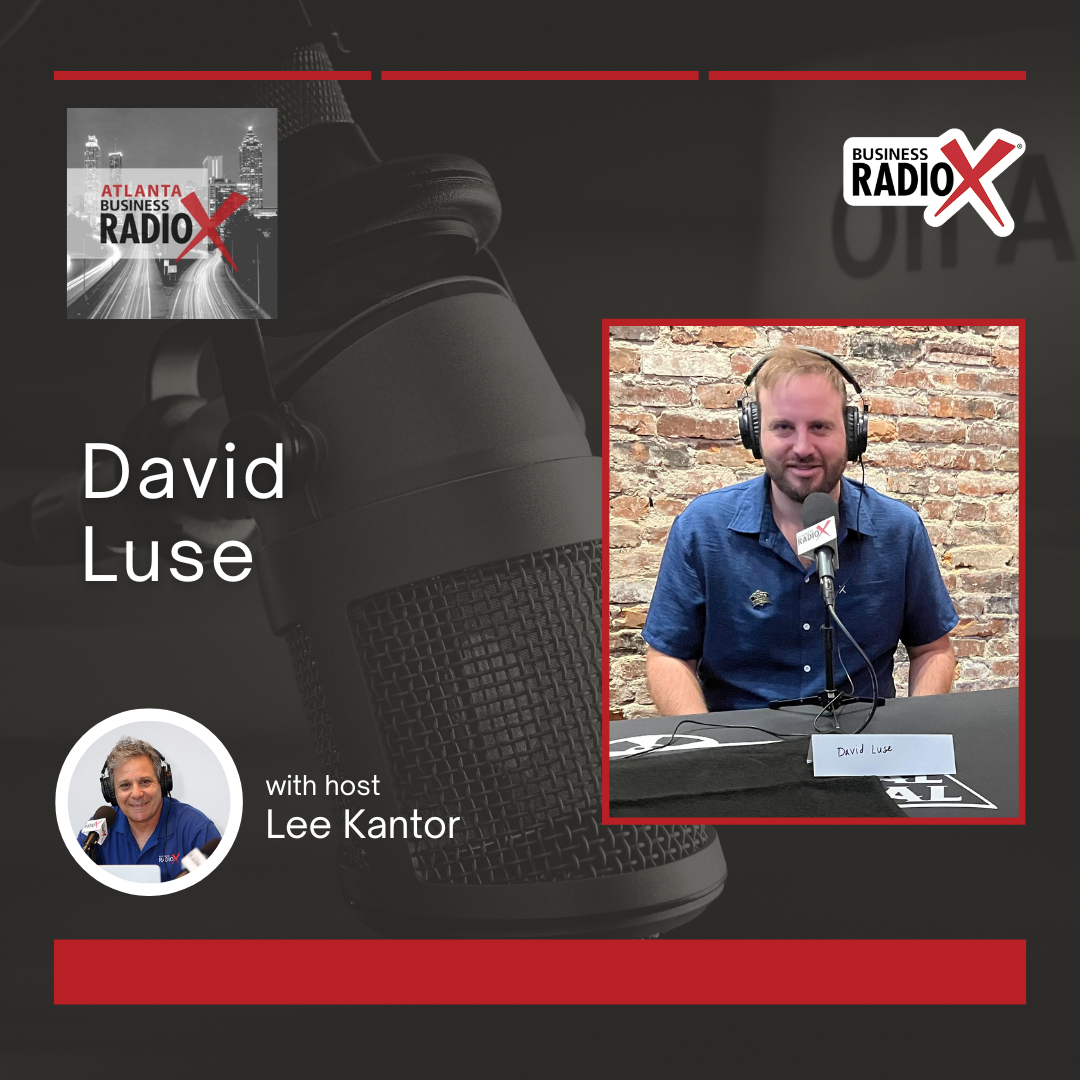
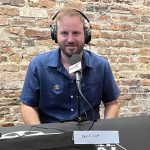 David Luse
 This transcript is machine transcribed by Sonix.
TRANSCRIPT
Intro: Broadcasting live from the Rome International Film Festival. It’s time for Atlanta Business Radio, brought to you by my global Presence. Now, here’s your host.
Lee Kantor: Lee Kantor. We’re so excited to be at the Rome International Film Festival in Rome, Georgia. Excited to be talking to David Luse, who is a producer. Welcome to the show, David.
David Luse: Hey, how’s it going?
Lee Kantor: How’s it going? That’s what I want to know. How are you enjoying the festival so far?
David Luse: I love it. It’s my second year here. Seth has been trying to get me to come for a long time, but it’s usually interferes with my Mexico trip. So, uh, so.
Lee Kantor: It couldn’t work around you?
David Luse: No no no no no. It’s, uh. I had so much fun last year. I was a judge and moderator, and I, uh, I think it’s going to be a yearly thing for me from now on. It’s a wonderful festival.
Lee Kantor: So why is it important for folks to support the Roman International Film Festival.
David Luse: So I’m on leadership for the Atlanta Film Society, and I, we run the Atlanta Film Festival every year. And I think between that and the Roman National Film Festival, they’re the two best festivals in Georgia. And I think a lot of people don’t know. I mean, Rome’s a little far away, about an hour and a half from Atlanta, but it’s it’s a gorgeous town. Everything is right there. Everything is walkable. There is a golf cart that will pick you up and take you to where you want to go.
Lee Kantor: No excuses.
David Luse: There’s no excuses. I mean, you can you can literally spend a full day within the confines of a few blocks and have the best time. I mean, it’s, it’s a truly glorious, homegrown Southern Charmed festival, and I’m very lucky to attend.
Lee Kantor: So for someone who’s in the industry, how would you recommend another person in the industry attack a festival like this? Like how do you get the most out of it? Did you kind of strategize? Okay, these things are must sees. These are nice to sees. What how did you kind of go about working the festival?
David Luse: So, so before, I was a part of the Atlanta Film Society, I, you know, that’s us at work in the film industry were quite busy. We spend a lot of hours every day. We don’t we want to go home and sleep. We don’t want to like attend things. But I really have enjoyed the connections, the care to craft the, the new experiences that people have. So for me, it is important to watch the films for sure, but it’s the whole networking aspect. It’s it’s seeing a movie and talking to those filmmakers and learning their brains and learning what they do and getting ideas, building connections, collaborating on projects. I mean, it’s, it’s invaluable to someone in the industry to attend these things. And it’s something that, you know, I, I didn’t think twice about because I was getting so much work. I was like, oh, it’s so necessary, but it’s, it’s truly, it’s truly a great thing. And I’ve, I have connections here that have, that have spanned, you know, over a decade now.
Lee Kantor: Now it’s one of those things where a festival is a great way to access and have actual human to human interactions with people that you would never see in other ways, right? Like this is just the, the density of connections in this, like you mentioned, just in a few blocks is kind of crazy, right? Like you can go literally and meet a half a dozen people within minutes.
David Luse: Yeah, it’s pretty incredible. So when you like, for me, I, I attach myself to certain people throughout the festival and then you become really, really close. And it’s people with, you know, that might be similar to you, that might have similar aspirations and you guys just vibe and it’s like your festival crew and then you get to meet everybody. So it’s like and.
Lee Kantor: Expands though it’s not just, oh, it’s not closed network.
David Luse: It’s not a closed, it’s a very open network. But for me personally, that’s how I fest. So I will, I will have have my core group.
Lee Kantor: That’s your strategy.
David Luse: Yeah. Well, I mean, honestly, like, and it’s a built core group. It changes every time, right?
Lee Kantor: It’s adjustable to the environment.
David Luse: It’s adjustable to the environment. But I mean, for me personally, it’s it’s one of the beautiful things about a festival and that that spans kind of every festival. You have your core group and, and then you get a span and meet everybody else. And it’s, it’s a wonderful thing. It’s like akin to like going to a music festival, except the, instead of live music, you have these wonderful creatives around you that are, you know, inspiring, right?
Lee Kantor: And not only are you getting an opportunity to learn from them, but it’s just you’re getting to kind of make friends with them. And the relationships that you make are going to last well beyond the festival. Like these things, like you mentioned, you could have, you can meet someone here and you still stay in contact with them or follow them on social, and they’re going to know who you are. They’ll pick up the phone to talk to you. Like these are people that are going to be in your life for, you know, as long as you want them to be.
David Luse: Yeah. And the great thing about this is like, you never know. Like, so I was speaking at Georgia Highlands College, uh, a couple months ago and there was a student here that I was like, oh, you spoke to my class. Um, and then we filmed, uh, we were filming something and I brought on five students with me and she didn’t have the opportunity to come. Um, but it was like really cool that she reached out and I made sure like they were, I introduced her, I introduced her to the right people were doing a shoot nearby at Red Top Mountain next week. And, um, and I was like, you can come by to set, I’ll, you know, give you the VIP tour and stuff. I mean, it’s, it’s a pretty like wonderful connection. And she’s like, you know, I have my family owns this farm that has, you know, tons and tons of acres and it’s this beautiful farmhouse and you can just use it whenever you like. And I was like, well, that’s a, that’s a wonderful thing.
Lee Kantor: And it’s right. And it might come in handy at some point.
David Luse: And it’s someone who’s a student, you know, I’m saying so like there’s, there’s these connections that just blossom, right? The more you expand your ecosystem.
Lee Kantor: Because you’re open to it. Like if you would have gone in there kind of close minded, or I’m going to meet these two people and that’s it, then you wouldn’t have gotten that opportunity.
David Luse: Yeah, I know it’s it’s, uh, it’s pretty incredible. I mean, I spent a lot of my time training people. Um, I have, I don’t know, I’ve, I have a long career from, uh, my first paid job was in 2010. I was, uh, in The Walking Dead. I was killed in the first episode.
Lee Kantor: I’m the first one. So you’re one of the first.
David Luse: I was one of the first walking dead. Yeah. Well, yeah, yeah, yeah, I was one of the first walkers. Uh, and Rick killed me in the first episode, and then I was still in college at the time. And as soon as I graduated, I got the film industry was blowing up in Atlanta. Sure. And I, um, I, I took a job, it was the internship and I was like, oh, you were an intern? No, it was a movie with Owen Wilson and Vince Vaughn.
Lee Kantor: Right.
David Luse: Um, it was like Wedding Crashers 2.0 and then the jobs kept on proliferating. Like I worked on a movie called prisoners that a lot of people’s favorite film, it’s, um. Um, Dennis Villanueva. Dennis, uh, he, I was the first hire on prisoners and he, it was his first American film, but he went on to do like the Dune movie Sicario. Like all these things, he’s one of the best directors right now. Um, and just, uh, just I was very, very lucky in my early 20s to meet the people I did that really helped shape my career because I got promoted every year. I started working on like new and, and started picking my own projects that I wanted to work on and then crafting my own projects. And, you know, this film industry circuit just was in kind of next step in my career where like, I had films in the circuit, you know, films that I produced, like Color Book at headlined Tribeca a couple years ago. And then it, um, went on to win several awards. And we recently sold to Netflix a few months ago.
Lee Kantor: And that’s the thing that the film industry is that way. It’s relationship driven. Yes. And it’s like the people you meet, the people you get to know, they like you, trust you. They’re going to hire you. Like that’s how it works. You know, they’d rather hire someone they know and like and trust rather than, okay, we’re gonna what? Take a resume and pick somebody out of a hat. I mean, that’s ridiculous. It’s too high stakes.
David Luse: Yeah. Yeah. No. For sure. Um, it’s, uh, it’s something that is, is very cool, especially in the chaos of our jobs. We have, uh, after we shoot, we usually have something called a wrap party. And it’s like a film festival is like an extended wrap party, right for you for.
Lee Kantor: Days.
David Luse: When you get to unwind with, with your colleagues and your peers and people that you respect and admire. And you’ve just seen their wonderful film, and then you can talk to them about the technicalities of it. I mean, it’s, it’s something that’s, it’s truly wonderful and very, very lucky to, uh, to have riff in Georgia and to have this wonderful town, this wonderful festival. Seth. I, uh, you know, he’s been my friend for a long time and he does a great job.
Lee Kantor: Now, are you finding that it’s getting the respect around the country, around the world that you think it’s deserving, or is it?
David Luse: Everyone I talk to that has been here loves it. I think the problem is not enough. Young people within the Atlanta film world know about it, or they might just think it’s too far, right? I mean, it’s an invaluable resource. My friend Demi. She’s coming tonight. She’s, uh. She owns several Self-tape studios around the world, and she’s a brilliant acting coach. Um, she would have never known about riff, and she’s, you know, she just opened a studio in Atlanta, and, you know, it’s just something where there’s the. It should be a household name as Atlanta film industry, as out on film, as Bron’s lens as the Atlanta Jewish Film Festival. People should consider riff within those categories because it is. It is truly, I think you know, among them, if not better.
Lee Kantor: So now when it comes to the film festival, if you’re a filmmaker, does it have a niche that you would recommend that if you’re in this area or genre, then this is a must. Uh, kind of submit.
David Luse: I think that you should submit regardless. I, I, I saw excellent horror films. Excellent. I’m a judge for the documentary features this year. Um, but every film I’ve seen here, from local films to everything else has had an impact on me. And I think it, I think you should just submit to riff. I think it should be a part of your festival circuit. If it’s not, I mean, I think I think this is truly a unifying film festival.
Lee Kantor: So if somebody wants to connect with you, what’s the best way to do it? Um, is it on you have online presence or maybe.
David Luse: I do, I.
Lee Kantor: Do productions that you’d like to share. Maybe we should take a look at.
David Luse: Um, um, you could connect with me. Uh, I’m on the, you know, the regular social media. Um, but, uh, yeah, I, uh.
Lee Kantor: Uh, it’s a secret.
David Luse: No, it’s not a secret. I just come.
Lee Kantor: To the film festival.
David Luse: Come to the, come to the Atlanta film festival or the Rome International Film Festival. I’m there every year. Uh, but yeah, uh.
Lee Kantor: What’s your kind of latest film that you’re working on?
David Luse: So I just wrapped a Bryan Barber movie. I was executive producer on that one. Um, but, uh, but that’s, that has a ways to go. Um, you could see color book. I was a producer on that film and, uh, it’s on Netflix now. Mhm. Um, there’s so many. Yeah, I, I, I just wrapped, I’ve been doing a lot of commercials this year because the film industry is, is in a weird state. So I, I have done so many, I. Two weeks ago, I wrapped a Georgia lottery shoot. It’s they’re going to be there holiday Georgia lottery, um, commercial this year. I did a Coinbase commercial. We wrapped that on Wednesday. It was, uh, we featured a 13 piece symphony in a modern mansion. Wow. Um, and it was people from the Atlanta Symphony Orchestra. It was a really, really cool shoot. It was for a couple of days. And the next week, uh, very close by to here at Red Top Mountain, we’re doing a shoot for Mitsubishi.
Lee Kantor: Well, David, thank you so much for coming on and sharing your story, doing important work. And we appreciate you.
David Luse: Of course. Thank you so much.
Lee Kantor: All right. This is Lee Kantor will be back in a few at the Rome International Film Festival.