

Brought to you by Diesel David and Main Street Warriors

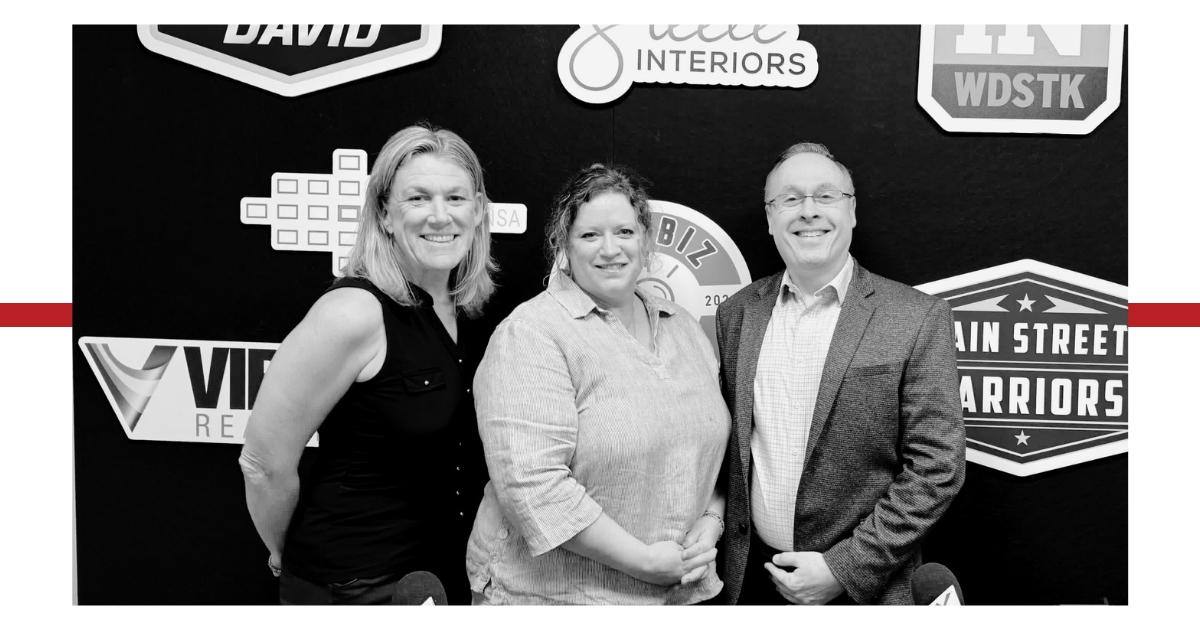
In this episode of Cherokee Business Radio, Joshua Kornitsky speaks with David Shavzin, Shelly Gibson, and Amy Robinson. Shelly, a business broker, shares insights on preparing businesses for sale, emphasizing the importance of accurate financials, cash flow, and early planning. David offers his expertise on business exit strategies and succession planning, highlighting key steps owners should take to maximize value and ensure a successful transition. Amy, an HR consultant, discusses the value of tailored HR support for businesses of all sizes, focusing on compliance, employee relations, and the need for proactive HR management. Together, they provide practical advice for business owners on maximizing value and ensuring smooth transitions, whether selling a business, planning for succession, or strengthening HR practices.
 Shelly Gibson has over twenty-seven years of successful executive management, business development, and operations experience.
She is a Principal/Agent with Transworld Business Advisors. As a Business Broker, Shelly values the relationships made in her community to support mutual success and reputation.
Connect with Shelly on LinkedIn.
 Amy Robinson is an HR professional with over 13 years of experience helping clients grow strong teams while staying compliant with the ever-changing HR landscape and creating environments where people actually like showing up to work.
Over the years, she’s done a bit of everything – employee relations, performance management, process and procedure creation and implementation, employee handbooks, personnel file and I-9 audits, employee investigations, EEOC responses, etc… you name it, Amy’s done it!
Amy is passionate about creating positive outcomes for her clients and aligning the support options that she can offer with what the business truly needs. She focuses on clear communication, problem-solving, and bringing a human touch to HR, whether it’s navigating tough situations or celebrating team wins.
Amy enjoys her affiliation with the Kennesaw Business Association as well as serving on their Super Women’s Committee. She loves spending time with her three adult children and their families, especially her sweet granddaughter and look forward to welcoming another grandbaby in October.
Connect with Amy on LinkedIn.
 David Shavzin is President and Founder of The Value Track. He is an M&A Advisor and Business Broker – really an Exit Guide – helping business owners with a single focus: a smooth and timely transition of a lifetime.
Too often, they have not built the value they need and are unprepared when the time comes to put their transition into action. David guides clients through goal setting, exit planning, value growth, and then the sale of their company.
He founded The Value Track in 2000, combining his M&A, value creation, and exit strategy experience. He is Co-Founder/Past President of XPX Atlanta (Exit Planning Exchange), 20 years a Certified Management Consultant, and a frequent speaker on these topics to both business owners and other professional advisors.
After 5 years in banking and finance, he spent 12 years with life sciences company Sanofi/Aventis. He spent 4 years in Paris, where he worked in finance and M&A roles. Then, 8 years in Atlanta leading the Quality, Finance, Supply Chain, Customer Service, and IT functions within a $175M subsidiary before launching The Value Track.
Connect with David on LinkedIn.
 This transcript is machine transcribed by Sonix
TRANSCRIPT
Intro: Broadcasting live from the Business RadioX studios in Woodstock, Georgia. It’s time for Cherokee Business Radio. Now, here’s your host. Broadcasting live from the Business RadioX Studios in Woodstock, Georgia. It’s time for Cherokee Business Radio. Now, here’s your host.
Joshua Kornitsky: Welcome back to another exciting episode of Cherokee Business Radio. I’m your host. Joshua Kornitsky professional iOS implementer, and it’s just so great to have you here with us today. I’ve got a studio full of incredible folks. I can’t wait to get to them. So let’s just jump right in. My first guest is Shelly Gibson. She’s a business broker with Transworld Business Advisors. Good morning Shelly. How are you?
Shelly Gibson: Good morning Joshua I’m great. Thanks.
Joshua Kornitsky: I’m so happy to hear that. So what do you do? How do you help people?
Shelly Gibson: So I help business owners. When they are ready to exit out of their business, I help find a buyer for them and get them one step closer to retirement.
Joshua Kornitsky: Okay. And how did you become a business broker?
Shelly Gibson: Yeah. So I’ve been doing this three years now. When I exited corporate America, uh, there was somebody that I had worked with in my first career. Um, we had worked together about ten years and then took a little break on my second career, and he had started business brokerage, and, um, was like, I need my my former work spouse with me. Come do this with me. And I’m like, great, what is it? And um, and went and got my real estate license, which the state of Georgia requires, even though in most cases I’m not selling real estate. And yeah, then I’ve been doing doing this since since then.
Joshua Kornitsky: That’s fantastic. And is it work that you find rewarding?
Shelly Gibson: Absolutely. Um, I mean, I’m a numbers geek, I like panels, I get to look at that. Um, and then I’m helping business owners, you know, it’s it’s it’s exciting when they can go to the closing table and say, now I can just take a sabbatical.
Joshua Kornitsky: So, okay, let’s let’s begin at the beginning of that journey. Right. So when, when a business owner is thinking about bringing their business to market or selling their business, you know, is it they pick up the phone, they make a phone call, and, uh, that’s it. They’re good to go. 20 minutes later, they sell their business. How does that process work? Well, when when should they reach to you? How about that?
Shelly Gibson: Yeah. I mean, they should reach out. Reach out to me as early as possible once they’re thinking it about it. Um, they really should be thinking about exit planning before they get to me. Um, but once they get to me, I’m going to give them what their, their business is worth right now at this point in time for them to make a decision on, to move forward or not. Okay.
Joshua Kornitsky: And what are the types of things that you help them understand broadly? Because obviously every case must be different.
Shelly Gibson: Right. And the number one thing is cash flow. It’s king. Um, cash flow is king. That is what a buyer is buying. Um, so understanding the cash flow and looking at trends, um, there’s other factors that may affect the multiplier to go up and up and down a little bit, but it’s really cash flows.
Joshua Kornitsky: Okay. And you know, what are some of the more common questions that they ask you?
Shelly Gibson: What’s my business worth? That’s always.
Joshua Kornitsky: Fun. Yeah. Sure.
Shelly Gibson: Okay. Um, yeah. That’s how long will it take to sell? Do you have somebody right now, um, that’s wanting that or that’s wanting this. They think, um, their industry sometimes, or they think maybe it’s the location. Um, I’m helping them understand one one of their business, but two, they also have to get in the mind of the buyer to who’s going to be buying their business and what does that look like?
Joshua Kornitsky: Sure, that makes sense. And with something like and I’m sure you can’t give a specific answer, but with something like selling a business, you know, what do you say is the average amount of time nationally?
Shelly Gibson: It’s nine months to sell a business once it hits the market. That’s not industry specific. Um, that’s not Georgia. That’s not my brokerage necessarily. There’s a lot of factors that go into.
Joshua Kornitsky: Well, and I’m sure that there are certain types of businesses that that might be hotter at certain times than others, and certainly people that believe their business to be in a desirable space. And you must be a part time therapist as well.
Shelly Gibson: You have to walk them off the ledge a little bit or or just explain? Yes. There’s there’s a lot. Yes. When there is due diligence that takes a lot of time and effort out of the seller. And yes, I’m I’m the therapist during that time.
Joshua Kornitsky: Fair enough. And again understanding. So I’ll stop saying it that every circumstance is going to be different related to the specific organization and their details. What are um what are some of the things they can do to help shore up their business before they decide to bring it to market, to sell?
Shelly Gibson: Yeah. Great question. Um, so what I look at their financials. Do the financials make sense? Um, have good financials, keep good book records. Um, having standard operating procedures in place, written, um, so that they can, when they remove themselves out of the out of the business, the new person, there’s already a plan in place removing them out of the business. Um, is the owner of the business. The business. So the more they can separate themselves from the business and have a step, it’s going to make it more valuable. Do they take vacations. Or if you say the word vacation, I can’t. I’m a business owner, you know. Then then they’re really involved in the business. A little less appealing to a buyer.
Joshua Kornitsky: Sure. And I imagine that it must take some time for them to adjust and and get things ready. So that’s why you had said they they should engage you a little earlier in that process than absolutely, perhaps expecting to pick up the phone and make a fast track.
Shelly Gibson: Well, I got to give them a reality check. Right. So people think their business is worth usually more than it really is. And I have to give them the true number of what I think it would sell for. And if that’s not going to work for them at this moment in time, then they got to figure out what they’re going to do to get to the number that they want to retire with.
Joshua Kornitsky: What are some of the surprises that you find in in a positive way? Let’s look at the positive side rather than than the negative side. What are some of the things that you’ve learned on this journey, as you’re working with businesses that can help other businesses be in a better place?
Shelly Gibson: Um, I don’t know if surprises. Um. Um, definitely the books. Um, I get really surprised.
Joshua Kornitsky: So it’s really the finding.
Shelly Gibson: I mean, it really is. And it’s amazing how many small business owners don’t necessarily keep up with their books, or if you ask them if they have a year to date PNL. And then you have to explain what A is, a profit and loss statement. That’s not usually a good sign.
Joshua Kornitsky: Okay. And and with that type of thing, do you have the the tools or the direction that you can offer them to to sort of get things on track? Obviously you can’t do it for them. Um, but do you have resources you can point them to to help them out?
Shelly Gibson: Yeah, absolutely. Or refer, you know, um, maybe it’s that they’re missing. They need a, um, a fractional CFO to come in and help them with that. Or maybe they do need to hire a bookkeeper. Um, kind of point them in what I think if if it’s not sellable right now, then why. Sure. And depending on what that is, give them the right direction on that.
Joshua Kornitsky: That makes sense. And it’s good. So you’re good to have as a resource. It sounds like for any business owner that that’s even considering.
Shelly Gibson: Absolutely. Yeah.
Joshua Kornitsky: Right. And one of the things that always seems to occur to me is, is in every industry, right. What are some of the myths people believe about selling their business, whether or not they are accurate? And if you could shed some light on that, I think that might help people understand.
Shelly Gibson: Yeah. So on the sales side, um, they think that their business is going to be valued off of revenue. Okay. Um, I, well, I did $1 million in revenue last year, but you did a $1,000 in profit or $10,000 in profit. So it’s, it’s that sometimes shocked them. It’s really about the profit. Some of those expenses in there we look at and we dissect a little bit, um, where the new owner may not take on those same expenses. So we do definitely consider that in the valuation. But that’s usually the most one of the most surprising things to them. Um, they think just the name alone that somebody’s going to buy based on their name. Yes. And they also don’t understand how is the buyer going to pay for it? Um, so they may not. Um, they think the buyer may have the cat. I want $1 million for my business. Most buyers don’t have $1 million in cash. There’s going to be a loan, um, an SBA loan involved at that level. And so then it’s also okay, what is the SBA going to lend on your business? And that can be a little bit of a gap from the seller’s expectations, um, to what the bank would be willing to loan on.
Joshua Kornitsky: And so if I made to me that that presents an interesting question is, do you help your clients understand what SBA uses to evaluate?
Shelly Gibson: Yes. And that’s how I, I do my valuations as well. If I know this is going to need a loan, um, then I’ve got I’m going to I’m actually going to partner with SBA lenders that I know and have relationships with before I take it to market. Oh, wow. And send them the financials or send them my recast, we call it. And hey, what would you loan on this business? They have to qualify the buyer to, but they have to qualify the business. And if the business they have, you know, to service the debt ratio, I’m not going to try to get to the bank.
Joshua Kornitsky: You’ll lose me.
Shelly Gibson: Too. But out here. But but they’ve got to understand what is the the history of that business that they’re going to be willing to loan loan against. And you’ve got to set your sales price based on that.
Joshua Kornitsky: Okay. Well, that makes really good sense to to help people understand some of the things that they need to know. Sort of on the front end. Um, in, in your you’d mentioned earlier that you had spent a few weeks in corporate America.
Shelly Gibson: Yeah.
Joshua Kornitsky: Facetious. During your time in, in corporate America, were there any are any of those skills, skills that help you now things that you learned in that environment?
Shelly Gibson: Oh, yeah, absolutely. I mean, I was a multi-unit leader with two different companies. And so each location was responsible for their own profit and loss statements. And I was overseeing each location. Then the area, the district, the region.
Joshua Kornitsky: It’s like you were running multiple businesses.
Shelly Gibson: So. Exactly.
Joshua Kornitsky: Does that give you good insight?
Shelly Gibson: Absolutely. I see you think the big company makes all this money, but the one location is responsible for that manager’s salary. How? Well that one location does really is determination of of the profit of that which has helped me today.
Joshua Kornitsky: It brings up an interesting side question. Uh, are you able to help businesses that have multiple locations? Is that or is that any different than selling a single point?
Shelly Gibson: Um, it’s typically not different in sometimes. Yeah. Um, there are businesses that have more than one location and you value them. You know, you may find a buyer that wants both. You may find a buyer that wants one. So you could put it on the market together or separate.
Joshua Kornitsky: Okay. Well that makes good sense. And I always like to ask sort of a thinking question as well. You know, what are some of the biggest lessons you’ve learned on this journey from corporate America to to business broker? What are some of the things that you’ve personally taken away?
Shelly Gibson: Mm. Great question Joshua. Um, you know, I have learned, um, just having your people, um, to collaborate with, um, is very important. You know, like I said, I mentioned the SBA lenders before, right? Um, so that’s a lesson. Having that relationship with people, I can help them if they get the if they go through them for the loan. But they’re helping me understand, um, how to appropriately value a business on if it’s going to need a loan. Um, mentioned fractional, you know, CFO that I can refer to to help grow that business. So I’ve learned a lot of that, like really using my network and relationships of these other great people I’ve met, um, that don’t necessarily are buying or selling a business. Um, but they can help. We can all help each other. So just the networking piece is really impacted. I guess my career on this. That’s collaboration.
Joshua Kornitsky: Great insight and a great message for anybody listening, no matter what space they’re in is, is it’s it’s uh, as Daniel or Dan Sullivan puts it, it’s who not how. Right. Getting getting the right people to help you make the progress you need to make. Well, I can’t thank you enough, sir. Is there any other points we missed? Anything else that that I should ask that I didn’t?
Shelly Gibson: Um, I think we hit them all. Yes, absolutely. Um.
Joshua Kornitsky: How do people get in touch with you? We didn’t talk about that.
Shelly Gibson: Oh. Well, um, you can reach me by phone. Email? I’m on LinkedIn as Shelly Gibson. Um, Transworld Business Advisors.
Joshua Kornitsky: And we’ll share all of your contact information on our site when we publish. Uh, but I always like to ask if there’s a number you want to give out. If people have questions, are they welcome to call you?
Shelly Gibson: Absolutely. Yeah. Six. Seven. (678) 978-9514. That is my cell phone number. I’m a Cherokee County resident right here, so yeah, give me a call if you want to talk.
Joshua Kornitsky: Just out of curiosity, do you only work in Cherokee?
Shelly Gibson: No. Absolutely not, absolutely not. Excuse me. I am all over, um, Georgia. Really? It doesn’t even have to be Atlanta.
Joshua Kornitsky: Fantastic. Well, Shelly Gibson, Business Burger with Transworld Business Advisors, I can’t thank you enough for sharing your knowledge and your insight. Uh, if you have the time, please stick around. We’ve got two more wonderful guests. I’d love to hear you. So thank you so very much.
Shelly Gibson: Thank you. Joshua.
Joshua Kornitsky: My pleasure. So my next guest, I’ve had the pleasure of knowing for a little while, and I have to say, uh, she may be the most patient person that I’ve ever met because we’ve had to reschedule a couple of times. Uh, please let me welcome you to the studio. Amy Robinson. Um, from Intrinsic HR Business Partners.
Amy Robinson: Thank you. Joshua, I’m thrilled to be here. And I really appreciate you having me along for the show.
Joshua Kornitsky: I’m just happy to have you here to talk and tell us about Intrinsic HR business partners. Tell us what you do.
Amy Robinson: Yeah, well, we are an HR consulting company. And, um, you know, we service all sizes, all sizes of business. Um, those who have internal HR as well as those companies that don’t feel that they’re large enough for, you know, a dedicated HR person. So we, you know, partner with those companies. We, um, we get to know them, we get to know their businesses, and we do whatever we can to help them with any HR need essentially, other than payroll and recruiting. But, um, other all of the other HR services that you would think of as far as compliance, everything from compliance to employee relations to personnel files to I-9, to I-9 audits, to handbooks, um, we can manage FMLA Leave.
Joshua Kornitsky: Okay.
Amy Robinson: Everything you know runs the gamut.
Joshua Kornitsky: Well, so is this just. Excuse me. Uh, a single package. You just drop on everybody.
Amy Robinson: Oh, no. Absolutely not. Everything we do is customized. Um, one of our our our biggest selling service is what we call our on call service. And it’s just like having an attorney on retainer. My clients, um, if they have the on call service, can call me at any time with any issue. And I will be their helpdesk.
Joshua Kornitsky: Okay. Well, with HR stuff though, that that must lead to some very, uh, let’s go with interesting calls.
Amy Robinson: Interesting is the word Joshua. Um, I’ve thought of writing a book or having a reality show, um, because it is so entertaining. Some of the calls that I get, you know, some of the most recent ones are, hey, Amy, I’ve got two guys fighting out in the warehouse. What do I do? Um, you know, just crazy things like that, that, that, that people need help with. A lot of it is in regard to employee relations. Those on call, All, um, phone calls and emails that I get from my clients. But as far as what we offer, we don’t have just standard packages. We get to know the clients we get, talk with them and see what their needs are, and then offer them a customized, uh, group of support services.
Joshua Kornitsky: Okay, so it’s a tailored offering.
Amy Robinson: Absolutely. Very customized.
Joshua Kornitsky: And is there a minimum size organization?
Amy Robinson: Not at all. Not at all. I mean, I had a client with five, five employees. You know, my philosophy is if you have employees, you need HR. Sure. No matter what. No matter how small you are, no matter how large, no matter how long you’ve been in business, I find that a lot of my customers started very small family businesses. And fortunately, they’ve grown to be very large, um, very thriving businesses. And they’ve never had HR. And now they find that they need it. And so I call the transition. They’ve gone from a lemonade stand to a corporation. Okay. And now it’s time to have some official processes and procedures in place to to protect that business, but also to promote a very positive and healthy culture.
Joshua Kornitsky: So that’s interesting because a lot of times as people scale, and I see this in some of the work that I do, companies, particularly entrepreneurial companies, tend to grow organically and they solve their problems as they come up without really thinking about the long term.
Amy Robinson: Absolutely.
Joshua Kornitsky: So when when you do get engaged in that lemonade stand that that grew into a form, more formalized corporation, um, assuming they ask for your help on on things, do you help them sort of evaluate the current state?
Amy Robinson: Absolutely. The very first thing I’m always going to do is get them compliant. Um, many are out of compliance. You know, many people don’t know how to fill out an I-9 form or how to correctly store them. Um, you know, um, document retaining is huge and, and a lot of people don’t have, have no idea about that. So the, the very first thing I do is evaluate their situation, potentially audit some of their files, their I-9, their personnel files, and make sure that they’re compliant.
Joshua Kornitsky: Well, so you had said that that sometimes you’re also supplementing an existing HR department rather than someone that doesn’t have one. Uh, I imagine that’s very helpful for that environment where they kind of don’t know what they don’t know exactly.
Amy Robinson: I find that that most of my clients, their HR person, is not a truly trained HR professional. There’s someone that was hired for a different role who did very, very well. And when the company decided that they might need HR, they promoted that person into HR. And they’ve they’ve never truly had HR training and they’re relying on Google.
Joshua Kornitsky: That is not always a safe bet.
Amy Robinson: It is not.
Joshua Kornitsky: But I once googled a recipe that required four quarts of broth rather than four cups, and we had a very expensive soup. I don’t use Google for certain things.
Amy Robinson: You should not. You certainly should not for air.
Joshua Kornitsky: Well, and on that subject, because you talked, you used a word that that often makes people tense. You use the word compliance. And when you talk about compliance, are you talking about to the state of Georgia? Are you talking about to federal employment laws.
Amy Robinson: Both and and state and local laws, you know, county laws and city laws?
Joshua Kornitsky: So what about like we were talking with Shelly earlier. What if you’ve got a business in multiple locations? What if I’m in multiple states? Are you just dealing with Georgia?
Amy Robinson: Oh, no. No. Um, actually, our our parent company, because we are part of a group of companies. Okay. We do business in all 50 states. Oh, really? We absolutely do. Okay. So, no, we are always going to and I have many clients that are out of the state of Georgia. So we are always going to apply both federal and state law.
Joshua Kornitsky: So you keep track of all of those.
Amy Robinson: I do, I do.
Joshua Kornitsky: That must be a busy, busy.
Amy Robinson: It is. It’s kind of the first thing I do every morning is check to see what’s not just come down as rule or law, but what’s in the pipeline, so that I can make my clients aware so that they are prepared for those changes as they come through.
Joshua Kornitsky: When you had said earlier that one of the services you offer is if they need help with like an employee handbook. So when those laws change, what how do you what do you do?
Amy Robinson: Well, they would do a supplement to their handbook. I would I would make them aware of the information. And they could either do an addendum or a supplement.
Joshua Kornitsky: Okay. That makes perfect sense. But they don’t have to, you know, if it’s my company and I’ve got Uncle Joe doing HR who used to work in the warehouse, but it’s too hot out there.
Amy Robinson: Exactly.
Joshua Kornitsky: He’s not going to know that. He’s not. And he certainly isn’t going to know how to how to take action on whatever the change is?
Amy Robinson: No, and that’s exactly what I provide for my clients.
Joshua Kornitsky: Okay. Well. And is that does that also extend to your on call service that if it’s an out of state question if it’s somebody.
Amy Robinson: Yes. So part of that is just keeping them abreast of all of the changes that have come through and making them aware of them as they happen, so that they can make whatever changes need to be made, whether it be in their handbook or their processes and procedures, timekeeping, whatever the issue may be.
Joshua Kornitsky: Okay. And with that type of stuff, we talked about kind of keeping the the putting the updates out there for anything regarding like an employee handbook. But do you help the with the companies that have HR. Do you help educate them as well?
Amy Robinson: Absolutely. Absolutely.
Joshua Kornitsky: What do you do with those types of organizations?
Amy Robinson: Um, I just help again, compliance is the biggest issue. And then I say, what do you need? What is what is first and foremost on your plate. And they might say, you know, my files are a mess. I just need help knowing how to to store these records. You know, my onboarding process. I need help with my onboarding process, and I can help them refine those things and make sure that they are including all of the documentation that needs to be included. Um, I just recently helped two fairly large clients transition to different payroll providers. That is a very tedious job and a large transition to make. So I assisted them with those and getting all of the documents. We’re trying to get as many of our clients as we can to go paperless. And some do and some absolutely don’t want to. They they are older school their manufacturing companies that the grandfather started and he wants he wants to see paper. And so we accommodate those clients and you know, give them the best advice that we can give them And still do things the way they want them done.
Joshua Kornitsky: That makes sense. So. So you don’t tell them what to do, you just advise them.
Amy Robinson: I advise them the end of the day, they are the owners. They’re the decision makers. I’m going to give them the best advice that I can give them, not just for compliance purposes, but for culture purposes, you know, to promote the very best workplace that they can provide to their employees to ensure their success and to just take the weight of air off their shoulders.
Joshua Kornitsky: Sure. And that’s actually, I think, probably a bigger weight than a lot of people realize till it’s grown significantly with the organization.
Amy Robinson: The mistake that people make is you alluded to it a few moments ago. They they become reactive when something happens, rather than being proactive and having HR and HR processes and procedures in place that protect them from those, those big incidents that can happen then that they are frantically trying to respond to and correct.
Joshua Kornitsky: Sure. And let’s. That makes perfect sense to me. Let’s build on that. What are some of the other, uh, misconceptions people have things about? Just air in general.
Amy Robinson: That they’re too small for it. You know, that they don’t need it, that, um, that they have subscribed to this Air newsletter that gives them all the information that they need. Um, a lot of the larger payroll companies offer air service as part of their payroll package and not wanting to speak disparagingly about those, but most of them are AI generated. Um, you’re not going to speak to a person. If you do, you’re not going to speak to the same person twice. I think that’s one thing that sets intrinsic apart, is that we are going to offer very, very personal service. I know my clients, I’ve been to their locations, most of them. I know a lot of their staff. I’ve performed, Um, on site management training or harassment training. And I’ve gotten to know them. I know their stories. I know their situations. So when they contact me as a follow up three months later to a situation that that has already occurred, I know about it and I’m familiar with it, and I know how they run their business. And so my solution to them is going to be based on the fact that I’m their partner. And I am not just a random person at a large corporation who’s going to receive this particular call without knowing all of the history.
Joshua Kornitsky: So and do you share all that information within your team? So if it’s not you that answers the phone someone.
Amy Robinson: I do, but for the most part they’re going to get me.
Joshua Kornitsky: Okay, well they get the expert. Thank you. Thank you I really appreciate this is, um, as you yourself said, it’s sort of one of those common beliefs that we don’t need HR, and I, uh, without boring anybody with my stories, I’ll just simply say, uh, most of the air lessons that I’ve borne witness to as members of a leadership team and as a business owner, uh, were air lessons that typically cost someone a lot of money.
Amy Robinson: They do. They’re painful lessons, typically.
Joshua Kornitsky: Yeah. And if you’re if your mindset is, well, I won’t hire an HR person until I need one. Well, well, that that hire is going to cost you the settlement plus the cost of the.
Amy Robinson: Absolutely, absolutely.
Joshua Kornitsky: That that that’s an expensive way to to tackle your problem.
Amy Robinson: It certainly.
Joshua Kornitsky: Is. It’s like saying I’m not going to do my books until I get audited.
Amy Robinson: Exactly. And I don’t recommend it at all.
Joshua Kornitsky: Well, it is uh, as you said, it’s a tailored service. So if that’s their approach, uh, you got to let them do it. So, um, I, I can’t thank you enough. Is there any other thing you you had shared with me, uh, previously? I know that you’ve done the, uh, the CIP event for, uh, the Governor’s Gun Club. Do you have any do you have anything else coming up right now?
Amy Robinson: Um, well, I’m a part of, uh, Kennesaw Business Association. It’s a thriving organization. And, um, so I’m very active in that. We have our annual women’s conference coming up on August 22nd. It’s a great event for women in business. I would recommend everybody jump on that website and take a look at that event. And, um, you know, I attend lots of networking events. I’m always trying to meet new people, you know, just see who I can help.
Joshua Kornitsky: I think that’s great. And if somebody has an HR question, can they reach out to you?
Amy Robinson: They absolutely.
Joshua Kornitsky: Can. That’s fantastic. Now, before we get to how people reach you, I have it in my notes from when we chatted earlier regarding a little bit you have at the end of your email, and I don’t know if you remember it verbatim.
Amy Robinson: Or I don’t. I don’t remember it verbatim and I’ve already touched on it. I just, you know, H.R is not something that’s optional. It is necessary if you are a business owner and you have employees, no matter how large you are, no matter how small and no matter how long you’ve been in business, air is needed if you have employees.
Joshua Kornitsky: The tail end of of your own quote is that they are not nice to haves. They are must haves for growth and success.
Amy Robinson: Absolutely.
Joshua Kornitsky: And I think that that’s both accurate and should resonate with any business owner who wants to grow. If you don’t protect your business with proper HR guidance, you are likely to find that you don’t have much of a business to protect.
Amy Robinson: I would agree with that 100%.
Joshua Kornitsky: All right. What’s the best way for folks to reach you?
Amy Robinson: Well, I know that you’re going to share my email address. It is a bit long, so I’ll just let you share that. But my phone number is (470) 240-4835. And intrinsic air.com is our website and that’s available as well. And you know I just look forward to helping businesses in the southeast.
Joshua Kornitsky: Well it’s been a real pleasure. Thank you for sharing your knowledge around air and helping people know what they need to keep an eye out for. Amy Robinson from Intrinsic Air Business Partners. Thank you.
Amy Robinson: Thank you Joshua.
Joshua Kornitsky: My pleasure. And we have one incredible final guest that I am happy to get to. Uh, our last guest today is, uh, David Shavzin, uh, exec guide and M&A advisor, and really the founder of the value track. Hello, David.
David Shavzin: Good morning, Joshua. Good morning. Thanks for having me.
Joshua Kornitsky: Thanks for being here. Um, can you tell us a little bit about your background? What brought you into to M&A advisory work?
David Shavzin: Yeah, um, really kind of started back in my corporate career, worked for a very large global company, and we started doing, um, a lot of finance work and a lot of mergers and acquisitions, acquiring companies, selling companies. So, uh, got started kind of early with all of this.
Joshua Kornitsky: So that was a great foundation, it sounds like. So what do you do now to help the business owners that you work with?
David Shavzin: So two things. Um, on the one hand, we are helping owners get ready to sell, so we will get in and do what we call value growth consulting, uh, which is, as it says, try to build value but also take a lot of problems off the table. Both of your other guests this morning have been talking about a variety of kinds of problems. We try to solve those, uh, leading up to an eventual sale. And then the other thing that we do is the sale on that sell side representation.
Joshua Kornitsky: Sure. Okay. Well, and that makes perfect sense. So. So what are some of the mistakes that the business owners make when they’re getting ready to sell?
David Shavzin: How much time do we have?
Joshua Kornitsky: Uh, we have all the time in the world. And I know it may seem duplicitous, but it isn’t because you’re in two very different aspects of a similar business.
David Shavzin: Yeah. No, no, no, a lot of the things that Shelly talked about are dead on. Doesn’t matter the size of the business or the industry. Um, and then there’s a lot more. I think the big things are that, you know, they’re not getting ready. Um, now, they have often haven’t been through it before, so they don’t really know all these things. But not preparing ahead, not bringing the right team around of advisors to help them.
Joshua Kornitsky: So let me stop you. Let’s talk about that. What do you mean by a team of advisors?
David Shavzin: So I always, uh, compare it a little bit to the sale of a house. I’m sure Shelly uses that a lot. Right? You you don’t wake up one day and then decide tomorrow I’m going to sell the house and then put it on the market four days later. Right. And so, um, and you shouldn’t really do that on your own anyway, so, you know, it is. Again, I’ll go back to the house analogy. Right. Uh, you’ve got the realtor that’s helping you. You’ve got the inspector when you’re buying the house, probably the inspector on your own house to check things out. Mortgage broker, uh, all kinds of folks that are helping you. Same thing with the business. And so that team is critical to have around you as opposed to doing it yourself. Right. Um, the CPA. We talked about bookkeeping and prep, answering questions in attorney, just like you have when you’re selling your house to help make sure that they’re taking care of all the liabilities and making sure that you’re doing the deal the right way and things don’t go wrong. Um, in four in in my role representing the seller like Shelly, we have a lot of experience. We’ve seen a lot of different sales. We know what to avoid. We know how to make that company, uh, present that company in the best light. And when an owner tries to do all of that on their own, it usually doesn’t work well.
Joshua Kornitsky: Well, and correct me if I’m wrong, but the other side’s got a team in most cases, don’t they?
David Shavzin: Yeah, exactly. Right. The other side’s got the representation and you ought to. Right. You’re going to be on the wrong side of that if you’re not doing it. Uh, well enough. We have an example. We worked with a client, did some work up front, and they decided to go ahead and try to sell the company themselves. And a year later, and about $100,000 spent, they were We’re back at square one.
Joshua Kornitsky: Yeah, it it’s one of those things, uh, that that I’m sure you can do yourself. Just like you can rep yourself, represent yourself in court. But I think it was Mark Twain that said, if you represent yourself in court, you’ve got an idiot for a client.
David Shavzin: I would never use that word about my client.
Joshua Kornitsky: No, no, no. Mark Twain. No.
Speaker6: I know, I know. American author. Yeah. No no.
David Shavzin: No. Yeah, exactly. Yeah. Yeah. No, it it is, but it’s it’s a huge, complex, painstaking, time consuming process. And it’s and it’s usually their entire life is in their, usually their entire retirement financially is in that company.
Joshua Kornitsky: So that’s a that’s a really interesting thought to consider right. Is is how much they’re personally tied up with that. And when when you’re dealing with folks for whom this is their blood, sweat and tears, you know, how do you help them understand?
David Shavzin: Uh, it’s, takes some time, some coaching, some education, sharing some examples. Um, you know, there’s a there’s a study. I think it was UBS that did it. 81% of owners who have sold regret it.
Speaker6: Really?
David Shavzin: Yeah. And and there’s, you know, a few key reasons in there. One is basically the you know, they’ll talk about, oh, I didn’t plan enough. What that really means is that they didn’t plan enough to make it as sellable and as valuable as it could have been as part of it. The other real big thing issue out there is too often they’ve been at this, let’s say, 20 or 30 years their entire life. They sell it. They’ve planned zero for the next day and the next what might be 20 or 30 years.
Joshua Kornitsky: Right.
Speaker6: You know.
Joshua Kornitsky: And then then the the revenue stream is gone.
David Shavzin: Revenue stream is gone. Yeah. Well, yeah. And even if they get a lot of money. Right. What do you know. What do they do? They they think they’re going to play golf every day or travel. That gets old really quickly.
Joshua Kornitsky: I’d like the opportunity to find out.
Speaker6: That’s what I do believe. That’s exactly what I believe.
Joshua Kornitsky: Um, so. So when they’re thinking about making an exit. Um, what type of preparation should should they consider?
David Shavzin: How many hours do we.
Speaker6: Have.
Joshua Kornitsky: Joshua?
Speaker6: As many as you like.
David Shavzin: So there is really so much it’s I would say at the outset is all of basic business principles, right? If they had just so many of the basics in place, we talked about HR and people. We’ve talked about a lot about bookkeeping and finance. But there’s also, you know, what is the marketing machine doing? Is it bringing in revenue or is it the owner having to do all these things? Uh, we talked Shelly talked about the owner dependance. That’s the first question we get, you know, buyers look at the financials and then they say, why are they leaving? You know, what they’re really saying is.
Joshua Kornitsky: I hadn’t.
Speaker6: Thought of that. Yes.
David Shavzin: It’s what’s wrong with the business is part of that. You know, and if there’s nothing wrong with it, it’s how much are they walking out the door within their head. You know, as the owner, that’s going to make the company less valuable because that person’s gone. If somebody buys it, they’re going to pay a lot less because they’re going to have to replace all of what was in the owner’s head.
Joshua Kornitsky: Sort of that tribal knowledge.
David Shavzin: Yeah. Yeah. If the owner’s doing payroll and the only one who can fix the machine on the factory floor and all of that there, they don’t have a good, sellable business.
Joshua Kornitsky: That’s something very, uh, it’s important to consider, particularly if you’re even thinking about selling your business. And I think there’s a big takeaway today of simply understanding that. However. However soon you plan on doing it, you should consider preparing a lot sooner.
David Shavzin: Yeah. Honestly, I say they should have started when they opened the doors of the company. Think about what that end game is. But certainly now and not waiting. Um, exit planning is really just running your business. Well, at the end of the day.
Joshua Kornitsky: I, I support that decision or that that statement. But but let me ask you another question. Right. So the other or the the initial part that we talked about, uh, was M&A advisor. And let’s talk let’s mergers and acquisitions for anybody that doesn’t know. And we don’t shame folks that don’t know. We educate them. Um, tell us about that process and what people typically don’t understand about that, because I presume sometimes letting go of your business means either merging or being acquired. Um, so.
David Shavzin: Yeah, there’s, um, you know, there’s a few things that they don’t understand. Certainly it’s valuable, what we call transferable value, what somebody will pay for it. So there’s a lot of education there. Um, the length of time it takes. Shelly said, you know, average nine months, it can take a lot longer, potentially. Uh, you might get through 12 months and the deal may fall apart and you’re starting all over again. Um, they sometimes can get into a mindset because we’re in the middle of selling that. They can take their foot off the pedal and slow down, when in fact they need to keep cranking on growing that business. Um, and again, like I say, not a minor thing is what are they going to do afterwards? They don’t think about it. They may have 30 years to live after that. And that’s where you get some of that. 81% who are disappointed at the end is not necessarily they didn’t get enough money. They haven’t really prepared for another three decades.
Joshua Kornitsky: And do you try to educate them on that idea and maybe offer them a direction?
David Shavzin: Yeah, that’s one of the first things we ask. You know, we ask about, uh, what they think the value is, what their plans are. But then take a deep dive, you know, what have you planned out? And we’ll help them. Yeah, we’ll get them some guidance and or see what they might be doing, what the spouse might have planned. Get them if they aren’t involved in community work. Um, just anything that that can fill their days.
Joshua Kornitsky: Sounds very mission sounds very mission driven. That you really?
Speaker6: Yeah.
Joshua Kornitsky: It’s more than just a transactional event.
David Shavzin: It is. You know, like I say, I came out of a $20 billion company very different in terms of the transactions in these cases, with these companies that we play with in the lower mid-market. Their whole life and livelihood, uh, is tied to that company. And so we’re helping them get out of that and be set for the rest of their life. It’s pretty cool.
Joshua Kornitsky: It’s really cool. And as someone who works with entrepreneurial businesses, I. I know how rewarding it is when things start going in the right direction. And ideally, they they want to get to a point where they’re going to take an exit. And if that’s their goal, it’s nice to to know that they’re in good hands with folks that want to shepherd that process. But are there other ways to exit a business?
David Shavzin: Yeah, a great question. Again, if you know, if people have not been through it before, we tend to think of just that third party transaction. Here’s my company, here’s a check, you know, and we’re all good, Um, but when we start talking to owners about what they really what their goals really are. You know, for for post-sale, um, we dig in pretty deep, and there are other arrangements, so we help. We’ve helped companies merge, okay. To where the older of the two owners has a built in exit after a few years. It’s a great way to do it. Uh, takes it doesn’t necessarily bring the, um, comp to, uh, to me, but that’s fine. That’s the best role for them. Uh, we’ve had clients sell to a customer of theirs. Really? Yeah. Interesting.
Joshua Kornitsky: You know, that’s kind of cool.
David Shavzin: It was. That one was kind of cool. It was actually a small software company, but the customer was using that software, and half of their sites ended up selling to a fortune 100 company. Uh, it was it was pretty interesting. Um, sometimes we’ll work with internal folks. It might be family, which adds a lot of interesting overlay. Uh, could be just another independent, you know, internal person. We’re actually working on one of those right now. Uh, sometimes we, you know, when the owners aren’t sure about timing, we might look to essentially hire a buyer, meaning higher end may be a general manager.
Joshua Kornitsky: Oh, I see.
David Shavzin: Spend some time, maybe a year or two, make sure there’s a fit. But that person might eventually, uh, be the buyer for, um, that, uh, that seller. Owner.
Joshua Kornitsky: So, yeah, a trial run.
David Shavzin: Trial it is. Yeah, yeah. Let’s see if there’s a fit to see if they like each other, to see if the the person can learn and enjoys the business and so on. Yeah.
Joshua Kornitsky: So typically when people come to you, do they know what they want to do or do you help steer them, not steer them? Do you help guide them so that they.
David Shavzin: Yeah, it’s guiding through that questioning process of their goal. So like I say, most of them assume it’s going to just be a typical sale. And it might be but but there’s other options depending on what they want to do.
Joshua Kornitsky: Is there really such thing as a typical sale?
David Shavzin: Uh, no. Good question.
Joshua Kornitsky: But, um. Go ahead. I’m sorry.
Speaker7: No, no, no, but, you know, to a.
David Shavzin: Third party to, uh, sure. Is that what people think of typically.
Joshua Kornitsky: So let me ask you, David, what size companies do you usually work with?
David Shavzin: So we’re usually in that 5 to $25 million from a revenue perspective. Um, and value might be along those same lines. Each industry has a little bit different, uh, valuation profile.
Joshua Kornitsky: Fair enough. And I guess let me ask you this. Um, any advice for somebody who’s an owner, who’s who’s thinking about taking that eventual exit?
David Shavzin: Get some help and advice. Uh, start planning even if you don’t do anything yet. Learn about, like we talked about. Learn what business value really is. Understand what the sale process is going to look like. And and just don’t do it alone. Get get the team around you that who’ve been through it before, who can work together and collaborate and really communicate on your behalf. But, boy, um, it’s this is going to be the biggest transaction of their life. Most likely. Sure. It’s going to determine how their retirement is for them and their family. Their their employees are involved. Their employees families are involved. If there’s not a successful transaction. So there’s a thousand other reasons to get get the right team of advisors.
Joshua Kornitsky: Yeah, it sounds like it impacts a whole lot of people, not just the employees, but the employees and their families and the owners and their families and the vendors and everybody else, never mind the customers. So that’s that’s a big impact for making a decision like that. Do, do people sometimes, um, what’s the word like stutter in this process where where they sort of stall out? We’re not with you if they’re trying to do this on their own, is it? It seems like there’s a big opportunity for analysis paralysis where there’s Shelley talked about the financials. You’re talking about sort of knowing where they’re going.
David Shavzin: Yeah. And that that. So I would say that’s a whole when we talk about how long it takes. Right. And I think, um, that the nine months is really more of when you’re ready to go, that kind of thing.
Joshua Kornitsky: Nine months from not from start, but from being prepared.
David Shavzin: Yeah. And so if we walk into a company cold to start to sell, it can be depending on the state of the data in the company and so on. It could take three months, four months maybe to get ready. Now that can get a lot shorter if they’re keeping the right records and books and they know what’s in their business and we can access information very quickly. But there’s a whole preparation period again. Go back to the house. Right. Right. Mow the lawn, paint the house, redo the kitchen. And it’s the same kind of thing. It’s going to take some time just to get ready for that.
Joshua Kornitsky: And and that sounds like a fantastic sort of closing thought, right? That it takes time to get ready. And it’s just like anything else in life house analogy, car analogy, or any analogy you choose to make that if you want to get it right, you got to be prepared.
David Shavzin: Yeah. Yeah, exactly.
Joshua Kornitsky: That’s fantastic. Well, again, we will share all your information on our site. What’s the easiest way for for folks to get Ahold of you?
David Shavzin: The phone is (770) 329-5224. The email address is David at. Get on the value tracker.
Joshua Kornitsky: Com nice. That’s really easy to remember. Um David Samson um again the the exit guy and the M&A advisor and the founder of the value track. Thank you for really sharing the the insight that you have in regards to the process from both sides and the guidance that you’re offering to your potential clients. Uh, that’s that’s something I think probably gets overlooked in a lot of industries, is sort of the impact of the outcome. Uh, so thank you. Uh, I want to thank all my guests again with starting with David Chazan, but also Amy Robinson. I appreciate you being here. From Intrinsic Air Advisors.
Amy Robinson: Thank you so much for having me, Joshua.
Joshua Kornitsky: And Shelly Gibson, uh, business broker with Transworld. I didn’t have my notes in front of me, and I’m forgetting the name. And I do this every week. That’s the main.
Shelly Gibson: Word. Transworld is the main word.
Joshua Kornitsky: Business with Transworld Business Advisors. Forgive me, Shelly, I hope you can, because if I don’t make at least one mistake, I don’t learn anything for next week.
Shelly Gibson: I like that.
Joshua Kornitsky: Thank you all for for giving your time to today and for helping the folks that all of you help. Um, I’m your host, professional iOS implementer, Joshua Kornitsky. This has been Cherokee Business Radio. Can’t wait to see you again. Thank you for being here.














