
Brought to you by Diesel David and Main Street Warriors

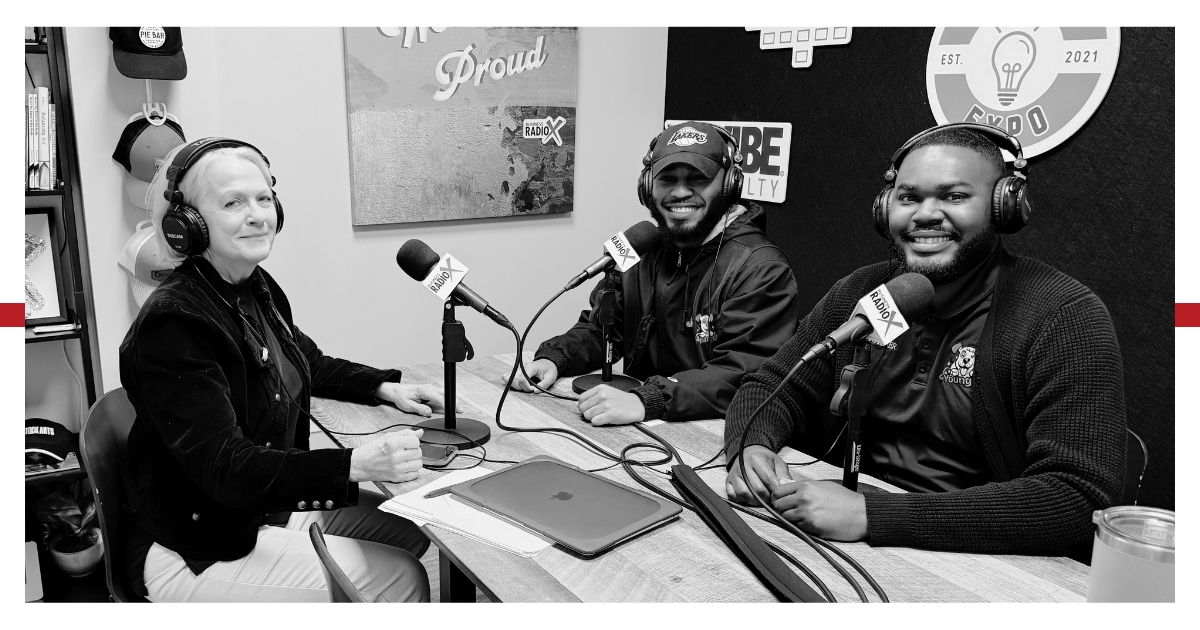
In this episode of Cherokee Business Radio, Joshua Kornitsky discusses employee ownership with Marie Davis, executive director of the Georgia Center for Employee Ownership, and Keith and Kevin Young from Young K9. Marie explains the center’s mission to help small businesses implement employee ownership models, highlighting benefits like increased engagement and productivity. She shares her personal motivations and success stories. Keith and Kevin discuss their dog-walking business, Young K9, and how employee ownership has positively impacted their operations. The episode underscores the transformative potential of employee ownership and the importance of early guidance in the transition process.
 Marie Davis is an Atlanta, Georgia native. She currently serves as Executive Director of The Georgia Center for Employee Ownership (GACEO), one of 24 State Centers created by the Employee Ownership Expansion Network (EOX).
After obtaining a Social Work degree at The University of Georgia, she served as a foster care coordinator for the State of Georgia, certifying foster parents and working with foster care children. Obtaining a Series 7 and 63 financial license, she worked with a private financial firm as Assistant to the President.
While raising her two children, Marie worked for a local developer, forming relationships with County and State officials. Moving to Florida for ten years, Marie served as a Targeted Case Manager with Children’s Home Society of Florida and a certified tutor for autistic children.
Marie also served as the Director of Mentoring for Center Point in Hall County Georgia, recruiting and training mentors for several school systems. She also served as a Technical Assistant for the National MENTOR program, working with mentor programs across the country with direction and development and served on the Georgia Mentor Provider Council For 6 years.
Follow GACEO on LinkedIn and Facebook.

 Keith Young, owner of Young K9, is originally from Ohio. He has a background in Psychology and ABA therapy, which is applied behavior analysis for kids with autism. He has worked in the school setting, as well as the clinic setting.
Kids and animals are definitely Keith’s two passions. He’s been working in the pet industry since 2013, from selling dog food to walking dogs. With over 10 years of experience servicing over 500 clients and multiple breeds of dogs, he really enjoys what he does.
Growing up Keith had turtles, rabbits, fish, and is currently the doggy dad to a German Shepherd Pyrenees mix named CoCo.
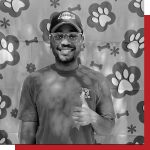 At 25 years old, Kevin Young is a proud graduate of Jacksonville State University, where he earned a degree in Communications, graduating cum laude with a 3.6 GPA.
Kevin’s passion for storytelling and connecting with audiences has shaped his career path, leading him to diverse experiences in both media and pet care. He previously worked as a sports journalist covering the Atlanta Dream, where he honed his skills in reporting, content creation, and audience engagement.
Currently, Kevin serves as both a dog walker and Social Media Manager for Young K9, a professional pet care company based in Atlanta. In this role, he combines his love for animals with his expertise in digital marketing, helping to build the company’s brand presence while providing high-quality care to clients’ pets.
Follow Young K9 on Instagram.
 This transcript is machine transcribed by Sonix.
TRANSCRIPT
Intro: Broadcasting live from the Business RadioX studios in Woodstock, Georgia. It’s time for Cherokee Business Radio. Now here’s your host.
Joshua Kornitsky: So welcome back for another exciting episode of Cherokee Business Radio, where we help business leaders get the word out about the important work they’re doing to serve their market, their community, and their profession. I’m your host, professional EOS implementer, Joshua Kornitsky, and I am here today with Mary Davis of the Georgia Center for Employee Ownership, and Keith and Kevin Young from Young K9. Let’s get started. So good morning, Marie, if you would. Let’s start with you.
Marie Davis: Good morning.
Joshua Kornitsky: So I understand that you’re the executive director of the Georgia Center for Employee Ownership, and I can I can read what that means. And you’ve explained it to me in the past. But tell me so that people can understand. What do you do? What does the Georgia Center do?
Marie Davis: Okay, well, the Georgia Center is one of 24 state centers that were created as a way for small business owners like these guys who are with us today to find information on how to set their business up for success. And by that, I mean thinking of their employees engaging their employees. It might not be the employee ownership model, but we can help you figure out what to do with your business. Seasoned businesses, young businesses, entrepreneurs. We just want them to have the information about how they can do this wonderful model.
Joshua Kornitsky: So is this you said that it’s across the United States in different states that you’re heading up the one in Georgia. How many employee owned businesses are there across the country?
Marie Davis: You know, and I also neglected to say that we have a parent company called Employee Ownership Expansion Network, and they are the ones that created all these state centers. Most of them, some of them have been around for 40 years, like, I believe the, um, Ohio State Center that’s at Kent State has been around a long, long time, very solid state center. Um, well, so what.
Joshua Kornitsky: Uh, so across the country, I was wondering, are there a lot of employee owned companies?
Marie Davis: Oh, sorry about that. That’s okay, I got distracted. So there are nearly 7000 employee owned companies, and we would really like to see that. I’d like to see it quadruple, because in the last few years, when I have moved up from launch manager at ten hours a week, uh, to program director to an executive director, I have seen and talked with so many businesses that have done this and are just so successful, and it changes lives. It absolutely changes lives.
Joshua Kornitsky: So you mentioned in, in your overview of what the Georgia Center does, that there are very, you know, businesses of various size, various stages. If in a perfect engagement, when would you engage with an organization to advise them on this? Is there a lot of pre-planning that goes into it? You know, what’s the ramp? Time to get ready to turn a company into an employee owned company.
Marie Davis: So I’ll say that if you do go on my website. Org you will only get me. It is just me. And so most of the calls we get are people who this is not right for them or it’s not right for them yet. I got a very exciting call. It’s been well over a year now from a company that already knew about employee ownership, and was extremely excited about the prospect of finding information out front before they had to go hire somebody. So the process for them is we immediately, uh, I put them in front of my executive national executive director and talked and said, oh, you know. And I knew that they were perfect for employee ownership model and they knew it too. So rather than rush them, we had them talk with other employee owners, sort of in the same field, uh, about the same size, so that they would know what the process was going to be like. And that was well over a year ago. They have some big events coming. I can’t tell you anything about them, of course, but I will tell you that they are. It’s going to be very exciting. And so they met with those employee owned companies, and then we introduced them to the service providers that do this kind of work. And unfortunately, they had already paid. And this is this is a big point to make for companies. Don’t go pay a trust attorney. Don’t go have a business evaluation done until you talk to us.
Joshua Kornitsky: Wait, wait, how much does it cost to talk to you?
Marie Davis: It doesn’t cost anything. I should have said that. We’re all nonprofit. We are funded.
Joshua Kornitsky: A big deal.
Marie Davis: It is a big deal. Eocs, our parent company, is funded a lot by some of these service providers, but also by very, very happy founding owners. I’m pointing at these guys across the room since this is on radio and you can’t see me, but they will sent their business, put their business in an employee stock ownership plan for their employees, and they made a ton of money. And so they’re very happy about how their business prospered and their employees prospered. So they give back to employee ownership expansion network. Sometimes it trickles down to the state center, some sometimes it doesn’t, but it doesn’t cost anything. And so going back to this company that gave me the call right after they they had already paid a trust attorney, unfortunately, and had that business evaluation and that probably cost them, I don’t know.
Joshua Kornitsky: A bunch of.
Marie Davis: Money, a bunch of money, I’m going to say upwards of $50,000. Ouch. And it doesn’t apply to what we’re going to do with them. We don’t actually do any of the work, and I will stress that. So we won’t ever charge you a penny. So we put them with different service providers and we’re actually still doing that. And then they choose the one that clicks with them. Because when in a in a Esop transaction, there’s a lot of people that have to be involved, especially right at first. And you need to like you might not like working with your brother if that was the case. And you might want to choose Joshua to work with you get the idea. There’s clicks and there’s personalities.
Joshua Kornitsky: Well, sure, anytime you’re making introductions, you’ve got to make sure that it’s an introduction that resonates for all the parties involved in order for everybody’s interests to get served. But it’s great to know that this is a service that’s available to a business owner, and they can get guidance and advice that has no bias, has no leaning one direction or the other. It sounds like you just give them the information and help them find the right match. Is that.
Marie Davis: We do. And so you I didn’t finish answering your question because again, I keep seeing something shiny over there. But, uh, when a company decides to become employee owned, they can do it in less than six months. It might take a year. It depends on whether they’re already an S Corp, if they’re an LLC or a C Corp, and they want to move to an S Corp, that might take time, might take time to work out the funding of paying off whatever percentage the owner wants to put into the employee fund. And by the way, that can be 10%. Most companies now are doing 100%.
Joshua Kornitsky: So it sounds like there’s it’s and I mean this in a good way. It’s not a one size fits all. And it sounds like it can be customized to fit the the transitioning out owner, what their goals are.
Marie Davis: Exactly.
Joshua Kornitsky: And if I can ask only because you had shared this with me in a previous conversation, what are the some of the benefits? Understanding that obviously it depends on the circumstance in the situation? Are there are there specific benefits for the owners in order to make this transition that they see, in addition to handing their their legacy to people that they know, trust, love and respect? What other benefits potentially are there for an employer?
Marie Davis: Well, hopefully they’re going to do it before they’re ready to walk out the door and they’ll still be involved so they can watch that company explode. And they can watch their employees learn to become employee owners. They can watch their retirement plan grow. They can watch their company, their legacy, remain forever, hopefully. You know, sometimes people buy employee owned companies. It just depends. That happened right here in Woodstock. Uh, the last time I was on this show, I had a lady from Erb Industries here, and, uh, it was on. If you all remember, the, um. I’m only doing this because it’s Cherokee wood, uh, Business Radio. But if there was a water tower right down here near the technical group, right here in Woodstock. And it said Erb industries proudly, 100% employee owned. They sold, but they negotiated that that stay there on that water tower. No one lost their jobs. No one fired the management and they just recently sold. There’s a new name down there, and they took it off the water tower.
Joshua Kornitsky: But that’s.
Marie Davis: Okay. That’s because the company’s become so. Powerful so quickly. Um.
Joshua Kornitsky: Strong and passionate in what they’re doing.
Marie Davis: They do. So for a founding owner to realize that they’re that water tower is going to be there as long as they want it to be there. That’s pretty exciting.
Joshua Kornitsky: That is cool. But you had mentioned to me that there may be some tax benefits. Oh, there’s.
Marie Davis: Wonderful tax benefits. So for the for the founder he can defer his capital gains. And that’s really important. And again that I’m not the technical person. But last time we were on here we were very technical. But um, it depends on what form. If they’re an S Corp or C Corp and that’s kind of getting in the weeds. Really anybody can do it. But there are more benefits if you’re an S Corp for the founder. They’re still going to be deferred capital gains. And you know, if you sell your business or move your business into an employee ownership plan, that is critical.
Joshua Kornitsky: That’s great. So thank you for letting us know that. And before we’re done, we’ll make sure people know how to get Ahold of you to to learn more about it. Uh, and obviously, it’s important to share again that there’s no cost in asking questions. Um, so tell me, Marie, how did you get involved with all of this?
Marie Davis: Well, I was, um, in Gainesville, Georgia, and wanted to move this way and had to have a knee replacement. Couldn’t drive that distance there. So, um, I was looking for a job, and it said something like, like, what the heck is a launch manager? It didn’t say anything about employee ownership. And so when I did the interview, uh, my now executive director said, uh, well, um, I see you had your series seven and 63. What do you know about employee ownership? And I said, well, I said, we had our own Esop attorney. I said, I haven’t heard that name in a long time. And then I told the story of my parents business that, um, my parents had a business on Buford Highway for almost 50 years.
Joshua Kornitsky: Oh, wow. What type of business?
Marie Davis: It was a landscape business. My dad was a landscape architect and horticulturist. He’s been gone a long time. He’d be 104 now, but he, um, got on the, uh, just out of. He got after World War two. He got a double major back when a major’s like a doctorate now. And he came to Atlanta and started his own business. And this is before Lowe’s. This is before Home Depot. All this, you know, people doing yard work now. So, uh, it was very successful. It was a huge place about the size of a small Walmart.
Joshua Kornitsky: Wow.
Marie Davis: And then a big nursery and right next door. And I love to tell this story is where Mr. Pike started Pike’s nursery. And they were great friends, so they both went completely different directions. My father had two locations and as you know, Pike Nurseries has many, which by the way, 100% employee owned.
Joshua Kornitsky: Good to know.
Marie Davis: Yes, and that’s another story. But we probably don’t have time for that. So you got to have me back. But anyway, I’d love to do that just to have employee ownership stories to tell.
Joshua Kornitsky: We’ll talk more about that then.
Marie Davis: That’d be fun. People really like that. But, uh, so he at one time had 41 employees. He had two crews, and he had a couple of management people, mainly my mother, who worked her whole life. They worked together. And when my dad got sick now he was still working at 78 every day, seven days a week. But he got sick and sorry. So we just had to sell the land. I mean, the business was him. There was no handing it over to his management team. Nobody was prepared. His three daughters. I’m the baby. Um. We’re not in that business at all. Sure. And so he ended up losing the legacy that now nobody knows who Atlanta Garden Center was, which everybody did. Um, my dad was, you know, president of the Farmers Club, which doesn’t sound that big, but it was.
Joshua Kornitsky: Well, there’s a lot of land that has houses and subdivisions and shopping centers on it. And in the modern Atlanta area, that all used to be farms.
Marie Davis: Exactly. And so everybody knew who. Atlanta. My point is, is that his legacy is totally gone. It’s in my head. And people my age probably came over there and bought their mother a rose for, for Mother’s Day or bought the fertilizer there. And I was pulling the little red wagon with the cow manure in it. I did grow up doing that kind of stuff. But when he died, and this is what’s really sad, I went to clean out his drawer. The drawers in his cabinet. My mother just couldn’t do it. And there were envelopes of money with his key employees name on it. One was his head guy that ran the group. That was his idea of saving for them. And so there was literally envelopes of money because he even though he was a very smart man, he didn’t know how to help his employees other than that. Had he gone?
Joshua Kornitsky: The mechanisms that you teach and show now didn’t exist. But it’s it’s great you’ve ended up helping others now maintain that legacy for their families and generations to come. That’s fantastic.
Marie Davis: So when I told that story, one of our board members, uh, and my boss, Steve Sorkin, looked at me and said, can you tell that story to other people? Can you talk about that? I said, you bet I can. What?
Joshua Kornitsky: What an incredible backstory for someone who didn’t grow up thinking, gee, one day I want to be the executive director of this.
Marie Davis: Yeah.
Joshua Kornitsky: That’s fantastic. Well, I know we were talking, Uh, before that, you’ve got some events that are coming up. I think the first one is, is this month in Macon, right?
Marie Davis: Yes. On, um, April the 11th at the Macon. Well, it’s not at the Macon chamber, but it’s at a business in Macon. You could go to the Macon chamber, and it’s going to be a really great team, a panel. It’s their morning group called brew. They’re just getting to go again.
Joshua Kornitsky: Okay.
Marie Davis: And it’s going to be two employee owned companies from Macon. One is Sheridan Construction. They’re all over Georgia. The other one is B and D industrial. And they’re going to be there to talk about what it’s like to be an employee owned company and also score. If you know what score is through SBDC, they’re going to be there. Now, the story behind this is that the absolutely fabulous president of the Macon Chamber, Jessica Walden, used to be very involved with the SBDC. So she knows what it’s like for businesses to be looking for information. And she wanted to do a panel on employee ownership. So I’m going to be very challenged to be sitting there. I can’t say any boo boos with two employee owned companies there. It’s going to be great.
Joshua Kornitsky: That’s awesome.
Marie Davis: So that’s at 830 okay.
Joshua Kornitsky: And that’s in Macon. You said they could go to the Macon Chamber of Commerce website to get the details on where. And then you’ve got something coming up in May in Athens.
Marie Davis: And. Okay. And so we have a grant to work in my favorite town in Georgia, sorry, Atlanta, Athens. And I was born in Atlanta. So we have a grant to work there. And so I have a joint venture with the Athens SBDC. And if you don’t know this, the Georgia SBDC is also headquartered there, and I hope they’ll be there. And the small businesses, the SBA, the Small Business Administration, and we’re going to be at the Delta Innovation Center from 9 to 12. We probably won’t be that long, but we hope it’s going to pack it out. None of these are going to be online because we want people to come and mingle with other business owners, meet the SBA, meet the SBDC, and get involved with them because it doesn’t matter what size your business is. One of the best sbdcs in Georgia, I’m going to call them out is in Kennesaw and they’ve been around, uh, Drew Tonsmeire who runs that one? He’s he’s led some amazing companies to where they are now. And one is anybody with kids knows elf on the shelf. They came right through the Kennesaw.
Joshua Kornitsky: Really?
Marie Davis: Yes they.
Joshua Kornitsky: Did. The elf on the shelf was born in Kennesaw.
Marie Davis: Uh, I’m assuming so because they came through the Kennesaw SBDC.
Joshua Kornitsky: We’ll have to talk more about that and let’s see if we can get them to to come tell us more about it. And then last I know you’ve got something bigger happening. It’s an annual event in October, right?
Marie Davis: Yes, in October. And I don’t have my date yet, but it’s, um, we’ve. This will be our fourth year. October is employee ownership month, and I’m very proud that one of my first things I did with my boss poking me say, do it, do it, do it, was to ask Governor Kemp to declare the first one, the first time it’s been celebrated in Georgia. So we have the governor’s proclamation every year. We’ve done this, and we’ve held it every year at 100%. Well, okay. The first year is Choate. That’s a very Georgia Choate construction. We had it there. There 100% employee owned. The last two years we’ve had it at J.E. Dunn Construction, which is not 100%. They may never be because they’ve got 5000 employees. But the point is, is to have the new employee owned companies in the room and give them awards. And two of the better known ones from last year, you’re going to know these names Woodstock Furniture Outlet. They we gave them an award last year, and Georgia Spa Company, which was berthed right near Athens. And they’re very well known names. And so we had a lot every year. We’ve had a long list to give awards to for becoming 100% employee owned. And let me tell you, there’s some happy companies.
Joshua Kornitsky: That’s wonderful to hear. Well, before we wrap up the segment, I do want to ask. I like to ask a question of of all the guests. That’s just a little bit thought provoking. Uh, as you look back along your family path, your professional path to what brought you to here, what’s the most valuable piece of advice you were given that you would share with others?
Marie Davis: Um, it has nothing to do with business, really. So my background and I’ve been here before is the mentoring world and give back. Absolutely. Try to help somebody. And I know every time I’m mentoring a lady through the University of Georgia mentoring group now, and she’s a grown woman, she’s teaches me things every day. And I always have to say, oh, Marie, you know, you don’t have anything to share. You don’t know anything. But you do. You do. And so whatever age you are, give back. Go read to a kid at school. Whatever it is, give back and it will grow your business and it will grow you. And you will touch a life that you will never, ever know how far that reaches, but it will.
Joshua Kornitsky: That’s great advice. Well, thank you again. Uh marybelle. Davis, executive director of the Georgia Center of Employee Ownership. Marie, what’s the best way for people to get Ahold of you?
Marie Davis: Well, I’m going to give them my phone number because it’s on everywhere anyway. It’s (400) 432-7255 four. Nobody’s worn that out yet. All right. Marie at g a CEO. Org. Or if you go to the website you can pull GA CEO. Well go to the Georgia Center for Employee ownership because there’s another great company called GA Georgia CEO. That’s film company. So Georgia Center for Employee Ownership. And you click on a contact me button and there is no one else. It will be me. All right. So any of those things I’d love to.
Joshua Kornitsky: Chat one and only. Well, thank you again for your time. I hope you have the ability to hang out and stay with us as.
Marie Davis: Oh, I want to hear about these guys. I’m watching them. I can’t wait to hear.
Joshua Kornitsky: So thank you, Marie. All right, well, switching over, uh, we have with us both by special arrangement, Keith Young and Kevin Young from Young K9. So I know that Keith, you’re the founder of the company, correct? Tell us, what is Young K9?
Keith Young: Hey, guys. Good morning. Um, young canine is a dog walking, dog training dog sitting company. So we help busy professionals take care of their dogs while they’re at work. Um, they’re out of the country. Or if they just got a new puppy and they need some training.
Joshua Kornitsky: So you do training as well?
Keith Young: Yes.
Joshua Kornitsky: Oh, wow. Okay. So what other kinds of services do you offer that maybe other dog walking companies don’t.
Keith Young: Um, so right now I just got a company van. So we pick up dogs, we do group walks, and then also for people that have, uh, big backyards that don’t want to pick up their own poop, we actually do poop poop pick up as well. So that’s something.
Marie Davis: I live right down the road.
Keith Young: Yeah. So that’s something we just recently added. Um, but we have a couple people that, you know, need the Arcs picked up, so. Yeah.
Joshua Kornitsky: Well, so how did this get started?
Keith Young: So during the pandemic, I used to work for a company, um, for about 4 or 5 years, and I had to kind of make a decision. Um, well, let’s back up. My background is working with kids with autism. Oh, okay. I was a behavior therapist, and, um, I had to kind of make a decision. Do I want to work with kids or do I want to work with dogs? And like I said, when the pandemic came, it kind of made me shift my focus. I’ve always had a passion for working with, um, dogs. And the company I worked for, they went under because of the pandemic. And then that kind of just jump started everything.
Joshua Kornitsky: So. So you had this opportunity that just presented itself? Yes. And so and and you’ve got your brother working with you?
Kevin Young: Yes, sir.
Joshua Kornitsky: So how’s that?
Kevin Young: Well, one thing I will say is, uh, growing up, like, you know, when we were younger, we did have our like tussles and fights and stuff like that. But one thing I will say is we always been close and tight. So just being able to work with my brother, that’s probably like one of the best things in the world. So like I get a kick out of it most definitely. Because like, you know, growing up we would talk about like toys and all kind of like kid stuff. And now it just comes to a point to where now we’re talking about business. And hey, um, how do you feel about this? How do you feel about this idea? How do you feel about that idea? So I still get a kick out of it, because I still look at us as ten and five years old. So like I said, I most definitely get a kick out of this.
Joshua Kornitsky: Okay, so Kevin, what else do you do other than walk dogs there. So young canine.
Kevin Young: So my background, um, I recently graduated from Jacksonville State in 2022. Thank you. And, um, I graduated with a communications degree. So like, by communication being so broad from broadcasting, um, running the teleprompter, social media. So that’s what I’m, that’s what I pretty much do as far as, um, with young canine, I run the Instagram page so.
Joshua Kornitsky: Nobody likes looking at pictures of dogs online.
Kevin Young: I mean like literally so literally all day, I’m just, you know, just coming up with ideas on, you know.
Joshua Kornitsky: This is what you do all day is just take cute pictures of dogs.
Kevin Young: Like, that’s what that’s what we all like, literally like, um, that’s a part of the business. So, um.
Joshua Kornitsky: That’s awesome.
Kevin Young: So as we’re walking the dog. So most of our walks are from 30 to an hour walks. And during that time that we’re walking the dogs, we’re taking pictures of each dog like, um, we’re taking a picture of, like, just different areas, like cute pictures of the dogs and everything. And we’re sending messages to the owners like, hey, your dog did a very good job of, you know, literally, literally, like, we’re just sending like, messages.
Joshua Kornitsky: So that brilliant idea that is.
Kevin Young: Yeah, like we’re literally sending them messages. So at the end of the day, we’re making them feel better and more comfortable. So, you know, we’re getting more clientele and stuff like that. Like, oh yeah, these guys took really good care of my dog. And you know, that’s how the more clientele starts coming in and everything.
Joshua Kornitsky: That’s a really great differentiator. What else do you guys do that that kind of sets you apart from what others do in this space.
Keith Young: Um, we also set up meet and greets. So some dogs during the pandemic, um, they weren’t socialized properly. So they don’t like seeing new people, or they’re used to certain people. They don’t like people that wear hats or they don’t like, you know, taller guys. They don’t like women. So we do meet and greets just to kind of have the walker feel comfortable, have the client feel comfortable, and also get a better assessment of the dog. And even just to see if it’s a fit, because there might be a case where this dog really doesn’t like a walker and it’s just not a fit for us. So that’s why we like really.
Joshua Kornitsky: So it goes down to that level of detail. But I guess that kind of aligns with what you’re saying. You want to make sure that you’ve got the right person working with the right animals.
Keith Young: Yes, because we’ve had it happen. We’ve had a couple clients, um, do a meet and greet, and the dog just didn’t care for the walker. It was nothing the walker did. It was just it just wasn’t a mesh. So then we got another walker and it worked out perfectly well.
Joshua Kornitsky: So. And you had shared with me because it’s not just about the the dog and the walker. It’s also about the client. And without asking for anything confidential, uh, you had shared that you have some kind of high profile clients. So you work with, uh, people who’d rather not be named?
Keith Young: Yes. So we work with doctors, lawyers, um, all types of business owners around Atlanta. So the biggest thing they want to know is like, can we trust this person coming in? So that’s why we like to do meet and greets so they can get a better, better understanding of who’s coming into their house. Because we’re getting access, we’re getting codes, we’re getting all this personal information from these high end people. So we just want to make sure, like this is a perfect fit.
Joshua Kornitsky: So that that makes great sense. And it must go a long way to putting people at ease. And and like with all things in business, the the more business you do, the more people will grow to trust you. Yes. So that’s fantastic. And, um, going back to what you were saying about social media, do you are you utilizing things like Google reviews and other ways? How do you get the word out?
Kevin Young: Um, so pretty much what I do is, um. Excuse me. Yeah. Um, pretty much what I do as far as with the social media, is I, um, I post on my Instagram or I. Yeah, I post on the Instagram page, but then I also post on my separate Instagram. So like, we get more people to view and just participate in certain things that we do. And then also as well, um, I send stuff out to like Facebook. Okay. To get people to because we got a lot of clientele from Facebook, just from, you know, me reposting things and hey, I seen you guys on my Facebook. You know, um, the only thing that we’re working on now to get more people is, like the other social medias, like the TikToks, the Snapchats, the Twitters, maybe. So once we get that aligned, I feel like we’re going to get like even more so. But just as of right now, we’re just sticking to like, one thing. So like, you know, we’re just staying consistent with that one thing. And then as we continue to grow, that’s when we start adding more other like.
Joshua Kornitsky: Well, and so that brings up an interesting point that I’d ask both of you. What are some of the other challenges that you guys run into.
Keith Young: Um, I would say the biggest challenge, um, would be funding, because we’re still a new company. Um, we’re about to be two years in July. So, yeah, we’re about to be two years in July. So sometimes getting funding and having banks actually see that we’re a legit business can be a struggle. Um, and also scheduling.
Kevin Young: I was about to say scheduling. You can most definitely you can.
Keith Young: Touch.
Kevin Young: On scheduling. So the biggest thing with scheduling is we feel like that most of the clients book at the same times and.
Joshua Kornitsky: Breakfast, lunch and dinner.
Kevin Young: Most definitely. But like our prime time is really between like that 1130 to that 130, uh, time frame because it’s like the afternoon, it’s lunch time or whatever. And we only have so many walkers and it’s like, you know, trying to like, you know, decide who’s going to walk which dog or on that time. And, you know, just it can be a lot. And then also too, whenever a walker is out like an emergency or Anything. It kind of throws a lot of things off, and that’s when we kind of have to, like, step in and do as much as we can.
Joshua Kornitsky: It sounds like you guys are pretty adaptive and cover all the bases, which is important for people to know that, that the doggie’s not going to be left at the door.
Kevin Young: No, no.
Joshua Kornitsky: So did you guys grow up with dogs? Animals of any kind?
Keith Young: So it’s funny you say that. So, uh, we had every animal but a dog. Uh, really? Until I went off to college.
Joshua Kornitsky: So what’s on the list?
Keith Young: So we had bunnies, we had fish, we had turtles. And I’ve always asked my dad, like, can we have a dog? Can we have a dog? He’s like, it’s too much responsibility. And I’ll be stuck handling.
Joshua Kornitsky: Wait, wait, do turtles fetch?
Keith Young: Turtles are actually faster than what you think. Really? They don’t play fetch. Okay, but I used to let it out in the grass, and then I would look up. I’m like.
Joshua Kornitsky: Where’s the turtle?
Keith Young: Where’s the turtle? Turtles on the sidewalk. Wow. Yeah. So they’re actually faster than what you think. But, um, I didn’t have my first dog until, uh, I went to college in 2013.
Kevin Young: Sophomore year?
Keith Young: Yeah, my sophomore year. And I’ve had her ever since. She’s ten years old now. Her name is Coco. She’s a German shepherd. Pyrenees mix.
Joshua Kornitsky: Oh, wow.
Keith Young: She goes everywhere with me.
Joshua Kornitsky: Super sweet. And and in fairness, she is not in the studio only because we didn’t have a microphone.
Keith Young: And two, I don’t think we have space for her. She’s a big dog. Oh, yeah?
Joshua Kornitsky: Well, she’s she’s welcome for her outdoor. When we do a remote event, please bring her along.
Kevin Young: Definitely will.
Joshua Kornitsky: Um, so what are the. Well, wait a minute before. Before I ask that question, what on earth is March Wagner?
Keith Young: I’ll let Kevin tell that it’s been so much fun, but. Yeah.
Kevin Young: Um, so pretty much this was. When was this? February when we talked about it. Yeah. Um, like I said, we’re just always just jotting down things. We’re sending each other ideas like, hey, how do you feel about this? How do you feel about that? And I’m a big basketball fan. Okay.
Joshua Kornitsky: So I just there’s something going on in March, isn’t there?
Kevin Young: March madness just. Yeah, literally March Madness. So I just thought I’m like, Keith, how do you feel about, uh, we do like a tournament for the dogs? Uh, and we do like, a march madness. And I was like, how? How about March Madness? How does March Madness sound? He’s like.
Joshua Kornitsky: You know what? With brackets and everything.
Kevin Young: Uh, yeah, we have brackets. Um, it was we start off with 32 dogs because this is our first time doing it, and we just wanted to see how it was going to go the first time. And it’s been going pretty good. And we even have like four different regions. So one region is Mutt Town. You have, uh, what is it? Hollington, Howell’s town. Um, it’s like two others. It’s, uh I’ll have to get back to it later. But yeah, we pretty much just separate them all in different regions, like a march madness tournament. So.
Joshua Kornitsky: And and are these all your your clients dogs?
Kevin Young: Yep. All the clients.
Joshua Kornitsky: Dogs. Does the winning dog get a ring or something? What happens?
Kevin Young: Uh, they get they pretty something in that line. But, um, we’re gonna, like, arrange, like, a gift basket. So, like, it’s going to be nothing but, like, a whole bunch of treats. Toys. Just like a little gift basket like that.
Joshua Kornitsky: So I’m telling you, by next March, you’re going to have clients beating down your door. Just trying to get there.
Kevin Young: We’re going to have a full 64 next year. I guarantee you.
Keith Young: We already have clients. Like, why wasn’t my dog on there? We’re like, hey, we’re just testing it out.
Kevin Young: Can you use more than 64 dogs?
Keith Young: But we had to kind of test it out this first.
Joshua Kornitsky: It’s got to be like college football. You got to explain the playoffs.
Kevin Young: Yeah, literally. Like, we literally have to break down the whole process how voting is and everything. So but yeah, for the most part it’s been very interesting. And we just text each other like, man. Like, you see, uh, goose is in the lead right now or Bansky’s in the lead right now. Like, this is crazy.
Joshua Kornitsky: Based on on people’s submitting their their vote for it.
Kevin Young: Yeah. So, um, how we get people to vote? Um, we, um, I set up a poll on the, uh, on our IG story. Okay. And I have, like, the, uh, the first seed dog against the eighth seed dog, and it’s like a, um, a poll at the bottom, and they just literally just click to see who they want. So.
Joshua Kornitsky: So where are we now? Have we reached the finals?
Kevin Young: We’re in the finals. Okay. We’re in the.
Joshua Kornitsky: Finals. Are we down.
Kevin Young: To. So we have, uh, moose Most of the third seed. And we have, um. Clark. He was the second seed.
Joshua Kornitsky: Okay, so where do people go to see this?
Kevin Young: Um, they go to our, um, Instagram page. Our Instagram page is the real young canine. And, um, we have, like, highlights set up to where, um, you can pretty much just look at the whole recap of how the tournaments been going on from start to finish. I think we already even had like the first, the first tournament or the first round. We had like maybe like 4 or 5 upsets, like we had a couple number one seeds get kicked out really, which was pretty shocking.
Joshua Kornitsky: I’m like, that’s that’s what makes it a game.
Kevin Young: That’s what Mark Wagner is all about. So like because we love Mark, because.
Keith Young: You would literally look at the votes at like lunchtime, you’re like, okay, such and such is winning. And then by dinnertime you’re like, wow, they’re beating them by like 25 votes. So it’s it’s amazing to see.
Joshua Kornitsky: Yeah. Maybe next year you can move this into YouTube as well. Yeah. Tiktok. You were.
Kevin Young: Saying.
Joshua Kornitsky: Yeah that’s fantastic. Well, so as I asked with Marie, if you guys don’t mind, I want to ask this of both of you. Um, I like to ask one question that kind of makes you think a little bit towards the end here. Uh, for each of you individually, if you don’t mind. Uh, Keith, then, Kevin, what’s a mistake you guys have learned from whether personally or professionally, kind of along the way, that that’s changed the way that you’re doing things.
Keith Young: Um, I would just say, like, just communicating a little better. Um, when it comes to this business, sometimes you’ll do things because you’ll do it, but sometimes you got to put your, uh, your, your perspective in, in the other person’s hands because people deal with so much on a daily basis. We got to have more, uh, empathy for people rather than sympathy, because there’s so much going on in the world. We’re so quick to, you know, lash out or we’re so quick to judge or we’re so quick to, you know, be mad about a certain situation. But like I said, as we grow and and we develop, like I said, just having more empathy for people and just communicating a little better.
Joshua Kornitsky: Do you think and I’m not being funny. Do you think you obviously your background with behavioral understanding. But do you think working with with animals has also helped you be more patient?
Keith Young: Yeah, honestly. And also working with kids too.
Joshua Kornitsky: I didn’t want to draw comparisons.
Keith Young: I mean, I hate I hate to say it, but sometimes there are some, some similarities with kids and animals. Um, especially working with kids with autism, you might have a kid that’s nonverbal and he can’t properly talk to you. So just like with animals, they can’t speak to us, but their body language. Certain things that they do, um, just gives you a heads up of like, okay, like that’s what you want. Okay.
Joshua Kornitsky: So you learn to be intuitive. And with that, we’ll we’ll switch back over to the guy with the communications degree. What’s what’s a mistake you’ve made and learned from.
Kevin Young: Um, I made a few mistakes. Like more. Okay. More. So just just dog walking, I made mistakes. So, um, it was a situation to where, um, like I said, like the clients, they most definitely trust us. And, like, one mistake that I made was, um, I was kind of, like, in a rush. It was a lot going on as far as, like, picking up other people’s schedules and stuff like that. So I probably had like, ten dogs that whole day. And one mistake that I had made was, um, just pretty much just like, um, leaving the doors unlocked. One day I left the door, like, open, like kind of wide open, not even paying attention. And the dog was across the street or whatever. So it was just little stuff like that that I kind of like made mistakes and but the good thing about it that like, you know, mistakes happen, obviously. And like the clients, they, you know, just one time.
Joshua Kornitsky: And checklists.
Kevin Young: Literally. So just like little things like that. So and like I said, that’s whenever trust comes into into play as well. So.
Joshua Kornitsky: Well and I appreciate your honesty. That’s that. It’s the only way any of us learn.
Kevin Young: That was a that was a one time thing guys too, by the way. That was a one time thing. One thing about.
Joshua Kornitsky: Me I wasn’t worried about that because like I said, you learned from.
Kevin Young: It literally. So like.
Keith Young: I’m sorry, just because he’s my brother, I’m hard on him too, because when he told me that I, I was, I was furious.
Joshua Kornitsky: I was no nepo baby stuff.
Keith Young: No.
Kevin Young: Yeah.
Keith Young: No. Like I told him.
Kevin Young: Shout out LeBron and Bronny. But yeah.
Joshua Kornitsky: That’s right. Discipline and accountability.
Kevin Young: Yes.
Joshua Kornitsky: That’s what we need to know for sure. All right. Well, uh, Keith Young Kevin Young, thank you both. What’s the best way for people to find you? Thank you for sharing the Instagram. But how do they find you? What’s the best way to reach you if I. If I’ve got a dog that needs to get walked?
Keith Young: Yeah. So if you can go to our website at Young Canines, or you can give us a call at (404) 476-4985.
Joshua Kornitsky: Well, Marie White, Marie Davis pardon me, Marie bell Davis, Kevin young Keith Young, thank you guys for joining us today. Uh, we will have all of your information posted up onto our website. And, uh, this has been another episode of Cherokee Business Radio. I appreciate everybody listening.














