

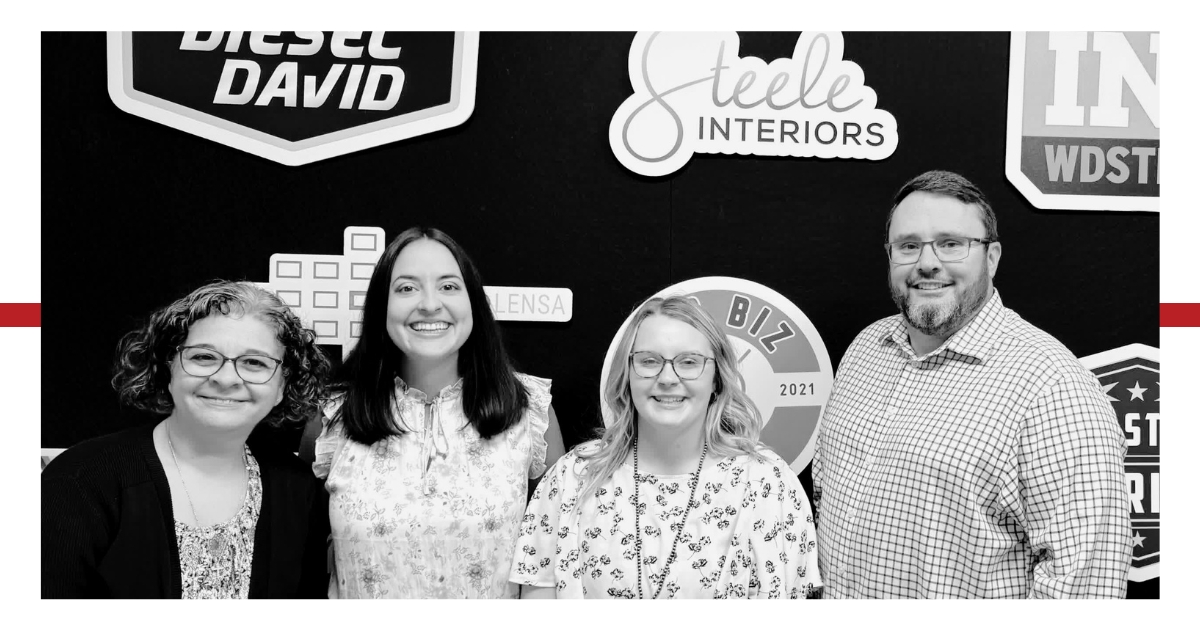
Brought to you by Diesel David and Main Street Warriors

In this episode of Cherokee Business Radio, Joshua Kornitsky interviews Maggie Ishak with Focal Point Business Coaching, Chris Gardner with Arkos Global Advisors, and Caitlin Quraishi and Olivia Cook with Cultivate Health. The discussion highlights the difference between coaching and consulting, the importance of mindset, and practical strategies for overcoming overwhelm. Together, the guests explore how thoughtful questioning and self-discovery empower leaders to gain clarity, focus on what matters, and build resilient, high-performing businesses.
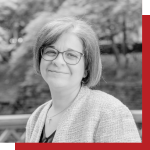 Maggie Ishak is a Certified Focal Point Business and Executive Coach, Certified Trust Edge Partner, Licensed Navigational Conversations Facilitator, and DISC Practitioner Maggie regularly works with leadership teams to improve performance, engagement, and alignment.
She is passionate about empowering her clients to meet their professional and personal goals, grow their businesses, engage their teams, control their time, and maintain a healthy work/life balance. 
Prior to her establishing her business coaching practice, Maggie was a VP of Supply Chain, VP of Operations and Director of Customer Experience at Michelin North America, where she spent 28 years growing her career from manufacturing to supply chain, distribution and operations.
She not only had a strong impact on the business results but also on the teams she managed and the customers she served.
Maggie has a BS Chemical Engineering from MIT and an MBA from Wake Forest University. Maggie lives in the Atlanta area with her husband and three teenage sons.
Connect with Maggie on LinkedIn.
 Dr. Caitlin Quraishi, with Cultivate Health, also known as Dr.Q, was born and raised in Tampa, Florida.
She went to St. Leo University for her undergraduate studies where she acquired her Bachelor’s of Biology degree. She then moved to Georgia to attend Life University where she fell in love with the chiropractic principles and philosophy.
She practiced in Seattle, Washington for 6 years while she explored the beautiful Pacific Northwest. She served on the chiropractic state board and was a chiropractic co-leader for the largest free medical clinic in Washington state.
She now resides in Dallas, Georgia where she calls home with her husband Curtis and two fur babies; Chubbs and Storm.

 Olivia Cook loves being one of the first smiling faces you see when you walk into Cultivate Health. She started under regular chiropractor care right here in our office during her pregnancy journey. She is a wife and mom to a precious little boy.
She has been a Bartow County resident since 2022 after marrying her husband, Cole, and starting their family.
Olivia is a Lee University graduate and received a Business Administration degree. When she’s not in the office, she is busy helping her husband on the poultry farm. She loves spending most of her time outdoors, making sourdough bread, and canning.
Her favorite part about belonging to the Cultivate Health family is helping other families connect and learn how to cultivate health from the start.
Follow Cultivate Health on Facebook.
 Chris Gardner helps high-capacity business owners turn complexity into clarity.
As a seasoned Wealth Advisor, he works with business owners who’ve are building or have built substantial wealth, he loves helping them answer the question, “What’s next?” Chris helps answer that question with a holistic approach that aligns financial strategy with personal values, family priorities, and legacy goals.
Chris applies a “COO of the balance sheet” mindset, overseeing not just investments, but the entire financial ecosystem: business value, estate planning, tax strategy, charitable giving, and family. He conducts deep-dive gap analyses across seven key areas—bringing every advisor on the client’s team into alignment around a common mission: theirs.
Clients value Chris not just for his technical expertise, but for his ability to listen, ask the right questions, and guide big decisions with uncommon clarity. He’s especially passionate about helping clients structure both current generosity and long-term impact, building wealth that outlives them. 
Before advising, Chris spent 25 years as a pastor and missionary in South America. That experience gave him a global perspective, deep empathy, and a conviction that wealth should serve a greater purpose.
Chris is the author of Check What You’re Chasing and a frequent speaker on the intersection of money, meaning, and legacy. He and his wife, Andria, live in Georgia and have four children. He’s also fluent in Spanish, a guitar enthusiast, and an advocate for living generously in every season of life.
Connect with Chris on LinkedIn and Facebook.
Episode Highlights
- The distinction between coaching and consulting.
- The importance of asking the right questions in coaching.
- Developing frameworks and tools for business owners to solve challenges.
- The role of mindset and perspective in effective leadership.
- Insights on building high-performing teams and fostering collaboration.
- Approaches to navigating organizational change and uncertainty.
- The value of mentorship and peer support in career development.
- Lessons learned from scaling businesses and managing growth.
- Experiences with implementing innovative solutions in traditional industries.
- Advice for balancing work, life, and personal well-being as a leader.
 This transcript is machine transcribed by Sonix.
TRANSCRIPT
Intro: Broadcasting live from the Business RadioX studios in Woodstock, Georgia. It’s time for Cherokee Business Radio. Now, here’s your host.
Joshua Kornitsky: Welcome back. My name is Joshua Kornitsky. I am a professional implementer of the EOS system and your host here on Cherokee Business Radio. We’ve got a great show today. Uh, have a whole bunch of wonderful folks here with me. But before we get started, I just want to mention that today’s episode is brought to you in part by the Community Partner program, the Business RadioX Main Street Warriors. Defending capitalism, promoting self small business, and supporting our local community. For more information, go to Mainstreet warriors.com. And a special note of thanks to our title sponsor for the Cherokee chapter of Main Street Warriors, Diesel David, Inc.. Please go check them out at diesel.david.com. Well, as I said, I’m really excited about today. We’ve got a bunch of wonderful folks here in, in, in the studio with us. And I want to start by introducing Maggie Ishak, a business coach with, uh, Focal Point Business Coaching. She’s got a deep background in engineering, supply chain and operations leadership. And after nearly three decades in the corporate world, she now dedicates her work to helping leaders and teams simplify complexity, untangle challenges, and focus on what matters most. Maggie uses clear, practical frameworks to guide business owners and organizations in building trust, collaboration, and strategies that move the needle. Welcome, Maggie. I’m so happy to have you here.
Maggie Ishak: Thank you. I’m glad to be here.
Joshua Kornitsky: I’m just thrilled to learn more about it. So tell us a little bit about your background, because supply chain operations, leadership and engineering is quite a path to get to coaching.
Maggie Ishak: Yeah, so I started my career as an engineer. Um, and I, I call myself a 28 year corporate refugee turned business coach.
Joshua Kornitsky: Wow.
Maggie Ishak: So, um, I had what many would call a a very successful career, growing my career out of manufacturing and engineering into supply chain and operations, and kind of growing my way up into the leadership ranks of the supply chain organization.
Joshua Kornitsky: Uh, okay.
Maggie Ishak: Which I was a part. Um, I got to the point where I really wanted to use my skills in a different way. Um, and I really enjoyed managing people, managing teams, developing people, helping them kind of find their career path or helping them get projects over the finish line. And so as a coach, that’s what I get to do, right? Um, working with lots of business owners and leaders across a number of different industries. Um, I’ve learned a lot about lots of different businesses as well, uh, in the course of that. But but really leveraging my background to help those business owners and leaders.
Joshua Kornitsky: It makes perfect sense because that amount of time inside of that corporate tank, so to speak, puts you in the unique position of sort of understanding how how the machinery operates.
Maggie Ishak: Absolutely.
Joshua Kornitsky: So from that time, what are some of the things that you’ve brought forward into your coaching and how are how are you able to leverage that to help folks better understand what they need to understand?
Maggie Ishak: Yep. I’ll, I’ll, I’ll give you maybe two different lenses on that. One is the focus on people. I mean, I spent the majority of my career managing teams. And so seeing how those teams operate together and helping each member of those teams grow their careers. Um, I realized in hindsight, a lot of what I did was ask questions. And that’s what coaching is, is asking really, really good questions. Um, but asking them questions to help them realize maybe where they’re stuck, where they need to think differently. Maybe there’s a blind spot that they’ve, um, that they’ve got that they need to move past. And so again, that’s what I do in, in my coaching practice. But that’s a lot of what I did when I was managing teams. Um, the second thing is I’m going to call it just around the daily operations of of running a business. Being in the corporate world, we had such heavy, um, you know, maybe bureaucracy is one way of looking at it. But also we had a lot of structure. And so it’s taking the best pieces of that structure and using that to help business owners. So a really, really simple example is something like metrics. Um, many large businesses have hundreds of metrics by which they run their business. No small business owner needs that. But most of the time, many small business owners don’t have any metrics by which they run their business.
Joshua Kornitsky: And so how is that possible?
Maggie Ishak: Well, I think it’s just people start their business based on what they love doing, and they don’t take the time to step back and think about what do I need to track and measure. And when they are tracking and measuring things, they’re typically tracking results, not necessarily the actions that drive those results. And so again, I’m using what I learned in my corporate days, spending a lot of time with lots of data, right? But helping them unpack not only what’s the result they need to track, but what are the things upstream from that that actually are the levers, what moves the needle on driving those results? And so it’s those really small things. They can have a really, really big impact on a business owner.
Joshua Kornitsky: Sure. And that makes complete sense to me from from the lens that I used to see things out of better understanding the approach to coaching. You know, it sounds much more like you are using, um, inductive reasoning to, to try to get to the, the conclusions rather than just saying, here’s what you need to do.
Maggie Ishak: Ah, so, Joshua, that’s a great, uh, great segue, because a lot of times people have a misconception that coaching is the same as consulting. Consulting.
Joshua Kornitsky: Just tell me what to do and I’ll do it.
Maggie Ishak: Yeah, that’s consulting. And that’s what many business owners actually want. And I’ve had many of my clients look at me almost with a look of desperation and just say, just tell me what to do. Now that that’s almost like somebody giving getting a prescription pill for something versus getting a workout plan to help them figure out how to get there, get there themselves. So coaching helps them figure out not only how to solve the one problem at hand, but the next ten that come their way. It gives them a framework, a methodology, a toolkit so they can unpack it themselves and not keep running back to me every time and saying, what do I do? What do I do? What do I do? Um, best example I can give you. I worked with a client for about eight months, and she actually, I could tell she was getting to this point, but she got she literally told me she’s like, Maggie, I don’t need you anymore. And it’s because, yeah, it’s great because I had given her the frameworks and the tools, and she was actually able week to week to implement it herself. And she had the discipline to be able to hold herself accountable.
Joshua Kornitsky: And that is like anything else in the world. And you’ll find because I’ve had great conversations with everybody here prior to today, you’ll find that really aligns with everybody else in the room.
Maggie Ishak: Awesome.
Joshua Kornitsky: Looking forward to that. There is. It turns out there is not an express lane to accomplish the things we want to accomplish. And even if you were to go in and tell them what to do, it’s kind of like if you have kids, telling your kids what to do doesn’t make them learn.
Maggie Ishak: Absolutely. Absolutely.
Joshua Kornitsky: So how do you help prioritize? Because everything’s urgent. I imagine when you arrive on the scene, you’re I don’t want to call it a train wreck because it isn’t. You’re showing up at a functional business that recognizes it needs help.
Maggie Ishak: Yes. So I call it untangling the bowl of spaghetti. So typically a business owner is just going to come and do this big dump on the table of here’s everything that’s going on. So what we do is we take a step back and ask what is your ultimate goal? Where do you want to get to? And I ask them to pick some point of time in the future. It might be six months, it might be a year, it might be five years. And ask them, where is it that you want to get to? And typically they have an idea of what that is. Okay. It might be I want to sell my business. It might be I want to retire. It might be I want to make this income threshold. And I pull that back and figure out why, what’s what’s behind that, what’s motivating them. So we know kind of what the Polar star is and then what we’re going to.
Joshua Kornitsky: So so I’m so it can be qualitative as well as quantitative. It can be.
Maggie Ishak: Qualitative or quantitative. Um the more quantitative the better. But sometimes they don’t know how to quantify it yet. And that’s okay. But the goal is just trying to figure out what direction we want to go in. I also do an exercise with them to figure out what their values are. And then what we do is as we start to untangle that bowl of spaghetti, as I like to call it, is what’s aligned with that end goal and what’s aligned with your values. And that typically helps them shed some of the noise, some of the things that aren’t lined up. And I can give you a really quick example. Um, one of my clients, she was trying to grow her business and she was doing a hundred different things, um, to try to grow. And when we peeled it all back, we realized that all of that time she was spending on social media wasn’t really driving any results for her and what she also came to realize was because she’s really good. One on one, she realized that she just needed to go to in-person networking events more and have those one on one conversations. And almost every event she goes to, she gets at least one prospect out of it.
Joshua Kornitsky: That’s awesome.
Maggie Ishak: And so all it did was, was give her that clarity to say, you know what? Instead of doing all these different things, I’m just going to focus here. And so that’s a lot of what coaching does is help shine the lens on what matters, what’s moving the needle. But it really usually takes somebody from the outside asking those questions to make you realize where that blind spot is or where you might be missing something.
Joshua Kornitsky: I should note that everybody in the studio keeps nodding their head. Okay. I’m sorry. As Maggie’s talking, they’re all like, yes, yes, that makes complete sense, but nobody can see that. So I just wanted to let everybody that’s listening know we’re all in agreement here, because what you’re saying really does make sense. Um, so I want to talk a little bit more about the bowl of spaghetti. Yeah. Right. And it’s not because I’m hungry. It’s because the bowl of spaghetti probably has a lot of components in it, and I’m assuming a lot of those components are are myths or assumptions.
Maggie Ishak: Yes.
Joshua Kornitsky: So when when you even just have a dialog with someone who is interested in understanding more, what are some of the the assumptions that you have to overcome or the myths that they come in believing?
Maggie Ishak: Yep. So I’ll give you a couple. I mean, one one big misconception is that coaching is only for failing businesses, and that is the furthest thing from the truth. Um, in fact, you get better results with business that’s already doing well. Sure. Um, no one ever questions why an Olympic athlete has six different coaches, and they do. They might have, you know, a coach and an exercise coach and a this I mean they’ve got no one ever questions that. No one ever questions why anybody in athletics has multiple coaches. But for a business owner. Oh why. Well and so this idea that, um, it’s only for failing businesses is completely not true. Um, my best clients are the ones that are already high performers, and they. They understand that having somebody from the outside with a different lens, asking them some questions, is going to help them take their business to the next level. Um, so that’s probably misconception number one.
Joshua Kornitsky: So you’ve got to be open. You’ve got to be willing to take.
Maggie Ishak: You’ve got to be open to it and not think that, oh my gosh, I’m failing. Therefore I need a coach. That is that is not at all the truth. Again, think of athletes as an example to really kind of dispel that. Um, the other one is that it’s it’s time consuming or expensive. And one of the models that I use to, um, work with business owners, typically at the beginning, um, is looking at what’s their hourly rate worth and what are they willing to pay somebody to do. And so I’ve got a model that I use. Um, if it’s okay, I’ll give.
Joshua Kornitsky: You.
Maggie Ishak: The details of it. It’s called the three I’s of the Business owner. And it’s this idea that you can look at your business with three different lenses or eyes. Ones the technician. I that’s like the day to day kind of the grind. Every business has that. Um, you know, think of a restaurant. It’s the line cook. It’s the servers. Um, the second layer is the managerial I. This is looking backwards. How did I do yesterday, last week, last month and then making decisions. It’s typically very short term focused and very tactical. Um, and then the third in a, in a restaurant example that might be the supervisor or the manager.
Joshua Kornitsky: Making sure that we have coverage but not really planning down the.
Maggie Ishak: Road exactly. Or making sure that we’ve just got enough food in the freezer or the fridge to cover, you know, the next couple of days worth of, of meals. Um, you know, the third lens is the entrepreneurial I this is the person that owns the restaurant that may be thinking about we might need a bigger space or we might need a second location. Um, or we may need a different location. And most business owners spend about 85% of their time in that technician eye. And so what really helps get their attention is I use this restaurant analogy and I say, would a restaurant owner pay somebody $100 an hour to wash dishes? And of course it’s no right. Or as a business owner that I was working with recently, I literally asked him, would I, would you be willing to pay somebody $200 an hour to sort through that shoebox of receipts? And he looked at me and said, absolutely not. Well, that’s what he was doing.
Joshua Kornitsky: Sure.
Maggie Ishak: And so sometimes putting it.
Joshua Kornitsky: That hits home, because I see that all the time.
Maggie Ishak: Yeah. And so putting it in terms of hourly rate, where are you spending your time is almost like a wake up call to say, oh my gosh, I need to be spending my time doing something differently. And so if one hour of coaching can help unlock you spending five hours a week doing something much lower in the value chain, Coaching’s paid for itself multiple times over. And so therefore it’s not expensive. It’s looking at what’s the ROI of that time and money that I’m investing, and what’s the benefit that I’m getting to my business and to my, my, my own wellbeing.
Joshua Kornitsky: Well, so that leads me to ask what I think is the next question is, is Maggie, what size organizations do you typically help who you know, is it, uh, is there a size that you are best suited for or please share with us rather than me proposing?
Maggie Ishak: Yeah, so I’ve worked with anybody that’s a solopreneur on up. Okay. Um, I have several clients that are solopreneurs. I have some that have I’m going to call it a smaller business, maybe with ten or so employees. That’s a great size because you can see really big changes in a short amount of time. And you can you can really pull the levers and see an impact. And then I’ve also worked with a number of corporate clients where I’ve worked with teams that are embedded inside of those organizations. So, so the the models that I use really apply across the board.
Joshua Kornitsky: So you can work with the leadership or the teams themselves.
Maggie Ishak: Absolutely.
Joshua Kornitsky: And build skills that align.
Maggie Ishak: Absolutely. So either work with a leader or the business owner themselves and or their teams, um, and still have great progress.
Joshua Kornitsky: So if I’m a business owner, hearing this right now and thinking, okay, well, well, this sort of makes sense to me, what’s the next thing I’m going to say to myself as to why I shouldn’t pick up the phone of why, you know. Meaning what? How do they talk themselves out of it? Because that’s the piece that I want to uncover. Because we both work with entrepreneurial organizations. And and these are people who, broadly speaking, solve their own problems. And and that’s admirable. And there’s nothing but positive things to say about people that solve their own problems. But there’s a point where, you know, you have to call a mechanic because you can’t fix the car. You have to bring in that outside eye that that you represent. But they often talk themselves out of it.
Maggie Ishak: Yeah. So I’ll give you one litmus test. Perfect. Does it feel like Groundhog Year?
Joshua Kornitsky: Great question. That’s fantastic.
Maggie Ishak: If it feels like Groundhog Year, call somebody. Doesn’t have to be me. Just call somebody. It could honestly just be another business owner.
Joshua Kornitsky: Sure.
Maggie Ishak: Um, that’s part of a peer group. And just asking and just saying, hey, this is what I’m seeing. This is what I’m feeling. What do you think? It’s just this idea of getting another lens, another perspective to make you think differently. That’s really what it’s about.
Joshua Kornitsky: So. Last question in this vein, what does success look like for your clients?
Maggie Ishak: What does success look like? Is not needing me anymore honestly.
Joshua Kornitsky: Or getting yourself out of a job?
Maggie Ishak: Working myself out of a job. But it’s also seeing the smile on their face, the sigh of relief. The light bulb go off where now they know where to go and how to get there and it’s within reach.
Joshua Kornitsky: I mean, it certainly sounds like something that every business owner I’ve had the opportunity to spend time with would would be trying to accomplish. Because you’re not making a pie in the sky promise of, you know, I’ll lead you to the path of $1 trillion and and, you know, 11 locations. It’s just, hey, how would you like to be able to sleep at night and breathe?
Maggie Ishak: That’s exactly right. And and honestly, there’s, there’s a bit of, of input equals output. So just because even somebody hires a business coach and sits through the meetings. Doesn’t guarantee results. And Joshua, I’m sure you see that in your practice as well. They’ve got to do the work.
Joshua Kornitsky: Absolutely. You cannot phone it in. Yeah, and you can. While we both teach delegation, you cannot delegate the hard work to somebody else and expect the results to align with what your goals are 100%.
Maggie Ishak: You’ve got to make tough decisions. You’ve got to make choices. And, you know, if somebody comes to me and says, I don’t have enough hours in the day, the first question I’m going to ask them is, what’s draining you of energy? And let’s figure out how to get that task off the plate, or what’s the low value added technician task. And let’s get it off your plate. And if they’re unwilling to make a change or, you know, the other thing that I see that that maybe where people don’t get the best results is they fall into that victim mentality.
Joshua Kornitsky: Whatever do you mean?
Maggie Ishak: I’m sure you’ve never seen that.
Joshua Kornitsky: Never once.
Maggie Ishak: Um, you know, this victim mentality of, oh, it’s happening to me. I’m the only one. You know.
Joshua Kornitsky: No one can do this but me.
Maggie Ishak: Right? That no one can do this but me. Or I’m the only one that knows this. They’ve got to rise beyond that and be willing to make a change and do things differently. I mean, you know, I’ll use an example. No one ever lost weight by doing nothing. You know, you’ve got you’ve got to get through some pain to get the gain. Um, no one’s ever built a business just by waving a magic wand. I mean, there’s got to be some work. You’ve got to put the work into it to, um, to get the results.
Joshua Kornitsky: And on the flip side of that, if you put the work in, the reward is pretty substantial. And I don’t even mean dollars. I just mean an accomplishment.
Maggie Ishak: Time, energy. Um, again, a lot of my clients, when they breathe a sigh of relief, that’s when I know I’ve. I’ve made an impact.
Joshua Kornitsky: There’s there’s a great book written by Daniel Pink called drive and in drive, while. Well, because of Covid, some of it might be a little bit dated. The overall message is essentially intrinsic value beats all other drivers. Something that you take pleasure out of or that you find rewarding will motivate you far better than a than a characteristic.
Maggie Ishak: Absolutely.
Joshua Kornitsky: And and I really appreciate you sharing what you’ve shared with me. And I can tell you that it’s something that I think would resonate with a lot of the people that are hearing this, whether they’re business owners or not, because it helps them understand how to prioritize and how to think about things. And it turns out it’s it all starts with one foot in front of the other.
Maggie Ishak: It starts with one foot in front of the other. And I’ll I’ll throw out a couple of things before we wrap up here. Um, when somebody introduced to me, my first conversation with them is typically 15 minutes on the phone, kind of no strings attached. Um, if they want to have another conversation, then we do what’s called a strategic business review. Again, no strings attached. Takes about 45 minutes. Um, ask a few questions. And my goal in that 45 minutes is to give them some value, even if they never work with me. At least they walked away with something. I literally had one of these conversations last week, um, with a a business owner, and I asked her, this is kind of funny. I want to share it. Please. I asked her what’s draining you? She’s like, I just don’t have enough time today. I can’t prioritize, and I asked her, what’s draining you of energy? She said, my garden. I said, your garden. She said, yeah. And she gave me the size of it. Apparently it’s like a 30 by 30 foot garden and she’s growing all kinds of vegetables. But the maintenance of it is, is really.
Joshua Kornitsky: That’s a farm.
Maggie Ishak: Yeah. Do you know what she decided? At the end of our call, she said, I’m going to go bulldoze my garden. And I said, whoa, whoa, whoa. And she’s like, she’s like, no, I need to do it. She’s like, I’ve been thinking about this now for a long time. It’s just taken too much of my energy and I’m not getting enough joy from it. And I don’t know if she’s actually done it or not. Sure, but at least it prompted her to think a little differently around where she was spending her time and what choices she could make. She could have more of her time for her business or for her clients.
Joshua Kornitsky: And and that’s all we can ever hope to do, is make that make that light go on. For someone to realize that it doesn’t have to always be the way they are accustomed to it being.
Maggie Ishak: Absolutely.
Joshua Kornitsky: Maggie, what’s the best way for people to reach you?
Maggie Ishak: So probably the easiest way is on LinkedIn, because it’s the least amount of characters that I can call out.
Joshua Kornitsky: Okay, well, and we will post links to reach you. Okay.
Maggie Ishak: Yeah.
Joshua Kornitsky: That’s please share with us.
Maggie Ishak: Yeah. So my name is Maggie. Ishak. Maggie. Last name is not spelled like it sounds. I s h a k. So that’s probably the easiest, fastest way to find me. Okay, send me a DM or a connection request. Tell me you heard about me on Business RadioX. Um, or, um, as Joshua mentioned, my contact information will be, uh, in the show notes. So looking forward to receiving an email. Um, or any other any other contact. So.
Joshua Kornitsky: Well, thank you again. I really appreciate it. Hope you can hang out while we while we talk with our other.
Maggie Ishak: Absolutely.
Joshua Kornitsky: Uh, Maggie Ishak, business coach with Focalpoint business coaching background in engineering and supply chain operations leadership and clearly knows how to untangle a bowl of spaghetti, or at the very least, empower you to untangle your own.
Maggie Ishak: That’s my goal.
Joshua Kornitsky: Yes. There you go. Well, thank you so much.
Maggie Ishak: Thank you for having me.
Joshua Kornitsky: So next we have here with us in the studio, um, someone who is near and dear to my heart. And I’ll tell that story later. But I have Doctor Caitlin Quraishi and I have Olivia Cook with her from Cultivate Health in Cartersville, Georgia. Did I get the name right? Because I have a long history of screwing up names. As long as I’ve been doing this, I get one wrong a week. But let me let me tell you that that Dr. Q, as she’s allowed me to call her, uh, she’s a family chiropractor specializing in pediatrics and pregnancy, and she’s the owner of Cultivate Health, as I said, in Cartersville, Georgia. She was recently recognized as a Cartersville-bartow Chamber Impact Award recipient. And Olivia Cook is a chiropractic assistant with her at Cultivate Health. She’s a mother of a one year old and also manages a commercial chicken farm. Together, they are the leaders for the Climb Team Cartersville advocating for pardon me, that’s a tongue twister there. Maternal mental health and supporting families in their community. Welcome to you both.
Caitlin Quraishi: Good morning.
Olivia Cook: Good morning.
Joshua Kornitsky: Good morning. I’m so glad to have you here. So let me first ask a little bit of both of your background. So, doctor Q if I could start with you.
Caitlin Quraishi: Yes. So, um, like you said, I’m a family chiropractor. I specialize in pediatrics in pregnancy, and we are approaching our third year in the office, um, which is really exciting. And, um, I’m in Cartersville and just have a passion for serving families. And, um, we have this really exciting project that we’re working on that is going to be at the end of the month, the Climb Team Cartersville. Um, and yeah, I’m just excited to be here and share all about this big, big event that we’re hosting.
Joshua Kornitsky: All right. Well, I’ll ask you about that in just a minute. But, Olivia, tell us a little bit about your background.
Olivia Cook: Um, I’m Olivia.
Joshua Kornitsky: And about the chicken farm.
Olivia Cook: Yeah, I got some some weird faces with that one.
Joshua Kornitsky: Um, it’s a conversation getter.
Olivia Cook: Yes. For sure, for sure. Um, I could yeah, it goes on and on, But, um, so actually, um, in a Lee University alumni, I, um, quickly graduating, I joined Caitlin’s team. I was a, a practice member of hers that came, um, when I was 17 weeks pregnant, and I was like, you are my lifesaver. But, um, I actually have a business administration degree. So we chatted, um, all throughout my time getting adjusted with her, and she was like, hey, is this something you would want to do? And I was like, absolutely. I’m on like on board. Um, and actually a year ago today, uh, yeah.
Joshua Kornitsky: Happy anniversary.
Olivia Cook: Um, so that’s been amazing. I couldn’t like, I’ve never loved a job more in my life. So I love being with her and spending time with all the kiddos. Like I was telling y’all glorified babysitter sometimes, but that’s what I love. Um, and then on my off time, I am a commercial chicken farmer with my husband. We he actually manages a farm, a six house farm. And then we own together a three house chicken farm, a poultry farm. We grow for pilgrims. Um, so all your chicken from Zaxby’s and anything labeled Pilgrim in this area? Maybe not. Um, because we grow for a canton. Um, maybe. Well, yeah, that’s close actually. Yes, ma’am. Off my map here. But, um. Yeah. So that’s us. We contribute to that. But you ask, what takes a lot of your time and energy? That’s it for me.
Joshua Kornitsky: Well, I’m not going to tell you to bulldoze the chicken farm, but I will say you do delicious work.
Olivia Cook: No. Absolutely not. But, um, my husband has a heavy load with with all he does, so I do help out a lot. And then my one year old also takes a lot of my energy. So, um. Yeah, but that’s I’m I’m with her part time because I do want to balance being a mom and and working and having a career as well. But my time with my son is very important to me. While I can have it, I’m very blessed to be able to do both, to have my space that I enjoy putting my energy to, but also raising him. And that’s the season I’m in. And that’s also what led me to to wanting to pour my time into the climb event. Um, because I am freshly postpartum. And that’s what it’s all about postpartum families and reaching them, providing them resources, um, within the Cartersville community.
Joshua Kornitsky: Well, that’s a perfect segue. So tell us about the climb. And I think I said it wrong, but it’s the climb Team Cartersville, right?
Caitlin Quraishi: Yes. Um, so Postpartum Support International is the nonprofit that this is through, and it’s actually worldwide. But you can anyone can go on and host a climb in their own city. Um, a lot of people ask us like why it’s called The Climb, and they think that they’re coming in, like doing some type of hike or climb and we’re like, no.
Joshua Kornitsky: That would be my assumption. So so help us understand what it is.
Caitlin Quraishi: Yeah. So, um, it used to be called climb out of the darkness for postpartum depression and anxiety, and they switched it to just the climb. Um, so we are we signed up to host it in, in Cartersville, and it is Saturday, September 27th at Dellinger Park from 10 a.m. to 1 p.m. and it’s really just bringing awareness to postpartum depression, anxiety, OCD, and for both moms and dads, because a lot of people don’t realize it’s the whole family unit, not just one mom. Yeah, not just mom. Um. It’s everyone. It’s making an impact on that whole family and that that changes our communities. So we wanted to just start talking about this more. Um, one of the sayings is like breaking the stigma or ending the stigma of mental health and just not not allowing people to not letting people feel like they’re alone out there, that they have a community to depend on.
Joshua Kornitsky: So if you would share with us, tell us a little bit about what would actually happen. So if we go to the event, if someone’s there, what what are they going to have around them? What are they going to experience?
Caitlin Quraishi: So we like.
Olivia Cook: To call it a community fun day. Um, that’s basically what it is. So we’re trying to gather everybody that’s in the same walk of life, the same season, um, and just have a day that they don’t have to, to be in that cycle, that mental cycle, you know, like, this is a place it’s called the climb. And we’re taking what’s called a hope walk, um, around the duck pond at Dellinger Park. So every climb event, um, will have some representation of the climb or a walk, but, um, ours is just a short walk. So anybody is able to do it, you’re able to do it with strollers. I tested that, I mean, my my one year old went right, chugged along. But, um, yeah, it’s a super easy walk, like anybody would be able to do it. But a representation of like, you’re not alone in this season. Um, we have anything from resource tables. We have ten resource tables of different providers. Um, to build your dream team, we like to say your postpartum dream team, anybody that you might not know was out there, like I didn’t even know was out there until we started this, um, to get you connected with them to also events for the kiddos. So there’s, um, face painting, a tattoo station there. We’re having a mini kindermusik class, a storytime, um, little session. There’s going to be touch-a-truck sensory play, like all kinds of different things for kids. Like it’s a day you would want to be there.
Joshua Kornitsky: So it’s very interactive.
Olivia Cook: Yes, yes. And there’s plenty for kids to do, plenty for adults to do.
Caitlin Quraishi: So we’ve also been working really hard to make it a free event. So, um, it’s it is free. We have, um, anyone that comes out, they can just come join, have fun. Um, some, you know, some families out there don’t have a lot to work with.
Joshua Kornitsky: So we this removes that barrier.
Caitlin Quraishi: Yes. And we wanted people to just come out and have a great day together and meet people and find other people in the community, other moms, other families that they could go and have dinner with after this or go to the park, you know, in the future with and so we we’ve been working really hard to make this free. And we’re really thankful that a lot of, um, businesses have been helping us do that.
Joshua Kornitsky: That’s great. And, you know, it’s funny, Maggie mentioned earlier about, uh, in the business context about the value of having peer connection. It’s equally true with families to have other families around you that are using Olivia’s term in that same season with you, because often, you know, we have a lot of folks that move into the area that may not have any connection to people and just meeting other folks that are in or around where you are in your stage of life makes a huge difference.
Caitlin Quraishi: Yes.
Joshua Kornitsky: So that’s a great opportunity. Is is there, um, is there a compelling reason why you are involved with the organization? Is there something that drove you to it?
Caitlin Quraishi: I think just seeing the families in, in, you know, my practice and, um, we do serve the, the perinatal period in the office. And, um, a lot of people will this is what I see in which I would I would love for more families to help understand that so many people prep for birth, right? They put so much work into birth, and they don’t realize like that the fourth trimester postpartum is usually the hardest. And so if you could really just put as much work as you are into the birth or the baby shower as you are in that, that fourth trimester like that would really help help our families. And so we’ve just seen, you know, we see families every day that come in and are are in the office and they need support. Um, we had a family earlier this year that it was a really big struggle for me to find. Um, to find a therapist that would accept her insurance. And so, um, I’ve done a training. I actually, I’m trying to remember when this was I actually received a scholarship through Georgia for Postpartum Support International to take a provider training.
Joshua Kornitsky: Well, and I want to ask you, because you brought it up, and obviously, this is where I’ll tell my very quick story. As an EOS implementer, Caitlin was one of my very first clients. Yes. And we got a chance to know each other as as her business was getting started and my business was getting started. So I’m glad you brought up the perinatal care, because when it comes to chiropractic, I feel like that’s virtually unknown. Unless unless you’re already aware of it and you’re looking for it. So would you share with folks what that is? Because I think for a lot of people, they don’t know it exists.
Caitlin Quraishi: Yeah. I think, um, our social media does maybe not a great job of showing like the full the full view of what chiropractic is. Um, in our office. We are nervous system based, so we’re really looking at how the brain and body are communicating through that nervous system and just overall function of the body, not just pain. So a lot of people are, you know, often confused on why we’re seeing babies in the office, brand new newborns, um, why we’re taking care of pregnant moms. But it’s all about if we can make sure that their nervous system is communicating and and functioning optimally, then they are living their life at a totally different level. And so, um, we we see a lot of families. I, I think in the beginning when we were working together, you know, we had a lot of conversations about, well, should it only be, you know, pregnancy and pediatrics. And when I was in practice and started seeing people, you know, families were coming in and saying, like, I want my husband here too, right? And so we really had to expand that, that vision into a whole family practice because they, you know, people were under care and they wanted their other family members to be receiving that same type of care in the office so that, you know, expanded to husbands and grandparents and.
Joshua Kornitsky: And that’s fantastic. And that’s really what I wanted to try to bring it back around to, is that while you do have this unique specialty, and if I recall, you’re one of very few that does in the state of Georgia.
Caitlin Quraishi: Yes. Um, I want to say I might be wrong, but I want to say there’s 12 of us in the state of Georgia with the Kocp designation, which is, um, for pregnancy and pediatrics.
Joshua Kornitsky: So that in and of itself is is worth drawing folks attention to. But the fact that you’re also family practice, that you’re also, uh, helping those the, the dads, the husbands, the brothers, the sons and the daughters that are not in that season of life.
Caitlin Quraishi: Yes.
Joshua Kornitsky: That’s wonderful stuff. So I’m going to ask you the hard question now. What are some of the misconceptions all the way around that people have about chiropractic care? Because like not drawing it back to Maggie again. Right. But Maggie did say everybody’s looking for the magic pill. And clearly you have the magic pill, right? I go get adjusted. I’m all better forever.
Caitlin Quraishi: Yes.
Joshua Kornitsky: One time. That’s it. Yes.
Caitlin Quraishi: Misconceptions.
Olivia Cook: I would say for sure. Um, like, what I see the most is like, I guess this is where social media comes in with the misconception, like, oh, I’m going to go to her when I’m hurt, right?
Joshua Kornitsky: The one and done.
Olivia Cook: Yes. Um, even my husband was that way. And I’m like, look, we’ve got to get on this. Um, so like she said, it’s a nervous system, um, base. So it’s all around how your body communicates with itself. It has the ability to heal itself. Um, and so how to make that happen with proper alignment? Her biggest thing is you don’t go to the mechanic just when your car’s broke down, like you have to do regular maintenance. You can.
Joshua Kornitsky: But that guy’s not going to last you as.
Olivia Cook: Long. You have to keep regular maintenance, you know, like you have to change the oil. You have to put gas in it. You have to do those things regularly. That’s like her number one way of like communicating that to people. And she even Maggie even used the car analogy like it’s always something that you should put your body is something that shouldn’t be worn down and never, like, rejuvenated. Never, never poured back into so.
Joshua Kornitsky: So people make a lot of assumptions that it is that one and done. I’ll go get adjusted. I’ll be fine.
Caitlin Quraishi: Yes. Or there’s the opposite. There’s a lot of people that are afraid. Oh, once I start going, I’ll never be able to stop. Um, that I’ll have to go forever. And I think as chiropractors, we like to use that analogy with dentists. You know, like you brush your teeth every single day and you go and get your yearly checkups, you know, or twice a year, every six months, you’re going to get checkups, um, at your dentist office. Anyone can live without chiropractic. But when they start to see the benefits of how their body is functioning at a different level than they’re like, I don’t want to stop this, why would I not want to get my nervous system checked to make sure that my brain is functioning the way that it should be? And that’s something that just becomes a lifestyle that they they want to to have that that check.
Joshua Kornitsky: And that makes sense to me because when people get to experience it and understand the difference, that’s you, as the expression goes, that applies to everybody in this room. You don’t know what you don’t know.
Caitlin Quraishi: Yes.
Joshua Kornitsky: So everybody always, uh, makes helpful leaps to helpful conclusions with no information whatsoever. Because I don’t know if you know this, but the internet said it’s fine. And someday we’re going to find the great big box with the red button on the front labeled the internet, and we’re going to have a word with it.
Caitlin Quraishi: Yes.
Joshua Kornitsky: But, um, well, so I want to I want to bring it back before we close out and ask again. Uh, regarding the climb, um, is there anything that people that are interested in it can can do? How can they learn more? Are you looking for volunteers? Donations?
Caitlin Quraishi: Yes. Oh my goodness. So we have um, this is actually our, our last week of our fundraisers that we’re having. We have a, um on Thursday in Cartersville at Texas Roadhouse, a dine to donate where you can order to go or in the restaurant. And if you mention the climb, then 10% of your check goes towards our fundraiser on Saturday. Um, at Cultivate Health at my office, we’re having a chill with the climb, so it’s a breathwork and a cold plunge with Cohen, um, Andrews. And, um, he is graciously donating that to to our fundraiser as well. And we have, um, anyone that wants to come and volunteer or wants to just attend the event, you can show up the day of. And then all of our stuff is on social media, on our website, which will.
Joshua Kornitsky: And we’ll have all of that on our site. But what’s the let me go ahead and ask you, what’s the best way for people to find you or to find out events, uh, related to the climb?
Caitlin Quraishi: What do you say, our website or our Facebook?
Olivia Cook: Either way, easy to access. Um.
Caitlin Quraishi: Well, I would say Facebook or our website.
Joshua Kornitsky: Okay. We’ll have those links for everybody. And, and if people are interested in not just the climb, but learning more about the types of care you offer or provide, also website.
Caitlin Quraishi: Also the website. Yeah. Our website has all the information, um, just about our practice. But then also there’s a like workshop and events tab. And so we’re always putting all the different things that are upcoming. They’re listed there.
Joshua Kornitsky: So that’s good to know. So so it’s not just if you’ll pardon the expression one and done. There’s always things going on. Yes yes that’s fantastic.
Olivia Cook: I would also like to add um so postpartum support international their whole project that they work towards um they are an international nonprofit, but their biggest thing is to provide therapy, resources, support for people in the postnatal period. Um, so certain states, if they opt into it, have a chapter, like if they have a board that will represent that state. So the state of Georgia has a chapter, a psi Georgia chapter. Um, so all the funds that we’re donating go straight into the Georgia chapter.
Joshua Kornitsky: Okay. So it stays.
Olivia Cook: Local. Yes. And it also, um, provides those moms with the therapy that she was like she was talking about earlier this year. We were unable to fund a family, any support. Um, so they have a certain amount of allotted funds, and when those funds are used up, it’s closed and there’s nothing else they can do. So, um, that closed, open and closed within two days this year, um, for Georgia. And so it was hot and they opened it back up as, as they received funds. Um, it’s it’s actually opening back this week I just saw. Yes. Um, I’m actually receiving therapy through that program right now. Um, and it’s been an astronomical difference for me. Like, I couldn’t have asked for a better experience. A provider.
Joshua Kornitsky: That’s great.
Olivia Cook: To hear. Yes. And so that’s something it’s it’s more personal to me a little bit. Um, because I’m actually in that journey. I’m one of those recipients. I’m, I’m in that period. I’ve seen the people and I’ve seen the false reality of what what we experienced. Like she said, you you plan for birth, you don’t plan for postpartum, and it wrecks you when that happens. So, um, actually, she’s my therapist, is working with me, and my husband and I had a very traumatic birth, and he experienced the trauma just as well. So, um, that’s everything that we receive, donations wise. Um, go straight to that. There is a link on our any of our social media or our websites called the Classy Link. If you’re looking for it, you can donate straight to there. Um, or we are still looking for a few more sponsorships for certain items to make this event free. Um.
Joshua Kornitsky: And that too is on the website.
Olivia Cook: Yes, everything’s posted for what we’re looking for, but I just wanted to add that in because I’m really.
Joshua Kornitsky: Glad you didn’t.
Olivia Cook: That’s the goal. You know, that’s that’s the what we’re pushing towards.
Joshua Kornitsky: So thank you for sharing the personal side of that, because that helps people connect as well and understand that they’re not alone. And so much of this is what that’s about.
Olivia Cook: Yes.
Joshua Kornitsky: They’re not alone. So, uh, Dr. Caitlin Quraishi, Olivia Cook, both from Cultivate Health in Cartersville, um, here today to talk more about the climb and Team Cartersville. But we’ll have you back again just to talk about cultivate health from the practice. So thank you both. Thank you for the work you’re doing and for all that you’re doing to to help draw attention to something that clearly needs a lot of attention.
Caitlin Quraishi: So thank you so much.
Joshua Kornitsky: So I have one more guest in the studio, and I have to tell you, in, in all of my time doing this, so far, I’ve not quite met anybody like him. And I mean that in a really nice way. So I’ll it’ll make sense. As we begin to talk, let me introduce, uh, my next guest, Chris Gardner. He’s he’s a wealth and philanthropic strategist with Arkos Global Advisors. Chris works with business owners and sales executives to align their financial strategies with generosity at the core. And that’s kind of the piece that was really different and caught my attention. Rather than focused solely on accumulation, his approach challenges clients to consider how their resources can create impact today, emphasizing values, relationships, and legacy alongside of money management, his work invites people to rethink wealth, not just as numbers on a page, but also as tools for lasting influence in meaningless, meaningful. Pardon me. That was a terrible mistake. Meaningful contribution. Hey, we’re all human. We all make mistakes, Chris. Welcome. And thank you for pre-forgiving me.
Chris Gardner: Oh, you’re a good man. Thank you so much for having me today.
Joshua Kornitsky: I’m just thrilled to have you here. Well, before we dig into this concept, which I love, uh, from a core values perspective, tell us a little bit about yourself and how you arrived where you are today.
Chris Gardner: Yeah, that’s a long story. When people ask most people, where are you from? They go the name of a city and a state. Or if they’re a military kid, they’re like, I lived a little bit. Mine’s a lot different. I was born in Rome, Georgia, grew up in Cartersville, Georgia, and at the age of 12, my dad walked into the house and said, uh, hey, guys, my dad was a pastor. He said, hey, God’s calling us to the mission field. I was like, well, I didn’t get that phone call, but okay. Um, and so he’s he’s I’m 12 years old, as you can imagine. 12. There’s a lot going on in a young man at that age and, you know, changes in your, you know, like peach fuzz coming out. Yeah. So we’re sitting there and he says, God’s calling us to the mission field. So I ended up moving to Queretaro, Mexico. We lived there for one year to learn Spanish. And then we moved out to Peru, where we were missionaries for, um, until the age of 18. I was a missionary kid with my dad, and then at the age of 18, I became a missionary on my own. Came back to the States, raised my support to be doing mission work in Peru, and lived down there for about 20 years. Oh, wow. Um, came back to the States. My son was born with a cleft lip and palate, and so most people don’t really understand what a cleft lip and palate is. But a cleft lip is a that’s a that’s a pretty surgery. You just make it look pretty and you’re okay. The palate means he had no roof of his mouth. And so the way I like to explain it to people is because people are like, why’d you leave Peru for that? Well, he’s 15 years old. He’s had 26 surgeries when he was born. You could stick your finger in his mouth and touch his brain. And so just think about that.
Joshua Kornitsky: That’s pretty staggering.
Chris Gardner: Yeah, that’s not a normal that’s not a normal, normal problem. So every time they’ve done a surgery he’s growing. It stretches, it rips, you know, just all kinds of stuff. So he’s had 26 surgeries. Coolest kid ever. Moved back to the States and got into wealth management at that point working with people. So yeah, just a really different lifestyle than most.
Joshua Kornitsky: That’s quite a jump, though, from mission work to financial management. What what can you describe that bridge a little.
Chris Gardner: Yeah. So so in Peru, what I found out was that money was the governor of what could happen.
Joshua Kornitsky: Sure.
Chris Gardner: Like, we we we had a we started dozens of churches. We started a college, a TV station, a radio station, an orphanage. Like we had a very large ministry. But the number one governor was the donations. The same thing that Doctor Hughes talking about for the, for, for, for their event, we we the we have an ongoing event 365 days a year, and it never ends. And so I knew that money had a very important purpose. And so in wealth management, money is viewed as a trophy, not as a tool. Okay. That’s the biggest difference is the way that the way I so I look at it and I’m like, this is a tool to be able to do cooler stuff, bigger stuff. You don’t have to be involved in missions in Peru. But I want to know what you think and what you want. So one of the first questions I ask my people is, what dent do you want to leave in the world? And they’ll say, I have an adopted daughter. My daughter is my daughter because her mother, uh, had postpartum depression and she committed suicide. And I, uh, I adopted my daughter because of that. So that’s near and dear to my heart. So it might be somebody that says postpartum depression. That’s what the dent I want to make in the world. I really want to help that.
Joshua Kornitsky: Right.
Chris Gardner: And I go, man, that’s great. Now let’s talk about how to make that happen. And so, um, yeah. So what do you want to leave in the world? Do you want to leave in the world? What legacy do you want to do? You want to leave? So that’s kind of a where we start everything and then not a trophy. It’s a tool. And so what does that mean for our day to day life and for our retirement and everything else. So it’s kind of a different voice I believe in the financial advising space.
Joshua Kornitsky: I’ve, I’ve talked to a lot of financial folks and never encountered anybody with that particular perspective. So my my next question, which, which to me is the logical is, is how do you shift, uh, dies with the most wins mindset into thinking about the impact they’re going to make. And, and is everyone that you talk to open to that?
Chris Gardner: No, not everyone’s open to that. But I would say the vast majority do not get into business to just make a ton of money. Right? They don’t sit down and go, you know what, I want to have a faster car. Let me start a business. That’s not the way most people do that. People that start businesses, entrepreneurs, solopreneurs. They absolutely love what they do and they love the impact that they can make. They love the change that they can make in society. So when you build off of that, everyone wants to make a difference. Everyone wants to make a dent. Everyone wants to make an impact. And so at that point I asked them, you know, I have a young son, he’s 18 years old and doing phenomenally well in business. He’s doing better than many business owners. I know. At the age of 18, he senior year of high school and had employees in his own business and doing six figures a year. At 18, he’s doing great, phenomenal. But we have conversations all the time of you do realize if you’re not careful, you’re going to die. And you you rode the loudest motorcycle in the neighborhood.
Joshua Kornitsky: Right?
Chris Gardner: And that’s all you’re going to be remembered by.
Joshua Kornitsky: What a legacy you remember that guy used to live here, had a loud bike?
Chris Gardner: Yep. Everybody’s like, we’re glad he’s not here anymore, you know, because. But I said, so.
Joshua Kornitsky: That bike was.
Chris Gardner: Loud. Yeah, exactly. Because of.
Joshua Kornitsky: The bike. Yeah.
Chris Gardner: So so the the the we always need to ask ourselves what is the legacy? But and I believe we messed that word up all the time. When we say the word legacy, we talk about legacy as something you leave and yes, you leave a legacy. But the only way to leave a legacy is to leave a legacy. So it’s day to day living a legacy. So how do you leave a legacy? What in the world do you do? What do you want to be known for? So one of the first things I gave you a copy of my book. Thank you. Um. And my book. I have my eulogy, and I ask every single one of my clients to write their own eulogy out, and then they give me the eulogy, and I read it, and I’m like, I want you to give me the absolute best eulogy that you think that you would be amazed if your people, it said at your funeral, and they’ll come back with some phenomenal things. And I love reading it to them or having them read it to me. I had to be careful with that because it’s usually them crying while they’re reading it. And uh, I say, okay, now let’s take out your calendar, right. And let’s take out your checkbook and let’s see if that’s going to build the legacy that you’re wanting to live.
Joshua Kornitsky: Well, and I want to draw a really important distinction here. You’re not asking them to give you money. No. You’re asking them to put that money to the causes that matter to them. Correct. Just I feel like that’s an important distinction because somebody you and I had a much longer conversation prior to today, and I wouldn’t want someone to think that this is because you’ve done mission work, that you’re suggesting that they should put it in Peru or anywhere else. It’s what matters to them. Sure. Is the destination for the giving you’re encouraging?
Chris Gardner: Absolutely.
Joshua Kornitsky: And thank you. That’s just the I’m a cynical dude, and I think some people may hear that and misunderstand the intent.
Chris Gardner: Sure. So one of my clients is my father. Um, he has been the only person that has given money to Peru yet.
Joshua Kornitsky: I understand.
Chris Gardner: So if that that if I were pushing in that direction, you can imagine. That is my heartbeat. Sure. I’ve have given. My father has given. But besides that, it’s all about the dent you want to leave in the world. So is it postpartum depression? Let’s talk about what that looks like. What you just said. What a powerful thought that they opened up and they were only able to give two days worth of services.
Joshua Kornitsky: Right?
Chris Gardner: Somebody needs to take that dent on and make that part of their purpose and their reason. And that’s not if we’re not careful. You go to the other extreme. I’m not asking you to live like Mother Teresa to do that.
Joshua Kornitsky: Right.
Chris Gardner: But what I have found is this when you teach people to think outside of their own circle, their business is grow their giving as they give. It’s amazing. Their businesses outgrow their giving all the time. That’s what happens every single time. They’re like, hey man, I decided to start giving $5,000 a year to help with this, this, this person over here or this, this this cause, man, congratulations. High five. And, uh, and then they’ll be like, um, I just looked at your numbers and you’re up $45,000 last year. Right. Um, so explain that to me. And they go, yeah, we’re going to give ten this year. I have clients that give six figures a year. Every year they’re giving six figures. I have I have clients that give over a million to different entities. But it’s all about making sure that people want to leave a dent in the world. And so, um, I believe that if someone doesn’t want to leave the dent in the world, they’ve lost their purpose for living. And what will end up happening is over time they start recovering that as they start hearing of other people doing the same.
Joshua Kornitsky: I think that it has to be modeled for people often, because if all we see is a culture of greed, yes, then it’s self-reinforcing. But people have to break that mold and share that perspective. And I think you’re living proof that there’s many people that once they were aware of this as an option. Yeah. Uh, clearly embrace it, because otherwise you wouldn’t have any clients. And I know you have a few.
Chris Gardner: Yes, I do.
Joshua Kornitsky: So I want to ask you about something you shared with me. Tell us about the five capitals.
Chris Gardner: Um, okay. So I believe that most, um, I believe that most financial advisors in our industry, they only think of one capital. Um, and that is money. That’s the dollar signs. And so when you have conversations, it’s always about the dollar signs. We teach people that there are five capitals. One of the things I love to do, I put a piece of paper in front of my clients for them to look at, and I show them the five capitals. The five capitals are spiritual capital, relational capital, intellectual capital, character capital, and financial capital. And I look at them and I say, okay, you have a choice. You get to bankrupt one of those. There’s one that you have to bankrupt. You’re going to hand all of this down to your children except for one. There’s a one thing on this paper. You got to decide which one you take out of there. Hundreds of times that I’ve asked that question, I’ve never gotten but one answer. Everyone says I would bankrupt the financial capital because the spiritual capital matters too much. Sure, I’m not saying you have to be a Judeo-Christian to believe that, but your spiritual capital matters. So the spiritual capital, the relational capital, the relationships, because we all know we can make money again, money is there to be made. So spiritual, relational, intellectual character. Those are the ones that nobody want to bankrupt. But we spend 90% of our time focused on the one capital that would be we would be willing to bankrupt.
Joshua Kornitsky: That says a lot. And that’s why I wanted to ask you about it, because I think people much of what what actually everybody in this room does is about reframing perspective. Yeah. Right. And and that’s a perspective that, uh, like most of the most impactful ones, is directly in front of people’s faces, but they don’t see it. They don’t see the forest for the trees. Yes. Uh, and, you know, there’s been a million studies and a million, uh, even social media posts about no one passes away thinking, if only I’d had one more meeting. If only I’d made it to the office that last time. Yeah. And and I kind of tie this to that because, uh, until people know who they are and really understand it and really have to confront it, it’s very easy to just stay on the hamster wheel. Yes. Uh, and it sounds like you’re you’re not forcing them. You’re simply holding the mirror up for them to decide what matters least out of. Yeah. Out of these five choices, which is the one you’re willing to walk away from?
Chris Gardner: Yeah. And what’s funny is this when people take their eye off of only financial, when people take their eye off of only financial, what they’ll find is their spiritual capital grows, their relational capital grows, their intellectual capital grows, their character capital grows. And guess what happens as a byproduct of doing that? Not even trying to do it. We’re just doing the right thing. And Maggie was saying this stuff. She’s like, hey, no, are you willing to pay somebody $200 to do that? What we’re saying is, listen, go for what you know is the right thing to do. And all of a sudden you’re like, man, look at how things have grown and look at where things are at. So that’s kind of that’s kind of that’s kind of my thing. I’m, um, I love what I do work with the coolest people in the world. Um, and I, you know, I just get to sit down and talk to the smartest people in the world. I literally get to sit down and people talk to me. They’re like, Chris, you’re smart. I’m like, no, I’m just surrounded by smart people, that’s all. I am just surrounded by smart people that I get to talk to.
Joshua Kornitsky: So all of this has been really, really impactful. I’ve thought about our initial conversation a lot since that time, but I want to ask you, because we also want to be practical and have to pay the bills today, right? Who do you work with? What is what is a good fit for you? For anybody that’s listening that says, wow, you know, this resonates. It’s not that I’m asking you. Who? You. Who will you talk to? Because I believe you’ll talk to everybody. But what’s typically a good fit?
Chris Gardner: Well, I would say that my wife makes fun of me. I’ve been married 30 years, in June of next year. So 29 years this year. And she makes fun of me. You said I’ll talk to anyone. And she says, Chris, you just got off the elevator. Who’s your new best friend? And so that’s me. I love people and I love listening to people’s stories and helping them go along. But I truly what I specialize in is helping business owners, because business owners, the only way to really have substantial wealth in 2025 is to be a business owner. And I want that wealth to be able to manage, not for assets under management. In our business, we call it AUM. I want to help them with the gum giving under management I want to. So that’s that’s that’s what I want to help them with because here what most people don’t understand is this we have the privilege of working with very wealthy individuals. Do you know the difference in lifestyle between a person who has a $20 million net worth and $200 million?
Joshua Kornitsky: I’m afraid I don’t.
Chris Gardner: Yeah, well, the difference is the zero that you put at the end of it. There’s no difference at all. So if there’s no difference, why are we sitting there looking for a trophy of growing our business and growing our net worth and leaving a headache for our children? Why don’t we start deploying that money to do some really cool stuff? So I work with business owners and sales execs. Those are the two people that I work with, and I try and help them and try and help them refocus and just get an idea of where they’re going. And if you’re a normal guy, I’m not going to start off by going, hey, let’s start giving a lot of money. I’m just going to start managing your money. But guess what? We become good friends. My clients are my best friends.
Joshua Kornitsky: That’s awesome.
Chris Gardner: And I call them and I’ll be they’ll when I start telling them stories, they’re like, really? So I just had a person that’s in another state call me and they go, I’ve never thought about this before, but I have. After talking to you for the last two years, I’ve never mentioned anything, but I just. Yeah, I was just talking to a client. We just did this. We helped this pregnancy center. We helped, you know, as I did that, she goes, I’ve been after talking to you for two years. She said, I know I’m slow. She’s a a lady business owner and just phenomenal. And she goes, you know, my number one desire now is to impact the community that I’m in.
Joshua Kornitsky: There you go.
Chris Gardner: And I said, be careful. Brace for impact. You can’t say that to me. I said, if you say that to me, we’re going to start actually seeing what that looks like. And so that’s my that’s kind of what I love doing.
Joshua Kornitsky: I love it so so I want to ask one last question.
Chris Gardner: Okay.
Joshua Kornitsky: My last question is what’s something that anybody that’s here in the studio, anybody at home what’s what’s a simple step anybody can take that might help them move more towards the path of simply, I’ll use a broad bucket and say helping others.
Chris Gardner: Yeah. Well and I would say generosity. I think that that word has been misused. Okay. And what I mean by that is generosity is not about money. Generosity is not an amount. It’s a mindset.
Joshua Kornitsky: I would agree with that.
Chris Gardner: I did.
Joshua Kornitsky: It. Everybody’s nodding.
Chris Gardner: Yeah. And I did I did a I did a TEDx talk in Wales. And in that TEDx talk it’s called The Myth of Scarcity. And I told him, I said, I’d like for you to close your eyes, and I’d like to for you to think of the two people who have most impacted your life in the most meaningful way. And I paused, and they were looking at me. I was like, no, I really mean it. They closed their eyes. And then I was talking at the end of the thing. I said, now can I tell you, I can guarantee you one thing. I’ve asked that question in 38 countries and 49 states and all over the world, and with all kinds of people, with all kinds of, you know, abilities financially, people who make $100 a month in Peru, South America, and people that make $100,000 a week here in America. I’ve asked that question repeatedly. And did you know that I have never received a single person? That money was the reason that those people meant the most to them. But generosity always was. Generosity is not an amount. It’s a mindset. So you say, well, Chris, what everybody loves to say is this if I had $20 million, I would. And what I love to ask. And it always easy spending somebody else’s money.
Joshua Kornitsky: Well, particularly when it’s when it’s your own pretend 20 million. Exactly.
Chris Gardner: And you watch the videos. Well, if Jeff Bezos were to do this, he would eradicate world hunger. Yeah, for two days, and then it’s back. There’s not any. But so generosity is not about an amount. Generosity is about a mindset. Now here’s what I mean by that. There’s a contact that, you know, that would help somebody else. That if you would just take the time to introduce them and do it meaningfully, it would change the future of their business. It would change the future of their life. And you know, that you could really help them out. You have time. You’re in the hospital and nobody else is there at the hospital. You’re there caring. That’s generosity. Were generous. Not only with our money. It’s not just a checkbook. It’s not just a balance sheet. It’s being generous with the core of our being, making sure that we are there to help others that surround us, and that would change the world that we live in.
Joshua Kornitsky: Chris, I can’t thank you enough. I think everybody here got something out of every conversation today. I really appreciate it. So, uh, what’s the best way for people to get Ahold of you? And I do want to mention Chris’s book, which is check what you’re chasing. We’ll have a link to that on our site. But what’s the best way for folks to get in touch with you, Chris, if they’re interested in learning more?
Chris Gardner: Yeah. Okay. So the title of the book, Check What You’re chasing, the subtitle, I want that read just so that you can hear it. How the pursuit of health, wealth and self will never fulfill. So check what you’re chasing. The pursuit of health, wealth and self on never fulfilled. Best way to contact me. I would love for you to contact me at Chris Gardner at arkose global.com. You can go to my LinkedIn. I’m all over LinkedIn so you can look at me there or my cell phone number. If you want to know if I’ll talk to people. (678) 646-4692. And, uh, you better text before you call, because I literally spend, um, probably 6 to 8 hours a day on the phone. But just so give me a call, and I’d love to see how I can help you and what I can do to be a to be a to be generous to you. Well.
Joshua Kornitsky: I can’t thank you enough. We again, we will have all of your phone numbers, your LinkedIn, your website, all of that on our site when we publish the broadcast. Thank you again. Chris Gardner, wealth and philanthropic strategist with Arcos Global Advisors. I really appreciate you coming in and sharing your perspective, because I truly believe it’s a unique thought and a unique approach, and I think we’d be a better world for the more it’s embraced.
Chris Gardner: I appreciate it, my friend. I’ve had a great time and you had other great guests. Thank you.
Joshua Kornitsky: And I want to thank again, Doctor Caitlin, Chris and Olivia Cooke for coming in from, uh, Cultivate Health in Cartersville. We want to make sure that everybody pays attention to the climb and Team Cartersville, and that is happening on September 27th, from 10 to 1 at.
Caitlin Quraishi: Dellinger.
Joshua Kornitsky: Park. Dellinger Park in Cartersville, Georgia. And my first and last in the thank yous, but first in in the series. Uh, Maggie. Ishak, I can’t tell you how much I enjoyed learning your perspective on how you can help clients help themselves. And I think today was unintentionally a help yourself kind of day. We didn’t realize that at the beginning, but Maggie Ishak’s, uh, focal point, business coaching. We will have all of the, uh, the links and all of the phone numbers when we publish and go live. What a fantastic show. I can’t thank you all enough for being here today. And I guess I’ll take the the last word, because that’s that’s the only privilege I get here is, is to simply thank everybody for listening. I’m a professional EOS OS implementer. My name is Joshua Kornitsky and I’m the host of this episode of Cherokee Business Radio. And I want to again take just a second to tell you that today’s episode was brought to you in part by the Community Partner Program, the Business RadioX Main Street Warriors Defending Capitalism, promoting small business, and supporting our local community. For more information, go to Mainstreet Warriors and a special note of thanks to our title sponsor for the Cherokee chapter of Mainstreet Warriors Diesel David, Inc. please go check them out@diesel.com. And if you have an interest in learning more about how to become a Mainstreet Warrior or a community partner or sponsor, please reach out to me, your host Joshua Kornitsky. Thank you again for joining us and we look forward to seeing you next time.














