

Brought to you by Diesel David and Main Street Warriors

In this episode of Cherokee Business Radio, Joshua Kornitsky speaks with four purpose-driven entrepreneurs. Ramona Long shares how her award-winning Money Pages franchise helps local businesses thrive through targeted marketing. Diamond Ford discusses her luxury salon services designed exclusively for senior living communities. And husband and wife team RJ and Asha Patel explain their health-focused cleaning businesses and their global humanitarian work through the One World One Family Foundation. Together, the guests highlight how purposeful entrepreneurship can strengthen communities both locally and worldwide.

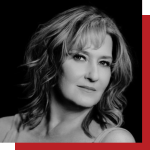 Ramona Long, along with her husband Brian, own Money Pages marketing agency here in northwest Georgia. Prior to entrepreneurship, Ramona spent 25+ years in the realm of educational leadership. As a Money Pages franchise owner, she has expanded their corporate national footprint to a direct mail presence of over 220,000 premier homes here in metro Atlanta area and work with hundreds of locally owned companies throughout the state and beyond with their digital, streaming television, and programmatic radio options to help quality locally owned businesses connect with their communities to grow their businesses.
Money Pages of Northwest Georgia has also given Ramona and Brian a vehicle to give back, as they sponsor many local community events, donate to community churches, and feature Atlanta Community Foodbank monthly as just one of their charity partners. They are proud to have been recognized as a Best of Cobb business for the past 7 of their 8 years in business, and thankful to have been awarded a Best Of Georgia Marketing Firm Status for the past 3 consecutive years.
The goal of Money Pages is to provide affordable, high quality multi-channel marketing to local business owners. A marketing review is always complementary with no high pressure sales tactics. It is a partnership. Ramona is committed to the stewardship mindset and is grateful for the trust her partners place in them; the Money Pages team is ready to help your business grow to the next level!

 Diamond Ford is the founder and CEO of Don’t Touch My Hair by Hollywood®, a luxury salon management company serving senior living communities throughout Metro Atlanta. A licensed Master Cosmetologist and certified trichologist, Diamond founded the company with a vision of transforming beauty services for seniors into meaningful experiences centered around dignity, wellness, and human connection.
Since launching the company in 2016, Don’t Touch My Hair by Hollywood® has become known for creating elevated Old Hollywood inspired salon environments inside independent living, assisted living, and memory care communities.
Through music, conversation, sensory details, and personalized care, the company focuses on creating experiences that go far beyond hair appointments. Diamond’s work is heavily influenced by the growing field of NeuroArts and the belief that beauty, creativity, storytelling, and cultural engagement can positively impact emotional wellness and quality of life for aging adults.
She is also deeply passionate about training and mentoring stylists in the specialized niche of Senior Beauty Care™, helping beauty professionals understand the unique emotional, physical, and relational aspects of serving the senior community with compassion, patience, and excellence.
As Don’t Touch My Hair by Hollywood® approaches its 10 year anniversary this September, Diamond remains committed to celebrating the professionals, caregivers, and community partners who dedicate their lives to enhancing the lives of seniors every day.

 RJ Patel is the Founder and Visionary of pct Clean and pct Janitorial. His mission is to elevate awareness of Cleaning for Health, not just appearance, helping organizations and individuals understand the vital role that proper cleaning plays in protecting health, improving well-being, and enhancing quality of life.
A recognized leader in the cleaning and infection prevention industry, RJ travels nationally and internationally educating organizations on Infection Prevention and Cleaning for Health principles through the standards established by the Global Bio-risk Advisory Council (GBAC).
RJ earned dual degrees in Management and Marketing from Kennesaw State University. Throughout his entrepreneurial journey, he has either founded, acquired, developed, or managed six successful businesses and ventures.
His diverse experiences include owning and operating a hotel, coaching soccer at the highest levels of youth (ODP-Olympic Development Program) and amateur competition, opening and managing a restaurant, developing and managing an 18,000-square-foot retail center for more than 15 years, designing and building his dream home, launching a residential and commercial cleaning company in 2003, and founding Business Coaching Cleaning in 2021.
His commitment to leadership, service, and excellence has earned numerous honors throughout his career, including:
- Kennesaw State University Student of the Year 1985
- Georgia Youth Soccer Association Coach of the Year 1989
- United States Soccer Federation Coach of the Year 1990
- Cobb County Citizen of the Year 2004
- Heroes and Legends Award from the City of Kennesaw 2005
- Business of the Year Award 2015 for pct Clean, presented by the Kennesaw Business Association
RJ currently serves as President of the Atlanta Southeast Chapter of the One World One Family Foundation, an organization dedicated to improving lives through initiatives focused on nutrition, healthcare, and education.
Born and raised in London, England, RJ has called Cobb County, Georgia home since 1978. He and his wife, Asha, have been married since 1986 and have proudly raised two children through the Cobb County School System, both of whom have gone on to build successful careers and lives of their own. 
Outside of his professional endeavors, RJ is an avid soccer enthusiast, passionate gardener, and lifelong learner. His greatest passion remains helping people and organizations create cleaner, healthier environments where families, employees, customers, and communities can thrive.
 Asha Patel is the Co-Owner and Chief Financial Officer of pct Clean and pct Janitorial. Since the company’s founding in 2003, she has played a critical role in the growth, financial management, and operational success of the organization.
Her passion for service excellence, fiscal responsibility, and building strong relationships has helped establish pct as one of North Atlanta’s most respected residential and commercial cleaning companies.
Asha earned her degree in Accounting and has dedicated her career to helping organizations achieve financial stability and sustainable growth. Throughout her professional journey, she has successfully managed accounting, human resources, payroll, budgeting, strategic planning, and business administration functions across multiple business ventures. Her attention to detail, commitment to integrity, and ability to build strong systems have been instrumental in supporting the company’s long-term success.
As CFO, Asha oversees all financial operations for pct Clean and pct Janitorial, ensuring that the organization remains focused on responsible growth while maintaining exceptional service to clients and opportunities for team members. She is also actively involved in mentoring employees, supporting community initiatives, and helping shape the company’s culture of trust, respect, kindness, and accountability.
Beyond her professional accomplishments, Asha is deeply committed to family and community service. She has been married to RJ Patel since 1986, and together they have raised two successful children through the Cobb County School System. She enjoys spending time with family, traveling, gardening, supporting charitable causes, and contributing to projects that improve the lives of others.
Asha’s leadership, compassion, and dedication continue to be a driving force behind the mission of pct Clean and pct Janitorial: creating cleaner, healthier spaces where families, employees, and businesses can thrive.
One World One Family Foundation
Episode Highlights
- Local business ownership and entrepreneurship in Woodstock, Georgia
- Transition from education to business ownership
- Marketing strategies and community support through local businesses
- Stewardship philosophy in business management
- Importance of personalized and results-driven marketing services
- Unique business models catering to specific demographics (e.g., seniors)
- Emotional and relational aspects of service-based businesses
- Health-focused cleaning practices and their significance
- Philanthropic efforts and community involvement by business owners
- The interconnectedness of business success and community well-being
 This transcript is machine transcribed by Sonix.
TRANSCRIPT
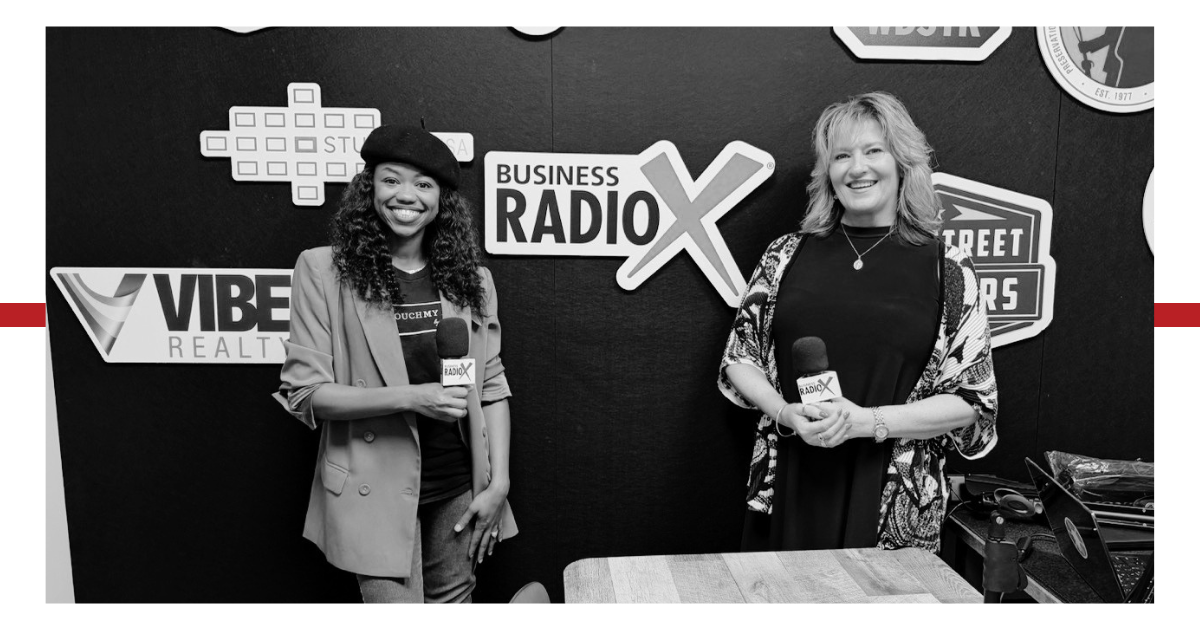
Intro: Broadcasting live from the Business RadioX Studios in Woodstock, Georgia. It’s time for Cherokee Business Radio. Now, here’s your host.
Joshua Kornitsky: Welcome back to Cherokee Business Radio. I am Joshua Kornitsky, professional EOS implementer and your host. Before we get started with our full house full of guests, I just need to let you know that today’s episode is brought to you in part by our Community Partner program, the Business RadioX Main Street Warriors defending capitalism, promoting small business, and supporting our local community. For more information, go to Main Street warriors.org. And a special note of thanks to our title sponsor for the Cherokee chapter of Main Street Warriors Diesel David, Inc. please go check them out at diesel, david.com. All right, let me introduce Ramona Long. Ramona is the owner of Northwest Georgia’s Money Pages. She’s a franchisee who her exact franchise has won the last three years, best in Georgia for marketing firms. Not only does she serve the local community, but she herself is a long time advocate for all of the locally owned businesses. But before she became an entrepreneur, Ramona spent years in education, including special ed educational leadership and then virtual learning initiatives. Welcome, Ramona. It’s really exciting to to have you here and to talk about all of the wonderful work you do.
Ramona Long: Thank you so much for having me.
Joshua Kornitsky: So let’s begin at the beginning. Tell us a little bit about your journey that got you to this place.
Ramona Long: Okay. Um, so I’m going to go way back to why I got into education in the first place. Um, one of my best friends had an older sister who had cerebral palsy and I am older. So back in the day, if you had cerebral palsy, they put you in the basement room next to the boiler and you never saw them, like they just weren’t in class or whatever. And, um, the year that I went into second grade, she went into fifth grade and they got a new special ed teacher who was this young dynamic lady who all of a sudden these kids were in the lunchroom and on the playground. And even though my, my friend’s sister was in a wheelchair, she was on the playground playing kickball. That teacher put the ball in her lap, let her roll it, pushed her around the bases, and it was great. And, um, I just always enjoyed school, loved it, and really wanted to do something impactful with my life. So I decided I wanted to go into special education, and I had seen the difference that it made in their family. When I went to their house. On how everything just changed when she was included in Part of Everything. And at the end of her high school career, she was class valedictorian. That’s amazing. This is amazing.
Joshua Kornitsky: Absolutely.
Ramona Long: So I was like, that is the kind of change I want to make. So I got into that and I did that for 27 years. Um, pretty much held just about every position you can think of in education besides superintendent and principal. Um, because my first job out of college was working for the government overseas running their youth services program. Spy. Yeah.
Joshua Kornitsky: Uh, no, just kidding.
Ramona Long: I tell my step kids I was part of the FBI, so that’s how I always know what they’re doing.
Joshua Kornitsky: Nice.
Ramona Long: They just don’t realize that my, my, my kids have them on social media. But anyway, um, so I got into that and did that for a very long time, helped launch the first public K12 virtual online school. Um, all of this up in Massachusetts. And then my husband got a promotion to be a national director for Coca-Cola. So we moved down here to Georgia. Um, we’ve been here nine years. Absolutely adore it here. Absolutely adore it. Um, there’s some people in the room that actually, when I got into entrepreneurship were so supportive to us as people, um, you know, as new business owners, uh, Asha and RJ Patel, You’ll talk to them later.
Joshua Kornitsky: Don’t give away the ending.
Ramona Long: Oh.
Joshua Kornitsky: I’m sorry. No no no no.
Ramona Long: Spoiler alert. Um. But then when I. So when I moved down here with him, obviously I decided to go back to being just a classroom teacher with those air quotes there, because there’s no such thing as just a classroom teacher. Um, and really early in the school year, my dad had a stroke and needed care. So I resigned and took early retirement. And I needed, um, a new venture that was going to take all of what I’d spent my life in terms of really looking at my life as a stewardship. And the whole concept of it takes a village, as cliche as that sounds. That’s my thing.
Joshua Kornitsky: It’s not a cliche. It’s a fact.
Ramona Long: It is. It really is. And, and for me, um, I looked at a gazillion and one different franchises and I came across money pages. And what I really love about it is it’s helping communities save and businesses grow. My dad was a small business owner. My husband’s dad was a small business owner. Um, and the people in the room there. They’re the ones who provide the scholarships and and support the Little league teams and the band trips and all of that. We drive that local economy. And to that point, I’ve literally never bought anything online because I staunchly support local. So when I found Ellen Worley, who is our corporate founder and CEO and just an amazing Christian man, um, and saw what he was doing with marketing, um, I really liked it and embraced it and realized that this was a path that I could take that would help me continue being impactful in my community. Um, with, with quality marketing for locally owned and operated, licensed and insured quality businesses.
Joshua Kornitsky: So I mean, it sounds like money just kind of spoke to you on a spiritual level and on a family level and on a community level.
Ramona Long: Yes, it really did. Um, I try and look at my life, um, and shout out to Ken Jocelyn at the create conference for really kind of helping me focus this at this point in my life. But I look at my life in terms of faith, health, relationships, business and finance from a stewardship mindset and, um, you know, when people engage in marketing, there’s no guarantees, but they need a partner that they can trust who isn’t just going to take their money. Because having grown up as a child of a small business owner, every penny out of that business comes right off your family table or the tables of the people you employ. And if it’s not working for you, you shouldn’t be working with us. That’s our mindset. So we are very transparent about what we do, how we do it. We track our results. We communicate regularly with our clients because we want them to grow, because they’re the ones pouring back into our community. So if our local businesses are healthier, our communities are healthier, which means our schools are healthier and our children have more opportunities. It’s just a ripple effect. So I really love that opportunity to get to help people realize their dreams.
Joshua Kornitsky: You are not the average marketing mindset. You are not. And that’s a compliment. Thank you. You you keep using a word or you’ve used it a couple of times. And when we spoke earlier, you mentioned this word. Would you help us understand what you mean by stewardship.
Ramona Long: Well, you know, we all own businesses, so we are business owners. But there’s a bigger purpose to what we’re doing. Stewardship is a little different than ownership because ownership means I have it. Stewardship means that I am intentionally and carefully protecting and growing our assets and our resources and the environment. All of those things, not for myself, but for my employees and the next generation and the community at large, because we all have a finite amount of time here. So my thing is, I want to be impactful and do good and leave a legacy that can continue, not just make money for myself. Clearly, I never wanted to be a gazillionaire. No one goes into education who wants to be rich. So that was never my life. That was never my life goal. Um, but I look at it that way. Like now we’ve grown enough that we have employees. You guys have employees. Their families depend on us. So if I’m not stewarding my business. Well, I and I’m not stewarding my employees well. Um, then my business isn’t going to do well if I don’t steward my partnerships well. Um, you know, at the end of the day, we all done marketing, myself included, as a business owner. And not everything is something that flips the switch the way you want it to, right? Sure. So that’s when we pivot and regroup and refocus. And that’s the thing that I look at. Like I don’t look at a contract and say, but you signed on the dotted line. I look at the business owner and say, am I meeting your needs? And if I’m not, let’s, let’s pivot and figure out what that means. And sometimes that’s a different service with me. And sometimes that’s a referral to someone else. And that’s what we do. And sometimes we say no to people. We’re not a fit for you because that’s the right thing to do.
Joshua Kornitsky: It sounds like a really collaborative approach to doing business, but but I have to just jump back to stewardship for one moment to, to it reminds me of the quote that I will uncertain that I will certainly get wrong, but it’s essentially the planting of seeds for trees, for whose shade you will never have the ability to enjoy. Right?
Ramona Long: Absolutely.
Joshua Kornitsky: And that speaks very much to a mindset that I think leans into your values as a business owner and as an EOS implementer. Values are something that that are pivotal. A core pillar of EOS is understanding who you are, because that’s the only way you can make sure that you’ve got people working for you that align to your beliefs and beliefs for clarity’s sake, are core values are the guiding principles that you run your life and ideally your business on. So would you say that they are part of the way you take your approach to running your business?
Ramona Long: Absolutely. I mean, we came into money pages and of course, they have their own mission statement and core values. But then beyond that, as a franchise that is in a different state because our corporate is down in Jacksonville, Florida, um, we have our own little culture. And, um, it’s interesting that you bring that up because for us, we’re eight years in now and we’ve been the number one franchise last three years and all of that stuff. So it’s pretty great. But along the way, we’ve had our challenges. Um, hiring has, has been the biggest struggle.
Joshua Kornitsky: I think that’s a universal one these days.
Ramona Long: And then, um, I went to, um, Ken Jocelyn’s create conference several months ago. Um, and I got the opportunity here and I’m going to forget his last name, but his first name is Horst and he’s this tiny little German guy that founded everything Ritz-Carlton from the hotel standpoint. And he talked about that and he talked about shifting your mindset. If you’re really going to be a steward of your business, from hiring for function to hiring for purpose, and really getting people to understand what is the purpose beyond your mission statement and whatever, what is the purpose behind what we do? Why do we do what we do? Um, and for us, it’s, it’s, it’s to drive that local economy. It’s to help our friends and neighbors who have dreams like we do, of just doing a good job with a service they love for their friends and neighbors and their community. That’s, that’s kind of what it is. And finding those people, especially when you’re hiring for sales, who respect and understand that and value that as much as we do so that they protect how Alan Worley, our founder, down to us as the new local owners, really want to do business. We don’t sell services to people who aren’t going to get the results that they want. Um, and making that shift and really recognizing that they come to us with a purpose for their own life. And how does their purpose and their life get served by what we do and offer to them as an employee and being very mindful of, of pouring back into them so that whatever we do is helping them fulfill their purpose. And it has made all the difference. We have amazing people. Um, Sean Rayburn has been truly such a blessing. I can’t say enough wonderful things about that man and what he has contributed to the growth of this company here in northwest Georgia. Liz Pearsons joined us. Frank Lillig joined us. My daughter Brittany actually does the books for us. She’s amazing.
Joshua Kornitsky: I love how you’re calling out your whole team, and I think that’s great.
Ramona Long: I have to because and to shout out to the corporate people down there. I talked to Alan probably 1 or 2 times a week as the corporate founder of everything Money Pages, which is pretty much unheard of in a franchise model. He’s wonderful. And they have, um, shout out to his wife, Kristen, who runs Money Pages Foundation. Philanthropy is a huge part of what we do and was a key selling point for me when I chose this business. So, um, but yeah, and that all kind of feeds into purpose and stewardship. I know I’m sitting in a room with people who do unbelievable amounts of things for the communities that they serve as to. So, um, I’m trying not to try and be a little humble because in the in the shadow of these amazing people, it’s pretty great.
Joshua Kornitsky: The, the, the most amazing thing of all is that it’s. And I say this with, with purity in my heart, it is not a competition. Let’s all help somebody and it all works out. But now I want to press you on something that’s really important.
Ramona Long: Okay.
Joshua Kornitsky: Tell us who money pages helps. Oh, other than our local community, obviously we want to make sure that that anyone that’s listening to this understands what it is you’re offering and, and in what ways you can help them or their business.
Ramona Long: Well, from a business standpoint, um, for a direct mail piece, we mailed to 220,000 premier homes across Kennesaw, Acworth, Woodstock, Roswell, Powder Springs, Marietta and Alpharetta. Um, we’re larger than Homag now in the metro Atlanta area.
Joshua Kornitsky: Congratulations.
Ramona Long: So we have a direct mail magazine with flier and postcard options. Um, for those people who are doing anything direct mail in those towns, Please contact me, I promise you. My design team has been doing this for 27 years. They’re amazing and we are the most cost effective way. Even more cost effective than EDM because we do all the work for you. And we’re.
Joshua Kornitsky: Acronyms are bad for people that don’t know what they mean.
Ramona Long: Edm. If you’re a business owner, you know, maybe you know what it is. It’s the you go to the post office and you do your direct mail pieces on your own. Okay. And people think, oh, that’s a great deal. And that’s all well and good. Or they see the Facebook, oh, five cent postcards. Yeah. Well, that’s not including your design. That’s not including your paper. That’s not including the shipping to the post office. It’s not including your postage. And by the time it’s all said and done, they’re way more expensive and option than what we are. And you get somebody who’s doing all of that for you for less. So there’s that piece of it. We are a full service marketing agency, so we can do anything other than billboards. Um, but what I have found our sweet spot as a franchise is, is that direct mail piece, our OTT streaming television, because Metro Atlanta’s live radio is really expensive to buy into.
Joshua Kornitsky: I know that from my past life.
Ramona Long: Yeah. So streaming television is a great option and we do that incredibly well. And also to we’re one of the, even though we’re not one of the larger marketing firms in the nation, we are one of the top in targeted display digital advertising. So we do that. Those are those pop up banner ads. It’s kind of that stalking marketing. So when you’re shopping for shoes and then next week you’re looking for a restaurant, those shoe ads are following you. That’s us.
Joshua Kornitsky: We call that personalized.
Ramona Long: Yeah.
Joshua Kornitsky: Personalization.
Ramona Long: Yeah. Personalization is very custom. Um, and we actually can do our digital services for anybody across the nation. So myself as a franchise, we were blessed to be able to partner with angry Crab Shack, um, corporate headquarters, Christian Brothers automotive corporate headquarters, and a few others. So if you’re looking for somebody who really wants to sit down and learn about your business, learn your goals and give you advice about what next steps should be in marketing, that’s us. It’s always a free conversation. And at the end of it, if we’re a fit, great. If we’re not, let me tell you who you can talk to. So it’s just our mission to help.
Joshua Kornitsky: Are there certain size organizations that you are better suited to serve? Because, you know, the community has a lot of solopreneurs, and a solopreneur may or may not always be a good fit for the type of service you’re offering.
Ramona Long: Well, our digital services tend to be more for those businesses who’ve been around three plus years, maybe have, you know, ten employees plus. Um, and then huge because because Christian brothers National huge. Sure. So the digital services are great. But for your solopreneur, the direct mail is really a great entry point to be able to put yourself in front of homeowners. Um, and unlike a home, eg, we work with all industries. So we have hair salons and pet groomers and restaurants. Um, we actually are so blessed that we have, um, a subsidy from our Christian corporate owner to be able to offer really great rates for restaurants because let’s face it, a roofer gets one roof. His marketing’s paid for for the year, but the restaurant guys are really struggling right now. So those of you listening, please look it up. And if it’s not a locally owned franchise restaurant or a locally owned restaurant, please don’t go to the big chain stores. They don’t need your business the way your local owners do. And I promise you, having been in the restaurants and eaten at all the ones we feature, you want to you want to support the local guy. You really do. So please do that. But so restaurant owners, pretty much anybody. And quite frankly, if you’re listening and you aren’t sure if we’re a fit, I promise you, if you’re not a fit for us, I’m going to tell you how you can get your business going with somebody else or some other marketing stream because we’re, we’re called to help one another. And that’s, that’s what we do every day.
Joshua Kornitsky: I love that philosophy. So let me let me ask you this then what are some of the common mistakes or assumptions people make about marketing so that when, when they sit down with you? And let me preface this by saying, I grew up in the automotive industry and in the car business, people sit down with the phone book, which that’s a directory for those of you who don’t know. Of all the numbers in the local area, people would sit down with with a large list of preconceived notions. And I’m very pleased to say that having grown up in the car business with my father raising me, he taught me that you could make a fair profit and people would come back to you, or you could make an enormous profit and you’ll never see them again. When he passed, he was selling cars to the grandchildren of people that he sold them to initially because he treated people fairly. But when people show up to that meeting with you, regardless of their size, what are some of the assumptions that they come in with that are that may not be correct.
Ramona Long: Um, I think one of the things that people automatically say, and I hear this all the time is, uh, direct mail doesn’t work anymore. Um, so that’s the first assumption they make. And I will say very little known fact. Direct mail is a larger industry than the automotive and gas and oil industry in this country.
Joshua Kornitsky: Wow. Huge.
Ramona Long: Yeah. It’s a huge industry. Um, and we have people who are on R&D team that do research and all that. And, um, some of the interesting things is the millennials actually trust direct mail more than any other form, like when digital first came around. And we do digital and digital has its own, like each marketing has.
Joshua Kornitsky: Its.
Ramona Long: Own channel, has its own place and its own purpose and its own strategy. Um, but from a direct mail standpoint, it is your most affordable entry point for call to action marketing you can get. Um, and it really does work. I, I have called tracking it’s trackable. So like in our magazine, the phone numbers that you see are called tracking numbers. I can hear recordings and I do, I listen to them and I do data analysis across my industries and by client to know how are they doing? What are we seeing? What are the trends we reevaluate every month? What, what did they get calls about in regards to the offers? Um, it’s very custom. So they think that it’s just sort of like bulk junk mail and it’s really just not, it’s, it’s an opportunity to tell your story. Um, they also think that marketing can be like a one off. I just want to do one month. Um.
Joshua Kornitsky: Sure. That’s an effective strategy.
Ramona Long: My business owner friends are all laughing because they know that there’s no there’s no silver bullet in marketing. There’s not. Um, and they also expect that there’s guaranteed results. And I will say, if anybody who’s talking to you about marketing sits down across from you and guarantees you anything, they’re not being honest. They can’t. Um, I tell people all the time, short of opening up the safe and busting out my Glock and breaking into somebody’s home and holding it to their head and saying, hey, call PCP cleaning, get your house cleaned. I can’t guarantee a phone ringing. I can.
Joshua Kornitsky: And even then, they’re probably not going to give a great Google review because the lady with the gun.
Ramona Long: Exactly. Exactly right. So.
Joshua Kornitsky: And you’re gonna pay for it somewhere.
Ramona Long: That’s an extreme thing, obviously. And I’m just trying to be a little funny.
Joshua Kornitsky: But.
Ramona Long: But they do expect that there’s going to be like, guarantee me results. And that’s just not a reality of marketing. And that’s why we at Money Pages meet monthly because we’re not letting it go. Six months and you dumped all this money and it hasn’t been working. Like every month we’re talking so that we’re pivoting and changing strategies and tweaking things until we find that sweet spot that’s getting you the results that we that we wanted. So they come in thinking it’s just all about price and it’s just a package, but it’s all really very custom.
Joshua Kornitsky: So it’s, it sounds like it’s a tailored experience. It’s definitely not a one size fits all. Yeah. So second to last question, if you want anyone to remember something from what we’ve talked about today, what would, what would the one thing you’d want to kind of stick with them?
Ramona Long: Um, I think for me, it would be, remember that you are the steward of your life. You are the steward of your own faith and your own health, which needs to come first. Because if you aren’t right with yourself, you’re not 100% for those people counting on you in your life. Um, and then next Relationships are the most important thing. We are not transactional or very relational. And be careful with the relationships in your life because you can always make more money, but you can’t make more time. So use that time in your relationships wisely. And then when it comes to business and finance, um, I can help you with that. So remember Ramon, along with money pages, if you want to grow your business from a business finance side.
Joshua Kornitsky: And that’s the last question, how do people get in touch with you?
Ramona Long: Um, well, you can go to our website, you can call the number from our magazine, or you can email me Ramona dot RAMONA. People spell it like Romano cheese a lot of the time, uh, dot long@pages.com or, um, just give me a call.
Joshua Kornitsky: And we’ll publish those links. So the people that were scrambling to get a pen will be able to, to, to get to those. Uh, Ramona, thank you so much for sharing your perspective. Um, for sharing your philosophy and for sharing your, your willingness to collaborate and work with people because it is so much more that you carry, uh, than just making profit for your company. You do help carry the community and that makes an impactful difference on everybody.
Ramona Long: Well, um, it is event season. And as you know, people who are big on philanthropy, we sponsor a lot of community events. So if you see that blue money page’s tent somewhere, come on over and come say hi to me and the team. Um, we always have some free stuff to give away, and we get to chat about our local business partners and tell you about some good people. And, um, and if you’re listening to and you just need something for your life and you’re not sure who you can call to trust, trust me when I tell you I’ve got a quality locally owned and operated business that I can put you in touch with. So call me for that too. Um, I learned really early that as much as it takes a village to raise a child, takes a bigger village to grow a business. And, you know, if you’re just a community member, please support local. It’s not a hashtag. It’s a lifestyle.
Joshua Kornitsky: Absolutely. Well, thank you again. Ramona Long, the owner of the Northwest Georgia Money Pages franchise that has won the last three years. Best in Georgia marketing excuse me, best in Georgia for marketing firms. They serve the local market. Ramona herself is a long time very clear advocate for locally owned businesses and with an extensive background in education. She clearly has a level of patience working with individuals to help them better understand how they are best served.
Ramona Long: Absolutely, and thank you so much for for inviting me. I really appreciate the opportunity to be here, Josh.
Joshua Kornitsky: It’s a pleasure to have you. Thanks. My next guest, I am thrilled to introduce. And if you can hang around with us for a little while, Ramona, I’d love to have you. Here is Diamond Ford. Diamond is the founder and CEO of Don’t Touch My Hair by Hollywood, a company providing luxury beauty services within senior living communities. What began as a career in cosmetology evolved into a mission driven business focused on dignity, connection and creating meaningful experiences for older adults. Welcome, Diamond. I’m so happy to have you back in the studio. Welcome. I messed up the first time you were here, and I. We won’t go into that. Other than I am. I am grateful to have you back. And and, um, you know, your story is everyone’s story is obviously unique, but your story in particular really stuck with me. Would you kind of share, would you mind sharing with us the path that got you where you are today? And, and then we’ll talk about what we do, what you do, and where we’ll go with that.
Diamond Ford: Sure, sure. And, and first, I want to say that, um, you know, there are no mistakes and everything happens the way it’s supposed to. So you know, this this is the way it was supposed to be. And so I am very happy to be here with you this morning. Um, and so yeah, I’m Diamond Ford. I’m originally from Detroit, Michigan. Um, I grew up around seniors my entire life. I was kind of like a little granny as a little girl. Okay. Um, my mom passed when I was two years old from breast cancer. Oh, wow. And so, yeah, she was really young, 26 years old. And so I stayed with my grandmother. And so I stayed with my grandmother, and I stayed with my father. And my grandmother still had her mom living and her grandmother living. Holy cow. So that was five generations. So yeah, so I grew up around my grandmother, my great grandmother, all my grandmothers, aunts. And so really just had that village around me my entire life. Um, and so, you know, I came to Atlanta in 2007, um, went to cosmetology school at Paul Mitchell, um, you know, worked in a lot of different type of salons. Um, eventually turned my condo into a salon because. Oh, wow. Let’s face it, you know, when you’re trying to build a clientele, it’s really hard. You know, boyfriend is expensive. You work in commission based salons. They may just close down. Just different things were happening. So I turned my condo into a salon, and one of my clients who had been coming all of the time, never talked about what she did for a living one day said, hey, you know, I’ve just been watching you and you know how you interact with us and how you have this thing set up. How would you feel about managing a salon in a senior living community? Never heard of that, right? Didn’t know that salons.
Joshua Kornitsky: I would not have thought myself.
Diamond Ford: Inside of senior living communities. Right. She had that salon for 17 years. She said, how would you feel about managing it for me? So I thought about it, I agreed, I managed it for her. She retired. Um, I got the contract at that particular community. A year later, a corporate reached out and offered me a second contract, and I kind of just kept it going from there.
Joshua Kornitsky: Wow. So so tell us specifically, what are the services that you’re offering and where are those services being offered? I mean, you’ve sort of laid the groundwork, but just so that there’s full transparency Because I know when we first met, I misunderstood.
Diamond Ford: Yeah.
Joshua Kornitsky: So what are the types of services that you’re offering?
Diamond Ford: So we are a full service beauty salon. So full service, meaning we provide everything that a traditional salon, a brick and mortar would provide. That’s color cuts, permanent waves, nails, everything. Um, so the only difference between us and your traditional salon is that we are only located inside of senior living communities.
Joshua Kornitsky: That’s the piece that I wanted to make sure that we got on record, because I care for my wife and I care for my mom, and that my first thought was great. Yeah. You know, but I understand why you you probably don’t make house calls or you don’t make house calls because it really too many variables in that environment. Um, and how many senior living facilities are you in?
Diamond Ford: So we are in five communities right now. So shout out to our partners at the Piedmont, Buckhead at Hardee’s, Buckhead, Sullivan House, um, charter Vinings. Uh, Dunwoodie pines, which, uh, with sunshine. So yeah, we love our community partners, um, and growing.
Joshua Kornitsky: Well, so let’s talk about the, the types of services you said more and forgive my lack of knowledge, but I’ll go with a full salon experience as, as a summary. Yeah. In a full salon experience, working with the type of clientele that you and your teams are working with, uh, that must present, let’s say some interesting challenges.
Diamond Ford: Um, a little bit, but it’s, it’s really not much different than your traditional salon. I mean, when you think about, you know, children get their hair done, everybody gets their hair done. Sure. It’s a haircut, right? So the only difference that you may see is maybe the mobility piece. Um, and so of course, if you’re in a wheelchair, we’re able to accommodate that. Um, but other than that, you know, our, our stylists are trained, um, we do train them in-house, so they’re already licensed cosmetologist, but we train them specifically in what we call senior beauty care and senior beauty care consists of not only how to style their hair, but how to assist them. So we’re not lifting them right, but we’re able to assist them from maybe, um, with their walker into the salon chair, you know, and then aside from that, we’re also training our stylists on, um, what we call the journey of care, meaning how to emotionally interact, how to deal with, you know, them moving in and out or even passing away. Right? Because when you think about the relationship between, um, a hairstylist or a barber and their, in their client, it’s a really close relationship. Um, actually people say that. Yeah, even higher than, you know, a bartender or a, uh, or a.
Joshua Kornitsky: You’ll say things you wouldn’t say. Right?
Diamond Ford: Right. Yeah. People have really close relationships and they, they, they talk about the things that they’re going through. And so it’s the same with our stylists and with, um, and with our, our residents. Um, you know, they build a bond with them and then all of a sudden, you know, they’re in rehab or all of a sudden their family moves them and you never hear from them again. So we also train and talk about that and how to emotionally deal with that and how to care for not only the residents, but for themselves and how to interact with, like we talked about with the CNAs, because they’re a very big part of the relationships. A lot of times they’re bringing them to their appointments, right? And sometimes they’re with them more than their own families are with them. So you know how to interact with them and make sure that we’re giving them what they want.
Joshua Kornitsky: Well, and, and in, in, to be specific, you had mentioned a word earlier and then I was able to use the same word when introducing you. I want to talk a little bit about what dignity means and, and how that plays into the work that you and your teams do. So what can you share with us about how how you respect the dignity of, of your older, your not patients, your older clients?
Diamond Ford: Yeah. So one thing that, you know, we’ve talked a lot about this morning is our core values. And one of our core values is heritage preservation, right? And so our, our clients have lived a long life. So one of the oldest clients that we have had recently turned 111, right.
Joshua Kornitsky: Holy cow.
Diamond Ford: 111 and she is fully, fully their cognitive.
Joshua Kornitsky: That’s amazing.
Diamond Ford: Full of life. Right. And she’s excited about life and she’s excited about learning.
Joshua Kornitsky: There’s there’s a lesson there.
Diamond Ford: Oh, yeah. And one of the things that I asked her, I said, her name is Peggy Cobb. I said, what was your favorite time period? And I thought she was going to say, oh, it was the 60s or it was. She said, right now. Right. Another lesson she said, right now it’s the most exciting time to be alive. And she was like, just look at everything and how the world has evolved. And you know what I mean. 111 years old. And so, you know. Yeah. And when, when I, when I think about the type of stylist that we look for, right? We look for people who are heart centered, purpose driven, right? So of course we all want to make money. Everybody has to make money. We want to make a living.
Joshua Kornitsky: Sure.
Diamond Ford: But people who are really heart centered and want to make a difference in the lives of people, right? And so when we talk about heritage preservation, it’s preserving these stories that these have, that they have, preserving these experiences that they’re able to share with us so that we can learn from them, you know, and pass that on. So that’s really important to us and to our mission.
Joshua Kornitsky: It sounds like you should be writing some of these down and you might have the makings of an amazing book.
Joshua Kornitsky: So what are some of the lessons you’ve learned along the way as as a business owner. Oh, wow. And that have helped you continue to grow because I think people can also benefit from all of our mistakes.
Speaker 5: Oh yeah.
Joshua Kornitsky: Or all of our wonderful opportunities that presented themselves. What are the things that a couple of things you might be able to share that made a difference?
Diamond Ford: Yeah. So one of my favorite books, um. Um, it’s called the E-myth.
Joshua Kornitsky: I’m very familiar with it.
Diamond Ford: Okay. And so the first five years I was in business, I was a solopreneur, right? And I had maybe one other stylist that, you know, would work with me or an assistant or something like that. But I had no idea the difference between being a solopreneur and becoming an entrepreneur when I decided to enterprise. So the last five years when we decided to, you know, expand and go into different territories and hire and train stylists, I said, oh boy.
Diamond Ford: You know what I mean?
Joshua Kornitsky: This is everything I thought is magnified.
Diamond Ford: Exactly. You know, and you talk about building systems and, you know, being able to duplicate yourself and learning how to delegate and, you know, and finance.
Joshua Kornitsky: Speaking my language.
Diamond Ford: Marketing and sales. Never thought of myself as a salesperson. You know what I mean? You know, when you’re a solopreneur, of course you have to sale. You have to market. But I never consider myself a sales person, you know? So just learning all of those different components of business, but really it’s really exciting, right? And I kind of became obsessed with founders and founders stories. And I just really love to hear them and to see, you know, their journeys and where it took them and the twists and turns because it’s all a lesson. You know, it really is. It’s all a lesson. And, and there are no mistakes. There are no mistakes.
Joshua Kornitsky: There’s an old expression. I don’t know where it comes where it came from, but you’re either right or you’re learning exactly right. You know, and if you’re right, that’s great. But there’s more value coming out of the learning that you’ve got going on.
Diamond Ford: Absolutely.
Joshua Kornitsky: Um, what do you where do you hope to go? Well, you know, what’s the goal as you continue to, to impact and, and get access to additional facilities? Do you have a longer term goal or dream?
Diamond Ford: Yeah, absolutely. So we definitely want to go nationwide. Um, we’re looking into the licensing model because, um, I, I want to be able to keep, um, the boutique small business functionality.
Joshua Kornitsky: Entrepreneurs dream.
Diamond Ford: You know what I mean?
Diamond Ford: But be able to, you know become big enough. But, but I really want to focus on and this is another one of our core values, purposeful partnerships, right? And so, you know, we may come across a community where it’s not a good fit, you know what I mean? Even if it’s a large community and it’s like, oh my God, yeah, there’s 400 residents here. We know we can really ramp up business. But what is their mission? You know, what do they care about? You know, do they care about, you know, being able to create different experiences for their residents? Or are they just trying to fill the space? You know what I mean? And so, um, one of the things that’s unique about our company is that we focus heavily on sensory experience.
Joshua Kornitsky: And let’s talk about that because because that is something very unique.
Diamond Ford: Yeah. So we focus on a, a full sensory experience. Our theme is old Hollywood. And everybody can kind of relate to that, right? So when you come in, there’s an experience that’s happening, you know, you’re going to hear the music of their time and that shifts, you know, that’s going to change.
Joshua Kornitsky: That’s a big mental impact.
Diamond Ford: Right? And you see the pictures on the wall. So you see all the old Hollywood stars and that shifts. And here’s a funny thing about that, right? So I was in the salon one day and one of the residents came in and she said, you need to update these pictures. They’re old. Right? And so we had like Clark Gable and Audrey Hepburn. And then she was like, we want to see Jane Fonda. She was like, we want to see Mick Jagger. So I immediately went and found, you know.
Joshua Kornitsky: Right. New posters.
Diamond Ford: That’s going to change. But what doesn’t change is that immediate feeling that you get when you come into the space, right? And one thing that I learned recently in our studies with neural arts is that music is the singular only thing that hits all of the neurons in our brains at once, which means music is something that you’ll never forget. So when we talk about our memory care residents, right. And we have a special, um, framework that we use when we work with our memory care residents, playing that music is really important.
Diamond Ford: Sure. You know what I mean?
Joshua Kornitsky: I can only imagine that it’s, that it triggers lots of different thoughts, feelings and emotions.
Diamond Ford: Memories and all of that. And you’ll be surprised. They may not recognize their daughter, but they know every word to that song I write.
Joshua Kornitsky: I can only imagine, but I’m just speaking from my own head. I am full of useless lyrics I don’t need. And if I could only scrape them out and replace them with useful things. Right. But I get your point.
Diamond Ford: Yeah.
Joshua Kornitsky: Um. As you look towards the future, what are you excited about?
Diamond Ford: I am excited about bringing this niche market to many lives, especially those in the beauty industry. People coming out of cosmetology school that are looking, trying to figure out what direction they want to go in. Um, and, and not just not just those coming out of cosmetology schools. Because really a lot of our staff that work with us are older stylists that may be semi-retired, but they still aren’t aware of this sector of the business. So we’re introducing senior beauty care to the market, and I’m excited about bringing that program into cosmetology schools and teaching, um, these, this particular niche of senior beauty care. I’m really excited about that.
Joshua Kornitsky: You have found, uh, the, the entrepreneur’s dream, you’ve found the untapped market and that’s fantastic. Now, for the sake of clarity, because anybody that’s going to hear this or that, you’re going to share it with, who is it that you need to connect with in order to continue to grow your business? Because as I falsely assumed or wrongly assumed, you’re not able to service people in their homes. So who, who is the person that’s best to, to either reach out to you or for you to connect with?
Diamond Ford: So stylist, we talked about hiring, right? Sure. So.
Joshua Kornitsky: Right. Absolutely.
Diamond Ford: So we definitely need stylists, like I said, who are, um, passionate and purpose driven and really want to make an impact and make some money too. Sure. Of course.
Joshua Kornitsky: Of.
Diamond Ford: Course. And then, um, sales directors, executive directors of senior living communities that would love to partner with us. We’d love to partner with you. We’d love to bring our beauty care experiences to your community. Um, and so yeah, anybody who is in the senior living space, um, we’d like to connect with as well, we’re also working on an initiative, um, um, called um, Stories in Motion and our Stories in Motion initiative is us collaborating with fine arts, um, establishments to bring those experiences into the community and also to take our residents out to places like the symphony and to the center of puppetry arts. Yeah. So any fine arts institutions that love to partner with us, we’d love to partner with you and bring our residents to you so that they can have this full experience.
Joshua Kornitsky: It sounds like you’ve got a lot going on.
Diamond Ford: I got a lot to do.
Joshua Kornitsky: That’s. Well, yeah. I think as as the poet said, miles to go before you sleep. Oh, yeah. Um, what’s the best way, Diamond, for folks to get in touch with you.
Diamond Ford: Um, so you can find me on LinkedIn. Diamond Ford. Um, the company Don’t Touch My Hair by Hollywood as well. You can find us on Instagram DTM hair by Hollywood, salon, Facebook everywhere. Don’t Touch My Hair by Hollywood.
Joshua Kornitsky: And we’ll make sure to share all of those links so that folks who need to get Ahold of you are able to get Ahold of you. Any final thoughts that you want to share?
Diamond Ford: Yes. Um, so my final thoughts would be to be conscious about what you’re putting out into the world, into the universe, right? Um, you know, people often say, or the famous quote would be, you know, they’ll forget what you did, they’ll forget what you said, but they’ll never forget how you made them feel. And when we are, you know, dead and gone, what you put out is what will linger. You know what I mean? And so, you know, we live in a spiritual world, you know, not to get, but we live in a spiritual world. And so what you’re putting out while you’re here, it’s what’s going to last, you know? And so yeah, just be really conscious about that and, and, you know, um, and love on the people that are around you.
Joshua Kornitsky: I think, I think that’s a very solid message. Thank you very much for, for coming in today and for sharing your perspective. Um, this guest is Diamond Ford. She’s the founder and CEO of Don’t Touch My Hair by Hollywood, a company providing luxury beauty services within senior living communities. Her career began in cosmetology, and clearly she is a rising star of an entrepreneur as she continues to build and grow her organization. Thank you again, Diamond, for joining us.
Diamond Ford: Thank you. My pleasure.
Joshua Kornitsky: Coming up next, I’d like to introduce RJ and Asha Patel. They are the co-founders of pct Clean & pct Janitorial. Beyond serving just clients with their cleaning business, RJ and Asha also support One World One Family Foundation, a global organization involved in humanitarian and healthcare initiatives around the world, and have had a massive impact here in our local community. We’ll get to that in just a little bit. But but let me start at the beginning and ask, first and foremost, what brought you two together? What brought you on this journey? And those can be two separate stories. Uh, how did we get here?
RJ Patel: How did we get here? My car.
Joshua Kornitsky: Ever the literalist.
RJ Patel: Yes, but did you know our marriage was arranged?
Joshua Kornitsky: I did not.
RJ Patel: Yeah.
Joshua Kornitsky: I wasn’t there.
RJ Patel: So how did we come together? Our marriage was arranged 40 years ago.
Joshua Kornitsky: So it seems to have worked out all right.
RJ Patel: Yeah, she got lucky.
Asha Patel: I would say so.
Joshua Kornitsky: She got something.
RJ Patel: No?
Joshua Kornitsky: Aww
Asha Patel: I did get lucky.
RJ Patel: No, I’m the lucky one.
Asha Patel: Very blessed.
Joshua Kornitsky: Okay, so now we know each other. What’s the next step in the journey?
RJ Patel: What’s the next step? That’s a good question because it was in probably fall is when we reflected because in January I turned 62. And so in the fall I’m reflecting back saying hon, I’m going to turn 62. She’s turning 60, which she did last Sunday.
Joshua Kornitsky: And happy belated to you both.
RJ Patel: Thank you. What are we going to do? Do we let our business go sort of status quo. Do we retire or do we take it up a next notch? And I think what did we decide to do?
Asha Patel: Take it up a notch.
Joshua Kornitsky: Okay. That’s right. That’s exciting to hear. Yeah. So let’s let’s talk about your business first, and then we’ll get into some of the other work that you guys do together. What’s the difference between PCT clean and PCT janitorial?
RJ Patel: Pct clean is house cleaning, home cleaning, and it’s focused on everything we do. Is cleaning for health.
Joshua Kornitsky: Okay.
RJ Patel: Not just appearance. So you’ll find and I hope that the consumers out there can differentiate.
Joshua Kornitsky: Well let’s educate. Okay. So what do you mean? Obviously cleaning for appearance is what my daughter does. Shove everything under the bed and in the closet and shut the door. That’s.
Asha Patel: There you go.
Joshua Kornitsky: And that’s exactly. I don’t pay her for that. But she does that.
RJ Patel: Yeah. And that’s the example I use because when we were growing up, our parents said, go clean your room. What did that mean? Go make these surfaces, including the floor and the bed. If you make the bed, you’re halfway there because that’s one of the biggest visual, um, things that you see in a bedroom, right. And then the floor is the second largest that’s visible. And if you just shove everything under or in a closet and remove a few pieces of rubbish, garbage. Right. It’s clean. But what did you do with the surfaces?
Joshua Kornitsky: Usually not a thing.
RJ Patel: Yes.
Joshua Kornitsky: Maybe dust them with the dirty shirt.
Asha Patel: Exactly.
RJ Patel: Exactly. So, um.
Joshua Kornitsky: You know, my mom’s going to hear this.
Asha Patel: Good.
RJ Patel: Good. And she’s going to scold you again.
Joshua Kornitsky: Um, yes.
RJ Patel: But cleaning for appearance and cleaning for health. It’s something that we teach our staff. We train these folks for two weeks on what cleaning for health is all about before they begin cleaning out their for our customers.
Joshua Kornitsky: So take us deeper when. Okay, you’ve clarified the difference. What do you mean by cleaning for health?
RJ Patel: Who here knows the definition of clean or cleaning?
Joshua Kornitsky: I ChatGPT on my phone does, but I mean, I would just say it’s an area devoid of mess, but that’s pretty vague.
RJ Patel: Cleaning is the process of keyword removing impurities, soil, dirt, bacteria from surfaces, and the environment.
Joshua Kornitsky: Okay.
RJ Patel: Now if you understand that definition and then we deep dive into that. And I was trained by an amazing infectious disease doctor. He’s a PhD from Australia. His name is Doctor Gavin McGregor Skinner. He is the executive director of Gbac Global Biorisk Advisory Council. Now this man is called by NATO. He’s called by President Trump during Covid. He’s the guy that trained me and my business partner, um, who’s in Chicago on how to clean for health.
Joshua Kornitsky: Okay.
RJ Patel: And because he trained us today, we’re able to go and train others, including our own staff.
Joshua Kornitsky: So has this always been a focus or was it as a result of that, in that interaction that that changed your mutual perspectives on the way that you execute your cleaning business?
RJ Patel: You know, it doesn’t matter whether it’s money pages, whether it’s hair salon, each business has to evolve over time.
Joshua Kornitsky: Sure.
RJ Patel: The evolutions take something that sparks you.
Joshua Kornitsky: Evolution followed by revolution.
RJ Patel: Right? And this was one of those aha moments for us where it literally hit me hard. I was in a conference with him and he said a few things and it just for some reason, right, there was a domino domino effect in my head about we should be doing boom, boom, boom, boom, boom. And that’s what I went with.
Joshua Kornitsky: And you took that immediately back into cleaning of homes.
RJ Patel: Correct. And cleaning homes, homes, offices, industrial manufacturing plants. Um, yeah.
Joshua Kornitsky: And at the risk of sounding silly on my part is how much of a key differentiator is that in, in the marketplace? Um, taking, and I’m making the assumption that if I’m a hospital or a medical office, I have a different understanding of cleaning as opposed to, you know, a real estate office, right? Or just even my own home. How, how much does that resonate when you explain, as you just have with us, how different that leaves the environment that your you and your staff are cleaning?
RJ Patel: There’s only one way. If I can show you the proof and we can scientifically show you proof, you. Let’s take this table. You clean one half of it the way you know how. I’ll clean the other half of it the way I know how. We’ll test it before with an ATP meter ATP. Yep.
Joshua Kornitsky: I don’t know what that is.
RJ Patel: An ATP meter is. And I don’t know how to say the name the scientific name, but it’s a meter that measures the level of bacteria.
Joshua Kornitsky: Okay fair enough. I didn’t know it was.
RJ Patel: That live on that surface.
Joshua Kornitsky: Okay.
RJ Patel: It was used, um, highly in the restaurant industry.
Joshua Kornitsky: That makes me feel that makes me feel very good. Yeah. Um, especially commercial reading.
RJ Patel: Um, but then it was developed for the cleaning industry as well.
Joshua Kornitsky: Okay.
RJ Patel: By Kikkoman and soy people.
Joshua Kornitsky: Really?
RJ Patel: Yes.
Joshua Kornitsky: Strange connection, but. All right.
RJ Patel: Yes. Um, and so we can.
Asha Patel: Do a before and after, right to, to show you the numbers, how, how they reflect on a before surfaces cleaned and then after.
Joshua Kornitsky: So is it some, and this is again, I’m asking from a place of, of wanting to learn, not just dramatically challenging. I mean, is it just wiping it down with bleach? Is it.
RJ Patel: Bleach?
Asha Patel: It’s all about a towel, a microfiber towel.
Joshua Kornitsky: Really? Well, I don’t need a super harsh, astringent chemical stripping of the wood.
Asha Patel: Nothing.
RJ Patel: Let’s focus on what you just said. I don’t need a super stringent chemical. So when you spray that chemical and you think you’re cleaning, what are you doing to the environment?
Joshua Kornitsky: Wrecking it.
RJ Patel: Didn’t we just say what cleaning is? It’s removal from surfaces and environment. So why would we pollute an environment thinking we’re trying to clean a surface?
Joshua Kornitsky: Because in all of my life I’ve been educated that I need to use certain sprays and chemicals to clean a surface. That’s that’s been the general education. As someone not in an industry. I don’t want to use brand names, but, you know, night kills 99% of the germs. If you spray it on there, it admittedly, with respect to Ramona, it’s very effective marketing. You know, because because I could tell you the name of the product, but you all already know it. Yeah, yeah, yeah.
RJ Patel: And we’re led to believe that. But when you truly understand the definition of cleaning and you dissect it almost word by word by word, and then put it all together. And that’s what we did to come up with our own training and teachings for not only our staff, but the other work we do around the world.
Joshua Kornitsky: Well, so let’s, let’s talk about that a little bit. Would you educate us on what One world, One Family foundation is.
RJ Patel: It’s a pleasure. So we have three verticals. Healthcare, education and nutrition.
Joshua Kornitsky: Okay.
RJ Patel: Okay. And anything we do within these three verticals, it’s free.
Joshua Kornitsky: Okay.
RJ Patel: Let that sink.
Joshua Kornitsky: In. I want to draw a quick line. We are talking about one world, one family foundation.
RJ Patel: Correct.
Joshua Kornitsky: Just for clarity. And it’s a global organization.
RJ Patel: Correct. We have a footprint in 100 countries.
Joshua Kornitsky: I just wanted to make sure anybody listening didn’t think that that PCT clean was going to show up and be able to support them from a nutritional perspective. Right. So you said so it was nutritional.
RJ Patel: Education.
Joshua Kornitsky: Educational.
RJ Patel: Healthcare.
Joshua Kornitsky: And healthcare. So let’s talk about what what does the organization do and for whom does it do it?
RJ Patel: So right now we have 10 million children that we feed breakfast to every morning in three different countries.
Joshua Kornitsky: Okay.
RJ Patel: India, Sri Lanka, Nigeria. Okay.
Joshua Kornitsky: Okay.
RJ Patel: And we want to grow that program, of course. Right. But when you’re doing it for free, you have to find strategic ways to partners, of course, partner with either local governments or federal governments, state governments, and to make this possible. Right. But we produce that mix. It’s a millet mix. We have a factory in a place called Muddenahalli, India. It’s just outside of Bangalore.
Joshua Kornitsky: Okay. And you’re producing what is what becomes the nutritious breakfast for those 10,000 children?
RJ Patel: 10 million.
Joshua Kornitsky: Oh. I’m sorry. 10 million. Forgive me. Holy cow.
RJ Patel: Right. So in the education line, we have about 28 campuses where we take these children. See, what happens is in rural areas, people don’t have the transportation, the mode, um, or the parents don’t have the my child can go to the city kind of a mindset, right? And so they want to keep them close. Obviously they’re protective. So we take that school and build it in their area.
Joshua Kornitsky: So that you’re not taking the children out of the community.
RJ Patel: Not too far from them. Right, right. Even though they’re separate because these kids live on campus, they’re not too far. Okay. So many of them, they live on campus. Many of them, they go back and forth, uh, home. Okay.
Joshua Kornitsky: Okay.
RJ Patel: But what did they receive? Number one, a great education, a values based education, not religion, not anything else values based. Because I think that’s one of those lost arts of teaching, right? You, you build a human being first, then that human being, a good one becomes whatever they want to do in life.
Joshua Kornitsky: Sure.
RJ Patel: Marketing, hair cleaning doesn’t matter. Right. But we all need to be good first. And so it’s values based education. We have close to 5000 students that we take out of these areas. And unfortunately, in some countries, including India, where, um, some of the girls are would never see these schools or these classrooms because they’re sold off or something happens. Right. And so our founder has found a way to go into these areas, bring them out of those areas, and promise to parents that their daughter or son is going to get a great education and be safe. Right. They they’re fed, they’re housed, they’re uniformed, and they’re educated for free.
Asha Patel: That’s because most of these kids may not have even had a, a meal before they go to school or even that opportunity to go to school.
Joshua Kornitsky: So and is it based on volunteer work as far as you know, where are the educators from? Where, where, where are you finding all of these children? I mean, obviously there’s no end to finding children in need, but in, in what mechanism is it just geographic? As you expand, you’re adding new areas where you’re offering.
RJ Patel: Mhm. I’ll give you an example of Clarksdale, Mississippi.
Asha Patel: In the U.S..
RJ Patel: In the.
Joshua Kornitsky: U.s., I’ve been to Mississippi and the divide is real. It is real, and I’m not throwing a stone. That’s just a fact.
RJ Patel: So Asha, myself and one of the leading people out of, um, India came with us. We drove to Mississippi from here. And, um, I promise you my first thought, I didn’t know what to expect.
Asha Patel: I’ve never been there.
RJ Patel: We had never been there. We hadn’t heard of the name of the town. Have you heard of Clarksdale, Mississippi? So there you go. Nobody has. But it’s one of the poorest areas in America, period. Okay, not Mississippi, America.
Joshua Kornitsky: I understand.
RJ Patel: And so why that is? Because what did Mother Teresa do? She went where people wouldn’t want to go. And she went and hugged people that people wanted to run away from.
Joshua Kornitsky: Right.
RJ Patel: And so our founder is the same way. He wants to go to places where people don’t want to be. And so when the three of.
Joshua Kornitsky: Us needs the greatest. Right?
RJ Patel: Exactly.
Asha Patel: That’s where the needs are.
RJ Patel: And so when the three of us drove in, I don’t think any of us said anything because we were stunned. And my thought, the thought that I had in my head was, did I just warp back to the 1970s?
Joshua Kornitsky: Well, I thought of the 1920s, my first visit to Mississippi, because there was no power. There was there was no water. There was no indoor plumbing. And people living there in lean tos. This is not everywhere in Mississippi. This is the most poverty stricken areas. And and it was shocking to me that this was here. Yep.
RJ Patel: To. So we we go there. We identify where we’re going to build this medical clinic. So then, you know, I took permission from, of course, my business partner, my wife, my everything, right. For 40 years. And I said, I’m going to go there. I stayed in a hotel there and built a, um, 2000 square foot medical clinic. And the local chamber of commerce gave us their building. And so we completely gutted and renovated into a medical facility.
Joshua Kornitsky: Wow.
RJ Patel: And, you know, a lot of times when you do God’s work right versus business, I’ve got business people in here. Sure. Right. And I know you probably say that defies logic, and it’s okay if you tell me that, but when you do God’s work, you don’t start with a budget. You start with a vision, right? And that vision is what does this clinic look like when it’s done? And so I’m a visualizer. So I sat there and said, okay, God, draw that picture for me because I’m having a hard time looking at this thing. And so he did. And then he guided me. And then we came up with the clinic. And then we’re like, oh, okay, this is what it cost. And that’s how we work. And everything was taken care of by people who have hearts, people who knew that I was over there doing this work and they would say, um, can I donate this much? Can I do this? Can I do? And I’m like, whatever you want to do, whatever your heart tells you to do, you do.
Joshua Kornitsky: And I presume that clinic is now up and functioning.
Asha Patel: Sure is.
RJ Patel: But the way it’s functioning. We have a doctor. She was in Augusta, Georgia. She got her license in, um, Mississippi. She wrapped up everything she was doing in Augusta, moved there, Purchased a home and moved there. Okay. We have a doctor who commutes back and forth from Anniston, Alabama. We have a doctor who wrapped up everything in Anderson, South Carolina. She moved there, purchased a home, and moved there. We have another doctor, doctor Jeannie. She’s a psychologist. She was in Portland, Oregon. She sold everything there. Moved to Clarksville, Mississippi. It’s. They’re calling. These doctors are working for free. So you asked me earlier how volunteers this that these these ladies are pure volunteers, but they’re pouring their heart into this community and taking care of those people.
Joshua Kornitsky: And do you know how many people it’s able to serve?
RJ Patel: We started with a two patient room clinic. We had to grow to a 12 patient room clinic.
Joshua Kornitsky: That’s I am. It’s a hard statement to try to rationalize. I am thrilled to hear that. I wish it wasn’t necessary. Does that make sense? It’s wonderful that you were able to expand to meet the need. I wish the need wasn’t so great. Um, but those are two mutually exclusive statements. Yeah. Um, so the.
RJ Patel: And the key thing, I think what I want to say, these amazing ladies that are their doctors in, in America, we say health care.
Joshua Kornitsky: Mhm.
RJ Patel: And I can honestly tell you sometimes the word care is left out of the health part. Um, these women put care into each and every individual. They don’t say, well, the previous patient had this, so you must have this because I was a victim of that. And so they look at this individual and really focus in on their family, what’s going on, their diet, the whole nine yards, and spend.
Asha Patel: As long as they need on each patient. Just because it’s free doesn’t mean, oh, I’m going to get you in and out.
Joshua Kornitsky: Sure. Because because I have an appointment with a doctor next week and he allotted me 15 minutes. Whatever my problem is, I get 15 minutes and that’s it.
RJ Patel: And you better not be late.
Joshua Kornitsky: No. Yeah. No. And I’ll have to pay a fee.
Asha Patel: Of course.
Joshua Kornitsky: Um.
RJ Patel: No. So where my work comes in is infection prevention.
Joshua Kornitsky: Okay.
RJ Patel: So that clinic, you can imagine the the demographic that comes into that clinic.
Joshua Kornitsky: Anywhere in the world, if you’ve got 12 rooms full of people that are ill, you have things you got to do.
RJ Patel: And children.
Asha Patel: Right.
RJ Patel: And how much you know, the number one way we transfer bacteria, germs, everything is this right here. And we don’t wash our hands that often. And when we do, we don’t really wash it the way it’s needed to be washed.
Joshua Kornitsky: Since Covid, I say the whole alphabet, I swear. Right. I do.
RJ Patel: Or the happy birthday song.
Joshua Kornitsky: Yeah.
Asha Patel: Either one. And the most things that are not even cleaned are the most touch surfaces. Switch plates. Door handles.
Joshua Kornitsky: Oh, yeah. Well, I’m still touching the faucet to turn it on. So how much good am I actually doing? Right?
Asha Patel: Yeah.
Joshua Kornitsky: Uh, that’s that’s an excellent point that that it’s the most common areas. I presume so where it just for clarity’s sake. So the one world, one Family foundation, if people wish to donate or help, do you know their website? If not, I’ll get it from you to make sure we can, we can share that information.
RJ Patel: You just said it. One world.
Asha Patel: One world, one family.
RJ Patel: Foundation.
Asha Patel: Foundation.
Joshua Kornitsky: Yeah.org.
Asha Patel: Dot org.
Joshua Kornitsky: There you go. Look at that. We we got there. But we’ll make sure to share that. But I, I want to force you guys to talk about something you are less comfortable talking about, which is your business. And it’s because you are um, gracious and caring and clearly putting the needs of others first. But if someone in in it’s important, right? Because if we’re talking about establishing values based education and we’re talking about establishing good people without intending to, you guys just proved you are very well aligned with the betterment of humanity. And a lot of people, as Ramona and Diamond both pointed out, seek to do business with those who care about others. So for a minute, tell me about picked clean and picked janitorial. Who do they serve? And if someone is interested, which should they call?
Asha Patel: We also serve the all of the areas, um, like Joanna mentioned, Kennesaw. Marietta.
Joshua Kornitsky: Um okay.
Asha Patel: Acworth. Um, Woodstock, uh, Cartersville up in here.
Joshua Kornitsky: So so northwest.
Asha Patel: Georgia. All northwest Georgia.
Joshua Kornitsky: And and RJ spelled out very clearly. You do work in homes.
Asha Patel: Homes and offices.
Joshua Kornitsky: And, and is that the division between the two or is PCT janitorial something else?
Asha Patel: That is that is the commercial side of it.
Joshua Kornitsky: Okay. And on the janitorial side, are there specific with with the focus on cleaning for health, do you have a specific medical or hospital focus there or you’ll service any business?
RJ Patel: We would just like on the home side, what we want on the home side are people that are busy, right? People that want someone they can trust. Right? This is my 49th year in Kennesaw.
Joshua Kornitsky: Holy cow.
RJ Patel: Yeah. I came here when I was almost 14. I was born and raised in England. Came here when I was almost 14 and I’ve been in Kennesaw for 49 years. I hope we have earned people’s trust. Right. And by the type of business we do, I think we need to be trustworthy. Don’t you?
Joshua Kornitsky: You’re in people’s homes, right? The the most sacred thing that they can physically own is their home, right? Right.
RJ Patel: And the highest value ownership is a home. Not even their cars.
Joshua Kornitsky: Depends on the car.
RJ Patel: Well, that’s.
Joshua Kornitsky: True.
RJ Patel: The homes we serve, I know.
Joshua Kornitsky: Fair enough. Um, so thank you for clarifying what it is. Pct clean and PCT janitorial do. And we will make sure that we post links so that people know that there are good people who serve our community out there that are willing and able to not just clean for appearance, but to clean for health. But I do have to bring you back into the world that I know you prefer to live in. Tell me what you do to help. Uh, I believe you do it once a year, but it’s an ongoing thing for cancer patients.
RJ Patel: It’s year round.
Joshua Kornitsky: It is year round. It is year. So. So tell us about this program so that people are aware of it. Uh, and I’m asking because I know you wouldn’t volunteer it.
RJ Patel: So we clean homes for free for women that are going through chemo and radiation.
Joshua Kornitsky: Okay.
RJ Patel: Because we know what the home means to the lady of the home. It’s everything. And so we feel that the way we clean for health. And I know that what we can do is, number one, take that chore off of her list and the family. Because if she can’t do it, then the husband or the kids have to do it. Right. And we would rather take care of that for her and the family so she can heal better in that home. Okay. Because it’s a psychological impact and a health value that we bring when we clean for them. And that’s something we do year round through a national organization called cleaning for a reason. And you can just go on that website cleaning for a reason and nominate someone and they qualify them. And then next thing you know, if they’re in our service area, we get to serve them, right? And then in the month of October, we love to do this every weekday. We want to partner with a local business and go out identify.
Joshua Kornitsky: That was the once a year thing that I think that’s correct.
RJ Patel: In the month of October, which is the Breast Cancer Awareness Month, we want to clean one home per day on a weekday and take care of these patients.
Joshua Kornitsky: I can’t commend you enough. My wife is a cancer survivor. So, uh, I can tell you that you’re doing very, very good work. Not not that I suspect you didn’t think you were, but just to hear it from. From somebody on the outside. So the we’ve established, uh, who you are. We’ve established how you work. We’ve established what your priorities are with regards to cleaning for health as opposed to cleaning for appearance. What’s the last thing people should take from this conversation? Because it was actually today was a way more spiritual day than I thought it was going to be walking in the door. Uh, but but but that’s only because sometimes the business coach in me forgets that that everyone has, say, their true self as opposed to just their business self. I mean, we all have to make money to eat. We all have to make money to survive. But it’s the why behind, I guess. So what’s what’s one thing we should remember about our time together?
RJ Patel: I’m going to make an ask, and I normally don’t.
Joshua Kornitsky: Okay.
RJ Patel: Because I, um, I love to do God’s work, but I like to do it behind the scenes because I don’t need to impress anybody. Right. He’s keeping tabs.
Joshua Kornitsky: You did nothing to give us that impression that this was not. You’re none of the work the two of you are doing is for your own glory. You made that not clear by not bringing it up.
RJ Patel: This is all kudos to our team, our staff. Um, I think earlier you mentioned the number of paychecks, right? A couple of weeks ago I mentioned to me that, do you know there are 45 checks we write every week? And so 45 families depend on us, right?
Joshua Kornitsky: By extension, makes that at least 150 people depend on you showing up every day.
RJ Patel: And so we take that very seriously. And the reason we want to take our business to the next level is we want to continue doing more work that we do on a global level and teach people. So I just came from Fiji where we have a hospital there.
Joshua Kornitsky: A working trip for clarity.
RJ Patel: Totally, totally. My sixth 1 in 2 and a half years. Okay.
Joshua Kornitsky: Yeah. If you’re going that often, you’re not going for fun.
Asha Patel: No.
RJ Patel: Next week I go to India. Um, in July or August, we are opening a 600 bed free hospital.
Joshua Kornitsky: Wow.
RJ Patel: Okay, here it is.
Joshua Kornitsky: That looks like the Capitol building, correct?
Asha Patel: Very similar.
Joshua Kornitsky: This is not a rendering. We’ll post that online.
RJ Patel: This is an actual picture of the building. And this is a 600 bed free medical tourism hospital. So any ailment anybody has they can fly here to India. Bangalore. Right. Go here get whatever service you need provided we’re currently offering it.
Joshua Kornitsky: Sure.
RJ Patel: Done. Accomplished. Knee operation. Heart operation. Back operation, whatever it is. And then once you. He’ll come back home. No cost to you except your flight.
Joshua Kornitsky: That’s incredible.
RJ Patel: Okay, I get to go here next week and set the cleaning standards, the protocol standards, and help them develop everything to make sure that if you should go there from here, you’re going to be in a safe environment.
Joshua Kornitsky: That’s pretty important. So what’s your ask?
RJ Patel: My ask is that if you align with you don’t have time for cleaning, whether it’s a manufacturing plant, a hospital, medical centers, homes, and you have a heart to serve, know that, yes, we want to make a profit, right? But know that the profits are going somewhere in a really good place.
Joshua Kornitsky: Okay.
RJ Patel: Okay. Because I’m good. God’s blessed me blessed us, right? But if we can do more. I want to clean more and I want to do more. And that’s why we want to scale more.
Joshua Kornitsky: It’s a it’s a great message. Thank you both. Uh, I want to thank both RJ and Asha Patel, the co-founders of PCT clean and PCT janitorial. Uh, really, they’ve proven that they go beyond a cleaning business. Uh, they are huge supporters of One World, One Family Foundation. They’ve taught us today the difference between cleaning for appearance versus cleaning for health. And I dare say anybody that’s heard that phrase and had it explained is going to have a very hard time forgetting it. And that’s a good thing because it clearly matters. Thank you both for the incredible work you continue to do, both in our community and on a global scale. Uh, it’s been an honor and a privilege to have you both here today.
RJ Patel: Thank you.
Asha Patel: Thank you for having us.
Joshua Kornitsky: It’s been a wonderful day here today with Ramona Long from the Money Pages. Diamond Ford buy don’t touch my Hair from Don’t Touch My Hair by Hollywood and RJ and Asha Patel, the co-founders of PCT clean and PCT janitorial. I just need to let you know that today’s episode is brought to you in part by our Community Partner program, the Business RadioX Main Street Warriors defending capitalism, promoting small business, and supporting our local community. For more information, go to Main Street warriors.org. And a special note of thanks to our title sponsor for the Cherokee chapter of Main Street Warriors Diesel David, Inc.. Please go check them out at diesel david.com. My name is Joshua Kornitsky. I am a professional implementer of the entrepreneurial operating system and your host here today on Cherokee Business Radio. Thank you so much for joining us. We’ll see you next time.















