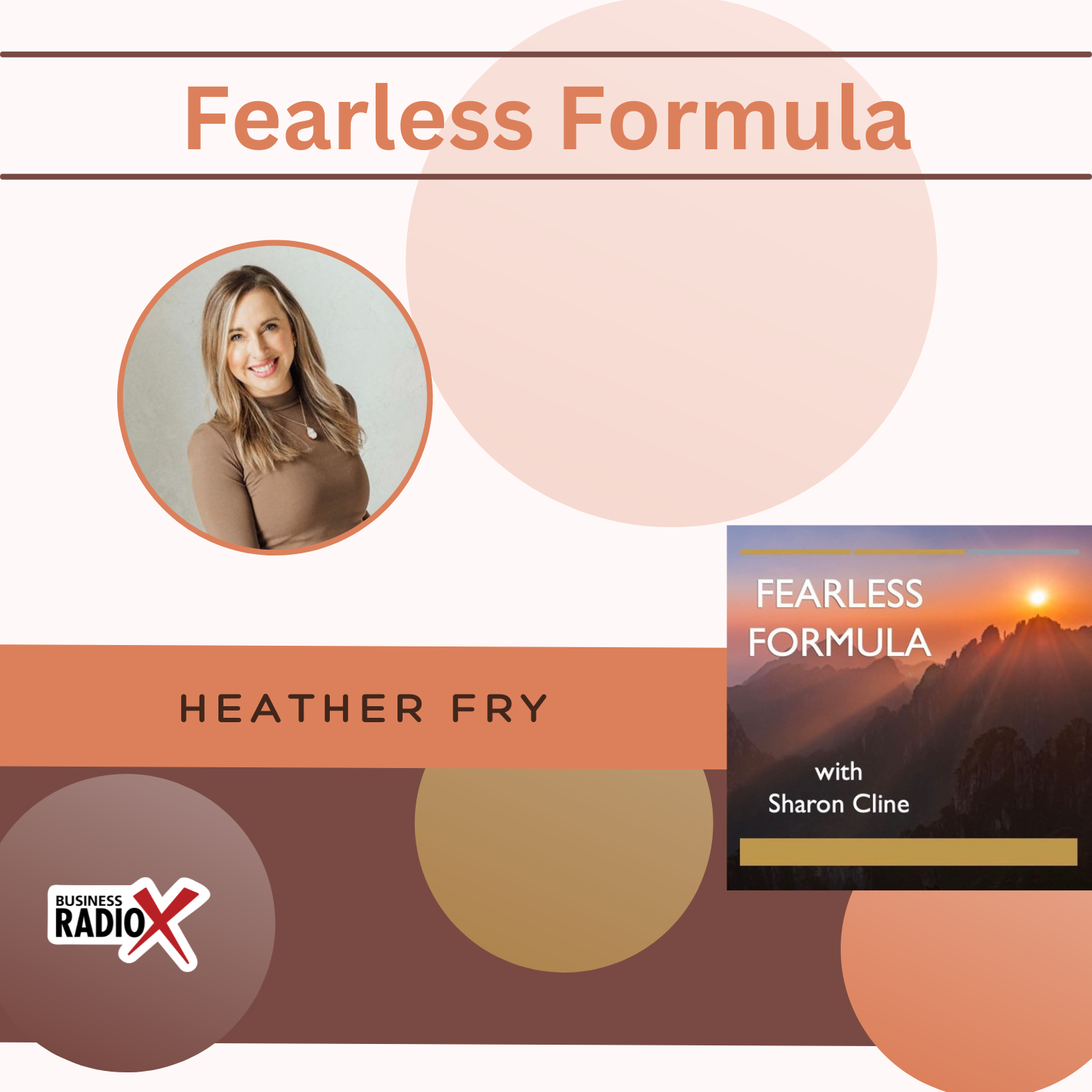

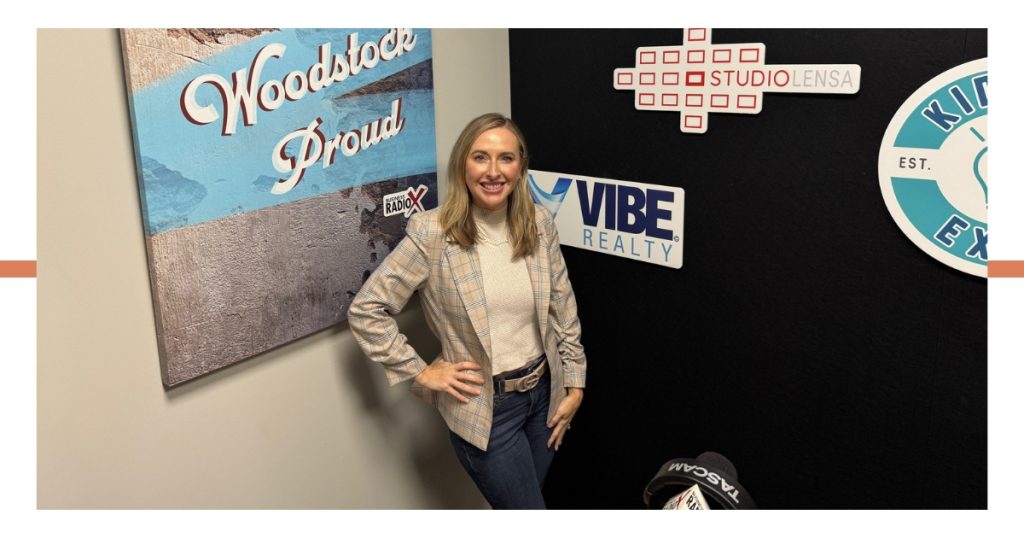
 Heather Fry is a Board Certified Family Nurse Practitioner through the American Academy of Nurse Practitioners with 15+ years of experience in the medical field.
She is the founder of Unify Aesthetics & Wellness and passionate about bringing unification of wellness and beauty to her patients. She places a high value on being able to share her God given gifts & calling to the medical field she feels Christ placed on her life at a young age.
Her enthusiasm and interest in the aesthetic industry is sparked by her family background in the beauty industry that goes back two generations. Heather specializes in all things injectables and skin care focusing on full facial balance.
Always cutting edge, Heather is devoted to continuing education to refine and dial in her craft. Heather is comprehensive in her approach, addressing the aging process and tailoring a treatment plan that best fits your beauty desires.
Her training includes certification through the American Academy of Facial Esthetics, Academy for Injection Anatomy Cadaver Course, Master Expert Series through Allergan, Galderma and a series of private training throughout her last 5 years of pursuing her passion for Aesthetics.
 This transcript is machine transcribed by Sonix.
TRANSCRIPT
Intro: Broadcasting live from the Business RadioX studios in Woodstock, Georgia. This is fearless formula with Sharon Cline.
Sharon Cline: I love it. Hello. Welcome. Welcome to Fearless Formula. I’m Business RadioX, where we talk about the ups and downs of the business world, and we offer words of wisdom for business success. I’m your host, Sharon Cline, and I have a very lovely person in the studio. I’m so excited to introduce you to her. She is the founder of Unify Esthetics and Wellness and that is in Cumming, Georgia. She is a board certified Family Nurse practitioner with through the American Academy of Nurse Practitioner. She has more than 15 years experience in the medical field. Just a lovely human being. And just in talking with her for a few minutes before we got started today, I just know that we’re going to talk about some very important topics, not only in health and wellness, but what it means for the parts of your life that you get to animate out in the world. And I love that she contributes to it. Welcome to the studio, Heather Fry.
Heather Fry: Thank you so much. I’m excited and nervous and all the things to be here.
Sharon Cline: And all the things. I’m excited because I have known you for a few years now, and every time I get to see you, I always feel like you really take time to look at me and say, what? What is it that you would like to to feel like when you’re out in the world? And then you kind of help me go backwards a little bit to make me feel like, I mean, how I feel on the inside is, is how I look on the outside.
Heather Fry: I love that. Yeah. You took the words right out of my mouth.
Sharon Cline: Oh, nice. Well, we’re done here.
Heather Fry: Right? There it is. It’s the. It’s the energy exchange, right. It’s like you also, I think the one thing patients don’t realize is, yes, we’re here to talk about a medical procedure, but it’s an energy exchange. I’m offering my gift to you. But I look at every patient to is not that I have something to get from them, but to gain their perspective on life or be a part of their. Their journey of their self-worth. And I want to impress upon that in a positive way and leave them feeling whole. That’s what unify means to to make whole. And so it’s like when you leave my practice, whatever that little piece was missing, that you needed that piece of the puzzle for the day, that you feel unified walking out of the door, whether you had a treatment plan or if you, you know, we talk through something, you’re like, I feel a little bit more empowered to just be me. Or I was reminded of, yes, that that person that I, that I am.
Sharon Cline: Mhm. Because it’s interesting to being, um, on social media as much as we are and being able to look at ourselves from the outside. It can be very humbling when you are getting older and still want to feel like you really are who you, who you always were. You know, as you’re looking at yourself and you’re like, hmm, that doesn’t look the same. So what I love, too, is that it’s not something that has to be very dramatic. It doesn’t have to be this huge, major procedure. It can just be like a little tweak here and there that kind of makes you feel like, well, I still have a little bit of control over the things that are happening to me and that that control brings some peace.
Heather Fry: It does. And I think that’s where, as my experience has grown, is when I’m sitting down talking with a patient, I can throw every solution at everyone. But that is not what that’s not what’s going to make you, you know, feel your best walking out the door. It’s my job and my art. My kind of part of my art form is to discover the kind of degree of correction, right? Or the degree of advice or kind of what you’re looking at and deliver that, whether it’s something that’s subtle, you know, to somebody that’s like, I want the whole nine yards. Okay, well, what is that process look like?
Sharon Cline: Right, right.
Heather Fry: Like at the end of the day, if I have a patient that I walk through there, you know, beauty journey, anti-aging journey for years and years to come because I’ve nailed that one thing. They feel safe when they sit with me. They don’t feel pressured, and they feel like what they articulated to me of what they’re looking for. My solution matches that, right. I’m not trying to press upon other solutions and tell you, I’m not going to do this procedure for you unless you do these other things I recommended. And I’ve been taught that way to consult because.
Sharon Cline: Yeah.
Heather Fry: But I don’t feel that doesn’t settle well with me and how I treat as a provider. And not saying that there’s anything wrong with that because I understand different points. But for me, that energy exchange, it’s deeper than just putting filler in somebody’s lips. It’s deeper than just, you know, doing some, you know, neuro modulator treatments.
Sharon Cline: Right. And I was thinking as well that having that balance really does encourage trust with you, because it isn’t sort of my bottom line needs to be this amount today. And so you’re just really trying to to make bank. It’s not about that. It’s really listening. And like you said, it’s like a a dance almost. It is. Here’s what you need. Here’s what I can do. Are you good with this? Right. But do you remember, um, the moment that you sort of knew you wanted to go into medicine?
Heather Fry: I do, I remember always like. So we had animals growing up, and I was always, you know, we had cats. I love my cats. But they would bring little mice and little things. And I just remember always being the rescuer. Right. Or if my brothers fell down and hurt their knee or whatever it was, I was always kind of the rescuer when it came to like the empathetic, like empathy that people needed through, you know, pain or they were sick or they were this and none of that stuff ever grossed me out. I was always pulled to it. I even had to be told, like, hey, we don’t talk about that at the dinner table. I’m like, what? Just untold stories of the air that I just saw was really cool. I just wanted to tell you about this. My mom was just like in the corner, like, that’s inappropriate, you know? Um, but it is something that I, you know, I always play doctor and different stuff and and that’s kind of.
Sharon Cline: Kind of followed you.
Heather Fry: Through. It followed me through.
Sharon Cline: It seems like such a natural fit for you to go into the beauty industry as well, because your family has been associated with it for many years. Can you talk about sort of your history there?
Heather Fry: Yeah. For sure. So, um, growing up, um, my dad’s sister, so my aunt and my grandmother, um, sold cosmetics. So kind of like, um, like a Mary Kay or, you know, like MLM marketing, right? Like, you have your network of people you sell makeup and different things to. My mom was a consultant. You know, everybody kind of was. It was the ladies at the church. Hey, you know, let’s have a little party. And it was called Alloway. And they’re actually local, um, in, you know, in Atlanta. Um, and my uncle also, um, owns, uh, Pure Minerals and then cosmetics. So there’s other brands that most people are familiar with, Pure Minerals makeup I’ve actually been wearing since I was like old enough to wear makeup.
Sharon Cline: Oh my.
Heather Fry: God.
Sharon Cline: Tinted beach. That’s amazing.
Heather Fry: And it’s an incredible company. It’s very clean. It’s entirely correct. Meaning it’s going to, you know, do well with your natural skin. There’s not a lot of irritants, um, like all the boxes you want checked on your clean makeup. They they have it all. But I remember, you know, my dad would talk, talk about he would watch his mom bring, you know, the ladies over and sell makeup. But the biggest thing to me that really was impressed upon me was the ritual of self-care is really what it came down to for me. I remember watching my grandma probably take an hour to do her bedtime routine, because it was her creams and her moisturizers and her things, and that was like a non-negotiable. And then also in the morning, it was that was a process. Um, my mom would take me to the beauty counter, we’d, you know, get different stuff. So that act of self-care through makeup and beauty, that’s kind of where it started. And it’s relevant at a younger age. Right? So it makes sense. That’s what I was exposed to 100%.
Sharon Cline: And I think the the younger you are taking care of your skin, the better off you’re going to be. I lived in Florida and didn’t really wear a lot of sunscreen back in the day. But when my kids were young, I mean, I was I’m a sunscreen holic now, but like when my kids were young, I remember covering them in the zinc. It’s the mineral one. And I’m like, you’re gonna thank me someday. Yeah, exactly. So, yeah, if it’s been on your radar that long, um, it’s just so natural for you to want to help other people have that same sort of appreciation for taking care of themselves.
Heather Fry: Exactly.
Sharon Cline: What do you think is sort of a big misconception about the injectables that you have? Um, at your place? It’s like when I think about people assuming that they’re going to have to have a lot or they’re not going to look natural. I feel like that’s a very common misconception.
Heather Fry: It is. And I, I feel like because it’s becoming more commonplace and talked about, there’s a little bit more awareness that it can look natural. Um, but I think it just goes to the same thing. Of this concept of makeup. Like, you can make your makeup look natural, right? Because you kind of control the paintbrush. And so when it comes to injectables, at the end of the day, we’re practicing medicine. And there’s actually a diagnoses for what a wrinkle is really fat. You know, atrophy is or different different things in the face. And so these tools are medicine to help correct these things. And fortunately it ends up being a cosmetic outcome right on the outer surface of the skin. There’s also medical uses like bladder spasms and migraines and things that you can use these for. But specifically your question, I love it because that’s the question I answer every single day, really, of I don’t want to look ducky. I don’t want to look fake. Is this going to make me look X, Y, and Z? Or there’s even patients that sit in my chair that are like my sister or my mom would, would kill me if I was here, like doing Botox because it’s such a some people frown upon it, right? Because they think you’re not. Aging gracefully or whatever that looks like. But as far as keeping it natural, I think that’s where it takes a lot of education and just understanding that you have to have a trusted relationship with your provider to educate you on what the tools or the medicine is supposed to be used for, and then kind of marry that or match that with the solutions and the corrections that you’re looking for. I also tell patients if we’re comparing fakeness to like maybe somebody and again, not knocking people on TV but certain, you know, appearances that we see. I’m like, you couldn’t give me enough money to make you look like that because there’s also plastic surgery involved in other things. Are there providers saying, hey, that enough is enough? There’s a lot of that’s a whole different like can of worms to talk through.
Sharon Cline: I feel like what you really have always kind of given me the impression of is that it really is an art. It really is almost like sculpting, And I can understand someone not being very careful that way. But what a gift it is to know that there’s someone looking at the structure underneath. What I want someone to see. To know where the right place is. To place something.
Heather Fry: Yeah, exactly. And that’s where, you know, when we’re recommending certain amount of units, everything comes down to two things. The the diagnosis or what we’re trying to correct. Like the complaint or the, you know, appearance that we’re trying to soften. So what that is. And then to the degree in which you want it corrected.
Sharon Cline: What a good point.
Heather Fry: And that part is where do you want a 10% correction 20% correction. Do you want an 80% correction. Then I may say, hey, listen, Botox isn’t the only solution. This port isn’t the only solution to decrease this muscle movement. If we decrease the muscle movement, the line will soften. But if it’s still there, are you going to be okay with that? Or are you going to feel like I didn’t deliver the best results. Well, if that’s the case, you need to understand that maybe we need to resurface the line with a chemical peel because of the degree of that line, that diagnosis of how deep is it a mild, moderate or severe line? Just like if you have a cold, if you have an upper respiratory infection. Right. I’m going to give you some an antibiotic, some steroids. But if you have pneumonia and your oxygen is low, you’re going to be in the hospital. It requires more interventions because the degree of correction has gone further than what that one solution can tackle.
Sharon Cline: Do you ever feel like there are very unrealistic expectations? Yes.
Heather Fry: And again, I when I talk to new injectors or just injectors in general when we’re talking about the consultative process, that’s why that is the most important conversation you’ll ever have with a patient, because you’re not only allowing them to tell you what their expectations are, but your level setting, any misconceptions you’re kind of helping to you’re not going to Redirect or correct. They’re thinking right or they’re unrealistic expectations. But you’re going to. You have to be frank and honest with them. Like, I want to take you on this journey, but you may not get what you’re looking for. If you just go with this solution. And that’s where if somebody doesn’t understand that, or they keep coming back and saying what I didn’t get what I paid for, then that’s what it’s like. I may not be the best provider for you.
Sharon Cline: But it’s so honest to say that.
Heather Fry: It is. You’re doing them a disservice to continue to take their money. If you know that something’s off and they may be better served by somebody else because it comes down to speaking two different languages. Honestly, if you know they’ve had different expectations with another provider.
Sharon Cline: Right, which everybody’s got their own way to be. And I’m, I imagine you’ve corrected things for other providers too, which must be a challenge as well, because not only are you trying to get them to be happy, the patient, but you also are trying to undo what has happened in the past.
Heather Fry: Correct and highlighting on that. I think that there’s been seasons in this industry where it was a trend or a fad to like, knock other injectors or be like this week up, I have somebody that I’m correcting so-and-so, you know, you obviously don’t call it the provider, but correcting two syringes of filler in a lip, it’s like we as providers, we’re still medical providers, and there may be somebody down the road that’s corrected my work. You can never be too, you know, confident. You always have to stay humble in the medical field. Right. Because we’re still practicing medicine. And if there’s something that maybe I chose a certain filler that didn’t settle well in somebody’s lips, I want to be humble enough to say, hey, I will correct that for y’all. Correct my work. I want my patients feel comfortable to come to me and tell me if they don’t like something. But I’m also very careful if somebody does come in my seat and say, I saw so-and-so down the road, I try to be very careful to say, no worries. Let’s look at what is in front of me today, and I’ll let you know how I can help. And, you know, pass the baton. I never want to knock anybody else, because I have a due diligence for a bigger purpose, to not give this industry a bad name, because there are a lot of talented providers that I work with, and we help each other every day.
Sharon Cline: Well, there’s karma too.
Heather Fry: Yes, I totally believe in that. To 200%.
Sharon Cline: Yeah. So and it’s it’s a conscious choice to be kind to everybody’s effort. And you just try to do what you can. Well, I mean, I’m sure not everybody looks at it that way. So I appreciate that about you. Who’s sort of your ideal client coming into see you.
Heather Fry: I like that question. Um, I, I love newbies. The reason being is because I just feel like they’re so delicate. Right. And it’s like your first experience with either a neuro modulator or a lip filler or anything. And I want to do right by them. I want to give them a good impression of this industry. So because I’ve also had people in my chair that are like, I got something done eight years ago and I’ve never been back. I, I love first time patients. I would say my ideal patient, ideal client, um, is somebody that wants to be with me for a lifetime, be with like, it’s a long term kind of play and is open to, you know, those recommendations and kind of having like a treatment plan, somebody that’s like, yes, at the end of the day, I have to make the decision for these treatments. But that once like an annual plan that they stick to and they really put that trust in the provider to recalibrate. Okay. Now that we’re at the maintenance phase now, we’ll pull back a little bit and you’ll just do your neuromodulation treatments and then maybe some quarterly facials or micro needling.
Sharon Cline: I know that we’ve talked about this in the past, that you have some patients that have been with you for quite a while, and looking at some of the photos from the very beginning to where they are now, it’s such a nice, uh, almost proof that you don’t have to be completely, dramatically different. You’re just maintaining what you want. And so would you. Say that’s the most satisfying thing is to be able to sort of see you have a treatment plan, someone actually follows it, and then you get to see in the end.
Heather Fry: Yeah, I call it the aha moment where you take their original before and really just look at that after picture. And I’ve had patients I literally thought this the other day because there’s also new things always coming out. I was like man. Like thinking to myself I’m like, I’ve had this patient for, you know, the last five years. And I was like, oh, look, this picture looks great, it looks great. And then I’m like, look at it again. It looks great. I’m like, how is this even possible? But that’s the amazing thing about the science and kind of progression of what we’re doing with the regenerative side of esthetic medicine, you know, using um, uh, platelet rich, you know, fibrin using growth factor, using natural things.
Sharon Cline: Yeah. I didn’t think about that.
Heather Fry: So that’s a really neat thing. It’s like I’m taking this patient and I’m giving them better skin than they had, like, yeah, that’s a pretty incredible thing, especially into their 40s and 50s. I mean, I have patients that I’m like, wow. Like I think my oldest patient is 89. Um, like just to see those things, it’s like, hey, you’re doing stuff for your skin. It’s a great improvement.
Sharon Cline: We talked a little bit before the show about, uh, the spiritual side of medicine. And I always think about it this way, because not every teenager needs braces in order to speak correctly or to eat correctly or function. But it’s so nice to be able to have a smile that you feel proud of. And there’s like a different feeling that people have when that happens. And so I was thinking similarly, um, you don’t have to have all of these different treatments to feel like you’re fine, but there is something to be said about knowing in your heart, you you look as good as you possibly can. And can you talk a little bit about what you see in the patients that come to you, what it means for them to have some of these treatments that have put them back into an alignment with themselves.
Heather Fry: No, I love that. I think it gets spiritual real quick because behind, you know, and I don’t want to say that it’s always an insecurity. But behind each patient that I’m doing a consultation with, there’s always a deeper story. Um, I’m very passionate about postpartum women in general. And then that perimenopause, postmenopausal, just because hormones in general really intrigued me. But there’s a I just had four kids. I don’t feel like myself again. And I want to feel confident for my husband, even though he says I don’t need X, Y, and Z and he thinks I’m beautiful. I don’t feel it. And so that spiritual kind of connection of I get it, there’s almost like this, you know, gravitational pull that I want to share. Hey, I have four kids. Two. And like I get it. And this is what I did and it helped me. So then it becomes personal. And then as they’re coming back in with their treatments, we stop talking about treatments and we really just talk about life. And I get to see the progression of where they came in. And then six months later, hey, we’re, you know, like we went on a date with, like, fun little stories, um, or big life changes. You know, I’ve had women lose spouses. I’ve had, you know, divorces, we’ve had second marriages, third marriage, things that are like, hey, this is a big deal. Like, I’m so excited. I want to feel like I did in my 20s, but I know I’m not. What what can we do? And so all of that just really goes back to that internal kind of confidence. And first and foremost, I always lead with your already enough with where you’re at. Right? You’re already enough here today. Um, I’m just adding a little, little pizzazz, a little sprinkle on top. You know, it’s just the cherry on top. It’s not the whole thing. They already have what they need. I just need to bring that out in them.
Sharon Cline: If I were looking to do some tweaking. What could I expect to find with you?
Heather Fry: Like, do like what I would recommend. More than likely.
Sharon Cline: Yeah. And anything that you like. Okay, let’s say that a patient or a new patient. A new client of yours would come in. What sort of the gamut of what they could have for themselves? Like, I, I love that you have hormone replacement and hormone. It’s it’s more than that though, is that it’s a bioidentical as it was.
Heather Fry: Yes. Correct. Good job. Oh, thanks. I think we got it today. Hey. No, that’s a good one.
Sharon Cline: Ding ding ding.
Heather Fry: You get five points.
Sharon Cline: We had I had gone to some of your events where we talked about it, and it was just. What’s wonderful, I think, is that you really do give everybody the knowledge, because knowledge is power. It’s like, here’s what we can provide for you. Here’s what it can do. Here’s if you see this, here’s an option. And I know it’s not important to everybody, But if it’s important to you. Here’s where you can go to get something that makes you feel like you look the best you can and feel the best you can, right? It isn’t all about like the looks I know. Um, but what other options, what what other services do you provide for any kind of patient who would come in?
Heather Fry: For sure. Um, the wellness side, even though, you know, we have them, we can kind of chat about them together. They’re both kind of their own deep dive in and of itself. So if somebody is really seeking the wellness side, their hormones are off or they’re explaining symptoms that kind of match that. I really encourage them to follow our curated process for that and meet with Victoria, our nurse practitioner that is incredibly passionate about women’s health. She comes from a background in L.A. and just seeing women through her biggest life change, and I just love her presentation of the wellness side. Um, and so we offer bioidentical hormone replacement therapy through we have pellets, which sometimes for patients, it may take a little bit for them to warm up to that idea. So we also offer in injectables and then creams which are still bioidentical. Um, we have peptide therapy, different supplements based on your nutritional kind of blood panel. And we also do an in-body scan, which kind of takes what muscle mass, you know, fat, water weight, your metabolic rate at rest. Like how what does your metabolism look like at rest? That’s what’s going to kind of set the trajectory of how you’re able to like maintain where you’re at or if you’re gaining weight, losing weight, different things like that.
Heather Fry: Um, so that’s kind of its own little bubble. And then the esthetic side. Um, we just brought on not just I would say Brittany, our esthetician, she’s amazing. She’s been with us for the last year. She kind of did like a six month medical esthetician kind of internship with me, followed me, watching me do all my treatments, and kind of took over the beginning of the year. And she’s just incredible. But that in and of itself is a healing process. But working on the skin is really important can actually render a lot of great natural results. If you focus on that and then if somebody wants to, you know, speak to injectables, then myself or also Victoria nurse practitioner can sit down and talk about injectables. So we have neuro modulators which everybody knows what Botox is. Dysprosium and Dax. Vivo. We have all of them. Um, and then we also have dermal fillers, which most people are familiar with. Um, because there’s been, you know, chatter in the industry about filler fatigue or different things. Um, I really focused on regenerative treatments. So I do a lot of sculpt which is uses basically your it’s like planting seed for collagen.
Heather Fry: So what’s left behind is your own natural collagen. So when somebody is sitting down with me I recommend sculpture to most of my patients 30 and up. To some degree it’s it’s kind of the gift that keeps on giving that people say the 401 K plan for your face. You at last up to 2 to 3 years because you have more collagen in your skin, and it’s going to look the most natural over time. Um, so as my business has grown from just a solo injector to now to injectors and nutritional side, wellness side, um, and an esthetician, I feel like I can really take care of the whole woman. If somebody is, I kind of listen to what they’re screaming for more. If the forefront of their complaint or what they’re telling me is more hormones, we’ll focus on that first. And we won’t even focus on the injectable side because I want them to feel feel physically well, if it’s in disrupting their life to a deep degree, then we’re going to focus on that first and then do injectables. So they both kind of complement each other.
Sharon Cline: They do. It’s interesting to note that even if you felt like you looked really good because you had services done, if you don’t feel really good, it’s not going to even show. I never really thought about that before. Yeah, if you could wave a magic wand and teach every woman one thing about hormones and aging, what do you think that would be?
Heather Fry: Um, that they’re vital for longevity and to not be scared of them. To take the fear. I would wave a wand and remove the fear.
Sharon Cline: What do you think people are afraid of?
Heather Fry: You know, the way that hormones were maybe previously utilized and are still utilized in certain aspects of medicine is the the fear of the C-word of them causing cancer?
Sharon Cline: Oh, I didn’t think about that at all.
Heather Fry: And that’s the question I get with when people say with injectables, am I going to look fake when we talk about hormones? Is this going to cause cancer? That’s a big conversation. And so there’s a lot of studies out there that, you know, can debunk that and actually back up the healthier side, the more the preventative side of that because hormones are vital. Um. And when testosterone decreases in females, we lose muscle mass. We lose. You know, all the things that keep us feeling vibrant. Um, and so just really a lot of education comes with that. But the magic wand would be removing the fear and really sticking home that point that its hormones are vital for longevity, like just the longevity of life.
Sharon Cline: Well, I also think as much as men suffer in their own ways, but women in particular, there’s just so between okay, menstruation and pregnancy and menopause, all of that just keeps constantly changing. Correct. So I can’t imagine how tough it must be on your end to even see, uh, these, these fluctuations. How do you how do you kind of, like, modulate them? How do you keep them within a certain range? It must be very challenging.
Heather Fry: It’s what projected me into wanting to offer hormones in my practice because I knew it was a big undertaking. But when I was early in my practice in internal medicine practice, I saw so many women the same exact story, and I did not have a solution for them because the way I was either interpreting their labs, there wasn’t at the time. It wasn’t very popular to start testosterone creams or injections or things for females. And so that wasn’t a tool in my in my toolbox. And I it didn’t settle well with me. I’m like, I’m not bought into the way I’m practicing anymore because I’m leaving so many women. I can either offer you an antidepressant, an SSRI, optimize your vitamin D or B12. But if that’s not enough, there’s obviously something missing. And it’s the hormone aspect. And that is what made me want to take this deep dive into offering it and educating myself. And it’s still an educational process because as a whole, like as the medical field, we’re still learning a lot. But I think more attention is being given to it because there’s such positive outcomes and success stories with with women.
Sharon Cline: What do you do to take care of yourself? I love that because you have not only your practice, but you have. You just had a baby. You look like you just had a baby. Like you don’t even look like it. It’s amazing. And it’s like, such a testament to, like, the good fight. But what do you do to take care of yourself?
Heather Fry: So I would say it’s been a progression, honestly, and just my educational process in my career as a whole with esthetics. I was the injector when I first started out. I first I just did Botox and really my skincare game wasn’t as strong as it could have been. I didn’t do peels. I wasn’t hooked up with an esthetician at the time. Um, and I’ve really just as a whole, like high level, tried every service that I offer. I’ve tried along the way. I’ve, I’ve as I’ve brought another tool in, I tried it first and as I was a believer in it then it’s something that I offered. Um, I did IVF with my first two babies. So after eight years of infertility and overloading my body with hormones, I felt very just not well. The postpartum depression and all of those things are very hard to overcome. You know, I lean on my faith. I lean on my husband, my friends and family around me. Um, but I wasn’t optimal. And it wasn’t until I started doing testosterone replacement therapy.
Sharon Cline: No kidding.
Heather Fry: After my third baby. So I had my third, which was a surprise.
Sharon Cline: Here we are.
Heather Fry: It was like at first it was a buy to get one free. Now it’s a buy to get to because now I have four kids that we always joke about that. Um, but I actually experienced what it was like to have a testosterone pellet, and I was able to. And again, this is not medical advice. This is my experience. But at the time I my Zoloft wasn’t working for postpartum depression, and I felt like the testosterone pellets helped me with my postpartum depression helped kind of restore my libido, which obviously helps a marriage when you’re going through that, you know, growing and having baby time of life, that’s a really hard time for marriages that I don’t think it’s enough attention. We could do a whole series.
Sharon Cline: On that 100%.
Heather Fry: And so that was incredible. Um, and so I just I wanted to continue to stick with it. So I would say that was great, being really regimented with my supplements, my, my B12 supplements, my, you know, vitamin D, probiotics, gut health is really important. It sounds cliche, but really like your hydration, your basics. Right. And being overly obsessive about those things because there was lack of sleep or other things that I couldn’t control. I tried to be really diligent, diligent about the things I could control. And then coming into having my fourth baby, I knew that, okay, the testosterone pellet is a given. I’m going to do that. And then peptide therapy is something that I’ve recently started doing that I Didn’t you know do previously? Um, I started, um, injecting some Merlin, which is a growth hormone. Stimulating hormone? It’s not semaglutide. It’s not a GLP one. It is a great thing to pair with that when people are coming off of those. But it basically stimulates your growth, your body, to release its own growth hormone, which helps with sleep tightening skin recovery. Um, but also your hormones working better. And so that’s something I did prior to getting pregnant. There’s a there’s studies and, you know, evidence out there about actually helping women get pregnant with some of these medicines.
Sharon Cline: Who knew? I didn’t know.
Heather Fry: That. Yeah. And, um, I learned it more from my reproductive endocrinologist, like, kind of talking through some of the medications I had to take at the time. But, um, that really helped me. And so when I had Theo, my fourth baby, I knew I wanted to, you know, do another series of those peptides. And then I also use BPC 157 and TB 500, which you can take in an oral capsule because it’s made in the gut. So I encourage people to take that supplement. It’s great. But I did it in an injectable form postpartum. And that I would say that helped my core and my back pain from my epidural and just the bomb that goes off inside your body after a baby. I feel like this has been the best recovery I’ve had from any kid.
Sharon Cline: Wow. Fourth one too.
Heather Fry: Yes.
Sharon Cline: What I love is that you really are taking this approach of I. I will not recommend something unless I’ve actually gone through it myself. Because now you can. You’re the patient and you’re the provider. And it’s very interesting way to look at it. So if you could hear someone say, here are my symptoms, you know already what it feels like and you already know how much better it will be for them.
Heather Fry: Exactly.
Sharon Cline: Um, what has been one of the most spiritually affirming moments in your practice? Like, what have you had? Have you had a moment where you were just like, this is why I do this.
Heather Fry: I mean, when I have those moments with patients where, you know, and it could be something as simple as you make me feel like myself again, but also with the hormone replacement therapy side. You’ve killed my marriage. You’ve restored my relationship with my spouse.
Sharon Cline: Or probably cry every day. Things like that that’s so important is profound.
Heather Fry: It is. It’s really just seeing lives change from from that energy exchange with patients. I would say the other thing that’s reaffirming is just the fact that my doors are still open. I think that being a business owner is extremely.
Sharon Cline: That was my next step is like, let’s talk about what it’s like to be a business owner, especially through the pandemic. To girl, you you hung in. Yes, yes. What is that like for you to be able to have your practice and be a be a business owner? We were just talking about social media. It never ends.
Heather Fry: Never.
Sharon Cline: Yeah. What is it like for you to balance?
Heather Fry: I think the balance comes in and I’ve, I’ve, I’ve leaned on mentors and people that do it better than me. My husband’s amazing at business, but other women in the space. And I heard a nurse practitioner say one time she was like, I don’t believe in work life balance. I believe more so. And wherever you are, you’re 100% present. Or you you do your best to be as present as you can be in that moment, so that if you’re in your business, you’re giving everybody your all in that moment and trying your best not to split that time between other things. For me, when I’m kid facing and when I’m with my children, I it took me about a year, year and a half into my owning my business to learn that. Like, I can’t sit there on a computer in front of them because I’m telling them that work comes before them. And that was a very hard boundary to set, I would say.
Sharon Cline: Well, because it never ends for you.
Heather Fry: It never ends.
Sharon Cline: Is it a challenge still, or are you just very good at being able to put that boundary down? It would be hard for me, I think.
Heather Fry: I think the boundary I’ve, I’ve mastered the boundary. Now what I’m finding is you kind of. You’re walking a tightrope and you’re balancing everything on these two plates that you’re holding. And there are certain things on that plate that hold more weight. And those are the things that you don’t want to fall through the cracks or fall off the plate.
Speaker3: What a great visual, I love this.
Heather Fry: I’m a very visual.
Sharon Cline: I love this one.
Speaker3: I see it and I get the feeling.
Heather Fry: And you’re walking. It’s like there’s certain things falling off, right? And you’re like, you know, you either hired your weakness, which are going to be other people maybe walking below you, or maybe that little safety net of people that maybe catch those things that would fall through the cracks that you can’t handle or hold on to. But there’s there’s also things that like, no, I have to handle that. And those are the things that I tried to focus on. I know what I can let fall through the cracks and what things can’t. Whether it’s, hey, we missed the deadline on sending out the email. You know what? We can push it to next week. I’m not going to. I’m going to spend another hour with my kids, or I’m going to make sure I go to bed on time tonight so I can be rested for my employees and people I’m leading and my patients tomorrow versus like, hey, payroll has to be ran. All right, well, I’m not sleeping on that. You know, there’s there’s it’s just really the management of those tasks. And I’m going to probably butcher this. I’ve my husband, we’ve read like so many books I probably need to reread them. But the seven Habits of Highly Effective People. And then you have your four quadrants. And is it urgent? Not important. Not important, you know, urgent kind of what quadrant are you operating in? And then how do you evaluate that, but also teaching other people on your team how to do that as well?
Sharon Cline: Right. Because that all impacts you.
Heather Fry: It all impacts me.
Sharon Cline: So how has that been leading people?
Heather Fry: I’ve again, because I’m a people person, you kind of think that you’re good at it and you’re like, I got this. And I’m, you know, started with the small team. What I realized is there’s better ways to go about things. And my husband has had his business for 12 plus years, and he does really well at leading people. He was in the military. There’s those leadership skills have to be sharpened and not everybody is going to. There’s a book that says, you said this. I heard that like, not everybody’s going to receive it the way that you say it. Um, and there’s also another Clifton strength finders, right. Like your your greatest strength can become your greatest weakness. And so to be an effective leader, it takes an incredible amount of self-awareness and continuing to always look at yourself as a people person problem. Is it a process problem? Is it a me problem?
Sharon Cline: And is is the person who you’re trying to help even open or has the capacity to understand what you’re trying to do, right? The personalities? The different personalities?
Heather Fry: Yep.
Sharon Cline: I never really thought about that either.
Heather Fry: So that yeah, that’s, you know, just knowing like how to communicate to your team members and how they best receive constructive criticism, feedback, something you’re trying to say nice and kind. They may take as like, I’m out. She said, what to me? You know that misunderstanding? Um, my husband always calls it temperature checks. He’s like, you constantly have to do temperature checks on your employees. And not only just how are we doing in the business, but how are they doing in their personal life? Because at the end of the day, I’m giving them a means to put food on the table, feed their family, you know, be fulfilled in their career. And it’s like, I also want to make sure that they feel empowered to come to me if there’s something going on, because ultimately that will impact, you know, the team and our patients. And so just making sure you have a good kind of thumb on the pulse is kind of what my husband always.
Sharon Cline: Good way to.
Heather Fry: Look.
Sharon Cline: At it. It’s not like you’re having these big meetings. You’re just kind of checking in. Yeah. You know, um, is there anything in your practice that you sort of Wish you had.
Heather Fry: Okay. That’s a very broad question. So it is. I think, um. Like a people or a process or.
Sharon Cline: You know what I was thinking more like.
Heather Fry: Because I do have an answer, but I don’t know if that’s true. Like, I would just say more space right now. That’s that’s the main thing that’s on the forefront of my mind is more space, because I don’t want my patient experience to suffer. That’s 100. At the end of the day, if somebody walks out and they don’t spend a dime, I want them to. I would rather them walk out and say, I had an amazing experience there. Yeah, that’s that’s what it’s about.
Sharon Cline: Um, when you were getting started with your practice, like, was that incredibly daunting for you to find a name, make an LLC all of those steps to make your own business. What was that like for you?
Heather Fry: I was I kind of felt a little Empowered just because of like my husband. I had watched him do it before and I had helped him kind of behind the scenes start his businesses. We have investment properties. We’ve started LLCs, things like that. So it was that part wasn’t daunting to me. What was daunting was, are people going to come? And if I put all this money out there, is it going to be reciprocated? And then is it is it going to continue to infinity and beyond? What does that look like.
Sharon Cline: Go through a pandemic like what we went through.
Heather Fry: Exactly.
Sharon Cline: So how how was what was your strategy to to get yourself known. Yeah. And your reputation out there to be. Oh I have I know a lady who can do this. All your all the people who talk, you know. How did you do it?
Heather Fry: I would say word of mouth has definitely been the most powerful kind of fuel to that flame. Right. Um, when I first started out, I think the biggest thing is just putting your best foot forward and making it convenient for patients. Um, I did. I used to do more, and this just dawned on me the other day. I was talking to Victoria, our nurse practitioner. I was like, we need to start doing more like VIP Botox, you know, pop up clinics or I don’t want to call like, Botox parties, but, you know, like, because it’s still medical, like pop up clinics. I did a lot of that in the beginning. Um, because it kind of takes the fear around. Injectables kind of brings it down. Um, you know, Instagram obviously was a way for me to get my name and my the word out there. Um, but it was it’s really just through community and all of the patients word of mouth. And then there’s some, you know, there’s some marketing strategy, I would say about eight months in which I can’t. Did you come in from a marketing?
Sharon Cline: I did, I came in through Instagram.
Heather Fry: Yes. So I told my husband, I’m like, I don’t want to do that. I don’t want to be cheesy. I don’t, you know, for me, I didn’t want it to cheapen anything. But it’s like you have to put, you know, investments into that. So we have done marketing through Instagram and through Facebook, and that’s brought a lot of new faces. And that’s been incredible as well.
Sharon Cline: But it’s the work that you do because when someone says, oh my goodness, you look so great. And you’re like, yeah, I’ll tell you what I did. Yeah. You know.
Heather Fry: You like I’ll.
Sharon Cline: Go. Yeah. Because you, it’s like, uh, your, your skills and your passion for what you’re doing. They’re walking billboard for that. Yeah, right. What an interesting way to think about it. I never thought about that. It is.
Heather Fry: And that’s that. When people say, I don’t want to look fake, I’m like, you’re also you’re. That’s my work. So I don’t want you to look fake either. I want you to exude confidence because then that can turn into what have you been doing, you know, and then that’s how the conversation gets sparked.
Sharon Cline: Do you have some patients that do want just the most.
Heather Fry: Like, all the things?
Sharon Cline: Yeah. Or even don’t mind not looking real. They like the fake look. Yes I do. What do you do?
Heather Fry: That’s a great. That’s a great question. I, I just say, hey, you know that to the degree that you’re asking me to either put filler in the lip or put filler in the cheeks. My number one reservation is always about safety. So if I can safely put a little bit more volume in a certain area, I will, um, if that’s the look you’re going for. But I don’t have a ton of those patients. But I do have some. And we’ve actually built a really great, trusted relationship because they’ll be like, you know what? You’re right. Like, let’s I think what you did was perfect. Let’s stop there. And you kind of you both kind of come up with your own plan. It’s not just them kind of driving, driving the ship like I want more, but there are I mean, I hear patients, they’re like, I want to be frozen or I’m the one that went to my plastic surgeon and I said, I want to look like I have fake boobs. I want to get credit for this. So I want to I want to look like I paid for my lips to be done, you know, and what they may or may not realize is I’m still going to make it look natural, you know.
Sharon Cline: Well, you know.
Heather Fry: The best of my ability.
Sharon Cline: Because that’s your ethics.
Heather Fry: Yes, exactly.
Sharon Cline: Um, I mean, what advice would you give to someone who is wanting to be in the same kind of service as you were? They’re blending like science, service, spirituality. They want what kind of truth keeps you grounded in that? And what would you recommend someone else finding for themselves?
Heather Fry: I think that it really comes down to knowing your why and kind of your mission statement. My husband always talks about that, like when I kind of get derailed mentally and I’m like, I can’t do this anymore. Okay, let’s come back to why we’re doing this in the first place. And that’s what keeps you grounded. Or if you.
Sharon Cline: Love.
Heather Fry: That, you get a complaint from a patient or something that’s like, man, I can’t believe. Like, now nobody likes me. That’s not true. But you know, these thoughts that we tell ourselves.
Sharon Cline: Feels.
Heather Fry: True. It feels very true. I think that it comes down to just knowing what your conviction is for why you started it in the first place.
Sharon Cline: Which is why you won’t go too far with someone, right? Yeah. That kind of keeps you into your own little personal boundary.
Heather Fry: Exactly.
Sharon Cline: Yeah. I love the asking the why? Because all of the other details can be so distracting. And. But you’re right. If it comes down to I really am trying to help people feel good about who they are, right? That’s very simple.
Heather Fry: You build it or you build it around that.
Sharon Cline: I, I never thought about it. How many times have I said that in this? I never thought about it like that. Yeah, I really thought about that.
Heather Fry: That’s the aha moments. That’s that’s what we’re going for.
Sharon Cline: Yeah. But you know how, how interesting it is that it’s so much of our world is driven by it, you know, the way you look and the way you feel. And I love the idea of it being health too. And so when I think about the little things that I’ve done up until now, it’s it’s it’s meant a lot to me. Not just the way I look at myself, but like, feeling good. So it’s it’s it’s all around like that soul, the mind, body and soul all kind of mixed together. Not every practice focuses on that, too. That’s what I love about yours, I think, is when I go in, it’s like we’re having a relationship. Like we’re having relationship moment.
Heather Fry: I call it the unified moments.
Sharon Cline: Because.
Heather Fry: I want you to leave feeling unified. It’s I that actually came to me recently. It’s like these are sacred, unified moments, you know, that you have with those patients. And when you have that with somebody, they’re like, I’m not going anywhere else. That’s what I’m looking for. That’s what I’m trying to impress upon everybody. And you know, that sits in my chair.
Sharon Cline: What’s like, has there ever been sort of this big moment for you, for you where you could almost like high five yourself for today. Today was. Today was the best day. What is like the best day for you? For patients to come in and feel what?
Heather Fry: Welcomed. Comfortable. And just like safe.
Sharon Cline: Safe. That’s such a good word.
Heather Fry: Safe. Because we do share a lot of intimate. I mean, I have a lot of intimate conversations with my patients, not purposely. It kind of just accidentally happens because they do feel safe. I can tell when somebody is sitting there looking at me like, I don’t know if I believe what you’re saying, lady, you know, and it’s some maybe they come in with a harder shell and like, that is my mission is for them to leave feeling like, okay, I trusted her and I feel safe. But also the best day, like a good day for me, is to also feel like my employees had those exchanges with people as well. Because the women that work with me, I could not do it without them. And when they walk into a room and they have a positive exchange with a patient or hey, girlfriend, you’re back and they’re bantering with a patient, that brings me joy because I know that it fills them. And then when they go home, it’s giving them self-worth. And so having that space to where now I have another nurse practitioner, I want her to have those moments too, with other people and just kind of replicating. But she’s going to have it in a different way because she has a little, you know, a different kind of tweak on her craft.
Sharon Cline: Different little energy. Yeah.
Heather Fry: Exactly.
Sharon Cline: What do you think is the biggest misconception about what you do?
Heather Fry: That. Maybe I’m in it for the money because there’s a lot of people that want to get into this space. And it is maybe to leave bedside nursing to go into it because it looks Fun and it’s very lucrative. It is a lot of hard work, and it takes a lot of keeping up with the most recent research. Always checking your safety protocols, not getting too overly confident about what you’re doing, because a lot of it, you know, requires a lot of skill and knowledge and anatomy because we are injecting things that could cause high risk problems. Um, so yeah, that it’s like fun all the time. It’s a mentally I leave more mentally exhausted than physically exhausted. A lot of the times. The mental exhaustion is is tough sometimes because I want to make sure that I’m I give a lot. And so when I, when I leave sometimes I mean, I, I leave extremely empty going home depleted. Yeah.
Sharon Cline: What do you do to replenish? Because when you go home, you also are mom and wife.
Heather Fry: Yeah, I so this was a big conversation, you know, with little kids all the time because you walk through the door and it’s so many different emotions. When I get home, I will either sit in my car for five ten minutes in the driveway, gather myself, call a person, respond to something that just I needed to get that off my chest, call my best friend, chat. Um, or really just going inside. I’m like, telling my husband, hey, I’m here. Or like, my nanny, hey, I’m here. I’m gonna run upstairs and just change. Just get refreshed and, like, mentally ready for, okay, now I’m in mom mode, just giving me that minute to kind of pivot and switch the hat.
Sharon Cline: What do you think your fearless formula is? Because I’m very sure whoever’s listening who may have had a dream like yours, like I really want to be able to matter to people like this and help improve people’s lives. But it’s it can be scary. Yeah. Um, how did you work around? What is a natural sort of fear of. I don’t know exactly how this is going to work, and I like how did you keep going during the pandemic?
Heather Fry: Yeah. Um, I would definitely say my faith is at the top of the list, right? You know, believing in what kind of God was. If God gave you that calling that it’s kind of impressed upon my heart. Then it’s it’s my job to seek and follow, um, really taking that quiet time to kind of listen to where it is leading me. The pandemic for me, when I got laid off of my primary care job, esthetics was all I kind of had to turn to at the time because there was like the zoom boom. Everybody was looking at a camera at themselves. So there was this zoom effect where people were coming in saying, I see this wrinkle on my face I didn’t see before because I’m staring at my face all day. So there was kind of this little like, boom effect in the esthetic industry that kind of fueled some fire at the time.
Sharon Cline: What? Who knew?
Heather Fry: And that was kind of a cool thing. Um, but for me, it’s staying true to what I was originally Called to do and then allowing those circumstances just kind of always having your, your ear kind of tuned in to those quiet whispers of you’re on the right path and then a door would open that just keep putting it into motion. Right? If you have a calling and you have an interest and you have a desire, then what is it look like? You. You can’t be stagnant. You have to set something into motion. And you’re constantly each motion, each act, each leap of faith kind of fuels you to the next because it’s like, wow, I took that leap of faith that encouraged me because that worked out. And even when things don’t work out, is there a pausing and saying, is this to stop? Or is this to recalibrate and teach me something so that I don’t make a bigger mistake that would bring more hurt and pain along the way?
Sharon Cline: So it’s like not allowing, um, a pivot to mean that you’re wrong. If you are, why it is still in alignment with who you are.
Heather Fry: Exactly.
Sharon Cline: Interesting. I like that because so many things come in that you can’t control. You don’t know what’s going to happen. I hate learning by mistakes. Yeah, I like listening to someone like you who’s gone through something where I can say, oh, my God, it’s so wise, you know, let me take that advice. But when I was younger, you couldn’t tell me any of that. But being an older person. Yeah. Same. Yeah. No. Teach me your ways. Yeah.
Heather Fry: Listening to people that are, you know, wiser than you that have gone before you. Um, and also, as your circle of influence grows, your circle of concern shrinks. Meaning the things that you used to be worried about, you’re not worried about anymore because you, you know, your influence is so vast and so big, you almost get more introspective. And you stop focusing on those little things that used to take you down. So you you exercise that muscle. People are like, well, how do you do it? I didn’t have four kids overnight. I didn’t have a business in 6 or 7 employees overnight. You grow that muscle. You know, you exercise that taught that stress tolerance or whatever that looks like. But over time, you become more introspective because that’s what it takes to continue to be a moldable, you know, effective leader.
Sharon Cline: Is there’s fluidity. Yeah, there. So if you had 15 years ago caught a glimpse of yourself now, it would have been like, oh my gosh, you know, I have all these kids and I’ve got this ball. My eyes. I would have tired freak out if I knew I was going to be on some radio or whatever. Right.
Heather Fry: Exactly.
Sharon Cline: How did that happen? You don’t know what you’re doing. Yeah, but amazing how these little steps that you get. It’s like the road rises to meet you where you are.
Heather Fry: Exactly.
Sharon Cline: Which is really kind of. It’s very encouraging to know that nobody really just gets it right overnight. But as they’re as they’re taking little steps, you get met along the way.
Heather Fry: Correct.
Sharon Cline: I love that. Yeah. What’s coming? This may be one of the last questions. I could talk to you forever. I know it’s like 55 minutes already. Um, what do you see coming on the horizon in your industry that anyone could look forward to? What are you allowed to talk about? I don’t know.
Heather Fry: I would say, um, there’s a lot of, you know, the regenerative part of esthetics, regenerative medicine. Um, you know, we’re talking about peptides and things that make cells behave better. Right. I think it’s just going. It’s going to be hopefully more access to utilize those peptides and utilize the science like exosomes and stem cells and things that can be controversial. But for us to have more definitive either FDA approvals or definitive Of ways that protect us as providers to using those things versus using some of these things off label, which get get done all the time in medicine because we’re a provider, if we have an anecdotal reason or that evidence, then that’s our clinical backup. But you still want to make sure you’re doing right by the patient, because we don’t know what that long term effect looks like. And I think what’s coming on the horizon is just more research and more confirmation that what we’re currently doing is what we should be doing.
Sharon Cline: It’s so interesting to think about it from a cellular level, because essentially that’s where you’re fighting, you know, and so to be able to correct those. Um, I can’t imagine what from the inside out, how different people can look. I feel it’s.
Heather Fry: It’s going to be interesting to see what my adult children, what disease processes they, you know, face in their generation or the lack thereof because of the drastic improvements and medical just hurdles that that we’re making right now that become commonplace. Everybody had like just like everybody had a tanning bed at their house. You’d go to your friend’s garage like, hey, I’m gonna hop in the tanning bed. Yeah. It’s like, is everybody gonna have a hyperbaric chamber in their garage? Is everybody have, like, a red light therapy bed in their garage? Like, you know, hey, this is just what we do all the time.
Sharon Cline: I’ve heard such good things about red light therapy. Yeah. So, yeah, I.
Heather Fry: Think it’s.
Sharon Cline: Great. Wouldn’t it be amazing to know that we could, at home, be able to counteract some of, like, the free radicals we get exposed to all the time? Exactly.
Heather Fry: That’s what it’s about. That’s what we’re combating every single day. And it all comes down to. To what degree do you want to fight that, correct that, reverse. That is going to be what things you need to do, right? Add into your toolbox.
Sharon Cline: It’s a really exciting time.
Heather Fry: It is.
Sharon Cline: I’m really happy that you’re part of it.
Heather Fry: Thank you. It’s very competitive. Oh, that’s why I’m. I want to I’m. There’s a big shift happening right now where it’s becoming very saturated. And I think trust in the provider is it’s not just about the discount or the this or the the money grab. It’s we have to be even more diligent about earning that trust of our patients, our audience. And so that’s just what I’m trying to focus on is focus on, you know, patient trust and experience versus numbers.
Sharon Cline: Is that what you sort of see for your practice like five years, ten years from now, you sort of always having that thought behind it but growing for sure.
Heather Fry: Definitely. And I want to, you know, empower other providers that kind of come under my wing or come into the practice to have that like their why like help to develop their why and fuel their why and give them the resources to have that outlet to do it. You know, under the umbrella of unify and whatever that looks like for them.
Sharon Cline: I love, too, that you’re talking about it being saturated because I get ads all the time. You know, you click on one ad and then you’re on all the ads, but it is almost like, um, there’s no way to know. It’s a, you know, there’s no way to know, especially if it’s not word of mouth. Right. So that becomes even more important, I imagine.
Heather Fry: Yeah. For sure.
Sharon Cline: Well, my word of mouth. Yeah. Amazing. Is that. No. Is that. I’ve had a great experience having you here in the studio. And also, if someone wanted to reach out to you or find out more about your your practice, where can they go?
Heather Fry: So you can go to my website, unify esthetics plural.com or my Instagram is at unify esthetics. Um and learn more there.
Sharon Cline: Well I have just had the best time. Heather Frye I have to thank you so much for coming in and letting me understand, even because we never get chances to talk. But having an understanding of what your why is and how important it is to know your own truth and stick by it when I’m sure you get pulled on. Lots of different ways to not do that, but there’s something peaceful about putting your head down at night, knowing you stayed true to yourself, and then your practice continues to grow because of that. Because you never compromise, you know? Exactly.
Heather Fry: Thank you for helping me articulate that.
Sharon Cline: Oh, sure. Well, I love that.
Heather Fry: That’s kind of what you do. That’s kind of why we’re here.
Sharon Cline: Well, this has been a happy Thursday for me, so.
Heather Fry: I enjoyed.
Sharon Cline: It. Thank you. And thank you all for listening to Business RadioX Fearless Formula. I’m Business RadioX and again, this is Sharon Cline and Heather Frye saying with knowledge and understanding, we can all have our own fearless formula. Have a great day.














