
In this episode of Franchise Marketing Radio, Lee interviews Scott Ossim of Contractor Commerce. Scott discusses how e-commerce tools are transforming the home services industry. He explains how instant online estimates and transparent pricing help contractors and franchise systems generate higher-quality leads, improve customer trust, and convert website traffic into real jobs while still allowing pricing to be customized for local markets.

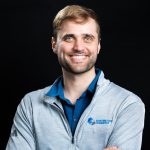 Scott Ossim, Enteprise Account Executive of Contractor Commerce.
Contractor Commerce helps residential HVAC and plumbing contractors grow sales and profits with an AI-powered, plug-and-play online store installed directly on their company website.
Transform your website into a money-making machine. Quick and easy configuration. World-class coaching from our team of experts. Sell filters, maintenance plans, and drive leads for fully-installed systems
Follow Contractor Commerce on LinkedIn.
What You’ll Learn In This Episode
- The growing importance of transparent pricing and instant online estimates in the home services industry
- How contractors can transform their websites into active sales and lead-generation platforms
- The role of e-commerce tools in trades businesses, from service booking to online purchases
- How franchise systems can maintain brand consistency while allowing local pricing flexibility
- The impact of online pricing visibility on customer trust and buying decisions
- How online estimates help businesses capture high-intent leads and increase conversion rates
- The influence of AI and evolving search behavior on how customers find and compare service providers
- Strategies for extending customer relationships through memberships, maintenance plans, and recurring services
- Best practices for contractors and franchisors to maximize website traffic and digital engagement
 This transcript is machine transcribed by Sonix.
TRANSCRIPT
Intro: Coming to you live from the Business RadioX studio. It’s Franchise Marketing Radio.
Lee Kantor: Lee Kantor here. Another episode of Franchise Marketing Radio. And this is going to be a good one. Today on this show we have enterprise account executive with Contractor Commerce. Scott Ossim. Welcome.
Scott Ossim: Hello. Thanks for having me.
Lee Kantor: Well, I’m excited to learn what you’re up to tell us about Contractor Commerce, How you serving folks?
Scott Ossim: So Contractor Commerce is the leading e-commerce platform for the trades. And what we mean by e-commerce is basically anytime somebody wants to shop or buy online. So in home services, that’s obviously been a hot button issue for many years. How far can we really take people down that path towards buying? But we have ways for people to get instant estimates on their furnace system, on a new water heater and for smaller items like a filter or just a service call, we can actually process that entirely and then have people go through. So it’s a way to use your website as more than just a billboard or a phone number, but a chance for people to really interact with your business and get to know your offering a bit better.
Lee Kantor: So what was the genesis of the idea had this thing get started?
Scott Ossim: Yeah, that’s a great question. So it comes from a team of folks who have really been in the trades since the since the mid 1950s as an Hvac contracting unit, and they owned Hvac for a few years throughout the 20 tens. And it was through that experience really of, of Hvac that they were seeing no matter what, what they put up, it was always pricing that people were interested in. So contractors were hesitant to give that pricing. But no matter what went on to that Hvac site, it was always just people looking for pricing. And so we figured instead of relying on aggregators, you know, the Angie’s List. The home advisors of the world. We wanted to create something to really put the contractor in control of that themselves and have the platform be controlled at a brand level.
Lee Kantor: So speaking of brand level, how would a franchisor that’s in the trades or working with franchisees that are actually out there working in the trades, in the local markets? How would this help those franchisors?
Scott Ossim: So I think one big element to it is just creating a consistency of that offer amongst all of the different franchise locations. You know, I know that we like to keep people independent and making decisions on their own. But as much as that, that expectation can be standardized across the board, you know, we can really create a cohesive message and then also just use the branding as a whole to really create a cohesive platform wide discussion around, around pricing. And then on top of that, it’s just the way to get more leads. It’s the way to use your website to get people through at a higher rate. So the individual locations are thriving off of that best practice. And the franchise as a whole really benefits from that unity and from having that concise voice that they’re able to take to market that we are easy to do business with online.
Lee Kantor: So if you were building from scratch, if you were a franchisor, that the franchise was going into people’s homes and helping in some service oriented way, how would you kind of build out the platform so that, you know, you’re able to leverage the brand, but you’re also able to help that local market franchisee kind of leverage the benefits of the local market searches that are taking place.
Scott Ossim: So it’s a great question, and I would I’ll kind of answer it in reverse here. One thing that we would do is when we’re actually out into the home, use this e-commerce platform as a way to really keep people engaged, you know, in the trades, we’re always looking to drive that customer lifetime value, keep people around a little bit longer. So getting people set up with things like maintenance agreements or continuously shipped supplies, really starting to build that customer base after the fact. You know, making sure that we’re able to keep providing value for them in time and getting value from them, uh, upfront. And then also when it comes to the quotes and really that initial side of things, making sure that we’re winning the traffic in the area and what people are really searching for in the area. But instead of just your normal SEO where we’re just trying to get clicks and get attention, this is part of really focusing on the kind of attention you’re getting and the kind of clicks that you’re getting. So instead of a franchise or just meeting with their marketing team and saying, hey, you’re up 50 visitors or whatever else it is this month, being able to really drive these high intent buyers. And when these terms in your area that are quote near me, price near me, I think it’s really interesting. Just in the past couple of months, Google has really automatically pushed people towards filtering for these options with online estimates. So making sure that not only are we driving up more traffic and enabling our marketing effort to succeed, but really being thoughtful about what that traffic is and what brought them in front of us in the first place.
Lee Kantor: So now, how would you help the kind of that franchisee that’s right now talking to the client like so they’re in front of the client, they have their tablet or phone. How would you help them kind of ring out the most value and opportunity from that type of interaction? Because those are the hardest interactions. That’s the ones they dream of.
Scott Ossim: Yeah. And ideally, by the time we get to that point where we have a tablet out and we’re on the kitchen table, one way that this is really helping is by just having that first mention of pricing be online on their terms 24 over seven on, you know, Sunday night, whenever it was convenient for them. If we’re doing that up front, then you fast forward to that moment. You’re talking about where we’re at the kitchen table and we’re looking to pitch the the bear is out of the room is probably the best way. I’ve heard one of our contractors put it, you know, taking that that big scary number and putting it out initially, it really sets the tone for the rest of that interaction. And we’re seeing people close at a faster rate, close for higher ticket prices, just because that question was addressed thoughtfully upfront. So to your end of, you know, what are what are they doing when they’re actually in the home and they have that tablet out? You know, a lot of that is their typical process. Like I said, we can follow up with those memberships or any kind of a recurring service, but really we’re looking to make that entire process easier and faster and more profitable by by starting this conversation off on the customer’s terms and really appealing to the side of them that wants to walk as far down the buying path as it makes sense to go on their own and then have that interaction with you, you know, at the kitchen table with the tablet.
Lee Kantor: So your recommendation is not to kind of duck the pricing conversation, but to address it head on as soon as it occurs.
Scott Ossim: Exactly. And really be radically transparent. And it’s what people are looking for. And it’s especially what and I don’t want to get into this too much because it’s a whole can of worms, but it’s what eyes are looking for as well. So as more and more search just becomes this zero click search, people just getting these brief answers or possibly sending an AI out to go get a few different quotes. Pricing visibility just in the past few months has gone from, you know, really helpful moves the needle for these people to you are effectively invisible. If you don’t have it, you’re effectively reindexing yourself if you don’t put that price conversation out up front. So it helps the customer, it helps make their experience better and makes that more profitable. But going into this kind of new era of search, it’s it’s table stakes. It’s an absolute requirement that they’re able to, to query your site and to get this critical information off of it.
Lee Kantor: Now, how does the brand, the franchisor, kind of protect, uh, the different franchisees in different markets? So like they can’t have a franchisor pricing, uh, because that wouldn’t make sense if they’re in New York City versus they’re in, you know, Memphis, Tennessee, just the cost of doing business is going to be radically different. So they can’t have one price for everybody. How do, how do you help them kind of modify the pricing in that hyper local manner? That is the, the way that the business typically is done.
Scott Ossim: Yeah. And that’s really what’s important in home services is that the quotes that we’re making are, you know, the contractors are comfortable taking that number and running with it. And to your point, that’s not something that we can just do across the board. So our business model has always been to get with that customer, sit down during our onboarding and really understand how it is they’re pitching in their area, what makes them competitive in their area, and being able to, to kind of use that, um, really as, as their starting point there. And when we get down to that specific kind of hyper local level, you know, we can make sure that it’s, it’s appropriate for being New York or, or rural Midwest or wherever that specific contractor might be. I’m really getting down to that, that specific brand level and making it for, for that outfit as it stands. And then on the, on the larger side of things, with the actual franchise company, we typically use that to generate marketing attention to then get people onto those individual locations, estimators where we’ve taken the part of the process that really needs to be manual and thoughtful, making sure that price book is accurate, and then kind of created everything automatically on either side of that. So it’s flowing into their service Titan, it’s flowing from their web forms and moving through the business very efficiently.
Lee Kantor: Now, when you’re working with your customers, are you able to kind of share kind of what the market is paying right now? Are you do you have access to kind of the data from everybody in the market so that you can help me price more accurately?
Scott Ossim: You know, it’s funny you bring that up. We are actually launching a component of our software very soon, which will quote, compare and we’ll be able to look at what the different quotes are from those different teams. Um, but ultimately, you know, making sure that we have, you know, a pricing that is competitive with other people, I hear, I hear it often that, you know, folks are a little anxious because what if my competitor sees this price? And I think the simple truth in home services, you know, I’ve, I’ve worked with companies that have a stack of other prices from their local competitors and are really dug in on that. So making sure that we have that visibility for the customer is worth every bit of visibility we might create for a competitor in that in that same market, because ultimately, it’s not just price we’re competing on, we’re competing on this initial attention and how we get it right.
Lee Kantor: But also from the customer standpoint, the customer just wants to know that they’re paying around what is normal and they’re not just getting ripped off. I mean, they want to know what the range of normal is. So they can then make an assessment of, hey, this might cost more, but I’m getting this. So I’m okay with that or this. I just want the lowest price here because I don’t care.
Scott Ossim: Absolutely. And that’s something that Google is actually automating in the last couple of months here. And this is a really interesting option that they’ve just put out where I was looking for. I’m in Bloomington, Indiana, and I typed in Hvac, quote, Bloomington, Indiana. And one of the first things that popped up on the screen was get for competitive quotes. And then I click on that and it actually shows me up to be able to reach out to those four different teams and to be able to go get a competitive quote. So like you’re saying, that’s what that’s the feeling people really want, is that they did their due diligence and that they’re getting a reasonable deal on this. So making sure that they can have an easy way to do that through Google was a priority for them. And then as it flips over to what we’re doing, you know, we’re not even getting that attention from the AI bot unless this is available on the site. I’m happy to say, you know, of the four that I was able to access here in Bloomington, uh, three of them were using online estimators that we had stood up. So it’s, it’s critical to make sure that we’re visible. And a lot of people, they want to play it close to their chest so that they don’t get into this, this bidding war between the different companies. But in the way that this is, is currently being structured, we need to price available to even be part of that conversation.
Lee Kantor: So let’s say I’m a franchisor listening right now and I’m in the trades. Uh, what are those initial conversations with you look like? What are some of the, uh, one of the questions you’re asking me, what are the questions I should be asking you in order to see if this is the right fit for my business?
Scott Ossim: That’s that’s a great question. We really place a lot of emphasis on that home service companies current web presence and how they’re doing. How much effort do they put towards this? Really, the key metric that I look at is just organic visitors to that site. And so we really like to, to get to know that company, to make sure that they’re in a spot where we’re putting something out like this is key. So, you know, first, first step is just getting to know that team, getting to know their web presence. If they’re getting, say, 500 visitors per month and they’re actively engaging with a local marketing company and they’re bringing traffic in, that’s the right time to ask the question of, what are we doing with this traffic? What are we doing with these eyeballs that are getting onto our site? So that’s, that’s really our kind of start in this is getting together with the team, getting to know how they’re pitching, specifically if they’re with their franchise group, of course, pointing out some of the other franchise locations that we’re currently working with and what success they’ve had and any programs we have with corporate. But even even when that’s the case, that’s all about getting to know that specific team and, you know, really are are they serious about their web presence and are they, you know, making moves to increase their Google business profile and to increase their organic visitorship? And really, those, you know, what we say internally is that the main kind of quantitative thing is how much attention are you getting online? How many visitors? What’s your Google ranking? And the main qualitative thing we look for is just, you know, how much do you see this as a, as a key element of your business? How much do you really care that your online presence matches your in-person presence and the professionality that you have created with your brand over the decades? So really, it’s that overall web presence. But apart from that, it’s, you know, how important is this digital marketing segment to you as a company?
Lee Kantor: Now, is your point of entry typically a franchisee or do you go right to the franchisor?
Scott Ossim: You know, that’s that’s my job within the organization. And as the enterprise account executive, some groups I work with, and it has to be completely top down and I get to know that corporate team and one other individual locations come across and look to work with us. I can say, hey, this is actually something that your, your corporate team has kind of guardrails against. Or conversely, I’ll talk with a corporate team and they’ll say, hey, we really let that individual brand maintain a lot of their control over their marketing and you can just go right to them. So it’s really a case by case basis. And honestly, I don’t see much of a trend one way or the other. It seems like maybe half are this way, half or the other. And then, you know, everything is kind of a blend between those two of if we’re working this kind of top down at that franchise level, or if we’re grassroots trying to grow this from the brand level.
Lee Kantor: Now, is there a story you can share that maybe, um, either a local or a brand came to you and they started using your solution and you were able to help them get to a new level. Obviously don’t name the name of the brand, but maybe share the challenge that came to you with and how you were able to help them.
Scott Ossim: Yeah, absolutely. And I’ll kind of keep this one a little bit private, but it’s, it’s a typical story that, that we see, you know, not all the time, but it’s one of our more common kind of onboarding stories is that somebody in that group believed in, and I’ll use a specific contractor here that I have in mind, you know, somebody at that contractor really believed in the idea. And when they first brought this up, you know, they got a little bit of pushback on it, just like we got pushed back when we first started this product. I would say nowadays it’s maybe 40, 50% of the industry is on board with this concept. But that’s changed even just in the last 7 or 8 years. So oftentimes we’ll have one internal champion who really sees the competitive advantage and maybe who has seen a competitor in the area doing it and is afraid of of losing leads to them as they rightfully should be. And then they bring in the rest of their team and, you know, we convince them to, to give it a try and to, to walk down this road. And, you know, typically, like with this specific brand, I’m thinking of a couple of months later, they started really shifting some of their marketing focus towards this and to making this part of their general messaging. And nowadays, we’ve been with them for about two years now. I know that their first, their first, um, month that they were live with our software, we closed an additional 22 leads on expensive Hvac systems for them.
Scott Ossim: And once they saw that kind of initial proof, it became all about, you know, nail it and scale it. And we, we did well off the bat to nail their estimator. And then from there, I mean, it’s, it’s only grown and now it’s front and center on their website. It’s front and center in their marketing campaign. And as people really start to see the benefit of offering this high service level to people. We just see that success continue to grow and to escalate as it organically works its way through everything else that they’re doing as a business. But that specific team I was talking about, you know, they had a pretty, I’ll say, modest amount of web traffic at that 1200 visitors per month or so. And they attributed an additional 22 jobs, which, you know, you’re talking Hvac systems ranging from 12 to $25,000 in that range. So really, really great success. And then once that once that champion has really had a chance to prove the system, we just see it time and time again. You know, everybody in the organization says, oh, we, we absolutely needed to be quoting Sunday nights. You know, we needed to be quoting off hours when other people weren’t because this is what people have been looking for.
Lee Kantor: And the way the the quoting works, is it all automated or is this something that AI helped you with? Or you have humans that are doing the estimating and then quoting?
Scott Ossim: You know, the estimating is, is all fairly automated. We work with that team to make sure the price is going out, are are reasonable. In some cases, we just do a month to month price to be able to build that. But we’re really hands on with that process of actually making the price book. And then everything else in this, this process is really automated. And you asked about AI there. And that’s, that’s something that’s really part of this most recent evolution of our product is, is actually working AI more into our tool, using it to identify different opportunities on a website. Like if there’s a blog page that’s doing particularly well with traffic, we want to leverage that with some call to actions, make sure to get people onto it. But, but long story short, you know, we’re really building these price books out in a manual way, often starting with people’s service Titan price books or whatever else they’re using. Um, and then when it actually gets onto their site, it’s loaded in using some AI or just directly as a plugin on the site.
Lee Kantor: Now what’s at the heart of their fear of sharing pricing? Is it like they’re afraid they’re gonna like underprice something, or there’s going to be some outlier that they’re going to miss and not be ready for? Or is it just like they don’t want anybody to know their business?
Scott Ossim: You know, it’s the whole outlier thing, I think has been a convenient excuse to, to not even really try to do this for a while. Um, so, so for a lot of people, that was kind of the main or that was one of the apprehensions is just Hvac is complicated. We don’t know until we get out into the home. And that’s a fair point. I would say the other, the main talking point that we hear is, oh, we need to get into the home to build value. That’s that’s really the typical one is, you know, we don’t want to start this conversation off online because we would like to get into the home and build value. And of course, as contractors, that’s how we’d like to sell. And if each job we go to could be a well warmed up in-person pitch, that would be excellent. But we’re missing that initial attention up front. So to really be able to build value in the home, we’ve got to start building value online to even get into that person’s home. So the goal is the goal is the same from this. It’s it’s to get into the home and to be able to build value, but instead of hiding the price upfront, which always, you know, in retrospect really seems like a losing strategy to me is to hide that price and to make it impossible, you know, ask them how they would like to, how they would like to be served and how they would like to go through this process.
Scott Ossim: And, you know, back to our Hvac days, they don’t care that the contractor wants a chance to get into the home. That’s not what they were looking for. They typed in price. They want to see immediate Hvac quotes. They want to see it within roughly a minute. So we need to flex, even if that’s just for month to month pricing. We have to be able to answer that question in a thoughtful way. That also leaves us room to go do that great contracting work that so many of our customers are known for. You know, being in the home, having your last name fixed to all your jobs and really being able to do that traditional process. But we have to start that off by by not just pitching how we want to, but how they would like us to.
Lee Kantor: And then when you’re talking about how the customer is going to actually interact, is this like a chat bot that’s on the site? Is it a click here for an instant price? Like how is it executed? Or does it say, you know, Hvac started, you know, $10,000?
Scott Ossim: Yeah. And as of now, it’s not a chatbot. It’s really going question by question. So not having a big form fill where people enter it all at once. But the first question is, let’s get you started. What’s your name and phone number? And you enter in that box. Then the next question, you know, where is your home located? And we use that to make sure that you’re actually in the service area. So that is, is the current flow, you know, going question by question and walking them towards this. Although to that point of a chatbot or an AI assistant that is, uh, a, a UI changeover that we are, we are looking at very intently for, for an upcoming product update, just to keep it in line with how people are slowly being trained to shop and to interact with sites.
Lee Kantor: And then what’s kind of the headline that gets them to even begin the process on the website?
Scott Ossim: You know, I think that the, the verbiage of are you talking about from the contractor going to that customer?
Lee Kantor: Right. Well, like, so I’m a customer and I need an Hvac. I go to the website. Is it say like, get your quote right now. Like what’s, what’s kind of drawing me to even begin the process of telling you my name?
Scott Ossim: Yep. An instant Hvac estimate is exactly what we do right there. And you’re right, people are guarded with that information. Most sites will only convert, you know, 2% or so of people that come onto there, but they’re a lot less guarded with the path that we’ve laid out and, you know, kind of put it two different ways. One of them is if you go onto a site and the first thing you see is schedule, service or book. Now. You know that by clicking on that CTA, you’re going to fill out all that information at once. You’re going to pick a time and have someone come out and maybe you’re not ready to start that sales process, and you know that you’re going to be in that sales funnel. So that’s what a lot of people expect as one path. And that causes a really high bounce rate because people are just looking to do some research and to get an idea of the local options. And then you see another, another call to action right next to it that says instant estimate. Well, it’s instant. It’s an estimate. I’ll actually get to see pricing. And now we’re asking question by question of name, location, where they are, what type of fuel source they have in their system. And by going piece by piece, we’re able to at least start them down that path. And then a lot of the times they’ll get to the quote page where we show a good, better, best option.
Scott Ossim: And right there it says, schedule a home visit. That same call to action I was talking about earlier, but they don’t want to click that because all they wanted to do was to do some research and to shop online. Well, when they’ve been given this opportunity, they’re not ready to book. And in either case, they’re ready to book. But here we are able to now reach out with their name and their phone number and all this information about their system, and be able to start that process off. And maybe they’re just doing some research ahead of time. And that’s, that’s what we get to know. Well, great. We’ll keep it in mind and maybe mark them for, for contact a couple of months later so we can reach back out when that timing is more appropriate. But ultimately, you think about just as a homeowner shopping, you see one button that says book now and one that says instant estimate. Well, I might as well just get my instant estimate and start walking down that path. And as soon as I start engaging with those questions at all, it’s capturing that information and providing it to the contractor so that they can follow up on anybody that’s even touched an online estimator. You know, it’s people aren’t doing it for fun. Anybody that’s touched an online home service estimator is somebody that we want to get in touch with.
Lee Kantor: So now you recommend putting both book Now and Instant Esmet even though most people just. If given those two choices, will pick instant estimate.
Scott Ossim: In general, we do recommend putting both options because some people. That’s not their. What they’re looking for is that pricing. That is the most common thing people are looking for is, is a rough estimate on a system. I would say if you if you only are going to have one or the other, have instant estimates. But the way, the way I see it having both options available is, is really covering a lot of your customer cases. And that option for an instant estimate is really appealing to the psychology of people that are in this, this process.
Lee Kantor: So if somebody wants to learn more, have a more substantive conversation with you or somebody on the team, what’s the website? What’s the best way to connect?
Scott Ossim: Website is contractor Commerce.com. Feel free to shoot an email either to sales at contractor Commerce.com or even myself directly. S o s s I’m at contractor Commerce.com, and we’ll set up a time to learn more about your company. See if this is a good fit, and if it is, then then make a game plan for winning some more. Install estimates in 2026.
Lee Kantor: And if you go to that website, is there an instant estimate, a box for me to go down?
Scott Ossim: There is a pricing sheet. We’re transparent with our prices too, but they just go right up as as a couple of different packages there. But yep, we, we practice what we preach over here.
Lee Kantor: All right. Well, Scott, thank you so much for sharing your story today doing such important work and we appreciate you.
Scott Ossim: Awesome. Thank you liane. Thanks for having me.
Lee Kantor: All right. This is Lee Kantor. We’ll see you all next time on Franchise Marketing Radio.














