
In this episode of High Velocity Radio, Lee Kantor interviews Danica Griffith, Chief Growth Officer at Sage Mountain, an independent registered investment adviser serving ultra-high-net-worth families. Danica explains how Sage Mountain takes a holistic approach to wealth management by coordinating investment strategies, tax planning, estate planning, and insurance review to help families protect and preserve their wealth for future generations. She discusses the importance of fiduciary responsibility, fee transparency, and proactive financial planning while highlighting how Sage Mountain’s collaborative culture supports both clients and advisors. Danica also shares insights on building high-performing teams, prioritizing cultural fit, and creating a workplace where collaboration, professional growth, and shared success drive sustainable business growth.
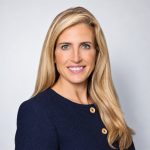 Danica Griffith is Chief Growth Officer at Sage Mountain, an independent, Atlanta-based wealth management firm that advises on more than $8.5 billion in assets for ultra-high-net-worth families nationwide. She joined in September 2026, in a newly created role built to lead the firm’s growth strategy, advisor recruitment, and organic growth.
Before Sage Mountain, Danica spent nearly seven years at PNC, most recently as Executive Vice President and Chief Risk and Change Officer, where she led a 650-person organization.
Earlier, she spent over a decade at Goldman Sachs, where she built a private wealth advisory business from the ground up and founded the firm’s first all-women-led private wealth practice in the Southeast.
She holds an MBA from The Wharton School and a bachelor’s degree from Harvard, both with honors.
Connect with Danica on LinkedIn.
What You’ll Learn In This Episode
- Understanding the benefits of holistic wealth management and coordinated financial planning for high-net-worth families.
- Recognizing the importance of fiduciary responsibility, investment independence, and transparent advisory fees.
- Integrating investment management, tax strategies, estate planning, and insurance review into a comprehensive financial plan.
- Evaluating wealth management firms based on their ability to provide proactive guidance and personalized client service.
- Building sustainable business growth through strategic advisor recruitment, acquisitions, and cultural alignment.
- Creating high-performing teams by minimizing ego, hiring talented people, and encouraging honest feedback.
- Strengthening workplace culture through collaboration, shared ownership, and recognition of team achievements.
- Helping financial advisors grow their businesses within an environment that prioritizes teamwork and client success.
- Preserving family wealth through long-term planning and coordinated financial decision-making.
 This transcript is machine transcribed by Sonix.
TRANSCRIPT
Intro: Broadcasting live from the Business RadioX Studios in Atlanta, Georgia. It’s time for High Velocity Radio.
Lee Kantor: Lee Kantor here another episode of High Velocity Radio and this is gonna be a good one. But before we get started, it’s important to recognize our sponsor, Business RadioX. If you’re a coach or a consultant who is tired of selling and ready to lead by serving, set up a call with Stone Payton at brookstone phone.com to learn how to give local leaders a voice and become a recognized authority in your market. Today on the show we have Chief Growth Officer with Sage Mountain, Danica Griffith. Welcome.
Danica Griffith: Thanks, Lee. Great to be here. Well, you’re having me on.
Lee Kantor: Well, I am so excited to learn about your practice. Tell us about Sage Mountain. How you serving folks?
Danica Griffith: Yeah, absolutely. So we are an independent registered investment adviser founded by Goldman Sachs alumni who wanted to serve their clients as fiduciaries with a very high service, high touch service model. We work with about 200 ultra high net worth families nationwide. We manage a little over 8.5 billion of assets under advisement. And I think what sets us apart is how deep we go. Investments are certainly part of it, but equally so are tax trusts and estates. The whole financial picture. We really look at a family’s entire balance sheet, not just the assets we manage and we’re fiduciaries full stop. So we sit on the same side of the table as our clients. And what we’re really trying to do is think about a family’s needs before they have to ask to help them, you know, really protect what they’ve built for the next generation.
Lee Kantor: Now, can you educate our listeners a little bit about some of the choices, those kind of ultra high net worth people have when deciding who to trust with their money? Because Has nowadays, obviously with the advent of AI, there’s some tools that a person could do. Um, some of the work on their own, they can, uh, use a more traditional firm, you know, one of the bigger firms that people have heard of that you, you know, including the ones you left and, um, and boutique firms like yourselves, can you kind of explain maybe some of the, the pros and cons of each of them?
Danica Griffith: Yeah, absolutely. So you named a couple the largest on the landscape of wealth management. There are certainly those, uh, what we call wirehouses, the broker dealers that also have investment advisory services. And that’s my background. In fact, Sage Mountain was founded by alums from that particular model. Increasingly, you’re seeing as of this year, close to 30% of assets nationally being managed at, um, like a sage mountain, right? An independent RIA, a registered investment advisor. So these are tend to be, Um, they are their fiduciary only as we are. And the difference there is that we are, you know, we are independent. We are not connected to a broker dealer. We, um, if we’re putting clients, allocating clients assets to any kind of alternative, we are not accepting any kind of placement fee. We are really agnostic as to the investments that we are advising and recommending for clients. And that’s the differentiator there between being a true fiduciary and independent versus versus a, you know, a wirehouse or broker dealer, you also have trust companies. You’ve got, um, you know, banks, you have independent broker dealers. I mean, there are lots of options out there, but most people tend to think of the landscape split between kind of the larger wirehouses and increasingly so more of an independent RIA channel like Sage Mountain.
Lee Kantor: Now, what percentage of people do this themselves.
Danica Griffith: In the ultra high net worth space? I think very, very few. I mean, you know, the the need when you are, you know, managing assets over $10 million, say, is it’s very much heightened in having really key experts across trust and estate planning, uh, tax planning. Um, you know, you need really smart attorneys, accountants, uh, you need insurance review wealth advisors fall into that category. I would think even with AI, um, you still need, you know, folks that are able to advise you and, you know, fill out your tax return and anticipate, you know, really complex, um, estate management opportunities and investment management opportunities. I mean, certainly you can do a lot on your own, but in the space where we’re serving clients, we tend not to see it be, you know, one person managing all of those different elements on their own.
Lee Kantor: And is it because of the holistic nature of the services you’re providing? Um, because for folks who have it siloed that they have a wealth management firm, they have a lawyer, they have insurance. Like all of those fees start adding up. It it’s not nothing. Yeah.
Danica Griffith: That’s right. No, it’s a it’s a really good point. So you know, where we play in that space is being, is, you know, coordinating across all of those advisors. So really serving as a family’s CFO, right? And bringing together on a, on a regular basis, quarterly or more oftentimes, um, you know, making sure that we’re connecting with all of the key advisors in the families, uh, set of relationships to just be sure everybody’s on the same page. There’s a lot of coordination that is required. And you tend to find, uh, in this space, firms don’t, don’t, that, that is not a foregone conclusion in wealth management. Um, and you know what the model that I was used to, where I sort of was brought up in wealth management was much more of a sort of siloed model. I was, I was advising on a client’s assets and the sleeve of their assets that we had. We were talking to clients about and focusing on, but we weren’t looking at their whole balance sheet. We weren’t connecting that across in a holistic manner and understanding how we were investing. You know, what we were actively managing relative to the whole portfolio. And we weren’t really being super proactive. It wasn’t the role. It wasn’t how we were compensated. We weren’t being proactive with sort of those other set of advisors that really have to work in lockstep to be, um, to be a family’s true, you know, kind of financial or chief financial officer, you have to have that coordination in play. And that is what drew me back into the space and back to sage, in addition to, you know, the culture and the way in which everybody is connected and, you know, celebrating one another because we’re all pulling together on the or in the same direction and not competing against one another. I mean, there are lots of elements on a cultural on the cultural side that are very compelling to me, but certainly the way in which we serve families. This was the only way I was going to come back into the industry.
Lee Kantor: Yeah. I um, I mean, I’ve interviewed a lot of people in this space and they, they talk about, uh, being the quarterback and wanting to be the CFO and all that stuff. It’s just that logistically to pull that off. Is it? I’ve just rarely seen a true ability for kind of that, um, sharing of information. And I think that each of those groups historically prefer the silo that they don’t want, uh, to be sharing and they don’t want to proactively, uh, check on the tax ramifications or what the unintended consequences of a move will make. Um, and then it’s left to the individual to kind of really be the quarterback and they don’t know what they don’t know. And it’s just frustrating for a lot of folks.
Danica Griffith: Oh, no. Absolutely. I mean, you are, you are, uh, you captured it perfectly. And this was, you know, I was in this industry for almost 11 years and I didn’t do that particularly well. I, you know, and it was, uh, we would lose we would lose business. It’s why I think you’re seeing money moving to a to this model because somebody said, look, you did you do a great job managing the slice of my portfolio, but I need someone who has broader visibility, who sits, who’s truly a partner on the same side of the table, being proactive in coordinating all of that. I mean, that’s why we win business because we’re able to be effective in that space. And I think it’s the need. I mean, I talked to a lot of clients who say, that’s why I picked you all. I needed somebody to be really proactive on the planning side who’s, you know, you’re really good on the investments. Certainly that is important. But we go deeper on the other areas where many of our competitors don’t. And I think it’s a it’s certainly a differentiator in how we serve families.
Lee Kantor: Yeah, I think it’s one of those things, especially in a market that has been kind of a bull market for this amount of years, where like kind of growth is kind of table stakes. I mean, you’re going to have to, uh, offer more than that. I mean, that should just be the. Yeah. Of course that’s that that has to happen or else you’re not going to be around. But that’s.
Danica Griffith: Right.
Lee Kantor: Yeah. But if you don’t start doing these other things now, all of a sudden I’m looking at your fee every month or every quarter, every year, and I’m starting to do some math and I’m like, I’m 60. And if I live to 90, that’s 30 times that fee. That starts to become a lot of money.
Danica Griffith: Yeah. I mean, I was going to, I was going to touch on something you mentioned too about, you know, a bull market. And it has been it’s been great for a while. You have to look at your portfolio and go, how, how is my financial advisor being incentivized? Right. How are they being compensated? Are they you know, I’m in a lot of active management and that that is underperforming right now. Right. I really just wanted to participate in the beta of the market. I’m not you know it’s nice to have alpha outperformance relative to the risk I’m taking. But it doesn’t always pay off. So being really smart about okay, I want to be really clear. That’s the fiduciary element of the work we do. Right. So we charge one fee. Uh, it’s billed quarterly in arrears and it’s all inclusive. So the investment management, the planning, the tax coordination, the estate work insurance review, all of it. So it’s, you know, as opposed to I am incentivized to put my clients in higher earning fee generating investment classes and certain types of active management or small cap manager, whatever it is, from an asset allocation perspective, you know, I think a lot of times clients don’t, they’re not aware of the fees, certainly like you are and you’re speaking about Lee or they’re, they’re not aware of how like they’re like, oh, my portfolio performance is great. My, my, my portfolio is growing. You’re like, well, let’s actually take a look at the attribution of the portfolio and understanding how and you know, where the value is being provided and how fees are charged, I think is really, really important. The transparency of that matters a lot.
Lee Kantor: So in your firm, it’s a flat fee.
Danica Griffith: We charge a fee. Yep. We either have a minimum or a percentage of assets under management, whichever is greater.
Lee Kantor: And and then so then people know what it is ahead of time.
Danica Griffith: Yes. Very clear.
Lee Kantor: And then, um, that how common is that? Is that a differentiator for your firm?
Danica Griffith: Um, I think it’s relatively common.
Danica Griffith: In the RIA.
Danica Griffith: Space.
Danica Griffith: To be honest, I’m not totally clear about many of our competitors, but you know, the ones I talked to where I sort of dig in, I understand it, uh, that it, it very much differs at a wirehouse. Right? Where you’re, you know, it’s harder unless I will say it is oftentimes harder for clients to get really clear, transparent understanding of their fees when you are investing and have the underlying fees and additional, you know, additional placement fees on the alternative side, in addition to the advisory fees. Um, so it should be clear, our industry works really, really hard to make sure that advisors know how to present fees to clients. Uh, and yet amazingly, it is increasingly not as transparent as you would think.
Lee Kantor: Now as, uh, growth officer, what is your charge like? What is, you know, what are you doing every day to help?
Danica Griffith: Sure. Yeah. So I am focused on, you know, how do we take what has been a tremendous trajectory of growth at Sage Mountain for the past eight years? Um, but has been largely organic growth. And how do we think about supercharging that? So I mentioned we’re a little over 8.5 billion of assets under advisement. How do we get to 2025, 30,000,000,000 in 5 plus years. So a lot of my focus is on, um, finding advisors who are looking for a home, who built a business and who are interested in serving clients in a more comprehensive way. In many of the things we just discussed, sort of about the business model. Um, and then how do we, how do we find the folks that are a cultural fit? Um, it is easy in our industry, you’re seeing lots of sort of what I call aria bolt ons, to throw money at advisors and teams and engage in M&A and bring whole practices over and kind of bolt them on. But oftentimes, what happens then? You don’t have the cultural thread tying through the organization. So my real opportunity and challenge is to, to find folks for whom Sage Mountain is a great fit for their client base, and also where they will be additive to a really special collaborative culture. And finding those people is, is part of the inorganic growth. Obviously, you know, and the chief growth officer role focusing on the organic growth, but that has been, you know, a real strength of the organization up until now. So now it’s how do we find great additions for advisors who want to come over and continue building their career and own it? Right. So if you’ve been, if you’ve built your business at a, at a firm where you’re, um, you know, like the model I had before, you kind of look around, you get to the top of the hill and you’ve been clawing your way to every account you’ve been managing for a decade plus.
Danica Griffith: And then you realize like, okay, well, how do I what part of this do I own? Right? At Sage Mountain, our advisors have equity in the business. So when I talked about the cultural shift, it’s real when people win, like we have a winning channel and we post it and everybody’s excited. And there’s a real unique element that was completely missing in my prior world, which felt, as I say, there were two days a year that I felt really good about myself when I would, you know, win a piece of business. I loved serving clients, but every day you were sort of, you know, it was you, you against the other teams in the office and that wears at you. I mean, I got sort of to the top of the hill. I should have been really thrilled about, um, the book I was managing and the clients I was serving. And I just felt kind of lonely and isolated. There wasn’t a sort of team oriented element of work. And that is what sage gets, right. It’s a really special culture of collaborative collegiality in support of clients. I was very alliterative there with my keys. Um, and, uh, that’s what I was looking for. So that’s, it’s a long winded way of saying I’m looking for folks right on the inorganic growth, but but also just trying to make sure we don’t break it along the way.
Lee Kantor: And having that right culture fit is that’s a must have. That’s not a nice to have.
Danica Griffith: A must have, must have. Yes.
Lee Kantor: Right. Because you want people that you’re like, hell yeah, not or no, right? Like there’s no middle ground.
Danica Griffith: Yes. Increasingly in my life as I make decisions about how to spend time. And, you know, as we all get older, we sort of realize the real finite nature of opportunities and ways we spend time. And if it is not a hell yes on the social calendar, it’s a no. And that certainly is the same with advisors. They have to be people that are, you know, team players that are excited to be, um, you know, just, just the model of being, it’s a, it sort of feels like a startup culture, but there’s a lot of energy and people get really excited to serve clients and they like to learn more about clients and families and everybody’s involved. And it’s like, it’s a real team oriented Organization. It’s why. It’s why I came back. Uh, it was really compelling to me.
Lee Kantor: Do you have, like a support group for the PTSD from people who are coming from kind of those, uh, bigger firms?
Danica Griffith: Yeah, we’ll, uh, we’ll hire some contract workers, and then that’ll be a big part of my job, right? It’s how to give them a hug every day and remind them that you can, you can have fun at work and be excited to build something bigger than yourself. Um, and that’s, you know, that’s really fun. Yes. We will support group of one. Yes.
Lee Kantor: But it must be, I mean, that’s for some people this sounds impossible or too good to be true, right? Because they grew up in a world that it is kind of cutthroat. And me against you and my win is your loss. That kind of zero sum thinking?
Danica Griffith: Yep. That I mean, the industry, it’s sort of the prisoner’s dilemma, right? That concept that we’re actually better off collaborating. But, um, but that’s not how it plays out in practice. And we’re sort of pitted against one another in psychology contributes to that. The prisoner’s dilemma element of that, but also just the way in which the, you know, the silos exist to create that sort of internal competition. I mean, I would argue there’s elements of it that are positive. And I, you know, learn to, to do this business. Um, you know, the big firms have great resources for training a business, but once you build it, I would argue, you know, the model has shifted. The way we serve clients is different. Now the clients want is different now. They want comprehensive how teams are focused. You know what people want at work. Um, I mean, I, you know, I, when I left wealth management, I then spent seven years working in sort of main street banking and in a completely different role, sort of behind the scenes in a support function, managing a team of over 650 people, all coming together in support of, of our clients in different ways.
Danica Griffith: I led the first line of defense for a bank. So wildly different work, but what I learned about that was how do you build high performing teams? What do people care about? What motivates them? How do you get highly engaged people? Because engaged employees stay longer. They work harder for for clients and for one another they support one another. They’re happy at work there. They want to be part of something bigger than themselves, right? They care about this, this idea of like, if I can win a piece of business and it’s just for me, I’m like, okay, that motivates me for about two seconds. But if I can win a piece of business and all of my colleagues and my teammates and the whole firm is like, dude, that’s amazing. And there’s this like litany of support and celebration of that win. I’m, I will run through a wall to have those opportunities to post those on our winning Slack channel. I mean, I think I, you know, the opportunity of this role to combine what I loved about wealth management, but also what I’ve learned about building high performing teams is just it’s awesome.
Lee Kantor: So do you have any advice for the business person out there that would the dreams of building a high performance team that like the ones that you’ve built. Are there some do’s and don’ts when building a high performance team?
Danica Griffith: I mean, hire people smarter than you, better than you, more talented than you is sort of my first. I think I’ve seen a lot of success in my career because I try to minimize ego and try to just hire the very best, you know, people that are way smarter than me in in their particular area. Um, I think surround yourself by people who will give you honest feedback. Right. Not the what you want to hear, but what kind of stings, right. If, if they’re, if they’re good. Um, if they care about you and you’re willing to receive it, people will give you honest feedback. And that is a true gift at work to really understand, you know, we all have areas where we can improve. And so finding the people who will be candid about those opportunities is huge. Um, I think having fun at work. I think we, you know, it’s just like I talked the other day about watching a show with my daughter and she was commenting on like these, these characters in the show are just so happy. And how her goal was to be happy. And I thought, man, I, you know, that’s just not how I’ve I grew up. Right. There was just an element of, of embracing the suck to get to the fun part, you have to just lean into discomfort well before you’re ready to then pick your head up ten years later and be like, okay, now it’s fun.
Danica Griffith: And yet I’ve been revisiting that. Like, I have fun every day. Not all day long, but I mean, I have elements of joy at work every day, and I’ve deliberately now found myself in a role where I’m like, I just, I got to a stage where I, once I’m done learning and contributing in a meaningful way and I’m not having fun anymore, it’s usually time to find the next thing. So I think high performing teams do all of those they hire, they hire, they can incrementally hire better. They’re not intimidated by that. They seek to shine the spotlight on others. They minimize ego and the need for reward and focus on the end goal serving clients. They, um, yeah, they have elements of joy and levity. I just, I think I’ve for a long time minimized that. And it’s really important to me, like I’m a little bit of a silly person. I dress up for Halloween in an aggressive, like, over-the-top way. It brings me joy. It’s fun. Like things like that at work, finding yourself around people you want to have a beer with after work, uh, that matters. And I think you, when you have that team of people that are high performing and with whom you have great camaraderie, it it allows you to achieve, you know, kind of unfathomable, wonderful outcomes. So those are certainly elements of it from my from my perspective.
Lee Kantor: Now, is there a story you can share that maybe illustrates what it’s like to work at sage? Is there a person that maybe, maybe it wasn’t you that hired them, but you’ve seen them blossom and, you know, they took the leap, uh, to, you know, join the journey with sage and how they’ve been able to maybe get to a new level that they didn’t even think was possible.
Danica Griffith: Yeah. I mean, I’ve, I’ve so many stories. Our founders, um, Scott and Tony, who I worked with at Goldman, they built this business, started it in 2018 and, um, you know, grew very typical to startup culture. It kind of grew incrementally and, you know, and then would hired some folks that they’d worked with in, in the past and then, you know, very quickly realized, okay, we are we have too many opportunities from a new client perspective. So, you know, Scott just has a crazy network and serves clients incredibly detailed and, um, thoughtful about clients and they refer him business, uh, in ways that are kind of insane. It’s certainly not how I built my business, which was very much driven by cold calls back in the day. Um, so an example to your question would be, you know, the advisors that they hired early on that are right where the model of sharp elbowed go out and find your, your clients, your own business and build it from scratch. And, you know, take a decade to do that. That model wasn’t a fit for them. But at sage, they are crushing it. They’re doing a wonderful job. They’re serving, you know, they have a really, you know, great client base, sizable book of business. They’re happy. They’re successful by all measures. And all right. So that’s those are great examples where one model wasn’t a fit.
Danica Griffith: And then the. And then they come over and they realize like, they’re really, really good advisors. They’re very different skills, right? The it’s pretty rare to find someone who can, um, who likes the business development side, pure BD side as much as they like going deep on either investments or, or the sort of planning side. So we’ve got folks that fall into all of those categories, some that are, they lean in more on the business development side. And then we have teams of support to help them on the portfolio management and the planning side. We have other folks that are really, really deep there, see if they can go deep on the planning, but they, you know, they rely on our portfolio management team more on the I mean, that’s on the investment side. That’s the whole approach to the team space. But finding those advisors who have built really successful businesses at Sage, they found a home and a fit. And this model makes sense for them versus the sort of cut throat, go and figure it out on your own. And you know, when you’re 25 year old, 25 years old, trying to build a book of business and kind of scrape and claw your way to the top wasn’t a fit. So yeah, lots of examples of that.
Lee Kantor: Now, um, is your advisor typically at, um, a later stage in their career or are you. Getting some young folks to.
Danica Griffith: Both go on the organic side? We’ve hired advisors who had experience in the space, but they hadn’t built established books of business. And then they’ve been able to grow those books at Sage Mountain. Um, on the other, on the inorganic side of, of the sort of dual pronged element or focus of my work is people on the other side who are a little bit later stage in their career, they built a book of business. Uh, and they, you know, they’re trying, they’ve picked their head up now and they’re sort of saying, okay, what’s next? How do I continue growing this? How do I own a piece of something that’s growing that’s exciting? How do I, you know, bring their book over and ship? So those are, I would say, the organic sides a little earlier career, generally speaking, uh, inorganic, uh, just given how hard it is to build an established book of business, they tend to be a little, a little more established in their career.
Lee Kantor: And who is kind of the ideal client for sage.
Danica Griffith: A lot of our clients are entrepreneurs. They’ve sold businesses. They have complexity in their, uh, in their financial lives. Um, they’re typically 10 million and above in investable assets. Majority of our, I think our average clients are a little bit higher than that. But, you know, we serve clients in that 10 million and above space. Um, they tend to be, like I said, a lot of builders, entrepreneurs, and they tend to need more than just hear manage this sleeve of siloed assets go right. They want, uh, all the things we’ve been talking about here today.
Lee Kantor: So what do you need more of? How can we help you? It sounds like you need some advisors and you need clients, but is there anything else you need?
Danica Griffith: We’re always looking for clients for whom we can be a fit. Certainly finding advisors who are at that stage where they’ve built books of business, they’re looking around and going, okay, is this where I want to end my career? And they’re not really sure. I, you know, I’d love to have a conversation with them.
Lee Kantor: So if somebody wants to learn more, have a more substantive conversation with you or somebody on the team, what’s the website? What’s the best way to connect?
Danica Griffith: Wonderful. Probably my LinkedIn is the easiest way. DaniCa Griffith, Sage Mountain. You can, you can find lots of information about us on our, um, on our website as well. But I think if you’re interested in having a direct conversation with me, find me on LinkedIn. Otherwise our website is sagemountainadvisors.com.
Lee Kantor: Well, Danica, thank you so much for sharing your story today. You’re doing such important work and we appreciate you.
Danica Griffith: Thanks for having me, Lee. It’s been great. Appreciate it.
Lee Kantor: All right. This is Lee Kantor. We’ll see you all next time on High Velocity Radio.