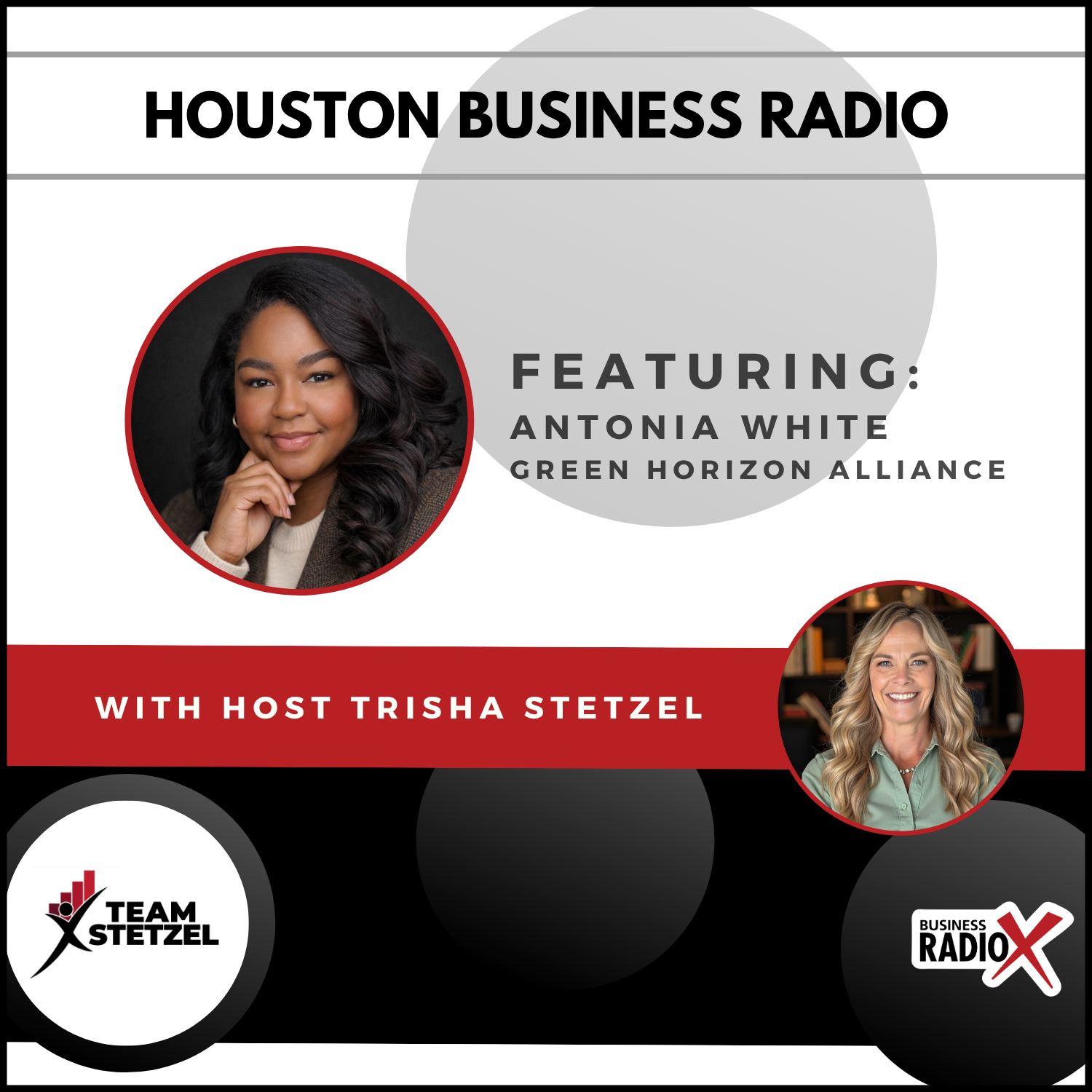

 Antonia White, MPH, is a public health strategist and founder of Green Horizon Alliance, where she supports mission-driven organizations in building sustainable infrastructure, funding strategy, and operational clarity. Her work focuses on helping nonprofits and community-based organizations move from good ideas to well-funded, well-structured impact.
Through years of experience navigating public systems, funding mechanisms, and organizational growth challenges, Antonia recognized that many organizations struggle not because of vision, but because of gaps in infrastructure and strategic alignment. In response, she developed the ELAR Framework — Educate, Listen, Activate, Reflect — a structured approach designed to guide leaders in building sustainable capacity. 
ELAR emphasizes understanding the funding landscape, listening to organizational and community needs, activating strategic infrastructure, and continuously reflecting to strengthen long-term impact. Rather than chasing opportunities reactively, Antonia helps leaders build systems that support resilience, growth, and measurable outcomes.
A proud alumna of the University of Memphis, Antonia is passionate about strengthening organizations that serve communities by equipping them with the tools, strategy, and clarity needed to scale responsibly and sustainably. She holds a Master of Public Health and is a Certified in Public Health (CPH) candidate.
LinkedIn: https://www.linkedin.com/in/antonia-white-mph-88039a181/
Website:https://www.greenhorizonalliance.org/
 This transcript is machine transcribed by Sonix.
TRANSCRIPT
Intro: Broadcasting live from the Business RadioX Studios in Houston, Texas. It’s time for Houston Business Radio. Now, here’s your host.
Trisha Stetzel: Hello, Houston. Trisha Stetzel here bringing you another episode of Houston Business Radio. It is my pleasure to introduce you to my guest today, Antonia White, MPH, founder and managing director of Green Horizon Alliance. Antonia is a public health strategist who helps nonprofits and community based organizations build the infrastructure, funding strategy and operational clarity they need to create sustainable impact. Her work is grounded in a simple but important idea. Strong missions can still fail when the systems underneath them aren’t strong enough to support the vision. Antonia is also the creator of the LAR framework. We’ll talk more about that today, which helps leaders move from reactive problem solving to more intentional, sustainable growth. Antonia, welcome to the show.
Antonia White: Thank you so much for having me, Trisha.
Trisha Stetzel: I’m so happy we finally made this happen. So, uh, beyond your introduction, what else do we need to know about you?
Antonia White: Uh, well, I grew up in the Mississippi Delta, so I grew up in a very rural area. And from being a little girl, I have seen health inequalities and and just public health issues all around since I was growing up. Um, the kind of things that made me just wonder, you know, why, why is this area being overlooked or what’s going wrong? And that kind of led me to have my interest in public health, seeing where I can solve all these issues, build communities.
Trisha Stetzel: Mhm. Yeah, absolutely. So tell me more about the. The beginnings. The beginnings of Green Horizon Alliance.
Antonia White: Well we are. I got started working full time at a government health department, kind of working with community based organizations, nonprofits, seeing the gaps that they had going after funding, not being successful, not being fully prepared to receive the funding as well. So I just kind of filled in the gaps. I’m all about partnerships, stakeholders, funding strategy in general is just my thing. So that led me to creating Green Horizon Alliance to kind of fill those gaps in and create a seamless organization to get that, get all that started.
Trisha Stetzel: Yeah, I, when I think about nonprofit organizations or purpose driven organizations, they typically have a strong mission. But we see that fail because they’re missing the infrastructure that’s required to carry that mission forward. So what does that actually look like inside of a nonprofit or mission driven organization? From your perspective?
Antonia White: From my perspective, um, like you said, the organizations, they’re very passionate. They have their mission. Everything is solid, solidified. Most of them, they’ve been operating with just a few people, executive director, maybe a couple other people, but their foundation is not really set. It’s what I see a lot. Um, they’re not ready to receive funding. They’ll kind of scramble a bit when they see an opportunity, rather than just fully being prepared when the opportunity comes up. Um, nonprofits, they rarely fail to, you know, it’s not about really what the needs are. They pretty much are stalled because there’s no systems underneath the mission, no tracking, no reporting, and no clarity on what some of the programs actually do.
Trisha Stetzel: Just speaking my language, Antonia, I love that. Yes, we’ve got to have clarity in there. And so many organizations are started with passion and they don’t have those systems in place. You talked a bit about funding, and I think often, um, that we know that that’s a huge part for our mission driven or non-profits. There you have in our conversations have drawn a distinction between a reactive between reactive grant writing and strategic funding architecture. Tell me the difference.
Antonia White: Well, with reactive funding, that’s pretty much, I’ll use a great example. When an emergency happens flooding, you wait. They wait till the last minute to get equipment. Try to fix the problem. When you prepare, you go ahead and have your. You have your community data. You have your grant narratives, your operational budget. You have everything you need. So when a grant opportunity arises, you’re not scrambling, trying to see, okay, trying to go into the community, trying to fix the budget you already have that solidified. You’ve been in the community. You know what they want. You know their needs and just build your foundation that way. And not just going after 1 or 2 grants at a time. Building out a pipeline is what I prefer. 12 to 18 months. So you continue that sustainability of your programs from grant to grant.
Trisha Stetzel: Mhm. Yeah. We see so many organizations chasing grants instead of building that strategy for the future. So is that something that you assist your, the, the organizations that you’re working with? Uh, Antonia.
Antonia White: Yes, I do, I do teach them that chasing grants is going to cause them to burn out. So I do coach them as far as just taking some time for themselves, of course, but also just, I use the framework with my, my clients as well. So we go, we use it for the community, but we, I’d like to educate them on all of the nonprofit strategies, anything that they may have questions about. I listen to them, their needs. We activate by creating the program. And then I always teach reflecting. Reflecting not only on how the program worked, but reflecting how you can sustain it over time and how your team responded to it. So reflect as a team as well.
Trisha Stetzel: I love that. Okay. So E la stands for educate, listen, activate and reflect. That’s beautiful. What a great system. You must be a systems girl. I love that. Um, tell me, uh, either tell me a favorite client story so that I can get a sense for who you’re working with, or just tell us about the types of organizations that you spend the most time with.
Antonia White: Um, of course nonprofits, but I also work with community developers or economic developers. Um, one recent client that I had, PDL Holdings is down in the Mississippi Delta. They’re taking a old abandoned high school and creating it into a health facility for rural, a rural area, very rural. So they had great ideas, um, had everything kind of laid out the program projects they wanted inside of the health facility facility, but they didn’t have a fundable strategy yet. So we sat down, we went through all the programs. They want to have found grant funding for all of them. And I kind of coached them on, you know, what, the different phases instead of jumping into everything at once because that that causes overwhelm. Seriously?
Trisha Stetzel: Yes, absolutely. So it sounds like you’re working with some organizations that are just starting or even organizations that are already formed. Am I getting that right?
Antonia White: Yes. That’s correct. I recently had two organizations we started from from started from nothing. So I helped them with their 501 C application, their board of directors, just setting them up foundationally. So we, we do get, we start from the beginning with some of our clients.
Trisha Stetzel: Okay. And sometimes that’s better, isn’t it? Antonia. We have to begin with the end in mind so that it’s not as hard once we’re five years down the road.
Antonia White: It makes me proud, you know, to see the new organizations as well, like just being there from start to finish to support them. It really makes me proud.
Trisha Stetzel: Yeah, I bet it does. What a wonderful way to serve serving those who are serving others. And that’s something that you and I definitely share together. All right. I know people are already curious about how to find you and engage with you. So tell us how to find out more about Green Horizon Alliance and how to connect with you directly.
Antonia White: Okay, so, so to connect with me directly, I’m on LinkedIn. So just type Antonia White or you can email me at Antonia White at Green Horizon, all that’s all.org. You can find us on all social media platforms. Green Horizon Alliance, and you can visit our website, Green Horizon alliance.org.
Trisha Stetzel: Fantastic. And if you guys are looking for Antonia as A NTONIA white WHITE on LinkedIn. I think that’s how we found each other.
Antonia White: That’s how we connected.
Trisha Stetzel: So if you can’t find Antonia, then you can connect with me. Just send me a message and I will definitely connect with connect you with Antonia. I want to, if it’s okay with you, come back to the e la framework, because I think that’s an important piece of work that you do. So tell me how that was born, where that came from, because you’re definitely a love systems. And, um, I’d really love to understand from that framework what, what are most organizations missing that you really have to help them with?
Antonia White: Well, I will say it started with just me looking at how I was processing all of the clients, really helping them. Some areas I had to educate myself. I had to listen to the client. I helped them by activating the program, figuring something out, and then reflect. So I would always reflect on myself, see, you know, where I can be better, my strengths and my weaknesses. And I just decided this is what I should be applying to. Not only my clients, but also the community. Um, I do feel most organizations from government, nonprofit, educate and listen are the biggest ones that I see us always missing over. Listen, especially I do see a lot of organizations they run to apply for grants, but they miss the community engagement, which helps you to actually see the needs of the community. And that’s, that’s the most important thing. You want to create programs, projects that not only involve them, but they’re for them.
Trisha Stetzel: Mhm. Absolutely. I’m going to talk about these nonprofit organizations, particularly, or those that are mission driven. Oftentimes, they’re led by an all volunteer leadership team or, and, and work team. Uh, how tell me more about working with those organizations, because I know that a lot of people listening today are either part of one of those, uh, or maybe they are running one of those. And tell us more about kind of the inner workings of running an all volunteer organization.
Antonia White: Well, I will say I have ran across one of those organizations and they were struggling. They were, uh, the executive director was reaching burnout. Just wondering, you know, um, they were applying for a lot of grants. They weren’t getting much feedback, but they were wondering why. So we had a nice conversation sit down. And the biggest thing was she didn’t want to delegate a lot of work. So I think that’s a big problem that some of the nonprofit organizations have. Like, yes, it’s great to have volunteers, but you have to build that trust and relationship and take some of the weight off of you with the volunteers. I, um, yeah, yeah, that’s about all I can say with that.
Trisha Stetzel: Okay. Yeah. And it’s true. So many of us just want to carry the mission because we, we all, um, have that in us. It’s the reason why we wanted to be a part of that organization in the first place. Right. And I think delegation is a skill that we can all learn or get a little bit better at. So how do you help these organizations that are really mission driven? How do you help them get past this idea that they’re so passionate and they can just run the business on passion because it is a business? By the way, if anyone’s listening, it is a business, even if it’s a nonprofit organization. Um, how do you get them past this idea of running it just on passion versus having an infrastructure, even structure around the systems that they use?
Antonia White: Well, I like to really get to know the organization, speak with all of the board members and really just see how they’ve been handling things over time. What has worked, what hasn’t worked. Uh, we look at that, we come up with an action plan. Most of my clients, I do a 90 day action plan. Sometimes that involves applying for grants. Sometimes it’s just getting you all set up more foundationally. Um, we start from I have all type of templates for from community engagement, how to host the board meeting. I make sure I provide them with all their foundational work. They have any questions? I’m an open book. Uh, communication is great, but the biggest thing, like I said, is just making sure they have that foundational work and listening to them. Once I go in, I don’t go in with strategy telling them, okay, we’re going to do this this way. No, I educate myself on the organization first, try to get them from thinking just mission to how do we, how do we support this mission? How do we drive this mission out? How do we actually reach our community? And because different communities require different ways to communicate with them and to outreach with them.
Trisha Stetzel: Mhm. Absolutely. So we’ve talked about community outreach and how important that is. We even talked about grants. I want to dive a little bit deeper into fundraising. And you and I were having a conversation before we started recording about how these organizations that run on passion have no money. And they can’t they can’t. They can’t actually fulfill the mission that they started the organization with. So let’s talk about funding. And, um, you know, just from your perspective, one, how important it is and where does that funding come from for these organizations?
Antonia White: So we have, there’s a lot of grantors you have foundationally, you have government grants, you have local grants, federal grants, all type of grant applications that you have out there. I will say it’s, it’s the key to it is finding something that actually fits your program. Don’t just chase money if you don’t need it. Um, it’s always, you know, search for capitals, but don’t just go chasing grants. Um, I will say as far as fundraising, I encourage my clients to think outside the box. Don’t think just sponsorships, donations, actually engage with your community, get people to donate. In that sense, I have one organization. They are doing a their food pantry and they’re doing a pantry to plate. So they’re taking pantry items showing the community how to make different meals, but they have local businesses that have donated food and product products for them to actually drive out the event. So even just raising money in that sense to connect with your community in different ways is great. Of course, I always encourage, you know, reaching out to sponsors or other fund other funders, but there’s a lot of funding out there. I will tell anyone. There’s just about a grant for everything. It’s just how, how you approach, how you approach the grant.
Trisha Stetzel: And if they need to know that they need to, they need to know you. Right. Antonia. Yeah, I can.
Speaker 4: Help you navigate.
Trisha Stetzel: That process. Let’s spend a, a little bit of time on sponsorship. Okay. I know many of these mission driven organizations, nonprofit and even some that are for profit or partially for profit are looking for sponsorships. And I want to tie that back to what you said about community being so important. So tell me your thoughts around sponsorship and community.
Antonia White: Well, I haven’t dealt with a lot of sponsorships with my with my fund, my clients. They always go after the grants. Some they already have their own programs where community members support them in a sponsorship setting. And I really do think on nonprofit organizations, we’ll get sponsorships from the community. Once the community see, okay, they care. They’re they’re involved, they’re showing their face in the community rather than just popping up when a grant is due, trying to do community engagement just to keep that going throughout the year. Um, I like to tell clients, create your calendar, kind of connect with some of the public health issues, the different awareness months and continuously just engage with the community so you can get community support when you need sponsorships, when you need the government government entities to sign off on something, you already have that support.
Trisha Stetzel: Oh, I, so I love that you said that because I think a lot of newer organizations, at least the ones that I’ve been involved in, are trying to go after sponsors right away. And it sounds like you’ve taken a different approach where you build the community, you’re using grants and other forms of funding before you go after those bigger sponsors when you’ve built your name in the community. Yes, I love that. I think that’s a fantastic strategy. So you’ve talked about you do a lot of work in, in, in the rural space and with health systems and government systems and these mission driven organizations. How important is it in these smaller towns? Because I live in one two, how important is it to have that sense of community where these organizations are all working as one and one to help each other, but to also help the community.
Antonia White: I will say that the leaders in the community have to first be on one accord. Okay. I’ve seen instances where the county and the city didn’t quite agree, but and they both had the same mission, same goal, but they couldn’t agree with each other. Agree with each other. So I think that’s where it starts. Definitely leadership being together and showing community already and then also engaging with the community. I’ve seen a lot of leaders, they lead, they, you know, speak at a few events, but they don’t actually engage themselves with the community. I think I feel that that creates a sense of community and keeping the community involved. On when a board meeting is coming, when they can come and speak about their concerns in the community. So definitely having an open door policy, letting them come in, sit in on board meetings, have that community feedback and doing something with that feedback. Mhm.
Trisha Stetzel: I love that. That’s fantastic. And oh, by the way, if you’re not already a community leader, be one. Yes. Be like Antonia and just go be a leader in your community and do great work. I love that so much. Um, tell me about your favorite success story, a client that you’ve worked with.
Antonia White: I will say my most recent client. Um, there are two hearts legacy. They’re out of Vicksburg, Mississippi. Uh, it’s kind of rural, but not too rural from where I’m from. But they we started from the bottom. I’ve helped them with community engagement. They recently actually went on the news and did a news segment, um, telling everybody about their organization. And they’ve got a lot of good feedback. They recently applied for two grants that were successful to get started with some of their projects. So we will be deploying a pilot project very soon with them. So very proud of them.
Trisha Stetzel: Congratulations. That’s Fantastic. All right. Let’s talk about visibility then, Antonia, because it sounds like this, this organization that you’re so proud of being a part of, their journey became visible and they were getting more people engaged and involved to see them. You’re here with me today so that we can help create more visibility around your organization. So how important is visibility to these organizations that are serving the communities?
Antonia White: It’s very important. I like to tell them, don’t just go on social media, don’t just, you know, show your face in the community here and there. You want to show them different avenues. If it has to be a news segment, radio interview, a free post on social media, maybe sending out an email here and there. Visibility is important to keep your name relevant, keeps your just your name out there. Even for funders, funders, they do like to look at your social media pages, um, look at your annual reports. So you want to make sure you’re putting the annual report out there, not just for fun. Let the community know, hey, this is what we’ve done in the past six months. This is what we’ve done in the past year. This is how you can get involved to help us, and we would love to hear more feedback from you. I think just engaging on a continuous basis with different platforms is the biggest thing that a nonprofit should focus on.
Trisha Stetzel: Yeah, absolutely. And if you’re not armed with all of the things that Antonia has said, get out there and do just start with one big impact statement. How have you impacted the community and start there and start telling people about it, and then it grows and you write more people who care about your mission and the impact that you’re making. Show up. Yeah. To help carry the mission forward. Oh my goodness, this has been so much fun. All right. I know you have a newsletter, so tell us about it. What’s in it and why should we sign up?
Antonia White: Yeah. So I sent out a newsletter every month. It’s different themes. This this month’s theme is Fall into Fitness. So what? The weather is cooling down. We need to get out fitness. We’re coming out of ozone season. So air quality is going to be getting a little better soon. So in the newsletter I normally write a note, just a message. Then I give a few funding opportunities. I like to do a learning corner, which pretty much tells you what we’re listening to right now, whether it’s a podcast radio station. I like to mention a book. So this month, books is was about all we can save. So it touches on climate justice. And also we’d like to do a video. So if this is what we’re watching, this is what we’re listening to. Just kind of get getting you involved and showing you a little bit more on the topic we’re discussing. I like to list a few grant opportunities so organizations, they can, you know, be on the lookout, especially if it relates to them. They can let us know we want to apply. I also do local events. So like this month we’re doing local events, telling them about the five KS, the yoga events that’s going on. So not only are we letting them know about funding that’s out there, but events to get them active because we are for sustainability and for bettering the the planet. So I like to stick to that. And all about physical fitness, just being the whole person.
Trisha Stetzel: Oh, I love that so much. Tell me more about this sustainability and why it’s important to you and you’re bringing it into your community.
Antonia White: Well, my background in public health is really environmental health. I have a love for air quality education. Um, so when I bring sustainability into my programs, of course, we tackle it from a, you know, let’s use, let’s make this electric or let’s make this hybridized, you know, depending on if it’s equipment or even an event that they’re hosting. See what kind of sustainable products we can buy. But I also use sustainability for the programs as well, not just having this project. Then we lose funding, but having a substantial amount of funding opportunities, mixed revenue. So grants have free sponsorships, donations, Just having a mix of that and just moving, moving in that way. I would probably say just having a mixed mixed income, mixed revenue. Um, and that, that helps build your funding strategy so you can sustain the programs over time as well as your organization. So don’t run out, don’t run your, your main employees, don’t run them into the ground. Just try to, um, delegate real processes, build systems internally. Um, and that, that really helps sustain the program and the project and the nonprofit over time.
Trisha Stetzel: Absolutely. And you’re, I feel like you are the community leader. You’re bringing people together, you’re giving information. You have an amazing newsletter that contains so much richness for the people that you serve and your local community. How can people get on your newsletter list?
Antonia White: Uh, you can visit our website, Green Horizon alliance.org. Uh, you also can sign up on social media, Our Facebook page kind of links you to our newsletter as well. And just follow me on LinkedIn. I post a newsletter there every month. I have a lot of subscribers there. So even if you just want to be subscribed through LinkedIn, that option is out there.
Trisha Stetzel: And we just want to be in your space. You’re such a beautiful soul and you’re doing so much great work. Oh my goodness. Okay. Uh, what’s next for Antonia White?
Antonia White: So got a lot going on. Next, I will say that, um, I’ve had a lot of young public health professionals actually be they’re a little miserable off of my work. So I built out a mentorship and internship program and I plan to let that go live soon. Um, as an organization, generally we’re just trying to grow and scale right now. Um, of course, we’re taking discovery calls. So if you all want to book a discovery call to help grow your organization, we’re here, but really pouring back into the community with mentors and upcoming health professionals that. Kind of want to take a similar route, but ultimately they want to help communities as well.
Trisha Stetzel: Oh my goodness, I have the Superwoman on my show today. This is so amazing. Um, if the right organizations are listening today, what message do you want them to hear?
Antonia White: Um, the biggest message I want them to hear, of course. Don’t burn yourself out. Know that behind your mission, you can still take risks. Take care of you. If you don’t take care of you, you cannot take care of the community. Um, I always be prepared. Stay prepared on a foundational level. When when funding opportunities become available, you won’t be scattering. Just make sure you’re set up. And also just stay involved in the community, I will be. That was probably my biggest thing. I’ve seen so many organizations, so many from community based to government. They skip community. And that’s the biggest thing when you’re creating your projects, when you’re doing evaluation of your projects, you want the community involved from start to finish. That’s the that’s most important to me.
Trisha Stetzel: Oh, absolutely. And the impact that you’re creating to the community, I tell people all the time, if you think you’re going to go into a community and do business and ask them for something in return for your products and services, you should be giving something back. That’s just the bottom line. As people in business, right, whether it’s profit or nonprofit or mission driven. All right. I think we covered it all. Mission infrastructure. Lr framework funding strategy. Operational clarity. Sustainable impact. I appreciate you being on with me so much today. Antonia, tell us one more time how folks can connect with you so they can find out more.
Antonia White: Yes. So you connect with us on social media. Green Horizon Alliance on all platforms. You can search our website, Green Horizon alliance.org and you can reach me on LinkedIn. Antonia White or by email Antonia White at Green Horizon, all.org.
Trisha Stetzel: Thank you so much. I appreciate you spending your time with me today.
Antonia White: Of course. Thank you so much for having me, Trisha.
Trisha Stetzel: Absolutely. All right, you guys, that’s all the time we have for today. If you found value in this conversation that Antonia and I had, please share it with a fellow entrepreneur. A mission driven organization, a veteran or a Houston leader ready to grow. Be sure to follow, rate and review the show. It helps us reach more bold business minds just like yours and your business. Your leadership and your legacy are built one intentional step at a time. So stay inspired, stay focused, and keep building the business and the life you deserve.
Antonia White: Thank you.