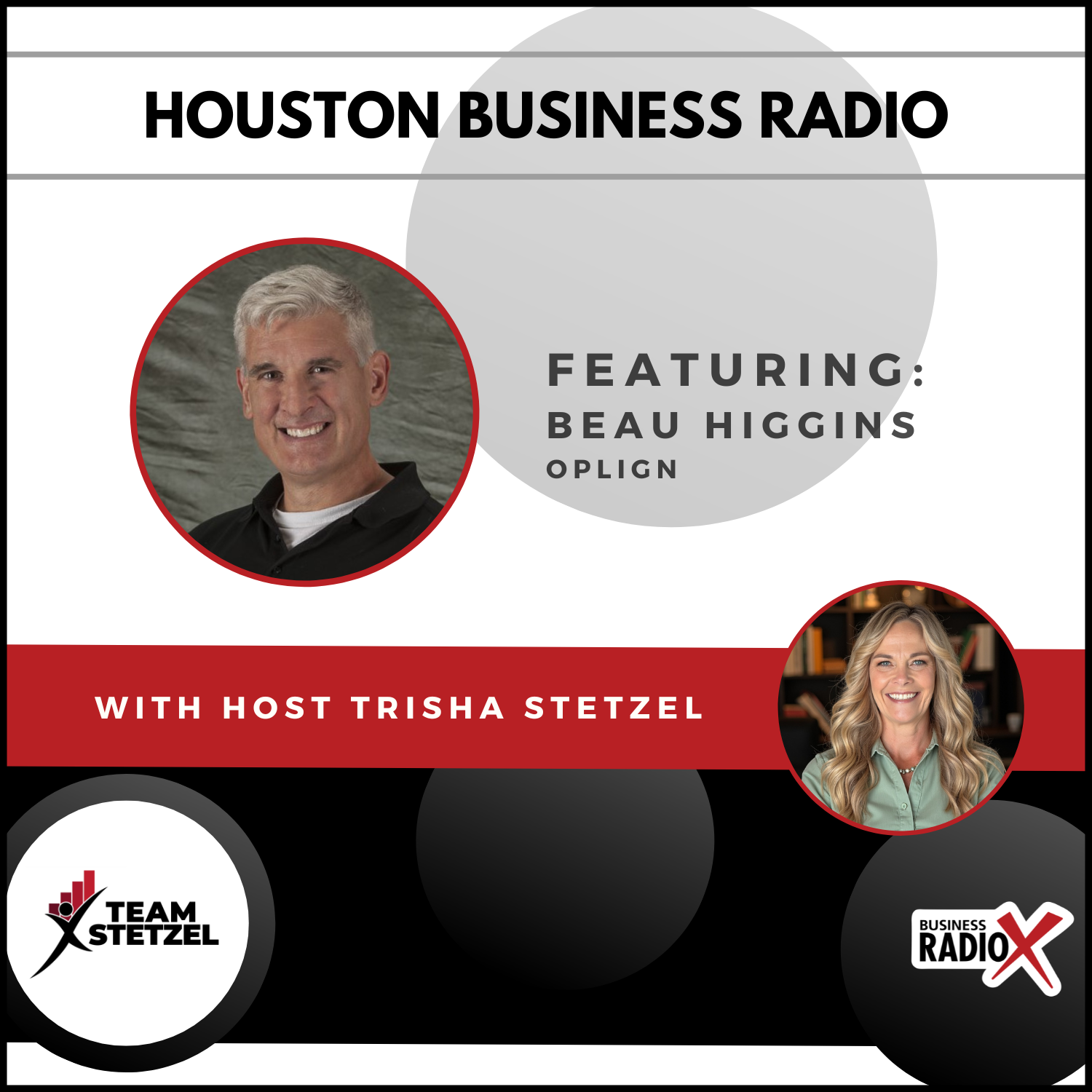


 Beau Higgins is a retired U.S. Marine Corps Colonel who served for 25 years as an intelligence officer, with deployments to Somalia, Bosnia, Iraq, and Afghanistan. During his distinguished military career, he commanded both the 1st Reconnaissance Battalion and Headquarters Battalion, 2nd Marine Division, leading elite teams in some of the world’s most challenging environments.
After retiring from the Marine Corps in 2014, Beau joined Amazon’s Military Affairs team, where he spent seven years developing and scaling veteran hiring, development, and retention programs. He led strategic initiatives that strengthened Amazon’s commitment to the military community and helped create pathways for thousands of veterans transitioning into civilian careers.
Today, Beau continues his passion for serving veterans as Vice President of Oplign and Senior Client Partner at The Military Veteran, where he helps organizations build veteran-focused talent acquisition strategies and connects military leaders with executive opportunities. His mission is to help businesses access exceptional veteran talent while supporting service members in building successful post-military careers.
LinkedIn: https://www.linkedin.com/in/beauhiggins1/
Website: https://www.oplign.com/
 This transcript is machine transcribed by Sonix
TRANSCRIPT
Intro: Broadcasting live from the Business RadioX Studios in Houston, Texas. It’s time for Houston Business Radio. Now, here’s your host.
Trisha Stetzel: Hello, Houston. Trisha Stetzel here bringing you another episode of Houston Business Radio Beyond the Uniform Series. It is my pleasure to introduce you to my guest today, Beau Higgins. He’s the vice president of business development at Oplign. He’s also a retired Marine Corps intelligence officer and a leader in veteran workforce transition. Beau served over 25 years in the Marine Corps with deployments to Somalia, Bosnia, three tours to Iraq and three tours to Afghanistan. He had the privilege to command First Reconnaissance Battalion and headquarters Battalion, second Marine Division. After retiring, he spent seven years at Amazon, where he helped build and scale higher military hiring programs, including skill bridge, military spouse hiring initiatives and student veteran pipelines. Today, Beau continues that mission through his work with Oplign, a military built platform that translates military experience into civilian opportunities and through executive recruiting work, helping veterans step in a high level roles in private equity and venture capital. Beau. Welcome to the show.
Beau Higgins: Well, that’s a mouthful. Thank you. It is. It is wonderful to be here today, especially with a fellow sig as a Sigint guy, you know, 2600. Good stuff. Yeah. Excited to be here today. And, uh, yeah, it’s sounding pretty good. I was like, who is this guy she’s talking about? I forget all those things, you know? But it’s great.
Trisha Stetzel: I know, right?
Trisha Stetzel: Well, sometimes it’s nice when someone else introduces you, so you don’t have to do all of that stuff, right? It feels different when it’s coming from somebody else. Uh. All right, so, Bo, tell us a little bit more about who you are.
Beau Higgins: Yeah. You know, I mean, I’m a I’m a I’m a kid from New Orleans. So I grew up, I grew up in New Orleans, uh, which I think is a big part of, of who I am and my journey, uh, and Jesuit high school and just very much, um, service and faith were always an important part of who I was and my journey, uh, but from, from, from, from Jesuit up to University of Virginia got my UVA coverage on the day and then, uh, didn’t know what I wanted to do. I literally was my senior year of college, didn’t know what I wanted to do. I saw the military recruiter hanging out at the library, and my dad had been a marine. And next thing you know, I decided I was going to join the Marine Corps, and I thought I’d do it for four years. And 25 years later, I retired as a colonel, you know, and, uh, a great run. Um, but it’s, you know, it really starts with, I think those, those formative years of high school and having those, the idea of service, uh, that I got in that, in that Jesuit high school environment and wanting to give back and find those ways to give back. And I think I found that certainly in the Marine Corps and now being in the veteran hiring space, you feel like it’s your vocation. And how do you find those ways to help out veterans, whether it be through Oplign or executive recruitment? You know, that or my work with, you know, Travis Marion Foundation or now recently on the board with toys for tots. So all of those things have a of a component, I think, of giving back that started about, you know, started back in those days in New Orleans and high school and have always been the kind of the foundation, the bedrock of what I’ve become today.
Trisha Stetzel: Yeah, absolutely. I like to call it serving after we’ve served. It’s so important. And I think it’s just, as you mentioned, embedded in us, right? You’ve had a lot of transitions, though. So you went from the Marine Corps to Amazon and now building your own path and working in all of these spaces, still supporting veterans. What did that transition really look like for you from the beginning to where you are now.
Beau Higgins: Yeah. You know, it’s interesting. And I and I talked to a lot of transitioning veterans. And the thing I will say is every transition journey is different, right? There’s no one journey of transition, everyone’s personality, everyone’s situation, everyone’s family life is a little different. I mean, for me, mine was pretty smooth when I was getting out. Um, I, I enjoyed transition because I like to talk and I, and I looked at it as an opportunity to kind of catch up for, for 25 years, I had been in the, you know, the Marine Corps institution and transitioned to me was a chance to reach back out to friends of mine and family members that I maybe hadn’t talked to for a while and say, hey, uh, I’m leaving the Marine Corps. You know, I need a job. What do you what do you do? Oh, you’re a commercial real estate. Like you sell buildings like what’s what’s that all about? I mean, you seem to be doing pretty good, but what’s it all about? You know, or you’re in banking or you’re in finance or you’re in this, you know, like you’re, you’re a a lobbyist. You’re a consultant. Okay. I think I know what that is, but like, what do you do? You know, and to me, that was what I think.
Beau Higgins: I enjoyed that part of transition because I got to learn. I probably learned more not about myself, like what my friends really did because I, I really didn’t unpack that while I was in the military. Um, so I, but I will say I probably didn’t start it soon enough. I mean, I left right from command to go into the civilian sector. So, um, when you, when you do that, um, well, I certainly I didn’t start early enough, but I did have the luxury of having a good network of friends from high school, friends from college family members, you know, fellow service members that had gotten out, um, that were working and I had stayed in touch with. Um, but I think that’s, you know, I, I’ve said this before a thousand times and I stole it from Patrick Murphy, who’s a good friend of mine. Your network is your net worth, right? You know, your net worth. Everything you do, your transition, the way you’re going to get a job 99% of the time, I am convinced, is through your network. I mean, I get it, you have to apply. You have to go into the system. That’s part of the deal. But, you know, you’re going to get frustrated if all you’re doing is applying online all day long and don’t hear back.
Beau Higgins: That’s not how you’re going to get a job. You’re going to get a job because of your network and just talking to people and be willing to, you know, figuring out what your elevator pitch is and what you want to do and, and figuring out what you don’t want to do. That’s, I mean, that’s just as important as figuring out what you do want to do during transition is figuring out what you don’t want to do. And those conversations I was having with my buddies were like, okay, I don’t, I don’t that doesn’t sound too good. Actually. I don’t, I don’t want that job. I don’t want this, I don’t want that. But then kind of figuring out what you do want to do, once you’re able to figure that out, then you can really start even, you know, tightening up your, your, your networking even more to people in that industry or in that location or whatever it may be. You know, it’s always starting up here and bringing it down, bringing it down, bringing it down. I call it the targeting process. At the end of the day, to narrow that target down and then really focus. But it just it takes time. And it’s all about the network.
Trisha Stetzel: Yeah, absolutely. So what would you say to someone who maybe recently transitioned out and they just they don’t have a big network. Maybe they left behind a place that they grew up and they joined the military and they haven’t kept in touch with anybody. And so when they get out, they think they have no network. What would you say to them?
Beau Higgins: Yeah, I mean, you may think that, but you you have a bigger network than you think. For one, you have the military network. I mean, LinkedIn is an amazing, powerful tool. You can go to a company like Amazon or like a Boeing or like a, you know, General Motors or HEB, whatever it may be, wherever you are and find, you know, H-e-b and marine, you’ll find people there and find another marine that was if you’re, you know, if you’re a you’re whatever, find someone from your service at that company. Don’t reach out to them about a job. Networking is not necessarily about a job. It’s about having a conversation, right? It’s saying, hey, you’re working at a company I’m interested in. Can you tell me what the culture is like? How do you get there? You know, any thoughts about it that may lead to a conversation about a job, but networking is just kind of okay, you’re you’re a few years ahead of me. You’re at this company that I’m interested in. Would you be willing to talk to me as a fellow marine or a fellow, you know, soldier, a fellow sailor? So that is a built in network. Even if you don’t, you know, have you think you don’t have a network? Is that someone you necessarily know, but you’re part of that military fraternity, right? You’re part of that, that group.
Beau Higgins: So you’re in with that. I would also encourage people to utilize, um, and I’m a mentor for an organization called ACP American Corporate Partners. You can get assigned a mentor that can help you get into an industry. Um, I mean, there are so many organizations out there that want to help you build your network if you don’t have one. I think it almost can be overwhelming sometimes the amount of resources that are out there to help you. So I mean, if you’re feeling like there’s nothing out there, you’re, you’re, you’re wrong, and there’s a million ways you can do it, you know, whether it’s a little bit behind the scenes or a little, or actually going to a base or going to an event in person. If you’re a little shy, you can you can network from your computer on LinkedIn all day long and you find a mentor that’s a one on one. Maybe that’s a better, more comfortable for you. So I think there’s, there’s a million ways to do it. There’s, there’s no one size fits all when it comes to networking.
Trisha Stetzel: Yeah, absolutely. All right. So we transitioned from the military to Amazon, and then you made another transition from big business to doing a lot of work for yourself, but also still supporting veterans. Talk about that transition.
Beau Higgins: Yeah. You know, I mean, I spent seven years at Amazon and it was great. And we when I first got there, it was after Jeff Bezos had made a pledge to hire 25,000 veterans, which sounds great. But then he made another pledge to hire 100,000 veterans. I mean, so Amazon, we did it at a scale that I think no one else in the world has ever done it. In some ways, when it came to hiring veterans and military spouses. But, you know, like anything, I think any job has a shelf life on it. And after seven years, there it was. I was, I think just like burned out. It’s the wrong word. But gone through Covid been through a lot of changes. And it was I just felt like it was time. And if I was going to do something on my own, that that kind of like, okay, I’ve built up my credibility in the space. I felt very comfortable as a leader in the veteran hiring space, if you will. Um, and I had been working with the Oplign guys in particular when I was at Amazon, so they were looking to grow.
Beau Higgins: I was looking for something maybe on my own. So I actually started my own LLC initially, so focused on veteran hiring called Gigs by Leagues. I have a separate LLC focused on my crazy jackets. It’s a different story for a different day, probably, but, um, so I started gigs by leagues and Oplign was my, my first customer, if you will. Um, and my second, uh, was with working with the vet and executive recruiting. So it’s all about, I mean, everything I do in my LLC is focused on veteran recruiting. So I feel like it’s an expert or I feel like I’m in, I’m an expert at it, or I’ve been doing it for a long time and wanted to find ways to give back. Um, and do it not necessarily again, from just an Amazon was great. Again, the impact you could have there was great, but wanted to kind of do maybe a little smaller, more differently, maybe have a little bit more ownership in it. Uh, so that was kind of a decision I made there.
Trisha Stetzel: I love that. All right. I do want to talk about Oplign before we get there though, how can people connect with you? What is the best way for them to get more information or get to know you better?
Beau Higgins: Yeah, I mean, I’m, I am a prodigious user of LinkedIn. So if you Google Bo Higgins on LinkedIn, I promise you, I will reply and I promise you will find me there. But you can certainly email is great too. So it’s bo BEAOBEAU dot Higgins HIGGINS at Oplign, oplign.com, bo.higgins@online.com. You can always reach out to me there. And I again, I’m happy to reply to emails, happy to reply to LinkedIn. If you’re on LinkedIn and we’re not connected, you know, I would love to connect. I have over 30,000 connections, so I have to usually delete them to add new ones. But I’m always bringing in the new people because the old people have already gotten help. So I’m bringing new people on all the time, so I’ll make it happen.
Trisha Stetzel: I love that, and that’s how you and I connected. I reached out because we had something in common. And I think that your comment about reaching out to other people in your maybe in this same service that you were in, or maybe the same interest that you have or the same industry that you want to be in. That’s the way to connect. And it’s not about selling or, or asking for something. It’s just getting to know them and building a network and building relationships. Such great advice. All right. I want to talk about Oplign. So it’s OPLIGN. You guys, if you’re looking for that, tell us all about it. What is it doing?
Beau Higgins: Yeah. So Oplign actually stands for optimal alignment. Mash them together. You get Oplign. Uh, it was founded by, uh, some, some angry NCOs who are usually, uh, some of the best in the world when it comes to problem solving, right? They were, they were, they were in the, they were in the defense contracting business. And they would, they found that they win these contracts. And then they needed to fill them with people. And they were having a hard time finding, you know, I need a guy with a sigh clearance in DC and a guy that can drive a truck over here and they need a mechanic. And like, I know these people are out there. I serve with them, but I can’t find them. I can’t find whether it’s on LinkedIn or they couldn’t find the people they wanted in the labor market. So they basically said, we are going to build a tool that maps the labor market, for lack of a better word. And we’re going to make it easy or easier for veterans to align their skills to the labor market, because I think we all can appreciate that there are challenges that veterans face, especially direct transitioning veterans, of aligning their skills to the labor market. Um, so they built a tool that is truly the easy button for matching your skills to open jobs. And as a marine, I feel like I can speak to that. We, you know, we want the easy button, right? We want, we want the crayons.
Beau Higgins: We want this simple. It’s got to be simple or people aren’t going to use it. And I talk especially, you know, the tool works for anyone in the military. And again, this is if you’ve if you’re direct transitioning or if you’ve been out for 20 years, it’s and it works for military spouses as well, worked for student veterans so and worked for civilians. But it does have special functionality for veterans. And I think in particular for your, you know, first termer E five combat arms type. So, you know, infantrymen, boatswain’s mate, you know, maintenance tech, um, you don’t know a lot of times like I was all right, I was an infantry. What about what have I learned to do in the Marine Corps. I’ve learned to, you know, be homeless, right. And live outside. You know, that’s my job. Who’s going to hire me? I’m like, well, you’ve actually learned a lot of things. You’ve learned probably, you know, a how to show up time, how to lead, how to work in weather conditions, how to fight through difficult situations, probably learn something about inventory control, probably learn something about, you know, process management probably learned a lot of things, safety things that you don’t even think of that you probably did, but wouldn’t say you were an expert in. But you probably are more than most, right? This tool is going to ask you questions based on you said your combat arms. These are things you probably have that you don’t know, and it’s going to match you to companies that you wouldn’t think your match for.
Beau Higgins: Right. And that’s just, oh, you were an MP. Yep. All you can do is security. It’s so much better than that because that is what typically I think these job matching platforms have said like, oh, Intel, right. You can only go over and work over here and this type of a job. Really, you can do a lot more things and you’ve done a lot more because all of us end up being generalists in some way. We have extra duties, collateral duties that we did in the military that your traditional job matching MLS translator doesn’t account for. So the beauty of this tool truly is you go in there, enter your MOS. It’ll ask you about the schools you went to, other MLS you have. If you went back to school and got a master’s degree after you got out, it’ll it’ll defer more to that experience. Right? If you’ve gotten out for a while. Five years. Ten years. I mean, we will certainly count your military experience, but we’ll also factor in, yes, you were an avionics technician, but now you’re a program manager. You’ve been doing that for eight years. So it’s just a it’s an amazing tool in its ability, very simply, within a matter of 3 or 4 minutes to help you as that veteran align your skills to the, to the job market.
Beau Higgins: And conversely, on the backside of it, as you can appreciate, most recruiters, most sourcers are not veterans. They have no idea what a, you know, a, a 16, 10 or 2600 is or anything. Air force 24 hours. I mean, I don’t even know all the mos’s, right? I have no clue what these things are. They’re looking for. Does he have the experience? Does he have this certification? You write the tool makes it easy for a non veteran recruiter or sourcer to quickly say, oh yes, they have a SSI with poly and they’re in Maryland, and they’ve done four years of experience in, you know, in this kind of programing language. And they have this and, okay, let’s let’s talk to them. Right? So it’s just, it’s a tool that helps languages kind of merge. Rosetta Stone. Right. Of matching languages together to figure out how your MOS translate to open jobs. And it’s, you know, again, for a company like Amazon, we use the heck out of it. Boeing’s a customer of ours. They love it. Usaa, Verizon, Wells Fargo, J&J, these are all companies that use this tool to help, you know, to help their recruiters and sourcers find talent. So again, and it’s one of those things that, just to be clear, it is free for the veteran. It is free for the military spouse. It is free for student veterans. It is free for any nonprofit that is helping veterans try to find jobs. So we partner with MOA and that’s in tech and for block and NC for me and vet jobs.
Beau Higgins: And I could go down the line, right? If anyone is on the front end trying to help veterans figure out how they match two jobs. We will give it to them. We want as many veterans in the system as possible, right? We don’t care if they came in through the Boeing page, the Oplign page, whatever page. It’s all good about it’s all about getting candidates into the system. We get about 6000 new users a month into the Oplign tool. So a lot of folks are finding it. And I will say it’s about of that 6000, about a third are direct transitioning about a third or 1 to 5 years out, about a third or five or more years out. So again, it is working for all veterans. We get about 10% military spouses right now. And I’d love to to grow those numbers as well. But big company, small company, if you want to find talent, we can help you do that. If you’re a veteran looking for a job, we can help you do that. And again, you can search by Justin Houston. I want only jobs in Houston. You know that have this as a CDL. I mean, we can we can show you those those jobs as a veteran where your skills are so great, powerful, awesome tool. Thank angry NCOs for making it. And I love working with them.
Speaker 5: I love that. All right. So just to be clear.
Trisha Stetzel: Anyone who is a veteran or spouse of a veteran or a nonprofit can certainly the nonprofit can do some of the homework, but the veterans and veterans spouses can go directly to the online site and set up their profile. Is that what.
Beau Higgins: Iww.ign.com? Anyone can go there 100%. I mean, this is civilians can go there too. It just has a little more functionality for the veteran because we ask your MLS, but we’re going to ask you as a civilian, when did you graduate or did college or high school or whatever your level of education is? That’s going to be a question we ask you. When did you do it? Okay. What are you doing since then? You know, so you could be a high school grad and, you know, you will match to something. I can’t promise you what it is, but you will match to something.
Trisha Stetzel: Oh, I love this.
Trisha Stetzel: And if you’re a company listening and you have a veteran hiring program, or you want to have a veteran hiring program, you need to reach out to Bo to learn more about Oplign, because you could certainly be using that as an easy way to match what you need to the veteran community that’s already out there looking for what you have. Love this. This is so exciting. So Bo, as we kind of get to the the back further end of our conversation, I want to talk about, uh, that, which is more executive pathways because I know I’ve got some executives that are listening today too. Can you tell me about that program?
Beau Higgins: Yeah for sure. So I work with a mill at the mill that was founded by a West Pointer and a Naval Academy grad. It’s like a joke. Walked into a bar and, you know, they, they, they created an executive recruiting tool for veterans. So, and primarily our focus is on veterans that are looking to get into private equity venture capital and founder based companies. So the typical profile that we look at are folks that have been out, you know, did maybe 5 to 8 years in the military, went back and got their MBA. They’re maybe working at a McKinsey or working at a Goldman or working somewhere and want to be operators again. Right. A lot of the folks that are maybe at in corporate America want to go back where they’re, you know, leading again. And they’re the operators. They’re the CEOs again. Right. So we work with primarily private equity backed companies, portfolio companies that are looking to expand and have an opportunity to bring in an executive. So these could be CEOs, CFOs, CEOs, head of operations, chiefs of staff, those types of roles. And again, most of these smaller private equity venture capital companies don’t have a permanent HR department, if you will. They’re a little smaller. So if they want to find that kind of talent, I mean, this is top level, you know, awesome, amazing talent.
Beau Higgins: I mean, I always say the beauty of the mill that we bring you folks that not only can, you know, have the have the, the m, b a and can read a, P and L, they also have the leadership, right? So they can talk to a board and they can talk numbers, but they can also lead the hourly guys that are driving, you know, the forklift, right? I mean, that’s that’s a that’s a pretty sweet spot of a combination that veterans bring to the table. So again, if your company is in defense tech and you need these guys, who do you think knows defense tech better than anybody. Well the veteran, they’ve been probably flying the drone and can probably lead the guys that are building the drones to, you know. So if you need that kind of talent or you’re someone that is looking to get into that kind of opportunity, please reach out to me. Happy to direct you to that guy. I host a weekly podcast for the Mill Vet and bring on fun guests all the time, and talk about their journeys and how they got from the military into private equity. That’s a whole different subsection of transition.
Trisha Stetzel: All right. So can we find your podcast on your linkedin profile? Where do we find it?
Beau Higgins: It’s, uh, the mill vet, the mill vet.org. Go to the mill vet.org. You will find our podcast. You can sign up for the newsletter. You can, you can see where we’re going to having upcoming events, um, and where we’re going to be in your town and come out and check us out. Yeah. Brand new. Uh, it’s a brand new and improved, uh, website as of a few weeks ago. So the.org and, uh, yeah, check it out. Some great stuff in there.
Trisha Stetzel: Fantastic. That’s so exciting. All right, last question for you, Bo. Uh, I want to circle back to something you said early in our conversation, which was you didn’t get started early enough when we’re talking about transition. And I think that could be military, it could be transitioning from corporate to privately owned company. If you want to be a founder or a president of something that you’re doing on your own, any kind of transition, what advice would you give to people based on your own experience? On getting started before it’s time to pull the lever?
Beau Higgins: Yeah, I mean, especially in the military, no matter if you serve three years, three months, 30 years, you’re always going to be getting out at some point in time. So if I would do it again. I would have been more. I mean, not that I even thought about getting out. I did 25 years. I didn’t really plan on doing 25 years, but I think everyone should be more proactive about staying engaged with their external network earlier on in their careers instead of waiting, oh my gosh, now I have two months left and now I got to go do this. No, it’s it should be part and parcel of what you’re doing because transition is continuous and you need to invest and kind of water those seeds of your network all along. If you let it all die. And it’s harder to bring that network back. But if you if you always do a little bit and you stay engaged and you don’t know, maybe you’re going to get out or not, it’s better to kind of just make that keep, keep transition as one of the things that you’re always doing. Because at some point, all of us have to leave the military. So it behooves you to, to spend some time thinking about your transition as soon as you kind of get into the military, because at some point you’re going to have to do it.
Trisha Stetzel: Yeah, absolutely. Tell me one thing that just pops up for you today in the work that you’re doing today that you brought with you from the military? One quality or one thing that really benefits you today that you brought from the military?
Beau Higgins: Yeah. I mean, I think it’s probably what I, what I, what I talk about that I got in the military that has been probably the most valuable to me is I call it diversity of thought. And it’s the way you look at problems. And I think a lot of that is probably because of my time in the Marine Corps, we were often thrown into situations with very limited resources and kind of like, okay, you’re figure it out. Right? That just, you got to figure it out. There’s no, there’s no manual. There’s no way to do it. It’s like, okay, you’re just go, Higgins. Okay, here it is. You I need don’t ask for more because you’re not getting it. So you need to figure it out, right? And that ability to look at problems differently, I think is super valuable in the in the job market. Again, especially if you go to a company where there aren’t other veterans that are used to maybe doing things by the book or by the corporate, you know, the way they do things at that company to bring in a different perspective of how you problem solve and how you look at problems is super valuable. So don’t underestimate, you know, not not just the diversity that military brings to, you know, whether you’re black, white, whatever green, blue, orange, the diversity of how you look at problems. And I think that is something that is an intangible that we don’t, we don’t give ourselves enough credit for is the problem solving that we are forced to do in the military. We don’t think about it on the resume, but it’s something you do, and it’s something that is very much needed and appreciated in corporate America.
Trisha Stetzel: Yeah. And Oplign is going to capture that. And I think that’s so important. It’s going to help us really identify the skills that we have that we probably don’t know we got from the military that are translated into something really important in corporate America and corporate America or other businesses. So thank you so much. This has been a fantastic conversation. I really appreciate you being with me today.
Beau Higgins: No, it was wonderful. Thanks for the time. I appreciate it and I look forward to seeing you.
Trisha Stetzel: Absolutely. And for all my military friends out there, it was not me that brought up the crayons. It was.
Speaker 7: Both. I’m just saying.
Trisha Stetzel: All right, you guys, that’s all the time we have for today. If you found value in this conversation, please share it with a fellow entrepreneur, veteran or Houston leader ready to grow. And as always, be sure to follow, rate and review the show. It helps us reach more bold business minds just like yours and your business. Your leadership and your legacy are built one intentional step at a time. So stay inspired, stay focused, and keep building the business and the life you deserve.















