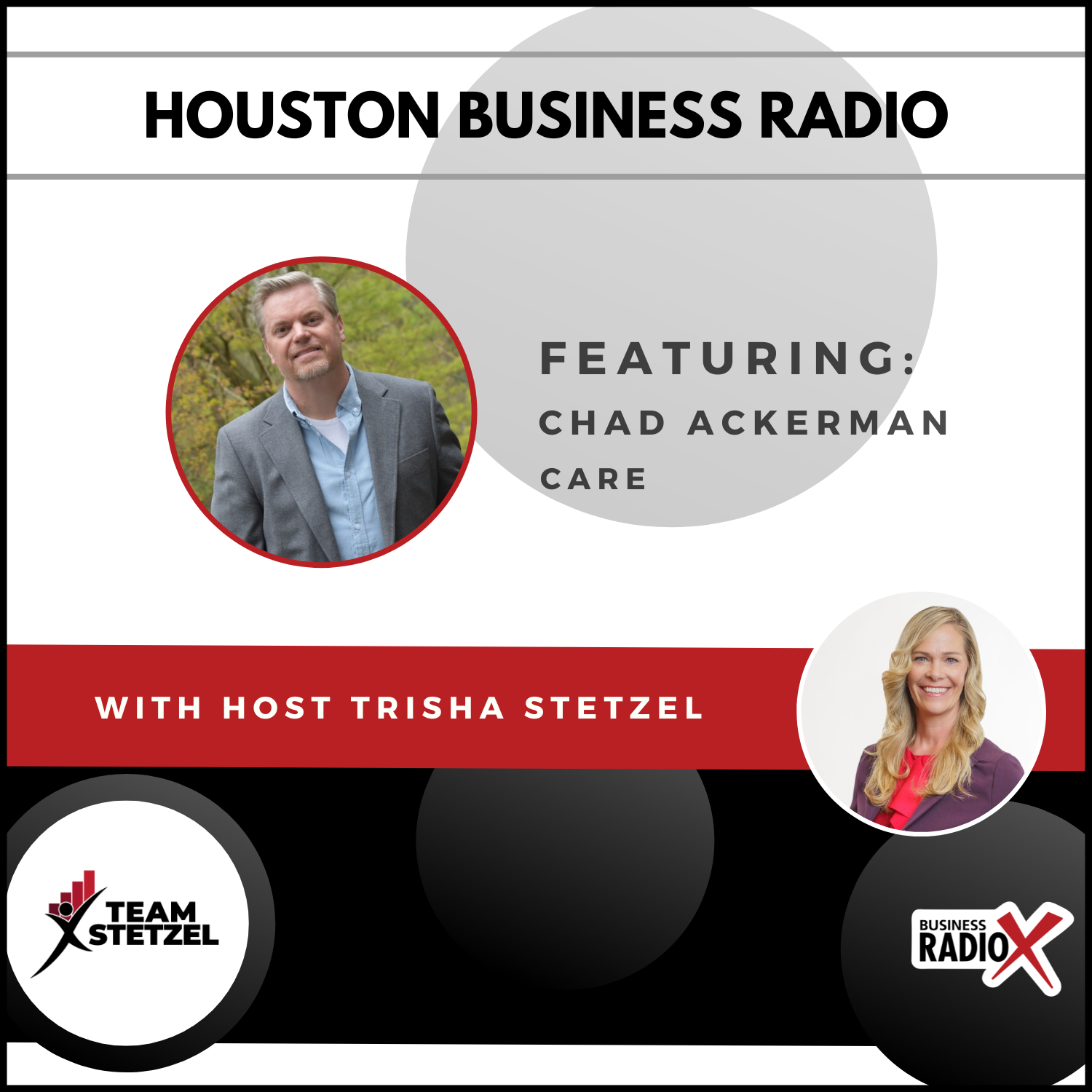

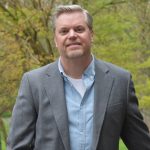
 Chad Ackerman is the founder of CARE and Chad Ackerman Real Estate, as well as a certified FocalPoint Business Coach.
After a 25+ year career in corporate leadership, Chad made a decisive leap into entrepreneurship and real estate investing—co-founding Left Field Investors, a fast-growing passive investing community that was later acquired by BiggerPockets and rebranded as Passive Pockets.
Through CARE, Chad now helps new and aspiring limited partners gain confidence and clarity as they navigate real estate syndications and build passive income.
His mission is to make investing approachable, practical, and aligned with the investor’s unique goals and lifestyle. 
Chad is known for his transparency, coaching heart, and ability to simplify complex financial decisions.
He is passionate about helping others create income streams that provide true freedom—not more stress—through community, education, and intentional investing strategies.
LinkedIn: https://www.linkedin.com/company/chad-ackerman-real-estate/about/
Website: https://chadackermanrealestate.com/
 This transcript is machine transcribed by Sonix
TRANSCRIPT
Intro: Broadcasting live from the Business RadioX studios in Houston, Texas. It’s time for Houston Business Radio. Now, here’s your host.
Trisha Stetzel: Hello, Houston. Trisha Stetzel here bringing you another episode of Houston Business Radio. Is my pleasure to introduce you to my guest today, who is Chad Ackerman, founder of CARE. We’ll talk more about that. And Chad Ackerman Real Estate, which those two things may be synonymous. You’ll see as a and a certified focal point business coach, which is how we met. After spending more than 25 years in corporate leadership, Chad made a bold pivot into entrepreneurship and investing, co-founding Left Field Investors, a nationally recognized community that supported thousands of passive investors before being acquired by Bigger Pockets and rebranded as Passive Pockets through care. Chad now helps new and aspiring limited partners build confidence, take action, and make smart, sustainable investment decisions. He’s passionate about making passive investing approachable for everyone, not just the pros, and teaching business owners how to grow income streams that align with their goals and their values. Chad, welcome to the show.
Chad Ackerman: Thank you. Can you hear Focal Point material in there as you read that too? Maybe a little. I’ve tried to bleed that in. It’s been very fruitful you know to get that focal point background. So but no thank you Trisha, I really appreciate you having me on the podcast. Really excited to have the conversation with you today. It’s great to see you again. Uh, thank you for all you’ve done for me to help get me to this point as well.
Trisha Stetzel: Hey. You bet. Uh, and I’m glad that you reached out. You know, you reached out just because we’re rekindling, uh, a relationship where we had a community together, and I said, hey, why don’t you come on the show? Let’s talk about what you’re doing.
Chad Ackerman: Yeah, you’re part of my Champions Network now, so I gotta work that Champions Network. That’s right.
Trisha Stetzel: So, Chad, for people who don’t know you, tell us a little bit more about you.
Chad Ackerman: Yeah. So, uh, again, thank you for having me on the show, but I was a career W2 guy. I was in human resources of all places, not the, you know, hunting grounds for turning into an entrepreneur, necessarily. But it worked for me that I did 25 plus years in HR and mostly focused on compensation, which was analytical at heart. I switched jobs, and when I switched jobs, somebody at the new job kind of put the bug in my ear that they were looking for multiple income streams. And that kind of triggered with me of, oh, you know that. Yeah, I’m getting later in my career looking for other options. I should look into this further. And this new job gave me windshield time. So I started listening to podcasts, I started doing audio books and so forth, focused on real estate investing and looked at a lot of shiny objects, a lot like like a lot of people do, and ultimately ended up falling into a local meetup group here in Columbus, Ohio, a beautiful Columbus, Ohio, where I am, and the last meetup that I attended, the founder got up and talked about how he left his W2 by investing passively in real estate, and that was kind of the switch that flipped for me of like, I gotta meet this guy, I gotta figure out what this is. And he ended up being one of the co-founders of Left Field with me as well, before it was over with.
Chad Ackerman: It’s his idea, really. I was a co-founder of his is what I should say, but I got very passionate about it. It left me built an opportunity for me to leave my W2 in 2022. Uh, so I’d say I’m retired from the corporate world anyway, but I wasn’t done by any means. I had to fill my time somehow, and I went out and bought a Focal Point franchise at that point in time. Got to go through some wonderful training with yourself and, uh, spurred me out and I, you know, I was soul searching, trying to figure out what to do with Focal Point, really find my customer. And somebody finally put the bug in my ear of saying, why don’t you go coach professionals that want to learn about passive real estate? And I’m like, yes, let’s blend focal points, materials, resources, knowledge with the knowledge I built by running left field and doing passive investing myself, and try to go help people that are just like me. My avatar is me, you know, my target audience is me. So, uh, try to go help people that have a curiosity about investing passively. Uh, just don’t know where to start. You know, those are the people I’m trying to find and help out now at this point in time.
Trisha Stetzel: I love that. So, Chad, it took me six years to figure out that I am her. She is me.
Speaker4: I am right.
Trisha Stetzel: You learned that lesson a lot faster than I did.
Chad Ackerman: Maybe you you you gave that to me subliminally without me realizing it.
Trisha Stetzel: Maybe I did, or maybe I spoke it at some.
Chad Ackerman: Yes, at some point.
Trisha Stetzel: Some class somewhere. Um, okay. So I, I love this idea of you shifting from your W2 into investing into coaching and now blending those things together. What lessons carried over into what you’re doing now from your corporate experience? I’m asking you to lean back into that a little bit and tell us what you bring to your business now, from those lessons you learned then.
Chad Ackerman: Yeah, I, I learned it in corporate focal point. Put this in us as well with your training and everything to to me this this space I’m in now trying to help people. It all starts with goal setting. You really gotta build your foundation first and foremost. Otherwise, you make mistakes and you only have a limited number of resources to utilize in this space. You don’t want to waste any money. You don’t want to waste any time. So I really Call coach people to sit and spend time on your goals and your strategies. I’m proof positive. My very first passive investing investment I got into was a 17 story building in Cleveland. That was an office space that they were going to gut and turn into apartments. Sounds sexy. Sounds fun. I was excited about it. Was definitely a shiny object. Um, but I didn’t realize at the time my real goal in all this space was cash flow. I wanted to build passive cash flow. Well, a basically a ground up development is almost what it was isn’t going to cash flow for a long period of time.
Chad Ackerman: So it was a mistake to get into it. I thought it was still going to be okay and I could ride the wave. It actually turned out that the gentleman didn’t operate it very well, so it ended up being bad all the way around. But the biggest lesson learned was pause. Take time. Figure out what you’re really trying to do in this space. Ask yourself those questions of what do I want out of this? And honestly, the the biggest benefit to what I’m doing now, the passive real estate investing. There’s a ton of noise in this industry. There’s shiny objects everywhere. Having your goals set really gives you alignment and cuts down on a lot of those noises. I can ignore all the noise that I see because that’s not what I’m looking for. So it really trims down that funnel then, so you can focus on what is important to you, what you’re really trying to do. So I learned it in corporate, learned it with Focal Point. And it definitely sticks with this space as well.
Trisha Stetzel: Okay. So now I’m going to ask you to put your coaching hat on. Is this something you do with your clients? What if somebody comes to you and says, Chad, I don’t know what I want. I have no idea what my goals are.
Chad Ackerman: So then we start asking the questions. Then we dig deep with them and really start asking the why, why, why, why questions to them. Um, and it does take time. It took me a long time to kind of really nail down my goals. And you, you start with high level. I feel like, oh, I just I want to build my wealth. Well, okay. Why do you want to build your wealth? What’s your lesson behind it? Oh, well, I want to, you know, be able to leave my W2. Well, why do you want to leave your W2 at some point in time? And, you know, you see I like your lighting up about this. So my coaching is kicking in. But it it gets down to honestly at the end of the day, majority of the time it ends up being time freedom discussions that people are looking for, not financial freedom. Financial freedom, ultimately is the tool that lets you have time freedom. But it’s majority of these people that I coach. They’re missing kids soccer games. They’re, you know, working 60 hours a week. They’re doing all this. It always boils back to time. Freedom at the end of the day, is what they’re looking for. But it’s it’s helping them understand that on, you know, on the surface, they’re just like, I want to build my wealth. I want alternative investments to outside of the stock market to blend in and diversify all that’s good. But there’s more. Why behind all of that that I try to help them get to. So it means more to them?
Trisha Stetzel: Yeah, absolutely. Wow. This sounds like business coaching, Chad. Mm.
Chad Ackerman: It’s, uh. It’s amazing. Once I kind of figured out how to blend this, that it’s. Yeah. Business coaching fits in so many arenas. Um, it’s it’s borderline life coaching. It’s borderline. I always view it as accountability coaching. You know, this is what you taught us as well. At the end of the day, I’m just helping you think through what you already know or may know, helping you just take a clear lens to take a look at it and then hold you accountable for what you say you want to do. That’s ultimately my goal with the people that I coach keep them on track.
Trisha Stetzel: Yeah, absolutely. I love that. Um, so if someone is listening to the show today and they’re like, oh, this sounds like a really great idea. And listen, Chad, you have the experience. You’ve got a reputation, um, in this passive Investing space and making it approachable. Um, why do you think so many people are intimidated by it? Even those people who are listening who are like, oh, something I want to do, but I’m never going to get into that because it’s scary.
Chad Ackerman: Yeah, I, I think there’s a lot of myths related to this industry. I actually have a webinar I do that covers seven myths that go with this industry. That first and foremost is people have fear, the fear of investing, which the risk that’s involved. I could lose everything that I invest. Well, there’s a risk in every investment that you do. The the beauty of investing in real estate versus the stock market, the stock market. You’re investing in paper, which could go to a value of $0. I mean, it could the building could close, the business could go out. Uh, it could be, you know, a total disaster for you. At the end of the day, with real estate, even if the whatever building it was, if it was self storage, if it was apartment building, whatever, if it burnt to the ground, you still own the ground. There’s still some value that you hold there because it’s real estate. You probably had insurance on it so you can get. I mean, you shouldn’t invest in anything that doesn’t have insurance on it. So you better have insurance, right? So even if it does burn like you’re going to get that back, you mitigate a lot of the risk because it’s a real tangible asset.
Chad Ackerman: Um, that’s one another big myth that people always think is you gotta have, you know, I gotta be a millionaire. I gotta have a lot of money to do this. Well, there are avenues most of the retail investments I’ve gotten into you can get into for as low as 25 grand. Now 25 grand. Still a lot of money, by all means. But it’s not millions of dollars. But there’s a business that we work with that we partnered with called Trivest. They help you pool money together. If you have friends and family that want to invest in real estate, too, and you don’t want to put a bunch in, you can pull money together into an LLC. And then you go invest and then you mitigate that risk even further. So I try to teach the myths so that I get people to understand these shouldn’t be obstacles. These shouldn’t be roadblocks for you. Let me get you comfortable. My whole point of care is to build clarity around these obstacles so you can have confidence, so you can take action. That’s what I’m really trying to coach on at the end of the day.
Trisha Stetzel: Okay? I’m really excited about what’s happening here. This is such a great conversation. Uh, you mentioned a webinar, and I am sure that there are people already wanting to connect with you, Chad. So what’s the best way to connect with you and find out more?
Chad Ackerman: Yeah, so I’m all over LinkedIn. That’s a great place to go or go check out my website at Real Estate. Com all one word Chad real estate. Um, a lot of material out there. I’ve tried to put some free material, glossary information, how to get started. These kind of things just it’s where Care was built. Chad Ackerman Real Estate was built to be educational, to help people get educated. I my goal, my legacy, is to educate as many people that this is a tangible way that they can diversify their portfolio. I fell in love with it so much. So I liquidated my 401 and moved it over. And I don’t I don’t encourage people to do this. This is a path. It’s not the path to do this. But I love the space. So I want to teach people, hey, if you want to diversify, if you’re looking for something else, that is a can be a passive investment for you. Check out real estate. And there is there is opportunity here for people and so forth. So go to my website. Go go to the LinkedIn. Check me out there and see, you know, reach out to me. I personally, the biggest thing I get joy out of is just having conversations with people to hear their journey. Where where are you? What have you done? What do you think you’re trying to do? And can I help you out in some way or shape or form? I, I tell my story on podcast all the time. I love hearing stories from other people is what I really strive to do.
Trisha Stetzel: And you guys can find the past podcasts on his website as well. By the way, his last name is spelled a, c k e r m a n. Just in case you’re looking for him on social or his website. You started down this path, Chad, when you were talking about care. And I know it’s Chad Ackerman Real Estate, but you started care and you said clarity. And I thought you were going to go into this using that acronym for your coaching as well.
Chad Ackerman: I have one I’ve tried to figure out, should I get away from Chad and real estate and use the clarity as the C? Uh, but I, I haven’t totally pivoted there yet. I honestly thought it worked out great. Chatgpt you.
Trisha Stetzel: Can use.
Chad Ackerman: Two.
Trisha Stetzel: Right?
Chad Ackerman: You can have your.
Trisha Stetzel: Your coaching acronym and your business name acronym. Okay. Um, the the next piece that I would like to jump into is really community as a business strategy and kind of left field investors and talking a little bit about that. But before we get there. Community makes me think of champions. And we mentioned that at the top of our conversation. Not everyone may understand what a champion is. And I think that let’s start there and then let’s dive into community as a business strategy.
Chad Ackerman: Yeah, yeah. So to me, champion is that everybody has them. You don’t maybe label them that way, but it’s that. Who is that mentor that you’ve worked with. Who is that person that when you’re in a group discussion they’ve got your back or they talk highly of you or whatever? Who are the people you can lean on when you have questions and you want to just kind of partner up with somebody to help you out with an issue or whatever. Um, those are, I think, of my corporate world. There were people that when I was trying for a job or I needed a reference, if you will. They were perfect for that. They were the ones that would kind of stick up and say my names. But it’s it’s so much more than that. It’s that that person that’s kind of looking out for your best interest. Um, that is your true champion in my mind. These are the people I’ve gone back to to kind of let them know what I’m doing now. And they’re the ones that are out there sending referrals my way because they want to help me out. So we all have those people, and they’re very important in our lives, by all means.
Trisha Stetzel: Yeah. They are. So, uh, I would be remiss if I didn’t if we didn’t talk about why you reached out to me as a champion and the connection that we have there. So let’s talk about this idea of connecting with veterans who may be interested in passive income.
Chad Ackerman: Yeah, yeah. So when we were running left field, we saw different pockets of groups of people. I mean, at the end of the day, the target audience for passive investing is a very broad topic. It’s anybody that’s that’s interested that has the means to do it. Uh, you know, so it’s a broad topic, but we would see pockets. We saw first responders that were trying to organize themselves. We saw military, we saw people that saw entrepreneurs, that sold businesses. So there was various avenues that go, but it was always trying to reach out and connect with those people where they are to help introduce the space, especially in a place that they’re comfortable and they’re surrounded by people that there is in their network or their community, so that they could kind of hash it out after conversations and vet it themselves of like, does this seem legit or not? Or whatever the case is, veterans was a big group of that. There’s there’s a lot of people that came into left field that were active duty still that had disposable income that they were trying to invest while they were still active, um, to put it to use. So it wasn’t just sitting around and, and was building wealth for them when they were ready to retire out of the military and so forth. So it was an avenue that after talking to you, I’m like, you know, there’s there’s a lot of work that could be done there, I think, to help introduce this space that I well, not just in military, It isn’t introduced. Well, one of my I’ll use the word legacy again.
Chad Ackerman: One of the legacies I wish we had from left field was I wanted to build educational material that might be taught in schools, whether it be college level, high school level. I’ve actually started a couple books, and one of them is a book that would be for kids 6 to 10 years old to start introducing it then so parents could read it to them, get interested themselves, but be able to have that conversation with a child growing up. I have two children. They’re they’re one’s 21 now. One’s 19. So they’re not going to read that book for me necessarily. But I put them in a tribe in an LLC with me, and I invest with them so that they could learn. My goal was to teach my kids my why was teach my kids about this at a much earlier age than I learned, so they can make more decisions around this than me learning it in my 40s. And I had a lot of, you know, expenses I was responsible for a lot of responsibilities, period. Uh, you know, they’re they’re living the cheapest life. They’re going to live right now because their expenses are as low as they’re ever going to be. Let me teach you how to manage your money. The money you do have, that’s extra. Instead of wasting it. All of it. Have fun. But let me teach you a way to save some extra money and invest it, uh, in a diverse asset class of some kind that just builds your wealth in a different way. That was a lot. A lot of information.
Speaker5: That was awesome. Okay, so did you write the book yet? Chad? Did you write that book?
Chad Ackerman: I wrote the book. The kids book is done. I need to get an illustrator. If anybody’s listening illustrates books, let me know. Okay. So yeah. Yeah.
Speaker5: Awesome. Yeah. Um. All right, so for business owners.
Trisha Stetzel: Entrepreneurs, anybody who’s listening who wants to step into investing, what’s one key mindset they need to make before taking that leap.
Chad Ackerman: Um, get get your get your business, your investment business structure. Before you get started, there are several things that you should think about. Do you want to form an LLC or do you want to invest in your own name? Do you want to? Where’s the money going to come from? Is it, is it um, if you have money in A41K that you wish you could use, there are tools called solo for one or checkbook for one. They have a lot of different names that you can move money out of your 41K into one of these, and you can invest it in anything you want then at that point in time. So there are multiple avenues. So it’s it’s spend time on the business side of this to understand all the different things you need to structure to be ready to invest before you go pull that trigger. And then it’s let’s teach you how to first vet an operator. Vet a general partner. Um, we we have a saying you’re betting on the jockey, not the horse, really is what you’re doing. So we’ll teach you how to vet a deal. But before you ever get a deal, you need to learn how to talk to the operators and get through the marketing that they do and understand the proforma that they send. That is a shiny object as well. That every deal that comes from an operator looks like it’s the best deal that’s ever existed. How do you find the ones that are really there? Well, you start with the operator. Do I trust them? At the end of the day, you’re turning your. The biggest risk that we have is you turn your money over to somebody that isn’t going to operate the deal the way they say they’re going to. That that’s the biggest risk in this.
Chad Ackerman: This gets back to the community discussion. This is why we form left field. This is why I’m a firm believer in community learning. At the end of the day, I won’t invest today with somebody that I can’t go into our forum on passive pockets and say, hey, I just talked to Chad Ackerman, general partner, and I’ve never used him before. Has anybody ever heard of him? And if the community of passive pockets, which is fairly large, I don’t get any responses out of that. I’ll go back to that general partner and say, look, I’m not saying no forever, but I’m saying no for now. Nobody in my community has heard of you. I need to follow you for a while. It’s too big of a risk to too much unknown here. That community, that word of mouth I can get from other people that say, oh, yeah, I’ve worked with Chad and he has great communications, and he followed his pro forma, performed well. He made it through this last economic cycle. That’s been terrible. He did really well with it. That gives me the courage then to go invest more or not invest in other research them more. I should say invest in understanding who they are, maybe before I invest with them. But it’s it’s called passive investing. But you have to be active when you start this process up until when you write the check and you invest in the deal, that’s when it becomes passive, really. So you got to put some effort in up front to make sure, you know, like and Alike and trust the operator. And you’re willing to do this and you like the deal, then you invest, and then you can sit back and be passive with it.
Trisha Stetzel: Okay. So I think it’s worth. We’ve got a few more minutes. I think it’s worth taking a little bit deeper dive into left field investors. So for those who are listening today and they heard bits and pieces of what you’re talking about, like you’re you get vetted through this group and all of these things tell me, take us like through the kindergartner version, like the Trisha kindergartner version of what left field investors is. And how is it something that if I’m interested, I could get involved in? What does that look like?
Chad Ackerman: So yeah, it’s it’s a membership community. Left field got bought out by passive pockets or by bigger pockets. It’s now called passive pockets. But it was we developed it when we were developing Left Field purely as a place to put like minded investors together in one space and share experiences and gain education off of those experiences by sharing with one another and networking with other people doing it. Passive investing and real estate is still new enough that we couldn’t talk to our neighbors. We couldn’t talk to our family. Our name, Left Field, came from when we had those conversations with people. They’re like, oh, you don’t want to do that. That’s out in left field. You don’t want to do that. So that’s exactly why we named it what we did. So we built a community then around like minded individuals just to share. So the intent was for us to become better investors ourselves is why we built it. Then it grew into a culture, and then we started having operators decide they would pay us to come advertise to it. And we’re like, oh, this is actually a business. Wait a minute. But the intent of it was just to put all these people together so that they could learn off of one another, because there wasn’t enough information out there to educate people. If people go Google this, you’re going to find a bunch of information to teach you how to flip single family homes or wholesale them, or do single family stuff, or you’re going to find a bunch of information to teach you how to be a general partner and go buy an apartment building and run it. But there wasn’t hardly any information about being that middle guy of, I just want to invest in the real estate.
Chad Ackerman: I don’t want to run it. I don’t want to be a landlord. I like my W-2, maybe, so I don’t want to leave my W-2. I just want to invest in real estate, and I don’t want to have to go to my single families every night and hammer a few nails, or clean a toilet or whatever, or run out of tenant, whatever the case is, this was that middle ground that gives you that flexibility to do whatever you enjoy doing, but you’re investing in real estate at the same time. You get all the benefits that real estate offers to it. So we put left field together just to bring all those people together, um, and allow them to share their stories so we could all learn good and bad. We had red flag sections of like, hey, who’s had a bad experience? Share that. That’s valuable information so we can know to well, it’s it’s your own personal risk assessment right of well somebody didn’t like the way they communicated. Well, maybe I don’t care as much about communication. So that isn’t as big a red flag for me. But other people, it’s one strike and you’re done kind of thing too. So it’s up to you. I mean, it’s a very individualized thing. Um, this is why, going back to my original comment, setting your goals and knowing your strategy is so important because don’t fall into the groupthink, your risks, your where you are in your life is everything that drives what you should be making decisions off of, not just what somebody else has done kind of thing.
Trisha Stetzel: Oh, brilliant. Okay, I have one more question as we finish up. Absolutely. If you could leave the listeners with one piece of advice about building confidence and taking action, it’s nice to talk about. Right, but actually taking action. And some may consider, especially in uncertain markets. Right. What would it be? What would it.
Chad Ackerman: Be? So very good question. And I was I was I fell into this myself. I had analysis paralysis for a long time. It took me 2 or 3 years to invest in my first deal. Um, what I will say one I am a firm believer there are deals to be found in any economy. You just gotta do your due diligence. You gotta know your goals, know your buy box, have a community to ask questions in, and you can find deals no matter what it is. So if you have money to invest, you don’t have to sit on it forever. You can find it. But to take action, you learn so much more from taking action. Um, I guaranteed you want to mitigate your risks with that first one, but even if that first one does end up being a mistake, you’re going to learn so much from actually doing it because you can read the books, you can listen to the podcast. You’re not going to have a full, firm understanding of it until you actually pull the trigger on one and try it out. And this is where things like tribe, this, this company that let you group invest, I think are huge and so important for new investors of instead of having to put 25 grand in, maybe you’re only putting five grand in because there’s five of you. Um, you know, that makes it a little bit easier to take that first action and learn and then get comfortable enough to keep going. That’s I want to I want to make the the process to get you there as easy as it can so that you do feel confident. It’s learning the terms, learning how to vet, learning how to ask questions of the operator that builds your confidence to get you ready to get in there. And that’s what I built care for, is to help out with all that kind of thing.
Trisha Stetzel: I love that. All right, you guys, if you’re ready to have a conversation with Chad, I know many of you already are. You can go to his website at Chad Ackerman Real Estate. All one word last name spelled a c k e r m a n. By the way, as always, the links to all of these will be in the show notes. You guys who are sitting in front of your computer can just point and click. If you’re in your car, please don’t do that, Chad. This has been fantastic. Thank you so much for joining me today.
Chad Ackerman: Oh thank you I really enjoyed it. Love talking to you anyway. But this is a great way to do it too. So thank you for having me on.
Trisha Stetzel: Yeah thank you. All right guys that’s all the time we have for today. If you found value in this conversation that I had with Chad today, please share it with a fellow entrepreneur, veteran or Houston leader ready to grow. And as always, be sure to follow, rate and review the show. It helps us reach more bold business minds just like yours and your business. Your leadership and your legacy are built one intentional step at a time. So stay inspired, stay focused, and keep building the business and the life you deserve.














