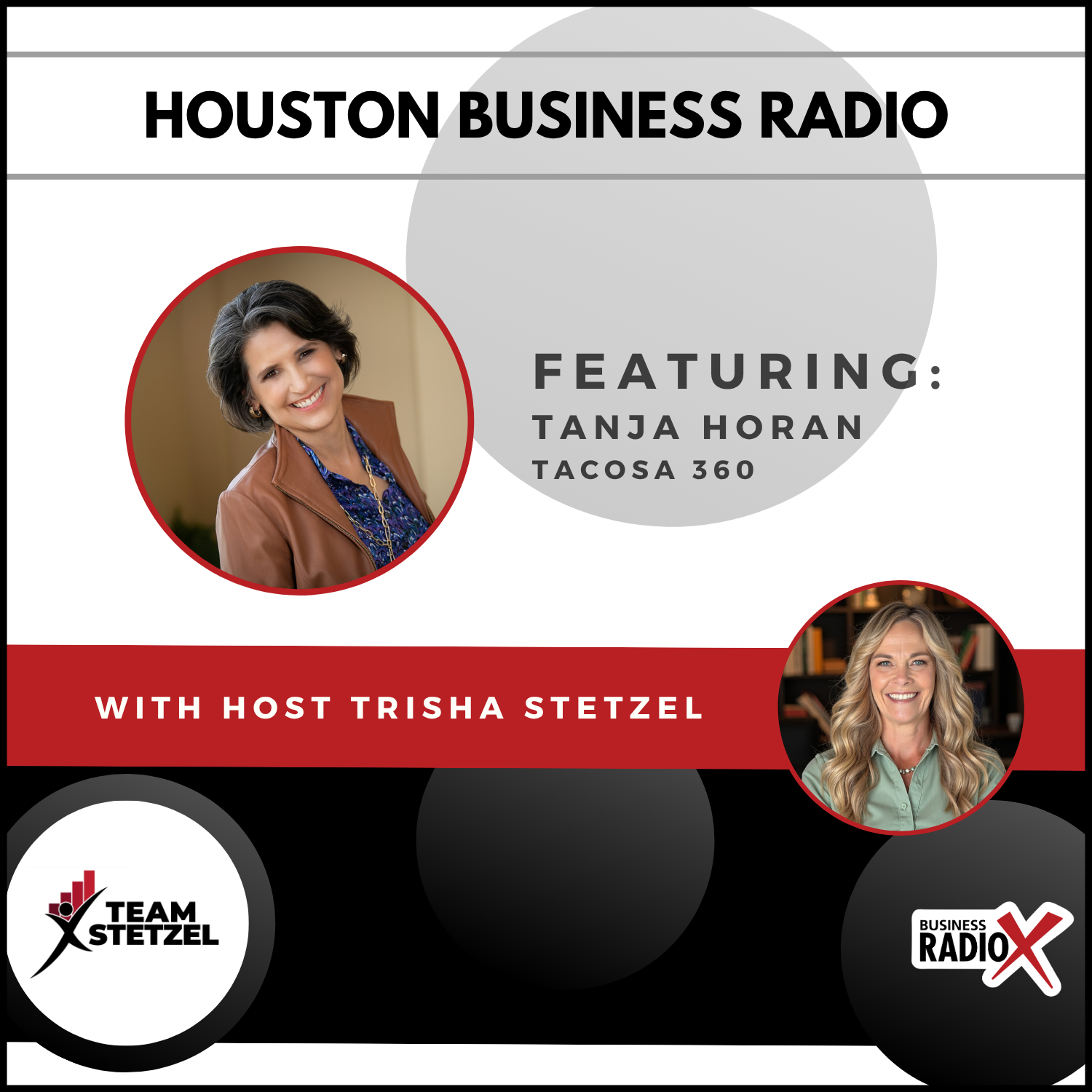

 With expertise in earned revenue and nonprofit profitability, Tanja Horan partners with nonprofit leaders to rethink funding models, uncover earned-revenue opportunities, and build organizational resilience to amplify impact.
As founder of Tacosa 360 and host of the podcast Make Nonprofits Profitable™, Tanja is a builder by nature. She credits her dad for instilling the mindset to figure things out and make things happen, which shaped her career as a product leader across fintech, AI/ML, CPG, and health & wellness.
After years building teams and driving strategic initiatives in the for-profit sector, mentoring startups, and teaching at the MBA and undergraduate levels, Tanja made an intentional shift. She now brings her business perspective to nonprofits, helping leaders strengthen their organizations, diversify revenue, and scale sustainable impact.
Away from the office, Tanja enjoys traveling, yoga, cooking, and walks along the beach. Her three children keep her grounded with life and leadership lessons, often received with eye rolls and sighs.
LinkedIn: http://linkedin.com/in/tanjahoran
Website: http://www.tacosa360.com
 This transcript is machine transcribed by Sonix.
TRANSCRIPT
Intro: Broadcasting live from the Business RadioX Studios in Houston, Texas. It’s time for Houston Business Radio. Now, here’s your host.
Trisha Stetzel: Hello, Houston. Trisha Stetzel here bringing you another episode of Houston Business Radio. It is my pleasure to introduce you to Tanja Horan, founder and CEO of Tacosa 360 Consulting and host of the podcast Make Non-Profits Profitable with expertise in earned revenue and non profit profitability. Tanja partners with nonprofit leaders to rethink funding models, uncover earned revenue opportunities, and build organizational resilience to amplify impact. Tanja is a builder by nature with a career that has included product leadership across fintech, AI, and machine learning, consumer products and health and wellness. She’s also mentored startups and taught at both the MBA and undergraduate levels. After years of building teams and driving strategic initiatives in the for profit sector, Tanja made an intentional shift. Today, she’s bringing that business perspective to nonprofits, helping leaders diversify revenue, strengthen their organizations, and scale sustainable impact. Tanja, welcome to the show.
Tanja Horan: Thank you for having me. I’m so excited to be here with you, Trisha.
Trisha Stetzel: Oh my goodness me too. We had such a great conversation a few weeks back, and I’m very forward looking or looking very forward to having this conversation today. So before we go any further, what else do we need to know about Tanja?
Tanja Horan: Um, what we need to know about me, I think, is now I get up every day And I love what I do. And which is a shift I will tell you, when I was in the for profit sector, there were some days that were good, some days I’d rather not repeat. And all of that experience has led me to look out for my nonprofit leaders that I look for, so that they can also love everything that they do every day.
Trisha Stetzel: Oh my gosh. Okay, so we’re going to start right there. I just love that. Tell me more about what you love so much about the work that you do.
Tanja Horan: Uh, I love because I’m building and helping those build capacity in the nonprofit organizations. There is so much untapped in my perspective, untapped opportunity for them. Uh, and sometimes it’s building capacity and making that investment. So when I work with them, we’re not just doing the project, right. It’s not something that gathers dust, but it’s really helping them understand how and why we’re doing it in the first place, so that they can repeat it and they can continue to build on that. Years. Quite frankly, after they may work with me. That’s the goal, which some people find counterintuitive. I find it amazing because I want the sector to really grow, and I want the recognition of what they deserve and to see the amazing impact grow.
Trisha Stetzel: Yeah, absolutely. I love that you have such a passion for this nonprofit space. So what was the catalyst that made you intentionally shift? Besides the fact that you like this work better than the other work, what was the catalyst that made you intentionally shift your focus to nonprofit organizations?
Tanja Horan: That’s a really great question, because I can tell you, if you had asked me maybe ten years ago, I would have told you no way. That would have been my answer. And when I started to Costa 360, I had the envision to be a fractional chief product officer for small to midsize businesses so that I could get the organization and the product to scale until they could hire their C-suite. Uh, that was the vision. I had an opportunity to work with a nonprofit. Uh, they’re actually in Texas and work with them. They had their revenue mix, they had philanthropy and they had fee for service and they were in the schools. Amazing, amazing group of educators did not have the business background in order to scale. And so when I was working with them, we first started out defining who are we selling to? Right? Who, who does that? What do they care about? Uh, and, um, you know, eventually we got into pricing and sales planning. And in the beginning, as we’re learning the voice, right, we’re building that capacity. I would have to always ask them, uh, in one of our people, we name them George. I’m like, Does George care? In a very nice way.
Tanja Horan: But I would prompt them. And one day we’re sitting and I were in a meeting and we’re reviewing something and I’m about to ask that question for them. And the most amazing thing happened for me that made me stop and pause. They actually stopped and asked the question themselves. They didn’t need me to be able to do that. They had built the capacity and understand why it was so important. And that gave me pause and said, well, hey, you really enjoy working with them. And B, is there a different type of impact that I can have to really strengthen the organizations? I will tell you, I sat on that idea for two years. I’m sitting in both camps, the for profit in the nonprofit sector, uh, including bringing up, helping bring up cancer care in central Texas And I finally in 22, I said, you know what? It’s still nine. It’s still there. And so I made the shift and I made the shift to work with them so I can help build them and help them be what they really, what I like to call legacy impact.
Trisha Stetzel: Okay. I, this is, I love this conversation. And you and I had, we have so much in common when it comes to the passion we have for running a nonprofit as a business. So what changes when we start recognizing that a nonprofit still has to operate as a viable business if it’s going to fulfill its mission.
Tanja Horan: What changes? Um, there’s a number of things that change. And I will say that what changes and, uh, is internal and external. Okay. Uh, one is for the organization itself to realize sometimes that shift, we have to move from a scarcity like this. There’s this perception out there that they’re supposed to run on a shoestring budget. And if you look and I believe, you know, I understand being a good steward of that, and yet we also need to be able to have the infrastructure in the place at the best level they can to run effectively and efficiently. Uh, and so part of that shift is from a mindset of scarcity to abundance. Uh, I like to work with them and understand, well, what do we have right now? We have resources, we have capability. Let’s start there. Right? Rather than trying to do something new or chase something that we’re not as familiar with, they have strengths that we can leverage. And that is extremely important. Uh, when we start to look at external and how we interact with nonprofits, I love to encourage people view your nonprofit as a business partner, as a, versus a charity. I know it’s a nuance. Some people understand that some are like, whoa, what are you talking about? Uh, and yet we have that partnership and understanding and speaking both languages really allows us to amplify impact.
Trisha Stetzel: Mhm. Okay. Um, so, so many things, so many questions, but I’d really like to hear from you. What a 360 is focusing on and what your typical client looks like are the nonprofit organizations that you’re working with.
Tanja Horan: Uh, the nonprofits, um, organizations, because one of the overlooked opportunities right now, If you look at the funding landscape and nonprofits, if I say that it’s dynamic, uh, that may be an understatement, right? Uh, we’re going through a lot of cycles right now, and a number of organizations are in the constant cycle and dependency on grants and donations, right? They have gone through that philanthropy component, which can be exhausting. And it you have to do it every year, right? Uh, and we’re, I have, um, a 360 and what we do is work with them at diversifying that funding model and looking at earned revenue. So earned revenue is a product or a service that you sell. And it may be to those you serve like it may be an upgrade, right? Or it may be a totally different components. There are models that are well suited for corporate, which seems interesting. Uh, you know, maybe unexpected. Uh, so working with them to be able to identify it, envision that it’s true, identify what is there and helping them launch it and scale it. Uh, so, and it’s a cycle. I have a blueprint and a methodology that I’ve developed and taking all the components of what I did in the for profit sector as a product leader and bringing it to the nonprofit in an accessible component and pieces that they can actually implement. Because I don’t know about you, but I in my world, I have lived through consultants come in and we’re all excited, and then it sits on the shelf. I want you to be able to execute it. So we actually tailor it to how much you can take change in the organization so you’ll be successful.
Trisha Stetzel: Oh, gosh. All right. I want to know if there’s some mindset work that has to happen in here too. So you talked about the tangibles or the tactical work that you put in place. What about the the intangibles or the mindset behind the shift from being a charity to a business? What does that look like?
Tanja Horan: Uh, there are multiple different mindset shifts, right? Depending on where that organization is. Uh, if because traditionally, and I’m going to use that as a broad umbrella, uh, but traditionally, um, many don’t realize that they can earn money or profit has a, a negative connotation for them. So first off is to take them through the process that yes, it’s okay, right? And we’re not sacrificing our mission. We’re not sacrificing who we’re serving. We’re actually building it to be the fuel. I like to look at it as a fire. Right. Um, what a fire needs to be able to burn your oxygen is your mission, your passion. It’s fabulous. The heat that you need is your infrastructure, that your capabilities and your systems that you need to run efficiently. And the fuel is actually your revenue. Now your revenue could be through philanthropy. It could also be for earned revenue. Uh, and understanding that because the other pain point, uh, that I hear from nonprofit leaders is they really want access to unrestricted funding. Uh, because when you have unrestricted funding, we can invest in our teams, we can invest in our people. Uh, many donations are programmatic in nature and, uh, this provides them that opportunity. Uh, and then I think the other, the two other components, I say, one, you deserve it. You deserve to have this opportunity. You’re doing amazing work. And then the third component of that is about change in the organization. Because I will typically see some that are like, yes, let’s go. And one are like, no, we can’t do that. We’ve always done that. And starting to bridge that gap so they can see everything they’ve done up to this point has built the foundation for them to elevate to the next level. We’re not dismissing it. We’re just taking it to the next level.
Trisha Stetzel: To the next level. So give me an idea for those who are listening today that are in nonprofit organizations, how do they know if they’re the right fit for you? Who do you work with?
Tanja Horan: I work with a nonprofit organizations that have recognized that they’re looking for a new answer, right. One that have recognized that they there’s something in that funding mix that is not sustainable. Right? They they’re starting to ask the questions. They don’t have to actually know the answer. Right. I and that are looking for that, that piece of it or they’re seeing change in their organization, uh, that they don’t know how to handle it. Right. Especially as I mentioned, sometimes we have, you know, those that have been especially for long tenure in the organization. Uh, and we have new leadership that’s coming in and wants to go to the next level. I help them help with their organizations to move them along that path. How do we tell that story? What does that look like? So it’s accessible, uh, in doing that piece of it.
Trisha Stetzel: Okay. So I know people already want to learn more or connect with you. What is the best way for them to find you and learn more about Dakota 360.
Tanja Horan: One of the best ways to contact me. You can. One of two ways you can reach out to me in direct message me on LinkedIn. I do also post out there so you can see some of the thoughts and the tools that I’ll put out there for you, as well as if you’d like, you can feel free to send me an email and that’s at tonya at Costa threesixty.com. And I’d be happy to, to connect with you, ask your questions. What does it all mean? And whether, you know, earned revenue and how do we really help you achieve more in your in your vision?
Trisha Stetzel: Yeah, absolutely. All right, you guys, if, uh, you’re looking for that information, of course it’s in the show notes. If you are just listening. Tonya is spelled TANJA just so that you don’t send it to the wrong Tonya.
Tanja Horan: Thank you.
Trisha Stetzel: Yes. Of course. I want to talk about something maybe a little more fun in this next segment here, which is your podcast, Make Nonprofits Profit Profitable, uh, which I know we’ve already been talking about that, but if someone didn’t hear the message before, before we started this part of our conversation, um, aren’t nonprofit and profitable contradictory to each other? Tell me about your podcast.
Tanja Horan: Yeah. So that’s a really great question because the surface level, they seem, they feel in conflict. It’s actually the profit. If you look at the best practice of a of a nonprofit, you should have six months of reserves in the bank, right? That came from profit, whether that came from philanthropy or that is coming from earned revenue. And I, when I named the podcast, I wanted to be able to make ask the question because profitability, again, it’s the fuel. It’s not detracting from where you are. And there’s different. I’d like to say that there are also different views of profitability. Yes, there’s the dollars, right. We have the dollars. There’s also profitability. You could define that as how well do we run. Are we using that the funds that we do have the best way, or do we need to change some processes or systems or being able, or how we interact or how we engage in that in the community for that? And so when I created the podcast, I also wanted it similar to the way in which I, when I work with clients and organizations, I wanted you to have tools and information that you could actually apply. So my goal is that the, at the end of every podcast, you have a thought, you have a tool. I have a number of downloads that you can take that you can actually go do something today in your organization. Because no matter what, I want you to make progress to whatever that means for you.
Trisha Stetzel: I love that. All right, so you guys go find Tanja’s podcast, Make Non Profits Profitable. Check it out. And of course, follow it so that you can keep up with all of the great information that she’s putting out there. Um, I want, I know we’ve talked about this, this like skirted it, but I just want to say it out loud that we can’t fulfill our mission if we don’t have the funds to fulfill the mission. And so many of us are involved with non-profits, including myself, I chair the Houston Regional Veterans Chamber of Commerce right now. And we are we’re still in our, I don’t know, teenage years. We’re not that old, and it’s still hard to think about it as a profitable business. It’s it’s more of a passion, a mission. How do we not lose the passion for the mission, the fire that we have and still apply the heat and the fuel without losing the fire?
Tanja Horan: Uh, that’s a great question. Um, and that’s, that’s what we were talking about mindset earlier. That’s one of the, this tension, if you will, uh, because intellectually, you know, in your heart is having a challenge with it. And I think one of the things that we do in our own revenue specifically is to take a look at, we always go back and ask the question, when I work about whatever we’re doing, how does it align with the mission? There’s a tax reason for that to, uh, a technical reason, but everything we’re doing should advance the mission, right? The, the one, the nonprofit that I mentioned earlier, that was a catalyst for me. Well, they’re providing, uh, they’re about improving student outcomes, uh, in schools. So they’re in the schools, helping them with the coaching and the services and the processes, right? We’re advancing the mission, and that’s where I think we should start to look at it. It’s not it’s a way in order to advance the mission. And how we do that can vary. And that way it’s in my mind, it is exponential in its potential and an amazing opportunity because so many lives, so many causes can be advanced if we will embrace the opportunities ahead of us.
Speaker 4: I love that. Okay, mic drop.
Trisha Stetzel: But we’re not done yet.
Tanja Horan: Okay.
Trisha Stetzel: Um, I want to just take this conversation and turn it around for people who are not running nonprofits, or maybe they’re volunteers inside of these nonprofits. Most of us, if you’re sitting on the outside looking in, immediately think, all of these nonprofits just want us to make a donation. Just make a donation. What are some other ways that businesses who are listening today, business owners and founders are listening today, board members and even community leaders can contribute to the long term sustainability of a nonprofit.
Tanja Horan: Uh, that’s a really great question. And there are two things that I think we have a real opportunity. Uh, one, as I mentioned earlier, we will think of them as a business partner, right? We need to have our framework and expect them to look at that and appreciate that they also need to build the capacity within them. I, you know, statistically they will say a nonprofit, a for profit should run 20 well, run for profit is 20 to 25% of overhead. I’m still at a loss why we think it’s supposed to be 10 to 15% at nonprofits when they need the same capability. So recognize them, treat them in that way. Okay. Uh, and, you know, from a nonprofit, be a partner for your business partner, uh, in that component. And I also think there is an opportunity in terms of building capacity in two ways for, for a for profit business that wants to engage, share your experience, help them build that capacity. If your expertise is in marketing, if your expertise is in data, whatever realm you happen to be in, share that and help and teach them, right? Sometimes they need more than just money. They need to know how to actually do the execute part so that they can elevate with that. And I guess, okay, I got a third one on the bonus side. Um, when it comes to earn revenue, nonprofits need the same type of capital that a for profit does. And so provide them with support and funding that will give them some of that seed money so that they can build it. And those that already have it help them scale it.
Trisha Stetzel: Mhm, mhm. Okay. I know you’re on a mission. I know you’re on a mission, and it’s a little something called elevate for sustainability. Will you tell us a little bit more about that mission?
Tanja Horan: Yeah. So elevate for sustainability is the understanding that let’s bring you up one more level, uh, and everything that you’re doing, let’s execute it one way because we want to be able to elevate, to amplify and build to sustain, right? So that it is self fulfilling. And it’s the cycle I, and I’m super excited right now, um, with that theme and that mission that I am partnering with three other amazing women and practitioners that have an expert lens complementary that we are bringing that actually our first city will be Houston, uh, coming up here, um, soon in November, uh, and then other cities after that. And it’s to take a view from earned revenue governance, how important that board relationship is, how do we elevate that relationship so we can maximize that experience for both the executive director and the board? Uh, looking at executive capacity, how do we delegate and build that sustainably so that we can free up that time to really go that next level to amplify impact. And then the amazing component of story. How do we tell it so that we’re consistent and we get people to take action within what we want them to be. And so we’re bringing all of this together in a workshop that’s hands on, similar to my philosophy. It’s where you will walk away knowing something that you can do next that’s already in your organization. And we’re just going to hone it so you can elevate to that next step.
Trisha Stetzel: Oh, I love that. All right. So when are you coming to Houston?
Tanja Horan: I will be there November 11th of this year. So a couple of months or six weeks.
Trisha Stetzel: Okay, I love that. Who needs to be in the room?
Tanja Horan: Uh, who? It needs to be in the room. It is for senior nonprofit leaders and key members of their teams, as well as their board members, because we are designing this curated experience, so they will step away from their day to day and actually have time to think and collaborate together on all four of those fronts that I mentioned, and then have a time to figure out where should they start. That’s going to be the most impact for them right now.
Trisha Stetzel: I love that. All right. Where can they find information about the event so they can get registered right now.
Tanja Horan: They can go to w w dot elevate for sustainability.com.
Trisha Stetzel: Okay. Well that makes it so easy. I just love.
Tanja Horan: This.
Trisha Stetzel: I love so something I picked up and I want to make sure that I noted it correctly, elevate to amplify and build to sustain, sustain. That’s going to stick with me. I love that and I think that is really summarizes everything that we’ve we’ve had our conversation around today. And I love the work that you’re doing. Tanja, thank you for pouring yourself and all of the people that you’re bringing along with you into this nonprofit space that really needs to shift the way they think about. I’m going to say putting money in the bank because I’m not I’m not afraid to say that.
Tanja Horan: I like that I might have to borrow that one. Okay. Yes. Yes.
Trisha Stetzel: It’s exactly the way they think about putting money in the bank. Um, tell us one last time how people can connect directly with you or learn more about tacos.
Tanja Horan: 360 right. So you can connect with me directly. You can direct, uh, DM me on LinkedIn. That’s a really great place. Uh, I mentioned my email address and then you can also learn more about Dakota 360 at ww.threesixty.com.
Trisha Stetzel: Okay, fantastic. I have one last question for you. As we wrap up today. We’ve talked about so many things. If you could leave the audience today with just one thing that we talked about today are one impactful statement, what would it be?
Tanja Horan: Uh. I strongly believe that nonprofits are doing amazing work, and we have amazing opportunity collectively to exponentially grow and sustain that work. And if we will support them and themselves to elevate to that next level in any of those components, there is no telling really what they can achieve and what we will see.
Trisha Stetzel: Mhm. Ah, the sky is the limit. You just give me goosebumps. Thank you so much for your time today. I really appreciate having this conversation with you. And I’m so excited about what’s coming to Houston and other locations. So you guys check the website so that you can see if it’s coming to a town near you.
Tanja Horan: Great. Well, thank you for having me. I really appreciate this opportunity to be with you today.
Trisha Stetzel: Absolutely. All right, you guys, that’s all the time we have for today. If you found value in this conversation that Tonya and I had, please, for goodness sakes, sell, share it with a fellow entrepreneur, a veteran, a business leader, ready to grow right here in Houston and all of your nonprofit organization friends. Be sure to follow, rate and review the show. It helps us reach more bold business minds just like yours and your business, your leadership and your legacy are built one intentional step at a time. So stay inspired, stay focused, and keep building the business and the life you deserve.















