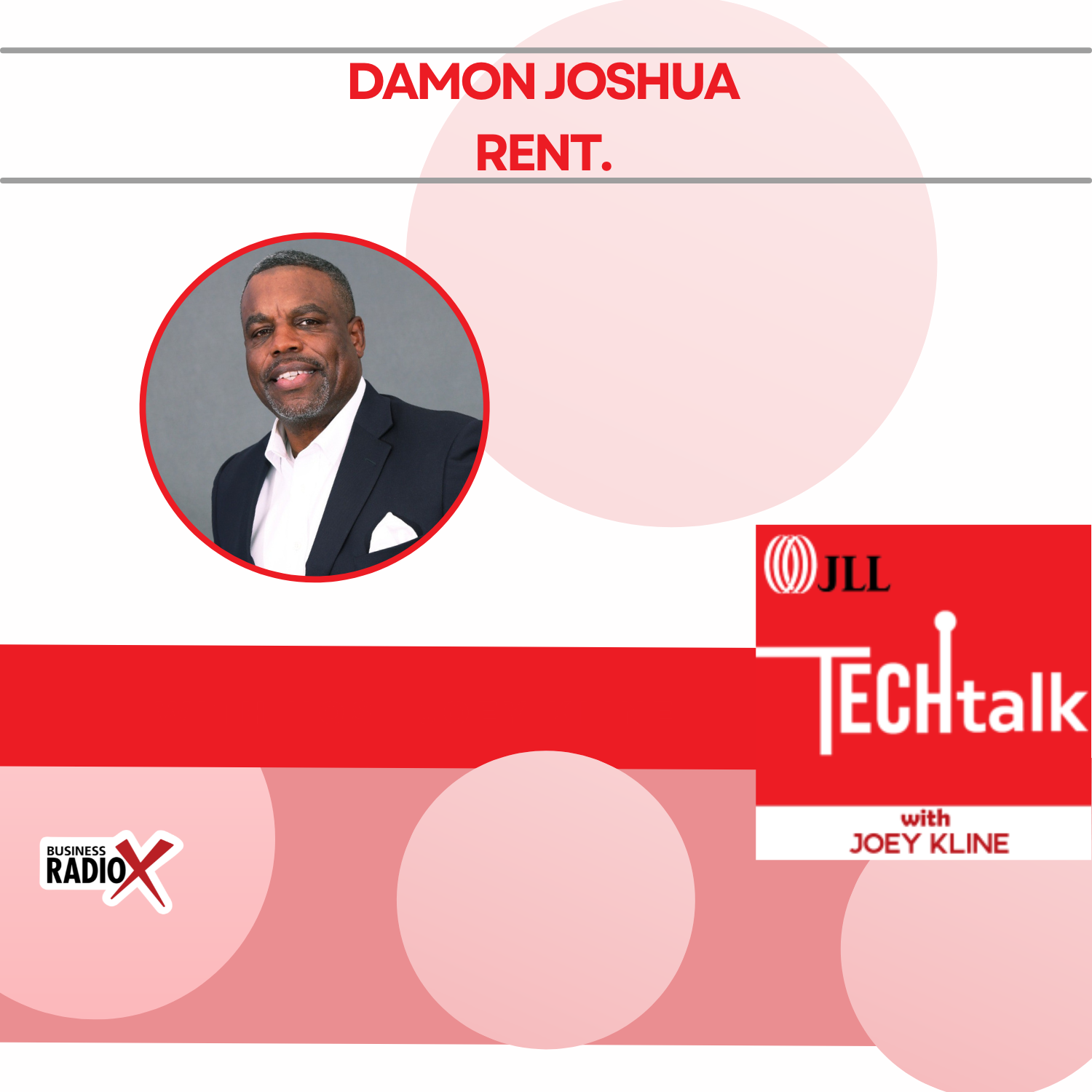

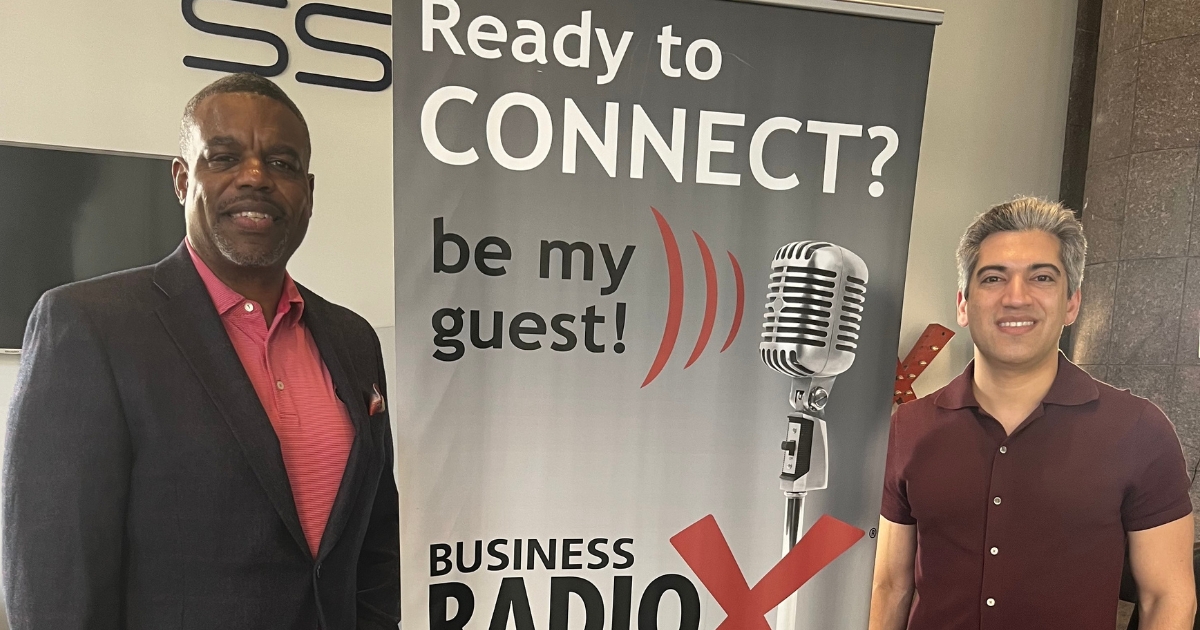
 As President, Damon Joshua leads the Rent. organization and sets the strategic vision and roadmap for continued growth at Rent., ensuring Rent. continues to meet the ever evolving needs of the multifamily industry. Damon’s customer-first values, coupled with his competitive drive and strategic acumen, make him a perfect fit to lead Rent.
Damon’s career spans 25 years across various industries, including notable positions at MarketSource, Vertafore, Cisco, Verizon, and UPS, where he was responsible for managing multi-billion-dollar revenues and leading sales teams of 1,500. His diverse background provides him with a unique perspective to innovate and drive Rent.’s growth and product strategy forward.
Damon’s appointment marks an exciting chapter for Rent., and his dedication to driving value and efficiency for both clients and renters alike ensures that Rent. will remain at the forefront of the industry, delivering unparalleled experiences and solutions. Damon was appointed President in May of 2024.
Connect with Damon on LinkedIn.
 This transcript is machine transcribed by Sonix
TRANSCRIPT
Intro: Coming to you live from Atlanta, Georgia. It’s time for another episode of Tech Talk with your host, Joey Kline.
Joey Kline: Happy Friday everyone. Another great day for a Tech Talk. We have got a great one for you. Today we’re going to be chatting with Damon Joshua, who is the CEO of Rent. Damon, how are you doing?
Damon Joshua: Fantastic.
Joey Kline: So when I say rent, because I know it is stylized rent with a period after that.
Damon Joshua: Yeah, right. Yahoo! Remember, Yahoo had the, um. The exclamation,
Joey Kline: Exclamation point,yeah. That’s right.
Joey Kline: Hopefully you guys don’t go to the same fate as Yahoo!
Damon Joshua: No, we just stuck with the period.
Joey Kline: Yes. Anyone looking it up online? Rent period.
Damon Joshua: Yeah, just rent.com.
Joey Kline: Rent.com. There you go. Okay, so, uh, let’s get into it. What does Rent.com do?
Damon Joshua: Well, a couple of things, but mainly we’re what we would call an ILS, which is an internet listing service. So when you’re out looking for properties, mainly single family properties, um, we’re a repository for all those things. You need an apartment building or looking for a place to rent, or there be a, you know, multifamily unit or, you know, maybe an over 55 or, you know, college housing or, um, maybe it’s a home. You come to our site, we’ve got the most listings out there, uh, or, you know, one of the top 2 or 3 places to get listings. And we’re going to display that, uh, that property for you and hopefully allow you to go click on a button and set up a tour and go rent.
Joey Kline: And so this is look, I remember when I was doing this maybe 10 or 15 years ago when I moved back to Atlanta, right? I used Craigslist to find the apartment. Okay. Right. But the world has evolved.
Damon Joshua: It has.
Joey Kline: Yes. Yeah. And so how does someone looking ensure that the party on the other end, the owner of the property, the owner of the home, is a reputable and safe entity with whom to do business.
Damon Joshua: Well, you know, there’s good old Google out there, but you know, our job is to really work with the communities that list with us and ensure that, you know, it’s somewhere that people actually live. And there there’s certain standards that each community has that really regulate that more than we can do. But our goal is really to list them all, make sure that we capture places that people are going to actually want to rent. And then we put those out there so that you have the most information that you can get at your fingertips when you’re actually making that search.
Joey Kline: And so your platform essentially connects the owner of a property, the potential renter of a property. And from there, it’s a kind of on them to consummate that relationship however they see fit.
Damon Joshua: Yeah, absolutely. And we’ve got tools to shepherd it along. Right. You know, our goal is once you start to look and you narrow your search down, we’re going to have tools within our app or within our online tools or our online, you know, computer based connection to really help you figure it out. So if you can imagine you’re looking at a place, it’s empty. We’ve got tools that virtually stage it for you so you can see what it looks like with furniture or with, you know, a bed in the bedroom and those kinds of things to help you. Right. Evolve it and figure it out as you go along, so that you can get yourself in the place. Because most people don’t want to spend a lot of time doing it. They want to find some place quickly and get moving.
Joey Kline: Oh, so that’s interesting. So you have dimensions and then you can basically virtually stage furniture for someone to understand. How does my existing or future stuff fit in this place?
Damon Joshua: Right, yeah. Because everyone doesn’t have a fantastic imagination, right? So yeah, you know, you’re looking at a at a space and you’re trying to figure out, is this going to work for me? Um, maybe you’re you’re moving from a very large living room, and you got to decide. Well, this one’s smaller than what I had. The bedroom’s bigger, but this is really close to where I work. Can I make this work? Yeah. You know, and then all of a sudden, you see, you kind of virtually stage it and you see some things, and you go, okay, I can make this trade off.
Joey Kline: Do you all have metrics on how long it takes the average person to search for a new place?
Damon Joshua: Um, more around how long they, uh, metrics. We definitely look at that, but but the real metric is how long it, um. They start.
Joey Kline: Okay.
Damon Joshua: Right. So it used to be people started, you know, 30 days before they looked to move, because that was when you had to give notice on your lease. Sure. And now we’re starting to see that move out to almost closer to 90 days. Yeah. Right. Because you have to give more lead time. And so we’re starting to starting to see searches begin sooner. Mhm. Um and we can see because they save you know, their the information in the app and those kinds of things. But you’re starting to see the search start sooner. So um that just means that people want more information. You know they’re, they’re you know folks attention span is obviously gotten a lot shorter over the years. Um, but our goal is to allow them to, you know, when you’re looking, you can save it and keep, you know, come back to it later. And then, you know, we’ve leaned into AI to start to remember what you looked at and serve you up the things that will probably, uh, you’ll want to see.
Joey Kline: Right. So even if you don’t set up that saved search, which is available on many different websites from yours to, you know, if you’re looking for a car, right. The the system remembers what you have done and will offer it up to you, even if you haven’t necessarily set it up yourself.
Damon Joshua: Absolutely. All right. We’re moving in that way to really, you know, help you once again cut down the search time, get to where you want to get to, because that’s what our clients want ultimately, right? They’re they’re interested in getting you to their place. Our job is to help you get there, too.
Joey Kline: Uh, obviously a lot of companies are investing in AI capabilities, and I’m always curious whether it is in-house, a specialist actually working on that for your team, or whether you are partnering with an outside vendor to build those capabilities into your technology.
Damon Joshua: Right. It’s it’s, um, it’s a little bit of both. Right. We’ve got teams in-house that are obviously working on. I just mentioned the virtual staging. Um, there’s all kinds of applications that are available. Um, so you may buy or lean into a platform that already exists. Open AI is one. A lot of companies are leveraging that platform to do things. Um, but then you can also build out your own. So you may take that as an open source platform and then build upon it. Um, but we’ve got teams of engineers that are actively looking at a multitude of ways to make our product better or our website better, or make the experience better for a user who’s coming to figure out what they want to do. We leverage it for our our our business partners who are displaying the multifamily units. Um, and they want their units or their particular properties to stand out. So how do we, you know, leverage both sides of the coin? Yeah. And we use AI to do that. And I think we’ll continue to lean into it. Um, more and more, um, as the technology matures. Today it is not. Um, it’s interesting. It’s not, you know, changing the world yet.
Joey Kline: It’s not a panacea.
Damon Joshua: It is not.
Joey Kline: Yes, yes. Uh, yes, I find that it tends to be, you know, you hear it on earnings calls and you hear it on podcasts and, um, you know, interviews of how’s this going to change the world? And I’m not trying to be a cynical naysayer, but it just feels like a lot of speculation and a bit of drinking the Kool-Aid. I’m not at all implying that there is not a lot of potential there, but I don’t think anyone who claims to really know, I don’t think, has any idea what they’re talking about.
Damon Joshua: There’s a there, there. Yeah, but you’ve seen this over time. Digital transformation. You’ve seen you know, you’ve seen a lot as technology moves. You know, there’s a there’s a tend to establish that this is a thing. And then there’s a run up on that particular technology where there’s a ton of spending, and then you have to implement and execute. And and then you either get the benefits that everyone said you would get or not. Typically you don’t get the full benefit of it with this particular one. I do think it’s a game changer. We have started to see companies change their go to market strategies and even their, um, you know, resourcing strategies or companies have come out and said, hey, um, Salesforce said we’re not going to hire any new engineers. We will. We are at the number of engineers we will ever have. Yeah.
Joey Kline: That’s that’s.
Damon Joshua: Significant.
Joey Kline: Right? Yes.
Damon Joshua: So there are real, um, there are real effects, um, out there in the marketplace, uh, with AI and, uh, as you said, it’s not a panacea today. Sure. Um, but I think that, um, I think I just saw a statistic that most of the, the large companies. So Amazon and the companies that are, you know, Microsoft that are in the space are going to spend over 100 billion in just in evolving the technology this year. So that’s a large investment. Um.
Joey Kline: I have absolutely no doubt that it will make a significant impact on our world. I think what I’m referring to is that when you hear someone who’s not specifically Andy Jassy or Tim Cook or Sam Altman, like, actually opine about this, it is outside the industry. Yeah. I just, I, you know, take it with a grain of salt.
Damon Joshua: Yeah. It’s top of the pyramid. Yeah. Right. Yeah. You know, is a is a mid-size or SMB going to realize, uh, what those guys are talking about today? Probably they’re going to need help figuring it out and figuring out how to apply it to the things that they do day to day. And, um, so I think there’s probably opportunity for companies to go out and assist. Yeah. So you can figure out, hey, you know, how do I leverage this? How can I work faster and smarter and more And more efficiently. There’s probably a big gap for the big, big companies that are doing really cool things and everyone else.
Joey Kline: So okay, let’s let’s dovetail this into your own talent and your own hiring. Right. Has I guess we could apply this to a number of different functions. Right. Whether it’s sales, marketing, finance, technology. But you know, you have you’ve recently taken the helm. Have you been there for a year, less than a year.
Damon Joshua: A little bit less than a year.
Joey Kline: Less than a year. Okay. So you come in, you have a vision, right? You have a vision for culture. I’m sure you have a vision for team. Okay. Talk to me about how your vision for team actually gets implemented in your hiring practice. What type of people do you look for. And maybe it’s different across different functions.
Damon Joshua: It is. But let’s just talk in general. Right? You want your culture is important. That’s my job right? There’s a lot of folks that count money and, you know, figure out what products we need to bring to bring the market and, you know, how are we going to market those products and how are we going to sell it? I have teams of people that do that, but ultimately you want to make sure that you have the right people on board because you can’t do anything if you don’t have folks with the right attitude that that are willing to buy in. Because at the end of the day, you’re going to ask more than probably at a given time, uh, we might be compensating you for. Right. I need you to want to and be willing to put in for the cause. And so you, you know, my my role, my, you know, my job is to to lay that out for the folks that are already there, such that they have a really good understanding of what I feel is going to take to win and what’s the most important thing. And then you lay that you you then apply that to our hiring practices and work with our recruiting teams and teams such that we put in place things to tease those. Those attributes out in candidates. And you make sure that that is the main thing. So you work with your senior leaders and your mid-level leaders so that they understand, hey, talent is great, but we need these 2 or 3 qualities that will override, uh, if there’s a jump ball that’s going to override, uh, maybe some of the, you know, someone may have a great talent, but, you know, if their attitude is not in the right place and their willingness to work and their their understanding of how we go to market and how we do business and how we want to do it matters.
Joey Kline: It does. And there are some things that are just non-negotiable, right? And that can be disqualifying, even if everything else seems right. Um, I don’t know who I heard this from, but I was talking to someone and they were. I don’t think the insight inside is revolutionary, but I think that the simplicity is, um, is insightful. So, you know, someone for a senior leadership role came in on paper and in presentation. Just great. Said all the right things, right. And at the end of the day, when this person left, the hiring manager went to the front desk, um, and asked, you know, how were they? How did they treat you? And basically said, you know, somewhat like a servant and not terribly kind. And that was that. That’s it. Right. You can tell a lot about people, um, by what they do when they think that no one important is looking.
Damon Joshua: Correct.
Joey Kline: Yeah.
Damon Joshua: Yeah. Um, that’s a great. I’ve heard that before. Yeah. And look, my, uh, my leadership style and philosophy is we’re all. We got different jobs. They all serve different purposes. But we all go home. We all get up in the morning and we go do a job, you know? Until you own your own business. And that’s the way I conduct myself, you know. There’s no oh, look, I’m Damian DJ, whatever you want to call me. Um, but when you, you act that way, you know, if you go into my office or talk to any of my teams, I spend just as much time trying to better understand what they do and how they do it, because that matters. Once again, I’m going to need them to lean in at some point. Yeah. And if they feel like they they matter in the grand scheme of what we’re getting done, probably going to get a little bit more out of them. Um, and all the teams that I’ve built over the, you know, 30 plus years I’ve been doing this kind of work, specifically in performance based organizations.
Damon Joshua: You can beat the hell out of someone. You’ll get them for a short amount, you know, a short amount of time. They’ll be scared. They’ll be They’ll be active. They’ll jump when they see you. Yeah. Doesn’t last. That’s right. And? And you get to understand how people work and how they tick. You make them feel like and believe that you care and you understand them, you know, below a surface level engagement. And they really feel that they’re tied to the cause. You start to see performance really jump by double digit percent, right? That’s how I like to build teams. That’s how I build culture. That’s how the organization starts to really get lift. Yeah. And you can conquer so many things. So it takes diligence. It has a real, um, you have to make sure your senior leadership team understands that. What the most important thing is, um, they’ll tend to want to look at numbers a lot of times. And those things, and those are important. But the culture matters. And that’s my job to to hit hit home with that.
Joey Kline: Yeah. I mean the role of the CEO really is, to a certain degree, kind of chief cheerleader. Chief culture officer. I think that it’s, um, so much can be drilled down to very simply, don’t be a jerk and express empathy.
Damon Joshua: Yeah. It at a, you know, to start. Yes. Yeah. But it really is. You need to take time. And, you know, one of the things that did way back in the day, we used to hand out note cards, hand out note cards to all the managers. And I’d said, you go out and you fill out these note cards about your people. You should know name. Is there a significant other? Do they have kids? What are the kids names? What are the hobbies? Is there any significant changes in their lives in the last 12 months? Right. And so I gave him a real, you know, a limited amount of amount of time, and they looked at me like I had five heads. I’m like, here’s these three by five note cards. Go find out because every person’s different. Not everyone. I don’t want to get in their business. No, you need to get in their business. Because when you’re asking or you’re having a conversation that matters to them, right? You know, we’re all trading time for money when it matters to them. You can understand why the answer is coming back the way it’s coming. Yeah, that matters. Right? Um, you can get five answers that are all the same, and they all mean something different.
Joey Kline: I bet that in your position you have just because you’ve built, as you said, performance based teams, really all your career. Um, how is it? Harvey. Mackey. Harvey Mackay. This is the guy who owns the envelope company in Minnesota, right? So amazing. Sales leader. Yeah, right. One would think envelope company. That’s kind of, you know, kind of kind of dull. Um, he has several incredible sales books, and one of the things that I’ve taken from, um, him and, you know, the these are the type of books where, you know, you don’t absorb everything if you take 1 or 2 things away, benefits your life. Um, for every customer of his, he basically had a sheet very similar, you know, birthday, religion, background, school, kids. Um, it’s just incredible how much those things matter. It’s it’s a it’s a little thing that can make a big difference.
Damon Joshua: Yeah. It’d be. It’s probably a field we should add in in the CRM, you know. That’s right. To really understand your customer. Yeah. Um, but for me, it starts with the employee. Right? I want to make sure that I understand the team really well. And, um, you know, like I said, people think that’s soft stuff, and, uh, but you find out I will outperform you every time if everything’s the same. And I’ve got the same set of rules. My teams are going to kick your tail up and down the street every time.
Joey Kline: Well, I think that and I’ve come to this conclusion very firmly over the past couple of years. And it’s it came more from sort of the difference between a fully remote job, um, versus, you know, one that is more around a team. If all you have to offer an employee is a dollar sign, that’s not really, at the end of the day, it unless it is a extraordinarily large dollar sign, right? There comes a point where it’s just not sticky enough. If the only thing that someone is getting from work is a paycheck, then that becomes a, then your company becomes a commodity and it becomes very easy for that person to switch at very little cost. If there are other things, more the soft stuff, as you’ve said, which I, you know, think is very important, right? If someone gets way more than just a dollar sign in their bank account from what they do and the people they’re around, that’s a way to build build a truly sticky employee.
Damon Joshua: Yeah, there’s plenty of data out there that says that, right? That if all things are equal, pay falls down to the fourth or fifth most important thing. Yeah. And there’s tons of data that talks about, you know, people leave because of their manager directly.
Joey Kline: Huge.
Damon Joshua: That’s true too. So, you know, you put it all in a mixing bowl. Um, yeah. You can’t be in the bottom 25 percentile of pay, but let’s just say you’re in the 50 percentile of pay then. Yeah. How do I engage? How do I make sure that people, you know, believe they understand what they do? Does it matter? So that’s why you spend tons and tons of hours and money on surveying your people to really get an understanding of how well you’re connecting with them. Um, those things are really important, and I’ve seen companies that I’ve been with where we didn’t do really well at that, and we actually made a deliberate effort to change it, to engage, to ask one more question. We I’ve seen us say we’re going to ask one more question. We’re going to ask, do you see a difference here? We literally asked people as we engage with them. And then on the surveys of next year, we saw a significant uptick. But more importantly, we saw our churn come down. Like we saw people leaving voluntarily come down.
Joey Kline: Yeah.
Damon Joshua: That’s huge. Um, which, you know, that’s an expense to a company to go out and, you know, all that stuff and find new find new employees.
Joey Kline: Yeah. Um, I’d love to talk about your background a little bit and how you got here. Um, I am I also do want you to tell the story of your first gig because it’s it’s. I just think it’s fantastic. And I think it’s a really interesting lesson for, uh, young people being thrown into a crazy situation. Yeah, but just, you know, give me the, uh, the the elevator, uh, version of it.
Damon Joshua: Elevator version? Yeah. Uh, man. Um, I have, uh, I have done everything. You know, I kind of came the circuitous route, so. Yeah. You know, from growing up, uh, in Atlanta, originally being from New York, but growing up in Atlanta and, um, just kind of bopping around. Been on my own since I was 18 and, um, you know, really having to figure it out at a young age and, you know, going to college and playing ball there, uh, at West Georgia, which was a great experience. Really learned about team. When you’re on a team like, you know, and doing those things. Um, and then just, uh, you know, I’ve been in logistics business, I’ve been in it and telecom and. Human resource business. So you get an opportunity. I’ve had an opportunity to see how things have been done across a wide variety of, uh, of different roles. Um, you know, I’ve had people tell me, even in a management role that, you know, you don’t run things we do and, and, you know, go read handbook page, you know, section nine five. And once you read that, then you can come talk to me. Yeah. Uh, which is always interesting. So, um, you know, my career has just allowed me, uh, through all those different zigs and zags. Uh, as you said earlier, you pick up nuggets along the way, and you may not. You know, someone’s interviewing me, and you go, I don’t I don’t really understand how working in logistics, uh, may tie to a sales role. Oh, there’s, you know, give me a minute and I’ll tell you. Right. But it just it gives me a perspective. A lot of times when I’m sitting in a room and we’re trying to either sell something or make a make a decision. I had just had I’ve seen it done so many different ways that I’m going to more likely be open to, and push the team to think about something a little bit more creatively than just how it’s always been done.
Joey Kline: I think that the circuitous route and obviously I have to, you know, maybe I’m biased because I have somewhat of a similarly securities route. Um, but the more experiences that you have, the more people that you have been, um, exposed to, the more organizations that you’ve been exposed to, both good and bad. It just informs you in a way, that staying at the same company for 30 years never will.
Damon Joshua: Yeah. And look, if you if you’re one of the you know, I mean, I think that that the person that stays at a company 30 years is, is, you know, back in the 70s that was a thing and now it’s not. Um, but it still happens. You know, there are companies out there, um, that, that have folks like that. There’s almost a blind bliss, right? Right. That if you go somewhere and it’s the only thing you’ve ever known. Um, you know, there’s, uh, there’s a bliss to that. Um, and, uh, I think it’s interesting, but for, you know, I didn’t get that same lot. And so you make you got to make do with what you have. And, um, I definitely have, uh, have been able to capitalize on it. Um, and I, you know, I’ve had some really, really good experiences and more importantly, kind of back to what we were talking about before, some really good mentors along the way that have helped me cross chasms and get me to places and have taken chances on me along the way. And so, um, I’ve felt always in those instances that, you know, I got to repay those guys.
Joey Kline: Yeah, I think the, the pay it forward, uh, instinct is, is enormous. Yeah. Um, there’s a lot of people that Help you along the way that get nothing out. Well, seemingly get nothing out of it right now. Once you do it yourself, you know that you do get something out of it, right? It fulfills something inside of you. But in the moment, you know, if you’re 25 and, you know, trying to get someone who’s far more senior than you to coffee, you know, in the moment it seems like you’re getting the lion’s share of the value out of that. And I think what you learn is that that is the way that we all know to pay it back, because it was done for us.
Damon Joshua: Absolutely.
Joey Kline: At a certain time.
Damon Joshua: Absolutely. Yeah. I do it all the time. Yeah. You know, I get people reach out and they’re trying to figure it out. And, um, I absolutely feel indebted to.
Joey Kline: For.
Damon Joshua: Sure people who don’t even know that I feel that way about them or what they did for me, that I absolutely have to do, that I don’t even feel like I want to do this. This is a have to do. Sure. Um, because you never know. It might be something you say that gets someone motivated? I’ve had that happen where I just had a conversation with someone over a lunch. Yeah. And they just changed my whole perspective on something that I might have been thinking about at the time. So I think it is very important. And that’s how we, you know, you put the seed in the ground and I might be that droplet of water. Yeah. That’s right through. Right.
Joey Kline: Yeah. I think this goes to the sort of, you know, you make you make your own luck in the world, right? Um, you know, you put yourself in enough situations and this can apply to business. It can apply to friendship, it can apply to dating. Right? You put yourself out there enough, and eventually the benefits come back to you.
Damon Joshua: Absolutely.
Joey Kline: Um, I want to go back to the the company or the product a little bit. So you have, you have sort of a, um, a dual sided marketplace in essence. Right. You are serving two different ends. And I think that that you have obviously the ownership group landlord that is listing a property, and then you have the user that is actually interfacing with your platform to find a property. Um, one pays you. One does not. And so I’ve just always found that fascinating. The I don’t know, the engineering, the marketing, the design conundrum about having this place that is designed for two separate interactions. How do you think about that? Is it complicated? Is it liberating? How do you solve it? I just opine, if you will.
Damon Joshua: It’s complex because both sides need each other.
Joey Kline: Mhm.
Damon Joshua: But from a design perspective they’re totally different. One side is a B2C typical B2C kind of thing right. You know I need to have a app and a website that’s both attractive. Um It’s engaging. We need to make sure that, you know, when a person clicks on Rent.com or apartment Guide.com or, you know, any of our other sites, Redfin.com. They’re engaged. They’re able to come in easily, navigate, uh, see the inventory that they need to see, um, or that they’re interested in, um, that they have buttons and places and all those things that matter. Uh, because of once again, our attention span is lickety split. So I got to make sure that you see what you want to see, and it’s engaging. Yeah. Well, that’s totally different than a property management company or ownership company who needs to be able to get data out of the people that are searching for their properties and get leads from us and, um, that interact with our user tool, which is Just totally different than our consumer tool. And it’s totally different as it relates to how we interact with those property management companies, to be where they are, to understand the things that they’re dealing with as a business. So our marketplace is a B to C marketplace, which I have a team of people that need to think about what a consumer wants to see and how they want to operate. That also needs to interact with a B2B customer and think about how they think about business, how they make money, how their margins are affected by using a product like ours, how they get the most bang for the buck, and how we more efficiently help them with their marketing spend. Yeah.
Joey Kline: Yeah. It’s um, and you sort of you can’t you can’t necessarily afford to have employees that only deal with necessarily one side of the business. Right? I’m sure that there are some depending on their function. But you really need someone if they’re going to be a long term value to the team, I imagine, to truly understand both of those needs.
Damon Joshua: Right? So my senior product guy, Nishant, he has both, right. But then the team is split. Yeah. So there is a B2C team, and then there’s a B2B team that has to look at how we interface because as we go out and sell, we’re not selling to the B2C side. I’m selling to the B2B side. And so there are a long list of things that they would like to see. And they’re not asking us for buttons on our website. They’re asking us to, you know, how can we more effectively generate traffic to their property. That’s what they want. How do I how do I get more people? How do I get more eyeballs to this? You know, this new property that I’m opening or, you know, something that they just took over? Or maybe it’s a small mom and pop and they really want to compete better with some of the other properties in the area, and they want to show up higher in the Google ranking, or they want to show up on Facebook or Meta or, you know, other tools. Other, excuse me, other mediums. How do they do that? Well, we come in and we sit down with them and help them with that. Totally different than you going in the App Store, pulling us down, you know. Rent.com, right? And that experience, those are two different things. So I do have someone at the top okay, that straddles both. But then those teams just kind of have a different mindset for how what matters most. And then we have to blend them together so that one does serve the other. I do get enough traffic such that then a B2B person or that person in the PMT, as we call them, property management company, would want to pay for those eyeballs.
Joey Kline: Okay, so so let’s talk about the PMCs and your strategy for going after them. Are we talking about the mill creeks and gray stars of the world? Are we talking about the single family rental community are we talking about? Uh, you know, uh, someone owns a couple of vacation homes. All of the above. What is the outreach and sales strategy look like?
Damon Joshua: Yeah, it is all of the above. And because he who has the most, um, you know, properties wins, right? You’re. If you come to my site and you’re standing in front of a building and you put you type in an address or you, you geofence it and you say, hey, look, give me something in this area and it doesn’t come up. You’re going to come out of my site and you’re going to go to my competitor’s site. Yeah. So inventory matters. He who has the most inventory wins. Mhm. That’s the first thing. And that means that you have to have a strategy for the stars and the assets of the world, the largest groups as well as the midsize and the smaller ones as well. And so we have a strategy to engage all of those individuals. Viduals someone who may just have a rental. Yeah. And they want to put it on their to large companies that really have a large footprint. And we want to make sure that we are in lockstep and engaging with them so that their properties are on our site.
Joey Kline: Are these large companies? Are they are they hedging their bets and advertising on multiple different sites? Yours and your competitors in order to get scale? Or are they typically saying, we’re going to dedicate ourselves to this one medium?
Damon Joshua: No, they use multiple. Yeah. They’re promiscuous. Yeah. Yeah. I’d love, I’d love to to to have him single threaded. Yeah. And I’m sure our competitors would as well. Um, but, you know, it’s similar to, um, the wireless industry. Mhm. And you know, you can say, well, I’m a T-Mobile guy, a Verizon guy or AT&T guy, but I really think it depends on who has the best service where I live. Um, and sometimes you can have a service and it just doesn’t do well at your office or where you live versus another carrier. In our business, it’s similar in certain markets, in certain places, um, our advertising just outperforms others and sometimes others outperform ours, right. And so the strategy for a lot of those companies are I’ll use multiple. And the data is so good. Now you can figure out who does what. Well, and we, you know, advocate for ourselves in those particular situations to tell people that, you know, we’re a top performer across the country.
Joey Kline: Yeah. So so to that end, as you look forward a year or two years, what’s on your plate for making sure that you, you remain a top performer and that you, you know, eclipse those that are maybe nipping at your heels.
Damon Joshua: We have got I mean ultimately it comes down to your Google ranking, making sure that we’re driving eyeballs to our site because without that you don’t. The B2B buyer was not going to purchase what you’re selling. So we’ve got to be relevant. And so that’s being a thought leader, making sure that we have inventory and working with property, um, you know, the aggregators and the property management companies to ensure that we have as much of their properties on our site as we can possibly have. So you got to be relevant. Yep. Um, and once you do that, then it’s just a matter of going out and really executing against, um, that inventory. So you got to make the ROI worth it, right? You know, where’s the value? So make sure we’ve got the inventory, make sure that the people who are with us stay with us and then go out and get as many new businesses on our platform as we possibly can. Yeah, right. You do those three things, and it sounds really simple. A lot of work that goes into it, a lot of folks that are working on it. Yeah. But you do those three things you things you have. You’re going to have a really good company in a lot of success.
Joey Kline: Um, let’s the sort of the unseen character I feel like on this show in the background. Um, a lot of companies is the city of Atlanta. Okay. And obviously now we live in a world in which we have national or global businesses, right? There’s no boundaries. That means that we only are working with people in the state of Georgia. But, um, you know, a lot of technology companies find being headquartered in this city in the state invaluable. And I’m always curious, from a leadership perspective, how do you use the city and its people and its talent to your advantage? Where do you see it fitting in with your company?
Damon Joshua: That’s a great question. Um, and one that I’m biased on. I am most.
Joey Kline: People on here are.
Damon Joshua: Yeah. Well, you know, I think it depends on the town you live in, but I think Atlanta just offers up, uh, one of the more unique settings in the country, and I’ve lived in a couple of different places and gotten a chance to get the most of the major, I guess 32 NFL cities. Yeah. Uh, the diversity of talent is fantastic. And that means whether you want sea level, whether you want tech level, whether you want service, you’re going to you’re going to have a really deep pool of individuals to choose from here. You have a great educational foundation that will continue to to pump out talent. Um, some of the top, uh, historically black colleges are here. Uh, you’ve got Georgia Tech right downtown that’s just pumping out, um, great innovative, um, students all the time. You’ve got Emory in town, you’ve got, uh, just a myriad of educational possibilities. Georgia State, uh, just finished paying them for my daughter. So hail hailed the Georgia state. Um, but you have a great base. And those are really big schools that put out a ton of talent. And then you look at the weather and you look at the, you know, the, um, the opportunities, you know, the number of companies that are both in tech and other spaces.
Damon Joshua: Yeah. Um, you know, largest logistics company in the world is here. The largest, you know, soft drink company is here. Um, there’s so many things. Um, no matter what you want to do that offer up, um, diverse opportunities for a young person or someone who’s trying to make a change in their career to come to and find that I think it’s just a very unique place. When you’re a person like me who’s looking for diverse talent. Where else would I want to go? Yeah. Now I’ve got teams. I got folks that are all over the country, and we’ll continue to pursue that just because our business calls for it. I have to be where the apartments are. Sure. Right. But for having a headquarters here, I think that I have an advantage. And when I talk to other leaders, you know, there are a lot of great cities in this country. But I’ll put Atlanta up against most of them anytime.
Joey Kline: Yeah. I mean, look, obviously, again, we’re we’re drinking each other’s Kool-Aid. Um, and look, I think that it is a, it’s a convergence of happy accidents of fate as well as actual planned strategy, that this place is what it is and is kind of firing on all cylinders as we speak.
Damon Joshua: Yeah. Good leadership. Yeah, I’ve seen it. I’ve been here a long time. Yeah, yeah, I’ve seen some of the mayors and moves that are made. You know, you think about the airport opened up in 1985. It’s the largest airport by gates, um, in the world. Um, most, most flights in and out. Well, what does that do for a town like this? It allows this gateway to the world, and you get access. And so, you know, if you’re starting a starting a business. And those are the things that matter. Yeah. If you’re relocating a company, those are the things that matter. I need to be able to get anywhere in the world really quickly. You can do it from here. Those are decisions that were made years and years ago that were gambles. You know, you’re taking out tons of municipal bonds to go build or, you know, go start up a project like that. Um, but it’s paid spades. It’s paid in spades time and time again. So those are small examples. But really good leadership has got us to a really good place.
Joey Kline: That one in particular I love because like, think of how audacious that was at the time, right. You know, I think we all just sort of take for granted that at the Atlanta airport, like is and has always been, you know, this isn’t that long ago that Atlanta was just, you know, kind of a little regional, you know, redneck town that, you know, flip of a coin. Birmingham could have grown bigger than we are. And the mayor wants to go and take on this project and be the most busy airport in the world for little old Atlanta. You know, um, you got to dream big. Yeah, those guys dreamt big.
Damon Joshua: Yeah. They did. Yeah. And they made the right bets. Right? And that’s what leaders do. Um, you got to be willing to say yes when others are saying no and be convicted about it. And those those leaders, you know, the Ivan Allens and Mayor Young’s and, you know, uh, Maynard Jackson and those leaders had the conviction and they knew or they felt in their spirit that this was these were decisions that needed to be made. Um, that’s how you end up getting the Olympics. Olympics in 96. Um, which was, you know, the greatest of long shots probably needs to go up there with the, you know, the US hockey win in 84. Yeah. Um, that’s that’s what kind of win that that was that really put Atlanta on the map internationally. And we’ve never looked back. And um, and thus I get to sit here and drink from that really large well, uh, of talent, of outlook, um, of optimism that that city brings.
Joey Kline: Yeah. Couldn’t agree more. Yeah. Um, really enjoyed the conversation, Damon. If anyone listening wants to learn more about you or about Rent.com, how do they get in touch? Where do they go?
Damon Joshua: Well, you can look me up on LinkedIn. Damon. Joshua, I’m out there. Uh, I don’t, you know, I haven’t posted as much as I normally post in this role yet. Uh, that will change. You’ll start to see more content coming out from me there. Yeah. Um, Joshua, at Rent.com, I always take an email, but, um, I really appreciate the time. I mean, this has been a fantastic conversation.
Joey Kline: Thanks for coming on. I appreciate you taking the time.
Damon Joshua: Absolutely. Thank you.














