
Business RadioX ®

  • Home
  • Business RadioX ® Communities
    • Southeast
      • Alabama
        • Birmingham
      • Florida
        • Orlando
        • Pensacola
        • South Florida
        • Tampa
        • Tallahassee
      • Georgia
        • Atlanta
        • Cherokee
        • Forsyth
        • Greater Perimeter
        • Gwinnett
        • North Fulton
        • North Georgia
        • Northeast Georgia
        • Rome
        • Savannah
      • Louisiana
        • New Orleans
      • North Carolina
        • Charlotte
        • Raleigh
      • Tennessee
        • Chattanooga
        • Nashville
      • Virginia
        • Richmond
    • South Central
      • Arkansas
        • Northwest Arkansas
    • Midwest
      • Illinois
        • Chicago
      • Michigan
        • Detroit
      • Minnesota
        • Minneapolis St. Paul
      • Missouri
        • St. Louis
      • Ohio
        • Cleveland
        • Columbus
        • Dayton
    • Southwest
      • Arizona
        • Phoenix
        • Tucson
        • Valley
      • Texas
        • Austin
        • Dallas
        • Houston
    • West
      • California
        • Bay Area
        • LA
        • Pasadena
      • Colorado
        • Denver
      • Hawaii
        • Oahu
  • FAQs
  • About Us
    • Our Mission
    • Our Audience
    • Why It Works
    • What People Are Saying
    • BRX in the News
  • Resources
    • BRX Pro Tips
    • B2B Marketing: The 4Rs
    • High Velocity Selling Habits
    • Why Most B2B Media Strategies Fail
    • 9 Reasons To Sponsor A Business RadioX ® Show
  • Partner With Us
  • Veteran Business RadioX ®

Search Results for: regions business radio

Joshua Malik With Joshua Tree Experts

August 19, 2022 by Jacob Lapera

Franchise Marketing Radio
Joshua Malik With Joshua Tree Experts
Loading
00:00 /
RSS Feed
Share
Link
Embed

Download file

Joshua Malik, CEO and Founder at Joshua Tree Experts.

Joshua has 29 years experience in the tree care industry. He is a member of the Tree Care Industry Association (TCIA) and a Member of the International Society of Arboriculture (ISA) and the Penn-Del Local Chapter. He holds numerous industry certifications and attends several seminars each year to expand his knowledge.

Most of his original hires remain with him today, growing Joshua Tree and furthering the vision that Joshua passionately and openly shares. He personally judges climbing competitions, sponsors community events, contributes to various charities, volunteers his time at schools, and has been involved with “Renewal & Remembrance” project at Arlington National Cemetery the past 12 years.

Connect with Joshua on LinkedIn.

What You’ll Learn In This Episode

  • The three biggest costs to running any sort of landscape business is fuel, labor and equipment – three things that have seen prices skyrocketing.

This transcript is machine transcribed by Sonix

TRANSCRIPT

Lee Kantor: [00:00:32] Lee Kantor here another episode of Franchise Marketing Radio and this is going to be a good one. Today on the show, we have Joshua Malik and he’s with Joshua Tree Experts. Welcome.

Joshua Malik: [00:00:43] Hey, Leigh. Thanks for having me on, brother.

Lee Kantor: [00:00:45] I am so excited to learn what you’re up to. Tell us a little bit about Joshua Tree experts. How are you serving folks?

Joshua Malik: [00:00:52] We continue to be in the tree sector, lawn care and pest control that involves doing pruning, removal of tree, insect and disease management spray and trees and shrubs fertilizing. We also have a department that does complete lawn care applications fertilizer, weed control, aeration and spraying. We do indoor outdoor pest control along with mosquito, flea and tick.

Lee Kantor: [00:01:17] So is this kind of a recession proof industry? Because some of it has to do with kind of safety and these are must have kind of needs that you’re kind of dealing with. Has that been the case?

Joshua Malik: [00:01:29] Yeah. You know, our mantra of making home environment safe, healthy and beautiful, even through the recession, you know, our target demographic type person, they want to continue to beautify their home. They definitely don’t want to have any incidents in regards to safety. A lot of them have younger kids themselves. Maybe they’re elderly. They need to have the type of work done that we service. So we you know, we’ve proven over the years the green industry alone. And when I say green industry, that’s what those three services fall under. They have been proven to be recession proof as we were an essential business during COVID. We continue to grow and build our brand during this recession.

Lee Kantor: [00:02:11] Now, what about kind of the ability to attract franchisees? Has that been growing as well?

Joshua Malik: [00:02:18] It has been. I think there’s been some issues in that sector all along, only because of recession and people holding on to money and some things that are happening in the market. We continue to gain tons of traction in the different states that we’re gaining. Those are the ones that we’re actually doing a lot of marketing in to continue to gain interest.

Lee Kantor: [00:02:37] Now, any advice for emerging franchisors out there when it comes to attracting the right franchisee? Is there anything you’ve learned? Have you cracked the code on how to find a pipeline for these folks?

Joshua Malik: [00:02:50] Man, I wish there was a code to crack on that. I think working with the right marketing firm, identifying that type of persona that you want in a franchisee, working with the right broker groups and having the right person represent you, that can really weed out the people that aren’t going to fit your values. And culture is probably going to be the most important thing. I think you’re going to see a wide variety of people that can come through that maybe are trying to chase a pipe dream with little effort involved in it. And you’re going to have those other people that are going to fit your values and really become that brand ambassador for you and represent the brand in the way that you expect them to do it.

Lee Kantor: [00:03:31] Now, have you figured out a way to kind of sort out those, too?

Joshua Malik: [00:03:35] You know, I think it’s true. You know, I like doing like this profile testing, finding out what their personality is, is like and really finding out what their values are and what attracted them to their brand to begin with. I think it’s really important to know when people want to join your brand and they really want to expand with you. Why is it them? Why is it now and why is it your brand? I think those are really important parts to cover.

Lee Kantor: [00:04:04] Now, are your franchisees having a difficult time with employees? Because I know a lot of the country is struggling in that space.

Joshua Malik: [00:04:14] You know, a good recruiting effort is really important, attracting the right people by being able to understand what your vision is, communicate that vision. Providing a clear career path for coworkers is important. That’s what we noticed is very effective in recruiting employees. For the for Joshua Tree, we have a really good we allocate funds just like marketing funds. We allocate funds to recruiting because we know it’s an ongoing effort. So keeping that door open at all times and when you see the right person make it happen.

Lee Kantor: [00:04:51] So now where are you at from a number standpoint? How many franchises do you have going on? Right now?

Joshua Malik: [00:04:57] We have five total units in place right now and we have about two dozen in the pipeline that we’re working with.

Lee Kantor: [00:05:04] Have you been focusing on a certain part of the country?

Joshua Malik: [00:05:09] You know, we like to start regionally where we’re focusing more in the Pennsylvania I’m in the Lehigh Valley of the north east of Philadelphia area is where we emerged. And we have gone nationwide recently and are really gaining traction in Texas, Florida, Georgia, Massachusetts and New Hampshire.

Lee Kantor: [00:05:34] Now, are the folks that are attracted to this, are they already doing kind of work around the home and they’re adding this to maybe their services that are offering or are they people that are, you know, hitting this for the first time and becoming entrepreneurs for the first time?

Joshua Malik: [00:05:50] We’re seeing more people that are becoming entrepreneurs for the first time. It’s really that corporate type mindset that is sitting down behind the desk wondering what they want to do. And, you know, why does everybody want to get into business? They want to grow their wealth. They want to be able to have more free time with the proper systems and processes in place that we’ve developed. We’re attracting that corporate type mindset to come in. We’ve had a lot of interest from other industry professionals in the landscape, not specifically the tree care, but the landscape where they can utilize this service as a as another offering to their current clientele, which is really smart to be able to build off of that. Most of the traction that we’re seeing, though, is more on that corporate type person that wants to get out from the desk, really be able to get into owning a business and growing that business.

Lee Kantor: [00:06:43] Now, is there a typical kind of first service that introduces Joshua Tree to the consumer, or is it something that it just depends on whatever their need is?

Joshua Malik: [00:06:54] Great question. I we do offer general tree care, plant health care. When you go back to the general tree care, it’s the pruning removal. It’s the type of equipment that we have selected that a franchisee, when they come on board, they launch with that type of equipment to provide that full service. And then we really focus on what they call plant health care. That’s the tree and shrub spray in the soil, health conditions of fertilizers, different types of systemic insecticides that you put in the soil. We like to focus on that because that’s the recurring revenue. We know the type of value of what recurring revenue does year over year. As you sell that service, you perform it. The year you sell it, you’re performing the following year. We know the average life cycle of that client and we know what type of value that brings. And not only does it bring value to to you immediately as a business, it brings it down the road for the overall value of the business. Green industry is really you get multiple earnings much higher than you would if you’re only doing a one off type of tree removal service. When you get into that preservation type service, that is when you really start building the value. Once you get to a certain KPI and we see that you’re hitting certain indicators and we’ll utilize a scorecard for that, that will lay out the three different functions of the business sales and marketing, operation, finance and admin. When you hit these certain numbers, then we want you to role in lawn care. Again, that’s all recurring revenue. You’re selling that this year to a client you’re repeating and again the following year and the year is after and then you go through another set of KPIs on that scorecard that’s going to have you hit that pest control and you’re just really growing the wealth in the business at that point.

Lee Kantor: [00:08:36] So they have to kind of earn their way up the ladder.

Joshua Malik: [00:08:39] Yeah, we do. You know, the one thing we really want to function on is growing the brand properly and we want to be able to to help develop franchisees and their business model in performing a service to the level that Joshua Tree performs at right now. And that is great client expectations. We want to over deliver under promise and we want to continue to help them build their staff that has a lot of retention on their employees that can represent the brand real well. And ultimately, that’s what really keeps very high client retention.

Lee Kantor: [00:09:19] Now, you mentioned I think you’re five in right now and have a bunch in the pipeline. Is there anything you’ve learned today, you know, based on having five up, up and running that has kind of changed things a bit? Or is it pretty baked at this point and you’re just kind of tweaking around the edges?

Joshua Malik: [00:09:38] We’re tweaking around the edges. Our systems and processes are so tight. Back in 2019, when we knew that we were going to get into franchising, I took on a full time co worker, employee at the time that became advanced up and we really developed on documenting all the processes and systems that we have. We have a full table of contents that are so well developed. I remember my consulting agency saying, you are so much more further along. On and franchisees that we’ve launched that’s been in the in the space for five years, we know as long as we can manage those systems and processes, the rest of it just follows right behind it.

Lee Kantor: [00:10:20] So now for the folks that are thinking about franchising their business, how did you go about that documentation? What made it so thorough?

Joshua Malik: [00:10:29] We’ve tested it. We’ve tested it at our home office that we have in Lehigh Valley. And it’s through that testing that we’ve done with our own clients, our own in-house processes that we knew as we documented and launched them through. That’s the way that we want to represent the brand. You know, when I talk about managing those systems, it’s going back and tweaking them just so lightly. When we see improvement and we see a little bit of an issue there, we want to identify that issue. We want to discuss it. We want to solve it. We want to improve that system, and then we want to roll it back out.

Lee Kantor: [00:11:02] Now, when you were doing the documentation, was that something you just told everybody, okay, I want everybody to document everything, or did you have a third party come in and kind of look over everybody’s shoulders to document it?

Joshua Malik: [00:11:14] Now, we knew when we talked about. Providing this for the Joshua Tree experts and going down this path. You know, when I decided to franchise, it wasn’t a very quick decision. It took me about a year and a half to do some research on it, really get us to the point where we could launch successfully. And one of the biggest things that I’ve learned through all that research was how are we going to be able to support franchisees and how are we going to be able to provide the training and. I wanted to do that in house. We’re a good sized company with 70 employees currently. I knew that we had the talent to do that in-house. One thing I really believe in is developing, having, providing professional development for my coworkers right now and moving up within the company. And this was a position where this one individual had a very unique ability on identifying and documenting, putting on paper in a way that could be organized and understood. And we ran with it in house. And I’ve got to be honest, I wouldn’t have done it any other way.

Lee Kantor: [00:12:25] So what do you need more of? How can we help?

Joshua Malik: [00:12:30] Well, I’ll tell you what. There’s if there’s anything that I’ve ever learned in here, it’s it’s again, it’s sticking to your own thought processes. Being being a trailblazer, I think within this industry, you can get a lot of static from a lot of different folks, which isn’t bad, but it can really confuse you or making some very, very important decisions. I probably would have started the marketing content much earlier than then than I did waiting until I was completely done and ready to launch, because marketing in this sector does take a little bit to start getting some traction. So those are some of the things that I have learned in my short stint so far.

Lee Kantor: [00:13:11] So what’s next? Are you focusing on certain regions now or the world, your oyster? You’ll take on all comers.

Joshua Malik: [00:13:21] We will. We’re going to we’re focusing across the country here and we’re just focusing on the right person. We want to get the right people to come in and represent us. We want them to be very goal oriented. We want them to have high emotional intelligence. Everything from communicating with us to communicating to to their employees and coworkers and vendors are really important. So as we continue to grow, we want to continue to to represent the brand the best that we can in our own region. We want to be able to say, hey, follow the system with what we’re doing, see how successful we are at the Home Office, and you can just be as successful yourself.

Lee Kantor: [00:14:02] Now it says tree experts in the name, but you need kind of people experts to be the franchisees, right? This is a people business, not necessarily a tree business.

Joshua Malik: [00:14:13] It is. You know, and I think anybody that’s a business owner, you know, gets to the point where they might comment to say they’re in the people business and not within the business sector that they’re actually in. You know, developing people is really important to me. And being able to identify the right people that you want to you want to work with. One of the biggest. Things that you have as a boss, as an owner, as you get to pick the people that you work with. You get the hire. Then you get to terminate them. Ultimately, though, it is up to you to be able to pick on who you work with and when you can identify. And that’s part of our training, identifying the right people, you know, being able to have those recruiting efforts in there that are going to allow you to grow, allow them to do their job properly, and help you continue to work on the business, not in the business. You know, that’s the developing that we want to provide and we want to be able to teach people.

Lee Kantor: [00:15:09] So if somebody wants to learn more, what’s the website?

Joshua Malik: [00:15:13] Jt Franchising dot com, that’s our franchise website. If you want to learn more about the the business the consumer that’s Joshua tree experts dot com.

Lee Kantor: [00:15:24] Well Joshua thank you so much for sharing your story today. You’re doing important work and we appreciate you.

Joshua Malik: [00:15:29] We appreciate the time, man. You have a good day, brother.

Lee Kantor: [00:15:32] All right. This is Lee Kantor. We’ll see you next time on Franchise Marketing Radio.

Tagged With: Joshua Malik, Joshua Tree Experts

Kelley Rosequist With Dog Training Elite

August 19, 2022 by Jacob Lapera

Franchise Marketing Radio
Kelley Rosequist With Dog Training Elite
Loading
00:00 /
RSS Feed
Share
Link
Embed

Download file

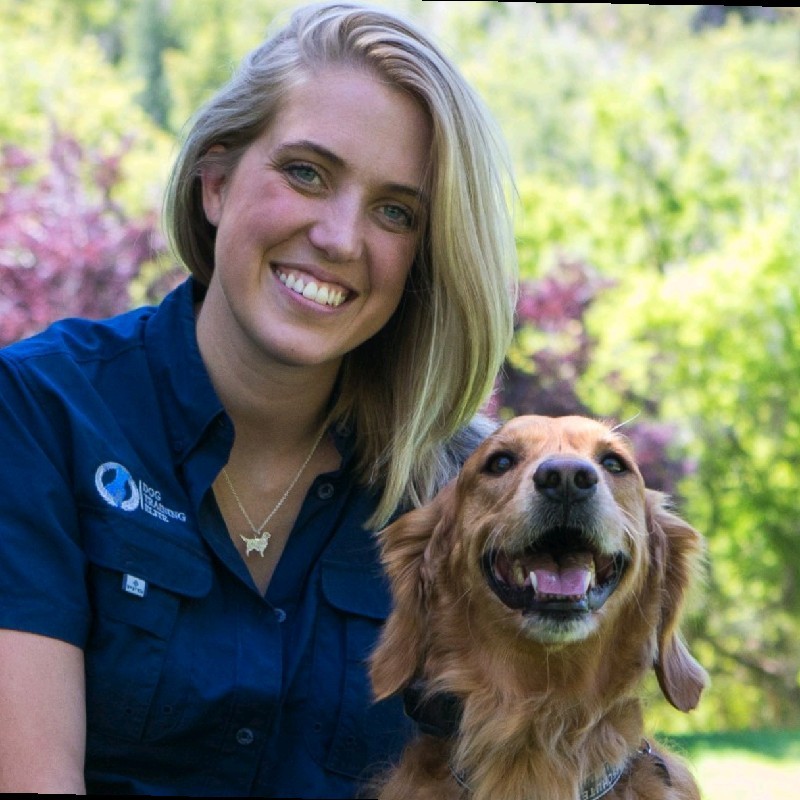
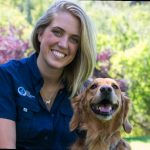
Kelley Rosequist has grown with Dog Training Elite from office manager to corporate trainer to CEO over the past decade. During the pandemic, Kelley was able to shift our business model to respond, and as a result, she successfully awarded and opened a number of franchise territories during a time when most businesses were struggling. She is driven by the impact that Dog Training Elite can have on families and their canine friends, saying, “Every day, I am amazed at the relationships we forge between your average family and their dog.” She is passionate about training service dogs for DTE customers, as well as through our nonprofit organization, The Malinois Foundation, and is always ready to answer Franchise Owners’ questions about the business model, training principles, and more.

Connect with Kelley on LinkedIn and follow her on Facebook.

What You’ll Learn In This Episode

  • The booming pet care industry
  • Demand for pet care and dog training
  • Dog Training Elite’s rapid franchise expansion over the past few years
  • Dog Training Elite’s franchise development strategy
  • What’s the next 1 – 3 years looks like for Dog Training Elite

This transcript is machine transcribed by Sonix

TRANSCRIPT

Lee Kantor: [00:00:32] Lee Kantor here another episode of Franchise Marketing Radio and this is going to be a good one. Today on the show we have Kelley Rosequist with Dog Training Elite. Welcome, Kelly.

Kelley Rosequist: [00:00:44] Thank you so much for having me today. Lee, I appreciate it.

Lee Kantor: [00:00:46] Well, I’m excited to learn what you’re up to. Tell us a little bit about dog training elite. How are you serving folks?

Kelley Rosequist: [00:00:52] Absolutely. So dog training elite is a mobile dog training concept. We come to our clients homes, work with them in their home, and really include them in that dog training process. We cover everything from basic obedience up to therapy dogs and service dogs as well.

Lee Kantor: [00:01:10] So what was the kind of genesis of the idea? How did this come about?

Kelley Rosequist: [00:01:15] So we got to have to fast go backwards a little bit here. About 50 years, my father was training, hunting dogs and really those canine athletes that we see in the world, those top tier dogs. And we are noticing more and more families that we are training these dogs for really just wish their pets could be a more active part of their life, too, that they could walk their dog without pulling and they could enjoy a day at the park with their pets. And so that’s really how we began to shift, is understanding that, you know, a lot of people were really struggling with building this relationship with their dogs, having the freedom they wanted to have with their dogs. And so that’s when we really kind of shifted into that pet sector, and we haven’t turned back since.

Lee Kantor: [00:01:59] Now, what do you attribute this kind of evolution of the kind of care of dog and pets in general with the population? Because, like you said, 50 years ago, you were training a dog for a reason, like there was a compelling reason to do this. And now people are doing this because it feels like natural and they’re part of the family. And I want to, you know, kind of enhance the relationship.

Kelley Rosequist: [00:02:24] I would say one of the biggest shifts that we’ve noticed is people are really considering their dog to be a part of their family. It’s no longer, you know, maybe even an extension of their family. It’s an integral part of their families. So that’s a really big part of it. And people are really understanding the importance of investing in their dog’s life. On average, people have these dogs 13 to 15 years, and so you really don’t have to trudge through that. It should be an enjoyable experience, particularly right now though. Lee Post Pandemic. We’re seeing this continue to surge throughout that COVID period. And those lockdowns, people’s dogs really became a part of their life. They were home with their dogs more. They were hiking, camping, doing all of these things with their dogs. And it has become customary now. And so we’re seeing more people just wanting to involve their dogs in every aspect of their life.

Lee Kantor: [00:03:24] Now, is there some kind of tips you can share for dog owners that they can do some of this work on their own as there some low hanging fruit? Maybe you can share some advice if they have a dog that maybe needs some guidance that you can give them some tips.

Kelley Rosequist: [00:03:43] One of the top places that a lot of people it starts to unravel for them is early socialization. You know, during COVID, that was difficult. But, you know, exposing your dog to as many things as possible, as many places, as many people is is really a good way to start the dog on the right foot, right paw, if you will, you know. But so that early exposure, that socialization, exposing them to new things and consistency, that’s where most people fall apart, too. And that’s really what we provide. But people can do that on their own. You know, when you give your dog a command, whether it’s just come to me, sit down, follow through, make sure they do it before you give up and move on.

Lee Kantor: [00:04:28] Now, I had a friend that their dog seemed like it had a lot of anxiety. It was very fearful of a lot of different things. Is there a way to like if you run into a dog like that, is there a way to kind of make them more common, comfortable?

Kelley Rosequist: [00:04:43] There is. So we work with anxiety a lot, especially right now post COVID because so many dogs weren’t socialized well by no fault of the owners. Of course, one of the biggest things a lot of people are natural inclination when a dog is fearful of something is to remove them from that stimuli altogether and to kind of coddle that behavior when realistically having a lot more exposure to that in a positive way, if we can. I.e. your dog’s afraid of men in hats. Get as many men and hats as you can to interact with your dog, give them treats, whatever their reward system looks like. And it’s kind of that exposure therapy, right? We do that with people. The exact same thing works for dogs in those situations.

Lee Kantor: [00:05:27] Now what about how to. When you add like a family member, then you’re transitioning the dog from being maybe the center of attention. And now there’s another kid or there’s another pet. Is there are ways that they can kind of make that go smoothly, that transition?

Kelley Rosequist: [00:05:44] Absolutely. The biggest way is to just transition without making a big deal of it. We tend as people to want to kind of overthink that and spend maybe extra time two months before the babies being born. Right, playing ball five times a day to try to make up for the time the dog is going to lose. But when we do that, all we really do is set an entirely new expectation for the dog that we absolutely can’t maintain. So some structured training prior to that transition will help it. But realistically, just trying to keep life as normal as possible for the dog throughout that process is the best thing we can do.

Lee Kantor: [00:06:22] So now let’s pivot a little bit to the franchise. Who is that ideal franchisee? I mean, they have to like dogs. Is that, though, is that kind of a knockout blow if they’re not like a super dog person?

Kelley Rosequist: [00:06:37] You know, not necessarily. They absolutely have to like dogs and want to be around dogs. That’s important. But we’re actually in the people business. I mean, at the end of the day where people forward dog training company. So our passion, our drive is about improving the lives of people through dogs. And so, you know, our franchisees definitely have to be passionate about people and improving the quality of life for them.

Lee Kantor: [00:07:04] And then so the training of the dog part, is that something that the franchisee can hire someone to be the actual kind of person going into the homes and doing the training?

Kelley Rosequist: [00:07:15] Absolutely. And, you know, our owners are split about 5050 on that. We have some owners that are very active in the training themselves, particularly the service dog training aspect of it. And we have some that completely run their business work on growing and scaling their business and hire those trainers.

Lee Kantor: [00:07:34] So now when you made the transition to be a franchise, how did that go? Can you talk about some of the learning that happened when you were making that transition?

Kelley Rosequist: [00:07:45] Absolutely. So we started the process slow. When we first decided the franchise, we really made that choice because we recognized how fortunate we were to be able to be a family operating this business in a way that was able to impact our communities and improve the lives of people in their dogs. So we wanted to give other families that opportunity, but it was really important to us to make sure that our model was successful and a completely different market. So that’s why we first opened up in Phenix, Arizona, and waited five years before we started franchising. Outside of that, we wanted to make sure that we could pick up this model, drop it in a new city with no name recognition, no roots, because we are quite rooted here in Salt Lake City and succeed. And it turns out Phenix was an even better market. So at that point is when we decided to kind of open up to international expansion, started slow, making sure again that we were able to replicate our model in many different markets. And fast forward to where we are today across the country.

Lee Kantor: [00:08:50] So now when you expanded and you go into new markets and even internationally, do you have to make any kind of drastic changes on what it looks like in these different markets, or is it kind of baked? And it kind of is a just kind of rinse and repeat situation. Now.

Kelley Rosequist: [00:09:09] At this point, it is pretty much baked. We’re able to come in and especially all of our foundational packages, training methods and types of training are doing well in every market. There’s usually the only changes we make is if we’re adding something to a market. If a market is particularly outdoorsy, we’ll focus more on our adventure dog programs if there’s lots of weddings in that area or wedding dog packages. So we really have different enhancements in different markets. But the actual business itself is pretty much similar in all markets.

Lee Kantor: [00:09:46] Is it similar like even like if it’s a rural market versus an urban market.

Kelley Rosequist: [00:09:52] It is given the fact that we’re doing that in-home training. I will say some of our owners who are in some more urban markets are looking at also are starting to also add some small facility concepts to really get those inner city people involved. But the majority of our clientele definitely live in those in the suburbs and rural areas.

Lee Kantor: [00:10:14] So what is kind of the expansion program now? Is it just kind of the world is your oyster and just like, hey, we’ll take on all comers or are you targeting certain countries, certain regions where you’re putting a lot of emphasis?

Kelley Rosequist: [00:10:29] So currently we are just focused on the US. So 50 states, the first goal is to be in all 50 states before we look at any sort of international expansion options. And at this point we’ve focused a lot of growth in the Southeast, although that area is about just pretty close to sold out. So we’re starting to move more westward in our focus.

Lee Kantor: [00:10:55] And then is there any kind of learnings you could share with emerging franchises when it comes to doing the franchise development?

Kelley Rosequist: [00:11:06] Yes, and the biggest thing I would say for us was to hire someone that we trusted. So we.

Lee Kantor: [00:11:14] Delegate. So the first move is delegate because it’s a tricky thing, right? Franchise development.

Kelley Rosequist: [00:11:19] Is.

Lee Kantor: [00:11:20] It’s a different business.

Kelley Rosequist: [00:11:24] Go ahead, Lee.

Lee Kantor: [00:11:24] Sorry. It’s a different business than your business, right? The finding of new franchisees is really business 100%.

Kelley Rosequist: [00:11:34] And for us, bringing on the right person was really important. So we did interview lots of franchise development companies and ultimately what led us to make the decision we made was finding a company that understood our culture and how important it was for us to keep that. Finding a franchise development team that was okay if they invested months into a person. And then I said, No, I’m sorry. That’s not they’re not the right culture fit. That was really important that we had someone that understood the whys of why we were bringing on owners and that we weren’t just filling seats.

Lee Kantor: [00:12:09] Right. So that takes good communication and it has to be both sides are kind of managing each other’s expectations.

Kelley Rosequist: [00:12:17] Absolutely. Yeah. Our franchise development team, as far as I’m concerned, are part of our internal team. You know, they’re not a separate entity. They really help grow our business and kind of define the direction of it by who they’re bringing to us.

Lee Kantor: [00:12:33] Now, can you share a story with maybe a franchisee that maybe kind of went into this day? I’m sure they have to be enthused. They all have to be enthusiastic. But maybe this wasn’t when they were deciding which franchise. This wasn’t like, oh, this was a no brainer. Maybe they said, oh, they kind of discovered it. And then you were able to kind of get them going and then, you know, they became successful. Is there a story you can share that is kind of meaningful to you?

Kelley Rosequist: [00:12:59] Absolutely. We actually have one owner in particular that came on with a lot of business experience. They had run and sold multiple businesses very successfully, and when they first came on, they were a little bit, I want to say, apprehensive isn’t the right word, but we’re very service minded as an organization up to and including just giving back to our communities, being very involved in that. And so they they were trying to compare everything really to dollar and cents, which, you know, if that’s all you’re doing is building and selling businesses that absolutely make sense. So they were still struggling with figuring out the whys of our business a little bit. They saw the economics. They knew that it was worth it, but didn’t quite understand how that all went together. Fast forward now. They’re our most successful franchise owner and if you talk to them now, economics wise, they are our top performer. But they talk more now about how important it is that they’re able to give back in their communities and how passionate they are. And it’s really cool to see people who have been really successful business owners and have proven themselves in that world to actually find a passion in the business that they’re running. So I say that’s one of my favorite stories is is talking with that group.

Lee Kantor: [00:14:23] Now, is there any thing you can share about how to help kind of articulate that? Because a lot of people, they’ll give lip service to the why and the values and the mission. But they’re you know, they’re always looking at the bottom line of, look, is this going to make money or not? And and it sounds like in your culture, the why is that’s not a not that’s not negotiable. Right. Like they have to kind of buy into the mission and have the values. That’s no matter how much money they have, you’re looking for the right culture fit over everything.

Kelley Rosequist: [00:14:55] Right.

Lee Kantor: [00:14:56] So how do you identify the and help? Kind of I don’t want to say persuade, but at least open their mind to, hey, this is important too and don’t neglect this. Or is it something that you just say, you know what, if they don’t get it, then there they are. They’re kind of self-selecting out for this opportunity.

Kelley Rosequist: [00:15:14] So I’ve I’ve found in our business throughout the entire genesis of our business that we firmly believe if you do the right thing, then good things will happen. And so that is why we do we give back to our communities so much. That’s why we care so much about our clients and whom we’re working with. But for when we’re talking to owners about it, really, we want them to see the value. But we do that through sharing stories, by being able to show the impacts we’ve made in our community by them actually getting to meet some of the people that we’ve impacted. That’s a part of our Discovery Day process, then really understanding the impact that they get to have in the world. You know, at the end of the day, if they don’t care about that at all, that is a deal breaker for us. But we know if maybe they just don’t understand it because they haven’t had that before, that they’ll find it. You know, one of the biggest pushback things we get pretty regularly that I find is kind of ironic, you know, as people are, you shouldn’t train dogs to. Money. You should train dogs because you’re passionate about it, especially service, dog training. And you know, our philosophy is why can’t you have both? And so we truly believe the right owners will find both in our in our model.

Lee Kantor: [00:16:36] But you don’t spend a lot of time overly trying to persuade them the light bulb has to go off at some point. There’s nothing you can really I guess there are things you can say to help lead them down the path, but ultimately they have to kind of get there on their own.

Kelley Rosequist: [00:16:52] Absolutely. And we want them to you know, that that’s how true passion is ignited is when you feel it, you see it, you experience it. And that’s that’s definitely something that we want our owners to to find on their own.

Lee Kantor: [00:17:04] So if somebody wants to learn more, where do they go?

Kelley Rosequist: [00:17:08] Dog training elite dot com is our website. There’s a ton of amazing information on there. Also encourage anyone to follow any of our social media channels to see the good that we’re doing in our communities.

Lee Kantor: [00:17:21] Well, Kelly, thank you so much for sharing your story. You’re doing important work and we appreciate you.

Kelley Rosequist: [00:17:26] Thank you, Lee. I really appreciate you having me on today.

Lee Kantor: [00:17:29] All right. This is Lee Kantor. We’ll see you all next time on Franchise Marketing Radio.
 

Tagged With: Dog Training Elite, Kelley Rosequist

Lynda Lee Smith with Saprea

August 18, 2022 by Mike

Gwinnett Business Radio
Lynda Lee Smith with Saprea
Loading
00:00 /
RSS Feed
Share
Link
Embed

Download file

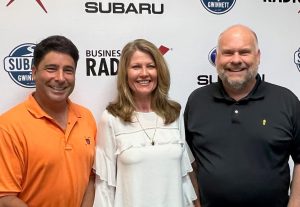
Mike Sammond, Lynda Lee Smith, Steven Julian

Lynda Lee Smith/Saprea

Saprea is a 501c3 global organization with a mission to liberate individuals and society from child sexual abuse and its lasting impact. Saprea empowers healing for individuals who were sexually abused as children or adolescents through retreats, support groups, and online resources. Saprea also educates and engages parents and caregivers to protect children from sexual abuse through community and online resources, as well as drive awareness to motivate individuals to take action against child sexual abuse.

Gwinnett Business Radio is presented by

Tagged With: Child sexual abuse, Gwinnett Business Radio, gwinnett non-profit, Lynda Lee Smith, Lynda Smith, regions bank, Saprea, sexual abuse, steven julian

Joe Burris – Forte Management Maintenance

August 14, 2022 by Rose

North Georgia Business Radio
Joe Burris - Forte Management Maintenance
Loading
00:00 /
RSS Feed
Share
Link
Embed

Download file

Looking for some great local North Georgia businesses to support? We’re dropping names today! Listen in for some exciting Greater Hall Chamber of Commerce highlights! We’re also continuing with our conversation about taking 100% responsibility for EVERYTHING in your life. Casey is on FIRE!!!

Our special guest, Joe Burris from Forte Maintenance Management, is starting a new residential handyman and maintenance division of his property management business just for the general public.

They offer a wide range of home repair services, including gutters, power washing, residential painting, and drywall repairs as well as a full range of ‘minor’ repairs like your faucets and vent cleaning.

To get the word out, they’ve even got a contest to win a Blackstone Grill going on right now! Get the details on their Facebook page — https://www.facebook.com/ForteMaintenance/

In addition to being a successful entrepreneur, Joe is an Army Veteran, firefighter, and driver in the 2022 Lamborghini Super Trofeo North America series. During our conversation, he talks about his childhood dream of racing and shares a bit about the long, twisty road that finally landed him in a race car.

Connect with Joe Burris:

https://fortemaintenance.com/
https://www.facebook.com/ForteMaintenance
https://www.instagram.com/trustforte/

Phone: 678-971-5800

Highlights from the Greater Hall Chamber of Commerce you don’t want to miss!!

Fall Job Fair – Thursday, September 8, from 10 am to 2 pm at the Gainesville Civic Center. This is the perfect forum for companies that are hiring to recruit new employees. Meet Hundreds of job candidates face-to-face. This event is a partnership of the Greater Hall Chamber of Commerce, Lanier Technical College, Gainesville Area Employer Committee, and the Georgia Department of Labor.

HealthSmart (An Interactive Health and Wellness Expo – Wednesday, October 5 from 7:30 am – 1:30 pm at Lanier Technical College. HealthSmart Expo will have free health screenings and 60 wellness exhibitors.

Connect with Casey Ryals:

https://www.facebook.com/ryalsbrothers1/

Connect with Beau Henderson:

https://RichLifeAdvisors.com

https://www.facebook.com/RichLifeAdvisors

https://www.facebook.com/NorthGARadioX

Tagged With: Forte Maintenance Management, handyman services, Joe Burris

Kieran Scott With Pestmaster and Patio Patrol

August 12, 2022 by Jacob Lapera

Franchise Marketing Radio
Kieran Scott With Pestmaster and Patio Patrol
Loading
00:00 /
RSS Feed
Share
Link
Embed

Download file

Kieran Scott, Brand President of Pestmaster, and Justin Kendall, Pestmaster Franchise Owner in Virginia, have recently been named to the Diversity Council and Wildlife Committee respectively within the National Pest Management Association. The association is a vital part of the pest control community, and its selection of Scott and Kendall is an effort to expand its expertise.

Scott is an immigrant, coming to the U.S. about 20 years ago from Ascot, England. He is also a proud member of the LGBTQIA community and was announced as Pestmaster’s brand president in 2021. The NPMA Diversity Council educates members about the benefits of diversity within the industry; provides tools for members to increase diversity within their organizations; promotes NPMA membership to minority owned pest control operations; and collaborates with other NPMA Committees with special issues and education.

Kendall has been a Pestmaster franchisee for years and recently acquired a wildlife business as an add-on, making him a perfect addition to the Wildlife Committee. The Wildlife Committee addresses the specialty of wildlife management, which includes any animal not covered by the traditional pest control license.

Pestmaster is the 65+ unit pest control franchise based in Reno, Nevada under the Threshold Brands unmbrella. The committee announcements signify the brand’s commitment to bringing pest control into the future with a focus on technology, updated branding and bringing on key team members.

Kieran is a graduate of the Georgetown University Franchise Management Program, and received the Certified Franchise Executive designation from the International Franchise Association. Kieran lives in Martin County, Florida with his 9-year old Chow Chow / Pit Bull mix, Rosie.

Connect with Kieran on LinkedIn

This transcript is machine transcribed by Sonix

TRANSCRIPT

Lee Kantor: [00:00:32] Lee Kantor here another episode of Franchise Marketing Radio and this is going to be a good one. Today on the show we have Kieran Scott with Pest Master and Patio Patrol. Welcome, Kieran.

Kieran Scott: [00:00:44] Hey Leo, thanks for having me on.

Lee Kantor: [00:00:45] Well, I’m excited to learn what you’re up to. Tell us about those two brands. How are you serving folks?

Kieran Scott: [00:00:50] Yeah, great. So Test Master is a full service pest control company in the integrated pest management space, predominantly serving government contracts. We’ve been around for 40, 43 years. Founded in 1979 out in California. We’ve got about 45 franchisees across the country actively looking for more franchise partners to join join our team. And then Patio Patrol is a five year old mosquito, flea and tick company that we recently rebranded from what was a company called Fly Pho. And so two years ago, threshold brands purchased made promoting kilts and what was then fly pho. And over the past seven months, we’ve transitioned fly pho into patio patrol with more of a focus on general outdoor pest quality. Outdoor pest solutions is our is our tagline their outdoor pest control company servicing really mosquitos, fleas and ticks.

Lee Kantor: [00:01:43] So what’s your backstory? How did you get involved in this line of work?

Kieran Scott: [00:01:47] Yeah, so I’ve been in franchising for over a decade. I started out actually as a sandwich artist at a local subway in my hometown. I was 14 and I’ve just really I fell in love with franchising ever since. And so I was with Subway for close to a decade and grew to be a regional manager overseeing 12 restaurants in the Greater Salt Lake City area. I then joined another home services company, Mosquito Joe. At the time it was owned by bus franchise brands. In 2015 was with them for four four and a half years. They sold to Neighborly, at which point I joined the Scent Hound team based in Palm Beach County as director of operations, kind of leading their franchise efforts. I was with them for about three, three, three and a half years, and then recently, just six months ago, became the president of Pest Master and Patio Patrol, the two pest control companies within Threshold Brands.

Lee Kantor: [00:02:43] So what is it about the kind of the franchise model that attracts you and is so that you’re so passionate about?

Kieran Scott: [00:02:50] Yeah, great question. So I think it’s the opportunity for everyone to own a business, right? And I think that’s where I get really passionate about people that don’t look alike or don’t sound alike, all kind of being able to follow one model or one scalable process. And that’s what refranchising really is. It’s a business in a box or it’s designed to be a business in a box that people can follow and hopefully get a scalable result from. And so that’s where I find passion.

Lee Kantor: [00:03:16] So now since you’ve worked with multiple brands over the years, is there something that you’re looking for that might be different in the franchisee and the brands that you’re working with now?

Kieran Scott: [00:03:28] Yes, I think that we’re really looking to build a diverse group of individuals at Pest Master and Patio Patrol. Right. People that don’t come from all the same backgrounds, all the same stories, because I think that’s where that’s where franchise businesses flourish, is when they have that kind of. Inclusion of other people’s thoughts and experiences in addition to their own. And so so one, we’re looking for franchisees all over the country that come from diverse backgrounds. But second, I think the best quality of a franchisee is one that can follow that process. Right. We’ve spent years refining that process. You know, Pest Master has been around for 43 years. So we have a good scalable solution there. And so for folks to come in and follow that process, I think that we’ve built a pretty good, pretty good system.

Lee Kantor: [00:04:14] Now, you mentioned diversity, and I know that recently you’ve been kind of part of the National Diversity and Wildlife Committees. Can you talk about where you see that as maybe it maybe it’s not where you’d like it to be, but where you see opportunity, where it could be really a game changer for not just your franchises, franchise brands that you represent, but just the franchising as a whole. If they can become more inclusive and make more concerted efforts to, you know, go after a more diverse franchisee.

Kieran Scott: [00:04:53] Yeah. So I think that I currently operate in this intersection between the pest control world, the integrated pest management world, and also the franchise world. And in both of those sectors, franchising itself and also pest control, there’s a need for diversity. And thankfully, both both kind of groups or both both associations have over the past decade, 15 years been really focused on increasing the diversity within within those segments. So pest control has become much more diverse and franchising has become much more much more diverse. But there’s still a long way to go, right? Franchising still has that notion of being, you know, older males selling franchises to other older males, you know, and then same with pest control. It’s very male dominated. And so I think there’s diversity still needed in both. But when you take that and apply it to other franchises, I think that the benefit you get by incorporating other people’s opinions and ideas and histories and experiences just makes your brand that much stronger, right? I think when I look back on my experiences as an immigrant to the US, I certainly have different experiences than someone that was born here. Right? And so I bring a different experience. It’s not any better or any worse than than someone else’s just happens to be different. I think when you blend different experiences and different histories, you just get a better result.

Lee Kantor: [00:06:17] Now is there anything if you were to talk to other leaders of emerging brands, is there anything actionable they could be doing to just do better when it comes to diversity and inclusion?

Kieran Scott: [00:06:31] Yeah, so I think I think a couple of things and doing better. I think, one, when you’re hiring for someone, make sure that you’re challenging your own opinion. Right. I think that too often hiring managers get focused in on hiring people that think like themselves or act like themselves or look like themselves. And that brings about someone that has the same same background and it doesn’t offer that diversity of opinion. So I think, first, challenge your own opinion. Be willing to accept a different answer. And then from a from a very actionable or tactical action. I think making your job posting nationwide or being willing to hire someone nationally or even potentially internationally so that you can incorporate people from other countries as well. At the end of the day, makes your business more diverse, right? When I joined Mosquito Jo, I was out I was out in Utah and I relocated to Virginia Beach at the same time that our director of digital marketing was relocating from Atlanta. And so we both brought different experiences and different histories to Virginia Beach and to Mosquito Jo Brand.

Lee Kantor: [00:07:37] Now, isn’t the challenge when you when you’re part of especially an emerging brand and it’s it’s one thing to at least give lip service to the importance of this. But in reality, when you’re looking to hire, especially at an early stage, that you go to the usual suspects. If I went to ABC University, I’m going to look for ABC University alums or my own kind of circle, or if I was part of this fraternity or sorority, that’s where I’m going to go to first. And then inherently when you do this, you know, hiring early people that are people, you know, or people or that you know, know, you’re inherently going to get people that look like you like it’s. Yeah, that’s right. It takes a lot of kind of you have to really be mindful and purposeful to go elsewhere and say, you know what, I went to this school, but I’m going to go to the historic black colleges to look for my next chief marketing officer, or I’m going to look for the next higher in that department. Like, I just think that it’s a difficult thing to ask an emerging brand, especially where it’s. They’re already at a high risk period where they’re vulnerable and then their first moves are early moves to go into an area that they don’t know or or aren’t familiar with. You’re asking a lot. So is there a way to do this kind of elegantly and effectively?

Kieran Scott: [00:09:02] I think what I’ve seen be successful both both as an employee and as the employer is to use those third party recruiting agencies. I know that they cost money. I know that sometimes there’s a big fee involved. But they really take that notion of hiring someone like yourself out of it. Right. Because that that hiring agency is not worried about what you look like or where you went to college. They’re more concerned about where that candidate brings their experience from. And is that candidate the best fit for your business? And so when I’ve used so I’ve actually I’ve been recruited by recruiting firms three or four, four times successfully, and that’s brought me all over the country. And then similarly, when I’ve hired other individuals, I’ve also used them and I’ve found great success. And one example is a pest master. We just brought on a PhD entomologist, our first PhD entomologist, and she happens to be a female immigrant. And so we weren’t necessarily out there looking for a female immigrant, PhD entomologist. Right. Which I think is a very small subset of the PhD entomologists out in the world. But we were looking for the best candidate possible. And by opening up our horizons to looking outside of Reno, Nevada, where our headquarters is, we found someone in Orlando who worked for a competitor that happened to be female, that happened to be a PhD entomologist and happened to be an immigrant, but was the absolute best fit for our business. And so I don’t necessarily think that you have to go out and kind of identify the quality that you’re looking for. Right. You don’t have to go out and say, I’m going to go hire an African-American or I’m going to go hire a member of the LGBTQ community. But I think expanding the horizon beyond your immediate doorstep very easily just brings new opinions to the table.

Lee Kantor: [00:10:52] And then you find that by going to these third party recruiters that you are able to do that, or they’re able to do that because that’s just built into how they operate.

Kieran Scott: [00:11:02] Yeah, they’re going to search nationwide because they they ultimately get paid for providing you the service of finding the best candidate. Right. And and there’s oftentimes back end guarantees that if that candidate doesn’t work out for so long, then they have to provide another service for you to rehire that position, which they don’t want to do. And so they’re incentivized to find you the best candidate possible, which often is a nationwide search. And I think that’s where the diversity comes from.

Lee Kantor: [00:11:29] Now, you mentioned that you’ve had success being recruited. Can you share maybe things you’ve done to help make yourself more findable by those third parties? There are things that maybe there’s great candidates out there that are, you know, from underserved markets, that they’re just not doing a great job of making themselves visible to these searches. Is there are things that they could be doing to make themselves more visible to recruiters like you described?

Kieran Scott: [00:11:57] Yeah, definitely. I mean, I think from a from an employee perspective, one one having a great LinkedIn profile is key. You know, recruiters spend all day surfing people’s LinkedIn profiles. Right. And they and they get really attracted to the profiles that have a picture and have a headline and have experiences listed out. And those are often those are often the profiles that they contact. In addition to that being posting regularly, right? Having content on your page so that people can show that you provide value, whether it’s provide value to your own organization or provide comments and value to other people’s organizations. I think that providing values another thing that recruiters look for. And the third one is getting involved. Right. And so I’m involved with the International Franchise Association. I’m also involved in the National Pest Management Association. I’m an alumni of Georgetown University’s franchise management program. And so just being involved in your network and being involved in kind of your community, of your career, right? So my career is in is in franchising and so I’m involved in those I think makes a big difference.

Lee Kantor: [00:13:05] And that’s great advice for young people, especially instead of just kind of sitting there passively waiting to be chosen. You can be doing things right now to make yourself more, more visible and more sought after by leaning into these things. If you know that you want to be in a certain industry, join the associations of that industry. Take leadership positions if possible. Volunteer There’s things you can be doing and talking about and posting and and sharing your knowledge and what you’ve learned from these things. It makes you more visible. It makes you more hirable.

Kieran Scott: [00:13:39] Yes, absolutely. Yeah. Getting getting involved early as soon as you can make that decision is is definitely key.

Lee Kantor: [00:13:46] So now what do you need more of? How can we help? What are you looking to do in terms of growth? Are you. Is the world your oyster at this point? And you’re looking for franchisees for the two brands you described anywhere, or are you focusing on certain regions? How can we help you?

Kieran Scott: [00:14:03] Yes. So, yes, so there’s tons of whitespace and in both of our brands across the United States for new franchisees to join, I think it’s a really great time for franchisees to join both brands. We’re rebranding master with a new visual identity, the first new visual identity for in 43 years. And so that’s going to be an exciting thing for new franchisees to come in to. But yeah, we’re actively recruiting new franchisees. We are obviously looking for the financial qualification to be there, but also that diversity of mindset to also be there and kind of willingness to to learn and adapt as we grow. But yeah, we have we have pretty ambitious growth goals on the master side. 25 new units this year on the patio side, patio patrol side, ten new units this year, which more than doubles the system as it stands today. And I think now’s a great time to get into pest control.

Lee Kantor: [00:14:54] Well, if somebody wants to learn more, what is the coordinates to get a hold of you, somebody on your team and learn more about the opportunities?

Kieran Scott: [00:15:01] Yes. So to get ahold of me best found on LinkedIn. So just LinkedIn. Kieran Scott, CFP. Or you can email me k scott at threshold brands dot com. To learn more about Pest Master, you can visit our website Pest Master Franchised Patio Patrol is franchised out Patio Patrol dot com.

Lee Kantor: [00:15:18] Well, thank you so much for sharing your story today. You’re doing important work and we appreciate you.

Kieran Scott: [00:15:23] Thanks, Lee.

Lee Kantor: [00:15:23] All right. This is Lee Kantor. We’ll see you next time on Franchise Marketing Radio.


Tagged With: Kieran Scott, Patio Patrol, Pestmaster

Matt Riley With ICS

August 11, 2022 by Jacob Lapera

MattRiley
Association Leadership Radio
Matt Riley With ICS
Loading
00:00 /
RSS Feed
Share
Link
Embed

Download file

MattRileyMatt Riley, CAE, is the Director of Associations for ICS, an internationally recognized full-service professional conference organizer (PCO) and association management company (AMC) with over 40 years of experience managing medical, academic, and scientific conferences and clients all over the world.
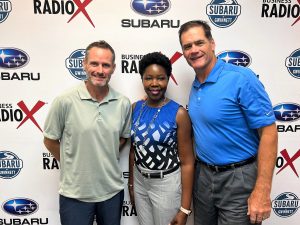
A Certified Association Executive, Matt has served in senior leadership positions in numerous associations including the International College of Neuropsychopharmacology, the National Court Reporters Association, and the Shop Environments Association. He was also the CEO of The Conference Agency, based in London England, providing event management and strategic planning services to European and North American clients. Matt has also volunteered to write articles, give presentations, and serve on committees for numerous industry organizations including the American Society of Association Executives (ASAE), the Association of Association Executives (AAE), the International Association of Professional Congress Organizers (IAPCO), Conference News, and others.

He lives in New York City with his wife, Jacque, and when they’re not working or traveling the world, they enjoy amateur motorsports racing in a spec Miata named Kristen.

Connect with Matt on LinkedIn, Facebook, and Twitter.

What You’ll Learn In This Episode

  • Top challenges facing international associations in the 2020’s

This transcript is machine transcribed by Sonix.

TRANSCRIPT

Intro: [00:00:02] Broadcasting live from the Business RadioX studios in Atlanta, Georgia. It’s time for Association Leadership Radio. Now, here’s your host.

Lee Kantor: [00:00:20] Lee Kantor here, another episode of Association Leadership Radio. And this is going to be a good one. Today on the show, we have Matt Riley with ICS International Conference Services. Welcome, Matt.

Matt Riley: [00:00:33] Hi, Lee. Thanks for having.

Lee Kantor: [00:00:34] Me. Well, I’m excited to learn what you’re up to. Tell us a little bit about ICS. How are you serving folks?

Matt Riley: [00:00:40] Sure. So ICS is both a professional conference organizer and an association management company. We’ve been in business for over 30 years and we’ve got clients all over the globe. So just kind of helping with running their conferences, running their association’s strategy and everything in between.

Lee Kantor: [00:00:56] So how did this come about? I’ve been talking to several folks that are in that same space. Does it typically happen with they start running one association or they’re working with one and it just kind of organically expands from there, like, what was your history?

Matt Riley: [00:01:10] Yeah, correct. We were a PKO first and really kind of became known for that and then over time started to have clients who were looking for association management help. And that was when our association management department was started. My teams started to build up, so and now we have about 15 clients.

Lee Kantor: [00:01:28] So now when you’re building up, you’re the director of associations. Can you talk about what a day in the life is for you?

Matt Riley: [00:01:36] Sure. So I lead a team of about 12 people. They’re all executive directors of different associations. Our focus is international. We work with a lot of medical and scientific societies. So my day consists of helping clients just kind of navigate the waters of association management, a lot of sort of mentoring with the team and providing resources and ideas and that sort of thing. For all the different challenges that our clients are facing right now.

Lee Kantor: [00:02:05] And an association kind of leans on an association management company like yours because a lot of times they’re volunteer organizations and maybe their vision is is bigger than the kind of the team that they have around with around them. So they have to, like hire a professional to help them kind of expand and grow and serve their members.

Matt Riley: [00:02:27] Yeah, correct. Most of our clients actually don’t have their own staff, so they are doctors or scientists or commissioners or some, some they’re focused on their profession. So they’re the subject matter experts. They kind of have a handle on on content and on whatever that industry is. But they’re really looking for association management knowledge and best practices and sort of the business side of running the organization.

Lee Kantor: [00:02:53] And I would imagine when you put a professional group like yours in place, you can really accelerate their growth because you’re kind of getting the best practices from all the other folks that you’re serving and you can really institute some efficiencies quickly.

Matt Riley: [00:03:08] Absolutely. And it’s become especially important in the last few years. The pandemic really sort of shined a light on a lot of practices. And if, you know, if you weren’t looking to the future, if you weren’t thinking about revenue diversification, if you were relying on one big conference for basically all of your business operations, then those were the associations that really kind of had their eyes open in terms of needing to diversify a little more, needing to look at some other options. And that’s something that’s really a strength for us now.

Lee Kantor: [00:03:35] Are there certain challenges that are facing international associations that maybe aren’t as prevalent for ones that are just kind of in America?

Matt Riley: [00:03:47] Absolutely. Yeah. You know, we’re seeing domestic conferences starting to come back. I would say I think it’s safe to say they are back for the most part, but international, there’s still a lot of there’s still barriers to travel, there’s still political instability. There’s still a lot of economic volatility in the world. So a lot of our international conferences are not still moving forward and we’re just still seeing a lot of barriers to our our international associations still kind of lingering.

Lee Kantor: [00:04:16] Now, are you or can you share some maybe some solutions or some opportunities that you see in that space?

Matt Riley: [00:04:24] Sure. Absolutely. I mean, I think one big opportunity right now is this is really an opportunity for innovation. So like I was saying, if maybe the association was kind of in we’ve always done it that way. So that’s sort of my my least favorite phrase in the association space. I really think there’s a lot of permission right now to experiment and to innovate. So just because maybe maybe that you thought the conference was your main driver of of member value. And it may well be like I say, we’ve really kind of been made aware now in a painful way of the need to have other other. To hang your hat on, you know, other sources of revenue and other drivers of member value for the association. So if you’re not already looking at publications or digital content or some, it all depends on the industry and the member and what their challenges are and what their needs are. But we really kind of have to get a little more diligent and a little more creative and looking at how can we how can we serve members in a different way from that. We’ve always done it that way.

Lee Kantor: [00:05:26] Mindset Yeah, I guess the pandemic really forced that, right? So you have a period where a lot of organizations were saying, Hey, it’s our big event and that’s why we’re here for the big gala or the big event conference. And then when the pandemic shut that down, now you’re like, Well, why are people still members? You know, if our whole reason of being was this big event.

Matt Riley: [00:05:46] There’s you know, there’s absolutely nothing wrong with that. Like I say, we’re a conference company. So we we we live and breathe that. But it’s just, you know, it’s kind of thinking bigger than that, you know? Yes, you need a world class event, but it’s kind of like what else, you know, what have you done for me lately as sort of the member the member opinion? So if you’re only engaging one time a year, no matter how good that conference is, you’re going to struggle to kind of keep keep front of mind with your audience.

Lee Kantor: [00:06:12] Right. It’s like you said, diversify your portfolio a little bit. Don’t put all your eggs in that one basket. Let’s see what else we can do and see. Be creative. Yeah, absolutely. Now, when you’re working with an association and you’re having this, this is a tough conversation, I would imagine, for some folks, because, like you said, that inertia of the status quo is a tough one to to really move off of. But I guess the pandemic helped that in that it just kind of forced their hand. They had to do this. They had to make some moves.

Matt Riley: [00:06:45] Yeah. Forced a lot of conversations among leaders. And then like I say, I think it also gave us a lot of permission with with numbers, with conference attendees, with whoever needs to sort of approve some sort of change or give a little bit of a little bit of patience or a little bit of permission. I think we’ve really got that right now because, you know, we’re hopefully emerging from a time of disruption. But the upside of that is you really get a chance to kind of create something new. And I think a lot of people, especially if they maybe haven’t been super engaged or they haven’t been really sort of wowed by the experience that they’re getting out of their membership, they really are more willing than a lot of people think to, you know, to give you time and space to experiment. And maybe you try some things and it doesn’t work. That’s not the end of the world. Like know people I think are not as critical as maybe they would have been before.

Lee Kantor: [00:07:39] Now, are you seeing younger folks being drawn to associations or is that something that associations need work to attract younger people to not only join but also to take have a path to leadership?

Matt Riley: [00:07:54] Well, it’s certainly a big focus. I mean, I don’t you know, we do a lot of strategic planning with our clients. And I don’t think I’ve had a strategic planning session in the last three years that didn’t come out with some kind of goal, focusing around engaging younger members and the next generation of leadership, and also looking at diversity as well and broadening broadening the membership in that way. So it’s a really key area of focus. I would say. I’m seeing different levels of success and it really depends how much are you really willing to put your money where your mouth is as an organization and really invest in in driving real change that’s going to going to attract both younger and more diverse numbers and leaders.

Lee Kantor: [00:08:34] Is there any advice you can give in that area? Because that is an area of concern for a lot of folks struggling with the same issues.

Matt Riley: [00:08:43] Well, I mean, I think my advice would be it has to be more than lip service. A lot of organizations are coming out with a diversity statement or maybe they’re creating a young member committee or something along those lines. And that’s great. It’s definitely a starting point, but I think it has to be more substantial. You know, those those efforts have to have some kind of real impact on the organization. It has to be visible. One thing that we say a lot in diversity is that if I’m coming into the organization and there’s no one who looks like me in leadership, then that’s a big red flag. And it kind of sends a message that either I’m not really fully welcome or if I am, I’m not. I don’t really have a seat at the table in terms of decision making or how the organization is run. So I think it’s not just sort of creating something to check a box. It’s really sort of creating change in a way that we’re bringing new, new voices in and we’re making sure that the leadership looks and feels like the community that we’re trying to create, if that makes sense.

Lee Kantor: [00:09:43] Yeah, it does. I mean, you go to some of the websites of some of these associations and then you check out the leadership and it doesn’t always reflect the the membership.

Matt Riley: [00:09:53] Yeah. So the organizations that are seeing success are not the ones that sort of create a committee for four young members and put. Set off in a corner and kind of do that. It’s the ones that they create a board position for a number that’s sort of reserved for that purpose so that that voice is in the meetings and the thing that nobody else sees, because a lot of these organizations, you have to be around for 50 years to get into one of those leader leadership positions. But getting somebody in the room or on the Zoom call these days, you know, who who understands what the next generation is looking for. That’s the kind of thing I’m talking about that changes the thinking and that that leads to different decision making.

Lee Kantor: [00:10:32] Right. So then they have kind of that seat at the table and they have a voice in these kind of conversations when people are making the decisions, especially budgetary decisions.

Matt Riley: [00:10:41] Mm hmm. Yeah. It kind of addresses both the symbolic and the substantive at the same time.

Lee Kantor: [00:10:45] And that probably gives you a quicker means to be successfully making that happen and moving the needle, if that’s really, truly important. You are kind of walking the walk at that point.

Matt Riley: [00:10:58] Yeah. Yep, I would say so.

Lee Kantor: [00:11:01] So what’s next for you? How does the rest of this year look and in the coming year?

Matt Riley: [00:11:08] Well, like I said, I mean, we’re really trying to get sort of international events back off the ground. I hope we’ll be more and more able to do that. I just I was supposed to have a conference in Taiwan this year. They still have a three day quarantine. The last that I looked, which is really kind of anathema for for a conference. So we’re still trying to move forward with that in the best way that we can. We’re trying to choose destinations that are resilient and hedge against all of the the sort of risks that we’re seeing out there. And then at the same time, like I say, push forward with a lot of the new experiments that we’re trying out, whether it’s restructuring membership categories, this is a good time to be doing that. If you if your membership categories haven’t changed in in 50 years, the industry probably has. So looking at that kind of restructuring, revisiting dues, a lot of dues for we’re sort of stagnant. And if you’re not increasing in to keep pace with inflation, then you’re not really taking care of your business in that sense. So just trying to keep keep our head on a swivel and look out for all of the opportunities that this time provides and at the same time, all of the ways that we can protect ourselves from sort of ongoing uncertainty that’s out there.

Lee Kantor: [00:12:22] Can you share an example of maybe one of the associations you work with? You don’t have to name the name, but maybe explain what the challenge that they were having before they they started working with ices and then you coming in and helping them solve it and maybe getting to a new level.

Matt Riley: [00:12:38] Sure. Absolutely. Yeah. I mean, we have we have one association in particular. It’s the International Association for for that for that scientific field. And there’s a lot of strong national and regional associations for the field as well, because it’s a it’s an important medical field. So with all of these challenges, with the sort of added complexity of operating internationally, I think they they a little bit fell into a rut of more trying to compete with the regional societies, going to the regions that had a lot of members that had a lot of money and sort of trying to to rest their laurels on that because it was the it was the low hanging fruit. And it worked to some extent, but it created competition with the regional associations and it was sort of it was splitting the pie to many different ways. And they they would have very good years when they were in those regions and then they would have bad years when they tried to do anything else. And they sort of took that as, let’s stop trying to be global and let’s kind of try to be what already exists in these regional associations. So we did a strategic planning. We, we did surveys, we did targeted conversations with a lot of the different leaders. And that was the conclusion we came to was we sort of fallen into this strategy, not really meaning to where we’re not truly we’re not truly a global association and we’re not we’re not taking advantage of that that unique selling principle that we should have as an organization and where we’re sort of trying to play somebody else’s game.

Matt Riley: [00:14:13] And what we did was we started to really look at how are we choosing where we engage in the world, how are we selecting destinations for the conference? How are we choosing partners to work with other associations to partner with, even sort of how are we finding influential members who can help us in different regions? So for instance, South America was very underserved. So we basically just kind of across the board started to change how we thought about the identity of the organization. And now they’ve had some very successful conferences in some less traditional regions, and they’re really sort of, I guess, just embracing a new identity and really thriving with that. And that’s something that I really talk a lot about strategy and the importance of doing. Strategic planning. A lot of the smaller organizations that we work with, they don’t necessarily think that they have the resources or they don’t know where to go to find that. And that’s something that we bring to the table that I think is really, really helpful.

Lee Kantor: [00:15:12] Yeah, you have to invest in that because if you don’t know what you’re aiming at, how do you know you’re never going to get there? You know, it just it makes sense.

Matt Riley: [00:15:20] What tends to happen is, is sort of management by crisis. In that case, you know, you’re very reactive. And what whatever happens to you, you sort of try to react to it. But that’s I think we all know that’s not the way to get ahead of the ahead of the curve. If you really want to be leading in our industry, then you need to be looking ahead and you need to be preparing at least three or five or ten years out and really kind of looking where your industry is going and trying to be the the resources that is where your members want to go, that you’re helping them kind of create create the industry of tomorrow or the or the scientific field of tomorrow.

Lee Kantor: [00:15:53] Right. Which is usually at the heart of the mission of most associations. Yeah.

Matt Riley: [00:15:58] Ironically, it kind of, it’s kind of the opposite of the. We’ve always done it that way.

Lee Kantor: [00:16:01] Right, exactly. They’re supposed to be leading and being the role models for the industry, not the laggards.

Matt Riley: [00:16:08] Right.

Lee Kantor: [00:16:09] So what do you need more of? How can we help? Are you looking for more associations to serve? Do you need more talent? What do you need?

Matt Riley: [00:16:17] I mean, yeah, absolutely. I think there are so many associations that could use help. So I think just having people know that there that association management companies are out there and that it’s, you know, it’s an alternative to maybe if you don’t see having the resources for a full time staff, I think that’s a great thing for for people to know. And we’re always looking to partners. So anybody who’s interested in what we do, I’m always open to a conversation. You know, travel industry right now, hospitality industry I know has really just had so much turmoil. And they’re trying to start back up and they’re trying to find good talent. So we’re really looking out for our our hotel and our destination partners and everybody in that world where we’re trying to support however we can. But really any industry, you know, we work with technology quite a bit. Association management software is really important to what we do. So there’s there’s a whole a whole bunch of different worlds. And as I say, there’s an association for everything. So we do a lot of medical and scientific, but we really are sort of conservatively looking for other other organizations to work with as well. So I think the sky’s the limit for associations. I really do, yeah.

Lee Kantor: [00:17:22] I think that there’s a lot of opportunity, especially coming out of the pandemic. The need is so great at this point.

Matt Riley: [00:17:30] Yeah, I.

Lee Kantor: [00:17:30] Agree. Now, if somebody wants to learn more about this or maybe get on your calendar, what is the website? Best way to get a hold of you or somebody on your team?

Matt Riley: [00:17:40] Yeah, our website is ices events dot com. Check us out. We’ve got a great website with a lot of information and my email address is. Riley. Riley. That’s m as an matt Riley Y at ices events dot com. So I’d love to hear from any of your listeners who are interested in working together.

Lee Kantor: [00:17:57] All right, Matt, thank you so much for sharing your story. You’re doing important work and we appreciate you.

Matt Riley: [00:18:02] Thanks a lot, Lee. I really appreciate.

Lee Kantor: [00:18:03] It. All right. This is Lee Kantor. We’ll see you next time on Association Leadership Radio.

Tagged With: ICS, Matt Riley

Angelia White with ALW Tax & Financial Services and Jake Kimbel with (Un)Discovered Athlete

August 11, 2022 by Mike

Gwinnett Business Radio
Angelia White with ALW Tax & Financial Services and Jake Kimbel with (Un)Discovered Athlete
Loading
00:00 /
RSS Feed
Share
Link
Embed

Download file

Jake Kimbel, Angelia White and Harper LeBel

Angelia White/ALW Tax & Financial Services

ALW Tax & Financial Services is an accounting firm offering tax resolution, tax preparation, and financial services to small businesses.


Jake Kimbel/(Un)Discovered Athlete

(Un)Discovered Athlete  is Gwinnett County’s premier baseball training facility, owned and operated by local minor league baseball players providing comprehensive baseball development for any athlete.

Gwinnett Business Radio is presented by

Tagged With: ALW Tax & Financial Services, Angelia White, gwinnett business, Gwinnett Business Radio, haper lebel, Jake Kimbel, regions bank, subaru of gwinnett, undiscovered athlete

Stephanie Whyte With Aetna

August 10, 2022 by Jacob Lapera

Stephanie
Atlanta Business Radio
Stephanie Whyte With Aetna
Loading
00:00 /
RSS Feed
Share
Link
Embed

Download file

CVShealthStephanieDr. Stephanie Whyte is a seasoned physician executive and transformational leader known for building teams and leading innovative, large-scale initiatives. A senior medical director for Aetna Medicaid, she oversees the medical team for a region of three states. Dr. Whyte joined Aetna in 2015 and has served as a medical director and interim chief medical officer for two Aetna Better Health plans.

Dr. Whyte led the pediatric strategy for COVID-19 vaccines in for the 5-11 population in CVS stores, training pharmacists and immunizers. She has represented Aetna Medicaid and CVS Health in efforts to address vaccine hesitancy.

Prior to Aetna, Dr. Whyte was the inaugural Chief Health Officer for the Chicago Public Schools (CPS) district establishing a new office to focus on student health and wellness. Before CPS, she was Medical Director of Mobile Care Chicago, caring for children with asthma in Chicago’s most underserved neighborhoods on a mobile medical unit for over a decade.

Dr. Whyte is a board-certified pediatrician and honored “Distinguished Alumnus” from both the Chicago Medical School and Illinois Wesleyan University. She also holds an MBA in Public and Nonprofit Management; is a certified health care insurance executive; and board-certified in Health Care and Quality Management.

Connect with Dr. Stephanie on LinkedIn.

What You’ll Learn In This Episode

  • The Health Care Insights Study
  • CVS Health increasing access to affordable, convenient health services
  • CVS Health addressing consumers’ mental health needs
  • Future plans in the works for CVS Health

This transcript is machine transcribed by Sonix

TRANSCRIPT

Intro: [00:00:03] Broadcasting live from the Business RadioX studios in Atlanta, Georgia. It’s time for Atlanta Business Radio, brought to you by on pay. Built in Atlanta, on pay is the top rated payroll and HR software anywhere. Get one month free at on pay. Now here’s your host.

Lee Kantor: [00:00:31] Lee Kantor here, another episode of Atlanta Business Radio. And this is going to be a good one. But before we get started, it’s important to recognize our sponsor on pay. Without them, we couldn’t be sharing these important stories. Today on Atlanta Business Radio, we have Dr. Stephanie Whyte, senior clinical medical director with Aetna, a CVS health company. Welcome, Dr. Whyte.

Stephanie Whyte: [00:00:53] Thank you for having me, Lee.

Lee Kantor: [00:00:56] Well, I’m excited to learn what you’re up to. Can you tell us a little bit about CVS Health at number one and we’ll go from there?

Stephanie Whyte: [00:01:06] Absolutely. Well, CVS Health is a leading health solutions company. We’ve reached more people and improve the health of communities across America through our local presence, digital channels and over 300,000 colleagues, including more than 40,000 physicians, pharmacists, nurses and nurse practitioners. We have more than 85% of Americans living within ten miles of a CVS pharmacy, 9000 CVS pharmacy locations nationwide. So in a nutshell, we help people navigate the health care system and their personal health care by focusing on quality of care, convenience, improving access and lowering costs.

Lee Kantor: [00:01:50] Now, I would imagine because CVS Health has such a broad kind of I guess you touched so many people in in the in health in their health kind of journey. You recently had the opportunity to do a survey and you were able to glean some interesting insights. Can you talk a little bit about that health care insights study that you guys kind of put together?

Stephanie Whyte: [00:02:18] Absolutely. So the health care insights study by CVS Health is now in its fifth year. And the goal of this study is to understand the needs and the mindsets of consumers as they pursue their individual health care journey. So Atlanta was one of the regions that we focused on in this year’s journey this year study oncology. And so the study finds that people have embraced the holistic outlook on health and they want more meaningful and engaging relationships with the health care providers. And they’re increasingly searching for a new kind of health care experience that’s simpler, less costly and efficient.

Lee Kantor: [00:02:57] So is there anything actionable that companies can take regarding that? Like, is there anything that medical practitioners should take away from that or anything that the consumers can take away from that?

Stephanie Whyte: [00:03:08] Oh, absolutely. So accessibility and affordability of health care services were a prominent theme among the respondents. Right. So one of the things that we’re doing is making certain that we’re accessible and available. Again, 85% of Americans are within ten miles of CVS Pharmacy 400. Sorry, let me restate that. There are 200 CVS pharmacies in Atlanta metro area. There are nearly 40 with MinuteClinic and Healthhub locations. So we’re creating access to our locations as well as the survey results so that nearly one in four Atlanta respondents preferred using the pharmacy over the E.R. or urgent care center post-pandemic. So they were looking to their local pharmacy as their source of care. So we’re providing that access and that route of service for them. So. Well, sorry.

Lee Kantor: [00:04:26] So do you think that because of that, there’s going to be more opportunities for people to go into a CVS pharmacy to get kind of a little more care than than maybe historically pharmacies have offered?

Stephanie Whyte: [00:04:40] Absolutely. Our MinuteClinic locations offer a wide range of essential women’s health services, such as treatment for yeast infections, pregnancy, UTI testing. We also offer minor injury and illness treatment at our health hubs. We’re also committed to addressing social determinants of health and focusing on key challenges within the community. So among the things that our Atlanta respondents identified was an issue for them was transportation. So we’ve partnered this year with Uber and local community organizations and kicked off health zones Atlanta as an initiative. And this initiative provides free transportation to residents live. In a30318 zip code so they can more easily access health facilities, food pantries and vaccination appointments.

Lee Kantor: [00:05:38] Now, or is there an initiative that is going to target telehealth?

Stephanie Whyte: [00:05:45] We are expanding our telehealth. We have a CVS Virtual Primary Care Health, which is a evolution of a physician led, comprehensive primary care model that brings together a multidisciplinary team to offer patients coordinated care. And in this model, patients get the opportunity to have a continuous relationship with on demand care, chronic disease management and mental health services. And absolutely, virtual health is an offering there.

Lee Kantor: [00:06:25] So now let’s talk a little bit about mental health that seems to be very popular nowadays. Is there an opportunity there to address the consumer’s mental health needs that seem to be really prevalent, especially, you know, as we get through the pandemic?

Stephanie Whyte: [00:06:45] In the Lancet metro area, there are nearly 40 CVS Health Minute clinics and health hub locations. At these locations, we have licensed therapists to provide onsite confidential mental health counseling, and we’re looking to expand access to mental health, wellbeing and telehealth services. But anyone can visit the Minuteclinics to find a location near them. And what’s really important here, and I’m glad you highlighted this since 2019, our nationwide virtual visits for mental health ballooned from 10,000 to over 10 million last year. So that’s like a 1000 fold increase. And that just punctuates our ability to meet the need and the scale of what is clearly a critical public health increase. And what the data actually showed is that the Atlanta respondents were concerned about the mental health will well-being of their loved ones, and that was one of the stressors that they identified over the past year in the survey data.

Lee Kantor: [00:07:56] Now, do you think that this influx of mental health requests, is it something that all of a sudden now there’s more people suffering or is it now there’s less maybe shame in getting help?

Stephanie Whyte: [00:08:11] I think that people are looking for the opportunity to have a conversation and relationship with their providers that they can discuss stress, they can discuss happiness, their health levels, and have a holistic approach when dealing with their health care provider. And that’s what the data actually show. They’re seeking higher levels of engagement and communication, and that is what the data is reflecting, and that’s what our offerings are trying to provide. And that’s why you will find therapists in our MinuteClinic locations. We’re expanding services for telehealth. We’re doing the virtual care with the physician led teams that are engaging with both a virtual health option and care as it needs to be at home when they need to be.

Lee Kantor: [00:09:09] So what’s your back story? How did you get involved with CVS Health?

Stephanie Whyte: [00:09:15] I am a pediatrician by training. I joined the company after being non-clinical and leading the Chicago Public School District Health System Health there. And I just have a passion for care and making certain that we address the needs of those who need services. And that’s a beautiful segue, and I’m glad you added that to ask me that, because there’s one more thing I want to punctuate that we’re doing that speaks to why I’m here, and that is our project Health Initiative, that’s addressing some of the social determinants of health. That’s really my passion. And CVS Health is doing a wonderful job of this project Health Initiative, which brings community health services to those who are under resourced. And that beginning mid-August, our mobile RV units will serve several Atlanta metro areas, providing screens to our project Health Seniors. And these screenings identify those who have high blood pressure, blood pressure levels, glucose levels, cholesterol levels. And in my prior life, I’ve done screenings like this. And you are surprised at those who are walking around with malignant, life threatening, high blood pressure levels, cholesterol levels, leading them on the path to coronary artery disease, and they have no idea. So screenings like these are wonderfully helpful. We have more than a dozen lined up and the Atlanta metro area between now and the end of the year. Those interested can contact CVS.com slash project hyphen health to find out about an event near them. Cvs.com slash project hyphen health. To find out about an event near them. But we’ve done we’ve provided $7.6 worth of free medical services and just the Atlanta Atlanta area via Project Health since 2006. And this type of work really drives the passion and speaks to us getting out there. And that’s my story of how I came here to do things like this.

Lee Kantor: [00:11:34] Now, can you share a story maybe of your time working with folks kind of boots on the ground that these kinds of screenings are can save lives? This is catching things, knowing your numbers are things that are important to catch things before they become real, really problematic. I mean, I think that a lot of folks don’t take the initiative in terms of knowing their numbers and getting checked out and doing some of these screenings in order to catch things before they become very big problems and maybe even, you know, kind of end of life problems if you wait too long. Can you share a story, maybe a personal you don’t have to name their name, but just explain what it was like for this person to go through a screening identifying this and really nipping something in the bud.

Stephanie Whyte: [00:12:20] Oh, absolutely. So I did a large screening like this in the Chicago area at Navy Pier, a huge convention center, and they were offering the exact same things glucose, cholesterol, hypertension, blood pressure, checking for your bone. And as the people went through, they were offered. They then got they did lung function as well. They then got to sit with the physicians that were there to do an interpretation of the results and explain what that meant. So I was one of two docs there on site doing it, and one of the gentlemen who came to sit with me was someone who was uninsured, who said he had no symptoms. He was just it was free. He got in line and said, why not? Had not seen a doctor in at least ten years. And the level of the magnitude of his hypertension, the level of his blood pressure, how high it was, was what we would call malignant hypertension. It was extremely high. He’d said he had no headaches. He said he didn’t have any dizziness, he had no problems. He denied any of that to the point where he didn’t believe me when I was like my heart was palpitating on his behalf. And so we talked to him. We asked about family. I asked about family history and other things. And there was some things there that were triggers but actually called an ambulance for him. He could not leave. I could not have him leave the convention center like that. So this is how we go. You need to follow up with a doctor. We need to link you with somebody. No, we need to call the ambulance. And you need to immediately be sent somewhere for care. It was that bad.

Lee Kantor: [00:14:04] And that’s the thing to the person they may not even notice. And then they’re dead. Like, it’s that dramatic. And I’m not.

Stephanie Whyte: [00:14:12] Hypertension. It’s called the silent killer. So. Yes, so. So when you take these to communities that lack regular access to health care resources, the impact is critical.

Lee Kantor: [00:14:24] Yeah. And this is something that when you are if you haven’t been to the doctor in any length of time and you have an opportunity to get a screening, these are things these aren’t nice to have. These are must haves.

Stephanie Whyte: [00:14:37] Absolutely.

Lee Kantor: [00:14:38] So one more time, if somebody wants to learn more about, you know, these clinics and these screenings and things like that.

Stephanie Whyte: [00:14:45] Project health events. Cvs dot com slash project hyphen health.

Lee Kantor: [00:14:53] Well, Dr. White, thank you so much for sharing your story today. You’re doing such important work and we appreciate you.

Stephanie Whyte: [00:14:59] Thank you so much, Lee. It was a pleasure.

Lee Kantor: [00:15:01] All right. This is Lee Kantor. We’ll see you next time on Atlanta Business Radio.

Intro: [00:15:09] Today’s episode of Atlanta Business Radio is brought to you by on pay. Built in Atlanta, on pay is the top rated payroll in HR software anywhere. Get one month free at onpay.com.

About Our Sponsor

OnPay’sOnPay-Dots payroll services and HR software give you more time to focus on what’s most important. Rated “Excellent” by PC Magazine, we make it easy to pay employees fast, we automate all payroll taxes, and we even keep all your HR and benefits organized and compliant.

Our award-winning customer service includes an accuracy guarantee, deep integrations with popular accounting software, and we’ll even enter all your employee information for you — whether you have five employees or 500. Take a closer look to see all the ways we can save you time and money in the back office.

Follow OnPay on LinkedIn, Facebook, and Twitter


Tagged With: Aetna, Stephanie Whyte

Gary M. Goldfarb With Interport Logistics, LLC

August 5, 2022 by Jacob Lapera

Gary
South Florida Business Radio
Gary M. Goldfarb With Interport Logistics, LLC
Loading
00:00 /
RSS Feed
Share
Link
Embed

Download file

DTLLogo-Blue-Bannerv2InterportLogisticsGaryGary M. Goldfarb is Chief Strategy Officer of Interport Group of Companies, a leading Supply Chain Management providing Foreign Trade Zones & Customs bonded warehousing, inventory control, Transportation, Distribution services and fulfillment and Duty Drawback expertise. With Interport, Gary has developed several key business units including “Compra Fora” Brasil Customs Clearance Center in Miami, GPS Tracking and Location Technology, Foreign Trade Zone, and Trade Facilitation Consulting (Over 280 FTZ activations in the past 6 years) as well as Supply Chain Engineering. Recently created the only Luxury Marine Industry Foreign Trade Zone in the US in Fort Lauderdale, FL.

He is also a member of the Board of Directors and Executive Team at Vanguard Tactical Systems, LLC, a company dedicated to Armor and Tactical Products for Government Purchases.

Additionally, Gary is also a member of the Board of Directors and Executive Team and New Day Food Company, a company dedicated to feeding large-scale population at risk (such as refugees or famine-stricken regions)

He helped bring The Miami Free Zone back to its glory days, with over 96% occupancy, reaching almost $ 1 billion in trade in 2006. Prior to the Miami Free Zone, Goldfarb developed and obtained patents for software solutions for International Logistics. (From2.com). He built and took public Golden Eagle Group (NASDAQ:GEGP) , which became one of the largest Third Party Logistics (3PL) Companies in the United States, specializing in Inventory Control and Just in Time (JIT) programs. He has more than 44 years in International Trade and Supply Chain Management.

He is actively involved in South Florida community and professional associations, serving in many Board of Directors and Executive Boards and Chairs International Trade & Logistics Committees. He is Immediate Past Chairman of the Board of Directors of The Beacon Council, Miami-Dade County’s official Economic Development Organization, Served as Chair of One Community One Goal-Trade and Logistics Committee. He is a treasurer and Member of the Board of Directors of The World Trade Center-Miami, Former Member of the Board of Directors of the International Trade Consortium of Miami Dade County, Board of Advisors of FDOT (Florida Department of Transportation), Chairman of the Board of Advisors of FIU (Florida International University) Engineering and Computing Master’s Program, Chairman of the Advisory Committee at Miami-Dade College School of Global Business. Chairman of US Department of Labor Apprenticeship Program at Miami Dade College, Former Member of the Board of Advisors of First Horizon Bank and Board of Advisors to one of the largest Hedge Funds.

Goldfarb is an inductee into the FCBF Hall of Fame (Florida Customs Brokers and Freight Forwarders Association).

Connect with Gary on LinkedIn

What You’ll Learn In This Episode

  • Supply Chain Crisis
  • In-Shoring and Near-Shoring
  • Miami Trade Community
  • Foreign Trade Zones
  • The future of Trade

This transcript is machine transcribed by Sonix

TRANSCRIPT

Intro: [00:00:01] Broadcasting live from the Business RadioX studios in South Florida. It’s time for South Florida Business Radio. Now, here’s your host.

Lee Kantor: [00:00:14] Lee Kantor here another episode of South Florida Business Radio. And this is going to be a good one. But before we get started, it’s important to recognize our sponsor, Diaz Trade Law, your customs expert. Today on South Florida Business Radio, we have Gary Goldfarb with Interport Logistics. Welcome, Gary.

Gary Goldfarb: [00:00:33] Thank you very much.

Lee Kantor: [00:00:34] Well, I’m excited to learn what you’re up to. Tell us a little bit about airport logistics. How are you serving folks?

Gary Goldfarb: [00:00:41] Interport logistics is a very interesting company. It’s 20-21 years old, but it’s a surviving entity of a company. I started in the seventies, which went public and we’re very successful and we are again very large operator here and very successful.

Lee Kantor: [00:00:59] So what’s your backstory? Have you always been involved in supply chain and logistics?

Gary Goldfarb: [00:01:05] I have been in the logistics industry since January 12th, 1972.

Lee Kantor: [00:01:11] You remember the date, January 12th?

Gary Goldfarb: [00:01:14] Yeah, I remember the day of the date. I remember a lot of things. And that’s 50 years. And in 50 years, the business has gone from being a small mom and pop community where we used to have to ship by truck to New York to get to South America to being the gateway to the Americas and receiving cargo from Europe and Asia for the U.S., as well as Europe and Asia for the Caribbean, Central and South America. So it’s been it’s been quite a transformation.

Lee Kantor: [00:01:47] Now, for folks who aren’t familiar with they’re familiar with logistics when they go to the grocery store or get something off a shelf. But they may not understand how how difficult and challenging it is to do what you do every day. Can you share a little bit about the importance of having ports in the area and the ability to get goods from other places quickly into the country and out of the country and moving goods? It’s very complicated. I think people just kind of don’t understand the, you know, the complexity.

Gary Goldfarb: [00:02:24] Yeah, our industry is most probably the most complicated industry around. And people, you know, broad brush here, they call it people, they call it logistics, they call it trucking, they call it freight forwarding. It’s really the management of the supply chain. So the supply chain isn’t a factory that makes a finished good, that delivers it to a warehouse that receives a finished goods. It’s components coming together into a an assembly point. Is that finished product going to another assembly point or warehouse to be joined with other products to be first delivered to in the case of the United States, delivered to a distribution center or in the case of international delivered to another international port, for them to then deliver it to distribution center and then the merchandise gets to a store. So we handle a variety of very large, big box food retailers or club stores, if you will. They buy merchandise in 68 countries. But all of the merchandise in smaller quantities have to arrive in each one of their 24 stores. And we have to move the merchandise from the skate countries into centralized warehouses somewhere, whether it’s in Costa Rica, in Miami, in Los Angeles or one of our other facilities, then unload those those full containers of a single product, mix them with other products to create a store shipment to one of these mega stores containing maybe a thousand different items. It’s really complicated because you have to maintain tracking of where all these items are and what’s required in the store at any one time. Plus, if there are electronics, these items have serial numbers. So you have to track the serial numbers as well. It’s very complicated. I have gone to some of the high schools to speak to the trade and logistics students, because now in Miami, we have five high schools that teach trade and logistics. And I asked him if they know how they get a cell phone. And they say, yeah, they order online and it comes to their house. Well, all of that process of they order online and comes to the house. It’s all really complicated logistics.

Lee Kantor: [00:04:52] Now, you know, a while back, and I think we’re still kind of working through this supply chain crisis. And some of it was because of what you just said, where there’s a lot of parts going to a lot of different places. And over time, if one part isn’t there or one especially an electronic piece of technology isn’t there, then, you know, when the music stops, everybody stops, right? Like you can’t you can’t just send out that cell phone missing the one of the semiconductor components like that. Right.

Gary Goldfarb: [00:05:25] Or every car or a car with a computer.

Lee Kantor: [00:05:28] Right. So like, there are the cars just kind of backing up and they’re just waiting for the computer chip. Like, I mean, that’s part of what exacerbated the situation, right?

Gary Goldfarb: [00:05:38] Yeah. So the supply chain crisis began in February of 2020. At that time, I had written an article on the Hill advocating for something called stress tests of the supply chain. And the reason for that is we saw that any one hiccup could potentially damage the supply chain for very large companies that are publicly traded. And just like banks have stressed us to make sure the bank can survive its stress, nobody stress tests the supply chain of publicly traded companies and people buy and sell shares. Not realizing this company may miss their quarter simply because there are no computer chips for their cars or there is no toilet paper. As we saw at the beginning of the pandemic and I thought I truly thought accounting firms were going to pick this up and say, we’ll run this stress test. Nobody actually did. We did that for all of our customers. We ran a stress test for all of them and helped align their supply chain so that it wouldn’t be just in time. In the 1950s, when Japan was getting rebuilt by the US. They created a project called Just in Time Logistics, which meant that everything arrived just in time.

Gary Goldfarb: [00:06:57] You didn’t need warehouses or inventory to be able to manufacture. Over time, we created just in time retail and we were receiving product that was going to store shelf within a day or two. That doesn’t work anymore. So we’ve changed git over just in time to best deliver time. And when we work with our customers, we look at what is the soonest we can deliver all of it and we align all of the orders to have a best delivery time, not necessarily just in time, and it works. But some of the crisis is manufactured and some of the crisis was people or companies taking advantage of the fact that there is a crisis to profiteer. And you have steamship companies making billions and trillions of dollars of profit. And the rates are 20 times what they should have been. Know what they were. And 20 times. I’m not exaggerating. It’s it’s it’s a multiple of tow that’s profiteering. And some of that was allowed to happen. It shouldn’t have been allowed to happen.

Lee Kantor: [00:08:08] Now, was the thinking in just in time when you were just getting the element you need at the moment you need it, then you were saving money in warehousing it and and storing it. So rather than doing that, you were just getting it when you need it. So you didn’t have a need like the the shipping was the warehouse kind of.

Gary Goldfarb: [00:08:29] Right. So I did a Just In Time project for Airbus Industries in Toulouse, France, in the mid-nineties, and Airbus had 70 million square feet of warehousing in and around Toulouse, France, to be able to build an aircraft. And they had millions and millions and millions of dollars or hundreds of millions of dollars of parts sitting around and in avionics. It’s the technology improves so fast that some of these parts were becoming obsolete. So we convince them to allow us to do just in time logistics. It took us a year to develop a computer program to be able to manage it all. And we used to communicate by satellite because the Internet wasn’t worldwide yet, but we were able to change those 70 million square feet of space into a 20 day transportation pair of products coming in to the assembly line to arrive at the right time. So the wing sections would arrive the right time, and two weeks later the landing gear would arrive. There was no point in having the landing gear if the wind sections weren’t attached first, and so on and so forth. And it saved them maybe having hundreds of millions of dollars of inventory.

Gary Goldfarb: [00:09:49] It saved them from obsolescence and it saved them from having maybe two thirds of that 70 million square feet of warehousing space in Toulouse, France. So it does just in time. It’s a very. A creative, intelligent way of building things. They build automobiles just in time, and then there’s no glass for the windshield and the automobile factory shut down, or there is no computer chips for the cars and nobody can build the cars. So we’ve changed the whole dynamics of just in time, because as the world becomes more complex and now we have wars and in Eastern Europe and, you know, God knows what’s going to happen with China and Taiwan, all of those disruptions just don’t allow us to complete a task. So ensuring reassurance, reshoring or near shoring is very important for ensuring, which is a new terminology now, which means do business with friends rather than with strangers. French sharing has become very important, and it’s all because everybody wants to try to get as close to just in time as possible.

Lee Kantor: [00:11:03] But while still protecting themselves for these from these disruptions, because it’s very fragile. I mean, it requires trust on every and every every step of the way.

Gary Goldfarb: [00:11:16] Yeah. But part of it is, is a year long self infliction. We used to manufacture shirts in Colombia and a lot of the other apparel in Central America and computer chips in Costa Rica or the U.S. consumption countries that are still friendly to us over time. China and their giant manufacturing investments took the chips from Costa Rica to to China. They took the apparel from Central America. And therefore, we have a whole migration. Looking for work because there’s no work there. And they started to centralize everything in a location that is, at minimum 15 days transit time to the West Coast and 35 days transit time to the East Coast, a day at least a day’s travel, a different language and a different culture. So we set ourselves up. To fail. And on the first event, black swan event, we failed.

Lee Kantor: [00:12:21] And then are we making changes to prevent this from happening again, or are we still just kind of going boldly forward with what worked maybe five, ten, 20 years ago and isn’t really functioning?

Gary Goldfarb: [00:12:36] We were making changes under this administration. They’ve they’ve discounted those changes and re encouraged activities in China. But we were making changes. Mexico was starting the makela business all over again. Mexico at one time was our manufacturing base. It’s very important because Mexico is also a customer of ours. So it’s very important to do business with your friends because then they buy from you a finished product and a whole bunch of other services. Some apparel manufacturing is coming back to Central America. I don’t know that the chip business is coming back to Costa Rica, but there is some chip manufacturing coming to Texas now. But we haven’t made the inroads I thought we were going to make. The original reason for the famous China tariffs, what they call Section 301, which put 25% additional tariff on Chinese products, was to cause just that, to cause a movement towards manufacturing here. But the Chinese did is they went on to subsidize their factories by 8%. So the impact was a lesser impact and they still manufacture in China. China should be able to manufacture. Vietnam should be able to manufacture. And we do get a lot of product out of Vietnam, Taiwan, all of those countries should have a manufacturing base, but not to the point where they control our destiny. We should not allow that right.

Lee Kantor: [00:14:11] I don’t think that we can allow that, especially on things that are critical, not only just for our stuff that we enjoy from an entertainment standpoint, but for national defense. Some of these things are critical and we can’t be beholden to certain groups that may not have our best interests in hand.

Gary Goldfarb: [00:14:31] Or health care because a great deal of the components for our medicines and I’m talking about medicines that are that are to cure cancer or to or to arrest the development of cancer, come from from Asia, come from China. And the raw materials are the components to make this come from China. We move them, we know. And a container of that refrigerator, container of that medicine was prior to the pandemic. 3030 $500 in freight right now costs $35,000 to bring one of those containers. So if you go to the store and all of a sudden the medicine that you were buying costs twice as much, it’s because the cost of transportation has become exorbitant for no reason, because there’s more capacity. But since the supply chain has been disrupted, those who would profiteer are doing that. Some of the medicine is starting to come from Brazil now, but it’s not not in the volumes that they come out of China. Our. Most vital health care, health care medications, 80% of them are coming out of China.

Lee Kantor: [00:15:48] So where do you see things going like? Are we going to kind of lean more onto our friends and help our friends kind of spin up some of these components? Because we can be a good consumer of a lot of this stuff and we can be a good customer for them if we, you know, and that way we ensure kind of less disruption.

Gary Goldfarb: [00:16:12] Yeah. I mean, it takes political will and it takes political will on both sides. I was very impressed with the fact that that Nancy Pelosi actually went to Taiwan after being warned or threatened or insinuated not to go. And that’s the kind of stuff we need to see. During the previous administration, with all the, you know, the tweeting and all of that and putting all of that aside, we stood firm against China and we stood firm with Mexico, even though Mexico had a had a leftist election. And we said, we’ll work with you and we still trump to China. We said, we love to buy from you, but it can’t be everything. And we we need to be able to reshore some of these effects. Canada has the same issue in Canada has a bigger issue because Canada could be supplying us a tremendous amount of product, but they’re bringing a lot of product from China as well, a smaller population, more vulnerable to to stopping supply chain than us. So we need political will to be able to say, look, we need to make a certain amount of a product here and do a stress test of the government purchases, do a stress test of the publicly traded companies, and have a limit beneath which they can’t operate. So if it’s less if it’s more than 75% of your product coming out of one region, you have to you have to diversify.

Lee Kantor: [00:17:48] Right? I mean, we all know that.

Gary Goldfarb: [00:17:50] Or have more inventory, right?

Lee Kantor: [00:17:51] Right. I mean, you can’t put all your eggs in one basket. And especially if that baskets held by somebody that doesn’t have your best interest at heart.

Gary Goldfarb: [00:17:59] That seems Walmart and Target.

Lee Kantor: [00:18:03] Right? I mean, it becomes a risk. I mean, the risk that, you know, that’s how, you know, a lot of these big companies, when they’re big companies, you know, 50 years later, they don’t exist anymore. It’s from decisions like that.

Gary Goldfarb: [00:18:19] And it’s all about the supply chain. And that’s how that’s why it’s so absolutely complex. What we do is really, really, really complicated. You have export customs at Origin. You have import customs here, which Jennifer Diaz, your sponsor, deals with on a daily basis. And that’s not the only complexity, but one of the complexities. So all of this has to move and flow really fast because our ports aren’t these massive land masses. Our ports were pretty efficient, but they don’t have room for excess capacity. So if things don’t flow through customs, then then it gets stuck there. And we’ve seen Port of Los Angeles all of a sudden come to a complete screeching halt with with 80 or 100 vessels sitting outside the harbor because it didn’t flow through customs fast enough. So it’s you know, it’s a really, really complex industry. You need to be very good in math because if you’re not good in math and be able to calculate and it’s all driven by computer systems, but our computer systems are vast with with multiple terabytes of storage for just one month of operation. So it’s Amazon Cloud boasts most of the supply chain companies simply because they have this vast capacity for for data. And look at Amazon Amazon notes is started to falter and not have the right product mix because they couldn’t get the product.

Lee Kantor: [00:20:01] So now what are you as these chaotic times are stressing everybody out, but are you overall optimistic? Are you kind of bearish? How do you feel about maybe short term and long term? You know, I think.

Gary Goldfarb: [00:20:17] Our companies are making a lot of all of our companies are making a great deal of money because we are now before we were not even considered. Now we are we are the solution of the problem. Right. So those companies like us who are were highly, highly computerized, very organized. Everything in our warehouses is run by radio frequency. So we were the winners of the chaos and our companies are growing and keep on growing and our business keeps on growing. But at some point in time, we have to, as a country start to manufacture. We we need to stress test our supply chain to see where the merchandise is coming from and have a hard and fast rule that any more percentage of X for any one product line should be manufactured in various countries. You have a tremendous manufacturing base in Latin America. You have a tremendous manufacturing base and capability in Africa. Nobody’s ever tapped. You have a lot of Eastern European countries that have great capacity to manufacture. If the if the missiles stop falling, the Ukraine is a major producer of technology. We need to focus on those more so that we have a truly diversified supply chain. But to do that, we have to test ourselves honestly.

Lee Kantor: [00:21:45] Right. Well, that’s the that’s the first step. Right. You have to get a clear picture of of where we stand. And if, you know, 90% of your components are coming from one place, you’re at risk. And if everybody knew that the companies would be less likely to put themselves in that kind of risk. It was the same, like you said, with the financial situation. They were stress testing and they said you had to have this amount of money in cash or available. You can’t, you know, kind of go upside down like you had been. It’s the same thing here. You have to know where you stand. And I think people would be shocked if they knew that some people were relying, you know, at the levels you’re describing on on these kind of dangerous locations.

Gary Goldfarb: [00:22:36] Yeah. I mean, what’s what’s more what’s more important than life saving drugs, right? Right.

Lee Kantor: [00:22:41] I mean, like, people aren’t aware of that, though. I mean.

Gary Goldfarb: [00:22:45] Right. Yeah. Yeah.

Lee Kantor: [00:22:46] But so you have to create regulation, is that it? You have to have the government come in and say this has to be or can you get companies to voluntarily do this and say, hey, we can self-police ourselves, we’re going to do this to let ourselves and our shareholders and our customers know that we have your back.

Gary Goldfarb: [00:23:05] I wrote the I wrote this article in early March of 2020 where? At the beginning of the pandemic. And if you read it today. It’s on the Hill. It’s still out there. We read it today. You’ll see that everything that we thought was going to happen actually happened and magnified ten times over. And it was really, truly painful. I have spoken to several senators, especially Florida senators, and I’ve spoken to some of the Florida Congress community and in D.C. to see if we can at least start to have a conversation about stress testing ourselves. Maybe it becomes voluntary, but if it doesn’t become voluntary, at least government agencies should stress test themselves because it needs that needs to happen. And I thought that I truly, truly thought that the big six auditors, I think, is now the big five. We’re going to lead the charge, because for them, it would be a new a new line of business. But nobody really understood what was going to happen. And then when it happened, everybody said, well, supply chain, let’s blame China, but let’s blame ourselves. We knew this was coming.

Lee Kantor: [00:24:22] Right. I mean, just take responsibility. Well, you can take responsibility on I mean, we can control that part of the equation. We can see what’s what, you know, we can count. You said math was important. I mean, to do the math of where your components are coming from, what percentage is it? That’s a dream that can come true if you want to. If you have the will.

Gary Goldfarb: [00:24:44] Yeah. It’s just we have to. We have to have the political will to. To look at ourselves, not as Republicans and Democrats, but to look at ourselves as citizens of this great country and say, okay, how do we prevent this from happening again? The next time. And if we’re serious as a as a country, we do that. I’ve spoken to ta ta ta Senator Scott and he gets it. But he’s one of 100. You know, we need to have a greater conversation. And I think it requires Congress to to at least have some sort of hearings and say, okay, the supply chain isn’t broken because the Port of Los Angeles didn’t manage itself properly. It begins, like you said. It begins at the beginning. Where is our flow coming from and why is it all concentrated in one area?

Lee Kantor: [00:25:48] Right. But the public, it seems like they see a, you know, a photograph, a satellite photograph of 80 ships waiting. And then it’s easy to go, wow. Well, that’s the problem. Like, it’s so complex, a complex issue. I don’t know if the public can grasp where the problem begins and ends. And and that’s just a visual. Like they can get that, oh, look, they can’t get in. So that must be the problem. And it’s just more complicated than that. That’s just that’s not that might be a symptom, but that’s not the cause.

Gary Goldfarb: [00:26:22] Right. So so, you know, when you have an outage in a community and the traffic lights go out and then the traffic lights get out of synchronous synchronization and for two or three weeks until they synchronize again, you stop at every red light and you don’t understand why you’re not being able to go through. So imagine a multiply that by a thousand times and then you have the Port of Los Angeles gets really congested. So all of us start routing cargo away from Los Angeles to the East Coast. So now the ports in the East Coast are totally congested because we have more cargo than we were planning on having. Right. So it’s the same is the same. No, no longer synchronized. The red lights and the Panama Canal got congested because now the ships have to cross the Panama Canal. Yeah, we need to look at it from the beginning and it would be wonderful. I would more than glad to participate in anything like this. But we need to create a wave. And maybe the groundswell starts from South Florida because we are the leading community for for the supply international supply chain of global supply chain. There are more freight forwarders in Miami than in the rest of the United States combined. There are more bonded warehouses in Miami than in the rest of the United States combined.

Lee Kantor: [00:27:48] Well, I think it’s one of those things where, you know, if change has to start with some somewhere and and change can begin with one act. So, I mean, maybe we should continue to be having these conversations and just make more and more people aware of how fragile this is. We got a sense of how fragile things are. But, I mean, once you I think you’re right on point with this. Let’s just stress test things and just let the public and let everybody know how fragile this is. I mean, this is it’s too important of an issue. I mean, you saw that we’re just kneecapped when, you know, in a blink of an eye, the whole, you know, the house of cards come crashing down.

Gary Goldfarb: [00:28:34] Yeah. I mean, maybe you want to start a groundswell. I mean. I mean, if you want me to, but.

Lee Kantor: [00:28:39] Well, I think it’s important to just keep. Keep having these conversations. And and I think you’ve got to hold these companies accountable in terms of. Okay, what percentage of your components, how reliant are you on these players and what’s what? I mean, let’s this shouldn’t be a secret. If everybody knew, they’d be shocked. And then I think we’d be taking more action. But I think you’ve got to start somewhere.

Gary Goldfarb: [00:29:05] So Wal-Mart missed expectations this quarter, right?

Lee Kantor: [00:29:08] Right.

Gary Goldfarb: [00:29:09] Because of the supply chain. But they’ve known this all.

Lee Kantor: [00:29:12] Along, right? They know it. But but they’re not they’re not being transparent enough.

Gary Goldfarb: [00:29:21] So if I was the FTC, I would require companies that that have a vulnerability to supply chain to have published a supply chain stress test.

Lee Kantor: [00:29:31] Right. It’s like, look, it’s just it goes down to like even at the basic level for individuals, understand, there’s a label on your food that tells you what’s inside. There should be a label on these companies that say what percentage of their components are coming and how reliant are they, especially on things that we deem as essential and critical. I mean, it can’t be a secret that this is happening and then we’re like looking at each other. How did this happen? And we’re blaming other things where there was a lot of control that we had in this. We could have, you know, if if they were truly transparent, we could have been holding them accountable and saying, okay, why aren’t you know, when you get to whatever the percentage that you think is the right percentage, then you have to diversify. Then you move a plant somewhere else. That would help kind of the global situation here because it’s a big planet here filled with opportunity and other locations that you can diversify into, especially into when they know that you’re going to be a customer, that it’s not just a super risky thing that, you know, if we build it, they will come. You tell them, Look, I can’t give you any more capacity. I have to move it somewhere else, and I’d prefer to move it somewhere. That’s my friend.

Gary Goldfarb: [00:30:45] Right. So I don’t know how we’re running on time, but I can tell you that Wal-Mart took a different approach. They said, well, you know, if we’re going to be have shortages, we’re just going to buy two or three or four times what we normally buy and we’re going to have inventory on hand, which they did. And over the year, last year and a half, they built up a huge inventory on hand. And then with the recession, the economy slowed down and their sales slowed down. And now Wal-Mart is saying they have too much inventory because they didn’t do a stress test to begin with.

Lee Kantor: [00:31:23] Right. But that was their way of dealing with it without dealing with it. And it’s like you said when you were talking about those that airplane parts, they become obsolete at some point. Nobody wants, you know, the the fashion you thought they wanted, you know, 18 months ago. It’s it’s obsolete now. They’re not interested. Exactly. So now what do you do with it? Now you’re going to have to discount it, and now you’re going to miss earnings again. So if you knew all of this or you were held accountable to this, then you wouldn’t be in this situation. They tried to kind of use their power of money and solve this by throwing a lot of money at it. But they didn’t really get to the systemic heart of the problem.

Gary Goldfarb: [00:32:07] You’re absolutely right.

Lee Kantor: [00:32:09] Well, Gary, I could talk to you all day about this because I think it’s super important and I think that people should know about it because it is going to affect them one way or another, whether they realize it or not. But folks who want to learn more about airport logistics, what is the best way to get a hold of you or somebody on your team to so you can help them solve their supply chain crisis?

Gary Goldfarb: [00:32:35] You can always visit W WW and deport us. And then there’s a link to me there. Or you can go on on LinkedIn and friend me Gary Goldfarb on LinkedIn, which is a great product for the business community to be able to talk to each other. So I’m always available.

Lee Kantor: [00:32:55] Well, Gary, thank you so much for sharing your story today. You’re doing such important work and we appreciate you.

Gary Goldfarb: [00:33:02] Thank you very much for having me.

Lee Kantor: [00:33:03] All right. This is Lee Kantor will all next time on South Florida Business Radio.

Tagged With: Gary Goldfarb, Interport Logistics

  • « Previous Page
  • 1
  • …
  • 48
  • 49
  • 50
  • 51
  • 52
  • …
  • 81
  • Next Page »

Business RadioX ® Network


Our Most Recent Episode

CONNECT WITH US

  • Email
  • Facebook
  • LinkedIn
  • Twitter
  • YouTube

Our Mission

We help local business leaders get the word out about the important work they’re doing to serve their market, their community, and their profession.

We support and celebrate business by sharing positive business stories that traditional media ignores. Some media leans left. Some media leans right. We lean business.

Sponsor a Show

Build Relationships and Grow Your Business. Click here for more details.

Partner With Us

Discover More Here

Terms and Conditions
Privacy Policy

Connect with us

Want to keep up with the latest in pro-business news across the network? Follow us on social media for the latest stories!
  • Email
  • Facebook
  • Google+
  • LinkedIn
  • Twitter
  • YouTube

Business RadioX® Headquarters
1000 Abernathy Rd. NE
Building 400, Suite L-10
Sandy Springs, GA 30328

© 2025 Business RadioX ® · Rainmaker Platform

BRXStudioCoversLA

Wait! Don’t Miss an Episode of LA Business Radio

BRXStudioCoversDENVER

Wait! Don’t Miss an Episode of Denver Business Radio

BRXStudioCoversPENSACOLA

Wait! Don’t Miss an Episode of Pensacola Business Radio

BRXStudioCoversBIRMINGHAM

Wait! Don’t Miss an Episode of Birmingham Business Radio

BRXStudioCoversTALLAHASSEE

Wait! Don’t Miss an Episode of Tallahassee Business Radio

BRXStudioCoversRALEIGH

Wait! Don’t Miss an Episode of Raleigh Business Radio

BRXStudioCoversRICHMONDNoWhite

Wait! Don’t Miss an Episode of Richmond Business Radio

BRXStudioCoversNASHVILLENoWhite

Wait! Don’t Miss an Episode of Nashville Business Radio

BRXStudioCoversDETROIT

Wait! Don’t Miss an Episode of Detroit Business Radio

BRXStudioCoversSTLOUIS

Wait! Don’t Miss an Episode of St. Louis Business Radio

BRXStudioCoversCOLUMBUS-small

Wait! Don’t Miss an Episode of Columbus Business Radio

Coachthecoach-08-08

Wait! Don’t Miss an Episode of Coach the Coach

BRXStudioCoversBAYAREA

Wait! Don’t Miss an Episode of Bay Area Business Radio

BRXStudioCoversCHICAGO

Wait! Don’t Miss an Episode of Chicago Business Radio

Wait! Don’t Miss an Episode of Atlanta Business Radio