
In this episode of Veteran Business Radio, host Lee Kantor interviews Yvonne Rea of 4ABETTERU2 WELLNESS. Drawing from her military and healthcare background, Yvonne discusses her use of microcurrent therapy and functional medicine to help veterans manage chronic pain and inflammation. She explains how addressing the body’s electrical system and combining it with nutrient-rich foods can promote healing beyond traditional pharmaceuticals. Yvonne shares success stories, offers practical advice for veterans seeking alternative therapies, and highlights the importance of holistic, non-invasive approaches to improving health and quality of life.

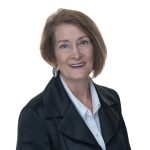 Yvonne Rea FMC, CMCT, HHP is a former Military USN, Board Certified Functional Medicine, Microcurrent Therapy Pain Specialist. Recently completed Certifications for Amino Acid Therapy for Brain Health.
“Inflammation is the precursor to pain and in the presence of inflammation the body cannot move to the next stage of healing. You must first quiet the pain and anger of the tissue before repair and rebuild can occur.”
Yvonne has worked with Pain Free For Life Beta Testing Group Research, as well as Nutrition Director working within 4AbetterU2 Wellness Resources (4U2), Erasing Pain Holistic Centers as well as Theta Wellness Brain Health Center. She also regularly works with Sacramento area practitioners to broaden her scope of knowledge and research of all pain, physical and emotional.
After nearly two decades of Military service, Yvonne found a love for the sciences after assisting in numerous forensic identification cases (autopsies) and has since logged in thousands of schooling, research and internship hours.
Covering: inflammation, pain, non healing wounds and nutritional science. All as it relates to disease and regeneration of tissue, coupled with Bio ElectroMedicine. Using instrumentation and tools that NASA and Health Agency’s worldwide use, such as Microcurrent, PEMF, Scalar TeraHertz, Bio Modulation and more.
After opening her business over a decade ago, she partnered with The Academy of Applied Electrophysiology and with PainFree For Life to create awareness for these technologies. Her goal “Making the Unknown Known” where “85% notice a significant difference” in 2 sessions or less.
Follow 4ABETTERU2 WELLNESS on Facebook.
Episode Highlights
- Focus on alternative therapies for managing chronic pain and inflammation.
- Discussion of microcurrent therapy and its role in healing.
- Exploration of the body’s electrical system and its impact on health.
- Personal journey of a former military member transitioning to holistic health practices.
- Limitations of conventional pharmaceutical treatments and the search for natural remedies.
- Importance of nutrition and nutrient density in the healing process.
- Use of biofeedback to address chronic pain and reset the body’s healing mechanisms.
- Success stories of patients benefiting from microcurrent therapy.
- Availability of microcurrent devices in healthcare settings, including VA facilities.
- Emphasis on community support and accessibility for veterans seeking alternative treatments.
 This transcript is machine transcribed by Sonix
TRANSCRIPT
Intro: Broadcasting live from the Business RadioX studios in Atlanta, Georgia. It’s time for Veterans Business Radio. Brought to you by ATL vets, providing the tools and support that help veteran owned businesses thrive. For more information, go to ATL. Now here’s your host.
Lee Kantor: Lee Kantor here another episode of Veterans Business Radio and this is going to be a good one. But before we get started, it’s important to recognize our sponsor, ATL vets, inspiring veterans to build their foundation of success and empowering them to become the backbone of society after the uniform. For more information, go to ATL vets.org. Today on the show we have Yvonne Rea. She is a practitioner and educator with for a better you to wellness. Welcome, Yvonne.
Yvonne Rea: Hey. Good afternoon. Lee. Thank you so much for the invitation. I’m looking forward to maybe helping some others out there. Some other veterans.
Lee Kantor: Well, I am excited to learn what you’re up to. Tell us about your practice. How are you serving folks?
Yvonne Rea: Well, I’m a micro current specialist, along with functional medicine, and the way that I’m serving them best is educating them and showing them alternative devices, alternative instrumentation to help relieve their chronic pain, inflammation. You know, tissue issues is what I call it.
Lee Kantor: So what’s your backstory? How did you get involved in this line of work?
Yvonne Rea: Well, uh, former military worked in the medical and the dental field for nearly a little over 15 years. I was stationed at Camp Lejeune, North Carolina, and eventually my health really started to fail. Everything that we were trying at the hospital wasn’t working, and nor was there any idea about what was going on. So, you know, I used to enjoy, uh, talking about pharmaceuticals and pills and, but we couldn’t figure out what the root cause was. And so eventually I started looking outside the box, mostly because it was just another pill to help with the current symptom I was having. But there was no real root cause understanding of any of the symptoms. And it was then when I started looking outside of the box that I learned natural alternative. There’s, you know, whole natural health out there, which is, in my opinion, at the time, I truly thought maybe if it worked, we’d be doing it here at these, you know, naval training hospitals I worked at, you know, some of the largest. What I didn’t understand is that, you know, that is working on the chemical of the body. We’re not actually working on anything. Or very little electrical. And we are more than just chemical beings. So I actually work on the electrical side of the house.
Lee Kantor: So can you explain to the listener what that means, the electrical side of the house, and maybe explain a little bit about this biofeedback micro current therapy that you work with?
Yvonne Rea: Certainly. So, you know let’s back up just a moment. Our bodies we are more than just chemical. Chemical would be like your nutrients as well as of say, you know, drugs that will play into the chemical part of the body. We’re also spiritual and emotional beings, and we can be helped by those ways. Uh, we are also electrical. Most of us understand that if we’ve ever had a sibling or, you know, as a young kid, we’d kind of scooch our socks, you know, across the carpet and go zap a sibling or something, right? Uh, so with that electrical. Uh, we’re working on that portion. And if there’s any part of the body that is not working, if the electrical is not working, what happens is the electrical is carrying the fluids of the body. And in those fluids that your blood, that’s going to be your nutrients and your oxygen. So now fast forward to an area that either has a restricted electrical or a complete block electrical. That tissue becomes affected. Ultimately it’s going to be malnourished more oxygenated. Does that make sense?
Lee Kantor: Yeah.
Yvonne Rea: Yeah. And so that’s a little bit about the electrical side. Now when it comes to so I use devices and instrumentation I use several different kinds. The one that we’re talking about here today is mostly on the micro current, uh, instrumentation. So that electrical that I just spoke about in the body, that is our micro current in the body. And so when we tap into your micro current, uh, the biofeedback portion can show us if there are any electrical resistances. So two things that most people will be familiar with are, let’s say an EKG, if you’ve ever had an EKG, they run, uh, 12 leads, uh, and they’re looking for any electrical blocks from the heart to the furthest regions of the tissue and then back, and then they’ll have a graph that shows them. Now they’re looking for the electrical blocks from the heart. But If you have an electrical block elsewhere and that’s all that they’re focused on. Other countries use these devices throughout the entire body. We are certainly opening that up. And for your veterans, I want them to recognize in the VA. If you go ask in the wound clinic as well as in, um, pain management, these devices, you may not be aware, but they are available to you. They’re on a couple formularies. If you can’t find them, you get Ahold of me. I’ll help with your local hospital. Uh, but ultimately, uh, those do not offer biofeedback. So it would be the biofeedback that allows us at home to review how the tissue is actually working during the treatment.
Lee Kantor: So how, um, for the layperson who isn’t familiar with this. Are these electrical shocks like noticeable? Are there like, when they do the EKG? Ekg? Uh, you don’t feel anything when they happen. Is that the case here?
Yvonne Rea: So. Correct. Yeah. You don’t feel it? This isn’t a shock. Um, what’s happening is we’re tapping into your electrical system. Much like an electrician would come to your home. You have an outlet that’s not working. He’s going to take some instrumentation, put it in and try to see where are the electrical blocks from this outlet to the breaker box outside and back. And he can register either on an ohm or voltage meter. Uh, where or how many blocks or areas of resistance that there are. So yes, there’s a power level so that a person can feel it, but you don’t actually even have to power up for this to work. It is still working in the body.
Lee Kantor: So now going back to the analogy of the electrician in your house. The reason there might be a blockage is maybe a wires broken or something physically is damaged. Is that the same thing with your body? Like you can tell like on a certain side of your body there, there might be a blockage. And then how does that translate into kind of figuring out how to relieve the pain or or relieve the inflammation?
Yvonne Rea: Sure. So, uh, yes, it can help you, uh, locate it not only locates it detects and then can correct a, a micro current can with biofeedback can detect and then correct. So your question was, um, uh, if the tissue. So a couple of things. If the tissue is inflamed red hot. Um, how how we use the micro current is to go in and literally drop that inflammation. Inflammation is the precursor to pain. And in the presence of inflammation, the body can not go into that first stage of healing. And you know, unless you drop that it’s a fire. You know, it literally got to drop the fire. And then it can begin to move into that first stage of healing. Um, much like, uh, well, what happens is your the inflammation literally is pus. Your white blood cells are coming to the scene to try to help as those die off because they’re unable maybe the quote unquote the fire, the affected tissue, um, is too much. Then it keeps bringing more. And we get this. Now we have swelling, which again, that’s part of what is inflammation. Did that answer your question? I think I missed something in your question.
Lee Kantor: No, I was just trying to get an understanding of, okay, once you notice something is amiss, how does that help you kind of solve the problem?
Yvonne Rea: Sure. And so a couple things that this can let me just. What causes electrical blocks I think basically was a question I missed earlier. That would be scar tissue for starters. Electrical cannot go past scar tissue. And we can talk about that in a minute. Also it can’t get past inflammation. Remember I said inflammation. Was that um it pus right. Uh, think of um, uh, what was that the story. The pea and the Princess. She kept putting these layers and layers of mattresses so that she wouldn’t feel this little tiny bump. It’s kind of like that. We have to start removing those mattresses. Or if you’ve ever been to the bar and, you know, you said, hey, you know, pour me a beer and you got that big foam head. That head is like the inflammation. We want to blow that out of the way so we can get to the meat of things. That tissue is being blocked by the electrical. Remember I said earlier the electrical is carrying the fluids of the body, so the electrical is actually helping to feed those tissues. Uh, the next thing that, um, blocks electrical besides scar, um, is inflammation. And then what we call affected tissue. Affected tissue is tissue that is either highly aggravated, agitated, um, or it’s the complete opposite. It’s under working underperforming. It’s moving into atrophy. So any affected tissue will block electrical from coming through. Much like I want you to imagine a river. And then you’ve got a beaver dam. When there’s a beaver dam in a river, the water does one of a couple things. It’s either going to try to vortex down and or it’ll try and maneuver its way around that beaver dam, eventually finding an outlet. Now, it could be quite a ways down, you know, the river before it actually breaks through. But think about all that space in between. That tissue was not getting fluids, or the fluid went from like a fire hose down to a garden hose. And so those are some things that would block the tissue.
Lee Kantor: So now when patients when patients are working with you. You actually are doing therapy to help kind of remove these blockages and to get the current flowing again.
Yvonne Rea: Correct. So micro current therapy. You know, you would come in for a session anywhere from 15 minutes to an hour. And the first thing we do is, um, after health history is, uh, see what scar tissues you have, see what your pain point is. If it’s a frozen shoulder, uh, 80% of the time, we can get range of motion and decrease in pain, uh, in as little as one session. Uh, typically, frozen shoulder will between be between 2 and 4. And then you can get off and, you know, go on to, to the rest of your life. Um, but, uh, you know, then there’s other types of, you know, pain. Um, organs typically don’t have a pain sensation until it might be, you know, a little too advanced. Um, but they would come in again. We can find the electrical blocks. We can see them, we chart them, uh, you’ll see them. You’ll see them on our instrumentation. It’s really pretty cool.
Lee Kantor: Now, when when patients are dealing with this kind of pain, does it get to a point where if they don’t treat it, that they just kind of it’s just always there in the background, like it, never like they just accept it?
Yvonne Rea: Sure. So what the body, what the brain does is at some point it’s going to be firing with some pain. Right? It’s a great annoyance. And then how is it that, you know, we’re able to move forward and yet still if somebody were to ask you, you know, what’s your pain level or when you get home after you’re fully focused on your job, you know, your pain level is, you know, seven plus. How is it that I’m able to do that? And not only with the foot, the need, the shoulder? Oftentimes it’s multiple. Uh, but what what this does is it removes those blocks in biofeedback, the brain, we connect with the brain and we remind the brain, hey, do you remember this long term chronic issue that you kind of shut off the brain? Says Haley? Talk to the hand. We’ve got things to do. I mean, you know, you’re sitting here, you you do vending events, you’re on the radio. You know, I imagine you have some pain somewhere, and yet you show up and you, you you give your best, uh, but oftentimes afterwards, you may have this pain point that you just didn’t notice during the interview or during the work. Is that a true statement for you by chance?
Lee Kantor: Yeah, absolutely. I mean, I have aches and pains on a regular basis that I’m sure I’m ignoring and I’m not, um, you know, actually doing therapy to improve. I’ve just accepted it. These are just the aches and pains of life.
Yvonne Rea: And sometimes we call those tissue degradation, uh, when what they now call aging or, um, you know, chronic conditions. If we look back in history, uh, a chronic condition was well documented to just be a nutritional deficiency. So we can certainly come in, find those blocks. Uh, we’ll make sure that your electrical is up and running. And then also through functional medicine, I’ll then give you, like, a nutrient dense. This is concentrated, um, uh, um, amounts of whole food nutrition because you want not just enough to survive the day or even maintain Lee’s current status. Lee needs enough for not only the the repair, but the rebuild of that tissue.
Lee Kantor: Yeah, that makes sense. Now, does your work. Um, you mentioned during California. Before the show is do you do people have to physically be with you in order to kind of benefit from this, or is there something that you can do virtually, you know, like over zoom or something like that in order to help a person?
Yvonne Rea: Absolutely. So we can you can be live or we can be virtual. Uh, here in the clinic, we have programs that people can rent. Instrumentation. Uh, but obviously if you’re at a distance and I do have people that have come from out of state to come see me, um, we you can purchase a device. And then between me and the support team, uh, the doctors, the videos that we have, you can learn to help yourself at home. And I’ll tell you when family, when you’ve got one of these devices and family members come to visit, they want to use it. So at some point, you know, my family comes over. Even friends. And some of the first things they say is, oh, by the way, uh, so I’ve, you know, just literally trained them how to use it for their little aches and pains and, um, uh, but it is, like I said earlier, available for, um, you know, my buddies of the veterans in the VA hospital, it’s it’s in every hospital, whether, you know, the HMO, Sutter Kaiser. Um, here we have UC Davis. The tough thing is it’s typically in either sports medicine or pain management. But I’m going to encourage those that are listening, you know, go to your VA, go to your hospital and start asking for this tool because it is available in the formulary, but it’s not in every single one.
Yvonne Rea: So, you know, I think part of it is about educating doctors. And so I like to try to get in front of doctors to let them know that this is available so that they can, you know, better serve their, um, their patients. And, you know, we have served our country. Uh, I think if we can get more that are, um, you know, not in pain and many like you, they’ve started a business right there. They they’ve taken their military life, they’ve taken those skills, and now they’re serving their community. So this is one way that I try to serve. Um, also, you asked that earlier, and then I just have some special pricing for, uh, veterans as well. And we have it pay for it Fridays here. And, um, anybody that, um, appoints on Fridays a portion of those funds go to help us either see somebody that can’t afford it at all. Or maybe they can afford a partial. And, um, so we just kind of circle that around here in the community.
Lee Kantor: Now, is there a story you can share about somebody who came to you with, uh, some pain or inflammation that you were able to help get on to the other side of it?
Yvonne Rea: Um, absolutely. Got lots of those types of stories. Uh, crp. Uh, CRP is chronic regional pain syndrome. They live in a pain level of ten plus every day. Um, one gal, Melissa, uh, developed a wound that was non healing over the, the, the year before contacting me. Um, they were now in talks about amputating the, um, the leg. Uh, we ended up getting together after somebody referred me, and, um, we did daily treatment. She rented a device and then saw me once a week and we closed. It was a five by six, uh, wound, and we closed that in about ten weeks. Um. Bone necrosis. Um, we’re doing currently doing a clinical trial for lungs. Uh, like many others, uh, like myself, exposed to chemicals, though my lungs were not, um, impacted. My liver and other organs were. And this device first broke up the scar tissue in the liver and then helped. And that’s off label. Uh, but then helped with the inflammation and other pain points for me personally. I also had a motorcycle accident, and that has helped with that pain. Um, I’ve had people that have had TBIs. Uh, traumatic brain injuries. Um, And have come in. Maybe they’ve got a one gal. Melissa for 41 years drooling and drop foot. And she was falling or tripping every day because of this drop foot.
Yvonne Rea: And, um, with, uh, with her, we, uh, again home device. She took that home and, um. I think it was maybe once a week sessions, but, uh, ultimately, what happened with her was faster thinking. She stopped drooling, uh, within about the first two weeks, and it was probably about four months before she was no longer tripping over her dropped foot. Uh, again, lots more. Jeff, with a motorcycle accident. You can imagine he was mangled. They did not expect him to live, but it was all mostly muscle skeletal. And you know, when he came to see me, he was living in pain levels. Pain levels of 8 to 10. Uh, first and second session, we were able to begin to drop some of those pain levels, increases range of motion. And then over the next couple of weeks, um, uh, with a home device, again, ideally, if they treat daily, we just get faster treatments. Uh, some can’t afford to do that. So they come and see me, um, once or twice a week for a period of time, I think, other than my traumatic brain injury. I don’t see anybody probably past 8 or 10 sessions, um, because their tissue issue is resolved.
Lee Kantor: And then once it’s resolved, then it kind of stays resolved.
Yvonne Rea: Well, ultimately, with me, I put them on a nutritional program. So when I showed up at the one of the clinics here in Sacramento, there were there were nine of us that were, um, uh, certified in micro current. And the owner and the nurse of that um, center said she brought me in as her, um, nutritional director. And she said, Yvonne, we’re getting 40 to 50% better results with the nutrition, micro current, terahertz scaler. These are other tools that I work with. None of these can rebuild missing tissue. The only thing that I’m aware of that can rebuild missing tissue is, um, nutrients, nutrition. Now there is a word called regeneration. With the devices we use, there is the ability for regeneration. We get the blood flowing again, we drop the information, we open up that scar tissue, we get the blood flowing again. Um, and then whatever you’re putting in this pie hole, you know, the nutrient density. And if you’re just purchasing from your local, uh, commercial, um, you know, produce, that’s not going to be very nutrient dense. Most of those are nutrient buying those plants with, um, chemical fertilizers. So I’m talking about, you know, minerals, amino acids, obviously vitamins come from the sun. Plants actually have a lot of vitamins. It’s the minerals that if you don’t have minerals, the vitamins, the amino acids, the omegas can do nothing in the presence or lack of presence of minerals. Those minerals are the Uber drivers. They will take all those nutrients, not just into the bloodstream. Think about this. We need to get into the tissue. The tissue that is affected, the tissue that needs to be, whether it’s the eyes, the brains, you know, the muscle, the tendon, the ligament, um, the organs that has to actually get into that tissue. It’s not enough just to get into the bloodstream.
Lee Kantor: So if somebody wants to live a little bit more pain free, uh, what is the best way to connect with you and learn more?
Speaker4: Uh. Thank you.
Yvonne Rea: So, uh, you first look me up, uh, for the number four a better you to wellness. Um, I’m just outside of Sacramento, California, and, um, I’ve got a YouTube. I’m not a, you know, big media person, so you’re going to see some pretty raw footage. I also have a Facebook page and, um, our office line is (916) 990-8907. And you’re welcome to give me a call or text and just, you know, when you do, let me know that, you know, you’re you heard us here. And let’s give a shout out back to Lee and, um, to the veterans business Radio as well.
Lee Kantor: Well, thank you so much. And, Yvonne, we really appreciate you coming on and sharing your story today. You’re doing such important work and we appreciate you.
Yvonne Rea: Thank you. Lee. Thank you for the invitation. Real delight for me. I’m glad that we can. Together, we’ll be affecting some people and I’ll let you know.
Lee Kantor: Well, this Lee Kantor, we’ll see you all next time on Veterans Business Radio.














