

Business RadioX ®

  • Home
  • Business RadioX ® Communities
    • Southeast
      • Alabama
        • Birmingham
      • Florida
        • Orlando
        • Pensacola
        • South Florida
        • Tampa
        • Tallahassee
      • Georgia
        • Atlanta
        • Cherokee
        • Forsyth
        • Greater Perimeter
        • Gwinnett
        • North Fulton
        • North Georgia
        • Northeast Georgia
        • Rome
        • Savannah
      • Louisiana
        • New Orleans
      • North Carolina
        • Charlotte
        • Raleigh
      • Tennessee
        • Chattanooga
        • Nashville
      • Virginia
        • Richmond
    • South Central
      • Arkansas
        • Northwest Arkansas
    • Midwest
      • Illinois
        • Chicago
      • Michigan
        • Detroit
      • Minnesota
        • Minneapolis St. Paul
      • Missouri
        • St. Louis
      • Ohio
        • Cleveland
        • Columbus
        • Dayton
    • Southwest
      • Arizona
        • Phoenix
        • Tucson
        • Valley
      • Texas
        • Austin
        • Dallas
        • Houston
    • West
      • California
        • Bay Area
        • LA
        • Pasadena
      • Colorado
        • Denver
      • Hawaii
        • Oahu
  • FAQs
  • About Us
    • Our Mission
    • Our Audience
    • Why It Works
    • What People Are Saying
    • BRX in the News
  • Resources
    • BRX Pro Tips
    • B2B Marketing: The 4Rs
    • High Velocity Selling Habits
    • Why Most B2B Media Strategies Fail
    • 9 Reasons To Sponsor A Business RadioX ® Show
  • Partner With Us
  • Veteran Business RadioX ®

Aly Merritt With Atlanta Tech Village

October 9, 2023 by Jacob Lapera

Atlanta Business Radio
Aly Merritt With Atlanta Tech Village
Loading
00:00 /
RSS Feed
Share
Link
Embed

Download file

Aly Merritt is a former copy editor with a residual addiction to journalism, and is currently the Managing Director of Atlanta Tech Village. She was previously the Head of Community at SalesLoft, an Atlanta-based sales engagement software company, and in past Lofter lives, she’s also been a part of customer experience, support and product management, as well as Chief of Staff.

She has spent the last decade of her career working with the Atlanta startup community to advance both local startups and Atlanta itself on the national stage, with a special focus on diversity, equity and inclusion, and contributes to their growth and culture by connecting startup hubs, VCs and organizations across the city. She also works daily to build a network of strong women in business and tech in Atlanta and across the country.

She previously organized and emceed the ATL Startup Village, a bi-monthly meetup to generate publicity, visibility and potential investment for startups in Atlanta, hosted at Atlanta Tech Village. She sporadically spends time writing about tech and the startup community on her blog, AlyintheATL.com.

Aly lives in Atlanta with her husband, Alex (who is an attorney and therefore very challenging to argue with), and their toddler son (who primarily argues over which is the “right” blue sippy cup). She still is unable to reconcile herself to the Oxford comma.

Connect with Aly on LinkedIn and follow her on Twitter.

What You’ll Learn In This Episode

  • Update on what’s been going on at Atlanta Tech Village
  • ATL Unlocked
  • InnovATL and the ATL innovation ecosystem

This transcript is machine transcribed by Sonix

TRANSCRIPT

Intro: [00:00:04] Broadcasting live from the Business RadioX Studios in Atlanta, Georgia. It’s time for Atlanta Business Radio. Brought to you by on pay. Atlanta’s New standard in payroll. Now, here’s your host.

Lee Kantor: [00:00:25] Lee Kantor here another episode of Atlanta Business Radio, and this is going to be a good one. But before we get started, it’s important to recognize our sponsor, Onpay. Without them, we couldn’t be sharing these important stories. Today on Atlanta Business Radio, we have Ali Merritt with Atlanta Tech Village. Welcome.

Aly Merritt: [00:00:44] Hi, Lee. Thank you so much for having me.

Lee Kantor: [00:00:46] Well, I am so excited to get caught up with you. So what’s been going on at Tech Village?

Aly Merritt: [00:00:52] Oh, gosh, there’s been a lot going on, not just at Atlanta Tech Village, but in the Atlanta ecosystem as a whole. And I am super excited to talk about it. Where do you want me to start? What’s been going on or what’s getting ready to happen?

Lee Kantor: [00:01:03] Well, let’s kind of get an overview of this. The Atlanta innovation ecosystem. How do you kind of see it all like from a 40,000 foot view?

Aly Merritt: [00:01:13] Oh, 40,000ft? Well, I think that one of the great benefits of Atlanta is that collaboration is our superpower. And so the Atlanta innovation ecosystem is made up of not only innovation hubs like Atlanta Tech Village, we include I think we’re at eight innovation hubs in the Unlocked group now, and we are adding in corporate innovation centers like the Chick fil A hub and boomtown accelerators up at up at the Battery. And then we’ve also got all sorts of things happening at the university innovation hubs at Emory and at Georgia State and obviously Georgia Tech, Morehouse and more. And then you’ve got all of the groups like Metro Atlanta Chamber and Startup Atlanta. So I think there’s a bunch of different pieces in our innovation ecosystem that make it up as a whole.

Lee Kantor: [00:02:00] Now, is there a kind of quarterback for all this, or is everybody kind of doing their own thing, serving the niche as they see it?

Aly Merritt: [00:02:08] Great question. For a while it’s been sort of a organic, bespoke effort, if you will. But more recently, obviously Metro Atlanta Chamber has a intense interest in the innovation side, although Mac has to cover, I think we have 17 or 19 counties that they cover. And so they cover a bigger piece than just innovation. It’s the Metro Atlanta Chamber or the metro Atlanta area as a whole. But startup Atlanta, which has been around several years and has been doing great work, has more recently been able to come to the forefront of driving a lot of the innovation pieces and sort of spearheading the more startup hub side, like what I run and interlocking that with some of the Metro Atlanta Chambers efforts and then connecting into the city and the mayor’s office, especially for driving some of the innovation visibility forward at a high level in Atlanta.

Lee Kantor: [00:03:01] And I know that here at Business RadioX, we’ve worked with the folks at Tag on some of the events that have been going around around the city as well. It’s just there are so many things happening and there are so many groups that are touching technology and innovation. Sometimes it’s hard to know how do I as an individual kind of plug in and where is you know, where are my people? Where is the appropriate place? Do you have any recommendations on how to, you know, first kind of get a lay of the land, but also to to find where where you would most benefit?

Aly Merritt: [00:03:33] Absolutely. And I think we’re at perfect timing for that. First of all, Tag is one of our fantastic ecosystem group partners. We have several, including Tie Atlanta, and they all play a specific part in the system by reaching out across the different hubs and actual physical spaces and schools as well. But one of the best places to start we’ve got I’ve got two suggestions. The first one is start up Atlanta. As mentioned, they sort of are quarterbacking a lot of the efforts. They have not only an ecosystem guide. They have not only an ecosystem guide on their website startup atlanta.com where you can find out all the different everything from a VC to an accelerator to a place to go, but they also have a shared events calendar. And that’s really where I recommend that a lot of people new to the Atlanta ecosystem are new to jumping into the innovation side start. I specifically asked my team and every other hub as well as the ones at Emory, the ones at tie tag events were all putting events into the shared community calendar so that you’re able to see at a glance what’s happening in the ecosystem. You can find things by geography. So where you are in Atlanta, which can be really important with rush hour traffic, but you can also find it by topic or by areas of interest.

Aly Merritt: [00:04:50] And then Startup Atlanta is working with a push from the Metro Atlanta chamber in the city called Innovators. So I in N of ATL and ATL 2023 is we’re right in the midst of it right now. It’s running September 26th through October 20th. So it kicked off last week with a lot of the events around Venture Atlanta, which is one of the largest venture conferences in the country, as well as a ton of ancillary events. And it’s continuing through this week and for the next couple of weeks. And so those events are not only at the start of Atlanta calendar, but also at the end of ATL 2020 3.com calendar. And you can see areas all across the city. One of my favorite panels just happened a couple of days ago called Built in the Burbs, and it specifically was focusing on the Hatch Grigg incubator at KSU, talking about the fact that there’s more going on than just ITP. I love ITP. I’m an ITP here, but OTP also has an enormous amount of innovation going on and we should be able to cross that border.

Lee Kantor: [00:05:51] Yeah, that’s Atlanta is less of a geography and more of a state of mind. I think there’s people all around, you know, Georgia that consider them part of Atlanta, you know, that aren’t in the city downtown.

Aly Merritt: [00:06:07] Now, there’s a larger, I think, mindset to what Atlanta encompasses. And to your point, more than just geography.

Lee Kantor: [00:06:16] Now, I know that your work is very tech centric. Is there a place for the folks that are doing things that aren’t, you know, software or technology may be first, but there they obviously use technology, but they they is there a place for them to kind of join this innovation ecosystem?

Aly Merritt: [00:06:37] Oh, absolutely. I think that’s the beauty of all of the different hubs and spaces in town, is that we all have slightly different verticals, niches or segments that we’re focused on, but we have a really lovely Venn diagram at a high level where we all overlap. Obviously we are very focused on the tech side. We’re working for proprietary tech startups at DC, at Georgia Tech, the Advanced Technology Development Center. Their focus is a bit heavier on tech, although they also have a lot more physical product side. I sent somebody there the other day that really wanted to get into some electrical engineering questions, for example, but then you’ve got innovation across the city. So the gathering spot has a huge focus on music design, media and entertainment, for example. And then you’ve got other areas that are focused all across the board of innovation. The Russell Center, which is the largest black innovation center in the country. And they focus on innovation at a high level, and they have an enormous amount of hospitality, for example, in addition to some tech, some media, some entertainment. But you’ve got areas like Salt Box, for example, which is doing great work for the people who used to have to ship out of their garages. You can only stack so many tiny boxes in your garage and ship them out for Etsy or your storefront and salt box streamlines the shipping, logistics the storage and gives you a space to work out of. At the same time, for people who are doing a lot of B to C and physical products. And then because we do still have a heavy duty tech focus, though, across the city and a variety of areas, the Atlanta Blockchain Center looks at tech in a different way than we do. And Atlanta Tech Park has really cool autonomous cars and then tech Alpharetta, while they have a focus in tech, they’ve been doing a lot of gaming and esports up there as well.

Lee Kantor: [00:08:20] Yeah, and we work with the GSU Entrepreneurship and Innovation Institute and they’re, you know, a lot of folks that are going through that program are more brick and mortar and smaller kind of mom and pop. And it just that’s what’s so exciting to me about Atlanta. And I think why Georgia such a strong state for from an economic standpoint is there’s so much diversity and collaboration. I mean, when you combine the amount of folks that are doing interesting things and couple that with people that want to help and collaborate and lift each other up, you know, you really have a magical opportunity, I think.

Aly Merritt: [00:09:01] Absolutely. And I think your point about brick and mortar more traditionally brick and mortar enterprises, there’s a lot more programing happening now to support what previously were considered lifestyle brands or mom and pop businesses to enable them to start utilizing I’m going to use the word tech again, but I really mean tech in a very low level form of things that can make your life easier as the mom and pop brick and mortar business owner, but also in ways that you could in fact scale that that it doesn’t just have to be a franchise anymore. There are ways to scale brick and mortar in a sustainable fashion that also allows you as the owner and the team to grow.

Lee Kantor: [00:09:38] Yeah, I mean, at one point I think that a lot of, especially the tech oriented businesses were looking at like it was either a home run or an out or a grand slam in and out even. But now it seems like people are more open to, Hey, look, you can make a living doing this. Good for you. I mean, go for it. Like there’s a place for that person. It doesn’t have to be an all or nothing part of the adventure because it’s hard enough to start a business, but to have one that’s thriving at some level and feel like they’ve failed, you know, where that could be really a good lifestyle business or a smaller scale business. And that’s okay.

Aly Merritt: [00:10:20] Absolutely. That contributes to the ecosystem. It contributes to training new employees, making a change of life for a bunch of different people and life better in your in your neighborhood, in your local area. Um, and, you know, I think the other part of all or nothing is for a long time. I think brick and mortar have thought about tech as also all or nothing. You’re either you’re tech enabled or you’re not. We’re going to do everything on paper. And a lot of times when I’m speaking to small business groups versus, say, a startup group, startup groups are asking me which tech to use. And the small business groups are asking me why they should be using tech. And I think that’s starting to change as the small business groups are seeing ways of making things more efficient and those small efficiencies of scale allow them to do things like provide better health benefits for their workers because now they’re not spending all that time and money doing something else. And that’s changing the quality of life for themselves and their local ecosystem.

Lee Kantor: [00:11:14] So where do you think that the innovation, the Atlanta innovation ecosystem needs more of and how can we help?

Aly Merritt: [00:11:22] Oh, that’s. That’s. He said we only have like 15 minutes. I think that’s a bigger question. Unfortunately, I think at a small scale, to your point, starting to think less narrowly about what a innovation business or an innovative business looks like, that it doesn’t have to fit. We’re going to scale and become the Uber of whatever fill in the blank. I think opening up and thinking about the fact that we do have a thriving media entertainment music business in Atlanta and that they’re doing innovative things as well, sometimes with tech and sometimes not. But basically, I think reaching out and continuing that level of collaboration that is Atlanta’s superpower and strengthening the bonds between all the different networks in town. Because as soon as you reach out to one person, another network, that exponentially opens up connections for you and for your network there and the right person with the right idea, the right resource might be in that other network. They just haven’t thought about it like that. So I would say broadening our horizons a bit and being open to including a variety of definitions under innovation.

Lee Kantor: [00:12:35] So let’s try to help some of the folks out there that are listening that maybe aren’t, you know, kind of taking advantage of the many, many opportunities there are to connect with people and collaborate. If you let’s look at different personas. If you’re a maybe an aspiring entrepreneur, maybe you’re somebody who is working in a in a corporate job and you have this itch that, hey, I’d like to be an entrepreneur at some point. Where would they where do you think a good beginning step for them to go and see if there is something with that idea that they’ve had that that might be potentially be able to kind of grow?

Aly Merritt: [00:13:14] Yeah, absolutely. I very heavily push for in-person events when you can make it. Right now there’s just a level of serendipitous interaction that doesn’t happen in a Zoom chat window, for example. And so I strongly encourage people to start looking at the calendar and coming to events. Most of the events for Natal and all the events that we host in the other hubs in town are free. We are participating, for example, in Unlocked, which is a series of events at different locations throughout the metro area. About every month or two we are putting out a different location. Ours is, let’s see, Tuesday, the October the 10th. So our next one is coming up shortly. And then there will be one at Atdc, one at the Russell Center. I strongly recommend you going to those and start learning about the different spaces and start meeting people and putting yourself out there. First of all, there are also a fair amount of virtual webinar style events going on, but I do really believe that a lot of the connection that you need to make when you’re trying to dig into an ecosystem and see if it’s the right fit is the in-person events. And so starting there and finding something that’s in your area of the city so you’re not having to fight traffic is a great place to start.

Lee Kantor: [00:14:30] Now, what if you’re at maybe a larger enterprise level company and you haven’t really tapped into this ecosystem yet? Is there places that you would start at or is that website you mentioned earlier, the startup or was it startup?

Aly Merritt: [00:14:47] Oh yeah. I mean, one of the things that we see a lot of is people who are moving from a more corporate position, who are looking to break into tech or startups or just interested in it is going to, for example, a pitch event because usually you’re going to have a swath of the people across the ecosystem, everything from investors to startup entrepreneurs to people who work in the space, and they can start getting a feel for what it’s all about being in a tech space and just meeting people. We have a bi monthly event, Atlanta Startup Village, but there’s an upcoming event called Startup and Standups. For example, the Atdc is doing where they’re doing comedy and startups together. What better way to start breaking into something then with a little bit of humor and just start meeting those people? A lot of the corporate innovation structures also have built in in-house innovation spaces, and so we get people who are coming in from those teams in the corporate areas, and a lot of the corporations have partnerships with the different hubs and especially at the university level in the city. So just going to those locations and starting to chat with people I think is the very first thing. But I do strongly recommend starting with an event, even if it’s just attending, say, a tech star’s demo day to see some of the startups. Pitches are a really great place where you can see what it’s all about. Encapsulate it in five minutes, but meet a lot of people in the ecosystem at the same time.

Lee Kantor: [00:16:12] So now that you mentioned Atlanta Tech Village, is there stuff there that a person could plug into or is that something like an invitation only? Like can anybody just show up and start going to events there? Or what’s the best way for someone to plug in there?

Aly Merritt: [00:16:32] Great question. Most of the events for us and most of the hubs in town are all free and open to the public. We would just love people to attend. Atv does the first and third Fridays we do start up chow Down where we feed all our villagers lunch, and people from the public can buy a ticket for that lunch for like $10 and come in and meet with different entrepreneurs. They can attend pitch practice, which happens right after, and get a feel for watching people do their 32nd pitch and refine those tech. Alpharetta and Atlanta Tech Park both do coffee mornings where you can just come and meet the startups, meet different people and socialize. And we also at Atlanta Tech Village, like I said, we’ve got the bi monthly pitch event, so I strongly recommend that. But we offer workshops on a weekly basis, most of which are free and open to the public, and they cover everything from entrepreneurship 101 to things that you need to think about with IP that are a little more advanced. And those are all free and open to the public and on our calendar and on the startup Atlanta calendar as well.

Lee Kantor: [00:17:31] Now, what’s been the most rewarding part of your job at Tech Village or just kind of cheerleading this innovation ecosystem? What what is there a story you can share that maybe you saw somebody or you met somebody and you saw them kind of grow and, you know, kind of you watch their dreams come true.

Aly Merritt: [00:17:53] That’s that’s exactly it. That is the most rewarding part, is watching someone start with an idea that they’re super passionate about to the point where they will cash in everything else that they have going on to focus on it because they think they’re going to change the world and then watching them actually be able to do so. It’s so incredible. We had a founder pop into our office yesterday or day before and say we just signed our term sheet. It’s not even public yet. We just told the team, Y’all are the first people we’re telling. That kind of excitement where we’re able to celebrate with something, with somebody, that it’s a life changing moment for them. And we’re the first people they want to tell. We are the first people that they want to share that news with because we’re able to be a part of their journey and we’re there to support them and celebrate them, frankly. So as soon as their PR comes out, you’ll see it all over our channels. That’s what’s so rewarding is I’m helping people change their lives and the lives of others.

Lee Kantor: [00:18:47] And what I love about the Atlanta ecosystem is that when those people do have massive success, they want to stay connected to the community. It’s not like they’re just checking out and saying, okay, you can find me at the beach, you know, like they still want to plug in and they still want to help that next wave of entrepreneurs achieve their dreams.

Aly Merritt: [00:19:10] Absolutely. We have an entire roster of mentors and advisors, many of whom are made up of very successful founders and people who have already had their exits and they want to give back and pay it forward and be able to help the next group of people.

Lee Kantor: [00:19:24] Well, Ali, thank you so much for sharing your story today. You’re doing such important work and we appreciate you. Before we wrap, though, can you share again the tech village website and the startup website so people can connect with you and the ecosystem as a whole?

Aly Merritt: [00:19:42] Absolutely. Atlanta Tech, Village.com And we do offer a tour a week. If you wanted to come tour the space and get a feel for the community. You can sign up on our website for those tours and then start up atlanta.com. We’ll give you the shared community calendar and the ecosystem guide. And then in ATL in oV, ATL 2020 3.com will give you all of the events that are happening for the remainder of this month.

Lee Kantor: [00:20:10] All right, Ali. Well, thank you again for sharing your story. This is Lee Kantor. We will see you all next time on Atlanta Business Radio.

About Our Sponsor

OnPay’sOnPay-Dots payroll services and HR software give you more time to focus on what’s most important. Rated “Excellent” by PC Magazine, we make it easy to pay employees fast, we automate all payroll taxes, and we even keep all your HR and benefits organized and compliant.

Our award-winning customer service includes an accuracy guarantee, deep integrations with popular accounting software, and we’ll even enter all your employee information for you — whether you have five employees or 500. Take a closer look to see all the ways we can save you time and money in the back office.

Follow OnPay on LinkedIn, Facebook, and Twitter

Tagged With: Aly Merritt, Atlanta Tech Village

Aly Merritt With Atlanta Tech Village

June 9, 2022 by Jacob Lapera

Aly-Merritt
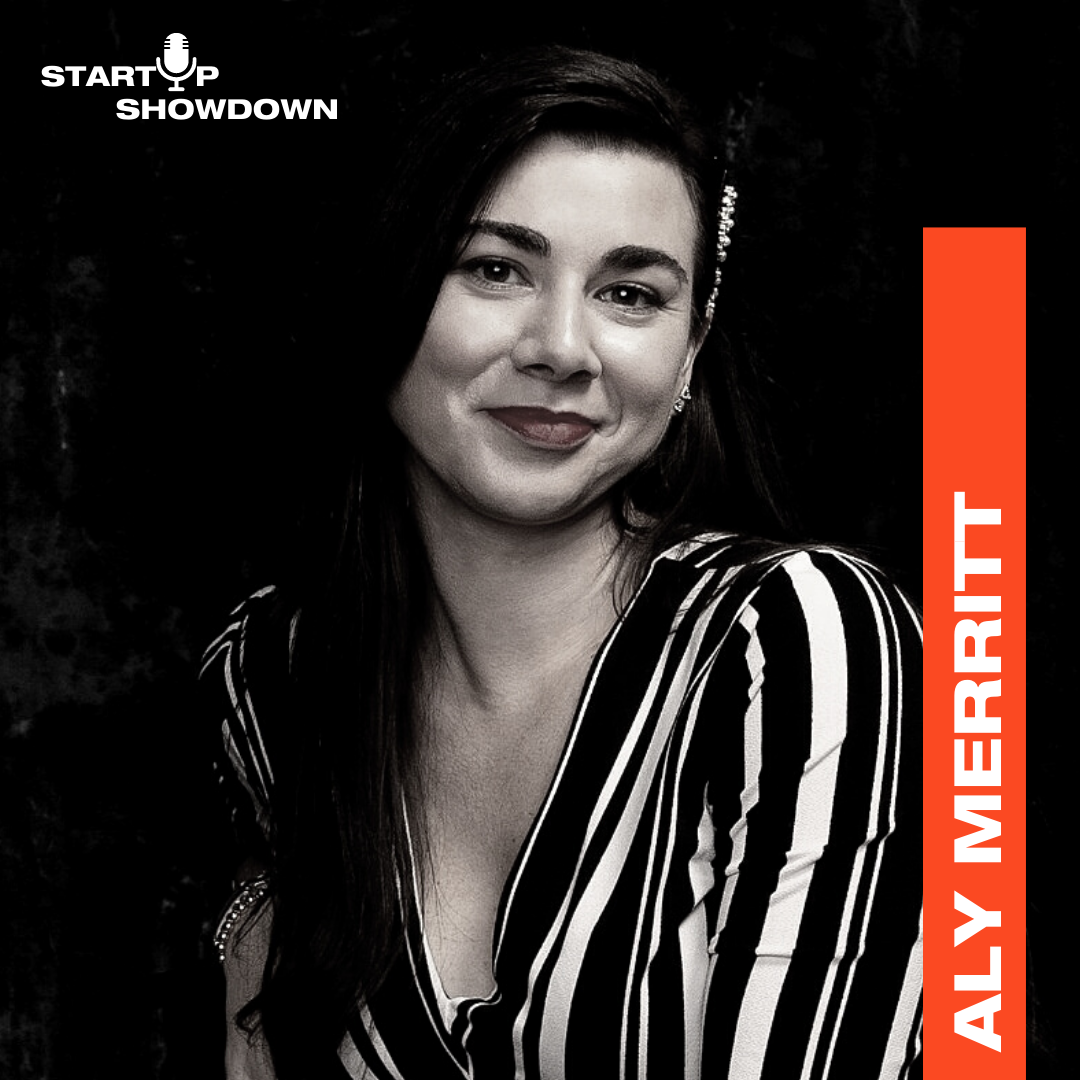
Startup Showdown Podcast
Aly Merritt With Atlanta Tech Village
Loading
00:00 /
RSS Feed
Share
Link
Embed

Download file

AlyMerrittHeadshot1Aly Merritt is a former copy editor with a residual addiction to journalism, and is currently the Managing Director of Atlanta Tech Village. She was previously the Head of Community at SalesLoft, an Atlanta-based sales engagement software company, and in past Lofter lives, she’s also been a part of customer experience, support and product management, as well as Chief of Staff.

She has spent the last decade of her career working with the Atlanta startup community to advance both local startups and Atlanta itself on the national stage, with a special focus on diversity, equity and inclusion, and contributes to their growth and culture by connecting startup hubs, VCs and organizations across the city. She also works daily to build a network of strong women in business and tech in Atlanta and across the country.

Aly previously organized and emceed the ATL Startup Village, a bi-monthly meetup to generate publicity, visibility and potential investment for startups in Atlanta, hosted at Atlanta Tech Village. She sporadically spends time writing about tech and the startup community on her blog, AlyintheATL.com.

Aly lives in Atlanta with her husband, Alex (who is an attorney and therefore very challenging to argue with), and their infant son and two cats (who don’t argue at all — yet). She still is unable to reconcile herself to the Oxford comma.

Connect with Aly on LinkedIn.

What You’ll Learn In This EpisodeAtlantaTechVillage

  • Collaboration/opportunity in the startup ecosystem (ATL & regional)
  • Transition to tech with a non-tech background

This transcript is machine transcribed by Sonix

TRANSCRIPT

Intro: [00:00:00] Welcome back to the Startup Showdown podcast, where we discuss pitching, funding and scaling startups. Join us as we interview winners, mentors and judges of the monthly $120,000 pitch competition powered by Panoramic Ventures. We also discuss the latest updates in software Web3, Healthcare, Tech, FinTech, and more. Now sit tight as we interview this week’s guest and their journey through entrepreneurship.

Lee Kantor: [00:00:43] Lee Kantor here another episode of Startup Showdown, and this is going to be a good one. But before we get started, it’s important to recognize our sponsor Panoramic Ventures. Without them, we couldn’t be sharing these important stories. Today on Startup Showdown, we have Aly Merritt with Atlanta Tech Village. Welcome, ALy.

Aly Merritt: [00:01:02] Thank you so much for having me.

Lee Kantor: [00:01:03] Lee Well, I’m excited to hear your story and how you got involved with the Atlanta Tech Village. But before we get started, can you just share for the listeners who aren’t aware of Atlanta Tech Village Mission Purpose, how you serving folks?

Aly Merritt: [00:01:18] Yes, absolutely. So we are the fourth largest tech hub in the US. We focus primarily on startups with proprietary technology. We provide and allow faster access to talent, capital and ideas by supporting our just under 1200 entrepreneurs in 103,000 square feet.

Lee Kantor: [00:01:37] And then how did you get involved?

Aly Merritt: [00:01:40] Oh, this is this is a longer story. So I’ll try to truncate it a bit for you. This is probably my fourth or fifth career because unless you’re as far as I can tell a brain surgeon, your career, nobody’s career is just a straight hockey stick. Right. But most recently, I spent the last eight years at Sales Loft, which is a startup that came out of Atlanta Tech Village initially. So when I joined Sales Office eight years ago, they were on one of the yet to be renovated floors at Atlanta Tech Village, and I sort of grew up with them. We eventually outgrew the space and move to Regents Plaza where we have several floors. And you can tell I’m always a lawyer at heart because my pronoun is still we for sales loft in many ways and I sort of kept in touch with Atlanta Tech Village. It’s near and dear to my heart. The serendipitous interactions and the ecosystem here is really important. And then I ran the Startup Pitch competition for the last five years Atlanta Startup Village, and at some point there was a opening, and David Lightman and David Cummings very kindly reached out to me with an extremely vaguely bullet, pointed email and said, We have this position called Managing Director. Would you consider it? If so, what is? No. And I was I was sort of like I mean, yes, because when David Cummings makes you an offer, you don’t say no. But I also was very honest that I said, I don’t know anything about running a building, you guys. And they write back, Yes, you do. You ran the office team and were chief of staff at sales. Often it’s almost exactly the same. And it turns out that they were correct. So that’s the truncated version.

Lee Kantor: [00:03:26] Well, I think that Atlanta Tech Village is one of the the most generous gifts that any entrepreneur has ever given the city. And I think it has taken the startup scene to a new level and has kind of raised the bar for others in the city to give back and to and to build the community that David has built and his team has built. But now the tech village, like you said, has kind of left a mark and left ripples that go way well beyond Atlanta. Can you talk about how it has expanded from an Atlanta centric startup hub to what it is today?

Aly Merritt: [00:04:05] Yeah, well, and I think the important thing to note is that Atlanta is at the heart of what we do. We are here for the Atlanta ecosystem. One of the missions for Atlanta Tech Village. We had several and one of them is to help make Atlanta a top five startup city. So it’s bigger than just a TV itself as a hub. It is the city as a whole and it’s really become more of the region, right? The Southeast. How do we help drive entrepreneurship, investment startups in tech in the Southeast? And we’re lucky that we have first mover advantage in a lot of ways when to your point, David, coming so generously took that money from selling Pardot to ExactTarget instead of buying a small private island with $99 million, he invested in a building and built what he wished he had had when he had been starting Pardot. So we we try to take the visibility that we have, the reputation that we have to bring people into the city and into the southeast as a whole and benefit more than just Atlanta Tech Village to benefit the other incubators and ecosystems and entrepreneurs in the cities and in the rural areas in the Southeast.

Lee Kantor: [00:05:20] And can you talk a little bit about that collaboration and the ability to bring people together and create this sense of community? Because I think that is part of Atlanta’s secret sauce and what separates us from a lot of other areas, and that does give us a competitive edge. Can you talk about how just. That spirit of generosity. I mean, that that takes a level of humility and generosity to want to create a culture like that. Can you talk about how that kind of comes alive at Tech Village?

Aly Merritt: [00:05:54] Yes, absolutely you are. The soapbox that I like to get on actually is the community aspect and the collaboration that happens. One of my favorite things about Atlanta Tech Village itself, and then I’ll sort of expand that is the serendipitous interactions that happen. So you can get on the elevator in our club level and be talking to somebody about a project that they’re creating or service they’re creating. And by the time you get off the elevator on the fifth floor, somebody else on the elevator says, That sounds really cool. I think we have something complimentary. Let’s talk about I want to buy it or we should do an in-kind swap or something like that. And you get off with a new customer or a new partner. And I think that that’s that’s at the heart of what we do is how do we how do we collaborate with each other? It’s one of ATV’s core values, which is pay it forward, as well as be nice and dream big. And so those sort of coalesce into a collaborative approach to everything that it’s not just about you and what you’re doing, it’s about the community as a whole. And I think that this is evident in the fact that when you talk to people who come to us from other spaces and other other communities, other towns, other states that maybe are a little more competitive, one of the things that I’ve heard more than once is that when people in Atlanta say they’re going to introduce you to somebody, they actually do it. And that’s not how that happens in many other cities, because it is about bringing everybody together. And one of the things I like to use a lot is a rising tide raises all ships. So while we at ATV have a focus on proprietary technology, first of all, we’re not the only tech hub in the city or in the region.

Aly Merritt: [00:07:38] And there’s there’s plenty of room for all of them. There’s no reason for us to get territorial. Every ecosystem in the city, for example, has a slightly different focus or a different niche that they’re really good at. And there’s no reason for us to try and reinvent that. We need to cross collaboratively support it. So if you have a focus on tech, for example, you also have Tech Alpharetta, north of town, which has a focus on technology as well. And they serve an entirely different group, especially with Atlanta being as spread out as it is geographically tech. Alpharetta has more of an incubator model and have a little different focus for their tech. Atlanta provides more than just one space at D.C. out of Georgia, Tech has a focus specifically on technology as well. But they also have the skill set of they work within an academic institution that also more easily understands how to play nicely with governmental entities, for example, and they understand rules and regulations in a different way than some of the rest of us, and they’re able to provide that to their startups. You’ve got the Russell Center for Innovation, which is down next to HBCUs, and their focus is black entrepreneurship. So there’s lots of different spaces in town that are doing amazing things with a slightly different focus, and there’s no reason that we can’t all collaborate together on something bigger than ourselves. And there are some some things coming down the pipeline where Atlanta as a whole is going to be publicizing some of this behind the scenes collaboration that’s been happening for a little while now.

Lee Kantor: [00:09:09] You use the word community, use the word everybody. How do you kind of mindfully and purposefully create a community that does include everybody? And there’s a lot of underserved entrepreneurs out there that sometimes have a harder time plugging into communities like this one. How does a tech village kind of go to the market and welcome all?

Aly Merritt: [00:09:34] I think that’s a great question. And also a good point is that people like to talk about diversity, equity and inclusion, but a lot of times they may mean just one thing on the surface that they initially think about. So ATB itself does that in a couple of different ways. We ourselves have a pre accelerator that is specifically focused on underrepresented founders and we do two cohorts a year, typically 8 to 10 people you apply to be in it. And sometimes the founders are as early stages. They have an idea that hasn’t even made it to the back of the napkin yet. And we provide the resources and access to our mentors and advisors and the community here to start driving that idea forward with them. And at the end of the cohort, they receive non-dilutive capital from several of our key sponsors, specifically to give them the ability to move forward with that idea on a more level playing field that maybe they didn’t start out with because I don’t know about you, but I don’t have friends and family that can lend me $15 million for a pre-seed round. And most of our founders do not have that either. So how do we start? Along that playing field. So that’s how we internally do it. Externally, I think that it’s a bigger discussion around the concept of trust. And this is something I’ve spoken at with Jay Baily at the Russell Center at length is he and I talk about the idea of getting to know each other because that’s when you build trust and that’s when you also know what resources are being offered across town. And so he and I are sort of driving some collaboration efforts with the rest of the ecosystems in town, because there’s more to it than just coming to Atlanta and stopping at Atlanta Tech Village.

Aly Merritt: [00:11:15] So starting to create more of a welcome package kind of concept with new entrepreneurs and new investors coming to town so that they can see at a glance what’s happening in all the different spaces. And just because, again, we’re not the right fit. When people ask me about Atlanta, especially if it’s outside Atlanta, I was just at Miami, in Tech, in Miami at a tech conference, and I spoke to several startups and I said, you know, I don’t know that we align, but Atlanta aligns for you. And here are the directions that I would suggest you go. And then I made intros to those specific locations for those additional people. You’ve got locations like the gathering spot in town, which has a heavier focus on creatives and artists. You’ve got the Lola, which has a focus on women and female presenting people as a safe space. And so finding these pockets and being able to celebrate what they are providing and being able to make that more and more visible. So when you talk to me at Atlantic Village, if you’re in town for a tour, these are all spaces that I mentioned and ecosystems that I mentioned because I want there to be visibility. And then you have Startup Atlanta, which does a great job with the Startup Ecosystem Guide that identifies all of these different opportunities in town and is starting to build out as part of that welcome package. Being able to see at a glance where some areas that you might find your tribe are as well as making the entire ecosystem welcoming to anyone coming in.

Lee Kantor: [00:12:41] Now, if the person out there listening isn’t a tech person but is interested in tech startups, is there a place for a non tech? Entrepreneur in this ecosystem?

Aly Merritt: [00:12:56] Oh, absolutely. I am not a technical entrepreneur. I can’t code I. I have been working in a startup for eight years without an actual technical background. My undergrad degrees are basically art and writing journalism and graphic design. So I’d say two things to that. First of all, people do view tech the way I’ve just described it as being a software engineer and coding. And that’s not necessarily true. Technology is in almost everything now that we do in an entirely different way. Technology is wrapped up in what SCAD and its students are doing at the Savannah College of Art and Design in terms of 3D printing, for example, or augmented reality or virtual reality. But there’s also the aspect that just because it’s a technical company doesn’t mean that they aren’t people facing. You don’t do business with companies, you do business with people. And so your support team is important. Your customer success team is important, your sales team is important. These aren’t technical people per se. These are people skills. They’re softer skills. And so wanting to be a part of the, quote, tech community doesn’t mean you have to be a software engineer.

Lee Kantor: [00:14:07] Now, is that message, do you think, trickling down to young people, even at the elementary, middle school, high school level where they can see a startup as a path, a career path for them rather than a traditional, oh, I’m going to go to school, go to college, get a job.

Aly Merritt: [00:14:27] I think that’s an interesting question as well, because I think especially with the rise of things like boot camps and virtual auditing of classes, those have started changing the way people look at the traditional career path. And we are seeing quite a few people now who are getting jobs directly out of high school instead of going down this traditional university career path, if you will. And I was actually speaking with a larger corporation here in town that said that what they’re doing now is looking at recruiting, not just early stages of college and not even just high school, but trying to figure out how to partner with junior highs and middle schools to specifically get in there to help train students in areas that will lend themselves to technology but don’t necessarily have to be technology themselves. Again, there’s a lot of things going on, on the creative side that roll into technology. Video games are very visual, but there’s technology that drives that and you need both halves of that brain to happen. I think that that is starting to be more visible in the way that schools are training people. We have some high schoolers coming through actually tomorrow to go to our pitch practice event, and most of them aren’t technical high schoolers, but they are in the entrepreneurship program at their high school. And I think just the concept of entrepreneurs as creating your own business around something that you’re passionate around is starting to change. The commentary is that it doesn’t have to be a technical startup, it can be many other things.

Lee Kantor: [00:16:03] Yeah, I think that that’s critical for young people to open their mind to the idea of entrepreneurship as artist, in that they each create something from nothing and that there is a place for them in this world and this ecosystem, even if they don’t feel confident with their math and science skills. There is a place for great communicators, great writers. There is a place for them in this community. And I think it’s important for them to open their mind to that as a career path and explore it. And I and I am happy to see that a lot of educational institutions are kind of bringing in entrepreneurship early on in the education process. And just thinking like an entrepreneur pays benefits and that’s transferable down the road.

Aly Merritt: [00:16:50] Yes, absolutely. And you said something interesting just now about specifically communication as a skill set. And I think that’s a skill set that’s been potentially undervalued for a long time. But people are starting to realize that that’s very important. We see a lot of technical founders who are looking for a non-technical co-founder specifically. They want somebody with a marketing or a sales background. Because of that communication piece, you can have the best idea in the world. But if you can’t communicate what it is to an investor, you aren’t going to get funding. If you can’t communicate that in a business plan, you’re not going to get a grant or you’re not going to be able to take out a loan from a bank. All of those things center around good communication and sometimes that’s verbal and sometimes that’s visual, and sometimes it’s a blend of both. And I think that having the art and writing skill sets, if you will, as I mentioned, that’s that’s my background having those are more important sometimes than being able to actually do the execution of the coding. Now a successful startup has both. If you are a technical product, you need it to work, but you also need to be able to make it visually appealing. User experience and user design is built around what are the intuitive paths for people, for your customers, for your users, for utilizing your service, your product. Because if it’s too hard or too complicated, they won’t use it. That’s one of the reasons that iPhones go over so well, and that’s one of the reasons that people with toddlers have their toddlers swiping. And because it’s intuitive, they understand how an iPhone works and it makes sense to them in a way that something that was very technical would not.

Lee Kantor: [00:18:27] So what’s your favorite part about mentoring startups and entrepreneurs and early stage folks?

Aly Merritt: [00:18:33] Oh gosh. The passion that people have for these different segments of life that I didn’t even know existed. Being a startup, being a startup entrepreneur and running with something that is so important to you is incredibly moving. It’s inspirational. I love talking to entrepreneurs who have put everything that they have behind this really amazing idea because it’s important to them that they see a problem and a solution for that problem and they want to share it and make life better. So many entrepreneurs see a problem that they had and they want to figure out how to keep other people from having to experience that problem. They want to fix it for somebody else. And it’s a very interestingly altruistic motive in many ways. I had this issue and I don’t want anybody else to have to face that issue. Let’s fix it.

Lee Kantor: [00:19:22] Yeah, I think generosity is at the heart of a lot of. Nors and and and I don’t know if the layperson understands that or appreciates that.

Aly Merritt: [00:19:31] Well, I think entrepreneurs are if you’re not in the startup and tech community, you view entrepreneurs as the extremely successful people that, you know, that have come out of a startup space. But there’s so much more than that. Those extremely successful people, by the time you see them, there’s money involved. And so they see it as what, you started a startup to get money, which is great. We all like money. It provides many wonderful things in our lives. But a lot of startups don’t become the uber successful and I mean that level. They’re not Uber, they’re not going to be the next even part of it, but they are going to be something that changes lives in a different way, even if it’s just the lives of the team that’s working on that product, right?

Lee Kantor: [00:20:13] Or the family of the entrepreneur or the community where that family lives. I mean, the lifestyle.

Aly Merritt: [00:20:19] Small businesses are extremely respectable business model. There is no reason that you have to look at your business and think, How do I scale this internationally?

Lee Kantor: [00:20:28] Amen to that. Now, how did you find out about Startup Showdown?

Aly Merritt: [00:20:34] So this is a completely shameless plug for the former LAUGHTER Network, because Tammy McQueen, the VP of marketing at Panoramic, is a former lady. Laughter at heart or all kind of still offers. And she is one of the most amazing and dynamic marketing professionals I have ever met. She has vision that she communicates beautifully and she creates these wonderful experiences. So when she mentioned that she was doing this new startup showcase concept, I kept thinking, That sounds really fun. And I bet if Tammy is behind it, it’s going to be a really amazing scale. It’s going to really provide something that changes the lives of entrepreneurs. I’ve run a lot of startup events and startup pitch events. I’ve helped at a lot of them. But Startup Showdown is providing an enormous amount of capital in a very real number that makes a difference for the winning companies. $100,000 every month is what they’re giving away, if not more. And that is a significant number that can really take a startup from where it is to very far down the line in the next level. So when Tammy mentioned it, I immediately said, I would love to help, how can I help? And she asked very graciously if I would help mentor some of the startups. And of course I said yes, because how can I not? So I did two rounds of startup mentoring for Startup Showdown.

Lee Kantor: [00:21:58] Now, any advice for Startup Founder that’s listening right now? Like what would be kind of your do’s and don’ts?

Aly Merritt: [00:22:06] Oh, gosh, I have so much advice. Let me try and truncate that. The first thing is, is you should know the people in your industry, especially people locally. I’ve seen a lot of different entrepreneurs, you know, somebodies name or the company they’re with. They don’t recognize them visually and they will miss an opportunity to chat with them at an event that they both happen to be at. No know who your target audience is, know who your investors are, know who the people that are in your industry, they’re doing great things. Ah, and then I would, I always say this to everybody, regardless of startup, whether you’re a startup entrepreneur or just a person, is have conversations with people without looking for what you’re going to get out of it, ask how you can help them. Is there something you can provide that would help them drive their dream forward regardless of what it does for you? Because one, that’s the right thing to do. And two, it creates a trust and a network in a different fashion than just something that’s built over the monetary impact that you can have on somebody’s company.

Lee Kantor: [00:23:09] Well, Ali, thank you so much for sharing your story today. If somebody wants to connect with you at Tech Village or learn more about the events or just some of the opportunity there, what’s a website?

Aly Merritt: [00:23:20] Yes, Atlanta Tech Village dot com, all spelled out.

Lee Kantor: [00:23:23] Well, thank you again for sharing your story. You’re doing important work and we appreciate you.

Aly Merritt: [00:23:28] Thank you so much, Lee. I appreciate you having me on today.

Lee Kantor: [00:23:30] All right. This is Lee Kantor. We’ll see you next time on Startup Showdown.

Speaker2: [00:23:36] As always, thanks for joining us. And don’t forget to follow and subscribe to the Startup Showdown podcast. So you get the latest episode as it drops wherever you listen to podcasts to learn more and apply to our next startup Showdown Pitch Competition Visit Showdown VC. That’s Showdown Dot VC. All right, that’s all for this week. Goodbye for now.

Tagged With: Aly Merritt, Atlanta Tech Village

Business RadioX ® Network


Our Most Recent Episode

CONNECT WITH US

  • Email
  • Facebook
  • LinkedIn
  • Twitter
  • YouTube

Our Mission

We help local business leaders get the word out about the important work they’re doing to serve their market, their community, and their profession.

We support and celebrate business by sharing positive business stories that traditional media ignores. Some media leans left. Some media leans right. We lean business.

Sponsor a Show

Build Relationships and Grow Your Business. Click here for more details.

Partner With Us

Discover More Here

Terms and Conditions
Privacy Policy

Connect with us

Want to keep up with the latest in pro-business news across the network? Follow us on social media for the latest stories!
  • Email
  • Facebook
  • Google+
  • LinkedIn
  • Twitter
  • YouTube

Business RadioX® Headquarters
1000 Abernathy Rd. NE
Building 400, Suite L-10
Sandy Springs, GA 30328

© 2025 Business RadioX ® · Rainmaker Platform

BRXStudioCoversLA

Wait! Don’t Miss an Episode of LA Business Radio

BRXStudioCoversDENVER

Wait! Don’t Miss an Episode of Denver Business Radio

BRXStudioCoversPENSACOLA

Wait! Don’t Miss an Episode of Pensacola Business Radio

BRXStudioCoversBIRMINGHAM

Wait! Don’t Miss an Episode of Birmingham Business Radio

BRXStudioCoversTALLAHASSEE

Wait! Don’t Miss an Episode of Tallahassee Business Radio

BRXStudioCoversRALEIGH

Wait! Don’t Miss an Episode of Raleigh Business Radio

BRXStudioCoversRICHMONDNoWhite

Wait! Don’t Miss an Episode of Richmond Business Radio

BRXStudioCoversNASHVILLENoWhite

Wait! Don’t Miss an Episode of Nashville Business Radio

BRXStudioCoversDETROIT

Wait! Don’t Miss an Episode of Detroit Business Radio

BRXStudioCoversSTLOUIS

Wait! Don’t Miss an Episode of St. Louis Business Radio

BRXStudioCoversCOLUMBUS-small

Wait! Don’t Miss an Episode of Columbus Business Radio

Coachthecoach-08-08

Wait! Don’t Miss an Episode of Coach the Coach

BRXStudioCoversBAYAREA

Wait! Don’t Miss an Episode of Bay Area Business Radio

BRXStudioCoversCHICAGO

Wait! Don’t Miss an Episode of Chicago Business Radio

Wait! Don’t Miss an Episode of Atlanta Business Radio