Business RadioX ®

  • Home
  • Business RadioX ® Communities
    • Southeast
      • Alabama
        • Birmingham
      • Florida
        • Orlando
        • Pensacola
        • South Florida
        • Tampa
        • Tallahassee
      • Georgia
        • Atlanta
        • Cherokee
        • Forsyth
        • Greater Perimeter
        • Gwinnett
        • North Fulton
        • North Georgia
        • Northeast Georgia
        • Rome
        • Savannah
      • Louisiana
        • New Orleans
      • North Carolina
        • Charlotte
        • Raleigh
      • Tennessee
        • Chattanooga
        • Nashville
      • Virginia
        • Richmond
    • South Central
      • Arkansas
        • Northwest Arkansas
    • Midwest
      • Illinois
        • Chicago
      • Michigan
        • Detroit
      • Minnesota
        • Minneapolis St. Paul
      • Missouri
        • St. Louis
      • Ohio
        • Cleveland
        • Columbus
        • Dayton
    • Southwest
      • Arizona
        • Phoenix
        • Tucson
        • Valley
      • Texas
        • Austin
        • Dallas
        • Houston
    • West
      • California
        • Bay Area
        • LA
        • Pasadena
      • Colorado
        • Denver
      • Hawaii
        • Oahu
  • FAQs
  • About Us
    • Our Mission
    • Our Audience
    • Why It Works
    • What People Are Saying
    • BRX in the News
  • Resources
    • BRX Pro Tips
    • B2B Marketing: The 4Rs
    • High Velocity Selling Habits
    • Why Most B2B Media Strategies Fail
    • 9 Reasons To Sponsor A Business RadioX ® Show
  • Partner With Us
  • Veteran Business RadioX ®

Ramping up to attend the WBEC-West 21st Annual Procurement and Awards Conference with Marianne Ellis

August 14, 2024 by angishields

WIM-Marianne-Ellis-Feature
Women in Motion
Ramping up to attend the WBEC-West 21st Annual Procurement and Awards Conference with Marianne Ellis
Loading
00:00 /
RSS Feed
Share
Link
Embed

Download file

In this episode of Women in Motion, host Lee Kantor interviews Marianne Ellis, CEO of the CEO Success Community. They discuss the significance of building a supportive community for women and diversity-owned businesses aiming for corporate contracts with Fortune 500 companies. Marianne shares insights about her organization and offers practical tips for attendees of the upcoming 21st Annual Procurement Conference in Las Vegas. Key advice includes thorough preparation, effective networking, and strategic follow-up.

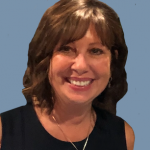
Marianne-EllisMarianne Ellis is the CEO/Co-Founder of CEO Success Community–the source for Women & Diversity Owned Businesses seeking Corporate Contracts with Fortune 500 companies.

Our mission is to show CEOs the fastest path to increased revenue and growth. We are a CEO Community membership offering the following business tracks: Get To The Buyer, RFP/Proposal To The Win, Business Innovation, Sales Accelerator, Pivot Your Business, Virtual Conference Maximizer, Business Succession Planning and more.

We are proud to have coached thousands of Diversity CEOs. Major Corporations hire us to coach their Rising Suppliers like SCE, PG&E, and CDW. Diversity Associations WBENC, WBEC-West, WBEC-Pacific, and NAWBO count on us to run their signature workshops sponsored by Capital One, Mass Mutual, Bank of America, UPS, T-Mobile, Walmart, Accenture, and more.

CEO Success Community was built on a successful sales practice that averaged more than $100 million in new billing growth in less than 18 months. We have both sell-side and buy-side procurement experience running Fortune 500 RFPs. Our CEO programs have been featured in the 2023 Billion Dollar Roundtable (BDR) Economic Global Impact Report.

Marianne is an Amazon #1 Best Selling Co-Author of Women In Business Leading The Way and a Member of the Television Academy—annually attending The Emmys. She is an LA Times Inspirational Women of the Year Nominee, Two-Time Winner WBE Advocate of the Year, Community Impact Award and on the WBENC National Host Committee WBENC Nashville 2023. She was featured as a sought-after speaker.

Connect with Marianne on LinkedIn.

Music Provided by M PATH MUSIC

Transcript-iconThis transcript is machine transcribed by Sonix


TRANSCRIPT

Intro: Broadcasting live from the Business RadioX Studios, it’s time for Women in Motion. Brought to you by WBEC-West. Join forces. Succeed together. Now, here’s your host.

Lee Kantor: Lee Kantor here. Another episode of Women in Motion and this is going to be a good one. But before we get started, it’s important to recognize our sponsor, WBEC-West. Without them, we couldn’t be sharing these important stories. Today on Women in Motion, we have Marianne Ellis with CEO Success Community. Welcome.

Marianne Ellis: Hi, Lee, great to be back.

Lee Kantor: Well, I am so excited to get caught up. For those who aren’t familiar, can you share a little bit about CEO Success Community? How are you serving folks?

Marianne Ellis: Well, the way I like to say how we serve folks is we are the source for women and diversity-owned businesses seeking corporate contracts with Fortune 500 companies, which is why it’s perfect that we’re going to talk today about this upcoming September conference.

Marianne Ellis: Our mission, Lee, is to show CEOs the fastest path to increase revenue and growth and through RFPs and corporate contracting, that is a huge way to double and triple your company. We work both for corporations like Southern California Edison, PG&E, and CDW, putting programs together for diverse business owners. I can talk more about that later.

Marianne Ellis: And we also have a CEO Success Community where we have our CEOs work together to grow their business in a mastermind. And also we have about ten intellectual property workshops that have been very successful. And recently we were written up in the billion-dollar roundtable. So, big honor for us in 2024.

Lee Kantor: Now, any advice for other entrepreneurs out there that would like to build a community like you’ve been able to build? Like, is there some kind of things that are must-haves, nice to haves? Like, how would you go about building a community from scratch if you had to?

Marianne Ellis: It’s interesting. How to build a community from scratch, mine really happened organically and it all happened at WBENC West. So WBENC West has a wonderful program called the Platinum Supplier Program. I’m in year ten as a lead coach working with Jaymee Lomax, who is amazing. She’s the VP of WBENC West. Did the program for multiple years. It’s helping diversity-business owners, specifically women, get their capability statement ready.

Marianne Ellis: Capability statement is a like a resume for your business when you’re talking to corporations. And there’s a standard format, and we have a five-week program where we get the women, newly certified women business owners, ready with their capability statement. The story goes, after about two or three years of doing this or when the program ended, Lee, the CEO, said, “Marianne, can we keep working with you?” And I said, “Well, we don’t have a program for that right now.” And they said, “Well, could you create a community where we met monthly, got some more coaching advice since you, you know, were in a $16 billion spend procurement team? You know how the buyers feel. Can we keep working with you?” And here I am seven years later, Lee.

Lee Kantor: So, is that kind of at the heart of it? You have to be useful. You have to have some kind of organic reason for everybody to get together, that it’s a kind of a win-win around.

Marianne Ellis: I think when you think about affinity clubs, you know, whether you’re involved with your college, you know, after you graduate, whether you’re involved with certain charities or different causes that are important to you, it really has to do with being in a community of like-minded individuals and having things in common.

Marianne Ellis: So, what the CEOs and CEO success community have in common is they want to grow their business through RFP and corporate contracting. Some of them do do what we call WBE business owner to business owner contracting. But primarily it’s about RFP and corporate contracting. So they’re all, you know, also trying to run their business. So it’s staffing, it’s insurance, it’s process and procedures. It’s sales and marketing. They all have the same needs. We have a CEO group that’s been meeting on Tuesdays since the very beginning twice a month.

Lee Kantor: So, now if somebody wants to learn more about your community, what’s the best way to get a hold of you or check it out?

Marianne Ellis: I would say go on ceosuccesscommunity.com, like all good websites. Like, I try to do as I coach, make sure that, you know, you check out our website, look at our different programs and there’s a way to respond also on the website.

Lee Kantor: Now, we’re also here to talk about the upcoming 21st Annual Procurement Conference in Vegas in September. What is your take on that? How have you experienced this conference in the past?

Marianne Ellis: Well, first of all, I want to do a shoutout to anybody that’s listening that is a platinum supplier graduate. When you sign up for the conference, please check the box: yes, I’m a PSP graduate.

Marianne Ellis: I am so excited. Now, that we are post-COVID, WBENC West, so that’s Dr. Pamela Williamson and Jaymee Lomax have brought back the in-person platinum supplier showcase. So about 10 or 12 lucky business owners are going to be able to go in front of MGM, Chase, Disney, you know, Amgen, Amazon, and present their company. And what a fantastic opportunity.

Marianne Ellis: So, number one, I want to do a shoutout to the PSP graduates. Make sure that you register for the conference. It’s September 17th to 19th. We’re saying it’s in Vegas, but it’s really at the Westin Lake in Henderson so we’re not on the strip, and it’s going to be the 21st annual conference, and it’s going to be amazing. There’s going to be matchmakers, there’s going to be roundtables, there’s going to be cornhole playing with corporations. So if you haven’t registered for the conference, make sure you do so before it gets closed out and full up.

Lee Kantor: Now, the theme this year is amplify your success. Do you have any tips for conferencegoers when it comes to amplifying their success?

Marianne Ellis: Absolutely. I do a program right now that is sponsored by CDW. They are amazing WBENC Corporation. I think they’re a Fortune – they’re within the Fortune 40. And I take 15 business owners to the conference. So this is definitely my sweet spot. And to anyone that’s listening, I wanted to give you what I call my six top tips.

Lee Kantor: So I’ll go as long as you want, Lee, and then feel free to interrupt me. I would say tip number one, read the WBENC West Conference website three times and look for prospect names and conference opportunities. I’ll give you some hints if you’re listening. There’s a lunch on Wednesday where WBEs, business owners, can have an expo table. Now, unlike nationals, this is only going to be the WBE, the women business owners, are going to be tabling, and the corporations are going to have an opportunity to stop by your table. And you can also invite them. So if you look at the website and you check that on sign up, that’s important.

Marianne Ellis: Number two, there is a breakfast Thursday morning, a pitch competition. So, get your 60-second pitch ready and you’re going to pitch at the table. And then you’ve got to win your table. And then you go up on stage. And when you go up on stage, you’ll again have a chance to pitch your business.

Marianne Ellis: Also, when you read the conference website very carefully, which is tip number one, you’ll see that Amazon is listing their sourcing opportunities, but you’ve got to apply by August 19th, so don’t miss that.

Marianne Ellis: Two more things. WBENC West and Jaymee Lomax are having pre-conference training on August 9th and August 27th. Plus, you can sign up for the cornhole competition. You want to do that. It was a lot of fun when WBENC did this before and you get partnered with corporations.

Marianne Ellis: So, tip number one, Lee, read the conference website. Look at the prospect names, and the corporations that are going to be there. I also have the list of all the corporations that I saw on the sponsorship page that I can share with our listeners. As well as if you look at the pitch competition, they list their name and their company name. So, you can learn so much by – don’t give the website short shrift. Make sure that you read it three times. That’s tip number one out of six. Back to you, Lee.

Lee Kantor: And this is one of those things where, sure, it’s in Vegas, sure, you’re going to be at a nice hotel and resort, but you have to do some pre-work if you want to wring out the most value. Right? You wouldn’t just show up here and think like, oh, I’ll just figure it out when I get there. How hard could it be?

Marianne Ellis: So, okay, you are teeing me up perfectly, Lee. So tip number two, if you’re new at this, target three to five businesses. If you’re experienced, target eight to ten. What do I mean by that?

Marianne Ellis: So, when I talk about targets – this is going to surprise some of your listeners. The first thing you should do is thank your current clients. When I was at an event last week, that was a real fun one in Newport that WBENC West did. We got to network on a boat. The first thing I did was thank my current clients, Southern California Edison. So, shoutout to Gloria and William. They were there. So, that’s number one. Find out which of your current clients are going and put them on your list.

Marianne Ellis: Number two, you want to think about new business. So when you think about targeting new business, you want to look at the corporation category. Like, what industry are you an expert in? Are you an expert in utility, banking, pharma? And then put them on the list.

Marianne Ellis: And then I also say when you pick your three to five, definitely do your homework, what’s important to that corporation and how can you be of service and help. Do they have some new construction happening? Do they have a new product launch? What role can you play and how are you better than their current incumbent?

Marianne Ellis: There is a third group when you make your targeting list, I want to remind you. Don’t forget to thank the WBENC West team. So, definitely you don’t need to include them in your 3 to 5, or 8 to 10. But I would definitely make sure to connect with them.

Marianne Ellis: And I also say take a look at the sponsor page. So again, if you’re listening, here’s the sponsors I saw: MGM, Chase, Aflac, SoCal Gas, SRP, Disney, Banner Health, SCE, Sony, Blue Cross, Blue Shield, ASU, Amazon, Intel, Amgen, Caesars, Metropolitan Water Bank of America. So are any of those corporations ones that you have experienced with their industry, or are they current clients that you should check in with? Definitely, do your homework before you come to the conference so that you have your conference offer. Or what is it that your company can do to help that corporation? So tip number two, make sure to target your top 3 to 5 targets if you’re new at conferencing, or 8 to 10 if you’re experienced, and be conference ready.

Lee Kantor: Now, we’re talking obviously a lot about the conference and how to kind of get the most value from it. How do you handle the follow-up after the conference? You go to the conference, you have your list, you go through, you meet these people. How are you kind of elegantly following up with the folks you met throughout the year? Because you don’t want an event like this that you put this much time, energy, and resource in to just be that event. Like, you don’t want it to end there. You need kind of the relationships to kind of build over time. So how were you kind of doing follow-up where you’re staying top of mind?

Marianne Ellis: I’m so glad you asked that question because 50% of those that attend the September conference in Vegas for WBENC West will do absolutely nothing. According to the National Sales Association, over 50% of people that go to conferences or in sales never follow up, and it can take 5 to 12 meaningful interactions to win a relationship with a corporation to get in there for an RFP invitation.

Marianne Ellis: So, what I recommend is that you have your follow-up ready before you go so that all you have to do is fine-tune it once you learn more about the company, either in your one-on-one conversation or if they’re presenting at all at conference. So, that was going to be my suggestion number five. So we got through two.

Marianne Ellis: I’ll go down to number five, which is, be ready with outreach before you go. So you want to send out emails, LinkedIn messaging before you go to conference with those connections that you have that you know they’re going to be there and you want to up your posting on LinkedIn. That’s pre.

Marianne Ellis: During, you want to reach out to them to connect for coffee or a drink or a meal.

Marianne Ellis: And then post, you want to request a 15-minute introductory follow-up. Or if they specifically asked for something, you can follow up with that, but I would have this all pre-written before you go to conference. So in terms of outreach, I always say be ready with your drip five-plus program. And it has everything to do with pre, during, and post-outreach.

Lee Kantor: And like you said, you can get like 80-90% of that done before the conference. Like, you could be working on that today.

Marianne Ellis: You’ll be exhausted. There was actually a very impressive diversity-business owner. We were at a conference. I was talking to a corporation. They had asked for something and she emailed it that day right back. And when I looked at, because they shared with me what they had received in my mind but I didn’t say it out loud, a lot of that was pre-written. So, absolutely, you know what your company does best and how you help your current clients, be ready to express that when you go back and talk to the companies you just met.

Lee Kantor: Now, is WBEC-West doing anything to help, maybe before the conference to get ready? Is there going to be any type of education to help prepare a conferencegoer, you know, to help them kind of get the most out of it? Is there any webinars or anything like that?

Marianne Ellis: Absolutely. Jaymee Lomax is going to have her amazing pre-conference training on August 9th and August 27th. I want to tell you, I am uber-experienced and I have already signed up for 08/09 and 08/27 for her conference training because each conference brings something new and it’s really important that you listen to part one and part two. And just again, it’s about a month prior to the conference, so you still have plenty of time to take what you learn and apply it for your company.

Lee Kantor: Now, you mentioned you’re a veteran and you’ve been to, you know, more than one of these things in the past. Are there any highlights or anything memorable about any of the conferences in the past you’d like to share?

Marianne Ellis: I have a couple of quick stories because it’s their success stories, and we always love success stories. So, when we were in Denver, which was the last national conference, one of the business owners had really highlighted their keywords, which is so important in corporate contracting. Keywords is like, that’s the menu, that’s what they’re sourcing and shopping. And she had highlighted her keywords, and I was physically standing there when the corporate said, “I am sourcing that. You do that. Let’s sit down. I want to talk to you about an upcoming RFP.”

Marianne Ellis: Wow! She didn’t even have to do a 15-minute introduction. Her keywords did that. And I know that WBENC-West has a monthly keyword training. I would definitely recommend that you check that out on their website, which is wbec-west.com. If you go into the calendar, they monthly talk about keywords.

Marianne Ellis: A second great story is a business owner had really prepared themselves, and they were able to show to a corporation a problem on their website, which they could fix immediately for them, and they immediately got a purchase order. It was amazing. This corporation was so grateful. And they said, “You know, we have all these suppliers and you’re not even one of them. And you spot and you saw a problem on our website.” And rather than just pointing out the problem, they quickly had the solution and they immediately got a purchase order for that. Wow!

Marianne Ellis: Now, most of the time, as we like to remind everybody, it can take 18 to 24 months to get a contract with a corporation going through the RFP process. But they also have discretionary spend. Many corporations, Lee, can – they can do a purchase order for under 50,000. Some corporations it’s even higher. And they – again, if you’re what you do, your service is below their threshold, they could even pay you on a credit card. It’s called the p-card.

Marianne Ellis: So, sometimes that magic happens where you get invited to an RFP right at the conference. Or the even rarer one is you get a purchase order right at the conference. But I have seen it with my own eyes happen.

Lee Kantor: And it’s one of those things that those weren’t just random, pure luck. I mean, there was a lot of preparation that allowed them to be lucky at the right time.

Marianne Ellis: What do they say? It’s like hard work is how luck happens. Both of these business owners, both women, had worked very, very hard. And the woman who had worked on the keyword, she had really fine-tuned them. So the minute that these corporations saw her keywords, they were like, yep, that’s what I need. Or nope, that’s not what I need. And the other business owner, she was a very experienced conferencegoer so she went to that 8 to 10 level of preparation. And the corporation that, you know, she had taken a look at these 8 to 10 corporations and were looking for any flaws or problems. Her area was website, Ux/UI.

Lee Kantor: Now, you’ve mentioned so many things that are obviously valuable to growing a person’s business. But part of this conference is kind of building relationships and nurturing existing relationships. Are there things that you’re going to be doing or looking forward to maybe that aren’t the hardcore business stuff but it’s more the fun, friendly build rapport and build and deepen relationship stuff that you’re looking forward to?

Marianne Ellis: I think you have the right spirit, Lee. Absolutely. I always say in my area of must-do’s, yes, we all need to have a conference checklist, and we can talk about that in a minute. But I think the most important thing you need to pack before you go to the September conference in Vegas, you need to pack the right attitude. And what I mean by that is this is not the hard sell time. Nobody likes to be hustled. You don’t like to be hard sold when you walk into a store or you meet people.

Marianne Ellis: So, this is really relationship building, getting to know people as human beings because we all are human beings, having a lot of respect. So, I always say relationship and respect come before revenue. If you put revenue first and you don’t build that relationship and respect, it’s never going to happen. I also think what’s really important besides, you know, having a conference checklist and packing the right attitude, I also think you need to live in the moment.

Marianne Ellis: And that’s one of my favorite parts, is I can plan and plan and plan and so can the CEOs I work with but opportunity will find you if you are open. If you have your head in your playbook or your head in your phone or your head in your notes, a terrific opportunity could pass right by you. My favorite story in that area was they had meet and greets at one conference, and there was this one corporation sitting all by themselves because everybody rushes, you know, to the, you know, the Amazon table or the Disney table.

Marianne Ellis: But they were sitting all by themselves and one business owner said, you know what? I’m not going to rush where the crowds are. I’m going to go to this individual person and create a relationship. They now have a contract with that corporation. They got the full one-on-one time with this company. So, sometimes it’s good to go where others are not. Sometimes it’s good to say hello to somebody standing by themselves. You have an opportunity to have a one-on-one. And it’s also great to make relationships with other business owners. And that’s your network.

Marianne Ellis: Jaymee Lomax is famous for her saying, HASU, which is hook a sister up. So all the time, if I meet a corporation, I ask them what they’re sourcing. I just recently did that when I was in Newport, and I heard that one company is looking for electricians and people who can do more, you know, residential, commercial repairs. So, I’m going to look into the business owners I know and refer them.

Marianne Ellis: So, yeah, I think you have to – that’s to me the spontaneous – sort of spontaneous things that happen. And that’s a really big part of having all the preparation but living in the moment.

Lee Kantor: And that’s what’s so magical about these in-person conferences. It’s hard to duplicate that virtually. And so when you have the opportunity to be in-person and meet face-to-face with folks you might have been on a Zoom with, it really becomes magical. And you can really accelerate relationships in this environment.

Marianne Ellis: I would also – to the listeners if anyone gets to Vegas and starts to panic or gets confused, I think we, you know, come by my table. Just take a break and come by my – I’m in a table. I have a CEO Success Community table. Just come by and say, you know, or if you have a question or if there’s something I can do to help you, you know, just know that there’s a lot of us that have been doing this for a while and we’re always willing to help other business owners.

Lee Kantor: Now, you mentioned this checklist. Do you got any checklist information to share?

Marianne Ellis: So in terms of the checklist, I’ll go through a couple of things that I would like everyone to keep in mind that they should have prepared. First thing is business cards. And make sure your business cards have plenty of white space so the corporates can write notes. Don’t have those cards that you can’t write on or all-colored front and back. But, you know, we do want to be more sustainable. We do want to be digital. So I always say bring a digital card and a hard, you know, regular card.

Marianne Ellis: Capability statements. I think it’s good to bring a few – they may not want to walk away with it, but at least it can anchor a conversation. QR code is another thing that a lot of corporations like. Again, if you’re doing your table, you want to bring whatever signage you need for your table or giveaways.

Marianne Ellis: I also think on that checklist, you want to make sure that you pack comfortable shoes and clothes that you’ve worn before. Don’t run out and buy new stuff. Make sure it’s comfortable.

Marianne Ellis: You’re using your phone a lot during the day, so bring a battery. And, you know, some people are more on their phone versus notepad.

Marianne Ellis: You definitely want to check your website and your LinkedIn before you go. And matter of fact, you may want to announce on LinkedIn that you’re going to be there because there’ll be a lot, a lot of other business owners there. But also think about your email signature.

Marianne Ellis: I also think on your checklist, it’s good to have a group, kind of a gang, that maybe you’re in a group chat so you don’t feel like you’re all alone. We talked about your homework on your top, whether you’re doing 3 to 5 if you’re new prospects, or 8 to 10 if you’re experienced. I think those are the big things.

Marianne Ellis: And then, like Lee and I talked about earlier, you know, get that prospect outreach program ready. So when you get back, you can just change a few things and then follow up. So, that would be my checklist.

Lee Kantor: Yeah. And a great place to start is the WBEC-West website. That’s W-B-E-C, hypen, W-E-ST, dot com. Go there. You can sign up for those webinars, which I think are really important, and that’s going to be happening, you know, several weeks before the event so it’s important to kind of just dip your toe in and just start to meet some of the folks that are going to be there and that can be helpful.

Marianne Ellis: I also think that messaging is really important, Lee. So I do want to remind everybody, take a look at the messaging on your website.

Lee Kantor: And then, so, the messaging and the website, and then you mentioned the email signature in any way you’re communicating probably on social media as well. Right?

Marianne Ellis: To really get a Word document and introduce yourself in 20 words. That’s about 10 seconds and that’s about all you can hear if you’re online. And then if you’re doing an expo table, I’d have a 30-second introduction, which is about 75 words.

Marianne Ellis: So, I also think there is a preparation. And then I would practice. Practice with your family, practice with your employees, practice with your friends. Make sure that once you socially introduce yourself, you’re someone that they’d like to continue to talk to, not run away.

Marianne Ellis: And, for the expo table, or if you get a longer period of time with the corporation, you know, what is your 30-second introduction? Your elevator pitch, if you know what I mean. So, I think messaging is important, and I think being short to the point and succinct.

Lee Kantor: Yeah, absolutely. And, Marianne, thank you so much for sharing your wisdom today. It’s so important for folks. If someone wants to connect with you, one more time, your website for SEO Success Community.

Marianne Ellis: It’s www.ceosuccesscommunity.com. And I’ll also be there, helping with Jaymee Lomax with the platinum supplier in-person showcase. So, yeah, year ten working for WBENC West in this area is such a joy. And again, if I can help anyone, please come and seek me out at the conference. And hopefully, I’ll see you at the training on August 9th and August 27th.

Marianne Ellis: My last fast piece of advice, my iPhone is my secret weapon at the conference, so come by my table and ask me about that.

Lee Kantor: All right. Well, Marianne, thank you so much for sharing your story and for all those tips. You’re doing such important work and we appreciate you.

Marianne Ellis: Thank you. And thank you to WBENC West. We owe so much to WBENC West, Dr. Pamela Anderson – Dr. Pamela Williamson – I love that – Jaymee Lomax, as well as Tera Jenkins. We also have Heather who’s on board, and Ella, I mean, Maria. There’s a whole great team behind WBENC West and we really appreciate all of them. So, thank you.

Lee Kantor: All right. This is Lee Kantor. We’ll see you all next time on Women in Motion.
 

Tagged With: CEO Success Community, WBEC-West 21st Annual Procurement and Awards Conference

Women-Owned Businesses: Why Do They Matter?

June 7, 2023 by angishields

Women-Owned-Businesses-Why-Do-They-Matter-feature
Women in Motion
Women-Owned Businesses: Why Do They Matter?
Loading
00:00 /
RSS Feed
Share
Link
Embed

Download file

In this episode of Women in Motion, hosts Lee Kantor and Dr. Pamela Williamson talk with Vaughn M. Williams III, Principal Supplier Diversity Advisor for SoCal Gas Company, about their supplier diversity program and how they serve underserved groups, such as women-owned businesses. Vaughn shares advice for potential suppliers and tells a success story of a woman-owned business that he mentored and helped grow.

Marianne Ellis, CEO and Founder of CEO Success Community, also joins the conversation to discuss the importance of women-owned businesses and shares her own success story of coaching a woman-owned business to win a contract with a utility company. The show emphasizes the importance of investing in underserved groups and building relationships with corporations and fellow women-owned businesses.

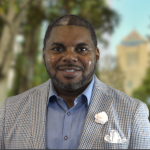
Vaughn-WilliamsVaughn M. Williams III currently serves as the Principal Supplier Diversity Advisor for SoCalGas Company. In this capacity he is responsible for ensuring the advancement of small, minority and underrepresented businesses.

This position coincides with his passion of service and economic development. Previously he served as Category Manager for Southern California Gas Company (A Division of Sempra Energy), his responsibilities included management of all staff augmentation, contracts negotiation and management, fostering long-term client relationships in the areas of engineering, food services and Human Resources.

Prior to assuming this role, Vaughn worked as the On-Site Client Services Manager (Sempra Energy Utilities) under the auspices of AgileOne Vendor Management Solutions. He was responsible for the management and integrity of all data utilized under the Vendor Management Tool (Acceleration VMS).

While based in Los Angeles, the Sempra Energy Utilities Account covers all of Southern California to include San Diego and San Luis Obispo.

Connect with Vaughn on LinkedIn.

Marianne-EllisMarianne Ellis is the CEO/Co-Founder of CEO Success Community–the source for Women & Diversity Owned Businesses seeking Corporate Contracts with Fortune 500 companies. Our mission is to show CEOs the fastest path to increased revenue and growth.

We are a CEO Community membership offering the following business tracks: Get To The Buyer, RFP/Proposal To The Win, Business Innovation, Sales Accelerator, Virtual Conference Maximizer, Business Succession Planning and more. We are proud to have coached thousands of Diversity CEOs.

Major Corporations hire us to coach their Rising Suppliers like SCE, CDW and Martin Harris. Diversity Associations WBENC, WBEC-West, WBEC-Pacific, NAWBO, count on us to run their signature workshops sponsored by IBM, Bank of America, UPS, T-Mobile, Walmart, Accenture and more. CEO Success Community was built on a successful sales practice that averaged more than $100 million in new billing growth in less than 18 months.

We have both sell side and buy-side experience running Fortune 500 RFPs.Marianne is an Amazon #1 Best Selling Co-Author-Women In Business Leading The Way, Member of the Television Academy—annually attending The Emmy’s, Nominee LA Times Inspirational Women of the Year, Two-time Winner WBE Advocate of the Year, Community Impact Award and sought after speaker.  

Connect with Marianne on LinkedIn.

About our Co-Host

Pamela-Williamson-WBEC-WestDr. Pamela Williamson, President & CEO of WBEC-Westhttps://wbec-west.com/,  is an exemplary, dedicated individual, and has extensive experience as a senior leader for over twenty years.

She has served as the CEO of SABA 7 a consulting firm, overseen quality control at a Psychiatric urgent care facility of a National Behavioral Health Care Organization where she served as Vice President and Deputy Director,and has served as the CEO of WBEC-West, since 2008.

Her extensive experience in developing and implementing innovative alliances with key stakeholders has enabled the organizations to reach new levels of growth and stability. Her ability to lead and empower staff members creates a strong team environment which filters throughout the entire organization.

She takes an active role in facilitating connections between corporations and women business enterprises and sees a promising future for WBENC Certified women-owned businesses.

Dr. Williamson holds a Doctorate in Healthcare Administration, a Master’s degrees in Business Administration, and bachelor degrees in both Psychology and Sociology.

Connect with Dr. Williamson on LinkedIn.

Music Provided by M PATH MUSIC

This transcript is machine transcribed by Sonix

TRANSCRIPT

Intro: [00:00:07] Broadcasting live from the Business RadioX Studios. It’s time for Women in Motion. Brought to you by WBEC West. Join forces, Succeed Together. Now here’s your host.

Lee Kantor: [00:00:27] Lee Kantor here with Pamela Williamson. So excited to be kicking off this Women in Motion show. Welcome, Pamela.

Pamela Williamson: [00:00:36] Hi. Thank you. We’re excited to be here today.

Lee Kantor: [00:00:39] And who do we have today in the show?

Pamela Williamson: [00:00:42] Today we have two amazing guests. We have Vaughan M Williams III, who is currently the principal supplier, diversity advisor for SoCal Gas Company. And we have Marianne Ellis, who is the CEO and founder of CEO Success Community.

Lee Kantor: [00:00:58] Well, welcome, both of you. Let’s start the show off with Vaughn Vaughan. Tell us a little bit about SoCalGas Company, how you serving folks.

Vaughn M. Williams III: [00:01:07] So good morning. First and foremost, SoCalGas is one of the largest natural gas utilities in North America. And we are servicing folks in a variety of ways. But in my capacity, we are serving them through supplier diversity. We are working with individuals of many minority distincts, women, LGBTQ service, disabled veteran persons with disability and minorities in general, helping them to really understand the fundamentals of business, helping them to identify opportunities in business, specifically with SoCal Gas from everything from washing a window to building a pipeline throughout the Southern California Basin. And so we are really servicing them in many capacities to afford them the opportunity to create economic strength, to create development, to generate wealth, but most first, mostly to ensure that their business aptitude is such that they can compete with some of the largest companies in the world.

Lee Kantor: [00:02:12] Now, why is it so important to serve groups like women owned businesses and all those underserved groups that you mentioned? Why is it important to dedicate resources specifically to help them, you know, enter the ecosystem?

Vaughn M. Williams III: [00:02:27] Well, I think you hit it with the lead in, which is the underserved. If you look at statistical data across the nation, you’ll see that minorities in general are the most underserved in terms of business opportunity. They can get to the front door, but they can’t always get in or they can put the key in the door, but it may not turn. And my job and my goal is to make sure that that door opens, that that table is set for them to sit at and partake amongst those who they normally would not be able to. It’s important to me personally, as a minority and as an individual from an inner city community where opportunities were not at the forefront to make sure that people have that opportunity to grow and thrive. I always tell people, somebody gave me a hand up and it is my fiduciary and my community duty to ensure that I do the same for others.

Lee Kantor: [00:03:21] So what is some advice you can give a person that wants to work with SoCal Gas Company? What are some of the primary drivers of a successful supplier for you?

Vaughn M. Williams III: [00:03:32] So a successful supplier. One understands the business of socalgas. A successful supplier goes to our annual report on the SoCal Gas website, or they go to the California Public Utilities Commission and they review the projects that Socalgas has done will do and continues to do. They understand the framework, They understand procurement, they partake in the technical assistance and training programs that we offer, and they seek knowledge even when it’s not right in front of them. They ask for that mentorship, they ask for that development, they ask for that feedback, be it positive or negative, because it can only strengthen them in terms of their growth. They actually want to work with you and they bring something to the table. They bring certification to the table, they bring their knowledge, they bring innovation, they bring the tools necessary to take our company to the next level. Because let’s face it, we don’t know everything. But what we do know is that there are suppliers out there who have a wealth of knowledge and experience that can really take us to another plateau. And so a successful supplier for me does just that. They look within to understand what SoCal gas needs are and then they create a solution to some of those needs.

Lee Kantor: [00:04:49] Now, if there’s someone out there listening that thinks they might be a right fit, is it possible to connect with you or somebody on your team to, you know, have a back and forth and really discuss ways that you can work together? Or is this something that they have to come to the table already knowing everything?

Vaughn M. Williams III: [00:05:07] No. If you come to the table already knowing everything, my job is eliminated. To be honest with you, I would really like to have an opportunity to meet with the supplier, to nurture them, to groom them, to identify ways, to help them build capacity, to help them understand what areas of need we have and how they can fit. I would love the back and forth because I consider that mentoring, I consider that development, I consider that job shadowing and I consider that an opportunity to make an impact on them, introduce them to the right purchasers or buyers of goods and services within the company. But I also consider an opportunity to establish relationships that we normally don’t get an opportunity to develop with individuals of such caliber. And so, yes, I welcome that opportunity and I embrace it primarily because it allows me to help an individual grow.

Lee Kantor: [00:06:06] Is there a story you can share? Don’t name the name of the company or the individual, but maybe explain where they were coming from. And then after partnering with you, help how you help you achieve your objectives and help them grow as a business owner.

Vaughn M. Williams III: [00:06:21] Certainly I have several, but I will just go with a company that I met 13 years ago in a hotel lobby in downtown LA. It was a woman owned business and she ran into me and she says, You look familiar. What’s your name? And I told her my name and where I worked for. And she says, Yeah, I saw you at a conference a while ago and I’ve been wanting to talk to you because we provide a valuable service that you need. I said, Really? What’s that? She said, Well, we provide sleep. I said, Well, that’s pretty generic. Can you be more specific? Well, she couldn’t at the time, but she had enough courage to talk to me. So it brought it piqued my interest and we began to talk and develop. She went through several technical assistance workshops. She learned the fundamentals of business. She learned how to introduce her business to others, which we call an elevator pitch. So she finessed it. What I didn’t know at the time was that she knew nothing about business. She just had a product. And so over time, we got her to a point where she could compete for contract opportunities. I’ll be honest with you. The first two years I knew she wasn’t going to win because we were still developing her. But by year three, she was in the game. Year four, she obtained a contract. That contract was for $6 million, which is pretty much unheard of. Most people get a $75,000 contract their first time out the gate. But she nailed it. And all of the business owners or business units, rather, were so impressed, they said, we’re going to give her a chance. And they allowed her to purchase a majority of the fleet for one of our regions. So that to me was success, because she came to me. We met not knowing anything about each other. We developed a relationship. She was mentored. She was trained. She learned the business acumen. She understood SoCal socalgas culture and needs, and she became innovative in the way she approached solutions to that need.

Lee Kantor: [00:08:19] And that’s a great lesson for the listener. Patience is an important component here, right? Like you, even if you come to the table with certain skills, you it takes a while to build the trust and to build the expertise you need to serve that specific supplier that you’re looking for. Right? Like patience is an important component. This is not an ATM machine where you just put your card in and money comes out right.

Vaughn M. Williams III: [00:08:49] Patience is a virtue, and I had to learn that myself. And I’ll tell you why. Because my first few years at SoCal Gas, I too was in procurement, and I didn’t really understand why people of minority background weren’t getting opportunities knowing that they had the skills and expertise. But what I had to learn through the hard lessons of life was that sometimes the opportunity was not uniquely designed for a particular business. Sometimes the opportunities that are before you are not the ones that will really allow you to shine and succeed. And so with being patient, you land that right opportunity, you land something that’s going to allow you to nurture yourself, to create that economic stimulus for the community that you’re serving, and it’s going to allow you to sustain. What I also learned about patience is that when you have patience, you end up in situations that create long term opportunity. Sometimes when you’re just quick to draw or you want to jump right in, you miss out on a long term blessing.

Lee Kantor: [00:09:52] Now, how important is Quebec West and other associations like that as part of the ecosystem?

Vaughn M. Williams III: [00:10:00] So for me, the ecosystem would not be complete without the bequest of the world. Because they create those suppliers. They really take the time out to nurture those suppliers. They take the time out to identify the strengths and weaknesses of a supplier, and then they take the time out to create programs that prepare suppliers for success. They prepare women who are maybe on the cusp of doing something great, but they’re missing either the financial acumen or they’re missing the knowledge, or they’re even missing that proper business plan. We Beck West prepares them for those things so that when they come to me, they are a complete package. Without those organizations, I would spend my wheels just trying to get suppliers to even understand basic fundamentals like time management, accounting, preparation, capability statement. I mean, let’s face it, a lot of people can tell you what they do, but it’s a whole nother thing to have it put on paper or in print for others to see. We Beck West does all that for me, it’s an amazing partnership. And without people like that in my organization, I just don’t know that as supplier diversity professionals, we would have the bandwidth to create so many success stories.

Lee Kantor: [00:11:20] Now, can we talk a little bit about your procurement life cycle just to educate our listeners if they want to plug in and so they understand kind of the lay of the land?

Vaughn M. Williams III: [00:11:32] Absolutely. So our procurement life cycle is very unique. Some people tell you, Oh, just sign up on the portal. I don’t tell people to sign up on a portal because it could get lost in the abyss for our procurement life cycle. It starts with a sit down conversation with myself and others in Supplier Diversity. We then personally try to get you registered in our Ariba system by sending you an invite. We then take you on to meetings with the procurement agents and the business units. Then you’re invited to some bid opportunities, but not always, because sometimes there are some sole source opportunities or standalone opportunities. So with that, we help you to understand terms and conditions. We help you to negotiate the right terms for your company, and we also work with you to get the right payment terms from there. The contract itself is negotiated, it’s initiated and executed. After the contract is executed, then the fun begins because then we kind of mentor you and make sure that the mistakes that others have made you don’t make. If we see you going in the direction that you shouldn’t be, we kind of pull your coattail so that you are successful. From there, we make sure that your payments are submitted, your invoices are submitted on time, and then we make sure that if there are any errors that you know about it. Also, within the procurement life cycle, we have what’s called SRM supplier relationship management. That means that we work with you, the supplier, to cultivate a relationship that is tangible with the business unit. We have quarterly meetings where we have both sides to tell what they’re experiencing, what is the successes and what are the failures. And then we talk about solutions and then we have a go forward plan. This creates a full procurement life cycle as it allows you to go from cradle to grave in your contract opportunity, but it also allows you to stay within the cycle for future contract opportunities.

Lee Kantor: [00:13:29] So if somebody wants to connect with you or somebody on the team to learn more, what are the coordinates?

Vaughn M. Williams III: [00:13:35] The coordinates are for individuals who are already a part of Quebec West. My information is there, but for those who are just listening and wanting to to meet me, two things they can do. They can reach out to me via email at V williams@socalgas.com, or they can contact Dr. Pamela Williamson and her tremendous staff who work tirelessly to make sure that we remain in contact and to make sure that opportunities avail themselves. And so my personal recommendation is being a part of Quebec West because you get only not only the life cycle, but you get the exposure to people like me on a regular basis. And I talk to the Quebec West team very consistently, and so I know who’s for the company. I know what suppliers will make an impact, and I pretty much know which suppliers I need to work with on a more consistent basis. So I would say either option, but my preference is directly through Quebec West.

Marianne Ellis: [00:14:37] Well, this is Marianne. Before Vaughn signs off, I just want to do a big shout out and thank you to Vaughnn. I am a woman owned business and I have been part of and was hired by Dr. Pamela Williamson for her platinum supplier program that Vaughn just spoke of. I next year will be my 10th year of doing it. Von has showed up every year for a decade as one of the corporations, year after year, to listen to these newly certified women owned business owners, share their capability statements and do their 92nd pitch. So to both Pamela and Vaughn, I want to thank them both and please continue.

Lee Kantor: [00:15:15] Well, Vaughn, thank you so much for sharing your story today. You’re doing such important work and we appreciate you.

Vaughn M. Williams III: [00:15:22] It’s my esteemed pleasure. I appreciate the time and I look forward to future encounters with both you and the organization. Have a great day.

Lee Kantor: [00:15:30] All right. Well, next up, Marianne Ellis with CEO Success Community. Welcome, Marianne.

Marianne Ellis: [00:15:38] Hi. Thank you.

Lee Kantor: [00:15:39] Well, before we get too far into things, tell us about CEO success community, how you serving folks?

Marianne Ellis: [00:15:46] Well, first of all, I’ll tell you what I do, but I have to thank Dr. Pamela Williamson. I wouldn’t be in business if it wasn’t for her. So I’ll tell you what I do and then I’ll thank her again. So CEO Success community is the source for women and diversity owned businesses seeking corporate contracts with Fortune 500 companies. We help them make the connection and be prepared to go and pitch to a Vaughan Williams at SoCal Gas. So we have workshops like Get to the Buyer RFP proposal to the win business innovation, sales, accelerator, business, succession planning and more. We are so proud next year will be our 10th year working for Wiebach West. We also work for Webbank Pacific. We Bank National, we’ve been hired by Southern California Edison, PGA and CDW. So it has really been an honor to serve this community and my background has everything to do with being in sales and new business, helping companies close over $100 million in less than 18 months. And I was a buyer for for almost five years in a $16 billion spend pool. So I’ve been on Vons side. I’ve been on the small business owner side. I’ve never been on the association side like Dr. Pamela Williamson, but she runs an amazing organization now.

Lee Kantor: [00:17:14] Why do you think it’s important to have resources dedicated to serving women owned businesses? Why should organizations really invest in these underserved groups like they do?

Marianne Ellis: [00:17:28] Um, first, let’s go by the numbers. Women owned businesses in the United States represent 11.6 million firms. They employ 9 million people, and they generate 1.7 trillion in sales. So there is a very important economic reason. And then what? But what troubles me. So I’m going to do a little shout out to American Express. They did a state of the women owned business in 2019, and I’ve been begging them to update their study. They broke it out not just by women versus men, but they also broke it out in various components. And I think this is an area that needs to be examined. But by the number women business owners matter. The other point that I would make quickly, Lee, is since the start of the pandemic, women have become the leading drivers of business creation in the United States. So in 20 to 2020, 20 to 2021, women accounted for 49% of new business launches, compared to 42% for men, and that was up 28% since 2019. And that was a study done by Giusto and HR Software Company.

Lee Kantor: [00:18:40] Now, sadly, a lot of women owned businesses, while they exist and they’re growing and they’re launching, they’re not achieving kind of that million dollar RR, a level that some of the male owned companies are. Are the stats still that way? I know I read about this a while ago. Is that still the case? And if it is, what can be done to improve that?

Marianne Ellis: [00:19:06] Um, first of all, there’s a lot of mega women owned businesses, so I want to also congratulate all of those that are over 50 million and over 20 million. But yes, we do have a challenge right now. Again, according to American Express, only 4.2% of all women business owners have gone over the 1 million in annual sales. Mark, I think there are five areas, my areas, business coaching and business development. I’m really a growth coach machine and I think there are five things that women business owners need to do to accelerate up to a million. One is having a one page business plan, believe it or not, having a plan with metrics that you check quarter over quarter, year over year that will get you to grow investing and hiring. There is seems a bit of reluctance, a bit too conservative on hiring, investing smart. And we can also have quite a dialog about the struggle for capital. I also feel that the women business owners need to take more calculated risks and I really think they need strong advisors around them. So that’s maybe a bit broad, but I’ve probably coached over 3000 women and diverse business owners and these are the consistent things that I see that are missing, that if they were in place that would help them accelerate and grow to up and over a million.

Lee Kantor: [00:20:35] Do you find that at some level the women business leaders are just not dreaming big enough?

Marianne Ellis: [00:20:46] I have to really pause. I think women and I don’t like to do gender. I don’t like to paint people into corners. But there was a study recently done in the VC community and they were talking about why does 80% of the funding, VC funding, venture capital funding go to men? And one of them was the issue that women are too realistic on their projections. And so if you take that as an anchor point and you say that is realistic and pragmatic, they’re not exaggerating enough when they go out and ask for funding. So I don’t know if that’s a function of not dreaming big enough or just trying to be realists. Um, that’s a that’s a very hard question. I don’t want to paint women in a corner that way because there are some real big visionaries in our industry. I mean, I could name so many. I want to be careful not to name any company names, as you advised Von, but there are some extraordinary women business owners that can compete against the big companies and win. So I think perhaps they’re just they just need to stretch more and have the right advisors and take the right calculated next steps.

Lee Kantor: [00:22:08] Yeah, I’ve interviewed many women leaders and coaches and something that stuck with me about one that was a recruiter is when they were offering a woman a job. They would not they would kind of self-select out if it wasn’t an exact match, whereas a man sometimes will just take the job and say, I’ll figure it out when I get there.

Marianne Ellis: [00:22:32] That’s a very famous study. Lee That was done by HP many years ago, and there are so many studies in this area. I try to always anchor anything that I say and do, and that is actually correct. I think it was if men can do 60% of a job, they will go for it. Women feel they have to be able to do 120%. So I think this is, again, about being realistic, practical, pragmatic. And I think sometimes we just need to go for it a little bit more. And that, I think, is the role of having good advisors around the woman business owner also true for diversity business owners that they can do it with the right steps in place.

Lee Kantor: [00:23:16] So now is there any advice you can share other than, I guess, having a good partner with you or an advisor that’s kind of watching your back and helping you? But if a woman says, You know what, I want to kind of get into this corporate contracting world, is there some advice that you found is effective when entering that space and succeeding in that space?

Marianne Ellis: [00:23:41] I think in the area of corporate contracting, I think there’s I call it the three R’s. It’s relationships, reputation and being relentless. And the first R is no one’s going to buy from you until they know you and until they trust you. So there is a degree of relationship building that is very, very important. And, you know, I again, think about men in the golf course and how they build the relationships. You know, how can we parallel that so that relationship we have opportunities at. There’ll be a September event that Dr. Pamela Williamson will be hosting with Reebok West, I believe it’s going to be in Tucson, where she’s going to bring all these corporations together with the women business owners. So these are important times, whether it’s in a virtual event or an in-person event where we can build the relationships with these corporations. And then the second area is reputation in what are you doing as a business owner so that the the buyers know that you are best in class, that they know that you are innovating and that you’re worth the cost of change. We have to be realistic. Every corporation right now probably has a one, 2 or 3 suppliers in the area that we do business. What are we doing to communicate that We have innovated, We have a better solution. And I think Vaughn touched on some of that. And then the last area is relentlessness. Um, I found a study by the National Sales Institute that 80% of all sales are made between the fifth and 12th contact with a corporation. But most business owners give up after the third or the second. And I think you have to be relentlessly relevant, constantly providing information about how your company can serve SoCal Gas as an example, what you’ve done for other utility or gas companies, how you are delivering in the marketplace. And I think Vaughn said it can take 18 months, two years, three years, four years. You have to stay at it now.

Lee Kantor: [00:25:59] Pamela, can you share your take on how a woman owned business person can be successful in corporate contracting?

Pamela Williamson: [00:26:11] Yeah, I’m going to end up echoing a lot of what Marianne said, but I do think it takes some tenacity. And she is absolutely right that a lot of people give up after the second or third encounter, and you really have to go beyond that. I also think part of it is truly building authentic relationships. They need to get to know you. And and that echoes what Mary Ann said about are you worth the cost of change? Because corporations already have contracts in place. They have built trust in their existing supplier. So you’re coming in saying to them, I have a better product or service and I’m worth the cost of change. And not only am I worth the cost of change, I am also a sustainable change. So the hardest thing for a company to do is switch an existing supplier. So it is really important to be able to show up. Make sure that you show up reliably, consistently, and that you’re able to communicate what makes you better, quicker, faster. And are more effective.

Lee Kantor: [00:27:20] Is. Can either one of you share a story that kind of illustrates that, where somebody came out and and really made a mark for themselves where they hadn’t been doing this before, whether they were part of Quebec West or a story, Marianne, that you might have found from one of your coaching clients, were you able to help them kind of insert themselves and really get to a new level?

Marianne Ellis: [00:27:47] Um, I can share a recent story and then I know Pamela has so many because all the corporations look to Weboc West for referrals. And if anybody’s listening, please make sure that Dr. Pamela Williamson, Jamie Lomax, who is a wonderful vice president there, and her whole team, makes sure that if you are a small woman business owner and you’re certified with we back West, that they know about you because the corporations count on them. So I’m going to go to a supplier that was in the construction field and she was trying very hard to connect with the utility company. And she repeatedly showed up at the Platinum Supplier showcase that’s offered by Wiebach West. And finally, from repeatedly showing up, she received a capability presentation. And then you have to start to what I call go down the gantlet. So first you make a connection. Then this person connected at a networking event online, and then this person connected again at a networking event in person. And then they showed up. The next year, they took the platinum supplier course again and showcased and then they got asked to do a capability presentation. So again, this is the period of time because when they first presented that corporation already had a supplier that they were very happy with.

Marianne Ellis: [00:29:17] But over time, not only did this business owner build a relationship with supplier diversity, but also with the buyers in the business unit. So she had a friend who knew a friend who gave her an introduction. So when the time came for an RFP, she had to earn it the hard way. But we went through the process. She filled out the RFP. She was competitive on her pricing. I mean, there must have been 40 to 43 questions she had to answer, and she did all that. She scored in the top. Then she had to negotiate her terms and conditions. So I would call this Lee a journey. If you want to do corporate contracting, this is not a quick hit one and done. You are on a journey to build a relationship, to get known, to create. And also many times you need to know multiple individuals within that company supplier diversity procurement, the buying unit. So I would say it’s been a pleasure to watch so many of these women business owners win in corporate contracting, but it’s been a journey.

Lee Kantor: [00:30:31] And as part of your work kind of explaining and managing the expectations for your clients because it isn’t something that you just put your name on a list and wait your turn right? You have to make the investment in time and energy in showing up, like you said, probably take leadership positions in the different groups so that people get to know you and watch you so they can trust you.

Marianne Ellis: [00:30:54] So I would say absolutely. I mean, if anyone’s listening, when you are certified with Webrequest, you have the chance to join the forum. So they in each city, they have forum leadership. And that’s a great opportunity for corporations to see you and for you to showcase. We go to trade shows where we just got back from a big trade show in Nashville. There’ll be an opportunity also in September in Tucson, so there are lots of chances to increase your visibility and that important are of reputation. So I think there are opportunities out there. You have to grab them and take them. You cannot be invisible and passive.

Lee Kantor: [00:31:35] Now, what’s your backstory? How did you get involved in this line of work?

Marianne Ellis: [00:31:39] I. I never expected to be in this line of work, so I have to chuckle. I spent my first part of my career in advertising, which is why I get to go to the Emmys every year and wear an incredible dress. So I’m a member of the television academy, so I did commercials in the in that in that space, and I thought I was going to retire. So that was my first retirement. Um, I had a friend of mine who said, Hey, I have this certification, but I don’t know what to do with it. She was one of the largest women owned advertising agencies in the country. And so I left the big agency world and I helped her learn how to use her certification. And the first client was Allstate. And she bet that she said for years she’d been trying to get business from them. So I said, I bet you in three months I can do it. And I went to an event and I was meeting with Allstate and I was able to create a meeting opportunity for this company. But really, how I got into coaching has everything to do with a crying woman on the couch who didn’t know how to do a matchmaker meeting with a corporation.

Marianne Ellis: [00:32:47] And since I’d been in selling, I was able to show her how to do that. And she didn’t leave the trade show crying. Instead, she wound up getting a capability presentation which led to a contract. And because of that experience, we back Pacific said, Well, wait a minute, can you do matchmaker success? And suddenly I was doing webinars with Amgen and Disney on how to speak to corporations and how to pitch corporations. And so this was kind of a side job. At the same time, a friend of mine who had a buying consultancy said Marianne Porsche needs someone to help them by product placement. Would you like to go on the buy team? So I went on the buy side for four years while I was trying to help some diversity business owner. So it’s I’ve been a seller, I’ve been a buyer and I know how to coach, and here’s where I am today with CEO Success community. So it’s it’s been a journey for me. I never expected to be here, but I’m very grateful to be of service.

Lee Kantor: [00:33:53] And when you’re working with women owned business leaders, is there some mistakes you see them making maybe kind of over and over again where you’re like, here we go again?

Marianne Ellis: [00:34:05] Um, I think the mistakes that I see over and over again is going to go back to what Dr. Pamela Williamson just said. Not enough tenacity they need to really. Respectfully stay on it until they win a contract once again when they’ve made when, you know, we work very hard to make sure you target the right companies that you’re qualified for and that are that you can provide a service better than what they have right now. So I think the mistakes that I made, that I see time and time again is not being providing relevant information in a relentless way and and an impressive way. So just giving up too soon.

Lee Kantor: [00:34:47] Now, over the years you’ve been doing this, Is there been a story that has been kind of most rewarding where you saw that, hey, there, They’ve been working really hard. They’ve been trying really hard. Their efforts have really paid off. And not only will this impact them and their firm, but this is something that might even impact their community.

Marianne Ellis: [00:35:07] I see a lot of business owners giving back to the community, I mean, if that’s what you’re talking about. So a story of where I mean, a lot of these business owners, they help each other and that’s truly magical. So some of these business owners will get a big corporate contract. And then over time, when they I think it’s so I think Jamie Lomax came up with that phrase, hook a sister up. So a great story is where one business owner had a big automotive client and they were successfully working with them. And a fellow business owner said, I’ve always wanted to work for them. And at the right time and at the right moment, one business owner allowed another business owner to meet this big automotive client, do a capability presentation, and now they both work for this automotive client. So again, the relationships are both two ways with corporations are important and equally important. The relationships with your fellow women, business owners and diversity business owners.

Lee Kantor: [00:36:13] So is that your favorite part, like seeing somebody that you’ve worked with go on to great things, or is it, you know, is that as rewarding for yourself to individually get a new client?

Speaker6: [00:36:28] And what’s most.

[00:36:29] Exciting to me is when business owners win, it is so hard to win, and win comes in many ways. You can win by making a key strategic hire, and I see that you can win by getting capital funding for new machinery that you need or a new division. I get excited when I see them win. Just a capability meeting which done right will hopefully lead to a contract opportunity. So to me, there is so many ways to applaud the small business owner because it does take a journey and every step of the way. These are the decisions. One company since I’m hired by Southern California Edison is a business coach. It was really rewarding to watch the the business owner go from 12 employees to 500 and then sell their company.

Lee Kantor: [00:37:29] So what do you need more of? How can we help you?

Marianne Ellis: [00:37:34] Um, I to me right now, every opportunity that I have to help business owners, I’m grateful. I just most recently have been asked to help do more workshops. So, you know, being funded by major corporations for workshops and getting the word out. Um, the opportunity to continue to work for Dr. Pamela Williamson. I’m grateful. So to me, I would say if there’s a corporation that’s hearing this right now, there are a lot of business owners that can’t afford a business coach. And so if you can sponsor a small business owner for coaching, that would be a huge ask that I would make the business owners, they have so many things they need to pay for. So whether you sponsor the platinum supplier program through We West or you come to me as CEO success community and say, I want to sponsor a business owner in your program. Um, I say help a business, help a small business owner. That’s what I would like to ask for.

Lee Kantor: [00:38:41] Well, good stuff. Thank you so much for sharing your story. If somebody wants to connect with you or somebody on the team, what’s the best way to do that?

Marianne Ellis: [00:38:48] I think the best way to reach out to me because my inbox is constantly flooded. I am most responsive on LinkedIn. So for your listeners, if you go on LinkedIn and say, I, you know, I heard you with Lee and Dr. Pamela Williamson on Women in Motion or I heard you on the radio and then you go to instant message on LinkedIn. That’s the easiest way to reach me. I also have a website SEO SEO success community.com. Um, but I just again I want to thank Wiebach West. I wouldn’t have SEO success community without them.

Lee Kantor: [00:39:26] All right. Well, thank you, Mary, for sharing your story. You’re doing important work and we appreciate you.

Marianne Ellis: [00:39:31] Thank you.

Lee Kantor: [00:39:32] Pamela. This is a wrap for this episode of Women in Motion. What do we have to look forward to in future episodes?

Pamela Williamson: [00:39:41] So what we have to look forward to in future episodes is we have some more exciting WBE’S talking about how they are increasing the economic vitality in the communities they serve. We have corporations coming to talk with us a little bit about what they do and how they impact the ecosystem of women, business enterprises. And just a lot more stories, you know, stories. I think the sharing of stories help to motivate others to step outside of their comfort zone and to try a business or to at least pick up the phone and make a call to either a Mary Ann or to Webc West. And that’s what this is all about, just providing information and inspiration.

Lee Kantor: [00:40:26] Absolutely. And and it takes them taking action in order to make this all go. So we’re giving them the information and the education, but they have to take the action, definitely. Well, Pamela, thank you so much for allowing me to be part of this. This is Lee Kantor for Pamela Williamson. We will see you all next time on Women in Motion.
Tagged With: CEO Success Community, SoCalGas Company, WBEC-West

Business RadioX ® Network


Our Most Recent Episode

CONNECT WITH US

  • Email
  • Facebook
  • LinkedIn
  • Twitter
  • YouTube

Our Mission

We help local business leaders get the word out about the important work they’re doing to serve their market, their community, and their profession.

We support and celebrate business by sharing positive business stories that traditional media ignores. Some media leans left. Some media leans right. We lean business.

Sponsor a Show

Build Relationships and Grow Your Business. Click here for more details.

Partner With Us

Discover More Here

Terms and Conditions
Privacy Policy

Connect with us

Want to keep up with the latest in pro-business news across the network? Follow us on social media for the latest stories!
  • Email
  • Facebook
  • Google+
  • LinkedIn
  • Twitter
  • YouTube

Business RadioX® Headquarters
1000 Abernathy Rd. NE
Building 400, Suite L-10
Sandy Springs, GA 30328

© 2025 Business RadioX ® · Rainmaker Platform

BRXStudioCoversLA

Wait! Don’t Miss an Episode of LA Business Radio

BRXStudioCoversDENVER

Wait! Don’t Miss an Episode of Denver Business Radio

BRXStudioCoversPENSACOLA

Wait! Don’t Miss an Episode of Pensacola Business Radio

BRXStudioCoversBIRMINGHAM

Wait! Don’t Miss an Episode of Birmingham Business Radio

BRXStudioCoversTALLAHASSEE

Wait! Don’t Miss an Episode of Tallahassee Business Radio

BRXStudioCoversRALEIGH

Wait! Don’t Miss an Episode of Raleigh Business Radio

BRXStudioCoversRICHMONDNoWhite

Wait! Don’t Miss an Episode of Richmond Business Radio

BRXStudioCoversNASHVILLENoWhite

Wait! Don’t Miss an Episode of Nashville Business Radio

BRXStudioCoversDETROIT

Wait! Don’t Miss an Episode of Detroit Business Radio

BRXStudioCoversSTLOUIS

Wait! Don’t Miss an Episode of St. Louis Business Radio

BRXStudioCoversCOLUMBUS-small

Wait! Don’t Miss an Episode of Columbus Business Radio

Coachthecoach-08-08

Wait! Don’t Miss an Episode of Coach the Coach

BRXStudioCoversBAYAREA

Wait! Don’t Miss an Episode of Bay Area Business Radio

BRXStudioCoversCHICAGO

Wait! Don’t Miss an Episode of Chicago Business Radio

Wait! Don’t Miss an Episode of Atlanta Business Radio