
Business RadioX ®

  • Home
  • Business RadioX ® Communities
    • Southeast
      • Alabama
        • Birmingham
      • Florida
        • Orlando
        • Pensacola
        • South Florida
        • Tampa
        • Tallahassee
      • Georgia
        • Atlanta
        • Cherokee
        • Forsyth
        • Greater Perimeter
        • Gwinnett
        • North Fulton
        • North Georgia
        • Northeast Georgia
        • Rome
        • Savannah
      • Louisiana
        • New Orleans
      • North Carolina
        • Charlotte
        • Raleigh
      • Tennessee
        • Chattanooga
        • Nashville
      • Virginia
        • Richmond
    • South Central
      • Arkansas
        • Northwest Arkansas
    • Midwest
      • Illinois
        • Chicago
      • Michigan
        • Detroit
      • Minnesota
        • Minneapolis St. Paul
      • Missouri
        • St. Louis
      • Ohio
        • Cleveland
        • Columbus
        • Dayton
    • Southwest
      • Arizona
        • Phoenix
        • Tucson
        • Valley
      • Texas
        • Austin
        • Dallas
        • Houston
    • West
      • California
        • Bay Area
        • LA
        • Pasadena
      • Colorado
        • Denver
      • Hawaii
        • Oahu
  • FAQs
  • About Us
    • Our Mission
    • Our Audience
    • Why It Works
    • What People Are Saying
    • BRX in the News
  • Resources
    • BRX Pro Tips
    • B2B Marketing: The 4Rs
    • High Velocity Selling Habits
    • Why Most B2B Media Strategies Fail
    • 9 Reasons To Sponsor A Business RadioX ® Show
  • Partner With Us
  • Veteran Business RadioX ®

Gerald Griffith with Corridor Publishing

September 5, 2023 by angishields

Corridor-Publishing-logo
Cherokee Business Radio
Gerald Griffith with Corridor Publishing
Loading
00:00 /
RSS Feed
Share
Link
Embed

Download file

Gerald-Griffith-Corridor-Publishing

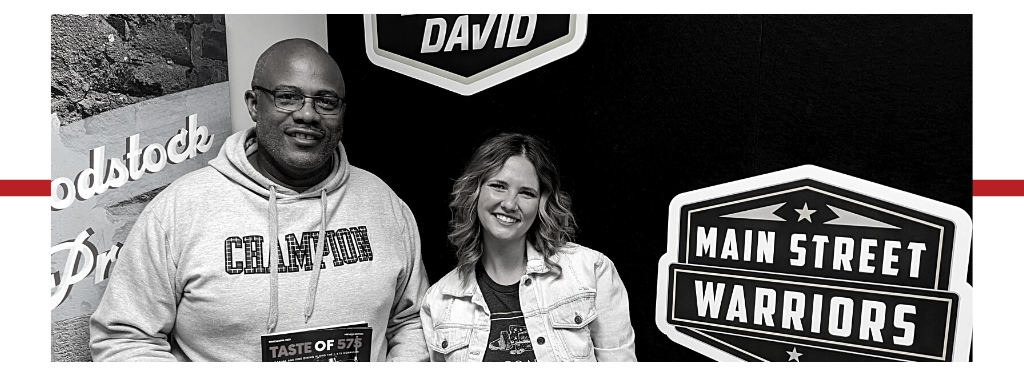
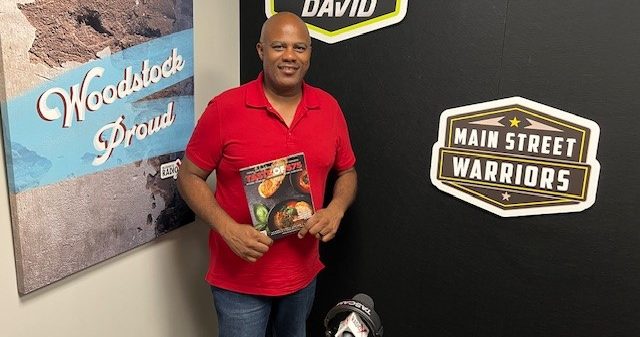
Gerald-Griffith-Corridor-PublishingGerald Griffith is the owner and founder of Corridor Publishing, the parent company of Taste of 575 and other brands currently under development. He relocated to Cherokee County in 2009 from Northern Virginia with his wife and kids.

During his time here, Gerald has continued to be very active in the business community. Until 2022, he spent most of his time working as the Executive Producer of an international conference for Professional Voice Actors, VO Atlanta. When that ended, he pivoted to focus on local efforts and interest.

With a degree in computer technology, experience as a combat veteran in the United States Army, and a background in graphic design and printing, Gerald started Corridor Publishing. The company represents several brands, but is currently focused on the Taste of 575, a food and dining guide, and Corridor Printing, a small printing business that offers custom printing services and support.

Gerald is proud to call Cherokee County home and greatly values the many friendships he has established over the years. Through his new business, he hopes to continue making an impact in the area and encouraging others along the way.

Follow Corridor Publishing on Facebook, Instagram and Twitter.

This transcript is machine transcribed by Sonix

TRANSCRIPT

Intro: Coming to you live from the Business RadioX studio in Woodstock, Georgia. This is Fearless formula with Sharon Cline.

Sharon Cline: And welcome to Friday. Fearless formula on Business RadioX. And this is your host, Sharon Cline. And this is where we talk about the ups and downs of the business world and offer words of wisdom for business success. And today on the show we have the owner of and founder of Corridor Publishing. This is the parent company that publishes Taste of 575 magazine. I’m very excited to talk to Gerald Griffith. Hello.

Gerald Griffith: Hey, Sharon. How’s it going? Good. How are you? I’m doing wonderful.

Sharon Cline: Yay. I’m so glad to have you on the show. It’s been interesting because I have noticed this magazine like for a couple issues now. And one of the reasons that I had Sylvie on our on our show is because you had interviewed them for your magazine. And so I think it’s funny how our like, worlds kind of all overlap and collide like that. So thank.

Gerald Griffith: You. It’s a small.

Sharon Cline: Community. It is. And now they’re like good friends of mine, which is so crazy. All right, so I’ve been reading your bio and you’ve been around Cherokee County for quite a while, but you started in Jacksonville, Florida, which is where I’m originally from. And then you were in Savannah in the military and you were in radio, which is cool. So tell me about that.

Gerald Griffith: Well, I tend to get involved in a lot of things. My travel time was when I was doing in the military, so when I left Jacksonville, I was in the Army and went to Korea, then ended up back in Fort Stewart, Georgia, and at the time ended up in radio after coming back from Desert Storm. And oh wow, I didn’t.

Sharon Cline: Even know you were at Desert.

Gerald Griffith: Storm. Yeah. So I had a chance to to do a short stint in radio and ended up moving back into Florida, then up north doing it stuff for a while. So my, my degree in technology is kind of what I did in college, things like that. So. Wow. Just dabbled in a lot of different things and have fun learning all the way.

Sharon Cline: You’re like a jack of all trades kind of person, don’t you think? You know, if you’ve got a lot of different skills and a lot of different places. So yeah, the.

Gerald Griffith: Funny thing about that phrase, it’s just a really quick story with that is, you know, most people will say that and they’ll have mixed intent when they say it. Sometimes, but the actual phrase is jack of all trades. Master of none is oft times better than a master of one.

Sharon Cline: Listen to that. I never actually knew that whole phrase. Yeah.

Gerald Griffith: So it was intended as a compliment that a person could do a lot of different things, which meant in the theater world, they were more useful to the production. Oh, instead of someone who was a one trick pony.

Sharon Cline: So that’s you. You’re useful in lots of ways. I like to think so.

Gerald Griffith: So when I heard the whole thing, I was like, Oh my gosh. All this time they were cheating me out of a compliment.

Sharon Cline: Heck, yeah. Yeah. I’m glad to know that whole story. Because it’s funny sometimes that’s referred to me because I have like my, I don’t know, my toe in lots of different places. So I do appreciate the idea of saying, you know, you have a lot of diverse skills that can be plugged into different places. I actually didn’t think about it like that.

Gerald Griffith: Yeah. And a lot of things are like that because, you know, you just have to be able to do different things. Communication skills is an important thing. Being able to talk to people on a lot of different levels, being able to work in a technology space. So when I was in corporate, I would have to work with people in the call center who may have just started working with computers. But I’d also have to work work with the VP or the president of the company, who may also be new to computers, but their place in the company and what they needed from me was different.

Sharon Cline: So you have to shift your energy.

Gerald Griffith: A little bit. You’d have to shift and be able to be very dynamic in that process and then go back to the IT department and talk to people who were tech minded. Yes. So it comes in handy. And I think having grown up in a large family down in the South and always being around different people of different backgrounds, you you get used to talking to people from a lot of different walks of life and things like that. And so it just all layers on top of each other and works out well.

Sharon Cline: It does. I do think that’s a skill. There are some people who struggle in like that social setting, but like if you feel like you can talk to anybody at any time or at least find a commonality, there’s something kind of calming about it. You’re never going to feel like you’re in the wrong place.

Gerald Griffith: Absolutely. Absolutely. And people enjoy that when they feel that you’re not talking up to them or down to them, but you’re talking to them relating.

Sharon Cline: Absolutely. I love that. How did you like being in radio?

Gerald Griffith: I liked it. I did it. I think they gave me a shift. I’m still you know, in hindsight, I look at it, I don’t know if it was just because I was okay at radio or because they couldn’t find anyone else to work the midnight to 6 a.m. shift or something. It was a small gospel radio station there in Savannah, Georgia, on the river. And it was great. It was it was great to go there. And the only hard part about it was the hours between 3 and 5 Oh and that sleep.

Sharon Cline: Oh.

Gerald Griffith: Yeah, it was it was tough. I’d be walking around the studio trying to do all kinds of stuff to stay awake.

Sharon Cline: That’s like I always think about how like there are some cultures where that’s like your siesta time, that’s where you nap and then you get up at like 6:00 and then you, you’re up until like ten. But there’s something kind of am oh oh Am Oh, I thought you were talking about afternoon.

Gerald Griffith: This is 3 a.m. to 5 a.m.. Oh.

Sharon Cline: So you work night shifts and all that. Well no, I can’t imagine. Yeah.

Gerald Griffith: I was like, man, that’s a late siesta.

Sharon Cline: I don’t like I was. But although I do get that thing where after lunch, I’m like, so tired. I know, you.

Gerald Griffith: Know, I know. But it was. It was great. I think it was always a good experience. I think back even in the summers, I would go to Fernandina Beach and be in a church setting. And so my brother in law was had a band. They were in a church band thing that they would travel around. And so I would often go with them when I was there and help set up the equipment and things like that. So I’ve always been around that space. I’ve got a brother that’s into music a lot, and so it was a very common thing for me to work in the space of hooking up things and being around people and things of that nature.

Sharon Cline: How did you get involved in the corporate world then with it then? The path. Yeah.

Gerald Griffith: The funny thing is, when I came back and got out of the military and everything, I had a short stint working at Toyota. Oh. But I was doing it stuff. I had always done it. I just never thought about it as a job. And one day I did a test drive with this gentleman. He worked at an IT company and we were just on the test drive, just riding. And he was chatting with me and everything, and I was telling him about the things I had done with computers. And and so we get back from the test drive and before we get out of the car, he said, So why are you doing this? You said you really should be doing something else. You know, you should be working with computers. You definitely know enough about that. And I was like, Well, that’s just something I do for fun, you know? He said, Exactly. That’s the best kind of job to have. Wow. And from there, I just one thing led to another. It was right before Y2K, and opportunities were very plentiful in it at that time. And I went to Philadelphia, and that was that was when I started working in that area.

Sharon Cline: So you were part of the group of people that would say, change your date on your computer before midnight?

Gerald Griffith: You know, I was in it during that time.

Sharon Cline: Yeah. And the stickers that they used to have on the sides of computers that would say, don’t forget to make sure that you’ve backed up your computer because everything’s going to end in.

Gerald Griffith: Yeah, No one no one knew what was going to happen. Yeah, it’s like, oh my God, is this like a bad movie or something?

Sharon Cline: But nothing happened. But still, it was it was a concern. So that was interesting. That’s probably a very interesting time to be in it.

Gerald Griffith: It was. But but the cool thing about it was if you had an interest in it, there was somebody willing to train you or teach you things like that. And so it gave me a really big opening to jump into the space.

Sharon Cline: All right. So you were in it in Philadelphia for how long? How long was that your stint?

Gerald Griffith: I mean, well. Technically, I guess I’m still in it because I do some. But I worked at various companies because a lot of the companies were getting bought and sold past that time. So I had the opportunity to find myself in a lot of transitions between one company to another. I went to Nextel and then about six months later they got bought by Sprint and it seemed like every company I’d go to like within six months or so they were bought by some other company which which always made life interesting. But yeah, but again, you just have to kind of get used to the transition. And a lot of those were contract things back then. And so just, you know, I worked at Ikea for a while for their headquarters, though. Interesting, which is just outside of Philadelphia.

Sharon Cline: Did you do it things for them as well? Oh, wow.

Gerald Griffith: I worked in the headquarters, which was behind the main showroom there. They had a small building. It was maybe three levels there. And most people don’t even realize it’s behind the building, but it’s back there and you go and they’d have all the internal workings of that headquarters location for North America.

Sharon Cline: Wow. Yeah. And then okay, so after I’m trying to like, I’m leading up your story to this magazine.

Gerald Griffith: So it’s all good.

Sharon Cline: It’s all good. So what happened after that? Like, where did you go after that.

Gerald Griffith: Ultimately ended up at Washington Gas light in in Maryland? Okay. So I had an opportunity to come down to Maryland did that And. Gosh, I was I was there when 9/11 happened. In fact, I was a few blocks from the Pentagon when nine over 11 happened. So that was that was a very interesting day.

Sharon Cline: Can’t imagine.

Gerald Griffith: Yeah, it was. It was it was it was another scene out of a movie. I looked out the window and you could see all these people running. And I kind of stood there a little perplexed as to where they’re running to. Where are they running from? They they didn’t know. They were just running somewhere. I just wanted to have lunch. Whatever was happening was way outside of my control. Wow. But I did it for the public utility there. And so we were in the Virginia area for about eight or about 8 to 10 years. We were there before moving to Georgia.

Sharon Cline: All right. So you get to Georgia, you get here to Woodstock or Cherokee County.

Gerald Griffith: We’ve always lived here in Woodstock.

Sharon Cline: So you’ve seen a huge change in Woodstock over the last, well, I don’t know, ten, 12 years.

Gerald Griffith: Oh, yeah. Yeah. There’s definitely a few more storage facilities and car washes and things of that nature. Absolutely.

Sharon Cline: Pretty soon, a little boutique hotel down the street. I know.

Gerald Griffith: It’ll probably have a car wash for you and.

Sharon Cline: Storage.

Gerald Griffith: And that storage.

Sharon Cline: Funny.

Gerald Griffith: But it’s it’s, you know, the community overall reminds me a lot of the community we moved from in Virginia. So. Life happens around it. It grows, it expands, the roads get wider. It’s that that inevitable conflict between people want better roads, they want better things, but they don’t want more people that that ultimately support those things, you know? So there’s that weird relationship there. But I mean, we moved here, you know, our kids were really young at the time, so they’ve grown up. My daughter graduated from Ottawa High School and now up the street attends KSU, and my son is a junior at Ottawa High School and working on engineering pathway program there and everything. So it’s it’s been good You know we’ve we live in town. Lake so the community was already built out so for us it. A lot of the growth and things that people experience in a lot of the newer communities around here, we don’t have because Townlake was built in the early 90s. Got you. So so it’s pretty stable in terms of once you get off exit eight and you go down there, it’s pretty much it’s established.

Sharon Cline: Yeah, very established thing.

Gerald Griffith: So that’s been really good. And you know, I have to say, we we landed on a really good street with really great neighbors. We met most of them when a tree fell in our yard the weekend we were moving in. Oh my goodness. But the neighbors all came out and probably within an hour or two there were like 20 people out there with some type of chainsaw or something, whatever they had that day. And they helped help break it all down and stack it all to the side. And that’s how I met most of my neighbors. But it’s been great. I mean, you know, when you’re in a neighborhood and we did we used to do movie nights a lot out on out on one of the neighbors driveway and and everything. And you always felt like like I tell my kids, hey, if anything ever happens, do you ever feel afraid you can go to any of the neighbor’s house and you didn’t have to worry about it?

Sharon Cline: Pretty priceless.

Gerald Griffith: So it was really good.

Sharon Cline: Okay. And so now. Ten years later. 11 years later. We have Taste of 575 Magazine. Can you tell me how this came about?

Gerald Griffith: Well, part of what I did during that interim time before starting this at the end of last year, early this year, was that I worked on on a conference that I did for professional voice actors and ran that for ten years. So I was in a lot of event planning and things. But the interesting part about that is that most of the interaction I had was always outside of the community. Which was really odd because here I would run this conference, which ended up being the largest conference of its kind in the world. But then I’d come home and it didn’t mean anything to anybody. They didn’t they didn’t know anything about it. So it was always weird because I’d go down to the hotel and I’m on the stage in front of the hundreds and hundreds of people welcoming to this conference. And then I’d come back home and it’s like, Hey, can you remember to take the garbage out on your way back down to the conference? I was like, Wow, you know, I’m a nobody again.

Sharon Cline: I wish I had gone. I you know, I think I told you I was just starting voice overs before, Right? Right. At the time the pandemic started. And so I never got because they shut. They still.

Gerald Griffith: Have it. Yeah, they still do it. Someone took it over for me back in 22. And so that created an interesting vacuum because when you grow something from 120 or 30 people and then it’s closer to a thousand people, it’s it’s a pretty big transition between those two. But one of the things that that Covid spurred was this realization that while it’s great to deal with people from all over the world and all over the country and everything, that ultimately they’re not my literal community. So when all those things went away because of Covid and we’re shut down, you know, I had to look at I really didn’t have a strong connection to the people and the community as I would have liked to have because so many things were just dependent on things outside of the community. But Covid shot a lot of that down. So you kind of have to start in a little way. And I had connections to a certain business networks and stuff like that, but most of my interaction was outside of the community. So, you know, you fast forward to the time know, I’ve moved beyond the conference and then you’re like, okay, what do you want to do? And one of the things I kind of set out to do even during the conference phase, was figuring out how to to provide some type of resource or services or something that weren’t just dependent on, say, being Woodstock.

Gerald Griffith: And then I said, Well, you know, maybe I’ll do something at the county level. And I was like, Well, there’s already things done there as well. And I was like, okay, well, how do you how do you really tie together something that isn’t like your neighborhood, which would be an HOA level or city or county? And then one day it dawned on me that the one thing we all share in this area is 575. You know, we go up and down the road all the time. You know, if you live in battleground, you probably still go to Kennesaw. If you live in Kennesaw, you may go to Canton, you know, But there’s that spur that that we all travel up and down without even thinking about it. So I decided at that point to treat the area more as a single entity while overlooking the the the existing boundaries. So it’s not about a specific neighborhood. It’s not about a specific city, you know, because there’s six main cities and what I call the corridor, there’s you start down in Marietta, you go into Kennesaw Acworth, Woodstock, Canton, battleground.

Sharon Cline: Truth, You’re.

Gerald Griffith: Right. So altogether it’s about 310mi². It’s a little over a half a million people in there and things like that. So so it’s a pretty big area. But the nice thing about it is that it’s 13 zip codes and there’s so much that happens in it that you’re continually discovering things, which is what spurred a lot of it. Because even now, when I purposely set out to seek things, I still have conversations with people say, Hey, I saw that this location wasn’t in there, you know, you should add them. I’m like, Who are they? Where are they? And they’re like, Well, they’re right down there. They’ve been there like 20 years. I’m like. Who knew, Right. And so you’re constantly finding what I call stuff beyond the tree line, right? You don’t see it. They may not advertise a lot. You don’t know they’re there. And so it’s not even just the food thing. It’s like a lot of things that are just beyond the tree line and you don’t know about them until somebody that you’re talking to one day mentions it to you like, Hey, Sharon, did you know that such and such was over there? And you’re like, No, what? I was driving to wherever to do this. Yeah. And so the goal with it is to. To create resources that allow people to know what’s around them without feeling like, I have to go to Alpharetta, I have to go to Roswell, I have to go to Atlanta. I have to go to Cartersville. I have to go somewhere else where there are so many things right here.

Sharon Cline: Was it natural? Was it natural for you to go the food route and focus on the restaurants?

Gerald Griffith: Well, I think it ended up with the food route because I think we were on vacation somewhere and they had a food magazine. And I said, Well, because I originally started off with a guide to 575, and that was more general purpose. And I found that it was very difficult to try to cover everything for everybody. And then when I went somewhere and I saw that they had a food specific one, I said, you know, that works. Why not create more specific targeted?

Sharon Cline: I love that. It’s needed because there isn’t one exactly like this. Right.

Gerald Griffith: And so this is just one because, again, quarter publishing represents a number of things. So the first one is food and dining. There will be a resource I’ll bring online for outdoors and that’ll cover like your fishing, biking, hunting, swimming, you know, all these kind of things. Anything that doesn’t require a referee is what I call it, a referee. Yeah, because people will say, Well, it’s going to have sports. And I was like, that has referees and no, it doesn’t. But, but boating and things like that. Absolutely. Hiking, biking, all those kind of things. Sure. They can be in there fishing. Yes. Then I want to have one for arts and theater type stuff. So that’s called the arts on 575. And that’s for your theater and galleries and things like that. And then the last one was called The Sounds of 575, and that’s more of your entertainment venues, you know, festivals, events, things like that. So that would be a go to guide for you wanting to know what’s happening in the area. Now, the natural inclination a lot is people say, Well, can’t you just get that off Google or get that off of the online resources and the answer is largely yes, you can. But I can tell you that it was maybe a week or two ago I was sitting there and I pulled up, I think it was Yelp or TripAdvisor or one of those. And I searched for restaurants in Cherokee County. So it brings up these listings and I’m like, Wow, I haven’t even heard of these restaurants before. Well, you know, I hadn’t heard of them before because they weren’t in Cherokee County.

Sharon Cline: Oh, really?

Gerald Griffith: Right.

Sharon Cline: They didn’t specifically make them.

Gerald Griffith: They, they, they put the fact that they’re sponsored in such a nondescript way that when you first look at it, you don’t know that. But none of the ten listings at the very top five on each row, not a single one of them was in Cherokee County.

Sharon Cline: Interesting.

Gerald Griffith: And so and it’s also very distracting. So you go in there and you’re just looking for somewhere to go for brunch and all these listings that keep coming up, you get all excited. But it’s in Atlanta. Yeah, it’s in Alpharetta. Some of them was in Decatur. I was like, How do you get from Woodstock to Decatur?

Sharon Cline: That’s so interesting because it’s like you are specifically putting in an area and it’s not listening to you at all. Yeah, and that’s not helpful. You’re right. It’s frustrating. That’s happened to me as well. So now you have.

Gerald Griffith: That’s why my corridor always focuses on on what’s here. And if something is outside the area, it’ll be very well indicated that it’s a sponsored thing and you know where it’s located or something like that. But the main listings of them are all in this area.

Sharon Cline: What has been the most surprising to you as you’ve had this magazine become published?

Gerald Griffith: Wow. Well, probably the easy part of that is realizing just how many places there are. Yeah. Even when you start off and you start doing your searches, you realize that there are a lot of places that for one reason or another, just don’t show up even when you do a Google search. There are places that I will only find online when I know their name. You do a specific search specifically for their name, but if I just search for barbecue or search for French or whatever, they may never show up. Wow. Because a lot of them just don’t advertise. They they they’re not tech people. They’re restaurant people, small restaurant people. They’re working hard. They do great things. They have great food, great establishment. They just don’t have the bandwidth to take on all the extra stuff.

Sharon Cline: So it’s just been so surprising how many restaurants are out there that no one’s heard of. Yeah.

Gerald Griffith: I mean, there’s over there’s like 115in the magazine right now. Wow.

Sharon Cline: Yeah. Is there one that you just were. Just want to shout to the to the rooftops is so good.

Gerald Griffith: No, because then gonna get in trouble.

Sharon Cline: Oh, I didn’t put you in an awkward position. Didn’t I? No. Well, no, I guess I’m saying, like. Well, they’re kind of gems, right? They’re hidden gems.

Gerald Griffith: So. So that’s where it gets interesting because they really. They all have their strengths. I think they’re unique and. It’s always a little tricky for me to get into one versus another because my mission with this is more so to raise awareness for the community of restaurants or businesses that I’m dealing with. And so it’s not really one versus the other. It’s maybe just finding the ones that fit for you. I tell people, you know, go out and try them all. You know, the goal is that someone doesn’t have to drive to Milton to eat. They can go to Canton and try somewhere new. They can go to Marietta Square and try something new. They can go to ball ground and try something new. Realizing that all I have to do is hop on one road, get off a couple exits away and I can experience something new. But I will say, I will say probably the most unique place if I had to point out something because this is very specific to them. Okay, there’s a nouveau amigos, which is a Mexican restaurant right on Sixes Road. And the unique part about them is that they sit atop a hill, they’re right next to Bab Tavern over there, which I also like, but they’re in a shopping area, so it’s more of a traditional setup. You drive by, you see them there, but Two Amigos is unique in the sense that you really don’t notice them from the road.

Gerald Griffith: I never knew they were there and I was like, What is this place? You know, we were searching something. I was like, Where is this place? And so my wife and I went there for brunch one Sunday and you drive in the parking lot is a little bit on a hill. Then you go on up and then you walk out and there’s this absolutely gorgeous view. Oh, I love out the back. And you can see like the mountains and everything. And so they have this large yard area. There’s a big fire pit. There’s a giant water fountain there. And so I have to say it’s the most unique setting that that I’ve experienced in the area. And there are other places that have great views as well. I know Jay Michael Prime up in Canton as well. They have a nice view, but it’s a small balcony type thing, whereas Los Amigos is like giant space out back. And it was really, really unique in that way. So in those situations, yes, I think some of them are better fit from the place where they’re located and things like that. But as far as the restaurants themselves, they’re each unique. I go to dive a lot. They have great food. They’re right there near Riverstone Bistro, who has a nice rooftop bar as well. And there’s just a number of them that are unique in their own way. That’s why it’s so much fun to to explore, Right.

Sharon Cline: Because there’s room for everyone.

Gerald Griffith: Yeah, absolutely. And we continue to find new ones, which is.

Sharon Cline: It’s a crazy. Right.

Gerald Griffith: Absolutely incredible. There’s a place I just discovered the other day. I was coming back and I was on Chastain Road, I believe it is. I was sitting at a traffic light and I saw that this place called Churros and I was like, I think it’s tourist. Yeah, I’m pretty sure it is. Yeah. It’s a Brazilian steakhouse that just opened, like two months ago, and I was like, Oh, that’s interesting. Let me go over there and stop in. And I went in and I’m a low carb guy, so I eat a lot of meats, you know, kind of thing. And the meats were phenomenal. I mean, they were they were really, really good. I didn’t have to add anything to the no salt, no pepper, nothing. It was just super flavorful meat. And it was all these different types on the skewers and the guy cut it for you and everything. It was great. But they sat down this hill. You really didn’t see them from the road just driving by. And because they were new, they’re still trying to get the word out. So I was able to go in and met the owner for a moment, was able to add them in the latest, latest edition of the magazine.

Sharon Cline: And so do you feel like people are getting to know who you are? Like, can you be the anonymous, just regular customer for now? For now, I’m thinking if people are, you’re going to start getting recognized. And like you said, you like being the under the radar, just regular representative of whatever, you know, normal person who’s eating dinner.

Gerald Griffith: There’s always that trade off because one of one of the the pros and cons, if there’s such a phrase here, is that when you’re in a smaller community, I think it’s harder to stay arm’s length. At some point you’ve got to get in, you’ve got to get in it. You know, you’ve got to jump in and you’ve got to meet people and you’ve got to give them a chance to meet you. Because I think in a larger city, if we were in Atlanta or something like that, or even a lot closer to Atlanta, where you’re you’re sharing, you know, 4 million people. There’s probably hundreds and hundreds and hundreds of restaurants down there. So you can stay a little more arm’s length because it’s more of the business of it all. But I think when you get to communities like this area, people kind of want to know you a little more. They want to meet you a little more. They want to know a little more about you. They want to know how you connect to the community, things like that. And so I think that as time goes on, they see me more, they meet me more, they know that while, yes, I’d love for you to advertise, it’s not a requirement. You know, I’m not going to see you as a worse or better place because you do or don’t advertise with me.

Sharon Cline: Got you. Is there. Is there something you wish you knew before you got started publishing this magazine that could have helped you along the way? Or are there any sort of lessons that you have that you would want to tell somebody else if they were interested in starting a magazine?

Gerald Griffith: Well, probably the best thing to know would have been all the the numbers to the Powerball.

Sharon Cline: Oh, my gosh.

Gerald Griffith: That would have probably shortened the process a lot. But no, I think I think the thing is, having having in high school learned printing and graphics and being able to largely design and put the magazine together myself, I had an assistant who helped me some with it as well. But that makes it a lot easier. I think it’s definitely like anything else, you know, when you look at it from a distance, you think you kind of know what’s what it takes to get going. And as life would have, it is always a lot more to it than than you think it is. But fortunately, in the process, I was able to add a lot of printing equipment and have a background in that. So I’m able to print some of the magazines myself, especially like the samples and things, because the quality is very important and I think that’s what I want people to see when they look at it, is that this is not just some throw out there magazine. I want the images to be great. I want the restaurants to look at it and feel great. There’s a section in the back where, you know, I have the restaurants have an opportunity to add their menu, to showcase what their menu looks like, not what everybody else’s menu looks like, but what theirs looks like. Got you. So that’s an area where I sometimes say that, you know, we grew up there was always that drawer in the house where you toss all the recipes. Well, I want the magazine to be able to be either on the coffee table or in that drawer, because you know that whenever you want to find something to eat, you can easily look through the menus or you can go to the website, taste a five 75.com and you could easily search from anywhere in this area. It’ll show you where you are on the map. It’ll show you the restaurants that are around you. You can filter on different things and it’ll help you and you know that it focuses on this area.

Sharon Cline: So you’ve got a physical printed magazine, but you also have the online version.

Gerald Griffith: Yes, there’s a digital version of it all. The content is also in the website and we’re getting to where I’m adding a lot more content to the website. And ultimately I’d love to be adding in some video segments and things like that. So it’s like one step at a time.

Sharon Cline: But was there any kind of question about having a physical magazine as opposed to something online? We had talked briefly about that. Like so many people go online and do searches for things, but I personally, just as because I’m an old person, I like the physical magazine. I like being able to flip through and look. And there’s just something nice about it.

Gerald Griffith: Yeah, I see it as an all of the above approach. So I grew up in a certain age where we learned how to write cursive and we had pencils and paper and things like that. And the funny thing is I talk to people and they, they have this notion almost that because things are digital, that somehow everybody went digital and there’s nobody left. And that is so false. There are plenty of people who don’t have any social media accounts. There are plenty of people who still write checks. They still get the paper, still get the paper. And sure, it’s not as many as there once were, but that’s okay. I think they deserve to have a place where they can sit at the doctor’s office and thumb through a magazine, see beautiful images that represent the dining opportunities and the area. They know they’re fairly close to home. They can drive to them, they can go check them out when they have a chance and things like that. And so it was never a thing of me saying, Oh, well, let’s go all digital and just keep it all easy. No, I have a distributor that puts the magazine out in over 200 and nearly 250 locations around the area, and I’m working on some other things to put it in close to 20,000 homes on a regular basis.

Sharon Cline: So that’s amazing. Yeah, it’s exciting, isn’t it?

Gerald Griffith: It is draining, but exciting, draining.

Sharon Cline: How do you balance your home life and doing this magazine?

Gerald Griffith: Oh, my gosh. I’m glad my wife’s not here with me answering that question. But it’s, you know, I don’t know. I think that. You just take it a day at a time and you you look at it like I do in the sense that you learn to appreciate the process. Because in some ways, as much as small businesses want to start off and grow right out of the gate, there are some things you need to learn along the way. There are some experiences you need to have along the way so that when those bigger opportunities come up, you’re ready for them. You know, there are people I know now that I could reach out to and ask for referrals or ask to give a plug, but I’m waiting till the right time when I’ve gotten to the right place because you don’t want to spend those opportunities early on. And then you get a bunch of attention and all of a sudden you’re really not ready for it because that could be a bad thing because you may never get that chance to make that first impression. And so I think it’s important sometimes as a as a newer publication to to try to find your identity. So in my case, it’s it’s being very specific about who you’re trying to reach. When you see that magazine lying on the table, I want you to know it’s food and dining, whether it’s upright on the front or the back. I want you to know it has something to do with food and dining. And all of the publications will follow that same type of approach.

Sharon Cline: Do you use a specific photographer? Like, do you have resources that way or do you kind of find someone that you need to be able to take a picture of this particular dish at this restaurant?

Gerald Griffith: It varies. I don’t have I have a photographer that I work with for some restaurants who need to upgrade their images. That does get to be a little tricky sometimes because they may feel like they have images that are great, but because of the your vision, the look and feel for where I want the magazine to sit, sometimes I have to find gentle ways to say, Hey, look, you know, I’m not saying yours are bad. They’re just not good for this. This.

Sharon Cline: Oh, interesting.

Gerald Griffith: Because I need the images to speak. I don’t do a bunch of coupon stuff. And there it’s not that kind of magazine. It’s not a penny pincher or a money mailer type things. Those things all have their place. I want the magazine to have a certain look and feel so that when person picks it up, they feel good about the magazine, they feel good about the images. I want that to transfer to. Let me find somewhere in here to go eat, you know, to spend my my time and my money.

Sharon Cline: I love that. On the front, you say don’t travel for more than 100 restaurants close to home. It does make you feel like, well, I don’t have to go all the way over to Avalon or I don’t have to go down south of Kennesaw. You know, I love that you are focusing on people that are directly, like you said, in your community.

Gerald Griffith: Absolutely. I don’t think there’s anything in there that if you were at the farthest tip of ball ground, you could reach the farthest end of Marietta within like 30 minutes, partly because the highway is a thousand an hour.

Sharon Cline: But and it’s 575. Yeah.

Gerald Griffith: But, but that’s the idea that you don’t have to go far. There are a lot of things here. We’re going to be doing some things later highlighting some of even some of the vineyards. We don’t have a lot that are directly and there are couple that are in the area, but they’re pretty close. Yeah, there are vineyards in there. There’s just so many varieties and some of the restaurants are a little higher end than others. But that’s the beauty of it, that if you want to go out that really special occasion, you can do that. If you want to go to something a little more casual, you can do that. But the nice thing about being in the suburbs is that the line between super fancy and super casual is not as structured as it is if you’re in the big city. Truth. You know, we went to an event, my wife and I went to an event at MetLife and we were just fairly casually. But but you know, it was a nice casual, I guess. But we left and we went over to Aspen’s, which is on the on the fringe of, of my area. But it was nice.

Gerald Griffith: I mean, we went in and we had an appetizer. We really enjoyed ourselves. It was a great experience going there. But we just continue to try to find places in there and that is a big commitment I have because sometimes, you know, I want something simple, but I say, You know what, I’m going to frequent places and there and I’ve gotten through probably more than half of them at this point. But it’s fun to go in and there’s probably only been a couple of instances where I’ve elected to reconsider someone being on the list. I’ll put it like that. Interesting. Not that they were bad or anything like that, but the general rule of thumb for me is if I visit a place and I don’t feel like I can encourage you to come, or if you mentioned it and I had to hesitate, I probably would just leave them off. So I don’t want to ever have to hesitate about a place that’s in the magazine. If you were to mention, Hey, we’re thinking about checking out this place, I want to be able to wholeheartedly say, Definitely check it out. Let me know what you think.

Sharon Cline: Well, would you say that you have a fearless formula? Like what? What? What gives you courage? If there are moments where you’re sort of like, I’m in over my head or this isn’t working the way I thought it would like, what is your way that you manage the natural sort of trappings of being a small business owner?

Gerald Griffith: Yeah, well, let me spend that a little bit. I think as a small business owner, you should be over your head because if you’re just standing there, you’re probably not taking any chances. You’re probably not making a big impact on something because you’re playing it safe. You know, the nature of it is that you’re doing something different. You’re doing something that’s not safe. If you want it safe, get a 9 to 5. You know, if you want to venture to gain something big or make a big impact or a huge splash, you’re going to have to get out of out of your comfort zone and again, be understanding of the fact that it’s a process. You know, it doesn’t matter how much you want it to happen. Right now, I we say it’s more akin to farming than hunting.

Sharon Cline: Interesting. How is that how is it more?

Gerald Griffith: Well, if you think about it, like, you know, if I were going to be hunting. Right, I would go and I would get whatever type of tools I need for hunting or traps or rifles or whatever. And if I know generally where to go, I can go. And and then one day I’ve accomplished my hunt. Right? It’s pretty straightforward process. But in farming, it requires a different level of patience. It’s not based on if you can sit in the stand or something for a couple of hours is if you can be patient for months and for weeks. And if you can realize that I’m going to plant this crop over here, it’s not going to even sprout for a while. It doesn’t mean that nothing’s happening. It means that now I’ve got to prep the soil on the other area and then I’ve got to prep the soil on the other area and I got to come back and water and I got to do all these things. It’s a process that takes a lot of time sometimes before you ever even get to the signs that you’re on the right track.

Sharon Cline: So it’s that delayed gratification.

Gerald Griffith: Oh, very delayed.

Sharon Cline: Very delayed.

Speaker3: Extra delayed.

Gerald Griffith: Super delayed. But there’s there’s a certain there’s a certain. Accomplishment to it and you constantly evaluate it. The nice thing is that there are a lot of resources that are available these days. I benefit from a lot of the business relationships that I’ve met in the community. I’ve also participated in the Small Business Development Center down at KSU. And then there’s another organization that started not long ago called Hatch Bridge down at KSU as well. And I go in and be able to work through some business ideas and concepts and conversations and things like that. So I think if people are trying to do things, you know, take advantage of the opportunities that are out there and most of them are programs that are sometimes run by the state or different things, so they’re not expecting you to pay. They know you’re starting and they have resources available to help you, but you’ve got to be willing to put in the work.

Sharon Cline: That’s your fearless formula.

Gerald Griffith: Yeah, but in the work. Put in the work. Take. Take it a day at a time. And sometimes you just. I get to where I’m sitting there sometimes. And I’m on fumes. And I just have to ask myself, you know, have you done everything you could do today? And then you say. Pretty much. It’s okay, Shut it down. Go to bed.

Sharon Cline: I like that. Because there’s a little element of I can’t control the universe. I can only control myself. And what’s supposed to happen will happen. And there’s always like a surrender, you know, to it.

Gerald Griffith: Yeah. When I had this phrase, which I think will be applicable here, when when I was doing the conference, I would say, you know, it’s not my job to make things happen. It’s my job to create an environment in which great things can happen.

Sharon Cline: Nice. So you’re the the behind the scenes.

Gerald Griffith: I like being behind the scenes, but I like I don’t know, you know, I’m so conflicted on that sometimes because I like having an element of presence, but I don’t want it to just be about me.

Sharon Cline: I’m the exact same. I was talking about this recently with Jose Fanciullo, who was on the show with his company Front Porch Advisors, and we were talking about before the show how I like to ask the questions. I don’t like it to be about me. I want it to be about you. But I do ask the question, so there’s like, I’m in it. But it’s more about like, how do you feel at the end of the interview? How do you like do you feel like you were heard? And so it’s funny. It’s like, yeah, I’m part of it, but like I don’t like it about me. I like it about the person who’s here. So but you have to be part of it too. So it’s like.

Speaker3: A little weird, like a.

Gerald Griffith: Funny thing. You know, I was thinking about, as you were saying this and I’m thinking like, well, what would success look like and feel like for me with with, say, the Taste of 575 magazine? And it’s one hand I could say, well, yeah, if I sign up all this stuff and generate all this revenue and that would be true. But I think the bigger prize for me would be able to point to a number of restaurants in there that say. Through the magazine, through the resources surrounding the magazine, that restaurant was able to point to growth. They were able to point to to more people knowing they existed. Because I really try to operate from the mindset that when you win, I win. And when I win, you win.

Speaker3: When wins.

Sharon Cline: Are there the.

Speaker3: Best? Yeah.

Gerald Griffith: And people say, Yeah, but you’re just making money or something like, sure, but guess what? I want my growth of money to be directly connected to your growth of money. And so I want your tail to be full too. I don’t want it to be empty while mine is full because then that doesn’t work long. So I want to get to that place where when you walk in, you know, people can have that that ongoing testimonial that says, Man, it’s so great working with you guys. I love being in the magazine.

Speaker3: Thank you.

Gerald Griffith: It’s great to know we have a lot of tourists that come through the area as well. So one of the things we do is make sure the magazine we have it in 20 hotels and stuff in the area, and we emphasize that in the distribution to make sure that when people visit the area, they tend to look for something to eat, right? So if they’re left to just shopping online, they’re going to end up in those places. They’re going to end up in Alpharetta because that’s what’s going to come up in the search, because those people pay to sponsor to be at the top of those searches, whereas I prioritize everything within the corridor. You know, it’s not to say that someone couldn’t do an app, but I prioritize things that are local. So you can rest assured that there’s always an emphasis on local first.

Sharon Cline: Well, if someone wanted to get in touch with you, either to talk about being in the magazine or kind of talk about advertising in some way, anything, how could they how could they reach you?

Gerald Griffith: The best way is to just go to taste of 575. Com. There’s a link there for advertising. There’s a link there for contact and everything like that.

Speaker3: And like if it’s a.

Sharon Cline: Restaurant owner who’s like, Oh my gosh, no one knows about my restaurant like they would if I was in this magazine, you know?

Gerald Griffith: And the neat thing, too, is that because I do a lot of printing as well, I help restaurants. Some of them now even redesign their menus and I print their menus for them and everything like that.

Sharon Cline: That’s so cool. Little side business.

Speaker3: Yeah.

Gerald Griffith: And so because I’m local, it works out great because they don’t have to order 500 of them at a time. They can order a smaller quantity. We can do the regular paper ones. We can do the synthetic plastic type ones and things like that. And but I always try to work with them. You know, I’m not a very I’m not very good at someone just saying, oh, you know, here’s the file, just print it. I look at it and I go, you know, okay, this looks great. This doesn’t if there are some challenges with it or opportunities to help them do better because I come from a printing background is know I’ll ask you know you know the font looks a little small or something and I noticed that your restaurant has somewhat dim lighting. So if your average patron is 30, 35 years old, dim lighting, small font doesn’t work. So maybe we’ll go to a larger size, or maybe we’ll reduce the number of items on it. So it’s a dialog. It’s a relationship there. Again, I want you to do well, and if helping you improve your menu and your customer experience helps you do well, then that’s what I want to be to you. I want to be a resource provider, not just a vendor.

Sharon Cline: Well, Gerald Griffith, Master of No, Jack of all trades, Master of none. But you have a lot of skills that are very useful. What was the phrase? Whatever that phrase was, it sounds like you’re.

Speaker3: In the exact right trades.

Gerald Griffith: Master of none is times better than a master.

Speaker3: Well, look at how.

Sharon Cline: All these different skills that you naturally have are just being all put together in one very successful publication, you know, and then how you’re impacting the community in such a positive way where you get to see the growth. And wouldn’t it be great to come back in like six months and talk about what you’ve learned along the way and how, you know, the different parts of your magazine? And if you can also point to, like you were saying, restaurants that feel like they’ve been able to really be highlighted and grow because of the gift that you’re giving them, you know?

Gerald Griffith: Absolutely. And that’s and that’s the best part.

Speaker3: Come back when.

Gerald Griffith: You can do well because you help other people.

Sharon Cline: Yes. Yeah. We’ll come back and we’ll talk about it again in like six months.

Speaker3: Or would love to.

Sharon Cline: Yay.

Gerald Griffith: Well, do some on location stuff. We’ll go out and.

Sharon Cline: I would love that too.

Gerald Griffith: Maybe one of the restaurants would be really nice and have a salad and we can just sit there and.

Speaker3: And chit chat.

Gerald Griffith: And chit chat and have some good food and talk about the specials and stuff.

Speaker3: Like that. Okay. Well, I.

Sharon Cline: Don’t see one downside, one not one downside to any of that. Sounds like a plan. All right. Well, thank you for coming to the show and sharing your story. I’m really excited to see where you go. It’ll be really.

Speaker3: Fun. Well, I.

Gerald Griffith: Appreciate you having me. It’s been a pleasure.

Sharon Cline: Awesome. Well, all of you, thank you for listening to Fearless Formula on Business RadioX. And again, this is Sharon Cline reminding you that with knowledge and understanding, we can all have our own fearless formula. Have a great day.

 

Tagged With: Corridor Publishing

Gerald Griffith with Corridor Publishing and Ashley Grier with The Board and Box

March 21, 2023 by angishields

Cherokee Business Radio
Gerald Griffith with Corridor Publishing and Ashley Grier with The Board and Box
Loading
00:00 /
RSS Feed
Share
Link
Embed

Download file

Sponsored by Business RadioX ® Main Street Warriors

Main-Street-Warriors-Banner

Gerald-Griffith-Corridor-Publishing-banner

Corridor Publishing started from the simple idea that there is much to love about the areas around I-575 and learning about those things shouldn’t only happen by accident. Corridor-Publishing-logo

That’s why we strive to make sure all of our products and services have a clear focus.  When you see our products on the stands somewhere, we want you to know what you’re getting.

Gerald-Griffith-Corridor-PublishingGerald Griffith, Media and Marketing Specialist with Corridor Publishing, enjoys learning and contributing to the success of others.

There’s nothing more exciting than the discovery of new things and working to bring people together.

After nearly a decade of leading an international conference, Gerald is now working closer to home to connect communities with many of the exciting options and activities that exist close to home.

Connect with Gerald on LinkedIn and follow Corridor Publishing on Facebook, Twitter and Instagram.

the-board-and-box-charcuterie-logo-1-e1664900543146

The Board and Box strives to make every event spectacular. Our goal is that your guests will stand in awe at the edible artwork and be left speechless. Hearing the compliment “it’s almost too pretty to eat” is music to our ears.

Each event that we take on is looked at as artwork and no two events are the same.

Ashley-Grier-with-The-Board-and-BoxAshley Grier,  Charcuterie Owner & Artist, The Board and Box.

Follow The Board and Box on Facebook and Instagram.

This transcript is machine transcribed by Sonix

TRANSCRIPT

Intro: [00:00:07] Broadcasting live from the Business RadioX Studios in Woodstock, Georgia. It’s time for Cherokee Business Radio. Now, here’s your host.

Stone Payton: [00:00:24] Welcome to another exciting and informative edition of Cherokee Business Radio Stone Payton here with you this morning. And today’s episode is brought to you in part by our local small business initiative, the Business RadioX Main Street Warriors Defending capitalism, promoting small business and supporting our local community. For more information, go to Main Street warriors.org and a special note of thanks to our title sponsor for the Cherokee chapter of Main Street Warriors Diesel David Inc. Please go check them out at diesel. David.com. Today is going to be a fantastic show. You guys are in for a real treat. First up on Cherokee business radio this morning please join me in welcoming back to the Business RadioX microphone with Corridor Publishing. Mr. Gerald Griffith. How are you, man?

Gerald Griffith: [00:01:19] I am doing well.

Stone Payton: [00:01:20] Well, you look good. You sound good. You got some exciting things happening. I had a chance to hear you talk a little bit about it At Freshstart Cherokee. We made our way up to reformation in Canton. As many people in town know. You know, Home Office for me is reformation right here in downtown Woodstock under the Elm tree. That’s where I have all my one on one meetings. Any serious business negotiations. It’s happening under that elm tree, but made my way up to reformation in Canton. And I was just so enamored with what you’ve got going on. So I got a thousand questions. I know we’re not going to get to them all, but maybe if you could share with me and our listeners mission purpose, what is it that you’re trying to accomplish with this corridor publishing?

Gerald Griffith: [00:02:03] Man Well, thanks for having me on again. It’s it’s been a little minute since I’ve been here with you and I’m sharing some other concepts. But the corridor publishing one is one I’m really excited about because as you know, I stopped doing my conference back at the end the start of 22 and realized that, wow, you know, I spent so much time working on projects outside of this community that once I stopped doing that project that I really needed to reconnect and find some things that were in the local area. So actually during the time of Covet. Came up with this idea of the corridor. And the corridor is interesting because there were there were resources that were available at the city level. There were resources that were available at the county level. But then it dawned on me that none of us really just operate in any of those. So if you’re in Woodstock, you go to Canton, you go to Kennesaw, you go to Acworth, which is North Cobb. And so I came up with this idea, which was, Hey, how about we base everything off of the I-5 75 corridor, which if people don’t realize it’s a 30 mile stretch of interstate, that that was started back in 1977. And so there are 13 zip codes that I define as the corridor, which covers just over half a million people in there. And so it was a it was a wonderful idea.

Gerald Griffith: [00:03:25] And the catch for me was always when I ride up and down the highway, I realize that it’s pretty big, actually. Yeah, it’s actually pretty big and soft. And I ask myself, you know, why couldn’t I just pick a neighborhood or a little area to work on instead of this massive one? But it’s it’s fun to get to know. And and that actually is a part of what inspired it all is that even though we operate in this area, things are fairly spread out sometimes and it’s easy to not know what’s happening, particularly when businesses and things are advertising. It’s hard for them to reach a larger audience because if you’re in Woodstock, you’d have to advertise in Woodstock things, but your audiences may be coming from Canton, so now you have to advertise in Canton things. And then if your audience is if you want to draw from Acworth, which is right down the road, then that’s another thing. And so it can be very cost prohibitive for businesses to really engage and market around the area where we all operate, which is the 575 corridor. So that’s one of the things that made the corridor fairly unique concept was that I didn’t operate on the city level or the county level. It was strictly based on the areas surrounding the I 575 corridor.

Stone Payton: [00:04:44] I love it. All right. So talk a little bit about the scope of this work, because it involves digital stuff. It involves beautiful magazines that I that I hope we get a chance to participate in as Business RadioX and Main Street Warriors. And it involves publishing for businesses and other organizations, right?

Gerald Griffith: [00:05:05] Absolutely. Well, one of the exciting things for me is that I’ve done a lot of things over my lifespan and started off in printing and graphics. So when I started working on some of this, it dawned on me. I was like, Wait a minute, you actually have a pretty good background in this stuff. And I use the example of a lot of people were to think about like Turner Broadcasting, representing a number of brands like CNN or Cartoon Network and different things. Corridor Publishing is modeled a little bit after that where there are several things that are represented under it, but they’re all a part of the same company. So by brands you’ll hear me talk about Taste of 575, which is the big one that we’re working on right now, which focuses on casual and fine dining in the area. So each brand has its own identity, means it has its own social media, it has its own outlines, its own formatting. Some will be print and digital, some may only be digital. It really just depends. But some of the other things are outdoors. On 575, which will be highlighting outdoor activities like boating, fishing, hunting.

Stone Payton: [00:06:10] Oh, you’re singing my song, man. I love everybody. My listeners know. You know, I love to hunt and fish. Yeah.

Gerald Griffith: [00:06:15] So that’s that’s one of them. There’s one called the Arts on 575 and that’ll highlight theater, visual and performing arts type things. And then there’s the sounds of 575, which will focus on entertainment and things that happen because you have a lot of things like Canton does a number of events from first Fridays to the riverfront, stuff to concerts and then Woodstock. Here in Woodstock, we have the amphitheater and a number of things that happen. But a lot of times if you’re like me, you don’t find out about a lot of these things until you see them in the newspaper. Right? And you’re like, Oh, I wish I knew that that was happening, right? And so that particular. Outlet and brand will focus on giving people a centralized resource they can tap into that highlights all the different activities that are coming up on the calendar. And that may be a quarterly because people tend to plan out a little bit further with some of that. And so it’ll highlight those things. But you know that any time you see a corridor publishing related brand, it focuses on those 13 zip codes.

Stone Payton: [00:07:16] I love it. I think it’s a brilliant idea. Let’s let’s pick one. And since you kind of you’ve got your energy right now on this taste of 575, say more about that, the content and how businesses like Business RadioX and so many of the people that who come through this studio, how do they participate?

Gerald Griffith: [00:07:35] Okay. So in the taste of 575, again, it stems from the idea that, you know, we’re constantly looking for new places to try to eat and drink and and obviously drink, but they’re often hard to find because, again, they don’t always advertise a lot. So this one is one of those hybrid things where there is a digital version of the guide, but there’s also a print one because I come up in an age where we were very tangible. We were used to touching things, writing with pencils and paper and things like that. So as much as I love digital, it is very important for me to also have it as a print version so that people can put it on a coffee table, they can put it, keep it in their car, but then it’s complemented with digital. So in the digital app, if someone went to the Android store or the or the Apple store on their device, they can search for taste of 575. And once they install that, it’ll allow them to see what restaurants are closest to them based on where they are at that moment. They can tap the button to get directions there. They can tap to see the holy cow.

Stone Payton: [00:08:36] Now, how far out is this app thing? When does that happen? Live now. It’s live now.

Gerald Griffith: [00:08:40] It’s live right now. Oh, baby. So they can tap into that. And then, of course, we have social media. But again, coming from an event planning background for the last ten years. So I partnered with some of these businesses, the restaurants and things to start actually having events because again, I think on a corridor level with it. So my hope is to highlight and elevate all of the restaurants and things that are in the guide. And so they’re casual and fine dining. So you won’t find like a McDonald’s or Burger King or anything in there. It tends to not be any large chain. They can be in there, but they just don’t they’re not the focus of it. It tends to be more places that you would not naturally find on your own. And when you go through there, you’re discovering stuff. Even people who’ve been here for years and years, they look through it and they go, I’ve never heard of a lot of these places like Bingo. That’s that’s exactly what I hoped you would say.

Stone Payton: [00:09:34] I love this idea. Since Holly and I moved to Woodstock. Family on both sides, they all love Woodstock. Half of them are moving here. Sorry, gang. And but we’re virtually we’re essentially a bed and breakfast. So many. And so I love the idea of setting out the magazine in the bedroom. And now I think I’ve got a little thing in in the living room that tells them how to get on the Internet. Right now, I’m going to tell them how to download the app. So I love it for that reason. And then Holly and I, you know, now we’re sort of empty nesters, so we go out a lot and but we it’s easy sometimes to get locked into some great places, but we don’t need to necessarily go to IPS every Friday night. Right, Right. Ips is great, but it’d be nice to be able to just, hey, you know, let’s go get in the magazine and pick one or let’s jump on the app. Yeah.

Gerald Griffith: [00:10:22] And so coming from the events side of things, I’m hoping to implement a number of things to create more engagement on both sides because I think the restaurants should take advantage of the opportunity to maybe have groups come in and talk about the restaurant. Because if if you just allow yourself to be like a big chain where it’s just people cycling through, then I think you miss a great opportunity to have those local connections, like you said, about going to IPS by now. If you’ve gone there regularly, you know some of the servers. Oh yeah, the owners. And so you want to create those opportunities where the business owners can actually engage with the audience. So for instance, in April I’m doing an event with C’est La Vie, the French restaurant that just opened in Canton. And so that’s going to be a nice wine dinner. But as part of that, I’ll sit down and talk with the owners and we’ll have like mics and speakers and stuff so that people can understand, you know, what were the decisions that that went into you being here? What were the choices that even went into the menu that you have tonight? Tell us about the wine. Tell us about the food choices, things like that, so that it’s more of an experience. And because I do the small batches of the printing and I can customize that, we’ll customize a version of that that people will get their own taste of. 575 menu that will be branded and customized for the live event that will have the menu and everything in there. And so that’s just ways that coming from a very varied background of media to tie all these things together to make it an awesome experience and people will leave having a deeper connection. With that restaurant.

Stone Payton: [00:11:53] I love this this frame of experience that you’re putting around all of it. And you mentioned doing that. You really you are not only willing, you actually support and embrace the idea of these small, customized runs of of high quality quality printing. Yeah. Say more about that.

Gerald Griffith: [00:12:13] Well, I have, I have both. So I have a large printing company that I work with out of ball ground that will handle my larger general runs, which will be somewhere north of 8 to 10,000 copies. And by the end of the year, it’ll be like 30 to 40,000 copies that go out in the corridor. The the more customized versions come in handy when you’re doing very specialized events where you want to highlight your brand or highlight a particular organization. It doesn’t even have to be a restaurant on the cover. It can just say, like you do Road Warriors, your warriors, you can have it say, courtesy of your Warriors program, right? And then inside we customize for full size pages and there where you can just talk about your program. And so the wrapper is still the list of restaurants and things which add additional value to it. But every time they pick it up, they see your brand and every time they get to the middle of it, they learn more about your organization.

Stone Payton: [00:13:07] That is very cool. And then outside of the magazine, the app itself, like here in the studio with the Main Street Warriors program, it opens up sponsorship opportunities for smaller businesses. So if we wanted to do some small runs to highlight a certain brand around town and they did like notepads or some kind of promotional stuff around here, that’s something that’s you’re not just, Oh, okay, I’ll do it for stone. I mean, you’re you’re equipped and willing to do that.

Gerald Griffith: [00:13:34] Well, my first my first job experience was printing and graphics. Where I differ a little bit than some is I’m not out to be a quick copy shop type of thing. I really rather work with clients. Like if someone hands me their business card or whatever they’re doing, or even their idea to really try to work with them to make sure it’s designed in a way that complements what they’re trying to achieve with it. And then having the ability to print in-house things like banners and business cards, rack cards, brochures and things like that, it becomes very tailored. So an example of that is someone had a small calendar, like they had a challenge thing they were putting out and they had originally designed it as like a four by five type card, but there were 30, 30 days to this challenge and each of these were on a square and each square had type in it. So remember I said it’s four by five, which is already pretty small. Now imagine putting 30 squares on that. And so when I looked at it, they sent me over the link to their canva that they had worked on a resize that to an eight and a half 11 made the boxes larger, changed, align the dates a little differently and tweaked it. I did not change a word of text. None of their content was modified at all in terms of what it said. It was just reformatted, made larger and it looked completely different. And then I printed it off on a nice cardstock for them and gave them a little starter pack of it to get them going. But it was just like a night and day thing because I knew that it would better serve their audience. Yeah. And that’s that’s what matters because it’s not just about selling you a thing. It’s about providing you a solution to something. And there’s a big difference there.

Stone Payton: [00:15:14] All right. So the digital version of Test of 575 is out now. This app is available now. And to your earlier point, the app also facilitates and enables some some two way communication, some genuine engagement, I would think. Yeah, yeah.

Gerald Griffith: [00:15:29] There’s there’s a lot of things and there’ll be other things added to the app. But yes, they can see the digital version through the app as well. I use the app when I’m around the area. I’ll bring it up and I’ll just say what’s closest to me. You know, we’re going to.

Stone Payton: [00:15:39] Download it on my phone before you leave the studio.

Gerald Griffith: [00:15:42] And so I do use it and I’ll just punch the thing that says, Give me directions and it’ll it’ll route me over through it, through the Google map and things like that. And then I go in and I usually take a few pictures while I’m there and, and then I’ll share those on on my Facebook page or other social media outlets.

Stone Payton: [00:15:58] So what can we do to help? Are you out just talking to restaurants and potential advertisers?

Gerald Griffith: [00:16:05] Yeah, so I’m working right now. I’ve been in touch with the restaurants, but what I’m looking for supporting advertisers. So I’d love to get with Embassy Suites if they’re listening out there somewhere.

Stone Payton: [00:16:16] Okay, well, let’s get them in the studio, right. And we’ll have Ashley bribe them with a great charcuterie. That’s our next guest on the show is Ashley. And let’s get them in the studio. We’ll talk.

Gerald Griffith: [00:16:26] To them. Well, generally, what I what I try to say with the ads and it doesn’t have to be embassy suites or obviously a part of a much larger network. Right. Right. But what I look for is because God, I mean, taste the 575 is focused on a casual and fine dining experience. What I try to look at is, is this a service or product that someone would utilize as part of a good date night? Right. You may go stay overnight at a hotel just to. Get away from the house for a night, right? You may. You may rent a limo or something. Maybe you don’t want to drive, so you just go out. You may want to get some awesome jewelry to go. So a nice jewelry store would be great. You may want to dress up, so maybe a nice place that sells ball gowns or something like that may be in there. You may find any number of things that all kind of cater to that same idea.

Stone Payton: [00:17:16] I love your marketing mind because all of those things, they complement each other, right? That’s the group I want to reach. If I’m selling, you know, men’s higher end clothing or like you said, the ball gowns or and it is a good date night if you’re booking a hotel room, right? Ashley There’s a place.

Gerald Griffith: [00:17:32] I saw that.

Stone Payton: [00:17:33] It’s going to be a good, good a good day night.

Gerald Griffith: [00:17:35] They were they were on the back of a different magazine. I’ve got to reach out to them. But it’s a hair salon. And they had an awesome ad on the back of a magazine. And I was like, you know, that’s a style of ad that would would go in there because again, if you’re taking a lady out or something, she tends to want to go above and beyond. Sure. So having a very nice hairstyle done for the evening would be great. The biggest thing when I talk to people about advertising is having them understand that the ad needs to be consistent with the publication it’s in. Yeah. So if someone came and they said, Oh yeah, we can put a coupon on there, I’d be like, Wait, we don’t do coupons in here now you can do a promotion, but it needs to be a part of the design, not one with the little dashed lines around it for someone to cut out. Right. Because it’s not consistent with the brand of the magazine. And why would I do a nice magazine with full glossy pages and encourage you to cut it up? Because you know what it’s going to look like next. You cut it up, you leave it, somebody else comes and picks it up. It doesn’t have the same visual impact anymore, right? It’s like a used car with a missing tire or something. Right. It’s just it’s not a good look. So they can look at it and see that, oh, wow, this nice restaurant is having a promotion during this month or something like that. That’s fine, but it just can’t be simplified to the point of making it about those type of promotions. And nothing wrong with those promotions.

Stone Payton: [00:19:00] That’s just that’s a different vehicle. There’s a place for that. Yeah.

Gerald Griffith: [00:19:04] And that’s the thing I think I’m always careful of is that it’s not about saying that one is right or wrong, it’s just that they’re different. Yeah. And you know, the way you would market, you know, selling two for one hot dogs or something is not the same way You would market a high end car or a beautiful trip to a salon or something or spa or something like that. Excuse me. Just just a different thing altogether. And so I just try to be mindful of that. Even if later in the year I want to do a re-envisioned version of a restaurant week because Restaurant weeks were originally envisioned in New York City where things are much closer together. So people are likely just take a cab, right? Or you just take the subway and go down, down the way a few blocks and and check out the new place. But it doesn’t work here, in my opinion. It doesn’t work here because we’re too spread out. And so how many times would you go out to eat on one week in an environment where that might involve driving 15 miles away? Right. Right. Because there’s no subway to take. There’s no you know, you’re probably not going to take an Uber down to Kennesaw, you know, several times or to Canton.

Gerald Griffith: [00:20:12] Right. So I’m re-envisioning that to make it something where it’s likely going to be a certain number of days across the course of a month that those restaurants would offer a very specific menu. So the same core concept of having a fixed price menu, you could go in and you could say, Yeah, I love the taste of 575 menu, and then they would offer that to you. But in fairness to the restaurants, by being over a one month period, people have a chance to say, Hey, you know what? We’re going to go check out something every weekend. I want to go to this one, the first one. And they just have more options because it’s more likely on that Saturday while they’re out with the kids or doing stuff with the family or maybe after church or whatever, that they want to go visit some someplace different. And so they have four tries to do it over the course of a month. Whereas if you only did a taste of event that’s a one day in-person event or you did a traditional model, they only have a few days. And the truth is that mama getting kids after school for softball and everything else, pretty much time and energy to be driving all around the place to eat out.

Stone Payton: [00:21:15] So before we came on air, we were also talking. It sounds like this is not going to be one of these ad heavy magazines. So if you do elect to to to to participate in this and you’re an advertiser, you’re going to get some substantial exposure in that issue, aren’t you?

Gerald Griffith: [00:21:33] Yes, because there’s first of all, there’s there’s multiple channels that it goes across. Yeah. There’s a digital channel. Then there’s the event channels that we do and then there’s also the print. So by the end of the year, I hope to be sending out about 40,000 copies of that general version. But then certain businesses will want a custom version, which includes 90% of the same content just branded for them. So there’s various areas that go out. But you’re correct, it is not a focus on how many ads can go in there. Like I don’t have really small ads. There’s no quarter page ads. And the taste of why because it’s taste of it’s about what do you offer that’s going to be very impacting to the viewer, right? If it’s food, even if it’s the hairstyle thing. The thing that stood out to me was they had an image of a nice looking woman on there with a beautiful hairstyle. If someone looked at it, I’m like, Oh my gosh, her hair looks great. Well, that’s visual. If you made that really tiny the size of a postage stamp, because that was the cheapest little ad you could put in there, then it doesn’t have the same impact.

Gerald Griffith: [00:22:31] And to me, it degrades the overall publication a little bit. So it’s all about high visual impact and the trade off there is that, yeah, there are fewer ads, may maybe a little more expensive. But the nice part is when someone sees the taste of 575 on a shelf somewhere, they know exactly what they’re picking up. Yeah. Your ad for your steakhouse is not going to be across from a senior living community. It’s not going to be across from a funeral home. It’s not going to be across from a landscape artist or a plumber or something like that. And nothing wrong with any of those places. But let’s be honest, if you’ve worked really hard to get this ad that’s beautiful and it’s got your best food on there and highlight it and then you’re right across from the new funeral home or the car wash. That’s not exactly what you’re going for, right? I don’t think it adds to it. And again, there’s nothing wrong with having either of those ads in a publication. It’s just not consistent with the taste of 575 grand. Right.

Stone Payton: [00:23:32] So you briefly mentioned custom, but it sounds to me like at at a dental office, at a Business RadioX studio, at a any office business, you could have a number. And maybe it doesn’t have to be all 10 or 40,000 or whatever. You can have a number of these that can have your own like brought to you by or courtesy of. Talk a little bit about that.

Gerald Griffith: [00:23:56] Yeah. So those are the small runs that I do in house here in my home office. And I would say I would probably start at about 25 copies to make it 25.

Stone Payton: [00:24:05] You could do 25 copies. See, this is what I love about this small because that now, now that’s practical for like me and Ashley, right? I mean, that’s practical for us to have in our space. And it’s a it’s a nice height. Go ahead. Keep talking. Yeah.

Gerald Griffith: [00:24:18] So, so with those custom ones, they, they have their logo and stuff put on the cover and then inside they essentially have four full pages all to themselves. Holy cow in there. And so it’s nice because the overall content of the magazine keeps people interested and keeps them from just tossing it to the side because they say, Oh, I want to go back and check out this restaurant, right? So there’s other value wrapped around it, but you’re always front and center. So as soon as they pick it up, they see your logo there. And as soon as they’re flipping through it, they get to that middle section and you’re they’re like huge. Wow. All dedicated to you. And like I said, a small run so you can be in there. You can get 25 copies. You can get 50 copies, 100 copies.

Stone Payton: [00:24:59] Well, I’m getting kind of enamored with the idea. I’m going to check in with Ashley. Ashley, lean in there because I have a question of you. If you walked into the studio today and there would have been the taste of 575, like sitting next to your microphone and it had a little something up front, you know, courtesy of Business RadioX or courtesy of Business RadioX Main Street Warriors or something like that. Would that would that have added a little element of class to the thing or would that be a cool thing? Is that or am I just getting no fancy fancy? No, I just think that would add a lot, right? Yeah, for sure. And then because the people who come through here are business owners and they go out to eat and so it’s good. It’s good for for your advertisers. It’s the it’s the people they want to reach. But it adds a level of for sure.

Ashley Grier: [00:25:44] Can I say something about this? Oh, please. Yes. Um, I just want to add that this is, like very luxurious looking because I know a lot of magazines I’ve been approached to be a part of a lot of magazines, and while they’re all really great, this one in particular catches my eye. Number one, I’m in food. But secondly, it’s just such a neat concept and it just looks so high end that this is not something that you’re going to get in the mail and just toss like this is a staple that you would keep on hand for many things.

Stone Payton: [00:26:20] So if you’re just now joining us, you are listening in to the corridor publishing fan club, Stone and Ashley. No, I agree with you 100%. It’s just it’s great looking stuff. But and I one of the reasons that I am getting enamored with this whole concept and and Gerald and I started this conversation last week right when he did that presentation. It’s the marketing mind and the integrated approach. Not he’s not just selling ads to a magazine. He’s got this whole he’s got this whole frame around it that just it makes all the sense in the world to me. Man Yeah.

Gerald Griffith: [00:26:52] Well, it has to be. I think that when we’re small businesses these days, yeah, we’re, we’re competing against a lot of things that are trying to hold people’s attention. And a lot of those organizations have very deep pockets to just keep throwing things out at people. The what I hope that the corridor publishing stuff offers is unlike going online sometimes and you have one thing in mind when you get there and two hours later you’ve bought something off of Amazon, you’ve looked at 500 kitten videos, you’ve scanned through 50 reels, you don’t remember what the hell you came on there for anymore. Yeah. And you’re like, Huh? I know I came in here for something, right? And so by by all of the stuff we work on, being focused on the corridor, the hope is that whether you’re picking up the the Food magazine or the outdoors magazine, that you always know what you’re getting and you always know who it’s speaking to, the community that it’s speaking to. You’re an outdoors guy, you’re talking about. So when you see that outdoors publication come out, you know that the parks that are highlighted in there, the trails that are highlighted, any information about fishing or boating, you know, that it’s catered to where you live. And no matter which direction you go in this area, these are the resources that are available to you.

Stone Payton: [00:28:15] And I do I love the breadth of coverage. The scope of coverage. All right. So when you’re not out helping people grow their business, what do you have a tendency to nerd out about? Like, are you into something we would never know about? Like, do you have like a hobby or are you just so busy doing this? You don’t have time for that.

Speaker5: [00:28:31] Uh.

Gerald Griffith: [00:28:32] Guys, that is. That is a good question.

Stone Payton: [00:28:36] I stole it from Young Professionals of Woodstock. I go there every Thursday. And do you remember Jared Rodenhizer asked that question? It was. And we learned so much about people. And I mean, like people that are that are just into stuff you would never imagine in a million years. So I just started asking.

Gerald Griffith: [00:28:50] You know, I think it’s a tricky one for me a little bit, because I actually enjoy teaching, you know, in terms of talking with people, learning about them and also sharing. I enjoy public speaking, so that’s a helpful trait. Well, you’re good at.

Stone Payton: [00:29:04] It for whatever that’s worth. No, you did a great job on your presentation and I’ve seen you in front of groups before, so you do a good job with it. But. But. So you really enjoy that. Thanks.

Gerald Griffith: [00:29:12] So but I think there’s a lot of enjoyment out of working with and talking to people in various channels. Usually I listen for something in the conversation that that says, I never thought about it like that before, you know? So hopefully something from my past experience or just looking or being that objective eye and ear for them just, you know, helps them reflect on what they’re working, on what they’re doing. And then when when you have them say, you know, I never looked at it that way or thought about it that way before, That’s a really exciting moment because I really believe this this basic concept that I shared like this that says if I can do something that gets you to think about it differently, then you can act on it differently and you can get a result that is different.

Stone Payton: [00:29:57] Oh, very nice.

Ashley Grier: [00:29:58] I learned something from him earlier too.

Stone Payton: [00:30:00] Oh yeah, yeah.

Ashley Grier: [00:30:01] Before we started. So now I’m thinking differently.

Stone Payton: [00:30:04] There you.

Stone Payton: [00:30:05] Go. See, you’re having an impact.

Gerald Griffith: [00:30:07] So do something different, right? I will. Like, Oh, my God, this works out. Right? But. But I think that’s I think that’s hopefully the goal of anytime we’re doing services right Like, you know, you’re, you’re hosting these programs that when you run into someone later and it’s like, man, you know, I was on that program with you and this and this happened after that and it made a huge difference for me. Doesn’t that get you excited?

Stone Payton: [00:30:31] Oh, it’s incredibly rewarding. And this is a very lucrative business and all that. So it’s nice to have the financial rewards, but, oh, by far, exponentially more rewarding is, you know that you have an impact when you give someone a chance to share their story, promote their work, connect them with people that they should know. That is that is so much more valuable in the long run. And you just you don’t truly know. But you do get glimpses into the impact that you that you have when you swing back around. I, I absolutely love it. So are you a are you a reader? Do you do you read a lot of books or do you tap into blogs and stuff? You just seem to have wisdom. No, I’ve seen you interact with other people. You’ve had a tremendous impact on on my mindset and my thinking. And so I’m operating under the impression you must be incredibly well read or be a life learner of some kind with some vehicle.

Gerald Griffith: [00:31:24] I enjoy learning new things. I do some audiobooks, okay, Right. Things while I’m on the go. But I’ve always enjoyed trying different things. I come from a large family down in Florida and was just always around different family members. I’m the last of 11 just holy cow. Things people don’t always.

Stone Payton: [00:31:43] I’m surprised you’re that big. If you’re the last of 11, you should be the runt.

Gerald Griffith: [00:31:47] It’s a lot. It’s a lot of things. Okay. So. So most of them were already out of the house, so I had all the leftovers, I guess. But I don’t know. I think it’s just always been something that as I learn stuff, I think there’s an enjoyment there of passing it on. Yeah. You like?

Stone Payton: [00:32:04] Yeah, you like to learn, but you like to teach and you do it in such a, I don’t know, an elegant way, like a self discovery. Very elegant, challenging way to get people to think differently. You really do.

Gerald Griffith: [00:32:18] The the art to it is to. Have them. Believe that. That they’re discovering it, Right? You’re not you’re not forcing it on them. And probably the trickiest piece for me sometimes is when you know that what you’re sharing is probably the equivalent of them going to a doctor and getting news that they didn’t necessarily want. Mm. It doesn’t have to be like, you know, death kind of news. Right. But, but just sometimes you’re sharing things and they’re like, they’re so excited about it. You’re saying, Oh, my gosh, you know, I just did this thing. I had a relative like that. They said, But I’ve already gone and gotten the business license and I’ve gotten all this stuff. And I said, Great, That means you’ve only invested a couple hundred dollars. Let’s start again, you know, because. When you’re giving what you feel like is the right piece of information, you have to be confident in that, even when it means pointing out something to them that may be hurting them. And you know that they’ve worked and they’ve done what they could, but you have to steer them a little differently.

Stone Payton: [00:33:25] But you care enough to do that. It’s one thing to see it and then just, you know, it’s easier in this social setting. I’m just going to let it go. But you care enough to do that, Take that that risk almost to do it. So I. I applaud that. All right. What’s the best way for our listeners to connect with you? Find out more about this, have a conversation with you, whatever you feel like is appropriate. Emails, websites, download this app. Do not do not leave this studio without me downloading that app.

Gerald Griffith: [00:33:53] Okay. There they can always go to corridor publishing.com which is the the umbrella company. But if they’re looking for the specific things and taste of 575 which is the more current version of everything they can find us on Facebook they just look a taste of 575 there. It also has its own website taste of five 75.com. And like I said, they can download the app from the Google Android or an Apple stores just by searching for a taste of 575.

Stone Payton: [00:34:21] Fantastic. Well thanks for coming in and getting us up to speed. There’s a lot that we still have to learn from you, and I’m hoping you and I can find some great ways to to work and play together. How about hanging out with us while we visit with our next guest? I’d love.

Gerald Griffith: [00:34:34] To. I got to learn more about what she’s doing, too. All right. She’s in the food space.

Stone Payton: [00:34:38] Absolutely. You all ready for the headliner out there? She’s been very patient. She’s been taking notes. She’s been nodding her head, and she’s just a delightful person. Please join me in welcoming to the broadcast with the board and box. Miss Ashley Greer. How are you?

Stone Payton: [00:34:55] I’m very good. Yeah.

Stone Payton: [00:34:56] What did you learn in that last segment? Did you pick up anything?

Ashley Grier: [00:34:59] Yeah, so many things. I just I’m just going to point out I think that he needs to have a little bit of catering in there because there’s no catering. And that’s what I like to specialize in.

Stone Payton: [00:35:14] We’ll work on it. Gerald has a tendency to draw his lines and and live into his disciplines. But we’ll. We’ll work on him. We’ll find we’ll find some way to make that happen. So the board box. This has been some time in coming. This is not something you just said. Oh, I think I’ll do this, you know, tomorrow.

Ashley Grier: [00:35:31] No. Okay. So funny story. I actually never had done charcuterie, uh, when I bought the company. Never. So I bought it from a previous owner. She. She had her storefront on Highway 92 at, like, Wylie Bridge Road. And I had a previous company. I used to do luxury picnics, and I would include charcuterie with my picnics. And I had this big event down in Buckhead and I needed a grazing table. So I contacted her and she said, Girl, I have a full time job. This was supposed to be a hobby. It is. I’m just ready to sell it. Do you know anybody that wants to buy it? And I was like, Oh, I don’t know. I’ll ask around. So I asked a few people and then I talked to my husband and I was like, I mean, it kind of goes hand in hand. Like, why don’t why don’t we just do it? I’m pretty artsy. I can figure this out. And we just went for it and I absolutely love it, which just blows my mind because I don’t even I’m not the cook in our house. I don’t I don’t do dinner. My husband does dinner. And now my 15 year old son does dinner. So long story short, I ended up falling in love with doing charcuterie and sold my other company. So now I do the board and box full time and I am hustling. And next month April will be one year since we bought it.

Stone Payton: [00:36:49] Well, congratulations on that on the momentum and yeah, cut to as recently as last week we celebrated the we did the ribbon cutting and the Sylvia came out with the with the big scissors and we were. Yeah that was fun.

Ashley Grier: [00:37:05] Yeah I’m now in downtown Woodstock, so I’ve moved from Highway 92 to downtown Woodstock and I am trying to be. Everywhere I can in Woodstock.

Stone Payton: [00:37:17] Well, and this is important you are golf cart able for me. So now I can I can take my golf cart to your place.

Stone Payton: [00:37:24] I am.

Ashley Grier: [00:37:24] And I’m working on this. So if you have any connections, let me know. But I actually have a really cool little cart. Kind of imagine King of Pops, but for charcuterie. So I’m hoping that I can pop up in different little places in downtown Woodstock and sell a little pre-made boxes. So that would be good. If you’re at reformation drinking, you should definitely have a little charcuterie box.

Stone Payton: [00:37:49] Well, I got to tell.

Stone Payton: [00:37:50] You, if I’m at reformation drinking and you’ve got your cart set over there, I’m yeah, absolutely.

Stone Payton: [00:37:56] So I’m in.

Ashley Grier: [00:37:57] Talks with some some of the Woodstock City Council members to try to make that happen. So fingers crossed that gets done. And another goal I have is to hopefully be a vendor at the concert series this summer to present a different option besides just a bunch of fried food.

Stone Payton: [00:38:14] Yeah, Yeah.

Stone Payton: [00:38:15] And there is so much going on around town, but we got a ton of stuff happening around town, just even right here in downtown Woodstock. I would think that. Boy, I look forward to seeing that cart.

Stone Payton: [00:38:25] I know. It’s super cute.

Stone Payton: [00:38:27] All right, so how how does the business work? So I’ve got family. I’m serious. I got family from now until. Well, I got I got a sister in law that has decided to move to Woodstock, and she’s timed it in such a way that she’s living with me for about three months. And so but I’ve got I’ve got family in here almost every weekend. Everybody that’s related to me just loves Woodstock. And they just come up with excuses, too. And our home is too small to be the Christmas house anymore. We just have the big home in East Cobb. They just get vrbo’s all around here and we’re still the Christmas house. So lots of opportunity, right, to to have charcuterie at these different just the family events. How does it work? Do we go to a website? Do we reach out and call you? What’s the best process for getting charcuterie?

Ashley Grier: [00:39:12] So since I moved into downtown Woodstock, it was actually in September and I was very event heavy, so I did not offer boards and boxes for pickup once I moved into downtown Woodstock. Now that I’m here and the weather is getting nicer, I am. I just announced that I am offering boards and boxes for pickup again. So the best way to do that is to call me. You can find my number on my website, the board inbox, dot com, Instagram, Facebook, they’re all all of my handles are the board and box. But that is going to be the best way to reach me. The second best way to reach me is by email. Hello at the board and.com. I’m not going to lie. It’s a struggle. When people send me Instagram messages and Facebook messages, it’s just hard to get all of you know, sometimes they get missed. So if you want to reach me, number one, call or text or send me an email. Those are the best options.

Stone Payton: [00:40:17] Okay. So I get you on the phone. I know that we’re going to do this. Maybe we’re going to do our own little wine tasting at the house. Right? Which, believe me, our family’s known for doing that, and we’d love to do the charcuterie thing. Um, is there, like, packages or am I making decisions about cheeses and meats, or am I just kind of describing what we’re doing? And you say, Well, how about this?

Ashley Grier: [00:40:38] Yeah. So really what I go off of is how many people are you looking to feed? Do you have any allergens, nut allergy that you don’t need nuts on your tray. So things like that. But typically I offer a variety of cured meats like salami peppered salami, prosciutto, things along that nature, a variety of cheeses. You’ll almost always have brie in there. I really love havarti. There’s just different cheeses and if I find any fun cheeses I love to throw those into. You’ll always have fruit jams. Sometimes I get my jams from Pie Bar. Yeah. So those are really yummy. Sure. But if I find any fun jams, I love adding those into, um. I do my crackers and my breads on a separate tray just so you’ll really end up with two grazing boards, one for the the breads and crackers and things like that, and then the other with.

Stone Payton: [00:41:38] And when she says grazing boards, my experience so far has been this is not just some cutting board. I mean, this is a beautiful display that’s a big to me. For me, that’s a big aspect of what you do, just how beautifully you lay it all out.

Ashley Grier: [00:41:51] It is I I’m a little quirky. I am artsy. I was actually a hairstylist for 17 years, so my background is very artsy. So like I said, when I first started, I had no idea how to do charcuterie. So I started following a bunch of people on Instagram and looking and seeing what they were doing, and I tried to kind of mimic. What they were doing. And it just it just was not good. So when I made the decision, like, you know what, I’m just going to do what I think is really pretty and just be me and add in quirky elements. That’s really when I started to kind of take off. And so what I love to do is just add in fun different elements, not just for the boards, but my specialty is actually grazing tables. And so I love doing high end luxury events and I add in all kinds of fun things to my grazing tables. If I find something quirky at the store, you better believe I’m buying that. My favorite thing to put on grazing tables is actually sounds really weird, but it is a it’s a hanging cat bed. Um, no, no cats. It sounds weird. No cats were used, but it’s just the design element on the table. It gives swaying on the table. And so what I’ll do a lot of times is I’ll make the the salami roses and put a bouquet inside of that. And so it’ll be roses. It’ll be swinging on the the table. Yeah.

Stone Payton: [00:43:22] I think maybe you had salami.

Stone Payton: [00:43:25] I always I would.

Stone Payton: [00:43:26] Normally put together Gerald salami roses but, but it looked really cool. It was, it looked like a rose. Yeah.

Ashley Grier: [00:43:33] That’s kind of my. I love flowers. I have a full sleeve tattoo of flowers, so I always incorporate flowers onto my tables. Even I did the grand opening event for Diesel. David And what was really fun is I made it really beautiful. But also I added in car parts because he, you know, it’s a body shop. Yeah, right. So when I got there I said, Do you have any spare parts or just really cool stuff that I can integrate into the grazing table? And so anytime I can integrate something to make it even more personal, I love doing that. Like that’s my favorite thing is just making it as memorable and an art piece and a showstopper. You know? That’s what I love doing.

Stone Payton: [00:44:16] Okay, so you’re working with businesses because they’re doing all these events, I would think associations, organizations that they’re doing galas or just any kind of, you know, like the annual Bumpity bump party. Yeah, right. And so so that is a a line of business for you. And you’re also working with individuals who just really like to entertain.

Stone Payton: [00:44:35] Yeah, Yeah.

Ashley Grier: [00:44:36] So I do a lot of grand opening events and that is actually one of my favorite things to do because I just love getting to celebrate the hard work of business owners. And it’s just I know what it feels like. And so to me, that is one of my favorite grazing tables to get to do. But in addition to that, I’m working with the Woodstock Arts Center. I’m going to be doing their gala event. I’m actually doing charcuterie dessert cones. So I have this cone wall that my husband and I have designed and he built it for me. So we’ll be doing cone dessert cones. And then if you are having a party at your house and you’re having a bunch of people over, I’ll do that. I do. Basically, any time that you’re having a group of people, I’m your girl.

Stone Payton: [00:45:31] So I’m interested. I’m always interested in how the marketing works for any business. One thing that seems to me like doing good work, there’s just no better sales and marketing tool than doing good work. And I don’t care if it’s professional services or whatever. So I can see how any time you do a business event, other business people see how cool it is and they get your card and they want to talk to you. But other than that, how do you meet your market? How do you or does it just kind of come over the transom? Now you’ve been at it long enough. You’re getting the rhythm.

Ashley Grier: [00:46:02] So. I’m very heavy on social media. I get a lot of business from that. I get a lot of business from Google. But right now, because I’m so new, I still have to wear all the hats. So I’ve had to learn how to do Instagram reels and take better pictures on my iPhone. And, you know, it’s just trying to document and show what I can do and show that I’m different. That’s that’s really it. But I try to ask people when they find me like, Where did you hear about me? I have a lot of people that that find me on Google and which is really great, so I’m excited about that.

Stone Payton: [00:46:44] So they’re looking up charcuterie. They first they got to figure out how to spell it right. Like they look up charcuterie, you know, Cherokee or Charcuterie North Georgia or something and then and you’re coming up. You’re one of the things that’s coming up and they’re finding you and then maybe what making them making their way to your website.

Stone Payton: [00:47:03] Yes.

Ashley Grier: [00:47:03] Yeah. And so typically I on my website, I have a way that you can put in a booking request so you can put in a booking request. It asks like what your event is. Is it a grand opening, is it a wedding, is it whatever? And so I’ll get a text message notification that I have a new booking request. And so I’ll go on on there and kind of see what the event is and see how I can help them and how I can make it personal and extra special. No, no additional charge for making it extra special. I just. Well, and.

Stone Payton: [00:47:40] She really does.

Stone Payton: [00:47:41] For whatever my endorsement is worth, I, I know this answer for me and how it’s been for me, but I’m interested to hear from you. How have you found the the local Woodstock business community? Have you found other business people in the Woodstock area supportive and trying to help you as much as they have?

Stone Payton: [00:48:03] Me for sure.

Ashley Grier: [00:48:05] I you would not realize this about me, but I actually have horrible social anxiety. So I really did not like going to the meetings in the beginning because when I don’t know people, I just kind of clam up. But it’s been huge. My favorite is how I make it a point to go to that. I just feel everyone is so genuine and encouraging. There’s a lot of acceptance. As you know, I bring my I homeschool one of my kids. I have three boys. My middle one is high functioning autism and I’m homeschooling him this year. And so at Whipple we meet at Circle of Friends and.

Stone Payton: [00:48:45] Oliver comes with and Oliver, everybody knows Oliver.

Ashley Grier: [00:48:47] Oliver comes and it just feels so sweet that everyone is really accepting and encouraging. And he’s a little entrepreneur to two of my kids are entrepreneurs. We just we have that spirit in our family. So now Oliver is a little hustler trying to sell his custom artwork stickers.

Stone Payton: [00:49:06] Oh, he’s going way beyond trying.

Stone Payton: [00:49:09] No, no. He sold as much business as you did the other day at the ribbon cutting. You talk about Gerald was talking about, you know, making sure that what you do compliments. Boy, he knew his crowd. He sold a ton of stickers.

Ashley Grier: [00:49:23] And what’s neat is, you know, not to change subjects, but I’m really proud of my kids. And what’s really neat about Oliver is that he he’s super proud that he has autism. He loves that it makes him different. It’s not something that we hide from him and we encourage, you know, we encourage him to to explore that and not feel bad that he has autism because it’s actually really kind of cool. I mean, his brain works differently. And what amazes me is that when he does his digital art, he draws these with his finger. He doesn’t even use one of the pencils on the iPad. He zooms in, draws with his finger, zooms back out to look at the scale of it. So those stickers that you have are actually, like, drawn with his finger. Really? Yes. And then he designed his logo himself on Canva and he’s just really neat. And then my oldest, I have to give him a plug. He’s 15 and he just started a business called Luminescent Treasures Emporium. And he crystallizes and preserves books and it’s just really cool. So it combines chemistry and books and it’s, it’s really neat.

Stone Payton: [00:50:35] So I want.

Stone Payton: [00:50:36] To I want to learn more about that because I am a reader and I would.

Stone Payton: [00:50:40] Love it.

Stone Payton: [00:50:41] A number of classics that I read and reread. And you know, over the years I’ve interviewed a ton of business authors. That’s my genre. And I would I would love to find out more about that.

Ashley Grier: [00:50:51] Oh, you’re going to have to look it up. You’re going to be like, This is so cool. Wow. They just participated in the Made Mercantile, The Makers MASH. Yeah. So they’re going to be doing Makers Mash throughout the summer. How?

Stone Payton: [00:51:04] Cool a gift. Would that be Gerald? You know, because if we have business authors come through because look, guys, if you like to read business books, get yourself a radio show, you know, because they send them to you. You just want to get on the show and then they bring you a signed copy and all that. But how cool of a gift would that be for the guest to.

Ashley Grier: [00:51:22] Yeah, it’s really, really. So he, he submerges it in this chemical and then it grows crystals on the book so he’ll fold the pages and, and so whatever page once it goes immersed into the.

Stone Payton: [00:51:37] Solution, that’s a decision that is that commitment page It is on.

Ashley Grier: [00:51:42] Um but it’s really neat. I think you would love it. It makes great gifts, especially for people who are super into reading.

Stone Payton: [00:51:49] All right, so we’re going to learn, man, I got a lot of homework.

Stone Payton: [00:51:51] After this show. I got to download an app. I got to find out about these books. All right. So you were talking about why Powell Young Professionals of Woodstock, of which I am a key member. Of course. I don’t know why they let me in that place because I don’t even know if I have any black hair left. But no, my experience is very similar, incredibly supportive. The whole community, the business community and I do specifically, I thoroughly enjoy young professionals of Woodstock. The dynamic there is just so inviting and and genuine.

Stone Payton: [00:52:20] It’s authentic, very genuine.

Stone Payton: [00:52:22] And to a person I really I believe I could walk up to any of them and just say, you know, I need I want I’m having challenge with and they will drop what they’re doing and see if they can figure out how to help me.

Ashley Grier: [00:52:32] Yep, I agree. And the first time I went, I was just like, Oh, I’m in a shell, I don’t like this. And by the end of the meeting I was like, Oh, these are my people. I love them. I love people so much. Um, yeah, I just I’m super happy that I. I wish that it didn’t take me so long to go. I wish that I was not in my own head and I just would have gone sooner because it’s. It’s just been amazing.

Stone Payton: [00:52:59] So what’s next for you near term? Where is your energy going? Is it in marketing? Is it in just trying to fulfill what what you know and act into the momentum you’ve already generated or.

Stone Payton: [00:53:12] Yeah.

Ashley Grier: [00:53:13] So I really love doing face to face marketing. I love to get out there, in fact. I don’t know if you know this or not, but they were filming in downtown Woodstock about a month or two ago, probably two months ago. And I was trying to work up the courage to say something. All I wanted to do was like, feed the crew or whatever I’ve learned it’s called crafty. And so I was like, okay, you can do this. You can do this. Like, just go talk to them. And so they broke film and I just went up to somebody that looked friendly and I was like, Hi, I’m Ashley. I have charcuterie. I’m here in downtown Woodstock if you guys ever need anything. And she said, Charcuterie, can you walk with me? And it turned out that I approached the the first director or something like that. I don’t know the terminology. I’m pretty bad at that. But what ended up happening was they hired me to film a gala scene that was being filmed the following week. It was the last day of filming and they had this huge gala scene. So I ended up doing charcuterie, this huge grazing table for this gala scene, and I’m going to be in the film. So it’s really cool, like stepping outside of your comfort zone. So I’ll be listed as like a food stylist technically and the credits. But just, you know, if I wouldn’t have taken a risk and yeah, put myself out there, then that wouldn’t have happened. So I’m learning that it’s okay if people are not interested in you. There are people that are and you won’t know if you don’t say anything. So what a great story.

Stone Payton: [00:54:55] This sounds so classic. If you talk to a movie person, they go, walk with me, You know? You know you’re in, right?

Ashley Grier: [00:55:01] She’s like, Show me what you do. And so I’m just like walking with her because she was going to lunch. And so she’s like speed walking and I’m speed walking, pulling up my Instagram, and I’m like, Oh, yeah, I do this and this. She’s like, Oh my gosh, that’s beautiful. We have to have you. And I’m like, What is happening? This is just so cool. So so yeah, I’m really proud of that. I’m just I’m super proud of how I’ve had organic growth. Like I haven’t ran any ads or anything. All of my growth in the last year has been organic and hard work.

Stone Payton: [00:55:35] Yeah.

Stone Payton: [00:55:36] All right. Let’s check in with Gerald, our resident marketing expert. What do you think, man? It sounds like she’s got some good momentum going here.

Gerald Griffith: [00:55:42] Yeah, we better. Better lock on to some of her services. Yeah. Really famous craft services and everything. No, it’s really exciting. Gosh, you know, there are a number of things, you know, when you listen that just keep popping out and stuff like that. One thing that I did want to mention is that there’s never any reason to have any excuse about a motivation. And if your kids are your motivation, hey, that that is a wonderful thing. I always say everybody needs a why, right? You know, like, why do you get up in the morning? Right? Why do you do what you do? And and sometimes that’s just the thing, the thing that drives you, man. And it’s a great thing to have a why. Yeah. And so that’s a wonderful thing. You know, it’s good. You seem to have a lot of passion about what you do and it gets you excited. You can tell people smile when they talk about it and it’s not just like, Oh, well, my growth was 5% last year and I’ve grown 2%. You know, it’s like the analytical side of stuff. I think this community, I’ve kind of said Woodstock and this area in general is a great incubator community in terms of it’s big enough to do big things, but it’s small enough to feel kind of cozy, right? You know, and you feel like you can still meet people and go to events and actually introduce yourself to people and and things like that. And when you were talking about the part about speaking to the person, so you probably remember some of the meetings. I always ask this question. I say, What if it works right? What if whatever it is you do actually works? Because that’s one thing that always surprises me when I talk to small business owners, they’ll say, Oh, I’ve been, you know, running these ads and I’ve ran like 10,000 of this, or I sent out a thousand postcards, and I said, okay. What if it works? What if just 10% of whatever you did actually worked and they.

Stone Payton: [00:57:28] Haven’t thought that through? They haven’t thought. Yeah.

Gerald Griffith: [00:57:31] Well. Well, I’ll just have to figure it out. It’s too late. See, the problem is, you can’t wait until the until the water comes right to say, Oh, maybe I should get some sandbags or maybe I should, you know, come up with a plan. And it’s like, no, what if what if it works? And I don’t necessarily mean like this whole like 100% came back thing. I mean, just what if you had a moderate amount of feedback and success with whatever it was you did? Right.

Stone Payton: [00:57:56] You better be thinking about this on the film stuff that thing might catapult you into.

Stone Payton: [00:57:59] Well, I did just go.

Ashley Grier: [00:58:00] To the Cherokee Film Summit, so Molly was like, You have to go to the Cherokee.

Stone Payton: [00:58:04] Film Summit.

Gerald Griffith: [00:58:04] So yeah, and that’s that’s a classic thing, right? Is you get out there, you make those initial connections and you know that same idea, right? It’s like, what if it works? So you go out, you put yourself out there and next thing you know, you, you started off on Monday and you’re like, okay, I got a few slots to fill. And then by the end of the week you’re saying, okay, I can’t fit anything else into this month. I’m working on the next month and all of a sudden you’re like, Well, I’m going to need some help. So it’s like that whole, What if it works? And it’s not that you’ve got to go out and hire everybody today. I always tell people, you know, take 10% of your planning and just plan on the what if it works? Not that you have to go do it right, but you have to at least allow yourself to explore it so that when you get that phone call, when you get that email and it says, hey, this thing just happened, someone gave me your name, is this something you can help me with that you don’t have to go. Most people say, Oh, well, just tell me Yes. But they’ve never thought of like what they’re going to do next. Right? Because that can hurt you, too, right? If you say yes and then you can’t deliver because now. Yeah, now your name’s Mud.

Gerald Griffith: [00:59:08] Just like, oh, yeah, over a big wall. But having to at least give it enough thought that if if one of you sitting in this room said, Hey, they were supposed to be just doing this brochure thing and it fell through and they needed like 10,000 copies, could you do that? I could say yes. And I know that I could get it to you this afternoon because I’ve thought through the What if it works thing, right? Even if you have to get help, I know where I’m going to make my first phone call. I know where I’m going to send my first email so that not only do you say yes, but you know that you can deliver it. Because that’s the thing. We have a small business owners. When when someone books a charcuterie board with you, they’re trusting their credibility for that part of their event. Yeah. With you. Yeah. And I’ve been on the short end of that, right, where I hired a company to come in once and they were supposed to do all this table and all this stuff, and they got there like two hours late and this was a grand opening I was doing. Oh, no. They arrived late and the food was the wraps looked like they were rewraps or something. Oh, no, the lettuce was terrible. It was just everything about it was, was just bad.

Stone Payton: [01:00:17] And it reflects on you, right?

Gerald Griffith: [01:00:19] It reflects on you even if it’s just the fact that you hired them. Right? Right. So so I always say, you know, when we’re small business owners and we go out and we work hard to do stuff, just always keep in mind that that’s a responsibility when someone gives you that referral, it’s not just your name, it’s the reputation of the person who gave your name right. And that’s that’s an important thing to keep in mind because when it goes sideways, it’s not just you and it’s not just the refer, but it’s also that event planner who busted their butt, built all those relationships, made all those calls, did all those things to bring this together. And you played a part in it. Hopefully that was a good part. But if not, then you damage that person. You damage their reputation as well. So it’s a big thing. But it’s just again, one of those reasons you put in the extra work, you put in the extra effort and and stuff like that, and you want to see people do well. I say nothing is greater testament to how good you are then how good you help someone else be.

Stone Payton: [01:01:22] Yeah, now that’s great counsel, because sometimes we don’t think that way as small. We’re always scratching and clawing, trying to get that, Well, what if this thing really takes off? Yeah. Yeah, absolutely. All right. What’s the best way for folks to reach out to you? Let’s make sure they’ve got the websites, the contacts and all that. So.

Ashley Grier: [01:01:37] Okay, so my website is the board and box.com. I did want to point out I haven’t had a chance to revisit the website since I made the announcement that I am doing boards and boxes for pick. So when you go to my website right now it’s just going to look like I’m only events. So make sure if you’re wanting a board or a box for pick up that you do reach out to me via phone or email. And my email again is hello at the board and box.com.

Stone Payton: [01:02:12] Well thank you for coming in. Thank you for all the great work that you’re doing. Thank you for the grazing tables that I’ve enjoyed so far and I guarantee you that you’re going to be a staple at the Payton House. We have people coming in and out all the time. And, you know, the more I’m sort of entertaining this idea of having more events around Business RadioX, the Main Street Warriors program, I think we might get to do some cool stuff.

Stone Payton: [01:02:39] Together to bring.

Ashley Grier: [01:02:40] A whole vibe.

Stone Payton: [01:02:41] Yes, you do.

Stone Payton: [01:02:42] Well, I almost mentioned that earlier. I’ll mention it right now. I’m delighted that you’re in this business. I really believe if you sold office supplies, you would be successful because you do bring a passion and energy. You just you light up a room, you really do.

Stone Payton: [01:02:59] So when I like.

Ashley Grier: [01:03:00] Something, it’s easy to talk about, I think and this is this is my favorite thing I’ve ever done. So, you know, I’ve been in not that I’m not in mom mode anymore, but all my kids are in school and it’s exciting to have something for me and a passion and, you know, it’s just something.

Stone Payton: [01:03:21] Well, it’s an exciting.

Stone Payton: [01:03:22] Time for you and it’s good for us here in here, in the corridor. Right, Gerald? Well, thank you both for coming. This has been an absolute delight. My pleasure. All right. Until next time. This is Stone Payton for our guest today, Gerald Griffith with Corridor Publishing and Ashley Greer with the board and Box. And everyone here at the Business RadioX family saying we’ll see you again on Cherokee Business Radio.


Tagged With: Corridor Publishing, The Board and Box

Business RadioX ® Network


Our Most Recent Episode

CONNECT WITH US

  • Email
  • Facebook
  • LinkedIn
  • Twitter
  • YouTube

Our Mission

We help local business leaders get the word out about the important work they’re doing to serve their market, their community, and their profession.

We support and celebrate business by sharing positive business stories that traditional media ignores. Some media leans left. Some media leans right. We lean business.

Sponsor a Show

Build Relationships and Grow Your Business. Click here for more details.

Partner With Us

Discover More Here

Terms and Conditions
Privacy Policy

Connect with us

Want to keep up with the latest in pro-business news across the network? Follow us on social media for the latest stories!
  • Email
  • Facebook
  • Google+
  • LinkedIn
  • Twitter
  • YouTube

Business RadioX® Headquarters
1000 Abernathy Rd. NE
Building 400, Suite L-10
Sandy Springs, GA 30328

© 2025 Business RadioX ® · Rainmaker Platform

BRXStudioCoversLA

Wait! Don’t Miss an Episode of LA Business Radio

BRXStudioCoversDENVER

Wait! Don’t Miss an Episode of Denver Business Radio

BRXStudioCoversPENSACOLA

Wait! Don’t Miss an Episode of Pensacola Business Radio

BRXStudioCoversBIRMINGHAM

Wait! Don’t Miss an Episode of Birmingham Business Radio

BRXStudioCoversTALLAHASSEE

Wait! Don’t Miss an Episode of Tallahassee Business Radio

BRXStudioCoversRALEIGH

Wait! Don’t Miss an Episode of Raleigh Business Radio

BRXStudioCoversRICHMONDNoWhite

Wait! Don’t Miss an Episode of Richmond Business Radio

BRXStudioCoversNASHVILLENoWhite

Wait! Don’t Miss an Episode of Nashville Business Radio

BRXStudioCoversDETROIT

Wait! Don’t Miss an Episode of Detroit Business Radio

BRXStudioCoversSTLOUIS

Wait! Don’t Miss an Episode of St. Louis Business Radio

BRXStudioCoversCOLUMBUS-small

Wait! Don’t Miss an Episode of Columbus Business Radio

Coachthecoach-08-08

Wait! Don’t Miss an Episode of Coach the Coach

BRXStudioCoversBAYAREA

Wait! Don’t Miss an Episode of Bay Area Business Radio

BRXStudioCoversCHICAGO

Wait! Don’t Miss an Episode of Chicago Business Radio

Wait! Don’t Miss an Episode of Atlanta Business Radio