Business RadioX ®

  • Home
  • Business RadioX ® Communities
    • Southeast
      • Alabama
        • Birmingham
      • Florida
        • Orlando
        • Pensacola
        • South Florida
        • Tampa
        • Tallahassee
      • Georgia
        • Atlanta
        • Cherokee
        • Forsyth
        • Greater Perimeter
        • Gwinnett
        • North Fulton
        • North Georgia
        • Northeast Georgia
        • Rome
        • Savannah
      • Louisiana
        • New Orleans
      • North Carolina
        • Charlotte
        • Raleigh
      • Tennessee
        • Chattanooga
        • Nashville
      • Virginia
        • Richmond
    • South Central
      • Arkansas
        • Northwest Arkansas
    • Midwest
      • Illinois
        • Chicago
      • Michigan
        • Detroit
      • Minnesota
        • Minneapolis St. Paul
      • Missouri
        • St. Louis
      • Ohio
        • Cleveland
        • Columbus
        • Dayton
    • Southwest
      • Arizona
        • Phoenix
        • Tucson
        • Valley
      • Texas
        • Austin
        • Dallas
        • Houston
    • West
      • California
        • Bay Area
        • LA
        • Pasadena
      • Colorado
        • Denver
      • Hawaii
        • Oahu
  • FAQs
  • About Us
    • Our Mission
    • Our Audience
    • Why It Works
    • What People Are Saying
    • BRX in the News
  • Resources
    • BRX Pro Tips
    • B2B Marketing: The 4Rs
    • High Velocity Selling Habits
    • Why Most B2B Media Strategies Fail
    • 9 Reasons To Sponsor A Business RadioX ® Show
  • Partner With Us
  • Veteran Business RadioX ®

Five Things You Need to Know About Dietary Supplements

November 10, 2021 by John Ray

Supplements
North Fulton Studio
Five Things You Need to Know About Dietary Supplements
Loading
00:00 /
RSS Feed
Share
Link
Embed

Download file

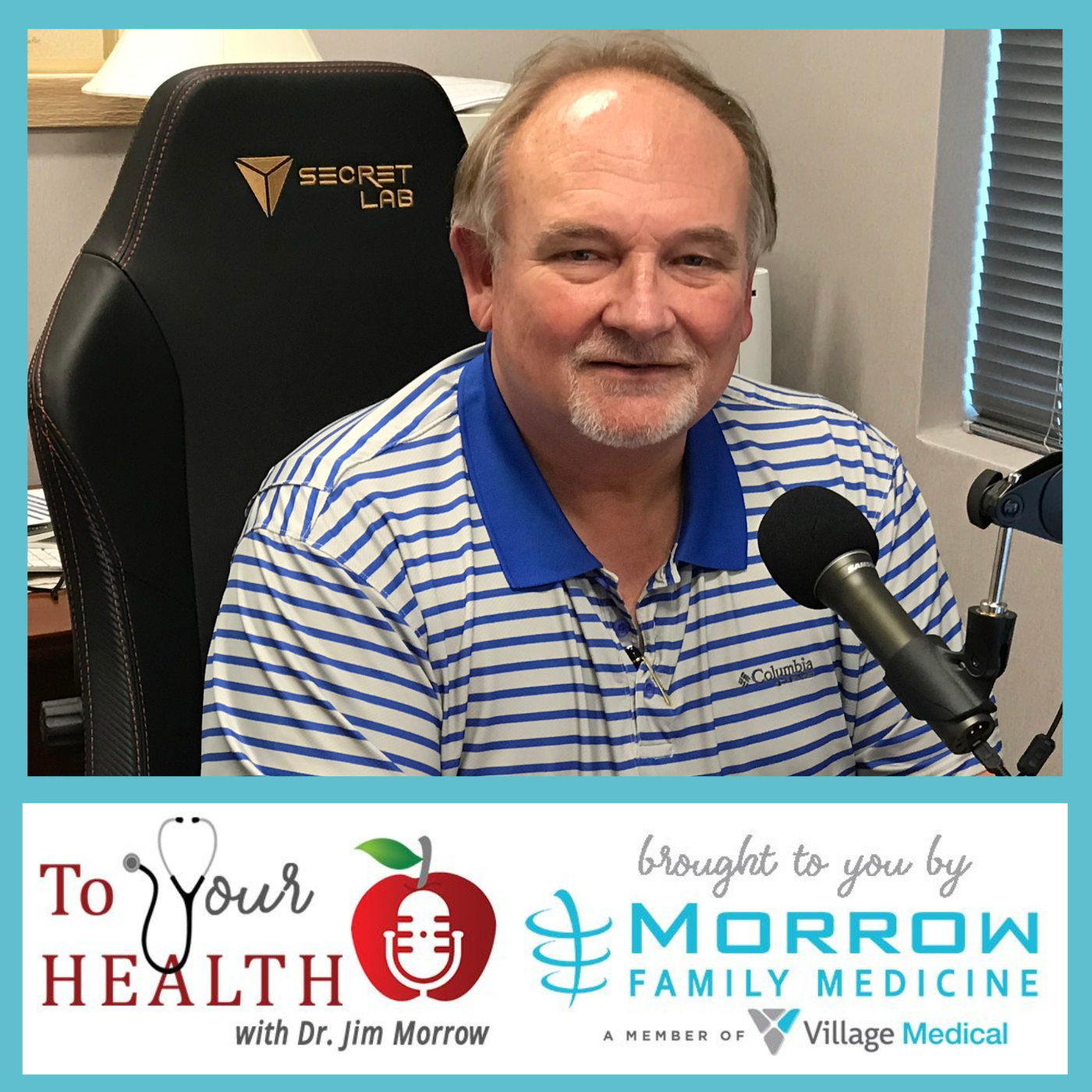
SupplementsFive Things You Need to Know About Dietary Supplements (Episode 64, To Your Health with Dr. Jim Morrow)

Dr. Morrow covers some of the myths about the Covid-19 vaccine and explains why they are not true. He also covers dietary supplements, the ones that work and those that don’t, the potential problems with them, the importance of a good diet and much more.  To Your Health is brought to you by Morrow Family Medicine, a Member of Village Medical, which brings the care back to healthcare.

About Morrow Family Medicine, A Member of Village Medical

Morrow Family Medicine, a Member of Village Medical, is an award-winning, state-of-the-art family practice with offices in Cumming and Milton, Georgia. The practice combines healthcare information technology with old-fashioned care to provide the type of care that many are in search of today. Two physicians, three physician assistants and two nurse practitioners are supported by a knowledgeable and friendly staff to make your visit to Morrow Family Medicine, A Member of Village Medical one that will remind you of the way healthcare should be.  At Morrow Family Medicine, a Member of Village Medical, we like to say we are “bringing the care back to healthcare!”  The practice has been named the “Best of Forsyth” in Family Medicine in all five years of the award, is a three-time consecutive winner of the “Best of North Atlanta” by readers of Appen Media, and the 2019 winner of “Best of Life” in North Fulton County.

Village Medical offers a comprehensive suite of primary care services including preventative care, treatment for illness and injury, and management of chronic conditions such as diabetes, congestive heart failure, chronic obstructive pulmonary disease (COPD) and kidney disease. Atlanta-area patients can learn more about the practice here.

Dr. Jim Morrow, Morrow Family Medicine, and Host of To Your Health with Dr. Jim Morrow

Covid-19 misconceptionsDr. Jim Morrow is the founder and CEO of Morrow Family Medicine. He has been a trailblazer and evangelist in healthcare information technology, was named Physician IT Leader of the Year by HIMSS, a HIMSS Davies Award Winner, the Cumming-Forsyth Chamber of Commerce Steve Bloom Award Winner as Entrepreneur of the Year and he received a Phoenix Award as Community Leader of the Year from the Metro Atlanta Chamber of Commerce.  He is married to Peggie Morrow and together they founded the Forsyth BYOT Benefit, a charity in Forsyth County to support students in need of technology and devices. They have two Goldendoodles, a gaggle of grandchildren and enjoy life on and around Lake Lanier.

Facebook: https://www.facebook.com/MorrowFamMed/

LinkedIn: https://www.linkedin.com/company/7788088/admin/

Twitter: https://twitter.com/toyourhealthMD

The complete show archive of To Your Health with Dr. Jim Morrow addresses a wide range of health and wellness topics and can be found at www.toyourhealthradio.com.

Dr. Morrow’s Show Notes

Covid-19 Vaccine Booster Update- Myths About the Vaccines 


·      Myth 1: You can delay routine vaccinations until the pandemic is over.

  • Routine childhood and adult vaccinations are an important part maintaining health.
  • Vaccines prevent additional disease outbreaks during the pandemic.

·      Myth 2: The COVID-19 vaccines were developed too fast to be safe.

  • The technology used to develop the mRNA COVID-19 vaccines is not new;
    • it has been extensively studied and used in cancer research.
    • Additionally, mRNA vaccines have been studied for other infections including Zika, Rabies, and CMV.
  • The other vaccine platform uses a weakened adenovirus, which has been studied extensively for other vaccines.
    • The clinical trials for the COVID-19 vaccines were done with the same rigor as all vaccine trials and the results have been reviewed and approved by multiple independent advisory panels.
    • The ability for the developers to be more efficient was due to increased collaboration, use of newer technology and funding due to the severity of the pandemic.

·      Myth 3: There weren’t enough participants in the clinical trials to say the vaccines are safe.

  • This is not true.
    • The currently authorized COVID-19 vaccines enrolled tens of thousands of participants, many of whom were followed for two months after receiving the second vaccine.
  • After authorization, the CDC, FDA, and other groups continue actively monitoring for safety concerns.
    • There have been a few cases of blood clots plus low platelet counts occurring after the Johnson & Johnson vaccine.
    • However, these are really rare (15 cases in 8 million doses) so the CDC continues to recommend the vaccine.

·      Myth 4: I’ve already had COVID-19, so I don’t need to get the vaccine.

  • It’s unclear how long a natural infection with COVID-19 provides immunity from the disease.
  • There are reports of individuals becoming reinfected, even after being ill with COVID-19.
  • Individuals who have had COVID-19 are encouraged to get vaccinated once they have recovered and symptoms are no longer present.

·      Myth 5: The COVID-19 vaccines will alter my DNA.

  • This is not possible.
    • Messenger RNA (mRNA) vaccines work in the cell’s cytoplasm and never enter the cell nucleus where the DNA, your genetic material, lives.
      • Like all mRNA, it is broken down quickly once it enters the cell and delivers the needed vaccine “message” to the cell’s machinery.
      • The virus spike protein is also rapidly broken down once there is no longer any mRNA.
    • The adenovirus platform uses DNA encoding the spike protein which does enter the nucleus.
      • However, it does not alter the cell’s DNA in anyway.

·      Myth 6: COVID-19 vaccines will make me infertile.

  • There is currently no evidence that COVID-19 vaccination causes any problems with pregnancy or getting pregnant.
  • In addition, there is no evidence that fertility problems result from any other vaccines.

·      Myth 7: COVID-19 vaccines were developed to deliver a microchip into my body.

  • There is not a microchip in the vaccines.
    • This rumor started after comments were made about digital vaccine records.
    • States maintain electronic immunization records to help people and their physicians know which vaccines they have received.
    • There are no electronic components in any of the vaccines.
  • The mRNA vaccines contain only mRNA, lipids (fat bubble), salts and other stabilizing agents, which are routinely used in other medicines.
  • The other vaccines contain the non-replicating adenovirus vector and stabilizing agents.

·      Myth 8: I don’t need to wear a mask after I’m vaccinated.

  • The COVID-19 vaccines protect you from getting seriously ill from COVID.
    • In July 2021, the CDC recommended masks for vaccinated people in certain areas of the U.S. to prevent the spread of the highly contagious Delta variant.
    • The Delta variant is highly contagious because it can replicate to high levels in the airways of infected people.
    • This means that vaccinated people may be able to transmit the Delta variant at a similar rate as unvaccinated people.
  • You may want to wear masks and physical distance indoors and in big crowds to be cautious.
  • This will also help protect people who can’t get vaccinated, like young children.


·      Myth 9: I only need one dose of the vaccine to be protected against COVID-19.

  • There is not enough data to support changing the recommendations on the COVID-19 vaccine schedule.
  • You should get two doses of the mRNA vaccines to get the best protection.

·      Myth 10: I have to pay for the vaccine.

  • Anyone living in the U.S. can get the COVID-19 vaccine for free, even if you’re not a citizen or you don’t have health insurance.

Five Things You Need to Know

About Dietary Supplements


The dietary supplement industry is huge, with billions of dollars in sales. Now a new study is suggesting that supplements are mostly useless: in a wide-ranging analysis, researchers from Johns Hopkins University determined that supplements did not increase lifespan or reduce heart disease. On the plus side, the supplements were also found to rarely cause meaningful harm. But supplements may have some unusual downsides.


1.   Supplements come in many forms.


·      Whether in

o   pill,

o   powder

o   or liquid form,

§  the goal of dietary supplements is often the same:

·      to supplement your diet to get enough nutrients and enhance health

·      They contain at least one dietary ingredient,

o   such as vitamins, minerals, herbs, botanicals, amino acids or enzymes.

o   Some of the most popular supplements come in a multivitamin (which can help you avoid taking a dozen pills each day),

o   but they can also be purchased as a standalone supplement.

·      The simplest common denominator?

o   They’re labeled as dietary supplements.

·       Some common dietary supplements include:

o   Calcium

o   Fish oil

o   Echinacea

o   Ginseng

o   Garlic

o   Vitamin D

o   St. John’s wort

o   Green tea


2.   Some supplements are effective,

while others are not

·      There’s a reason supplements are so popular:  sometimes, they work.

·      There is evidence that some supplements can benefit your overall well-being with little to no risk

·      Common supplements that may benefit your health include:

o   Vitamin B12, which can help keep nerve and blood cells healthy, make DNA and prevent anemia

o   Folic acid, which can reduce birth defects when taken by pregnant women

o   Vitamin D, which can strengthen bones and assist your immune system

o   Calcium, which can promote bone health

o   Vitamins C and E, which can prevent cell damage

o   Fish oil, which can support heart health

o   Vitamin A, which can slow down vision loss from age-related macular degeneration

o   Zinc, which can promote skin health and slow down vision loss from age-related macular degeneration

o   Melatonin, which can help counteract jet lag and help you sleep

However, despite the amount of research that’s been done on supplements

(since 1999, the National Institutes of Health has spent more than $2.4 billion studying vitamins and minerals),

§  scientific evidence isn’t completely clear.

§  Keep in mind:

·      Most studies suggest that multivitamins

o   won’t make you live longer,

o   won’t slow cognitive decline

o   and won’t lower your chances of disease,

§  such as heart disease,

§  cancer

§  or diabetes.

·      In fact, it’s illegal for companies to make claims that supplements will treat, diagnose, prevent or cure diseases

·      Also, the products you buy in stores or online may be different from those used in studies,

o   so studies may be misleading.

3.   Supplements aren’t always safe.

·      In most cases, multivitamins aren’t likely to pose any health risks.

o   Still, it’s important to be cautious when you put anything in your body.

·      Supplements may interact

o   with other medications you’re taking or pose risks if you have certain medical conditions,

§  such as liver disease, or are going to have surgery.

§  Some supplements also haven’t been tested

·      in pregnant women,

·      nursing mothers

·      or children,

·      and you may need to take extra precautions.

·      Also, federal regulations for dietary supplements are less strict than prescription drugs.

o   Some supplements may contain ingredients not listed on the label,

§  and these ingredients can be unsafe.

§  Certain products are marketed as dietary supplements

·      and actually contain prescription drugs within them —

o   drugs that are not allowed in dietary supplements.

·      Some supplements that may pose risks include:

o   Vitamin K,

§  which can reduce the effectiveness of blood thinners

o   Gingko,

§  which can increase blood thinning

o   St. John’s wort,

§  which can make some drugs, such as antidepressants and birth control, less effective

o   Herbal supplements comfrey and kava,

§  which can damage your liver

o   Beta-carotene and vitamin A,

§  which can increase the risk of lung cancer in smokers


4.  Speak with your healthcare provider

before taking any supplements.

·      The most important thing to remember is to be smart when choosing a supplement

o   Your first step should be discussing your options with your healthcare provider,

§  since a supplement’s effectiveness and safety may depend on your individual situation and health.

·      On top of that,

o   keep these simple tips in mind as you choose a supplement:

§  Take supplements as directed according to the label and your healthcare provider’s instructions.

§  Read the label,

·      including ingredients,

·      drug interactions,

·      and percent daily value (% DV).

·      Be wary of extreme claims,

o   such as “completely safe”

o   or “works better than (insert prescription drug).”

·      Remember that the term “natural” doesn’t necessarily equal “safe.”

·      Keep supplements stored properly and away from children.

·      Read about the potential dangers of weight-loss supplements


5. Nothing beats the nutrient power of a healthy diet.

·      No matter what your goal is when taking supplements,

o   one thing is certain:

§  They aren’t a replacement for a nutrient-dense, healthy diet.

·      Supplements are meant to be supplementary

o   meaning they enhance benefits already provided by eating a well-rounded diet

·      Supplements should never be used in place of real food.

o   Don’t underestimate what a nutrient-packed salad can do for you compared to a pill made in a factory.

·      Vitamins and minerals are essential to helping your body develop and function as it should.

o   While most people get all of what’s recommended by eating healthy,

§  others need a little extra nutrient boost.

§  That’s where supplements come in

·      providing you with the support your body needs to stay healthy.


credit to pennmedicine.org
Tagged With: Covid-19 Vaccine Booster, dietary supplements, Dr. Jim Morrow, medical myths, Morrow Family Medicine, Village Medical

Shingles Vaccine

October 28, 2021 by John Ray

North Fulton Studio
North Fulton Studio
Shingles Vaccine
Loading
00:00 /
RSS Feed
Share
Link
Embed

Download file

ShinglesShingles Vaccine – Episode 63, To Your Health with Dr. Jim Morrow

Shingles can be very painful and debilitating–ask anyone who’s had it. On this episode of To Your Health, Dr. Morrow discussed what shingles is and offered details about the shingles vaccine, Shingrex, including its effectiveness. Dr. Morrow also provided an update on Covid vaccine booster shots. To Your Health is brought to you by Morrow Family Medicine, a Member of Village Medical, which brings the care back to healthcare.

About Morrow Family Medicine, A Member of Village Medical

Morrow Family Medicine, a Member of Village Medical, is an award-winning, state-of-the-art family practice with offices in Cumming and Milton, Georgia. The practice combines healthcare information technology with old-fashioned care to provide the type of care that many are in search of today. Two physicians, three physician assistants and two nurse practitioners are supported by a knowledgeable and friendly staff to make your visit to Morrow Family Medicine, A Member of Village Medical one that will remind you of the way healthcare should be.  At Morrow Family Medicine, a Member of Village Medical, we like to say we are “bringing the care back to healthcare!”  The practice has been named the “Best of Forsyth” in Family Medicine in all five years of the award, is a three-time consecutive winner of the “Best of North Atlanta” by readers of Appen Media, and the 2019 winner of “Best of Life” in North Fulton County.

Village Medical offers a comprehensive suite of primary care services including preventative care, treatment for illness and injury, and management of chronic conditions such as diabetes, congestive heart failure, chronic obstructive pulmonary disease (COPD) and kidney disease. Atlanta-area patients can learn more about the practice here.

Dr. Jim Morrow, Morrow Family Medicine, and Host of To Your Health with Dr. Jim Morrow

Covid-19 misconceptionsDr. Jim Morrow is the founder and CEO of Morrow Family Medicine. He has been a trailblazer and evangelist in healthcare information technology, was named Physician IT Leader of the Year by HIMSS, a HIMSS Davies Award Winner, the Cumming-Forsyth Chamber of Commerce Steve Bloom Award Winner as Entrepreneur of the Year and he received a Phoenix Award as Community Leader of the Year from the Metro Atlanta Chamber of Commerce.  He is married to Peggie Morrow and together they founded the Forsyth BYOT Benefit, a charity in Forsyth County to support students in need of technology and devices. They have two Goldendoodles, a gaggle of grandchildren and enjoy life on and around Lake Lanier.

Facebook: https://www.facebook.com/MorrowFamMed/

LinkedIn: https://www.linkedin.com/company/7788088/admin/

Twitter: https://twitter.com/toyourhealthMD

The complete show archive of To Your Health with Dr. Jim Morrow addresses a wide range of health and wellness topics and can be found at www.toyourhealthradio.com.

Dr. Morrow’s Show Notes

Covid-19 Vaccine Booster Update

What is a third dose of the coronavirus vaccine?

  • A third dose of the mRNA COVID-19 vaccines (Pfizer or Moderna) is identical to the first two doses.
    • It can help protect people with weakened immune systems who did not have a strong enough response to the first two doses of one of the mRNA vaccines.
    • Such people can get a third dose as soon as 28 days after a second dose.
    • The FDA has authorized, and the CDC recommends, that those with certain medical conditions that suppress the immune system get a third dose of the same brand of COVID-19 vaccine that they initially received.

Who can get a third dose of a COVID-19 vaccine?

Based on CDC recommendations, third vaccine doses are available now for people who are considered moderately or severely immunosuppressed. These would include those who:

  • Receive active cancer treatment for tumors or cancers of the blood.
  • Received an organ transplant and are taking medicine to suppress the immune system.
  • Have either had a stem cell transplant within the last two years or are taking medicine to suppress the immune system.
  • Were diagnosed with DiGeorge syndrome or Wiskott-Aldrich syndrome.
  • Are diagnosed with HIV and have a high viral load or low CD4 count, or are not currently taking medication to treat HIV.
  • Are taking drugs such as high-dose steroids or other medications that may cause severe suppression of the immune system.

If you are not sure whether you fit into any of these categories, please contact your medical provider.

When can I get a third dose of COVID-19 vaccine?

  • People who have an eligible medical condition that causes a suppressed immune system can receive a third dose of either the Moderna or Pfizer vaccine as soon as 28 days after the second dose.
  • Johns Hopkins Medicine is offering a third dose to those who are eligible.

Why is a third shot of a COVID-19 vaccine needed?

  • The CDC recommends a third dose of the two-shot vaccines (Pfizer and Moderna) for people with certain health conditions to help further protect them from getting severely ill or dying due to COVID-19.
    • Some people have conditions or take specific medication doses that can cause them to have a decreased immune system.
    • Data suggest that two doses of the mRNA COVID-19 vaccine may not have a strong enough response in these individuals, and that they may benefit from a third dose.

How do I know if I need a third dose of COVID-19 vaccine?

  • If you are unsure about whether your health condition or treatment affects your immune system, discuss it with your health care provider, who can help determine if you would benefit from a third dose of COVID-19 vaccine.
  • People eligible for Pfizer’s booster include
  • those 65 and older and those who live in long-term care facilities,
  • have underlying medical conditions
  • or are at higher risk of exposure to the virus because of their jobs or institutional settings,
    • a group that includes health care workers, teachers and prisoners.


Would a third COVID shot have to be the same brand of vaccine I got originally?

  • Ideally, yes:
    • Your third vaccine dose should be the same type (Pfizer or Moderna) you received when you were first vaccinated.
      • The third shot can be given to you when it has been at least four weeks (28 days) since your second shot, if you are considered immunosuppressed based on the criteria determined by the CDC.


Can I get an additional COVID-19 shot if I received the Johnson & Johnson vaccine?

  • Data are still emerging as to whether an additional dose is necessary for individuals who received the Johnson & Johnson COVID-19 vaccine.
    • There is no current recommendation for an extra dose for people who received the Johnson & Johnson COVID-19 vaccine, even if they have a qualifying medical condition.
    • Watch for information from the CDC.

www.hopkinsmedicine.org


Herpes Zoster “Shingles” Vaccine


What Everyone Should Know about the Shingles Vaccine (Shingrix)

  • Shingles vaccination is the only way to protect against shingles and postherpetic neuralgia (PHN),
    • the most common complication from shingles.
    • CDC recommends that healthy adults 50 years and older get two doses of the shingles vaccine called Shingrix (recombinant zoster vaccine),
      • separated by 2 to 6 months,
      • to prevent shingles and complications from the disease.
      • Your doctor or pharmacist can give you Shingrix as a shot in your upper arm.

Who Should Get Shingrix?

  • Healthy adults 50 years and older should get two doses of Shingrix, separated by 2 to 6 months.
  • You should get Shingrix even if in the past you
    • had shingles
    • received Zostavax*
    • are not sure if you had chickenpox
  • There is no maximum age for getting Shingrix.
  • If you had shingles in the past,
    • you can get Shingrix to help prevent future occurrences of the disease.
    • There is no specific length of time that you need to wait after having shingles before you can receive Shingrix,
      • but generally, you should make sure the shingles rash has gone away before getting vaccinated.
    • You can get Shingrix whether or not you remember having had chickenpox in the past.
      • Studies show that more than 99% of Americans 40 years and older have had chickenpox,
        • even if they don’t remember having the disease.
        • Chickenpox and shingles are related because they are caused by the same virus (varicella zoster virus).
        • After a person recovers from chickenpox,
          • the virus stays dormant (inactive) in the body.
          • It can reactivate years later and cause shingles.
        • Shingrix is available in doctor’s offices and pharmacies.
        • If you have questions about Shingrix, talk with your healthcare provider.
  • A shingles vaccine called Zostavax is no longer available for use in the United States, as of November 18, 2020.
    • If you had Zostavax in the past, you should still get Shingrix.
      • Talk to your healthcare provider to determine the best time to get Shingrix.

Who Should Not Get Shingrix?

  • You should not get Shingrix if you:
    • have ever had a severe allergic reaction to any component of the vaccine or after a dose of Shingrix
    • tested negative for immunity to varicella zoster virus.
      • If you test negative, you should get chickenpox vaccine.
    • currently have shingles
    • currently are pregnant or breastfeeding.
      • Women who are pregnant or breastfeeding should wait to get Shingrix.
  • If you have a minor acute (starts suddenly) illness, such as a cold, you may get Shingrix.
    • But if you have a moderate or severe acute illness,
      • you should usually wait until you recover before getting the vaccine.
      • This includes anyone with a temperature of 101.3°F or higher.
    • The side effects of the Shingrix are temporary
      • and usually last 2 to 3 days.
      • While you may experience pain for a few days after getting Shingrix,
        • the pain will be less severe than having shingles and complications from the disease.

How Well Does Shingrix Work?

  • Two doses of Shingrix provides strong protection against shingles and postherpetic neuralgia (PHN),
    • the most common complication of shingles.
  • In adults 50 to 69 years old who got two doses,
    • Shingrix was 97% effective in preventing shingles;
    • among adults 70 years and older,
      • Shingrix was 91% effective.
  • In adults 50 to 69 years old who got two doses,
    • Shingrix was 91% effective in preventing PHN;
    • among adults 70 years and older,
      • Shingrix was 89% effective.
  • Shingrix protection remained high (more than 85%)
    • in people 70 years and older
    • throughout the four years following vaccination.
    • Since your risk of shingles and PHN increases as you get older,
      • it is important to have strong protection against shingles in your older years.


What Are the Possible Side Effects of Shingrix?

  • Studies show that Shingrix is safe.
    • The vaccine helps your body create a strong defense against shingles.
    • As a result, you are likely to have temporary side effects from getting the shots.
    • The side effects may affect your ability to do normal daily activities for 2 to 3 days.
  • Most people got a sore arm with mild or moderate pain after getting Shingrix,
    • and some also had redness and swelling where they got the shot.
    • Some people felt:
      • tired,
      • had muscle pain,
      • a headache,
      • shivering,
      • fever,
      • stomach pain,
      • or nausea.
      • About 1 out of 6 people who got Shingrix experienced side effects that prevented them from doing regular activities.
      • Symptoms went away on their own in about 2 to 3 days.
      • Side effects were more common in younger people.
    • You might have a reaction to the first or second dose of Shingrix, or both doses.
      • If you experience side effects, you may choose to take over-the-counter pain medicine such as ibuprofen or acetaminophen.
    • If you experience side effects from Shingrix, you should report them to the Vaccine Adverse Event Reporting System (VAERS).
      • Your doctor might file this report,
      • or you can do it yourself by calling 1-800-822-7967.
    • If you have any questions about side effects from Shingrix, talk with your doctor.
    • The shingles vaccine does not contain thimerosal (a preservative containing mercury).


When Should I See a Doctor Because of the Side Effects I Experience From Shingrix?

  • In clinical trials, Shingrix was not associated with serious adverse events.
    • In fact, serious side effects from vaccines are extremely rare.
    • For example,
      • for every 1 million doses of a vaccine given,
      • only one or two people may have a severe allergic reaction.
    • Signs of an allergic reaction happen within minutes or hours after vaccination and include:
      • hives,
      • swelling of the face and throat,
      • difficulty breathing,
      • a fast heartbeat,
      • dizziness,
      • or weakness.
      • If you experience these or any other life-threatening symptoms, see a doctor right away.
    • Shingrix causes a strong response in your immune system,
      • so it may produce short-term side effects more intense than you are used to from other vaccines.
      • These side effects can be uncomfortable,
        • but they are expected and usually go away on their own in 2 or 3 days.


How Can I Pay For Shingrix?

  • There are several ways shingles vaccine may be paid for:
  • Medicare
    • Medicare Part D plans cover the shingles vaccine,
    • but there may be a cost to you depending on your plan.
    • There may be a copay for the vaccine,
    • or you may need to pay in full then get reimbursed for a certain amount.
  • Medicare Part B does not cover the shingles vaccine.
  • Medicaid
    • Medicaid may or may not cover the vaccine.
    • Contact your insurer to find out.

·       Private health insurance

    • Many private health insurance plans will cover the vaccine,
    • but there may be a cost to you depending on your plan.
    • Contact your insurer to find out.

·       Vaccine assistance programs

    • Some pharmaceutical companies provide vaccines to eligible adults who cannot afford them.
    • You may want to check with the vaccine manufacturer, GlaxoSmithKline, about Shingrix.
  •   Regardless of the cost, I can assure you that if in the future you were to contract shingles, you would pay three times any amount to have them go away. They are brutal and can be life-altering.

Source: CDC

Tagged With: Covid-19 Vaccine Booster, Dr. Jim Morrow, Morrow Family Medicine, shingles, shingles vaccine, Shingrix, Village Medical

Business RadioX ® Network


Our Most Recent Episode

CONNECT WITH US

  • Email
  • Facebook
  • LinkedIn
  • Twitter
  • YouTube

Our Mission

We help local business leaders get the word out about the important work they’re doing to serve their market, their community, and their profession.

We support and celebrate business by sharing positive business stories that traditional media ignores. Some media leans left. Some media leans right. We lean business.

Sponsor a Show

Build Relationships and Grow Your Business. Click here for more details.

Partner With Us

Discover More Here

Terms and Conditions
Privacy Policy

Connect with us

Want to keep up with the latest in pro-business news across the network? Follow us on social media for the latest stories!
  • Email
  • Facebook
  • Google+
  • LinkedIn
  • Twitter
  • YouTube

Business RadioX® Headquarters
1000 Abernathy Rd. NE
Building 400, Suite L-10
Sandy Springs, GA 30328

© 2025 Business RadioX ® · Rainmaker Platform

BRXStudioCoversLA

Wait! Don’t Miss an Episode of LA Business Radio

BRXStudioCoversDENVER

Wait! Don’t Miss an Episode of Denver Business Radio

BRXStudioCoversPENSACOLA

Wait! Don’t Miss an Episode of Pensacola Business Radio

BRXStudioCoversBIRMINGHAM

Wait! Don’t Miss an Episode of Birmingham Business Radio

BRXStudioCoversTALLAHASSEE

Wait! Don’t Miss an Episode of Tallahassee Business Radio

BRXStudioCoversRALEIGH

Wait! Don’t Miss an Episode of Raleigh Business Radio

BRXStudioCoversRICHMONDNoWhite

Wait! Don’t Miss an Episode of Richmond Business Radio

BRXStudioCoversNASHVILLENoWhite

Wait! Don’t Miss an Episode of Nashville Business Radio

BRXStudioCoversDETROIT

Wait! Don’t Miss an Episode of Detroit Business Radio

BRXStudioCoversSTLOUIS

Wait! Don’t Miss an Episode of St. Louis Business Radio

BRXStudioCoversCOLUMBUS-small

Wait! Don’t Miss an Episode of Columbus Business Radio

Coachthecoach-08-08

Wait! Don’t Miss an Episode of Coach the Coach

BRXStudioCoversBAYAREA

Wait! Don’t Miss an Episode of Bay Area Business Radio

BRXStudioCoversCHICAGO

Wait! Don’t Miss an Episode of Chicago Business Radio

Wait! Don’t Miss an Episode of Atlanta Business Radio