

Business RadioX ®

  • Home
  • Business RadioX ® Communities
    • Southeast
      • Alabama
        • Birmingham
      • Florida
        • Orlando
        • Pensacola
        • South Florida
        • Tampa
        • Tallahassee
      • Georgia
        • Atlanta
        • Cherokee
        • Forsyth
        • Greater Perimeter
        • Gwinnett
        • North Fulton
        • North Georgia
        • Northeast Georgia
        • Rome
        • Savannah
      • Louisiana
        • New Orleans
      • North Carolina
        • Charlotte
        • Raleigh
      • Tennessee
        • Chattanooga
        • Nashville
      • Virginia
        • Richmond
    • South Central
      • Arkansas
        • Northwest Arkansas
    • Midwest
      • Illinois
        • Chicago
      • Michigan
        • Detroit
      • Minnesota
        • Minneapolis St. Paul
      • Missouri
        • St. Louis
      • Ohio
        • Cleveland
        • Columbus
        • Dayton
    • Southwest
      • Arizona
        • Phoenix
        • Tucson
        • Valley
      • Texas
        • Austin
        • Dallas
        • Houston
    • West
      • California
        • Bay Area
        • LA
        • Pasadena
      • Colorado
        • Denver
      • Hawaii
        • Oahu
  • FAQs
  • About Us
    • Our Mission
    • Our Audience
    • Why It Works
    • What People Are Saying
    • BRX in the News
  • Resources
    • BRX Pro Tips
    • B2B Marketing: The 4Rs
    • High Velocity Selling Habits
    • Why Most B2B Media Strategies Fail
    • 9 Reasons To Sponsor A Business RadioX ® Show
  • Partner With Us
  • Veteran Business RadioX ®

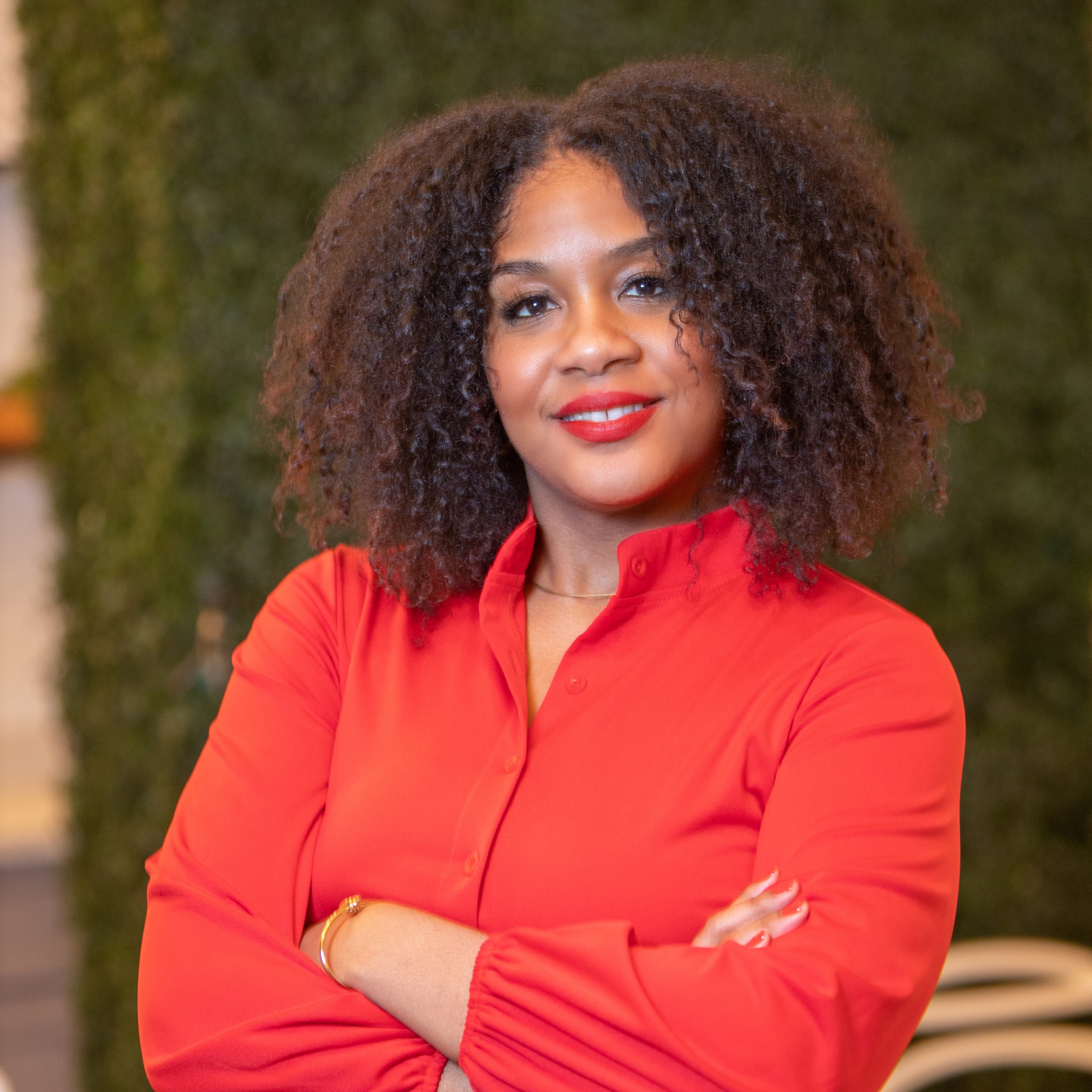
Elizabeth Carter With Elizabeth L. Carter, Esq., LLC

November 23, 2021 by Jacob Lapera

Bay Area Business Radio
Elizabeth Carter With Elizabeth L. Carter, Esq., LLC
Loading
00:00 /
RSS Feed
Share
Link
Embed

Download file

Leah-Davis-Ambassador-logo1

Elizabeth L. Carter is a crowdfunding securities attorney who represents investment companies, small businesses, nonprofits, cooperatives, and other social enterprises with the legal strategy and compliance of raising capital from both accredited and non-accredited investors.

Her most recent work includes assisting a driver-owned ride-share cooperative with the legal compliance of its $1.07 million debt crowdfunding offer through Regulation Crowdfunding (Reg CF). Similarly, she assisted a consumer cooperative with the amendment of its by-laws and articles of incorporation in order to prepare it for an upcoming capital raise from non-member investors.

She also assisted a number of investment funds with the securities legal strategy and compliance of a SEC Rule 506(c) crowdfunding offer, including a cooperatively-owned investment fund that offered $2 million in equity to accredited investors, as well as a community development financial institution that offered $1 million in slow equity to mission-aligned accredited investors

Connect with Elizabeth on LinkedIn and follow her on Facebook and Twitter.

What You’ll Learn In This Episode

  • Legal Fund
  • The importance of representative legal services for underrepresented entrepreneurs using crowdfunding
  • Legal matters in crowdfunding

This transcript is machine transcribed by Sonix

TRANSCRIPT

Intro: [00:00:06] Broadcasting live from the Business RadioX Studios in the Bay Area. It’s time for Bay Area Business Radio. Now here’s your host

Lee Kantor: [00:00:17] Lee Kantor here, another episode of Bay Area Business Radio and this is going to be a good one. But before we get started, it’s important to recognize our sponsor, Leah Davis, coaching inspiring women of color to claim their wealth legacy. Today on Bay Area Business Radio, we have Elizabeth Carter with Elizabeth L. Carter, Esq., LLC. Welcome, Elizabeth.

Elizabeth L. Carter: [00:00:39] Thank you. Thanks for having me.

Lee Kantor: [00:00:41] Well, I’m excited to learn about your practice. Tell us a little bit about your practice. How are you serving, folks?

Elizabeth L. Carter: [00:00:46] Yes, thank you. So Elizabeth L. Carter, Esq., LLC is a crowdfunding securities law firm that represents investment companies, small businesses, nonprofit and cooperatives with the legal strategy and compliance of raising capital from investors.

Lee Kantor: [00:01:02] So for folks who aren’t familiar, can you talk a little bit about crowdfunding? I’m sure everybody’s, you know, heard of Kickstarter or Indiegogo or go fund me where there’s, you know, people go out to the crowd or grow it to people they know and say, Hey, I got this project or I got this thing. But there’s also a place for it in, in business and in the investment community as well, right?

Elizabeth L. Carter: [00:01:24] Yeah. So crowdfunding is a particular area or specific area of the law concerning capital raising and to be more sort of specific. So you have the business law, right, which is an area of law and underneath business law, it’s securities law, which is more specific in the area of business law. And then underneath the securities law is crowdfunding law. So security securities concerns the legal rules and federal state rules regarding private fundraising from investors. So not the GO Fund Me, which is more donation and not the Indiegogo with your rewards, but actual securities or when you’re giving money with the expectation of significant return. Right. So that’s the difference between a donation. You’re giving money. You’re not expecting things. Return rewards. The only thing you’re expecting in return is sort of a small token, really. You’re just there to support the business. But the investment piece as an investor, you are actually expecting some type of return, whether it’s in no time is guaranteed. But the idea is that I’m giving you money so that you can work hard and provide some return or money back to me, plus whatever gave you plus interest or something, right? And so with crowdfunding does is basically is that area of the law. But there are exemptions under the Securities Act, which is the securities law that we’re speaking about, that allows that business to raise capital from investors without having to register with the SEC or do ongoing reporting requirements, which again can amount to hundreds of dollars a year. So crowdfunding designed for small businesses to cost effectively raise capital from investors.

Lee Kantor: [00:03:08] Now this type of raise is kind of new, right? Because historically, the only people that can get involved with investing in small businesses in this manner were kind of accredited investors. And those are people who had, you know, a certain amount of wealth that was kind of vetted and kind of deemed that they were able to take this kind of risk. But now through this vehicle, people that aren’t accredited can invest as well, right?

Elizabeth L. Carter: [00:03:40] Right, exactly. So crowdfunding in a nutshell, there are two aspects to it. One is the fact that now, as you’re mentioning, a business can raise capital from non accredited investors just as they would accredited investors. So accredited investors are defined as investors, individual investors as people who have over $200000 in income, annual income, or over a million dollars in excluding the value of someone’s home. So these are just people who have investments elsewhere that are amounting to more than $1 million and then not accredited. That’s basically 90 percent of the rest of the population, right? Most people are not accredited investors. They do not have over many dollars a net worth, nor do they have possibly over $200000 in income and so would allow a small business to publicly advertise. That’s the other quality so publicly advertised to non accredited investors without having to register previously. And this is since 2012 Jobs Act of 2012. Allow for that. Previously, the business would have to have known that that investor privately. So whether a friend, family or business associate to then be able to ask them for money, what without violating any securities rules, right, whether they’re credit or non accredited. You have to know them. And so it kind of. Right, so only people who actually had wealth and people who were that, you know, right, so there’s a network thing that you are able to support, have them able to support your business. So now today, though, with crowd funding, you can go online. You don’t have to know this investor. You don’t have to be friends with them or have a long relationship with them. You can publicly advertise to them and they do not have to be wealthy, right? Just so long as you disclose properly, let them know what the offer is that they know will be businesses and do not misrepresent. So that’s what the legal or securities legal lawyer comes in to help you communicate that effectively through your disclosure documents.

Lee Kantor: [00:05:39] Now, does crowdfunding in this way have to only be equity in the company or can it be debt as well?

Elizabeth L. Carter: [00:05:48] That is included? That is a security as well as membership interest in an LLC operating agreement when you have that agreement and people are signing on. That is also considered a security. So right in equity can include stocks, but it also can include, again, like I said, that that operating agreement where you’re agreeing to provide money for some type of ownership stake, but that is also very commonly used. And the reason why that is included is because even though you’re not getting an ownership stake, there still is an expectation of return in the form of interest rates.

Lee Kantor: [00:06:21] And are your clients contacting you before they’ve begun this or after they began it and realized they were in over their head? And it’s too complicated?

Elizabeth L. Carter: [00:06:31] Ideally, before most of the time is before, and this one is more cost effective because before I have people who have gone either gone through the process by themselves and and we’re told that they need a securities lawyer or found out later like one one case. Actually, the SEC denied their filing and said it was actually fraudulent, even though the founder didn’t intend for it to be fraudulent or or misrepresenting. That’s really what it is because fraud is more intentional, but they all run in the same category. There’s a rule against misrepresentation, fraud, and so misrepresentation can simply be that you’ve been disclosed properly or you didn’t disclose fully. You miss some information, you admitted something. And so that is more costly because that particular person pay for an attorney to do that work, and the attorney didn’t do it properly. So now they have to go find another attorney and almost pay double right because the new attorney is saying, Well, I have to review everything with to start over. And so ideally, they should come before they make the offer, before they file anything, before they start asking people for money. You’ll save a whole lot of money just getting that advice and strategy going and then later.

Lee Kantor: [00:07:35] Now is this something that somebody should contact you at the very kind of beginning of their business if they’re thinking of launching? Like, should startups contact you if this is one of the ways that they might try to access funding? Or is this something that they have to have already established a business with clients? And it’s kind of ongoing and they’re trying to get it to a new level. So then they’re going to explore crowdfunding and then they would contact you.

Elizabeth L. Carter: [00:08:01] Yeah, I think both legally, both. I mean, legally, so long as you have a strong business plan that shows the really lay out lays, lay out your plan to a operate, be bringing revenues and see generate returns for your investors. You have to lay that out. There should be some formula. There should be some visualization that shows the investor that if I give you X amount of dollars, which is what you’re asking for, that over time, some amount of time and that should also be laid out. You will get X amount of dollars in return or X amount of percentage in return that should be laid out. So usually the founders should have access to someone that can really work through those numbers and those financials for them, right? Whether it’s an accountant or a financial advisor that can guide them through really coming up with numbers that are more accurate. Now again, these are projections. So they’re not they’re not truly accurate or facts. They’re more saying. More likely than not, this is what you can expect. And so for me, that’s what I’m going to ask. They’ll they’ll say, I want to raise X amount of dollars and I want to know just how much I’m going to give them time.

Elizabeth L. Carter: [00:09:04] So I’ll ask them, Well, how do you what did you come up with that number? How do you what was your basis? What’s your standing behind that? It’s not just you can’t just say that, right? And so I do help guide, but the idea is for them to come up with a strong team marketing accounting lawyer to then be successful. So legally, we can draft the documents, make sure they’re not misrepresenting or misrepresenting anyone. But for me, as an attorney who represent underrepresented founders where it’s already difficult to obtain capital, the traditional means, I want to make sure that they’re more successful than not. So I to the team, call them what I call the ecosystem around me so that we can make sure that they’re more successful than not. And in crowdfunding, what makes you successful is the crowd, right? Is your particular investors right or your who are also your friends, family or neighbors and then strangers that just want to support you so you want to be able to build that prior to or sooner than later when you’re starting to make your offer.

Lee Kantor: [00:09:59] Now, when you’re working with a client? Are you coming in just as this expert in crowdfunding or do you also take on some of the kind of general business law issues they might have?

Elizabeth L. Carter: [00:10:11] Oh yeah. So so I do. I do the general business law. And then what that looks like is I help with the strategy of choosing what type of entity or entity. Sometimes there’s a strategy to create one entity that will be the parent company. Another would be a subsidiary, especially if they’re interested in becoming an investment company or fund. Because the other part is we’re looking for an exemption. There’s two statutes that we want to make sure we exempt from the Securities Act of 1933, which concerns the act of asking people for money. And then there’s the Investment Company Act of 1940, which concerns the entity itself. So if you’re saying I want to create a fund that will then ask people to invest and then reinvest in other companies. My mind is saying, OK, you’re trying to invest in or investment fund. So if you want to prevent that sort of yearly, ongoing, costly reporting requirements, we need to find an exemption. So part of that is looking at the strategic way of structuring these entities, these companies, so that they’re exempt from both the from both acts or, you know, just generally in securities, but also just depending on what their needs and wants are right. They may have certain membership privileges for certain people, certain classes. So we do that sort of structuring the governance and then we go into the particular investment specific and structured the term sheet, the subscription agreement, the offering statement or disclosure documents in times call the Form C. And so, yeah, so it’s both so the general business governance and then the contract surrounding investments.

Lee Kantor: [00:11:37] Now, can you share a kind of one of your success stories of one of your clients that have been able to get that escape velocity and make a go of this?

Elizabeth L. Carter: [00:11:46] Yeah, yeah. So I’m happy to share one of my clients called the drivers pull up. Based out of New York City, created an alternative rideshare company alternative to like Uber or Lyft, right? And their model is designed to allow the drivers to be owners of the company, right? So unlike Uber or Lyft, Uber, Lyft, the drivers are more independent contractors. They’re not they don’t receive any equity. They have to have their own sort of business business model or business costs and in revenue. So it’s costly for the consumer because the profits are going to certain shareholders that are or that are not necessarily the drivers, but the drivers co-op. The drivers are actually co-owners of the Co-op or the company. And so what they did was in addition to the equity piece, which are owned by the members member drivers they. Created an offer a debt offer based upon the revenues of the company and up to two point five million, they raised over one million and they barely raised up fairly quickly, I’ll say in a couple of weeks. They raised one million dollars through regulation crowdfunding. So through that exemption, they’re able to raise from both accredited non accredited investors and they receive a lot of support all over the country. People are very interested in the co-op model, but also the fact that they’re providing an alternative to sort of this conglomerate. Big, big corporations write over and live.

Lee Kantor: [00:13:15] So that was said, they were able to kind of use that those funds to launch and then maybe are they only in New York? Are they around the country now?

Elizabeth L. Carter: [00:13:23] Right, so they were so the funds were designed to be set to launch to hire new staff and then to eventually to expand to other cities. That is the goal they want to expand across the country with the same model.

Lee Kantor: [00:13:35] So now you use the term co-op. Can you explain what that is and why that entity might be kind of better for these kind of projects?

Elizabeth L. Carter: [00:13:46] Right, right, right. So co-op is any entity that is owned and controlled by those that use the services. So if we’re talking about a worker co-op sort of with the driver’s co-op is it is owned and controlled by its workers, those that that provide labor to the company. If we’re talking about a housing co-op, we’re talking about the tenant owning, controlling the residential building where they reside. Sort of like a condo, but instead of individual deeds, it’s only one master d, so to speak, or blanket mortgage on top of the building. And then the members own a share of the company that then owns the building. And in terms of a consumer co-op, a lot of them are grocery stores. Those who consume or credit unions. Those who bank at the credit union are also co owners or, if it’s a nonprofit, just have the ability to control and vote on decisions within the entity. So that is attractive because it counters sort of this disconnect between particular worker co-op sense this power imbalance and disconnect between the owners or the employer and the employees and the workers, right? So now take away that power imbalance and the workers are the employers. They’re wanting the same.

Lee Kantor: [00:14:54] And that’s something that you help firms with as well, right?

Elizabeth L. Carter: [00:14:57] Yes. Yeah, so I actually thought co-ops is something that I have particular knowledge and expertize and actually was part of forming a nonprofit back in 2016 that was designed to create and support co-ops, which is why I have affiliation with a Sustainable Economies Law Center based in Oakland, which is also designed to do the same thing not only just co-ops but other economies to help support legally these new sort of alternative business structures that are more supportive of social enterprise or more supportive, supportive of something beyond profits for your business going beyond profits. And so that’s what co-ops are really known for. And yes, I have a particular expertize in creating and being being creative in coming up with unique structures to create that model.

Lee Kantor: [00:15:44] Now let’s talk about that work in Oakland. Can you talk about that Black Capital Matters legal fund and the work that you’re doing to help in that area?

Elizabeth L. Carter: [00:15:54] Yeah. So as I mentioned before, my firm is a mission based firm specifically to support the legal strategy and compliance of small businesses, investment companies that are owned and controlled by underrepresented founders, namely black black entrepreneurs. And the reason being is that, for instance, black women are the fastest growing group of entrepreneurs and the least likely to be supported by Venture Capital Bank financing or just generally philanthropy and et cetera. Right? And so the idea is to be able to be a resource, a representative representative resource to these companies and businesses so that we can come up with unique strategies like the co-op model, right? Or like forming ecosystems with credit unions to be able to offset or counter those disadvantages. So so the the Black Capital Matter’s legal fund is one way that the firm is doing that. We decided to create the fund to offset the legal costs of raising capital, so the firm itself already provides one of the most, if not the most affordable legal rates when it comes to securities law. But even then, it’s still the law firm and law firms. Billable rates can be out of reach for many small businesses. And so even with that in mind, we’re thinking, Well, how can we be more accessible or have you more democratized so that more businesses who are, you know, equally talented have great ideas if need that legal support and marketing support to be able to shine through and grow? How do we best do that? And so as a law firm in this space and its law firm that is particularly designed to be accessible, we want it to be able to be creative and unique to partner with a nonprofit organization, to be a fiscal sponsor to help put forth this legal fund designed to again provide subsidized legal costs while they’re raising capital. Otherwise, what happens is these businesses just go along and do it wrong or just risk doing it wrong and risk being flagged by the SEC, which could amount to financial fines or criminal penalties, right? And so we want to prevent that.

Lee Kantor: [00:17:51] Now, what type of firms should think about going the crowdfunding route, or is that you think any firm that’s thinking about getting into business that this is appropriate for them?

Elizabeth L. Carter: [00:18:04] Anything, anything. So crowdfunding is a means of acquiring investors. So even today, venture capital, which is has historically always been a private equity space but historically have been a type of investor that controls the deal. Right. They’ll come in and they’re the ones who provide the term sheet. They’re saying this how much are we going to invest and how much control we’re going to have? So historically, that was sort of the way these startups to get funding because again, banks thought it were too risky, like, what are you? You don’t have any revenues. You just have a business plan, right? They didn’t trust it. But the venture capital wasn’t a professional investor. And to do their own due diligence and see farther ahead in the future and say, actually looking at the market, looking at your traction, your mailing list, whatever we know, we can value this company a certain kind of way. And so we’re going to see ahead in the future, but we’re going to make sure we put terms in there that are more favorable to us so that, you know, we can cash out at some point or we can go make this company go public at some point.

Elizabeth L. Carter: [00:18:57] So with crowdfunding, did was actually said no, actually, the business is going to actually control the terms they’re going to put in their own term sheet with what’s best for the business, for the long term longevity of the business and then Venture Capital Fund or others. If you want to invest, you have to agree to these terms, right? So it flips the control a bit with the investor and within investment space. And so really any business can get involved. But I say the business was a startup or small business, but I will say that it’s a startup is really interested in traditional route and going through the investment or VC funds that invest. Traditionally, they may be they may not be attracted to the crowdfunding means because again, it terms of the terms where the business is actually in control and the VC may not like that. So so yes and no, it just depends on who is that particular investor and what they’re interested in.

Lee Kantor: [00:19:50] Now, if somebody wants to learn more, have a more substantive conversation with you or somebody on the team, what’s the website w-w-what ELC?

Elizabeth L. Carter: [00:19:58] Yes.

Lee Kantor: [00:20:00] Well, Elizabeth, thank you so much for sharing your story today. You’re doing important work and we appreciate you.

Elizabeth L. Carter: [00:20:05] Thank you so much for having me.

Lee Kantor: [00:20:07] All right, this Lee Kantor. We’ll see, y’all. Next time I’m Bay Area Business Radio.


 

Tagged With: Elizabeth L. Carter

Elizabeth Carter With Elizabeth L. Carter, Esq., LLC

October 12, 2021 by Jacob Lapera

Chicago Business Radio
Elizabeth Carter With Elizabeth L. Carter, Esq., LLC
Loading
00:00 /
RSS Feed
Share
Link
Embed

Download file

Firmspace-sponsor-banner

Elizabeth Carter, Esq., is a crowdfunding securities attorney who represents investment companies, small businesses, nonprofits, cooperatives, and other social enterprises with the legal strategy and compliance of raising capital from both accredited and non-accredited investors.

Her most recent work includes assisting a driver-owned ride-share cooperative with its $1.07 million crowdfunding debt offer to both accredited and non-accredited investors through Regulation Crowdfunding.

She is currently Of Counsel to Cutting Edge Counsel, a community capital securities law firm where she further provides securities legal services to businesses, funds, and cooperatives, including the provision of securities legal services to a cooperatively-owned investment fund that conducted a $2 million crowdfunding offer to accredited investors through SEC Rule 506(c).

Similarly in this role, she assisted a consumer cooperative with the amendment of its by-laws and articles of incorporation in order to prepare for its upcoming capital raise from non-member investors.

Elizabeth’s prior work includes the legal representation of entrepreneurs, property owners, small businesses, nonprofits and government agencies in various community economic development initiatives including drafting a joint venture agreement on behalf of a minority-owned redevelopment entity in order to promote inclusionary development; serving as general counsel to a limited-equity housing cooperative with over two hundred affordable housing units for seniors, and persons of low income; assisting a community development nonprofit with the selling of real estate for the development of affordable housing; representing a government agency with property tax lien issues in order to assist in the removal of blighted properties; reviewing, drafting, and negotiating commercial real estate contracts on behalf of a small businesses; and helping to prevent a tax lien foreclosure on behalf of a low-income property owner through the negotiation and drafting of a third-party investor real estate agreement.

She also served as Special Counsel in the Department of Economic and Housing Development of the City of Newark where she was lead counsel on a $8.1 mill affordable housing cooperative project and authored the City’s amended tax abatement ordinance which provides tax incentives for inclusionary development by women, racial minorities, and cooperatives.

Elizabeth also founded and served as Lead Counsel & Executive Director of the Urban Cooperative Enterprise Legal Center, Inc. (@ucelc), a 501c3 nonprofit organization with a mission to create and support cooperative enterprises within marginalized communities in order to promote local sustainability.

Currently, Elizabeth is on the Board of Directors of the Co-op Ed Center, and serves on a number of Advisory Boards including the Advisory Boards of Seaway, A Division of Self-Help Federal Credit Union; National Public Housing Museum; and the Lawndale Christian Community Development Corporation of Chicago.

She also serves as Director of Community Planning and Economic Development of the 20th Ward Ald. Jeanette Taylor’s office in Chicago, IL and is a Visiting Professor at the University of Illinois Chicago School of Law.

Elizabeth graduated from the University of Michigan with honors, double majoring in African American studies + political.

Follow Elizabeth on Facebook and LinkedIn.

What You’ll Learn In This Episode

  • A legal fund to support Black-owned small businesses
  • How legal fund help support businesses
  • How businesses and individuals contribute to the fund with a tax-deductible contribution

This transcript is machine transcribed by Sonix

TRANSCRIPT

Intro: [00:00:04] Broadcasting live from the Business RadioX studio in Chicago, Illinois, it’s time for Chicago Business Radio brought to you by Firm Space, your private sanctuary for productivity and growth. To learn more, go to FirmSpace.com. Now here’s your host.

Max Kantor: [00:00:21] Hey everybody, and welcome to Chicago Business Radio. I’m your host, Max Cantor, and we have a great show for you all today. But first, as a reminder, our show is sponsored by firm space without firm space. We couldn’t be sharing these important stories that we do. So let’s jump right in. On today’s show, we have the managing attorney of Elizabeth L. Carter, Esq., LLC. Please welcome to the show, Elizabeth L. Carter. Welcome to the show, Elizabeth.

Elizabeth L. Carter: [00:00:50] Thank you. Thank you for having me. Lovely intro.

Max Kantor: [00:00:52] Oh, thank you. I’m excited to have you on. So let’s jump right into things. How are you serving, folks?

Elizabeth L. Carter: [00:00:58] Oh, well, yeah, that’s a good question. A loaded question. But I’ll say today, and at this moment, I, as you mentioned, I manage a law practice called Elizabeth L. Carter Esq. LLC, which is a crowdfunding securities law firm with the intent of providing legal strategy and compliance surrounding the offer of security. So if you’re a business owner that looking to raise capital from investors, I will help with the legal strategy around that, as well as making sure that it’s legal and compliant with both federal and state law and my firm specifically focus on underrepresented founders. So or businesses to nonprofit so namely black owned Afro-Latin own because of the limited and insufficient resources for these businesses, including legal. So I want it to be accessible to the community that otherwise wouldn’t be served.

Max Kantor: [00:01:46] Definitely. Now you talk about raising capital or crowd funding. I know all about crowdfunding, like for Kickstarter. What’s the type of crowdfunding that you’re specifically doing?

Elizabeth L. Carter: [00:01:57] Yeah. So Kickstarter is what you would call rewards based crowdfunding and go fund me. That’s what you would call a donation base. And then the type of crowdfunding that I’m specifically referencing, especially when it comes to the legal strategy. The law part of it are called investment crowdfunding, so rewards is similar to donation and that donation service the easiest donation is Hey, I have a business. Can you all just support me and you get nothing in return? You just helping it, helping me out? You want to see this project come off the ground and you all want to see a great asset in the community. Help me out and donate rewards is similar, except that rewards is saying, hey, in exchange, there is a small token of appreciation, so to speak, right? But you have to be careful because some states have found what they would deem as a rewards crowdfunding and actual investment crowdfunding offer and the states. The regular regulations there or the securities office there will harp down and say, Hey, actually, you’re selling a security. And so what makes the security rewards different is that although the rewards are saying you get something in return, it’s not so expensive or so valuable to be deemed as a security. So a security is any time someone’s giving you money with an expectation over time and passively give you money. So it’s a difference max that you and I decide to go on business together. We’re co officers. I don’t know. Maybe you’re the CEO, I’m the CFO or something. We’re both working actively in the business, but we have money in the business as well. In other words, we invest it, but that’s different from a security because we’re actively involved in the company. However, if Max, you have a company, you say, Hey, Elizabeth, I’m raising funds, can you help me out? And in return, you get a share of the profits, you get a share of the company’s ownership.

Elizabeth L. Carter: [00:03:39] And I don’t do anything else but just give you money, and I walk away and live my life and I rely on your expertize that’s called a security. So the SEC, which is the Securities Exchange Commission, the federal agency, as well as the state or state relevant ones there they call it, I don’t know, Illinois Securities Office or something. And what they do is they want to protect my step, that passive investor, they want to make sure that max and this example that you’re going to do the right thing and make sure that you’re not defrauding Elizabeth when she’s giving your money because she doesn’t know what’s going on because she’s passive, right? So that’s the difference. So when the rewards come into play, what happened in that particular example that I mentioned earlier is that I think it was a motorcycle that they were raising funds or funds for and say, Hey, if you give me money in exchange, we’ll give you a motorcycle, right? Once you develop them it to manufacture these motorcycles. The state security regulators said, Hey, that’s actually a very valuable asset to see the return because they gave you four thousand and in return they received a motorcycle that was worth five thousand. So they actually received something on top of that money that they gave you. So those nuances are very important because people just don’t know, and they can be engaging in something that gets them in trouble unless they have a lawyer or a securities lawyer, someone that’s competent in capital raising that can help guide them there.

Max Kantor: [00:04:56] Yeah, for sure. And you explain that beautifully. Very well said. And. I got to tell you, you said that if we went into business together and I’d be the CEO and you’d be the CFO. No, no, no, I would not be the CEO. No way. Not after that explanation. Not me. So, but hearing you explain everything, I’m curious how do investors get their money back?

Elizabeth L. Carter: [00:05:17] Well, it could honestly, any investments rescue, which is which is always sort of the general, OK, time Typekit your money here. There’s a risk you can lose it all. However, you or whoever’s raising the funds should actually go more specific and say, Well, why is it particularly risky to invest? I don’t know in the cannabis business and in a state like, I don’t know, let’s see New Jersey, New Jersey that has to legalize cannabis. Yet as far as regulation, well, it’s really risky because you may have a lot of fee fees and criminal penalties, and all your money can be lost because a state may say that wasn’t a valid contract. So so these things need to be disclosed. And so the idea, though, is that it should be written down on paper and your investment documents, how this founder or this business owner is going to return your money. They should do the analysis. They should hire a financial adviser or accountant. You can do some projections, especially if they’re a startup with no revenue, right or even if they have some revenue. There’s there’s calculations, there’s formulas to kind of predict what the outcome financially would be. And and so you should do that now. Some, especially in crowdfunding, I should say, especially, I think even the VC world venture capital, there isn’t a lot of that due diligence happening in terms of literally calculations in numbers. Sometimes I think in the venture capital world, they do have a lot of resources and software to kind of predict these things, but it’s almost like going to the doctors and the doctor, the medical doctor.

Elizabeth L. Carter: [00:06:48] He’s practiced, I don’t know, 40 years. He can look at a lump on your phone for him and say, Oh, I know exactly what that is versus a new doctor. I have to go back research. Do some look into the books? Is it a mole? Is it this? And so that’s sort of the venture capital investor versus the crowdfunding invested. The venture capital investor is more of an expert because this is what they do. They have again, they have courses for it, right? You go to you’re your financial advisor, whereas the crowd fund investors, your neighbor, it’s your friend, it’s your customer who isn’t necessarily an investor by trade but want to support you. And so you want to make sure you disclosing everything in layman’s terms that they can understand because they may not understand how they’re getting their money back. So part of this, you doing your work, putting it down and doing your your due diligence and say, this is how I project and how I predict. And then you can also say, Listen, I don’t know. I don’t know how I’m going to give it back. So long as you say that and the investor is OK with that, then you’re fine. As far as legally, you’re fine because you’re disclosing that fact. You know what I mean? You’re disclosing? Well, I don’t know exactly, but I can tell you that I’m going to work hard and people believe in you. And so long as you say I do, I mean, of course, you’re going to put in better words. But basically the gist is saying, I haven’t done the numbers and you will see it because there’s nothing in your disclosure documents that show that you got the numbers right.

Elizabeth L. Carter: [00:08:03] And so you’ll see a lot of that, too. In these documents, they may say well up on the discretion of the manager or the CEO, and that doesn’t tell the investor anything. It doesn’t tell you if you’re going to get dividends next month or on a quarterly basis or a year, just says whenever the CEO deems it worthy or deems it feasible to do that. And there’s nothing wrong with that, but it doesn’t give you a lot of insight. So all that long way of saying it really just depends on what the business owner has, what kind of homework they have done, and what kind of financial analysis they’ve done themselves to say, OK, this is how I’m going to return money. In addition to the financial returns, going back to the risk factors like going back to the cannabis example. Part of that is even if you had a small business model and you know exactly going to make a million dollars next year and you laid it all out financially or in the mathematically and everything is on point a, it’s not guaranteed because of a prediction, but also the idea that it’s an illegal enterprise that none of that matters, right? And so that’s also something to consider. What are some other non-financial risks that can actually make affect the investment so that the investor may or may not receive their funds may lose all their investment, right?

Max Kantor: [00:09:12] So, yeah, definitely. So I’m I want to know, how does your legal fund help support these businesses that come to you? Because as we were talking, you know, there’s all these complex laws regulations. It’s difficult. It’s hard, especially if you’re a small business. There’s a lot of stuff you might not know. So how does your legal fund help support these people who come to you?

Elizabeth L. Carter: [00:09:35] Yes, I’m glad you brought that up. So I’m super excited about this fund because it solves a problem even within a solution. So let me explain what I mean. Crowdfunding was designed to be a solution for a problem, and the capital raising will, in other words, before the Jobs Act of 2012, which is what instituted and made legal, this raising capital from nationally from both accredited investors so accredited, meaning you make over 200 K a year over one million dollars a net worth as an individual. And then as well as nine accredited investors, those basically the 90 percent of the country, right? Those who don’t make that much and don’t have that network that. Accidents were allowed, and then the amendment in 2015 allowed for non-accredited investors to get involved on a national scale. In general, advertising so you can just publicly advertise these things, of course there’s restrictions we have to go into that, but it changed the game a bit in terms of investing, whereas before that was really relegated to wealthy individual people that, you know, because it was much more costly to try to reach out to a noncredit investor that you don’t know than it was for a credit, invest that you do know. And so crowdfunding was designed to democratize capital raising to say, Hey, small business is a do not have the type of funds or the type of revenue to pay hundreds of thousand dollars a year to register their business with the SEC like like IPO or public companies do now, right? So one, it helps with that.

Elizabeth L. Carter: [00:11:04] So there’s exemptions where that is do not have to register so long. They follow these particular rules, right? Then the other side is OK. In addition to that, it opened up the floodgates in terms of where they can get their money from now. They can literally reach out to their customers and reach out to their supporters and members and followers on Instagram to say, Hey, I’m raising funds. You want to support as little as as much as you want five dollars, one hundred dollars, so it makes it more accessible. However, there’s still a cost to raising capital so that business owner, it looks easier now and it is easier, I should say. But there’s still that compliance or that we just got on talking about right there. So those drafting those documents, the investment documents, the risk factors, making sure that you’re laying out all the particulars so that you can say that you’re not misrepresenting any investor, what your business can do, right, that costs and that’s the legal compliance, let alone the accounting that comes with it, let alone the marketing that comes with it. So there’s this upfront pre-seed cost that that is there, that a lot of lot many founders, particularly black and letting founders just do not have because of generational wealth just didn’t pass down the same way. So friends and family is what I’m speaking about his friends and family around.

Elizabeth L. Carter: [00:12:12] It’s a term of art within a capital raising space that basically means historically was you can literally go to your grandfather, you’re your heir to the throne. You can say, Hey, I need five k one hundred k for my idea. Please, Grandma, give it to me. Oh, here you go. Right? We have an extra cash to give it and invest in our grandson, our son or daughter. And usually a son, a white male right. And usually in that in back in the day. And so now moving forward in the modern age, it’s still they still use that now the the friends and family may not be literally your friends and family, but they’re your network. There’s their wealthy, other wealthy Silicon Valley investors or people that are around you in that space, but underrepresented, marginalized and people of color just do not have that same network. And so even within the community, they can’t pool that much amount of capital together in order to even even raise the crowd funding. So I say that’s to say my fund is designed to help offset those costs, particularly the legal costs, by subsidizing and calling on our community collectively and say, Hey, this public is my friends. Let’s help these black owned businesses to raise capital sustainably and legally, because otherwise people just go in without their legal legal shell and put themselves at risk.

Max Kantor: [00:13:23] So how much money are you looking to raise through the fund?

Elizabeth L. Carter: [00:13:28] As much as possible, so I can give you an example of how much it costs legal, just legal, so on average, I mean. So there’s regulation crowdfunding, which is probably the the most accessible and the one that that has the least amount you can raise in a year. Right now, it’s up to five million to go through a Portal Regulation crowdfunding portal to do so that on average costs about twenty thousand legally to do and competent counsel. So what I did is I was engaging in this practice. I decided I knew that I couldn’t compare my firm to sort of the typical securities law firms, especially where I have a mission to be accessible to those who just don’t have that type of funding for the most part, right? And so I decided to do my own analysis of my own sort of internal pricing and say, OK, what will it cost my firm to do this and so on? Or for that particular offer, the chief is about around 10 K, right? So you think 10K per founder, we have over 50 applicants, so we really won’t need to raise as much as possible knowing that we probably won’t raise the entire book. But I think as much as as much as we can, we’ll definitely do a whole lot to help subsidize and subsidize can be hard. It can be take a thousand dollars whatever we can do to help the founders sustainably do so. Yeah, because we also do other things that partner with other organizations like the nonprofit that I have as a fiscal sponsor. Again, if you’re if anyone’s interested in donating, you also can get a tax deduction. But that particular nonprofit, we’ve done work in the past where they subsidize literally half the cost of whatever the client needed right to do their work. So I’ve done that already. The fun is just doing it and going more deeper into it and try to help many more as possible.

Max Kantor: [00:15:14] So to help as many as possible and to raise as much money as possible, how can local businesses or and or the community help? How can our listeners help you in the fund?

Elizabeth L. Carter: [00:15:25] Yes, I’m really just share the so you go to the website WW w e l c e Ask.com Legal Fund. All one word. Share that for a while we have we were featured in Black Newscom Black Enterprise. Com Share that article firmwide. We have a press release. You can contact me at info at ELCA to get that and really spread that around. And then also, of course, donating, right? Like I said, you can donate directly to the law firm through that website, or you can donate through our fiscal sponsors, which are typically for large and I say, larger, more than twenty five dollars, right, that they’re they’re willing to accept on behalf of the fund. And there you can receive a tax deduction or deductible ability on your donation. So really just sharing far and wide and I’ve had people do that and really have great feedback. Even this podcast, you guys just illustrating and showing you on your website helps a lot. And then, of course, the money, right? You just donate the cash. They’ll be very helpful.

Max Kantor: [00:16:27] Well, what you’re doing is super important and it’s super valuable to the community. And I have to ask you and you’re probably this answer. There’s so many different ways you can answer it, but what for you is the most rewarding part of this fund?

Elizabeth L. Carter: [00:16:42] Oh, I’ve had I love the application process. Part of the application process was for them to send a video to just explain who they are. Illustrate and show I wanted the people to see a real face around, like, what does this business owner looks like? What I mean? We had investment funds. People who are interested create investment funds. We have, you know, someone who invented something called a dental wig and she has a patent like these are very investable, but businesses that that anyone would want to invest in. These are businesses that are viable, that have great plans. So one of them, I’ve seen them work. I’ve been I’ve been in touch with them before, so I’m seeing them from afar that they’re raising funds of their own. And so that’s the most rewarding is seeing how hard people work, seeing how valuable their ideas are and their businesses are, and being able to contribute and support them. The best way that I can do not only the legal but bringing on my community and the community abroad to say we all need to support you and just backing them. Because one thing one of my motivation is for even becoming a crowdfunding securities lawyer, whereas before I was more of a broader development lawyer. Real estate development. But one reason why I decided to be sort of in the finance business for a securities world was I will see so many talented entrepreneurs and they will reach a plateau. And that plateau was they actually needed capital to grow and to sustain, and they didn’t have it. And so this is really the most rewarding part of seeing that the need is there and to illustrate to the rest of the world the need is really there and that we need the support and the resources. And so just sharing that and just sharing the burden, I so to speak that it’s not just on one person or one firm or one fund, but all of us can be part of the solution.

Max Kantor: [00:18:24] Definitely. It’s so awesome hearing you talk about it and all the stories. I’m sure you’re going to have and that you have had already as your fund continues to grow and all the businesses that you help now and in the future, it’s really exciting work that you’re doing. And before we wrap up, what was that website again for people if they want to donate to your fund?

Elizabeth L. Carter: [00:18:44] Oh yeah. So w w w dot e l c e s q slash legal fund. All one word word l a l f you and b gotcha.

Max Kantor: [00:18:59] Well, Elizabeth, thank you so much for being on the show today. You’re really doing important work and we appreciate all you do for the community.

Elizabeth L. Carter: [00:19:06] Thank you so much, man. I really appreciate you having me on,

Max Kantor: [00:19:08] Of course, and thanks to all of you for listening. Once again, this episode was sponsored by firm SpaceX, and we will see you next time.

Intro: [00:19:17] This episode is Chicago. Business Radio has been brought to you by firm SpaceX, your private sanctuary for productivity and growth. To learn more, go to Firme Space.com.

Tagged With: Elizabeth L. Carter

Business RadioX ® Network


Our Most Recent Episode

CONNECT WITH US

  • Email
  • Facebook
  • LinkedIn
  • Twitter
  • YouTube

Our Mission

We help local business leaders get the word out about the important work they’re doing to serve their market, their community, and their profession.

We support and celebrate business by sharing positive business stories that traditional media ignores. Some media leans left. Some media leans right. We lean business.

Sponsor a Show

Build Relationships and Grow Your Business. Click here for more details.

Partner With Us

Discover More Here

Terms and Conditions
Privacy Policy

Connect with us

Want to keep up with the latest in pro-business news across the network? Follow us on social media for the latest stories!
  • Email
  • Facebook
  • Google+
  • LinkedIn
  • Twitter
  • YouTube

Business RadioX® Headquarters
1000 Abernathy Rd. NE
Building 400, Suite L-10
Sandy Springs, GA 30328

© 2025 Business RadioX ® · Rainmaker Platform

BRXStudioCoversLA

Wait! Don’t Miss an Episode of LA Business Radio

BRXStudioCoversDENVER

Wait! Don’t Miss an Episode of Denver Business Radio

BRXStudioCoversPENSACOLA

Wait! Don’t Miss an Episode of Pensacola Business Radio

BRXStudioCoversBIRMINGHAM

Wait! Don’t Miss an Episode of Birmingham Business Radio

BRXStudioCoversTALLAHASSEE

Wait! Don’t Miss an Episode of Tallahassee Business Radio

BRXStudioCoversRALEIGH

Wait! Don’t Miss an Episode of Raleigh Business Radio

BRXStudioCoversRICHMONDNoWhite

Wait! Don’t Miss an Episode of Richmond Business Radio

BRXStudioCoversNASHVILLENoWhite

Wait! Don’t Miss an Episode of Nashville Business Radio

BRXStudioCoversDETROIT

Wait! Don’t Miss an Episode of Detroit Business Radio

BRXStudioCoversSTLOUIS

Wait! Don’t Miss an Episode of St. Louis Business Radio

BRXStudioCoversCOLUMBUS-small

Wait! Don’t Miss an Episode of Columbus Business Radio

Coachthecoach-08-08

Wait! Don’t Miss an Episode of Coach the Coach

BRXStudioCoversBAYAREA

Wait! Don’t Miss an Episode of Bay Area Business Radio

BRXStudioCoversCHICAGO

Wait! Don’t Miss an Episode of Chicago Business Radio

Wait! Don’t Miss an Episode of Atlanta Business Radio














