
Business RadioX ®

  • Home
  • Business RadioX ® Communities
    • Southeast
      • Alabama
        • Birmingham
      • Florida
        • Orlando
        • Pensacola
        • South Florida
        • Tampa
        • Tallahassee
      • Georgia
        • Atlanta
        • Cherokee
        • Forsyth
        • Greater Perimeter
        • Gwinnett
        • North Fulton
        • North Georgia
        • Northeast Georgia
        • Rome
        • Savannah
      • Louisiana
        • New Orleans
      • North Carolina
        • Charlotte
        • Raleigh
      • Tennessee
        • Chattanooga
        • Nashville
      • Virginia
        • Richmond
    • South Central
      • Arkansas
        • Northwest Arkansas
    • Midwest
      • Illinois
        • Chicago
      • Michigan
        • Detroit
      • Minnesota
        • Minneapolis St. Paul
      • Missouri
        • St. Louis
      • Ohio
        • Cleveland
        • Columbus
        • Dayton
    • Southwest
      • Arizona
        • Phoenix
        • Tucson
        • Valley
      • Texas
        • Austin
        • Dallas
        • Houston
    • West
      • California
        • Bay Area
        • LA
        • Pasadena
      • Colorado
        • Denver
      • Hawaii
        • Oahu
  • FAQs
  • About Us
    • Our Mission
    • Our Audience
    • Why It Works
    • What People Are Saying
    • BRX in the News
  • Resources
    • BRX Pro Tips
    • B2B Marketing: The 4Rs
    • High Velocity Selling Habits
    • Why Most B2B Media Strategies Fail
    • 9 Reasons To Sponsor A Business RadioX ® Show
  • Partner With Us
  • Veteran Business RadioX ®

Kristy Johnson with Spotlight Dance Studio and Joe Cianciolo with Front Porch Advisors

June 19, 2023 by angishields

Cherokee Business Radio
Kristy Johnson with Spotlight Dance Studio and Joe Cianciolo with Front Porch Advisors
Loading
00:00 /
RSS Feed
Share
Link
Embed

Download file

Fearless-Formula-061623-banner

Kristy-JohnsonKristy Johnson is the co-owner of Beyond the Spotlight Dance Studio in Woodstock and has a Bachelors Degree from Reinhardt University in Business Administration.

She is also the compliance manager for the Cherokee County Transportation Department.

Connect with Kristy on LinkedIn.

Joe-CiancioloJoe Cianciolo, Human Capital Strategist with Front Porch Advisers, is a thinker, questioner, planner, goal setter, problem solver, family man, and all-around believer in people.

As a teenager in small town Ohio, he learned early that reaching higher levels of success requires becoming, building and leading from a healthy place of self-awareness.

Connect with Joe on LinkedIn.

This transcript is machine transcribed by Sonix

TRANSCRIPT

Intro: [00:00:06] Coming to you live from the Business RadioX studio in Woodstock, Georgia. This is fearless formula with Sharon Cline.

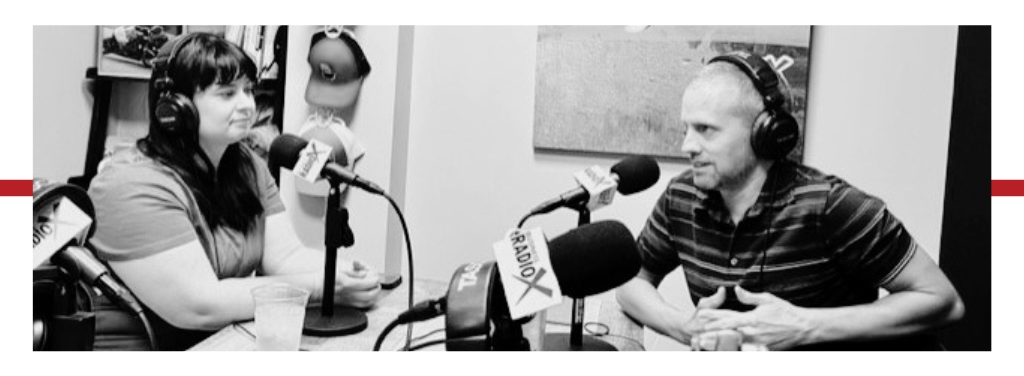
Sharon Cline: [00:00:16] Welcome to Fearless Formula Friday, where we talk about the ups and downs of the business world and offer words of wisdom for business success. I’m your host, Sharon Cline, and today on the show, I have one of my absolute most favorite returning guests, Joe Cianciolo. He is the human capital strategist with Front Porch Advisors, and he has brought someone he’s been working with who I know as well through our networking meetings. Kristy Johnson. She is the co-owner of Beyond the Spotlight Studio, and she’s also the compliance manager at Cherokee County Transportation Department, also called Cats. Welcome to the show.

Joe Cianciolo: [00:00:52] Thank you for having us.

Sharon Cline: [00:00:53] You’re welcome. I was just saying to Joe before the show started that this is one of my absolute favorite shows that we do because I am so fascinated by why I do what I do. And I’m I think a lot about myself. I just want you to know that I’m getting it right now. I think a lot about me and not so much about why other people do what they do as much as like, do I like what I just did? And if I don’t, why did I do it? And what are my choices? And this is the ongoing conversation in my head. It’s fabulous. But what Joe does is that he actually makes it has a has a template which allows you to kind of instead of me judging myself and the things that I’m doing, it allows me to look at here are the positives of the things that I do, and here are the things that could trip me up. But here’s a tool to use to go around it, and that just makes me feel so much less like I’m, I don’t know, like my own worst enemy and that I can’t get what I want. So would you say that that’s an accurate reflection of what you do? Joe Well, that’s.

Joe Cianciolo: [00:01:51] Why I was watching Kristy, because Kristy has worked with me for for years, actually. And yes, that is exactly. I mean, hurray. We’re done. We’re done. Yeah. No, I mean, we are all unique and we are. I don’t know. I think we’re all our own worst critic. So the components that you discussed are described in what? What? Kristy is very, very well practiced in is understanding how to be aware of yourself. You talked about it in terms of why you do the things that you do, the choices that you actually do have in it. And rather than being critical of yourself, we study awareness and then we study acceptance. And that’s a piece that I just recently within this year have started using that term. I’ve been doing my own research into that. Sometimes we can be very aware of those patterns but not accept them.

Sharon Cline: [00:02:39] Oh my gosh, that’s like up at two in the morning moments where I’m like, Why did I say, Why did I think I know better? And maybe I was hungry? Like, I come up with all kinds of reasons to justify some of the things that I’m very critical about myself.

Joe Cianciolo: [00:02:54] And then you can talk yourself onto and off of ledges that way. And what I talked to Kristy about earlier is if you can be, I don’t know, grounded in who you are, what you bring and what you need, then it helps you to choose actions accordingly. And when you are off the reservation, then like you said, we have tools for that. We have tools that help you remember. Oh my gosh. No wonder why this feels the way it does. I’m really excited that Kristy is here today because Kristy’s world is different than my world. Yet she and I use a lot of the same dialog, the same communication styles and terminologies. And we also know how to kind of calm each other down so that we can face something much bigger, you know, as opposed to getting really frazzled by the annoying daily. Sometimes you get stuck in the grind of tasks and sometimes you feel like the world has all these expectations of you and realize, Oh wait, that’s my problem, not the world’s problem or whatever it is that you’re wiring actually brings to you. Got it.

Sharon Cline: [00:03:55] So some of the things that I do is I can spread myself kind of very thin because I don’t like to say no specifically. If someone asked me for me like, Oh, you know, I thought of you, you would be so great. And I’m like, What? You thought of me? When did you think you thought of me? Like, the next thing you know, I’m like, Oh, my God, You like. Like, it’s pathetic. It’s just like something I judge myself for really harsh because I know that that’s. Those are magic words for me. The next thing you know, I am roped into something that I didn’t even really think that through very hard if I wanted to do, but because they thought of me and I’m so honored by that, I’m in. And it’s like those are the things that I can see as a problem. But like I would imagine you, Joe, having so many skills that you could give me a potential, I could take that moment, you know, not become ungrounded because that’s, that’s like one of my favorite tools is to become ungrounded and then just kind of get through it and then think about it later. But I would love that that pause that gives me a moment to choose a response that’s really authentic to me because it’s really more about me and like what I want, as opposed to they want me. Oh, my God, Yes.

Joe Cianciolo: [00:05:02] Can you hear her wires right there? Okay. So a couple of things. One of which is the recognition piece can be an energizer for you as a believer that we’ve talked about this before.

Sharon Cline: [00:05:13] Oh, yeah. I’m a believer. Case you didn’t guys didn’t know who was listening.

Joe Cianciolo: [00:05:16] And the caretaker piece doesn’t feel worthy, right? So for you as a combo, that’s an interesting conundrum because you like the accolade, yet you feel unworthy at the exact same time. But when you study that and understand sort of the groundedness of it, what you realize is that what you connect to in terms of when somebody thinks of you and you’re like, Yes, wow, that makes me feel great with the understanding that you don’t have an obligation to say yes if there is something that is of shared value with that person or with the idea or whatever, then you get the opportunity to do both of those things, which is to say yes, with the ultimate care that you naturally provide. But as Christy can probably speak to the caretaker, you want to talk about where that could get you in trouble. Yeah.

Kristy Johnson: [00:06:05] So, I mean, I’m a caretaker. I’m a caretaker first, and so I will spread myself. So thin that then you do, like you were saying, just feel like you have to do those things. I said yes. Yeah. And that, like, I.

Sharon Cline: [00:06:22] Can’t let someone down.

Kristy Johnson: [00:06:23] Exactly. And you’re you’re honestly just you’re doing it because you are, you know, personally wanting to have a good like, you know, perception of what they think of you and things like that. So and it really leads to like burnout. You know, you don’t want to help anyone and you’re just drained by the end of it and that’s so easy. And you want to just take it all back. Like, you know, when you do get burnt out, you don’t want to help anybody because you’re feeling that way.

Sharon Cline: [00:06:57] But here’s here’s what’s interesting about that, though. And tell me what you think of this, Joe, is that I don’t want to help anyone, but that will include myself because I’m so tired that I really want to I need to do laundry because I need to do laundry. And I’m so burnt out that I will not do any of the things that I’ve been frustrated that I can’t do because I’m so burnt out from other people. And so, yeah.

Joe Cianciolo: [00:07:19] You guys see me on the edge of my seat. I’m always you both keep saying the same words need and have to need to and have to. And those are Kryptonite for caretakers especially and for people who are outer driven. Right? So when we talk about the expectations wiring versus the personality wiring, that’s where they go together. And so when somebody is externally wired, I’m internally wired so nobody can tell me what to do If I don’t if it doesn’t make sense to me, I won’t do it if it makes sense to me. Awesome. Like if you tell me I need to do the laundry and I don’t find any reason to it, I won’t. But if I realize obviously I have to take care of my kids, you know, my spouse, I got to do those things. It’s because I think it’s important. It makes sense to me to do it. When you say words like need to and have to, it is a very dominating outer expectation. And the problem is there is that you aren’t taking care. I’m going to go through like a number of tools real fast. I’m ready without calling out the tool, but the caretaker can take care of everybody else except for themselves.

Joe Cianciolo: [00:08:19] What I always have to tell the caretaker is if you don’t provide care for yourself, if you don’t, if you don’t give yourself that time, you cannot provide the same level of care to others. So when that happens is you you have spread yourself so thin because you’re allowing all these expectations around you to dictate what you’re doing well, that takes down your natural strengths. It doesn’t allow you to do them. So if you had to, had to need to do the laundry for your family. Is it because you want to you want to be known as that person that’s always there to make sure that like I was sitting there doing laundry while I was eating lunch, hurrying to get here, realizing that I love that my kids have that person like me to fold the laundry for them so that when they come back from camp, everything is already ready and done for them. And that is a show of care and it’s an opportunity that I have to show my kids that they deserve to be cared for. But if I don’t take care of myself first or at all, then it will always feel like I’m chasing.

Sharon Cline: [00:09:18] Okay. But I have a question for you about that. So. So if I’m. Okay, so you phrased it. Sorry. I’m thinking on the fly. This is just great. It’s great on radio. This is so great. Okay, so if I. Have that obligation, thought process. Right? That okay, well, I agreed to do that for this person. This person, this person. In some ways, I like the surrender of control of my life to someone else who has asked me to do things so that I don’t have as much choice. Well, no, I mean, this is the result of what people have needed from me. And of course I’m going to do it for them. So in some ways, I’m surrendering the responsibility of the effects, the outcomes of them. Right.

Kristy Johnson: [00:10:03] I think that, you know, especially being in that mindset quite a bit, it’s also really understanding your identity too, that like you get so used to having people rely on you and that becomes who you are. And really a lot of us, I know myself personally, I’ve had to sit down and really like think about what do I like, what I don’t like, what is it like, Who do I actually want to be? And instead of allowing other people to take that choice away from me because I don’t want to make the decision, I don’t want to be the bad guy. Yes, I want to be me. I don’t need me. I want to be needed and I want to have that relationship with them. And that’s how I feel, like I can love them. But what am I doing to, like, separate myself and like, put myself last? You know? Is it really like a true reflection on how much I love myself?

Sharon Cline: [00:10:58] How did that sound? Joe, are you having a moment?

Joe Cianciolo: [00:11:00] I’m having a moment.

Sharon Cline: [00:11:01] You deserve that moment.

Joe Cianciolo: [00:11:04] I can’t wait to go back and replay that one again and again. It was said very, very well because the outer accountability and the outer expectations are fine. I mean, some people find that to be a negative. I don’t once you are aware of it and accept it, then you can act on it. And the thing is, is are all those tasks liberating for you because you have chosen to create your identity around that, or is it dominating to you because you really feel like it’s easier when people just tell you what to do?

Sharon Cline: [00:11:31] Both.

Joe Cianciolo: [00:11:32] Okay, So the liberating one, you have to make sure that you can measure. That’s one of the tools that we study in. I don’t know whichever of the programs that you would go through or whatever is that we have to say. Who are the influences in your life? Who are the people and what what kind of influence are you allowing? Are you making room for a balance of supportive people, people who are natural challengers and people who actually do liberate you for you to be you easy like you at your best. You without having to make excuses, without having all that inner talk, which is what typically drains you. And so you got to be able to then say, Wait, everything all these people, all these outer expectations are coming from people who feel like they’re providing nothing but challenge. And that is something that Christy and I’ve talked a lot about is how do you make time for the people who are natural supporters and how do you give them permission to also challenge you from a place of support first.

Speaker4: [00:12:28] Like a place of love.

Kristy Johnson: [00:12:30] And it’s like communicate, eating with them, you know, like really looking at, you know, there’s there’s that quote that, you know, the closest five people are the biggest influencers in your life. And so, you know, you become those five people. And if all of those five people are constantly challenging you, are you just okay being with them? Because that’s what you’re you know, you’re naturally in that world all the time. Or do you have liberators who are going to come and and support you and really lift you up? And, you know, even in those dark times, like are they are they around you? And do you actually know how to name them? That was my hardest thing was to.

Speaker4: [00:13:08] Ask you.

Sharon Cline: [00:13:08] Actually would like to ask just can we go back slightly like how did you become associated with Joe? Did you approach him? Did he approach you? I would like to know what the impetus was.

Kristy Johnson: [00:13:18] Yeah. So I actually have a great story of how we actually met. So our networking group had an afternoon social and I had been meaning to go. I just hadn’t. I brought my sister and we got split up and we were sitting, we were going around, we asked a couple questions with each other. And so I was answering the questions and I had a group that was just like life changing. Joe Was was there diesel? David Like, there was all of these wonderful people in the community and they just fed into me. They were like, You need to focus on this. You need to look at this and and you need to, you know, you need to come to the morning, you know, networking. And I was like, I can’t. I have a 9 to 5 job and there’s no way I can do that. And they’re like, Did you ask? And I said, No, I’ve never asked. And and so luckily, you know, the stars aligned. And I started going, you know, every Thursday morning. And but, you know, after that, it was just, you know, they saw me they they just fed into me ever since. And, you know, it’s honestly a huge reason of who I am today and like even becoming an entrepreneur with my sister, I mean, they just have, you know, changed the outlook, my mindset, because I was just like, I work a 9 to 5. That’s what I was taught. I go to school, I go to college, and that’s what I that’s who I become. And really, there’s a whole different world. And Joe really opened the world for me just to kind of explain like there’s different there’s different ideas out there and there’s, you know, different ways of viewing the world and yourself, which you’re just not taught in school. You know, I was you’re young, you’re.

Sharon Cline: [00:15:09] More encouraged to comply with and, and not be different because being different is, is could potentially be chaotic or a bigger personality. In school, it’s more about just not kind of being quiet, flying under the radar, doing what the teacher said don’t cause trouble.

Kristy Johnson: [00:15:24] And that’s that was 100%. My personality is I was shy. I didn’t I didn’t know how to talk to people. And and and so, you know, getting in front of these people who don’t even know me and are just like Christy, you have this like you can you can do it. And it’s like, that’s weird. Like I, I don’t think I can.

Sharon Cline: [00:15:44] It’s actually so sweet, though, The way that you’re talking about it is that you had ideas in your mind about what you wanted, but, like, life was happening to you as opposed to you’re taking control of life. Okay, Joe, you go.

Speaker4: [00:15:55] Joe, you go. Okay.

Joe Cianciolo: [00:15:57] You need to playback this when you go home and you need to listen to what you just said versus what you said earlier, which is.

Speaker4: [00:16:02] You know, this show, I get.

Sharon Cline: [00:16:04] To point everybody else. No, but actually, you’re right.

Speaker4: [00:16:06] I know a lot of.

Sharon Cline: [00:16:07] What I say is choice.

Joe Cianciolo: [00:16:08] But, you know, and choice sounds scary. And that’s why we keep working through. I mean, Christy has actually been very helpful, not only having come and sat on the front porch, she’s also helped me develop some of my newer tools and try to make it more accessible to a bigger audience, because that’s one of the things that’s hard. It’s very personal. I mean, not everybody wants to come and say, okay, cut me. Open and look for the insides that nobody sees. Luckily, Christy just happened to be sitting at a table of wildly bold. I remember that night very vividly. Lauren from Pie Bar was there.

Speaker4: [00:16:43] Oh, I love Lauren.

Joe Cianciolo: [00:16:44] She’s amazing. So imagine being sitting at a table for the first time with Lauren, David and myself and Christy. Like, they’re big personalities.

Speaker4: [00:16:52] Big, big.

Sharon Cline: [00:16:52] Personalities.

Joe Cianciolo: [00:16:53] But that’s what we all need, is we need people to be able to see us for who we are, not necessarily who we’re choosing to be every day, but who we can be. And we saw it in Christy very quickly, and we didn’t know what it was. Now, my job is human capital. I see that people have value. The value is in the person, not just your experience is what you do with your experience. How much do you understand your experience? Are you okay with that experience and what do you do with it? And so the fact is, is that when when Christy and I have have within, I don’t know, the last year or year and a half, I’ll send a new tool worksheet or something to her that says, hey, let’s work through this because choice doesn’t have to be as daunting as you think.

Sharon Cline: [00:17:36] But choice isn’t as daunting. But the but the. Responsibility of those choices are. What’s so scary to me is I the consequences of the choices and whether or not I’m going to be happy with those consequences or not make me disinclined to want to make them.

Joe Cianciolo: [00:17:57] Well, have you ever actually mapped them out?

Sharon Cline: [00:18:00] Well, I mean, in my head.

Speaker4: [00:18:02] Well, and so that’s different.

Joe Cianciolo: [00:18:04] And that’s the thing. Why? Because the responsibility of it is hard. And so, you know, for me, being inner driven, I once I commit to it because it makes sense that I would want to do it, I go crazy. And I’m a strategist, which means I need data. But for people who are unaccountable, especially caretakers who don’t feel like maybe they are worthy of it or they don’t, they would love to give it to everybody else, but they it’s scary to do it themselves. Is is I say, okay, let’s map it out. Let’s let’s and I’ll walk them through, you know, sitting on the porch. We actually have it in. I don’t remember which chapter that you were doing.

Speaker4: [00:18:38] You actually write this down.

Joe Cianciolo: [00:18:39] Oh yeah. Where we actually map out. Okay. When, you know, this is a natural driver, whether it be good or bad, and this is when it tends to happen. And and this is what I usually choose as a result. And each time I choose that these are the consequences. And the consequences over time are what create our reality. A lot of people say, I wish my reality was different. Well, you can’t change consequences. You you can’t even change your tendencies. You can only change the choice that you make as a result. But that requires having some kind of understanding of choices that you do make, which could even be isolating yourself from other is a choice. Or saying yes to everything is a choice and you have to then map the whole thing out. Once you map it out, you can start to apply it to every different situation or challenge or choice that you have to make and say, Oh, which one do, which one do I really want? And then for people who come to me and they say, I wish my life was different, okay, well, what do you want it to be? Let’s work backwards. We can do it any which way, but we have to be able to identify each of those pieces so that you can see the pattern.

Speaker4: [00:19:41] Is that what happened.

Sharon Cline: [00:19:42] With you, Christine?

Kristy Johnson: [00:19:43] Yeah. Yeah. I mean, I still have.

Sharon Cline: [00:19:45] Problems ongoing, isn’t it.

Kristy Johnson: [00:19:47] Though? Yeah. I mean, I mean him as a human capital strategist over here. I mean, it’s just you have to work on yourself daily. I mean, I still am going back to like, you know, I still get shy in networking events. I still like I will get into a, you know, a funk and a habit of, you know, I like just want to stand by myself and and those things. I just know now, like when I see the signs and that’s really understanding yourself is, you know, understanding the signs of like, I’m in that habit again, You know, what? Can I get myself out of this habit and break it and break that monotony of it?

Sharon Cline: [00:20:21] Have you found a surprising trigger for yourself? In other words, sometimes when I watch a movie that is like overly romantic and very sweet, and at the end of it, I like shut the TV off. And then I look at myself alone in my house, and then all of a sudden, like, I have a whole thought process that comes into play that I’ll be very different after watching a movie in my feelings and what I think then before. So I know for myself that I have to kind of choose when I’m in the mood to really go down that road. Sometimes I don’t know that I’m going to, but I was wondering so that maybe that’s not surprising for me because I don’t do what you all do yet, but.

Speaker4: [00:21:04] I’m saying yes. She said.

Sharon Cline: [00:21:06] Yes, Oh, no, that’s on the radio and everything. Yeah, but like, do you have you found that there are certain things like if you see a certain person or a certain car or are there triggers that were surprising to you?

Kristy Johnson: [00:21:18] So one of mine that I have realized, you know, we were talking about, you know, like overextending yourself and burning out. I realized by going through this process that when I start to drink way more caffeine, if I have a Starbucks iced coffee in my hand daily, that I have started to like put myself last because I am codependent on that, that like caffeine, I need it. And it’s it’s weird because it’s only a Starbucks, you know, iced coffee for some reason. No one else like no other coffee company. But but it is it is very like I will just get in that habit and I just know that, you know what, I have to take a step back because something’s going on with me and and I’m I’m off balance.

Speaker4: [00:22:06] Well, that isn’t.

Sharon Cline: [00:22:07] That just fascinating in itself. Like, let’s take a second to say how much of my life do I allow things like that to happen that I’m completely unaware of all day long?

Joe Cianciolo: [00:22:18] We live in a very chaotic society and technology with everybody having phones is we’re constantly distracted and we choose that. And sometimes that’s it’s a defense mechanism. It’s like, Oh, I can spend all my time and I’m busy, busy, busy, busy because it feels easier to to be a victim, to busy or to not have to. Face what you want to face. And it was funny because before today I had all these things that I wanted to get done, and instead I ended up taking advantage of an unplanned, however many hour session with with a client where we went to a level of depth that if I hadn’t have allowed it to happen, I wouldn’t be in the mind that I’m in right now. I would have done all the cleaning and all the things that I wanted to get done. Yeah, tasks. And I still want to because I’m very competitive and I like to get that stuff done. It’s part of my wiring. But I was so grateful that when I saw that opportunity because I do this study every day, I mean, this is my job is I realize very quickly, no, this this becomes the opportunity that I have to sit back and say, what’s going to come of it? And what was funny is the client sent me a text afterward saying, I saw your dream today and Dreamer is my last. I’m not a dreamer. And he was able to see it.

Sharon Cline: [00:23:42] I got chills just now.

Speaker4: [00:23:44] That’s a very.

Sharon Cline: [00:23:44] Important text you got.

Joe Cianciolo: [00:23:46] Yeah. Yeah. And and I immediately, as I do in my program, is to say thank you. But I had to be specific about what I was thanking him for, which was to actually put me in that spot that allowed the not the weakest but the least strong part of my personality to come out in a way that he could understand it. I said, Oh, can you put it into words? Because I honestly, like, I allowed myself to just go there. That kind of awareness when you give it more time. If she were to give her awareness more time than the Starbucks in her hand, it’s a different machine.

Sharon Cline: [00:24:22] Well, what did it feel like for you, Joe, to feel all of those feels?

Joe Cianciolo: [00:24:26] Oh, I thought I. I kept thinking, well, this is probably the best way to start a week of on my own while the kids are at camp is because I often the kids are my priority. I love my children and I have other things I wanted to say about them in terms of what we were talking about earlier. But maybe a better use of my time this week will be to stay in this mindset. Maybe instead, like I remember when they they went to camp last year, I was like, Oh, I can watch my own movie. What is that? I can watch my own show. And so this year I actually prepped. I was like, okay, these are the shows I’ve been wanting to watch. And today I thought, Well, maybe I don’t need the TV this week. Maybe I need to make more time to just sit and be in awareness, not with myself. Because what I notice or what we talked about in our session was I need to do my awareness with others. If I do it by myself, I can make excuses. I can let my mind wander in other ways, start preparing, task listing, you know, all that kind of stuff. Whereas I do my best thinking out loud with others. And so I happened upon it by accident. And now that I’m aware of that, I can make that a bigger priority. This week, as you and I always talk about, there’s a difference between accidental and intentional. Well.

Sharon Cline: [00:25:43] So is intentional. For some reason, this word keeps coming up this week for me, and I’ve said it a couple of different times to a couple different people, is I am trying to be very careful about how I’m spending my time because as much as my voiceover business is getting bigger and lots of opportunities are coming that make me so happy, I love doing all of those things. But then I’m also there’s a natural stress that comes with it too. So I’m trying to and I’ve never had to say no to someone where I’m like, What, you want to have dinner? Yes. What, you want to go do this? Yeah, let’s go. Let’s go ride motorcycles. It’ll be all day. But now I’ve. I’ve thought about it in a way where I’m actually going to have to say, I would love to see you, but I’m going to have to schedule it a couple of weeks out or something like that, or be more intentional with the way I’m spending my time. And I’ve never actually I mean, I probably have had to do this before, needed to do this before, but I’ve never done it before. But I see what you’re talking about is also you’re choosing your experience in the moment that you’re having it. So if next week when you realize that you’ve had enough of the feelings that you’re in now, you could choose to watch your movies if you wanted. But these are choices. They’re not reactions, right?

Speaker4: [00:26:51] Oh, she hit another hot button because reactions.

Joe Cianciolo: [00:26:55] Did you have something you needed to chime in?

Speaker4: [00:26:57] Well, so.

Kristy Johnson: [00:26:57] I was going to say actually, so I just finished reading A Mountain Is You, which is a guide to self-sabotage. It absolutely changed my my life. But you know about feeling your feelings like a lot of your feelings they talk about in the book is, you know, actually, you know, a way to cope with that, you know, as a symptom to that self sabotage. So those feelings are, you know, a reaction, a symptom of something else. And taking that time to actually, like feel those feelings and are so important, I think that we just don’t do in our society anymore.

Speaker4: [00:27:34] So I love that.

Sharon Cline: [00:27:36] That’s so. And how do you how do you see yourself doing these things to.

Kristy Johnson: [00:27:40] You know, I mean, I think you have to you know, like you were saying, being intentional and taking a like a second to to feel them and not be scared of the feelings and allow them to, you know, to actually, you know, feel it and not react.

Sharon Cline: [00:27:56] So you’re saying that you’re not judging yourself for your feelings? Yeah.

Joe Cianciolo: [00:28:00] So she needs a timeline. You need to get you a timeline for yourself, because once you start to study the past patterns and look at your life and your current reality, you will see all the things that make you want to say yes now are still exciting and they’re all important, but they all can’t be urgent. And because you’re unaccountable, one of the tools that we always say is you want to say yes. So say yes. Dot, dot, dot. As long as this is true. And so the thing is, is if they’re all too much and this is where you we practice finding your grounding so that you don’t get into this whipsaw situation where the answer is yes, as long as we can do it two weeks from now, not. But I’ll have to wait because that puts you in that negative. So, yes, as long as.

Speaker4: [00:28:52] Like yes.

Kristy Johnson: [00:28:53] And.

Joe Cianciolo: [00:28:53] Yes. And which is interesting because we’ve heard that before. But putting it into practice is a little bit harder. Harder. So I had that mentality. I think it was 2 or 3 years ago when we started to really, I guess during Covid, I got really busy and I wasn’t expecting it because everybody was at home. And you know, what we do is very personal and I didn’t think we could do it over video, but we did is I had to get to that point where people were like, Do you have space for me? And the answer was always, yes, As long as these are the hours that I can do this and do it well, if I overbooked myself, then my kids who were home and schooling at the time because of the Covid restriction, I couldn’t give my clients their full due. Just like if you say yes too much, you’re not giving the best version of you. If it’s too far out of balance. So when you say yes, as long as this is, yeah. And then we go through all of our.

Speaker4: [00:29:47] So do you do.

Sharon Cline: [00:29:48] The same thing Now you’ve learned this skill and that’s how you are interacting with people.

Kristy Johnson: [00:29:52] Yeah, I’ve actually, I’ve kind of leaned more into, you know. I think about if I say yes, what opportunity am I also giving up because of saying yes?

Sharon Cline: [00:30:05] So when you’re saying yes to something now you’re saying no to something else. Yeah.

Kristy Johnson: [00:30:09] I mean, you’re breaking any opportunity to have, you know, have something better or even, you know, maybe there’s this opportunity that’s supposed to come in, you know, into your life. And, you know, if I’m saying yes to to to kind of everything, there’s no there’s no opportunity there’s no availability for you to even know what you don’t know yet. So it’s a it’s a hard it’s a hard practice, but it’s, you know, it’s worth it.

Joe Cianciolo: [00:30:35] But one of the things that Christie and I are actually trying well, trying we are working on we haven’t figured out the best way to launch it is for people who are out or accountable who need that liberating outside force to help remind you that you matter, that you need to say yes to yourself. You’re probably going to say yes to everybody else first. We want to be or create that that community of people that will be that constant reminder that it is okay to say yes as long as it is okay to not get stuck in obligation. And it’s a shared experience for people who are outer accountable. They they have that all the time. I do. You’re not. Yeah. And that’s why I was glad to have Christy come, because I wanted Brendan’s the same. That’s why his his radio spot that day was so powerful because he spoke to it so comfortably. And that’s our goal. Like at Front Porch Advisors, our goal is to find you at your most comfortable. Not your easiest, but your most comfortable, the one that you just naturally wake up into, not the one that the world expects of you, not the one that you think the world expects of you. Or that a.

Sharon Cline: [00:31:44] Lie is this that I tell myself. Because what I believe is most comfortable is what I have always done.

Kristy Johnson: [00:31:51] The habit that I think that is. I think our brains are wired for that. We want to stay where it feels okay. We know to do so that we don’t have to to get outside of that comfort zone any. So, you know, for me, it was, you know, as soon as you go out of that comfort zone, there’s more problems. Right. And we we don’t like problems. We we try to do everything to keep status quo. And so when we start to change, it’s like this is the scariest thing I’ve ever done. But at the but, you know, but what does what does it bring, you know, and so the question of, you know, I just I just want to I just want to keep doing what you’re doing. Like you’re not happy doing that, though. We all know it. Like we’ve all like said, how many times like, oh, man, it was just a bad day. Was it really though? Like, are we just in the habit of complaining constantly because we it’s what we’re used to.

Sharon Cline: [00:32:46] Because the world is happening to me and I’m not I’m I’m not in control.

Joe Cianciolo: [00:32:50] Well, and for a believer, the depth is the scary part. Every one of the wires has a different, scary part. I am a strategist, which means that I am very risk averse. But that doesn’t mean I don’t take risks. I have to take risks in alignment with my strategist, which means I have to calculate just enough data and all the possible what if scenarios and then tap into my second, which is initiator. And it’s interesting because my combo, we’ve talked about combos before, my second is risk taking, so I am conflicting within that. But once I figured it out, once we went, well, I’ve been through the program how many times I do it all the time. But when I realized that it’s not the risk taking part, that’s natural to me. It’s the confidence to be bold. That is, if so, if I combine them and I gather just enough data and remember I’m confident enough, when I get enough data, then I will do it. So for the believer, the believer is.

Speaker4: [00:33:48] I’m the believer, right?

Joe Cianciolo: [00:33:49] Yes. Always excited by easily excited and able to bounce around from one thing to another. And the depth can seem so scary because it’s like, No, let’s just do this and let’s do this. Yes, this is a great idea. Everything’s a great idea. But you have to know what the trade off with that is, that eventually nothing goes below the surface and you are more than that. That’s where the caretaker comes in. Your caretaker number two has the ability to care for a very big population of people who need it. And especially now when we’re constantly being barraged with challenge. And what people need is natural care. And when you’re saying yes, yes, yes, yes, yes, that care is the trade off because you’re not actually bringing it up. So when you learn how to combine them, you’re going to say yes, because this is my opportunity to care for you and do what I love to do because your idea is so awesome. You know.

Speaker4: [00:34:41] This show feels.

Sharon Cline: [00:34:42] Like that to me.

Speaker4: [00:34:43] Because.

Sharon Cline: [00:34:44] I believe so much in what we’re discussing. And I think one of the things that I love about having this opportunity to meet so many different people and talk about what they do and why they do is that it is just so exactly human and. I just so accept that I’m just such a human and I just make the biggest mistakes ever all the time. But we all.

Speaker4: [00:35:05] Do. And isn’t.

Joe Cianciolo: [00:35:06] It interesting that this is the one that you don’t overthink.

Speaker4: [00:35:09] This? I don’t.

Sharon Cline: [00:35:10] I don’t even.

Speaker4: [00:35:11] Prepare exactly at all.

Joe Cianciolo: [00:35:13] That’s natural energy coming out of you without having to put it on.

Kristy Johnson: [00:35:17] And I think people are drawn to that. You know, I mean, you are you are like as as a caretaker. I mean, that’s what we naturally do. So people are going to be drawn to that side of you so much easier if you’re living that authentically.

Sharon Cline: [00:35:31] So do you, Christy, find that when you are in your caretaker energy, that you what is the second what is your second?

Speaker4: [00:35:37] She’s a strategist, too. Oh, really?

Sharon Cline: [00:35:40] Strategist number two, which is interesting. Okay. So when you are authentically in your caretaker space, you find that with boundaries around it and you’re not compromising yourself, that your interactions are different or the outcomes are different.

Kristy Johnson: [00:35:54] I think they’re deeper. I think my relationships are deeper with people and and even thinking, you know, like not having, you know, having to say no, like it was because I wanted to say no. And actually, you know, I always assume that I need to to go deeper with someone like to continuously, you know, like, like I really do need to give that pot pie to them, you know, like I have to because then they won’t like me. But when I’m living my my true authenticity, you know, people are just happy that I’m around, that I’m contacting them, that I’m, I’m caring because even when I’m when they don’t even know that I am, I am I’m caring for them in some way. But it’s also, you know, they they just genuinely want to talk to me. They’ll reach out to me because we’re we’re just in that relationship and I’m I’m thriving the way I need to be. And I’m not. It’s it’s an a balance, too.

Joe Cianciolo: [00:36:50] Can I chime in, please? Oh, my gosh. Okay, So last time Brendan and I did this to you today, we’re going to do it to Christy. Oh, you and.

Speaker4: [00:36:56] Me, we.

Sharon Cline: [00:36:57] We’re looking at each other right now.

Speaker4: [00:36:58] Our eyes. Okay.

Joe Cianciolo: [00:36:59] Did you notice the difference in the way she’s sitting and the way she’s talking into her mic between the beginning and now?

Speaker4: [00:37:04] Yes, I.

Joe Cianciolo: [00:37:05] Do. And do you know why there’s a fearless formula here?

Sharon Cline: [00:37:10] What is it?

Joe Cianciolo: [00:37:11] Is the natural Sharon formula, which is you you used your believer and believing that this is such a good opportunity and then you took the vulnerability on yourself, which immediately took it off of her. And you didn’t even mean to do it. You didn’t try to do it.

Speaker4: [00:37:27] What did I do?

Sharon Cline: [00:37:28] What? What? How did I do that?

Joe Cianciolo: [00:37:29] You took over the vulnerable spot. So for her, when I said, Hey, Christy, you should come on the radio, she’s like.

Sharon Cline: [00:37:36] Yeah, no, lots of people don’t like to do this. I was like, crazy to me. But yeah, a lot of people are not comfy.

Speaker4: [00:37:41] But she.

Joe Cianciolo: [00:37:41] Knows that it’s my job to liberate her. That’s my job. So I have to not only support and believe in her, but I also have to challenge her. So she said yes, knowing that it was for some kind of bigger purpose. And as she came in, I could feel it see it on her, that natural caretaker know, you know.

Kristy Johnson: [00:37:59] That’s the bad part is as caretakers, I think everything is shown. I mean, like all of our, like, you know, our flaws in a sense. Like when we’re nervous, like all of our, our motions, you.

Sharon Cline: [00:38:08] Can look at me and see it.

Kristy Johnson: [00:38:10] It’s everywhere.

Joe Cianciolo: [00:38:11] So where you became the fearless formula today for her is that you started asking very intimate, personal questions about your own fear of that internal dialog, which immediately allows her to care for you by sharing her experience. Oh, that’s what I’m talking about. That’s where it happened. You didn’t know you were doing it, but that’s what you get on the backside. So when you can do that for yourself and realize inner dialog, that’s super self critical. Isn’t necessarily. That’s internal. And you’re not an internally driven person. You’re an externally driven person. So when you bring somebody in and say, Hey, how do you like, you might be a little bit like me. How do you deal with this? Then they immediately relax and provide care. It’s glorious. And you can study that with the people that you surround yourself with.

Kristy Johnson: [00:39:03] Like it makes you look at everybody that you you have in your life so differently.

Sharon Cline: [00:39:08] I was going to ask that exact question as well. First of all, I want to say thank you for pointing that out. Let’s just say thank you for that, pointing that out because I had no idea. So that’s interesting to me. And I wonder how often I even do that.

Speaker4: [00:39:20] Probably a lot on this show.

Joe Cianciolo: [00:39:21] Yes. I don’t know about other places, but I hope you’ll start to pay attention. Actually, I know she will. She’s going to hear us in the back of her head. Yeah.

Speaker4: [00:39:27] 2:00 in the morning.

Joe Cianciolo: [00:39:28] You know, you’ll pay attention to it while you’re doing other work because you’re going to feel the difference. Did you feel the difference when I actually brought it out to her? Like you are more comfortable?

Speaker4: [00:39:38] Yeah.

Kristy Johnson: [00:39:38] No, I am.

Speaker4: [00:39:39] Yeah, well, I.

Sharon Cline: [00:39:40] Love that actually. I appreciate just the the pointing out of a tendency that I have that I could actually be really happy about because I tend to look at the things I’m not. So thank you for being generous with me.

Speaker4: [00:39:54] But that’s part.

Joe Cianciolo: [00:39:54] Of your identity that you want your identity to be. And that’s what Kirstie was talking about earlier. You’ve got to try to figure out who do you want to be and this. Is that for you? Yes. Which is why we see it. And we’re like, oh, we love Sharon and we love going on the show. And as much as I would love to create a five page script, I don’t because it is it’s a.

Speaker4: [00:40:15] Conversation.

Joe Cianciolo: [00:40:15] To explore together. We’re being curious together.

Sharon Cline: [00:40:18] But that’s like, that’s my happy place, like an hour ago. I mean, we might be here. I don’t know. It just it goes by so fast that I don’t realize that there’s a part of my brain that is actually like having a party while we talk about these things. It’s just. It’s helping me to understand why I do what I do. And when I have a little bit more of like, peace about it, then I find that when I’m interacting with other people, I’m not quite as critical of them in my head either, which I’m not proud of. But that is.

Speaker4: [00:40:46] A huge.

Kristy Johnson: [00:40:47] Plus for.

Speaker4: [00:40:48] For you.

Sharon Cline: [00:40:49] High five each other. Yeah, they high five. That’s what that was on the radio. Well, also, I wanted to ask you when how I’m not as intentional. I think of the people I’m surrounding myself with my five. I don’t know that I’ve ever actually been like, all right, is this person going to be my challenge? Challenging person or cheerleader or whatever? So, Christie, how have you noticed that your what categories do you put your friends in and has that changed how much time you interact with other people?

Kristy Johnson: [00:41:19] Yeah, I mean, you know, like my liberators and my like my supporters, you know, there’s there is so, you know, a group of them in my life that I do, you know, I’ll go to my problems with them, you know, things like that. There’s also you know, there’s also times like in my life where I do need a challenger. I need someone who’s going to come to me and just be like, you’re completely wrong. And I don’t like to hear that. I mean, I want to, you know, but but I know that I need them. Like, every part of it is, is, you know, what I need and and even to just fully support me, you know, there’s just days we have those days where we’re just not we’re not feeling feeling life right now. And and I have those dark days and, you know, I know exactly who to go to, you know, and I just know him now. So before I was just kind of flopping around, trying to like, Hey, can you listen? Can you listen? And it’s just that’s not who they were in my life.

Kristy Johnson: [00:42:14] And so now I’m just more confident in who I who I need to surround myself with. And even if, let’s say they become they were a liberator and now they’re just, you know, a challenger because people change and, you know, things happen in their life. I now know, like, okay, I need to go back and, you know, find find another liberator in my life. Maybe there is someone there. You know, I have I have a good friend who I would have never guessed he was a liberator in my life. And after going through the practice of it and I was like, wow, Yeah, you know, he’s always been there. He’s always, you know, told me good luck and like, how can I help? And and it’s like that’s what I needed. And I just never looked at him like that. I just was like, Oh, he’s an acquaintance. But really, he was a really good friend and, you know, still is and just really helps the business. And and in my life personally. So. So you have an.

Sharon Cline: [00:43:03] Appreciation for him in a different way, a value. A value.

Kristy Johnson: [00:43:06] And I think it changes the way of, you know, you have those people in your life where you’re like, they just don’t ever listen. They just talk about themselves. But really, that’s okay. Like, that’s not what I was expecting from you. Your expectations change from them and.

Sharon Cline: [00:43:21] Then you don’t judge them for not being able to.

Kristy Johnson: [00:43:23] And you can appreciate the great things about them and what they do in your life.

Joe Cianciolo: [00:43:28] I’m handing over.

Speaker4: [00:43:29] My book to are, you.

Joe Cianciolo: [00:43:31] Know, because she’s saying so many things that I mean we study and then after after you get to that point where you know and you can kind of navigate your life you she has a list. You know, I like to make lists, but when you can go back to your list, then after that, then you can go to an even bigger step, which you and I haven’t talked about. But we’re actually talking about my kids today because I did this where my kids, their kids, they constantly challenge. Right. And as a. You think I have to do for them? I have to do for others and for for outer accountable people. I have to do for other people. What I did was I shared that vulnerability with my kids the other day in a way that everything was just extremely challenging the entire environment. And I, I have now figured out how to use this communication to not have to seek only those five people, but to be able to communicate to anyone, no matter where they are or you are in a way that they can then provide you what you need at that moment. And I allowed my kids to hear the amount of challenge I was under in a way that was appropriate for them and gave them permission to support me by telling them what support for me is. Right? So I that’s why it’s a formula for Christy. It’s going to look different. Support for her and challenge for her are going to look different for me.

Joe Cianciolo: [00:44:45] I have to know what that looks like. So I told my kids, you know, this is what I’m trying to do. Sometimes I feel like I’m not great at it. I know I’m working really hard, but I’m outside of my own element. And what I just need is for people who actually can believe in what I’m doing and why I’m doing it. And I was actually doing research on them and they said to me, they’re like, No, we really appreciate you doing all this work, which is the support that I needed. And kids don’t lie very well. And so when they gave me, I asked for support and they gave it to me. And then they actually helped me out around the house a little bit more because I let them in on it. So when you’re saying yes to all these people and you start to feel the overwhelm of the world of constant, like, yes, yes, yes, I have to. I have to. I have to, I have to is to be able to say, you know what? Yes, I want to I’m feeling very overwhelmed right now. And what I really need is somebody to help make sure that I take some time for myself. I’m not very good at that on my own. This is what it looks like for me. That’s why Christy knows that we’ve had to go through that and list out all the things that support are so you can ask for them.

Kristy Johnson: [00:45:48] And I think the huge part is and what Joe is, you know, Joe is saying is, you know, I think we have to get really good at communicating. And that’s understanding yourself first to be able to tell others because they don’t know of how to support. Because Joe support is very different than what my support is. And so, you know, the people that come into your life, if you can if you can communicate that with them, then our relationships are just going to get deeper and more. I think we’re going to be more fulfilled, you know, in a deeper aspect with our friends, with our relationships, with the.

Speaker4: [00:46:24] Way we spend.

Sharon Cline: [00:46:25] Time, right? Yeah. We’re not as resentful of the way we spend time because we’re being intentional, the way we spend it.

Joe Cianciolo: [00:46:30] And, you know, my secret motive there is I want you to continue to learn all these things because I think you will be able to see each interview you do. And I see the world through a matrix in my head because I do it so often. I see everybody is wired to be amazing at something. But like she said, you don’t always know what they’re dealing with in that moment that’s blocking that. Christie came that night to an empower. It was an empower.

Speaker4: [00:46:57] Yeah. It was an empower.

Joe Cianciolo: [00:46:58] And empower and we saw it like that. She didn’t even know it.

Kristy Johnson: [00:47:02] I didn’t have a clue.

Joe Cianciolo: [00:47:04] I didn’t. We saw it. And it’s important for us to to realize that everybody has something. That’s why we started from Porch advisors is because we believe that everybody can contribute once they understand it. And then there’s got to be value and opportunity created around it. Not everybody is wired, wired like an initiator that can go make everything happen. But here’s a caretaker who’s kind of the quietest, the lowest, the most intro negative thought. You know who is so powerful? You know.

Sharon Cline: [00:47:37] I love.

Joe Cianciolo: [00:47:38] That. And it’s art. I think it’s our responsibility as a community to help her stay in that zone.

Sharon Cline: [00:47:46] Do you feel that power when you are using a different thought process than you had before?

Kristy Johnson: [00:47:53] Oh, yeah. I mean, I think, you know, it was one of those things where, you know, you always felt like you were destined for something more. But then when when you know, you change your thought process, like it’s not like a codependency on, you know, on Lauren and Joe and David to constantly feed, you know, feed me for that power. I’ve figured out that I it’s inside. I can I can tap into it and and I’m, I’m putting myself in those positions to constantly and get that feeling of Yeah, like I’m, I’m great, you know, and people, people should come up to me and talk to me like because I’m worth it and my self worth definitely went up, you know, I mean, constantly learning this.

Speaker4: [00:48:40] Just, you.

Joe Cianciolo: [00:48:41] Know, the what we do when we’re off our game like that. Like she said I am. But none of us are that 100% of the time. It’s it’s within us. But that doesn’t mean that we know how to use it 100% of the time. So when we’re off, all the people that are front porch people, we. Those who know that they are from important people. We will laugh with each other when we’re off because we’ve all studied all of the different patterns. So much so that I can give Christy a look and she’ll be like, Oh, I know.

Kristy Johnson: [00:49:11] I have a saying. It’s WW Wwjd. What would Joe do? He’s the voice inside your head.

Joe Cianciolo: [00:49:17] But it’s the same of when I get stuck and I excuse me, I have to laugh at myself because I remember it’s human. None of us are going to be on all the time. And once you kind of become more comfortable, accept that, then you can choose accordingly. And I just say to myself, after a day like that, I’m like, Oh, that was not my day. Tomorrow will.

Speaker4: [00:49:39] Be better.

Sharon Cline: [00:49:40] Are there typical or common factors that contribute to someone being off?

Kristy Johnson: [00:49:48] Unbalance. I think if you’re going more into one of your, you know, wires. Wires and you’re not balancing those, you’re not living in kind of that boat.

Joe Cianciolo: [00:50:00] So, for example, if you for me, if I get into analysis paralysis, because I am a strategist and I love data and I love to prepare for 8000 different ways that everything can go wrong, if that’s all I am, I’m out of balance. I’m out of order. Well, in that sense, I’m just selfish in my one wire. And we are made up of all of them. There’s pieces. That’s why I said my my dreamer is five. It is part of me. It just doesn’t come out very easily. If all of them are going, of course I can tap into it. But if I’m only using one and this happens frequently with most anybody who’s feeling stuck or overstressed, it’s probably because either you’re only using your top one or you have them completely out of order. And we’re trying to be something that we’re not. And that’s another big thing that we have to watch out for.

Kristy Johnson: [00:50:50] It’s also, I think, finding also where you are in those places. So like I’m a huge strategist at work. I’m I’m in that I’m in that mentality and I have to be really mindful and like when when I, you know, have hired people, I’ve I’ve said, hey, I can become in this zone. So just kind of call me out of it. Tell me like, hey, you know, I need some caring right now. I just need you to listen to me or and I’m like, Oh, right, I’m sorry. Because I’m both and I’ve explained that. And and one of the nice things is that I can I can kind of explain that to my coworkers and the people around me, especially at work, and be like, Hey, as a team, I might, I might go into strategist, I might be in my spreadsheets or I might be in, you know, in just analysis paralysis and just call me out of that.

Sharon Cline: [00:51:40] I have a big question for you, Joe. So when Christie is telling people that she works with, um, it requires a vulnerability to be able to say, here’s where I can get tripped up. If you could please help me to get back on track or what if you are working with people who take those things that are vulnerable about you and use them against you? Because not every environment. What I feel comfortable saying, Here’s where I can get off track. I could totally see a darker energy person using that to shame me or control me or I mean, it happens in relationships all the time as well. Like personal.

Speaker4: [00:52:23] Ones. Yes.

Joe Cianciolo: [00:52:24] But you have a choice in it. You always have a choice in it. No. So the first thing that comes to my mind is when she’s doing that, she’s not doing it out of obligation. She’s not being vulnerable with her coworkers because she’s expected to or she’s being told to. She sees it as, I have nothing to lose here and everything to gain. So she’s choosing the trade off she talked about earlier of what’s the opportunity if I ask for that feedback, if I ask for you to jostle me out, it’s because I want that. And if somebody starts to take advantage, if you are not seeking that opportunity and are sort of becoming what we call reactionary, then it makes it easier for those people to prey on on the vulnerability.

Sharon Cline: [00:53:07] So if your intention is to is for loving yourself yourself, then nothing that anyone says is actually going to make you feel like they’re trying to take.

Speaker4: [00:53:15] Advantage, right? I mean.

Joe Cianciolo: [00:53:16] You’ll even see it. And then you say, Oh yeah, I don’t really have that’s not what I’m needing and that’s not what I’m looking for and I’ll go find it somewhere else. And the thing that’s so funny is it’s like kids are on my brain, I guess, when kids are in school who who who do the quote unquote, bullies always seek the people who are most vulnerable. Why? Because they hear it and believe it. And so the thing is, is if you are the one that’s in control of that saying, no, I want this kind of feedback or I’m giving you permission to do that because I benefit, well, that’s a place of strength.

Kristy Johnson: [00:53:46] Yeah, I was going to say power from it, you know, like that internal power that that I felt before.

Sharon Cline: [00:53:50] What does that say about me? That the minute she. Kristy, you were describing yourself saying this, the first thing I thought was, oh, no, there’s going to be someone that’s going to see that as a weakness and try to hurt you with it.

Joe Cianciolo: [00:54:02] That’s your inner fear. We have limiting beliefs and we have self-preservation. We have all these kinds of things. And so you just haven’t realized yet how often each time you’ve done it, each time you’ve been allowed to be vulnerable on purpose by your choosing, what that outcome, that consequence and reality that we talked about earlier, I mean, I haven’t.

Sharon Cline: [00:54:21] Cataloged it.

Joe Cianciolo: [00:54:22] But if you did, you would realize, oh my gosh, every time I do it, instead of it happening to me, I get much more benefit. And then when you sit there and wonder, Oh, what happens if they do that? Then you’re then you’re your fear is what’s dictating the choice.

Kristy Johnson: [00:54:38] And I think also for you, like for, you know, if you have that that fear, it could be just a story you’re telling yourself because you saw it in a movie one time. Like it’s just a it’s just a roadblock. And really, that’s not it at all, because most of the time everybody is good. I mean, 99% of the time. And so by you having that vulnerability, like if you if you know yourself, you’re not going to let it affect you in a.

Speaker4: [00:55:04] Way what.

Joe Cianciolo: [00:55:05] She just said, 99% are good. What would cause them not to be is often their own stress, their own overchallenged, their own burnout. And when you start to see people that way, you detach a little bit of the heaviness, the weight of what it is that they would try to take advantage of. It’s not.

Sharon Cline: [00:55:24] Even personal.

Joe Cianciolo: [00:55:25] No, it’s their it’s their issue, not yours especially. And the more you’re aware of your own, I mean, I know what most of mine I don’t know that people can take me down because I’ve given them all out.

Speaker4: [00:55:37] And.

Joe Cianciolo: [00:55:37] I’m not afraid of them and I accept them.

Kristy Johnson: [00:55:40] But it also feels good, you know, being vulnerable with people because, you know, you know in who you are, it’s just going to come back to you in a beautiful way.

Speaker4: [00:55:51] Well, I think.

Sharon Cline: [00:55:52] Too, what you’re saying is there is no manipulation.

Speaker4: [00:55:56] Now, Do you know what I mean by that?

Joe Cianciolo: [00:55:58] Yeah. We feel manipulated, which if you’re looking at the quadrant, it puts you in that over challenge. Okay. Fear and manipulation comes from too much challenge. Too much support. What do we say always is sort of entitlement and mistrust. If there’s only support, if you only hear all the good things and the frilly things and the supportive things, eventually you don’t trust them because there’s no there’s no challenge there. But when you’re feeling over challenged, you want that. So you go seek it from the people who naturally give it. But when it’s feeling like everything’s too easy, then you go seek challenge. When you have those liberators, they they have learned how to provide both. And when you seek it out, you’re telling them your own formula. This is what I need. I need a little bit of this and a little bit of this challenge, a little bit of this support. Here’s my playbook. And when you are that open and confident, then it’s really hard for them to manipulate you because you’re the one that knows it.

Speaker4: [00:56:56] Yeah.

Sharon Cline: [00:56:57] So you don’t feel vulnerable when you’re in that space of explaining what you need?

Kristy Johnson: [00:57:03] No, because, I mean, it empowers me to know that, like, if they choose not to, you know, pull me back out when you know, it’s. At least I didn’t. I told you I communicated with you. And. And to me, the only thing that you can do, I mean, in business and in your personal life, in relationships, it’s over, in a sense, almost over communicate because you’ve explained it and you know it. And at least you know what you’re wanting and what you’re needing. Now those can change. And that’s where I think the miscommunication happens, because as you grow as a person, maybe they don’t or vice versa, like, but you’re constantly growing, you’re constantly looking at yourself versus always looking at the other person and being like, You need to change. No, I need to change. And and we need to communicate better because for me, I, I know what I need. I just need to hear from you what you need so we can work together. And instead of it being one sided, it’s a partnership.

Sharon Cline: [00:57:59] Do you find that there are people who just will not do meet you.

Speaker4: [00:58:03] Will not meet?

Sharon Cline: [00:58:04] What do you do in those cases? Let’s say it’s a marriage. Okay. Are you okay going down this road? Are you okay? Because, you know, it’s like a microcosm of what other kind of relationships are. So they can be it can be applied either either way. But let’s say that there’s someone who’s married and the other person you’re asking to grow together and that other person doesn’t want to do the work. How do you navigate that?

Joe Cianciolo: [00:58:28] Well, it depends on how you have done your work because, like she said, you can’t fix somebody else. All you can do is fix yourself, become aware of yourself so well and then start to see what might be their challenge. And this is why I do it with kids and why I’m excited for Kristy for be on the Spotlight because that’s one of the meanings I think behind Beyond the Spotlight.

Speaker4: [00:58:51] It is.

Sharon Cline: [00:58:51] Oh my goodness, I never thought that.

Speaker4: [00:58:53] So.

Sharon Cline: [00:58:54] Oh, I love that.

Speaker4: [00:58:55] Oh, what.

Joe Cianciolo: [00:58:56] They’re doing is more than dance.

Speaker4: [00:58:58] And imagine dance.

Joe Cianciolo: [00:58:59] Somebody like Kristy as a caretaker raising children who are being raised to be afraid of vulnerability. No, no, no, no, no. I know what it feels like to be this. And I’m going to walk you through it because you deserve the opportunity that I have. And when you’re old, older and out into the world, you need to understand that you are more than just what the world expects of you, which is absolutely beautiful. But when it comes to the relationship, like the marriage example is, once you start to do the practice for yourself so much, then you realize, Oh, this are these are natural stress triggers or challenge triggers of the spouse. And I actually did this when I was doing this, one of these programs for the first time. I tried them all out on Dan, I didn’t tell him, but what I could see is just like I talked about with body language. And, you know, you you look for the signs. If I saw that there was too much challenge, I provided more support. If there was too much support, I had to step up and be more bold. And each time I was able to dial it in properly, everything was easier. Now, whether or not the other person is willing to be aware, I can’t. I can’t make that true. But what I can do is be so grounded in myself that they might be curious and say, You seem so sort of unaffected by the extremes. What are you doing? Well, and then I go through my whole playbook. It’s like, all right, every time I do this, I get stuck here and every time I need this, and then you start asking for the things that you need and they this is where it’s great for children. And why I’m excited for the studio is they start hearing these phrases that we use asking for support, asking for challenge in ways that it becomes very normal. We were not taught to communicate that way. We were not taught to ask for the things that we need and we.

Sharon Cline: [01:00:51] Only have the verbiage.

Speaker4: [01:00:52] For it.

Joe Cianciolo: [01:00:53] And we’re we’re making sure that all the clients that come to the front porch, all of their staffs, all the businesses, all of them have enough of that language. And then what I’m loving for her is that they get to do it with kids.

Speaker4: [01:01:05] Well, I think about what.

Sharon Cline: [01:01:06] Social media does for people, and I think that’s kind of what was my thought is when you’re making a fake Facebook post about something that’s vulnerable to you, well, within five seconds, five people will come and tear you down for it. Right? So that’s what I’m saying with children. Isn’t that what they see all the time?

Joe Cianciolo: [01:01:24] All the time.

Speaker4: [01:01:24] But no.

Kristy Johnson: [01:01:25] So I think that I think you also have to be mindful of who you’re being vulnerable with. Like what what is the format? What’s the what’s the reason behind it? Did you put that social media post up and be vulnerable to get like sympathy or sympathy or.

Joe Cianciolo: [01:01:42] Well, and the thing that’s even crazier is when taking control of that vulnerability is to be able to say, I know that’s what I need and I’m going to do it anyway. But if you set the expectation ahead of time like this post is basically so that I. Can get sympathy. Let me tell you why. Then you’re taking over what it is that your point is most people don’t don’t think about it because they have sort of what we can probably call a passive aggressive purpose behind a post. And they want to prove something or they want they’re afraid that others are going to not see their side or it’s mostly prove something like.

Kristy Johnson: [01:02:18] Our self-preservation preservation.

Speaker4: [01:02:20] She saw it.

Joe Cianciolo: [01:02:21] In the tool. And so as a result, the vulnerability, you have to understand where are you putting those words out there? And do you is it is it going to provide you what you need? Because the thing is, is like I don’t really post much anymore because I don’t need that affirmation. If Facebook and Instagram and I don’t know what you young people do.

Speaker4: [01:02:45] Tiktok Snapchat.

Sharon Cline: [01:02:46] Said you young people, that’s me and you. I’m taking it. Joe. I’m probably older than you are.

Joe Cianciolo: [01:02:51] Once they created the like button and the, you know, all that stuff, we became addicted to people’s response. It’s not response, it’s reaction. And then some people feel the need to respond, but then they create their own self preservation posts of why do I need I need to say these things to you? And then it becomes I, which is not, which is not ideal. And so instead you go seek them out personally. You seek it within the people that you spend your time with. Because at the end of the day, when you get a true response and you’ve given that dialog where you say, This is what I need and you thank them for very specific things like thank you for the guy that you talked about earlier that you didn’t even think would be a liberator when you thank them for the formula. Yeah, you know, you say thank you for blah, blah, blah, blah, blah. It makes them remember part of their goodness and it’s giving them directions on what they do for you. My very first client, I told him I haven’t. It’s been years and years and years ago. But recently I called him and I said, You know, you always believe in me more than anybody else and you won’t let me stop there. And then he goes on this whole diatribe of the exact formula that gets me fired up. But I’ve given him all of those tools. I’ve opened the playbook for him. And once you do that for people, they they are kind of jostled at first because they’re like, Oh, you can say that.

Speaker4: [01:04:10] Like, yeah.

Joe Cianciolo: [01:04:11] And what would happen if we had a world where more people felt.

Speaker4: [01:04:15] Well, you did that.

Sharon Cline: [01:04:15] For me by even saying today, like, you made yourself vulnerable, which gave her permission to be a caretaker, which is interesting in itself because I don’t. I know that’s a natural thing, right? For a caretaker, it works really well. But what if it were just you and me, Joe? And to for me to be vulnerable, would you have engaged your caretaker or would you have given me a strategy? Because you’re a strategist? Like, what are the different ways that people.

Speaker4: [01:04:44] Why do.

Sharon Cline: [01:04:45] You guys look at each other?

Speaker4: [01:04:46] This is what happens when there’s a secret language.

Kristy Johnson: [01:04:49] When you when you do this, you just have that.

Speaker4: [01:04:50] I’m like.

Sharon Cline: [01:04:51] My goodness, you guys just had a whole conversation in like five seconds.

Speaker4: [01:04:54] Christy, tell.

Joe Cianciolo: [01:04:55] Tell her what she just became in five nanosecond. Which wire did she just tap into?

Kristy Johnson: [01:05:02] She tapped into her caretaker.

Speaker4: [01:05:04] No, no.

Joe Cianciolo: [01:05:05] No, no, no. She strategized.

Speaker4: [01:05:09] She was asking.

Joe Cianciolo: [01:05:10] Me the hard question. That’s true. I mean, when you think about it, she. She took you out of the equation, and then she went into depth, which, remember, depth used to be the part that we said, watch out for because you don’t like it now you like it. Why? Because you want to know, is it only something that you can tap into when it’s natural for you? Yes. And the answer is no, not when you study them all. And it’s funny because I’ve had some business owner clients when I talk about strategic hiring, which we do a fair amount of, and I had an intensive client and we sat at the end of his entire 12 week journey and I told him, when you’re talking to X, Y and Z person and I went through every wire all back to back, and each sentence I said was in a different tone, a different intention, a different tapping into each one. He said, Oh my gosh, how did you do that? I said, Practice because I know that if we can find which one is their natural best, we’re going to get the best version of them in an interview. Yes. And then after that, once you see them, then you can set expectations that, you know, they can say yes to and deliver. You don’t want somebody that’s just going to say yes. You want to know what it’s going to take to keep them excited because an interview is one of the hardest places. People will say yes and yes.

Speaker4: [01:06:25] Doesn’t necessarily mean a good interview. No.

Joe Cianciolo: [01:06:28] And so we say, okay, we’ve got to practice. And so if it were just you and me, we would set the intention of what it is that we’re trying to accomplish. We would use one of the tools. We would study how that is applying to the current situation. So whatever that concern would be, I mean, Christie just got another worksheet that I think that I sent her to, to test out where we would then go through and say, okay, let’s find the formula that’s going to work for you to help you understand why this keeps happening, because you do have a choice in it.

Sharon Cline: [01:06:57] It’s. It feels so. It feels so powerful. But. But. Not in a corrupt, powerful way. I have tools that I get to use to exploit what I want. It’s not that it’s more loving. I don’t know if that’s the right word.

Kristy Johnson: [01:07:18] Is that a good word? I think it’s loving to be able to talk to people in their natural voice, you know, like for me to be able to talk to you in what you need as a believer. Like, I think that for me as a caretaker seems just amazing because, you know, I’m giving you what you need. And then now that you know that I’m a caretaker, you’re like, Oh, we can relate to each other now.

Joe Cianciolo: [01:07:40] Oh, it’s you. You can say, I always say, like, because I have to be. I mean, I have to lead by example. So I give my whole playbook out to everybody. And they said, Man, you don’t you don’t ever hide anything. I said, There’s no point. There’s no point because I believe that we all need to be so grounded in ourselves that it doesn’t mean that everything’s amazing. It just means that I’m comfortable. I’m comfortable with who I am, what I bring, and what I need. Good, bad and ugly. And if if we see that in other people, it just realizes that we’re seeking good in you.

Speaker4: [01:08:14] Yes, that’s.

Sharon Cline: [01:08:15] I guess what I mean.

Joe Cianciolo: [01:08:16] Yeah. So I love that you guys both connected with the word loving. That wouldn’t have been the word I used. Empowering because I’m a strategist initiator. It’s just different wording, but it’s the same outcome, which is to bring people to their best. Bring them up. Yes. Not put them down. Not judge. There’s no judge because we’re all good and negative at the same time. Like the thing that I said this every time we come in, the thing that makes you naturally amazing under stress and pressure can make you awful. And that’s true of every single one. There’s not one that’s immune. And once you realize none of us are immune to it, you realize the person who might take advantage of your vulnerability. Is not at their best. They’re under some kind of, you know, self-preservation or pressure or extreme stress that makes you have empathy for them. You don’t have to solve it. But once you have empathy for it, you don’t take it on as your own.

Sharon Cline: [01:09:12] It’s a natural shield.

Joe Cianciolo: [01:09:16] And instead you say, Oh man, I feel bad, but I also can’t solve it for them when they’re ready, if they want my help, if I am a good person for them to receive, then sure. But not everybody can receive the way I communicate, the way that I explain all this stuff, which is why I have Christy, why I have Brendan, why all of my clients bring that same understanding from their own set of wires, their own expectations, their own verbiage. But we all have that sort of common intent and it is glorious. It’s absolutely amazing. And we need all of them. There’s not one that is needed.

Speaker4: [01:09:56] More than the other.

Joe Cianciolo: [01:09:56] Yeah, no, there are some that are hidden more than the other caretakers make up the majority and they’re the least heard.

Speaker4: [01:10:04] Yeah. Was the most heard.

Joe Cianciolo: [01:10:06] Initiators and they make sure it’s true. They will tell you, I mean, you can’t not hear them. And then in the business world, this is the hard part is there’s a lot of wannabe initiators because we think that’s what’s expected of a business owner. And here I am sitting across the table from a caretaker business owner owner. And there’s a lot of power in that. In fact, there’s sometimes more power in that. She will struggle to be bold and go for some of the big initiatives, which is why she seeks that out in others. But pretending to be it won’t work. Oh, and the dreamers are the ones that we need the most, but they don’t speak our language. They speak in gibberish. So it’s really, really hard. And we have to be very patient with them because we wear them out with our questions. We wear them out with like these looks of like, I don’t understand what you’re saying, when at their best, what they bring is a vision that none of us can have, but it comes to them just as naturally as your belief comes and your ability to say That’s a great idea and her ability to say, Yeah, I need to give him that loaf of fresh bread or whatever.

Speaker4: [01:11:10] You mentioned chicken pot pie, pot pie. There it is.

Joe Cianciolo: [01:11:13] And mine just say, Oh, let’s make a list of all the reasons why it’s not working. Let’s come up with a budget and a spreadsheet and a timeline. You know, all of us bring that thing naturally and we need all of them. So I just sitting in the room, we have three at the top, like three different ones, and it makes for something interesting.

Kristy Johnson: [01:11:31] I think it makes also, you know, businesses in itself, if businesses understand this, like how powerful that company would be if you had all of the voices in the room and everybody got heard and, you know, believed in each other and understood that we all actually need each other, you know, because we all lack the other.

Sharon Cline: [01:11:51] Right. Because we can only be so many. Yeah. Well, instead of looking at someone who’s got another question as being annoying.

Speaker4: [01:11:58] Yeah.

Sharon Cline: [01:11:59] Oh, my God, we’re going to be here for five more minutes because they asked that one question or whatever.

Joe Cianciolo: [01:12:03] And so when I work with businesses like that, I am that guy.

Speaker4: [01:12:06] Sorry.

Joe Cianciolo: [01:12:07] And so no, but so this is why for anybody listening, I want you to hear like I have to do the practice to remind myself. I need to limit my amount of questions. My questions will be answered at some point. Do they have to all be answered right now?

Sharon Cline: [01:12:20] Right. Or is this a personal question to me that could be answered later and doesn’t apply to everybody?

Joe Cianciolo: [01:12:25] Is it strategic or is it personal? If it’s if it’s emotion based, then it’s not appropriate just because it’s going to take me down. So me at my best is strategic questions that help us get to the overarching goal. And if I’m condescending, that just takes away my credibility. So these are studying internal first. Like Christie said, I have to study me first and in business, if the whole team can do it and realize that if we help each other get through that study, then we’ll all be a lot more grounded. We’ll all be a lot more comfortable. We don’t have to walk on eggshells around people. We also don’t all have to solve each other’s problems, but we can help each other.

Speaker4: [01:13:02] Well, this.

Sharon Cline: [01:13:03] Is the last question I wanted to ask you. Given that I know I could be here all day, I’m so happy. But how does energy apply? Because when I’m talking to you three like I am, the energy is so different when you are in a place of understanding and wanting good for other people. How do you see that play in businesses? Because not every interview feels this way and that’s no problem. I’m not upset about it. I’m just saying I can actually feel it in myself.

Joe Cianciolo: [01:13:36] Do you want to know?

Speaker4: [01:13:37] Okay, so.

Joe Cianciolo: [01:13:38] We have tools for that because there are certain things that bring me energy that don’t bring others energy. When you say, okay, we only have so much time and so much budget, I’m like, Oh, let me get at it. And I can sit in front of that spreadsheet and get energized. But just like she was talking about with with the wires, if you’re only using one that’s kind of selfish and that’s not going to be you at your best. Same thing with energy. If you’re only doing these interviews and you’ll forget that they’re energizing and that’s kind of selfish. So what we do is we have a ratio. I mean, it’s kind of a common rule is like 100 business books, I’m sure. But when you understand the ratio of the ones that give you energy versus the ones that drain you, what you eventually do is intentionally go into the drain, but change the intention of what you’re doing, that action to a positive driver, or we call it gain driver, because you know, when you do that. So for me, like there are certain networking events that are kind of like, I mean, not the ones that we talk about in here, of course.

Speaker4: [01:14:38] Not that.

Joe Cianciolo: [01:14:39] Drain me. Why? Because being around a lot of people who are either trying really hard to be an initiator or trying to be interesting because they need business or whatever, that drains me. So now when I go to those, I go to them with an intention, a gain intention of finding the people that it’s natural to, not the people that are trying so hard. Because man, I could waste a lot of time there and it’ll take everything out of me. So I go look for those people and say, What is it that makes it so amazing for you? I need to work with you. I need your help here. I need you to help me in these rooms because it’s very important to my business. All businesses need some kind of networking or marketing or whatever, but I want to go find those people who it’s more energizing to than it is for me.

Speaker4: [01:15:21] Because it’s something you feel.

Joe Cianciolo: [01:15:23] Oh, yeah. And I know, I know because I’m tired afterward. If I don’t have like if I have gone. I did a study on this for myself. I don’t remember how many years ago where I would go to the networking events and I was like, I would create my one minute pitch and I was really good and I know how to be enough entertaining. I was a performer a long time ago and I would come home exhausted. I would just be tired. I’d take a nap and I was like, Why am I taking a nap? And now when I go to the networking events where my curiosity is up, not my obligation, but my curiosity of like, Oh, who in the room is also drained by it? And can I go create a personal connection with them a year or two from three and then or, Oh my gosh, this person is a natural believer and they would benefit me. I got to figure out what’s exciting for them. I got to tap into that because it will be good for them and hopefully I can learn something or gain something. And then I come home and I’m not tired.

Sharon Cline: [01:16:19] Did you do that with me consciously?

Speaker4: [01:16:23] What? Tell me more. No, you didn’t. No.

Sharon Cline: [01:16:27] I was wondering.

Speaker4: [01:16:28] If you well.

Joe Cianciolo: [01:16:29] Remember the first time we had talked about it? Your wiring was not what we thought. We thought it was.

Speaker4: [01:16:33] The other way around. I thought it.

Sharon Cline: [01:16:34] Was a caretaker.

Speaker4: [01:16:35] Yeah.

Sharon Cline: [01:16:36] Because I did the. I did the online.

Speaker4: [01:16:37] Quiz and it said.

Joe Cianciolo: [01:16:38] That. And that was just a simple one that we had done to try to at least give people an intro to it. And then when Brendan was here, we realized, No, it’s not. It’s caretaker too. And that’s when she lit up. And at that point I was like, Oh my gosh.

Sharon Cline: [01:16:51] So you didn’t come to me thinking I was a believer?

Speaker4: [01:16:54] No.

Joe Cianciolo: [01:16:55] I mean, it’s hard to assume. I mean, it’s kind of dangerous to assume.

Kristy Johnson: [01:16:59] Yeah, you can’t I mean, I was a strategist first for the longest, but I also realized that I was out of I was out of sorts. I was just so used to being a strategist.

Sharon Cline: [01:17:09] Do people do that, though? A lot Make all these assumptions about people.

Speaker4: [01:17:13] Oh yeah. Oh yeah. And that.

Sharon Cline: [01:17:14] The dangerous thing you’re saying.

Joe Cianciolo: [01:17:16] Which is why for me and for you, I want I really want you to become more comfortable with this as you work with or interview business owners. I want you to be able to see them for who they are naturally at their best, as opposed to maybe what they put on, you know, one of my first business. Well, first, I guess it’s been a while, but business owner, client caretaker first and also outer expectation needing outer accountability. And when I asked her, I said, are you okay with that? And she’s like, Yeah. I said, And that’s why everybody respects her. That’s. But most business owners are afraid of that because they see it as weakness. She saw it as reality and she didn’t have anything to prove. She wasn’t trying. So when you’re meeting people, when you see that that that edge, that fear, that nervousness, you’ve got to find ways to tap into each of them and see which one lights them up. And once you see the one that lights them up, you go down you go path. Yes, absolutely. And then all of a sudden they become a whole new person. And you hear you hear it and and it becomes exciting and infectious. And for you, you will eat that up. But for them, it will make them feel, as Chrissy said, heard.

Kristy Johnson: [01:18:21] Yes. And validated.

Sharon Cline: [01:18:23] Which I think everyone wants. That is a universal truth to be heard and validated. Know that the fact that they’re on this planet has meaning and that they’re worth time and energy and thought. And I love that.

Joe Cianciolo: [01:18:36] And what better way than to go into these things with that intention? Because not everybody’s had the opportunity for someone to seek it out in them. Most of the time we’re raised to be a certain way.

Sharon Cline: [01:18:49] Well, I do think that when you have when you’re looking for validation, it does it or if you’re or if a lot of people are like, oh, you’re so great there, there’s an ego that can get out of balance pretty easy. And I’ve always been told through various things that’s happened in my life, you do not lead with ego, with anything to be proud of. What you’ve done is actually makes you a target. So but I don’t what do you. Wait.

Speaker4: [01:19:15] You looked at each other again?

Joe Cianciolo: [01:19:17] No. It’s curious to say that because pride, you know, whatever you hear about pride in my mind, it’s just accepting the reality for what it is and the good ones and knowing why they were good and the bad ones and knowing why they were bad. Yeah. Am I proud of a lot of those things? Sure. But I am not proud in the way that I’m trying to prove that I’m amazing. I’m just proud of.

Speaker4: [01:19:41] It’s a quiet pride. Yeah.

Joe Cianciolo: [01:19:43] It’s.

Speaker4: [01:19:44] You don’t.

Kristy Johnson: [01:19:44] Need. I don’t think you need, you know, there’s. I think there’s the pride of of needing someone to validate that or trying to show off. Right? But then there’s the pride of just like, being genuinely excited for yourself and like, of an accomplishment that you’ve done, which is all internal versus needing that external. Mm.

Speaker4: [01:20:02] I love.

Sharon Cline: [01:20:03] That.

Speaker4: [01:20:04] Oh my gosh.

Sharon Cline: [01:20:04] Are you so proud? I swear to goodness, you look like the proud dad. I swear, he’s always.

Speaker4: [01:20:09] The proud dad.

Joe Cianciolo: [01:20:10] I even have a shirt from when I was a high school teacher that the kids made called Proud Papa.

Sharon Cline: [01:20:14] Oh. And I picked up on that right.

Speaker4: [01:20:16] Away, and I still have it. Do you really? Of course. You got to keep that. That’s special.

Joe Cianciolo: [01:20:20] Well, and I think. I don’t know. I feel like we all get that opportunity right now, so I love it. So I appreciate you coming.

Speaker4: [01:20:28] Thank you.

Sharon Cline: [01:20:28] I’m really so grateful that you guys came again. I didn’t plan anything, but it is the most fun hour or so that I get to experience. And I do leave energized, which tells me that this is like definitely something that I should be encouraging more in my life.

Speaker4: [01:20:42] Can I give you some feedback?

Sharon Cline: [01:20:44] Oh, gosh, Can I shut the.

Speaker4: [01:20:47] Radio down first? No, it’s good.

Joe Cianciolo: [01:20:49] You were deeper with your questioning today than you’ve been in any of my three that I’ve been on.

Sharon Cline: [01:20:56] I was deeper.

Speaker4: [01:20:57] You’re welcome. Yeah.

Joe Cianciolo: [01:20:59] No, it was great. I think that because you are. See, that’s why we say you can’t. You can’t assume that you can help somebody. They have to come to the curiosity themselves. Each time I come, you’re curiosity continues to grow. And as a result, we can do. I mean, we covered a lot of stuff.

Sharon Cline: [01:21:15] I was. Let me ask you this, though. Did I talk too much about me or did I not focus enough on Christy? Is it okay that I ask this on the radio? Good Lord.

Kristy Johnson: [01:21:23] I loved it. Like I felt very connected to be able to have like focus on you versus focusing on me. I loved it, like, because in turn, like and this is the whole the whole practice is really like, in turn, I learn something about myself, you know, just by listening to you and getting to chime in and really have this, you know, wonderful connection between all three of us.

Joe Cianciolo: [01:21:49] The after show.

Speaker4: [01:21:50] Is going to be. I know.

Sharon Cline: [01:21:51] How much time do you guys have? Well, I can’t thank Joe Cianciolo for coming enough. And Christy Johnson. Thank you. So I love how vulnerable you both are because that’s like one of my happy places to be. And so having, like you were saying, being giving permission for me to be vulnerable actually allows you to tap into some of the best parts of you that you like. And so thank you. For providing those opportunities for me. You know, it’s like we all win, which is my favorite win, win, win. Wait, How can people get in touch with you both?

Kristy Johnson: [01:22:24] Well, you can. You can find me on the Spotlight dance studio on Instagram and Facebook. And what’s.

Speaker4: [01:22:32] Your website?

Kristy Johnson: [01:22:34] Beats dance studio.com.

Sharon Cline: [01:22:37] Perfect.

Joe Cianciolo: [01:22:37] And I am Joe at front porch advisors.com that’s advisors. Long story I’ll tell you about it one day but and we don’t have a huge online presence seek out all of our clients that have come in here because you will learn what we do by watching them. They live our practice out loud and it’s the best.

Sharon Cline: [01:22:58] It’s beautiful to watch. Well, I would love to have you all back as things progress and if you have some things you would like to share, because I think all of these lessons are so valuable and provide a normalcy for conversation and phrasing that is not encouraged as a natural default in this world. So thank you for giving normalcy to just the human struggle.

Joe Cianciolo: [01:23:20] You know who we are. That’s all we got.

Sharon Cline: [01:23:24] And thank you all for listening to Fearless Formula. And again, this is Sharon Klein reminding you that with knowledge and understanding, we can all have our own fearless formula. Have a great day.
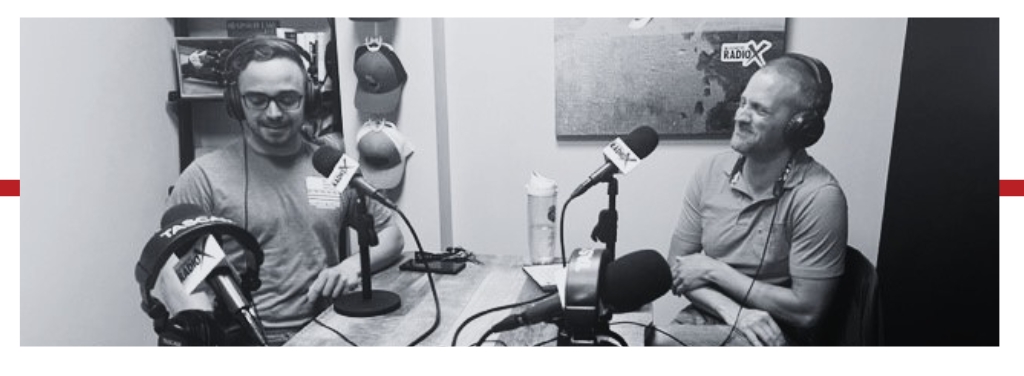

 

Tagged With: Front Porch Advisors, Spotlight Dance Studio

Joe Cianciolo with Front Porch Advisors and Brendon Canale with Diesel David

May 1, 2023 by angishields

Fearless-Formula-feature-42823
Cherokee Business Radio
Joe Cianciolo with Front Porch Advisors and Brendon Canale with Diesel David
Loading
00:00 /
RSS Feed
Share
Link
Embed

Download file

Fearless-Formula-group-42823-banner

Joe-CiancioloJoe Cianciolo, Human Capital Strategist with Front Porch Advisers, is a thinker, questioner, planner, goal setter, problem solver, family man, and all-around believer in people.

As a teenager in small town Ohio, he learned early that reaching higher levels of success requires becoming, building and leading from a healthy place of self-awareness.

Joe has helped create missions, achievable strategy, social media content for brands, as well as developing nationwide outreach and local community building platforms.  Through it all, he’s discovered that no matter the job, he finds success by leaning on who he is at his natural best.

Each of the amazing opportunities Joe has allows him to understand and build his own human capital. Now Joe gets to share his skills and tools to help others do the same.

Follow Front Porch Advisers on LinkedIn, Facebook and Instagram.

Brendon-CanaleA small drop can result in a ripple that grows into a tsunami. For Brendon Canale that was a toy truck as a young child and a bmx bike. These two seemingly small things gave him the fundamentals that would ultimately shape his life.

Bmx bikes taught Brendon to love adrenalin and turn wrenches. The toy truck began an obsession with vehicles that has only grown stronger throughout the years. When the opportunity to come on board with Diesel David presented itself, Brendon took the job.

Brendon started off as the shop handy man, then he took charge of projects and took care of what needed to be done. That pattern of taking the initiative set him up perfectly to take over service writing, and eventually shop management.

Brendon didn’t realize this was what he would be doing, but if he hadn’t taken that initial opportunity, he wouldn’t be where he is at today.

Follow Diesel David on Facebook.

This transcript is machine transcribed by Sonix

TRANSCRIPT

Sharon Cline: [00:00:07] Coming to you live from the Business RadioX studio in Woodstock, Georgia. This is Fearless Formula with Sharon Cline.

Sharon Cline: [00:00:18] Welcome to Fearless Formula on Business RadioX, where we talk about the ups and downs of the business world and we offer words of wisdom for business success. I am Sharon Cline, your host, and today in the studio I’ve got two really interesting people. I’ve got my favorite Front Porch Advisor. This is Joe Cianciolo. He is the human capital strategist with Front Porch Advisors. And we also have Brendon Canale, who is the general manager with Diesel David, which is an auto repair shop. Is that the best way to say it? Auto repair shop in Diesel.

Brendon Canale: [00:00:50] Diesel Specialty Specialty shop in downtown Woodstock.

Sharon Cline: [00:00:53] Oh, I’m so glad I asked you how to say that correctly. I would have butchered it. Thank you for coming on the show.

Brendon Canale: [00:00:57] Of course.

Joe Cianciolo: [00:00:58] Happy to be here, as always.

Sharon Cline: [00:01:00] I’m so happy to chit chat with you because we’ve got a really interesting show today. And I know we talk a lot about business owners and how they manage their natural inclination to have fear and how they can manage and work with themselves to even learn and help other people who want to have their own businesses. But what’s cool about you guys is that you all kind of have a almost like a relationship where you can help, where Joe helps Brendan to understand the positives and negatives of his personality type and how he can work with those positives and quote unquote negatives, I guess, to, to further your self in business. So it’s fascinating to me because I think every one of us has obviously we all have our own personalities, but it’s very easy for me to look at myself and say, Well, here are my weaknesses and I can’t do that. And here’s an excuse for why this doesn’t work. And oh my gosh, I’m so horrible when I have days like this, but I like that you’re spinning. It’s not even a spin. It’s a reframing of allowing myself to accept that I have maybe the light side as well as the dark side that I can work with both. Right? So I don’t have to have something that’s like such a I can look at myself in a positive way, I guess is what I’m trying to say. Man, it took me forever to get that out. So what do you think about what I just said?

Joe Cianciolo: [00:02:18] Well, I’m excited because when you say fearless formula, of course, that’s we talked about this earlier, but everybody needs to know what their fearless formula is. And in our business at Front Porch Advisors, we believe that awareness and acceptance of who you are or what you bring at your best and what you need to be at your best is the formula to overcome the fear. And when we say who you are and what you bring, that means good, bad and ugly. And so yesterday we had the fortune of sitting in a room full of business owners and local business professionals talking about vulnerability. And the question was to provoke what is your strength that sometimes gets you in trouble? So I’m excited to be here today to talk more about the double edged sword, because here at Front Porch Advisors, our philosophy is that the same thing that makes you strong under pressure or stress or extreme challenge becomes your nemesis. Hence the double edged sword. And Brendan has graciously come to sit here because sometimes it’s hard for people to understand what that means to get there. And Brendan has fully gone into the realm of awareness and acceptance and now we practice all the time.

Sharon Cline: [00:03:37] So I think it’s really interesting that you have you’ve kind of gone through the process. It’s not like in the beginning steps. You’ve gone through the process with Joe and have seen positive changes in your relationships with work, and I’m sure it’s exponential with other relationships. What was it that made you realize that you really needed some coaching in a way to reframe how you view your positives and negatives of your personality?

Brendon Canale: [00:04:03] Yeah, so I was stuck back in the day, you know, I’m pretty old, so I was stuck and, you know, I came to Joe and fresh out of a relationship in a dark place, you know, And Joe was like, you know, who’s this kid, you know, down to coach me? But, you know, kind of, kind of unsure. Don’t don’t blame him.

Sharon Cline: [00:04:21] And he’s open. He’s open to people and.

Brendon Canale: [00:04:25] Exactly, exactly. And so we we worked through it. And, you know, my greatest superpower is I care. And my biggest downfall is I care. So I you know, I come in and, you know, first of all, I’m going to want to say yes. So you’ll hear me say yes and then you’ll hear me backtrack and be like, okay, wait a second. And then second of all, you know, whenever I have the ability to give you care, you know, I thrive whenever it’s expected. I struggle. And, you know, working through that understanding that and then using that not only professionally, but with my friends. Relationships. It’s helped, you know, now, now we’re in a successful place.

Joe Cianciolo: [00:05:08] I’m going to turn into Sharon and ask the question because do it, do it. But like she said, you’ve been through the process, but we’re still in it. Why are we still in it?

Brendon Canale: [00:05:17] There’s always room for development. You know, I’m working through some big things with my job and understanding, you know, how to go from where I’m at now to the next level. You know, it requires some advice, some coaching, some guidance so that I can be calculated in my approach and not just like come in guns a blazing reactionary. Exactly. Be calculated. So that’s.

Joe Cianciolo: [00:05:41] It’s interesting. I like it because somebody like Brendon and his tendency to care, it’s interesting how that works externally and internally because it’s more natural for him to provide that care externally. So internally he doesn’t know, always know how to provide that care for himself. That is very common for a lot of people who have that same double edged sword. Yeah, so.

Brendon Canale: [00:06:04] Today I had to force myself to do things for myself, care for myself. So I went to Joe that wasn’t forced. That was something that I know I need to do. But going to.

Sharon Cline: [00:06:13] Joe, going to Joe is a form of care for.

Brendon Canale: [00:06:15] Yourself. Yes, it is a form of care for myself. After that, I went and started taking care of things for myself because what I’ll do is somebody tells me they need my help. I’m out doing that. Like my needs don’t matter. I want to help somebody else. And so today I had to focus on taking care of myself, doing things for myself, which is something that Joe has helped me with because I did not do that well.

Sharon Cline: [00:06:36] I think when you’re a giver and I tend to give as well is and when you had said the expectation, when you set that expectation, then it’s there’s not even a discussion about whether or not you’re going to come and do what because you did it once. So now you’re going to do it again. I get resentful very fast, but I but I did it to myself. I set the precedent like I set the pattern, the expectation. So it’s something I’m working on as well. And I can imagine in your business as well, when you’ve got people coming asking you to help and can you fit me in? Can you do this or that? Well, you want to help. Naturally. This is your job, right? But then you have to be careful if you over promise or something.

Brendon Canale: [00:07:14] Boundaries.

Sharon Cline: [00:07:15] Well, that’s a nicer way to say it.

Brendon Canale: [00:07:17] Setting boundaries. Because the answer is yes. I want to help you, but here’s how you can help me Help you and knowing to communicate.

Sharon Cline: [00:07:25] Are you so proud of them?

Joe Cianciolo: [00:07:26] I’m so proud.

Brendon Canale: [00:07:29] I’m proud to take the mic, you know. But it’s hard. Yeah. You know, and when to when to ask for help. Help me care which I can see it in you. You care. And so let me ask you a question. Okay. Here we.

Sharon Cline: [00:07:44] Go. Let me ask you. Wait a minute. This I asked the questions on this show.

Brendon Canale: [00:07:47] This is Brendan’s ready. Okay, I’m ready. So I’m ready. So whenever somebody expects you to care and you feel like it’s been pushed on you, how hard do you pull back that care?

Sharon Cline: [00:08:00] I don’t. Don’t. I don’t. I push. I go into it more. I’m like, oh, okay. Will you expect this of me? I can’t let you down, but there’s.

Joe Cianciolo: [00:08:07] Always a trade off. You pull the care from yourself even further in thinking that you’re providing more care for them and digging harder. But actually you’re not providing the greatest level of care that you possess. Naturally.

Sharon Cline: [00:08:21] Yes. True. Because I’m not. Because it’s not about me so much in my mind, it’s more about, okay, well, this is what you need. Here I come. You need, you need me. You even came to me and asked me. So of course. So I don’t think about what it’s costing me so much as as much as I’m thinking about what I’m giving you, which maybe it isn’t 100%, but.

Joe Cianciolo: [00:08:42] It also is what Brendan said and what got me so excited was him understanding and acknowledging like, Yes, I want to help, but help me make sure that I’m helping you. And that’s one of the things that it’s a tool that we’ve gone through, setting those parameters in a dialog that you have to practice because it’s not natural for you to think it that way. Your natural inclination is to say, Sure, I’ll help. Instead of saying no, I would rather provide you with the best help and the best care for you, so I need you to help me with that. I need you to set that.

Sharon Cline: [00:09:16] So the question so if someone were to come to me and say, Can you please help me, my question back to them is what is the best help that I can give you that what you mean.

Joe Cianciolo: [00:09:25] Sure that can help? Or if you feel the need to want to say yes, out of obligation is to say, what is it that would be an opportunity for you to help as opposed to an obligation. So you say, okay, I am most likely to want to help when I know X, Y, and Z. So that’s where those parameters, that’s where those barriers or boundaries come in, because then at that point, you’ve flipped it from an expectation to an opportunity.

Sharon Cline: [00:09:50] Opportunity, right? Completely different energy behind that. Wow.

Joe Cianciolo: [00:09:54] That’s why I’m so proud.

Sharon Cline: [00:09:55] Are you so proud? Well, that’s so.

Joe Cianciolo: [00:09:58] Awesome when we talk about Fearless formula. That’s why I really got excited about today of trying to to pair these two is you can hear in Brendan Brendan and I are going through a little bit of an exercise here because he’s learned so much and we’ve been practicing and we’re going through the entire program together. And now I hear him sharing that out and not being afraid. So overcoming that fear of thinking, I just have to do it. No, he wants to help others around him, which is part of his care mechanism. Yes. But it’s the opportunity care mechanism, knowing that when you use his formula, when he uses his formula, then it is exponentially more effective.

Sharon Cline: [00:10:38] Because he’s protecting himself as well. He’s not coming at an expense of yourself.

Joe Cianciolo: [00:10:44] Well, that’s the trade off that we want to keep healthy at the expense of you is not healthy. Brendan What happens to you when you don’t consider your own health? When providing care for someone else?

Brendon Canale: [00:10:55] We go downhill, you know, dark places. But, you know, then I have to take a step back, you know, find my peace. I usually, you know, I’m a person that likes to be around people. I’m a nurturer. I care. I want to be with my people. Um, but I have to step away. I have to ground myself. I choose to go to the top of a mountain at midnight and stay there all night. Um, that’s me. And, you know, find my peace, find my ground ness, and then come back whenever, you know, I’ve healed. And then I can handle. Right. You know, helping with everybody.

Joe Cianciolo: [00:11:27] And when you scale out, which. Depending on your wiring. Some people are wired for very day to day and some people are future. Just what he explained about getting away going on top of the mountain. Even that little bit of time will energize him enough that when he comes back down, that ability to care is fueled by inner energy. If you take that away, like we talked about earlier, if the trade off is is is pulling your energy, then you’re not going to have the fuel in your tank to actually get the job done. Like you might be limping along. And that’s not a that’s not you at your best. You at your best is, oh, my gosh, watch me, watch me. Come care. I am so good at providing care.

Sharon Cline: [00:12:10] So I’ve heard the notion of boundaries are loving. They seem mean, but they’re loving. And I think for me, that’s always been a big challenge for myself to be able to say, I see that you need me, but I can’t give that to you right now because I need I need to take care of myself for a little while. It feels like I’m in the face of someone needing me saying no. And that is so counterintuitive to my wiring, I believe. And but I do get the notion of being able to be quiet in myself and give like, my spirit what it needs so that I’m not resentful, because that’s that’s a big theme, I think, for me. Have you found the same in your relationships or with work? Yeah.

Brendon Canale: [00:12:50] You know, I am so inclined to want to help and care, so I. I’ll lead with, Hey, if you can’t find anyone else, I’ll help you. But I have other things I need to do. And this isn’t professional. It’s more personal. But I have other things I need to do. So if you can find someone else, like I need to go do these things. If I have to, you know, make some space, I can come help you. And, you know, setting that boundary of, hey, like, yes, I’m here as a resource. If you absolutely need me, please explore another option.

Joe Cianciolo: [00:13:21] Do you hear how, though? It’s it’s kind of one of those things where he’s keeping himself grounded in the fact that he will care but not overcorrecting. He’s staying really grounded in the fact that, hey, you know, I have to care for myself, that in order for it to be a fearless formula, it has to be practiced. It has to be You have to constantly be aware in this moment, am I obligated or am I opportunity?

Sharon Cline: [00:13:46] What would overcorrecting look like in that scenario?

Brendon Canale: [00:13:50] Brendon overcorrecting, either agreeing and then ghosting or just saying no.

Sharon Cline: [00:13:58] Flat out no risking the feeling that this person is going to walk away knowing that you don’t care which is the opposite of who you are.

Joe Cianciolo: [00:14:06] Well, and I think the overcorrect can also look like martyring yourself by taking everything on and just kind of saying, No, everybody else out, I’ll do it until you run completely into the ground, which we’ve had to face a couple of times, where the physical, the physical health part of it goes away. And even though you anyone who has that care double edged sword can sustain that longer than most, at some point you lose your influence because of it.

Sharon Cline: [00:14:38] So something will give emotional, spiritual, physical. Oh yeah, Somewhere along the way.

Joe Cianciolo: [00:14:44] Mental, mental. And the thing that I find and Brendon I would love for you to share is especially in the business when you have customers, they can feel this natural tendency to care. So when he brings sort of the credibility and competence of awareness and acceptance of help me make sure that we do this properly, it actually grows his influence and his trust within the customer base, which makes them more likely to want to do business with him because he is being fearlessly but grounded.

Sharon Cline: [00:15:19] How often are we not grounded as a general statement? Percentage it out. You know.

Brendon Canale: [00:15:26] I’m doing better every year. Every year there’s been there’s been improvement. But I’d say probably probably once or twice a year. Right now I catch myself where I’m like, okay, I really need to take essentially a mental health break and go, you know, handle myself.

Sharon Cline: [00:15:41] That doesn’t sound so terrible once or twice a year. Is that bad?

Brendon Canale: [00:15:44] Oh, it used to be all the time.

Joe Cianciolo: [00:15:46] And that’s the thing. There is no such thing as perfection. But being grounded is being. That’s why I say awareness and acceptance, because those together, you can stay grounded and there’s going to be variables thrown every which way, and you’re going to have different personalities coming at you. Some are coming in hot, some are coming in, you know, very confused or misguided. And sometimes they’re just redirecting frustration from something else. So that’s why for us, it’s a practice. It’s something that we have to do every day and we have to give ourselves grace when we fall back into the only one side of the sword on ourselves.

Brendon Canale: [00:16:21] What I’ve learned is, you know, customers are going to, like Joe said, have their emotions. And our tendency is to take that on. And, you know, it can be overwhelming if you can’t process what’s going on. So, you know, a customer is upset because their truck’s broken. They’re not upset at me. I’m just the messenger. And, you know, a terminology I’ve used is I’m an advisor. I’m not here to sell you work. So if you come to me, you’re like, Hey, what do you think I should do with this truck? What’s going on with it? And that gives like, I love, I love vehicles and then I love caring.

Joe Cianciolo: [00:16:55] Opportunity to care, opportunity, not obligation.

Sharon Cline: [00:16:59] Opportunity to care. But you’re not obligated to care. Interesting.

Brendon Canale: [00:17:02] And so I can guide them through the process of, hey, let’s let’s figure out the your circumstances. Do you make money with this truck? Is it just a hobby? And, you know, guiding them through that and hey, it makes sense to fix it if you’re losing $1,000 a day because you’re not driving this truck doesn’t make sense to fix it if it’s just your daily driver, probably not. And, you know, guide them through that, hey, it’s sellable right now. Here’s some other vehicles you can get. And, you know, I’ll talk myself out of a large sale just to make sure that customer is cared for.

Sharon Cline: [00:17:33] And you keep yourself grounded in the meantime. That’s the goal, right? The energy is feeling like you’re not overcompensating or trying to sell them or trying to placate them in their feelings. Just a.

Brendon Canale: [00:17:46] Conversation.

Joe Cianciolo: [00:17:47] Ask him how his numbers have done since I was going down.

Sharon Cline: [00:17:51] That was my next thing is like, how has this impacted your daily life personally and professionally?

Brendon Canale: [00:18:00] Daily life. Oh man, you know, you know that anxious feeling. You know, you just get that, like, overwhelmed. I have I.

Sharon Cline: [00:18:07] Have anxiety rings on as we speak. They’re like fidget spinner rings because I live in that space.

Brendon Canale: [00:18:12] So there is a space outside of that space and there’s a.

Sharon Cline: [00:18:17] Space outside of that space.

Brendon Canale: [00:18:19] Yes. And you can access that more and more as you understand what’s going on internally. Like I can be overwhelmed and I can take a second to be like, okay, I’m overwhelmed. And just that second of realizing like, hey, this is like building up inside of me, take a breath, realize it’s happening, and then you can control your response and kind of guide yourself out of it, figure out what you need, move forward from there. And you know that that piece, like, I’m an anxious person, but I operate very calmly now.

Sharon Cline: [00:18:52] That’s nice and that’s amazing. How are your numbers at work?

Brendon Canale: [00:18:58] Um, we have, uh, if I remember correctly, 7 or 8% growth a month.

Sharon Cline: [00:19:04] So how do you feel about that? What do you think?

Brendon Canale: [00:19:08] A little accomplished. But I have an excellent team that I work alongside with.

Sharon Cline: [00:19:11] They’re very humble.

Joe Cianciolo: [00:19:13] As always. But that’s the thing. Sometimes we try too hard as business owners. If we think being fearless means being loud, bold, you know.

Sharon Cline: [00:19:22] Caution to the wind.

Joe Cianciolo: [00:19:23] Hustle, you know, push, push, push. But if that’s not the formula that fits into who you are at your best, then it’s not going to work. So instead, when you ground yourself, it naturally, like I said earlier, grows that influence to the point where people are gravitated towards you. And because, like you said earlier, you don’t know what’s causing their stress. They come in emotional because of whatever it may not just be their vehicle. And when they when you’re around somebody who is practiced and grounded, it’s calming and it makes you realize, oh, wait, maybe, maybe I can knock it down. And they don’t even know it, but they definitely are attracted to it. And that is a good thing. And it builds trust. But it’s not trust because you’re trying to prove that you’re trustworthy. It’s no, this is who I am. This is what I do. I mean, the way he says it, I love it because it sounds so professionally created. No, it’s Brendan doing the study, understanding what? That awareness piece. The acceptance of it. And this is it. I have nothing to prove. Nothing to hide, nothing to lose. Totally grounded in myself. And I would love to help. Here’s the best way to do it.

Sharon Cline: [00:20:29] What was the process like when you were just starting where you you were the first time you were in a scenario where someone came in and gave you sort of a lot of all their energy and stress and you had the tools in your head of how to ground yourself. Was it scary in itself to do that? How was that?

Brendon Canale: [00:20:47] It can be it can be overwhelming working with somebody who’s operating from a place of emotion. And, you know, a lot of times they want to be heard. So hear them, you know, help them walk through the process of, hey, here’s here’s what we’ve done. Here’s, you know, the conversations we had. And putting the the rationale back in the conversation is helpful for me. That’s where I operate best. So working through that and, you know, whenever they get a misconception or something, helping guide them, like, hey, like, no, this is what’s going on. And, you know, I just want to make sure like we’re on the same page. I understand your frustration. Like, I want this vehicle fixed just as much as you do. I don’t want to have I don’t want I will have these conversations. But these aren’t the conversations I like to have. I like to have like, Hey, you’re good to go. The vehicle is awesome. But you know, the how you handle the hard conversations is almost more important than how you handle the easy conversations.

Sharon Cline: [00:21:43] Was it a challenge to change your interactions, to be more grounded, or how challenging was it.

Brendon Canale: [00:21:52] The the process getting there is the challenge because it’s a lot of internal, it’s not as much external. Um, so I would say it’s challenging internally, but in those cases, once you become healthier and healthier in your practice, they become easier.

Sharon Cline: [00:22:10] Do you find that things didn’t. Oh, sorry. Go ahead. Go ahead, Joe.

Joe Cianciolo: [00:22:12] Go ahead. I am excited to to hear him say that. And because I watch it, I get to work with it all the time and the confidence just grows the more practice he gets. And so it’s hard for him to remember as as dramatic of a difference because now it is an ongoing thing. And. And we all fall back into some past patterns. We, you know, sometimes under that extreme stress, we do use the other side of we’re.

Sharon Cline: [00:22:40] Hungry or we’re tired or we’re, you know, there are various reasons, right?

Joe Cianciolo: [00:22:44] And so to hear him say it like that makes me very proud. And I know we still have work to do, but it is building sort of that repetition and being rhythmic about understanding that being grounded is not something you can just read in a book and just have. It takes specific situations. Situational awareness where we will study it. He’ll come to me and be like, Oh, this happened. Whether it be internal with the office or whether it’s with a customer or even personal. And we then go, okay, go ahead. You look like you want to say something.

Brendon Canale: [00:23:15] Yeah. The awesome part is, is as you’re working through it, is it? And I had this defensive driving teacher whenever I was like 18, 17, and he said he called events that you pull from movies. So you build your movies and you know, as you have those conversations you’re building experience and like afterwards, like, Oh, I messed up here, I messed up here, and like, not mad at myself, just data and like, Hey, I could have done this better. And you know, the awesome part is, is, you know, working with Joe David, the owner of the company, he, you know, they both give different input and it allows me to grow from a situation, ask for, ask for advice, you know, hey, how could I have handled this better? And, you know, then next time I’m in that scenario, I’m like, I got this. I have a movie about this and I can move forward from there.

Sharon Cline: [00:24:04] It’s tools you’re talking about, like exercising a muscle, right? Absolutely.

Joe Cianciolo: [00:24:09] So be careful. We’re going to flip this around on you. Oh, wait a minute.

Sharon Cline: [00:24:15] Yeah. The thank you for coming to Fearless Formula and Business RadioX. So I think it’s fascinating, too, because what you’re doing is giving yourself a lot of self compassion. You’re not judging yourself for having failed something or it didn’t work the way I thought because I live in this space very easily of being like, Well, yeah, at two in the morning I have a playlist and I just add stuff to my two in the morning playlist of how I did something wrong, or I could have done it better or I should have known. I have a lot of judgment that way, but it’s so refreshing to see someone not take that as being the focus God, where did I do wrong? I could have done it better. You actually are just giving yourself, like you said, data or data and using it for your movie, which which makes it so third person. It’s not so personal.

Joe Cianciolo: [00:25:04] Well, just listening to the way that you said that about your 2 a.m. list in my head, I hear obligation, obligation, obligation, obligation, not opportunity. And that’s where I think and maybe, Brendan, maybe we haven’t used these terms, but I think that’s when things flipped for you was when you were looking for the opportunity in all of that feedback, because feedback is just that. The emotions that we bring to it are separate and we do that. So the thing is, is like we have had to deal with a lot of emotion through all of our time to get everybody does. And but the way that we react to that is not influential. And that’s the part that when he can say you probably, well, it’s not a video, but you I smiled because I always say it is just information. It’s not good or bad. It’s information. What we do with it is a response if we don’t think it through, if we’re not aware of it, if we don’t accept it as data, then we will react. And our reactions tend to be the other side of our double edged sword.

Sharon Cline: [00:26:08] Interesting. But why Let me ask you this. Why How much is the way that we are naturally predisposed with our personalities and how much is our parental influence regarding our responses to things and the the the judgment, the meaning that we put behind the failures, so to speak, or our experience. Because obviously in listening to you, I’m not looking at my experiences that I don’t love the outcome of as data. I look at it as a failure of spirit in some way or myself or I should have known, right? So I don’t know how much of that is inherent to who I am or if that was just like scripts that I’m hearing from parents or other experiences. So how much does that influence us?

Joe Cianciolo: [00:26:58] She just opened chapter one, and chapter one is it’s one of the courses that we have, and it is a hard course because it does look at the one thing that we all own for ourselves, which is our experience. And in that experience comes influences. And we have a formula for that where we can study that and understand if we can look at the past and understand collect data. That’s how I do it, is we look at what were those influences like, what was their role in our world? And then we have to understand that people are naturally wired even within. That influence. And it could either be nature, nurture or choice. So it’s either how they are or who they were raised to be or the choices that they make now. Because once we start to realize that all those people are in one of those areas, then we start to look for the people who have learned how to be more than that. And we look for the people who liberate us to be free. And that’s why I love what I do, because my job is to be a liberator for Brendan. But that means I have to study him right alongside him. So because what he needs is very different than what I need and I need to be that influence so that we can help unlock way more people like that, that will keep him going forward. Forward. That’s the fearless formula.

Sharon Cline: [00:28:15] Well, I wanted to ask you, do you also have do you also have relationships that you’ve had to let go in this process because they are not the types of people that will help you along your journey?

Brendon Canale: [00:28:26] Every relationship has its own unique attributes. You know, I have a lot of challenge in my life with what I do, so I look for support and I look for positive influences on my life. Um, you know, fortunately I’ve had a good friend group and, you know, relationships throughout my life where, you know, even from a young age, if somebody wasn’t making me feel good about who I am or wasn’t offering challenge in an appropriate way, then I was already going to distance myself. Because the cool thing about being a person that really cares is our weapon is you just pull back hair.

Sharon Cline: [00:29:09] Listen, I have what’s called the INFJ door slam. Are you familiar with this thing? The Myers-Briggs? So, yeah, the door slam is significant. I cannot work around it either when I have decided that I have just this is not a healthy relationship. I’ve given everything I can and it still is somehow becoming toxic to me. I walk away and I cannot even reason with myself to come back, even if I think, Oh, well, they’ve learned or they’re sorry, or they or maybe it could be better at some point. Like, I don’t know how to override my natural protective instinct at this point.

Joe Cianciolo: [00:29:43] Her is number two.

Sharon Cline: [00:29:45] My caretaker is number two.

Joe Cianciolo: [00:29:46] Yeah. Because for us, we study all of those patterns and tendencies in an order that’s most natural and we are a combination of all of them. And so his is number one and yours is number two, which is why yours is a little bit more extreme. That’s why you have the shut the door what you refer to. And so when it’s number one, you pull it back. But they’re the only ones that can bring it right back to care without a whole lot of effort. Really. There’s a formula for that, too. We we have tools for that that help understand why you do that and whether it serves you or not, and how to make sure that you’re staying grounded within that. And so for you, you you have more of that charismatic forward, you know, people and values need to put together. Yes, they must be aligned that that comes first, which is why you may not see eye to eye right now on how he can do what you just asked him to do. It’s just different. You still have access to the care. It’s just not first, it’s not the top one. For me, it’s number three. It’s not even.

Sharon Cline: [00:30:53] Oh, yeah. But I think that’s fascinating to me because I did not realize that I always thought of myself as a caretaker, number one. But it’s but but it’s interesting to think that at some point I realize that it’s too much for me and I’m able to get out. But if it were number one, would it be harder for me to get out? Oh, don’t you think I’m cold? Brendon?

Brendon Canale: [00:31:21] Yeah. Um. So somebody, somebody wrongs me and whatever that instance is, you know, a pretty chill person. Not many people. Wrong me, but I’ll pull it back and be like, okay, I’m going to go do my own thing. I don’t have to have an argument, conversation, anything. All right, I’m going to go do this and, you know, say that person, you know, shows a positive light, whatever that is. Like, I’m willing I’m able to comfortably forgive and, you know, welcome them into my life. Like, there is a there is there is a boundary, there’s a wall. Um, but, you know, as long as everything is kosher and, you know, I continue to do me.

Sharon Cline: [00:32:00] Wow, that sounds so healthy.

Joe Cianciolo: [00:32:02] That’s why I say grounded, but it looks different for everybody else. I’m I’m a strategist. I, I calculate and I remember everything. So it’s not the same. And if, if my double edged sword when I’m healthy and grounded, then I am providing clarity. I am looking for a strategic solution to a problem. But when I’m unhealthy and not grounded.

Brendon Canale: [00:32:28] Lots of questions.

Joe Cianciolo: [00:32:31] Then I do have. Incessant questions, which is also a sign of of unhealthy or not healthy or whatever you want to say. And the questions become judgmental and personal in nature, but you’re.

Sharon Cline: [00:32:44] Able to see yourself do this. Yeah.

Joe Cianciolo: [00:32:45] Oh, and I can stop it now because I have the formula. Like, I have studied it enough that I can I can hear it instantly. I can even feel it in the muscles of my face. So because I pay attention to it with all of my clients, I have to be able to see what’s natural. It’s not a judgment, it’s a piece of data. And so as soon as I see my eyes or feel my eyes pass that personal line, I’m like, Nope, that question was not correct. And then I will stop or I will say, You’ll hear me. I’ll say, This is not that. That sounded judgmental, and then I’ll reframe the question because it’s not my intent. But all of us, when we’re stressed and we’re reactionary, we aren’t intentional. And so that’s why it’s called a reaction. You know, when we’re responsive, then we can be intentional. We can even call out what he said, like, I’m pulling it back. I can give it back. I’m oh, let me stop my questions. If they’re really that important, I’ll bring them later.

Brendon Canale: [00:33:39] And that’s where I have to be careful with customers, is whenever I start pulling back that care and they’re already frustrated is I have to catch myself doing that because I become transactional. And so then it’s yes, no, okay, all of that. Instead of like, let let me let me guide you through this. And so spearheading that before you’re in it is, you know, from a customer service aspect is how I can work through customers utilizing the tools.

Joe Cianciolo: [00:34:07] When you want. Wouldn’t everybody want Brendon to be in charge of customer service because he naturally provides care. But the fact that he is that aware to be able to notice mid mid conversation and that’s why we why we think this can be a fearless formula because once you do understand that about you, you start to pay attention to it in them and you start to see their patterns and tendencies, you see their reactions as just that. And if we can become that aware and accept that it’s maybe them on a bad day, you know, who are they on a good day and how will you connect with them? What kind of communication can you use that will remind them of what they’re amazing at? Then all of a sudden you’re like, Take them on a whole journey where they’re kind of with you forever. And that creates customers for a lifetime for a business if done properly.

Sharon Cline: [00:34:56] And that’s so exciting. I mean, when I think about it, it’s like what I’m learning in therapy about observing and not absorbing. You’re able to observe yourself without absorbing the negative connotation with your reactions. You’re able to observe yourself as just, This is just how I’m feeling today, whatever. But you also can if you do it for yourself, you can do it for other people when they’re interacting with you. So you don’t take it personally and they can feel that because you can have a space of them being upset and it’s not going to rattle you and create like a bad energy that could create a huge argument or something. And then they feel grounded as well because they’re kind of feeding off of you, right?

Joe Cianciolo: [00:35:32] Well, yeah, What I would say and Brendan, I would love for you to chime in, but for any caretaker, it will affect you. But the question is, is how much? So as I always say, like for caretakers that go into self deprecation because they’re overstressed, they start going down the steps into the pit. And I always say, if you’re going to go into the pit of despair, you are naturally going to do that because you care so much. The question is, is can we stop you five steps down instead of taking yourself 1000 steps down? And in doing that, you weren’t denying who you are. You’re just reminding yourself, Oh, wait, stop. I’ve been down there before and I don’t want to be there now.

Brendon Canale: [00:36:12] Yeah. Taking the taking a breath, giving yourself a reset. There’s been a few times after, like the heavier conversations where, you know, I’m a car guy, I work at a shop, I work there for a reason. So, you know, I’ll have one of those heavy conversations like, All right, I just need to go on a quick, like 15 minute drive, you know, go on a drive, go do a lap, and then, you know, come back and, you know, that that little reset of, you know, hey, like I realized I need this or, you know, most of the time the customer doesn’t get me get to me anymore. Like, okay, on to the next one. Um, but you know, whenever you do have those heavy ones, you need to take that second, find your ground and then, you know, move forward. Because if you carry that to the next customer, then it’s just going to keep going. You’re like, Man, I’ve had like six bad customers today. The customers? Yeah, yeah.

Joe Cianciolo: [00:36:58] What did you do today?

Brendon Canale: [00:37:00] It’s not the customers.

Sharon Cline: [00:37:01] If you have six bad customers, it’s not the customers. Right. Interesting. Such self-awareness.

Joe Cianciolo: [00:37:05] Though. Wow. And I’m so proud to sit next to him and watch every one of my clients who takes this to heart and really decides that they want to make this into a fearless formula. It is so fun to hear them talk about it good, bad and ugly because we’re not going to be 100% great at it. But if we are 70, 80% great at it all the time, that’s awesome.

Sharon Cline: [00:37:28] There’s space to not be 100% great at it because nothing is perfect.

Joe Cianciolo: [00:37:32] But instead of judging that, we accept that, Oh, I screwed that one up. Tomorrow I’ll do better.

Brendon Canale: [00:37:38] The win feels so much better when there was loss.

Joe Cianciolo: [00:37:42] Dang, he’s very, very good. Are you.

Sharon Cline: [00:37:44] Are you so ready? I am. It’s exciting to see that some of the tools that you 100% believe in and know work in in real time. You’ve seen the positive effect it’s had not only in your interpersonal relationships, but what it’s meant in terms of dollars, which is what’s important here. We’re talking about in in business. So what are the other I don’t know if you call them archetypes, but what are the other main ways that people interact? Like he’s he’s a caretaker. I’m not quite sure what I am, but.

Joe Cianciolo: [00:38:15] Well, and I started it thinking about yesterday’s question is what is the double edged sword? And for mine as a strategist, it is overthinking or analysis paralysis. When grounded and used for good, I ask strategic questions to gain enough pieces of the puzzle to be competitive and solve it When I’m stressed out. It’s too many questions internally first and then externally is awful, and I will lose credibility instantaneously when I do that, which is why I had to practice learning how to stop. Then you have the extreme emotion dreamer, maybe archetype as you want, and when healthy they can solve problems that no one else can solve. They see the future in a way that nobody else can. But when stressed out the extreme perfection of It’s in my head, why don’t you understand? And an inability, if they’re not aware, their communication does not come out at all like what they say does not match what they dream. And that’s very, very frustrating for them and for the people that that work for them. That’s one of the hardest things when we’re looking at different business owners is we attract that in our business. When the owner is in that dream state and dream does not operate day to day, dream is meant to operate bigger. So then you also have a more dominant which most business owners want to be. We will call them initiators for today’s purposes when amazing and healthy and. Rounded, they actually execute and make the biggest things happen because their confidence is through the roof.

Joe Cianciolo: [00:40:02] But when stressed out, their arrogance and ability to blow up the situation on purpose because they want you to remember how bad whatever just happened, incompetence is is a trigger for that. And so what they need to remember is very few people are actually number one initiator. It’s what, something like 9%, maybe 7%. It’s really, really low. And the majority of the people that work for them are going to be caretakers or strategists, and they do not communicate the same and they don’t receive it the same. So what we’ll find with our clients that are inclined that way is that they often feel like islands and they don’t understand why people won’t get it done. They are working their people so hard that the turnover is ridiculous. And so we say, okay, let’s figure out what it is that your team needs in order to be their best and then let them do it, you know? And then who did I miss? Oh, the the believer. Oh, the believers are the type of people I think that Sharon, I think you and I have talked about this before, but you have this natural ability to believe in people and ideas and you feed off of a big crowd of it to the point where you just want to bring them together. That’s why you hosting the show. It’s like I get to bring all these people in and I get to try to find ways that they can relate with each other and I can relate with them.

Joe Cianciolo: [00:41:24] And when healthy and grounded, that’s amazing. But when unhealthy, I think the flipped sword on that one is trying really hard to force a belief and then it becomes forced on all the people around them. And man, it is like walking through glue and they’re so typically on a grounded strength, very charismatic in a great way. But that same charisma when when not grounded and not healthy is kind of emotionally explosive on people around them. So, I mean, like I said, we are bits of all of them. The question is which ones are the most natural, which are the ones that give you the most energy. And so that we don’t have to pretend to be all of them. As a business owner, I that’s one of the hardest things at the very beginning is helping them understand the best way to lead your business is through your own natural patterns and tendencies. Even though you think or have read books that tells you you need to be such and such a way in order to work. That’s not true if you lead from that grounded place, just like what Brendon experienced with the gravitational trust, the customers and the staff that always rely that Brendon is there and he’s grounded. The same thing happens for a business owner. You attract employees that want to stay there. And so I.

Sharon Cline: [00:42:47] Mean, and if you recognize what your pattern and tendency naturally is, then you can strategically choose the people that you have in your business and you just put your arms up. I did.

Joe Cianciolo: [00:42:57] I did because strategic hiring is one of the biggest programs that we’ve been using lately is to say, Hey, you need to be given the majority of the time to be in your natural best and the people who are going to balance that is probably your natural least. So why don’t you hire those people and empower them to be their best? And Brendon was one of those strategic hires and it’s beautiful. It’s glorious, It is sometimes unexpected, but it has the biggest outcome. I guess it’s the best outcome.

Brendon Canale: [00:43:31] Yeah. You asked you asked the question, what was the percentage in dollars of the benefit of the growth? And the other side of that is the cultural benefit within the company, the people, the people with you.

Sharon Cline: [00:43:48] The non quantifiable.

Brendon Canale: [00:43:50] Effect. Yes. Having a healthy place to work. That’s not like, you know, they’re stressed. It’s a job but like having a healthy place that you can work and you you want to be there and you have these people around you, you know, that continues to improve and grow, which is again, unquantifiable.

Joe Cianciolo: [00:44:09] But it also is a level of care for a team and sometimes it’s business. We always think numbers, but numbers aren’t always the only driver. We have a formula for that too, where you as a business owner or a team leader have to understand yours, and then a company itself has to understand what it wants to be and we will take people through that. So we can say if I mean obviously money has to happen in business, we get that. But if it’s not a natural top driver and it’s getting the most of your time, energy and effort, it’s going to feel off, it’s going to feel against the grain. And so if you do it in a more natural order, then it will come along with That’s why Brendon I’m happy for him to sit today because it has come along. With the culture and money just because of him learning how to be grounded and and and do his job at his best and him being able to communicate that to the team and the customers verbally and non-verbally.

Brendon Canale: [00:45:10] Yeah. So what got me to bringing that point back up is the strategic hires is figuring out who whenever you’re looking at people, not only looking at their voice orders, interacting with them, seeing, you know, maybe they maybe they, you know, fibbed a little while. They’re taking their their analysis or where you’re kind of understanding them and seeing who’s going to be a good fit for company culture. So you can continue that environment of just like a healthy place to work, as I’m sure everybody’s had that job where it’s just like the manager. Is this like super toxic or like one bad apple just like focuses on the wrong thing and you’re like, Hey, like, this is what we do, this is what we provide, this is who we are. And, you know, figuring out who fits within that mold.

Sharon Cline: [00:45:54] Um, it’s interesting because you’re talking about sort of an ultimate acceptance of who you are without the whatever nature versus nurture versus choice, meaning that we all put on the feelings that we have right?

Joe Cianciolo: [00:46:10] That’s why when people ask me, Oh, do you do personality? Yes, I do as a basis, but I don’t put stock in the terminology. Like if you’re a caretaker, what does that mean? How does it play out? How does it serve you? How does it not serve you? What’s an opportunity for you and what’s the opportunity for the company? And that’s strategic hiring. That’s kind of the big thing, is you can get warm and fuzzy vibes from somebody who’s extremely charismatic in an interview and they may have the best credentials, but if the job that is needed does not serve their natural best tendencies, it won’t last. And it’s really a formula there too. So what we always say is we we because we’ve done interviews on the front porch with clients of ours, we say, Oh my gosh, you’re awesome. That’s not the job that we have right now. But when we do, we would want you and we’ll call you because we don’t want to give you the false sense that we just want you on our team because we like the team environment, You fit the team environment. We want to make sure that you have the right opportunity to continue to be healthy and actually, you know, develop yourself and say, hey, I want to be here and I’m going to be more committed to being in a place that values me for what I bring, not just what’s on my resume.

Sharon Cline: [00:47:23] I love that, too, because the way you’re talking about it is a I am not a victim of my personality and the jobs that are out there and someone’s not putting me in the right place. I’m not so much a victim. I’m more I can take action to change the outcome, which feels so much better. Yes.

Joe Cianciolo: [00:47:43] But it requires at the very beginning we talked about awareness and acceptance, and that’s the acceptance piece. Like, you can be aware of your tendencies, but you have to accept what that means for good and for bad and for ugly so that you can say, Oh crap, you know, if I know that this is going to bring me down, what do I need? Brendan said, This is what I know is care for me. He knows that now. It’s part of his cheat sheet booklet, whatever. So he can he doesn’t even need to look at it anymore. It’s part of his daily practice. He knows how to get it.

Brendon Canale: [00:48:14] Yeah, I have my. I have my people, you know, So I have it. I have a reminder on my phone. 830 goes off every night. I call a person I care about. And, you know, it’s either a person that I need care from or a person that I want to give care to, and that’s very much so simplifying it. But that is a part of like my daily routine, making those phone calls. Like, hey, like it’s been a heavy day. Who do I need to call? Or I need to call this person? And they always just bring that light back, right? And, you know, I’m feeling fired up. You know, I want this person to be fired up to let me call them and, you know, kind of helping them through that, whatever it is.

Sharon Cline: [00:48:49] I love this because it really does give in real time what your company, Front Porch Advisors offers companies, because I’m sure in a way it’s almost like esoteric. It’s almost like you can’t really say it in a quick snippet. It’s it’s complex but not unmanageable. And so I guess I really like that. You’ve had a moment here to explain in a not just from the beginning like we did with Anna Kawa, which was so interesting because it was like the initial this is what it would be like if someone just came to you brand new and assessed. What are your things that you like about yourself and don’t or how it works in your business? But now you can see the other side of you’re not a completely different human being. Like the notion of, Oh, I have to change can be so daunting and scary. And what is this going to mean for why am I still going to like going skateboarding? What, like, what’s it going to mean for my life? But I love that you have your, your your the best version of yourself. Yes. Yes. Oh, still yourself. Just the best version of yourself. Which which to me, if someone told me that you’re going to be the best version of yourself, then I’m not going to be so scared to go through a process of kind of unpacking all of the different things that I don’t like about myself, or I have to look at myself and maybe change and but I don’t want to change too much because that seems like too much.

Brendon Canale: [00:50:10] Learning to use your natural wiring to benefit your job. So, like, I’m a service, like service advisor, service writer. I sell work for a shop. So it was it was exhausting for me when I first started out to sell work for a shop. But whenever that role changed to I’m caring for the customer. That was an internal change. It’s not something that stated that is that is an internal quiet. It was quiet. Exactly. So learning to use my wiring for what I am doing and, you know, growing from there, then make it so that I’m not exhausted doing my job. But it’s actually rewarding is one of the bigger takeaways for me. I don’t know if you guys want to. Oh, but.

Joe Cianciolo: [00:50:53] It also if you notice because he’s humble. Yes. Which is part of his wiring, he’s never arrogant and caretakers are never arrogant. But as a result of this kind of work, his influence makes him a natural team leader. Which is why throwing the term GM, it is a really good fit for him. But traditionally, when you look at that title, a company thinks I need a GM that’s going to be this. No, no, no, no, no. It doesn’t have to be one. It has to be grounded. It has to be. What does the company need to balance out between owner, between other team leads, between other staff members and their company? Needed a Brendan, but he needed to be the best version of himself. And that’s what’s the formula that’s working really well for them. Yeah, it’s it’s glorious to watch.

Sharon Cline: [00:51:42] I love I hope that business owners who are listening right now. Can contact you and say, Here, here are the things that I see aren’t working for me. What’s the best way they could contact you?

Joe Cianciolo: [00:51:52] Well, we are front porch advisors.com esses advisors with an E. I am Joe at Front Porch Advisors. You can email us. You can go to our website. There’s plenty of ways to to connect. But what what I really also hope and why I love today is all of the clients that I get to work with on a leadership level, fearless leadership. I’m going to start saying that fearless leadership because Brendan has been on that leadership journey. He’s in it right now is you can see them intentionally spreading it out because that’s part of what it means to be a fearless leader is that when you know this about yourself and you become grounded, you want other people to be their best selves. And that’s why listening to Brendan talk to you and then all of a sudden flip things.

Sharon Cline: [00:52:36] Back, he was asking me questions.

Joe Cianciolo: [00:52:37] It’s because if we do that as a community, we all want the best around us. We want the best. And that is, like you said, you don’t have to change and you don’t have to pretend to be extremely dominant or extremely demanding. You just have to be grounded because everybody brings something different to the table and it’s necessary in all arenas.

Brendon Canale: [00:52:58] So when everybody sees the fake but they respect the real, so be yourself. Don’t pretend.

Sharon Cline: [00:53:07] I.

Joe Cianciolo: [00:53:07] Won’t pay you later is. But it’s coming out of him. And I get to usually when we’re in session, we’re doing the work like right now. But when we are at this point, I’m watching and he’s coming up with these gems that we it just makes me feel like I want to do more. I want to continue and I see Brendan continuing his journey upwards and the fear has didn’t even play a part today, I don’t think.

Sharon Cline: [00:53:33] Not at.

Joe Cianciolo: [00:53:33] All. Fearless formula.

Sharon Cline: [00:53:35] Fearless formula.

Brendon Canale: [00:53:37] I was ready.

Sharon Cline: [00:53:39] I like that. You say when you’re when you’re elevating yourself and you want to elevate people around you, well, then it just elevates everything. Do you know what I mean? Like, exponentially.

Joe Cianciolo: [00:53:47] Well, and like you said, you can people can feel the fake, and the try is fine. I don’t have a problem with people trying as long as they’re willing to accept that they’re trying. Instead, once you take that away, it can be a little bit simpler and you can be more accepting of what’s real and not sort of trapped or enslaved by your own tendencies. The double edged sword is there for everyone. The question is, is do you know which way to hold it? Do you know which way to use it? And can you stop yourself when you start to see that it’s it’s not the best version of yourself takes practice. Even after all these years, we’ll find plenty of opportunities to say where it’s not. But I bring people like Brendan right into that, where I will call it right out so that I know and he knows.

Brendon Canale: [00:54:33] Yeah, we’ve, we’ve had many sessions where Joe is like did this old tendency.

Sharon Cline: [00:54:39] But you know, I love that you call it even your own fearless formula because you are you have tools, you refer to it. We have a plan for that. This is how we can work around it. You’re not a victim of your circumstance.

Joe Cianciolo: [00:54:51] Well, and it’s really easy to measure numbers, but like you said, the intangible, the the culture that these words have, I think, been a bit co-opted lately. That’s what you you felt from Brandon. Yeah. When we do that, we do have tools and we do have formulas, but it’s sometimes harder for a business owner to think, Man, I really need that because they want to know how is it going to improve sales? Well, this is it. And that’s why I appreciate you coming on to help, because Sharon is one of those people who connects people she’s really good at. But it will be so much easier for everybody when they realize, oh, wait, that’s not natural for me, but maybe one of the people on my team is for them and how do I empower them? What do I need to give them that provides them what they need to be fearless and amazing like?

Sharon Cline: [00:55:39] Brendan So if you if people want to come see you and see this interaction in action, where could they.

Brendon Canale: [00:55:46] Go? Diesel David Inc Type in diesel. David.com. Check us out (770) 874-5094. I’ll be on the phone and.

Sharon Cline: [00:55:55] No one’s going to test you at this point We got.

Brendon Canale: [00:55:57] It. Main Street, Woodstock, Georgia.

Sharon Cline: [00:56:02] Well Brendan Connell and Jose and hello from Front Porch Advisors. I’m so excited that we got to have this conversation today. This is some of my most like I said, I get in my own head and just seeing it in real time, someone right in front of me. You’re different from the first time you came on the show, which was probably last September or maybe maybe August. It’s cool to see. It’s it’s really true. I guess so. All right. Well, listen, everybody out there listening to Fearless Formula, thank you for tuning in today. And this is Sharon Cline again, reminding you that with knowledge and understanding, we can all have our own fearless formula. Have a great day.
 

Tagged With: Diesel David, Front Porch Advisors

Joe Cianciolo with Front Porch Advisors and Anna Kawar with Boys and Girls Clubs of America

March 27, 2023 by angishields

Fearless-Formula-feature
Cherokee Business Radio
Joe Cianciolo with Front Porch Advisors and Anna Kawar with Boys and Girls Clubs of America
Loading
00:00 /
RSS Feed
Share
Link
Embed

Download file

Fearless-Formula-bannerbw

Joe-Cianciolo-bwJoe Cianciolo, Chief Achievement Strategist with Front Porch Advisers, is a thinker, questioner, planner, goal setter, problem solver, family man, and all-around believer in people.  As a teenager in small town Ohio, he learned early that reaching higher levels of success requires becoming, building and leading from a healthy place of self-awareness.

Joe has helped create missions, achievable strategy, social media content for brands, as well as developing nationwide outreach and local community building platforms.  Through it all, he’s discovered that no matter the job, he finds success by leaning on who he is at his natural best.  Each of the amazing opportunities Joe has allows him to understand and build his own human capital.

Now Joe gets to share his skills and tools to help others do the same.

Follow Front Porch Advisers on LinkedIn, Facebook and Instagram.

Anna-Kawar-bwAnna Kawar, National Director of Quality Improvement and Impact, Boys and Girls Clubs of America, is a recent transplant to Georgia and originally grew up overseas in Ireland and the Middle East. She has dedicated her career to supporting non-profits from diverse sectors in producing measureable outcomes for the people they serve.

She is passionate about continuous quality improvement, compassionate leadership, and ultimately, bettering the American social sector.

Follow Boys and Girls Club of America on LinkedIn, Facebook, Twitter and Instagram.

This transcript is machine transcribed by Sonix

TRANSCRIPT

Intro: [00:00:07] Coming to you live from the Business RadioX studio in Woodstock, Georgia. This is fearless formula with Sharon Cline.

Sharon Cline: [00:00:17] Welcome to Fearless Formula on Business RadioX, where we talk about the ups and downs in the business world and offer words of wisdom for business success. I’m your host, Sharon Cline, and today on the show we have the national director of Quality Improvement and Impact, and that is Anna Kawar, that’s for Boys and Girls Clubs of America. And we have the Chief Achievement Strategist of Front Porch Advisers, a company that advises people and businesses to be more productive for their community. We would like to also welcome Joe Cianciolo. Wait. Dang it. I practiced it. Cianciolo.

Joe Cianciolo : [00:00:53] Very good.

Sharon Cline: [00:00:53] I love me. God dang. I’m sorry to get it right the first time. It’s a great last name. It’s super fun to pronounce. Anyway, welcome.

Anna Kawar: [00:01:01] Thank you.

[00:01:02] Thanks for having us.

[00:01:03] Sure.

Sharon Cline: [00:01:03] This is going to be an interesting show because it doesn’t actually follow my traditional format, which is, you know, talking about what are you afraid of? What is your history? What are you not afraid of? What can people learn know? Today we are going to actually go into what it’s like to be a client at Front Porch Advisors, because it’s a very fascinating kind of company. And I love it here in Woodstock. And I appreciate you, Joe, for kind of indulging me because this is like right up my wheelhouse of things I think about all the time. And so it’s it’s important, I think, for people to understand that there’s there’s, you know, the name of a business, but you may not actually know what it’s like to go in and be a client of Joe’s. And so we’re going to almost like do a sort of a live session of what it’s like to be.

Anna Kawar: [00:01:45] I’m the guinea pig. Are you ready? I’m ready. I am. I am in a new leadership role. I need help.

Sharon Cline: [00:01:53] We help me. We all need help. But what’s really cool is this is Joe’s natural way to think about how people function in the world and how and what their natural tendencies are and where their strengths and weaknesses are and how you can kind of move around them. So in a business sense, this totally makes sense why this would be effective.

Joe Cianciolo : [00:02:10] Well, I love studying patterns and tendencies, and I think that people everybody brings something to the table. The problem is, is that we get really comfortable whether we’re taught this way or raised this way, to do things a certain way. And sometimes we get great at it, but it isn’t what we’re naturally good at. It’s not the thing that gives us that natural energy. And so what we believe is that everybody should bring their natural best to an opportunity, otherwise it shouldn’t be an opportunity. And so we need everybody to bring that in order for something. Like we said in the community, we need a community full of a diverse set of patterns and tendencies, and we have to kind of help each other make sure that we’re doing what we’re supposed to be doing.

Sharon Cline: [00:02:50] So who is your ideal client?

Joe Cianciolo : [00:02:53] Well, it’s interesting. We actually do that with our clients to help them identify their target. And so a target for me is someone who is, um, who is either a team leader or a business owner. A lot of times it’s business owners who are frustrated because either they feel like an island. They’re extremely frustrated and annoyed with their team or they keep doing the same thing over and over and over, and they don’t know why it’s not working. And and so what we usually do is we say, okay, we need to make sure that we’re a good fit for you. I bring my natural skill set to the table. Dan, who is the other business partner, brings something completely different, and we sit down and we actually bring them to the porch and say, Hey, we need to figure out whether or not you’re actually ready to hear the truth and then whether or not we and our services can provide that for you. So a lot of business owners who think they can do it all and have been doing it all but realize maybe we shouldn’t be doing it all.

Sharon Cline: [00:03:52] Do you ever have people who really don’t want to hear what you have to say?

Joe Cianciolo : [00:03:55] Absolutely. And it’s funny because I am very careful about whether or not to take them on as a client. We have a very set, strict set of expectations in terms of you came here, you came looking for help, and this is the help that we can provide. This is how we believe that it can solve your problem. This is the people, these are the people and the things that you need in order to balance you and and you know, but you have to actually take that advice. It is advice. It’s not us telling you what to do. We do have a separate product for that where where Dan goes into companies and helps them make decisions because they are very incapable of pulling the trigger. Sometimes they’re great with ideas, but they’re not great at execution. And that in and of itself is part of the study too. But I think.

Sharon Cline: [00:04:41] It’s fascinating the dynamics that can be in place in a company that have been there for so long that to break out of that, I think about things like Restaurant Impossible, where he comes in and he’s just like, this is a family restaurant and you all are all toxic. Like you are terrible together. No wonder you’re not doing well to break those patterns. Must be a huge challenge.

Joe Cianciolo : [00:04:57] Well, there’s there’s a preset set of, you know, ways that people do. And I was a former teacher. And having come from the teaching world, my brother’s a teacher. I have a lot of family members that are teachers. To climb within the education system doesn’t make sense if you think about what the expectations and role. Responsibilities are, but that’s kind of how it works. So my brother was being groomed. He’s an elementary school teacher. He was being groomed for administration. He is a caretaker and he’s amazing at it. But those are not the qualities, the skills that are required for administration. Now, I and my wiring pattern is very much I was capable of doing both. But if you hope that the best teachers that you have are going to be administrators, it doesn’t work. Same thing happens in a business. You may hire somebody who is a rock star when you bring them on and then you promote them into a team lead or another position so that they can move up. And the problem is, is then they end up in a job that does not suit their patterns and tendencies, and then they get burned out, they get frustrated, and then things go so sideways.

Sharon Cline: [00:06:01] Let’s talk about what it’s like. Like you had mentioned the word caretaker, which is Anna and I actually both came up with the same answer as far as having taking a quiz that you have that will kind of highlight some of your strengths. And one of them is caretaker for Anna and me. So can you explain what the quiz is like for someone who’s listening?

Joe Cianciolo : [00:06:17] Well, so there are tons of personality tests out there, and I’m a bit of a nerd. I do like them. I’ve taken almost all of them, and some of them I resonate with more than others. At the end of the day, what we do at Front Porch Advisors is we want to make things productive. So a personality test is great. I have had plenty of friends and even clients who come in saying I’m a this on this scale and I’m a that and that’s awesome, but it’s just a title or a label. At the end of the day. How does it play into your life? How does it actually like, can we study your past experience to see whether or not it actually works? And so I have merged a couple of the platforms that I have found out there that help me make it seem productive to the person, whether it shows what’s not productive or whether it makes them light up. I want to see what lights people up. So like you said, we put together a really fun, smaller version of a quiz because a lot of personality tests can be very long and I understand why.

Sharon Cline: [00:07:15] Yeah, this was short. I was like, How did they know it was so fast?

Joe Cianciolo : [00:07:19] And the goal is so when you do a psychological test like these, these personality tests, they are rooted in psychology. What we decided is we need people to be honest, not tell us what they think we want to hear or what they think others want to hear, especially in a work environment. We want the truth. We want to know exactly what you would do in that situation. So if you remember the answers, the answers were were fun and they were meant to be. Oh my gosh, yeah, that one’s me. And the reason is because once you feel that connection to it, then you can say, Wait, what does this mean? And afterward that’s where I come in and say, okay, let’s figure out how to make that productive in your life. Let’s figure out, you know, why certain opportunities will make you light up and others won’t, and why certain people will drive you crazy. And others are the ones that free you to to be amazing.

Sharon Cline: [00:08:07] So can we talk a little bit about how your company, before we get started with Anna, how your company kind of came to be?

Joe Cianciolo : [00:08:14] Well, Dan and I, we’ve been I’ve lived here in Woodstock for over 20 years. We built our house out sort of just outside of town on just over four acres. And we got really involved in the in the networking community. Dan is very business minded. He is everybody knows Dan, And what we saw is we saw, especially within the young professionals of Woodstock Network, there is so much I don’t know potential, but potential is just that. It’s just potential and potential that was missing opportunities. And so we said, okay, maybe we need to jump in first and say we’re going to lead you by just doing it out loud. And there were a bunch of people that said they wanted to be business owners. They wanted to start their own thing. And so we said, okay, we will and we’ll do it in front of you. We’ll do it as transparently as we possibly can to show you that not everybody has to do it the same way. You have to understand what it is that drives you naturally so that you can create a business around that instead of just emulating just what the next person does. There are some people who are very much wired to take risks and there are people who are risk averse. Both can be business owners. You just have to understand what you need in order to make that true. So we did. So we said we were sitting on the porch and we thought, this is this is where we figured out what life was like. This is where we got our shit in order is really what it came down to. And so we said, okay, we need to bring people to the porch just like we did when we were little with our grandparents. And we rather than tell you what to do, we would provide advice based on our experience, all the things that we’ve learned so that you could have a frame of reference that might make sense for you in an environment that would kind of encourage you to kind of look at the bigger picture in a comfortable way.

Sharon Cline: [00:10:02] I know because it’s an actual porch. It is. It’s a real porch. So I get this office. I know. I love it. Yeah. So I get the feeling of almost you’re just having a conversation. It’s very disarming.

Joe Cianciolo : [00:10:13] And that’s the point. What? People need is we have a world full of chaos. We have all, like I said, expectations. There is so much going on. The digital age has made us, I think, lose a lot of who we are. So to sit on a porch with a beverage, with a notebook, with somebody looking at trees and listening to the birds and the squirrels, I remember one day I was sitting with a client and we saw a dragonfly fly right in front of us and like eat something. And we both just were transfixed. It it was awesome. But the point of it was that it gave us that that clarity that maybe, maybe the chaos is what’s making it worse. So let’s strip away as much of the distraction as possible and then really build you back up from where you are supposed to be, where you know you are at your best. Now, we don’t know that until we study it. So it is a journey where we’re going to go through the good, the bad, the ugly, because our ultimate goal is to figure out who you are, what you bring, good and bad, and what you need in order to be at your best in a way that you can keep doing it over and over and over, which hopefully is an amazing life.

Sharon Cline: [00:11:27] It’s interesting, yesterday we had a question at our meeting about how are you? What was the official question? How did they phrase it? What is what is your biggest problem right now?

Joe Cianciolo : [00:11:35] What is your challenge?

Sharon Cline: [00:11:36] Yeah. And mine was like, I’m always in my own way, in my own head, I’m like my own worst enemy. Try not to do that. But I think that’s kind of what you’re talking about, is how to get around your own mental noise, I guess. And then being in your in your in your own way, move your ego out and sort of look at yourself, like you said, from the big picture. So this is like so exciting. Well, it was.

Joe Cianciolo : [00:11:56] Interesting to me because because this is what I do every day. I don’t know, Anna, you and I have talked before, but watching and listening around the circle, I see these patterns and tendencies just within those answers. And I was like immediately, I already know when people are put under stress based on their natural wirings, they will respond to certain way. For me, I am a strategic I’m a strategic person. I’m I’m a strategist if you’re looking at my terminology. But when I’m in stress, not pressure, but in stress, I will dig my heels in and I will go into analysis paralysis. It is a comfort zone. I know that. I also know what it takes to get me out of it. So every single person in the room, that was like analysis paralysis, like, I can help you.

Sharon Cline: [00:12:39] You must think that all the time as we all speak, because we all they ask a question every week that’s kind of like revealing about your life a little bit or your business or whatever It’s meant so that we can grow relationships and get to know each other, not just as a business, but as people, right? So it’s meant to do that, but that just must drive you crazy. I never thought about that.

Joe Cianciolo : [00:12:55] It doesn’t drive me crazy. It continues to show me what’s out there and I do. One of my drives is to try to figure out how can I provide even pieces of what I do to a larger audience? Because like you said, I think that when I mean, it’s to build relationships, but relationships require communication and communication through this work that I’ve been doing for years, I have realized we all speak the same language and we are all speaking different versions of that language. And now that I know that I am, I am less worried about how what people say, I’m more listening for how they say it. And then I have this desire to be like, No, if you could just remember, remember, this is what makes you you. This is what makes you most proud to be yourself, not what you think a business community needs. Whipple has been very good about sort of stripping away the I have to have my business card and my pitch and whatever because we need you to know who you are. And that little comfort within our Thursday morning meetings gives you sort of the momentum to say, okay, maybe now I can go forward with what I should be.

Sharon Cline: [00:14:06] Doing because we talk about it on the show all the time about how business is relationships. It’s the people behind the business. It’s not just Kid Biz Expo, it’s the person who is running kid. But it’s easy to kind of think, Oh, I just need a plumber or I just need a this or that and not really think about the person behind what the business is and why they do what they do. And it’s like those relationships I think are so great.

Joe Cianciolo : [00:14:27] Which is why Dan and I when when the first year that we had from Port Advisors and we invited Powell was our first guinea pig, we’re like, bring them to the table. And we highlighted a whole bunch of their businesses secretly doing kind of what we’re doing today, which is sharing what we do with our clients in front of everyone because we wanted to highlight what they are doing. And at that time we had a girl who had a full time job. She now has children and she wanted a side business that was never going to be a big thing. And we said, okay, stop trying to think. It has to be a big thing. If it needs to be a side thing, let it be a side thing. There’s no judgment in it. And then we had somebody who was extremely bold trying all these things. I think he’s on his third or fourth venture trying and and we’re like, we need you to have that opportunity to try and then. Secretly come back on the back end and say, okay, every time you’ve tried, you’ve made the same choice and you stick in the same pattern. And that pattern, is it taking you where you said you wanted to go?

Sharon Cline: [00:15:24] If you were percentage ing out how many people live just in their patterns and are unaware of them, Can you can you? Because I’m thinking I do 24 over seven. Well, I.

Joe Cianciolo : [00:15:33] Think we all are. It’s not that we are. I mean, we’re stuck in our patterns. The problem is we’re not aware. That’s it. Of the.

Sharon Cline: [00:15:41] Pattern. Yeah. How many people are not aware?

Joe Cianciolo : [00:15:43] So when when when Dan and I, when people ask front porch advisors, they assume we’re a financial company because advisor and no human capital. We are about studying people, developing people. And if we’re going to be a community, we need to know who our community is. We can’t expect to solve all the same problems in this community because we only have certain people here. And if we’re trying to solve a different problem, maybe it’s a different community. And every time somebody comes in that we see, Ooh, there’s a spark of something. Anna you were one of those people. You walk in and there’s that spark of something. Most people didn’t know what it was, but it’s very gravitational.

Anna Kawar: [00:16:21] Oh.

Sharon Cline: [00:16:22] That’s so.

Joe Cianciolo : [00:16:22] Sweet. And in my mind I’m like, Oh, we need everybody to know who she is. Because you didn’t feel like you were pushing it. And there’s a reason for that. And you and I kind of started to talk about that a little bit. And and that’s kind of what we want. We want everyone spark to kind of just happen and then and then figure out what can we do, what can we create in an opportunity that would allow that to shine? Because our biggest thing was we wanted to keep that power of people here. And at that time, what were the opportunities for young people to find careers? There weren’t not everybody should be a business owner like there’s a lot of people who want to, but that doesn’t mean they should be. So if we could create opportunities for pairing, you know, complementary patterns together, then we want to create that. If we could help people get into a job where they were hired strategically using a strategic hiring plan that says, okay, this is the jobs opportunity, this is the person that would fit that job. They’re awesome, but now’s not the right time. You know, maybe somebody else. And so we keep going.

Sharon Cline: [00:17:26] So what was it about Anna that you said you could sort of feel like? I would love to see kind of where you would go if she were a client of yours.

Speaker4: [00:17:33] Well.

Anna Kawar: [00:17:35] Shall we start? Yeah, we should. Shall we.

Sharon Cline: [00:17:36] Begin?

Joe Cianciolo : [00:17:37] Well, I think confidence is an interesting word in the business world. And how what would you rate your level of confidence?

Anna Kawar: [00:17:45] Um, I guess so. When you had mentioned before. You listen when people talk, you listen to how they talk. I also one of my favorite questions is, well, what do you mean by that word? So well, when you say confidence, because there’s lots of different kinds of confidence. So am I confident in my ability to be in a group and talk to people? I would say ten out of ten, just because of how I grew up and how I was raised. I’ve moved around my whole life. I have to make friends, had to make friends everywhere I go. So my ability to just kind of schmooze and get to know people and build relationships and start to get to know people is very high. My confidence in making decisions and moving forward on those decisions is much lower.

Joe Cianciolo : [00:18:33] And I understand why. But the thing that’s important is first impression. We talk about that and when you come into the A business community, you’re always trying really hard to make that good first impression. And what we saw with you was a almost a quiet confidence. It wasn’t arrogant. And like I said, I know why you said you were a caretaker. Caretakers are never arrogant. And so what my job is, especially I have a fair amount of caretaker clients, they don’t always see themselves as the most valuable, But you do. And in life, which is what made it us see? Oh my gosh. Like, what do we have to do to keep her in our community? Because, I mean, it may not be something that we can do, but if we can try, then it will make our community continue to flourish with people who are comfortable being who they are.

Anna Kawar: [00:19:22] That’s funny that you say it that way, because when I think about my confidence in my ability to help others be successful, I’d say that’s pretty high. Has gotten pretty high. Like, I feel like I’ve made a lot of efforts in my professional life and personal life to I’m a total nerd about understanding people as well. And I and I have really tried to understand what drives success, which is why I’m in the job I’m in, which is how do you make an organization, particularly a nonprofit, as successful as possible, as making impact? That’s my passion, is making things work the way they’re supposed to work. So if that’s that’s also about people, right? Like I love helping somebody figure out the right path forward, but it’s less, less around the personal like personality side of it and more about like what they’re doing. And so that. Yeah, that’s interesting.

Speaker4: [00:20:14] Well.

Joe Cianciolo : [00:20:15] That leads me. I have lots of questions. I always have lots of questions. And that’s kind of what I do for a living. But no, I think it’s interesting because the way you just said that was out of opportunity to help other to be successful and whatever. Have you ever felt obligated to help someone do that? And it just didn’t feel easy.

Anna Kawar: [00:20:34] Yeah, well, obligated. Well, it’s funny. Yeah. I guess if I’m if I’m kind of put out in front and said okay, like I used to when I first came on to the job I’m in, I was a like an internal consultant. So being put in a room and said, okay, help this person. It’s like, Well, do they want my help? Is it, you know, is my skill set the right match for this person? Like it’s I’m not one to be able to just walk in and say, okay, this is what you need. That was always very hard for me. And sometimes the culture pushed me in that way where it was like, Nope, find a recommendation, make it, share it with them. And I said, Well, that’s not like, what do they want? What do they need? What’s going on? So that was not as comfortable.

Joe Cianciolo : [00:21:19] I want to stop you, and I hope Sharon picked up on this too. The tone of your voice changed from when it was the hopeful versus the I have to. And so because you’re a caretaker, my job is to figure out what do I need to do to connect you to the opportunity to do it so that you can do exactly what made you your voice kind of light up because that’s where you’re going to be most influential, most comfortable. And I think that’s where your confidence actually comes from, because you’re built on relational harmony. You love that connection to the person and helping them, which is others centric, right? It’s not about you, it’s about them. If you don’t know them, I mean, you want to, but you need the time to be able to do that. So that’s in order for an opportunity to be an opportunity like within your job, you need to make sure that they’re giving you that opportunity to build the relationship first, because then once you care, naturally, the rest just comes right out of you.

Sharon Cline: [00:22:11] Very interesting because it’s almost like being a bully, like I’m coming in and I’m going to tell you what you need to do and take it and buy. But that’s definitely not Anna’s energy at all. Would you say.

Joe Cianciolo : [00:22:21] No? In fact, it would. It would. It wouldn’t be received correctly. It wouldn’t it wouldn’t be effective. And it’s hard because the word consultant has its own connotation of what you’re expected to do. And so people ask us, are we consultants? I’m like, Well, if I’m coming in, I am naturally wired to ask questions. Yeah. And my questions, when healthy are extremely strategic. How do we make sure we’ve thought this through? You know, how do we make sure that we pay attention to the mistakes we’ve made in the past? We don’t make them again? Like that’s what I’m wired to do. So if you want me to come in and do that, I’m going to do that all day long. But you need to give me permission to because otherwise I will sound like that guy. That’s like, Well, why did you do this and why didn’t you do that? And you should do this, blah, blah, blah, you know? So it’s about sort of what I want you to be able to do is remember you always have the opportunity to care at your best. So if you’re feeling uncomfortable, ask that first question. Am I feeling sort of forced into it or what’s the opportunity for me? And then it naturally calms you back into, Oh no, this is where I’m going to be most effective anyway. It takes practice and then you also need to communicate that to the people around you. Because the thing is, is they already like you. You just got promoted again, right.

Sharon Cline: [00:23:38] The second time. Yeah. I was like, What’s your new title? I had to quickly read it.

Speaker4: [00:23:43] And it’s exciting.

Joe Cianciolo : [00:23:44] And it makes sense. But with that promotion, then comes your own internal struggle of Do I know? Like do I know the answers well? And do you know what your expectations are.

Anna Kawar: [00:23:54] Of their expectations of me? Yes. Um. I don’t know if I’m 100% clear on. Well, and this is something that I and I’m not afraid of asking the question, like, what is what is what does success look like in your eyes or what is your vision? But they also have a lot of trust in me to design it and tell them like, here’s what I here’s what I think is necessary, here’s what I can deliver on, which scares me, but also is really exciting because that’s why I wanted to take this opportunity because I, I do want to step into my out of my comfort zone into making those decisions and feeling confident in a path that I think really will work. But it is uncomfortable because I also do seek permission from them and from and this is something I, I think just comes from my own background, but I do sometimes wait for somebody to say, Yes, Anna, go for it and that or it’s okay if this is what you want or it’s okay if this is what you need and I don’t want to do that anymore. Like because I know my natural tendency is to always check, but I don’t want to wait.

Speaker4: [00:25:17] You know what I mean? Absolutely.

Joe Cianciolo : [00:25:18] Which is why I would love to talk to your boss. And this actually started happening a lot within our business where we had a boss that came to us and then they didn’t want to do the work because they were afraid of what they would find about themselves. And so instead they asked me to work with their team. Well, that’s great and good and I can build up the understanding with each member of the team and you start to see these teams functioning really well, and then the boss feels separated. And in that doing, what I want to say is, okay, here’s why they’re doing really well and this is what they need from you. But just remember, you bring something to the table. They don’t. And then I have to flip it back. And so about asking for permission, it’s not just about asking for permission. It’s making sure they understand there is a secret sauce to you that I can hear and see. And I don’t know if they have put their thumb on it, but I think they have, and I think that’s why they have the job that you have. The question is, did they do it by feel because they just like and trust you or did they do it by design? And that is caretaker may be first for you, but it’s not the only. And what we do is go beyond just a label of your most natural. We want to find your at least your top two because the combination of the two is where you shine and you have a very unique top two, which.

Speaker4: [00:26:39] Means my top.

Sharon Cline: [00:26:40] Two. I know.

Speaker4: [00:26:40] I’m curious. Well, you.

Joe Cianciolo : [00:26:42] Have the ability to dream you. You can see you said, I want to see the big vision. A lot of people say they want to see the vision, but they can’t connect to the vision because they’re not naturally out there thinking outside the box, thinking I am not now I can win. That’s my second. I’m very confident I’m an initiator. Second, and when combined with my strategist, if I ask the right questions, enough of the right questions have the confidence to say, okay, this is the direction that we’re going to go and we’re going to get it done under this timeline, this budget, then I am I’m out the door. I got it going now. But for you, you start as the caretaker. But I’m assuming now we would have to study this a lot further. I want to go back and to look at your past experiences. But the second one is that ability to dream outside the box forward thinking, a visionary that doesn’t always exist in words, but it exists in your brain. And the fact that A, you’re never arrogant and b you can see the future that makes you an extremely well positioned leader if you understand what it means and if you can stay healthy in it, because you can see now what needs to be done today and you have that vision of where you’re going. And today’s world is there’s not very many visionaries. In fact, in the psychology behind some of the platforms that I use, it’s such a small percentage of the population, and it’s the one thing that we all need.

Sharon Cline: [00:28:04] When you say stay healthy, what does that mean?

Joe Cianciolo : [00:28:06] Well, first things first. There are I have so many tools, but one of the tools that I would want to understand is we want to figure out what are the tasks that give you energy. We call them energy gainers versus energy drainers. And if you understand based on your own personal sort of profile of the things that you have to do, if you can keep those in a good balance. You know, people say the 80 over 20 rule, 70 over 30, whatever, I actually study that with people. And then I say, okay, so you want to make sure that the tasks that you’re doing stay that way. If you become 100% in your first right? Like if you’re both caretakers and all you’re doing is caring. And along with that care comes a lack of care for yourself because you tend to care for others. That’s not healthy. It’s still care, but it’s not a healthy balance. So I always say, okay, if you’re only in one, that’s not healthy if you are doing. And this is what brings a lot of people to us. If you are tired at the end of every day, you are probably doing more drainers than you are gainers.

Joe Cianciolo : [00:29:07] And it probably is either because of the job expectation or your own expectation of the job. Most of the time it’s that most of the time it’s like, that’s not what the boss actually is telling you, it’s what you think you’re supposed to be doing. And then you take on too much, which I think you guys both could understand, taking on everybody else’s tasks and then feeling completely drained. That’s not healthy. So we also know that you’re not arrogant, which means you’re not going to put yourself first. So keeping you healthy requires you to have liberators in your life that know what it is that support looks like for you so that they can provide it because you’re going to provide it for everybody else. So keeping you healthy means that you have a very healthy collection of people that say, I can tell you’re working too hard. I’m going to come take you out of there. We’re going to go, you know, whether it be pampering treatment or go for a hike or go for a coffee. You wouldn’t do that on your own. You might actually you wouldn’t necessarily do that on your own.

Speaker4: [00:30:02] Know that about me, because.

Joe Cianciolo : [00:30:04] I can just.

Speaker4: [00:30:04] Tell based on.

Joe Cianciolo : [00:30:05] Everything that we’ve talked about and it’s common. And the thing is, is rather than worry about it being good or bad, it’s it is what it is.

Sharon Cline: [00:30:12] It’s a balance. It’s balancing yourself.

Speaker4: [00:30:14] Yeah.

Joe Cianciolo : [00:30:15] So keeping somebody healthy requires so many things there. But in terms of using both, keeping you healthy is making sure that you always remember that you have a certain part of your job that requires you to care for people in the now, what needs to be done right now to make these happen? But the same percentage needs to be in the vision so that you remember why you’re doing it.

Anna Kawar: [00:30:37] Yeah, that’s really interesting because so I’ve definitely worked on the part of taking care of myself so that I’m and that’s just because of my own journey of, you know, of not taking care of myself got me to bad places. So now I’m I try to do that. And but what’s interesting is the so if I think about my tasks every day. The I know that I’m really bad at just the monotony of repetitious things like I love to start create, get something going. I’m really bad at keeping it going once it’s already kind of planned and sussed out. I like I like the sussing out and the and the, you know, figuring out what it’s going to look like and then getting it going. And then once it’s pretty smooth, I’m like, okay, you don’t need me anymore. Because what I’m good at is like solving those problems of getting something to work. So when it’s and so but the caretaker in me, what I’ve realized is like the stuff that just needs to happen that is monotonous. If I don’t understand how it’s benefiting somebody else, it’s really hard for me to be motivated to do it. So if you need. I had this conversation with my former boss where he wanted a weekly update from me every week and I was like, I don’t understand. Like, I’m not like it was literally torture to sit there and type out an update of what I did that week. I could not it would not come out of my brain into the keyboard like I just didn’t know what am I supposed to say? This feels so uncomfortable. But once he explained to me, like, I just want to know what you’re thinking about, what what you’re worried about, what challenges you’re having. I’m not looking for you to tell me like, I accomplished X and I. And I was like, oh, you just this is just a communication for you. Like, then it became so much easier because then I was like, Oh, this is what he needs from me. And it became so much easier. But if I don’t know.

Speaker4: [00:32:34] That in translation, you just yeah.

Anna Kawar: [00:32:36] It was so interesting and I was like, I but so the, I feel like what I love about my job right now is I, I get to do a lot of the visioning and I get and I also the stuff that just has to happen now is a lot of helping the department and figuring out what what kind of department we want to be and solving problems. So I feel like I get a really good balance of like thinking big envisioning and just solving problems on a day to day basis. So as much as I’ve been working lately, I actually have not felt very tired, which scares me a little bit because I don’t want to lose like my work life balance, but I also am like, maybe I am in a good balance right now of just the kinds of tasks I’m doing.

Joe Cianciolo : [00:33:21] Yeah, it’s amazing how when an opportunity taps into that, it’s natural. It isn’t as tiring. The fear is real, but that’s why we study it. I want you to have your own playbook so that when you are stuck, it’s like, Oh, this tool helps me get jostled back into what my natural drivers are. Or This is the one that helps me understand why certain people are driving me nuts. Then there’s this is how communication has broken down and we study communication so much and there’s so many different tools that you can use around communication. But the thing that’s so funny is don’t embrace it. But when it falls apart, don’t judge yourself for it. Ask yourself, Wait, which piece is missing? That’s why we go back a lot and say, okay, I need to know. Well, you need to know. I’m there to walk along the journey with you. But you need to know who were the people that were most influential and what was that influence like? What was it? Was it positive? Was it negative? Does it matter? It’s information that you need to know. And when you were, I always ask one of the questions, which is what’s your your biggest, highest moment in your life? And then what was your lowest? Do you know the answer to that question.

Anna Kawar: [00:34:30] From a career perspective.

Speaker4: [00:34:32] Can be or life.

Anna Kawar: [00:34:33] I mean, I know that from a personal perspective.

Speaker4: [00:34:35] Well, you can go there. I think they.

Joe Cianciolo : [00:34:37] Overlap.

Anna Kawar: [00:34:38] Yeah. Uh, well, I, I would say right now with this new role is definitely the highest moment professionally for me because I, I am doing the thing that I literally, like, dreamt about doing years ago for an organization that is has such a scale that I really feel like it could be a legacy for me if I get it right. And I feel very strongly about that because I want I want it to be successful, not not my project. I want the organization to be successful for the youth that it serves. Like that is I mean, it gives me like goosebumps every time I talk about it. And so I take this responsibility very seriously right now. And I and it scares the crap out of me. But I feel like I’m at a high and I also my personal life, I feel like I’m at a in a really good place. Like I’m so happy with the the level of involvement I’ve let myself have in this community and with my house and just like rooting myself in in Atlanta, which has been a real struggle for me throughout my whole life, just because of how much I’ve moved. And I and then like the lowest. I don’t know. It’s interesting. Like. I think I don’t know if I can answer. I mean, I’ve had a lot of low moments.

Sharon Cline: [00:36:10] Top ten, just.

Speaker4: [00:36:11] The top ten.

Joe Cianciolo : [00:36:11] But this is interesting because this is part of what makes today hard. But what makes coming to the porch different is because it is a very personal thing. And so you don’t I don’t think I’m not.

Speaker4: [00:36:22] Afraid to share fear.

Joe Cianciolo : [00:36:24] But I don’t I think it’s a little bit hard for everybody to kind of access it. I only know it because I’ve done it. I’ve actually done one of the programs that we offer. I’ve done it like, I don’t know, 6 or 7 times myself. I tend to do it every year just to remind myself of the things that I have forgotten.

Speaker4: [00:36:39] Does it change over time?

Joe Cianciolo : [00:36:40] No. I mean, it adds, I add, things don’t change. I just keep adding more and more examples. And the reason why I do that is I like collecting data and when I collect that data, I start to overlay every single piece to say, okay, who’s present in those moments? Who’s who was liberating me in those moments, who was not present? And what I start to find is some people, if you look at a timeline, which we actually do a timeline, if you look at the visual of it, when you’re at the top parts, some of the same people are always with you. And when you look at the bottom parts, the same people are missing or the same people are dominating. And the thing that you realize is, oh, there’s a pattern there and your people centric. So you probably that might be very impactful as to whether or not a situation is a high moment for you or an easy moment or a low, hard moment for you.

Anna Kawar: [00:37:30] That’s interesting because, well, the because of my my life has I’ve moved so much. It’s now that you’re saying that the same people weren’t present for those high and low moments. You know, I my family lives overseas mostly my sisters here in the States, and we’re close. But I don’t see she’s not in my day to day life as much. But so the same people aren’t present but the same kinds of people. Yeah. So my lowest moments are not necessarily when I was like after I got divorced in the end of 2018 and then spent most of 2019 on my own traveling, and then we had the pandemic. And you know, I spent a good portion of time really alone. But that wasn’t my lowest moment because I really needed that for myself. The lowest moments were the years before that when I had people in my life that took advantage of my caretaker nature and were very just psychologically damaging to my sense of self and my confidence and my sense of my value treated me like I was too much or too needy or too sensitive or something like that. Anything to anything. Yeah, that I know that.

Sharon Cline: [00:38:36] Very well.

Anna Kawar: [00:38:37] You know. So you know that that really took more than they gave. And I think that’s, that’s something that, as I’ve learned.

Sharon Cline: [00:38:44] Did she say something important? Clapping. Now you are clapping?

Joe Cianciolo : [00:38:48] No, because you just highlighted something that becomes your warning system in the future. Like right now you have this what seems like a very high moment. If it starts to feel off, ask yourself, is somebody speaking against that like every other time in the past when it starts to go down? And what I have to tell my caretakers all the time is because you care so much, which is that which makes you amazing. It also takes you down so much further because your care is so heavy. And so we talk about I have caretaker clients, we talk about going down into the pit of despair. And I said, When you go down, you’re always going to go down. But wouldn’t it be nice to know, like ten steps down, Oh, crap, I’m going down so that I can maybe stop? Yeah. Instead of going a thousand steps down, you know? And so now that you know that you’re going to think about that the next time something feels just off, you’re going to say, Oh, am I letting somebody take my caretaker down? Yeah. And then what do you do with that? How do you respond? Because typically we become highly reactive and front porch advisors. We’re all about trying to turn you into responsive so that things do not have the same dramatic impact. Yeah, but it requires you to be aware of that pattern which you just did.

Anna Kawar: [00:39:56] Yeah. And I think, I think, as I said, as I.

Sharon Cline: [00:39:59] Just said, let’s just take a minute. Impressive. Celebrate self-awareness. That’s awesome. Yeah.

Anna Kawar: [00:40:05] And now that you said that, I think, like in my process of trying to get better at taking care of myself, I’ve. I definitely have gotten better at tuning into those warning signs. But I don’t know that I have the the strategy to act on them yet. But I also have been really intentional about the kinds of people that I spend my time with, which I think helps me avoid that going down that that vision. But what about on the visionary side? What are what what are the what what’s the pit of despair on the visionaries.

Speaker4: [00:40:35] Perfectionism.

Joe Cianciolo : [00:40:36] That does not look like the kind of perfectionism I have. So strategists, perfectionists are data driven, so it’s like it’s not enough number or the timeline is not correct, or there’s 40,000 ideas that could work. I’m having a hard time picking the one, and it’s not 100% correct, whereas the dreamer has the same perfectionist tendency, but because it is people and values, it’s hard to calculate. It’s hard to quantify. And so as a result, you sometimes if you’re operating in that wire, which you should be, you will sometimes have the problem of not celebrating the success that actually did happen because it’s not enough.

Anna Kawar: [00:41:18] I had that conversation today. I asked I asked one of my new team members. She said, I really think celebrating is important. And I said, I need you to help me with that because I know that it’s hard for me. I’m good in the moment of saying, Hey, that was a really nice job and I’m good at doing like big things, but I’m not good at like celebrating milestones because in my head they don’t there aren’t like concrete unless it is a concrete thing we’ve set. But like rarely in my head, it’s just this big mess of ambiguity, ambiguity and complex ideas. And I don’t know, did we really do.

Sharon Cline: [00:41:52] What we say we were going.

Speaker4: [00:41:52] To do? Yeah. Can I give you a piece of advice? Yeah.

Sharon Cline: [00:41:55] That’s what you’re here for.

Speaker4: [00:41:57] That’s what I do.

Joe Cianciolo : [00:41:59] Because you care. Remember that celebration piece is what will unlock some of your team members and if you don’t, it will press them down. So you knew when you looked back at sort of that the type of people that were there when you were going down, don’t be one of those for them because of your inability to celebrate less than perfection. So it is an opportunity to bring them up and it’s not a knock on what’s still in your head. If you still have that vision and it still can be, you’re going to continue to go for it. But you could wear people out. And that’s the thing about the Dreamers. The dreamer doesn’t know that they wear people out with that perfection. Yeah, they just they’re frustrated because it’s like in my head, it’s so much better.

Speaker4: [00:42:40] Yeah.

Anna Kawar: [00:42:40] Always seeing potential. Yeah. The problem with dating is.

Speaker4: [00:42:45] Well, absolutely. I mean, communication is communication.

Sharon Cline: [00:42:48] Yeah.

Speaker4: [00:42:49] Yeah. Sorry.

Joe Cianciolo : [00:42:50] I can keep going and on and on.

Sharon Cline: [00:42:52] But it’s so true though. But like you’re saying, a lot of these things overlap. It’s not just business, but it’s personal too. And how much of our the way that we were brought up as opposed to what nature versus nurture, you know, how much do those overlap and kind of affect where we go in our lives and how we interact with people? I’m very curious about that.

Joe Cianciolo : [00:43:09] Well, a lot. And that’s why we have to study, because some people, especially the older we get and the some of the hardest clients that I work with are military because in I mean nothing against military. But when you go through that training, you’re kind of stripped of a lot of what makes you you so that you can operate in the structure that they need you to operate in. Coming back to. It’s really hard to remember sort of the this is why I like to work with kids because kids, they’re an open playbook and you can kind of help them mold it as they go and they don’t lose their optimism. But the older we get, the more experience we have in the wrong areas, the harder it becomes. And so that’s why we want to study the difference between nature and nurture. And at the end of the day, you have a choice. So this is who we think you are naturally. This is who you were raised to be and you can be great at it, but you’ll you’ll start to feel the energy difference between doing something that you’re great at and doing something that you should be doing because it’s just like you said, it oozes out of me when I get a client who’s sitting there saying, I never even thought about that. I’m like, Oh my God, I got to go find you more. I got to find more. And that’s what what’s actually really funny is my timeline is what led me to this job When I was a teacher, every single one of my highest highs had the same components.

Joe Cianciolo : [00:44:27] And it wasn’t people because I can tell you who the people were. But for me it was the extreme aggressive goal setting. I’ll do more than anybody else thinks. I can do the confidence. But having questioned everything along the way, not taking risks, I always say I’m the most risk averse risk taker. I will analyze it before I take it. But if I do them both, that’s where you see me at my top. And so for you in leadership. Don’t you want to know that about your team? I mean, yeah, because once you see that for them and you start pulling that, they will. They will gravitate towards you. But first it starts with you. So just today what we’re doing is the way to give you a little bit to think about for yourself and then as you communicate with your team, because they’re the executors, you need to know what do they need in order to ooze that out? Because there are people like me who are wired to sit in front of spreadsheets and knock to do lists out like it’s my job, you know, I love that kind of stuff. And some people love it, but you need to be able to give them what they need, which is going to be very different from you.

Speaker4: [00:45:35] Yeah.

Joe Cianciolo : [00:45:36] If you’re building a good team. Because if you’re not the executor and you you end up taking on that role because you’re caretaker and caretakers can take on everybody else’s role, it will drive you crazy. Instead, let’s make sure that they keep you healthy. I love that you said you need to help me with celebrate, but now you can see it from what does she get out of it? Yeah. What does he need from me? And who’s missing on our team? Yeah, that’s why I like strategic hiring, too.

Anna Kawar: [00:46:01] Yeah, I tried to hire people that said they were. They liked executing. They got energy out of executing on things because I. I know I need that to balance me out. I need. But I think the you had mentioned before when we talked the the translating of the vision into the execution and that’s kind of the biggest area I’m struggling with right now because my team doesn’t quite understand my vision yet, because they’re new to me, They’re new to getting to know me. My my superiors understand the vision, but they don’t they I haven’t been able to quite communicate. Well, what does it actually look like in my head? And I get stuck in analysis paralysis every time I try to put it on paper because it’s not. I can’t find the perfect representation of what I’m thinking. So everything you’re saying is like, happening Well.

Joe Cianciolo : [00:46:56] And hearing it from you, it’s not new for me. I hear it all the time. The thing that I want is that’s why we talk about relationships and communication is because you need your team to fully understand that you’re going to try to communicate that vision and it’s going to sound like gibberish to them if they are wired the way that they are for execution. Which is why the quiz that we did to me is kind of like hiring strategy is I want to know one of the questions I think was it’s time to go on a trip. What do you do? Like, I’m the one that analyzes and searches all the different prices and I have a spreadsheet. You know, that’s how I am. Some people are like, Oh, we’ll just get away somewhere quiet. Not a big deal. And then there’s somebody like, We’re renting a yacht and.

Speaker4: [00:47:37] We’re going to be like billionaires.

Joe Cianciolo : [00:47:39] You know? That tells me a lot about their level of execution or, you know, and you need that too. So when they say they are good at execution, we going to say like, tell me when you had to come up with a strategy and knocked it out of the park and everybody was like, wow, tell me what you did. Yeah. Because then they’ll tell you I have a spreadsheet for everything. I have a notebook. I have this, and then you can start to see that those are things, those are patterns that you can rely on. But once you know that if you have a strategist, if you don’t, you need one. If you have a strategist on your team, you need to build a really strong relationship with them because you’re going to say, all right, here’s how this is going to go. I’m going to speak gibberish to you and you’re going to have 5000 questions and I’m going to need you to ask me the top three most important questions that are on your list. Know that I want to answer all of them. But if we do it in small increments, it will keep us both healthy because the strategist can do analysis paralysis, too. Right? And then you’re going to say, I’m going to probably have to explain it to you like 15 times. But if you can understand that there’s something beautiful in there and ask enough questions together, we’ll be able to figure out the strategy. Because in my head it works. And you’re so good at asking questions. You’re calling them up to what they are naturally good at. But you have to have that sort of balance of they need some specifics, right? They need some structured timelines. They need some of those things. And you’re going to say, okay, I’m going to give that to you, too. But when it’s time for us to do this sort of vision to strategy, I need you to.

Speaker4: [00:49:07] Yeah.

Joe Cianciolo : [00:49:08] Come at me.

Speaker4: [00:49:09] Come at me with your.

Joe Cianciolo : [00:49:09] Questions. But knowing that you’re doing it because we both have a mutual benefit of. I’m going to I’m going to get help strategizing the vision, and you’re going to be able to understand that I’m not crazy. And together we are both necessary in order to get where we’re going.

Speaker4: [00:49:25] Yeah.

Sharon Cline: [00:49:26] I love that. I love it, too. And I think what’s so cool about what you do is that Joe, is that you? No one’s wrong. Do you know what I’m saying? Like, no one is like, Oh, she’s so difficult, or Oh, she’s such a downer or whatever. People classify and label all kinds of different personalities, often in a negative way, and especially in business, when you’re interacting with someone who doesn’t sort of jive with you very well. So what I love is that what you’re talking about is reframing it to be, well, this person’s strengths are just as necessary as your strengths in order for this. Company to thrive.

Joe Cianciolo : [00:49:58] They’re necessary and they’re all amazing. But the same thing that makes them amazing. Each individual one that makes them amazing under stress makes them horrible.

Speaker4: [00:50:07] Yeah.

Joe Cianciolo : [00:50:08] All of us. Right? So I’m a strategist. My questions go from like, solving world hunger to. Interrogating the crap out of you and making you feel like you’re nothing. Because I’m not going to tell you you’re wrong. I’m going to ask you and make you tell everybody else like I’m going to interrogate you until you’re like.

Speaker4: [00:50:25] I’m so uncomfortable. Yeah.

Joe Cianciolo : [00:50:26] That is awful. But it comes from the exact same thing of what makes me awesome. And so all are needed and all are bad. All are great, all are bad.

Sharon Cline: [00:50:37] It’s the light and dark of all of our of all of our archetypes. Right?

Joe Cianciolo : [00:50:39] That’s why I chose some of these instead of some of the other platforms. Because I realize. Its people are much more accepting of their own patterns and tendencies when they realize the value of them and why people need them. Caretakers This is my favorite. Caretakers are never arrogant and they’re never. A lot of times caretakers are nervous to be a business owner. They’re afraid to be the team leader because it’s not they’re not bold by nature. And I remember one of my earlier clients, she is a caretaker and first wire and is successful at owning three companies. And we I worked with the whole team. But it was so funny because a lot of times caretakers are afraid when it comes to being the business owner. Like they don’t want to be known as a caretaker, so they’ll pretend that they’re one of the other ones.

Speaker4: [00:51:31] Interesting. Oh yeah, people.

Joe Cianciolo : [00:51:33] Everybody does it like there are. So I don’t want to say everybody. A lot of people in the business community pretend to be the one that they think you’re going to respect the most. And my favorite session, she came and she sat on the porch and I said, Are you okay with the fact that these things, the way she is, people centric values first and her expectations, wiring is outer accountable. She needs people to rely on her to get things done. That’s very against the traditional stereotype of a business owner. And she said, No, I’m totally cool with it. And I said, And that’s why everybody respects you, because you’re not pretending you’re leading from that place. Now, here are all the holes with that, and we got to make sure we bring in the right number two. That’s extremely much more confident and strategic, and that’s exactly what we did. I got to develop her number two, who was a complete counter to her. They had two different top two wiring and they work perfectly well together because now they understand they’re not as driven nuts by the downside as they are realizing that they need each other.

Sharon Cline: [00:52:36] When someone is is is faking like a fake it til you make it kind of thing. Oh, I hate that. I know. But like when someone is faking, is it something that people detect immediately or is it is it just obviously it’ll come out at some point that can be sussed out. You’re sighing and.

Speaker4: [00:52:53] Smiling. Do you.

Joe Cianciolo : [00:52:54] Want to know my real.

Speaker4: [00:52:55] Answer? Yes, the real answer.

Joe Cianciolo : [00:52:57] It’s what drives me nuts about networking events.

Speaker4: [00:52:59] Yeah, because there is.

Joe Cianciolo : [00:53:00] An expectation of what you’re there for. And I’m a business owner. I understand there are. I mean, you have to run. A business is a business. It has to make money. That is true. It’s not my number one driver. It’s not front porches, number one driver. Otherwise we’d lose. Our purpose and purpose for us is higher than that. And I every time I have accidentally slipped into that or I’m like, Oh, I could totally work with all this. Nope, nope, stop. But I go to networking events. And what what is frustrating is I hear it, but I also know better. I know that there’s something better underneath them all. So I’m like, Oh, I just want to sit down with you and help you realize, lead from this place. Everything that you can talk about from your who you are at your natural best is naturally gravitational. That’s what makes people want to do one on ones with you. So the people who try too hard, I appreciate the try, but let’s shift it and away from what you think. You need to try into what you really love about what you do. And then there’s that. My favorite. I love to help people and I get it. I love to help people too. But now I understand what I can do and how it can help. I can’t help everybody. It’s advice. If you’re not asking for it, it’s just my opinion. It’s just my perspective. But if you’re asking for it, it’s because you want to gain something from it. And so, yeah, in the business community it’s really frustrating.

Sharon Cline: [00:54:22] But what’s cool is like what you’re saying about Anna is that she is in her natural state or natural motivation and intention, and so that’s why it’s working so well.

Speaker4: [00:54:33] And well, we’ll.

Anna Kawar: [00:54:33] See. I mean, I don’t.

Sharon Cline: [00:54:35] Sorry, sorry. No, no extra expectations, but as you’ve grown. All right. So as you’ve grown, let me rephrase this. As you’ve grown through the company, it’s been recognized and it’s it’s honored in the different roles that you have.

Joe Cianciolo : [00:54:47] So that’s one of the things that I want to be curious. Like right now, you feel that. And the thing is, is sometimes that happens by accident. It happens a lot when you have people who are feelers. So there’s another wiring pattern that’s also people in value centric and they’re the believers. And so they will happen upon success because they just happen to meet people really well. They’re very, very good in networking. They’re very good in big crowds. They’re they always have a story. They always got a guy.

Speaker4: [00:55:14] They always know somebody because that’s.

Joe Cianciolo : [00:55:16] Their natural life force. You know who we’re talking about. There are people that you can just tell they’re the natural people that, hey, you’re never going to believe this person I met on a plane, they got this new product. We’re totally going to use it like I have to use it. They have a story for everything and they get really excited and to frenzy. Well, they can happen upon success in business and they think, Oh, I got it. I just figured it out. But is it repeatable? And so for them, they end up being a client of mine because I’m like, if you keep hoping that you’re going to happen upon it. You’re going to hire and fire a lot of people. You can’t rest on the fact that it worked twice. Let’s make sure that it’s happening again. So what I would.

Speaker4: [00:55:54] Love.

Anna Kawar: [00:55:55] I think I think I think one of my superiors is a believer. I mean, I hesitate to say this on the air in case she listens, But but I mean, she’s so she has so much faith. In people and in me. And I. I was almost scared when she when when she recruited me into this role, I was like, how do you how do you believe that I can do this? But also that faith that she has is so comforting. And and and she’s you know, she’s been in this role. I think she’s been in the role for about a year and a half. And she surrounds herself with really good people because she believes in people. But to your point, what what systems are we setting up to make sure that it’s sustained?

Joe Cianciolo : [00:56:43] And that would probably be her blind spot. All of us have one of the wires. We’re made up of all of them, but there’s one that we think we’re better at than we are, and that’s our blind spot. And for her, it’s probably that. Now she’s probably willing to admit it, but what you want to be able to say is, A, I want you to have this for future reference, what you just said about her belief that constant belief is a level of support for you, and you need that in your notebook because when you are feeling over challenged, you need that. But if that’s all it is, it’s it isn’t going to get you where you’re trying to go. That’s when we talk about liberation. And so the thing is, is I want to tell her, oh, imagine with this belief if you brought in somebody like me or somebody to help you help her with strategy or at least make sure that it is valued in the company more than just belief, wouldn’t that be amazing to watch her truly be free to do all the things that you believe she can and you know what she’s going to say? Absolutely. Because she’s a believer.

Speaker4: [00:57:41] But it works.

Joe Cianciolo : [00:57:42] But it’s more than just character and charisma. It’s competence and credibility. And right now, none of us are good at all of those, naturally. But we can go find them, We can develop them. And for you, you have two polar opposite ones that you are naturally good at, which is what makes you amazing. Let’s make sure those other ones are filled in either by people on your team or somebody that’s going to help you out. That’s where I come in is I have to find out what that looks like and I study it with you and then I provide it with you for you until you don’t need me anymore. You hear my little voice in your head over and over. And I’m like, All right, you’re good.

Speaker4: [00:58:15] You got it.

Anna Kawar: [00:58:16] Sharon’s believer, isn’t she? Isn’t that what we said?

Joe Cianciolo : [00:58:19] A second, Second wire.

Sharon Cline: [00:58:21] My second wire is a believer.

Speaker4: [00:58:23] Yeah.

Joe Cianciolo : [00:58:23] And it’s amazing. Like, like I said, they’re all amazing when you put a healthy version of each of these in the light, they go, amazing, crazy. And you do you buy into stuff and.

Speaker4: [00:58:36] That is people.

Joe Cianciolo : [00:58:37] It’s well, that’s because she’s caretaker first. But it is so infectious because you can’t fake that when you do. Everybody knows because it just it definitely does not come across like it is when it’s natural.

Sharon Cline: [00:58:53] Oh, that’s so good. Well, then I’m doing the right thing, like in this show right now.

Speaker4: [00:58:56] Well, I was going to say, this job is perfect for you. I know.

Anna Kawar: [00:59:01] She gets to care and.

Speaker4: [00:59:02] Believe in people. Yes.

Joe Cianciolo : [00:59:03] And not just that, but the believers love to spread it. Yeah. And then they don’t want credit for it, but they love knowing that they were part of making that happen.

Speaker4: [00:59:13] Yes.

Sharon Cline: [00:59:14] That brings me so much joy. Yeah, it does. I don’t really need it’s actually I’m so happy it’s not me that gets the credit for anything. I’m just happy that I got to watch it and be part of it and like. And I want you to be so happy. Like when you leave here, I’m going to be like, Did you have fun? Like, that’s what I want. Did you like it? I always ask that, like when we’re done with the show, I’m always like, Did you like it? Did you have fun? Wasn’t this fun? Like, that’s what I care about more than anything.

Joe Cianciolo : [00:59:37] Well, and that’s what makes you better. Like, I bet if you listen back on other radio recordings, you’ll hear the voice change and the things that really you believe in even higher. Because for me, my voice goes like, I don’t like my voice, but it goes crazy. And sometimes I can’t contain myself. I like, start writing notes like a crazy person. I think that that’s amazing. That’s when you’ve tapped into something and you have a piece of it at your job. You have a piece of it, and your job. I have it in my job and my my desire and front porch advisors is to try to make sure that those opportunities continue to be there for you because it’s so much more fun. It’s a it’s an enjoyable world where we get to do things that light us.

Speaker4: [01:00:20] Up and the world.

Anna Kawar: [01:00:21] Becomes better for it.

Sharon Cline: [01:00:22] It does like.

Speaker4: [01:00:23] Exponentially well.

Joe Cianciolo : [01:00:24] And the more you are aware of all these things, your team is going to benefit so much. And then they don’t just gravitate towards you because they like and respect you. They kind of want a piece of it because you’re actually looking to multiply it down. Why? Because you start to realize if I’m this healthy, what happens if I make my entire team this healthy and what can I do? What do they need that I can provide? What do they need that I can’t provide? And let me make sure that we track it all. I’m a tracker. Let me make sure we track it, because at the end of the day, we can handle the bigger obstacles. When we understand how we respond to stress and pressure, how we naturally are driven crazy in communication. And ultimately we’re always heading into these weird anomalies. And I think a team that. Understands how they can solve a problem as a unit. Will face any problem much, much differently.

Speaker4: [01:01:15] I agree.

Sharon Cline: [01:01:16] What a wonderful energy it must be to to be able to. Well, first of all, this must be so satisfying for you when you see it all go the way you in your strategy brain sees it play out. It must be so satisfying and fun to watch someone and a team work with each other in a way that you kind of were like, Yeah, I could see how that would happen.

Joe Cianciolo : [01:01:37] My favorite piece that I like is when somebody else says it. When we were just at that event a couple of weeks ago, one of my clients was there and his family was there, and they came up to me and I always say, If other people notice, then we’re doing it right.

Speaker4: [01:01:52] Oh, I love that.

Sharon Cline: [01:01:53] That’s beautiful. So, well, if someone wants to get in touch with you, Joe, how could they do that?

Speaker4: [01:01:58] Well, we.

Joe Cianciolo : [01:01:59] Are front porch advisors with an E, which is weird. Not because we’re trying to be weird just because there’s another company in Minnesota that does financial planning that with an O, you don’t want to step on that. So advisors.com and you can reach out to us there. I would love to hear I love to help people study people. I love to see who people are at their best. So reach out and I don’t know, we’ll see what we can help you do. Or as we say, come to the front porch, pull up a chair. What can we help you do?

Sharon Cline: [01:02:34] Thank you so much.

Anna Kawar: [01:02:35] Thank you so much, Joe. I really enjoyed. We have much more.

Speaker5: [01:02:38] I know we will continue. I have so much more to ask.

Sharon Cline: [01:02:43] This is great. Well, Anna, thank you for coming on the show. And Joe Cianciolo, who I got it right. That’s all I wanted to do. Now I feel much better. Thank you for coming on the show as well, and thank you all for listening to Fearless Formula on Business RadioX. And this is Sharon Cline reminding you, with wisdom, knowledge and understanding, we can all have our own fearless formula. Have a great day.

 

Tagged With: Boys and Girls Clubs of America, Front Porch Advisors

Business RadioX ® Network


Our Most Recent Episode

CONNECT WITH US

  • Email
  • Facebook
  • LinkedIn
  • Twitter
  • YouTube

Our Mission

We help local business leaders get the word out about the important work they’re doing to serve their market, their community, and their profession.

We support and celebrate business by sharing positive business stories that traditional media ignores. Some media leans left. Some media leans right. We lean business.

Sponsor a Show

Build Relationships and Grow Your Business. Click here for more details.

Partner With Us

Discover More Here

Terms and Conditions
Privacy Policy

Connect with us

Want to keep up with the latest in pro-business news across the network? Follow us on social media for the latest stories!
  • Email
  • Facebook
  • Google+
  • LinkedIn
  • Twitter
  • YouTube

Business RadioX® Headquarters
1000 Abernathy Rd. NE
Building 400, Suite L-10
Sandy Springs, GA 30328

© 2025 Business RadioX ® · Rainmaker Platform

BRXStudioCoversLA

Wait! Don’t Miss an Episode of LA Business Radio

BRXStudioCoversDENVER

Wait! Don’t Miss an Episode of Denver Business Radio

BRXStudioCoversPENSACOLA

Wait! Don’t Miss an Episode of Pensacola Business Radio

BRXStudioCoversBIRMINGHAM

Wait! Don’t Miss an Episode of Birmingham Business Radio

BRXStudioCoversTALLAHASSEE

Wait! Don’t Miss an Episode of Tallahassee Business Radio

BRXStudioCoversRALEIGH

Wait! Don’t Miss an Episode of Raleigh Business Radio

BRXStudioCoversRICHMONDNoWhite

Wait! Don’t Miss an Episode of Richmond Business Radio

BRXStudioCoversNASHVILLENoWhite

Wait! Don’t Miss an Episode of Nashville Business Radio

BRXStudioCoversDETROIT

Wait! Don’t Miss an Episode of Detroit Business Radio

BRXStudioCoversSTLOUIS

Wait! Don’t Miss an Episode of St. Louis Business Radio

BRXStudioCoversCOLUMBUS-small

Wait! Don’t Miss an Episode of Columbus Business Radio

Coachthecoach-08-08

Wait! Don’t Miss an Episode of Coach the Coach

BRXStudioCoversBAYAREA

Wait! Don’t Miss an Episode of Bay Area Business Radio

BRXStudioCoversCHICAGO

Wait! Don’t Miss an Episode of Chicago Business Radio

Wait! Don’t Miss an Episode of Atlanta Business Radio