Business RadioX ®

  • Home
  • Business RadioX ® Communities
    • Southeast
      • Alabama
        • Birmingham
      • Florida
        • Orlando
        • Pensacola
        • South Florida
        • Tampa
        • Tallahassee
      • Georgia
        • Atlanta
        • Cherokee
        • Forsyth
        • Greater Perimeter
        • Gwinnett
        • North Fulton
        • North Georgia
        • Northeast Georgia
        • Rome
        • Savannah
      • Louisiana
        • New Orleans
      • North Carolina
        • Charlotte
        • Raleigh
      • Tennessee
        • Chattanooga
        • Nashville
      • Virginia
        • Richmond
    • South Central
      • Arkansas
        • Northwest Arkansas
    • Midwest
      • Illinois
        • Chicago
      • Michigan
        • Detroit
      • Minnesota
        • Minneapolis St. Paul
      • Missouri
        • St. Louis
      • Ohio
        • Cleveland
        • Columbus
        • Dayton
    • Southwest
      • Arizona
        • Phoenix
        • Tucson
        • Valley
      • Texas
        • Austin
        • Dallas
        • Houston
    • West
      • California
        • Bay Area
        • LA
        • Pasadena
      • Colorado
        • Denver
      • Hawaii
        • Oahu
  • FAQs
  • About Us
    • Our Mission
    • Our Audience
    • Why It Works
    • What People Are Saying
    • BRX in the News
  • Resources
    • BRX Pro Tips
    • B2B Marketing: The 4Rs
    • High Velocity Selling Habits
    • Why Most B2B Media Strategies Fail
    • 9 Reasons To Sponsor A Business RadioX ® Show
  • Partner With Us
  • Veteran Business RadioX ®

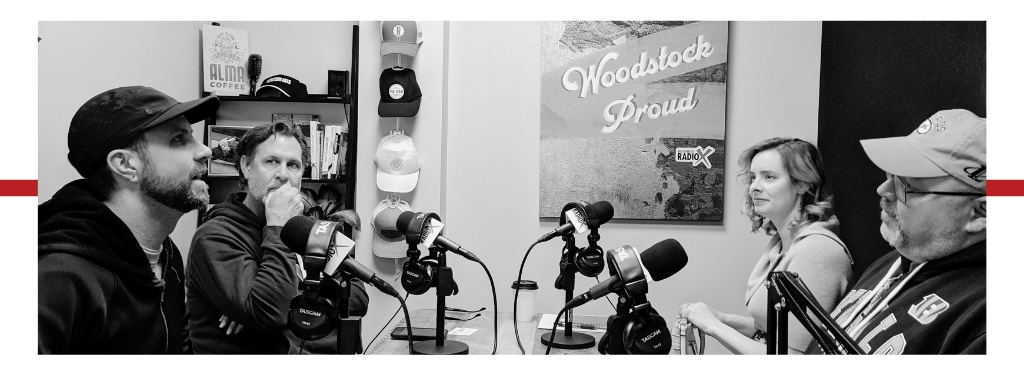
Doug Belisle with Good Neighbor, Monica Whitfield with Family Savings Credit Union and Shannon Boatfield with American National

May 8, 2023 by angishields

Charitable Georgia
Charitable Georgia
Doug Belisle with Good Neighbor, Monica Whitfield with Family Savings Credit Union and Shannon Boatfield with American National
Loading
00:00 /
RSS Feed
Share
Link
Embed

Download file

CharitableGA050523-banner

In this episode of Charitable Georgia, we discuss the importance of collaboration in the non-profit industry and the impact it can have on improving communities. This episode shares the importance of treating those experiencing financial hardship with respect and dignity, and the power of community support in times of need.

The guests also discuss the lost art of letter writing and the power of written communication in building relationships. Overall, the episode highlights the importance of recognizing one’s purpose and working together to make a positive impact in the community.

Doug-Belisle-bwDoug Belisle is the Executive Director at Good Neighbor Homeless Shelter in Cartersville.

Good Neighbor provides men, women, and families with temporary shelter and physical, emotional, and spiritual support.  A caring staff assists guests with developing and prioritizing goals for their return to the community as productive members.

Doug has lived in Bartow County since 2007.  His wife, Sarah, teaches 7th grade Science at Cartersville Middle School.  They have 3 children: Jack (18), Grace (15), and Judah (11).

Doug serves on many community boards and is heavily involved in the local church. He has been trained as a TBRI Practitioner, Connections Matter trainer, Trauma101 and Poverty 101 trainer and Darkness to Light Stewards of Children trainer.  He enjoys equipping members of the community to be poverty and trauma informed.

Doug has a passion to see families in his community become more informed, resilient, and successful.

Monica-Whiftield-bwMonica Whitfield is the Business Development Specialist for GA for Family Savings Credit Union, a position she’s had and loved since July 2022. She is a single mother to an 11-year-old son named Jackson. She’s lived in Cartersville since the summer of 2009 and appreciates the great sense of community in there and how important that is.

Monica is honored to now be an integral part of the community and be able to volunteer her time and resources to so many meaningful organizations in this area. There are two organizations she volunteers for that were there for her when she needed them in the past. Becoming a single mother in 2011 was not expected, but Monica was blessed with the most amazing son.

During that time, the Bartow Family Resource Center was located right across the street from her church, and she visited often and was able to get many important supplies that she needed for her son. She received diapers, wipes, baby clothes, and many other necessary items. Monica is now honored to be able to call herself a volunteer for BFR, as well as a sponsor for many of their events through her job.

The next organization is Good Neighbor Homeless Shelter. From 2018 to 2020, Monica and her son were residents of one of their transitional housing locations. She’s now on the board and executive board for the shelter, and is able to help others in the community the same way that this organization helped her.

In her free time, Monica enjoys spending time with her son. Whether they are going to see a movie, or building forts in the living room, these years and time together are precious, and she wouldn’t trade them for the world. Monica loves raising him in this community and she prays he grows up inspired by his mom to become an asset to their wonderful community.

Shannon-Boatfield-bwShannon Boatfield is a Financial Services Specialist for American National in Cartersville, GA. He was previously the area director for the Fellowship of Christian Athletes (FCA).

He’s a former athletic director, coach, and teacher at both MS and HS level. Vocational ministry as a pastor.

Shannon lives with his wife (Monique) and two sons (Christian, Caleb).

Connect with Shannon on LinkedIn.

This transcript is machine transcribed by Sonix

TRANSCRIPT

Intro: [00:00:07] Broadcasting live from the Business RadioX Studios in Atlanta. It’s time for Charitable Georgia. Brought to you by B’s Charitable Pursuits and Resources. We put the fun in fund raising. For more information, go to B’s Charitable Pursuits. Dot com. That’s B’s Charitable Pursuits dot com. Now here’s your host, Brian Pruitt.

Brian Pruett: [00:00:45] Good, fabulous Friday morning. It’s another fabulous Friday and it’s Stone’s favorite holiday, Cinco de Mayo.

Stone Payton: [00:00:52] It is the best day of the year.

Brian Pruett: [00:00:53] Yes. Well, and welcome back. We didn’t have a show last week. We had some guest problems and guess not a problem. But anyway, we couldn’t be here. And Stone, you just got back from from Spain. So welcome back.

Stone Payton: [00:01:06] Well, thanks for having me, man. I tell you, I gained a little bit of weight, but it was worth the price. We had so much fun. I really do think travel like that broadens you. It gives you a different perspective. And I think all over the world, people are people. I mean, I saw a teenager being snarky with his mom. I saw toddlers enjoying each other. Folks, it’s if you get a chance, just, you know, go out and do and don’t wait till you’re old like me. Go ahead and start doing it before you can afford it. It was great.

Brian Pruett: [00:01:32] But you can’t run with the bulls here. You can do it over there. Did you do that?

Stone Payton: [00:01:35] I did not. Nor did I go to a bullfight. But it’s I don’t know, just getting to experience different cultures. It’s a it’s a great deal of fun. And it’s like this, man, it beats the heck out of working. Right?

Brian Pruett: [00:01:44] Right. Well, we’re glad you’re back safely. And I’m glad you’re here to doing this because as I told Sharon, we’d be in real trouble if I had to run the board. I couldn’t do that. So. Well, we got, like I said, three more fabulous guests this morning. And we’re going to start off with Mister Doug Belisle from the Good Neighbor Homeless Shelter. Doug, thanks for being here this morning.

Doug Belisle: [00:02:00] Brian, It’s so good to be here.

Brian Pruett: [00:02:01] So you and I met when you came and visited the Carville Business Club and you have a strong background with helping for helping people and nonprofits, because when I met, you were still with the Bartow Collaborative and getting ready to take over the good Neighbor homeless shelter. But if you don’t mind sharing your story with us and how you got involved doing what you’re doing,

Doug Belisle: [00:02:21] Sure. Well, I’ve always I’ve always been kind of, I guess, a people person. But we got to Georgia in 2007, moved was part of a church I was I’m my degrees in ministry and theology and doctrine. And so I didn’t know anything about nonprofit other than the church. And so in 2015, I stepped out of my role at at the church and stepped into a new role with Bartow Collaborative, which is a nonprofit agency within Bartow County, that that really just seeks to create collaboration among nonprofits and social services and schools and business to to really benefit our families and our children and make our community stronger. And I really felt like at home in that it was it was ministry, but it was community ministry. And so learning how to partner with everybody. And it just made sense. When you think about collaboration, it just makes sense that not everybody’s got the answer, that it takes all of us working together, and if we work together, we can accomplish a whole lot more than than if we work in silos. And I begin to see where communities really easily silo. And so jumping into that just was was really helpful. I got to know a lot of the the business community, a lot of the nonprofit community, a lot of our our school system programs just to see how those function independently, but how each of those independent organizations and systems really desire to improve families and and make life better for for everyone.

Doug Belisle: [00:04:01] But there’s not usually a lot of collaboration that exists because we just get busy doing the things that we do. And it’s easy for me to look straight ahead and not look around to see who’s who’s walking beside me. And so when we were able to get people to the table, it sounds really boring to say that our main ingredient for making collaboration happen was a meeting that we had Friday morning. But it’s, you know, hey, once a month we’re going to meet and have this meeting. Well, what happens at the meeting? Well, we collaborate and we learn about each other and we build relationships and wow, that sounds really boring, but it’s really effective to be able to do that. And then just in August, stepped into the role at at the homeless shelter and have been able to use a lot of the networking and relationships that that were built not only through ministry, but then also through the collaborative. I was there for seven years and that really helped with building relationships and and and helping with our population that experiences homelessness.

Brian Pruett: [00:05:09] Well, I like what you talk about the collaboration part because our friend Bob Brooks and Ben Hanks, we all they all preach collaboration over competition. And it doesn’t matter what industry you’re in. You know, Shannon, we’ll talk to you in a few minutes. But, you know, when you know, there’s several people in the insurance, several people financial and but not everybody does the same thing. So I just like the fact that we all can collaborate because you’re right, we’re all here to do the same thing there to help people. So share a little bit about the good neighbor homeless shelter, the vision, the mission and what you guys do.

Doug Belisle: [00:05:37] Sure. So good neighbor, homeless shelter exists to help families and individuals who are. Experiencing homelessness to to really get on a path to stability. And part of that is remembering that success for everyone may look different than the way that I expect or that I see success. And so we help people find their path and their their means to get to what they what they determine is successful. We operate two emergency shelters, one for women and families and another one for men. We’ve got a street outreach program. We have a transitional housing program, which which helps families not only to escape homelessness, but also to provide a way to increase their income potential. So that’s for families that that have one or both parents that are going to school. We’ve got a lot of single parents in that program that that struggle to make it. And a lot of times the way out or the way up is through education. And so they’re able to stay in a transitional house for two years and go to school and work and increase their income potential. And we provide case management and wraparound services for all of our clients and all three programs to really help walk alongside folks to to get to the place where they want to be.

Brian Pruett: [00:07:01] How long has the shelter been around?

Doug Belisle: [00:07:04] We opened our doors in February of 1996 during an ice storm in Cartersville and took in our first guest that February. I want to say it was February 6th.

Brian Pruett: [00:07:17] Wow. So that that’s a good question. Can can people volunteer or businesses get involved and help you guys at the shelter? And if so, how can they do that?

Doug Belisle: [00:07:27] Man, there’s a there’s a ton of ways and we couldn’t do it without our community support. We we have a great community that really comes alongside of the families and individuals that we have that that are staying at the shelter. So there’s a lot of ways. We’ve got ways for businesses, of course, to give financially and provide sponsorship. But above and beyond that, we’ve got community partners and local businesses that come and help us do work around our shelters or around transitional housing. We take donations of clothes and furniture and items that would be necessary as people move out. So when when people graduate the program, they they move into their own spot. And a lot of times they need all those items like dishes and silverware and furniture and pictures to put on their wall, things to make their place a home. So we take donations of all those items. Our community actually provides dinner at both of our emergency shelters most of the nights of the week. We have community partners that bring in dinner. And so that’s a that’s an easy and great way to help is for folks to get involved and and bring dinner to one of our shelters so that so that we can have a home cooked meal.

Brian Pruett: [00:08:38] It’s kind of cool. I mean, you guys do a lot within the community. There’s several folks that do different fundraisers for you guys throughout the year. And I know February was really busy for you guys fundraising wise. You know, I hosted a trivia night for you guys, but that’s your month that you do your Dancing with the Stars. Share about that, that event.

Doug Belisle: [00:08:59] Sure. So 11 years ago, somebody had the bright idea. They they stole, I’m sure, from another community. That’s kind of how it works, is we you borrow ideas from other people and other other spots and you go, oh, I think I could do that. But the the shelter and our school system homelessness programs partnered up and decided to do a Dances with the Stars event. And so for the for the past 11 years, on the first Friday or first Saturday in March, we do Cartersville Dances with the Stars and we get professionals who are in our community to work with local celebrities, community members that dance and and do so to raise money for the shelter and for our homelessness programs in the school system. We we serve a lot of the same families and a lot of the same people. And we’ve over the years raised almost $3 Million in the last 11 years to help homelessness initiatives in the school system and also to help our families that experience homelessness in the community.

Brian Pruett: [00:10:01] Several I guess a few months ago we had one of your board members, Tim Abbott, on the show, talking about his adoption story, but he shared about his night in the box that he does for you guys too. So can you share a little bit about that for those who maybe don’t know? Absolutely.

Doug Belisle: [00:10:13] Well, Tim was Tim actually got introduced to the shelter because he was one of our celebrity dancers a few years ago. And so as part of kind of what he wanted to do to help raise funds, but also to raise awareness is to to to do this night in the box activity. And it was one that he. He sat down and and with several of us in the community, it was like, I want to do something that raises awareness, but also that has this fundraising aspect. And I have a friend that I played football with growing up in Colorado, and he does the same kind of work, and he has organized what he calls nine in a box. And I said, Tim, I think you I think what you’re talking about sounds like nine in a box. And so he he he just jumped right in. And he is he has done night in a box for the last several years just to help raise awareness. It’s not a huge fundraiser, but it it helps raise awareness for the issues that that many of our families and individuals that are experiencing homelessness, you know, that they go through, that life has led them down a path and they’ve made certain choices due to circumstances and crises that that they’ve been through, that that caused them to be unsheltered.

Doug Belisle: [00:11:25] And while that’s it’s one thing to say, wow, that sounds incredibly hard and it’s another thing to spend a night in a box and realize how hard that is and realize, wow, if I had to do that for more than just one night, it sure opens up my understanding about what people go through and and how hard and difficult and and really, I think uncovers the why behind a lot of our questions about why don’t folks just you know it’s really easy to armchair armchair quarterback homelessness and say well if folks would just and then fill in the blank. And what I think we’ve learned both through Night in the Box and through just our work with people at the shelter, is that it’s so much more complicated, complicated than that. It’s so complex, the issues and the situations that people go through. So it’s it’s pretty incredible.

Brian Pruett: [00:12:21] What I think is incredible, too, is is you’ve got a full community around you and all ages. Because I think I saw a few months ago there was a little boy who brought peanut butter and jelly sandwiches for your staff members. Right. Share that.

Doug Belisle: [00:12:33] It’s so cool. Some of the ideas that people have to to get involved and to help people. And I love living in a community where people look for creative ways to help and to reach out and to to show love and and and so, yeah, we we had a little boy that that raised money and and I think sold baked goods and candy bars and stuff like that and then used his money to to come in and, and feed our staff. We’ve had folks for for high school projects and for Boy Scouts and Girl Scouts and things like that come in and build things or put put stuff in at the shelter. It’s really cool to see the creative ways that people find of reaching out and doing their part. And that means a lot. Sometimes that’s better than you know, than getting a big donation is just seeing that, that, you know, someone’s heart is in it. And donations are, you know, they have their place. We couldn’t survive without those. But but the personal connection aspect of I see you and I respect you as a person and you have dignity. And I want to show you that that I care. That goes that goes so far with our guests and with our staff. It’s hard.

Brian Pruett: [00:13:48] Work. Well, I like the aspect, too, that he you know, you guys are focusing on your guests and he was wanting to make sure that the staff was was respected and taken care of. So that was really cool. I love it. How old was he?

Doug Belisle: [00:14:02] I want to say he was 9 or 10.

Brian Pruett: [00:14:04] Wow. That’s awesome. That’s awesome. That’s the other thing I like about it, you guys is you guys celebrate when your your guests. Fine. I, I saw a post just the other day of a young lady who’s now getting her place and moving her family in. And, you know, you see us, you celebrate those wins and you and you you respect the folks that our guests you call them guests, you know, And I just I think that’s pretty awesome because, I mean, there are people there are humans. And we’ll come back to you in just a second. But we’re going to move over to one of your former guests, Miss Monica Whitfield, who is with Family Savings Credit Union. And so I’d like for you to share your story because you’ve been through the situation. You were a guest of theirs and now you’re you’re on your own. You got your you got a great job and all that. So please share your story.

Monica Whitfield: [00:14:50] Absolutely. In 2016, I was assistant branch manager of a bank in Acworth and very unexpectedly lost my job. And as a single mom, you don’t have a ton of savings. But what I did have was quickly depleted. And so I had to leave my apartment and moved in with a church family from my church for a little bit. But then around late 2017, 2018 is when I was able to finally start looking for a place for the two of us. And at that point I had gone back to school to finish my degree, and a friend of mine from church mentioned the Good Neighbor Transitional Housing program. I knew what the good neighbor homeless shelter was. I had heard of them. I knew where they were. I had no idea that they. Offered transitional housing. So I started asking around. I went to the shelter and asked questions, and that led me to filling out the application. And in 2018, we my son and I moved in to one of the transitional housing units there in Cartersville. And it was fantastic for me to be able to work and go to school and have a place of our own. But you just don’t you don’t know at what point in your life something like that is going to be necessary. You don’t expect those things to happen. But for good neighbor to be there was just amazing.

Brian Pruett: [00:16:08] So as I mentioned, you’re now with Family Savings Credit Union. Can you share about what they do and the mission behind what they’re because they’re different than the bank, correct?

Monica Whitfield: [00:16:17] They are, yes. A family savings. And I love that the word family is in the title because we are we’re a family. You know, We’re just good people helping good people. And we don’t call them customers. We have members. You know, these are our family members. They come in looking for the person that they want to come in, that they want to help or they want to be helped by. They’re not coming in. They don’t feel like a number. They don’t feel like just another account if something goes wrong financially for them or even sometimes personally, the first people they want to talk to is their banker, is that person in their branch. And that’s why I make it a very, very good point. When I’m out doing community events, I like to take someone from the branch with me because I don’t want them going into the branch looking for my face because I don’t work there. But they’re looking for the people. Like I saw you at the Fall Festival. We talked a little bit about mortgage. I want to sit down and talk to you. You know, I saw you in the Christmas parade. I want to talk to you. So I like to take a local face with me, depending on what area I’m at, because we do have six branches in Georgia. But it’s just a very community minded and it’s just a family. It is a family there and I’ve loved it. I’ve been there since July of last year, but I absolutely adore it.

Brian Pruett: [00:17:28] So you were we’re talking about family and you have a son that’s going to be in a play by his play because I know you’re excited about that.

Monica Whitfield: [00:17:34] I am a little shameless, mom. Plug at the Grand Theater in Cartersville, Georgia, opening tonight. And also a show tomorrow night is Winnie the Pooh Junior. And my son, Jackson Whitfield will be playing the role of Tigger. And he is very excited. Some parts of his costume are not coming in until actually this afternoon. And he almost had a Baptist fit over it because it was delayed in the mail. Like, it’s not my fault. I’m sorry. But he is very, very excited. It does. Open tickets are still available for tonight and tomorrow night show and they are being offered on DVD or thumb thumb drives also. How old is he? He is 11. Going on 28. Yeah. There you go. Yeah, that’s right.

Brian Pruett: [00:18:15] That’s awesome. So I’d like to ask you a question, if you could share. If somebody is listening that’s either going through what you went through or know somebody that’s going through what you’re doing or been through, can you share with them just, you know, something that’s a ray of hope. You know what to do, because I’m sure there’s a lot of people who may not even know where to start looking, right?

Monica Whitfield: [00:18:37] I would encourage them to ask questions, but you have to humble yourself first. That is a very, very big part of it. I before I had my son, I was on my own for a long time. I left. I left high school, went straight to college, left college in zero five. And it was just me and I had a schedule. I had a routine. And when you have a child, it humbles you. You have to now have a village. You have to accept help. You have to humble yourself and allow others to bless you, even if you’ve been on your own for so long and doing things by yourself. And I mentioned this in a meeting with Doug before because a lot of people have trouble understanding why when they’re giving handouts to homeless people or offering things or offering services, I’ll give you a ride, I’ll give you a job, I’ll give you help you with a house. And sometimes the homeless person or the unsheltered person may not respond right away. And I explained to them that if you’ve heard a season of no’s, it’s really hard to trust. A Yes. It’s not personal. It’s not that they don’t want your help, but it’s very hard to break that, that I can do it by myself mentality. I’ve had to do it. I’ve survived on the know. I know how to get through that. So you’re. Yes. Kind of scares me a little bit because I don’t know how long you’re going to say yes. And I don’t know when you’re going to get your. Yes. Might turn into a no. So it’s not personal when they don’t immediately accept the help. But that’s why I try to teach people that are in these situations humble yourself. You have to accept the help. Whether the help is for three days, three months or three years. It’s it’s an offer. It’s help. It’s something that you need. And if you say yes to that help, there’ll be help right after that. But don’t be shy. Ask questions because you’re not the only one going through that experience.

Brian Pruett: [00:20:26] I think you talk about accepting the help because I had a friend, my wife and I, we hang out with my best friend’s family a lot. Time. They’re like family with us. And so my best friend’s wife. Decided to pay for our meal. One time we were out and I’m like, Why? Why are you doing that? And she and then she got mad at me. She goes, You’re taking away my joy of blessing you. So I just think that’s cool that you shared that. So, um, you are very involved in the community. You’re an ambassador for the chamber. You do your network all the time. Why is it important for you to be part of the community?

Monica Whitfield: [00:20:58] It became apparent to me when I first moved here how big the sense of community was in Bartow County and Cartersville, not growing up military. That wasn’t my norm at all. I’m in a community for a little bit. My dad gets his papers, we’re gone. Some of those people who were my best friends, I never saw them again. So I didn’t have that sense of plugging in growing up. But when I moved to Cartersville and quickly realized that it was very important to me when I got to a place that I could give back, that I absolutely would. And so a lot of the organizations that I am either, you know, giving money to, that we are sponsoring through my job are organizations that have directly affected my life and have helped my life. Good neighbor included Bartow Family Resources. I’m very big on making sure that anyone that was in my situation and had these people help them can also know once you get in that position that you can help back and you can give back. You have to do that because now you’re in the position to bless others the way that they have blessed you. And that is very important to me. And it’s also very important that I teach my son that because he’s growing up in a sense of community that I never had, and I love that for him. But I also need to stress the point of you need to turn around and give back to this village that basically helped raise you. So it’s very important that he understands that that’s true.

Brian Pruett: [00:22:20] It does take a village. Come back to you in just a second, Doug. I got a couple of questions for you. While she was talking, I wanted to ask you a couple of things. Well, three things. First of all, I think especially some people have a stereotype for some homeless folks. And when people out there on the exit ramps with the signs, things of that nature, what can you talk about and share that may debunk that stereotype Or, you know, because a lot of people there are people out there take advantage of systems. But just can you share something that might take away that stereotype?

Doug Belisle: [00:22:51] I think what’s been helpful for me is just to remember that everyone has a story, right? And that’s not just for the person who’s holding the sign at the intersection. That’s the person that you sit across from at work or that you I mean, every person that you meet has got a story. And I know people that take like I know business, people that take advantage of situations and circumstances and I used to see that and get mad and think, Oh, I can’t believe that they, you know, and everybody’s heard the story about the, you know, the person that’s holding the need help sign. And then they go get in their Cadillac and drive off to their, you know, to their big fancy house. I don’t think I’ve met anyone like that, but it it always helps me to remember that. There’s a story that got them to that place. And as as I’ve been, as I’ve been blessed to kind of hear people’s stories, it has softened my heart to to people in general, because it I don’t know that that the type of resilience that it takes to get to a point where you’re standing on a on a corner asking for help like that, that takes some serious hustle. That takes a lot of guts. You’ve got to get through a lot of no’s and live down some stigma to be able to to do that. And are there people that take advantage? Sure. In every walk of life. And it also socioeconomic levels, there are people that do that. But the thing that I remember is everyone’s story is different. And and finding out what led a person to any place in life is is helpful for us to be able to understand and relate to to where they are and why they do what they do.

Brian Pruett: [00:24:38] Because we’re all just one, one, one minute, one second away from you never know what’s happening. So if. Somebody. This is kind of not part of it. But if somebody is thinking about starting a nonprofit and you being in this world for a while now and working with some other things, what advice would you give them?

Doug Belisle: [00:24:57] Slow down. There are a lot of there are a lot of of opportunities and there are a lot of people that get an idea and they go, Oh, I’m going to start a nonprofit. And. And I think the first question that you should always ask yourself is who else is doing what I want to do? Like, look around and get involved before you jump into a space and act like a leader. Like go follow and walk alongside some people that are doing the things that you’re doing. When, when, when I was doing a lot of collaboration work in my previous role, I had the opportunity to sit down with a lot of people that would go, Hey, I’m going to start a nonprofit that is for mentoring kids. And I’m like, Great. What other programs are you familiar with in the county that are already doing that? Well, I don’t know anybody that’s doing that. Oh, well, let me introduce you to some people that are doing that and then find out how you can partner with them, because I promise you, starting a nonprofit is a pain in the butt. There’s it’s not as fun as it sounds. The legal aspects, the tax aspects, the, you know, the things that that are involved are complicated. And so find somebody that’s already doing that and partner with them.

Doug Belisle: [00:26:24] And then if there’s a gap that you see somewhere, then fill it in. You know, then then walk down that road. But I think some people think, oh, I’m going to start a nonprofit and that will be my my day job. And it it it takes a long time to get to where you’re at a point where that becomes kind of a position or a role that can pay a salary. That is the hardest part of like the hardest fundraising that that any of us in nonprofit do is raising your your salary like people want to give to the mission they want to give to. They don’t want to give to pay you. And so that’s that’s really difficult. So anyone that comes to me to say, hey, I’ve got a great idea, I’m going to start this nonprofit. I say, Hey, tell me about that. And then let’s walk through that really slowly, because I guarantee there are some things that probably you haven’t thought of or that there are some areas that are already touching that issue that you haven’t thought about or don’t know yet. So go learn from some people that are doing it. And then if you see a gap and shoot into that gap. But but slow down.

Brian Pruett: [00:27:36] That’s some great advice because there are a lot of people out there who think they can fix the world and fix everything and they want to jump in and help people. They got good hearts, but that’s some great advice. So thank you. So other than what your ministry and working with the shelter and all that, why is it important for you to be part of the community?

Doug Belisle: [00:27:53] You know, I still I tell people this that are from there’s still a lot of like native Bartow Countians that are born and raised and haven’t ever, you know, moved. You know, they’ve never left. And they they don’t realize what a treasure chest that they’re sitting on. I’ve never lived in a community like Bartow County. There’s just something different about the sense of community that exists. And and it’s this is going to sound super corny. It’s it’s like a Hallmark movie is what it feels like. It feels like you’re living in a Hallmark movie where you walk into the grocery store and you’re like, Hey, Bob, how’s it going? How are the kids? You know? And you watch that and you go, that’s so stupid. But that’s what it’s like to live in our community. There’s relationships and there’s there’s people and and there’s a desire for, I think overall for everyone to succeed together and that I’m looking around me to, to, to kind of pull people up or pull fellow humans in the same direction. And that’s that’s kind of crazy. That doesn’t happen in every community. The partnerships and the collaboration that exists in some of these small town communities and some of these more rural places that are quickly becoming urban.

Doug Belisle: [00:29:20] I hope that that’s as we grow, that that’s something that we never lose. Because the truth is in all of our situations is that we need each other. We were we were not made to be. Alone. And so when we and I think we’ve we saw that even with the pandemic, I mean, when we were all confined to our houses and afraid and and by ourselves, that was no good for our mental health. That was no good. I mean, we’re we’re made to live in community. And so even even businesses that that work towards relational community do better. They retain their employees more. They have higher success rates with not only their employees, but also with their their customers. If you can develop relationships and you get good at the people part of it business wise, you’re going to succeed. So there’s a lot of truth in community and benefits in all aspects of society that we just we don’t function very well alone.

Brian Pruett: [00:30:24] I like your description of the Hallmark movie because it’s true because I don’t live in Bartow County. I live in the Kennesaw Acworth line. And there used to be a stereotype of Bartow County, the good old boy network. And that’s changed. I mean, there’s still a little pockets of it, but it’s changed. And it’s so true because I see it every Wednesday at the Cartersville Business Club. There are several folks who come to that who aren’t even part of Bartow County, but they love the community aspect of it. And then I see it every third Wednesday night when I’m doing the trivia and I’ve rotated the the charities man, the people that come in, we’ve averaged 60 to 70 folks every month and they’re having a good time. I host a trivia for years for for team trivia at metros around restaurants in metro Atlanta. And yeah, we had, you know, 20, 30 people, but nothing like this. And I realized that, yeah, there it’s it’s a fundraiser but you can tell it’s more than that. People come in, they laugh, they have a good time. And it doesn’t help. It doesn’t hurt to that there’s some awesome food involved in wings. So so but I appreciate you doing that. So if somebody wants to get a hold of you for wanting to find out how they can involve with the shelter or if they know somebody who needs the services, how can they do that?

Doug Belisle: [00:31:30] So the best way is to give us a call. Our number is (770) 607-0610. Our website is under construction. So we’re we’re we’re not quite up to par in our website, but please visit us on on Facebook at Good neighbor homeless shelter and and you can get involved there’s a ton of ways but our website once we once we get it fully functional it’s going to be the place that that will drive people to. So even now, if you want to contact us through our website, there’s ways to do that.

Brian Pruett: [00:32:05] Awesome. Well, don’t go anywhere because we’re not quite done with you. But Monica, I’m gonna come back to you for for a couple of minutes. We talked a little bit about the credit union. Can you share the difference between the credit union and the bank?

Monica Whitfield: [00:32:15] Yes, specifically with my background, I have ten years of banking history in my previous employment. And it’s the difference is like night and day. Honestly, it’s not just the the people that work there, but it’s the sense of community, the products that are offered, how people invest in your life and how they keep up with it. But it’s just a totally different and I’m not saying that every bank treats their customers like a number, but I have been inside both branches and it’s just completely different. Specifically at family savings. You know, a lot going on right now with people worried about their money in the bank and being insured. And I can just give a little, you know, shameless plug for family savings. Your money is insured up to $1 million with family savings. So it’s a lot different. There’s a lot more products that are beneficial, that are community based, that are family based, that are specifically based for that family’s need that some banks just can’t do. You know, we don’t have shareholders or our members. That’s our family. We love them and we we listen to them. We’re in tune to what’s happening in their lives and what needs that they have. And it’s just completely different than what banks are able to offer. So I know.

Brian Pruett: [00:33:27] When I’m traveling and I’m getting frustrated because I can’t find an ATM in my bank. You know, there’s always those charges for using ATMs. If somebody is part of family savings or any other credit union and they travel, how does that look when you’re traveling and you need some get some money?

Monica Whitfield: [00:33:41] Absolutely. We have what’s called shared branching. So you can use different branches and different ATM locations. I myself because like I said, we have six branches in Georgia, but sometimes I’m out traveling and I realize I need to go to the ATM. I got to get my nails done. I got to tip these people in cash because they’ve earned it. And I love doing that and I need to go to the ATM, but I don’t want to go all the way back to the family savings and then have to come back to the nail salon. So there’s actually an app I just realized it’s called Epic. I believe it’s called Co Share, but you can pull up different ATMs that you can use absolutely free and it goes by your location. A lot of them are Publix, 7-Eleven, things like that. They don’t charge if you’re a family savings member because they understand you may not be near a family savings, but you need access to your money. And so there’s no fees for that. And you can just use the ATM and get your money when you need it.

Brian Pruett: [00:34:32] Awesome. That’s good to know because that didn’t used to be that way. All right. If somebody listening wants to get a hold of you and talk about the credit union services, how can they do that?

Monica Whitfield: [00:34:40] I always direct them to the website, which is family savings, C-u Credit union family savings. Q.com Because again, reaching out to me, I’m just going to connect you to your local branch. I can talk to you. You know, I’d be happy to talk to you if you want to, but I’m going to give you a face that when you go into your branch. So I’m going to ask you where you live, what branch you’re closest to. But if you go on the website, it gives you a breakdown because we do have five branches in Alabama, six branches in Georgia. So you can look at each branch as contact information depending on your address to see which one is closest to you so they can feel.

Brian Pruett: [00:35:13] Like Norman Shears. Yes, there you go. All right. Well, again, we’re not quite done with you yet either, but we’re going to move over to Mr. Shannon Boatfield with American National. So, Shannon, thanks for being here this morning.

Shannon Boatfield: [00:35:24] Great to be with you, Brian.

Brian Pruett: [00:35:25] So you’re no stranger to the to the nonprofit world either. You used to be a big part of fellowship of Christian athletes. You’re also a ministry background, big sports background. So tell your story, if you don’t mind.

Shannon Boatfield: [00:35:38] All right. Thank you. Yeah, it’s great to be with with this incredible group that’s in this room, too. So thank you for that privilege. I’m a local kid and Marietta High School and went to high school in Marietta, rather. Lasseter High School. Go Trojans. For anyone listening but yeah sports background and I think the one consistent thread throughout my life was is identity. So much of my early childhood and early life was solely centered on who am I on an athletic field. I played everything in high school and, you know, was fortunate enough to excel in sports. And so that was my identity. Everything was wrapped up in that. And so I had the opportunity to play in college and continue to playing on at higher levels. And it just it continued to further, I guess, cement my identity in in sports. But when sports was over and for every athlete who’s ever played, the day comes when somebody says you’re not good enough to do this. Whether it’s because a college doesn’t call or because the draft doesn’t come your way or a free agency doesn’t happen, there’s a day when you’re basically told you’re not good enough to do this. And when that day came for me, I didn’t know who I was. And my entire life had been wrapped up in sports. And when that was over, like, what’s next? And so it just began, began this kind of journey for me. I started out in college thinking, I’m going to major in accounting and I’m just going to do that because that was the highest salary coming out of college was accountants. I thought that would be great. And I spent one class in college in accounting. I’m like, There’s no way in the world I don’t get to engage with people. I don’t get to interact with people. I’m just stuck at a computer crunching numbers all day. There’s no way.

Brian Pruett: [00:37:24] Different than stats than D-crunch.

Shannon Boatfield: [00:37:26] Yeah, it was totally different. And and so I changed majors a couple of times, again, trying to figure out my identity, what does that look like? And ultimately, I landed on political science, which I love. The two things were never supposed to talk about, right? Religion and politics. Those are the two things that I will talk about with you all day long, especially if we have different points of view. I love those conversations and there’s a long history of political backgrounds in our family. And so I just it just naturally gravitated there history, politics and those sorts of things. So finished with my degree in political science and got involved in the political world at this time. I was now living in Montgomery, Alabama, and so I got involved in the political scene there working Just as for a nonprofit association that represented all the engineering firms in the state of Alabama and just kind of one relationship, one connection led to this, led to that. And ultimately, so I did legislative work for the better part of a decade in the state of Alabama. And all the while, I’m having everything the world says you’re supposed to want, right? You know, making good money and relationships and the big beautiful home and etcetera. But but there was just an emptiness. And again, that identity I was struggling with.

Shannon Boatfield: [00:38:47] Is this all there is to it because I’m successful? I thought on what the world says you’re supposed to want. And I began to I reached out to a friend and I know some of the ones in this room would know. Well, David Franklin. David is I’ve known since I was about 14 years old. He was the associate pastor at the church I grew up in. And I remember having a conversation with him about, you know, is this all there is? Like what? How do I know what God has really called me to do? And he asked me a question. He said, Well, if you had to work for 40 hours a week but you weren’t going to get paid for a year, what would you do? And I kind of sat and chuckled. I said, Man, I would hang out with athletes and coaches all day and talk about Jesus. And he kind of we laughed together and he said, Well, we got to figure out what that looks like for you. And that began kind of a central prayer life for me was God, what’s the next step? And within about a year and a half, probably 18 months later, I get a phone call from some guy in Dalton, Georgia, that I didn’t know. And he says, Hey, we’re hiring for an area director for the Fellowship of Christian Athletes, and we’d love to talk with you.

Shannon Boatfield: [00:39:54] And I was familiar with FCA. Again, having been an athlete, I was involved in FCA in high school. When I was in college, I had the privilege to speak at FCA camps around the country and I was like, Yeah, I love FCA, but I didn’t realize people got like paid to do that. And kind of to Doug’s point earlier too, it’s like, you know, these people like raise money to just talk about Jesus and hang out with athletes all day. And I just thought that was amazing. So we began a series of conversations that led me to Cartersville, Georgia, a town that I had no familiarity with. Even though I grew up in Marietta, I was kind of an East Cobb snob. We would affectionately call ourselves like we didn’t think anything existed outside of East Cobb, Georgia. And and so here I am in Cartersville and so would get married. A couple of years later, my wife and I started our family, my wife Monique, and we have two sons, Christian and Caleb. They are nine and seven. And like Monica said, they’re kind of going, he’s nine, going on about 23. And if you ever meet him, he’s five foot six. So he looks like he’s already about 15 years old.

Brian Pruett: [00:40:59] But he’s he’s you’re tall yourself. So I was joking with Stone when you and Doug walked in. We felt very small. You can’t see it, But these guys are very. You’re six nine, right? Yes. And how tall are you, Doug? Six. Four. Right. So, yeah. Anyway, sorry. Go ahead. All good.

Shannon Boatfield: [00:41:14] And so, yeah, so I had the privilege to just pour, we say to and through coaches with FCA and so to minister to our community and and I echo a lot of what Doug said about that sense of community. There’s a sense of collaboration. And I know we talk about that at Cartersville Business Club, the the collaboration over competition. And so I saw that in the nonprofit world, we are so blessed in our community to have a lot of if there’s a passion that you have, there is an area where you can you can walk in that passion and purpose. And through the nonprofits in Cartersville and specifically Bartow County and and so that was just a wonderful experience getting to meet so many amazing people, learn so much in that and again, helped affirm my identity and that my identity was really in Christ. And I rewind to a conversation with a teammate in college who who knew that I was a Christian. But I didn’t always walk that out there. And if we’re honest with ourselves, we would say, for those of us that love the Lord, we would say, Man, I there’s probably an area of our life that we’re kind of like, God, I’m not going to let go of this. And for me and I so I had that. I was like, I’ve never done certain things. I’ve never experienced certain things and would love to sit here and say, it’s because I just loved Jesus so much and that the truth is it was I was an athlete and I didn’t want something to mess that up.

Shannon Boatfield: [00:42:36] So I stayed away from a lot of those vices. But there were others where I was like, God, I’m not ready to let go of that. I need that in my life. And and so I had a teammate who called me to the carpet on that and he said, listen. And basically just challenged me. He told me a story about Alexander the Great who Alexander the Great looked at one of his subordinates who had been breaking the rules. And he looked at him and he said, Tell me your name. And the soldier looked back at him and said, It’s Alexander. And he said, change your name or change your behavior. And I had a teammate who said, listen, quit telling people you’re a Christian but then living like you’re not. And and that really he had earned the right, I think, to speak into my life. Like, you know, that’s, again, the value of relationship. If some stranger says that to you, you might hold up, man, we’re about to fight. Like, who are you to say that to me? But he had really earned the right to speak into my life, and I took a lot out of that.

Shannon Boatfield: [00:43:31] And I’m still thankful for that man. We are still in each other’s lives to this day. And and and he’s gotten to meet my sons and and he’s he’s in the Hall of Fame at our university. And my son, we were having lunch and my sons were like talking to him because they just thought that was the greatest thing ever, you know, because I’m just a peon. I’m just dad, right? And so they’re talking to him and he’s trying to say like, Hey, your dad was really good and your dad was this, this and this. And my nine year old especially was looking at me. He’s like looking me up and down like, I can take you, old man. You know, he’s looking at me like I’m nothing. And but my youngest comes in and saves the day. And Caleb says, Daddy, he might be in the Hall of Fame, but you’re the goat. And I’m like, That’s. That’s my guy. Thank you, kid. So, so love being a father. That’s a great title that I get to wear now. And through that time with FCA, I got to also get into my passion again for coaching, and that ultimately led to also being able to teach. And so I spent some some years in the education system teaching as both an athletic director and teacher and coach at the middle school and high school levels and but frankly quickly realized education was not the place that I needed to be.

Shannon Boatfield: [00:44:40] And I love talking about Jesus too much. And I just I didn’t like some of the handcuffs that existed, frankly, in that in that world. And so we kind of began to look out for like, what’s next? And and I think God specifically opened the door for where I am now. I’ve gotten to take my love for financial literacy and take that into what I do now. So I’m working with an insurance agency, but we do so much more. And I like, I think, like what Monica was saying about family savings, like we aren’t your typical insurance company. We don’t do things the way that everybody else does. We don’t we don’t protect our clients the same way that everybody does. We we we don’t have A11 approach fits all. We want to look at your individual situation and find out what’s the right coverage for you. It might not be the right coverage for Doug, but it’s perfect for Monica. But Stone needs something totally different, and that’s kind of how we approach our clients. And so I love just that, the personal side of that again, so relationship driven. And I would argue and say that everything that I do, I try to do through that relationship perspective and through that relationship piece. And so I love what I get to do now in helping people protect the things that matter to them.

Shannon Boatfield: [00:45:59] You know, we don’t hesitate to think about protecting our little golden eggs, you know, our homes, our autos, things like that. But I’m really interested in protecting the golden goose that laid them. And so your income and protecting your income. That’s what I love to do. So within our agency, I actually do the financial services side. So that could be something like life insurance, for example, is a great vehicle, but also helping do retirement planning, retirement products, financial planning and even I love it. I had a family recently just sitting across from me who she’s like, We have $54 in the bank, like we can’t afford to do anything. And I got so excited about the opportunity to be able to serve that that type of client when the very next morning I’ve got a guy that’s got more money than he knows what to do with. And so again, he’s we’re helping put him in a better place too. I love the uniqueness of that and the variety of that every single day. So again, all of that rooted in what is my purpose. And I know God put me on this earth to serve other people. And and so every aspect and every professional role and volunteer wise, everything is about how do I serve my community?

Brian Pruett: [00:47:14] Well, you and I’ve talked about this before. I think it’s you don’t have to be a preacher to minister, right? You’re doing that with your job. Doug. You’re doing it. Monica. You’re doing it. And the story you shared about your teammate. I had a similar kind of story that I grew up 77 is still part of the church. And and for a while after my dad passed away, I worked for a garage in downtown Kennesaw. And you and I, Shannon talked about people who have to profess about being a Christian instead of just living it. Right. Right. And I and I was doing the same thing, you know, talking about going to church and all that. And and so Sabbath is sundown Friday, sundown Saturday, the Sabbath that we follow. And and the garage stayed open till 7:00. Well you know, in the winter it closes or it gets darker early. And they were fine with me leaving early. And so one day my boss comes to me and says, you have to stay. Till the end of closing. But he goes, No, but you talk about being a Christian, but the words that come out of your mouth is totally different. So to your point. Right? I mean, it’s just and that’s very humbling, too, when somebody says that to you. Um. Oh, before we get to what I want you to share that you shared the other day that I think is extremely powerful. Why, other than the reasons you just shared, why is it important for you to be part of the community?

Shannon Boatfield: [00:48:38] Because there are so many more people smarter than me. And I want to I want to learn from them. I, I think there was a time in my life when that was threatening. When you’re around better people that are smarter and more talented and more gifted, you’re like, I don’t want to be around them. I want to feel good about myself. And again, why? Why do I feel that way? Because I don’t know my identity. I don’t I don’t understand how to walk in the purpose of what God put me here for. And so and as God has helped me mature with that, I have learned and again, that’s a that’s an everyday thing. I pray that I’m not the man. I’m thankful that I’m not the man I was yesterday. But I’m also excited for the man that God is helping me become still. And and so that’s what community means to me when we take the individual talents of people like Doug and people like Monica and people like you who have hearts for community and who have a heart for these different sectors. And then we put all those talents together. Amazing things come out of that.

Shannon Boatfield: [00:49:34] I’m really involved in Rotary Club, for example, in Bartow County, and our motto is Service above self. And you take all these men and women in that room who are, you know, some who’s who’s in our community, who put their individual talents and giftedness together to make an impact and enlarge the footprint of ministry in our community. And you don’t have to have a vocational job that to be a minister. I think if God has if you if you know who Jesus is, you know that we’re called to be his hands and feet here on Earth. And so how do we walk that out? And the the number one thing I think we must do is just simply love people. And God calls us to love people. And if we love people, well, that will do more to bring about a sense of community. So that’s kind of what it is for me, is just that I know that there are gifts and talents that Monica has, that Doug has, that that will complement mine. In areas where I’m weak, they will be strong and and and that’s what what I love about our community.

Brian Pruett: [00:50:32] Awesome. Well, you you shared something last week at the Cartersville Business Club which I think we all talked about, is a lost art anymore. And it’s written communication. Yeah, right. And if you don’t mind just sharing what you shared because, I mean, Stone, you just heard some powerful stories, right? But what he’s getting ready to share is extremely, extremely powerful. So please share what you shared there.

Shannon Boatfield: [00:50:56] Well, so we do we talk about the power of the written word. There’s incredible power in it. And I just basically asked everybody, when’s the last time you wrote a letter, like an actual letter with a pen and a piece of paper, not a, you know, finely worded email or anything like that, but an actual letter. And then and then think about think about your letter story. Everybody’s got a letter writing story. And, you know, and I made some references as a student of history. I loved hearing and learning about how John Adams, when he was apart from his wife Abigail, every single day that they were apart during his his during their marriage, he would write her a love letter and she did the same. And so it was a constant source of communication. Can you imagine the gift that his children, grandchildren and so on. And we can still see some of those letters today. You can read the words of this incredible man of of American history and the the impact that he had. But you see his love for his wife and it’s on the written word. And I can just imagine receiving that and reading that. I think about even when we’re in school, we’re all of the age where you wrote the notes to each other, right? You’re sitting in class trying not to get caught, but you’re writing that cute girl, that cute guy.

Shannon Boatfield: [00:52:09] You’re writing them a note that tells them how amazing they are. And your life will never be the same without them. And then we hand them to you. And I’ll guarantee you, there’s somebody listening today who’s still got that box of letters somewhere in their attic. You mean, First of all, if you’re married, you need to go throw that away. But. But everybody’s got it. And we think about that. Your high school yearbook, you can read those notes from a high school yearbook and immediately be transformed to senior year. And that one big moment, that prom, that that significant stick out memory, everybody’s got them. And, you know, we could go on and on with examples of letter writing people who’ve been in war who would write letters back home and just the impact that those have had. My family still has letters of that sort that were written by men in my family who were in a wartime writing back home to their sweethearts. And then for me personally, what really drove this home was finding a handwritten note from my great grandmother. Her name was Virginia, but we called her Gin Gin, and she was about four foot ten, like just the tiniest, sweetest woman. But she was she’s literally the closest to God you could have on earth.

Shannon Boatfield: [00:53:19] She was that woman who epitomized all those all those kind of stereotypes that we might imagine. She she had them all was just an amazing woman. And in an old Bible of hers, we found a letter that she had written, and it was basically a prayer. And she had written this prayer about me. And about family members and specifically asking God. It was basically her prayer for us, Right? God, would you protect him? God, would you do this? God? Would you use him in this way? God, would you help him to understand his purpose? Would you help him to live in according to your will? Would you help him to be a godly man, a godly husband, a godly father, and to do it in that particular order? And and out of that came what I do with my sons now, which is a Hey, buddy, what is your vision? What’s your vision? We do it as part of our bedtime every night and they know my job. My calling is to be a godly man, a godly husband and a godly father in that order, because God is a God of order. And so out of that came this incredible. For me. I have this physical thing that I see that sweet woman’s handwriting in where she thought enough of me to take time to write. And. And so in this day and age, you know, I just appealed to people that technology makes everything so much more efficient, but at the cost of intimacy.

Shannon Boatfield: [00:54:45] And we are more connected because of technology than we’ve ever been in the history of the world. But I would argue we’re more disconnected from the people who literally live next door. And so the power of the written word, what we could do and how we could impact people if we would just take a moment to speak life into them through that written word. And I just think it has the power to be transformational in people’s lives. In my classroom, I guess I would close with this on that. Brian, We in my classroom when I was teaching, we used to do something called Speak Life, and it was something we would do every Friday and where the students would have to write a note to somebody else in the class. And they specifically had to say, I think you’re amazing because or I saw you do this and I was so impressed or I’m so impressed. You are so kind and you’re so this, you’re so that and they’d have to give the notes to me, of course, so I could read them, make sure they were appropriate. But then as kids would leave the class that day, I’d go, Hey, Brian, here’s your letters today.

Shannon Boatfield: [00:55:46] Hey, Monica, here’s a couple of letters that were written for you today. Hey, Doug, look what you got today, buddy. And I could just see literally the the the change in body language body posture as they would read something where some kid in the class that maybe didn’t even know would would say to them, You’re amazing. And I’ve seen it. I’ve lived it, I’ve experienced it, and I’ve also seen it in the lives of other people. So the written word is just transformational. And I encourage people to be intentional, to take a moment and write some notes, write some letters and and put your thoughts. You know, when you when you have to write something, literally write something, it makes everything slow down. And you’re so much more intentional about every word because I don’t know about you guys, but I can run my mouth and say something I don’t need to say that can come out the wrong way or it might come out. Maybe I just shouldn’t have even said it. It didn’t make it through the filter machine well enough, you know. But when you have to sit there and write it, it takes some of those things off the table. And so anyway, I think there’s great power in the written word and I want to encourage us to be better at that.

Brian Pruett: [00:56:55] Yes, that was also you also challenged us to go go and write one for that week. So I actually did two for. That’s awesome. So we have a young man in our group that he and his wife suffered a loss and so we did a card for him. And and then I wrote a note to Charlie Darian, who owns Charlie’s Angels Movers, who sponsoring my trivia events and just thanking her for everything she does in the community. So I think it’s right. And then Dr. Tyra Wingo, who’s part of our group, I’ve gotten two cards since I’ve started this business in the mail, you know, just affirming what I’m doing. And then Kelly Nagel sent me the same kind of thing. So you’re right. It is. Of course, you got to have good handwriting, and I don’t. So if you get something from me, you’ll need a couple of glasses or whatever to read that. So need a translator? Yes. Yes. And you also have to take big breaths because I don’t use commas either, so just forewarn you. But anyway, so no, I think another lost art is thank yous even just to say thank you. And before we wrap this up, I have one more question for you, but I’m going to take a second to say thank you, first of all, to Stone, because you’ve provided me a platform to share these positive stories.

Stone Payton: [00:58:06] So it’s my pleasure, ma’am.

Brian Pruett: [00:58:09] And then thank you to Doug because. People like you to step up to help people, you know? Monica sharing your story, that takes courage. And then Shannon, the same thing. So thank you guys for coming. All right. Before we wrap this up, I always like to ask us questions, so and we’ll start back with you, Doug. I like to end this with a positive quote, a word or just some nugget for people listening today to live today and the rest of 2023 and beyond with. Go ahead, Doug. What you got?

Doug Belisle: [00:58:40] Oh, wow. A word of wisdom that would have been helpful to come with. I think I think I’ll go back to to something that I said earlier, and that’s everyone has a story. And if we can remember that like that, that that has become so powerful in my life. Right. Because it’s really easy to get mad at the person that just cuts you off. You know, or is driving so incredibly slow in front of you or is, you know. Whatever the whatever the circumstance is to the person that messed up your order at Taco Bell. Right. I said no tomatoes. And there are tomatoes on this. Right. And so I can choose to I can choose to get angry about those situations and I can choose to become a maniac, angry person, which is an easy choice to make, right? Because if I’m not thinking about other people, then you have inconvenienced me and life becomes all about me. But when I realize when I started realizing that everyone has a story, I start thinking about that driver in front of me that that cut me off. And what’s what’s happening in their world that’s causing them to do that? Or what is the, you know, what is going on with the person that’s that’s working at Taco Bell that inadvertently put tomatoes when I said no tomatoes or didn’t put tomatoes when I asked for tomatoes.

Doug Belisle: [01:00:10] And I can choose to get upset about that or I can choose to go, I wonder what is going on in their world. I wonder what their story is. And once I start thinking about that, I find that it puts things in perspective, right? Like I think about my story and go, Oh, wow. Well, if their story is anything like mine, then maybe they’re just having a bad day. Or maybe this happened, or maybe they spilled their coffee and, you know, and they’re just having a rough day. Man, I’ve had a rough day. I know what that’s like, and it helps to like that makes me a better person. My blood pressure doesn’t become so high. I’m able to to to live with understanding. And that’s that’s been, that’s, I’d say lately one of the most powerful concepts that has hit me and changed the way that I that I walk through life is everybody’s got a story.

Brian Pruett: [01:01:08] Awesome.

Monica Whitfield: [01:01:08] Monica I’ve actually got to I say this to my son all the time and I actually just shared it in a quiet Reflections Facebook group group that I’m in and it’s every day try to show someone a little more grace than they showed you. And it kind of connects with what Doug was saying is because you don’t know what they’re going through, you don’t know why they were just rude to you. But if you just exhibit the grace that you wanted to be to get from them in return, it’s so much easier. And then another one that I say to my son all the time is yesterday is gone. Today needs to be intentional because tomorrow is not promised.

Brian Pruett: [01:01:48] Wow. Shannon. Wow.

Shannon Boatfield: [01:01:49] That’s good. Created things have purpose. As somebody who’s struggled with identity for a large part of their life. There’s power in that understanding and getting to the place where we realize, man, God created me and if he created me, I have a purpose. And there’s somebody listening today that I think just needs to hear that. And I think if we lived our lives with such intentionality, we’d make a big difference. And so one of my favorite scripture is from Ephesians, when Paul writes and challenges, hey, today, just walk worthy of the calling on your life. Whatever it is you do, whether we work at a bank or a credit union or we run a nonprofit, we’re in the insurance world, whatever it is we do, run a radio station. Walk worthy of the calling that God’s put on your life today. And and I think that’s going to make us all a better better for it.

Brian Pruett: [01:02:42] Wow. So, Doug, Monica, Shannon, thanks again for coming and sharing your stories. Everybody listening. Let’s remember, let’s be positive. Let’s be charitable.

 

Tagged With: American National, Family Savings Credit Union, Good Neighbor Homeless Shelter

Brianna Johnson with Good Faith Consulting, Sean Berney Fable Creature and Tim Abbot with Good Neighbor Homeless Shelter

January 30, 2023 by angishields

Charitable Georgia
Charitable Georgia
Brianna Johnson with Good Faith Consulting, Sean Berney Fable Creature and Tim Abbot with Good Neighbor Homeless Shelter
Loading
00:00 /
RSS Feed
Share
Link
Embed

Download file

Brianna Johnson with Good Faith Consulting, Sean Berney Fable Creature and Tim Abbot with Good Neighbor Homeless Shelter

Brianna-Johnson-bwGood Faith Consulting, LLC began in 2015 when an acquaintance of the owner, Brianna Johnson, passed away unexpectedly.

She saw a great need to begin educating both herself and others when it came to their insurance and from that point on, she began working with small businesses and helping families find the right coverage for their specific needs.

She is an award-winning agent who was awarded as the National Agent of The Year via one of her carriers.

Connect with Brianna on LinkedIn.

Sean-Berney-bwSean Berney grew up surfing and skateboarding on the east coast of Florida. In his early 20’s he decided to jump head first into business management.

After spending 15 years of his life successfully managing brick and mortar retail stores in the action sports industry, Sean decided to take on the challenge of starting his own business. 2020 launched opportunities for him to do just that. Along with a partner,  Sean started an HVAC business and has now started a video production business, Fable Creature.

After moving to Georgia, Sean met and married his best friend Kellie, and exactly a year later (on their one year anniversary), their two nieces came to live with them. Sean has spent most of his life chasing after adventure, and now adventure has started chasing him.

Connect with Sean on LinkedIn.

Tim-Abbot-bwTim Abbott is the National Director, New Member Welcome Experience at Kaiser Permanente. He’s also a Board Member of Good Neighbor Homeless Shelter. Good Neighbor’s mission is to provide men, women, and families with temporary shelter and physical, emotional, and spiritual support.

Tim is married to his wife Lisa, and they have 3 children.

Connect with Tim on LinkedIn.

This transcript is machine transcribed by Sonix

TRANSCRIPT

Intro: [00:00:07] Broadcasting live from the business radio studios in Atlanta. It’s time for Charitable Georgia, brought to you by Bee’s Charitable Pursuits and Resources. We put the fun in fundraising. For more information, go to Bee’s Charitable Pursuits dot com. That’s Bees charitable pursuits dot com. Now here’s your host, Brian Pruitt.

Brian Pruett: [00:00:45] Good, fabulous. Friday morning, everybody in the listening world, it’s another fabulous Friday. And we got three more fabulous folks this morning. Stone You know, we’ve been doing this show to put positivity out there and today’s show is all about love. And you’ll hear it love and God’s story in these three stories, and they’re all three different. And it’s just amazing what you get to hear and hopefully what you get inspired by. The first guest this morning is Brianna Johnson with a good faith health insurance. So, Brianna, thank you for being here.

Brianna Johnson: [00:01:11] Thanks for having me.

Brian Pruett: [00:01:12] So, first of all, I do want to talk a little bit about your company and the good faith health insurance you get. You have a passion on helping people and trying to get the bridge with health insurance and people that really can’t find the right stuff. So but first of all, share your story and how you started this company and why you do what you do.

Brianna Johnson: [00:01:29] Okay. Well, I had a I was actually in finance before I did this, and I had a young lady come to see me one day and she was 27 years old. She sat across from me and said, I’m going to die before I’m 30 and I need a life insurance policy. And I just looked at her and I said, Well, why do you think you’re going to die? You know? And it turns out her medication was about $2,400. She had a medical condition that was very, very treatable. And I think I called about 5 to 10 different health insurance agents to help her. And nobody would help her because they all focused either on group or they were captive with a company that couldn’t sell them, sell or anything. So I ended up finding that medication for $45. She is now 33 years old. She’s had her third child. Her disease went into remission two years ago and she lives here in Kennesaw. So she’s doing great. But that kind of led me into I need to look into this industry because there’s just so few health insurance agents that actually will help families with preexisting health problems. You know, I look at share plans, I look at the marketplace, I look at individual indemnity insurance. I mean, I look at everything. So it makes me very unique.

Brian Pruett: [00:02:40] Do you also help small businesses as well?

Brianna Johnson: [00:02:43] Oh, absolutely. Up to and past 20 employees. It just depends on what their needs are.

Brian Pruett: [00:02:49] I think that’s awesome because you’re right, there’s a lot of people out there who have preconditioned things going on and they really can’t get the help. So it’s great to have somebody who is looking out for for others and doing that. So you if I remember right when we when we met and talked, you come from a large family, right?

Brianna Johnson: [00:03:04] Yeah. I’m one of 11 children.

Brian Pruett: [00:03:06] Yeah. So I’m sure Christmas was a lot of fun around here.

Brianna Johnson: [00:03:10] Oh yeah. Oh, yeah. You know, and same mom and dad as well. I always have to add that part in. We’re not Irish or we are Irish, but we’re not Catholic. So it’s answering those questions. But Christmas was always a blast. Is always a blast.

Brian Pruett: [00:03:22] Well, one of the reasons I wanted to talk to you is you and your husband did something pretty incredible last year. Yeah, officially, Yeah. You’ve been working on it for a while, but it came came finally to fruition last year. You guys went and adopted an infant? Yes. So share that story.

Brianna Johnson: [00:03:41] So my husband and I and I’m very open about this. We struggled with unexplained infertility for about eight years. And when I say unexplained, it means that we did all the medical testing and they could find absolutely nothing wrong with either one of us. We are, I think, in one of the 5 to 10% of couples who struggle with infertility where they don’t have an explanation. So the doctors just kept saying over and over, just keep trying. Just keep trying. And it was just it got to that point where we both looked at each other and I said, Honey, you’re about to be 38. Do we want to keep trying this way or do we want to actually make some effort and, you know, ensure that we get a child, that we have a child? And so our beautiful little boy was born in April. And the crazy thing is that when you start this process, you are told you’re probably going to have a baby with problems. He’s going to have a mother who’s got a drug problems. You’ve got children who are out there with ADHD and all that. And I go, Well, I have ADHD. So, you know, I sit here and I go, Well, that doesn’t guarantee anything. You know, a biological child doesn’t mean it’s going to be any healthier than a child you adopt. So anyway, we went through the process. It took about six months to get through, you know, the home study and tests and everything else to make sure that you are not criminals, that you’re going through.

Brianna Johnson: [00:05:00] The process is tedious. And we actually went live with our profile in December because the birth moms can actually choose you, which is pretty cool on the private adoption side of it. So if a mother gets pregnant with an unwanted child and they say, I don’t want this baby, they can actually choose the family this child goes to, which a lot of people don’t seem to understand. So we actually got matched two weeks after our profile went live, which is insane. That does not happen very often. And our birth mom, I’m actually still in contact with her. I actually reach out to her about every two weeks, send her emails and updates and. You know, let her know how he’s doing, because obviously this was an act of love on her part. But she had me there for the delivery. So I got the phone call and in the space of 5 minutes, I had to sit down because I thought she was calling my our lawyer was calling me to tell me, Oh, you need something for the website or we need something for this, that and the other. It’s a lot like online dating. You have to create a profile and the birth moms read through your profile and they can pick the criteria.

Brianna Johnson: [00:06:14] They can pick what state you live in. I mean, they literally have all of that information right in front of them. And she picked us, which we’re super humbled by. It was very sweet, the whole process. And, you know, for her, it was like this was not a child that she didn’t want. She just couldn’t keep. She didn’t have a drug problem or anything like that. But she just financially couldn’t do it. This was her fifth child. So in her situation, it’s pretty common for for women to get pregnant, single moms having to struggle through this process. But she has just been a wonderful example to me of just love, because when she gave birth, she was crying. I was crying. We were just congratulating each other, You know, when they put my son on her chest. And it’s, you know, at that time it’s her child, too. She’s just looking at me. She’s like, congratulations, you’re a mom. And she’s it was just incredible. But the entire time, I really did try to make her feel like it’s okay if you change your mind. And that is a hard thing for an adoptive parent to do, especially when you’ve waited this long. So, yeah, so everything has gone really well. And the funny thing is, you know, I mentioned this earlier. Our son’s been sleeping through the night since he was six weeks old.

Brian Pruett: [00:07:38] Wow.

Brianna Johnson: [00:07:38] He is the most sweet, angelic child. And I know I’m totally biased, but he is a really good kid. And it’s just funny because they they prepare you for the worst when you’re adopting, which is good and bad. But in our case, I was like, Man, we’ve been spoiled rotten with this child, Like, he’s so good. And his birth mom and I talk on a regular basis. We’re actually going to go see her this summer. We’re going to spend a week and just visit with her, let her see Corbin, our son, and just let her get to know him a little bit, because I do think that’s very, very healthy for the child when it’s a good situation for them to know the biological family to some extent, to know where they came from.

Brian Pruett: [00:08:23] That’s pretty cool because, I mean, you see, obviously Hollywood can do what they want to, but you see a lot of times it’s further down the road when they start asking questions about who their biological parents are and they want to start searching. So you guys are getting ahead of that curve, which I think is great.

Brianna Johnson: [00:08:36] Yeah. And it’s crazy to me that because, well, at least with private adoption, people think that there’s all these babies that are available. There’s not there’s about 30 families for every available child. So it’s surprising that number because people think, oh, yeah, there’s all these kids. No, there’s not. There’s really not. Not on the private adoption side.

Brian Pruett: [00:08:58] What’s the difference from the private and public side?

Brianna Johnson: [00:09:01] So there’s kind of three ways to adopt. You can do a domestic adoption, also considered a private adoption. You can do an international adoption, and you can also do a foster care adoption. So the private adoption side, there’s never like a 100% guarantee, but you’re definitely in a better spot as far as being more sure you’re going to get a child versus foster care, which is considered not as ideal because it’s designed for reunification. It’s not designed to place children with adopting families. The design is literally to try to get the child and the children that are in foster care back with their biological families, which is how it should be. So it’s kind of funny because people think, oh, you know, there’s all these kids like, no, there’s really not. There’s not because we have a very high rate of abortion. I don’t mean to get political, but that’s the truth. There’s just not I mean, if you look at the data, there’s 30 couples for every available child on the private adoption side. Wow.

Brian Pruett: [00:10:03] Can you give any advice for anybody out there who’s thinking about wanting to go through a process like this? What’s the best thing you can tell them?

Brianna Johnson: [00:10:09] Don’t be afraid. Don’t be afraid of it. It’s it’s something that, you know, if you are talking to people and get advice from people who’ve done it, don’t you know, just Google and go with the first thing that pops up. Talk to people who have gone through this process, who can advise you, but also who can encourage you, because it does require quite a bit of encouragement because it is scary. You know, you don’t you don’t know what you’re stepping into because you’ve never done this before. It’s like riding a bike. It’s kind of nerve wracking the first time you do it. So yeah, that’s my advice. This is just find someone that that can mentor you through it. And, you know, for us, when we were matched with our kid, it was literally like, okay, he’s due in three months and it’s a boy. And it was literally, Oh, we’ve got three months to get ready for our for our son. And we had so much support from our church, from our community. And what’s interesting is that there were things I didn’t even think about, like a bottle warmer. You don’t think about needing that when you go to the hospital to to have a baby, right? You just don’t think about it. We would have been totally lost without a bottle warmer because they don’t have those at the hospital. They don’t have a microwave in the room where you’re staying. So and that’s not a complaint. It’s just things like that. It’s just things like that. We we talk to a lot of people who went through it, and I literally had a friend that was Marco Polo. We made. This is the list of things you’re going to need, you know, And it’s it’s definitely a wonderful thing and it makes you feel very warm and very accepted.

Brian Pruett: [00:11:43] So are there groups out there to look for those mentors?

Brianna Johnson: [00:11:46] Absolutely. There’s actually a lot of groups through depending on what agency you go through, they have groups. I started a Moms group specifically on Facebook, just for families interested in adopting, for families who are like, Hey, we want to adopt, but we don’t know if we can afford to adopt, you know, and sharing data. As far as just information, here’s some grants you can apply for. Here’s some fundraising we can actually help you with. And that’s something that is is so it’s so out there. Everybody thinks, oh, it’s so hard. You’re on your own and you do feel like an island at first, but then you start to look around. You go, Wow, there’s like all these families that have done this, gone through this process, and I want to learn from the master, you know, And it’s kind of like business. You want to learn from someone that knows and has been through it.

Brian Pruett: [00:12:37] If somebody wanted to get a hold of you, first of all, for their health insurance needs or if somebody wants to get ahold of you and talk about the adoption process because they want to start doing it, are there ways people can do that? And if so, how can they?

Brianna Johnson: [00:12:47] Absolutely. So for either of those people can just call my cell phone, which is 7702899231. My website is good faith health insurance dot com. If people want to look me up and just read about what we do. But I’m an open book when it comes to either of those things so anyone can reach out if they just hey, I’m thinking about this and I’m not sure what the steps are and I need a little guidance or a little help either one.

Brian Pruett: [00:13:13] Can you share your Facebook group too? Is there if somebody’s looking for that?

Brianna Johnson: [00:13:16] Yes. So I actually that’s a private group. So I’m going to actually I would share the link with someone who is interested. So.

Brian Pruett: [00:13:22] Well, Brianna, thank you for, again, being here and sharing your story. Do you mind sticking around and listen to these other two stories?

Brianna Johnson: [00:13:27] Because I love it. I’m actually really excited to hear your stories.

Brian Pruett: [00:13:31] Awesome. Well, we’re going to move over now to Sean Berney. So, Sean, thanks for being here this morning.

Sean Berney: [00:13:35] Yeah, thanks, Brian. Appreciate you having me, man.

Brian Pruett: [00:13:37] So you and I met a few months ago, and at the time you were working for Titan Pro Mechanical, which is an HVAC company. But I’ve learned that you you are a surfer, you like mountain biking, you’re a youth leader, and you do all kinds of stuff. And then just this month, you stepped out on your own and started a new videography company. So give us a little bit of your background.

Sean Berney: [00:13:57] Yeah. So as you said, I grew up in Cocoa, Florida, surfing, skateboarding, just really anything that I could get my hands on. Honestly, I have too many hobbies. My my wife complains all the time, like you have all these basics. It’s just ridiculous. Right? And so I’ve been trying to, you know, as I get older, I’ve been trying to narrow those things in. Also, I’ve definitely gained a lot more wisdom in my older age with my my sense of mortality, you know, knowing that, like, I probably shouldn’t hit that jump or I probably shouldn’t surf that size wave, things like that. But yeah, so as you said before I did, I was part owner in an HVAC business. I’ve spent about 16 years in the business management space, so I started working for action sports companies, skateboard companies, snowboard companies. And I traveled really all over the US, living in different places, doing that and just managing business, opening brick and mortar stores for those different brands. And then, you know, eventually I really just wanted to to start my own right. So I worked for a company that had that was really about the 50% mark of their their full growth. And then I wanted to see what it was like to go a little bit earlier on.

Sean Berney: [00:15:05] And so I went to a business that was about 25% into their infancy and their full of growth and and that was fantastic. And then I was like, I want to see what it’s like from day one, right? I want to know what it’s like. And so I went in and found a partner that was just an HVAC savant. He was amazing. I went and did a couple of jobs with him just to see what he was all about. And we had kind of met during the pandemic. We were working out in my garage together and I was like, You need to get your contractor’s license and let’s let’s do this right. So we did. And it was it was fantastic. But honestly, my my love for film and film production and storytelling. Was just something that I had done since, you know, really early on, since I was a teenager. And my friends and I were always filming each other’s skateboarding and doing different things. And I just absolutely loved it. And it was a passion. And I started doing some of that for one of the businesses that I was in. And we were using a lot of those videos internally and, you know, they loved it.

Sean Berney: [00:16:02] And so they were commissioning me to do more things. But long story short, you know, my business partner and I were having having a conversation one day and he was like, Man, he’s like, Your videos are really good. Like, they’re really good. He goes, And I kind of feel like this is something you should you should do. And I was like, okay, you know, you think so? And so, you know? So I went out on a limb this year and decided to start my my own film production business, stable creature film production. We do weddings, events and then also a lot of branding. And I think my, you know, 16 plus years of experience in the business world, corporate business world gives me a really unique perspective with with customers and clients with branding, because, you know, I, I know what’s going to turn those transactions, right? I know those things. What kind of clientele are you trying to target? So it gives me a unique edge, I think, to a lot of filmmakers where I have that creative side. But I also I understand the marketing and sell side of it as well. So so that’s really exciting as well. But yeah.

Brian Pruett: [00:17:05] So, so I have to ask, where did the name Fabled Creature come from?

Sean Berney: [00:17:08] Yeah, a good question. Good question. So, you know, I, I love like sci fi and fantasy and I’m a huge like Lord of the Rings nerd and all those types of things. I can’t I can’t help myself, Right? I can’t help myself. So that’s kind of part of it. But, you know, the idea of a fable is a story, right? And, you know, the idea of this fable creature when I was going into it, it’s like there’s this story that everybody has in their mind that that’s maybe unattainable, right? Like, they don’t know how to capture it. They don’t know how to to to put it into this mode that that tells everybody who they are and what they do. You know, especially with like with brides. Right. You know, there this kind of epic fable creature and, you know, and they want their big day captured. So for me, it just made sense. Right. And then, you know, kind of on the back side of that, being in the skateboarding industry, you know, creature skateboards, I don’t know if I can throw that brand out there, but Creature skateboards is always so cool to me. I love their artwork is very fantastical. And so yeah, so Fable Creature kind of stemmed from my love of action sports, but also this idea of capturing that story that maybe people think you can’t get.

Brian Pruett: [00:18:13] So Sean and I started working together. He’s been gracious to come out and do some videography of the events I’ve done so far this year, So I appreciate that. And I have to tell you, he’s a pretty good director. I felt like I was on the Ellen show yesterday because when he was at the Expo, he even brought something out and set it on and he’s standing right here at this spot. This is where you stand. I was like, No, I’m on a talk show. That’s pretty cool. Well, as I mentioned to you’re also a youth pastor. You do a youth group. So you have a passion for youth, but you also have a great adoption story. So I’d like for you to share that.

Sean Berney: [00:18:44] Yeah. Yeah. So I’ve always had a passion for kids, just, you know, young people. I think that, you know, we’re we’re in this world where we’re, you know, sometimes the it’s easy to neglect a generation, right? It’s easy to just kind of say, oh, like maybe they’re there are lost cause. And I think this, you know, during the pandemic and things like that, I heard all these people and political individuals talking about, you know, it’s like the worst generation ever. Right? You know, and and to me, it’s like, well, that’s because of us, right? Like, that’s not because of them. And so I’ve always had a passion for for for young people and just, you know, being a part of that mentorship in their lives. And so, yeah, I do I do a middle school in high school student, pastor or, you know, leader, whatever you want to call it. I’m not ordained or anything. I volunteer doing that. But yeah, so my wife and I, we’ve been we’ve been together for about eight years now and seven or eight years. And we, you know, once we got married, we had kind of had the discussion of we weren’t going to have kids, like we just had made the decision that we weren’t going to have our own biological kids. And, you know, and, you know, but I think God has different plans for us sometimes, Right. You know, when we talk about not having kids because we were very adventurous and kind of wild and we were talking I mean, we were in the conversation of like, we’re going to build out this conversion van and we’re going to basically travel around and live in different states and, you know, and work and whatnot.

Sean Berney: [00:20:06] And as we’re having this conversation, you know, we we started to see that there were some there were some opportunities and some signs of concern with with our nieces and their mom. And, you know, so we, you know, kind of like everybody else, we try to support that support, you know, my wife’s sister and, you know, and support the girls ever we could. So we were kind of going back and forth between here in Virginia a lot. And, you know, we really had no intention or anything like that on our radar, like as far as like adoption or taking them, that was never a conversation it was really trying to support. Their mom through that through some of those addictions that she was having. Right. That was always our number one. And, you know, we were coming up to our one year anniversary. Like I said, we don’t one year married. Right. Coming up to our one year anniversary anniversary. And we were planning this huge backpacking trip. We were going to be gone for like a week, you know, just totally off grid backpacking. And, you know, we we’d finally kind of it was about Easter, I think we were getting close to.

Sean Berney: [00:21:10] And we had we had seen the girls and seeing their mom and we realized that there was a real a real problem. So we had you know, when somebody is battling with addiction, right, they’re not always thinking clearly, you know, and they think that they can. They’ve got it right. I’ve got it. I can manage it, you know, But in reality is that’s that’s not the case. Right. They really need to tackle that addiction problem. And, you know, and she’ll be okay with me talking about she’s been sober for two years. She’s it’s fantastic. But we’ll get to that. But anyways, so long story short, my wife and I had kind of made this decision like, we need to step in, right? We need to do something. And so we had we had talked to her sister and said, hey, why don’t you bring the girls down to us? We’ll take them on a vacation with us for a couple of weeks. And and you essentially can can go to rehab and get help. And so she came down and, you know, as you know, kind of that the I think the key the key word here is doing it out of love. Right. You know, that that love, you know, she she had made the decision to leave him with us so she could go back and and go to rehab. Well, unfortunately, that that wasn’t necessarily what had happened. And she went back and and she was kind of free of of her girls for for the first time in her life.

Sean Berney: [00:22:24] And, you know, and that just really kind of led her down an even deeper, darker path of of addiction. And so we went through the process of of really just like we don’t know what to do. You know, she didn’t she didn’t come back to pick them up on the date that we had talked about. And then when she did show up, she was like, I can’t do it right. And so that’s where that that that love comes into play. And she knew that, you know, leaving them with us, they’d be safe, right, while she she went through this process. So you know one year into marriage. Right. You know, going on. And we were like, we’re going on her one year anniversary. We ended up changing all of our plans. You know, we basically packed our backpacks away and we went out and and bought a camper, a small camper, and just changed everything because I was like, wow, you know, these girls are you know, they’ve never been camping before, right? They don’t know anything about that. And it’s like, well, we’ll kill them if they go on this, you know, 30 mile excursion. And so which we were right because we went on like a one mile hike and halfway through they were dying, you know, So. So yeah. So we just kind of changed our lives completely around for that.

Sean Berney: [00:23:26] And, you know, the the interesting thing about we’re where we’re kind of at is like, you know, we spent years really just not knowing what to do. And so, you know, after the first couple of months of her, you know, not coming back and not getting into rehab, we we had to kind of go to this process of like, okay, we need to seek some legal counsel and figure out what we want to do. Because, you know, the scariest thing for us is, you know, her. You know, she’s a she has addiction problems and she’s all over the place. And we don’t know where she’s at. Right. There was zero communication. It’s like a she going to show up one day. And the the girl’s father was was in prison at the time. And so he had he’d been in and out of jail pretty much their whole lives. And and he was you know, he had basically three strikes. He was a felon. And so they ended up deporting him back to El Salvador. And that was another thing that we were like, okay, well, you know, we don’t have to worry about him showing up. We don’t know what’s going on, because at the time we had absolutely zero legal protection. The girls were just staying with us and we had somehow figured out how to enroll them in school. You know, we had gotten all their documents, but they well, anyways, we found out that their dad had actually illegally came back into the country somehow.

Sean Berney: [00:24:37] And so we were just really terrified. Like, you know, we don’t know what’s going on. And so we were on high alert for for really a process of two years, you know, And during that time, we were going to regular visits at the courthouse and we had a I think it’s called a guardian ad litem, which is another really crazy thing. You know, you’re talking about the the foster care system and how wild that is. You know, when we’re talking about private adoption versus the foster care, there are so many kids in the foster care system that, you know, one guardian ad litem or representative is essentially monitoring 100 plus kids at a time, which is mind boggling. Right? Totally mind boggling. Like they have. They’re so short staff, They’re so short resourced. And, you know, so we but we had a great relationship with her and she would come and visit us and things like that. But but like I said, it was a really wild couple of years. And, you know, I think that the thing that got us through it with them because it’s a little bit different situation, right? The the girls, we were the cool aunt and uncle, right? They like to come and visit us and then we. Went from being the cool aunt and uncle to being parents. So we were no longer cool and I thought I was going to be the coolest dad ever, right? I’m like, Man, I skateboard.

Sean Berney: [00:25:51] I was in a band. They do all this cool stuff. No, that is not the case. When you when you become the parent, you were pretty much no longer cool. Your cool is out the window, but in all the things you tell them is not cool, but all the things. Somebody could tell them the same thing and it’s the coolest thing ever. And I’m just like, whatever. But, you know, I think, you know, the girls have been with us for for just over five years now. And, you know, as a as a great praise report and how God works in just amazing ways is, you know, my wife’s sister, she’s been sober for a couple of years and she actually stays with us on the weekends, which is fantastic. So she’s just been doing a fantastic job. And, you know, but that that brings up a whole different set of emotions, you know, because I immediately took this, my wife and I both took the stance like, we’re mom and dad, right? We’re we’re these we’re these girls parents. And, you know, that’s that’s hard on them, right? Because in their hearts, you know, mom is still out there, Right? You know, and dad wasn’t really in the picture, you know, but but mom was still out there. And so they’re really holding on to that. And we had early conversations about adoption and things like that.

Sean Berney: [00:26:53] And at the end of the day, you know, that wasn’t really what they what they were interested in, you know, and. What my wife and I had to come to. The realization was that it wasn’t about us, Right. You know? It was not like making that decision for them. It’s not about us. It was about taking care of them, and it was about putting ourselves in this position of like, we are always going to make sure that they want for nothing. Right. But reunification with their mom was one of the most important things for us, you know? And so it’s a hard barrier because you put yourself in this parental position like like, you know, those girls will never not be my daughters, never right to the day I die. That’s that’s where it’s at, you know? But, you know, I didn’t I guess we got into this position where we didn’t need that piece of paper to do it, but we wanted it right. You know, we selfishly wanted that paper. And not that it’s selfish by any means, but I mean, I think just in this particular situation, you know, you have to and I think that’s the the struggle with fostering, right. You know, you foster and you it’s hard because at any given time those child’s can this child can children can go away. Right go back to their paternal families. And that’s that’s really hard emotionally for people.

Sean Berney: [00:28:05] Like really hard. I mean, I know we’ve gone through it and we’re still going through it. Right. But but anyways, at the end of the day, I think that, you know, anybody that that wants to go that route. Right, versus the private route, which which is amazing, by the way, versus the private route. And they do want to go to that foster route or they want to go to maybe taking on a family member is you have to make sure you’re constantly reminding yourself that it’s not about you. Right. It’s not about you. It’s not about your needs. It’s about their needs, because children can absolutely fill needs in your life. Like, you know what I mean? Like they those girls fill fill a place in my heart that I never knew that I needed or wanted. And selfishly and you know, and it’s like I said, they’ll always be my daughters. But I’m so, so stoked that their mom is back in their life and she’s doing well and she’s been know since she’s been staying with us. And we’re we’re this really awesome, cohesive unit at this point, which I think is really rare in the world we live in. So it’s again, it’s a it’s a it’s a, a story of struggle, but a story of like great success. And and it’s also just this, you know, this constant proof that, like, God is real. And as many plans as you make, his plans are always going to supersede yours. Yeah.

Brian Pruett: [00:29:24] Yeah. You never know how he’s working. And, you know, that’s that’s incredible. So how old were they when when you guys officially adopted them?

Sean Berney: [00:29:31] So. So when they came to stay with this, they were nine and 11, and now they are 13 and 15. My 15 year old’s about 16. She’s about to get her driver’s license boyfriend. You know, I really like her boyfriend, but I also kind of hate him, you know.

Brian Pruett: [00:29:45] Get the shotgun ready.

Sean Berney: [00:29:46] Yeah. Oh, yeah, for sure. And but no, he’s a he’s a he’s a good guy. And and then my my youngest girl, 13, you know, all her, all she thinks about is volleyball. Like, that’s it, man. Volleyball is life. And so, so she’s, she’s on her way to be becoming a professional volleyball player. We’ll see. But yeah, so like I said, it’s been about five years. Just over five years.

Brian Pruett: [00:30:06] Awesome. So obviously you’ve got one an infant story, one that’s a little older. Can you share some advice for somebody who’s thinking about any kind of adoption? You know, what Would you give advice would you give them?

Sean Berney: [00:30:18] Yeah, I think I think number one is is is listen, listen to God like you need to you need to listen to him and you need to you need to make you need to pray. Right. You know, you need to make sure that what the the journey that you’re about to undertake is is long. And there are a lot of highs, but there are a lot of lows. Right. And I think that it’s really important to just go into it with that mindset of like, it’s not always going to be happy days, there’s going to be rain. And, you know, and I think that if you going into the fostering to adopt kind of direction specifically is honesty is honesty, right. Being honest with them because there’s a really good chance that there wasn’t a lot of honesty leading up to that particular time in their life. Right. So just always being honest with them that that was our always our number one rule. Like we’re always going to be honest with you. We’re always going to tell you the truth. We’re always going to tell you what’s going on, because we don’t want you to get to a certain age and be like, Oh, you you help withheld that stuff from us, right? So we were always honest with them, which is not always easy, you know? And then the other one is. Pick your battles, right? Like you don’t need to sweat the small stuff. You know, we all have in our mind the way we want to raise our children or the way our children should be raised. But when you are taking taking children into your home, that might be at a certain age.

Sean Berney: [00:31:37] Maybe they’re a little bit older. You know, they come with with already kind of a fixed thought process. Right. And, you know, I think when you think about like, oh, like I don’t want my my child to dye their hair or something like that. I mean, that is small potatoes, right? Like that is way small potatoes and, you know, or just anything like social media, things like that. You know, I’m a really big fan of limiting those things. But when kids move to your home, there’s a good chance that they’ve had like untethered access to social media this entire time. And just cutting the cord on them is is a really terrible decision because they’re going to it’s like adequate draws, right? They’re going to hate you. It’s a terrible decision. So you’ve got to take those things in stride, right? And you have to implement different things in a way that’s going to that’s going to encourage their growth. Right. And encourage them to start thinking for themselves because you don’t want to be that person that’s just telling them how to think like you want to teach them how to think because that’s going to serve them so much better in the long run of their life versus you saying, No, this is what we believe, this is how we think, this is what you should do. It’s just never a good idea. So again, it’s about giving them the tools to think for themselves and giving them the tools to be successful in life.

Brian Pruett: [00:32:48] If somebody wants to get a hold of you for your for videography and they want to work with you, how can they do that?

Sean Berney: [00:32:53] Yeah, so you can go to my website WW feeble creature dot com or you can email me at Sean B that’s ASEAN be at fable creature dot com as well.

Brian Pruett: [00:33:04] Sean thanks for coming and sharing your story. Do you mind sticking around listen to this next story. Absolutely. So my next guest Tim Abbott, probably the best thing to do is ask him what he doesn’t do. But Tim is Tim’s got a I mean, I don’t know anybody who’s got a bigger heart. I mean, if it could, it probably busting out of his his chest. But as you can see a sweatshirt love right. That’s what we’re talking about today And he I don’t know if you did on a purpose, but that’s great. Just some few of the highlights. I know that you’ve you were a journalist for the US Navy, correct? You’ve or you were a city councilman for your city of you, Harley. You work for Kaiser. But your your passion is just people.

Tim Abbott: [00:33:46] Yeah.

Brian Pruett: [00:33:47] And you love that one thing that you and I have in common other than that is that we’re both graduates of KSU.

Tim Abbott: [00:33:51] Yeah.

Brian Pruett: [00:33:52] Out and go basketball there. They could make the big dance this year. It’s exciting. So you have the same kind of degree that I do in communications. So a Bachelor of Science in that a lot of BS.

Tim Abbott: [00:34:03] Yes. Yes.

Brian Pruett: [00:34:06] I have.

Tim Abbott: [00:34:06] Today.

Brian Pruett: [00:34:07] Right. No, we’ll save that for the afternoon.

Brian Pruett: [00:34:09] I have two BS and I’m a little mistress of BS, so I’ve got a lot of it. So but your big passion that you do is you’re the board chair for the good neighbor homeless shelter. That’s true there in Cartersville. Yeah. And you did you started a thing called Night in the Box.

Tim Abbott: [00:34:24] Right, right.

Brian Pruett: [00:34:25] Right. First of all, share that and the good name for homeless shelter and just your story.

Tim Abbott: [00:34:32] Yeah, the story around the the homeless shelter and my involvement. Yeah. So I’m a late bloomer in life. Didn’t even think I should think about God. And then when I was 30 years old, I literally found myself in emotional, physical, spiritual and financial bankruptcy. All through all four areas. I was just bankrupt and the good times I were having we’re no longer good and divorced twice and had a son that I wasn’t getting to see. And I used to run around this church in Marietta, East Side Baptist Church and weird things. Like every time I ran around there, like I heard a whisper come inside and I thought Christians were the weirdest people in the world. Like, goes to church and you’re singing all these songs and talking about this guy you’ve never seen named Jesus and clapping your hands. And in a moment of desperation in 1996, with my son being a year old, it was a Sunday night and I had nothing left in the tank. Buckhead running life wasn’t working for me anymore, and all the things I was doing to try to comfort myself with things that you shouldn’t be putting in your body wasn’t working anymore. So I went to that church. And this story is important because it leads into the adoption story. I walked in that church on a Sunday night thinking not that many people would be there, and I could sit in the back and I don’t even know what like quit whispering to me, I’ll go and then we’re done, right? I saw the back head of a blond and still being so carnal of mine, I’m like.

Tim Abbott: [00:36:23] Kind like she’s mine. Tonight. I’m taking her out. I went and sat down right next to her, and after church, just begged her to go out with me and walked her to her car. She didn’t ask me to. I just did it. And she literally said, I’m going home to do my laundry. If you want to see me again, you’ll come to Sunday school. Now, I thought that was stupid. Sunday schools for five year olds. But I did. And it took three years and hundreds of hours of counseling. But Lisa Abbott is now my wife and God was giving her to me for a purpose that I couldn’t see. So I told you that story because before I got it into the Good Neighbor shelter and adoption, if it wasn’t for that desperation and me listening to that little voice in my head and heart, which I just again thought was weird, none of the rest of what I tell you would make sense. It would all sound unplanned, but it was very much planned. So yeah, So she became my wife, but she broke up with me at least six times. Real quick story. She made me go to counseling with her before she would even date me. And the counselor came out and talked to me. Then he talked to her, and he came out and he looked at her and he goes, I wouldn’t date him. He goes, He’s got a lot of work to do.

Brian Pruett: [00:37:51] Wow.

Tim Abbott: [00:37:52] Talk about a moment in your life that broke your heart. You know, I was beginning to get a sense I was worthless and I would never have a good relationship. And and but that counselor said one thing to me. He said, Do you want to live the legacy that your family gave you? Or do you want to live the legacy that God’s created for you? And you can lean and and a champion rose up in my heart just through that one question. And I dug in and it hurt so many, many years later. There was a long story. And so so this is what I tell people when I travel and have to go to California. If you’re sitting in the seat next to me, I got your 4 hours. So we don’t have 4 hours here. So you’ll get you’ll get the little version. But yeah, just fast forward, moved to Bartow County and God had a plan for us there. And then I in 2016, I was literally walking down the street at a prayer breakfast and I said to my friend John Parton, I said, God is opening up discretionary time for me to do things with my life, but I don’t know what to do with it here and I want to get involved. And he picked up the phone. He called the CEO of the chamber and he said, If you’ll let this guy in leadership, Bartow, he’ll pay you back. So I got in that leadership class and and did a lot of neat things. But one of the things was I was on a committee with the executive director of the Good Neighbor Homeless Shelter, and she called me one day.

Tim Abbott: [00:39:26] Usually when people call me and I don’t know them, I figure that I talk a lot. And I figured I said something that I shouldn’t have said, right? I’ve offended you because remember, I didn’t become a Christian until 30. I had a lot of filters to like, get out, you know? And so I picked up the phone. I said, What did I say to you? She goes, What? I said, Did I offend you yet? And she goes, No. And I said, I’m working on it. So she said, Hey, I want you to do this thing called Dancing with the Stars. It’s a benefit for the good neighbor homeless shelter. She goes, You’re going to tell me you can’t dance, and you probably can’t. But I think that you can help us raise money. Never raised a dollar for anybody before besides myself. And so I just said yes and then get to the night in the box. I had to do a fundraiser and I asked God, like, how can I do something outside of like cocktail parties or silent auctions, like something really unique nobody’s doing? And I couldn’t find the answer. So I asked community leaders to sit down with me and just listen to my heart about going to live in the woods for a week so that I can actually know the people that I’m trying to help. And they said, That’s a horrible idea. They said, Those are tight knit communities and you won’t be welcomed and it’s dangerous.

Tim Abbott: [00:40:40] And then a guy named Doug Belisle looked at me and he said, You want to do Night in a Box? And I said, Yes, what is it? And he had a friend in Colorado doing that. So I’ll just end that story here. Brian was saying what was born out of that in January 2019, on the coldest night in January, there it was 21 degrees. I spent 36 hours on the street corner in Cartersville, Georgia, telling people that God loves all people, regardless of socioeconomic status, that if we’re going to be a community that matters, then we have to be a community of generosity and service. And that if you’re listening to my story about homeless people, we have a homeless shelter that needs your help and would you donate and help? And that 36 hours, I raised almost $6,000 just by telling the stories I’m telling here today. And so since then, we’ve had eight night in the box events and we now involve families and corporations, and we go out to a corner once a year and then I do it by myself just because I love it. And so I’ll end up doing it this month or next month. So that’s the good neighbor shelter. They asked me to be on the board. It doesn’t matter if I was on the board, I’m still helping them. And so but it does give me a position to help promote their mission and help people. So anyways, Brian, That’s it.

Brian Pruett: [00:42:10] Oh, so I mean, wow, Right, right. But you’re not done. So you also have an incredible adoption story, so please share that.

Tim Abbott: [00:42:17] Yeah. Yeah. So, Bree, people call you Bree.

Brianna Johnson: [00:42:21] Yes, they.

Tim Abbott: [00:42:21] Do. Do you let them?

Brianna Johnson: [00:42:22] Yes.

Tim Abbott: [00:42:23] Okay. So that’s the second part of that. Easier to.

Brian Pruett: [00:42:25] Remember.

Tim Abbott: [00:42:26] And Shawn, I love your stories of courage and love and and openness. And I’m going to I’m going to just lean into that story to my wife’s biggest dream, Lisa, was to have children. And and so when we got married, was becoming clear that wasn’t going to happen. And it was breaking her heart. And I, I was not equipped, like, I don’t know what to do with female emotions. Like, you know, she’ll tell you after 23 years of marriage, I’m like a sophomore in college. I’m still trying to, you know, be an understanding husband. So, you know, we spent money that we didn’t have a ton of money we didn’t have on all the medical opportunities that are. And she got pregnant but then lost it, you know, and that that was, as you might imagine, was really hard. And and so just a time of despair for her. And I mean, three years of despair of like, what are you going to do, God? And like I said, we already spent a ton of money that we didn’t have at the time. And so we just kept praying and we ended up moving to Bartow County. And Lisa got up one morning and she said, We’re going to go to a foster care orientation class. And I said, That is the worst idea I’ve ever heard. I was such a sensitive husband.

Tim Abbott: [00:44:01] And she goes, No. And she goes, I really want to do this. And I said, okay. So we went to that class and much like you talked about Bri and the things that you talked about, Sean, that class was like scared straight from some jail, right? They really tried to convince you this is not your dream. If you want to adopt children, the kids are going to get are the most messed up kids in the world, and they really are. So Lisa left the class just crying and she goes like, We can’t do this. I’m not doing this. So in a flip, I said, Oh, yes, we are. I said, You said that the Lord told you that we should do this. And I said, So we are not. Now, you know, she’s been a Christian all of her life. I’m kind of a brand new Christian, but I’m like, if God says who he is, we are diving in. And so we went and that began our adoption story. The they tell you you’ll never get an infant to adopt. Two weeks after we went through all of our orientations, six weeks, we got a phone call and they had an infant baby girl and she was six weeks old and we got her. Another week after that, they had another infant, little girl. She was three weeks old and we got her.

Tim Abbott: [00:45:22] And so this is all in 2003. And it was a few weeks after that that Lisa got a phone call from her mom. Crazy stuff, just crazy that her mom’s hairdresser knew a lady and her husband was a Navy chief and one of his direct reports wanted to abort. And he said, if you’ll just keep the child, I’ll help you find adoption. So through Lisa’s mom’s hairdresser, we get this phone call of like, Hey, I hear you want to adopt. We have a child you can adopt. And so here we have a three week old and a six week old and and we’re like, Oh, gosh, I don’t know, you know, But this is an adoption and foster care is not an adoption right now. And the things that you guys talked about were true, that we Lisa, was just so afraid there’s we’re going to fall in love with these kids and they’re going back to their biological home. So we said, okay, well, we got to we have to do the adoption thing. Then, like God is opening up this door that mom changed her mind so many times. But then she delivered him and told the doctors that she didn’t want to see him. So we got a phone call and since she was in the services, JAG took care of her legal matters.

Tim Abbott: [00:46:42] We got a lawyer real quick, took care of our legal matters. And so we went and got Sam. So here we are now, 2003. We have Samuel, who is three weeks old. We have Emily, who is six weeks old, and we have Hannah. And I’m going to show you guys in the room. You can’t see it on the radio. And we have Hannah, who is ten weeks old. So in two, in 2003. Never have raised a kid. We have a three week old, a six week old and a ten week old. And people are like, Oh, that was been so fun. It was so and like, seriously the most stressful time of our marriage. It was a really tough year. You talked about, though, a warming bottle. I am in Walmart. When we got the first delivery from Bartow County sheriff, who was also our neighbor, you know, of Emily. And I’m in there and I’m like, I what do I buy? I mean, they got food, they got all these things. And like, we had no idea. And we were making 22 bottles a night just to get through the next day. And then Lisa’s working as a teacher in Cobb County still. So we’re taking the kids to daycare. I’ve never seen a river of snotty noses like that. You just can’t stay healthy. And and I just started my career with Kaiser Permanente, a health care organization, three years into it.

Tim Abbott: [00:48:11] And the kids are sick. Somebody’s got to stay home and we’re calling off work. And then one of my best husband moments ever when we had to call off work. And I said, Well, you call off work. You’re just a teacher. Oh, holy cow. So the stress of those moments and the stupid like we were in fear and we were in stress. We knew that God had done something like I work in big time strategy at Kaiser Permanente, like 700 people in a department. The story I’m telling can only be a God story, right? Because those foster kids, Emily and Hannah, they came up for adoption. And Sam we adopted. And so we’re in the stressful moment of these history. We know God’s doing something. And I make a statement like that. And it was so hurtful, right? I mean, it’s so hurtful, but it didn’t make us pause and say, wait a minute. Like, we’re so ingrained in the fire. So we had to have a better, better plan. But it was a very stressful year. But it’s a very beautiful story of how you can’t plan that. And like in our stories, I hear you guys talk and like you say, What will you tell people about their adoption stories that are desires or the pain they’re going through of not being able to have a child or however it might come? Like just be open.

Tim Abbott: [00:49:39] Like, just like, just be open. We wanted to adopt one child that we were praying for, and I would say just like just be open, talk to people like Bree talked, people like Shawn, like don’t be afraid of the foster care environment. Like, I’m not saying that will be your story, but just be open. And even if you don’t like somebody, listen, this doesn’t believe in God. I totally get that. It was a crazy story to me, and Jesus just showed himself to us. And I believe I’m nobody special. Honestly, I’m a dressed up trainwreck held together by the grace of God every single day. Just lean into it and don’t over overthink it. And the other thing I like to give people kind of a visual of, So Lisa was adopted when she was three months old, right? My grandparents raised me since I was two, and God began to reveal and I tell my kids this all the time, they’re they’re all 319 right now. And I tell them this all the time. There are 7 billion people approximately, in the world, and the God of this universe somehow said that US five are going to do life together. Lisa Being adopted. Tim Not being raised by his parents, you three not knowing your biological parents.

Tim Abbott: [00:51:00] And God said, Hey, why don’t you guys go do life together? 7 billion people and you put us five together. We didn’t have a strategy. We didn’t. We were out of money. We were out of hope. And so we just prayed and ask. And then we got brave. And it actually made our marriage stronger, even though that was a very difficult year. So, yeah, I don’t know what questions you have. And there’s all kinds of things that didn’t go well and stuff, but I just tell people to be of hope. We ended up adopting like three kids for $1,500 because the foster care system would have been nice then. Yeah, right, right. Well, and I don’t say that in a in a in a bragging way, like, I don’t even understand it like clearly myself, except that just lean in and if, you know, God lean in and if you don’t know God lean in like it doesn’t matter. Like just just start asking and talking and yeah, it’s I could talk about it all day long because, you know, for a guy that wasn’t a Christian, God just started showing me like, I can do things. And with your life that you never thought were possible, and I still marvel at it. I don’t even know what to say.

Brian Pruett: [00:52:20] I just all you have to do is if you read your Bible, you can see everybody he used, right? None of them. I mean, you have a murderer, you have a rapist, and he used them. So it doesn’t matter. Yeah. What your situation is, is God can use you for great. You know, I do have one question. How is it with the three? And, you know, I guess triplets that aren’t really biological triplets, but there’s one thing, they’re older than the other and that kind of stuff.

Tim Abbott: [00:52:43] Yeah. You know, well, they know who’s the oldest out of them all. And it’s but there’s not really a pecking order there. They’re three very, very different kids. Very, very different kids. And one of the hard parent moments for everybody, for everybody is, I didn’t teach you that. You didn’t see that from me. So they are very different. They get along when they’re together, but it gets very loud and they like to pick on each other, which I was like that too. But as a parent, I don’t like it, you know what I mean? So but yeah, they’re they’re they’re very different and they do their own thing. One of the really neat things about Lisa being adopted is and I told Brian, I wish Lisa could be here because she’s just great at this, but she knows all their back stories like and you know, and I told the kids, you know, you’re in. They all know me. I mean, there’s no there’s no hidden thing. Like they what Lisa knows about their biological parents. They know if they ever want to meet them. We said, come to us. Let us help you, because you’ll make up things in your mind that are grand. And it may be grand and it may not be grand. So Lisa’s very open about that with them. And if they have any questions or anything, she has all their files. And so, you know, whatever they want. And we ask like, do you have questions even at 19, like, you know, you got questions getting curiosities, things like that. So very open. Talk to them about it. She’s a great nurturer for them. I’m just a doer. Like, what do you need? You know, let’s go make it happen. We’ll find somebody. So.

Brian Pruett: [00:54:30] Yeah. So you you talked about the good neighbor homeless shelter. And, you know, I started a monthly trivia show at Saint Angelo’s there in Emerson, and we’re rotating charities and Good Neighbor Homeless Shelter is my charity for February. Yeah, I think I said the wrong date last week because we had Kelly Nagle on and she was talking about her Dances with the Stars this year. She’s doing for that. But February 15th, Wednesday night, 6:00, we will be at San Angelo’s helping with a good neighbor homeless shelter on that. So if somebody wants to get a hold of you just to say how they can help with the good neighbor homeless shelter, how can they do that?

Tim Abbott: [00:55:02] Yeah, let’s do that. First of all, let’s say this. If anybody’s listening to me and I’ll certainly share this on my Facebook and share it on the Good Neighbor Shelter Facebook, like if you guys are trying to figure out how to get something done for your organization, profit or nonprofit and you want it to be fun, you’ve got to find Brian Pruett and you got to find B’s charitable organization. I’ve met Brian just a month, two months, three months ago, and Cartersville Business Club. And you’re phenomenal because you have the right heart. And then coupled with that, you’ve got the head to get it done and you’re really helping a ton of people. So I just want to make sure I say that. Thank you. If somebody hears it, you’re the guy. Yeah. So the good neighbor shelter is just it’s it’s marvelous. One of the reasons I love it, I tell people, when you spend your money there, I’ll come show you how you’re spending it. Like families, lives are being restored. Women who are escaping domestic abuse and their kids like it’s a home. Like kids don’t want to leave after they, you know, they have to leave. And so it’s a great organization to support. Like you can really see we have a men’s shelter with 14 beds and we have a family female shelter with 35 beds. And so the best way to get a hold of me and find I’m so easy to find if you just go to Tim Abbott and my Facebook page and Bartow County or go to Good neighbor Homeless Shelter Cartersville, or you can even go to night in the box on Facebook and just easy to find our Facebook on Good Neighbor shelter.

Tim Abbott: [00:56:43] We get so much support if we put out there that we got three kids that need backpacks. I mean, we have it within an hour. Just beautiful people, just beautiful people that want to step up and support or decorate a little girl’s room who’s never had a room decorated before. But I would say that’s the easiest. I’ll give you my phone number. There’s there’s really no secrets about me because when I tell you the bad side of me, I’m just glorifying God that he brought me out of that. So it’s six, seven, 85969415. And yeah you can. We’re easy to find at the shelter I’m easy to find. I usually post when I go to church if you want to talk like God was weird to me at one time too. I think the Bible is an exploration of a bunch of strange stories that have a really godly point, you know? So I tell people, Don’t be embarrassed that it all seems weird. I get that. So I usually post on there, like, if you want to talk, just come find me so I can talk forever.

Brian Pruett: [00:57:43] Tim, I appreciate you coming and sharing your story while we’re wrapping up. What I’ve started doing is I like to get the folks that are here. I mean, you’ve all shared incredible stories. You share some advice for those that might be looking, doing some adoption. But I want you two guys to share either a quote or a word or something that people can go the rest of 2023 and beyond of what they what just some some encouraging words or some inspiration. So, Brianna, what do you got?

Brianna Johnson: [00:58:11] I keep coming back to Peter where he says, cast your care upon him for he cares for you.

Sean Berney: [00:58:19] Sean Yeah, I mean, I kind of have two things and I do have a quote. I know we’re on on time here, but I think one of the, the coolest things that I’ve heard from from all of the stories and the one thing that makes me feel really encouraged is, is the honesty piece, Right. You know, being really honest with you, with those loved ones and with your kids, you know, And if you’re going through this process, it just gives me a little bit of, you know, confirmation that we went the right route, you know, and in making sure that those honest conversations were happening. And, you know, and I think the other thing is, is unconditional love. You know, we we think about unconditional love as a feeling, right, when in reality, it’s a choice. You know, we you have to wake up and you have to choose every day that you’re going to give those children unconditional love, you know? And then if you’re if you’re thinking about doing the the foster the foster piece, right. You know, it’s like don’t don’t shy away from it. You know, it’s it’s scary. But but and you yeah that child may be reunified with their parents and that’s that’s the goal right But but that doesn’t mean that means you need to wake up every day with that choice of unconditionally love that child no matter what is happening, what they’ve been through. And if that leads to adoption, that is that’s amazing, right? That is fantastic. But yeah, so that’s just a little thing. But my quote would be from from Shar, which is you see things and you say, Why? But I dream things that never were. And I say, why not? And the idea behind that is that anything is possible, right? There’s there’s nothing impossible. And a lot of people are going to be naysayers to the things that you want to do in life, you know, And but but reality. God always has his plan.

Tim Abbott: [00:59:56] Jim Yeah, so many things run through my head. Brian So I’ll try to get it down to a soundbite. I wish people could experience this almost live with the five of us in this room. And I really like what you said about unconditional love. It’s, it’s hard to understand things in life. Like I really didn’t understand Grace and God showed me that through my wife, Lisa. I was a mess and she’s loved me in my worst parts. And people will say, Well, what do you love about Lisa most? And I’ll say, I’d rather have a bad day with her than a good day without her. So so to quote, to wrap it up and I guess is I really struggled, believe it or not, with communication and being around people before I became a Christian. And then God showed me and then I really struggled because I talk so much about like, does anybody really care what you’re saying? And it sounds like you’re bragging. And I wasn’t. I was just trying to draw people in to something that they don’t even see and I don’t see. So I heard this quote, and it’s really helped me. Being humble wasn’t thinking less of yourself, but it’s thinking of yourself less. So I just had to embrace what God was doing with me by way of communication, community involvement, marriage and all that and that. I could talk about it. And I wasn’t trying to draw attention to myself, but hopefully to be an encourager for others because I think we’re all broken and we all need words of encouragement, unconditional love and people to lean in to our lives like mine was leaned into. So I tried to lean in to others. So don’t let being humble stop you from saying what you need to say and let God worry about the outcome if your heart’s in the right place.

Brian Pruett: [01:01:56] That’s right. I told you last week that I was told by my mother that I needed to think of a new word, but all I can say is just awesome.

Stone Payton: [01:02:03] I think that sums it up. Yeah, it’s a perfect word.

Brian Pruett: [01:02:06] All right, guys, Everybody there listening. Let’s remember, let’s be positive and let’s be charitable.


Tagged With: Fable Creature, Good Faith Consulting, Good Neighbor Homeless Shelter

Business RadioX ® Network


Our Most Recent Episode

CONNECT WITH US

  • Email
  • Facebook
  • LinkedIn
  • Twitter
  • YouTube

Our Mission

We help local business leaders get the word out about the important work they’re doing to serve their market, their community, and their profession.

We support and celebrate business by sharing positive business stories that traditional media ignores. Some media leans left. Some media leans right. We lean business.

Sponsor a Show

Build Relationships and Grow Your Business. Click here for more details.

Partner With Us

Discover More Here

Terms and Conditions
Privacy Policy

Connect with us

Want to keep up with the latest in pro-business news across the network? Follow us on social media for the latest stories!
  • Email
  • Facebook
  • Google+
  • LinkedIn
  • Twitter
  • YouTube

Business RadioX® Headquarters
1000 Abernathy Rd. NE
Building 400, Suite L-10
Sandy Springs, GA 30328

© 2025 Business RadioX ® · Rainmaker Platform

BRXStudioCoversLA

Wait! Don’t Miss an Episode of LA Business Radio

BRXStudioCoversDENVER

Wait! Don’t Miss an Episode of Denver Business Radio

BRXStudioCoversPENSACOLA

Wait! Don’t Miss an Episode of Pensacola Business Radio

BRXStudioCoversBIRMINGHAM

Wait! Don’t Miss an Episode of Birmingham Business Radio

BRXStudioCoversTALLAHASSEE

Wait! Don’t Miss an Episode of Tallahassee Business Radio

BRXStudioCoversRALEIGH

Wait! Don’t Miss an Episode of Raleigh Business Radio

BRXStudioCoversRICHMONDNoWhite

Wait! Don’t Miss an Episode of Richmond Business Radio

BRXStudioCoversNASHVILLENoWhite

Wait! Don’t Miss an Episode of Nashville Business Radio

BRXStudioCoversDETROIT

Wait! Don’t Miss an Episode of Detroit Business Radio

BRXStudioCoversSTLOUIS

Wait! Don’t Miss an Episode of St. Louis Business Radio

BRXStudioCoversCOLUMBUS-small

Wait! Don’t Miss an Episode of Columbus Business Radio

Coachthecoach-08-08

Wait! Don’t Miss an Episode of Coach the Coach

BRXStudioCoversBAYAREA

Wait! Don’t Miss an Episode of Bay Area Business Radio

BRXStudioCoversCHICAGO

Wait! Don’t Miss an Episode of Chicago Business Radio

Wait! Don’t Miss an Episode of Atlanta Business Radio