
Business RadioX ®

  • Home
  • Business RadioX ® Communities
    • Southeast
      • Alabama
        • Birmingham
      • Florida
        • Orlando
        • Pensacola
        • South Florida
        • Tampa
        • Tallahassee
      • Georgia
        • Atlanta
        • Cherokee
        • Forsyth
        • Greater Perimeter
        • Gwinnett
        • North Fulton
        • North Georgia
        • Northeast Georgia
        • Rome
        • Savannah
      • Louisiana
        • New Orleans
      • North Carolina
        • Charlotte
        • Raleigh
      • Tennessee
        • Chattanooga
        • Nashville
      • Virginia
        • Richmond
    • South Central
      • Arkansas
        • Northwest Arkansas
    • Midwest
      • Illinois
        • Chicago
      • Michigan
        • Detroit
      • Minnesota
        • Minneapolis St. Paul
      • Missouri
        • St. Louis
      • Ohio
        • Cleveland
        • Columbus
        • Dayton
    • Southwest
      • Arizona
        • Phoenix
        • Tucson
        • Valley
      • Texas
        • Austin
        • Dallas
        • Houston
    • West
      • California
        • Bay Area
        • LA
        • Pasadena
      • Colorado
        • Denver
      • Hawaii
        • Oahu
  • FAQs
  • About Us
    • Our Mission
    • Our Audience
    • Why It Works
    • What People Are Saying
    • BRX in the News
  • Resources
    • BRX Pro Tips
    • B2B Marketing: The 4Rs
    • High Velocity Selling Habits
    • Why Most B2B Media Strategies Fail
    • 9 Reasons To Sponsor A Business RadioX ® Show
  • Partner With Us
  • Veteran Business RadioX ®

Hank McLarty With Gratus Capital

December 2, 2022 by Jacob Lapera

South Florida Business Radio
Hank McLarty With Gratus Capital
Loading
00:00 /
RSS Feed
Share
Link
Embed

Download file

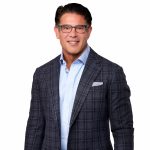
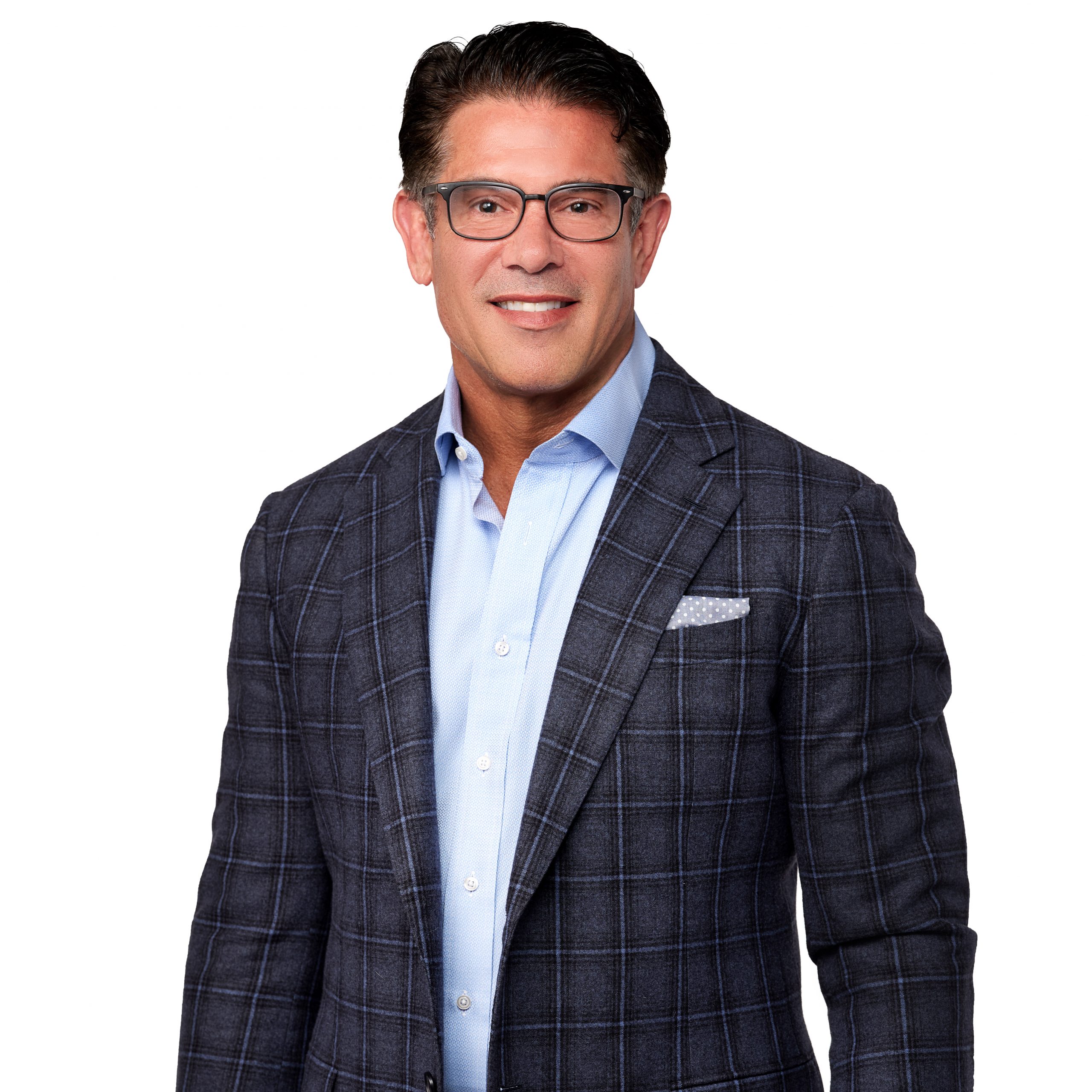
DTLLogo-Blue-Bannerv2GRATUS CAPITALHank McLarty, Founder and CEO of Gratus Capital.

His obsession with truly knowing his clients and their unique needs led him to start Gratus in 2005 and remains the firm’s driving value. A thought leader in the industry, sought-after speaker, and recipient of numerous awards and accolades throughout his wealth management career, Hank has been recognized by Forbes on its annual Top Wealth Advisors list from 2016-21.

Connect with Hank on LinkedIn.

What You’ll Learn In This Episode

  • Gratus’ commitment to community service
  • Team growth at Gratus over the years and during the pandemic

This transcript is machine transcribed by Sonix

TRANSCRIPT

Intro: Broadcasting live from the Business RadioX studios in South Florida. It’s time for South Florida Business Radio now. Here’s your host.

Lee Kantor: Lee Kantor here another episode of South Florida Business Radio. And this is going to be a good one. Today on the show, we have Hank McLarty with Gratus Capital. Welcome, Hank.

Hank McLarty: Well, thank you, Lee. It’s good to be here.

Lee Kantor: Well, I’m excited to learn what you’re up to. Tell us a little bit about Gratus Capital, how you serve in folks.

Hank McLarty: Yeah. Lee So I started the firm in 2005. So we are in 17 years and we’re a full service wealth management firm. So we do asset management and tax strategy, trust and estate. We built a. What I believe to be a highly qualified team of wealth management professionals. And so we we really focused in a lot on business owners, individuals that have built a company over time and are preparing for a liquidity event or have already had a liquidity event. We work with clients from across all different spectrums, but our one of our areas of expertise and really specialty and where an awful lot of a high percentage of our clients come from is those entrepreneurs that have built a business and I have built this team over the last 17 years to provide the expertise and and know how to deal with those specific situations from a planning perspective and then also from a from a long term investment perspective.

Lee Kantor: Now, there’s a lot of players in this space, the big players with names that a lot of people are familiar with. Can you talk about what it was like to say, You know what, I think I’m going to start my own thing in this space and I’m going to do something different. I’m going to be kind of a better solution to this, even though there’s a lot of big players in this market.

Hank McLarty: Sure. That’s a great question. I appreciate you asking that. You know, I spent 15 years prior to starting Gravis Capital at Merrill Lynch and Morgan Stanley, so I know exactly what you’re referring to. And I was very successful there. But I just saw a need for a more boutique kind of feel extra attention. That’s not all about that. When I was at those firms, there was a lot of emphasis on kind of pushing the products of those firms and all about who’s doing the most revenues and who’s bringing in the most accounts. But there really wasn’t a measurement tool for how successful are you actually being with your clients. And there’s a lot of resources that are necessary for ultra high net worth individuals and families. And what I mean by that is investing the stocks and the bonds and the private investments and other aspects of a portfolio is very important. But also what’s really important is making sure all of these assets are set up the correct way and making sure that the client is educated on the most tax efficient ways to sell their business, the most tax efficient ways to transition assets from one generation to another. And we just didn’t have those resources at the big firms. And so when I started this firm, the whole idea was to have experts on my team and trust in estate experts and real estate experts and tax all of these other areas that kind of complete the whole cycle of wealth management, in my opinion. And so I spent the last 17 years recruiting and bringing in expertise and all of those areas because my goal was to make sure that our clients, no matter what their need, was under the wealth management umbrella, that we had expertise on our team that can handle that and be kind of one team that our clients could turn to. So we build a team with our clients, CPAs and their attorneys. We work very closely with them and we’re kind of the glue that pulls all these different advisors together in addition to managing the client’s assets, if that makes sense.

Lee Kantor: Now, when you’re working with an entrepreneur that’s heads down, working in their business on paper, sometimes that person doesn’t look like, Oh, that’s a great wealth management client today. But in, you know, when they exit, they’re going to be fantastic. And a lot of firms don’t want to invest in that person at that earlier stage. Is that something that you have to educate your people about on how to really serve those people? Because when that entrepreneur is going through that journey and goes to that next level of exit, it requires different kind of skills and a different kind of mindset.

Hank McLarty: Yeah. That transition, that transition from being an entrepreneur to now relying on a team of people to manage those assets, manage cash flows, especially when someone’s used to being in charge of all of that for, for their career. You know, they grow the company, they make more money, they control all aspects of the cash flows and they’re used to being in a control position. So handing that over to a team like ours and saying, okay, now I trust this team to handle all the aspects of things that I have traditionally had my finger on the pulse of my whole life. That’s a big transition for people. And so leading up to that, I think it definitely helps to build the relationship over time. If we have time to build that relationship before the transaction ever takes place and kind of coach and mentor. On how things with the company should be set up and get them to to build a confidence and a trust in our team so that when that transaction does happen, they’re able to relax and have confidence that they’re with the right people and they can trust the decision making and things of that nature makes it much easier for that already difficult transition to happen.

Lee Kantor: Now when you’re working with your team at Gratis, is that something you have to kind of educate and train them on? Because it doesn’t sound like it’s something that is kind of common knowledge in the industry.

Hank McLarty: Yeah, I would agree with that. But but I also think when you’re when your primary focus is on a subset of people like entrepreneurs that have built a company or have ownership in a company, they don’t necessarily have to be the founder of the CEO, but if they have ownership in the company, I think when you have a history of working with that type of people, it’s a general understanding. But I also think the values and the culture of our firm kind of lend towards that. And it’s something that just kind of happens through osmosis. I mean, we don’t really train people, Hey, you need to go work with people before they start approaching this transaction. It’s just kind of part of the process and we get an awful lot. Almost all of our new clients come from referrals from others who know who we are and know what we specialize in and where our expertise lies. So when they get referred to us, sometimes it’s several years before they’re even approaching a transaction. Sometimes the transaction is next week or next month and they’re scrambling. And sometimes it’s it’s already happened and they’ve been frustrated with whoever they’re working with. But regardless of where they are in the cycle, almost all of our clients get sent to us by somebody else who has heard of us or an existing client who’s had a good experience and told a friend or someone else they know that they should be working with us now.

Lee Kantor: Is there any advice you would give that entrepreneur to maybe become more prepared to have the conversations they need to be having with you at the time of Exit? Is there some homework you wish that they had done or is there some information or misconception you wish that they had hadn’t learned? Or maybe you have to educate them on that? I would. Yeah.

Hank McLarty: I would say the number one thing there is that traditionally business owners are if they’re successful and they’ve built a great company, they’re obviously amazing at what they do and they obviously know their business better than anybody else and they know exactly how to make that company grow. They know exactly about the products that they’re generating and so forth. And so that is their whole focus. And many of them going into a transaction are so focused on keeping their business growing and looking at who they should be working with to sell their business and things of that nature, that they kind of have a tendency to put off some of the key planning aspects that can really make a huge difference in tax and the structure of the transaction. They put those things off and say, I’ll deal with all of that. Once we get the transaction done, I’ll figure out who’s going to manage my money later. Let me just get the transaction done and get the business sold for the maximum price and then I’ll deal with that later. But there are many, many things that they can do to avoid significant amount of taxes that if you wait until right before the transaction or after, it’s too late to do it. And so the biggest thing I would say is, is whether it’s us or another firm or a really good CPA attorney team that they’re already working with, they need to engage that process and start thinking about structure, tax strategy, all of the different aspects of tools that can be used to minimize the tax. Because if you get a huge number on the sale, but you end up paying ten, 15, 20% more on tax than you could have paid, then that extra money you earn on the sale is all for naught. So making sure that you’re prepared for that is really important.

Lee Kantor: Now, when you’re working with the entrepreneur, are you helping them with some of the strategies to maximize that selling price, or does your work begin at that time when they have the check in their hand?

Hank McLarty: Well, we’re not working with them to maximize the selling price because they’re typically working with an investment banker or some kind of banker that’s helping them find the right solution for their situation. So what we’re doing oftentimes is helping them to determine what’s the best structure, because there’s an all out sale, there’s a merger, there’s an ESOP, there’s all kinds of different ways for them to dispose of their company, either to their employees or to another company in some kind of merger, or just an all out cash or cash and stock sale. So we can help them talk through that and think through what the best approach for them to do is. But then there’s also all kinds of ways that we can use trust and estate strategies to reduce the tax burden, get some of these assets potentially out of the estate prior to the transaction. So both in advising on how the transaction might go and kind of going through the pros and cons of the different avenues, that’s one thing we can do. The other thing we can do, as I said, is kind of come up with trust and estate type aspects of using LLCs and other trusts to minimize the tax burden that may arise from just an all out cash sale without any prior planning.

Lee Kantor: Now, how does that trusted advisor team work with the entrepreneur like we have you as the financial advisor person, you have accountants, you mentioned there’s probably consultants in there, lawyers. There’s a lot of people that have opinions about how it should go. How does that kind of are you all in a room together? What does that look like? You know, when when it’s time to do the deal?

Hank McLarty: Well, I’m the CEO of the firm, so I don’t actually work with clients. When I first started the firm, I was the only advisor, financial advisor here. But we have 13 advisor teams here now. So a lot of what you’re referring to is if we look at a client situation, we say, okay, this client is about to have X amount of assets that are going to come post transaction. They’ve got complexities. If they were going to do an ESOP, then I have a team at my company that is really, really good at working with ESOPs. If they were going to do a cash and stock transaction, I have another team that is really, really good at digging in to all the tax strategy for that. So and on that team and that particular team, we have an attorney and a tax expert. And so each one of these teams that I have at my firm are different. And so I kind of look at the client situation, get an understanding of what their needs are, and I help determine which one of the teams in our firm would be best suited for that client’s circumstances, if that makes sense.

Lee Kantor: Right. So you’re ready pretty much for anything, because you’ve been doing this for a hot minute and you’ve seen where kind of some of the landmines are. So, you know, to deploy the right team at the right time.

Hank McLarty: That’s correct. That’s right.

Lee Kantor: Now, as you’ve been growing and as you’ve been expanding over time, you’ve been winning a lot of awards. Can you talk about that and how that’s come about in terms of your growth? Because, you know, you’ve achieved a lot in in the time you’ve been working in this space, and it must be very rewarding.

Hank McLarty: Yeah, that is. It has been really rewarding, probably I mean, definitely the most rewarding award or recognition that we’ve gotten was, I guess about six weeks ago, Forbes named us the number four investment management firm in the US. And having started this company 17 years ago and gone through the journey that we’ve gone through and to the most prestigious award in our business is the Forbes recognition. So there’s all kinds of lists and kind of recognitions out there, but the one that still stands head and shoulders above everything else is if you get named by Forbes, that’s a big deal. And so they named the top 100 investment managers nationwide. And we were fortunate enough to get the ranking of number four, which I as the CEO and I was very proud of. And because we go through a lot, they actually do due diligence on the firm and they look at client turnover and they look at all the compliance records of everybody at our firm. And so they spend a lot of time doing the due diligence on the firms that they rank, whereas most of the other lists just look at what are your assets that you manage and how many people just basic kind of spreadsheet type stuff. It’s not qualitative, it’s just looking at data and ranking on data. Whereas Forbes actually interviews the firms spends time, you have to submit extremely long applications and then go through an interview process and provide all the compliance and client information on client satisfaction and so forth. So when you get ranked by for just the real deal. And so that’s that’s the most we’ve gotten all kinds of accolades and recognition, but that’s definitely the one that we’re the most proud of.

Lee Kantor: Now, when you started the journey 17 years ago, is this how you imagined it would go?

Hank McLarty: You know, 17 years ago when I started the journey, it was just let’s just build an amazing firm. I really didn’t have, like a vision for where the firm was going to go. I set the vision in 2018, and I think I set an unusual vision, and that was that we were from 2018 forward, we were going to ten x the firm and in addition to ten exiting the firm. The key qualitative measures I wanted was I wanted our client experience, which was always it’s always been one of the highest rated client experience the way we do our net promoter scores. That’s how we kind of rank ourselves in terms of how our clients are experiencing working with us. It’s always been very high in the eighties, which is the highest ranked firm in the world, is Tesla at 94. So we’re in the eighties. Most companies in our business are in the high twenties to low thirties in terms of their net promoter score ranking from their clients. So we’ve always had a high one, but I wanted to ten. The firm was the vision and I wanted to make sure that our client experience actually improved while we were growing, which is very difficult to do. And then I wanted to make sure that everybody on our team bragged about being a part of this company and was raving fans of our culture and so forth. So ten Exiting the firm is one thing doing that while your team loves where they work and your clients are very, very happy with the experience they’re having. That’s a that’s a tough journey to be on and one that I think is going to take every bit of leadership skills that I have and then some. So that’s why I set that challenging vision in 2018 and we’re on track to do all of those things. But I didn’t have a concrete vision for I just wanted to build an amazing firm and and grow and have fun growing it. But now I have a much more kind of aggressive vision that involves the quality of the time with the clients and the team members here.

Lee Kantor: Now, what is that ideal gratis capital client look like? You know, if you were if you want if you wanted to clone your best clients today, what would you want more of them to look like?

Hank McLarty: Well, I mean, the easy way to describe that is just in terms of the size of them. Right. But as I mentioned to you before, we have 13 advisor teams here. So, you know, our largest client. Has over $500 Million with us, and then our smallest client may have as little as $1,000,000 with us. And every one of them are very important and every one of them work with the appropriate team that they work with. But I think the ideal client is. You know, someone that’s brilliant at their business has worked really hard and appreciates hard work. And I find that first generation wealth, what I mean by that is people that have earned their wealth, they built it themselves, not been handed to them, first generation wealth or the favorite people for me and our firm to work with because they’ve worked really hard to build what they have. And when they see how hard we work for them, they really appreciate it. Somebody that hasn’t worked. Hard to earn their money. There’s a sense of entitlement, and then at times there is a lack of appreciation for how hard we work for them. And so our team responds best to those people that have had other experience with other wealth managers or have built their own business. And they recognize hard work and they really appreciate what we’re doing. So regardless of the amount of money, it’s that that first generation wealth that have that have worked hard for it, that appreciate what we do for them.

Lee Kantor: And then so if they’re out there listening right now, what’s the best way to connect with you? Is it a matter of just going to your website and, you know, a contact form or is it best to.

Hank McLarty: I think that’s the best overall way. We have a really a really great way for someone to express interest in our firm by going to our site and just expressing interest on the on the potential client information or request information. So that’s just w w w dot gratis capital and that’s g r a t u s. And just a quick little blurb, the way I came up with that name was when I left Morgan Stanley and I started this firm. I wanted the firm to be kind of founded on the principles of humility, appreciation and just a sense of gratitude. And that’s kind of the culture that we’ve built here. And so rather than naming the firm something involving my name or some typical Wall Street name or whatever gratis means is a Latin word for grateful. And so I thought that was the perfect word to name our company.

Lee Kantor: Well, it speaks of your values and culture and it obviously working. So congratulations on all the success and thank you so much for sharing your story today. You’re doing important work and we appreciate you.

Hank McLarty: I appreciate you, too. And I really do appreciate the opportunity to talk with you today and answer a few questions and hope it does some good.

Lee Kantor: All right. Is Lee Kantor. We’ll see you all next time on South Florida Business Radio.

Tagged With: Gratus Capital, Hank McLarty

Hank McLarty With Gratus Capital

October 14, 2022 by Jacob Lapera

Hank McLarty
Atlanta Business Radio
Hank McLarty With Gratus Capital
Loading
00:00 /
RSS Feed
Share
Link
Embed

Download file

Gratus CapitalHank McLartyHank McLarty, Founder and CEO of Gratus Capital.

His obsession with truly knowing his clients and their unique needs led him to start Gratus in 2005 and remain the firm’s driving value.

A thought leader in the industry, sought-after speaker, and recipient of numerous awards and accolades throughout his wealth management career, Hank has been recognized by Forbes on its annual Top Wealth Advisors list from 2016-21 and as a Forbes Best-In-State Wealth Advisor for Georgia in 2019-2021.

Connect with Hank on LinkedIn.

What You’ll Learn In This Episode

  • Gratus’ commitment to community service
  • Hank’s involvement in Make-A-Wish Georgia
  • Team growth at Gratus over the years and during the pandemic
  • Atlanta as a great hub location and what has led to Gratus’ success in Atlanta
  • Gratus as one of the older RIA firms
  • Gratus’ multi-year standing on the Forbes

This transcript is machine transcribed by Sonix

TRANSCRIPT

Intro: [00:00:04] Broadcasting live from the Business RadioX studios in Atlanta, Georgia. It’s time for Atlanta Business Radio, brought to you by on pay. Built in Atlanta on pay is the top rated payroll and HR software anywhere. Get one month free at on pay. Now here’s your host.

Lee Kantor: [00:00:31] We can’t here another episode of Atlanta Business Radio, and this is going to be a good one. But before we get started, it’s important to recognize our sponsor on pay. Without them, we couldn’t be sharing these important stories. Today on Atlanta Business Radio, we have Hank McLarty with Gratus Capital. Welcome, Hank.

Hank McLarty: [00:00:50] Thank you, Lee. Good to be here.

Lee Kantor: [00:00:52] Well, I’m excited to learn what you’re up to. Tell us a little bit about Gratus Capital. How are you serving, folks?

Hank McLarty: [00:00:58] Well, we’re a full service wealth management firm that I started the firm 17 years ago after a 15 year career with a couple of the big banks that I started at right out of college. So I started grad capital in 2005. And primarily we focus on business owners because I built a firm. The whole goal of starting the firm was to create a team of experts in the areas that affect business owners as they’re building their company and getting ready for some kind of transaction, either a partial sale or a complete sale of the company. And so there’s all kinds of aspects, not just investing, but financial planning, tax strategy, transaction planning, trust and estate. These are issues that in my career I have found to be kind of the hot buttons of what business owners deal with. So I, I set out by building the firm to create a team that could address all of these issues in-house for the client. And that has led to quite a bit of success over the last 17 years.

Lee Kantor: [00:02:01] Now, at the beginning, what was kind of the thinking behind focusing in on that niche? There’s a lot of obviously for wealth management, there’s a lot of places you could have focused on why was helping business owners kind of have successful exits in successfully managing their money? Why was that important to you?

Hank McLarty: [00:02:22] Yeah, good question. So Will, really it emanated from the fact that I found myself after five or six years of being in the wealth management business, I kind of looked around at my clients and the majority of my clients were business owners, so it kind of created its own focus, if you will. One of the things I love about working with business owners is they appreciate hard work because most of them, most business owners have been through good and bad times with their company. They’ve had to roll up their sleeves and really put a lot of effort into getting the company to a successful stage of some kind of partial sale or an entire sale. And as a result for that, I have found that they have a very high appreciation for someone that works really hard and takes really good care of them, maybe more so than someone that is inherited money that they didn’t work for or things of that nature. So I like I like working with the wealth creator because they tend to have a much greater appreciation for the attention to detail and the aspects that we bring to the table.

Lee Kantor: [00:03:26] Now, when you are working with people who own businesses and a lot of times their wealth is kind of tied to their business, is that kind of an area? You have to manage their expectations because in their head they might think their business is worth, you know, ten X and then a buyer might think it’s worth five X and it takes maybe some adjustment on the owner’s part to really understand why that is.

Hank McLarty: [00:03:51] Yeah, I think that’s part of it. I mean, I have actually found that a lot of business owners throughout the life cycle of their business, they’ve had some valuation work done. So they understand typically a pretty good feel for what the value of their business is. I think actually along those lines, though, probably the hardest thing being a business owner and transitioning into a liquidation or partial liquidation is an entrepreneur or business owner is used to being in control of all aspects. You know, if they they need to make more money, they just work a little harder in the business if they need to have higher cash flow. If the business is successful, they can take more money out of the company. So basically they’re kind of in the control panel able to turn the dials and do what they need to do when they go through a transaction like what we’ve been talking about. You know, they end up working with someone that they’re no longer in control, meaning that if they work with our firm, we’re selecting the investments and obviously discussing all of that with them, but we’re making recommendations on how to set up their wills and their trusts and how to do some pre transaction planning to save taxes using some different techniques when they sell their business. And then ultimately we’re kind of in charge of their cash flow. So it’s our job to manage the money and select the investments that provide a good, solid, safe return. A line I like to use is typically entrepreneurs have built their wealth by being very concentrated in one company or one stock, so they’ve had a lot of risk but a lot of reward there. Once they built that wealth, then the way to maintain the wealth is through diversification and working with a team that they can trust because they’re no longer in control of every aspect of it. So that’s a huge transition for them to go from running the show from top to bottom every day to having to trust a team that’s handling a lot of things for them.

Lee Kantor: [00:05:38] Now, What types of conversations are you having nowadays with folks, with the people who have maybe pulled the trigger and have recently retired and now they see all that work and like you said, their lack of control in a chaotic financial situation that’s occurring right now.

Hank McLarty: [00:05:56] That is an active part of discussions right now. Yeah, I think I’ve been in this business for 30 years, so I’ve been through lots of bear markets and lots of down cycles with with the economy and recessions and so forth. And so I have 110% confidence that we’re going to get through this in the next six to 9 to 12 months, maybe sooner. But transitioning that confidence to clients through our team who have recently had a liquidating event and they’re no longer in control, that takes a lot of mentoring and coaching and communication and and a lot of empathy, trying to understand the client’s position and where they’re coming from. And even though I know 100%, everything’s going to be fine, that the client needs some some reassurance of that when you go through times like this. So that can be everything from just vocabulary and counseling through discussion that can be showing really strong historical charts and data that can tell the story as well to clients to ease their mind that the market’s going to be just fine. And then a lot of that has to do with really understanding that client’s risk tolerance and where they should be invested and selecting the investments that are going to be most suitable for them. Because oftentimes when the market’s going up, everybody thinks they’re aggressive until the market goes down and they realize they’re really risk tolerance. Is very low. So getting that out of clients and creating the right portfolio to generate the cash flows and the and the growth that they need, while also combining what they’re able to handle on the downside of the market.

Lee Kantor: [00:07:34] And that’s why it’s so important to have a trusted advisor like you and your team kind of having these conversations because the psychology of this is real. You know, when you’re investing, when you’re in that stage of your life, when you’re investing, you know, a down market is you’re buying things on sale. But when you’re kind of spending all of your nest egg, then you start freaking out a little bit. And if you don’t have somebody with a kind of a steady hand, it can be very stressful and you could make impulsive, really bad moves.

Hank McLarty: [00:08:09] Yeah, 100%. And I think no matter how sophisticated an investor someone is when you’re talking about for most people, their family is the absolute number one most important thing. But in my business, you know, the wealth management that we manage, the wealth and the assets that we manage for clients are a close second. And that’s not because the clients are greedy or only focused on money, it’s because they’ve spent their whole life building this this principle or the wealth that they’ve created. And that principle is going to either make them successful or unsuccessful in the goals that they’ve set for their family, for themselves, for for the next generation and other generations that they may be planning on leaving assets to and their family. And so if this isn’t done right, then something that’s almost as important as their family can end up being a very negative situation. So I think being successful in this business means being able to treat the assets and the planning and the strategies that we implement as if they’re your own. And then you can really kind of take on the role of the client, put yourself in their shoes, have the empathy that’s necessary to work with them and get them through times like this.

Lee Kantor: [00:09:23] Now, you mentioned that you’ve been in business for a hot minute and you’ve been serving the Atlanta community for a while. Can you give some advice for other business owners when it comes to kind of putting together a team? Immersing yourself in the community and then kind of having your team and culture really believe in that big why? And that the the importance of the mission and then how altogether you’re much stronger than any one of you are individually.

Hank McLarty: [00:09:54] Yeah, I love that question. Sure. So one of my roles as the CEO of Gravitas Capital is to drive the culture, and I take that role very seriously. So we have a vision for our firm that includes ten exiting our company over the next ten years. But there’s two other components to the to the vision. I want us to ten x our company over ten years, which is not typical but not unheard of. But if we can ten x the company over the next ten years, while at the same time our client experience even gets better and our client experience is, is we use Net Promoter score data to rank our client experience. And so our client experience is at the very, very high end of our industry. And so we’re measuring that. And usually when a company is growing rapidly, the client experience and the team member, the people on our team, their experience suffers because you get so focused on earnings and growth and things of that nature that you take your eye off the ball with culture and clients. And so I want to grow the firm ten X, but I want our client experience to even get better, which is going to be difficult because it’s very high as it is now, according to our clients. And I want our team to be raving fans of where they work. And so in order for us to achieve all three of these kind of prongs of my vision, it’s going to take every bit of leadership skill that I have.

Hank McLarty: [00:11:24] And that’s why I set this vision for our team to kind of have a North Star that we’re working towards and to keep them motivated and focused. And you would be shocked at the number of people that we interview because we’re hiring regularly to accommodate our growth, the number of people that we interview that when we tell them about our vision and how we live out our values and how important our values are to our culture. And these are things that I talk about with our team daily. You would be shocked at the number of people we interview that say, I haven’t talked to any companies that have a stated vision or I haven’t talked to any company that really talks a lot about their culture and their values. And it’s the number one thing we lead with when we’re talking to potential new team members at our company. So I think keeping people motivated and focused on us being able to accomplish this vision as a team, but we will never accomplish it as a group of individuals is a message they hear from me regularly. But we live that out and we give out awards for our culture. We give out awards for our value, and it’s something our values and it’s something that we’ve translated into community service projects and other things that we do as a company to give back to Atlanta, which has been so good to us over the years.

Lee Kantor: [00:12:33] Can you share a little bit about how you are immersing yourself in the community and maybe talk about your work with Make-A-Wish, Georgia, and how that was chosen as an area of focus?

Hank McLarty: [00:12:47] Sure. I’ll start with Make-A-Wish only because I got involved with Make-A-Wish long before I even started Gravis Capital. So my my oldest son is 26. He’ll be 26 next month. So when he was born, I actually got involved with Make-A-Wish and I was really just looking for an organization that. I really like to see the impact of the time, effort and money that I put into a nonprofit and would make a wish I could meet the kids. I can meet the families, and I could I could see a difference that I was making by by paying for wishes or granting wishes and being kind of the financial engine behind that particular wish that I paid for. So I actually got to meet the people that I was impacting, which is a really big deal to me, rather than just an organization doing good. But I can’t really see the impact I was personally making. So Make-A-Wish has been my focus since 1996, so for quite a while and it’s very near and dear to me. I was the chairman of Make-A-Wish, Vice Chairman. I’ve chaired many of their events and so forth, but at this point I’m no longer allowed to be on the board because I’ve served on the board for too long. So now I just help them raise money. But I love working with the kids and the families. It’s a it’s a big deal to me. And so as you transition that to gratis, you know, why the community service work that we do, I think it’s just mainly there’s several things I want our team to realize how fortunate we are and going out and stocking diapers for mothers that don’t have the money to pay for diapers or doing gardening work in Piedmont Park, or I could probably name 50 different entities that we volunteered and worked for, but we do it every three months.

Hank McLarty: [00:14:29] We close the office every three months, and our team picks which the which community service project we’re going to do. And we go out, everybody in the office and we work all day long and we take lots of pictures and videos and then we share with our clients each year the different portfolio of pictures of the different community service projects that we did throughout the year. So it’s become kind of ingrained in our culture as a fun day for us to go do some work and then go have a margarita and some Mexican food afterwards or something like that as a team and get a bite and something to drink and kind of hang out. So it’s something we all look forward to, but it’s really a way for us to give back because everybody in our firm is fortunate in some way or another, much more so than many of the people that we serve when we do these projects. And it kind of makes the things that are important come to light on those days where sometimes we get bogged down in the day to day work.

Lee Kantor: [00:15:27] Now you, as you work with so many business owners here in the metro Atlanta area, do you have kind of a feel for the Atlanta business ecosystem? Is there is how do you see it comparing to maybe other areas in the country?

Hank McLarty: [00:15:46] Yeah. So, well, we do have the majority of our clients are in Atlanta, but we have a very large client base in Palm Beach, Florida, also in North Carolina. We have clients all over the country, but the predominant highest percentage of clients in one area would be in Atlanta. So so I think that does give me exposure to other markets with other clients where it is easy for me to answer your question with a little bit of a comparison, I think Atlanta is just full of energy. It’s a very transient city, a lot of headquarters here from companies from all over the country, which means a lot of people in Atlanta from all over the country. Believe it or not, I was actually born here in Atlanta. So I’m one of the few in the Atlanta area that’s actually from here and a native of Atlanta. So, you know, Atlanta just kind of got a new fresh feel to it. There’s a lot of new businesses in Atlanta, a lot of new ideas, lots of technology, incubators coming out of different schools and different areas of the city. So it’s just kind of an up and coming area. Lots of movie production here. So there’s just a lot of energy and kind of fresh ideas. It’s a great place to work from because it’s so easy to get from our our airport all over the country, pretty easy with direct flights. So there’s a lot of things that contribute to that. To this being an environment is a great place to kind of start a company, attract talent, build your talent and things of that nature. So I do think that Atlanta, if you were going to start a company with a fresh idea, Atlanta’s a great geographical location to do it.

Lee Kantor: [00:17:22] Yeah, I think that the diversity of the economy really gives us a leg up where a lot of communities have maybe one or two main industries are Economy is so diverse, like you said, from film to music to, you know, technology with Georgia Tech here and the incubators that are coming out from the tech area, it just really diverse so that if one area is struggling, there’s going to be another area invariably that’s going to be doing well. So I think that helps us kind of stay strong no matter what’s really happening in the economy.

Hank McLarty: [00:17:57] Yeah, agreed. Agreed.

Lee Kantor: [00:18:01] Now, so you you mentioned earlier that you’re looking to ten X growth moving forward. What can we do to help? What do you need more of.

Hank McLarty: [00:18:12] Business owners now? I think we’ve developed in addition to being a a well rounded, well balanced wealth management firm, one of our areas of expertise that I don’t see in a lot of other firms is we’re we really have a high expertise and concentrated risk, meaning someone that has most of their net worth tied up in a stock with really low basis that we can hedge or use some creative and sophisticated ways to to diversify that asset that takes some expertise and knowledge of options. And when I when I say options, I mean like stock options and trading options. So there’s there are some areas that that while I say we’re very well rounded and the trust and estate and tax and asset management all that there are some areas that are driving lots of clients to us right now and one of those primary areas is concentrated wealth or being able to help people diversify out of positions that are otherwise very difficult to do due to taxes or other issues with the market that we don’t have time to get into now. But that’s one of our areas of expertise. And so we are getting lots of interest from clients all over the country coming to us by word of mouth because of that specific area.

Lee Kantor: [00:19:35] And is there a story you can share? Don’t name the name of the person, but maybe they came to you with some challenges and explain how you were able to help them overcome them.

Hank McLarty: [00:19:44] Oh, gosh. Oh, there’s so many stories there. Yeah. You know, I think one of our clients is the chairman of a very, very successful publicly traded company. And I think that that particular relationship is one that illustrates kind of everything we do. So we that that particular client has children and has grandchildren. And so we have had to help him navigate getting liquidity in the stock that he is the chairman of the company for. We have had to completely reorganize and rework all of the trust and estate documents to make sure as much of his family’s assets as possible or transitioning to different generations in a tax friendly way. And, you know, with that comes obviously as someone at his level, he’s got lots of investments that we’re monitoring and tracking for him, some of which we have that he made on his own. But our job is to look at everything the client has, whether we recommended it to them or not, and kind of be able to put our finger on the big picture of what he’s doing and make recommendations around that. So it’s an all encompassing, almost a family office type situation of what we’re doing for he and his family.

Hank McLarty: [00:21:06] And I think we have saved them millions and millions of dollars in estate, potential estate taxes. We’ve saved them millions of dollars in tax strategy. And, you know, according to the client who has worked with lots of wealth management firms and and lots of different investment options over the life of his career and so forth, you know, what we’ve been able to do for him, according to him, is is some of the best work that he’s ever dealt with. And so we’re proud of that. And obviously, we want to make sure our clients are happy and that their experience is great. And he regularly confirms with us what his how his experience has been with our firm. So we have 700 different households that we work with, give or take a few, so around 700 households that we work with and each one of them is important to us. So I could I could easily have 700 different stories for you, but that’s the first one. When you asked me the question that came to mind.

Lee Kantor: [00:22:04] Now, is that the kind of the sweet spot of an ideal client is somebody that’s working on or with a public company? Or do you have business owners of all sizes?

Hank McLarty: [00:22:16] Now? I would actually say the majority of our clients are actually private business owners that have built a company themselves. You know, they started it with an idea, built it up, and these companies range in size from small to a hundreds of millions of dollars in value. And typically the majority of our clients are more private based companies where they’re being pursued by a private equity firm or another company that thinks it would be a good strategic fit for them to acquire the company or a part of it. And we help them with the planning of that, how to make sure they minimize taxes and make that transaction as efficient and productive as possible for them. And then we take them beyond that. And to the now, we’re the cash flow generating engine for that particular client. We’re making sure that all their the things that they want to achieve and they’re in their lifestyle month to month, year to year and so forth, that we’re able to provide the resources for them to do that with and give them the planning and the confidence that they’re able to get all of this done without having to worry about it too much. Our goal is for our clients to have peace of mind and be able to make good, well informed decisions about their assets and their wealth. And so, yeah, but again, most of our clients are actually working with private, private companies.

Lee Kantor: [00:23:37] And if somebody wants to learn more, what is the website? What’s the best way to get a hold of you or somebody on the team.

Hank McLarty: [00:23:43] Yeah W WW dot greatest capital dot com great US capital.

Lee Kantor: [00:23:49] Good stuff Hank thank you so much for sharing your story today. You’re doing important work and we appreciate you now.

Hank McLarty: [00:23:55] Thank you Lee I enjoyed it and I appreciate the time on your show.

Lee Kantor: [00:23:58] All right. This is Lee Kantor. We’ll see all next time on Atlanta Business Radio.

Intro: [00:24:05] Today’s episode of Atlanta Business Radio is brought to you by On pay. Built in Atlanta on pay is the top rated payroll in HR software anywhere. Get one month free at onpay.com.

About Our Sponsor

OnPay’sOnPay-Dots payroll services and HR software give you more time to focus on what’s most important. Rated “Excellent” by PC Magazine, we make it easy to pay employees fast, we automate all payroll taxes, and we even keep all your HR and benefits organized and compliant.

Our award-winning customer service includes an accuracy guarantee, deep integrations with popular accounting software, and we’ll even enter all your employee information for you — whether you have five employees or 500. Take a closer look to see all the ways we can save you time and money in the back office.

Follow OnPay on LinkedIn, Facebook, and Twitter

Tagged With: Gratus Capital, Hank McLarty

Business RadioX ® Network


Our Most Recent Episode

CONNECT WITH US

  • Email
  • Facebook
  • LinkedIn
  • Twitter
  • YouTube

Our Mission

We help local business leaders get the word out about the important work they’re doing to serve their market, their community, and their profession.

We support and celebrate business by sharing positive business stories that traditional media ignores. Some media leans left. Some media leans right. We lean business.

Sponsor a Show

Build Relationships and Grow Your Business. Click here for more details.

Partner With Us

Discover More Here

Terms and Conditions
Privacy Policy

Connect with us

Want to keep up with the latest in pro-business news across the network? Follow us on social media for the latest stories!
  • Email
  • Facebook
  • Google+
  • LinkedIn
  • Twitter
  • YouTube

Business RadioX® Headquarters
1000 Abernathy Rd. NE
Building 400, Suite L-10
Sandy Springs, GA 30328

© 2025 Business RadioX ® · Rainmaker Platform

BRXStudioCoversLA

Wait! Don’t Miss an Episode of LA Business Radio

BRXStudioCoversDENVER

Wait! Don’t Miss an Episode of Denver Business Radio

BRXStudioCoversPENSACOLA

Wait! Don’t Miss an Episode of Pensacola Business Radio

BRXStudioCoversBIRMINGHAM

Wait! Don’t Miss an Episode of Birmingham Business Radio

BRXStudioCoversTALLAHASSEE

Wait! Don’t Miss an Episode of Tallahassee Business Radio

BRXStudioCoversRALEIGH

Wait! Don’t Miss an Episode of Raleigh Business Radio

BRXStudioCoversRICHMONDNoWhite

Wait! Don’t Miss an Episode of Richmond Business Radio

BRXStudioCoversNASHVILLENoWhite

Wait! Don’t Miss an Episode of Nashville Business Radio

BRXStudioCoversDETROIT

Wait! Don’t Miss an Episode of Detroit Business Radio

BRXStudioCoversSTLOUIS

Wait! Don’t Miss an Episode of St. Louis Business Radio

BRXStudioCoversCOLUMBUS-small

Wait! Don’t Miss an Episode of Columbus Business Radio

Coachthecoach-08-08

Wait! Don’t Miss an Episode of Coach the Coach

BRXStudioCoversBAYAREA

Wait! Don’t Miss an Episode of Bay Area Business Radio

BRXStudioCoversCHICAGO

Wait! Don’t Miss an Episode of Chicago Business Radio

Wait! Don’t Miss an Episode of Atlanta Business Radio