

Business RadioX ®

  • Home
  • Business RadioX ® Communities
    • Southeast
      • Alabama
        • Birmingham
      • Florida
        • Orlando
        • Pensacola
        • South Florida
        • Tampa
        • Tallahassee
      • Georgia
        • Atlanta
        • Cherokee
        • Forsyth
        • Greater Perimeter
        • Gwinnett
        • North Fulton
        • North Georgia
        • Northeast Georgia
        • Rome
        • Savannah
      • Louisiana
        • New Orleans
      • North Carolina
        • Charlotte
        • Raleigh
      • Tennessee
        • Chattanooga
        • Nashville
      • Virginia
        • Richmond
    • South Central
      • Arkansas
        • Northwest Arkansas
    • Midwest
      • Illinois
        • Chicago
      • Michigan
        • Detroit
      • Minnesota
        • Minneapolis St. Paul
      • Missouri
        • St. Louis
      • Ohio
        • Cleveland
        • Columbus
        • Dayton
    • Southwest
      • Arizona
        • Phoenix
        • Tucson
        • Valley
      • Texas
        • Austin
        • Dallas
        • Houston
    • West
      • California
        • Bay Area
        • LA
        • Pasadena
      • Colorado
        • Denver
      • Hawaii
        • Oahu
  • FAQs
  • About Us
    • Our Mission
    • Our Audience
    • Why It Works
    • What People Are Saying
    • BRX in the News
  • Resources
    • BRX Pro Tips
    • B2B Marketing: The 4Rs
    • High Velocity Selling Habits
    • Why Most B2B Media Strategies Fail
    • 9 Reasons To Sponsor A Business RadioX ® Show
  • Partner With Us
  • Veteran Business RadioX ®

Heather Fortner With SignatureFD

July 22, 2022 by Jacob Lapera

Atlanta Business Radio
Heather Fortner With SignatureFD
Loading
00:00 /
RSS Feed
Share
Link
Embed

Download file

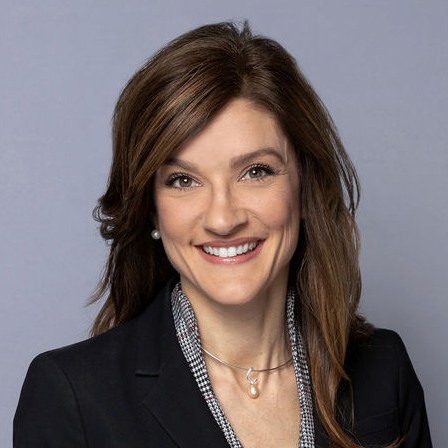
Heather Fortner, CEO and Partner at SignatureFD.

As CEO, Heather leans into her passion for listening – to the SignatureFD team, our clients, and the industry – to create and implement the organization’s vision and mission to impact the lives of 10,000 families.

Practicing a “coach with empathy” leadership style, Heather leverages her unique ability to harmonize people’s passions and talents to build teams and lead organizations that deliver excellent and inspiring client experiences.

Previously serving as Chief Operating Officer, Chief Compliance Officer, and President of SignatureFD, Fortner has learned, navigated, and held strategic oversight for every aspect of the organization.

A highly-sought-after leader in the industry, Fortner is regularly asked to speak on the ever-changing landscape of wealth management. See a small sample of her previous speaking and media engagements below.

Additionally, in 2021, Heather was awarded CEO of the Year by WealthManagement.com for the category Individual RIA Firm Leaders.

Follow SignatureFD on Facebook and LinkedIn.

What You’ll Learn In This Episode

  • Career journey
  • Net Worthwhile
  • Helping high-net-worth families use their wealth to truly live a great life

This transcript is machine transcribed by Sonix

TRANSCRIPT

Intro: [00:00:03] Broadcasting live from the Business RadioX studios in Atlanta, Georgia. It’s time for Atlanta Business Radio, brought to you by on pay. Built in Atlanta, on pay is the top rated payroll and HR software anywhere. Get one month free at on pay. Now here’s your host.

Lee Kantor: [00:00:31] Lee Kantor here, another episode of Atlanta Business Radio. And this is going to be a good one. But before we get started, it’s important to recognize our sponsor on pay. Without them, we couldn’t be sharing these important stories today on Atlanta Business Radio. We have Heather Fortner, the CEO and partner with Signature PhD. Welcome, Heather.

Heather Fortner: [00:00:53] Thanks, Lee. Great to be here with you.

Lee Kantor: [00:00:55] Well, I’m excited to catch up. But for the folks who aren’t familiar. Can you tell us a little bit about Signature PhD? How are you serving folks?

Heather Fortner: [00:01:03] Yeah, I’d love to. We are a $6 billion independent registered investment advisor in Atlanta. We have offices in Atlanta and in Charlotte, and we are celebrating our 25th year anniversary this year.

Lee Kantor: [00:01:18] Well, congratulations on that. You have kind of worked your way through the ranks at signature to get to where you are today.

Heather Fortner: [00:01:27] Yeah, yeah, I started. It’s been almost 20 years. I started in February of 2003 as a client care associate and have held many, many positions through the firm. Was the chief compliance officer for 15 years and then also kind of built the operational platform of the firm becoming CEO and then president and now will have been CEO for two years in October of this year.

Lee Kantor: [00:01:55] So when you first started, did you dream this dream? Was this how it was supposed to end?

Heather Fortner: [00:02:00] You know, I’m not sure that anybody could have dreamed that dream. Lee I knew that and knew that I loved to be busy. I knew that I loved the business and I knew that. I always tell people I am my worst self when I am bored. So I knew that I was willing to do whatever I could to just keep learning. And I have to tell you, building building a business is just a very fascinating and fun journey. So I’ve just been very blessed.

Lee Kantor: [00:02:28] Well, having seen the business from kind of a variety of viewing points, does that you think that gives you kind of a competitive advantage as the leader now of the firm?

Heather Fortner: [00:02:39] You know, I think that the benefit of having really grown up through the business when I started with Signature PhD, we were about 250 million under management and we had probably six or seven team members at the time. So having been with the business that long and having such different vantage points, I think the benefit that it gives me is that it allows me to be able to pull threads all the way through the organization to know intended and unintended consequences when we make a decision. And that that I do believe as a leader is a benefit within the business itself.

Lee Kantor: [00:03:20] Yeah, I think that a leader of anything, whether it’s a company, whether you’re in politics or government, to have kind of worked at a low level and and kind of earned your way up the ladder, gives you a different perspective. I mean, you your your empathy gene is a lot different than someone who just pops in from another firm. And if they were just made CEO of this firm.

Heather Fortner: [00:03:47] I completely agree. I think it it enhances our ability not only to understand how the decisions affect the client experience, but also how it affects the team member experience. And when you have those long standing relationships and you know people for who they are and not just as a number, it changes things. It changes things for the better, in my opinion.

Lee Kantor: [00:04:13] Well, part of your mission, as I understand it, is to help high net worth families kind of use their wealth to truly live a great life. Can you talk about that mission and how it kind of came to be?

Heather Fortner: [00:04:29] Yeah, absolutely. Overall, we want to serve 10,000 families. We want to help 10,000 families live their net worth while in our definition of net worthwhile is really just the intersection of a family’s wealth, which is more than just their money. Money is just a tool. Wealth can be time, it can be health, it can be resources, it can be money. It can be all of those things where the intersection of your wealth overlaps the things that you find worthwhile. And many times people don’t necessarily know what it is. They haven’t they haven’t had the freedom to sit down and really define the things in their life that are worthwhile to them, that the dreams, the hopes that they have not only for themselves, but for their families. And so we hope to be able to come alongside, to partner with families, to provide the confidence. For them to free up their worries and concerns, because, quite frankly, there are a lot of worries and concerns that come for people with money to be able to free some of those up, to provide a space where people can lean in and say, you know what? These are the real things that I want to accomplish in my life. These are the things that really matter to me. These are the things that I want to grow and live and give and protect that matter to me. And then our job is professionals is to come alongside with expertise and say, well, here’s, here’s some options on how we can build that plan.

Lee Kantor: [00:06:05] Now, having a plan is critical and whatever stage you are in your life and your career, when we’re in this kind of turbulent time that we are today, it is especially important to have a plan. Can you talk a little bit because a lot of folks, when they have a plan and they’re young, that’s fantastic because right now, the the economy, the market is kind of upside down and you’re buying everything on sale if you believe in our economy and our system. Right. But if you’re like 70. This is where a plan really is important because this is, you know, when you’re not having the ability to buy things on sale and catch up, you look at your net worth and your net worth while differently.

Heather Fortner: [00:06:57] That’s right. That’s right. You know, I love the fact that you bring that up. I was just having a conversation with some of our team yesterday. I spent a lot of time talking to our advisors about what their conversations are with their clients. And it’s fascinating because the overall sentiment is that when you have put in the time on the front side, when you have done the work to create the plan, to be sure that those things that need protecting are protected. When those things that are important to you, that you have a plan to provide for those things, and then and then that you have secured, whether it’s income, whether it’s giving or whether it’s whatever those things are that are important to you. When you’ve built a plan around each one of those, it’s okay when you start to have turbulent times because you will have those consistently. The history, the history of the market, we all know it. But when you have taken the time to insulate those things that are important to you and build a plan that can accommodate those turbulent times, you still have freedom to go and live your life without all of that worry. And I think that that’s the thing that as financial professionals, that’s where we really thrive in helping our clients, is seeing someone who has built a solid plan, has identified those things, has worked the plan, and is now in their seventies or in their retirement. And they’re not worried when it’s turbulent times. That is success for us as professional advice givers.

Lee Kantor: [00:08:39] Yeah, and that’s for the folks who don’t have a professional advisor. This is when you need them. This is this is when it becomes clear that you have to have a plan. You can’t just whenever circumstances change and they do constantly, if you’re making kind of major adjustments, you don’t have a plan.

Heather Fortner: [00:09:03] Yeah, yeah, I agree. I also think it’s so critical. The behavioral component of finance is just you cannot discount how important it is to to really, quote unquote, know thyself in one of these environments, to know those triggers that you have around money, to know those those those issues that are going to create, whether it’s anxiety or fear or worry or whatever it might be for you to be able to call those out and know what they are and then have that unbiased, objective thought partner that in the moment when you are experiencing whatever those emotions or feelings may be, knows you, knows your goals, knows your plan, and can really step in as a thought partner for you to help get you through the time where you may pull the plug out of fear and not need to. Because guess what? Objectively, you’re going to be fine. We’ve built for it, we’ve planned for it. We’re going to hold the course. And, you know, living in that community and having that thought partner, it’s really critically important, I think.

Lee Kantor: [00:10:17] Yeah. Now it sounds like empathy is an important component of your coaching style, your teaching style, your leading style. Can you talk about how you coach empathy to folks maybe on your team or maybe that’s the only people you hire that have that kind of trait? But empathy is, again, a secret sauce, something that not everybody has, and especially I would imagine as you’re going through wealth advisor school, in college or in your learning, I don’t know if they have classes on empathy. That’s usually not part of the test.

Heather Fortner: [00:10:56] Yeah, no, that training I got when I did my graduate work in counseling. So I will say there is there is training for that type of stuff and those are skills that can actually be developed and learned, but they are not necessarily a component of a core finance curriculum. I do think that the majority of professionals in the finance world, most of the people that I know, they’re helpers and they love to be able they have an enormous helping gene, but they also have an enormous capacity to be an expert in their technical field. So you usually find people who are passionate about helping. Others. They just happen to be very competent and have an expertise in the financial arena as well. I do think, however, just from my background and my training, that those are skills, those skills of empathy, those skills of the soft skills, the emotional quotient can be developed over time. But it is something, first of all, that you have to be willing to learn, and it requires a level of self awareness that some people are not willing to pursue. But it also requires work. It requires you to say, I’m going to develop this skill and I’m going to practice this skill consistently, not only at work, but in my personal life as well. And I think that level of commitment, that level of self awareness, those are the people that typically can develop those skills well over time.

Lee Kantor: [00:12:37] So for leaders out there that want to help their team develop those skills, is there something actionable that you can share that maybe you do with your team that can help them be better leaders?

Heather Fortner: [00:12:48] Yeah, you know, I think one of the things first of all, it has to start with self, it has to be that you are willing to pick the log out of your own eye before you try to pick the speck out of someone else’s, you know. And there’s a ton of ways that you can do that. There’s meditation, there’s counseling, there’s therapy, there’s there’s all kinds of stuff that you can do there. There’s coaching, great coaching. I have two external executive coaches that I use myself, but then there are also resources. So not only do we do coaching internally in our organization, but we get coach training for the people in our organization who are doing coaching. So there are plenty of professionals out there. We actually partnered with a team that had done some of the coaching training over at Emory and brought them into our organization, not only to do coach training for our team, but to be an on call resource for our other directors and leaders in the organization that if they had questions or they were experiencing issues, if they needed coaching themselves around, I need a safe place to process what I’m feeling or what’s happening on my team that they have someone external to the organization to call as well. That is is, I believe, qualified and able to give them sound advice on how to move forward.

Lee Kantor: [00:14:22] Yeah, it’s fascinating how this career has evolved over the years. I remember my dad was involved in the stock market decades ago and I can’t in a million years envision the person who is advising him of having that kind of training. I mean, his conversations were always about some hot tip or some, you know, it’s time to make a move or things like that.

Heather Fortner: [00:14:46] And I do think that that’s part of the difference in a broker dealer mentality versus a registered investment advisor mentality. And over the years in the industry, we have seen a lot of convergence of those two things because people do recognize that other humans, they want to be in community and they want to be in relationship. They don’t necessarily just want transactional advice, which is is really what you’re talking about.

Lee Kantor: [00:15:19] Right. And to me, it’s changed dramatically. I mean, this industry has evolved dramatically.

Heather Fortner: [00:15:26] Absolutely it has. And it’s also created you know, there’s if you look into any type of research about our industry, it’s also created some confusion for the consumer around who actually is an unbiased advisor, who is getting paid based on what they’re selling or not selling or advice or not advice. And so some of the regulatory bodies have really been focused on trying to create ways that the public can be well informed on those issues as well.

Lee Kantor: [00:16:05] Right. Because it is I mean, not only do you have the confusion there, you have the individual person being able to do some of this, work themselves with these robo advisors that aren’t human, that. Right. So there is a lot of confusion out there to the public for the people that you serve. Who is that ideal client for you? Who is that kind of family or individual that is the best fit for signature PhD?

Heather Fortner: [00:16:36] You know, I love that question. I, I think if you had to ask me. The most ideal client for not even for us, but for any registered investment advisor, it would be the very first component would be a delegator. Someone who really wants to hire an expert in the area of planning and financial expertise, wants that help, and then wants to really incorporate that advice into their plan and delegate a lot the majority of that work to the team that they have hired for people who really want to do it themselves. Those people that are going to robo advisors, they want to be in there, they want to be doing the research, they want to be directing which investments at what time and those types of things. I would say a relationship with a registered investment advisor would be difficult in that regard because that’s not really how registered investment advisors work. That is definitely a more transactional based. The registered investment advisor relationship is definitely more collaborative and and really requiring someone who wants a comprehensive help in a delegation type way. Now for Signature PhD specifically, we are so blessed that we have so many communities, different communities with expertise and different in different areas. So we have Signature Exact, which serves a corporate executive community, we have signature law, we have Signature Health Signature Pro, which serves professional athletes. So we have signature women. We have very, very vertical niches, very focused on certain types of communities of clients, which is really been not only wonderful for our client base because we can serve them with an expertise of planning in that specific area, but also wonderful for our team members because they are able to serve the communities that they’re passionate about.

Lee Kantor: [00:19:02] Because they get to kind of go deep within a niche and then really figure out kind of the nuances there and really kind of anticipate needs of clients.

Heather Fortner: [00:19:12] Exactly right. So for example, our signature entrepreneur team, they are highly skilled in dealing with closely held businesses. Tax implications of that M&A type transactions, how you do startups like that is their passion and their love, and they have seen it over and over and over again. So they are very, very qualified to work with owners of small businesses and entrepreneurs that look very different than our signature pro group. Who is they understand the NFL and NFL contracts inside and out. Right. That that is that is a niche that absolutely looks very different than another niche. But the expertise, the very deep technical expertise in that area, it is necessary when you are trying to give quality advice to someone in that community.

Lee Kantor: [00:20:12] Well, if somebody wants to learn more, have a more substantive conversation with you or somebody on the team, what’s the coordinates?

Heather Fortner: [00:20:18] Absolutely. www.signaturefd.com. Our whole team is listed on the website as well as our different communities. So please there is a contact us page. Please reach out. We would love to have a conversation with anyone.

Lee Kantor: [00:20:36] Well, Heather, thank you so much for sharing your story today. You’re doing important work and we appreciate you.

Heather Fortner: [00:20:41] Thank you. We appreciate it.

Lee Kantor: [00:20:42] All right. This is Lee Kantor. We’ll see y’all next time on Atlanta Business Radio.

Intro: [00:20:50] Today’s episode of Atlanta Business Radio is brought to you by on pay. Built in Atlanta, on pay is the top rated payroll in HR software anywhere. Get one month free at on paycom.

About Our Sponsor

OnPay’sOnPay-Dots payroll services and HR software give you more time to focus on what’s most important. Rated “Excellent” by PC Magazine, we make it easy to pay employees fast, we automate all payroll taxes, and we even keep all your HR and benefits organized and compliant.

Our award-winning customer service includes an accuracy guarantee, deep integrations with popular accounting software, and we’ll even enter all your employee information for you — whether you have five employees or 500. Take a closer look to see all the ways we can save you time and money in the back office.

Follow OnPay on LinkedIn, Facebook, and Twitter

Tagged With: Heather Fortner, SignatureFD

Heather Fortner With SignatureFD

November 11, 2021 by Jacob Lapera

HeatherFortner
Atlanta Business Radio
Heather Fortner With SignatureFD
Loading
00:00 /
RSS Feed
Share
Link
Embed

Download file

signaturefd

HeatherFortnerAs CEO, Heather Fortner leans into her passion for listening – to the SignatureFD team, our clients, and the industry – to create and implement the organization’s vision and mission to impact the lives of 10,000 families.

Practicing a “coach with empathy” leadership style, Heather leverages her unique ability to harmonize people’s passions and talents to build teams and lead organizations that deliver excellent and inspiring client experiences.

Previously serving as Chief Operating Officer, Chief Compliance Officer, and President of SignatureFD, Fortner has learned, navigated, and held strategic oversight for every aspect of the organization.

A highly sought-after leader in the industry, Fortner is regularly asked to speak on the ever-changing landscape of wealth management. Additionally, in 2021, Heather was awarded CEO of the Year by WealthManagement.com for the category Individual RIA Firm Leaders.

Prior to joining SignatureFD in February of 2003, Heather was senior operations supervisor at a trust company, managing all portfolio and security operations. She also worked for an investment management firm in Marietta, Georgia, as a financial associate.

Heather holds a Bachelor of Finance from Kennesaw State University, a Master of Science in professional counseling from Georgia State University, and is an Investment Adviser Certified Compliance Professional®. Additionally, she is a graduate of the Schwab Executive Leadership program and the G2 Institute.

Connect with Heather on LinkedIn.

What You’ll Learn In This Episode

  • Journey to C-Suite
  • Navigation of SignatureFD through the pandemic to having one of the strongest years in the organization’s history
  • Coach with empathy
  • Heather’s master’s in psychology helped in leading a financial firm

This transcript is machine transcribed by Sonix

TRANSCRIPT

Intro: [00:00:04] Broadcasting live from the Business RadioX Studios in Atlanta, Georgia. It’s time for Atlanta Business Radio brought to you by on pay built in Atlanta. On Pay is the top rated payroll and HR software anywhere. Get one month free at onpay. Now here’s your host.

Lee Kantor: [00:00:31] Lee Kantor here, another episode of Atlanta Business Radio, and this is going to be a fun one today on the show, we have Heather Fortner with Signature PhD. Welcome.

Heather Fortner: [00:00:41] Thank you, Lee. Thanks for having

Lee Kantor: [00:00:42] Me. Well, I am excited to learn what you’re up to. Tell us a little bit about signature F.D.. How are you serving, folks?

Heather Fortner: [00:00:48] Yeah. Signature of D. We are a comprehensive wealth management firm. And we are the home we like to call it being the home of net worth. While so we believe that there is a beautiful, sweet spot where a person’s wealth and their worth, the things that are actually worthwhile to them overlap, and that if you can identify what those things are, that you can create a plan that encompasses a person’s entire wealth that helps them achieve their net worth while over time.

Lee Kantor: [00:01:21] Now do you find that folks aren’t thinking about that as often as they should be like? It’s something that gets kind of procrastinated down the road.

Heather Fortner: [00:01:31] Yeah, you know, I think that there are seasons, right? And sometimes it’s really hard in the moment when you have issues that are pressing down on you that you have to resolve, whether it’s the work compensation issue or you’ve got an issue with your child, or maybe a parent has a need or you’ve got some health care issues. Sometimes it’s really hard to take a step back, or maybe two or three steps back and look at your wealth in totality and look at it from a comprehensive nature and understand that decisions. They’re cumulative, right? And they matter in the sense of Are you ensuring, do you have a quality thought partner that can actually step back with you and help you think about, OK, yes, this is the decision we need to make in this moment. But but ten years from now, five years from now, 20 years from now, this is where you want to be. And what do we need to put into place today to help you achieve those goals? And and are you sure, have you even taken the time given yourself the space to actually think about what those goals actually are and what those things are that are most important to you? And sometimes it’s just, you know, having somebody that you trust that can come alongside and and help you create that space to have a more holistic viewpoint and plan thinking through the things that matter to you over the long term.

Lee Kantor: [00:03:03] Now, when a person, if they have the self-awareness to be that kind of aware of all of those kind of tentacles that are coming out and that impact their life and that really impact their worth and the value and that their dream of how they want their story to end. Why is Signature Ph.D. the right folks to be that kind of quarterback or the point person in that in managing all of those tentacles?

Heather Fortner: [00:03:33] Yeah, I think because not only are we experts on the wealth side of the house, but we have a unique offering on the work side of the house as well. And so one of the things that that we’ve leaned into over many, many, many years is how to have those deeper conversations and what those deeper conversations look like and how to help guide clients through those. Some of those you get through different training and some of those you get through experience. And so I think we’ll be twenty five years old next year. We’ve had enormous amount of success over that time, and we’ve been so privileged to serve so many clients over that period of time that you build, quite frankly, an expertize on both sides of the house. And so leaning into that conversation, framing the conversation differently, thinking through wealth differently, we think through wealth pillars as grow, protect, give and live and thinking through how your wealth translates into each of those buckets so that each component of your wealth actually serves a purpose. It provides a higher connection to your wealth overall, which quite frankly, in life, connection is everything.

Lee Kantor: [00:04:58] Now, as part of a person’s kind of team of trusted advisors, it makes sense to have a financial person. It makes sense to have an insurance person, a banking person, an accounting person, a lawyer. Is it something that if I’m with signature fd that now I just have signature Ph.D. and then you’re all of those things, or you’re going to work with my trust advisors? Or is it a combination?

Heather Fortner: [00:05:28] It’s a combination of both. So. We do have in in-house experts, not only obviously on the financial side of the house, but in the insurance side of the house as well, we have an affiliated accounting firm that is full of CPA types of experts, but we also work with all different types of professionals for the client to help bring all of that advice together to ensure that it’s not a piecemeal solution. You know, if a financial solution or true wealth solution should be a comprehensive solution, and quite frankly, that’s part of what’s been broken in our industry for such a long period of time is that it was really the client’s responsibility to ensure that they had all the right pieces working together, and that all of those professionals were informed along the way and had all the right information. And sometimes the one professional didn’t know what the other professional was doing, and that could be counterintuitive or counterproductive to the plan. And so having someone like Signature PhD at the helm, bringing all of those pieces together in a comprehensive way into truly your wealth activation model that that really is, I think, a difference maker for our clients.

Lee Kantor: [00:06:51] So now if I’m working with Signature PhD, is it kind of a one stop shop in the sense of I’ll give you a real life example. Sure. About myself, I have a financial adviser, and they were talking about something technical that had to do with accounting. I have an accountant. I had to go to this accountant. I had to ask them the question, which I knew the answer to. I just had to kind of get them to bless the answer, right? And then I go back to the financial person and they said, Great, now we can execute the thing they want to execute. But then I got a bill from the accountant. For what I thought was a lot of money to answer the question. So sometimes the teams aren’t, you know, the advisors aren’t kind of in lockstep of how to serve me as the client, and I’m kind of getting nickeled and dimed by the variety of people because they’re not on the same team. They all have their own team, they’re there and they have their own agenda.

Heather Fortner: [00:07:56] Yeah, and that’s hard because, you know, professionals do deserve to get paid for the work that they do. One of the things that that we have in-house is a lot of our advisors are actually CPAs as well. And so being able to have expertize in those areas in-house, you know, it’s critically important. There are some times that you can you can get answers to the questions that you need just through the expertize that we have in-house. However, there are times that we obviously don’t draft legal documents in-house, right? So if if a client needs an estate document drafted, we actually do need to to work with the estate attorney to get that done. However, we are helping to manage that process all along the way, right?

Lee Kantor: [00:08:42] And that by you, like, I’m working with you and I have some relationship with you that you’re being compensated fairly and we feel that you’re being compensated fairly, but you’re kind of watching my back when it comes to this. It’s not. I’m getting the I’m asking more than telling, but that’s the impression I’m getting is that I’m not getting kind of nickel and dimed along the way that I’m have a relationship with you. That part of your job is to kind of watch my back and not to send me, you know, kind of a million bills.

Heather Fortner: [00:09:13] That’s absolutely correct. Lee, it sounds like you need to come on over to signature.

Lee Kantor: [00:09:18] Look, I I’m always looking for a better solution. So now walk me through this first time because a lot of times when people make a change, when it comes to this, they’re not going from nothing to this. They’re going from something to this. Can you talk about what that transition looks like when they make that change? What are some of the things that you like to know ahead of time to see if it’s the right fit? And number two, how do you help kind of make a smooth transition?

Heather Fortner: [00:09:49] Yeah, absolutely. I think that’s a great question, and I think you’re right, most people have something right, even even if they’ve just had to do a tax return like they’re getting compensation somewhere, they have had to do some sort of tax return. So whether or not they have a professional that’s helping them coordinate all of that, they have something. But part of the original, you know, first conversation is just trying to get to what does that person need like? What is it that they’re looking for? What brought them in many, many times you will find that when someone first seeks out help, it is because there has been some sort of transaction or some sort of problem or some sort of transition that was unforeseen that that led them to actually finally seek out help. So understanding you, that original pain point is is critically important, but then gathering a bigger scope of of what type of relationship do you want to have? What do you expect? What does success look like to you? How how do you like to work, quite frankly. You know, we like to work with clients that like to delegate things that want to be involved and want to have a conversation. But there can. There can only be one real quarterback. And so it’s it’s understanding how we work. It’s understanding your expectations and your needs and then really having a frank conversation about whether or not that’s a good fit. I think that’s where all of the conversations should start. I’m a very, very firm believer. That Clear is kind. And so when you are establishing a relationship up front, understanding what success looks like and what expectations are up front and how our firm might be able to help you as really the best place to start.

Lee Kantor: [00:11:56] And then once you decide, OK, this is a good fit. What is kind of that onboarding look like? How long does that take and what is that kind of look like in terms of, you know, getting together and what you need in order for the relationship to work well?

Heather Fortner: [00:12:11] Yeah, it can look different for different people, but we like to have, you know, at least for the first year, for the first 12 to 18 months or a pretty regular cadence, probably a quarterly cadence of identifying what what does the designed plan look like? So we spend a lot of time on the front side really digging. Into what does what does this design look like, what do we need to do, when do we need to do it? How do we need to get it done? And then having some regular cadence probably quarterly to dos of, you know, here are the highest priority things that we need to get done in the next 90 days. And then keeping that cadence until you’ve actually managed to get through probably a 12 to 18 month, it could be longer depending on how complex the issues are. But you’ve addressed at that point in time what the wealth activation model should look like, what you want it to look like and you’ve made some significant progress. And then, you know, it’s a matter of client preference, quite frankly, of how often do we want to check in back to expectations and relationship, right? This is this is intended to be a long term relationship, not a transaction. This is this is a partnership.

Lee Kantor: [00:13:36] Now does the profile of your clients, do you have kind of personas? Are they, you know, all at retirement age or mostly or retirement age? Are they kind of young and they’re just starting to build any wealth? Like, do you have, you know, entrepreneurs, professional athletes like do you have a sweet spot?

Heather Fortner: [00:13:55] Yeah, I love that question. So one of the things that that really separates Signature PhD is our belief in community. And so we’ve actually organized around initiatives. We call them initiatives or community. So we do have a signature entrepreneur community, a signature exact, a signature pro, a signature women, a signature law, signature health. All of these are areas where we have found over time that clients a they tend to have very specific and similar needs based on the type of community that they identify with. And then also, you know, one of Maslow’s hierarchy of needs is just that people need to belong. They want to connect somewhere, they want to identify with people like them. And so we have found that our advisors over time, usually they usually have a passion for serving a certain type of community. And so it’s been this beautiful process that’s unfolded in our business over the last probably 15 years where we have developed these communities, where we serve these like minded and similar types of clients in community with very special and specific needs that those advisors have developed an expertize in serving.

Lee Kantor: [00:15:25] So now when you’re working with folks, it gets to the point, I would imagine for a lot of your clients that it’s not about accumulating more wealth necessarily, but it’s about legacy. That conversation is very personal and and intimate in the sense that if you’re really trying to help the person. Leave something behind and and have an impact that goes beyond themselves and their time here, it takes a lot of trust and a really solid relationship that’s probably built up over years. Can you talk about how that comes about? It sounds like you at least broach it at the beginning, and maybe that’s you start it with the end in mind. I don’t know how, how people feel about talking about that, depending where they are in their life, but can you talk about the legacy part of this?

Heather Fortner: [00:16:20] Sure, absolutely. I think so. We have a fundamental belief. I talked about before core pillars of wealth, which that we believe all of your wealth can fit into, which is grow, protect, give and live. And when you think about when we think about the give bucket of wealth there are, there’s intended giving and there’s unintended giving. And so you can think about intended giving as I want to leave money to a charity or I want to give to my kids or I want to give to my family or I want to give to this organization. Unintended giving can be I have to give to the government like I, you know, I’m doing my tax planning for next year, and I understand I’m going to have to give a certain amount to the government. And so there are certain strategies that can be developed and used in an overall wealth plan that will help you minimize your unintended giving and maximize your intended giving. And so really, just having creating a space to have that that mindset conversation around, Hey, look, we understand that this can be hard, but but there are ways that we can lean into this conversation and actually do more with your wealth now, potentially even even today, that will create a longer legacy for the for the people or the causes or the charities or the communities that you love. Let’s lean into that conversation now, and I think when you frame it that way and when you when you show people that there are opportunities for them to maximize that legacy very specifically with without necessarily having to have, you know, these super hard conversations about death or dying or whatever. But but just really of, you know, I do want my legacy to be something around this and potentially there are opportunities or options or alternatives or strategies or solutions that that we have seen over time in our experience that we can bring to the table at the very beginning that will make that a part of the conversation ongoing.

Lee Kantor: [00:18:42] So as the CEO, can you share maybe a story that is a moment where you’re like, this is work that is meaningful and rewarding, that this is why I get up in the morning?

Heather Fortner: [00:18:58] Yeah. You know, I’ve got Lord, I’ve got. One hundred of those I’ve been fortunate to be at signature. It’ll be nineteen years in February and I’ve I’ve literally. You know, I’ve literally grown up through this organization. I think one of the. Most impactful. Conversations that I’ve ever been a part of was was part of a family meeting where a very wealthy family was was very for the very first time, having the conversation with their kids around legacy exactly what we were just talking about late around. You know, the extent of their wealth around what their intentions were for their wealth, what it meant for them, what they wanted for their kids and for their grandkids, and how much time and effort and work they had spent and structuring things appropriately over the years to to take care of of not only their kids, but for generations to come, but also wanting their their kids to be to carry on the legacy of stewardship that that this family had had already had. And so, you know, for me, my undergrad is in finance, but my master’s is in professional counseling, and it was an enormously impactful moment for me, recognizing that there was a real way to impact families in a generational sense when you can help facilitate quality conversation and quality communication around money.

Heather Fortner: [00:20:59] And quite honestly, when I, you know, way back when I was getting my degree in professional counseling, I just had this belief because of some of the things that I had experienced when I was growing up that, you know, money, whether you have it or whether you don’t, it can create issues in families and that if families and people were better. Equipped to communicate well around money that that we could change communities, we could change families. And so that was just a real, you know, just a real sweet moment for me of of seeing how those two studies of art and science came together to have truly generational impact for that family. And so that that’s just one of hundreds of stories that I’ve seen, not only for our clients, quite frankly, but for our team members as well of how leaning into truly net worthwhile it changes lives.

Lee Kantor: [00:22:06] Yeah, the impact is real in the ripples are real and you see that play out and especially in a room like that where you’re seeing generations probably together and you can see how the impact is going to be of everybody in that room and plus everybody in the rooms that they’re going to go into when they leave that room so that it must be very powerful and rewarding work to see the difference you’re making in families all over the place.

Heather Fortner: [00:22:30] I love it. I absolutely love it. And I think that that’s why I’m so passionate about what signature PhD has to offer, because I do believe that the way that we bring our world back together and and help combat some of this divisiveness and and anger and things we see today, right, is through basic community and through basic families and ability to have better plans and better advice and better communication around money. I think it’s just one of those core core educational things that it’s an easy way for us to make a difference in a lot of people’s lives.

Lee Kantor: [00:23:13] So if someone out there is looking for a change and wants to learn more about the signature PhD and your holistic approach to wealth and worth, can you share the website, please?

Heather Fortner: [00:23:27] Yeah, absolutely. It’s W w w dot signature, Ph.D..

Lee Kantor: [00:23:33] Well, Heather, thank you so much for sharing your story today. You’re doing such important work and we appreciate you.

Heather Fortner: [00:23:39] Lee, thank you so much for having me. I appreciate it.

Lee Kantor: [00:23:42] All right. Lee Kantor We’ll see, y’all next time on Atlanta Business Radio.


About Our Sponsor

OnPay’sOnPay-Dots payroll services and HR software give you more time to focus on what’s most important. Rated “Excellent” by PC Magazine, we make it easy to pay employees fast, we automate all payroll taxes, and we even keep all your HR and benefits organized and compliant.

Our award-winning customer service includes an accuracy guarantee, deep integrations with popular accounting software, and we’ll even enter all your employee information for you — whether you have five employees or 500. Take a closer look to see all the ways we can save you time and money in the back office.

Follow OnPay on LinkedIn, Facebook, and Twitter

Tagged With: Heather Fortner, SignatureFD

Business RadioX ® Network


Our Most Recent Episode

CONNECT WITH US

  • Email
  • Facebook
  • LinkedIn
  • Twitter
  • YouTube

Our Mission

We help local business leaders get the word out about the important work they’re doing to serve their market, their community, and their profession.

We support and celebrate business by sharing positive business stories that traditional media ignores. Some media leans left. Some media leans right. We lean business.

Sponsor a Show

Build Relationships and Grow Your Business. Click here for more details.

Partner With Us

Discover More Here

Terms and Conditions
Privacy Policy

Connect with us

Want to keep up with the latest in pro-business news across the network? Follow us on social media for the latest stories!
  • Email
  • Facebook
  • Google+
  • LinkedIn
  • Twitter
  • YouTube

Business RadioX® Headquarters
1000 Abernathy Rd. NE
Building 400, Suite L-10
Sandy Springs, GA 30328

© 2025 Business RadioX ® · Rainmaker Platform

BRXStudioCoversLA

Wait! Don’t Miss an Episode of LA Business Radio

BRXStudioCoversDENVER

Wait! Don’t Miss an Episode of Denver Business Radio

BRXStudioCoversPENSACOLA

Wait! Don’t Miss an Episode of Pensacola Business Radio

BRXStudioCoversBIRMINGHAM

Wait! Don’t Miss an Episode of Birmingham Business Radio

BRXStudioCoversTALLAHASSEE

Wait! Don’t Miss an Episode of Tallahassee Business Radio

BRXStudioCoversRALEIGH

Wait! Don’t Miss an Episode of Raleigh Business Radio

BRXStudioCoversRICHMONDNoWhite

Wait! Don’t Miss an Episode of Richmond Business Radio

BRXStudioCoversNASHVILLENoWhite

Wait! Don’t Miss an Episode of Nashville Business Radio

BRXStudioCoversDETROIT

Wait! Don’t Miss an Episode of Detroit Business Radio

BRXStudioCoversSTLOUIS

Wait! Don’t Miss an Episode of St. Louis Business Radio

BRXStudioCoversCOLUMBUS-small

Wait! Don’t Miss an Episode of Columbus Business Radio

Coachthecoach-08-08

Wait! Don’t Miss an Episode of Coach the Coach

BRXStudioCoversBAYAREA

Wait! Don’t Miss an Episode of Bay Area Business Radio

BRXStudioCoversCHICAGO

Wait! Don’t Miss an Episode of Chicago Business Radio

Wait! Don’t Miss an Episode of Atlanta Business Radio