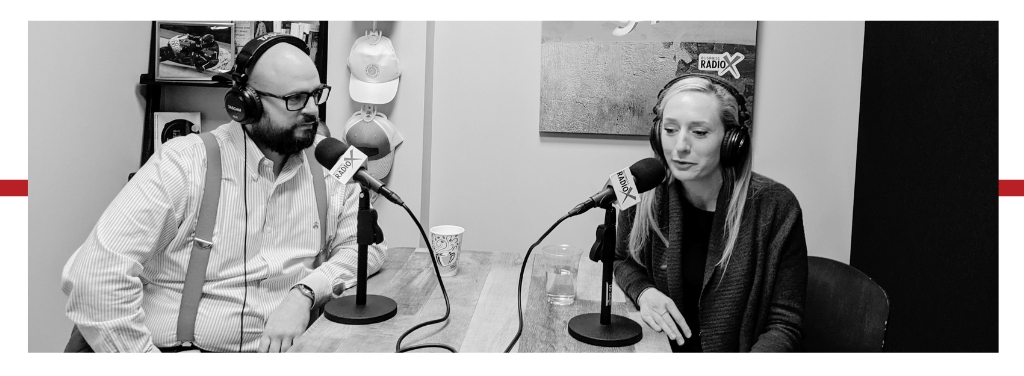

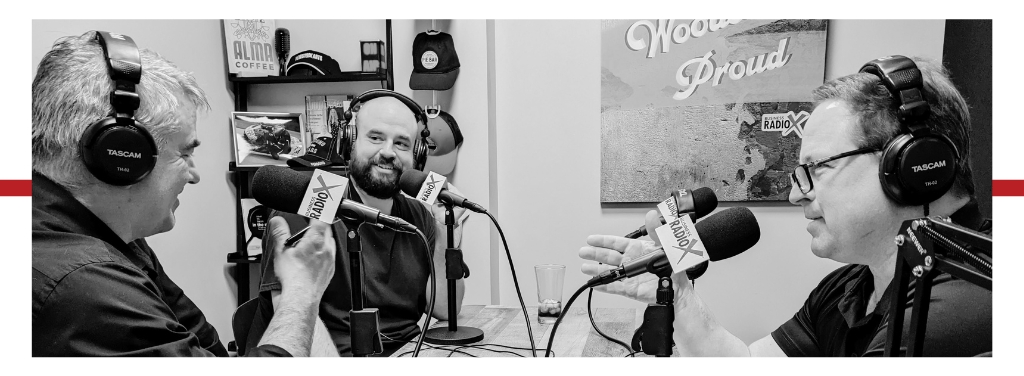

 Jared Rhodenizer, Founder and President at Horse.TV and CarsonJames.com, is a digital marketer, copywriter, Facebook ad specialist, video editor, interior designer, and former cowboy.
Connect with Jared on LinkedIn and Facebook.
This transcript is machine transcribed by Sonix
TRANSCRIPT
Intro: [00:00:07] Broadcasting live from the Business RadioX Studios in Atlanta, Georgia. It’s time for Excel Radio’s Ask the Expert brought to you by Buckshot Photography and Video. It’s your story. Make it awesome. For more information, go to buckshot.com. Now here’s your host.
Randell Beck: [00:00:32] Hello, everybody. Senors and senoritas, welcome to the program. It’s Ask the Expert with Robert Mason and Randy Beck. And today’s guest is Jared Rhodenizer.
Robert Mason: [00:00:42] Hello.
Randell Beck: [00:00:43] Hi, Jared.
Jared Rhodenizer: [00:00:43] Hi.
Randell Beck: [00:00:44] How are you doing today?
Jared Rhodenizer: [00:00:45] I’m doing well. How are you?
Randell Beck: [00:00:46] We have got we’re loaded for bear with questions for you. Awesome. Jared is here today to talk about digital marketing, the back end, how we make this work once we shoot our social media video or make our posts or we decide we want to run a paid ad to promote our business. Before we start, Robert. What’s your week been like?
Robert Mason: [00:01:07] It’s been a good week. My birthday was yesterday. I’m negotiating two contracts today as I. Happy birthday to you.
Randell Beck: [00:01:15] Happy birthday to you. Happy birthday from buckshot. Happy birthday to you. Yeah.
Robert Mason: [00:01:19] My wife made it special. And then the dogs ruined it by being in the bed last night when I went there. So we’ll get into that later.
Randell Beck: [00:01:25] And give us a an encapsulation. Robert Mason’s deal is.
Robert Mason: [00:01:29] Robert Mason has been a realtor for 32 years. I’m a real estate broker as well. I’ve had my own real estate company. I’ve sold my own real estate company. And you know, this radio program with you, Randy, is special because you’re a big part of my business already in the videography and all the stuff that you do for me. So I’m super pleased to be doing this with you. This is our maiden voyage.
Randell Beck: [00:01:52] Maiden voyage on Ask the Expert. That’s right. This is episode one. This is episode.
Robert Mason: [00:01:55] One. And we have a real expert with us who’s going to give us all the insight.
Randell Beck: [00:02:00] And, Jared, introduce yourself. Tell people what’s your deal?
Jared Rhodenizer: [00:02:03] So my name is Jared Rhodenhizer. I am a digital marketer. I own two companies, Carson. Com LLC and horse TV. Essentially, in a nutshell, we train people how to train their horses through online media books. We have MP3 players that people can listen to while they’re training their horse. That tells them step by step what to do. We have video libraries of subscriptions and all kinds of stuff in the the horse niche. But I’ve also done other things. We did real estate marketing, a lot of horse stuff. And basically anything that you can teach someone how to do through video, I can show you how to sell it and sell a lot of it.
Randell Beck: [00:02:47] So that’s very interesting. That’s what I do. And I like that. Know your horse TV and you’ve got this this operation that’s oriented around horses. And Robert here said he’s he called us a rodeo today instead of radio. A rodeo. I like that.
Jared Rhodenizer: [00:03:04] It might be a rodeo, might be a play on words before it’s.
Robert Mason: [00:03:08] All said and done right before it’s to get it out there.
Randell Beck: [00:03:12] That’s what you call the truth slipping right out. Yeah. All right. So tell us about horse TV a little bit.
Jared Rhodenizer: [00:03:19] So it’s essentially Netflix for horse people. It’s the same exact platform we have, the web, the apps, you know, Apple, Roku, all that. But it’s only horse content. So it’s documentaries, movies, TV shows. We produce our own content. I have my own reality show on there. And then we also license a lot of other content as well.
Randell Beck: [00:03:40] And the methods we’re talking about about selling here that we’re talking about through the digital medium is something you use to grow this channel.
Jared Rhodenizer: [00:03:48] Yes, more so the Carson James company that has more funnels and more intricate ways of getting customers. Okay, horse TV is pretty straightforward. Carson James is much more interesting as it pertains to getting customers and selling people.
Speaker5: [00:04:05] So.
Randell Beck: [00:04:07] And so Carson James does what.
Jared Rhodenizer: [00:04:09] We have an online subscription at Buckaroo Guru.com and people pay $20 a month and they get access to all of our courses. So we have 12 courses in each course has anywhere between 20 to 40 videos in it and each course has a specific. Method of teaching your horse how to do a certain thing, such as groundwork, problem solving, advanced writing, fundamental writing, which is like just the basics of what everyone should know how to do to ride a horse, things like that. Okay.
Randell Beck: [00:04:39] And you’re using what kind of techniques to push this out and sell it and get people interested.
Jared Rhodenizer: [00:04:45] So there’s lead magnets, tripwires, upsells, core offers and profit maximizers.
Randell Beck: [00:04:52] I think we’re going to have to define terms here.
Jared Rhodenizer: [00:04:55] That’s a mouthful. It can go deep. So essentially go slow. Okay.
Randell Beck: [00:05:00] What do they say in that movie about Wall Street? Speak as if you were speaking to a golden retriever or a very young child.
Jared Rhodenizer: [00:05:07] Okay, so. It’s how the funnel works is you want to start with content marketing, which is essentially giving away your best stuff for free. And a lot of people get concerned with that because they think, well, if I give away my best stuff for free, then no one’s ever going to want to buy anything. But that’s it actually. And it makes sense that people think that. But that’s actually the exact opposite. You want to put your best foot forward and that will cause people to buy things. And they people, if they like your free stuff, they’re going to like your stuff. They’re going to buy stuff from you and they’re going to be happy to pay for it. But the problem that I think a lot of people have is they say, well, I’m going to give away my kind of mediocre stuff because I don’t want to give away my best stuff. You want to give away your best stuff and then give them even better stuff, too. When they sign up. All of your stuff you produce should be your best stuff.
Randell Beck: [00:06:03] So. So nothing we’re going to say today should stop anybody from continuing to develop their content and their messaging and no, absolutely not.
Jared Rhodenizer: [00:06:11] So the way the funnel works is through most of I would say 90% of everything that we do is through Facebook ads because that’s where our customers are. So you have to identify if you have a younger audience, you know, Instagram and TikTok is going to be where you want to go. But most of our people are 40 and over, and those people are mostly on Facebook. So that’s where we mostly advertise is on Facebook because that’s where our customers are at. So you start off with content marketing. You would put up we’ll put up a video or a blog post or we have a podcast as well. We’ll put up a podcast episode and we just blast that. We pay to blast that out for free. And we target people who are in the horse niche and get everyone to consume the content. And then so an.
Randell Beck: [00:06:57] Example of that content would be what?
Jared Rhodenizer: [00:06:59] So a video on how to train your horse not to be buddy sour, which means he always wants to be with the other horse instead of paying attention to what you’re wanting to do. So you would have.
Randell Beck: [00:07:10] This video on that and you would you’re putting that like on Facebook. Yes. So people can just watch it.
Jared Rhodenizer: [00:07:16] There’s two ways to do it. You can upload it to your website and send people over to your website or you can upload it to Facebook and they can watch it on Facebook. The benefit of uploading the video directly to Facebook is that people are automatically pixeled who watch that video. So everybody that watches that video on Facebook, Facebook creates an audience automatically. So even if you don’t know what you’re doing, you can always go back and create this audience later. They’ll create this audience and then you can go and retarget those people with other ads. So the goal is to get people to consume the content and pixel those people, cookie them through the Facebook pixel and then go back later and reach out to them and get them to buy a low ticket offer and see what a lot of people and that’s called a tripwire. A lot of people mess up because they sell their core, offer their core thing directly to Facebook, and that will work if it’s a good product in your marketing is good, But you’re not you don’t you’re you’re missing out on a lot of revenue by going straight from just your core thing, your most expensive thing. So a tripwire. So after you’ve content pixeled them through your videos or your podcast or whatever, it doesn’t matter. People get caught up on the medium too. It doesn’t matter as long as it’s good. It can be a podcast, a blog post, a video, anything PDF file, as long as it’s good.
Jared Rhodenizer: [00:08:39] And then once you want to do is you want to take your core offer. So our core offers are subscription, which is $20 a month and they get all the courses. So what we do is we take a what I call a splinter of that and we take a piece of it and make that a tripwire. So we’ll take one course and sell it for something ridiculous. For instance, we have our entire problem solving course, which I believe is 42 videos right now. We sell that for $4, $4, you get 42, and they’re good videos for $4 and that sells like crazy. And then we have an order bump on the page where people can add an an option to their cart, where they can get a copy, a digital copy of our book for $10. So 50% of people take that offer for the $10. So that’s another $5. So when you take the $4 you made and then you take the 50% of people who buy the $10 book as a bump, that is an average order value of $9. And it takes about anywhere between 5 and $10 to acquire a customer through Facebook ads. So essentially you’re breaking even on your tripwires. But that’s fine because, A, you’ve got a lead, you have a new contact on your email list. B, they’ve bought something, somebody who’s bought something from you, even if it’s cheap, just like a dollar or $4 is a much better and more qualified lead than someone who just opted in for a free giveaway.
Jared Rhodenizer: [00:10:06] If they’ve spent money with you, if they’ve opened their wallet to you. It’s it’s a lot better of a customer. And so then immediately after they buy the tripwire, this $4 course, we have this presentation, it’s a video presentation with a one click upsell, which is a button directly under the video where they don’t have to enter their credit card information. Again, they can just if they want to add it to their order, they can just click the button and it charges their card and puts them on a subscription. So in this video we say, Hey, the course you just got, congratulations on your order. Thank you for doing that. You’re going to love it. By the way, wanted to let you know that we have these additional 11 courses and you can get access to all of them for just $20 a month. And 30% of people on average take that. So we have broke even on the front end. We haven’t spent any money because we made all the money back from the tripwire sale for $4 and the order bump for $5. So we made our money back on our Facebook ad spend and now we’re getting members for free. We’re paying nothing to get people to subscribe for $20 a month.
Randell Beck: [00:11:14] So. So the order before we go further, the order is you put up this content. Yeah. The teaser. A good piece. Yes. They’re watching that. Yes. Then they’re they’re hit by an ad that says you can get another piece for this $4. That’s the tripwire. Yes. Okay. And then well.
Jared Rhodenizer: [00:11:32] The other piece is not necessarily content. It’s a it’s an actual course. An actual course. Right.
Randell Beck: [00:11:37] So they get a piece of the course for $4. Yeah. Let’s say. Yeah. And then after they’ve done that then they get an offer for the rest.
Jared Rhodenizer: [00:11:45] Yeah. So you can break down whatever product you have, no matter what, even if it’s a service industry, you can break it down into different splinters. It’s all about taking your thing and breaking it down a little bit more and a little bit more. And you start off and then you just build up. And then once they subscribe to our membership program, we pitch them what we call our profit maximizer. And that is a one time payment of $97 and that is an MP three player that they can buy and they actually wear it while they’re training their horse and it talks to them and tells them what to do step by step. And that comes with an 84 page PDF file that gives them written instructions and they also get videos to show them how to do it. And then these are additional videos to the videos they just got in the course. So it’s additional videos that go directly with the MP three player that show them demonstrations of how to do what the MP three player is going to be telling them to do while they’re training their horse.
Robert Mason: [00:12:42] How did you get started in this?
Jared Rhodenizer: [00:12:45] So. I started off working for a company and we did. Ironically enough, we developed tools for real estate agents to do marketing. So I was in charge of sales and marketing there at a company, and I invented a product for them called the Facebook Lead Generator, and that was a product that taught real estate agents how to run Facebook ads and get leads through a free home value opt in form. And that blew up and went crazy out of the water. And the guy I work for, he’s still to this day, probably the smartest guy I know when it comes to sales and marketing taught me all of this. And so after working for him for two years, I was essentially running his company. And then I wanted to do something on my own. And my brother Carson has always been phenomenal with horses, but he was a nobody. I mean, no one knew who he was. I think he had $40 to his name and. I went up to him and I said, Hey, I have an idea. Can I film some videos of you? And he was like, Yeah, I don’t care. So we’ve we set out and we started and we filmed ten videos. I believe it was the first, the first time we ever filmed. We filmed ten videos and I put those videos on a DVD because this was back when DVDs were still relevant and people were buying them. And to my knowledge, we were the first people that did this. And then I sold the DVD on Facebook for 495. So the offer was it’s a free DVD. You just pay 495. And that covered the shipping and handling of the DVD. And I believe the first year we did over $1 million because it was the same and it was the same. It was the same concept. We just now, since DVDs are not really that relevant, we’ve moved to selling the digital courses. But even back then we would sell the DVD and then we would do the upsell, which was the membership site, and we have just created hundreds of thousands of videos since that day.
Robert Mason: [00:14:51] So in today’s security breaches and stuff like that, how do you keep your information secure from being stolen? Copied?
Jared Rhodenizer: [00:15:01] You mean like people ripping us off? Yeah. Oh, we don’t. People every single day since I’m in that niche, I see all the ads for every everyone. I’ll put up something, and like, a week later, I went through a funnel one time where someone had copied, like, almost verbatim every single thing I had written, all the graphics and everything. It was insane. There’s nothing you can do about it. I mean, I could get into attorneys and do all that, but at the end of the day, those people aren’t as good as I am and I’m going to come out with something better and they’re never going to keep up with me. They’re never going to catch me. Right? So I don’t I just I just ignore them. I don’t care.
Randell Beck: [00:15:40] And no matter what you do, at the end of the day, they can just play it on their machine and screen, record it, and then they’ve got it no matter what. Because once it’s displayed on a screen, you can record.
Jared Rhodenizer: [00:15:49] But the other the other part of it is, is that I don’t just say it because Carson’s my brother or whatever. Carson is probably one of the top horse trainers in the entire world. He is phenomenal. No one, hardly anyone, is going to be as good as he is. And he’s No. One as as personable as he is either, and as good of a teacher. So we have a really good combination where I’m really good at what I do, and he’s phenomenal at what he does. And we just have that winning combination and a lot of people aren’t going to have that. You might have a really good horse trainer, but your marketing guy sucks or you might have, you know, vice versa. So yeah.
Randell Beck: [00:16:28] So let’s talk mechanics for a minute. So now that we understand this process, so you’re going to put this first piece of content onto, let’s say Facebook. And so. Where in a group or on your own page.
Jared Rhodenizer: [00:16:43] Adds on ads. So you have to have a in order to run ads on Facebook. You have to have a business page. You can’t run ads from your personal profile. So you have to have a business page and then you just go to. So you’re paying for ads. Yeah. Oh, yeah. All right. Yeah, people. And that’s the thing. We we kind of talked about it before this interview started. We briefly mentioned it. There’s a difference in people running social media and people running paid ads. A lot of people think that if they put something up on their Facebook or their insta web or whatever, that that’s how they’re going to sell and that’s how they’re going to get customers. But Facebook is very much pay to play if you don’t. I used to have a Facebook page that had 500,000 people on it, and every time I would post something, it would get a million likes. Well, Facebook didn’t like that because a lot of people were doing it. So they have completely changed their algorithm where it is. I mean, we have right now on the Carson James page, I think we have 175,000 likes or followers, but that doesn’t mean anything anymore because only like 2 to 3% of your likes are going to see it. So it doesn’t Facebook likes mean absolutely nothing. If you’re going to get your ad or your content out in front of people, you have to pay for it. You just have.
Randell Beck: [00:17:59] To. So let’s use Robert as an example. If you wanted, you said, okay, you’re putting up videos for your real estate practice and you’re getting calls from potential clients and so forth. So let’s say he wanted to broaden that right and not get a lot more reach than he’s just getting right now from putting it on his page. Yeah. So how do you do that? I mean, paid ads. Yes. But what does that mean? How do you target the person you want?
Jared Rhodenizer: [00:18:23] Facebook, At least they used to. I haven’t done real estate ads in a long time, but when I used to, they used to have a category called Likely to move and that was gold. And I don’t know. Yeah, I’ve never seen that. I don’t even know how Facebook knows that. But it worked.
Randell Beck: [00:18:38] Well isn’t that their connection with like. Data mining.
Jared Rhodenizer: [00:18:42] I mean, I use big data, right? Oh, of course. I just don’t know the specifics of how they got that information. But yeah, so.
Randell Beck: [00:18:49] Are there are there obviously that was like a preset a profile that you could just choose when you go.
Jared Rhodenizer: [00:18:55] Yeah, when you go in Facebook and you go, there’s a thing called targeting and you just type in who you want to target age.
Robert Mason: [00:19:03] Where they’re at. Because I’ve done a lot of that as well. Not a lot of it. But yeah, you can target by age sex. What what is your do you want to be within a 50 mile radius? You can go to other cities and things like that. Yeah, it’s pretty good.
Jared Rhodenizer: [00:19:19] It’s it’s interesting too, because we advertise globally all over the world, mainly in the United States, but our ads reach other places. But if you’re if you’re focused on an area, let’s just say we’re in Woodstock and you want it to be Woodstock and within 50 miles, it’s a lot cheaper to run ads because you’re only trying to reach so many people. And it’s a lot easier to get your ads out there and get more people to see them because there’s only so many people within a 50 mile radius of Facebook or I mean of Woodstock.
Robert Mason: [00:19:50] And you can also break it down by how much you’re going to want to spend. Yes. Like if you spend $100 a day or a week or whatever it is, it tells you, the algorithm tells you how many you’re going to reach.
Randell Beck: [00:20:01] So it sounds like, you know, the basic old marketing question of who’s your customer, right? You’ve got to know who it is you’re wanting to reach the person looks like.
Jared Rhodenizer: [00:20:10] I think that’s one, too. But that’s who’s your daddy. Okay. Yeah. You. Before you ever start out on any of this, you have to identify who your customer is. Like, obviously, if you’re in real estate, you’re probably not going to be targeting 18 year olds, right? So age would be a big contributing factor.
Robert Mason: [00:20:27] Randy’s already talked about the 18 year olds. We’ve already covered this, right? No, no, we.
Randell Beck: [00:20:30] Haven’t even got to the 18 year olds yet. Okay. So so you have this prime customer in mind. You run these paid ads, you target it. Yes. And now. They watched this because they’re seeing it pop up. Right. It’s a paid ad, but they’re seeing it pop up for them. It’s free, Right? Okay. So they watch it and then they get at the end of it, they get this offer for the next piece. Yes. The tripwire. Right.
Jared Rhodenizer: [00:20:54] Okay. That’s one way to do it. Okay. Another way to do it is webinars. Webinars work phenomenally. That’s another way we do tripwires and we do webinars like.
Robert Mason: [00:21:05] Streamyard or what are you talking about?
Jared Rhodenizer: [00:21:07] So a webinar. Well, when I say webinar, it’s essentially a presentation. It’s a PowerPoint presentation that we do on Zoom. Last webinar we did, we had 4000 registrants and it cost about if you’re targeting your warm audience. So there’s warm audiences and cold audience. A warm audience would be people who are familiar with you, which would be people who are on your email list, people who have visited your website, people who’ve watched your videos. They at least know who you are, people who’ve bought from you before, and you can create all of these audiences within Facebook. And then there’s a cold audience, which I define as someone who has no idea who you are. Now, webinars are going to be a lot more expensive to get leads from your cold traffic. So once you’ve done this stuff that we’ve talked about before with the content marketing and the tripwires, you’re also, while you’re doing all this as people are going through these funnels and going through these pages on your website, they’re all getting cookied and they’re all getting into your Facebook custom audiences. So then once you’ve ran this, you can say, okay, I’m going to take all of these people who’ve interacted with all of this stuff I’m doing and I’m going to target them for another ad, and then you can run webinars. And we were getting we were getting 40 cent webinar registration leads to our warm list last week when I did this and it was crazy. So a webinar is essentially a PowerPoint presentation where it shows very good, valuable content and then at the end there’s some sort of a pitch. So the webinar we did recently was, What was it? Oh, it was on trail riding, how to have a good trail ride and solve problems or how to have a how to solve problems on the trail and have a good ride every time was the title.
Jared Rhodenizer: [00:22:51] And then we have on the opt in page, we have bullet points, what we’re going to discuss, and then people can just sign up for the webinar. And on that webinar, Carson and I are on it together and it shows our faces overlaid over a PowerPoint presentation that I put together. Carson tells me what to put and I put it all together and then he goes through. And when Carson’s going through the webinar, it’s phenomenal. I mean, he’s giving away. It’s not this thing where they get on and they get just a tiny bit of information and then it’s all a big pitch. Like I said, the the thing about this digital marketing thing is adding the value. So many people do not add the value and then they’re like, Well, why don’t I get sales? Because you don’t teach anything, dude. Like, so we do. It was probably an hour worth of value and then a 15 minute offer at the end. But see an offer and that’s another thing. Now that we’re talking about offers, like I said, I could go all day on this and offer is not, hey, go buy my core product and offer is, hey, my core product is normally $20 a month, but if you buy it right here, it’s $10 a month or an offer is it’s normally $20 a month and you don’t get these bonuses. But if you sign up on this webinar, it’s still $20 a month, but you get all of these free bonuses included. If you sign up right now at this link, that’s an offer.
Randell Beck: [00:24:07] They’ll get your your your eBook and your your your decal and plastic cowboy hat and.
Jared Rhodenizer: [00:24:14] Whatever, whatever. So on this one, in this specific example, probably not plastic last longer. We did a we did the membership was $20 a month, but we did a two week trial so they didn’t have to pay anything for two weeks. And we, we actually have a trail riding course and we gave them lifetime access to the trail riding course. Even if they cancel their membership, you get it free just for trying out, just for signing up for a two week trial. And then we also gave them three free bonuses, which were three free, I call them pocket guys, the little field guides that you can take with you, like while you’re on the trail and you can read and learn how to solve problems. So they got those as well. So that’s that was our offer. And it converted, I think, at 30%.
Robert Mason: [00:24:57] Wait, wait, wait, wait. Let me go back there a second. You’re reading something while you’re on.
Jared Rhodenizer: [00:25:02] Not while you’re on your horse, but before you go. And you can take it with you. I mean, you could take a break and be like, oh, my horse is acting up. I wonder, Oh, there is a chapter about this. Oh, okay, here’s what I need to do. Stuff like.
Randell Beck: [00:25:12] So these are value adds. Yes. And so it sounds like this is sort of a high tech way of doing what the Yes set that the sales trainer is always talking about. Get them saying yes, get them saying yes, and eventually you get the big sale.
Jared Rhodenizer: [00:25:26] I guess. Yeah. I’ve never gone through any of that sales training I follow. There’s some core core guys that teach this that I follow and I just I just listen to what they say and they’re always coming out with new and improved ideas and. Another. That’s another thing. Just we were talking about staying on top. There’s so in marketing, in some ways nothing ever changes. But in other ways everything changes. So the technology changes and the platforms change and how you reach the people changes. But the way that people respond to advertising never changes. That always stays the same.
Robert Mason: [00:26:04] So social media trends are changing constantly. How do you keep up? How do you keep track of the latest social media changes?
Jared Rhodenizer: [00:26:14] I download the apps and play with them. I mean, honestly. And I see how they work and I see and I mean, a lot of marketing is looking at what other people are doing and if it’s working, that’s another thing. Don’t look at people who aren’t converting, but watching other people who are doing things and it’s working and then just not copying them directly ripping them off, but saying, Oh, okay, I see what they’re doing here, and then twisting it into your your own way of doing it. But, you know, if someone has never downloaded TikTok or hasn’t ever, you know, it doesn’t use the app, they’re not going to know how to run TikTok ads or know what kind of ads convert on there. You have to you if you want to, you know, advertise on those platforms, you have to you have to be active on them and see what other people are doing and how the videos work and the videos that are successful and the ones that are not.
Robert Mason: [00:27:05] You’ve brought up TikTok now a couple of different times. Are you a proponent of TikTok? Because I get a lot of pushback from folks. Don’t download TikTok Chinese owned your spyware and stuff like that. Is there any of that true? I have no.
Jared Rhodenizer: [00:27:18] Idea. Yeah. If it makes me money, I’m going to use it.
Robert Mason: [00:27:22] Yeah, my daughter says the same thing, so I get warned off on TikTok. That sounds like.
Jared Rhodenizer: [00:27:27] A there’s so many. There’s so many. I don’t even know how you know what’s true anymore because everyone says this is true and this is not true. And this I mean, there’s. How do you know? You don’t know so.
Robert Mason: [00:27:38] Much disinformation out there.
Randell Beck: [00:27:39] So. Well, there’s that Abraham Lincoln quote about not trusting everything you see on the Internet.
Speaker5: [00:27:43] So did he say that? Yeah.
Robert Mason: [00:27:46] It’s attributed on a cell phone, too, right?
Jared Rhodenizer: [00:27:48] I think he tweeted it.
Robert Mason: [00:27:50] Was he in a balloon flying over America at the same time?
Randell Beck: [00:27:53] So I like the philosophy there. You know, use it if it makes you money, if it’s moving you forward and achieving your goals. You know, what’s all the debate about, Right. That’s kind of that’s a philosophy right there, I think. But all right. So now. People are going through this chain of events on Facebook and you’re saying they’re being retargeted because of the cookies. Right. So once you put your ads up, everybody that’s looked at it, Facebook is ensuring that they see your next ad again. Is that how it works?
Jared Rhodenizer: [00:28:18] They’re ensuring that they’re pixeled, that they’re that they have the potential to see it.
Robert Mason: [00:28:23] When you say Pixeled, I’m imagining the Brady Bunch, you know, all the faces showing up and I think.
Jared Rhodenizer: [00:28:28] So.
Randell Beck: [00:28:29] You didn’t know that Brady Bunch invented Zoom, did you?
Robert Mason: [00:28:32] I didn’t know that either. Oh, that’s.
Jared Rhodenizer: [00:28:34] True. Clever. So a pixel is essentially just a little a little tracking. They call it a cookie, but it’s just a line of code that they put on your phone or your computer. And it doesn’t it doesn’t get any of your personal information. It just allows you to reach those people again, to know, okay, this person’s been to my website or this person’s been to a certain step of my website. So let’s say, for example, someone bought the tripwire, but they didn’t buy the upsell, they didn’t buy the core product. You can say, okay, I want to target everyone who visited this page, which would be or the thank you page, which would be the upsell page. So the thank you page of the tripwire is also the upsell page of the core offer. So you can say, I want to target everyone who bought the tripwire but did not purchase the core offer. And then you can run ads specifically to those people to just try to get them to buy your core offer and vice versa. I want to I want to I want to target everyone who’s bought the core offer, but but did not buy the profit maximizer, which we do that as well.
Jared Rhodenizer: [00:29:36] So if they bought the membership and they’re paying subscriber, but they still haven’t bought our $97 product, I want to target all those people to buy to buy this. And it really does work really well when you do it that way. Because if you’re Ryan Deiss who owns digital marketer.com, he said it really good He said a lot of people go in when it comes to marketing. And he used this analogy. He says they walk up to a woman and they ask her to marry him. He said, It doesn’t work like that. You have to ask for coffee and then you have to ask for a date. And then you have to, you know, things have to evolve. So a lot of people are just trying to sell their thousand dollar product on Facebook and these people don’t even know who you are. Take them out to coffee first. Introduce. Introduce yourself first. People are just walking up to people and marketing and saying, Hey, will you marry me? Like, no.
Robert Mason: [00:30:24] Well, isn’t that what branding is all about? I mean, when you when you talk about when we talk about branding ourselves or branding, you know what? We do it. It doesn’t happen overnight. You have to be seen time and time again. You have to build trust with your audience. That’s what you’re talking about, right?
Jared Rhodenizer: [00:30:42] Essentially, yeah. It’s more about it’s more about them than it is about you, though. If a lot of people mess up in branding and I see it all the time and no offense, but real estate agents are the worst. They’ll have this huge ass sign with their picture on it and the picture takes up 75% of the sign. And it has a phone number that’s not going to convert anybody. What if you had a sign that didn’t have your picture on it that had an offer? It was like 1% commission rate. If you call this number, you know, I don’t I’m sure you can’t really do that. I’m not a real estate agent, but having an ad with an offer on it is much more enticing to customers than branding and getting your name out there, because no one, at the end of the day, no one cares about you, no one cares about what you sell, no one even cares about your product. People only care about the result. That’s all they care. They care about what they’re going to get. And if you can feed into that, then you’ll win.
Robert Mason: [00:31:41] Well, I’ll give you an example. Some of the things that I’ve used before on Facebook in particular, because I get I get a good amount of business from Facebook, just my personal page, not even my business page. And I’ve paid for ads as well. When I offer a free appraisal or a free CMA current market analysis that tends to generate. I’ll give a free photography coupon away or something like that. We’re going to talk about that to get ready. Ready. And it might be.
Randell Beck: [00:32:10] Free to your customer, but you’re not going to be free to you.
Robert Mason: [00:32:13] It’s going to cost me. But yeah, I get and it’s funny how people chase the likes of Facebook. Oh, they liked it. Yeah, they liked my picture of my food or whatever the hell it is, Right? Right. And you’re missing the boat if you’re trying to promote.
Jared Rhodenizer: [00:32:28] It’s so a really good example. All real estate agents do the free market analysis, which is good. All roofers do the analysis. Yeah, the analysis. I’ll come out and get a free roof review, whatever. But since everybody’s doing that, I’ve always won by doing things that people are not doing, trying to get creative. For example, instead of running. If I was a roofer, I would not run ads that say, Hey, come out, let me free roof inspection. I would say, Buy a roof with me and get all your gutters for free. And I would partner with I would if I did the gutters myself, then I would obviously just handle it or I would partner with a gutter person and pay them a certain amount of money. But that would be an offer because that’s more appealing than let me come out and tell you your roof needs to be replaced because you know that’s what I’m going to do, because that’s what everyone does. That’s why I’m trying to get in your house. People are not stupid. And people who advertise to people and think that people are stupid are not going to win much longer because people are getting smarter and smarter and smarter. Everyone knows that when you run an ad to do a free roof inspection, what are they going to do? They’re going to come out. And if your roof was just replaced last week, they’re going to say, Looks like you need a new roof. Yeah.
Robert Mason: [00:33:45] Nope. Looks good to me. Sorry I wasted three hours.
Jared Rhodenizer: [00:33:48] So the more creative you can get with your offers and that’s what people miss. And I don’t think this I see it because I study. I look at ads. Magazine ads are really bad. You look at all these magazine ads and it’s just like a person’s face and a phone number or a website that doesn’t. What incentive do people have to go visit your website? What what is the purpose of that? Put an offer on it. Give them an incentive to go to your website and to sign up or to to to buy from you. What is the what do I get out of this? And if you don’t, if you would just start if people would just start putting something that people can get when they take action on this ad, they would see a lot more success.
Randell Beck: [00:34:30] Now, apparently you’ve pixeled me because because your things keep showing up for me. And I saw this post that you did and I don’t know if you saw this and you just.
Robert Mason: [00:34:41] Bought a horse too.
Randell Beck: [00:34:42] So there’s something going on and the barn. And so I don’t know if you’ve seen this, but Jared had a post up the other day where he was talking about these offers and these ads that are going out. And you did like 20 different variations and, you know, a, a, a reemphasised with the D and cut off at the transverse roundabout or the next thing you know, you knew what was selling and what wasn’t. Right. Right. So tell me a little bit about this testing that you do.
Jared Rhodenizer: [00:35:05] I split test 25 different ad headlines. So you use the same picture because you don’t want the picture to have an an influence. I’m just trying to see what headlines are going to get people to click. So I keep the picture the same. I keep everything the same. I just changed the headline, which is the bottom. If you look at a Facebook ad, it’s the bottom part that’s right above the Learn More button that’s always there, the big bold text. And I’m just testing it. I’m only spending like 25 bucks, but I’m seeing which of these which of these headlines get the most click through rate. And then I’ll take that winner and I’ll use that and I’ll spend a bunch of money on that. And then I’ll once I get the headline winner, I’ll use that headline and then I’ll split test the picture. So I’ll use four different five different pictures with that headline and see which one of those ads gets the most clicks. But the key is just not spending a lot. It doesn’t take much money to do the testing. And then pretty soon you’re going to have a winning combination of the headline, you know, the picture. And then if you want to go even further, you can split test the ad copy after you have those two winners as well.
Randell Beck: [00:36:11] And so basically, you’re just finding out what people are responding to, right?
Jared Rhodenizer: [00:36:14] Yeah, exactly. Okay.
Randell Beck: [00:36:17] So and I knew I would find the tie in between digital marketing and real estate today. While he’s saying this about the testing, I’m envisioning Alec Baldwin up at the front of the room with his chalkboard and he’s like a beet. Always be testing, right?
Robert Mason: [00:36:32] Yeah, that was a good movie.
Randell Beck: [00:36:33] It was, Yeah.
Jared Rhodenizer: [00:36:35] Testing. Testing is big.
Robert Mason: [00:36:37] And so do you have a group of folks that help you come up with your marketing or your materials?
Jared Rhodenizer: [00:36:44] No, unfortunately, I don’t. I’m a member of I follow a lot of the the guys like Frank Kern, Ryan Dice, Russell Brunson, Russell Brunson owns Clickfunnels and I follow a lot of their stuff and try to learn from them as much as possible. And I have a few. I shouldn’t say I don’t have anybody. My the guy I used to work for, his name is Calvin. I talked to him probably once a month and we brainstormed some stuff and talk about what’s working and what’s not. So I do have a couple people.
Randell Beck: [00:37:16] Now, you know, this series that we’re doing is called XL. We’re really about business excellence, which obviously you’ve been achieving in a big way. And so following these people, was that the key to your success? Was that is that how you learned to excel was by choosing these guys? How did you pick them?
Jared Rhodenizer: [00:37:35] So the guy I worked for, Calvin, he started off teaching me everything that Ryan Deiss taught, who is the CEO of digital marketer.com and his business partner, Perry Belcher are kind of the guys. They didn’t invent this, but they’re kind of like some of the the first first to go at this whole funnel strategy. And Perry Belcher speaking to him is really, really interesting. He owns a company called Survival Life. And they do they do stuff exactly like we do. So they have a tripwire offer. Have you ever seen the the little credit card knives that they they look like a credit card, but they turn into a knife. So Perry Belcher. Oh, he has one. So Perry Belcher.
Randell Beck: [00:38:20] Robert Mason survivalist.
Jared Rhodenizer: [00:38:22] Yes. Perry Belcher is the one who invented that. And he owns a company called Survival Life. And yeah, he’s got it right there in his pocket. And as soon as you he sold I don’t remember how many of those he sold, but it was millions. And then as soon as you buy the credit card knife, there’s an immediate upsell to buy another knife. And he calls it the Hoffman Richter, some fancy German name. It’s a name that he made up. But you get this knife. And with the knife, you get a subscription to the Family Protection Association, which is a $20 a month subscription, and they send you once a month. You get the Lamplighter Report, which is all about homesteading, survival and anything that anyone in that niche would be interested in. They have tripwires like how to grow a garden when you only have five square feet of of of land. So that’s one of the things you can buy from them. So they’re very, very good at splintering and upselling and cross selling and everything like that.
Randell Beck: [00:39:28] Do you recall pricing on some of those things? Like what were those tripwires?
Jared Rhodenizer: [00:39:31] Credit card knife, I think was 495. I think it was free plus 495 shipping. And then the Family Protection Association was $20 a month. And I haven’t looked at this in a long time, so it might have changed. But that’s that’s what it was when I was looking into it. And then you get the big knife for free. And it really is a quality. It’s a good knife.
Randell Beck: [00:39:50] And so. So you started following these guys. You studied what they were doing.
Jared Rhodenizer: [00:39:53] Yeah.
Robert Mason: [00:39:54] Yeah, That’s a knife. That’s a.
Randell Beck: [00:39:56] Knife. So you followed what they were doing. You were learning from them. And how did you put this? You know, like, what made the difference for you? There’s a lot of people that try things like this, right? But you’ve succeeded really well. What made the difference?
Jared Rhodenizer: [00:40:08] Well, it’s like I said in the beginning, you have to have good marketing, but you also have to have a good product. If you don’t have a good product, then you can do all the marketing in the world and you’ll sell some, but it’s not going to be great and vice versa. You have a really good product, but no one knows about it and no one’s going to buy it. People have to know about it. I don’t know, man. It was just working for those two years for Calvin really opened my eyes to the potential. And then I think before him, I worked for a guy named Brigg Hart, who was the most he is the top money earner in the world, as far as I know, for direct sales marketing. He was like the lead at Amway. And then I don’t know if you guys remember Monavie. He was like the top guy in Monavie and I worked for him for a few years and just being around, I mean, these guys had millions, drove Lamborghinis. I mean, their whole life was a party. Being around those guys really, really, really influenced me and made me like, Damn, that’s that’s what I want. This life. Yeah, big time.
Randell Beck: [00:41:12] Okay, Robert, you said you’ve done some of this. You did some marketing and advertising on Facebook, and what was that like for you? What did you do?
Robert Mason: [00:41:19] It was hit or miss? I wasn’t focused enough. I wasn’t consistent enough, which, you know, that’s part of all of our problems in life in general. Facebook has been good to me. On the free side, as in I’ve got X amount of followers in real estate. I think it’s a little bit different if people know, you know, what kind of character you have, your honesty. They maybe went to school with me or they’ve done something well.
Jared Rhodenizer: [00:41:50] And there’s a difference in a Facebook profile and a Facebook page. So if you have friends on your Facebook profile, those people obviously know you. They’re there. The warmest traffic that you can have. They’re the hottest, the hottest leads in the world on your personal Facebook.
Randell Beck: [00:42:05] Even volunteering, right?
Jared Rhodenizer: [00:42:06] Yeah. I mean, those are your friends. So. Absolutely.
Robert Mason: [00:42:09] And so in real estate, you know, there was a lot of cold calling and there’s a lot of training out there where, you know, it’s your sphere of influence and you got to connect with your sphere of influence. And I’ve been doing it so long and I’ve got so much just built up momentum there that, you know, that kind of it takes care of things.
Randell Beck: [00:42:24] And so you did paid ads.
Robert Mason: [00:42:26] You said did paid ads response there? No. And it was because probably I was not. Offering what you were talking about something that was why would somebody click on this? Why would somebody unless there’s a real need and somebody sees it and go, oh, yeah, I need to sell my house, Let’s call this dude. You know, I didn’t create any urgency to connect and I just did it wrong, so.
Randell Beck: [00:42:52] Okay. So we got questions here that have come in for you. Oh, really? One of them just jumping off the page at me because it involves video. It says, okay, because video comment content is becoming popular on social media every day. Oh, yeah. Leaps and bounds. How do you create effective video content that resonates with your client’s target audience and drives engagement? In other words, you can’t really split test video, right? Or can you? You can. How do you do that?
Jared Rhodenizer: [00:43:18] You can set up one audience and run two different videos and see which one gets the most engagement and the cheapest price per engagement. So Facebook has cost per through play and they also have cost per engagement. So if you just look at those numbers and see which one’s cheaper and obviously people like the cheaper video better because you’re not paying as much to get it in front of people.
Randell Beck: [00:43:39] And let’s define through play and engagement.
Jared Rhodenizer: [00:43:42] So through play would be they watch the videos. I think it’s for three seconds or more, which really isn’t qualified. So when you go to Cookie people on Facebook, you can you can create you can create audiences from people who’ve watched three seconds of your video, ten seconds of your video, 50%, 75% and 100%. Now, obviously, the longer they watch the video, the less people it’s going to be. I don’t generally target people who’ve watched three seconds of the video because to me that’s not really a view. Um, but that would be a through play and then a engagement rate is just how many people are actually clicking to watch. So we put it in front of this many people. This is how many people engaged with the ad click the play button commented, liked, shared it, did, did something and engagement is just doing something other than scrolling past it.
Randell Beck: [00:44:34] Then just seeing it and moving on. Right. Okay. And so if you if you run two versions like that and you split test it and you find the version that you want to use, then what is that video put out? The same way like with a paid ad and targeted.
Jared Rhodenizer: [00:44:49] The same way. So I would come up with ideas and that’s the biggest thing, is it all goes back to what I started with in the beginning is don’t put out mediocre crap that people don’t really care about. That’s going to not really solve a problem for them. Put out a video that like when people watch it, they’re like, Damn, that was good. Or that’s exactly what I needed to hear. That’s when you have a winner. And so you get you can get 3 to 4 ideas of what content that could be and then make videos on each one of those things and then put them in an ad set together and run them all together at the same time. And one of them’s going to win.
Robert Mason: [00:45:26] So one of the things that Randy and I’ve been doing is we’ve been shooting videos and basically we will we will get questions from the audience whether just like just like this. Right. And then we will go shoot a video on it. And, you know, anywhere from a minute to 90 seconds. And and so because I pay him so much money for this, it needs to work. Right. And so fair statement. Fair statement. And but we hadn’t even thought about putting those on a paid page. Have we? We didn’t even talk about that.
Randell Beck: [00:46:05] So in terms of implementing your marketing program, no, but in terms of like determining what kinds of videos work, yes, I’ve done some of that already. Right. And so that’s how we arrived at the format we’re using. And and the type of thing that we’re doing right is because I know that to be effective from doing this testing in other ways.
Robert Mason: [00:46:24] So this is a very good subject for not only us. Yeah. Particularly, but for anybody who wants to.
Jared Rhodenizer: [00:46:32] Well, good subject. For anyone who wants to make money.
Randell Beck: [00:46:34] All three of us know each other. We all hang out in circles of business people, and everybody’s out there marketing themselves on social media and trying to promote their business. And, you know, they’re coming in here to Business RadioX and working with Stone to do it. Stone is here today. Everybody, by the way, say hi to Stone.
Speaker6: [00:46:49] Hi. Stone.
Randell Beck: [00:46:50] And and, you know, they’re actively engaged in this process, right? So this is something that I think a lot of people need to hear from you.
Robert Mason: [00:46:58] Yeah, this is big.
Jared Rhodenizer: [00:46:59] Yeah, it’s a good it’s a good topic. That’s the thing. Like anyone, especially right now, if you can if you can teach people how to do something in video, it’s a lot easier. And I’ll be honest, the real estate is is one of the hardest ones. It really is. Because, well, you’re a broker, so you kind of have a free pass. But most brokers and maybe you can help spread awareness about this are very, very against the methods I’m talking about today. They all they want it clean. They don’t. Oh, we’ve never done that before. We can’t do that or you can’t do that open. If they if brokers would open up their agents and let them do some digital marketing type stuff with tripwires and funnels and stuff like this, we would see a huge boom in the real estate, but everyone does it the exact same way.
Robert Mason: [00:47:47] Well, there’s there’s also this feeling that they’re the brokers don’t want to share the secret sauce with everybody, right? So I come from a position of abundance. I like to to be a teacher to help, you know, the the other agent number one, two, three are not my competition. An and if they are, whatever best guy wins. Right, right. But you’ll also find that in the real estate world, we are the cheapest bunch of folks on the planet as well. Right?
Randell Beck: [00:48:16] Couldn’t have said it better myself.
Robert Mason: [00:48:17] I mean, it’s just. It’s a fact. Yeah. And a lot of that has to do with we never know when we’re going to get paid. We have a salary. Right. You know, we’ve it’s just a difficult it’s a difficult gig. But yeah, this is fascinating.
Randell Beck: [00:48:29] Well, and I’m a broker, too, although I’m not in real estate anymore, but my industry is related and still, you know, open involved in real estate in some ways. And I had a friend back in Virginia Beach, his name was John, and his take was a little slightly more cynical than yours because he at the time you this is back in the days of.
Robert Mason: [00:48:50] Pagers and pagers before light.
Randell Beck: [00:48:53] And when you when you would pull up in front of one of his listings, it would say, text this number for more information. When you did, the system would send you a text with information on the house, but it also page him with your phone number. Right. And he would call this person right in front of the house and say, I see you’re at, you know, 955 Coleman Street. And you know, what can I tell you about the house? How can I help you? Would you like to go in and see it? You know, we can send somebody over, you know, all this sort of thing. And I was like, you know, John, that’s a really good system. You know, I bet you’re kind of secretive with this, right? Like, you don’t want this to get out too much. He says, No, I’ll tell anybody. He says, Nobody’s going to do anything with it most of the time anyway. And if they do, there’s enough business for both of us. There is.
Robert Mason: [00:49:37] It really is.
Jared Rhodenizer: [00:49:38] That’s what I’ve I’ve, I’ve bought and sold a lot of properties. And if I had one thing that I could tell every real estate agent that would immediately just boost their sales is answer your phone.
Speaker5: [00:49:50] Right, right, right.
Jared Rhodenizer: [00:49:50] Right, right.
Randell Beck: [00:49:51] That’s the hardest thing to do. It’s ringing all the time.
Robert Mason: [00:49:53] But you know what? There’s a problem with that. We get so much ads, so many people calling my phone. You know, caller ID is wonderful, but when the numbers are one eight, eight, eight, you know, or it’s out of state and nine at 99 out of 100, if you answer it, it’s going to be a spam. It’s a spam. Someone’s trying to sell you something. Right. And so you get frustrated. You don’t answer your phone How much?
Jared Rhodenizer: [00:50:22] But would it be worth it for agents to invest in a call screener and pay them just to screen calls?
Robert Mason: [00:50:29] If you have a number of calls coming in, I mean, most agents sell two houses in a year.
Jared Rhodenizer: [00:50:34] Yeah, well, if they’re having the problem like you’re having where they’re getting 100 calls a day, I would think buying or paying someone to screen your calls and immediately be able to transfer that call to you and only and you knew if it was from that number, it’s your call screener. So this is a good lead. That would be a really good investment.
Robert Mason: [00:50:51] Well, you know, with exp, I’m with exp. So when you look at my phone number on a listing, it’s got the exp number and it goes through a call center. It does not come straight to my cell phone. Okay? Unless I put my cell phone number in there directly, which I do because agents, people will want to text you. Yeah. And if you text a landline, you get that dumb message contest. Right?
Jared Rhodenizer: [00:51:14] And I think for the younger generation, putting tech, just putting your name and saying text me to find out about this house and being really vague about it would do really, really well. The more fancier you try to get with your copywriting, generally the worse it gets.
Robert Mason: [00:51:30] Oh, that’s pretty that’s.
Speaker5: [00:51:31] Yeah.
Randell Beck: [00:51:31] Simplest is best simple. That’s why that’s why AI is making such waves in copywriting right now.
Speaker5: [00:51:37] So many people.
Randell Beck: [00:51:38] It doesn’t have to be complex, it just got to be correct.
Jared Rhodenizer: [00:51:41] You go to their website and it says at so-and-so real estate or I’m going to stop picking on real estate at So-and-so Roofing, we pride ourselves on having the utmost standing. No one buys that bullshit and no one gives a shit. No one cares. Say, say, Hey, my name is so-and-so and I own this company and be real. The more real that you can get in your bio and sound, the less corporate you can sound, the more people you’re going to get to buy from you. And so everybody’s website says the same thing. We pride ourselves in blah, blah, blah. We’ve been in business since. No one gives a shit how long you’ve been in business. How much money are you going to make me? How much can I sell my house for? How much is it going to cost me to get a new roof? And are you a good person?
Robert Mason: [00:52:23] Well, that’s very it’s very interesting. It’s about being real. Being real on social media is so very important. I see so much cheesy stuff out there.
Speaker5: [00:52:33] There’s so much cheesy stuff. And social media at.
Randell Beck: [00:52:36] Best Shot, we subvert dominant communication paradigms through technologically enhanced infrastructure and.
Speaker5: [00:52:43] Industry. Best practices.
Robert Mason: [00:52:44] You lost me ten seconds ago, man. At best.
Speaker5: [00:52:46] Shot. So this is this is something they teach you at business school when you get your MBA, right? That’s how people that’s how people write their websites.
Jared Rhodenizer: [00:52:53] And no one No one. And you think, oh, well, I just don’t. And people don’t put themselves in other people’s shoes like, well, I don’t relate to it. But most people know if you don’t relate to it, neither does anybody else, right? If it wouldn’t sell you or you’re not intrigued by it or you think it’s boring, guess what? So does everybody.
Speaker5: [00:53:09] Else. Well, I.
Robert Mason: [00:53:09] Misspell things on purpose. Yeah, you should. It makes me.
Speaker5: [00:53:12] Real.
Jared Rhodenizer: [00:53:13] It’s brilliant. I misspelled things in our ads all the time. Because you know what? People will comment and they’ll correct me. And every time someone comments on an ad, even though you’re paying for it, the more engagement that ad gets, the less you’re going to spend to.
Speaker5: [00:53:25] Pay to.
Robert Mason: [00:53:26] Get it out. The engagement, That’s an engagement.
Speaker5: [00:53:28] It’s an.
Robert Mason: [00:53:28] Engagement. I’ve been doing this for years and people just think I’m.
Randell Beck: [00:53:31] Yeah, they think you’re illiterate.
Speaker5: [00:53:33] Yeah, they.
Robert Mason: [00:53:33] Think I went to the University of Georgia, which.
Speaker5: [00:53:35] Yeah, I did.
Jared Rhodenizer: [00:53:36] People comment and correct your spelling errors. Guess what? That’s only helping driving.
Speaker5: [00:53:40] Up your engagement.
Jared Rhodenizer: [00:53:41] Right? It’s only driving your engagement.
Robert Mason: [00:53:43] More school teachers on Facebook than.
Jared Rhodenizer: [00:53:45] That’s smart.
Speaker5: [00:53:46] That’s good.
Randell Beck: [00:53:47] Okay. Follow up question here. Um, so let’s say that somebody is listening to this and they’re like, Oh, that is for me. Right. And so they’re like, Now I got to make this content so Jerry can put it out there and, you know, Yeah. Creating a social media strategy for for this this client. How do you do that?
Jared Rhodenizer: [00:54:08] Well, you go through the steps first. I mean, if you’re wanting to have a social media strategy, you probably everyone I mean, I would think would have a core offer, which is the core offer is essentially just the main thing you sell. So you say, okay, this is the thing I sell. The next step is to figure out your splinters. Okay, how can I break off a piece of this to sell? And then how can I break off a piece of this to give away his content?
Speaker5: [00:54:32] Right.
Randell Beck: [00:54:33] And so that was what we were talking about a minute ago with the tripwire. Yeah. Okay. And so I’m thinking this question is a little bit more like, how do I make good content to do that with? Like you say, you say you want to break this up and use a piece of this. What is this?
Speaker5: [00:54:46] How do you arrive at?
Jared Rhodenizer: [00:54:47] If you don’t know, ask your customers, send an email. A Facebook groups are very valuable to everyone. Should we have a Facebook group? Everyone should have a Facebook group. Now, in your Facebook group, you can actually tag everyone at the same time by typing at everyone and it sends a notification to everyone in the group to go look at your post. So that’s pretty valuable. But I would just say ask people if you have an email list already, send out an email. If you’re just getting started, ask the ask your potential customers and say, Hey, what’s the biggest question you have? What’s the biggest problem you’re trying to solve? What do you struggle with the most? And then there you have it and answer it. And that’s when it comes to not being afraid to give away your best stuff. Because if they have and you’ll find common denominators with everybody, like with the horse niche, the Buddy sour thing is the biggest problem. It’s the easiest fix, but for some reason it’s the biggest problem that everyone has and it’s what everyone wants to learn how to fix. So whenever we put out something with how to fix a buddy sour horse, it just it just goes crazy because that’s what people want. I don’t know why it’s an easy fix, but it’s what people want. And a lot of times if you get biased, you’re like, Well, this is not what they want. This is what I think they want. You’re going to mess up. You got to make sure it’s something that they actually are having a problem with and want answers to. So if you’re a roofer.
Speaker5: [00:56:13] Sorry. I didn’t mean interrupt. Go ahead. If you’re a roofer.
Jared Rhodenizer: [00:56:16] An example would be put out content that says how to look at your roof and know in five minutes whether or not it needs to be replaced. And then do a video of you up on the roof and showing examples of, Hey, if you’ve got this problem, you probably, you know, this means this and this, and it’s educational. This means that you have this problem and this problem. And if this is this, this could cause a potential leak. That would be an example of really good content that you could put out. If you’re a real estate agent, you could put out content about, hey, here’s how. Here’s an example of really bad listing pictures and here’s an example of really good listing pictures.
Speaker5: [00:56:54] I’ve done that one and and.
Jared Rhodenizer: [00:56:55] Showing and talking about what makes them bad and what makes them good. Here’s here’s an example of a really good staged home. Here’s an example of a home that’s not staged well at all. And yeah, and here’s why. Staging your house can get you more money and education and asking people what’s what is your top concerns about selling your house and then addressing them.
Robert Mason: [00:57:19] Well, that’s what those videos that you and I are doing. That’s exactly what we’re doing.
Randell Beck: [00:57:23] And these questions are derived that way, right?
Robert Mason: [00:57:26] I mean, the real the real questions.
Randell Beck: [00:57:27] And because because you like the ask the expert format, we’re framing it in an educational, you know, hanging your content in an educational frame. Right. Right. Because that’s good for your client and builds your expertise. Right.
Jared Rhodenizer: [00:57:40] Right. If the goal if the goal is always to. Help people, just help people first and then worry about making sales. You’ll make the sales.
Randell Beck: [00:57:52] That is just such an awesome wrap up. Yeah, you know, everybody forgets that. But that’s really the rule, isn’t it?
Robert Mason: [00:58:00] The more people that you help in their journey, the better off that you’re going to be morally with integrity and the better your life is going to be. And that is a real thing.
Jared Rhodenizer: [00:58:11] Well, we were talking about branding earlier and making, you know, being getting your brand out there. Oh, how how what.
Speaker5: [00:58:18] Better way can.
Jared Rhodenizer: [00:58:19] You build a brand than helping people before you get paid? Yeah, that’s the way to build a brand. Sure is.
Speaker5: [00:58:27] Yeah.
Randell Beck: [00:58:29] We have covered a lot of ground. This is gold. This is gold today. I hope you’re listening out there. Okay. Before we wrap up, Jared Robertson, real estate. I’m in content creator. You know what? You’re the expert today. If you had one piece of advice for each of us, what would it be?
Jared Rhodenizer: [00:58:47] I think I’ve shared it all.
Randell Beck: [00:58:49] We got all the good stuff. Yeah. How about for.
Speaker5: [00:58:51] Stone? I don’t.
Jared Rhodenizer: [00:58:52] The the the one piece of advice not to you guys specifically, but to everybody is stop looking at what everyone else is doing and and trying to copy it. Like the website example writing all corporate be, be real and just talk to people. And we even go so far as like sometimes we’ll say, Hey, on this webinar we’re going to cover a lot of content and at the end we’re going to pitch you something. Just tell people, be honest and up front.
Speaker5: [00:59:21] Why not? They know you’re going to do it.
Jared Rhodenizer: [00:59:23] They know you’re going to do it anyway. And it makes you real, right? You’re like, and sometimes I’ve even seen this. I haven’t tried it yet, but in ads I’ve seen, Hey, this is an ad and I’m about to sell you something. But let me tell you why it’s okay. Or, you know, it’s up front.
Speaker5: [00:59:36] It’s real or why it matters and why it matters.
Jared Rhodenizer: [00:59:38] Yeah, people appreciate the.
Speaker5: [00:59:40] Real and the and the non.
Jared Rhodenizer: [00:59:42] Corporate. I’m dealing with a person. I’m not dealing with a logo.
Robert Mason: [00:59:48] And it’s not mechanical. Right?
Randell Beck: [00:59:51] Beautiful. Beautiful. Robert, anything to add?
Robert Mason: [00:59:53] Any thoughts? God, I could go on forever and ever. And you do? Sometimes I do. Yeah. I mean, this has been fantastic. And this is our opening salvo, and. Wow, what a guest.
Randell Beck: [01:00:05] It’s only Jared advised us to only make it better each time. Yeah, it’s going to be hard to do.
Speaker5: [01:00:10] Yeah.
Robert Mason: [01:00:11] And you’re my content guy, So.
Speaker5: [01:00:13] So that’s up to you. It’s up to you. Yeah. Yeah. I thought about this. Sits on. Yeah, I’ve thought about that. Thank you.
Jared Rhodenizer: [01:00:22] Oh, yeah, no problem. I love talking about this stuff, man. Yeah, anytime.
Speaker5: [01:00:25] And as do.
Randell Beck: [01:00:26] I, but obviously not from the same perspective as you do. Yeah, but a lot to learn here, right? And. And, you know, open up the whole new world of reach and engagement. Right.
Robert Mason: [01:00:36] Well, that was a macro dive. I mean, we came in from 55,000ft on that subject matter.
Jared Rhodenizer: [01:00:41] And we could we could go a lot deeper.
Robert Mason: [01:00:43] I can get a lot. Yeah. I mean, that was a shotgun blast. I mean, you could sniper scope the stuff down and really and get into it and.
Speaker5: [01:00:51] So thank you. Oh, yeah.
Jared Rhodenizer: [01:00:52] I enjoyed it. Thanks for having me.
Randell Beck: [01:00:54] Great. I enjoyed it a lot. Jared rodenhizer Horse tv and Carson James Robert Mason exp Realty. See you next time.