
 Ann Herrmann-Nehdi is Chief Thought Leader and Chair of Herrmann, the originators of Whole Brain® Thinking and the Herrmann Brain Dominance Instrument® (HBDI®). Author, researcher and keynoter, Ann’s work is specialized on the practical application of neuroscience and cognitive diversity to human and organization development and improvement, continuing the firm’s 35+ years of research with a database of over 2 million thinkers from around the globe.
Herrmann’s research has been featured in an array of media outlets including Business Week, The Harvard Business Review, Business News Daily, Scientific American, Chief Executive Magazine, Chief Learning Officer Magazine, Investor’s Business Daily, Management Today, T+D Magazine and O (The Oprah Magazine.) Clients include 9 out of 10 of the Fortune 100, and many universities (e.g. MIT, Stanford, INSEAD), government agencies (e.g. NASA, US Dept of Energy) and professional services firms (e.g PwC, EY, BCG).
Ann’s passion and focus is on helping individuals, managers, teams and leaders drive growth and improve their impact by leveraging their untapped thinking potential: making better decisions, effectively managing change and being more agile.
Ann has worked with many hundreds of organizations around the world of all sizes and industries, helping them improve profitability, leadership, productivity, innovation, and overall business results. Her widely viewed TedX talks ( The One Thing You Need to Know About Your Brain That Will Change Your Life, and Think Like Your Future Depends On It, Because it Does) have influenced the way people approach their work and their lives and continue to capture the attention of thousands of viewers across the globe. An engaging and in-demand speaker, she has presented keynote addresses for a wide array of Fortune 100 corporations, major conferences and global associations.
The co-author of The Whole Brain Business Book–Second Edition (McGraw-Hill), current research includes the impact of AI on the future of work and how women leaders bring unique value to the workplace.
Follow Hermann on Facebook.
Show Transcript
Intro: [00:00:04] Broadcasting live from the Business RadioX studios in Atlanta, Georgia, it’s time for GWBC Radio’s Open for Business. Now, here’s your host.
Lee Kantor: [00:00:18] Lee Kantor here. Another episode of GWBC Open for Business. And this will be a fun one. I have with me today Ann Herrmann-Nehdi.. And she is with Herrmann Incorporated. Welcome, Ann.
Ann Herrmann-Nehdi: [00:00:31] Hello. Great to be here.
Lee Kantor: [00:00:33] Well, I appreciate you coming on. Before we get too far into things, tell us about your work at Herrmann. How are you serving folks?
Ann Herrmann-Nehdi: [00:00:41] Well, basically, what we do is we provide managers a much better way of understanding how they can leverage the thinking and the diversity, especially the cognitive diversity in their company. So, we have lots of tools that we use, but we have a platform that provides people with data about their thinking, and then what they can do once they understand how they think. So, we make life easier, reduce frustrations, and help managers be more effective.
Lee Kantor: [00:01:09] Now, if a manager is managing a team without this kind of intelligence, how are they doing it? Are they just kind of winging it based on … like what’s kind of the methodology they’re using if they’re not using kind of a system?
Ann Herrmann-Nehdi: [00:01:25] Lots of times, they’re just winging it. They’re, actually, in many instances, following the old adage, treat people like you would like to be treated, which doesn’t really work when people are different. So, they’ll often go with what they think is the best way to communicate, to interact, to engage those that they work with on their team. And if somebody is thinking and looking at the world very differently, that creates confusion, miscommunication, and so on, and so forth.
Ann Herrmann-Nehdi: [00:01:56] So, one of the things that I think works really well with what we provide is that we give people a common language around which to talk about those differences, and then really kind of a compass or a roadmap around, how do I behave as a manager, so that I can engage with this person, who I really appreciate because they are so different from who I am, but I don’t necessarily know how to get the best yield out of the thinking that they bring because I just think so differently, right? So, we give people an easy way to kind of decode all that and get beyond what is often kind of our own natural bias, because we think about how we think, and that’s usually kind of what we go with.
Lee Kantor: [00:02:38] Now, when you’re working with a group that isn’t familiar with this, is their instinct to think, “Well, this is how I’ve always communicated,” or does it occur to them that people might learn differently, or they might react differently when I say certain things? Is it kind of an eye-opening aha moment? Like how much kind of friction is there when you’re trying to explain this and for them to execute it?
Ann Herrmann-Nehdi: [00:03:06] Actually, I think the aha is really an interesting thing because we all have differences in our lives, right? Lots of times that’s true at home. And a lot of people in today’s environment are experiencing a lot of those differences in their families, right, that maybe they were quite aware of, but they’re kind of feeling them more. So, most people know that there are differences out there, but they don’t necessarily proactively say, “Okay, how do I reduce the frustration and the friction?” So, they just kind of react and try to do the best they can.
Ann Herrmann-Nehdi: [00:03:47] So, one of the biggest ahas that people have, believe it or not, is to say to themselves, “Oh, that person wasn’t doing that on purpose to drive me crazy. They’re just different,” right? And this can be true for spouses and partners, as well as colleagues. And that’s often a common reaction that people will have.
Lee Kantor: [00:04:07] So, instinctively they had thought that that person was bugging them on purpose, when in actuality, it was just they were communicating to each other maybe differently or using different language that they each liked the other to use?
Ann Herrmann-Nehdi: [00:04:23] Yeah, absolutely. I remember a working with a large group, and in the middle of a program that we were running, one of the direct reports to the leader, after discovering the model, and they were looking at whether our model, very simply, are you more of an analytical thinker? Are you more of a practical thinker, relational thinker, or experimental thinker? There’s a lot more to it. But this individual is very practical, very detail-oriented, loving to provide as many details as he possibly could. And his leader is a big picture thinker, more experimental, didn’t really want the details. And he looked at a leader and said, “So, that’s why it looks like you’re falling asleep every time I come in to present you with information. Like you tell me.”
Ann Herrmann-Nehdi: [00:05:08] So, I think lots of times, people don’t bring this up because they don’t exactly know how to explain it, they don’t know how to ask for what they need. And we kind of put it all out there in the forefront to sort of say, “Look, everybody’s different. Let’s kind of acknowledge that. Let’s talk about those differences. And then, let’s feel comfortable asking for what we need and being really clear when we’re not getting what that is, so that we can accelerate what it is that we’re trying to do and reduce the amount of frustration we might have.”
Lee Kantor: [00:05:39] Now, you used the phrase earlier, cognitive diversity. People understand diversity and maybe cultural diversity. And they understand if I’m in a different country, maybe I have to behave differently to acclimate myself there. It sounds like there’s also a cognitive side of that, so that the person might look like you and come from a similar background of you and similar town as you, but there could be cognitive diversity in the respect that you’re not communicating effectively with that person.
Ann Herrmann-Nehdi: [00:06:11] Absolutely. And I think cognitive diversity, which we’ve been talking about and looking at for close to 40 years, it’s interesting because, now, we’re seeing this become actually a term that’s pretty widely used. And it helps us understand that diversity isn’t just skin-deep. There are major differences in ruthlessness, ethnicity, gender, et cetera that we kind of commonly think of as diversity. But indeed, exactly as you just described, you can have somebody who kind of, on paper, looks very similar to you but thinks in totally different ways.
Ann Herrmann-Nehdi: [00:06:48] So, what cognitive diversity does is it allows you to kind of bridge the gap in different ways and find that those that you think may be similar to you actually may not be, and those that you think may be totally different from a traditional diversity perspective may actually think in similar ways. So, it provides you with a whole new platform for exploring the diversity question, which doesn’t replace the need to appreciate all of those other differences and the natural biases, but this feels very much nonjudgmental, it’s easy to use, and it explains a lot of what happens every single day in our interaction. So, it’s a great place to start when you’re having that diversity conversation is with cognitive diversity.
Lee Kantor: [00:07:35] Now, in order for an organization to take advantage of this kind of thinking, what is required of them? Is this an assessment, they take a test, or it requires someone to kind of watch them? Like how does it work in order to implement this?
Ann Herrmann-Nehdi: [00:07:50] Right. So, we actually have a platform that provides people with a diagnostic. And basically, our model is diagnostic insight and application. So, what we do is, typically, this happens through some kind of an experience that they’ve had, often, online and also with somebody else that might be their manager. It might be someone in learning development. It might be a facilitator. And they have an online learning experience that helps them get those ahas. And then, it it goes beyond that to sort of say, “Okay. What are the tools I need as a manager?”
Ann Herrmann-Nehdi: [00:08:26] So, yeah, typically, this is part of some kind of a learning initiative of some kind, but much of what we offer in the initial phases is provided to people in a sort of super friendly, easy access online experience. And then, we’ve trained people in organizations to, then, help them execute this across the world. So, we work with 9 out of 10 of the Fortune 100 organizations, and they typically want internal experts. So, we’ll train folks and certify them, so that they can help scale this and make it very relevant to what it is they’re doing in that company.
Lee Kantor: [00:09:06] Now, the companies that-
Ann Herrmann-Nehdi: [00:09:06] So, lots of different ways to access. Sorry.
Lee Kantor: [00:09:08] The companies that have access to this kind of platform and this intelligence, do they have maybe an advantage during these uncertain times? Maybe they have some tools in their tool belt that can help relieve some stress or pressure that their team is facing during this coronavirus.
Ann Herrmann-Nehdi: [00:09:29] Absolutely. It’s really interesting, we’ve been talking to many of our clients right now about how they’re leveraging their ability, especially with a rapid shift to remote, for example. And already, that’s a big change for many, many people that the manager finds themselves with a team that is no longer face-to-face. And if they have been using what we call whole brain thinking, the application of cognitive diversity, they already have improved their ability to communicate, understand, and interact with each other, so they can deal with some of the other changes that come up, and they’re not trying to figure that out at the same time as they’re dealing with some of these other changes.
Ann Herrmann-Nehdi: [00:10:13] It also really has helped organizations that we work with. One organization, [A451], I was talking to our contact there the other day, and she said, “Our managers are much more effectively able to communicate in a way that’s going to reach everybody’s needs,” because communication is so critical right now, so that people understand what’s going on. And they’ve already got that arsenal in their tool kit rather than sort of stumbling around, and getting that communication out, and maybe not really reaching everybody in a way that they understand what’s trying to be communicated.
Ann Herrmann-Nehdi: [00:10:50] And it also helps with innovation. And so, many organizations right now are being asked to completely rethink how they go to business. And so, putting together a whole brain team when you know how to do that can really help you bring together people, so that they can think quite differently. And our research has shown that whole brain teams significantly increase the amount of innovation that you can get out of a team. So, other organizations that we’re working with are using that right now to help them sort of rethink what is it we can do, how do we solve our customers’ problems today in a way that we never even thought was possible before?
Lee Kantor: [00:11:34] Now, we’re talking a lot about using the platform for leaders. How does the platform work for the employee? Is it having that same intelligence? Does that help them become more effective when they’re trying to communicate? Like you mentioned earlier, their style of communication, it helps them have their leaders understand it more effectively.
Ann Herrmann-Nehdi: [00:11:58] Absolutely. The example I gave earlier of a direct report speaking to his manager and kind of going, “Oh gosh, now, I realize that what I was doing wasn’t serving your needs,” it really helped everybody at not only interacting with others and communicating, but also how an employee might solve a problem, make a decision. Even if we all have access to this thinking in our own head, we just tend to prefer some of the strategies more than others.
Ann Herrmann-Nehdi: [00:12:29] So, one of the things that we teach our thinkers, as we like to call them, as part of the process is how they access that cognitive diversity within themselves, so that when they’re looking at a given problem or situation, they can actually shift their thinking and be more agile as they’re solving a problem or making a decision. So, it really, really works for everybody, not only managers who have very specific things that they need to do and working with their team, but individual contributors can get great value just in terms of thinking about how they get their work done, and how they can better navigate, and be more flexible in their thinking, which in today’s environment is kind of number one on the list for everybody because they’re just being asked to change so many things in terms of how they think about their work.
Lee Kantor: [00:13:21] Now, how does empathy kind of play into this? It sounds like it would play an important role because it’s kind of requiring a view to look at things through other people’s kind of lens in order to be effective as part of the way that you’re dealing with them.
Ann Herrmann-Nehdi: [00:13:39] Oh, absolutely. You’re spot on with this notion of empathy, which I think is … I heard somebody say the other day that they’re referring to CEOs as the chief empathy officer in today’s environment because there’s such a demand for empathy. But empathy, one of the things that this does is it gives people a roadmap to understand and not only just sort of have that … many people will say, “Well, I have empathy for that person,” but they don’t know actually how to show it. They don’t necessarily understand what the other person needs.
Ann Herrmann-Nehdi: [00:14:14] So, what this does is it allows somebody to begin to make actionable that empathy, and step into the shoes of the other person, see the world as they might see it, but also be able to say, “Okay, this is what’s going to be most helpful,” right? And so, as I’ve looked at a lot of people are struggling today with just, “How do I make changes in my work productivity?” for example, “How do I structure my day?” and managers can get really frustrated with the fact that people are maybe not approaching their workday the way they would approach it, especially in a remote environment. So, just having enough empathy to understand, “Well, okay, maybe what this person needs is a way to serve time box their day. And let me see if I can help them do that because that’s what’s going to allow them. That structure is going to free them up to feel much less overwhelmed,” right? So, by having a roadmap to understand how they’re thinking, that allows you to take that empathy and actually do something with it.
Lee Kantor: [00:15:17] Now, let’s talk a little bit about the GWBC. How has that organization helped you in your business?
Ann Herrmann-Nehdi: [00:15:26] Well, I think it’s wonderful. First of all, just being really proud to be a woman-owed business for me is terrific. And it gives us a way to tell the world that we are a woman-owned business because otherwise, many people would not know that. So, actually having access to the certification gives us a very simple, and clear, and validated way to say that’s who we are. And of course, we’re in a business that talks about diversity and appreciating differences. So, we think that’s really important. It’s also helped us as we work with large corporations to allow them to recognize that that is something that they can take advantage of in terms of their procurement processes. And many instances, they have specific quotas and things like that that they need to meet.
Ann Herrmann-Nehdi: [00:16:18] And so, it makes it much easier for us to position ourselves as a value-added partner for them because we do fit that that qualification. And I know that they pay attention to that because every year, as we’re getting closer to the recertification process, we get notes from them saying, “Hey, we noticed that your certification’s expiring soon. We’re looking forward to seeing that.” So, it’s clearly been an advantage for us, especially in working with very large organizations.
Lee Kantor: [00:16:50] Now, for the listener out there that wants to learn more about this, I know you have a TEDx talk that you’ve done that talks about cognitive diversity. Are there any other resources that you have available to share some insight and to to explain some of the reasons why someone should kind of learn more about this?
Ann Herrmann-Nehdi: [00:17:11] Sure, absolutely. So, I do highly recommend the TEDx talk, which is The One Thing You Want to Know About Your Brain that will Change Your Life. And that kind of teaches you the model, gives you some insight. And so, that’s kind of a very quick 15-minute way to get an overview. But if you go to our website, which is thinkherrmann.com, and that’s just think, and then H-E-R-R-M-A-N-N dot com, we’ve got resources there. And recently, we have actually published quite a few resources that are specific to what’s going on right now. We’ve got a great e-book on The Shift to Remote Work and How to be Most Effective, because we actually shifted to remote two years ago. So, we learned a lot in that process and are sharing some of those insights.
Ann Herrmann-Nehdi: [00:18:03] And then, we just launched a new whitepaper on how you will adapt and how you can be more agile. And that’s a great tool to just think about, “Okay, how do I deal with all this uncertainty? And how do I function more like that tennis player who’s waiting for the serve and is ready to kind of move as needed versus just sort of standing there frozen and wondering how do I deal with it? And many people are kind of struggling with that uncertainty. So, that particular whitepaper we wrote to address what I think is a very relevant issue. But our website has got all of that info available. And you can also follow me on LinkedIn at Ann Herrmann-Nehdi. Just put me in there and a lot of those resources I talk much about, and I’d be delighted to connect with people on LinkedIn. I’m also on Twitter, @annherrmann. All of it, Herrmann is always with double R and double N, right? H-E, double R, double N.
Lee Kantor: [00:19:01] And then, you have a webinar coming up that is actually going to include the assessment. Can you talk about that?
Ann Herrmann-Nehdi: [00:19:07] Absolutely. So, we’ve got a webinar that will be on May 27th. And we’re really looking at a way to help people who feel like they need a fresh perspective on their career and their professional development based on all the things that are going on right now. This is our way of giving back, really. We’re going to offer a full HBDI Assessment, which is our assessment tool, the Herrmann Brain Dominance Instrument as pre-work to the webinar.
Ann Herrmann-Nehdi: [00:19:41] And then, I’ll be we’ll be co facilitating with Bev Kaye, who’s an author and a specialist in career development and talking to people about, “Okay. What do I do if I’ve been furloughed, and I don’t know what’s going to happen, if I have now realized that, actually, I’m not sure I want to go back,” or “I’m looking for a job, how do I best position myself?” So, we will be very specifically addressing that and as our giveback, providing people with a full assessment experience, which is worth about $400. So, it’s our way to sort of give back. And that information will be available on our website. I’ll be promoting it on my LinkedIn profile. So, that’s another great way to get access. And if people will attend. I think it’ll be great.
Lee Kantor: [00:20:27] Now, for a person that goes through this and takes a assessment, that’s going to give them an idea of like their quadrants that their strengths are, that they lean towards. Is that what you’re going to get at the end of that assessment?
Ann Herrmann-Nehdi: [00:20:42] So, what the assessment actually does. So, one of the things that differentiates us from some of the other models, because many people, there are a lot of models out there, right, is that when the research was initiated some years ago looking at the brain and trying to understand what was going on in our heads, what that revealed is that, actually, we have access to all four quadrants in our model but we have degrees of preference for each. And what that means is that we can actually go to those areas of lesser preference. So, what the assessment allows you to do is, first and foremost, begin to understand, “Okay, where are my preferences? Where might my blindspots be? And then, what do I do with that? How do I become more effective at interacting with others? What’s my roadmap as I think about better dealing with my team members, my family, my manager?
Ann Herrmann-Nehdi: [00:21:37] And then, specifically, we will add additional context to that in the webinar around thinking about your career, and your own personal development and growth, and what you can do with that. So, it gives you kind of that beginning compass that you can use to understand where your preferences are, how you might tap into those areas that you haven’t really taken full advantage of. Maybe it makes you a little uncomfortable to go there, but with some understanding of how to access that thinking, you can become much more effective and really leverage your whole brain.
Ann Herrmann-Nehdi: [00:22:17] And it’s just really what we teach is, how do you take advantage of all of that thinking that you have inside yourself, that you have in your team, or that you have in your organization? So, the first step is understanding that through the assessment, but all the experiences that you have on the platform, and then following that are really what continues to make it come alive. So, the assessment is just a means to that application end.
Lee Kantor: [00:22:45] Now, before we wrap, can you maybe give some tips or advice for people that are going through this and maybe struggling a little bit about the uncertainty and about, it seems like, this disruption that we’re in right now. Any advice to keep people staying positive and productive?
Ann Herrmann-Nehdi: [00:23:06] Sure. Okay. Well, one of the things that our research has shown, what people tend to want to do in times of uncertainty is try to predict the future, right? And they worry about it. What our brains tend to do is they will just start imagining all sorts of things. And I like to say that worrying is a terrible waste of imagination because we often imagine the worst. So, what really can help mind hack that is to just focus on your end goal. So, where do you think you want to be? And let go of the how because in many instances, you can’t figure out the how right now, and you’re probably not going to be able to figure that all out. So, if you just focus on where you think you want to land, and where you want to be, and work backwards from that, that will help you get out of all the kind of noise and talk track in your head about, “Well, we can’t do this,” or “I can’t do that.” Just focus on where you want to be. Start with the end in mind.
Ann Herrmann-Nehdi: [00:24:07] Ask yourself, what if this happens or that happens if you’re trying to kind of do a little bit of scenario planning, especially as it relates to your business, so that you can start looking at those different stories and begin to start planning against those eventualities, again, without getting too bogged down in negativity.
Ann Herrmann-Nehdi: [00:24:31] And I often invite people to tap into their own curiosity. One of the things that we know from our brain research is that the brain does really well with things that are new, and novel, and interesting. So, I would focus on the things that bring that level of interest in energy to you at this time and get more curious about those. Give your brain that breathing room to have fun with that and engage with that.
Ann Herrmann-Nehdi: [00:24:59] And finally, there’s a lot of research out there that talks about humor. And there’s a lot of humor floating out there, but just taking 5-10 minutes today to find some humor, to have some fun really gives us a breath of fresh air in terms of our thinking and helps take some of the stress away. So, those are some of the things that I would recommend that I think can be most helpful.
Lee Kantor: [00:25:24] Well, Ann, thank you so much for sharing your story today. You’re doing important work, and we appreciate you.
Ann Herrmann-Nehdi: [00:25:30] Well, thank you. Love your organization. And again, very proud to be a woman-owned business and be part of it.
Lee Kantor: [00:25:37] All right. This is Lee Kantor. We will see you all next time on GWBC Open for Business.
About Your Host
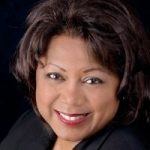 Roz Lewis is President & CEO – Greater Women’s Business Council (GWBC®), a regional partner organization of the Women’s Business Enterprise National Council (WBENC) and a member of the WBENC Board of Directors.
Previous career roles at Delta Air Lines included Flight Attendant, In-Flight Supervisor and Program Manager, Corporate Supplier Diversity.
During her career she has received numerous awards and accolades. Most notable: Atlanta Business Chronicle’s 2018 Diversity & Inclusion award; 2017 inducted into the WBE Hall of Fame by the American Institute of Diversity and Commerce and 2010 – Women Out Front Award from Georgia Tech University.
She has written and been featured in articles on GWBC® and supplier diversity for Forbes Magazine SE, Minority Business Enterprise, The Atlanta Tribune, WE- USA, Minorities and Women in Business magazines. Her quotes are published in The Girls Guide to Building a Million Dollar Business book by Susan Wilson Solovic and Guide Coaching by Ellen M. Dotts, Monique A. Honaman and Stacy L. Sollenberger. Recently, she appeared on Atlanta Business Chronicle’s BIZ on 11Alive, WXIA to talk about the importance of mentoring for women.
In 2010, Lewis was invited to the White House for Council on Women and Girls Entrepreneur Conference for the announcement of the Small Business Administration (SBA) new Women Owned Small Business Rule approved by Congress. In 2014, she was invited to the White House to participate in sessions on small business priorities and the Affordable Care Act.
Roz Lewis received her BS degree from Florida International University, Miami, FL and has the following training/certifications: Certified Purchasing Managers (CPM); Certified Professional in Supplier Diversity (CPSD), Institute for Supply Management (ISM)of Supplier Diversity and Procurement: Diversity Leadership Academy of Atlanta (DLAA), Negotiations, Supply Management Strategies and Analytical Purchasing.
Connect with Roz on LinkedIn.
About GWBC
The Greater Women’s Business Council (GWBC®) is at the forefront of redefining women business enterprises (WBEs). An increasing focus on supplier diversity means major corporations are viewing our WBEs as innovative, flexible and competitive solutions. The number of women-owned businesses is rising to reflect an increasingly diverse consumer base of women making a majority of buying decision for herself, her family and her business. 
GWBC® has partnered with dozens of major companies who are committed to providing a sustainable foundation through our guiding principles to bring education, training and the standardization of national certification to women businesses in Georgia, North Carolina and South Carolina.