Business RadioX ®

  • Home
  • Business RadioX ® Communities
    • Southeast
      • Alabama
        • Birmingham
      • Florida
        • Orlando
        • Pensacola
        • South Florida
        • Tampa
        • Tallahassee
      • Georgia
        • Atlanta
        • Cherokee
        • Forsyth
        • Greater Perimeter
        • Gwinnett
        • North Fulton
        • North Georgia
        • Northeast Georgia
        • Rome
        • Savannah
      • Louisiana
        • New Orleans
      • North Carolina
        • Charlotte
        • Raleigh
      • Tennessee
        • Chattanooga
        • Nashville
      • Virginia
        • Richmond
    • South Central
      • Arkansas
        • Northwest Arkansas
    • Midwest
      • Illinois
        • Chicago
      • Michigan
        • Detroit
      • Minnesota
        • Minneapolis St. Paul
      • Missouri
        • St. Louis
      • Ohio
        • Cleveland
        • Columbus
        • Dayton
    • Southwest
      • Arizona
        • Phoenix
        • Tucson
        • Valley
      • Texas
        • Austin
        • Dallas
        • Houston
    • West
      • California
        • Bay Area
        • LA
        • Pasadena
      • Colorado
        • Denver
      • Hawaii
        • Oahu
  • FAQs
  • About Us
    • Our Mission
    • Our Audience
    • Why It Works
    • What People Are Saying
    • BRX in the News
  • Resources
    • BRX Pro Tips
    • B2B Marketing: The 4Rs
    • High Velocity Selling Habits
    • Why Most B2B Media Strategies Fail
    • 9 Reasons To Sponsor A Business RadioX ® Show
  • Partner With Us
  • Veteran Business RadioX ®

Inspiring Women, Episode 19: Stop Networking and Start Connecting (An Interview with Frank Agin)

March 10, 2020 by John Ray

Frank Agin
Inspiring Women PodCast with Betty Collins
Inspiring Women, Episode 19: Stop Networking and Start Connecting (An Interview with Frank Agin)
Loading
00:00 /
RSS Feed
Share
Link
Embed

Download file

Frank Agin
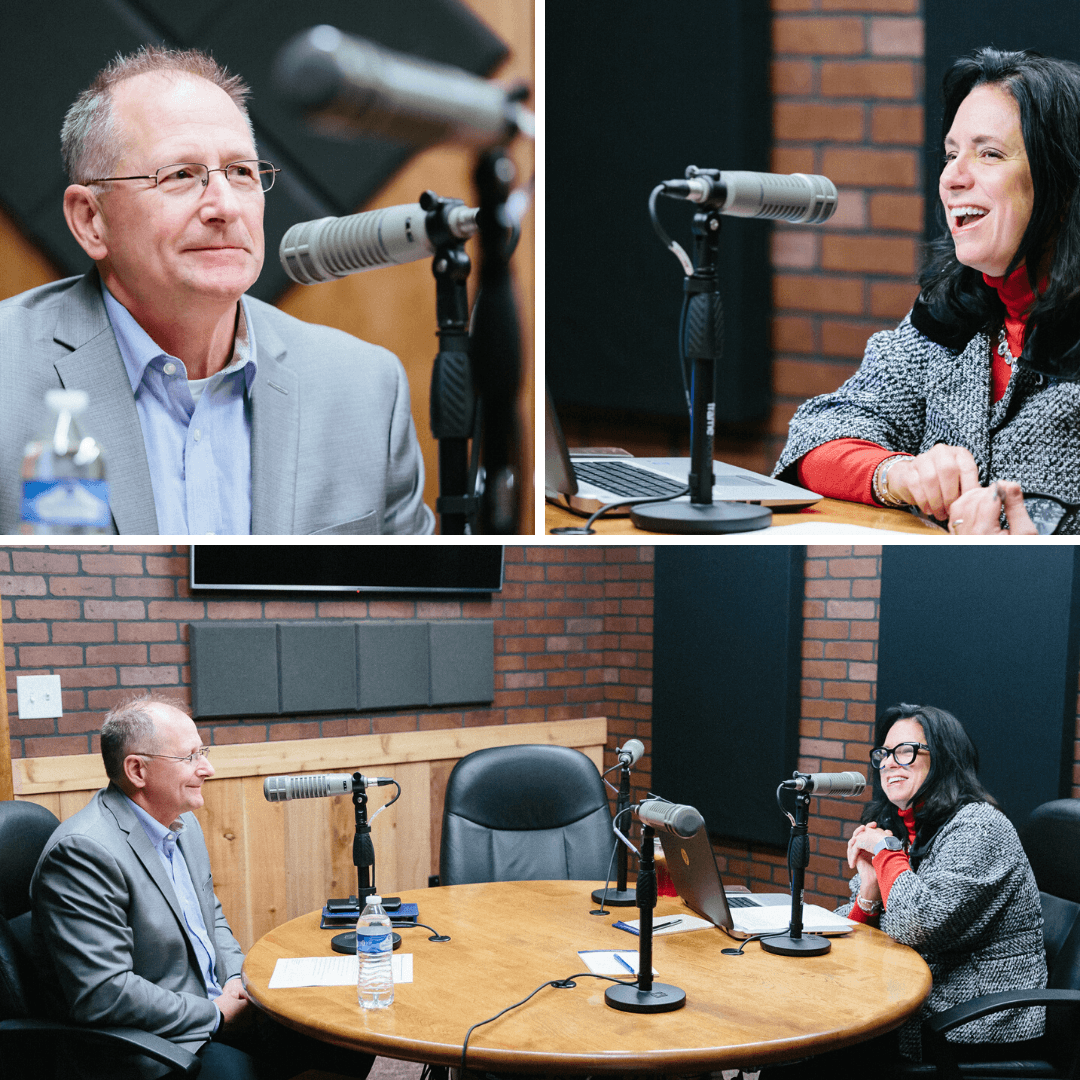
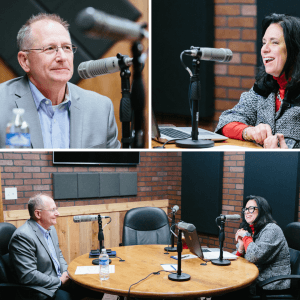
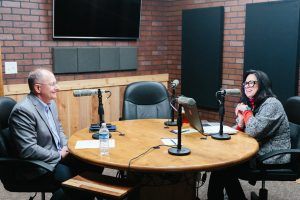
“Inspiring Women” Host Betty Collins, CPA, and Frank Agin

Stop Networking and Start Connecting

In this edition of “Inspiring Women,” host Betty Collins encourages connecting (knowing people more) over networking (knowing more people). The show also includes an interview with master networker Frank Agin.

Betty’s Show Notes

Networking is about knowing more people. Something amazing happens when you network and connection happens. That is the moment of success because . . .connecting is about knowing people more.

What is your goal when you network? When you make connections?

Most connected people are often the most successful. Statistics support that statement. When you invest in your relationships — professional and personal — it can pay you back in dividends throughout the course of your career. The key word was “Investment”. That means you are going to give or put forth effort and resources FIRST, then ROI.

Who is the goal for you in networking and connections?

The what determines the who. Most importantly – figure out who matters. Sometimes you have to network with many to find the few solid connections. Think about the relationships you have right now that started with a person you met one year ago, five years ago, 20 years ago. How you network to make true connections is key.

Frank Agin, the President and Owner of AmSpirit, is just simply the best at networking and connecting. I have learned so much from him over the past 19 plus years. The number one thing I learned? Networking is more about connecting and engagement than to “know” everyone or be known. I am so thankful to have him as a guest on this podcast.

Are you networking, or are you connecting. There is a difference—make sure you know.

Frank Agin, AmSpirit Business Connections

Frank Agin
Frank Agin

Frank Agin is the founder and president of AmSpirit Business Connections, where he works to empower entrepreneurs, sales representatives and professionals around the country to become more successful through networking. In addition, he is a sought after speaker and consultant to companies and organizations on topics related to professional networking and business relationship development.

Frank has written numerous articles on professional networking and is the author of several books, some of which include Foundational Networking: Building Know, Like and Trust to Create a Lifetime of Extraordinary Success, The Champion: Finding the Most Valuable Person In Your Network, and Chase Greatness: Life Lessons Revealed Through Sports. He is also the host of the weekly Networking Rx podcast, which provides insights and advice for becoming more successful through networking as well as the host of the daily micro podcast Networking Rx Minute, which provides short messages of inspiration and recommended action.

Frank has a law degree and MBA from the Ohio State University, a B.A. in Economics and Management from Beloit College, and continues his professional development through a variety of programs and sources.

For further information on Frank or to be in touch, go to his website.

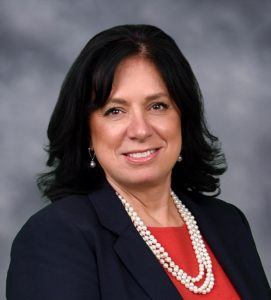
Betty Collins, CPA, Brady Ware & Company and Host of the “Inspiring Women” Podcast

Betty Collins, CPA

Betty Collins is the Office Lead for Brady Ware’s Columbus office and a Shareholder in the firm. Betty joined Brady Ware & Company in 2012 through a merger with Nipps, Brown, Collins & Associates. She started her career in public accounting in 1988. Betty is co-leader of the Long Term Care service team, which helps providers of services to Individuals with Intellectual and Developmental Disabilities and nursing centers establish effective operational models that also maximize available funding. She consults with other small businesses, helping them prosper with advice on general operations management, cash flow optimization, and tax minimization strategies.

In addition, Betty serves on the Board of Directors for Brady Ware and Company. She leads Brady Ware’s Women’s Initiative, a program designed to empower female employees, allowing them to tap into unique resources and unleash their full potential.  Betty helps her colleagues create a work/life balance while inspiring them to set and reach personal and professional goals. The Women’s Initiative promotes women-to-women business relationships for clients and holds an annual conference that supports women business owners, women leaders, and other women who want to succeed. Betty actively participates in women-oriented conferences through speaking engagements and board activity.

Betty is a member of the National Association of Women Business Owners (NAWBO) and she is the President-elect for the Columbus Chapter. Brady Ware also partners with the Women’s Small Business Accelerator (WSBA), an organization designed to help female business owners develop and implement a strong business strategy through education and mentorship, and Betty participates in their mentor match program. She is passionate about WSBA because she believes in their acceleration program and matching women with the right advisors to help them achieve their business ownership goals. Betty supports the WSBA and NAWBO because these organizations deliver resources that help other women-owned and managed businesses thrive.

Betty is a graduate of Mount Vernon Nazarene College, a member of the American Institute of Certified Public Accountants, and a member of the Ohio Society of Certified Public Accountants. Betty is also the Board Chairwoman for the Gahanna Area Chamber of Commerce, and she serves on the Board of the Community Improvement Corporation of Gahanna as Treasurer.

“Inspiring Women” Podcast Series

“Inspiring Women” is THE podcast that advances women toward economic, social and political achievement. The show is hosted by Betty Collins, CPA, and presented by Brady Ware and Company. Brady Ware is committed to empowering women to go their distance in the workplace and at home. Other episodes of “Inspiring Women” can be found here.
Frank Agin

Show Transcript

Betty Collins: [00:00:00] Today, we’re going to talk about a topic called networking, right? Well, I’m going to say stop networking and make connections. What does that mean? Well, networking is really about knowing more people, and connecting is knowing people more. I’m going to just say that again – networking is about knowing more people and connecting is about knowing people more. You need to think about that as we talk today.

Betty Collins: [00:00:29] Networking, some people think bigger is better. How many friends, how many likes, how many business cards, what’s your contacts like? For some businesses, that’s not the worst. You want volume; you want a ton of followers, especially when you’re really transactional. Networking is not always easy for people. It can be pretty awkward and, sometimes, just draining. You’re in entertainment mode way too much. Networking is- it’s often associated with just selling; so, if you don’t think you can sell, you don’t think you can network.

Betty Collins: [00:01:03] There truly is power in having a strong network, especially when you’re in business, and you’re in the marketplace. Something really amazing happens, when you network and connection happens. This is the moment of success because true connections- when you really connect with someone, you’re going to make up a community.

Betty Collins: [00:01:25] When you think of your community that you live in, or maybe the camaraderie of your office place, or maybe the associations we’re in, the ones that are the best are kind of like Mayberry; everybody gets along; everyone is in it together; they want success; there’s relationships; there’s mutual trust; there’s respect, which all has to be earned, but that’s the kind of network, and it becomes an actual connection. When I say stop networking and making connections, that’s kind of what I’m trying to get you to think about.

Betty Collins: [00:02:01] You have to really look at what is the goal for you in networking connections. Is it name recognition? Are you trying to just generate revenue? You get into hanging with the big dogs because you’re a little pup, right? How about you want introductions to certain people, or maybe you want to be at the table? There’s nothing wrong with any of those things, but you have to go, “What is the goal?” Because you could be consumed, out in the marketplace, networking all day long.

Betty Collins: [00:02:32] It’s shown that most people that are connected are generally more successful … Not bigger networks. People who are connected are often more successful. When you invest in your relationships, whether they’re professional or personal, it usually can pay a pretty big dividend back throughout the course of your career, but you have to realize what I just said – investment. That means you have to put the effort; you have to probably give first; and then, you’re going to get some return on that giving.

Betty Collins: [00:03:04] One of the missed goals, when you’re thinking about what is the goal of connecting and networking, is you can develop and improve your skill sets, when you do that, and you’re out in the marketplace, and you’re seeing how other people do things, or challenged by something you just didn’t think about.

Betty Collins: [00:03:23] Another goal, when you’re out networking, and connecting, and making those connections, is you’ve got to probably stay on the top of those latest trends, whether it’s in the market, or in your industry. I was recently at an event where they talked about the different aspects of Columbus and what was going on in the Columbus market. Of course, within probably a couple days, we were announced that we were the number-one place in the country …

Betty Collins: [00:03:48] I was able to just take a few of those tidbits, when I was out talking with people or trying to have conversations with clients. They looked at me like, “How did you know this?” Maybe it was something they didn’t know. Just like when I was at the marketing event, and I didn’t know that.

Betty Collins: [00:04:05] I think another missed goal, when you’re thinking about this whole thing of networking connection, is it keeps a pulse on the job market because you never know when you’re going to need that. I always go back to- I love this one guy who was in … He was a payroll rep for ADP, years, and years ago. He was like a lifer, because he had been there three or four years. I completely relied just on him. One day, he leaves. Now, I had nobody to really … I had no other relationships. I didn’t have any- I was not on the pulse of those connections. So, keeping the pulse on the job market, I look at that as, too, the [contact] market, when you’re trying to connect with people, but most certainly, you meet prospectives, and mentors, and partners.

Betty Collins: [00:04:48] The other thing we miss in goals, sometimes, with networking, and connecting, is your clients can gain access to your network, and then that gives them some necessary resources that will definitely foster a long relationship with them. Again, you have to go, what is the goal? Do you have one? If you don’t, you probably need to really rethink that. What am I doing? As we end the decade, and you go into 2020, what is the goal going to be for me in networking, so that I can make connections?

Betty Collins: [00:05:22] Then, after you determine that – it’s not like it’s a hard exercise, right? – who is the goal for you in networking? Who is the goal that you want to actually have connections with? Of course, the what determines the who, right? So, most importantly, but you have to figure out who matters in your network. I have a fairly large network. It’s always funny when I get happy birthday on LinkedIn. I’m like, “Now, who is this, and why did I accept this relationship? I don’t even know who they are.” You have to figure out, though, who matters in your relationship.

Betty Collins: [00:05:54] I always use this example – if you are servicing small clients, then why are you meeting with bankers who service large clients? Who is important? Who is going to meet your goals with you? Chances are, that probably isn’t, except that you could say, “I met with this big banker,” or “I know this big banker that everyone knows and wants to know.”

Betty Collins: [00:06:16] Now, there are times that you have to network before you find some really solid connections. You might have to meet a lot of people before you do. Think about, now, the relationships you have right now that started with a person, and now you don’t even know that person that connected you. I have plenty of those in my life, where it’s like, man, if I wouldn’t have met so-and-so, I wouldn’t know so-and-so, who introduced me to so-and-so.”

Betty Collins: [00:06:39] So, I don’t want to minimize the fact of liking everybody and connecting with a ton of people because you never know where that’s going to lead you, but it still has to go back … Who is the goal that you are trying to make a real connection with and have community? Also, when you’re thinking about your goal of who that is, it’s not just an external relationship, who your audience should be. I would tell you, very clearly, you need to internally make sure, in your organization …

Betty Collins: [00:07:07] I work for a organization that has 150 people, and I have four offices. I can’t just know the person sitting next to me. I’ve got to know more people in my company, especially as I’m navigating through … Because one day, I just might need people to be helping me with something, or I might want to be growing, and all the sudden, I only know this person.

Betty Collins: [00:07:28] It’s simple things about taking advantage of lunches with those internal people. Welcoming the new people. You might welcome a new person much more than someone else. It’s easier to kind of be with who you know, but you never know who that person is going to be and how they’re going to fit into the mix; into your outside and inside place.

Betty Collins: [00:07:47] I would accept and be part of office invites. It’s interesting when you’re linked to your peers. That’s one way I do with Brady Ware. I’m a link to a lot of the different offices, and then I kind of see what they’re involved with, in Atlanta, or Richmond, Indiana. When you’re thinking about networking and setting connections, you really need to think about the internal ones, not just the external. Maybe you work for five people. It’s a little bit easier. When you work for 150, it’s kind of different.

Betty Collins: [00:08:17] So, how … We talked about what is the goal, and who is the goal, and you’re defining those things. Now, it’s how do you network? How do you make those true connections? I could go to lunch three times a day, year round. Well, I don’t need lunch three times a day … You have to make it well worth your time, because, in my industry, client service is really important in my industry, making sure that the bigger I become with that, I have to really watch how much time I’m out having lunches, versus really making connections. It really comes down to I could eat lunch anywhere, but the connection part is what’s important.

Betty Collins: [00:08:54] I would suggest to you to really look at your calendar. I do it three weeks out, to go, “Why am I meeting with this person? Why is this calendar invite here? Should I even be taking the time to do that? Maybe it’s a better relationship for someone else around me than me,” and you try to do some of that.

Betty Collins: [00:09:12] The other thing is when you’re at an event, you need to look around and determine is this who I want to be around? If you’re at an event where you really don’t fit in; you’re not comfortable; you’re kind of out of the loop; or this isn’t my client; this isn’t my sweet spot; this is not connected to my industry, then you just went to another event that was really cool.

Betty Collins: [00:09:34] So, I just went to an event recently that was very interesting. It was on a Friday, and they made it very clear in the invitation, “Please be casual. This is really going to be just a time of getting to know some people in our network.” What they made sure happened was … First, there was a whole slew of professionals that they use. But the other part they did was the location was awesome. It was at the Italian Club – I think is what it was called – downtown. Cool place. Very cool. The food was easy, but phenomenal. You were carbed out on a Friday afternoon. There was no ‘fold the napkin, use the right fork’ situation. There were no suits on in the room.

Betty Collins: [00:10:14] The greatest thing they did was they brought clients that would really benefit the professionals. Then, they brought professionals that would really benefit the clients. It was really a lunch that was worth going to because there was such connection and there was such synergy. The room was filled with who you wanted to be with. That’s a really important thing, when you’re looking at events, and as you’re signing up to go.

Betty Collins: [00:10:43] I’ve been in public accounting since 1988, so I’ve been in the marketplace a long time, but I didn’t start networking till 2000; 12 years later. I was really good inside. I was really good with running … My firm, at that time, was small. I was good with just being behind my computer, talking with people that I already knew. Then, I became a shareholder. “Oh, you need to go get business.” Oh? I have no clue … Most of you who know me would think, “Oh, well, that would be simple for you. That would be easy for you.” No. There’s very few people, I think, in the marketplace that just love the idea of, “I’m going to go out and get new clients today and make relationships. I’m going to close the deal,” and the art of the deal, and all those things. That’s not usually the comfort level of people.

Betty Collins: [00:11:28] So I did join a group called AmSpirit Business Connections. It was the first time I had to tell people who I was, and what I did, and what I liked, and it was very nerve-wracking. I just was like, “Oh, my goodness!” I had to really think through that, “30-second commercial,” let alone just demonstrate to a group of people that I could take care of their clients. Never had to do that before. Never was out there. Don’t wait 12 years into your career to do that.

Betty Collins: [00:11:56] It took me a few years, too, to be comfortable. It wasn’t all success from day one. I still connect with people from that group. I’m not currently in AmSpirit Business Connections, but Frank Agin, the president and owner of AmSpirit, is just simply the best at networking that I’ve known. I’ve learned a lot from him over the last 19-20 years. The number-one thing I learned is more about connecting engagement than “knowing” everyone or to be known. It was really about be engaging and work on your relationship, not get to know everyone as much as you can.

Betty Collins: [00:12:35] I kind of went to the next level, when I joined a local chamber in Gahanna; became very involved. Then, I also got involved with NAWBO. Those two places were places where it became definitely connections. I was connected to it. This became relationships. Gahanna is my community, where I live, so there was a little bit more ownership there. It just really got me out.

Betty Collins: [00:13:00] In that organization, people started asking me to speak or be on panels, which was something I was just terrified of. But that really helped me become connected, and networking, and connected with people. So, it was really kind of a gift, even though, at the time, it was like, “Oh, my goodness!” The more I networked that led to actual connection, I began having, finally, success in the marketplace; in building my business, and connecting my clients to the right people. And just, then, at the end of the day, having a different kind of impact.

Betty Collins: [00:13:32] What were the lessons I learned over that timeframe? Again, I go back to if you serve small clients, why are you networking with bankers who serve large ones? You follow up. You thank the person you met that you really want to have a connection with. If you don’t have more than one meeting, you’re probably not going to make …  It’s not probably going to be a connection, as much as it’s just going to be, “I networked today.” If you got somebody’s business card, and met him once, would you …?  If you got my business card and met me once, would you say, “I’m going to be … I’m going to do accounting with her”? Probably not.

Betty Collins: [00:14:08] Then, I really learned to quit focusing on the sale aspect. You always know when you’re selling too much because people immediately retreat. If you’re perceptive at all, you kind of see it. Then, some connections, you know what? They’re just not meant to be. It’s okay. I’ve gone to some things, where I’m like, “Oh, my gosh, that was awful.” Even when they emailed me back and said, “Can I have an appointment?” sometimes you ignore them, and you delete them. I just know enough, now, who I am going to spend time with and who I’m going to really make a connection with.

Betty Collins: [00:14:41] Tips, to me, that take networking to connection levels, where you’re really making some connections? You’ve got to be yourself. You’ve got to be fairly open. Let me rephrase that – you’ve got to connect … You’ve got to be yourself, and open, but do not be telling your life story the first time you meet somebody. Be infectious, when you’re personable, which is really spreading your influence in a pretty rapid manner, and people are drawn to you. That kind of takes time to develop. If you’re too infectious- again, if you’re too personal, if you’re too much in selling, all those things backfire on you.

Betty Collins: [00:15:19] Be inquisitive. It’s not all about you. Here’s the typical question – “So, who do you work for?” or, “Hey, what do you do?” You could say, “How do you like working for your company?” and, “Well, tell me a little bit more about your company.” Of course, if they say, “I don’t like working there,” then you probably need to move on. “How did you get in this position? What drew you to this field?” Think about a different way to ask some questions, where it’s a little more inquisitive, and it really reflects on them. You could even take it a step further and ask them some advice in their industry; see what they’re made of on their feet like that.

Betty Collins: [00:15:54] Be generous when you’re out there. When I meet someone that I pretty, pretty connect with really well, and I could see a future in that relationship, I try to be generous, and like give them tickets to events. How many events do you have in your life, where you’re trying to get rid of a ticket? I did this with NAWBO lunch. I mean, guests are $20. When there’s a really good event, I try to take a couple people for 20 bucks, and they get to be in a roomful of 100 women. They may not even know who NAWBO is, let alone think they can afford that, or maybe they can’t afford it. You take them. You be generous in that, and they’ll be grateful. They’ll give something back to you, probably; or it’s just another way to make connection with them.

Betty Collins: [00:16:37] I would tell you that speaking, being on panels, or getting people in speaking gigs, or getting them on panels only when they have something really good to say, and they can say it well. Do not recommend somebody that cannot get out there and do it. Trust me, it’s never, never good because the reflection is on you when they really get on front of the stage, and they’re horrible; or they’re on a panel, and they don’t stick to a two-minute response time. But it is a good way to network. That is a way to make connection, where you’re placing people in the right place.

Betty Collins: [00:17:11] Then, think people. Get over positions. Sometimes, it’s, “I want to know the CEO of that company.” Maybe you need to know the children of the CEO in the company, because if you’re the same age as that person, guess what? They could be retiring a lot sooner than you maybe, or not be there as long. Sometimes, getting some younger people in your network, where you’re helping them, and they love your knowledge, and they love what they’re getting from you. They kind of think you’re a big dog, right? If you help them with certain steps in their career, or in their business that has lasting impact, you’re going to have some different generations behind you, as well. It’s a great way to go, plus, it gives you a little energy; gives you a little step, versus hanging out with the old people like us, right?

Betty Collins: [00:17:59] You help them because you know what to do. They have to want the help, but it could end up being a lifetime relationship for you, for sure. As I get older, my clients are selling, so if I don’t have some younger client behind me, to some degree, or younger people surrounding me, or younger connections who are starting to retire, your network could easily shrink pretty quickly. So, think position, yeah, but, really, I would think the person. Think the people.

Betty Collins: [00:18:26] This is one … You all know somebody like this. Stop treating the schmoozing like your busines-card contest collection. Start over with some new goals and think about quality over quantity. I look at that person and think they really are into, “I’ve got this collection of business cards, and I know everyone in town.” And then, you talk to that person in town, and they’re like, “Who are you talking about?” Name droppers; people who are totally about the collection – those are people you probably don’t want to connect with. If you are that person, you need to probably really go back to the who, the what, and say, “Let’s set some new goals with quality over quantity.”

Betty Collins: [00:19:11] Networking or connecting? Networking that leads to good connection … There is a difference, and you need to make sure you know that. You’re either green and growing, or you are ripe and you’re rotting. There is a difference. When you’re out there in the marketplace trying to make connections, and trying to grow, and trying to be different, you have to think differently. Knowing what to do and doing it are not the same thing. So, I would challenge you, today, to change your mindset on networking or connecting.

Betty Collins: [00:00:00] I hope you enjoyed the podcast today on “Stop Networking, Start Connecting.” I did this podcast because I could network and be out and about all day long but have no fruits from it; no results that I like. When I talk about the connection piece, I’m really talking about it’s got to … Networking is not a bad thing. It’s not like you stop that, obviously, but it’s got to make a connection that goes into a relationship.

Betty Collins: [00:00:30] There’s no one who can talk about this better than Frank Agin, who is the president and founder of AmSpirit Business Connections. Over my career, for sure, and through my business journey, Frank has been very influential in my networking and connection abilities. He’s simply the best at it. His organization and all the connections that have led to relationships have been there. So, I welcome you today, Frank, and thank you for taking the time to spend with me today. First, why don’t you just tell about you, the organization – that 30-second commercial thing that we talk about.

Frank Agin: [00:01:03] Sure.

Betty Collins: [00:01:04] It can go longer. It can go longer.

Frank Agin: [00:01:05] Yeah, I used to be an attorney, and I got into a networking organization … I’ll make the long story really short. I got into a networking organization; liked it so much, I bought it. I haven’t practiced law since 2004; it’s been a long time. What we do at AmSpirit Business Connections is we help entrepreneurs, sales reps, and professionals get more referrals through networking. It’s a for-profit membership-based type organization, where they come together with other like-minded individuals on a consistent basis to go through a consistent meeting program to learn about each other, and establish relationships, and exchange referrals.

Betty Collins: [00:01:47] I know I’ve benefited greatly from it. I can remember my first meeting, going back to those days, and I just thought, “I’ve never had to tell anyone a thing about myself, let alone ask anything.” Most people would think that Betty Collins could do this in her sleep; she’s personable, and on and on. It was a huge challenge for me. But, all the sudden, business development became this top, top thing that I had to do. So, it really, truly helped me through those times. I have some of my younger generation now in AmSpirit from Brady Ware, and they’re really enjoying it, for sure. I talk about stop networking and start connecting, but I want you to tell me what you think all that means. Tell me the difference between networking, connection, and leading to relationships.

Frank Agin: [00:02:34] Networking gets a bad rap. It does. People kind of think of networking as the aluminum-siding sales guy, used-car salesmen, or … We’re picking on men here. Perfect show for it, right? It gets a bad rap because people think of it so much as sales. They really kind of align those two. I look at networking this way – networking is a verb. It’s an action. Networking is really about getting out there and being amongst other people. From that, you make connections. People that you learn their names, they learn you, but really, the end game to it all is establishing relationships.

Frank Agin: [00:03:14] We do business with those that we know, we like, and we trust. All things being equal, we do business with those sorts of people. All things being unequal, and the example I always use is insurance … I pay too much … Well, I could pay less for my car insurance. I know I could. I just know I could, but I really like my auto-insurance guy. He’ll go to bat for me. He will do things. I can speak to lots of professionals in my life that I have this relationship with them. I can get it cheaper, but I wouldn’t have the relationship. There’s something about that relationship that just kind of pulls us together. So, it’s really about the relationships.

Betty Collins: [00:03:55] Sure, sure. I have had this same scenario. From the very first AmSpirit group I was in, my car-insurance guy has been there, and my house … I’ve never had a reason to change, and it was just because there was a relationship that was forged. I don’t have a reason to go look for 10 bucks a month or call an 800 number. Generally, who is the successful networker/connector? Who is that? What do they look like?

Frank Agin: [00:04:27] I don’t know about actual look. It’s more actions, and it’s really people who are focused on trying to help others, providing value to the world, providing value to others. In their mind, they ask … We all ask this question- the question we ask when we meet somebody new is, “What’s in it for me?” That’s very primitive. That’s a very primitive question to ask: “Okay, I’ve met this person. What’s in it for me?” Because we’re in a survival mode.

Frank Agin: [00:04:55] But the person who’s successful in networking is able to push beyond that question and ask the second question. The second question is, “What can I do for this person? What can I do for the person I’m meeting?” If you stop and think about it, everybody I encounter, probably about two percent will benefit me. Two percent can be a member of my organization, or a franchisee, or client, however you want to look at it. But 100 percent, I can help somehow, some way. The successful networkers, they’re kind of driven by that. I can tell, when I talk to somebody, it doesn’t take long to find out, by the questions they ask, where their mind is. If it’s constantly, “Hey, what’s in it for me? What’s in it for me?” I know they’re not a good networker. Doesn’t mean they’re a bad person, just that they’re not operating at that networking level.

Betty Collins: [00:05:42] Right. Well, I know that was probably the thing I learned the most is you … Especially when you’re saying, “What am I going to do for this person?” That’s the mindset you have to be in. It can be simple things, such as inviting them to events, or getting them on a panel, or getting them a speaking gig, or any of those type of things. It’s not necessarily leading to business, but you’re helping them get there. It’s not getting me any business because I got someone on a panel. But you just never know where that will lead to, because it’s truly helping them to connect where they need to be, or a place that they could really help your client, and that’s valuable to the client.

Frank Agin: [00:06:23] Right.

Betty Collins: [00:06:23] I just recently had somebody who … I said, “Who’s your …” They’re frustrated all the time with the bank, and I said, “Well, who’s your banker?” They go, “We love the teller.”.

Frank Agin: [00:06:35] Yeah, that’s the problem.

Betty Collins: [00:06:37] I said, “Who’s your banker? You want loans, and you want lines of credit, and you want these things, and you don’t have a banker.” So, I got them connected to a banker, and they have just been so grateful. I didn’t get anything out of that … You’re right in the terms of ‘but it helped my client.’ It definitely helped them. So, what are those common mistakes in networking …? I have those moments where I dread going to networking things because I know who’s going to be there, and I don’t want to deal with that.

Frank Agin: [00:07:07] Right.

Betty Collins: [00:07:07] Help the audience understand – this is probably what you shouldn’t do when you’re trying to network, and connect, and making that relationship really work.

Frank Agin: [00:07:17] Well, I think some of the common mistakes that people run into and probably the reason that keeps people away from networking events is they go in with the mindset of, “Okay, what am I going to try and get out of this?”  What I always say … I call it my cloak of invincibility; when I walk into a networking event, I am there to help people. I’m a superhero. I’m here to help. If you don’t want my help, that’s okay, but very few people are going to reject somebody who’s trying to help them.

Frank Agin: [00:07:45] People get stuck with small talk; don’t know how to make small talk because they’re always so worried about what they have to say. What I tell people is, “Don’t worry about what you have to say. Get them talking. Allow them to talk; explore where they’re coming from.” Then you can just relax and let it come to you. I think people have, with respect to networking, they just- they think it’s got to work according to some preordained schedule, and you just don’t know. You know, in your life, there are things that have come out of the woodwork that you set in motion years ago. I hear that’s a common theme. “I ran into this person at a wedding 10 years ago. Now, they’re finally a client.” That happens.

Betty Collins: [00:08:30] Well, I know I was appreciative for some of those things that I learned early on, when I realy had to get into the business-development world. Now, I’m kind of in a world where I want to have impact more. I say the word ‘legacy’ probably too much because I’m 56 but having connections and relationships where you can really have some impact is huge. It’s not even just about building my business at this point. That’s why it’s so important to just stop the networking thing. Utilize that as a venue to make real connections that end up in lasting relationships. So, wrap it up for me. What is the takeaway, today, to the audience, that you would love to communicate to them?

Frank Agin: [00:09:13] You need to find ways to help other people. One of my many sayings … My kids will roll their eyes if they hear this. One of my many sayings is that everything you get out of life is tied to what you do in life. You just can’t see the string. It’s so true because things will happen, and you don’t know how they were set in motion.

Frank Agin: [00:09:33] You just need to focus on trying to find ways to help other people. I’m not talking about pulling your wallet out of your pocket and giving to charity. I’m talking about being encouraging to others. Introducing to people that don’t know each other is huge. Me being on this show is huge. There’s lots of ways that we can help one another. Just focus on helping one another, and don’t worry how it all pieces together. You just have to kind of trust the process. It does work.

Betty Collins: [00:09:59] Well, I appreciate you being here today, taking the time to be part of my podcast. I will tell you, if you’re an entrepreneur, or a sales rep, a professional, and you would like to generate a greater percentage of your business from referrals, you should consider AmSpirit Business Connection as an option for doing that. If you’d like to become better at building your network and making those connections that end up building relationships, you need to reach out to Frank, via his LinkedIn, or through his website, FrankAgin.com. Agin is A-G-I-N, And it’s all one word. So, FrankAgin.com. I can’t encourage you enough to stop networking. Make connections that build relationships.
Tagged With: connections, effective networking, Frank Agin, Inspiring Women, Inspiring Women podcast, Inspiring Women with Betty Collins, networking

Decision Vision Episode 27: Should Our Company Do More to Support Our Women Employees? – An Interview with Betty Collins, Brady Ware & Company

August 8, 2019 by John Ray

Decision Vision
Decision Vision
Decision Vision Episode 27: Should Our Company Do More to Support Our Women Employees? - An Interview with Betty Collins, Brady Ware & Company
Loading
00:00 /
RSS Feed
Share
Link
Embed

Download file

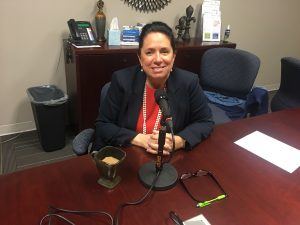
Betty Collins, Brady Ware & Company

Should Our Company Do More to Support Our Women Employees?

What’s the role of the C-suite vs. HR in encouraging women in the workplace? How does the #MeToo Movement change how companies should support their women employees? Betty Collins, a Director with Brady Ware and host of the “Inspiring Women” podcast, answers these questions and more in an interview with Mike Blake, host of “Decision Vision,” presented by Brady Ware & Company.

Betty Collins, CPA, Brady Ware & Company and Host of the “Inspiring Women” Podcast

Betty Collins, Brady Ware & Company and Host of the “Inspiring Women” Podcast Series

Betty Collins is the Office Lead for Brady Ware’s Columbus office and a Shareholder in the firm. Betty joined Brady Ware & Company in 2012 through a merger with Nipps, Brown, Collins & Associates. She started her career in public accounting in 1988. Betty is co-leader of the Long Term Care service team, which helps providers of services to Individuals with Intellectual and Developmental Disabilities and nursing centers establish effective operational models that also maximize available funding. She consults with other small businesses, helping them prosper with advice on general operations management, cash flow optimization, and tax minimization strategies.

In addition, Betty serves on the Board of Directors for Brady Ware and Company. She leads Brady Ware’s Women’s Initiative, a program designed to empower female employees, allowing them to tap into unique resources and unleash their full potential.  Betty helps her colleagues create a work/life balance while inspiring them to set and reach personal and professional goals. The Women’s Initiative promotes women-to-women business relationships for clients and holds an annual conference that supports women business owners, women leaders, and other women who want to succeed. Betty actively participates in women-oriented conferences through speaking engagements and board activity.

Betty is a member of the National Association of Women Business Owners (NAWBO) and she is the President-elect for the Columbus Chapter. Brady Ware also partners with the Women’s Small Business Accelerator (WSBA), an organization designed to help female business owners develop and implement a strong business strategy through education and mentorship, and Betty participates in their mentor match program. She is passionate about WSBA because she believes in their acceleration program and matching women with the right advisors to help them achieve their business ownership goals. Betty supports the WSBA and NAWBO because these organizations deliver resources that help other women-owned and managed businesses thrive.

Betty is a graduate of Mount Vernon Nazarene College, a member of the American Institute of Certified Public Accountants, and a member of the Ohio Society of Certified Public Accountants. Betty is also the Board Chairwoman for the Gahanna Area Chamber of Commerce, and she serves on the Board of the Community Improvement Corporation of Gahanna as Treasurer.

Michael Blake, Brady Ware & Company

Mike Blake, Host of “Decision Vision”

Michael Blake is Host of the “Decision Vision” podcast series and a Director of Brady Ware & Company. Mike specializes in the valuation of intellectual property-driven firms, such as software firms, aerospace firms and professional services firms, most frequently in the capacity as a transaction advisor, helping clients obtain great outcomes from complex transaction opportunities. He is also a specialist in the appraisal of intellectual properties as stand-alone assets, such as software, trade secrets, and patents.

Mike has been a full-time business appraiser for 13 years with public accounting firms, boutique business appraisal firms, and an owner of his own firm. Prior to that, he spent 8 years in venture capital and investment banking, including transactions in the U.S., Israel, Russia, Ukraine, and Belarus.

Brady Ware & Company

Brady Ware & Company is a regional full-service accounting and advisory firm which helps businesses and entrepreneurs make visions a reality. Brady Ware services clients nationally from its offices in Alpharetta, GA; Columbus and Dayton, OH; and Richmond, IN. The firm is growth minded, committed to the regions in which they operate, and most importantly, they make significant investments in their people and service offerings to meet the changing financial needs of those they are privileged to serve. The firm is dedicated to providing results that make a difference for its clients.

Decision Vision Podcast Series

“Decision Vision” is a podcast covering topics and issues facing small business owners and connecting them with solutions from leading experts. This series is presented by Brady Ware & Company. If you are a decision maker for a small business, we’d love to hear from you. Contact us at decisionvision@bradyware.com and make sure to listen to every Thursday to the “Decision Vision” podcast. Past episodes of “Decision Vision” can be found here. “Decision Vision” is produced and broadcast by the North Fulton studio of Business RadioX®.

Visit Brady Ware & Company on social media:

LinkedIn:  https://www.linkedin.com/company/brady-ware/

Facebook: https://www.facebook.com/bradywareCPAs/

Twitter: https://twitter.com/BradyWare

Instagram: https://www.instagram.com/bradywarecompany/

Show Transcript

Intro: [00:00:01] Welcome to Decision Vision, a podcast series focusing on critical business decisions brought to you by Brady Ware & Company. Brady Ware is a regional, full-service, accounting and advisory firm that helps businesses and entrepreneurs make visions a reality.

Michael Blake: [00:00:20] And welcome to Decision Vision, a podcast giving you, the listener, clear vision to make great decisions. In each episode, we discuss the process of decision making on a different topic. Rather than making recommendations because everyone’s circumstances are different, we talk to subject matter experts about how they would recommend thinking about that decision.

Michael Blake: [00:00:37] My name is Mike Blake, and I’m your host for today’s program. I’m a Director at Brady Ware & Company, a full-service accounting firm based in Dayton, Ohio, with offices in Dayton; Columbus, Ohio; Richmond, Indiana; and Alpharetta, Georgia, which is where we are recording today. Brady Ware is sponsoring this podcast. If you like this podcast, please subscribe on your favorite podcast aggregator, and please also consider leaving a review of the podcast as well.

Michael Blake: [00:01:00] So, today’s topic is, should I implement a women’s career support program at my company? And whether or not you sort of follow, engage with, identify with the #MeToo Movement, this is an issue that goes well beyond the increased awareness that that movement has generated over the last couple of years. I’m not going to debate that on this show, but it’s been long known through all kinds of empirical research that companies that embrace diversity of all kinds, but particularly gender diversity, do well. They outperform in terms of retention. They outperform in terms of employee engagement. They outperform in terms of company longevity and sustainability. And at the end of the day, they also seem to to make more money.

Michael Blake: [00:01:57] And so, it makes sense that, at least, at a high level, that companies really have a sense of enlightened self-interest, not just a sense of social obligation, to ensure that women are given the opportunity, the platform, to accomplish whatever potential they have or whatever goals they have for themselves, and they have a platform on which to thrive.

Michael Blake: [00:02:27] And we’re seeing more and more companies that are doing that. We’re seeing more and more organizations that are supporting that. I believe even the US military now has specific programs about how to help women make sure they reach their full potential as members of the armed services. And I’m not sure anybody would argue that that’s not an important thing to do. I’ve worked for many women in my life. I have had many women work for and with me in my teams, but that doesn’t make me an expert by any stretch of the imagination. So, instead, I’ve decided to bring on our in-house expert, and that is Betty Collins, Brady Ware up in our Columbus, Ohio office.

Michael Blake: [00:03:12] Betty is the co-leader of the long-term care service team of Brady Ware, which helps providers of services to individuals with intellectual and developmental disabilities and nursing centers establish effective operational models that also maximize available funding. She consults with other small businesses, helping them prosper with advice and general operations management, cash flow optimization, and tax minimization strategies.

Betty Collins: [00:03:37] In addition, Betty serves on the board of directors for Brady Ware & Company, and she leads Brady Wares Women’s Initiative, a program designed to empower female employees, allowing them to tap into unique resources and unleash their full potential. Betty helps her colleagues create a work/life balance while inspiring them to set and reach personal and professional goals. The Women’s Initiative promotes women-to-women business relationships for clients and holds an annual conference that supports women, business owners, women leaders and other women who want to succeed. She actively participates in women-oriented conferences through speaking engagements and board activities. Betty is also the host of Decision Vision’s sister podcast, Inspiring Women, the podcast that advances women toward economic, social, and political achievement. Betty, thank you so much for being on the program.

Betty Collins: [00:04:27] Great to be here today, Mike. Great introduction. Thank you so much.

Michael Blake: [00:04:31] So, let’s jump into it. There’s so much that we can cover here.

Betty Collins: [00:04:37] Yes.

Michael Blake: [00:04:37] But let’s sort of — let’s level the set. Let’s sort of set some basic vocabulary.

Betty Collins: [00:04:42] Okay.

Michael Blake: [00:04:43] Because not everybody, I think, is really aware of the challenges that women face in the workplace if it doesn’t directly apply to them. So, from your perspective, as a leader and, of course, as a woman in the workforce, what are the most important challenges you see women facing today?

Betty Collins: [00:04:59] Yeah, I think that when I started the Women’s Initiative at Brady Ware in ’14, one of the things I did was we had all the women come to our corporate office, and I, basically, told my story. And what was surprising about that was they actually listened. Five years later, by the way, they’re kind of tired of listening, but they really listen, and you could see a true interest. And I looked at it as this is just how my life evolved, and I was a shareholder, and I was at the table. And they looked at it so differently, and it kind of ignited something in me to say, “I have a responsibility to show them how to get here, even though I think they know.”

Betty Collins: [00:05:39] So, the biggest challenge for women is just navigating the different seasons that they have in life. And it affects, obviously, their career. So, your 20s look nothing like your 30s, your 30s don’t look anything like your 40s. And your 50s are certainly different. I have no idea what 60 looks like because I’m not there. However, women tend to stop at certain seasons because it’s overwhelming, whether it’s younger kids’ years, whether it is financial years that you just have to crank it out, whatever. Those seasons are different, and they tend to give up. They tend to stop, or they go, “This is good enough. I can’t go on.” I had a different way of thinking because I was a single mom, and I wanted to educate my kids. So, I had this drive behind me to keep moving. But most women, they tend to stop, and they’re very, very talented.

Betty Collins: [00:06:32] The second thing is they don’t see a path where they work. So, if you look inside a boardroom, and you see 22 people, and two are women in 20 are men, you think that room is for men. Okay, that room is for shareholders. Shareholders can be either one, but they don’t see that. And then, the other two biggest things I see are confidence. Just the lack of it is phenomenal to me, or it might be confident, but they’re not courageous on top of it to step in. And then, the other challenge — and it doesn’t matter what level you’re at in any of these things, confidence plays a role in it. And then women tend to accept their situation more than ask, and inquire, and challenge the situation. So, I see, though, especially over the last five years, I see those are the things that challenge women, hold them back in their barriers that really, really don’t have them pursue their distance.

Betty Collins: [00:07:36] And so, how do you work with those things? How do you get them to see it? When I came to Brady Ware, there were two shareholders who were women. There are seven now. So, there’s a little more excitement. And there are women, especially younger, those 40s, going, “Maybe I could do this.” There’s a lot more interest in it. And then, we try to work a lot with that confidence factor. So, I see those are the big challenges in the workplace today. It does not have anything to do with talent. It has to do with those things.

Michael Blake: [00:08:04] And seven, if I remember correctly, I mean, that’s about a third, right? We’re somewhere just north of 20 shareholders, right?.

Betty Collins: [00:08:10] We’re 30 — Yes. It’s 30%. And the average for a firm our size is between 21% and 24%. And then, when you have the tier right below directors, we are increasingly — I mean, our executive management team that’s not an owner is probably in the 65% range of women. And so, again, the room for the shareholder. It’s for the risk taker. It’s for the person with a lot of guts, but it’s for both. And whoever can seize it and go should have the opportunity. But those, again, come back to the challenges of women. They’re seeing it now at Brady Ware. They’re seeing it. And that’s a barrier that we’ve kind of eliminated.

Michael Blake: [00:08:56] So, let’s work through that and kind of make a case here. Maybe someone who’s listening to this podcast say, “That’s all great. And, of course, we like women to get as far as they want. But as a shareholder, as a manager, why is it my obligation to reach out and make an extraordinary effort to help women succeed? Why don’t we just sort of keep telling everybody a pull themselves up by their bootstraps?”

Betty Collins: [00:09:23] Right. Well, here’s the reality of the workforce that we now live in, in the business world, okay – and it could be any kind of job – women are outpacing men by sheer, there’s more. And on top of that, they’re outpacing them in education. Like for instance, accountants, well over 50% are women now. It’s not a good old boys’ arena, as everyone says it is, right. But at the leadership, it is. But I mean, overall, over 55% of our workforce are women. So, if you don’t empower them through those seasons, and you don’t get into the challenges that they face as women, you are going to lose the talent. You’re going to lose that 55% because they’re going to stop, or they’re going to go into something else. So, that’s one of the reasons.

Betty Collins: [00:10:18] The other reasons that you should care about it is one in four businesses today are owned by women. And that’s continuing to increase. So, when you are an advisor or a professional in the marketplace — because when the marketplace works, our country works, right? Households are taking care of all those kind of things. Women want to have women help them. So, you want your workforce within to have the skills to navigate women through businesses. It doesn’t mean that men can’t. It doesn’t mean that men are wrong. It’s just there’s different things that we often bring to the table. So, with the fact that over 50% of the workforce, we’re kind of outpacing in education, and businesses are being started more and more by women, the perspective from that woman is a really, really huge deal because men and women just think differently. No one’s wrong. We just think differently, and we execute differently.

Michael Blake: [00:11:17] So-

Betty Collins: [00:11:17] So, those are the things that I — and on top of that, women have just different challenges that men don’t have, and men have challenges that women don’t have. And so, you have to help that workforce along. It empowers them, and it strengthens it.

Michael Blake: [00:11:35] So, now, obviously, you’ve had an interest in this issue for a long time, much longer than two years. But in two years we’ve had something pop up called the Me Too era. And I’m curious now because in my observations that the Me Too era era, I think, has changed, at a minimum, the tone and the tenor of the conversation of women in the workplace.

Betty Collins: [00:11:59] Yes.

Michael Blake: [00:11:59] And it’s led to some strange overreactions. You hear stories about men now that just will not be alone with women in the workplace and will no longer do certain things, but are necessary networking things, which, to me, is kind of curious. But I like to hear your perspective. How is the Me Too conversation kind of flavored this entire thought process, if at all? Or maybe it’s just background noise. I’m curious as to how you see that.

Betty Collins: [00:12:29] I really don’t think it’s background noise. I think, at Brady Ware, the great thing, because we started this initiative in ’14, one thing I hear over and over again is we started a conversation, and it hasn’t stopped. So, so, issues for women, advancement for women, education for women, that has continued since 2014. And so, when the meaty — Excuse me. Listen to me. This movement came, and, now, it’s okay to talk about it. It took some pressure off people, first of all. And so, it has changed in the terms that we were more aware, we watch things, and if we see something that’s bothersome, we don’t just step back and go, “Well, that’s the way it is,” because there’s been some major discovery, and society is on the side of the Me Too Movement. It’s not okay. And now, it can be set a lot harder.

Betty Collins: [00:13:33] But the other side of that is, generally, the guy is the bad guy. So, it can be really detrimental to them when it maybe shouldn’t be. So, I think there’s a lot of — you got to be really careful with it, but I think we need to continue to have the conversation. We will at Brady Ware, and we have had that, because it has to be addressed. It’s not okay. It’s not okay from either side.

Betty Collins: [00:14:02] And so, it’s a touchy one. But I believe it’s background noise. I think that’s not even acceptable now. And people don’t even want — and sometimes, it’s not even okay to joke and laugh about it. It’s not appropriate. So, I think it’s been a good thing in that way. I just don’t want it to go overboard. I don’t want it to dominate everything because women have made a lot of strides and a lot of progress. So, I don’t know if that answers your question, but that’s my take on it.

Michael Blake: [00:14:33] I think it answers the question as well as it could be answered because I would have been surprised if you just said, “Here’s like our hard and fast answer carved in stone, the end.”

Betty Collins: [00:14:43] No. I mean-

Michael Blake: [00:14:43] And the movement is so new that it’s going to take a while for this to play out, right?

Betty Collins: [00:14:49] Right.

Michael Blake: [00:14:49] And you being in Columbus, think of the Ohio State Program, their legendary football coach was involved in some way. I don’t want to characterize him as being collateral because I don’t want to sound like I’m either assigning blame or not assigning blame. But clearly, that’s a position that not long ago would have been considered untouchable, right?

Betty Collins: [00:15:14] Yeah.

Michael Blake: [00:15:14] And then, his career was very quickly brought to an effective end.

Betty Collins: [00:15:20] Yeah. I mean, we have to be careful that like we tend to do this in the United States, I think. Something happens to two people, and we create a law, right. Okay, everyone, step back. So, you don’t want to overdo it because, then, nobody will take it seriously. But you want the issue to be gone. I think there’s just a lot more confidence to address it. And I think that that’s the powerful thing with it.

Betty Collins: [00:15:46] And again, Brady Ware, women will tell you, we started a conversation in ’14. Then, now, we can have them. I think they feel pretty open that they could have them about any kind of thing, including this. And that’s where Women’s Initiative. You get people comfortable, you get people going, “This is a priority,” then, when these type of things come in play, the conversation is easier to have, and it doesn’t get out of hand. You know what I’m saying?

Michael Blake: [00:16:09] Sure.

Betty Collins: [00:16:11] Okay

Michael Blake: [00:16:13] Some people I think, will think of — will look at women’s role in the workplace and providing the right platform for them. And I think, there will be some people who will be tempted to fall back on, “Well, that’s really an HR problem. This is something that the HR managers should be addressing. We don’t need to necessarily be involved with this at the C level. That’s why we have an HR department for.” How would you — I think I know how you’d react to that, but I’d like you to actually do it. How do you react to that?

Betty Collins: [00:16:45] Yeah, I think the HR gets involved at some point if it’s real and if it’s a problem, for sure. But I would challenge women in any company that when you see behavior, it could be that even the woman is not aware of how she’s conducting herself even, right, or putting herself in situations, women should be supporting women saying, “You need to be careful,” okay, or you need to listen to people who have may have been affected by this person.” So, I think that conversation has to be had by women to women. But I also think that women have to — if they want to get rid of a problem, you cannot just sit back and say, “It’s somebody else’s role to take care of this issue.” Women should support women by helping them work through these situations because maybe it won’t escalate into a really bad situation.

Betty Collins: [00:17:41] So, those are my takes on it. I, also, think that men also have to do that for themselves as well, that if they are getting lured into something that they just don’t see it, or maybe they are conducting themselves in a way that’s just inappropriate, and it’s just not okay. So, I think there has to be some of that as well. And I think it’s more acceptable to talk about it now.

Michael Blake: [00:18:08] Yeah, I think so, too. And to that point, I think, the other part, the other ingredient besides conversation, I think is also introspection. And you mentioned that 25% of businesses are women-owned, which means the other 75% are owned by folks with the XY chromosome. So, for somebody then who’s in that position, and maybe we’re starting to kind of make an impact, and thinking, “Well, geez, I really ought to be paying more attention to this,” how would you sort of advise someone to start kind of a self-examination as to whether they or their organization may have a gender bias? Is it as simple as how many women work in the organization, or how many women have been promoted, or pay gap, or is there something deeper that needs to be looked at for it to be effective?

Betty Collins: [00:18:58] Yeah, I think you always have to look at, “We have an organization that is successful, and we’re going to maintain its success. In order to do that, we’re going to have the best talent that we have. We’re going to go get the best talent always.” But women tend to hire women, and men tend to hire men. I mean, you just — and this is an example of I kind of found myself a while ago in a hiring situation. I really like somebody. I wanted to bring them in. And I had almost all women interview the person. And, of course, she was a woman. And it was like, “Why didn’t I include any men in that?” And somebody brought it to my attention, “Why was there no men involved with the hire?”

Betty Collins: [00:19:49] I don’t think I meant to do it that way. I don’t think it was intentional. But I look at that as, really, I was just bias to utilize all women. Why did I think like that? And that’s what you have in these situations to look at. It wasn’t that I was not willing to hire and get a guy. It wasn’t that I didn’t think guys knew enough about this woman. It just that’s how I navigated, okay. So, is that bias or is that not? But all women were involved in the process.

Betty Collins: [00:20:18] So, I think you have to, sometimes, step back also and get an outside perspective versus trying to do it internally. I’m a big fan of that. I don’t go around talking about the dirty laundry of Brady Ware. I don’t go around talking about, “Here’s what our company does.” But I will go to very, very successful people and say, “What do you think of this? Did I do the right thing?” And give them a circumstance or give them a scenario. They don’t know. They’re not biased. They don’t have any — they’ve nothing to lose in the game whether they pick one side or the other. And so, I think that’s a way you kind of identify those things sometimes. And then, when you see that women are only doing things with women or, “Hey, we’re going to hire all women. We don’t want any men here,” or, “We’re always going to pick women to do these things,” I think you kind of call it out and go, “Why isn’t this an all-inclusive group?” or “Did we pick the right talent? Who’s the right talent to do this?” Does that make sense what I’m saying?

Michael Blake: [00:21:21] Well, yeah, it does. And I think it highlights kind of the insidious nature of biases. It’s very hard, I think, in the moment, to detect it, right?

Betty Collins: [00:21:33] Yeah.

Michael Blake: [00:21:33] You almost have to be thinking about it all the time. And I think, frankly, that’s why there’s so much cannily resistance to this awareness. And even the Me Too Movement, I don’t necessarily think it’s because there are all these men out there that want to do evil things. But it is that it’s another mental thing that you have to have on your plate. And frankly, it’s exhausting to have to think about that all the time. Personally, the way I get through that is, well, if it’s exhausting to me, what must it be like to be on the other side of that table where you’re confronted with it all the time?

Betty Collins: [00:22:14] I was really glad that the person who saw me doing all of this person to hire them said something because I really didn’t see myself doing that.

Michael Blake: [00:22:25] Sure.

Betty Collins: [00:22:25] I didn’t. And so, sometimes, when you’re seeing that bias, you got to be careful how you do things. You got to be a professional. You can’t be constantly harping on something, right. When you see it, I think you need to call it out and do it in a way that is respectful. So, this person wasn’t on me. They just asked a simple question.

Michael Blake: [00:22:46] Yeah. Well, I look at it. And look, there are some people who who were listening to that anecdote, and they were jumping for joy, right.

Betty Collins: [00:22:54] Yeah, right.

Michael Blake: [00:22:55] There’s somebody who has sort of maybe a harder line, for lack of a better term, view of the entire question. And they’re thinking, “Yeah, you go. Make sure there’s nothing but women,” right?

Betty Collins: [00:23:07] Right.

Michael Blake: [00:23:07] And there’s even a perverse incentive in that direction that you got to be aware of. And it highlights sort of how multilayered the entire conversation is. It’s just so much more than just hiring women and paying them the same.

Betty Collins: [00:23:24] Right, right, I agree.

Michael Blake: [00:23:26] So, you’ve been involved with the Women’s Initiative for how long?

Betty Collins: [00:23:31] Since 2014. I was really the one who started it.

Michael Blake: [00:23:34] Okay, cool. So, five years. So, all five years.

Betty Collins: [00:23:36] Yes.

Michael Blake: [00:23:38] Is there a story? We’re not going to ask you to hang out dirty laundry, but I am going to ask you to put out some clean laundry.

Betty Collins: [00:23:43] Yeah, okay.

Michael Blake: [00:23:44] Is there a favorite kind of success story that the firm has had with the initiative that you could share with us?

Betty Collins: [00:23:52] Yeah. There’s two. I’ll give you two. One was when we first did this, this is when I knew this was really the right thing to do. And we had an intern who came to work for us. And she was fairly quiet and in a way. And she was definitely CPA type of personality, that kind of thing. But she came to the first Women’s Initiative. When I kind of challenged her and said, “What do you want it to be? Because this is really for you.” And so, I said, “I need someone from each office to kind of represent that office that where to start digging in and figuring out how we want to do this.” And she called me on the way home and said, “Has anybody taken the position to do this in Columbus?” And I said, “No, I’d love for you to do this.” And she was the youngest, which I didn’t think about that happening, right.

Betty Collins: [00:24:43] And she’d just — the Women’s Initiative helped her develop. I mean, she did things that were just unimaginably. She got on a committee yet at NAWBO, a group that we joined, where she was in sales and helping with guests’ retention. And I mean, it was phenomenal to me. And then, she ended up being a great networker, loved going to events. She went to them on her own without even sponsoring them. I just saw her come alive. She passed the test. She kind of stood up to some things in her life. And she isn’t with us any longer, but she was such an example of it really developed her in an early age. I wish I would have had somebody showing me that when I was her age. So, that’s always one of my favorite stories, even though she’s not here. I know she went out of here really confident, amazing young woman.

Betty Collins: [00:25:34] The other one is my tax manager, [Ronnie Orbit]. She grew up in Puerto Rico, and she has been part of the movement with Brady Ware. She, when Puerto Rico had two hurricanes within a week, about seven days, and the second one just — I mean, ruin the island as we all know.

Michael Blake: [00:25:57] It just wiped it out.

Betty Collins: [00:25:58] Wiped it out. And she went to a school in Puerto Rico for girls, and that school got wiped out. And they were able to do a lot of the cleanup, but the problem was nobody could get to their parents. So, we can’t afford it. We can’t work right now because everything’s a mess. And it just really got her. So, she came to me and said, “Can we do a breakfast and raise money?” And she pictured us all. So, I said, “Look, I’ll buy breakfast food, and I’ll pay for the food, and then everybody can pay 10 bucks, and we’ll do it.” We’ve got an office of 26 people.

Betty Collins: [00:26:29] But long story short, all four offices got involved with that. And her daughter got involved with it because she goes to a school for girls in the States, and she got her school to raise money. And so, they went down on Thanksgiving and took $10,500. And it was like raised in a couple weeks. Everyone just jumped in. She felt empowered. She felt like, “I have this Women’s Initiative. I’ve got these school for the girls.” And now, the school is our sister schools, the one in the US and one in Puerto Rico. And it was just a huge encouragement to them. but it was like a really cool thing that we got to do here. So, that’s one of my definite favorite stories.

Betty Collins: [00:27:12] And last one, I know I could give you a ton. We celebrate International Women’s Day. And the first year we did it, I went out to find the theme of the year, and I didn’t know that much about it really. It was all on persistence. And so, I had the women of Brady Ware give a chance to write, who is that persistent woman in their life? And man, did we have just, probably, 20 just beautiful stories of women that were persistent that were effective and impactful to them. So, those were just a couple of the — I’m going to call the rah-rah moments of the women’s initiative, for sure. And probably that we’ve seen two shareholders go to seven. That’s been a pretty big deal.

Michael Blake: [00:27:52] So, in addition then to the women’s initiative, now, Brady Ware, with your leadership, puts on the Women’s Leadership Conference.

Betty Collins: [00:28:01] Yes.

Michael Blake: [00:28:02] What kind of impact have you seen with that?

Betty Collins: [00:28:05] Well, it was really funny because we started that conference in ’15. That year, we had 135 people come. We had Jane Grote Abell, who is the Chairwoman of Donato’s come in to speak. We ate pizza that day. And it was just this two, maybe three-hour thing. And we just thought we were all that. It was really inspirational. And I said we need to do this at a bigger scale. But I’ve got a day job, and I can’t just plan events all year.

Betty Collins: [00:28:31] And so, I got connected with someone in town who has a great women’s organization. They jumped in with us. And then, they’re a non-profit. So, they get to kind of keep the profit from the conference. Then, we had another one join us as well. Some of these great partnerships. Brady Ware, the WNBA and NAWBO. And this year, we sold out at 350 national speakers power breakfast panel of just big women in Columbus, breakout sessions where we had 70 people apply to even be at the breakout. We only needed 8 breakout because we had to choose from 70.

Betty Collins: [00:29:07] And the day is energetic. I mean, it’s not just rah, it’s rah-rah stuff. It’s education. It’s advancement. You’re networking. You have peers. And, really, what it’s done is create kind of this community. It’s a very known conference. And we just built a great brand with it. And the impact of it to me will be, hopefully, that it will just be this major, major thing that happened in a way that people just know it, and they go in, and we will build on it every year. But it’s very, very good for women. And we have men go to that as well. So, it’s a very amazing event. I never pictured it turning into what it has, but I’m grateful that it has.

Michael Blake: [00:29:51] So, we’ll have to convince you to do that in Atlanta one year. We sure could use it.

Betty Collins: [00:29:56] I would love to do it there. And I’ve told them, I said, “You guys have to get some groups in town that can pull all the talent in,” because that’s the key to this because Brady Ware can easily do it, host it, sponsor it, and be the emcee. But getting your women’s groups in town to come together for a day, you’ve made impact and done something pretty phenomenal.

Michael Blake: [00:30:20] So, other people listening to this program maybe thinking about they want to, again, make sure that their companies are good platforms for women to thrive and reach whatever potential they have or feel that they have. Do you think they need to go so far as to have their own women’s initiatives and put on their own conferences, or can they stop short of that and still get a lot of the same impact?

Betty Collins: [00:30:49] Yeah, I think the most effective thing to do is pull the women together in your company and find out, survey them, find out what their challenges are. Find out what their barriers are. Find out what holds them back. Find out what tires them and keeps them up at night. So, you had to kind of start there to kind of go, “What is it that we could do to energize this force?”

Betty Collins: [00:31:18] And once you kind of find out maybe what they would like to be getting out of a women’s initiative, because everybody can do it differently. You don’t need to do a big conference. That was just kind of something I wanted to do for my community. But once you find that out, the top leadership, and I’ve had really, really amazing leadership in Brady Ware who support this, you have to go to them and get buy in. You’ve got to pour the Kool-Aid, and they’ve got to drink it. I’ve never had that issue at Brady Ware. They have always just, “What do you want to do, Betty? How do you want to do it?” So, the top CEOs, to the board of directors, to our shareholders, got behind it and said, “Go for it.” And then, they just let me go. But the women of Brady Ware really have created a lot of why we do what we do.

Betty Collins: [00:32:08] And so, for me, you don’t need a large company. You don’t need a ton of resources. It’s as simple as a book club at lunch. It’s as simple as finding something in town where you can go and hear women speakers, get perspective, and then you build on it. Because we all have day jobs, we all have stuff that we have to do. And by the way, it costs money to do it in terms of people’s time and how much you’re going to be committed to it, but I cannot emphasize enough the energy you will get from the women that will get in there and go with you. And we have that at Brady Ware. We have some phenomenal — you should always, by the way, do this for all of your employees. You always want to motivate them, right. So, I think those are some of the things you do initially. And then, you make sure there’s good role models around those women developing them.

Michael Blake: [00:32:58] As you’ve — actually, I want to ask one more question before I ask them the next one I had on the list-

Betty Collins: [00:33:04] Yes, okay.

Michael Blake: [00:33:04] … which is, I think. that the — some people look at women’s initiatives, they look at women’s groups, and I think, in my view, wrongly, right. But they think that it’s basically sort of an offshoot of Gloria Steinem and-

Betty Collins: [00:33:20] Sure.

Michael Blake: [00:33:20] … wonder if it’s really just sort of a guys for “radical feminism,” whatever it is that means but-

Betty Collins: [00:33:26] True.

Michael Blake: [00:33:26] … my understanding with most groups like this, I mean, not it’s not just a place where women just get together and hate men for a couple hours, is it?

Betty Collins: [00:33:38] Oh, heavens, no. I wouldn’t want to do it. I mean, people will say to me, “Well, you’re a feminist.” I’m like, “I don’t think of myself that way,” because when I think of a feminist, I think of this angry woman, or this angry group, or whatever. And I will tell you that there was a lot of fighting before me that had to be done. I mean, in 1988, until they passed law under Ronald Reagan, you could not get a loan as a businesswoman without your husband’s signature. 1988, okay.

Michael Blake: [00:34:06] Really?

Betty Collins: [00:34:08] Yes.

Michael Blake: [00:34:08] That’s astonishing.

Betty Collins: [00:34:10] It is astonishing. And so, there were things that had to really be pushed and fought for. And so, when I go to NAWBO, and go to lunch, or I go to a conference, or I partner with them, it’s not about, What’s the next fight?” In my mind, it’s about, “Thank you for the history. Thank you for trailblazing. And we’re going to honor you by seizing opportunity that we have today.” And what is that opportunity, right? I mean, I can be a shareholder at any company I want. I can sign a loan if I want. I can lead if I want. So, take the opportunity that we get to now have because there were people who didn’t fight. There was a time for fighting.

Betty Collins: [00:34:54] Now, the other challenge that I find at these groups, and that I think is we want the next generation to look at us and go, “Man, did they do an amazing job. And look what we get to do because they did this for us,” right, which is creating companies, which is starting 25% of the companies that are running today, et cetera. So, the women’s groups are not that. I mean, if they are like that, I don’t want anything to do with it. I don’t need to fight those fights. And I’ve had tremendous men in my life who have been great mentors. We have great men in this company, Brady Ware, that run it. And so, they’re not my enemy. They’re my shareholder. And it’s just, do I want the opportunity? And I have it. And I should be allowed to seize it if I’m good.

Betty Collins: [00:35:43] And so, that’s what those groups need to be about. So, like NAWBO is the National Association of Women Business Owners Columbus, and they’re a national group, and they’re the ones that actually got the bill passed under Reagan that you could sign your own business loan. So, that’s kind of their claim to fame. And so, they’re big in advocacy. But really, that group is just about — I mean, this is a supportive group. I consider them my tribe. They’re my team. They help me with the day-to-day stuff of running business and being in business.

Michael Blake: [00:36:13] So, in your involvement in this, are there things that you’ve learned? And I know you’ve probably start this thing that you — you started this thing with you being in the role of a teacher.

Betty Collins: [00:36:25] Yeah.

Michael Blake: [00:36:25] But what are some things that you’ve learned over the last five years?

Betty Collins: [00:36:29] Yeah. I mean, if I would have to go back and peruse that, I think it’s more that women and men are different, their perspectives are different, and they shouldn’t be favored one or the other. I can change how women in Brady Ware pursue a career, and make a career, and I’m an influencer. And I think that’s the biggest thing I learned that when you don’t think you’re an influencer, it goes away because you just stop trying because you’re not making change. It’s tragic.

Michael Blake: [00:37:08] Yeah.

Betty Collins: [00:37:08] So, that’s one of the things I really have taken from it. The other thing I’ve taken from it is that when you show them the path, and they see growth amongst women, the excitement builds, and you get more of them to go, “Maybe I can do this.” And I think I’ve learned that confidence is great. And there are people who have way too much of it, right. But if I can help get them to be confident, but then be courageous, I’ve done my job, I’ve left my legacy.

Betty Collins: [00:37:41] And that, I don’t see those two combinations happening all the time. You can be really confident, and you’re sitting in a meeting – because we’ve sat in shareholder meetings together, Mike – and you’re confident about something; yet, you’re not courageous enough to say what you need to say, right?

Michael Blake: [00:37:54] Yeah.

Betty Collins: [00:37:55] So, those are some of the things I’ve learned, confidence and courageous don’t generally go together. Sometimes, they do. And then, seeing the path. And then, you can have impact and influence, and you should use that it to the best.

Michael Blake: [00:38:10] So, if I’m listening to this podcast right now, and I’m thinking, “We probably need to do more to make our company a better platform for women’s success,” what are a few things that, today, this weekend, I should start thinking about if I’m a business owner or a business leader to focus in on initially?

Betty Collins: [00:38:37] Yeah. I would focus and just look at my workforce that I have right now and look at, “Am I missing my talent?” And if I am, or I have women coming and going, or even men coming and going, or I’m not seeing that that woman really is more than she is, and she’s not doing it, I think you need to step back and say, “I want to change that. I want to change that.”

Betty Collins: [00:39:08] Gary Brown and I have been business partners since 1995 or 2000, actually. He came to the firm in ’95. I became a partner with him in 2000. And one of the things he said to me was, “You act like an owner. Why aren’t you one?” And I said, “Well, I don’t want to be a CPA, and I don’t want to do these things.” And he said, “But you are already doing them. And how can I challenge you to do this? Because you’re going to regret it if you don’t.”

Betty Collins: [00:39:38] I am so grateful that he did that. So, he just saw it. He just saw it from a distance and went, “That’s somebody that it’s going to — it would be really tragic if we lost her. It would be really tragic if she didn’t seize her moment.” And I think that’s the first thing you really look at your organization and ask that.

Betty Collins: [00:40:00] The second thing I would tell you, if you’re an owner, and you’re a woman, or you’re a man, but if you’re a woman, specifically, and you’re just surrounded by more men than women, and sometimes you just would like to have more of a peer group that is relatable, you need to start checking out what’s in town that you can go find that from. I mean, I would suggest that.

Betty Collins: [00:40:21] And then, the other thing I would tell you is, for instance, I do this with the AICPA, which is our organization for accountants. I go on their website because this is my industry, right. I Google them to find what are they doing about gender? What are they doing about women in the workplace? What are they doing to keep their workforce energized? And they have some great information. And I look at that. And, sometimes, I’m going, “Man, we’re doing this Women’s Initiative right according to the AICPA. Let’s put it that way.”

Betty Collins: [00:40:50] So, those are things I would suggest initially just getting your head around. And then, find someone who’s done it and say, “Help me get something started. I got a day job. I’m really busy, but I’d like to get this started. What are the steps?” Those are things I would tell you.

Michael Blake: [00:41:06] All right, So, we’re coming to the end of our time here, but I want to make sure we get one more thing in because you’ve actually been doing your podcast longer than we’ve been doing Decision Vision. So, could you talk about that podcast for a few minutes? What you’re talking about, why you’re doing it, why you’re so dedicated to it.

Betty Collins: [00:41:28] Well, I get quite a bit of opportunities to speak. And then, I also do things with the Women’s Initiative and Brady Ware. So, if we have, sometimes, quarterly lunches, or we have our internal day, and so I come up with things to talk about. And so, in doing that, and writing PowerPoints, and I always leave energized when I go speak and talk about the subject. So, someone said to me, “You could do a podcast on these things. You’re a good storyteller,” which I just don’t see it, Mike, but you can hold me up on that.

Michael Blake: [00:42:04] You are.

Betty Collins: [00:42:04] But, okay, thank you. So, I try-.

Michael Blake: [00:42:07] I got mansplain to you and say that you’re a good storyteller.

Betty Collins: [00:42:11] Okay, perfect, perfect. So, I thought. And she said, “I really think you could do this. And I think people would really get something out of it.” So, I said, “Well, let me think about it.” So, she and I got back together, and she said, “Here’s how you do this. We’re going write up 12 topics, and you need to think about things that since you’ve been in this Women’s Initiative, you’re in women’s groups, you’re around women a lot, what are their challenges?” And I mean, I wrote down twelve things like immediately. I just know these are the things that women deal with.

Betty Collins: [00:42:43] And then, we came up with a kind of system in order. And then, I said, “Okay.” And then, I went ahead and started doing them. And I just get a lot of good feedback from people. So, it kind of motivates you with it. I’m not a big name in town. I’m not famous. So, it’s not like when Will Ferrell puts out a podcast, everyone listens to, right? And he’s a funny one. So, I didn’t know if it would take off or it would go, but it has impact to the people that listen to it. And so, that’s the motivating factor that I do it.

Betty Collins: [00:43:17] And it’s really on women’s issues that I know in my little world of Brady Ware, and NAWBO, and the WSBA. These are what women go through. And then, when you start Googling these subject matters, oh my goodness, it’s just layers of it. Layers of it everywhere. So, these are topics that apply to the everyday person. But I have a lot of male listeners. So, it’s not like it’s just for women. I have a lot of men that compliment it, so.

Michael Blake: [00:43:44] No, I’m not surprised. I mean, in my career, for whatever reason, many more women have reported to me than men. And I don’t know why, but that’s just sort of the way that has sort of shaken out. And as somebody who wants to get the most out of those people and, hopefully, also be a running platform, listening to podcasts like yours, and just learning how to think from the other side of the table, and look at it through the viewpoint of women, I think, is extremely useful. In fact, to me, I don’t think I can effectively lead or manage women without, at least, making an effort to kind of learn that language and be on that side of the discussion.

Betty Collins: [00:44:32] Right, right. Because they’re just not going to respond. Again, they think differently. And they do things differently. How they execute is different. And I tell women all the time, it’s okay to kind of leverage your uniqueness and your perspective. But if you think you’re funny, and nobody’s laughing in the room, you probably need to step back and say, “Okay, if I’m going to be heard, I have to know my audience. I have to know the people around me, so that I can get engagement.” And that’s what you’re really saying.

Michael Blake: [00:45:05] Yeah.

Betty Collins: [00:45:05] We have to learn how to do that.

Michael Blake: [00:45:07] The only time crickets are good sound is if you’re collecting them to go fly fishing the next day. That’s the only time.

Betty Collins: [00:45:11] There you go. There you go.

Michael Blake: [00:45:14] All right. Well, this is going to wrap it up here. And Betty, I’ll share with you a secret that that nobody, except for the internet, is going to know. But I had a professional crush on you ever since our first board of director meeting together last October. I mean, just the way that you do this, the leadership, the gravitas you have is just infectious. And I’m proud, as a shareholder of the firm, that you’re doing this for us. And thanks so much for coming on the program to talk about this with us and educate me, as well as our listeners, about what you’re doing, why it’s important, and how we can carry the ball forward.

Betty Collins: [00:45:56] Well, I so appreciate your kind words, and I love it. It really does fuel. It’s the fuel to my fire to be a good CPA, an advisor, and to — I mean, I’m energized by the marketplace. And when we’re successful in the marketplace, the country is successful, communities are successful. And so, it keeps me going because it’s something that’s fun because counting can be highly overrated, right.

Michael Blake: [00:46:24] So, I’ve heard.

Betty Collins: [00:46:25] I appreciate your kind word. Yes. Well, thank you for having me.

Michael Blake: [00:46:30] All right. So, that’s going to wrap it up for today’s program. I’d like to, once again, thank Betty Collins so much for joining us and sharing her expertise with us. We’ll be exploring a new topic each week, so please tune in, so that when you’re faced with your next business decision, you have clear vision when making it. If you enjoyed this podcast, please consider leaving a review with your favorite podcast aggregator. It helps people find us, so we can help them. Once again, this is Mike Blake. Our sponsor’s Brady Ware & Company. And this has been the Decision Vision Podcast.

Tagged With: Dayton accounting, Dayton business advisory, Dayton CPA, Dayton CPA firm, Inspiring Women, Inspiring Women with Betty Collins, MeToo, Michael Blake, Mike Blake, NAWBO, NAWBO Columbus Chapter, relationship building, Women in Business

Betty Collins, Brady Ware & Company and the “Inspiring Women” Podcast Series

July 11, 2019 by John Ray

North Fulton Business Radio
Betty Collins, Brady Ware & Company and the "Inspiring Women" Podcast Series
Loading
00:00 /
RSS Feed
Share
Link
Embed

Download file

Betty Collins, CPA, Brady Ware & Company and Host of the “Inspiring Women” Podcast

“North Fulton Business Radio,” Episode 148:  Betty Collins, Brady Ware & Company

Our guest on this edition of “North Fulton Business Radio” is Betty Collins, Brady Ware & Company. Betty is a leader not only within her firm, but in the women’s business community generally. She speaks with host John Ray on reasons why businesses need to have a CPA who can offer advisory services, as well as the unique needs of women business owners. She also talks about her podcast series, “Inspiring Women.”

Betty Collins, CPA, Brady Ware & Company and Host of the “Inspiring Women” Podcast

Betty Collins, Brady Ware & Company and Host of the “Inspiring Women” Podcast Series

Betty Collins is the Office Lead for Brady Ware’s Columbus office and a Shareholder in the firm. Betty joined Brady Ware & Company in 2012 through a merger with Nipps, Brown, Collins & Associates. She started her career in public accounting in 1988. Betty is co-leader of the Long Term Care service team, which helps providers of services to Individuals with Intellectual and Developmental Disabilities and nursing centers establish effective operational models that also maximize available funding. She consults with other small businesses, helping them prosper with advice on general operations management, cash flow optimization, and tax minimization strategies.

In addition, Betty serves on the Board of Directors for Brady Ware and Company. She leads Brady Ware’s Women’s Initiative, a program designed to empower female employees, allowing them to tap into unique resources and unleash their full potential.  Betty helps her colleagues create a work/life balance while inspiring them to set and reach personal and professional goals. The Women’s Initiative promotes women-to-women business relationships for clients and holds an annual conference that supports women business owners, women leaders, and other women who want to succeed. Betty actively participates in women-oriented conferences through speaking engagements and board activity.

Betty is a member of the National Association of Women Business Owners (NAWBO) and she is the President-elect for the Columbus Chapter. Brady Ware also partners with the Women’s Small Business Accelerator (WSBA), an organization designed to help female business owners develop and implement a strong business strategy through education and mentorship, and Betty participates in their mentor match program. She is passionate about WSBA because she believes in their acceleration program and matching women with the right advisors to help them achieve their business ownership goals. Betty supports the WSBA and NAWBO because these organizations deliver resources that help other women-owned and managed businesses thrive.

Betty is a graduate of Mount Vernon Nazarene College, a member of the American Institute of Certified Public Accountants, and a member of the Ohio Society of Certified Public Accountants. Betty is also the Board Chairwoman for the Gahanna Area Chamber of Commerce, and she serves on the Board of the Community Improvement Corporation of Gahanna as Treasurer.

“Inspiring Women” Podcast Series

Betty Collins, CPA, Host of “Inspiring Women”

“Inspiring Women” is THE podcast that advances women toward economic, social and political achievement. The show is hosted by Betty Collins, CPA, and presented by Brady Ware and Company. Brady Ware is committed to empowering women to go their distance in the workplace and at home. Past episodes of “Inspiring Women” can be found here.


“North Fulton Business Radio” is broadcast from the North Fulton studio of Business RadioX®, located inside Renasant Bank in Alpharetta. Renasant Bank has humble roots, starting in 1904 as a $100,000 bank in a Lee County, Mississippi, bakery. Since then, Renasant has grown to become one of the Southeast’s strongest financial institutions with approximately $12.9 billion in assets and more than 190 banking, lending, wealth management and financial services offices in Mississippi, Alabama, Tennessee, Georgia and Florida. All of Renasant’s success stems from each of their banker’s commitment to investing in their communities as a way of better understanding the people they serve. At Renasant Bank, they understand you because they work and live alongside you every day.

Tagged With: Dayton accounting, Dayton business advisory, Dayton CPA, Dayton CPA firm, Inspiring Women, Inspiring Women with Betty Collins, NAWBO, NAWBO Columbus Chapter, relationship building, Women in Business

  • « Previous Page
  • 1
  • 2
  • 3

Business RadioX ® Network


Our Most Recent Episode

CONNECT WITH US

  • Email
  • Facebook
  • LinkedIn
  • Twitter
  • YouTube

Our Mission

We help local business leaders get the word out about the important work they’re doing to serve their market, their community, and their profession.

We support and celebrate business by sharing positive business stories that traditional media ignores. Some media leans left. Some media leans right. We lean business.

Sponsor a Show

Build Relationships and Grow Your Business. Click here for more details.

Partner With Us

Discover More Here

Terms and Conditions
Privacy Policy

Connect with us

Want to keep up with the latest in pro-business news across the network? Follow us on social media for the latest stories!
  • Email
  • Facebook
  • Google+
  • LinkedIn
  • Twitter
  • YouTube

Business RadioX® Headquarters
1000 Abernathy Rd. NE
Building 400, Suite L-10
Sandy Springs, GA 30328

© 2025 Business RadioX ® · Rainmaker Platform

BRXStudioCoversLA

Wait! Don’t Miss an Episode of LA Business Radio

BRXStudioCoversDENVER

Wait! Don’t Miss an Episode of Denver Business Radio

BRXStudioCoversPENSACOLA

Wait! Don’t Miss an Episode of Pensacola Business Radio

BRXStudioCoversBIRMINGHAM

Wait! Don’t Miss an Episode of Birmingham Business Radio

BRXStudioCoversTALLAHASSEE

Wait! Don’t Miss an Episode of Tallahassee Business Radio

BRXStudioCoversRALEIGH

Wait! Don’t Miss an Episode of Raleigh Business Radio

BRXStudioCoversRICHMONDNoWhite

Wait! Don’t Miss an Episode of Richmond Business Radio

BRXStudioCoversNASHVILLENoWhite

Wait! Don’t Miss an Episode of Nashville Business Radio

BRXStudioCoversDETROIT

Wait! Don’t Miss an Episode of Detroit Business Radio

BRXStudioCoversSTLOUIS

Wait! Don’t Miss an Episode of St. Louis Business Radio

BRXStudioCoversCOLUMBUS-small

Wait! Don’t Miss an Episode of Columbus Business Radio

Coachthecoach-08-08

Wait! Don’t Miss an Episode of Coach the Coach

BRXStudioCoversBAYAREA

Wait! Don’t Miss an Episode of Bay Area Business Radio

BRXStudioCoversCHICAGO

Wait! Don’t Miss an Episode of Chicago Business Radio

Wait! Don’t Miss an Episode of Atlanta Business Radio