
Business RadioX ®

  • Home
  • Business RadioX ® Communities
    • Southeast
      • Alabama
        • Birmingham
      • Florida
        • Orlando
        • Pensacola
        • South Florida
        • Tampa
        • Tallahassee
      • Georgia
        • Atlanta
        • Cherokee
        • Forsyth
        • Greater Perimeter
        • Gwinnett
        • North Fulton
        • North Georgia
        • Northeast Georgia
        • Rome
        • Savannah
      • Louisiana
        • New Orleans
      • North Carolina
        • Charlotte
        • Raleigh
      • Tennessee
        • Chattanooga
        • Nashville
      • Virginia
        • Richmond
    • South Central
      • Arkansas
        • Northwest Arkansas
    • Midwest
      • Illinois
        • Chicago
      • Michigan
        • Detroit
      • Minnesota
        • Minneapolis St. Paul
      • Missouri
        • St. Louis
      • Ohio
        • Cleveland
        • Columbus
        • Dayton
    • Southwest
      • Arizona
        • Phoenix
        • Tucson
        • Valley
      • Texas
        • Austin
        • Dallas
        • Houston
    • West
      • California
        • Bay Area
        • LA
        • Pasadena
      • Colorado
        • Denver
      • Hawaii
        • Oahu
  • FAQs
  • About Us
    • Our Mission
    • Our Audience
    • Why It Works
    • What People Are Saying
    • BRX in the News
  • Resources
    • BRX Pro Tips
    • B2B Marketing: The 4Rs
    • High Velocity Selling Habits
    • Why Most B2B Media Strategies Fail
    • 9 Reasons To Sponsor A Business RadioX ® Show
  • Partner With Us
  • Veteran Business RadioX ®

Building Community Through Business: A Conversation with Stone Payton

January 29, 2025 by angishields

FF-Stone-Feature
Cherokee Business Radio
Building Community Through Business: A Conversation with Stone Payton
Loading
00:00 /
RSS Feed
Share
Link
Embed

Download file

FF-Building-Community-Banner

FF-Stone-PaytonFor over 30 years, Stone Payton has been helping organizations and the people who lead them drive their business strategies more effectively.

Mr. Payton literally wrote the book on SPEED ® : Never Fry Bacon In The Nude: And Other Lessons From The Quick & The Dead, and has dedicated his career to helping others Produce Better Results In Less Time.

Connect with Stone on LinkedIn, Facebook and Instagram.

Websites:

  • BusinessRadioX.com
  • CherokeeBusinessRadio.com
  • MainStreetWarriors.org
  • ssfreedom.org

Transcript-iconThis transcript is machine transcribed by Sonix


TRANSCRIPT

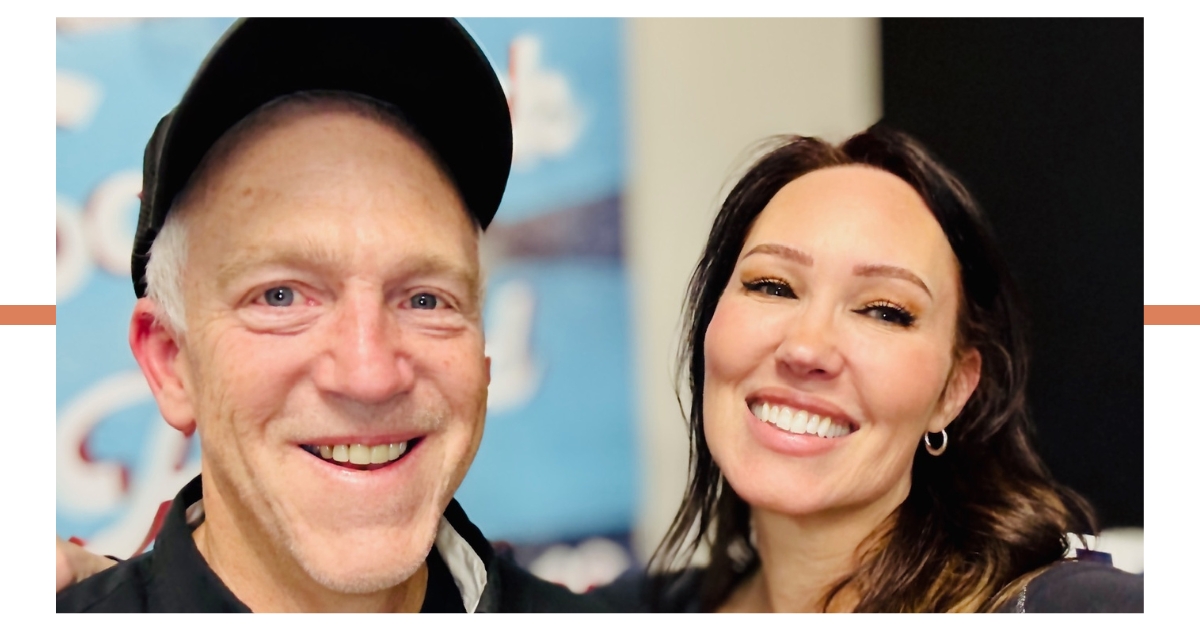
Intro: Broadcasting live from the Business RadioX studios in Woodstock, Georgia. This is fearless formula with Sharon Cline.

Sharon Cline: Welcome to Fearless Formula on Business RadioX, where we talk about the ups and downs of the business world and offer words of wisdom for business success. On a normal day, that’s what we do. But today is not a normal day. Today is a Tuesday where I get to talk about, well, the founder of everything regarding Business RadioX, one of the founders here in Atlanta, but specifically Stone’s studio here in Woodstock, Georgia. This is Stone Payton. Welcome to the show.

Stone Payton: Well thank you. Maybe we should rename it and call it Stone studio instead of Cherokee Business RadioX Stone studio. A little ring to it, doesn’t it? It does.

Sharon Cline: Look at me. I won’t charge you much for that. I’m so glad to talk to you to you today because we haven’t really sat down and discussed, you know, the the progress of Business RadioX and all of the different initiatives that you have right now, as well as the fact that, like, I don’t even get any personal chit chatty time with you like I used to because we’re both so busy.

Stone Payton: Well, especially you, right? It’s hunting season for me. So that’s part of why I’m busy. But you, you’re all over the place, you’re doing voiceover work, you’re doing radio work, you’re doing TV work. Yeah, commercials, all that stuff. You got a lot going on, lady.

Sharon Cline: Yeah, it all kind of happened at once, really quickly. Like doing this Fatal Attraction show. I’m so excited to do that on Thursday and Friday. And then I’ve got a couple different TV shows that are coming out from things that I filmed last year. They come out in February, so it’ll it’ll seem like a lot at once, but it’s all been in the making over time, except for Fatal Attraction. That was a big surprise. I get to be a detective. I’m so excited. I have lines, it’s the most amazing ever. So I’m so glad to share that with you too, because I always think of you as the person that was so supportive of me getting into radio with you, like almost three almost three years ago.

Stone Payton: So remember that when you start getting the royalty checks. Okay.

Sharon Cline: Oh, is that right? I don’t know if I’m.

Sharon Cline: The little people. I don’t know if I’ll remember that. You know what? No. I will never forget how kind you were to me when I was just like. Do you need someone to say a voiceover for you? Please. Anything.

Sharon Cline: You were so sweet to me. No.

Stone Payton: It’s been a great ride. We’d have a lot of fun together and, uh. And back at you, because a lot of the cool things we have going on here right now were born out of your creativity, your initiative, and your willingness to help me try to get some things off the ground. So it’s been a very, uh, at least fair energy exchange. And I have a feeling that the, the balance of the scales is much more in your.

Sharon Cline: Favor than mine. No.

Sharon Cline: Well, it’s been my pleasure. And everything that you’re doing is to not just help the community, but you really do take some personal one on one, um, interest in people and helping them to grow as well. Which is what’s so great about Business RadioX, because it does help to give people opportunities to, Uh, navigate different industries and and network and everybody wins in that, in that environment. Not only do you get to know new people, but you could also help to grow your own business. And it just grows and grows and grows. So not only do you do things for the community, but you do things individually. And I appreciate that about you.

Stone Payton: Well, thank you. And what you’re describing, that’s certainly consistent with my experience, both for me and the people that we bring into the Business RadioX family. One of the things that I thoroughly enjoy about being part of this thing of ours at this point in my career is it’s real easy to be the nice guy, the guy that knows the guy, and it’s real easy to to serve someone who is never going to write you a check. But with all of that in place, it makes perfect sense for very specific types of people in certain situations that meet, uh, some, some very distinct criteria. It makes all the sense in the world for them to at least have a conversation with us about writing us a check, because we Because we can provide a nice return on that check. But but I can also help a lot of people nonprofits, very small businesses, startups. So it’s it’s a neat place to be in terms of timing in the career and to have this, uh, this platform, this, this thing at my disposal.

Sharon Cline: Right.

Sharon Cline: Exactly. People are always impressed when they come in to see this little studio here. It’s like such a surprise. But it has always provided such a nice, intimate setting to get to know someone’s story in a way that I don’t get to have outside of this room. So I consider it an honor to be part of it.

Stone Payton: So thank you. Well that’s nice. Thank you for saying that.

Sharon Cline: Sure.

Sharon Cline: No problem. Well, let’s talk a little bit about some of the things that Business RadioX is doing right now. We’re actually we’ve talked about Main Street Warriors a couple times in the past, you and I on on air. But what is new with Main Street Warriors that we’ve been working on together?

Sharon Cline: Well, I.

Stone Payton: Think it’s a perfect example of a tenant that I’ve tried to live by, a mentor shared with me years and years Go. If you’re kind of getting mired down and you’re stuck in what you’re doing and you’ve got a problem or a set of problems and you’re just really struggling with it, take a day, take a couple of days, go work on somebody else’s problem, right. And so I was getting mired down in one challenge in that when I opened this studio, we’ve got a very well kind of, uh, baked, uh, well baked strategy methodology process for helping professional services clients who are kind of high end, uh, solve their prospecting problem. You know, a lot of people CPAs, lawyers, coaches, consultants, they may be exceedingly gifted at their craft, but a lot of them have a challenge in prospecting. So at the risk of sounding a little bit immodest, this thing of ours, we can fix that problem and we can really help them grow their business. And the fee structure is, uh, commensurate with that, right? So and you can make a very lucrative living running a Business RadioX studio. So there’s this whole tier of people that we serve, and that’s the way it ought to be. But lo and behold, I moved to Woodstock, Georgia, and very quickly I get to know a lot of people around town. I know every bartender in town, of course, but I know a lot of small business people that, you know, they’re not trying to take over the world or anything.

Stone Payton: They just have a neat little lifestyle business. I don’t care how good my thing works. My fee structure is out of reach, right? And so I’m scratching my head. What’s been almost three years now? Two years plus? I guess I’m scratching my head. How do I help these people? Right. Um, what I do at the at that fee structure makes no sense to them, but I really do want to help them. And so, uh, what what I did with a great deal of help from you to bring it into reality and just help from everybody around the community. Uh, you know, Lee Meyer with the highlight reel, just a whole bunch of people came together to support this. But we created this community partner program, uh, with your help, we called it Main Street Warriors. The very first time I tried to even articulate what we were doing and why. Diesel. David, David, Samuel, he says, well, what would it cost for me? I want to be the title sponsor. And I’m like, uh, I don’t know. And he goes, well, how about this number through his credit card? I’m like, okay. So like like without diesel, David, it never would have happened without you. It never would have had this. All these people came together. But what we created was a way for those all the smaller businesses, all these friends of mine that I see every week at, um, at young professionals of Woodstock.

Sharon Cline: Or Woodstock business meetings.

Stone Payton: There’s a way for them to play, a way for them to engage and do a couple of things. One, they can tap into some of the benefits of being a part of this, this thing where we amplify the voice of business and we give everybody an opportunity to share their story and promote their work. But another challenge that businesses at that level have at that revenue level, uh, they don’t have the resources to contribute to local causes the way they would like to. You know, they can write the $10 check. They can go to the $25 dinner, but they can’t be writing 1000 $5,000 checks to this association and this nonprofit. But as part of the Main Street Warriors program, the whole idea behind that is we’ll take that membership revenue, which is, I mean, very modest, right? I mean, it’s like a 10th of what it would cost if you were like a traditional client. Uh, and, uh, my initial, uh, commitment was we’d take 20% of that money, uh, just between me and you and a house cat and now your millions of listeners, I’m sure millions.

Sharon Cline: We’re actually.

Stone Payton: We’re actually, uh, giving about 120% at.

Sharon Cline: The moment.

Stone Payton: But we’re taking that money and we’re turning around and reinvesting it in the local nonprofits that causes, you know, all of them that, that, that we all support around here. You’ve heard of.

Sharon Cline: All of them, of.

Stone Payton: Course. And, um, and so but now that small business person gets an gets an opportunity to kind of come along for the ride on the traditional promotional marketing aspect of things. You know, maybe they’re a sponsor of a specific episode. Maybe we do a live read for them. Maybe we make it very clear that they are the the sponsor of this series. Stuff that doesn’t cost me a lot of money, right? Gives them some exposure. Uh, gives because they are a sponsor. They have kind of the inside track and inviting other people on Cherokee Business Radio, and they get to be a part of what we do for Wildlife Action Kids Expo, Limitless Disabilities Food Pantry, Next Step Ministries, Circle of Friends, all of these you know, they it’s not stone, it’s the main street.

Sharon Cline: Warriors that get to contribute.

Stone Payton: That got me started on Main Street Warriors. I just I love it.

Sharon Cline: I love that you have a golf cart that you ride around in.

Sharon Cline: Downtown Woodstock, and.

Sharon Cline: You can put, you know, the logos and, and the names of the businesses that are part of the Main Street Warrior program. So they get free advertising kind of.

Sharon Cline: In that way.

Stone Payton: Well, so like Renee Deardorff, she runs up level design studio. She made these magnetic signs. I need to put in another order with her. And she made these foam course signs that you see here in the studio. And I thought it was a really a marvelous idea. And she helped me think that through is we’ve got the steel, you know, that’s magnetic. And so you can just interchange the signs. Right. We’re going to do the same thing on the SS freedom, another project I’ll tell you about where we can do some interchangeable, uh, interchangeable signs. But, uh, yeah, the golf cart is fun.

Sharon Cline: I do have.

Sharon Cline: To say, when you consider the the level of income and the ability to financially contribute in a significant way to any kind of nonprofit, it does feel like, well, I need to be a millionaire or, you know, a six figure income kind of company. And it’s nice to know that you don’t have to have that high level in order to be able to make an impact on causes that you believe in.

Stone Payton: Absolutely. And this is just one vehicle for that. What I have come to to believe sincerely, though, what these different constituencies need and want. They don’t need the grand gesture. If you’ve got 100 grand, write a check for 100 grand, but you know, show up and help them paint the side of the building. Bring some lunch by. Go pat somebody on the back. It’s the it doesn’t have to be a grand gesture, but this particular program does help us kind of aggregate resources and have a big impact on any on any one thing can I talk about. So can I talk about the boat project?

Sharon Cline: Let’s talk about the boat. So I saw.

Sharon Cline: You posted about it.

Sharon Cline: On Facebook.

Stone Payton: I did today. And I’m not a big Facebook poster, but I mean, you must have been 30 people, you know, so like, you know, liked it and commented and all that stuff, which 30 in my world, guys is a big deal. I’m not a social media guy. Really. Uh, so yeah. So what we did, we, uh, we went out and bought the most stripped down pontoon boat we could find. It’s actually a Triton has three of those little thingies under it with the idea that we were we were going to we’re going to build out this boat so that we can get wheelchairs on, on and off easily. And that’s not the only constituency that we plan to serve is not just people in a wheelchair, but I learned through my work with Wildlife Action and doing the disabled hunts, um, and the youth hunts, man, you know, some of these folks, it’s really difficult for them to get out and enjoy the outdoors. I take it for granted, right? Like, if, um, you know, like, tomorrow morning, I’m going to I’m going to it’s the last few days of deer hunting season. I’m going to go hunt in the morning, and I just take that for granted. But, you know, people who are confined to a wheelchair or just even maybe less mobile like, but particularly disabled vets, it’s just it’s tough for them to get out.

Stone Payton: So in conjunction with Wildlife Action and Main Street and Main Street Warriors and design and remodel brothers LG, I mean, there’s a lot of people that have rallied around this are what we’re doing is building out a boat that is not just accessible to so that people can get on the thing, but it’s it’s, um, it’s wheelchair friendly and friendly to folks who are who are less mobile. I can’t tell you how rewarding it is that, you know, I just I, we just sort of had the very beginnings of the idea, you know, I mentioned it to you. I mentioned it to Jim and John, the designer and model brothers. I mentioned it to aunt Sandy, who we all at Young Professionals at Woodstock know who that is, but she’s my sister in law. But I call her aunt Sandy. Aunt Sandy was the first one to stroke a check. Boom! The minute I told her about it and. And the minute I told Jim about it, he said darn well wired everybody. People write checks on behalf of causes for Jim just because he’s Jim. You know, I mean, and, you know, he talked to Wesley, and now, you know, he wrote a check and we got.

Stone Payton: And so now it’s this big deal. Uh, we have a website out by the time this is published is probably going to be some kind of website, but I am so looking forward to just getting people out and think about. Think about the folks like Nick Carberry out there with Nick Step Ministries. You know, some of those folks, you know, are are like not mobile at all unless someone’s pushing them in a wheelchair and they, they really need and want stuff to go out and do. So it’s not just there’s the boat and there’s that project and that accessibility, but there’s also because our mission at Wildlife Action is to provide those experiences is there’s also 27 acres. So just imagine, you know, Nick’s crowd or page read over at Limitless Disability or Veterans, a disabled veterans group or any group coming out. And it’s like a whole experience. You’re cooking the s’mores and the hot dogs at the campsite. Maybe you stayed over last night, and then you’re hopping on the boat and going for a cruise. Or maybe if you were going for a fishing trip. I am so excited about this, I can’t see straight.

Sharon Cline: I wish people really knew more how satisfying and rewarding and and touching it is to see someone experience. Um, I don’t know, have have access to an experience they never had before. And to know that you had a small part in making someone feel that kind of joy. Oh, my. There’s nothing like it. You can’t. You can’t pay to have that feeling.

Sharon Cline: You have to do it.

Stone Payton: And I’m so blessed that I’ve experienced it at like three different levels. I’ve experienced at the level of just at the idea stage, people just, just just corralling around me to get it off the ground. And then I’ve and I’ve experienced at the where everybody just is. I mean, I’m getting calls and emails. What can I do to help? I’m a fabricator. I’m a welder, you know. Do you do you need some help getting the motor running? You know, all these people are coming. So it’s incredibly rewarding to see people around you helping. And then to your point, as we’re talking to people, well, I got to tell you, the initial inspiration for all of this was partially my experience with the disabled hunt, right? I mean, you talk, you take a guy double amputee in a wheelchair, and then you look at that guy with grinning ear to ear when he’s holding the eight point deer that he’s harvested, right. So as partially inspired by that experience doing the disabled hunt for the last couple of years and then but also my buddy Kyle Snowpack over at Young Professionals at Woods. Right. He wanted to go fishing. And candidly, it’s been difficult to work out the logistics and access. And so but that’s just it’s incredibly rewarding even at this stage where they just know it’s coming. But can you imagine how it’s going to feel in like in April, May? You know, we get into the warmer weather and we’re actually out doing it. Oh my.

Sharon Cline: God.

Sharon Cline: There’s so many dark things that happen in this world. I just any opportunity to show that there are people that really do think beyond themselves, that really do give selflessly, that that really do want to see other people genuinely happy with nothing back to themselves just to experience that moment. There aren’t enough opportunities for that in my book. Honestly, I really believe that.

Sharon Cline: Well, we.

Stone Payton: Got to keep creating them, but I’ll share something else that’s come of my experience from this. You talk about like like expecting nothing back. You can’t help it. It does come back. I can’t I’ve written quite a bit of business in the last six weeks that you could kind of tie it back to some of the early serve. First serve often. Methodology, ethos, value, system of Business RadioX. In general, people really appreciate that you’re out there helping other people. So I mean, you’ve heard me say this before, but I you know, I find the more people you help, the more money you make and the more money you make, the more people you help. And then once you get that flywheel going, you can’t you couldn’t stop it.

Sharon Cline: If you if you wanted to.

Stone Payton: So yeah, you can go into it like that. No, no expectation of immediate recompense. And you’re going to get, It, uh, emotional compensation, you know, just.

Sharon Cline: Off the chart.

Stone Payton: But it’s probably going to help your business.

Sharon Cline: Well, it looks like what you’re really doing is is encouraging people to think like you do. It’s not. It is the serving aspect of it. It’s it is not just let me grow my business and let me financially, you know, benefit. It’s more about it’s all of it. Everyone wins in that scenario. And that to me is the best. It’s the win win, the win win.

Stone Payton: The only win that I haven’t achieved yet. And it’s not going to happen because he’s on a whole nother trajectory. As I really wanted Sharon to take over this studio. I just wanted access to it. But she’s like, you know, on a whole nother trajectory.

Sharon Cline: Let’s talk about.

Sharon Cline: Taking over the studio at the.

Sharon Cline: End of this, because I am looking.

Stone Payton: I’m looking for a co-host slash studio person to handle the day to day because we’re busy expanding the network. We’re getting I’m getting more and more involved in the nonprofit cause side of life. Um, and so that really, you know, I know you didn’t mean this to be a recruiting ad, but I am kind of looking for a co-host of Cherokee Business Radio and and someone to run kind of the day to day of this studio.

Sharon Cline: So when you talk about expanding the network, what do you mean what’s going on?

Stone Payton: So right now we, uh, we are in maybe 61, 62 markets in some way. We have 19 of these rooms like this.

Sharon Cline: Around the country.

Stone Payton: Right. And I’m one of the 19. Right. So me and my business partner, Lee Kantor, uh, we own the business radio X network, and, uh, so that’s my day job, right? And then I also run Cherokee Business Radio. Uh, but on the expansion, we want to go from 19 to 1000. We feel like what’s happening here in Woodstock with John Ray is doing such a fabulous job with in North Fulton. Mike Salmon up in Gwinnett, Tom Sheldon out in northeast, bejesus, Georgia. Bowe up in Gainesville, Trisha out in Houston, Karen out in Phoenix. What these people are doing, those in those communities. Uh, well, we more than believe it now. We know it. It’s replicable. This could be happening in so many communities with all everything we’re describing. And so we are actively seeking people in other markets. And I’ll tell you what was it, John? Somebody gave me the word. I think it might have been John Cloonan, like the marketing lingo for the avatar. Oh, right. So I’ll give you the avatar and hope I don’t, uh, the ideal avatar and hope I don’t run into any legal trouble because it’s not a knockout factor if you’re a guy, but established female business coach if and so that’s like the established female business coach. Some additional pluses on the on in uh for that are, uh, credentialed like ICF certified veteran.

Stone Payton: There’s a lot of reasons for that. But it’s a that makes it a good fit for us. Now what makes it a good fit for them and at least them worth having a conversation with us is if they if they have a good established business. But the greatest opportunity for improvement in their practice is the Is the prospecting, right? Like that’s the hardest part. And that’s true for a lot of professional services folks CPAs, lawyers, consultants, coaches. But but it is a lot for for coaches because that’s a gap we know we can fill. We have very, uh, well established proven. It always works. I mean, uh, methodology for filling that gap. So if there’s a female business coach, veteran ICF, uh, credentialed in, you know, San Jose or Pittsburgh or, you know, or Tampa, and it would and she’s, uh, she I want to say she and she really believes me. If I could just get more initial beginning conversations, those initial relationships going. I mean, we probably should team up or we ought to at least have a or at least have a conversation. So my day job and one of the things I’m working on very diligently right now is just having those conversations. Um, now I use some of our own toys and methodology to do that.

Stone Payton: We started I just have have launched a new coaching series under the High Velocity Media Property High Velocity Radio Media property, because that helps me serve first serve early serve often give female business coaches and in some males, but give them an opportunity to share their story, promote their work. But, um, you know, by the time I invite them on the show, have a conversation with them about to get ready for the show, and then have them on the show. I have a great relationship with them. And, you know, it’s, you know, still, eight out of ten of them may not make any sense for us to team up directly, but how many of those people know people we ought to talk to? And then when people are looking at what we’re doing, they’re able to see, okay, these guys are real. They’re just good folks trying to do good work. I don’t, you know, I’m very transparent about what we’re doing. Like, it’s important to me that everybody does win in the equation. So I’m spending a lot of time doing virtual interviews instead of instead of the in-studio interviews, just to have conversations with people. Maybe we should, uh, we should team up with.

Sharon Cline: Well, I mean, it’s so exciting because it really feels like you’ve got momentum going, especially if you said in the last six weeks or whatever, you’ve just like, had more and more people get to know even what radio Business RadioX is about. Yeah. And and just knowing that what the goal is, the win win.

Sharon Cline: It really is. Right.

Sharon Cline: Every everyone does have a moment to where they can feel like they’ve been heard, seen and understood and no one is unhappy to have that kind of.

Sharon Cline: Shine on them.

Sharon Cline: But also they get to have a relationship that starts in that space, and then it grows and grows and grows and their network grows. But it all starts from such good energy and good intentions behind it.

Stone Payton: See why I want her to run the studio?

Sharon Cline: Oh.

Sharon Cline: Um, let’s let’s talk stone.

Stone Payton: We’ll table that. But when you’re ready.

Sharon Cline: Yeah. All right, all right, we’ll talk.

Sharon Cline: You’re hilarious. We’ll see why it’s so fun to work with Stone though, because you are very inspiring and your brain thinks so differently from mine. And I love that it does because I just have me. And sometimes that’s not the best place to be. But like listening to how you consider the different ways all across the country that people can be affected positively. I think here in Woodstock, this is our town and you’re like the world.

Sharon Cline: I’m like, wait.

Stone Payton: Well, and I mean, candidly, if if I would just focus on running this studio and particularly if I had a coaching practice, right, like if I was a sales and marketing coach for training and development people, because I know a few things about how to do that. And if I primarily use this studio just to grow that business and then maybe do a little bit of Business RadioX, I’m sure I’d make a ton more money. But, you know, it’s.

Sharon Cline: Not about it’s it’s interesting too.

Sharon Cline: Because it.

Sharon Cline: Isn’t. Oh, do you really?

Sharon Cline: That’s nice to know. I married up.

Stone Payton: My wife, had a real job. Now, now.

Sharon Cline: Now she’s all retired. Yeah.

Stone Payton: She’s retired. So maybe.

Sharon Cline: Maybe you do need to.

Stone Payton: Be coming to you for a job. Uh, but but no, I mean, and if that’s where a person is in that stage of their life, that’s what they ought to do. And that’s what we coach these, um, coaches to do that we team up with is look, first and foremost, we’re going to share everything we think we know about this. And the first thing we want to do is use it just like you will with your clients. If you really get in the Business RadioX business, let’s just use it to grow your own business. Let’s see, like coaches, uh, what we’re learning about that ecosystem, the, uh, the heartbeat of that is the the discovery calls just having genuine, open, um, authentic conversations with prospective clients because think about how just think about the level of trust one has to endure just to have an initial, you know, it’s not hey, you know, let’s have a cup of coffee. Hey, ho, what do you do? What do I do? A good referral for me? Yeah. No, you’re like a real conversation.

Sharon Cline: Well, it always feels like. What do you do you want from me?

Sharon Cline: You know.

Sharon Cline: What do you need from me? And how can I write you a check of some kind? Like, that’s what it always feels like when you’re in those moments.

Stone Payton: And in our thing that. No, we’re using this to serve. And it’s not like, you know, our methodology is the antithesis of this. So it’s not this. It’s not, hey, come on, my show. And okay, you’ve been on my show and I buy my thing. It’s not that with me talking to somebody in another town that might. And it’s not that at a studio. It’s not that. But it is a great way we have all these relationship building moments in our in our process. You know, just when you’ve experienced this, just reaching out and inviting someone to come in the studio and look in the studio is way beyond doing virtual. But there’s value in both just reaching out and inviting someone to come in the studio and share their story, promote their work, how many genuine relationships and new friends, many of whom will be lifelong friends, have you made just by having the Fearless Formula show right out of here?

Sharon Cline: So true. I was just talking to Doctor Trudy Simmons, who was on the show last week about how she was a stranger when she walked in. Nice to meet you. Shake your hand. We come to the studio. By the time an hour has passed, I. I feel like we’re we’ve I don’t know, we’re like it just quickly moves our friendship forward very quickly to where I feel like I could call her if I needed something, and I really believe she would be be there for me. It’s it’s exponentially quickly. I can’t explain it’s like magical. And I know that sounds I don’t know, I don’t want to talk esoterically.

Sharon Cline: And it’s.

Stone Payton: Not and I want to be clear about this because there are people who market it this way, and I guess they’re making it. It’s not a parlor trick to get a sale. It’s you got to get above all that crap and just go out there and just try to help people.

Sharon Cline: Yeah, because it’s not about it’s not about what you can get from them. It’s really just about sharing their story and and what it’s like to be them for a little while. And, and from a, from a place of genuine curiosity. Not what you can do for me.

Sharon Cline: It’s really.

Stone Payton: Not. And in the same breath, just think if let’s let’s say you did have something to sell for some reason, if you sold office furniture and, and, you know, and she met the criteria for if you called her six weeks from now, six days from now, I’ll bet you she’d take your call.

Sharon Cline: Yes. Right. Yes. She would.

Stone Payton: If you shared with her what you’re up to, I bet you would listen to you about your products and services with an open mind. And if her husband’s brother sold off his furniture, and there’s just no way it’s going to. She could get divorced if she buys office furniture from you. That ain’t going to happen, right?

Sharon Cline: Right.

Stone Payton: She’s still going to try to help you any way she can.

Sharon Cline: She’d find someone or something.

Stone Payton: And, I mean, I got 21 years of that 100,000. Not me personally, but there’s I, I just have that relationship with people and, you know, and I, I utilize it and capitalize on it judiciously. And again, in a, in a serve first manner. But there’s absolutely nothing wrong, at least in my view, to build a relationship with someone. And if you have something that you, um, that you do or that you sell that might serve them, you don’t have to be cagey about it because you’ve got a real relationship with them. Just like I have a real relationship with you. I can I can call you and say, hey, Sharon, I’m selling these new radios that just go great on motorcycles. And you were. I thought of you first. Okay. You’re going to listen to me about, you know.

Sharon Cline: Yes, I because we’ve got all this history. That’s right.

Stone Payton: Does that make sense?

Sharon Cline: It does.

Stone Payton: But I know some people might think, or maybe this is the way they do, that. It’s like a parlor trick to just, you know, to get the lead or whatever, that we’re so far above all that fray with the way we do it.

Sharon Cline: Well, there’s no way to. Okay. How do I want to say this? I would not want someone in the studio and interview them with the with the energy of, now you’re going to hire me to do a do a voiceover, or now you’re going to hire me to do whatever underneath it, because I don’t know. I feel like I could feel that kind of disingenuousness.

Stone Payton: And you can’t be, but and at the same time, how appropriate, organic, authentic, and all of that is if through the process of you being part of the Business RadioX family, providing this opportunity, building the relationship with the inviting, and maybe even having a conversation to help them get ready doing the show. If if either you intentionally and or just sort of comes out that you do voiceover work and they’re getting ready to to do an audio book or whatever, I mean, there’s nothing wrong with it. Like if there’s a it’s it’s perfectly appropriate and organic. And again, a the equation is a win win if you put yourself kind of at that next tier.

Sharon Cline: Right, right. If I were.

Sharon Cline: To say, listen, if you ever hear I’ve had many authors, many voiceover over artists, many actors on the show, which has been really fun because I get to kind of see what their world is like, but it is not with the idea of of please hire me. It’s more of, here’s my side of what it is that you’re doing. What is it like to be you for a while? And we get to talk about very similar things, themes that I don’t get to talk about with a plumber or someone that is in a different kind of industry. But I absolutely if it’s supposed to work out, it will work out. And that is just the way I look at it. I never expect anything from anyone. It’s just here’s what I do. If you like how I sound, great, but if you don’t, I might know someone in the voiceover world who could work for you better. And it just is a there’s room for everyone. There’s success for everyone out there. It does not have to be me controlling the whole world. I feel like things land the way they’re supposed to, and they and they work out the way they’re supposed to.

Sharon Cline: Well, two.

Stone Payton: Observations on that. It wouldn’t surprise me one bit to learn that some of those folks have you top of mind. They’re out there doing their thing and somebody needs or wants or they hear it and they believe, oh, you know, oh, you need someone who can do a British accent and sounds really cool. And I tell you who you ought to talk to is Sharon. I bet that happens. Wouldn’t surprise me at all. Um, if that happens. But it also reminds me of another thing that a mentor of mine shared with me years and years ago. And one of the things that this firm did so well, they were so far above in their positioning, everybody else in the space. And it just you didn’t have to sell it. You just had to do the work and be gracious and generous and providing the the counsel and the thought leadership. But what he told me, he said, Stone, serve your competition and you won’t have any. Oh, and that has proven itself over and over and over and over again. So like, for example, anyone who is out there trying to use like toys like these that we’re surrounded with right now in this.

Sharon Cline: Platform, the RODECaster and the.

Stone Payton: Computer and the microphone and the, uh, and the, uh, the, the distribution pipeline of all these third party podcasting platforms. There’s a ton of people doing that kind of stuff, and they’re all out there trying to to help folks. These people are not threatening my lifestyle or what I’m trying to do at all. And, um, in a lot of cases, someone will come to me and I’ve kind of, you know, determined a niche in doing these kinds of things at that high tier and these kinds of things over here with the Community Partner program. And there’s this big swath in the middle of like, more production services and marketing services associated with producing a podcast, distributing a podcast, leveraging all that stuff. And I mean, I’m on the phone. Hey, Sharon, do you want to take a look at this? Hey, you know, Tim, do you want to take a look at this? Logan? Um, anyway, for whatever that’s worth, it might be worth what you paid for it, but I will repeat it. Serve your competition, and you won’t have any.

Sharon Cline: I love it because that is such a theme of mine. Is that, like I was saying, there’s room for everyone in the voiceover world. There’s room for everyone in whatever their dream is. It’s not. I can’t own anything anyway. I can’t control anything anymore.

Sharon Cline: And a bad one’s.

Stone Payton: A wash out. The bad the market will the market will take care of the ones that are that are charlatans or don’t deliver good work or whatever.

Sharon Cline: But I would agree with that. I didn’t think about that.

Stone Payton: Anyone of substance, there’s there’s room for all of those folks. Well, we’ll never run out of people who need the help. And then it’s up to us to be creative. Okay. You know, maybe not everybody can write a $30,000 check every year to help them grow their business, but anybody can write a $2,500 check a year, if you know what I mean.

Sharon Cline: Like, you can help them all.

Stone Payton: And somewhere in between all that. Okay, then let me find somebody that can.

Sharon Cline: What would you what who would be sort of. How can you explain Main Street Warriors for a local business right now? Like what would what would be the different tiers that they could be involved in.

Stone Payton: So and I’m going to simplify it down to just one plain tier for the Main Street warriors. And right now there’s there’s a couple of different tiers. But if you’re that, you know, person with an idea on a cocktail napkin and you’re out there networking, you’re getting your thing off the ground, um, then then there’s something there for you. Or, you know, if you got a business that’s doing 150 grand a year or 50 grand a year, but you a little bit of promotion and you want to be associated with, uh, giving to the community, and you want to be you want to tap into some of that. If you’re a main Street warrior, there’s some things that that we can do that we’re going to be doing anyway. And it’s just you don’t want to pretend like I’m this great hero philanthropist, but, you know, like, right now, we could have opened the show. You know, today’s episode is brought to you in part by Marietta marine or, you know, or up level design studio. Please go check them out at bumpity. Bump.com. We could have made, uh, the we could have put, like a logo there. So when people go listen to it, they hear that and they see the line. And then and then Renee over at over at uplevel could send out a thing.

Stone Payton: Hey, you know, we just sponsored this latest episode, but as a main Street warrior, to me, the greatest benefit is you. You get, you get to do some of the stuff that are that are high end, premium fee clients get to do. If you’re a main Street warrior, you’re and we have several chapters now because we’ve kind of replicated. But if you’re a Cherokee chapter of Main Street Warriors, if you’re a main Street warrior, you can legitimately, legitimately and as truthful, you can go out into the marketplace and you’re talking to somebody instead of doing that, hey, ho, let’s get a cup of coffee. You know, here’s my business card. You can have a genuine conversation with them for a moment that don’t talk about you at all. It talks about them. Hey. Sounds interesting. I don’t know if you knew this or not, but I’m a sponsor of Cherokee Business Radio, and I think you’d be a good guest on the show. If you’d like to. Come on, I’ll send you a booking link. And, and and when they send the booking link. They are the ambassador, right? They are the. So now I know that it’s Renee or David or, you know, Andrew or whoever has sent them over here.

Stone Payton: So I know depending on what else is going on that day, I can I can give them all that, all that love. But forget about all that digital promotional stuff. Just the fact that now you’re out there in the community and you’re we’re giving you a vehicle, we’re giving you a method to express what you want to express you. Now, you’ve put that we’ve put that Main Street warrior in a position to serve first, serve early, serve often. And they get a lot of the benefits of the it’s it’s just a marvelous relationship building moment. And you know, they can follow they can listen to it either live or on demand. They can follow back up with that person. It’s just, again, it’s all built on on real relationship, you know, and you’re talking you know, actually I think right now it’s 1250 a year. We’re going to change. It may be a little bit more than that when this gets published, but it’s not going to be more than $2,500 a year, so I don’t even know what that is. There’s just, you know, it’s it’s if you don’t do it, it’ll be because you don’t. You’re not buying into what we’re doing because of the money.

Sharon Cline: You know what I mean?

Stone Payton: You’re spending that on something stupid already.

Sharon Cline: Lip gloss is what I say. My favorite thing, what I like, too, is Business RadioX has got this just this established, legitimate name that really does add a little bit more credibility to what you’re doing if you’re just on your own.

Stone Payton: Yeah. Well, part of I mean, we’re a 21 year overnight success story.

Sharon Cline: Right? Overnight?

Stone Payton: No, it’s taken a long time to get it where it is. And it’s not Lena. It’s the we’re doing this on the back of this. Our studio partners are marvelous. Our guests, you know, because of this is what it is. When you get a guest in here that has a compelling story to share and they have substance and, you know, 99.9% of them do they share it with their extended network. And so, yeah, over the 21 years, we have remarkable, You know, all the jazz, the domain authority, the brand equity, all that marketing stuff. And so it passes this like if you if you are a guest on the Business RadioX network and part of your marketing strategy this year is to go get on other shows. At the risk of sounding a little bit immodest, if you send them a link and they may not even go to it, but if you send them a link to your Business RadioX interview, it ain’t going to hurt you.

Sharon Cline: You know what I mean? It’s so true.

Stone Payton: It will help you.

Sharon Cline: Well, I love it because it really feels like, um, the things are growing. I mean, it’s 2025 and it’s January, and already there’s, like, such momentum.

Sharon Cline: It’s exciting.

Stone Payton: It is exciting. It’s a lot of fun. I still right now, the thing that’s the biggest twinkle in my eye right now.

Sharon Cline: Is the.

Stone Payton: Boat is the boat.

Sharon Cline: Thing is the boat. It really.

Stone Payton: Is. So it’ll be something else six weeks from now. But it is right now.

Sharon Cline: Will you talk a little bit about wildlife action?

Sharon Cline: Yeah.

Stone Payton: So this is the most marvelous organization. I’m on the board, and the mission is preservation and conservancy conservancy. So the people we interact with a great deal are often people that don’t have that opportunity to do the hiking, the canoeing, the fishing, the camping, the hunting, the fishing, all that stuff. And so we’re able to provide those opportunities for them. And I mean, like for 60 bucks a year, you could your whole family can be a member.

Sharon Cline: Where is it located?

Stone Payton: It’s located on Kellogg Creek.

Sharon Cline: Okay. And Woodstock.

Stone Payton: And so it’s actually technically Acworth, but. Yeah, but if you go to Bells Ferry and hang a left on Kellogg or coming from here, hang a left on Kellogg. It’s there’s Kellogg day use area. And right before you get there, it’s a wildlife action. And since.

Sharon Cline: We’re mentioning it.

Stone Payton: We’ll put the address 27 acres facing Kellogg Creek.

Sharon Cline: Wow.

Stone Payton: And so right there on the lake. And it’s just it is beautiful. We have Pioneer Village, which Boy Scout troops? Some group not even when it’s warm, but always when it’s warm. But I mean, last weekend. In this coming weekend, a group will rent Pioneer Village and. And we have these Adirondack huts that they can stay in. But I mean, we also I mean, there’ll be 30 tents there and we do all kinds of activities like, uh, the week before Halloween, we had instead of calling it Pioneer Village, we called it Haunted Village. And so families each took one of these, uh, like, huts and it was a trick or treat station. Earlier that day, we had pumpkin carving. All right. And then a couple weeks later, we had a youth and disabled turkey hunt. And so they’re not shooting turkeys, but they’re, uh, like a turkey target. Right?

Sharon Cline: Gotcha.

Stone Payton: Everybody goes home with a turkey.

Sharon Cline: Every kid.

Stone Payton: So again, envision you got an eight year old girl sitting on her granddaddy’s lap. She’s been shooting a BB gun or a crossbow or a bow. And I mean, again, grinning ear to ear with granddaddy. And she’s holding. She can barely hold it. She’s holding up the turkey. But just think of that experience. And so and then you got all the people surrounding you out there cooking their hamburgers. Uh, and then, uh, you know, you got the folks who are going to do the disabled hunt out there proving to the RV ranger that they won’t shoot themselves in the foot, you know. So it’s like this kind of safety orientation thing, but again, incredibly rewarding. And so so we have Pioneer Village and then we have this lodge. Oh my God, it’s gorgeous. You got to come out and see the property. And it faces Kellogg Creek and the lake. We have weddings, funerals, memorial services. Uh, there’s a there’s a church called Rolling Thunder that comes out. We have a chaplain outside chapel, and sometimes they rent the lodge and they’ll come out there several Sundays over the. But it’s.

Sharon Cline: Beautiful.

Stone Payton: It’s absolutely gorgeous. Great fishing. We have a whole area where you clean the deer and all, but you also clean fish. We have a whole nother education building at the top. We have a nature trail that goes through the. On the other side of the gravel road is 3 or 400 acres of acres of Army Corps land that you can get a permit to archery hunt, which I do in several of my buddies do. But there’s a nature trail that you can walk that when it’s not hunting season. There’s so much to do out there.

Sharon Cline: What do you think? If you can compare and contrast what it’s like to be in that environment and be kind of connected to nature and, and your community in that way. And then what most people and specifically children do these days, which is very much indoors and very much online and with their phones. There has to be some kind of disconnect that they’re not experiencing. You know, they don’t have that experience of being so present and grounded in the world.

Stone Payton: Well, in so many, I didn’t realize it because I grew up kind of in the country, you know, and all that. And then, uh, and I’ve always liked to hunt and fish, but there’s a whole group of people, a whole population that just haven’t been. Once they’re exposed, they come back. That’s the neat thing about it. Once, once the kids come, they they want to want to come back and play in the creek. They want to go fishing. They want to go swimming, you know, all that kind of stuff. I can tell you it is incredibly rewarding to, to to help all kids enjoy it and families enjoy it, but it is particularly rewarding. Like during our summer adventure camp, we have a day camp, uh, to watch kids that just don’t get out much. You know, they’re used to being on the video games and the phone and all that. And, you know, they get out there and fish for an hour. I mean, that’s all they want to do, you know, or swim and that kind of thing. And so that’s a great deal of fun for me personally. And it wasn’t all a product of being part of wildlife action, but it is all a product of being outdoors. I find a that I just thoroughly enjoy the experience itself while I’m having the experience, but I swear to you, I’m a better husband, father, radio host, business partner. I’m you’re balanced aspect of my life is better because in my case, I case, I went and sat in a tree for a couple of hours last Friday or this Friday is the last day of hunting season. I guarantee you I am a better person in all of those roles, because that is a part of my of my life.

Sharon Cline: So I metal detect as you know, this my.

Sharon Cline: Like, oh, wow.

Sharon Cline: My nerdy hobby. So yeah. Um, so anyway, I love being outside for that reason. It’s there is a balance that happens to me when I get to experience just something physical like that out in nature and breathe, you know, clean air and dig in the dirt a little bit. And it’s hours that I can do it because it’s like such focused energy and I love it. But I am different when I come back inside and have to go onto my computer. My brain doesn’t. It just functions differently. It balances me out. And I think that’s what you were talking about, being kind of more of a balanced person. And I think that there must be something, um, that they can even, um, detect through, uh, brain scans what, a child who doesn’t really get outdoor activity and what it would be like for a child that does. There’s got to because you can feel a change in yourself. So I think even now when I think about kids going out and playing like, you know, like we used to do, it seems less safe for some reason to just like go out and play in a yard and.

Sharon Cline: Like, come back in for dinner. Maybe it.

Stone Payton: Is in a lot of environments and that’s nice that you can come to a safe.

Sharon Cline: Place. Exactly.

Sharon Cline: That’s what I’m thinking is you’ve got a very controlled environment, but you also get that same freedom.

Sharon Cline: Yeah, freedom. Feel freedom.

Stone Payton: And it’s yet another outlet for me. There’s something going on every week. We’re serving like, you know, we got the polar plunge, we got the poker run, we got the disabled hunt. We got the adventure camp. We got the camping, the all of that, uh, stuff going. So for me personally, it is. And I think this too is good for the brain chemistry and all that is to always have that thing I was telling you about earlier, something where it’s not even working on somebody else’s problem, but just go help somebody else and just get off of your thing for a little bit.

Sharon Cline: So I had like kind of a tough holiday season, but one of the things that’s helped me so much is actually that very notion is to get out of my own head and to think about other things, someone else that needs attention. It it shifts something in myself. Helping someone else does help me too. But it’s that’s not why I’m doing it. It’s just kind of to cope. But knowing that I’m helping someone else does give me a sense of self esteem, which actually helps me in my ability to deal with something difficult.

Stone Payton: If that makes all the sense in the world. And how much fun is it when you do that? And you and you swim at that end of the pool, you not only bump into, but you become great friends with and build terrific relationships with the likes of, you know, Dan Thrailkill and Joe.

Sharon Cline: Since I can’t see Dan and Joe, a.

Sharon Cline: Front porch advisors.

Sharon Cline: Right?

Stone Payton: And Jim and John at Design Remodel Brothers, and Nick Carberry and Paige Reid and you just all these, you know, and Ashley over at LG Credit Union in Wesley. I mean, just just look at the Jacob Schluter The people you’re hanging out with are just good. Mo just hanging out with people like that. It makes your life better.

Sharon Cline: It does. And recently I had a tree fall in my backyard. I posted it on Facebook. It was so upsetting because the only thing I have in that backyard is, I mean, there’s like a little field that has nothing.

Sharon Cline: Right, right.

Sharon Cline: And then there’s like this little fire pit area, and this tree was so long and ginormous, and it just landed right in the one spot I didn’t want it to, which was where everything was. It broke everything, which it’s fine. But I did post about it on Facebook, like, okay, and I cried. I was so touched at how many people offered to help fix this for me, and it was some of the people that you were just mentioning, you.

Sharon Cline: Know, and I.

Sharon Cline: Don’t like being on the receiving end of help because I like to help.

Sharon Cline: I do just to just to.

Stone Payton: Set the record.

Sharon Cline: Straight. I love.

Stone Payton: Being on the receiving.

Sharon Cline: End. Well, then you’ve got a.

Sharon Cline: Good friend in me because I’ll help.

Sharon Cline: You all.

Sharon Cline: Day. But I never want to be the person that needs help. I’d much rather help, but oh my goodness, I was touched. I can’t even tell you. And it happened right around like the holidays where I was kind of struggling with some things. But anyway, that helped me to realize how many good people are out there in the world, and that not only do I get to help people in that opportunity, you know, have opportunities for that, and I get to help someone feel the way I got to feel when when they help me. Oh my goodness. I just loved it. And I think the same for you is like, if most people were out in the world experiencing what that genuine intention is for, they would do it more often because it really is something that is is on a special level.

Stone Payton: Yeah. And in their defense, I, you know, I’m at a I’m at a point in my life where a lot of things are comfortable, maybe too comfortable. And I understand you kind of, you know, you got to make the mortgage and you got to get the kids to soccer practice. I, I realize, you know, it’s maybe comes a little easier for me right now, but man, to whatever degree you can make that an important aspect of your being, I think. I think it’ll come. I think you’ll find it very rewarding.

Sharon Cline: Well, if someone wanted to find out more about wildlife action, how could they do that?

Stone Payton: So I should know better about how to contact Wildlife Action. I was I will study up on that man if you’ll reach out to me. I’m not great about answering the phone. I work mostly on scheduled calls, but I’m good about seeing text and get back to you. So my direct line and my text is (770) 335-2050 and my email is stone s t o n e at Business RadioX dot com. And it’s it’ll be up before too long because Jim and John are helping us in ash Davenport over to ash is setting up a SS freedom org if you want to hear about that.

Sharon Cline: Oh my gosh, so exciting.

Sharon Cline: Yeah. Also, and anyone who’s interested in Main Street Warrior program, they can contact you for that as well.

Sharon Cline: Right. And you can.

Stone Payton: Go to Main Street Warriors. Org I need to update that. You I told you earlier, I can take all the help I can get.

Sharon Cline: I got so.

Stone Payton: Many irons in the fire. You know, just. I’ll just tell Sharon and she’ll get it figured out. But Main Street warriors.org ss freedom org Business RadioX dot com or you know shoot me an email at stone at Business RadioX dot com or text me (770) 335-2050. Uh, you know, I’ll interview you if that’ll serve you. We’ll have a beer under the elm tree.

Sharon Cline: Uh, Reformation across the street.

Stone Payton: And all the above.

Sharon Cline: Well, it’s so exciting to see what’s happening, and I’m.

Sharon Cline: I’m proud to be part of it.

Sharon Cline: Of course. Is there anything else you’d like to say before we kind of close out everything?

Sharon Cline: You know what?

Stone Payton: I’ve talked more than enough. But I promise you, if we do have a beer, we will talk more about you than me. It’s just. Sharon set this up so that I did a lot of talking, because she’s really good at that. But I really am interested in you and what I can do to help you.

Sharon Cline: That sounds perfect.

Sharon Cline: That’s kind of how I feel with business. I mean, with Fearless Formula two. How can I serve you? So, yeah, if anyone who would like to get in touch with any of us, there are lots of methods out there. Sharon Cline on Facebook.

Sharon Cline: And yeah.

Stone Payton: Tell them how to get.

Sharon Cline: To you. Oh, yeah.

Sharon Cline: Well, yeah. I mean, okay. On Facebook, Instagram I Sharon Cline dot com my website. Um, but Stone, it has been a pleasure to chit chat with you. This has been sorely needed.

Sharon Cline: It has. Yeah. I’ve really missed you.

Stone Payton: We should have like the Stone. No, you should get top billing. The Sharon.

Sharon Cline: Stone chat.

Sharon Cline: The Sharon and Stone chat. Oh, how cute is that? Well, who knows what’ll come in the future. Maybe I’ll be owning the studio.

Sharon Cline: I hope so.

Stone Payton: I’ll sell it to you.

Sharon Cline: For a dollar.

Sharon Cline: Oh, nice. Okay. You heard it here first. That’s legal, I’m sure. All right, everyone, thanks for listening again to Fearless Formula on Business RadioX. And again, this is Sharon Cline and Stone Payton, reminding you that with knowledge and understanding, we can have our own fearless formula. Have a great day.
 

Tagged With: Building Community, Business RadioX, Main Street Warriors

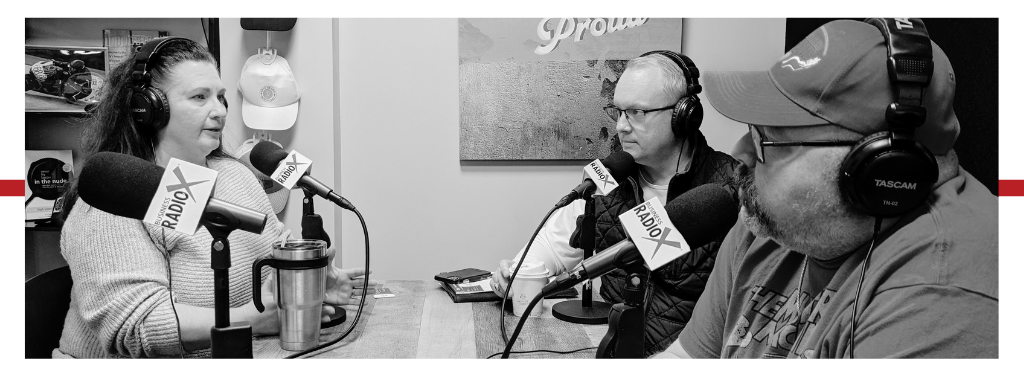
Mike Van Pelt with True Man Life Coaching, Melissa Stephens with Serenity on Fire and Stone Payton with Business RadioX®

February 13, 2023 by angishields

Charitable-GA-021023-feature
Charitable Georgia
Mike Van Pelt with True Man Life Coaching, Melissa Stephens with Serenity on Fire and Stone Payton with Business RadioX®
Loading
00:00 /
RSS Feed
Share
Link
Embed

Download file

Charitable-GA-021023-pic1

Melissa-Stephens-bwMelissa Stephens is the Chief Energy Officer of Serenity On Fire. She is a Professional Certified Business and Peak Performance Coach, and Consultant for Entrepreneurs who are ready to elevate and expand, banish burnout, shift from burning everything down to creatively building from their biggest vision and desire, all while repairing the cracks in their foundation and refusing to settle with where they are.

After years of working long hours in the corporate world at the expense of her health and well-being, sacrificing her time and energy, putting her family last while building someone else’s dreams who only saw her through the lens of being expendable if productivity didn’t meet unrealistic expectations, she suffered burnout. She was frustrated and exhausted that bosses were in control of her time, her income, and her freedom with no regard for her as a person, only what she could add to their bottom line.

Over the years in the workforce, she noticed some recurring themes that seemed to exist no matter where or who a person worked for. Toxic culture cultivated by “bosses” because the organization lacked leadership, unrealistic performance demands at the cost of one’s self-preservation, and a lack of respect for boundaries separating a person’s workspace and their personal life. She couldn’t imagine being stuck in this cycle forever and knew there had to be a better way for people and organizations to coexist and experience personal and professional success.

Out of this desire to create change in organizational operation and leadership development that can greatly impact everyone from the C Suite to the lowest rank, Serenity on Fire was born. It blends her passion for helping entrepreneurs build the business they desire that focuses on people over profit, and that will support the life they dream of without following others rules and breaking their own.

Helping entrepreneurs take a creative approach in their business where they shift patterns using strategies that focus on mindset, culture, communication, emotions, energetics, and spiritual changes. They elevate and expand their business using their core being as the driver to reach the success they desire for themselves and for those within their organization. The by-product is the positive ripple effect that transcends professional and personal spaces impacting the lives of many.

Her approach is a blend of whole life performance coaching and business consulting where the focus is on the intersection of business and life. It is unique, creative, and impactful across all areas of one’s world. The result is Serenity – an internal feeling of peace and joy while continually activating your core Fire that keeps a person building their vision and living their best life.

She created this experience because it is what she wished for early in her career of working for others – to be part of a company that was focused on leadership, the culture, the people, staying true to their core values, and having a positive impact on those around them.

Now she helps entrepreneurs bridge the gap for themselves and their business using practical strategies, systems and processes, combined with the magic of their being to transform, elevate, and expand their business and life.

Connect with Melissa on LinkedIn.

Mike-Van-Pelt-bwMike Van Pelt is an entrepreneur, author, speaker, and men’s life coach leader.  He is the founder of True Man Life Coaching and host of the popular men’s podcast, True Man Podcast.

Mike’s experience and passion for coaching, guiding, and mentoring men has come from his involvement in leading Christian men’s groups along with his own journey to take his life back and achieve success. In addition, Mike has served in leadership roles for most of his career, bringing over two decades of engagement and expertise in account management, consulting, and leadership development.

Mike has authored numerous articles and is featured in the best-selling book, The Art of Connection: 365 Days of Transformation Quotes by Entrepreneurs, Business Owners, and Influencers.  In addition, Mike is completed his first book entitled, True Man True Ways, A Roadmap of Discovery to the Masculine Heart.

Mike holds a BA in Business Leadership and a Master of Public Administration from The University of Arizona Global Campus.

In addition to being an author and coach, Mike is happily married to his wife and best friend of 26 years and has two talented children.  When he’s not coaching, he’s probably enjoying time at one of his many family activities or getting in a quick round of golf with friends.

Connect with Mike on LinkedIn.

Stone-Payton-bwFor over 30 years, Stone Payton has been helping organizations and the people who lead them drive their business strategies more effectively.

Mr. Payton literally wrote the book on SPEED ® : Never Fry Bacon In The Nude: And Other Lessons From The Quick & The Dead, and has dedicated his career to helping others Produce Better Results In Less Time.

Connect with Stone on LinkedIn, Facebook and Instagram.

Websites:

  • BusinessRadioX.com
  • CherokeeBusinessRadio.com
  • MainStreetWarriors.org

This transcript is machine transcribed by Sonix

TRANSCRIPT

Intro: [00:00:07] Broadcasting live from the business radio studios in Atlanta. It’s time for Charitable Georgia, brought to you by B’s Charitable Pursuits and Resources. We put the fun in fundraising. For more information, go to B’s Charitable Pursuits dot com. That’s B. S charitable pursuits dot com. Now here’s your host, Brian Pruitt.

Brian Pruett: [00:00:45] Good, fabulous Friday morning. It’s another fabulous Friday with three more fabulous guests this morning. We have two well, three incredible business coaches, I would say, and they all do things differently. So we’re going to start this morning with Ms.. Melissa Stephens. Melissa, thank you for being here this morning.

Melissa Stephens: [00:01:04] Thank you, Brian.

Brian Pruett: [00:01:05] So Melissa’s business is Serenity on Fire, and she does light you up when you’re a business does workshop, she helps you, but you have a passion for people in general. I think we all do. But you have a passion in people in general, helping them, wanting them to succeed. And if you would just share a little bit about your story and how you got into this, why are you doing what you’re doing?

Melissa Stephens: [00:01:28] Absolutely. So I actually come from a family who had small business, and I watch growing up the struggle, the feast or famine struggle that my parents went through as they tried to navigate running a small business, having a house, having a family, raising kids, and just really being able to navigate all of those things. And it was a struggle. And I watched how relationships were burned down sometimes in the pursuit of trying to build the business up. And I watched the sacrifice. I watched how often the late nights happened. The. Times that were missed from school events and the absence of them being there because they were so busy trying to build the business and they were running around like they were pants were on fire and they would be spending their wheels and not making a lot of headway. And then I transitioned as an adult working in corporations. I’ve worked for small businesses, I’ve watched I love small businesses, I love entrepreneurs. They bring so much to our economy. But it’s hard being an entrepreneur and anyone that says it’s just the limelight is not telling the truth because it is hard. It’s hard to be that entrepreneur. Get started, keep it moving, have a team, have a family, have a life. And it’s tough sometimes to how to how to create that balance, that harmony between all of the spaces that you want to inhabit. And I’ve watched people burn it all down in the pursuit of building it up.

Melissa Stephens: [00:02:59] I’ve watched marriages fall apart, I’ve watched kids relationships be damaged beyond repair and the pursuit of having something in the pursuit of entrepreneurship. And so for me, it’s being able to step in and help people see that there’s actually a better way, a different way that you can have both the business that you desire and let it support the life that you’re actually wanting to build without burning it all down and destroying all of the relationships that you’re actually having this business to support and allowing people to find their way. So I’m a rule breaker. I’m just going to be honest. I’m a rule breaker and I, I have my own rules that I won’t break, but I’m a rule breaker. And I don’t believe there’s only one way to do business. And I don’t believe there’s only one way to live life. And I don’t believe there’s only one way to get where you’re going. But I believe that there is the need for that journey to be the experience. And if all you’re doing is burning the midnight oil and being exhausted and not enjoying the entire time you’re doing it, what the heck are you doing it for when there are so many other ways that you can achieve what you want without the sacrifice of yourself, your health, your being, your family, your kids, whatever it is for you in your life. There’s another way to build it all up without burning it all down. So I always tell people all the time, if you live life like your hands are on fire.

Melissa Stephens: [00:04:23] Heck yeah, because you are out there living, enjoying and having the time of life. That’s what life is for. We’re here to live it. We only get one, so we might as well make the most of it. But if you’re running around in your businesses, running around like your pants are on fire, well now you’ve got it backwards. Because if your business is on fire that way, if your pants are on fire all the time, you’re so busy putting fires out that you’re not paying attention to what’s really going on and you’re losing sight of the people, you’re losing sight of your mission, your passion, and you’re losing sight of the people that are supporting you because they’re hanging out in the wing waiting for you to be able to be present, waiting for you to show up, waiting for you to have time for them. And they’re loving you and supporting you, but they also need from you. And you can’t seem to find enough energy to give them the time and presence that they desire and focus on the business and the people that help you build business. So many times, small businesses, entrepreneurs lose sight of the people that are in front of them and that help them because they are so in the trenches of being in the business and on the business that they lose sight of some of the things that are the most important to them.

Melissa Stephens: [00:05:28] And so I come in and help them reignite. We reignite that, so we reignite that fire. I always tell people I bring the flame when yours isn’t lit, we’re going to find what’s really inspiring you. We’re going to get back to your core and we’re going to build from that so that the people in front of you and the people supporting you know that you appreciate them and the way you’re doing business is supporting that. The way you’re doing business is actually supporting the life you want to build. And you’re not just running around with your pants on fire, putting out everything and never building, never growing, never enjoying the fruits of your labor because what the heck, We’re not meant to work, work, work and never enjoy. And the worst thing most people do is never take vacation. And if they take vacation, they work through the vacation. What the heck, I want to travel. And when I go someplace, I want to be fully immersed in that space. I can’t do that if my business runs like it’s on fire. I can’t do that if I don’t build the entrepreneurship the way I desire it so that I can have this life that I really want. And I can’t do that if my family is on vacation and I’m so busy working that I miss all of it. I don’t want to look up and see when my kids are grown.

Melissa Stephens: [00:06:33] What are the heck did all the time go? They were in kindergarten. What do you mean? They’re walking across the graduation stage from high school. What happened to all the years in between? And they come to me and say, You missed it because you were too busy working. Or the spouse that says you missed all the times that I wanted to talk to you and spend with you and love you and have a life with you. You missed all that because you were so busy building this thing that you can’t step away from. And we’re all gone now. So if you build that entrepreneurship and you build that business and there’s no one left around you, what did you build? Like there’s a way to have wealth and well-being without burning it all down. And that’s what I’m here to help entrepreneurs do, because it’s so important to me that families are preserved, that relationships are preserved, that we recognize the importance and the people that are around us, that business can come and go. You can make money. Money is not the root of all things joyful. But there is a better way. And when you can tap into that, you get to live like your pants are on fire, but your business can run while you’re on vacation. And there is no greater feeling for a small business person than to know that they can make money and create wealth and enjoy the life that they desire.

Brian Pruett: [00:07:49] So you talk about being living like pants on fire and that kind of thing. Is that where the name comes in for your business?

Melissa Stephens: [00:07:55] So Serenity on Fire is really about having this peace and harmony in your heart. Joy comes from within our soul. Happiness is external, but joy is internal. And when you have that peace, when you have that serenity, then everything you want, that core and your fire, that belly core, that burning fire delivery, you light up the world with that. And as long as you have that joy and peace internally, you have taken care of you, that everything you want to create is magnetic and it magnetize. And it lights up so easily and effortlessly because you’re limited from that core being of who you are, that internal joy that you determine. So Serenity and fire is really about being able to do all those things, but without all the stress, without all of the exhaustion, without all of the mind melt, without all of the burning it down and feeling lost and crazed and overwhelmed and overworked.

Brian Pruett: [00:08:50] So you talk about one of the things that what you say is that you keep the fire lit from the business to the bedroom.

Melissa Stephens: [00:08:57] So we do so we talk about the fact that it’s from the boardroom to the bedroom. 80% of people’s issues. Entrepreneurs have problems that start in the bedroom and it impacts the boardroom. Now, whatever you do in your bedroom, hallelujah, that’s all on you. But you know what else happens in the bedroom? You sleep, you rest. It’s your sanctuary. It’s where your well-being starts and how you put your head down at night determines how you get up and start your next day. The tomorrow you want starts with who you are today, so your wellbeing starts in the evening time in that bedroom. And if you’re so exhausted, so tired, full of stress, missing, all of it not having intimacy, not having communication, not having conversation and everything’s riddled with conflict. When you lay your head down, your mind doesn’t shut off because you don’t have any internal peace. And if your mind doesn’t shut off and you’re not getting rest, then you’re well beings impacted. When you’re well being impacted, then you can’t create the wealth you desire because there’s too many distractions, there’s too much you’re dealing with. So it starts in the bedroom, it takes to the boardroom. But the same thing. You can’t see your way from the boardroom to the bedroom, because if you’ve ever tried to talk to your children or your spouse the same way you might talk to your team, you can’t see them. It does not work. They will shut you down in a heartbeat because that’s not who they are and that’s not what they need from you. So transitioning from the boardroom to the bedroom is a difficult thing for a lot of entrepreneurs because they don’t turn it off. But we have to learn how to preserve those relationships, to preserve the life that you want to have. You have to learn how to shift from the boardroom to the bedroom. So we say we do everything from the boardroom to the bedroom because that’s where wealth and well-being really begin.

Brian Pruett: [00:10:33] So you don’t call yourself a business coach. It’s a business. I always get the word messed up. What do you actually say?

Melissa Stephens: [00:10:38] So it’s a business. Alchemist Right? We do practical magic with practical strategies. So we bring your essence with know how and strategies that work for you. We work from your strengths. And so there’s a little bit of magic in there because each person is unique and they each have their own essence, their own spirit, their own way of being. We’re going to capitalize on that with the strengths that serve you, and then we’re going to build from there because that’s what’s sustainable, that’s what’s repeatable, and that’s why we bring the magic with the strategy, because that’s where it gets to be a whole lot of fun. And then you get to live like your pants are on fire because you’re having the best time of your life and your business is growing and making you what you desire.

Brian Pruett: [00:11:15] So she, a few months ago did a little workshop for one of the networking groups and didn’t charge for it for come in to listen to her. And it’s just incredible. I was there and I took three things away from it, which I’ll share in a second. But what was really impactful is the fact that you not only talk to us in the workshop, but you were willing to talk to everybody individually as well, and the people who aren’t currently your clients so you can talk to them and give them advice. And you know, I was struggling and shared that I had felt like a failure because I had closed three businesses in the last five years and started another one. And you politely reminded me that it’s not about failing. It’s you fail forward, you learn, you know, and also the fact that maybe God had bigger things in store for me. The other thing is that just as you talked about, about immersing yourself in business and people who are workaholics don’t put their family first. And so reminding me the fact that, you know, it’s great to be home in the evenings because it’s not about presence. It’s about being present.

Melissa Stephens: [00:12:22] Yes.

Brian Pruett: [00:12:22] You know, and then the other thing that I want you to touch on and talk about is it’s okay to say no.

Melissa Stephens: [00:12:27] Oh, my favorite thing. It is okay to say no. Here’s the thing. I do what I do because this is what’s been laid on my heart. The Holy Spirit fills me and this is what’s been laid on my heart. So I serve from that servant leadership space. And so I’ll talk to anybody and give anybody strategies, tips, advice, whatever it is. And the best thing I love to talk about is how to say no, because, one, we’re not taught how to do it. When you’re little, you’re not allowed to say no to your parents, and as adult, you forget how to say no because you want to do doo doo for so many people, but you can’t fill everyone’s cup when yours is empty. So learning how to say no to the things that will not support the growth and the direction that you want to have is the most impactful thing you can do. Because every time you say no to things that don’t serve you, that are not going to move you in the direction that you desire, you’re going to say yes to every other opportunity that shows up.

Melissa Stephens: [00:13:16] You can’t do that if you are so overwhelmed with taking care of everybody else because you won’t say no. Instead of saying no to the things that aren’t going to be in your goal view and start saying yes to your family, to your relationships, to yourself, to the business you desire, to the life you want to build. When you start saying yes to the things that light you up, starting to say no gets a whole lot easier because you start setting boundaries that you will actually hold to. Well, we’re human and the hardest thing we have is creating those boundaries. It’s not too difficult holding those boundaries. Honestly. We’re not really great at that as humans because we move that goal line. We’re so easy to move the boundary that we allow people to keep pushing it, pushing it, and people will push. If you move it, people will push because they’re human. So you have to learn how to say no. But it’s actually something you most people have to be taught in practice.

Brian Pruett: [00:14:06] Yeah, because I would think, you know, as I used to think all the time, well, it’s selfish to say no, because first of all, you want to help as many people as possible, but you also want to help yourself. And saying no doesn’t do that to me at first. But when you present it the way you presented it, you see why it’s okay to say no.

Melissa Stephens: [00:14:22] The most selfish thing you can do is say yes to everything to the point of depletion, because then you’re serving no one and you’re not available for anyone and not available for yourself. And if you ever thought about having a bad day, if it starts because there’s something you really wanted to do or needed to do or desire to do, and you couldn’t get to it because of everything else in the way puts you in a bad mood and it puts you in a bad mood because you’re not living in your purpose. It’s not living according to the dreams that you have and you start resenting all the people you’ve said yes to while it was with the best intention, you start resenting them because they’re sucking up too much of your time. They don’t mean to, but you’re giving it, so they keep taking it. You have to be able to say no, that’s the most selfish thing you can do for you. Your business, your family, your life is say no to things that are not in that vision line for you, that don’t serve you, that don’t light you up, that aren’t going to put you in the space of moving forward and growth where that’s what you desire.

Brian Pruett: [00:15:18] So another thing I like to ask, and obviously you shared why you do what you do, but you’re also very involved in the community. Now of the five of us that are sitting in this room, you’re the furthest away because you live in Temple, but you’re very involved in the community. You do a lot of things. So other than the reason why you share what you do for business, why is it important for you to be involved in the community?

Melissa Stephens: [00:15:41] I mean, we’ve always said that it takes a village to raise children. It takes a community for people to thrive. Social connection is important and being able to give back into your community, to build the community the way you want it to live, the way you want to see it. That can only be done if you get on the ground and put your hands involved and you are willing to put yourself out there. So I love supporting our communities because small business ownership supports our economy, that supports our communities. They need support too. And it’s full circle. Right? And I love being involved because I love people. If you meet me, we can have a conversation all day. I don’t meet a stranger. It’s so important to give back to community. It’s so important to be a part of the community. You can’t make change unless you’re willing to be in the change. You can’t be a part of the solution if you’re going to sit back and be a part of the problem. So we have to get in the community. We have to give back. I mean, how else how else do I get to meet all these wonderful people that I meet if I don’t get into the community? Brian, I’ve met you.

Melissa Stephens: [00:16:38] I met Mike. I met so many wonderful people because I get in the community and I’m willing to serve. And it’s not about money. It’s about giving from the heart. Because when you do that, you meet people as people. And when you meet people as people, you get to know their soul. You get to know what drives them, what is purposeful for them. And then you have an opportunity to share. And it’s not about giving advice or giving tips or strategies. It’s about giving time, it’s about the presents. It’s about allowing people to see you and you see them and just building a community that is safe for our children, safe for our adults. It’s a clean and safe place for us to enjoy. I come from Florida. I lived my life outside, running the streets, running around, having a good old time. You can’t do that today. Communities aren’t quite the same anymore and we need to get back to that.

Brian Pruett: [00:17:27] So on the business side, are there particular size businesses? That are better for you to work with than others?

Melissa Stephens: [00:17:34] No, because I love all people. So that might be where I have a hard time saying no. You know, I work with Solopreneur Hours as they want to grow and I work with small and medium sized businesses. You know, somebody that’s got zero employees and wants to grow to, you know, 25, 50 or 150 employees, because the important part is that they see them as people and they see them as the people that are helping them grow. And they want to give back and they want to make sure they’re serving in the space that allows that growth to continue. And they’re not losing sight of that fact that they’re people and they want to continue serving in that way and they want to continue making sure the decisions they make, the business that are building and supporting those families and community, supporting those individuals, they’re not losing sight, Don’t work with businesses that are profit over people because I’m a people over profit person. And I’ll be the first to tell you no all day long because your people, the people you’re building for and the people that serve you and doing that, that support your vision matter. We can’t get anywhere without those people around us, and I’m going to support those people.

Brian Pruett: [00:18:36] And it’s true, because if you don’t have happy employees, your customers aren’t going to be happy. And so your vision is going down the drain.

Melissa Stephens: [00:18:43] Absolutely. Absolutely. Have you ever had a customer service representative on the phone who just sounded like they hated their job and so the service you got was so crappy and instead of being mad at them, you feel bad for them Because I just want to ask them, like, do you have a toxic culture, a toxic boss? Like, what makes you so miserable doing your job? You get to talk to people all day. Why is it so miserable? And you just want to go in there and help people understand there’s a better way, a different way of treating each other and building business off of kindness is so much easier and so much effortless because when people feel appreciated and valued, they give more than 100%. But when they don’t feel that way, they barely show up. And then I talked to them on the customer service side and I’m like, Oh, we need to figure out what’s going on because you’re not living, you’re not happy. There’s something else that’s at play here. It’s not just that individual. There’s a culture at play and that’s tough and that’s tough for people. We have to keep people as the forefront of what we’re doing.

Brian Pruett: [00:19:43] Can you talk a little bit about the workshops? I mean, there’s different kind of workshops that you do, correct?

Melissa Stephens: [00:19:47] Yeah. So I offer a couple of different kinds of workshops, and I do them throughout the year. And, you know, some of what we do is we do an intensive right. It’s a three day. We go hard, we go fast, we go deep, we get we really get in there, figure out where your blind spots are and figure out where you’re struggling. Where are the energy leaks are? We go in and start repairing Those Band-Aids don’t work. We’re going to go to the root. We’re going to figure out what it is and we’re going to tweak it. We’re going to fix it. We’re going to find what works. We’re going to make that repeatable for you. We’re going to do that over and over again so that you’re building on a sustainable platform. So we go in and we do these deep dives, these intensive other times, you know, we’ll do one day of just dive and deep. Everything we do is coming back to who you are and what you truly desire. The problem is, is we grow or we have these great ideas for business. As we lose sight of our vision, we lose sight of our mission in the chase of the dollar and the chase of the glory and the chase of whatever we lose sight. And when we can come back to that value, come back to that reason, that mission, the the vision that we have, we serve from that place.

Melissa Stephens: [00:20:49] Everything is so much easier. So we dive in and we get through that. So these workshops are really to help individuals figure out some of those things on their own and figure out where they might need help or where they might need to slow down and take another look. And it’s so amazing to watch. Just to watch people. When the light bulbs come on and they realize, Oh, it’s just a simple tweak. Oh, I’ve just been missing this. Oh, I don’t have to talk to people like Pooh on the shoe. Oh, I could treat them like decent human beings, and they do more for me. Oh, I don’t have to be this ogre. I don’t have to be this toxic boss to get things done. Oh, I get to live life joyfully, and I can be a happy, joyful employer, CEO and people like that. People want to work for me. That’s better. Oh, I’m making more money this way and my family’s happy in my life is happy. Heck yeah, let’s do it that way. So sometimes we just go in there and help people see where they misaligned, where they’ve stepped away. We bring them back to that core.

Brian Pruett: [00:21:49] If somebody is out there listening, want to get hold of you for either your your your coaching or your workshops, what’s the best way for somebody to get a hold of you?

Melissa Stephens: [00:21:56] So if you go to my website Serenity on Viacom, you can contact me through there. And if you see me in the community, you can always just say hello. I’m everywhere. I’m on social media. So there’s a number of different ways that you can connect with me. I love people just to reach out and say hello, ask questions. I’m always going to have that conversation. I’m always going to make time for that because it is so important for me. And besides, I don’t know if you all can tell. I’ll love to talk and I love people. So, you know, you can always hit me up and we can always have a conversation.

Brian Pruett: [00:22:24] You notice she didn’t say no when I asked her to come to the show because she does love to talk. So, you know, most I appreciate you coming this morning and sharing. Do you mind sticking around? Listen to these next two stories.

Melissa Stephens: [00:22:33] Absolutely. I can’t wait to hear them.

Brian Pruett: [00:22:34] All right. Now we’re moving over to a gentleman that I met, like about three years ago, four years ago. Again, networking and again. Don’t I say this all the time. Another powerful testimony of networking. Every story that you’re listening to it, this is the first time listening. This show is about positive things going on in the community, whether it’s about stories of adoption that we had a couple of weeks ago, or your passion or being vulnerable to share your testimony and let people learn from that and heal from that or whatever. So that’s just a very positive thing going on with networking. So Mr. Mike Van Pelt from the True Man podcast, you’re no stranger to the studio. You’ve been on Stones show, you have your own podcast, but I’d like for you to share because you have a passion for helping men in general, sharing their stories, getting them to, to, to get their stories out there, redo their stories. So share a little bit about, first of all, your story, why you’re doing what you’re doing, and then we’ll get into your podcast.

Mike Van Pelt: [00:23:32] I’m just glad I get to talk now. You know, that’s as long as I’ve ever said in front of a microphone without saying a word. I was really getting a little nervous. But Melissa is so incredible. I actually wanted to jump in and start asking her questions because I’m so used to doing that. It’s hard for me to just sit and be quiet. Yeah, So? So I started Drew man, Life coaching and the the podcast actually followed, but it really came from the whole idea of True man is Jesus Christ, walk on Earth as, as a true man. And you know that he serves as the model. And so that, that branding actually started in my men’s small group because we needed somebody to that had the model. And he’s the guy. He’s the guy. So that’s where the whole brand name came from and be by being a part of that men’s small group, what I recognize by going to retreats and just being around a lot of men was that I had started out doing some business consulting, but I just saw that there was a need in the marketplace for another man to come in and walk alongside another man and just help them weather it. Most of the time, these challenges start in business. Maybe Melissa can verify this come from the personal side of things, like things are not right inside of me and there’s a lot of reasons for that, you know, could stem from something that happened all the way back in childhood.

Mike Van Pelt: [00:25:02] And we just kind of as men, we typically carry this stuff along. We’re really bad about that. We bury it. We hope we don’t have to deal with it and it catches up to us later in life when you you know, part of business is having relationships, Part of marriage is that’s relationships. And so this baggage that we carry around sometimes shows up in relationships and can can end in a bad way if you don’t get your your self right. And so part of my coaching is to help guys gain that clarity and win their heart back, as I like to say, because the heart is the center of everything in the human body that is there more blood vessels and things that run to the heart than there are actually to the brain. So it’s a mini brain, so to speak, and you’ve got to get your heart right. If your heart’s hurting, you’re going to have a hard time being present for the people around you. And so I help men, you know, work through the things that they may be going through in their life when I do that one on one and. You know, I’m doing a lot more group stuff in that area, so.

Brian Pruett: [00:26:10] So that led to you having your own podcast now, too.

Mike Van Pelt: [00:26:14] So we did start the podcast and the whole idea around the podcast. It was started with Paul Bailey and I because we let our men small group and it was really the joke of the day, right? We’d get done with our small group and we’d be like, Hey, that would have made a great podcast. And it was a joke for the longest time. And until somebody else came to me and said, Have you ever thought about doing this? And I’m like, Hmm. Usually if somebody asked me if I get that question again, there’s something going on there, right? So I looked into it and, you know, Paul and I started doing the podcast together and he couldn’t keep up because that’s not his daily thing. He’s a financial advisor and I’ve just kept it going. I now do an interview style show. Sometimes I do solos, but, you know, I don’t like to hear myself speak and but it’s a lot more fun to do interviews because you have people on and the power of their stories is so real. You know, for example, yesterday I interviewed a gal, this will be a podcast that will come out in in March. And we were we were actually did a program on suicide. And she told me a story about her two teenage sons. She lost both of them in a 30 day span to suicide and which is and so the story is not only about the suicide, but it’s how she’s getting on in life. And the reason that that story is so powerful is we all go through stuff. We all go through stuff, and but we package it as if it’s unique to us, but it’s not unique to us.

Mike Van Pelt: [00:27:51] There’s somebody else has gone through that and it’s important that you be in community and put people around you that care about you in those situations. So the whole idea of the podcast is to help men be better men better, better dads and better husbands. And so topically we talk about a wide range of things that men need to know in order to be better in those areas. And it’s a great way, in all honesty, for people to hear me and begin to know like and trust me, I think podcasting is a great way to conduct business these days because it’s an opportunity to get your message and your branding out there. And it’s not just a podcast for me. My pants were on fire yesterday, Melissa, as we tried to reestablish my YouTube account, which went sideways for for a moment. But that entrepreneurial stuff, it’ll drive you crazy. But so so we put the video out on, on, on the YouTube channel as well because some people just like the YouTube. So it’s a lot of fun. We’re 93 shows in and first part of April I’ll be celebrating 100 shows which I reflect back on now. And it just I can’t even I just can’t even believe that there are that many in the books. And it’s really been the thrill of my life to to do it and meet these people and have them on the show. And and I hope it’s making a difference.

Brian Pruett: [00:29:25] Well, I saw something on Facebook yesterday that you interviewed somebody talking, overcoming obstacles. And that sound, you know, again, that’s the way about this show, too, is both things are talking about just inspirational stuff and people learning because you never know who’s listening or watching.

Mike Van Pelt: [00:29:41] You Absolutely don’t. Honestly, my favorite thing to get fact, some guy that I met the other day, he didn’t know I did a podcast. He listened to this week’s podcast, which is Dorsey Ross. He has he was born with a disease called Alpert’s Syndrome, I believe is what it’s called. And so he’s he’s his face is physically deformed. He’s gone through a number of different surgeries. His speech is a little slurred. But what an incredible story, because, I mean, we all hear these stories about bullying. So you can imagine if you’ve got some kind of deformity, what you go through as a kid. But his parents were so positive, they were so encouraging. And if you listen to this guy, listen to the podcast, you’ll quickly learn that he got the guy. Doesn’t even sound like he’s ever had a bad day in his life. Right? His attitude is so positive. And, you know, he’s a professional speaker now and travels around. That’s part of his ministry. And it’s it just goes to show you that you can overcome anything with a positive attitude and that, you know, the naysayers, the people that try to get you down, you know, they don’t matter. They don’t matter. And so it was a great podcast to. With with Dorsey. And here his story about overcoming essentially the odds. The guy when they told him he couldn’t go to college, told them he wasn’t smart enough to go to college. Guy went to college. Now, it took him a while, but that’s okay. It takes a lot of us a while. It took me a while, so, you know. But they said he would never get a college degree and he went on to get his college degree. So this guy is an overcomer. And I think that that’s an important a really, really important message that, you know, you can’t you can’t put up walls, man. You got to run through them.

Brian Pruett: [00:31:36] When you’re working with the man as their one particular area that you kind of see the most. I don’t know area that’s kind of like the struggle. Can you share that? Is there something that’s more prevalent than others that you see?

Mike Van Pelt: [00:31:49] Well, guys, talk about anger a lot and we all struggle with that to one degree or another. But it’s purpose. You know, I think that, you know, unless you’re doing something that you’re 100%. You know, dialed in on and you love and you got everything. And that’s that’s a small percentage of people. Quite honestly, I think a lot of us walk around. That’s what happened to me. You know, I went through a very long period of time where I was like, man, professionally, what I’m doing just flat out sucks. I hate it. I don’t enjoy it. It doesn’t bring me joy and I don’t. But I don’t know what I want to do. And I went through a number of different coaches trying to find the right person that could help me. And I don’t think it was any one person that helped me. I think it was just that learning that went with it as as I went through that process. But purpose is something that a lot of people don’t have peace or clarity around. You know, it just kind of float through life, hoping we can get through the next day and that can be a really miserable way to live.

Mike Van Pelt: [00:32:54] And it leads to a lot of other things that will make you unhappy. So I think people just try and my audience typically is going to be a middle aged guy. And at that point, you know, they’ve lived long enough to go, Maybe you’ve had a little regret here or there, but I don’t want to go down that way. What do I want my legacy to be? And I think that we all reach a point where we get, you know, what is my legacy? How do I want, you know, and I encourage people to sit down, write your eulogy. And if you don’t like your eulogy, man, you better change your game. And so, you know, but a lot of that is around finding purpose and just pausing to go, man, what’s next? What’s next? What do I really want once with my heart telling me? Because too much of the time we think with our head and not our heart.

Brian Pruett: [00:33:50] Melissa, you talked about sitting there and talking and talking for hours. When Mike and I get together, it’s wind up being three or four hour conversations and you and I talked to all the time about we don’t believe in things of coincidence.

Mike Van Pelt: [00:34:00] No.

Brian Pruett: [00:34:01] You are working on a book, but you just coauthored a book and then you shared with me a couple or about a week ago about somebody just that day reaching out to another one to share that story.

Mike Van Pelt: [00:34:11] This is getting crazy. I’ll tell you what, the things I kind of laugh about it, quite honestly, because I know that my high school composition teacher, I don’t know where she is, but if she’s not alive, she’s definitely spinning in her grave going, There’s no way that cat ever wrote a book. No chance. And by the way, I still remember that paper that you chopped to pieces. Oh, you’re forgiven. Yeah. So I did a collaboration book that I had a couple of pages in that came out the first week in January, and that was kind of a cool thing to be a part of. There were about 300 some authors in there. So for every day of the year, there’s an entrepreneur that wrote essentially a little story and had a quote just to provide motivation to other entrepreneurs. That book was called The Art of Collaboration. And then I’ve been in the process of writing my own book, which will be out probably towards the tail end of the summer. True Man, True Way’s roadmap back to the masculine heart. And, you know, the reason I’m writing that book is it gets into my story, but I’m really just trying to provide guys a very simple roadmap and gain clarity around, you know, their lives. And just based on things that I’ve worked on. And then I had another collaboration that came by way completely unexpected, expected the guy by the name of Jim Brett, who’s one of the top 20, I guess they call him one of the top 20 speakers.

Mike Van Pelt: [00:35:49] Historically, he was with Jim Rohn and worked with Jim Rohn on his team and built his sales team up. He’s the guy that hired Tony Robbins and he reached out to me and we connected and he asked me if I would be a part of their collaboration book where you get to write a chapter. So it’s Jim Britt and Kevin Harrington from Shark Tank do that together, and the book’s endorsed by Tony Robbins. So that’s another cool project that’ll be out later this year because I can’t pile them on fast enough, I guess. I don’t know. But it was too good to pass up. You know, I find in all honesty that the coaching field sometimes gets a little messy and there’s a big gap between the good coaches and the folks that just threw a shingle up and said, I’m going to help people. And there are a lot of nuances to coaching that, you know, there’s good and there’s bad. I’ll just leave it at that. But you’ve got to differentiate yourself in the marketplace. And over the last year, I’ve come to realize that and especially working with men, because as men, we don’t typically put our hand up in the air and go, Yeah. I could use some help. I could use some help.

Mike Van Pelt: [00:37:04] Usually we’re bleeding out before that happens, and so you know it. What I try to what I’m trying to do is position myself professionally to be at the forefront of the industry, of the men’s movement. Because I want to be there to help guys, because I know guys are struggling. Every once in a while somebody asked me what I do, and usually if I get that snicker, I’m like, You’re the perfect client because something’s going on there. They may not want to reveal it, but, you know, usually something’s going on there. But but that’s part of the reason I do some of those projects. And it’s cool to be around people that have been there, done that. So and now I find myself in the position of being an author, which is really cool. You know, I’m putting myself in the position to be a speaker. And this is one thing that I tell people all the time, Whatever it is that you want to do, get around those people. You know, if you want to be a speaker, get with other speakers. If you want to be an author. Get with other offers authors. So I think those things are really important and that’s what I’m trying to do in my business, because I not only want to be the best I can be for myself, but I want to be the best I can be for my clients.

Brian Pruett: [00:38:20] So you also are very involved with the community. You’re part of a rotary group. You do all kinds of things. Why is it important for you to be involved in the community?

Mike Van Pelt: [00:38:29] Well, listen, there’s a there’s community is everything. If you’re not involved in the community, how are things going to improve? Right. There’s a. When we first moved here, I’ve been in the area now for about 18 months. When we first moved here, I was very familiar with Rotary. I was not a part of Rotary, but one of the reasons I got involved was it was an opportunity to hit the ground running with people that were very familiar with the community. And so we do a number of things. I’m a member of North Cob Rotary, and if that’s something you’re interested in and you’re hearing about this, reach out to me because we have a fantastic organization that meets in North Cobb and we’ve got our hands on a lot of different things. And I just love serving and helping people. And there’s there’s so much opportunity in in our community. I’ll tell you, one of the cool things we did last year, North Cobb Rotary is a participant in this. We got I got to go to the baseball field and Acworth and the I can’t think of.

Brian Pruett: [00:39:44] What.

Mike Van Pelt: [00:39:44] League Horizon Lake and do the Horizon Lake. I just thought that was really cool because those kids, they didn’t have a care in the world, man. They were just having fun. And it was just so cool to run the bases with them and be in the field with them. And so, you know, there’s just all kinds of things like that that you can do in your community to make it a better place to live.

Brian Pruett: [00:40:03] So we just had them on the show not too long ago, and then we did an expo that helped benefit the Horizon League a couple of weeks ago. So yeah, it’s it’s a great organization. So if somebody wanted to get a hold of you, first of all about your coaching, how can they do that and then share how the people can listen to your podcast?

Mike Van Pelt: [00:40:21] Yeah, so all this stuff’s on my website, so but you can send me an email at Mike at True Man Life Coaching dot com and my podcast is actually on my website, but I’ll give you a link. True Man podcast will take you right to that page and my author, my page and my book or also on the website. So you know just go to true man life coaching dot com. Hopefully my videos will be up and running and it’s just you know entrepreneur thing man right And you know hopefully everything will be up and running today and Yeah but go check it out All my information’s on the on the website. You can get ahold of me there.

Brian Pruett: [00:41:03] Awesome. Mike thank you again for coming and sharing your story and what you do. And you mind sticking around for this next story.

Mike Van Pelt: [00:41:09] Absolutely.

Brian Pruett: [00:41:10] So we’re going to move over to no stranger to everybody, I’m sure that’s listening. He’s going to switch roles for a minute and be actually be interviewed because I’m sure he’s never been interviewed. Right. I mean, you’re used to the producing and asking the questions on shows. So Stone Payton from Business RadioX, How are you doing this morning?

Stone Payton: [00:41:27] I’m doing good, man, and I am enjoying listening to these stories. Can I ask a couple of questions? Sure, Absolutely. Before I put the other hat. I mean, those are a couple of tough acts to follow anyway.

Brian Pruett: [00:41:36] Absolutely. Go ahead.

Stone Payton: [00:41:37] But I wanted to ask Melissa, when you first are engaging with people, they begin to work with you. I wonder, do they sometimes come to you with a a definition of the challenge or problem that is maybe more often than not less than accurate, And you have to help them identify what’s really the challenge or the problem, or do they have it nailed when they come to you and then you can start working on it?

Melissa Stephens: [00:42:03] Oh, that’s such a great question. No, sometimes what we think the problem is is only a symptom. It’s not the root of what’s really going on. So oftentimes clients will come to me, they’re overwhelmed, they’re stressed, they’re feeling burnout, they’re frustrated, they’re angry, they’re mad, their relationships are falling apart. Business isn’t growing, whatever it might be. And those are sometimes just symptoms of what’s really going on underneath. So I’m a great listener. I love to talk, but I’m a great listener. And we we sit through all of that and get down to the root of what’s really going on. And it really comes down to Mike was talking about before, it really comes down to heart. So we get down to the root and the soul of what’s really happening, what really is underneath all of that. We start unpacking all that. I want to tell you what, we just go diving in. People hear me say it all the time. We go hard, deep and fast. We just start unpacking all that. If you’ve ever seen someone unpack after vacation, they just toss in everything. Everywhere. We start tossing everything everywhere, getting rid of everything that doesn’t need to be held on to it. Sometimes we hold on to energy that’s not ours. So we start unpacking all the junk that we don’t need to keep on messaging, communication, issues, traumas, whatever it is. We start throwing all that stuff out and start getting back to what you really want to get into. So that’s a great question.

Stone Payton: [00:43:18] Well, it’s it’s one that occurred to me while you were talking and the entire time you were describing the challenges of entrepreneurs in particular, I kept thinking, Boy, I resemble that remark. I resemble that remark and. And then I’ve reached periods and I feel like maybe now is one of them where I have felt the serenity, you know, like, I got it all, I got it all dialed in. And and then I had reached another point where I didn’t and I kind of cycles and I wanted to ask you, when in writing and doing the writing to talk a little bit about that experience, if you don’t mind my, my asking, because, well, my specific question, or at least my first one is, did some of it just come together really easy and like, you just couldn’t wait to get it on the page And then did you like just sit there and really struggle with how what am I trying to say here, what I want to say about this?

Mike Van Pelt: [00:44:10] It’s such a good question. Listen to tell you what kind of individual I, I, I grew up watching sports. I was very athletic. I was the guy that was in the driveway shooting hoops before I grew up in central Iowa. Before the Iowa game, I was shooting hoops. I would come in, turn the game on halftime in the driveway. And so I don’t sit very well, like I need to be active. Right? And and so sitting and trying to capture content is really a huge challenge. But I will tell you, towards the end of the year, I had a woman that I and she was in my mastermind group and she’d heard me and she she said, Mike, I want you to call me. This is my kind of my breaking point in terms of even getting towards the the book because I knew I was struggling, trying to come up with content and stopping. I needed to stop and do some stuff for my business. But, you know, as entrepreneurs, sometimes we keep charging even though we know we need to stop. And so she helped me towards the tail end of the year. And oddly enough, so you just heard me talk about these books. We basically outline where we were at with everything and we got done with it. And I went, Holy. I just outlined another book. So. So but to tell you the truth, it’s really hard. But I think what I found by going through that process with her is that the content is coming to me a little easier now because I have a better feel for how I can really help and serve.

Mike Van Pelt: [00:45:54] I knew what it was, but I hadn’t stopped to get it down on paper. And this is why and this is going to be part of the book, I think journaling is so important. I mean, we have all this technology in the world, and I know that there’s a number of different resources for journaling and in technology, but I just don’t think that there’s anything better. And I, I don’t write like this. I, of course, get on the computer and write, but I don’t think there’s anything better than getting pen to paper and writing our goals. And, you know, having a gratitude journal could be a piece of it. But, you know, writing and journaling I think is and guys don’t do this well. In fact, one of the things we’re going to work on, we’re going to bring out a masculine true man journal, a really masculine leather bound. So this has been stuck in my head forever because guys don’t journal for some reason, I guess we don’t think that that’s the masculine thing to do, but we need to get our thoughts down on paper. And so, you know, that’s going to be a part of the book. But I guess to answer your question, it is a struggle. But I have. But once you start in, you know, and you have clarity around the direction you want to go. Then, you know, it gets a little easier.

Stone Payton: [00:47:18] Well, the reason I ask I was thinking when you were talking, the way I got into this business eight years ago, Lee, and I’ve been doing this for 18 years, my business partner, Lee Kantor and I, I kind of came from the training and consulting world. When I got fired from the last consulting firm that I worked with. I went out and did some keynote work, self-published a book. Yeah. And the book had some success on its own and helped me book speaking engagements. It was a credibility piece for the consulting, all this stuff. And I got to tell you, if if all of the copies of that first printing that we did of that book would have stayed in Mom’s garage. And if me and Mom were the only ones that ever read it, I still would have been glad to have done it because I feel like it. It helped sort of solidify, crystallize my own thinking and equip me to be a more effective consultant, even if no one else had had read it.

Mike Van Pelt: [00:48:10] That’s that’s that’s totally it. I mean, it is it doesn’t come to me easy, but it’s it’s it’s kind of cathartic in a way, right? Because you’re like putting it down on paper and you’re like going, okay, this sounds good. And the funny thing of it is like, I’ll write something. I’ll go back a month later and I’ll be like, I wrote that. That’s kind of silly. And then you go back and you tweak it. So I think it’ll be an evolving thing for me. I think the hard part is doing number one, right? If you can get the first one out of the way, then the second one is probably a little bit easier. But you know, it is a very cathartic thing. And the reason I’m doing it, I’m not trying to sell millions of copies. If I do, great. But that’s probably not going to happen, by the way. But the point is, is that I want to be an authority figure in my industry. And so just by doing one collaboration book, I’m already an international best selling author, which is like really kind of cool, you know.

Brian Pruett: [00:49:12] A selfie now.

Mike Van Pelt: [00:49:13] Yeah, Yeah. So, so, you know, it’s, it’s a really cool thing to do. And, you know, Brian, you were talking about networking. Ultimately, you end up networking with a group of people, especially when you do a collaboration book that you would have never, you know, this, this collaboration book that I to do with Jim Britt and Kevin Harrington and this I mean, when in the heck was I ever going to run into Kevin Harrington from Shark Tank? I’ll give you a clue. Never. But, you know, they’re all a part of, you know, the the mastermind group that goes, you know, gets to be a part of that. And so who am I going to meet in that group? That could be the next great thing that helps my business. You don’t know. And that’s why I love networking and being a part of the community and getting to know people because you never know where the next great idea. In fact, the podcast has led me to so many different strategic partnerships that I mean, you know. Stone You may have you could have told me, Oh, well, it will. And I would have been like, I doubt it. But you know, but, but it ultimately it just, you know, so many cool relationships have happened to me over the last 18 months. It just blows my mind.

Stone Payton: [00:50:38] Something else that you get if you have your own radio show and if you’d like to interview authors about the books that they’ve written, or you can build up your own library of signed business books. I did that once the house burnt down and I’m building up my collection again. Okay, I’ve stalled long enough. I’m willing to be an interviewed guest now, Brian, but we’re going to leave their mikes open because I got other questions.

Brian Pruett: [00:50:59] Yeah. So first, have you ever written a book, Melissa?

Melissa Stephens: [00:51:01] It’s on the to do list.

Brian Pruett: [00:51:03] Okay, So I was a sportswriter at one time, but you don’t want me writing anything Because if you talk to my mother and my wife, I have a very strange disease, and it’s called comma phobia, and I don’t use them. So you have to take one long breath.

Mike Van Pelt: [00:51:17] I understand.

Brian Pruett: [00:51:18] That. But I was told one time when I first got the sports sportswriting job that that’s what editors are for. So we’re all good.

Stone Payton: [00:51:23] Yeah, well, mine’s dipped in adverbs. I think I would do it better. I mean, I wrote this thing like, 20 years ago. I think I would do a much better job of the actual writing. I stand by the content and it’s, you know, it’s had three printings and it’s been in leadership development curriculums. It’s had some success. But I so I cringe a little bit sometimes at the actual mechanics of the writing, but I stand by the content, which I think that’s a good sign.

Brian Pruett: [00:51:44] There you go. So, all right, we are going to ask you some questions.

Stone Payton: [00:51:47] Okay. All right. All right. And I’ll try to.

Brian Pruett: [00:51:49] Answer I know it’s hard to to sit back and not ask questions, but first of all, you are very passionate about helping others, too, because as you shared, you were a consultant. You’ve started this platform where you’re helping businesses. And before I get into what we’re really going to talk about, which is your Main Street Warrior program, which I really think is cool and I want you to share. But can you please share your story of why eventually why you wind up here and why you’re doing what you’re doing?

Stone Payton: [00:52:17] Sure. And I’ll try to be succinct, but I mentioned it was a book. You know, I published the book. I got invited to be on different shows and I got myself invited to be on like these Saturday afternoon. I’m a smart CPA, you know, shows on FM, and I did a handful of those. I got on cable access TV. I mean, I would have talked to the high school newspaper, right? Anybody to listen to me talk about the book. And they were fun. But it was very different than what we’re doing here. Right. It was often a little bit more host centric. You know, the host was the personality or we were I always felt like we were kind of doing a little bit of a dance for this anonymous audience out there. And but I got pretty good at it. But in those things, if you guys have ever been on one of those kind of shows, man, you got to have your three bullet points. That one joke that you know, always lands and then that quick offer it to, you know, it was much it was it was more superficial. Right? You know, like it wasn’t like the show’s about Brian, you know, and but I you know, it was still a fair energy exchange, right? I knew I could leverage the content. We didn’t have content marketing back there. We didn’t have the phrase.

Stone Payton: [00:53:18] But I knew enough about selling and you know that I did that. And then I got invited onto a show called Atlanta Business Radio. We weren’t a network back then, and this guy named Lee Kantor was running this thing. We walked in, there were two or three other business people in there. And I mean, I got to tell you guys, I mean, I walked in, the clouds parted, the doves flew, the angels sang. It was just it was a completely different experience. Like we had a conversation about me and the work and the why behind the work and where I was trying to take it. And I just I just got very enamored with that. So when when Lee explained to me his business model, which I could not figure out at first because he didn’t charge me to be on the show, he didn’t run any commercials. I think he did like a live read for some nonprofit or something. When he explained that to me, I wrote a check, became a client, started using the platform to grow my business, build relationships, and are you guys old enough? I don’t. I don’t know that y’all are. I know Brian is, but. But he used to be a commercial where the guy he he used the he liked to raise her so much he bought the company.

Mike Van Pelt: [00:54:23] I do recall.

Stone Payton: [00:54:24] That. Okay. All right. So Mike sold enough. Anyway, I liked what Lee was doing so much and got so enamored with. I bought 40% of the company. So I became, you know, so and to this day, I own 40% of the business radio network. Lee on 60%. We rarely disagree, but when we do, it’s his final call. That’s the way we organize stuff. And now we’re in 57 markets. We have 19 of these studios. And so that’s my day job is I am out recruiting people around the country. And now a couple of conversations internationally kind of provide for the care and feeding of people to run these hyper local studios. So that’s my day job. And then Lee and I ran a have been running for most of those eight years, a studio out of Sandy Springs, kind of our headquarters studio. And then Holly and I, my wife Holly, our youngest, we have two daughters, Katie and Kelly. I’m getting to see them both this weekend. Kelly When we broke her play and she moved to Chattanooga, we moved from our home on a cul de sac in East Cobb, and we bought a little patio home right here on the edge of town. And I told Holly, I said, I’m going to put a studio in Woodstock and we’ll do a Cherokee business radio.

Stone Payton: [00:55:30] So here I am. I got I’m wearing that hat. You know, I still have my day job of helping to run the network, but now I’ve got. Studio. And I’ve got, I don’t know, I think maybe nine clients professional services B to B, we’ve helped them create their own show and do all the things we do to do stuff like this. And they capture all these great stories and they build relationships. And and I’ll share with you and I know I’m jaded because I have a tendency to see everything through like the Business RadioX lens, right? Like Business RadioX going to solve world peace. And but I really my current belief as of today is, yes, storytelling is a marvelous way to promote your business. Get your thought leadership out there, provide some consistency of brand, and begin to create that foundation for people liking and knowing and trusting you. I got to tell you, gang, I think story gathering is infinitely more powerful in terms of building relationships and growing your business. I think that’s and I can’t take full credit for that thought. I’m reading a book right now. What is it costing you not to listen? And she talks about story together. So that’s that’s what I’m doing. And then I and then this mainstream warriors things happening.

Brian Pruett: [00:56:46] Yeah. So go ahead and share with that because it’s really cool. Your passion is again, like everybody here is people and helping others. And this is the way to help businesses who I guess fresh off the ground kind of thing. But when I have this platform that want to be able to leverage and and do things like this, but this is a way for them that that don’t have that money or whatever that you normally do. But share share about Main Street Warrior.

Stone Payton: [00:57:08] I’m so excited about this. And I wore the t shirt today. So if you let me be in the picture, I’m hoping you’ll let me be in the picture. You know.

Brian Pruett: [00:57:14] That. Well, you got to get someone else to take it because you won’t be able. You don’t have the selfie arm like Wendy does.

Stone Payton: [00:57:18] We’ll bring Monica in here. But no, Melissa, remember I was telling you about reaching that point of serenity, and you got it locked and loaded? Well, I mean, I’ve made a very comfortable living doing some really cool stuff with Business RadioX. And now we’re empty nesters. We live right on the edge of town. I know every bartender in town. I know a lot of people. So I just thought I had it all dialed in, right. You know? And then I started getting more and more immersed in the community. I started going to young professionals of Woodstock. I’d never done networking stuff. I went to the Woodstock Business Club. And so, you know, in Thursday mornings I get up and I’d walk across the street to the circuit and go here. And I walked down the street to reformation. And, you know, within six weeks I’m thinking, Man, I love these people. They’re great folks. Almost nobody in this room can afford to work with me. Our fee structure is a little out of reach for our ideal client for the business, radio, business, professional services B to B, But they’re established enough that they’re trying to make another 50,000 or 100,000 this year, you know, And so they can afford to make an investment that that warrants that and we’ll give them anywhere from a 4 to 10 x return on that.

Stone Payton: [00:58:29] But you got solopreneur hours. You get these small firms, you got startups, you got kids with an idea on a cocktail napkin. You’ve got all these nonprofits. And so much of what we do in here would benefit them greatly. Yeah, but, you know, so I guess I’m scratching my head since I got here, you know, like, what can we do for these guys? Now? One thing we can do and I always we’ve always done this all along is I can cast a wide net and invite folks on the show on like any of the house shows that I know are not going to be prospective clients, but I’m just serving the community now so I could help at that level. But I knew there were people in here if I could give them more access to the story gathering and give them more that and so so yes, what I came up with, with the help of Sharon Cline and a lot of mental energy and a lot of creative thinking from David Semel with Diesel, David Inc, help me think through this. So what we did is we created this this thing called Main Street Warriors. And the idea is to be even more directly targeting to support the that small business person is start up and retail. We’re not a good match for retail.

Stone Payton: [00:59:41] Our core thing, if you want to meet Bob Smith or if you want a Bob Smith, a husband and father to buy a lawn mower or diapers, I don’t have the first clue about how to reach that guy and convincing them. But if you want to build a real relationship with Bob Smith, who owns the lumber yard, I’ll put him in that chair right there and you guys will have a heck of a relationship in 45 minutes. Right? So but the lady who’s running the boutique, the guy who’s run into, you know, the dry cleaning place, the restaurants around town, all these small companies, I thought, man, we got to figure out a way to I got I got this space right here. So what we did, we create we call it Main Street Warriors, and we have kind of this creed, right, defending capitalism, promoting small business and supporting our local community. I hunt and fish. So everything’s camo. And I wore my shirt today. And so we built a membership structure. So for $12.50 a month, anyone who cares anything about any of these issues can can join the movement at a supporting troops kind of level. And they get to come along for the ride on stuff and they help us promote this. They help us help other nonprofits raise money. And they they go like they given anything else being remotely equal.

Stone Payton: [01:00:59] They’ll go do business with all these other small businesses that we’re promoting and talking about. And then so at the very I mean, like a kid, you know, there’s a lot of people that can afford $12.50 a month and and they’re part of something, right. This Main Street Warriors effort. And then on the business side, these smaller businesses for 125 bucks a month or 150 bucks a year. And what happens is we pool the money, right? So they’re not going to get a custom weekly show, you know, like somebody that’s paying me 30 grand a year. But they can sponsor episodes, right? They can have signage on like this wall behind you. That’s why I have the signs are down there because I’m switching them out with different things. We can we can talk about them on the air. They can we can put their logo and stuff. You know, today’s episode was brought to you in part by blah, blah, blah. There’s a as you know, Mike, there’s a ton of stuff you can do in the content once you’ve created it. Well, they can sponsor those things. So when we go out and do onsite remote broadcasts, right? Well they can be, they can they get to come along for the ride on that. They can schedule quarterly special episodes.

Stone Payton: [01:02:08] Right. So a small business person who, you know, is running a tax accounting practice, right? They don’t they can’t write me a check for 15 grand, 30 grand this year, but 150 bucks. And to be tied to and be part of the community, it’s not like. Sponsoring a Little League team and you just seeing everywhere and we take 20% of that. We’re not a nonprofit, right. But we take but it does allow me in our team to do stuff that was all coming out of my pocket. So we weren’t doing it nearly as much as I felt like we could and should. And so now we can serve a whole lot more people a lot faster, and we can go out and do these onsite kind of remote broadcasts. Again, it’s all about gathering these stories and supporting and celebrating these folks. Well, now that’s, you know, that tax accountant person. Is there part of how and why we’re able to serve those folks so we’re able to go out to like trivia nights and do an on site remote broadcast. It is the main Street Warriors is what is making what we’re doing this morning possible. We can we can work with charitable pursuits at a very different kind of fee structure than, you know, unless you didn’t write me a $30,000 check, did.

Brian Pruett: [01:03:21] You know it would bounce to the moon and back?

Stone Payton: [01:03:24] But and but we’re we’re part of any time we’re working with and through folks like Brian and and somebody like the Horizon League gets a check. We’re a small part of that right? And the main street and there’s the money thing, but there’s also the the gathering and the sharing and the redistributing of all this. So. So once you got me talking, you can’t show me up.

Brian Pruett: [01:03:45] That’s all right. That’s what this shows for.

Stone Payton: [01:03:47] I’m very excited about it. But but there was this gap and let’s what I’m getting at is, you know, I felt like I’ve kind of hit it. I’m coasting. I got money and I was rich before I was rich, which that was fortunate. I was I was I was rich before I was money rich. Yes. And then I got money rich. Or at least by my I mean, there’s always richer people, but we got plenty. We’re not worried about the next meal and the mortgage. And then it felt a little hollow. Right? Because I’m meeting all these people and they’re struggling and you want to help every little one of them. And you can’t say yes to all of them. But so yeah, Main Street Warriors dot org. Go there, think about it. Call me. Talk about it. We love to have you. That’s what we’re doing.

Brian Pruett: [01:04:28] And why so So other than what you just shared about that, you’re all very passionate about the community too. Because like you said, you came out and did a live remote at the trivia night. We had 60 people there helping footprints on the heart. My next trivia night, by the way, is this coming Wednesday the 15th at St Angelo’s help benefiting the Good Neighbor. Homeless shelters, tickets still available. If you want those, I’ll share those in the second how to get that. But you also came out and did a live remote for the Horizon League expo that we did to help benefit them. Yeah. So other than for the reasons you just shared, why is it important for you to be part of the community?

Stone Payton: [01:04:59] Well, for me, this is where we’re going to die. I mean, it just it’s that was in East Cub. We had a great life and we raised but we weren’t involved in the community. And now to me, it is so important that everybody around us that is just doing such great work and contributing. I just want to support them any way, any way that I can. And it’s it’s when you when you dive in and you hear some of these stories, it’s just it’s amazing that one of the favorite questions that I’m starting to ask now, I got it from from what Jared wrote and I asked two young professionals of Woodstock, if you in an environment like this, if you just ask Melissa. Melissa, outside of the scope of the work you talked about, what’s something you have a tendency to nerd out about the next 5 minutes, you will learn more about Melissa and her family, right? So in this role, it’s such a blessing to gather all these stories, support and celebrate all these folks. And I don’t know, maybe it’s as basic as Maslow or whatever, just wanting to feel like you’re partizan my wife, high powered exec, you know, very well compensated, very well respected at IBM. Right. She’s going to hang up her cleats before too long. So she’s starting to transition into getting involved in the community. She teaching watercolor class out at the Reeves house. She took the pottery class. Tonight is opening night for the murder on the Orient Express. She plays the part of Helen Hubbard. She is. So we’re both kind of moving in that direction. So to me, it’s important for me, it’s important to to Holly, and we want to be a part of it. Plus, I mean, every bartender in town treats me like go, you know, I mean, I tip them well.

Brian Pruett: [01:06:42] But I was going to say, because you’re out there paying their bills, so.

Stone Payton: [01:06:46] Right. And we want to we want to support the restaurants. I want to I think it’s it’s I don’t know. I don’t have great words for it. We’ll have Mike write a book about it. But it is important.

Brian Pruett: [01:06:56] You know, can collaborate and write together. Yeah.

Stone Payton: [01:06:58] It’s that other type of rich. Yes. Right.

Melissa Stephens: [01:07:01] And I have to tell you, Stone, you are your story. You’re the example. That’s serenity on fire. Yeah. Your soul recognition is infectious, right? From finding the struggle to finding the gold to then deciding there’s more. And then you want to give back a little more and you want to do more. And I see how it lights you up. That that’s the gold and that’s serenity on fire. Because it’s finding that internally that allows you to magnetize and light everybody around you up with that energy. That’s what it’s about. That’s what’s living. That is what the living about. Right. And so I am so appreciative that you shared that because you are a walking billboard for me. You’re a walking example of what that can do for you and what that is all about.

Brian Pruett: [01:07:47] That smoke was coming out of your headphones when you were so excited about that.

Mike Van Pelt: [01:07:50] I was thinking the same thing, you know, and but I was thinking at the same time. I was thinking when Melissa said, I have to say no, but but when this podcast is over, I felt like I got to ask Stone more about this, you know? But I’m supposed to say no.

Brian Pruett: [01:08:09] Well, Stone, you also I mean, obviously a giving heart and a passion because you’ve allowed me to use this platform to get the positive stories out there, which I really appreciate, because you’ve heard over the last since December 9th, all these amazing stories that we’ve had so far. Yes. I mean, and there’s not one that just tugs at your heart at some point or another, whether it’s a personal, whether it’s business, whether, you know, whatever the case is. So I just appreciate you allowing that. So we’ve got I’ve got two more questions for all three of you, and then we’ll wrap this up. But the this again, both of these goes to all three and we’ll start Melissa with you answering. So there at least when I was growing up and starting getting into the business world and stuff, there was always this stigma for business coaches and consultants. Share your myth buster, if you will, on on those.

Melissa Stephens: [01:09:04] Wow, that’s a tough question. So the myth buster is Mike spoke to it a little earlier. We’re all unique and we all bring something a little differently to the table. And it’s, you know, anybody can give you some tips, anybody can read you something out of a book, anybody can toss at you The marketing guru, statistics and cookie cutter ways of doing things. Well, tell you that stuff don’t work because I’m not a cookie on a pan like the rest of y’all, so that don’t work. What sets me apart and what’s different and what the myth buster is about, that is when you connect with someone who is unique and sees your uniqueness and recognizes your strengths and wants to help you build from that space that peaks, that fire that you have and wants to magnify it and wants to really light it up for you and help you figure out how to do that. Like that is the gold. Like that is everything, and that’s what sets people apart. So the people and you know, a lot of people making a lot of money, doing a lot of things that way, that’s great. I’m not a cookie cutter. I’m a rebel. I don’t follow the rules. I make my own. I have rules. I won’t break for myself. And I encourage everyone to have that. But otherwise, I mean, the world is wide open and possibilities are endless. So do it your way.

Brian Pruett: [01:10:25] Mike.

Mike Van Pelt: [01:10:26] Well, I concur. You know, it’s a. Coaching, consulting. Particularly coaching. For me, it’s serious business. You can affect somebodies life either negatively or positively, and I would prefer to do it positively for sure. But you know what? I’ve found and I’ve done a lot of study around this because I’m not the problem solver. I’m just the conductor of the orchestra in those coaching situations. We all have the answers inside of us. It’s my job to ask the appropriate questions, to get to the point where you find those answers. That’s it. And a lot of people that get into coaching, they think that they’re you know, they may say things like, well, I’m a great problem solver. It’s not your problem to solve. You know, you said that’s not that’s not what it’s about. You just you better study the questions and know what questions to ask in order to help people get it. I’ve gone through this personally. I know, I. And guess what? I remember saying at times, Just give me the answer. Just give me the answer. And if you have good people around you, they won’t give you the answer. You know what the answer is? And so, you know, anybody that’s looking for a good coach or a consultant, don’t find somebody that’ll fix you. Find somebody that will help you. Come up with your own conclusions.

Melissa Stephens: [01:11:59] That’s it. We challenge the status quo. That’s what I do. We challenge our thoughts, our beliefs, our situations. We challenge that because everyone does have the answers inside themselves. But sometimes they don’t have the confidence to trust that or the or they’re not willing to believe in their own gut intuition to follow through. And as coaches, as consultants, we’re here to help be the navigators, right? I’m a guide. I’m just here to help you.

Mike Van Pelt: [01:12:26] That’s it.

Melissa Stephens: [01:12:27] Find that for yourself. And I’m here to help you do it in a way that lights you love. I’m here to help you do it in a way that serves you. And, you know, after you get done with all the cookie cutter stuff and you realize that didn’t actually work, it only works for chocolate chip cookies, you realize that there is another way to do that, and it’s your way. And we just work coaches. We’re here to help guide that and help navigate that and be the sounding board and accountability for that.

Brian Pruett: [01:12:51] Stone You were in that world for a while. What about.

Stone Payton: [01:12:53] You? So I have a couple of observations. One very recent as recently as last night, I went to this young professionals of Woodstock gathering at Jacob Slaughter’s dental office, and we broke out into groups and I had the benefit in our little crowd was Joe, I’m going to butcher his last name since the analog, but he’s with Front Porch Advisors. Joe was so helpful to all of us. We were talking about customer experience. I don’t think he ever answered any question. He just he just asked great questions that led us to explore. So I’ll echo what you guys said. I also over the years have come to genuinely appreciate maybe there’s some label for this guys and you would know it. I don’t know if it’s micro coaching or highly targeted coaching, but I’m almost to the point now where I consider a lot of different people in my life a potential coach on a very specific little niche thing. And so the second observation is earlier this week, Holly and I went to go see Carrie Underwood. Oh man, what a set of pipes. And she’s a great entertainer. Before we did, we went to McCormick and Schmidt, Schmidt’s Schmidt Yeah, we had a bartender named Shawn. All my stories involved bartending. That was the quintessential I mean, it was the epitome. It was the paragon of virtue when it comes to providing customer service. How he asked us our names, wrote it down on the napkin, checked in with us. And I got to tell you, if I decided, you know what, this quarter, I’m really going to work on elevating our customer experience at Business RadioX. I really think I would go to Shawn and say, Hey, you know, can I engage you? Can you from a completely different business? Maybe. I don’t know what you guys think about that, but I would be inclined to take a swing at that because because this guy may have an idea that just would not occur to to to me.

Brian Pruett: [01:14:41] Well, you know, they say bartenders are counselors.

Stone Payton: [01:14:44] So if I thought about that.

Brian Pruett: [01:14:45] Right.

Mike Van Pelt: [01:14:46] Well, it’s all about right. You’re serving drinks. You have people in front of you. It’s all about building relationships. I think the thing that we’ve gotten away from just too much and you can go to any social gathering, how many people are talking to each other versus having their face buried in the phone. And so if you’re if you’re a bartender, such a great example, right? You don’t you can’t have your face buried in your phone. Right. And so the funny part about that stone here and you tell that example is I think through this, maybe it’ll land in a book someplace is No, but but that bartender has to be present for his customers, has to be present, has to be attentive and has, you know, has to ask you what you want. Right. You know, what would you like to drink tonight? Now, he may make some suggestions based on what our house specialty is, X, Y, and Z here, Based on what you said, you may enjoy that. You know, now that that would be a good way to follow it up. But I mean, a bartender has to be present and so much of the time anymore. We’re also buried in our phones that we’re not present with each other. And those relationships matter. That customer experience matters. It’s still matters. And we because we all want to be seen and heard, we all want to be seen and heard. And when we’re seeing and heard and, you know, we get that pat on the back, it feels good, you know?

Brian Pruett: [01:16:20] Yeah. Well, last question for the three of you and we’re going to wrap this up. So I’ve been ending the show with getting everybody on the show to share either a quote, a word or just a nugget going forward to live 2023 and beyond with. So, Melissa, what you got?

Melissa Stephens: [01:16:40] Every journey is the destination. Live it like it’s on fire. Just live life. There’s no tomorrow, right? So live every journey like it’s the destination because half the time we don’t ever get to the destination anyway. We get sidetracked off course but live like the journey is. The destination, enjoy and be present in every single micro moment and celebrate every single micro win because they’re the big things, big things that add up and that just bring so much joy to your heart.

Mike Van Pelt: [01:17:09] Mike Wow. And I’ll tell you what, this is towards the tail end of the last last year, everybody kept asking me, Mike, what’s the definition of a true man? What’s the definition of a true man? And you know what? Here’s what I came up with. And this is the best advice I can offer anybody. Jesus offers us a two word statement that I think is perhaps some of the most beautiful words he’s ever said. Follow me. And that’s my definition of a true man. And I think that if you want to have a truly authentic life, that that’s what you need to do.

Stone Payton: [01:17:45] Stone Well, the second book on my nightstand as we speak right now, was recommended to me by my daughter Kelly, who I mentioned earlier. And the title of that book is going to be my mantra for the next little while, I think, and it’s everything is figure out a goal.

Speaker1: [01:17:59] Yes, I love that.

Stone Payton: [01:18:01] So you.

Melissa Stephens: [01:18:02] Know this. Yes. Yes. And I want to tell you so when you were talking about that bartender story, which I think those stories are the best, because they are really they they have to be people, people, people, Right? Yeah. You said out of the box thinking if those servers, if those customer service people aren’t some of the most out of the box creative people sometimes because in order to make people happy, in order to make things work, they have to get creative. And I’m telling you, when you tap into your own out of the box or you tap into other people’s out of the box and you start allowing creativity to flow.

Mike Van Pelt: [01:18:30] Yeah.

Melissa Stephens: [01:18:31] Everything is possible because suddenly nothing is the same. Nothing is cookie cutter. And it’s unique to you and me and those ideas. I mean, there are some of the best things we’ve ever had in the world, like pool noodles. Who knew?

Speaker1: [01:18:43] Oh, noodles.

Brian Pruett: [01:18:46] Yeah. So all again, Melissa. Mike Stone, thank you again for your time this morning and being on the show. Everybody out there listening. Let’s remember to be positive and be charitable.


Tagged With: Main Street Warriors, Serenity On Fire, True Man Life Coaching

Business RadioX ® Network


Our Most Recent Episode

CONNECT WITH US

  • Email
  • Facebook
  • LinkedIn
  • Twitter
  • YouTube

Our Mission

We help local business leaders get the word out about the important work they’re doing to serve their market, their community, and their profession.

We support and celebrate business by sharing positive business stories that traditional media ignores. Some media leans left. Some media leans right. We lean business.

Sponsor a Show

Build Relationships and Grow Your Business. Click here for more details.

Partner With Us

Discover More Here

Terms and Conditions
Privacy Policy

Connect with us

Want to keep up with the latest in pro-business news across the network? Follow us on social media for the latest stories!
  • Email
  • Facebook
  • Google+
  • LinkedIn
  • Twitter
  • YouTube

Business RadioX® Headquarters
1000 Abernathy Rd. NE
Building 400, Suite L-10
Sandy Springs, GA 30328

© 2025 Business RadioX ® · Rainmaker Platform

BRXStudioCoversLA

Wait! Don’t Miss an Episode of LA Business Radio

BRXStudioCoversDENVER

Wait! Don’t Miss an Episode of Denver Business Radio

BRXStudioCoversPENSACOLA

Wait! Don’t Miss an Episode of Pensacola Business Radio

BRXStudioCoversBIRMINGHAM

Wait! Don’t Miss an Episode of Birmingham Business Radio

BRXStudioCoversTALLAHASSEE

Wait! Don’t Miss an Episode of Tallahassee Business Radio

BRXStudioCoversRALEIGH

Wait! Don’t Miss an Episode of Raleigh Business Radio

BRXStudioCoversRICHMONDNoWhite

Wait! Don’t Miss an Episode of Richmond Business Radio

BRXStudioCoversNASHVILLENoWhite

Wait! Don’t Miss an Episode of Nashville Business Radio

BRXStudioCoversDETROIT

Wait! Don’t Miss an Episode of Detroit Business Radio

BRXStudioCoversSTLOUIS

Wait! Don’t Miss an Episode of St. Louis Business Radio

BRXStudioCoversCOLUMBUS-small

Wait! Don’t Miss an Episode of Columbus Business Radio

Coachthecoach-08-08

Wait! Don’t Miss an Episode of Coach the Coach

BRXStudioCoversBAYAREA

Wait! Don’t Miss an Episode of Bay Area Business Radio

BRXStudioCoversCHICAGO

Wait! Don’t Miss an Episode of Chicago Business Radio

Wait! Don’t Miss an Episode of Atlanta Business Radio